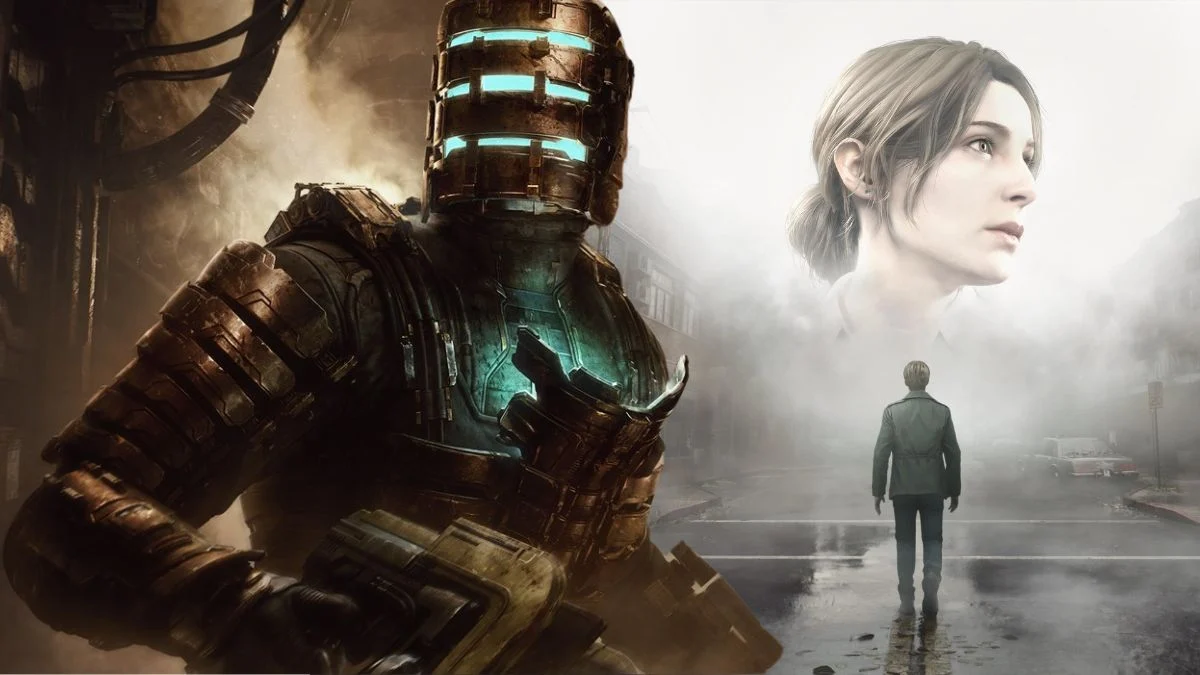
Video games are moving away from traditionally perfect character designs and towards more realistic and diverse looks. While this is often done to make games more welcoming and believable, it often causes strong reactions from players. Some fans get upset when well-known characters are given more natural body shapes, or when character creation tools move away from specifically male or female options. These disagreements show a clash between how modern game developers think about visuals and what long-time players expect. This article looks at several examples where adding realistic body types or character models caused significant negative feedback from fans.
‘Mortal Kombat 11’ (2019)

NetherRealm Studios chose to move away from overly revealing outfits for female characters in the latest installment of the game. Instead, they designed more functional armor and clothing that felt appropriate for a realistic fight. While some fans missed the bolder, more distinctive looks of older versions, the studio explained that this change was a deliberate step towards a more mature and realistic style for the series. Discussions about the new character designs continued even after the game was released, with players often comparing them to those from past games.
‘The Last of Us Part II’ (2020)
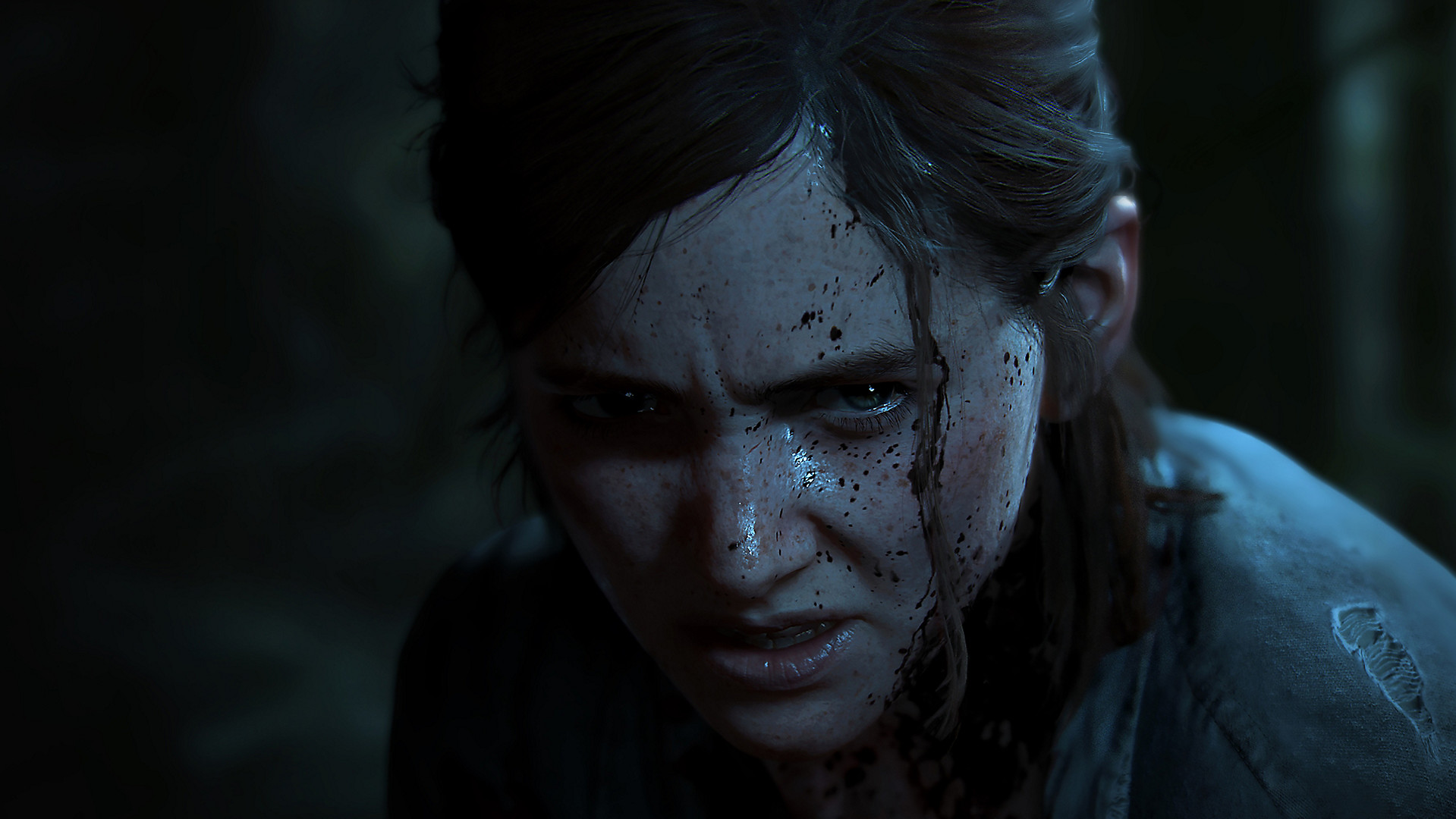
Abby, a character with a very muscular build, sparked a lot of debate online. Players wondered if it was believable for a woman to achieve and maintain that level of fitness in a game world with limited resources. This led to broader discussions about how women are portrayed in video games. The game developers explained that Abby was a highly trained soldier dedicated to a years-long mission of revenge, but her appearance still remained a major point of contention for some players.
‘Horizon Forbidden West’ (2022)
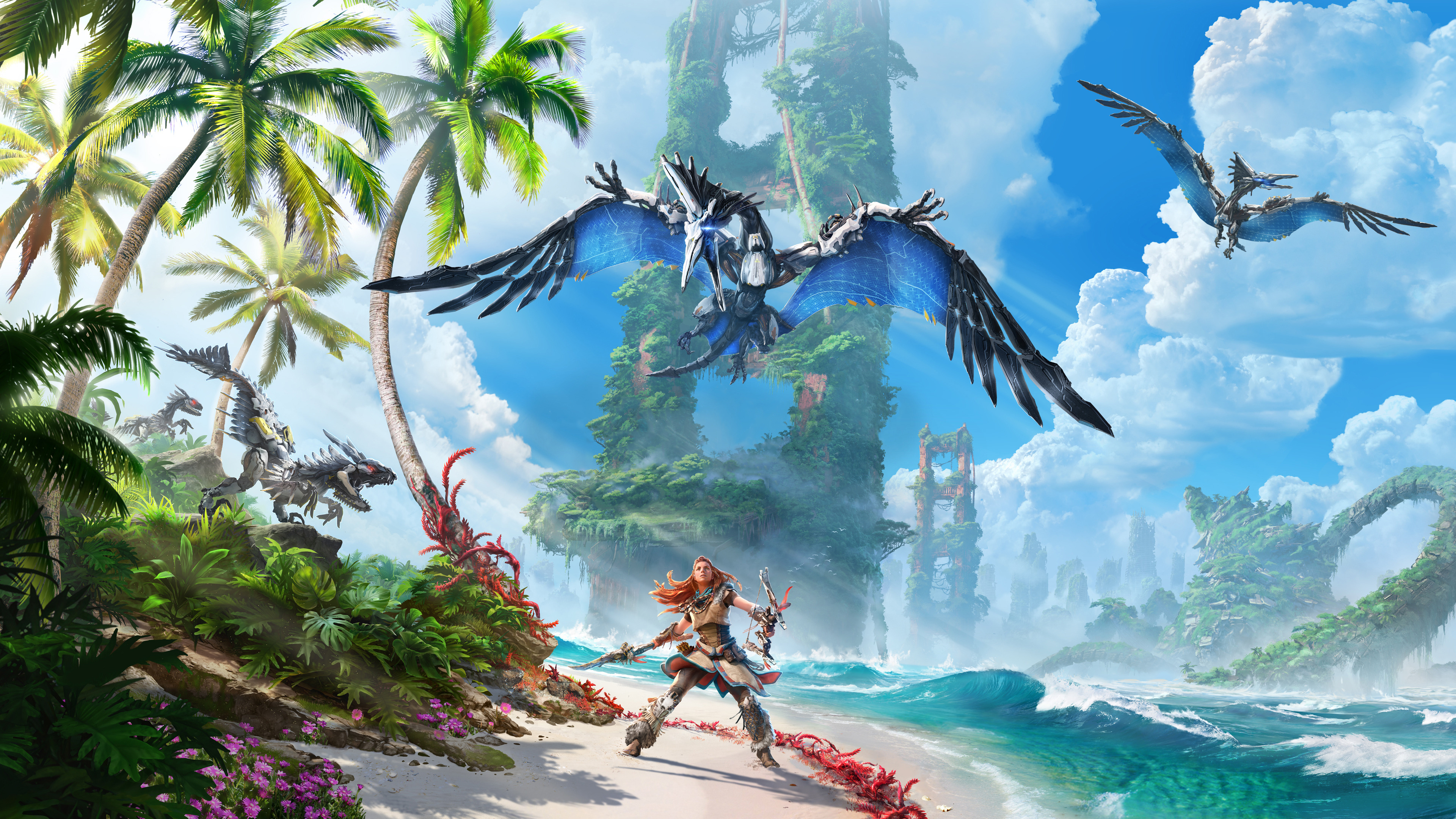
When trailers for the new game came out, some fans noticed and discussed small changes to the main character, Aloy’s, face. Some felt her features looked softer and more lifelike than in the first game, with a few even suggesting she didn’t appear as much like a typical action hero. The developers, Guerilla Games, defended the new design, explaining they wanted Aloy to look like someone who had truly endured hardship. Details like realistic peach fuzz on her skin sparked further discussion among players.
‘Spider Man 2’ (2023)
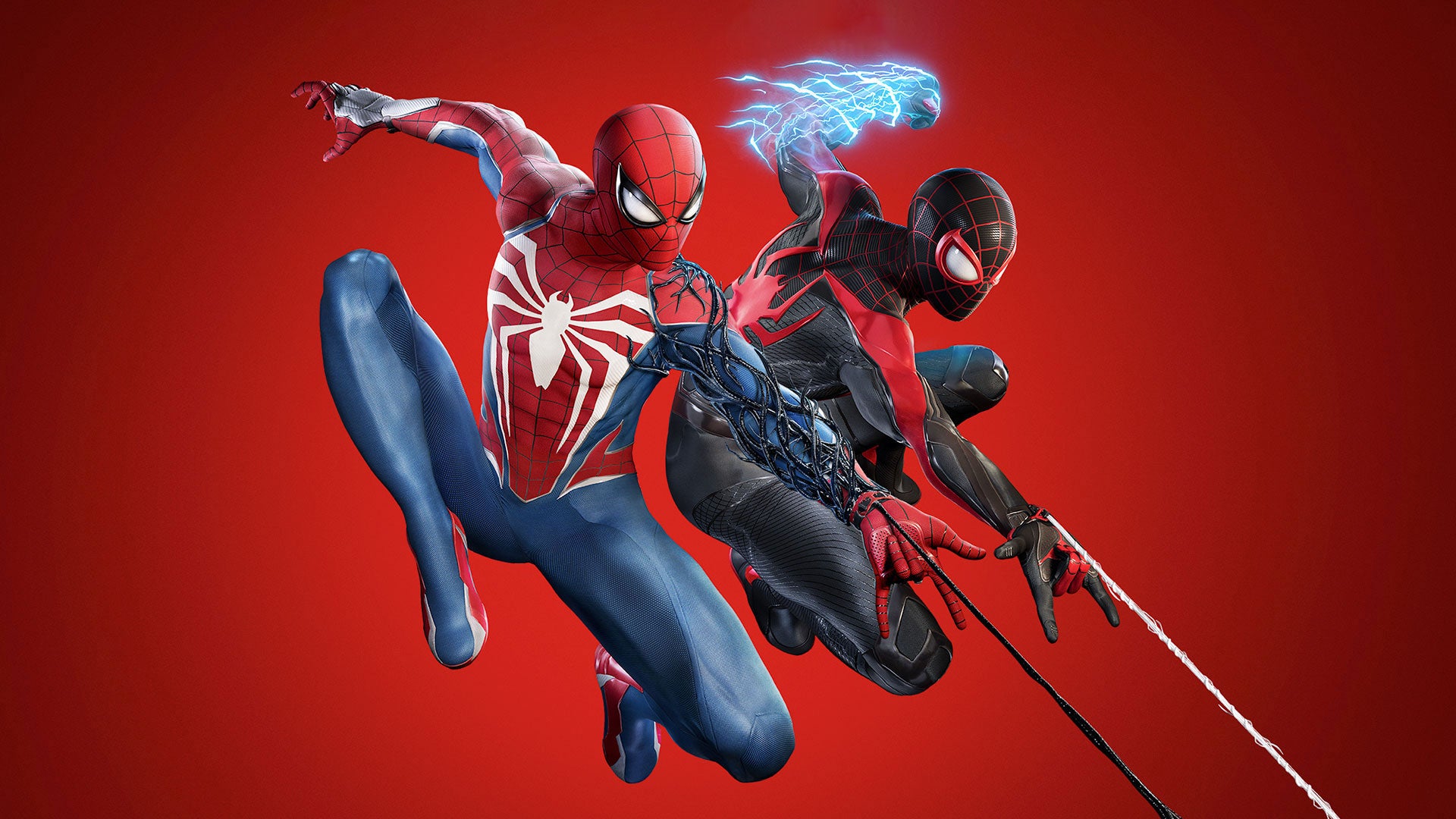
Mary Jane Watson’s character model was noticeably changed in the second game of the series. Players commented that her face and jawline looked more realistic compared to the first game. This change received a lot of criticism online, with some fans saying it wasn’t needed or that they didn’t like how it looked. The developers explained the update was based on the actress’s actual performance, but the new appearance still caused a lot of debate on social media for weeks.
‘Fable’ (2025)
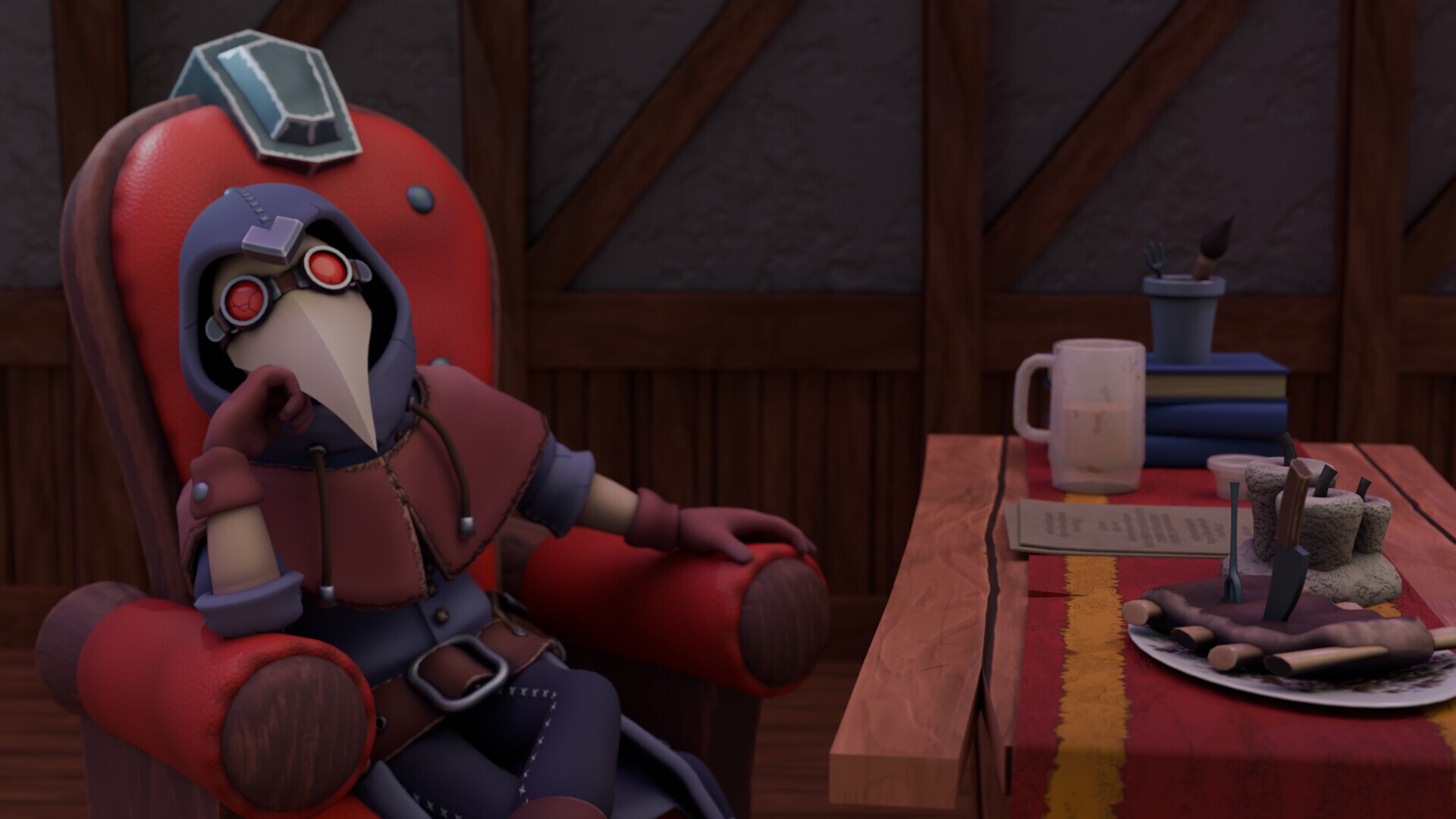
The first trailer for the new installment of this popular game series showed a main character that some viewers found too plain-looking. Some fans were disappointed, saying the character didn’t match the typically glamorous designs seen in fantasy games. They felt the realistic appearance didn’t fit the series’ funny and unusual style. However, other players supported the design, pointing out that the series has always included quirky character looks. This discussion revealed different opinions on how important idealized beauty is in role-playing games.
‘Suicide Squad Kill the Justice League’ (2024)
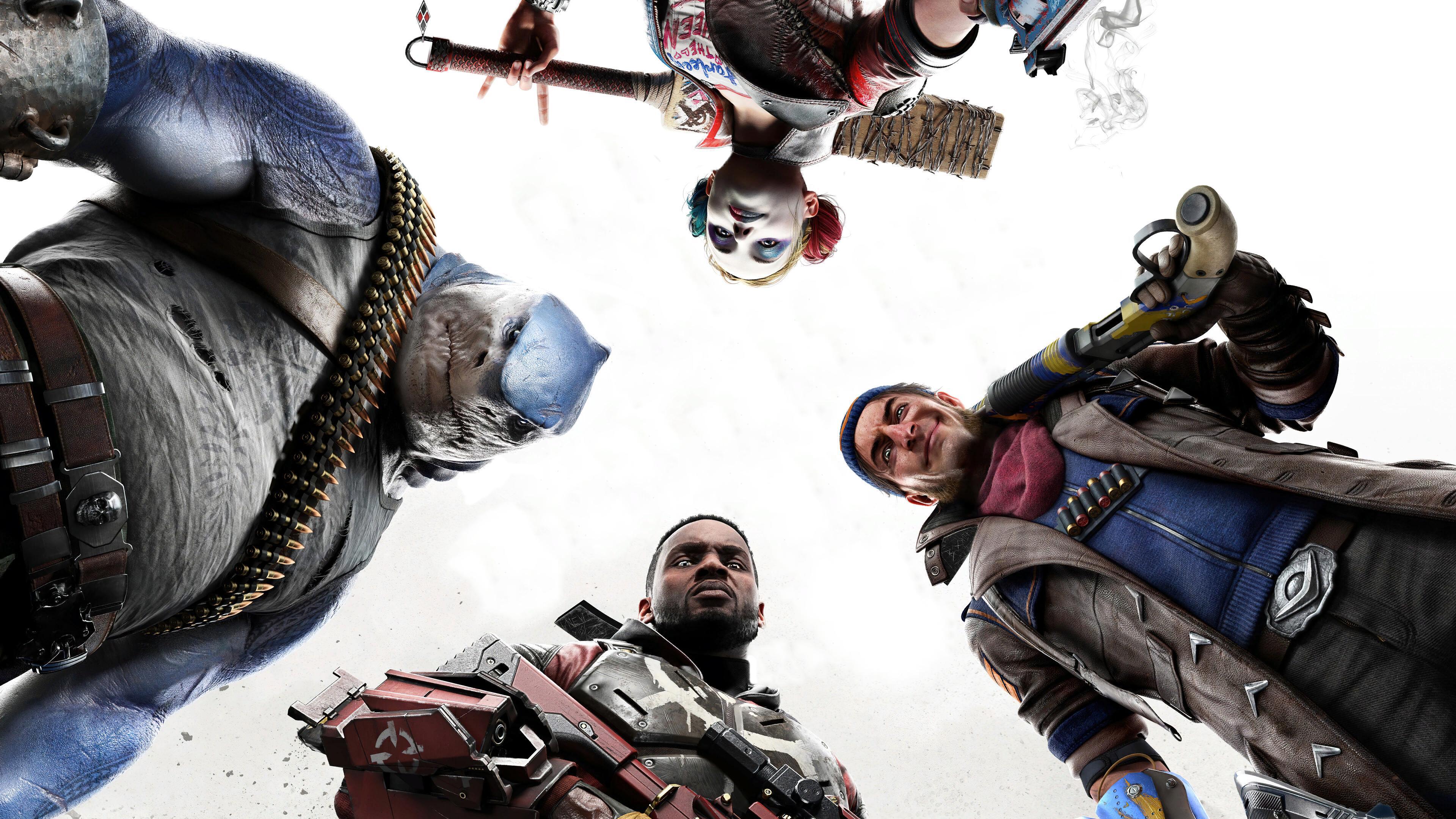
The game’s character designs, particularly the more realistic look for Harley Quinn, sparked debate among fans. Some felt the change from her previously exaggerated appearance in other games was unwelcome. Criticism also arose regarding the customization options, which seemed to prioritize current game trends over classic comic book designs. Players noted that the realistic character models didn’t quite fit the game’s generally over-the-top style, contributing to the mixed reactions the game received before its release.
‘Saints Row’ (2022)
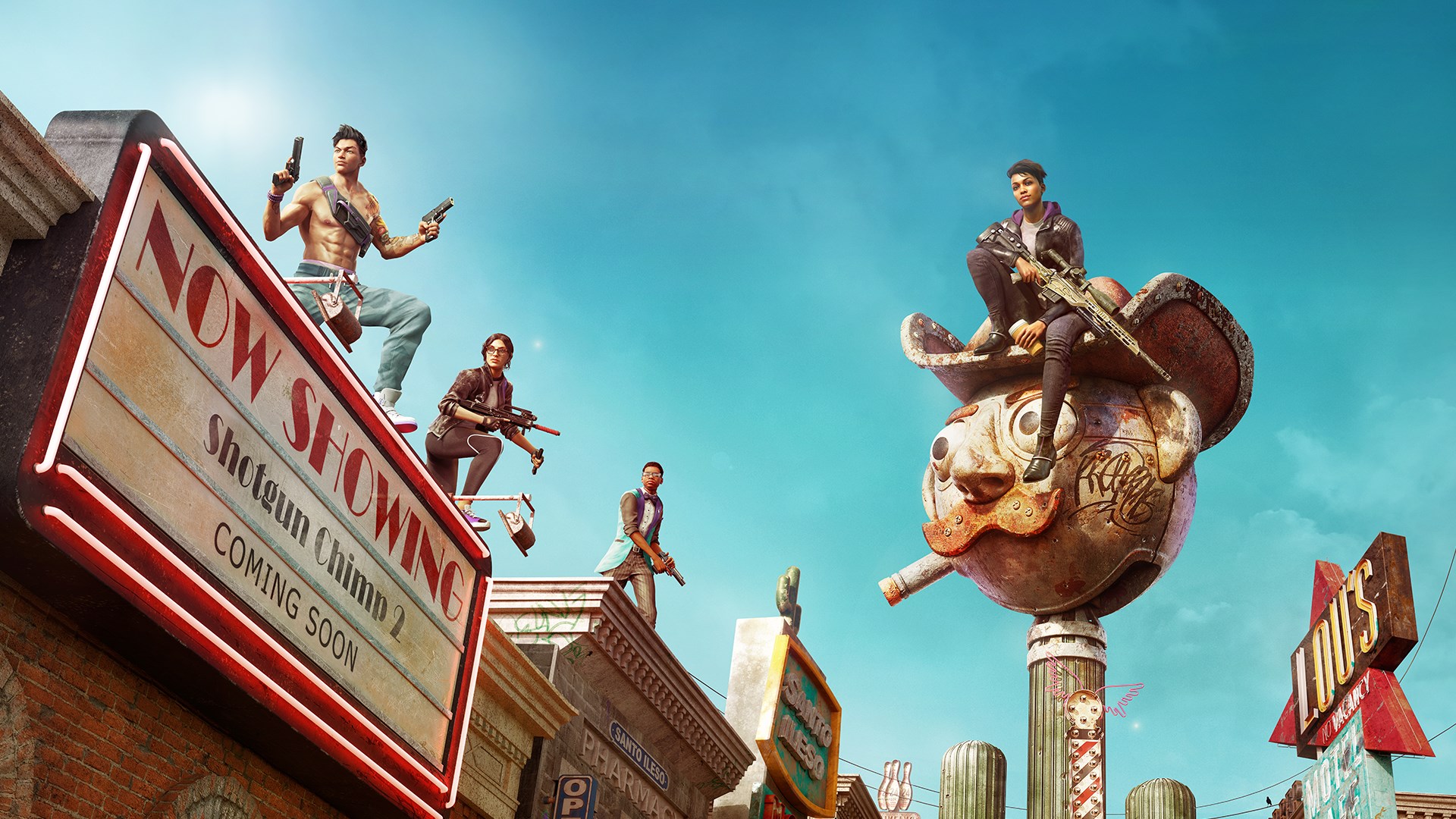
The latest installment of this often-unpredictable series features a redesigned cast of characters, and many fans weren’t happy with the new look. Some critics felt the characters appeared too much like everyday students, lacking the intimidating presence of criminals from previous games. Long-time fans missed the over-the-top and unique character designs of the originals. While the developers intended to update the visuals to attract new players, the established fanbase felt the new style lost the rough edge and distinctive personality that made the series special.
‘Mass Effect Andromeda’ (2017)
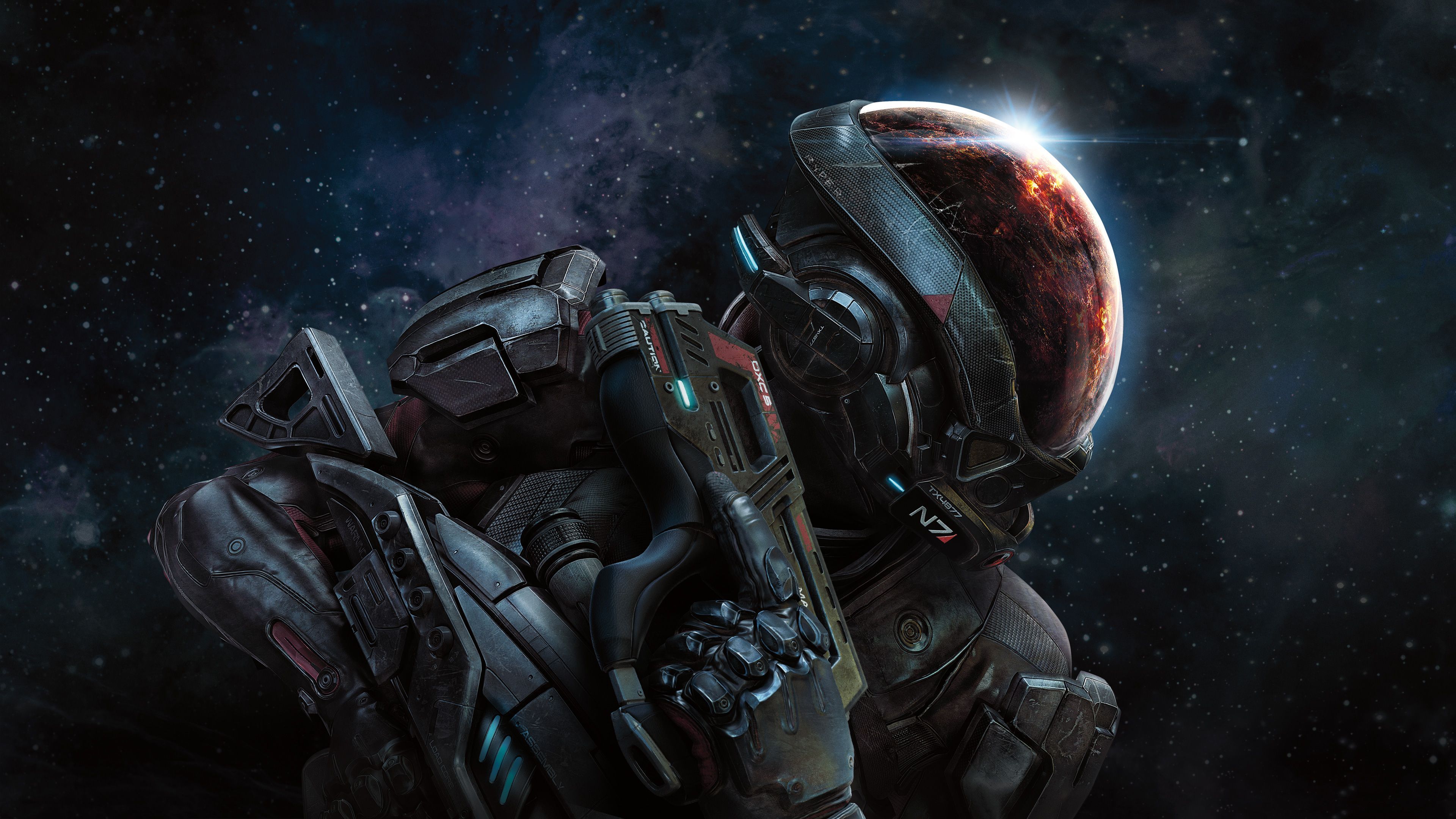
When this game launched, many players criticized how the female main character, Sara Ryder, looked and moved. Compared to the male character, she appeared less detailed and attractive. Technical problems with the game’s animation caused her facial expressions and movements to look unnatural, especially during important story scenes. This led some to believe she was deliberately designed to be less visually appealing. The developers responded to the criticism by releasing updates to improve her appearance and animations.
‘Starfield’ (2023)
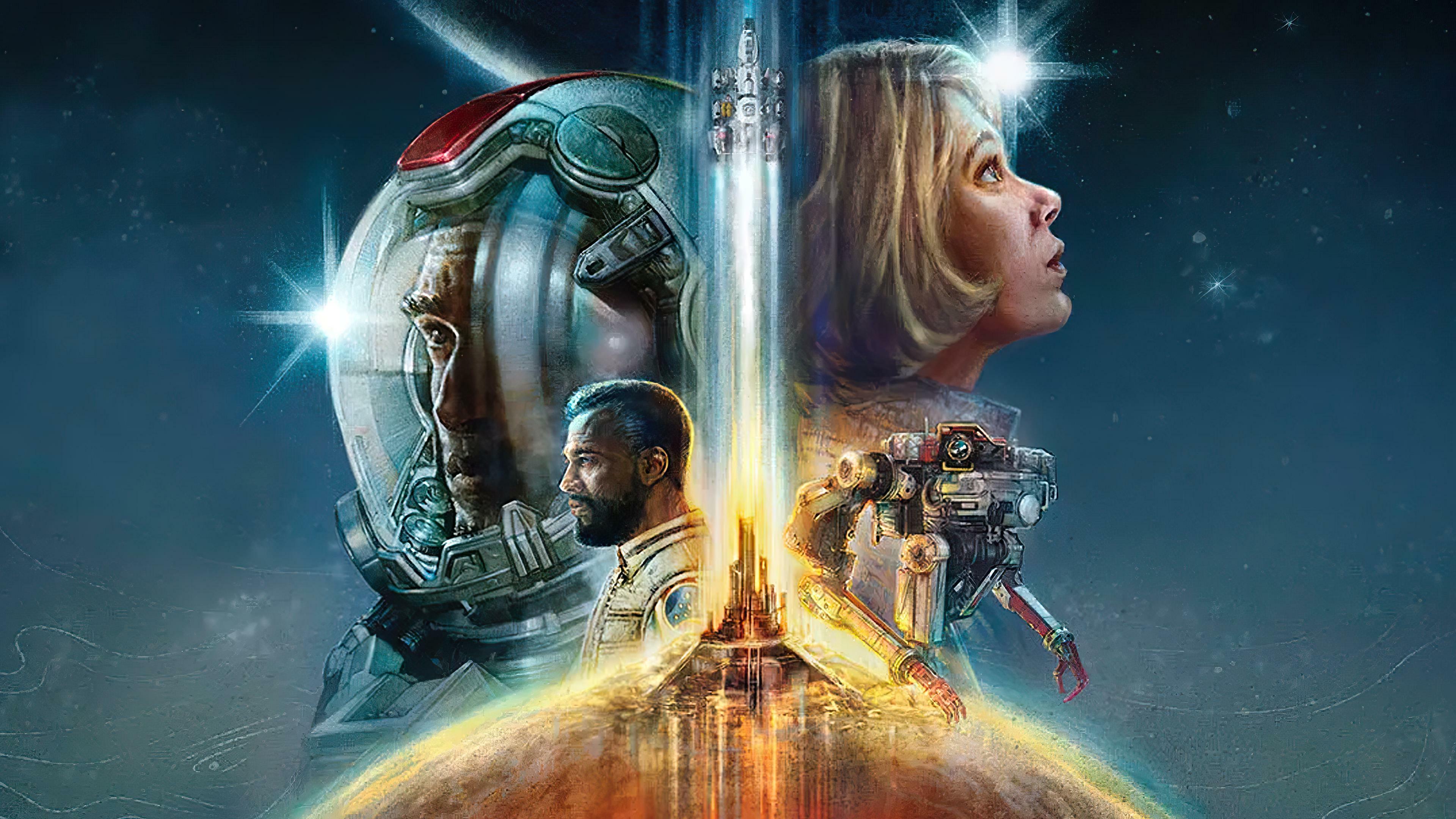
So, Bethesda did something interesting in their latest game – instead of picking ‘male’ or ‘female’ for my character, I choose between ‘Body Type One’ and ‘Body Type Two.’ They said it was to give us more ways to customize how we look, which is cool, honestly. But a lot of players, myself included at first, were a bit annoyed. It felt like they were trying too hard to be modern and just made creating a character more complicated than it needed to be. It definitely got people talking about how games should really handle gender and body types when you’re building your character from scratch – it’s a tricky balance!
‘Dragon Age The Veilguard’ (2024)
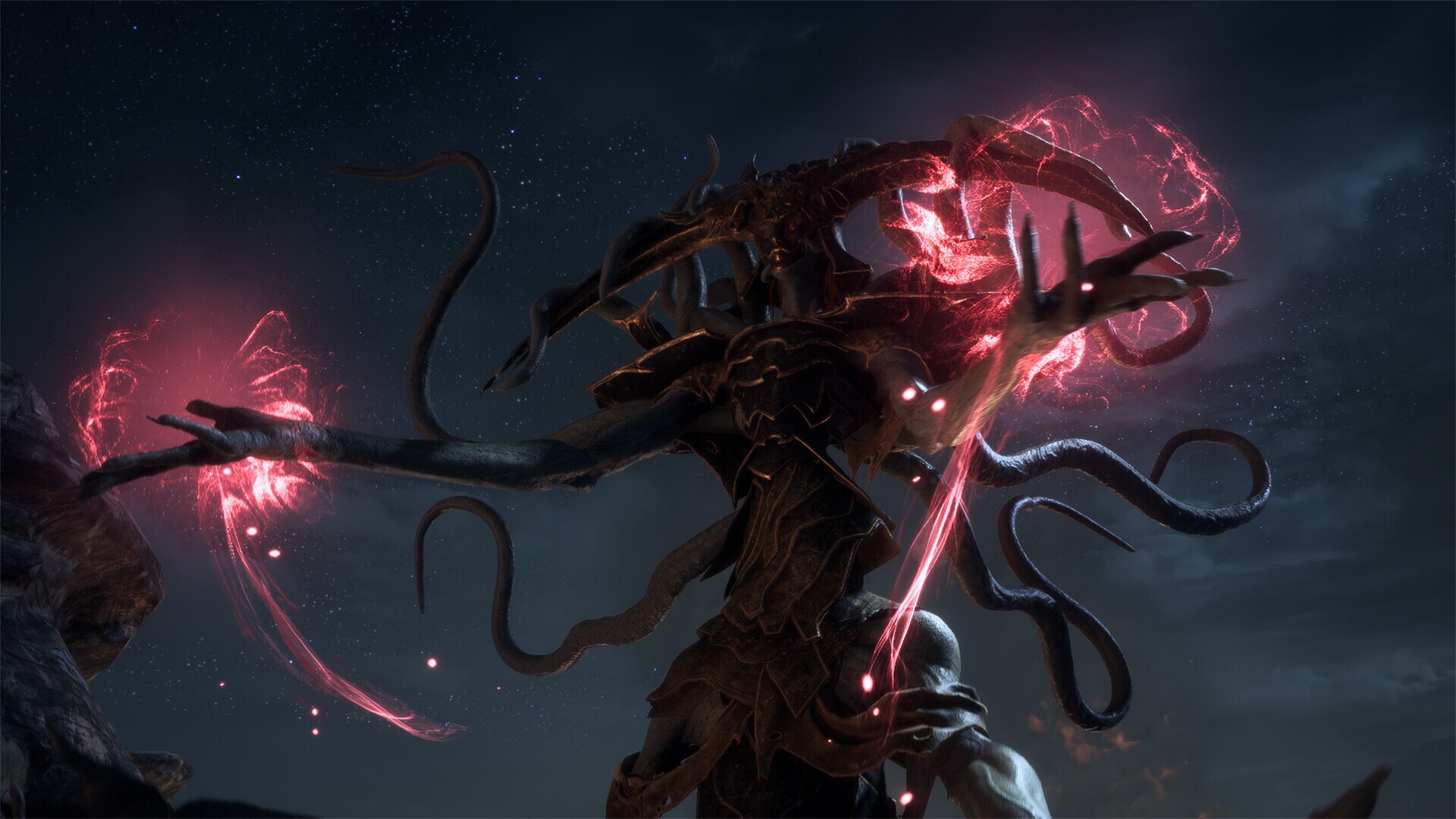
The newest game in the fantasy series features a character creator with detailed body type options, including the ability to add top surgery scars. This choice has divided players – some appreciate the inclusivity, while others feel it doesn’t belong in the game’s fantastical world. Some critics believe such realistic details clash with the high fantasy setting. The developers explained they wanted players to be able to create heroes that reflect themselves. However, the inclusion of these options has become a central topic in discussions about whether games should prioritize realism or offer pure escapism.
‘Dead Space’ (2023)
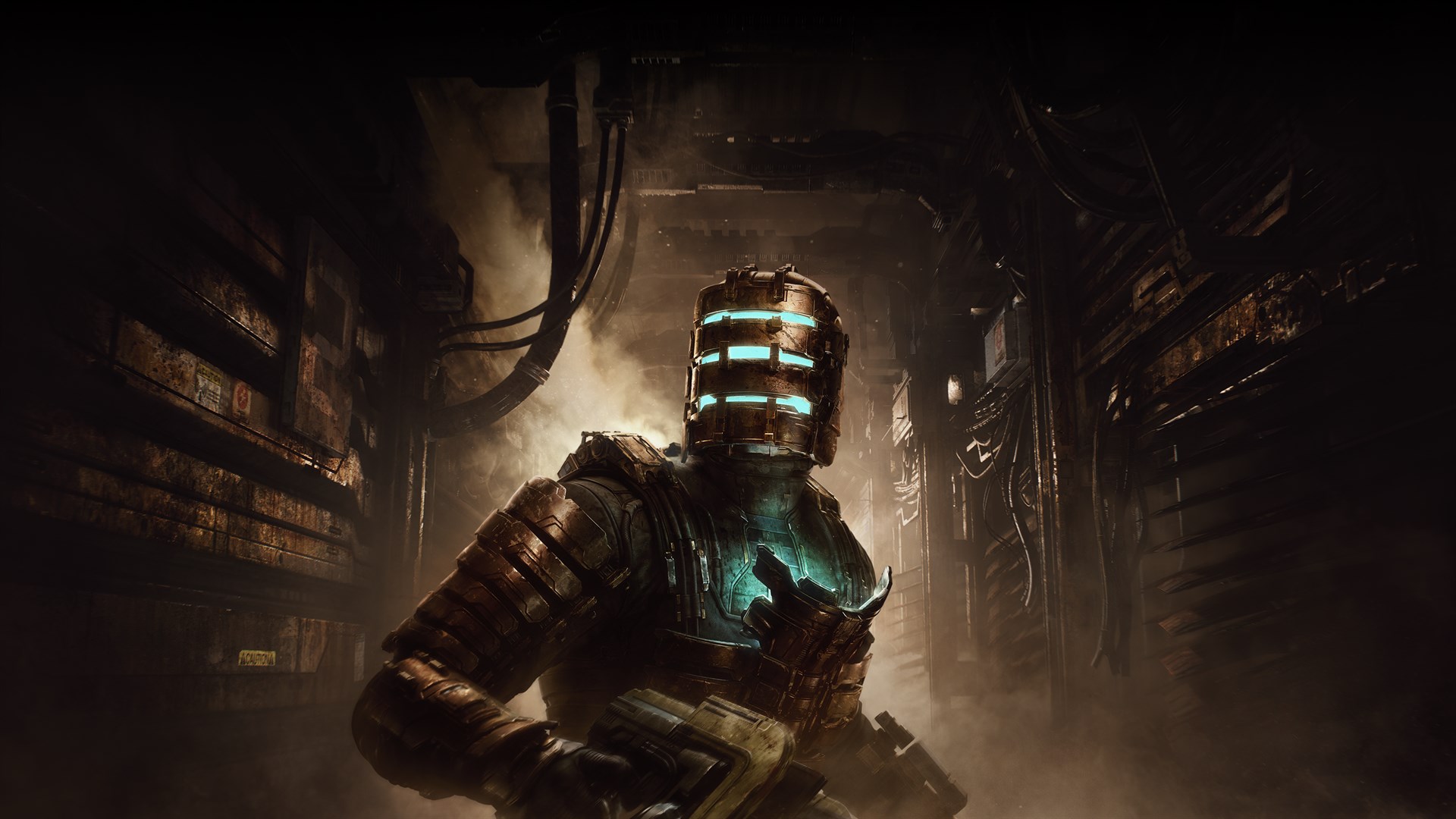
The updated version of this classic horror game gave the character Nicole a more aged and realistic appearance. In the original, she looked much younger, which some players felt strengthened her connection with Isaac. The new design aimed to better showcase her position as a high-ranking doctor. While some players disliked the change, seeing it as straying too far from the original look, the developers defended it as part of their effort to create a more believable and grown-up atmosphere.
‘Resident Evil 3’ (2020)
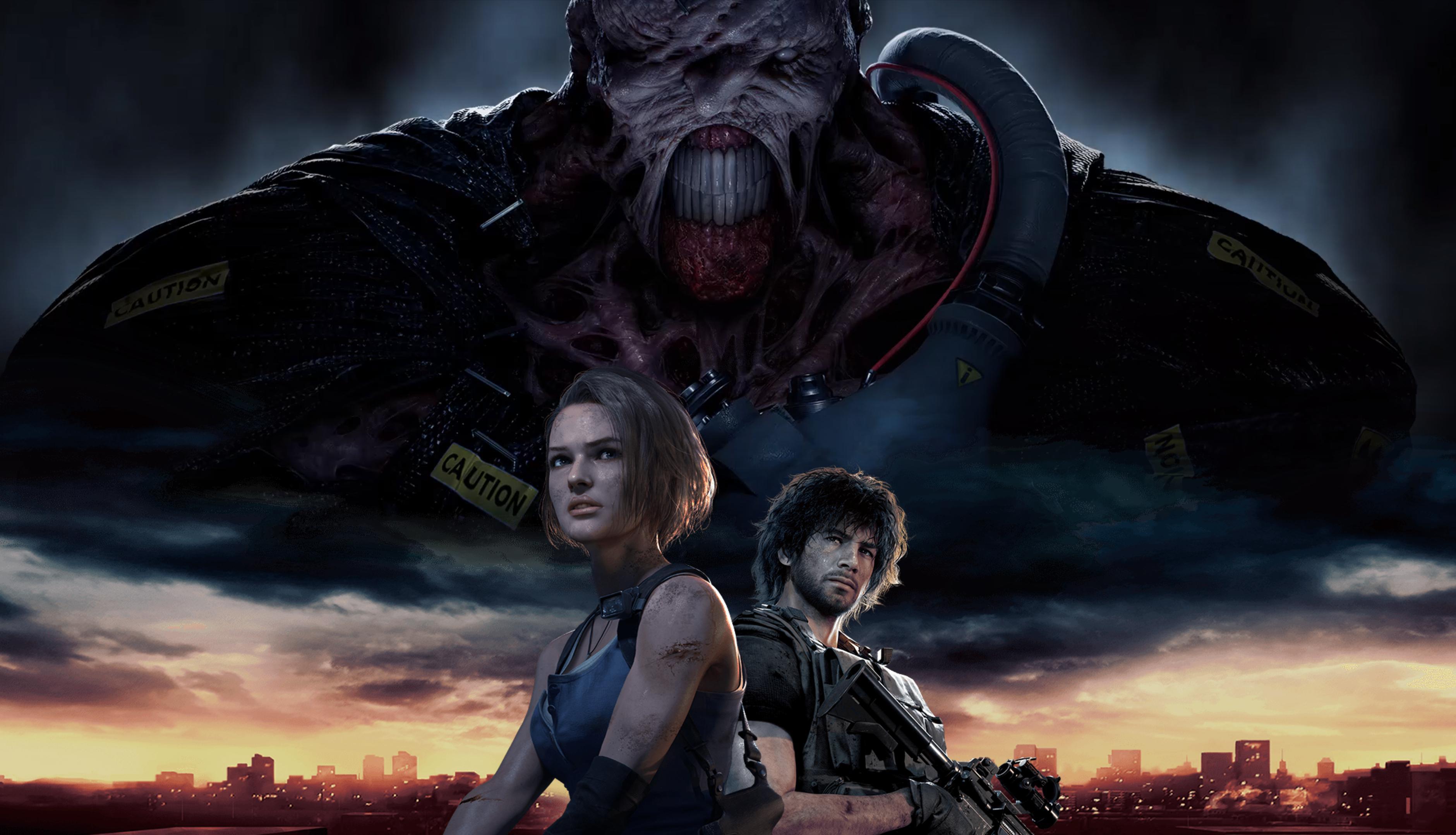
Okay, so they totally revamped Jill Valentine’s outfit in the Resident Evil remake. They swapped her classic skirt for a tank top and pants with shorts underneath. Honestly, a lot of us fans were a little bummed – that skirt was iconic from the original game! Some people thought the new look was just too… realistic and boring. But the developers said they changed it because, well, running from zombies is tough, and a skirt just wouldn’t cut it. It makes sense, but there’s still a lot of debate about whether they should have kept the original design – it was a big part of what made Jill, Jill, you know?
‘Forspoken’ (2023)
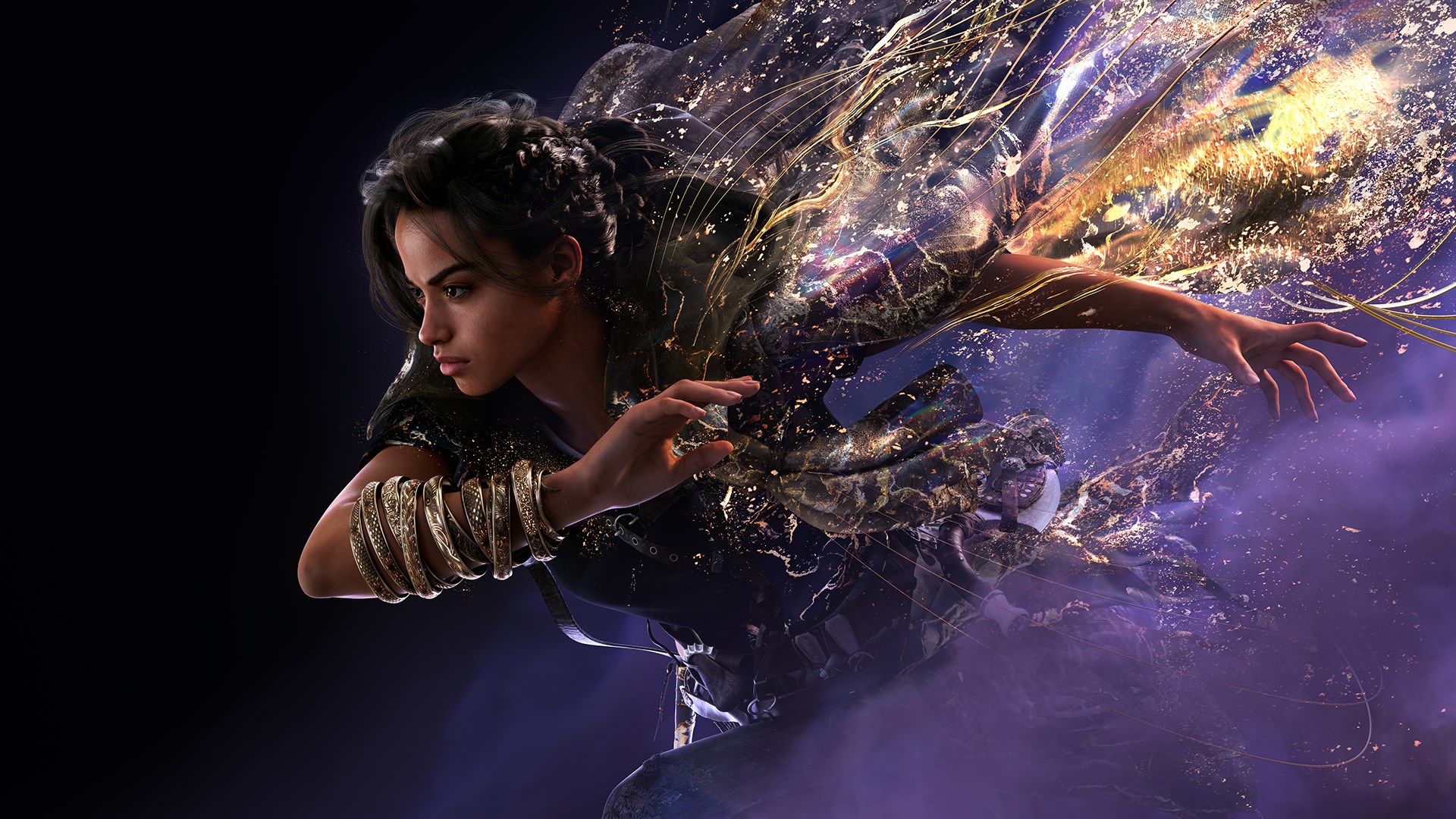
Frey Holland, the game’s main character, was created with a very lifelike appearance, which some players didn’t find attractive. Many also felt her personality was too relatable to modern people, making her seem less like a traditional hero. This realistic design clashed with the game’s fantastical world, creating an inconsistent feel. This disconnect between Frey and the setting likely contributed to the negative reactions and mixed reviews the game received.
‘Battlefield V’ (2018)
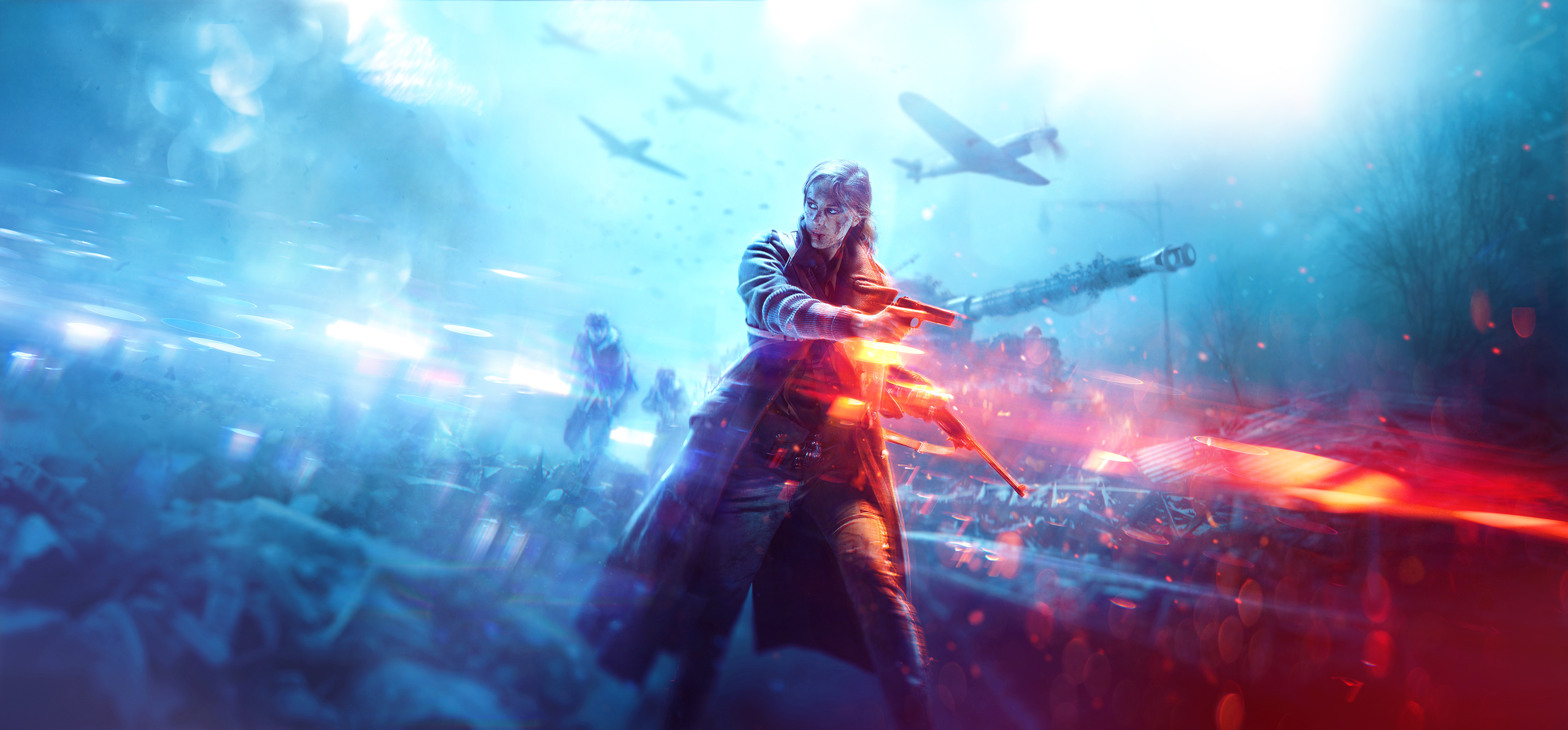
The first trailer for this game sparked a lot of debate because it featured a female soldier with a prosthetic arm. Some players felt this didn’t fit the game’s realistic World War II setting and that it prioritized diversity over historical accuracy. Electronic Arts responded by saying they wanted to give players more options to customize their characters. This situation became a key example in the ongoing discussion about balancing inclusivity with historical authenticity in video games.
‘Street Fighter 6’ (2023)
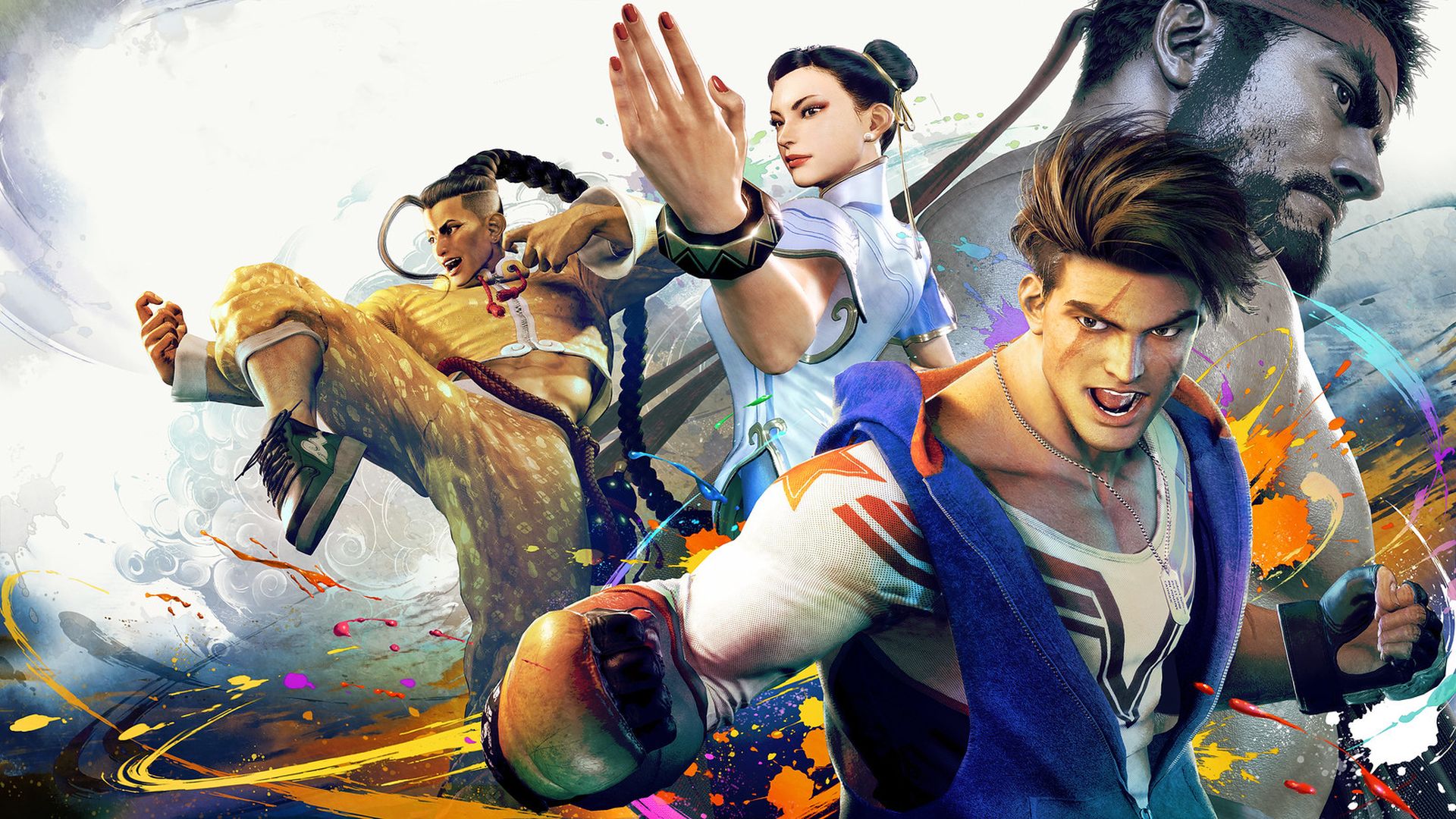
Cammy White got a significant makeover in this game, swapping her iconic leotard for a more practical tactical jacket and leggings. While some fans missed her original look and felt the change diminished her character, others welcomed the more realistic design, which also included improved muscle definition and facial features. The update sparked discussion, with some players preferring the new, modern style and others wanting the exaggerated look of past games. Capcom ultimately addressed the divided fanbase by making Cammy’s classic outfit available as unlockable content.
‘Mortal Kombat 1’ (2023)
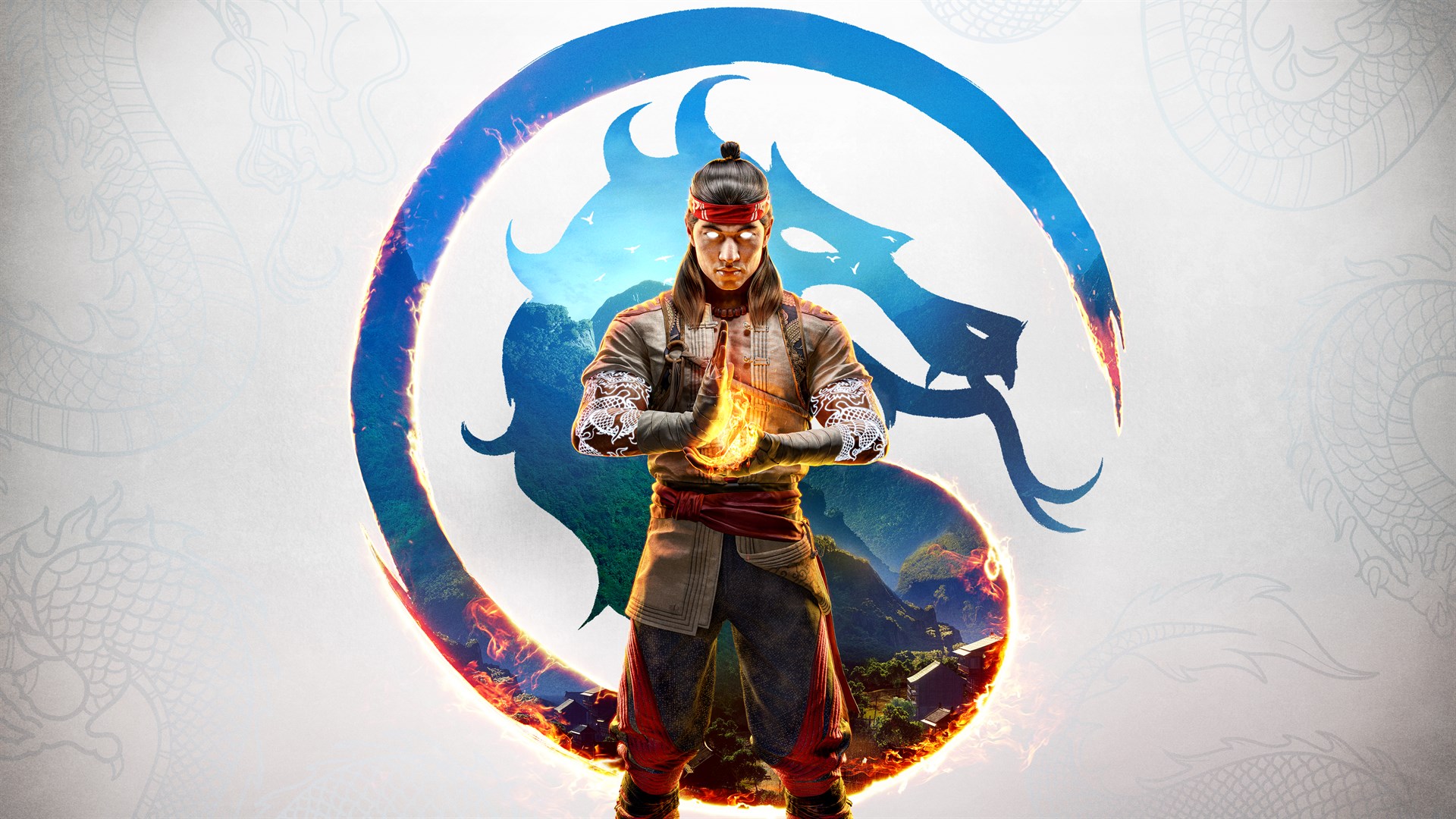
As a longtime fan, I’ve noticed this latest game really leaned into realistic character designs. They used incredibly detailed face scans and gave the fighters more normal body types. I definitely noticed changes in characters like Li Mei and Tanya – they look way more grounded than before. Some people aren’t thrilled with this change, though. They think making the characters too realistic makes them lose some of their unique flair and look…well, just like regular people. The studio actually used real-life models to get the most detailed fighters ever, and it’s become a big debate – a lot of us miss the more over-the-top, comic book style of the older games.
‘God of War Ragnarok’ (2022)
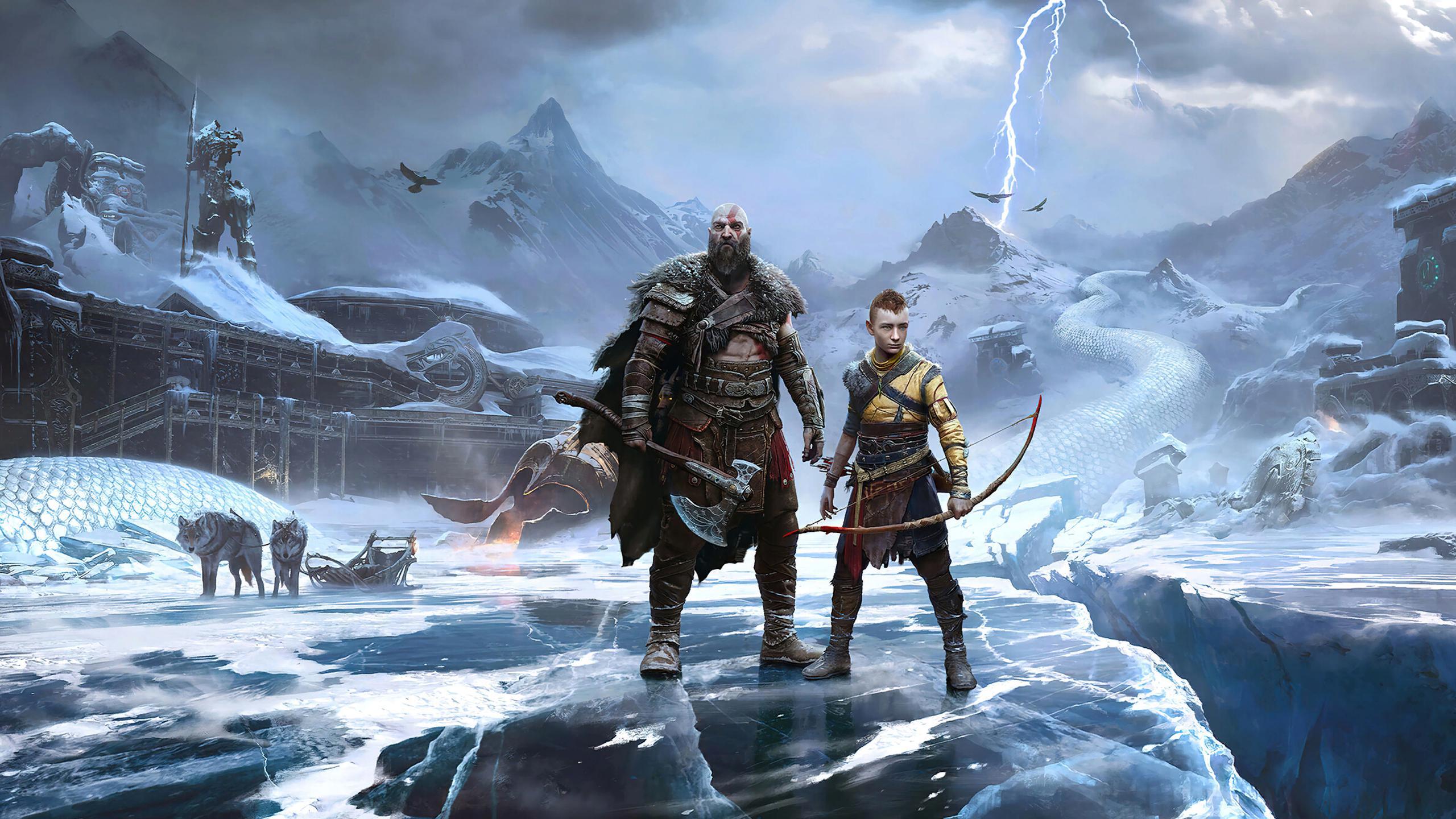
Many fans were surprised by how the game portrayed the Norse god Thor, especially those familiar with the Marvel version. Instead of a traditionally lean and muscular build, this Thor was designed to look like a powerfully built, heavy-set powerlifter. While some appreciated the connection to historical Norse depictions, others disliked his larger belly. The developers explained this physique was meant to show both immense strength and a tendency towards indulgence, and it became a major talking point before the game launched.
‘Dead or Alive 6’ (2019)
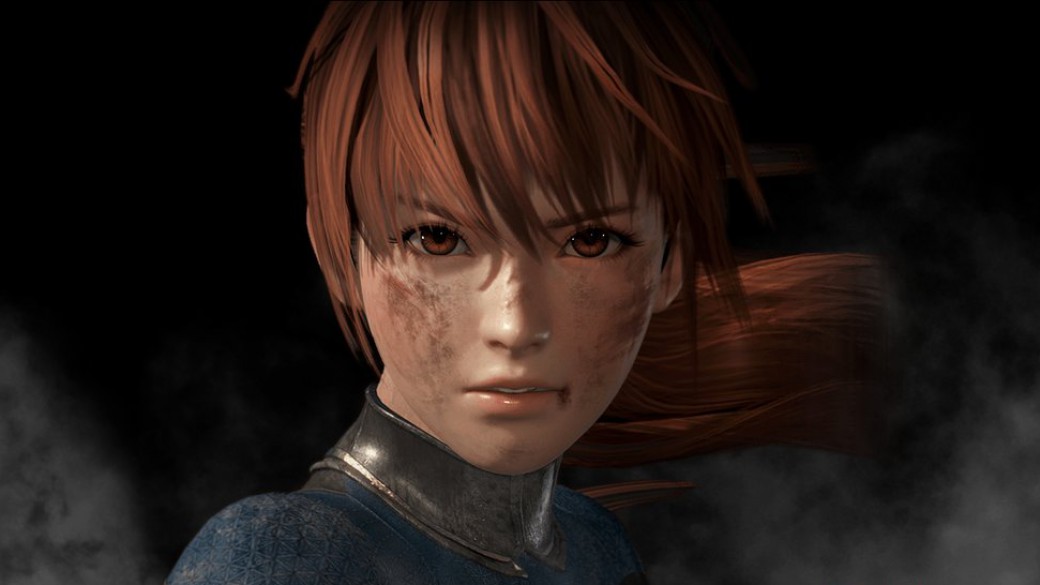
This game series, previously known for its over-the-top characters and suggestive designs, attempted a more grounded and mature tone in its sixth installment. The developers reduced exaggerated physical features and added details like bruises and sweat to make combat feel more impactful. However, many longtime fans disliked these changes, believing the series was sacrificing its distinctive style to attract new players. They felt the realistic additions were unnatural and detracted from the enjoyable, over-the-top experience the franchise was known for. This negative reaction caused the game to lose some of its dedicated fanbase.
‘Overwatch 2’ (2022)
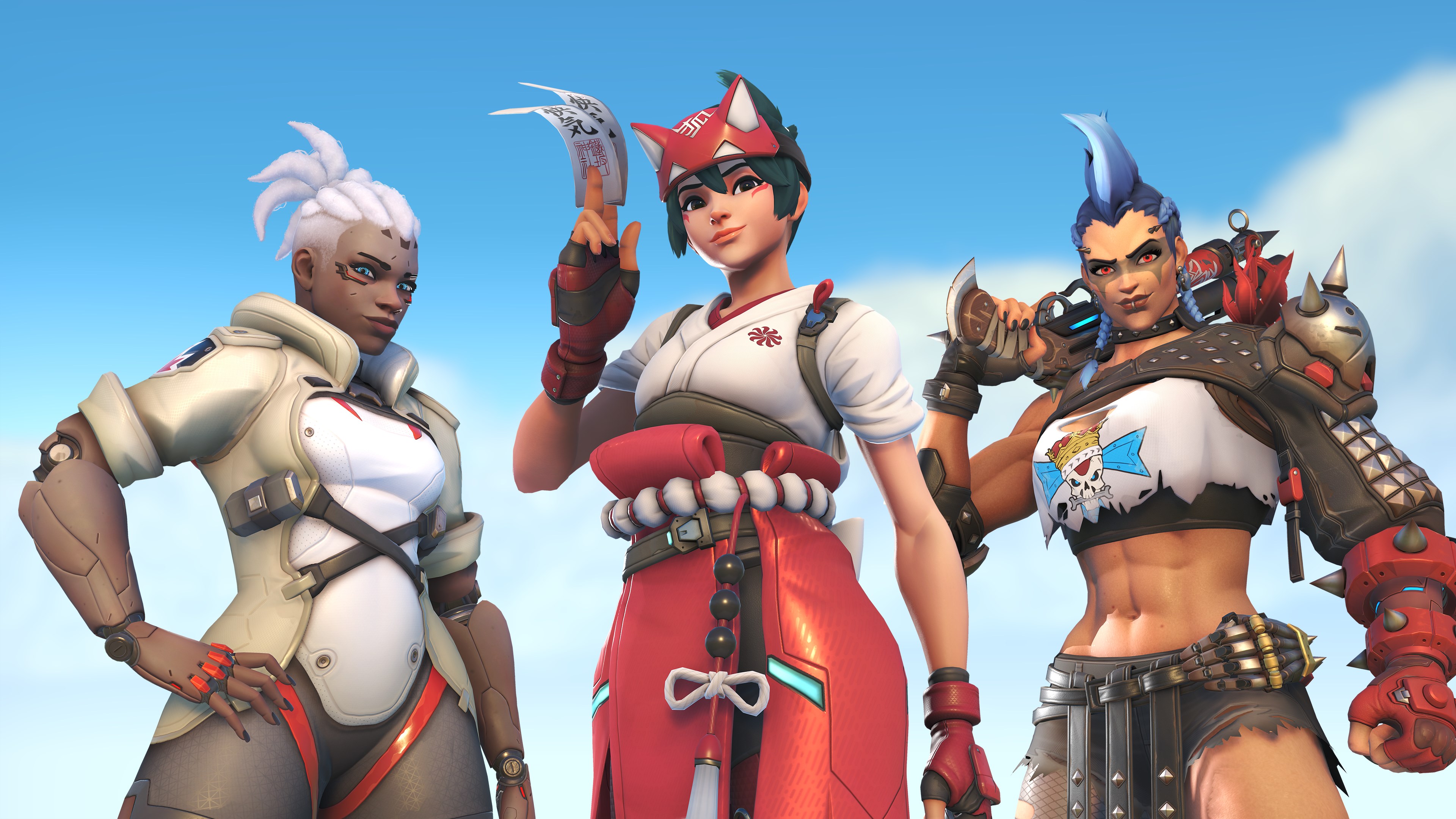
When the game moved to its sequel, the character models for existing heroes were updated to give them a more contemporary look. Heroes like Tracer and Widowmaker received minor adjustments to their bodies and clothing. Some players noticed these changes and felt that certain details had been reduced in an effort to make the characters more realistic. Fans frequently shared side-by-side comparisons, believing the new designs were a step down. Blizzard explained that the updates were needed to work with the new game engine and create a consistent art style.
‘Diablo IV’ (2023)
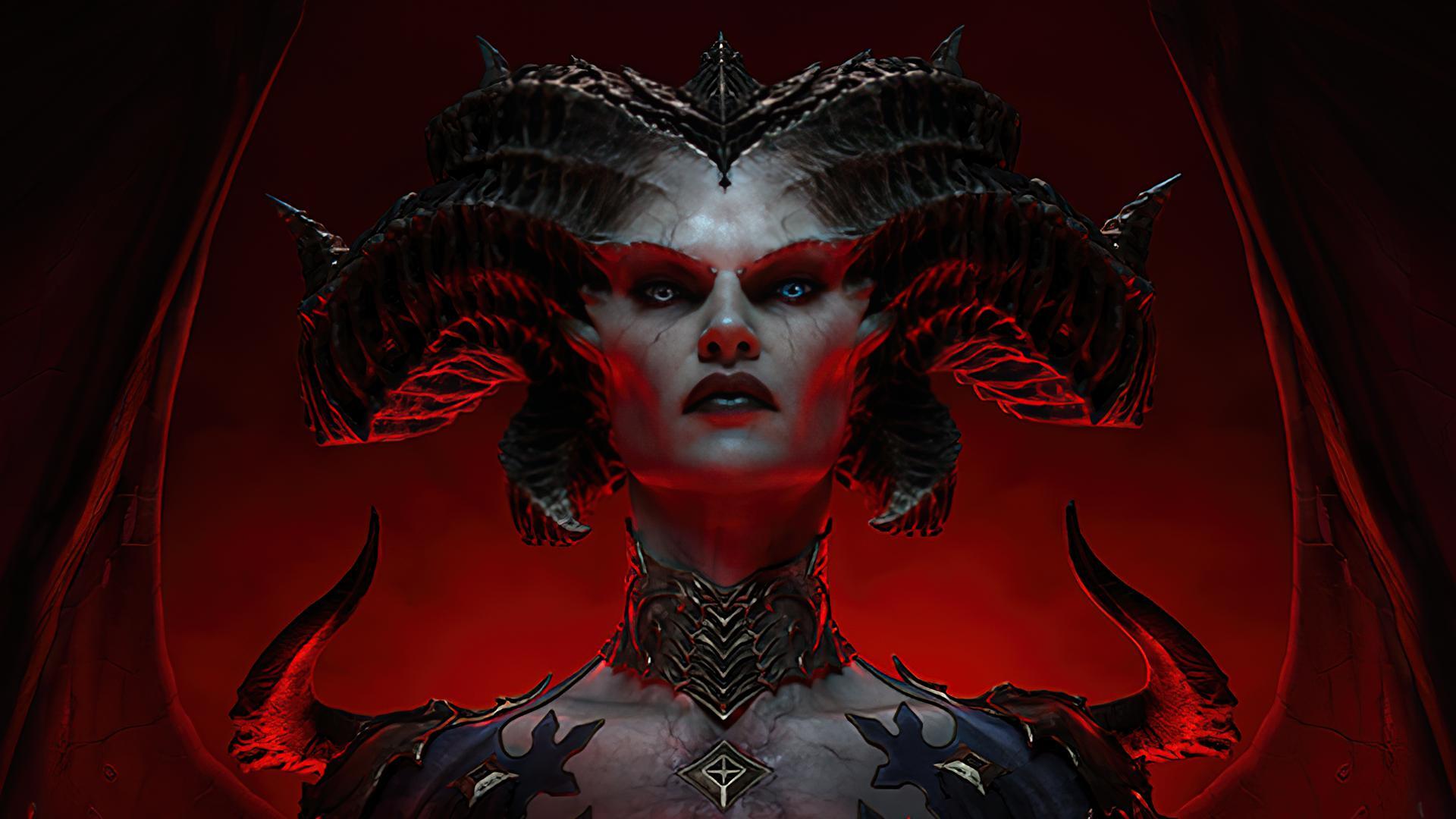
The Druid character in this game has a strong, large build that players can’t alter. Some players felt this made the Druid look too heavy compared to the other, more agile classes, and they wished there were options for a slimmer appearance to allow for more personalized characters. The game developers explained that the Druid’s body type was intentional, reflecting the class’s background and inherent strength. However, this didn’t stop discussions online about whether certain character types should be fixed for specific classes.
‘The Sims 4’ (2014)
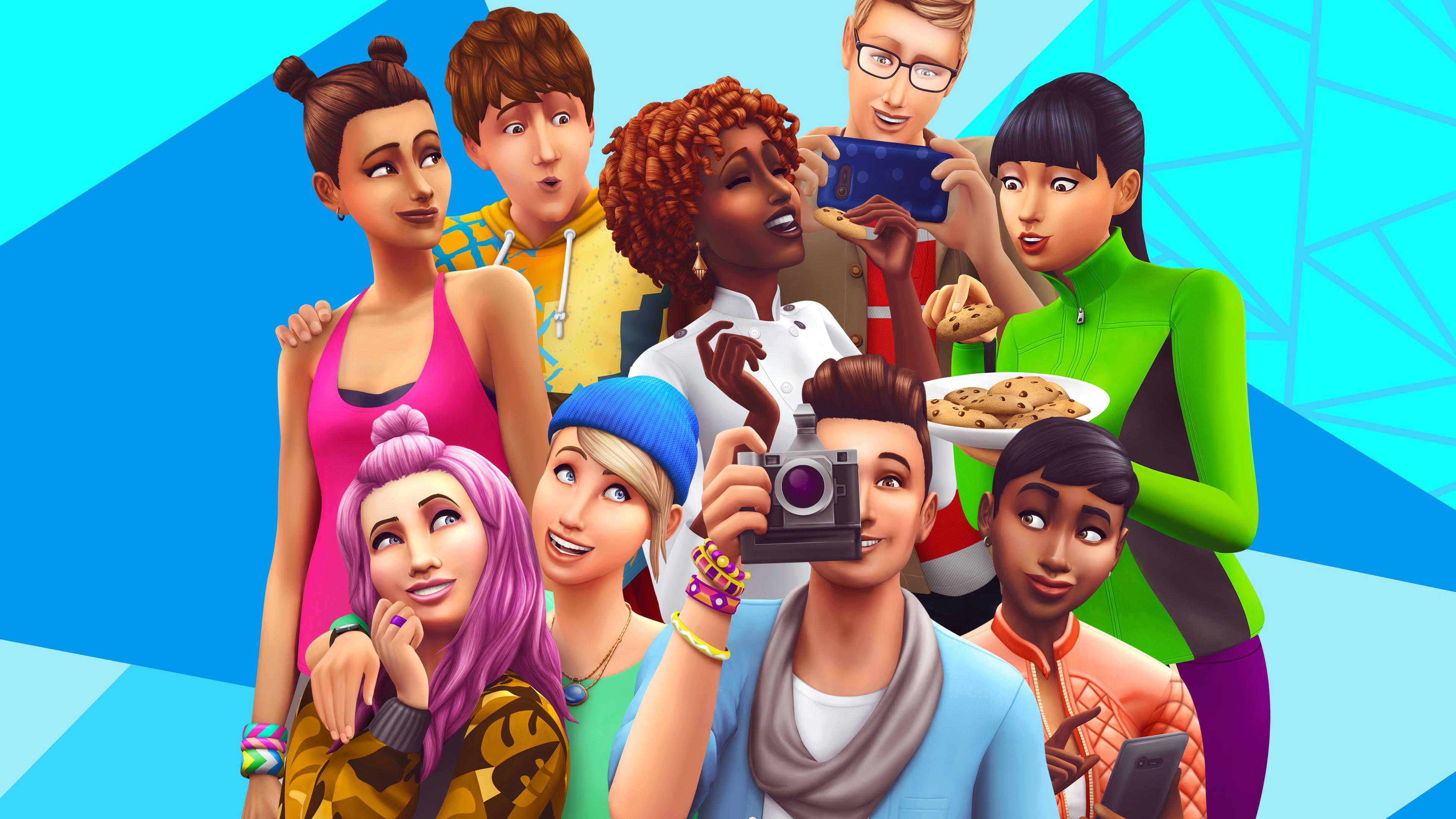
So, this life sim I’ve been playing just got a big update, and it’s kinda blown up the forums. They added things like chest binders and scars from top surgery for all characters, trying to make things more realistic. Honestly, it’s been super divisive. Some players are saying a game is their escape and they don’t want real-world issues brought in. But a lot of others – and I’m with them – think it’s awesome that the game is becoming more inclusive and representing more people. It’s weird to think even a chill, non-fighting game can get caught up in these debates about how bodies are shown, but here we are!
‘Baldurs Gate 3’ (2023)
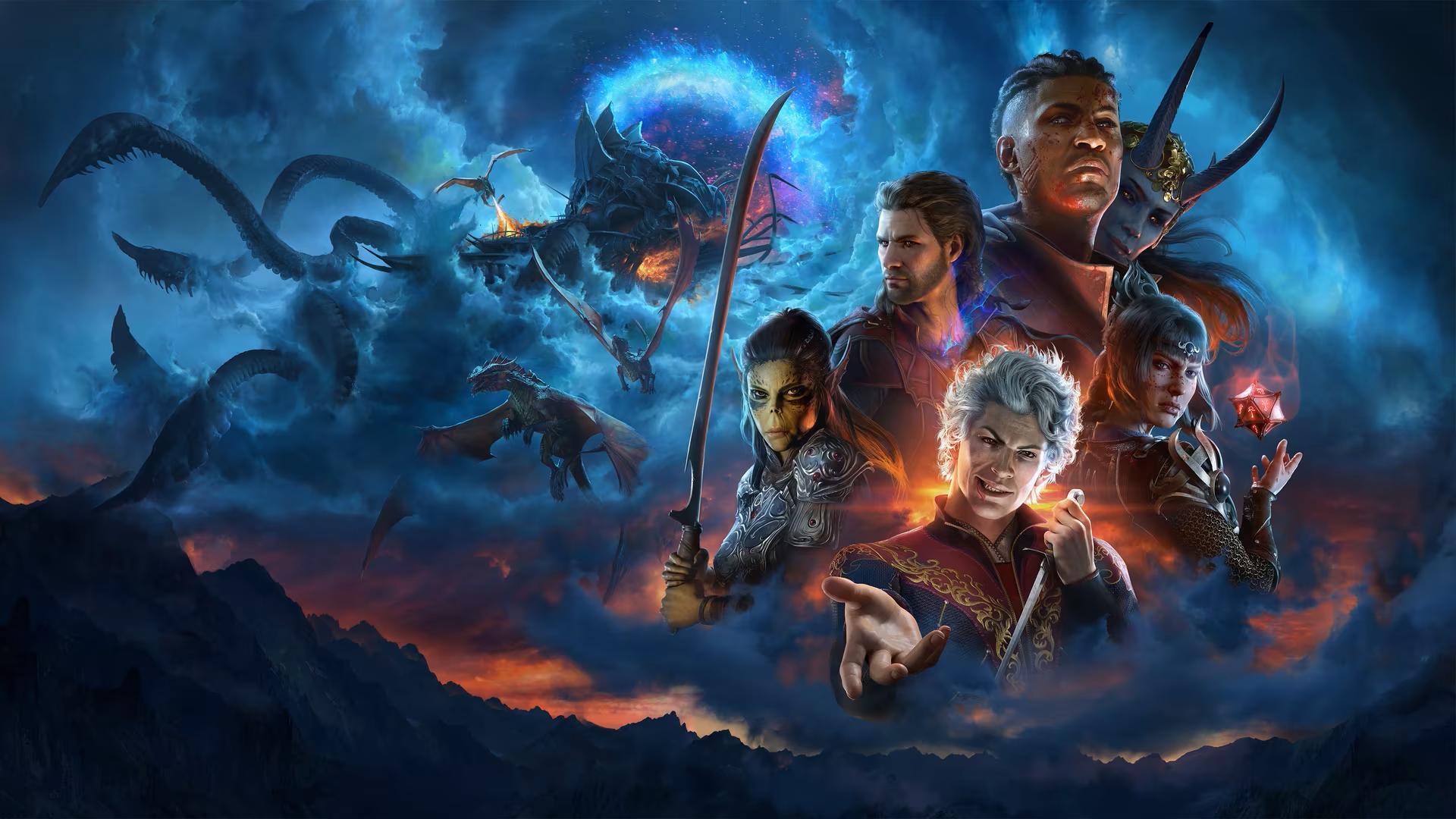
Larian Studios chose to label body types neutrally, rather than using traditional gender labels, which initially upset some fans of classic role-playing games. The game also let players mix and match voices and physical characteristics independently of body type. While some critics thought this detailed customization didn’t fit the fantasy world, the game became hugely popular and most players appreciated the freedom it gave them. The initial negative reaction highlighted the ongoing debate about how character creation is evolving in games.
‘World of Warcraft’ (2004)
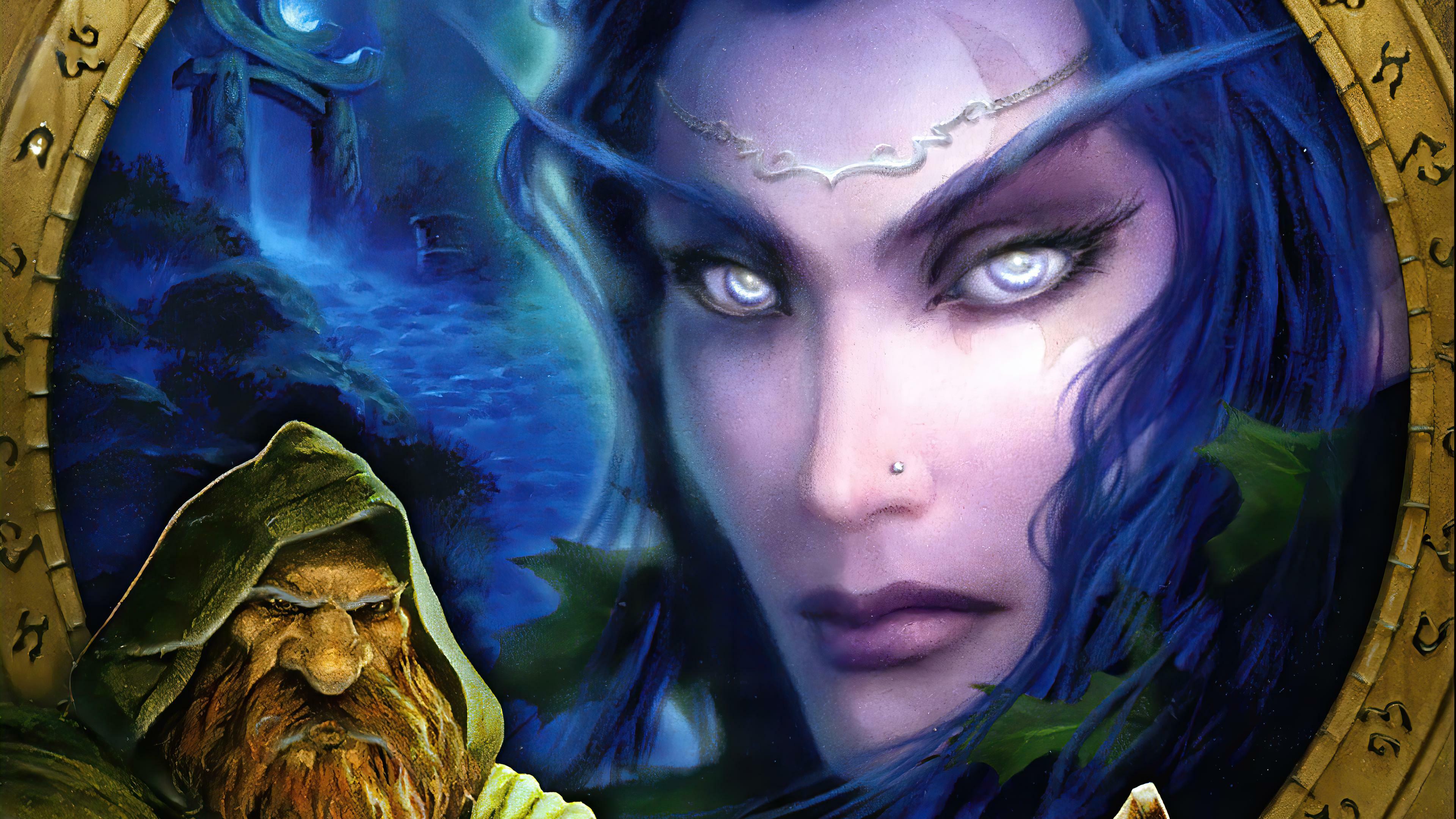
For almost twenty years, Blizzard Entertainment allowed players to choose a character’s body type using ‘male’ and ‘female’ options. Recently, they updated this system to use ‘Body Type One’ and ‘Body Type Two’ to be more inclusive. While intended to be welcoming to a wider range of players, many long-time fans disliked the change. They felt it complicated a previously simple system and seemed unnecessary for a game with a long history. Despite the criticism, Blizzard kept the new body type labels as a permanent part of the game.
‘Apex Legends’ (2019)
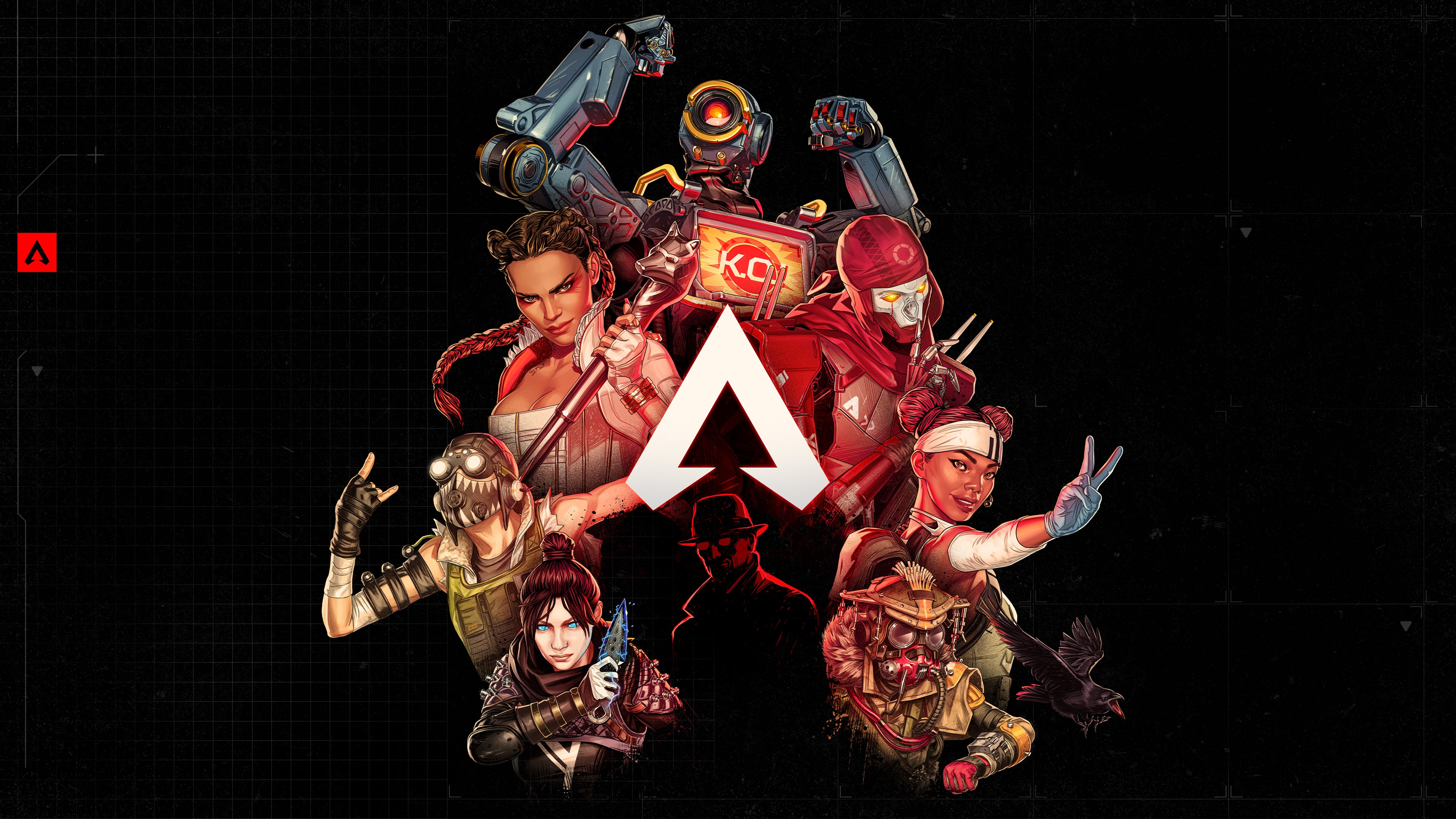
As a fan, I really appreciate how Apex Legends keeps adding such a diverse cast of characters. It’s cool to see legends like Newcastle and Vantage who aren’t the typical super-skinny action heroes – they have more realistic, heavier builds, and come from all sorts of backgrounds. While most people seem to love the variety, I’ve seen some fans complain that these newer designs aren’t as ‘pretty’ as the original characters. It seems like whenever Respawn reveals someone more grounded in realism, there’s always a bit of a debate about aesthetics. But honestly, I’m glad they’re continuing to prioritize showing all kinds of people in their character designs.
‘Star Wars Outlaws’ (2024)
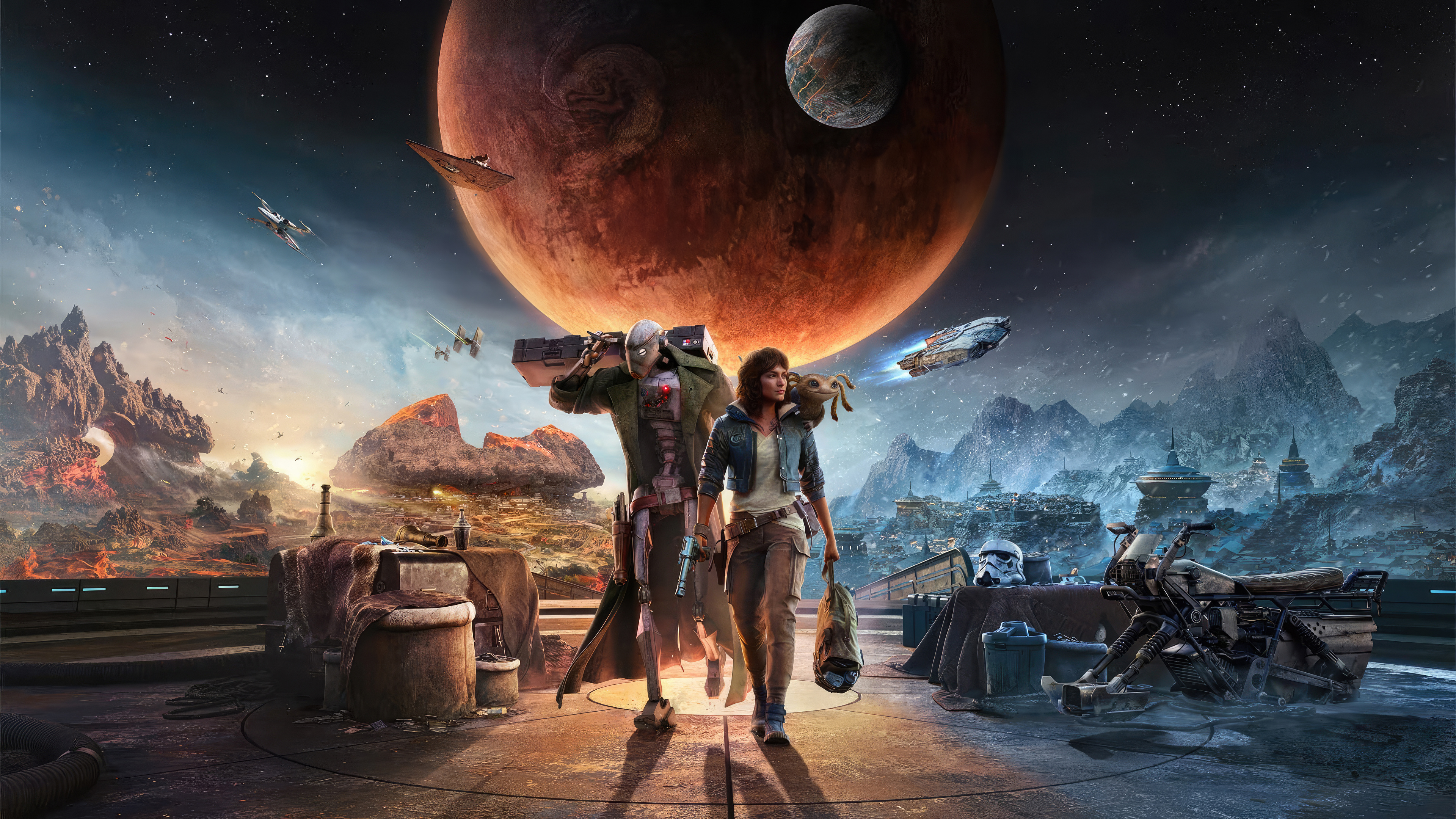
Kay Vess, the main character, has received criticism regarding her appearance, with some players comparing her to the actress who inspired her design and claiming the game model was deliberately made less conventionally attractive. This led to a wider discussion about beauty standards for female characters in popular games. Ubisoft explained that her design was intended to match the rough and realistic setting of the game’s criminal world. However, the debate over her looks overshadowed discussions about the game’s gameplay.
‘Silent Hill 2’ (2024)
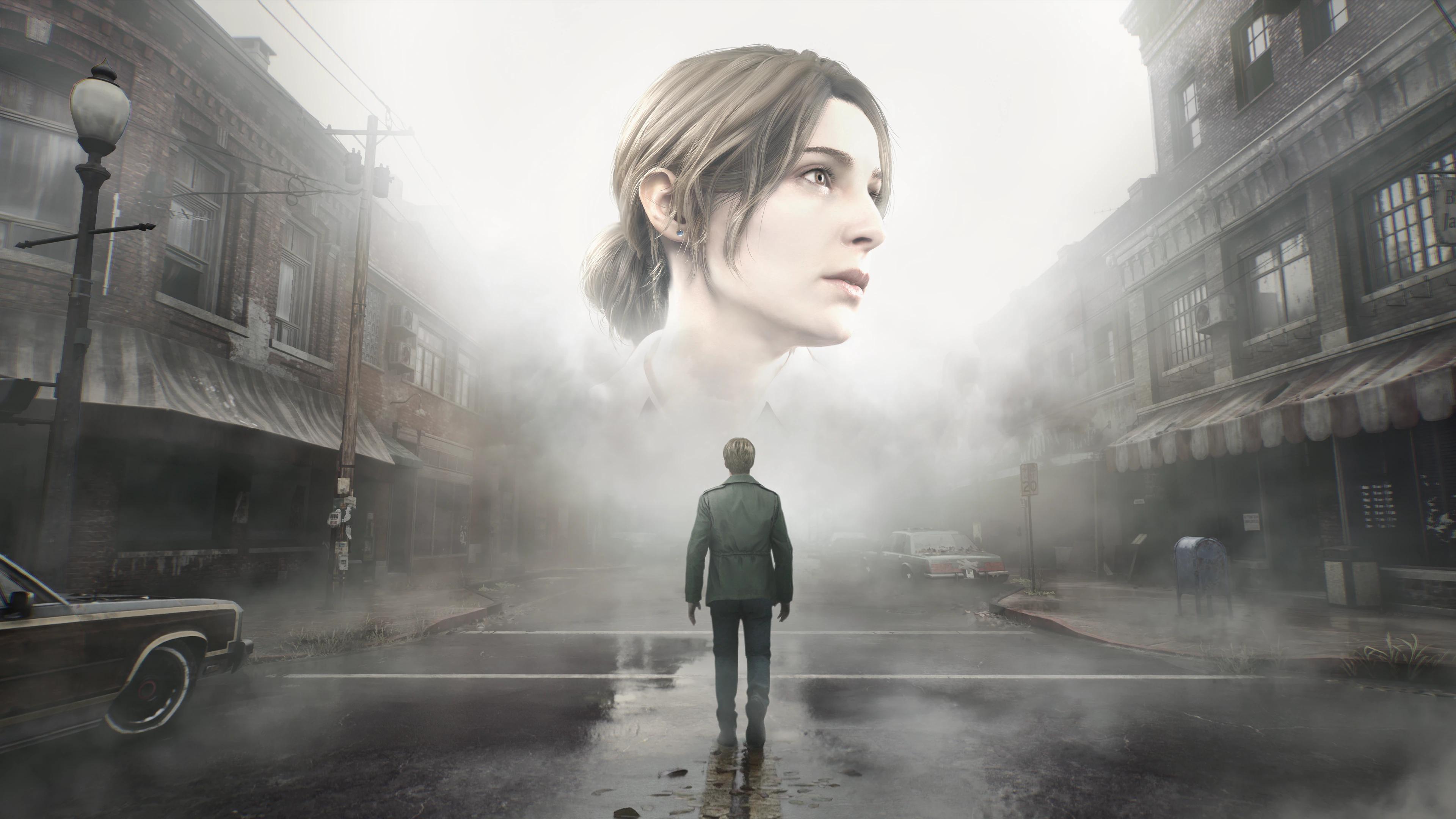
When the classic horror game was remade, some fans weren’t happy with the new designs of characters like Angela and Maria. They felt Angela appeared too aged, and Maria’s more conservative outfit removed the important symbolism from the original game. The developers wanted a more realistic and visually impressive look to take advantage of modern graphics. However, some players believed these changes negatively impacted the psychological depth of the characters, sparking a debate about how much remakes should alter character designs for the sake of realism.
‘Alan Wake 2’ (2023)
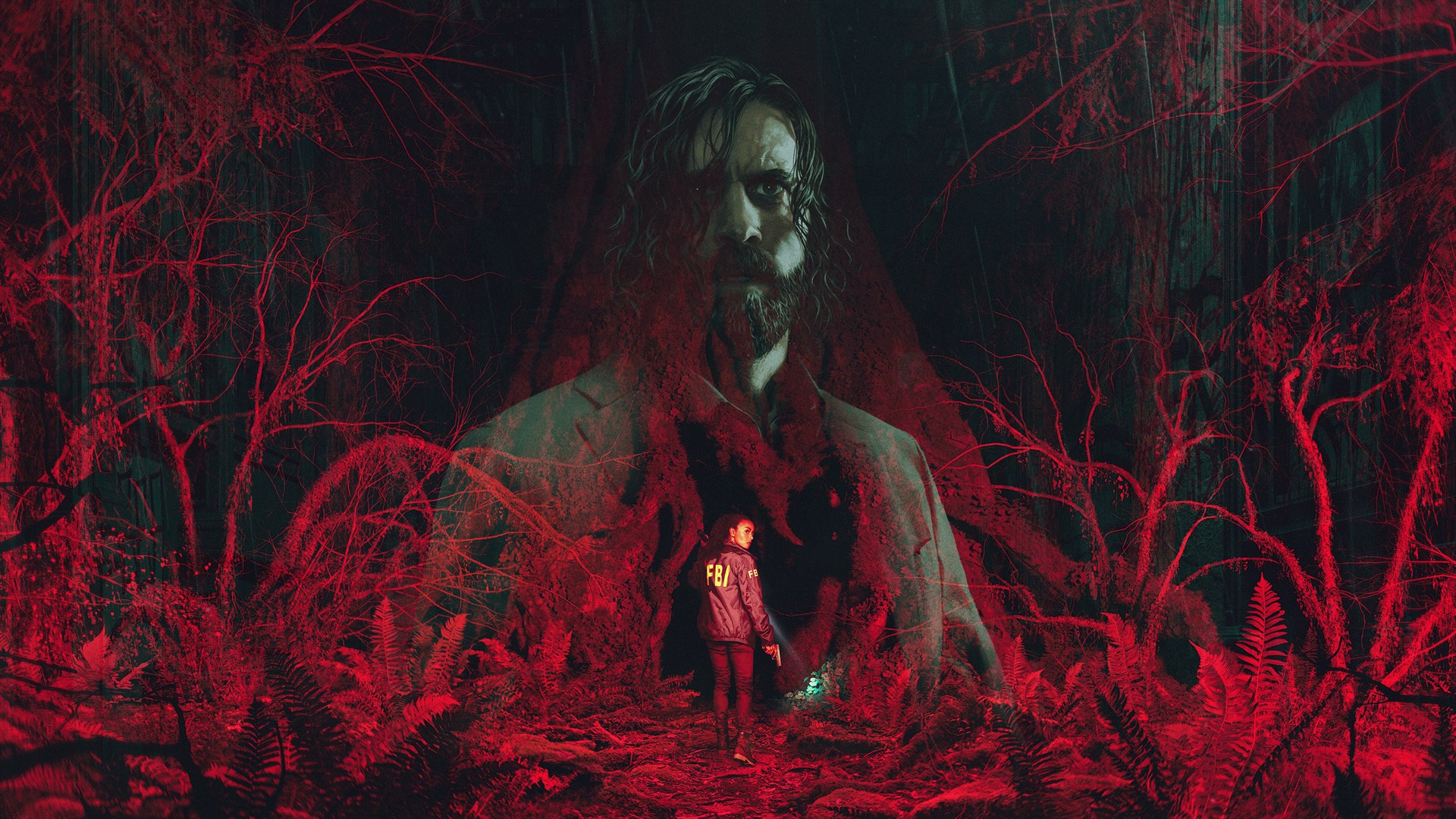
The addition of Saga Anderson as a main character brought a new sense of realism to the series. Her detailed and believable design was a shift from the more stylized characters in the first game, and while most appreciated it, some critics initially questioned her appearance. Remedy Entertainment intentionally created her to feel like a genuine federal agent working on a complex, dark case. Now, her realistic design is celebrated as one of the game’s most impressive technical achievements.
‘Concord’ (2024)
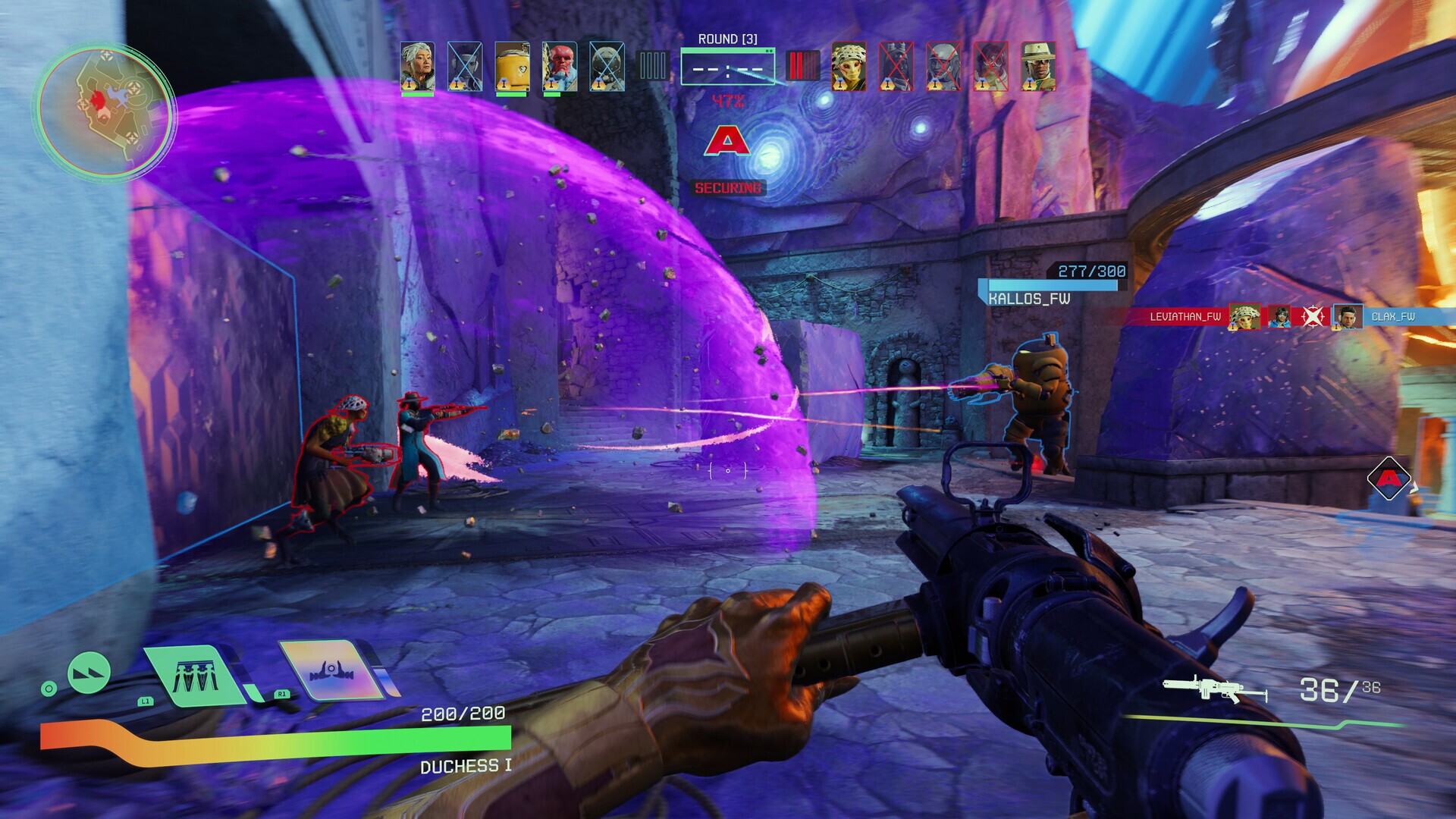
This team-based shooter featured characters whose designs – including their body types and outfits – didn’t resonate with many players, who found them too realistic. Compared to popular games like ‘Overwatch’, critics felt the characters lacked the strong, recognizable heroic look players expected. Some believe this focus on more realistic and diverse appearances contributed to the game’s slow start. Many players felt the characters looked more like everyday people wearing costumes than like the unique, larger-than-life galactic heroes they anticipated, and this became a key topic when discussing the game’s sales.
‘Dustborn’ (2024)
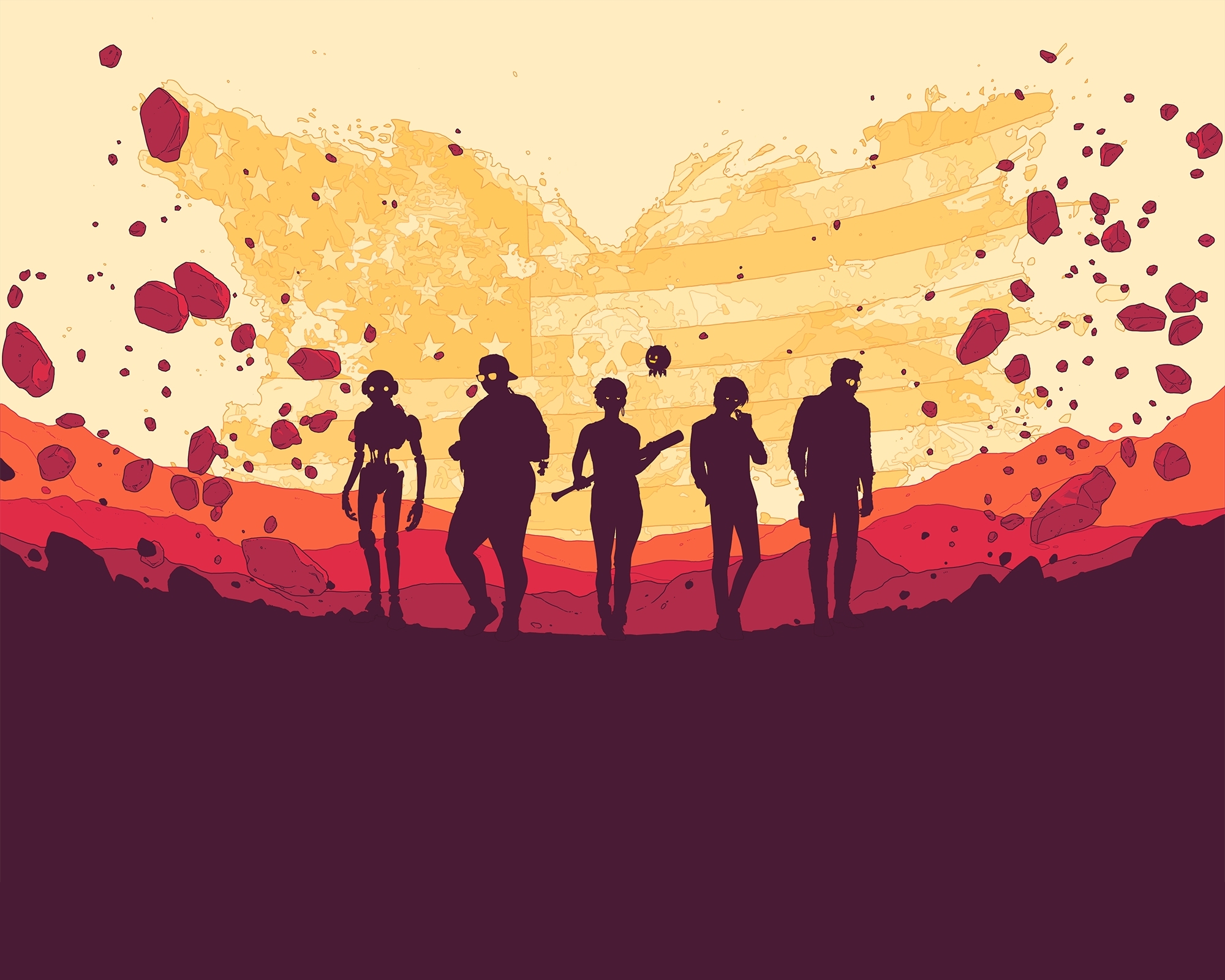
This story-focused game includes characters of many different shapes and sizes, representing a variety of backgrounds. While some players appreciated this realistic diversity, others felt the game focused too much on modern social trends. These players believed the character designs came across as political messaging rather than creating engaging heroes. The developers intended to tell a story about a group of outsiders journeying through a broken America, but the game’s visuals and character customization options sparked debate among players.
‘Tomb Raider I-III Remastered’ (2024)
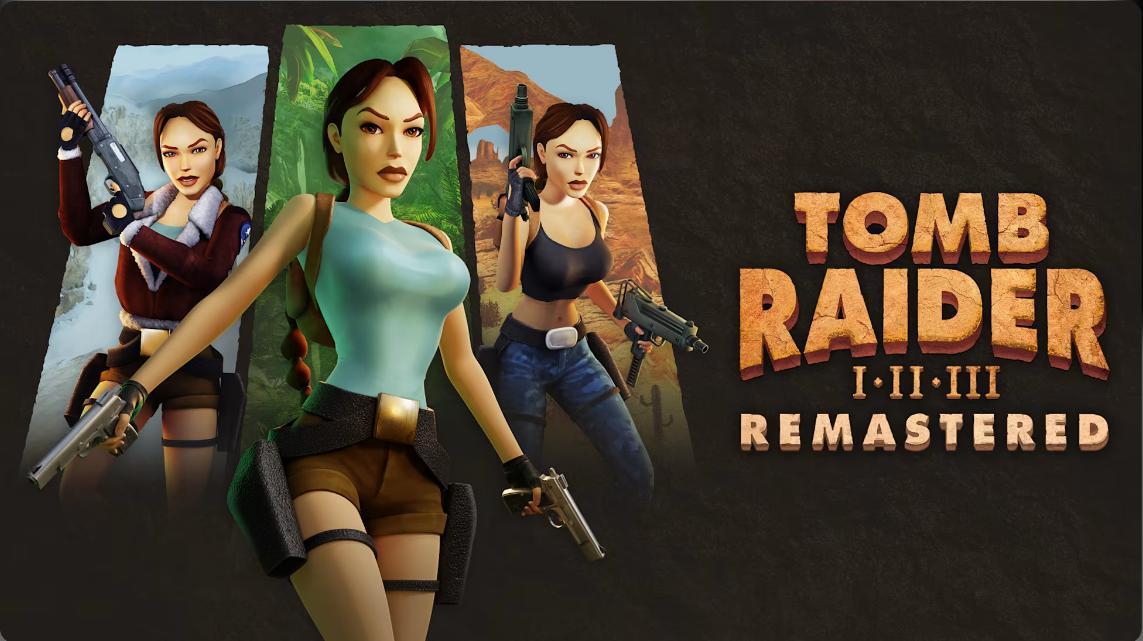
When these older games were updated and re-released, a warning was included about how realistically they now portrayed certain content and cultures. While the characters looked better, their original body types remained, sparking discussion among fans. Some players were disappointed that certain images and details were changed to be less provocative, feeling these alterations were a form of censorship that removed important parts of the game’s history. This situation showed how tricky it can be to update classic games for modern audiences while still respecting what fans loved about them originally.
‘Assassins Creed Shadows’ (2025)
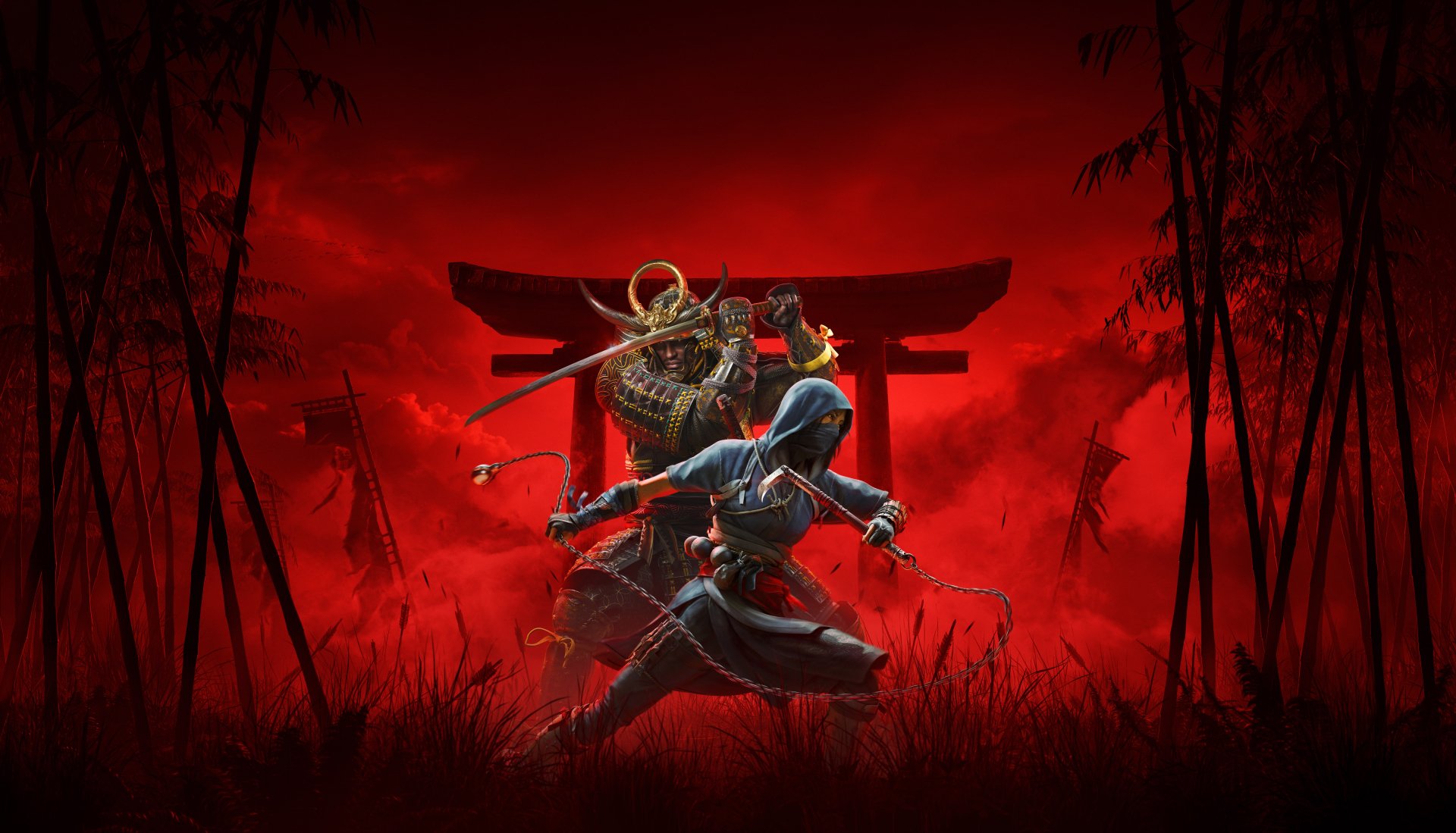
The announcement of two main characters, one based on the historical figure Yasuke, sparked a lot of online debate. Some players felt the focus on his appearance and history didn’t fit the fantastical nature of the game, especially since it’s set in feudal Japan. The developers explained they wanted to showcase diverse stories within a historical context. This disagreement has continued to be a prominent conversation as the game gets closer to release.
‘Skull and Bones’ (2024)
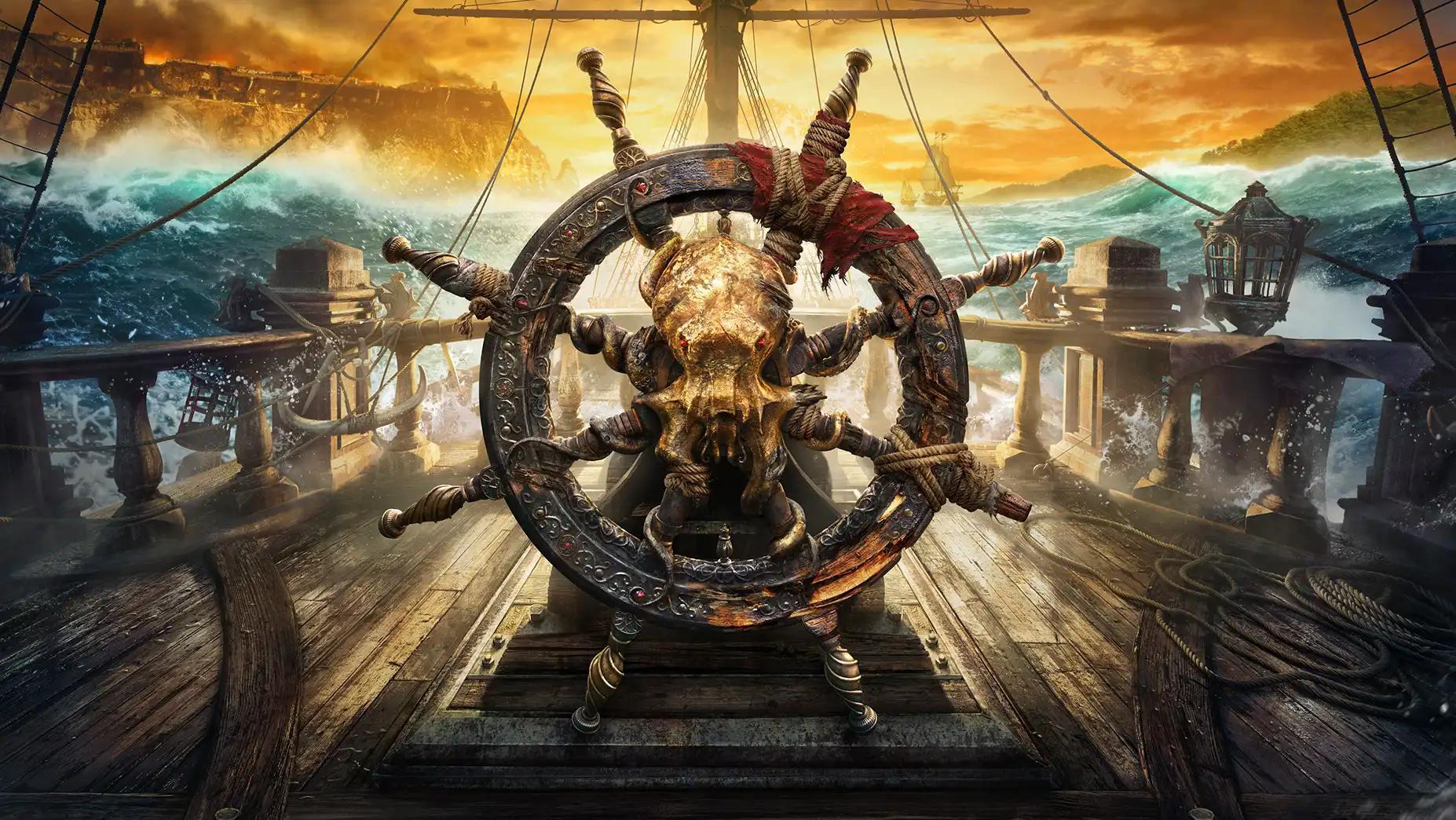
This pirate game lets you create a character with realistic, weathered body types – reflecting the tough life of a sailor. While some players hoped for more traditionally handsome or glamorous pirates, they felt the available models looked too old and lacked the polish seen in other games. The developers at Ubisoft intentionally designed the characters to look fitting for the rough and dangerous world of the Indian Ocean during the Golden Age of Piracy. This focus on realism didn’t appeal to everyone, as some players preferred more idealized character options.
‘Sea of Thieves’ (2018)
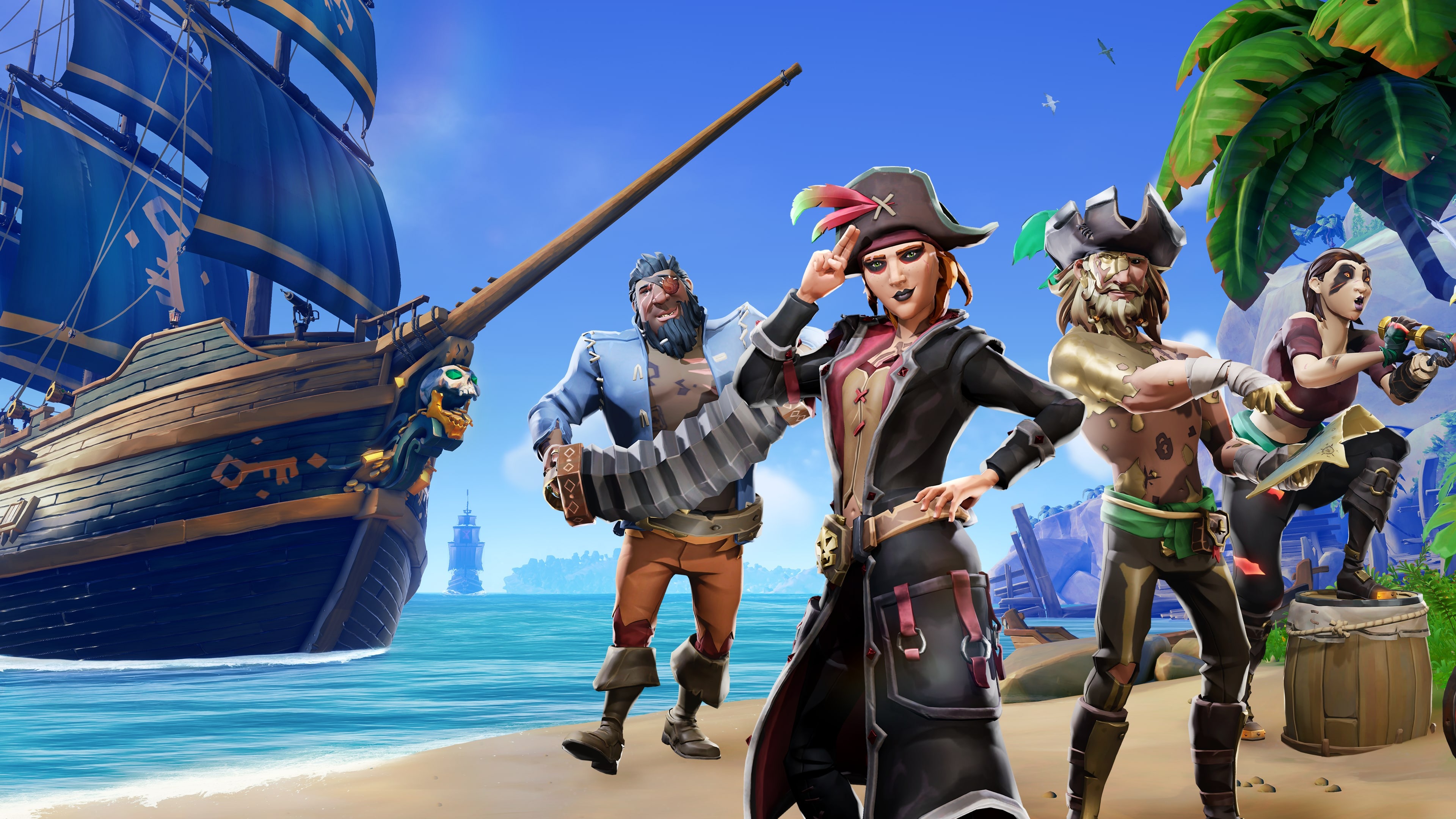
This game doesn’t let you create a pirate from scratch. Instead, it randomly generates pirates who are often realistic, but sometimes quite silly-looking. While some players initially disliked this, because they couldn’t customize their pirate’s appearance, the developers at Rare wanted to create a diverse and unique population of pirates in the game. Most players have come around to the system, though some still wish they had more control over how their character looks.
‘MultiVersus’ (2024)

As a long-time fan, I was really excited for the game’s relaunch, but I have to admit I was a little disappointed by some of the changes. They updated the character models to make things clearer during fights, which makes sense, but it also meant some of my favorite characters didn’t look quite like themselves anymore. A lot of us in the community felt that way – the proportions and how the characters moved just didn’t feel right. The developers said they needed to make these changes to balance the gameplay and make it feel more polished, and I get that, but it’s always tough when a game tries to be more realistic and ends up losing some of what made the characters so iconic. It’s a familiar struggle with fighting games, really – finding that sweet spot between how things look and how they play.
‘Final Fantasy VII Rebirth’ (2024)
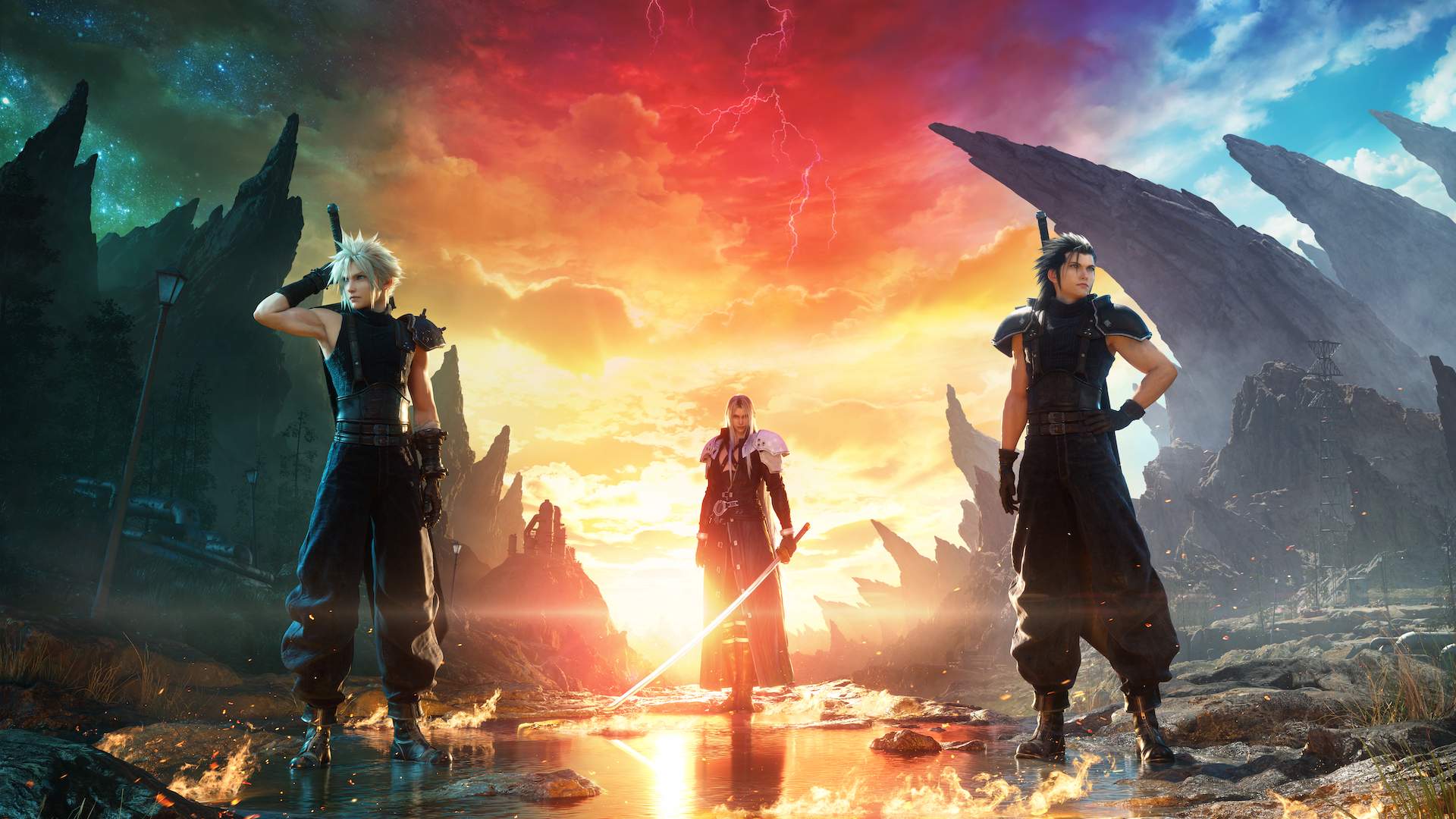
The latest installment in the game series briefly sparked discussion when players noticed the swimwear was less revealing than in previous versions. Some fans felt these changes to character designs and clothing were a needless restriction, and that the game was straying from its original style to meet current expectations for realism. The developers, Square Enix, explained the designs were intended to match the game’s improved graphics. This situation highlighted how even small adjustments to how characters are presented can generate significant feedback.
‘The First Descendant’ (2024)
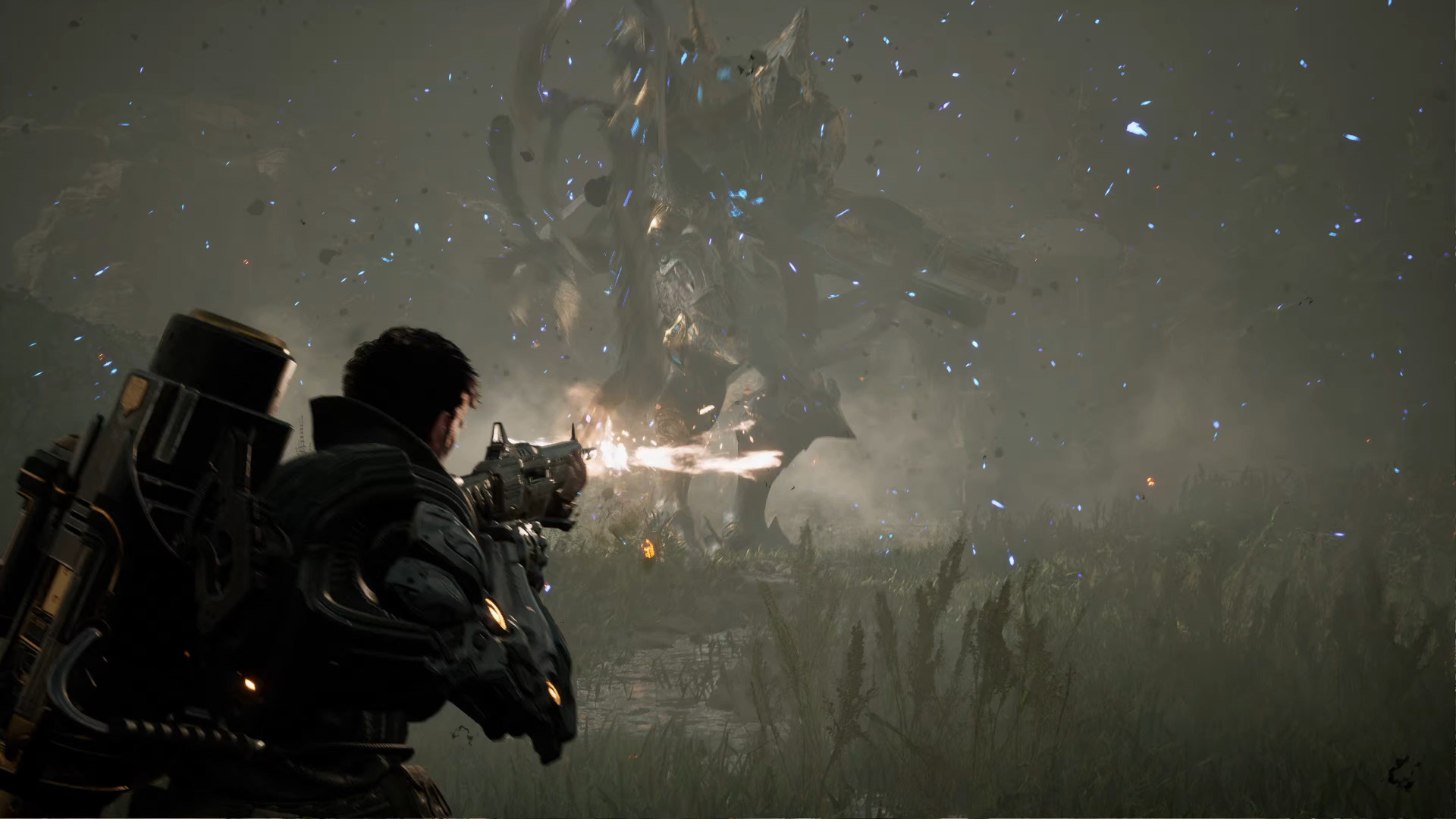
Soon after the game was released, updates changed how some character outfits looked and moved. This upset some players who felt the developers were abandoning the game’s original style for a more realistic, but less exciting, look. They also complained that the changes weren’t explained well and affected the value of what they’d bought. The developers explained that the updates were necessary to meet rating requirements and technical standards. This caused a short period of negative reviews and frustration within the game’s community.
‘Dead Island 2’ (2023)
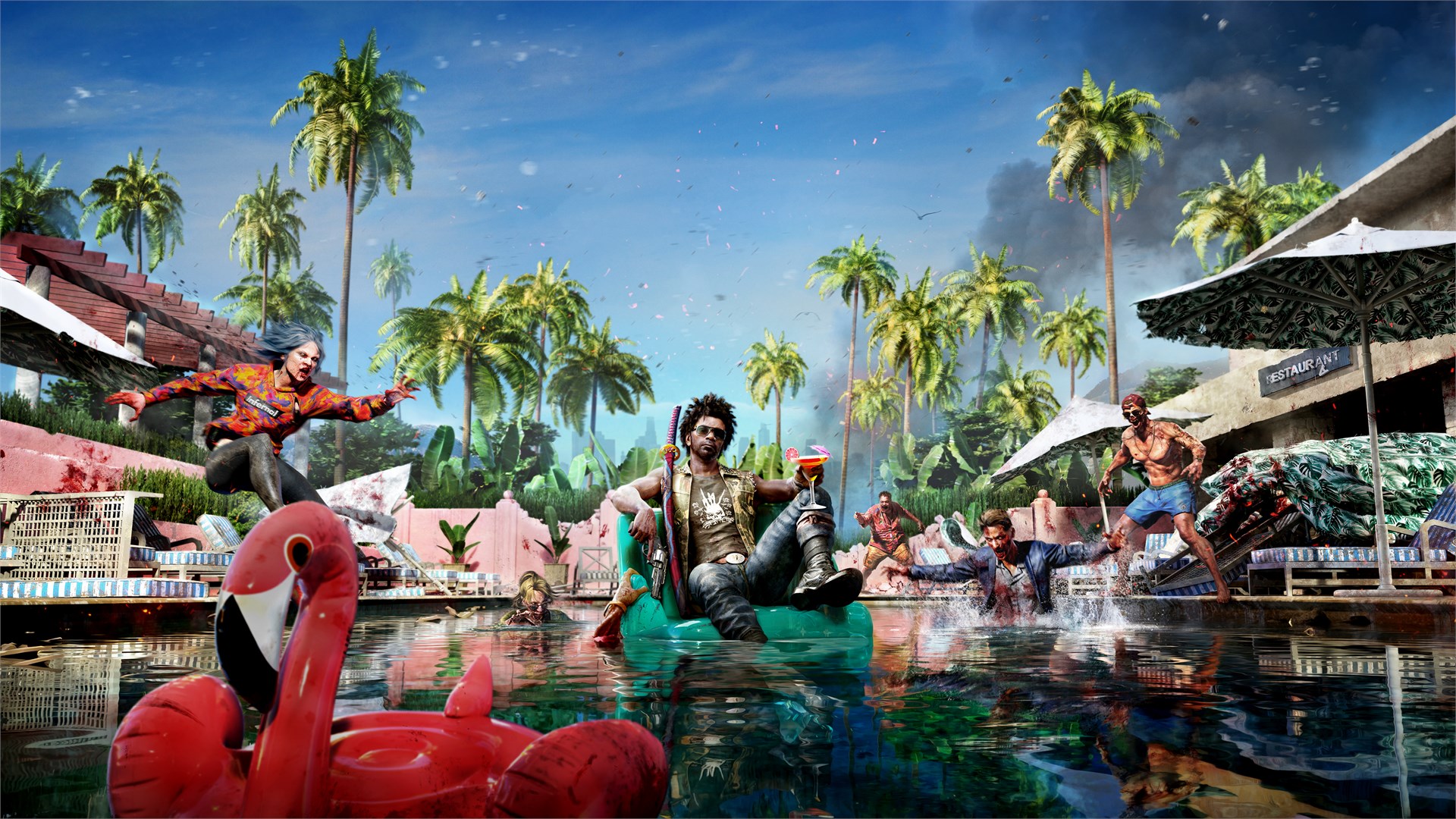
This sequel featured a cast of survivors with more modern and realistic looks than the characters in the original game. However, some players missed the unique personality and appeal of the first group. Reviewers noted that the new, realistic designs made the characters feel too similar and harder to remember. The developers aimed to create a diverse cast that reflected the atmosphere of Los Angeles. Despite praise for the game’s violence and action, the character designs continued to be a common subject of criticism.
‘Call of Duty Modern Warfare II’ (2022)
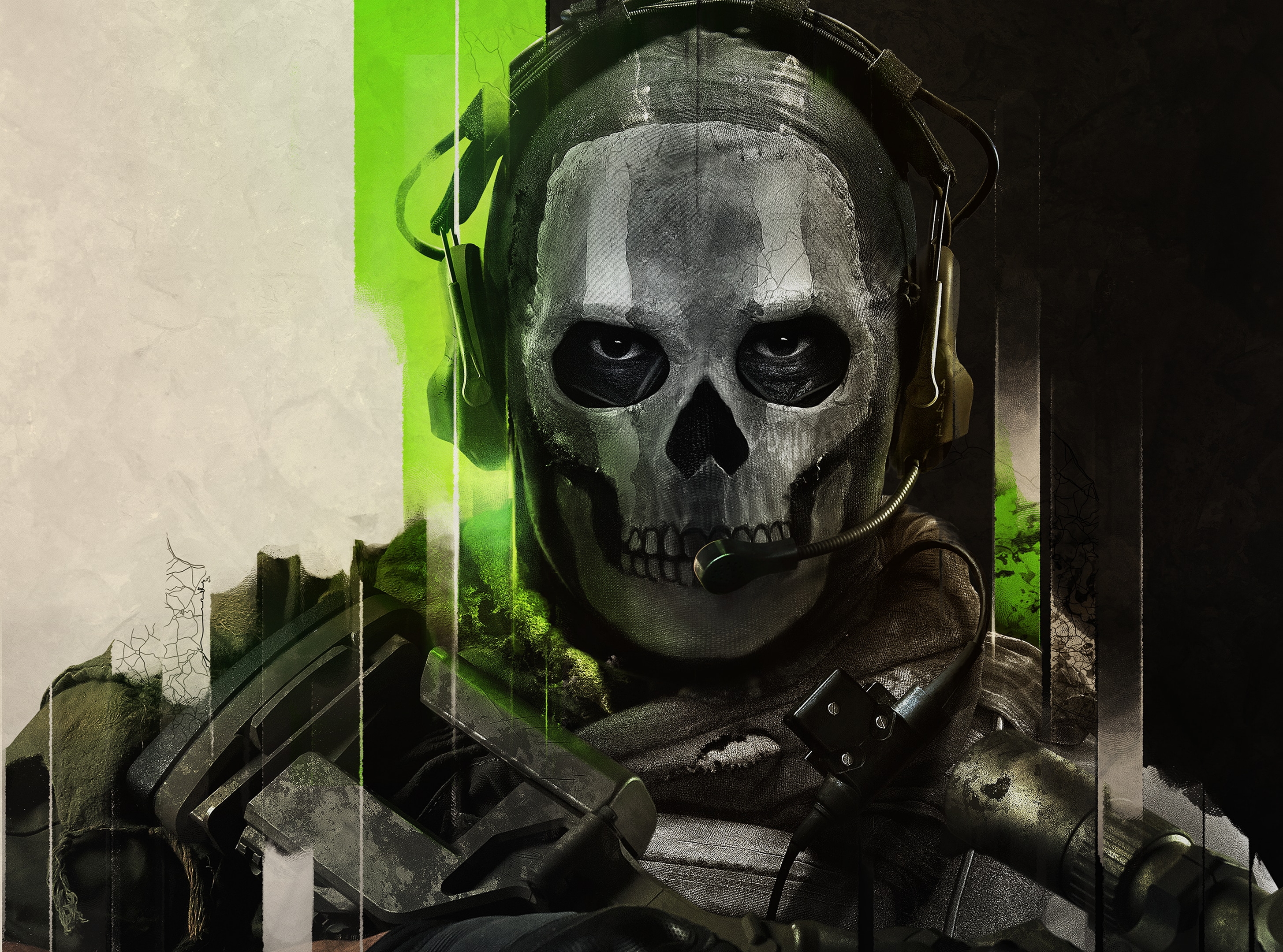
Throughout this game series, characters have become increasingly realistic, focusing on authentic military appearances. While some players appreciate this detail, others find it makes it difficult to tell characters apart during fast-paced action. These fans also miss the more vibrant and imaginative character designs from earlier games. The developers have chosen this realistic style to fit the serious and gritty atmosphere of the game’s story. This choice continues to be a point of disagreement, as some players prefer a more over-the-top, arcade-style experience.
‘Gotham Knights’ (2022)
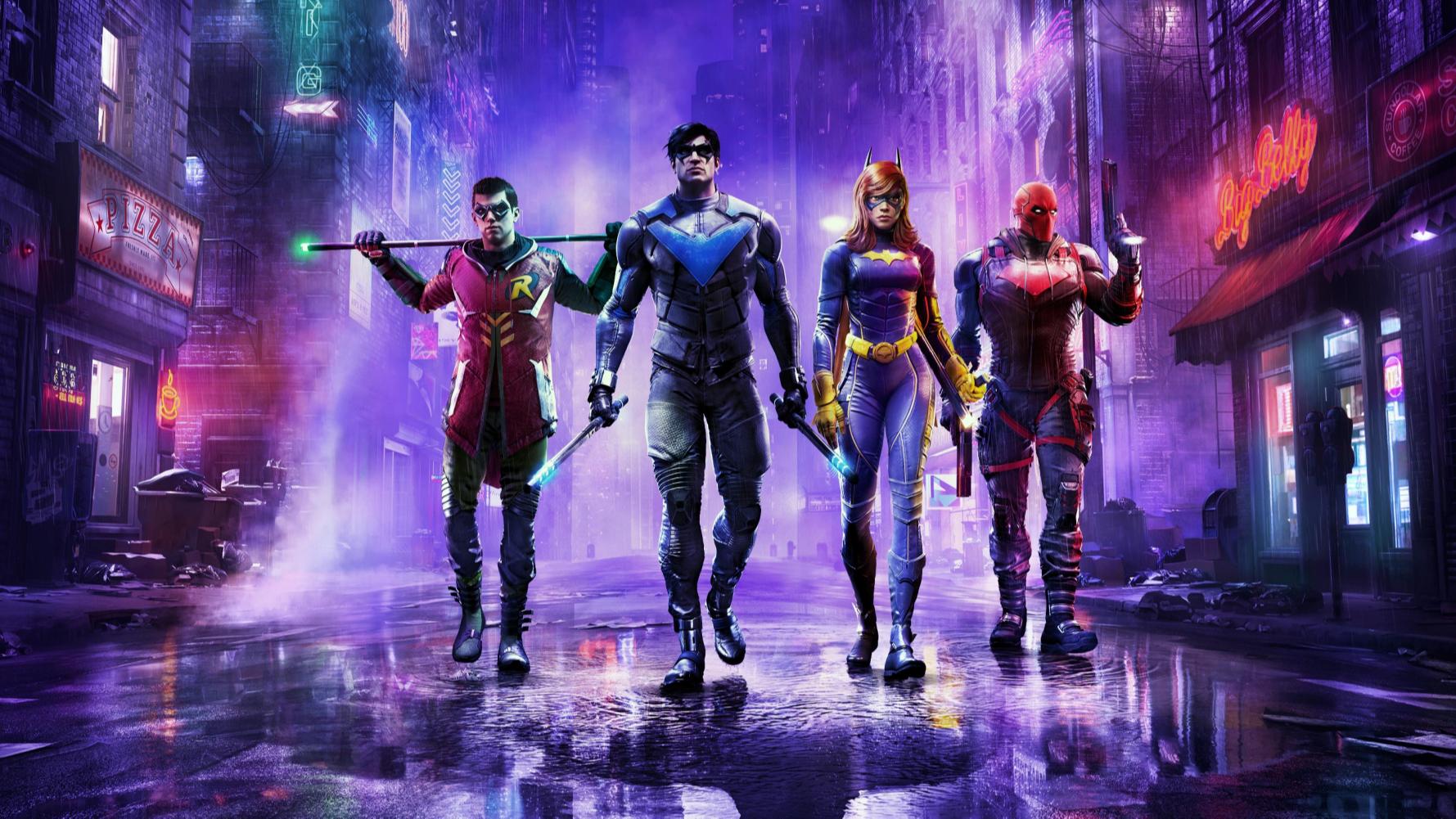
The initial designs for the game’s four main heroes received a varied response, mainly because they were more realistic than fans expected. Some felt Batgirl and Nightwing looked more like cosplayers than traditional superheroes. Players criticized the characters’ body types and how the suits appeared in the game’s realistic lighting. The developers wanted a fresh take on these heroes, distinct from the look of the previous Arkham games, but many players still drew unfavorable comparisons to the more stylized visuals of those titles.
‘Hogwarts Legacy’ (2023)
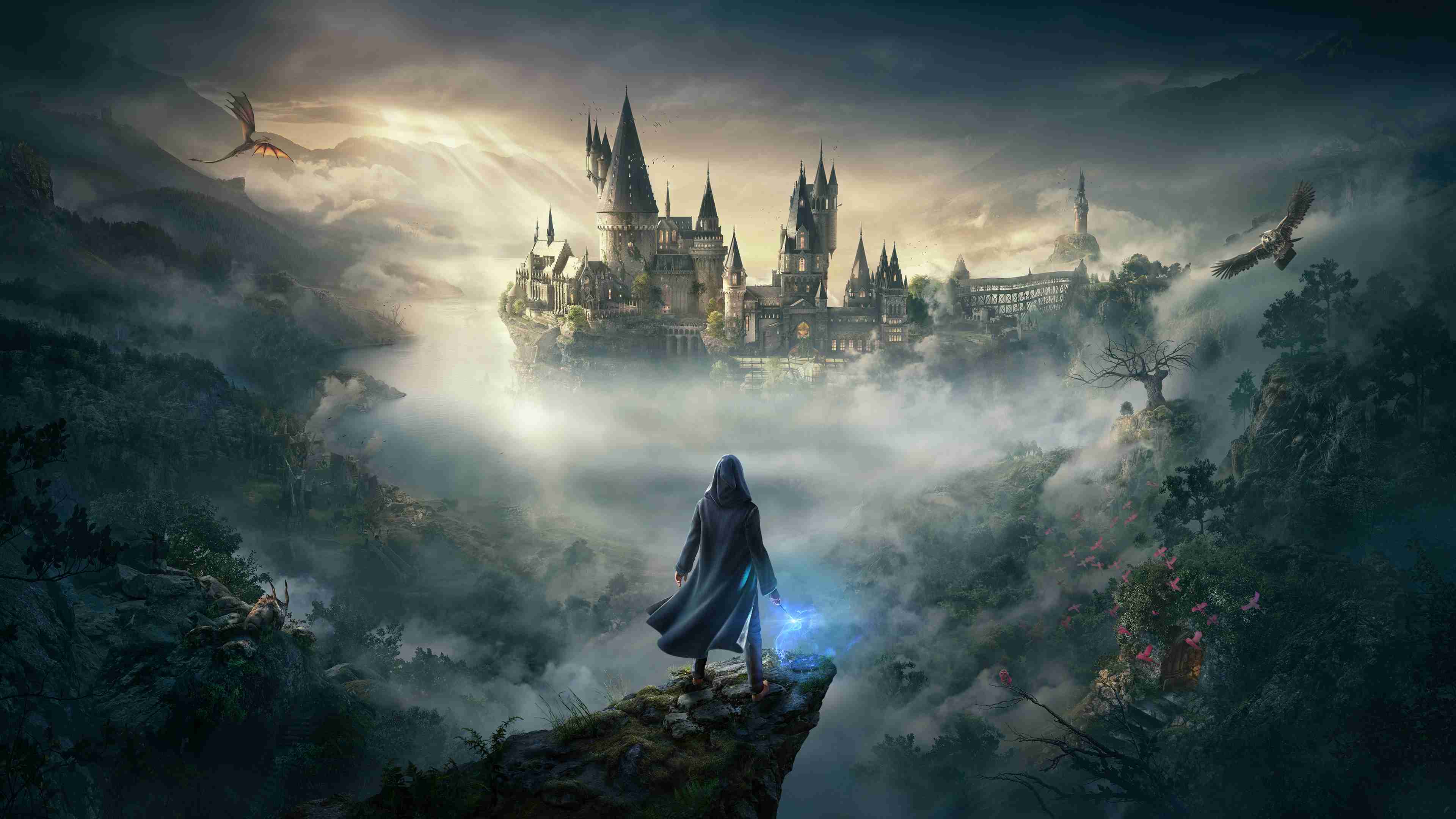
This role-playing game let players customize their character’s voice and living space, no matter their chosen body type. This decision, aimed at being more inclusive and realistic, sparked a lot of online discussion. While some players felt it didn’t fit the game’s 19th-century setting and disrupted the experience, others appreciated the freedom to express themselves. The debate showed that even fantasy games set in the past are now being shaped by modern conversations about body image and gender representation.
Tell us which of these design changes surprised you the most in the comments.
Read More
- 20 Movies Where the Black Villain Was Secretly the Most Popular Character
- Celebs Who Narrowly Escaped The 9/11 Attacks
- Transformers Under the Microscope: What Graph Neural Networks Reveal
- Top 20 Dinosaur Movies, Ranked
- Trading on Thin Air: AI Agents Conquer Crypto Volatility
- Silver Rate Forecast
- Gold Rate Forecast
- 22 Films Where the White Protagonist Is Canonically the Sidekick to a Black Lead
- Every Notable ‘Star Trek: The Original Series’ Actor Who Died
- Invincible Season 4 Gender Swaps Tech Jacket As Fans Question Major Comic Change
2026-01-09 21:51