Video game localization and adapting stories for different cultures often spark debate. When developers update older games or try to reflect modern values, some players resist these changes. This resistance usually comes from a desire to keep the original story intact or a feeling that current political issues shouldn’t be forced into fictional worlds. Here are some examples where players voiced their concerns online and asked for specific dialogue or story elements to be removed or changed.
‘Fire Emblem Fates’ (2016)
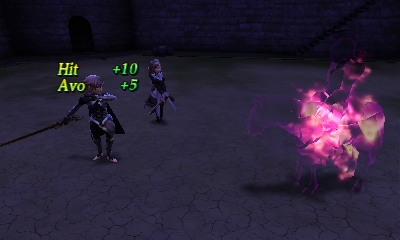
Players were unhappy with how ‘Fire Emblem Fates’ was translated for Western audiences, specifically changes made to the conversations between characters. Nintendo and the game developers received criticism for rewriting or removing romantic storylines in the English version. Fans felt these changes watered down the original writing and were an attempt to avoid controversy around sensitive subjects. A particular storyline involving the character Soleil became a focal point of the debate, with many accusing the companies of unnecessary censorship.
‘Spider-Man 2’ (2023)
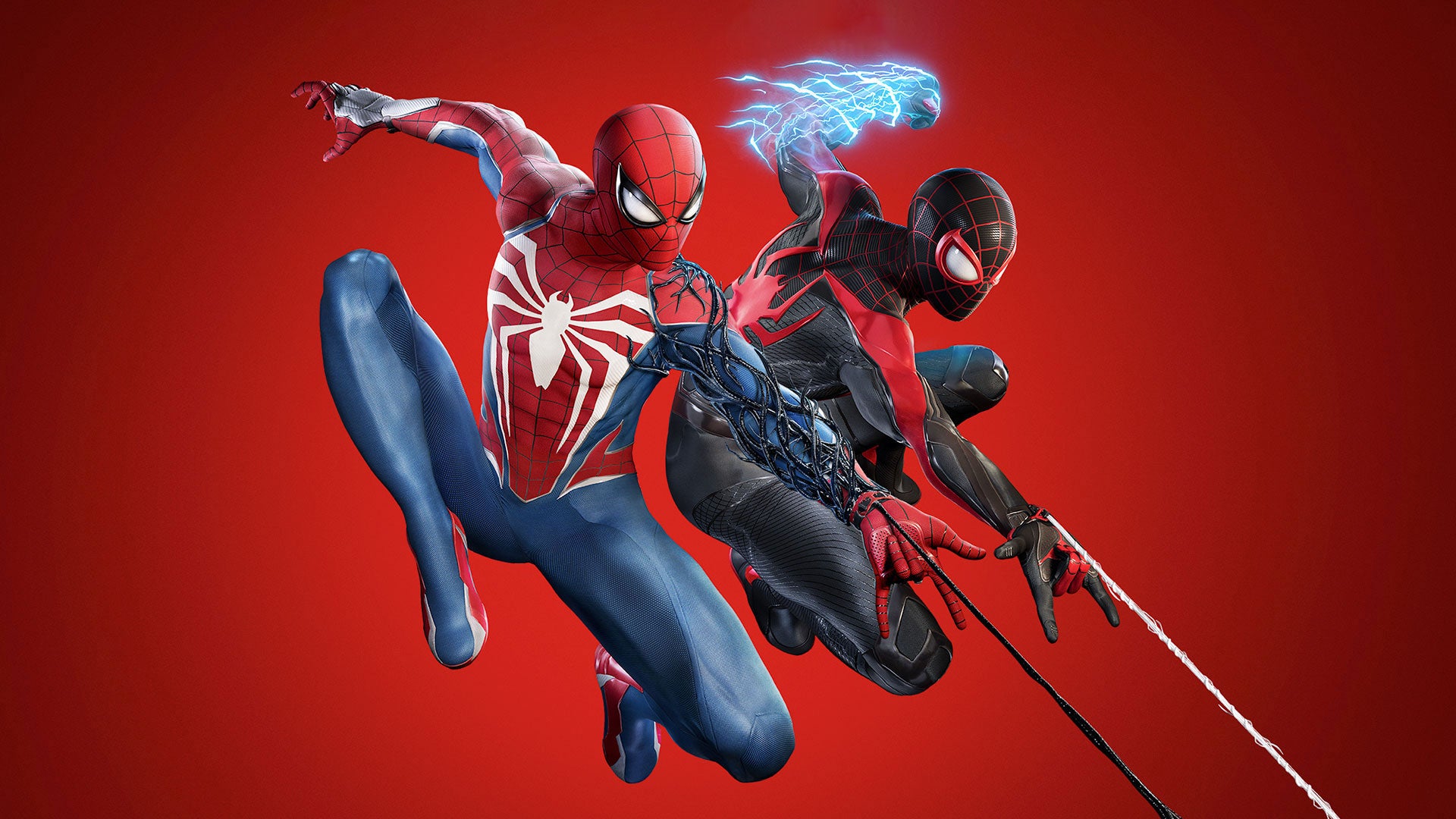
‘Spider-Man 2,’ created by Insomniac Games and published by Sony, included Spanish dialogue that used gender-neutral language in versions outside of English. Some players asked for the removal or option to skip podcast segments featuring the character Danika Hart, believing they pushed a particular political viewpoint. Others felt the gender-neutral Spanish didn’t quite fit the game’s New York City environment. The game also contained visual and dialogue elements related to Pride, which led to discussions about how it was localized for different regions.
‘Paper Mario: The Thousand-Year Door’ (2024)
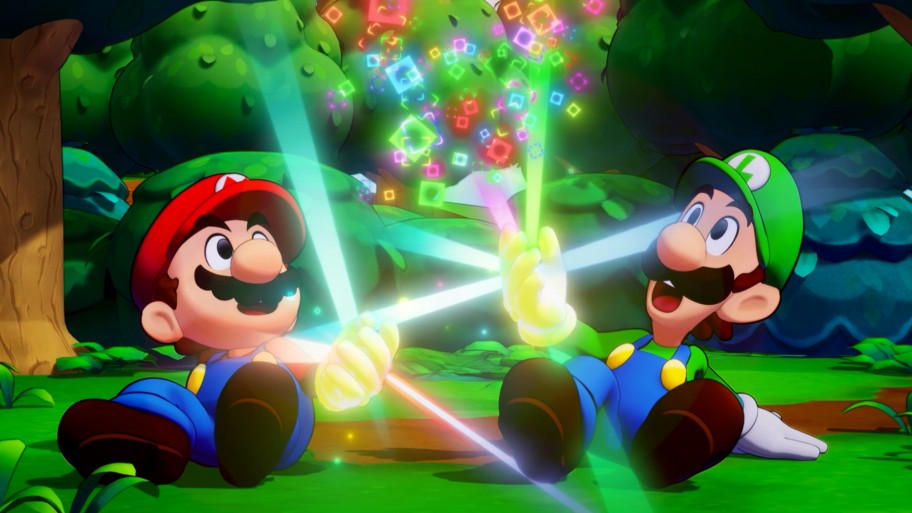
The Nintendo Switch re-release of ‘Paper Mario: The Thousand-Year Door’ brought back dialogue about the character Vivian’s gender identity that had been removed in the original English version from 2004. While this change made the game more faithful to the original Japanese story, some players asked Nintendo to revert to the older English translation. The updated dialogue directly addresses Vivian’s journey and transition, which sparked debate online about whether this topic was appropriate for a game aimed at families. Nintendo decided to keep the restored dialogue to accurately represent the character’s original story.
‘Starfield’ (2023)
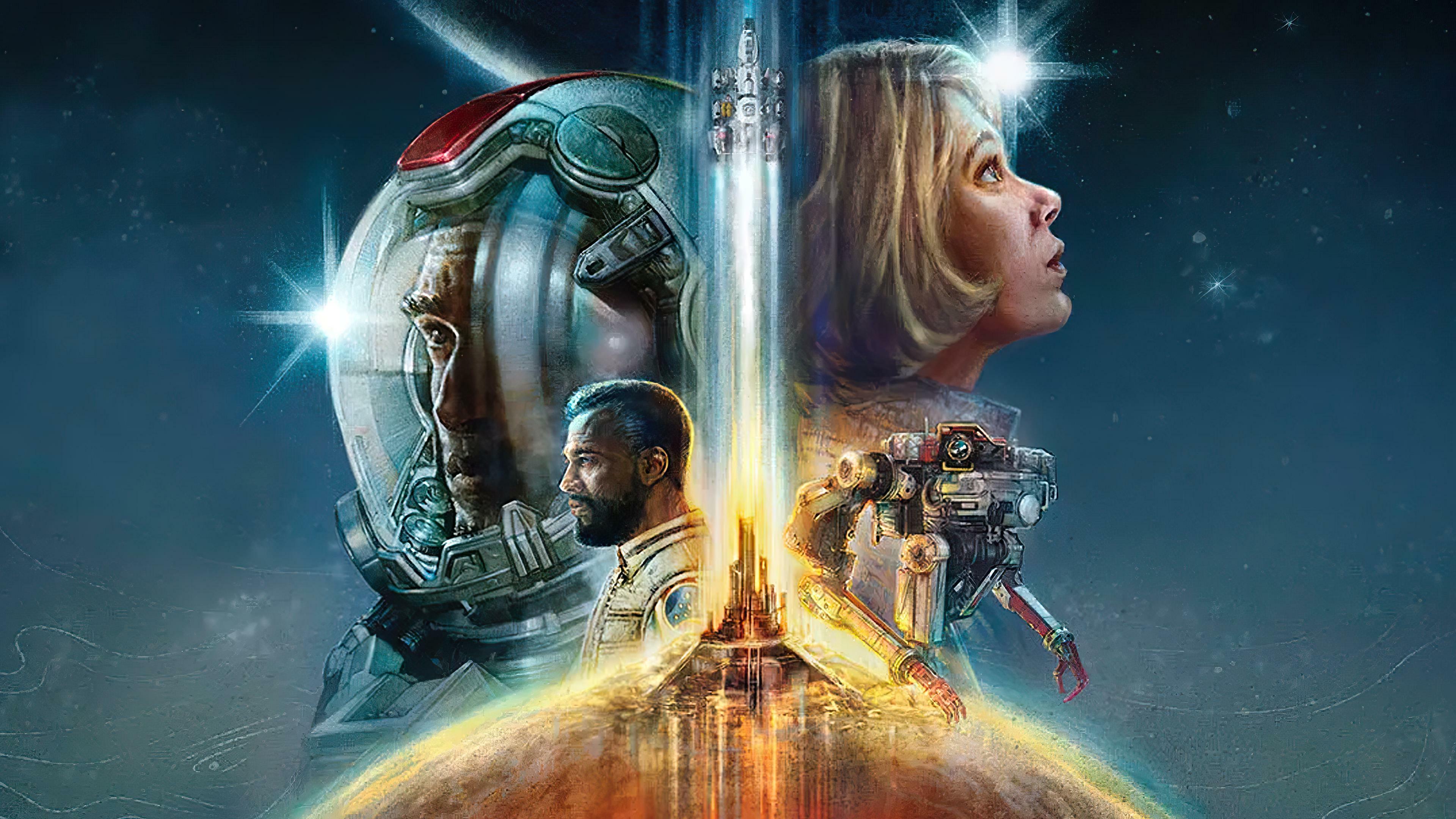
‘Starfield’ allows players to choose their pronouns when creating their character, and this choice affects how characters in the game refer to them. This feature sparked some controversy online, with some players calling for its removal, arguing it was an unnecessary political addition. The game also includes various options for how players identify themselves through dialogue, which became a major point of discussion after the game’s early release. However, the developers decided to keep these features, emphasizing their commitment to letting players customize their experience.
‘Catherine: Full Body’ (2019)
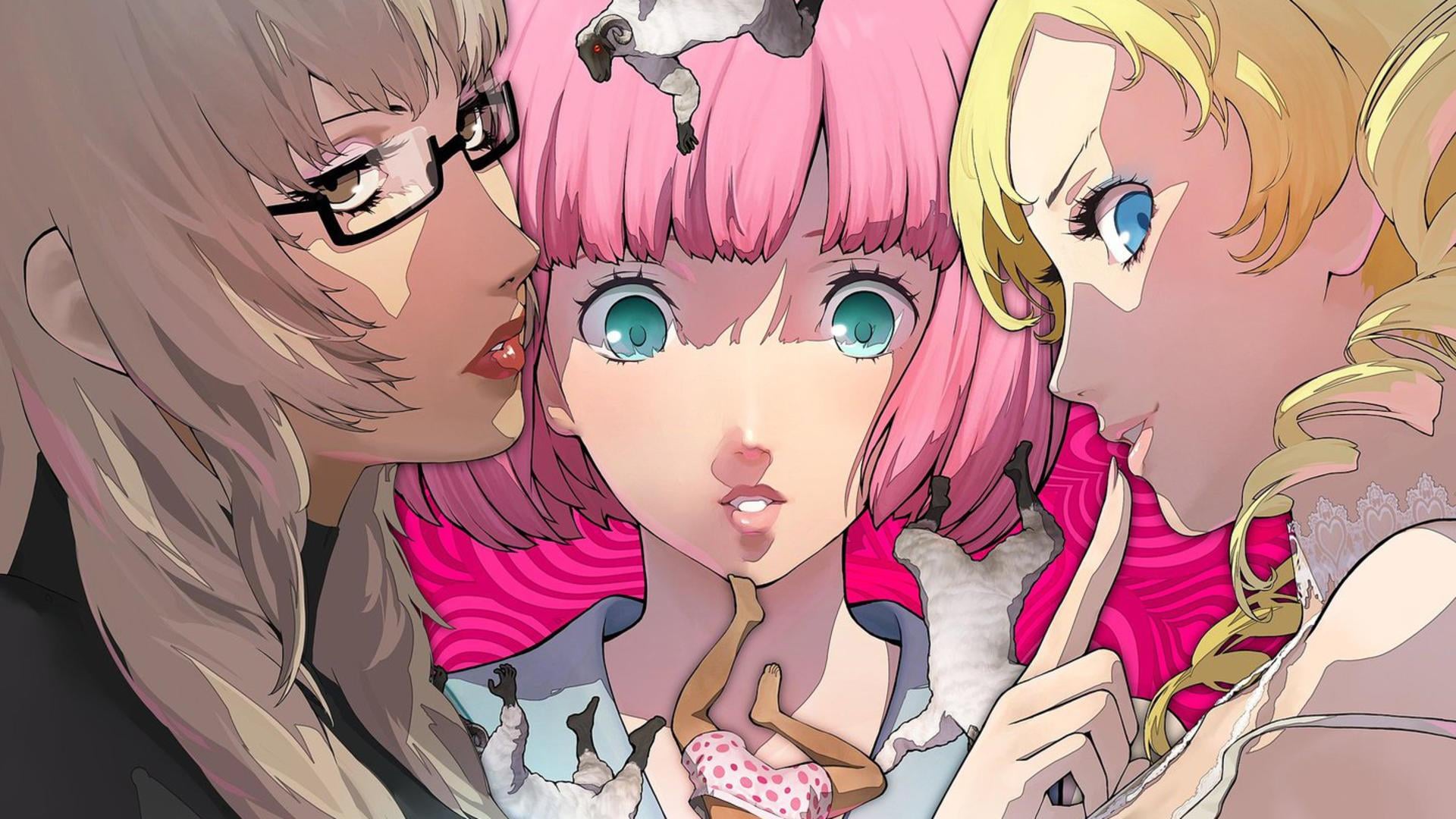
The Western release of ‘Catherine: Full Body,’ a remastered version of the game developed by Studio Zero and published by Atlus, featured altered dialogue. Players observed that lines relating to the character Rin were changed to be more considerate of gender issues compared to the initial Japanese release. This sparked claims of censorship among fans who favored the original script’s directness. This situation echoes past discussions about how characters were portrayed in the original ‘Catherine’ game.
‘Dragon Age: The Veilguard’ (2024)
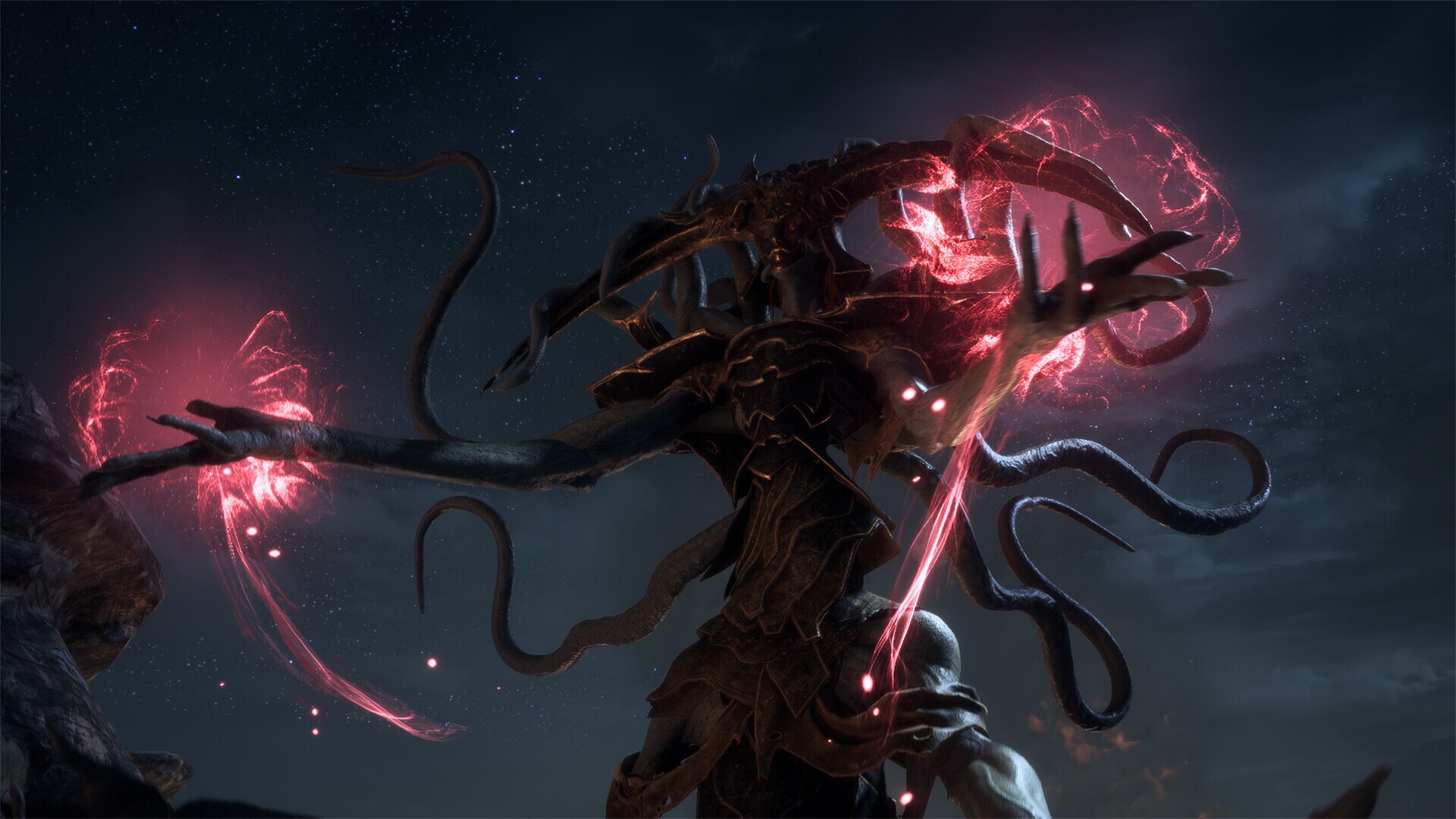
‘Dragon Age: The Veilguard,’ created by BioWare and published by Electronic Arts, includes a lot of conversation about the non-binary identity of a character named Taash. Some players didn’t like a scene where characters talked about using the correct pronouns, feeling it disrupted the fantasy world. Critics saw this dialogue as an attempt to impose modern ideas onto the game’s existing story. However, BioWare explained that they included it to show their dedication to creating diverse and inclusive stories in the ‘Dragon Age’ series.
‘Hogwarts Legacy’ (2023)
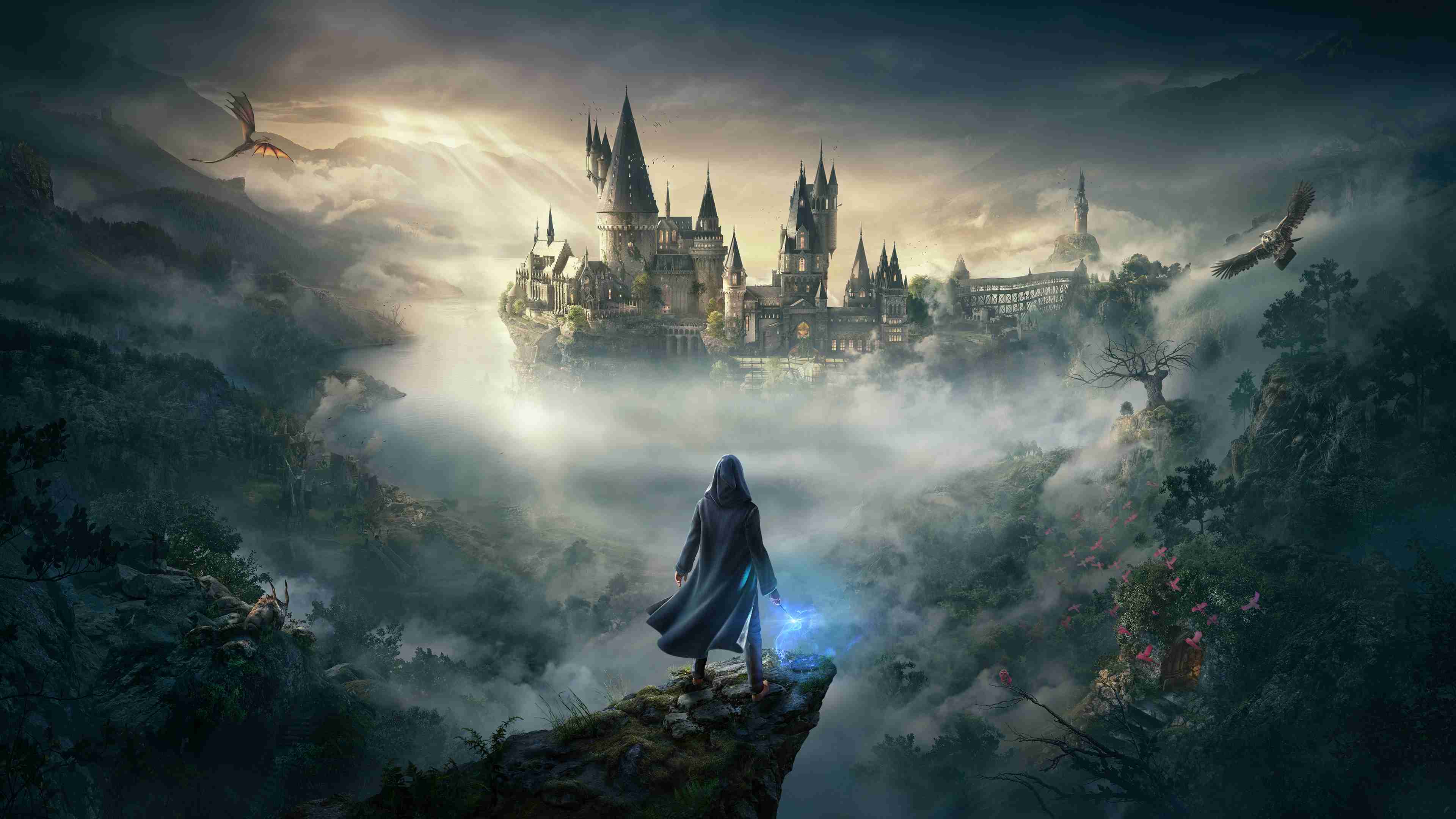
The game ‘Hogwarts Legacy’, created by Avalanche Software and published by Warner Bros. Games, features a character named Sirona Ryan who openly discusses her past as a transgender woman. Some players asked the developers to remove her or change her lines, believing her inclusion was a response to criticism surrounding the game’s creator. Others felt her story didn’t fit the game’s 1890s setting. However, the developers decided to keep Sirona and her story as a way to represent a diverse range of identities.
‘Persona 5 Royal’ (2020)
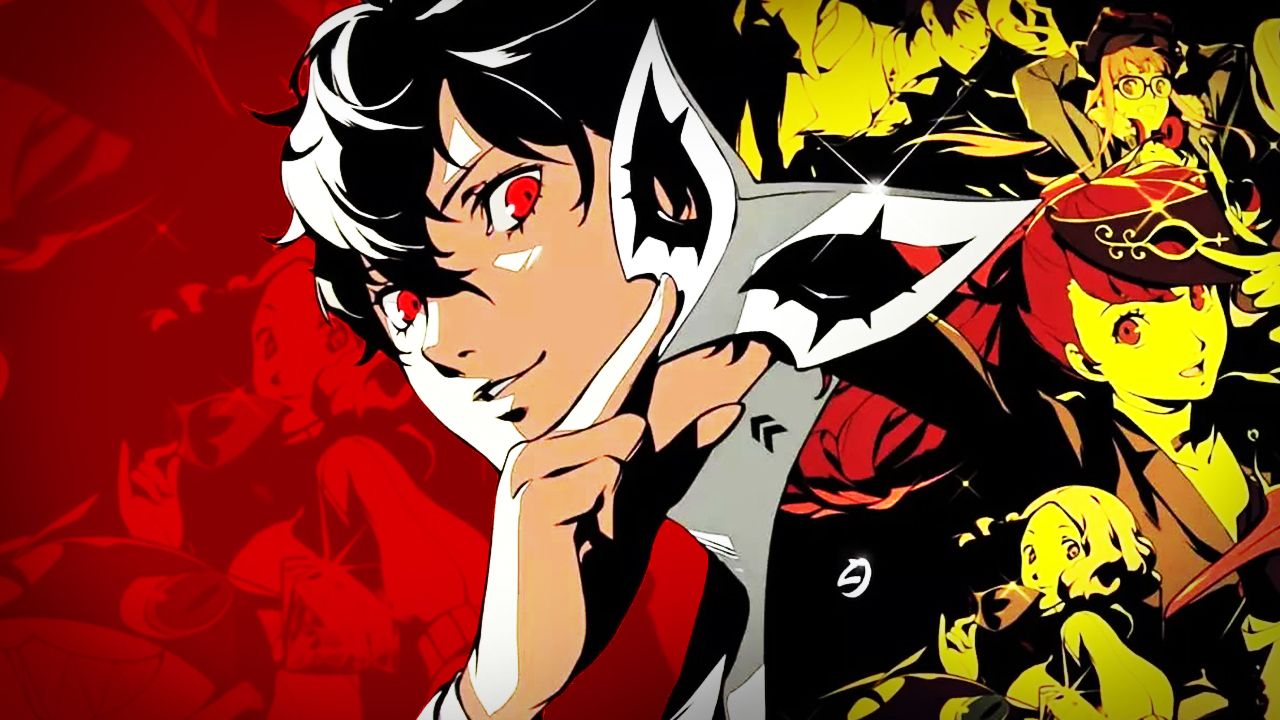
When bringing ‘Persona 5 Royal’ to Western audiences, Atlus and P-Studio changed some dialogue involving two gay characters and their interactions with Ryuji Sakamoto. Players had found a scene in the original Japanese version to be offensive, so the English localization team rewrote it. However, some fans then asked for the original dialogue to be put back, arguing that changes weren’t true to the game’s artistic vision. The goal of the revised scenes was to make the interactions feel less harmful and more lighthearted.
‘The Last of Us Part II’ (2020)
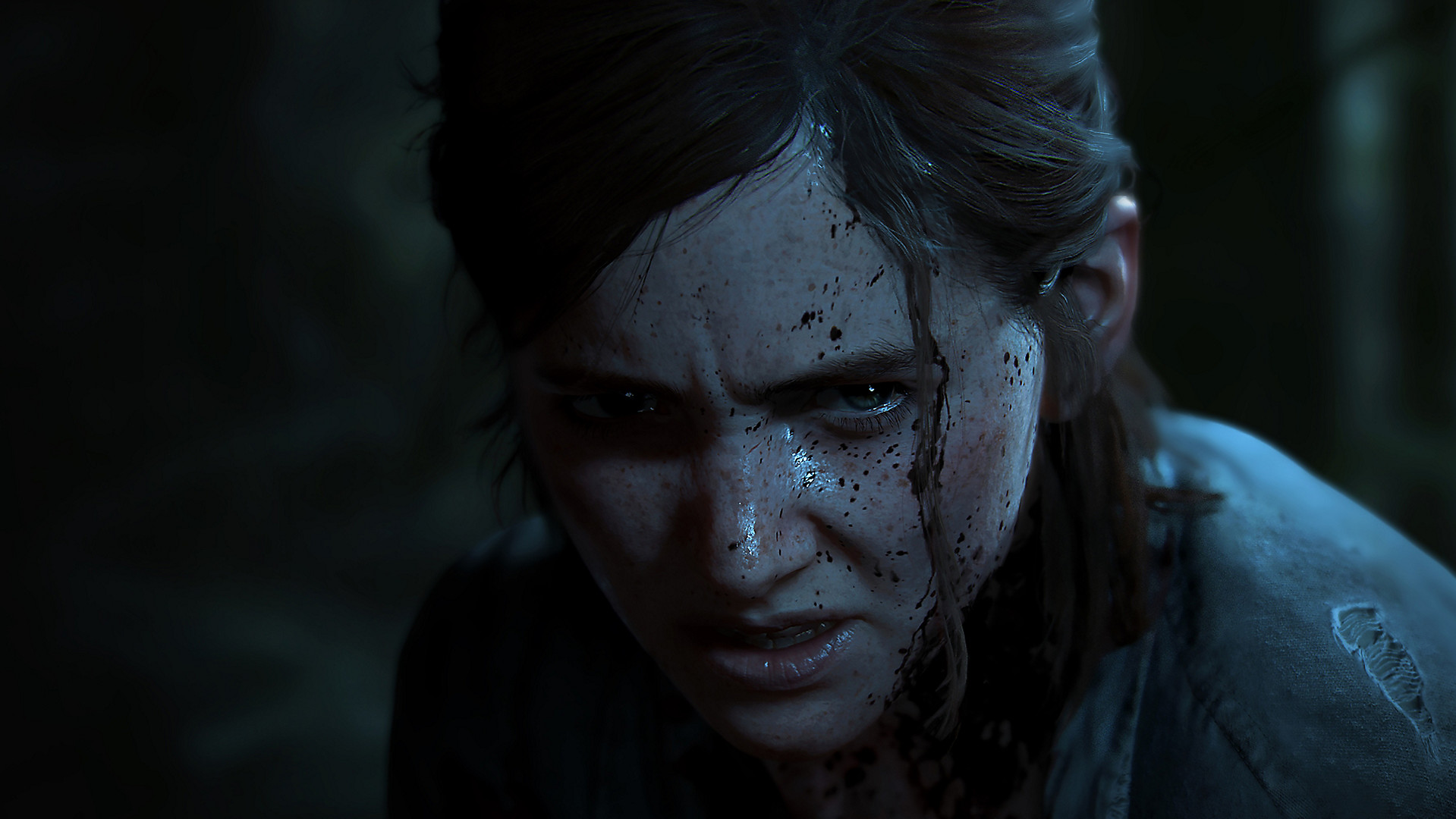
‘The Last of Us Part II,’ created by Naughty Dog and published by Sony, sparked controversy over dialogue related to the character Lev. Some players believed this dialogue felt driven by political agendas and requested changes to the story. While the game delved into complex themes like violence and compassion, discussions about casting and writing choices often took center stage. Despite calls for a story revision, the game ultimately received widespread critical acclaim and numerous awards.
‘Suicide Squad: Kill the Justice League’ (2024)
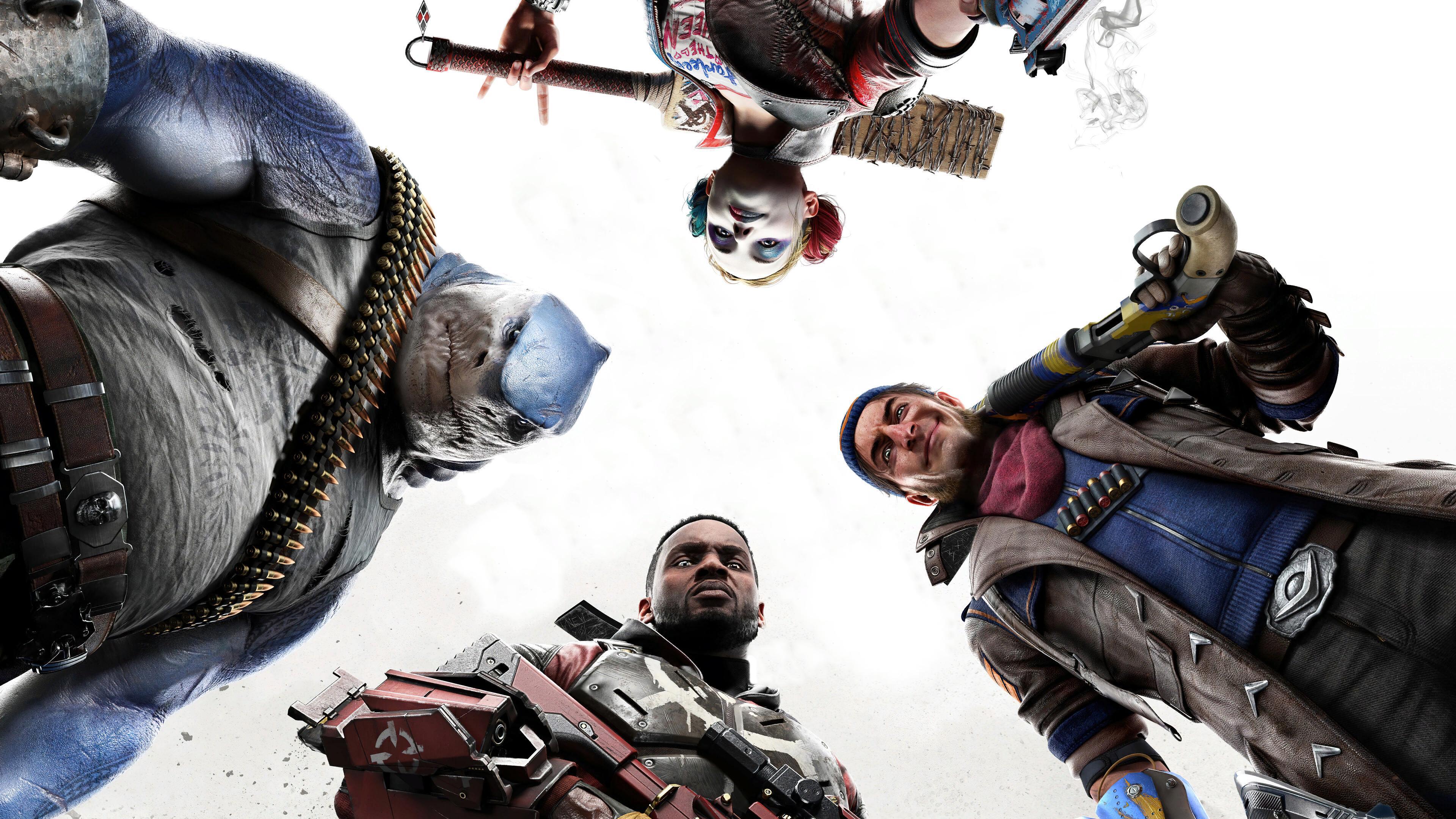
The game ‘Suicide Squad: Kill the Justice League’, created by Rocksteady Studios and published by Warner Bros. Games, faced criticism over some of its dialogue, specifically in descriptions of Wonder Woman within Lex Luthor’s in-game entries. Players felt these descriptions portrayed her as a stereotypical “girl boss” and unfairly diminished the portrayals of male heroes. This sparked requests for changes to the dialogue to align better with established character dynamics in the DC Universe. The writing became a significant issue throughout the game’s lifespan as a live-service title.
‘Like a Dragon: Infinite Wealth’ (2024)
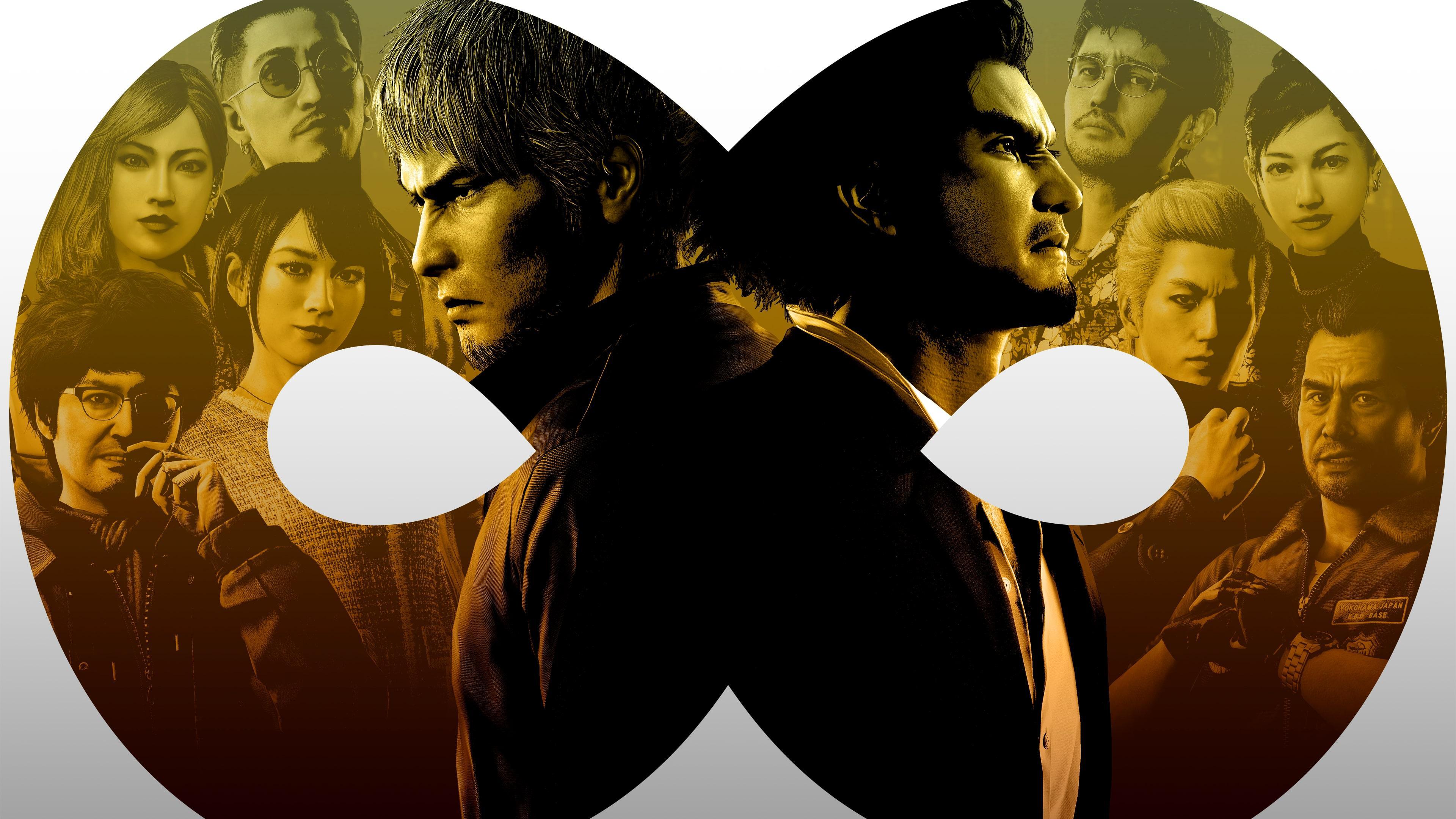
‘Like a Dragon: Infinite Wealth,’ created by Ryu Ga Gotoku Studio and published by Sega, received criticism regarding its English translation. Some players noticed the dialogue included contemporary Western political terms that weren’t in the original Japanese version. These fans felt the translation lost the game’s authentic Japanese atmosphere and requested a more direct translation, avoiding what they considered overly ‘politically correct’ language.
‘Street Fighter V’ (2016)
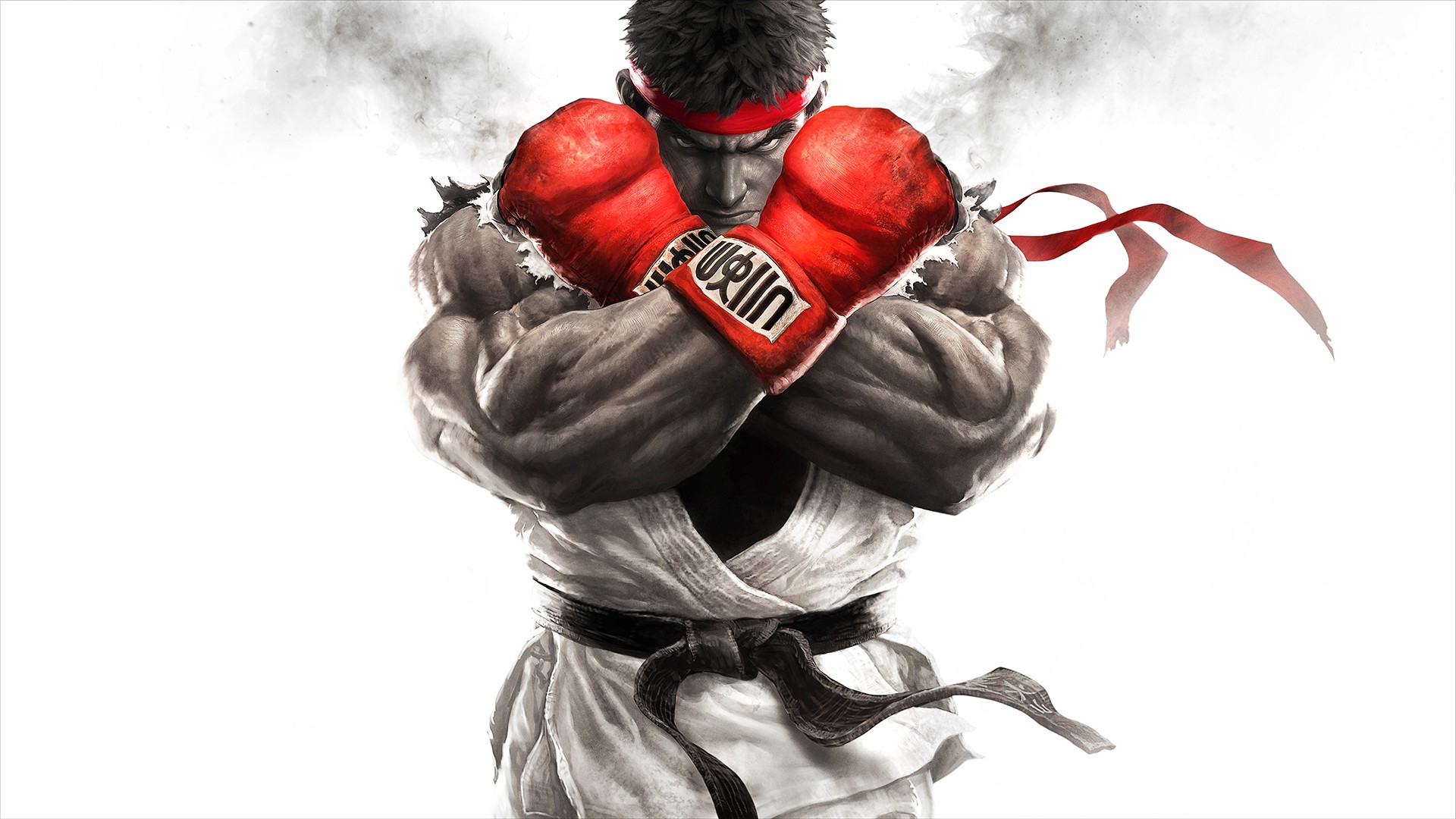
As a longtime Street Fighter fan, I remember a lot of discussion around the changes Capcom made to Street Fighter V before it launched. They tweaked R. Mika’s Critical Art and Cammy’s introduction, making them less…suggestive, and a lot of us thought it was because they were trying to be more politically correct. People immediately started petitions and talked about creating mods to bring back the original animations and lines. Capcom explained that they wanted the game to appeal to a wider range of players and also meet what’s acceptable for TV broadcasts.
‘Tokyo Mirage Sessions #FE’ (2016)
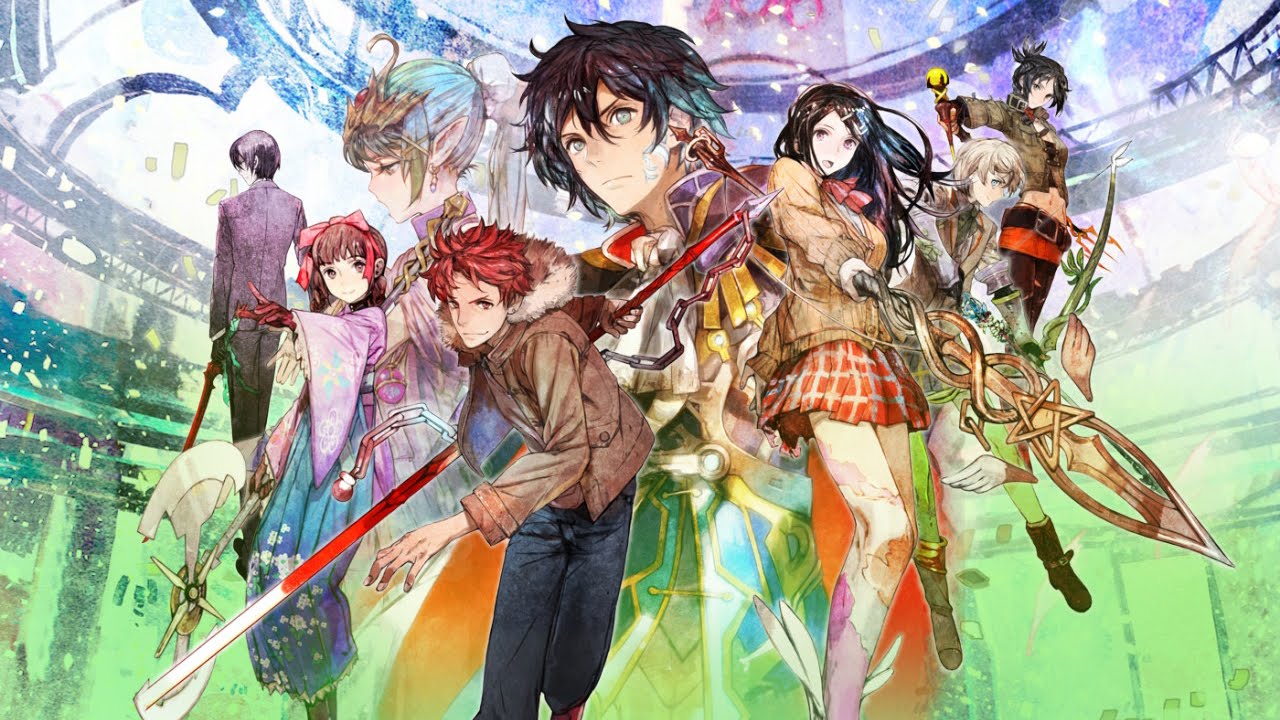
‘Tokyo Mirage Sessions #FE’ was created jointly by Atlus and Nintendo and required significant adjustments for its release on the Wii U. Some dialogue was altered to make characters seem older and to remove mentions of a specific type of modeling, which upset some fans who felt it was an overreaction. These players wanted the original Japanese version of the script to be used to better reflect the game’s focus on idol culture. When the game was later released on the Nintendo Switch as ‘Encore’, it continued to use the altered, localized version worldwide, leading to further discussion and disagreement.
‘Xenoblade Chronicles X’ (2015)
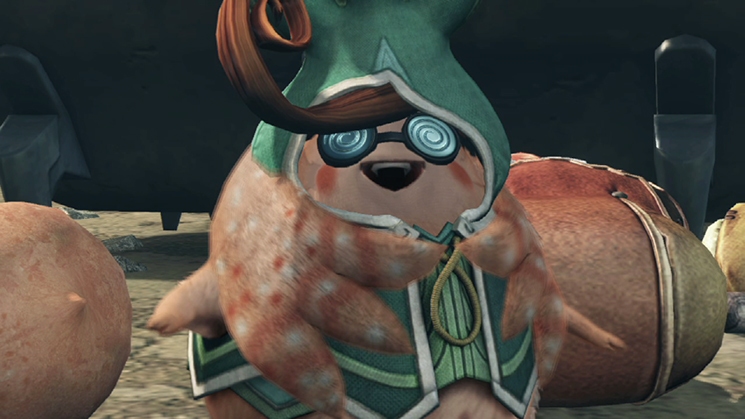
‘Xenoblade Chronicles X’, created by Monolith Soft and published by Nintendo, had some changes made for its release in Western countries. Specifically, a feature allowing players to adjust the bust size of female characters was removed, and some dialogue and descriptions were made more modest. This sparked criticism from fans online, who felt these changes were unnecessary alterations to the game’s original intent and were driven by political correctness. The altered localization remained a point of contention within the game’s dedicated fanbase for years.
‘Baldur’s Gate 3’ (2023)
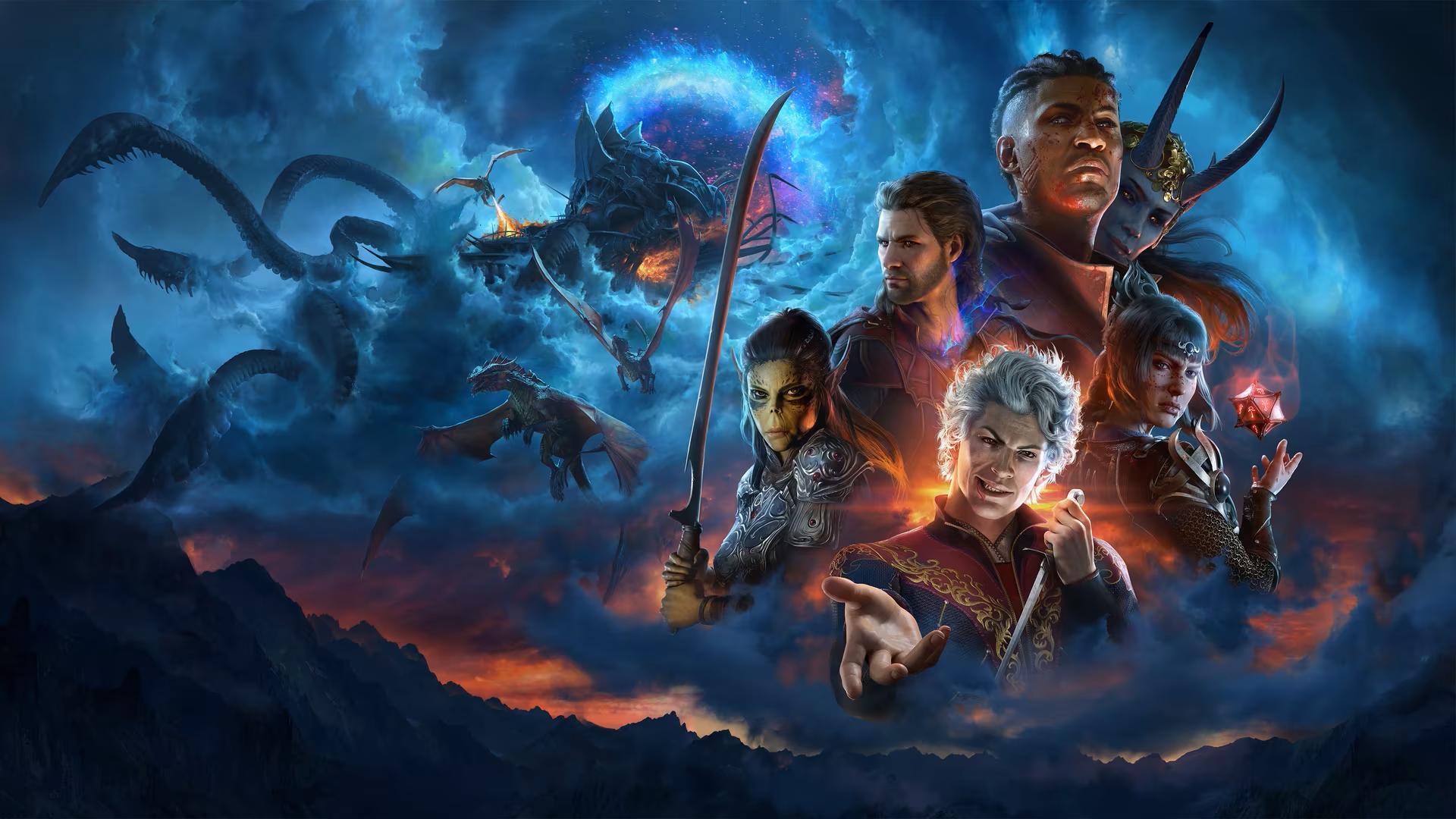
In ‘Baldur’s Gate 3’, Larian Studios added options for gender-neutral pronouns and diverse character identities, which changed some of the conversations you could have. Although the game was highly praised, some players asked if they could turn these features off, feeling they clashed with the classic fantasy setting of the Forgotten Realms. Larian Studios decided to keep the options, explaining they wanted to create a game where all players feel welcome and represented.
‘Stellar Blade’ (2024)
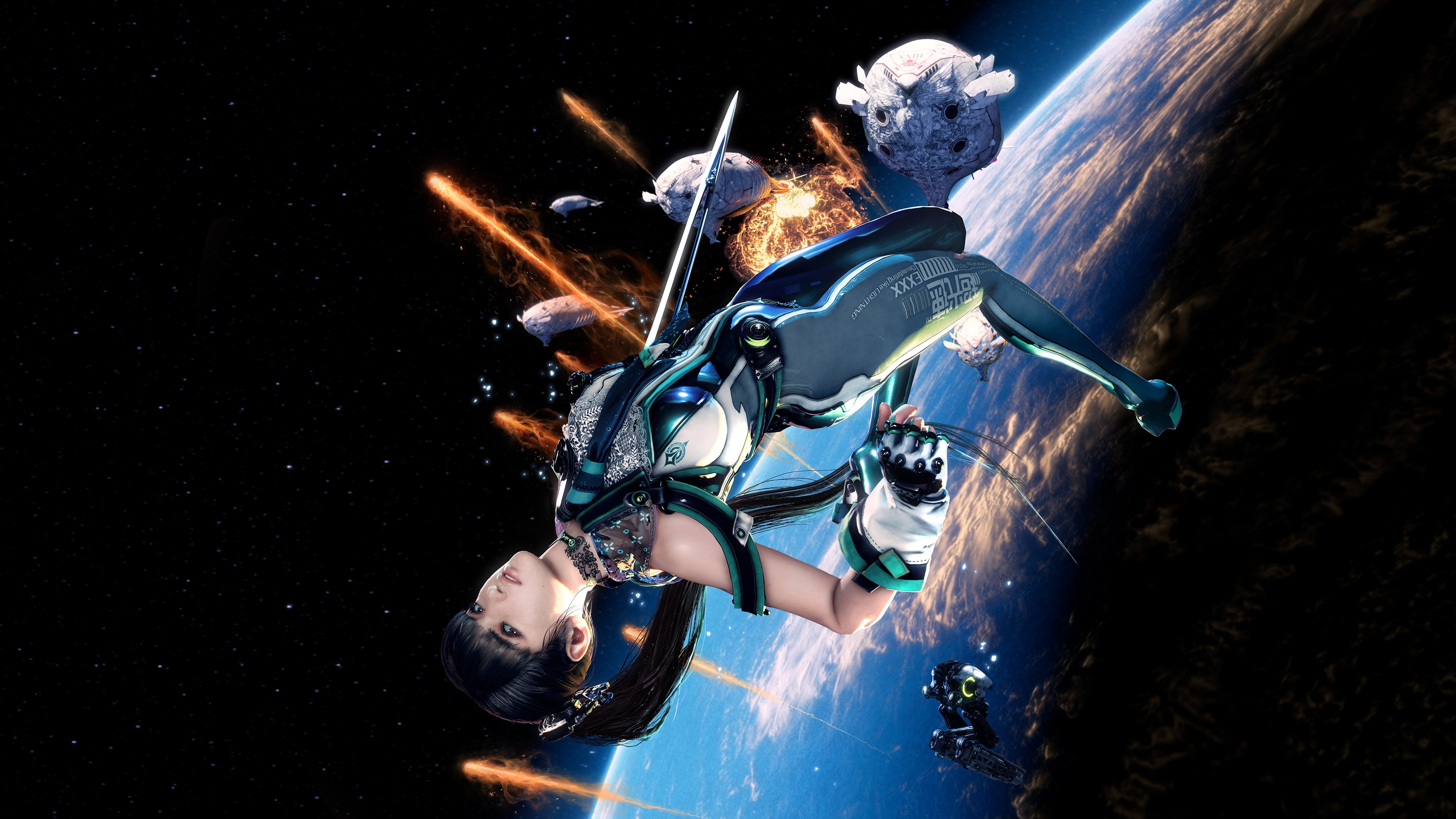
The action game ‘Stellar Blade’, created by Shift Up and published by Sony, sparked debate when it launched with a day-one patch. Players observed that some character outfits and lines of dialogue had been changed to be less provocative. This led to a fan petition, called “Free Stellar Blade,” which collected thousands of signatures requesting the original content be restored. While the developers responded by adding more revealing outfit options, most of the altered dialogue remained unchanged.
‘God of War Ragnarök’ (2022)
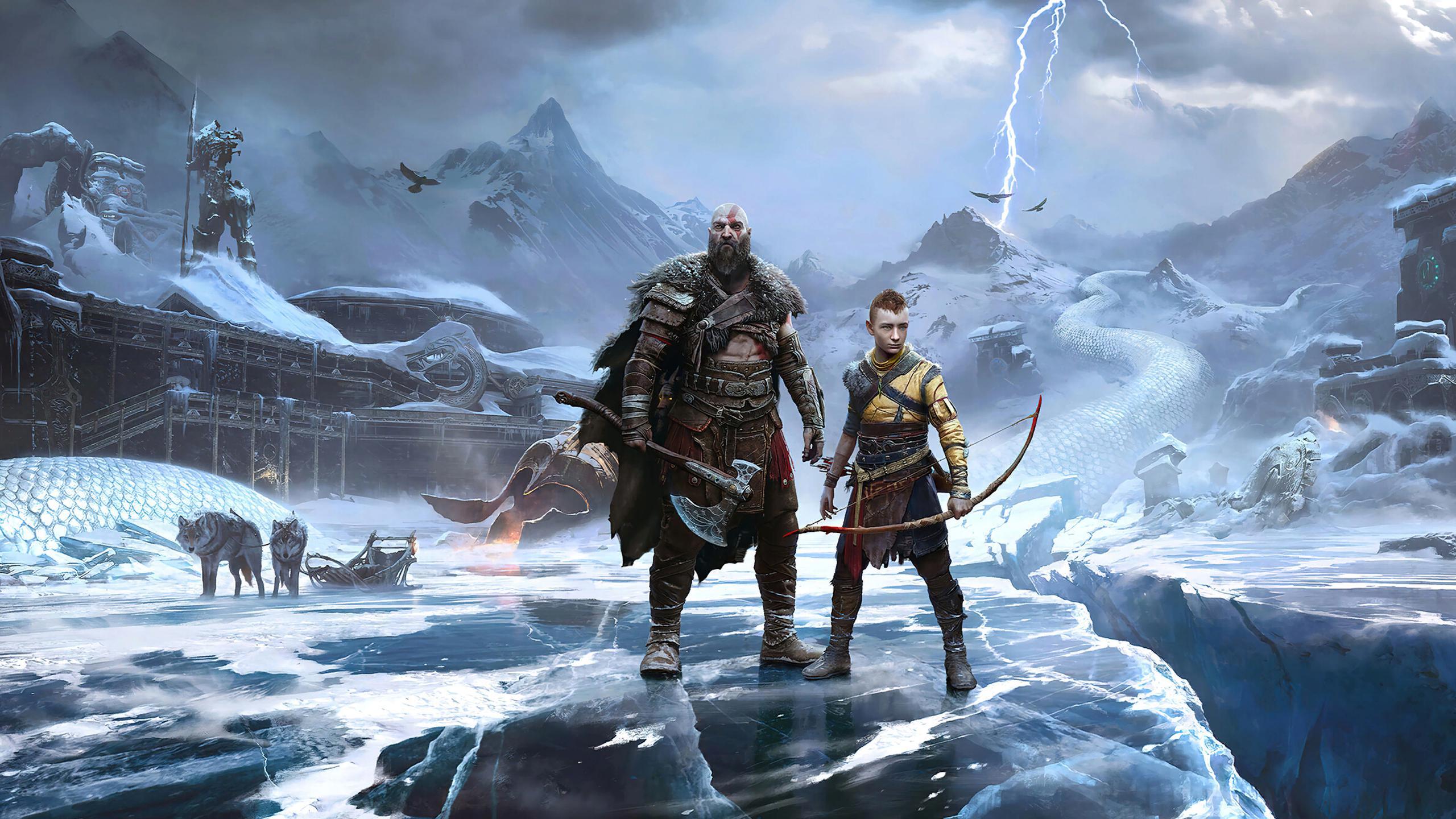
The creators of ‘God of War Ragnarök’, Santa Monica Studio and Sony Interactive Entertainment, received backlash from some fans regarding their portrayal of the character Angrboda. These fans objected to her character design and dialogue, claiming the decision to make her a person of color felt forced and politically motivated. The writers responded by emphasizing that the game’s world is a reimagining of Norse mythology, allowing for creative interpretation. Despite the controversy, the conversation between Atreus and Angrboda remained a key emotional element of the game.
‘Saints Row’ (2022)
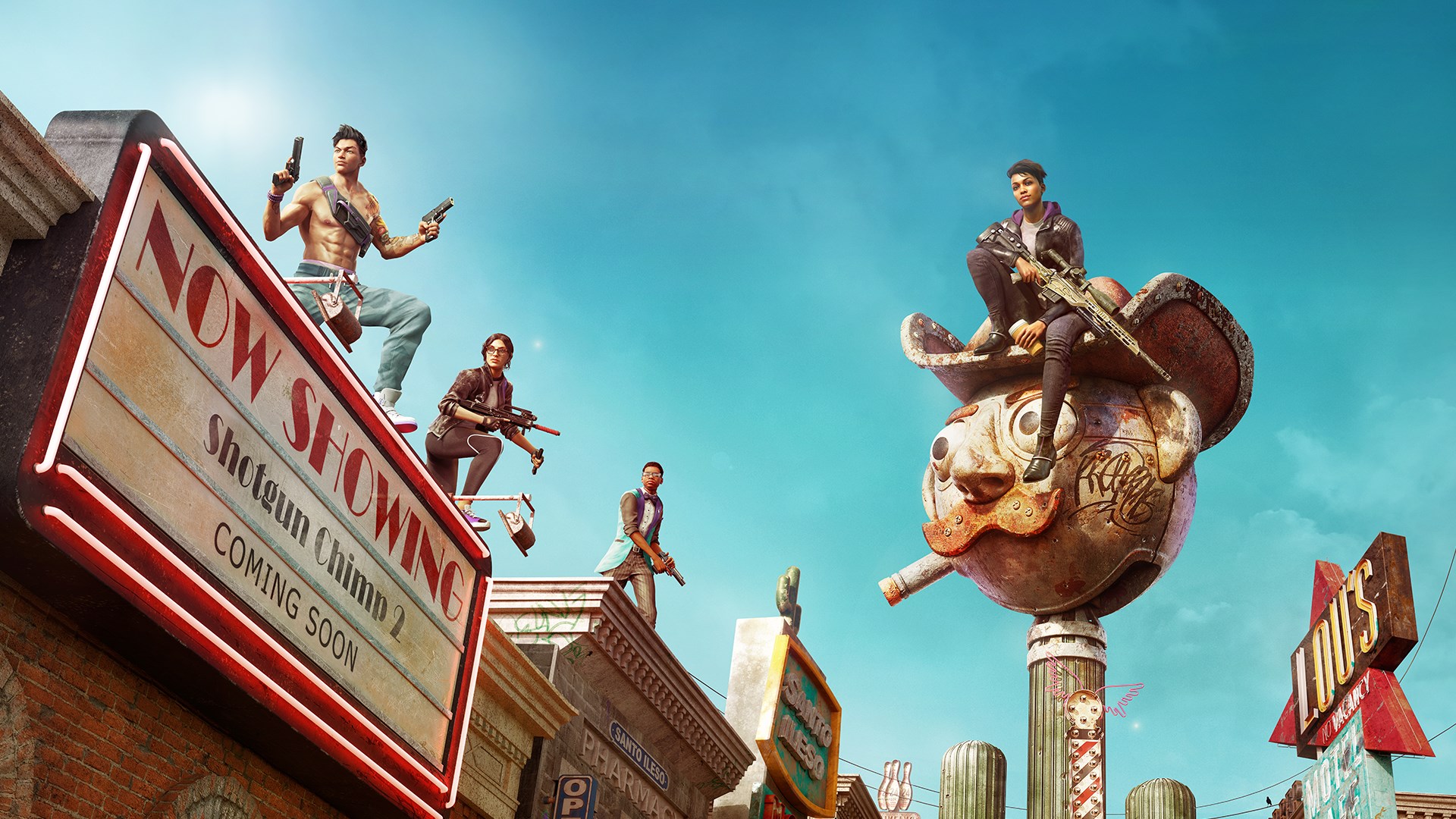
The recent ‘Saints Row’ reboot, created by Volition and published by Deep Silver, moved away from the series’ traditionally over-the-top and crude humor, trying a new style. Many longtime fans disliked this change, specifically objecting to dialogue about topics like student debt and therapy. They felt it strayed from the series’ focus on being a gangster game and leaned too much into current social issues. These fans often pointed to the game’s sales numbers as proof that the new tone didn’t work.
‘The Witcher 3: Wild Hunt’ (2015)
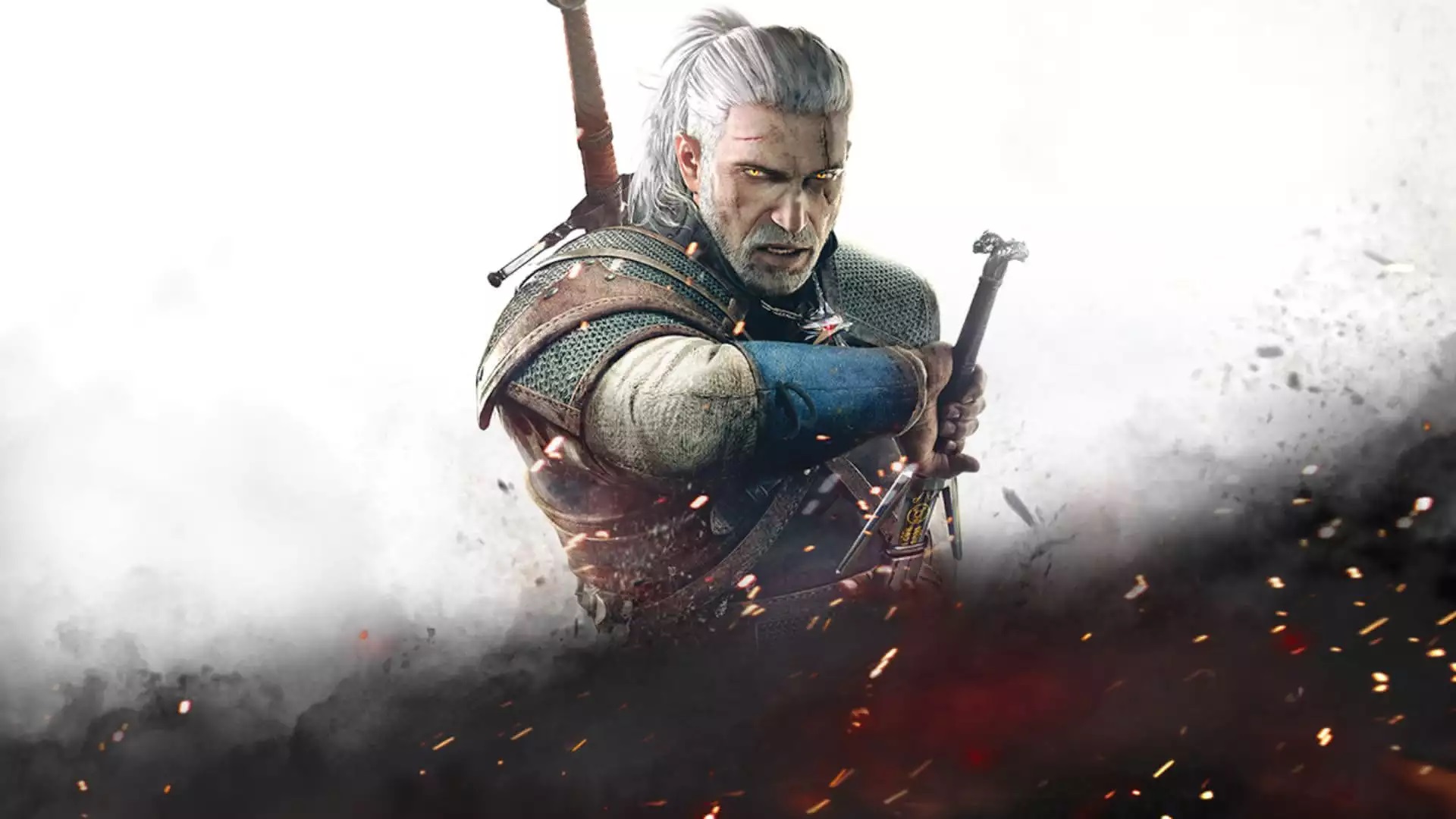
The next-gen update for ‘The Witcher 3: Wild Hunt’ from CD Projekt Red included mods and updates created by fans. Some players felt that certain dialogue and visuals had been altered, making the game less mature. This sparked a demand to restore the original version from 2015. The developers explained that some of these changes were mistakes, while others were intentional improvements designed to enhance the player experience.
‘Mortal Kombat 11’ (2019)

‘Mortal Kombat 11’, created by NetherRealm Studios and published by Warner Bros. Games, included an ending for the character Jax that involved time travel and changing historical events. This caused a negative reaction from fans, who felt it unnecessarily brought real-world political issues into the game. They asked the developers to remove the scene, believing it didn’t fit the series’ usual style. However, NetherRealm Studios defended the ending, explaining it aligned with Jax’s established backstory.
We’d love to hear your opinions on how game localization affects your enjoyment of playing. Please share your thoughts in the comments below!
Read More
- 20 Movies Where the Black Villain Was Secretly the Most Popular Character
- Transformers Under the Microscope: What Graph Neural Networks Reveal
- Celebs Who Narrowly Escaped The 9/11 Attacks
- Silver Rate Forecast
- Trading on Thin Air: AI Agents Conquer Crypto Volatility
- Gold Rate Forecast
- Invincible Season 4 Gender Swaps Tech Jacket As Fans Question Major Comic Change
- 22 Films Where the White Protagonist Is Canonically the Sidekick to a Black Lead
- Every Notable ‘Star Trek: The Original Series’ Actor Who Died
- Trading Smarter: AI-Powered Execution Schedules
2026-01-10 17:17