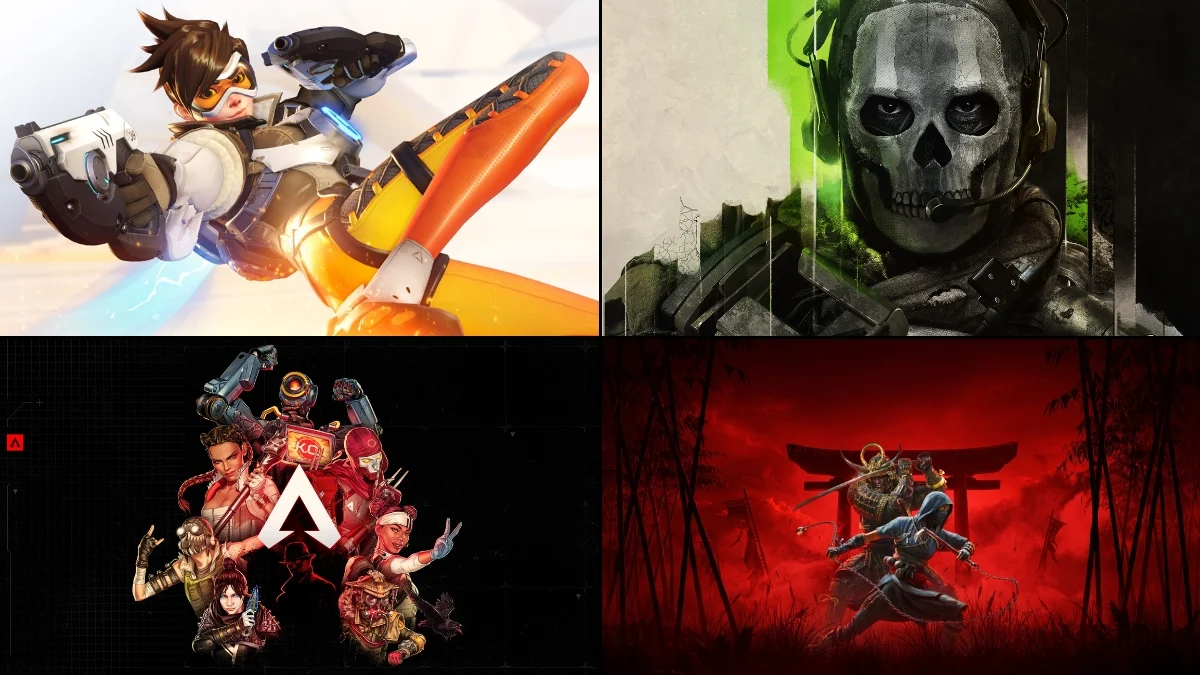
When game developers try to make their games more inclusive and modern, it often causes conflict with some players. While studios often want to add more diverse characters or storylines through updates and expansions, these changes can sometimes lead to backlash, organized protests, and even calls to stop playing the game. This shows an ongoing discussion about how much creative freedom developers should have, how accurately games should reflect the past, and whether social issues have a place in gaming.
‘Battlefield V’ (2018)
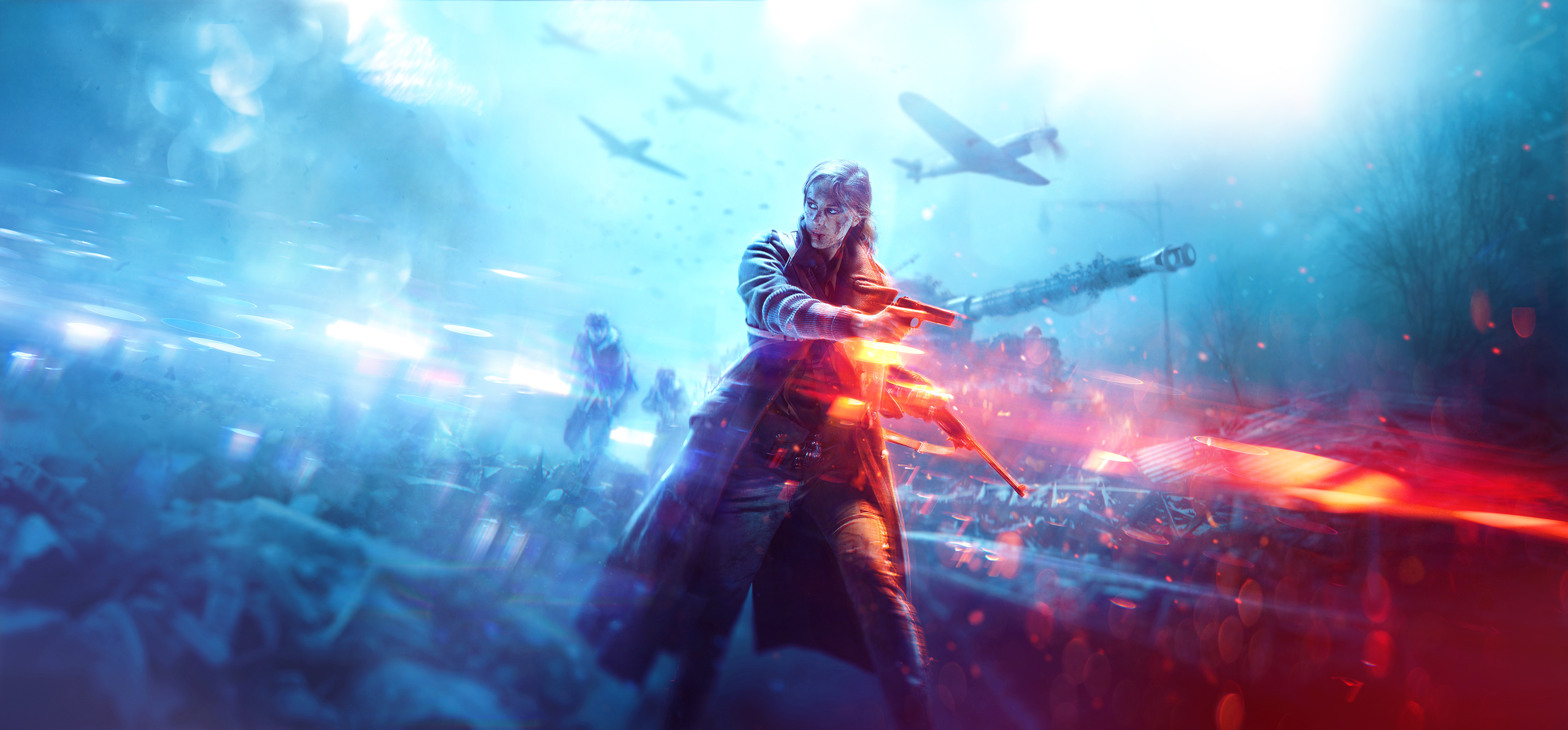
The first-person shooter game, created by DICE and published by Electronic Arts, sparked significant backlash after its announcement. The inclusion of a female soldier with a prosthetic arm, set during World War II, led to criticism of historical inaccuracy and claims of forced diversity. When players expressed their dissatisfaction, Electronic Arts suggested they either accept the changes or refrain from purchasing the game. This response was widely criticized and contributed to lower-than-expected sales. The resulting controversy led to a prolonged boycott that negatively impacted the game’s initial player numbers worldwide.
‘Total War: Rome II’ (2013)

The strategy game developed by Creative Assembly and SEGA faced criticism in 2018 following an update that changed how often female generals appeared in the game. Some players argued this made the game historically inaccurate, leading to negative reviews and calls for a boycott. Creative Assembly responded by explaining the change was meant to add more variety to the gameplay experience while still being set within a historical context.
‘Call of Duty: Modern Warfare II’ (2022)
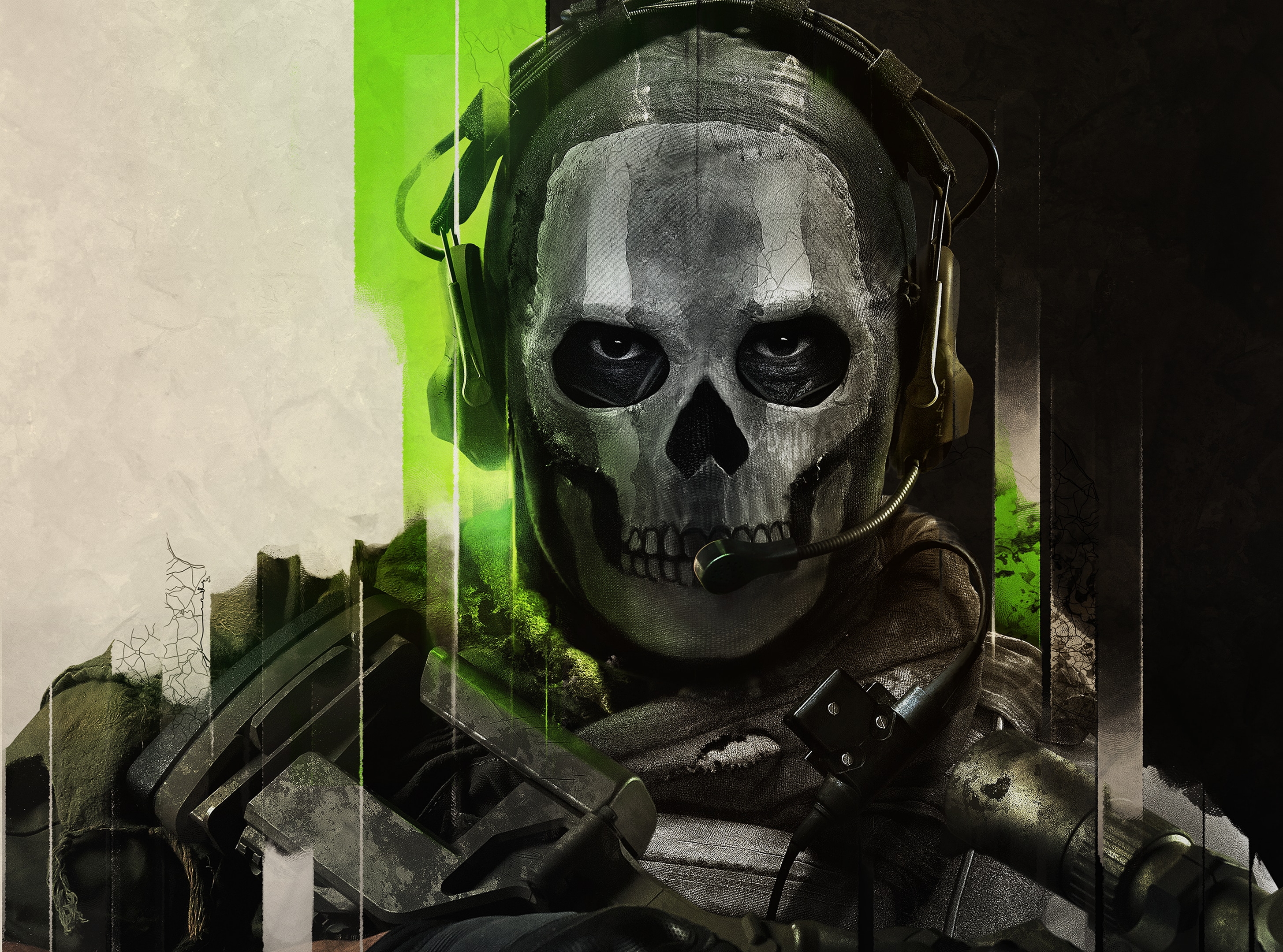
Infinity Ward and Activision found themselves in a difficult situation after removing a cosmetic pack featuring streamer Nickmercs. This happened because Nickmercs made comments some considered offensive regarding LGBTQ+ topics in schools, and the game developers wanted to ensure the game remained welcoming to everyone. Several other popular streamers, including TimTheTatman, asked for their own content to be removed in support of Nickmercs, which led to a larger boycott from their fans. This caused a major divide within the gaming community, with many players refusing to play the game to protest the company’s actions.
‘Starfield’ (2023)
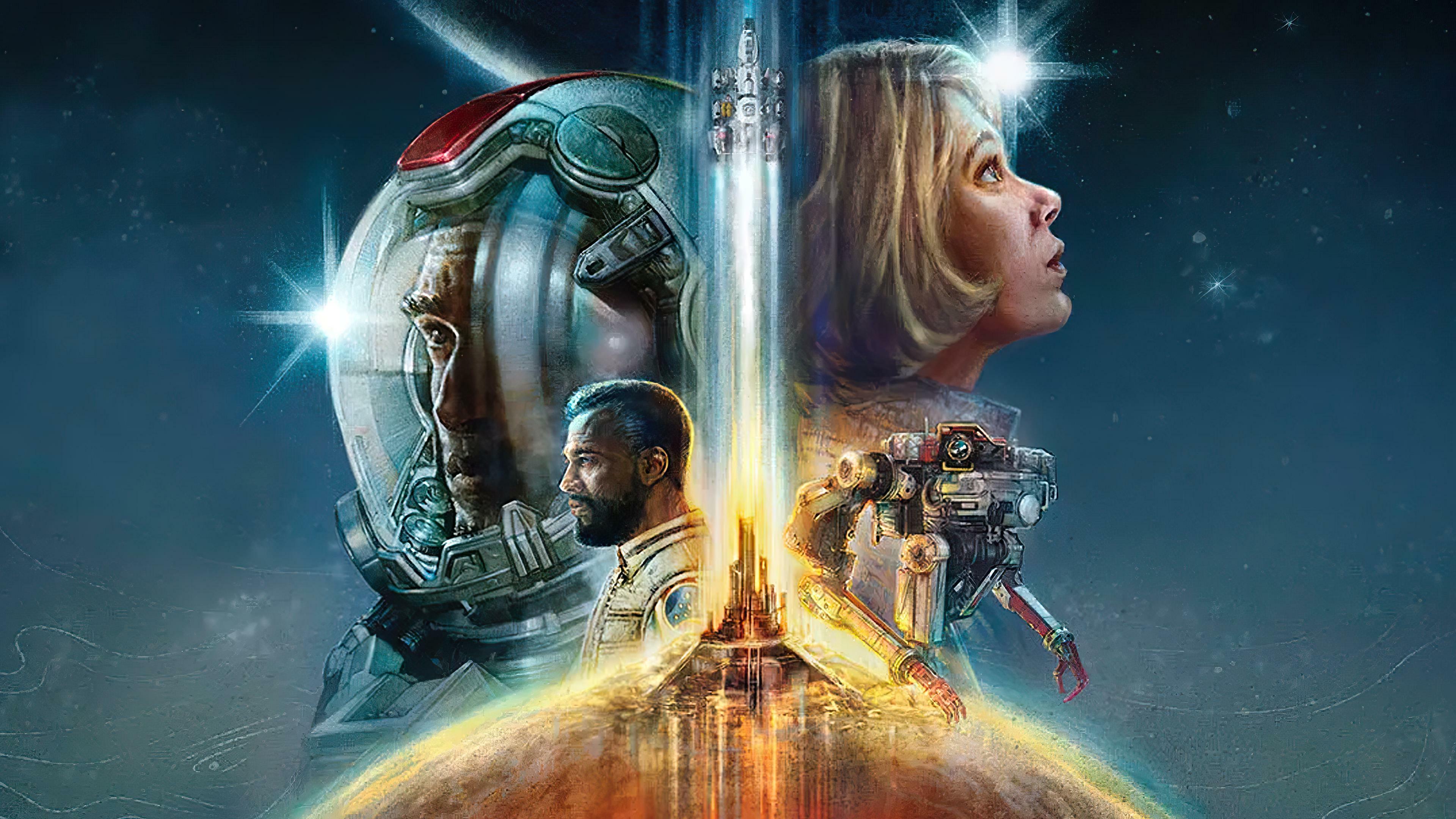
Bethesda recently added a feature to their game that lets players choose their pronouns, separate from how their character looks. Although a small addition, this sparked a strong negative reaction online, with many people requesting refunds. Videos of streamers angrily reacting to the feature being labeled as ‘political’ quickly spread, and a small but vocal group called for a boycott. Despite the controversy, the game remained popular, but discussions about pronoun options continued to be highly divisive within the gaming community.
‘The Last of Us Part II’ (2020)
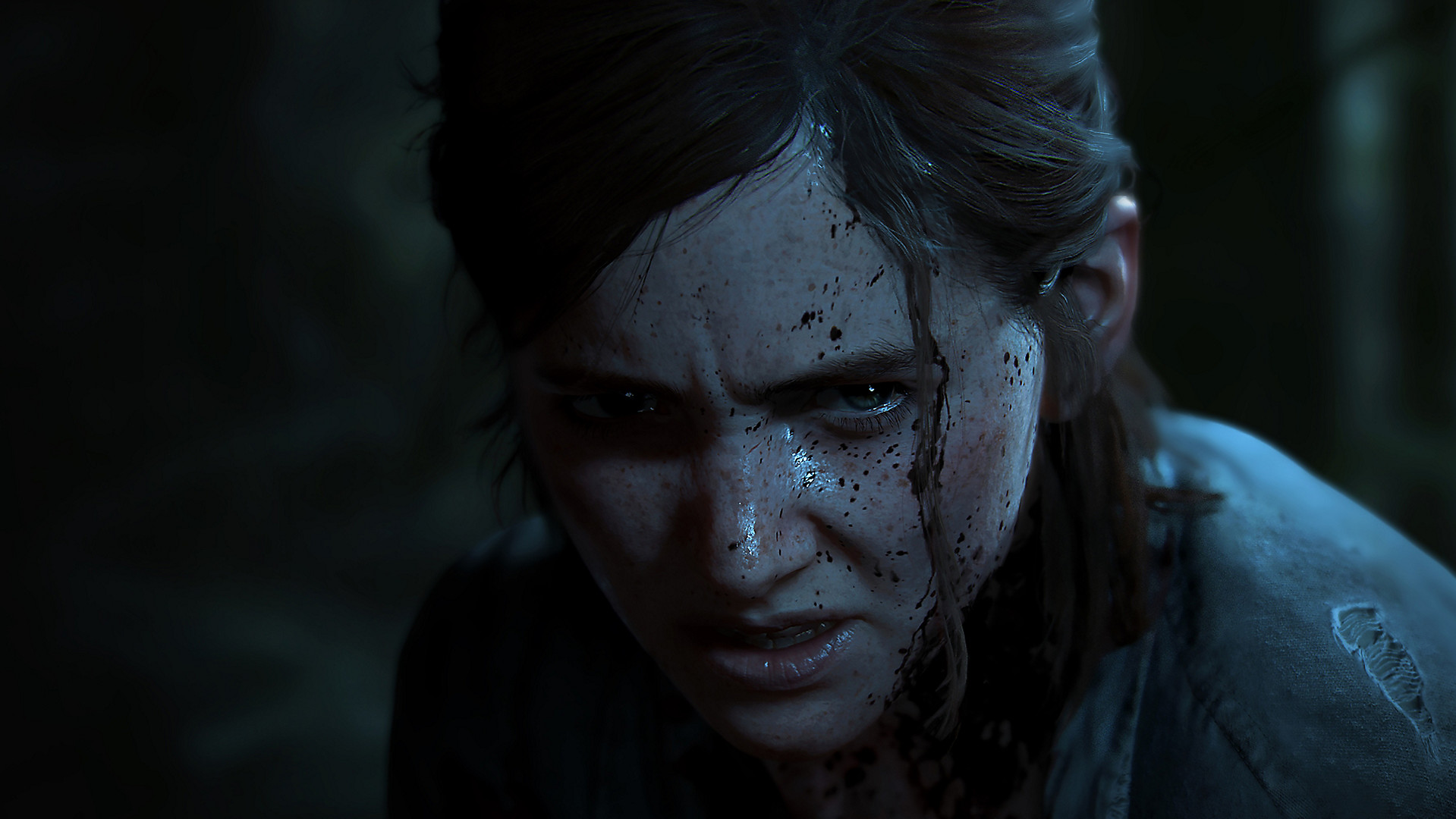
Before its release, Naughty Dog and Sony faced a large-scale boycott after major plot details were leaked online. These leaks revealed a diverse cast of characters and story themes that some players criticized as being overly focused on social issues, especially regarding the characters Abby and Lev. This led to organized attempts to lower the game’s user ratings and cancel pre-orders. Although the game ultimately received positive reviews and sold well, early data showed a significant split among its dedicated fanbase.
‘Overwatch’ (2016)
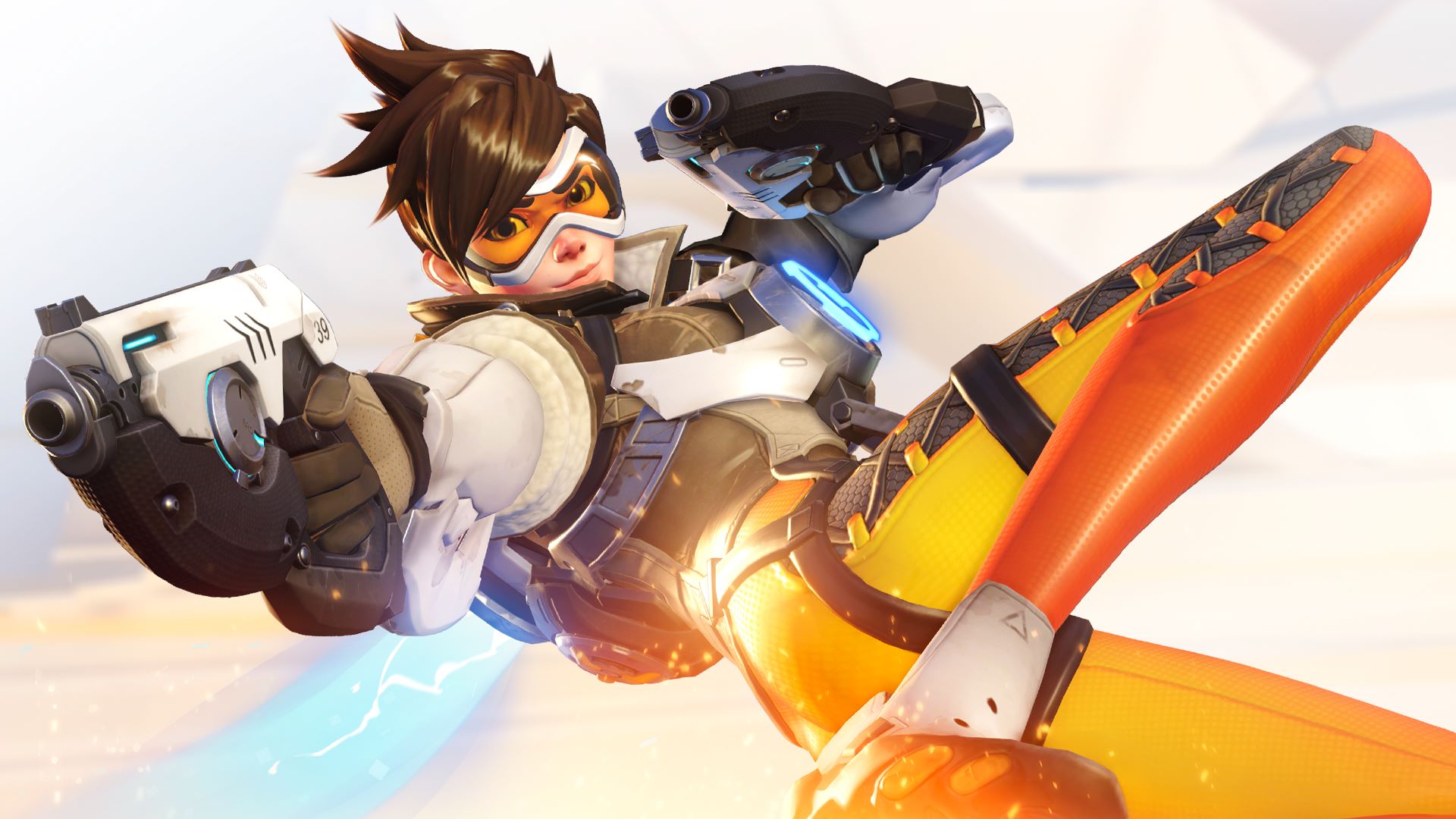
Blizzard Entertainment has consistently expanded the backstory of its popular hero shooter, detailing the unique histories of each character. When a digital comic revealed Tracer, a main character, was in a same-sex relationship, it sparked controversy, leading to the game being blocked in some countries and prompting some players to call for a boycott, arguing the information wasn’t needed. A similar situation happened later with Soldier: 76, when his homosexuality was confirmed, again leading to calls for players to stop playing. Despite these challenges and differing international rules, Blizzard continued to prioritize including diverse representation in its storytelling.
‘Assassin’s Creed Shadows’ (2025)
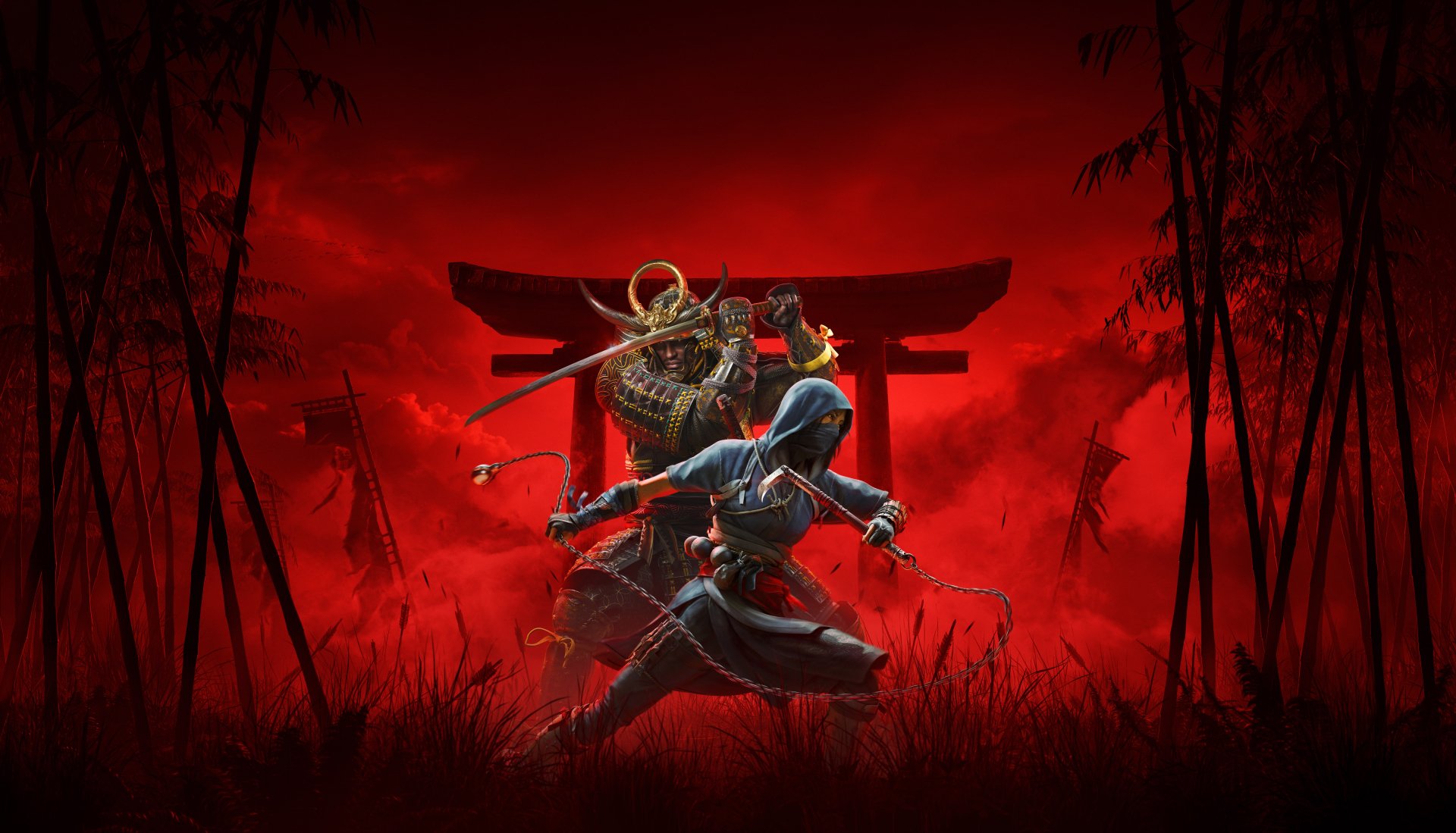
Ubisoft’s decision to include Yasuke, a historical African samurai, as a main character in their game caused a major international controversy. The move sparked petitions and boycott attempts from people who felt it disrespected Japanese culture and history. The issue became significant enough to attract the attention of Japanese officials and fueled a broad conversation about how historical fiction should handle cultural representation. Ultimately, Ubisoft apologized for any offense caused but maintained their decision to include the character.
‘The Sims 4’ (2014)
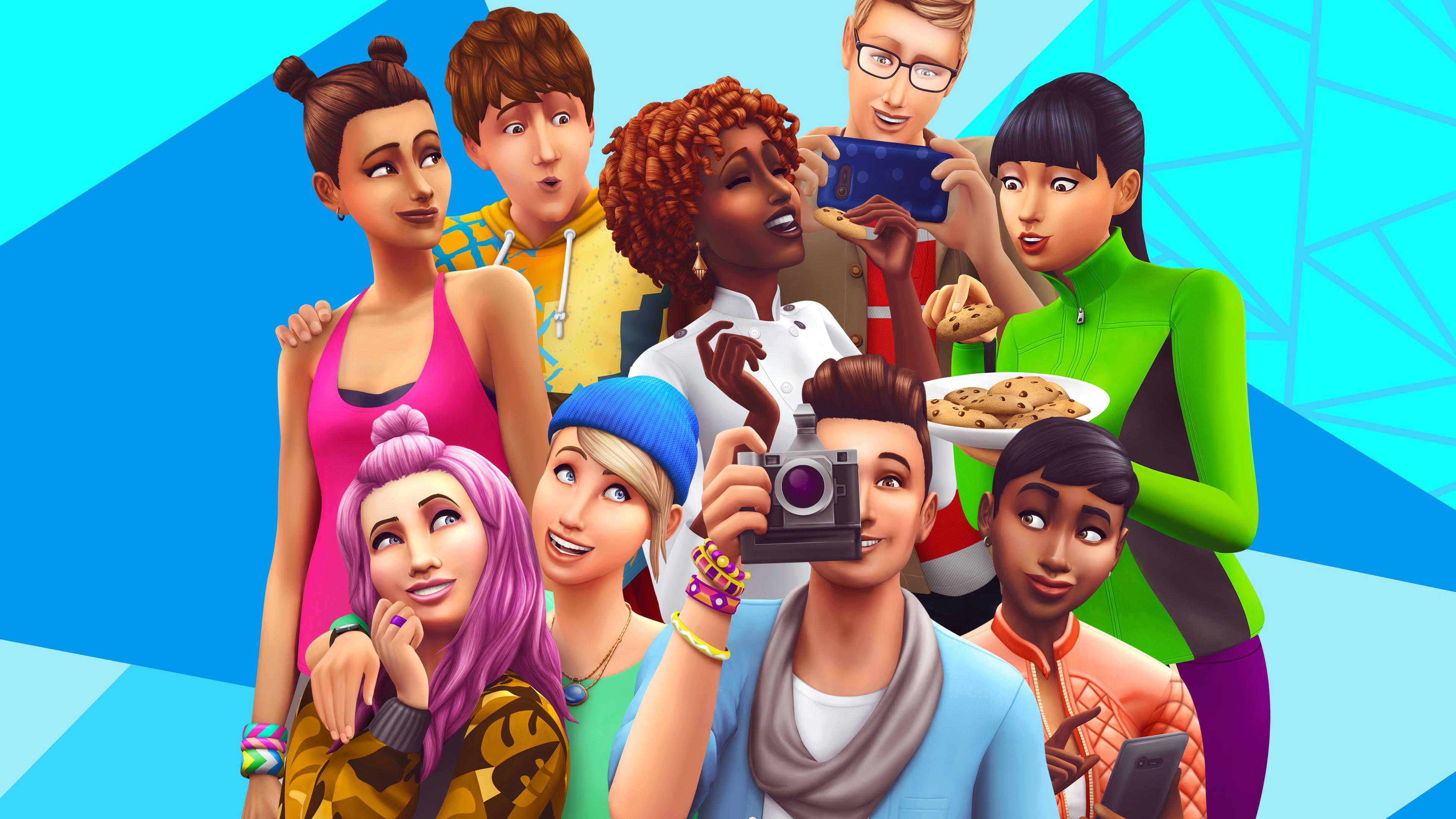
Maxis and Electronic Arts have been updating ‘The Sims 4’ to offer more choices for players to express their characters’ gender identities. While many players appreciated the additions – like options for medical scars and preferred pronouns – some objected, arguing the game was prioritizing social issues over traditional gameplay. This led to some players boycotting the game and sharing negative feedback online, though the majority of the community responded positively to the increased inclusivity.
‘World of Warcraft’ (2004)
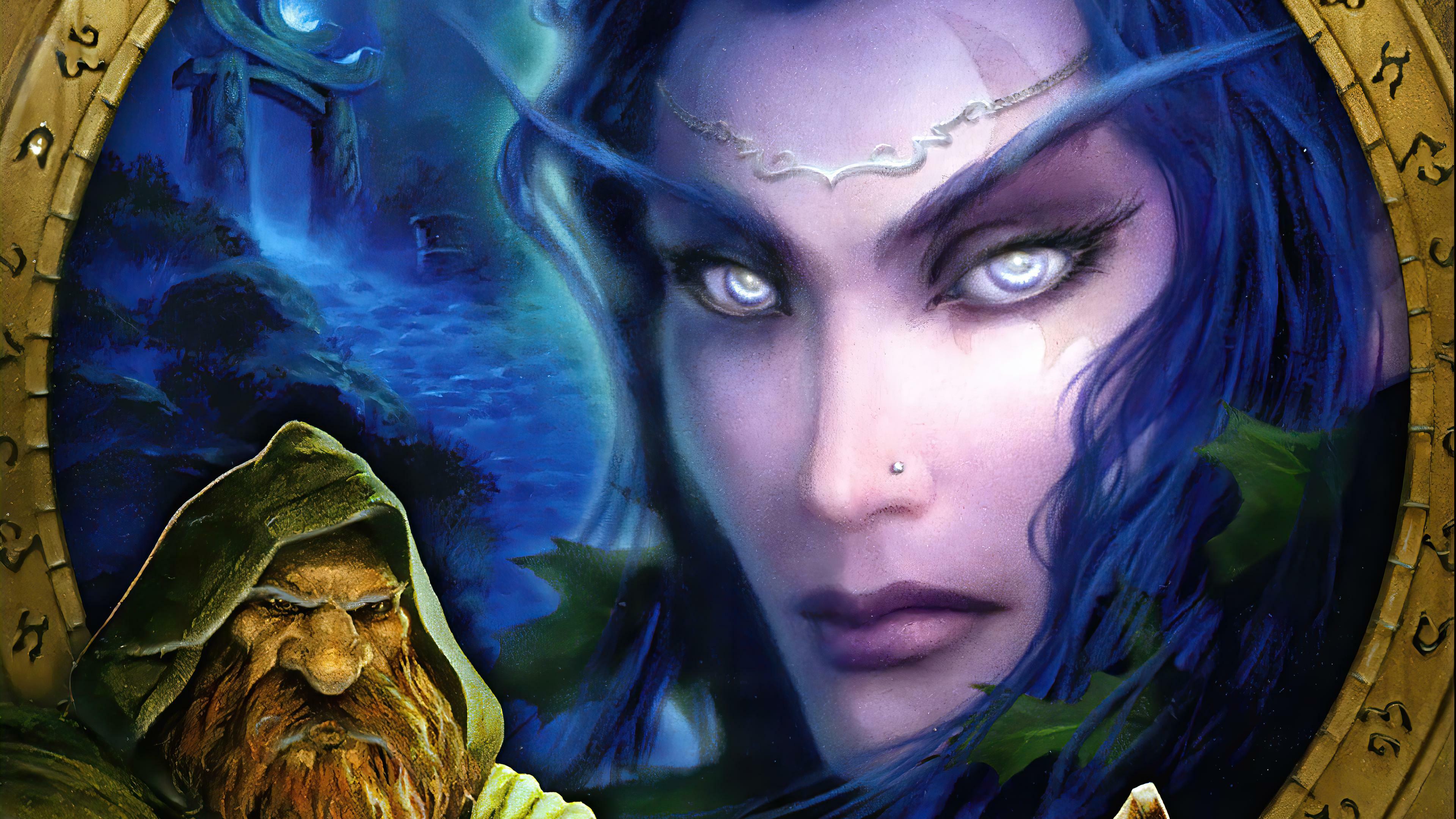
Following concerns about its workplace culture, Blizzard Entertainment made significant changes to its popular online game. These updates included removing suggestive content, changing the names of characters based on former employees, and even replacing some artwork with simpler images. While the developers said these changes were meant to create a more inclusive experience for all players, some longtime fans protested, arguing that the updates stripped away the game’s original character and humor.
‘Guilty Gear Strive’ (2021)
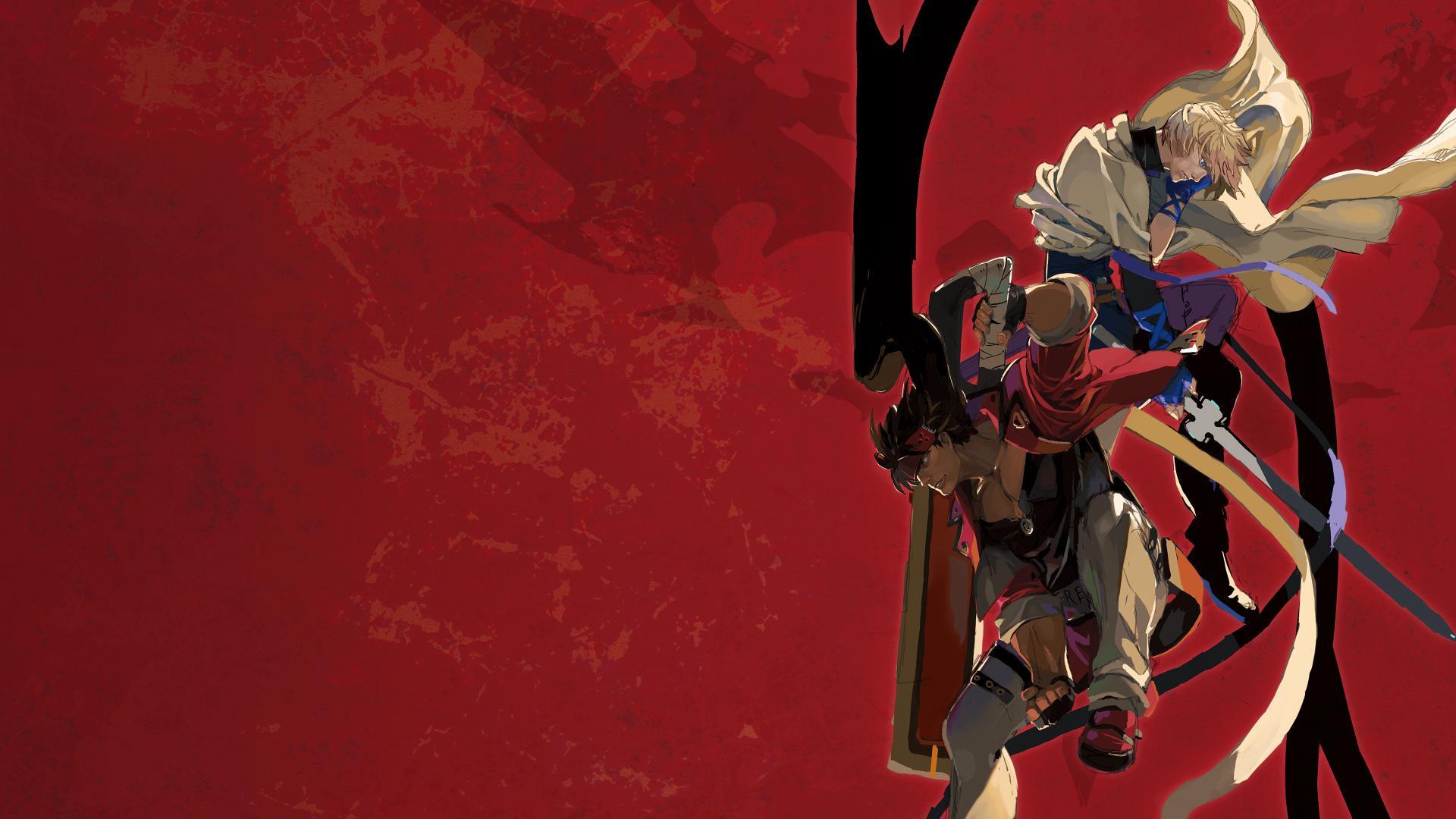
When Arc System Works brought back the character Bridget and confirmed she was transgender, the response from fans was sharply divided. Some players tried to change her identity through unofficial game modifications, while others stopped playing the game altogether. The developer received both support for including transgender representation and strong criticism from those who felt it changed the character’s established backstory. Despite the controversy, Bridget quickly became a very popular character among competitive players.
‘Hogwarts Legacy’ (2023)
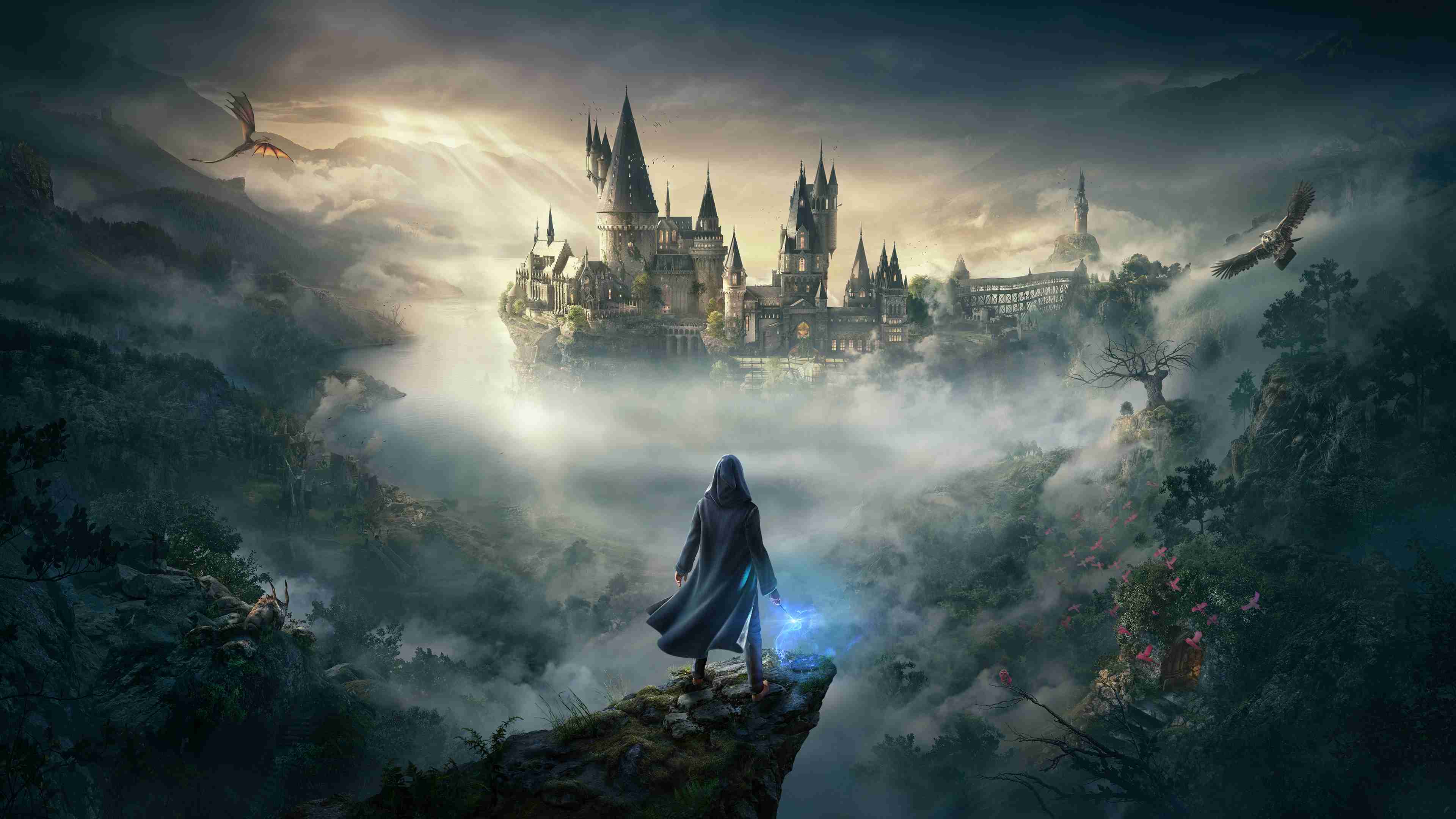
The developers of the game, Avalanche Software and Warner Bros. Games, included a transgender character, Sirona Ryan, in an attempt to move away from the controversial opinions of the franchise’s creator. However, this decision led to boycotts from both sides: some players objected to the creator’s past statements, while others felt Sirona’s inclusion was superficial or done simply to appeal to a certain audience. The resulting discussions about the game’s online servers were particularly heated, marking a turbulent time in gaming. Despite the controversy, the game sold very well, but the social conflict created a lot of stress during its release.
‘Apex Legends’ (2019)
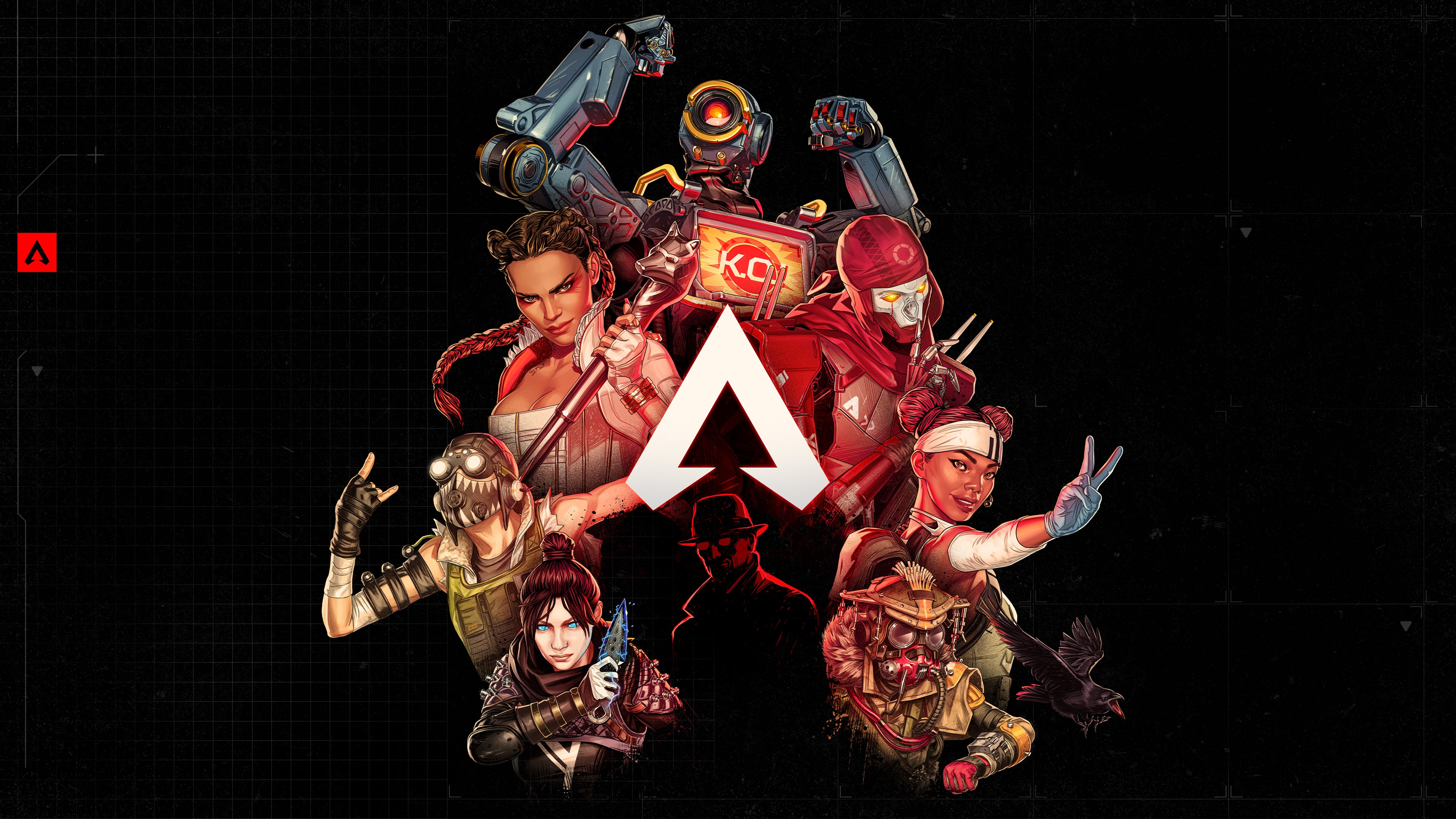
Respawn Entertainment and Electronic Arts have made a point of including a diverse range of characters, or “Legends,” in their game, featuring characters like Catalyst, who is transgender, and Bloodhound, who is non-binary. While many players enjoy this variety, each major update focused on diversity has also sparked calls for boycotts from some parts of the community. These players often claim the game is prioritizing “forced inclusion” over its original competitive focus. Despite this occasional drop in player engagement, Respawn continues to publicly support its commitment to diversity.
‘Dead by Daylight’ (2016)
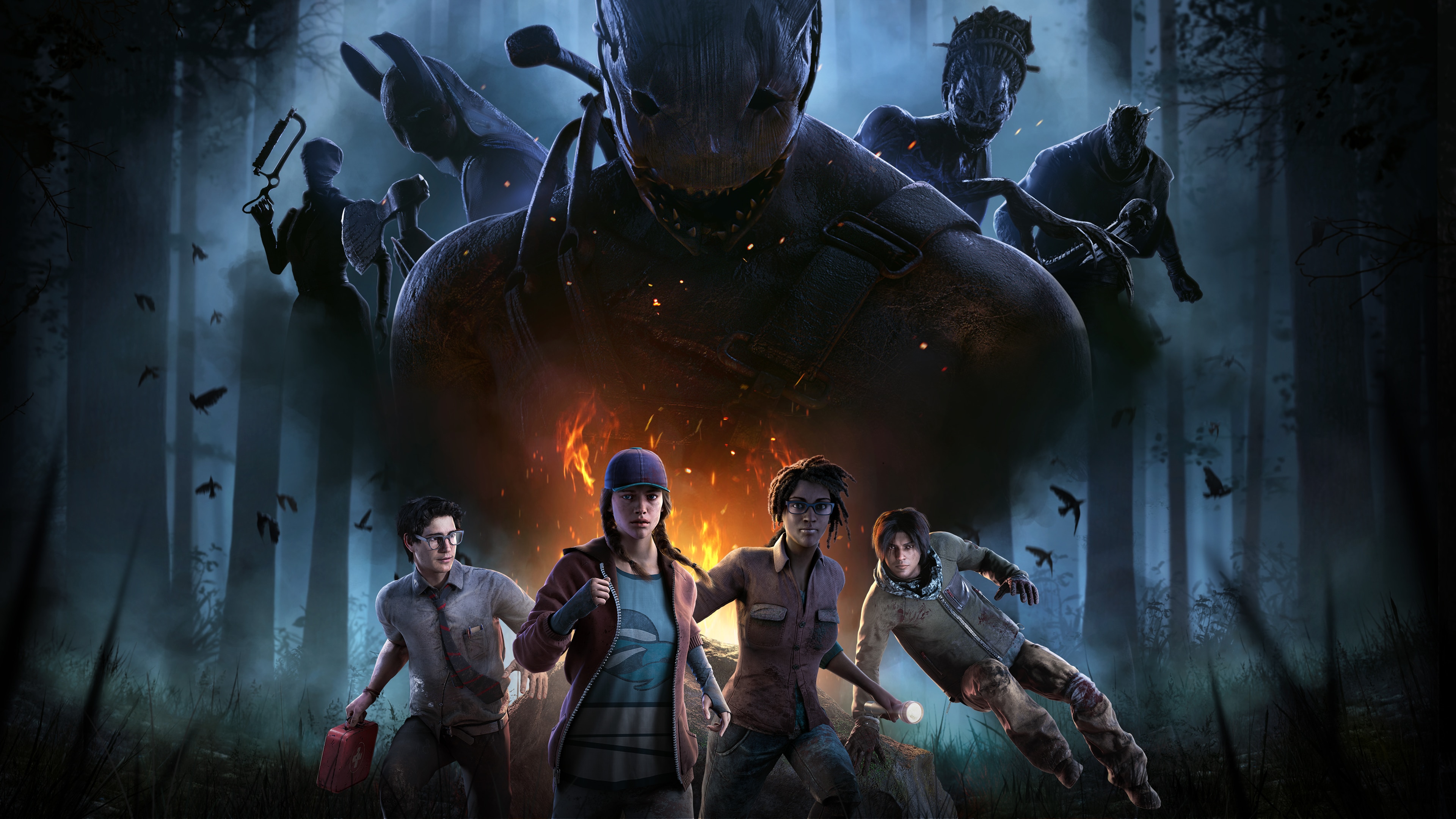
Behaviour Interactive added a “Pride” charm to their game and later revealed that the character David King is gay, which caused both positive reactions and strong criticism. Some players protested, arguing that sexual orientation shouldn’t be a factor in a horror game. This led to harassment of players and attempts to reduce the game’s popularity on streaming sites. Behaviour Interactive responded by reaffirming their support for the LGBTQ+ community and increasing moderation to address the negative behavior.
‘Destiny 2’ (2017)
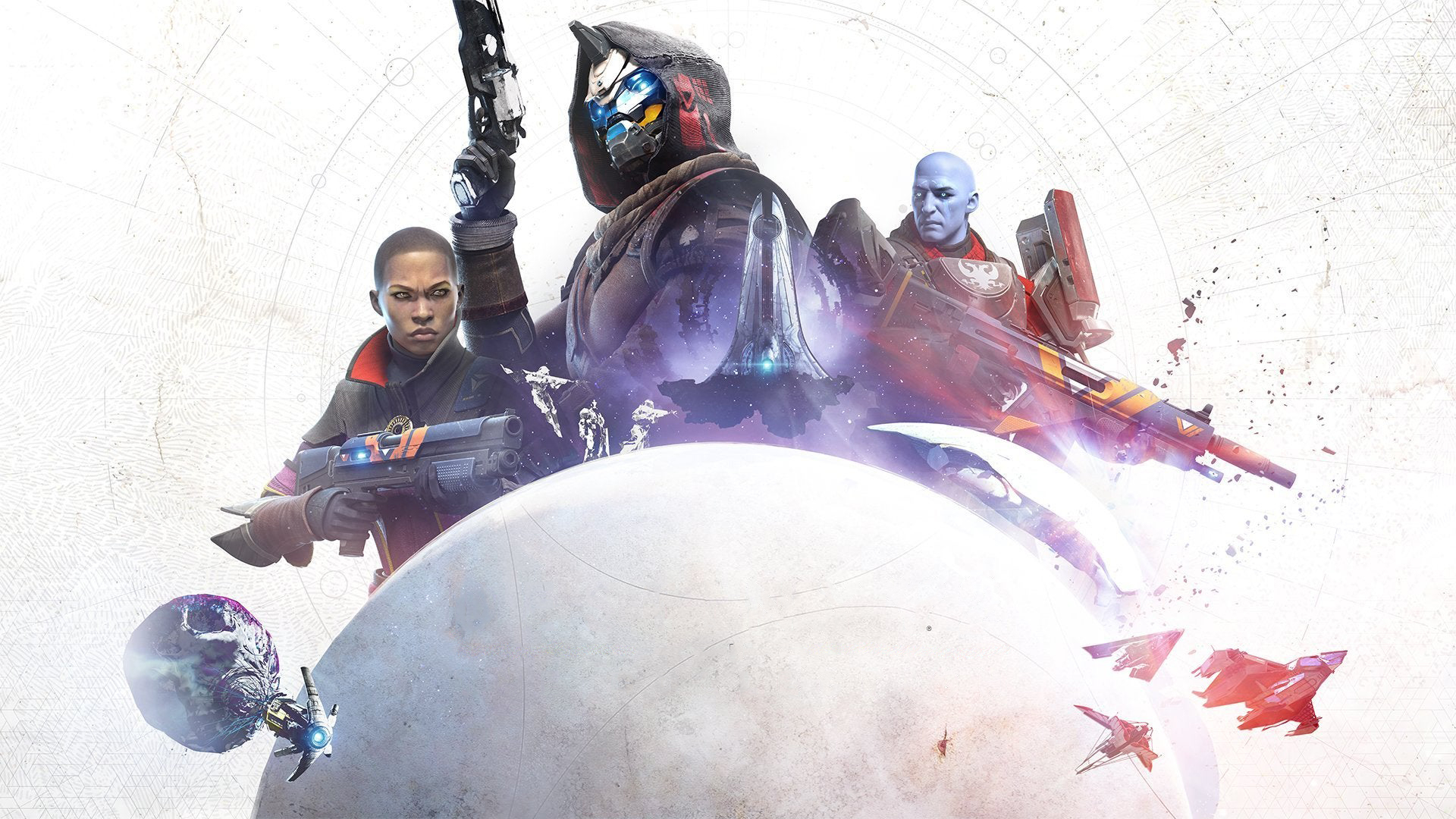
Through its ongoing stories and background details in ‘Destiny 2’, Bungie has included a variety of different themes. When the company publicly supported social justice causes and added items celebrating pride, some players stopped buying the game in protest. These boycotts were typically organized online, with players voicing their concerns about mixing politics with the game’s science fiction setting. Despite this, Bungie continued to support its values, often using its platform to showcase diverse voices in gaming.
‘Spider-Man 2’ (2023)
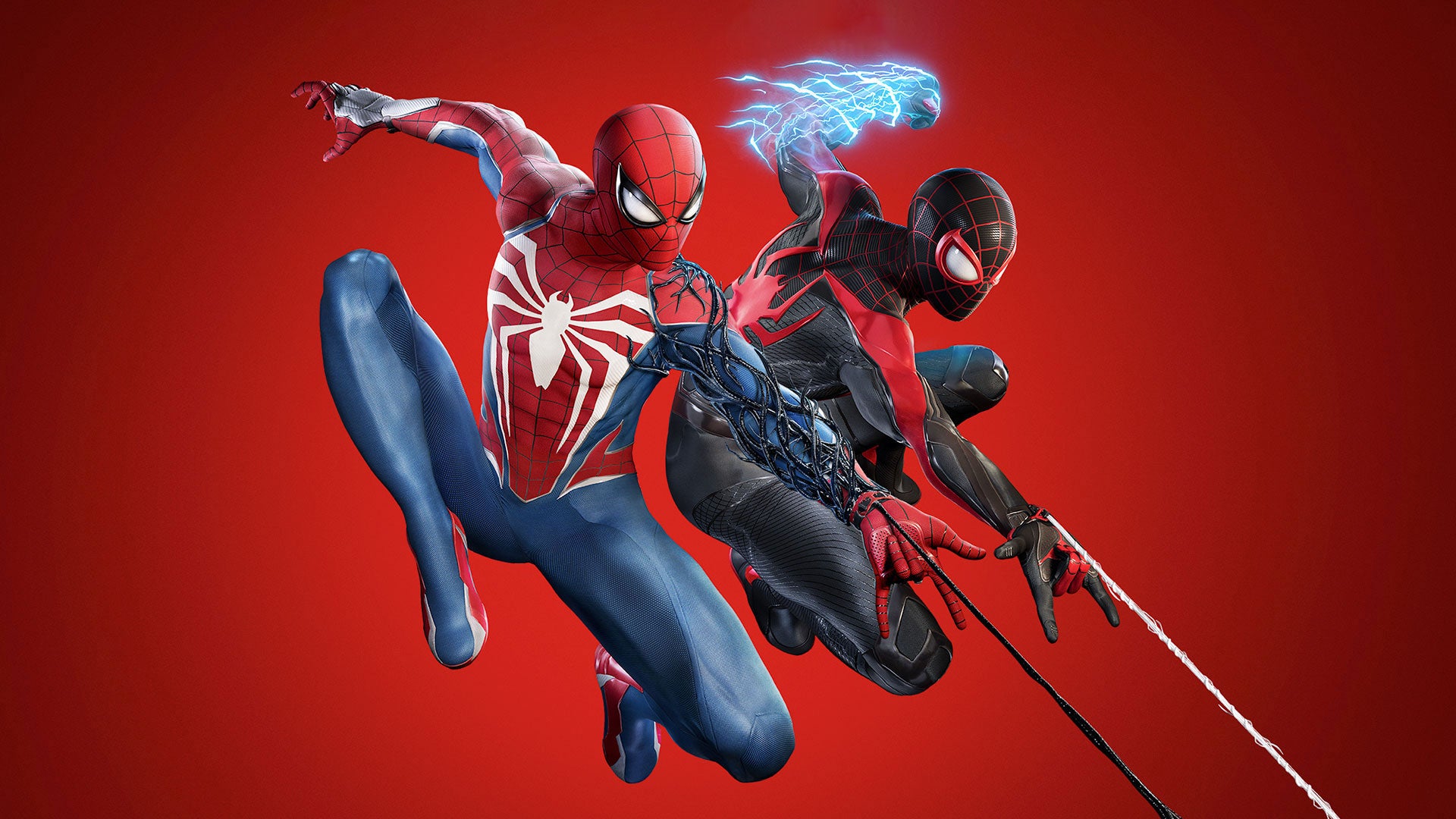
Insomniac Games and Sony encountered boycotts in several countries because they included pride flags and gender-inclusive language in some versions of their game. In a few of these regions, the flags were taken out or changed to meet local regulations, which then led to another boycott from players who believed the developers were sacrificing their principles. Within their home market, some players boycotted the game because of its emphasis on diverse characters and storylines, and because they felt traditional male characters were weakened. Despite the online controversy, the game was still widely praised for its impressive technology and compelling story.
Tell us what you think about these gaming controversies in the comments.
Read More
- Invincible Season 4 Gender Swaps Tech Jacket As Fans Question Major Comic Change
- Silver Rate Forecast
- Gold Rate Forecast
- Building Agents That Learn and Improve Themselves
- 15 Films That Were Shot Entirely on Phones
- 22 Films Where the White Protagonist Is Canonically the Sidekick to a Black Lead
- 20 Movies Where the Black Villain Was Secretly the Most Popular Character
- Celebs Who Narrowly Escaped The 9/11 Attacks
- Games That Faced Bans in Countries Over Political Themes
- 18 TV Series Filming Rehearsals as Bonus Content
2026-01-13 01:46