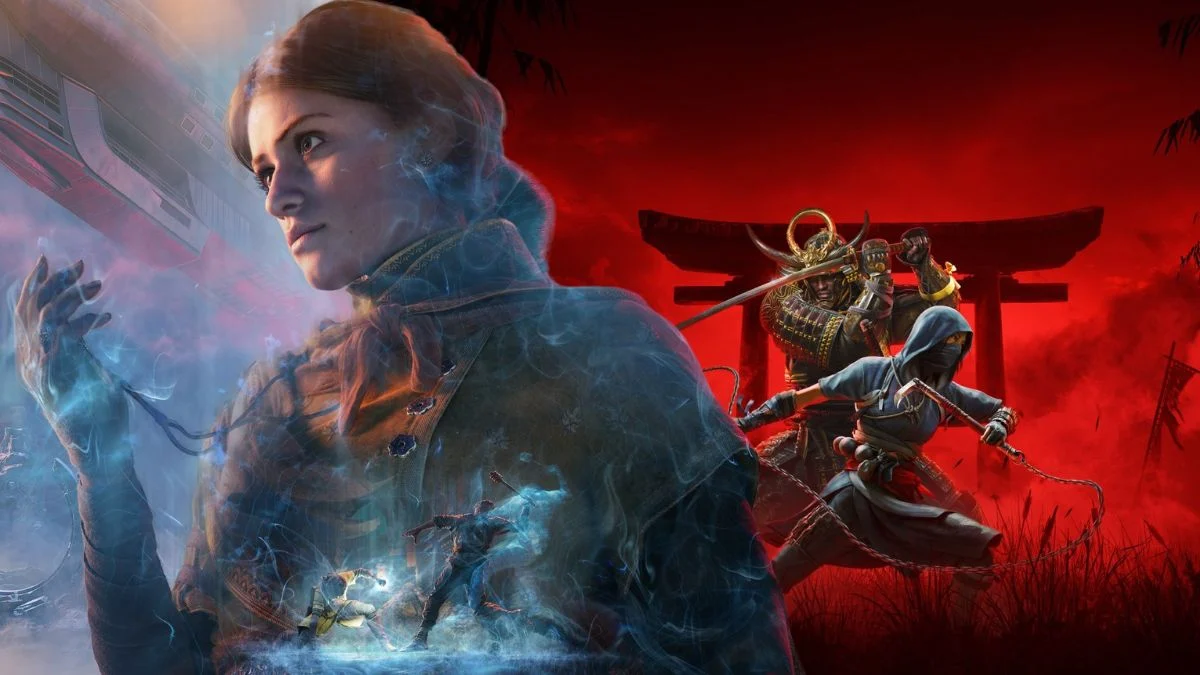
Video games are increasingly focusing on diverse stories and characters, which is meant to attract a wider audience. However, these changes sometimes cause disagreements with longtime fans. Players often worry about whether these new directions stay true to the game’s history and established storylines. This has sparked intense debates online and impacted how some popular games are received. Examining these situations helps us understand the often-complicated connection between game creators and the people who play their games.
‘Battlefield V’ (2018)
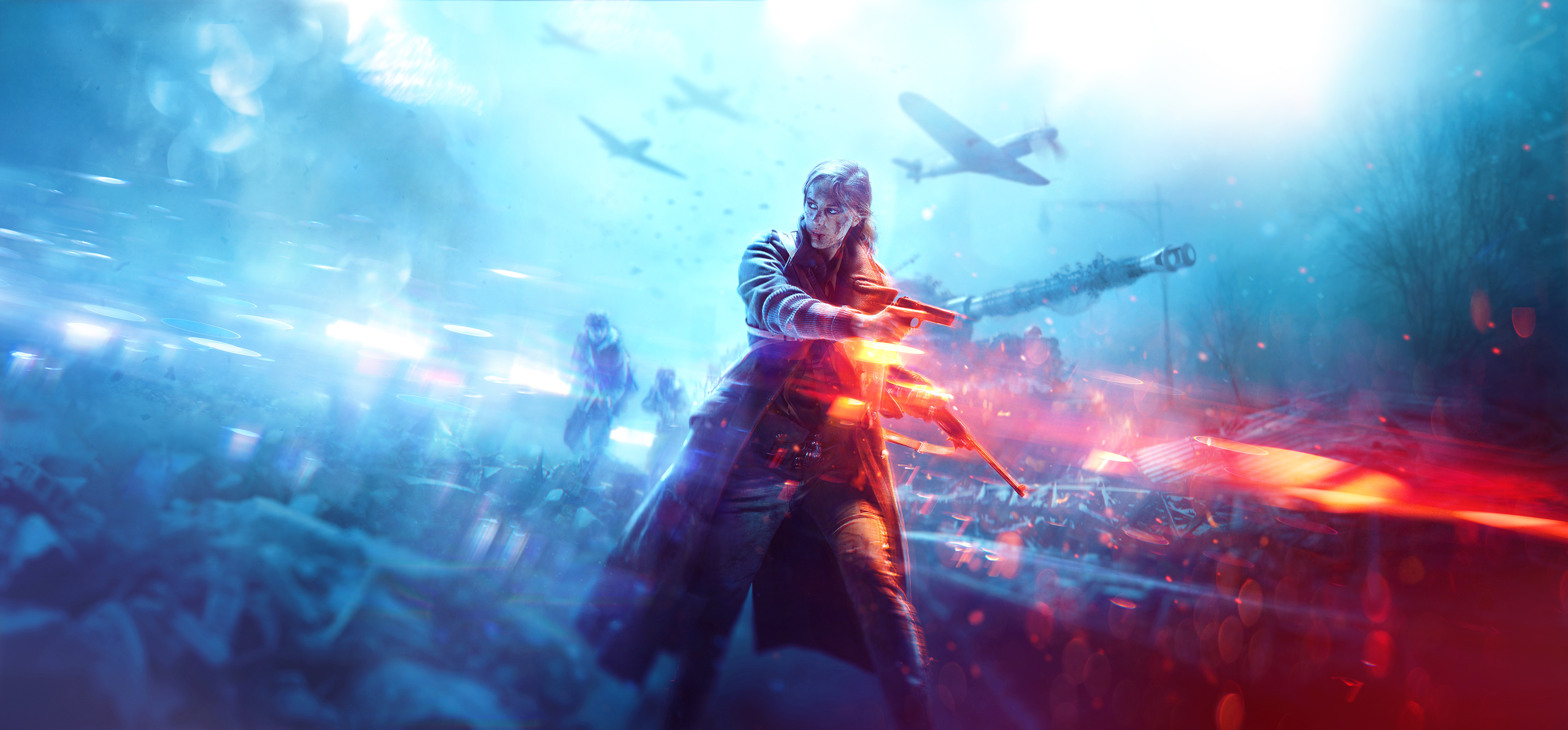
The game’s reveal trailer showed a female soldier with a prosthetic arm fighting on the front lines, which quickly became a point of contention for fans who appreciated the series’ historical accuracy. The developers explained they wanted to offer players more choices and better representation. However, this caused a significant rift between the studio and its long-time fans, and the game didn’t sell as well as expected when it first launched.
‘Saints Row’ (2022)
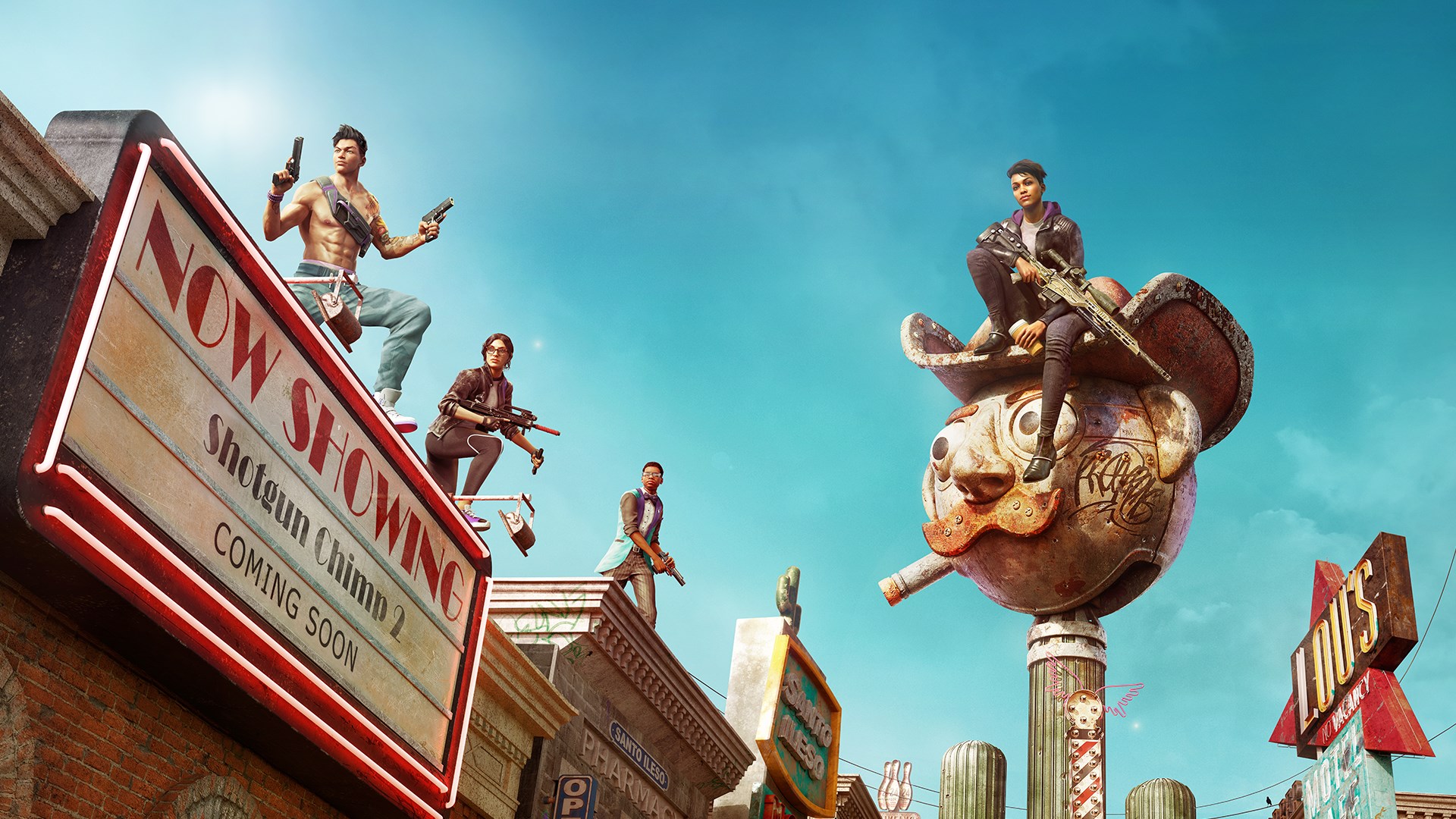
The latest version of the game featured a completely new, younger cast dealing with issues like student loan debt and modern social relationships. While aiming for a fresh start, many longtime fans felt it strayed too far from the intense gang conflicts that made the original games popular. Critics and players found the new characters and their reasons for acting didn’t quite fit the established world, resulting in a disappointing response. Ultimately, the game’s poor performance led to changes within the development studio.
‘The Last of Us Part II’ (2020)
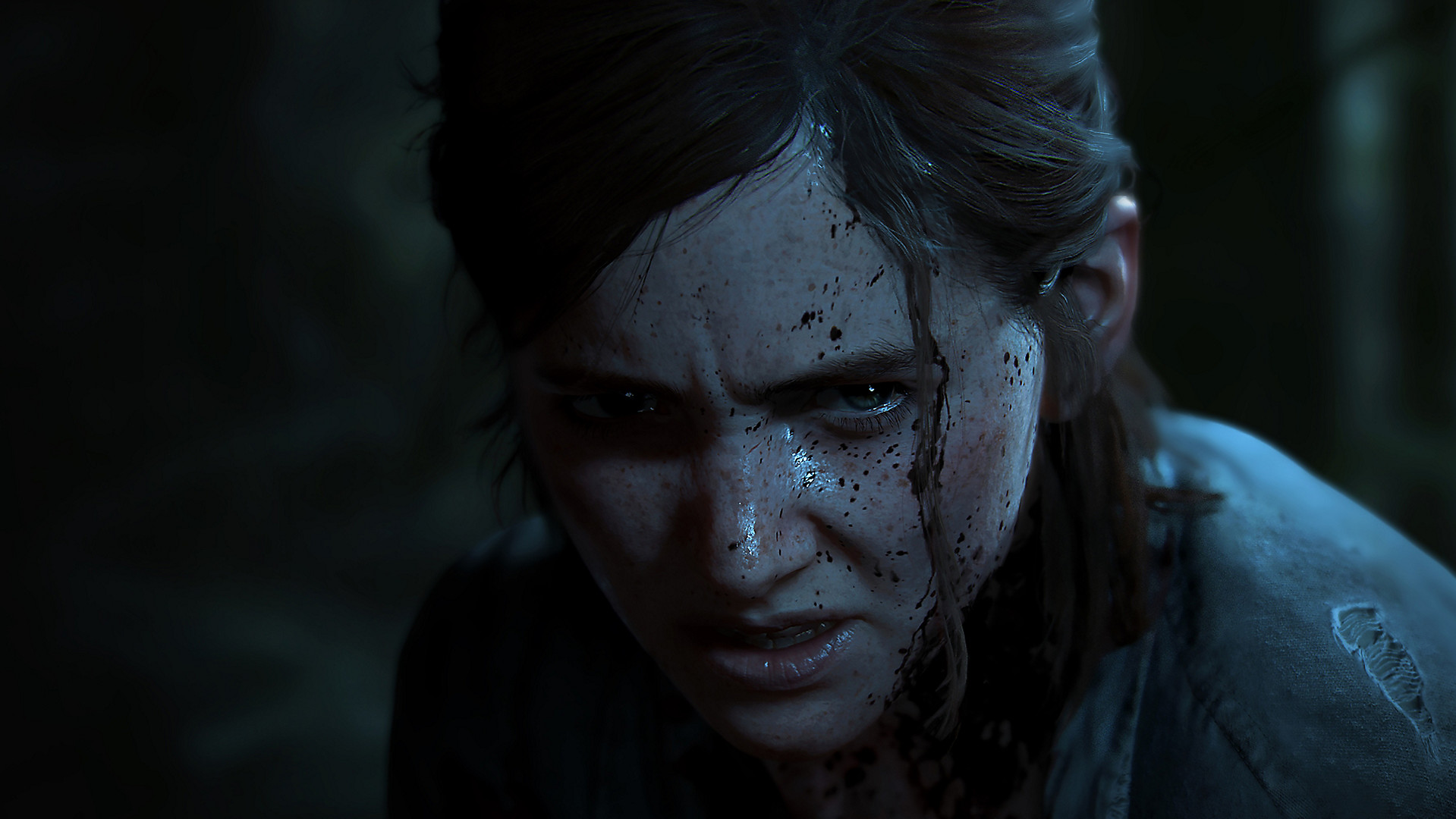
Before the game even came out, details about the story and new characters caused a lot of excitement and disagreement. Some players didn’t like how the new, diverse characters interacted with the established heroes. This led to strong opinions and heated discussions online, dividing the player base. Although the game was praised for its graphics and how it played, the story itself is still a controversial topic. Many longtime fans felt the sequel didn’t stay true to the spirit of the original game.
‘Concord’ (2024)
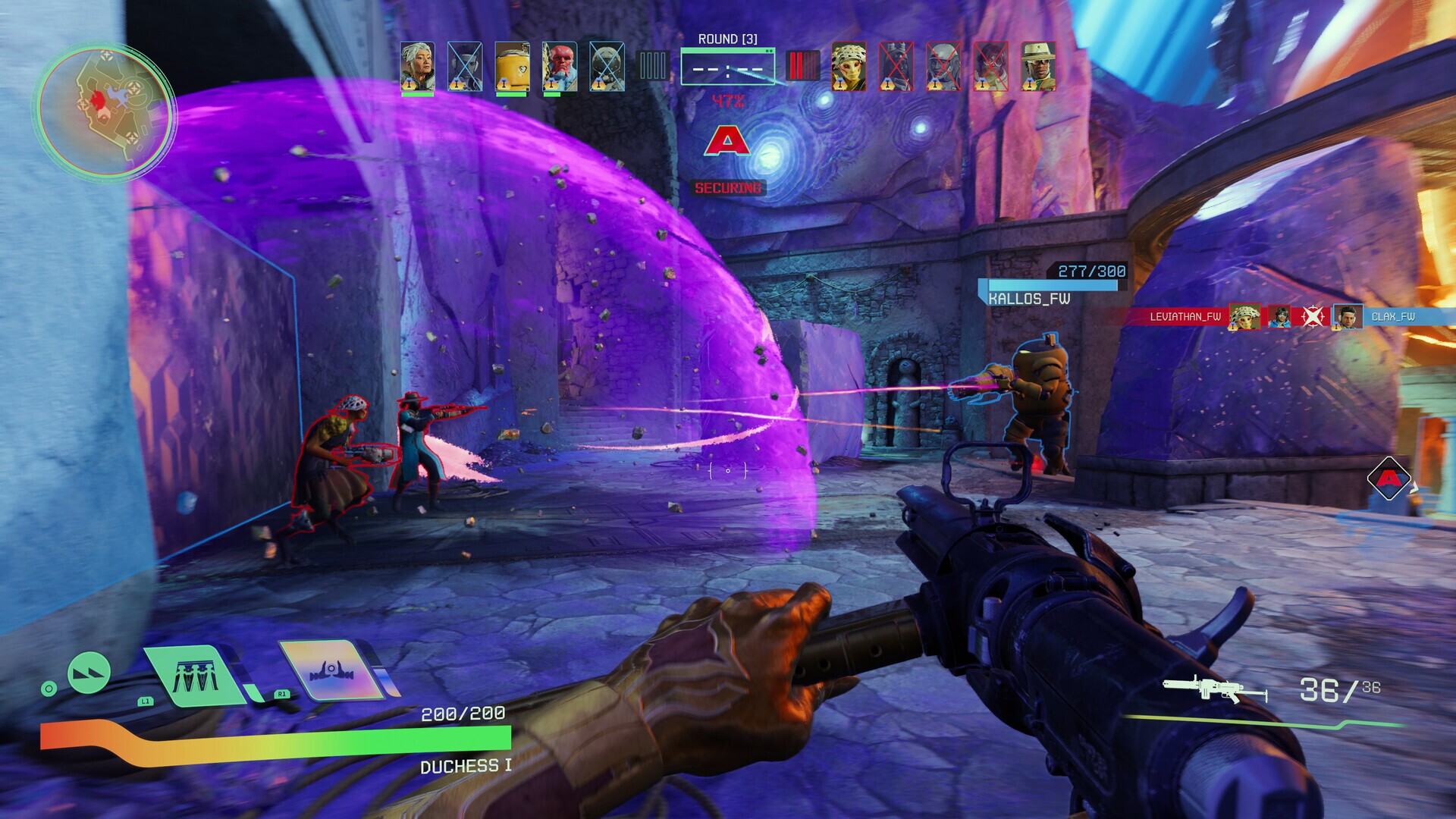
The game, a team-based shooter, didn’t attract many players. Critics and potential players disliked the character designs, finding them unattractive and too concerned with current social trends. Compared to other popular games in the genre, the characters lacked unique personalities. Some people were particularly critical of the inclusion of visible pronouns, arguing the game focused more on making a statement than on visual appeal. Ultimately, the low number of players led to the game being shut down soon after release, becoming a cautionary tale about the importance of creating characters that appeal to a broad audience.
‘Dustborn’ (2024)
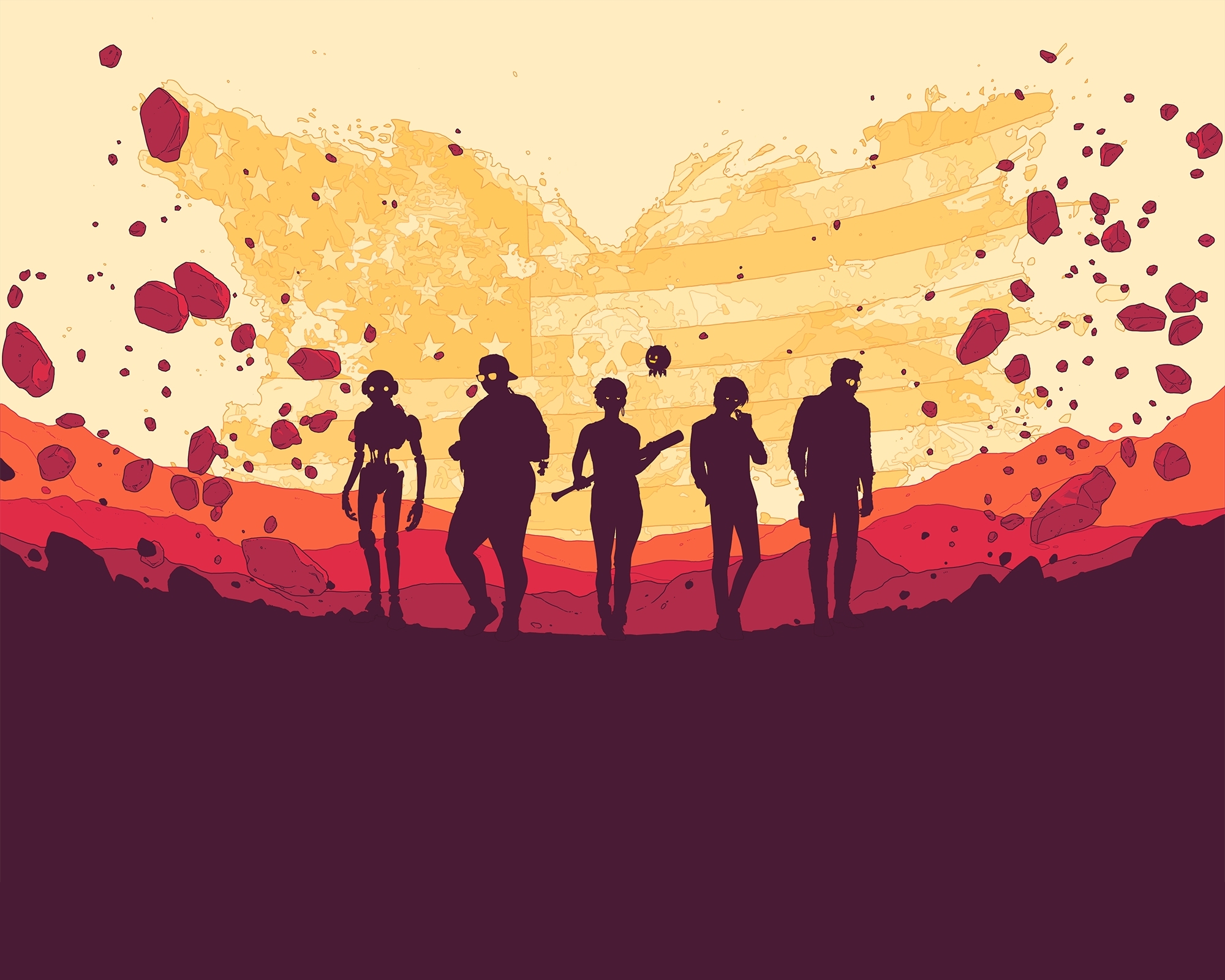
This story-driven game tackled political issues and featured a diverse group of characters, each with special voice-based abilities. However, many gamers and critics thought the game’s political messages were too forceful and overshadowed the actual gameplay. As a result, the game didn’t become popular and had very few players, demonstrating the difficulties of selling games that are strongly focused on current political topics.
‘Suicide Squad: Kill the Justice League’ (2024)
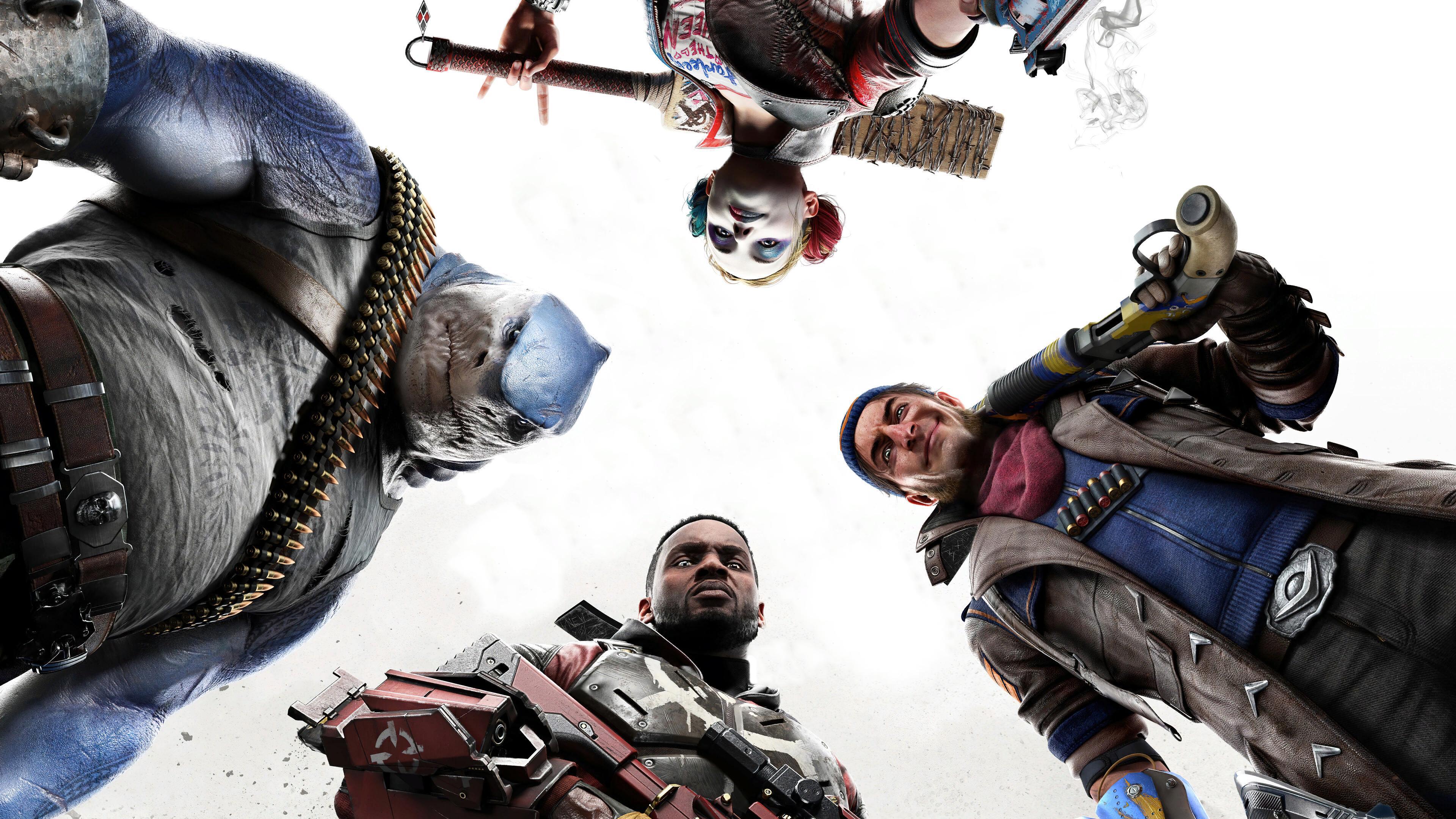
Fans of the Arkham games were disappointed with how beloved characters were depicted and how modern conversations were written into the story. Some felt that characters like Harley Quinn and Deadshot were changed to match current trends instead of staying true to their original backgrounds. These changes, along with the game’s ongoing service model, turned off players who wanted a classic, self-contained story. As a result, the game quickly lost players after it launched and had trouble keeping the attention of longtime DC Comics fans.
‘Forspoken’ (2023)
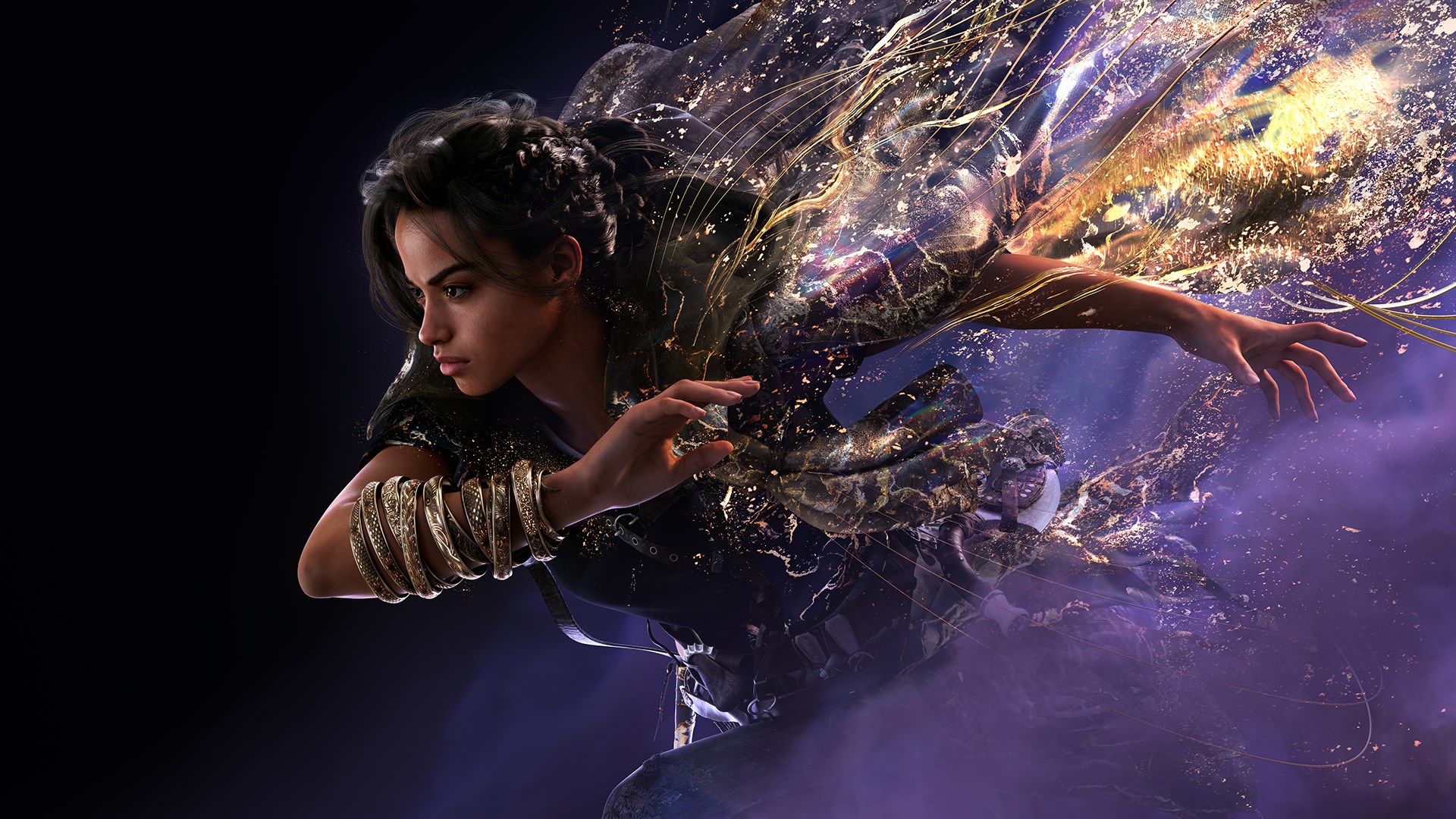
The main character and the way people spoke in this fantasy game were heavily criticized online. Many players felt the writing seemed forced, like it was trying too hard to appeal to a younger and more diverse audience. The lead character’s personality also didn’t resonate with players who preferred more classic heroes. These issues ended up drawing attention away from the game’s interesting parkour and magic-based combat. As a result, the game didn’t sell as well as the publisher had hoped.
‘Dragon Age: The Veilguard’ (2024)
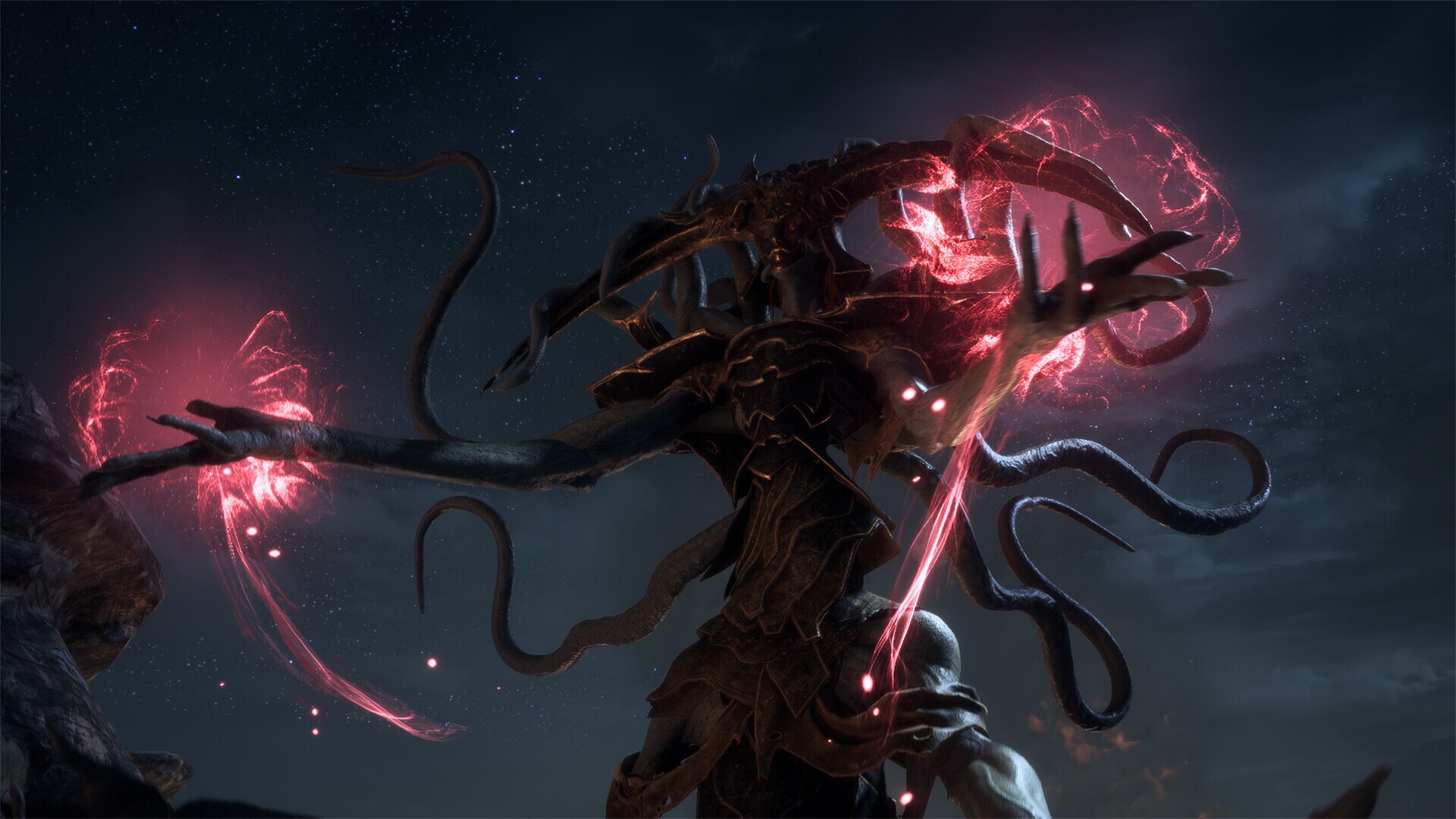
The latest installment in this fantasy series sparked disagreement among fans due to its emphasis on diverse character creation and contemporary identity issues. Many longtime players felt it moved away from the original games’ more serious and complex storytelling. Some criticized the dialogue as being too safe and lacking depth, suggesting the developers prioritized attracting new players over satisfying the existing fanbase. This shift in creative direction and new leadership ultimately triggered a major discussion about the future of the series.
‘Mass Effect: Andromeda’ (2017)
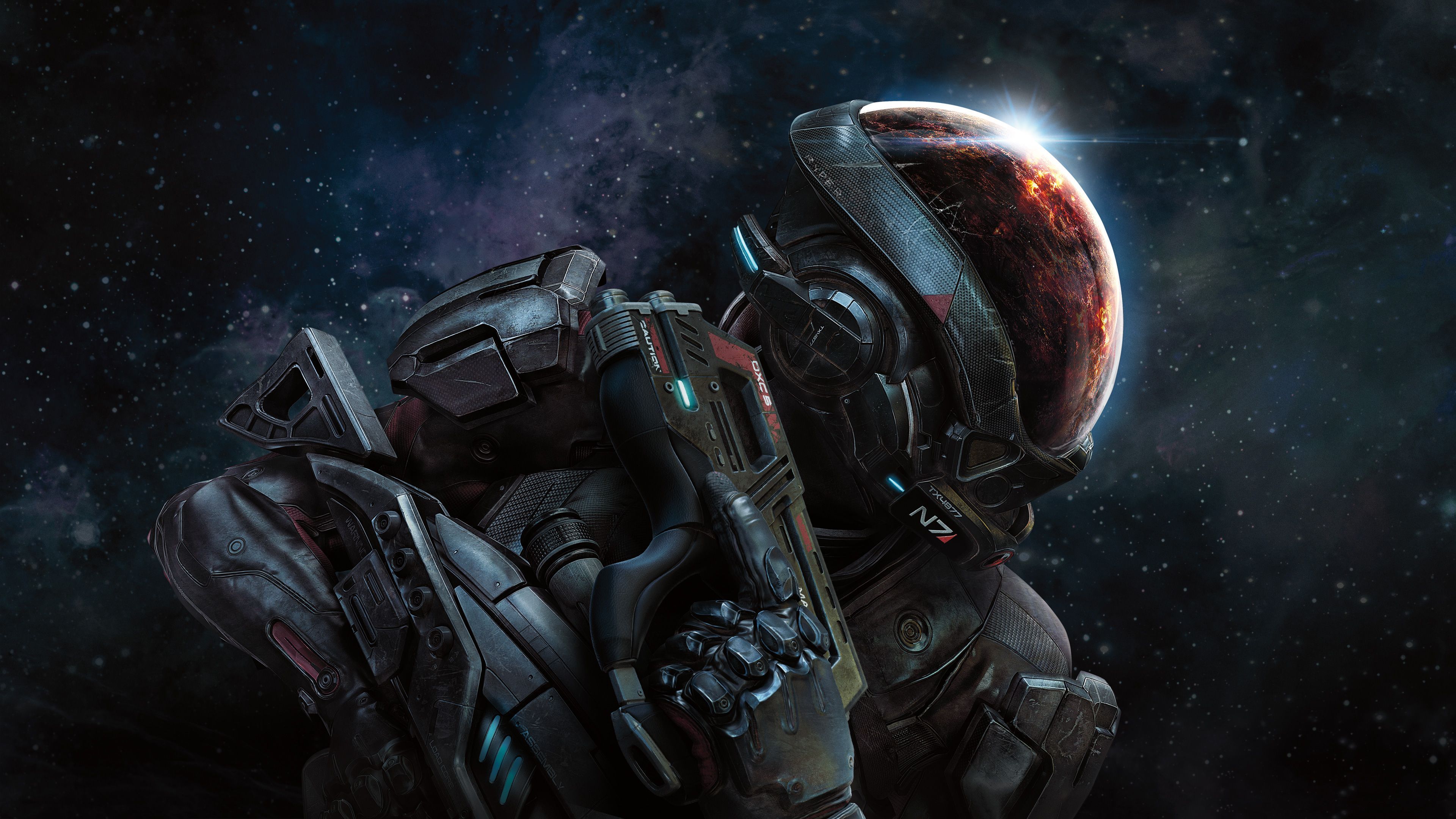
Okay, so as a long-time fan, this latest game really disappointed me, and a lot of others too. The character animations just didn’t look right, and honestly, the story and writing felt way weaker than the original games. A lot of us were excited to see a more diverse cast, but it felt like they sacrificed really getting to know those characters and making the story feel full. The dialogue was a big letdown – it just didn’t hit the same level as what we’d come to expect. Plus, the game was buggy at launch, which made everything even worse. It was rough, and the developers ended up pausing the series for a bit after all the criticism.
‘Assassin’s Creed Shadows’ (2025)
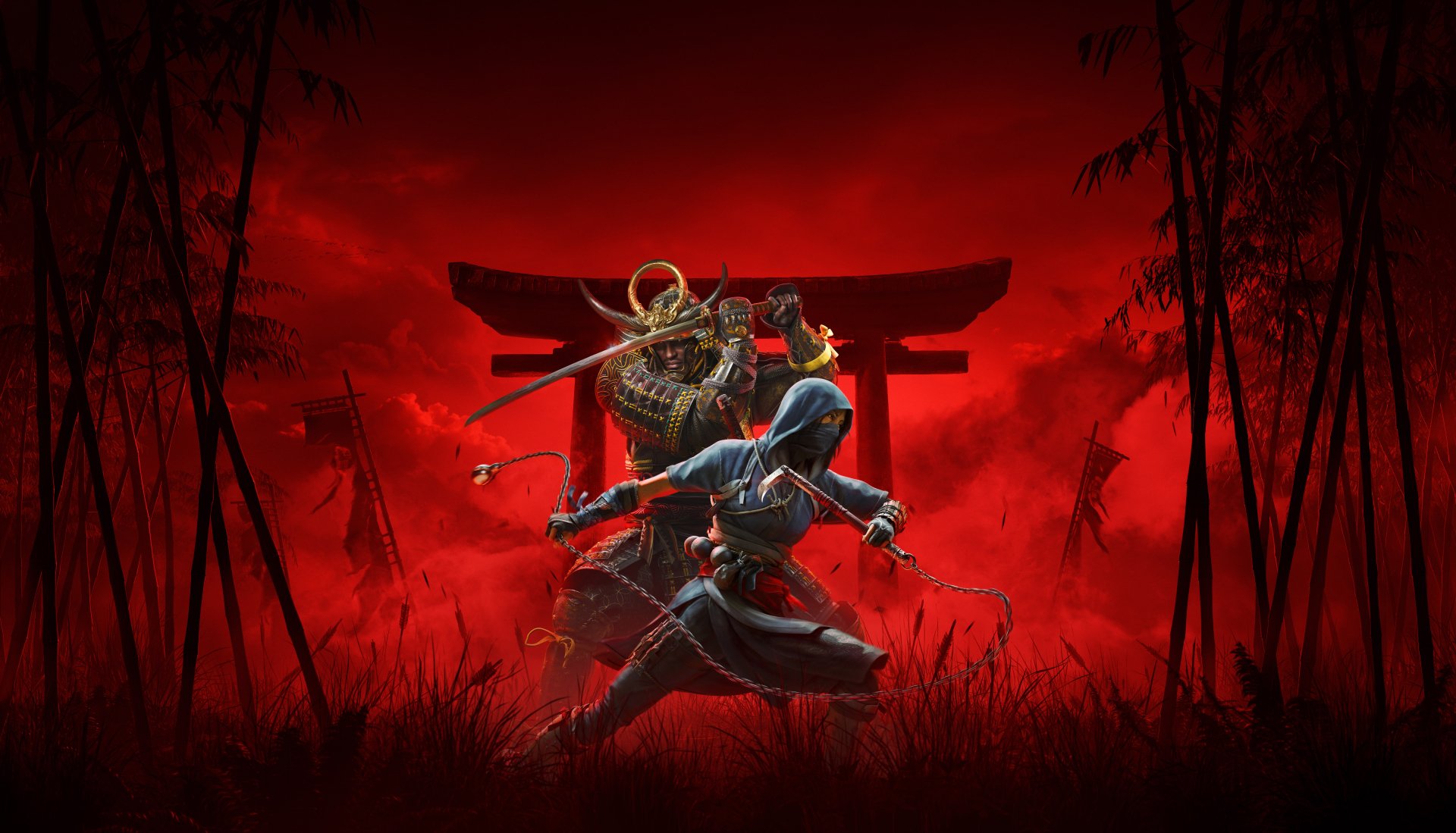
When the creators featured a real historical figure as a key character in a game set in Japan, it caused a large international discussion. Many fans felt this went against the series’ tradition of using made-up, local heroes. Before the game was released, a lot of conversation focused on whether it accurately and respectfully portrayed the culture and history. The studio received requests from different groups to respond to these concerns. This showed just how much players care about maintaining the established style of the game.
‘Unknown 9: Awakening’ (2024)
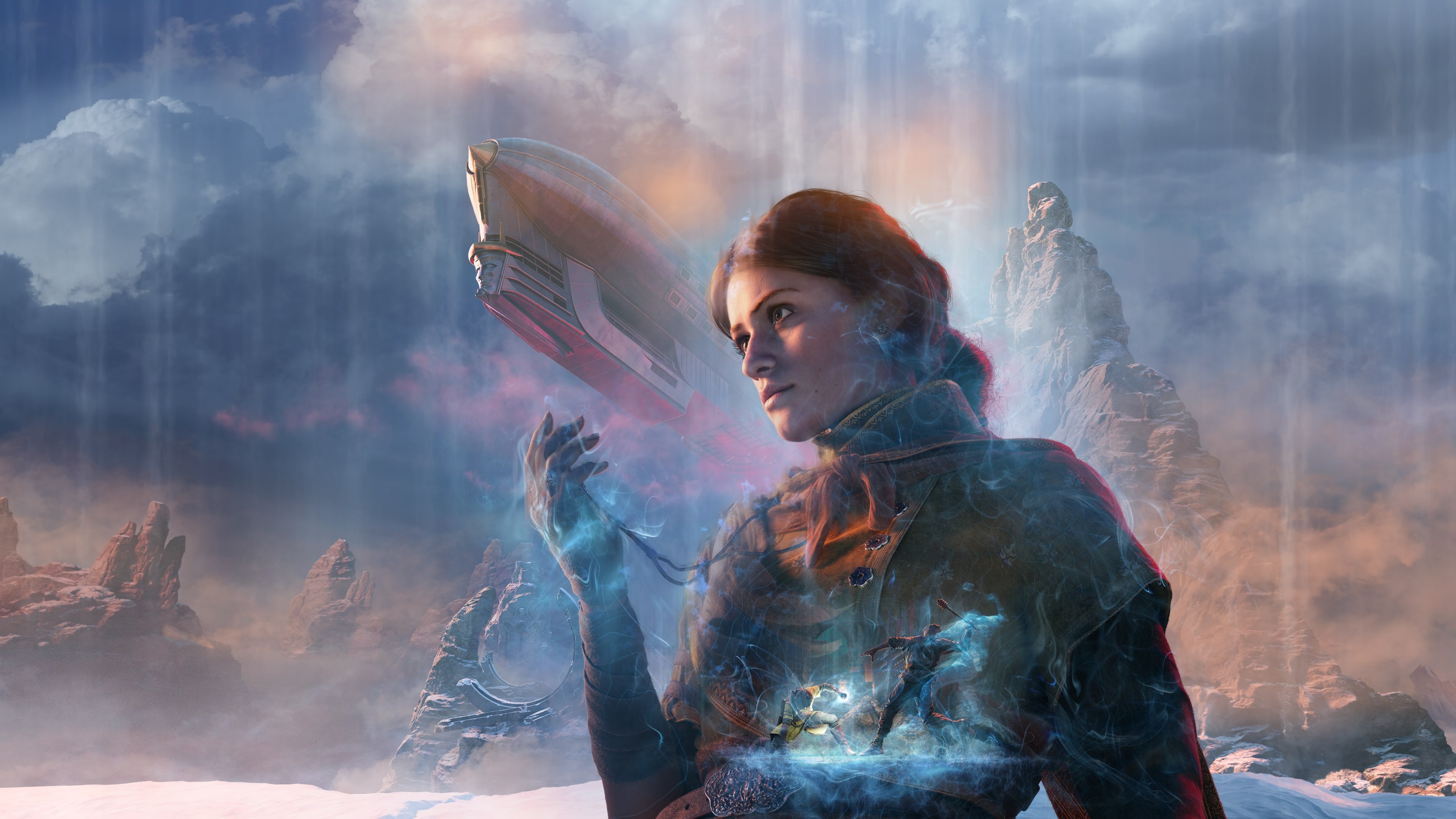
The game received a cool reception, with many players questioning its emphasis on current social issues and character appearance. Marketing focused more on the main character’s identity than on how the game actually played, and critics found the story and world similar to things they’d seen before. As a result, it didn’t attract much attention when it launched and continues to be an example of a new game series having trouble gaining a loyal fanbase.
‘Tales of Kenzera: ZAU’ (2024)

This platformer game dealt with the difficult topic of grief, drawing inspiration from African culture and mythology. Although praised for its beautiful art, some players thought the marketing focused too much on social and political identity. This led some gamers to avoid the game altogether. Despite being created by a famous actor as a personal passion project, the game had trouble keeping a steady number of players. Ultimately, it showed how challenging it is to introduce unique cultural stories in the crowded video game market.
‘Flintlock: The Siege of Dawn’ (2024)
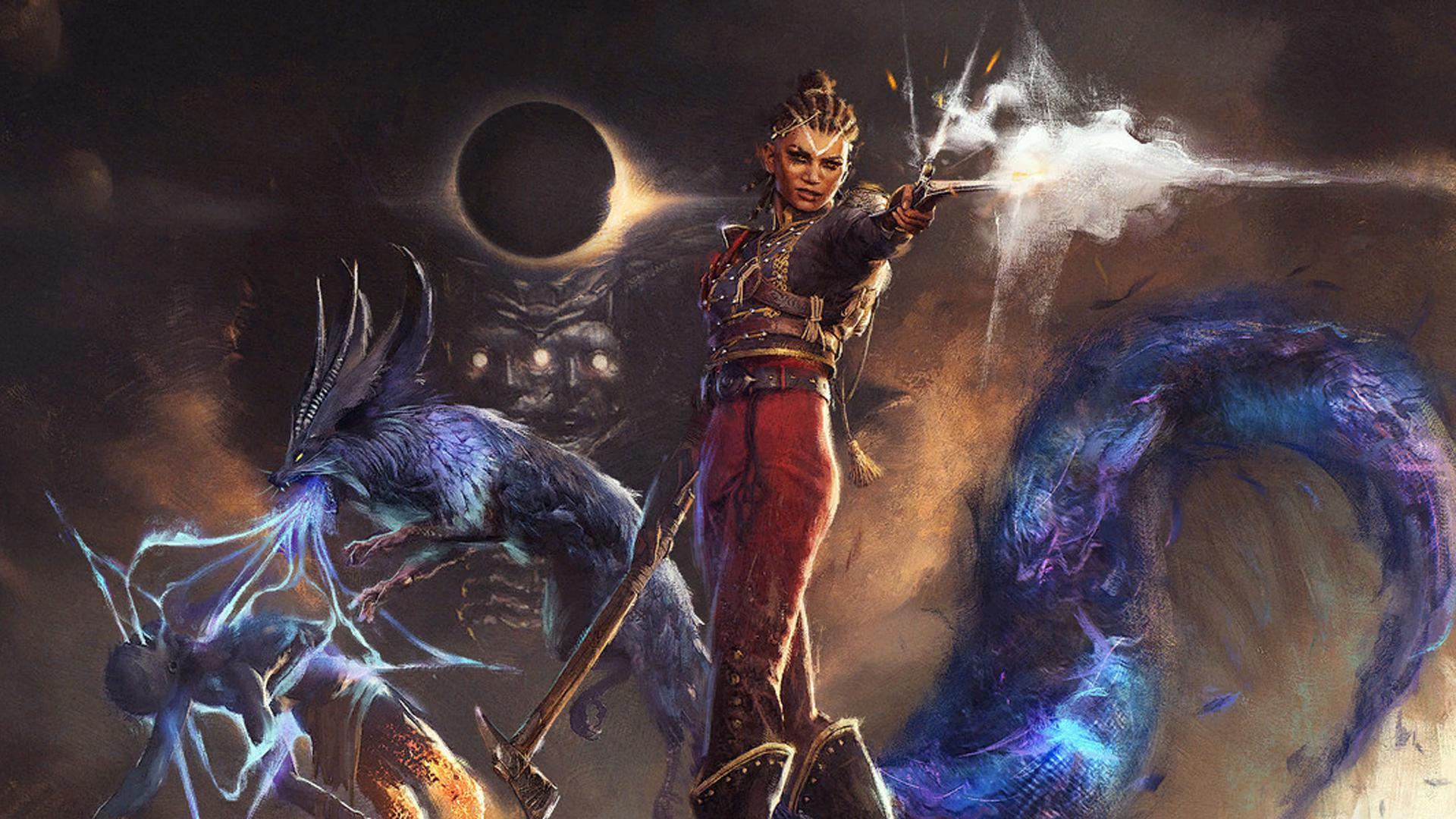
I was really excited about this action game – it had such a cool premise with a unique world mixing magic and guns, and a protagonist who was a refreshing change of pace. But honestly, it felt like some people weren’t focusing on the game itself. There was a lot of talk about how the character and story were created with outside help, and it unfortunately turned into a negative backlash. It was a shame, because people started comparing the gameplay to other games instead of appreciating what this one offered. Despite looking really polished, it just didn’t seem to find the big audience it deserved.
‘Marvel’s Spider-Man 2’ (2023)
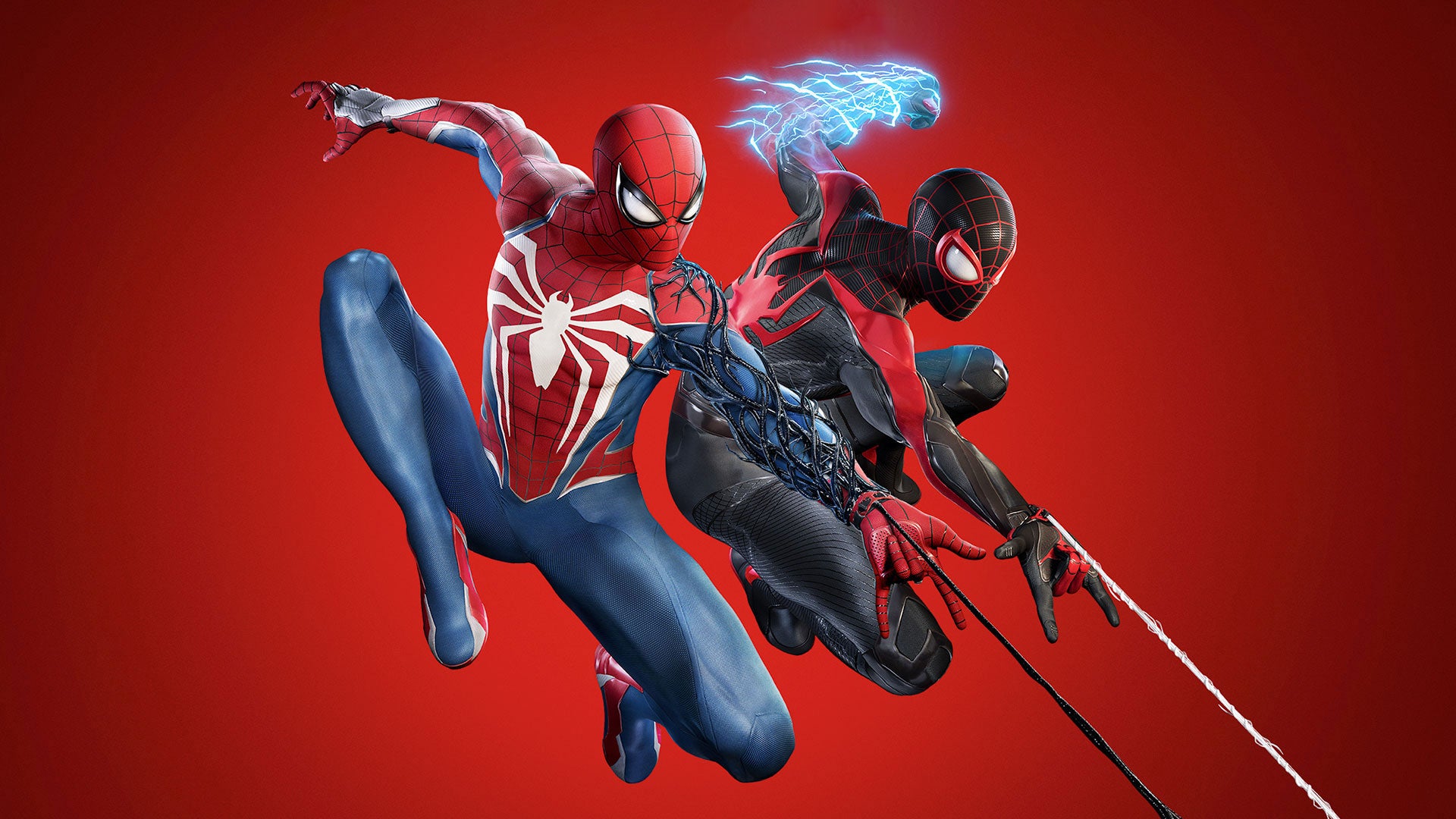
The game was a huge hit with players, but some fans weren’t happy with certain story elements and optional missions. Critics and players felt that the game’s focus on social issues and how characters interacted didn’t quite fit the superhero genre, and that the side missions were too focused on current trends. Despite these complaints, the game sold extremely well, though a small but vocal group of fans expressed their disappointment. The discussions surrounding the game highlighted a continuing debate within popular entertainment.
‘Gotham Knights’ (2022)
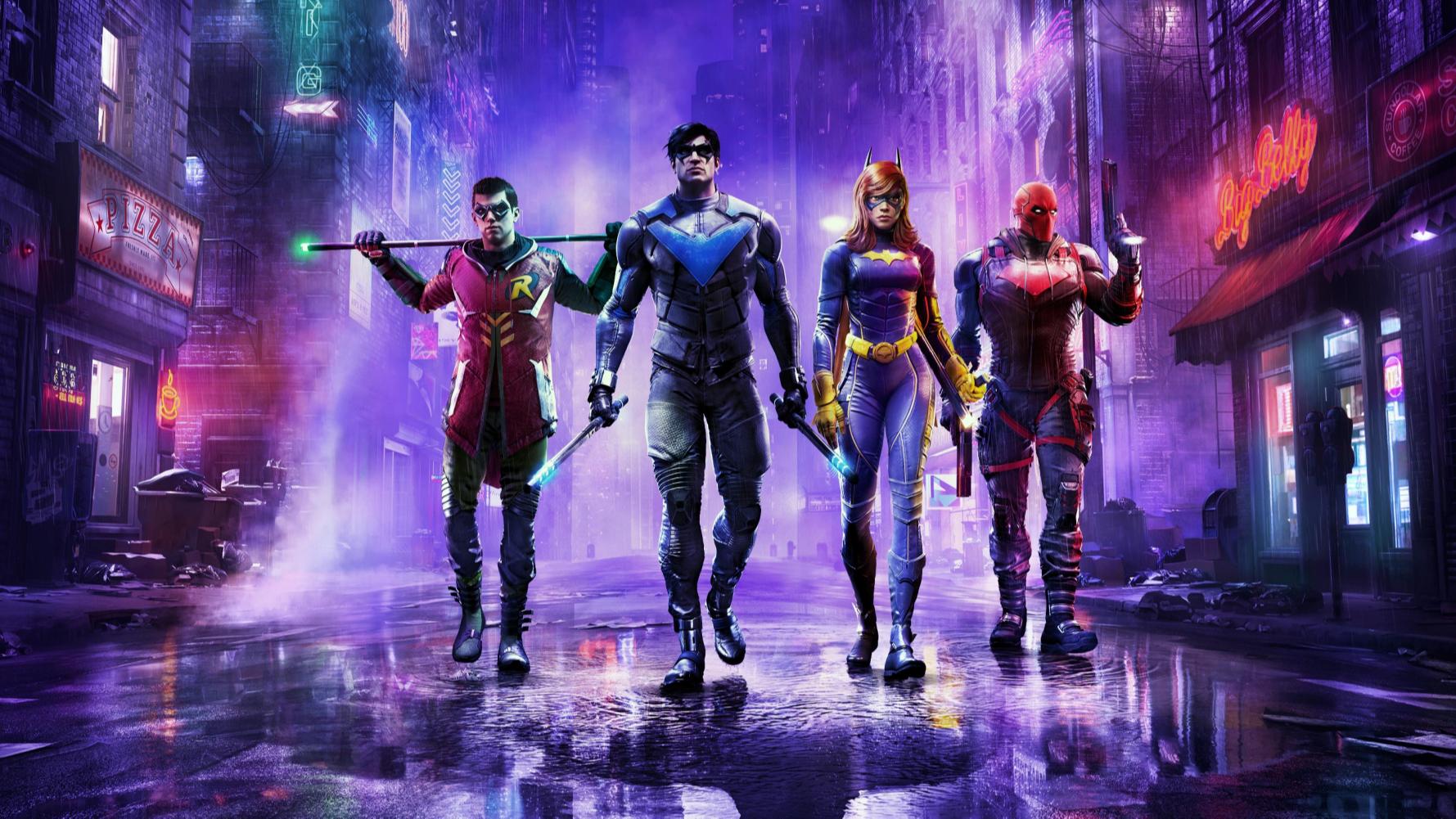
Many fans were unhappy with the new game’s direction, particularly the absence of Batman and the emphasis on a new, diverse group of characters. Some felt the writing for these new leads wasn’t as strong or serious as in previous Batman games, and that modern social commentary felt out of place and detracted from the story. Overall, this led to disappointment, as the game didn’t deliver the same thrilling experience as the earlier Arkham titles.
‘Mortal Kombat 1’ (2023)
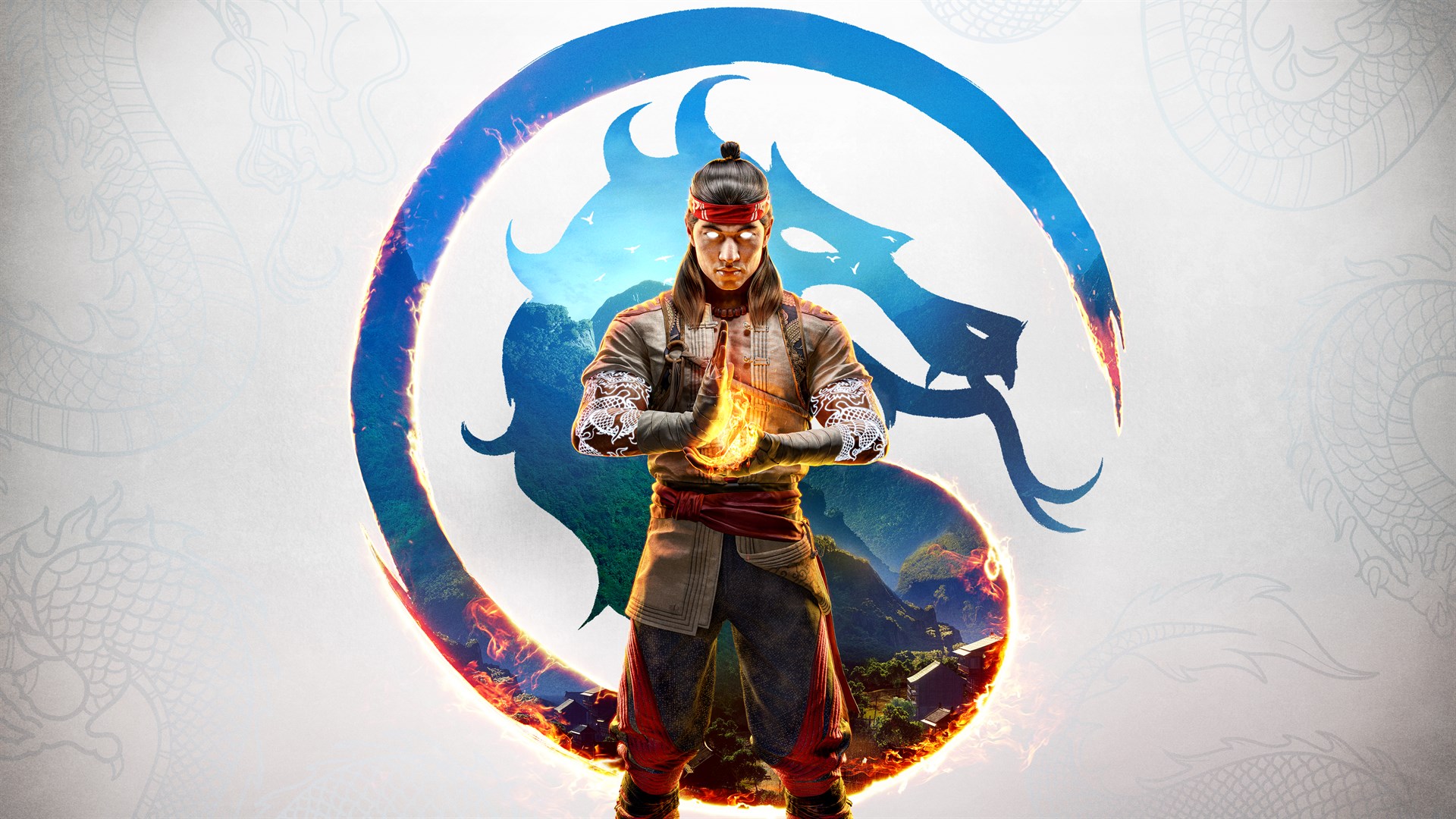
The fighting game community reacted strongly to changes in character designs and the addition of new story details. Some fans believed the updated appearances of beloved characters were driven by current social concerns instead of creative choices. The revamped storyline also received a mixed response, particularly regarding how it portrayed long-standing character connections. Despite the gameplay staying popular, the visual changes remained a major source of disagreement, demonstrating how much fans value the established look of iconic characters.
‘Overwatch 2’ (2022)
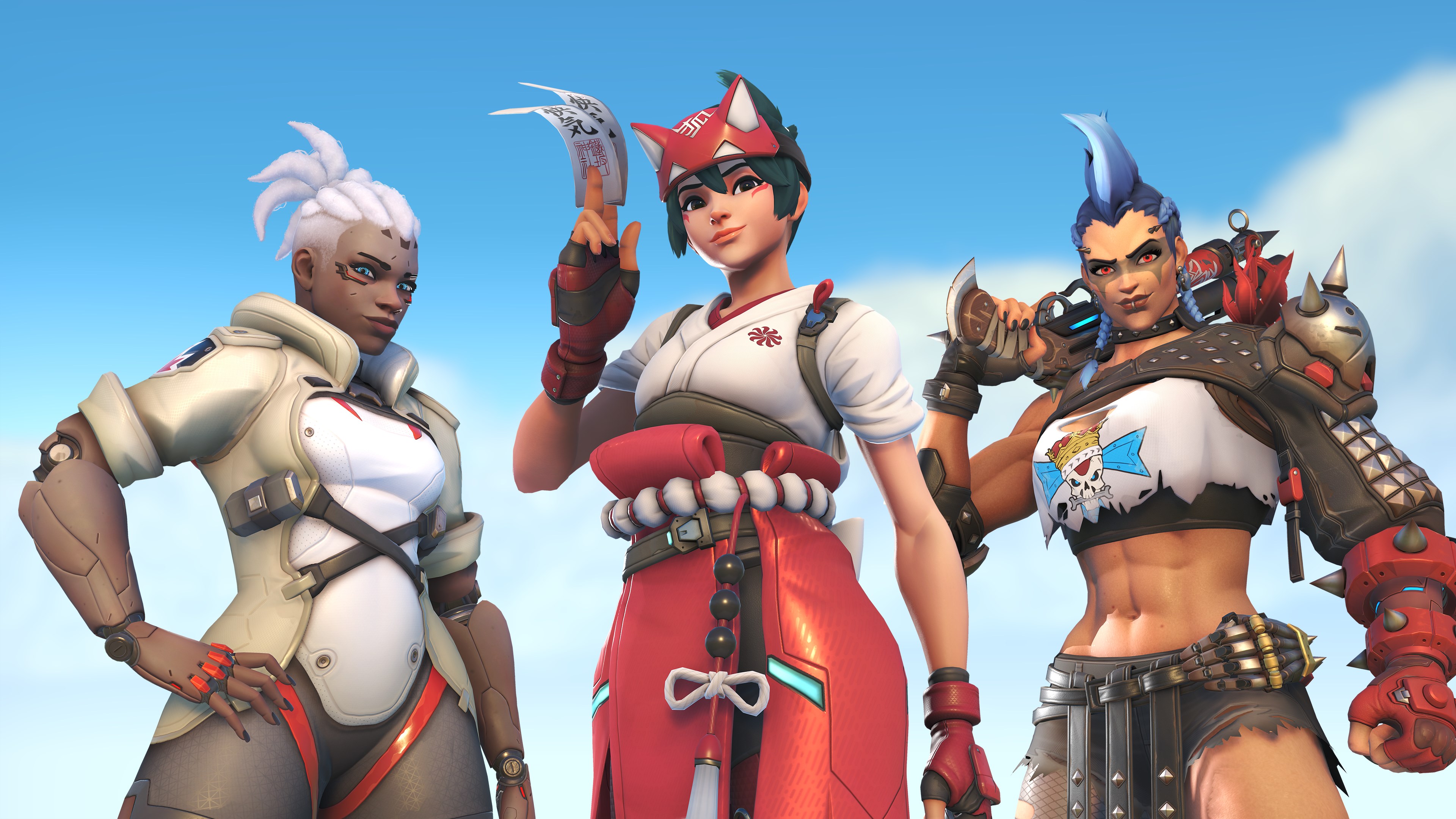
When the game moved to its sequel, character stories were revised and seasonal events with different themes became a major focus. Some players felt this meant the developers prioritized selling character customizations over maintaining fair gameplay. The way character sexual orientations were revealed outside of the game also caused a split reaction among players. Many fans were disappointed that these kinds of updates seemed to be more important to the developers than addressing ongoing problems with how the game played. This has left the community divided on the game’s overall direction.
‘Star Wars Outlaws’ (2024)
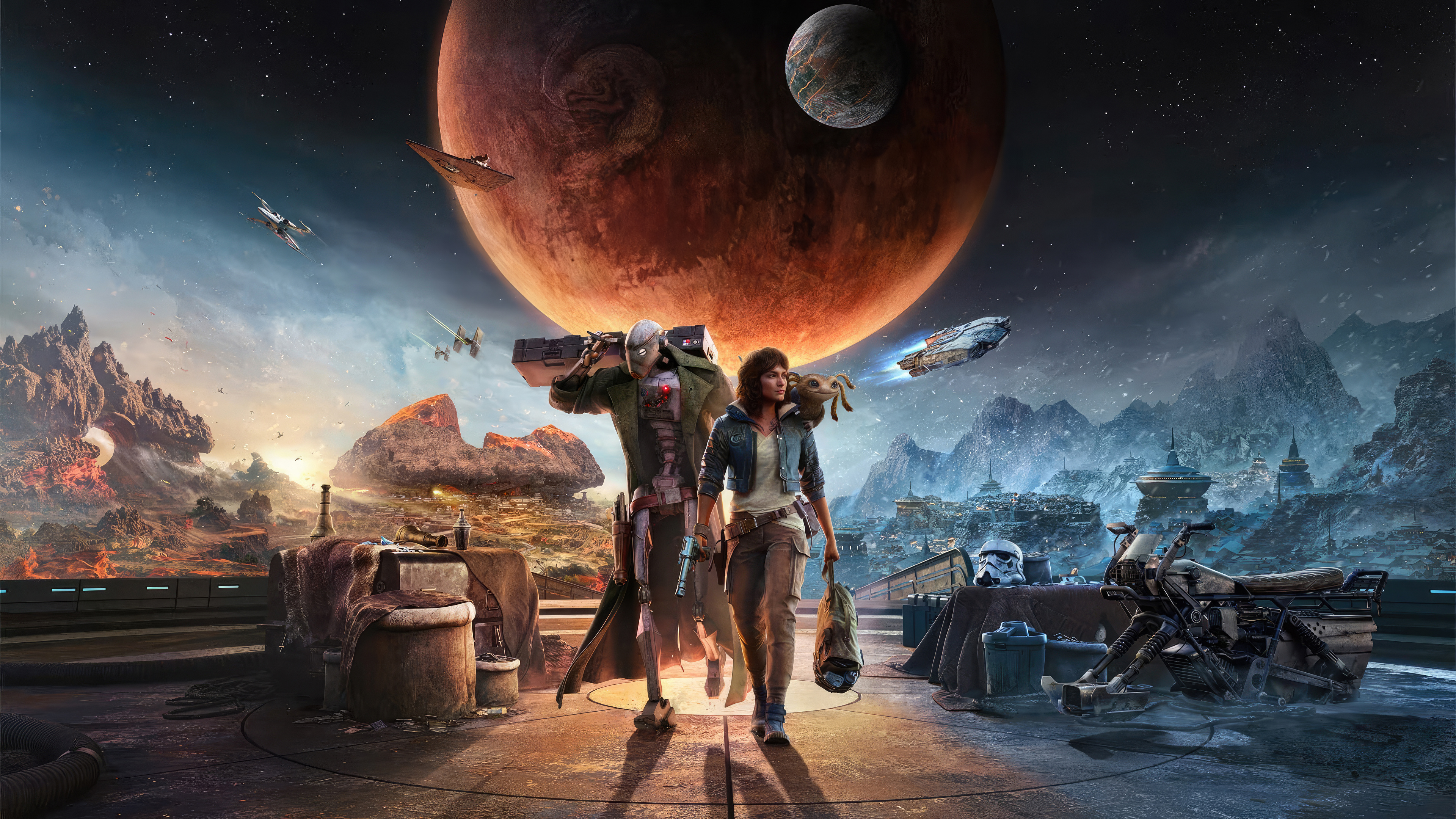
Fans of Star Wars had strong opinions about the game’s main character and overall style. Many felt it leaned too heavily into current trends instead of capturing the classic Star Wars spirit. Players often found the conversations and how characters related to each other to be disappointing and unoriginal. This resulted in a mixed reaction from a Star Wars fanbase that is now very discerning when it comes to new content. The game struggled to win over its most dedicated fans.
‘Wolfenstein: Youngblood’ (2019)
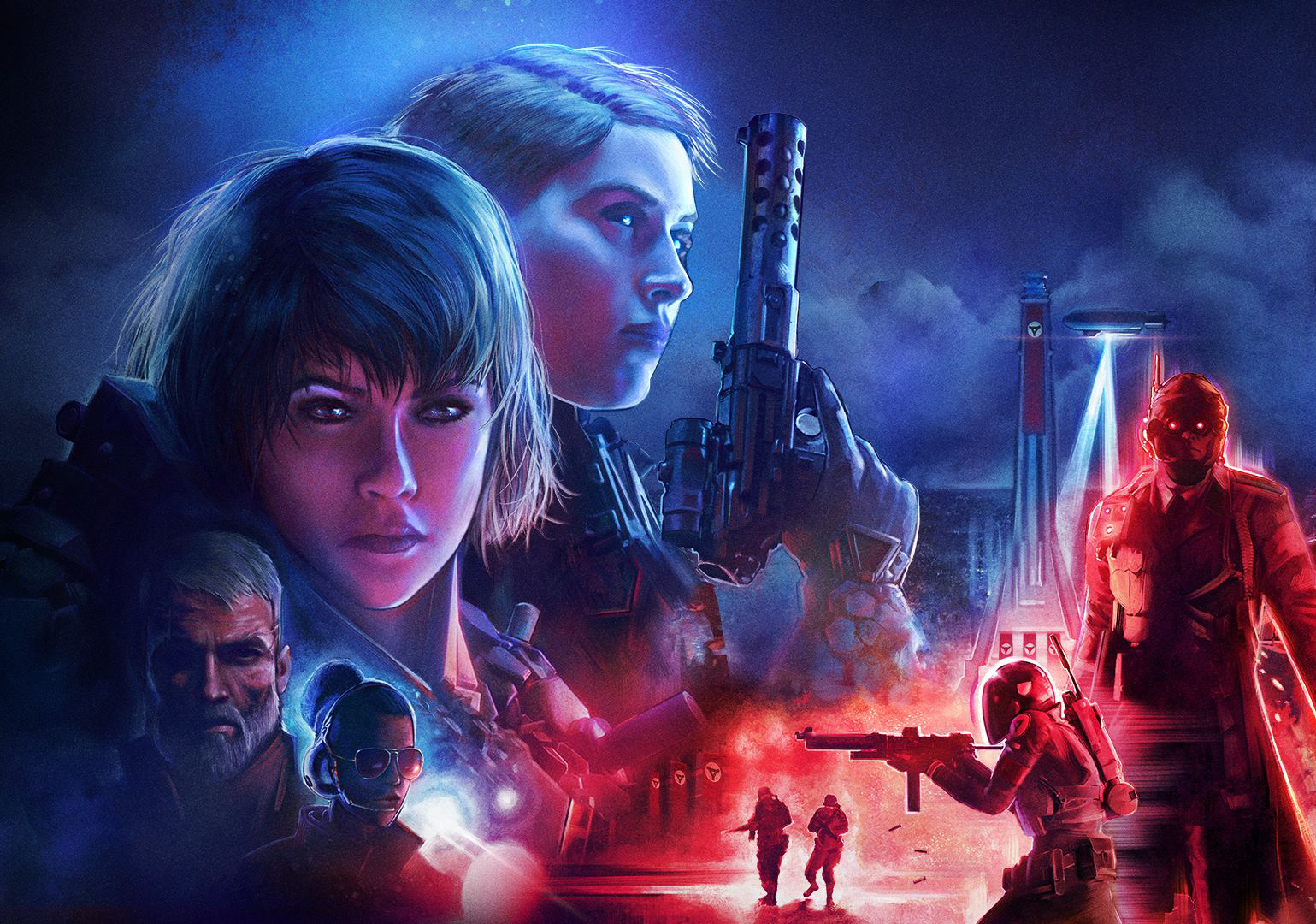
Switching the main character for his two daughters dramatically changed the game’s feel and how it played. Many longtime fans didn’t connect with the new characters, finding them annoying and less complex than the original hero. Adding some role-playing features and emphasizing teamwork also turned off players who preferred playing alone. Reviewers agreed the story wasn’t as compelling as those in earlier games. It’s often considered one of the weakest entries in the series’ recent resurgence.
‘Call of Duty: Vanguard’ (2021)
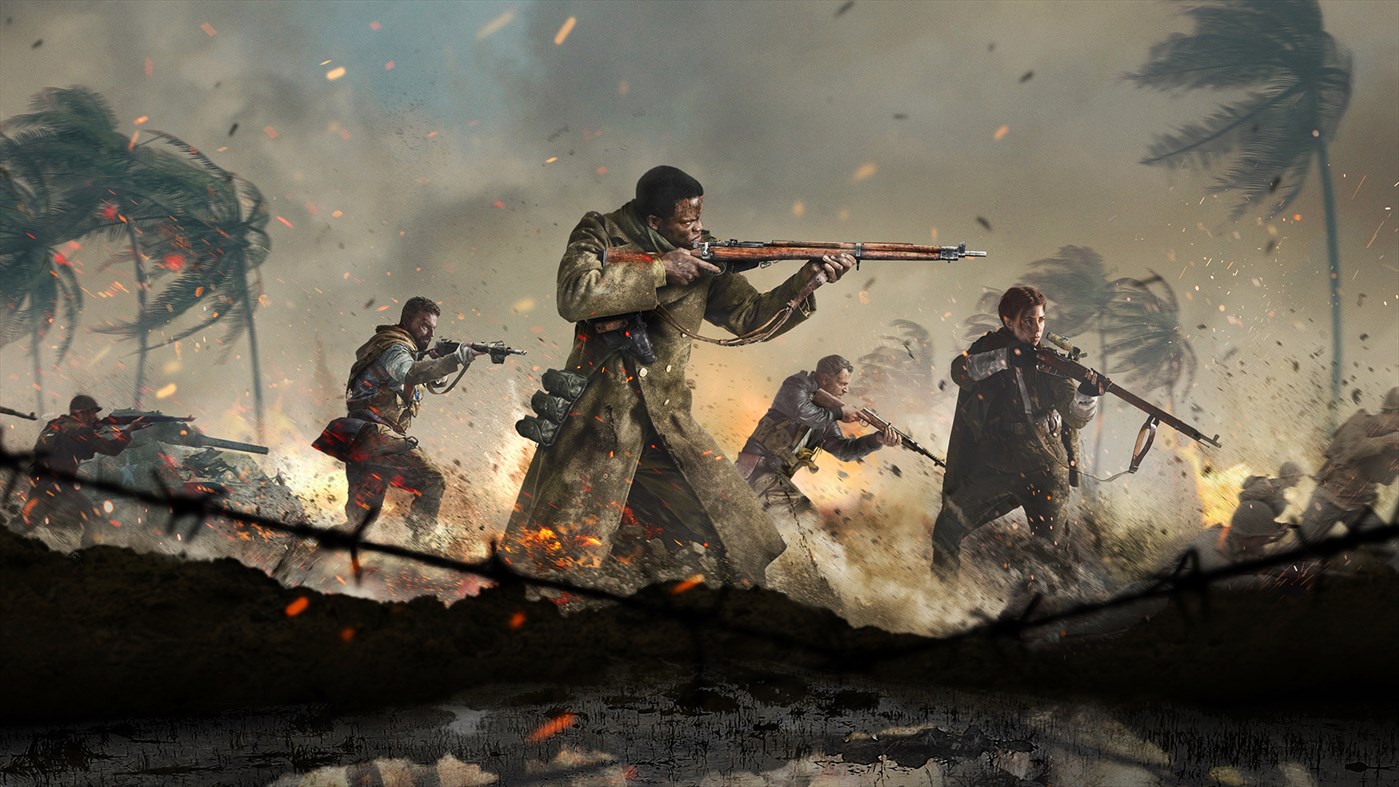
The World War II shooter received criticism for prioritizing a diverse group of characters over historical realism. Players felt the international team resembled a modern superhero squad rather than a believable military unit. Many fans found that adding elements to promote inclusivity harmed the game’s immersive experience. This shift alienated players who preferred the series’ more realistic installments, resulting in lower player engagement compared to other recent games in the franchise.
‘Dead Space’ (2023)
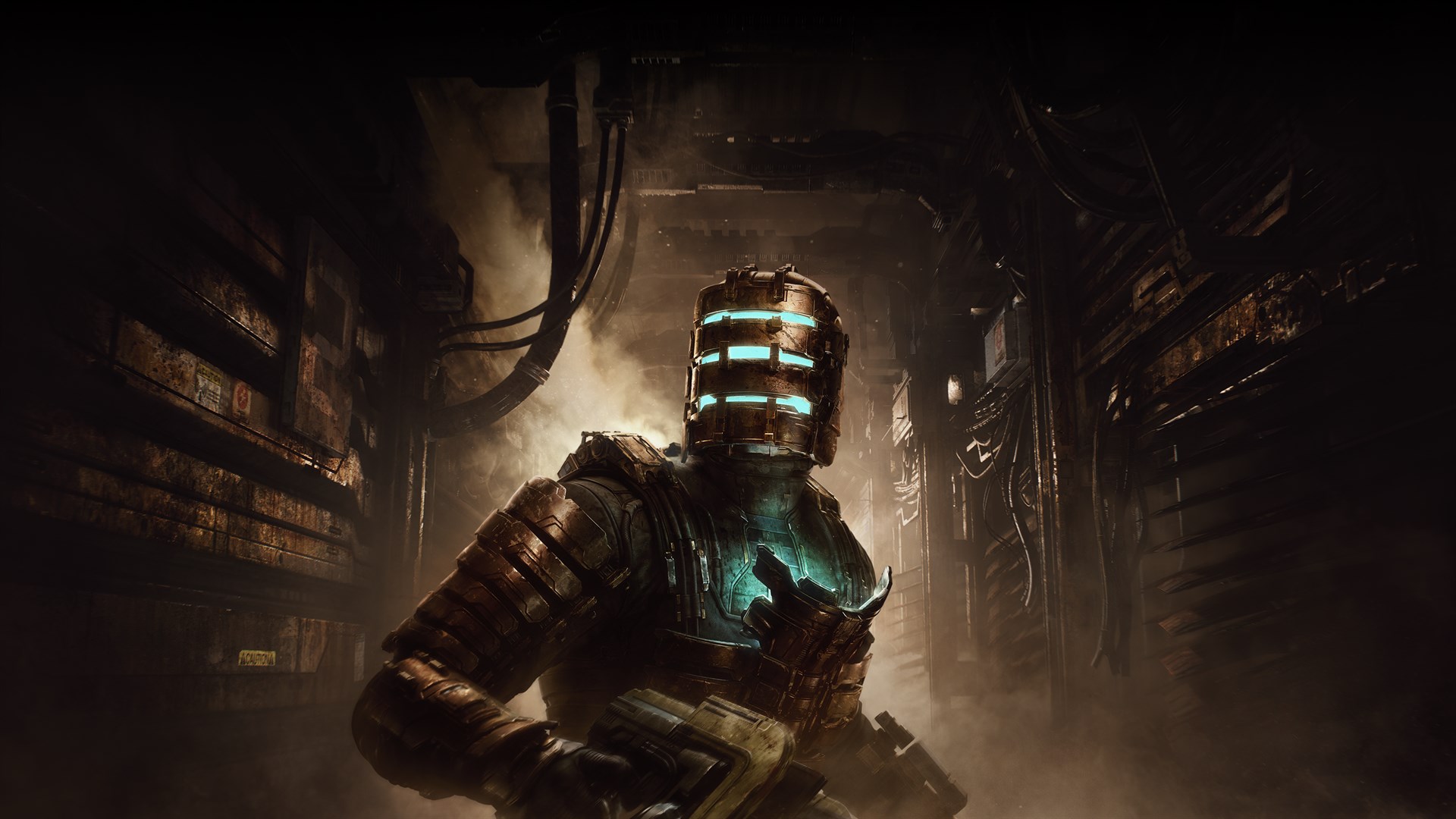
This horror game remake updated character designs and added new backgrounds for supporting characters. Some fans disliked these changes, feeling they weren’t needed and were made to meet current corporate expectations. Though the game received positive reviews for its atmosphere and improved gameplay, the visual updates sparked debate, proving that even well-made remakes can be criticized for including diversity.
‘The Sims 4’ (2014)
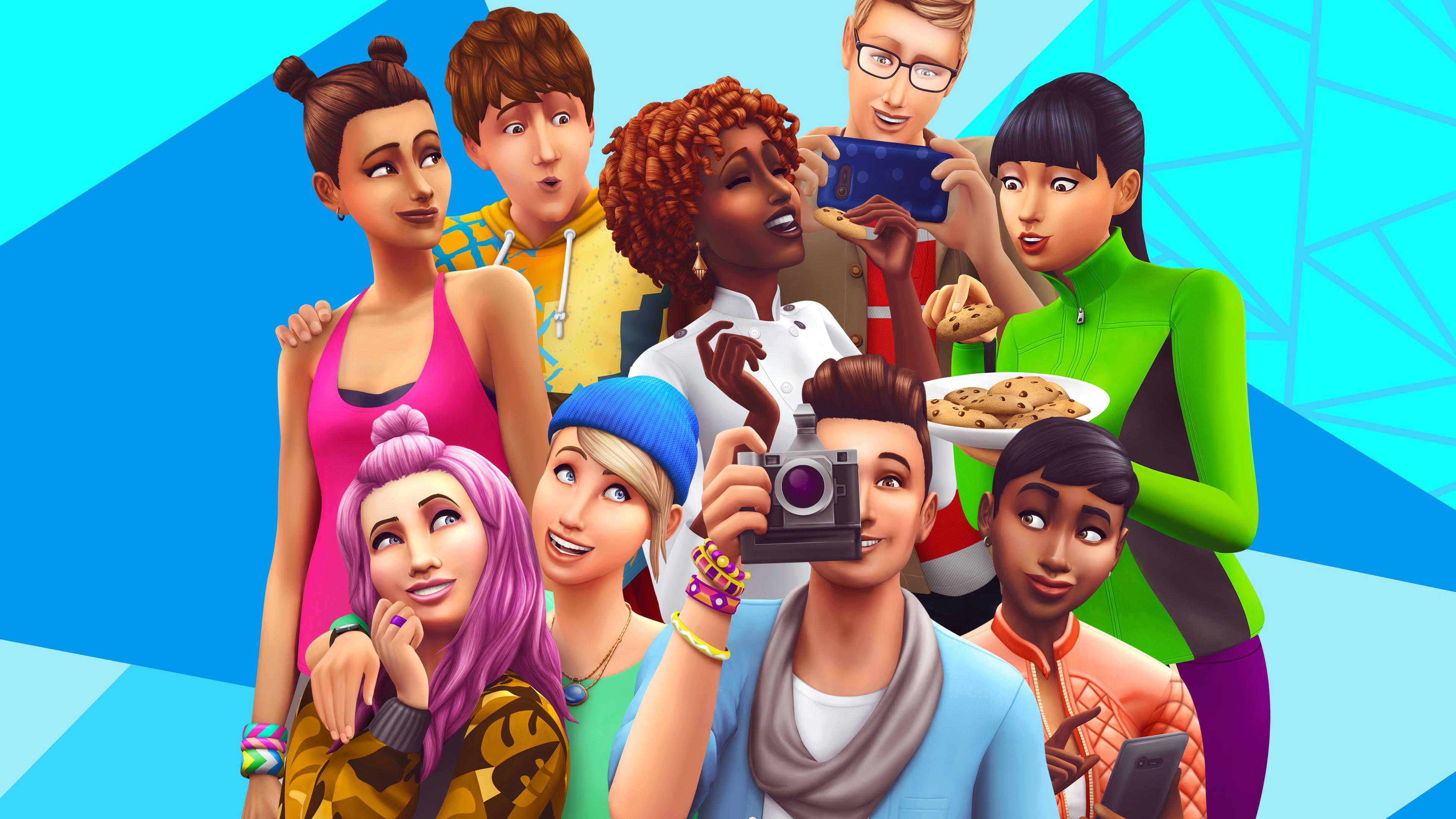
This life simulation game has received many updates aimed at improving how gender identity and cultures are represented. While a lot of players appreciated these changes, others felt the developers were overlooking important technical problems. Some believed the focus on social updates was a way to avoid fixing the game’s underlying issues. This disagreement about whether to prioritize new content or fix bugs has caused ongoing debates. Despite this, the game continues to be a central topic in conversations about inclusivity in the gaming world.
‘World of Warcraft’ (2004)
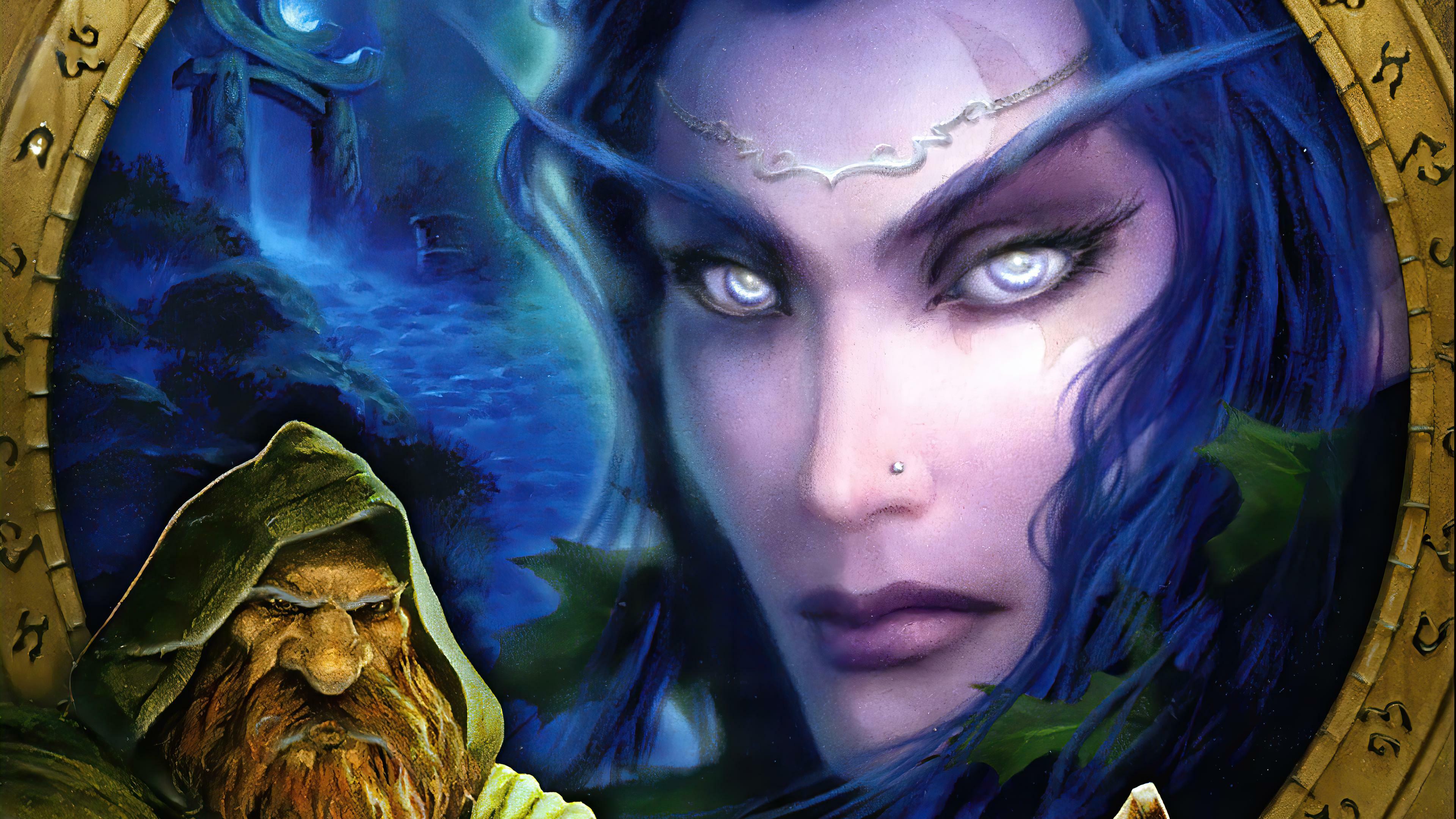
The game has recently been updated with new stories and characters aiming to be more welcoming to everyone. However, some longtime players felt these changes didn’t fit with the game’s existing history and felt unnatural. Removing jokes and content considered offensive also upset some older fans. Many believe the game is straying from what made it special, trying too hard to appeal to current trends. This disagreement has been a recurring issue within the game’s community for years.
‘Hearthstone’ (2014)
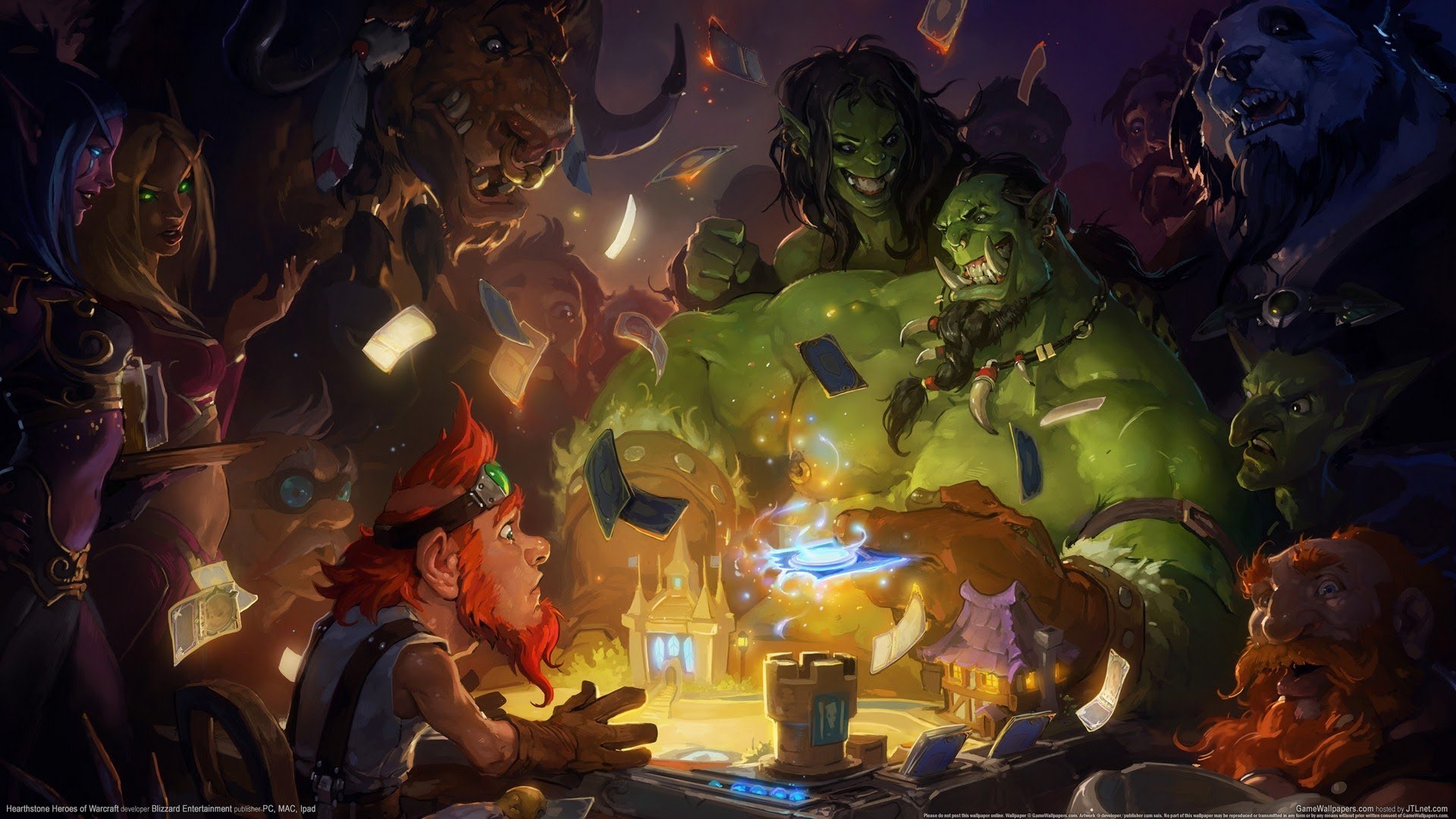
The card game recently updated its artwork and character designs to better represent a diverse range of people. While some long-time players weren’t happy with the changes to familiar cards, others felt the new art style was too bland compared to the game’s original, more gritty look. Many players believed these updates were driven by company-wide initiatives rather than improvements to the game itself, sparking ongoing discussions and disagreements within the player community about the game’s visual style.
‘Magic: The Gathering Arena’ (2018)
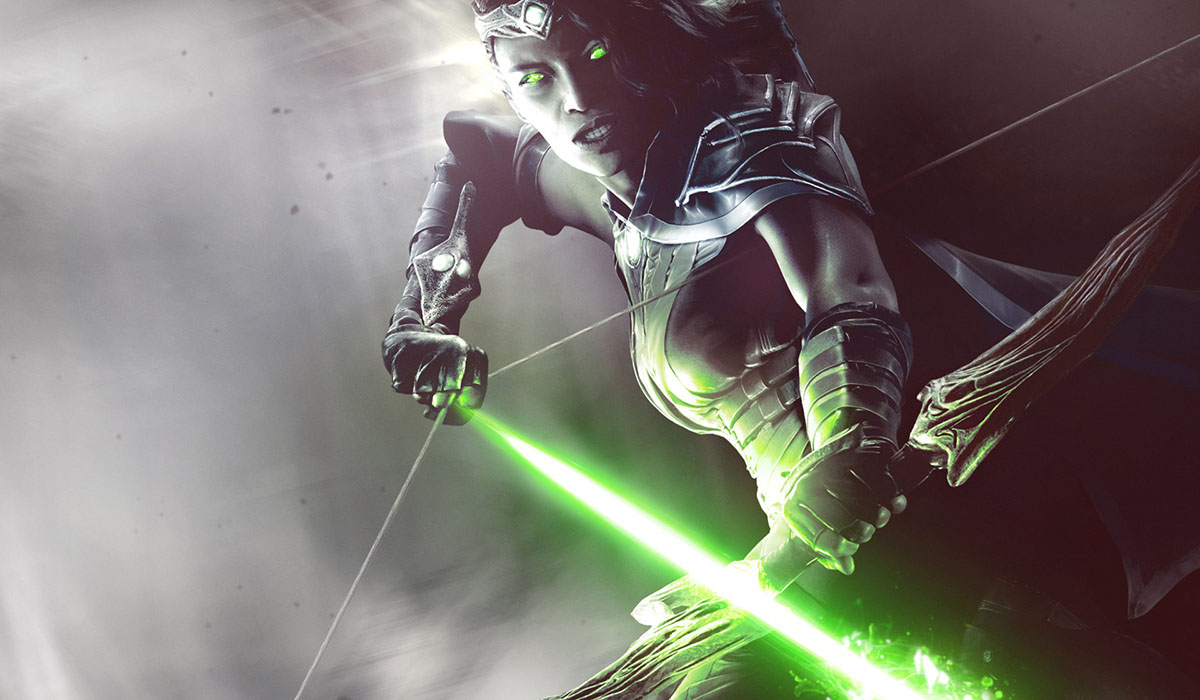
Adding current social issues to the game’s cards has created disagreements among players. Some fans believe the game is focusing too much on making political statements instead of being a simple fantasy experience. Updates to character backgrounds to include more diverse representation have also received varied reactions. This has unfortunately divided the community and sparked intense debates online. The developers are struggling to find the right balance between the game’s classic fantasy elements and the desire to be more inclusive.
‘Fable’ (2025)
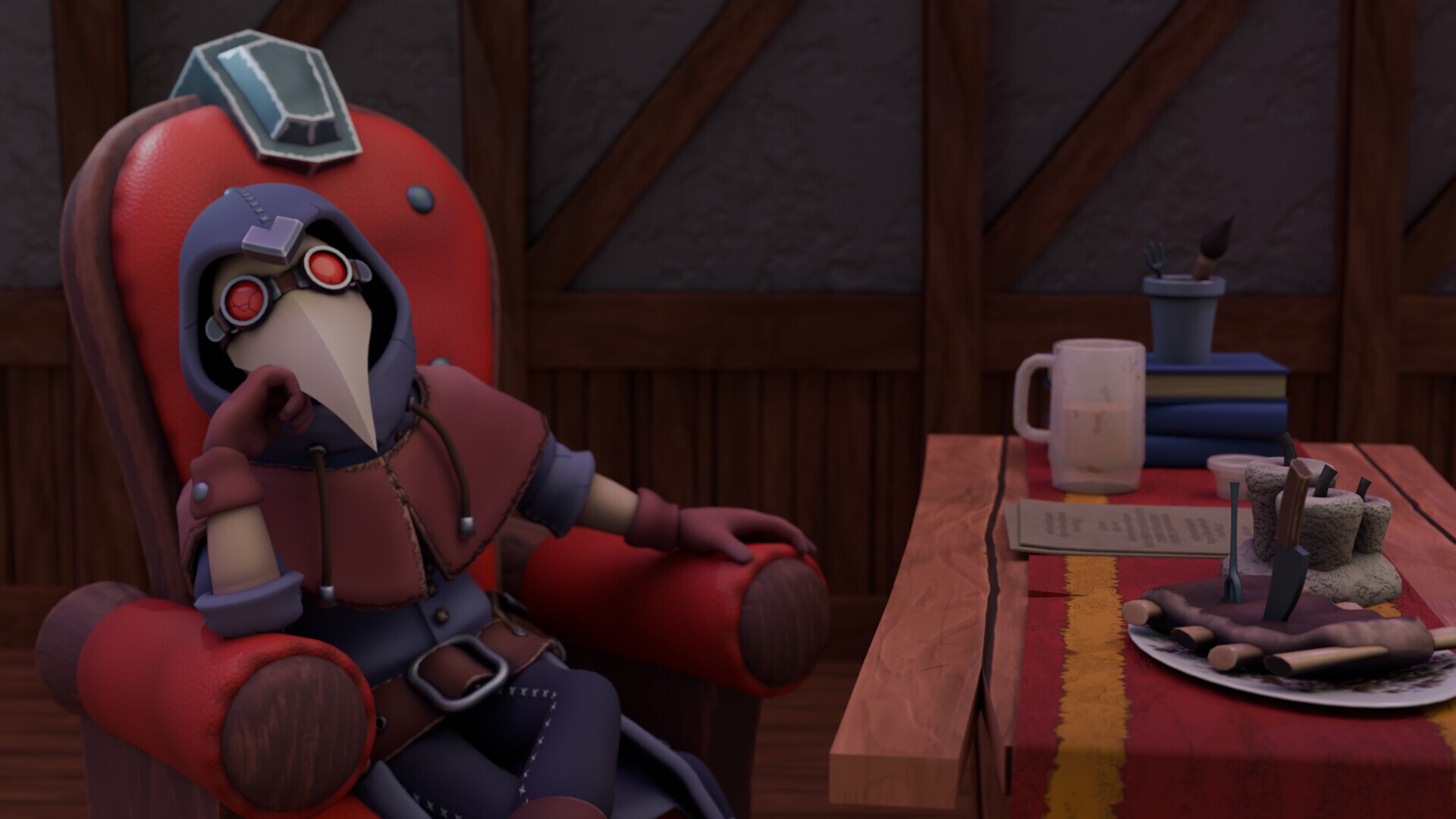
The trailer for the new version of this popular game showed a main character that many fans felt was quite different from what they expected. Some critics pointed out the character’s design seemed to intentionally break away from typical video game beauty standards, sparking a big online conversation about how characters should be designed in modern role-playing games. A lot of fans worried that the funny and lighthearted spirit of the original games might be missing in this new version. Ultimately, the game has become a focal point for discussions about how much creative freedom developers should have versus what players want to see.
‘Horizon Forbidden West’ (2022)
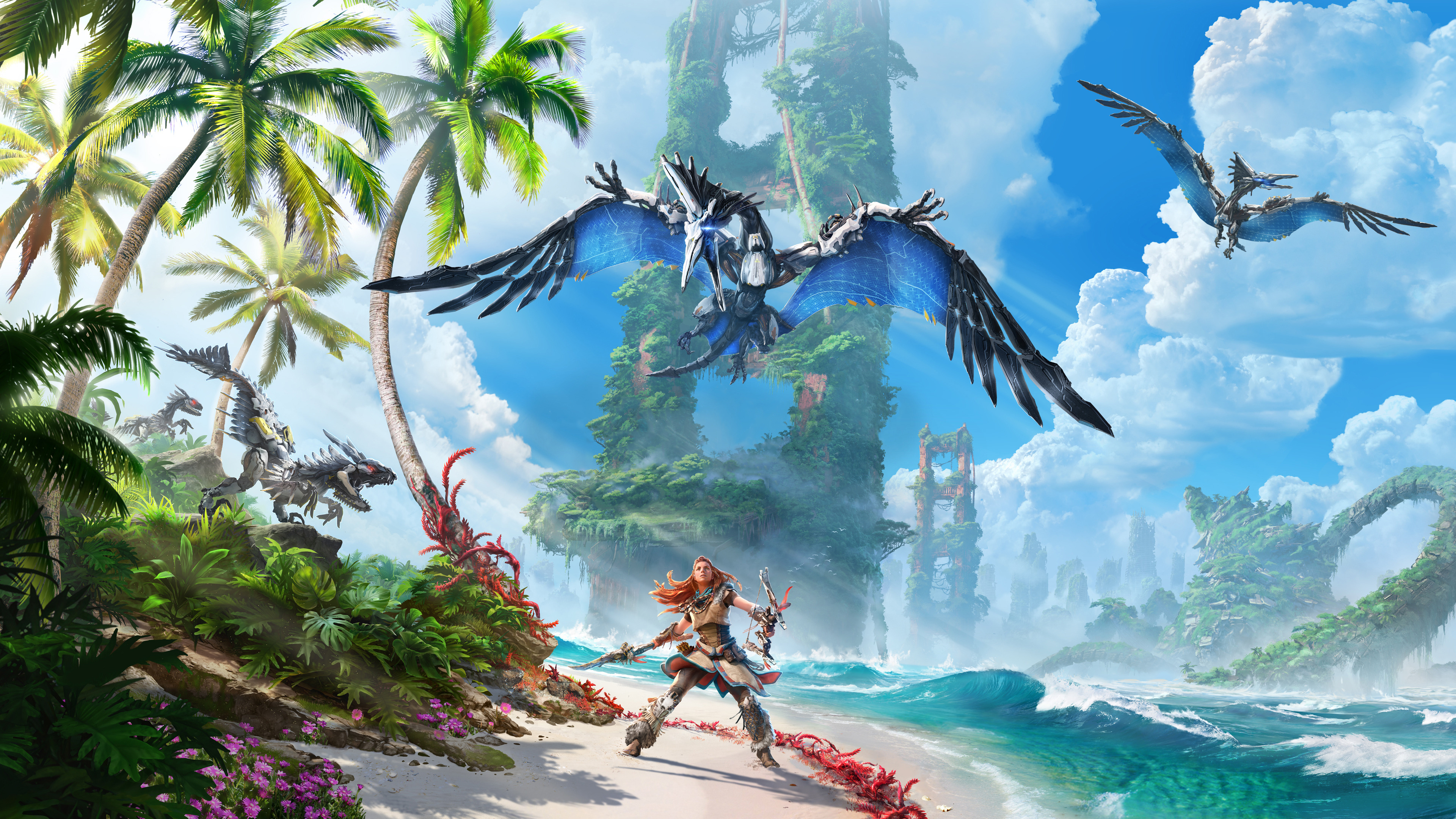
The game was mostly well-received, but some players criticized the protagonist’s appearance in early promotional images. Some believed the changes aimed for a more realistic look, potentially to reflect modern diversity standards, sparking a broader conversation about how female characters are depicted in action games. Although most players ultimately enjoyed the final game, the initial reaction focused heavily on these visual details, demonstrating how even small changes can generate significant fan feedback.
‘Apex Legends’ (2019)
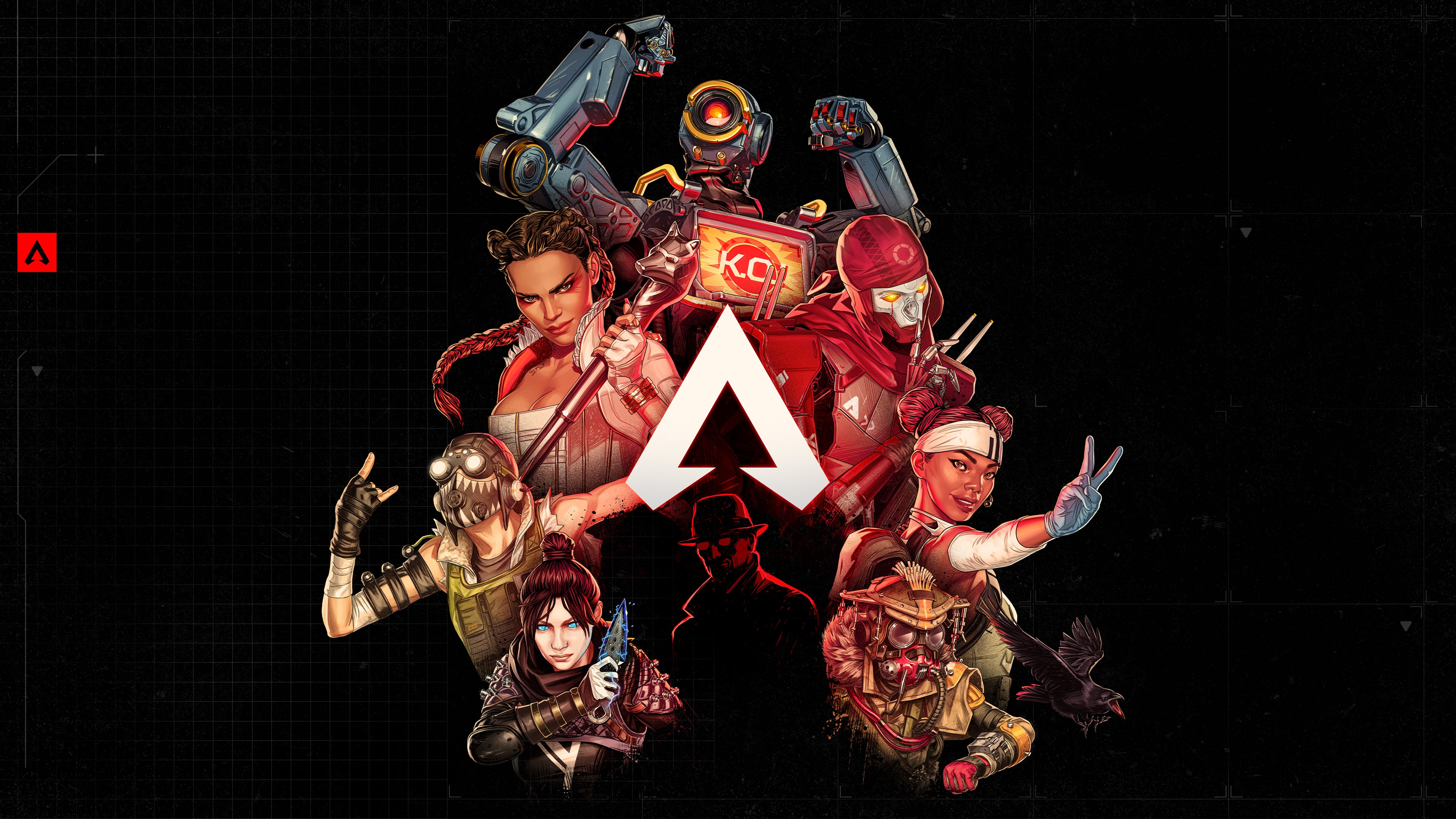
Players generally appreciate the game’s varied characters, but some believe the emphasis on their personal stories is overshadowing gameplay. Some feel constant updates to character backgrounds and relationships feel more like promotion than genuine world-building, especially when these updates happen alongside disliked changes to how the game plays. This creates tension within the community. The developers are trying to balance telling inclusive stories with maintaining a fair and competitive game.
‘Valorant’ (2020)
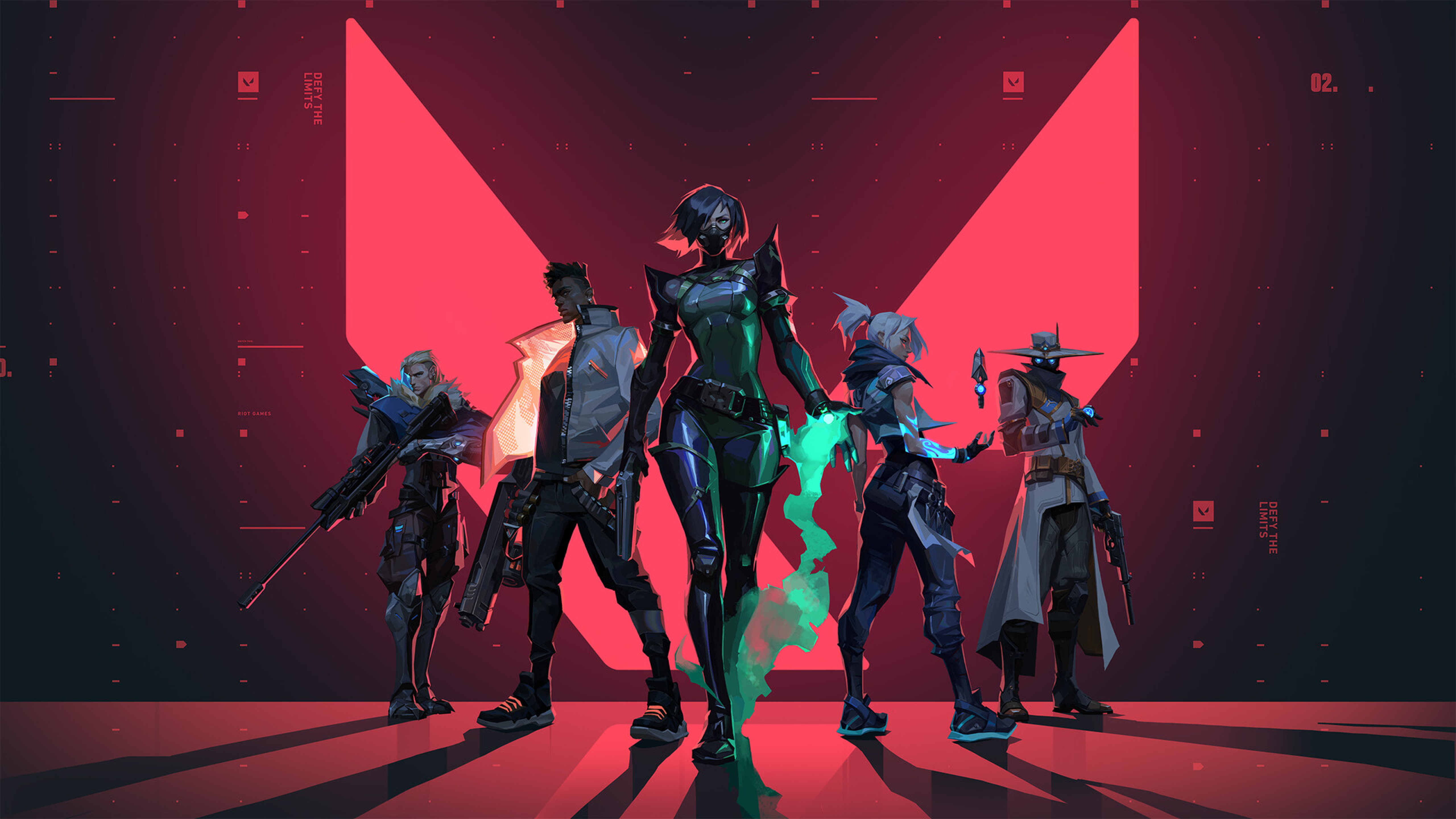
This team-based shooter features a wide range of characters with different cultural backgrounds, which the game often emphasizes. Some competitive players feel that story updates and social commentary don’t add to the main gameplay. There’s been some criticism that the game’s marketing focuses too much on social issues. Despite its popularity, this has created a split within the player base about what’s important in a shooting game, and the game’s commitment to inclusivity is a frequent topic of discussion.
‘Goodbye Volcano High’ (2023)
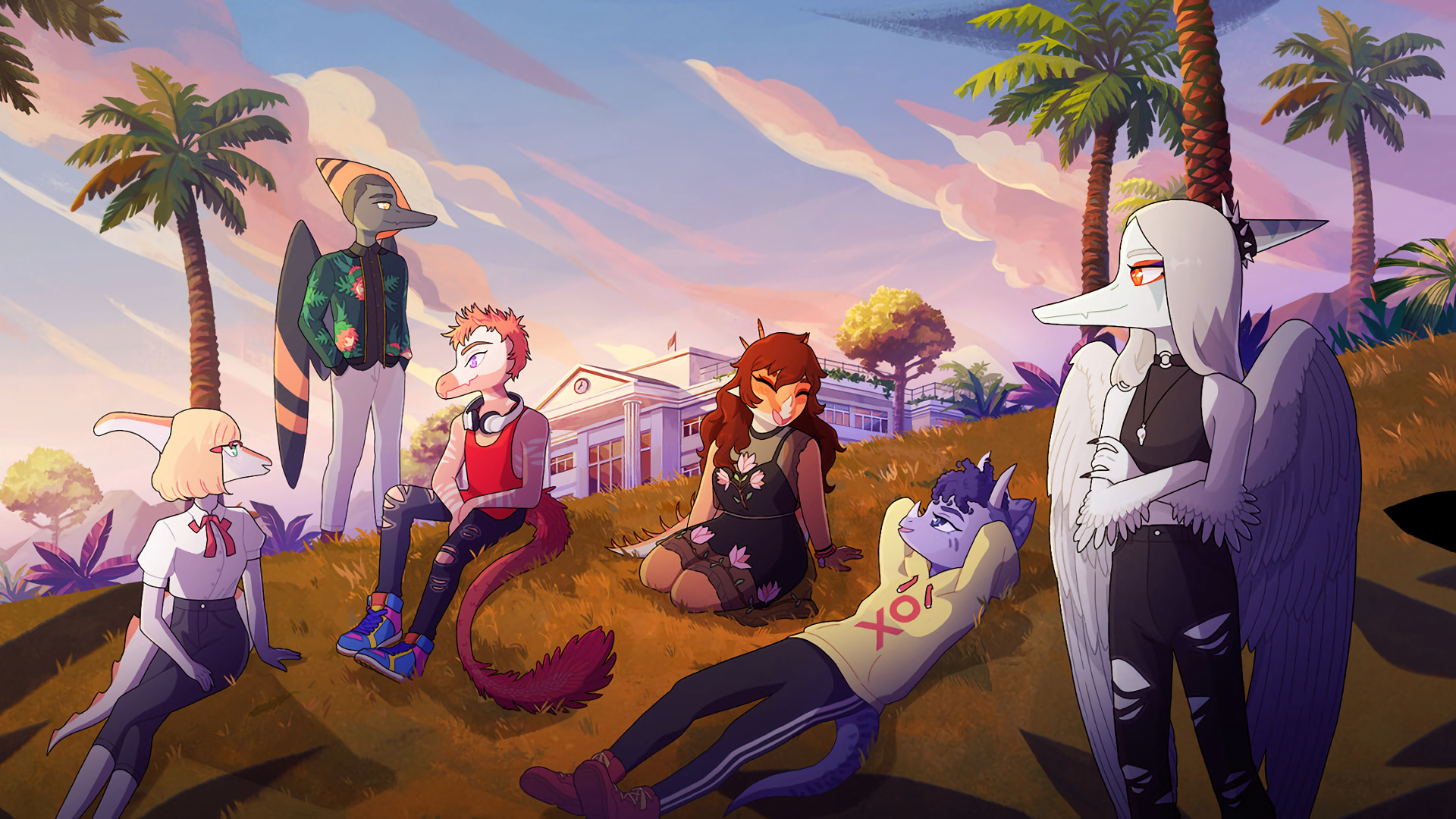
This story-driven game, featuring dinosaurs with human characteristics, prominently explores non-binary identities and contemporary social issues. However, the announcement trailer sparked considerable negative reaction from many gamers. Some reviewers believed the game catered to a niche audience, potentially alienating a broader player base. The game’s themes and character designs proved controversial, particularly for those who prefer more conventional narratives. Ultimately, it became a well-known example of a game that turned off a lot of potential players.
‘New World’ (2021)
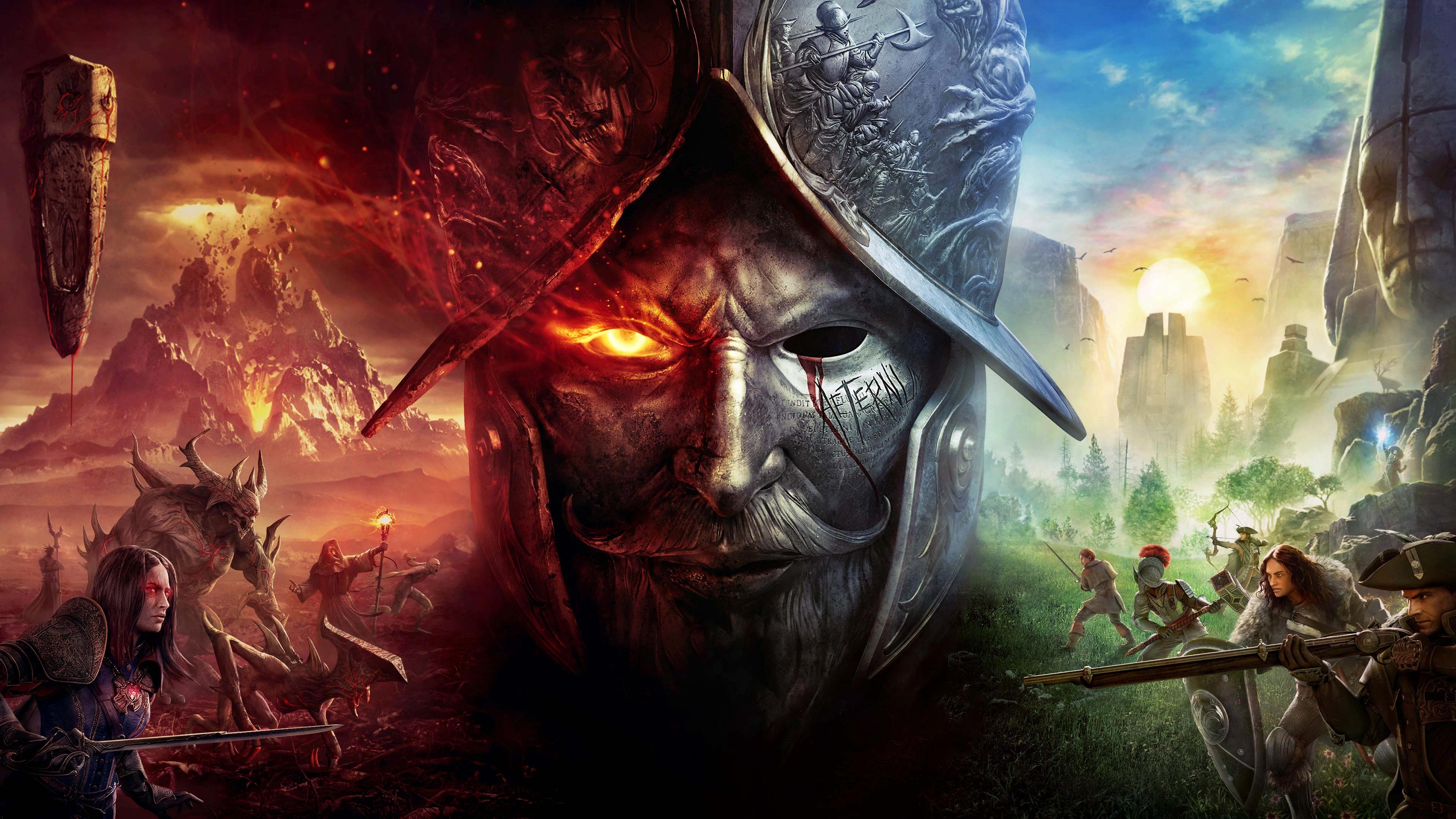
When this MMO launched, the wide range of social topics and character choices received a varied reaction. Some players thought the game felt unfocused, as if it was trying to be everything to everyone. Critics also found the story and quests to be bland and too concerned with current trends. This led to the initial excitement fading quickly, and the game lost many of its original players. As a result, it’s been difficult for the game to stay popular in a market with so many other options.
‘Far Cry 6’ (2021)
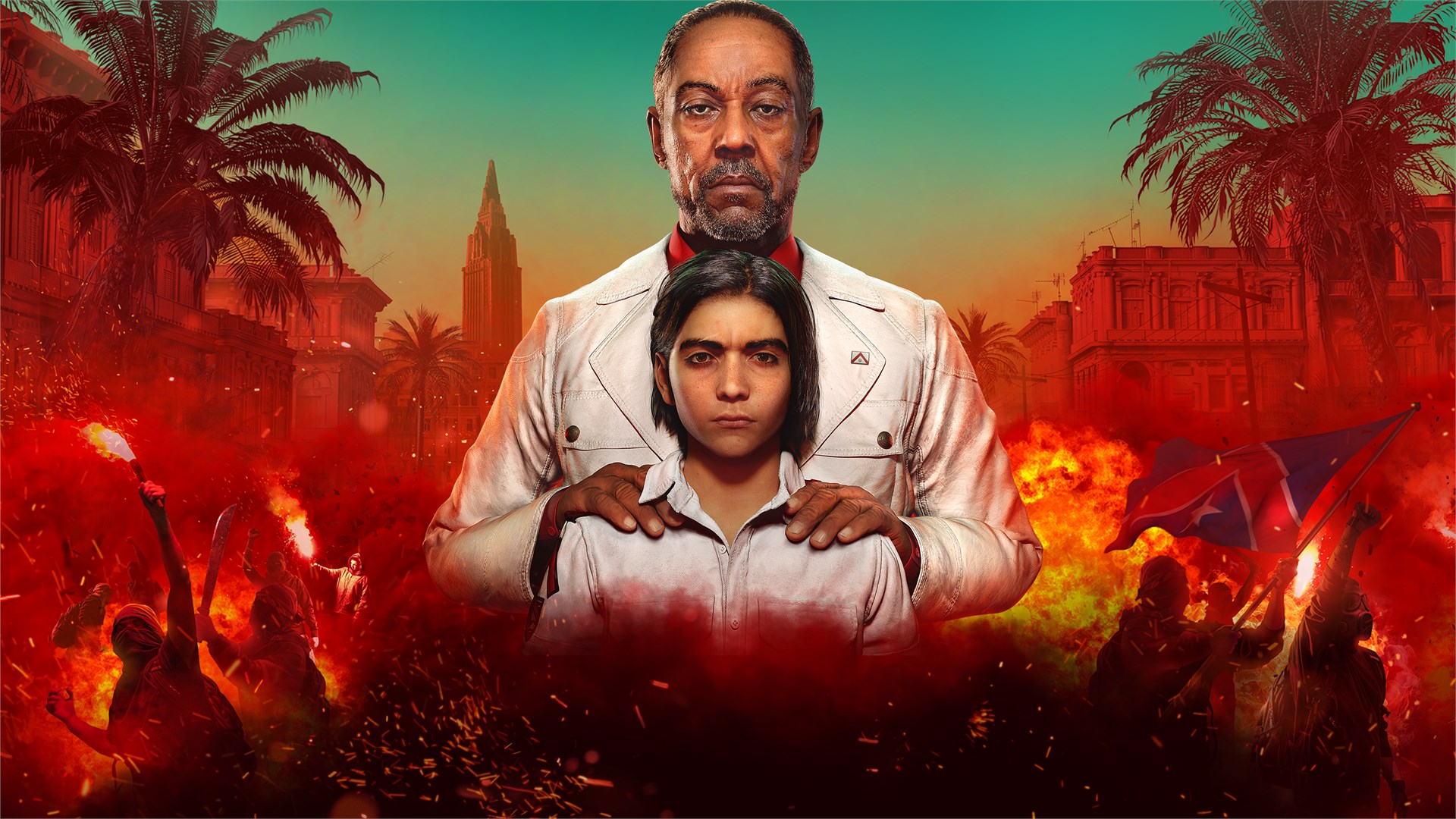
This open-world shooter explored themes of revolution and identity, but some players thought it prioritized modern social commentary over compelling storytelling and felt less raw than earlier games in the series. Critics also pointed out that the characters felt like exaggerated stereotypes, leading to concerns the game was drifting away from its original, chaotic spirit. As a result, it wasn’t as well-received as previous installments.
‘Life is Strange: True Colors’ (2021)
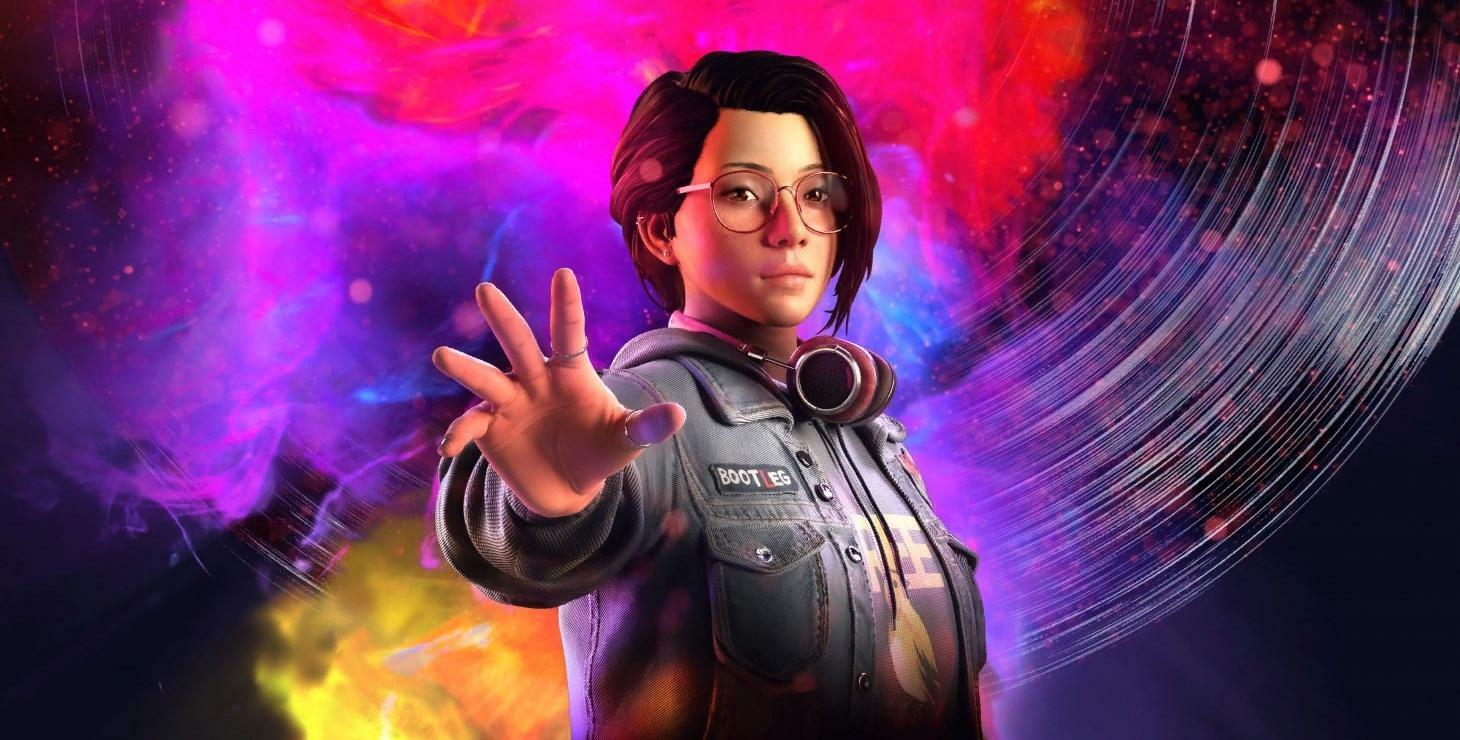
The series has always been character-driven, but some viewers felt this installment leaned too heavily into social issues. A few thought the portrayal of small-town life felt overly idealistic or lacked realism. Some critics believed the game prioritized inclusivity over a strong, engaging mystery. This created a split among fans, particularly those who preferred the more realistic stories in previous games. As a result, this entry continues to be a divisive one for the franchise.
‘Sea of Thieves’ (2018)
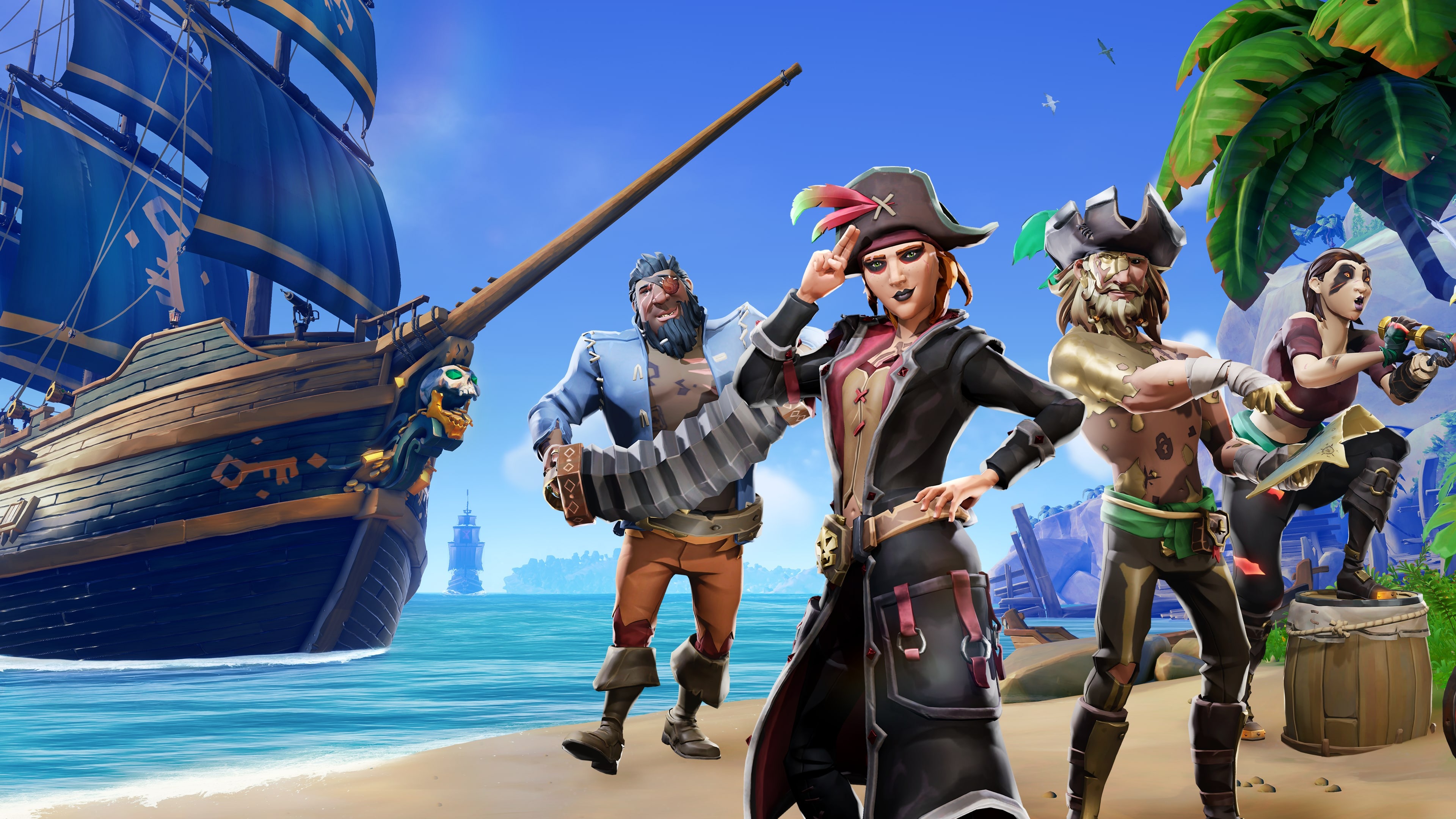
The recent update with more diverse characters and customization options received a mixed reaction. While many players appreciated the changes, others felt the developers should have prioritized improving the game’s core mechanics. This sparked disagreements within the community about whether social features or gameplay improvements were more important. This situation is common in games that are constantly updated, as developers always face choices about where to focus their efforts. Although the game now has a dedicated player base, this tension between different types of updates still exists.
‘Minecraft’ (2011)

So, the devs recently added a bunch of different character options and tried to make things more inclusive, which caused a bit of a stir. Honestly, some of the older players felt it wasn’t needed – they think the game is all about building and imagining, and this felt forced. A few people even said it felt like the game was being used to push an agenda. Most of us didn’t really care, but it blew up on some forums and Discord servers. It just goes to show, even super popular games aren’t safe from these kinds of arguments.
‘Roblox’ (2006)
The platform has been updated with many new rules designed to make it a safer and more welcoming space for everyone. However, some longtime users and creators felt these changes limited their ability to express themselves. Some also believed the platform was becoming more focused on appearing socially responsible, and less like the free-spirited community it once was. This caused disagreements between the platform’s leaders and some of its users. The platform is still changing and trying to find the right balance between growing its audience and upholding community standards.
‘Fortnite’ (2017)
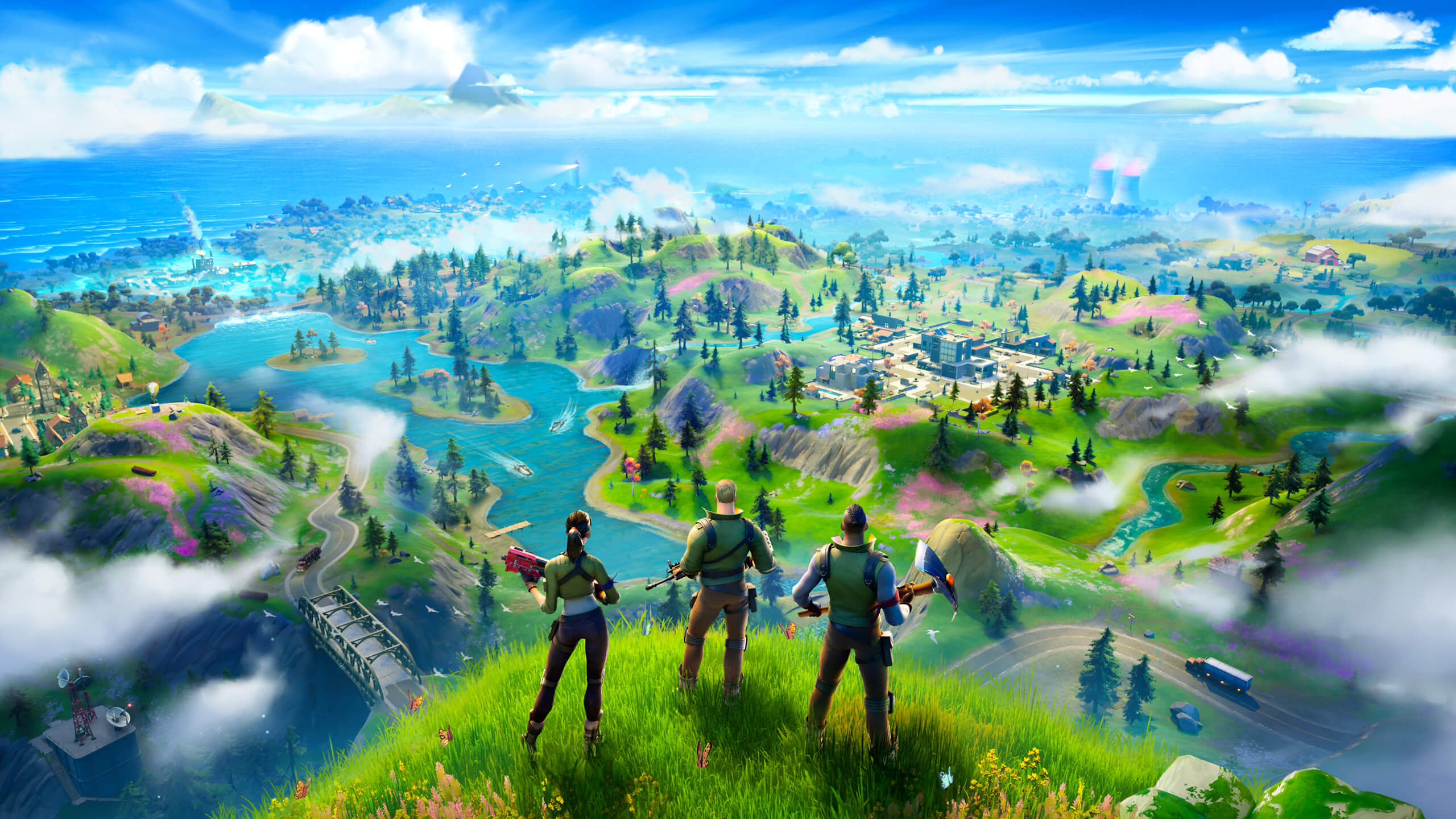
While the game remains incredibly popular worldwide, some players have expressed frustration with recent updates focused on social awareness and inclusive content. These players feel the game is becoming overly focused on corporate messaging and external values, and that it’s losing its original playful spirit. This has sparked ongoing debate within the community about the value of these social initiatives, with the game often cited as a key example of how diversity is handled in mainstream entertainment.
‘League of Legends’ (2009)
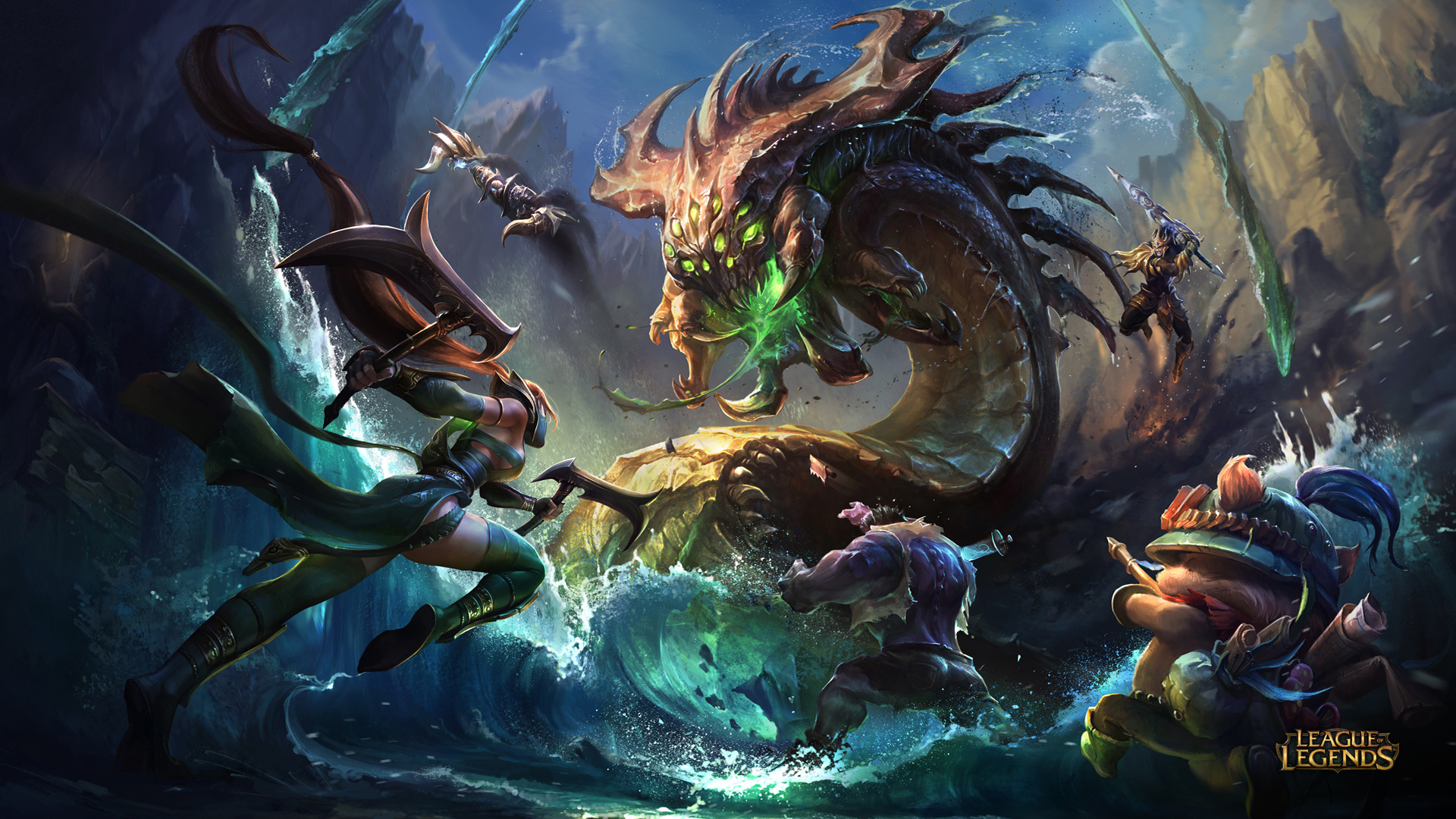
As a long-time fan, I’ve noticed a lot of debate around the recent changes to character backstories, especially when they’ve added more diverse identities. Some players, myself included sometimes, feel like these changes don’t quite fit with how we remember the characters. It also feels like the game’s marketing has been focusing a lot on these social updates, and honestly, it sometimes feels like a distraction from the ongoing issues with negativity in the player base. It’s led to endless arguments online about what the developers are really trying to do. It’s clear the game has become a place where a lot of these bigger cultural conversations are happening, and it can be a bit much sometimes.
‘Street Fighter 6’ (2023)
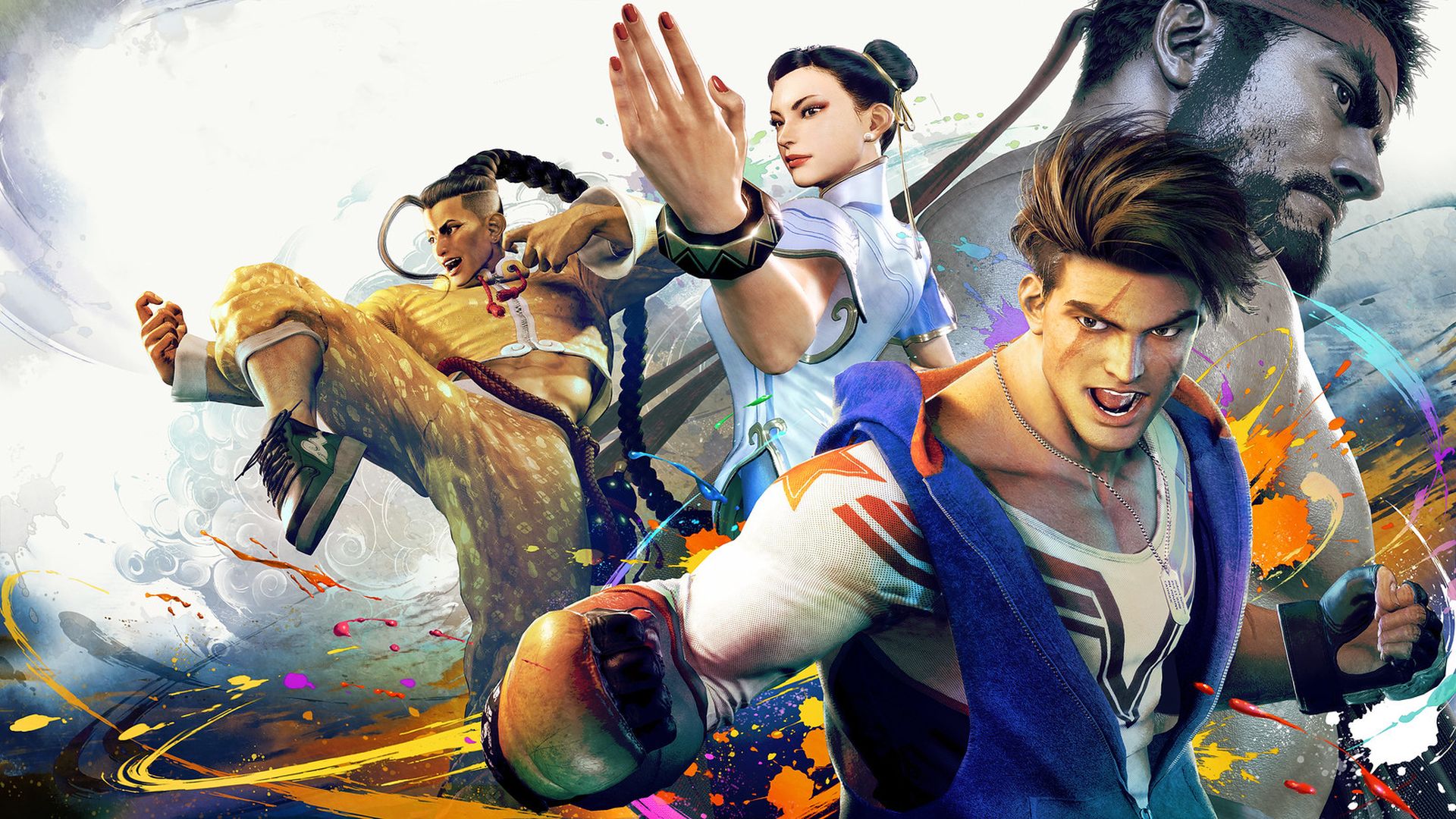
Updating the character designs and adding a more diverse group of new characters caused some backlash from dedicated fans. Some players felt the game’s new style was too modern and didn’t match the series’ original feel. The character customization options in the world tour mode also led to discussion about how different body types were represented. Although the gameplay received a lot of positive feedback, the visual changes were a common source of criticism. This highlighted the difficulties of refreshing a well-established franchise for today’s players.
‘Tekken 8’ (2024)
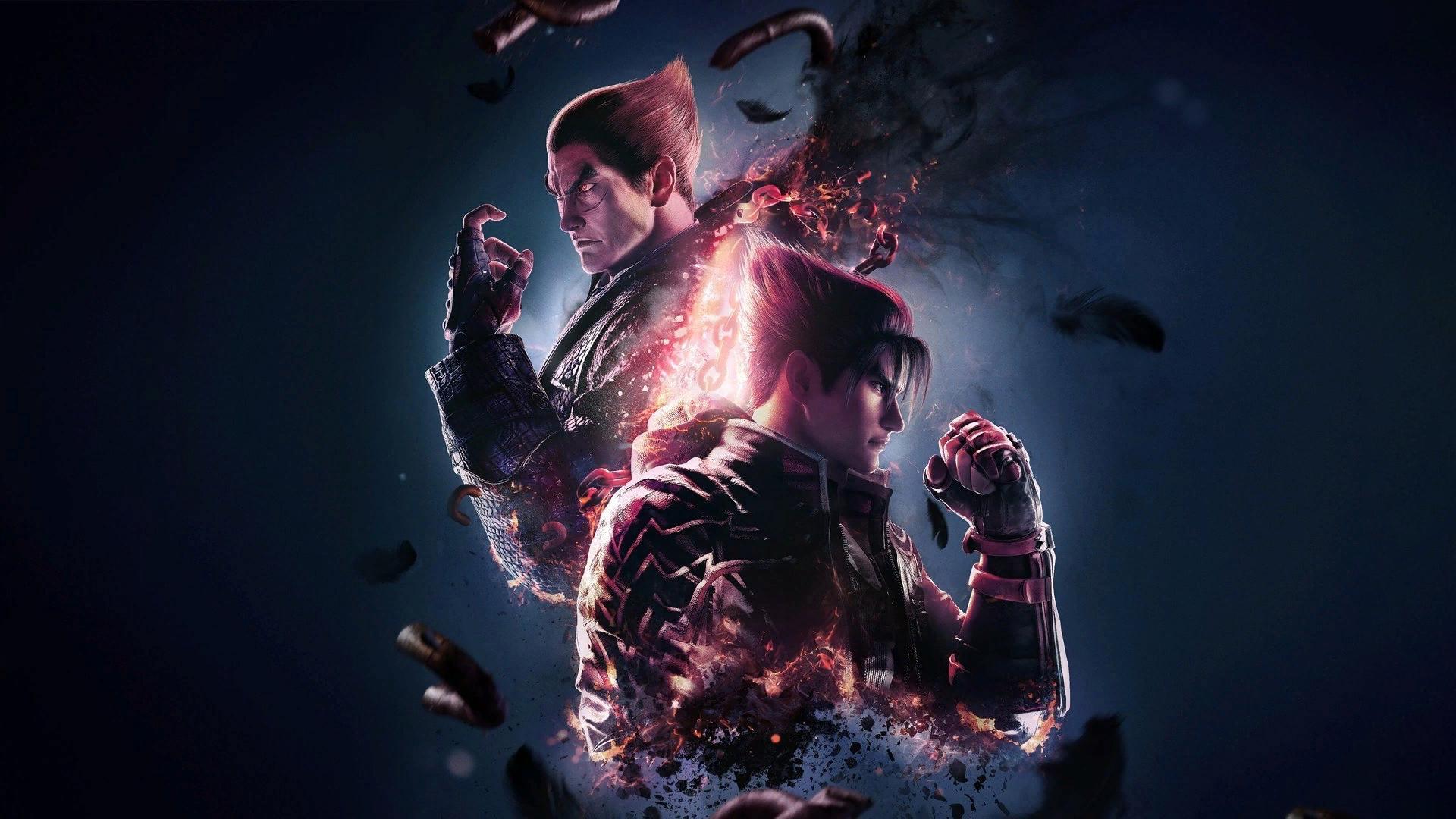
As a long-time fan, I’ve seen a lot of discussion about the latest installment. Like with any fighting game update, people had opinions on the character designs – especially the new characters and how diverse the roster became. Some of us felt the updated graphics moved away from the classic, iconic look of the older games, and there was a lot of back-and-forth about whether the changes were about making the game look better or about representing people in a more modern way. The game is still really popular, but honestly, the debate about the art style is still going strong!
‘Guild Wars 2’ (2012)
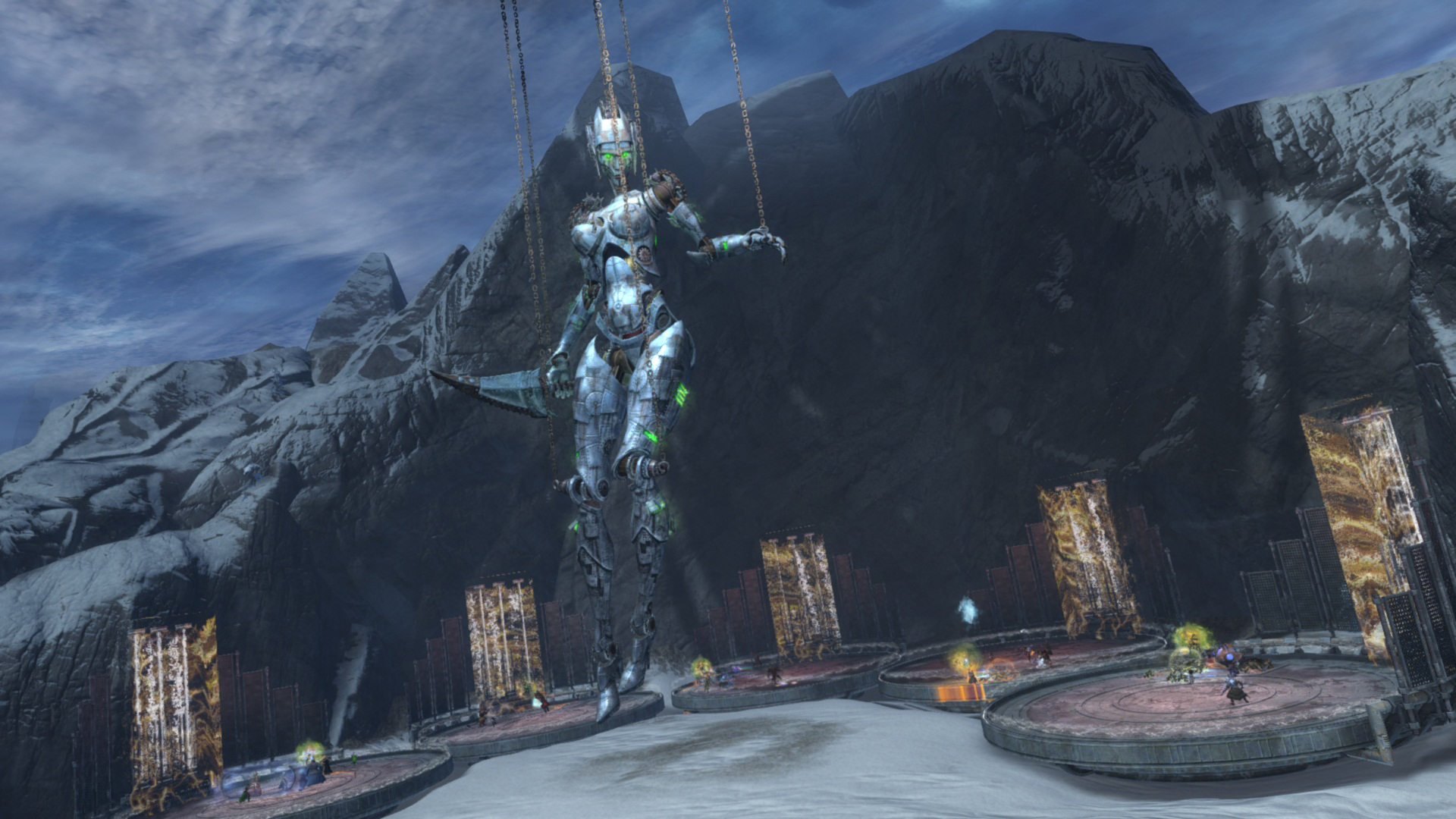
Recent story updates have shifted the focus to characters and their relationships, which has caused disagreement among players. Some fans miss the large-scale fantasy adventures and feel the game is now too focused on personal stories. Others believe the writing prioritizes inclusivity over developing a compelling world. This change has led to some long-time players losing interest, and the game’s story continues to be a point of contention.
‘Final Fantasy XIV’ (2013)
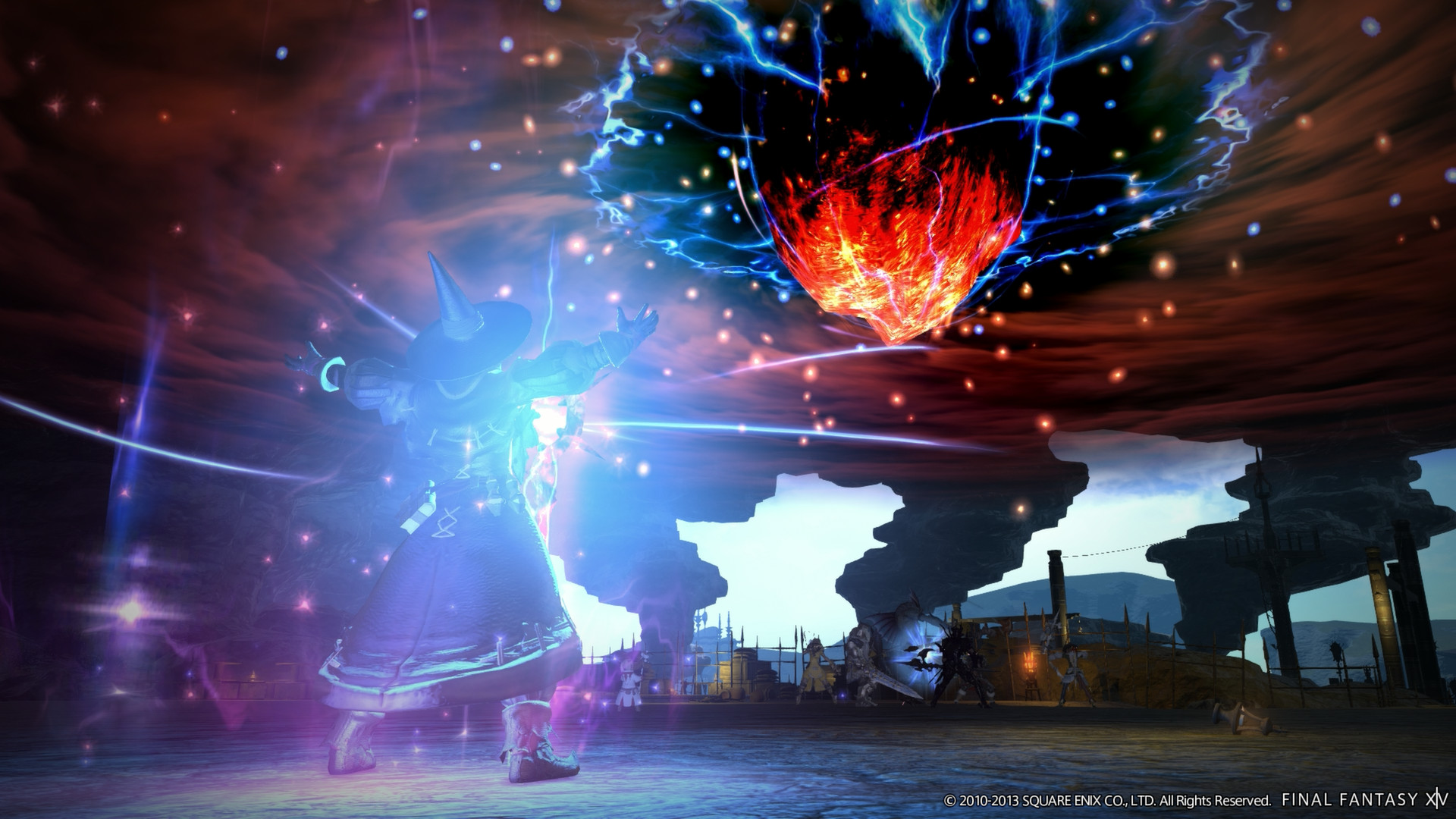
As a long-time fan, I’ve been seeing a lot of talk lately about where the game is headed. Some of the recent changes to characters and the story have gotten people discussing things, and honestly, a few players feel like the game is focusing too much on diversity. There’s been some pretty heated debate about the English translation too – people are wondering if it’s staying true to the original Japanese version or if it’s being updated to fit modern Western sensibilities. It’s definitely made people think more carefully about how the game deals with sensitive issues. But even with all this discussion, the game is still incredibly popular, which is awesome!
‘Destiny 2’ (2017)
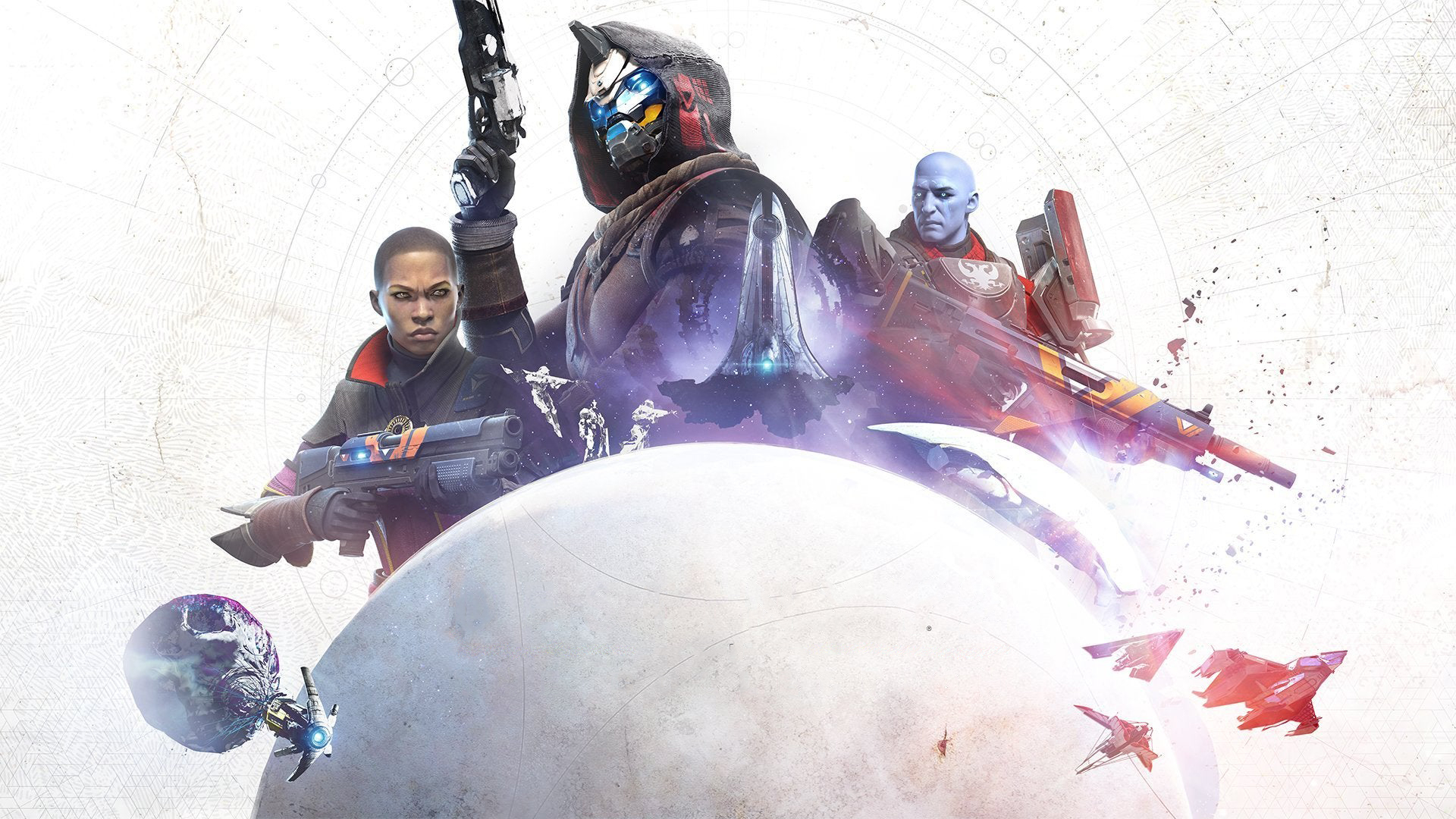
Some players have expressed concerns about the focus on character relationships within the game’s main story. Some critics feel the game spends too much time developing characters personally, and not enough on the larger, epic plot. A few fans believe these storylines feel forced or included simply to meet diversity goals, which has occasionally caused disagreements within the community. The game developers are continuing to try and satisfy both their desire to tell complex stories and the expectations of longtime players.
‘Cyberpunk 2077’ (2020)
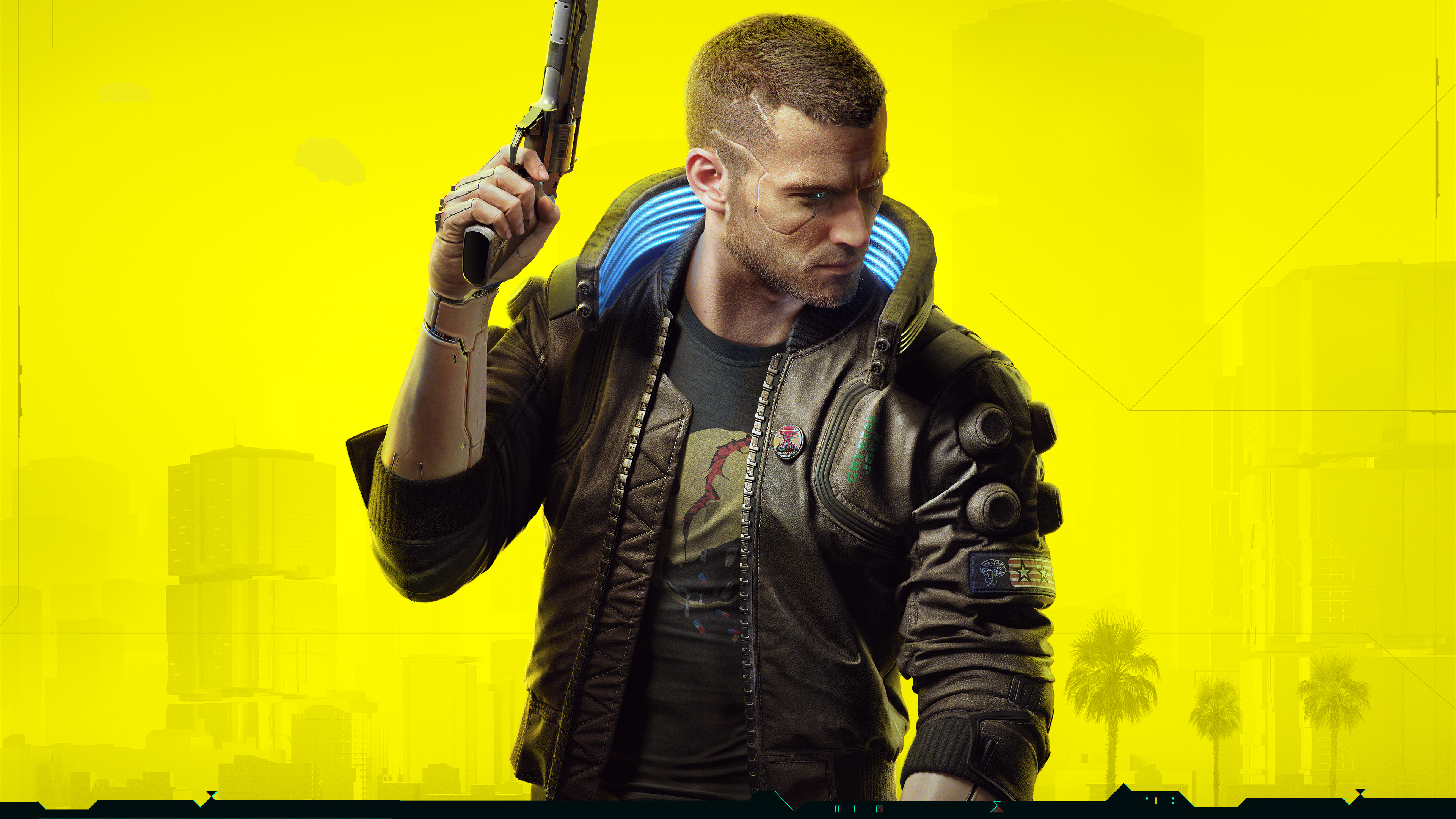
Before and after its release, players widely discussed how the game handled gender and its character creation tools. Some felt the game didn’t do enough to address these issues, while others thought it focused on them too much. Critics also pointed out that the game’s advertising didn’t match its final themes, sparking a debate about diversity and representation in cyberpunk settings. As a result, the game continues to be an important example of how cultural issues are handled in video games.
‘Watch Dogs: Legion’ (2020)
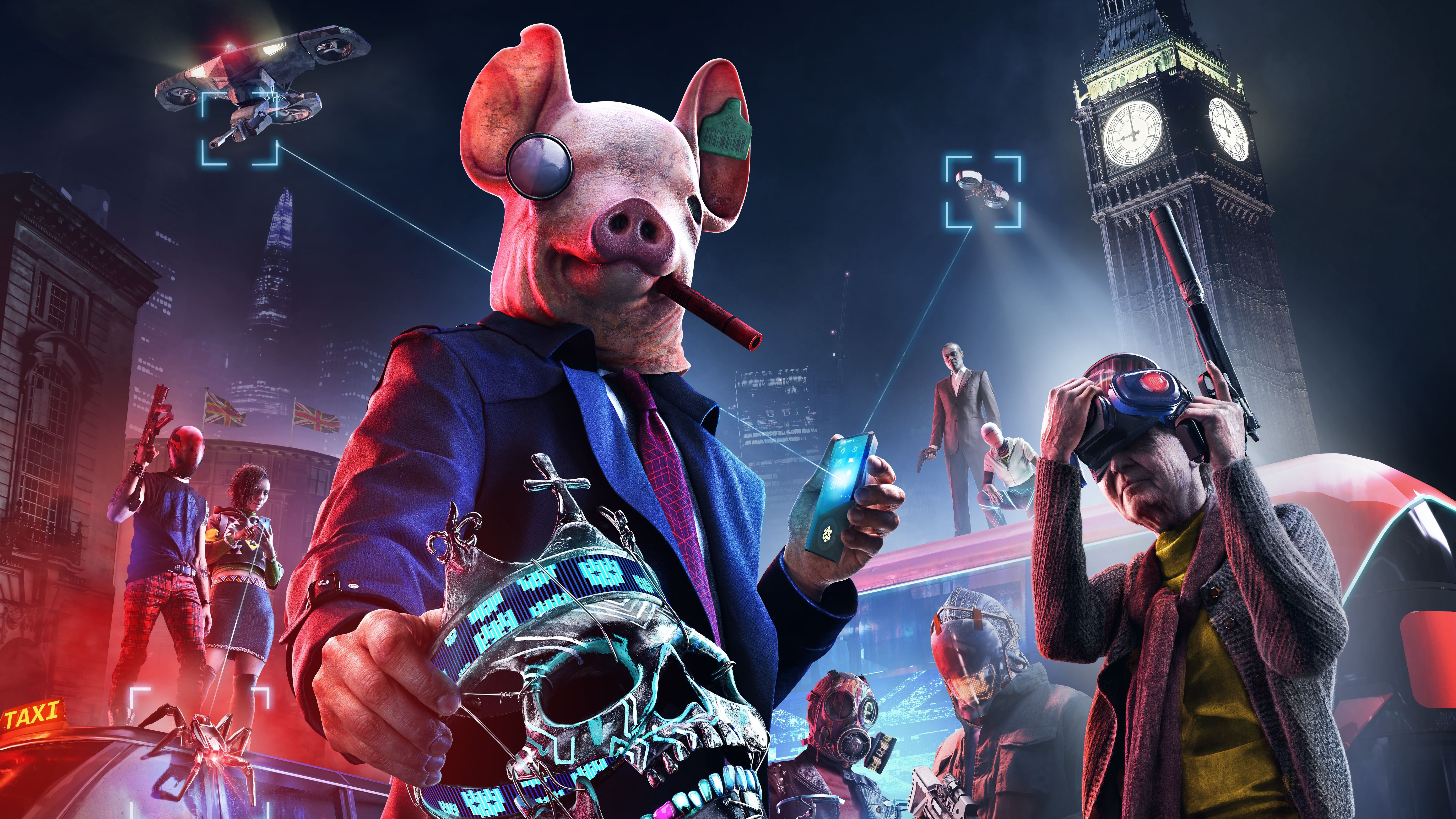
The game allowed for a wide range of characters, but many players felt this came at the expense of developing them fully. Instead of focusing on one main character, the story spread across a group, which some saw as prioritizing diversity over a compelling narrative. Players found the characters and their reasons for acting felt too bland and unoriginal, making the game less interesting than previous titles in the series. Ultimately, it wasn’t as popular as earlier games.
‘Dying Light 2: Stay Human’ (2022)
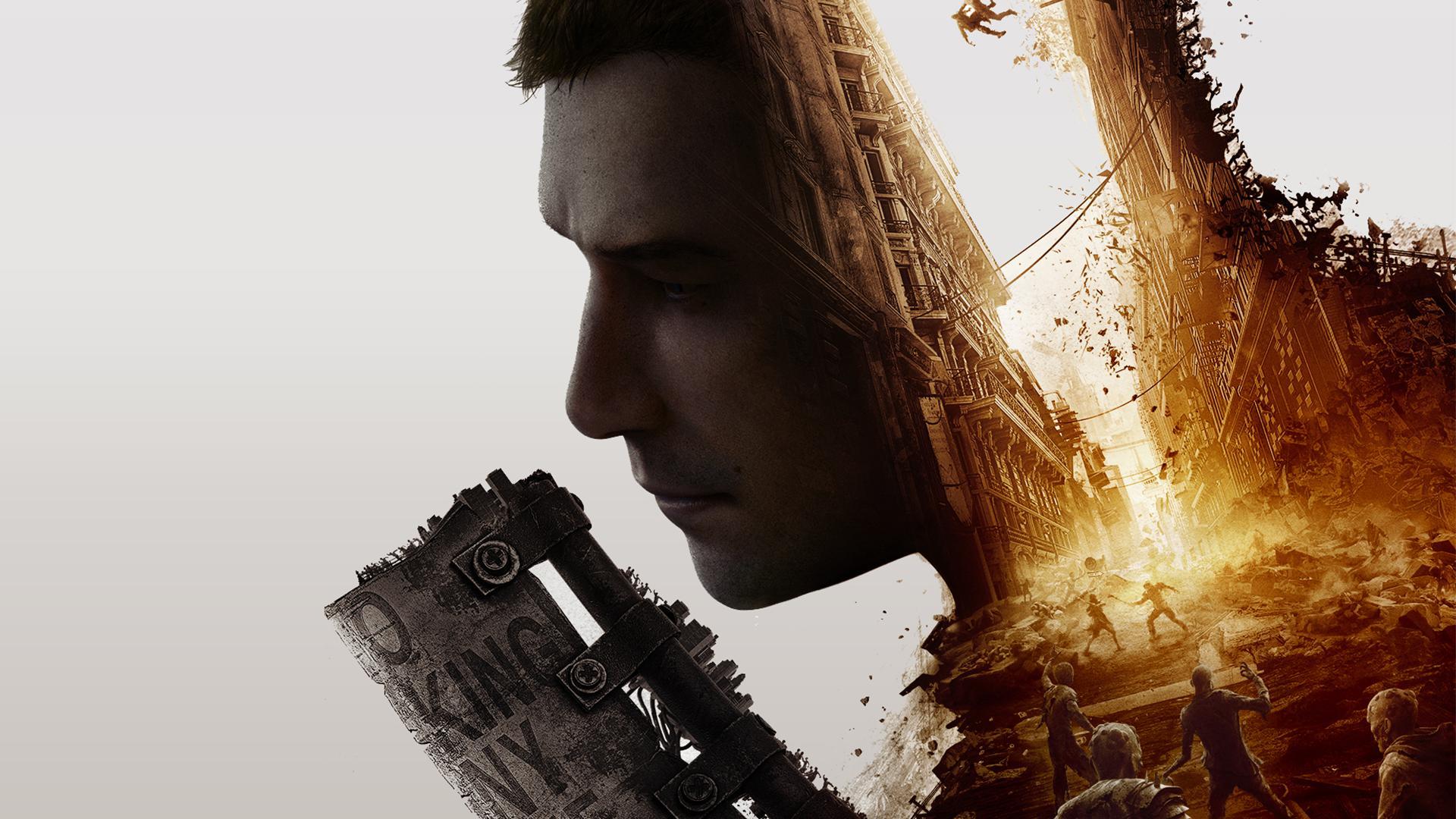
When the game’s creators tried to make the world and characters more inclusive, fans of the original had varied responses. Some felt the sequel lost the dark, intense atmosphere of the first game, becoming too focused on current social issues. Many also thought the conversations and relationships between characters weren’t as compelling, which led to overall disappointment with the story. This highlights how changing the creative direction can significantly impact a sequel’s feel.
‘The Outer Worlds’ (2019)
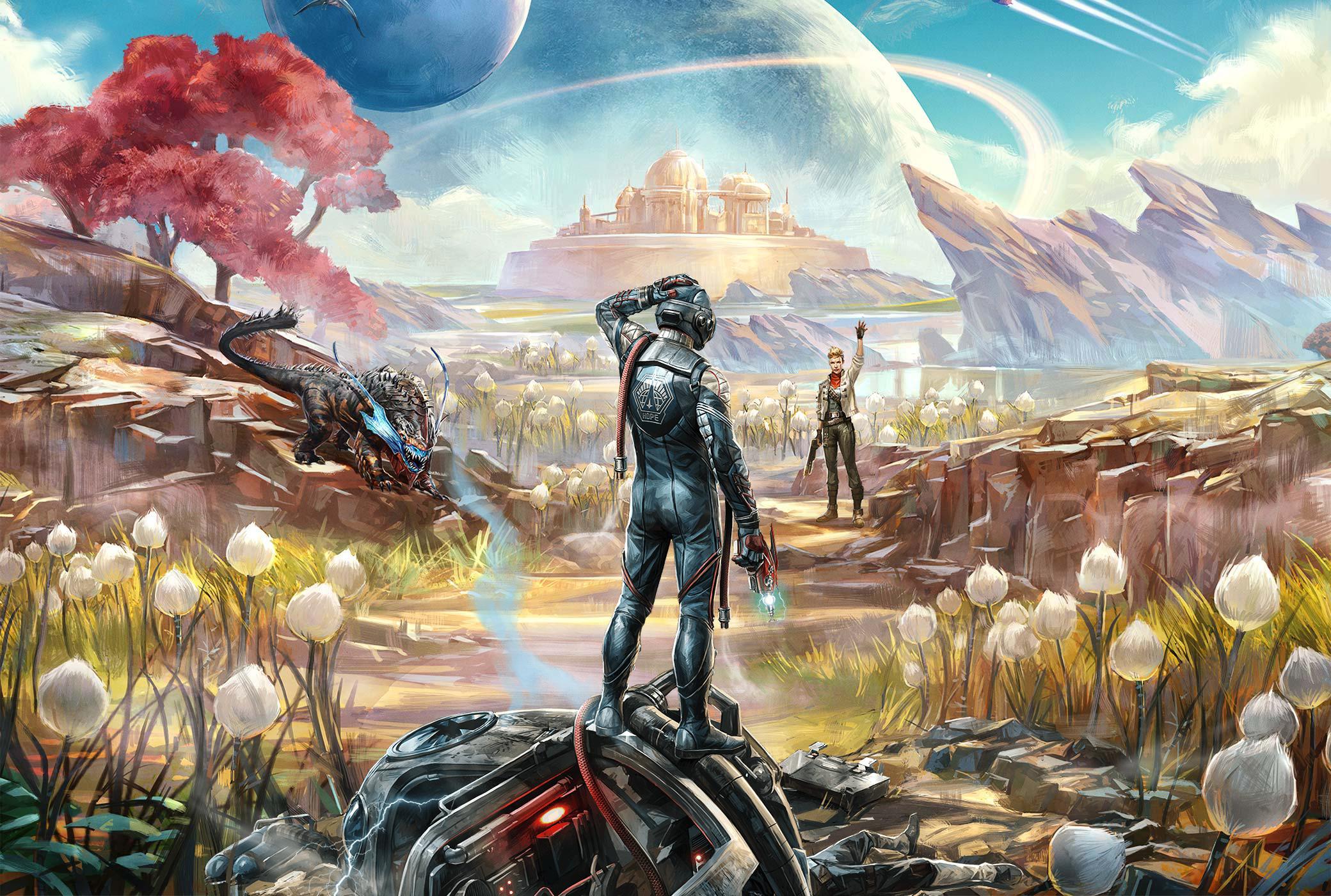
Some players felt the game tried too hard to make a point with its diverse characters and commentary on corporations. They thought the writing prioritized social issues over creating a truly engaging role-playing experience, making the story feel forced and like it was just ticking off current trends. Although the game’s choices and consequences were well-received, the story itself remains a source of discussion, demonstrating how difficult it is to blend satire with relevant social themes.
‘Banishers: Ghosts of New Eden’ (2024)
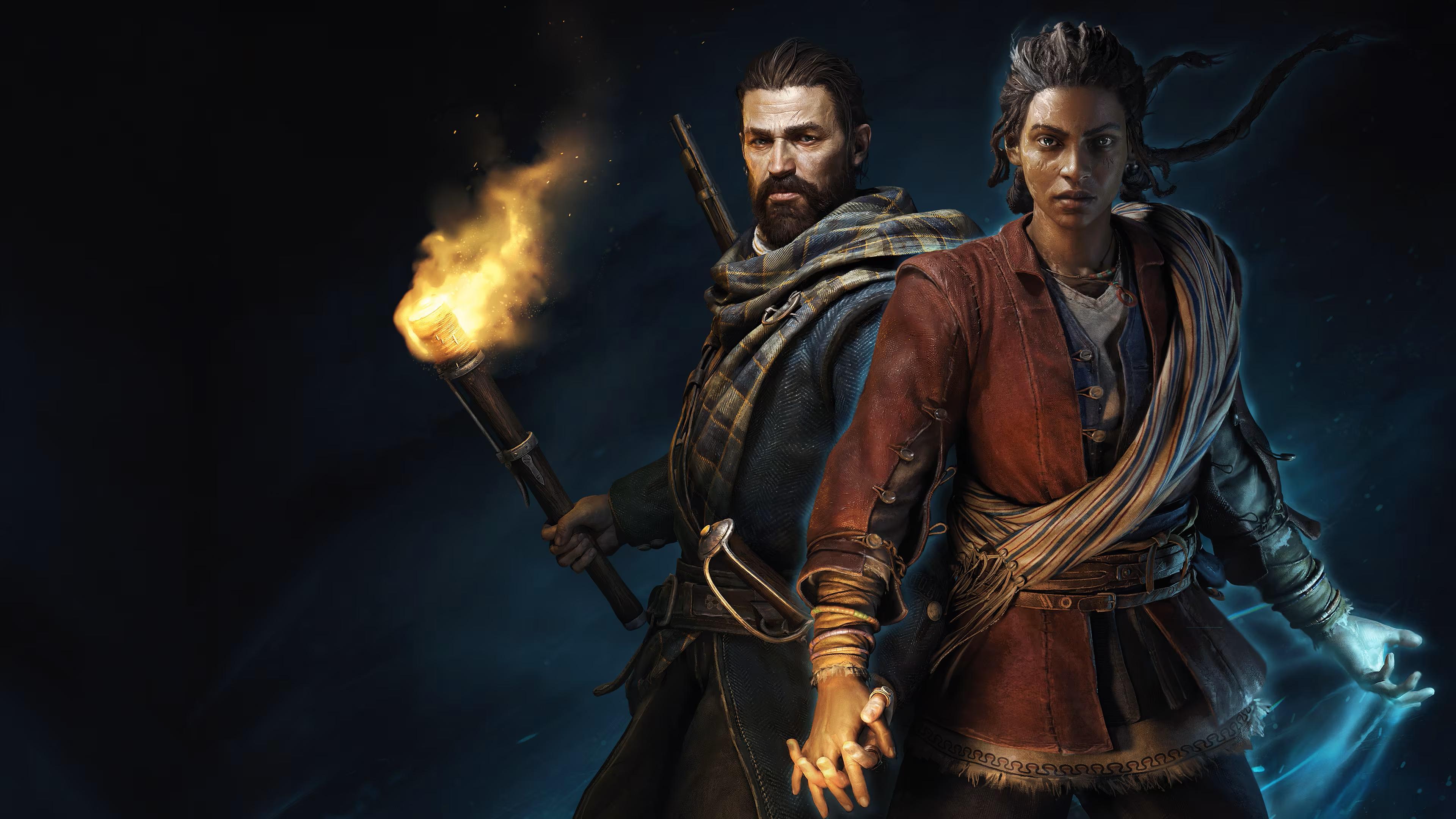
This role-playing game starred a diverse couple and took place in a colonial environment. However, some felt that the game spent too much time on their relationship and personal stories, taking away from the central mystery. While some praised the game’s commitment to inclusive storytelling, it seemed to prioritize that over attracting a wider audience, which resulted in less overall player interest. Despite this, it’s still remembered as a bold attempt by the developers to tell a specific and meaningful story.
‘South Park: Snow Day!’ (2024)
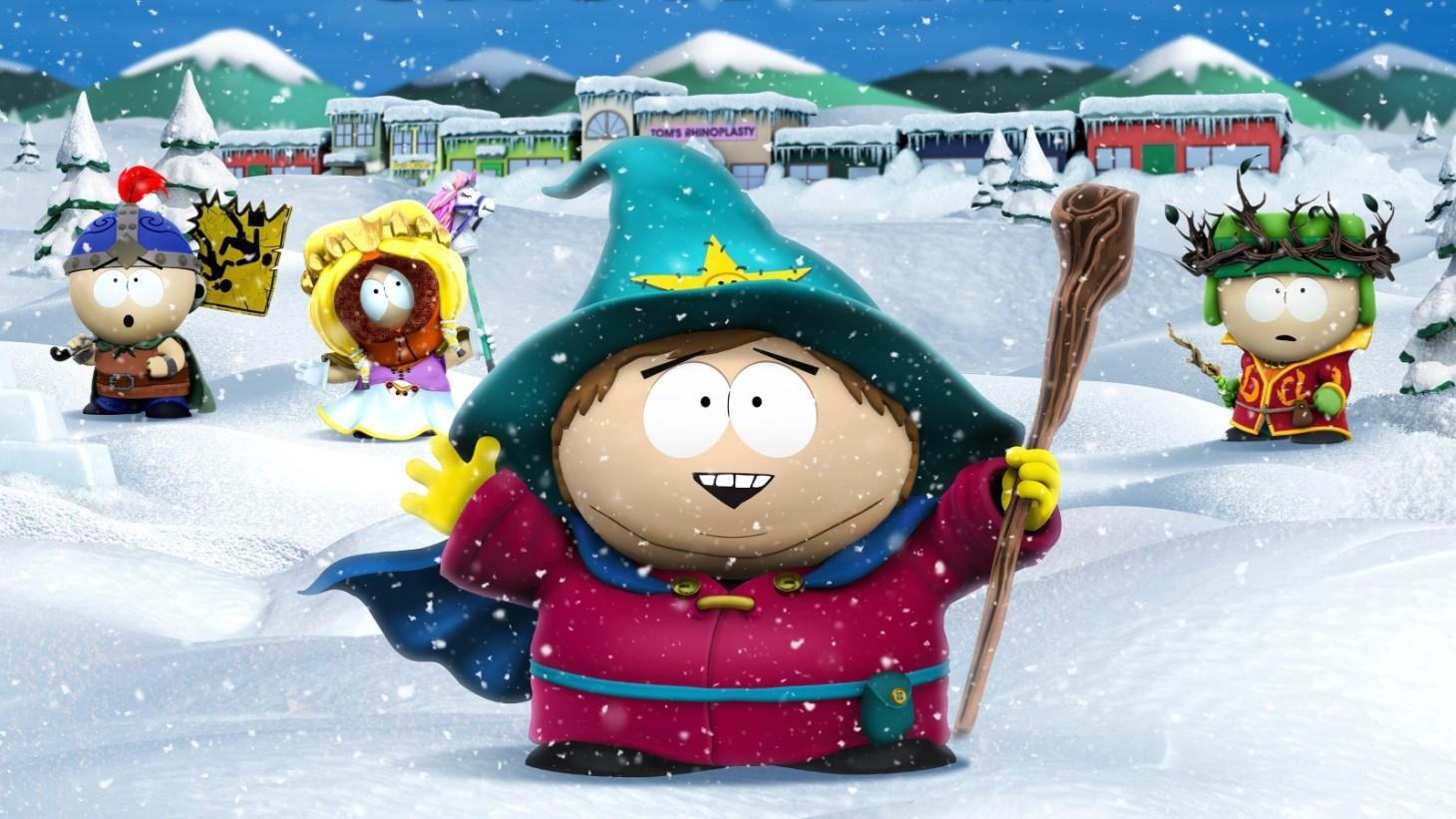
The game moved away from what made previous titles special by introducing 3D cooperative gameplay and letting players customize a variety of characters. While attempting to stay current, some jokes felt forced and didn’t land well with fans or critics. Ultimately, the game didn’t quite fit into the overall series and received a mixed response, with many feeling it lost the charm of earlier installments.
‘Marvel’s Avengers’ (2020)
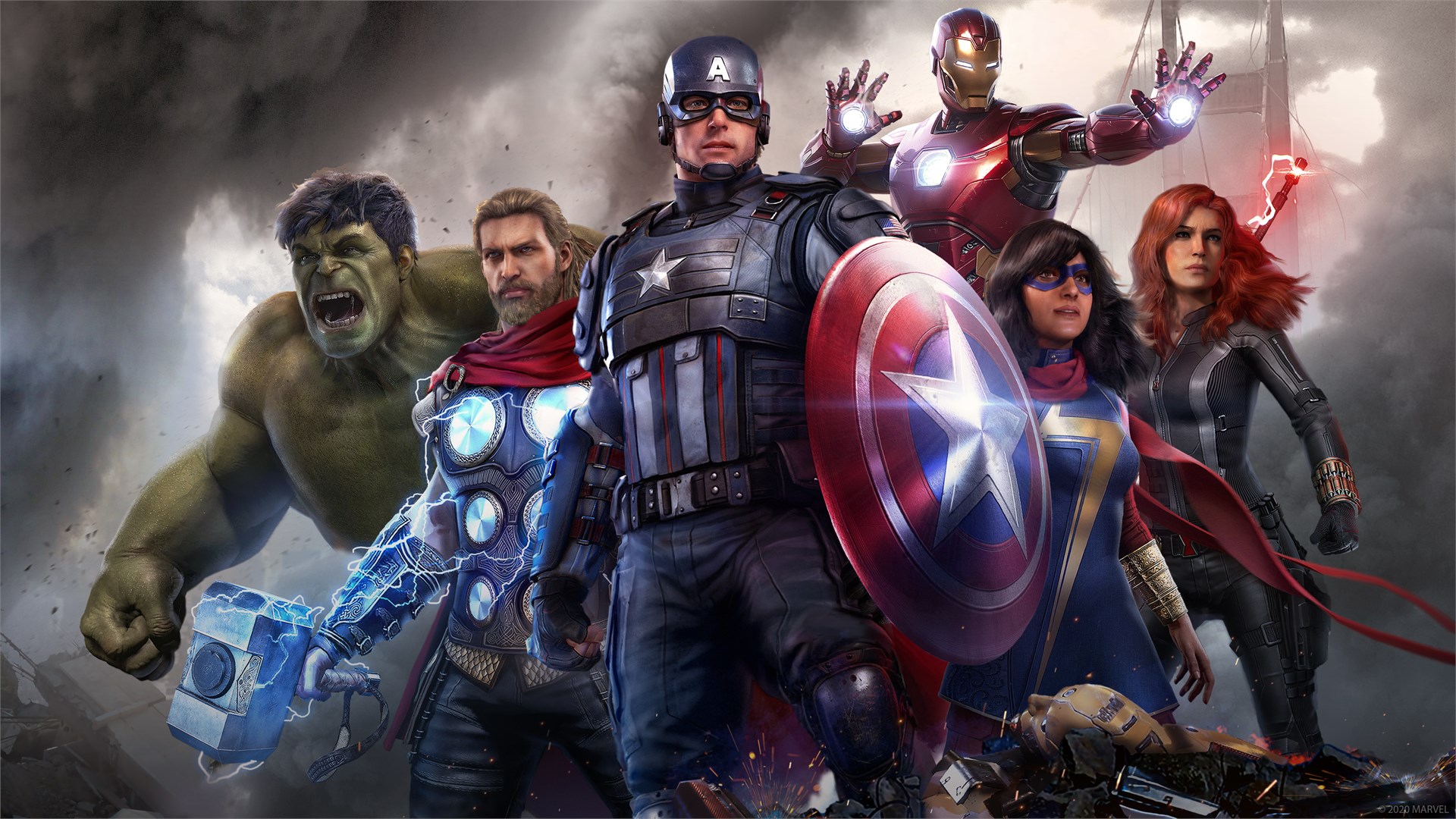
Focusing the game’s story on Ms. Marvel to create a more diverse lead character received a divided reaction from players. Some appreciated the new character, but others felt it prioritized a particular agenda over the game’s existing, well-known heroes. The game’s ongoing service model and repetitive gameplay also turned off many longtime fans. These issues combined led to a quick drop in popularity and ultimately, the game being shut down. It stands as a notable example of a superhero game that didn’t succeed.
Please share your thoughts on these games and their updates in the comments.
Read More
- 20 Movies Where the Black Villain Was Secretly the Most Popular Character
- Celebs Who Narrowly Escaped The 9/11 Attacks
- Top 20 Dinosaur Movies, Ranked
- 25 “Woke” Films That Used Black Trauma to Humanize White Leads
- Transformers Under the Microscope: What Graph Neural Networks Reveal
- The 10 Most Underrated Jim Carrey Movies, Ranked (From Least to Most Underrated)
- 22 Films Where the White Protagonist Is Canonically the Sidekick to a Black Lead
- Gold Rate Forecast
- Trading on Thin Air: AI Agents Conquer Crypto Volatility
- The Best Directors of 2025
2026-01-01 20:22