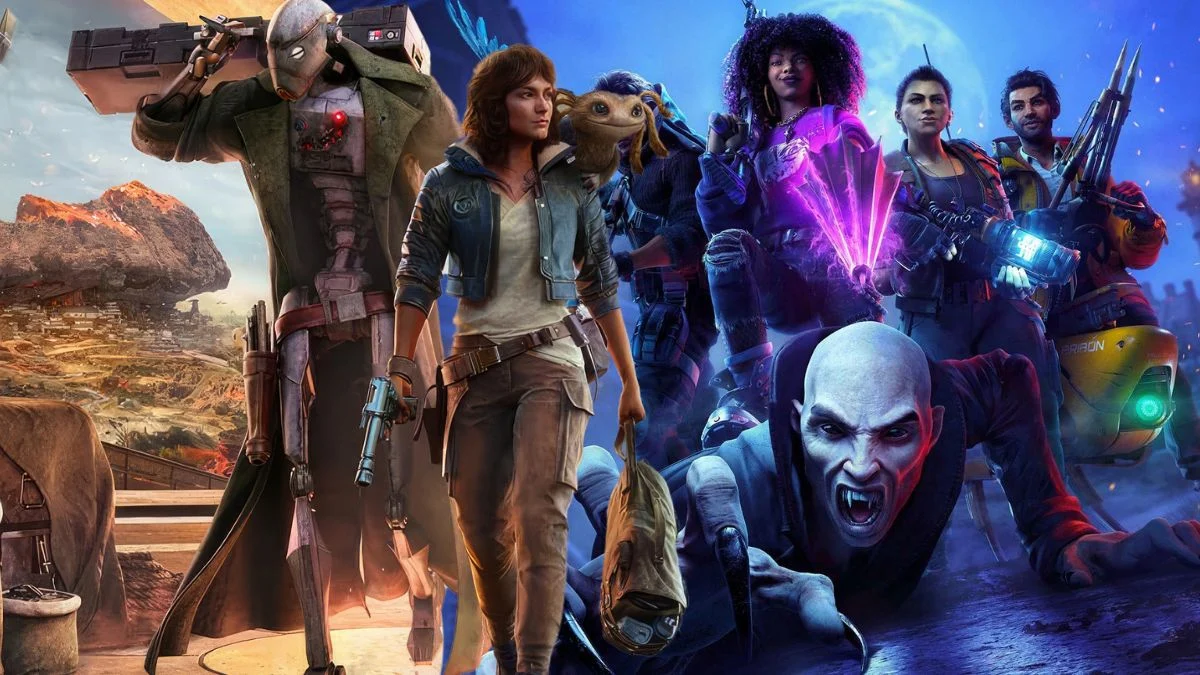
The way stories and characters are created in video games has changed a lot recently. While many developers want to make games that everyone can enjoy, some games have faced strong criticism and lost money after changes were made to meet current social expectations. This often leads to lower sales and significant financial losses for the companies publishing those games, as they try to find a balance between their creative ideas and what players want. The following list looks at games that didn’t perform well financially after focusing on being more sensitive and inclusive.
‘Concord’ (2024)
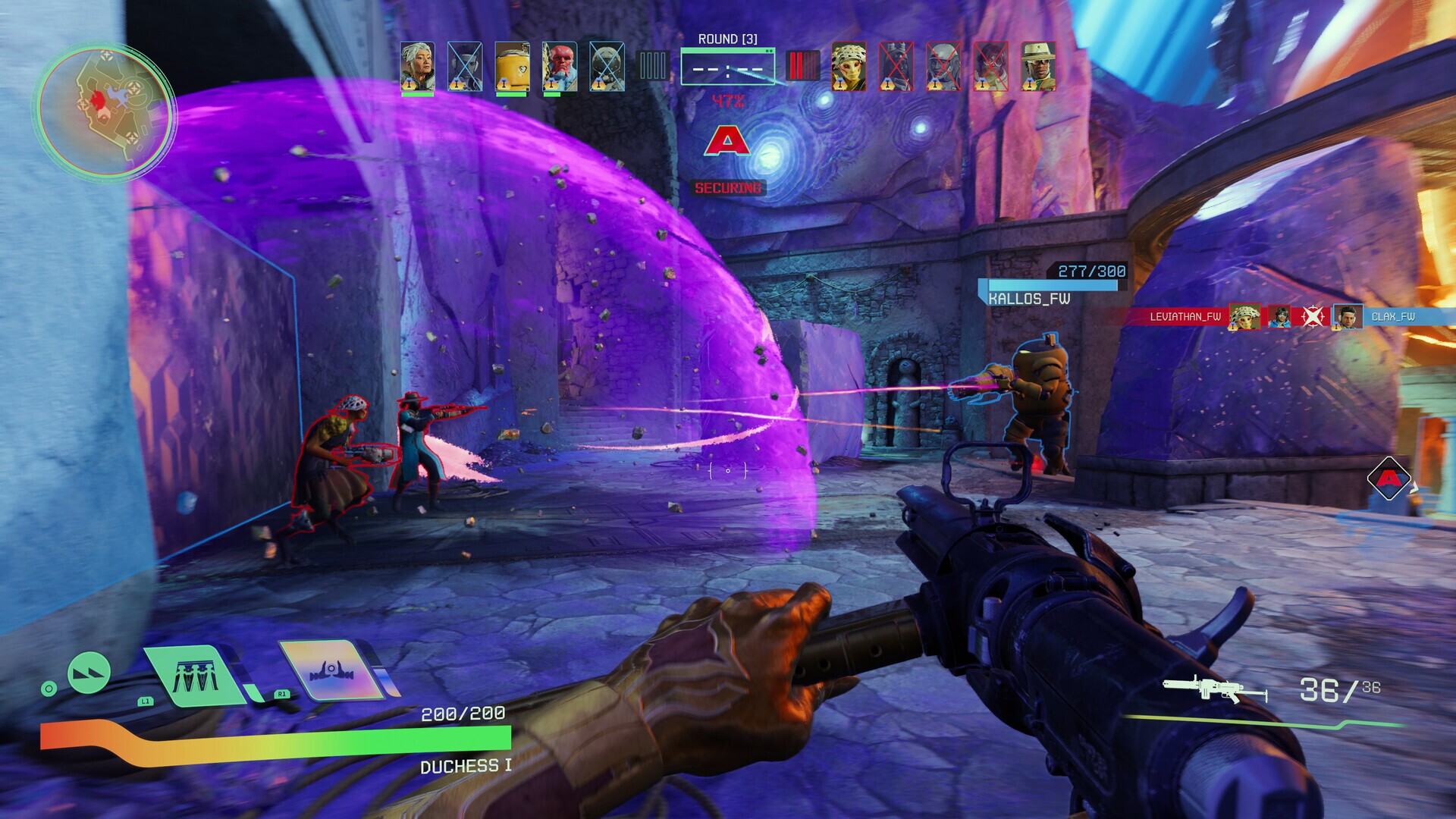
Sony quickly shut down its new multiplayer shooter only two weeks after it launched worldwide. The game didn’t attract many players on either PC or PlayStation, and reviewers and gamers often criticized its characters and overall lack of a unique feel. Sony removed the game from sale and gave everyone who bought it a full refund. This decision meant Sony lost all the money spent developing and advertising the game, totaling hundreds of millions of dollars.
‘Suicide Squad Kill the Justice League’ (2024)
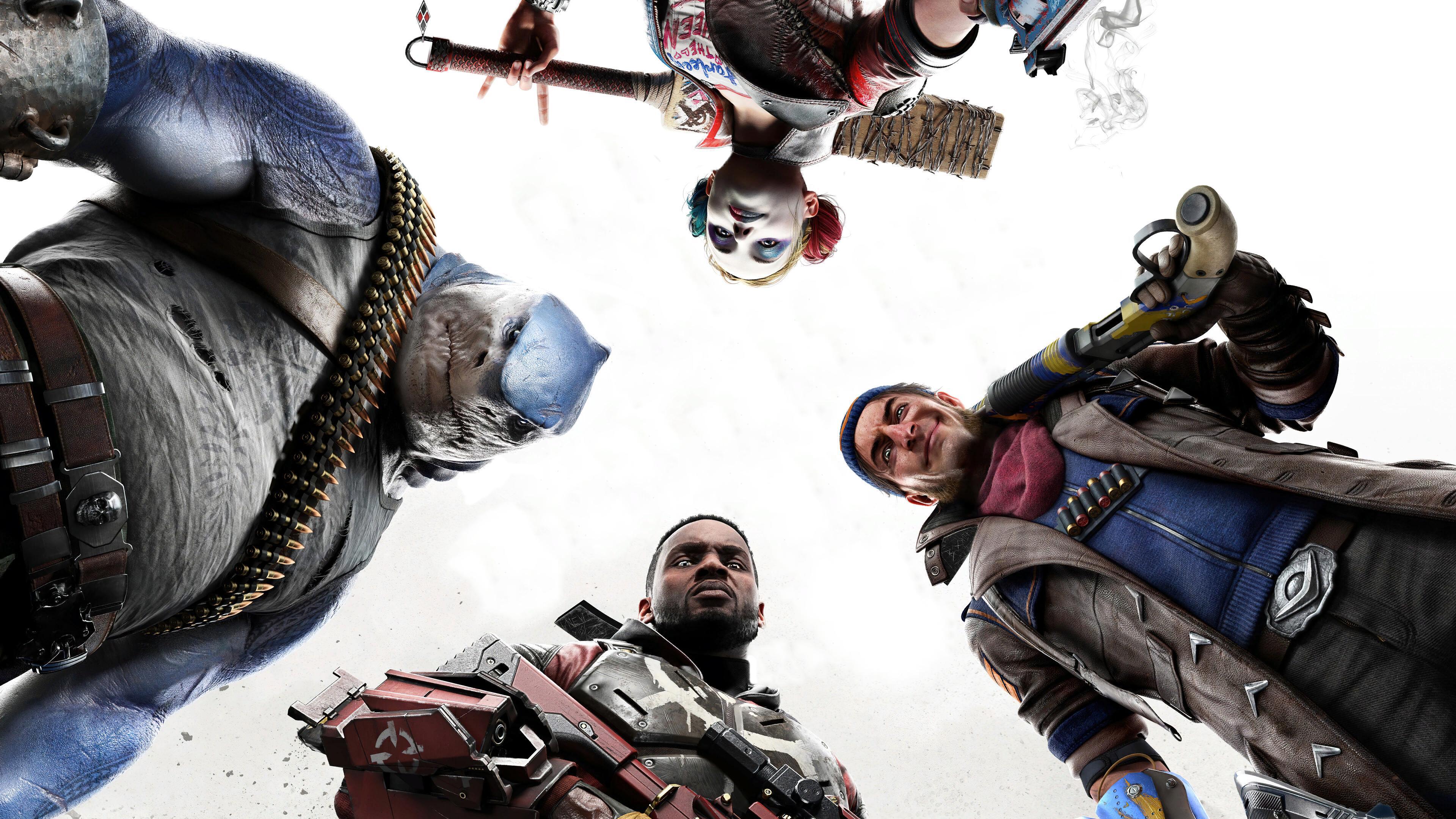
Warner Bros. Discovery lost $200 million after the launch of the new game. Players disliked the story, especially how beloved characters were handled, and found the gameplay wasn’t very engaging. Attempts to update the characters with more modern themes didn’t appeal to longtime DC fans. Sales were much lower than expected, causing the company to rethink its plans for future games.
‘Saints Row’ (2022)
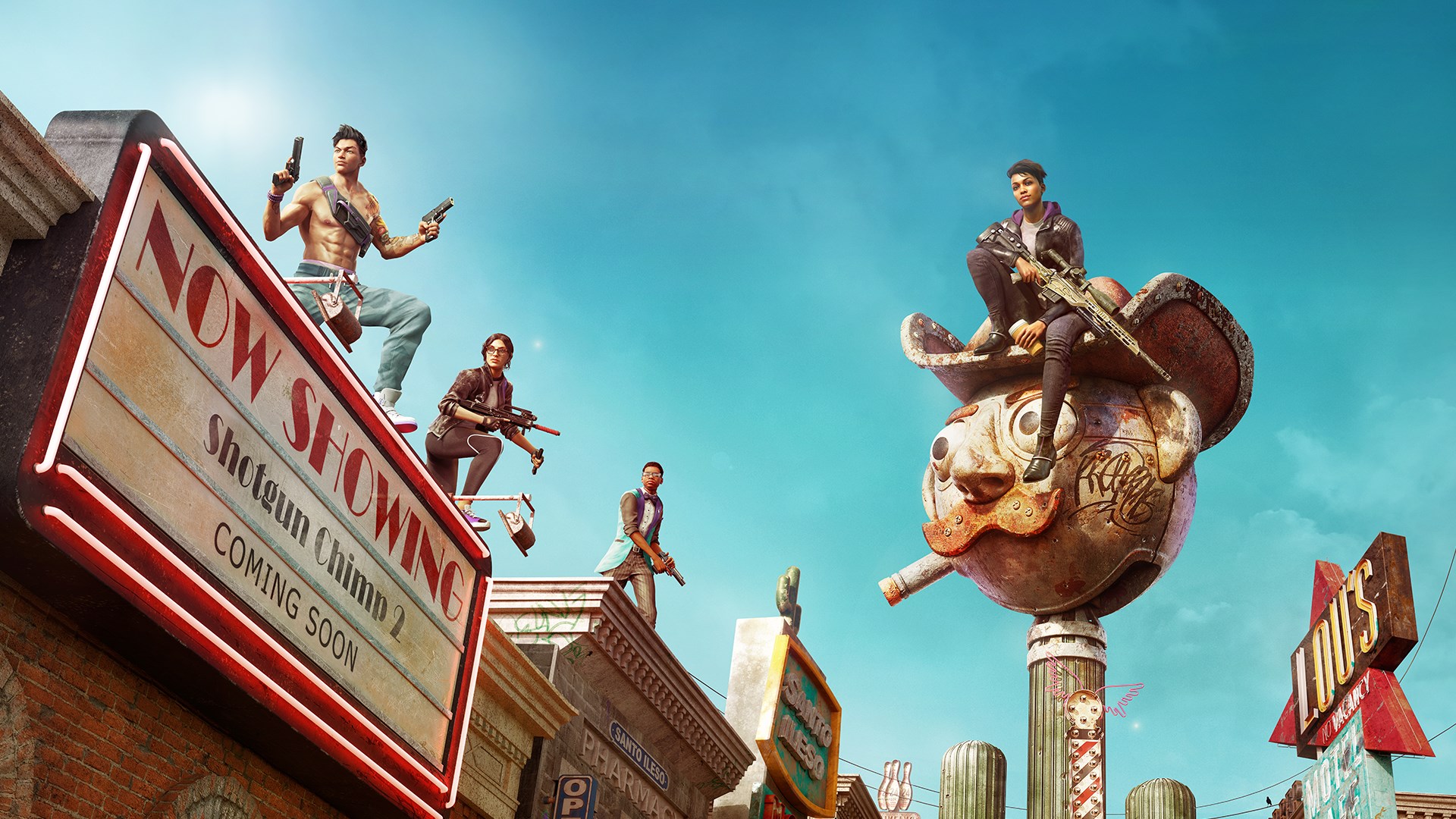
The latest ‘Saints Row’ game tried to be more realistic and appeal to a wider audience, but this change turned off longtime fans who enjoyed the series’ wild and over-the-top style. After the game didn’t sell well, the development studio, Volition, was forced to close. The game’s publisher, Embracer Group, admitted the financial results were disappointing considering how much it cost to make. Now, the future of the ‘Saints Row’ franchise is unclear.
‘Dustborn’ (2024)
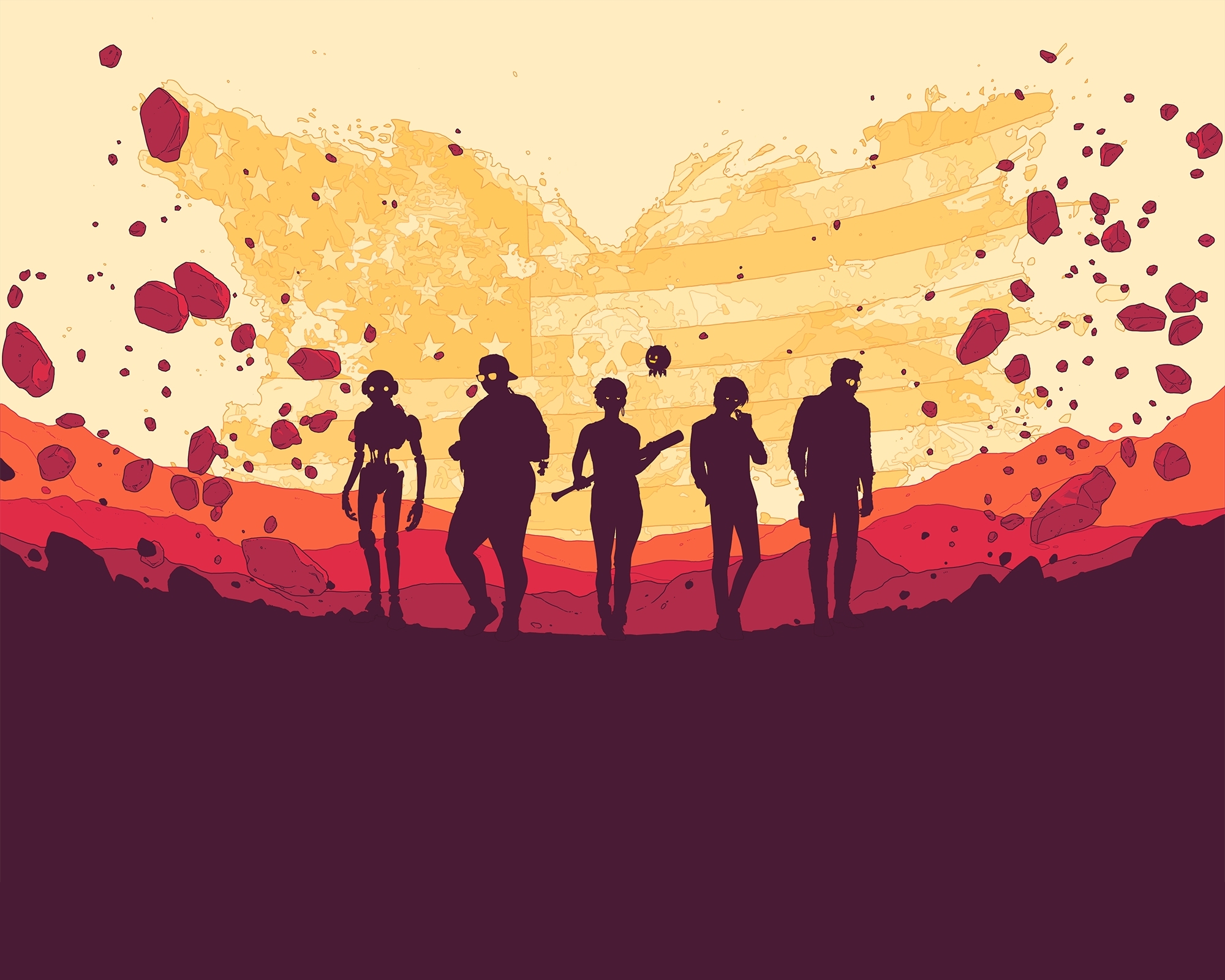
This story-driven game tackled complex social and political issues. However, it didn’t gain much traction with players when it launched online. Player numbers were surprisingly low for a widely released game. A lot of the discussion surrounding the game focused on its attempts to be sensitive and inclusive, which proved controversial among gamers. Ultimately, the game’s poor sales sparked a debate about whether focusing on these kinds of specific, character-driven stories is a good business strategy in today’s gaming market.
‘Forspoken’ (2023)
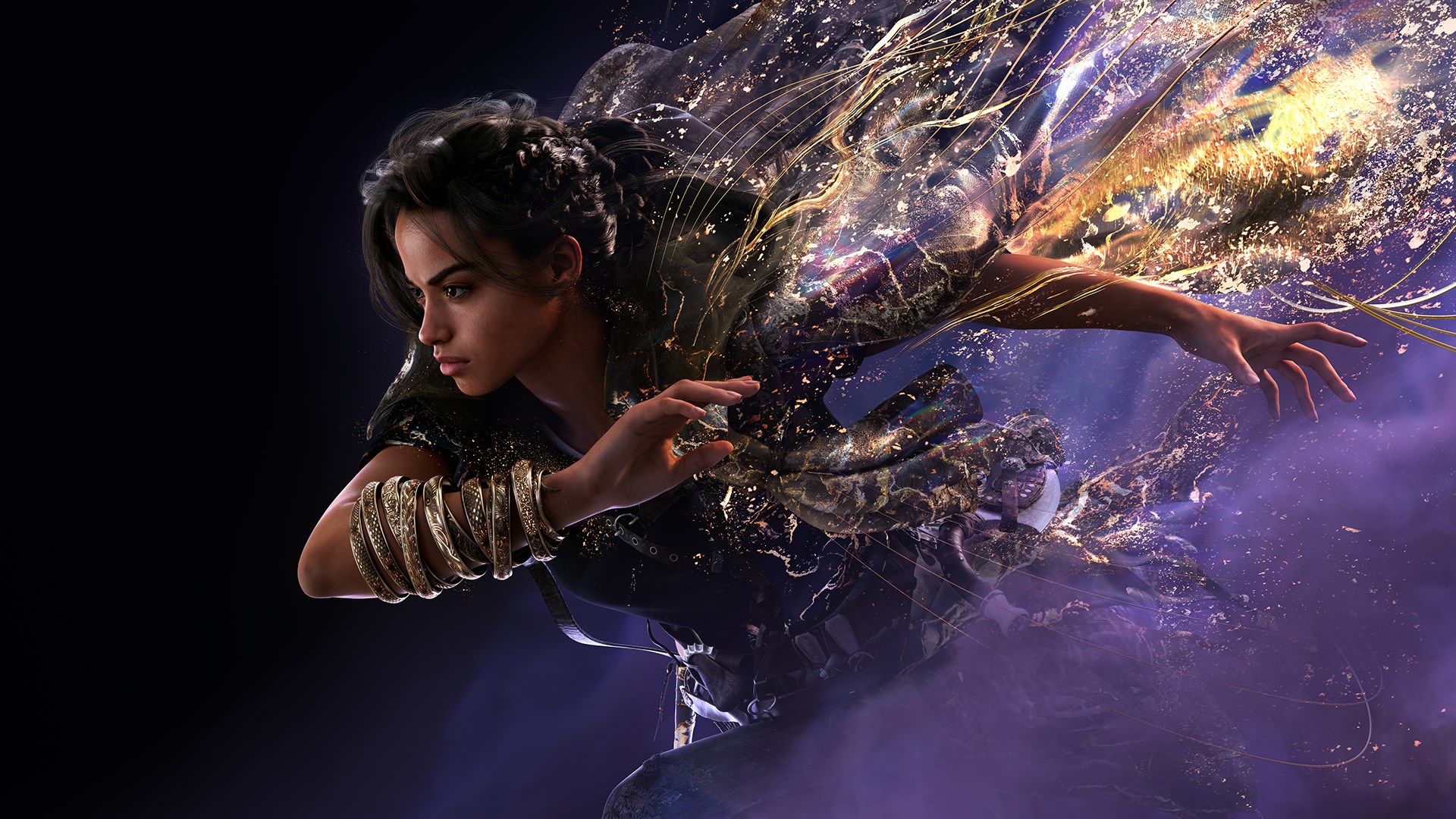
Square Enix absorbed Luminous Productions after their game didn’t sell well. Many reviewers and players found the story and conversations unengaging. Despite significant investment in both making and advertising the game, it wasn’t profitable. Square Enix acknowledged the disappointing sales, which led them to rethink how they’ll approach big projects in the future.
‘Battlefield V’ (2018)
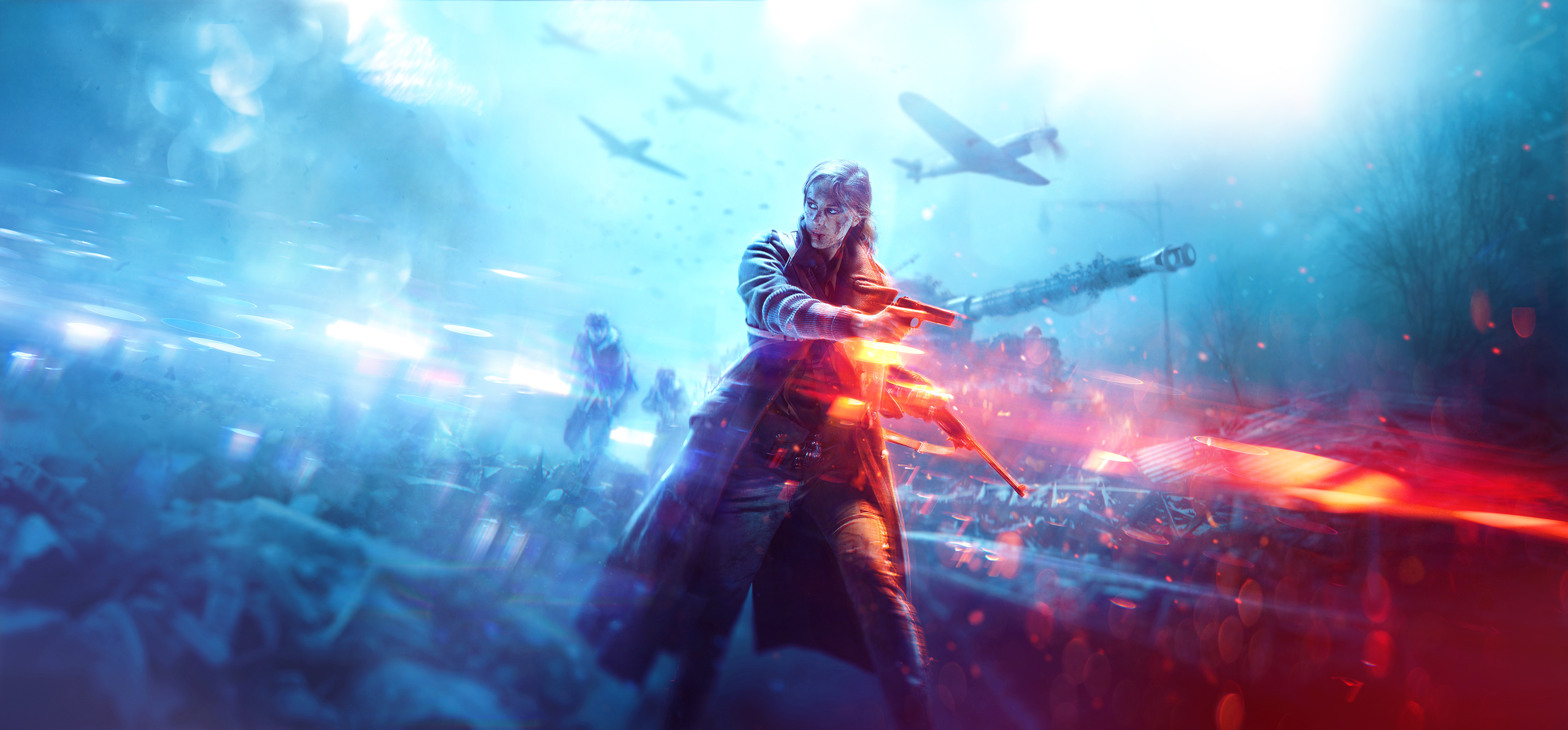
Okay, so when this game first came out, pre-orders weren’t great, and sales were even worse. A big part of the problem was they changed some historical stuff to try and be more inclusive, and the community really didn’t like it. Honestly, an EA exec basically told us to deal with it or don’t buy the game, which was a terrible look. It totally hurt sales during the holidays. Thankfully, they listened to the feedback and went back to a more classic approach with the next games in the series.
‘Mass Effect Andromeda’ (2017)
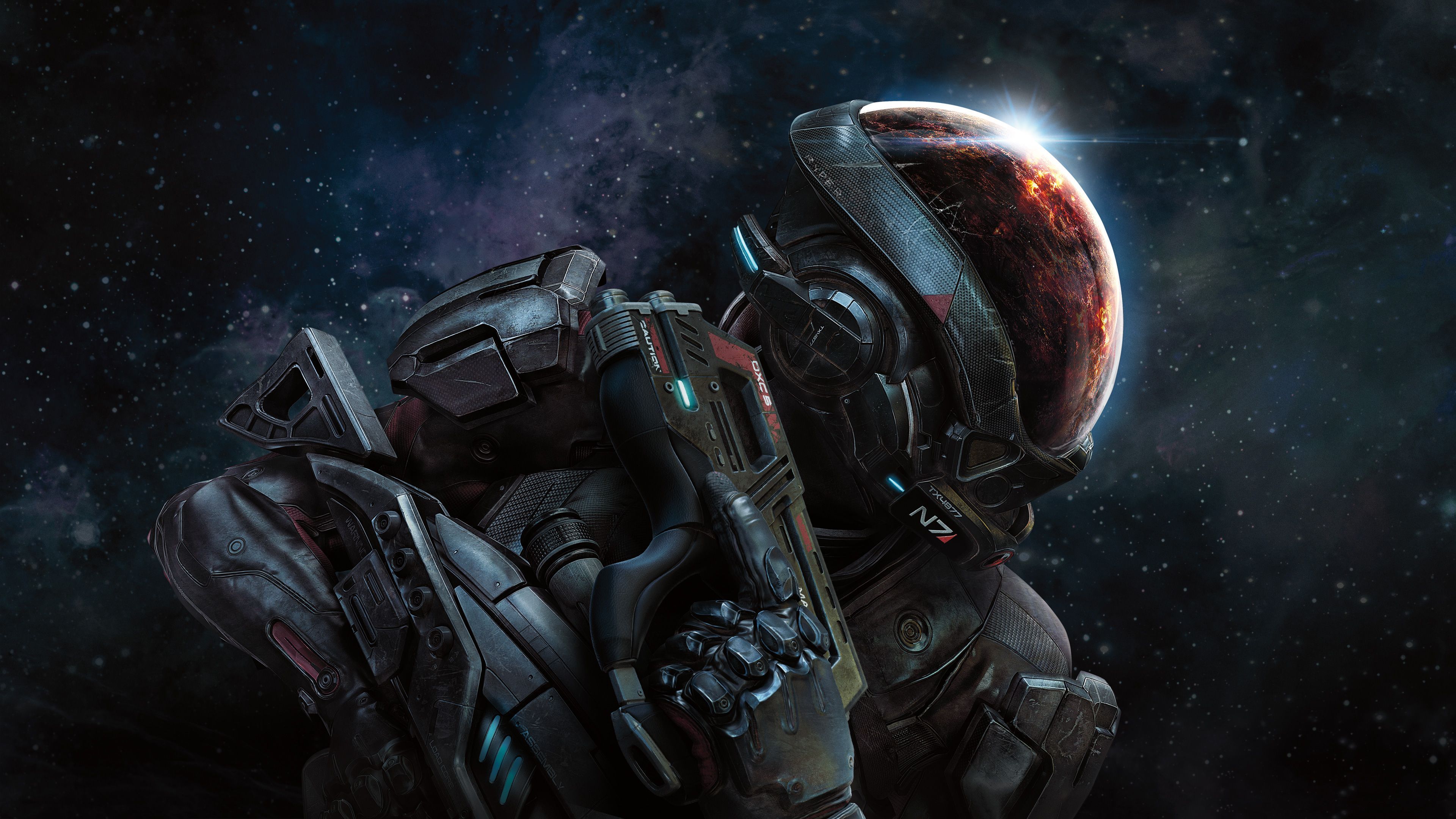
When ‘Mass Effect: Andromeda’ launched, many players and critics were disappointed with the character appearances and how they moved. They felt it didn’t live up to the quality of the original ‘Mass Effect’ games. The story also felt less intense than previous installments. Due to negative reviews and fan reactions, plans for additional single-player story content were scrapped, and the ‘Mass Effect’ series was put on hold for a while.
‘The Settlers New Allies’ (2023)
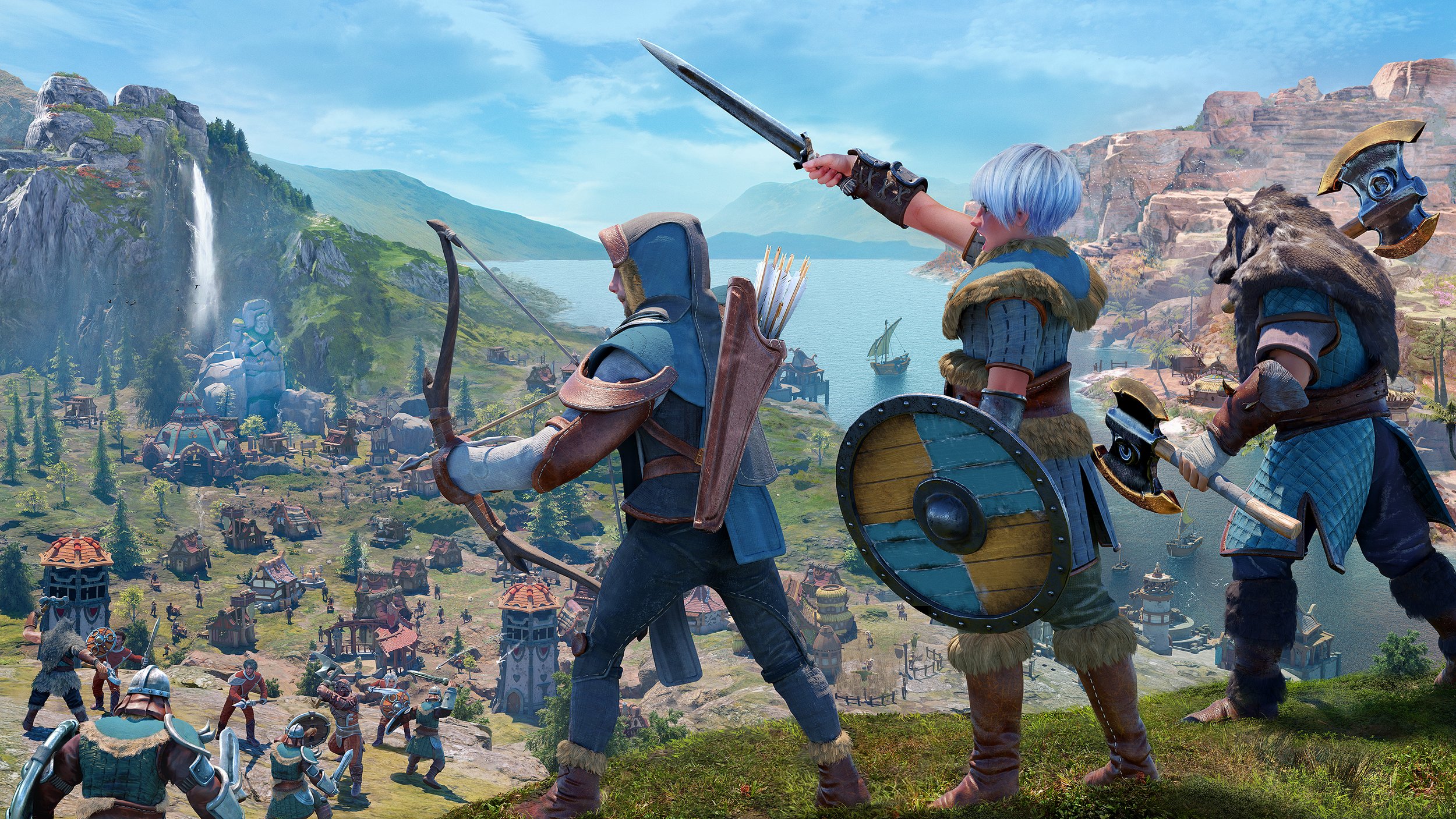
Ubisoft repeatedly postponed the release of this strategy game to overhaul how it played and felt. The final version was much simpler than previous installments, moving away from realistic detail. While the changes aimed to attract a wider audience, many longtime fans felt the game lost its complexity. Unfortunately, sales were disappointing, and the game received negative reviews from both critics and players. Ultimately, it didn’t succeed in breathing new life into the series as Ubisoft had hoped.
‘Unknown 9 Awakening’ (2024)
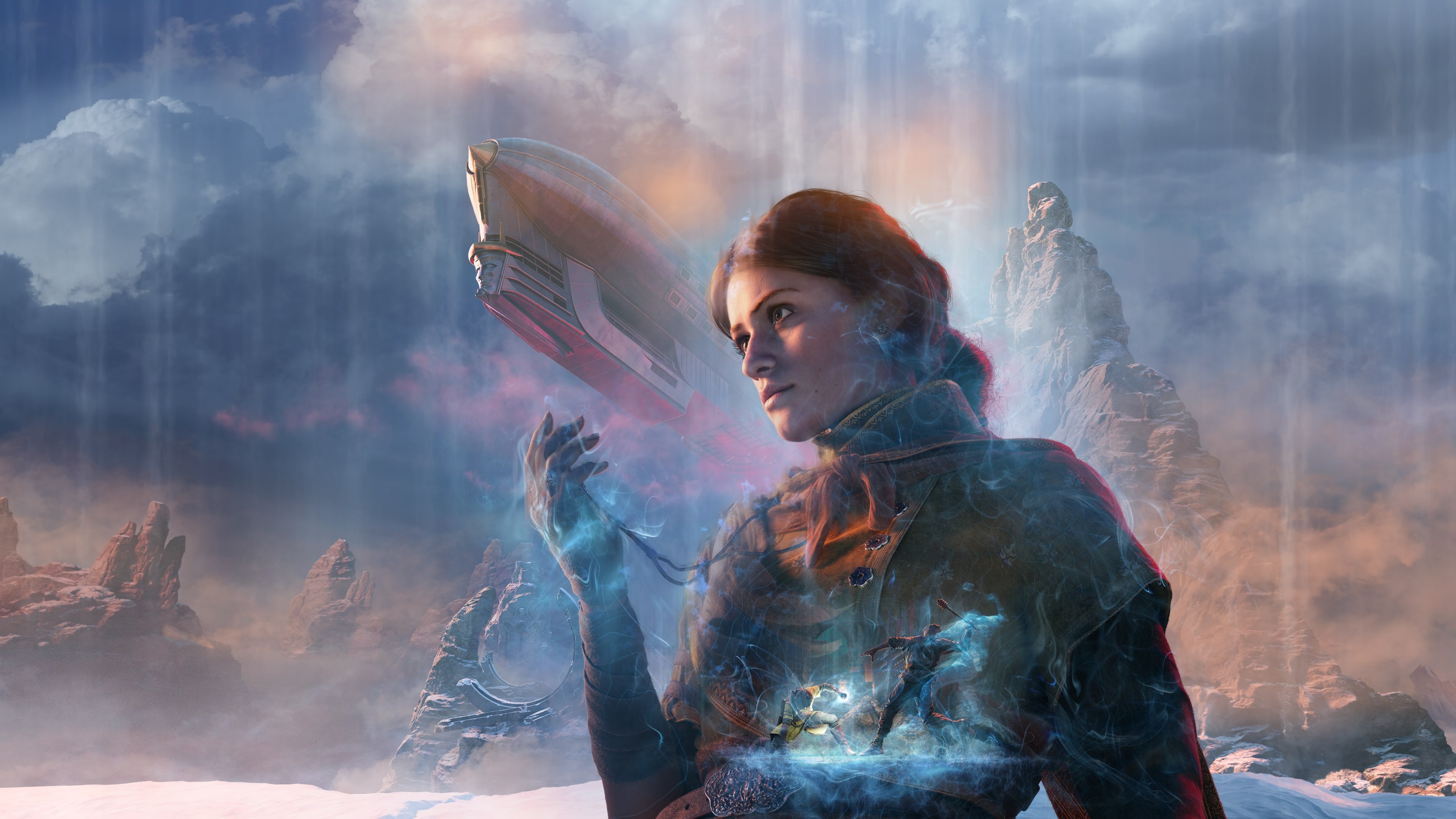
Bandai Namco invested heavily in a new interconnected universe with this project, hoping to create a compelling cinematic experience. While the game aimed for a modern, multi-faceted story and featured a well-known actress, it didn’t perform well online. Player numbers were consistently low, and it quickly stopped selling well. This resulted in a substantial financial loss, especially considering the extensive marketing campaign.
‘Tales of Kenzera Zau’ (2024)

Electronic Arts released this independent game as part of its Originals series to showcase unique stories. The game explored themes of loss and family history, drawing from a particular culture. Although critics offered some praise, the game didn’t sell well. Ultimately, the developer had to reduce its workforce because the game didn’t reach its sales goals. This demonstrated the challenges of promoting games with focused stories in a competitive industry.
‘Redfall’ (2023)
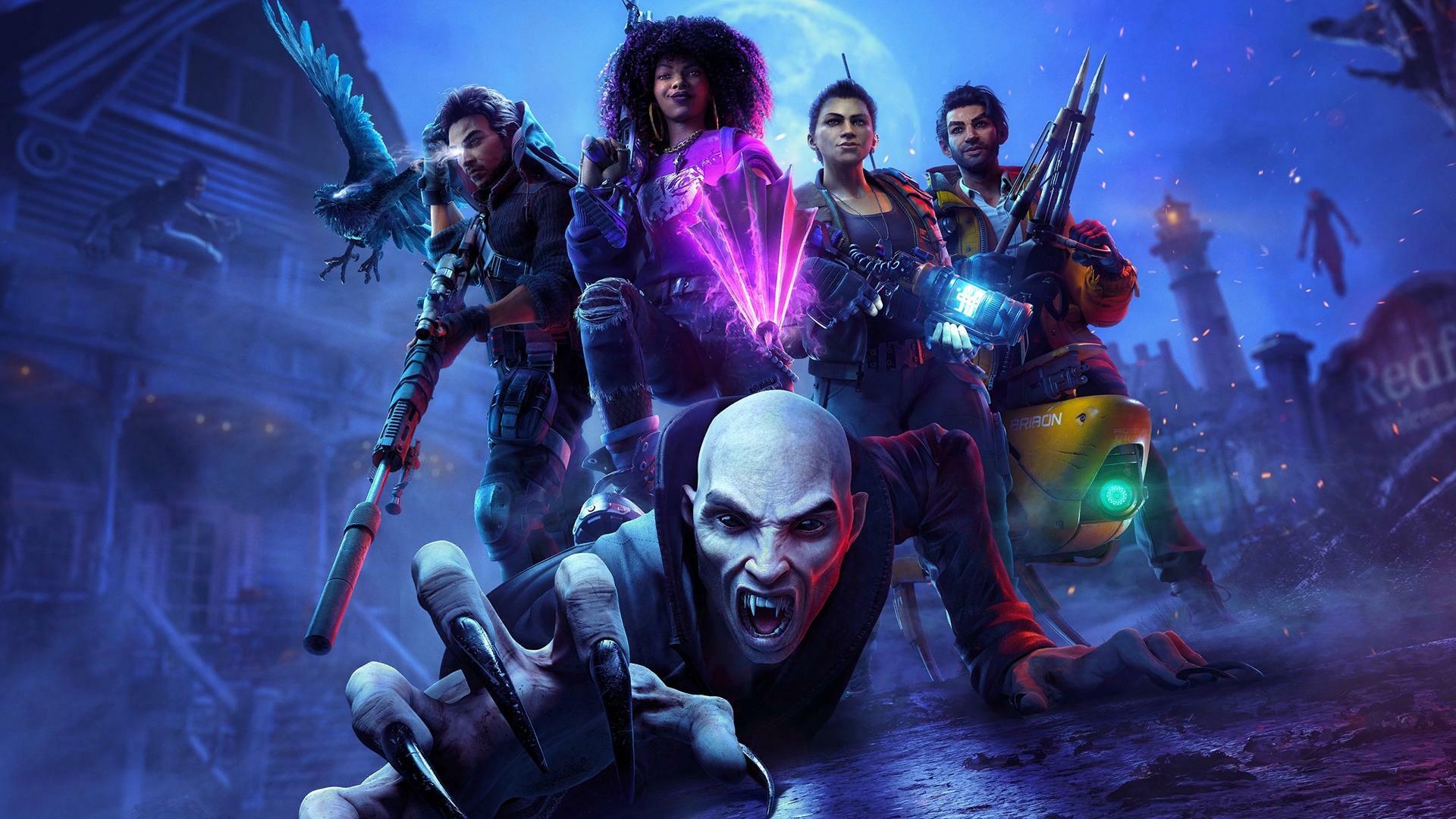
The new shooter game from Microsoft and Bethesda was met with harsh criticism. Players experienced technical problems and found the game lacked interesting things to do. Many felt the characters were created to follow current trends instead of being fun to play. Unfortunately, the game’s poor performance led to the closure of Arkane Austin, a highly regarded game development team. This was a major setback for the company and its plans for a subscription service.
‘Flintlock The Siege of Dawn’ (2024)
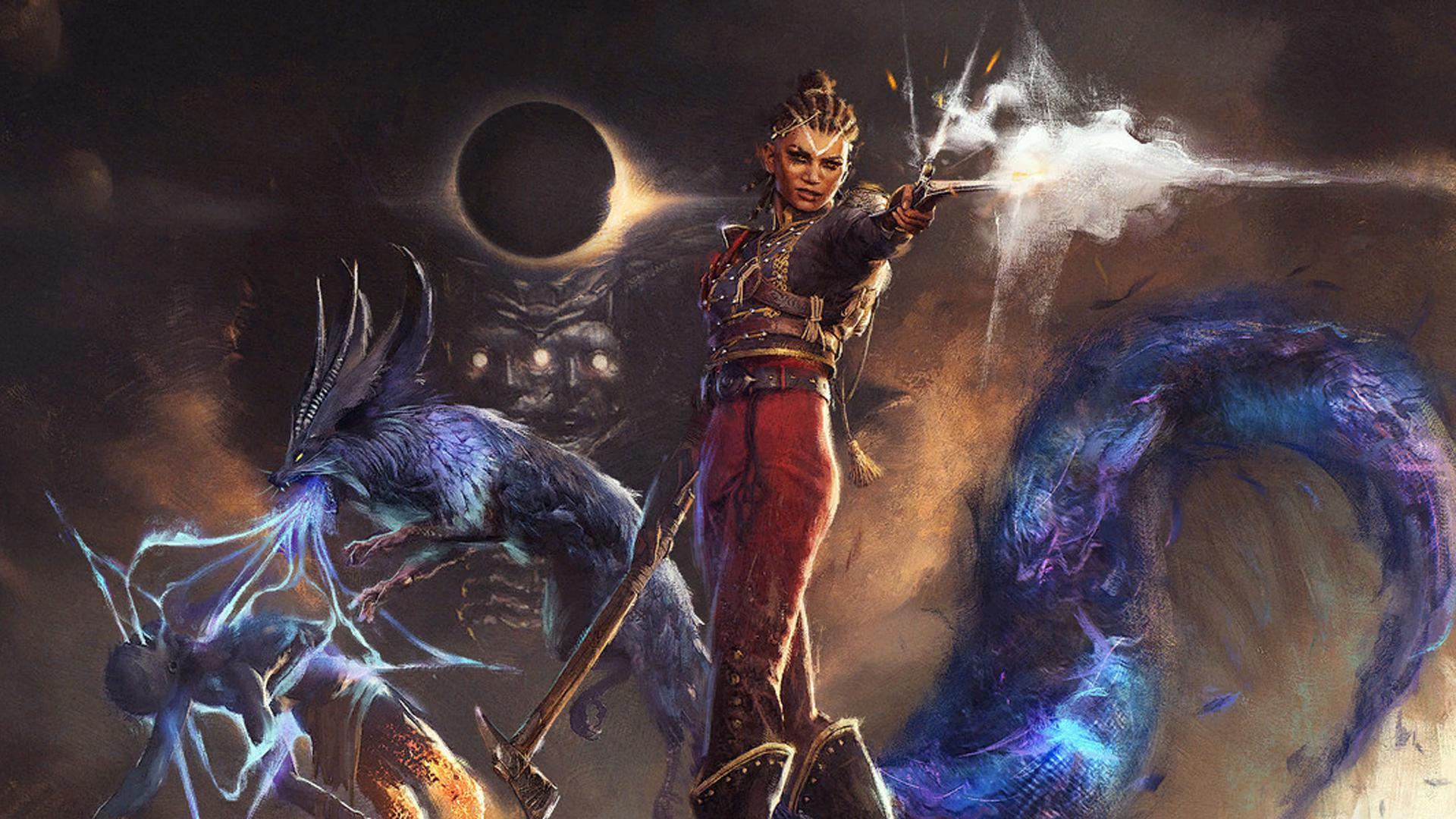
This action game blended guns from the flintlock era with magical elements, all within a fresh fantasy world. The game’s promotion highlighted its diverse main character and a story inspired by current storytelling trends. However, after launch, it had difficulty gaining traction against other games in the same genre and didn’t attract many players. Developers were criticized for their creative choices and whether those choices would appeal to typical gamers. Ultimately, the game didn’t sell as well as hoped, especially considering how long it took to create.
‘Marvels Avengers’ (2020)
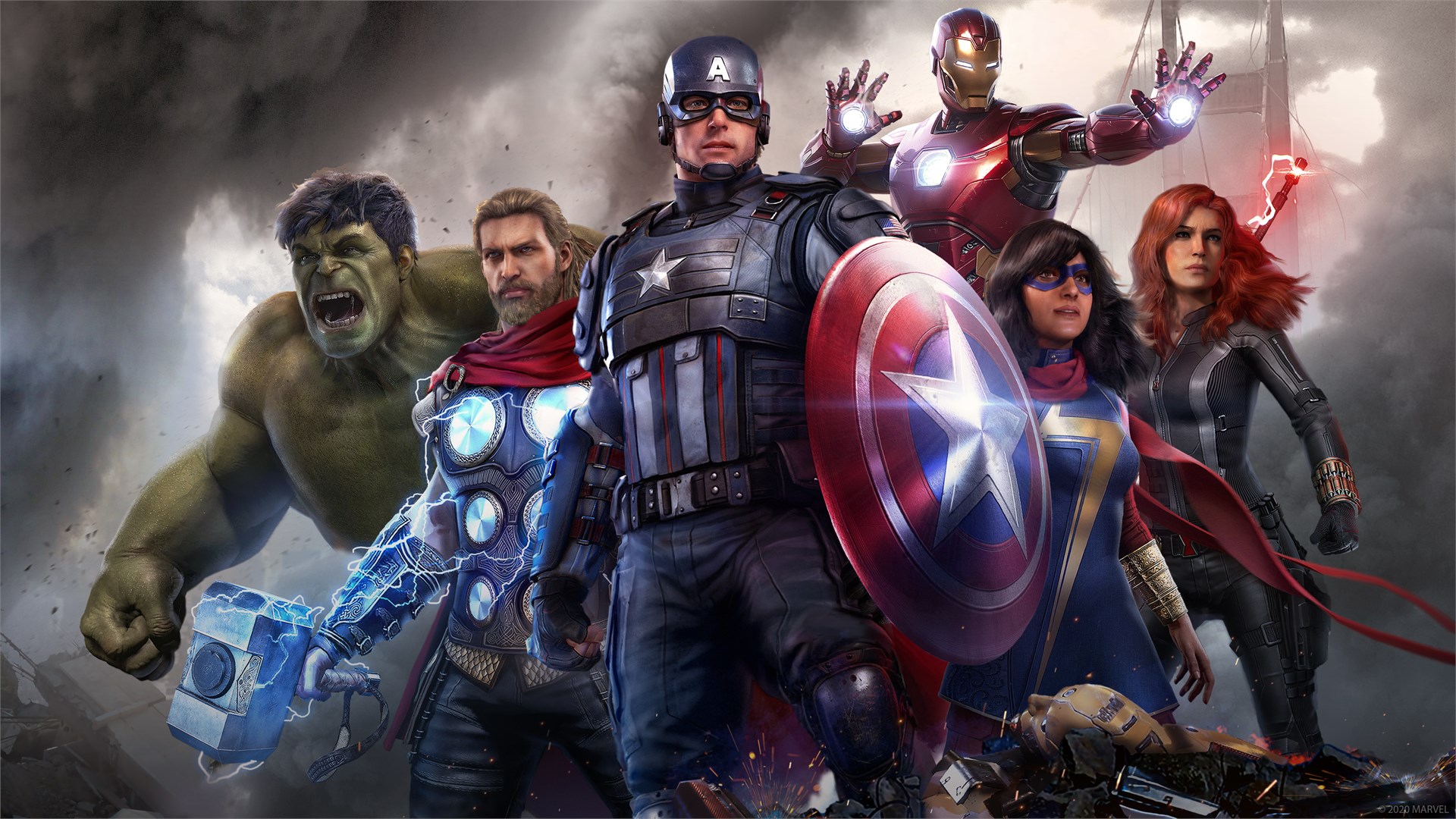
Okay, so I was really hyped for this new game from Square Enix, but it was a total flop. They lost a ton of money – over sixty million dollars, actually – pretty quickly after launch. Honestly, a lot of us fans were disappointed with how different the characters looked from the movie versions. They went with a specific story and tried to update the characters, but it just didn’t click with most of us. They kept patching and adding stuff, but it wasn’t enough to keep players coming back, and the costs were too high. Eventually, they just pulled the game from all the stores and stopped supporting it altogether. It was a real shame, but it just didn’t work out.
‘Gotham Knights’ (2022)
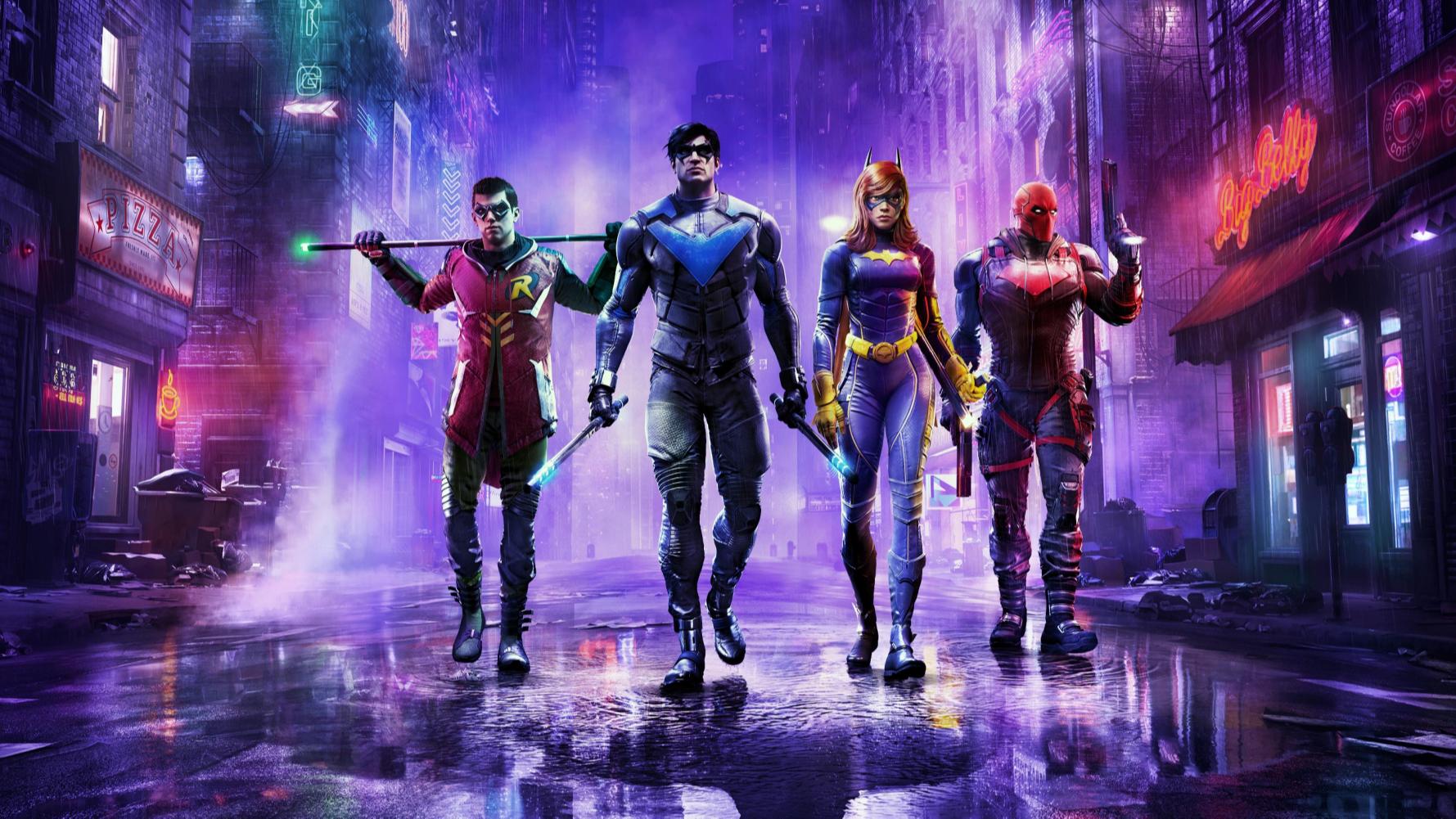
Warner Bros. Games created this game as a sequel to the popular ‘Arkham’ series. However, replacing Batman with a new team of younger heroes proved divisive. Many reviewers thought the game’s story and characters felt too much like current TV shows. Ultimately, the game didn’t sell well and didn’t generate the same enthusiasm as previous titles, leading to a rethinking of how DC games are made.
‘Star Wars Outlaws’ (2024)
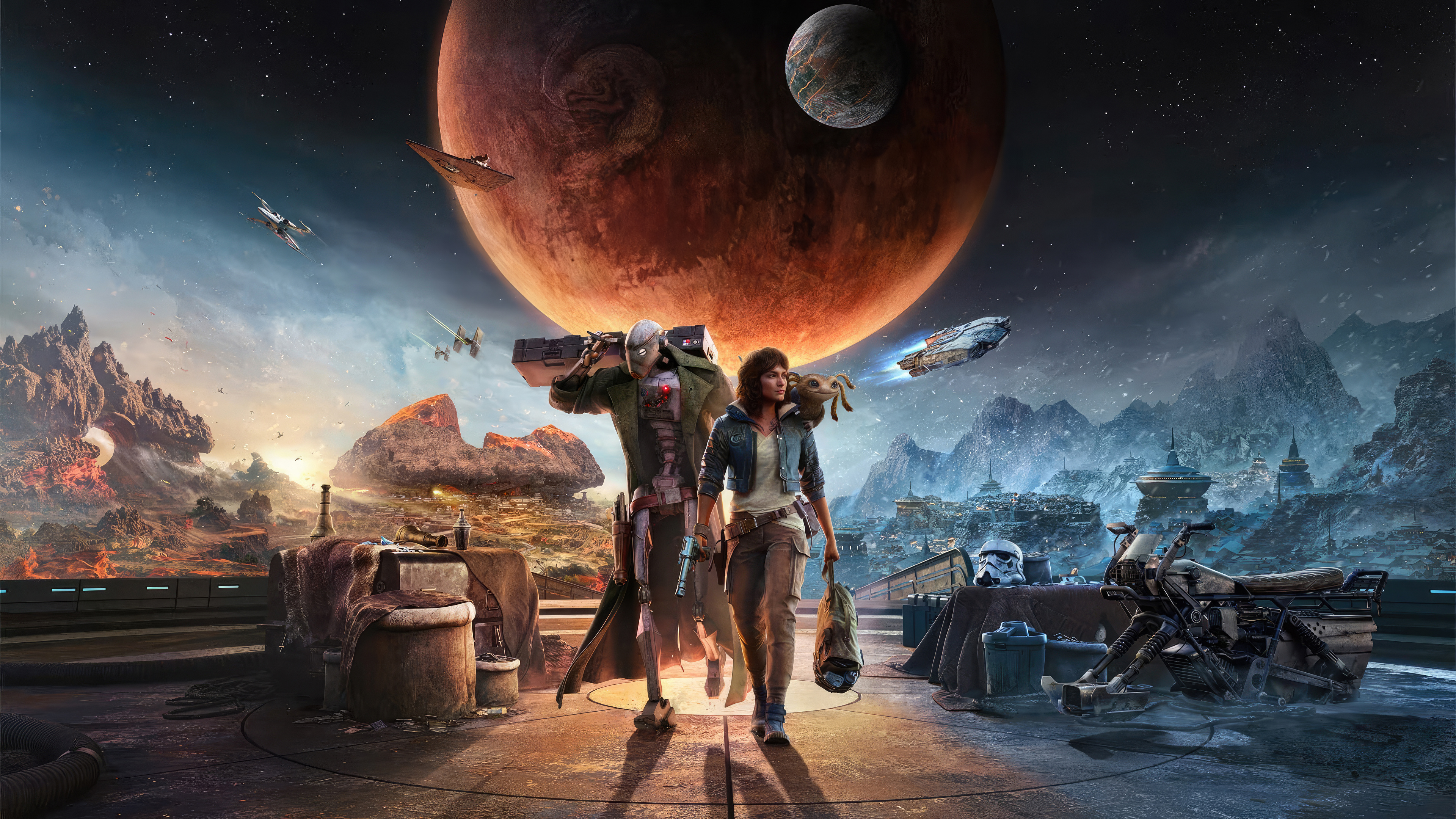
Following a less-than-ideal launch for its new open-world game, Ubisoft’s stock price recently hit a ten-year low. Although reviews were generally positive, sales fell short of the company’s expectations. Online, many players discussed the game’s main character. Ubisoft acknowledged the disappointing start and announced plans to improve the game. This financial downturn has also caused the company to postpone the release of other upcoming games.
‘Prince of Persia The Lost Crown’ (2024)
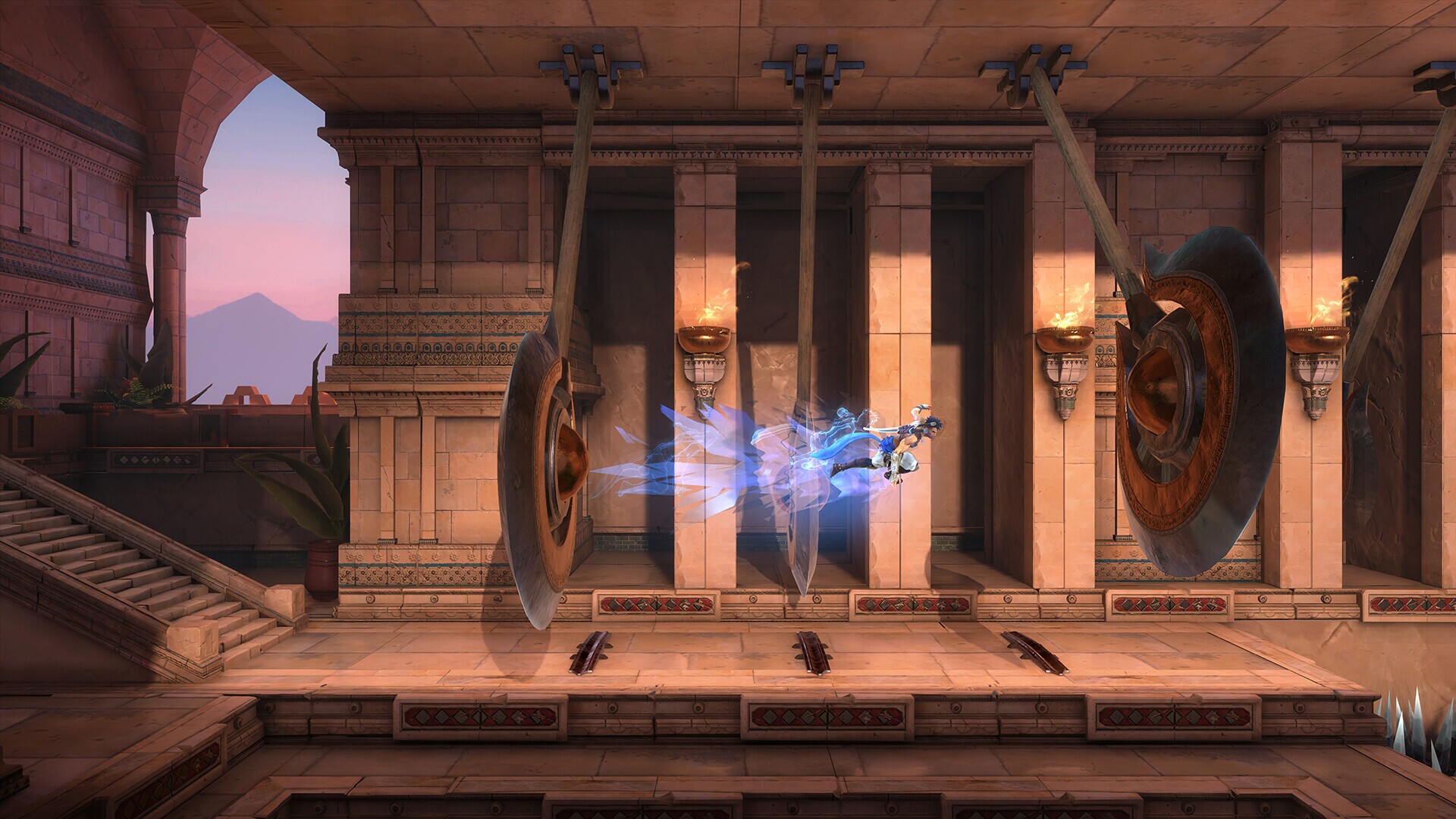
Although critics loved this side-scrolling adventure game, it didn’t sell well. Some longtime fans didn’t like the new art style and character designs. Sales weren’t high enough to keep the development team going, and they eventually had to disband. This was especially disappointing because the series hadn’t had a new game in years. Ultimately, the game’s failure highlighted how challenging it is to bring back classic brands with a fresh, new look.
‘Skull and Bones’ (2024)
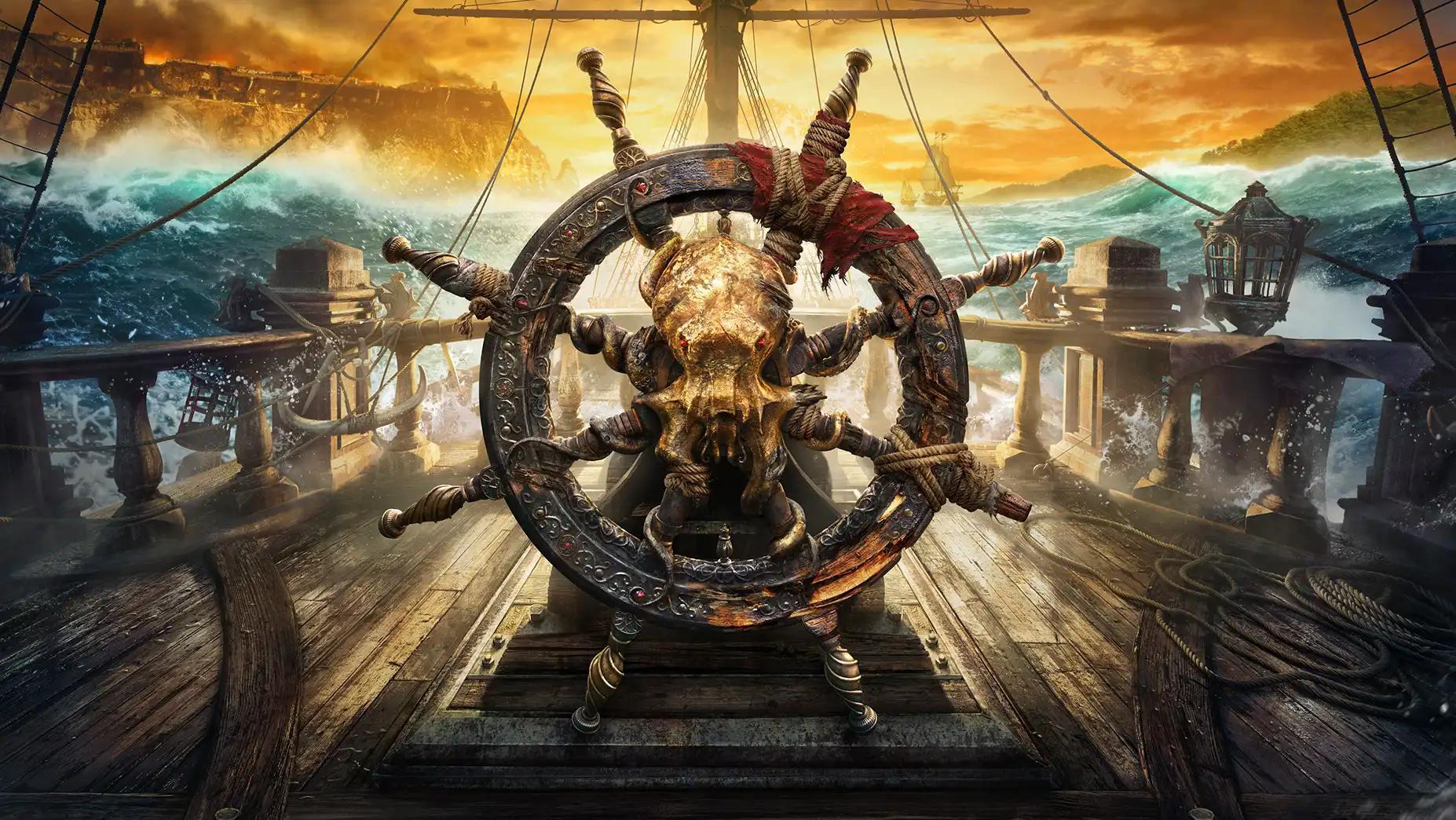
After more than ten years in development, including several restarts and postponements, Ubisoft released its pirate game to disappointing results. The final product moved away from classic pirate adventures to focus on ongoing live services, which players found lacked the expected intensity and realism. Sales started slow and quickly declined, leading to a substantial financial loss for Ubisoft despite a large investment in both development and marketing.
‘Wolfenstein Youngblood’ (2019)
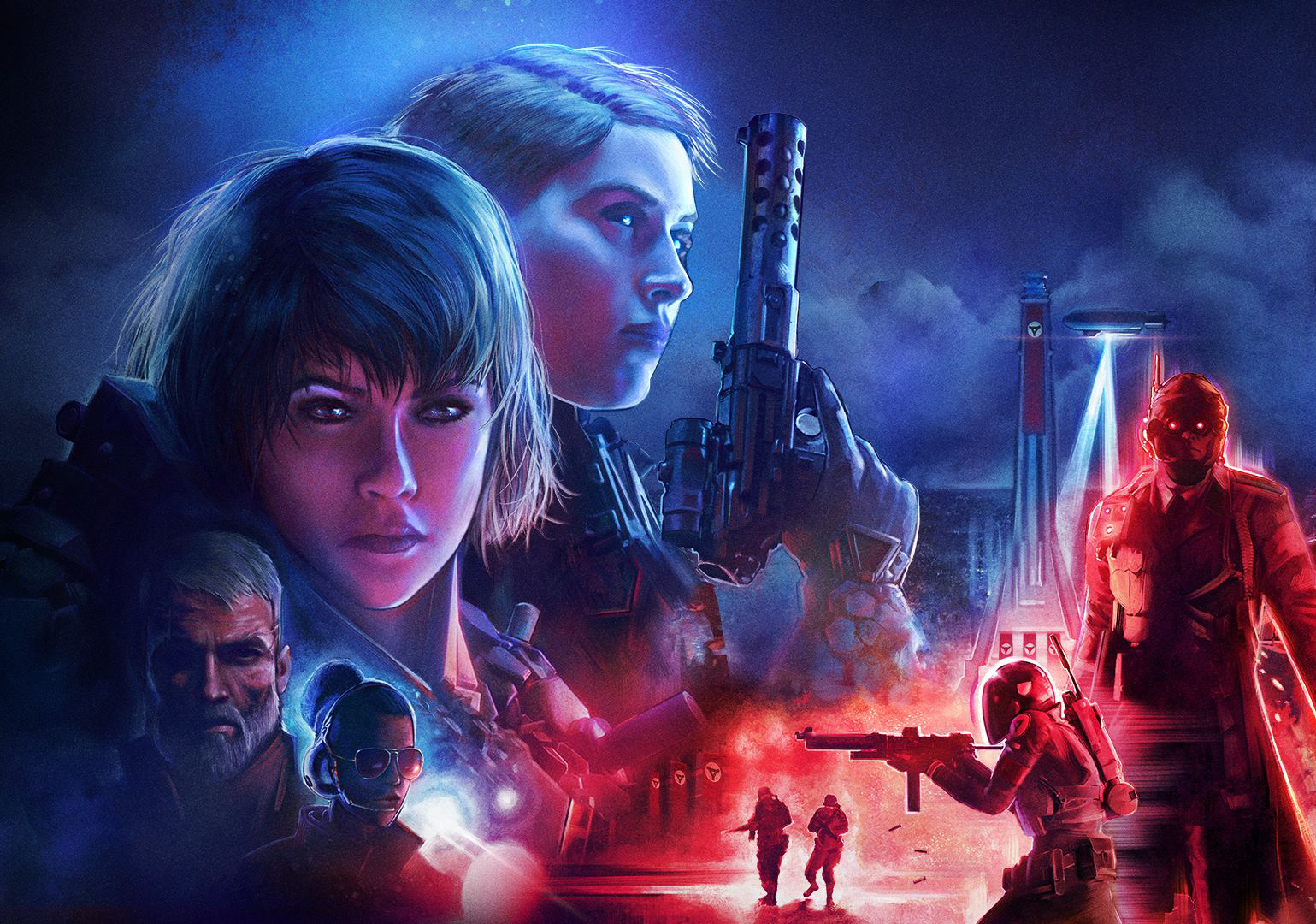
This new game followed the story of B.J. Blazkowicz’s twin daughters. However, fans weren’t happy with the change in the game’s style and the addition of role-playing elements. Players often criticized the story and how the characters were portrayed. As a result, the game sold fewer copies and received lower ratings than the previous ‘Wolfenstein’ titles, making it the most divisive and least successful game in the recent series.
‘Battlefield 2042’ (2021)
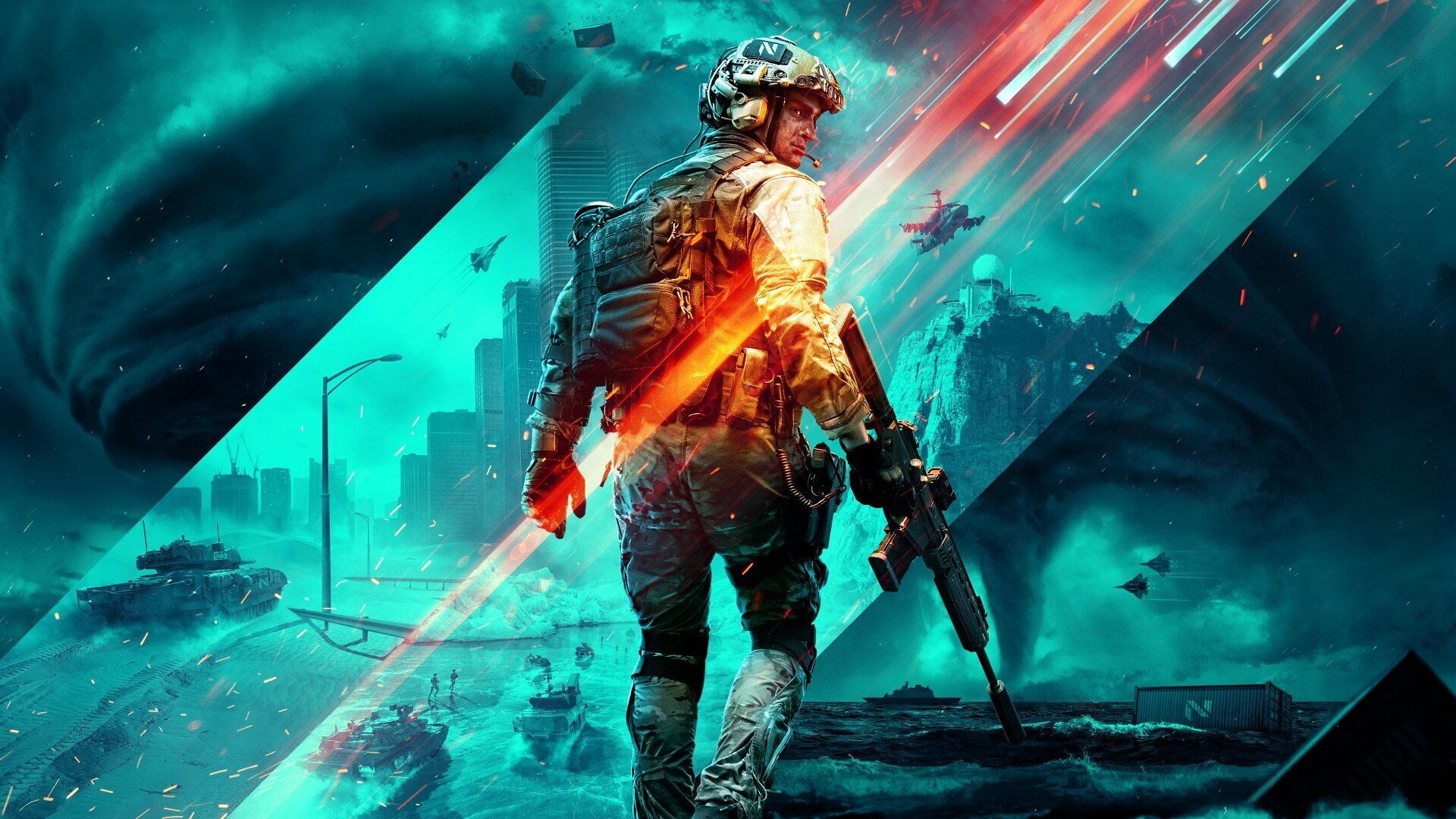
When the latest ‘Battlefield’ game launched without a typical single-player story mode, it received a lot of criticism. Instead of standard soldier types, the game featured ‘Specialists’ – characters with unique backstories and abilities. Many fans believed this was a move to copy popular hero shooter games and sell cosmetic items for those characters. The game’s initial reviews were poor, and player numbers quickly dropped. As a result, the entire development team working on future ‘Battlefield’ games was replaced.
‘Call of Duty Vanguard’ (2021)
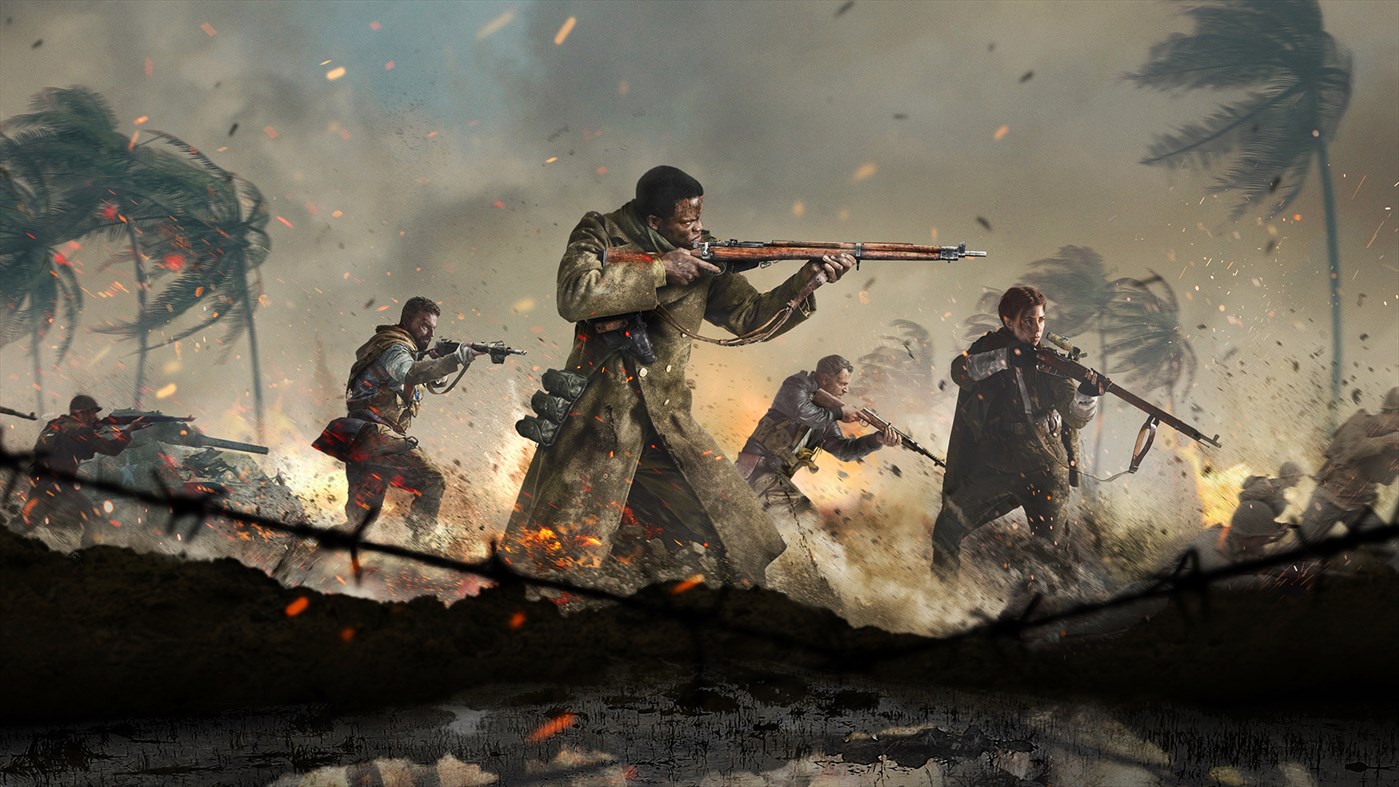
Activision Blizzard admitted the latest game in the series didn’t sell as well as they’d hoped. Critics and players pointed to historical errors and an unusual design style, especially given its World War II setting. Many felt the story didn’t accurately reflect the time period. These issues, along with a lack of fresh ideas and questionable creative choices, likely contributed to the lower sales. The franchise has since returned to more contemporary and familiar settings.
‘Watch Dogs Legion’ (2020)
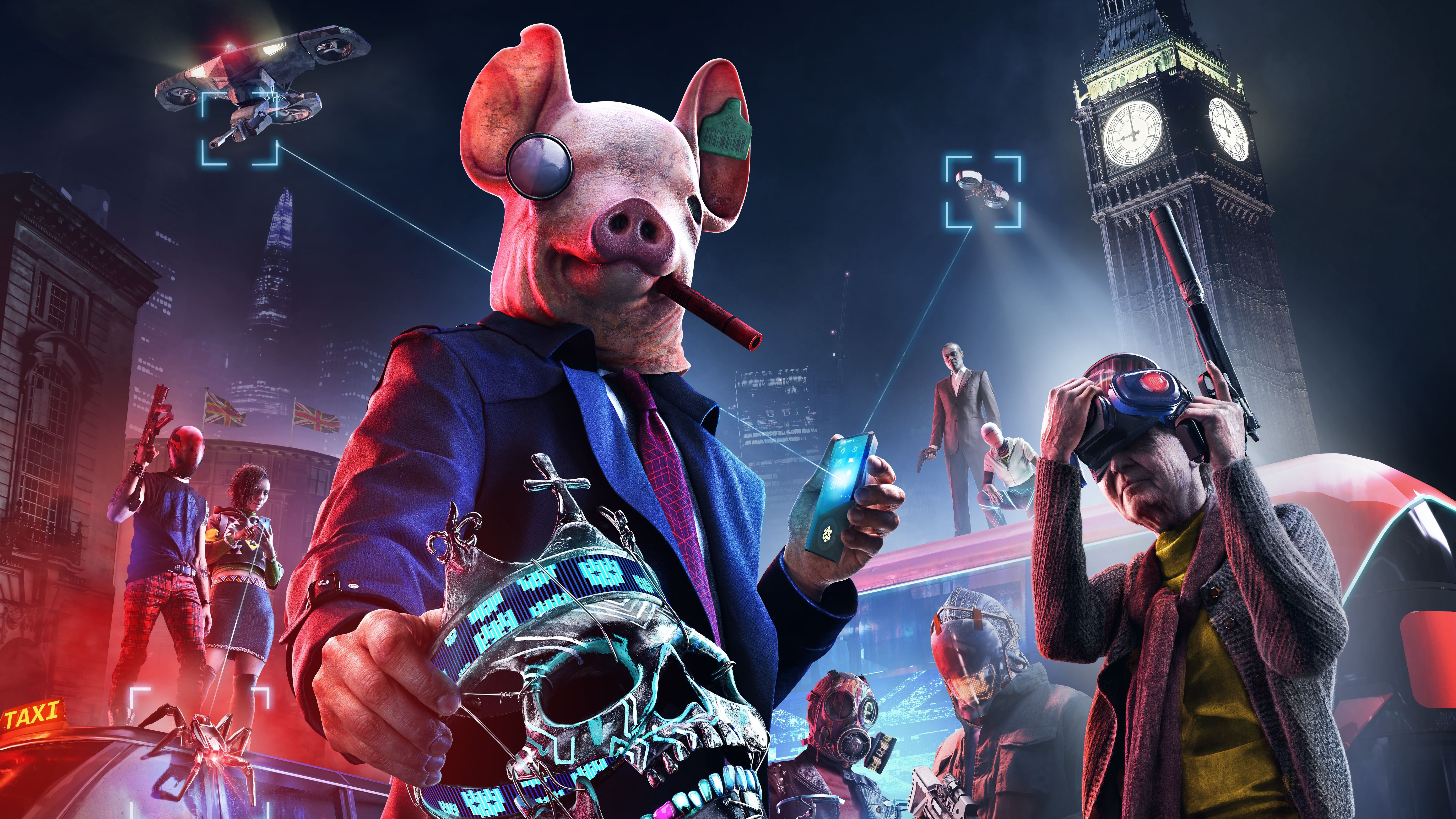
Ubisoft tried letting players recruit any character they encountered in the game, but this approach led to a confusing story without a clear main character. The game tackled current political and social issues, which proved divisive among players. As a result, it sold much less than ‘Watch Dogs 2’, and the series hasn’t had a new release since.
‘New World’ (2021)
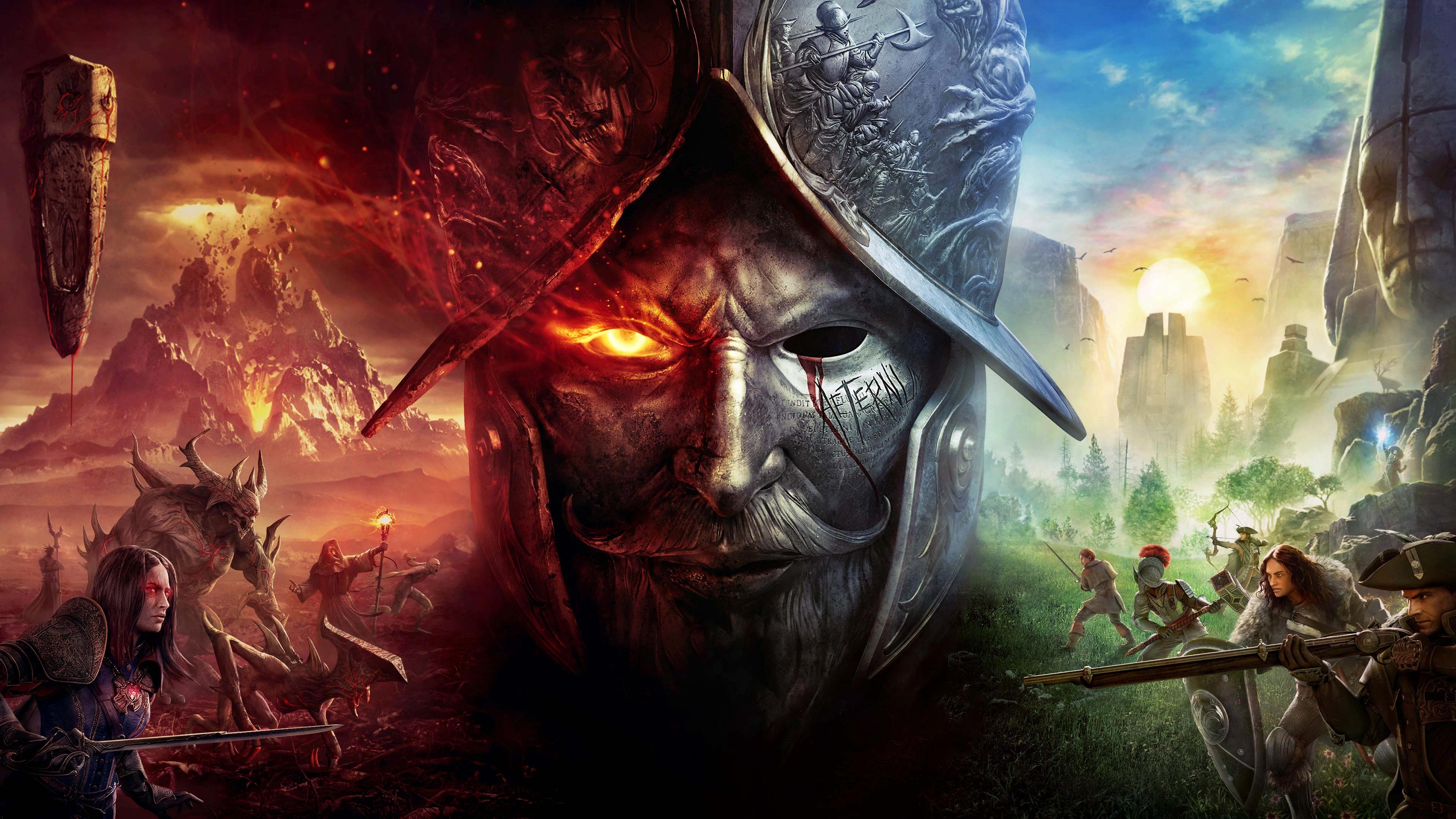
Amazon Games significantly altered its MMO, moving away from its initial idea of a historical colonial survival game to a more traditional fantasy setting. This decision was made to avoid potential issues with the sensitive nature of the original concept and its historical context. Despite a huge initial launch, the game quickly lost players due to a lack of things to do after completing the main story and various technical problems. Amazon has invested millions trying to keep players engaged with new updates, but the game’s financial performance is still being closely watched within Amazon Games.
‘World of Warcraft’ (2004)
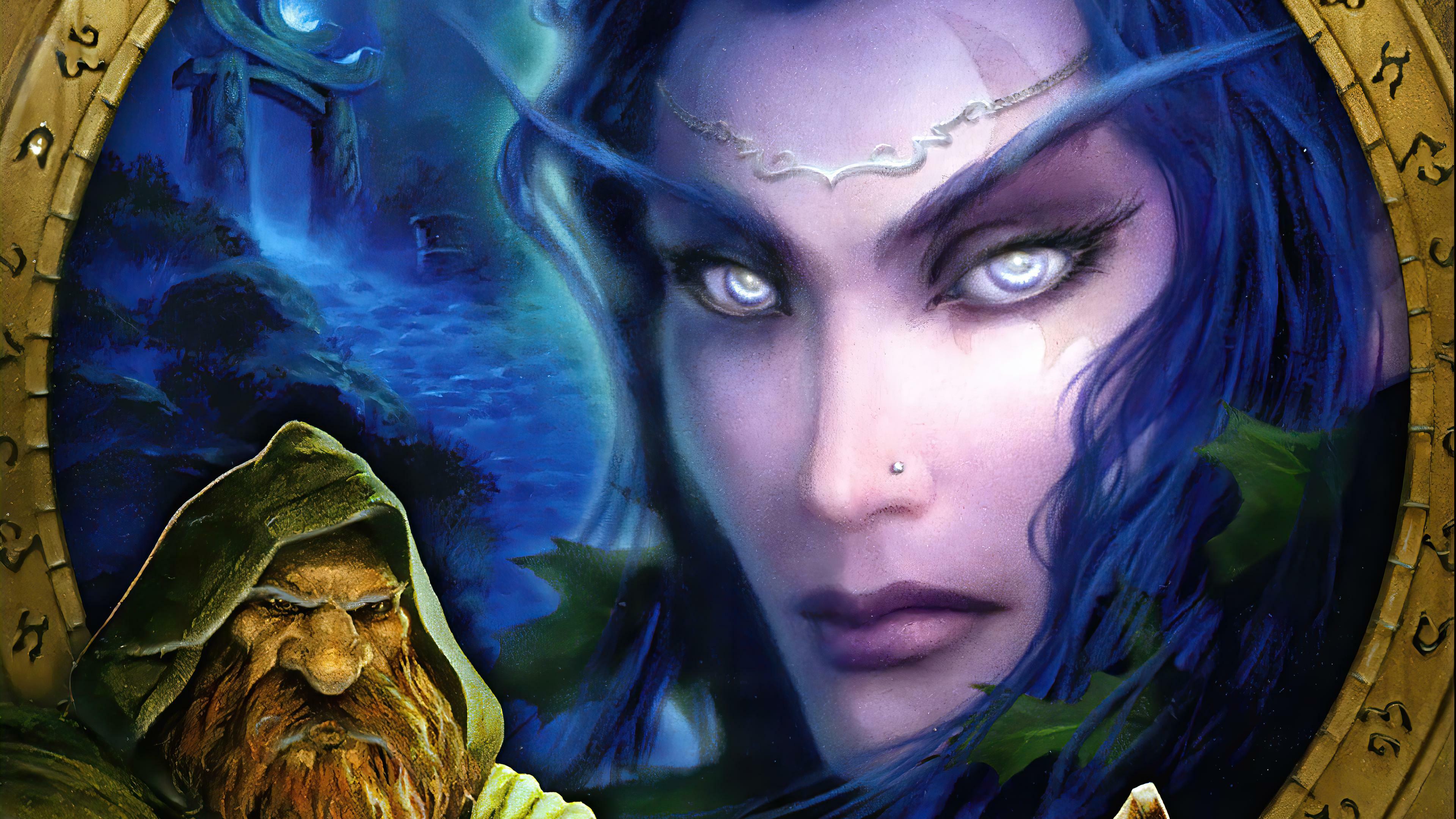
In 2021, Blizzard Entertainment updated its game to remove content considered offensive by today’s standards. This included changing what characters said and taking out certain artwork. While intended to be more inclusive, many long-time players felt these changes weren’t needed and made the game world feel less authentic. Around the same time, the game experienced a decrease in players and negative feedback from the community. Since then, the developers have been working to find a balance between respecting modern values and preserving the game’s original feel.
‘Overwatch 2’ (2022)
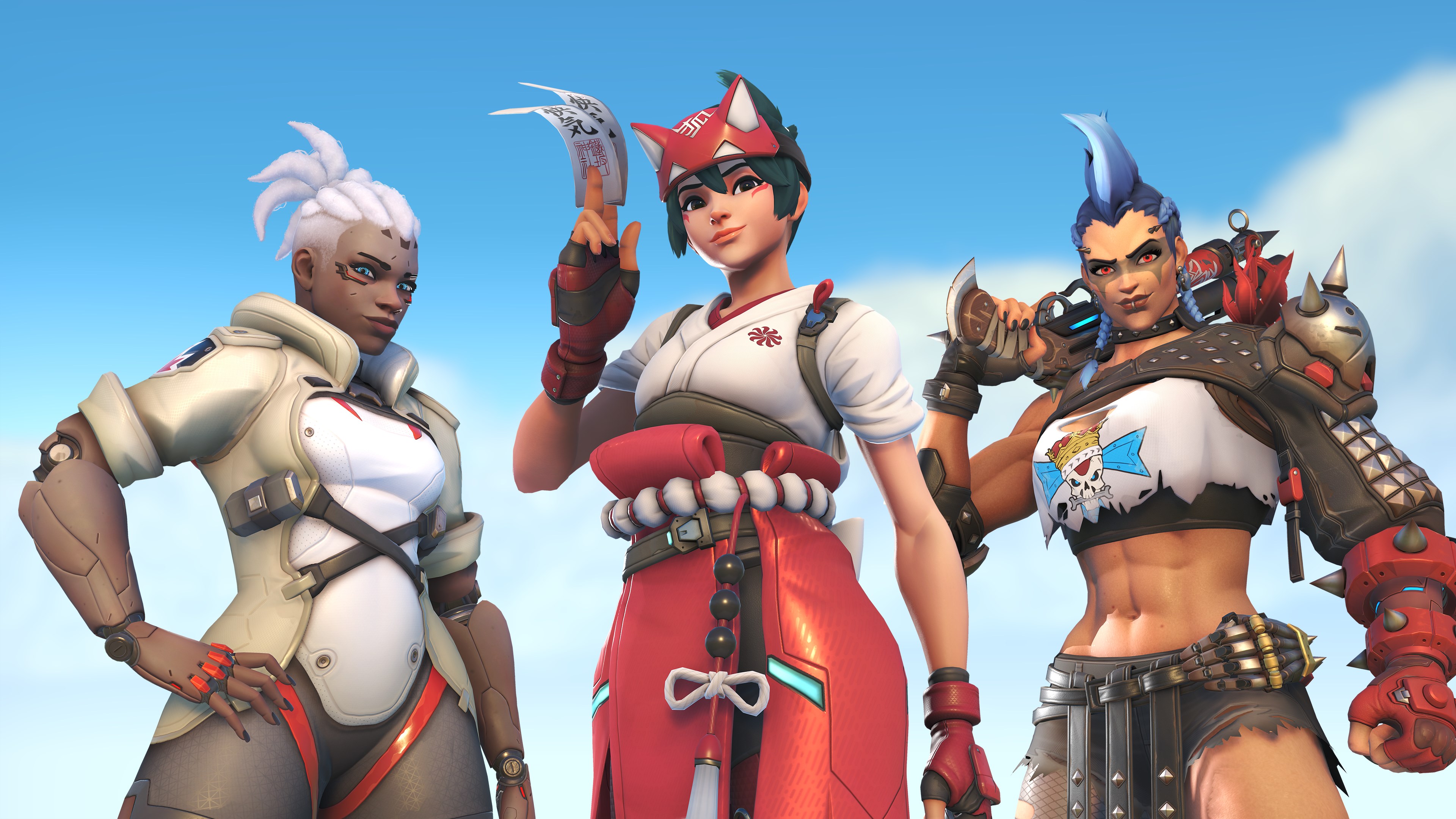
Look, the switch to free-to-play and the battle pass system really rubbed a lot of us players the wrong way. Blizzard also caught heat for changing character stories and seemingly cutting features just to chase profits. And honestly, when they cancelled the promised PvE mode, that was a huge blow. Even though there are still a lot of us playing, these changes to how the game makes money and the story it tells have definitely hurt the game’s reputation. It’s just tough to see it struggle to recapture what made it so great in the first place.
‘Street Fighter V’ (2016)
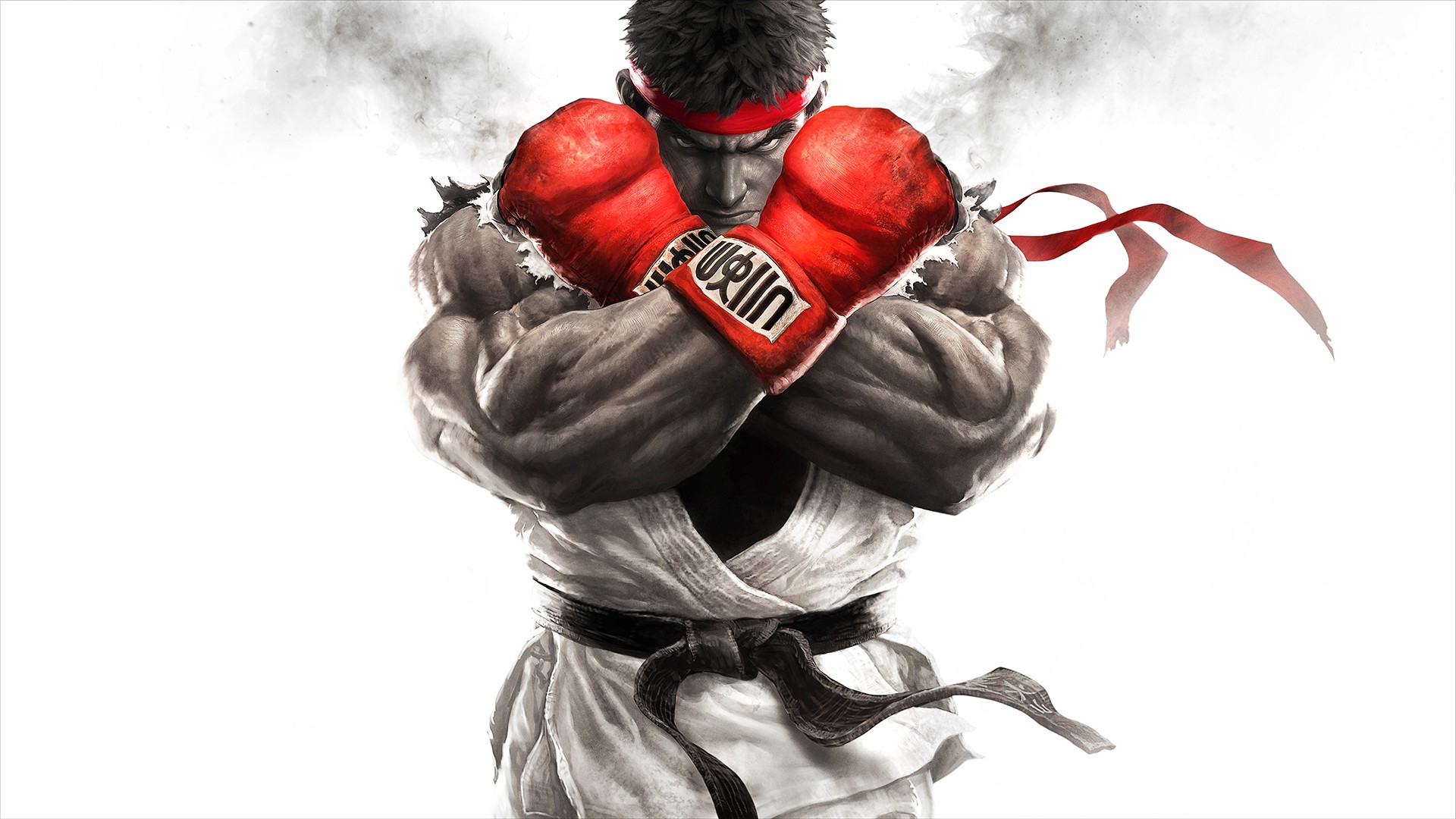
Capcom received backlash when the game first came out due to changes made to character designs and movements, which many saw as an effort to make the game more widely acceptable. The game also launched with less content than players expected, negatively impacting its initial sales and reputation. It took years of updates and re-releases to win back players and restore the game’s success. This situation brought to light the challenges of balancing the classic look of fighting games with modern sensibilities.
‘Dead or Alive 6’ (2019)
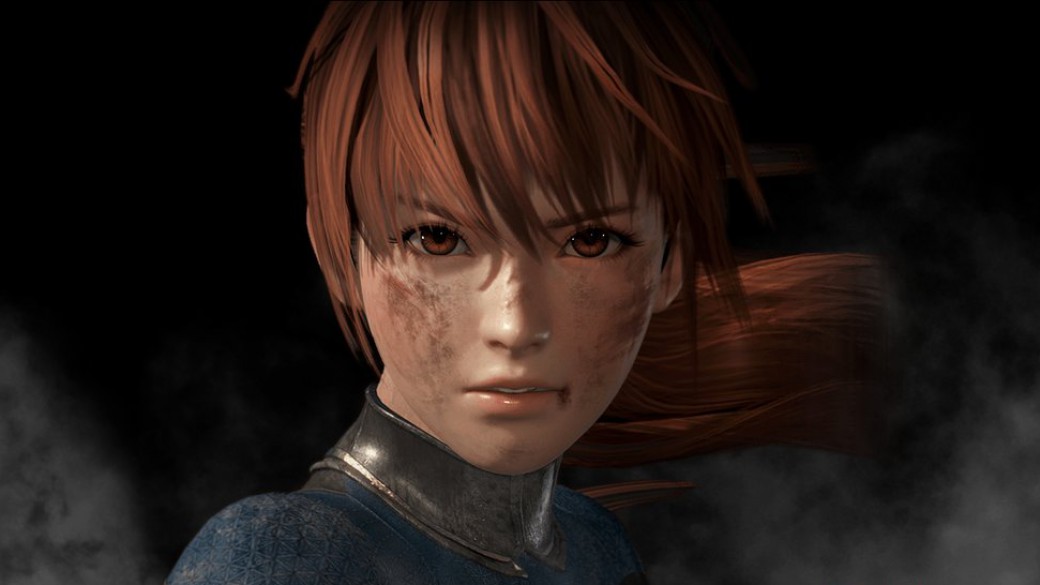
Koei Tecmo tried to attract a wider audience, including esports fans, by making character designs less revealing in the latest game. However, longtime fans who appreciated the series’ signature style didn’t respond well to the changes. As a result, the game didn’t sell as expected and updates were discontinued after only a little over a year. Since then, there haven’t been any major new games released in the series.
‘Mortal Kombat 11’ (2019)

NetherRealm Studios redesigned the female characters in the latest game to be more realistic and less overtly sexualized compared to earlier versions. Although the game was successful, this change in artistic direction caused significant discussion among fans. Some felt it strayed from the traditional look of ‘Mortal Kombat,’ while the developers argued it was a step towards a more mature and contemporary presentation. This new approach to character design continued in future installments of the series.
‘Mortal Kombat 1’ (2023)
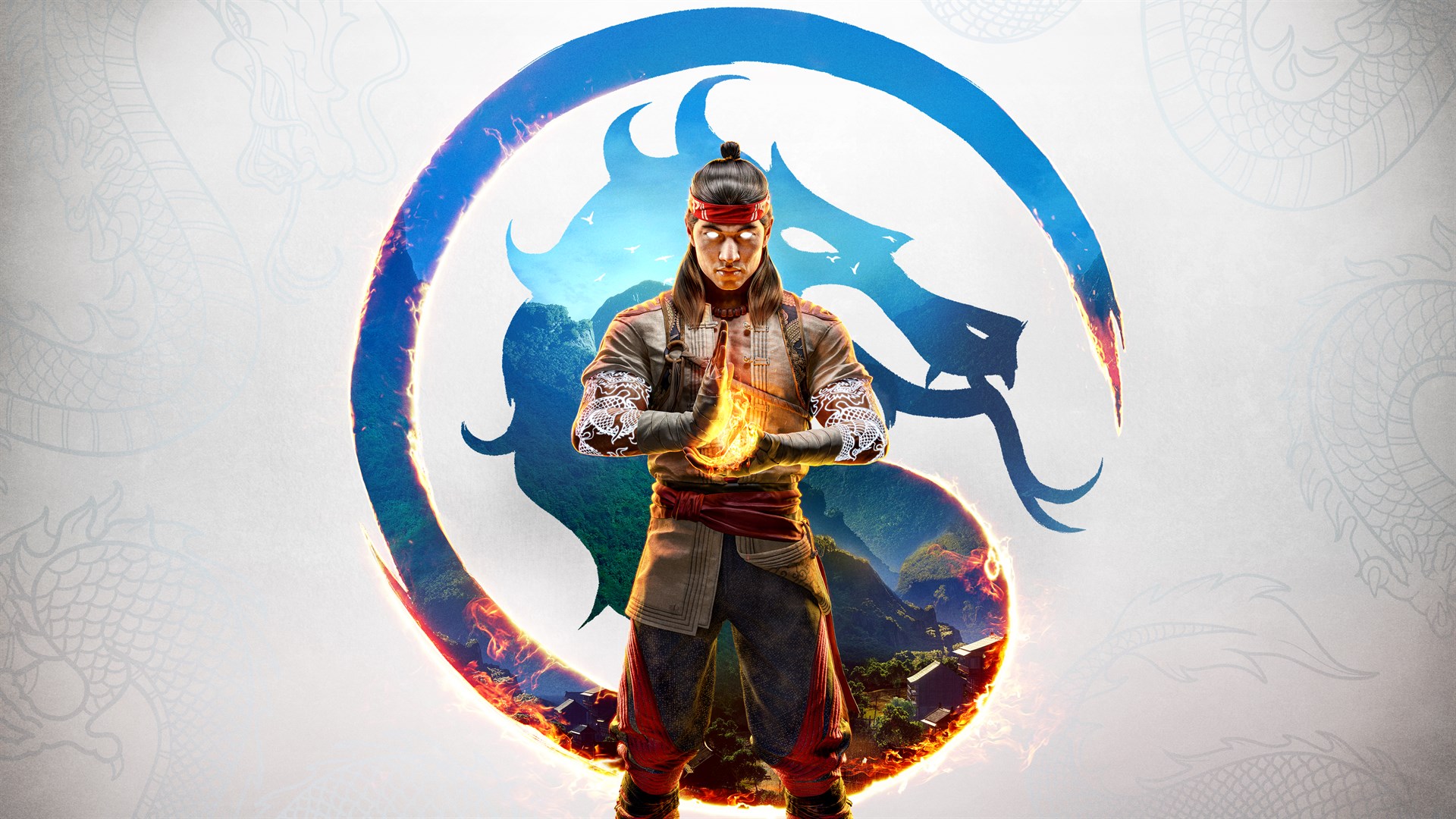
As a long-time fan, I’ve been following the reboot closely. It’s cool to see the developers trying new things with storytelling and character development. Honestly, though, some of the changes to the backstories of my favorite characters and the overall mood of the game didn’t sit right with me – and I know I’m not alone. The game started strong, but it feels like keeping players engaged long-term has been a bit of a struggle, and people are definitely talking about the microtransactions. The fanbase is really split on whether these updates are actually good for the series as a whole. It’s tough because while it’s doing okay, it hasn’t quite reached the same heights as some of the older games in terms of sales.
‘Resident Evil 4’ (2023)
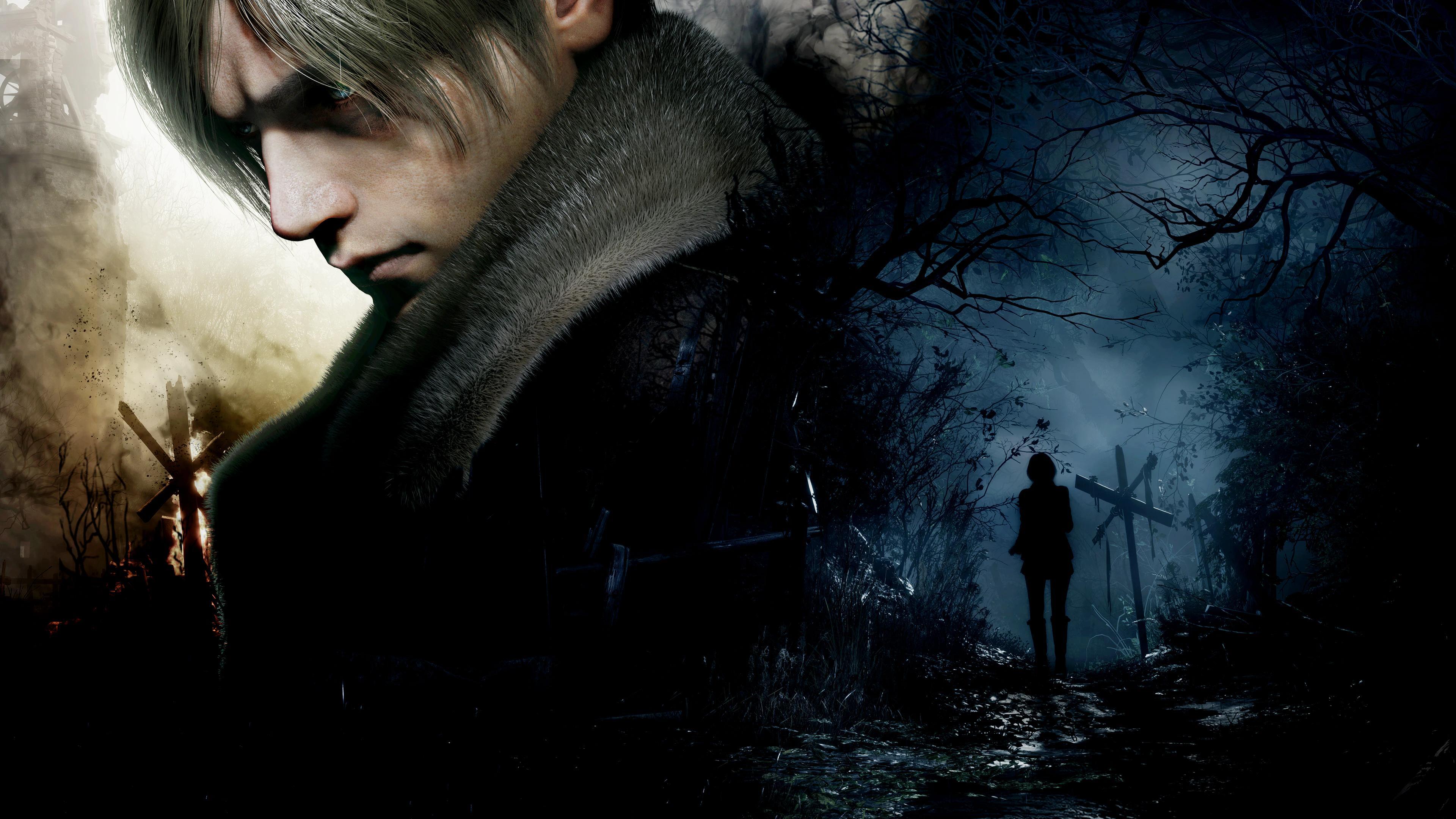
As a long-time fan, I noticed Capcom really tweaked some scenes and how characters talk in the remake. They said they were trying to update things and get rid of anything that hadn’t aged well, which is understandable. But honestly, a lot of us felt like those changes took away some of the quirky charm and personality that made the original 2005 game so special. The remake definitely sold well, but it sparked a huge debate about how much you can – or should – change a classic when you remake it. It really got people thinking about staying true to the original vision versus updating it for today’s audience.
‘Silent Hill 2’ (2024)
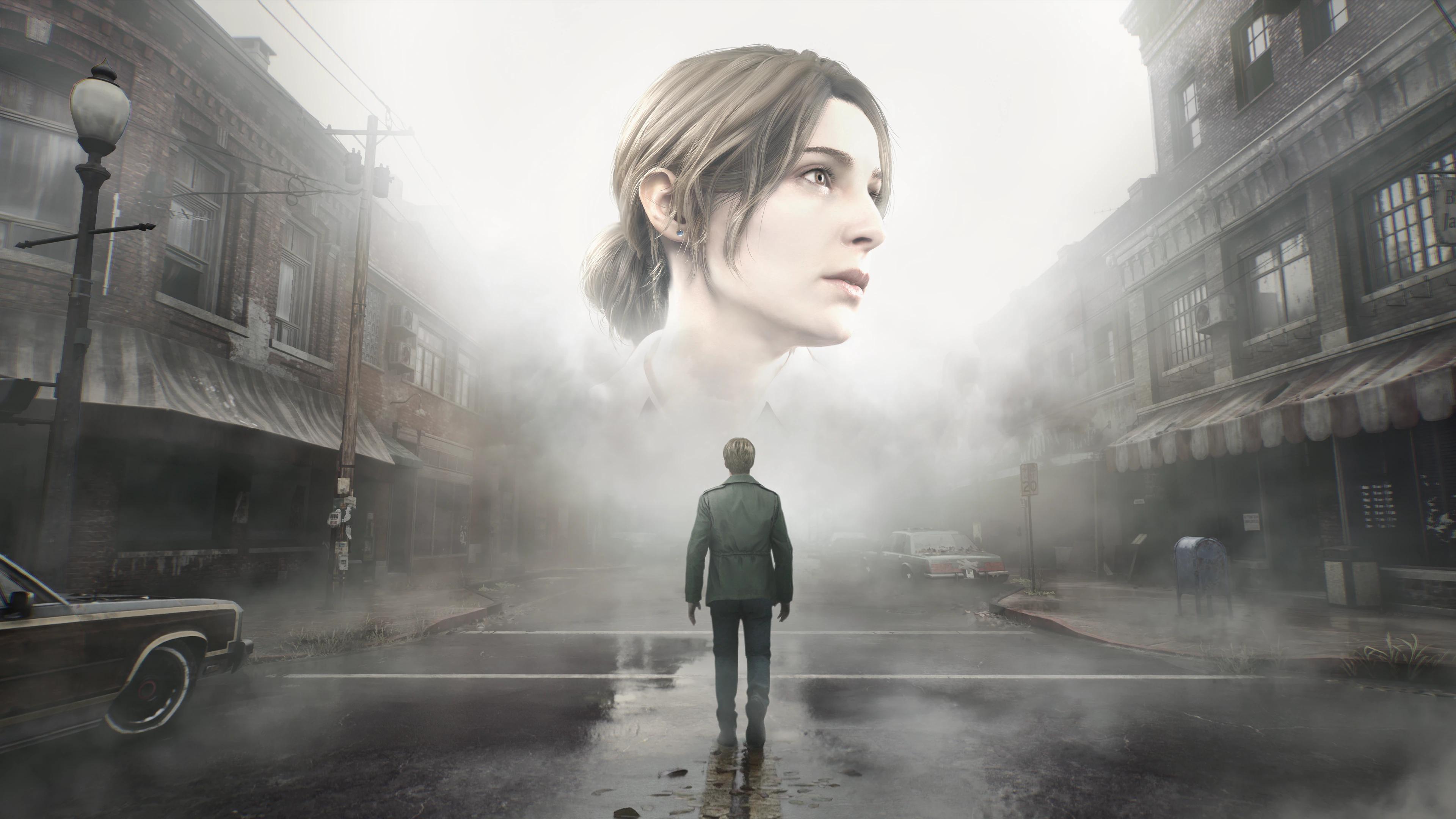
Okay, so the Silent Hill 2 remake was a bit of a tricky situation. A lot of us fans were really focused on the changes they made to James and Maria’s character models. It just didn’t feel right, you know? The original game had a really specific vibe and those changes seemed to miss the point. It felt like they were prioritizing how things looked now over staying true to the original’s artistic vision. The game sold well, thankfully, but Bloober Team definitely had to deal with some unhappy fans. It really showed how risky it is to remake a classic game – you’re walking a tightrope trying to please both new players and the people who loved it the first time around.
‘The Last of Us Part II’ (2020)
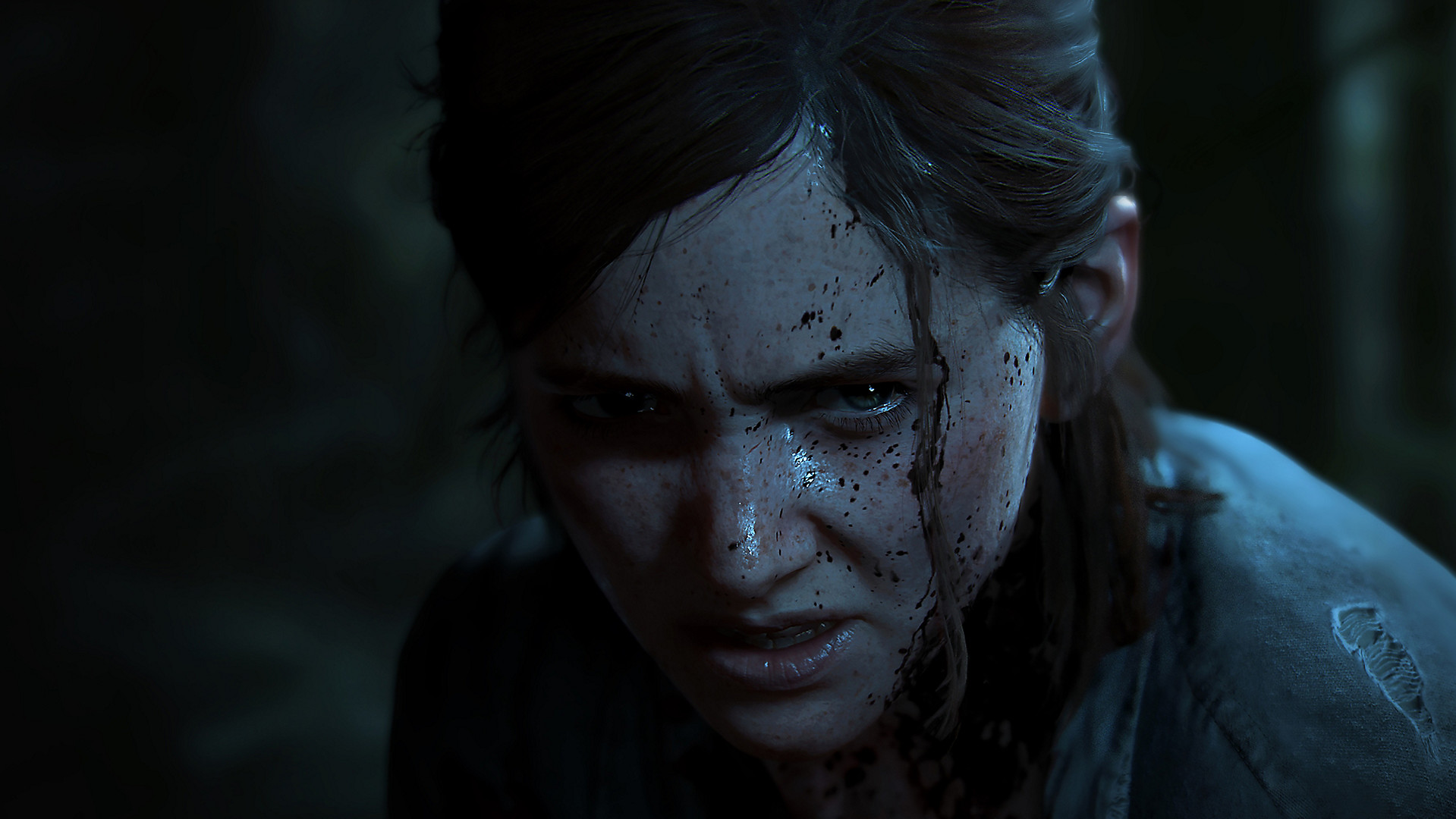
The sequel from Naughty Dog received widespread praise from critics, but it also sparked a strong negative reaction from some players. Certain story decisions and new characters were criticized as being motivated by current social issues, which divided fans and led to a wave of negative reviews online. Despite selling millions of copies, the game continued to be a topic of heated debate for years, and the company had to respond to the harsh criticism aimed at its developers.
‘Horizon Forbidden West’ (2022)
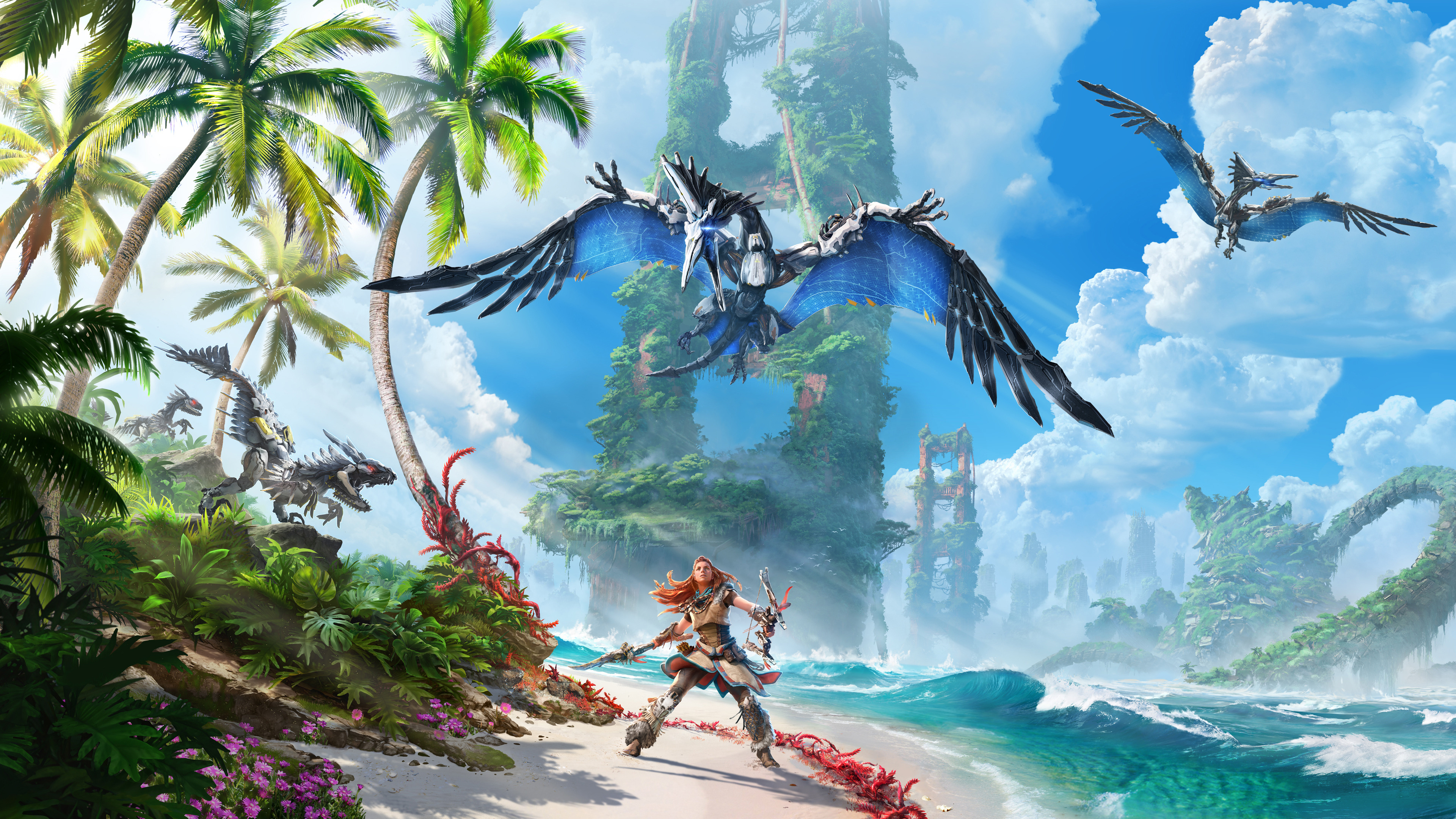
As a big fan of the Horizon series, I was really surprised by all the negativity surrounding Aloy’s look in the sequel. Some people were upset that her design seemed more realistic, and honestly, it felt like that whole debate totally overshadowed how amazing the game actually was – the graphics were incredible and the gameplay was so much better! It’s a shame because the game didn’t quite reach the same massive heights as the first one, and it sparked a bigger conversation about how characters are designed in games these days. It was disappointing to see all that focus on her appearance when there was so much else to love about the game.
‘Far Cry 6’ (2021)
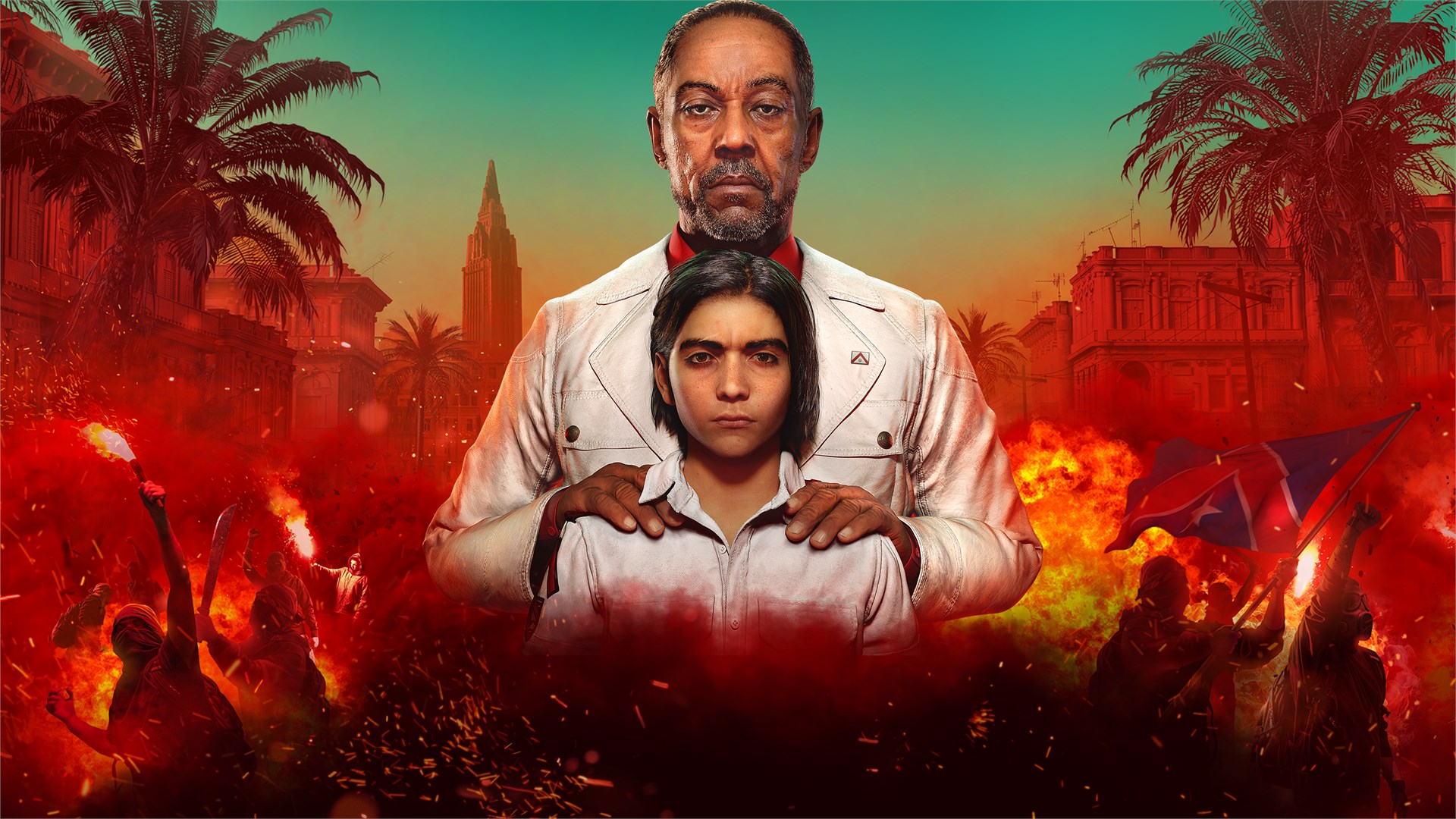
As a long-time ‘Far Cry’ fan, I was really intrigued by this game’s promise of a story centered around revolution and social issues in a Caribbean setting. But honestly, I felt like the game’s message didn’t quite land. The villains just weren’t as memorable as in past games, and the overall tone felt a bit all over the place. It didn’t seem to resonate with players the way ‘Far Cry 5’ did, and sales weren’t as strong. Ubisoft even acknowledged it didn’t hold players’ attention for as long as they’d hoped. It seems like this led them to rethink how they tell stories in their open-world games going forward.
‘God of War Ragnarök’ (2022)
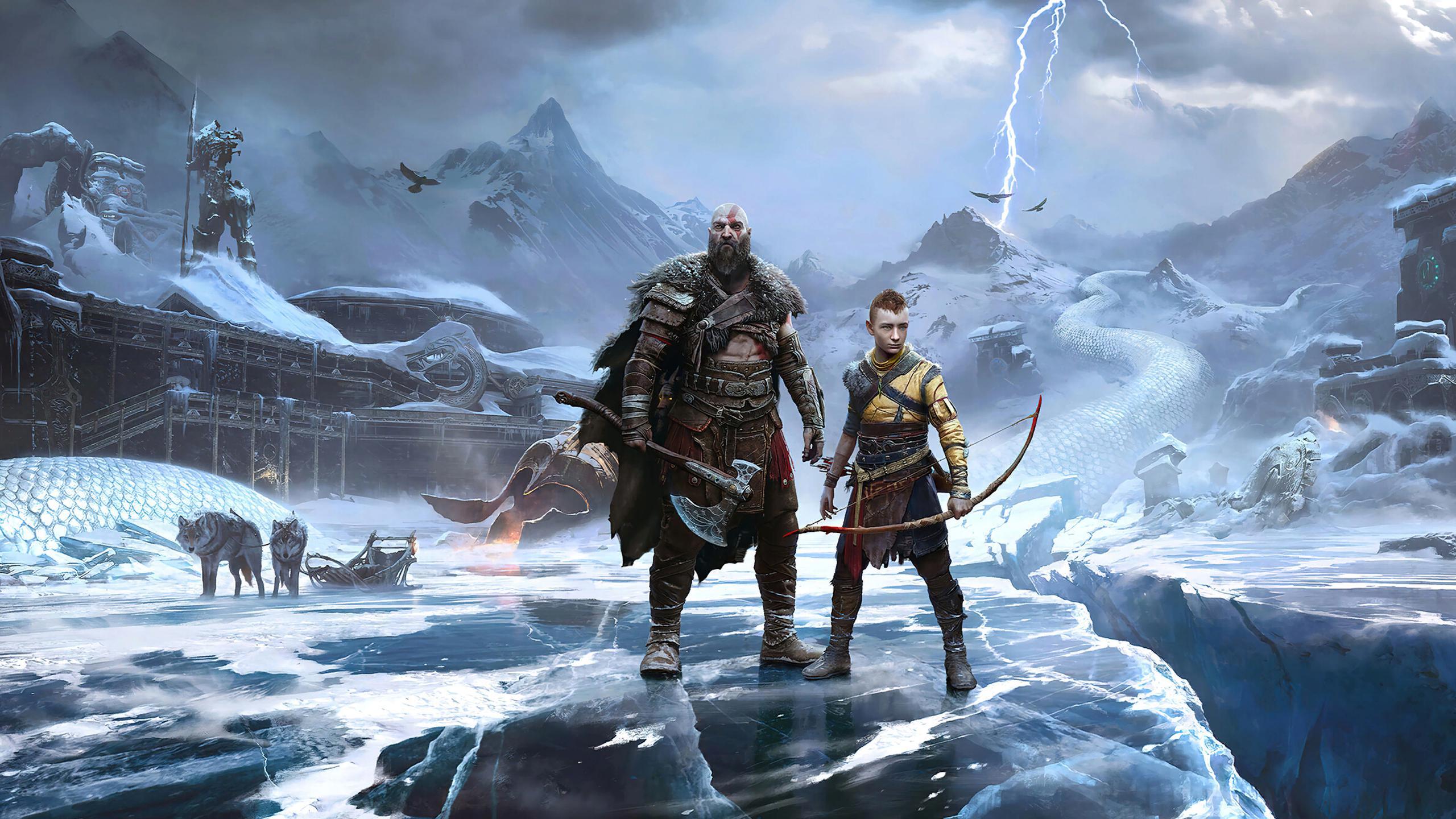
After Santa Monica Studio introduced the character Angrboda, they received criticism online. Some fans disagreed with the diverse design choices for a figure rooted in Norse mythology. The developers defended their artistic vision, explaining that they offered a fresh take on the myth. Despite the controversy, the game was a huge commercial success, but the situation showed how tricky it can be to represent history and culture in fantasy worlds. Even with the initial negative reaction on social media, the game is still considered a top example of excellent game development.
‘Spider Man 2’ (2023)
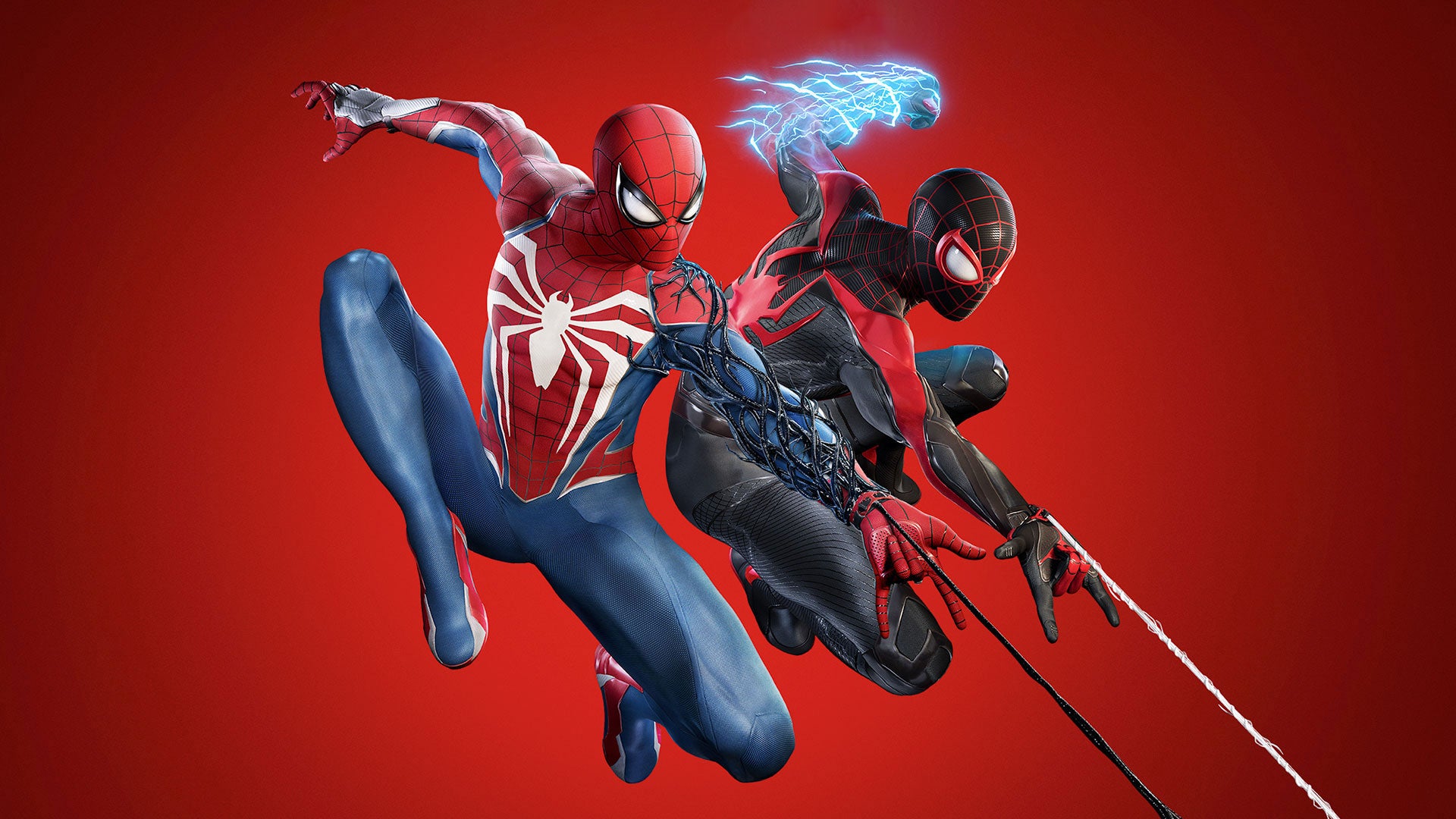
Insomniac’s Spider-Man game featured side quests and conversations that touched on current social issues and aimed to be inclusive. However, some players thought these additions felt unnatural and took away from the main superhero action. With a development cost exceeding $300 million, the game needed to sell incredibly well to make a profit. Internal Sony reports later showed that the sales targets were even higher than for previous games in the series. Much of the discussion around the game centered on whether it successfully balanced these social themes with the expected gameplay experience.
‘Dragon Age The Veilguard’ (2024)
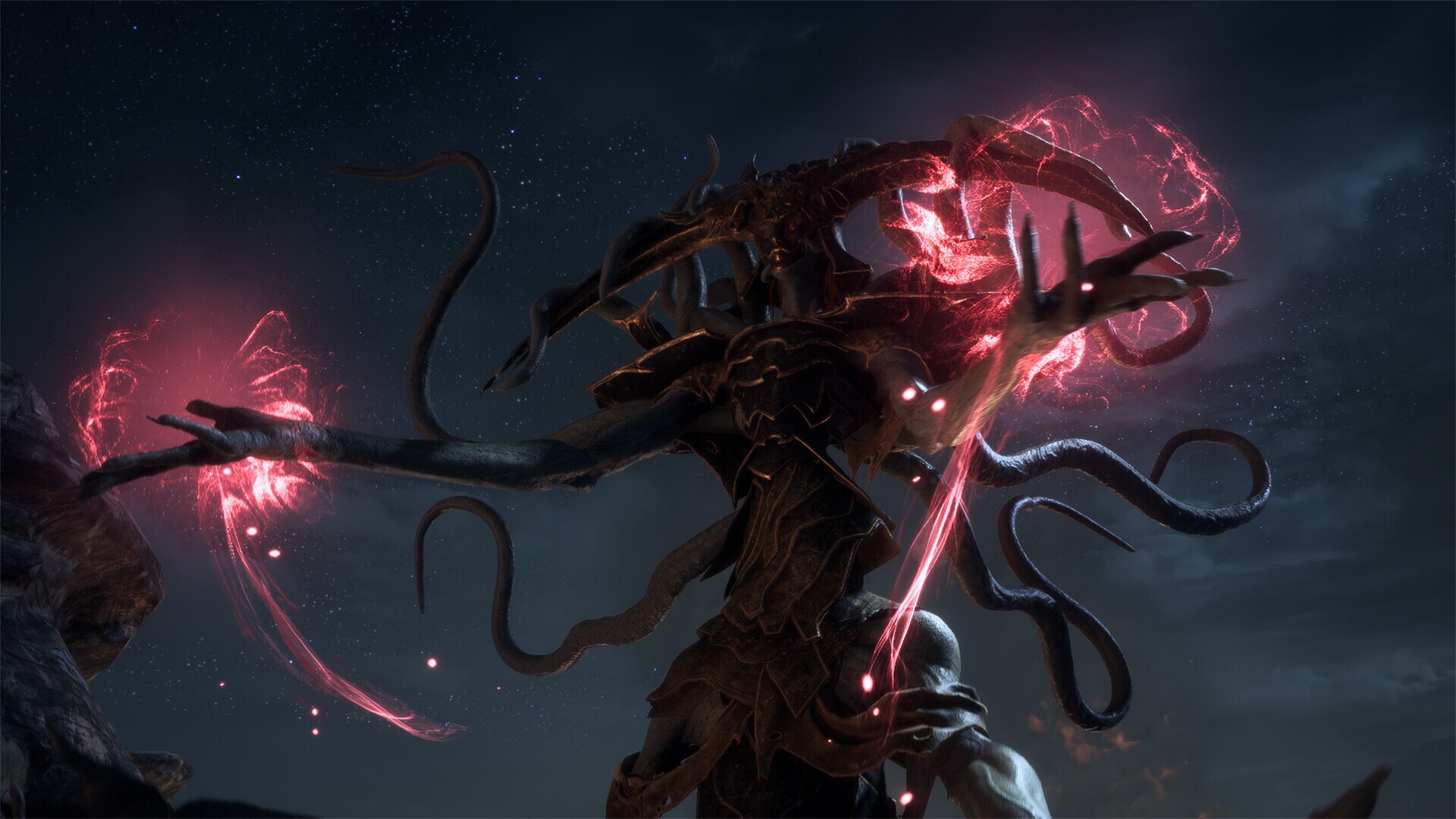
BioWare’s new ‘Dragon Age’ game aimed for more relatable characters and a less serious feel. While some fans appreciated this change, others who preferred the older, darker games had mixed reactions. Initial reports indicated the game might not reach Electronic Arts’ sales goals. A lot of discussion also focused on the game’s approach to inclusivity and sensitivity in its story. Ultimately, the success of this game could determine the future of the ‘Dragon Age’ series.
‘Life Is Strange Double Exposure’ (2024)
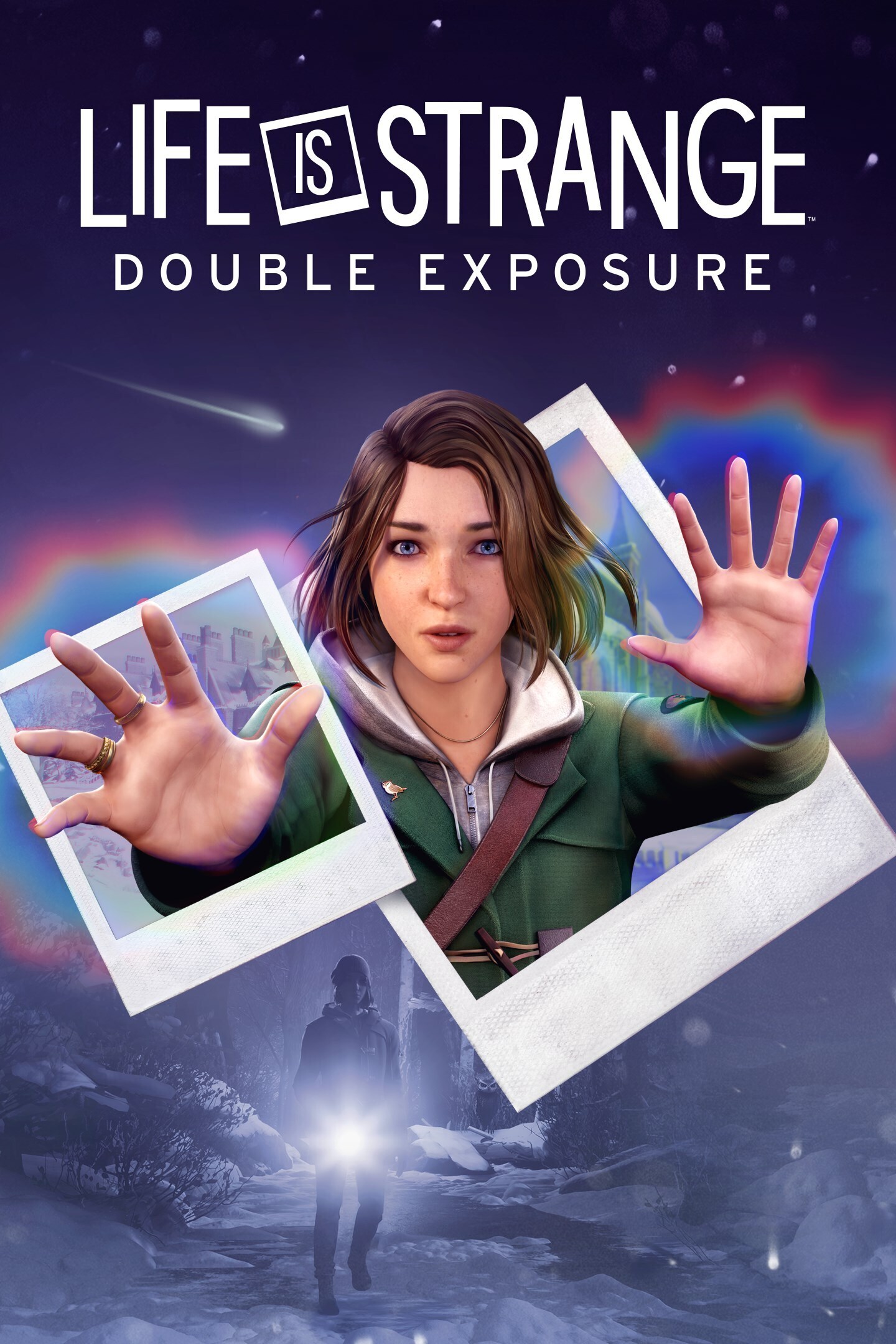
The latest installment in the series featured the return of Max Caulfield, but explored contemporary issues with a new, more diverse group of characters. While some longtime fans disliked the story’s new direction and changes to the main character, the game launched into a competitive market and didn’t achieve the same popularity as its predecessor. Sales figures were lower than previous games, and the developers have been responding to mixed reactions from dedicated players.
‘Banishers Ghosts of New Eden’ (2024)
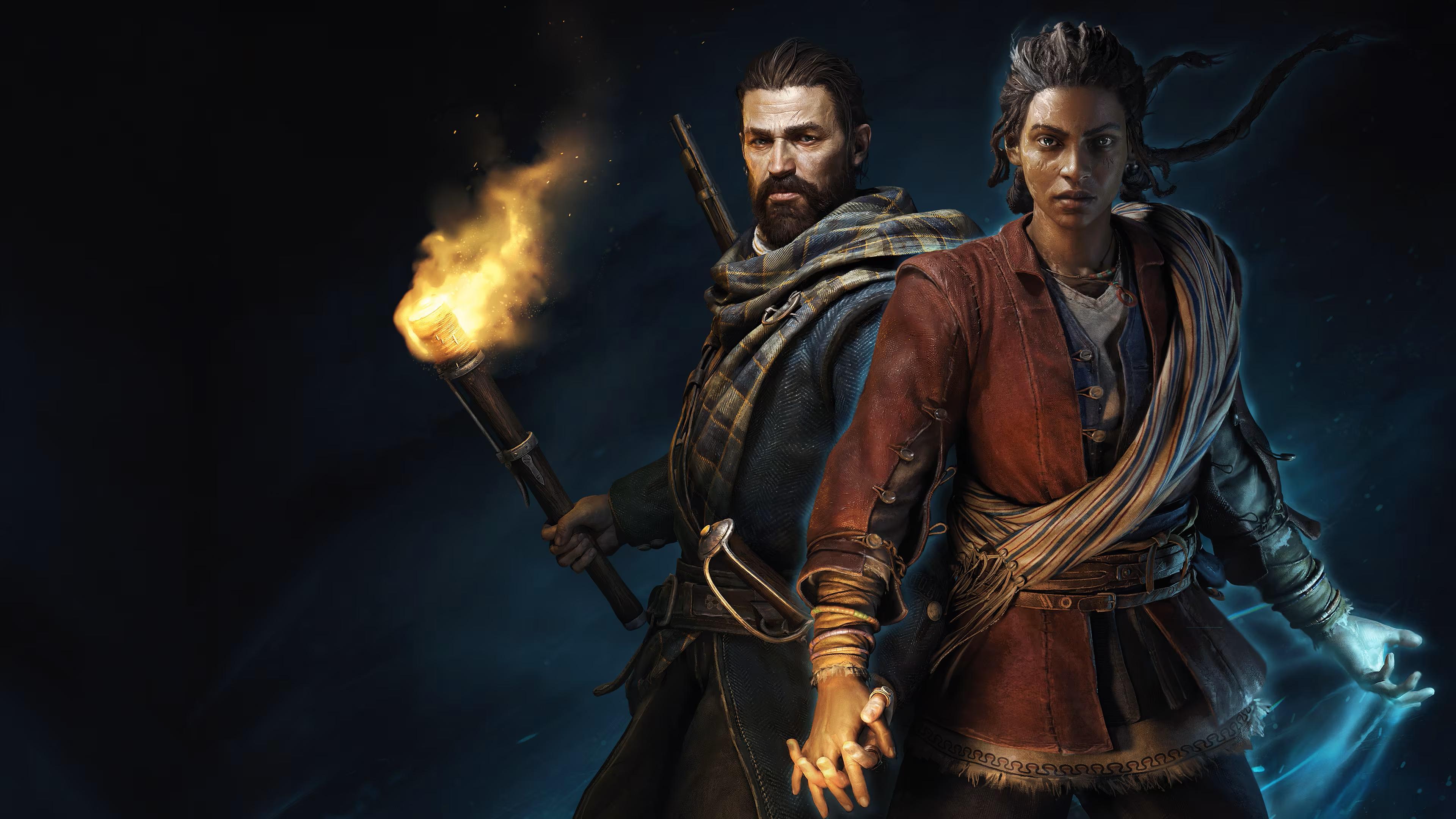
Focus Entertainment released this action role-playing game, set in colonial America and featuring a unique couple as its main characters. The game tackled contemporary issues through a fantastical story, and while critics generally liked it, it didn’t attract many players when it first came out. Sales didn’t meet expectations for a major hit, indicating that well-made games with specialized stories can still struggle to find a broad audience.
‘Immortals of Aveum’ (2023)
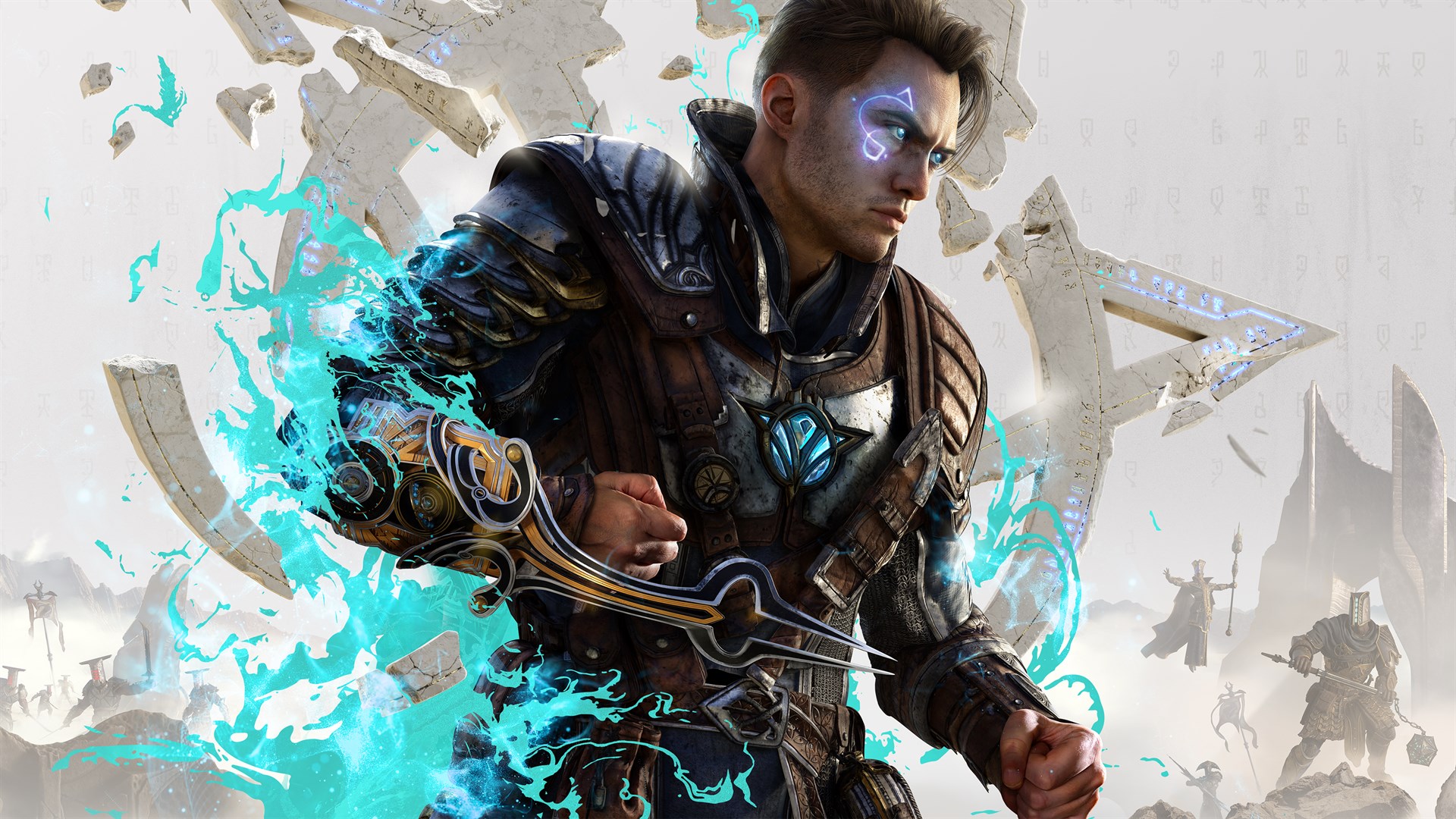
Electronic Arts released a new, high-budget magical shooter game, hoping to attract a younger audience with its story and characters. Unfortunately, it came out at a busy time for game releases and didn’t quite stand out. Sales were disappointing, and the development team had to lay off almost half of its employees. This was a significant example of a big-budget game failing to find its audience in 2023.
‘Deus Ex Mankind Divided’ (2016)
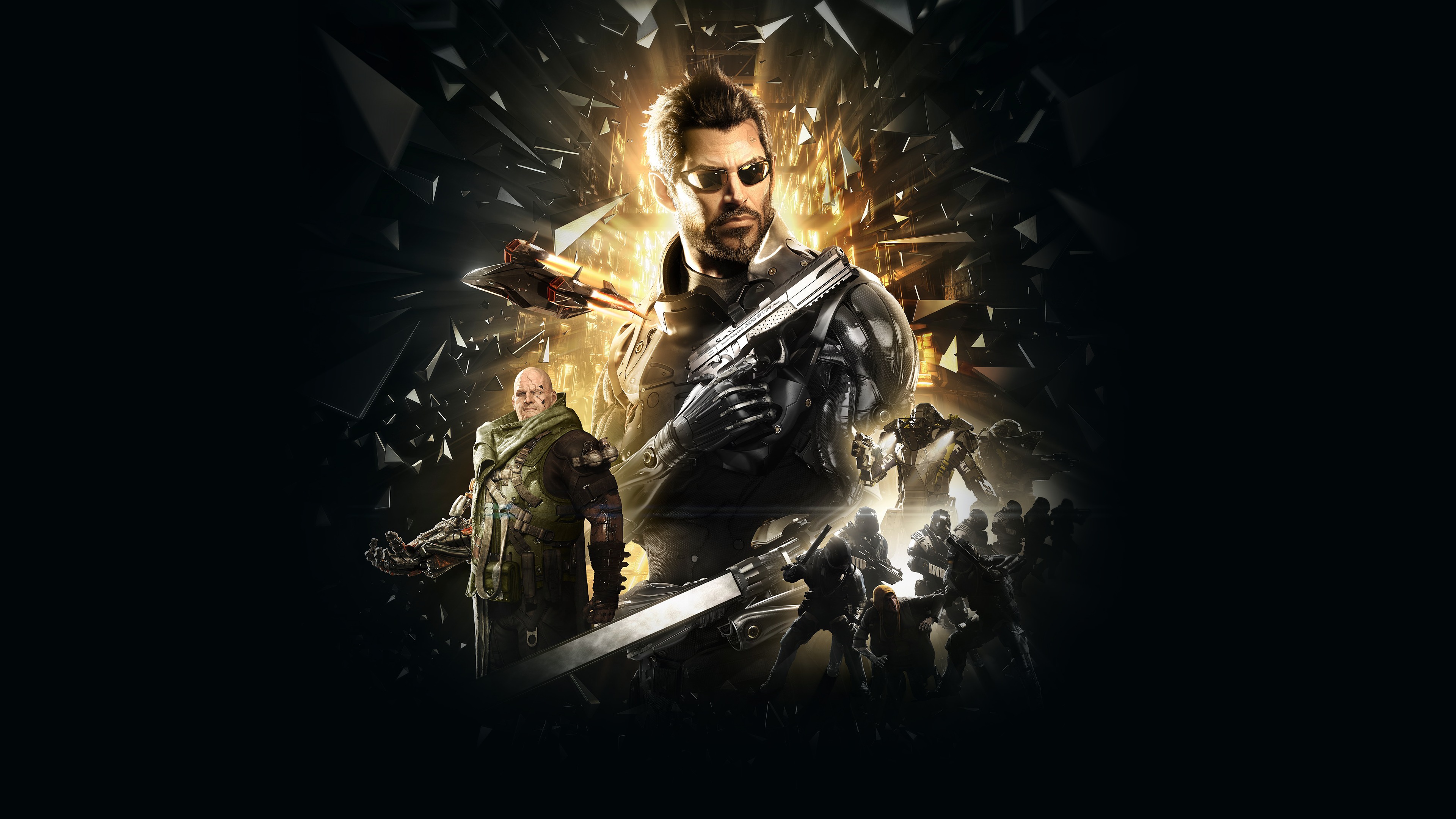
Square Enix and Eidos Montreal faced backlash for how they discussed the social issues within their game. This approach, along with the game’s connections to current political events, drew criticism from many different groups. As a result, the game didn’t sell well, and plans for the next two games in the series were put on hold. Many players felt the story was unfinished and deliberately set up to require future downloadable content. Since then, the series hasn’t had any new releases due to the negative response and poor sales.
‘The Callisto Protocol’ (2022)
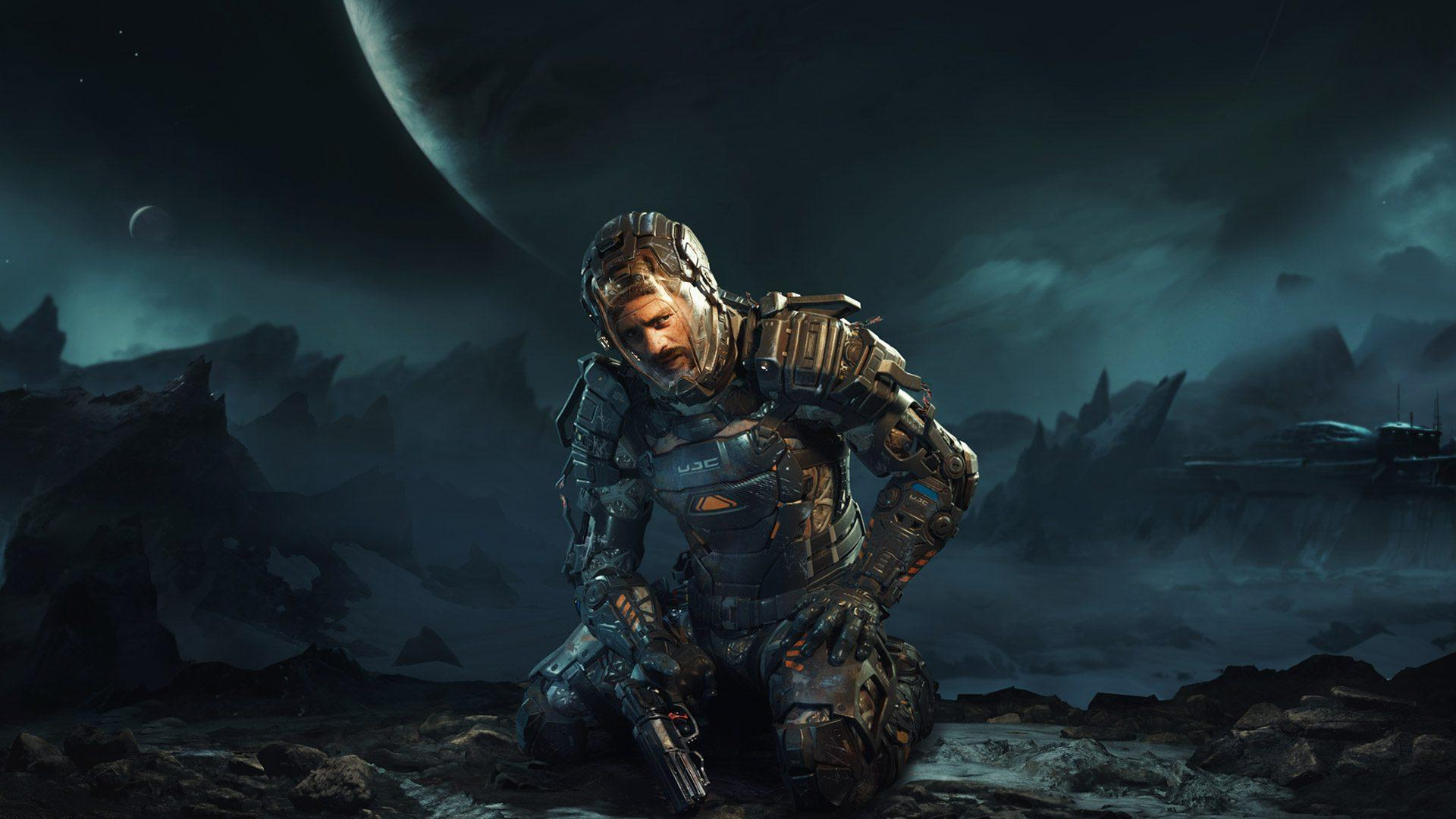
Krafton put a lot of money into making this game, which was intended to be the start of a new horror series inspired by ‘Dead Space.’ However, it received criticism for how it played and its focus on modern, cinematic presentation, which some players felt lessened the horror experience. Unfortunately, the game sold far fewer than the five million copies needed to make a profit. Because of the high costs of making and advertising the game, Krafton lost a significant amount of money. The game’s director later left the company after the disappointing launch.
‘Ghostwire Tokyo’ (2022)
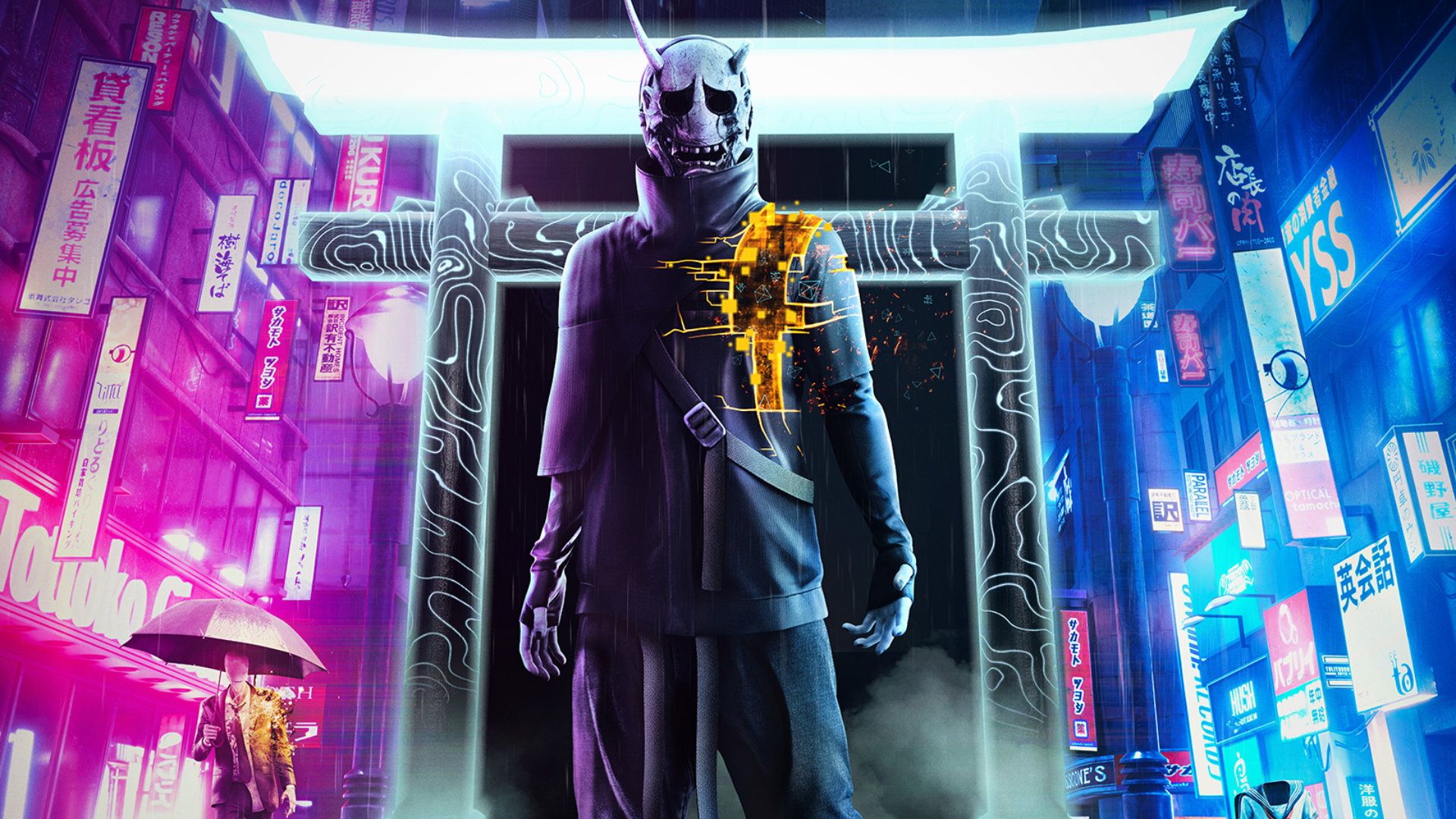
Bethesda Softworks launched this action game, initially only on PlayStation 5. It drew heavily from Japanese folklore, blending it with common storytelling techniques. Though the game looked impressive, it didn’t hold players’ attention for very long. Sales were lower than expected for a big Bethesda title. Even after being released on other platforms, the game didn’t become much more popular.
‘Shadow of the Tomb Raider’ (2018)
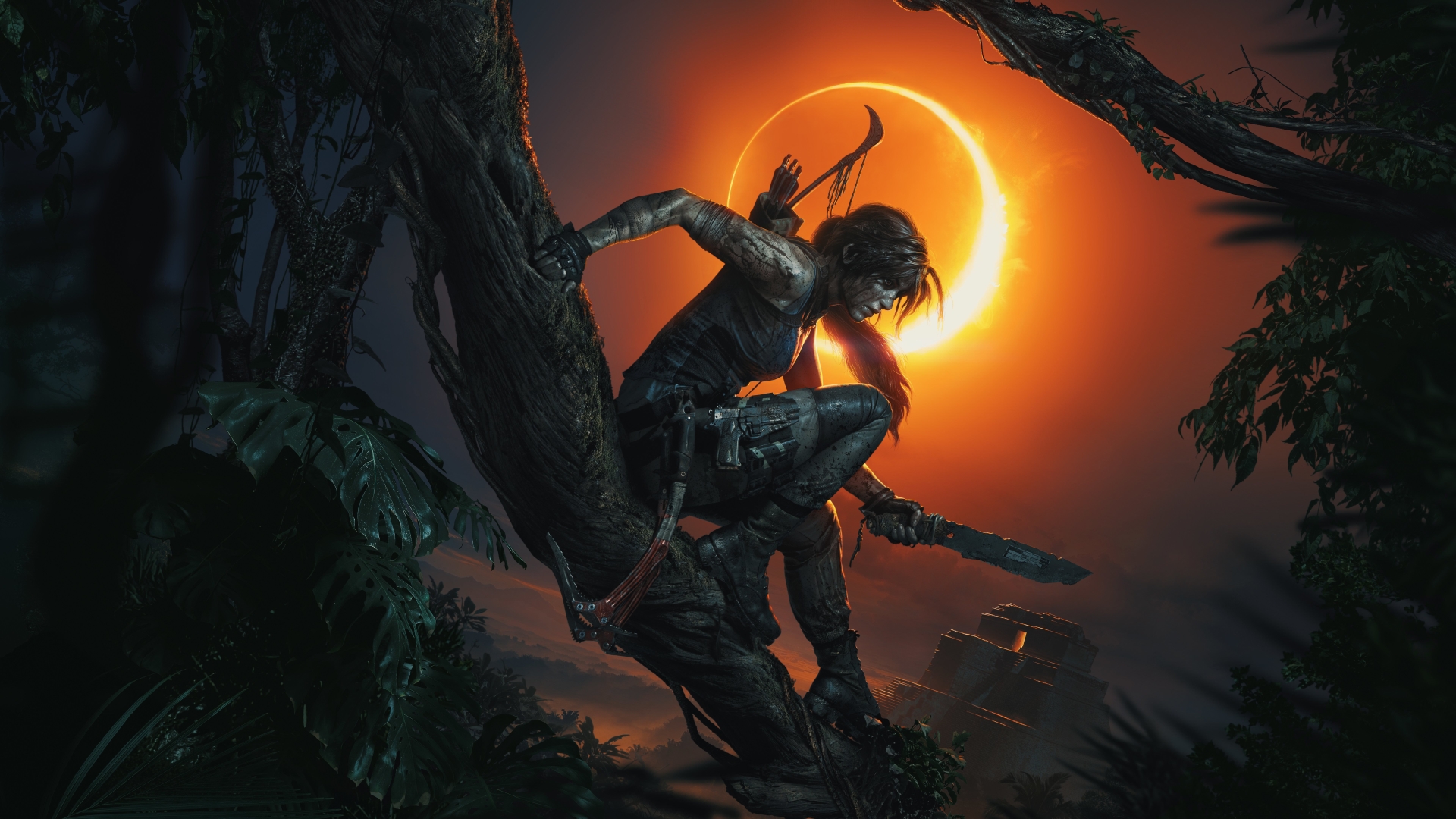
Eidos Montreal concluded the rebooted Tomb Raider trilogy by exploring the aftermath of Lara Croft’s choices. While this more thoughtful and contemporary approach to storytelling received a varied response from fans, initial sales were lower than the previous game, ‘Rise of the Tomb Raider,’ leading to discounts. Square Enix acknowledged the slow start but stated the game eventually became profitable. Ultimately, the entire franchise was sold for significantly less than its original worth.
‘Sunset Overdrive’ (2014)
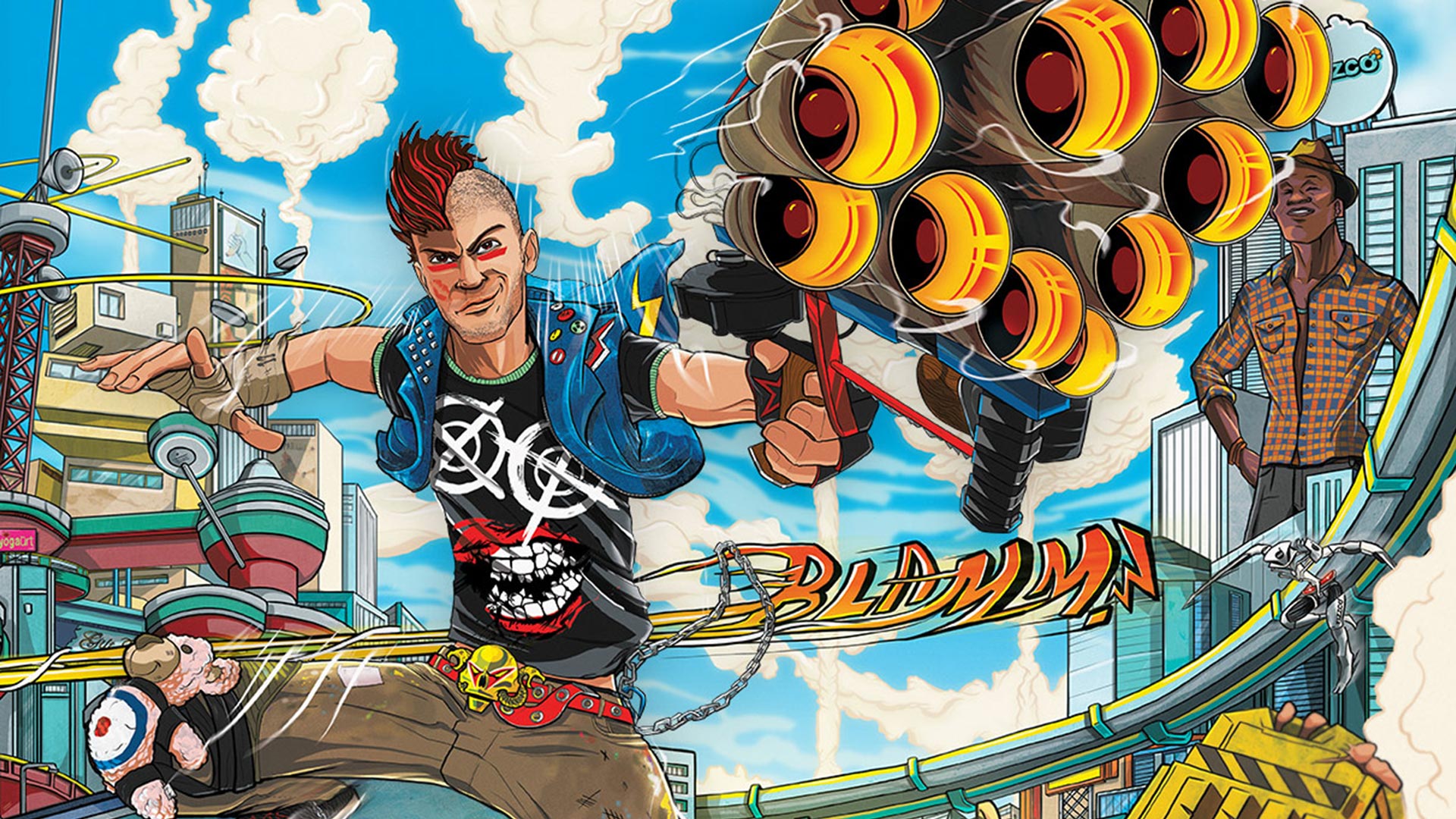
Insomniac Games crafted a vibrant and humorous world that playfully criticized corporate life and current trends. Though critics praised the game, it didn’t attract a wide audience on the Xbox One. Its distinctive style and contemporary feel weren’t enough to meet Microsoft’s sales expectations. After Insomniac Games was acquired, the game’s rights moved to Sony, but a follow-up game has never been released. It’s still beloved by a dedicated fanbase, but it never became a major commercial hit.
‘Alone in the Dark’ (2024)

THQ Nordic tried to revive this well-known survival horror series with famous actors and a revamped story, but it didn’t succeed. In a crowded market of popular horror remakes, the game struggled to attract players. This led to disappointing sales, financial problems, and job losses at the game’s developer, Pieces Interactive. Reviewers criticized the awkward controls and the change in the game’s overall mood. As a result, the future of the series is now uncertain.
‘Mirror’s Edge Catalyst’ (2016)
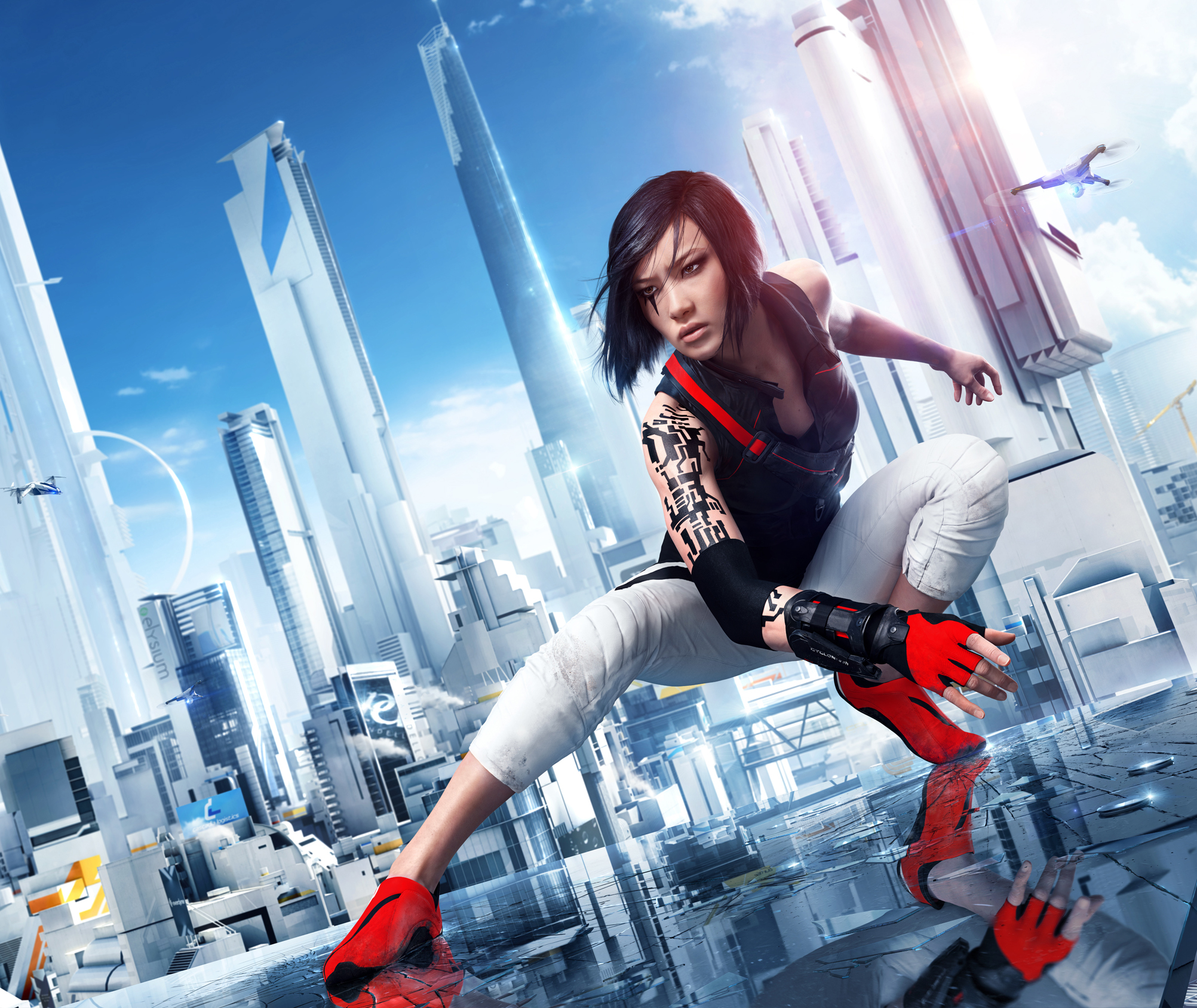
Electronic Arts tried to revitalize the ‘Mirror’s Edge’ series with a new open-world design and a contemporary story about fighting against powerful corporations. The game starred an updated version of the original protagonist, Faith. However, many longtime fans found the open world and story weaker than the original game’s tight, focused experience. As a result, sales were lower than expected, and the series was put on hold again. Ultimately, the reboot didn’t demonstrate that ‘Mirror’s Edge’ could succeed as a large-scale, modern video game.
‘Dishonored Death of the Outsider’ (2017)
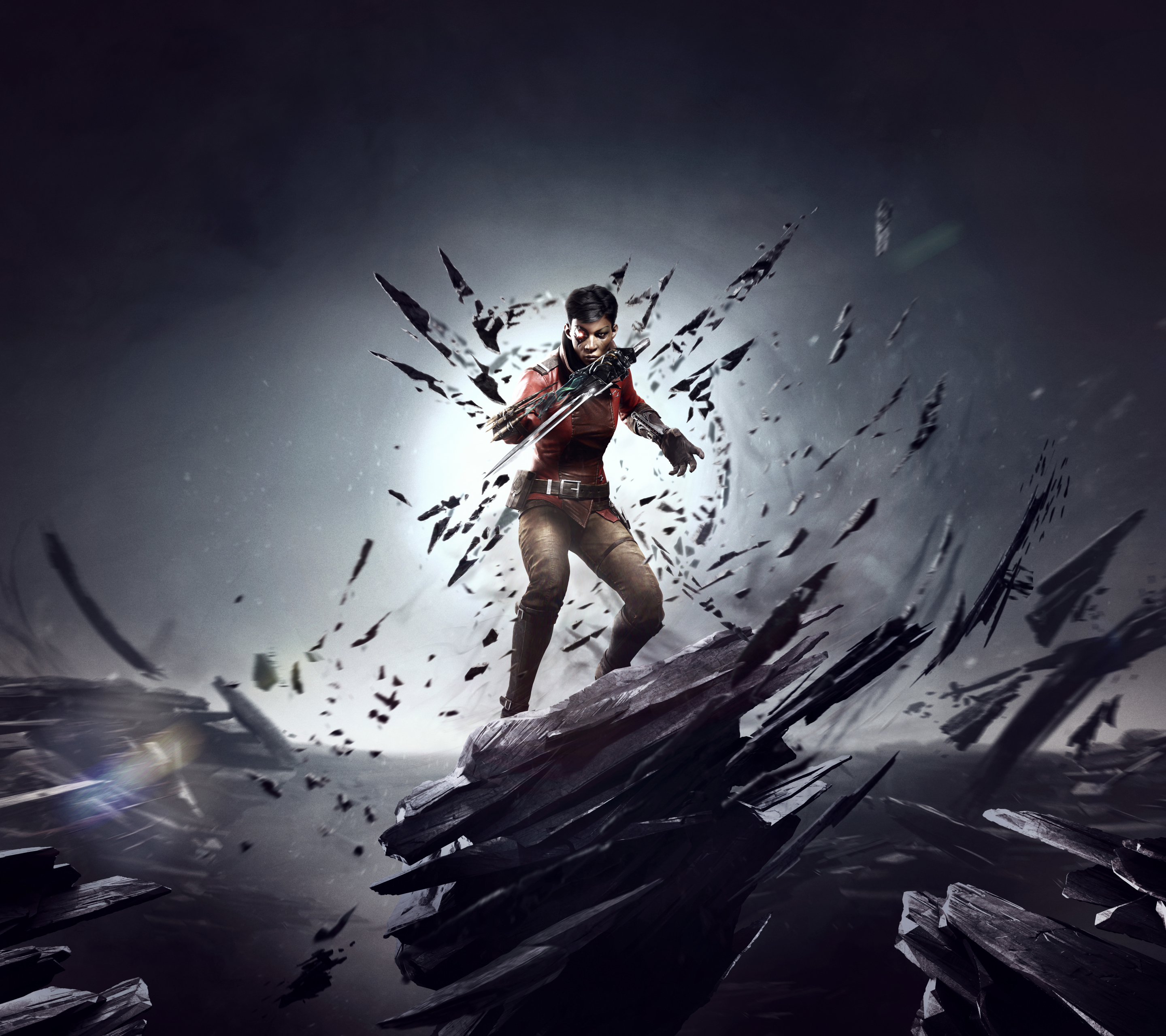
Arkane Studios released ‘Dishonored: Death of the Outsider’ as a final chapter to the story begun with ‘Dishonored 2’. This standalone game introduced a new playable character and explored contemporary themes within the established world. However, it didn’t sell as well as the main ‘Dishonored’ games, suggesting player interest was waning. As a result, the studio paused development on the series to work on different types of games, which was disappointing for the publisher.
‘The Quarry’ (2022)
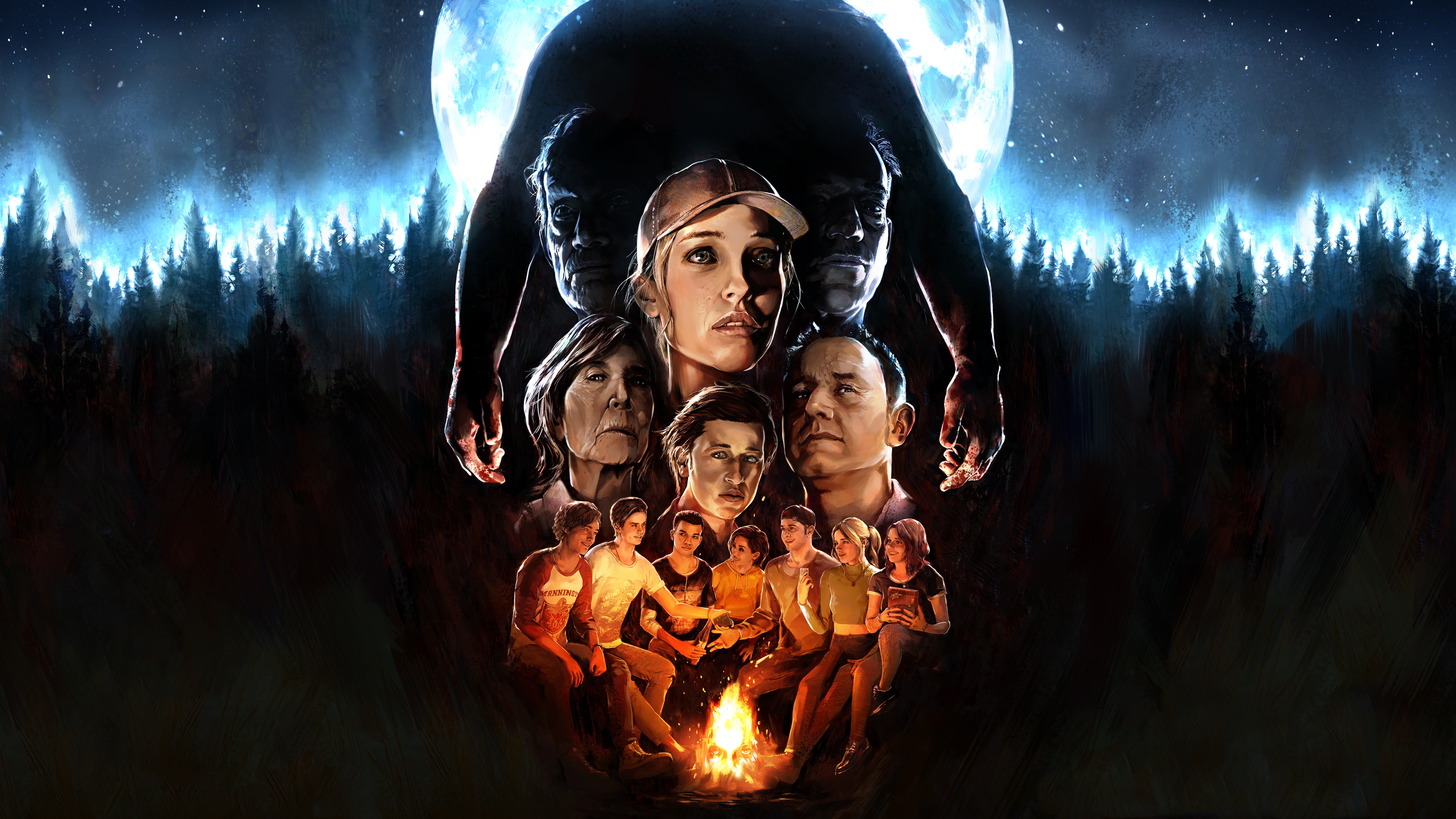
Supermassive Games made this new horror game as a follow-up to ‘Until Dawn’, drawing on common themes from modern teen horror. Although the game looked and felt polished, it didn’t become as popular as ‘Until Dawn’. Sales were decent, but didn’t reach the publisher, 2K Games’, expectations. The expensive motion capture and celebrity actors affected how profitable the game was. While it’s still a good horror game, it wasn’t able to boost the popularity of interactive cinematic games overall.
‘Wild Hearts’ (2023)
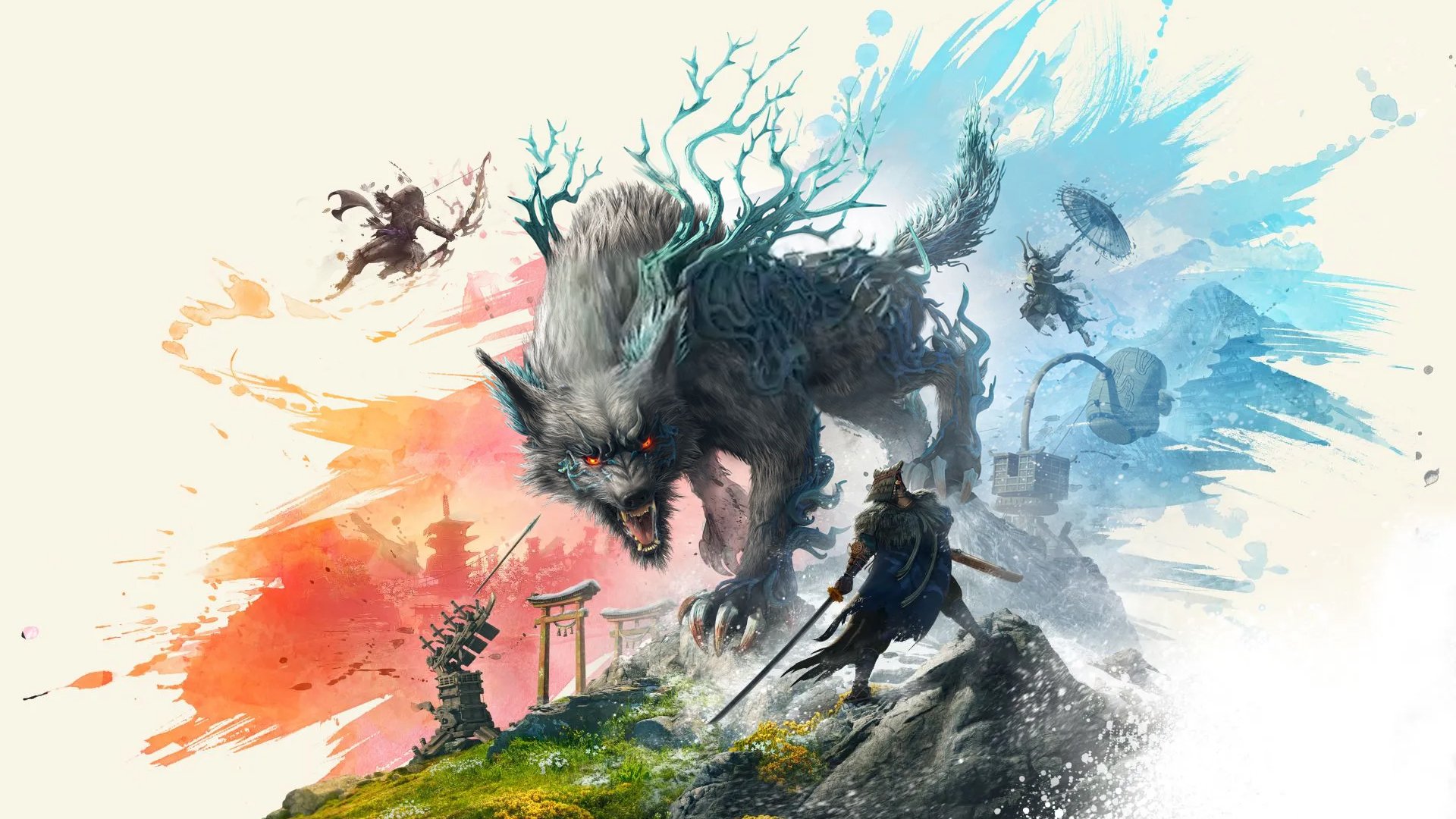
Electronic Arts teamed up with Koei Tecmo to make a game similar to ‘Monster Hunter.’ This new game let players build things and focused on relationships between characters. While some critics liked it, the game had technical problems and wasn’t updated much after launch. EA stopped supporting the game only a few months after it came out, deciding it wasn’t profitable enough to continue, especially in such a crowded genre.
Please share your perspective on these industry trends and financial outcomes in the comments.
Read More
- 20 Movies Where the Black Villain Was Secretly the Most Popular Character
- Top 20 Dinosaur Movies, Ranked
- Celebs Who Narrowly Escaped The 9/11 Attacks
- 25 “Woke” Films That Used Black Trauma to Humanize White Leads
- The 10 Most Underrated Jim Carrey Movies, Ranked (From Least to Most Underrated)
- Every Notable ‘Star Trek: The Original Series’ Actor Who Died
- The Best Directors of 2025
- Transformers Under the Microscope: What Graph Neural Networks Reveal
- 22 Films Where the White Protagonist Is Canonically the Sidekick to a Black Lead
- Trading on Thin Air: AI Agents Conquer Crypto Volatility
2026-01-04 18:25