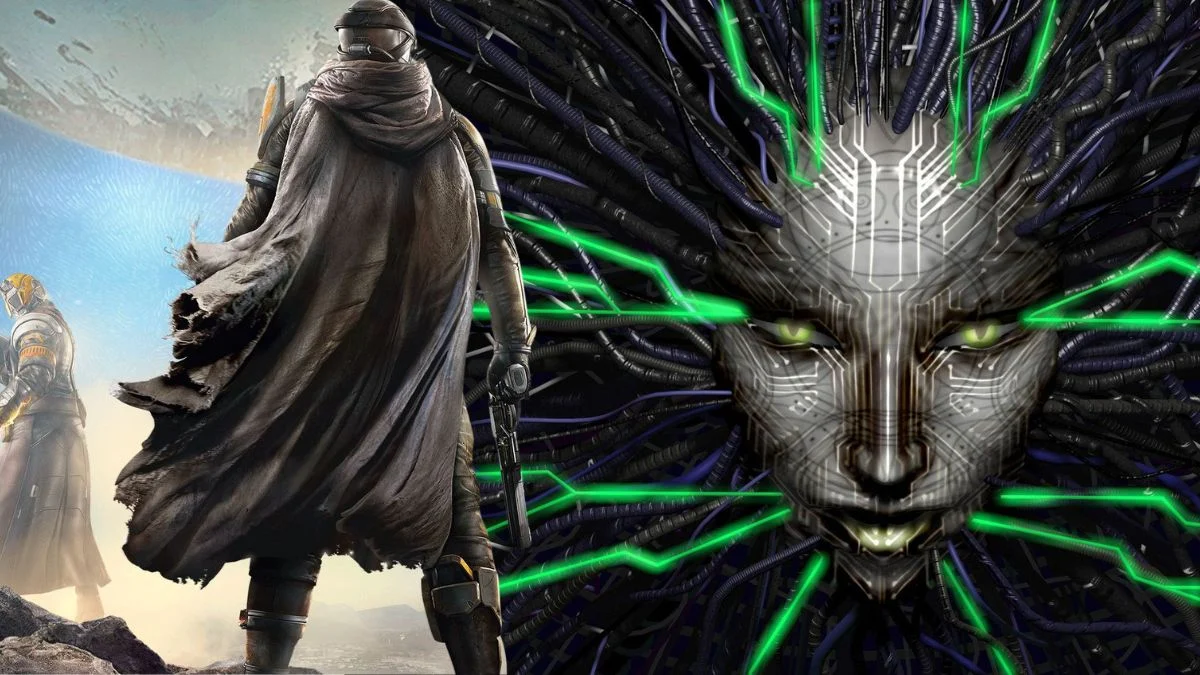
The video game world can be tough on new releases – if a game doesn’t live up to hype, it often struggles. Problems with the game itself or a lack of good promotion can lead to poor sales. While some games are fixed with updates and supported by passionate fans, others take years to find an audience and become beloved favorites. This list celebrates the games that bounced back from difficult beginnings to win over players.
‘No Man’s Sky’ (2016)
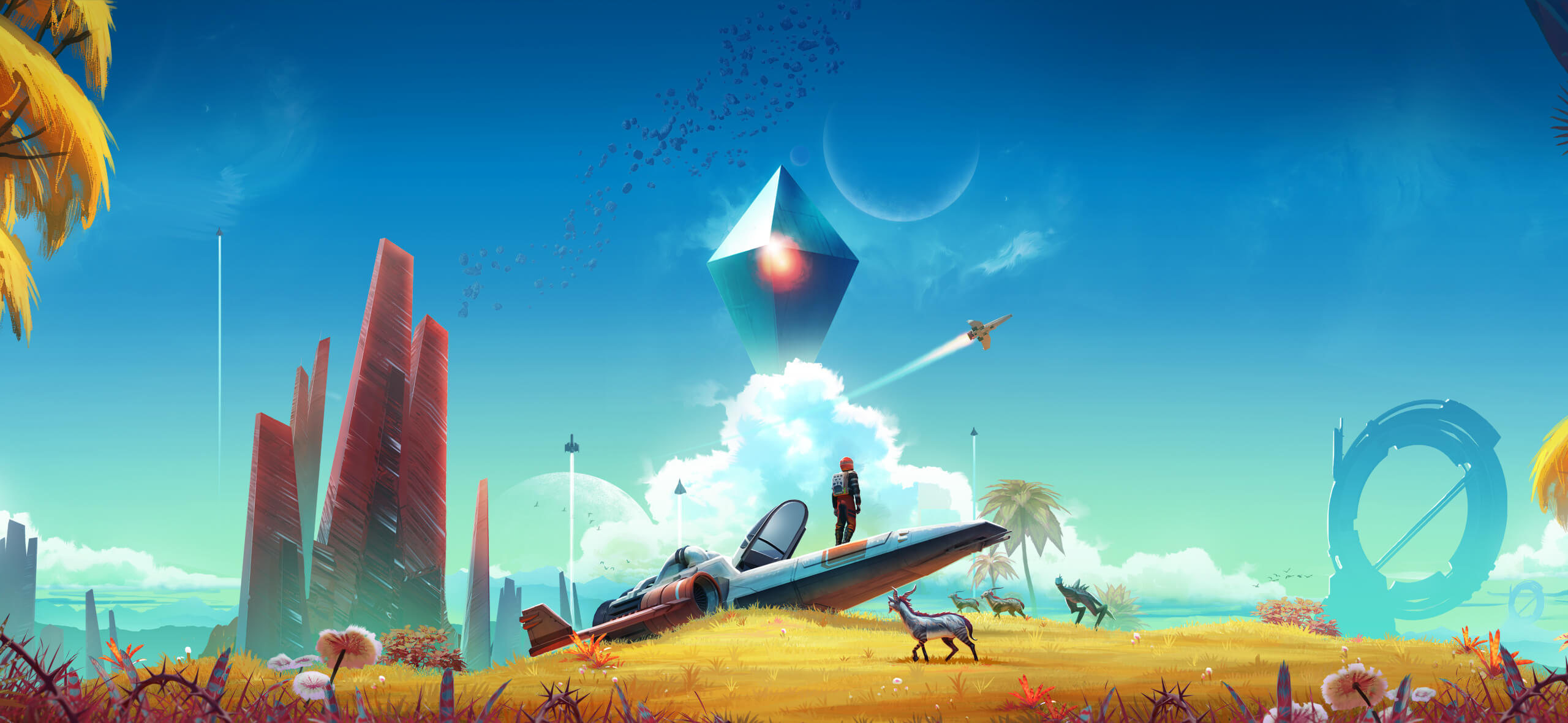
When this space exploration game first came out, it had a rough start with missing features and technical issues. The team at Hello Games worked for years, releasing huge, free updates to fix problems and listen to player feedback. Over time, the game lived up to its initial vision of offering a vast, endlessly generated universe. Now, it’s celebrated as one of the most impressive turnarounds ever seen in the gaming world, with players consistently highlighting the incredible amount of content and the developers’ commitment.
‘Cyberpunk 2077’ (2020)
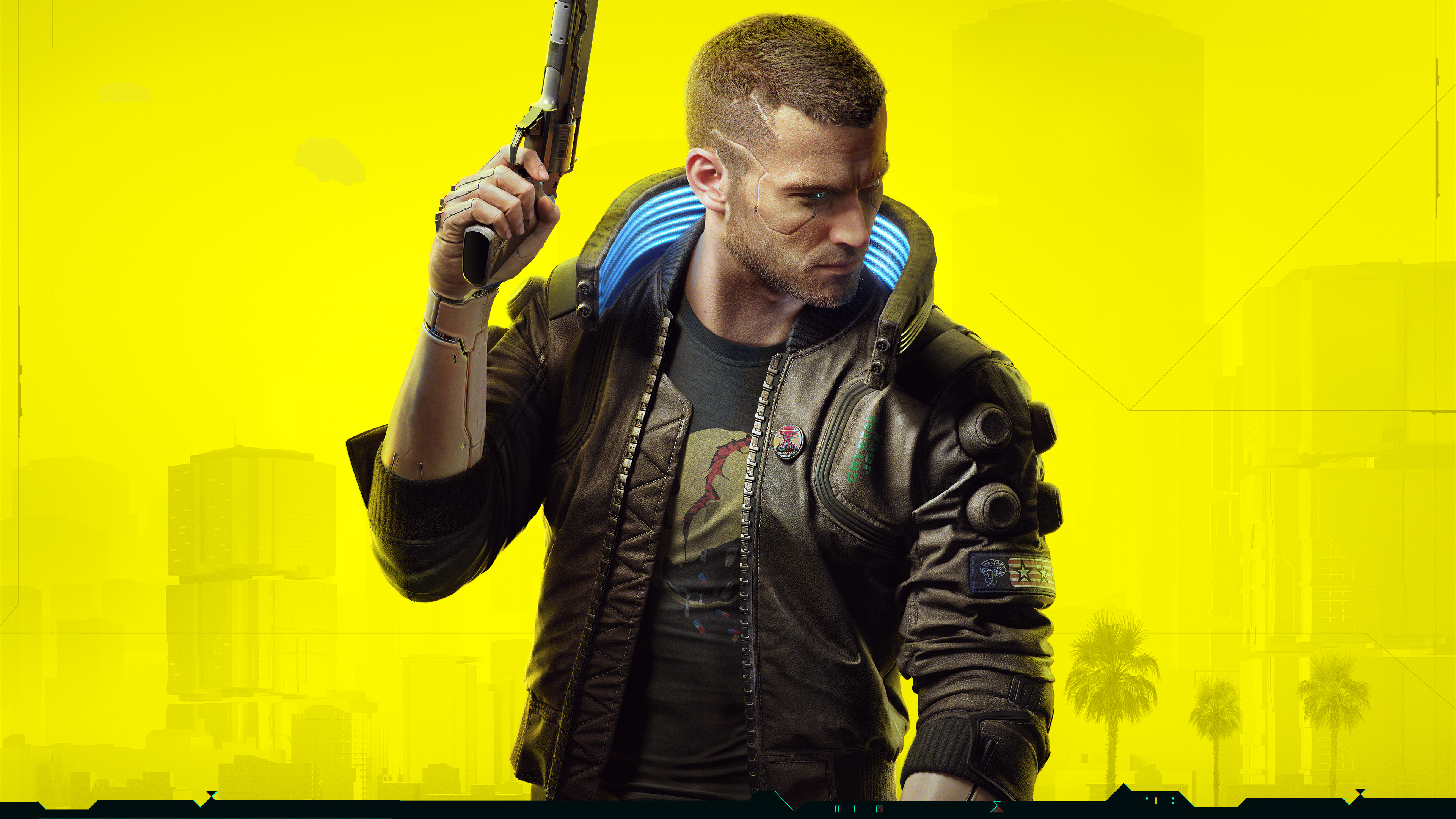
CD Projekt Red’s open-world RPG faced enormous hype before its release. Unfortunately, the initial launch on consoles was plagued by performance problems and bugs. However, consistent updates and a large expansion have dramatically improved the game. The release of an anime series also brought new players into the world of Night City, and ‘Cyberpunk 2077’ is now celebrated for its beautiful graphics and engaging gameplay.
‘Final Fantasy XIV’ (2010)
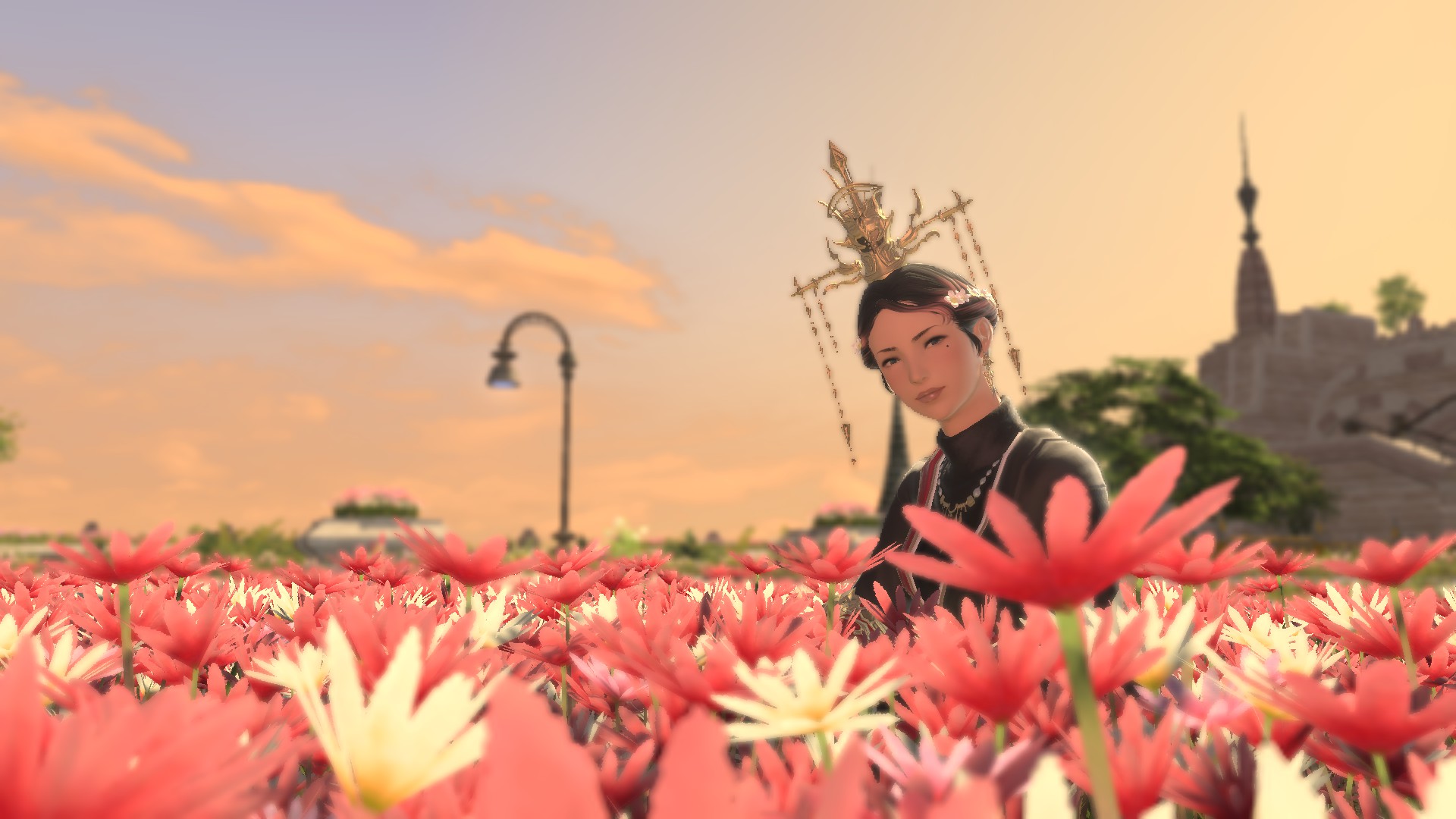
The first version of this online role-playing game received negative reviews due to its awkward controls and limited things to do. Square Enix decided to completely shut it down and create a new version from the ground up. The revamped game, called A Realm Reborn, breathed new life into the world and how the game played. It’s now one of the most successful and popular games in the series, with millions of players enjoying its detailed story and expansive world.
‘Fallout 76’ (2018)
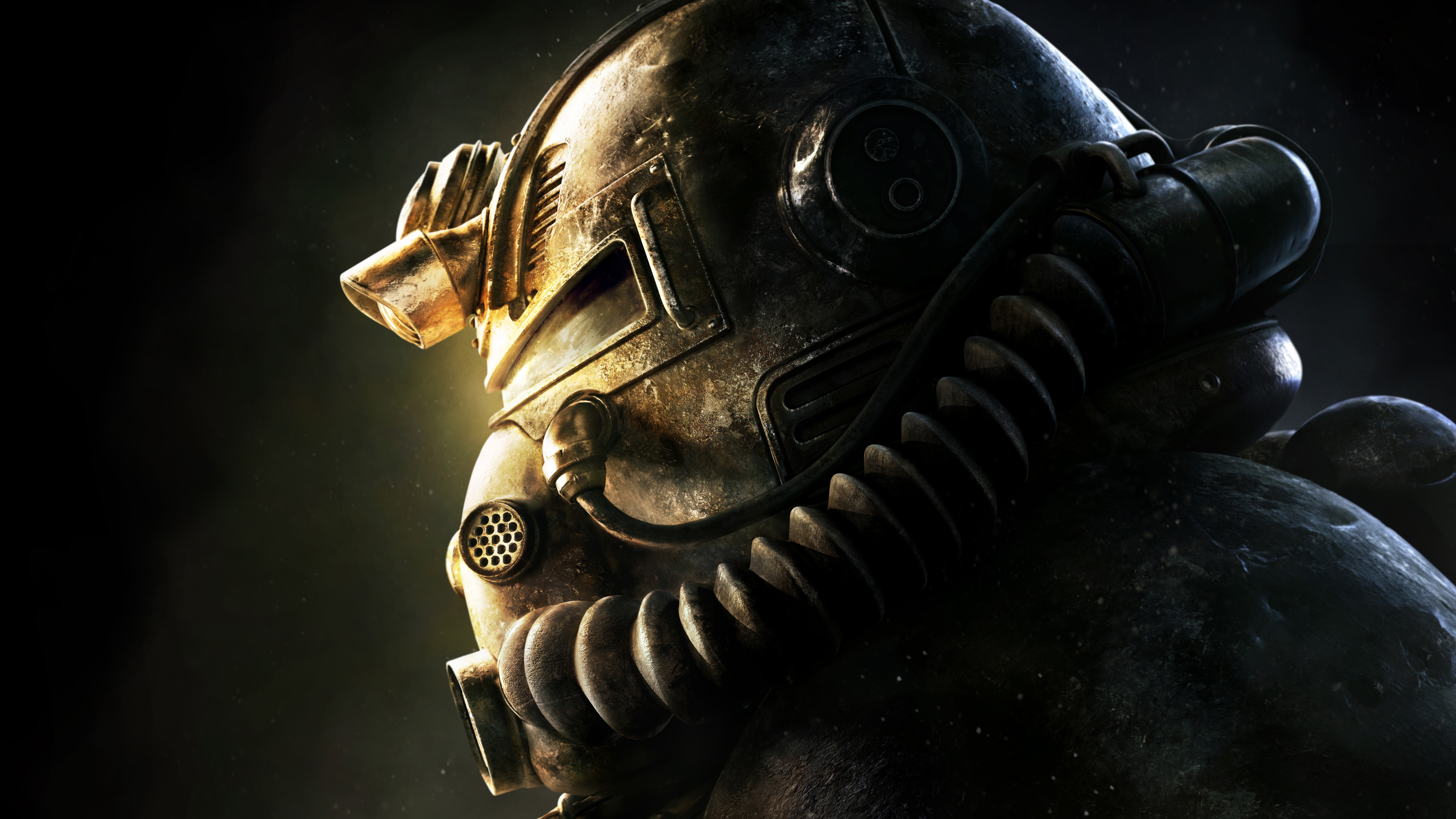
Bethesda made a bold move with ‘Fallout 76’ by introducing online multiplayer to the traditionally single-player ‘Fallout’ series. When it first launched, the game lacked the familiar non-player characters and was plagued by technical issues, which disappointed many players. Over time, updates added engaging story missions and characters, making the game world feel more alive. As the developers fixed problems and improved gameplay, the community grew stronger. Now, ‘Fallout 76’ has a dedicated following who enjoy its fresh take on the franchise.
‘Star Wars Battlefront II’ (2017)
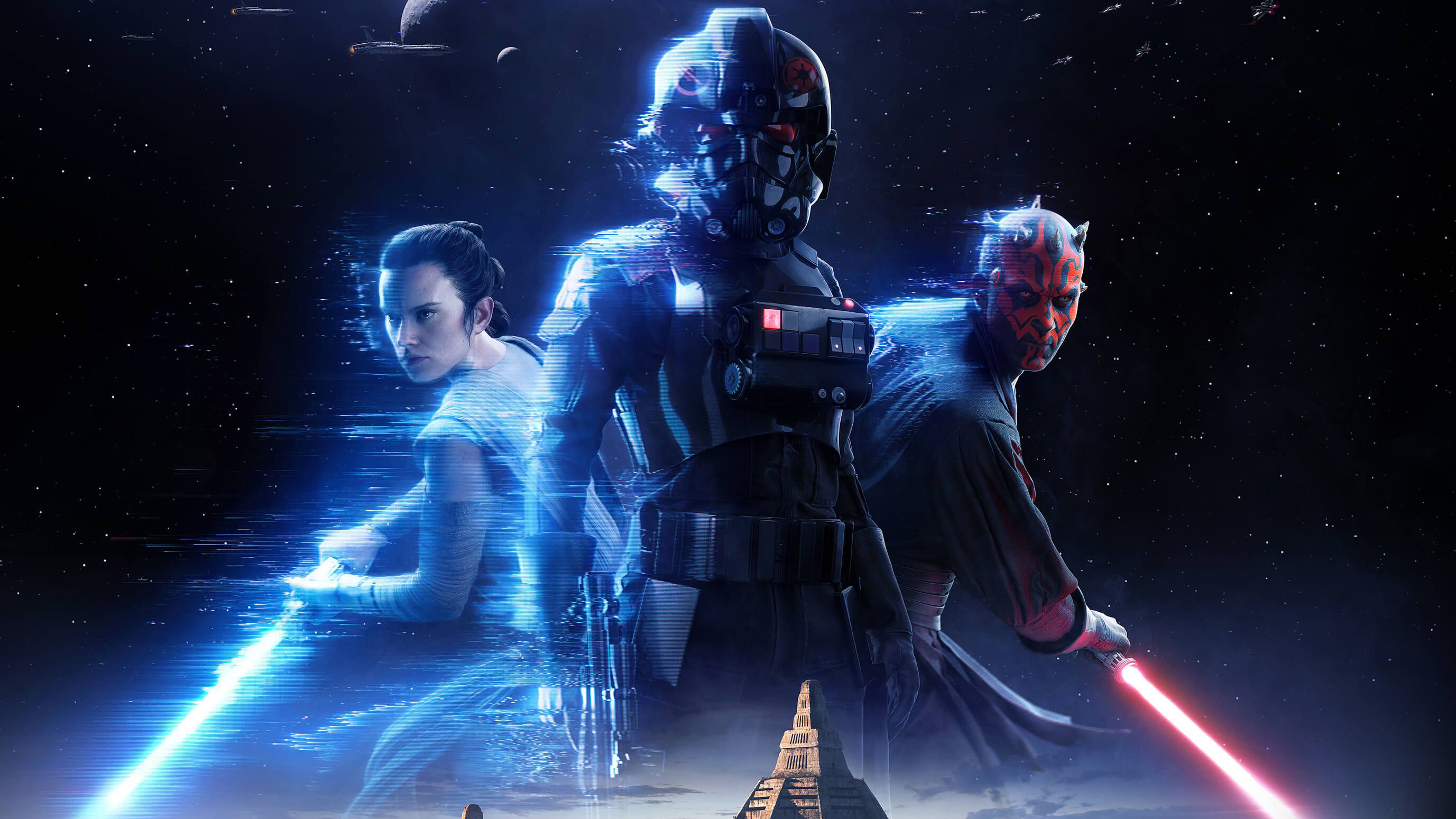
The game received strong criticism at launch because it relied heavily on purchases to advance. The publisher quickly fixed this by removing those features and completely redesigning how players progress. The development team at DICE then kept the game alive with free updates inspired by different Star Wars movies. As a result, it became a well-developed multiplayer game that truly feels like being in the Star Wars universe, and many fans now rank it as a top Star Wars action game.
‘Rainbow Six Siege’ (2015)
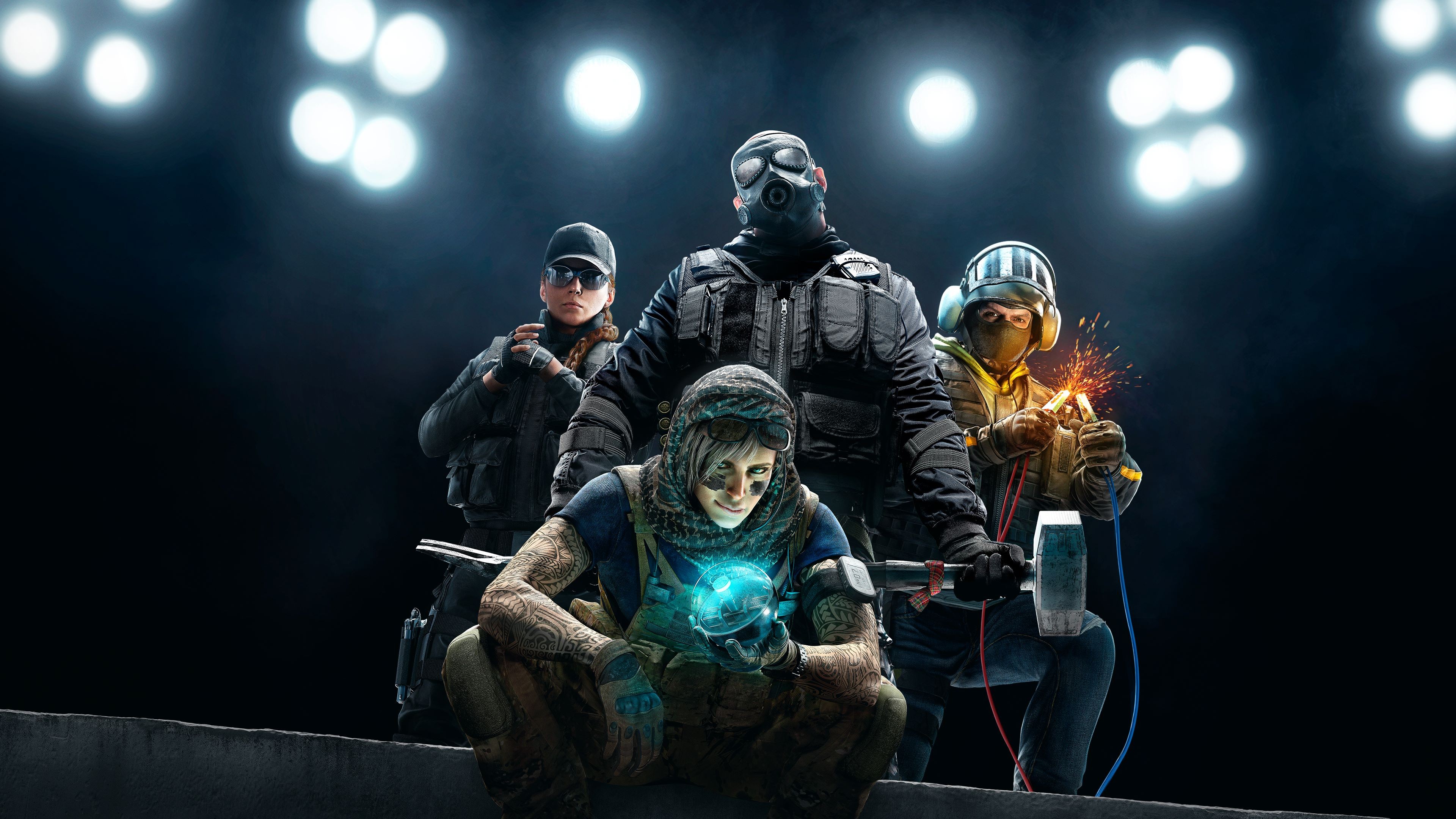
When ‘Rainbow Six Siege’ first launched, it had limited features and several technical problems. Its emphasis on careful, team-based strategy didn’t immediately attract many players. However, consistent improvements and a dedication to fair gameplay gradually built a dedicated community. The game eventually became a leading esport with millions of fans and is now a cornerstone of the tactical shooter genre.
‘Sea of Thieves’ (2018)
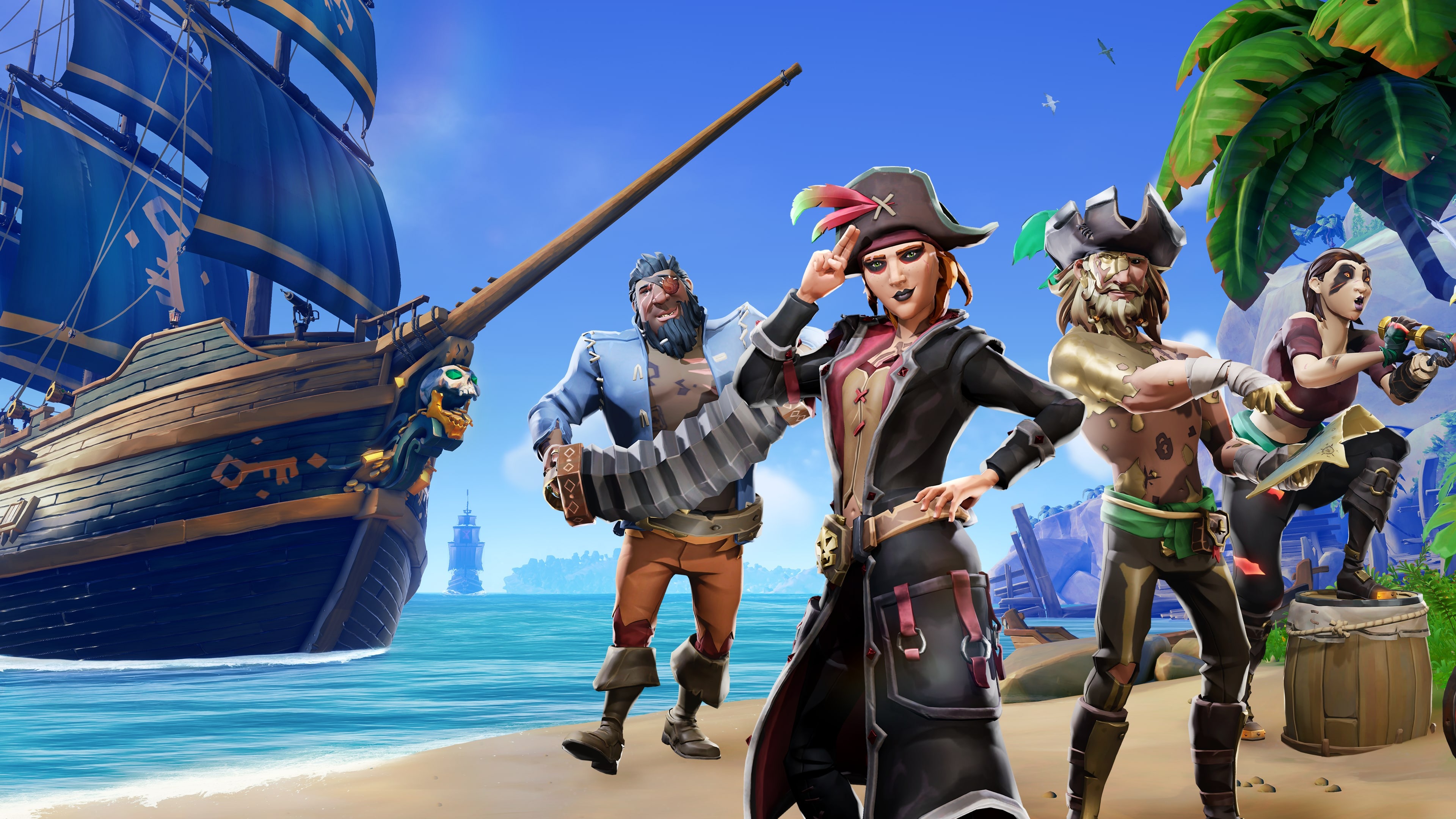
When ‘Sea of Thieves’ first launched, some reviewers thought it didn’t have enough content or activities. The developers at Rare took this criticism to heart and added more voyages and enemies, greatly expanding the game. Its open-world design allows players to create their own unique stories, and its unpredictable, funny moments made it incredibly popular on streaming sites. Today, ‘Sea of Thieves’ is praised for being a truly special game to play with friends.
‘Days Gone’ (2019)
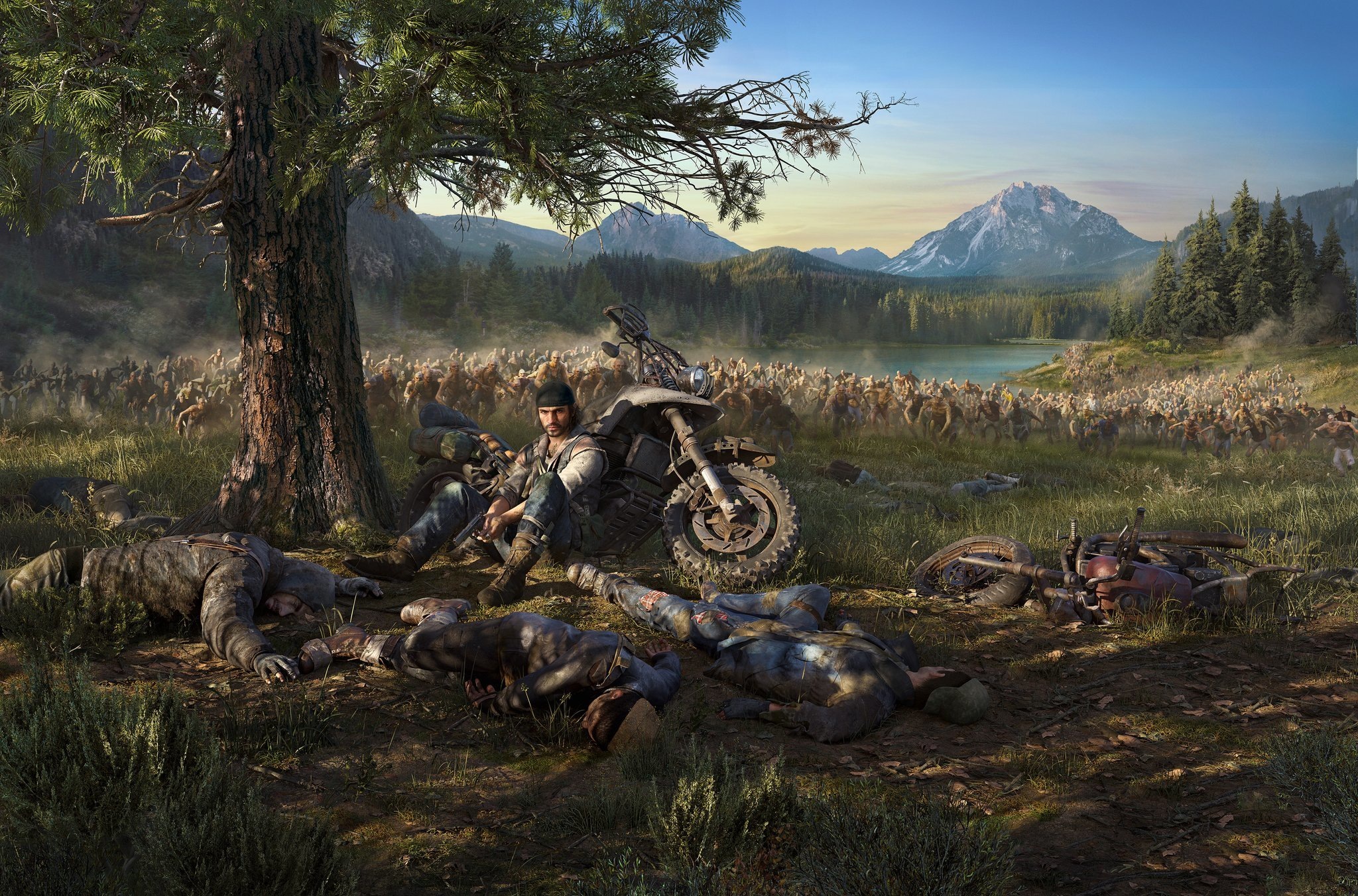
When ‘Days Gone’ first launched, critics pointed out a number of technical problems and issues with the game’s speed. However, after updates to the PC version and newer consoles, the game ran much better. Players then started to enjoy the challenging hordes of zombies and the surprisingly touching story. This led to a dedicated fanbase that actively campaigned for a follow-up game. Ultimately, ‘Days Gone’ became a popular success story, gaining traction long after its original release.
‘Assassin’s Creed Unity’ (2014)
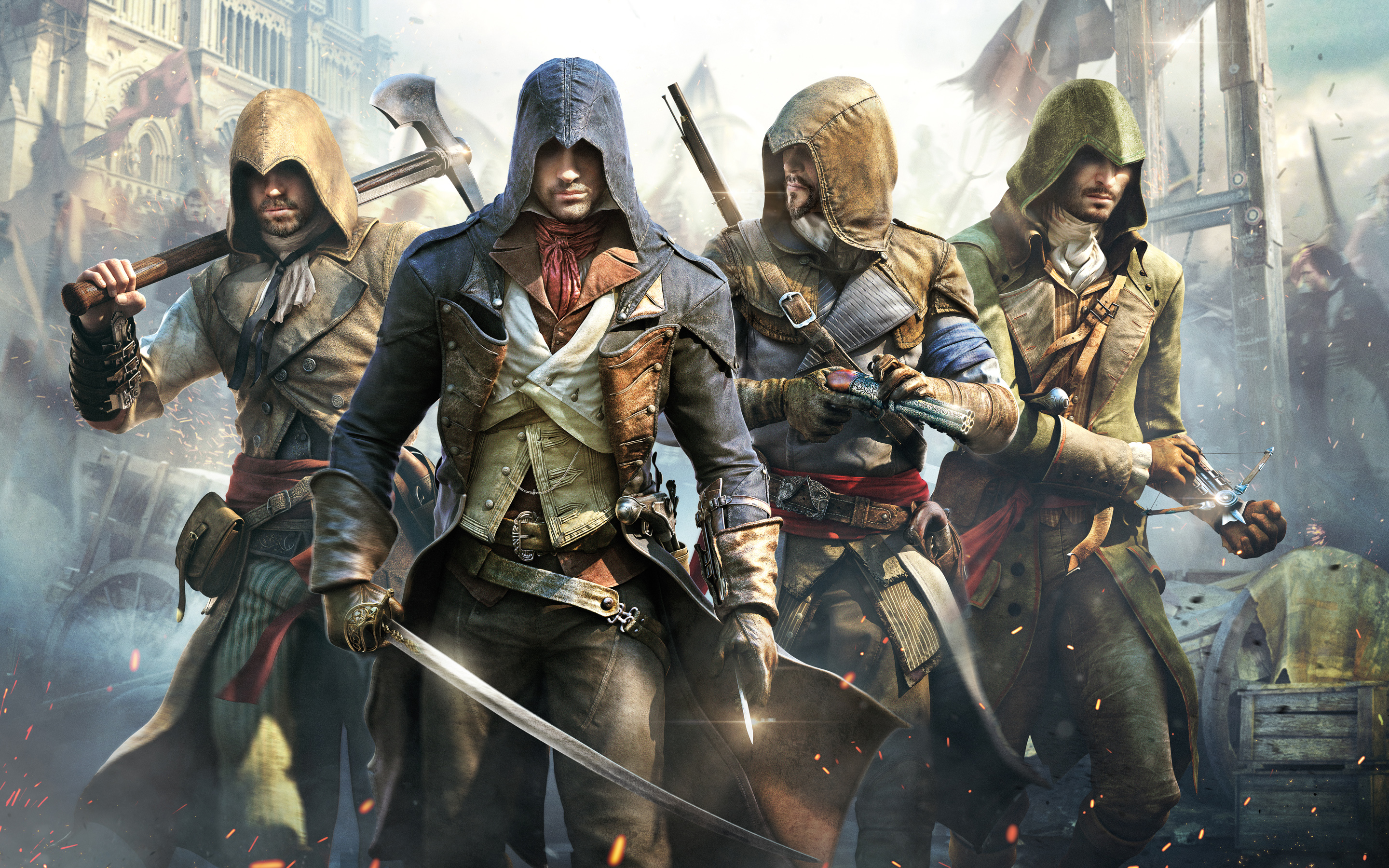
When ‘Assassin’s Creed Unity’ first launched, it was riddled with frustrating bugs and ran poorly. Ubisoft quickly released updates and gave away free content as an apology to players. Over time, however, the game has been appreciated for its stunning and incredibly detailed recreation of Paris, which many consider the best environment in the entire series. The smooth and fluid parkour system is also widely praised as the best the franchise has ever offered. Despite its rocky start, ‘Assassin’s Creed Unity’ has stood the test of time and now has a dedicated fanbase who defend it as a classic.
‘Halo: The Master Chief Collection’ (2014)
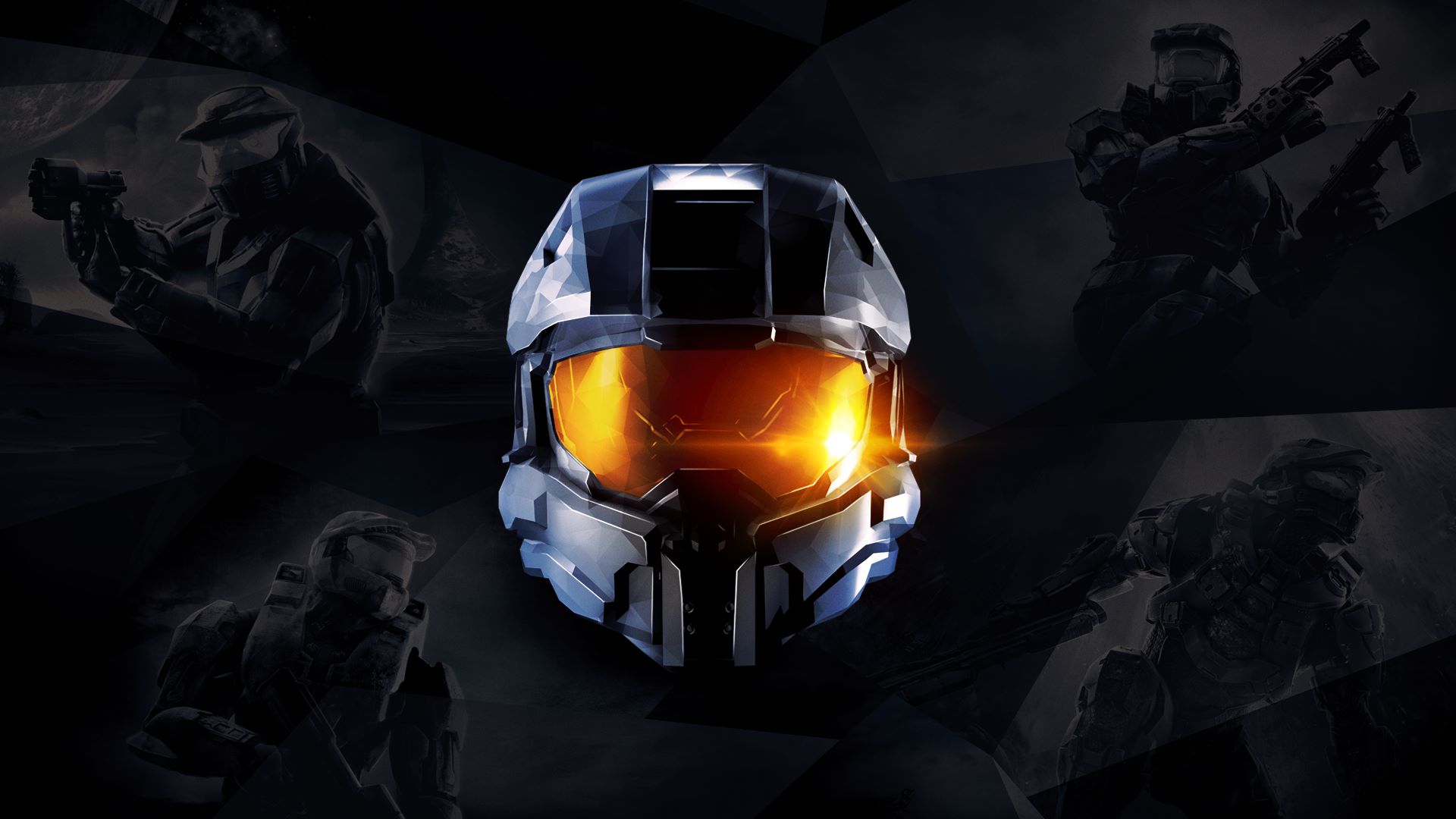
When this collection first came out, many players couldn’t connect to multiplayer due to problems with the matchmaking. It took several years and many updates to fix the online system and make the multiplayer experience reliable. Over time, the collection was updated to work on PCs and included more games from the series. Now, it’s widely considered the best way to play through the entire Master Chief story, and the community agrees it’s a remarkable turnaround.
‘Warframe’ (2013)
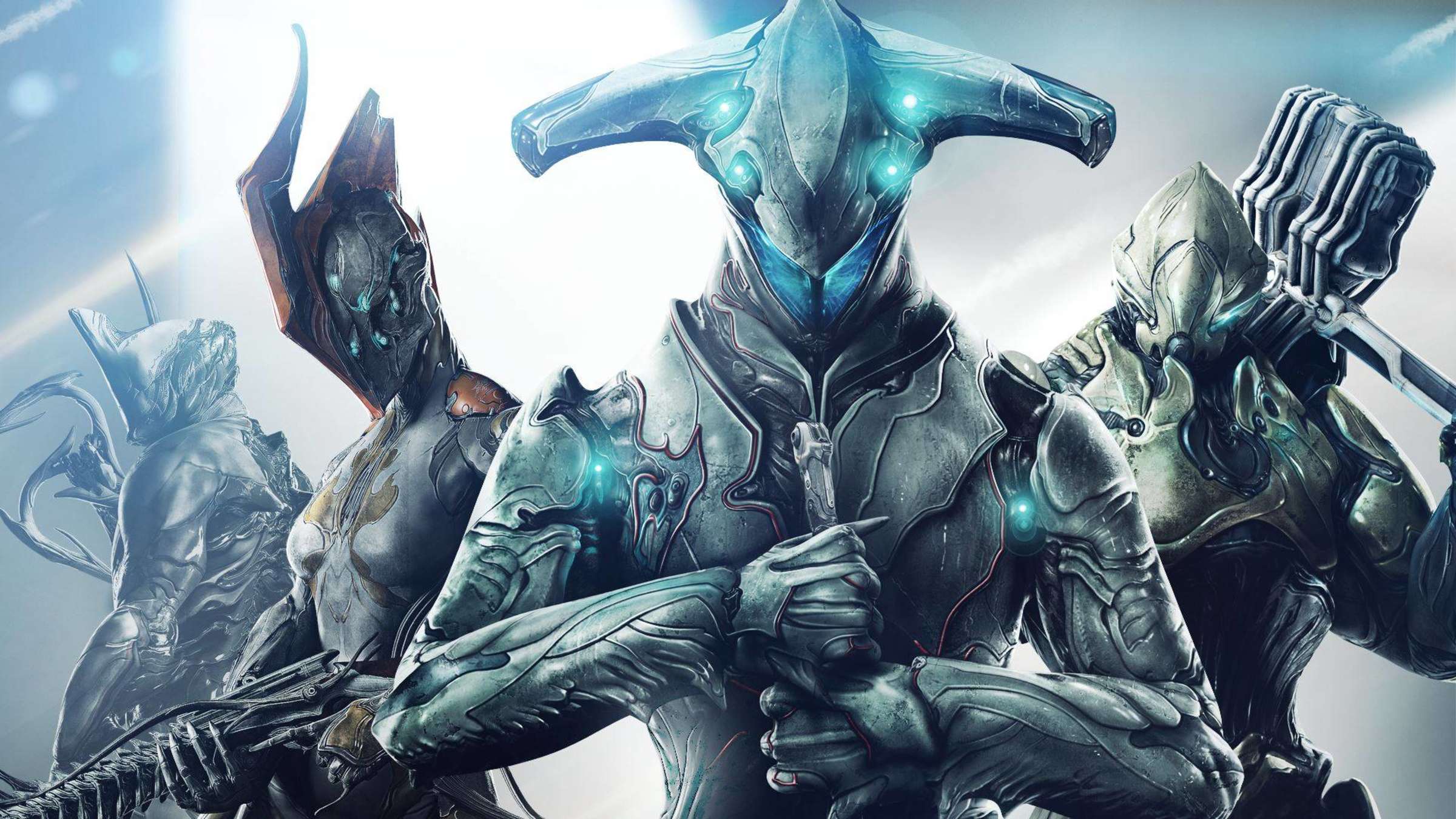
When ‘Warframe’ first launched as a free-to-play game, it didn’t receive great reviews and wasn’t very popular. The developers, Digital Extremes, listened to player feedback and completely reworked how the game felt to move and fight in. They then added engaging story missions and large, explorable areas. Through smart choices about how players could spend money and a commitment to continually improving the game, ‘Warframe’ became a major success in the loot-shooter genre, proving how a game can thrive when it evolves with its players.
‘The Elder Scrolls Online’ (2014)
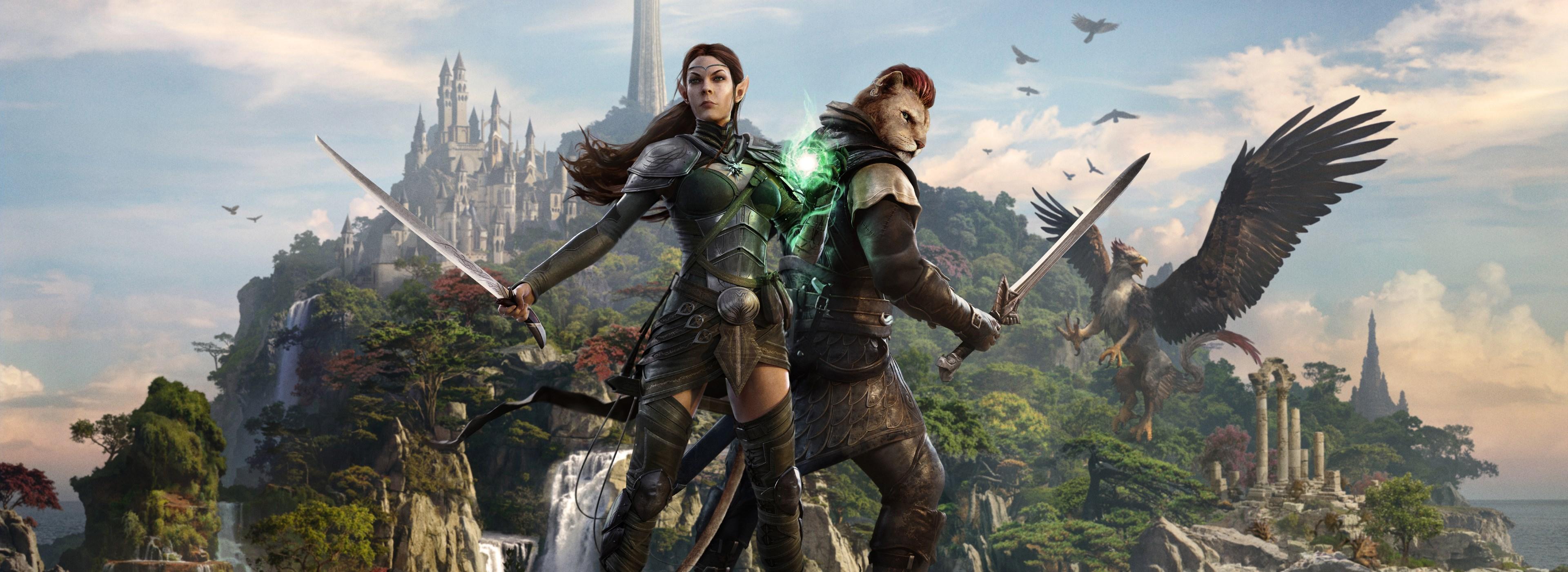
Many fans were initially turned off by the game’s subscription fee and technical problems at launch. However, the developers listened and changed the system to a one-time purchase, also removing limits on where players could go. They then added huge expansions featuring popular areas like Morrowind and Skyrim. This, combined with a deep story and the ability to make meaningful choices, helped the game build a loyal following. As a result, ‘The Elder Scrolls Online’ is now one of the most popular MMORPGs available.
‘Destiny’ (2014)
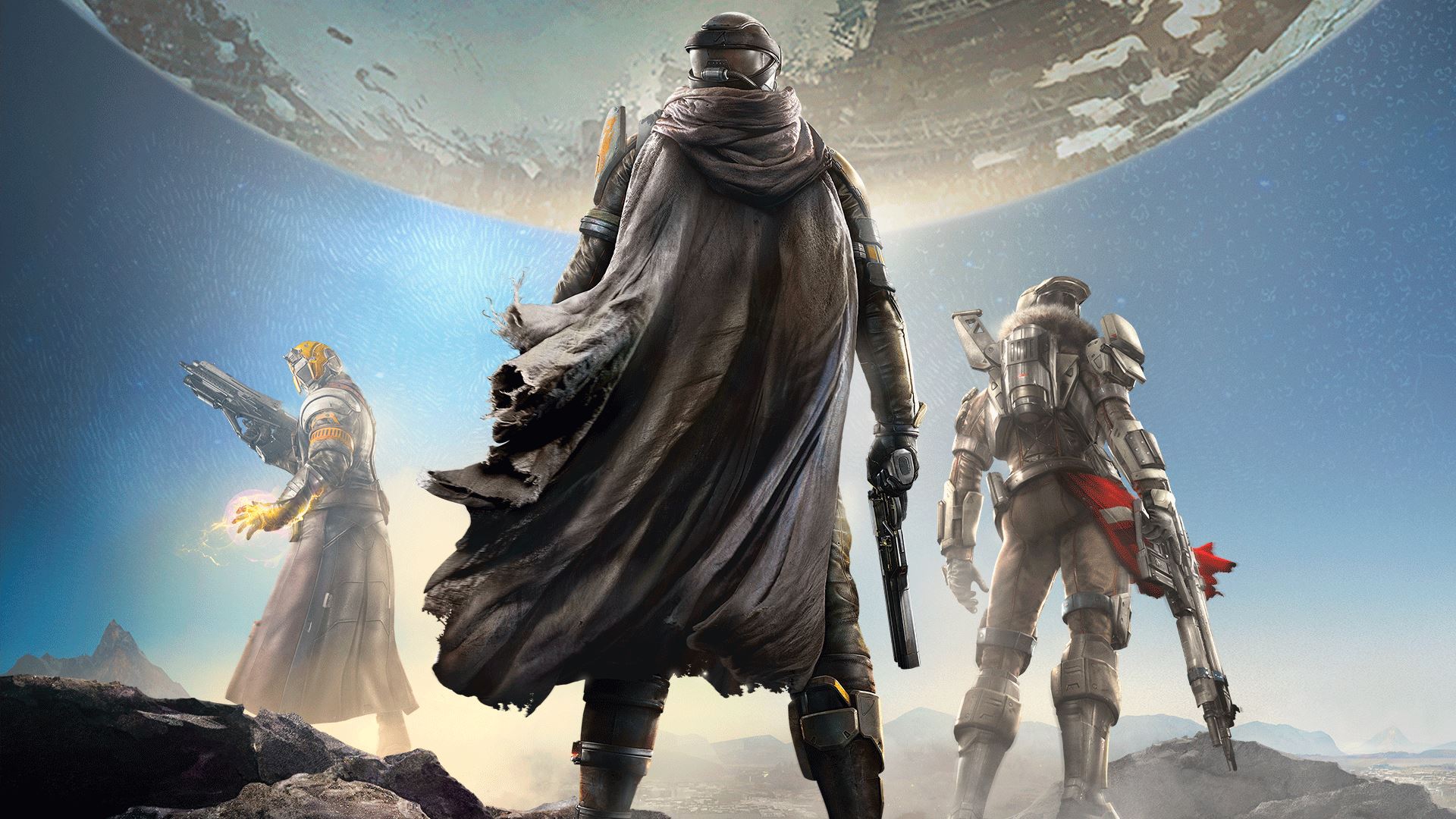
When ‘Destiny’ first launched, many players found the story confusing and the things to do after finishing the main game got old quickly. However, the release of the ‘The Taken King’ expansion completely fixed these issues, improving both the story and how players progressed. This brought players back to enjoy better raids and a simpler way to earn rewards. ‘Destiny’ ultimately became a model for other online shooting games that are constantly updated, proving that a fun gameplay loop can overcome a difficult start.
‘Battlefield 4’ (2013)
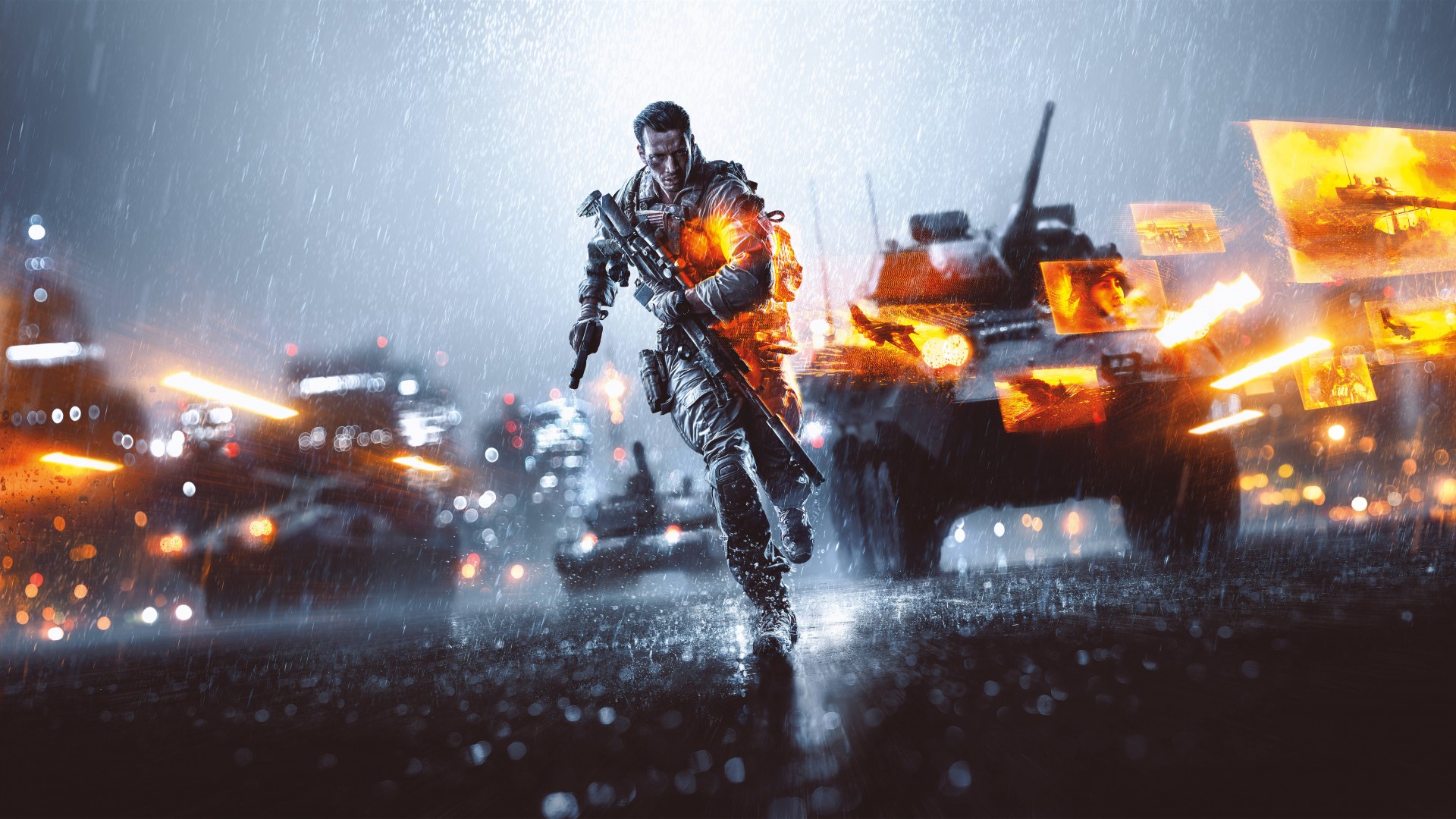
For months after its release, ‘Battlefield 4’ was plagued by technical problems and server issues, making it difficult to play. The developers at DICE LA stepped in, using a public test environment to improve the game’s network code. Through several expansions, the game became refined and packed with content. Now, many fans consider it a classic and one of the best modern military shooters. Remarkably, ‘Battlefield 4’ still has an active player base even after newer versions of the game have been released.
‘For Honor’ (2017)
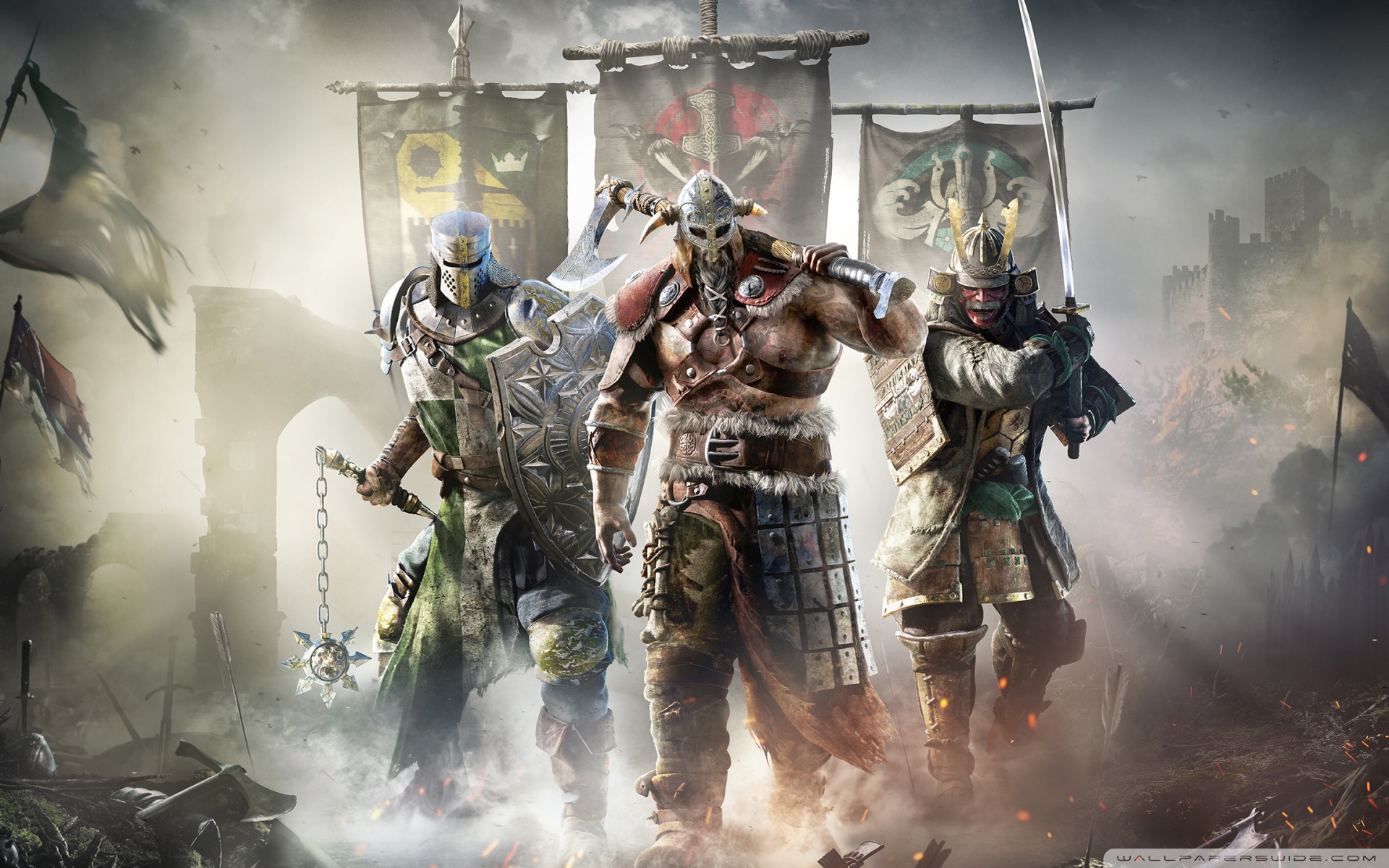
When ‘For Honor’ first launched, players experienced problems with connecting to matches and its peer-to-peer system. Ubisoft fixed these issues by adding dedicated servers, which created a more reliable experience for competitive players. They also improved the game’s fighting mechanics and added more characters. Despite a rocky start, ‘For Honor’ developed a loyal community of players who appreciated its complex and rewarding combat, and it continues to be played today.
‘Driveclub’ (2014)
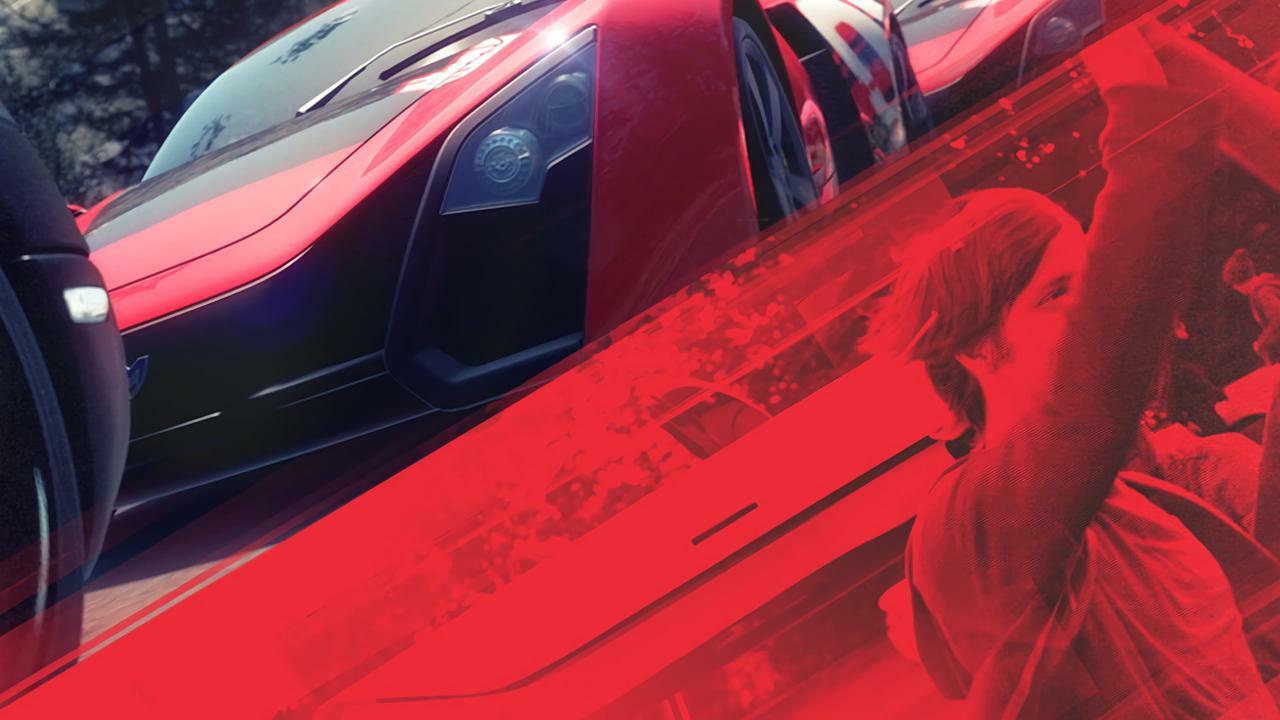
When ‘Driveclub’ launched, its online features were initially unusable for several weeks. The developers quickly addressed these server problems and then surprised players with the addition of dynamic weather, making it a visually stunning racing game. It offered a driving experience that felt both accessible and realistic, striking a great balance between arcade-style fun and simulation. Despite the studio unfortunately closing down soon after its release, ‘Driveclub’ remains a beloved title.
‘Street Fighter V’ (2016)
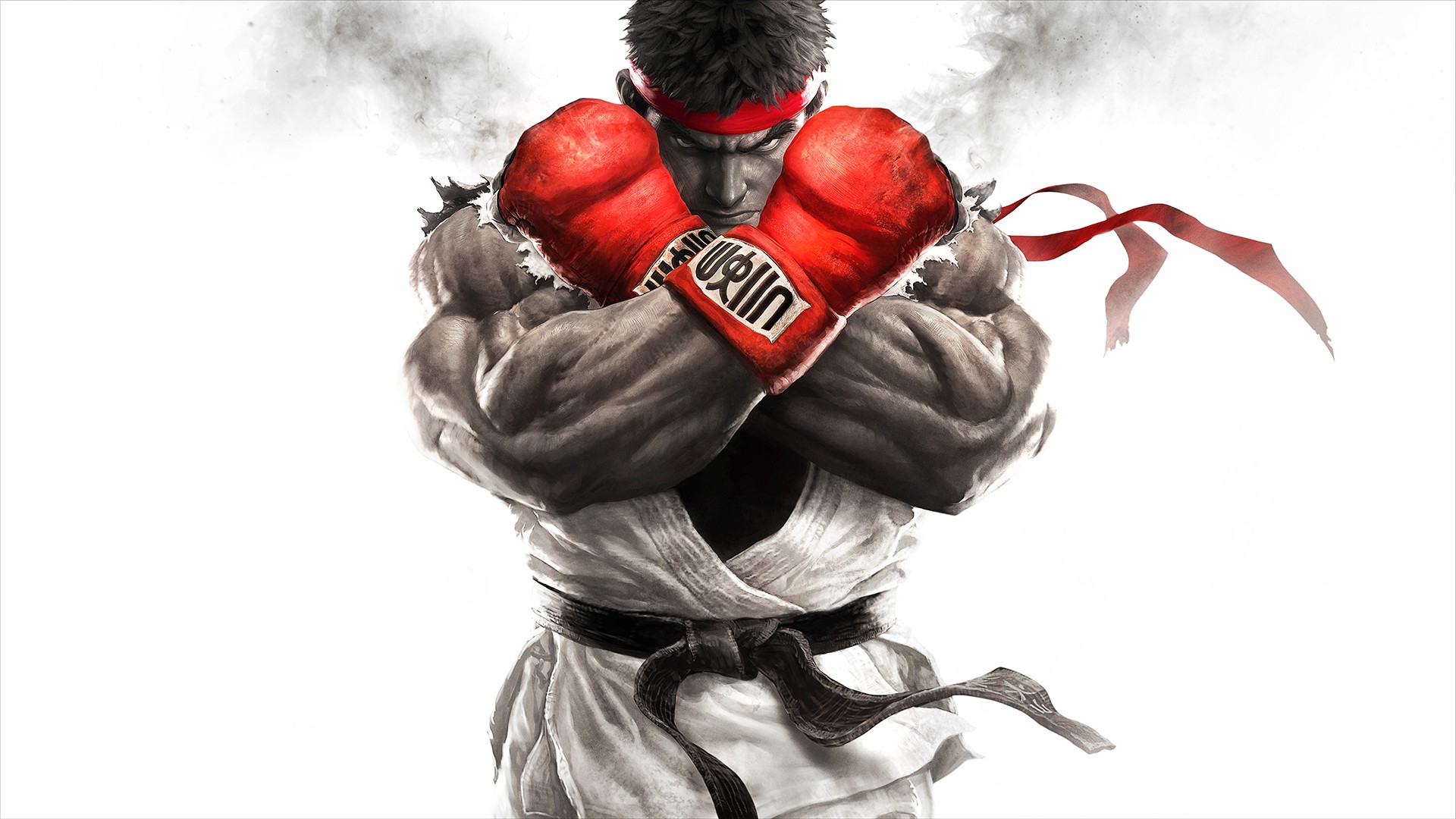
When ‘Street Fighter V’ first came out, it was missing a lot of single-player features and felt slow to respond to controls. Capcom fixed these problems with updated versions called Arcade Edition and Champion Edition. These updates added many more characters and improved the game’s balance for competitive play. By the end, ‘Street Fighter V’ had become a well-regarded fighting game, despite its rough start.
‘Titanfall 2’ (2016)
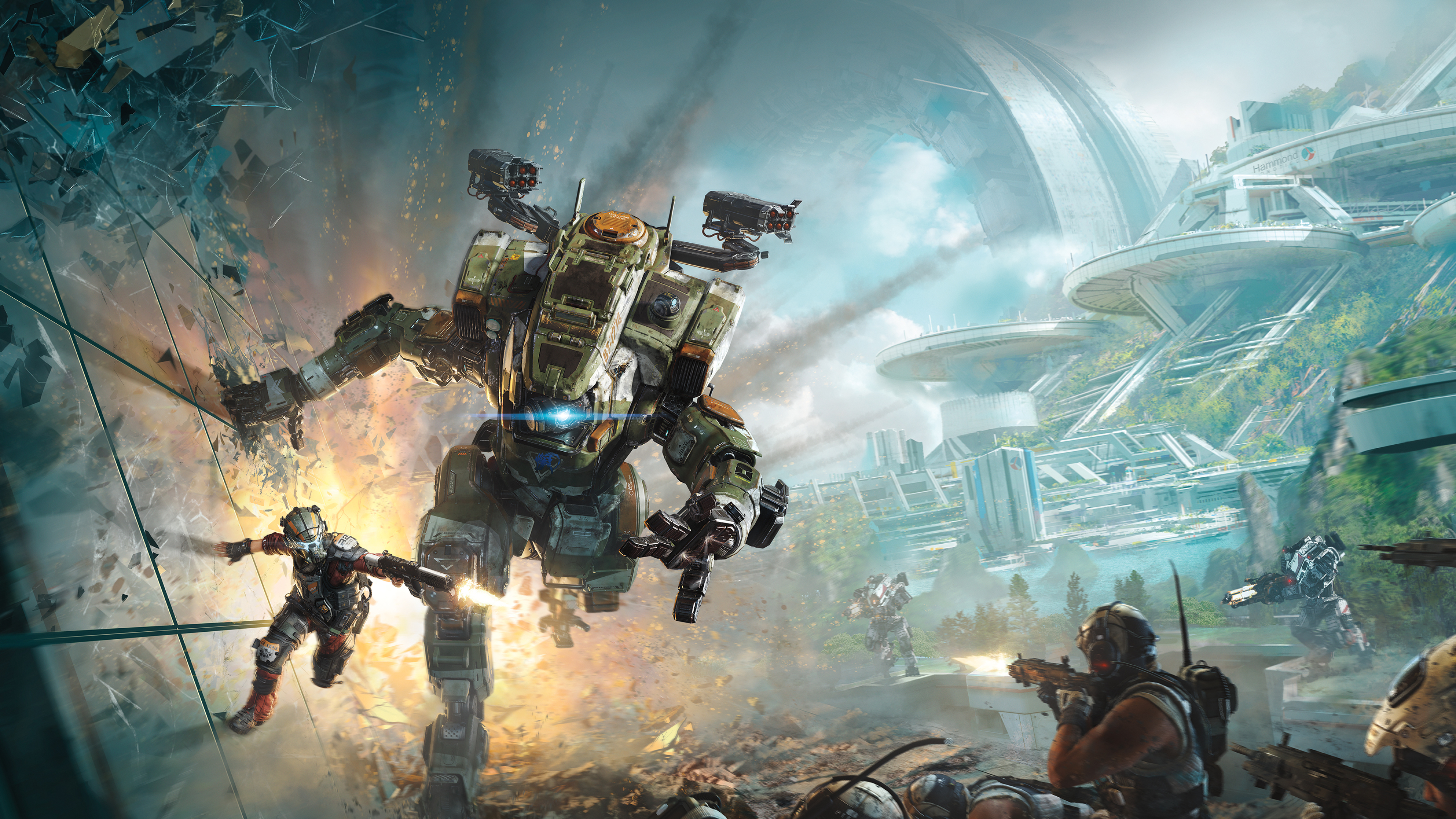
Launched amidst stiff competition, ‘Titanfall 2’ initially struggled with sales. However, those who played it were impressed by its exceptional single-player story. The game’s smooth movement and unique mech-based combat offered a standout multiplayer experience. Despite limited support, a dedicated community thrived thanks to positive word-of-mouth, and ‘Titanfall 2’ is now widely considered a hidden gem.
‘Spec Ops: The Line’ (2012)
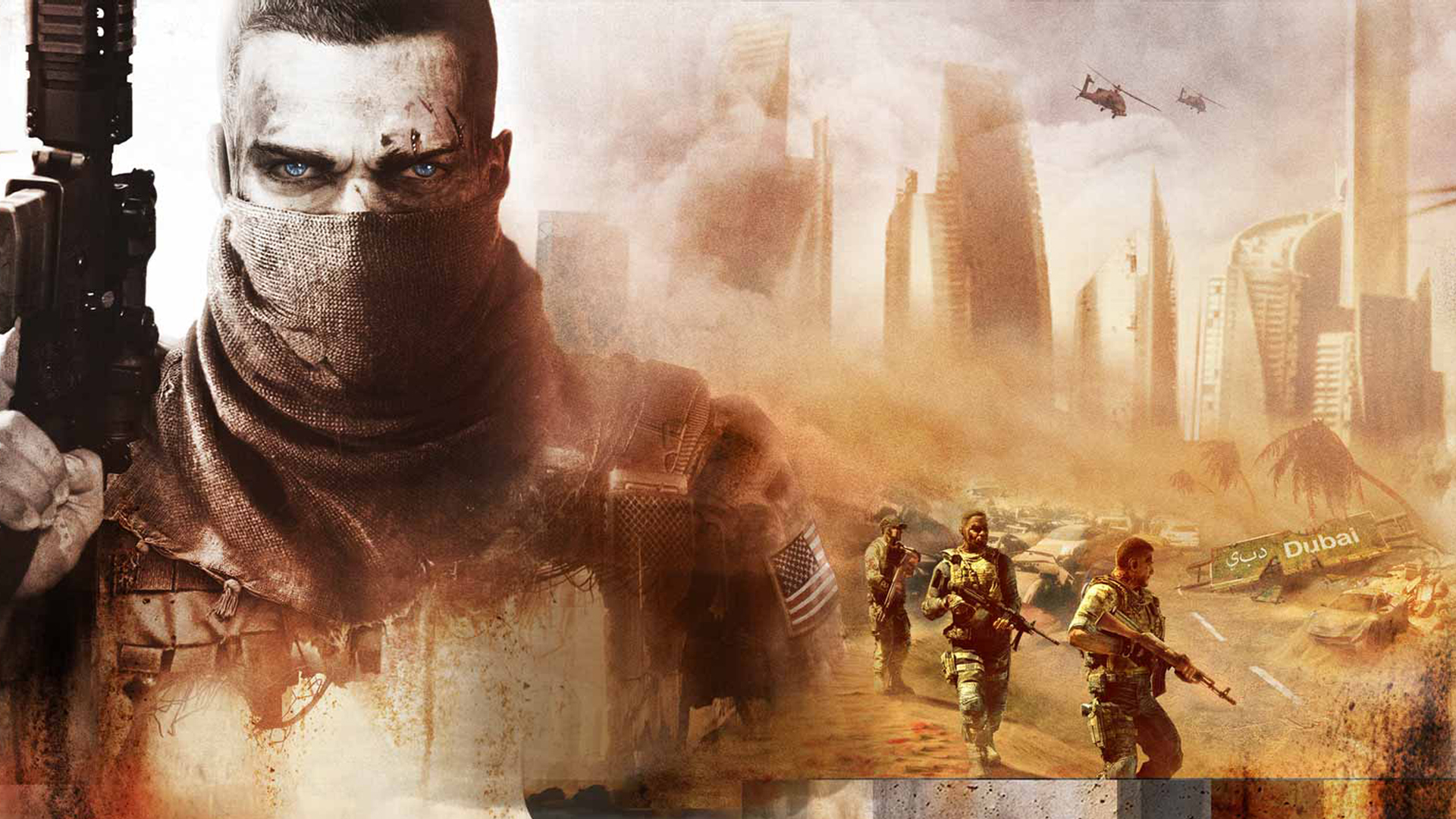
Despite being largely ignored due to typical marketing, players who discovered ‘Spec Ops: The Line’ found a surprisingly thought-provoking story that challenged common themes in war games. Today, it’s recognized for its complex characters and morally gray areas, and has gained a dedicated following not for how it plays, but for its daring and intelligent writing. Ultimately, the game is celebrated as a powerful and memorable narrative experience.
‘Prey’ (2017)
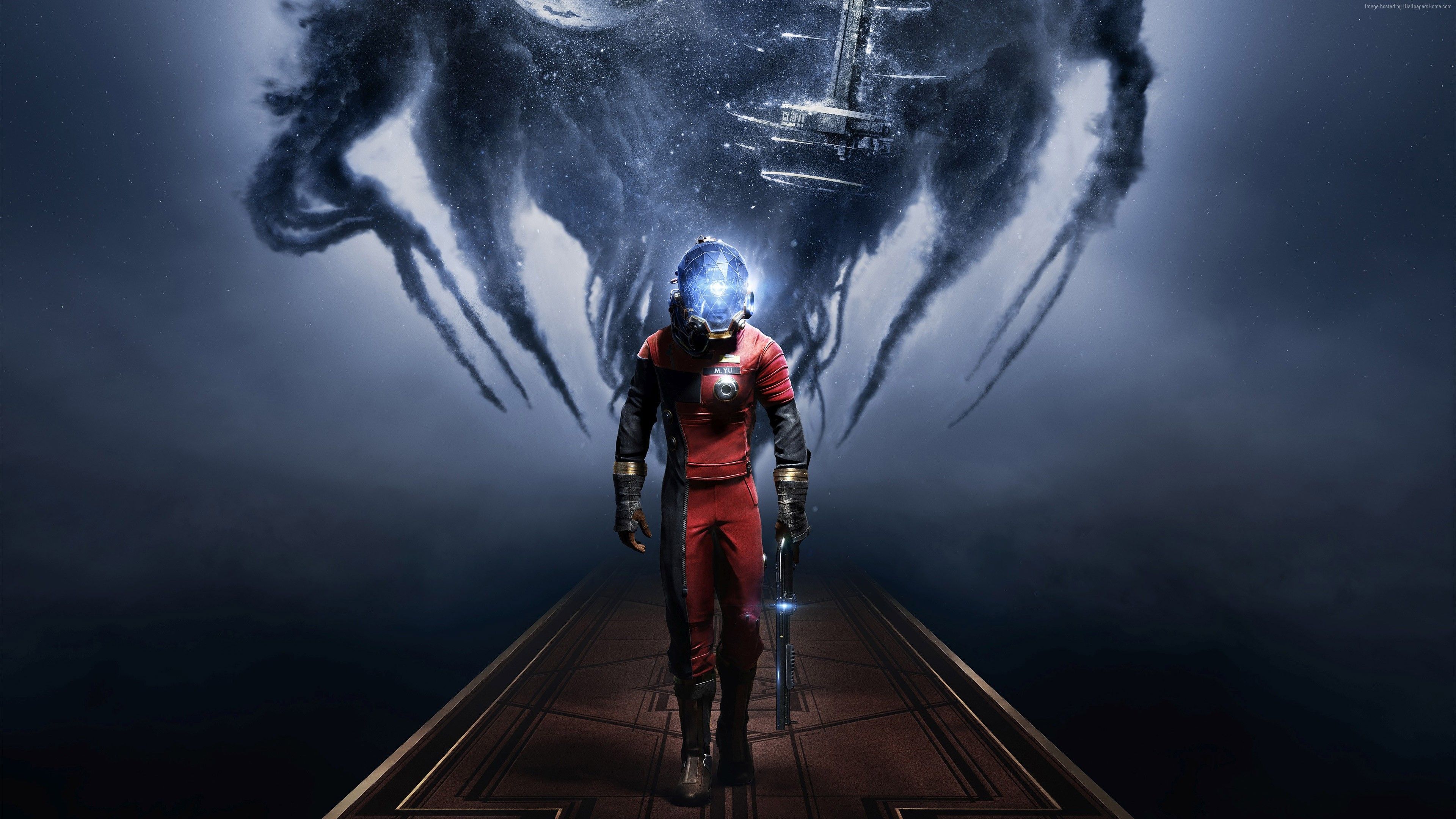
Despite a weak launch, ‘Prey’ has become a beloved game. While initial sales were low because of poor marketing, players who gave it a chance found a deeply engaging sci-fi horror experience with a lot of player freedom. Fans praise its excellent level design and atmosphere, and many now see it as a spiritual successor to ‘System Shock.’ Today, ‘Prey’ is considered a modern classic of the immersive sim genre.
‘Alien: Isolation’ (2014)
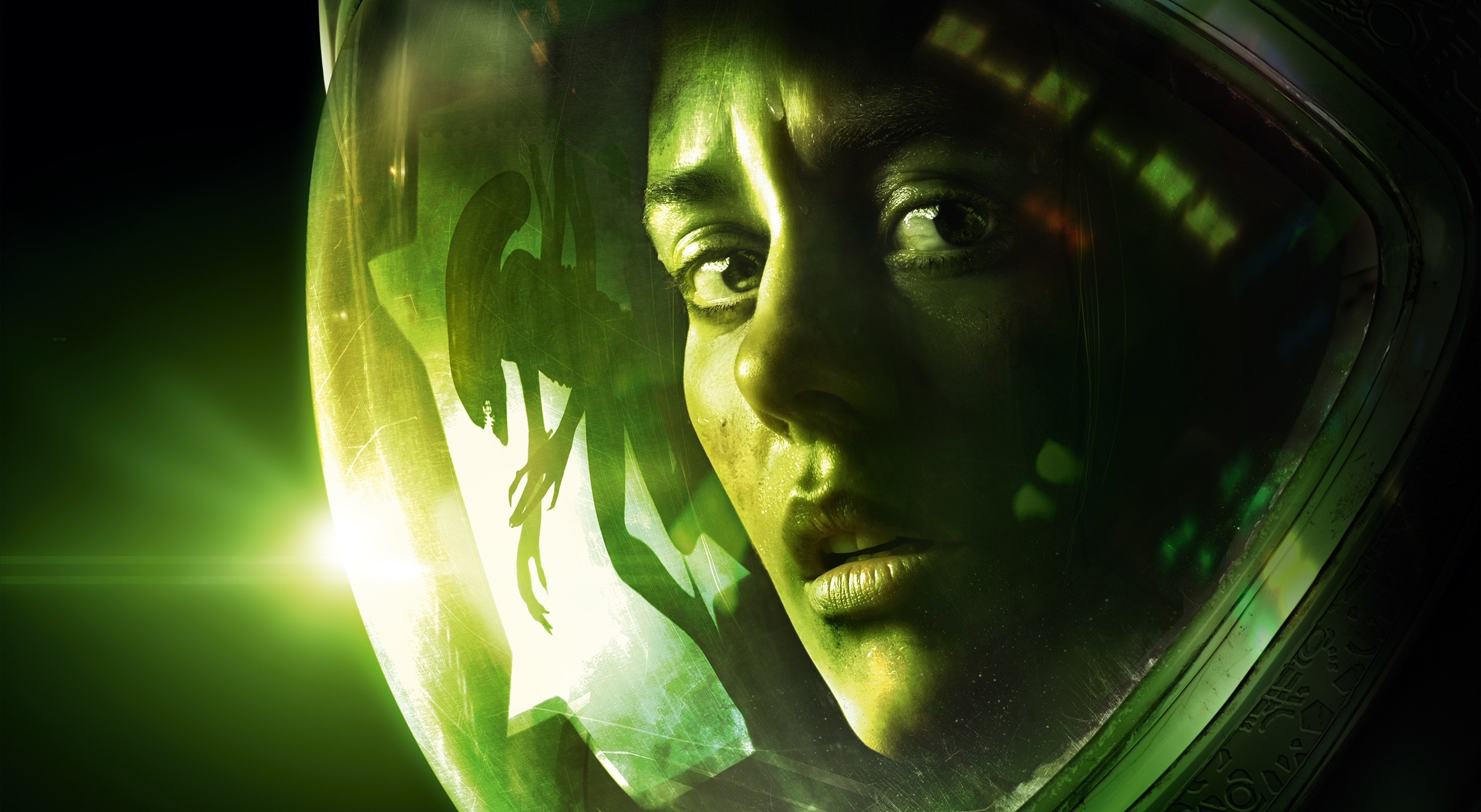
Although the game has a well-known brand, sales weren’t as high as predicted. ‘Alien: Isolation’ is now celebrated as the ultimate Alien game, largely due to its incredibly frightening artificial intelligence. The alien enemy adapts to how players act, leading to unpredictable and truly terrifying moments. Many horror game enthusiasts consider it one of the scariest games available, perfectly recreating the suspenseful atmosphere of the original film.
‘Mirror’s Edge’ (2008)
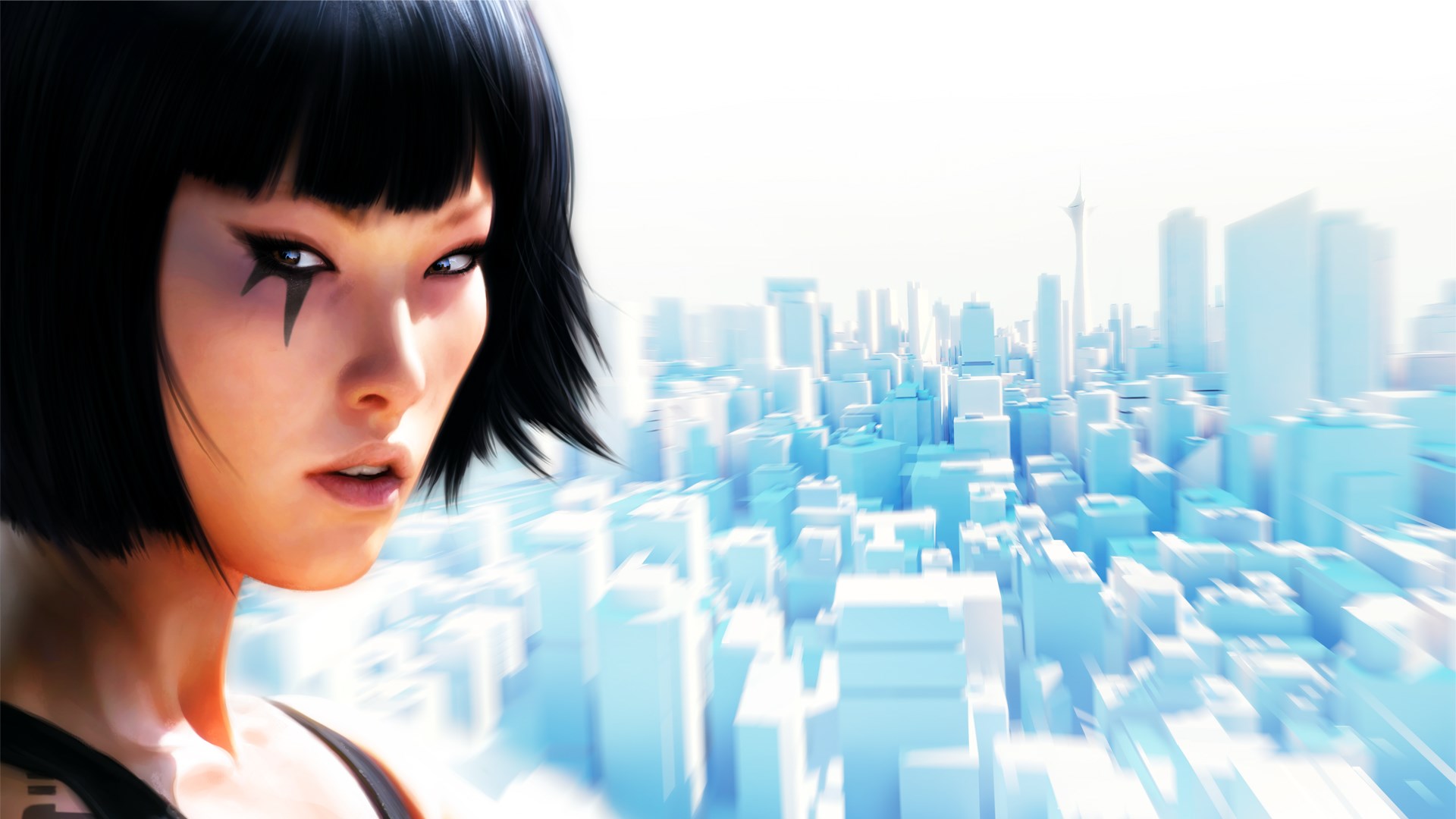
While it didn’t become an instant blockbuster, ‘Mirror’s Edge’ quickly won over players with its beautiful design and smooth, fast-paced movement. A challenging time trial mode created a dedicated community of speedrunners, and over time, the game built a strong enough following to earn a sequel. ‘Mirror’s Edge’ is remembered as a visually striking and original game.
‘Sleeping Dogs’ (2012)
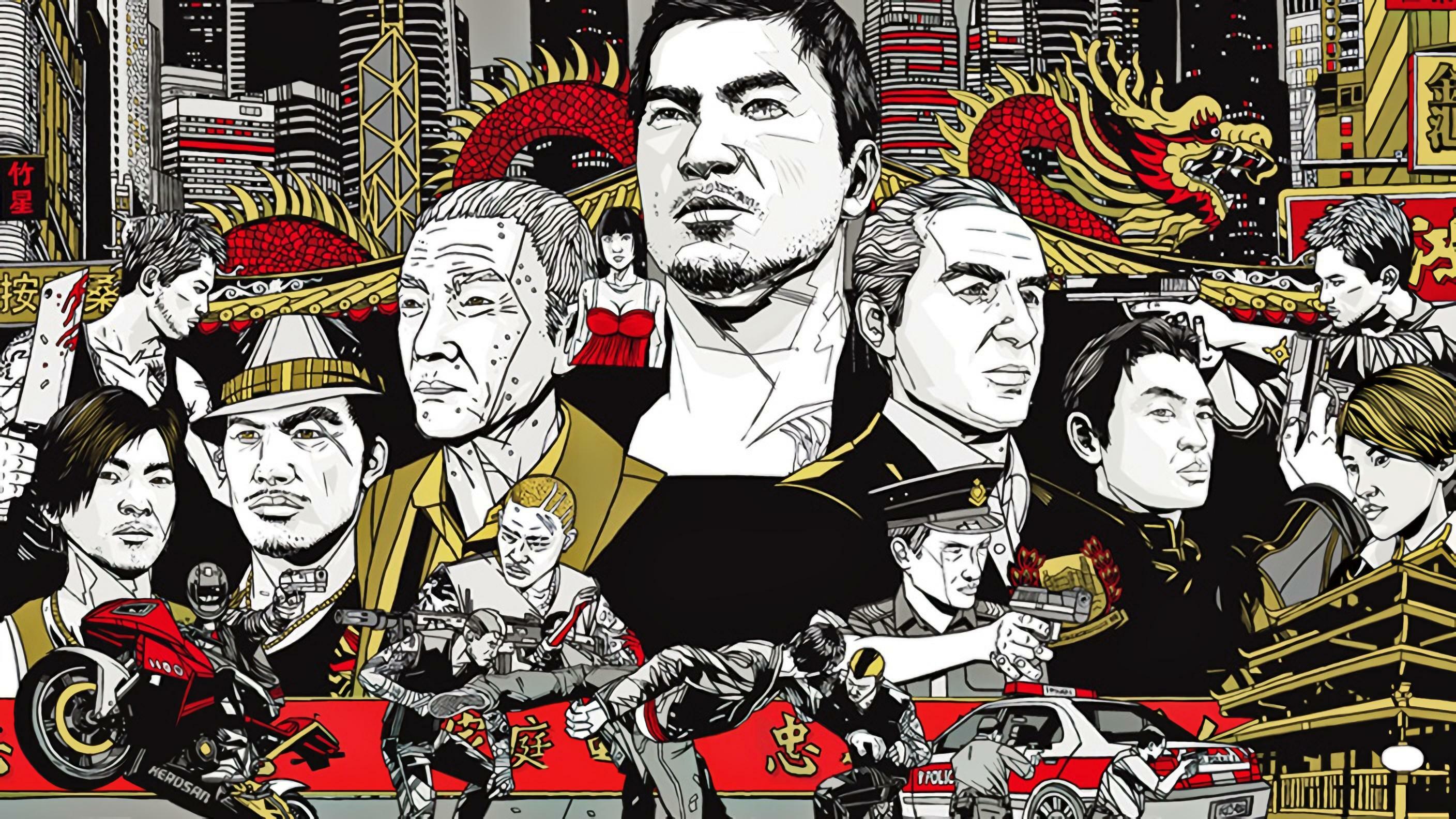
While it didn’t achieve the same mainstream success as games like Grand Theft Auto, ‘Sleeping Dogs’ became a fan favorite. Players loved its detailed Hong Kong setting and satisfying combat. The game also featured a surprisingly compelling story and strong voice performances. Over time, it’s earned a reputation as one of the best open-world games of its time and is often recommended to players looking for a great experience.
‘EarthBound’ (1994)
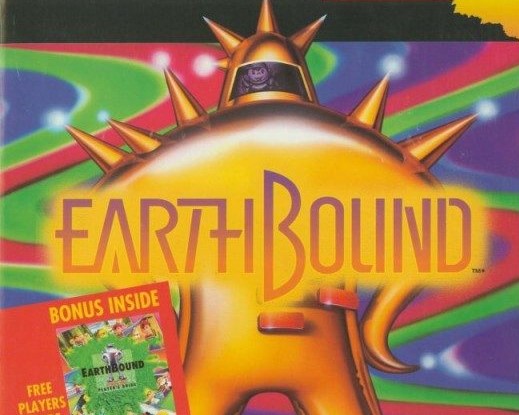
The initial marketing for this role-playing game was unusual and didn’t resonate with players in Western countries. However, it found a new audience years later through emulation and appearances of its characters in the Super Smash Bros. series. Its unique blend of humor and contemporary setting made it stand out from typical fantasy games, and it went on to inspire many independent game developers. Today, EarthBound is celebrated as a beloved and influential cult classic.
‘Okami’ (2006)
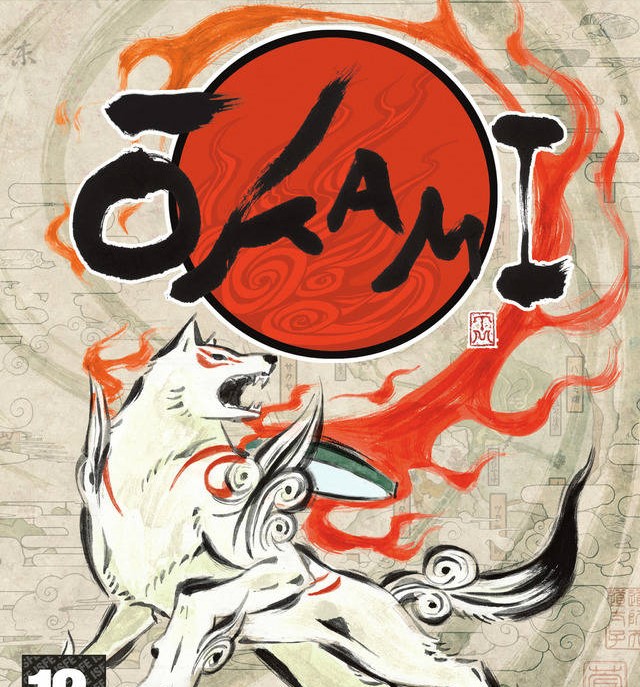
Originally released near the end of a console generation, Okami didn’t sell well at first. However, critics praised its unique painting-based gameplay and stunning visuals. Later, high-definition versions for newer consoles helped the game find a much larger audience. Today, Okami is considered a masterpiece and one of Capcom’s best titles, demonstrating how strong artistic vision and creativity can endure.
‘Psychonauts’ (2005)
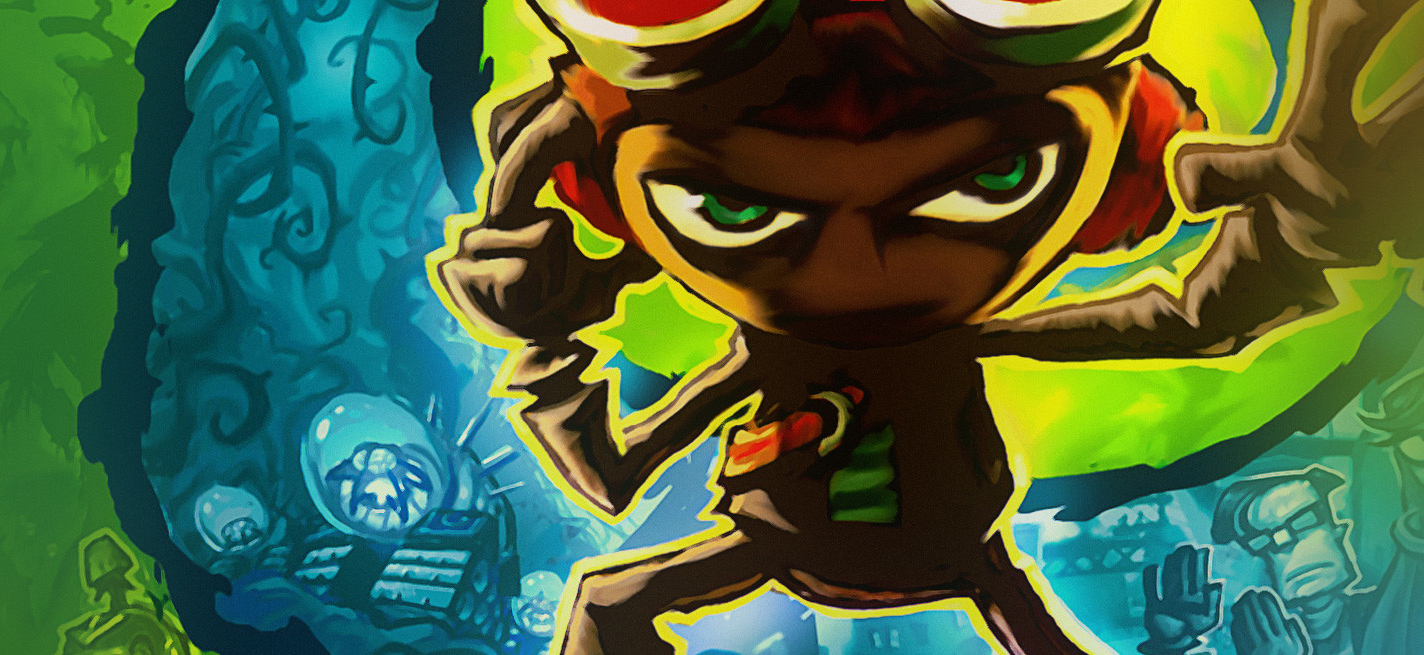
Double Fine created ‘Psychonauts,’ a platformer that critics loved but didn’t sell well initially. However, its clever writing and imaginative levels gained a dedicated following over time. Positive word-of-mouth eventually led to a crowdfunding campaign for a sequel. The game tackles difficult topics like mental health with both humor and understanding, and it’s still celebrated as a creative standout in the 3D platforming genre.
‘Beyond Good & Evil’ (2003)
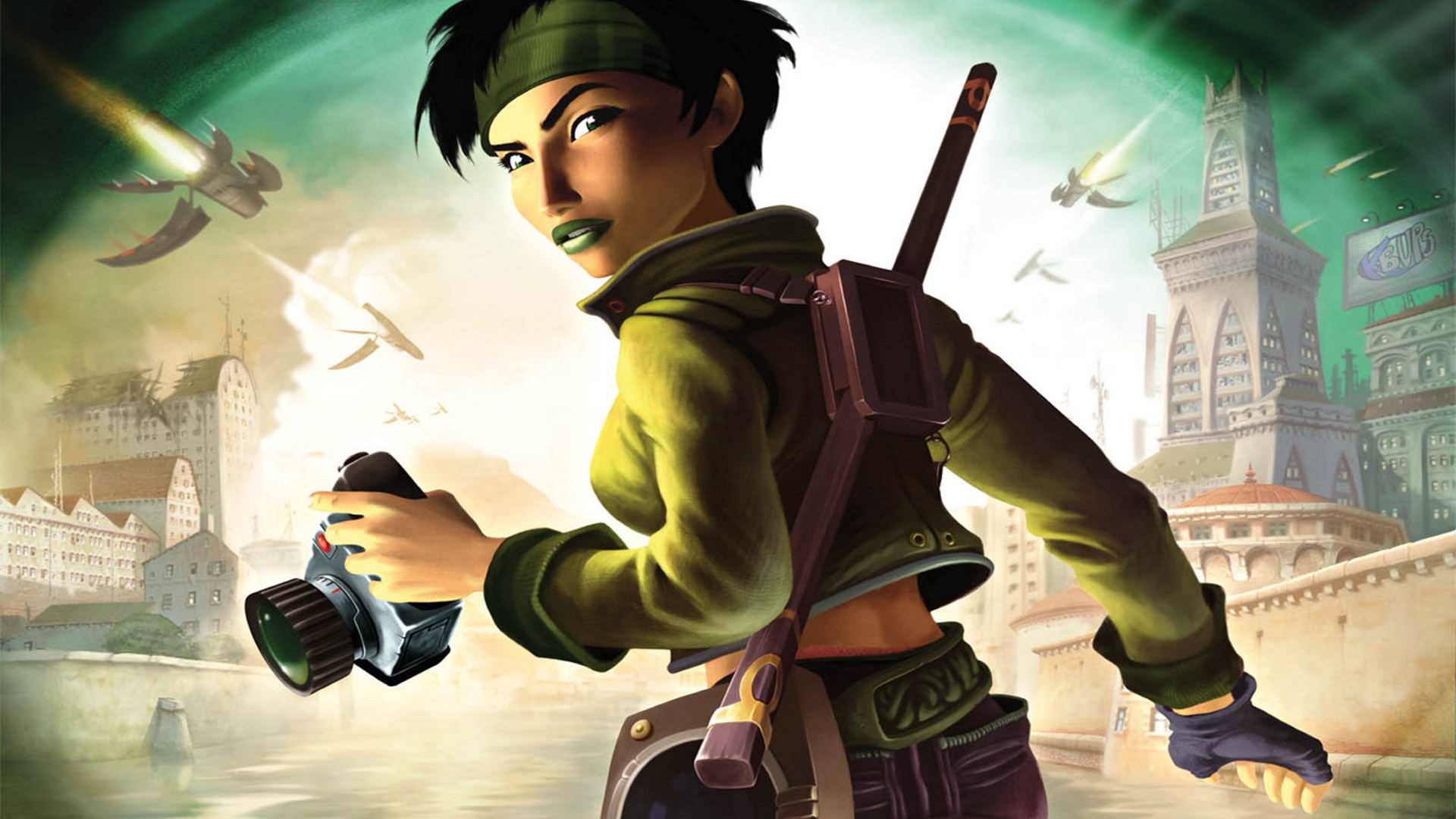
Despite receiving excellent reviews, the adventure game ‘Beyond Good & Evil’ didn’t sell well initially. Players really connected with the main character, Jade, and the imaginative world of Hillys. It was ahead of its time, blending photography with stealth-based gameplay in a fresh way. For almost twenty years, fans have been eagerly awaiting a follow-up, making it a true cult favorite.
‘Grim Fandango’ (1998)
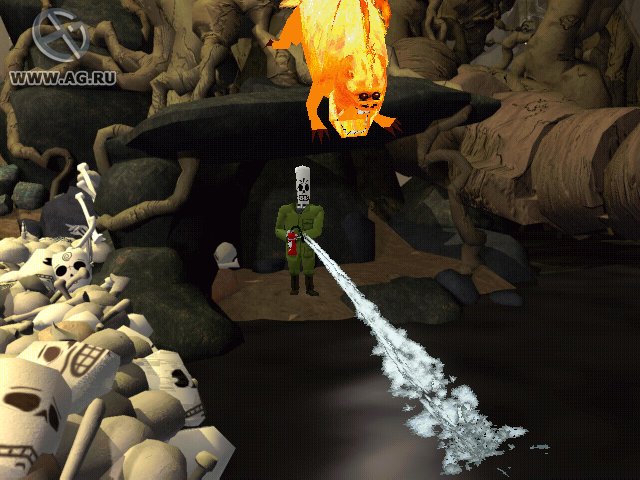
Man, ‘Grim Fandango’ really felt like the end of an era for adventure games – it didn’t sell well, which was a shame. But honestly, the world they built was amazing – a really cool mix of film noir and Mexican folklore. Critics loved it, and even now, people say the writing and puzzles are some of the best ever. I’m glad they remastered it, because it let a whole new generation of players – like me! – experience Manny Calavera’s story. It’s just a timeless classic, a true masterpiece of storytelling.
‘System Shock 2’ (1999)
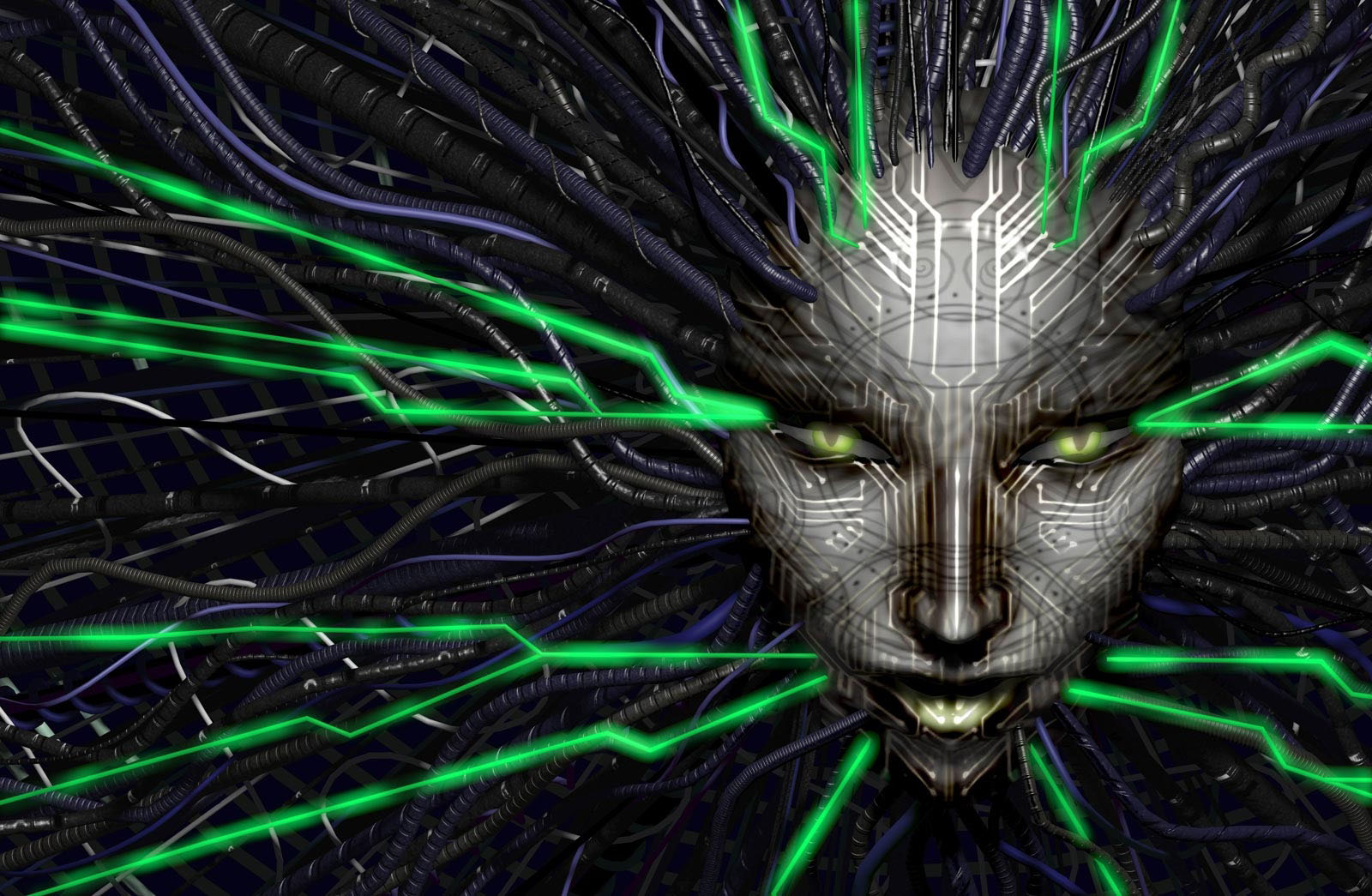
Though it didn’t sell well initially, ‘System Shock 2’ was incredibly influential, helping to create the immersive sim genre we know today. Its unique atmosphere and intricate gameplay inspired games like BioShock and Deus Ex. The game’s villain, SHODAN, is a legendary figure in video game history. Dedicated PC players kept the game thriving with fan-made modifications and updates. If you enjoy story-focused shooters, ‘System Shock 2’ is a must-play.
‘Shenmue’ (1999)
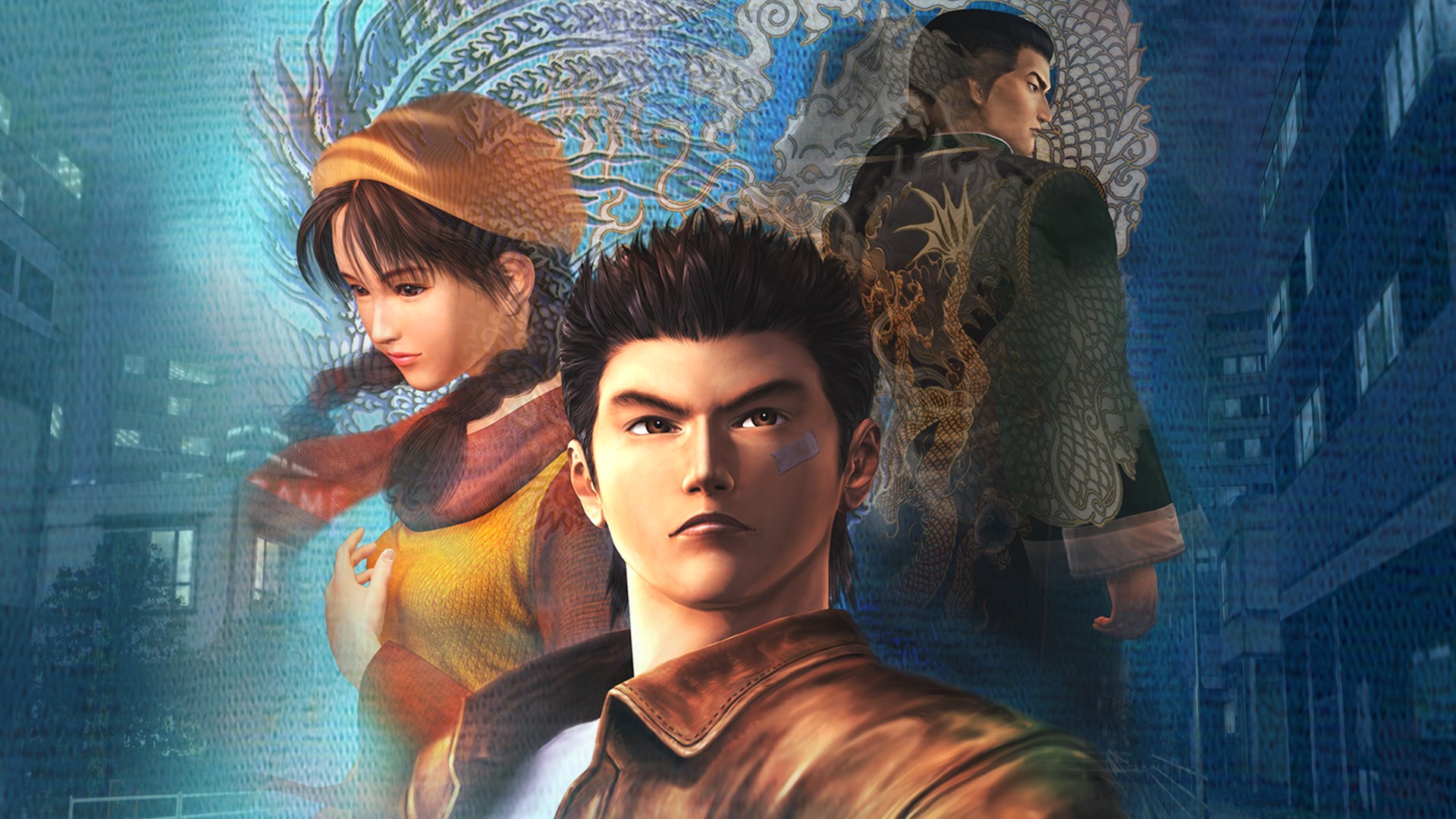
‘Shenmue’ was a groundbreaking open-world game that, despite being incredibly expensive to create, didn’t earn back its development costs. It was ahead of its time, featuring quick-time events and a realistic day-night cycle. The game’s story, following Ryo Hazuki, ended on a frustrating cliffhanger that went unresolved for nearly two decades. Fortunately, dedicated fans eventually provided the funding needed to create a third game. ‘Shenmue’ remains highly regarded for its bold and innovative approach.
‘Ico’ (2001)
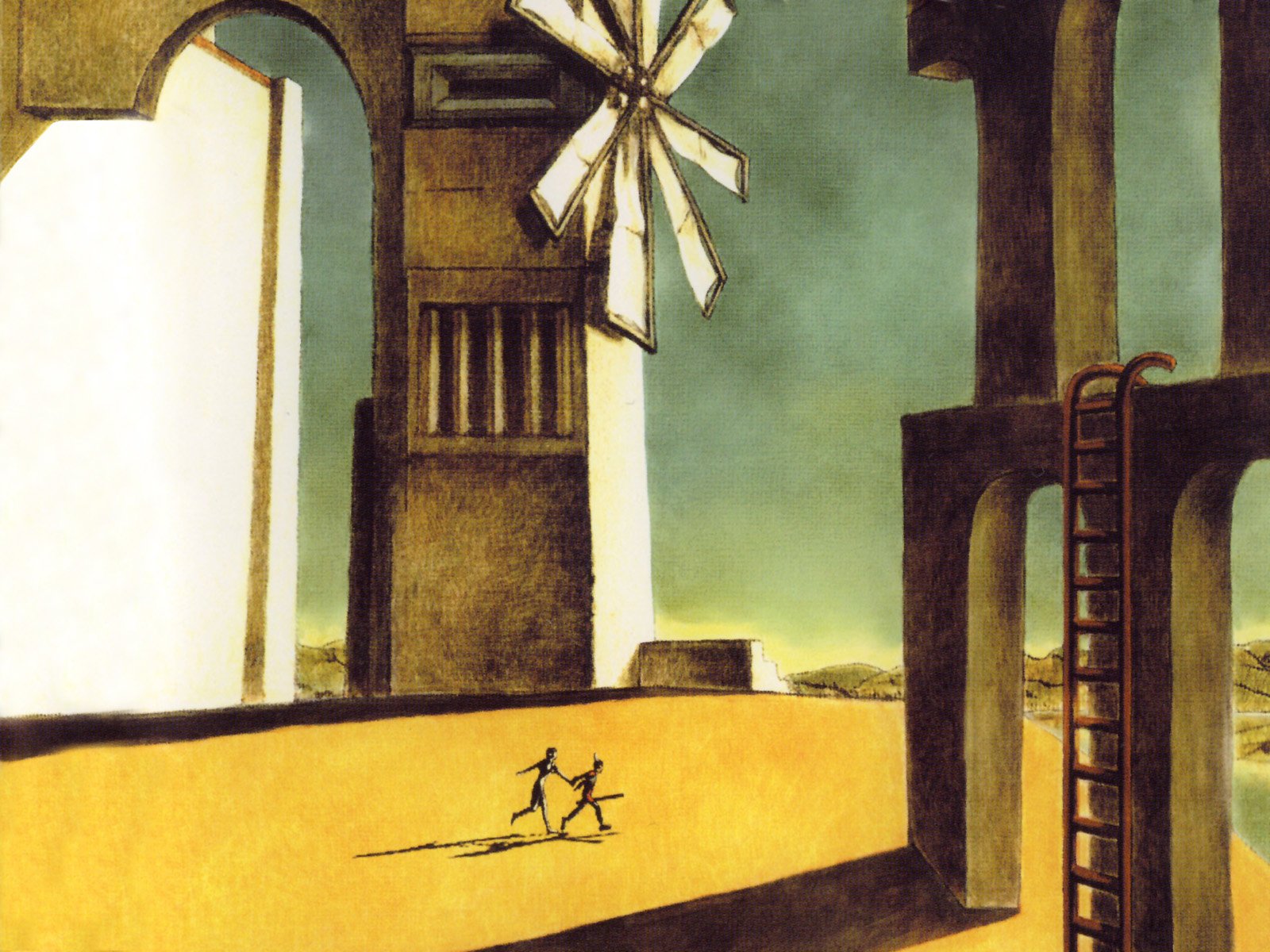
Despite its simple design and limited promotion, this puzzle-platformer didn’t sell well. However, players were deeply moved by the touching relationship between the two main characters. The game went on to inspire many directors and designers and is frequently brought up when discussing video games as art. ‘Ico’ continues to be a stunning and unforgettable game.
‘God Hand’ (2006)
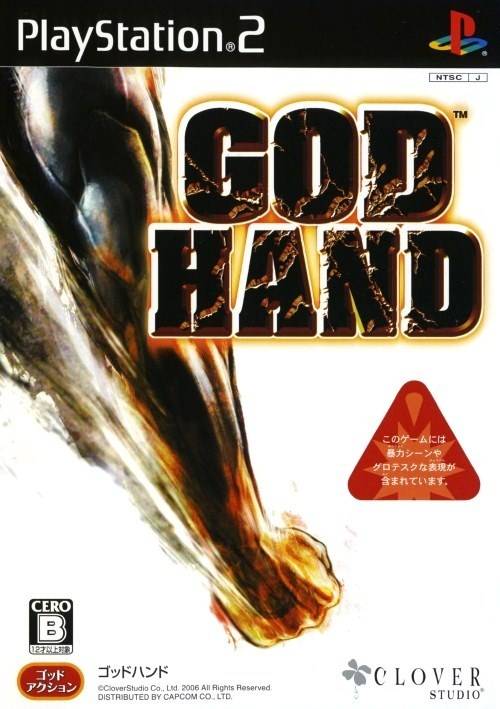
When ‘God Hand’ first came out, many critics found it too difficult and awkward to control. But action game fans soon realized how complex and customizable the combat system actually was. Its silly humor and wild moves became incredibly popular, and the game developed a loyal fanbase. Now, it’s celebrated as one of the greatest 3D beat-em-ups of all time, with fans especially appreciating its challenging gameplay.
‘Vampire: The Masquerade – Bloodlines’ (2004)
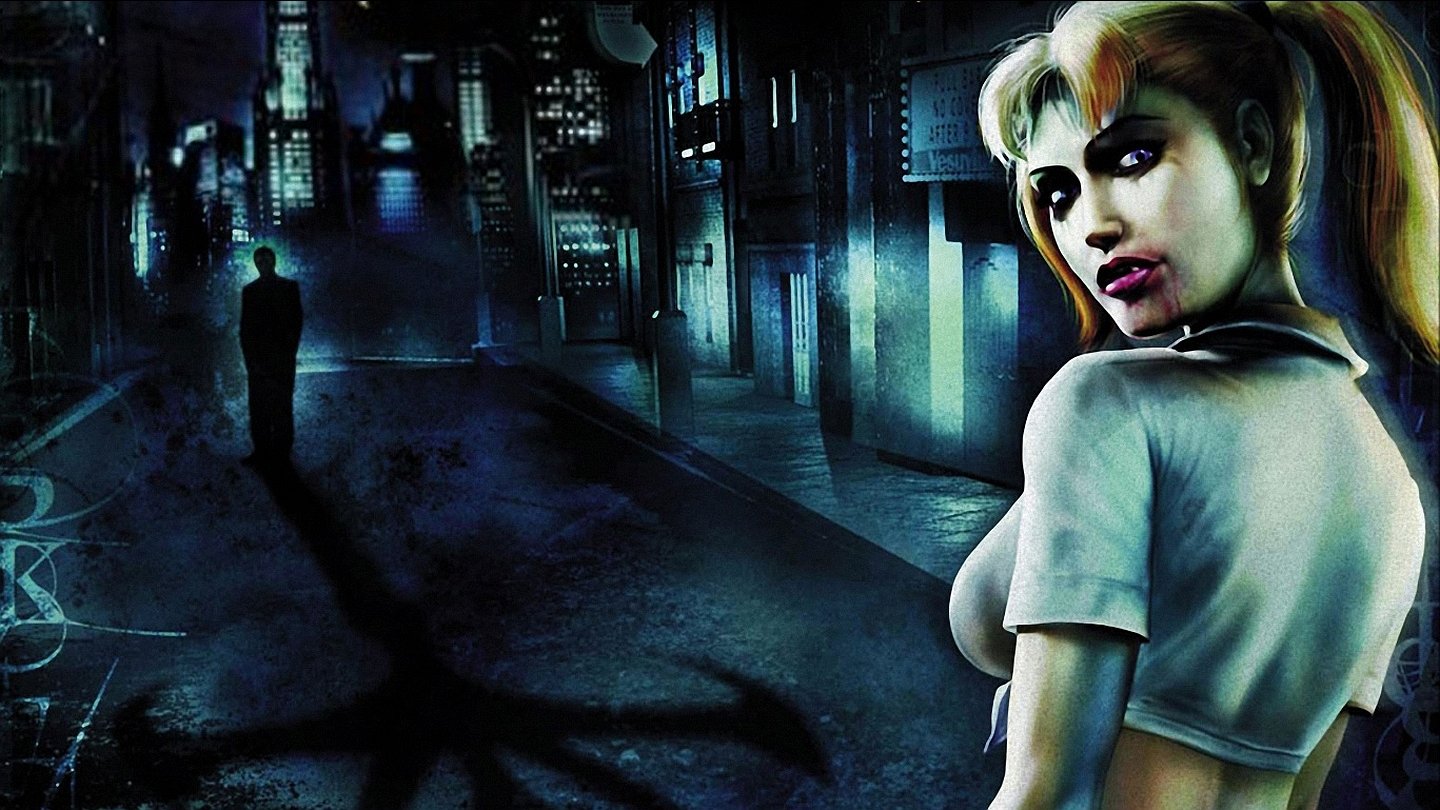
When ‘Vampire: The Masquerade – Bloodlines’ first came out, it was riddled with problems, launching at the same time as the highly anticipated ‘Half-Life 2’. Dedicated fans spent years creating fixes and restoring lost parts of the game. However, its story and character development options are considered the best in vampire-themed games, and it gives players a remarkable amount of freedom in how they complete missions. Ultimately, ‘Bloodlines’ has become a beloved classic RPG despite its rough start.
‘Alpha Protocol’ (2010)
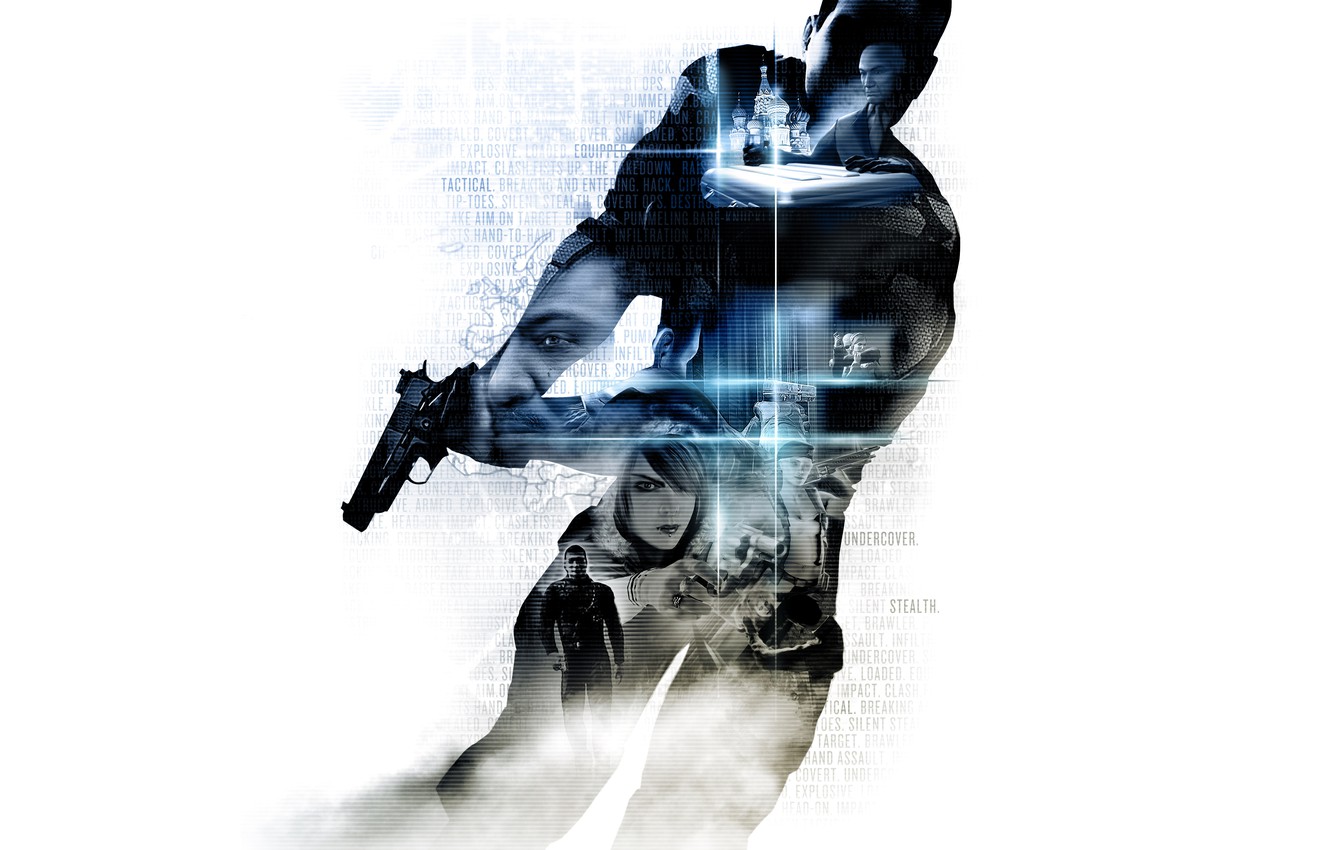
Despite a rocky start with bugs and rough gameplay, ‘Alpha Protocol’ eventually gained a following for its engaging story that truly reacted to player choices. The game’s dialogue system let players role-play in many different ways, and its complex, branching narrative was unusual for the time. Many RPG fans consider it a ‘flawed masterpiece’.
‘Nier’ (2010)
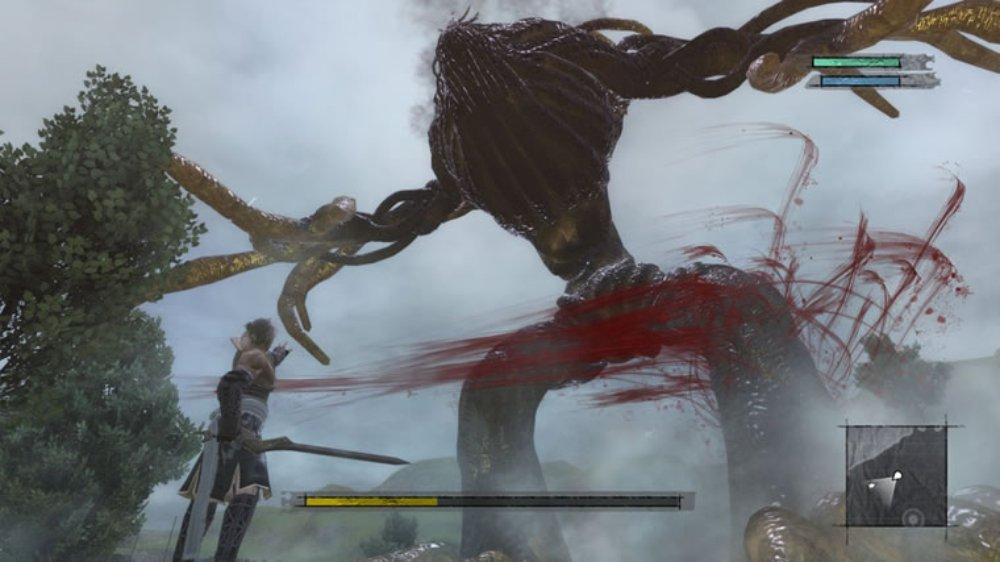
Reviewers had a mixed reaction to this action RPG, pointing out that its graphics and battles felt a bit old-fashioned and repetitive. However, players who overlooked these issues really appreciated the story and music. The game developed a dedicated fanbase, which ultimately helped launch its sequel to huge success. Later, a remake improved the gameplay, bringing it up to the same high standard as the story. Ultimately, ‘Nier’ proves how impactful a compelling narrative can be.
‘Vanquish’ (2010)
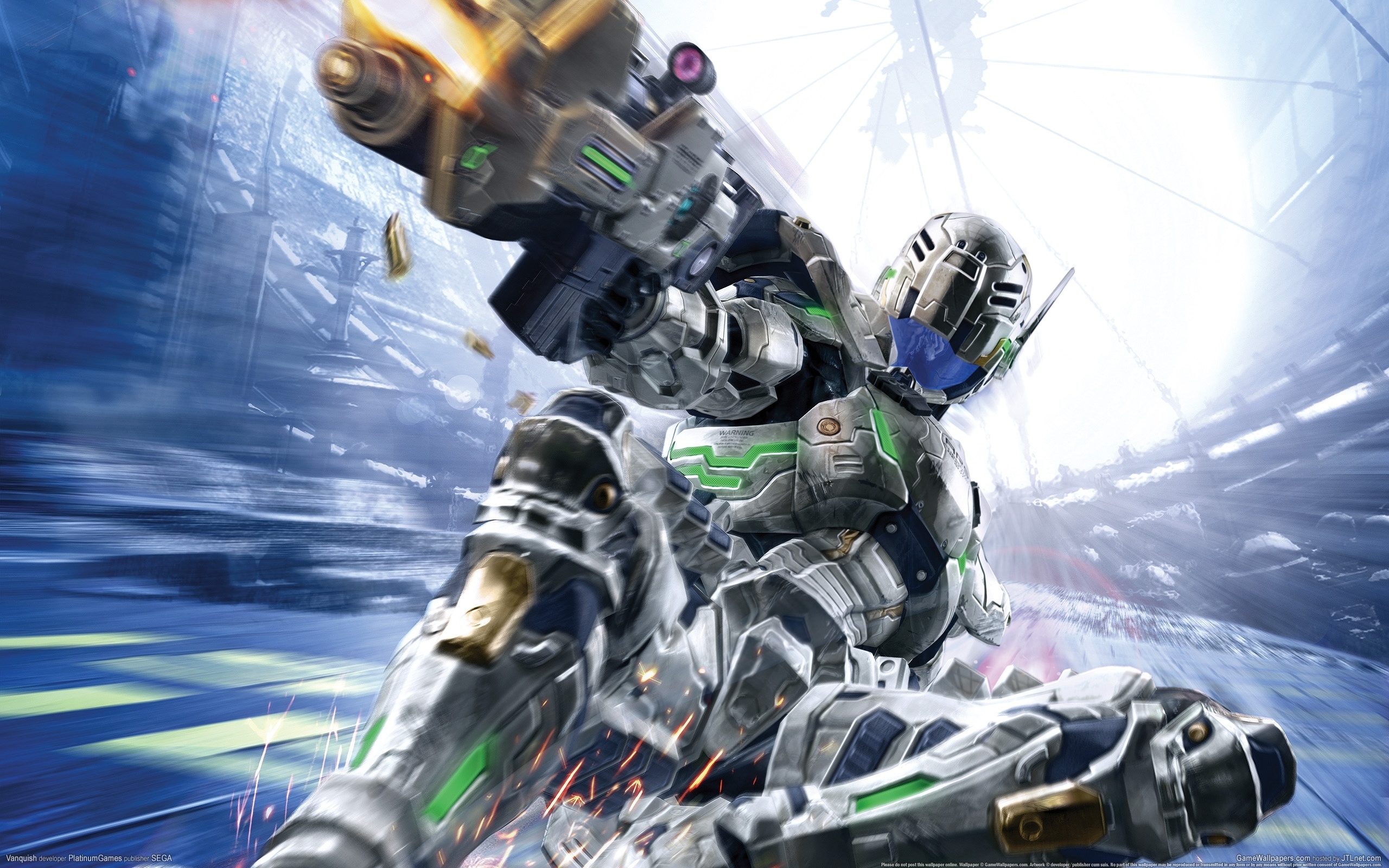
Initially, ‘Vanquish’ didn’t sell well and was a brief experience for players. However, it stood out from typical shooter games with its unique sliding movement and fast-paced gameplay. After being released on PC and newer consoles, it found a wider audience and is now praised by action game fans for its challenging and precise controls. Many describe ‘Vanquish’ as a pure, exhilarating adrenaline rush.
‘Conker’s Bad Fur Day’ (2001)
Released near the end of the Nintendo 64’s lifespan, ‘Conker’s Bad Fur Day’ was a surprisingly mature platformer. Its mix of charming graphics and edgy humor was unusual and difficult to promote. Today, it’s a sought-after collector’s item and remembered fondly for its hilarious content, especially the fun multiplayer experience. It remains a truly unique game within the Nintendo catalog.
‘Panzer Dragoon Saga’ (1998)
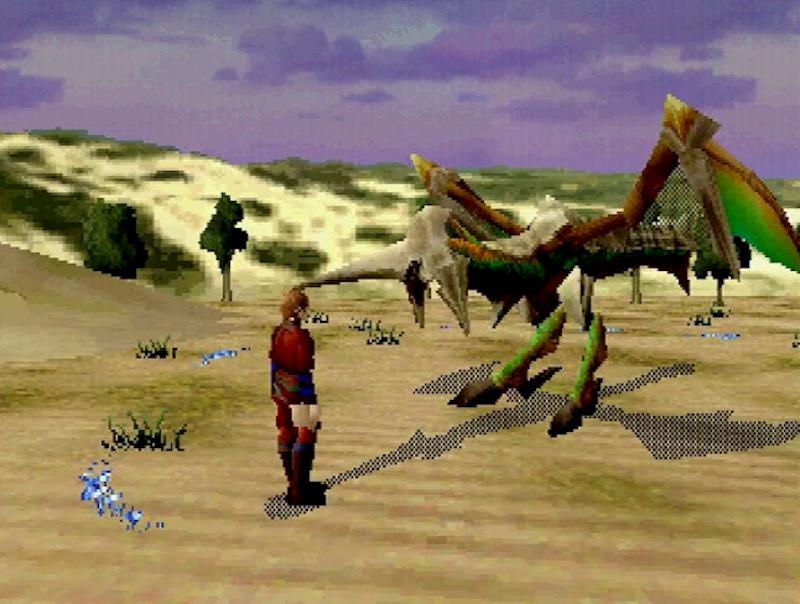
‘Panzer Dragoon Saga’ was a role-playing game released for the Sega Saturn, but only a small number of copies were made. Players who found it quickly realized its battle system was remarkably innovative for its time. Despite receiving widespread critical praise, it remains a rare game, and copies now fetch very high prices from collectors. It’s become a legendary and hard-to-find title.
‘Skies of Arcadia’ (2000)
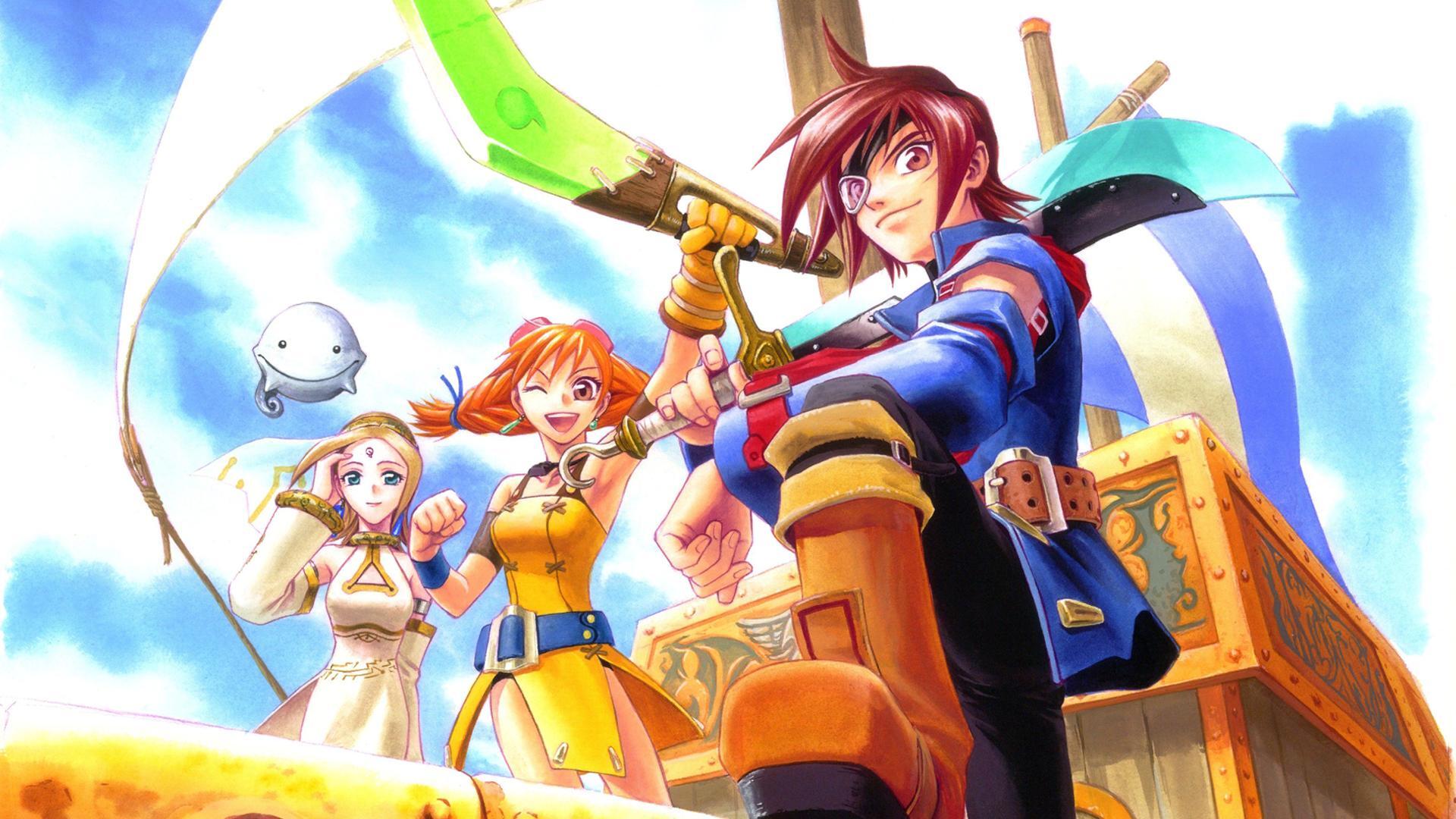
Despite being a charming Japanese role-playing game, ‘Skies of Arcadia’ didn’t achieve widespread popularity on the Dreamcast or GameCube. Players who discovered it particularly enjoyed its unique world of sky pirates and the upbeat personalities of the heroes. The game’s exciting turn-based battles, fought with airships, were a standout feature. It’s still fondly remembered by RPG fans, many of whom hope it will be remastered or ported to newer consoles. ‘Skies of Arcadia’ truly embodies the feeling of a grand adventure.
‘Jet Set Radio’ (2000)
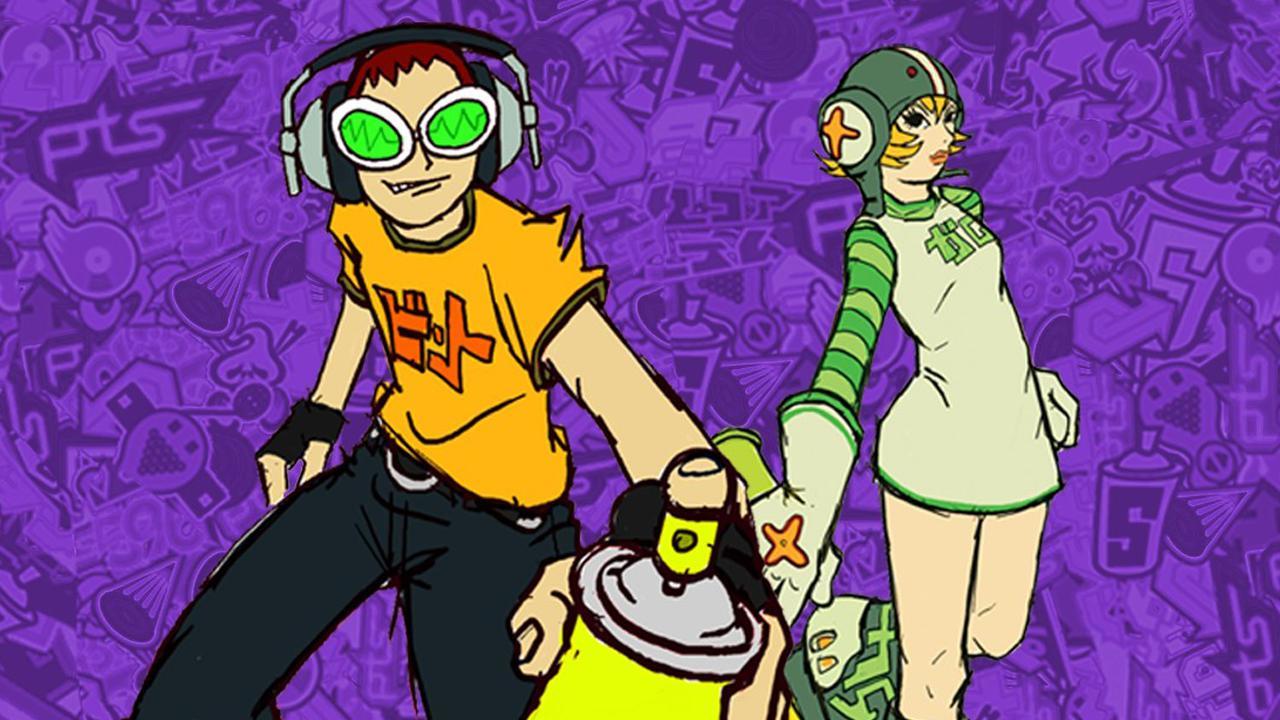
Jet Set Radio’s unique cel-shaded graphics and energetic music perfectly captured the spirit of the Dreamcast. While it wasn’t a huge commercial success, its innovative gameplay – centered around graffiti tagging – and rebellious attitude had a lasting impact on indie game development. Today, it’s remembered and praised for its incredible look and sound, proving that style can be just as important as content. It remains a stylish and influential game.
‘Viewtiful Joe’ (2003)
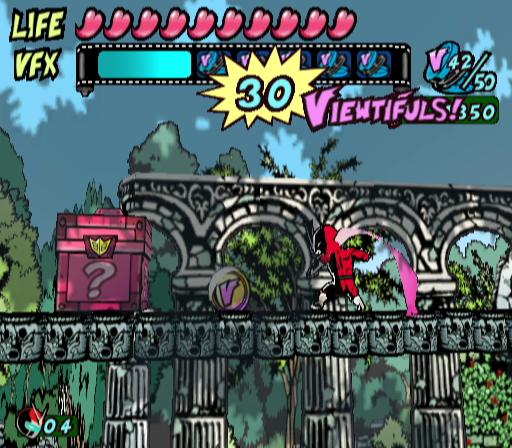
Despite getting good reviews, ‘Viewtiful Joe’ didn’t sell very well in stores. It was a side-scrolling action game where players could control time during fights, and it stood out with its bright, comic book-inspired graphics. Action game fans still remember it for how well it played, and it’s known for being full of personality and charm.
‘The Wonderful 101’ (2013)
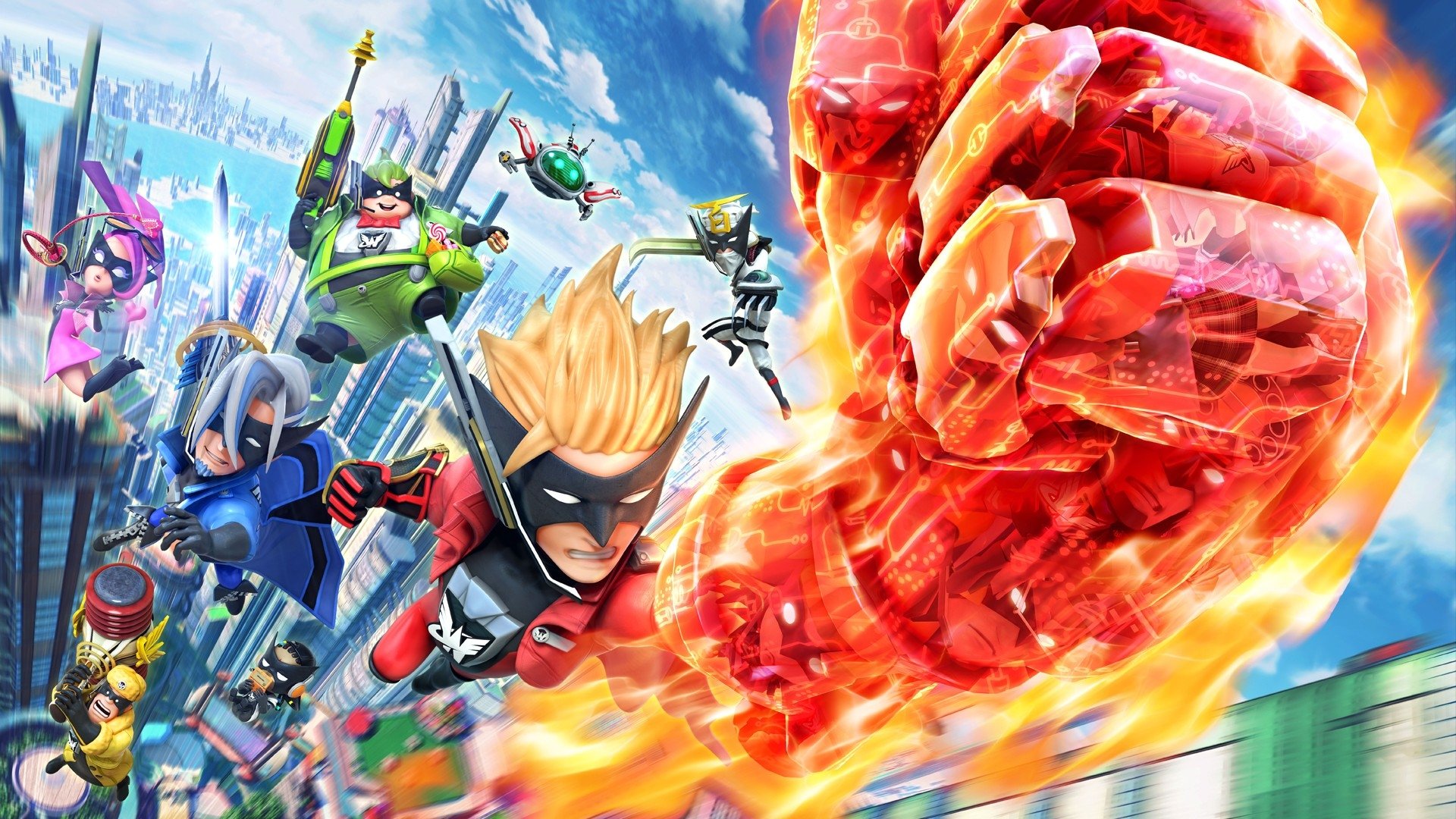
I first played ‘The Wonderful 101’ when it came out on the Wii U, and even though it didn’t do great sales-wise, I instantly fell in love. Honestly, the controls were a little tricky at first – you had to draw shapes to do things, which was cool but maybe a bit much for some people. Thankfully, a Kickstarter helped bring it to other consoles, and now more people can experience it! Seriously, the battles are HUGE and the whole game just feels incredibly energetic. It’s become a real cult classic from PlatinumGames, and I totally get why!
‘Eternal Darkness: Sanity’s Requiem’ (2002)
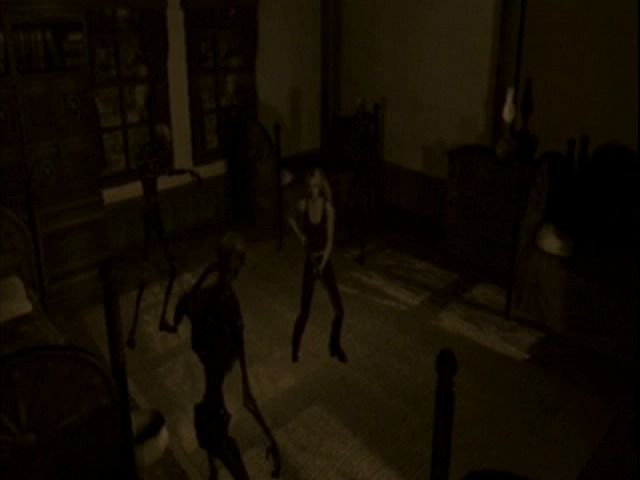
Despite being considered one of the best games for the GameCube, ‘Eternal Darkness: Sanity’s Requiem’ didn’t sell very well. It was groundbreaking for its use of sanity effects, which distorted both the game and the player’s view. The game offered a sprawling story across centuries and allowed players to control multiple characters. It remains a favorite among fans of the survival horror genre and is a truly unique psychological thriller.
‘Rule of Rose’ (2006)
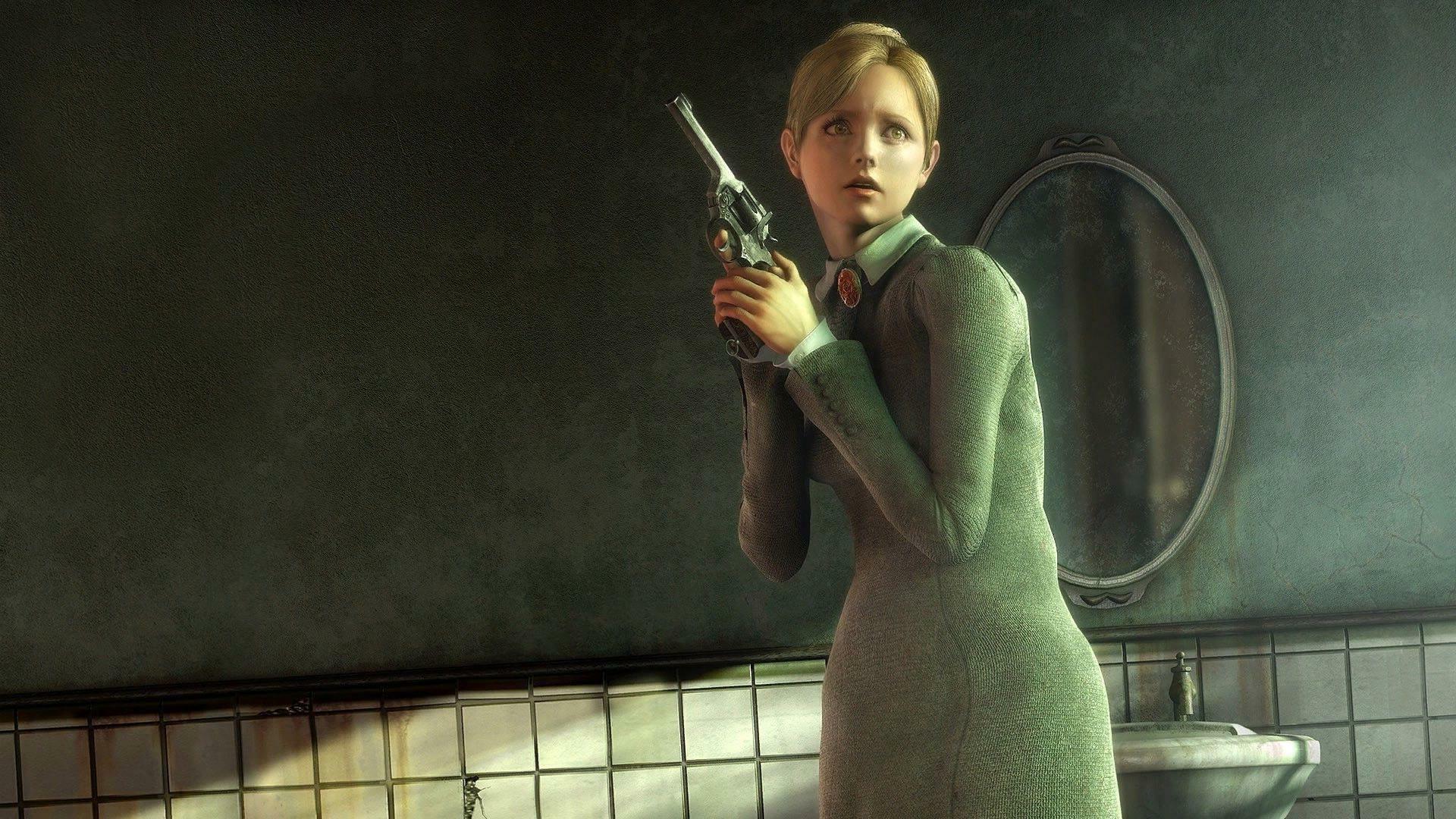
Despite being controversial and hard to find, ‘Rule of Rose’ is a unique horror game that bravely tackles difficult themes of childhood cruelty. This rarity has made it incredibly valuable to collectors, and its deeply disturbing atmosphere has cemented its reputation as a must-have for horror fans. It’s a truly dark and unsettling game.
‘Haunting Ground’ (2005)

When ‘Haunting Ground’ first came out, it didn’t get much attention. The game puts you in control of a character who can’t defend themselves and needs to depend on a dog to stay alive. The combination of scary, stressful moments and the strong connection you build with the dog created a really suspenseful experience. Now, it’s often considered one of the best overlooked games from the PlayStation 2 era and has become much more appreciated over time.
‘The Evil Within’ (2014)
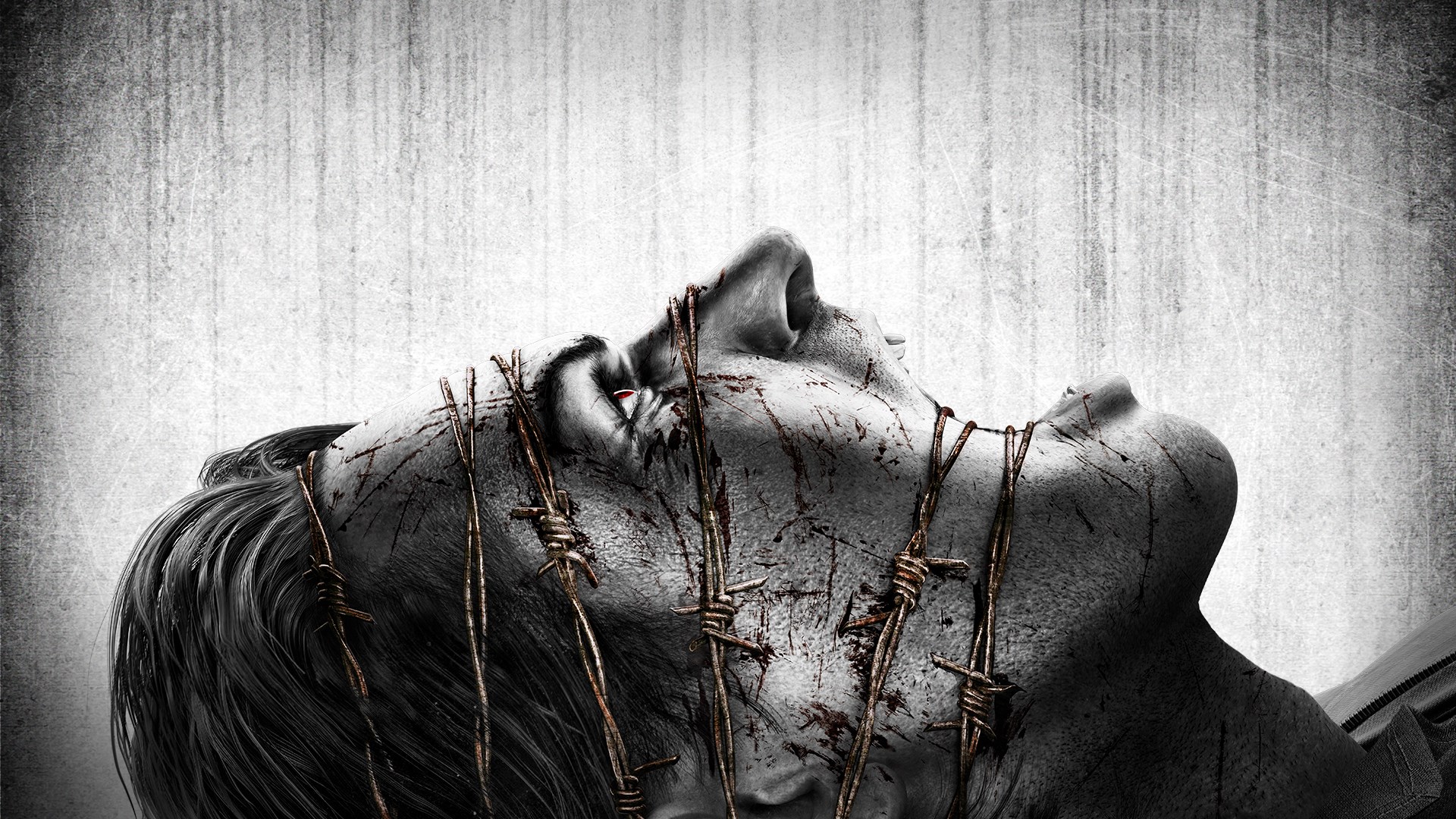
When it first launched, the game faced some technical problems and its story was hard to follow, leading to a divided reaction. Updates fixed performance issues and removing the black bars around the screen made fans happy. Now, the game is celebrated as a challenging throwback to classic survival horror. The sequel built on what worked and solidified the series’ strong reputation. Today, ‘The Evil Within’ is considered a key title in modern horror gaming.
‘Alice: Madness Returns’ (2011)
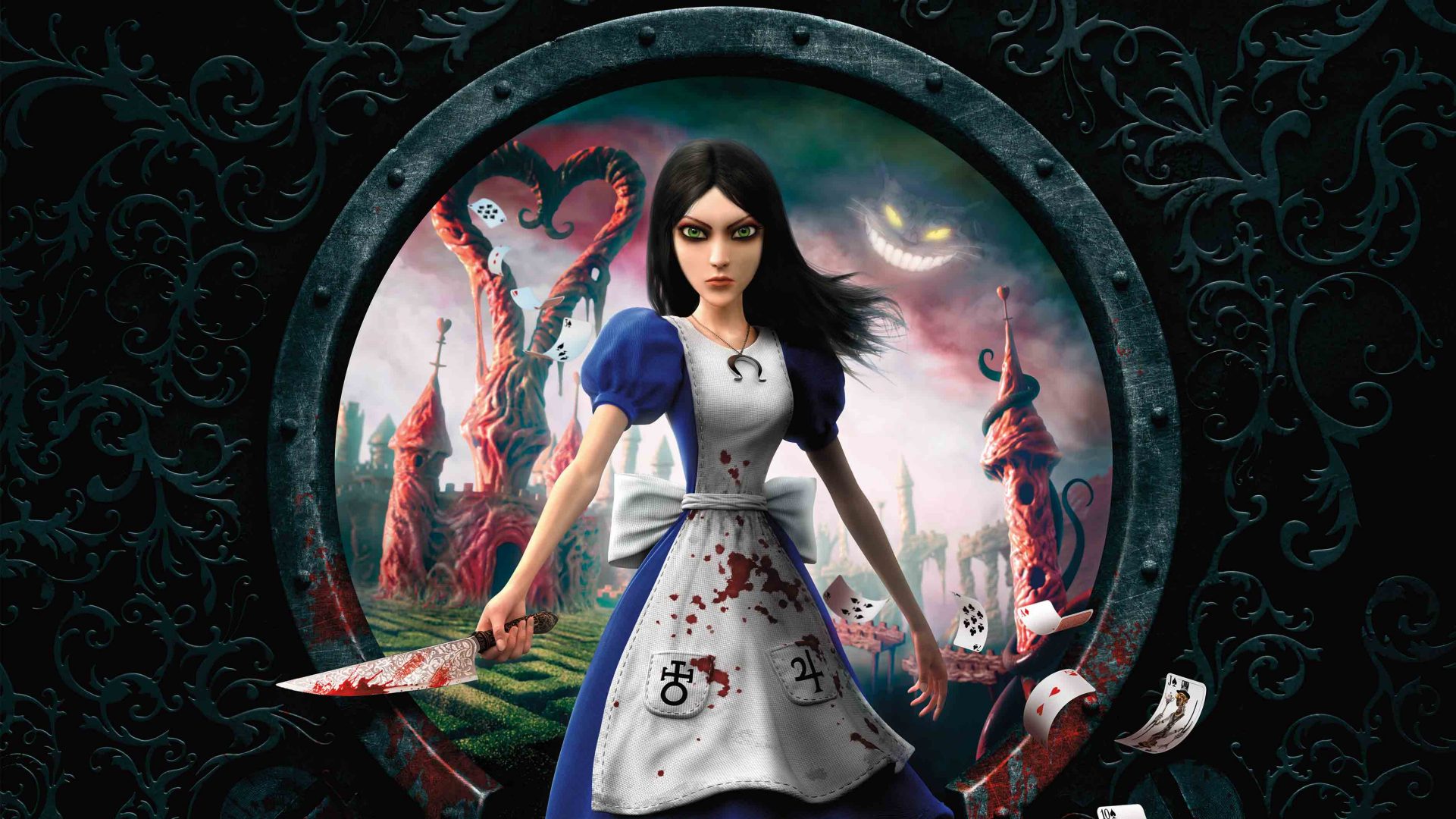
When ‘Alice: Madness Returns’ first came out, it didn’t receive widespread acclaim or huge sales, but it quickly gained a dedicated fanbase. Players were drawn in by its unique art style and dark take on the world of Wonderland. For years, fans have been asking for a sequel. The game’s unsettling themes and striking visuals still hold up today, cementing its status as a beloved cult classic within the platformer genre.
‘Binary Domain’ (2012)
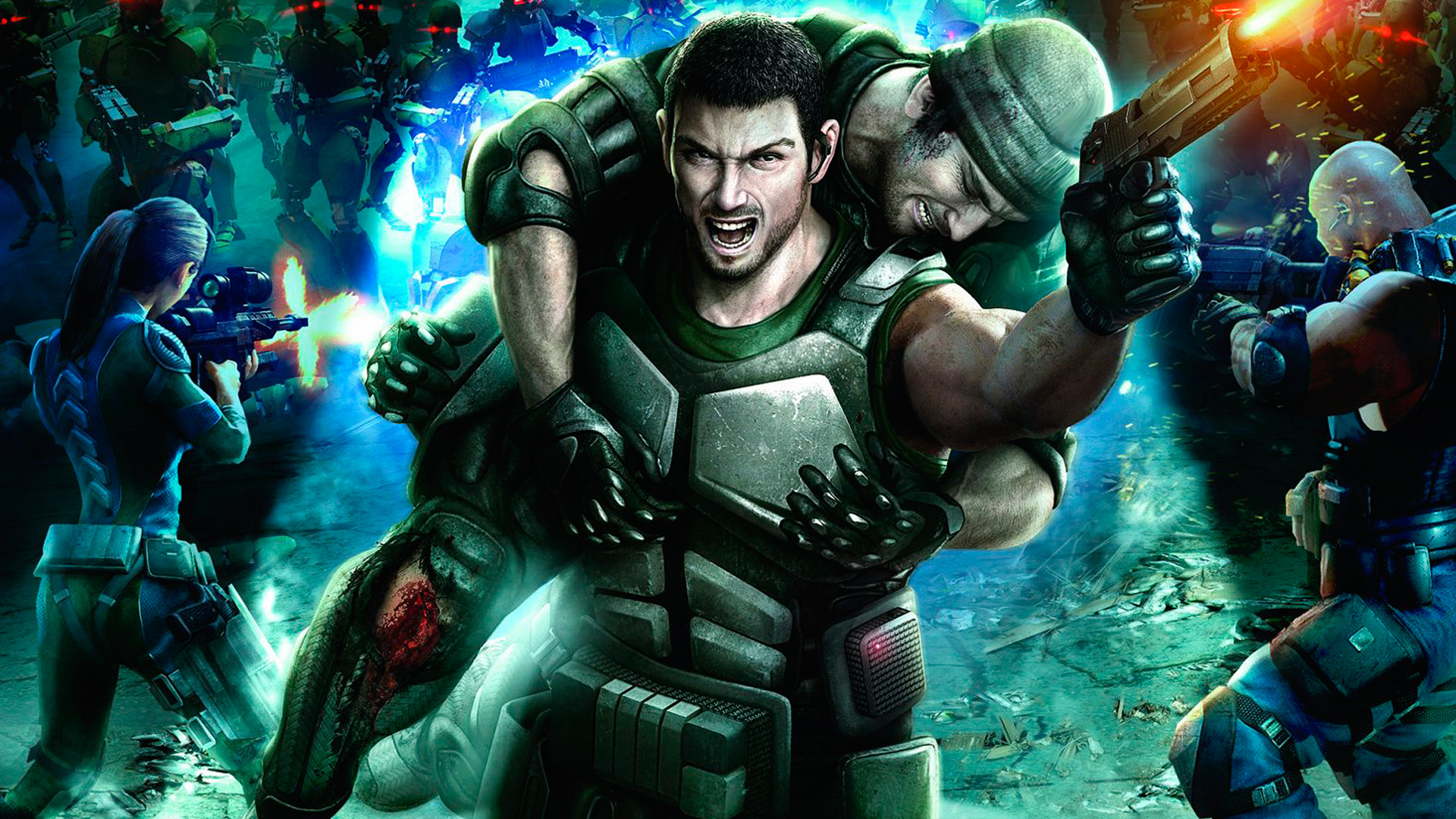
‘Binary Domain’ was a squad-based shooter that didn’t initially sell well and faded from public attention. However, those who played it were pleasantly surprised by its intelligent story exploring robots and artificial intelligence. The way robots realistically break apart during action remains visually striking. Over time, the game has earned a reputation as a hidden gem, proving it’s far more engaging than its unremarkable cover art would lead you to believe.
Tell us which of these redeemed games is your favorite in the comments.
Read More
- Invincible Season 4 Gender Swaps Tech Jacket As Fans Question Major Comic Change
- Silver Rate Forecast
- Gold Rate Forecast
- Building Agents That Learn and Improve Themselves
- 22 Films Where the White Protagonist Is Canonically the Sidekick to a Black Lead
- 15 Films That Were Shot Entirely on Phones
- 20 Movies Where the Black Villain Was Secretly the Most Popular Character
- Celebs Who Narrowly Escaped The 9/11 Attacks
- Games That Faced Bans in Countries Over Political Themes
- 14 Movies Where the Black Character Refuses to Save the White Protagonist
2026-02-01 18:21