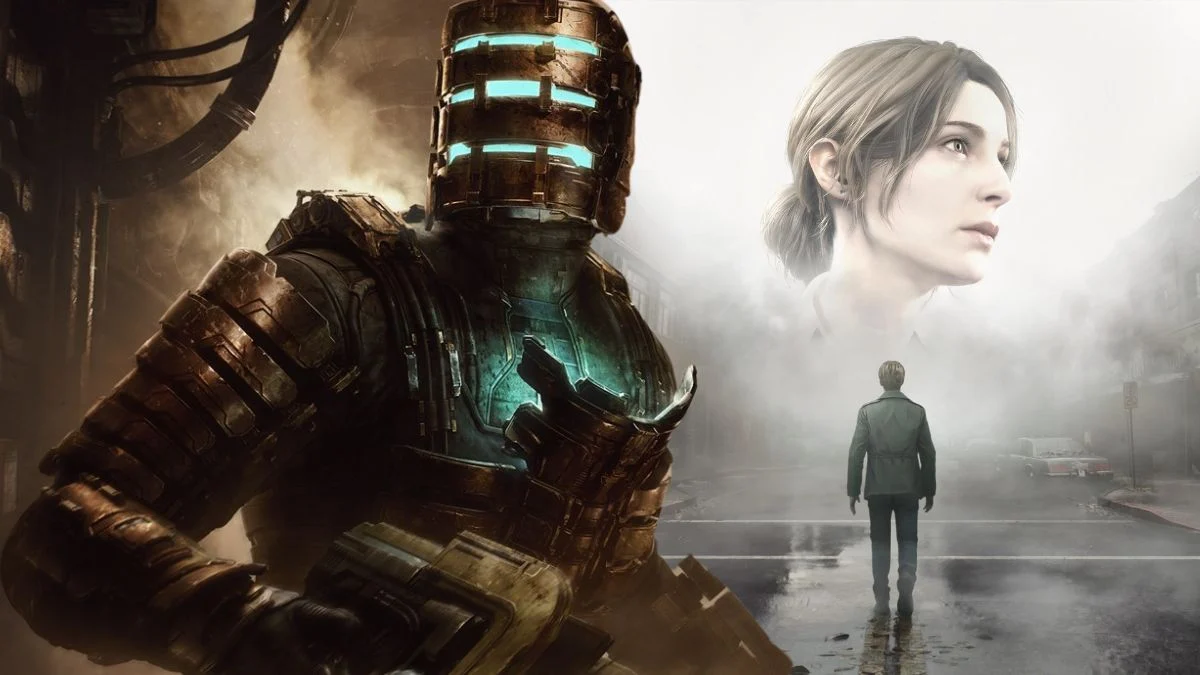
Video games are becoming more diverse and representative, with many developers now featuring female characters in leading roles that were once typically reserved for men. While this is a positive change for many, it has also caused some disagreement among dedicated fans who are strongly attached to the original stories and characters. Several games have faced criticism or calls for boycotts specifically because of these changes in how gender is portrayed or the introduction of female main characters in established series.
‘Battlefield V’ (2018)
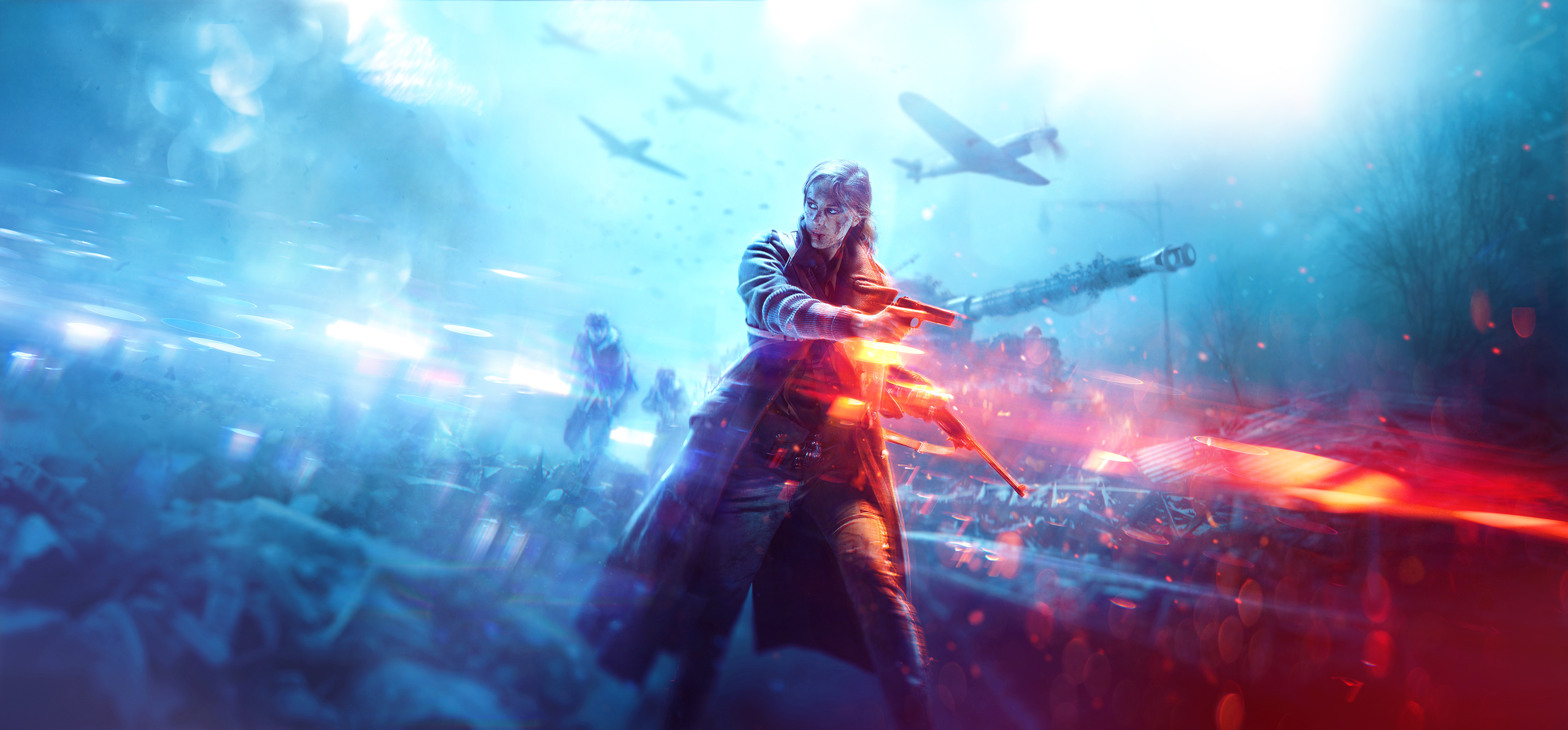
Electronic Arts received strong criticism after releasing the first trailer for their new World War II game. The trailer showed a female soldier with a prosthetic arm in combat, which many viewers felt was unrealistic and didn’t fit the historically accurate tone of the game series. The developers explained they wanted to allow players to create diverse characters and highlight lesser-known stories from the war. This disagreement led to fewer pre-orders than previous games in the series.
‘The Last of Us Part II’ (2020)
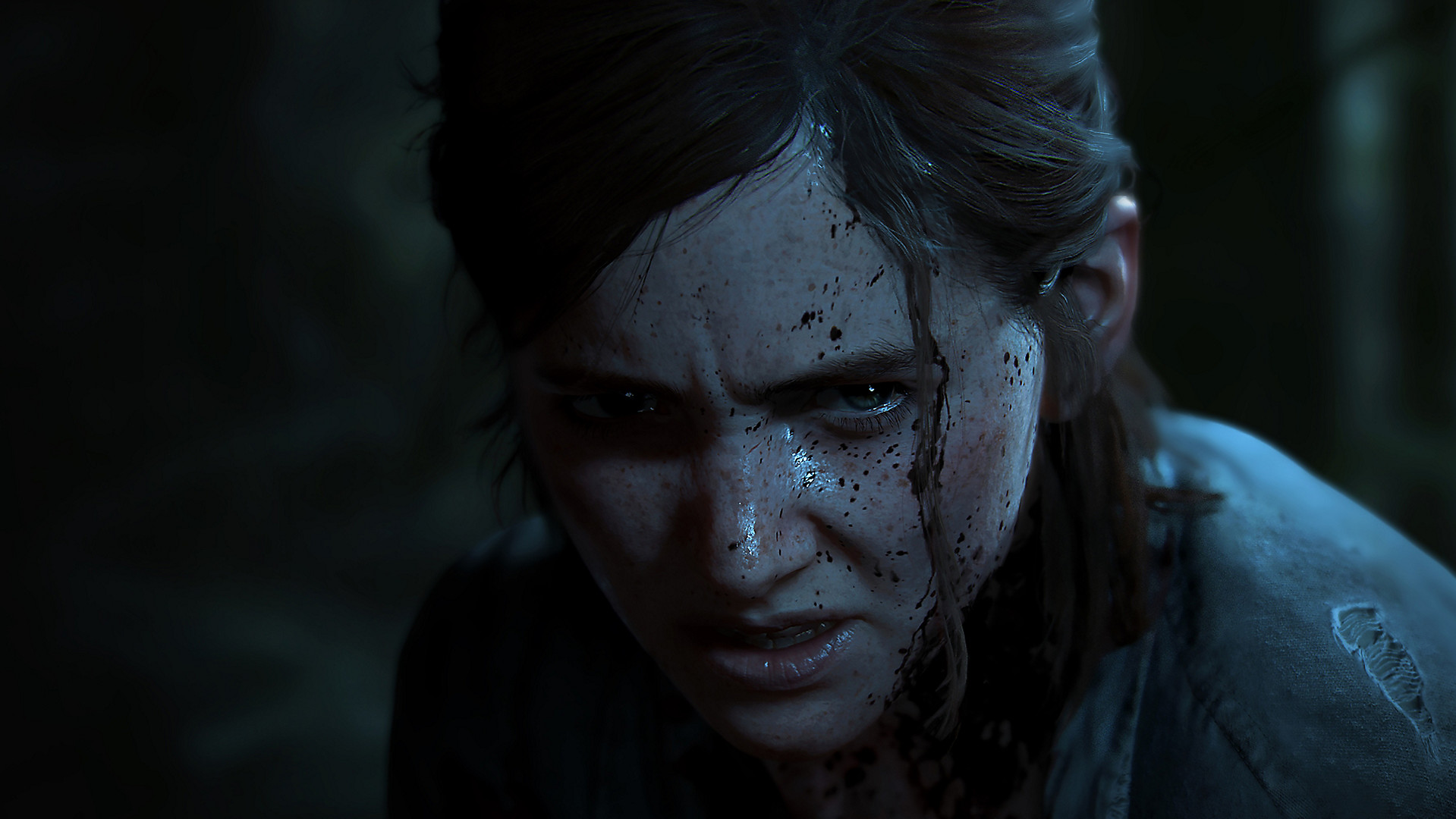
Before and after its release, the highly anticipated sequel faced a huge amount of negative reviews and angry reactions. This was largely due to leaks revealing players would spend a significant part of the game controlling Abby, a new, strong female character. Many fans were disappointed that the story shifted focus away from Joel Miller, the popular main character. The negative response was also fueled by concerns about the game’s perceived political themes, specifically regarding gender and body image in a post-apocalyptic world.
‘Gears 5’ (2019)
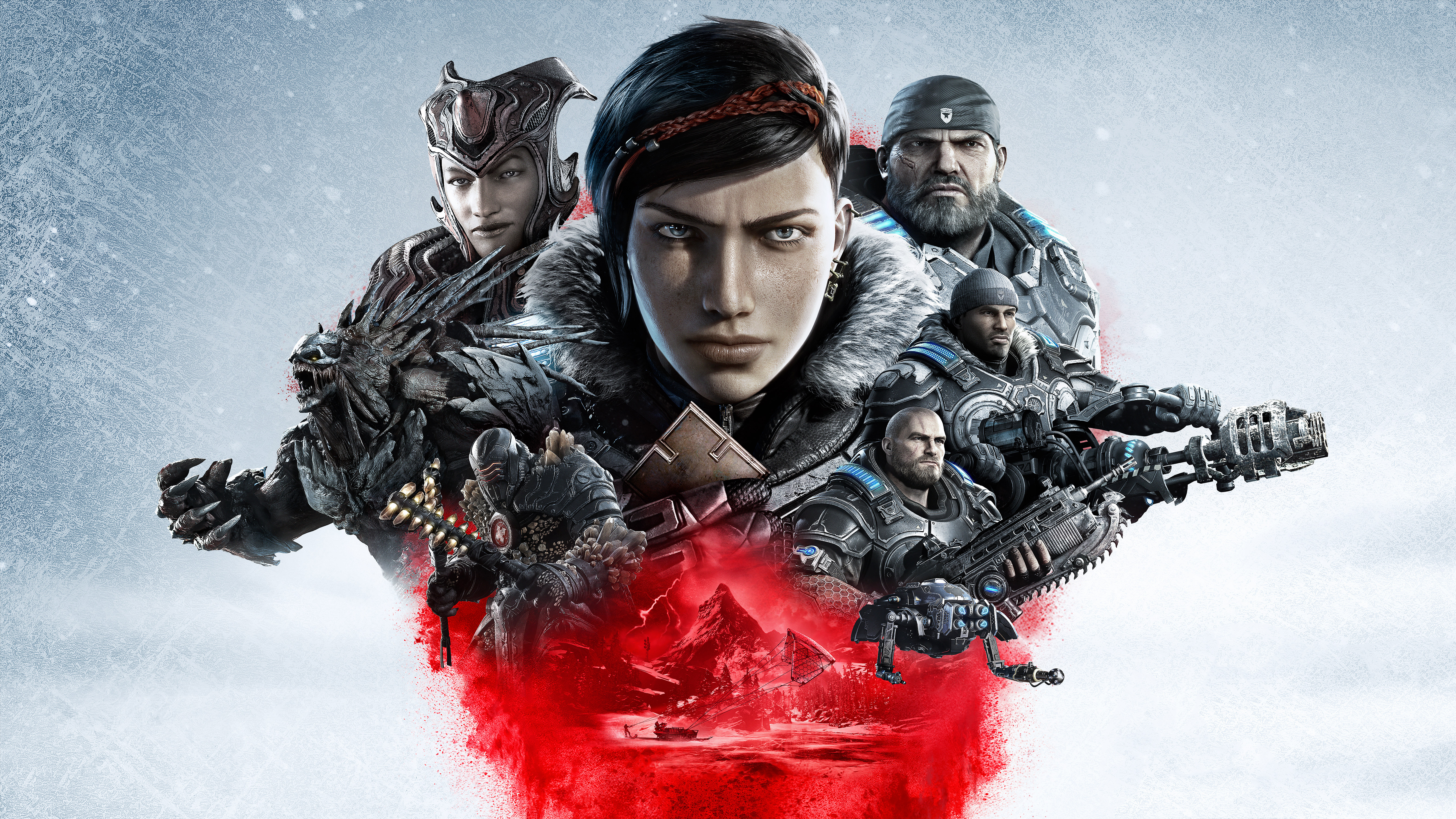
Gears of War took a new direction by making Kait Diaz the main character, rather than focusing on the established Fenix family – JD and his father, Marcus. This change surprised many longtime fans who were used to the series’ traditionally tough, male-focused heroes. The decision sparked debate online, with some players believing the shift was motivated by a desire for diversity rather than a natural fit for the story. However, despite the criticism, professional reviewers generally praised the game’s story and how it was structured.
‘Wolfenstein: Youngblood’ (2019)
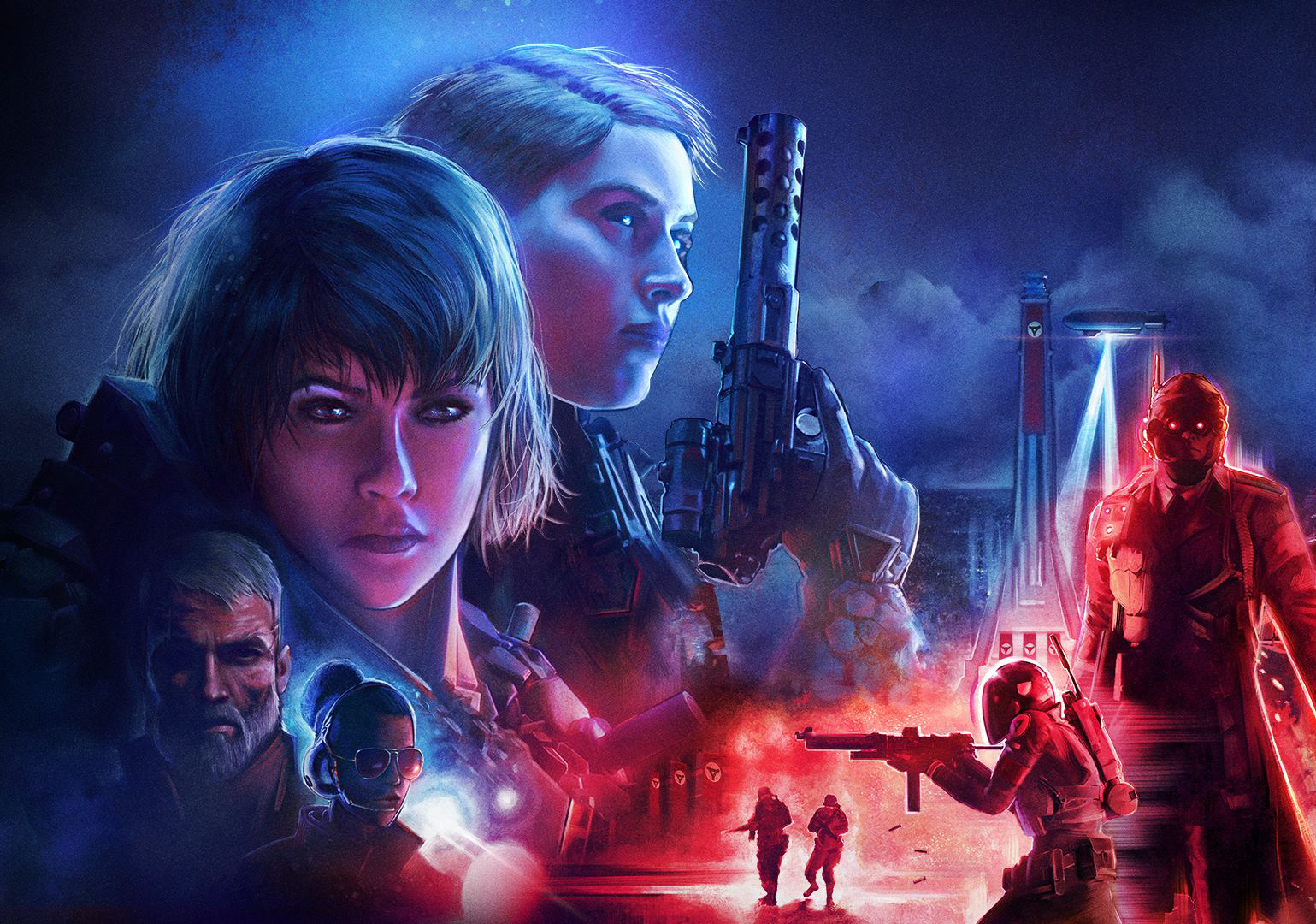
In the latest installment, the Wolfenstein series jumped ahead in time, centering the story on B.J. Blazkowicz’s twin daughters, Jess and Soph. Players experienced the game as these sisters in a cooperative shooting adventure, moving away from the traditional lone-hero format. While this change offered a fresh perspective, some longtime fans disliked the shift in tone from a serious war story to a more lighthearted young adult tale. Many criticisms centered on the writing and how Jess and Soph interacted with each other and other characters, particularly when compared to the more reserved personality of their father, B.J.
‘Assassin’s Creed Odyssey’ (2018)
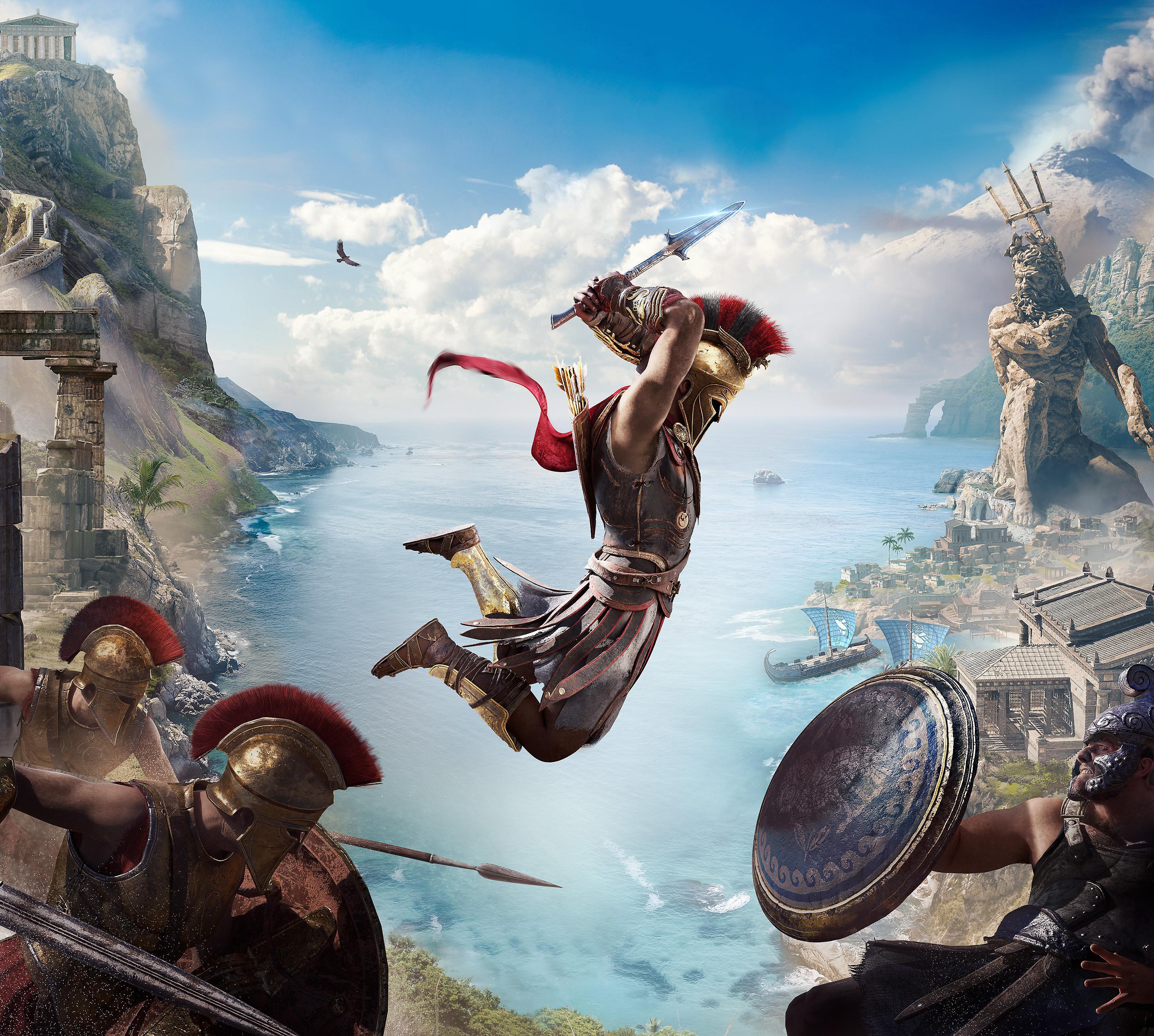
In Ubisoft’s large-scale RPG set in Ancient Greece, players can choose to play as either Alexios or Kassandra. However, a debate started when it was revealed that Kassandra is officially the main character in the game’s story and related novel. Some players felt this choice didn’t fairly represent the male character and didn’t align with what was historically accurate about women’s roles in Sparta. The developers explained that the game’s technology, called the Animus, allows players to experience different memories within the game’s fictional world.
‘Total War: Rome II’ (2013)

Years after its release, the game faced backlash when an update made female generals appear more often for some groups. Players on Steam left negative reviews, claiming the developers were changing history to align with current social views. Creative Assembly explained that the update aimed to accurately represent cultures where women historically held leadership positions. This situation sparked a debate about how strategy games should balance historical accuracy with enjoyable gameplay.
‘Uncharted: The Lost Legacy’ (2017)
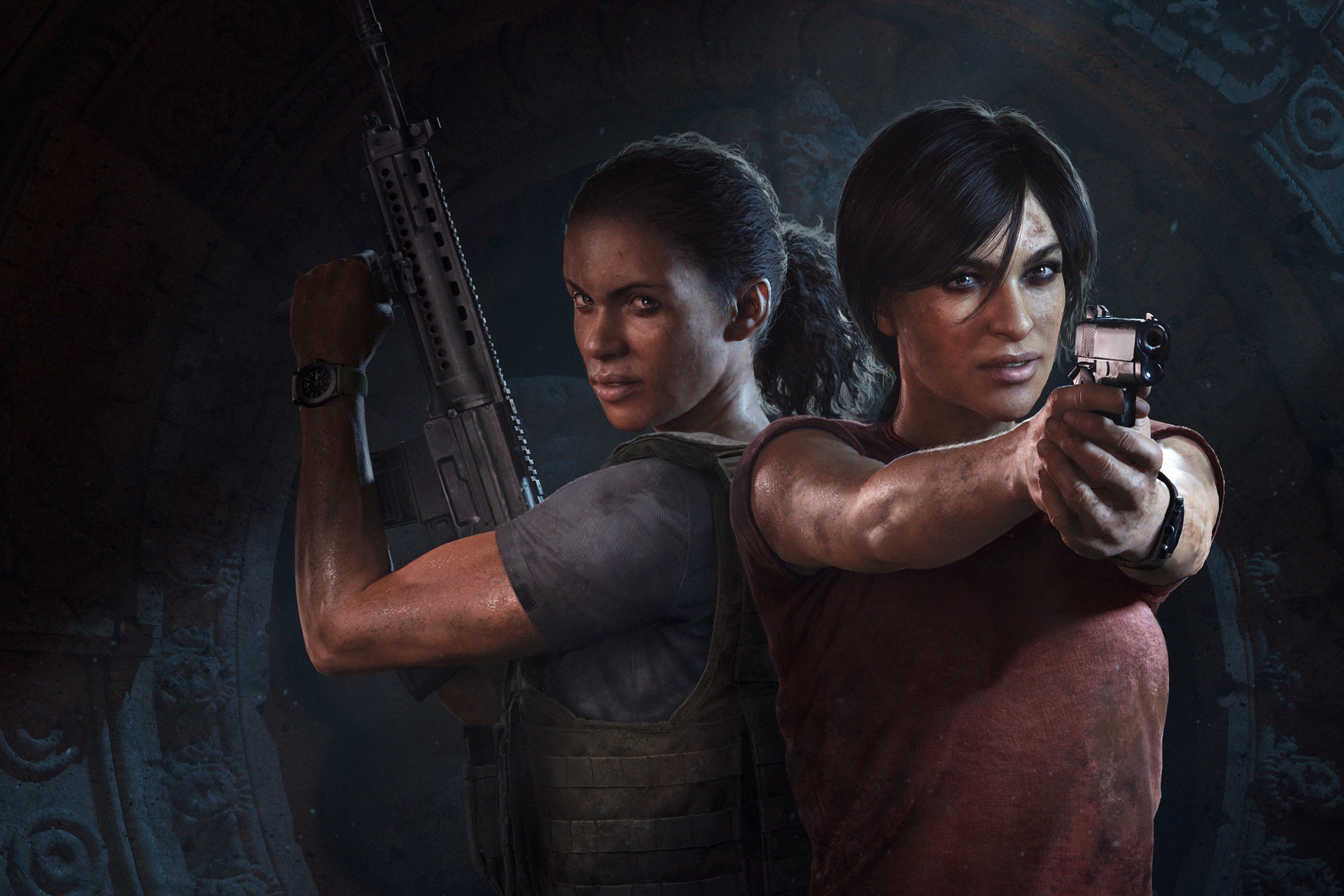
Instead of featuring Nathan Drake, this expansion to the Uncharted series followed the adventures of Chloe Frazer and Nadine Ross. Though many viewers enjoyed the strong connection between these two new leads, some fans were hesitant to play an Uncharted game without Drake. These critics believed the series depended heavily on Drake’s personality and that removing him was a poor decision. However, the game ultimately demonstrated that the Uncharted franchise could still be successful both in terms of gameplay and storytelling, even without its main character.
‘Dragon Age: The Veilguard’ (2024)
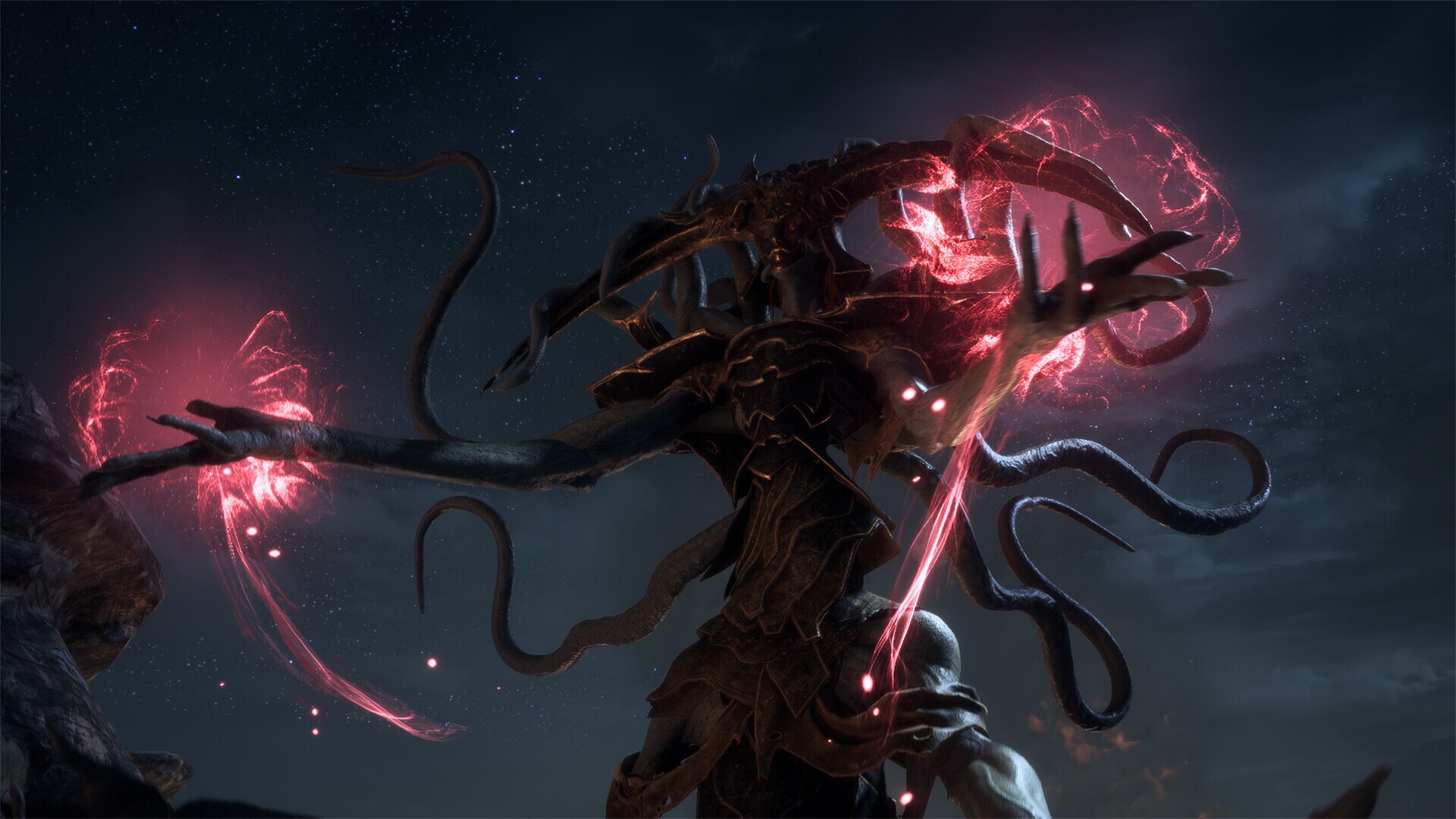
Before its release, the fantasy role-playing game faced a lot of criticism about its character customization options, specifically around gender. Features like the ability to include scars from top surgery and dialogue choices for non-binary characters caused significant debate online. Some critics accused the game developers of simply trying to appear progressive, arguing that these choices didn’t fit the fantasy world and broke immersion. This led to negative reviews being posted even before players could experience the game.
‘Mass Effect: Andromeda’ (2017)
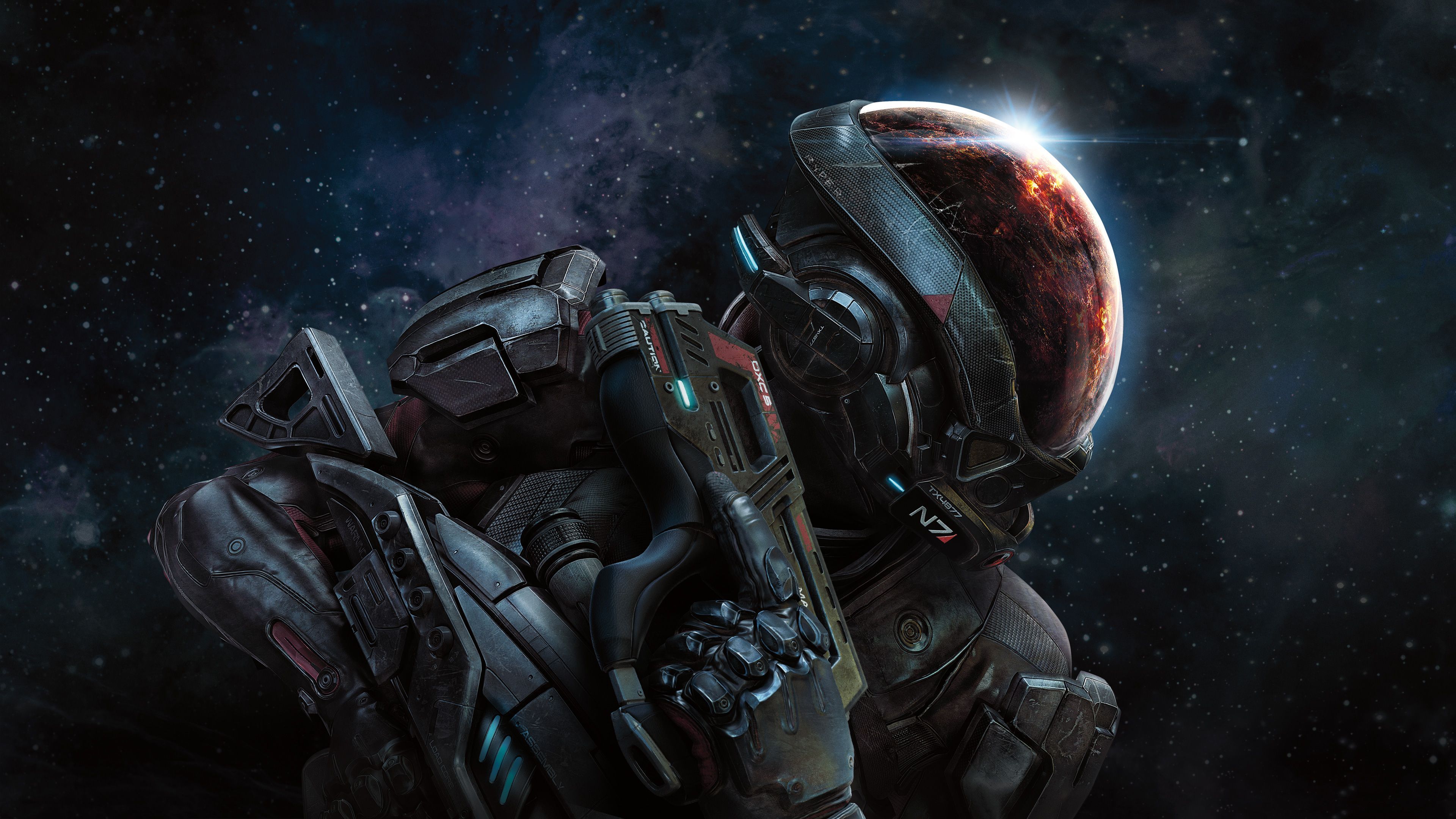
Marketing for the fourth game in the series heavily featured a female version of the new main character, Ryder. Although players could choose their character’s gender, the focus on a female lead as a replacement for the popular Commander Shepard upset some fans. Combined with problems in the game’s animation, discussions quickly turned into criticism of how the female characters looked. This negativity created a bad public image for the game and ultimately hindered the franchise’s success for several years.
‘Grand Theft Auto VI’ (Upcoming)
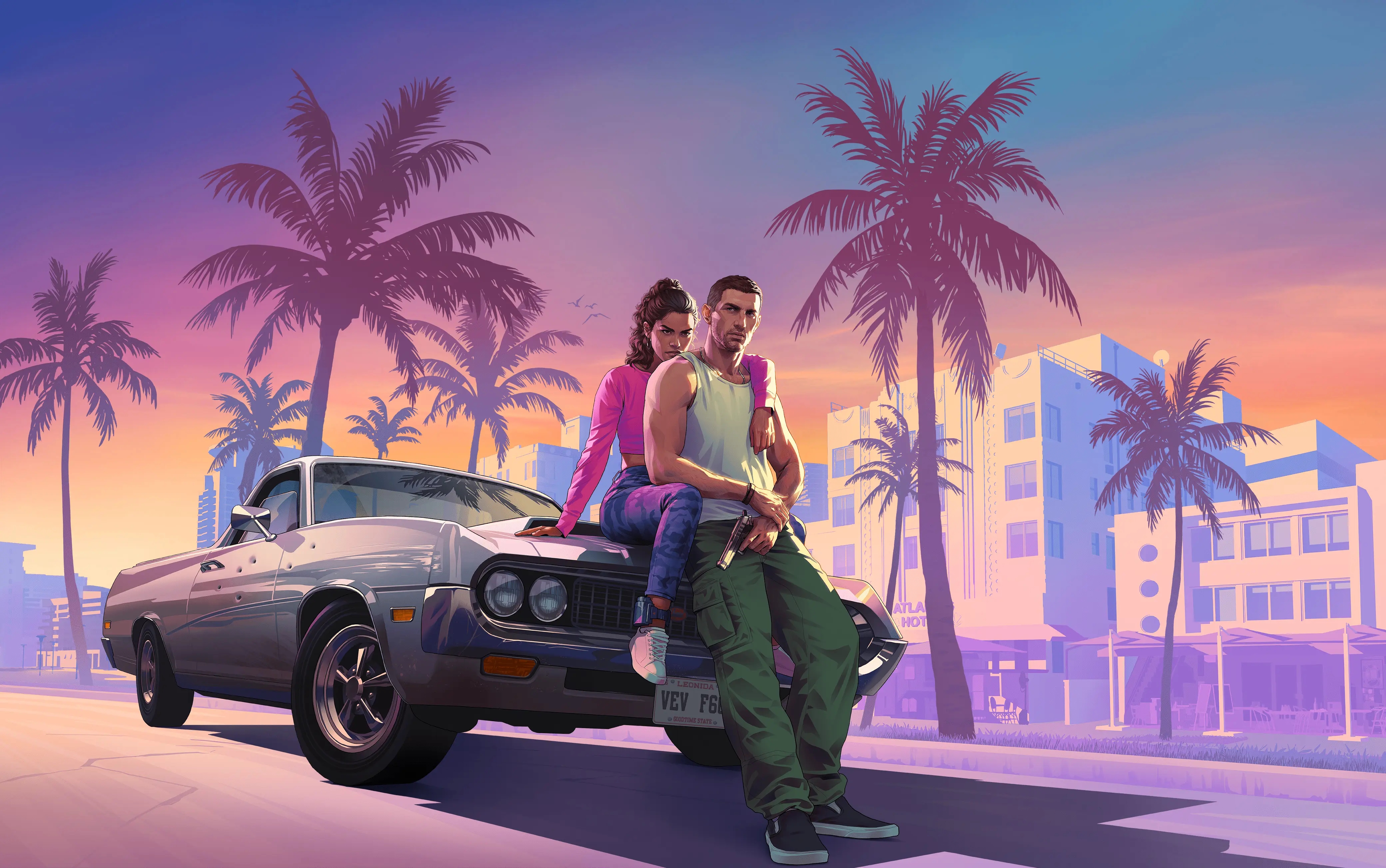
Rockstar Games received criticism even before its new game was officially released, after leaks revealed a female main character named Lucia, playing alongside another protagonist. Some people worried that the game’s typically sharp and often controversial style would be softened to fit a female lead. They compared Lucia to previous male characters and feared the game would move away from its usual focus on crime. The release of the official trailer brought these concerns back into the spotlight, even though the trailer was viewed by a record number of people.
‘Fable’ (Upcoming)
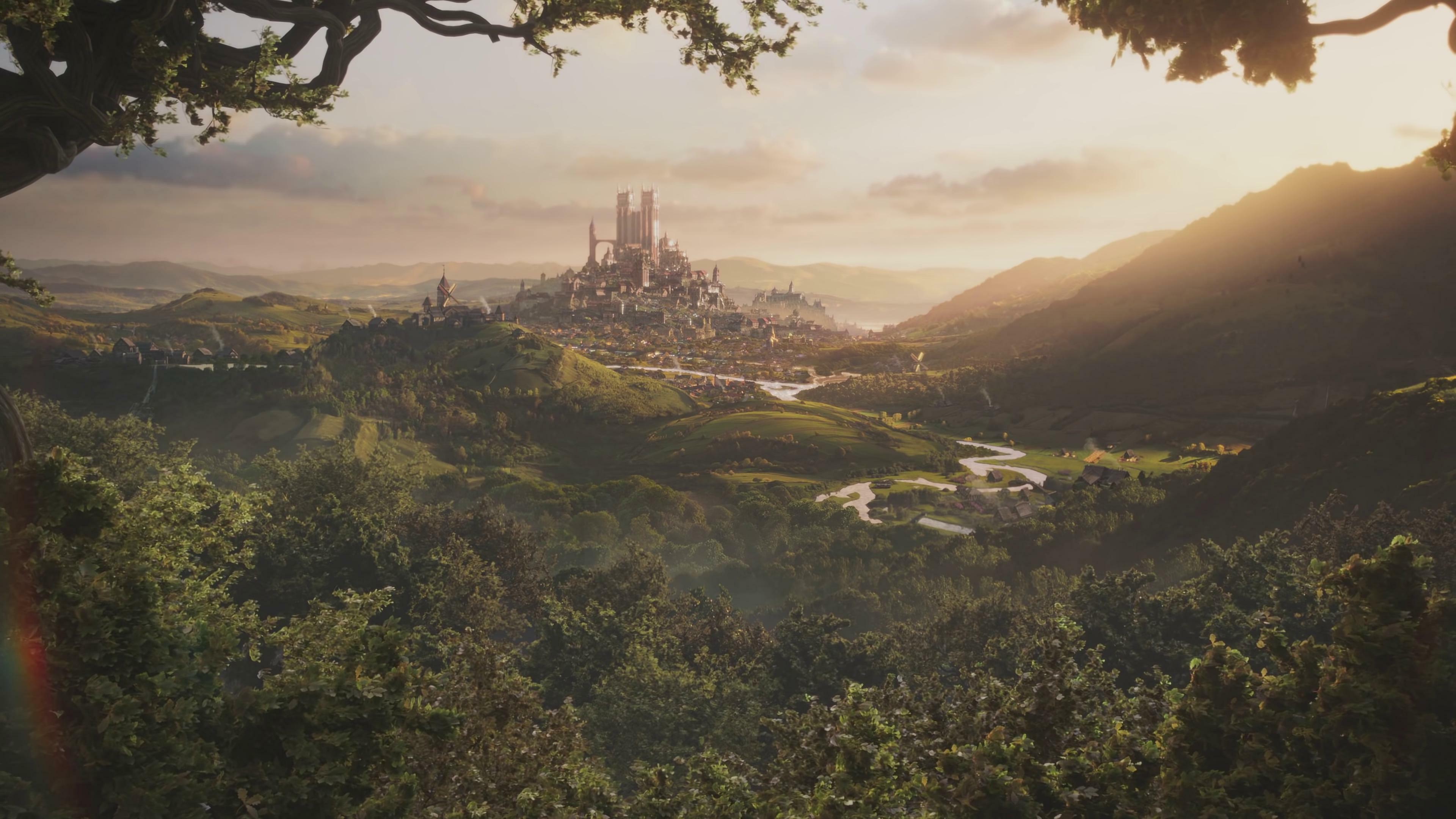
The new version of the classic Xbox RPG immediately sparked controversy when its first trailer featured a female lead. Many online commenters criticized her appearance, saying her facial design wasn’t traditionally attractive. Fans of the original games also felt the new version had a different feel than the earlier games created by Peter Molyneux. A lot of the discussion focused on whether the developers were intentionally moving away from typical, idealized depictions of female characters in games.
‘Star Wars Outlaws’ (2024)
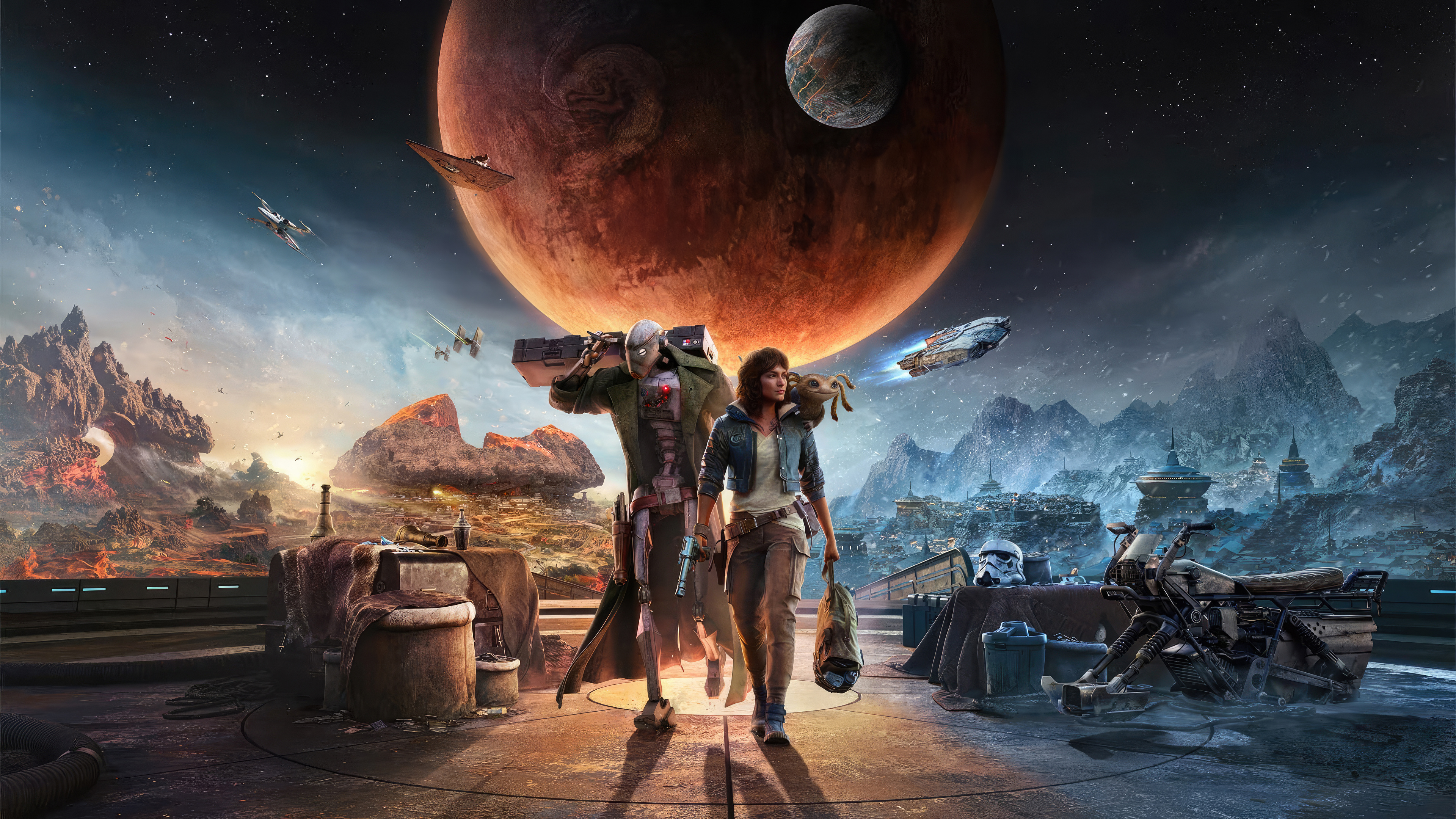
The open-world adventure game, developed by Ubisoft Massive, centers around a main character named Kay Vess. Some Star Wars fans were unhappy that the game didn’t allow character customization or the option to play as a male character. Many criticisms focused on Kay Vess’s design, with some players claiming she wasn’t portrayed in a traditionally feminine way. This negative reaction reflects larger conversations about how women are represented in the Star Wars galaxy.
‘Dishonored 2’ (2016)
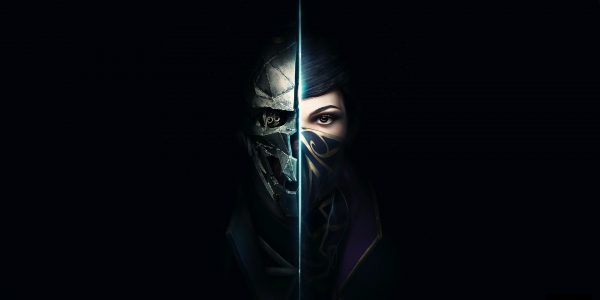
In Dishonored 2, players could choose to play as either Corvo Attano, who returned from the first game, or his daughter, Emily Kaldwin. The story primarily focused on Emily’s journey to take back her throne as empress. While the game offered improvements to gameplay, some players were disappointed that Corvo seemed less powerful or important, as the narrative clearly highlighted Emily as the main character. This shift in focus from the original game’s lone hero was a source of debate among fans.
‘Far Cry 6’ (2021)
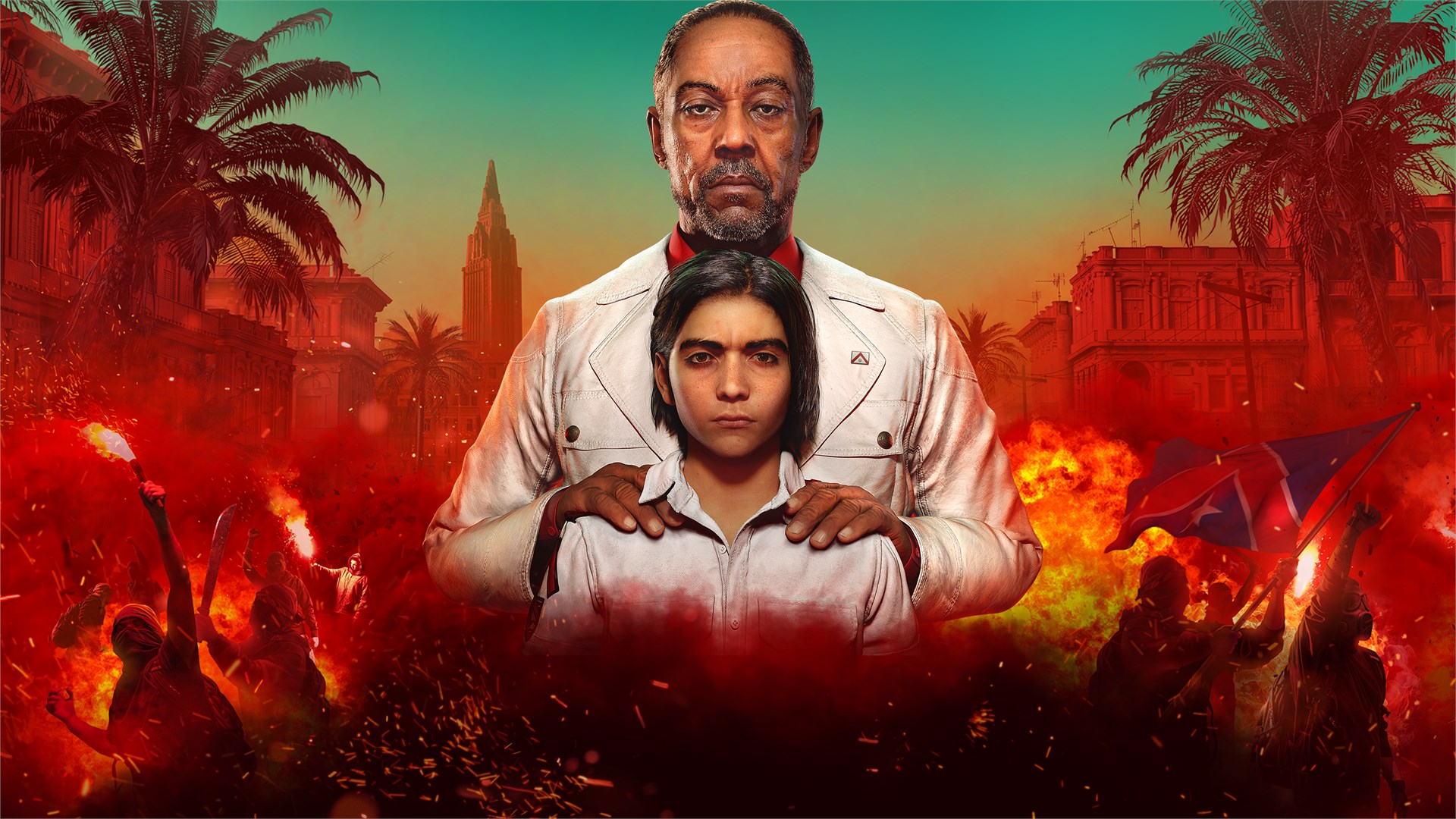
So, Ubisoft let me create my character in the latest game, Dani Rojas, and I could choose male or female. They showed both options in their marketing, which was cool. But then they announced that the female Dani was the ‘real’ version of the character, the one they were using in other stories and stuff. Honestly, it kind of bugged me! I picked the male Dani, and it felt like my choice didn’t really matter if they’d already decided on a different ‘canon’ version. The series always had male leads before, so this whole thing sparked a big debate about whether letting us customize our character even means anything if the developers have a specific story they want to tell regardless.
‘Silent Hill 2’ (2024)
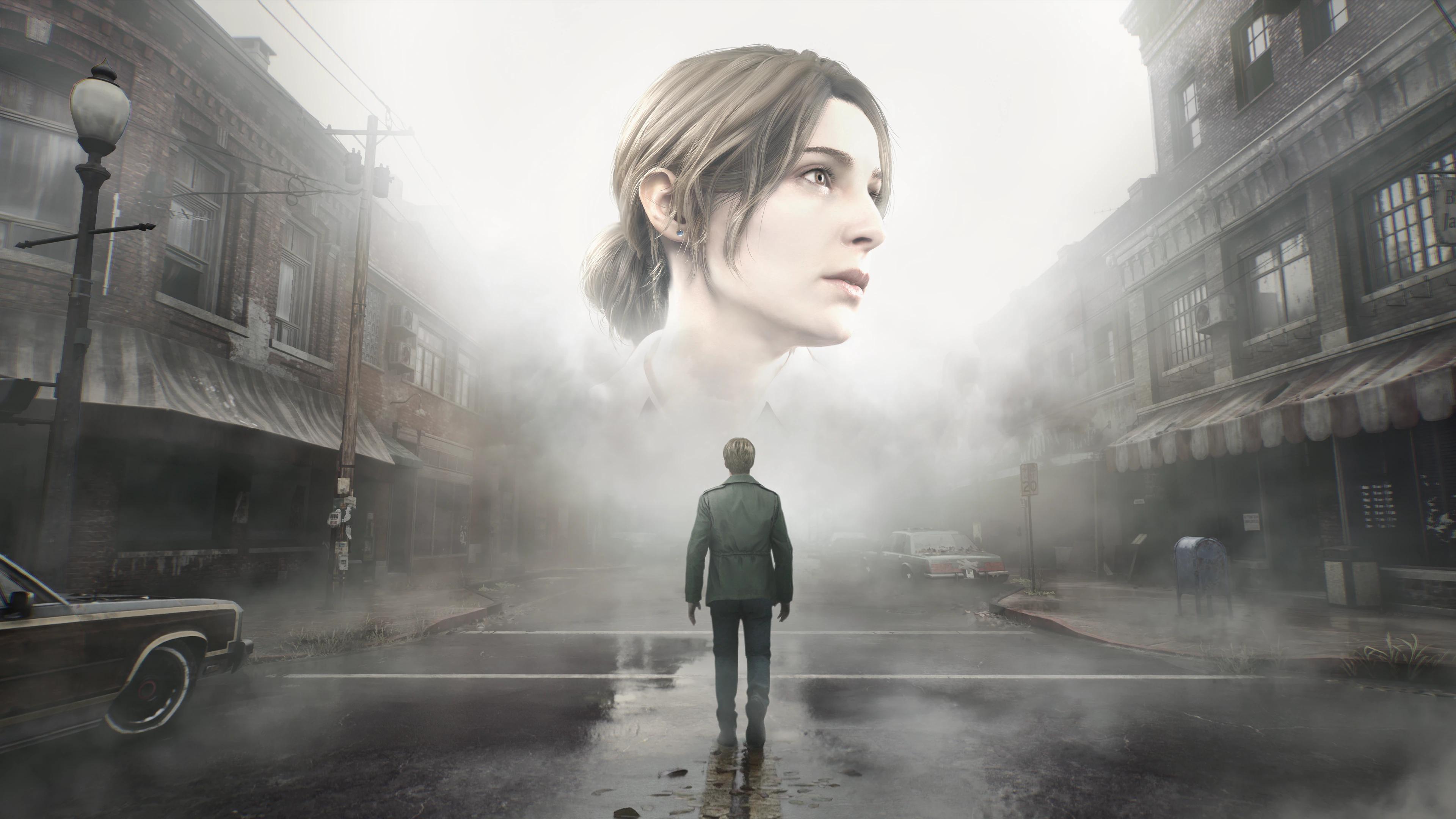
The recent remake of a popular psychological horror game sparked controversy due to changes made to its female characters, Maria and Angela. Critics accused the developers of altering the original designs to make them more modest, reflecting current conservative views. Comparisons on social media between the older PlayStation 2 versions of the characters and the new, more realistic Unreal Engine 5 models intensified the backlash. However, Bloober Team, the game’s developer, maintained that the changes were intended to make the characters feel more believable and emotionally resonant, not to cater to any political stance.
‘Alan Wake 2’ (2023)
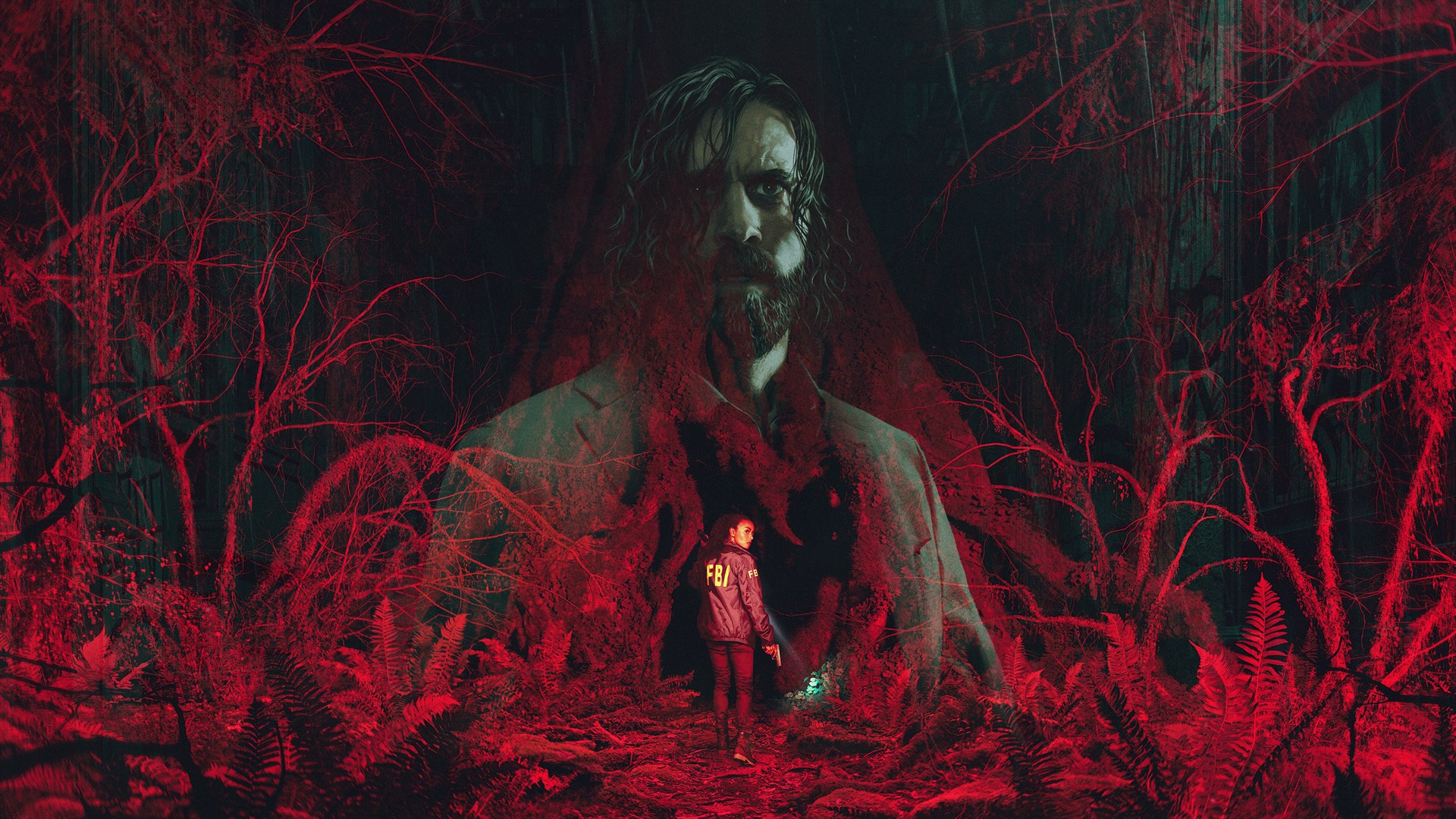
When Remedy announced the new Alan Wake game, they introduced Saga Anderson as a main character alongside Alan, and honestly, a lot of us fans were worried at first. We thought splitting the story focus would make Alan feel like a sidekick in his own sequel! Plus, there was some negativity around Saga being a woman of color taking the lead – some people just didn’t like the change from a single white male protagonist. Thankfully, once the game came out and people started playing, the positive reviews pretty much drowned out those early complaints, but the initial reaction was definitely pretty strong.
‘Call of Duty: WWII’ (2017)
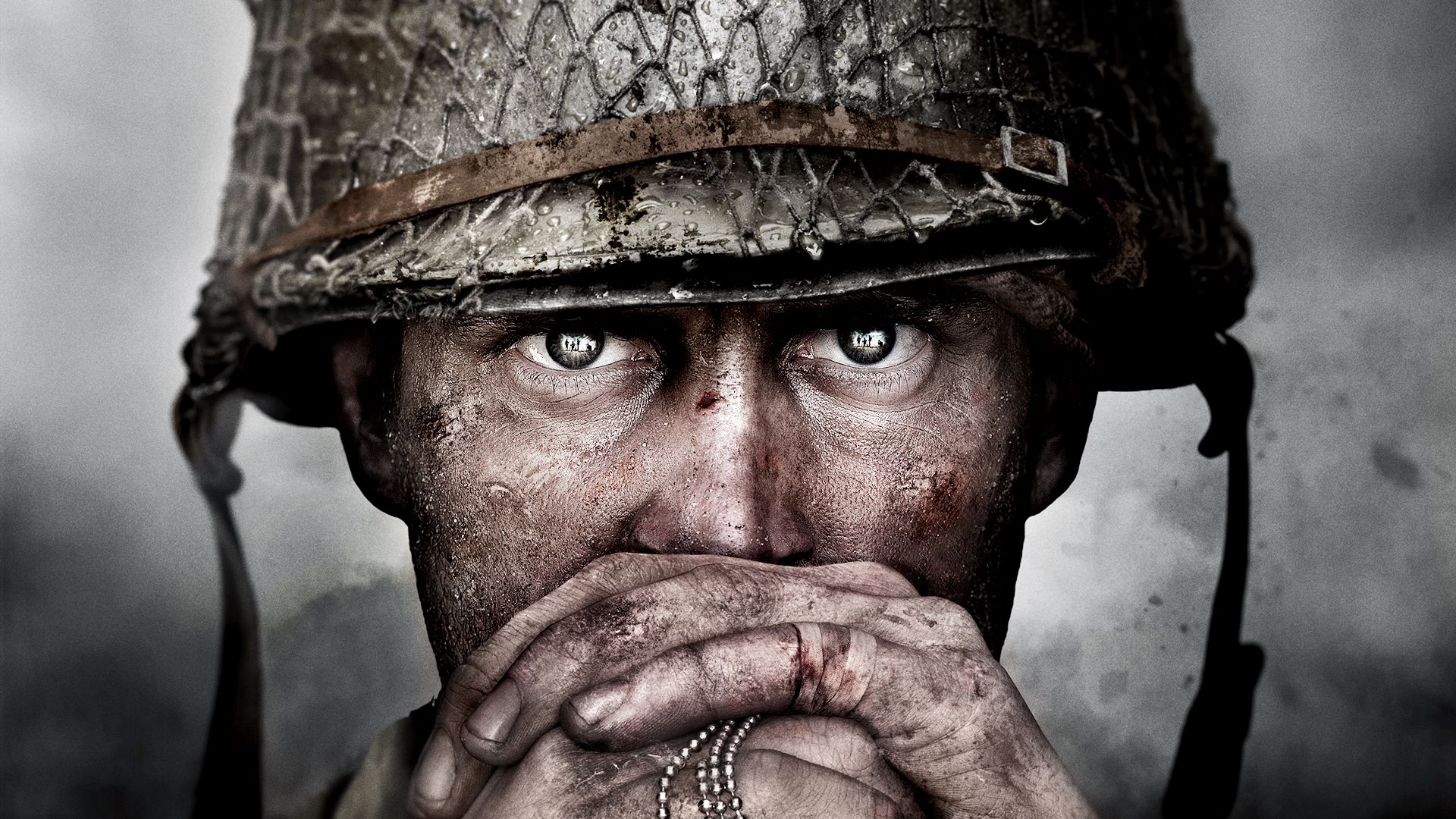
Activision allowed players to create female characters in the online portion of their World War II game. Some hardcore fans protested, claiming it broke the realistic feel of the historical setting, as WWII soldiers were almost all men. The developers explained they felt it was more important to let players personalize their experience online, even if it meant deviating from complete historical accuracy. This sparked a lot of debate and some players threatened to not buy the game.
‘Mortal Kombat 11’ (2019)

NetherRealm Studios redesigned some of their classic female characters, like Kitana and Jade, with more modest outfits. This change sparked debate within the fighting game community, with some players claiming the developers were giving in to external criticism and unnecessarily changing well-known character designs. The discussion intensified when an ending in the arcade mode – where Jax abolishes slavery – unexpectedly drew political criticism from some. Many fans who enjoyed the characters’ more provocative look from the 1990s and 2000s expressed concern that the series was losing its distinctive, rebellious style.
‘Battlefield 2042’ (2021)
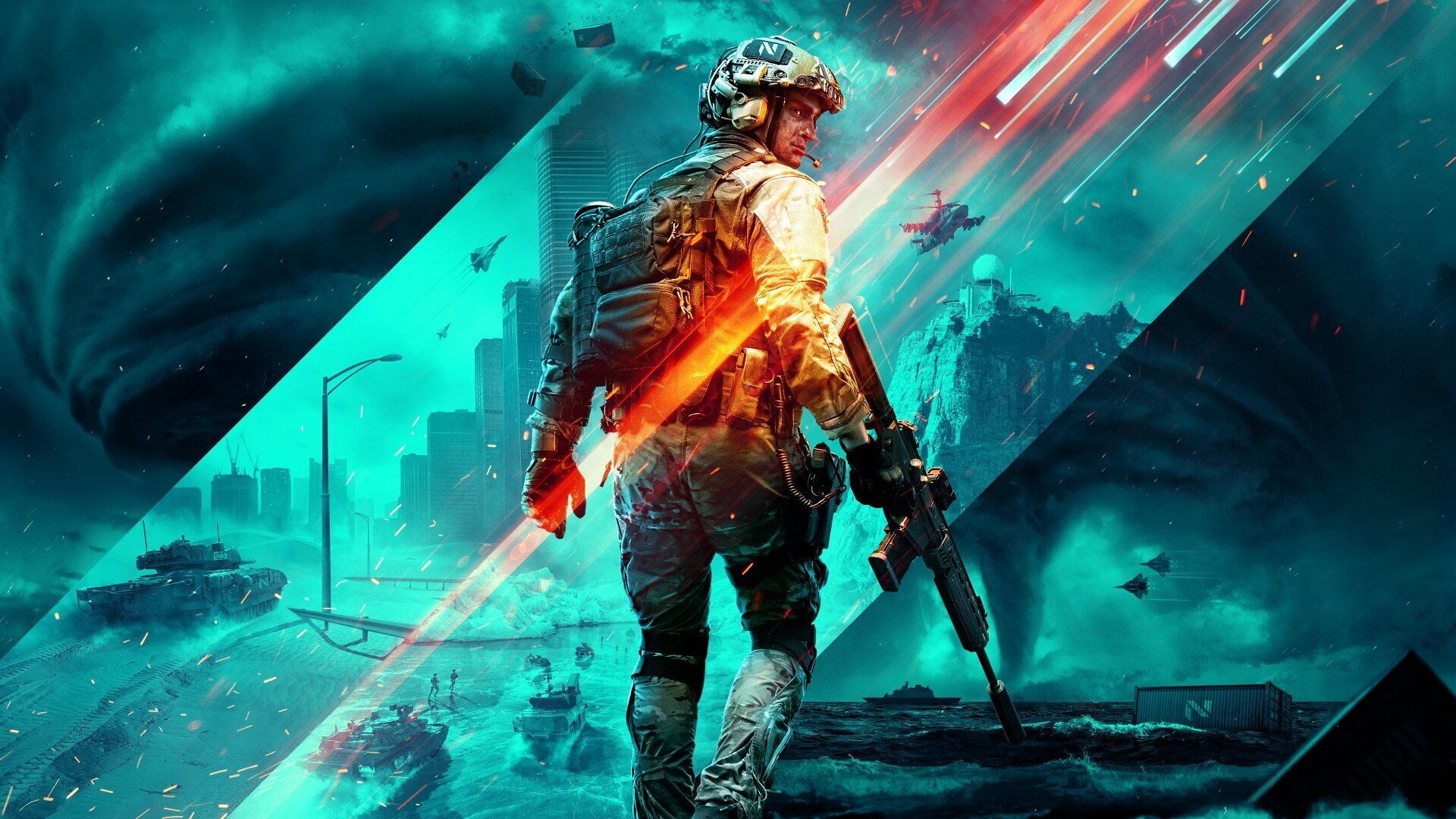
The game initially tried to move away from standard classes by introducing ‘Specialists’ – unique characters with their own traits. However, many veteran players disliked this change, as well as the game’s focus on hero-shooter mechanics. They also expressed concerns about the inclusion of female and non-binary characters in what they felt was a realistic and harsh war environment. While technical problems added to the frustration, a major issue for players was the shift to characters with defined backgrounds, and they requested a return to the anonymous, more generic soldiers of the past.
‘Overwatch 2’ (2022)
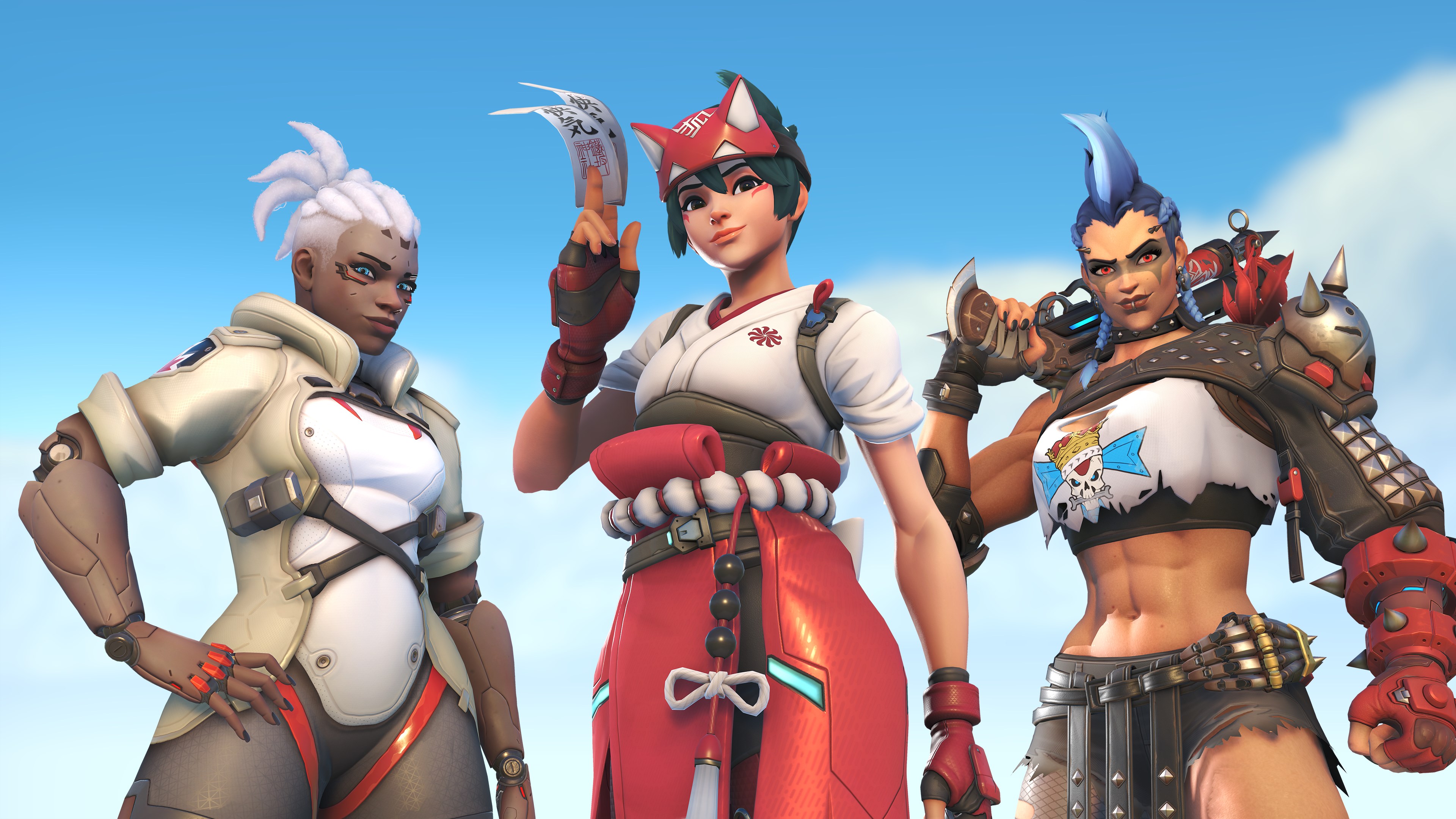
Okay, so Blizzard really shook things up with Overwatch 2, and honestly, it’s been a bit of a rollercoaster. They changed a lot of the heroes’ looks and stories, which got a lot of us talking – and not always in a good way. They also switched to 5v5, and a bunch of us felt like our favorite characters just weren’t the same after the rebalancing. It wasn’t like they changed genders or anything, but they kept tweaking the female characters’ designs and backgrounds, and it kinda got mixed up in all the online culture war stuff. A lot of us felt like they were focusing more on hitting certain representation goals than actually making the game fun and balanced, you know?
‘Rainbow Six Siege’ (2015)
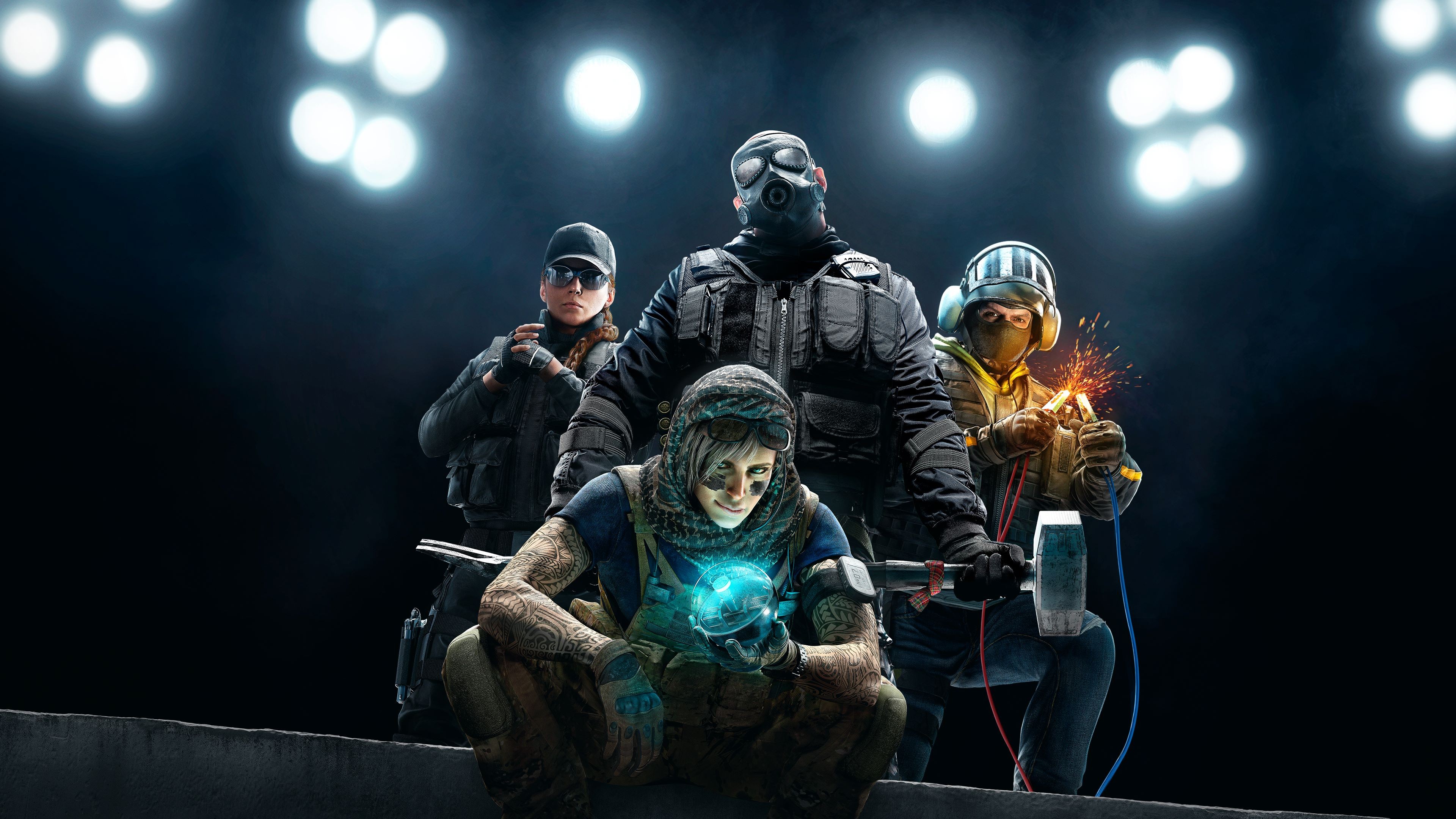
As a Rainbow Six Siege player, I’ve seen Ubisoft consistently add female operators since the game came out, which is cool. But honestly, a section of the community always kicks up a fuss, saying it doesn’t feel realistic to have women in those kinds of units. It’s weird because the character designs have gotten less and less about actual military gear and more about just looking cool. This change always seems to spark arguments – some people want hardcore realism, while others are glad the game is becoming more inclusive. It’s a constant back-and-forth, really.
‘Baldur’s Gate 3’ (2023)
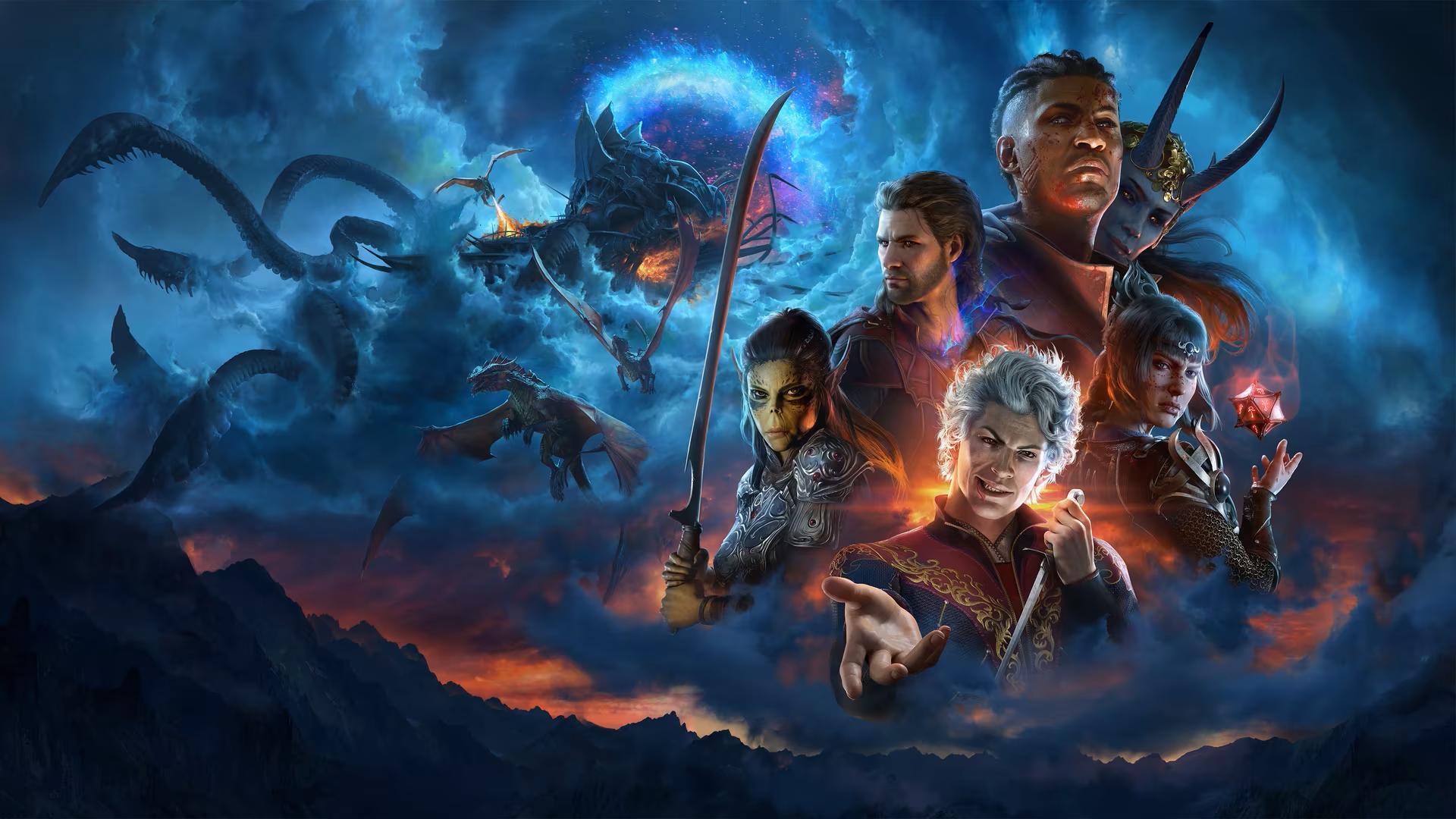
Larian Studios’ game allowed players to deeply customize their characters, separating voice and physical characteristics from assigned gender. Though the game received widespread praise, some people criticized these options as being overly progressive. Specifically, the inclusion of non-binary character choices and the ability to romance companions regardless of gender led to calls for a boycott from certain groups. Despite this, the game was hugely successful, and while the controversy didn’t disappear, it remained mostly confined to online discussions.
‘Starfield’ (2023)
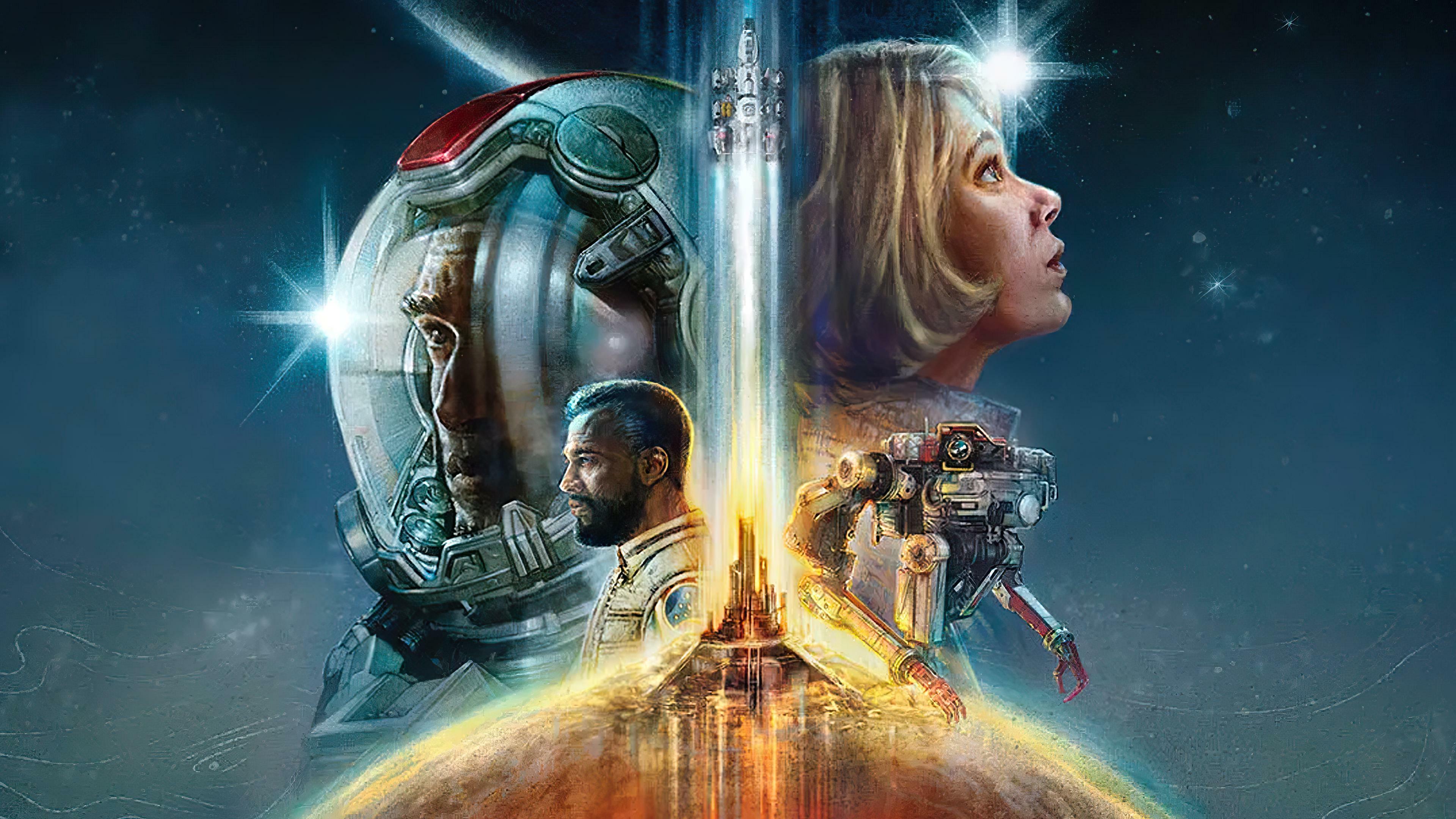
As a long-time fan of Bethesda, I was pretty surprised by the whole thing that blew up after the game launched. It started with a streamer getting really upset about being asked for character pronouns during setup, and suddenly it was everywhere, turning into a huge debate about politics in gaming. Some people were calling it pointless and saying Bethesda was just trying to please everyone. But honestly, the developers explained it was a small feature, just a way to make more players feel included, and I think that’s a good thing.
‘Saints Row’ (2022)
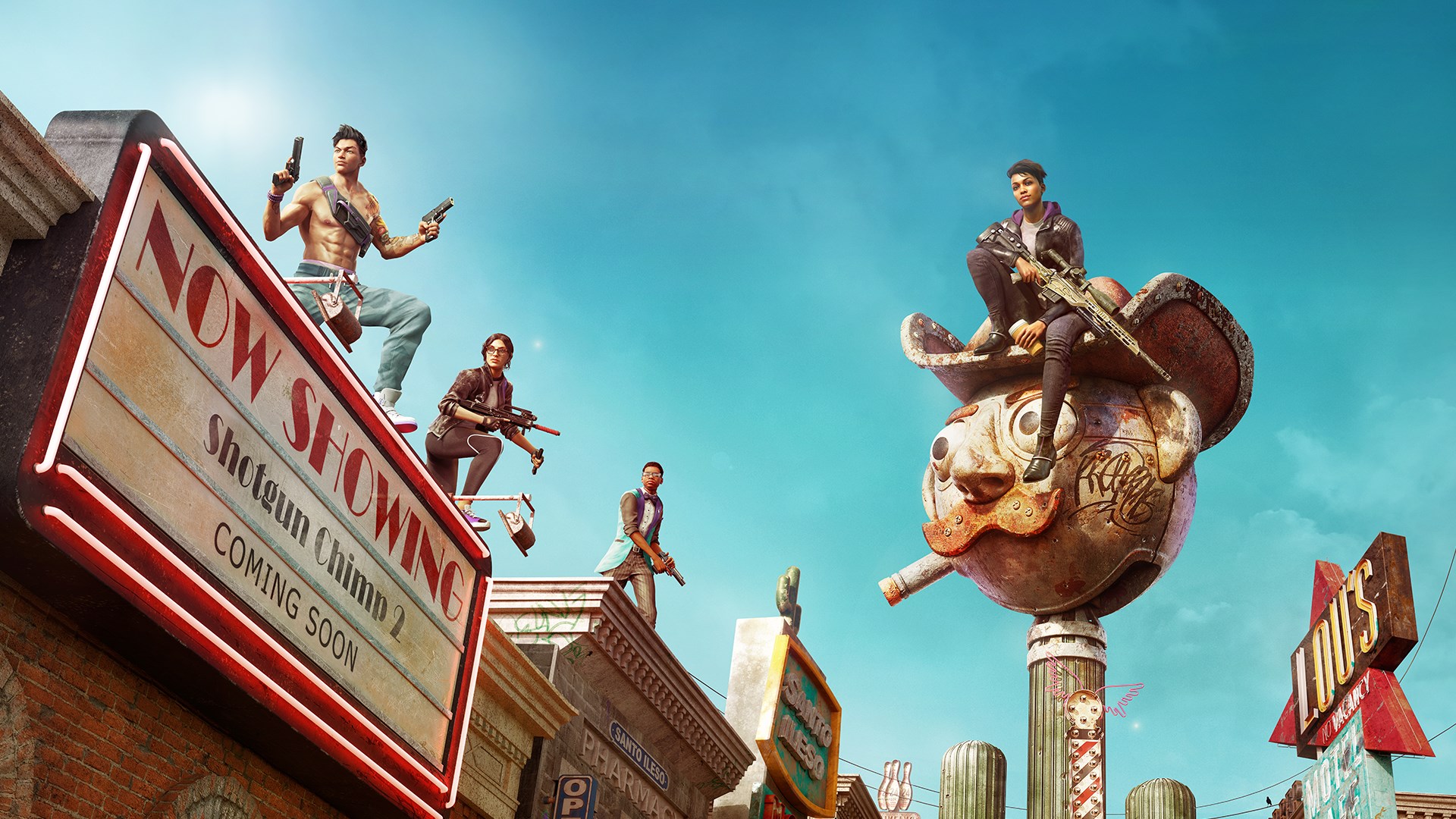
The latest installment in the open-world crime series featured a completely new main character and supporting cast. However, many longtime fans disliked the new characters’ appearance, finding them too trendy and not intimidating enough compared to the original gangsters. The marketing of a default female character was seen as representing a shift towards a less gritty and more polished game. Ultimately, the game didn’t sell well, and the development studio, Volition, closed down as a result.
‘Marvel’s Avengers’ (2020)
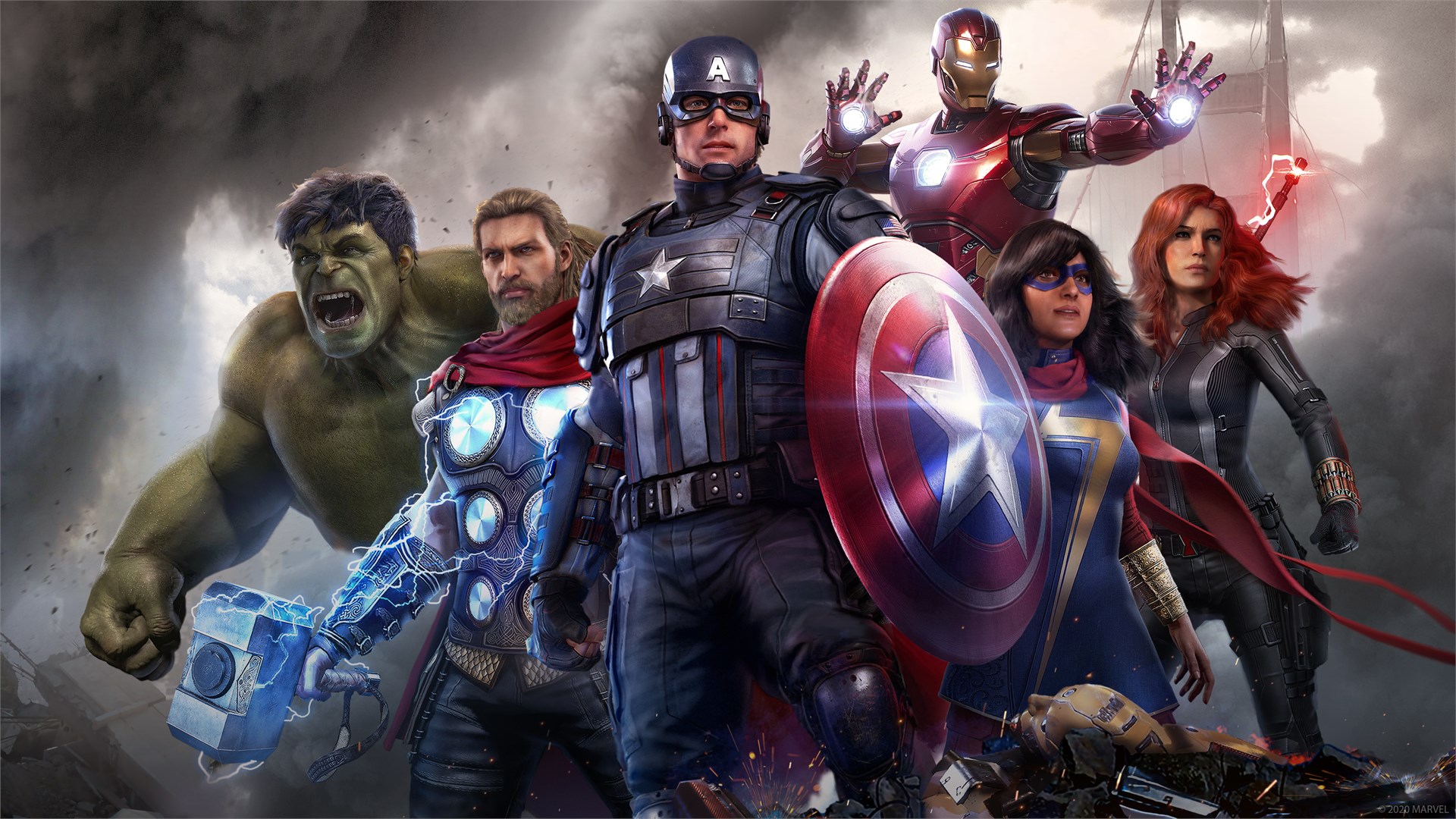
The game’s story focuses on Kamala Khan, also known as Ms. Marvel, making her the central character. Many players felt the marketing was misleading because they anticipated a story centered around Captain America or Iron Man. Some criticized this choice, viewing it as a deceptive tactic, and it sparked debate, with some arguing the game prioritized diversity over its established heroes.
‘Gotham Knights’ (2022)
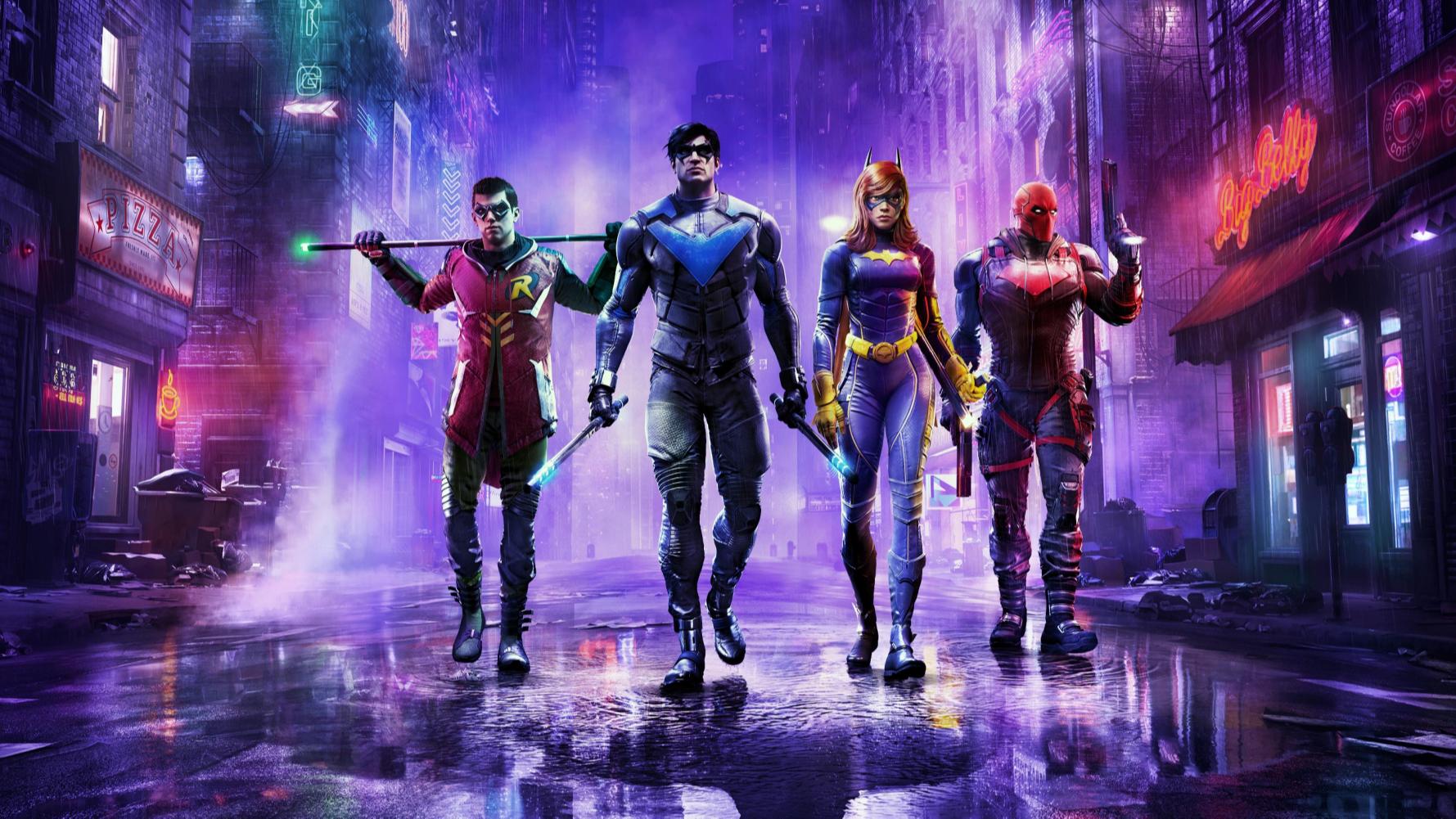
Warner Bros. Games made a Batman game with a twist: Batman is gone, and Batgirl takes on a leading role. This departure from the traditional formula disappointed some fans hoping for a direct continuation of the Arkham series. Though players could play as male characters like Nightwing or Red Hood, the game’s promotion focused on Batgirl. Ultimately, the game had difficulty establishing its own identity, constantly being compared to previous, male-protagonist Batman titles.
‘Assassin’s Creed Valhalla’ (2020)
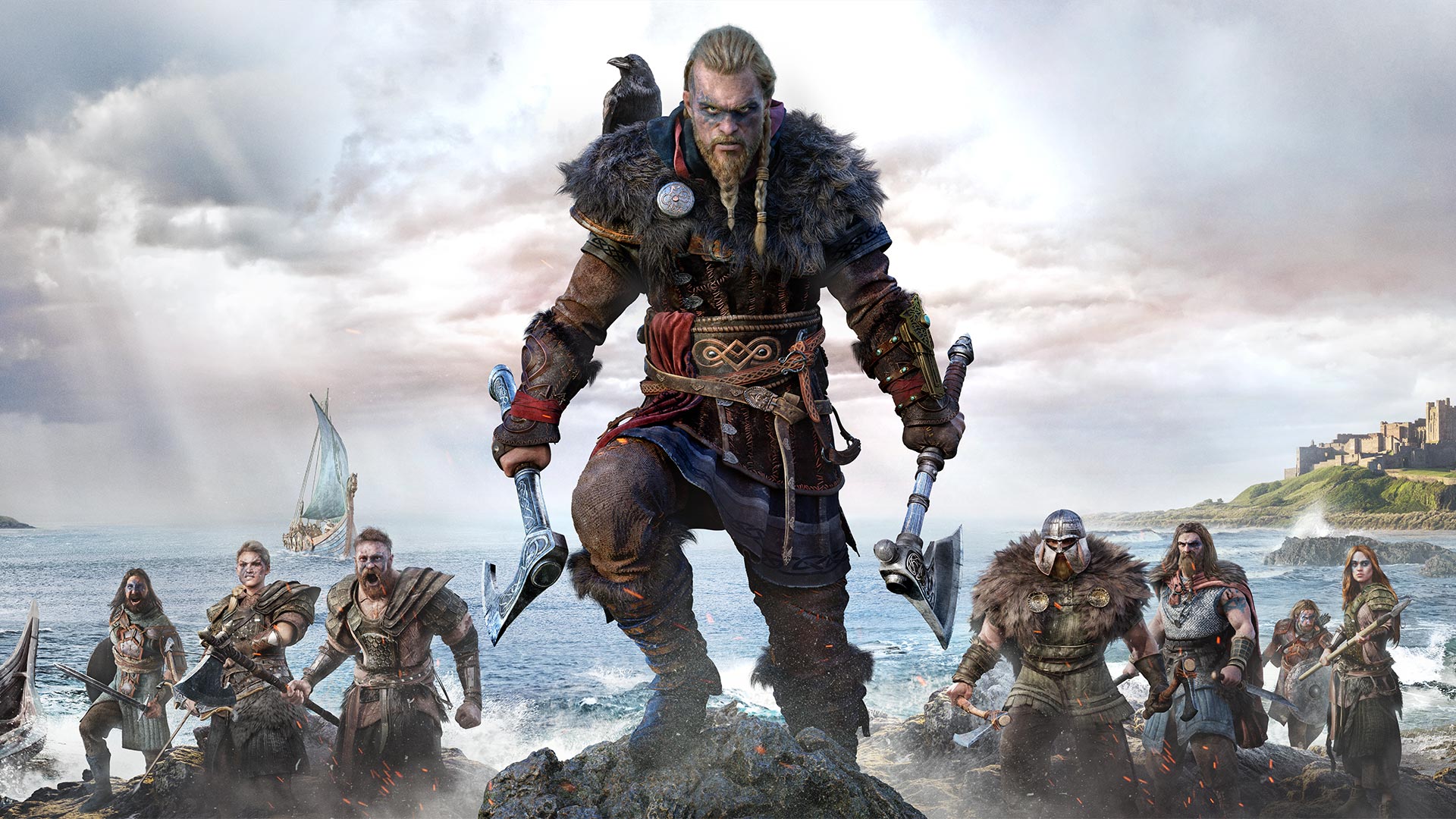
In Assassin’s Creed Valhalla, Ubisoft again allowed players to choose between male and female protagonists, this time with the Viking raider Eivor. However, it caused some controversy when players learned that the game’s official storyline centered around the female version of Eivor. The male Eivor was presented as a form of the god Odin, not the actual historical character. This sparked a debate similar to the one from a previous game, Odyssey, with players questioning whether Ubisoft truly supports having female leads or if they’re worried about lower sales.
‘Cyberpunk 2077’ (2020)
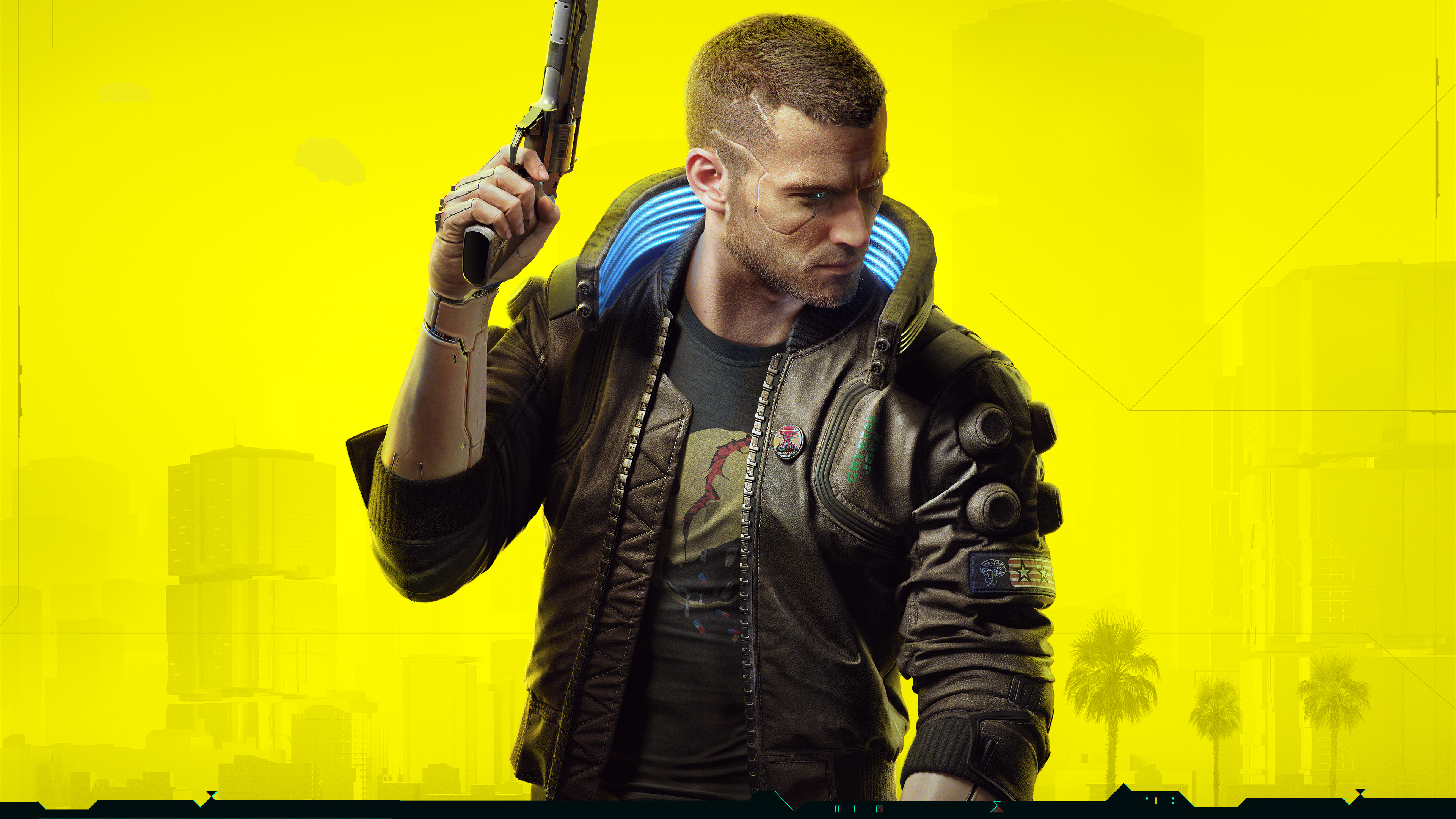
CD Projekt Red let players choose a character’s body type and voice instead of selecting a male or female gender. While this was intended to be more welcoming to transgender players, some gamers were upset by the change and missed the traditional character options. Some people saw this new ‘mix and match’ system as a political move, not just a feature of the game. This disagreement was one of several issues that caused problems when the game first launched.
‘Dead Space’ (2023)
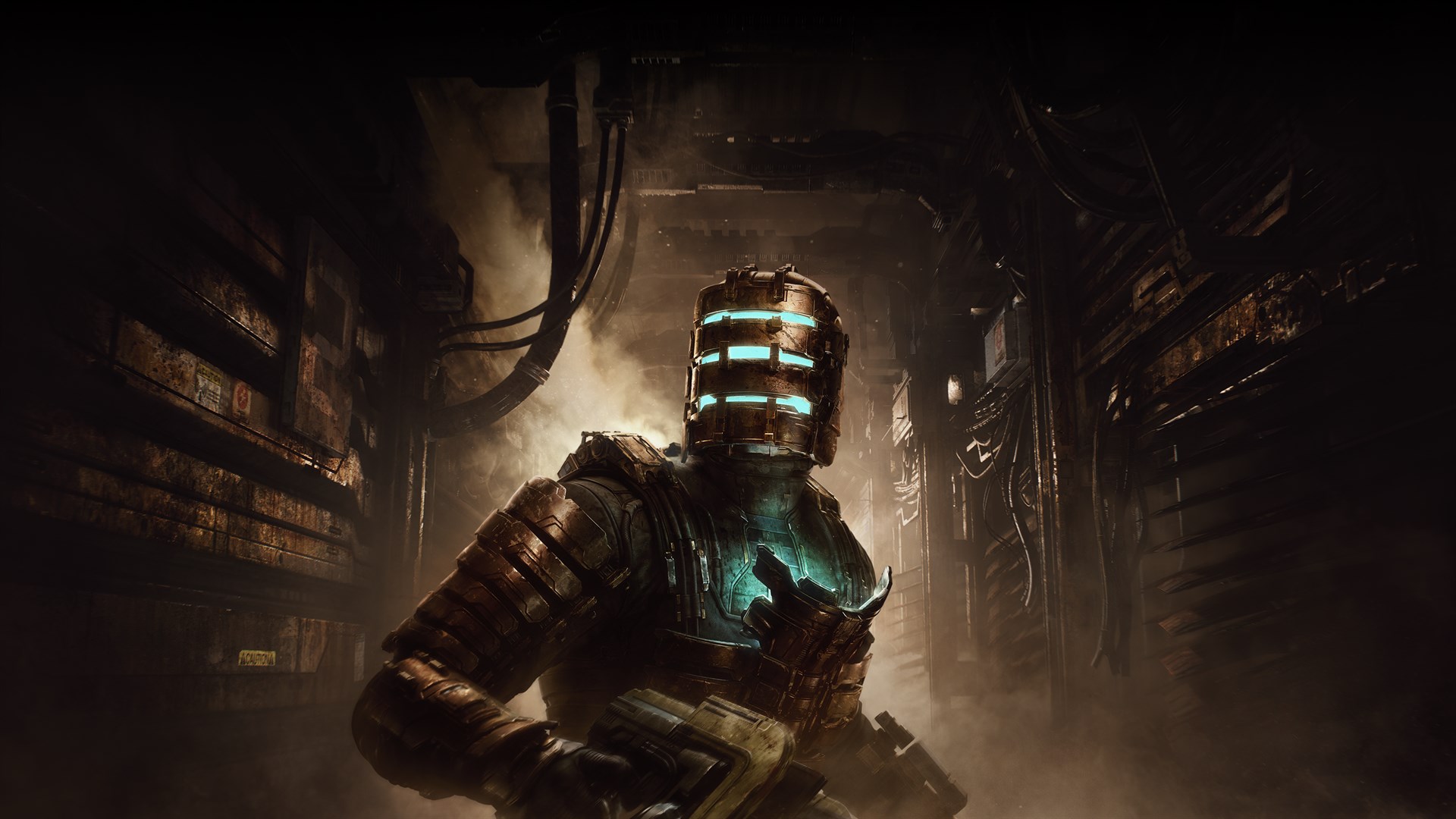
The updated version of the sci-fi horror game included small changes to the surroundings and character appearances. These included updating textures to include gender-neutral bathrooms on the spaceship and redesigning the character Kendra Daniels to be less overtly sexualized. While these changes were minor, some content creators highlighted them, claiming they erased aspects of the original game’s identity.
‘Returnal’ (2021)
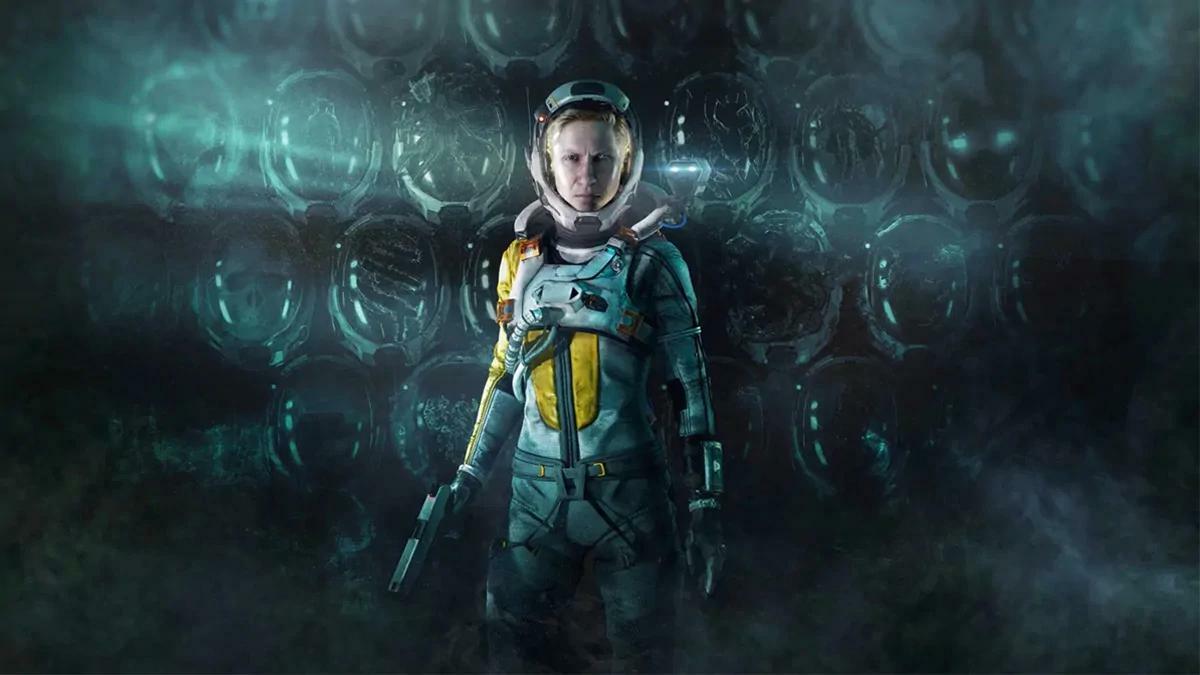
Housemarque’s roguelike shooter stars Selene Vassos, a middle-aged woman, as the main character. This choice sparked some debate among players, with a few criticizing the decision to not use a younger or more conventionally attractive lead. Selene’s appearance, unusual for a video game heroine, led to discussions about beauty standards. However, the game was largely praised for its difficult but rewarding gameplay and immersive atmosphere.
‘Forspoken’ (2023)
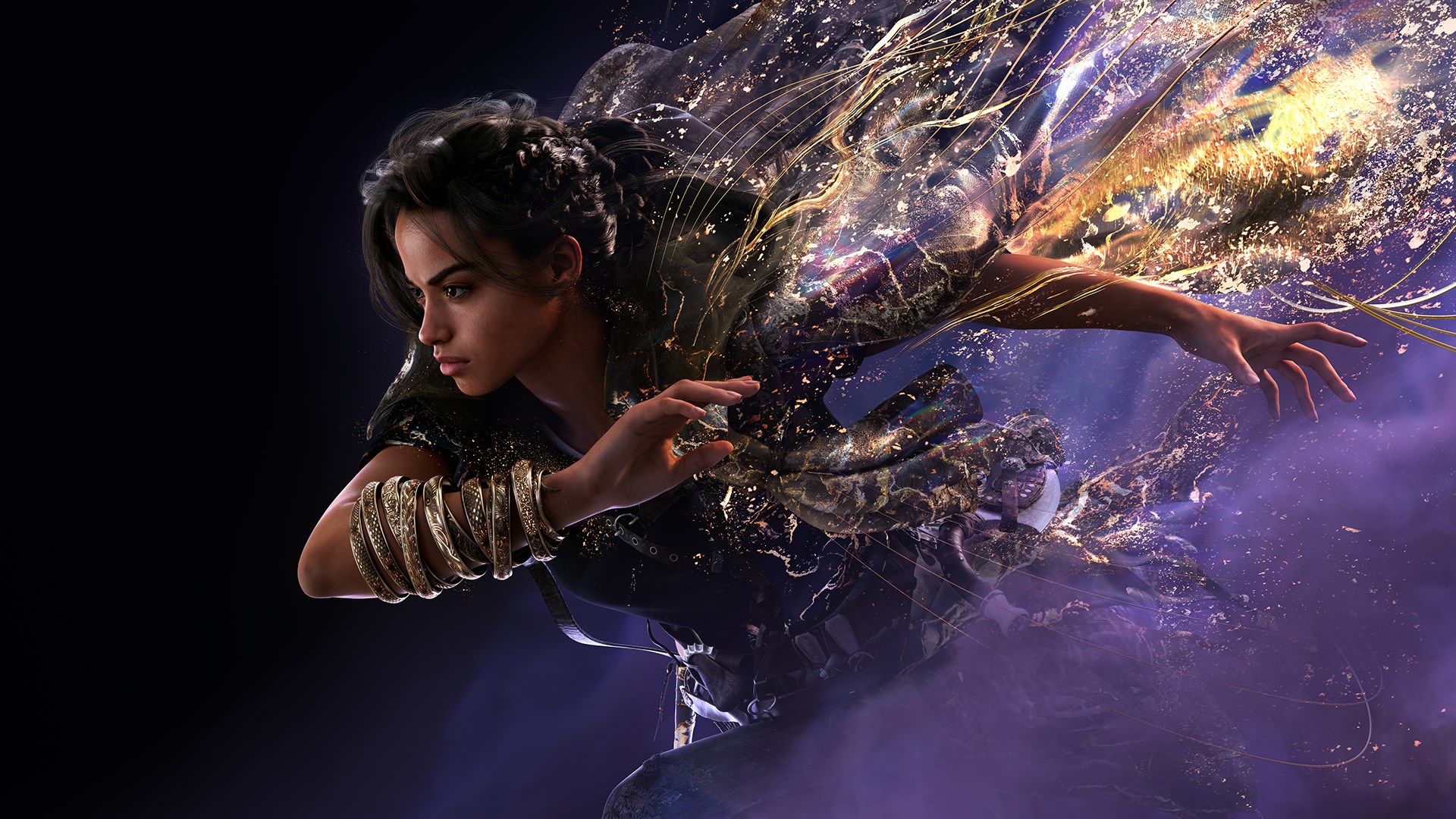
Square Enix’s new action RPG features Frey Holland, a character pulled from New York City into a fantastical world. However, many players found Frey’s personality and dialogue awkward and off-putting. While the writing itself received criticism, a lot of the negative reaction focused on the fact that the main character was a modern woman. Some people who disliked the game claimed its poor sales were due to its perceived attempts to be progressive or ‘woke’.
‘Tell Me Why’ (2020)
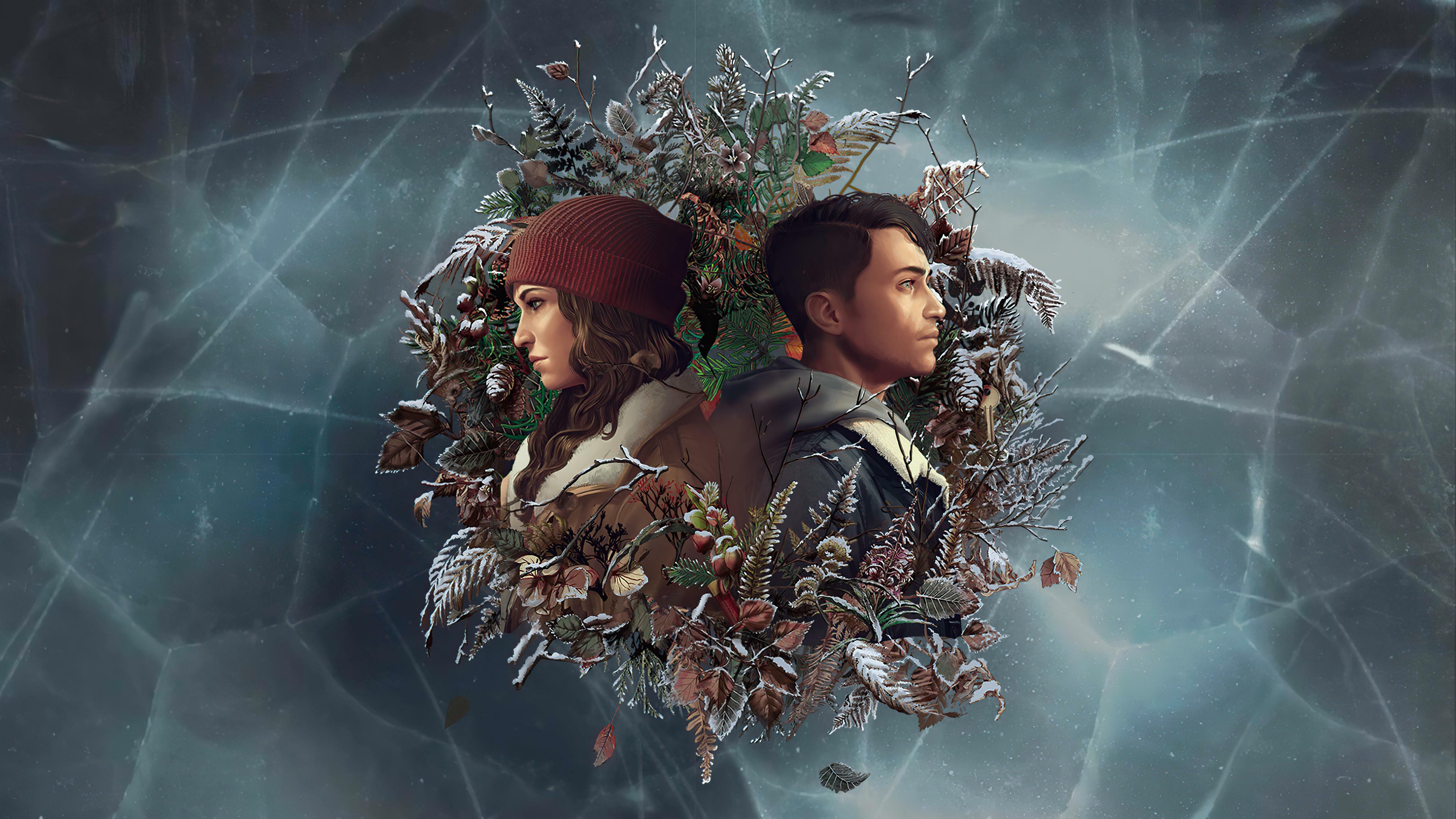
The game, a narrative adventure developed by Dontnod Entertainment, features Tyler Ronan, a transgender man, as a central character. Following its release, the game received a wave of negative user reviews from players who objected to its inclusion of transgender themes. It was also banned in some countries due to laws restricting LGBTQ+ content. Despite this, the developers defended their story, which explores themes of childhood trauma and memory.
‘Apex Legends’ (2019)
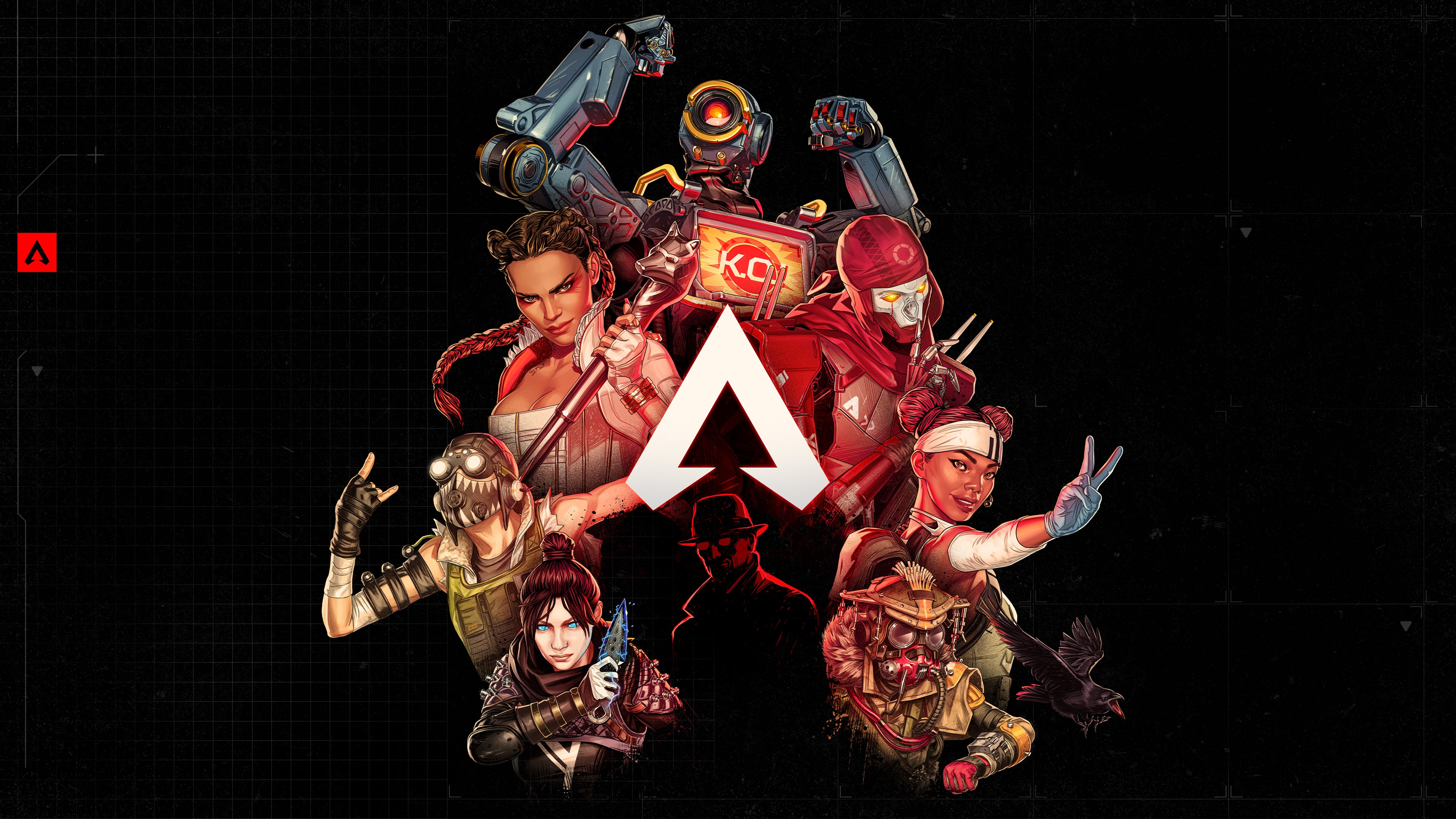
Respawn Entertainment’s battle royale game features a diverse cast of characters, including women and non-binary individuals. Despite its popularity, the game occasionally receives criticism from players who want to see more stereotypical soldier characters. The game’s backstory openly includes a variety of gender identities and sexual orientations, which often leads to discussion when new characters are introduced. However, the developers continue to prioritize representing a broad range of identities.
‘League of Legends’ (2014-Present)
Riot Games has been slowly changing how it designs its female characters, moving away from overly sexualized appearances. They’ve updated older characters with more practical outfits and realistic body types. While many players appreciate these changes, some resist them, preferring the original, more revealing designs. This ongoing process highlights a common challenge for game developers: balancing what longtime fans expect with the need for modern, inclusive representation.
Share your thoughts on these gaming controversies in the comments.
Read More
- 20 Movies Where the Black Villain Was Secretly the Most Popular Character
- Celebs Who Narrowly Escaped The 9/11 Attacks
- Transformers Under the Microscope: What Graph Neural Networks Reveal
- Silver Rate Forecast
- Top 20 Dinosaur Movies, Ranked
- Trading on Thin Air: AI Agents Conquer Crypto Volatility
- Gold Rate Forecast
- 22 Films Where the White Protagonist Is Canonically the Sidekick to a Black Lead
- Every Notable ‘Star Trek: The Original Series’ Actor Who Died
- Invincible Season 4 Gender Swaps Tech Jacket As Fans Question Major Comic Change
2026-01-07 14:53