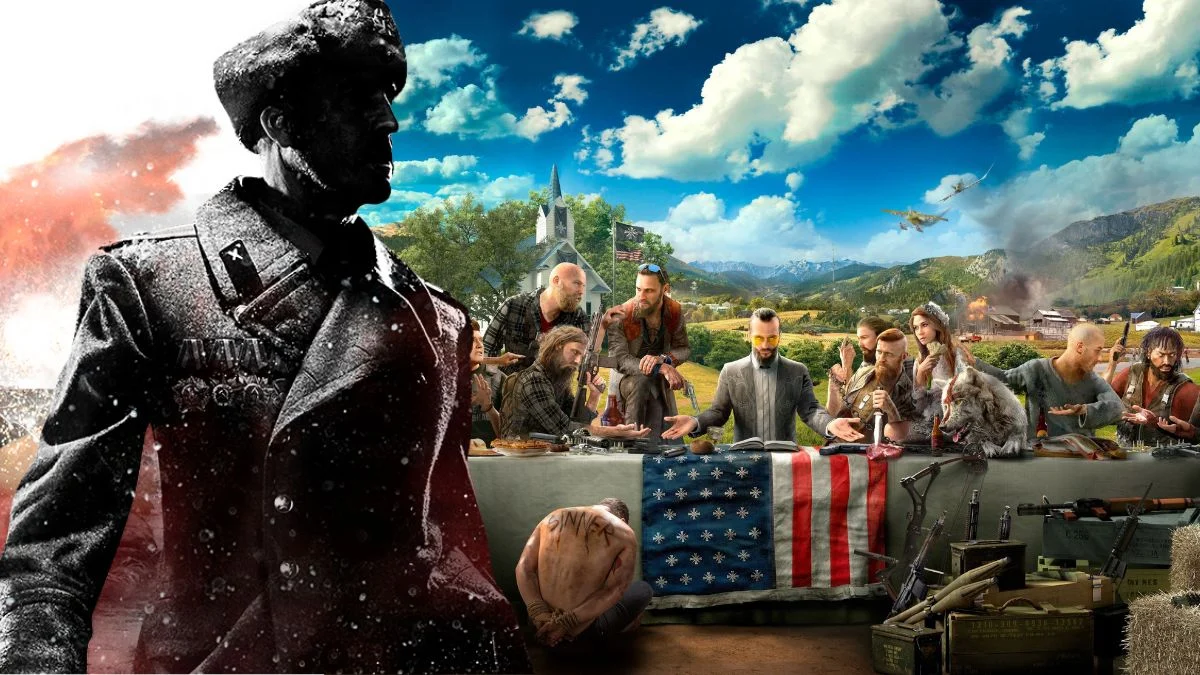
When entertainment tackles history, disagreements often arise about how accurate it needs to be. Game developers often have to choose between making a game historically realistic and creating fun gameplay or a compelling story. Sometimes, when games take creative liberties with history, players strongly object, leading to boycotts and online protests. The following games are examples of titles that faced controversy due to how they portrayed historical events or people.
‘Battlefield V’ (2018)
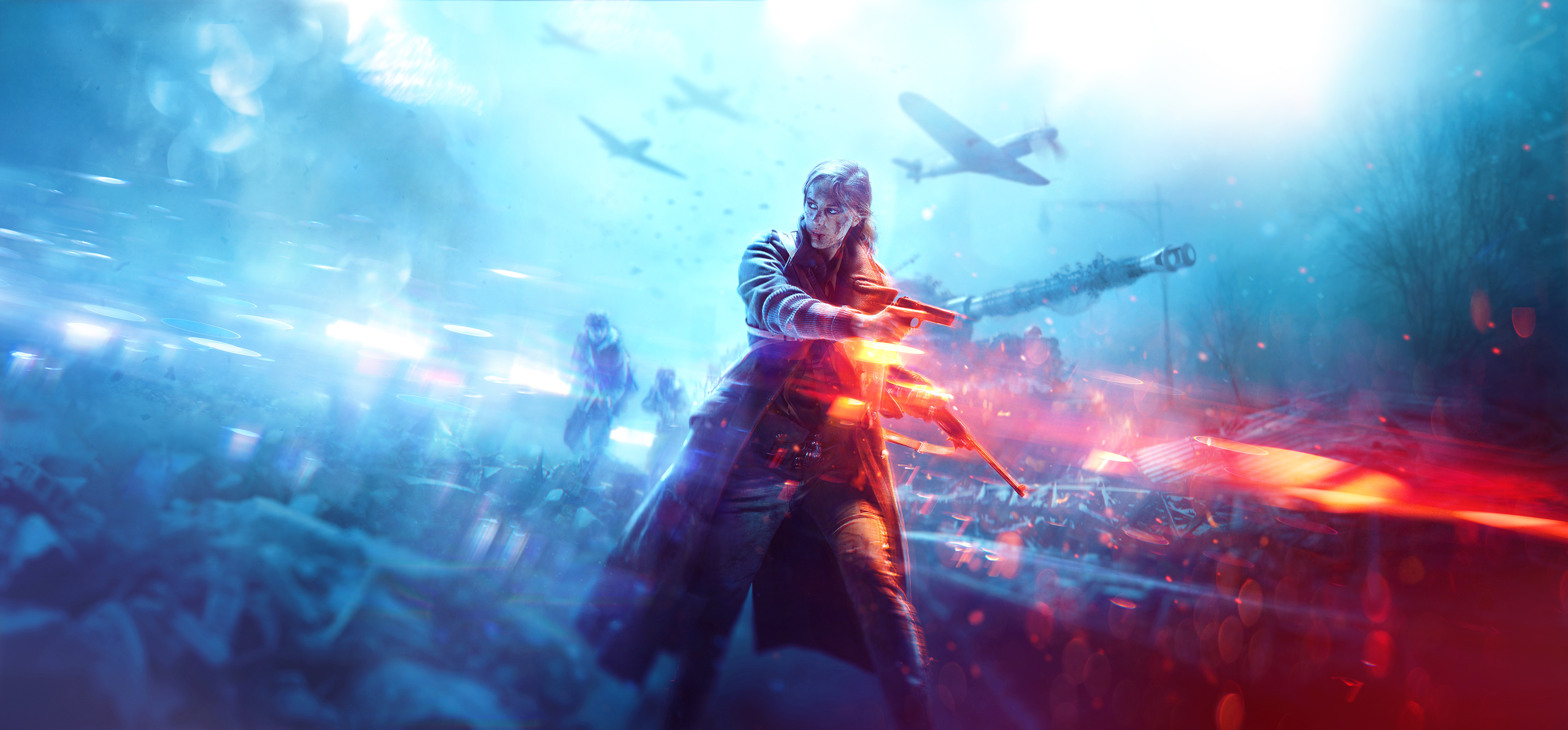
When a game included female soldiers in combat during World War II, it caused a strong negative reaction from some players. These critics felt it went against the historically accurate style the game series was known for. The game’s creators, Electronic Arts, said they made the change to be more inclusive and allow players to customize their experience. This disagreement led to fewer pre-orders and a public boycott organized online. The situation showed the difficulty of balancing realistic game design with accurately representing history.
‘Assassin’s Creed Shadows’ (2025)
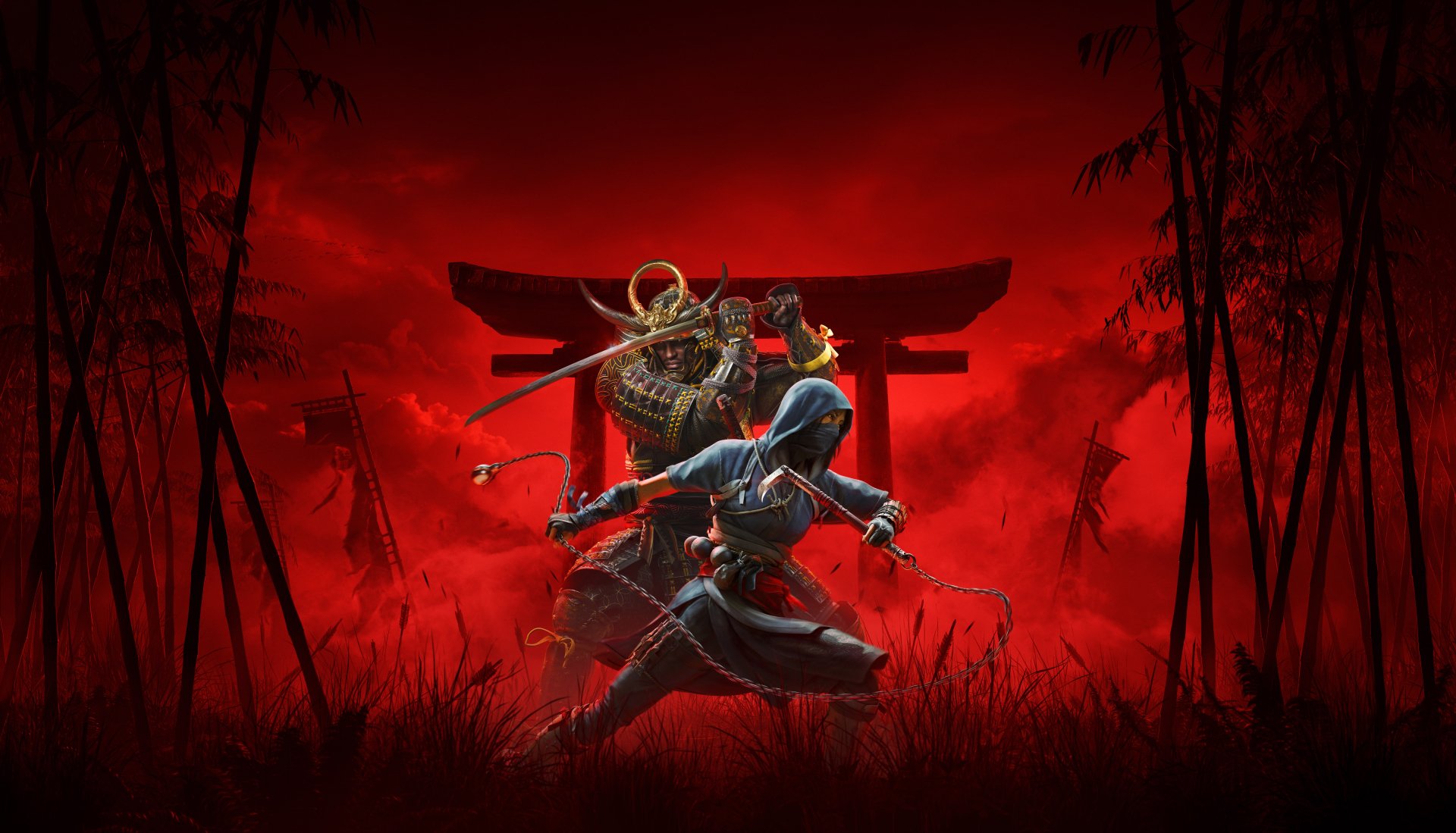
The show’s title initially received criticism for portraying Yasuke as a famous samurai during Japan’s feudal era. Some critics and historians questioned if his actual historical role as a servant to Oda Nobunaga was enough to support depicting him as a central warrior. People created online petitions and used social media to ask for a lead character with a more traditionally Japanese background, hoping to maintain cultural accuracy. The creators explained that the series always intended to combine real history with made-up stories. This situation highlights how closely major entertainment properties are examined when they deal with potentially sensitive cultural and historical subjects.
‘Kingdom Come Deliverance’ (2018)
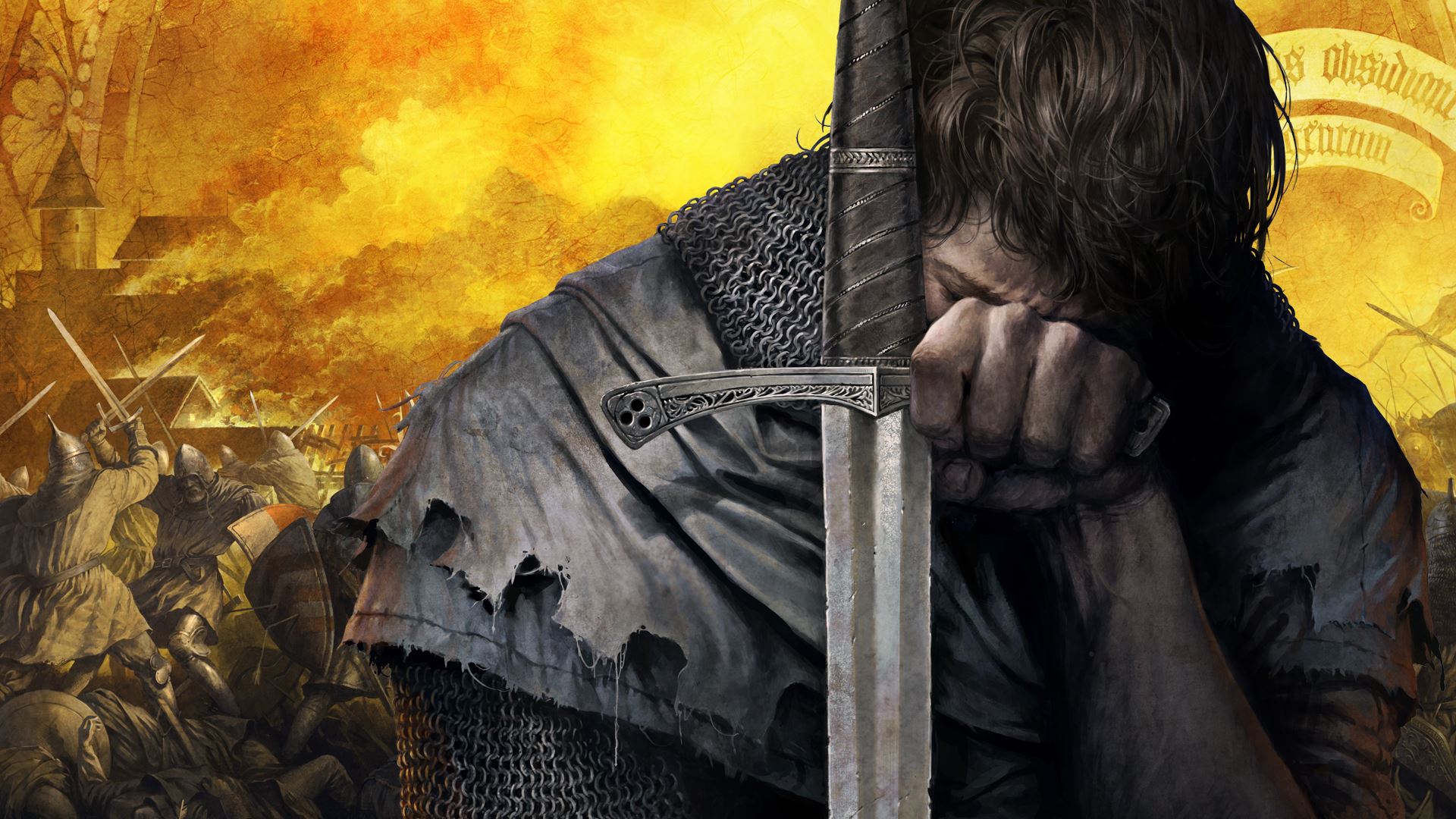
This game, set in 15th-century Bohemia, faced criticism for not having a diverse cast of characters. The developer explained that thorough historical research showed the population in that area at the time was largely homogenous. This led to a strong disagreement: some players felt modern representation was more important, while others valued historical accuracy. Some critics even called for a boycott, but others applauded the game’s commitment to realism. Despite the controversy, the game proved to be a commercial success.
‘Total War Rome II’ (2013)
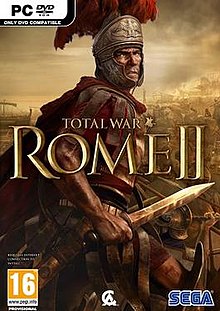
An update to the game that made female generals appear more often for some factions sparked strong criticism from players. Many argued that this change didn’t align with the historical realities of the Roman and Greek civilizations portrayed in the game. Players responded by leaving negative reviews as a form of protest, calling it an unwanted and forced change to the game’s ideology. The developers, Creative Assembly, explained that the increased appearance of female leaders was only applied to cultures where historical records showed women held leadership positions. This situation is now a well-known example of how updates to established games can lead to debates about historical accuracy.
‘Company of Heroes 2’ (2013)
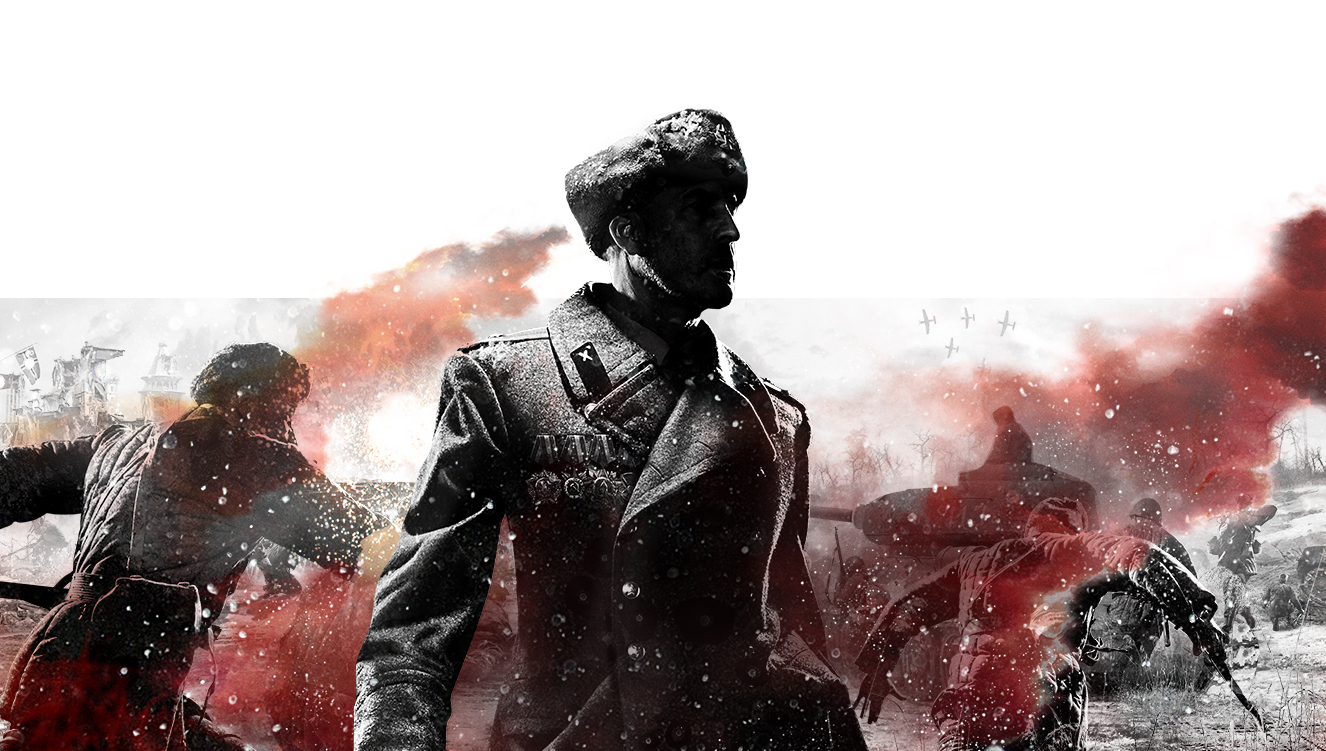
Okay, so I was really into this WWII strategy game, but it caused a huge uproar in Russia and other former Soviet countries. Apparently, the way the game showed the Red Army – like they were brutal and not very good – really offended a lot of people. They felt it didn’t acknowledge the massive sacrifices those soldiers made. It got so bad that stores stopped selling the game because everyone was calling for a boycott! The developers said they didn’t mean to offend anyone and that they based the story on historical stuff, but it clearly hit a nerve. It just goes to show how different countries see history, and how that can totally affect how a game is received, even a global one.
‘Call of Duty Vanguard’ (2021)
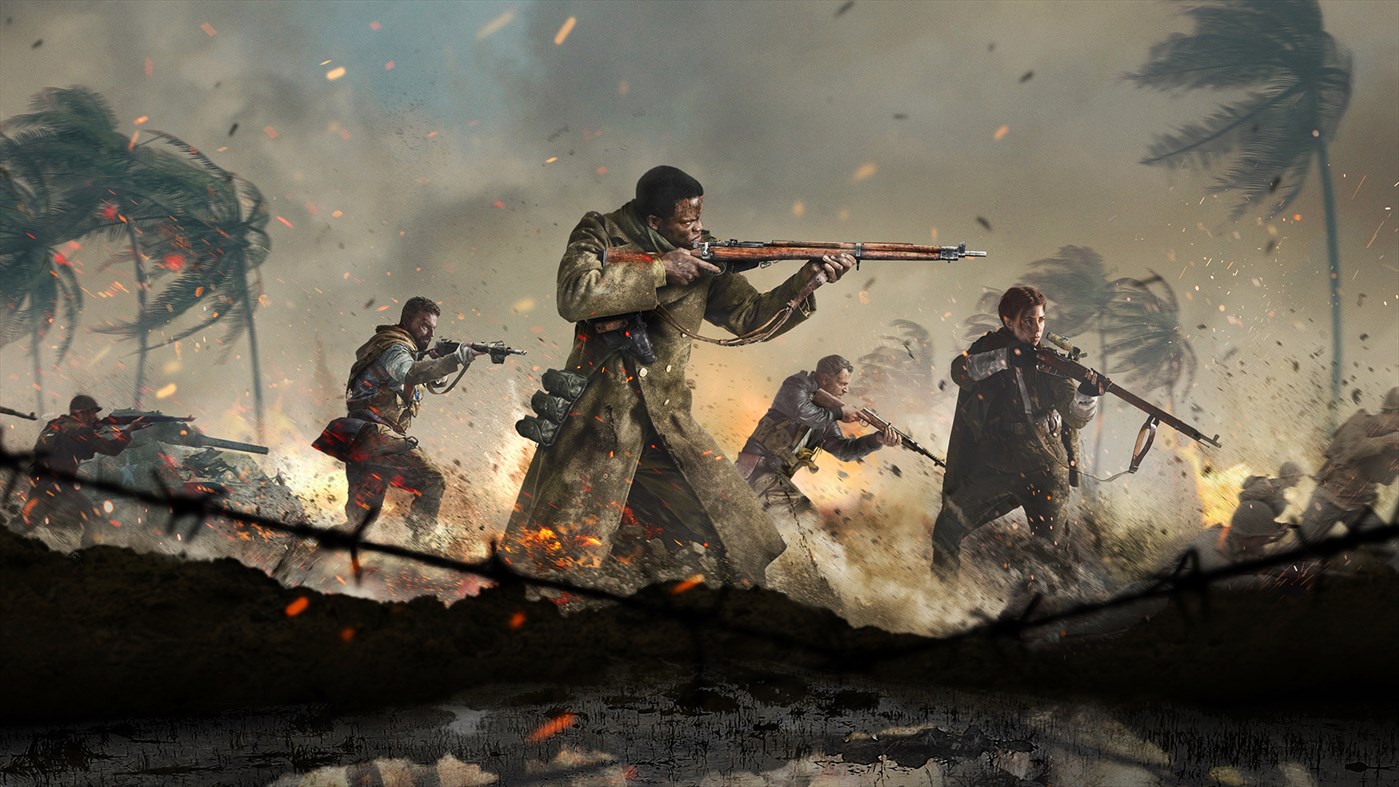
This latest game in the popular shooting series received criticism for featuring guns and sights that weren’t available during World War II. Players who wanted a realistic experience felt these modern additions ruined the historical feel, turning it into just a visual style. Some people even called for a boycott, hoping the game would return to the more realistic style of earlier titles. The developers wanted a fast-paced, action-packed game, which didn’t match what players interested in history were expecting. This difference in vision led to fewer sales and less player interest compared to previous games in the series that focused on historical accuracy.
‘Six Days in Fallujah’ (2023)
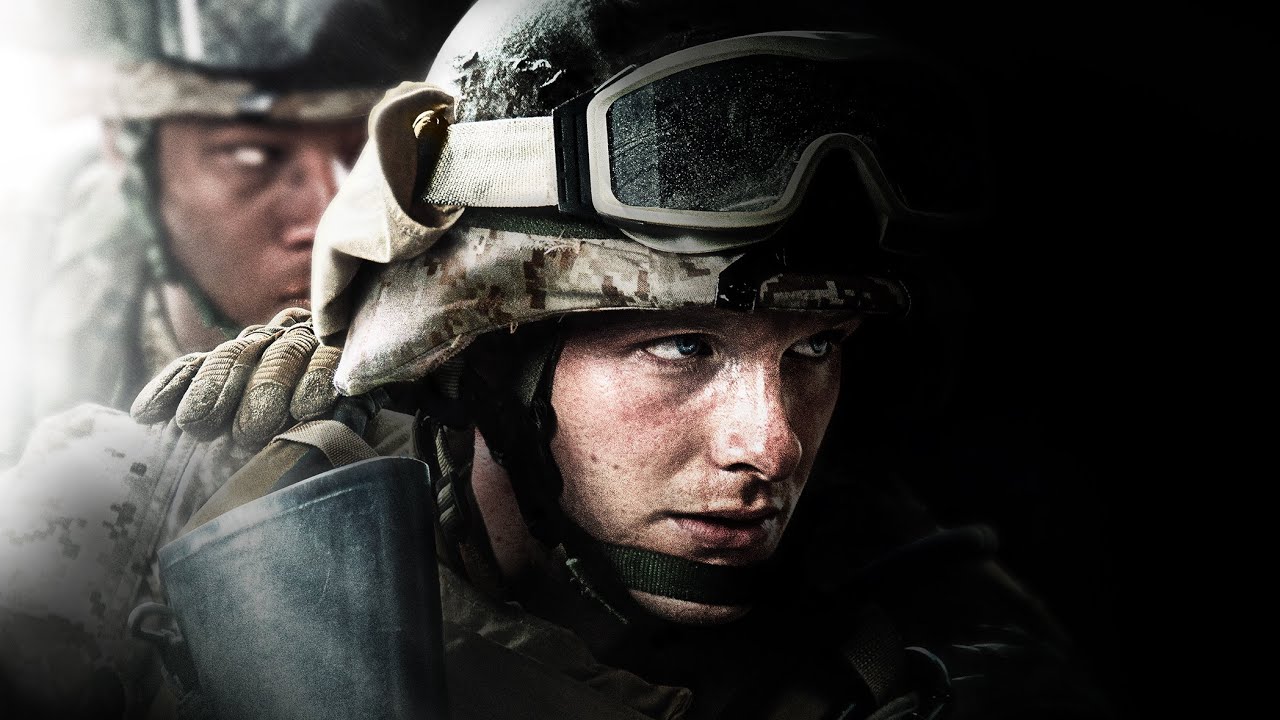
This tactical shooter faced a long and troubled development, including boycotts over a ten-year period. Concerns arose that the game would present a biased or softened depiction of the Second Battle of Fallujah. Human rights groups argued that a commercial game couldn’t respectfully or accurately represent such a recent and painful event. The developers maintained they consulted with both soldiers and civilians to ensure a realistic portrayal. The game continues to spark debate about whether recent historical conflicts are appropriate for video game entertainment.
‘Medal of Honor’ (2010)
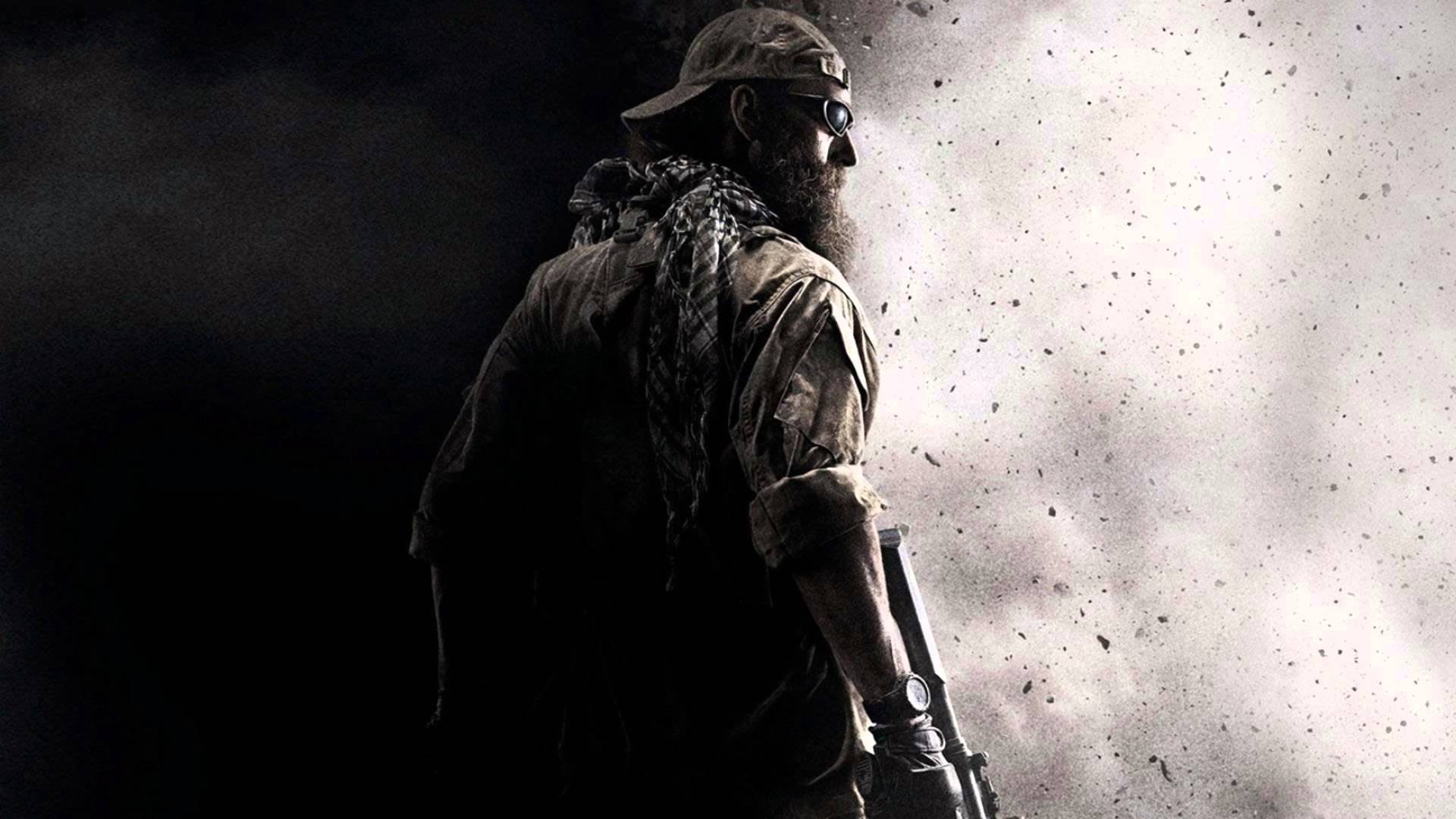
When a video game included the Taliban as a playable group, it sparked widespread anger in the United States. Veterans, military families, and officials demanded the game be boycotted and removed from military installations. Facing intense pressure, the developers changed the group’s name to “Opposing Force” to calm the public. Many felt featuring a real-world insurgent group in a commercial game was inappropriate, and the situation highlighted the challenges game developers face when dealing with sensitive, current, or recent historical events.
‘Call of Duty Modern Warfare’ (2019)
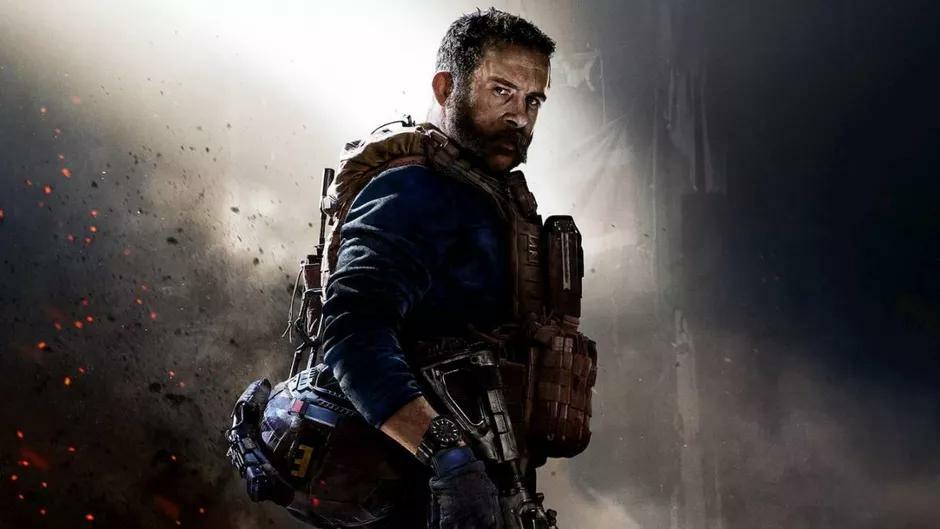
The game included a mission based on the tragic ‘Highway of Death’ incident, but incorrectly blamed Russia for the attack. Historically, this event was actually carried out by a U.S.-led coalition during the Gulf War. This misrepresentation of history sparked strong criticism and boycott calls from Russia. The game developers defended their choice by saying the game world was fictional, even though it used real-world names and events. The situation demonstrated the potential problems with mixing current historical events into fictional stories.
‘Assassin’s Creed Unity’ (2014)
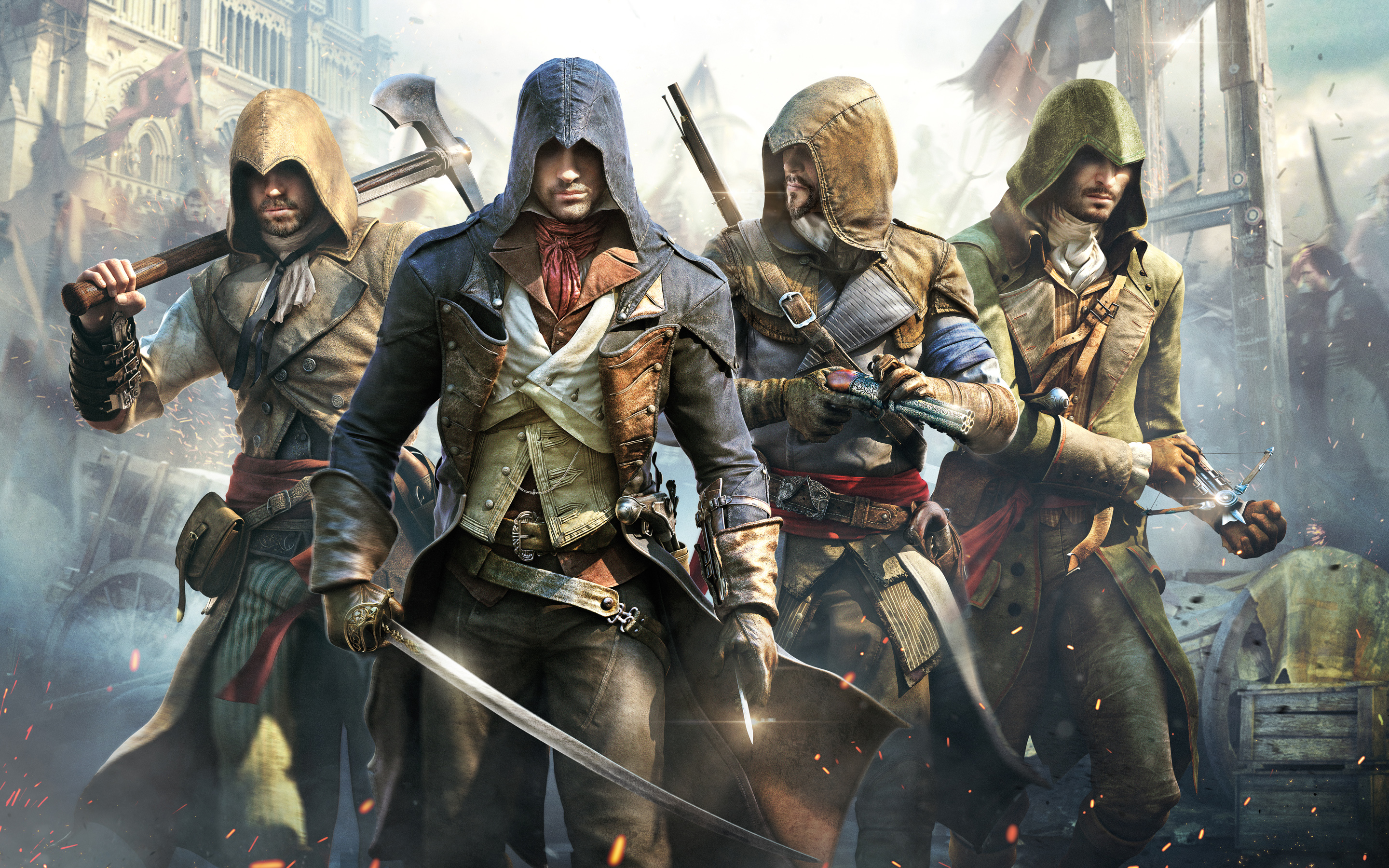
Okay, so I’ve been hearing a lot about this game, and apparently it’s caused a bit of an uproar in France. It seems how the game showed Marie Antoinette and the French Revolution wasn’t sitting well with some historians and politicians over there. People were saying it made the revolution look bad and didn’t really acknowledge why the common people were so upset in the first place. I even saw some government officials basically telling people not to take the game as a real history lesson. The developers, though, said it’s just a fictional story for fun, not a textbook. It just goes to show, when you’re making a game about a country’s past, you gotta be careful – things can get sensitive fast!
‘Resident Evil 5’ (2009)
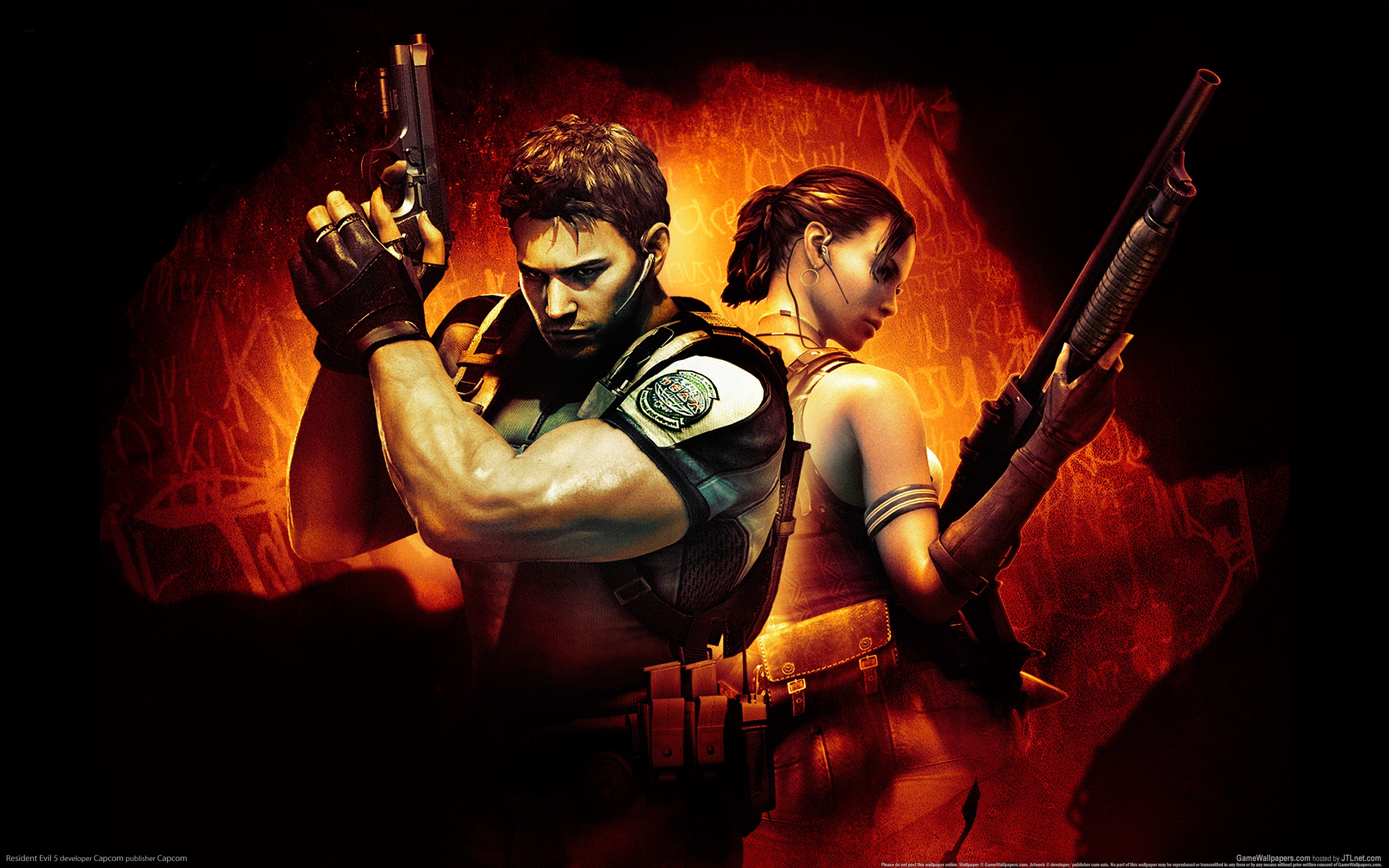
Initial trailers for the game showed a white main character battling large groups of infected people of color in Africa. This caused controversy, with many pointing out that it echoed harmful colonial-era stereotypes and racist imagery. Although the game is set in a fictional world, its African setting brought up a history of real-world oppression, leading to calls for a boycott. Capcom responded by adding more diverse characters to the game in an attempt to address the criticism. The discussion ultimately focused on how creators should approach sensitive settings with a history of real-world injustice.
‘Ghost Recon Wildlands’ (2017)
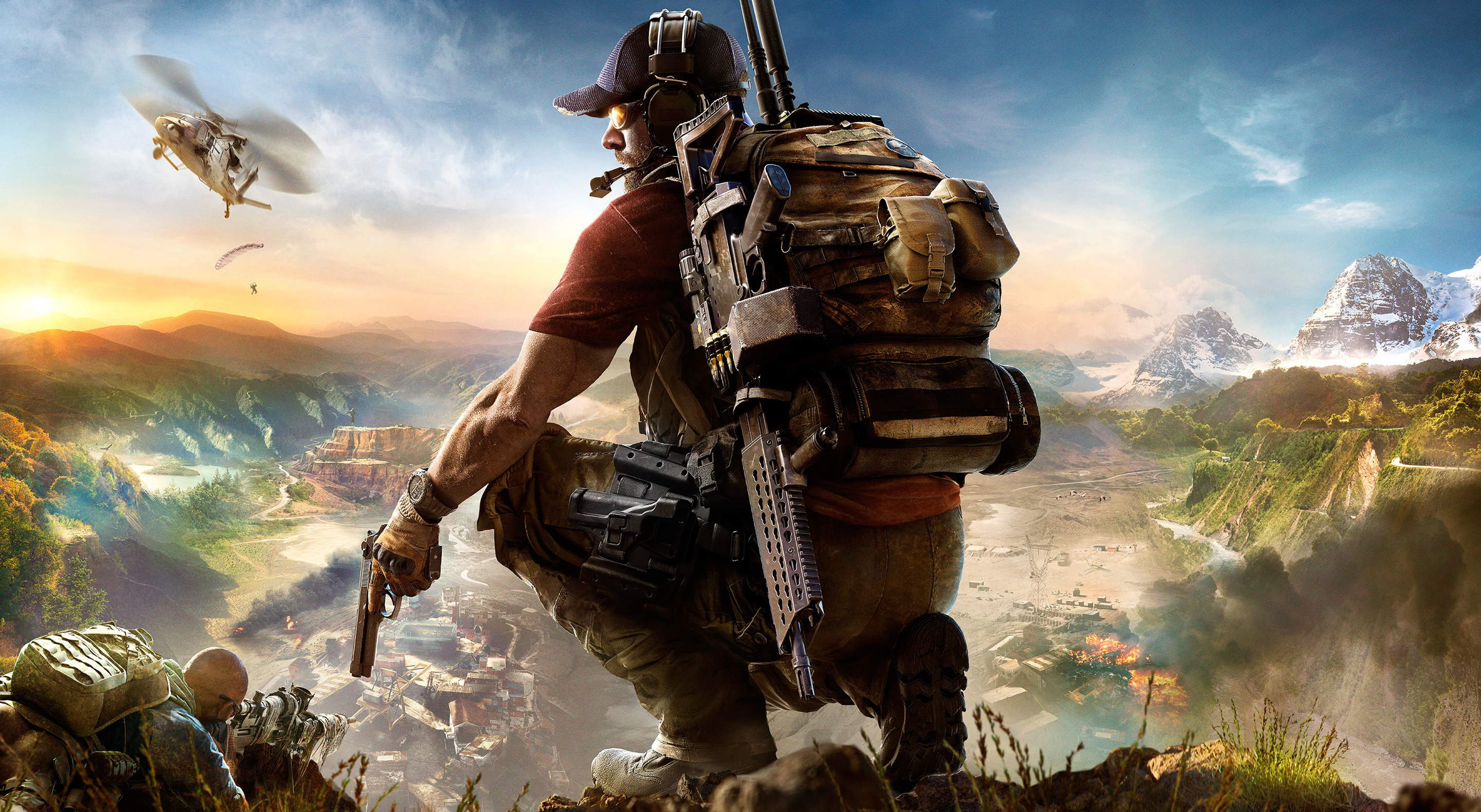
Bolivia’s government formally protested a video game’s depiction of their country, arguing it unfairly portrayed them as a nation run by drug cartels. They felt the game overlooked Bolivia’s vibrant history and culture, instead relying on harmful stereotypes. Activists called for a boycott, concerned about the game’s potential damage to the country’s international reputation. The game’s developer, Ubisoft, explained that it was a fictional story drawing inspiration from events in South America. This situation highlighted how video games can influence a country’s diplomacy and how its history is perceived.
‘Grand Theft Auto Vice City’ (2002)
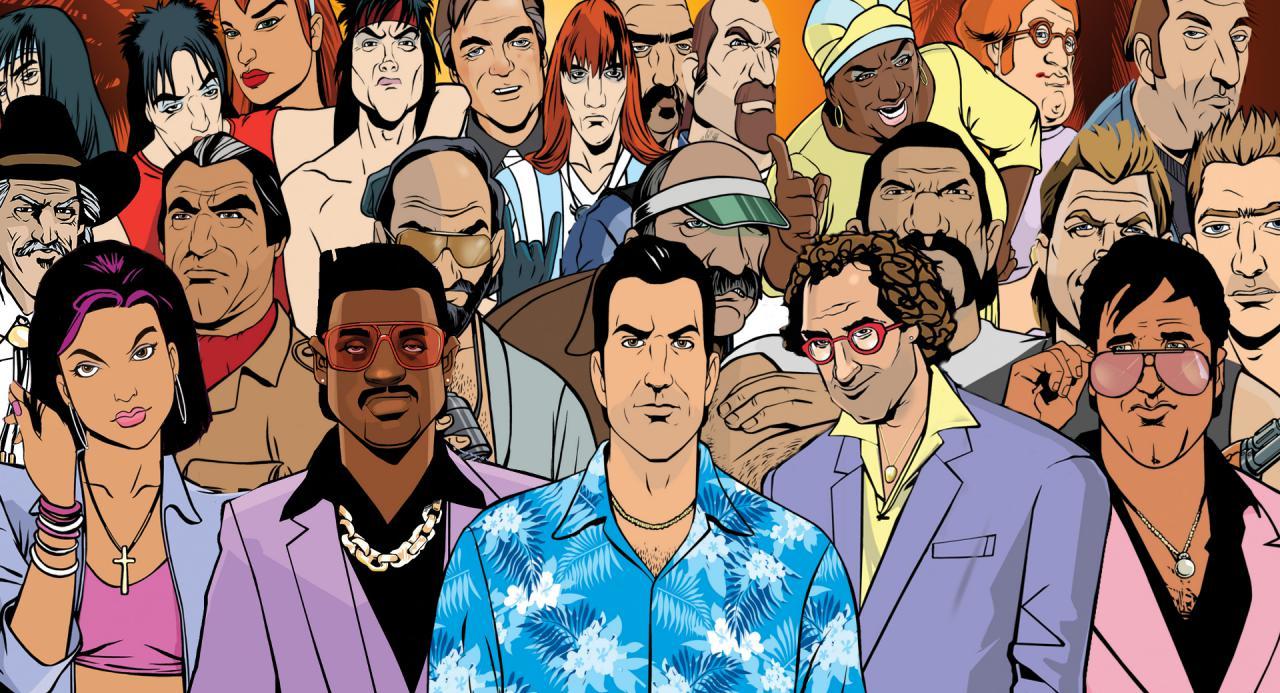
Certain lines of dialogue in the game caused a major boycott and lawsuits from Haitian and Cuban community groups, who argued the game promoted violence against them and inaccurately portrayed their history in Miami. Local officials and activists called for the removal of the problematic content and a public apology. Rockstar Games ultimately changed the dialogue in later versions of the game to resolve the issue. This incident is now a well-known example in conversations about how ethnic groups and history are represented – and sometimes unfairly stereotyped – in video games.
‘Wolfenstein II The New Colossus’ (2017)
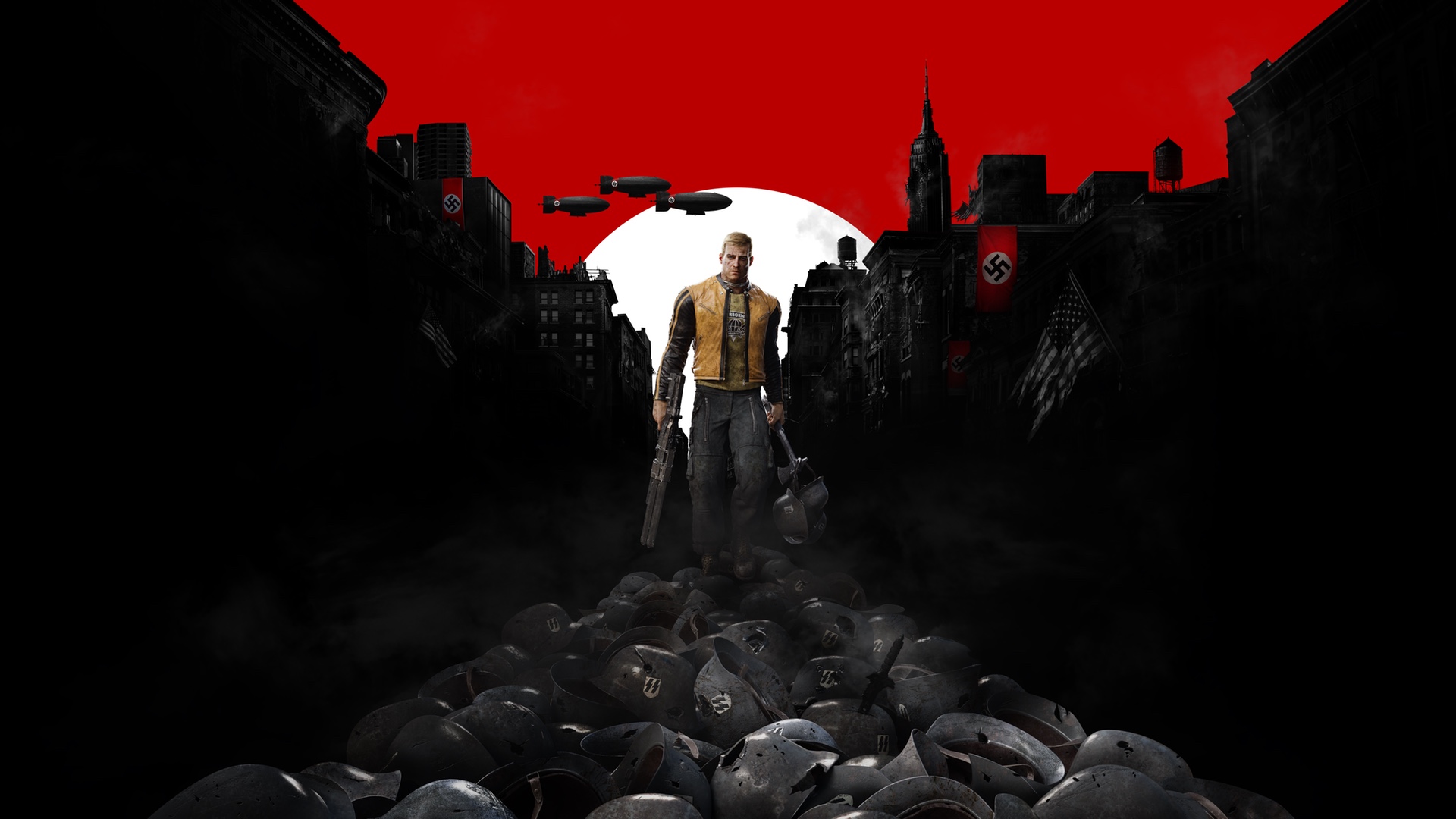
The game’s marketing sparked debate, with many believing the slogans referenced current American politics. The game itself is set in a world where the Axis powers won World War II and took over the United States. This led to criticism from some who felt the game’s historical depiction was flawed and biased, and they called for people to stop buying it. The developers explained that the game has always focused on opposing Nazis and wasn’t intended as a political message. This situation highlighted how even fictional alternate histories can be as sensitive and divisive as games based on real historical events.
‘Prince of Persia The Lost Crown’ (2024)
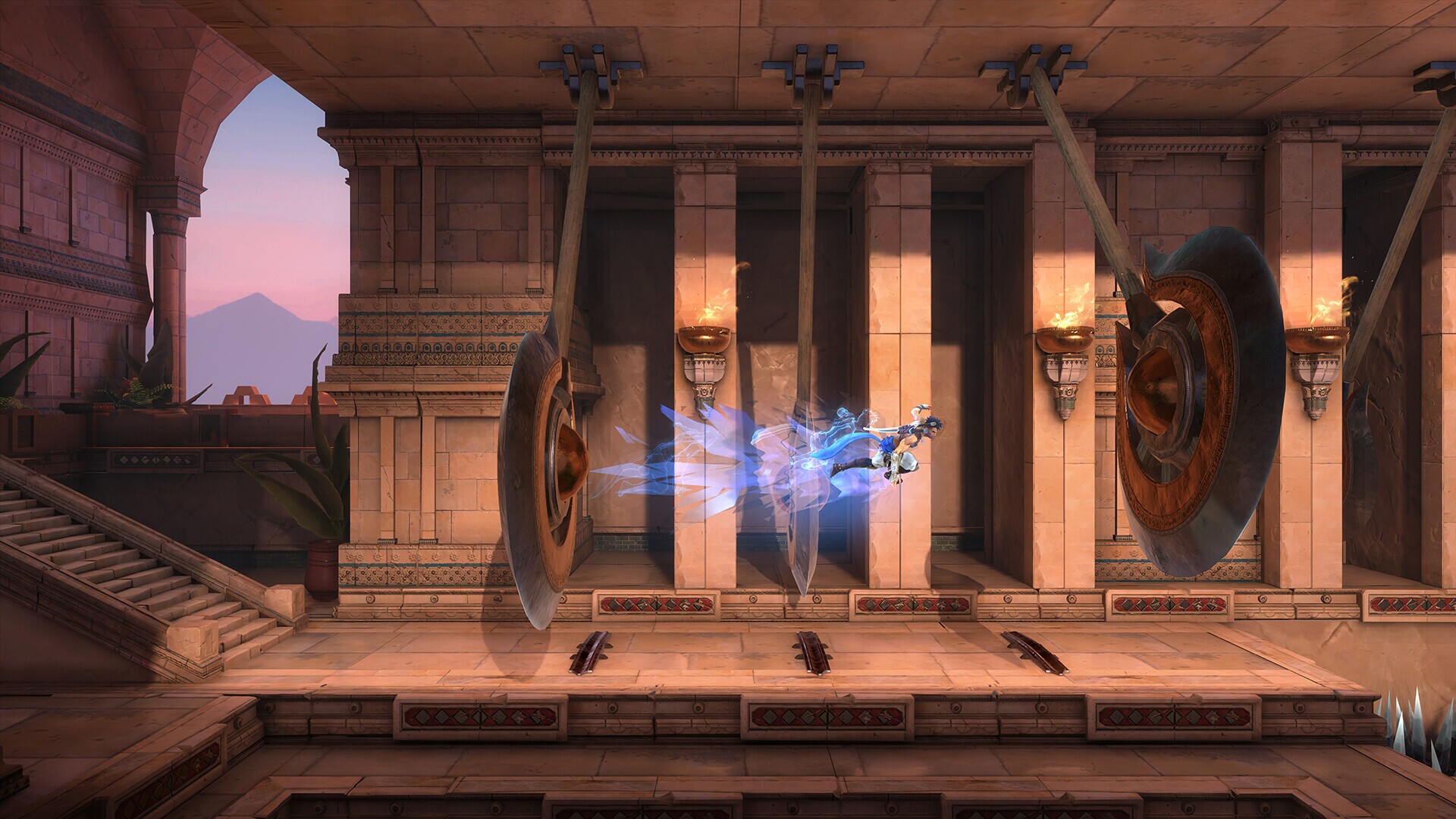
The way the main character and the world of ancient Persia were designed sparked discussions about how accurately they represented the culture and history. Some players thought the character designs felt too modern and didn’t reflect traditional Persian art. This led a small but passionate group to call for a boycott, hoping to preserve the cultural integrity of the game’s inspiration. The developers explained that the game was intended as a fantasy take on Persian myths, not a precise historical recreation. The whole situation showed how difficult it can be to adapt historical cultures for modern audiences.
‘Far Cry 5’ (2018)
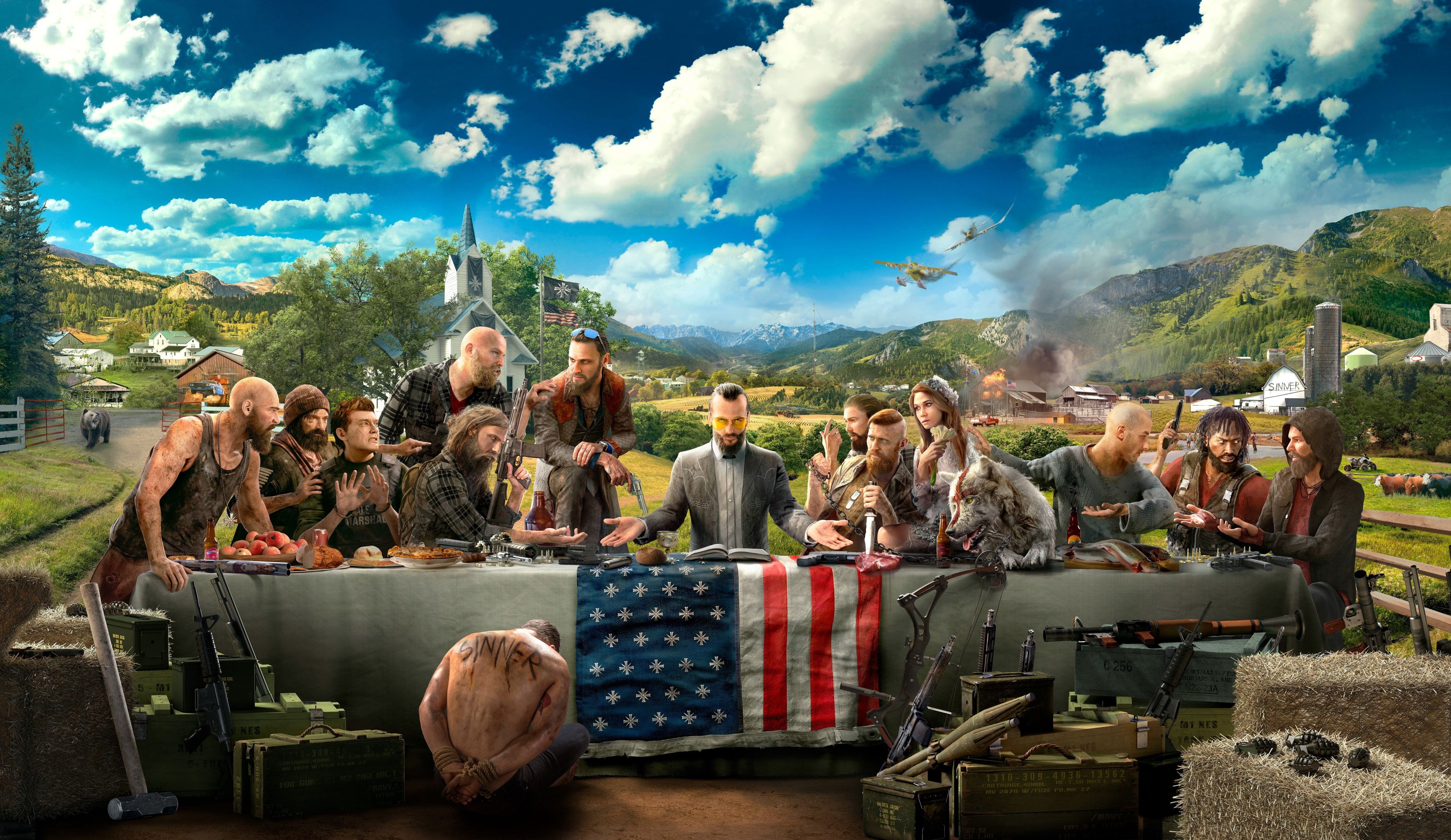
The game, set in present-day Montana, centers around a religious cult taking over a rural county. This sparked controversy, with some groups starting a petition and boycott, claiming the game unfairly attacked rural American history and Christian beliefs. They felt it inaccurately portrayed the region’s culture to promote a particular viewpoint. Ubisoft, the game’s developer, responded by stating it was a fictional story meant to warn against the dangers of extremism. Much of the disagreement stemmed from the political atmosphere at the time, rather than what actually happened in the game itself.
‘Civilization VI’ (2016)
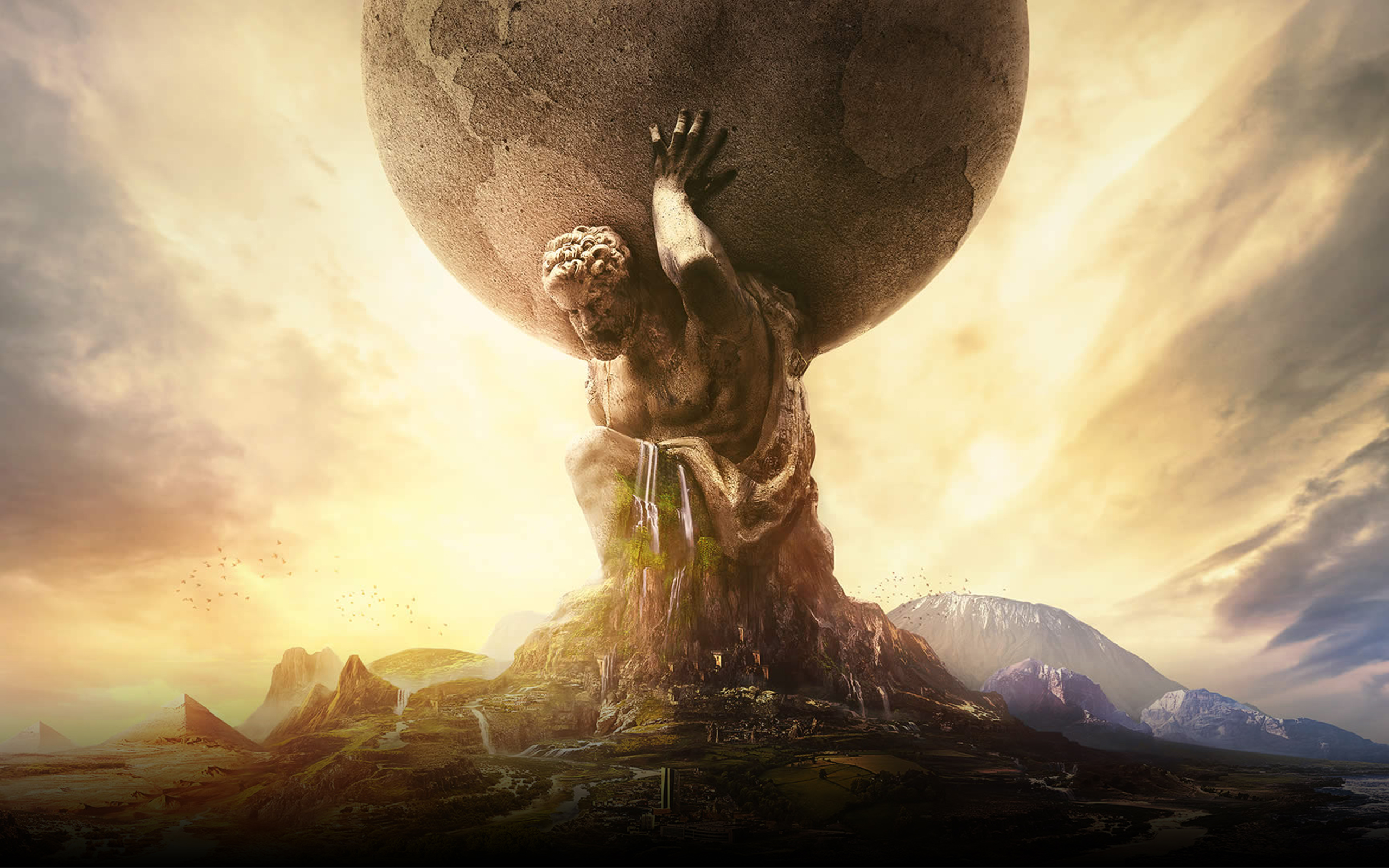
Choosing leaders for different civilizations in the game often causes discussion about how well they reflect history. For instance, the decision to include Queen Seondeok as Korea’s leader upset some players who felt another figure would have been a better fit. Some argue that the leaders chosen don’t always showcase the most important moments or accomplishments of their cultures. This disagreement can even lead to players organizing petitions or refusing to buy new content. The game developers are constantly trying to find a good balance between historical accuracy and representing a variety of cultures.
‘Assassin’s Creed Odyssey’ (2018)
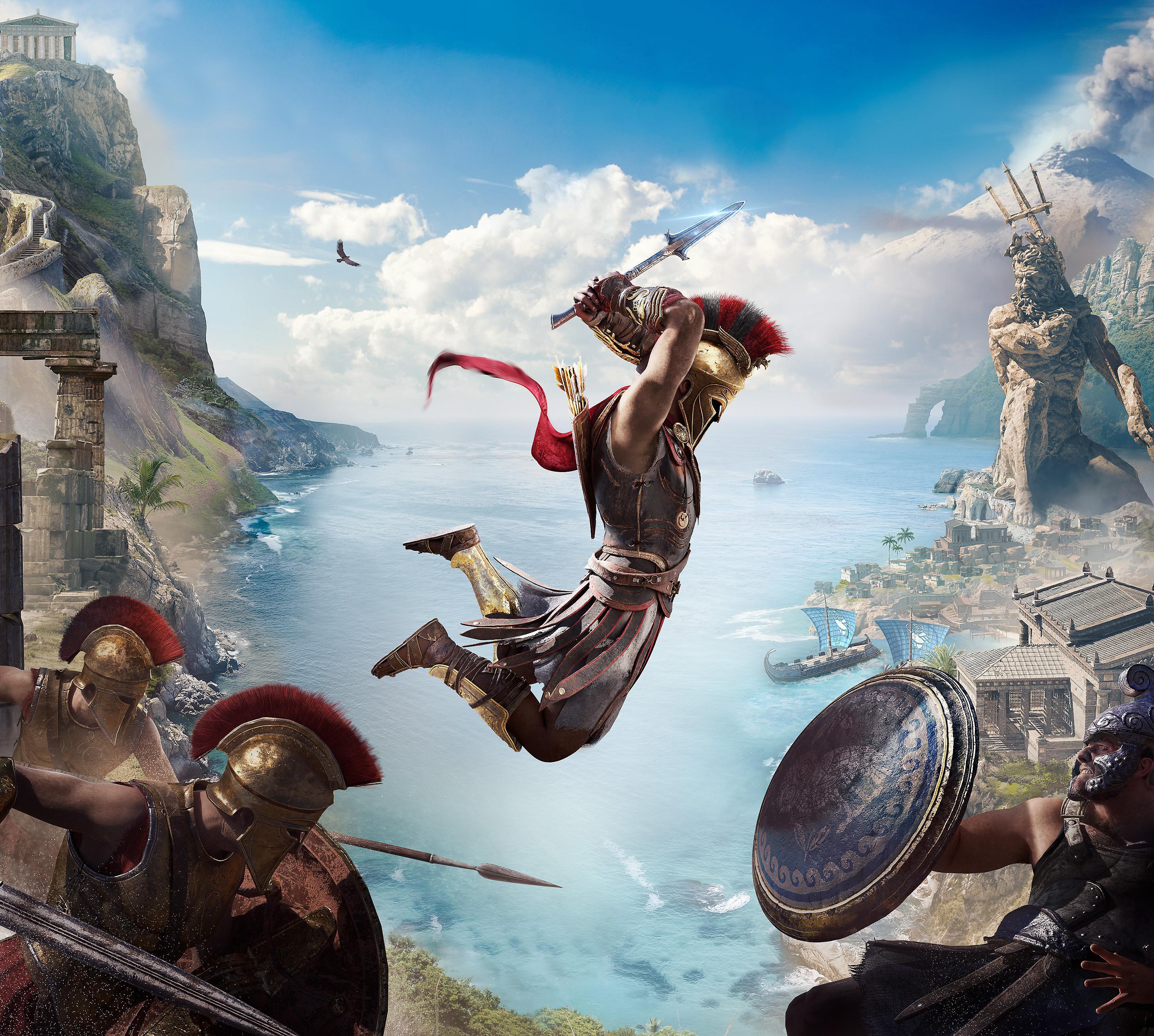
Featuring female warriors as the main characters in an Ancient Greek story sparked discussion among history buffs. Some felt it wasn’t accurate, as women in Sparta and Athens historically didn’t fight in battles. Others countered with examples from myths and rare historical cases to support the idea. Ultimately, the game developer let players choose to play as either a male or female character, finding a middle ground between historical accuracy and what players expect in a modern game.
‘Ghost of Tsushima’ (2020)
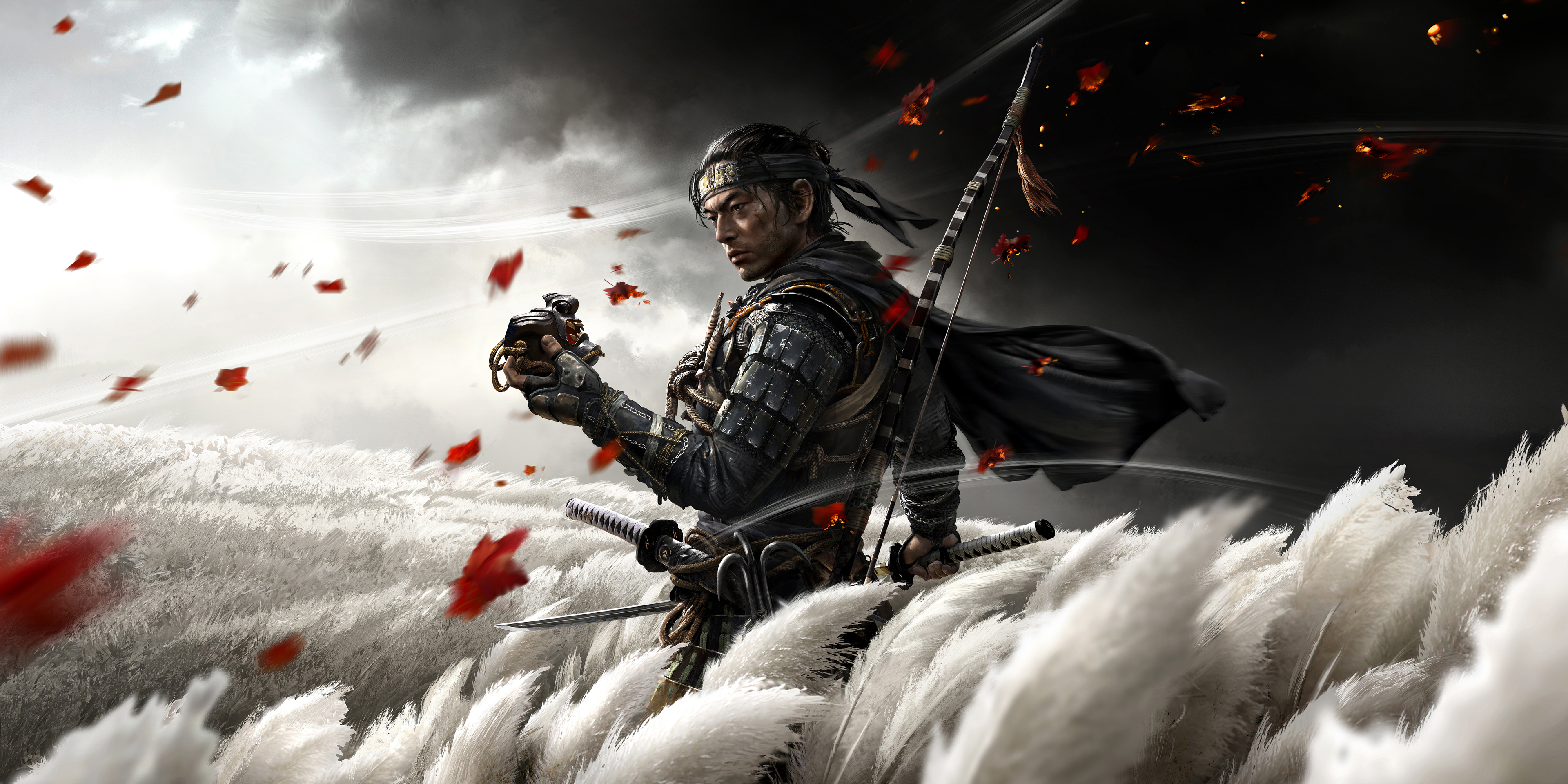
The game was highly popular in Japan, though some discussion arose about how accurately it portrayed 13th-century armor and weapons. Historians pointed out that the famous samurai swords and armor shown were actually more typical of later eras. A few players worried this could give people the wrong idea about the time of the Mongol invasion. The developers admitted they chose the well-known look of samurai over perfect historical accuracy. Despite this, the game proved to be a significant cultural exchange between Western creators and Japanese players.
‘Nioh’ (2017)
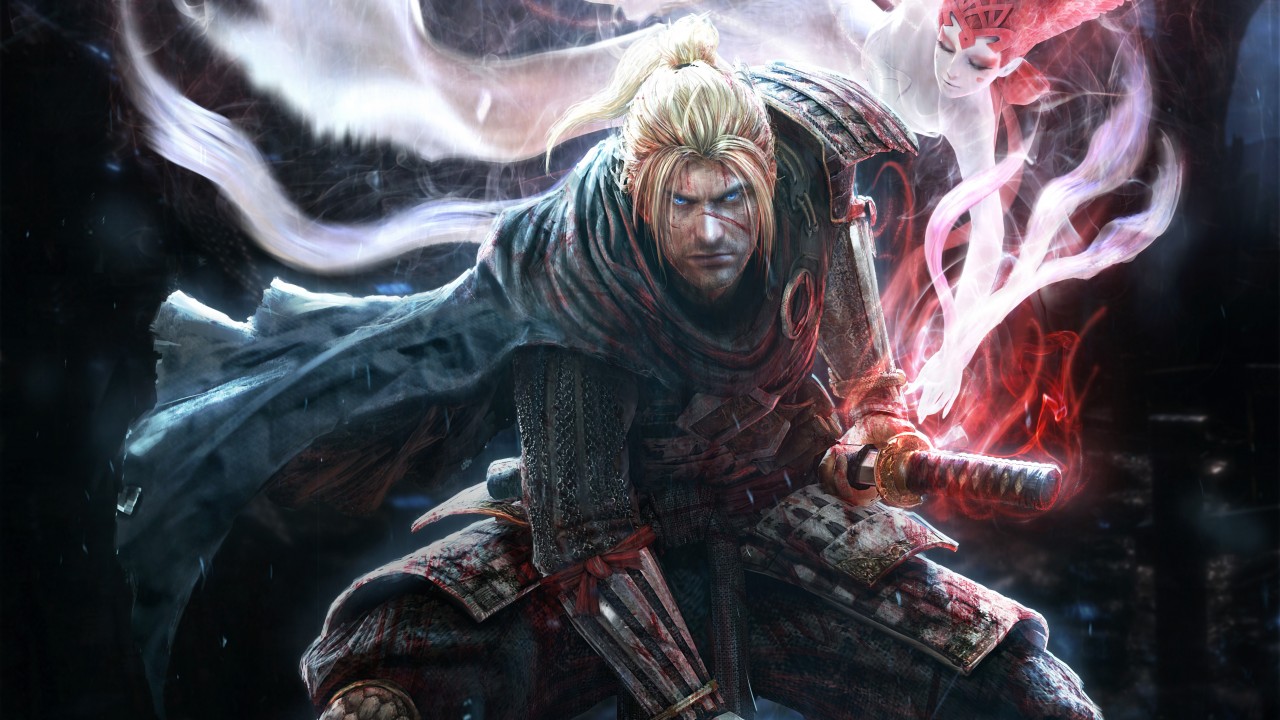
The game’s depiction of William Adams – a real English sailor who became a samurai – as having supernatural powers raised concerns about historical accuracy. Some critics argued that this fantastical take diminished the importance of his actual life story. However, most players understood it as a creative, stylized blend of Japanese folklore and history. By emphasizing its fantasy elements from the beginning, the game avoided significant public backlash.
‘Crusader Kings III’ (2020)
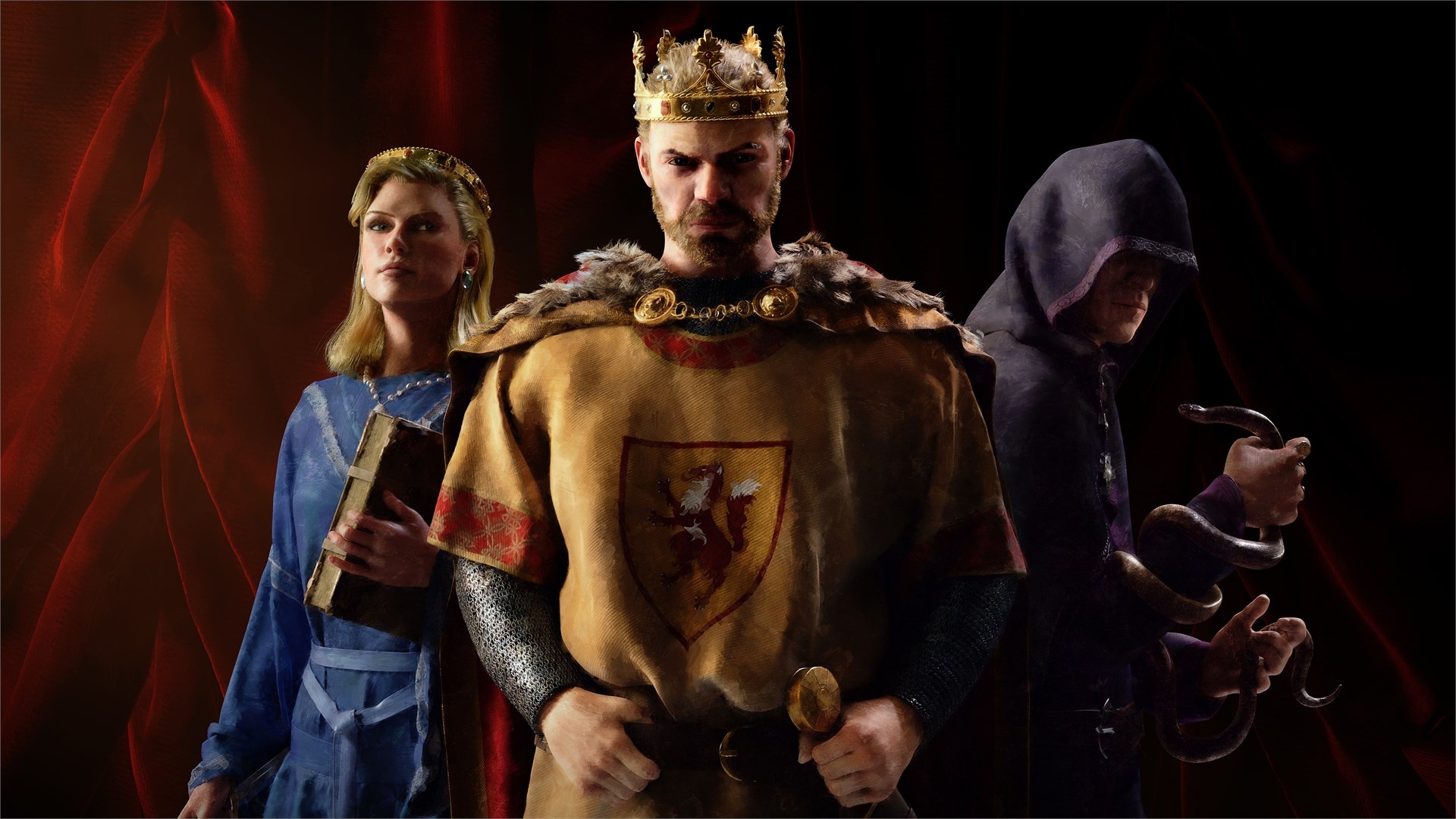
Discussions about how rulers inherit titles and how religion changes often cause disagreements among history enthusiasts who play this game. Some players believe certain game features make medieval politics seem too simple. A few have even tried to boycott expansions they felt lacked enough historical detail. The game developers regularly listen to player feedback to improve these aspects, demonstrating the deep knowledge and high standards of players in this type of strategy game.
‘Hearts of Iron IV’ (2016)
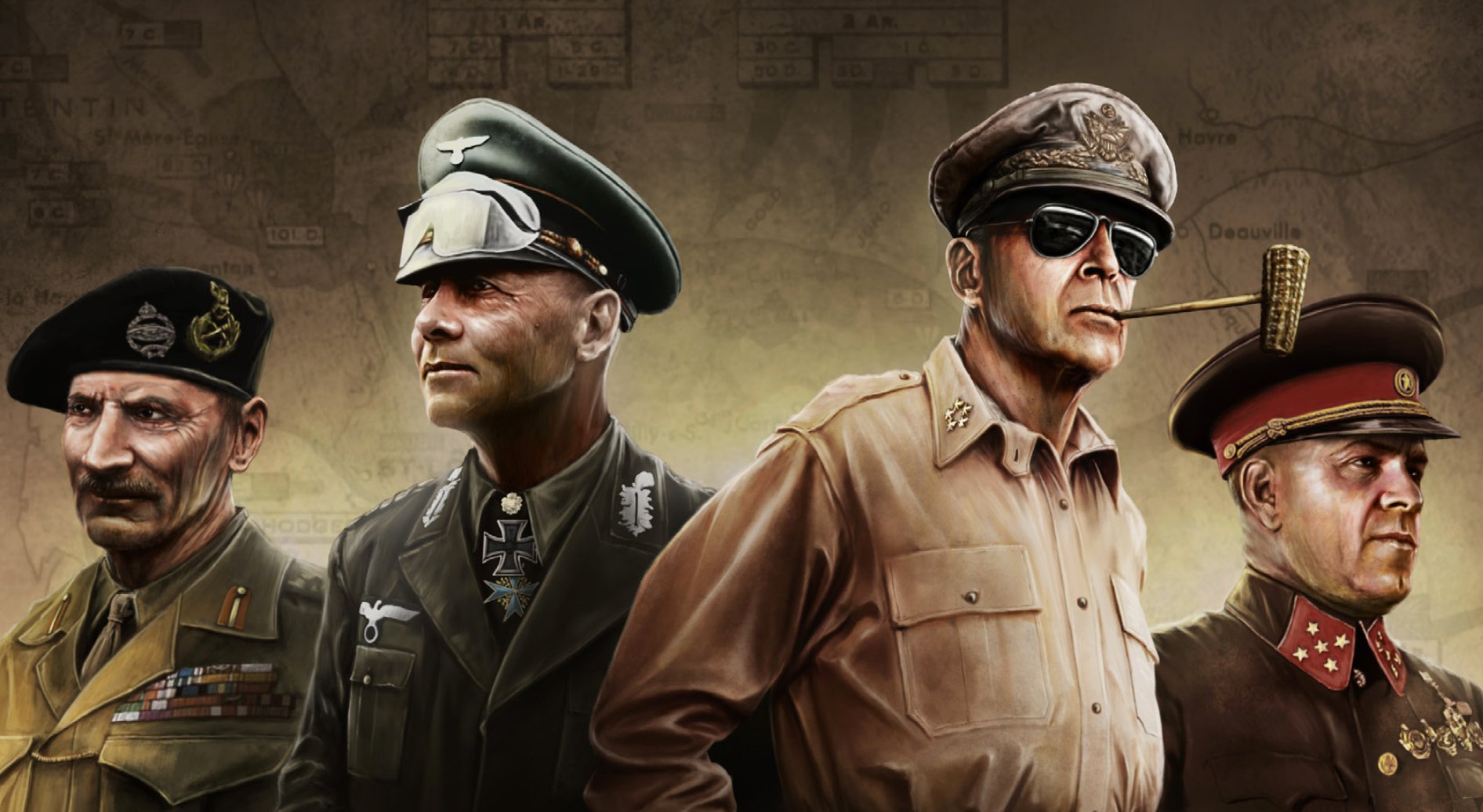
The game received criticism for not including the Holocaust and other wartime atrocities from World War II. The developers explained they intentionally left these events out to avoid appearing to celebrate violence within the game. However, some historians and players believe omitting these events whitewashes history and creates an inaccurate depiction of the war. This has sparked ongoing debate about the ethical considerations of historical war games. Despite the controversy, the game is still widely used as a tool for understanding the war’s logistical challenges.
‘Victoria 3’ (2022)
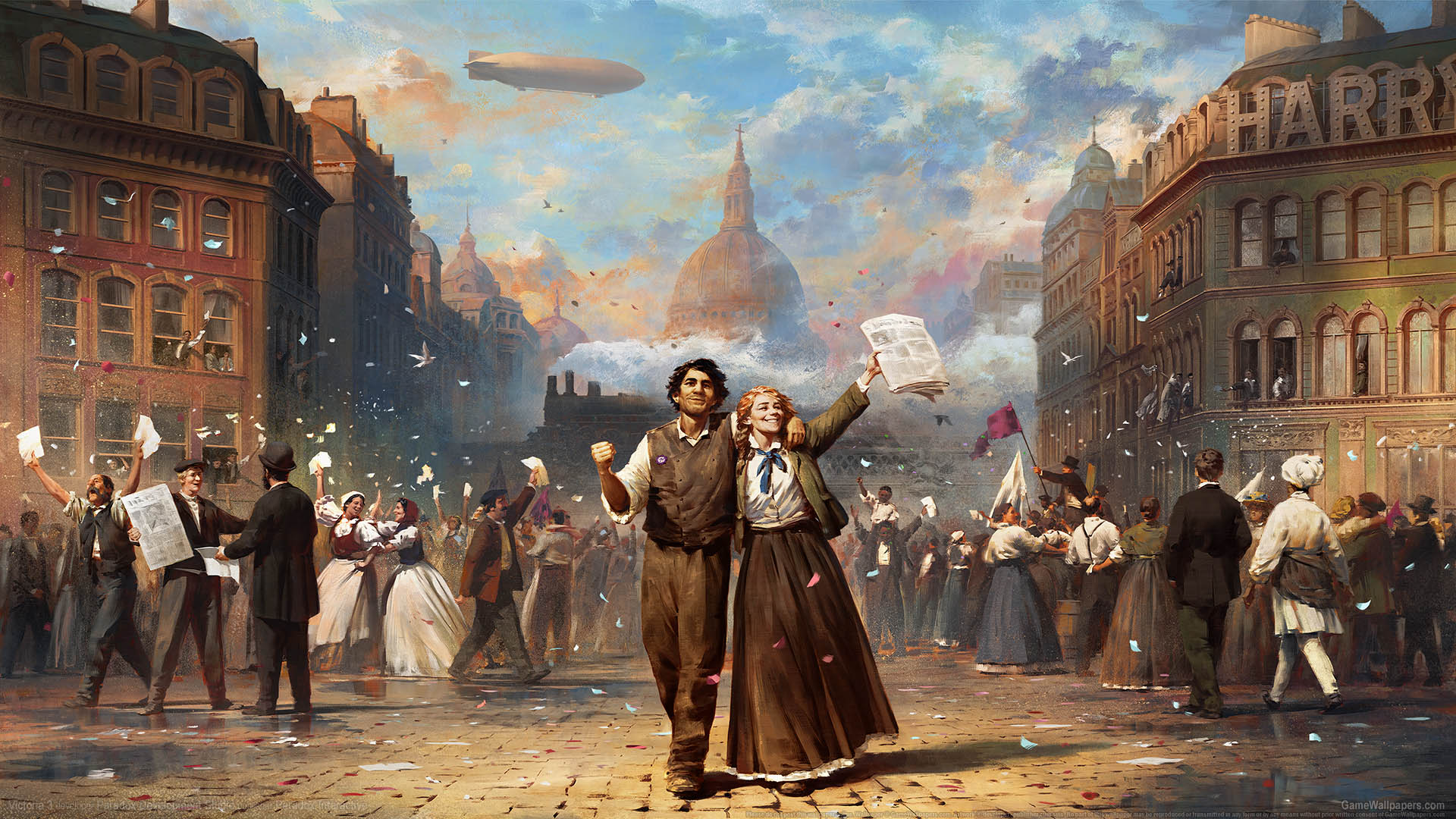
There was a lot of discussion, both within the development team and from people outside the company, about how to represent slavery and colonization in this strategy game. The developers were careful to avoid turning these terrible parts of history into gameplay elements players could use to their advantage. Some worried the game might downplay the pain and suffering caused by these events. Ultimately, the team designed the game to show the negative social and economic consequences of slavery and colonization. The final product is a good example of the challenges involved in dealing with sensitive historical subjects in a game that relies on data and strategy.
‘Atomic Heart’ (2023)
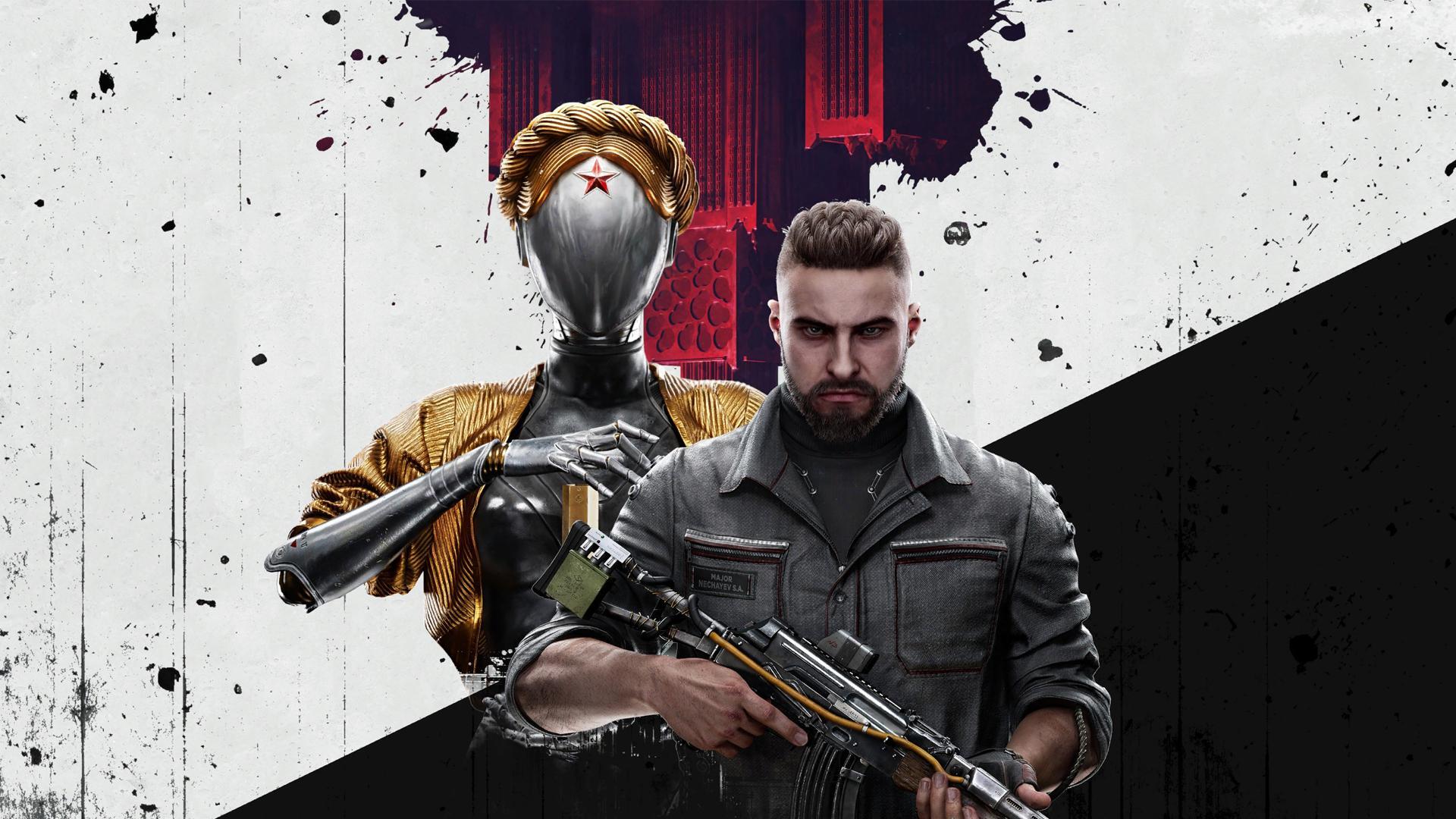
The game sparked controversy and calls for a boycott because of how it depicted a futuristic Soviet Union. Critics felt it unfairly praised a government known for its history of oppression and human rights violations, and questioned the timing of its release given current global conflicts. The developers responded that the game was actually meant to be a cautionary tale about unrealistic ideals, not an endorsement of Soviet history. The situation showed how using historical imagery can easily be seen as making a political statement today.
‘GreedFall’ (2019)
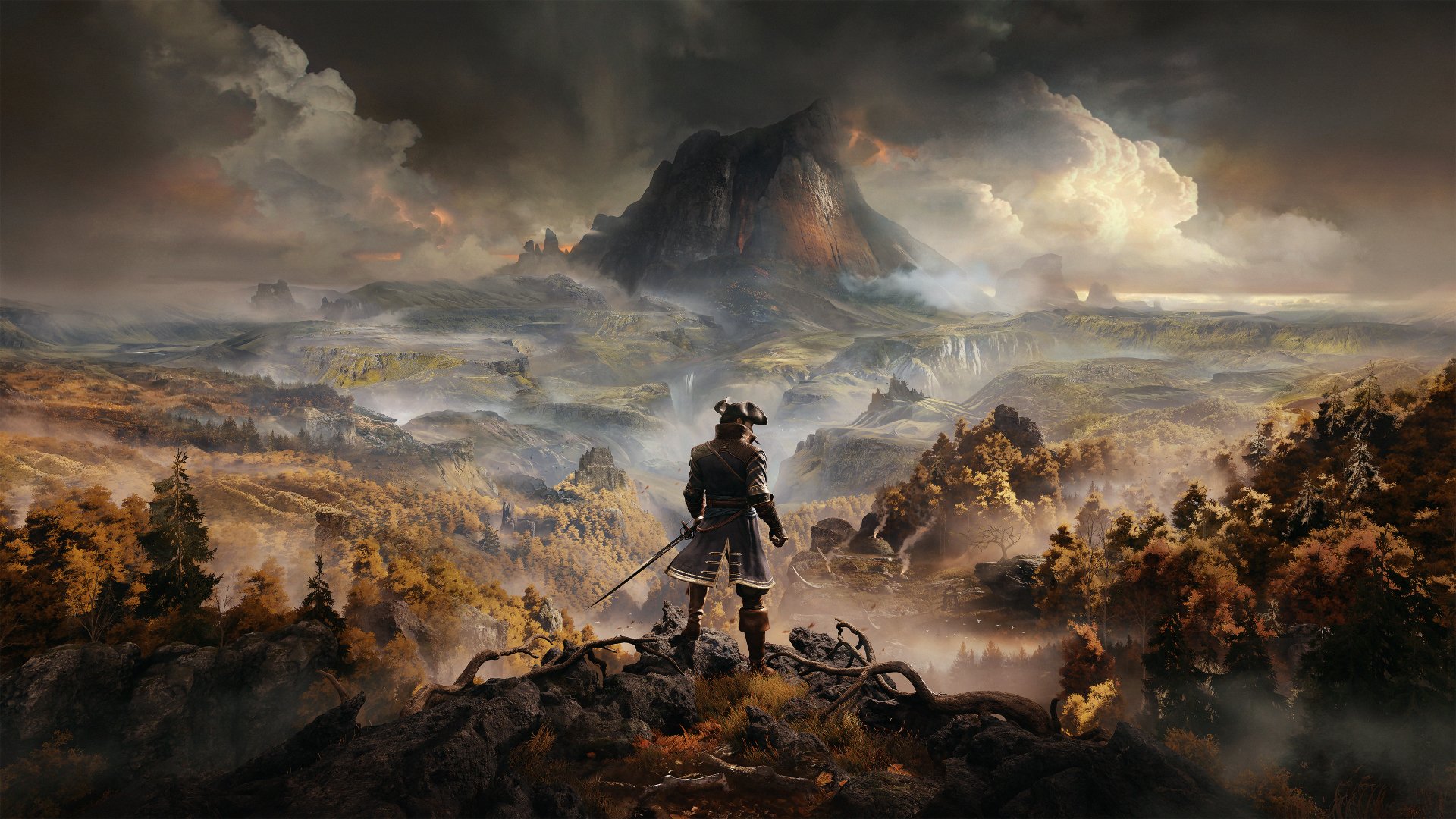
The game is set in a fantasy world inspired by the European colonization of the Americas, which sparked debate about how it depicts indigenous people and the morality of colonization. Some reviewers asked players to avoid the game, believing it didn’t fully acknowledge the historical pain caused by colonization. However, the game’s creators added options that let players support the native inhabitants or find peaceful solutions, aiming to offer a complex and thoughtful take on this sensitive historical period.
‘Shadow of the Tomb Raider’ (2018)
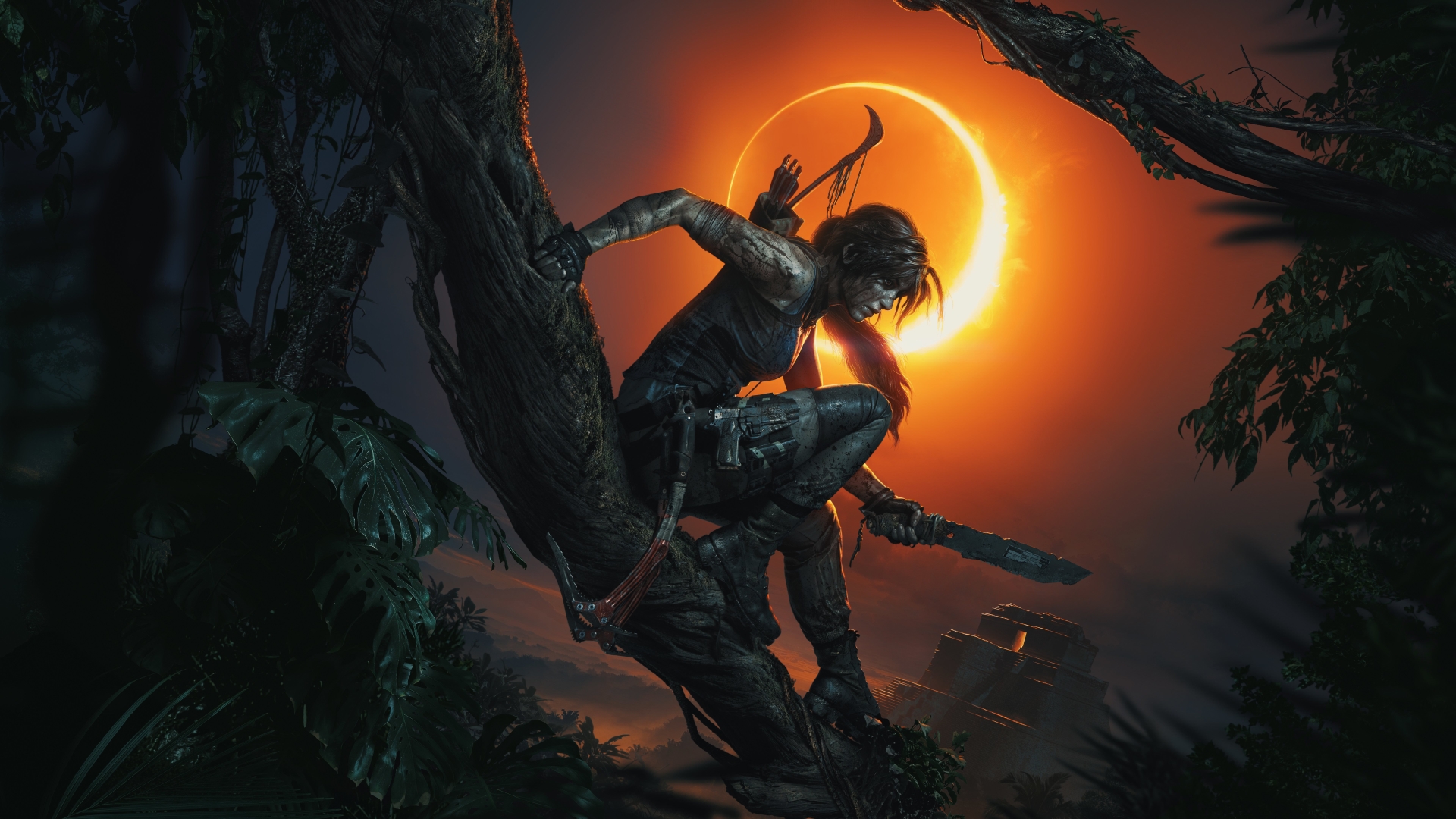
The game’s portrayal of Mayan and Incan cultures faced criticism for how accurately it reflected history and archaeology. Some reviewers felt it combined elements from different cultures into a stereotypical “jungle civilization.” A few people called for a boycott, believing the game didn’t show enough respect for these cultures or demonstrate sufficient research. The developers explained they had worked with historians to build a fantasy world that was meant to be respectful. This situation highlighted how important it is for movies and games to accurately represent the unique histories of indigenous peoples.
‘For Honor’ (2017)
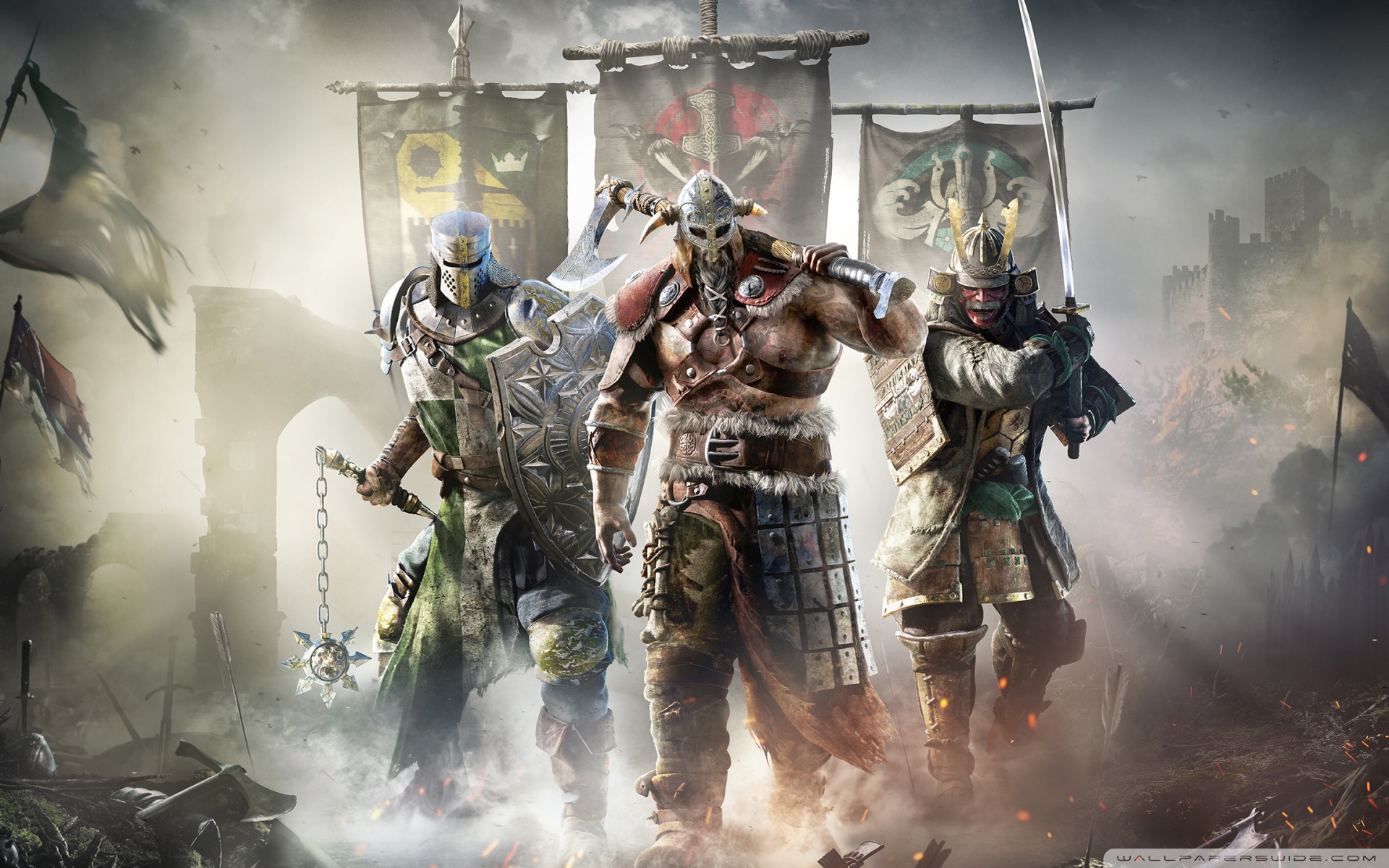
This action game lets players battle as Vikings, Samurai, and Knights in a made-up historical world. Though the game is clearly fantastical, players often discuss how accurately it depicts fighting techniques and gear. Many fans believe the portrayal of these famous warriors relies too heavily on clichés from movies. While there wasn’t a large-scale protest, the community regularly asks for more authentic armor and weapons, demonstrating that players still want a sense of historical realism even in a fantasy setting.
‘Dante’s Inferno’ (2010)
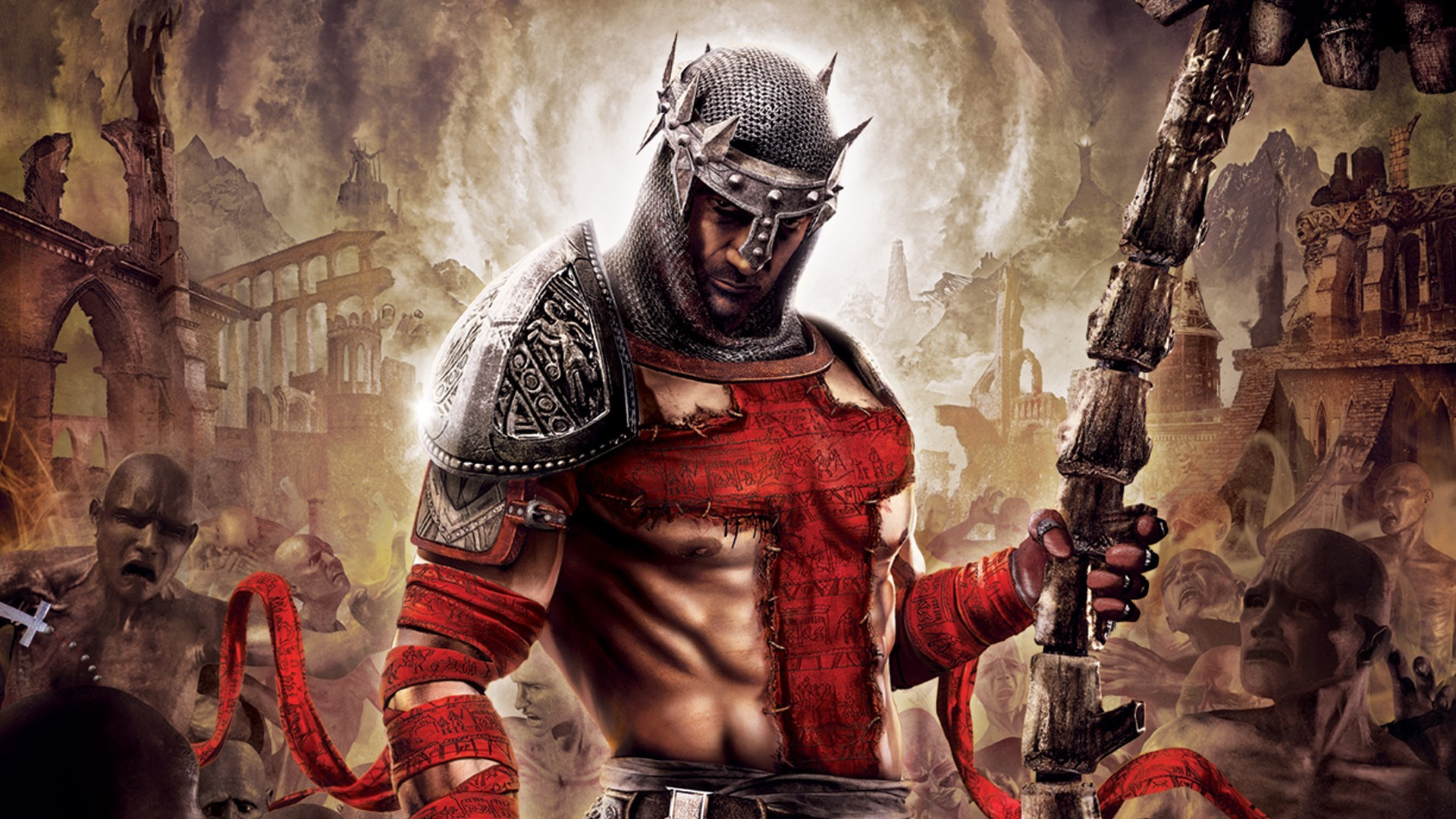
When a beloved story with religious roots was turned into a violent video game, it caused a lot of anger among religious leaders and experts. They argued the game disregarded the story’s important history and meaning, turning it into just another action game. Interestingly, the company behind the game even pretended to be facing a protest, staging a fake boycott to get people talking about it. This unusual marketing tactic, which commented on the controversy itself, was a gamble for the publisher. The situation remains a rare example of a game developer using a historical and religious debate to promote their product.
‘Age of Empires IV’ (2021)
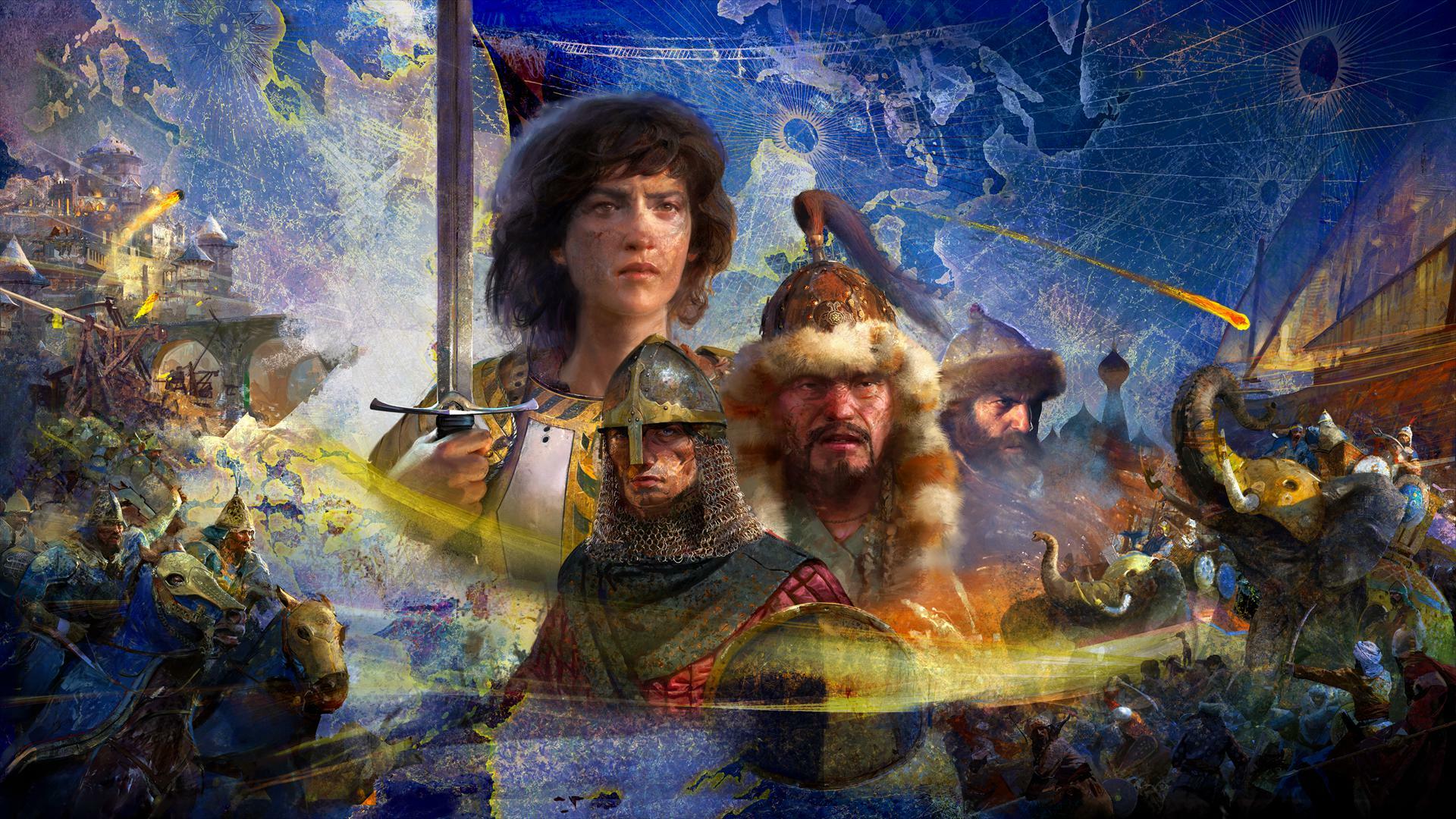
Fans of the older games had a lot to say about how the single-player campaigns were presented. Some felt the game used a documentary style that felt more like a history lesson than a typical gaming experience. There were also small disagreements about how accurately certain battles and military units were depicted for each civilization. The developers highlighted their work with historians to make the medieval setting feel realistic. While most players appreciated this effort, some wished for a more visually creative approach.
‘Steel Division 2’ (2019)
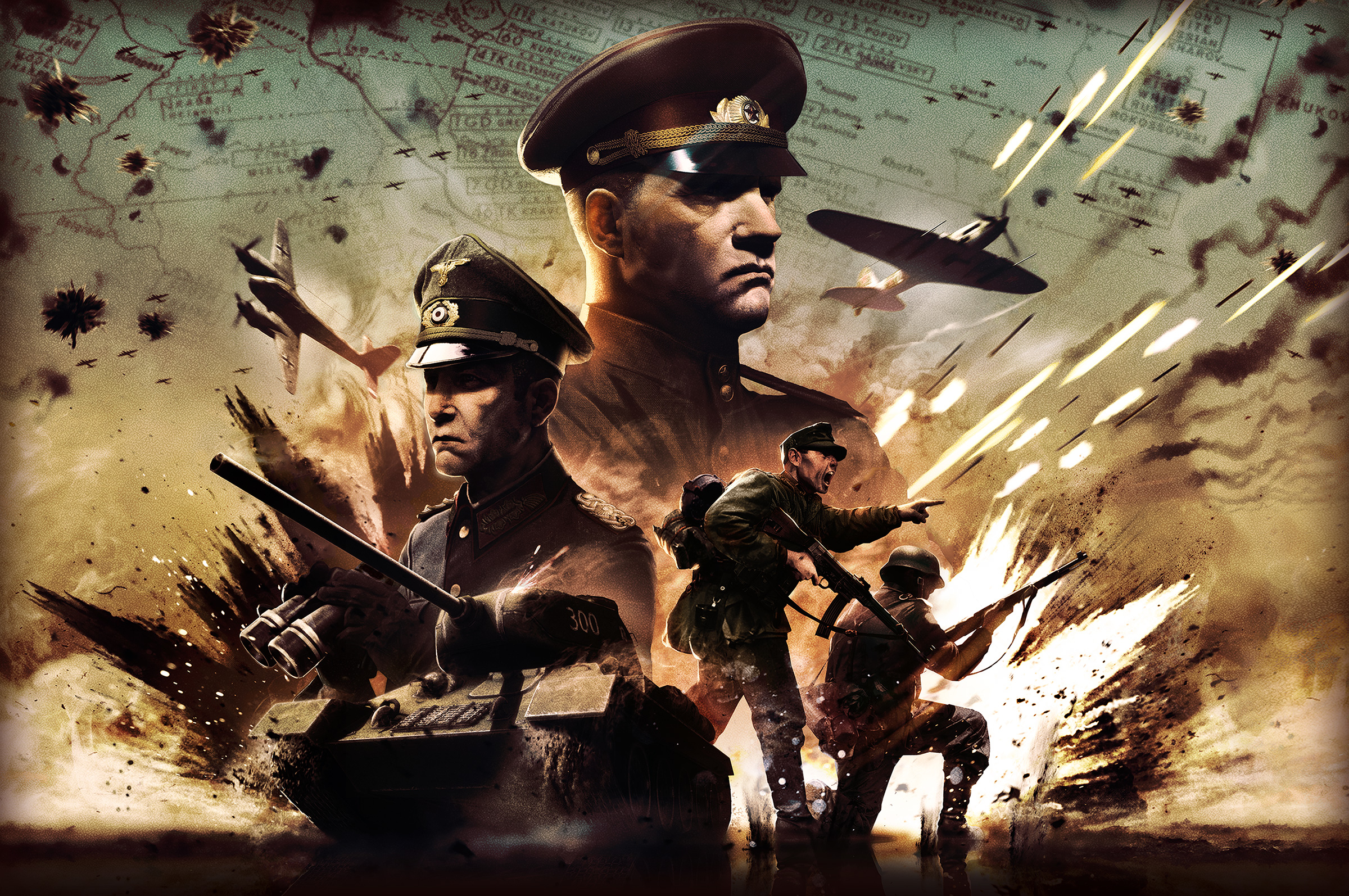
I’ve been really into this WWII strategy game set on the Eastern Front, and honestly, the level of detail is incredible. But it wasn’t without some drama. Players were constantly arguing about whether the Soviet and German units were accurately balanced, comparing them to how they actually performed in the war. Things got pretty heated online – I saw some serious forum wars and even talk of people refusing to play if they felt one side was unfairly represented. The devs were pretty responsive though, constantly dropping patches and tweaks based on historical data to try and keep everyone happy. It really showed me how tough it is for developers to nail that perfect historical balance – it’s a never-ending process!
‘Hell Let Loose’ (2019)
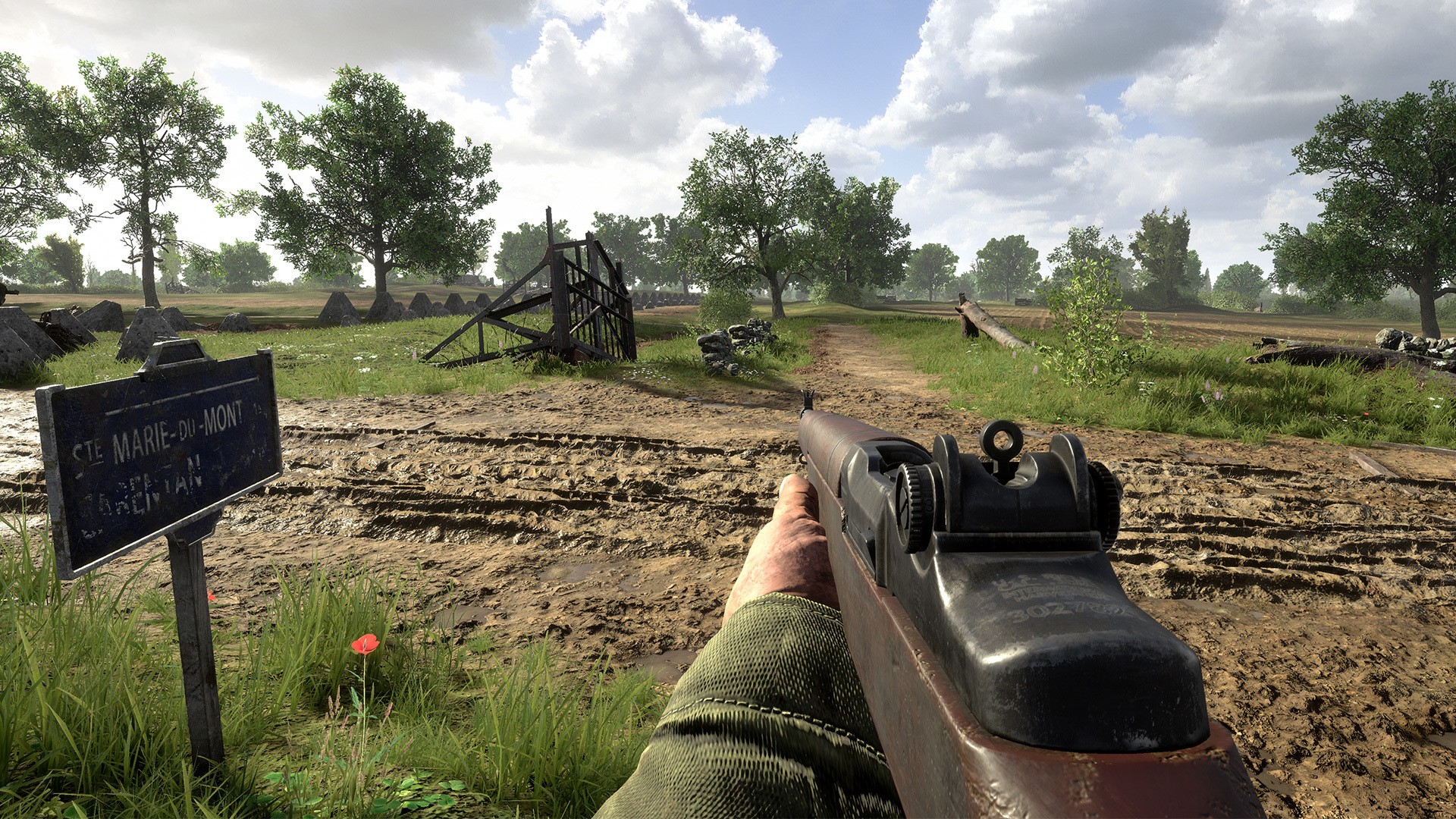
I’m a big fan of this game because it really tries to feel like a realistic tactical shooter – things like the maps and the way units are organized are usually spot-on. But when the developers changed how fast players moved, a lot of us in the community got really upset. We felt it was moving away from the realistic feel we loved and started leaving negative reviews and even talking about boycotting the game until they changed it back. For many of us, getting that authentic infantry experience and historical accuracy was way more important than turning it into something more like an arcade game. Thankfully, the developers listened and tweaked things to better match what we, the core fans, wanted.
‘Isonzo’ (2022)
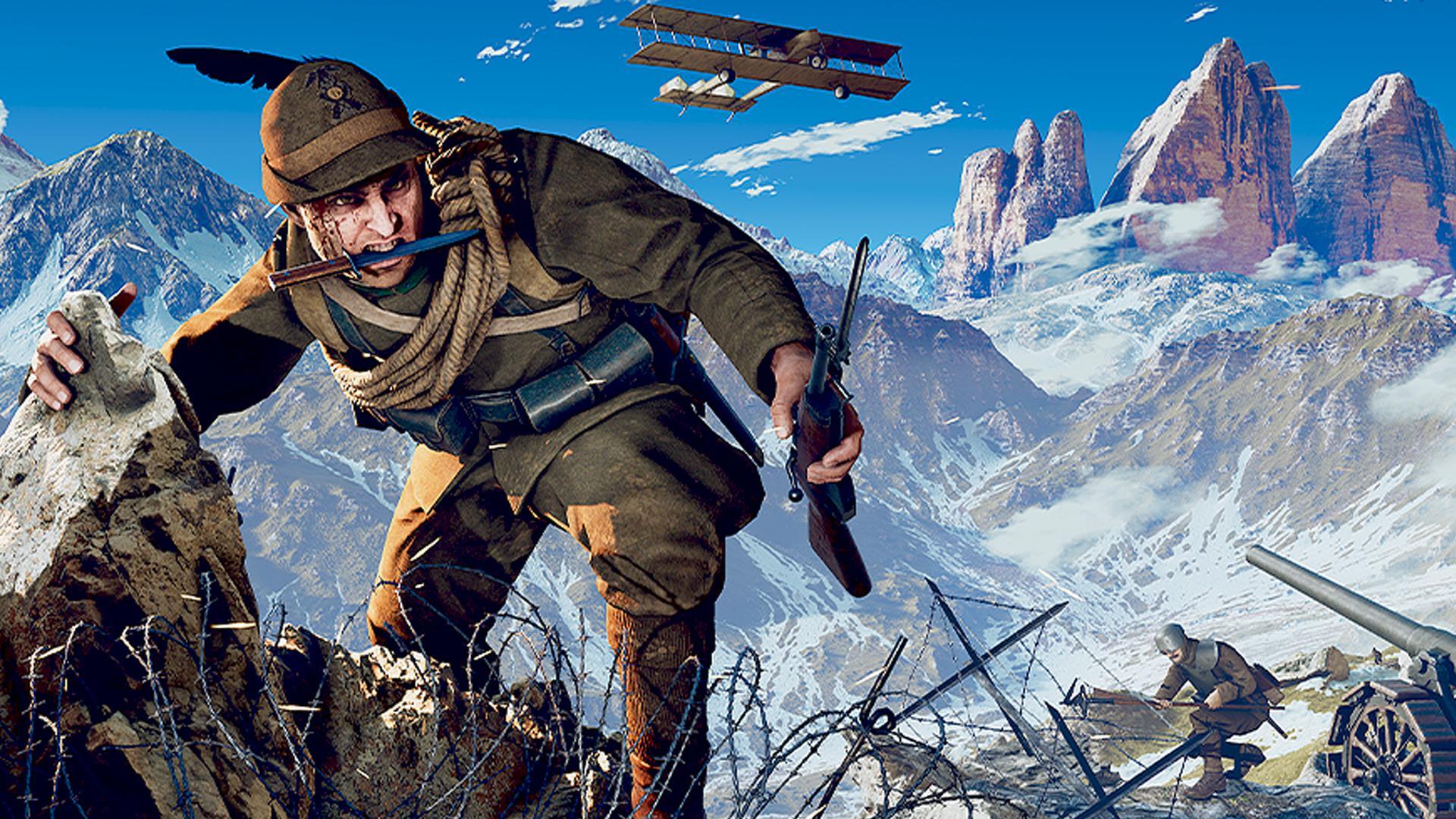
This game, centered around the Italian Front during World War I, was praised for its unique historical setting. Players noticed some inaccuracies in the uniforms and equipment shown for different times during the war. A dedicated group asked the developers to make these details more realistic, reflecting the actual challenges soldiers faced with supplies. The developers listened and added more historically accurate cosmetic items and map features. This highlights how games focusing on specific historical events can draw in a passionate and well-informed community.
‘Sniper Elite 5’ (2022)
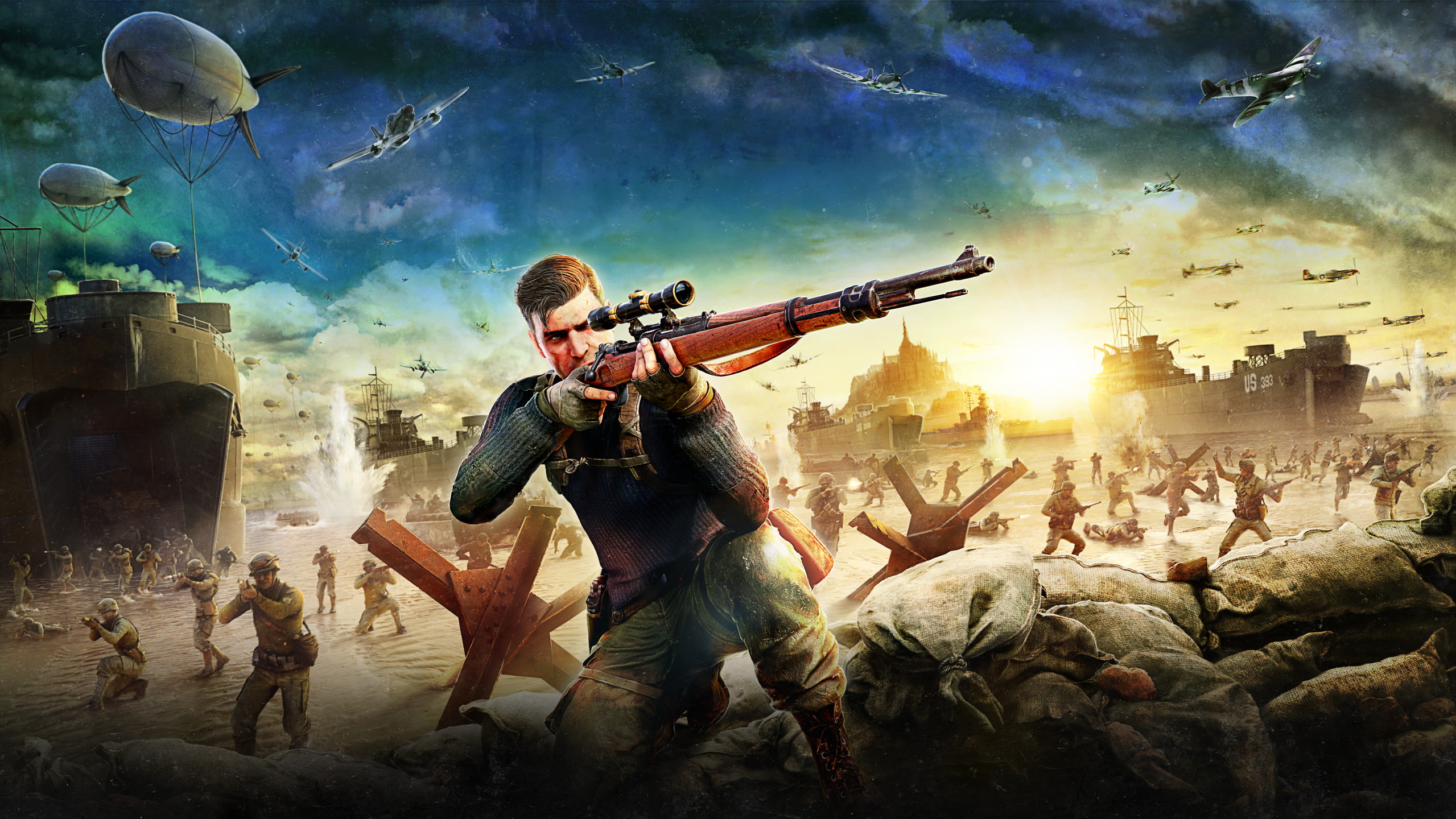
Some historians have examined how accurately the game depicts the French Resistance and their work with Allied snipers. While the game is designed to be an exciting experience, some critics point out that it simplifies the complicated realities of life in occupied France. Though there weren’t major protests, players often discussed whether the way kills were shown and weapons behaved felt realistic. The series usually finds a good middle ground between historical settings and over-the-top action, which helps it appeal to a wide audience. This approach also means it doesn’t face the same level of detailed criticism as more realistic simulation games.
‘Enlisted’ (2021)
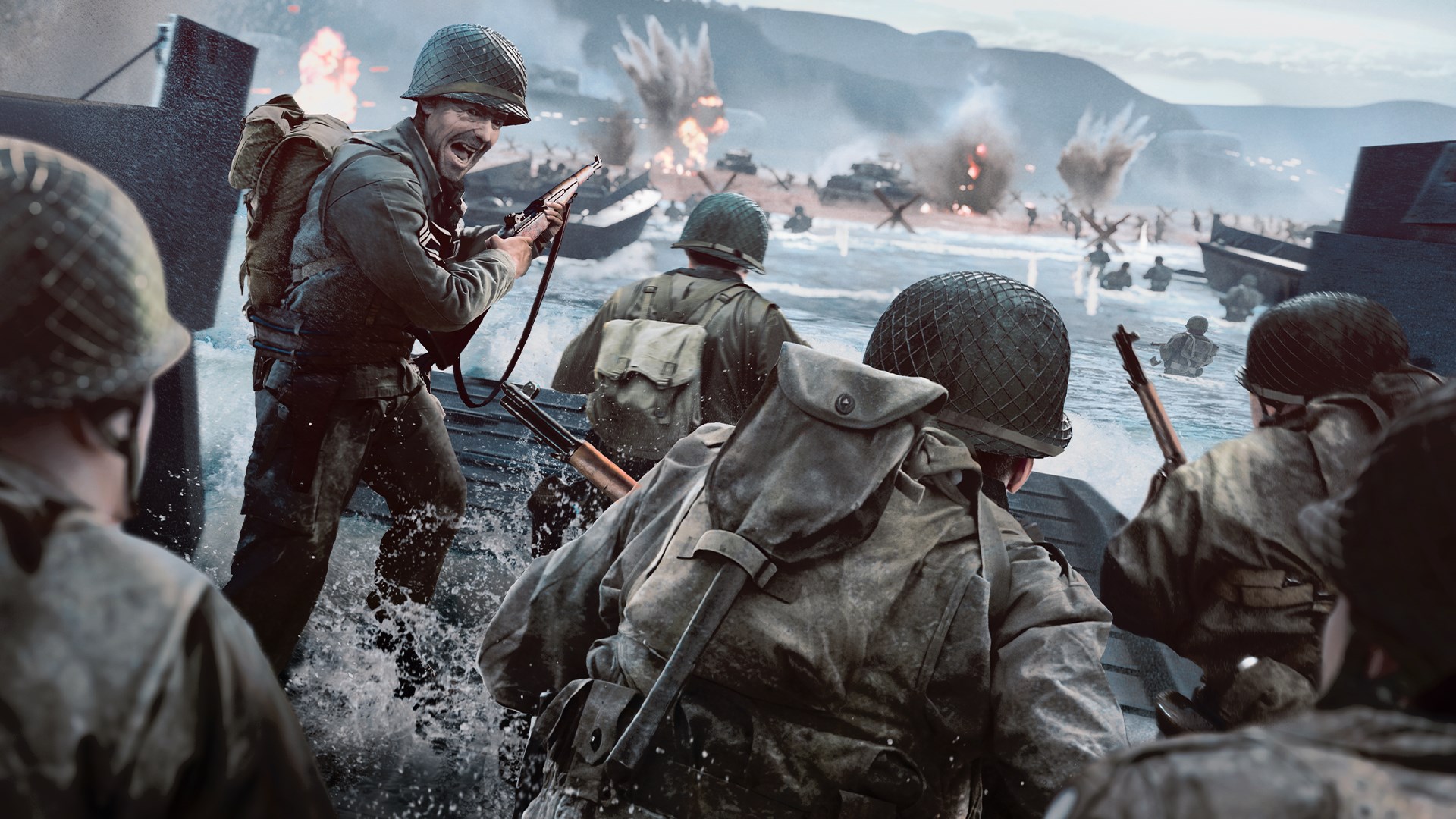
The game, a multiplayer shooter, received backlash for how it charged players for historical military units and equipment. Many felt it was disrespectful to lock famous divisions behind a paywall. This led to player protests and calls for a boycott of the game’s premium items. The developer has since tried to address the issue by rebalancing the game’s economy and offering more ways to unlock historical gear. The situation sparked a debate about the ethics of mixing historical accuracy with how modern games make money.
‘Mount and Blade II Bannerlord’ (2022)
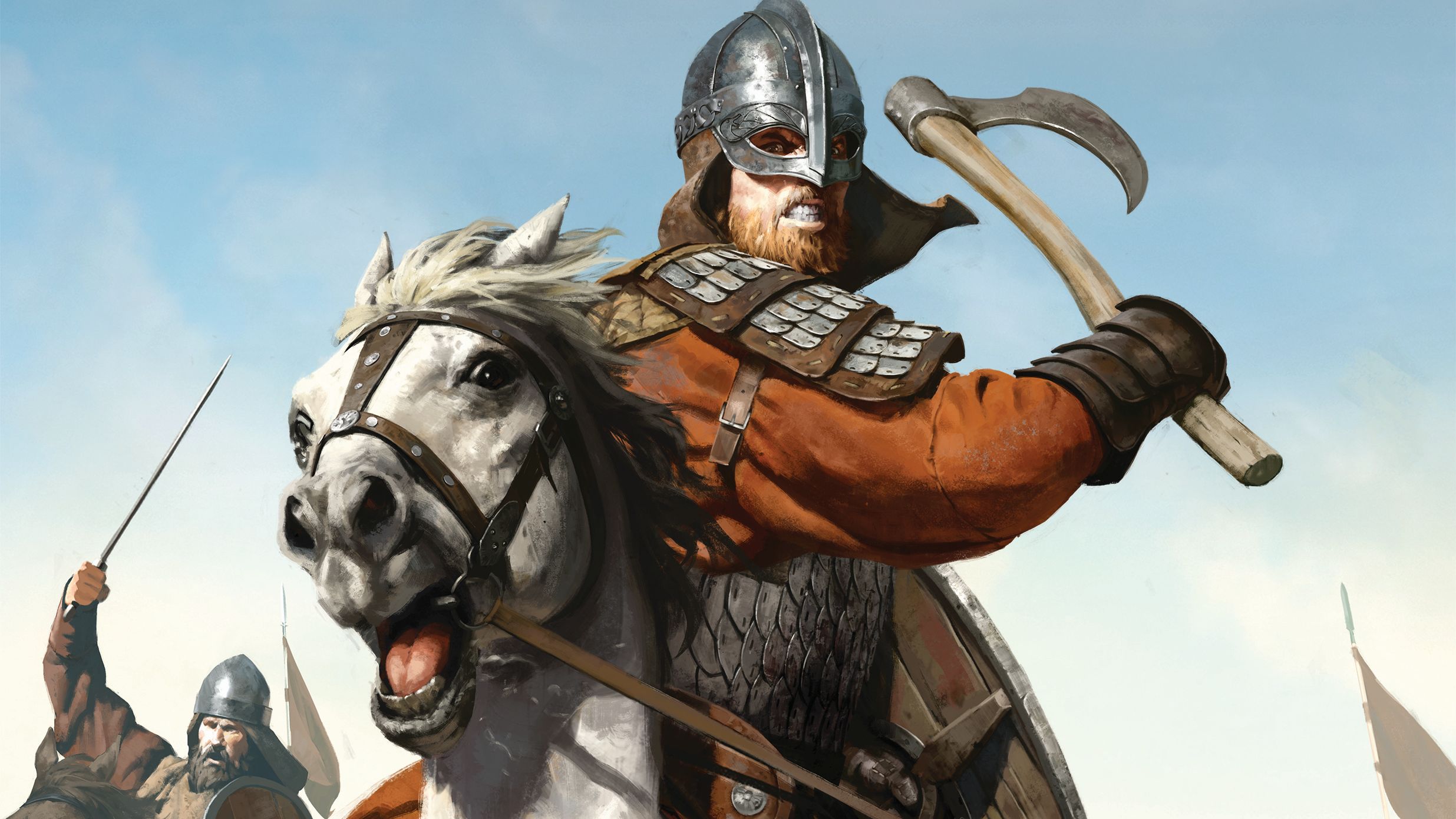
The game takes place in a made-up world, but it’s strongly influenced by the historical period of migration and the decline of the Roman Empire. Players frequently discuss how well the game’s equipment and soldiers match the early Middle Ages. Some have asked the developers to make changes to be more historically accurate, referencing the inspirations they’ve mentioned. Fortunately, the game has a strong modding community that often adds these realistic details themselves. This lets the main game stay simple and enjoyable for everyone, while still offering a historically accurate experience for those who want it.
‘Rise of the Tomb Raider’ (2015)
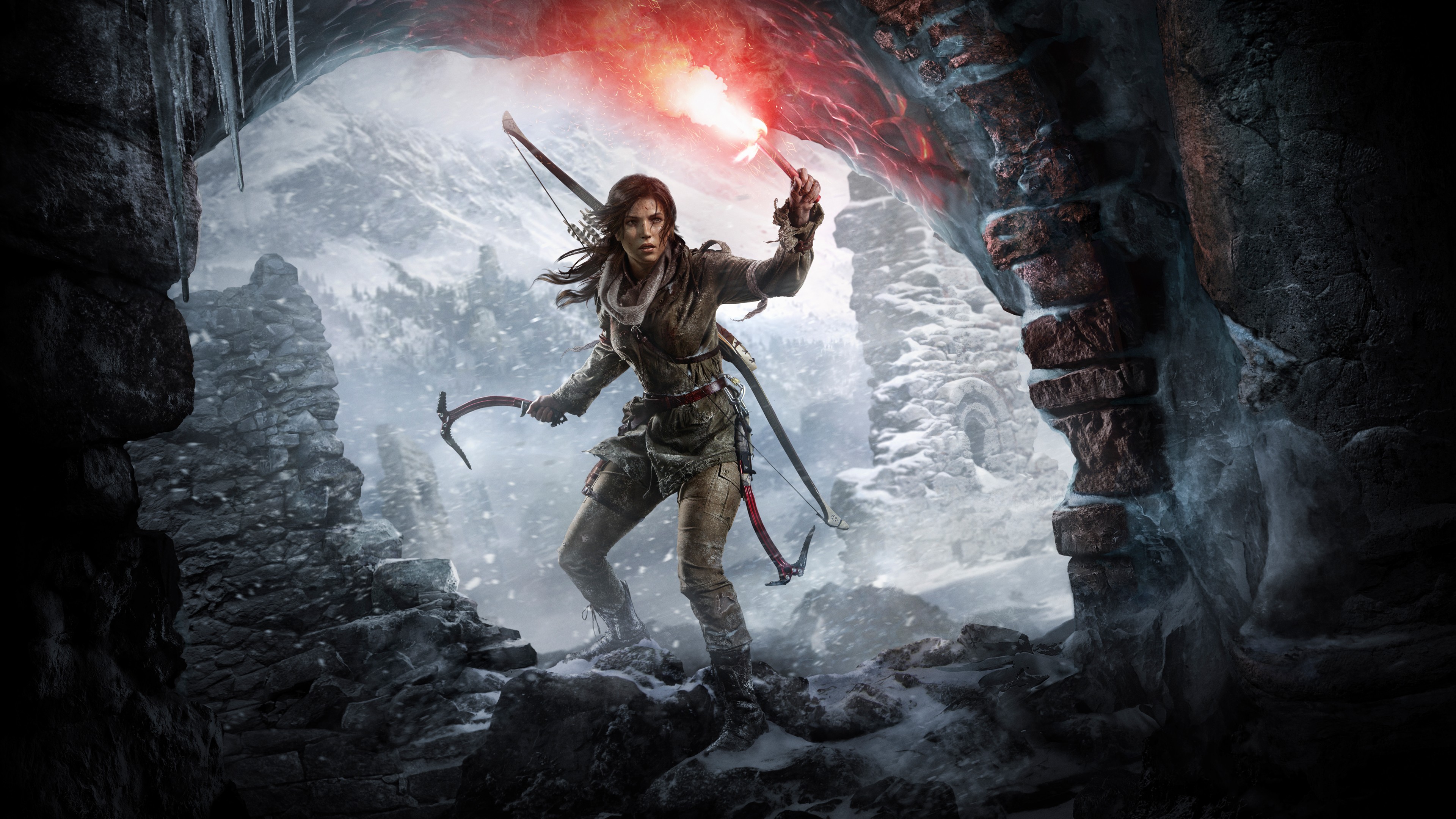
The game’s depiction of the lost city of Kitezh and its connection to religious history sparked discussion among players knowledgeable about Byzantium. Some felt the game took too many creative freedoms with real historical figures and beliefs. Because the game features real names and events, players paid closer attention to its historical accuracy. While there weren’t any organized protests, the blending of history and fiction remained a frequent topic of conversation in the game’s online communities. The series continues to draw inspiration from historical mysteries for its storytelling.
‘Blasphemous’ (2019)
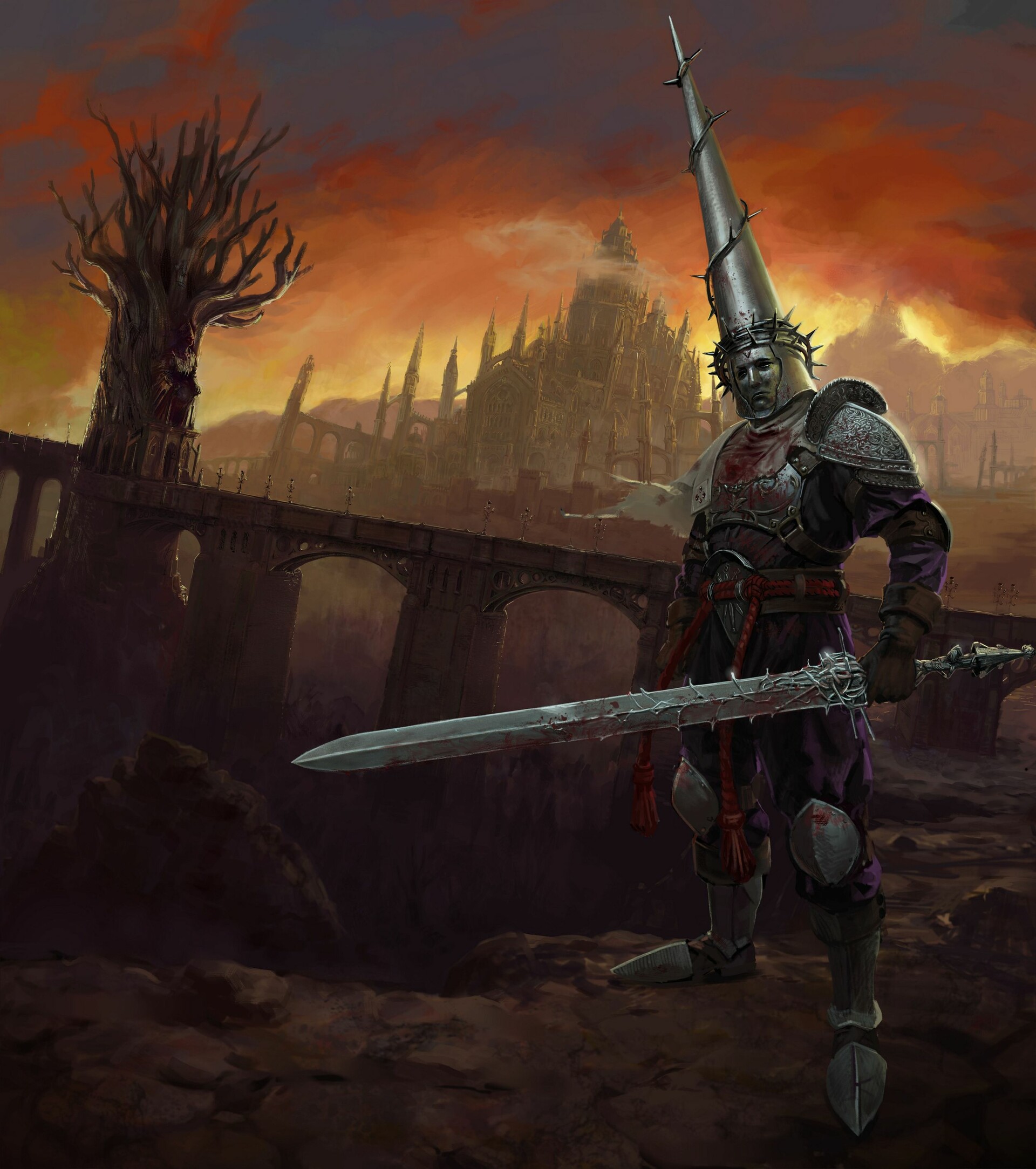
As a fan, I was really intrigued by this game’s unique style! It’s heavily inspired by the Holy Week celebrations in Seville and Spanish religious history. There was some initial worry that it might come across as disrespectful, and sparked a bit of discussion about how far you can go with religious themes in horror. But the developers quickly explained it was actually a loving tribute to their own culture and local history, which was great to hear. Ultimately, everyone loved the game’s incredibly authentic and artistic look – it really stood out!
‘Pentiment’ (2022)
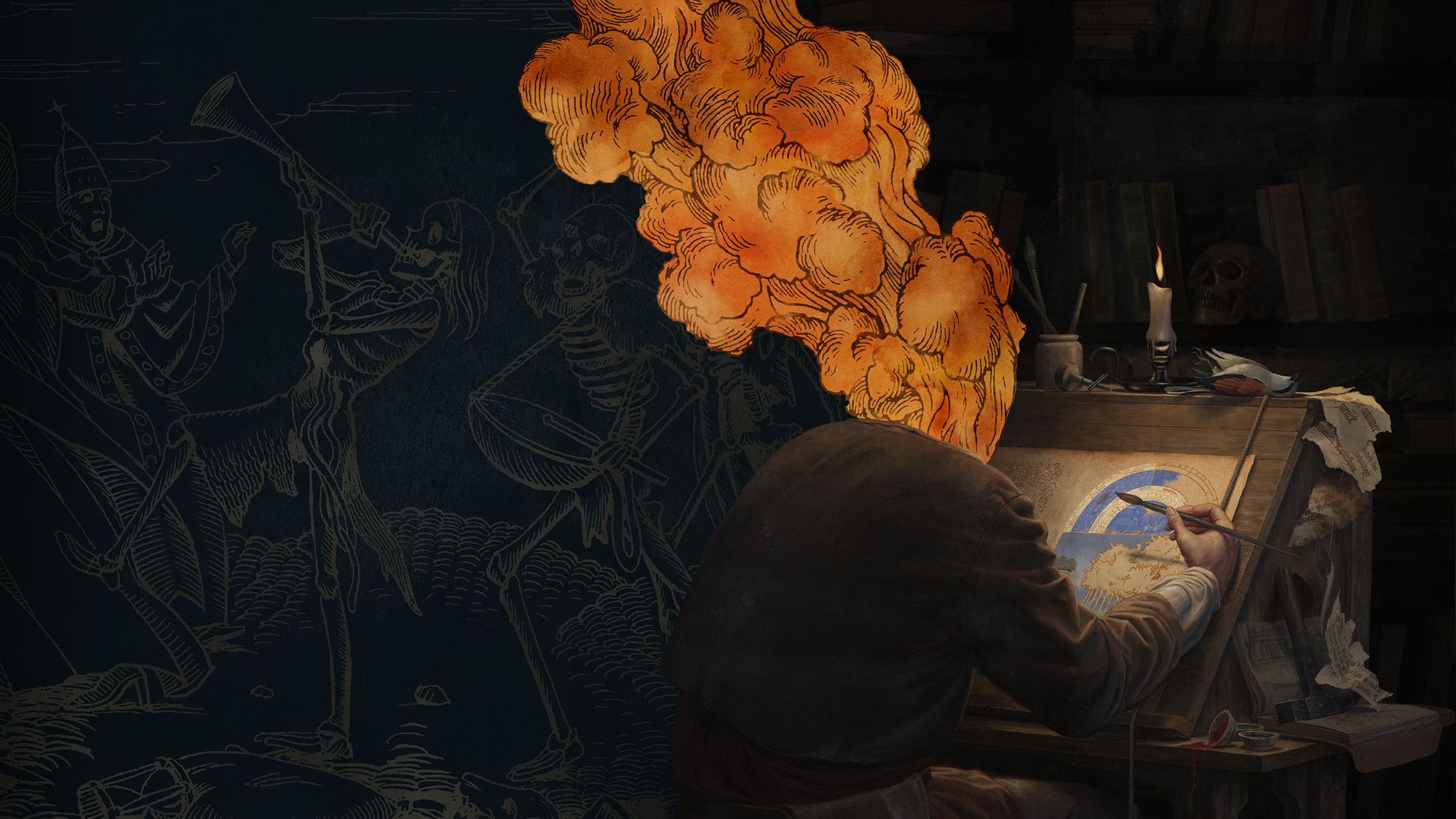
Set in 16th century Bavaria this game was praised for its immense historical detail and art style based on illuminated manuscripts. Some minor debates occurred regarding the portrayal of social classes and the specific theological arguments of the time. A small group of players felt the game might be too focused on niche history to appeal to a broad audience. However the dedication to accuracy helped the game find a loyal following among history buffs. The project demonstrated that there is a market for games that prioritize historical education and social dynamics.
‘Call of Duty Black Ops Cold War’ (2020)
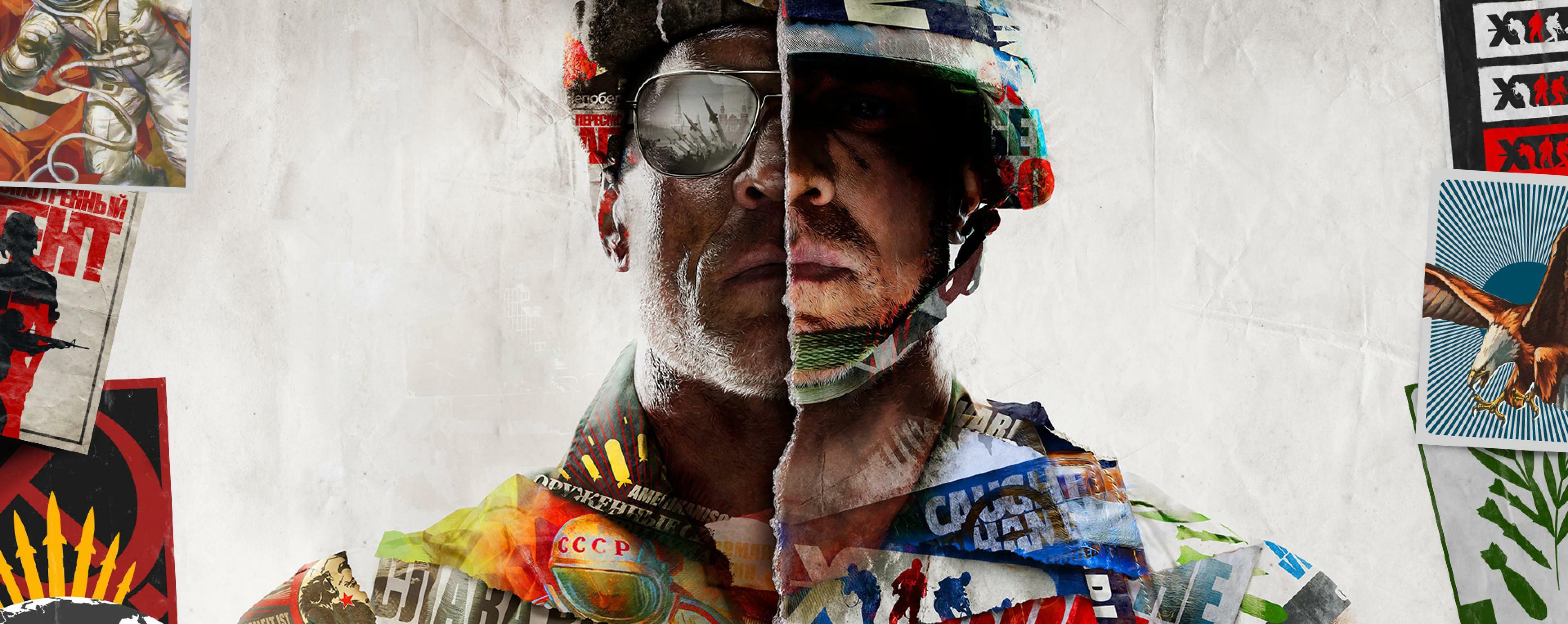
The game trailers featuring a digital version of Ronald Reagan caused a lot of debate about how accurately history and politics were being portrayed. Some people criticized the game, claiming it was glossing over controversial actions taken by intelligence agencies during the Cold War. Others called for a boycott, believing the game was pushing a political agenda. The game’s creators explained it was a fictional story inspired by real historical events, designed as a spy thriller. The whole situation highlighted how powerful it can be to use the likeness of historical figures in today’s media.
‘Assassin’s Creed Valhalla’ (2020)
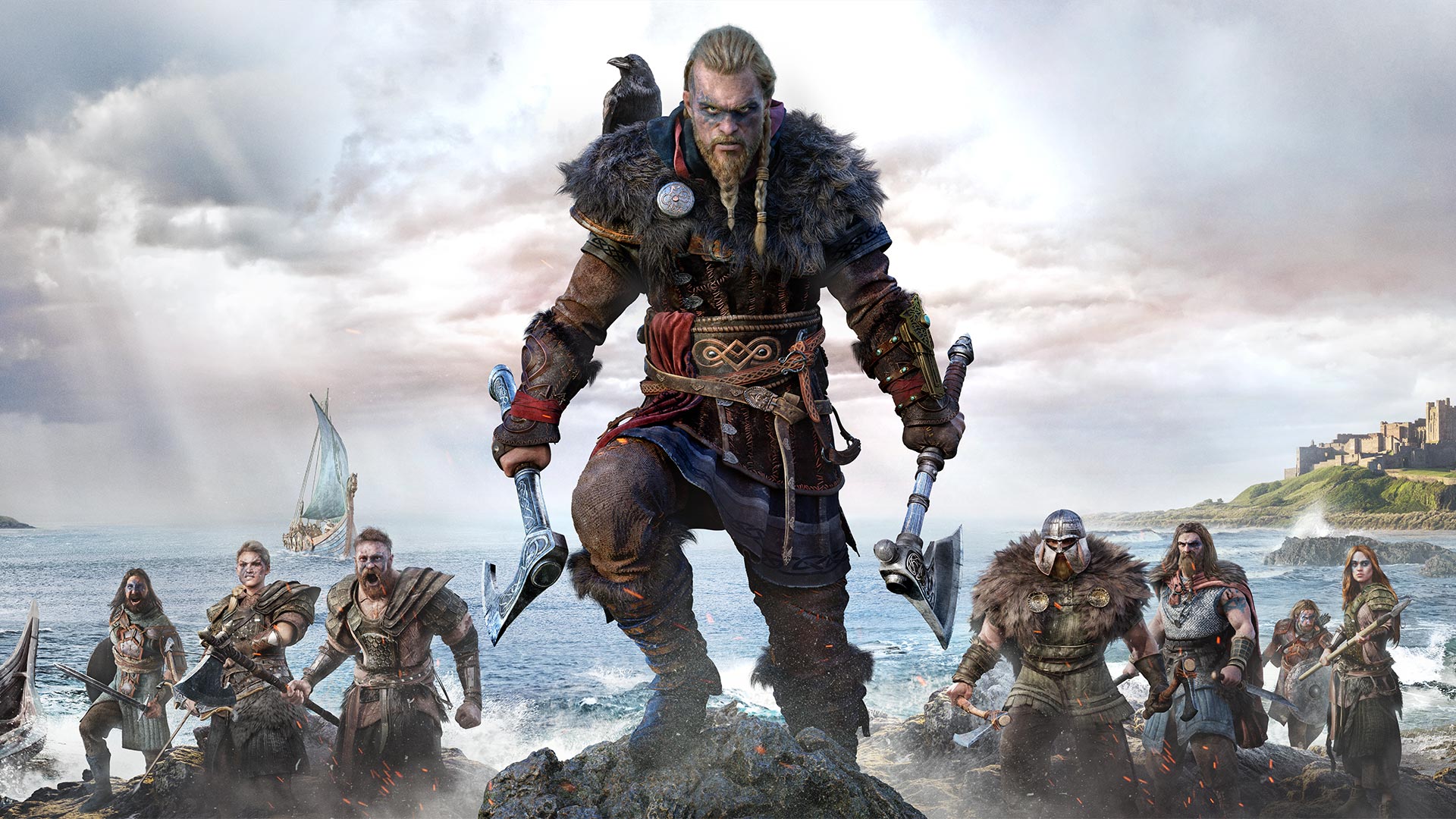
Medieval historians found the way a certain game showed Viking settlements and their interactions with Anglo-Saxon kingdoms particularly interesting. Some felt the game made the Vikings seem more peaceful and positive than history actually shows. This sparked debate about whether the game had a duty to portray the harsh realities of the time. Although there wasn’t a large-scale protest, this discussion did affect how the game was used in schools and for learning. To address these concerns, the game’s creators added a ‘Discovery Tour’ mode that focuses on historical accuracy.
‘Total War Pharaoh’ (2023)

The exact timing and reasons behind the Bronze Age Collapse are still hotly debated by historians, and the game had to address this complex history. Some players thought the game didn’t fully show how devastating this period was, leading to a small number of calls for a boycott because it felt less expansive than earlier games. The developers listened and added more groups and gameplay features to better represent the era’s intricacies. This situation highlighted how much players expect historical strategy games to accurately portray the past, and how that can affect how well a game is received.
‘Europa Universalis IV’ (2013)
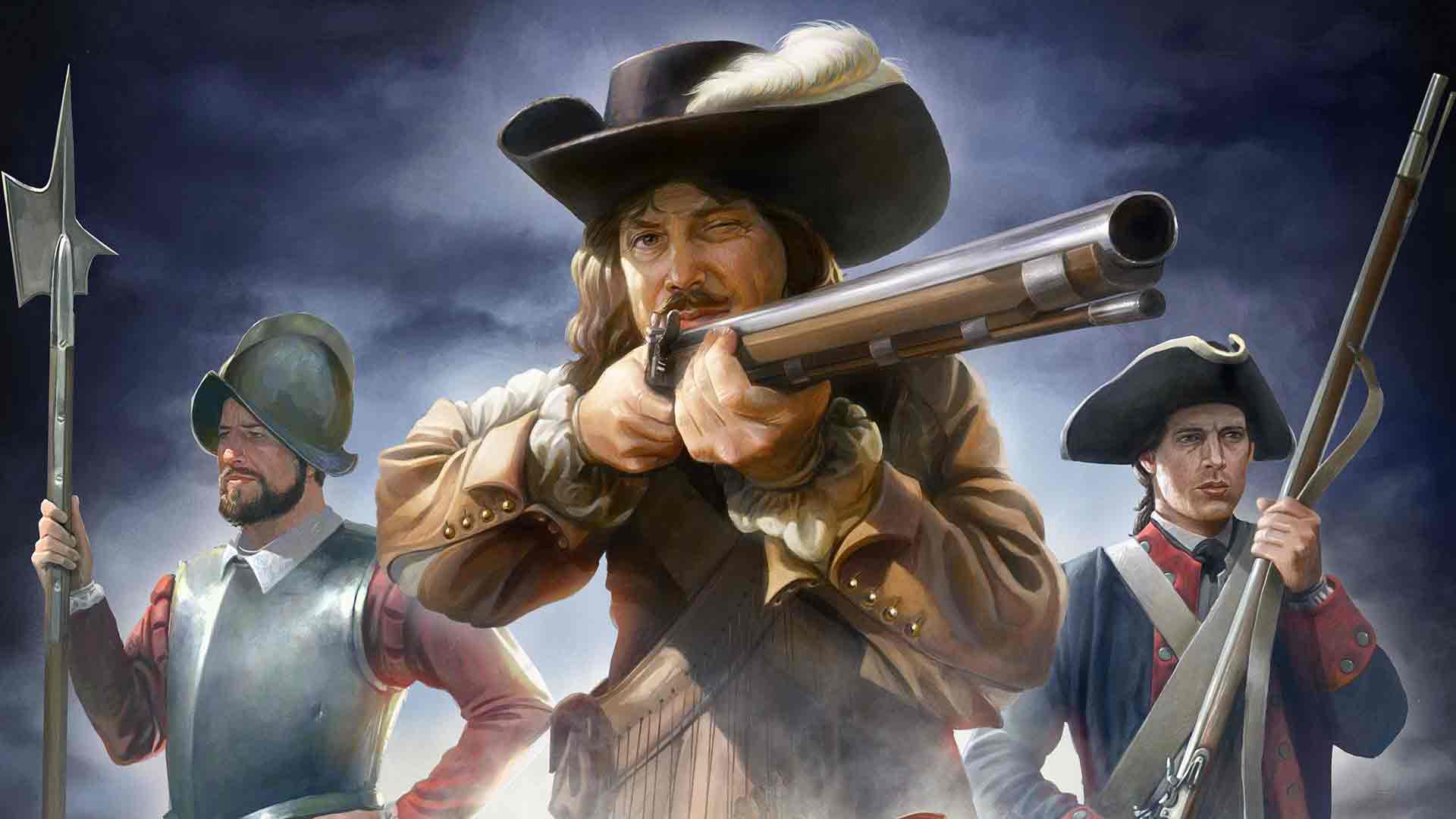
The way regions and borders are depicted in the game and its expansions often sparks historical discussions. Sometimes, groups feel their history isn’t portrayed correctly and ask for changes. The developers listen to player feedback and regularly update the map to be more historically accurate. This constant improvement is a crucial part of how the studio connects with its community, showing how players can help shape historical games.
‘Ancestors The Humankind Odyssey’ (2019)

Experts in science and history closely examined how the game portrayed human evolution. Some reviewers thought the gameplay didn’t fully capture the complexity of millions of years of biological and social change. Though not strictly a historical game, its focus on the origins of humanity sparked debates about accuracy. While the game didn’t face major backlash, its innovative approach led to mixed reactions. Ultimately, the project demonstrated how challenging it is to create a compelling interactive experience based on such a vast historical period.
‘Hogwarts Legacy’ (2023)
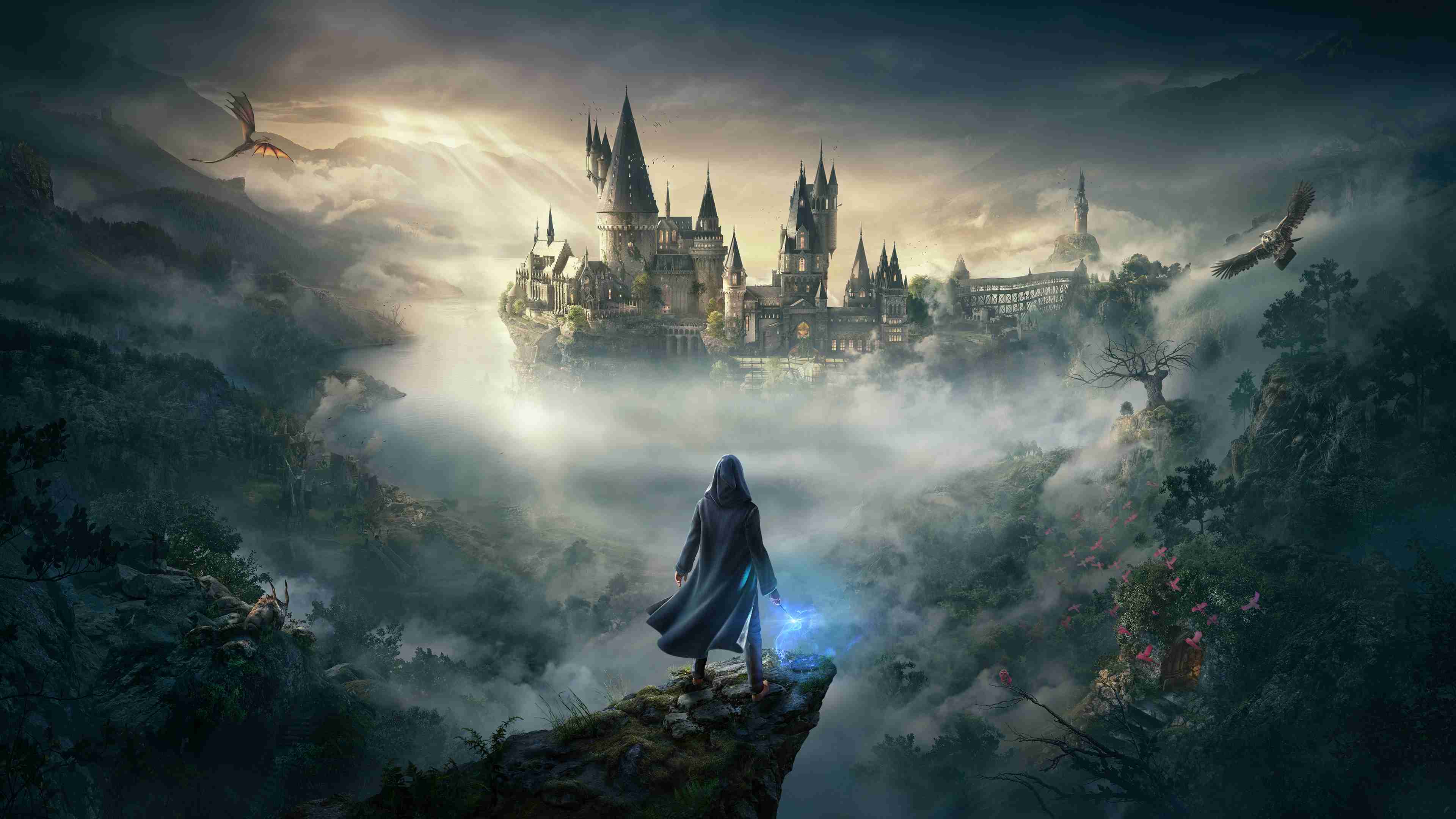
Though the game takes place in a fantastical world, it’s rooted in late 19th-century Britain and reflects the social customs of the time. Some reviewers questioned how accurately it portrayed those customs and whether the diverse range of characters fit the historical setting. This criticism became part of a larger effort to boycott the game, fueled by wider cultural and political issues. The developers explained that their goal was to present an inclusive take on the period. Ultimately, the game was both incredibly popular and highly debated upon its release.
‘The Witcher 3 Wild Hunt’ (2015)
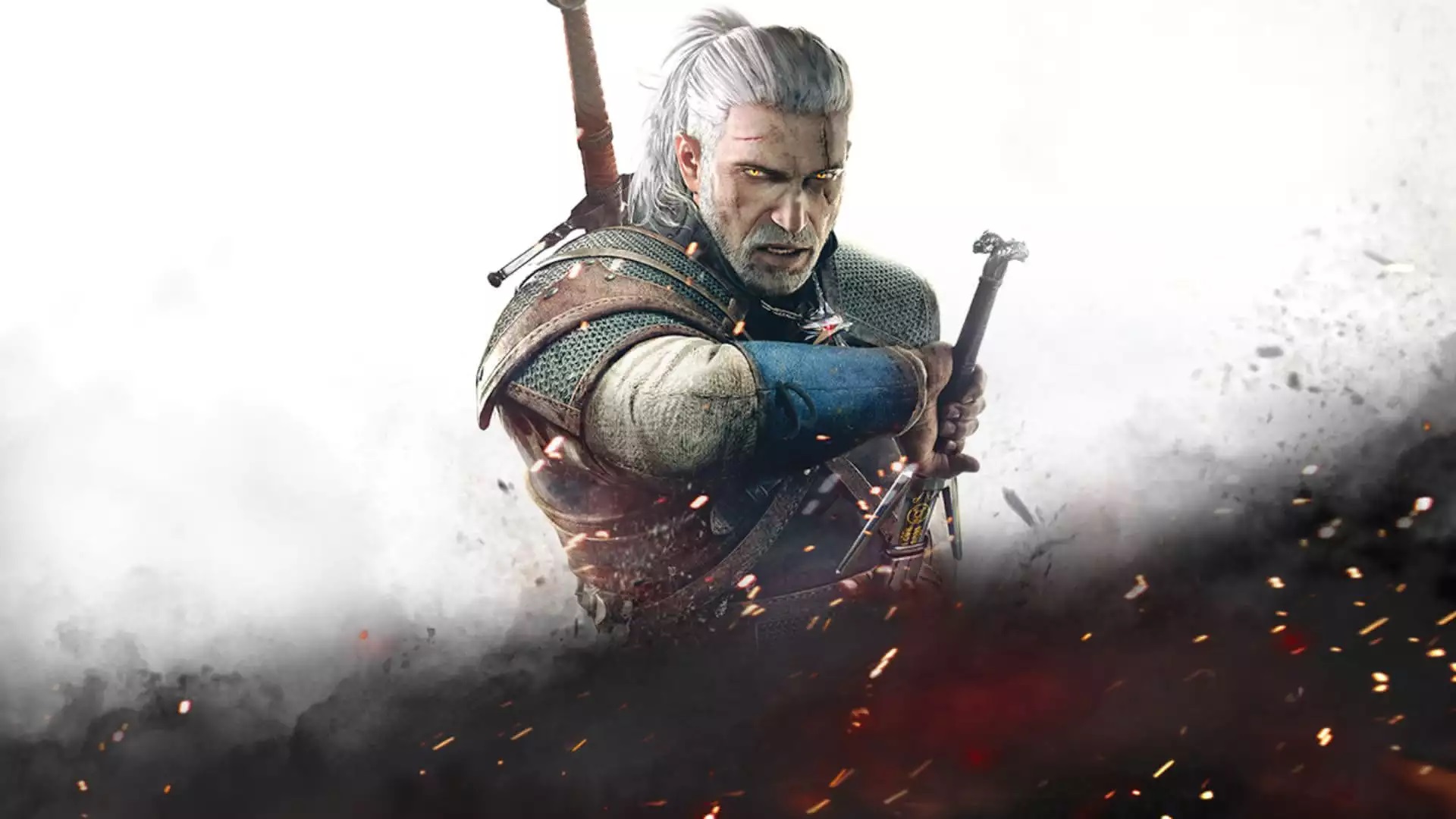
The game draws heavily from Slavic myths and the history of medieval Poland, which sparked debate about its limited ethnic representation. Some critics in Western countries suggested people shouldn’t buy it, believing it didn’t reflect the diversity of players worldwide. However, the developers and many fans argued that the game accurately portrayed a particular regional history and its unique folklore. This disagreement became a significant discussion about the importance of cultural authenticity and accurate historical depictions in video games. The game continues to be celebrated as a key example of successful regional storytelling on a global scale.
‘Street Fighter V’ (2016)
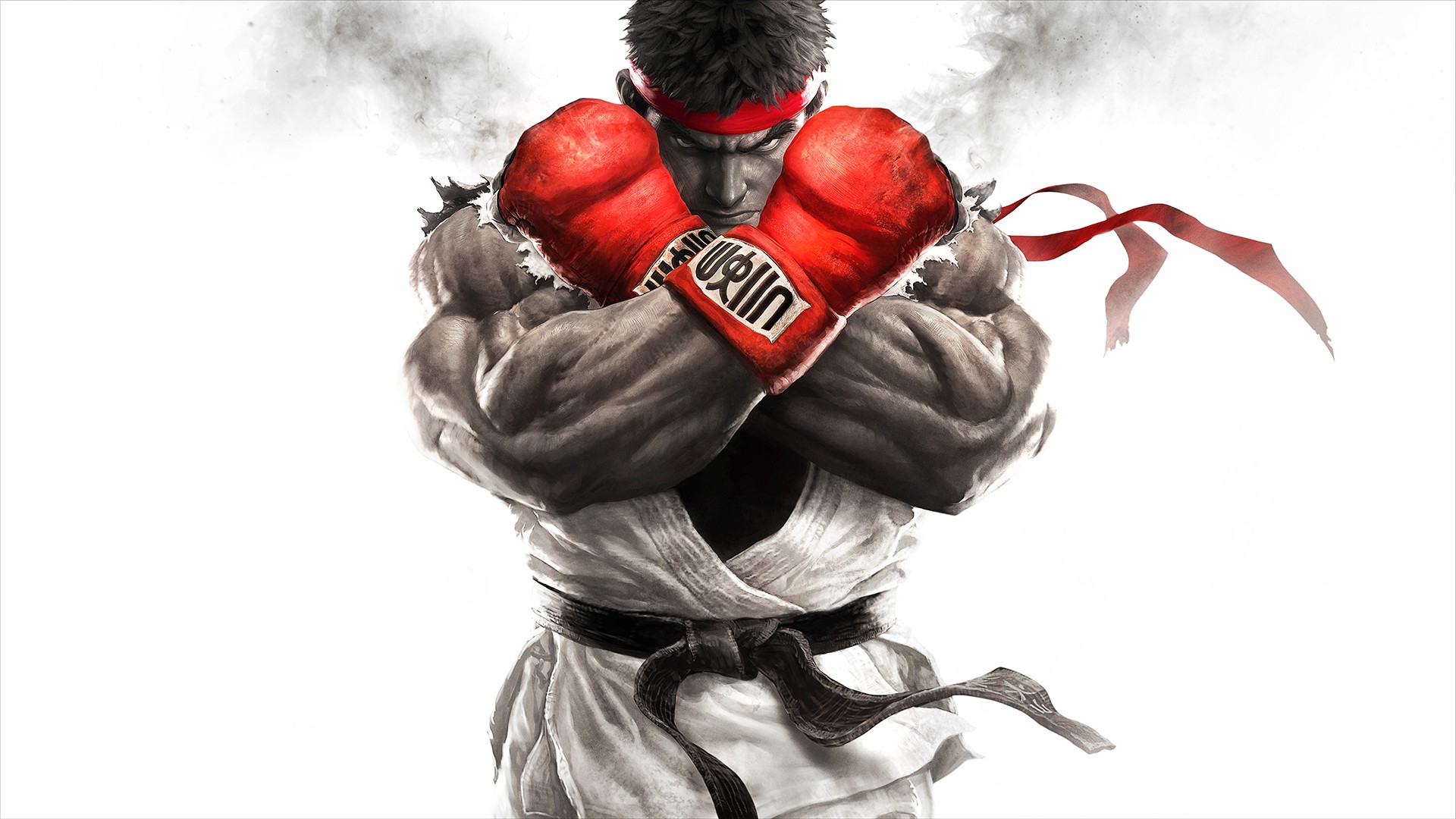
Character backgrounds and stages sometimes include historical and cultural symbols that have caused controversy. For instance, a stage design featuring a mosque and religious imagery received criticism for being culturally insensitive, leading to calls for changes and even minor boycott threats. Capcom has generally responded by making adjustments to avoid offending players worldwide. This highlights the need for even games like fighting games to be mindful when incorporating historical and cultural elements.
‘Overwatch 2’ (2022)
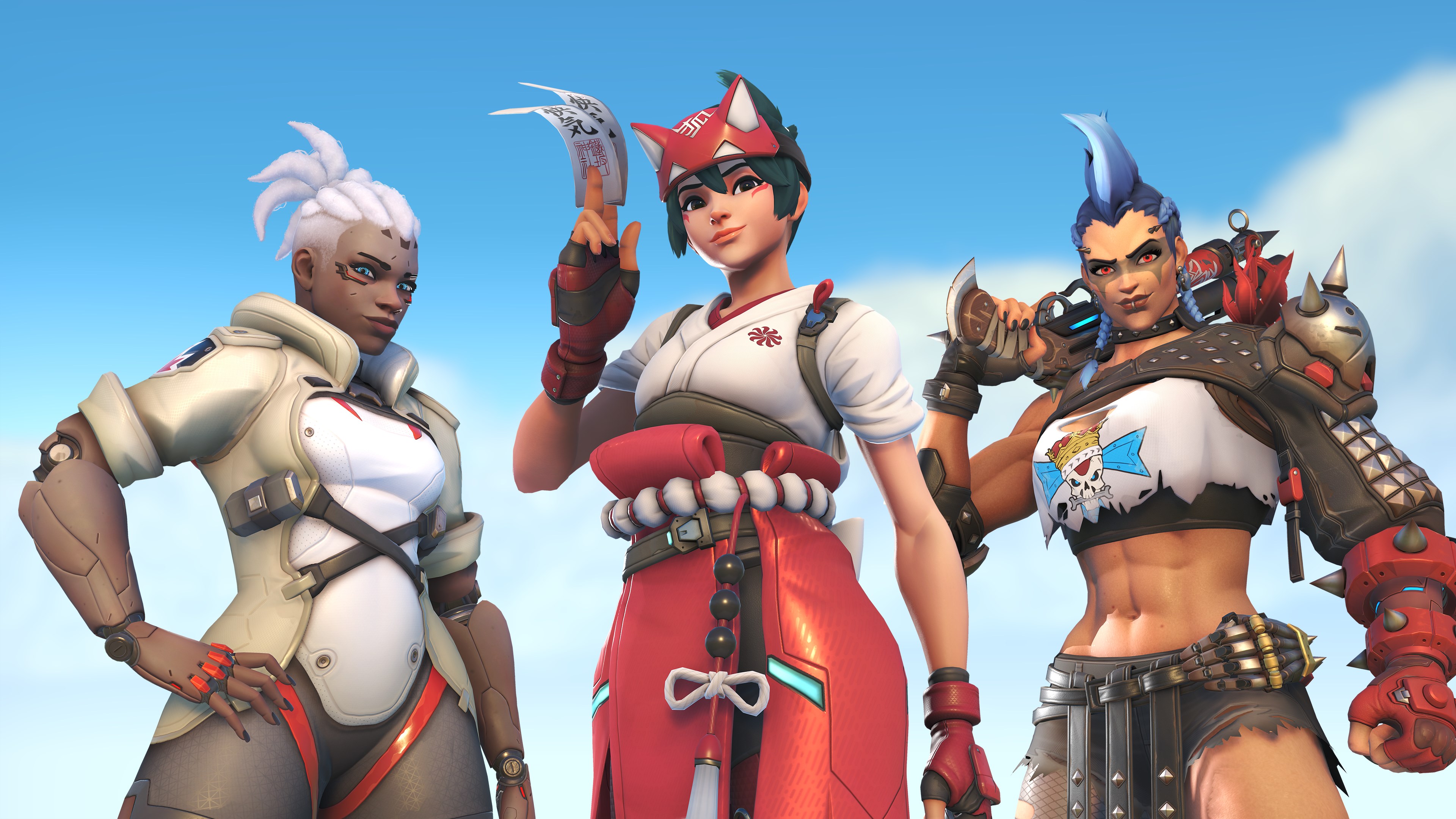
The backgrounds and ancestry of characters frequently spark conversations about how well the game’s story matches real-world cultures and history. Some players have been unhappy when a character’s past doesn’t feel true to the history of the place they’re from. Even though the game takes place in the future, many players enjoy the historical connections of the characters, and some have even started online petitions and protests asking for more accurate portrayals. The game creators are aware of these concerns and are continuing to develop the story to better reflect them.
‘Empire Total War’ (2009)
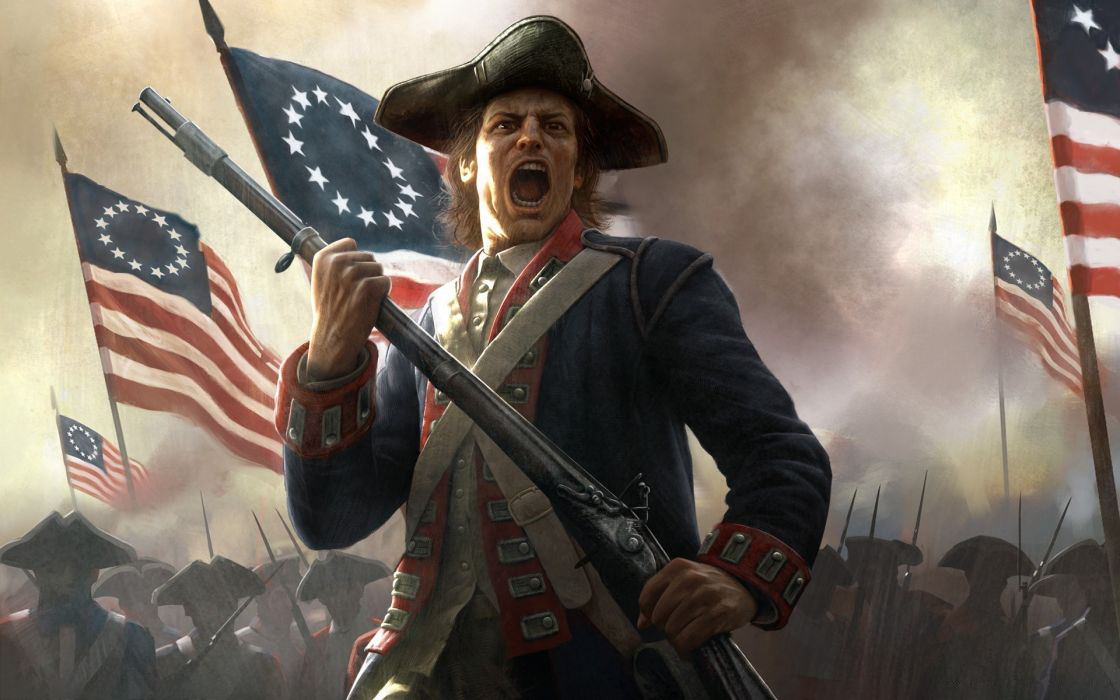
Strategy game fans had a lot to say about how the game depicted the 18th century and the way empires grew. Some players thought it didn’t show the full impact of slavery on the economy of the time. Others debated whether the naval battles and the strengths of different armies were realistic. Although no one stopped playing the game, it did receive criticism for technical problems and for not being historically accurate enough. For players who really want historical detail, it’s still a controversial game in the series.
‘Call of Duty WWII’ (2017)
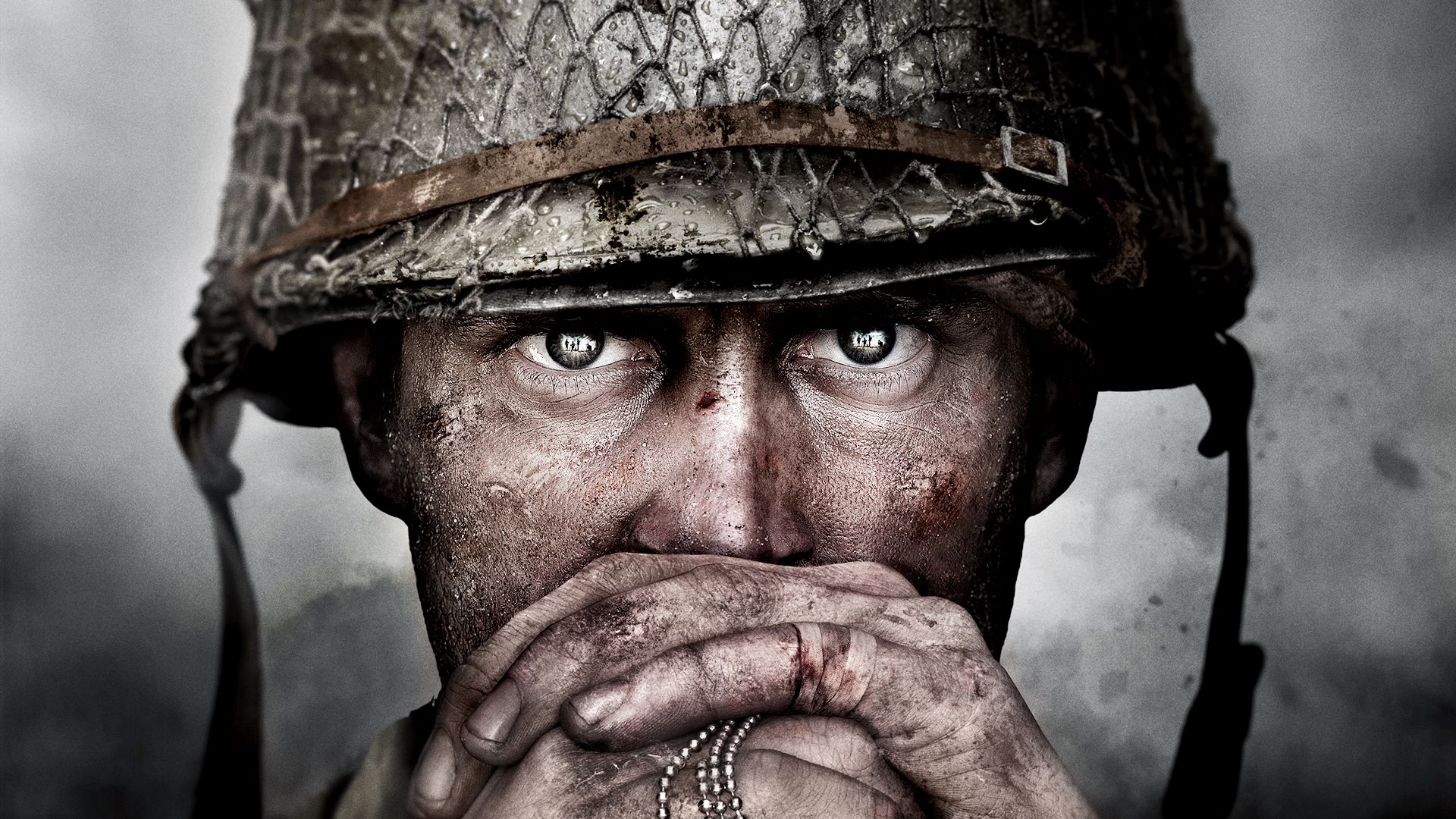
Removing swastikas from the game’s multiplayer mode caused a lot of discussion about balancing historical accuracy with modern sensitivities. Some players felt the removal changed history and made the game less realistic, leading to protests and calls for a boycott to ensure the game accurately reflected history in all areas. The game developer explained the decision was made to avoid legal problems and ensure the game could be sold and played worldwide. This situation showed how difficult it can be to include potentially offensive historical symbols in products sold internationally.
‘Battlefield 1’ (2016)
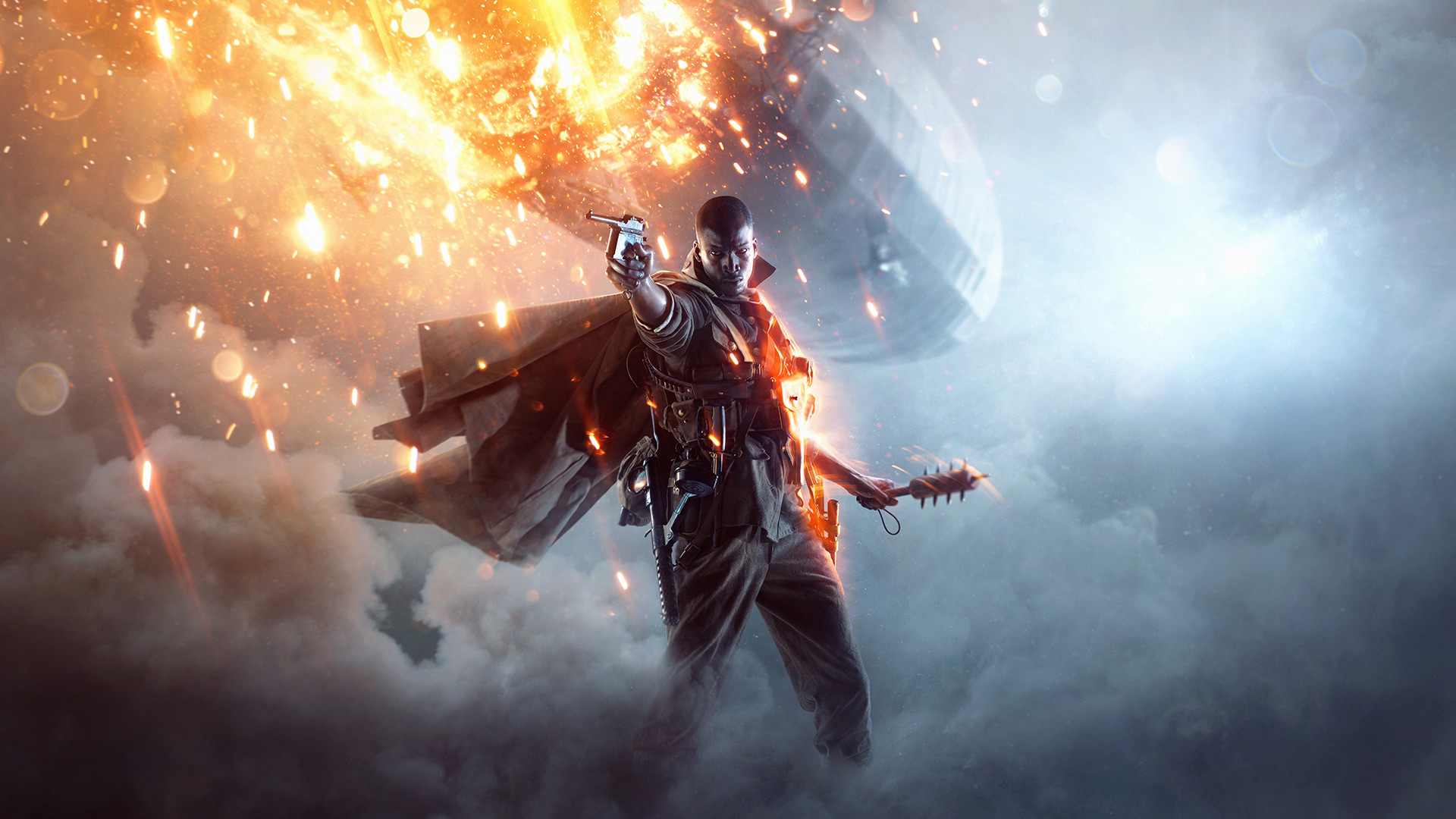
Fans of historical accuracy debated the inclusion of early tanks and semi-automatic weapons in the World War I game. Some felt it resembled a World War II shooter more than a realistic depiction of trench warfare, and a few called for a boycott. The developers explained they aimed to keep the game’s fast pace while still offering a historical setting. While this approach broadened the game’s appeal, it disappointed players who preferred a more authentic World War I experience.
Let us know in the comments which games you believe should focus on being historically accurate.
Read More
- 20 Movies Where the Black Villain Was Secretly the Most Popular Character
- Celebs Who Narrowly Escaped The 9/11 Attacks
- Top 20 Dinosaur Movies, Ranked
- 25 “Woke” Films That Used Black Trauma to Humanize White Leads
- Transformers Under the Microscope: What Graph Neural Networks Reveal
- The 10 Most Underrated Jim Carrey Movies, Ranked (From Least to Most Underrated)
- 22 Films Where the White Protagonist Is Canonically the Sidekick to a Black Lead
- Trading on Thin Air: AI Agents Conquer Crypto Volatility
- The Best Directors of 2025
- Silver Rate Forecast
2026-01-05 19:52