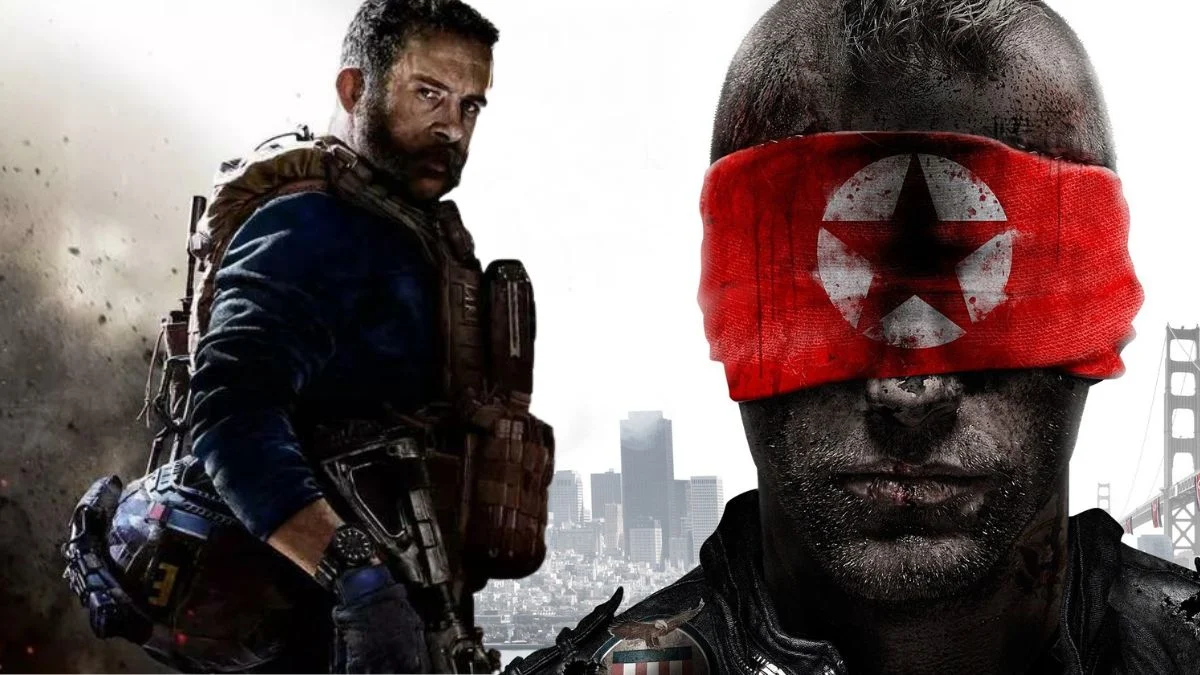
Video games often mirror what’s happening in the world and reflect different cultures, which sometimes causes conflict with governments. If a game portrays a delicate historical moment or questions a political belief, it might be completely banned in some countries. Officials usually justify these bans by saying they need to protect national security or keep the peace. Looking at why certain games were blocked helps us understand the complicated connection between artistic expression and government control. This article explores several well-known games that were officially taken off sale because of their political content.
‘Homefront’ (2011)
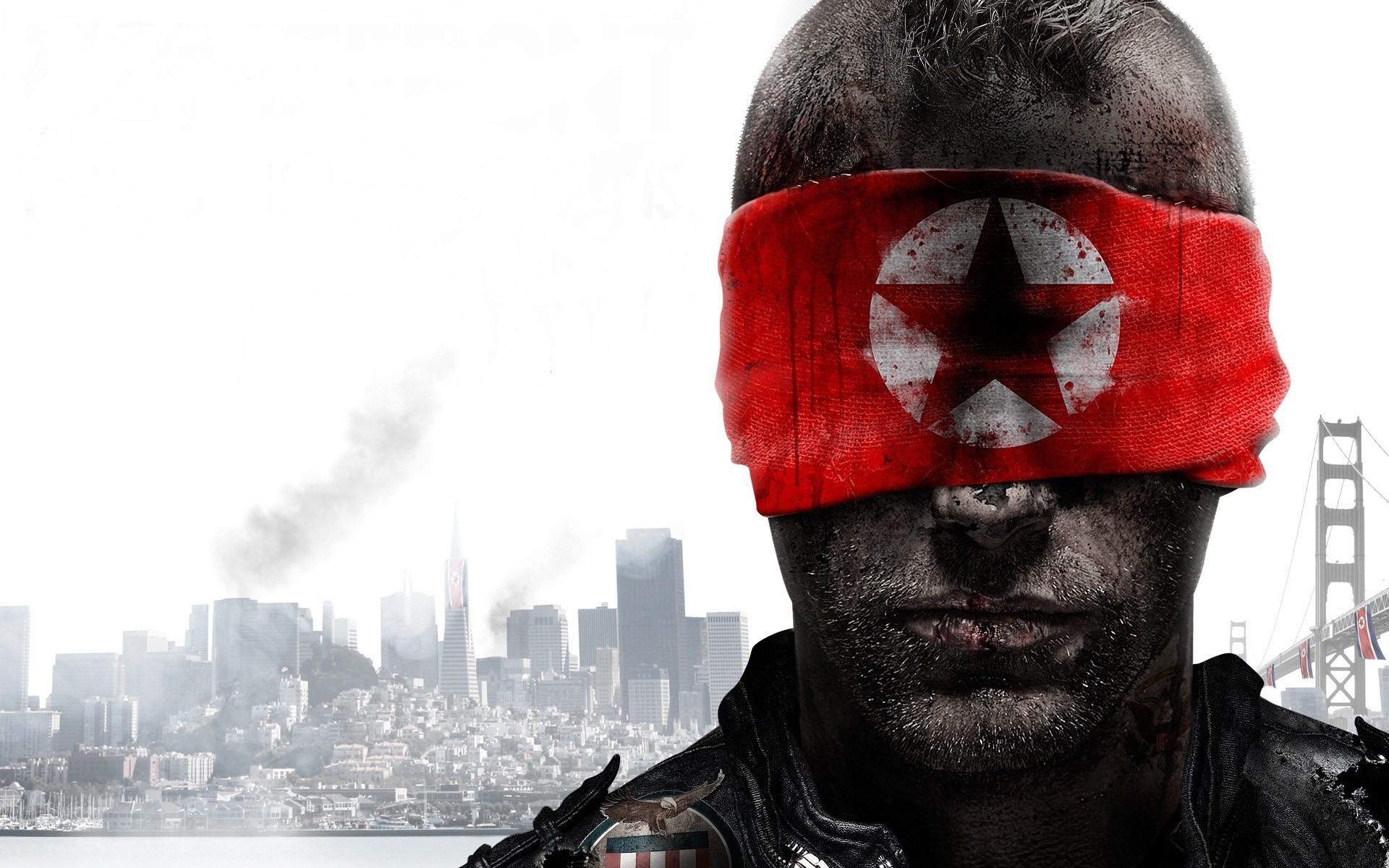
This game is set in a fictional future where North Korea has invaded and taken over the United States. South Korea banned the game because officials worried it could harm relationships with North Korea. The game’s story follows a group of rebels fighting against the invading forces. Because of the already tense political situation between the two Koreas, authorities felt the game wasn’t suitable for release in South Korea. This ban shows how global politics can affect the availability of video games and other digital entertainment.
‘Command & Conquer: Generals’ (2003)
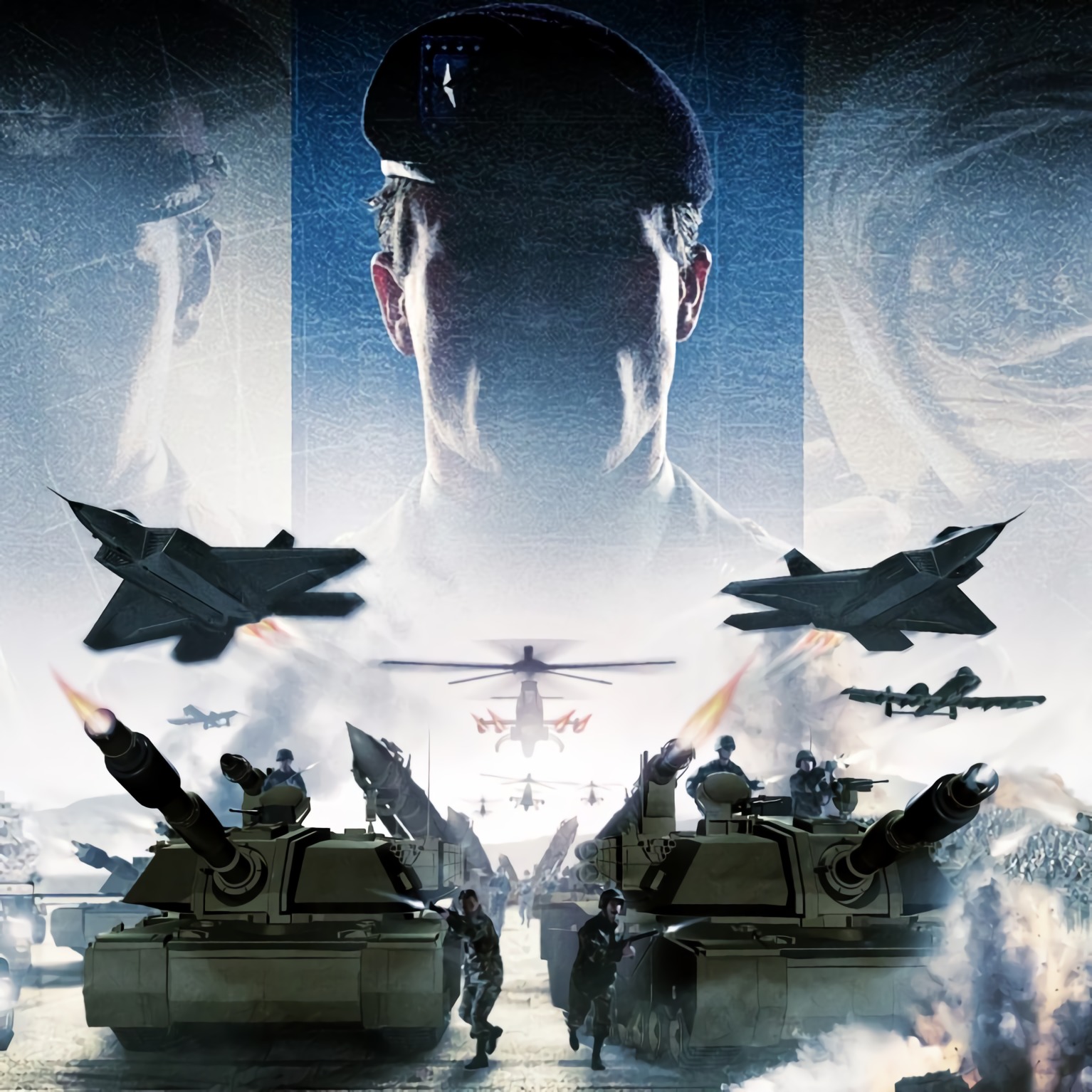
This strategy game was blocked in China due to its depiction of the Chinese military and the destruction of important landmarks. Players use nuclear weapons and fight battles in Chinese cities within the game’s story. Chinese officials believed the game damaged the country’s reputation and portrayed its military negatively. This became a well-known example of a foreign game being banned for what was seen as offensive political content. The ban prevented the game from being sold or played in internet cafes throughout China.
‘Battlefield 4’ (2013)
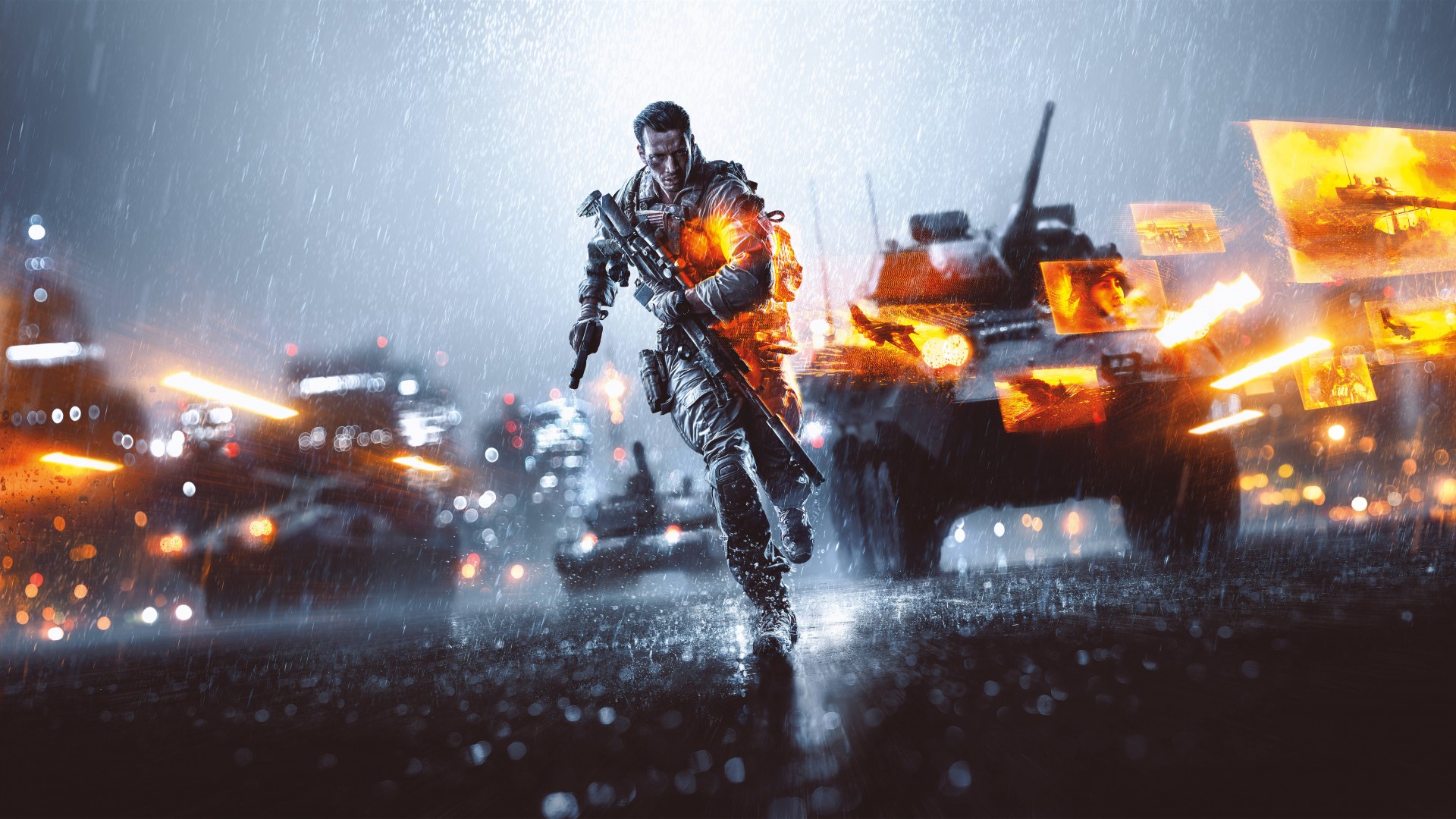
China has banned a military-themed video game, claiming its storyline threatened national security. The game depicts a fictional coup within China and presents the government in a way authorities considered problematic. Officials stated the game was a form of cultural interference intended to misrepresent the country. As a result, all sales and advertising of the game were blocked in China. This ban is part of a larger trend of restrictions on Western games that deal with sensitive political topics.
‘Football Manager 2005’ (2004)
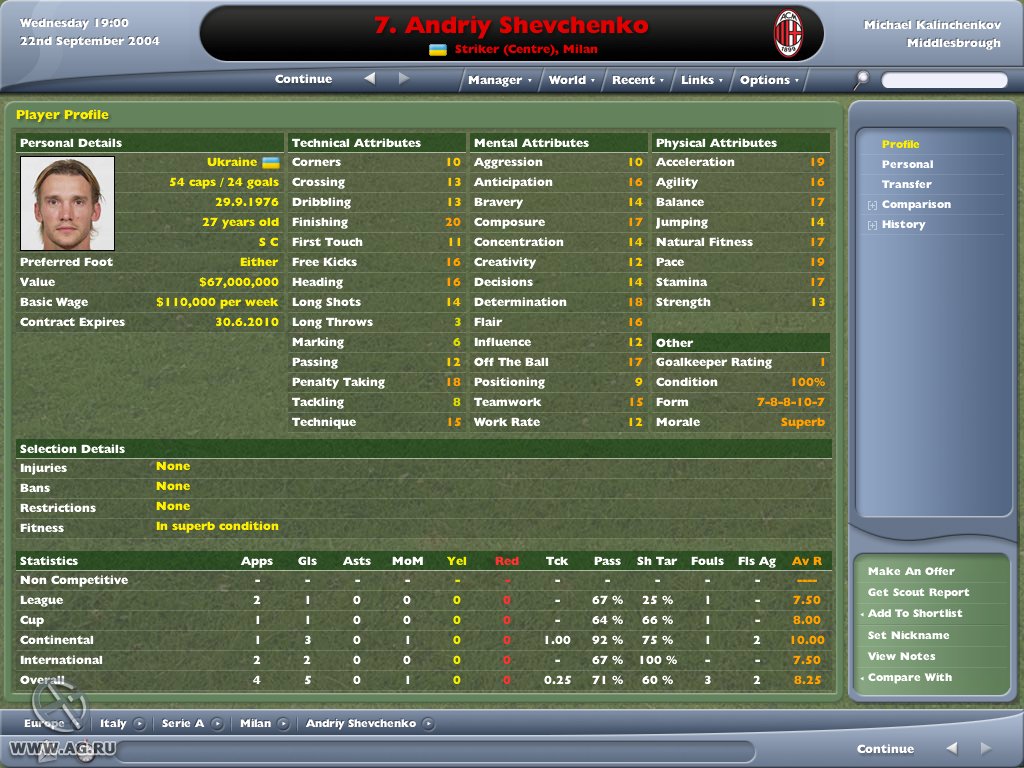
Chinese authorities prohibited a business simulation game because it showed Tibet as a separate country. The game’s depiction of Tibet went against the Chinese government’s official position on the region. As a result, officials seized all copies of the game and shut down websites offering it. The game’s creators later released an updated version that met Chinese regulations, allowing them to sell it again. This situation clearly demonstrates how political boundaries and national sovereignty can impact video game creation.
‘Hearts of Iron IV’ (2016)
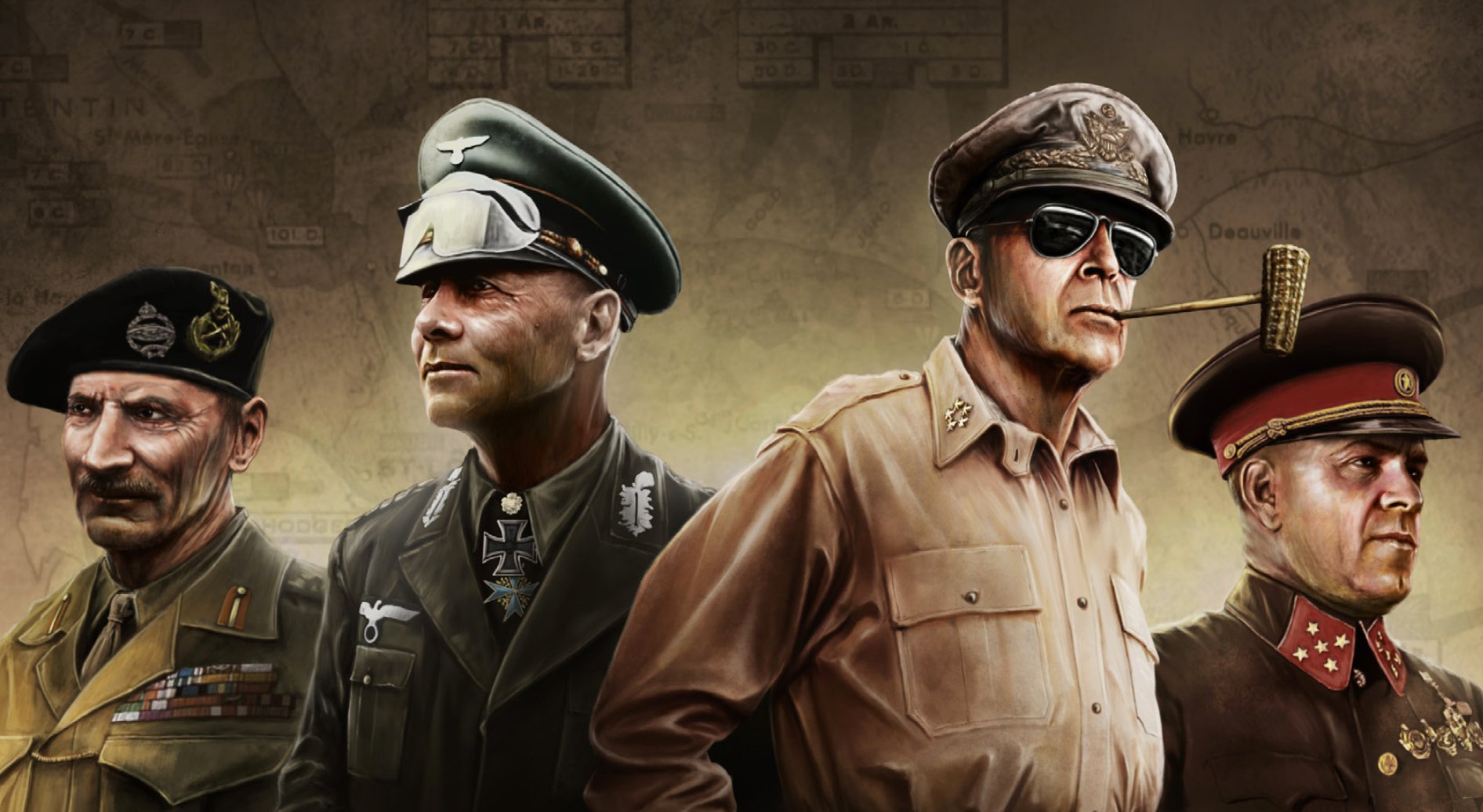
A strategy game was banned in China because of how it showed borders during World War II. The game features different groups and territories that the Chinese government considers politically sensitive. Officials said the game misrepresented history and undermined China’s sovereignty, leading to its removal from online stores in the country. Games dealing with East Asian history often face this type of review.
‘Ghost Recon Wildlands’ (2017)
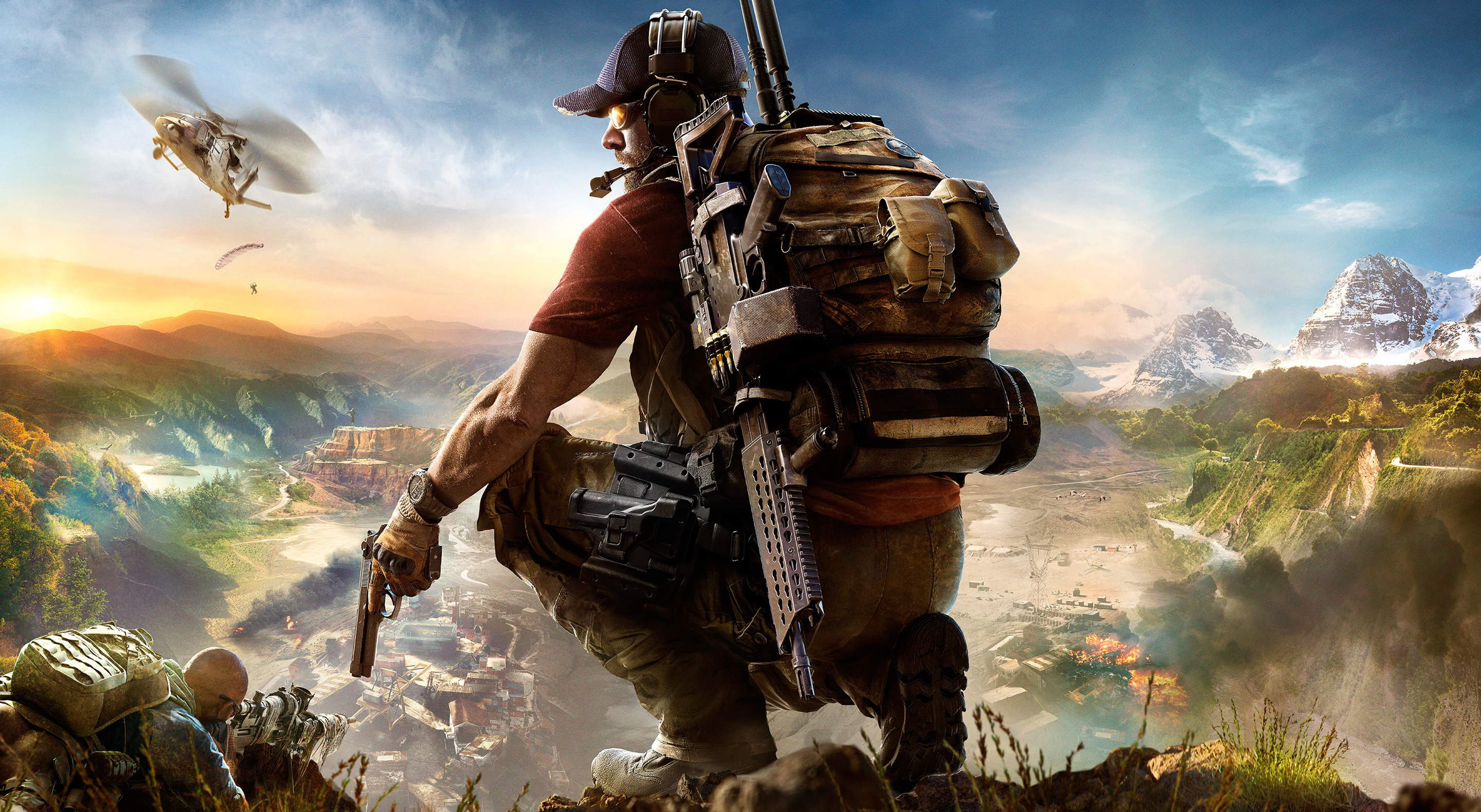
As a fan of action games, I was really surprised to hear about the trouble this game caused! Apparently, the Bolivian government was not happy with how their country was portrayed – the game basically shows Bolivia taken over by a drug cartel. They officially complained and even tried to get the game banned, saying it damaged their country’s image. It sparked a whole debate about how much creative freedom game developers should have when they base things on real places, and it really showed how risky it can be to set a story in a country with real-world political problems. It’s a tough situation – developers want to tell cool stories, but they also have to be careful about how they portray real nations and people.
‘Mercenaries: Playground of Destruction’ (2005)
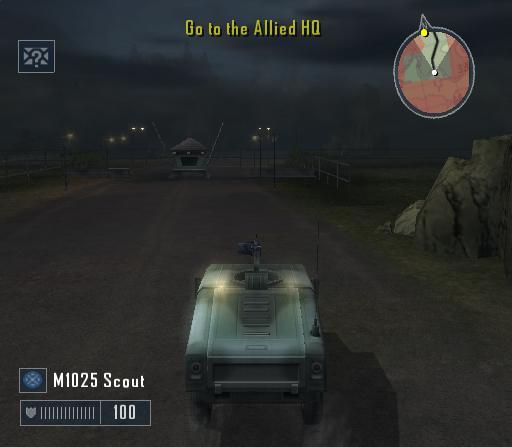
South Korea initially banned this game because it revolved around a military conflict on the Korean Peninsula. The game showed an invasion of North Korea and included depictions of real political leaders, which officials worried could worsen already strained relations between the two countries during delicate talks. For several years, the game wasn’t available, but rating boards eventually lifted the ban as the political situation changed. This situation highlights how local events and ongoing conflicts can affect what media is accessible worldwide.
‘Call of Duty: Modern Warfare’ (2019)
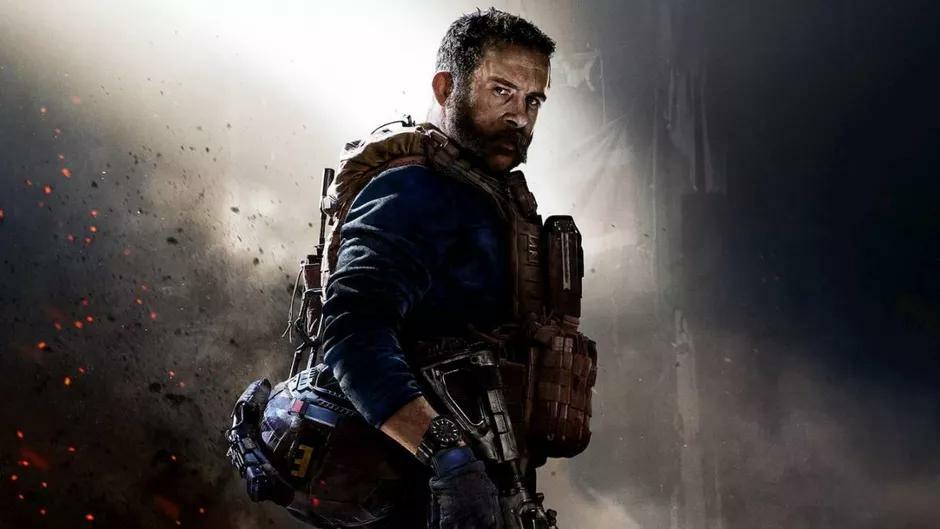
The game’s recent relaunch sparked strong criticism and an unofficial ban in Russia because of how it depicts the Russian army. The game features a rescue group called the White Helmets and portrays Russian soldiers as committing war crimes within a fictional Middle Eastern setting. Because of the political controversy, many stores and online platforms in Russia refused to sell or distribute the game. Russian critics argued the game’s story was unfair and pushed a Western agenda, resulting in a limited release with only certain digital versions being available.
‘Animal Crossing: New Horizons’ (2020)
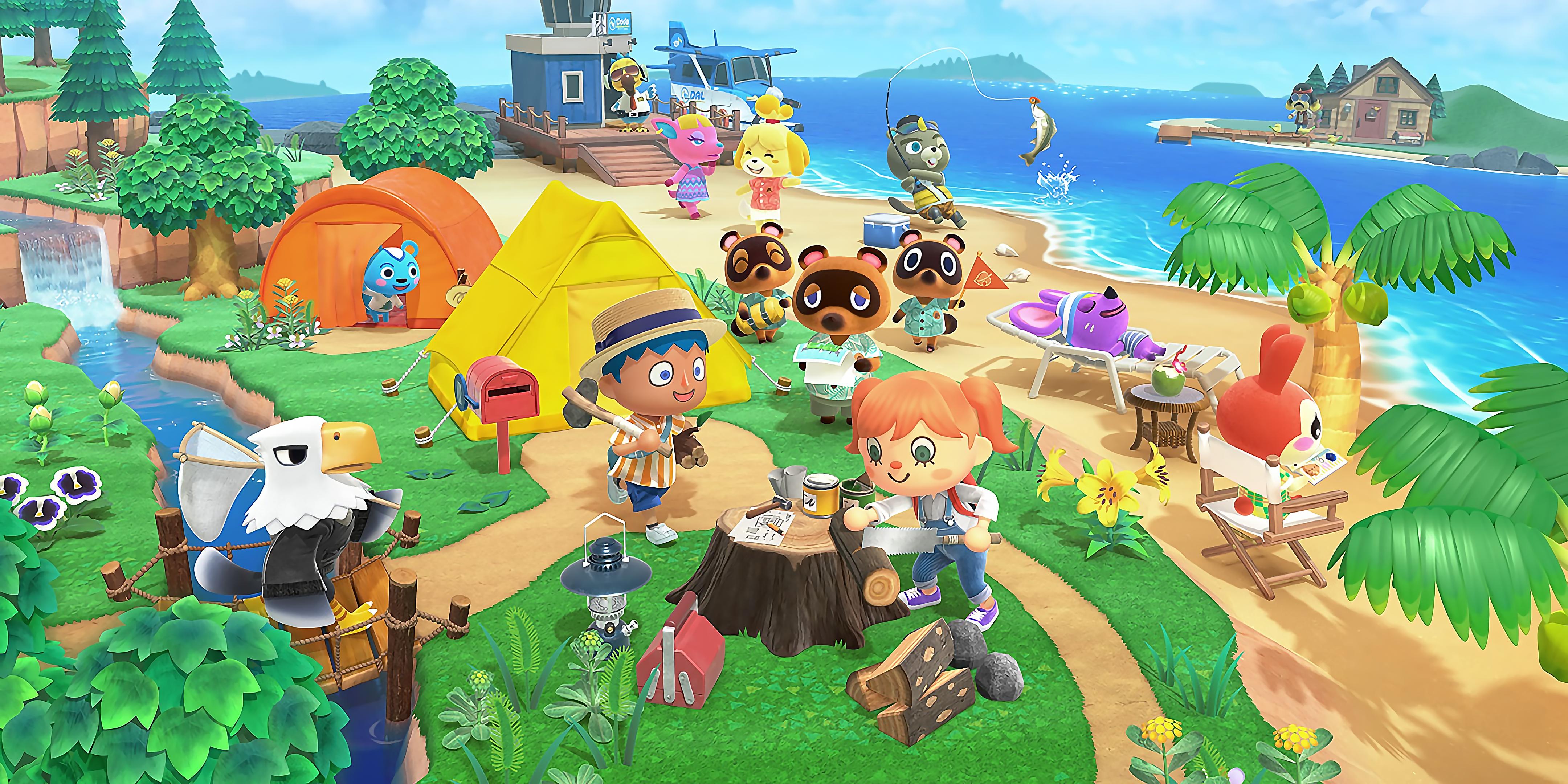
China banned a popular game after people started using it to express political opinions. Protesters in Hong Kong used the game’s features to create and share messages critical of the government. As a result, both physical and digital versions of the game were removed from sale across China. Officials were concerned that the game allowed the spread of political messages without oversight, which they saw as a risk to stability and public safety. This situation highlighted how games can unexpectedly become spaces for public discussion and activism.
‘Devotion’ (2019)
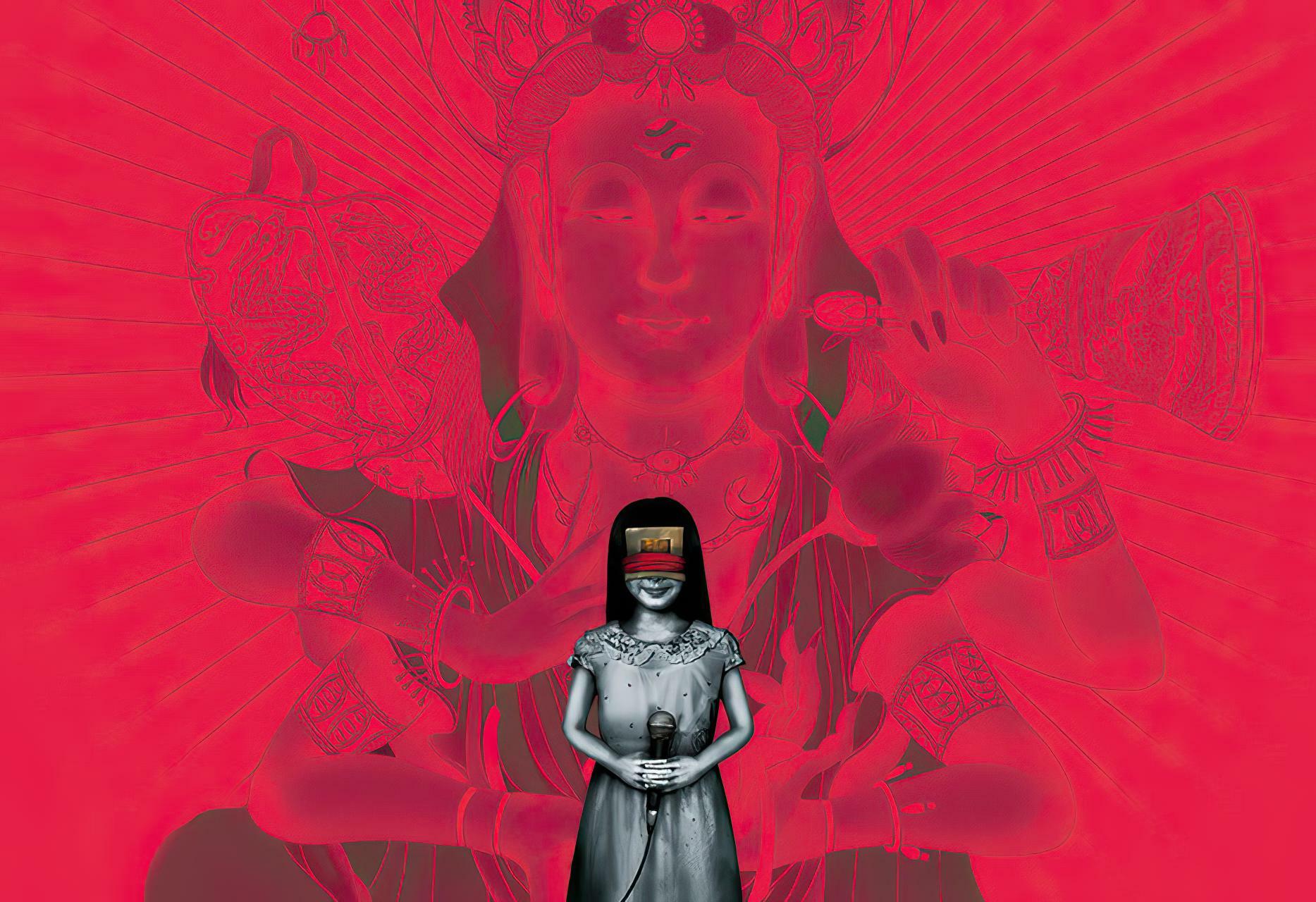
A horror game was removed from online stores worldwide after players found a hidden reference to a Chinese political leader. The issue involved an in-game item that made a disrespectful comparison to a popular cartoon character. This led to a flood of negative reviews and the game’s Chinese publisher dropping the project. Despite an apology from the developers, the game stayed unavailable on most platforms for years. It’s now a well-known example of how a single hidden element can cause a complete commercial failure.
‘Fallout 3’ (2008)
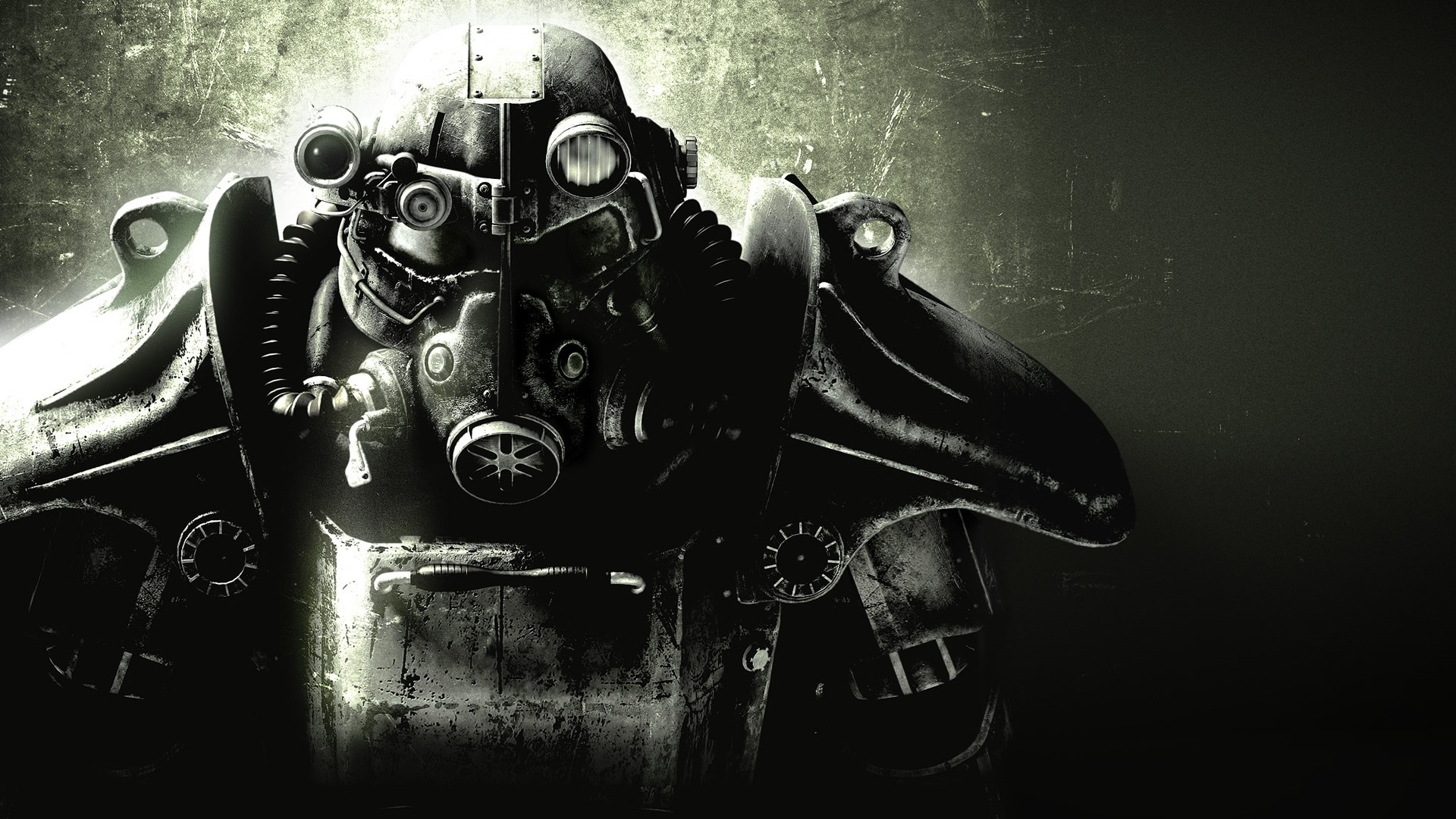
The launch of this post-apocalyptic game was cancelled in India because its content was considered culturally and religiously insensitive. Specifically, the game featured mutated two-headed cattle called Brahmin, a name that offended many people due to the cow’s sacred status in Hinduism. The regional distributor feared protests or legal issues, so the company decided not to release the game in India. This highlights how important it is for the video game industry to be mindful of cultural sensitivities when creating fictional elements for a global audience.
‘Mass Effect’ (2007)
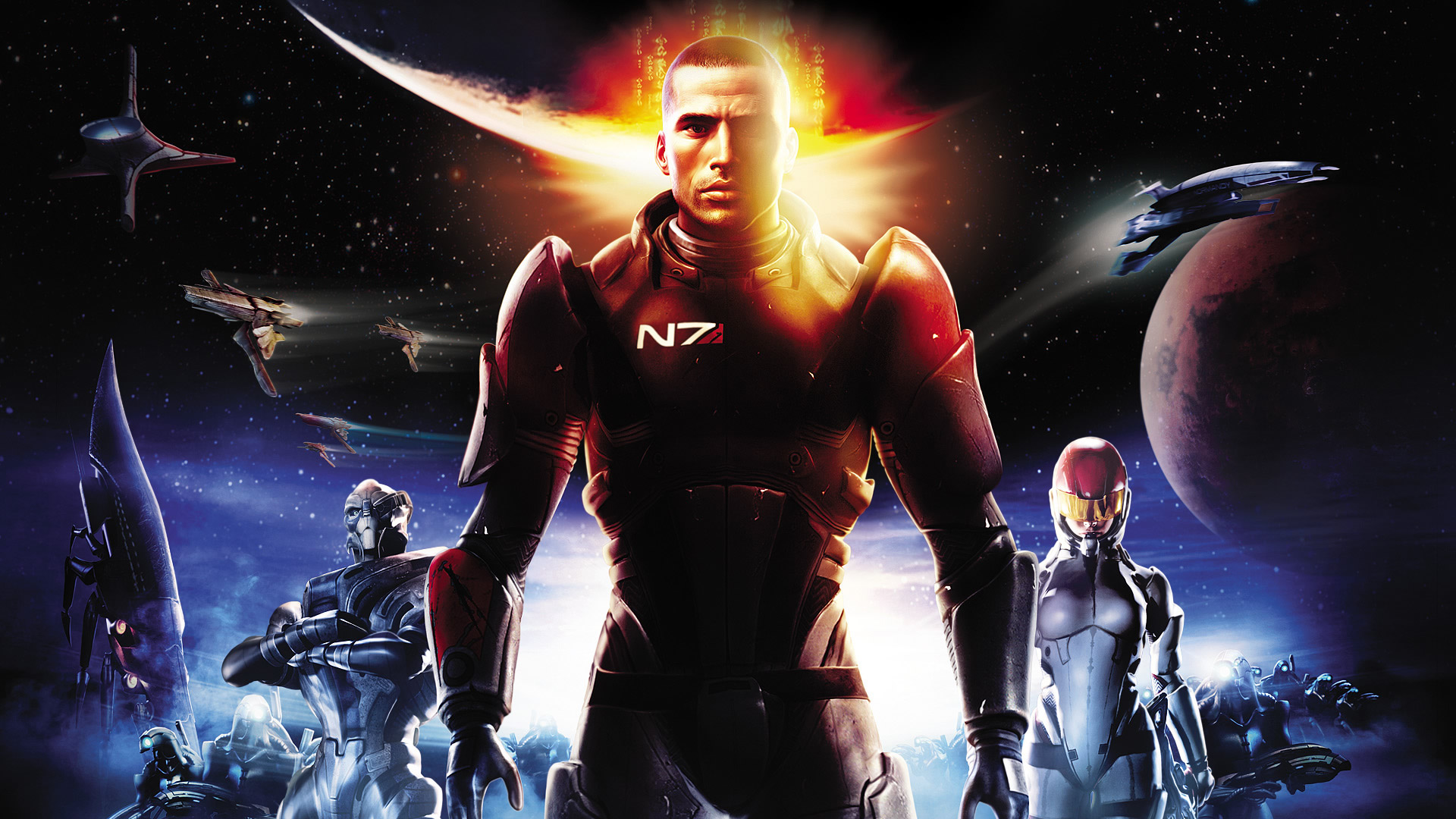
Singapore initially banned the first game in this sci-fi series because it showed a romantic relationship between a woman and an alien woman. Authorities considered this to be promoting same-sex relationships, which were legally restricted at the time. After strong protests from gamers, the ban was removed and the game was given a mature rating instead. The situation led to a broader conversation about how different kinds of relationships are portrayed in video games and signaled a change in how Singapore dealt with imported entertainment.
‘Spec Ops: The Line’ (2012)
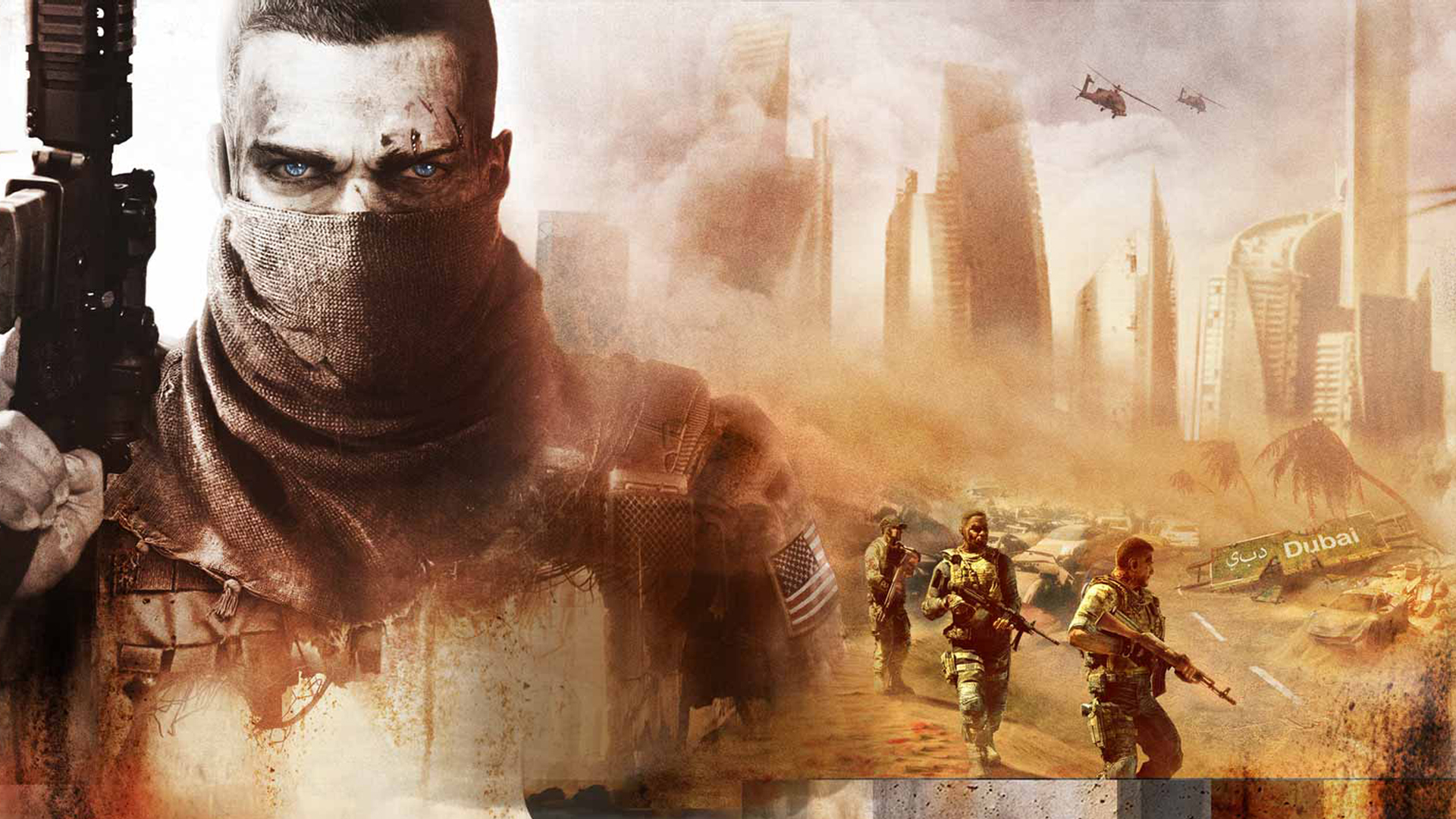
The United Arab Emirates prohibited the sale of a particular military-themed video game because it showed a desolate, post-apocalyptic Dubai. The game’s story tackles difficult subjects like war and ethics, and features the famous city covered in sand and under the control of rebel troops. Officials believed this depiction damaged the country’s reputation and didn’t reflect Dubai’s modern advancements. Consequently, the game wasn’t sold in stores throughout the region. Despite this, its thought-provoking and unconventional story continues to be debated among gamers.
‘Injustice: Gods Among Us’ (2013)
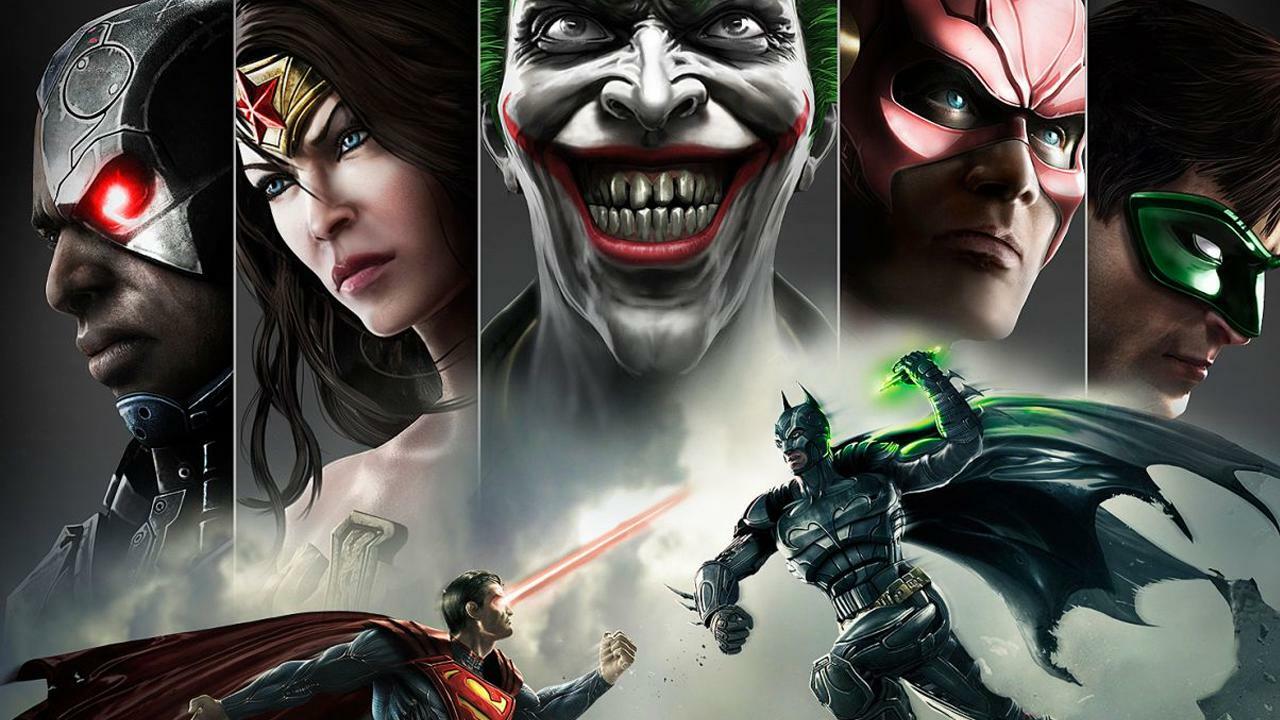
As a fan, it was really frustrating to hear about the trouble “Gods” fighting game had getting released in Kuwait and the UAE. Apparently, the word “Gods” in the title caused issues with local censors, who felt it didn’t align with the religious and political views there. They ended up having to change the name or limit where the game was sold to follow the rules and respect the culture. It just goes to show how something as small as one word can create big problems when you’re trying to release a game internationally. Developers really have to think about naming things carefully to make sure it works everywhere!
‘Tropico 5’ (2014)
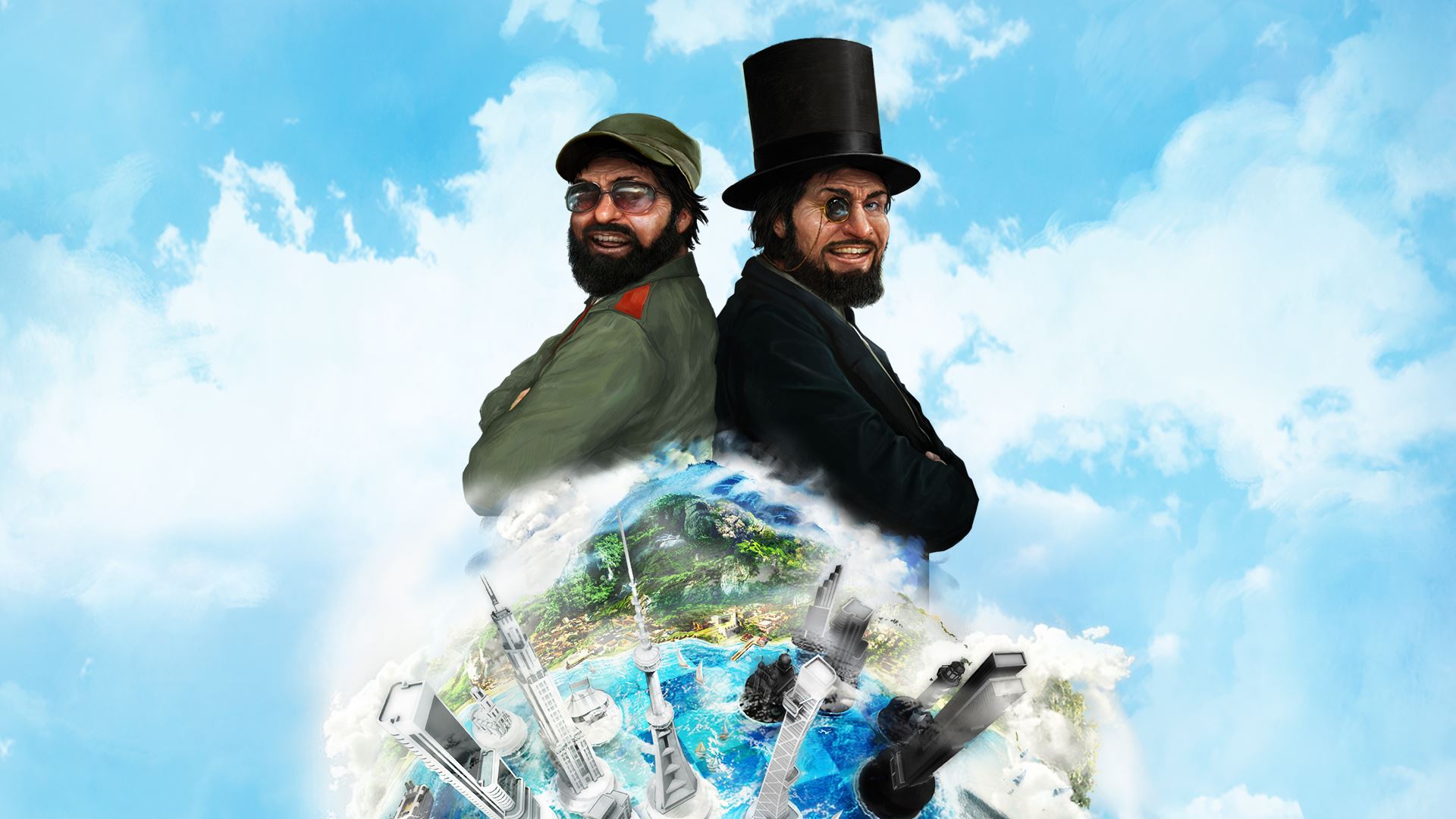
Thailand blocked a city-building game because the ruling military government worried it could disrupt public order. The game lets players take on the role of a dictator and lead an island nation through different periods of history. Officials thought the game’s focus on government and rebellion was too risky after a recent coup. The company selling the game in Thailand had to halt sales to obey the government’s instructions. This situation showed how political uncertainty can lead to restrictions on media that makes fun of those in power.
‘The Last of Us Part II’ (2020)
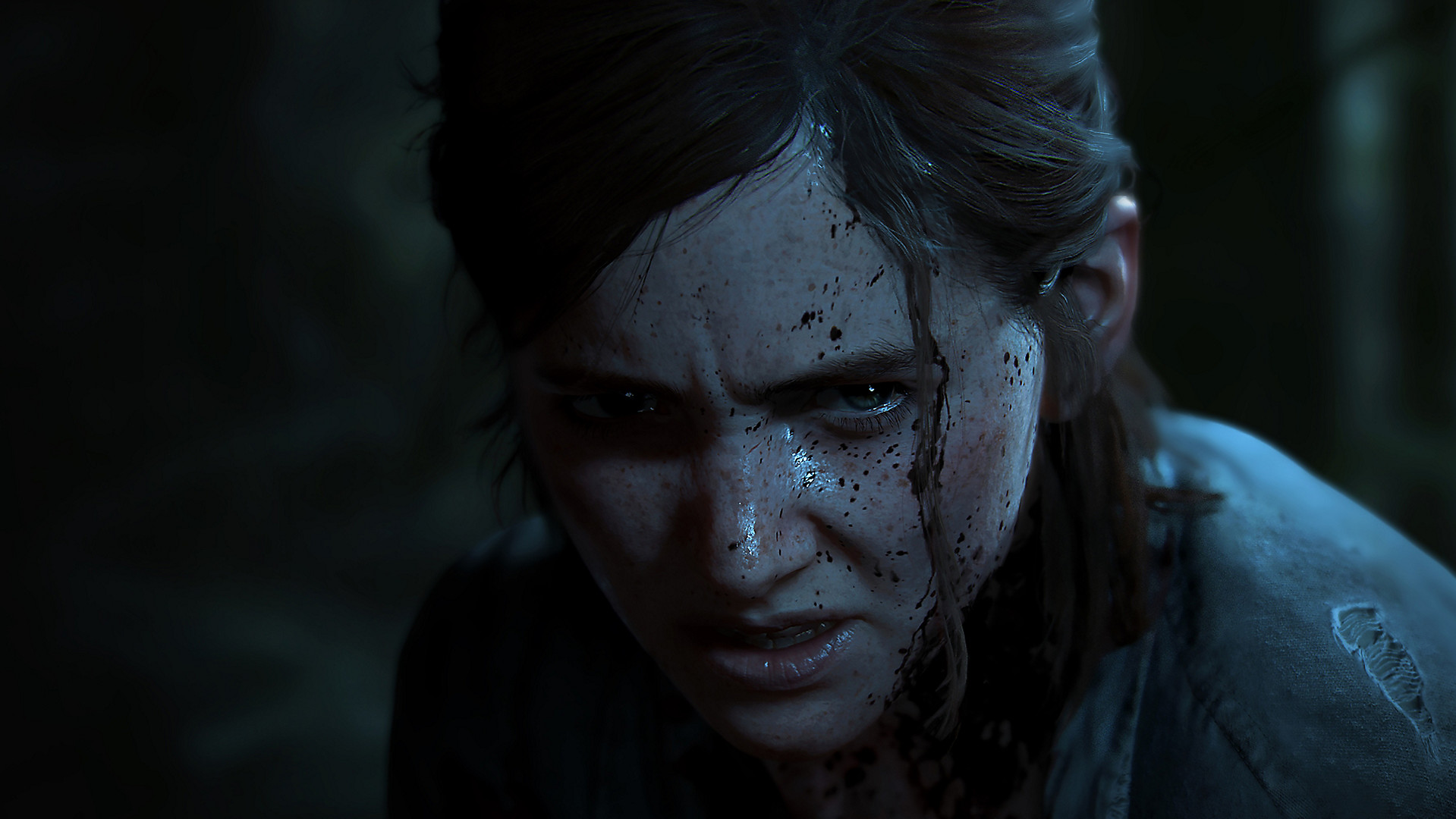
The highly anticipated sequel was blocked from sale in countries like Saudi Arabia and the United Arab Emirates. This was due to the inclusion of LGBTQ+ characters and storylines, which censors deemed inappropriate for the region’s cultural and political values. Rather than alter the game to comply with these restrictions, the developers chose to maintain their creative vision, resulting in a complete ban. This decision stands as a notable instance of a large game studio prioritizing artistic freedom over wider distribution.
‘Wolfenstein: The New Order’ (2014)
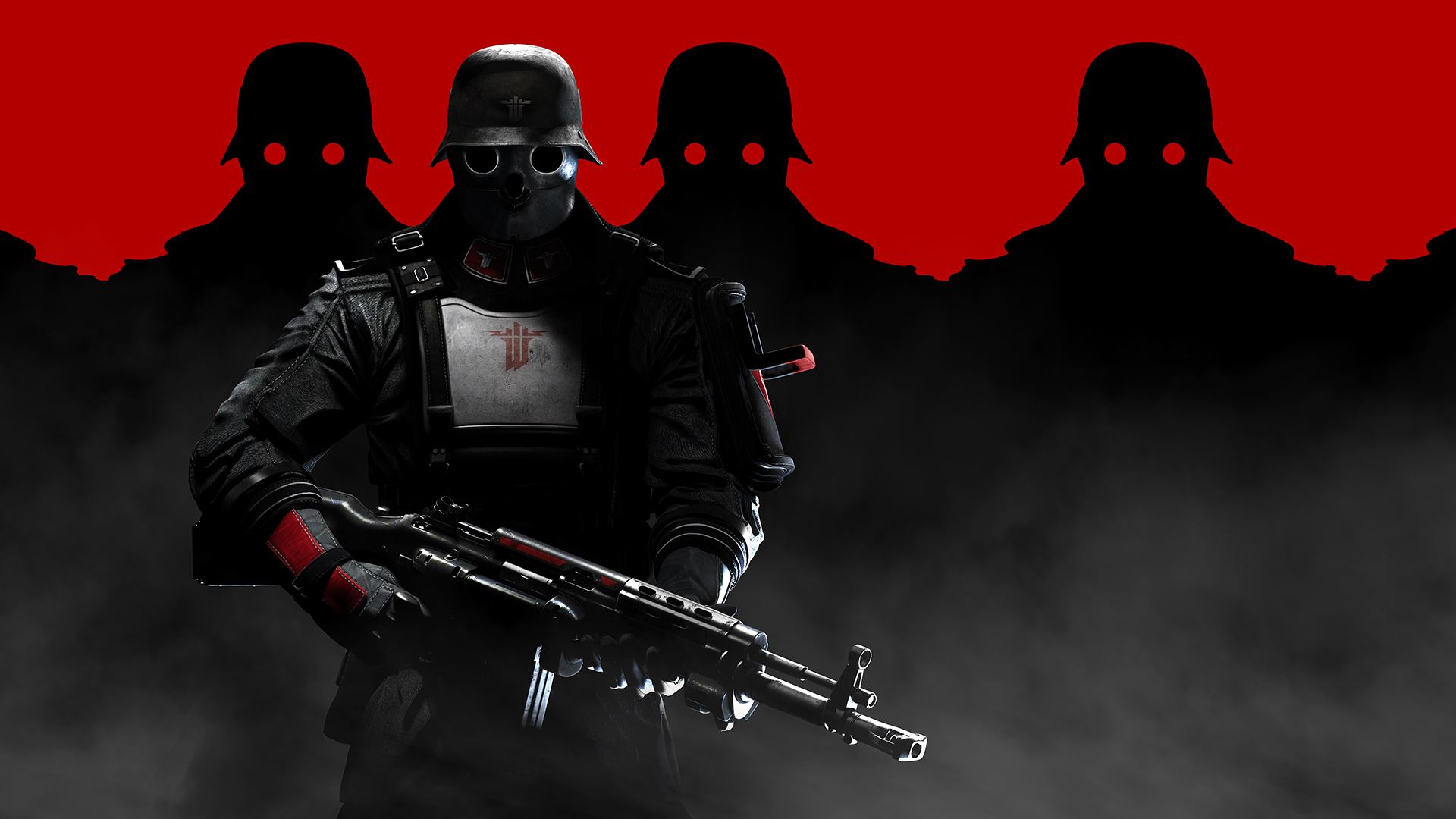
To legally sell this game in Germany, substantial changes were needed. The original version included Nazi symbols and historical allusions that were against German law. Developers had to swap these out for made-up icons and revise parts of the story, removing specific political language. While the rules about such imagery in art have since become less strict, the game still serves as a prime example of how developers adapt to different countries’ laws. These changes were essential to make the game available to players in Germany, a major market.
‘South Park: The Stick of Truth’ (2014)
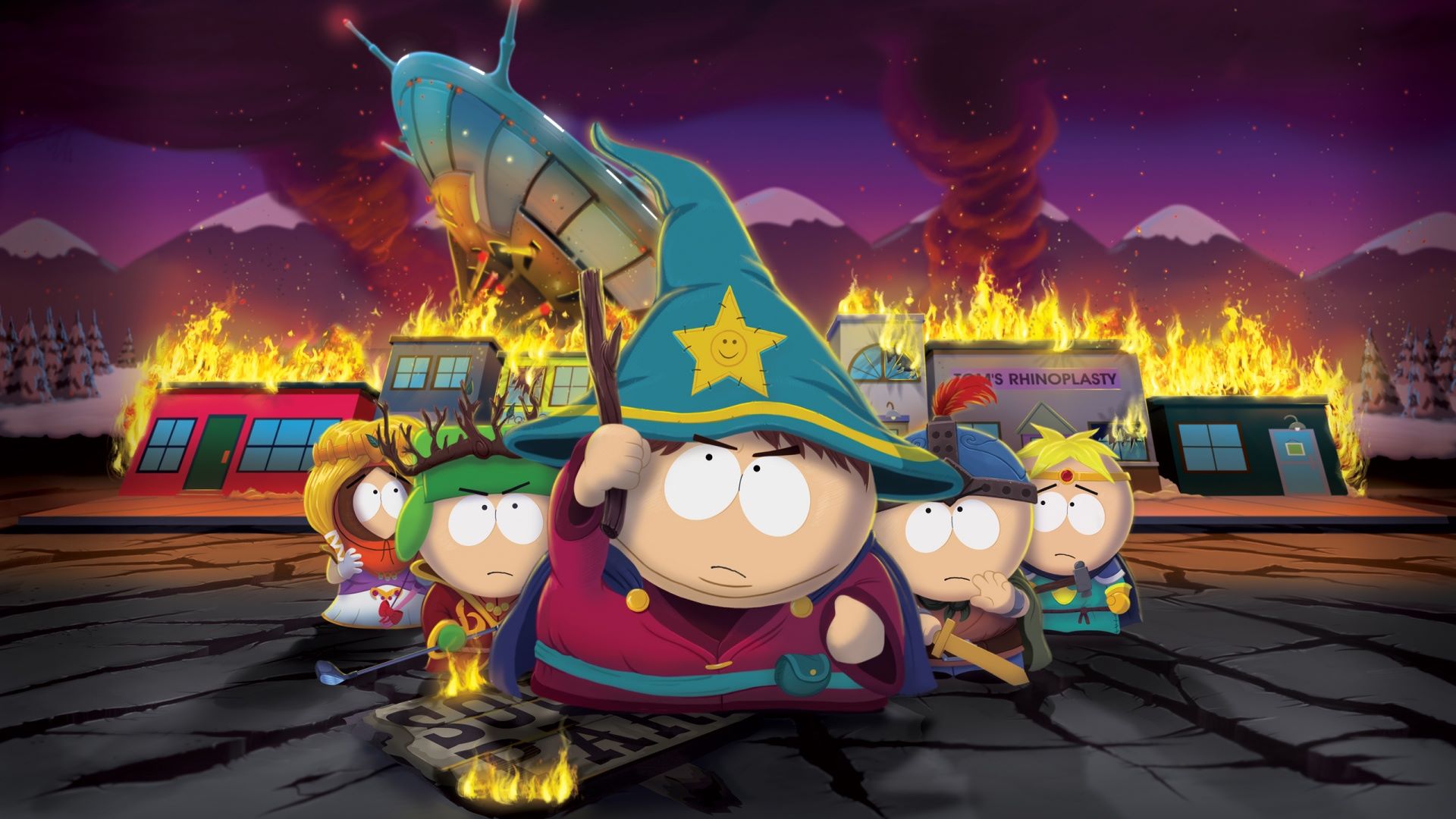
European and Australian censors cut scenes from this video game because of their sensitive and political themes. The removed content included depictions of abortion and certain medical procedures, which ratings boards considered too offensive. In some areas, these scenes were replaced with satirical descriptions of what happened. While the game developers were unhappy with the censorship, they accepted the changes to ensure the game could be released widely. This highlights how different countries view humor and satire, especially when it comes to political topics.
‘Manhunt 2’ (2007)
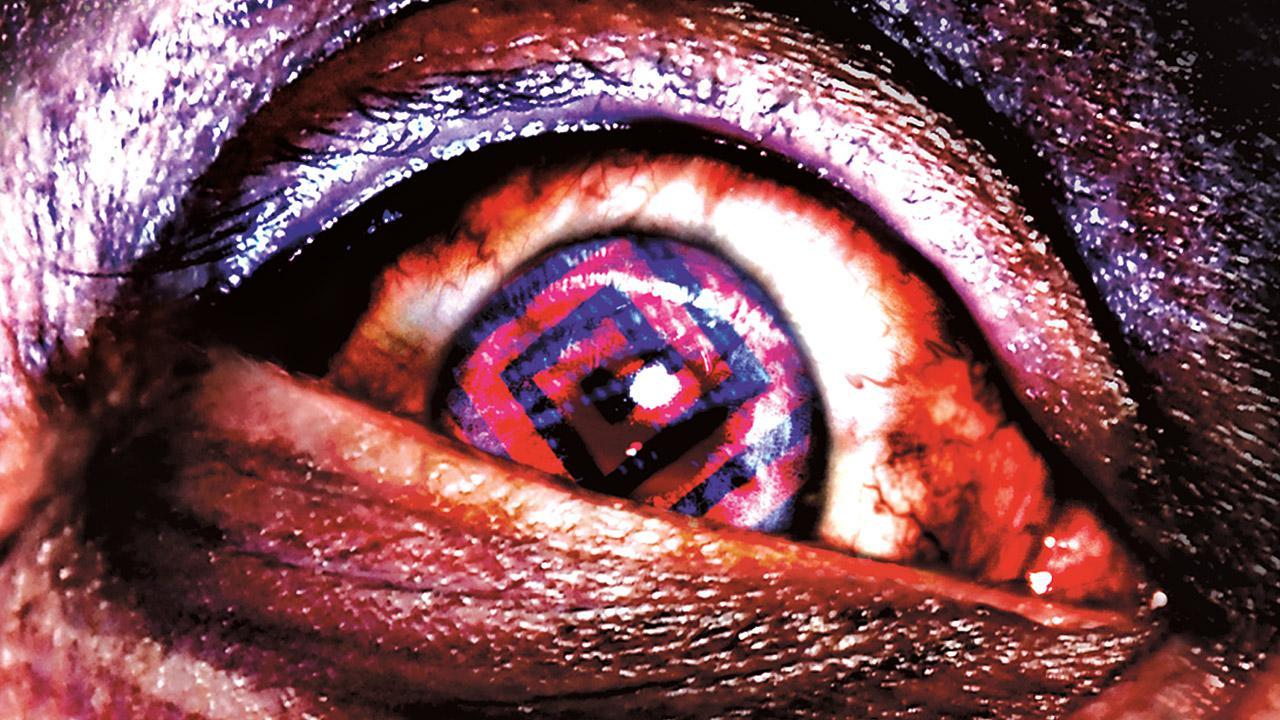
The game’s title was initially banned in the UK and Ireland because of its intense and cruel violence. Authorities believed it lacked any positive social benefit and simply centered around killing. The developers had to heavily edit the game with filters and cuts to finally get it approved for release. Even after these changes, it was limited to mature audiences in many regions. The game remains highly controversial, and sparked significant debate and political reaction upon its release.
‘Bully’ (2006)
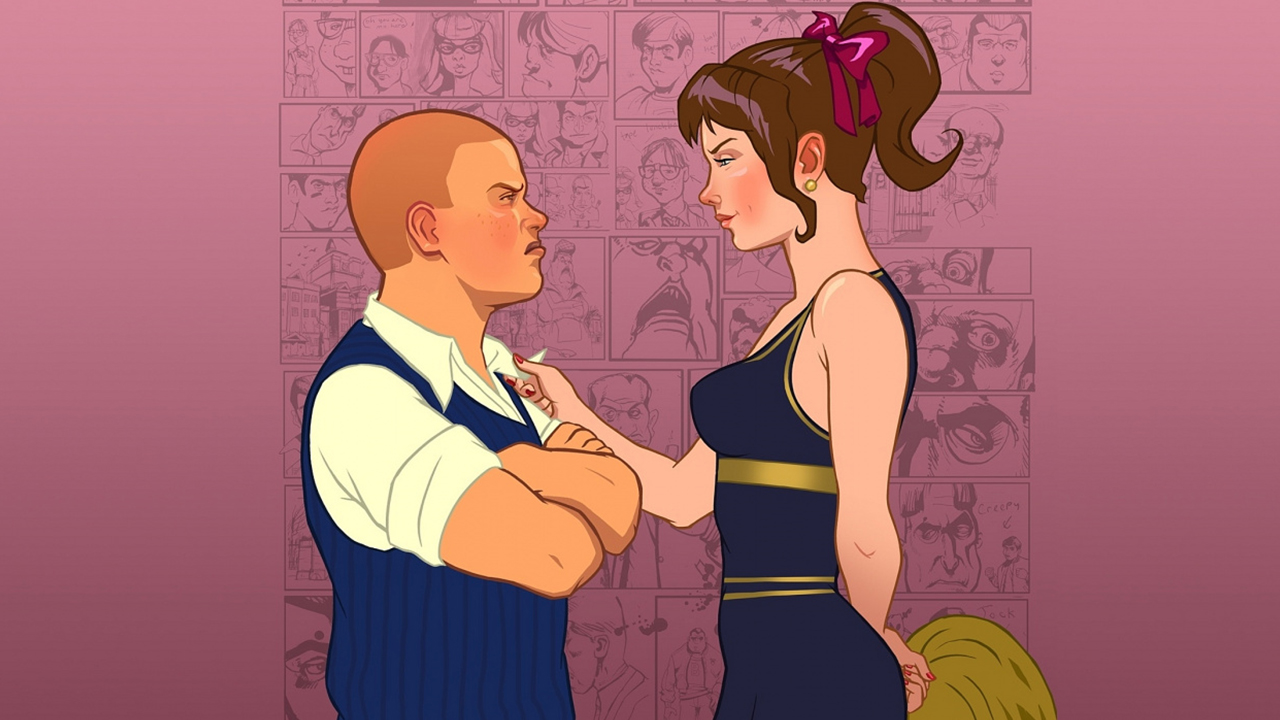
Brazil initially banned the game, which centers around a school setting, due to concerns it promoted violence towards students and teachers. A judge determined the game created a harmful atmosphere that could negatively impact young players’ behavior. The ban lasted for several years, preventing its sale and distribution throughout the country. Ultimately, the restriction was removed as legal views on video game content and artistic freedom changed. The case sparked global discussion about how games portray schools and relationships between young people.
‘Saints Row IV’ (2013)
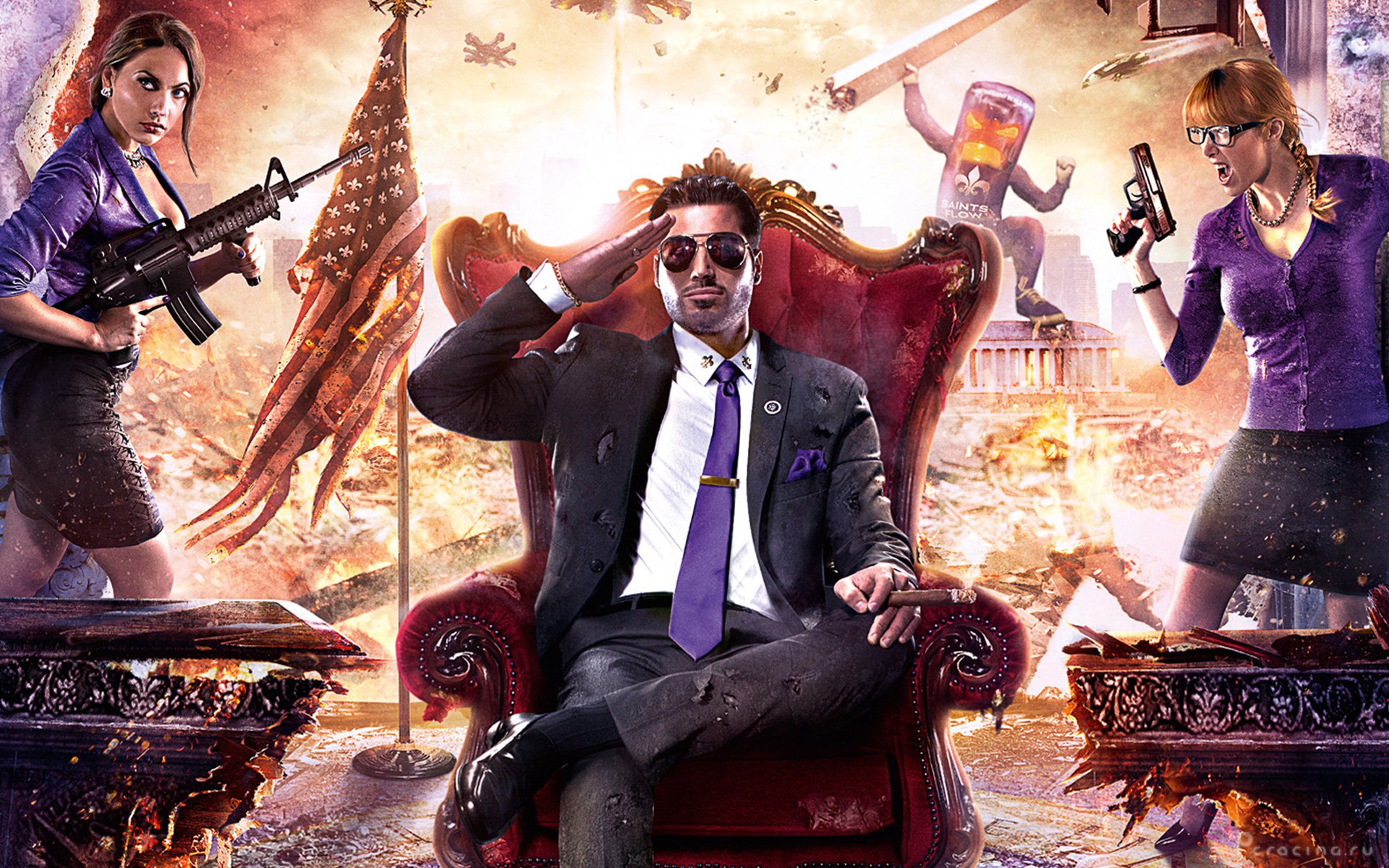
Australia initially wouldn’t allow the game to be sold because it featured illegal drug use as part of how you played, and included a weapon that was considered highly inappropriate. To get the game approved for the Australian market, the developers had to remove a specific level and that weapon. This demonstrated how seriously Australia’s rating board takes depictions of drugs and sexual violence. After the changes, players in Australia were finally able to enjoy the game’s action-packed superhero story.
‘State of Decay’ (2013)
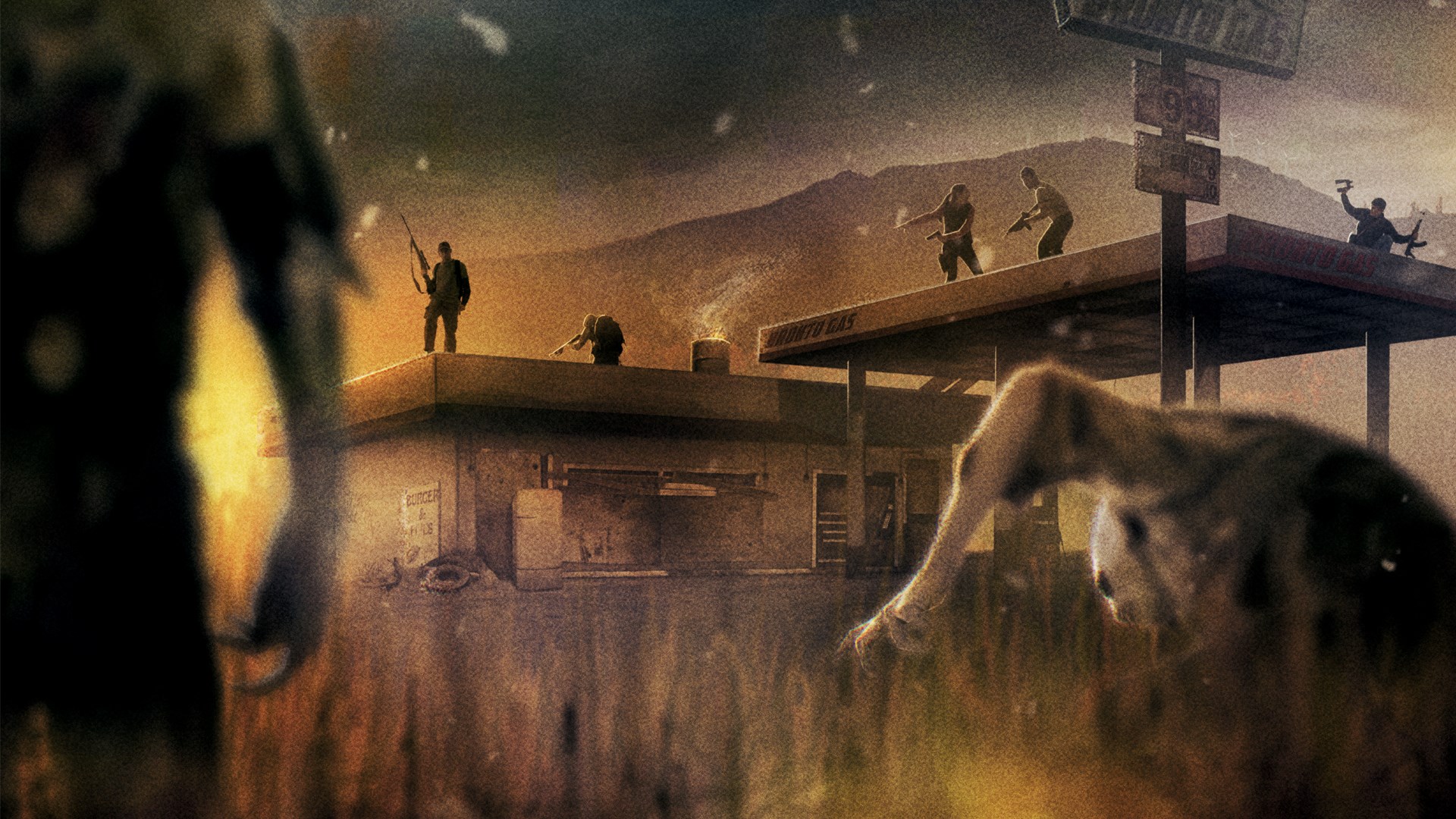
An Australian ban initially prevented the release of this zombie survival game because it allowed players to use medications to improve their abilities. Authorities believed showing characters recovering stamina with these items could be seen as promoting illegal drug use. The game’s creators had to change the appearance and names of these items to get the game approved. After the changes, the game was released for adults with a mature rating. This situation highlights how even small details in a game can cause it to be banned in certain countries.
‘I.G.I.-2: Covert Strike’ (2003)
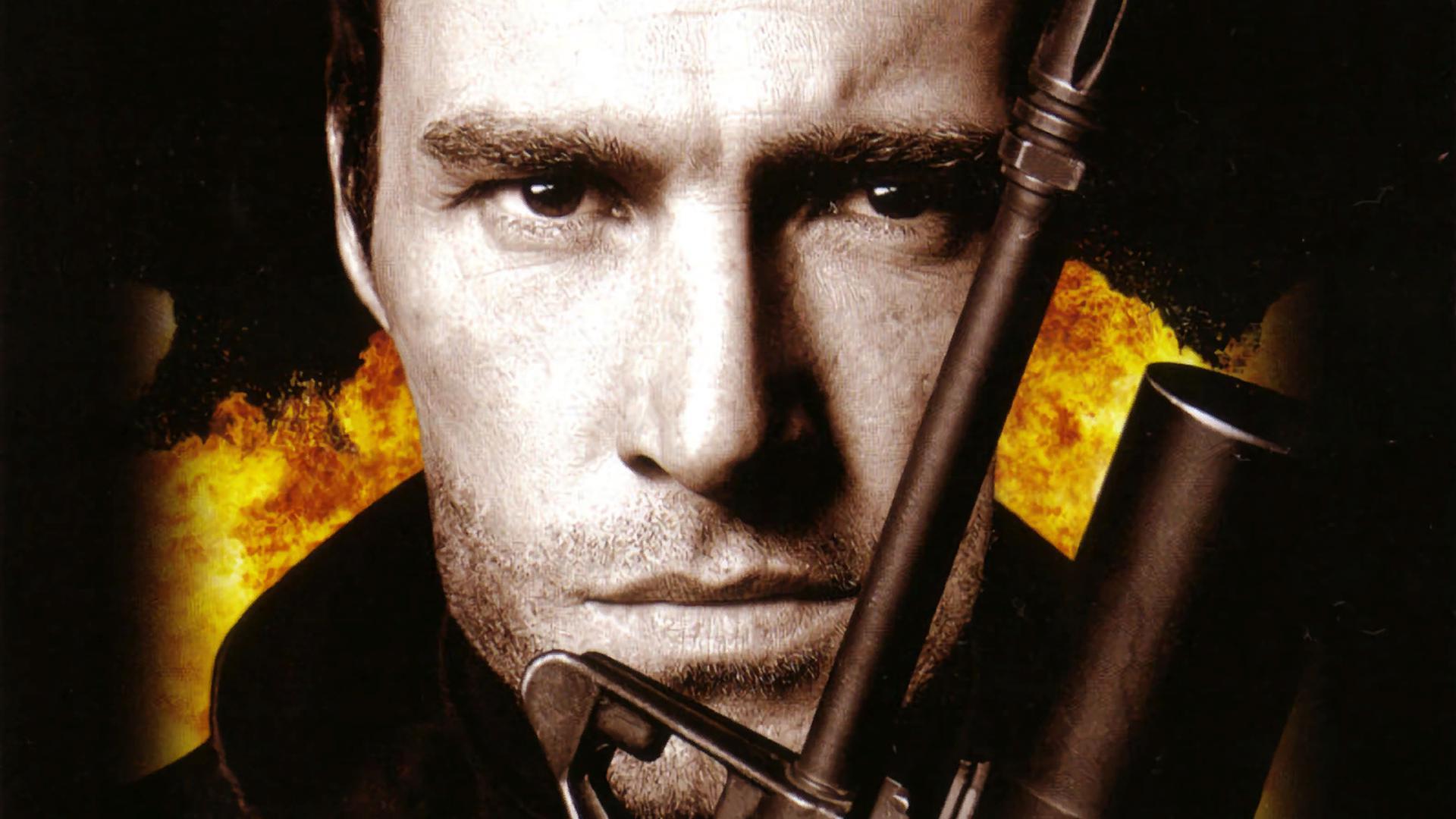
China blocked the sale and operation of this military-themed game because of its depiction of Chinese soldiers and locations. The government stated the game damaged the country’s reputation and revealed confidential geographical details, posing a security concern. Authorities immediately stopped sales and took the game’s servers offline. This situation highlights the tight regulations surrounding military content in East Asia.
‘Dante’s Inferno’ (2010)
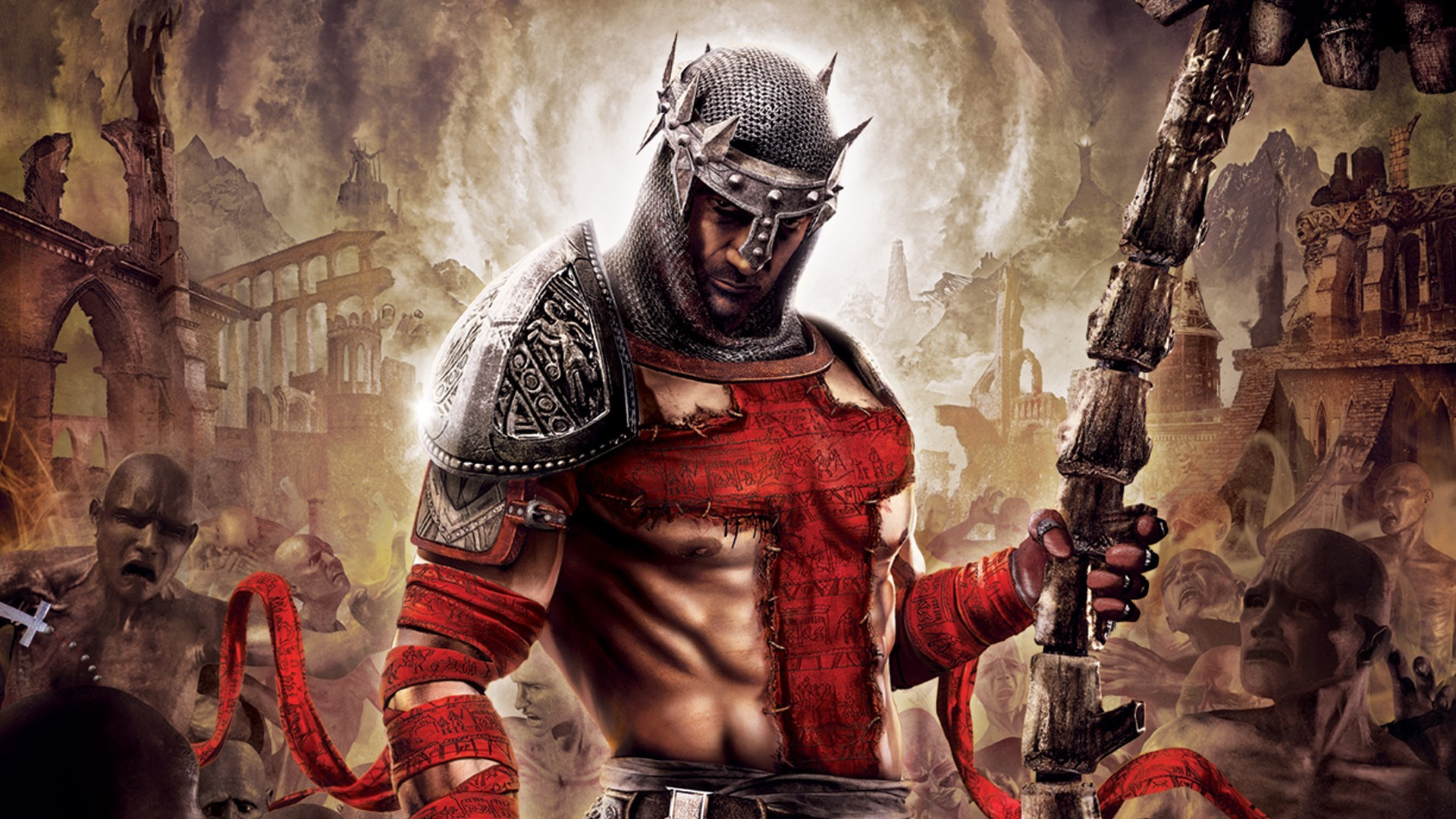
Malaysia prohibited the sale and marketing of this game due to its portrayal of Islamic imagery and religious figures within a fictional version of hell. Officials believed the game’s depiction of the afterlife and its characters would be offensive to Muslims and could potentially disrespect or confuse people about their religious beliefs. This decision aligns with a growing pattern of conservative countries limiting media that might offend religious sensitivities.
‘God of War’ (2005)
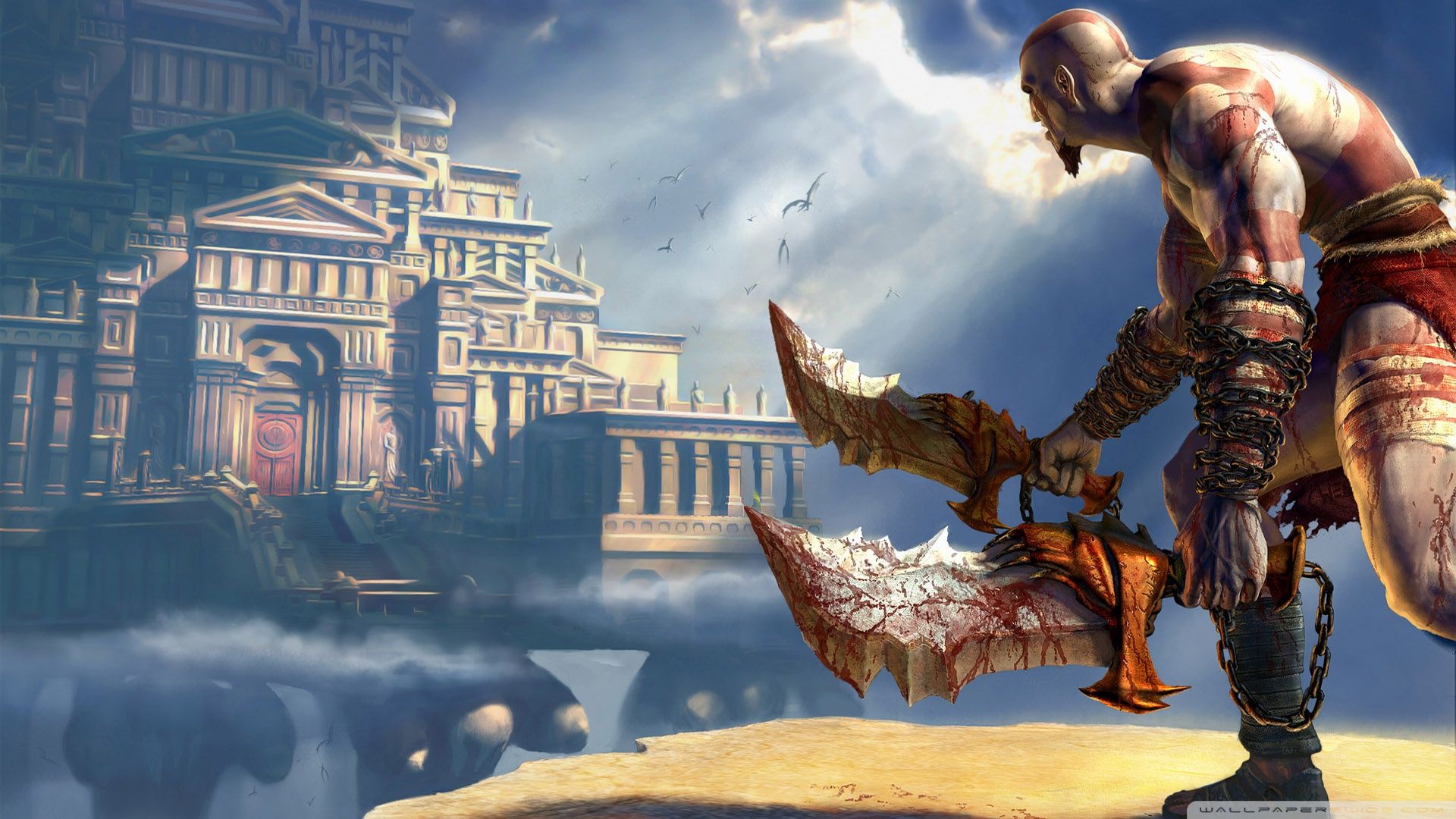
Saudi Arabia initially banned the first game in this series because its title contained the word “God” and the game explored themes involving multiple gods. Censors objected to the idea of a human character defeating and killing divine beings, considering it both religiously and politically sensitive. The presence of nudity and intense violence also played a role in the decision by the country’s rating board. As a result, it was hard to find the game legally in the region for many years. However, recent changes in Saudi Arabian regulations have made it easier to sell newer games in the series.
‘Pokémon GO’ (2016)
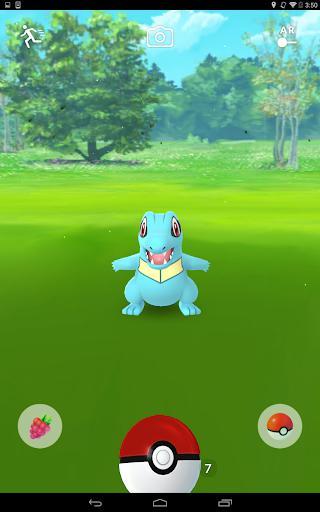
Soon after its release worldwide, Iran blocked this popular mobile game, raising concerns about security and its use of location tracking. Officials worried the game could be used for spying or to collect information about important military locations. They were also concerned about player safety in public areas without oversight. The country’s virtual spaces council explained the game hadn’t received the required permissions to operate. This ban is unusual, as it’s a mainstream mobile game restricted due to national security issues.
‘Plague Inc.’ (2012)
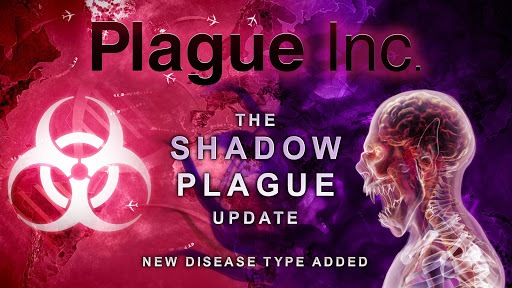
During the beginning of the global pandemic, China took down a popular mobile game that simulated outbreaks. Officials stated the game violated content rules, but didn’t explain exactly how. Experts think the ban happened because players could name viruses in the game and the simulation was very realistic. This timing suggests the government aimed to manage public perception around health and safety. The game’s creators were upset by the decision and couldn’t successfully challenge it.
‘Tom Clancy’s Splinter Cell: Pandora Tomorrow’ (2004)
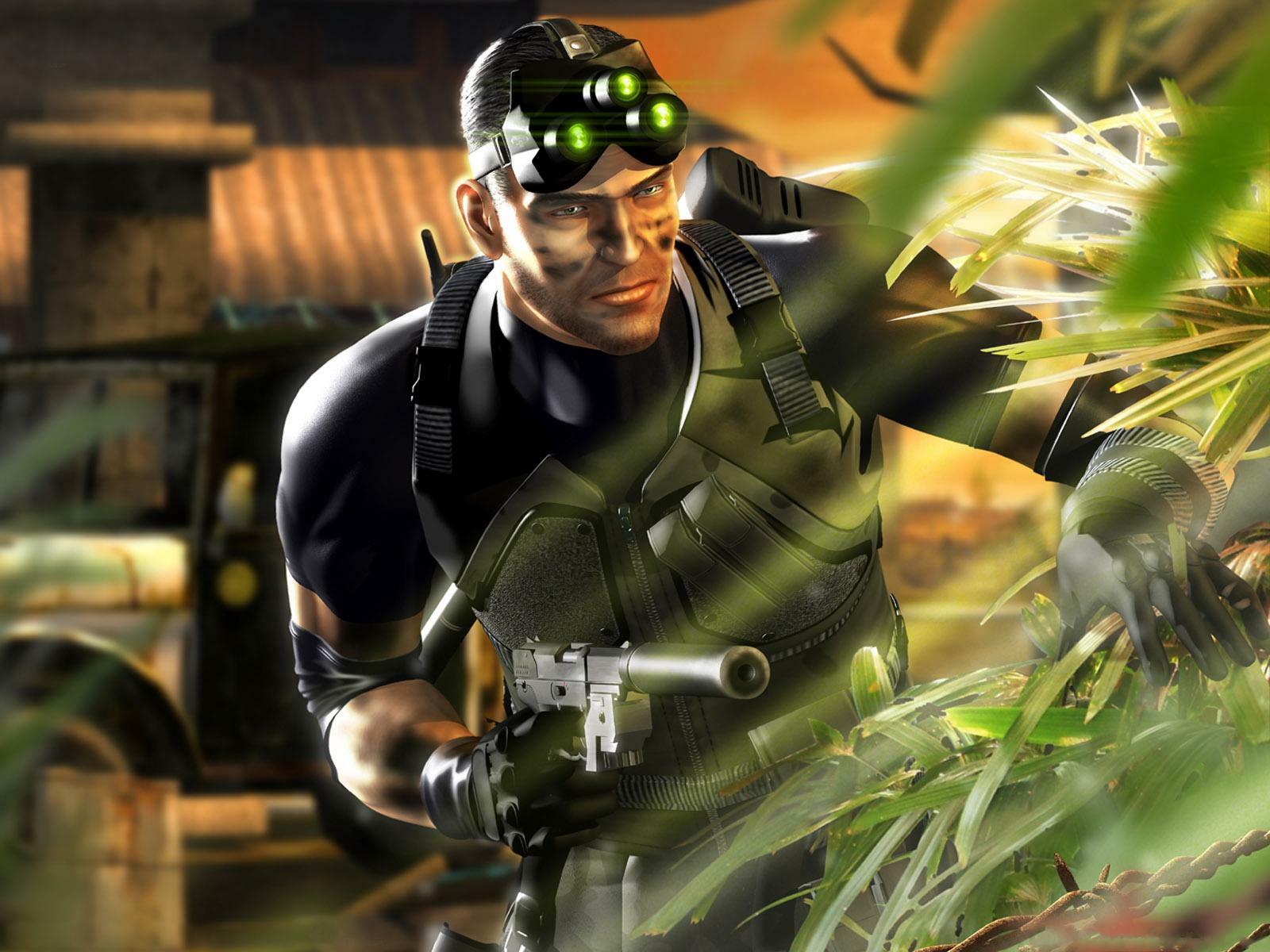
Indonesia blocked this video game because it featured a made-up terrorist organization operating within the country. The game’s story centers on a spy trying to prevent a biological attack by extremist groups. Indonesian officials objected to the game’s depiction of their nation, believing it could harm international relationships and tourism. This case is often cited as an example of how sensitive some regions are to political thrillers and shooting games.
‘S.T.A.L.K.E.R. 2: Heart of Chornobyl’ (2024)
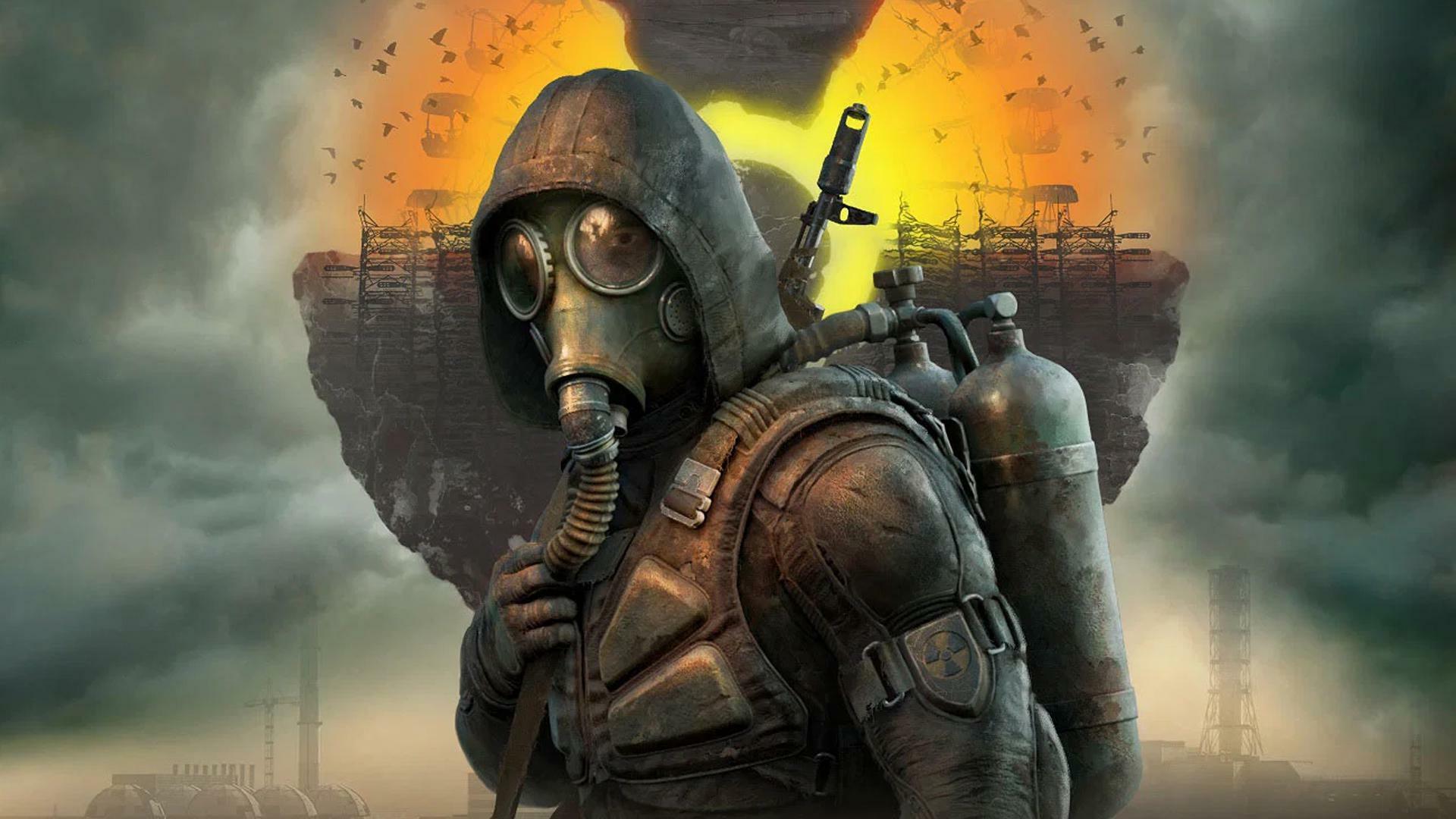
Russia has banned the new game due to its Ukrainian origins, as part of wider restrictions on products from the country. The game’s creators publicly supported Ukraine’s defense and shared political views with their players during the conflict. Russia considers the game a possible source of extremist ideas and has made it illegal to distribute there. Authorities warned that buying the game could result in legal penalties. This ban has turned the game into a representation of the continuing political tensions between Russia and Ukraine.
‘Company of Heroes 2’ (2013)
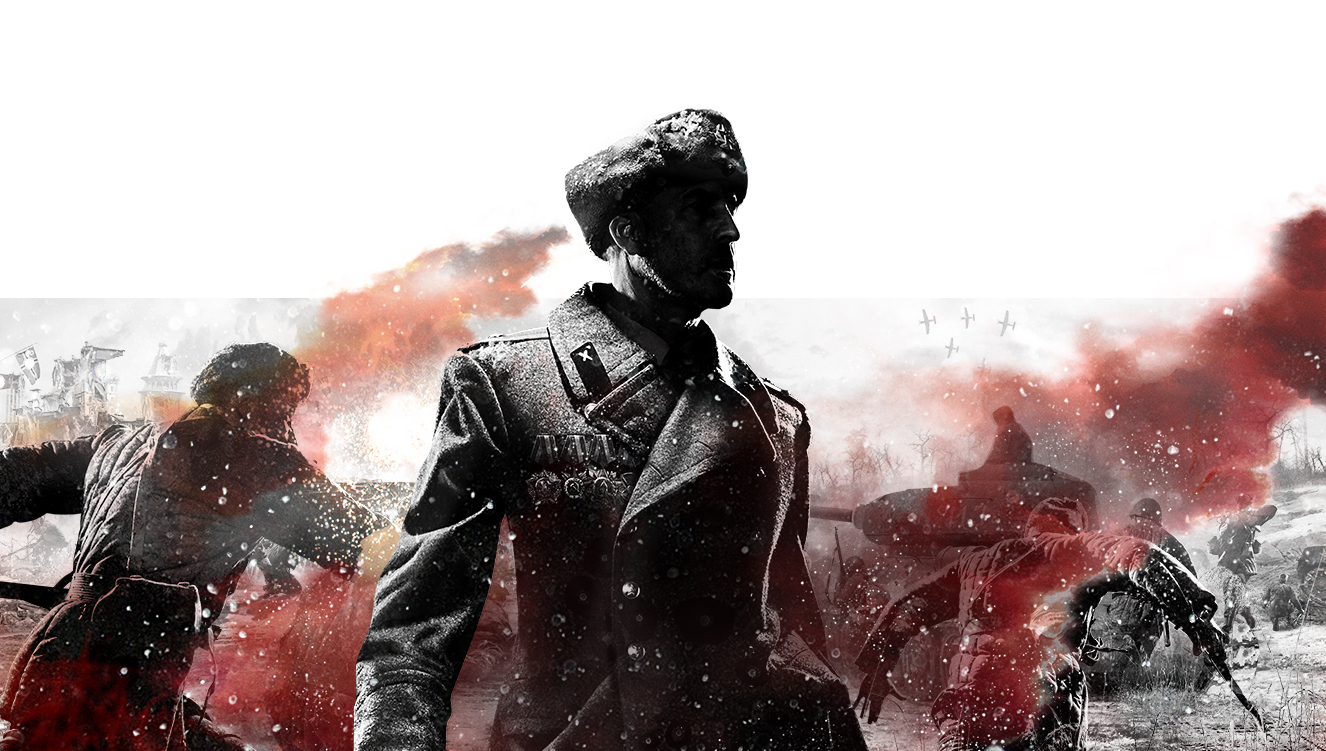
A strategy game was pulled from shelves in Russia after it faced criticism for how it showed the Red Army during World War II. Many players and reviewers felt the game unfairly painted Soviet soldiers as brutal and emphasized harsh events like the execution of soldiers who were withdrawing. The game’s distributor stopped sales due to public backlash and pressure from groups connected to the government. This situation demonstrated how sensitive and politically charged war history is in Eastern Europe, and the game continues to be controversial because of its depiction of the Eastern Front.
‘Dragon Age: Inquisition’ (2014)
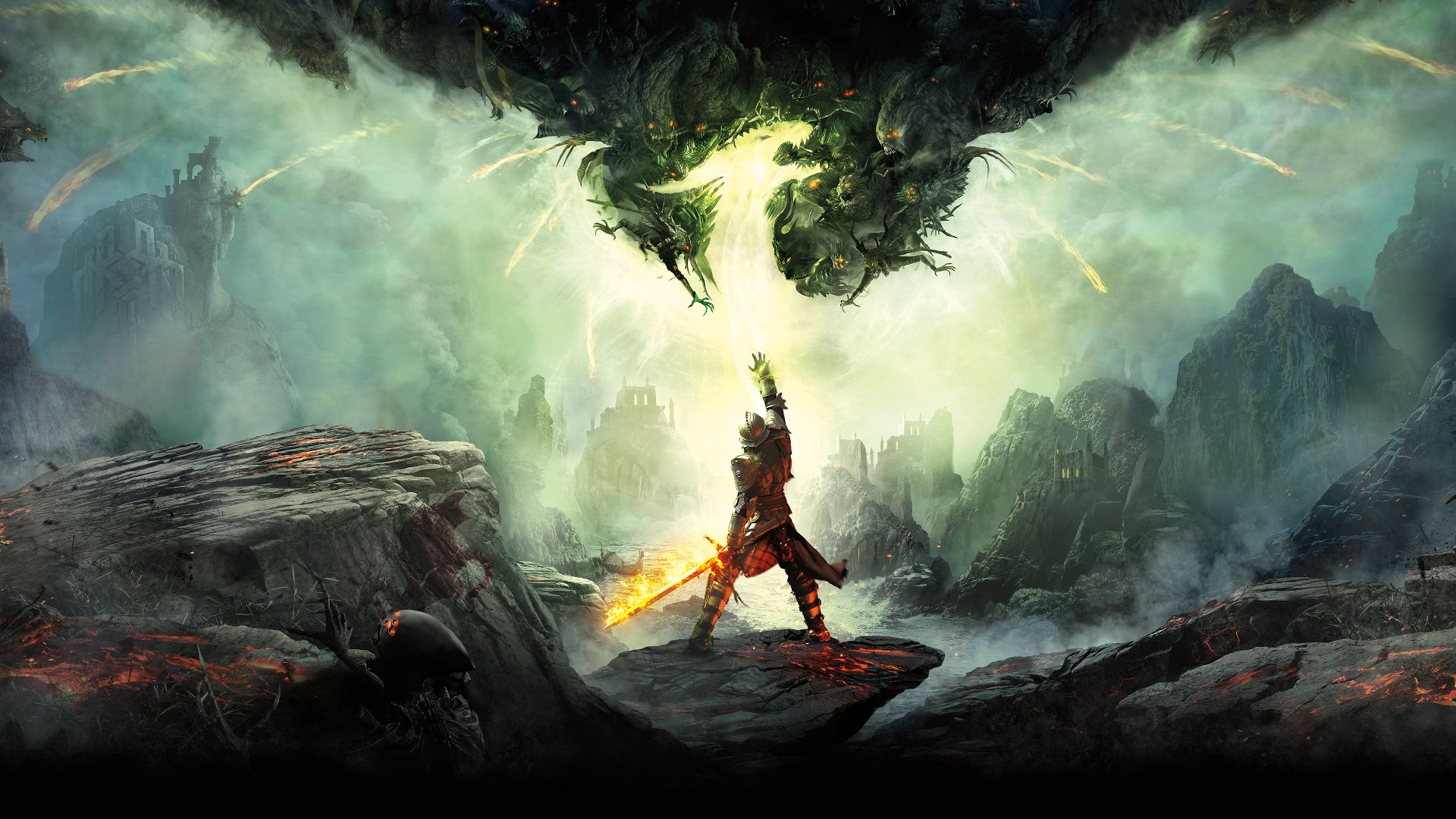
The creators of this fantasy game chose not to release it in India and some Middle Eastern countries to avoid possible legal problems. The game includes same-sex relationships and a variety of characters, and the developers worried this content might break local laws against obscenity, potentially leading to a ban or legal action. By skipping these regions, the company avoided a lengthy and costly process of having the game altered to meet local standards. This situation shows how difficult it can be to release games with inclusive content worldwide, given different laws and political climates.
‘The Sims 4’ (2014)
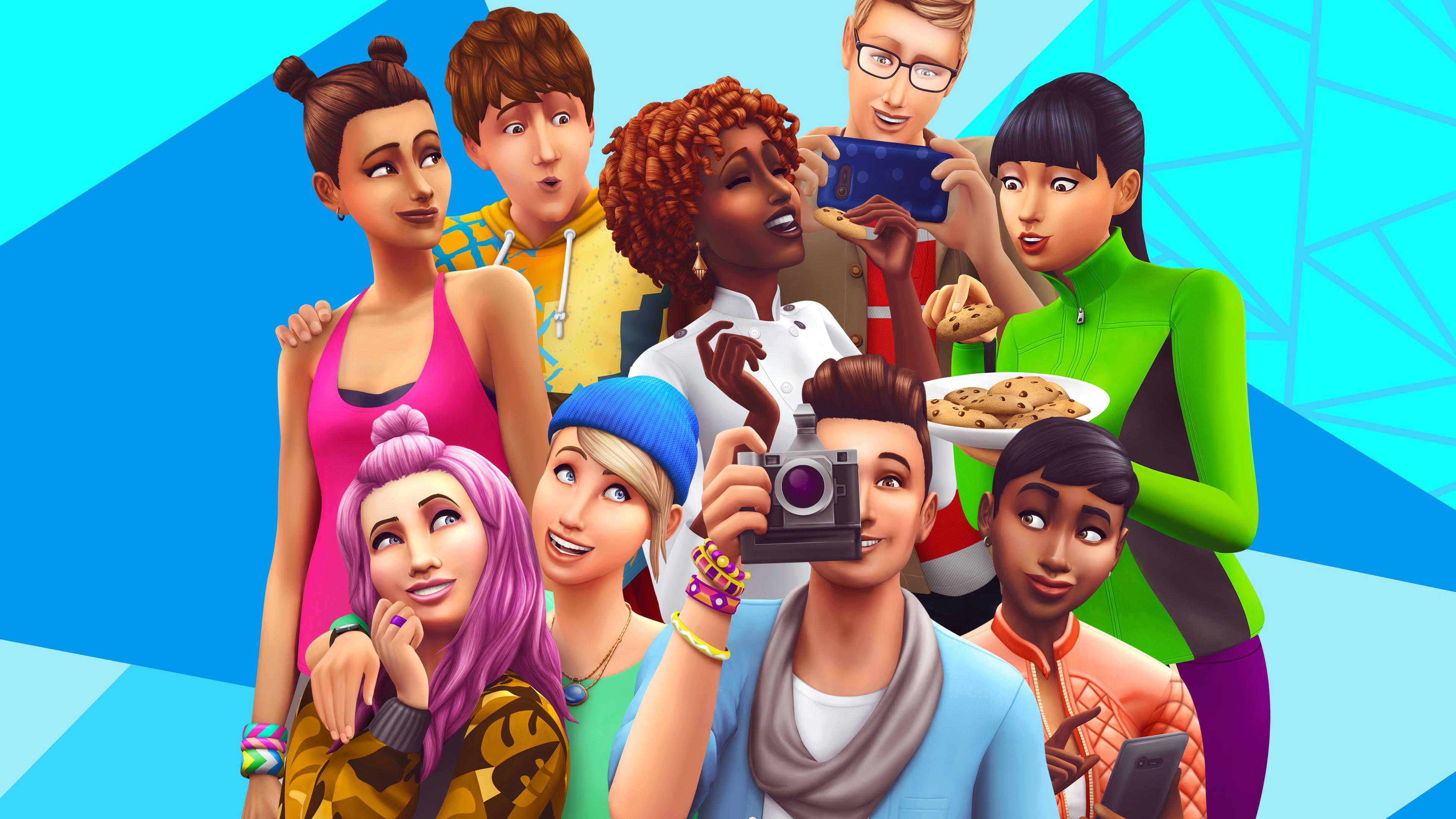
Russia gave this life simulation game a mature rating to follow laws designed to protect children from certain types of information. These laws prevent the promotion of LGBTQ+ relationships to minors, which impacted the game due to its ability to let players choose romantic partners. This rating significantly limited how the game could be marketed and sold in Russia compared to other countries. Some players felt this was a de facto ban, restricting access for younger fans of the series. Despite these regional restrictions and political issues, the game developers chose to keep the game’s inclusive features intact.
‘Roblox’ (2006)
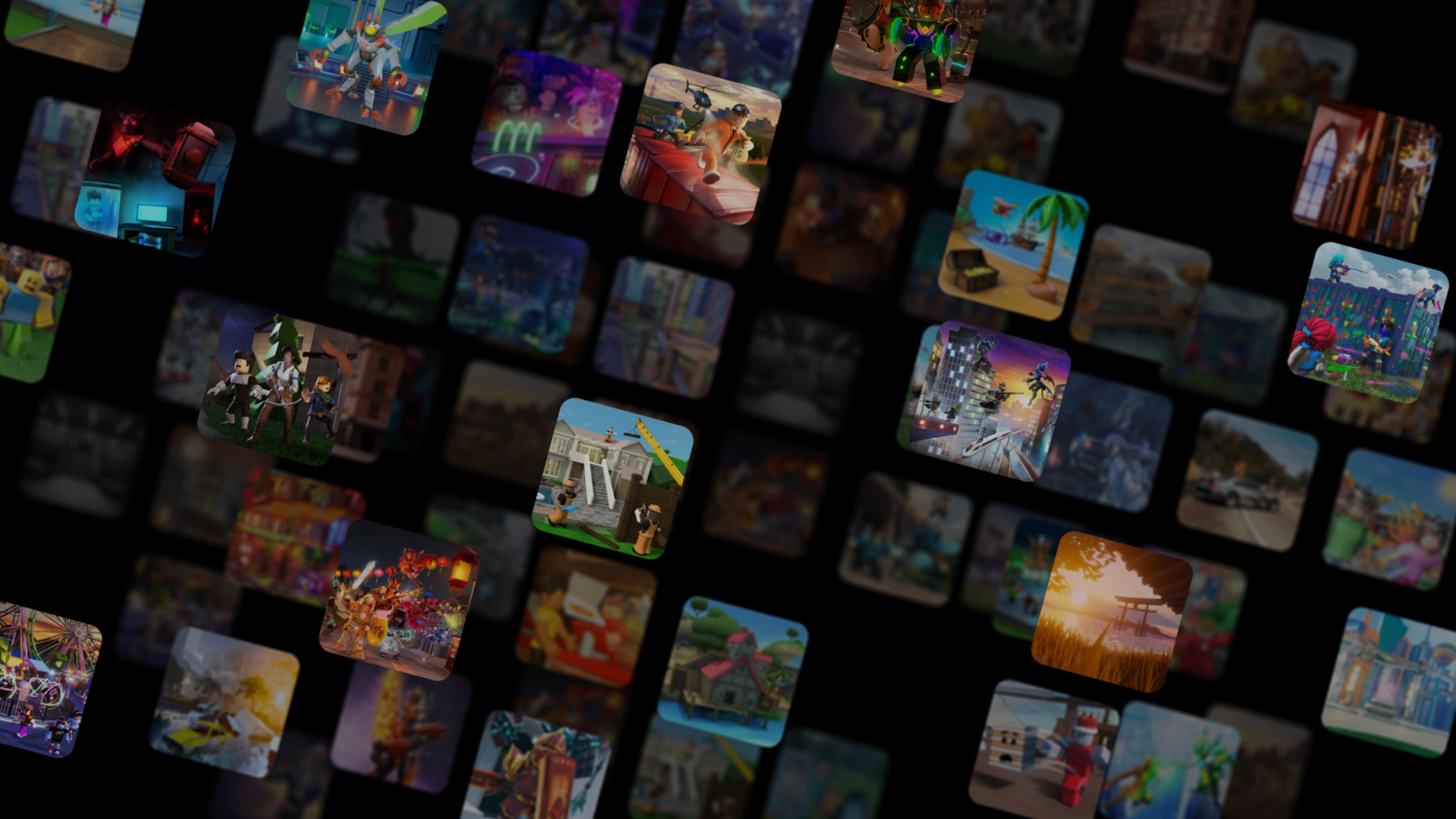
Turkey has blocked access to a popular gaming platform due to worries about protecting children and concerns over unsuitable content. Authorities said the platform was being used to share damaging material that went against the country’s values, and there were claims that it didn’t adequately protect children from harmful interactions online. The move is part of a larger attempt to control online spaces and shield young people from outside influences. This decision impacts millions of users who regularly used the platform to express themselves and connect with others.
‘EVE Online’ (2003)
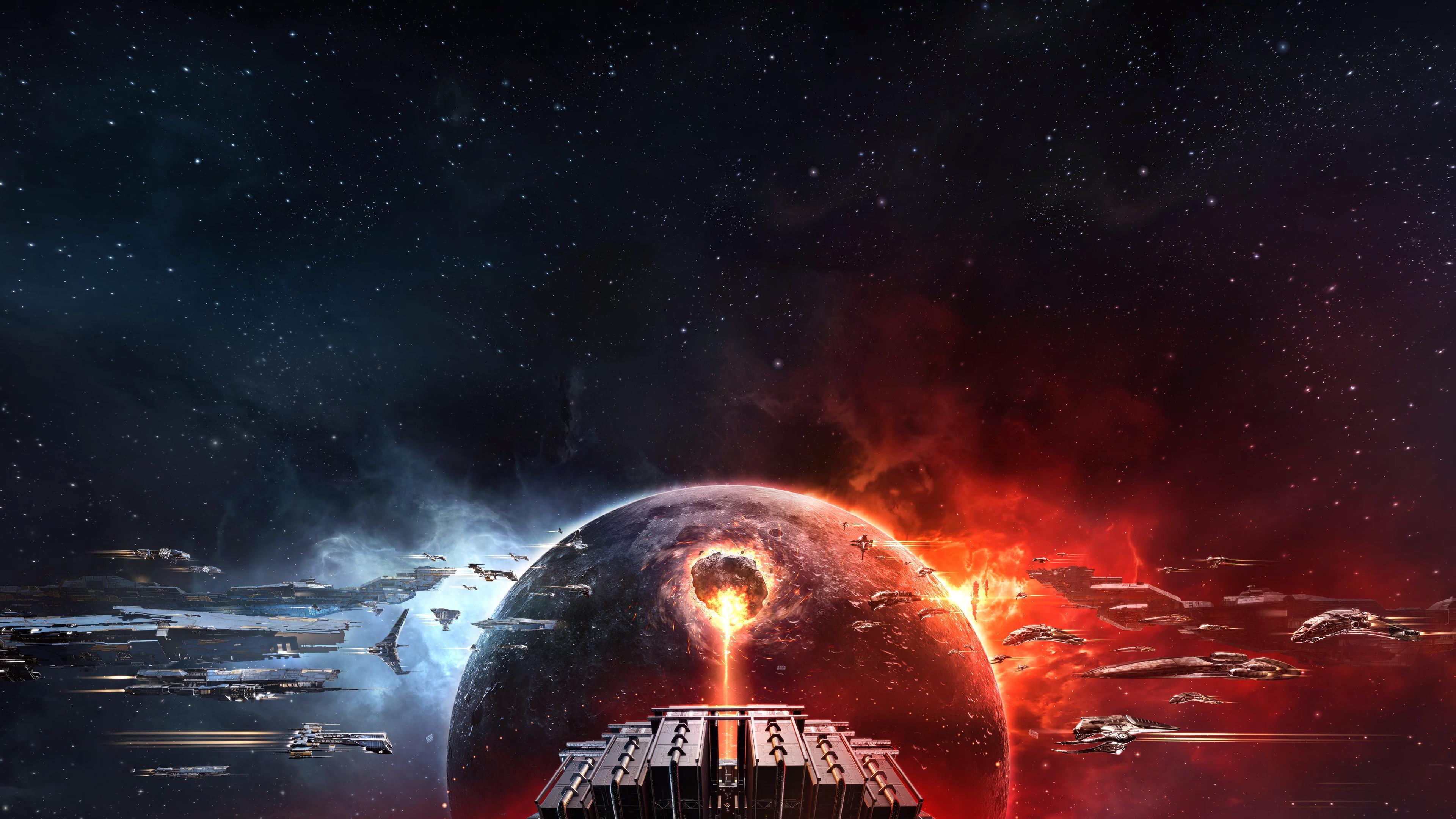
To keep control, China demanded a special, locally-managed version of the space simulation. The government wanted to closely watch what players were doing and be able to remove any political content it didn’t approve of. This resulted in a separate game server, cut off from the rest of the world’s players. Officials were concerned that the game’s complex social and political systems could potentially undermine their authority. This situation highlights how even virtual worlds and economies can be influenced by real-world political control.
‘Red Alert 2’ (2000)
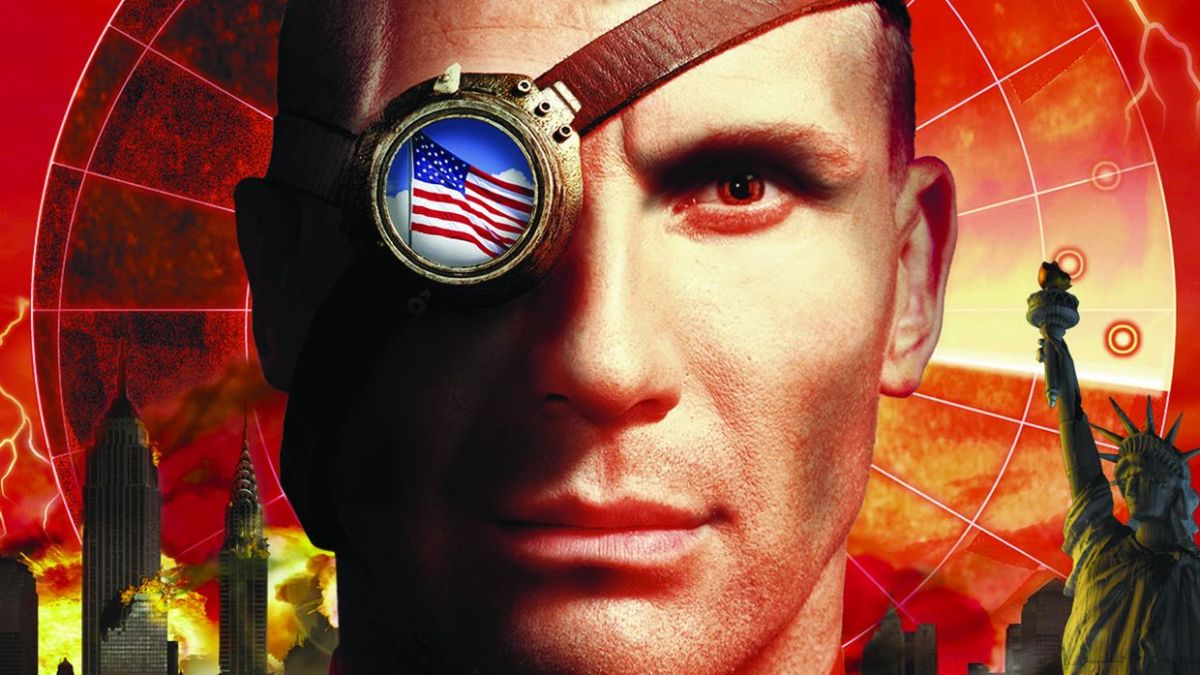
A strategy game was prohibited in China due to missions allowing players to damage famous landmarks within the country. The game’s story centers on a worldwide war between the US and the Soviet Union, with other groups also participating. Chinese authorities considered the depiction of their land and the possibility of digitally destroying it to be politically sensitive. The ban included the original game and all its expansions, removing them from stores. This remains a well-known instance of game censorship from the early 2000s.
‘Call of Duty: Black Ops’ (2010)
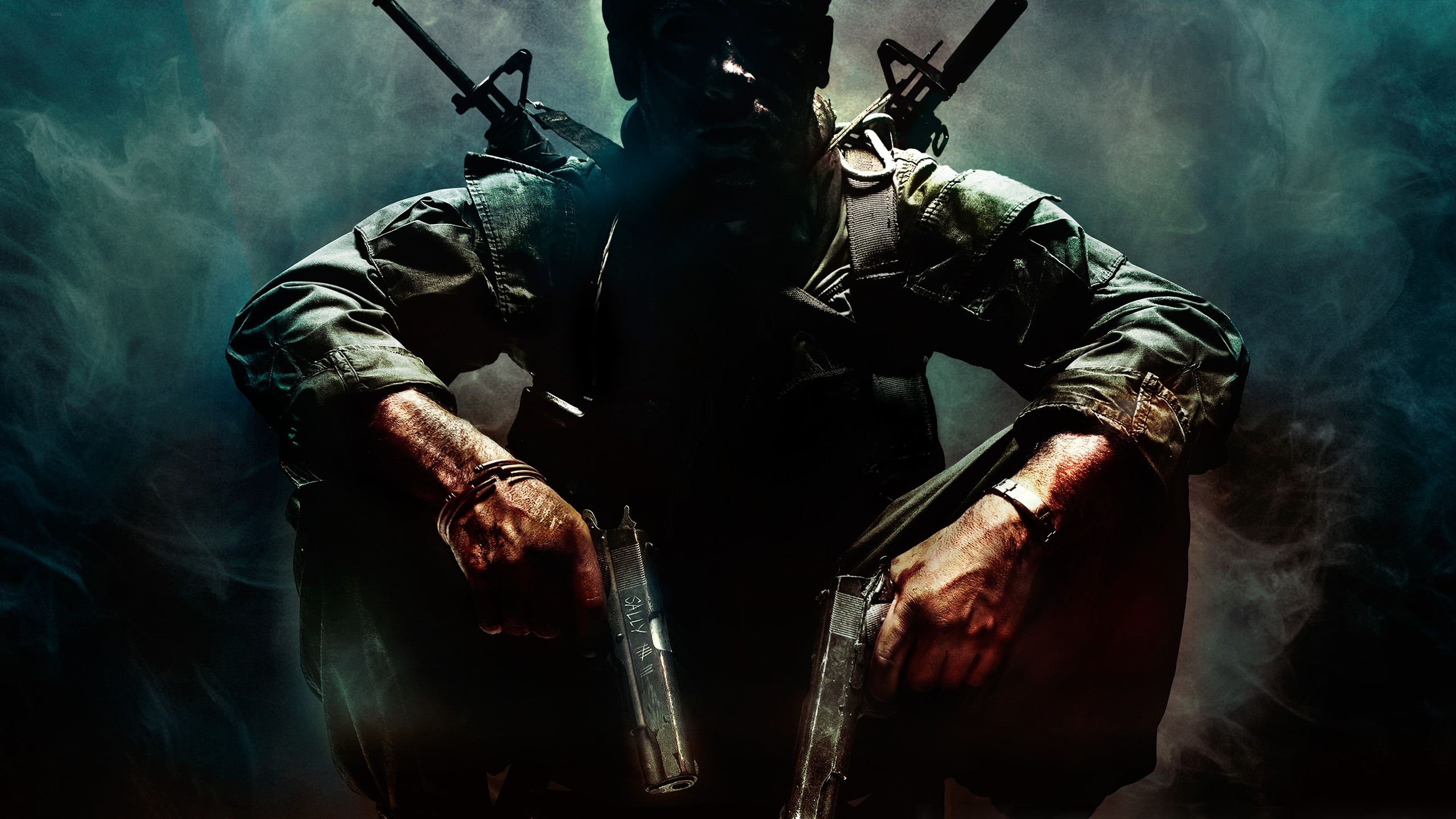
Cuba strongly protested a video game and banned it because it featured a plot to assassinate a former Cuban leader. The government criticized the game as an example of American influence and a glorification of violence against independent nations, claiming it was intended to manipulate young people and create negative feelings towards the Cuban Revolution. The ban was enforced across the country, including through state-controlled media. The situation briefly raised questions internationally about the appropriateness of including real-world political figures in violent video games.
‘Modern Warfare 2’ (2009)
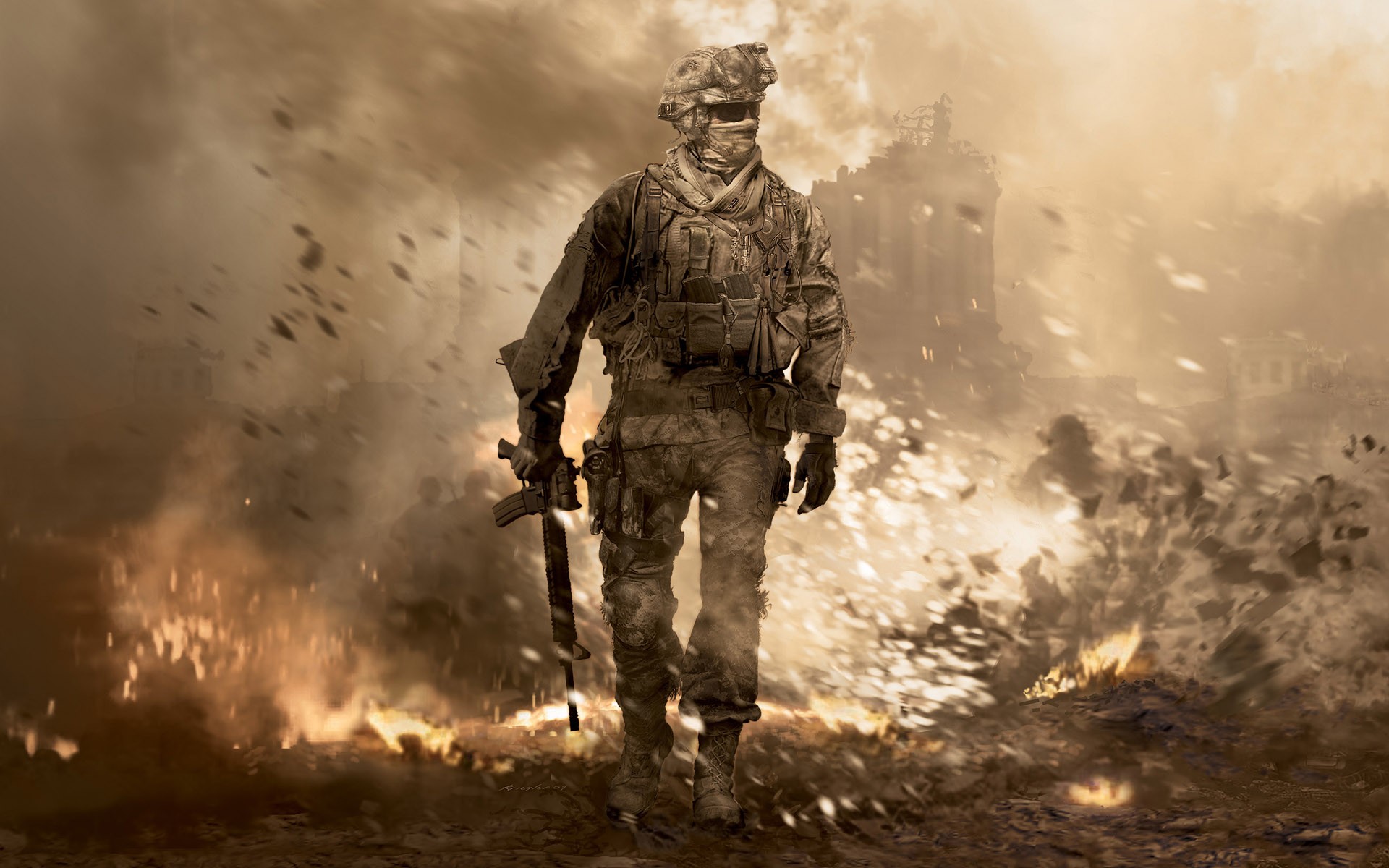
A controversial airport mission caused political problems in countries like Russia and Japan. In Russia, the game was pulled from shelves and altered to remove the mission after strong criticism from both the government and the public. Elsewhere, the mission was made optional, or players faced consequences if they harmed innocent people. The scene portrays a terrorist attack and was meant to highlight the villain’s ruthlessness. It remains a highly debated and censored moment in action game history.
‘VRChat’ (2014)
China blocked this social platform because it didn’t allow the government to monitor user interactions. Features like personalized avatars and unmonitored chat rooms were considered a risk to the country’s stability. Officials feared people could use the platform to share political views or organize activities independently of the government. Consequently, the platform was blocked for most people in China, requiring a special connection to access it. This situation highlights how important controlling communication is to some governments.
‘Project I.G.I.’ (2000)
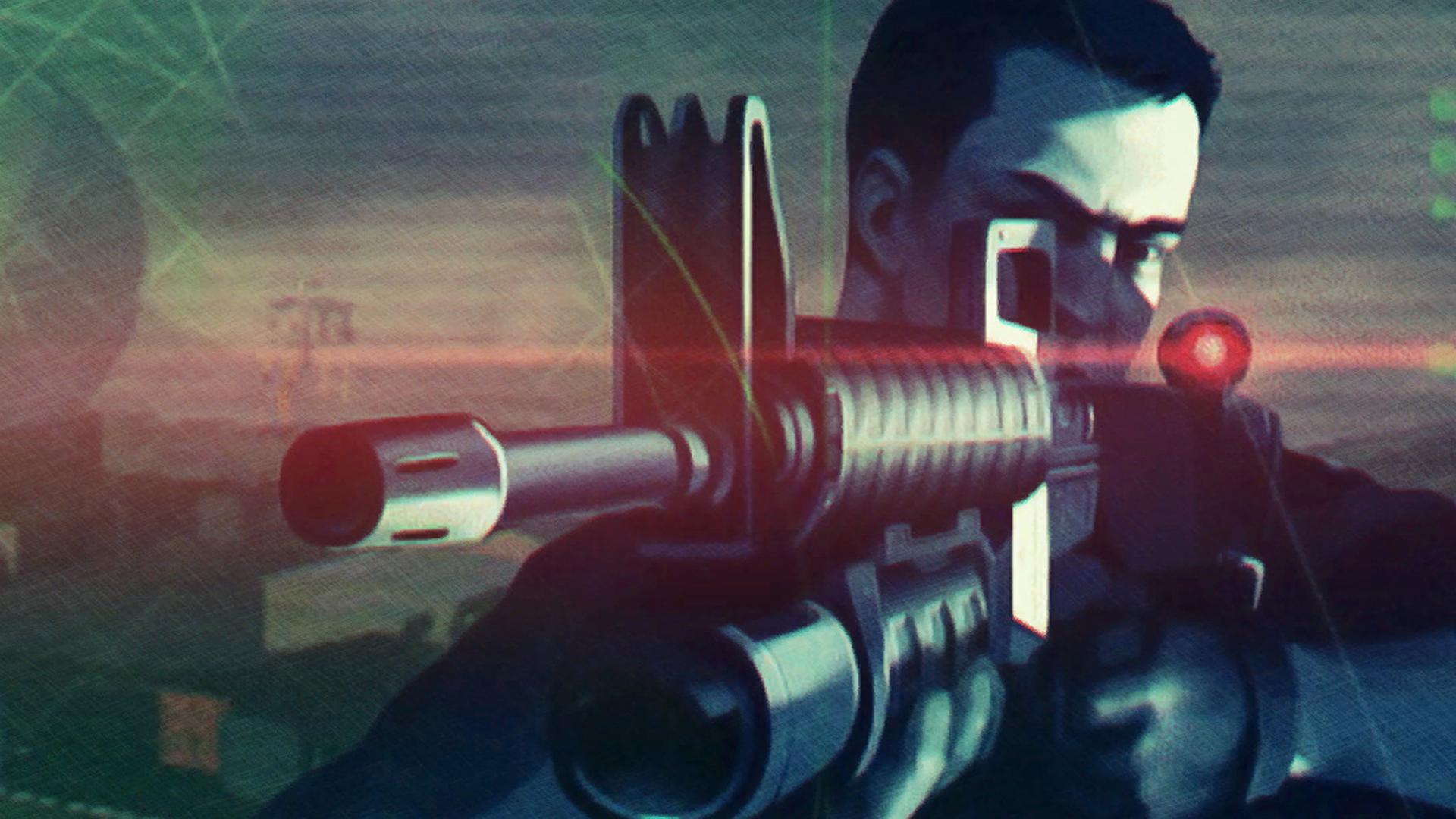
This early shooting game was prohibited in China because it featured missions where players infiltrated Chinese military bases. The government believed the game portrayed their security forces negatively to the world and worried it could even be used to collect information about important locations. The ban was strongly enforced, preventing the game from being officially sold in China, and it established a pattern for how future war games would be reviewed by censors in the region.
Share your thoughts on these controversial bans in the comments.
Read More
- 20 Movies Where the Black Villain Was Secretly the Most Popular Character
- Celebs Who Narrowly Escaped The 9/11 Attacks
- 25 “Woke” Films That Used Black Trauma to Humanize White Leads
- Top 20 Dinosaur Movies, Ranked
- Transformers Under the Microscope: What Graph Neural Networks Reveal
- The 10 Most Underrated Jim Carrey Movies, Ranked (From Least to Most Underrated)
- 22 Films Where the White Protagonist Is Canonically the Sidekick to a Black Lead
- Silver Rate Forecast
- Gold Rate Forecast
- The Best Directors of 2025
2026-01-04 22:20