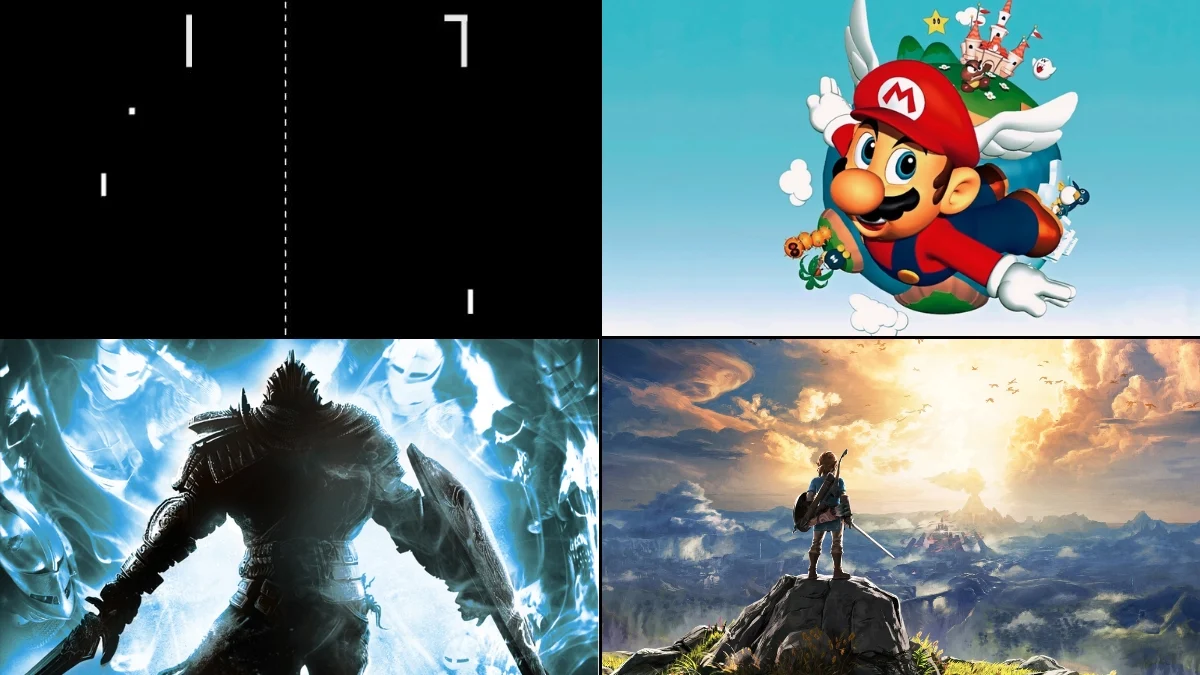
Video games have come a long way from their simple beginnings as pixelated fun. They’ve become a major force in global culture and entertainment. Over the years, certain games have dramatically changed the industry by introducing new technologies, telling compelling stories, or offering groundbreaking gameplay. These influential titles weren’t just popular – they created entire new types of games and inspired all those that came after. By looking at these key games, we can see how the medium has grown from early arcade machines to the immersive digital worlds we enjoy today.
‘Pong’ (1972)

‘Pong,’ created and published by Atari, is generally considered the first video game to achieve widespread commercial success. This straightforward table tennis game demonstrated that electronic games could be profitable in both arcades and for home use. Its popularity kickstarted the video game industry and made Atari a leading company throughout the 1970s. With its easy-to-learn gameplay and competitive spirit, ‘Pong’ paved the way for the many sports games we enjoy today.
‘Space Invaders’ (1978)
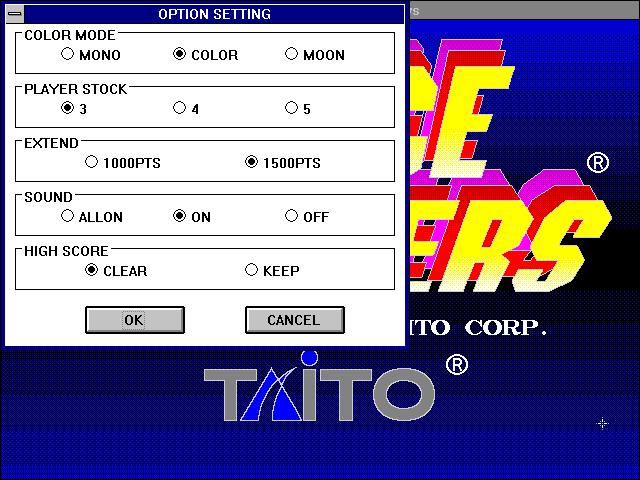
Created by Taito and released in North America by Midway, ‘Space Invaders’ became a massive hit that breathed new life into arcades. The game popularized the idea of striving for the highest score and cleverly increased the challenge as players eliminated enemies. It played a key role in transforming video games from a small hobby into a huge global industry, and was even said to have caused a coin shortage in Japan! Its alien designs are still some of the most famous and memorable images in gaming today.
‘Pac-Man’ (1980)
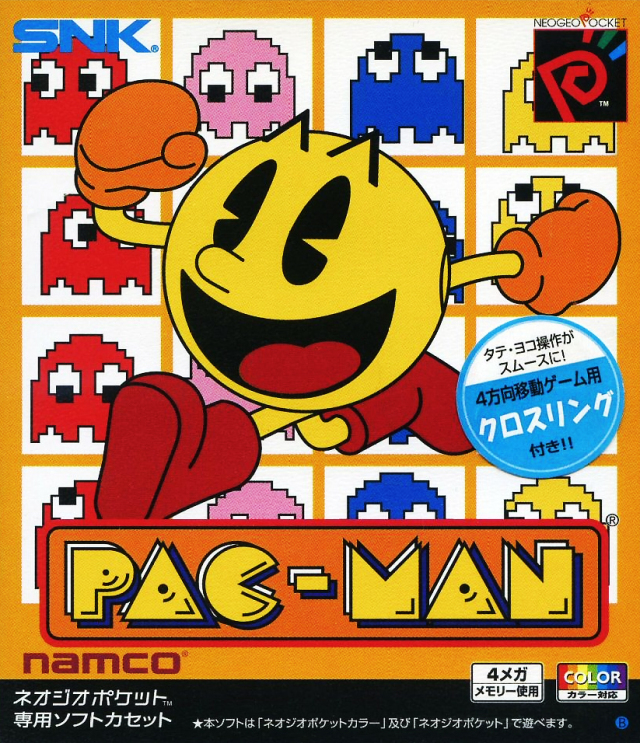
Originally created by Namco and later published by Midway in the US, ‘Pac-Man’ was a revolutionary game. Unlike the popular shooting games of the time, ‘Pac-Man’ focused on a character and attracted a wider audience, including families, women, and children. It created the first truly famous video game character and sparked a huge wave of related products – known as ‘Pac-Mania.’ Its clever design, based on learning patterns and avoiding enemies, has made it a lasting icon in pop culture.
‘Super Mario Bros.’ (1985)
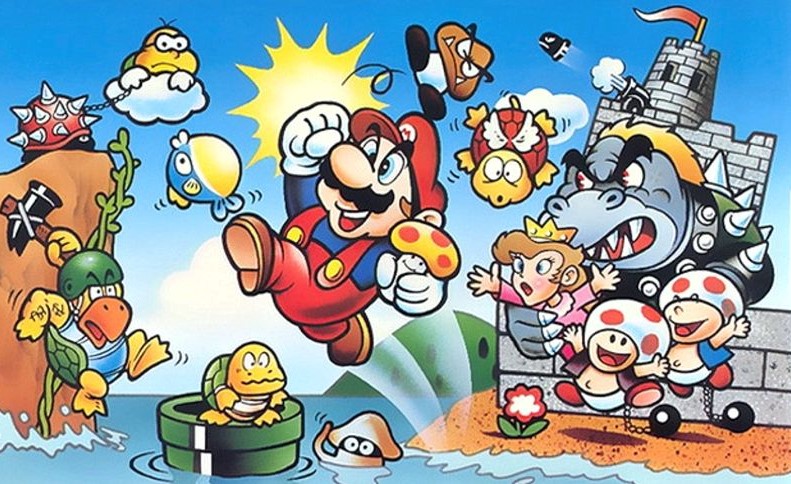
‘Super Mario Bros.’, created by Nintendo for the Nintendo Entertainment System, is widely credited with reviving the home console market in North America after a major downturn in 1983. The game became the blueprint for side-scrolling platform games, thanks to its responsive controls, colorful visuals, and creative levels. It launched the iconic character Mario and introduced players to the beloved Mushroom Kingdom, becoming a cornerstone of the Nintendo brand. Its cleverly designed levels and hidden features also set a new high bar for what players expected from home console games.
‘The Legend of Zelda’ (1986)
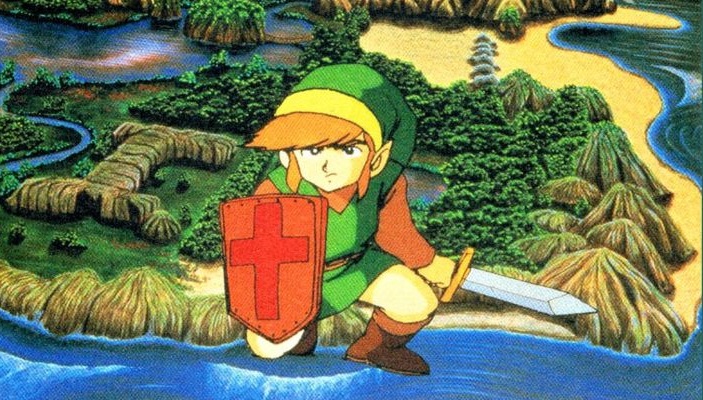
‘The Legend of Zelda,’ created and released by Nintendo, was a groundbreaking game that let players freely explore a vast world and save their progress – a new feature for home consoles at the time. Unlike many games before it, Zelda didn’t force players to follow a set path. Instead, it encouraged discovery and allowed them to tackle challenges in any order. This innovative approach, combining action, puzzles, and role-playing, helped define the action-adventure genre. The game’s ability to save progress also meant players could enjoy a much longer and more immersive experience than was typical of older, arcade-style games.
‘Tetris’ (1984)

Tetris, a puzzle game created by Alexey Pajitnov and made famous worldwide by the 1989 Game Boy release, is often considered a perfect example of its kind. It proved that a game could be incredibly addictive without needing fancy graphics or a complicated story. Because it was released on so many different platforms, Tetris became a global hit, enjoyed by people of all ages, genders, and backgrounds. Even today, the core gameplay – rotating falling blocks to clear lines – remains largely the same as it always has been.
‘Doom’ (1993)
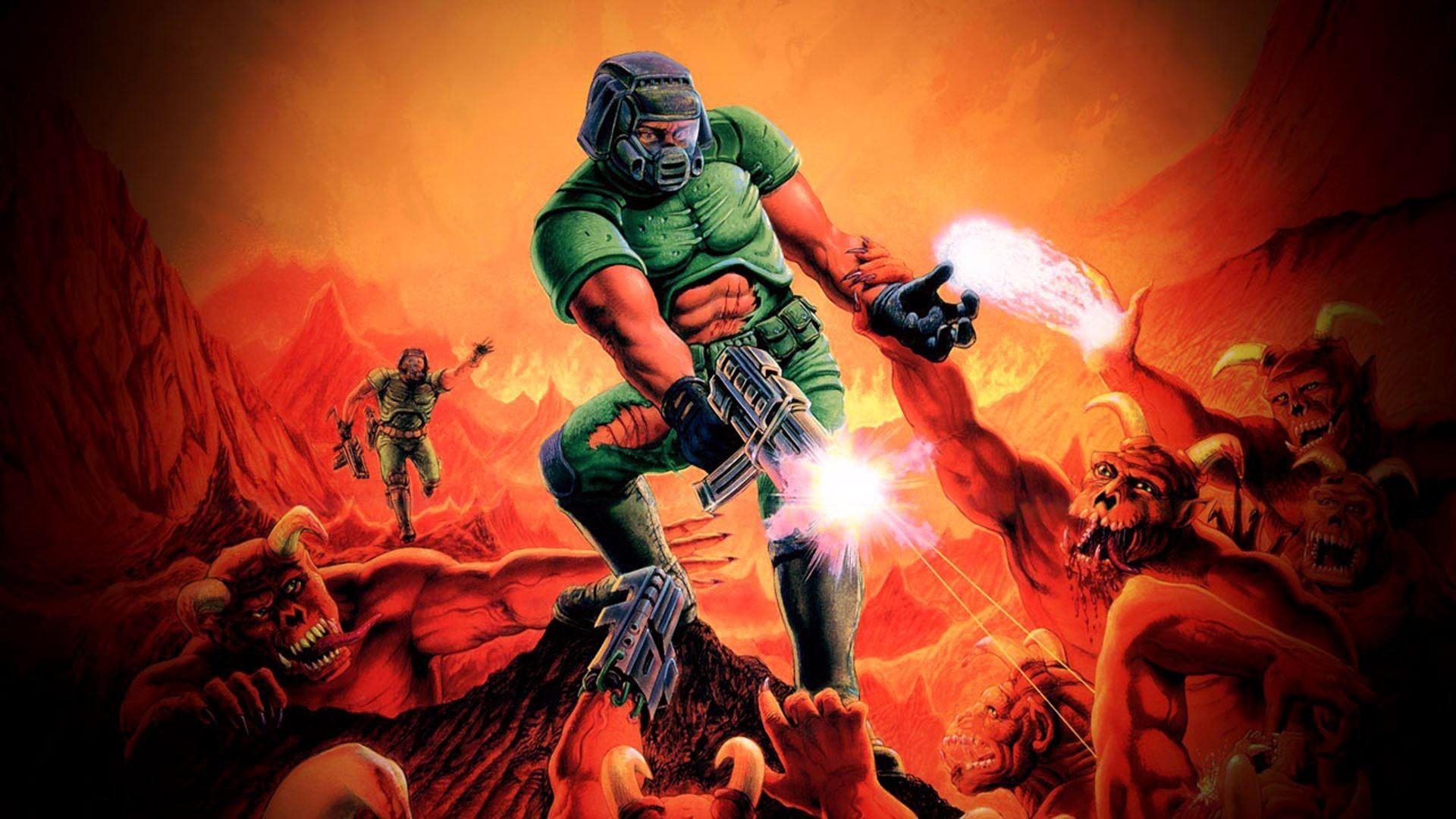
‘Doom,’ created and released by id Software, dramatically changed the first-person shooter genre with its quick gameplay and impressive 3D visuals for its era. It made “deathmatch” multiplayer gaming popular and encouraged players to create their own modifications, or “mods,” to personalize and enhance the game. Distributed as shareware, ‘Doom’ quickly reached a massive audience, becoming a key example of what PCs were capable of. The game profoundly impacted almost every shooter that came after it and sparked important conversations about violence in video games.
‘Super Mario 64’ (1996)
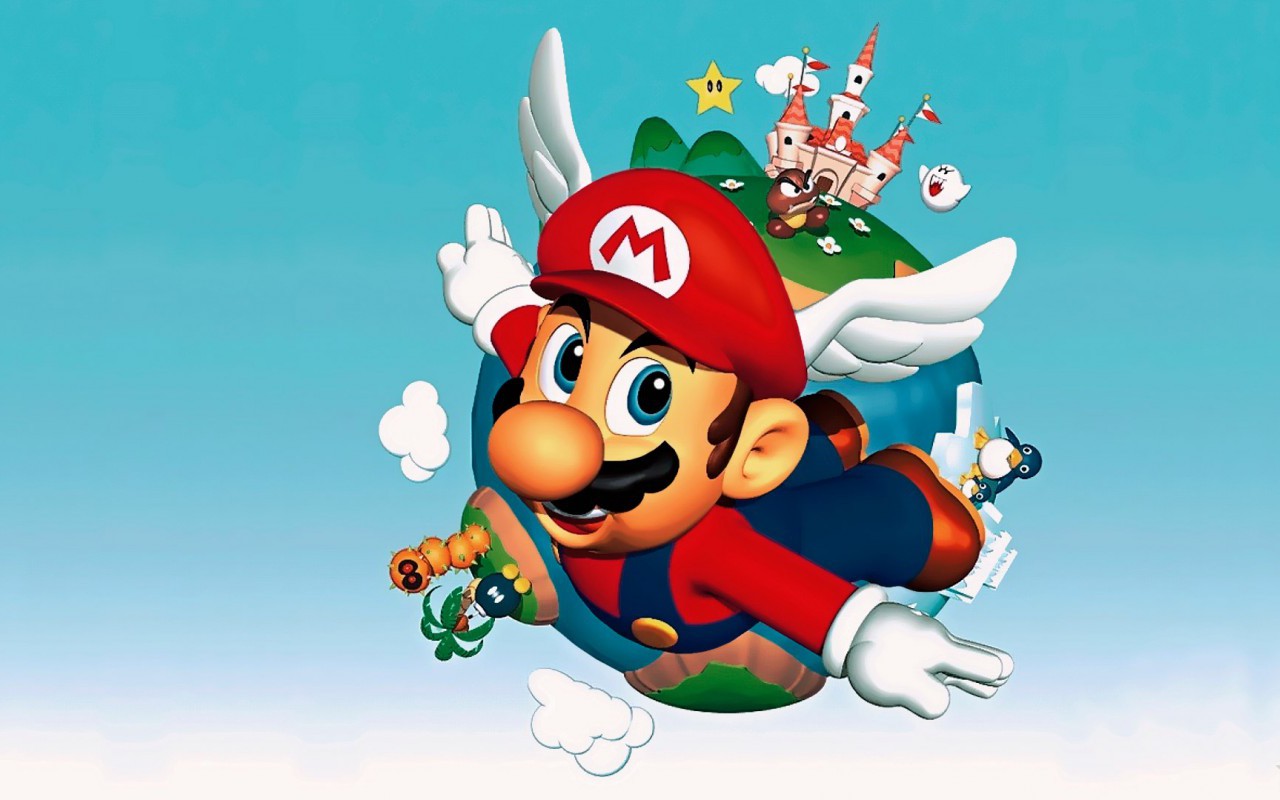
As a huge Mario fan, I still remember how blown away I was when ‘Super Mario 64’ came out with the Nintendo 64! It wasn’t just a new Mario game, it totally changed how 3D games worked. They figured out how to move Mario in a 3D world in a way that felt natural, and the camera actually followed him around! Plus, instead of just going from level to level, you could explore this big, open castle and find secrets. It proved that even classic 2D series could jump into 3D and still be amazing – it was a game changer!
‘Final Fantasy VII’ (1997)
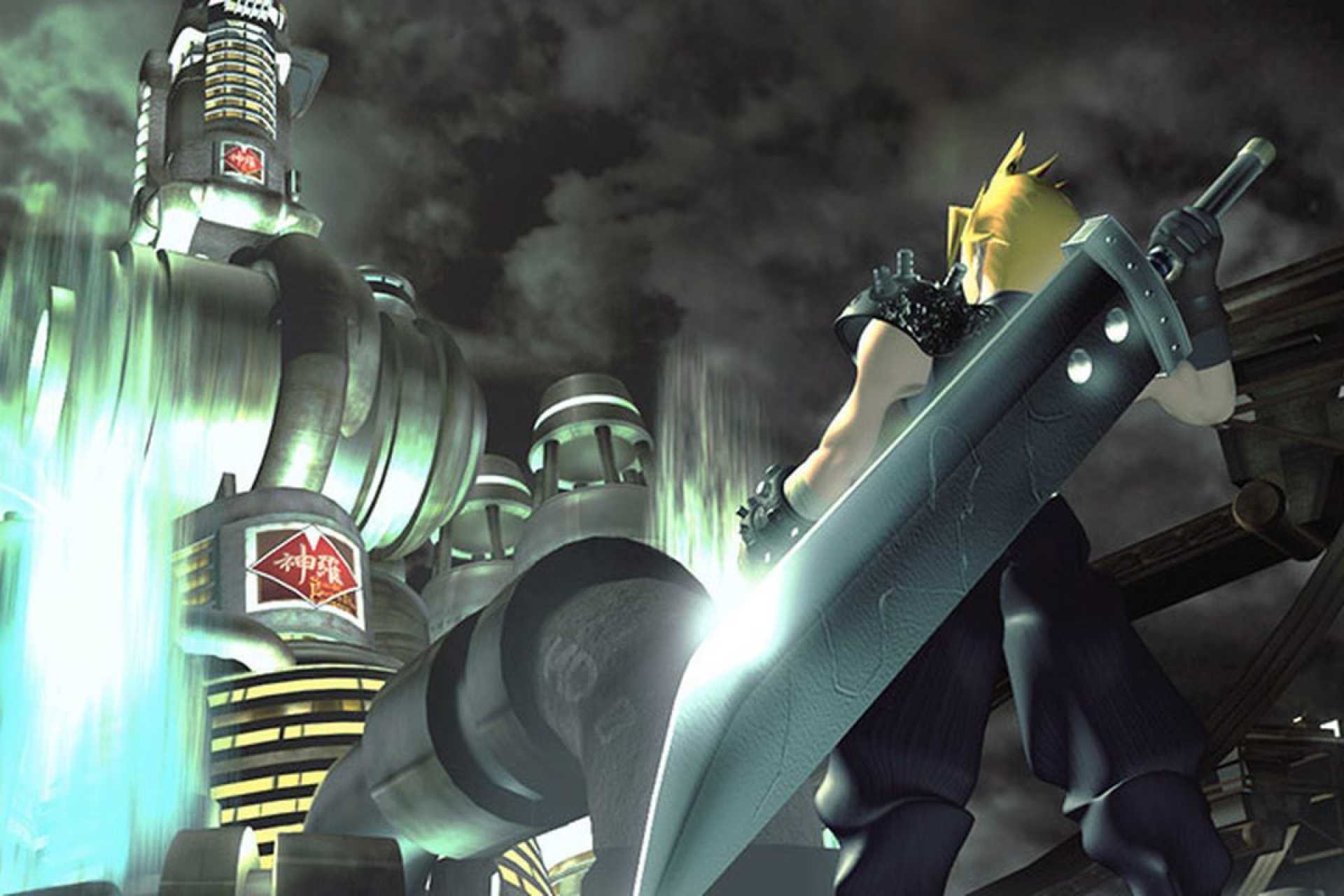
Originally released by Square for the PlayStation, ‘Final Fantasy VII’ was a breakthrough game that introduced many players worldwide to Japanese role-playing games. It took full advantage of the PlayStation’s CD format with stunning pre-rendered backgrounds and impressive CGI cutscenes, which were incredibly innovative for their time. The game’s deep story and mature themes appealed to a broad audience, helping to popularize the genre outside of its traditional fanbase. Even today, it’s remembered as a defining achievement in storytelling and technical innovation for the 32-bit generation of consoles.
‘The Legend of Zelda: Ocarina of Time’ (1998)
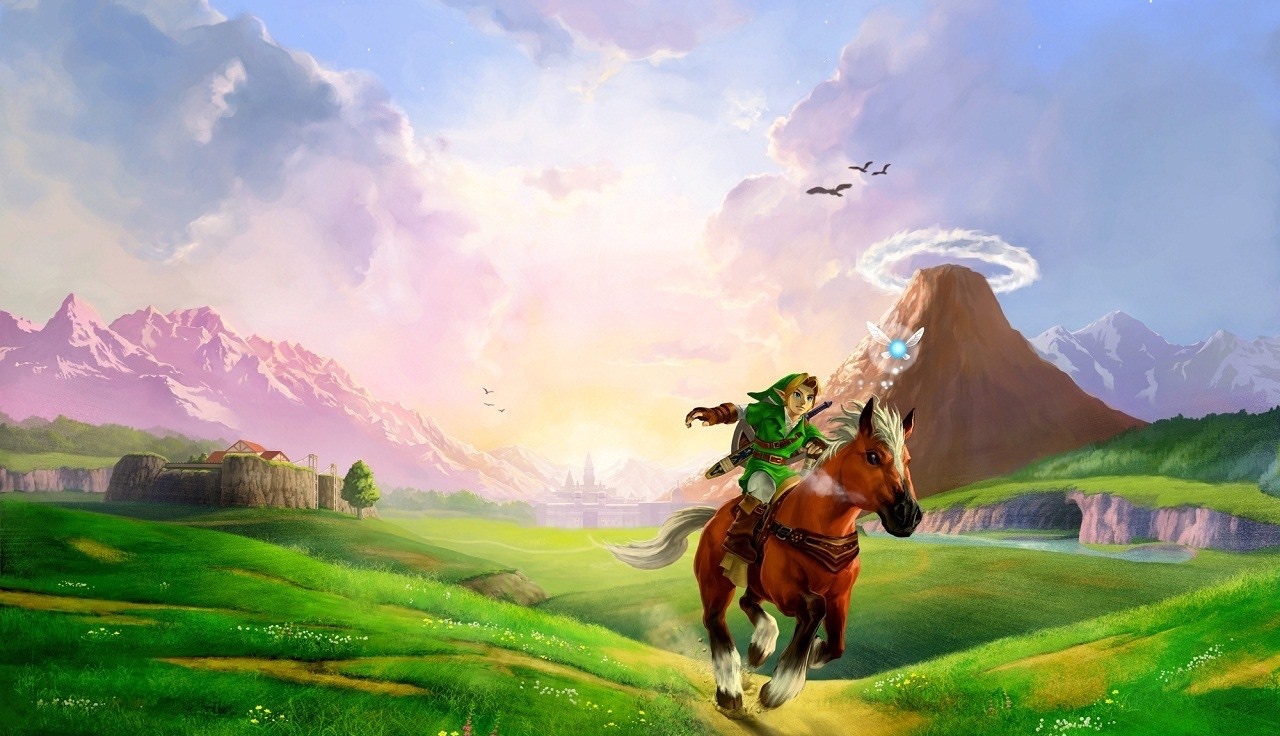
Developed by Nintendo for the Nintendo 64, this game is widely considered a masterpiece thanks to its innovative design. It popularized the “Z-targeting” system, which made fighting and navigating 3D worlds much easier. With its vast world and story that spanned across time, the game offered an incredibly immersive experience for players in the late 1990s. Its impact is still felt today in the way many modern action-adventure games control and tell their stories through the environment.
‘Metal Gear Solid’ (1998)
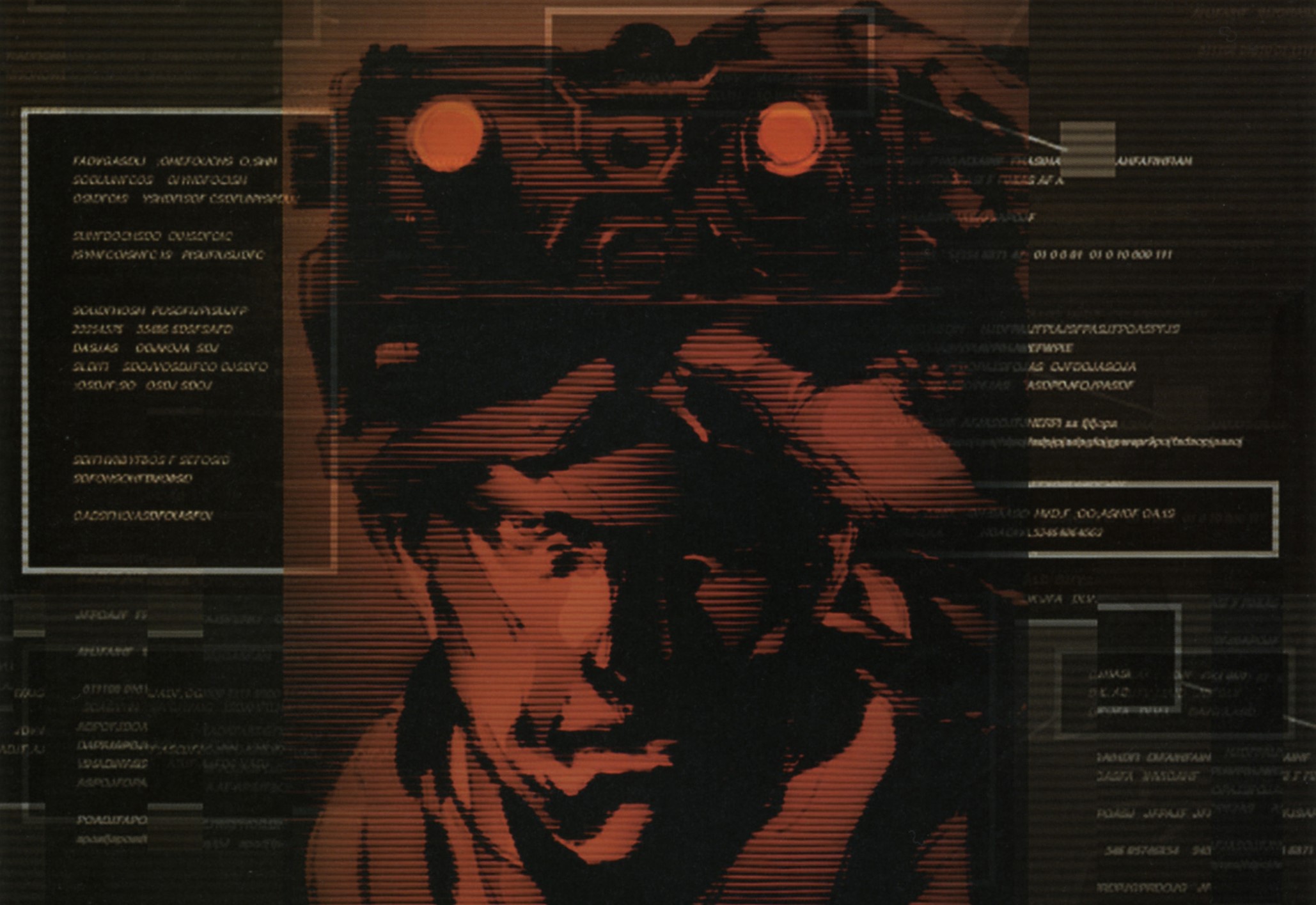
‘Metal Gear Solid,’ created and released by Konami, revolutionized stealth-based games and brought a new level of cinematic storytelling to the world of video games. Led by Hideo Kojima, the game used lengthy, detailed cutscenes and professional voice acting to tell a complicated political story on the PlayStation. Players were challenged to avoid being seen instead of fighting, and the game used the environment to create engaging, interactive experiences. Its innovative techniques, like moments that acknowledged the player directly, and its focus on complex characters and themes, raised the bar for storytelling in video games.
‘Grand Theft Auto III’ (2001)
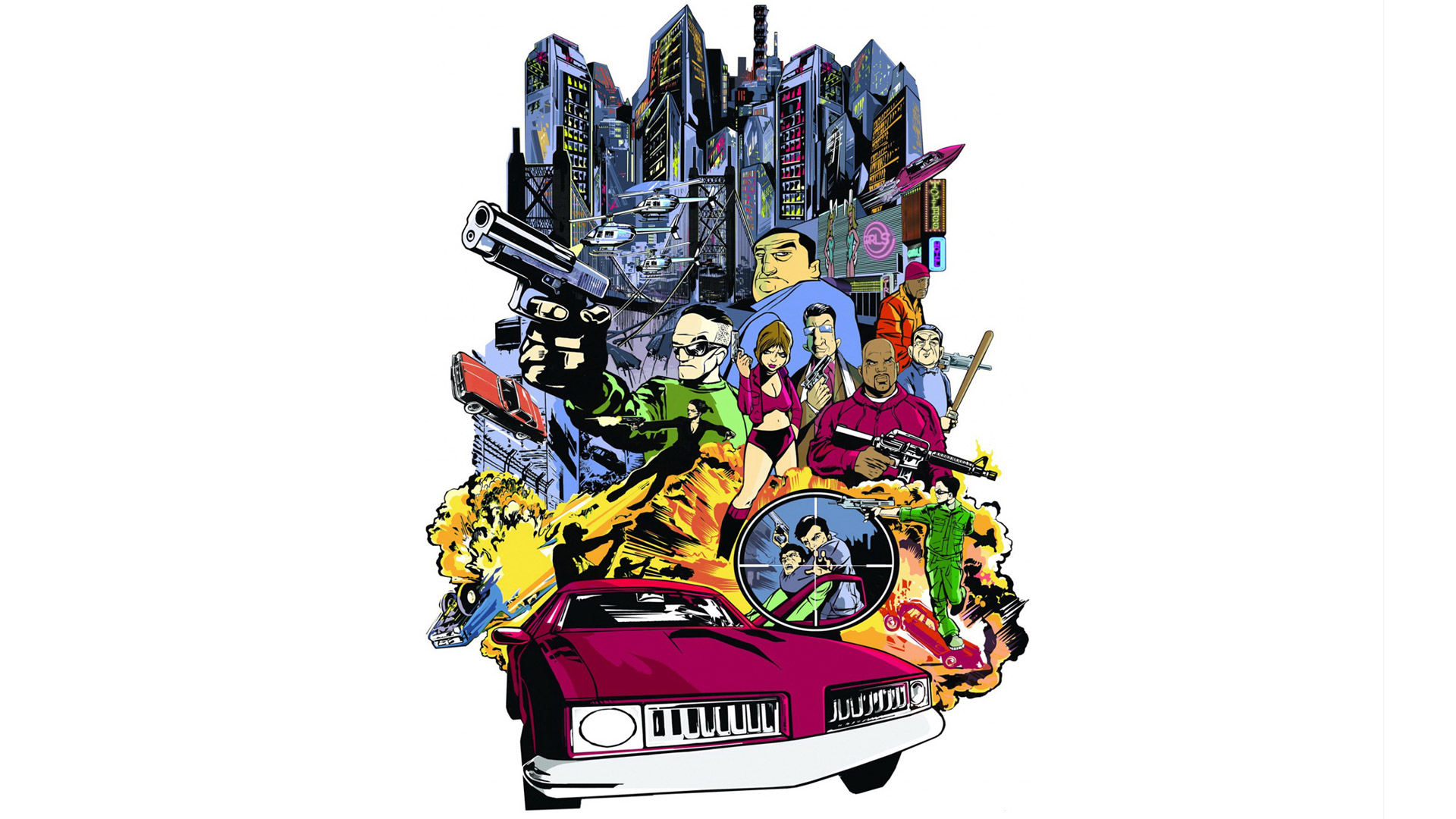
Created by DMA Design and published by Rockstar Games, this game really brought “open-world” gameplay to life for a new audience. It moved the series from a bird’s-eye view to a detailed 3D city that players could roam and explore however they wanted. Players had a level of freedom never seen before, allowing them to interact with the world and choose what to do between story missions. The game was a huge hit and inspired many other developers to create large, open, and non-linear game worlds.
‘Halo: Combat Evolved’ (2001)
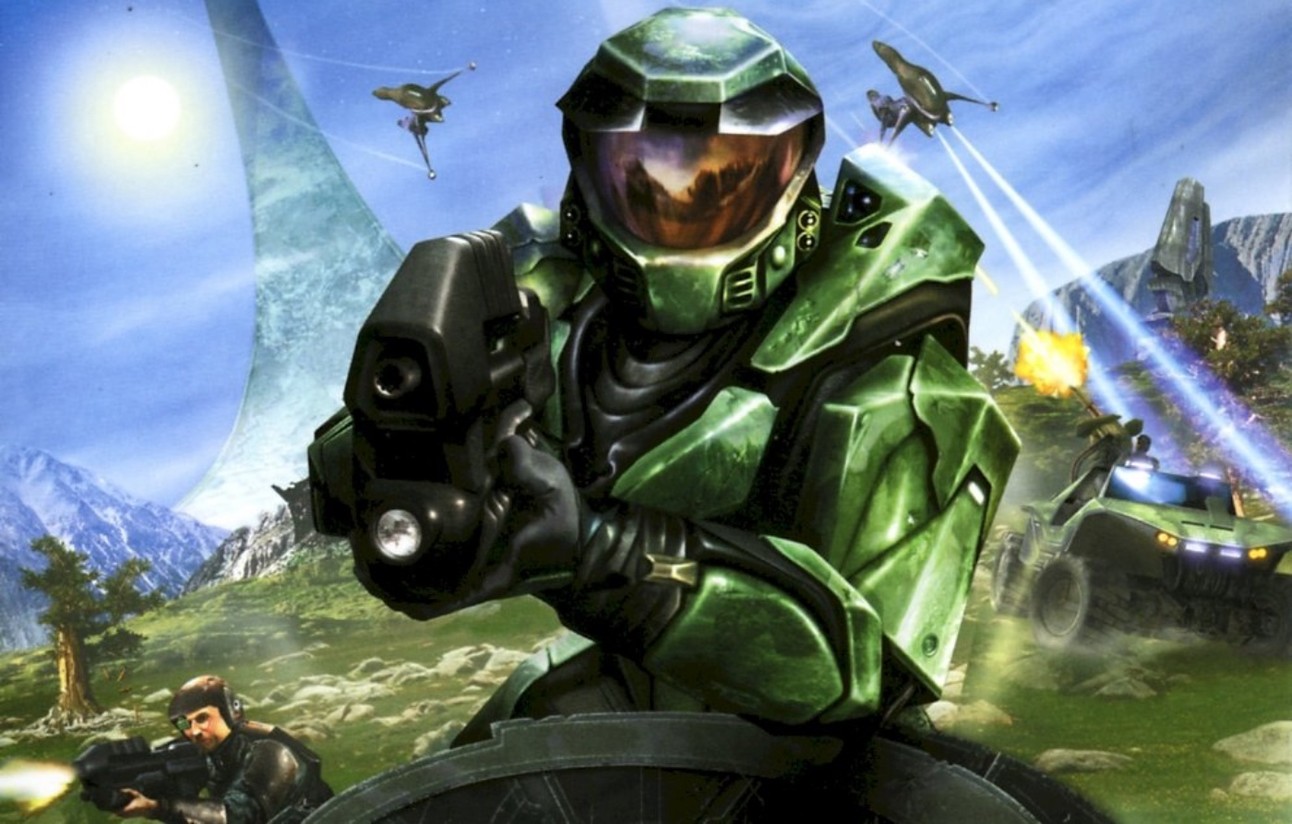
‘Halo: Combat Evolved,’ created by Bungie and published by Microsoft, showed that first-person shooter games could be successfully played on consoles. It popularized easy-to-use controls and a health system that automatically recharged, features that became common in the genre. With its strong multiplayer and compelling sci-fi story, the game helped the Xbox become a major player in the console world. The series as a whole has had a massive and lasting influence on console gaming and online multiplayer experiences.
‘World of Warcraft’ (2004)
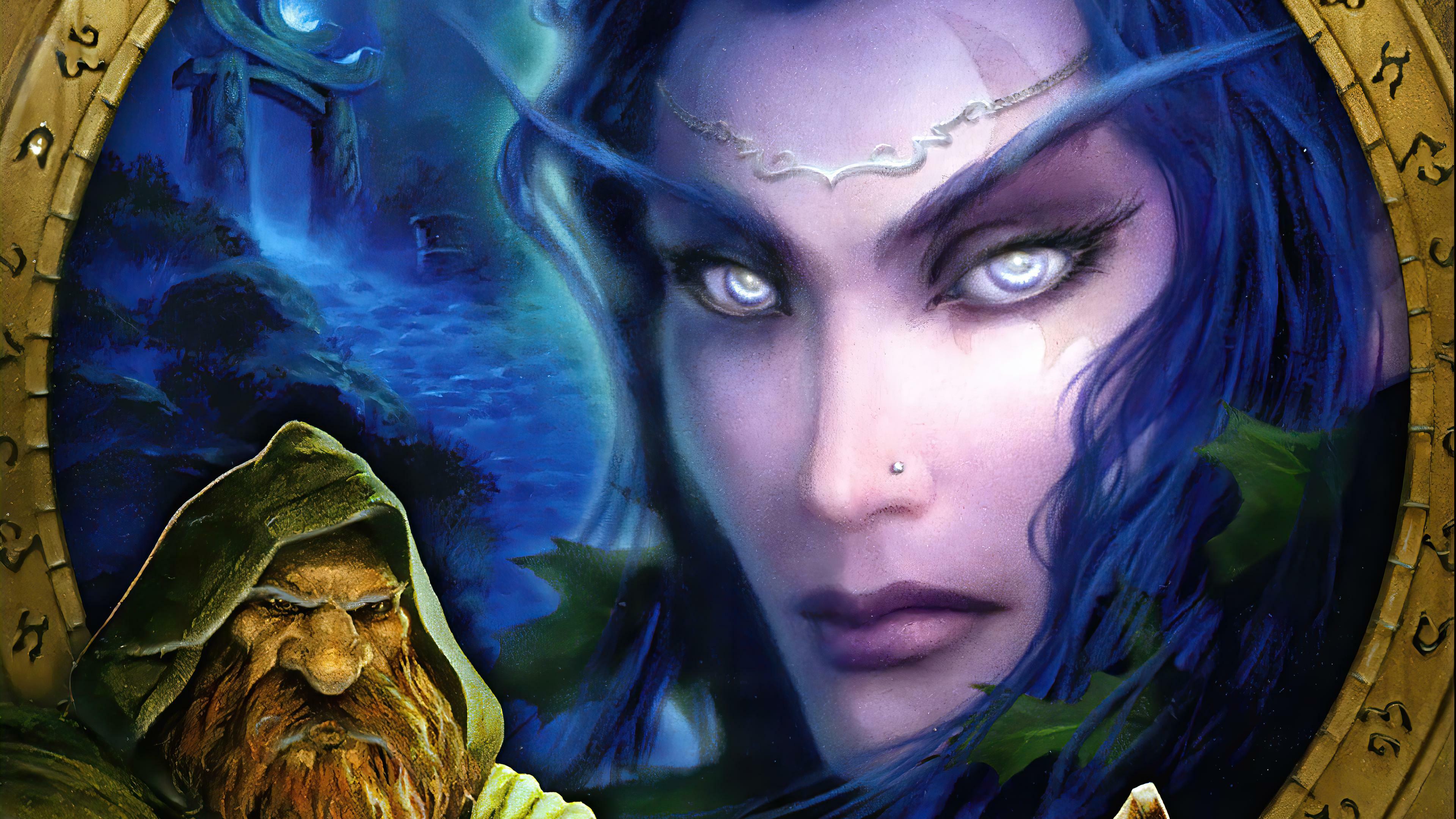
As a gamer, I remember when ‘World of Warcraft’ first came out – it totally blew up the MMO scene! Blizzard made it way easier to pick up than other games at the time, so even if you weren’t a hardcore gamer, you could still jump in and have fun. It quickly became a huge deal, with tons of people playing and a really active community that stuck around for years. Honestly, WoW changed how online games were made and how developers built communities – it really set the standard for games that keep evolving and bringing people together online.
‘Wii Sports’ (2006)

Nintendo created ‘Wii Sports’ to demonstrate the innovative motion controls of its Wii console. The game’s use of the Wii Remote – allowing players to move like they would in real life – attracted people who didn’t normally play video games, as well as older players, greatly broadening the gaming audience. ‘Wii Sports’ became one of the most popular games ever made and sparked a major trend of motion-controlled games. It proved that easy-to-use, intuitive games could be incredibly successful and become a part of popular culture.
‘Call of Duty 4: Modern Warfare’ (2007)

This installment of ‘Call of Duty,’ created by Infinity Ward and published by Activision, moved the series away from World War II and into a modern setting. It pioneered a new way to level up in multiplayer, with rewards like ‘perks’ and ‘killstreaks’ for skilled players. Its compelling single-player story and highly engaging online gameplay became the standard for military-themed shooters. This game transformed ‘Call of Duty’ into a yearly blockbuster and a key player in the world of competitive online gaming.
‘Minecraft’ (2011)

Minecraft, originally created by Markus Persson and developed by Mojang, revolutionized gaming by emphasizing player freedom and imagination. Its endlessly generated, 3D world lets players build virtually anything using simple blocks. Remarkably, it became incredibly popular without help from a large publishing company, proving the growing strength of independent game developers. Today, Minecraft is not only the best-selling video game of all time, but also a valuable resource in education.
‘Dark Souls’ (2011)
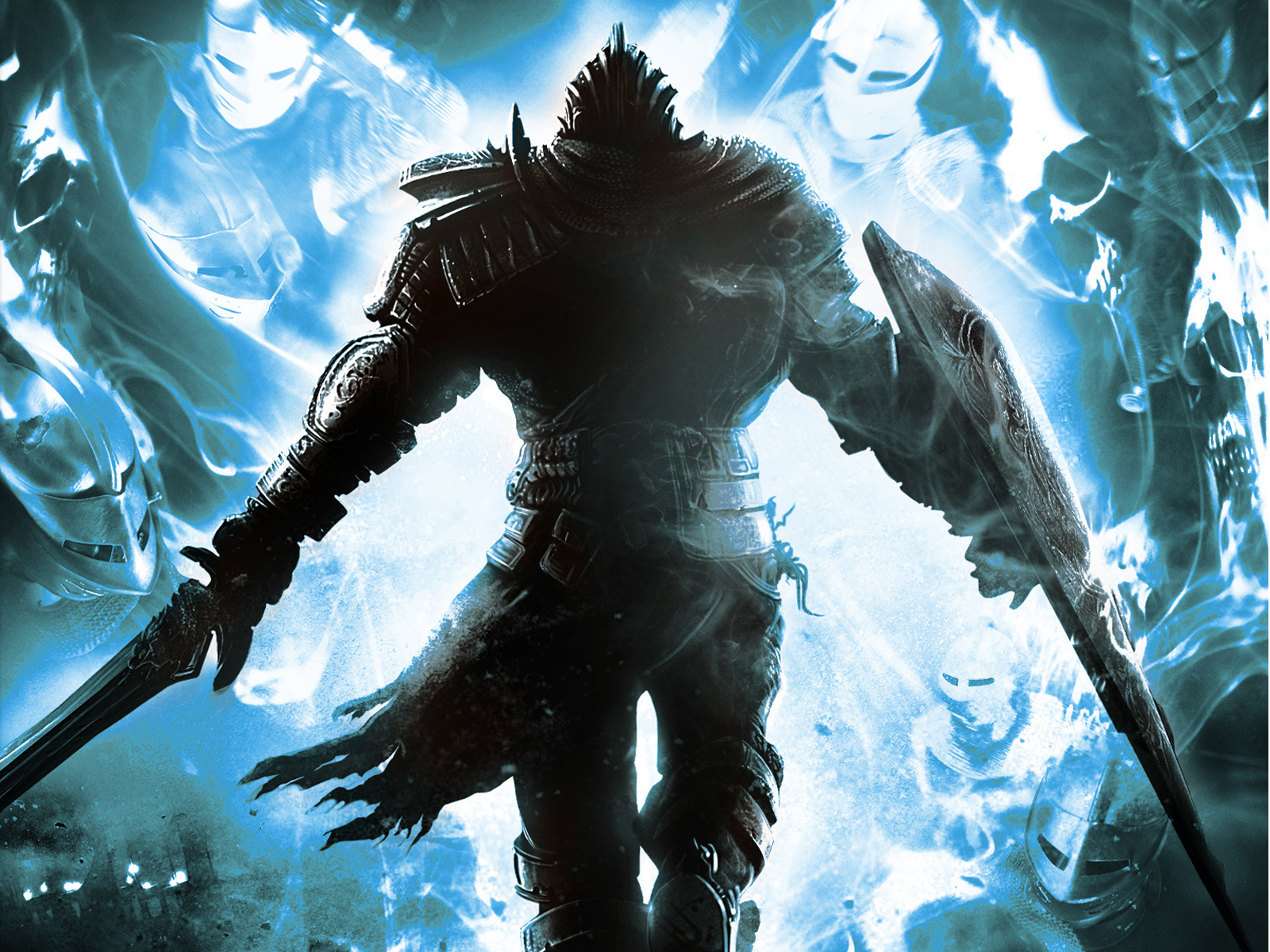
Created by FromSoftware and published by Bandai Namco, ‘Dark Souls’ helped bring back challenging games and immersive world-building. It stood out from many modern games by offering tough combat and a complex, connected world that didn’t hold players’ hands. Since its release, ‘Dark Souls’ has inspired a whole new style of game – often called ‘Souls-like’ – and influenced countless other titles. The game also fostered a strong community, with players working together to uncover its hidden story and experience its unique online features.
‘The Legend of Zelda: Breath of the Wild’ (2017)
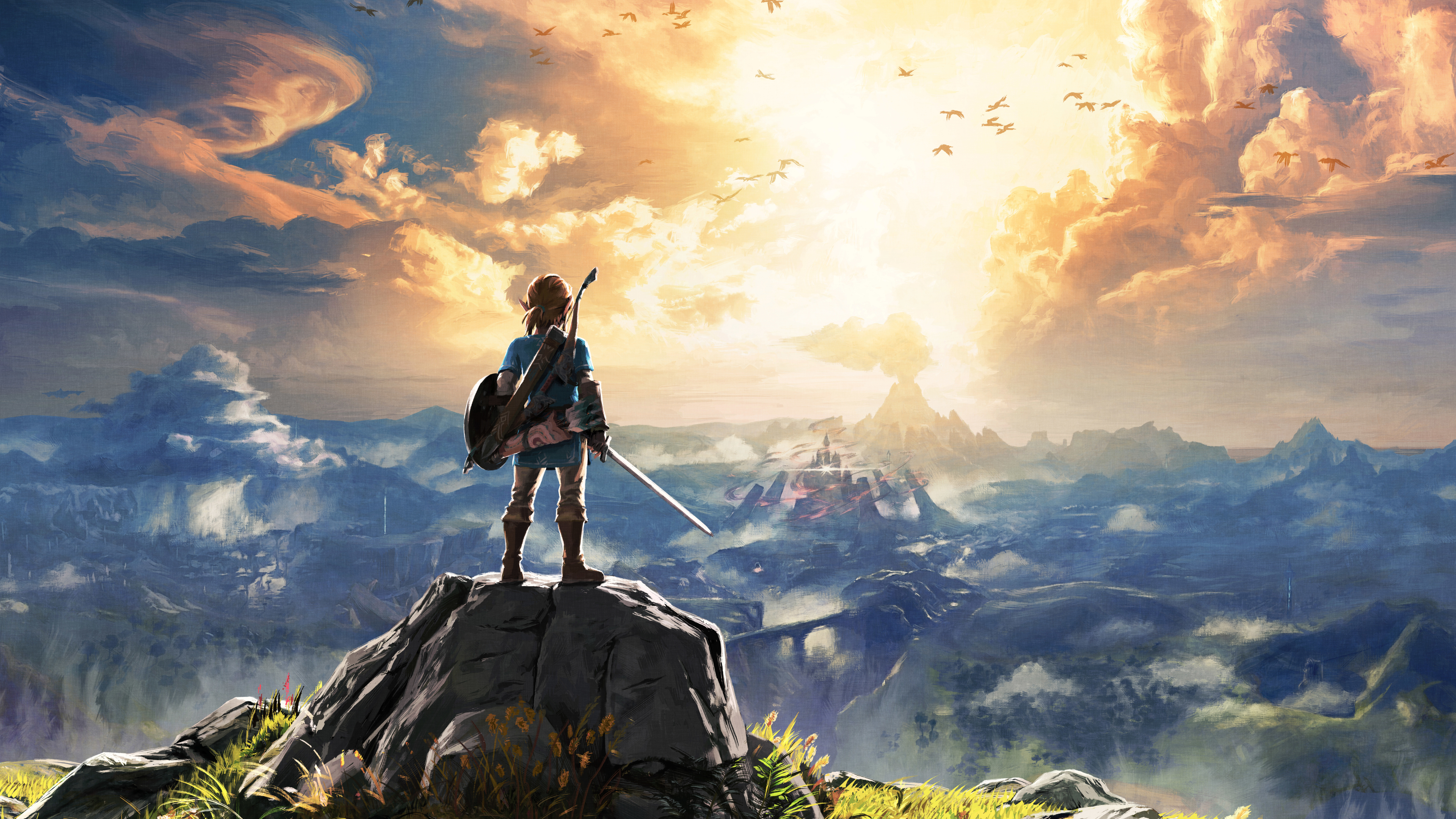
This game, created and released by Nintendo, completely changed what open-world games could be. It featured a unique physics system and gave players incredible freedom to explore and solve challenges however they wanted. Unlike many other open-world games, it didn’t use traditional quest markers or force players through tutorials, encouraging experimentation. The huge, connected world of Hyrule felt truly open and full of discovery, something many reviewers felt was missing from other games. Its innovative design has inspired countless adventure games since its release.
‘Fortnite’ (2017)
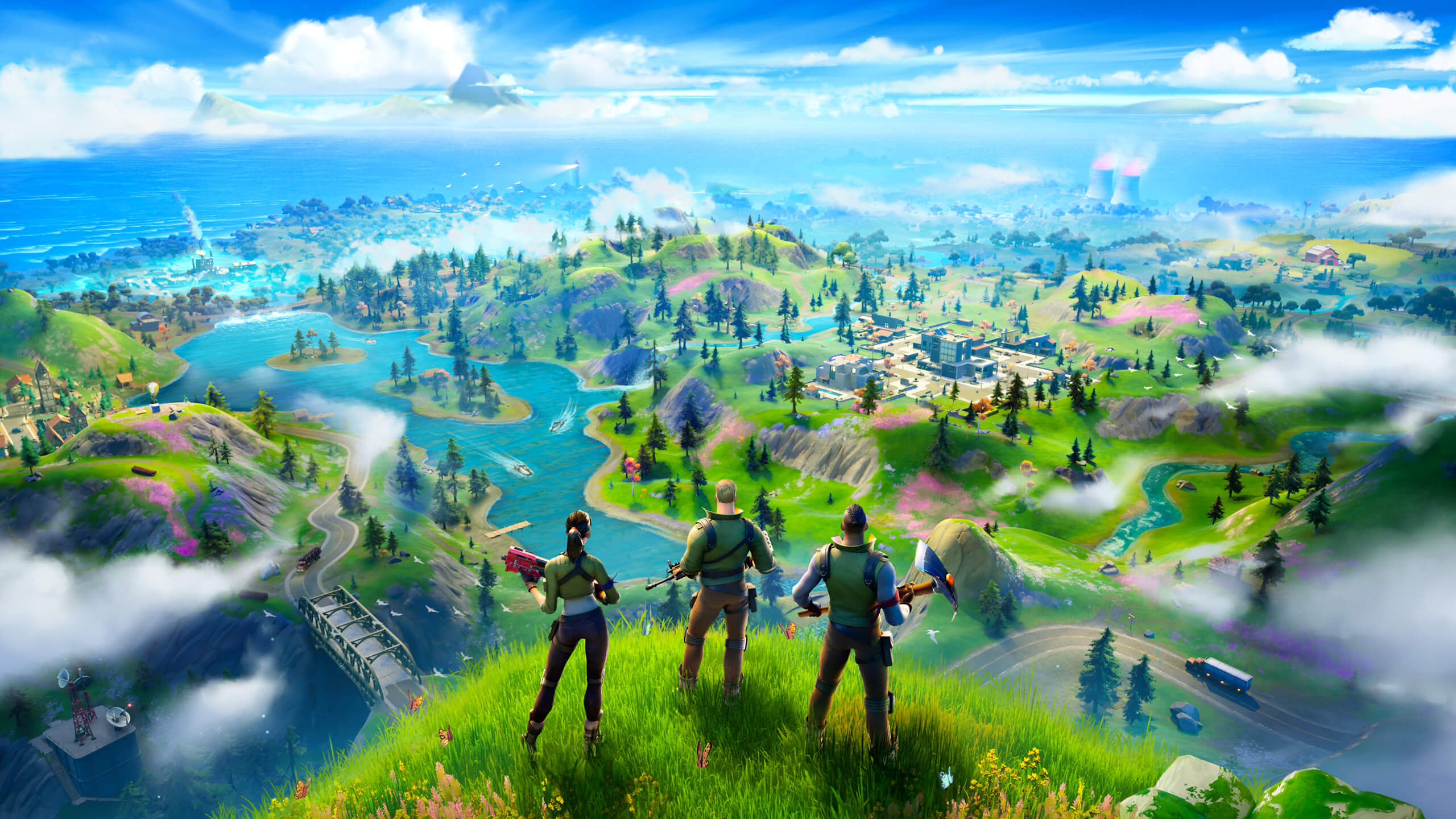
Fortnite, created and released by Epic Games, especially its Battle Royale version, dramatically changed gaming with its free access and ability to be played on many different devices. It became well-known for its Battle Pass, a way to earn rewards in the game, which is now used by almost all popular ongoing online games. With regular updates, virtual concerts, and partnerships with major brands, Fortnite evolved into a place where people could connect and socialize online. It continues to be a leading game, blending the worlds of gaming and popular culture.
Share which of these titles most defined your own personal history with gaming in the comments.
Read More
- 20 Movies Where the Black Villain Was Secretly the Most Popular Character
- Celebs Who Narrowly Escaped The 9/11 Attacks
- Transformers Under the Microscope: What Graph Neural Networks Reveal
- Top 20 Dinosaur Movies, Ranked
- Trading on Thin Air: AI Agents Conquer Crypto Volatility
- Silver Rate Forecast
- Gold Rate Forecast
- Every Notable ‘Star Trek: The Original Series’ Actor Who Died
- 22 Films Where the White Protagonist Is Canonically the Sidekick to a Black Lead
- Invincible Season 4 Gender Swaps Tech Jacket As Fans Question Major Comic Change
2026-01-30 02:47