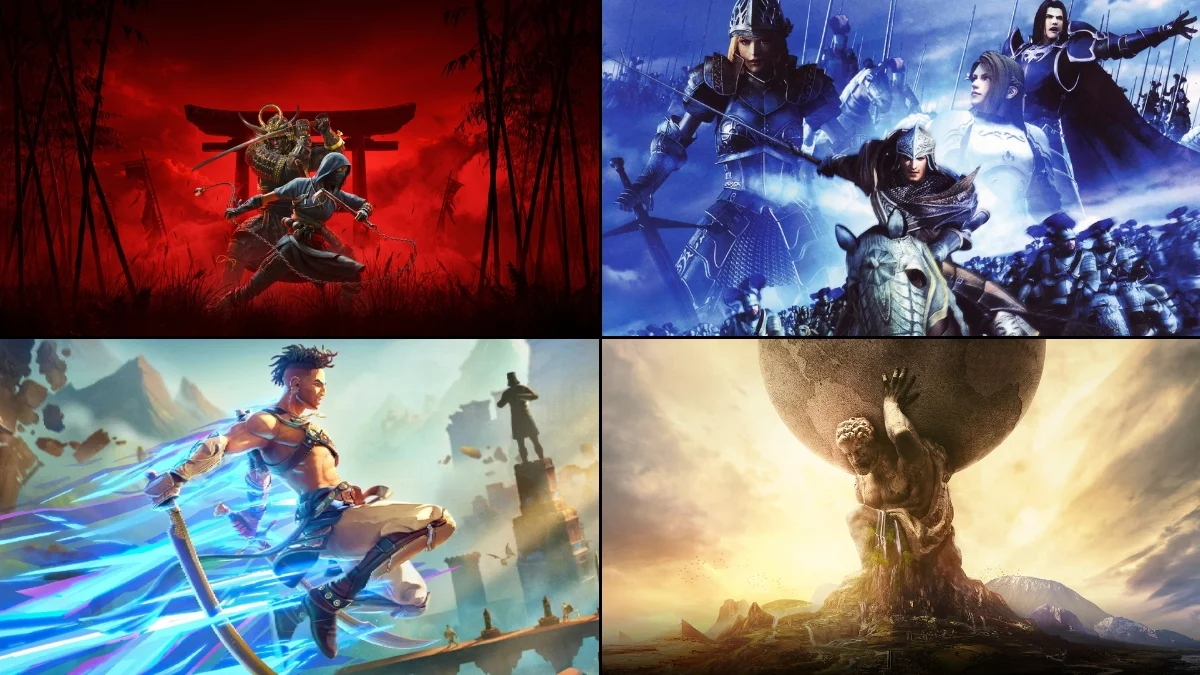
Video games often spark debate when they try to balance historical truth with creative storytelling. Developers sometimes change the backgrounds or appearances of historical figures to align with modern values or their artistic goals – these changes can be minor tweaks or major overhauls. While some players enjoy the new perspectives and increased diversity this brings, others believe it misrepresents the past. This article looks at several examples of games that received criticism for how they depicted historical or legendary characters.
‘Assassin’s Creed Shadows’ (2025)
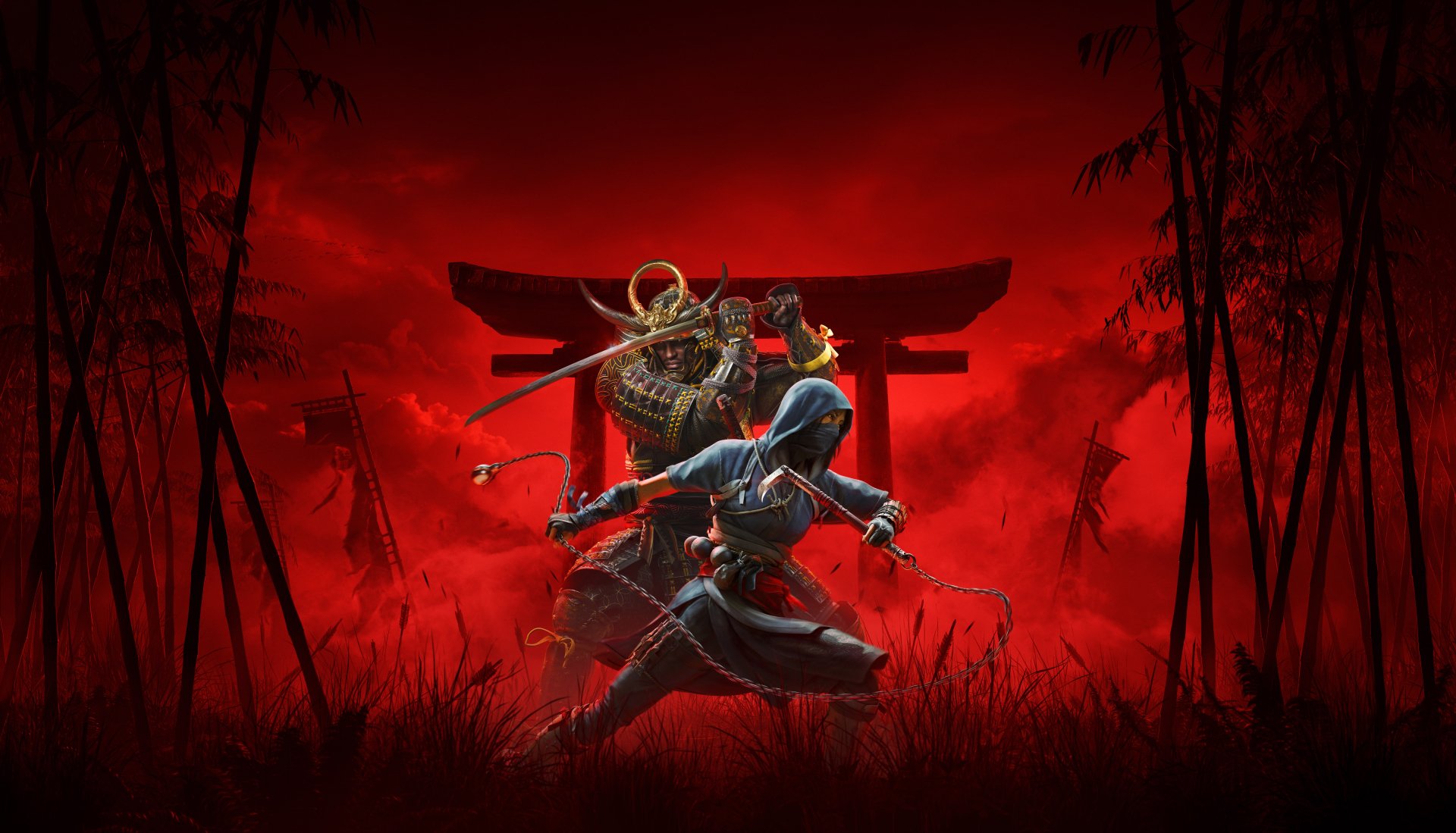
Ubisoft created a game featuring Yasuke, a historical African man who served a Japanese warlord. However, the game depicts him as a legendary samurai, which caused online debate about its historical accuracy and representation of race. Some critics felt the game focused more on modern diversity than staying true to Japanese culture and the series’ established setting. Fans worried about a non-Japanese character being presented as a samurai during Japan’s Sengoku period. This led to widespread online discussion and petitions requesting changes to the story before the game’s release in early 2025.
‘Total War Saga: TROY’ (2020)
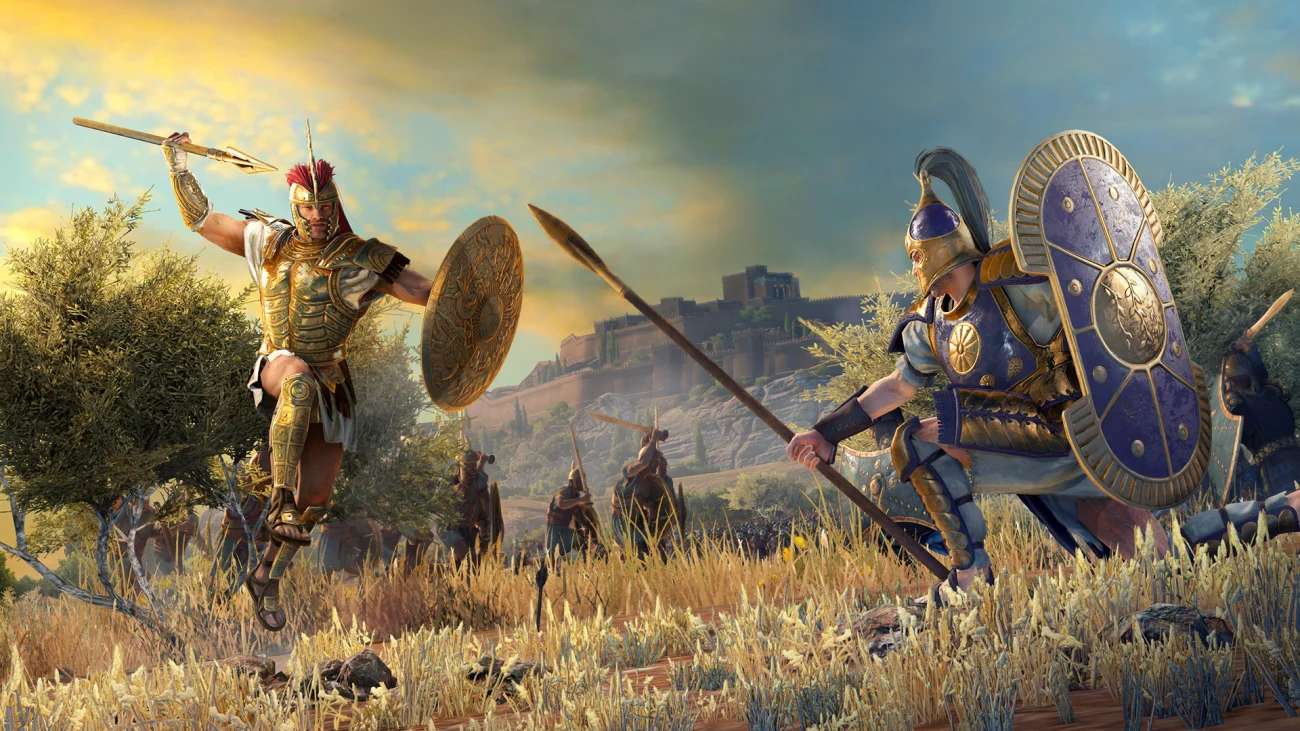
Creative Assembly created this strategy game, and Sega published it. The game received some criticism for how it portrayed historical and mythological characters like Achilles, with players noting that their skin tones didn’t always match how they’re described in history or literature. The depiction of Memnon and the ethnic diversity of the Trojan army also sparked discussion. Some players believed these choices were made to update the game’s Greek setting, while the developers explained they aimed to reflect the diverse cultures involved in the historical conflict.
‘Battlefield V’ (2018)
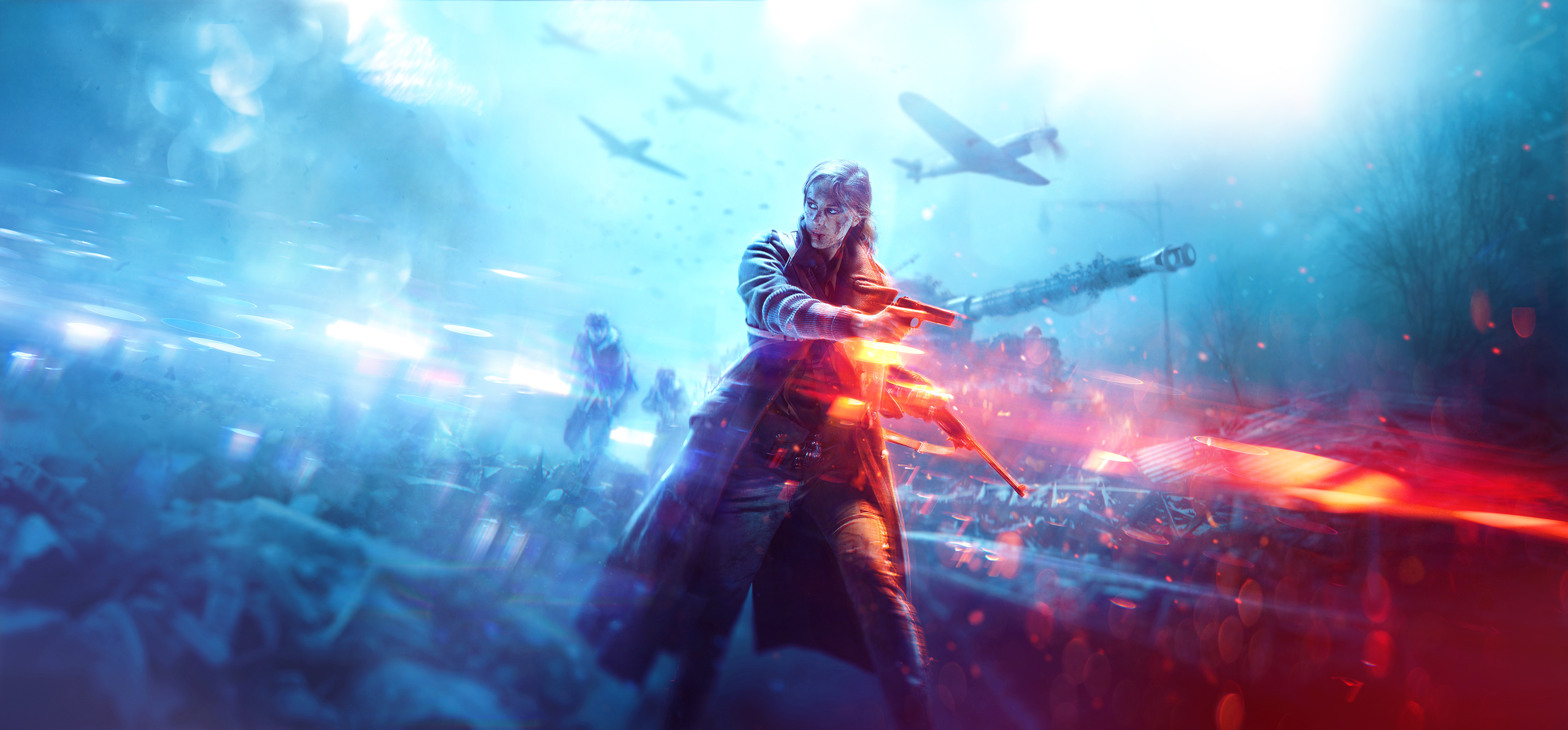
Electronic Arts released this first-person shooter, created by the Swedish game studio DICE. When the game was first shown, it faced strong criticism for letting players choose diverse characters, including women, to fight in front-line combat during World War II. Many players argued that the mix of races and genders in the British and German armies didn’t accurately reflect what those armies were like in the 1940s. The negative reaction became so widespread that it sparked a large social media debate about the game’s creative choices. Even with the controversy, the developers explained they wanted to give players the freedom to customize their gameplay experience.
‘Call of Duty: Vanguard’ (2021)
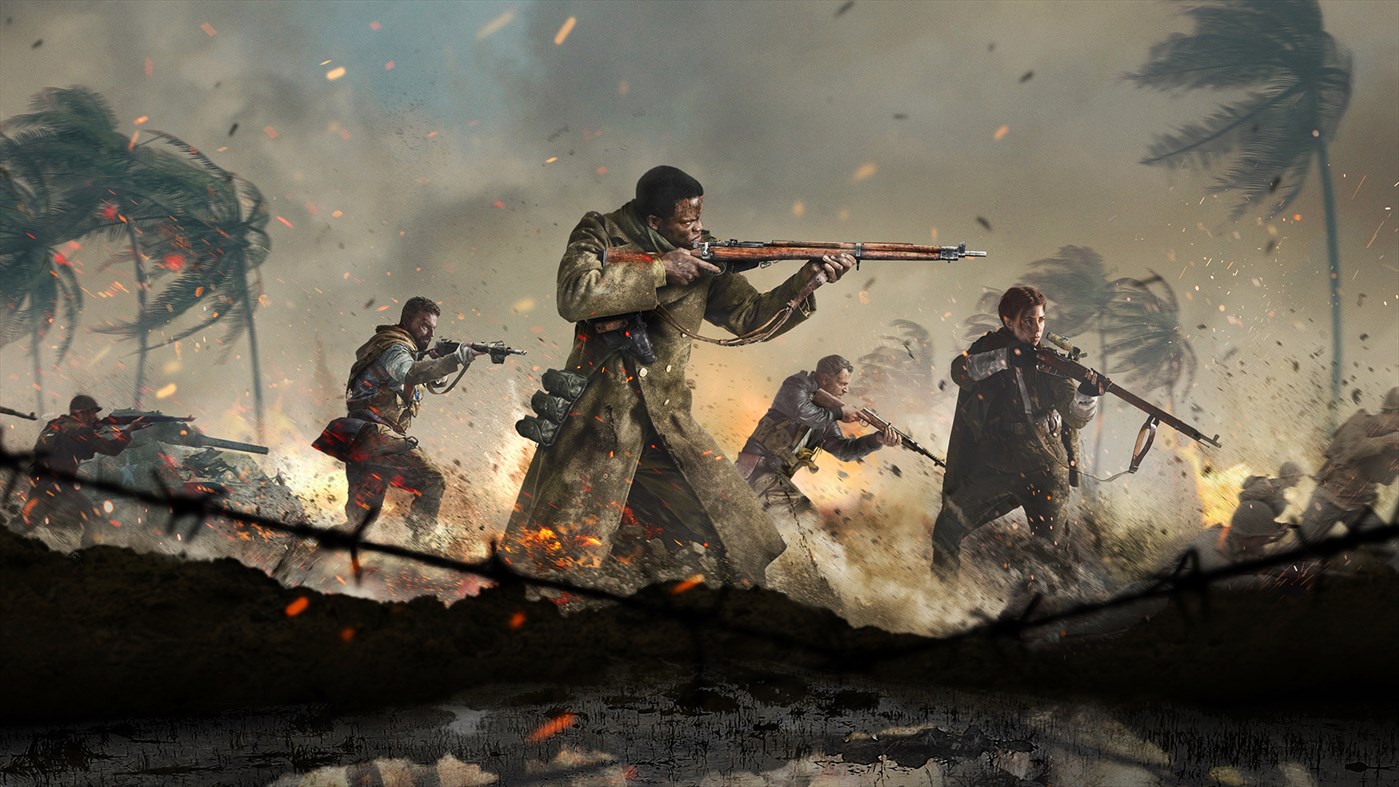
This latest game in the popular series was created by Sledgehammer Games and published by Activision on several platforms. It sparked controversy due to its depiction of World War II special forces, which included a racially diverse group of soldiers. Some history buffs felt this didn’t accurately reflect the time period and was an attempt to rewrite history. While the game was intended as a fictional story based on real events, the choices made regarding race and gender caused disagreement. This situation brought to light the challenge of balancing historical accuracy with the desire for inclusivity in game development.
‘Fate/Grand Order’ (2015)
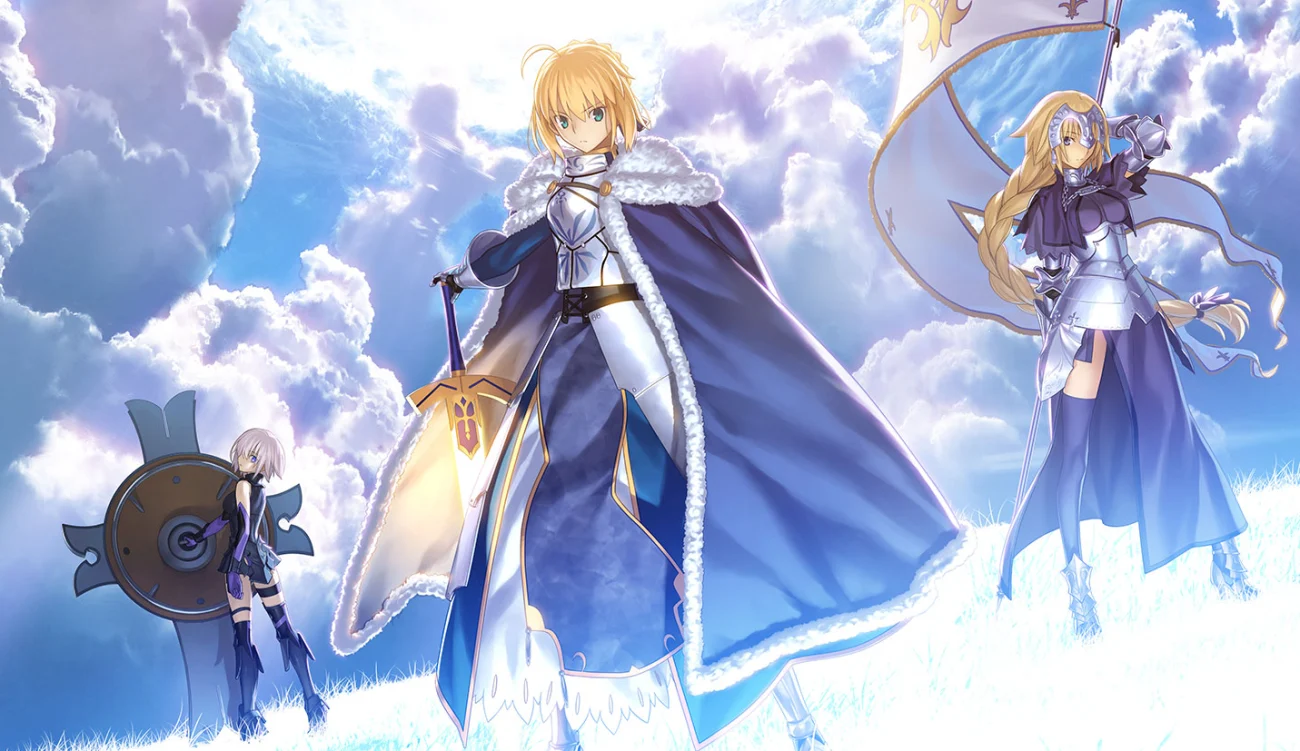
So, I’ve been playing this mobile game, and it’s seriously popular! Aniplex and Lasengle are the teams behind it, and what’s really cool is how they take famous historical and mythological figures and completely reimagine them. Like, Leonardo da Vinci is this young woman, and Thomas Edison has a lion’s head – it’s wild! It’s gotten a ton of fans worldwide, but some people have pointed out that changing the backgrounds and appearances of these figures so drastically is a bit much. The developers explain it all with this idea of ‘Heroic Spirits,’ which basically lets them justify these changes within the game’s story.
‘Fate/stay night’ (2004)
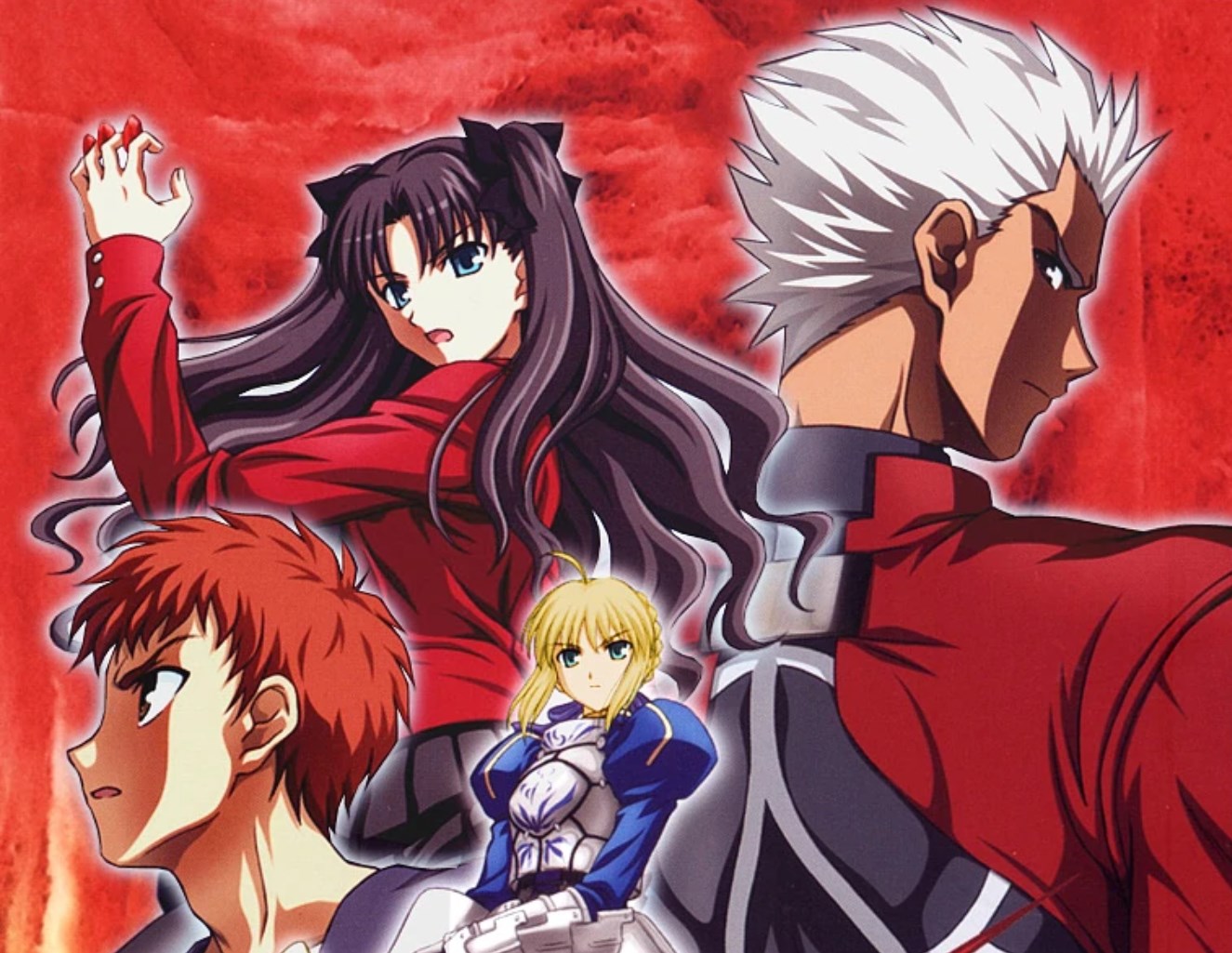
This visual novel, created by Type-Moon, grew into a large franchise with multiple video games and other media. It’s known for its unique take on King Arthur, reimagined as a woman named Artoria Pendragon, who is portrayed with fair skin and blonde hair. While the gender swap was a major talking point, the complete redesign of the British king as an anime character sparked both surprise and admiration. Some fans felt this altered the historical and cultural roots of the Arthurian stories. Despite this, Artoria has become a widely recognized figure in Japanese media.
‘God of War Ragnarök’ (2022)
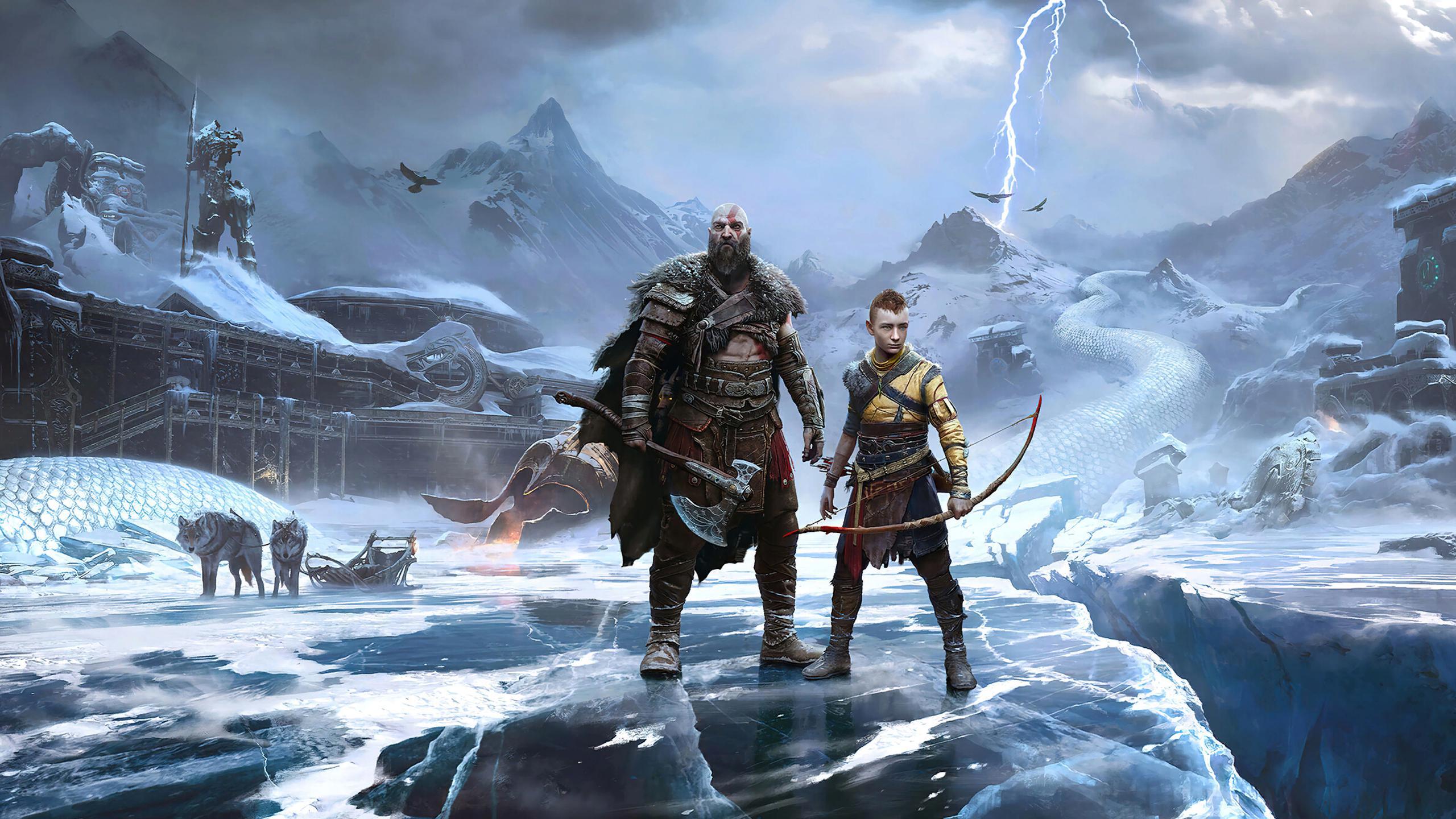
The highly anticipated sequel was created by Santa Monica Studio and released by Sony Interactive Entertainment for PlayStation. A notable addition to the game was the character Angrboda, a giantess from Norse myth reimagined as a young Black girl. This choice sparked online debate, with some players arguing that characters rooted in Norse mythology should reflect Northern European ethnicities. The developers responded by clarifying that giants within the game’s world are a distinct race, separate from human ethnicities. This situation ultimately led to a broader discussion about representation and race within fantasy games drawing from European folklore.
‘Hades’ (2020)
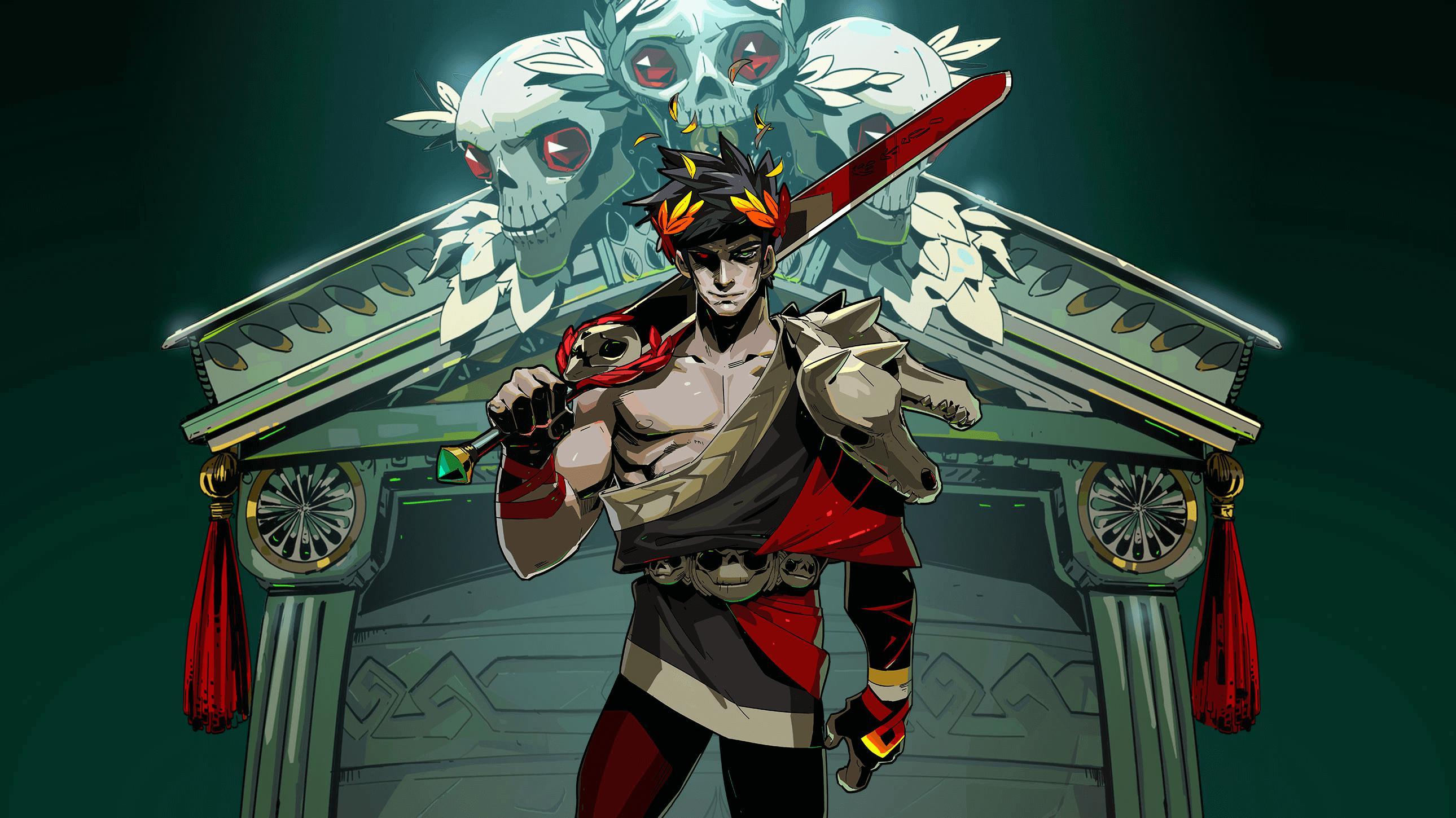
The popular game Hades, created by Supergiant Games, puts a fresh spin on Greek mythology. It features gods with a variety of skin tones, including new interpretations of well-known figures like Hermes and Athena, moving away from traditional artistic depictions. While the game’s art style received widespread praise, some players debated whether these portrayals were historically or mythologically accurate. The developers responded by explaining they aimed to represent the diverse population of the ancient Mediterranean world. Though the reaction was largely positive, discussions about the gods’ racial identities continued online.
‘Total War: ROME II’ (2013)
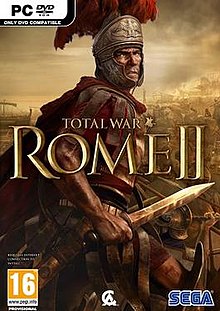
Creative Assembly’s strategy game, published by Sega, gained popularity among history enthusiasts. A later update increased the appearance of female generals in certain factions, like the Kushites and some Roman families. This change sparked controversy, with many players negatively reviewing the game on Steam, arguing it misrepresented historical military leadership in ancient Rome. When players voiced their concerns, the game’s community managers suggested they use game modifications or stop playing, which caused further backlash. The situation became a well-known example of the tension between maintaining historical accuracy and incorporating modern diversity considerations in video games.
‘Civilization VI’ (2016)
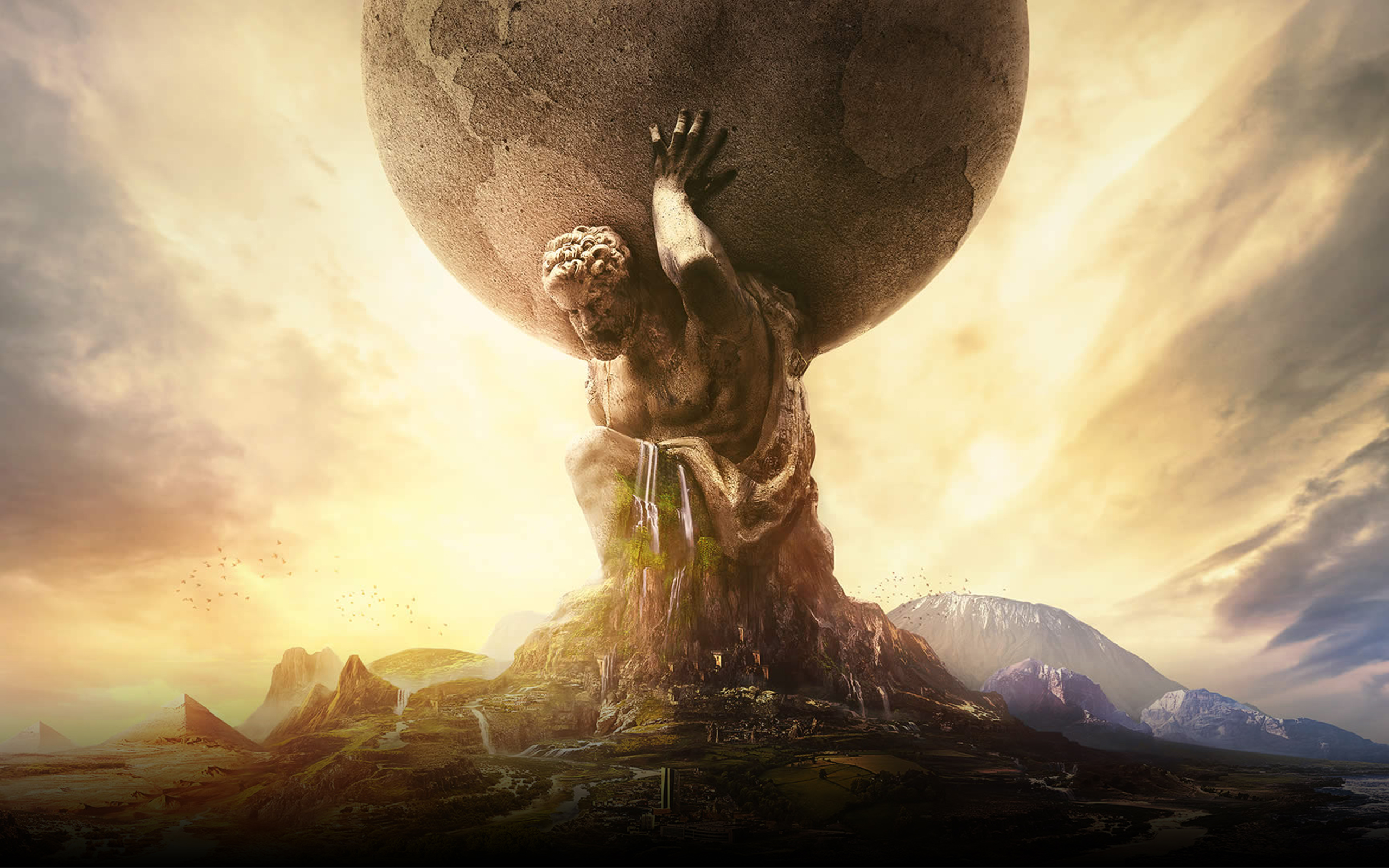
Firaxis Games created this strategy game, which 2K Games released on many different platforms. The game features historical leaders from around the world, but some players have criticized how certain leaders, like Kristina of Sweden and some African rulers, were portrayed. Concerns were raised that the characters’ appearances and skin tones were changed to match a particular style or to highlight specific ethnicities. While the developers intended to showcase a diverse and colorful view of history, some players felt the depictions strayed too far from traditional representations. Despite this feedback, the game is still very popular with strategy game fans.
‘Smite’ (2014)
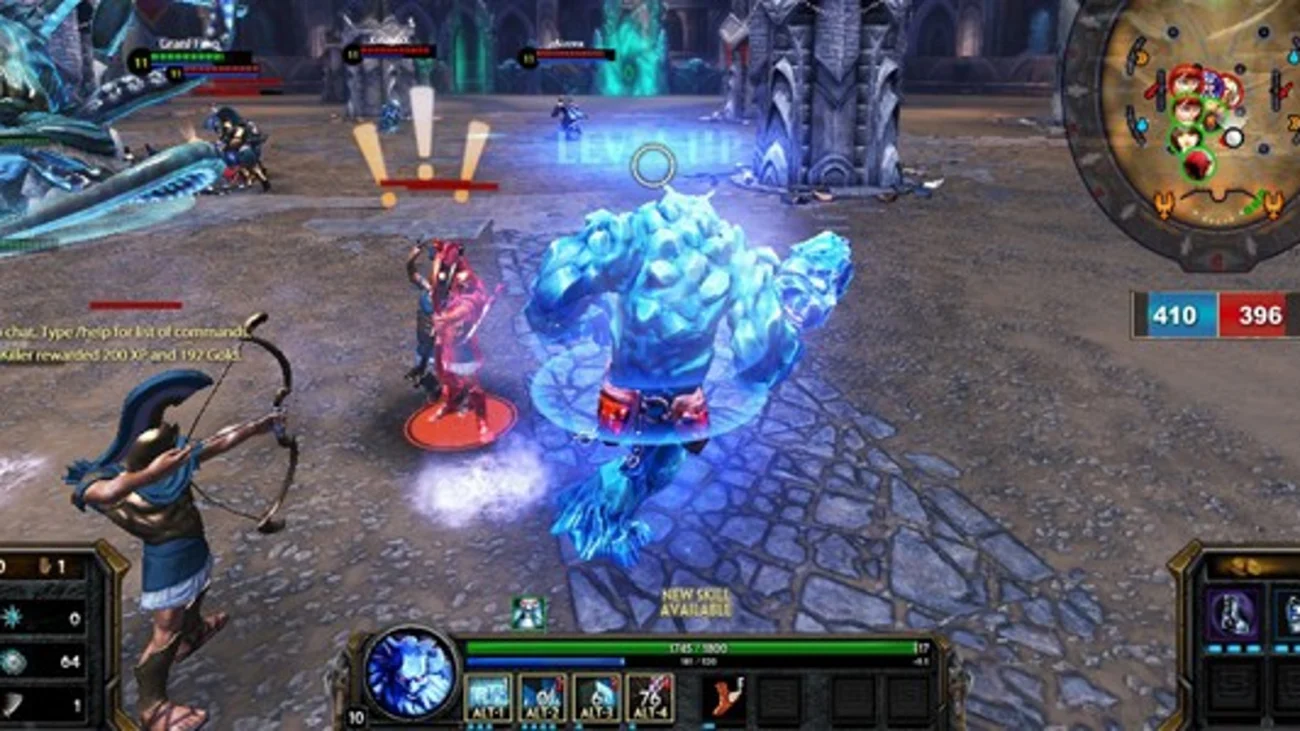
This online multiplayer game, created by Hi-Rez Studios, lets players battle as gods and figures from mythology. However, it has received some criticism for how it portrays these deities, including changes to their skin color and overall appearance. Some players, particularly those familiar with Hindu and African cultures, have felt that certain gods weren’t represented accurately or respectfully. While the developers often collaborate with the community to refine character designs, the initial reveals can sometimes cause disagreements. This ongoing conversation has influenced how the studio creates new characters for the game.
‘Wild Hearts’ (2023)
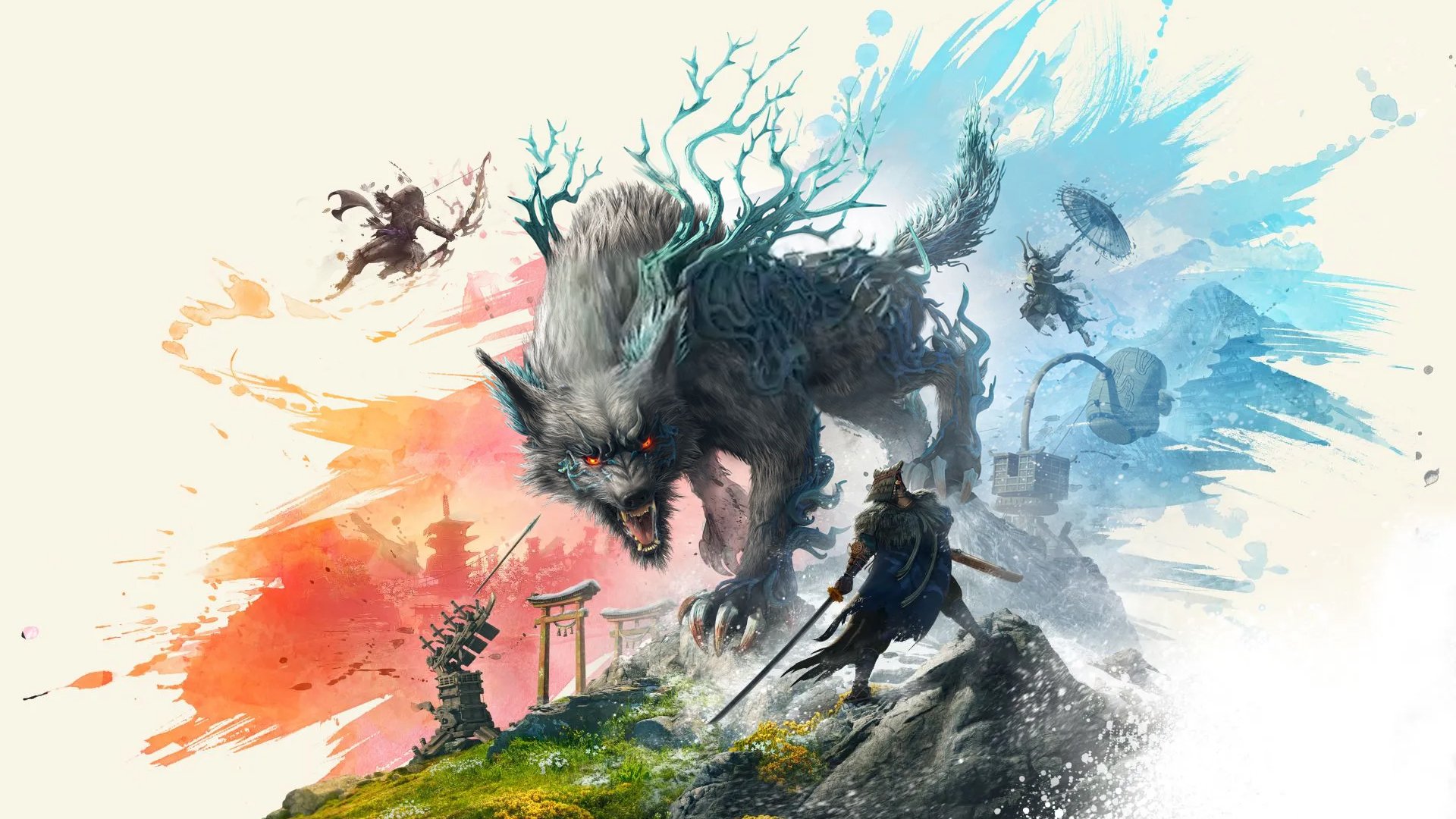
This monster hunting game was created by Omega Force and published by Electronic Arts as part of their EA Originals line. It takes place in a fantasy version of feudal Japan and features a diverse cast of characters, which sparked conversation among players regarding representation in the setting. While the game’s world, Azuma, is fictional, it’s deeply rooted in Japanese history. Some players felt the character designs, with varied facial features and skin tones, differed from the historical aesthetic the game was inspired by. The developers aimed to build a world that felt both recognizable and fresh for players worldwide.
‘Bladestorm: The Hundred Years’ War’ (2007)

This action game, developed by Omega Force and published by Koei, reimagines the Hundred Years War with fictional elements. It includes famous historical characters such as Joan of Arc and Edward the Black Prince. Some players observed that the character designs used a strong anime style, which changed how the European characters appeared in terms of race and ethnicity. The portrayal of Joan of Arc specifically sparked discussion due to its difference from how she’s traditionally depicted. This stylistic approach is consistent with the developer’s previous work on games like the Dynasty Warriors series, which also feature stylized historical settings and characters.
‘Dynasty Warriors 9’ (2018)

This open-world game is the latest installment in the popular Romance of the Three Kingdoms series, created by Koei Tecmo. It includes hundreds of characters based on real figures from ancient China, such as Guan Yu and Lu Bu. Some players criticized the character designs, finding them too stylized or with inaccurate skin tones for the historical setting. The developers explained that they aimed for a cinematic and legendary look. Despite this feedback, the series is well-known for its distinctive and dramatic portrayal of Chinese history.
‘Prince of Persia: The Lost Crown’ (2024)
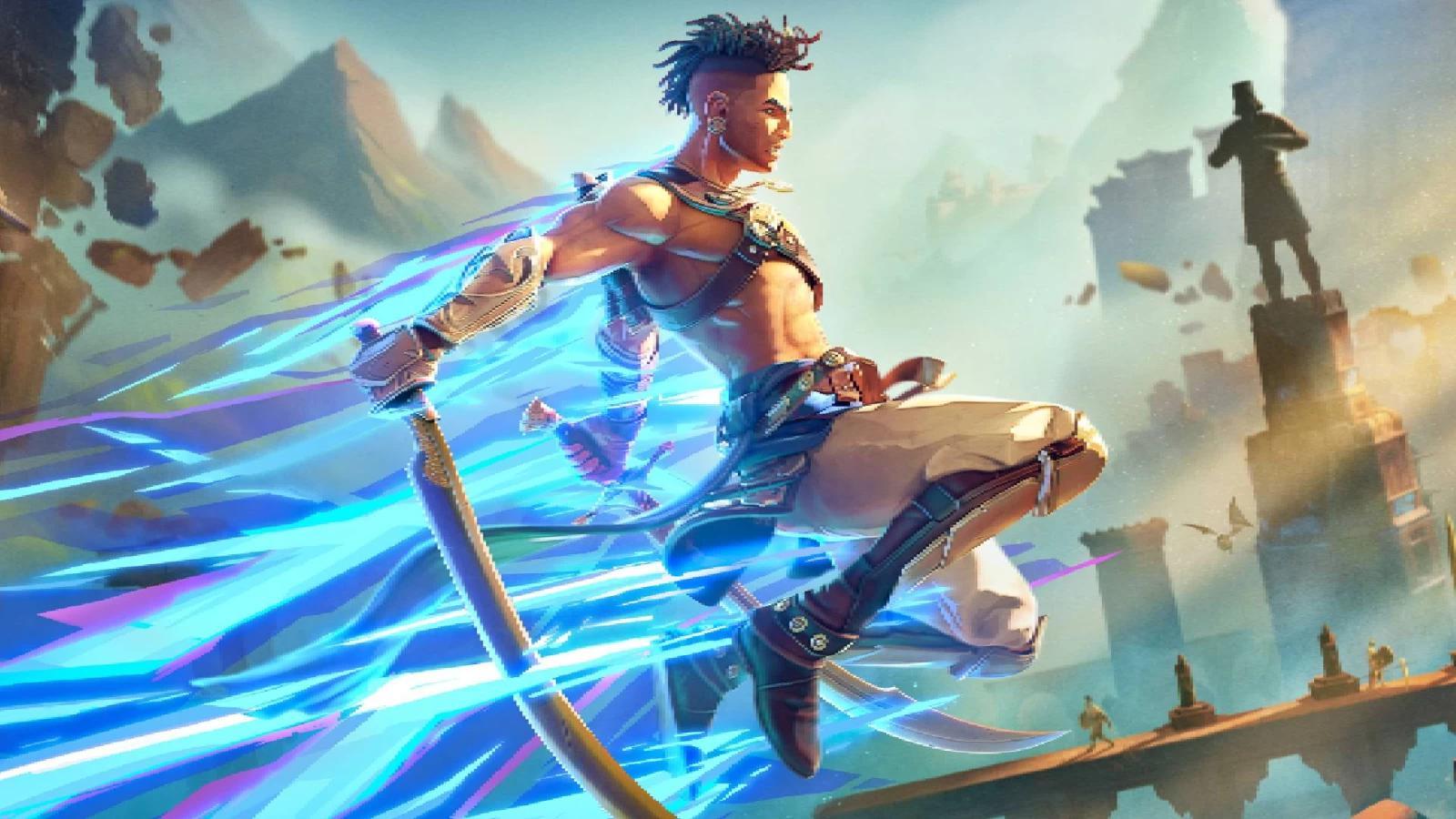
This action adventure game, created by Ubisoft Montpellier and published by Ubisoft, received positive reviews. It stars Sargon, a skilled warrior in a fantastical Persia. While some noted Sargon’s name connects to a well-known Mesopotamian king, his appearance didn’t quite match what players expected for a Persian hero. Specifically, his hairstyle and overall look seemed more inspired by modern Western trends than ancient Persian culture, sparking some discussion. Despite this, the game was highly regarded for its fun gameplay and its lively take on Persian myths.
Share your perspective on these historical depictions in the comments.
Read More
- 20 Movies Where the Black Villain Was Secretly the Most Popular Character
- Top 20 Dinosaur Movies, Ranked
- 25 “Woke” Films That Used Black Trauma to Humanize White Leads
- Gold Rate Forecast
- Silver Rate Forecast
- 22 Films Where the White Protagonist Is Canonically the Sidekick to a Black Lead
- Can AI Lie with a Picture? Detecting Deception in Multimodal Models
- Top 10 Coolest Things About Invincible (Mark Grayson)
- Celebs Who Narrowly Escaped The 9/11 Attacks
- From Bids to Best Policies: Smarter Auto-Bidding with Generative AI
2025-12-31 14:46