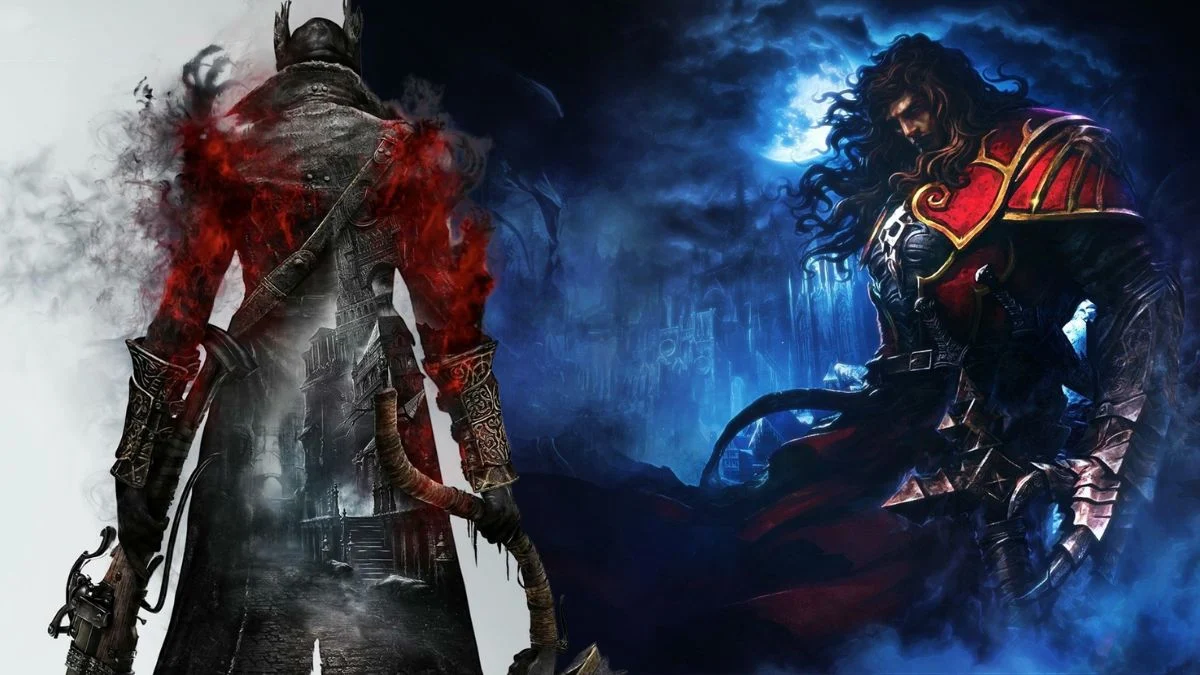
As video game series continue over many years, they naturally evolve both visually and in terms of their stories. Developers frequently update the look or backstory of familiar creatures and cultures to suit new gameplay or artistic styles. These changes can be small details or major revisions to established histories. By tracking how these groups are reimagined in each new game, we can see how the overall franchise develops and grows creatively.
‘Dragon Age II’ (2011)
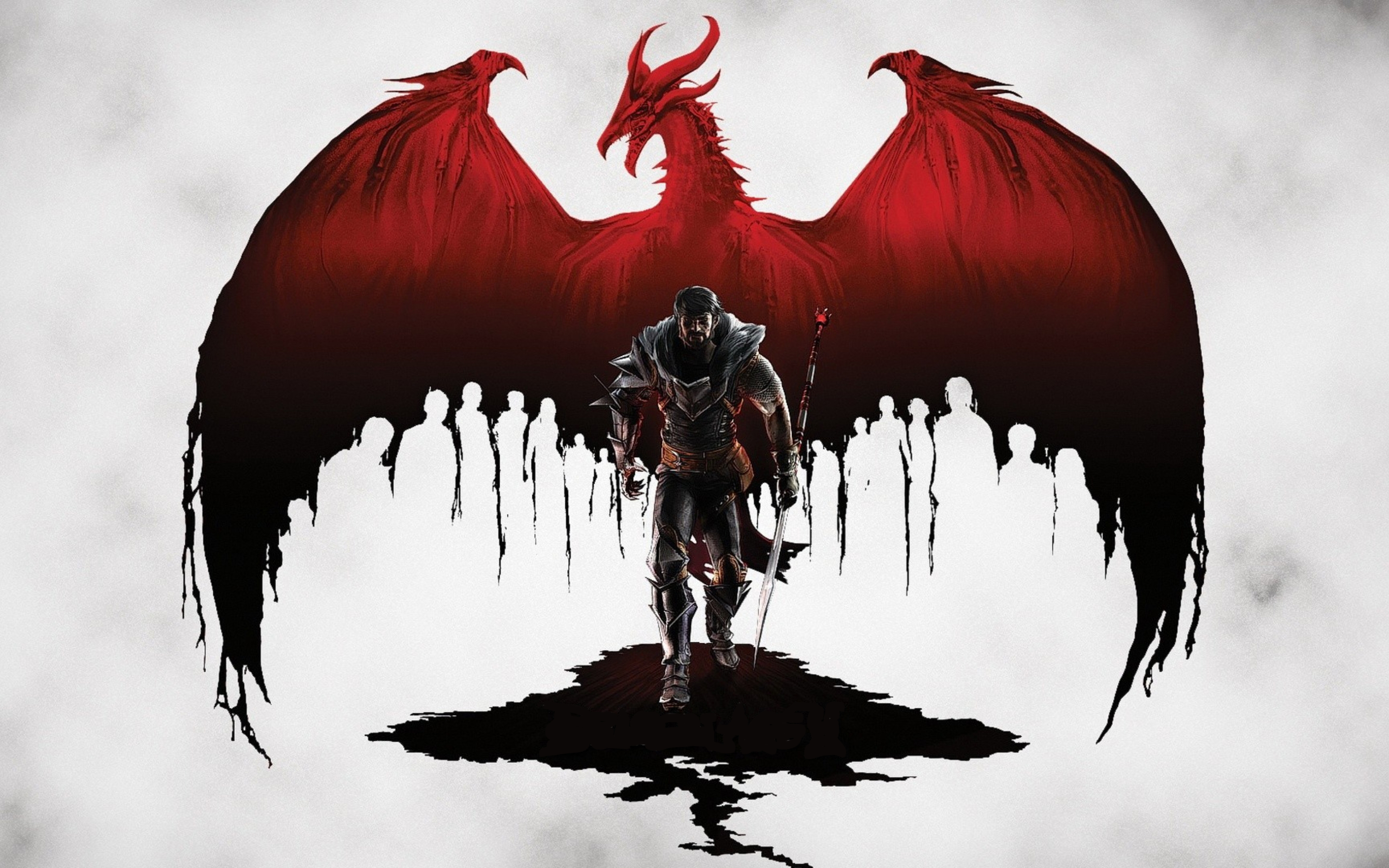
The second game in the series dramatically changed how elves and Qunari looked to make them stand out from humans. Elves became thinner with striking features like big eyes and high cheekbones, while the Qunari were given large horns and dark, obsidian skin. These redesigns were intended to give each fantasy race a unique and memorable appearance. The developers said these new looks were closer to their original artistic ideas, which they hadn’t been able to fully realize in previous games due to technical constraints.
‘The Elder Scrolls III: Morrowind’ (2002)
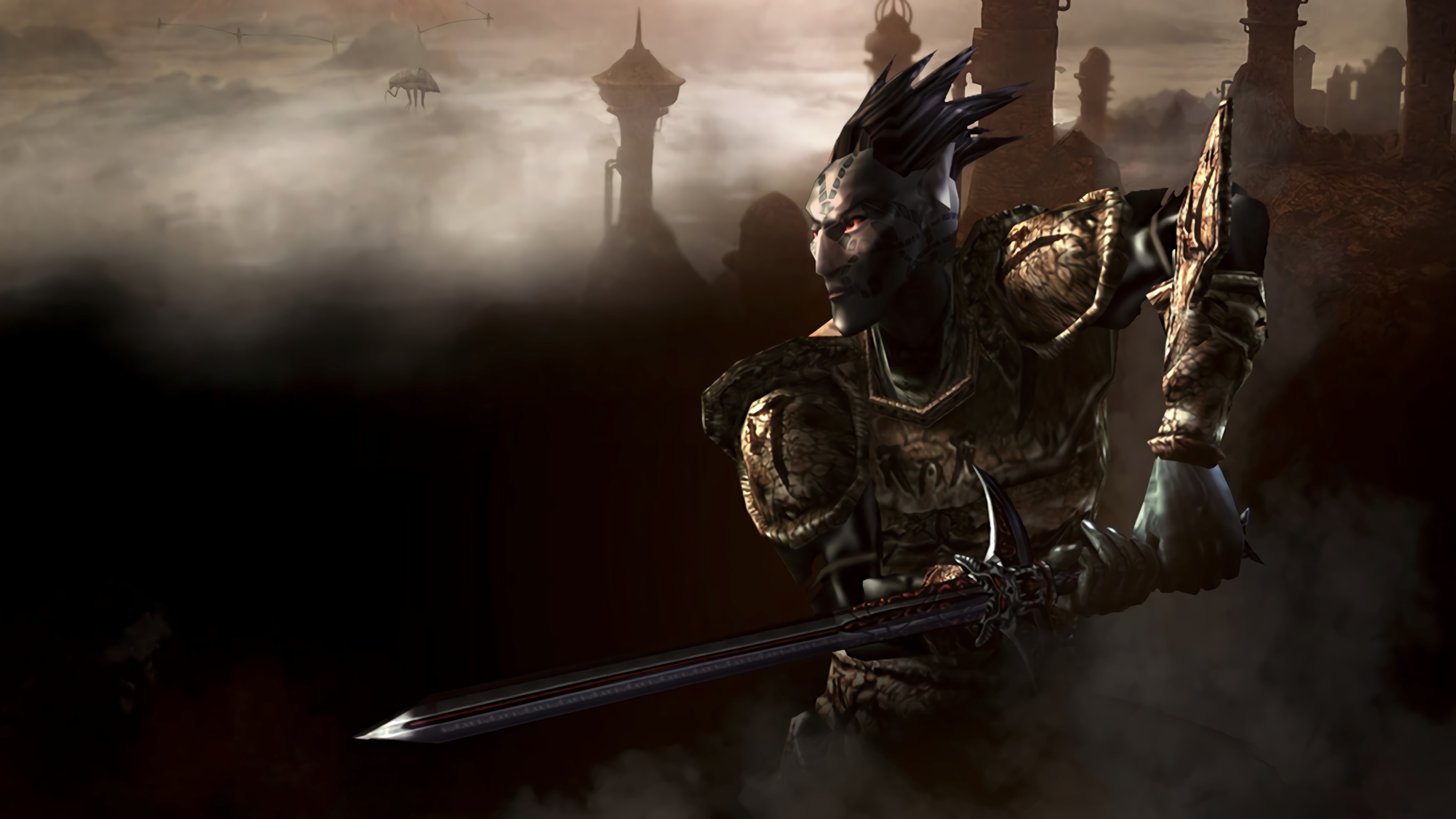
This installment in the game series drastically altered how Argonians and Khajiit moved, giving them a digitigrade stance (walking on their toes, like many animals). In ‘The Elder Scrolls III: Morrowind,’ these races had different bone structures that meant they couldn’t use regular boots or full helmets. This was done to highlight their animal-like qualities and make them stand out from other races. It also added a new level of strategy to choosing equipment, while staying true to their unique biology. Later games removed this feature to simplify armor options for all characters.
‘Halo 4’ (2012)
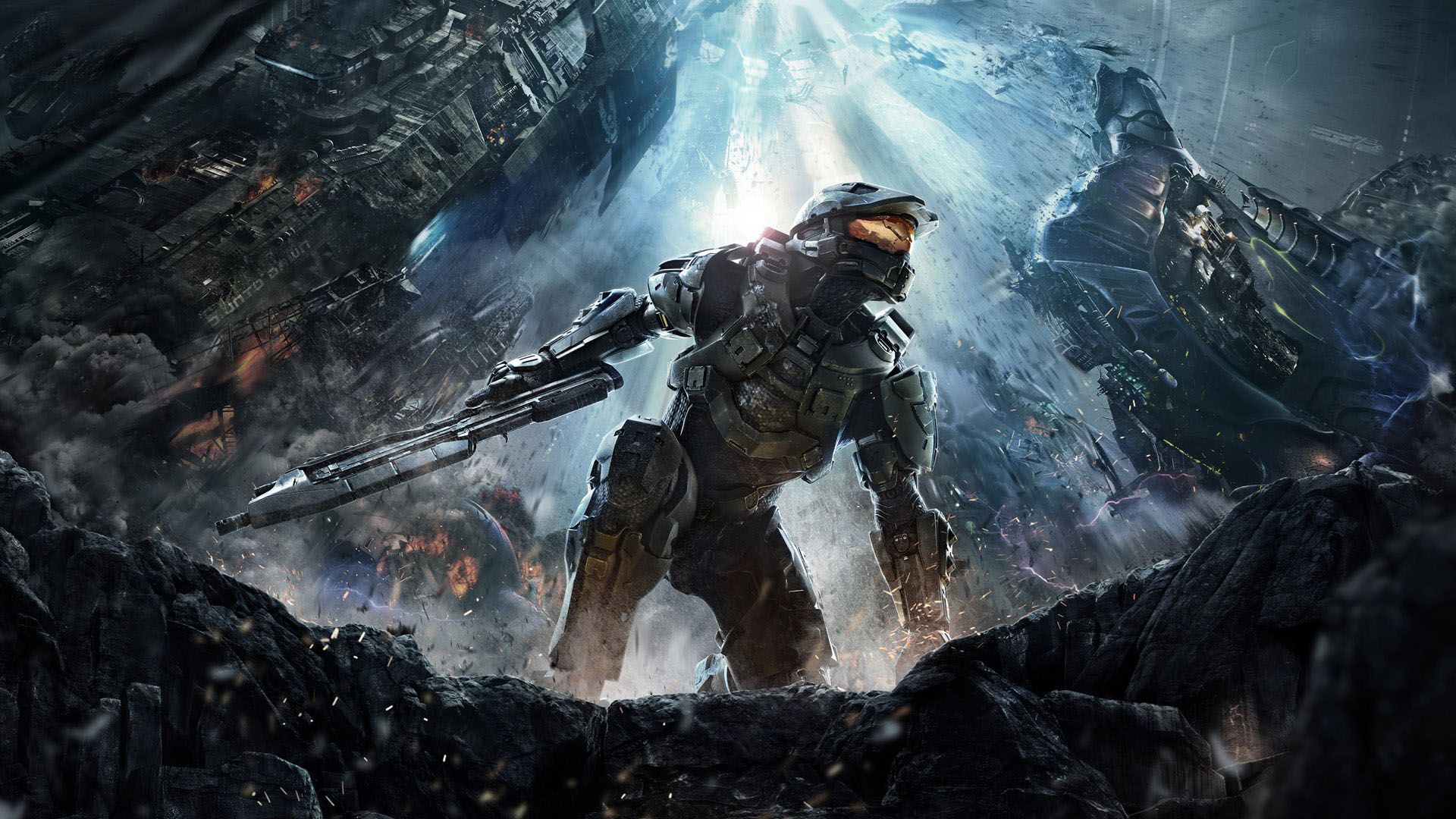
When a new artist joined the Halo project, the look of the Sangheili (Elites) and Unggoy (Grunts) changed quite a bit. In ‘Halo 4,’ Elites became noticeably larger and had scales and different faces than before. Grunts were redesigned to look more reptilian, and they no longer always wore their signature methane masks. These updates were intended to give the remaining Covenant forces a more modern appearance. However, many fans pointed out that these changes differed from the established visual style of the series.
‘World of Warcraft: The Burning Crusade’ (2007)
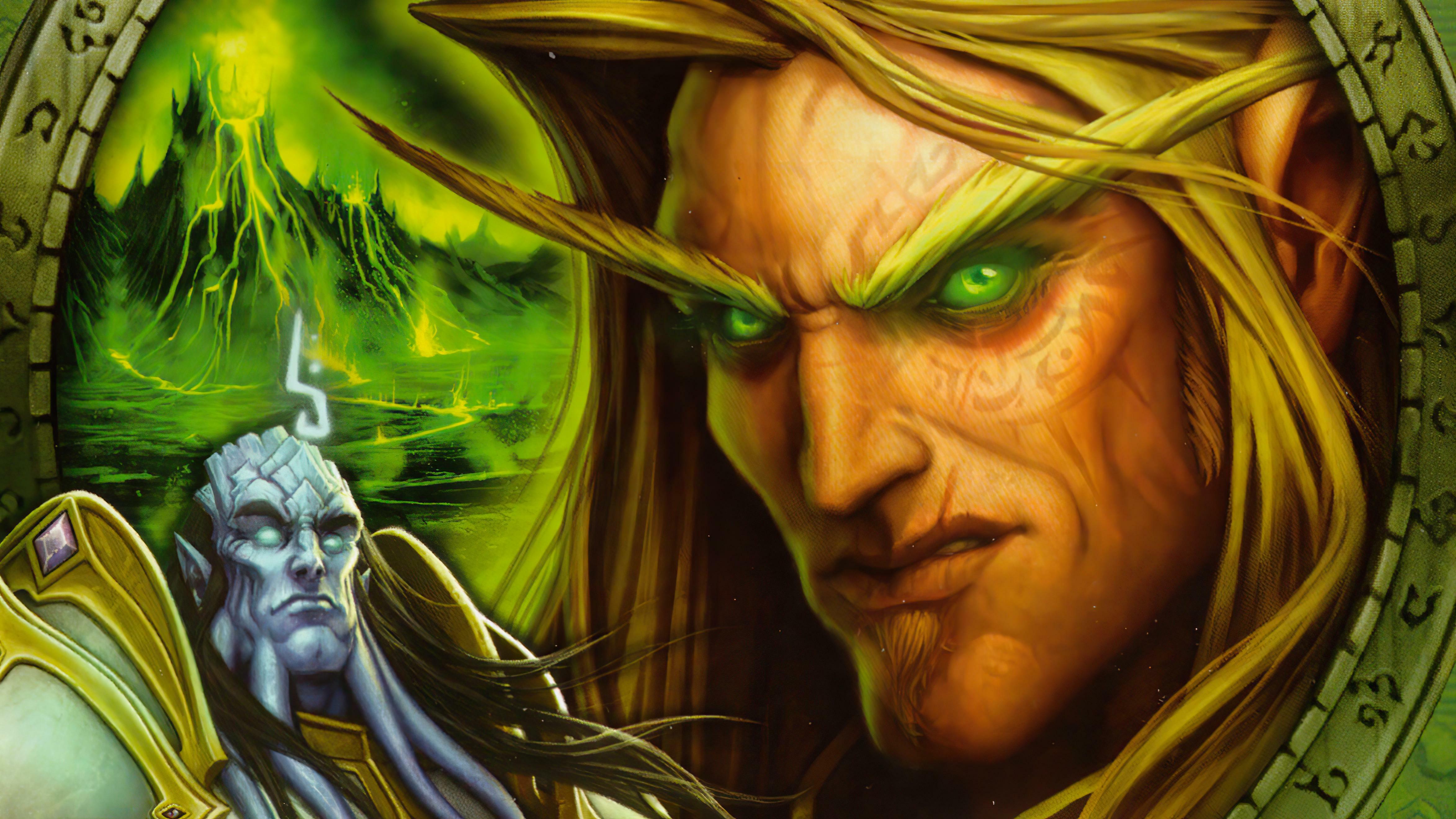
The first expansion to ‘World of Warcraft’ significantly changed the backstory of the Draenei. Initially presented as damaged and twisted, they were re-established as a proud and pure race from a different world. The update revealed that the demonic Eredar were actually Draenei who had been corrupted. Adding the Naaru and the concept of space travel further developed the Draenei’s history. This revised lore allowed players to choose the Draenei as a playable race within the Alliance.
‘The Legend of Zelda: Breath of the Wild’ (2017)
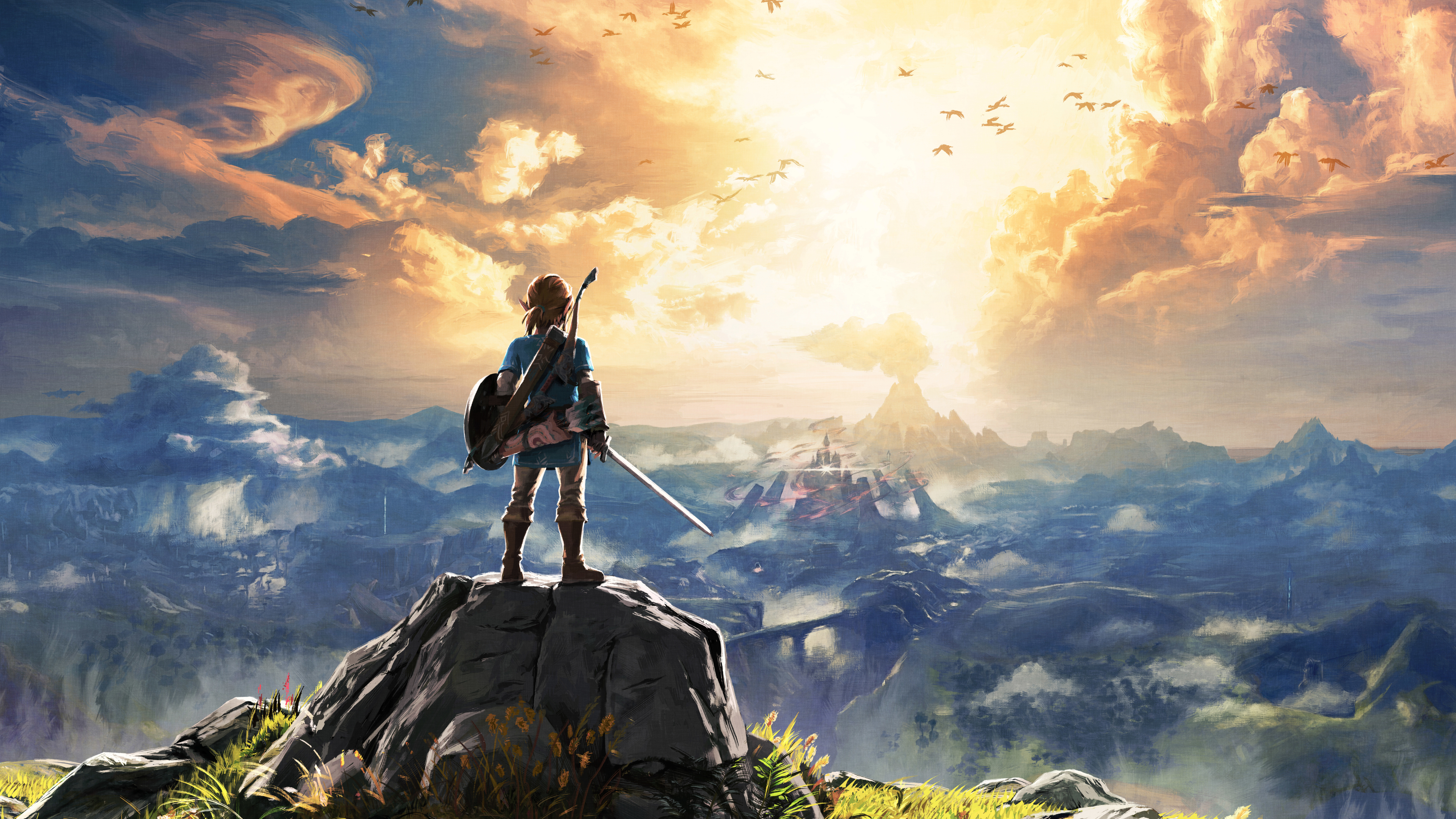
The Zora and Rito races received major updates in terms of their appearance and culture. In ‘The Legend of Zelda: Breath of the Wild,’ the Zora showed greater diversity, with colors and head shapes based on different sea animals. The Rito experienced an even bigger change, becoming fully bird-like humanoids instead of the bird-like people from previous games. Their culture was also more connected to the game world, featuring unique buildings and long-held traditions. These changes brought a fresh, modern feel to these classic races, fitting them into the game’s large open world.
‘Dragon Age: Inquisition’ (2014)
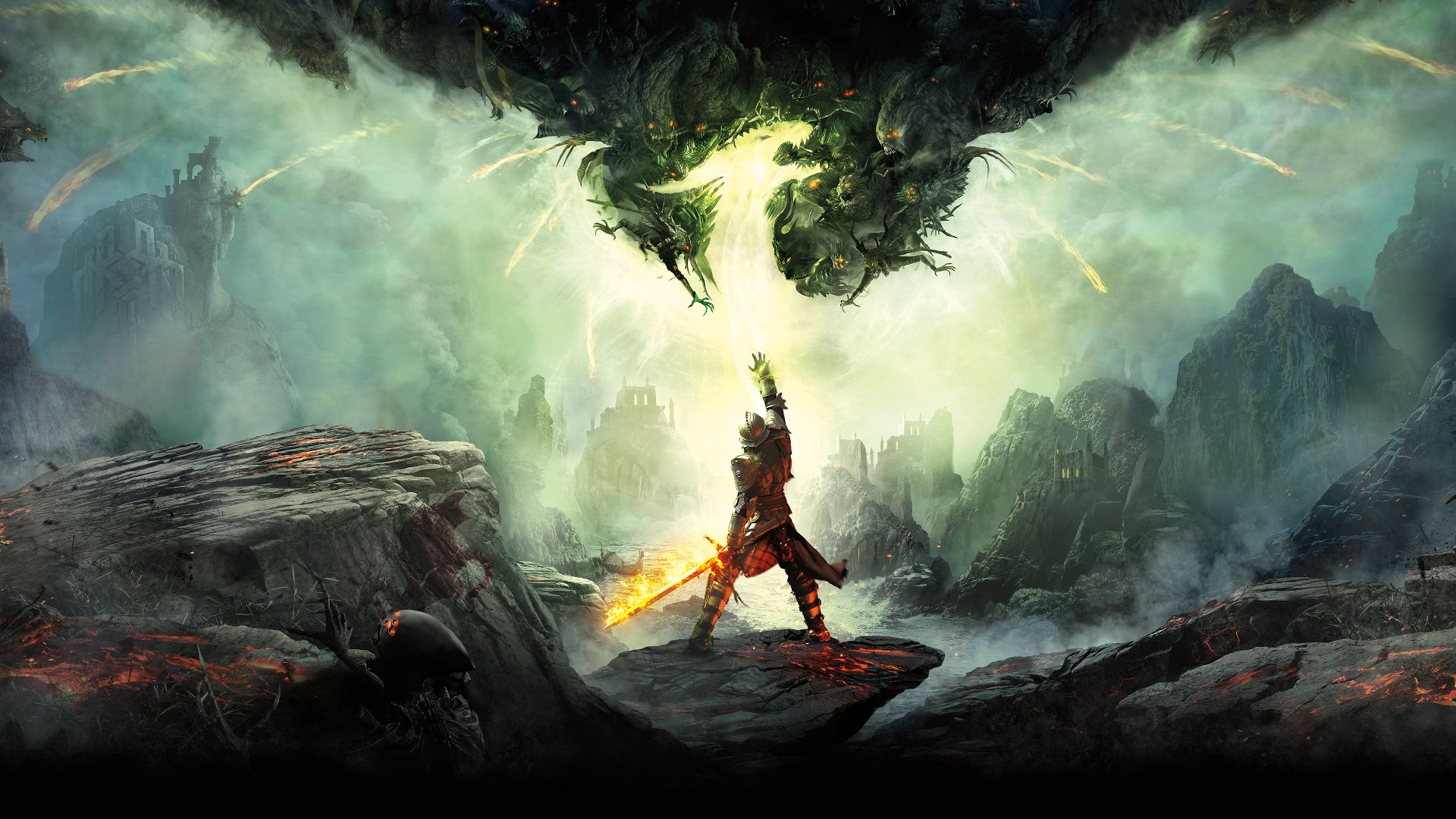
This game built on what players already knew about the Qunari, adding even more detail to their history and culture. For the first time in the series, players could create and play as a Qunari character, with lots of options to customize their appearance. The game also introduced the Vashoth – Qunari who were born outside their usual, highly structured society. It explained that while most Qunari have horns, some are born without them and are seen as unique. These new story elements gave players a much richer understanding of the Qunari’s differences and how their society works.
‘Fallout 3’ (2008)
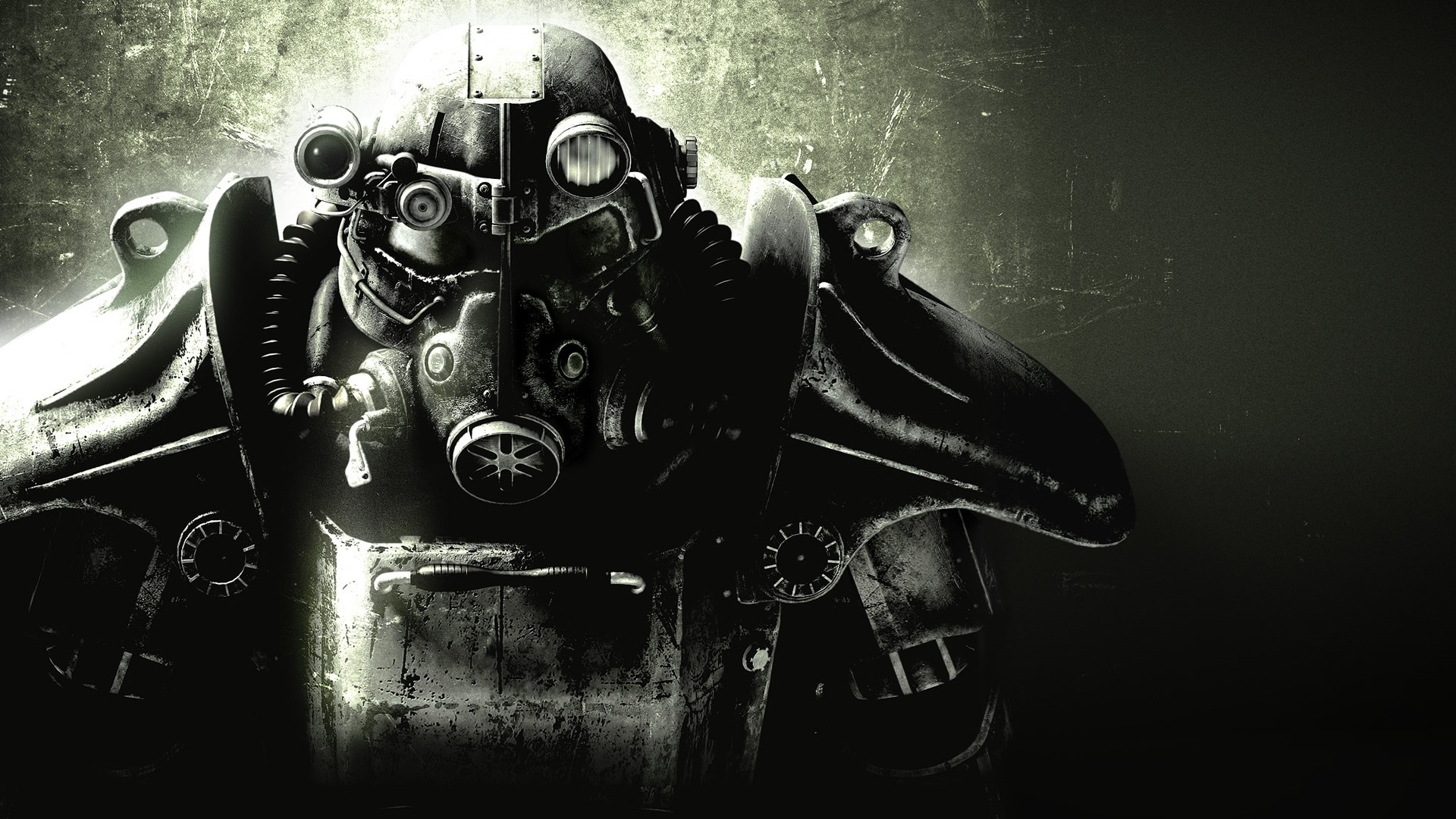
Moving to a 3D game world allowed developers to completely reimagine the Super Mutants and Ghouls in ‘Fallout’. In ‘Fallout 3’, Super Mutants in the Washington D.C. area looked more animalistic and had yellowish skin, a contrast to the smarter versions seen on the West Coast. Ghouls were also visually updated with more realistic decaying bodies and different levels of radiation damage. The addition of mindless, aggressive Feral Ghouls changed how players encountered the irradiated people of the wasteland, contributing to the unique and immersive atmosphere of post-apocalyptic Washington D.C.
‘Warcraft III: Reign of Chaos’ (2002)
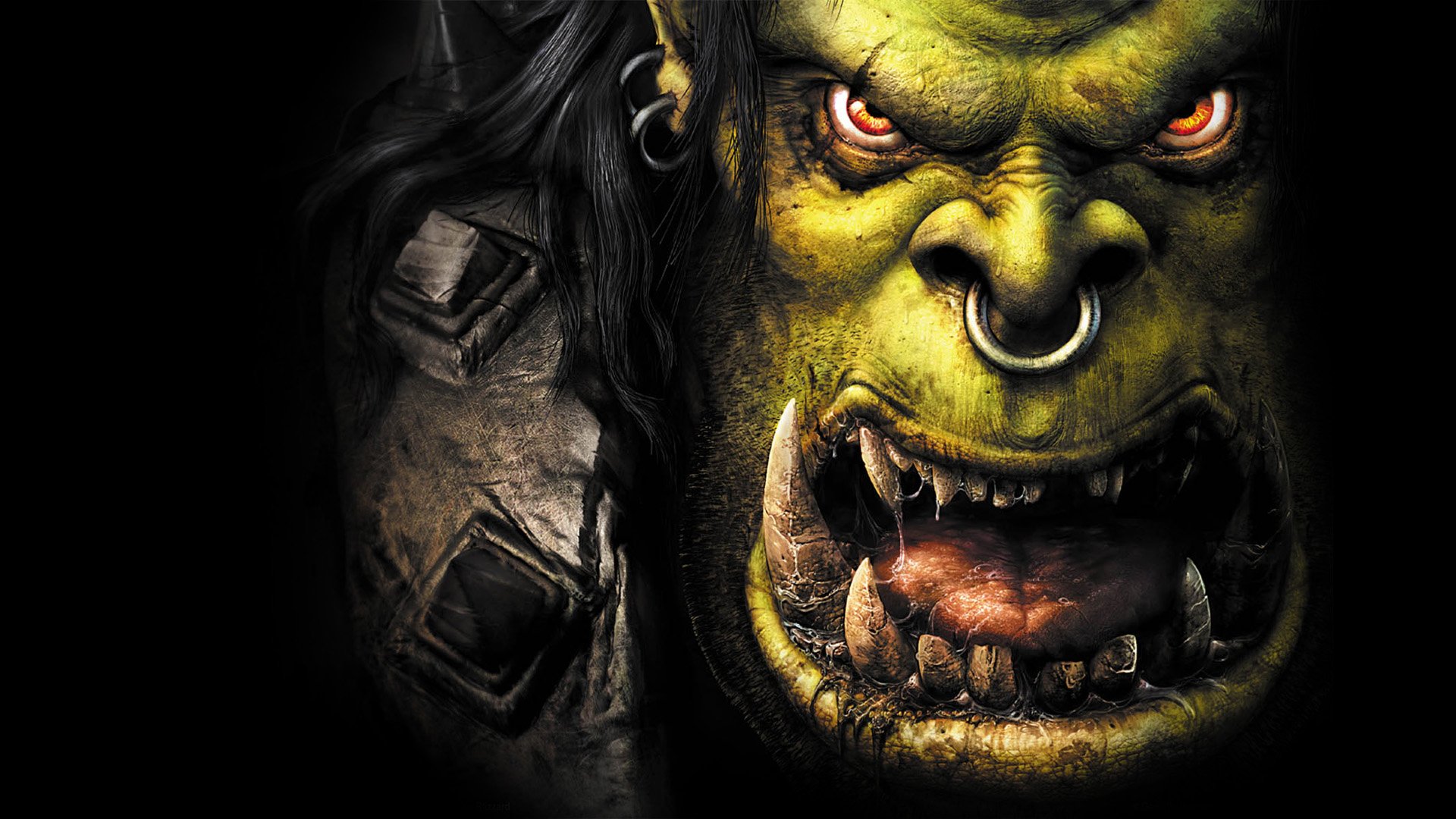
In ‘Warcraft III: Reign of Chaos,’ the Orcs underwent a significant change from how they’d been portrayed before. They were no longer simple, savage monsters, but were shown to be a proud and spiritual people. The game explained that their green skin wasn’t natural, but a result of demonic influence. The story followed Thrall as he guided his people in reclaiming their forgotten traditions in the land of Kalimdor. This new direction made the Orcs a much more nuanced and compelling faction, giving them a rich backstory and a strong sense of identity.
‘XCOM 2’ (2016)
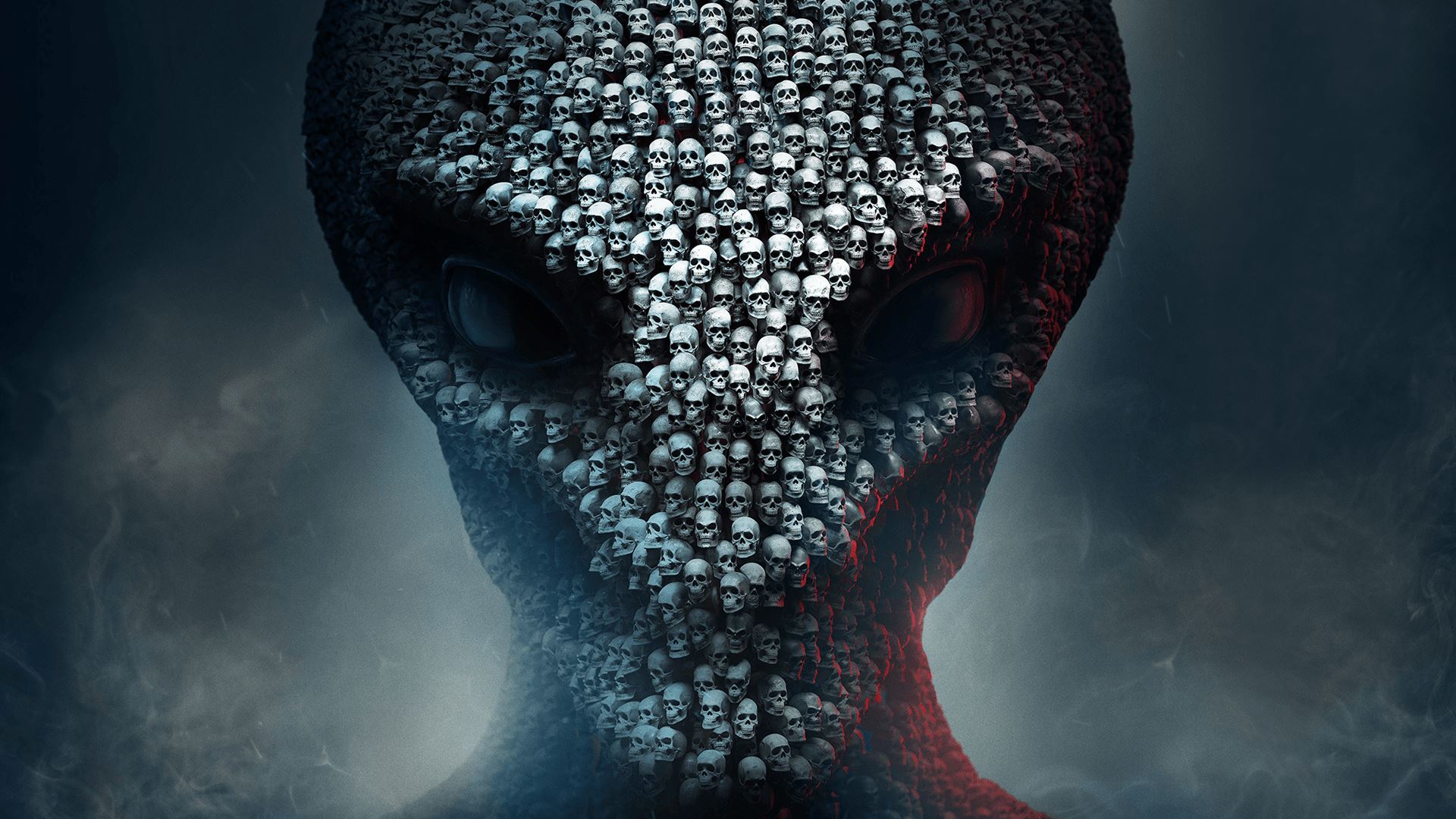
The new game picks up after the aliens have already taken over Earth. They’ve changed themselves by mixing human DNA with their own. In this sequel, the aliens – specifically the Sectoids – are much bigger and look more like humans than the small, grey creatures from the first game. This transformation gave them powerful psychic abilities and made them more frightening in combat. We also learn that the Thin Men are actually the original form of the snake-like Vipers. These changes in the aliens’ biology highlight how they’ve adapted to control humanity.
‘StarCraft II: Wings of Liberty’ (2010)
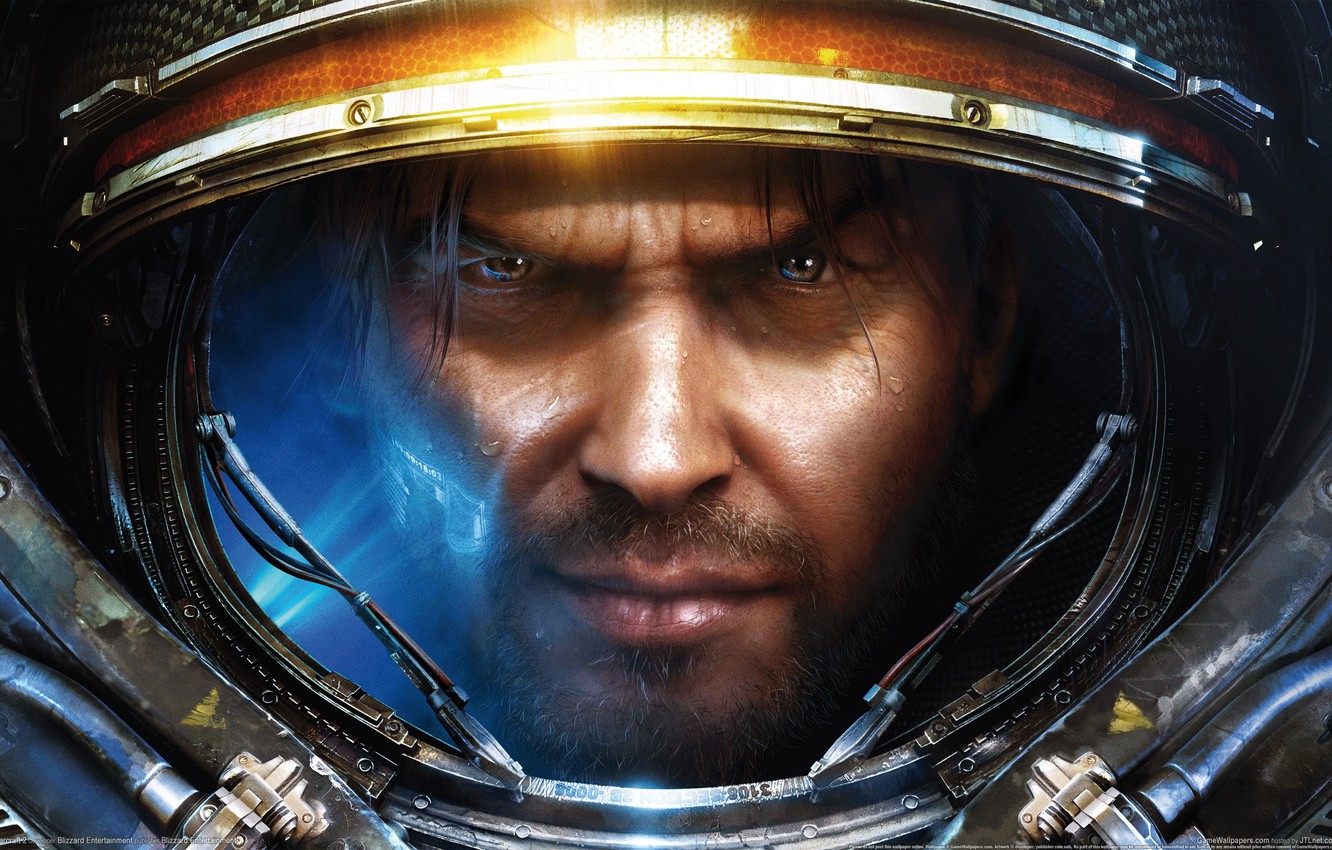
With the release of ‘StarCraft II: Wings of Liberty’ and its expansions, the Protoss received a major overhaul in both appearance and backstory. The game introduced two new Protoss groups – the Nerazim and the Tal’darim – each with unique cultures and physical traits. These groups were visually distinct, with different armor and energy colors, reflecting their differing beliefs. The game also delved deeper into the Khala, the shared psychic connection that’s central to Protoss society. These changes made the Protoss feel like a more varied and politically intricate race.
‘Mass Effect 2’ (2010)
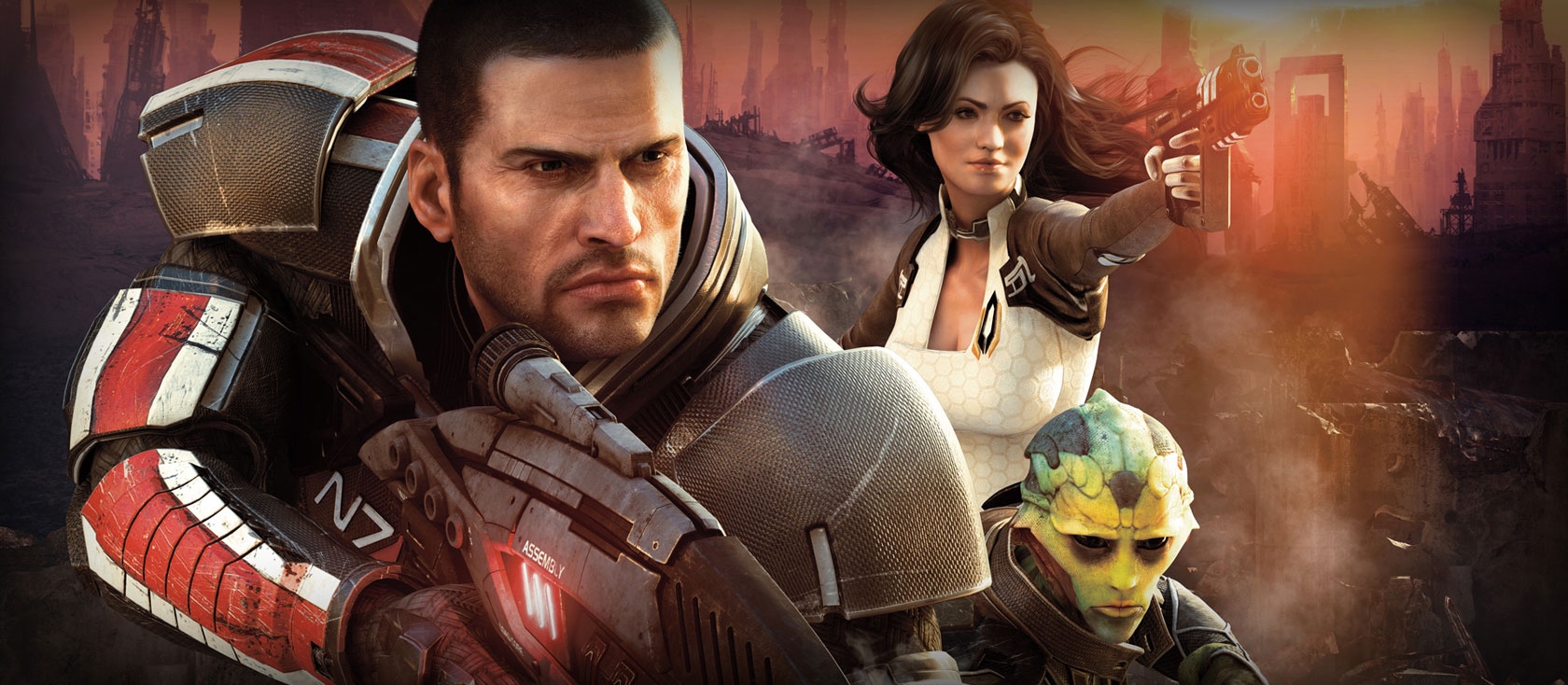
The second Mass Effect game revealed a key truth about the Geth: they aren’t a single, unified consciousness. Players learn from Legion that the Geth are actually made up of many independent programs working together. The game also introduced the Heretics, a group of Geth who sided with the Reapers. Visually, the Geth were updated with more detailed designs, including intricate parts and glowing lights. These changes made the Geth seem more relatable and added a layer of moral ambiguity to the war.
‘Mortal Kombat 1’ (2023)
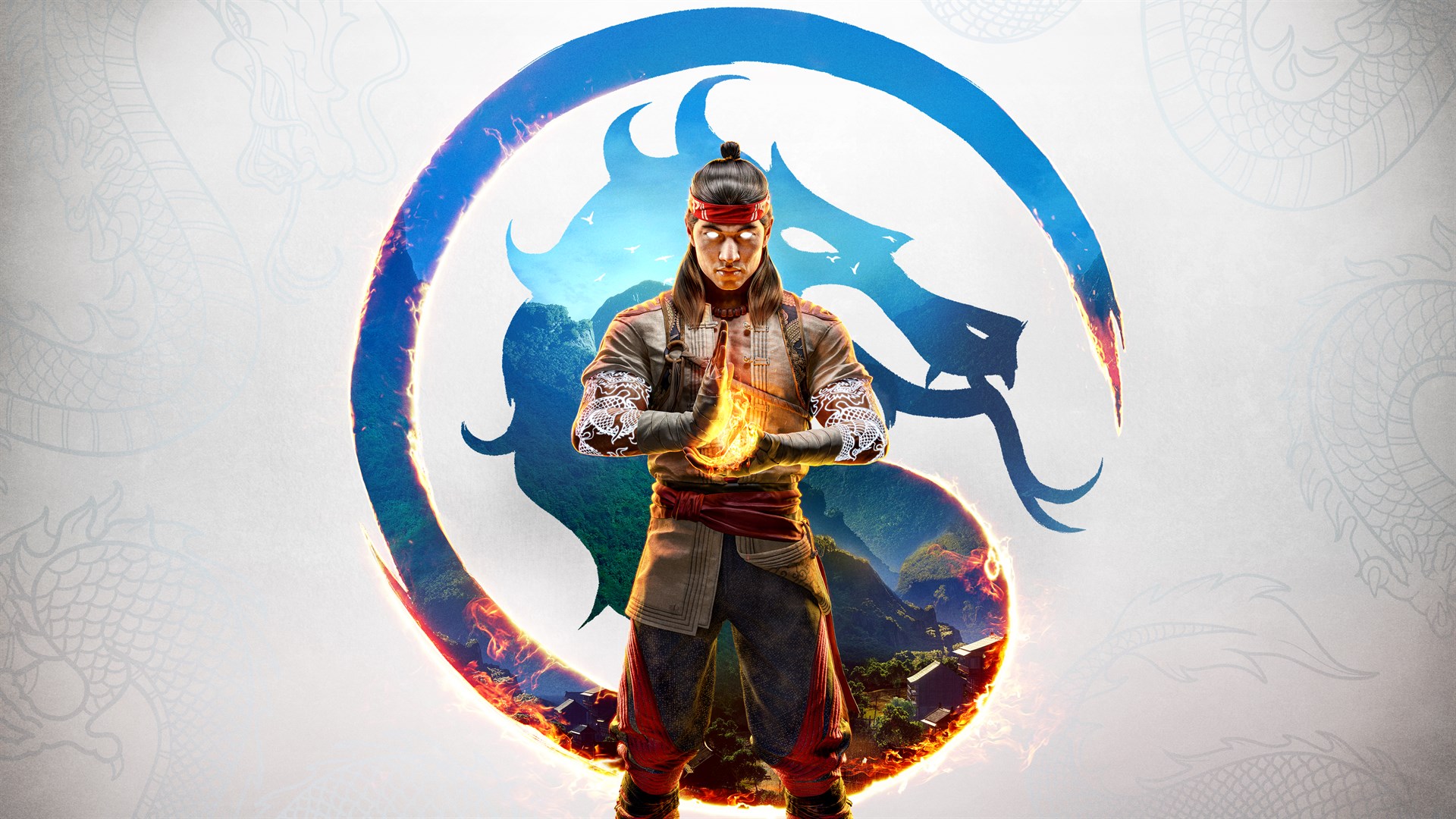
‘Mortal Kombat 1’ reimagined the Tarkatan race. They’re no longer a distinct species from another world, but people afflicted by the Tarkat virus. This disease horribly transforms them, giving them bone blades and sharp teeth. This change adds a layer of sadness to characters like Mileena and Baraka, who were once just seen as villains. It also creates a new political situation in Outworld, where the Tarkatans are now a group of people suffering from a terrible plague and facing persecution.
‘Sonic Adventure’ (1998)
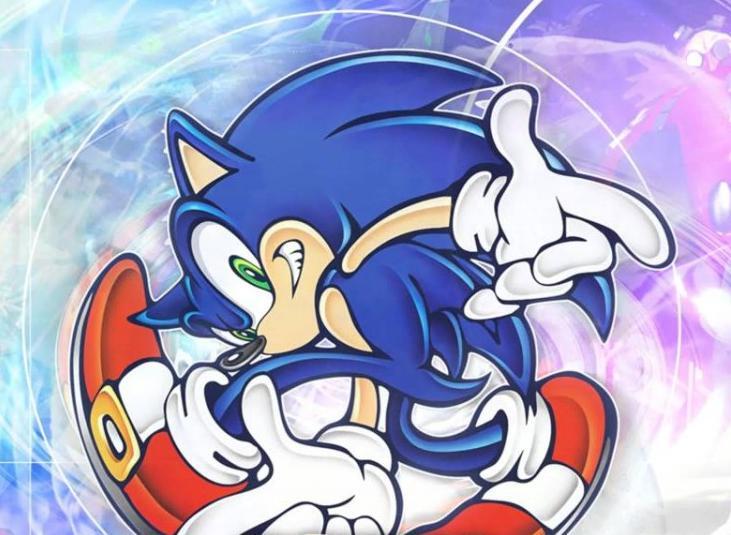
This game greatly expanded the backstory of the Echidna people, revealing a lost civilization and its unfortunate end. Players of ‘Sonic Adventure’ discovered the history of Knuckles’ clan and their battle against the powerful creature Chaos. The game showed the Echidnas as a strong, warrior-like tribe that once controlled the world, but was ultimately destroyed. This gave Knuckles the Echidna, who was previously just an opponent of Sonic, a much richer and more complex story. The character Tikal was introduced to connect the player to the spiritual side of this vanished species.
‘Metroid Dread’ (2021)
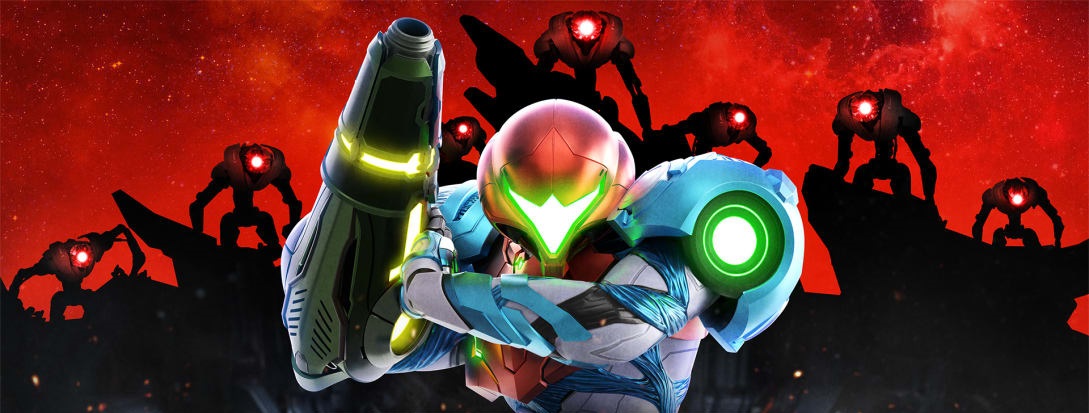
‘Metroid Dread’ greatly expanded on the history of the Chozo, a race previously known mostly through old records and abandoned structures. The game finally showed living Chozo warriors and a more complex, even troubling, side of their civilization. We learned about the Mawkin, a warlike Chozo tribe that wanted to use the Metroids and X Parasite to conquer the galaxy – a stark contrast to the Chozo’s previously established image as peaceful scientists. The game also highlighted their incredible fighting skills and natural toughness with updated visuals.
‘The Witcher 2: Assassins of Kings’ (2011)
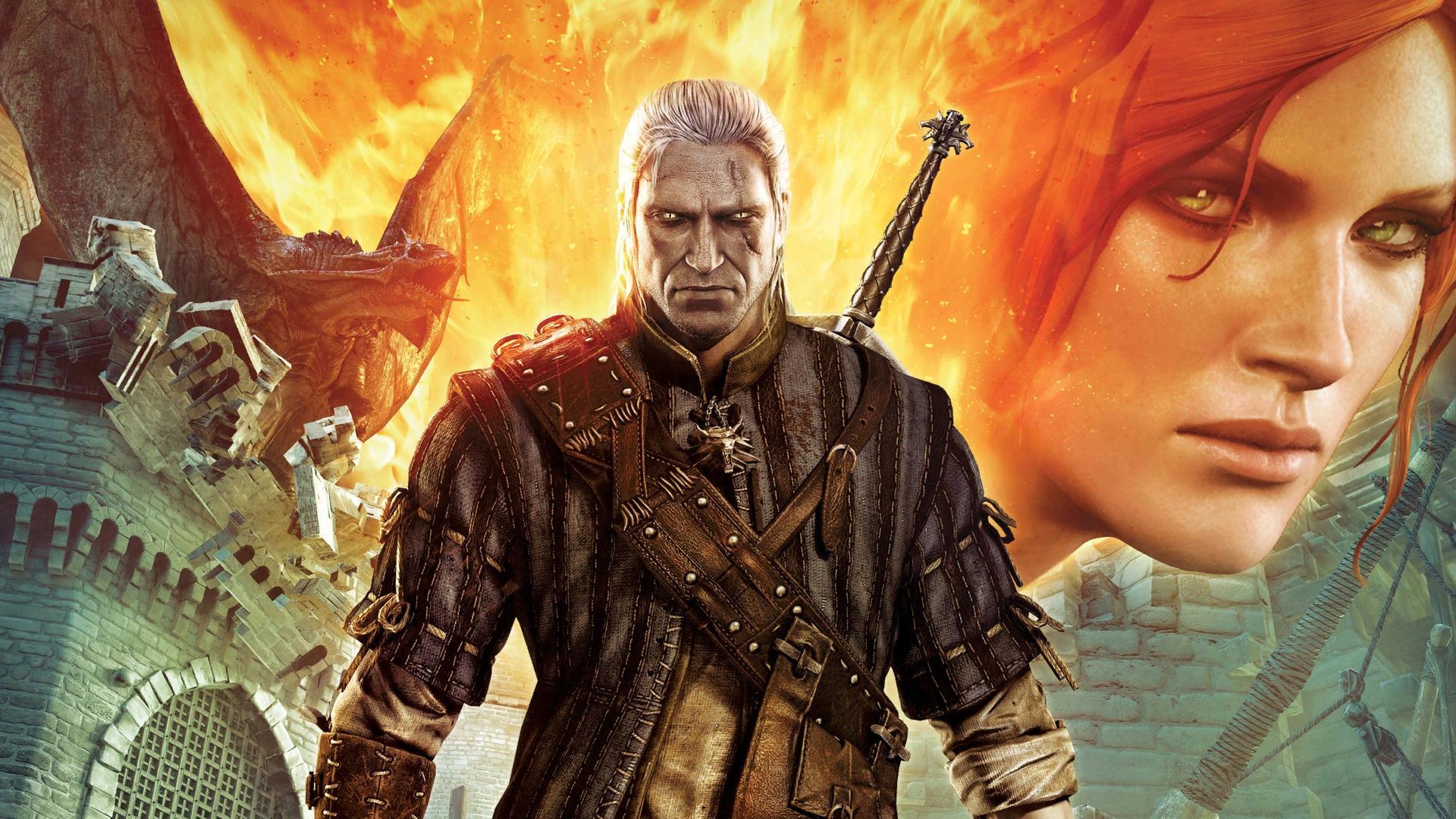
Okay, so in ‘The Witcher 2,’ the Elves got a seriously cool makeover. They weren’t those perfect, shiny high fantasy elves you see everywhere. Instead, they looked…lived in. The Scoia’tael rebels, especially, had these amazing, detailed tattoos and rougher clothes – it really showed they were surviving out in the wild. The game really dug into why they were like that too, showing how their numbers were dwindling and how they were constantly fighting to just exist with humans pushing into their lands. It made them feel less like a powerful race and more like a desperate group just trying to survive. Plus, the game looked way better, so you could actually see the differences between them and humans more clearly, which made it all the more impactful.
‘Spyro: Reignited Trilogy’ (2018)
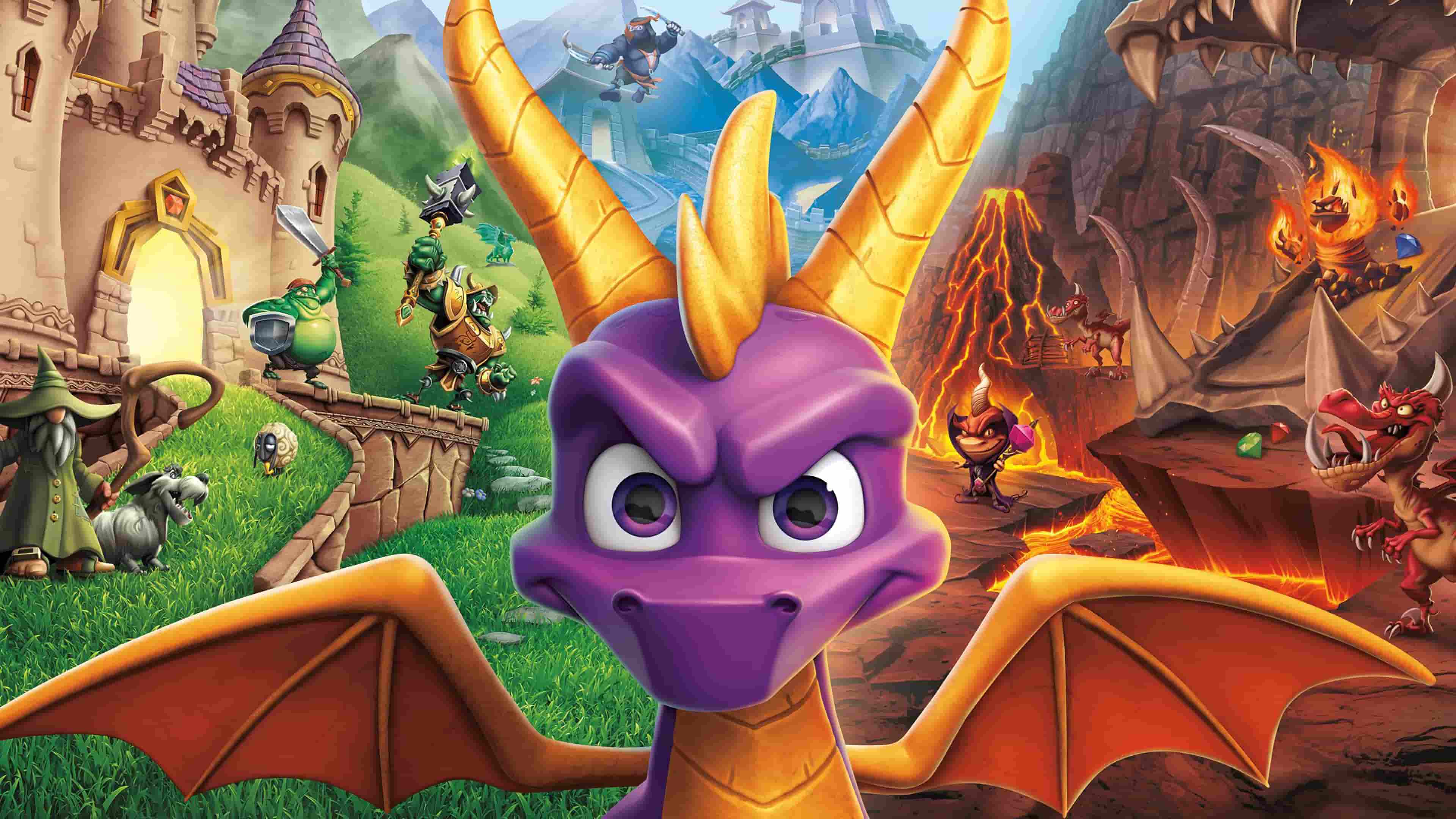
Although it’s a remake, ‘Spyro: Reignited Trilogy’ significantly redesigned the adult dragons. Each dragon the player rescues now has a distinct job and appearance reflecting where they live. This is a big improvement over the original games, which used the same character models repeatedly. Instead, players now encounter a wide variety of dragons, like bakers and painters, giving the dragon race a much more developed culture and personality. The updated graphics also allow for more detailed and expressive animations than were possible on older gaming systems.
‘Gears 5’ (2019)
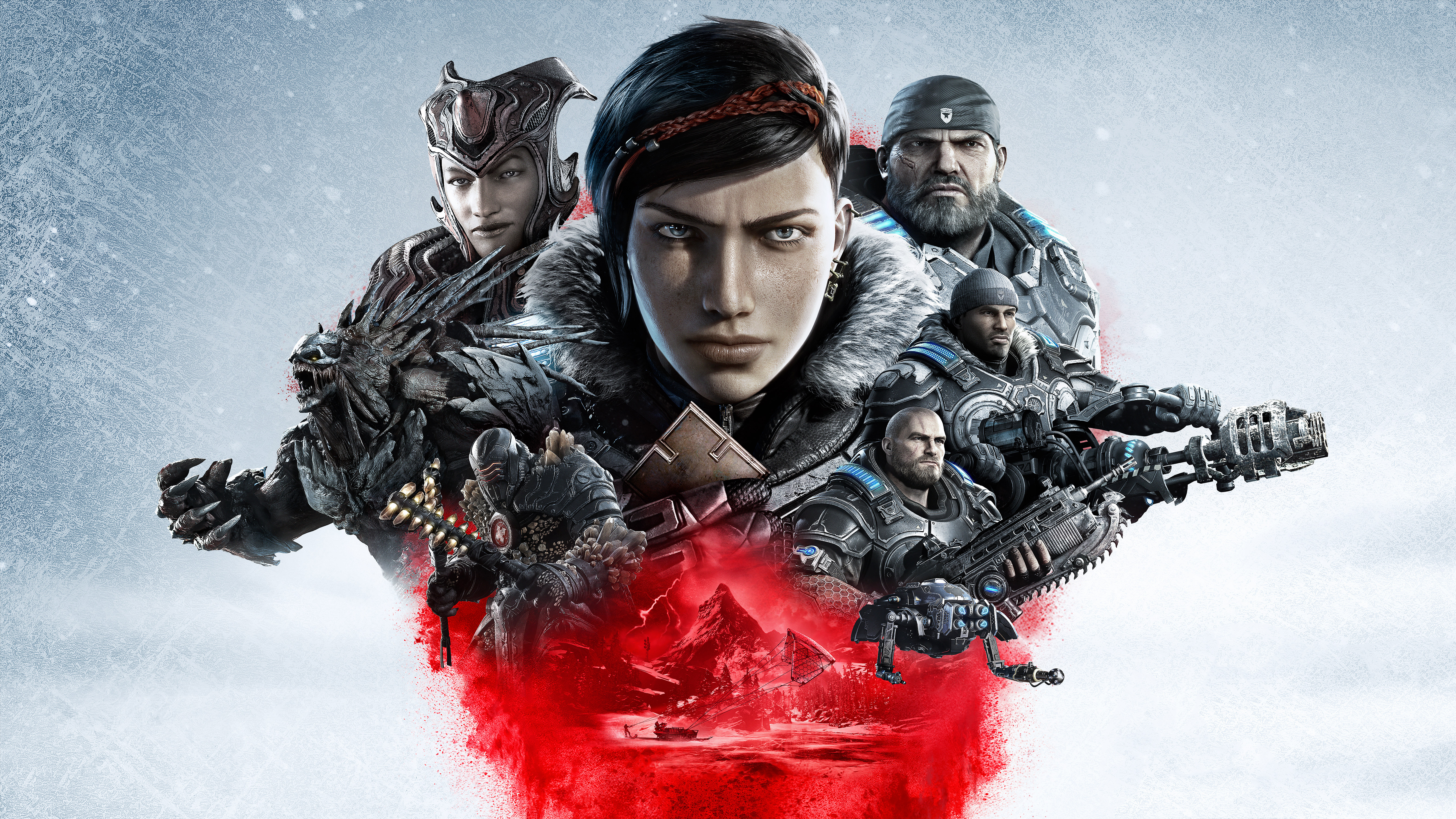
As a long-time Gears fan, I was totally blown away by the Locust’s origin story revealed in ‘Gears 5’! It turns out they weren’t some naturally occurring underground race at all, but were actually created in secret government labs using human DNA and local creatures. That completely changed how I saw everything! It’s a much darker twist than I expected. The game also dug into the connection between the Swarm and what was left of the Locust Queen, which was really fascinating. It added a whole new level of tragedy to the war on Sera, making it feel less like a simple fight and more like a heartbreaking history.
‘Final Fantasy XIV: Shadowbringers’ (2019)
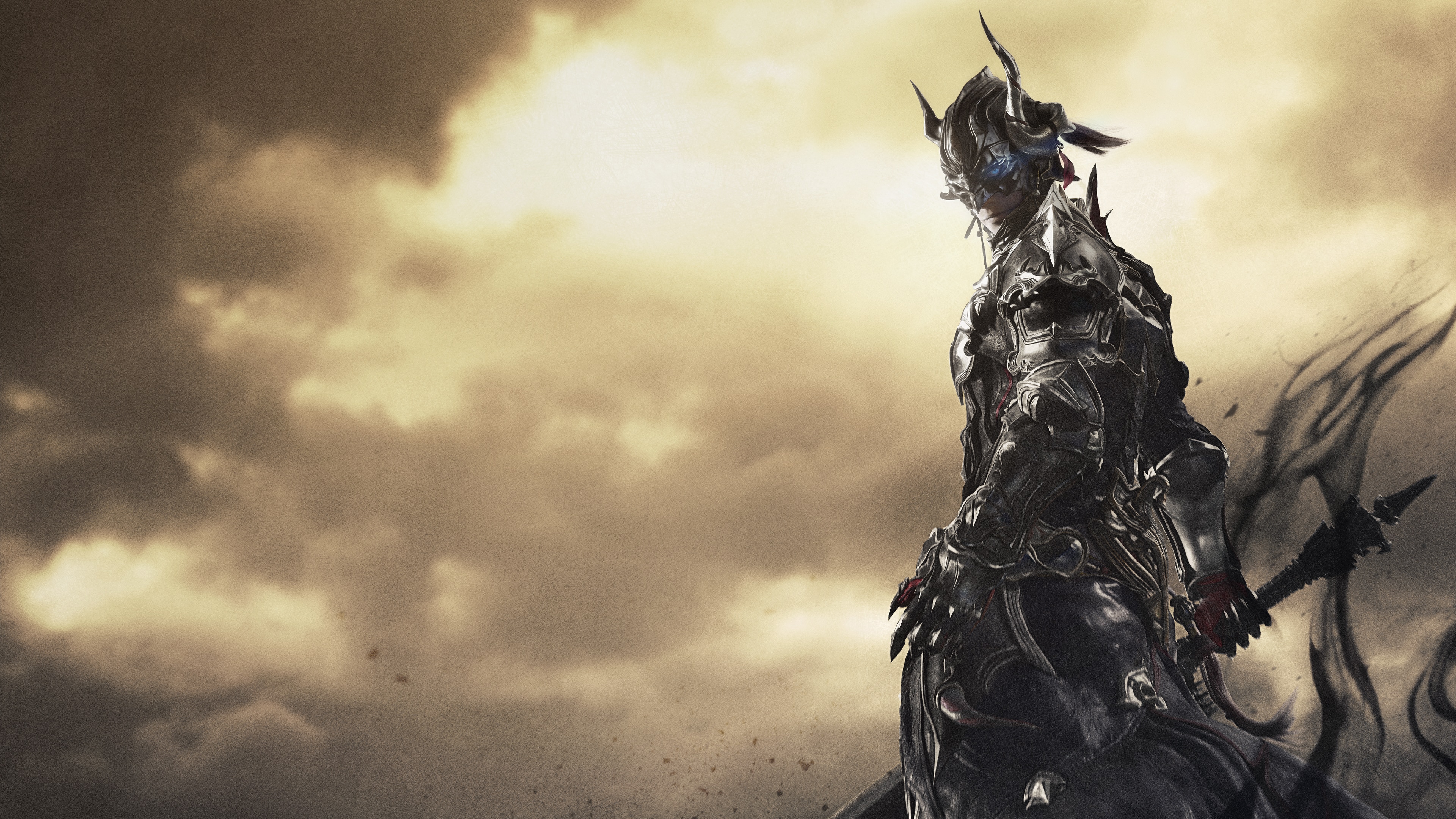
The latest expansion of ‘Final Fantasy XIV’ added two new playable races: the Hrothgar and the Viera. The Viera, who had appeared in previous games, were given a unique backstory as protectors of the forests in the world of Eorzea. The Hrothgar were introduced as a strong, lion-like race with a complicated society organized around queens and clans. The expansion also introduced the idea of ‘shards’ – alternate worlds where different versions of these races exist. These additions greatly expanded the variety of characters players could create.
‘Resident Evil Village’ (2021)
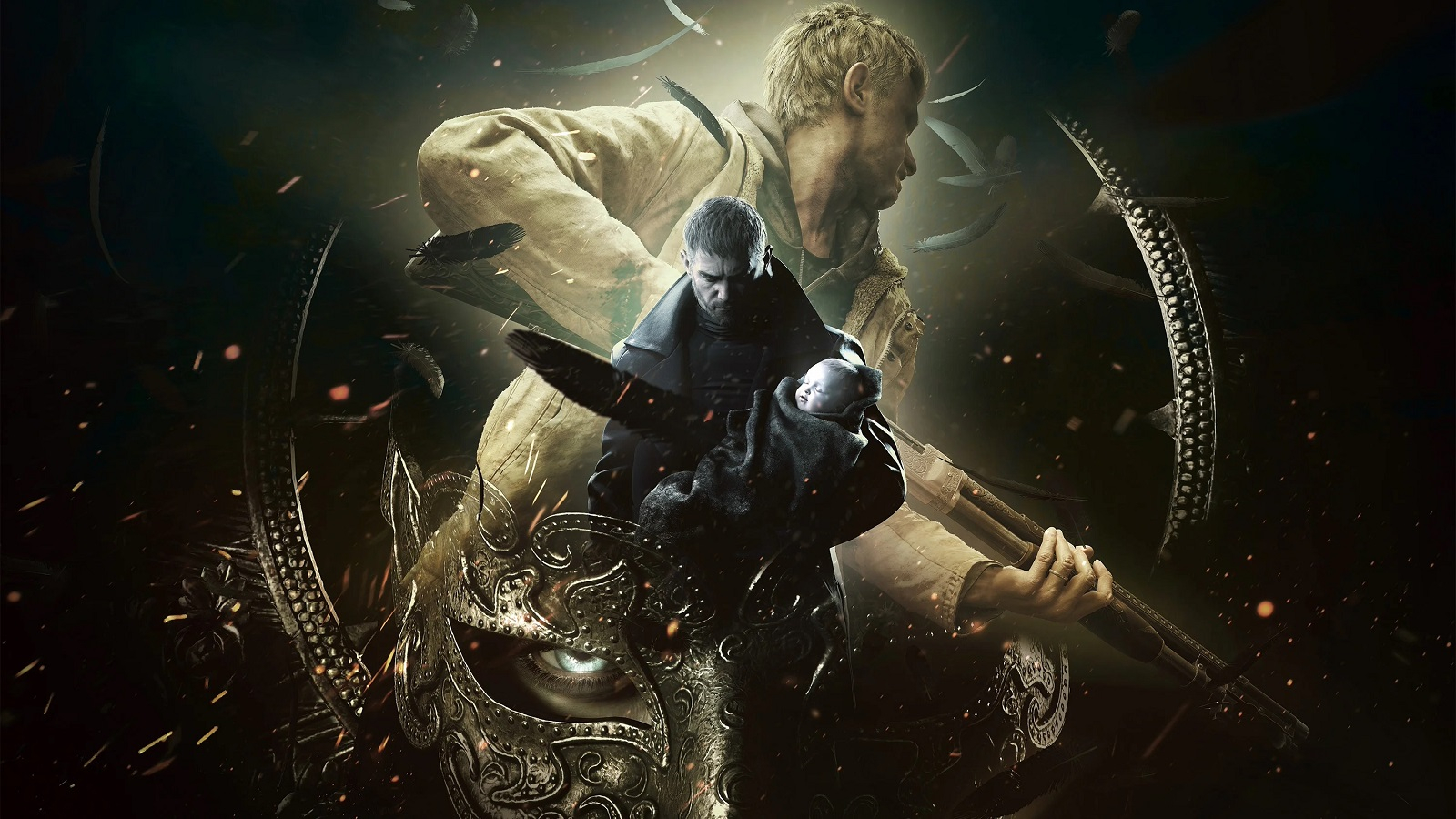
The latest installment in the series reimagines classic monsters like werewolves and vampires, fitting them into the existing story of bio-weapons. ‘Resident Evil Village’ explains these creatures aren’t caused by viruses, but by a massive fungal infection called the Megamycete. This new explanation shifts away from the traditional origins of these monsters while still using science to explain their powers and transformations. The game features in-universe documents detailing how these beings were created as successful experiments by a character named Mother Miranda. This allows the game to embrace Gothic horror elements while remaining true to the series’ foundation in biological science fiction.
‘Doom Eternal’ (2020)
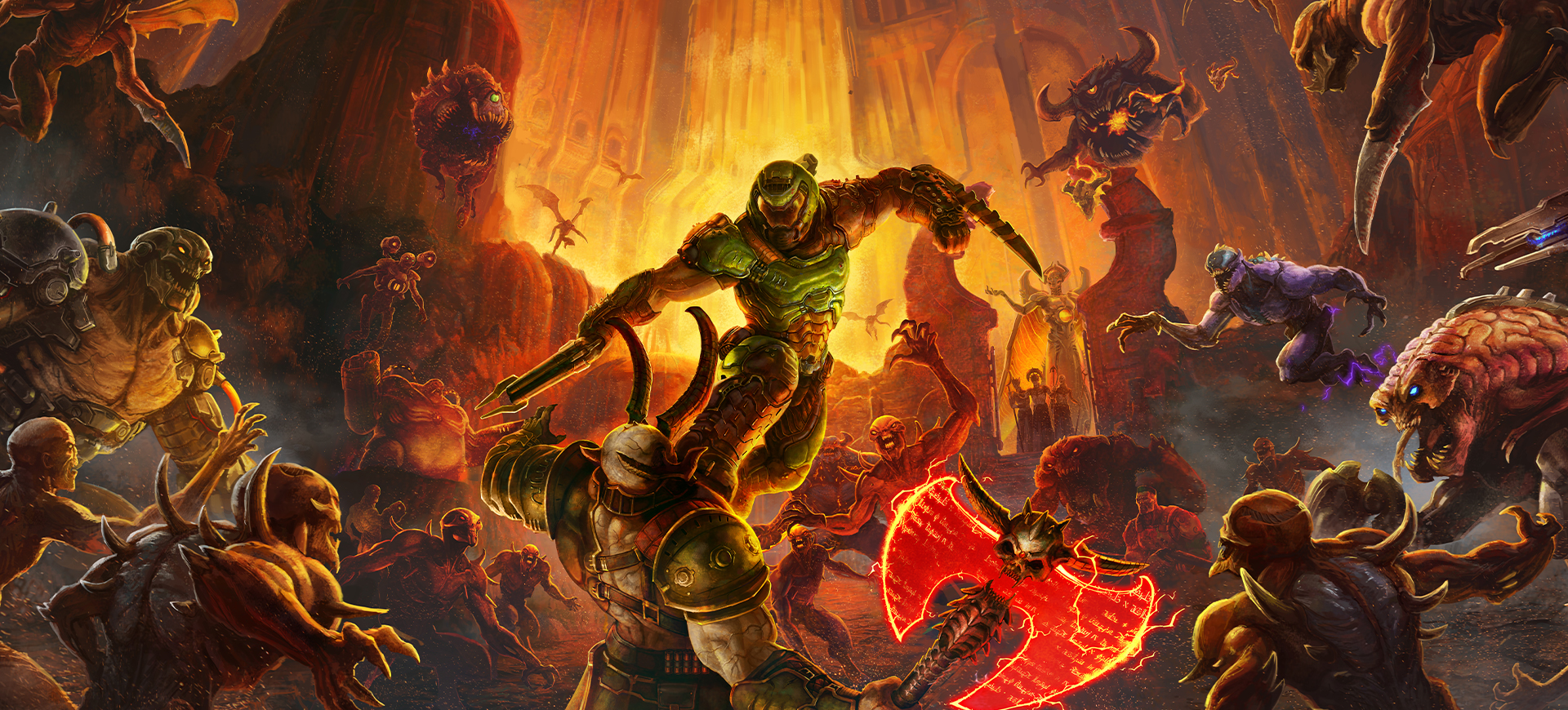
‘Doom Eternal’ greatly deepened the backstory of the demons and their origins by introducing the Maykrs. The game revealed that the demons weren’t just creatures of Hell, but part of a huge, interdimensional machine created to collect souls for a powerful, god-like race. The Maykrs themselves were shown as angelic beings who used advanced technology to maintain balance in the universe. This development transformed the series from a straightforward fight against Hell into a large-scale science fiction story involving ancient civilizations, and the enemies’ designs became more complex to match their new roles.
‘The Elder Scrolls V: Skyrim’ (2011)
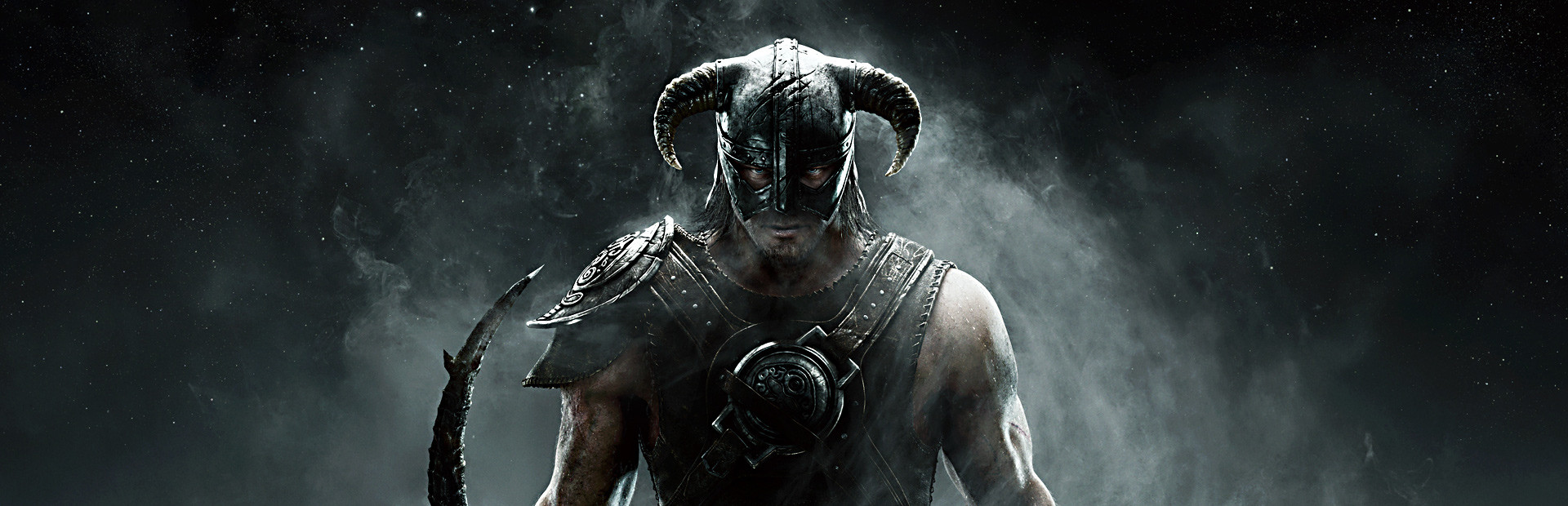
In ‘The Elder Scrolls V: Skyrim’, the Falmer’s backstory was dramatically revealed. Once known as the Snow Elves, they were forced underground by the Nords and ultimately betrayed by the Dwarves. Over centuries, living in darkness and eating poisonous mushrooms warped them into the blind, monstrous creatures players encounter in the game. This tragic history significantly expanded the lore and changed how players understood the ancient ruins of Skyrim. The character Knight-Paladin Gelebor offered a glimpse of what the Snow Elves looked like before their downfall.
‘Guild Wars 2’ (2012)
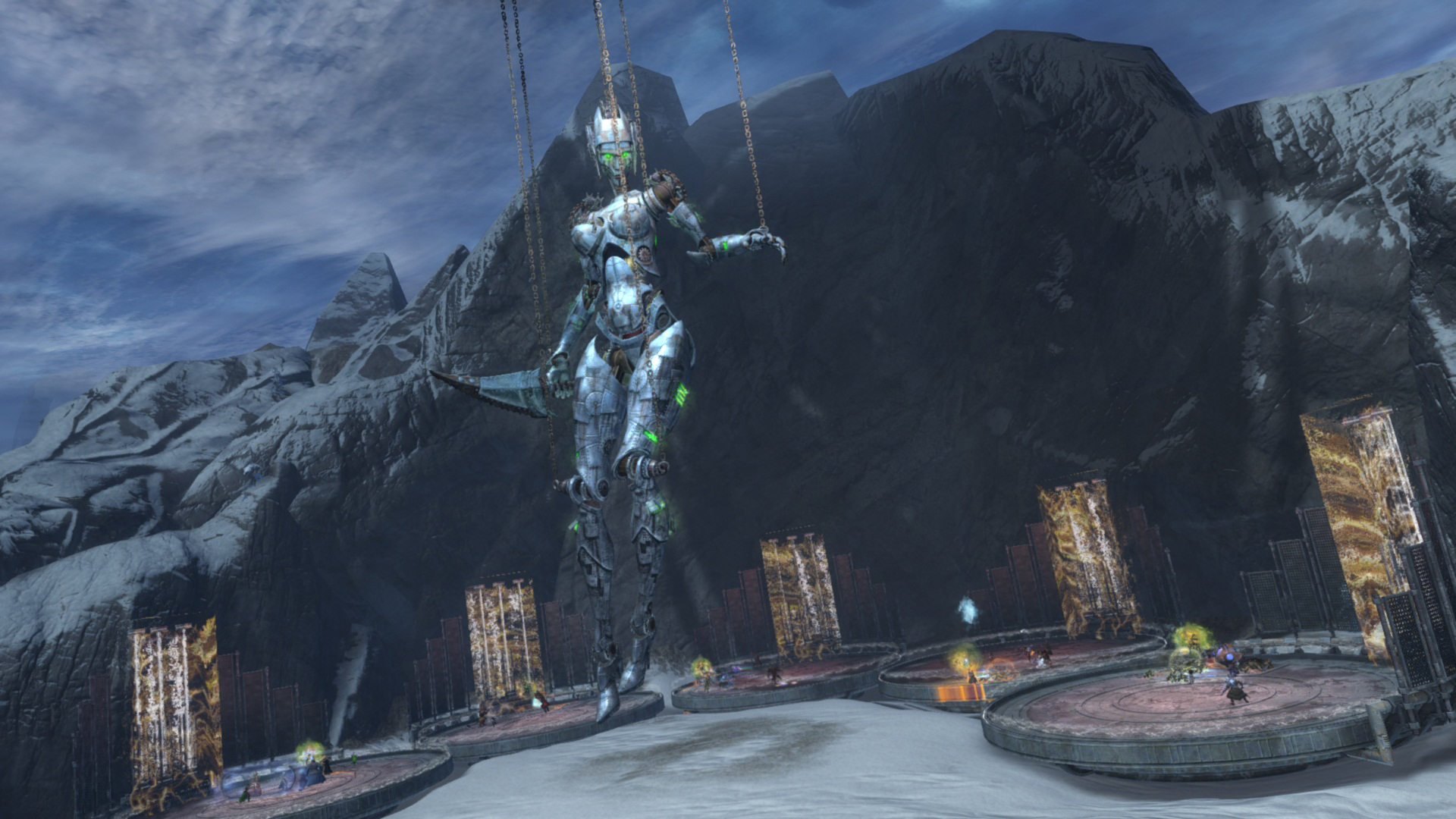
The sequel significantly updated the Charr and Asura races to make them better suited for players. In ‘Guild Wars 2,’ the Charr transformed from hostile creatures into a structured, industrial military society. The Asura were given a new look, drawing inspiration from magic, technology, and intelligence. The game also introduced the Sylvari, a plant-based race born from a magical tree. These changes created a more varied and balanced game world, offering players a range of unique races to play as.
‘SoulCalibur VI’ (2018)
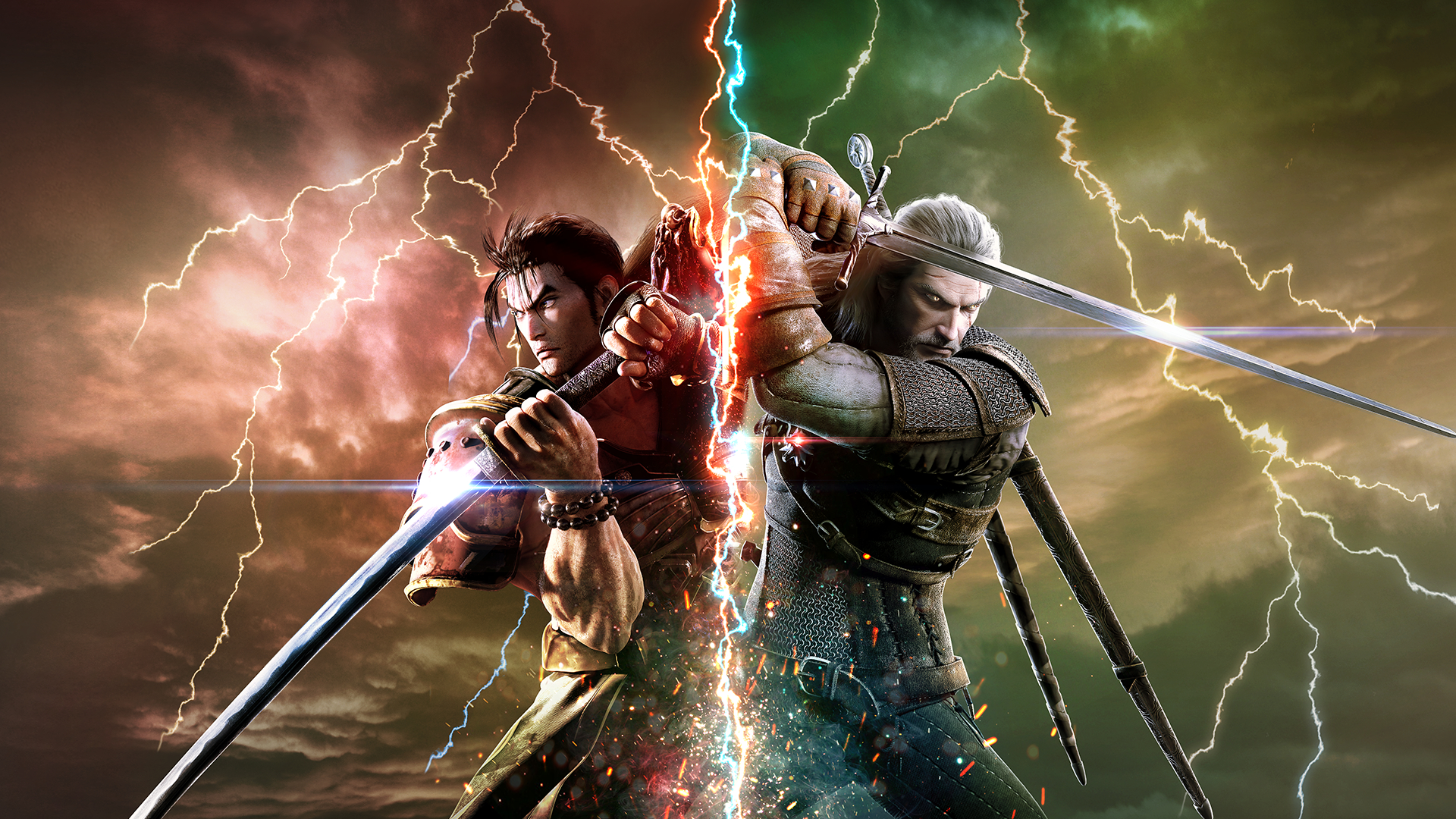
Okay, so in ‘SoulCalibur VI,’ they seriously upped their game with character creation. It’s not just about picking a fighting style anymore – you can actually build characters from a bunch of different species now. They even officially categorized all the existing fighters into races like the Malfested and Outcasts, which is cool. They really dug into the Lizardmen’s backstory, explaining how they started as humans changed by some powerful, almost godly, energy. Plus, they added these things called Astral Fissures, which can turn regular people into completely different beings. It all feels way more connected to the game’s story now, like your created character actually belongs in the world. It’s a huge step up and makes the whole experience way more immersive.
‘Bloodborne’ (2015)
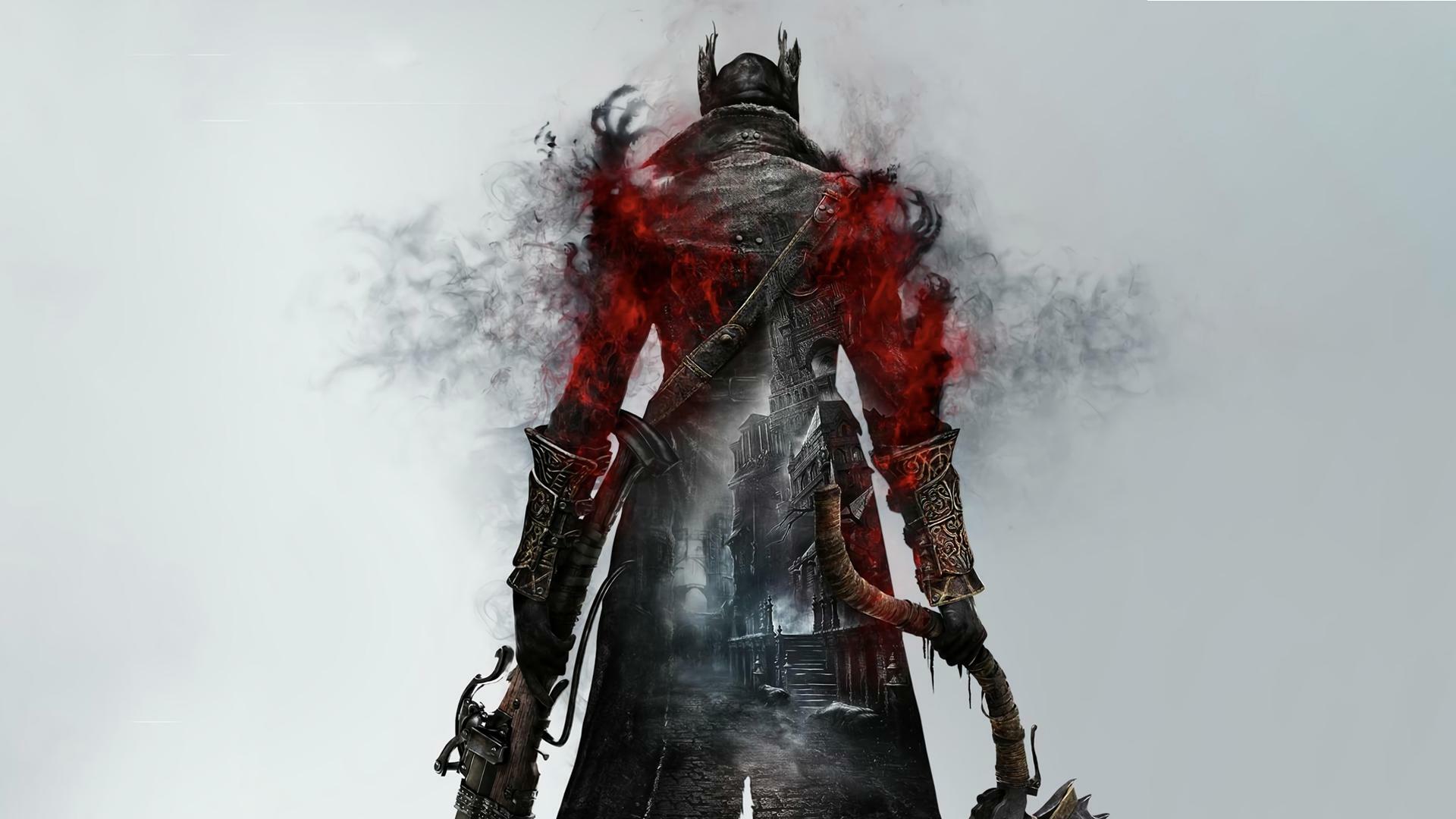
Though a new game on its own, Bloodborne continued the style of the ‘Souls’ series and introduced the Pthumerians as a key part of its story. These ancient beings were incredibly powerful and protected the secrets of the Great Ones. They looked different from the people of Yharnam, with pale skin and long limbs, emphasizing their otherworldly nature. The discovery of their lost civilization under the city is what ultimately caused the terrible events of the game, adding a sense of ancient mystery to the world.
‘Ratchet & Clank: Rift Apart’ (2021)
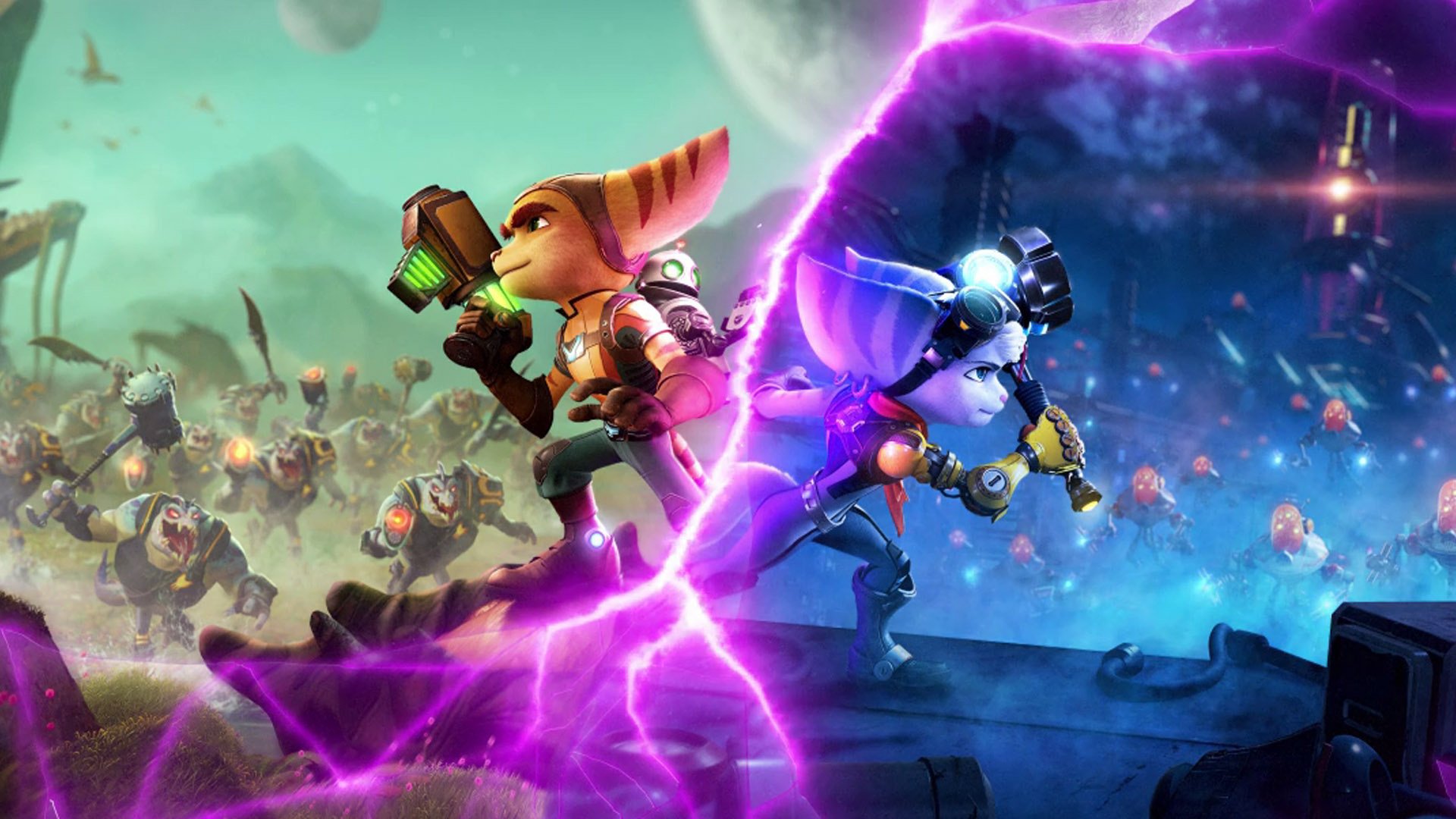
‘Ratchet & Clank: Rift Apart’ delved deeper into the history of the Lombax people by introducing Rivet. The game finally confirmed that female Lombaxes can have tails, something fans had long discussed. It also revealed a dimension where the Lombaxes once thrived in a bright, high-tech civilization before it was destroyed, showing they weren’t just a lost race. Rivet served as a parallel to Ratchet, and the game’s advanced technology allowed for incredibly detailed fur and realistic facial expressions.
‘Castlevania: Lords of Shadow’ (2010)
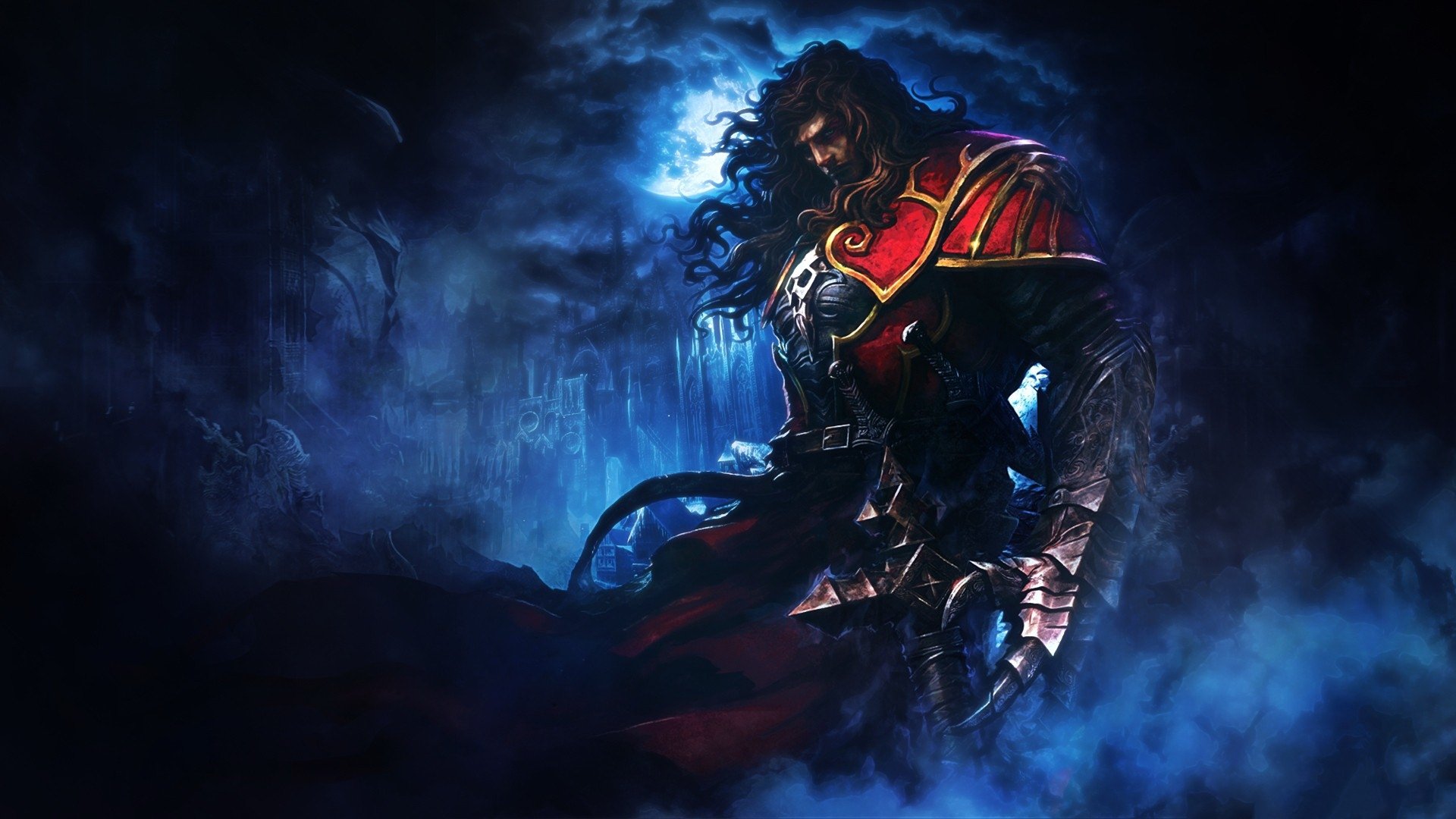
The ‘Castlevania: Lords of Shadow’ game offered a fresh take on the series by completely changing the backstory of vampires and werewolves. Instead of being creatures of pure evil, the game explained they originated from the darker sides of three holy knights who rose to heaven. This created a shared, sorrowful history for these monsters, making them more compelling. The game also gave vampires a more refined and sympathetic look, highlighting their lost human side. This new approach helped bring classic horror elements to a modern audience.
‘Darksiders III’ (2018)
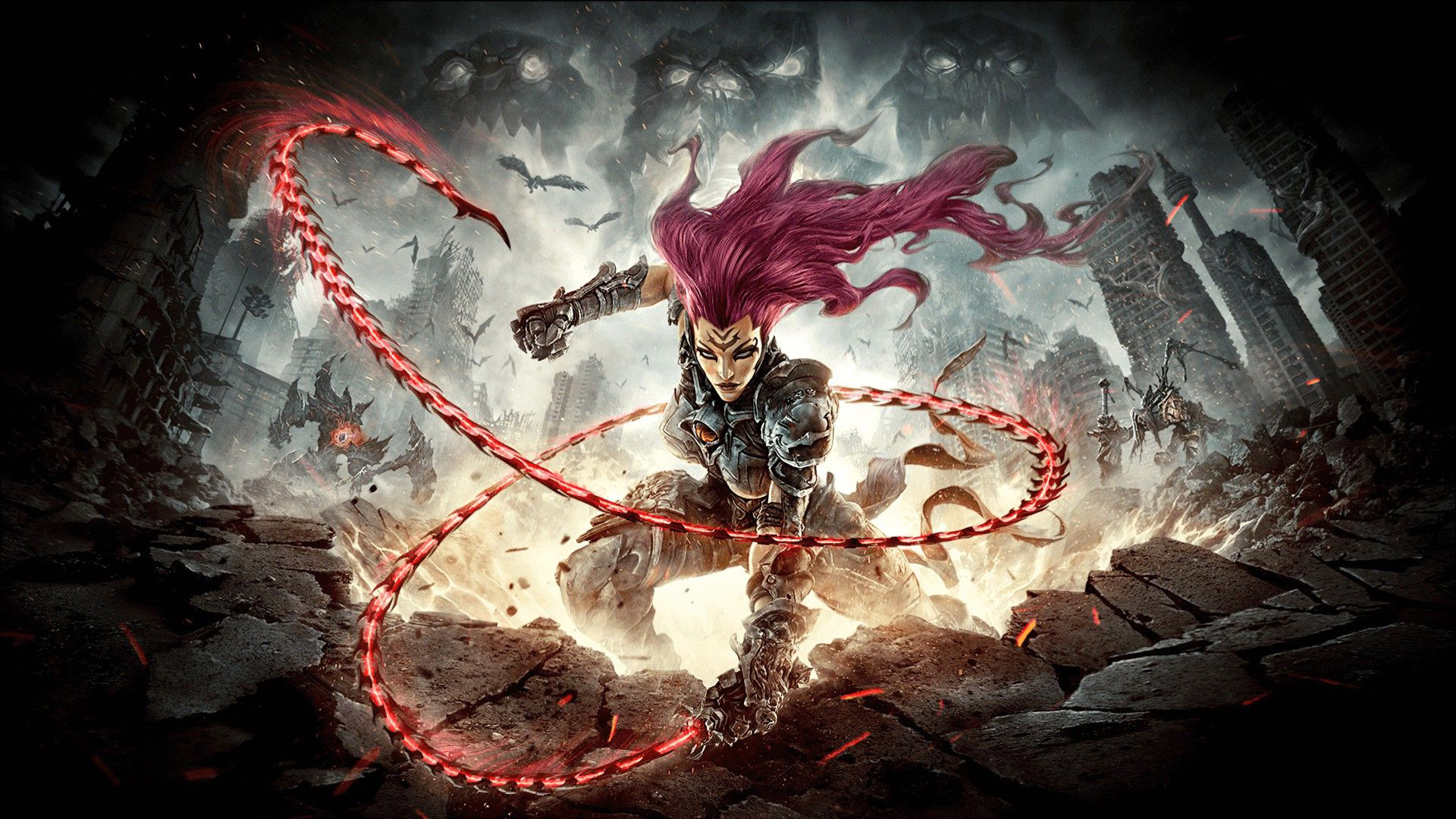
The third ‘Darksiders’ game centers around Fury and delves deeper into the history of the Nephilim. In ‘Darksiders III’, the Nephilim are revealed to be a race born from the remnants of angels and demons, destroyed because of their immense power. The game focuses on the difficult struggle of the Horsemen, who must hunt down other Nephilim to preserve the balance of the world. This creates a more personal story for the characters and clarifies their role in the larger universe. The Horsemen also received a visual makeover, emphasizing their connection to different elements.
‘Diablo III’ (2012)
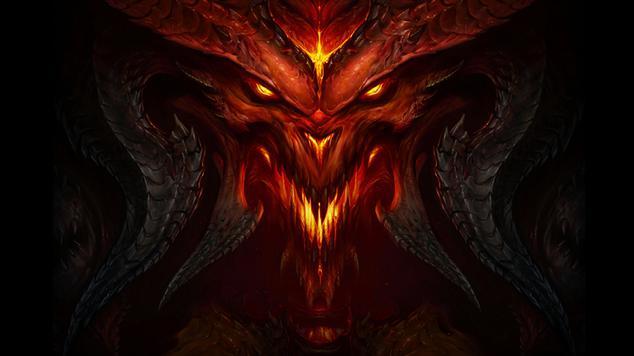
Playing ‘Diablo III’ totally blew my mind when I learned about the Nephalem. Turns out, humans aren’t just regular people – we’re actually descended from both angels and demons who were trying to get out of this endless war! That means we have the potential to be way more powerful than either of them. The whole game is about me, as my character, waking up to this ancient power and taking the fight to those Hell lords. It’s awesome because it finally puts humanity in the driver’s seat when it comes to saving the world, instead of just being caught in the middle.
‘Borderlands 3’ (2019)
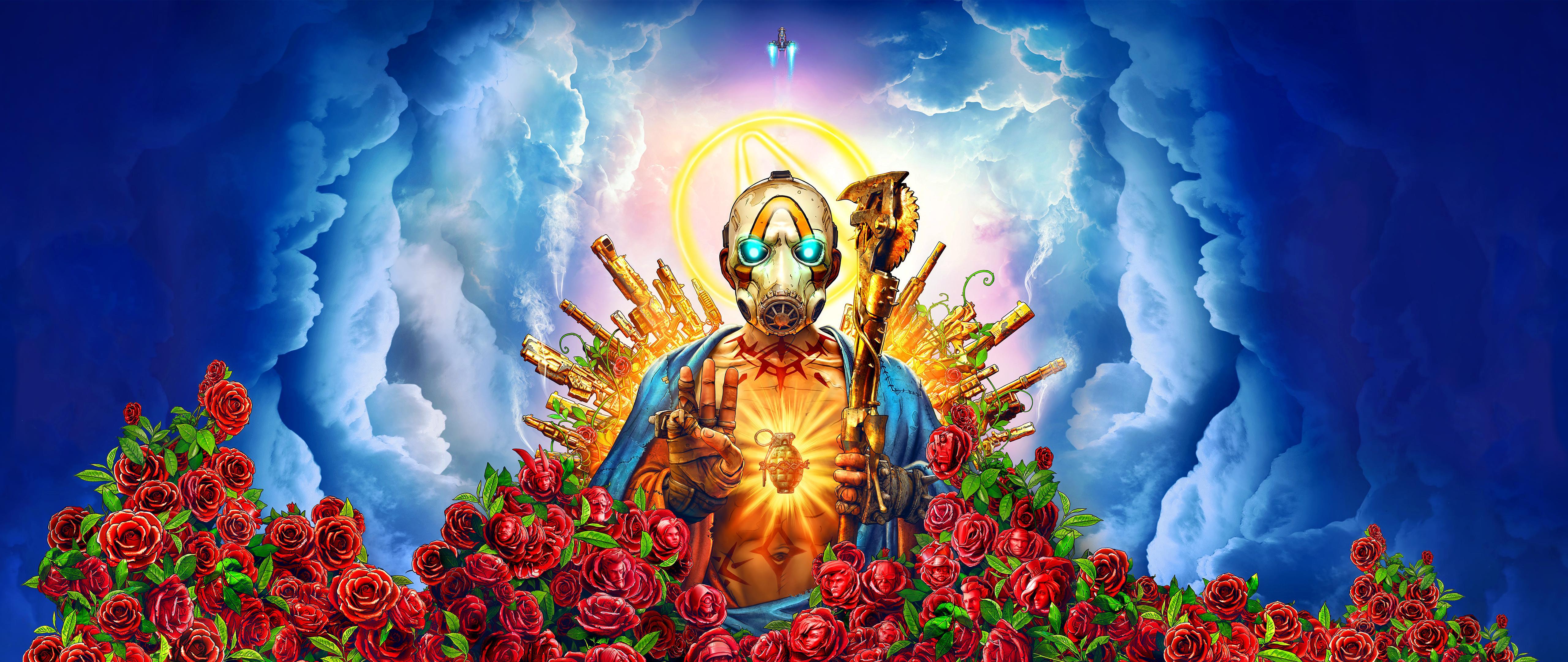
‘Borderlands 3’ greatly expanded on the history and background of the Sirens through new characters and in-game records. The game established that there are always six Sirens existing at any given time, and explained how their abilities are transferred. It also connected the Sirens to ancient technology from the Eridians and the secrets of the Great Vault. The Sirens’ appearance was updated with more striking tattoos and energy effects, making these elements a key part of who they are. These changes gave a more solid and understandable foundation to one of the series’ biggest mysteries.
‘Oddworld: Soulstorm’ (2021)
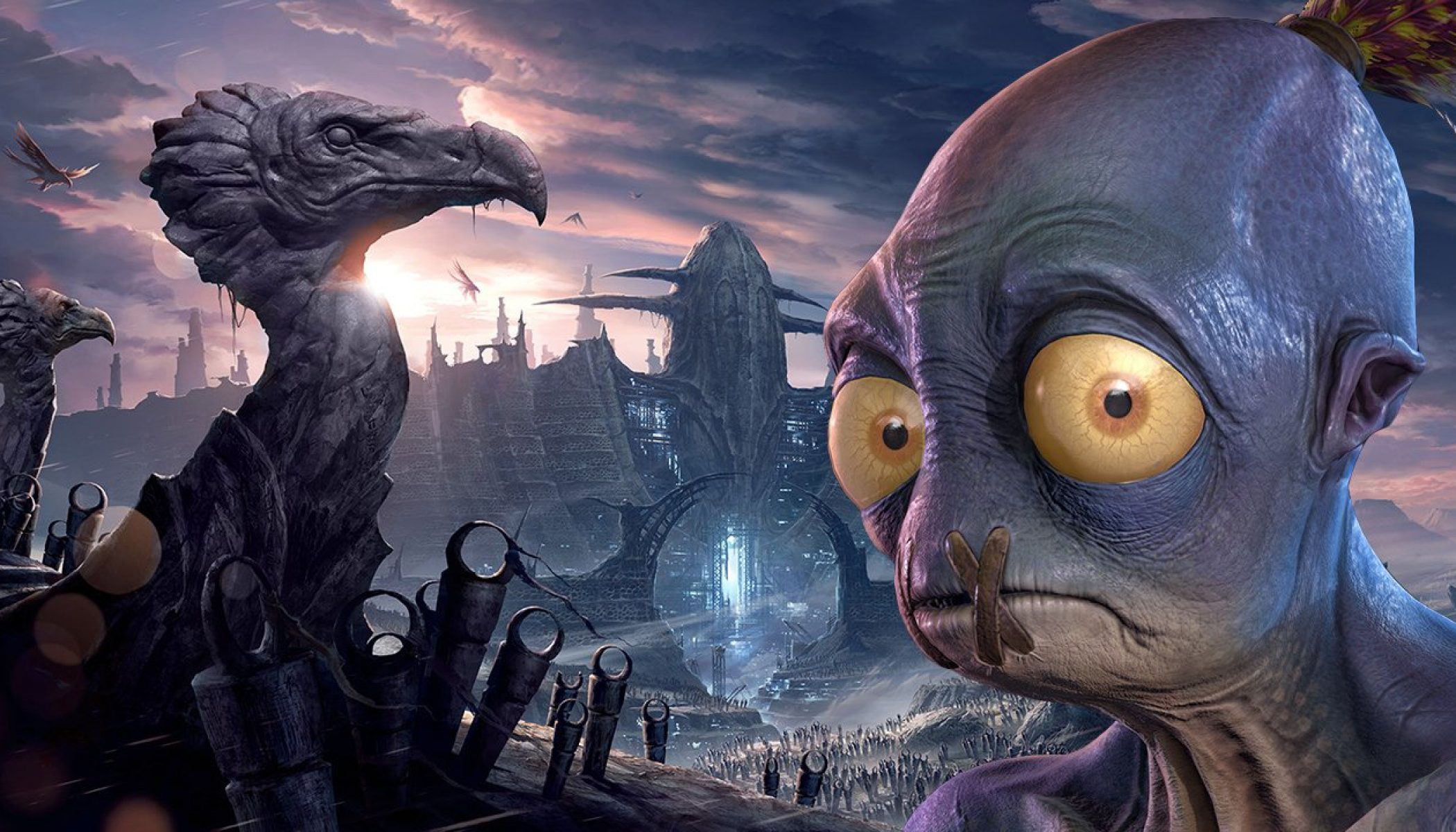
Oddworld: Soulstorm revamped the Mudokons, giving them more realistic biology and a complex society. The game showed Mudokons as a varied group with unique abilities, all working together to resist their oppressors. It highlighted how fragile they were and the mental impact of being enslaved. Improved graphics, like detailed skin and expressive eyes, made the Mudokons more engaging for players. These changes strengthened the game’s themes of fighting for survival and rebelling against harsh industrial control.
‘Tekken 8’ (2024)
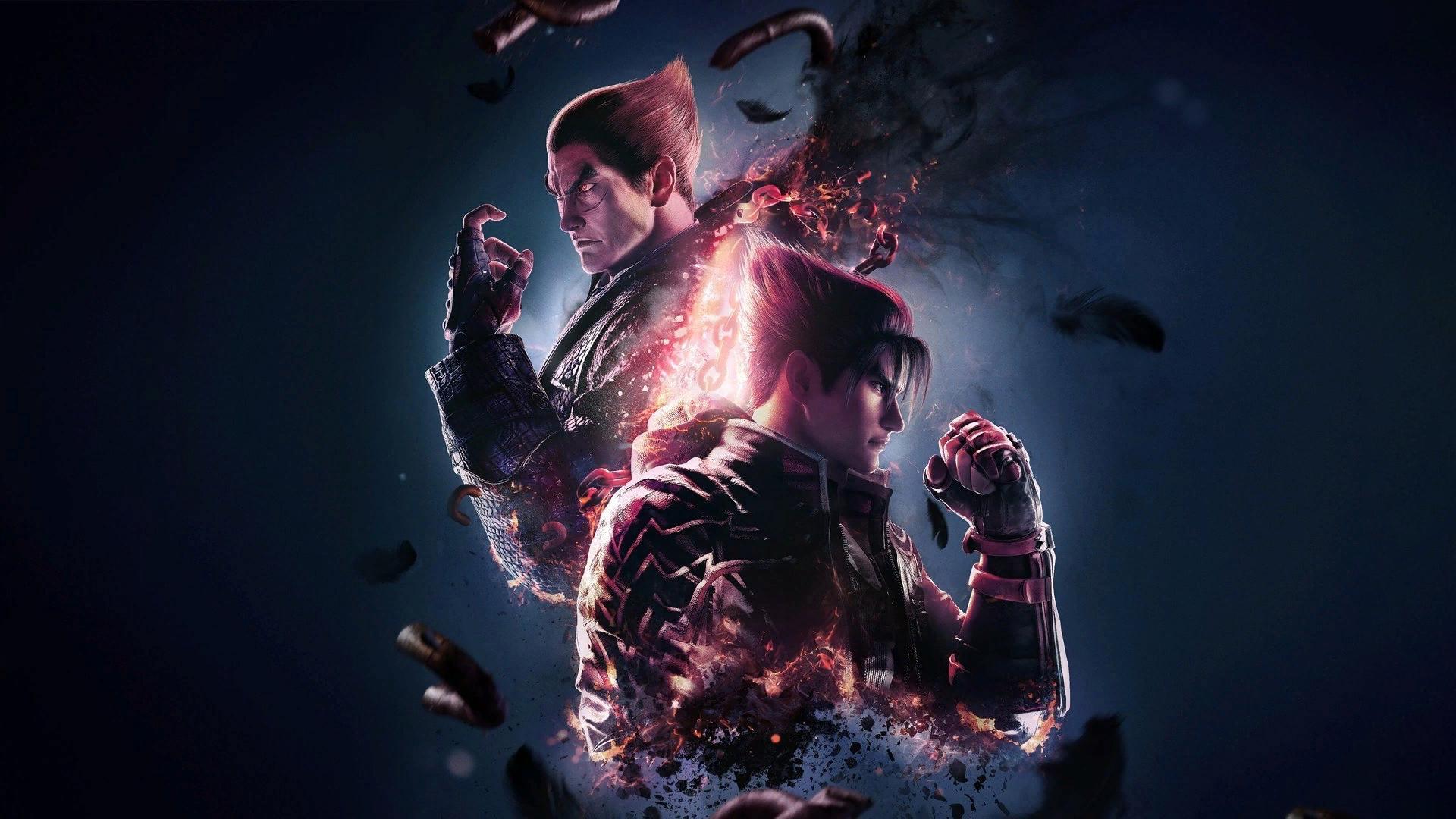
‘Tekken 8’ brought the long-running story of the Devil Gene and the Hachijo Clan to a head, finally resolving the conflict between Kazuya and Jin. The game explained where the demonic powers came from, linking them to a secret history of assassins. The epic battle between the two characters demonstrated the full power of their abilities, and introduced striking new visuals for the Devil form, incorporating elements of both cosmic and angelic imagery. After decades of fan theories, the mystery surrounding this iconic transformation is now solved.
‘Street Fighter V’ (2016)
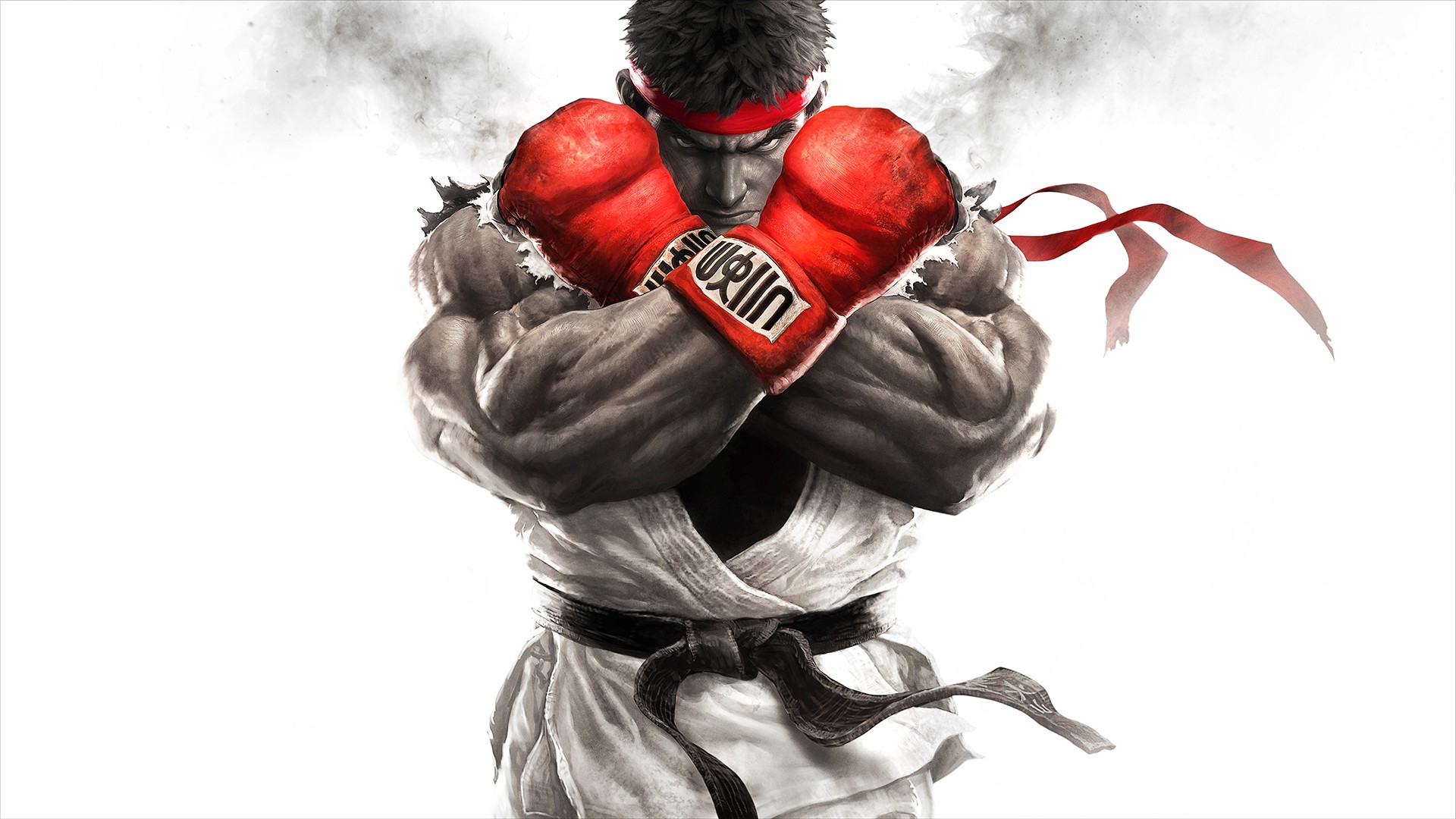
In ‘Street Fighter V’, the Satsui no Hado evolved from a basic game feature into a significant part of the characters’ backstories. The game delved into how various fighters are affected by this dark energy, and the physical consequences they experience. Characters like Necalli and an ancient prophecy helped explain the origins of this power. We also saw how fighters such as Ryu could overcome the darkness and achieve a new level of strength. Visually, the Satsui no Hado was represented by dark purple energy and glowing eyes, symbolizing the corruption it causes.
‘Destiny 2’ (2017)
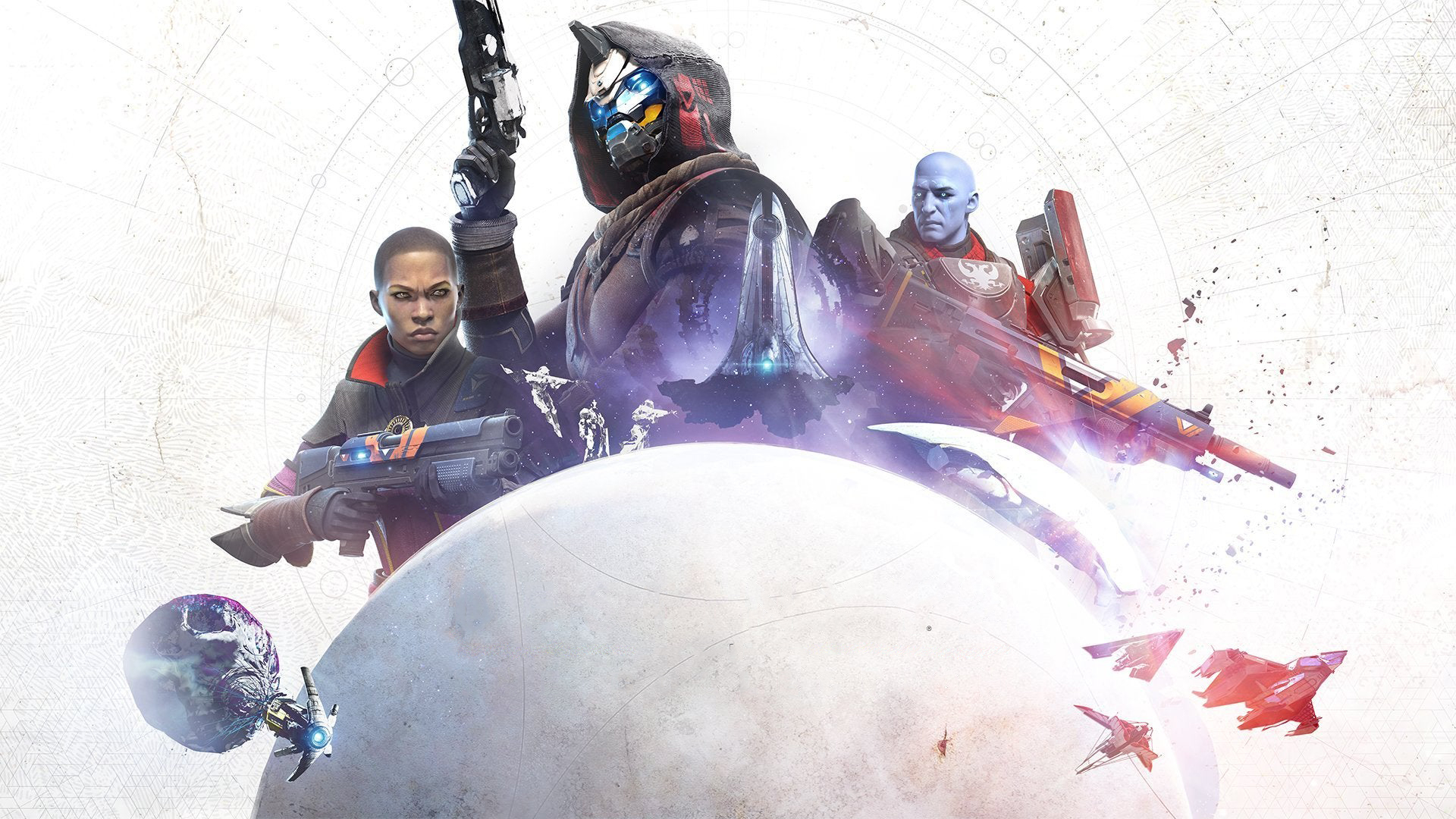
Over the course of ‘Destiny 2’s expansions, players discovered the fascinating origins of the Awoken and the Exo. The Awoken came to be during a space voyage when Light and Dark energy collided, while the Exo are humans whose minds were transferred into robotic bodies with the help of a substance called Clarity. These discoveries added depth to the game’s lore, moving it towards a more grounded science fiction history. The game also developed the Eliksni and Cabal into more than just enemies, portraying them as complex characters and potential allies.
‘Bayonetta 3’ (2022)
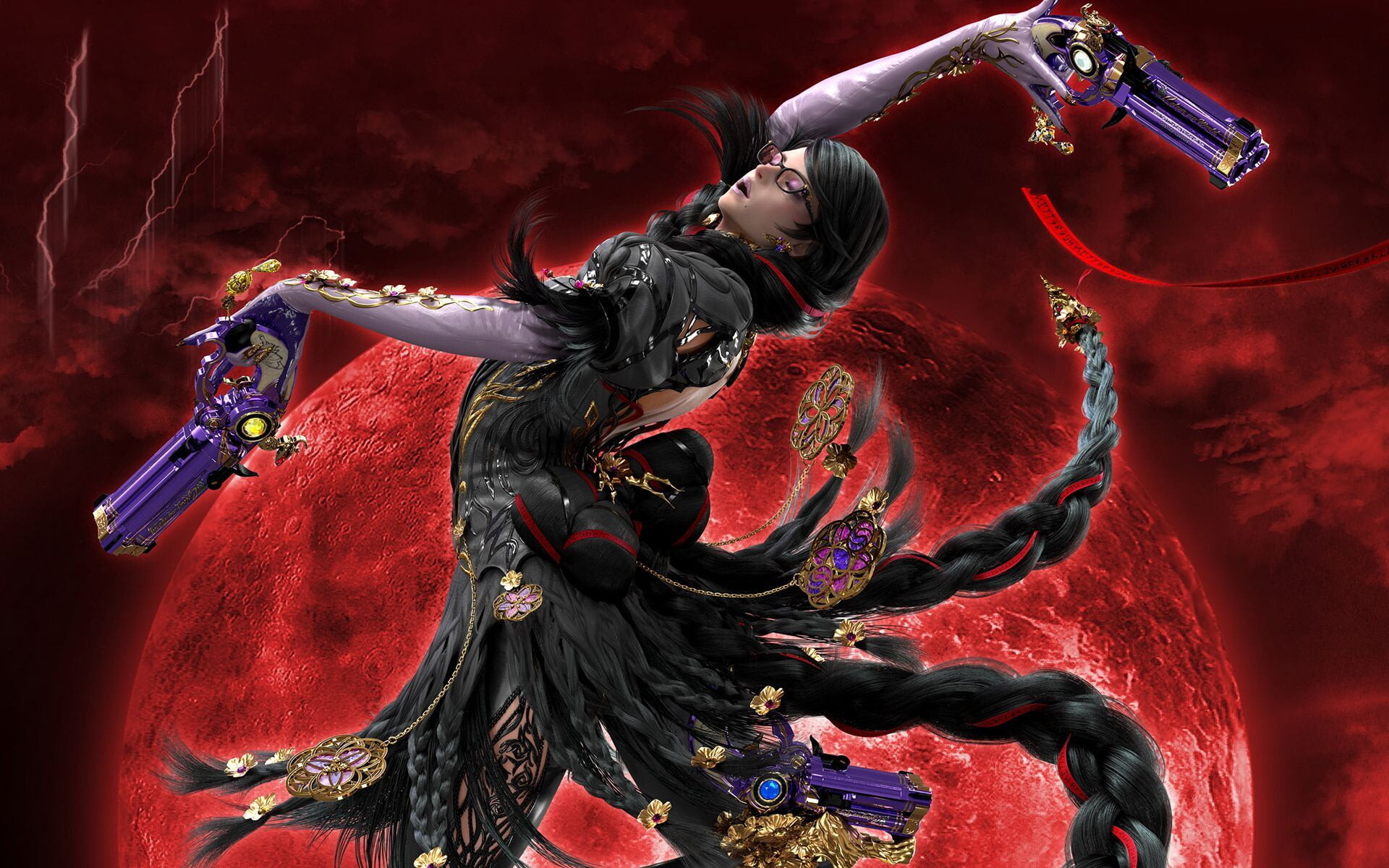
‘Bayonetta 3’ introduced the Homunculi, a new enemy type unlike the angels and demons seen before. These artificial beings posed a threat to entire universes, capable of destroying realities. The game also deepened the story of the Umbra Witches and Lumen Sages by revealing alternate versions of them from different worlds. This established a vast multiverse with shifting power dynamics, effectively changing the series’ established story. Enemy designs were updated with shimmering colors and flowing animations, creating a visual contrast with previous ‘Bayonetta’ games.
‘Star Wars: Knights of the Old Republic II’ (2004)
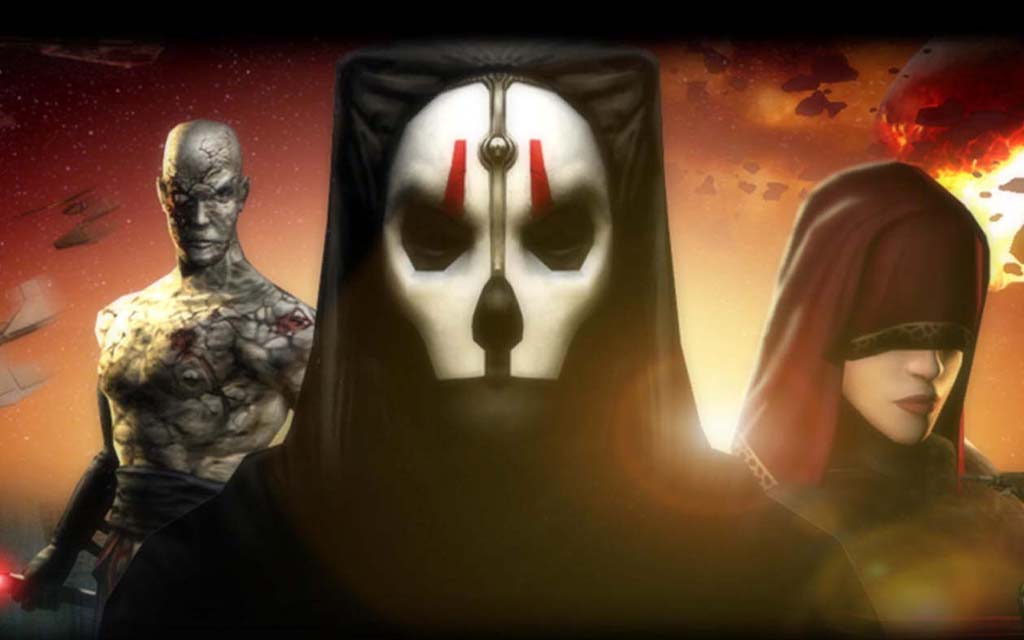
The sequel delved deeper into the Sith, exploring them not just as villains, but as a complex culture and even a species. ‘Star Wars: Knights of the Old Republic II’ showed the Sith as a broken group with conflicting beliefs about the Force. The game examined the origins of the Sith and how their past shaped those who used the dark side. It also featured unique characters like Darth Nihilus, who was unlike any villain seen before. This added layers to the Star Wars story by challenging simple ideas of good versus evil.
‘God of War’ (2018)
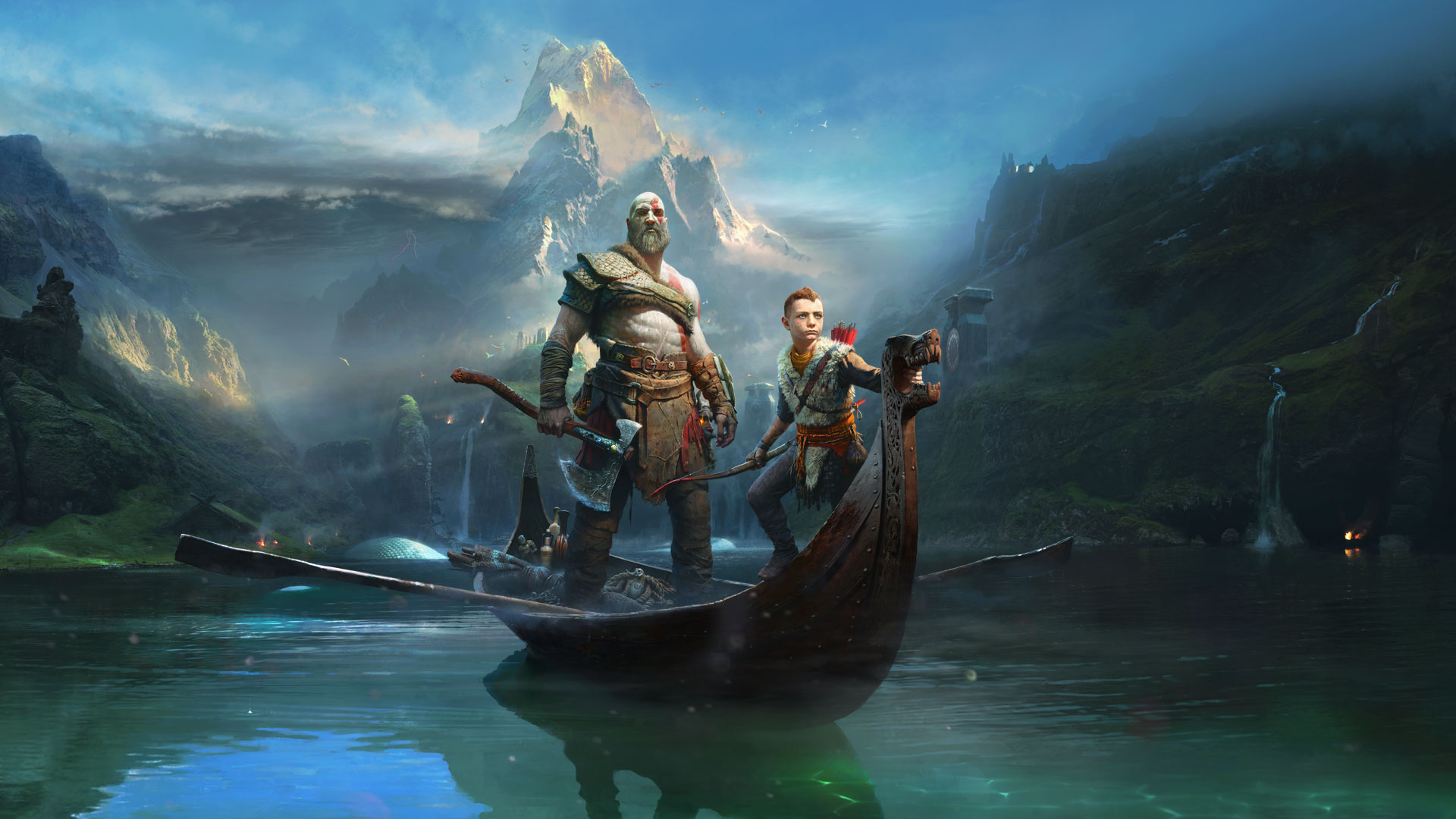
Okay, so the new ‘God of War’ really blew my mind with how they handled the Jötunn and Elves. Forget just big, dumb monsters – the Jötunn were actually these really cool, wise people, amazing craftspeople and scholars. And the Elves? They weren’t just light and dark sides, but caught in this endless, heartbreaking civil war over some powerful energy source. It made the whole world Kratos and Atreus were traveling through feel so much richer and sadder. What I really appreciated was that the designs weren’t just ripped from other fantasy games; they actually looked like they came straight out of old folklore, which was awesome.
‘Killer Instinct’ (2013)
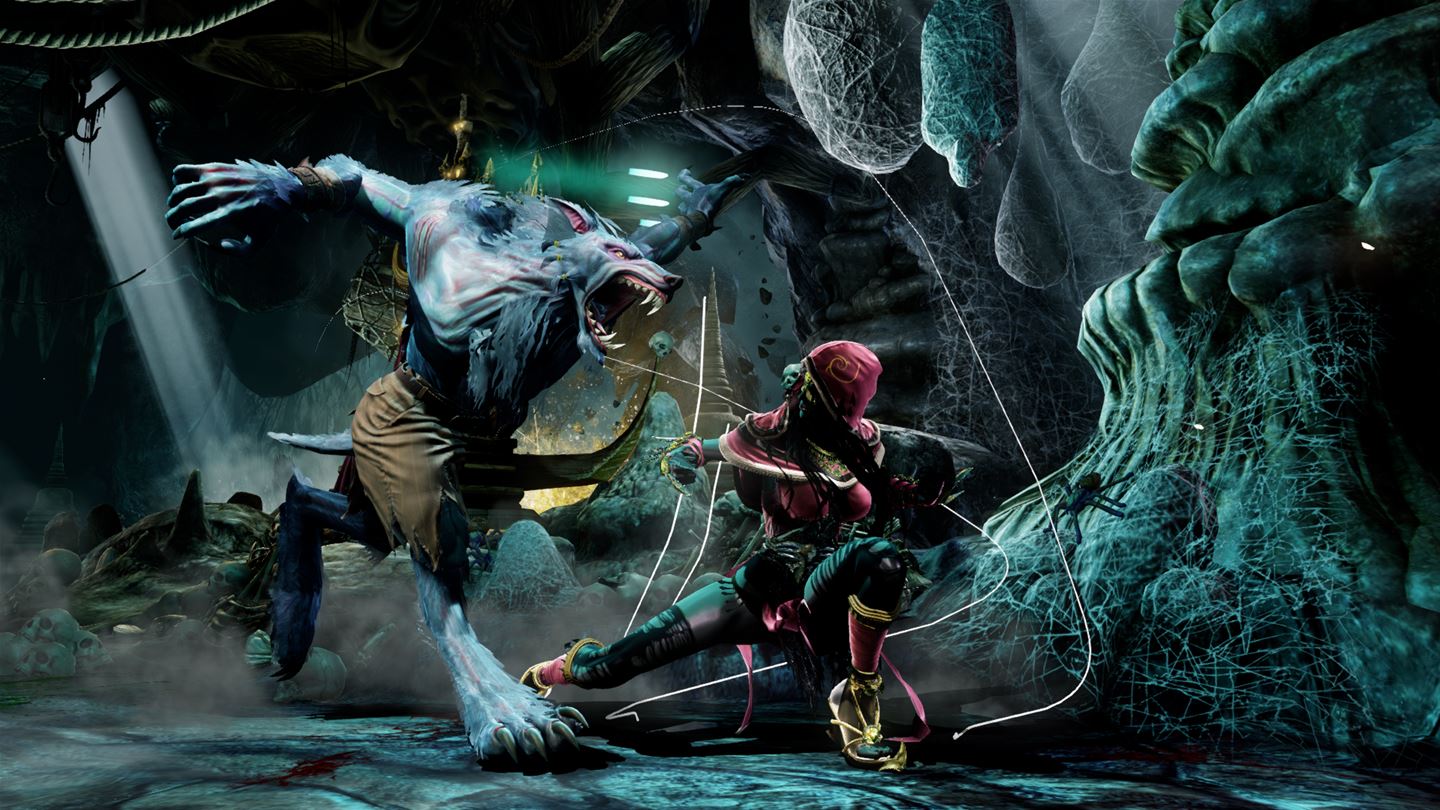
As a longtime Killer Instinct fan, I really appreciated how they revamped the story in the reboot. They tied a lot of the characters’ origins together, explaining that a lot of the non-human fighters were actually created by this evil corporation, UltraTech. It wasn’t just random anymore! They also gave characters like Glacius and Aganos these really cool backstories connected to ancient aliens and lost civilizations, which gave the whole roster a much more solid foundation. Plus, with the updated graphics, each race looked amazing – the textures and particle effects really made them stand out and feel unique.
‘Dark Souls III’ (2016)
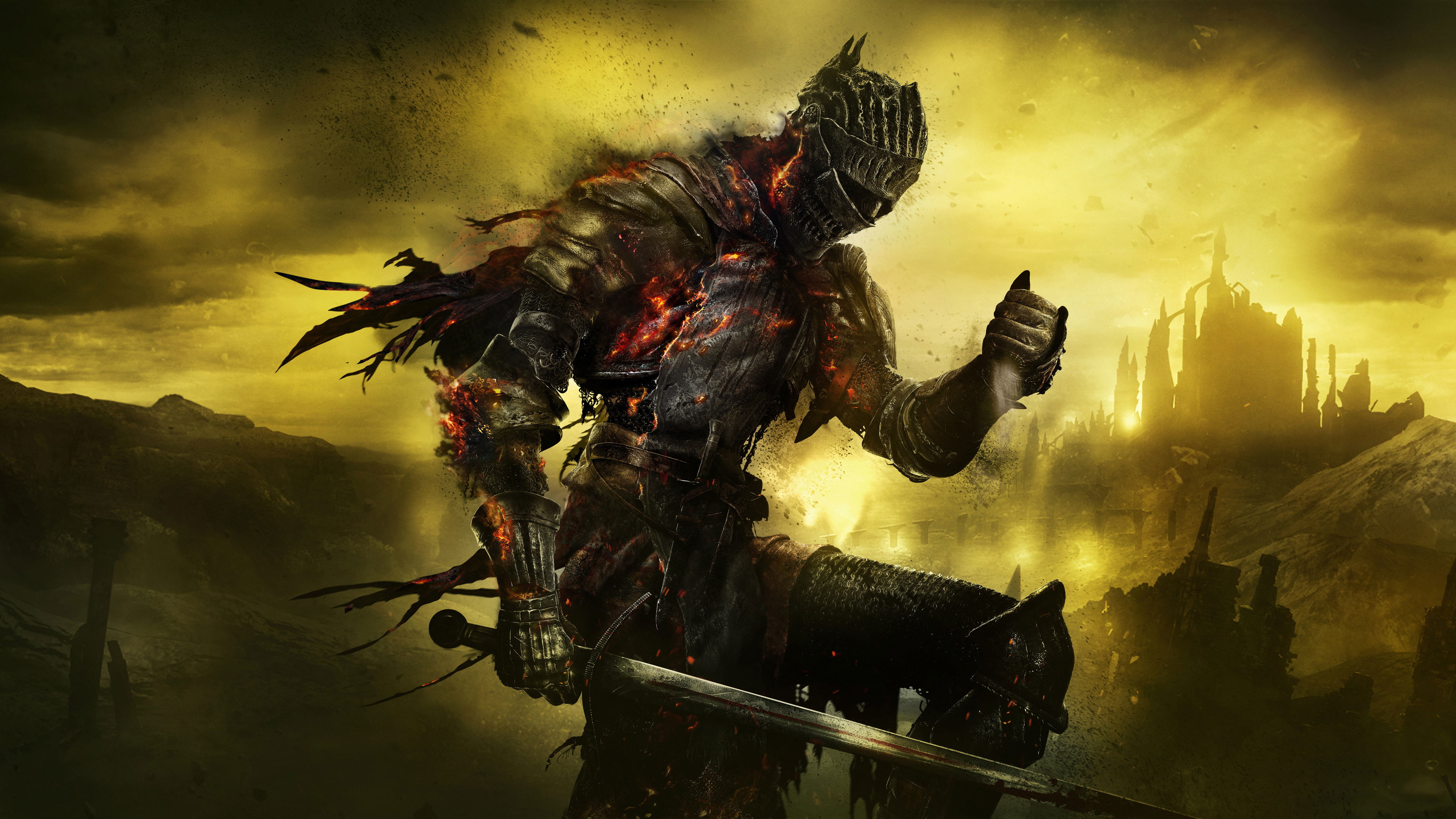
The third and final game in the series offered a concluding look at the history of the Giants and Lords of Cinder. ‘Dark Souls III’ showed Giants in many different forms – from the enormous Yhorm to the smaller, enslaved Giants found in the cathedral – hinting that their size and status varied depending on where they lived and their place in society. The game also introduced the Unkindled, beings who couldn’t fully rekindle the fire and were left as ash. These elements created a dark and melancholic ending to the world’s story and the tale of its people.
‘Serious Sam 4’ (2020)
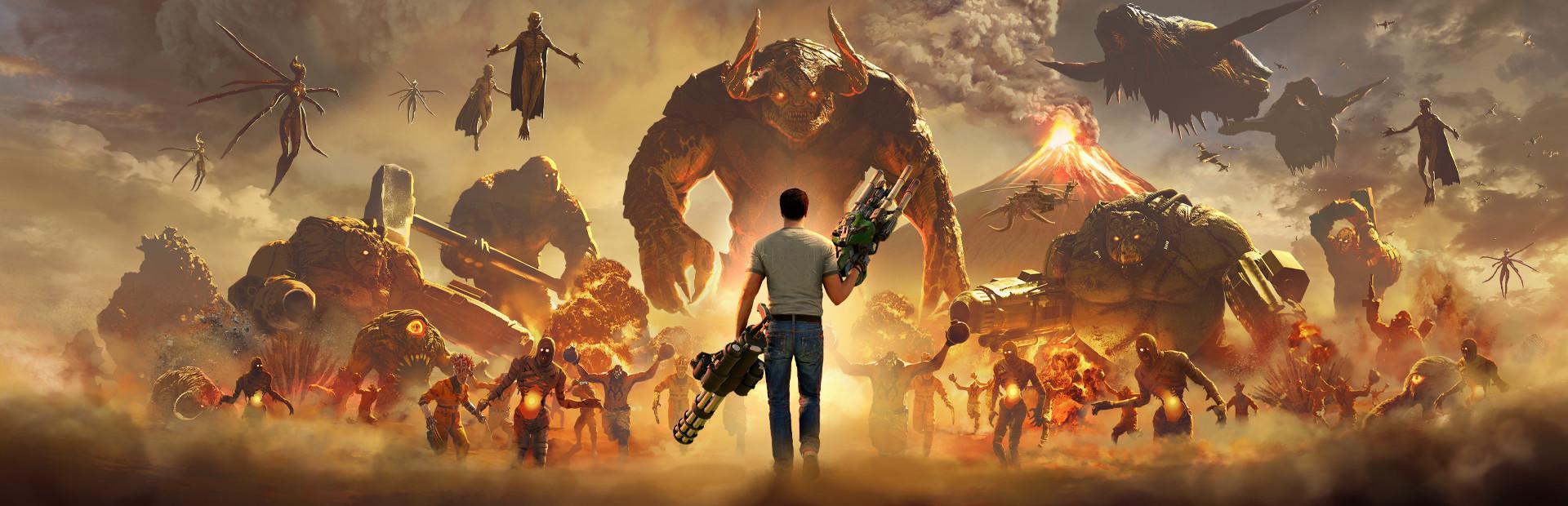
Serious Sam 4 built upon the classic alien invasion by adding even more diverse and detailed enemies to the already massive hordes. It revamped familiar foes like the Kleer and Headless Kamikaze, and introduced terrifying new creatures. The game also delved into the origins of these aliens through lore entries, explaining their home worlds and how they fell under the control of a powerful overlord. This added a welcome sense of story and depth to the fast-paced action, something previous Serious Sam games lacked. Plus, the upgraded game engine could now display hundreds of enemies on screen at once, creating truly chaotic battles.
‘Pikmin 4’ (2023)
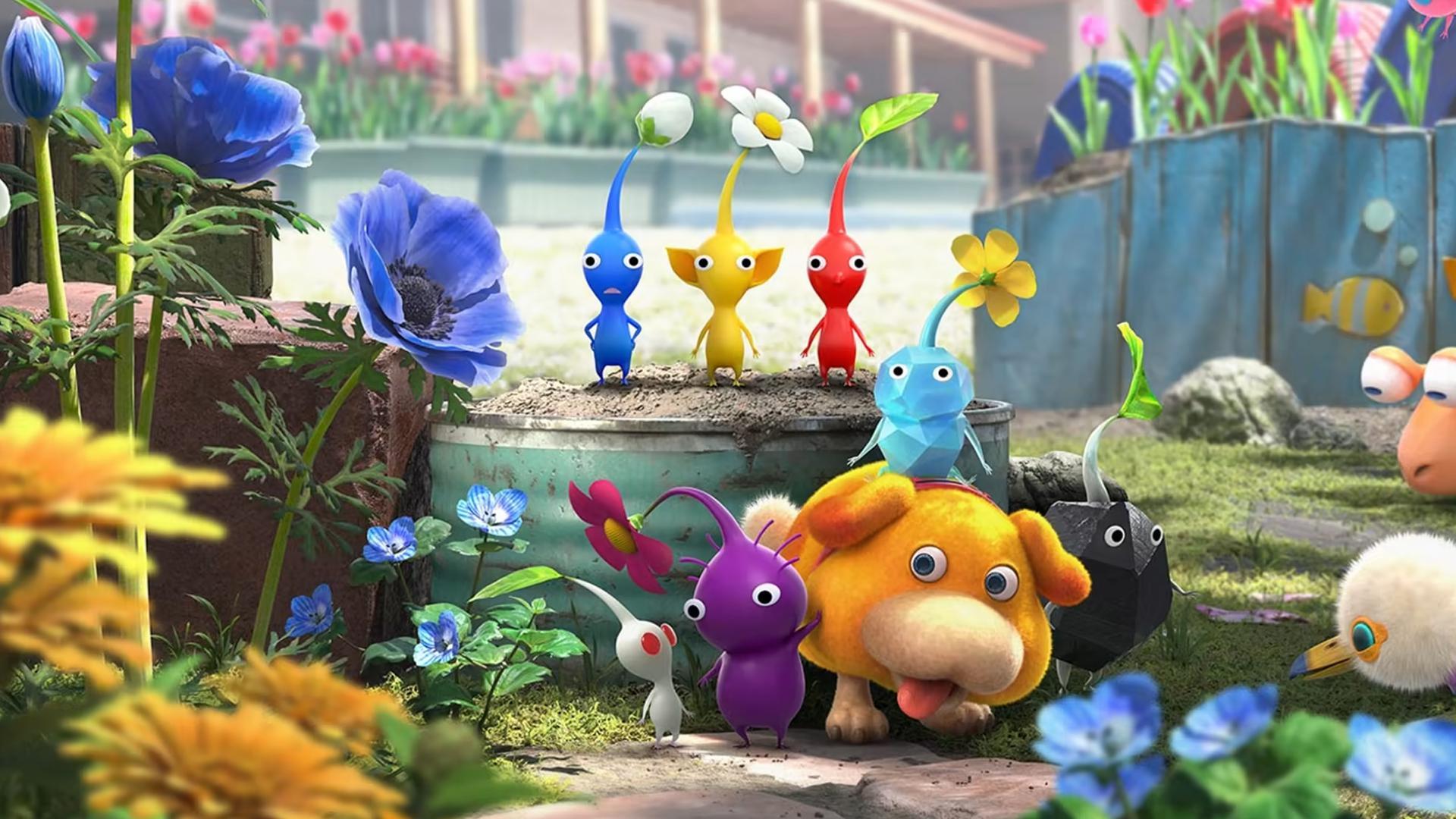
The latest Pikmin game features new creatures called Leaflings – people or other beings changed by a strange fungus. In ‘Pikmin 4’, these Leaflings present challenges players must defeat in Dandori battles. This development expands the game’s story, hinting that Pikmin and their world can transform other living things. The game also introduces Oatchi, a space dog from a new species with special skills. These additions make the miniature world more diverse and offer new ways to play.
Share your thoughts on these drastic race changes in the comments.
Read More
- Invincible Season 4 Gender Swaps Tech Jacket As Fans Question Major Comic Change
- Silver Rate Forecast
- Gold Rate Forecast
- 15 Films That Were Shot Entirely on Phones
- Building Agents That Learn and Improve Themselves
- 22 Films Where the White Protagonist Is Canonically the Sidekick to a Black Lead
- 20 Movies Where the Black Villain Was Secretly the Most Popular Character
- Celebs Who Narrowly Escaped The 9/11 Attacks
- 14 Movies Where the Black Character Refuses to Save the White Protagonist
- Trading Crypto with AI: A New Approach to Portfolio Management
2026-01-11 10:21