
As a gamer, I’ve noticed over the years that video games have really started to dig into questions of gender, both in how characters look and in their stories. Some of my favorite franchises have had characters where their gender was changed during development, or even revealed to be different than I initially thought within the game’s story. These changes always get people talking – about representation, and what the developers were trying to achieve. Looking back at these moments actually shows how much the gaming world has changed over time. I’ve put together a rundown of some of the most talked-about games where a character’s gender identity has been a big part of the conversation.
‘Metroid’ (1986)
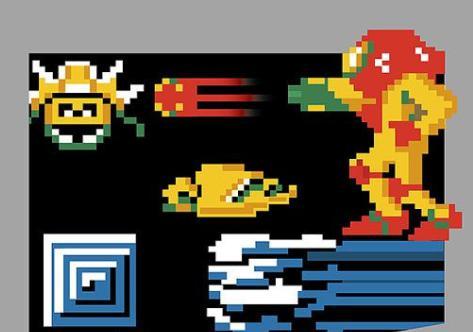
The first ‘Metroid’ game starred Samus Aran, a character who always wore a bulky suit of armor. Because of the limited technology of the time and how the game was advertised, most players thought Samus was a man. The big surprise came when it was revealed that Samus was actually a woman – a powerful bounty hunter. This unexpected twist was groundbreaking for video games, challenging typical ideas about action heroes, and it’s still talked about by gamers today.
‘Super Mario Bros. 2’ (1988)
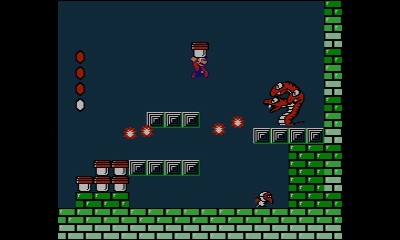
This platforming game first featured Birdo as a challenging mini-boss. The original game manual described Birdo as a male character who identified as female and preferred the name Birdetta. However, later games simply presented Birdo as female, leading to ongoing debate among fans about the character’s backstory and how it has changed over time and across different versions of the game. Birdo is now a key example when discussing how gender was portrayed in early ‘Super Mario’ games.
‘Final Fight’ (1989)
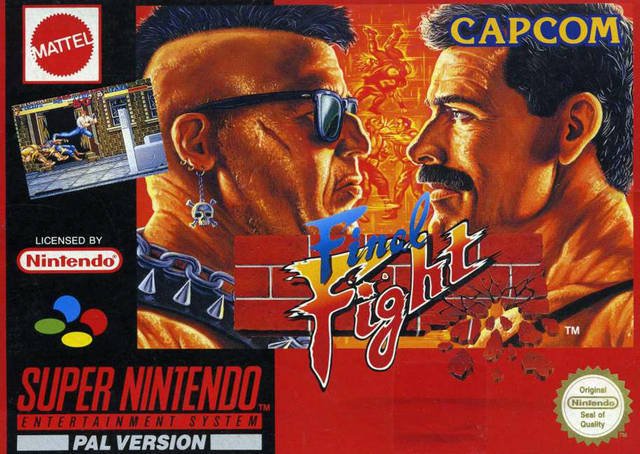
I first encountered Poison way back in the old arcade days – she was this tough, street-smart fighter. It’s kinda wild looking back, but the developers actually got worried about people hitting a female character, so they started saying she was transgender in some versions of the game. Honestly, it caused a ton of confusion over the years, with different people at Capcom saying different things about her. She’s popped up in a bunch of fighting games since then, and her gender identity always seemed to be a big topic of discussion among fans. But now, looking at it all, it’s amazing to see how Poison is now recognized as one of the first characters to really explore gender identity in a mainstream video game. It’s pretty cool!
‘Final Fantasy V’ (1992)
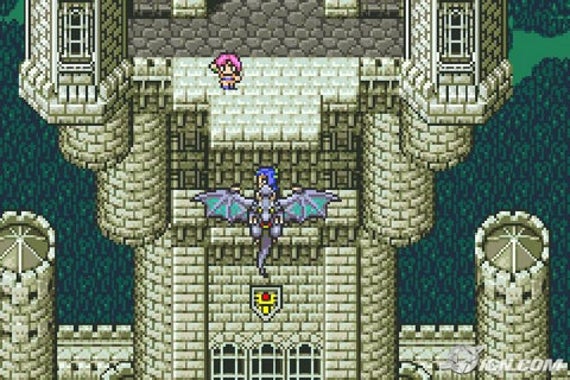
Faris Scherwiz is a pirate captain who disguises herself as a man to gain authority while sailing the seas. It’s later revealed she’s actually a princess and the sister of one of the other characters. Throughout the game, Faris maintains a blend of traditionally masculine and feminine qualities, which has made her a popular character with fans. Her depiction was unique for early role-playing games, as it broke away from typical portrayals of female characters. Players admire Faris for her strength and her determination to defy societal norms.
‘Chrono Trigger’ (1995)
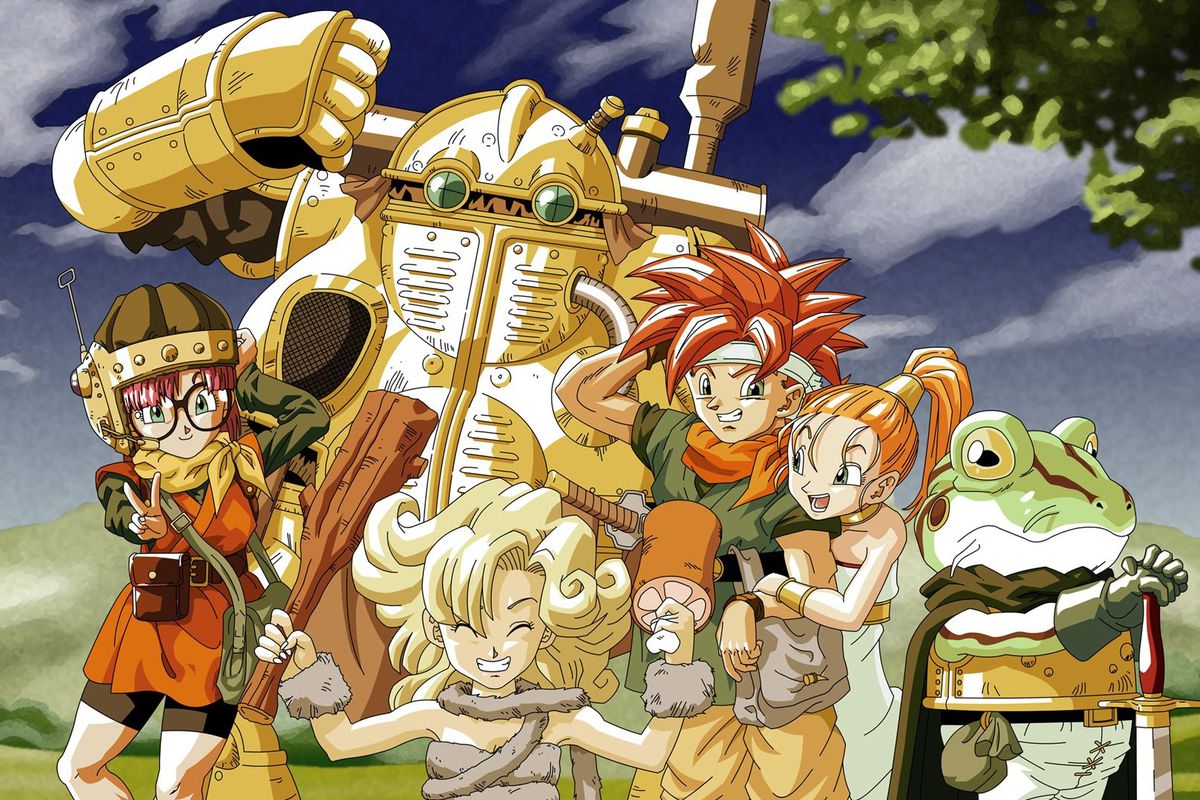
This adventure features Flea, a magical villain working for the wizard Magus. Flea looks traditionally feminine, but strongly believes that strength and attractiveness are more important than being male or female. He identifies as a man, even though he wears dresses and has a delicate appearance. This surprising moment resonated with fans in the mid-nineties, as it offered a perspective rarely seen in games at the time. Flea has since become a beloved character known for his distinctive and rebellious personality.
‘Nights into Dreams’ (1996)
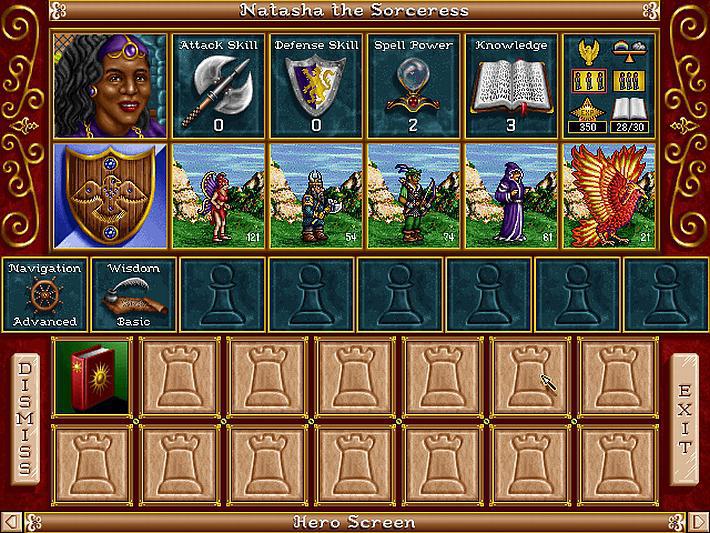
The main character in this classic Sega game was deliberately created to be neither clearly male nor female, existing outside of traditional gender roles. The developers wanted Nights to embody the limitless nature of dreams, where gender isn’t a defining factor. This allowed players to see themselves in the character as they explore fantastical dream worlds. This was a groundbreaking design choice for its time, helping many players connect with the protagonist. Even today, Nights is considered a fantastic example of successful gender-neutral character design.
‘The Legend of Zelda: Ocarina of Time’ (1998)
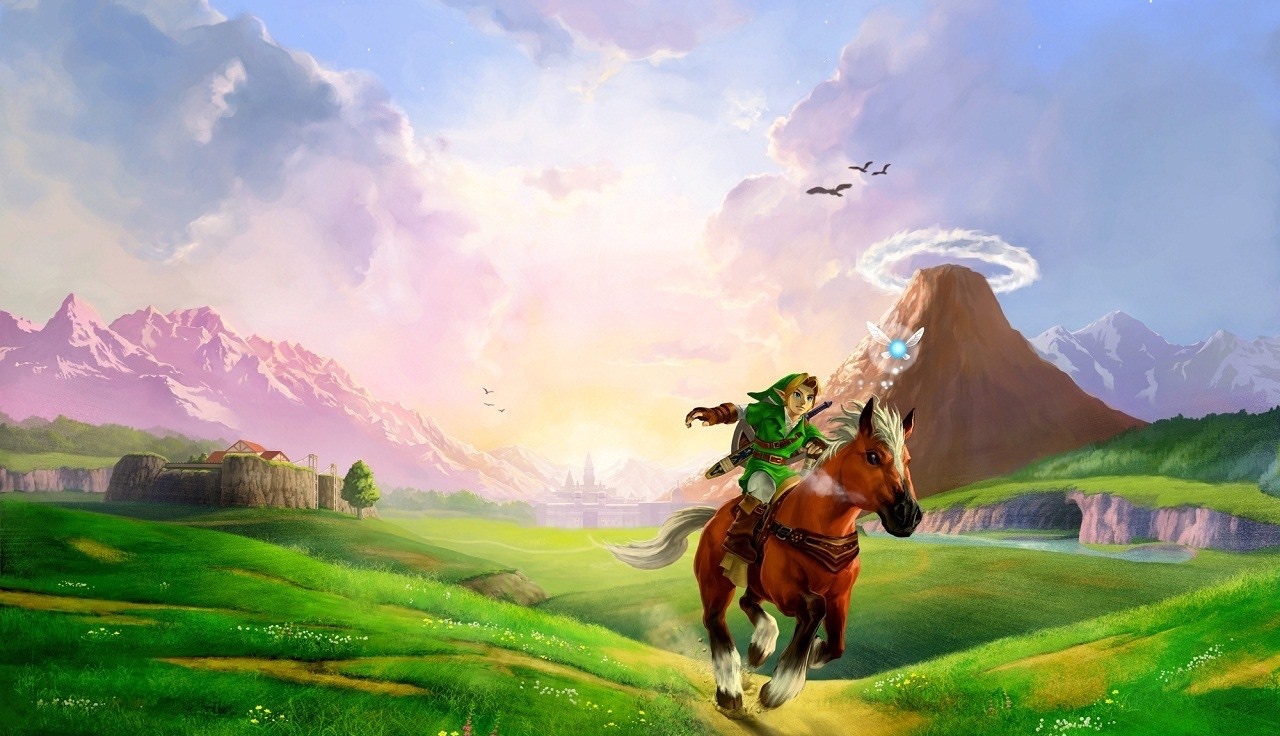
During the seven years between games, Princess Zelda goes into hiding from the evil Ganondorf by disguising herself as Sheik. Sheik looks and sounds very different from Zelda – different enough that many players originally thought Sheik was a male character. Fans have long debated whether Sheik is a magical form or just a clever disguise. While official sources confirm Sheik is Zelda in disguise and therefore female, the more masculine appearance has become a memorable part of the game. This contrast between Zelda and Sheik is a key part of what makes the story so powerful.
‘Pokemon Gold and Silver’ (1999)
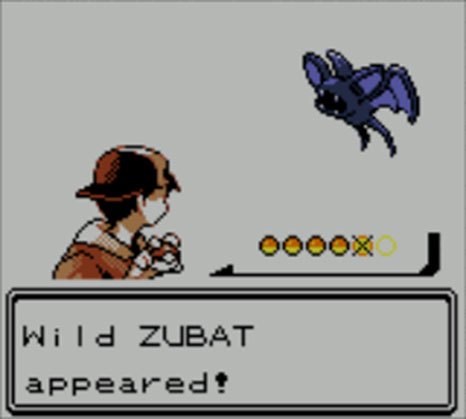
Okay, so this is a weird one from the Pokémon games. Back in the day, they added Azurill, which is the little pre-evolution of Marill. But there was a glitch – Azurill has a different chance of being male or female than Marill does. This meant that if you evolved a female Azurill, it could become a male Marill! It was probably just a mistake in the game’s code, but fans went wild with theories about how Water-type Pokémon biology might work. They eventually fixed it in newer games, but it’s still a fun bit of Pokémon trivia. It’s cool how a simple game bug actually sparked a lot of imagination about the Pokémon world!
‘Fire Emblem: The Blazing Blade’ (2003)
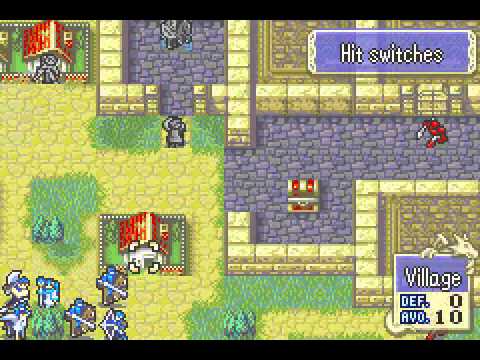
Lucius is a strong monk character known for his long blonde hair and pretty features, which often lead others to believe he’s a woman. This look was intentionally designed to go against the usual image of male fighters in fantasy games. He constantly has to clarify his gender, adding a subtle social message to his conversations. The ‘Fire Emblem’ fanbase often discusses whether this character trait works well, and his connection with the mercenary Raven is another popular topic of conversation.
‘Paper Mario: The Thousand-Year Door’ (2004)
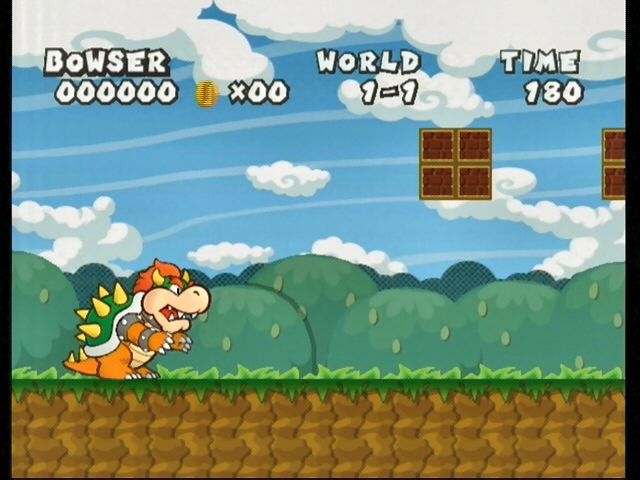
Vivian is a character from the Shadow Sirens who teams up with Mario during his adventure. Originally, the Japanese version of the game revealed Vivian’s backstory as someone who transitioned from male to female and experienced hardship from her sisters. However, the English version of the game omitted this part of her story, presenting her simply as a girl. The recent remake of the game brought Vivian’s original story back, sparking conversation among fans. Many players consider Vivian to be one of the most relatable and complex characters in the series.
‘Enchanted Arms’ (2006)
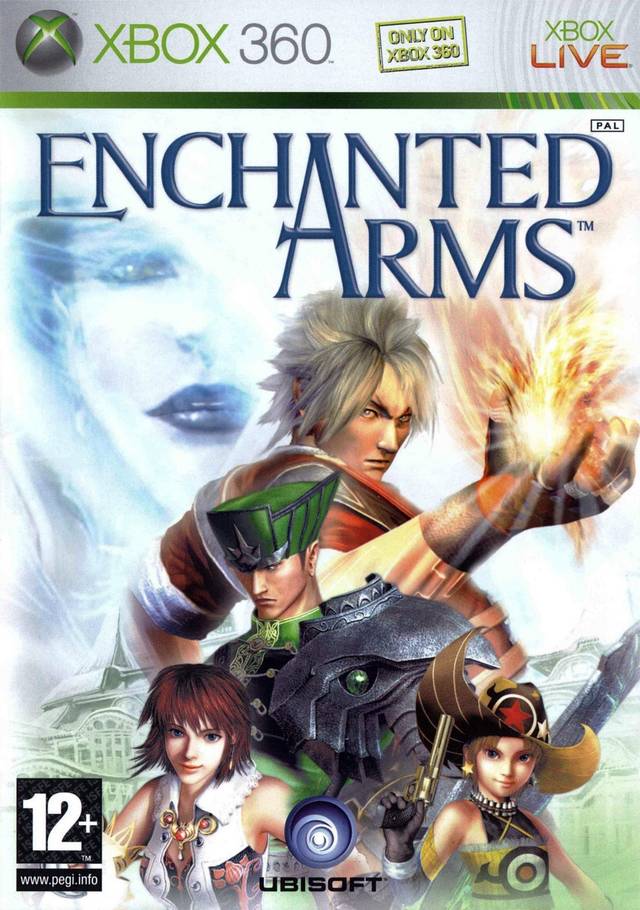
This role-playing game includes Makoto, a confident and openly transgender woman. While her inclusion was significant for its time, the way she was portrayed sometimes relied on common stereotypes, which caused mixed reactions from players. Some welcomed the representation, while others felt she was primarily used for laughs. Makoto’s character reflects the challenges developers faced when trying to represent gender identity in the mid-2000s, and she’s become a key example of how these themes were handled during that period.
‘Tekken 6’ (2007)

Leo Kliesen was created as a deliberately gender-neutral character to be inclusive to all players. For years, the developers intentionally didn’t reveal Leo’s gender, sparking a lot of debate among fans. While it was later confirmed that Leo’s full name is Eleonore, the character still uses he/him pronouns and wears traditionally masculine clothing. This intentional ambiguity is central to Leo’s personality and how they fight. Even now, the ‘Tekken’ community often uses a mix of pronouns when talking about Leo during competitions.
‘Persona 4’ (2008)
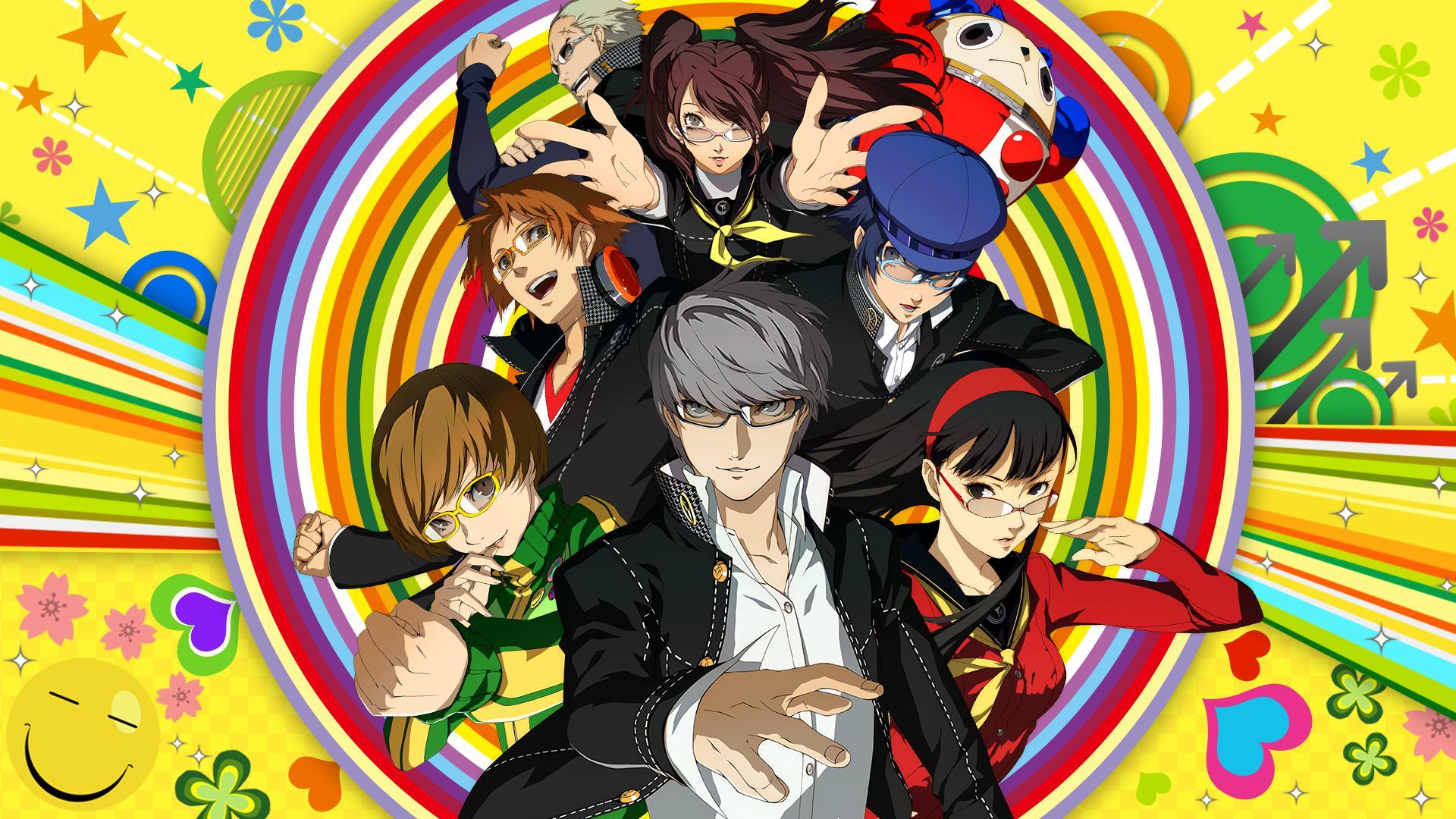
Naoto Shirogane is a detective who disguises herself as a boy to be taken seriously in a profession dominated by men. Her story centers around the tension between who society expects her to be and her true self. Although the game portrays her journey as embracing her femininity, many fans see Naoto as a transgender character. This difference in understanding has sparked ongoing discussion and debate among ‘Persona’ fans, making her one of the most frequently analyzed characters in the series.
‘Fable II’ (2008)
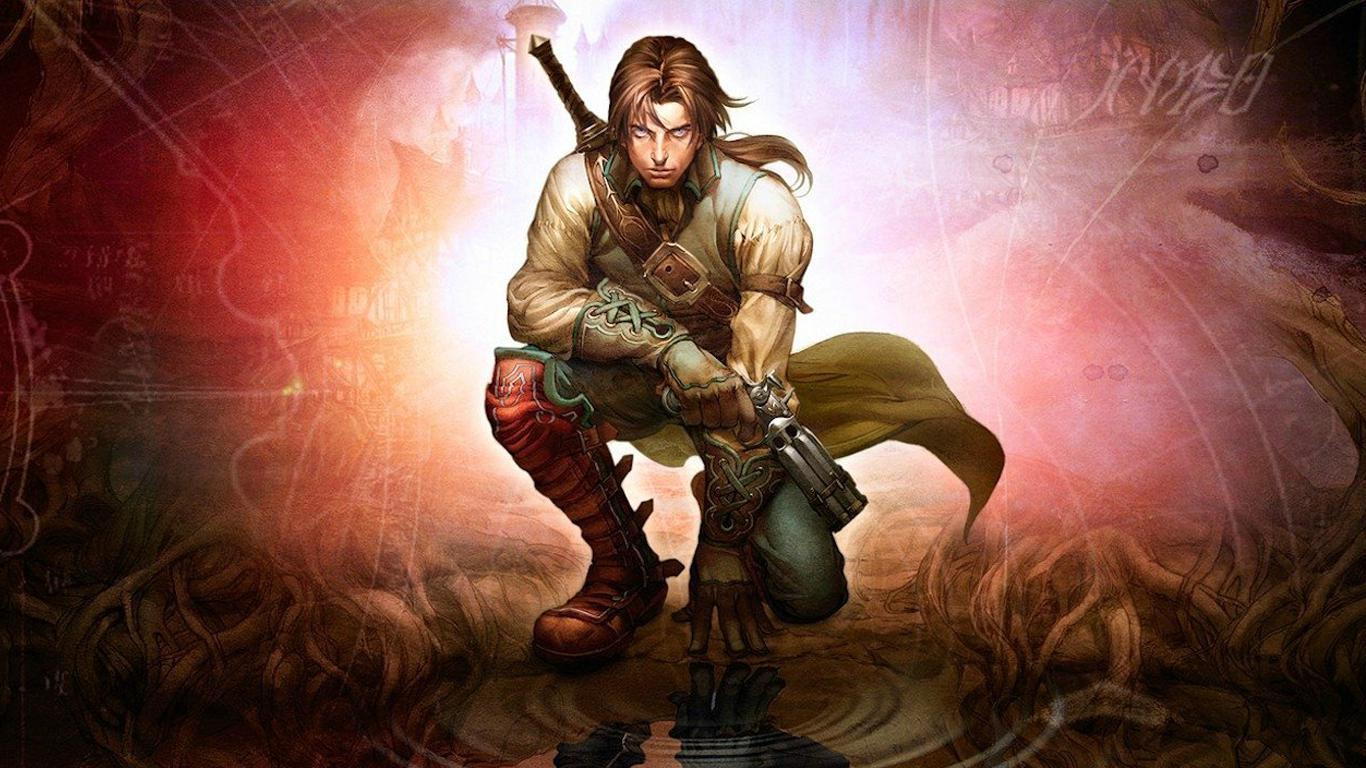
The ‘Fable’ games let players customize how their character looks and behaves. A special item, the Potion of Transmutation, even lets you permanently change your character’s gender. This was unusual for open-world action games when ‘Fable’ came out, and it gave players a lot of freedom to create the character they wanted. It opened up new ways to role-play and experience the game, and players often used it to see how characters in the game would react to different versions of their hero.
‘Danganronpa: Trigger Happy Havoc’ (2010)
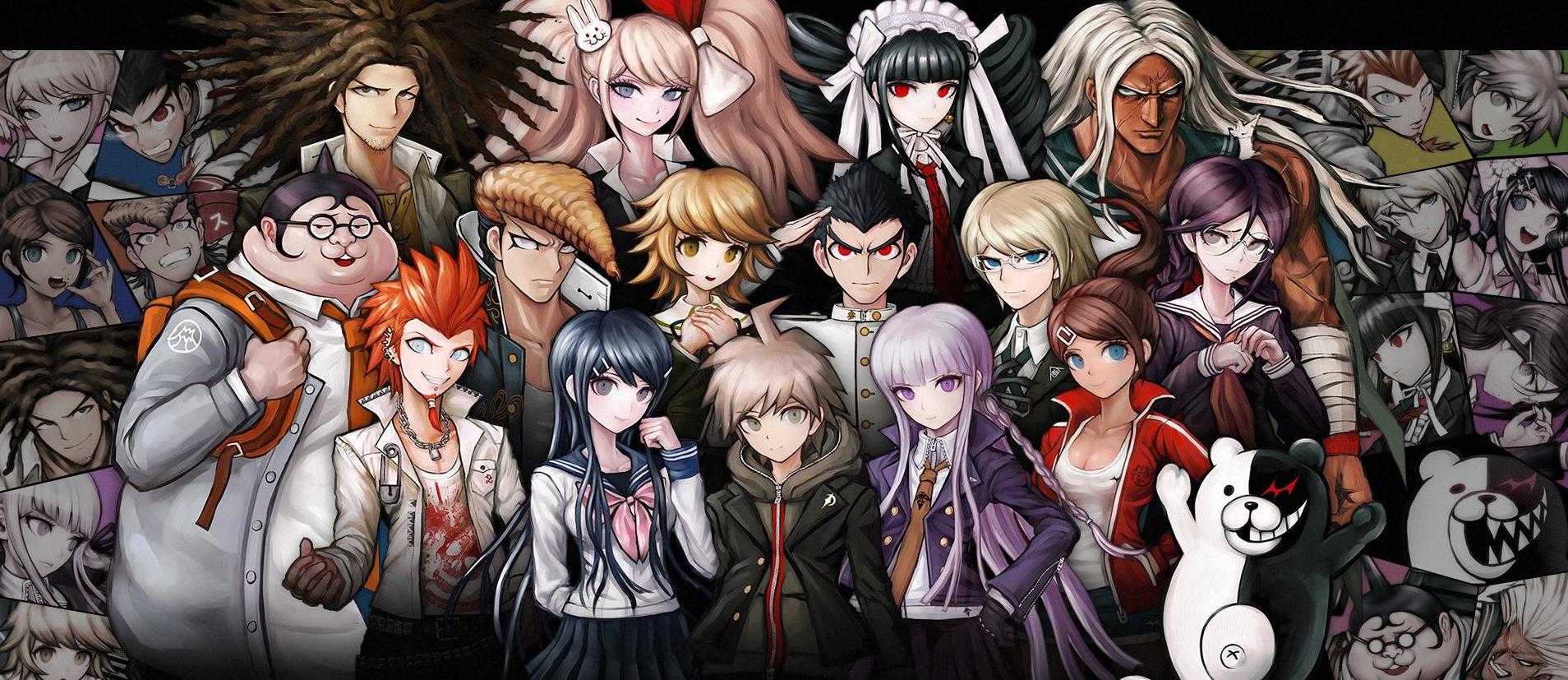
Chihiro Fujisaki is first presented as a young girl, but is later revealed to be a boy who disguised himself to avoid being targeted for his perceived lack of strength. This surprising revelation becomes a key part of the story’s murder mystery. Fans have extensively discussed how this plot point addresses themes of gender and identity. Chihiro remains a popular and sympathetic character within the ‘Danganronpa’ community.
‘Nier Replicant’ (2010)
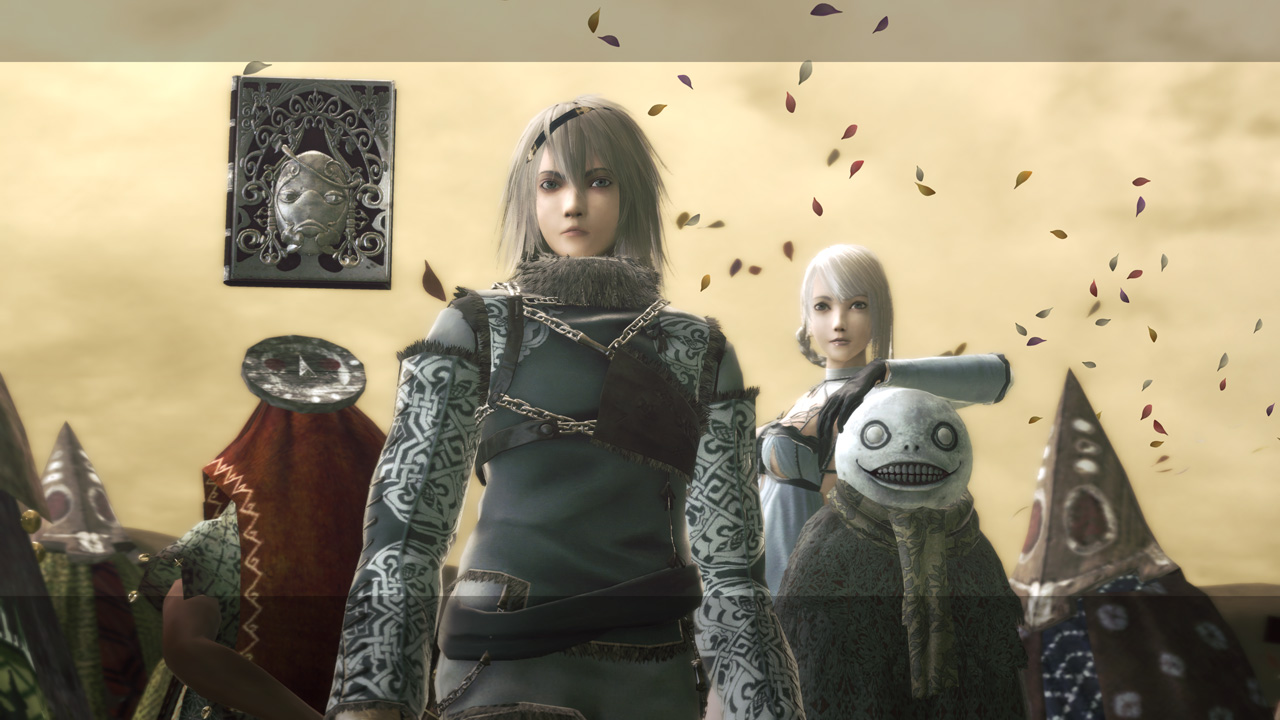
Kaine is a strong and skilled fighter who travels with the main character. She’s known for her tough attitude and provocative clothing, which the game’s story explains is a deliberate act of rebellion against those who rejected her. This backstory adds depth to her character, blending anger with moments of emotional vulnerability, and has really connected with players. Fans frequently talk about how her unique identity influences her worldview and how she interacts with others. Many see Kaine as a groundbreaking example of nuanced gender representation in Japanese action games.
‘Saints Row: The Third’ (2011)
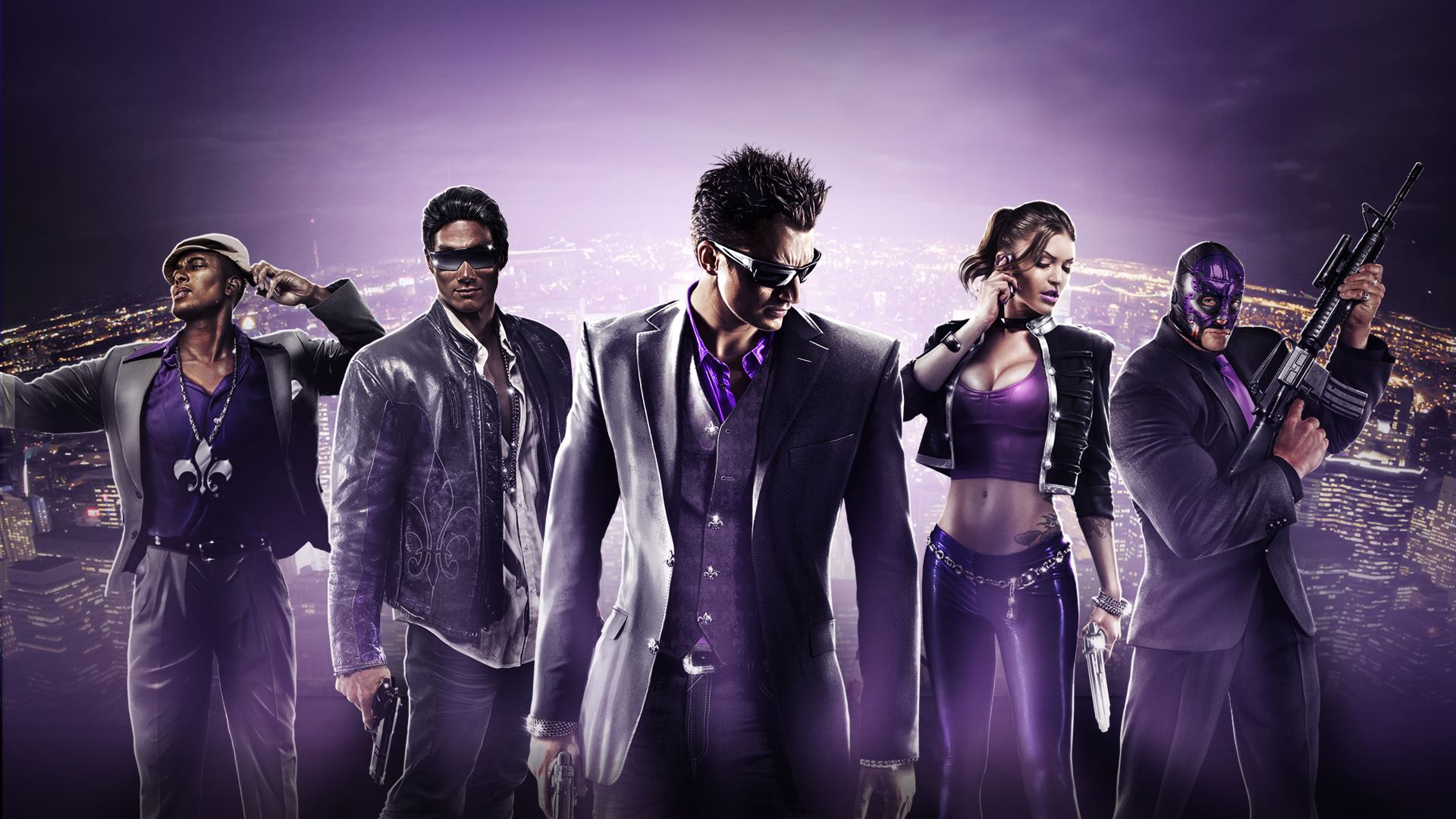
The ‘Saints Row’ games are well-known for letting players create highly customized boss characters. A unique feature is the ability to change your character’s gender whenever you want, simply by visiting a plastic surgeon in the game. This reflects the series’ playful and welcoming nature. You can even switch your boss’s voice and gender without affecting the story, encouraging players to explore different identities in a relaxed and entertaining way.
‘The Elder Scrolls V: Skyrim’ (2011)
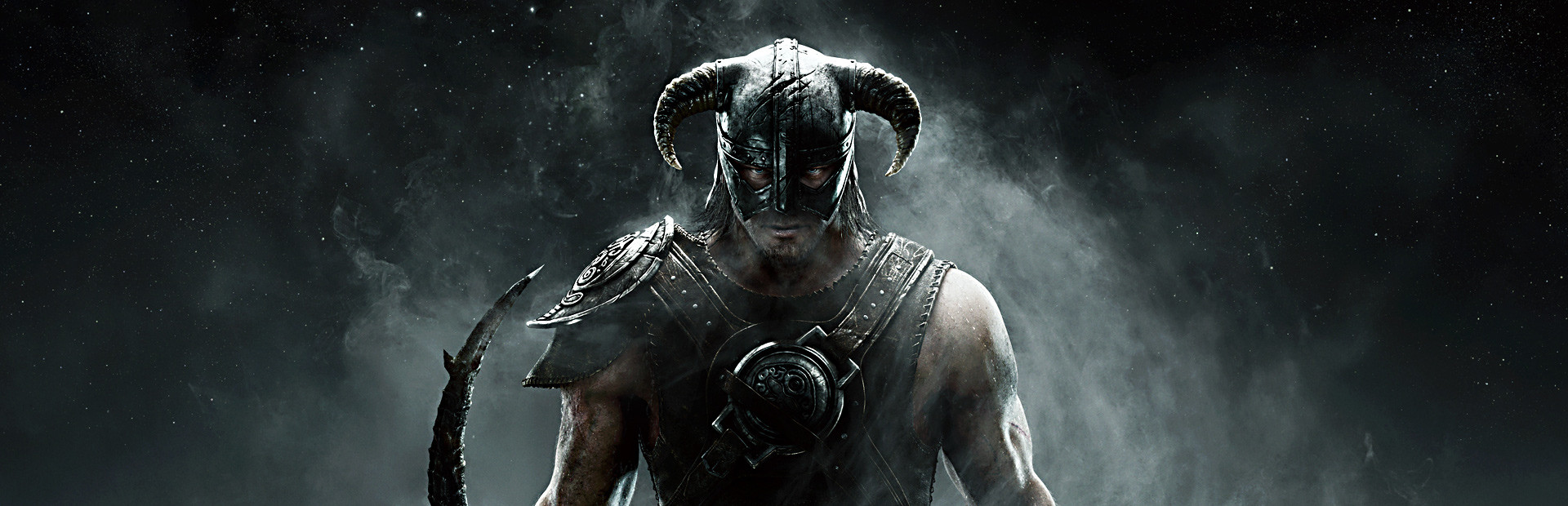
In the world of ‘The Elder Scrolls’, the Daedric Princes are incredibly powerful gods who aren’t defined by a specific gender. Characters like Boethiah and Azura have appeared as both men and women throughout the games. In ‘Skyrim’, players encounter these Princes and witness their ever-changing forms. This fits with the established lore, which portrays them as existing beyond human understanding. Players appreciate how mysterious and unpredictable these god-like beings are.
‘Dead or Alive 5’ (2012)
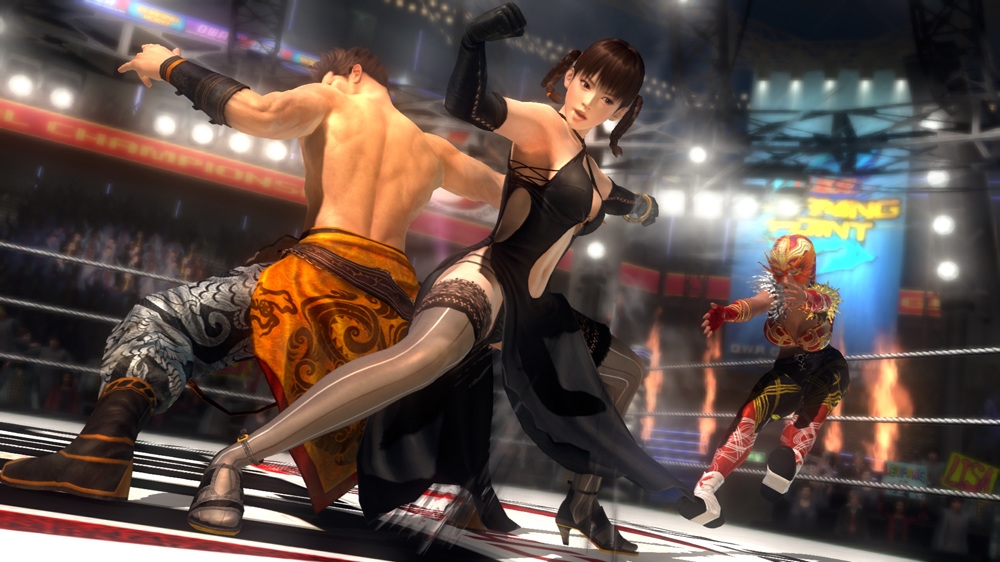
The game featured Nyotengu, a female take on the classic Tengu character. Though she’s a new character, her moves and how she fights build directly on the original male Tengu. Some players loved this updated version of a familiar character, while others missed the original design. Nyotengu quickly became a fan favorite thanks to her distinctive personality. Her addition shows the series’ habit of revisiting old ideas with a fresh approach.
‘Dragon Age: Inquisition’ (2014)
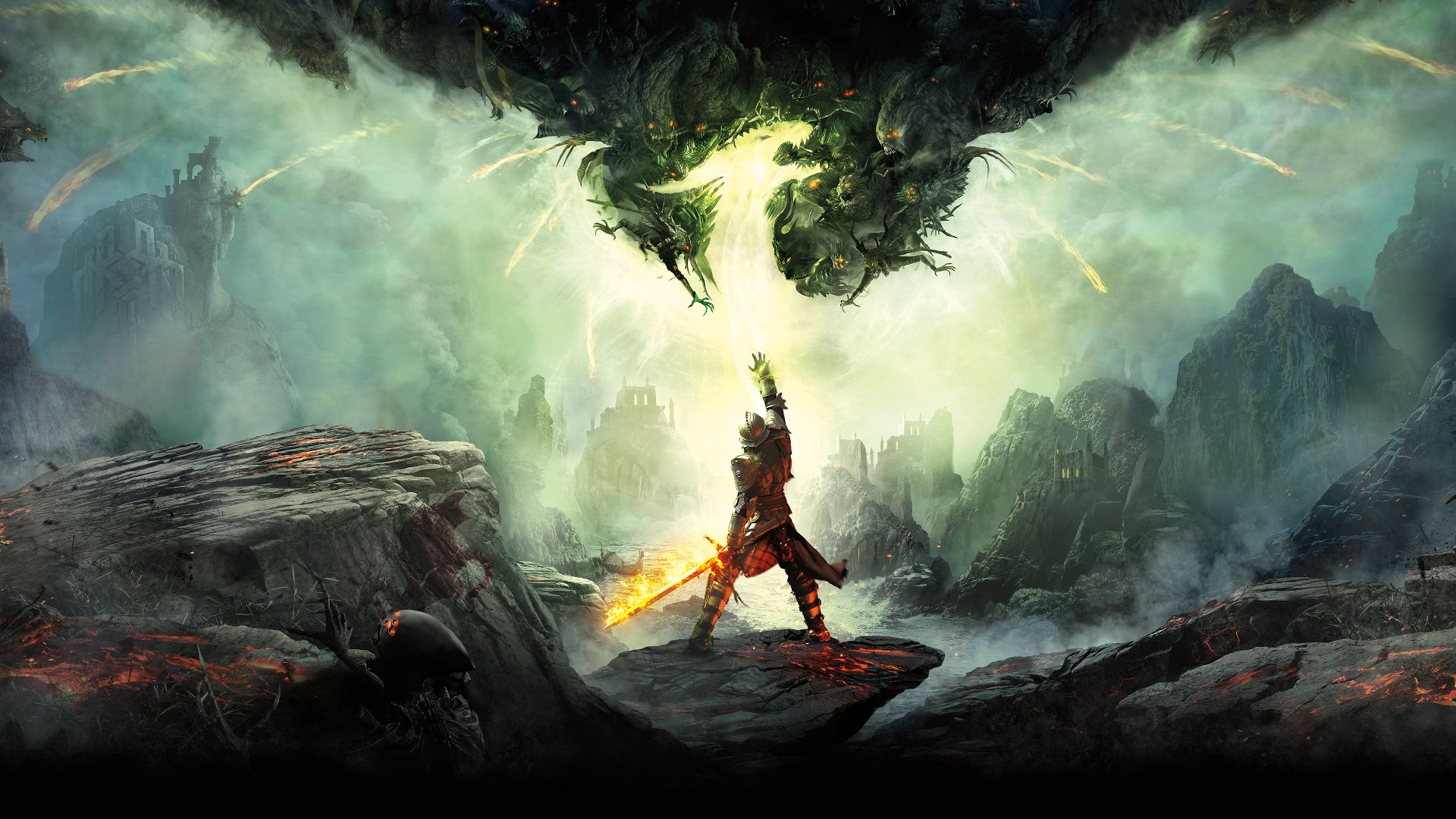
I’m such a big fan of Krem in ‘Dragon Age’! He’s a really important character – he’s the first transgender character who’s really featured in the series. He’s a trans man and second-in-command to the Iron Bull, which is awesome. What I especially love is that the game lets you talk to him about his life and transition in a really respectful way. Everyone was praising how genuine it felt, and how his identity felt like a natural part of the world. He’s honestly opened up so many good conversations about seeing more representation in fantasy games, and I’m here for it!
‘Shovel Knight: Treasure Trove (2014)’
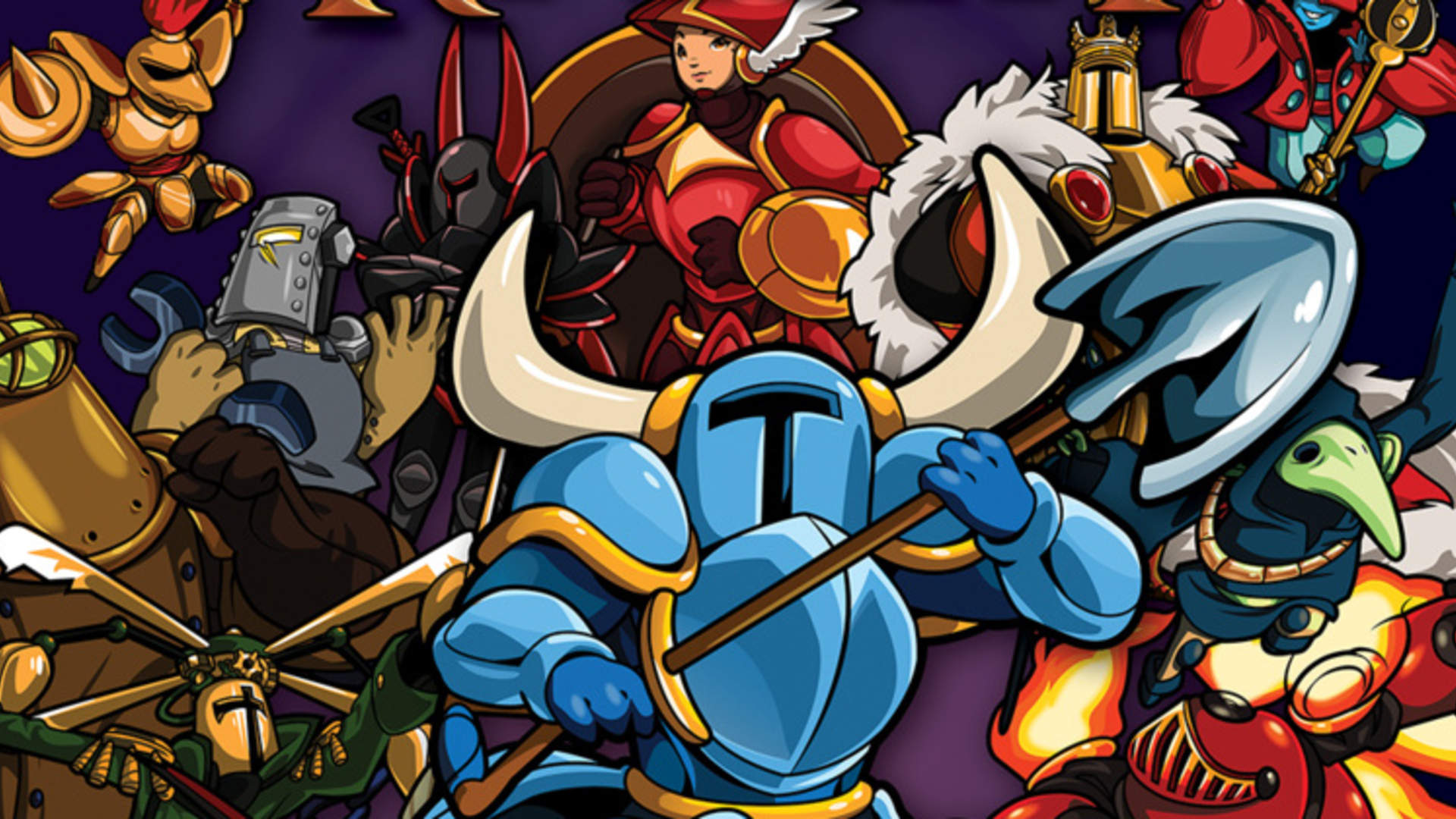
The creators of ‘Shovel Knight’ have introduced a ‘Body Swap’ feature, letting players change the gender of any character. This includes redesigned characters and updated pronouns for everyone in the game. The goal was to offer greater representation and allow players to see the story from different perspectives. Players have applauded the detailed new character designs and the commitment to inclusivity. It demonstrates that classic-style games can still incorporate contemporary views on gender.
‘Undertale’ (2015)
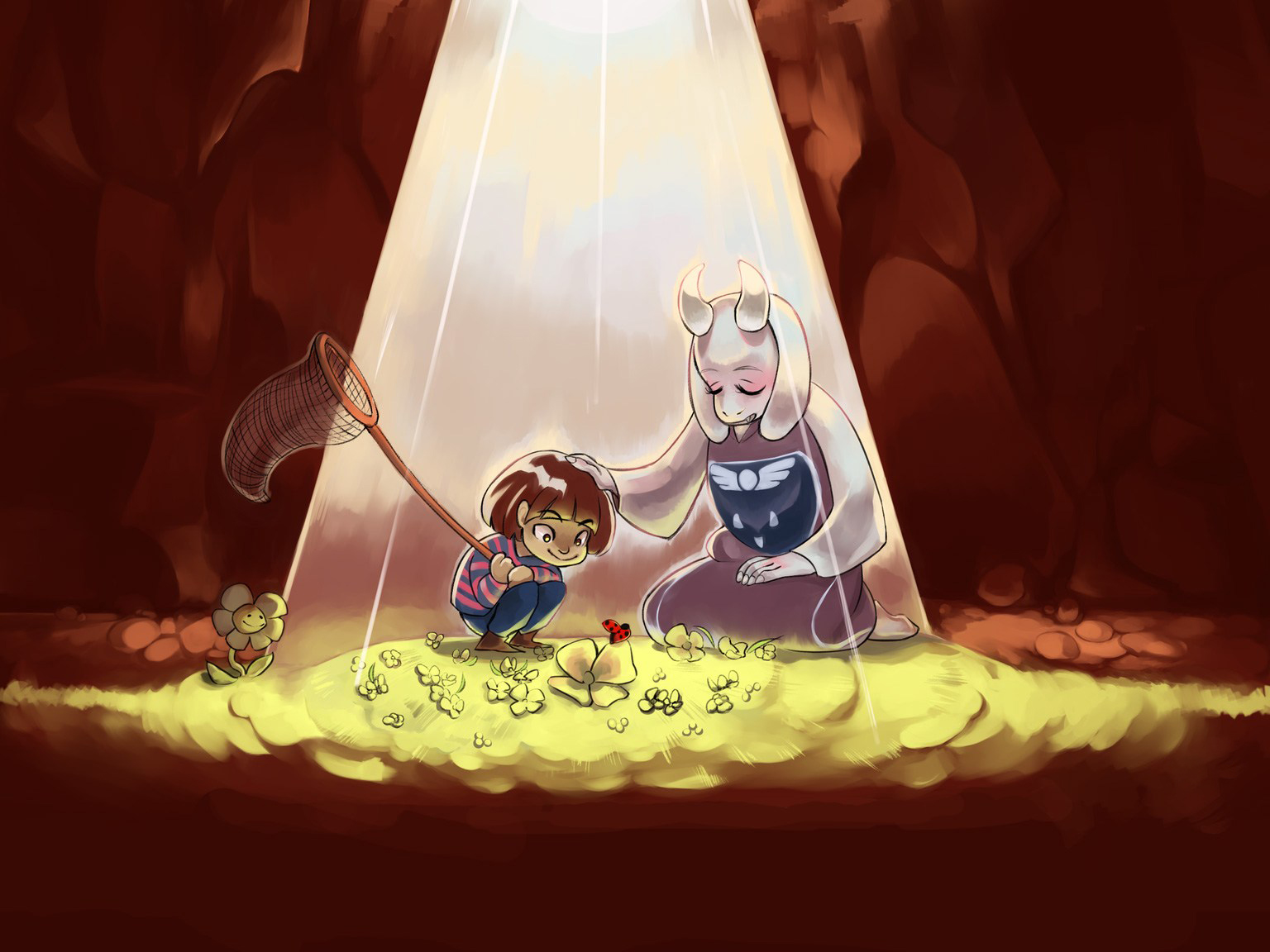
In the game ‘Undertale,’ the main character, Frisk, is intentionally designed without a specified gender. The game and its creator never assign Frisk a gender, and characters within the game always use gender-neutral pronouns when talking about them. This allows players to imagine Frisk as any gender they prefer while playing. This deliberate ambiguity is central to the game’s themes of understanding others and its broad appeal, and the gaming community widely appreciates how it improves the experience of playing the game.
‘Rainbow Six Siege’ (2015)
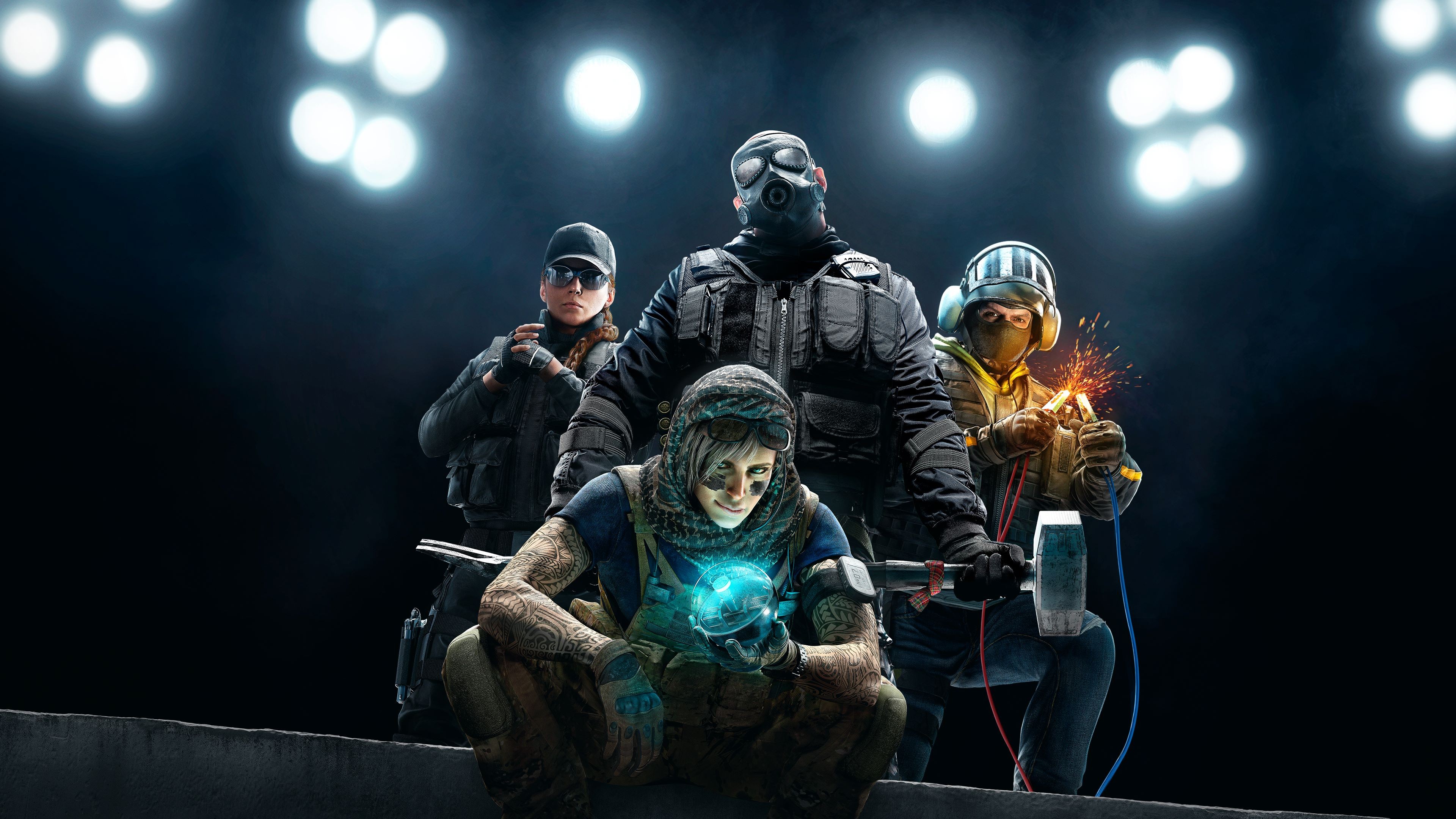
Rainbow Six Siege recently added a new playable character named Osa, a skilled military engineer who is also a transgender woman. This was an important moment for the game, which is known for its realistic portrayal of military operations. While Osa’s background includes her identity, the game focuses on her abilities and how she contributes to gameplay. Players had different reactions to her introduction, but many welcomed the addition of a diverse character. Osa continues to be a well-liked choice for players who appreciate her special defensive skills.
‘Hollow Knight’ (2017)
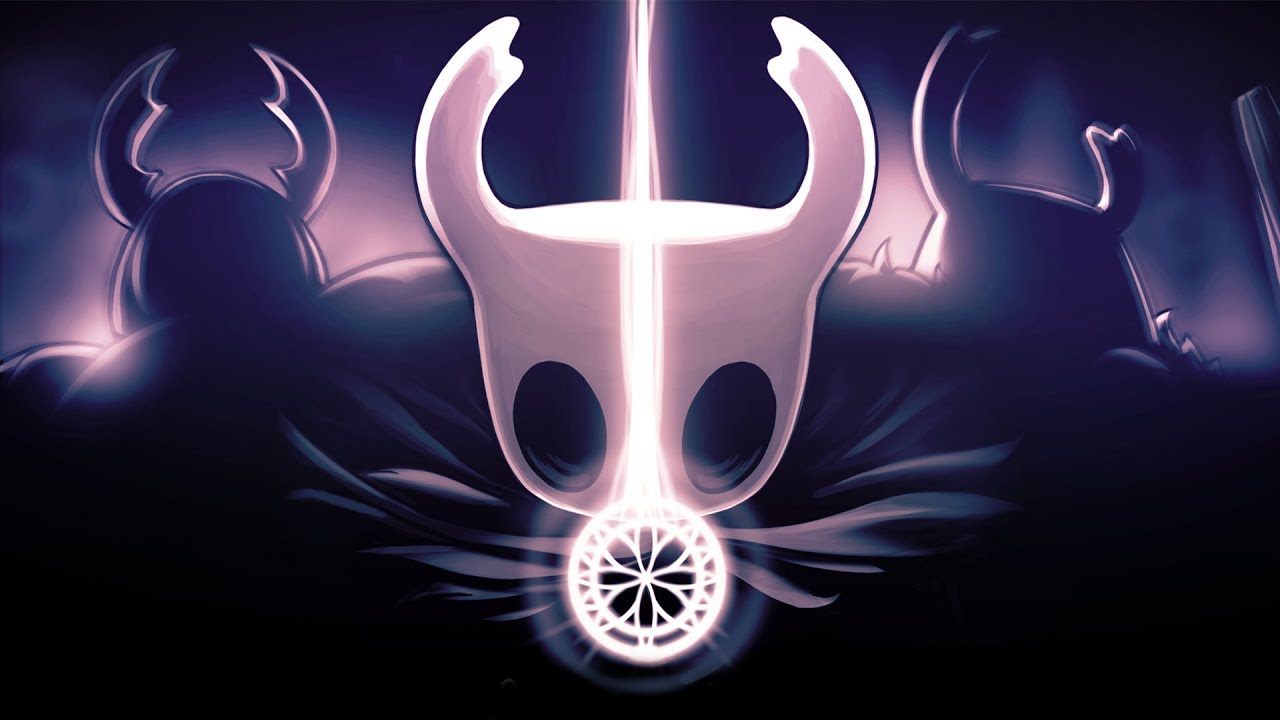
This adventure centers around a little character called the Knight. Like other beings of its kind in the game’s story, the Knight doesn’t have a gender and was made to fulfill a particular role. This lack of gender is actually important to the sad history of the kingdom of Hallownest. Players often talk about what it means to have a main character with no defined identity. Many fans appreciate that the Knight is quiet and enigmatic.
‘Assassin’s Creed Odyssey’ (2018)
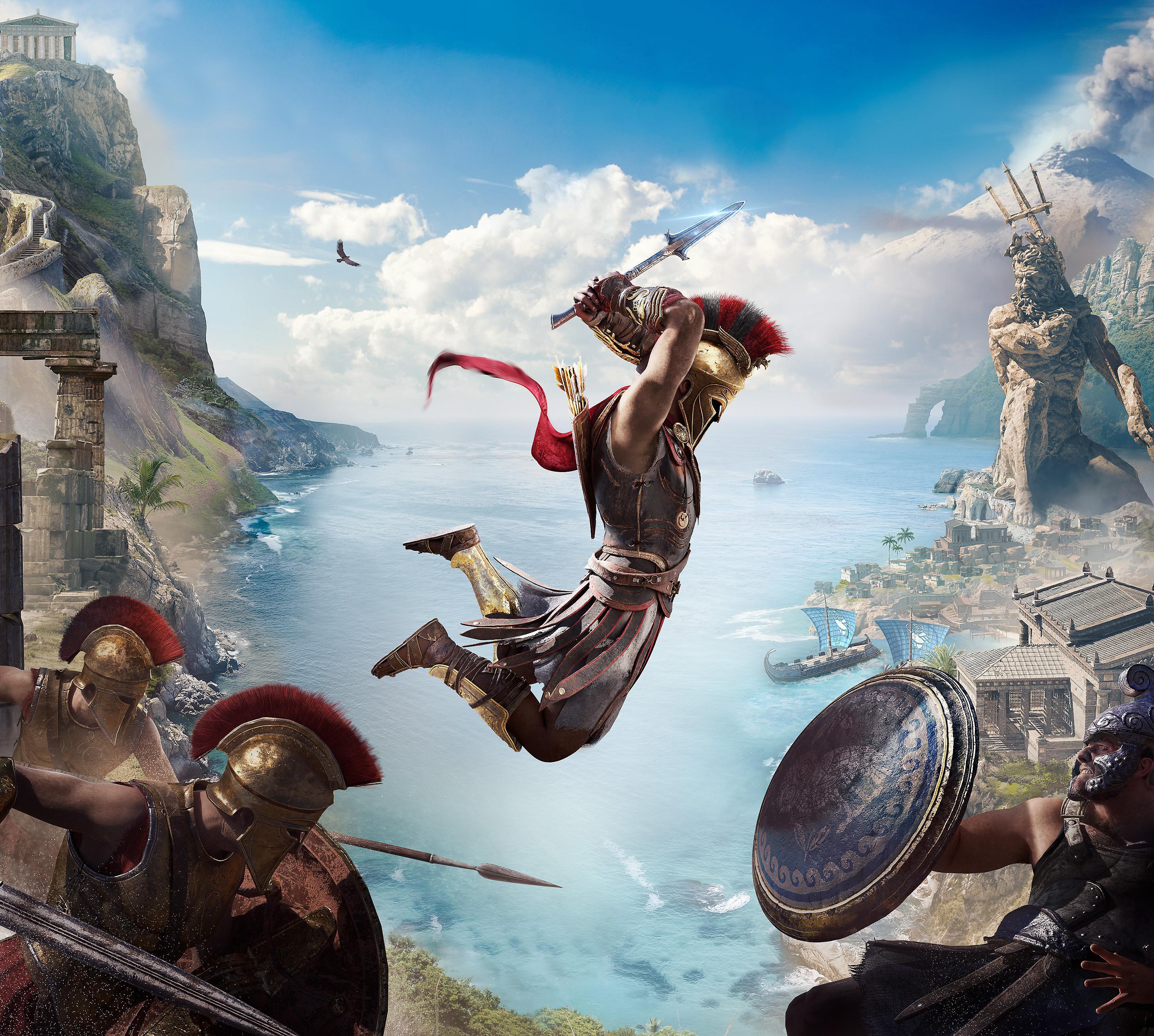
Assassin’s Odyssey let players choose to play as either a male character, Alexios, or a female character, Kassandra. Though both follow the same story, the game’s official story later established Kassandra as the main hero. This caused some debate among fans who had invested a lot of time playing as Alexios. However, many appreciated Kassandra’s voice performance and how well she seemed to fit the game’s ancient Greek world. The game’s handling of player choice and what’s considered the ‘official’ story became a significant topic of discussion for future games in the series.
‘Deltarune’ (2018)
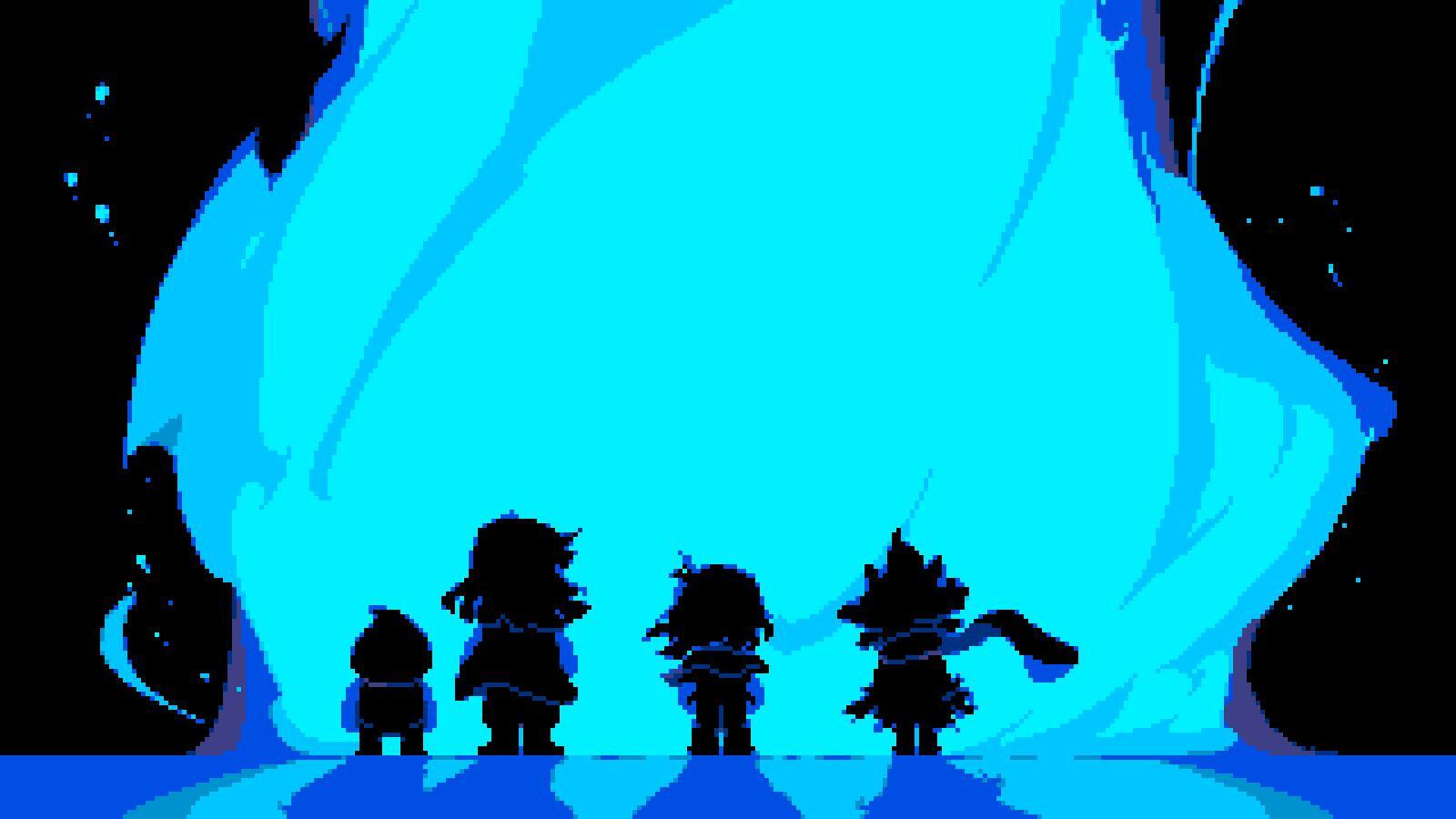
Like the game ‘Undertale’ before it, ‘Deltarune’ features a main character, Kris, whose gender is intentionally left ambiguous. Everyone in the game refers to Kris using they/them pronouns, which adds to the character’s mysterious nature and encourages players to think about who Kris really is. The game’s fans widely support this use of gender-neutral pronouns and enjoy discussing Kris’s identity and connection to the player.
‘Apex Legends’ (2019)
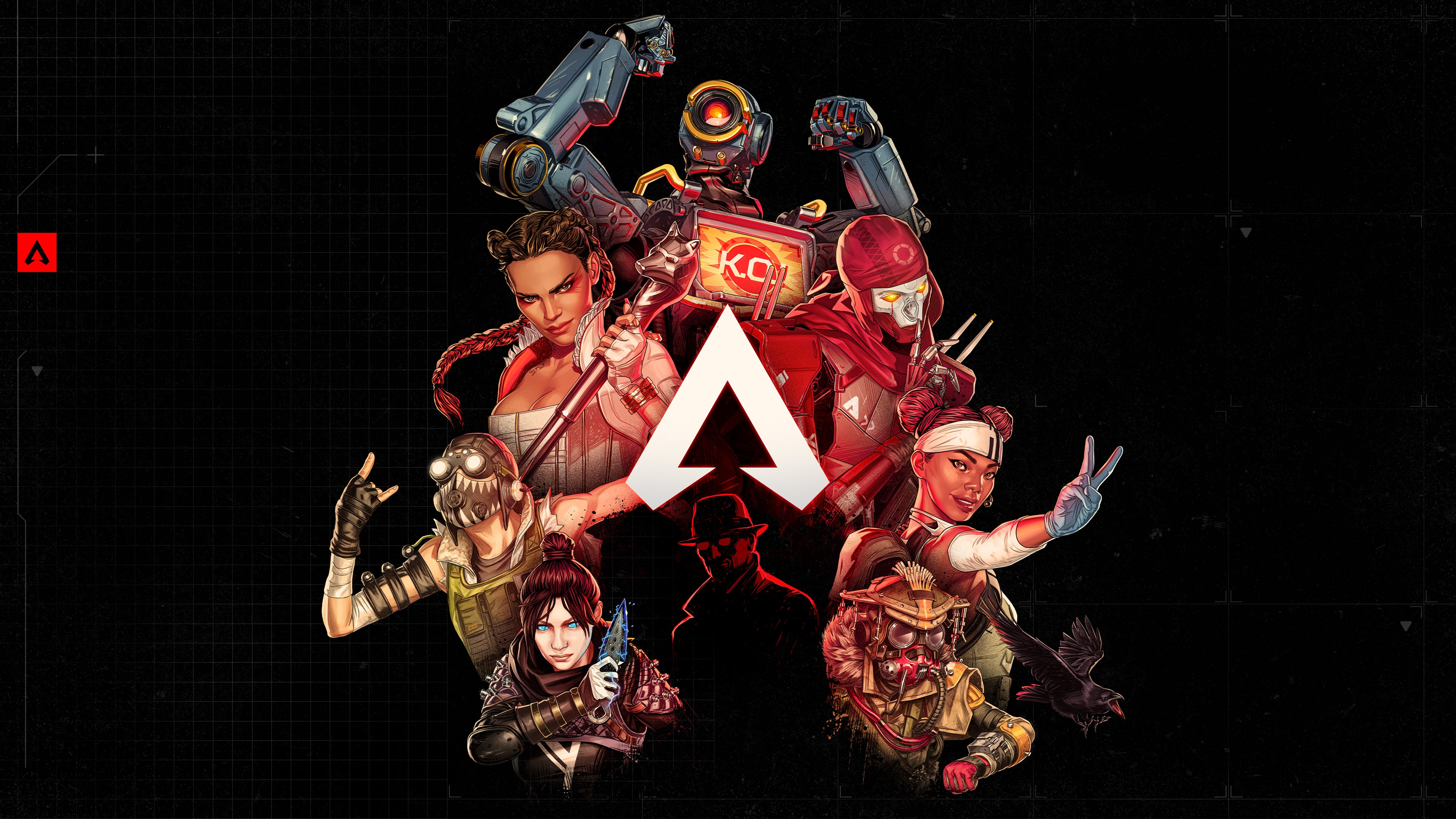
Bloodhound has been a playable character in ‘Apex Legends’ since the game first came out. The game’s creators have confirmed that Bloodhound is non-binary and prefers they/them pronouns. This made Bloodhound one of the first prominent non-binary characters in a popular battle royale game. Their identity is presented as a normal part of who they are, and other characters in the game acknowledge and respect it. Players have generally welcomed Bloodhound as a strong and enigmatic figure within the ‘Apex Legends’ universe.
‘Catherine: Full Body’ (2019)
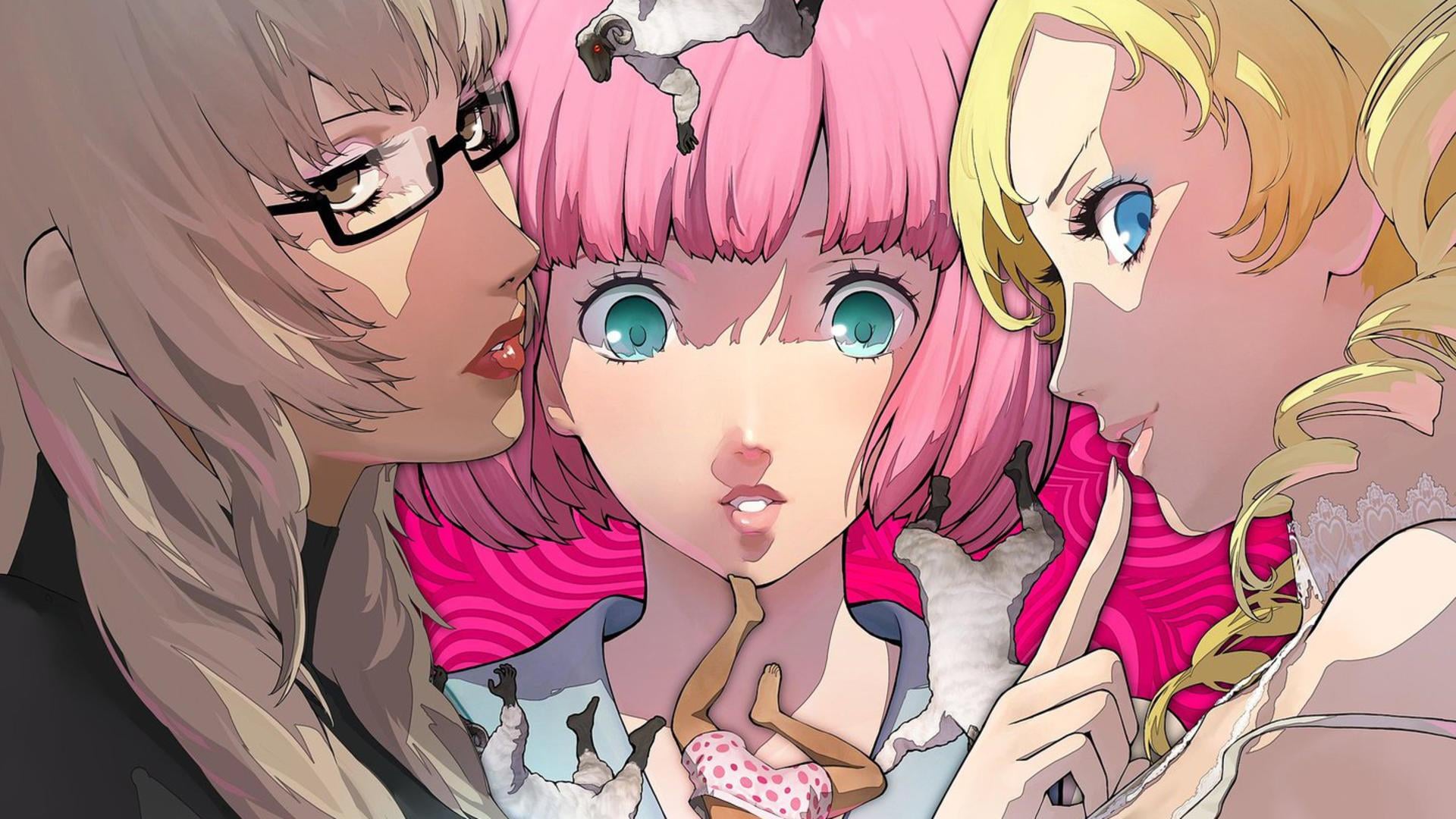
This puzzle game was updated with a new character, Rin, who becomes a love interest. As the story unfolds, players learn that Rin is a man who appears as a woman. This discovery creates internal conflict for the player character and opens up new possibilities in the story. While some players thought the reveal wasn’t handled well, others appreciated how it added depth to the game’s themes. Rin’s story ultimately made the game’s exploration of relationships more complex and interesting.
‘Assassin’s Creed Valhalla’ (2020)
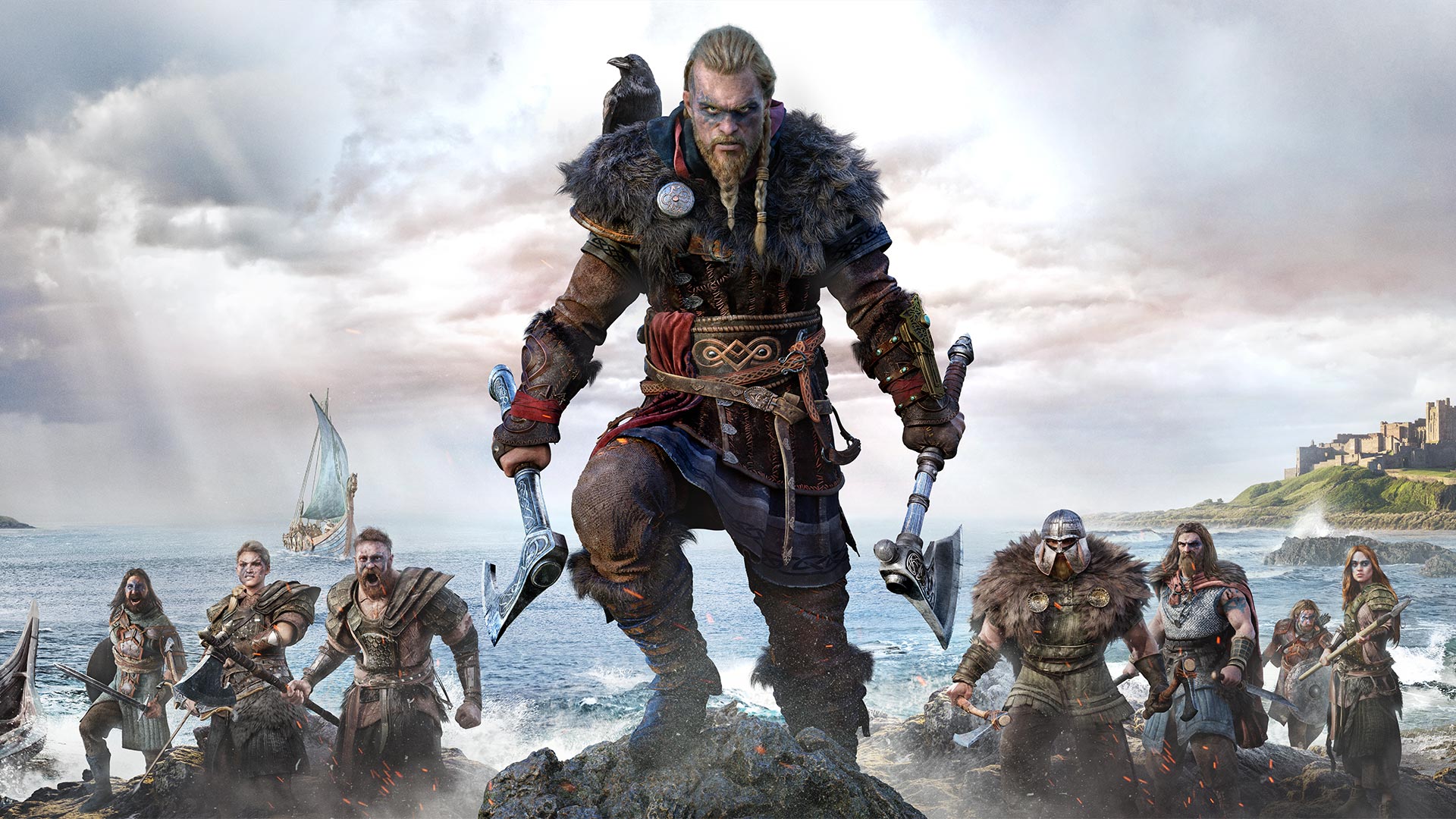
Similar to the last game, players can choose whether their main character, Eivor, is male or female. This game also includes a unique feature: the ‘Let the Animus Decide’ option, which randomly changes Eivor’s gender during certain story moments. This is explained by the game’s sci-fi elements and the idea that Eivor has two sides to their personality. While some players found this switching confusing, others appreciated the interesting story reason behind it. Eivor is still a great example of a character whose gender isn’t fixed, and changes based on how the game works.
‘The Last of Us Part II’ (2020)
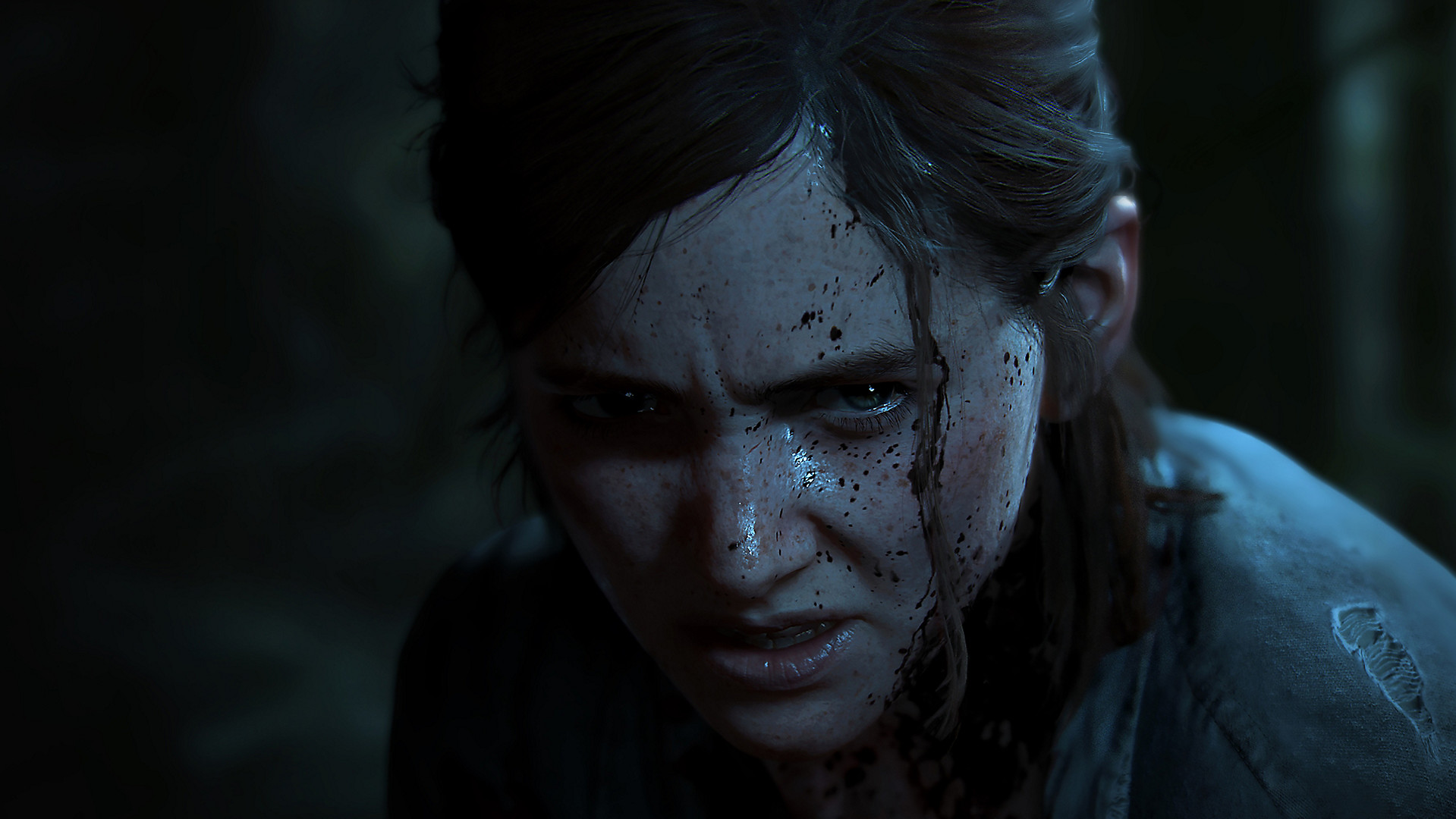
Lev is a young boy who escaped a strict religious group because he was mistreated for being transgender. His experiences and the relationship he builds with Abby are central to the game’s emotional impact. Lev’s story powerfully portrays the challenges faced by transgender people in a world after a disaster. While his inclusion sparked debate and he endures violence within the narrative, Lev is considered a significant step forward for transgender representation in major video games.
‘Valorant’ (2020)
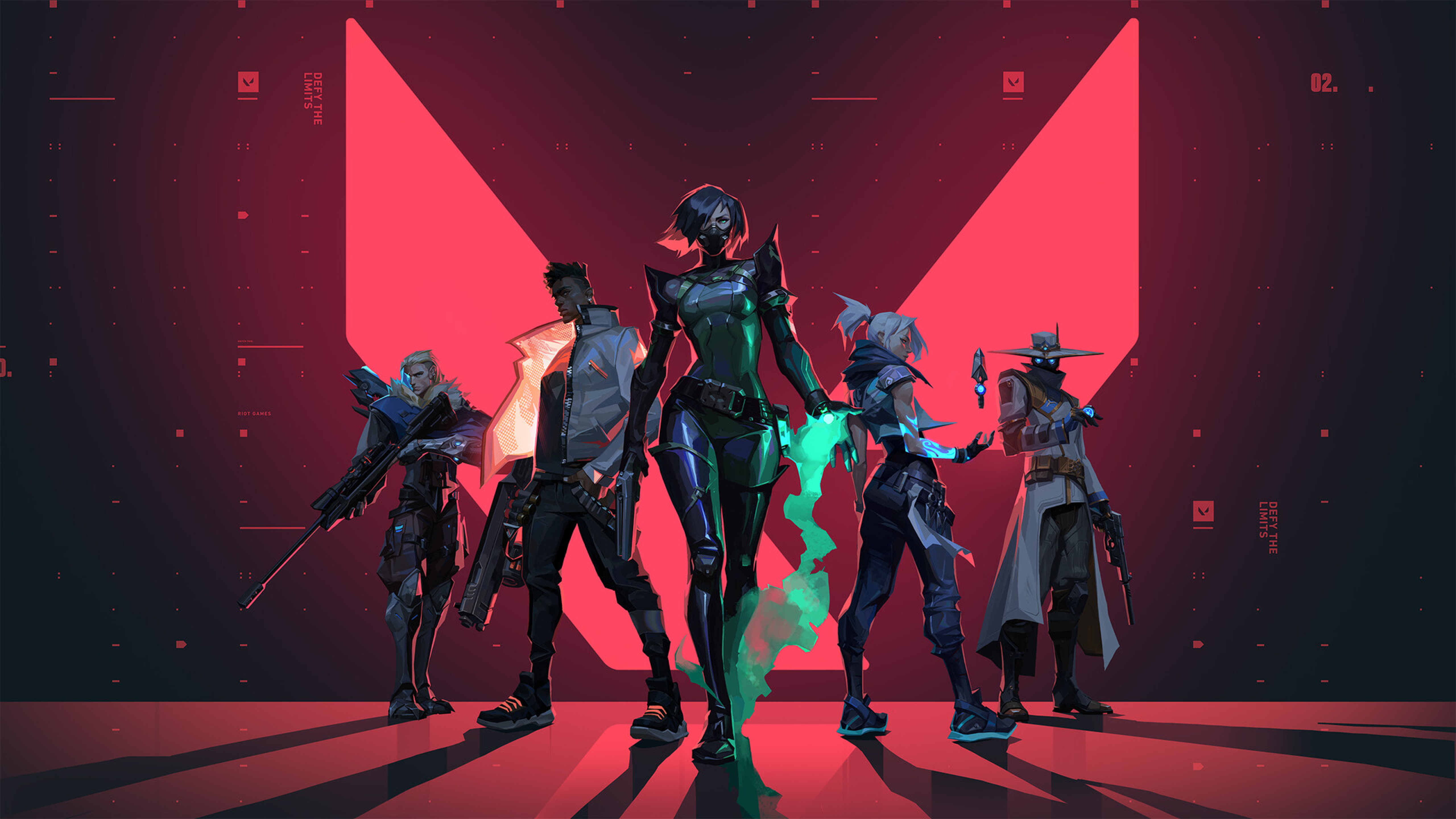
Clove is a non-binary character added to the game, and their design revolves around themes of life and death. They have a bright personality and use they/them pronouns. Players have generally welcomed Clove, as they represent increased diversity in the game’s characters. Clove’s special abilities let them continue to influence a match even after being eliminated, which matches their determined personality. Clove has quickly become a popular and effective character in competitive play.
‘Hades’ (2020)
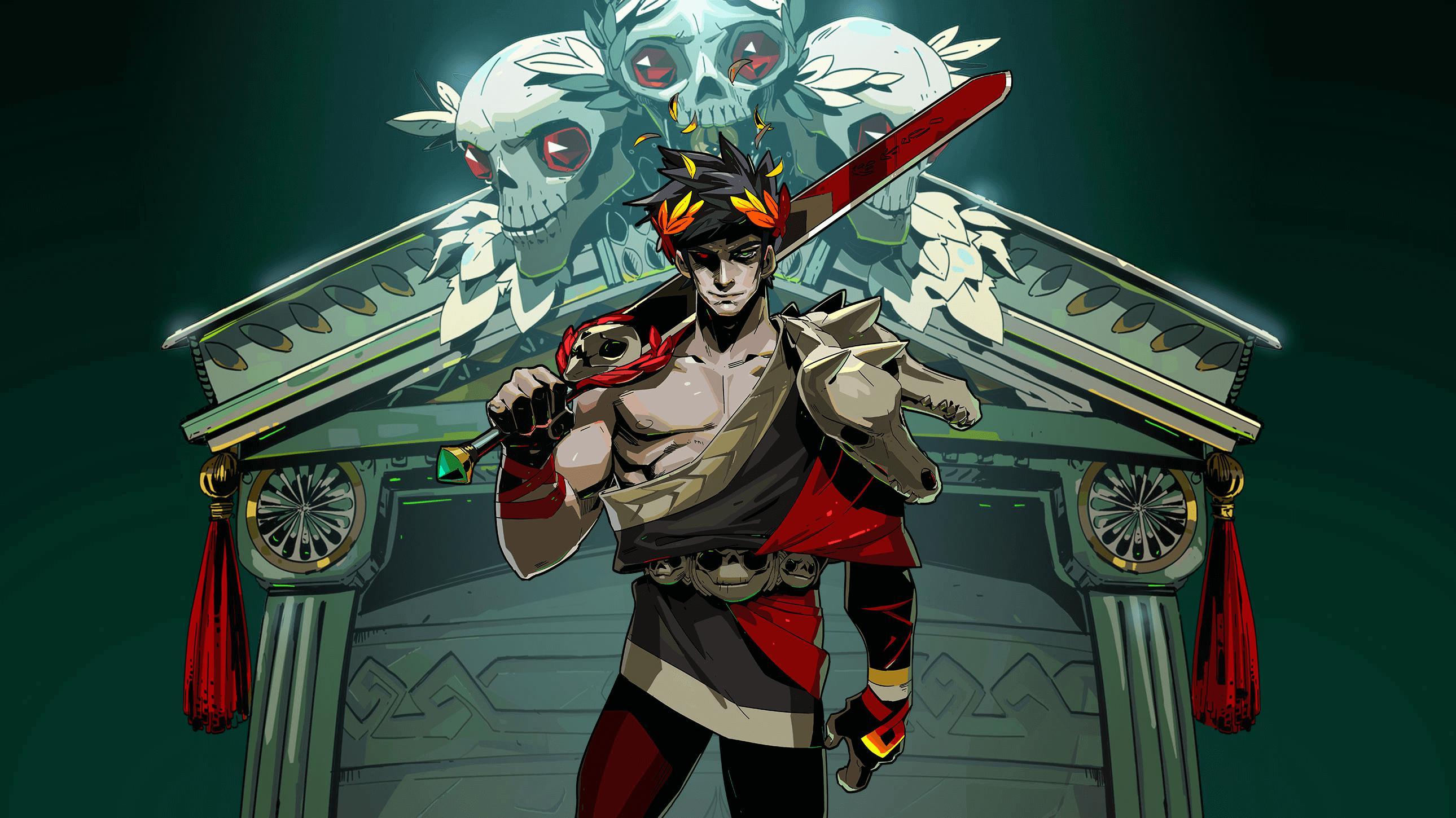
In Greek mythology, Chaos is a very old and influential being from the underworld who isn’t defined by traditional gender. They are considered the original source of everything and are often shown with an appearance that constantly changes between masculine and feminine traits. Chaos prefers they/them pronouns and speaks in a distant, otherworldly way. This depiction works well within the game’s mythology, where gods are often beyond human understanding. Players enjoy Chaos’s enigmatic nature and the difficult tasks they present.
‘Genshin Impact’ (2020)
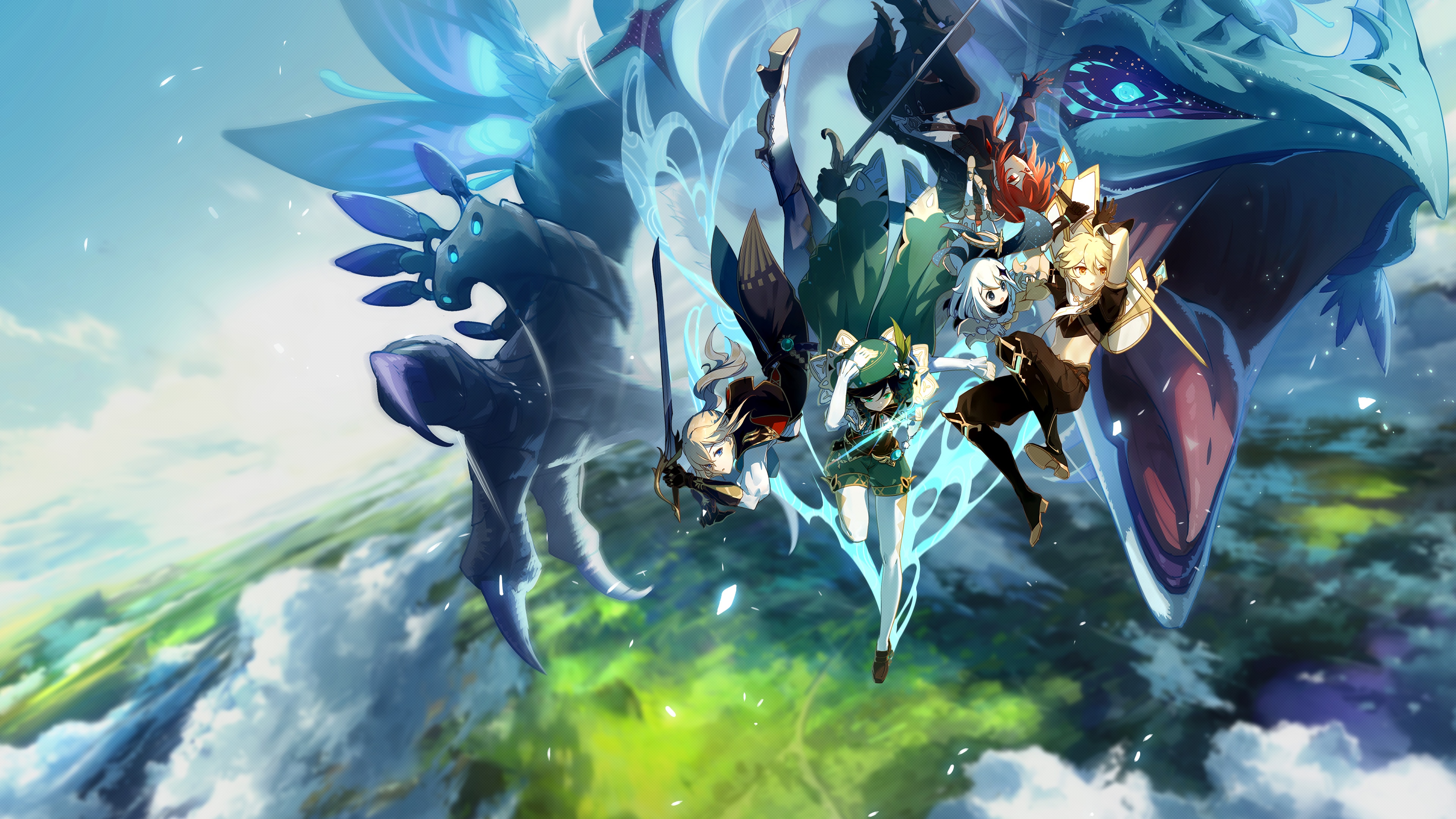
Venti is the human form of the Anemo Archon and has a deliberately gender-neutral look. Many players initially mistake Venti’s gender, and this is intentional. Archons, as elemental gods, aren’t defined by a specific biological sex. Venti’s fun-loving personality has made him a fan favorite, and players frequently talk about how gender is portrayed with the game’s divine characters.
‘Cyberpunk 2077’ (2020)
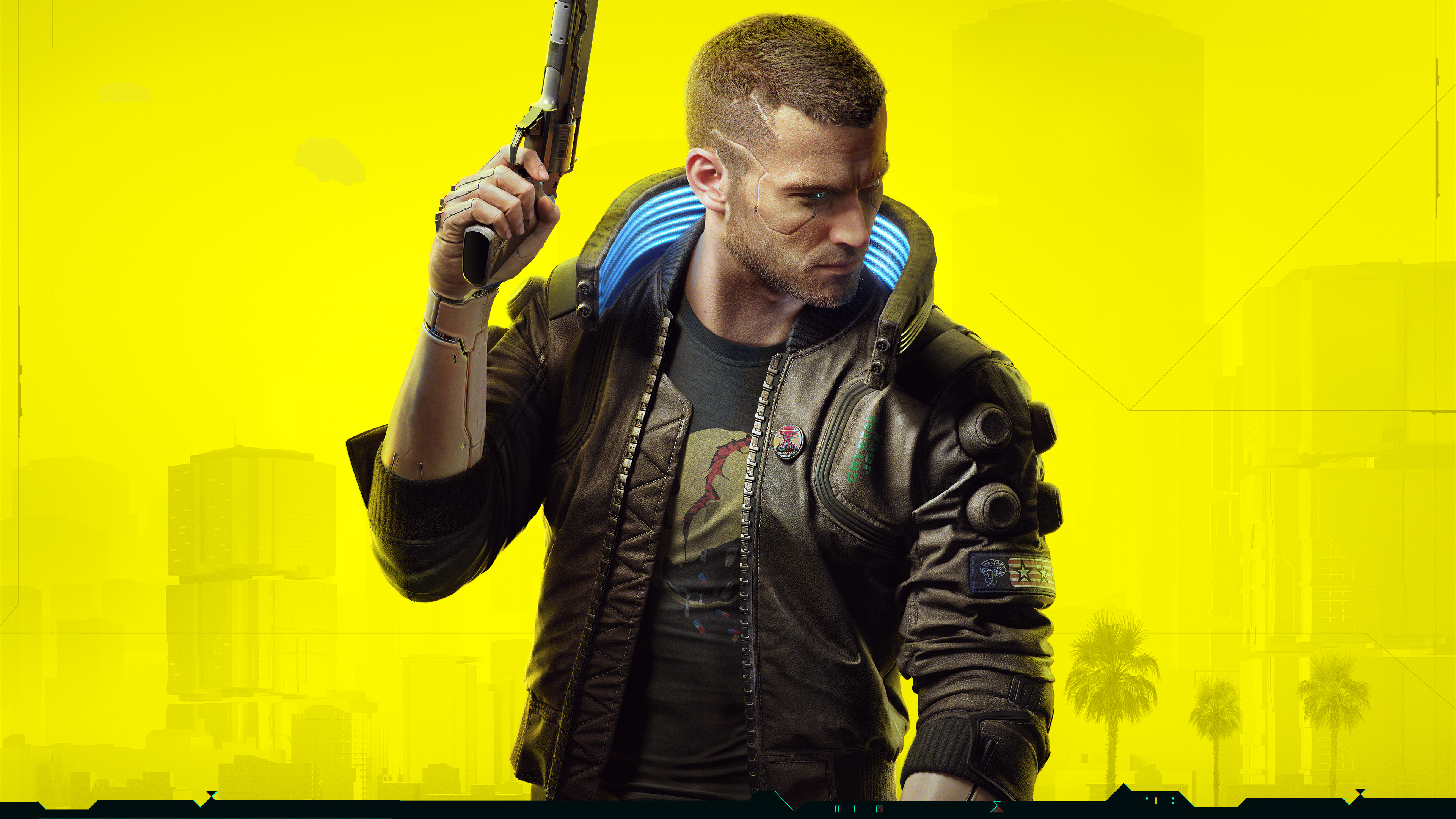
Claire Russell is a well-liked character in Night City who’s a skilled mechanic and manages the racing events. Through her side quests, she shares with the player that she is a transgender woman and talks about her journey. This is presented as a heartfelt conversation, making her a more complex and relatable character. Players have largely appreciated how authentically and realistically her story is told within the game’s futuristic world, making Claire one of the most memorable characters in the game.
‘Guilty Gear Strive’ (2021)
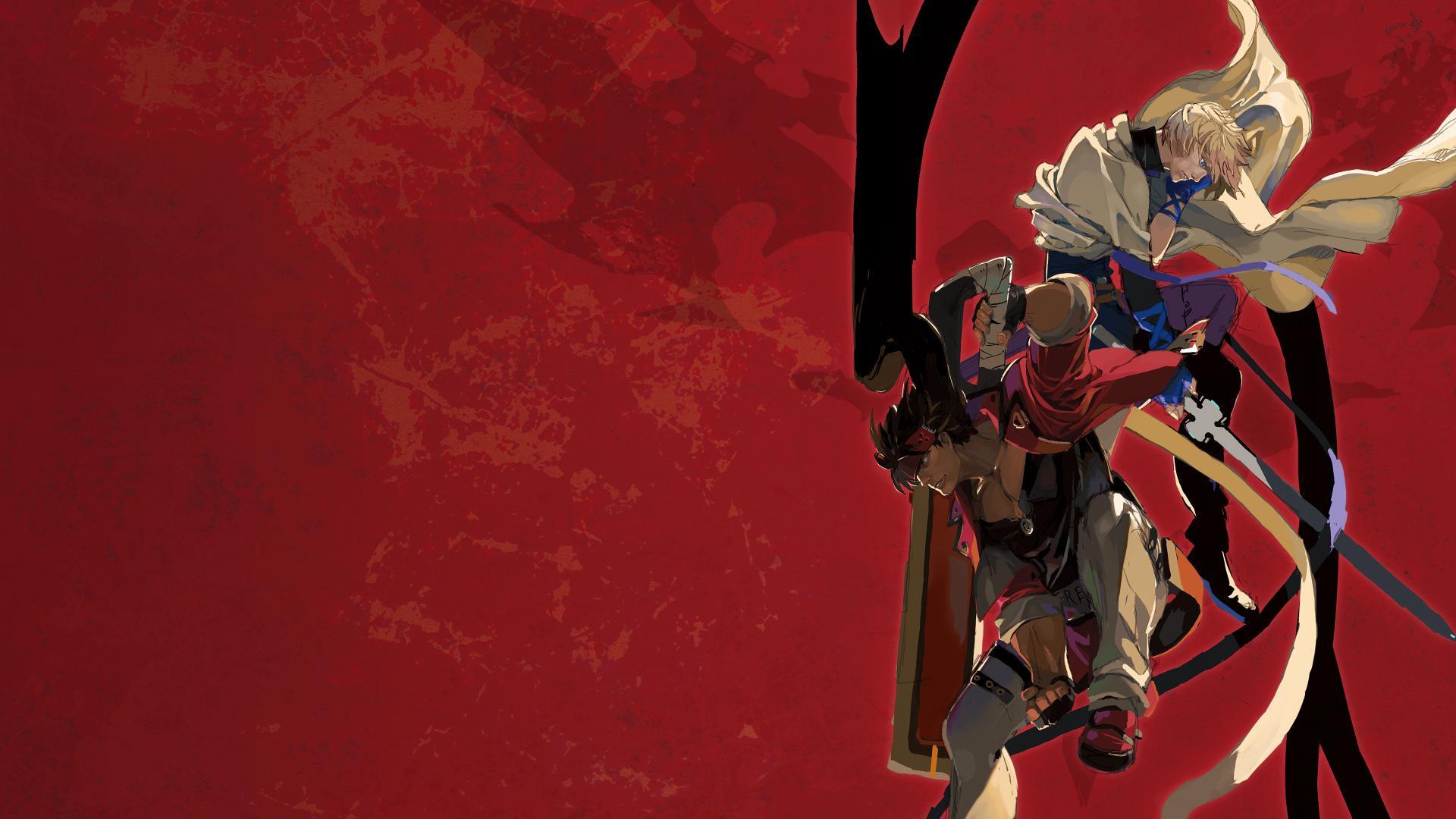
Bridget, a character in the ‘Guilty Gear’ fighting game series, has officially been confirmed as a transgender woman in the latest installment. For years, players debated her backstory, which involved being raised as a girl despite being born male. The new game allows Bridget to fully embrace her identity and find self-acceptance. This update was a significant moment for the fighting game community, generating a lot of conversation. Many fans see Bridget’s updated design and positive story arc as a step forward for representation.
‘Elden Ring’ (2022)
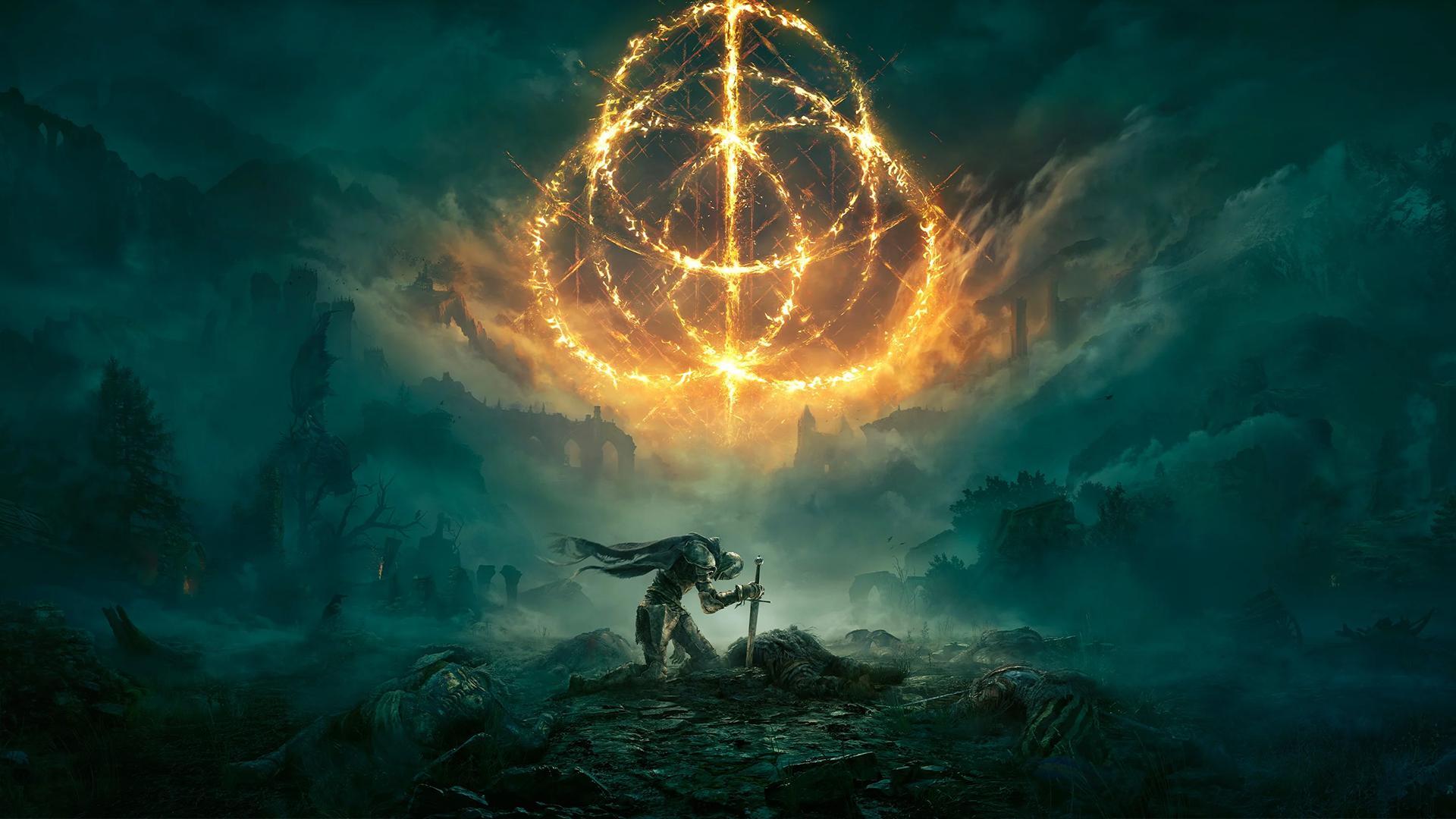
‘Elden Ring’s story includes a fascinating and mysterious character named Miquella, who also appears as the revered figure St. Trina. This dual identity is a key puzzle in the game’s rich backstory. Some characters worship St. Trina, while others await Miquella’s return, reflecting a theme of blended identities often seen in the developers’ work. Players are deeply engaged in trying to understand the connection between these two sides of the same person.
‘Overwatch 2’ (2022)
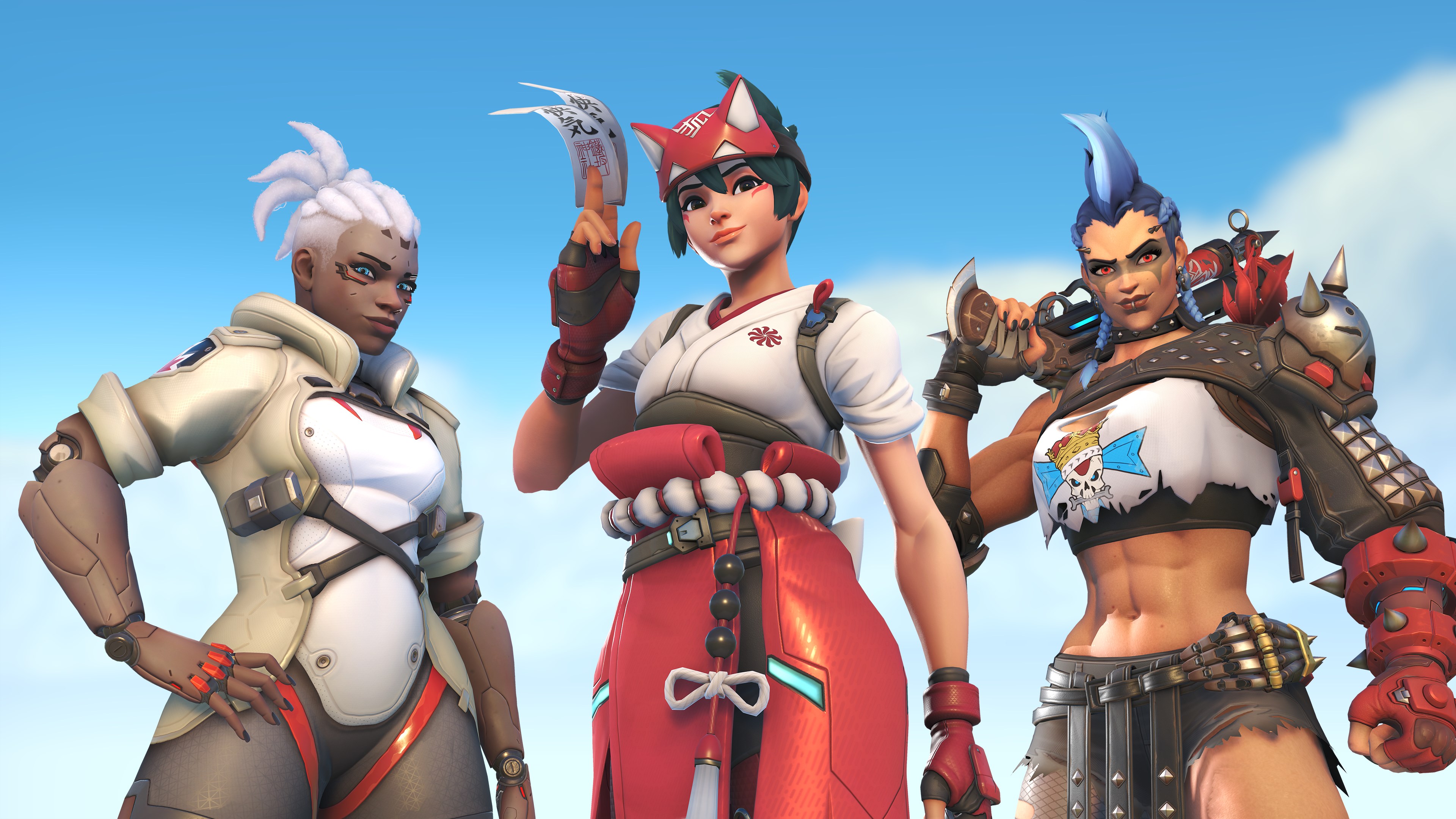
Venture is a non-binary archaeologist who brings a unique playstyle to the hero shooter, focusing on digging underground and dealing explosive damage. They use they/them pronouns, and their design captures a spirited and resourceful personality. Adding Venture was a deliberate step towards creating a more inclusive and diverse character lineup. Players have enjoyed Venture’s engaging gameplay and distinctive voice lines, making them a great example of how modern shooters are embracing diverse characters.
‘Baldur’s Gate 3’ (2023)
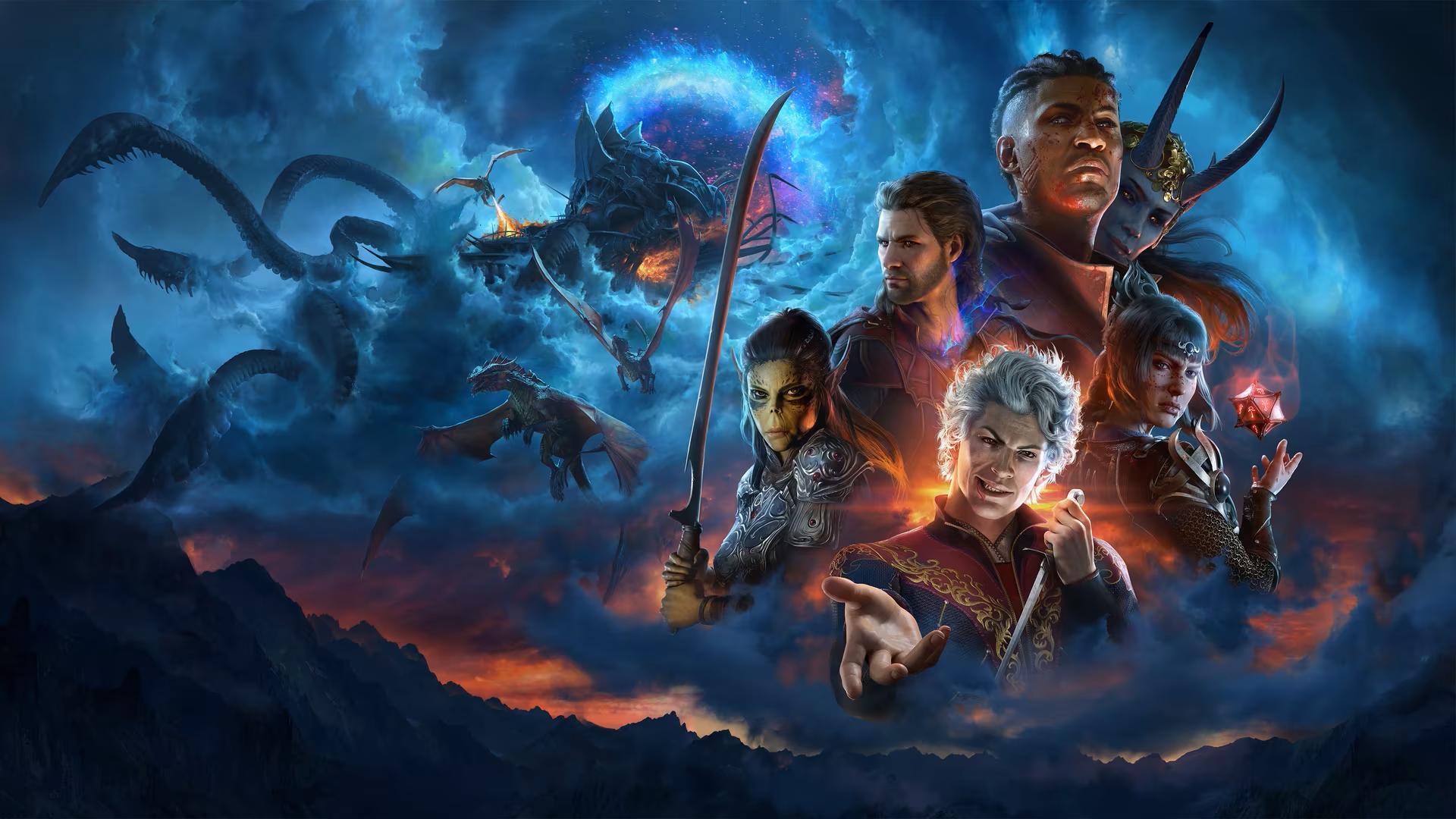
This expansive role-playing game includes diverse characters representing various gender identities. A standout is Nocturne, a transgender woman and friend to the character Shadowheart, whose story players can uncover through gameplay. The game also lets players customize their character’s pronouns and appearance separately, a feature the community has celebrated for making the role-playing experience feel more personal and authentic.
Share your thoughts on these character developments in the comments.
Read More
- 20 Movies Where the Black Villain Was Secretly the Most Popular Character
- Top 20 Dinosaur Movies, Ranked
- 25 “Woke” Films That Used Black Trauma to Humanize White Leads
- Silver Rate Forecast
- Gold Rate Forecast
- Spotting the Loops in Autonomous Systems
- From Bids to Best Policies: Smarter Auto-Bidding with Generative AI
- 22 Films Where the White Protagonist Is Canonically the Sidekick to a Black Lead
- Can AI Lie with a Picture? Detecting Deception in Multimodal Models
- Top 10 Coolest Things About Invincible (Mark Grayson)
2025-12-31 00:20