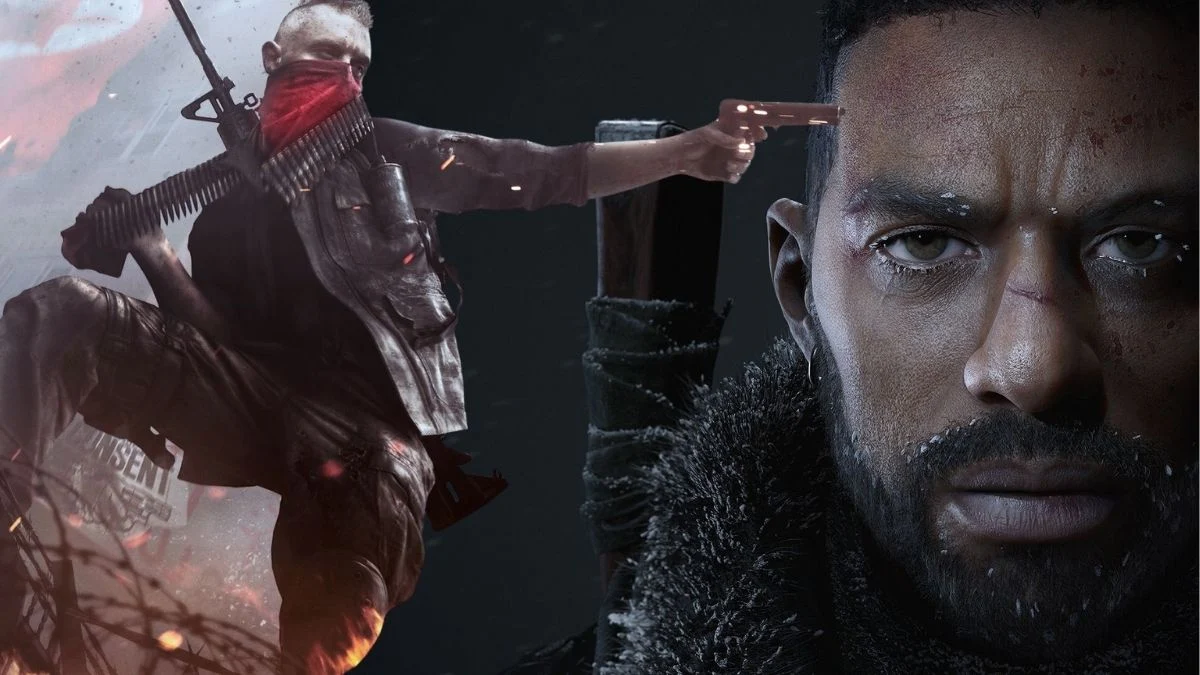
Social media lets developers connect with fans instantly, but this can also be risky. One poorly thought-out tweet can upset a fanbase or create a PR crisis, potentially ruining years of effort. Several games experienced significant negative reactions or financial losses because of statements their creators made on Twitter.
‘The Day Before’ (2023)

The developers of the survival MMO, Fntastic, strongly defended their game on Twitter when people accused it of being a scam. They responded dismissively to concerns, even though their promotional materials didn’t match the final product. The game launched with many problems, confirming players’ doubts. Shortly after, the studio closed down and the game was removed from sale. Their defensive and confrontational tweets actually drew more attention to the issues and ultimately contributed to the project’s downfall.
‘Concord’ (2024)
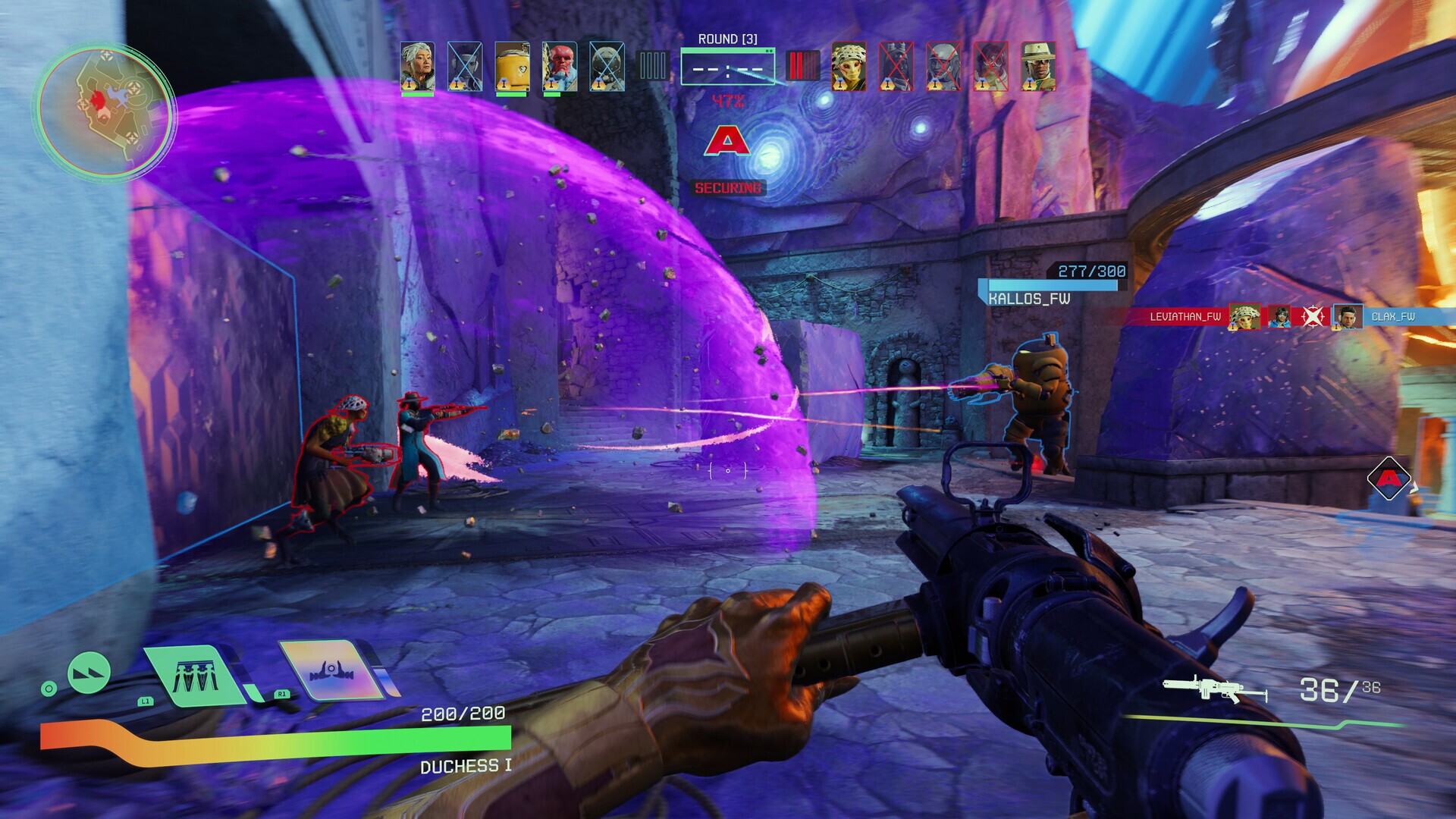
The game, a team-based shooter, didn’t perform well during its initial testing phase and received negative feedback about how its characters looked. A developer then made things worse by responding to critics online with harsh and insulting comments. This behavior turned off many potential players, especially considering the game’s cost. When it finally launched, almost no one played, and Sony quickly took the game offline after just two weeks. Many believe the developer’s negative online interactions were a major reason for its failure.
‘Mass Effect: Andromeda’ (2017)
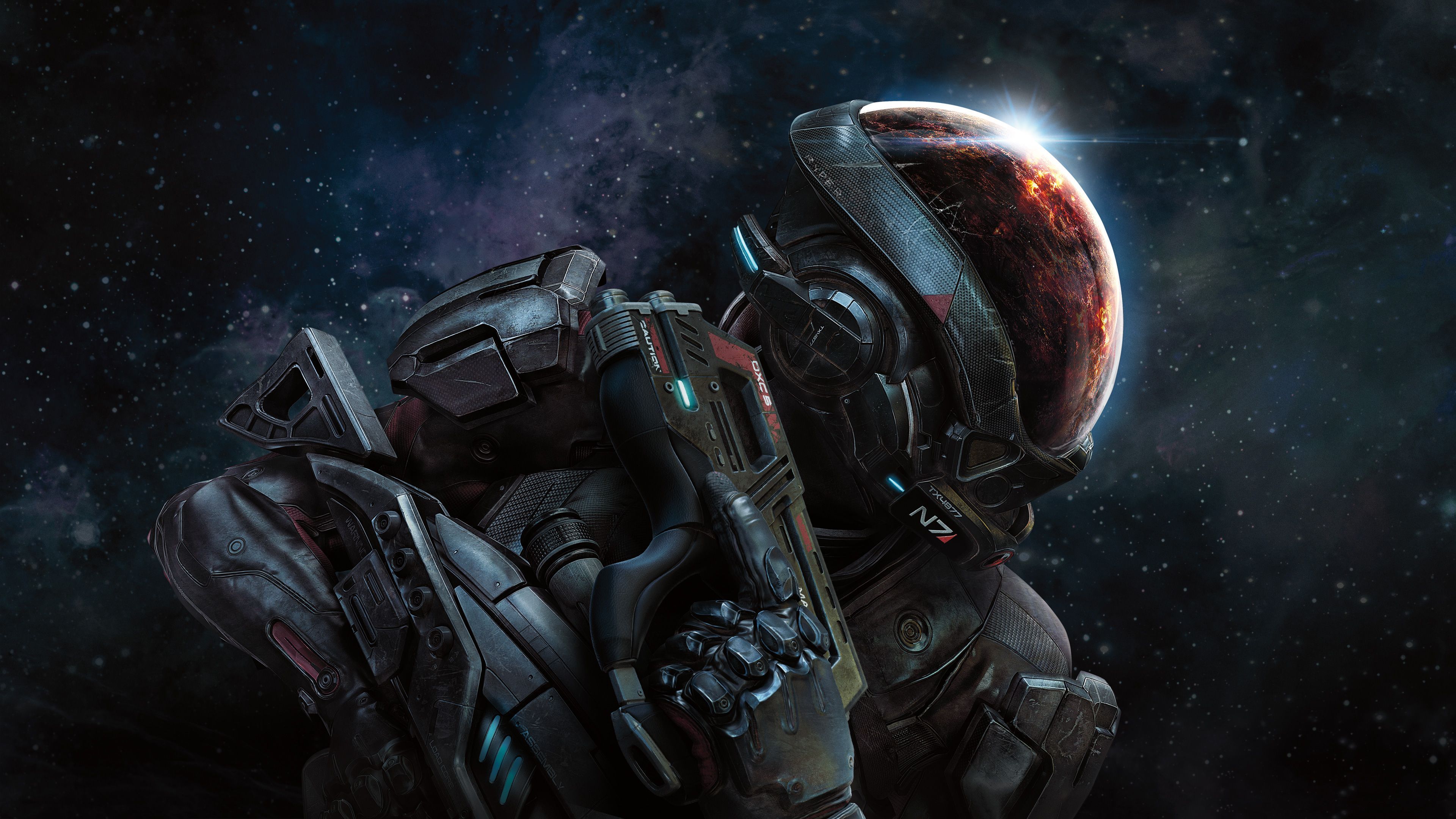
A BioWare developer, Manveer Heir, made some offensive tweets that upset many fans. These tweets spread quickly online and led to calls to boycott the new sci-fi RPG. This controversy added to the already negative reaction to the game, which was criticized for its technical issues and bugs. Many players said the developer’s comments were a major reason they wouldn’t buy it. Ultimately, the game didn’t sell as well as expected, and the series was put on hold.
‘Battlefield V’ (2018)
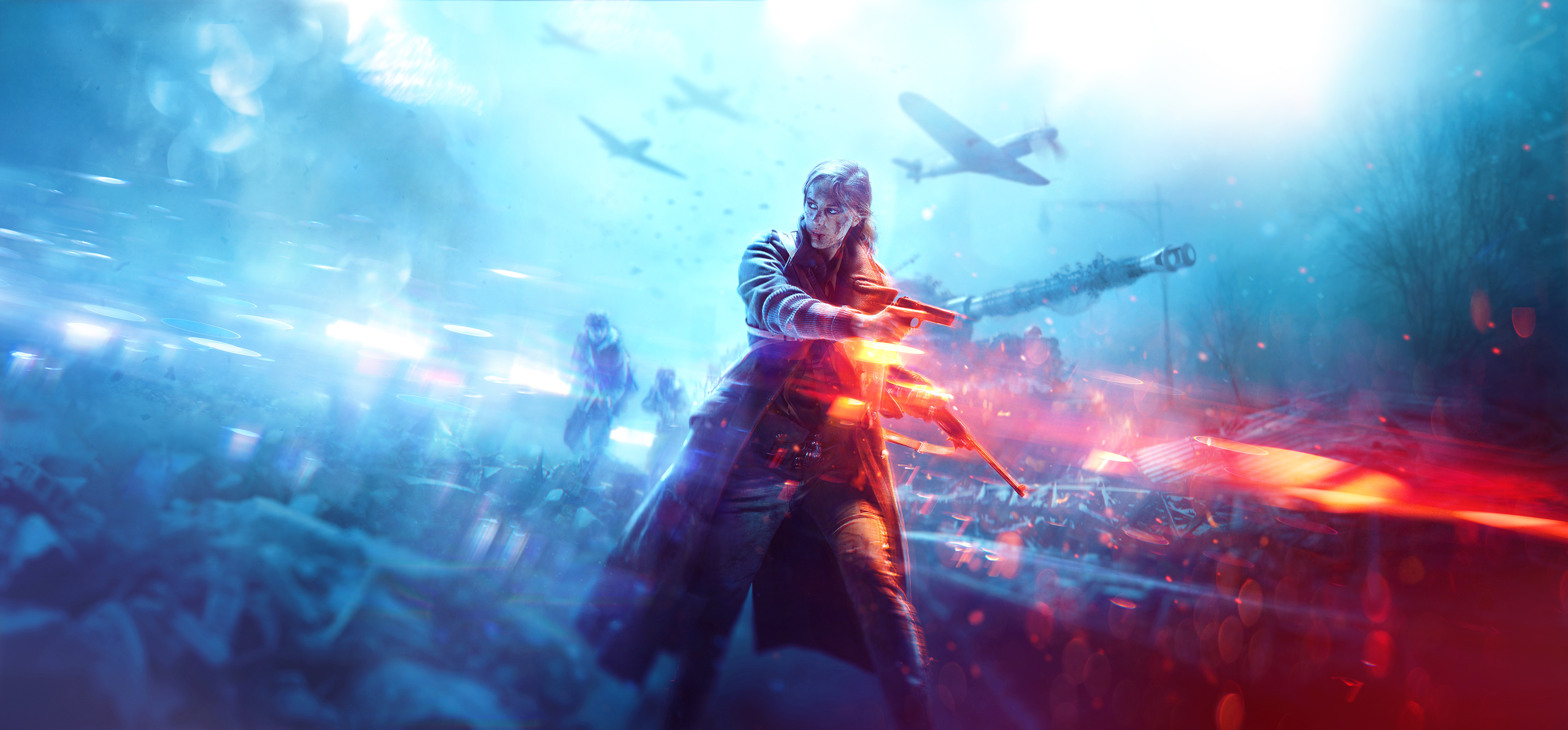
Following complaints about how realistically the game portrayed events, Electronic Arts executive Patrick Söderlund publicly responded by telling frustrated fans they lacked understanding and shouldn’t purchase the game if they disagreed with the creative choices. As a result, pre-order numbers dropped sharply compared to previous games, and the game ultimately didn’t sell as well as the publisher had hoped. This incident significantly damaged the relationship between the game’s creators and its dedicated player base.
‘LawBreakers’ (2017)

Before its release, lead designer Cliff Bleszinski engaged in heated arguments with critics and fans on Twitter. He often dismissed players, suggesting his game was beyond their skill level, and frequently criticized other games. This aggressive behavior shifted public opinion, transforming what was initially seen as a promising shooter into a project perceived as self-indulgent. Despite receiving generally positive reviews, the game quickly lost almost all its players, and the development studio, Boss Key Productions, closed down less than a year later.
‘Domina’ (2017)
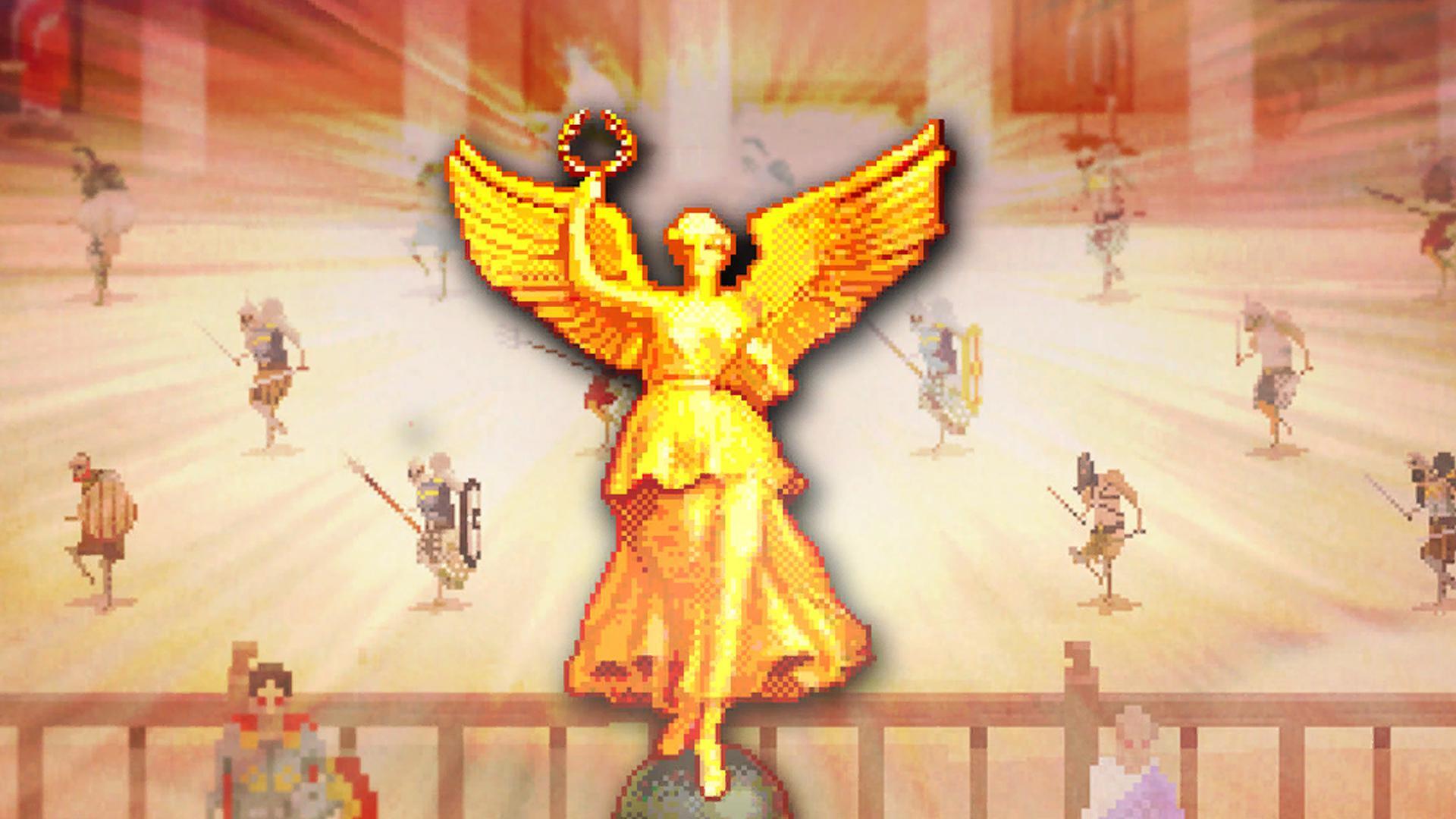
The creator of a gladiator management game started sharing controversial political opinions on patch notes and Twitter. These posts included harmful comments about transgender people and downplayed the importance of masks during the pandemic. Players strongly reacted to the developer’s aggressive behavior, causing a sharp drop in user reviews. Ultimately, Valve banned the developer and removed the game from its Steam platform. By mixing personal beliefs with professional communication, the studio effectively eliminated its source of income.
‘Saints Row’ (2022)
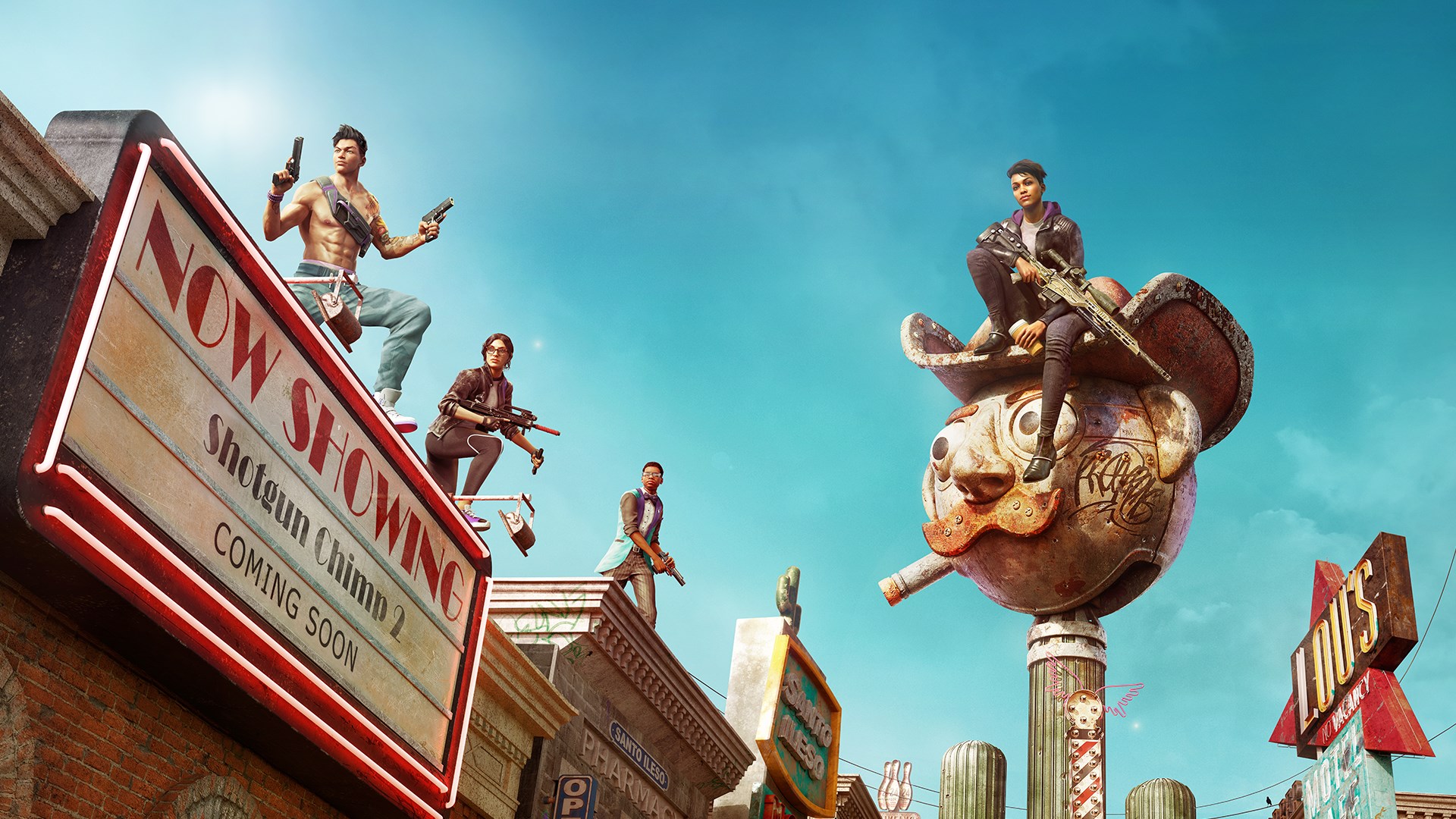
The latest installment in this popular crime game series received negative feedback for its changed style and characters. When critics reacted poorly, the game’s official Twitter account responded with a dismissive GIF, labeling them as simply ‘haters.’ The studio then firmly told dedicated fans they wouldn’t change course. This upset the core fanbase, who felt their concerns were being ignored. Ultimately, the game failed both critically and commercially, leading to the studio’s closure.
‘SimCity’ (2013)
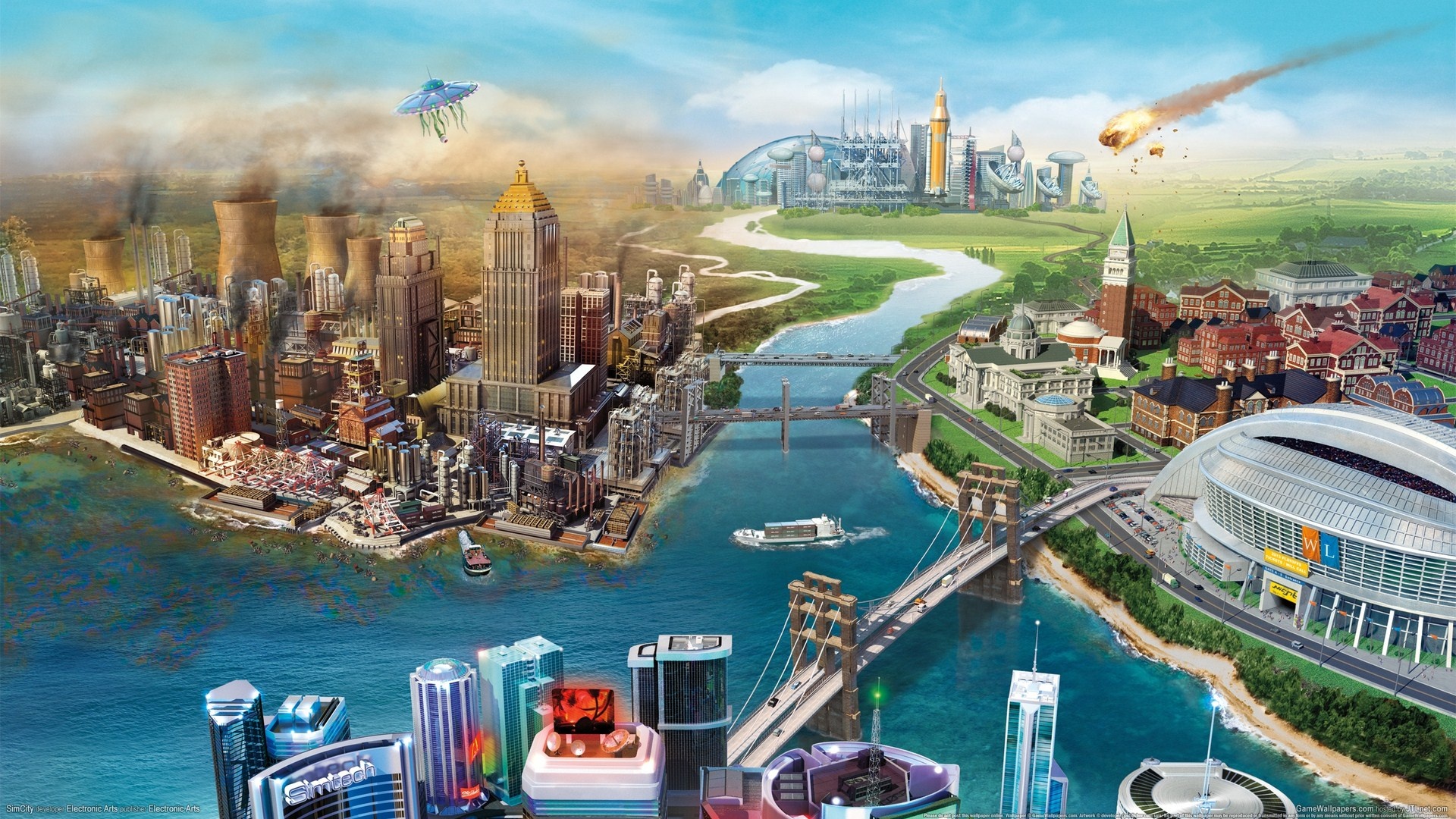
Maxis initially told players on Twitter that their game needed a constant internet connection to utilize cloud technology. However, players didn’t believe this explanation, suspecting it was actually a way to restrict how they played the game. Soon after the game launched, modders demonstrated it could actually run offline, despite what Maxis had said. This misleading information severely damaged player trust, and the game’s launch was also hampered by server problems. The damage to the game’s reputation was lasting, and ultimately led to the studio being shut down by EA.
‘Mighty No. 9’ (2016)
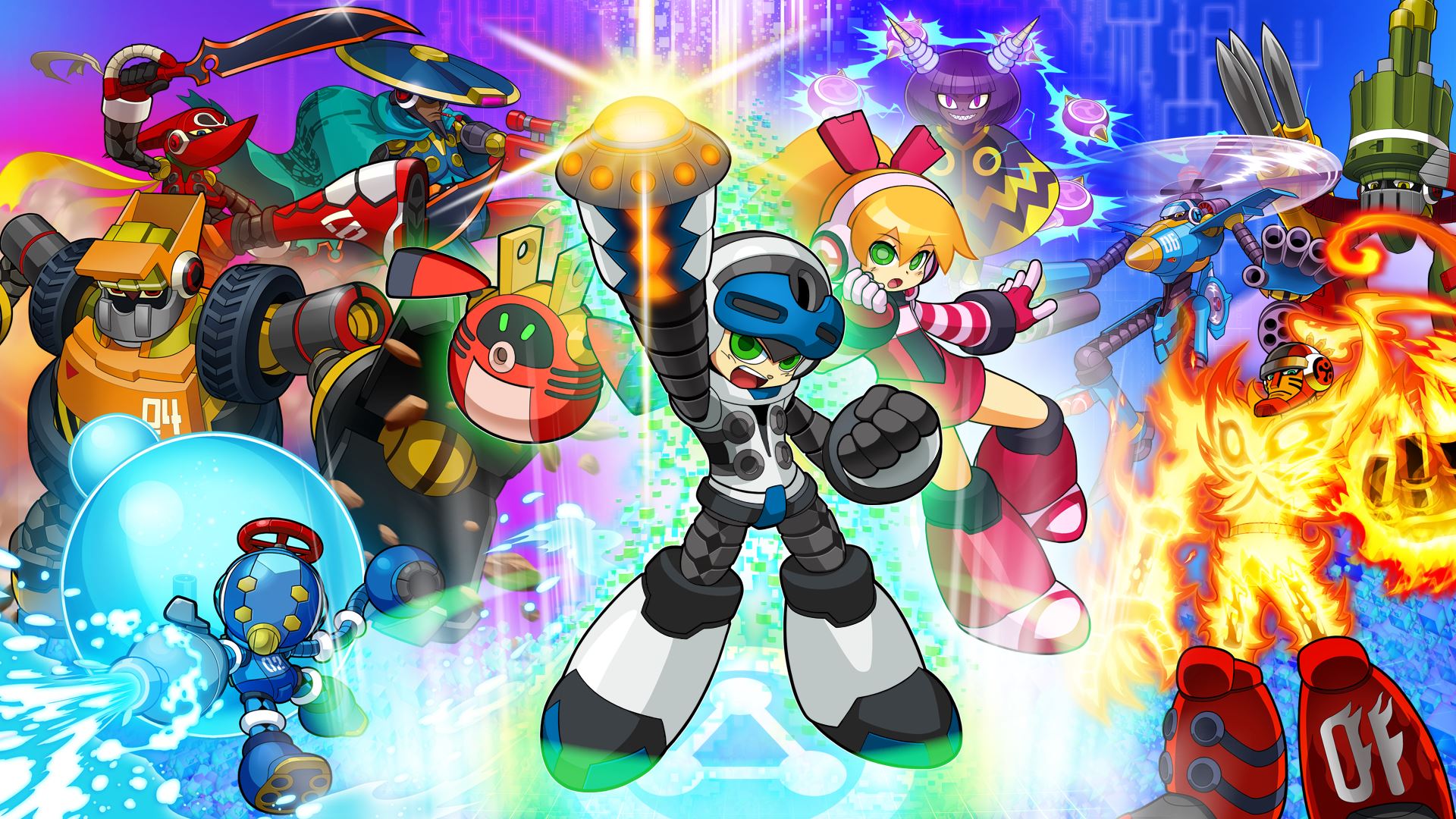
I was a huge backer of this Kickstarter, really excited for what seemed like a spiritual successor to Mega Man. But then the community manager made this incredibly tone-deaf tweet, basically making fun of anime fans on prom night – and that’s a big part of the fanbase that funded the game! People were already frustrated with how long it was taking and that the game didn’t look as good as promised, and this tweet just felt like they didn’t care about us at all. It became this symbol of how out of touch the developers were. Sadly, the game ended up getting pretty bad reviews, and all plans for expanding it into a bigger franchise were scrapped. It was a really disappointing experience.
‘Ion Fury’ (2019)
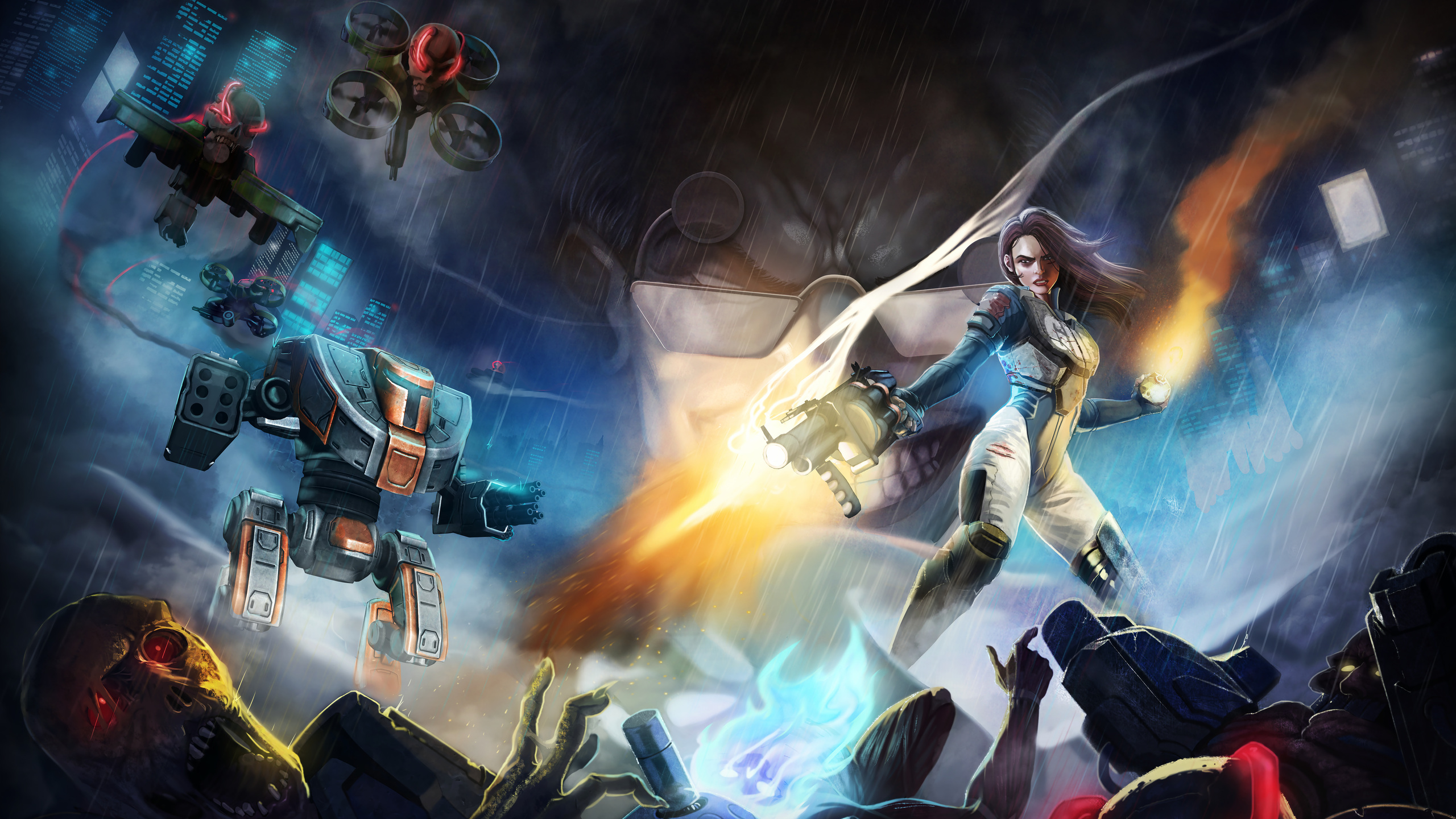
Voidpoint, the developers of a new shooter game, faced significant criticism when old Discord logs and tweets containing transphobic language came to light. They first apologized, but then quickly retracted that apology on Twitter, seemingly to satisfy a different group of fans. This back-and-forth angered people on both sides of the issue, leading to negative reviews being posted online. The controversy overshadowed the game itself, shifting the focus from gameplay to the developers’ views. Ultimately, this damaged the launch of a game that had otherwise been well-received.
‘The Culling 2’ (2018)

Xaviant Games launched a sequel with very little promotion, and fans immediately disliked it. The studio responded with a puzzled tweet, asking players what they were hoping for in the game. This revealed they hadn’t paid attention to player feedback during development. Within hours of release, almost no one was playing, and the game was removed from sale after just eight days. The developer then issued an apology.
‘Day One: Garry’s Incident’ (2013)
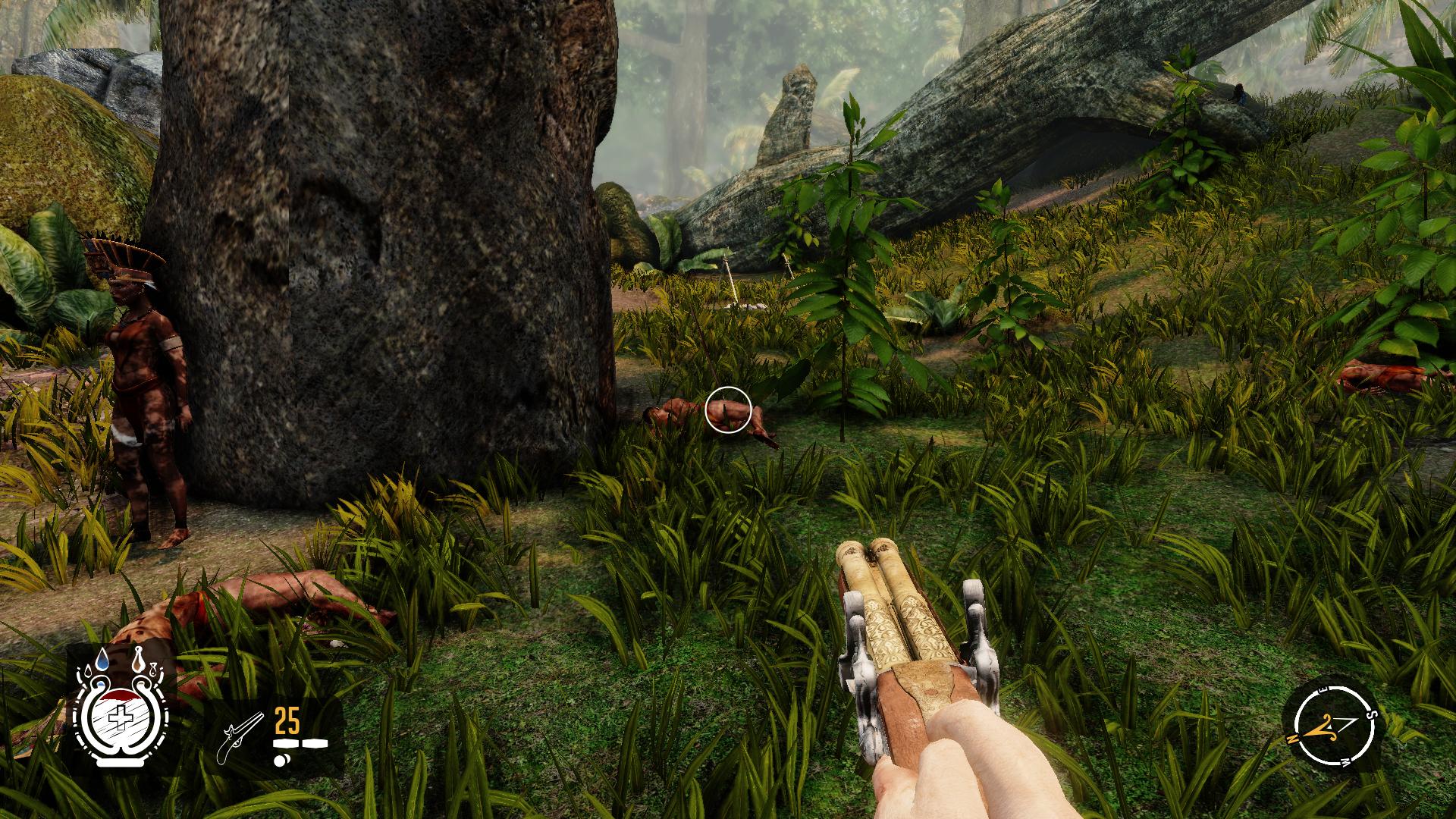
A game developer responded to a negative review by issuing a copyright claim against the reviewer, arguing they shouldn’t be allowed to earn money from the video. This quickly caused a huge backlash, with many people criticizing the developer’s actions as a violation of fair use and free expression. The developer’s misjudgment of online culture led to widespread mockery, and ultimately, game sales plummeted as players rallied against what they saw as bullying behavior.
‘Sunset’ (2015)
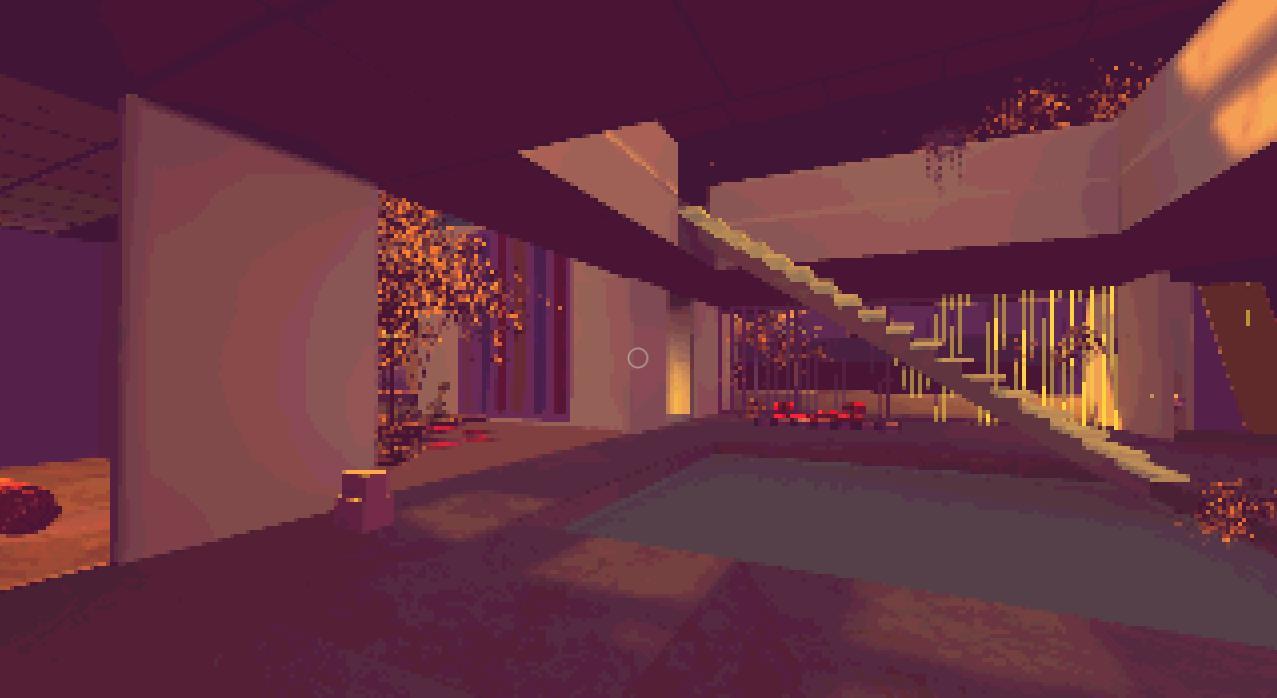
After their latest game didn’t sell well, the developers at Tale of Tales announced they were stopping game development, and surprisingly, blamed their audience for the failure instead of acknowledging the game’s unique, artistic style might not appeal to everyone. This comment was widely seen as harsh and unappreciative by gamers. Soon after the backlash, the studio stopped making games altogether. The situation is frequently brought up when people talk about the challenges indie developers face in meeting player expectations.
‘Total War: Rome II’ (2013)
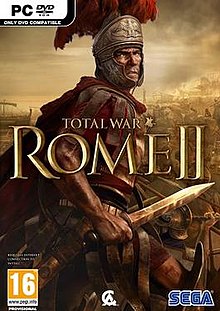
Okay, so this whole thing started when a community manager basically defended having female generals in the game by saying it was historically accurate, and then told anyone who disagreed they shouldn’t play. That really ticked people off, and it led to a huge wave of negative reviews on Steam. Players felt the developers were pushing an agenda instead of focusing on historical accuracy. It blew up in the mainstream media, totally overshadowing all the actual work they were doing on the game. Eventually, the devs had to release a statement trying to fix things, but honestly, the damage was done. That response to the fans really hurt the studio’s reputation, and it’s been a problem for years.
‘Yooka-Laylee’ (2017)
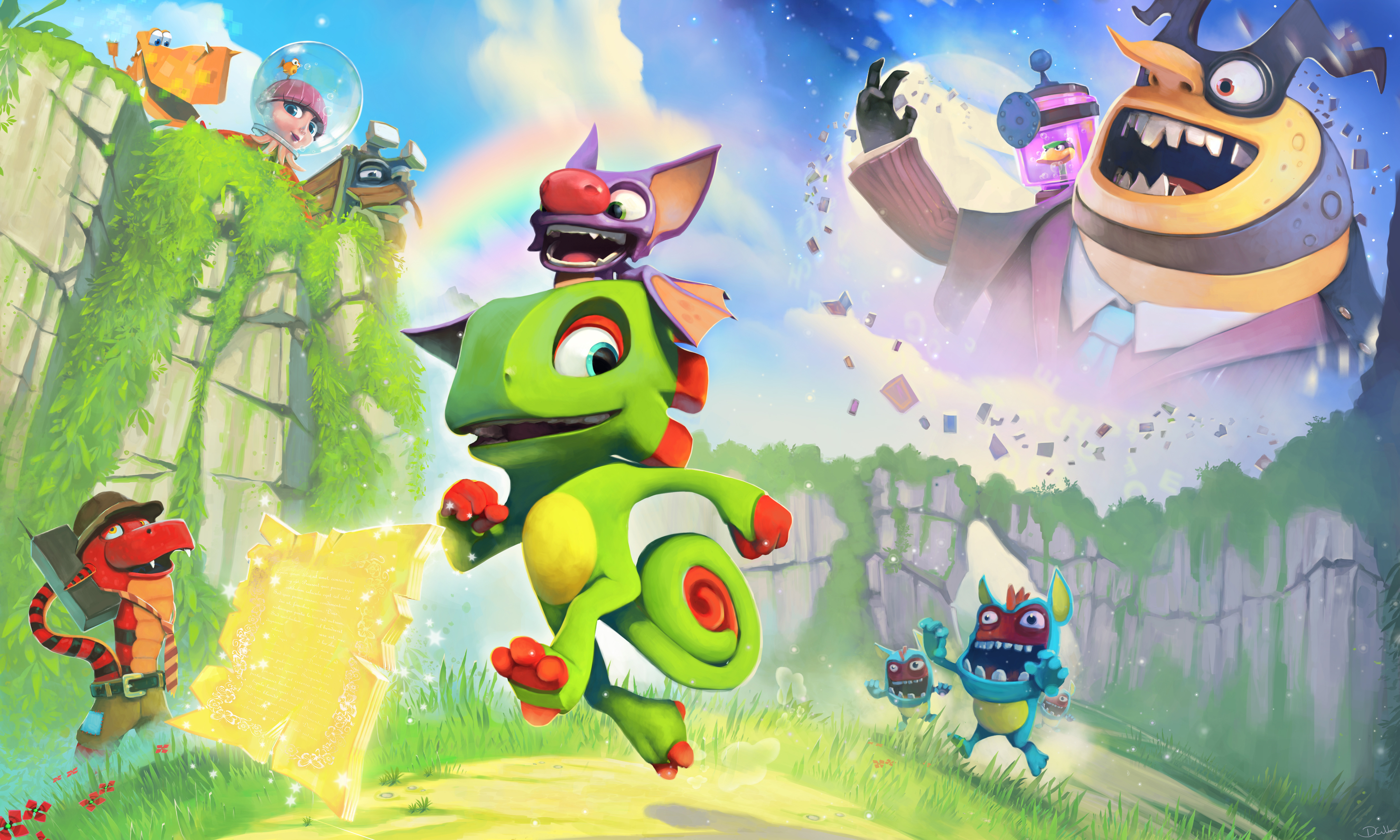
Playtonic Games removed a voice actor from their latest game because of their personal political beliefs, which they announced on Twitter. This decision sparked a strong reaction from fans, with many requesting refunds. Some people felt the company’s explanation was insincere, while others believed it was the right thing to do. The resulting discussion overshadowed the game’s release, and mixed reviews combined with the controversy hurt initial sales.
‘Firewatch’ (2016)
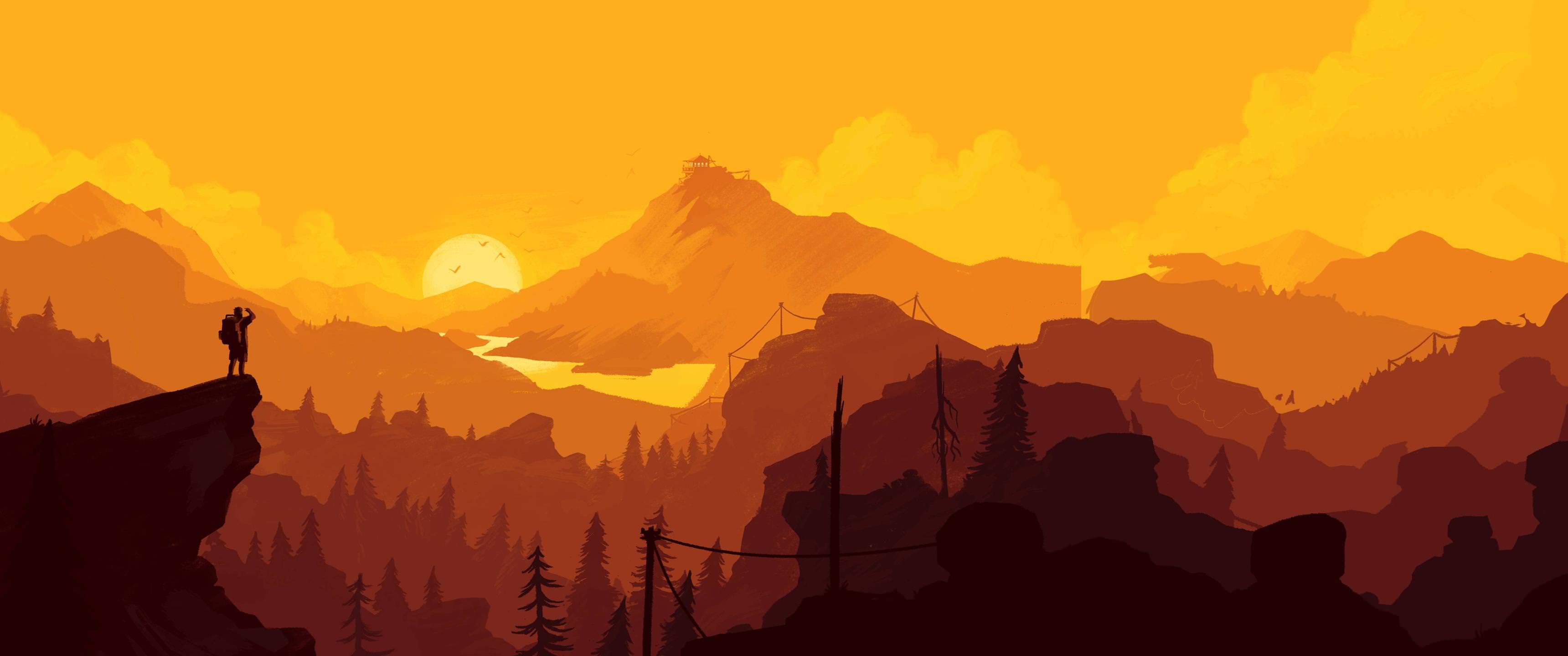
Game developer Campo Santo announced they would use a copyright claim to remove a video from a popular YouTuber because he used a racial slur. However, the slur wasn’t said while the YouTuber was playing Campo Santo’s game. Many people saw this as the studio unfairly using copyright law to address behavior they didn’t approve of. As a result, the game received a wave of negative reviews on Steam as players protested this action. Campo Santo then faced criticism about whether they properly understood the rules around fair use.
‘Subnautica’ (2018)
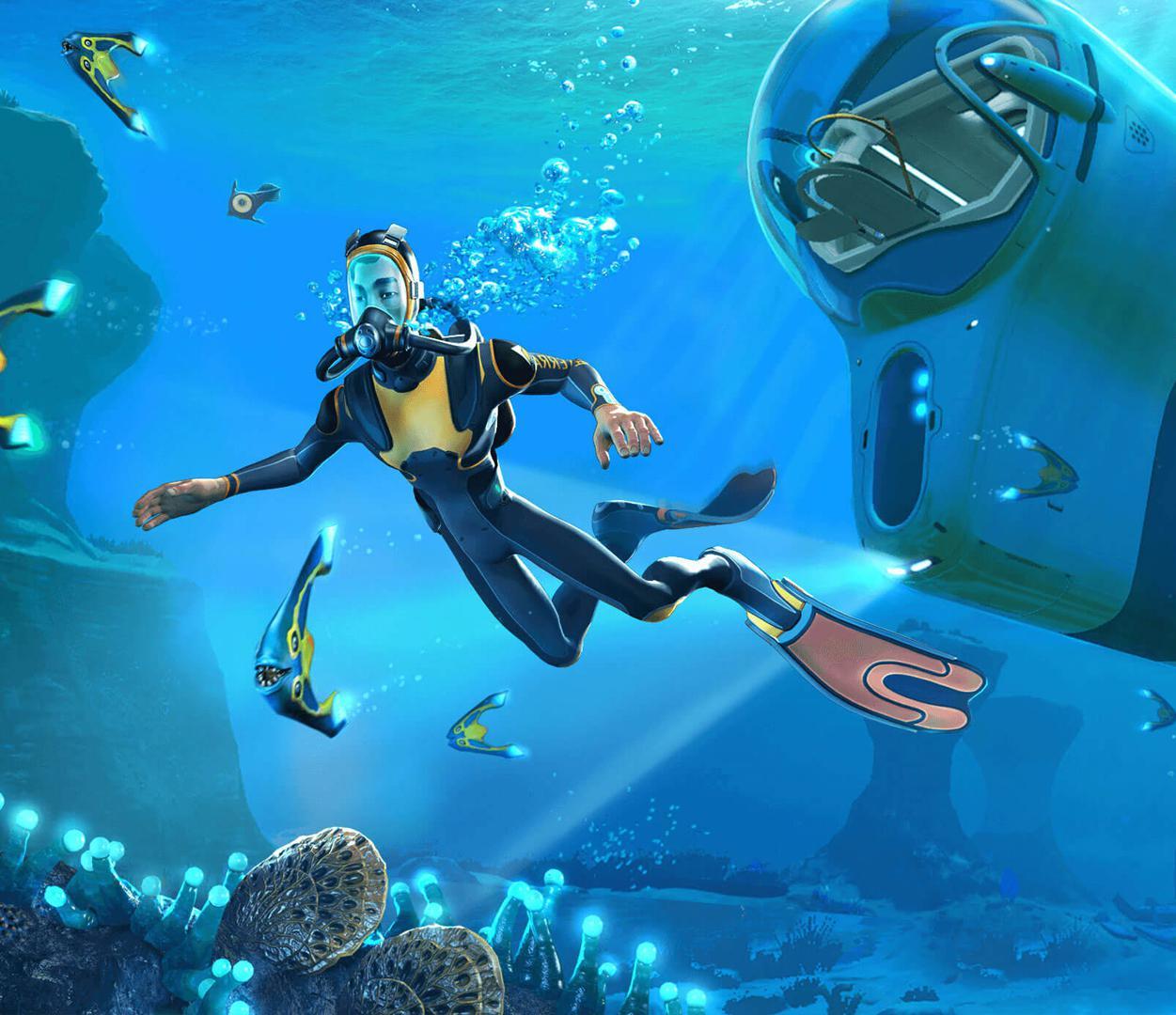
A sound designer at Unknown Worlds was let go after sharing politically charged tweets. These posts, covering topics like immigration, didn’t align with the company’s values. The studio announced the firing on Twitter, leading to a discussion about what employees can say publicly. The situation caused controversy, with players threatening to stop playing the game, and created a public relations challenge for the company, overshadowing the game’s successful release.
‘Killing Floor 2’ (2016)
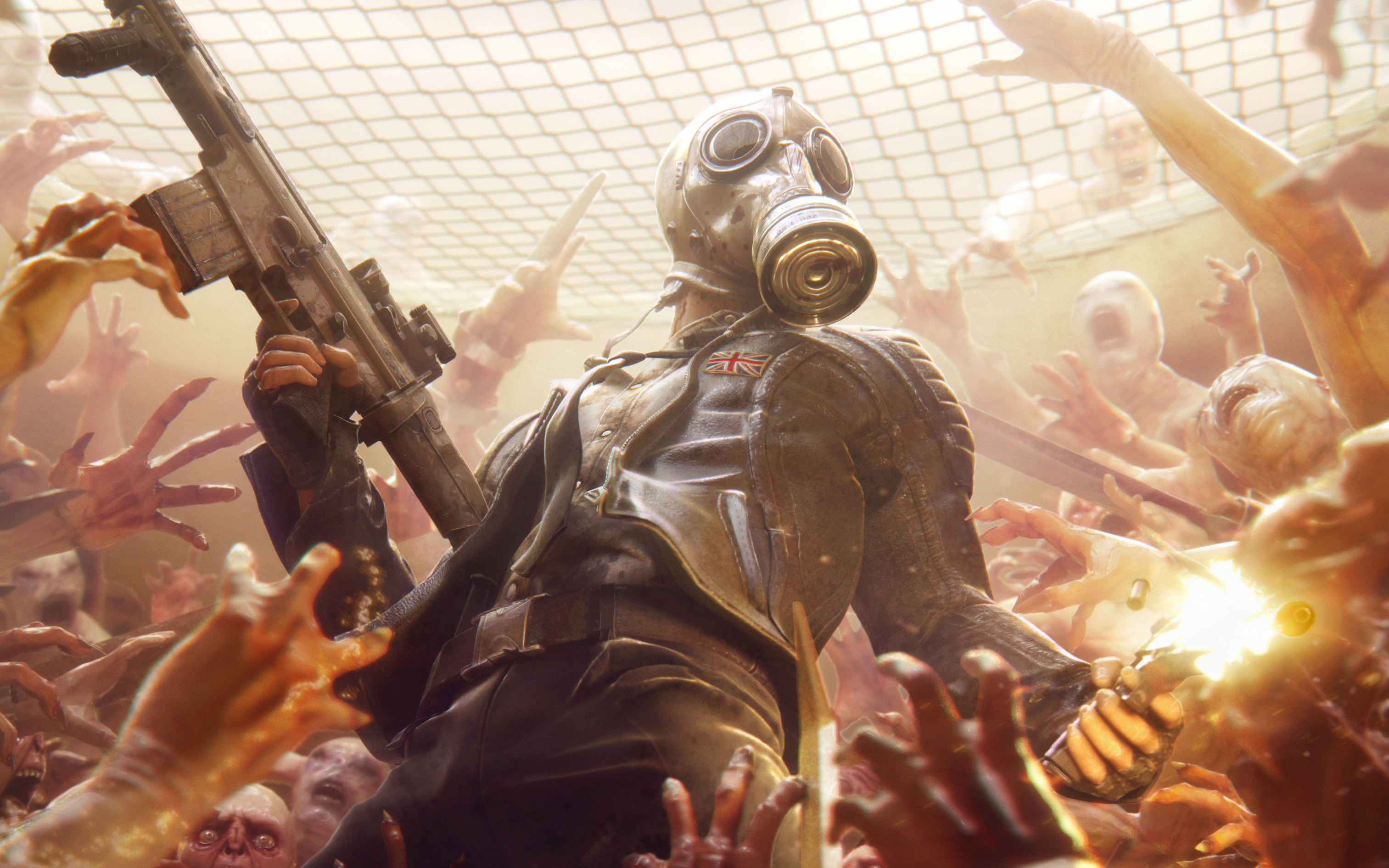
The president of Tripwire Interactive publicly supported a controversial abortion law in Texas, which quickly sparked outrage from both those who work with the company and its players. One studio announced they would cut ties with Tripwire because of the statement. Following the strong reaction, the president resigned. The game then received a surge of negative reviews as players voiced their disapproval of the company’s leader’s position.
‘War Z: Infestation Survivor Stories’ (2012)
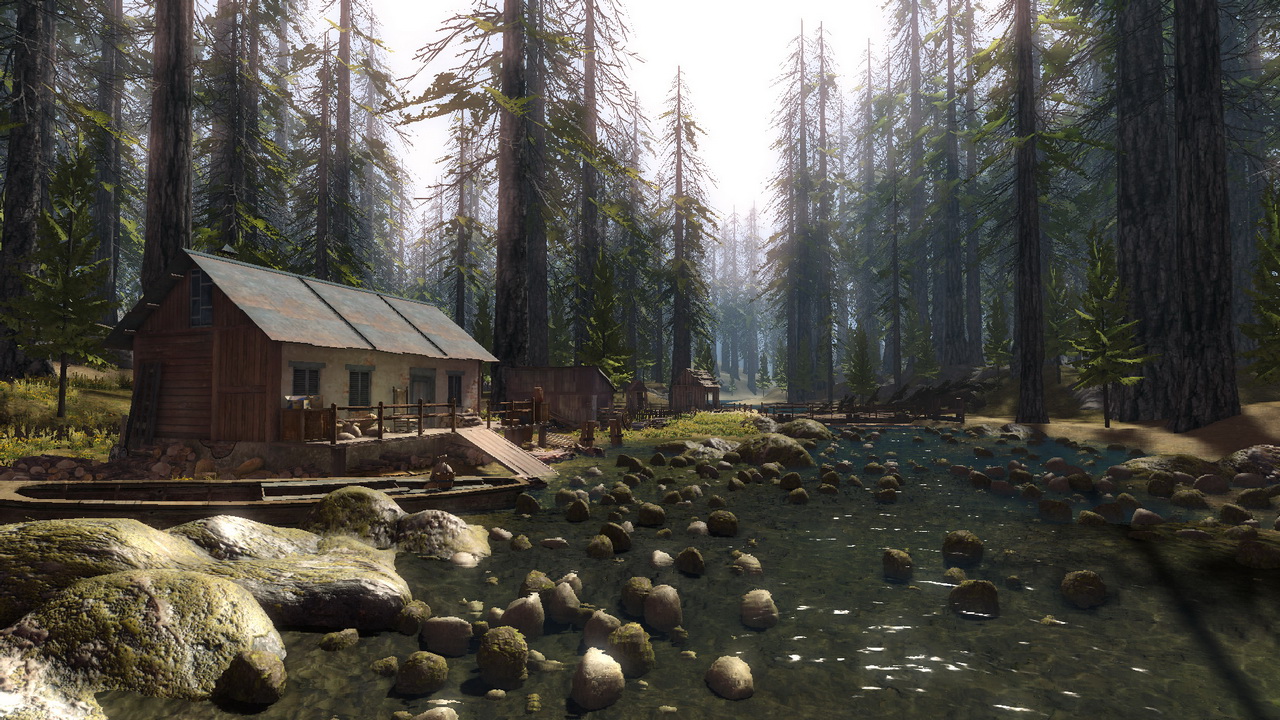
Sergey Titov, the game’s producer, responded to player complaints about missing features by insulting them online, calling them names and accusing them of misunderstanding the game’s description – even when it was clear the advertising was misleading. This aggressive behavior from the lead developer led to a wave of refund requests and negative publicity. The game quickly gained a reputation for being a scam and having terrible customer relations. Ultimately, it was taken off Steam and given a new name in an effort to distance itself from the bad image.
‘Dustborn’ (2024)
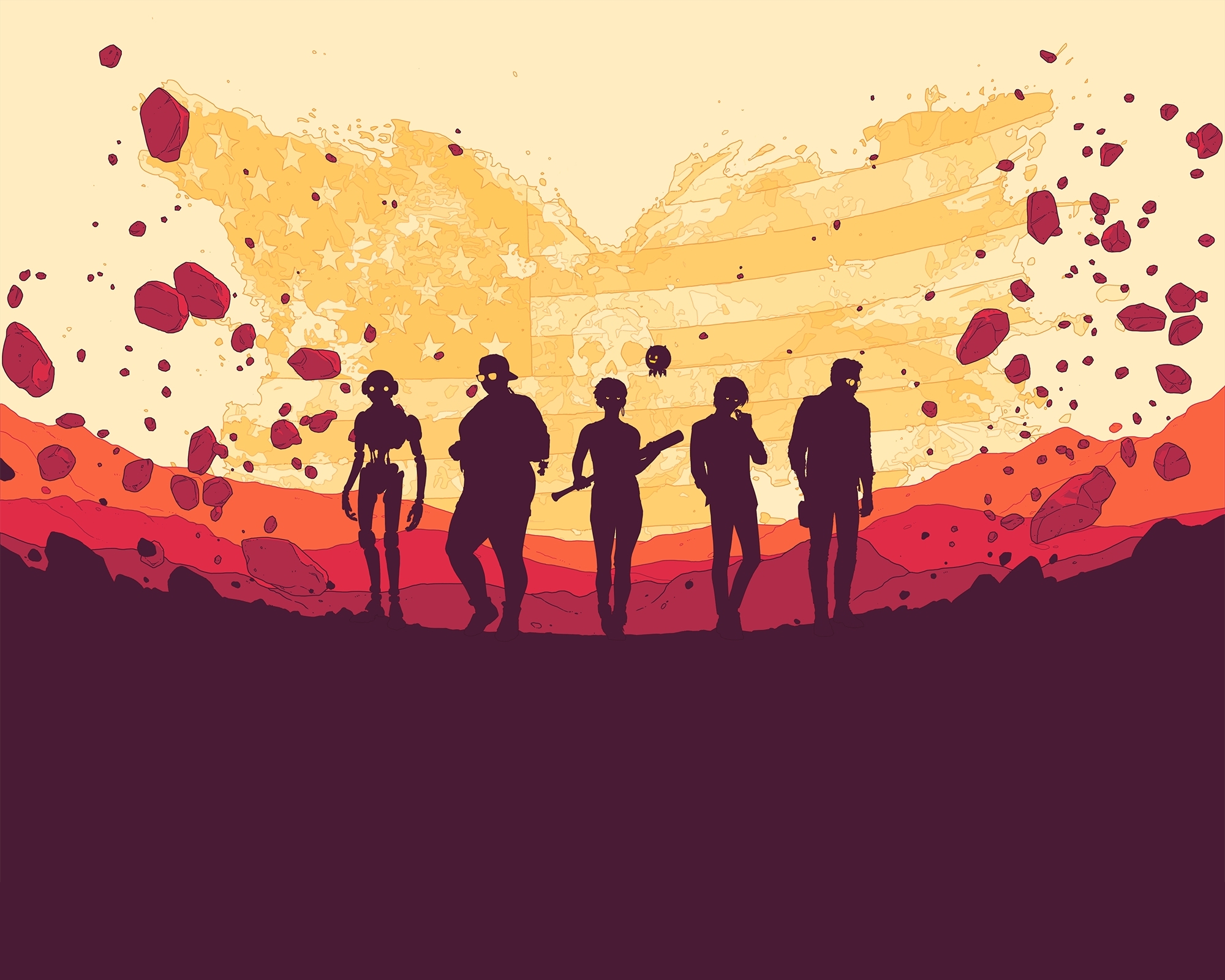
The creators of this story-based game shared a list of thousands of social media accounts they had blocked, explaining they were trying to prevent criticism of the game’s themes. This move was seen as shutting down important feedback and creating an environment where only supportive voices were heard. Unfortunately, the game launched with very few players on Steam, and this defensive approach on social media didn’t attract any positive attention.
‘Payday 3’ (2023)
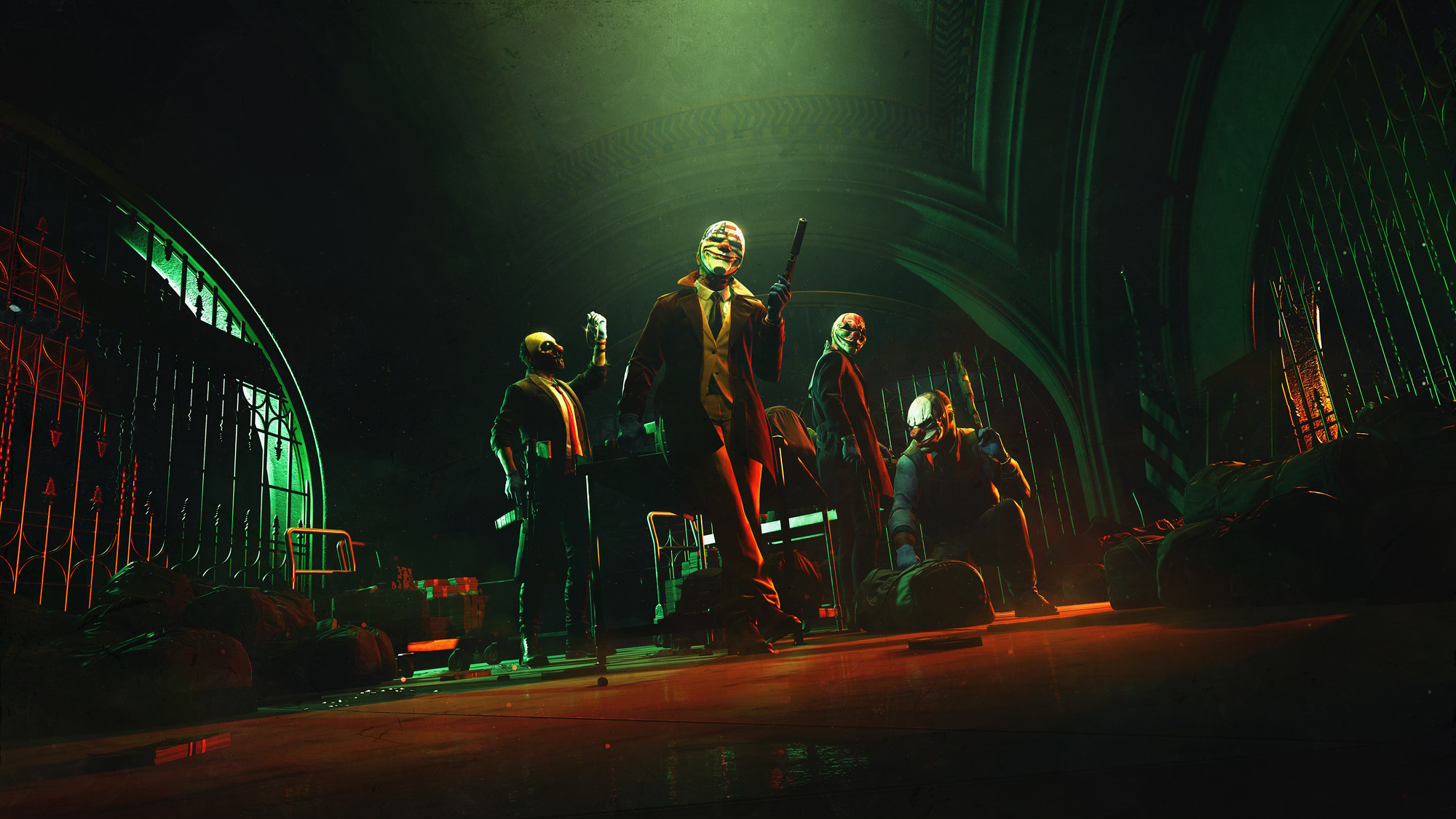
Starbreeze’s CEO apologized on Twitter for the problems with the game’s launch servers, but the apology didn’t calm down frustrated players who couldn’t access the online game. Further updates lacked a clear plan for fixing the issues, leading the community to believe the developers weren’t addressing the outage quickly enough. As a result, most players stopped playing and went back to the older game in the series.
‘Cities: Skylines II’ (2023)
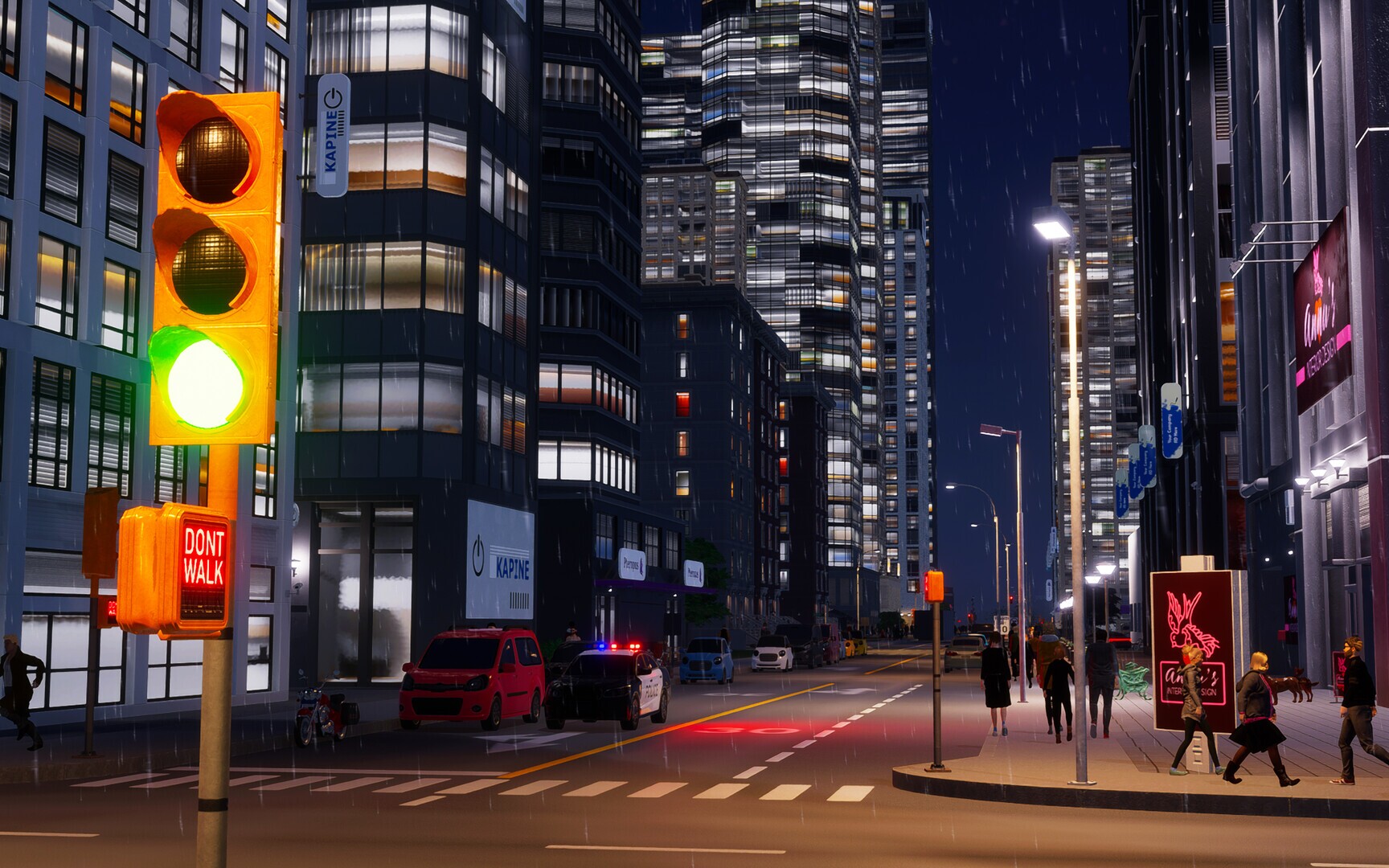
As a long-time fan, I was really disappointed to see the developers basically say the game was working as intended, even though so many of us were reporting serious problems with the economy. It felt like they were dismissing our concerns and even suggesting the game just wasn’t for us if we didn’t like how things were! That really upset a lot of people in the city-building community. Honestly, the game’s gotten pretty mixed reviews on Steam because of the performance issues and how the developers handled the criticism. They’ve been working hard for months now to try and win back the community’s trust, but it’s been a tough road.
‘Helldivers 2’ (2024)

A Sony community manager sparked outrage by downplaying the difficulty of creating a PlayStation Network account, especially after the company announced it would require Steam players to do so. This insensitive tweet intensified the backlash, leading to a wave of negative reviews. Sony eventually apologized and canceled the requirement. The incident serves as a prime example of how to mismanage a public relations crisis.
‘Skullgirls: 2nd Encore’ (2020)
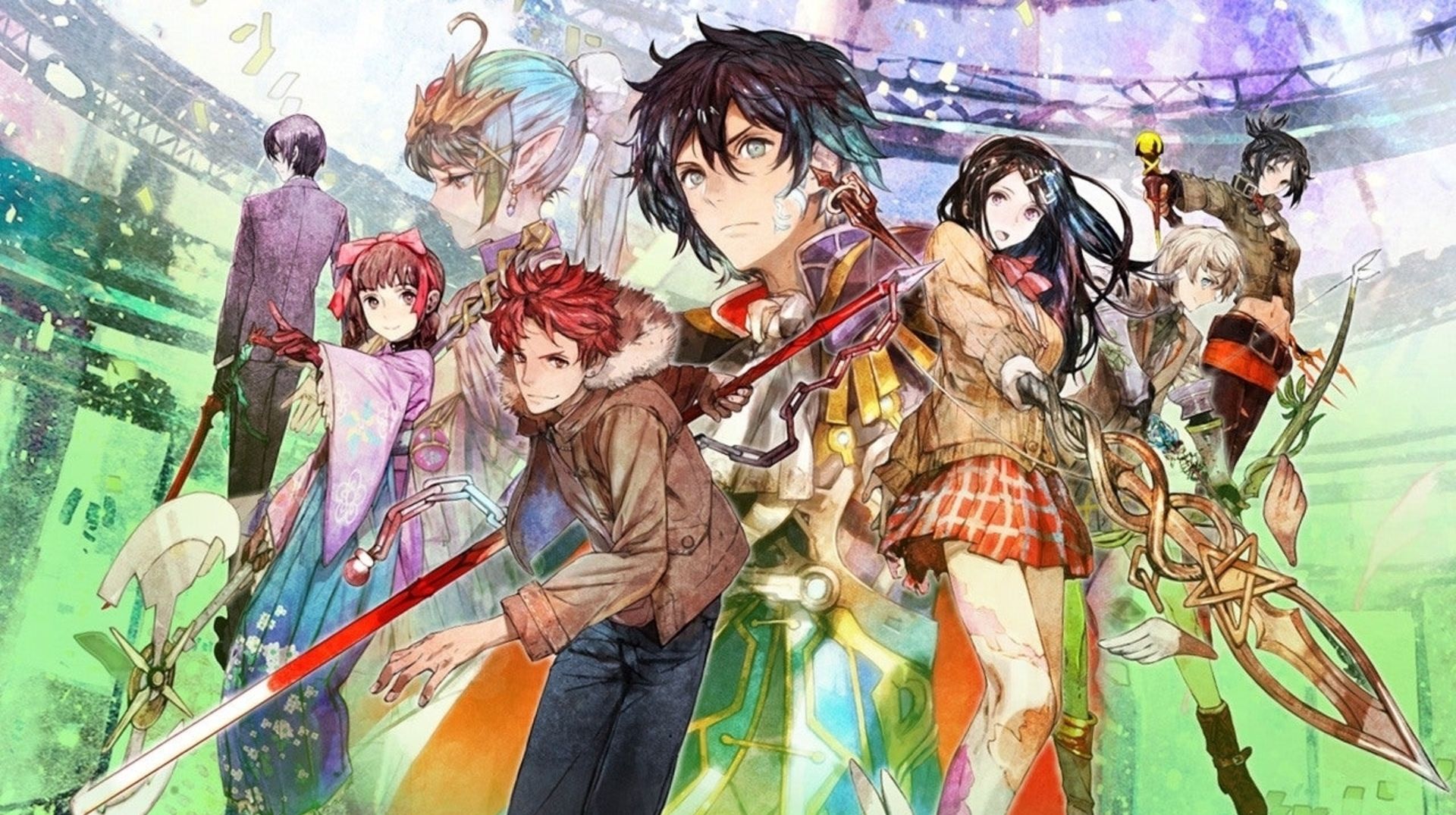
Mike Zaimont, the lead designer, posted offensive jokes and comments on Twitter that upset many people in the gaming community. After looking into the situation, the studio asked him to resign, but he wouldn’t. Ultimately, the company that owned the game cut all ties with him and disbanded the development team to start over without him. This caused a major delay in creating new content. The whole situation damaged the game’s reputation and negatively impacted its competitive community.
‘Project CARS’ (2015)
Ian Bell, the head of the studio, responded to player criticism of the game’s physics by posting insults online and even threatening bans. This heavy-handed approach to handling the community upset many sim racing fans. The studio quickly gained a reputation for being overly sensitive and unwilling to accept feedback. Ultimately, the game’s popularity decreased, and the studio was bought and later closed down by EA.
‘Balan Wonderworld’ (2021)
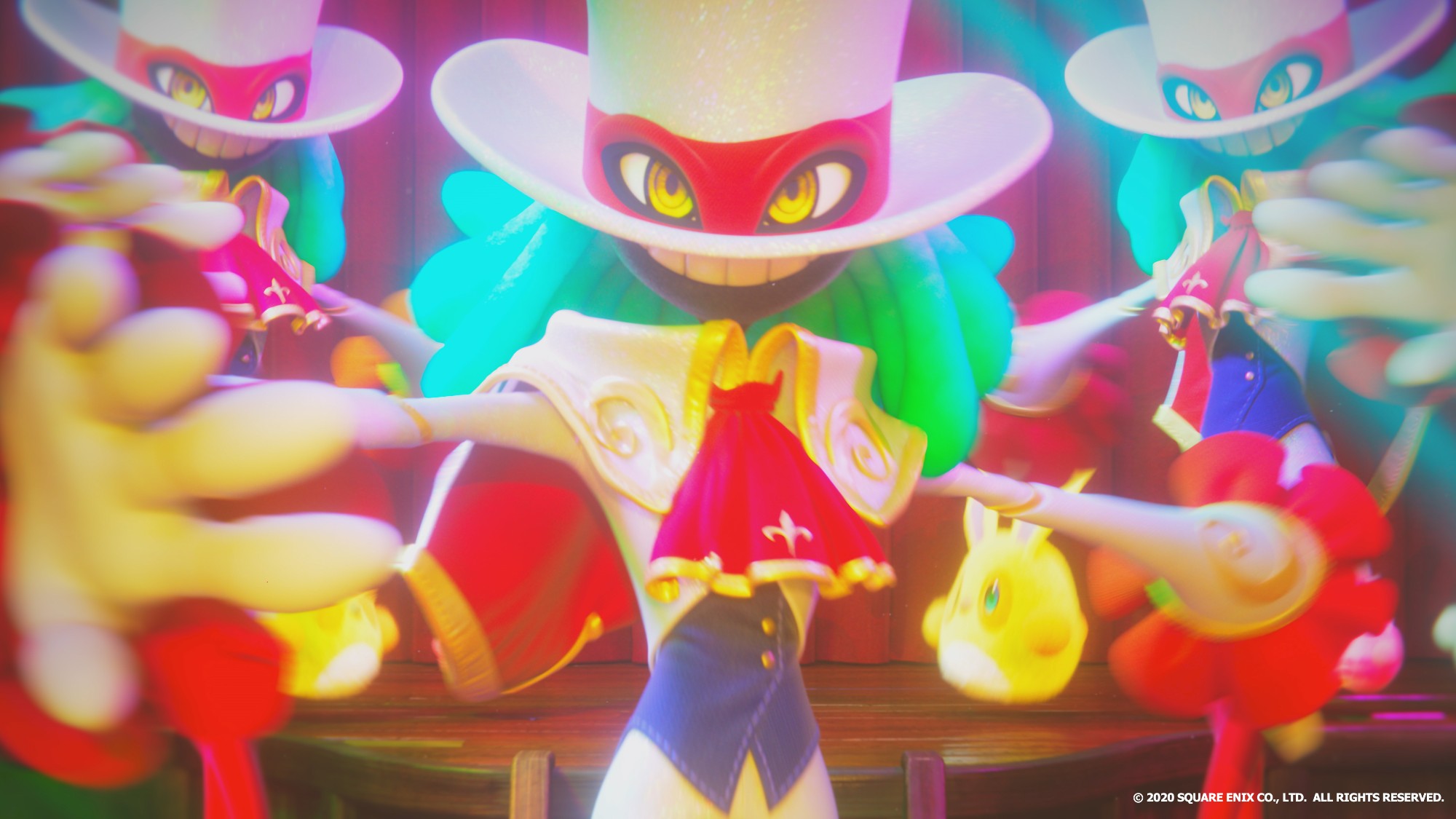
Yuji Naka, the director of the game, announced on Twitter that Square Enix removed him from the project right before its release. He criticized the publisher, claiming they prioritize profits over quality and released an incomplete game. Although the game was already poorly received, Naka’s tweets revealed a troubled development process. The resulting public disagreement with Square Enix meant the game would no longer receive updates or support. Soon after, Naka himself faced separate legal issues unrelated to his public statements.
‘Homefront: The Revolution’ (2016)
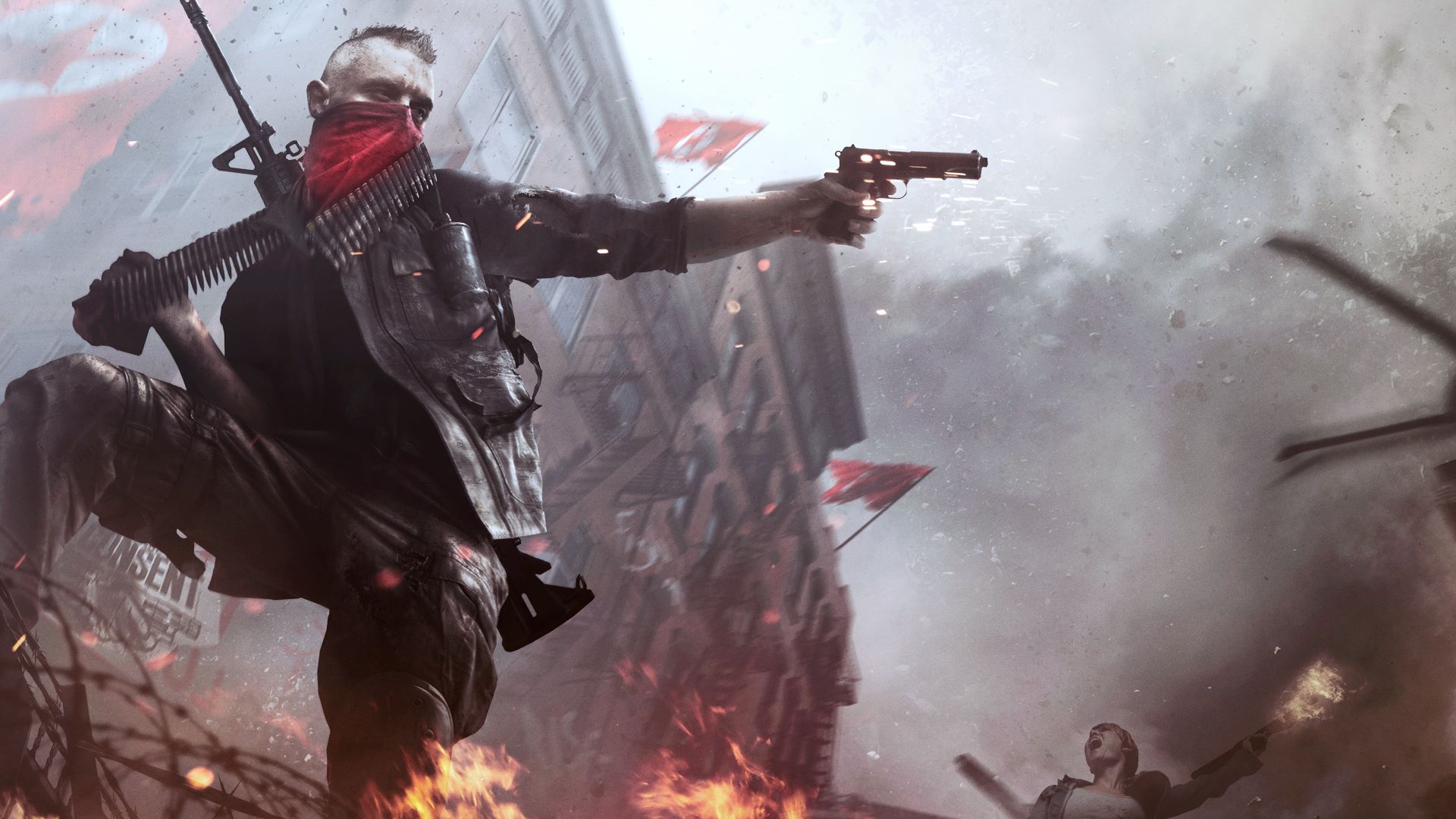
Game developers publicly shared their disappointment on Twitter about the game’s technical problems and negative reviews. Instead of gaining understanding, their honesty reinforced the perception that the game was flawed. This impacted sales, as news outlets reported on the developers’ concerns, advising players to avoid it. The game became known as a buggy failure, effectively ending the series. Consequently, the studio shut down, and the game’s intellectual property hasn’t been used since.
Read More
- Gold Rate Forecast
- How to Do Sculptor Without a Future in KCD2 – Get 3 Sculptor’s Things
- 15 Films That Were Shot Entirely on Phones
- Silver Rate Forecast
- 22 Films Where the White Protagonist Is Canonically the Sidekick to a Black Lead
- Biogen’s Jolly Good Showing
- 14 Movies Where the Black Character Refuses to Save the White Protagonist
- New HELLRAISER Video Game Brings Back Clive Barker and Original Pinhead, Doug Bradley
- Monster Hunter Stories 3 Complete Side Stories Guide & What Do They Unlock
- Why Won’t It Just *Do* What You Ask? Unpacking the Quirks of AI Language
2026-01-15 12:20