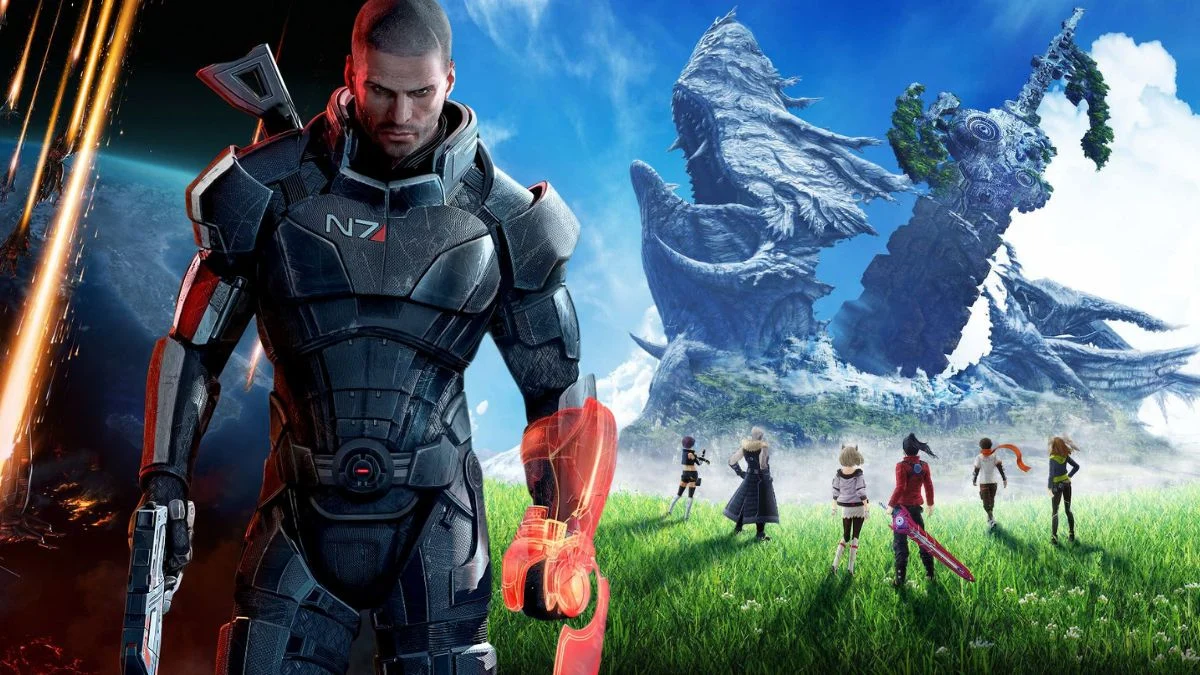
Video games are becoming more diverse, with more titles now featuring LGBTQ+ characters and storylines. While many welcome this change, some gamers have reacted negatively. Developers who include things like character pronouns or same-sex relationships often face online harassment and negative reviews. Here are some games that received particularly strong reactions for including LGBTQ+ content.
‘Old School RuneScape’ (2017)
Jagex, the creators of the game, held a small event to recognize Pride Month, which sparked a strong negative reaction from many players. Players protested by staging large-scale disruptions in the game city of Falador, using their characters and in-game chat to express hateful views and mimic hate groups. The main complaint was that real-world issues didn’t belong in the game’s fantasy world, even though the event was optional and small. Despite facing personal attacks, the game’s moderators decided to keep the event active to show support for their LGBTQ+ employees and players. This situation is remembered as one of the most turbulent moments in the game’s community history.
‘Starfield’ (2023)
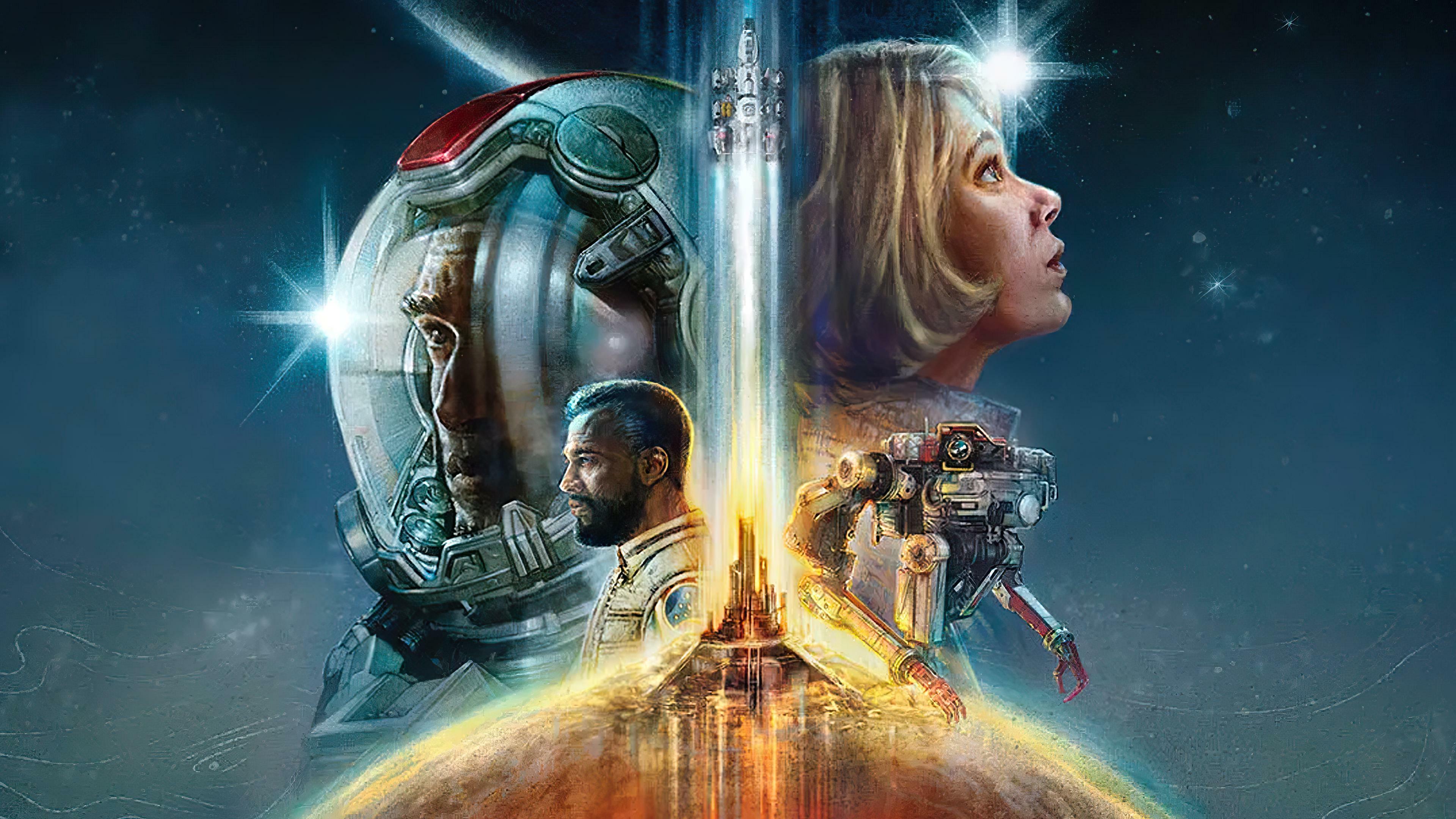
Bethesda’s new space RPG recently faced significant online criticism, primarily because of its character creation options. Players noticed they could choose pronouns like he/him, she/her, or they/them, which led one popular streamer to react angrily, claiming the game was unnecessarily focused on current social issues and breaking the player’s sense of immersion. Many others took to social media and review sites to complain that the game was promoting a “woke agenda” just by offering gender-neutral options. This happened even though choosing pronouns was a small part of the game’s interface and didn’t affect how the game was played. The situation showed how sensitive some gamers are becoming about seeing gender inclusivity in major video games.
‘Marvel’s Spider-Man 2’ (2023)
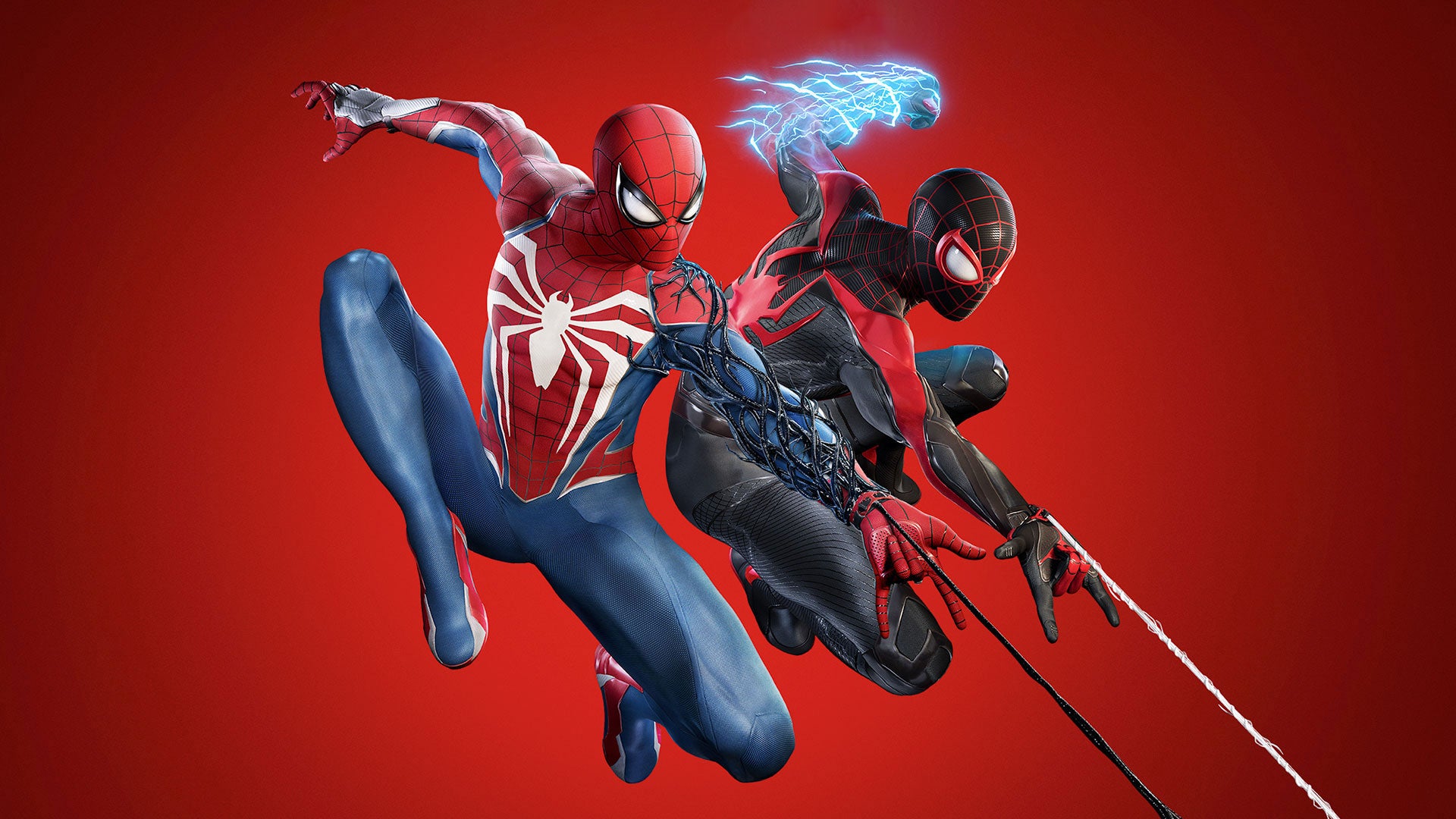
The recent Spider-Man game by Insomniac Games featured LGBTQ+ representation, including Pride flags and a storyline about a gay student asking his boyfriend to the homecoming dance. While most reviewers liked the game itself, some players reacted negatively to these inclusive elements, calling them unnecessary. The situation became more complicated when versions of the game sold in the Middle East were altered to remove the LGBTQ+ content to meet local regulations. This led to discussions worldwide about censorship and whether Western ideas about inclusivity should be imposed on other cultures. The game developers defended their choices for the original release, stating their belief that Spider-Man should be a hero for all players.
‘The Last of Us Part II’ (2020)
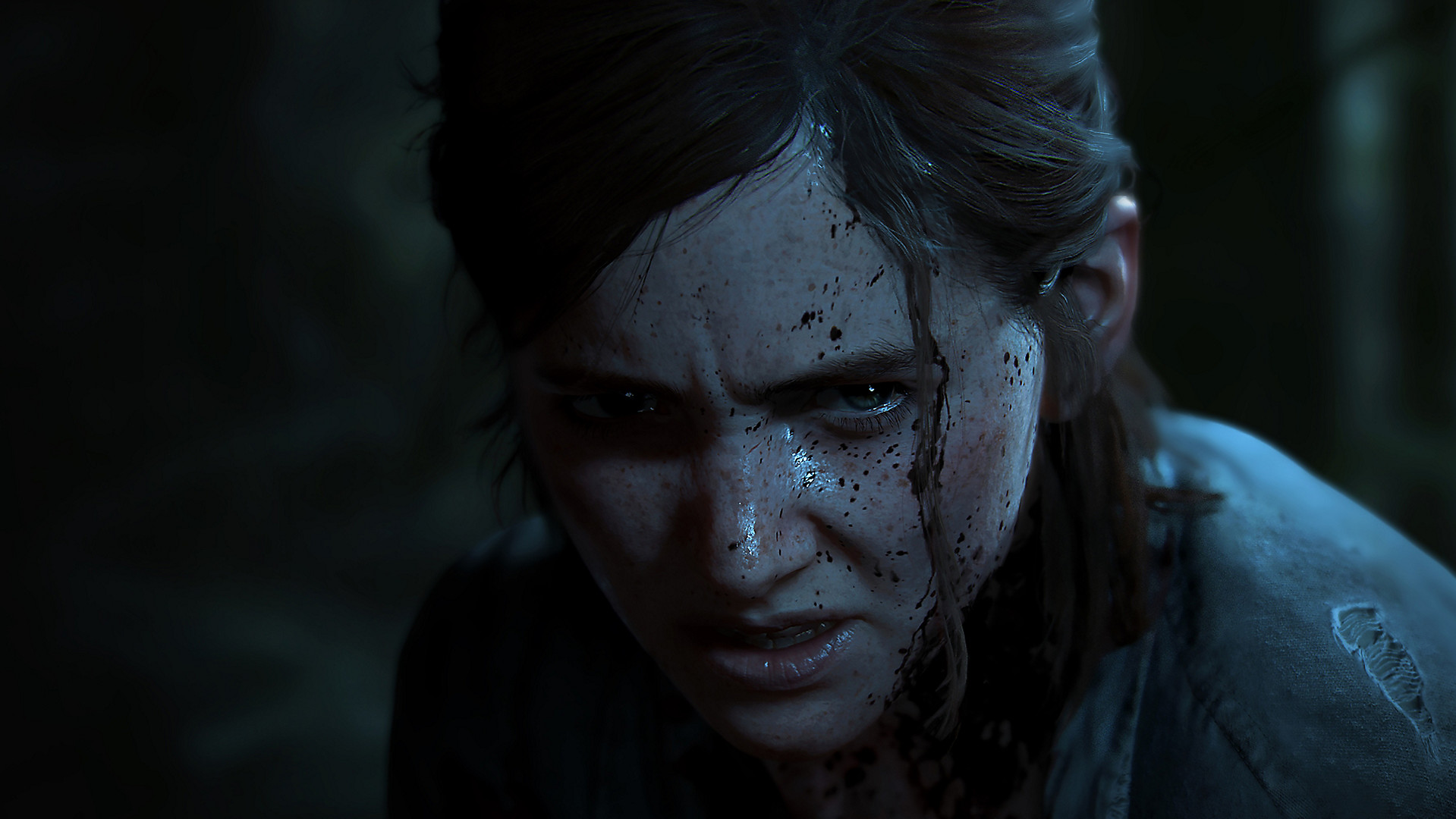
Even before the game came out, spoilers started circulating, and it quickly turned into a really awful situation. The developers and voice actors were bombarded with hate, and a lot of it was directed at the fact that Ellie was in a lesbian relationship with Dina, and that there was a significant transgender character named Lev. People were saying the story was being ruined by a supposed ‘social justice agenda,’ and they started leaving tons of negative reviews online right away. It got so bad that the director and actors received death threats, which was terrible and completely overshadowed any real discussion about the game’s actual flaws, like maybe the pacing. But despite all the negativity, the game ended up winning a ton of awards and selling incredibly well, which was amazing to see.
‘Horizon Forbidden West’ (2023)
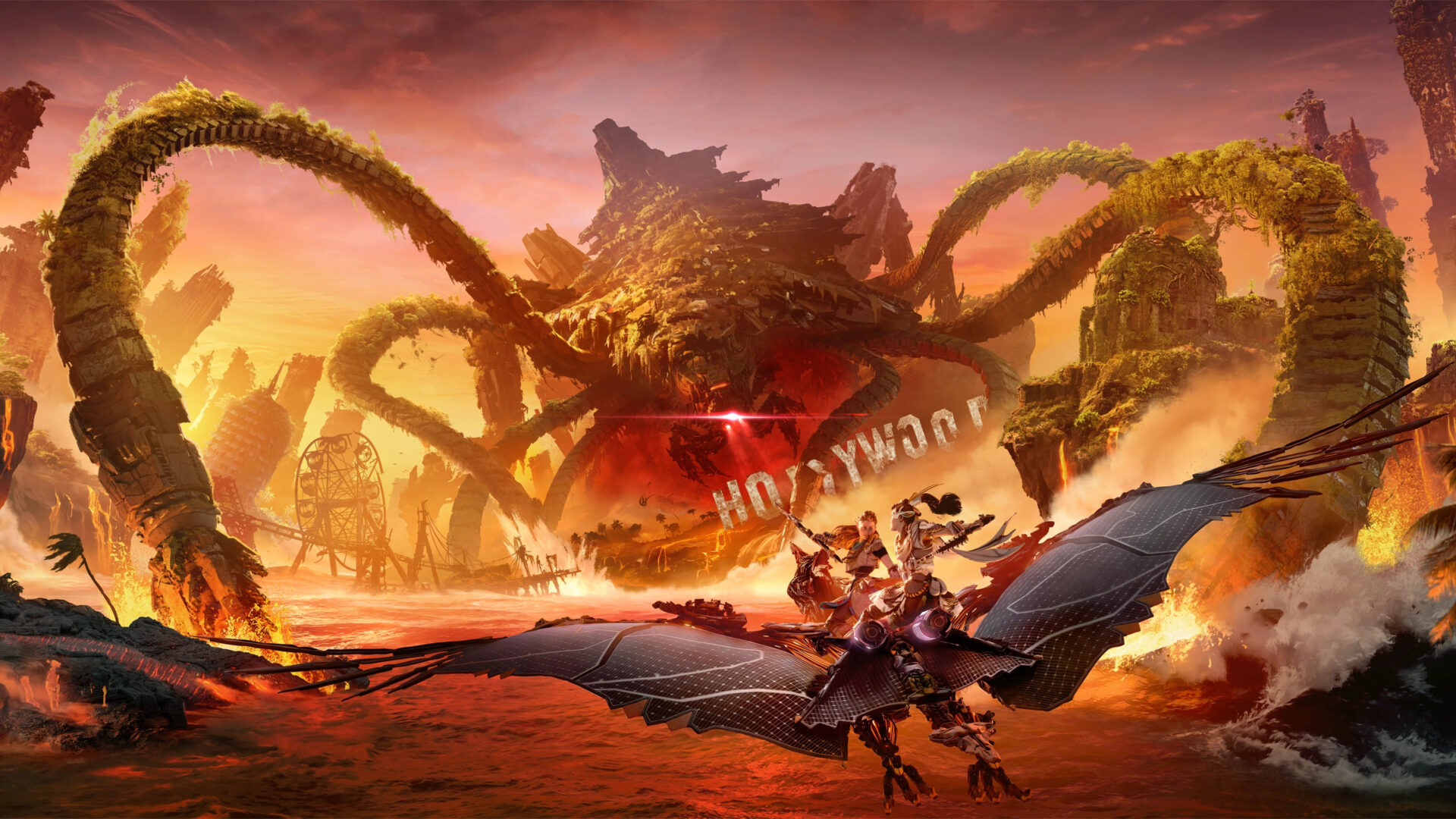
The new ‘Burning Shores’ downloadable content received a wave of overwhelmingly negative reviews because of a scene where the main character, Aloy, has the option to kiss another woman, Seyka, establishing her as queer. Many reviewers gave the DLC zero stars, claiming the developers had damaged Aloy’s character or were simply trying to appeal to a certain ideology. The backlash was so intense that Metacritic announced it would improve its review moderation to remove irrelevant and abusive comments. This situation highlights the continued disapproval some gamers have towards main characters being in same-sex relationships.
‘Overwatch 2’ (2024)

Blizzard has repeatedly received criticism for including diverse characters in its games. The recent introduction of Venture, the first hero who uses they/them pronouns, sparked a new wave of complaints. Some players online argued the character’s design and pronouns felt like an unnecessary political statement, building on years of tension that started when a comic revealed one of the characters, Soldier: 76, was gay – leading some players to stop playing at the time. Online discussions often became hostile, with players deliberately using the wrong pronouns for the character to upset the game developers. Despite this negative reaction from a portion of its fanbase, Blizzard has continued to develop Venture’s story and offer related in-game items.
‘Guilty Gear Strive’ (2022)
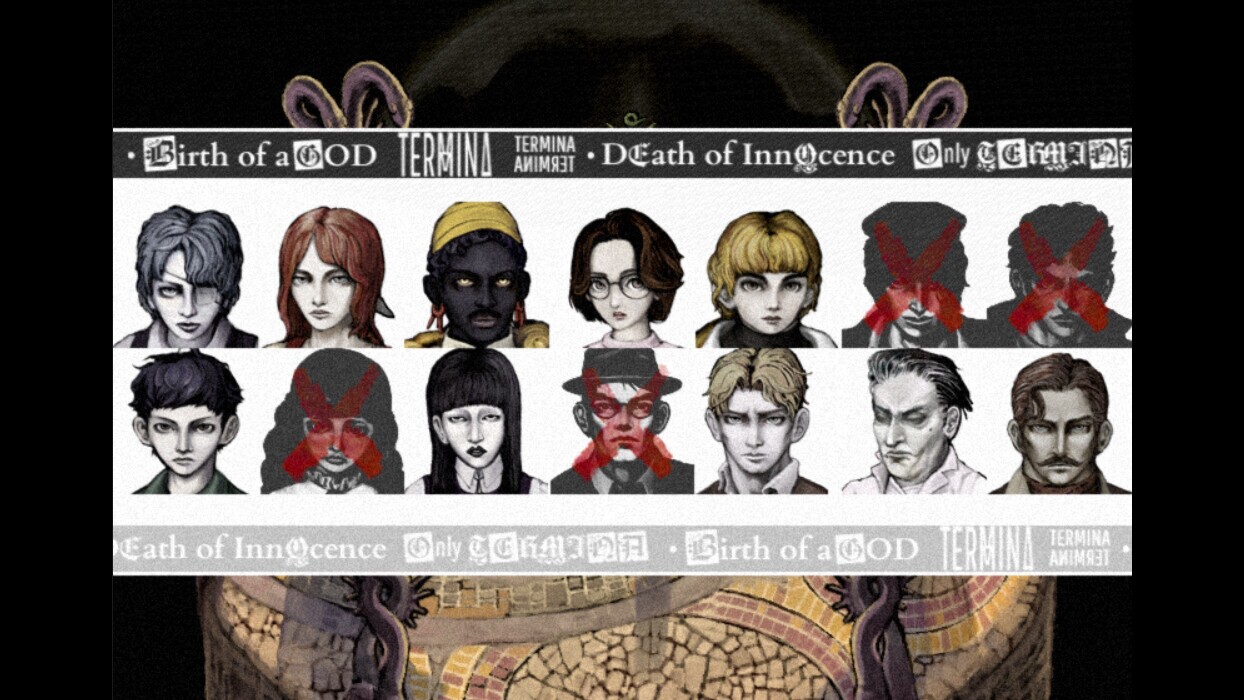
As a long-time fan of this fighting game, I was honestly shocked when Bridget’s arcade ending revealed she’s a transgender woman. For years, we all thought of her as a guy who dressed in traditionally feminine clothing, and a lot of people felt like this new backstory changed things just to try and appeal to current trends. It caused a huge uproar online, with some really harsh accusations thrown around – even claims about inappropriate storylines. People were digging through the Japanese version of the game, trying to find anything that contradicted it. Eventually, the developers had to officially confirm Bridget’s identity to try and settle the debate. But, surprisingly, even with all the controversy, Bridget quickly became one of the most popular characters to play!
‘Dead Space’ (2023)
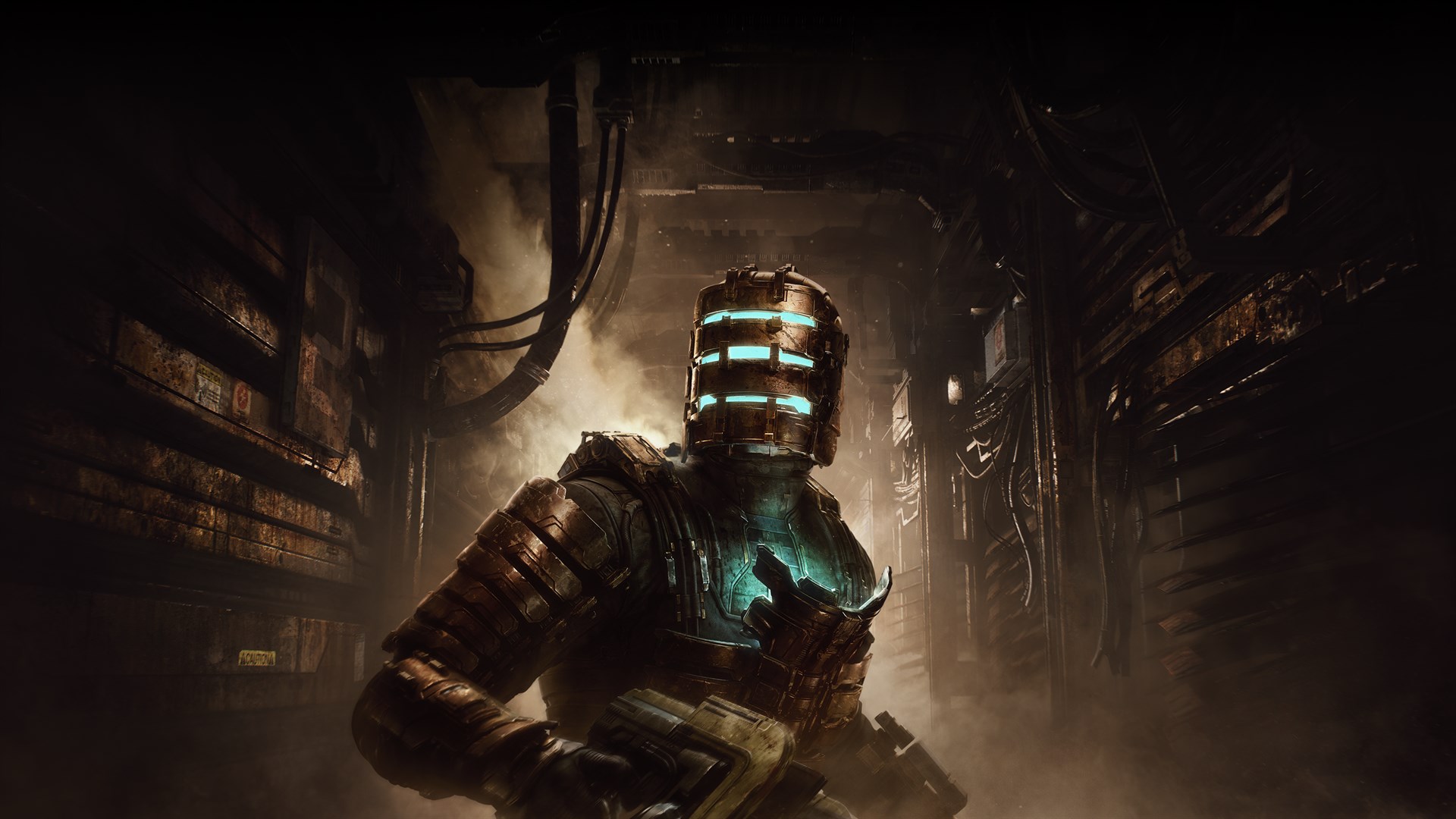
As a big fan of the original, I was really excited for the remake, but honestly, a lot of the conversation online quickly turned negative – and it wasn’t about the gameplay! It was weird, but some people got really upset about things like the inclusion of gender-neutral bathrooms on the spaceship. They were calling the game all sorts of names, saying it was too “woke.” Others didn’t like how the characters looked more realistic and less…perfect, and some even saw that as a problem. It was frustrating because all this overshadowed the cool improvements they made to the lighting and how the game actually plays. The developers explained they were just trying to create a believable, modern sci-fi world, but it didn’t really matter to those critics.
‘Apex Legends’ (2022)
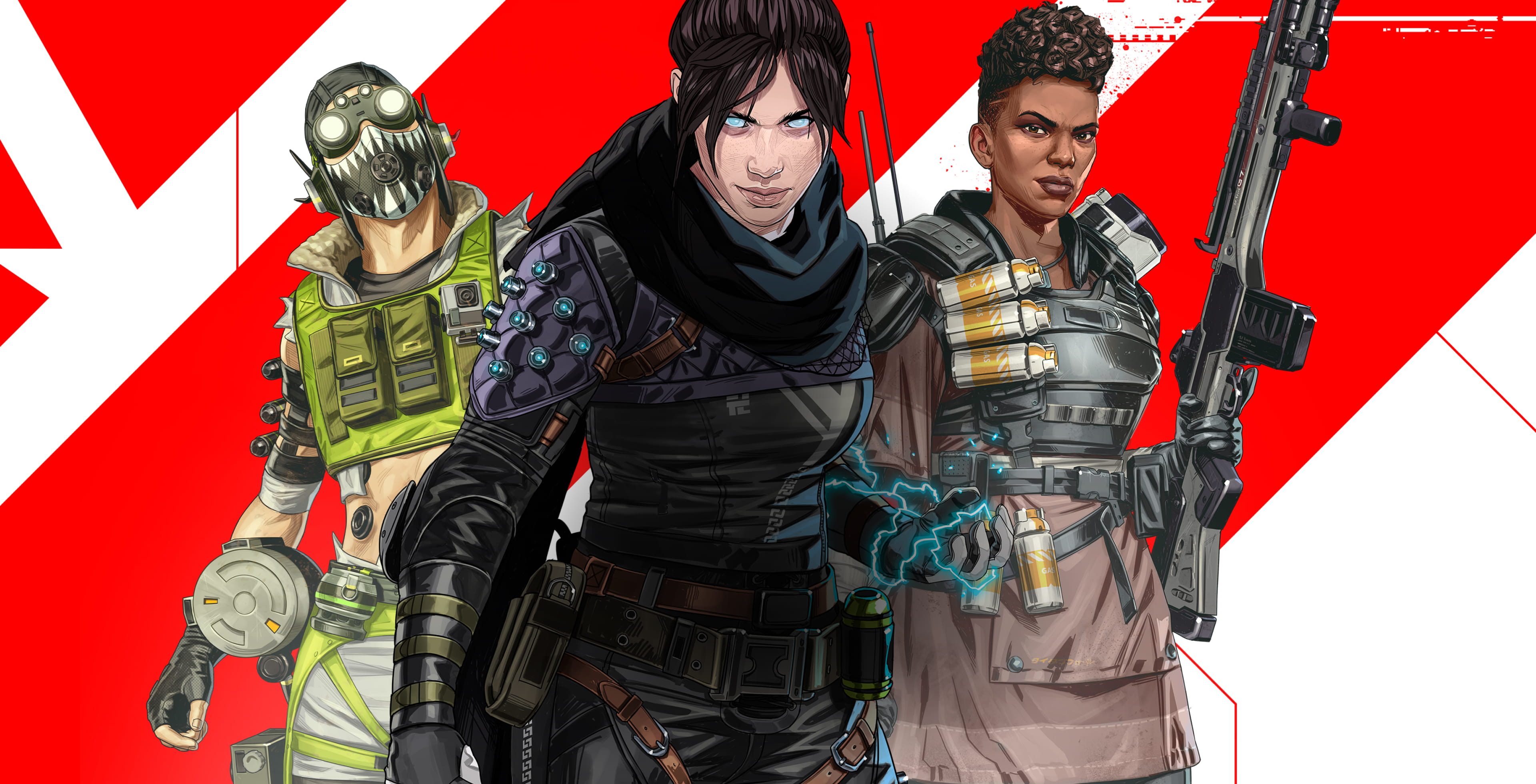
Respawn Entertainment recently introduced Catalyst, a new character in their game who is a transgender woman and specializes in defense and terrain manipulation. While many players praised this inclusive representation, others criticized it, claiming the developers were prioritizing diversity over gameplay. This criticism often appeared as negative comments in voice chat and online forums, with some players arguing that social issues shouldn’t be part of the game. The developers collaborated with GLAAD and transgender employees to create an authentic character, including dialogue referencing her personal journey. However, this effort didn’t satisfy those who believed the game was overly focused on social identity.
‘World of Warcraft’ (2022)
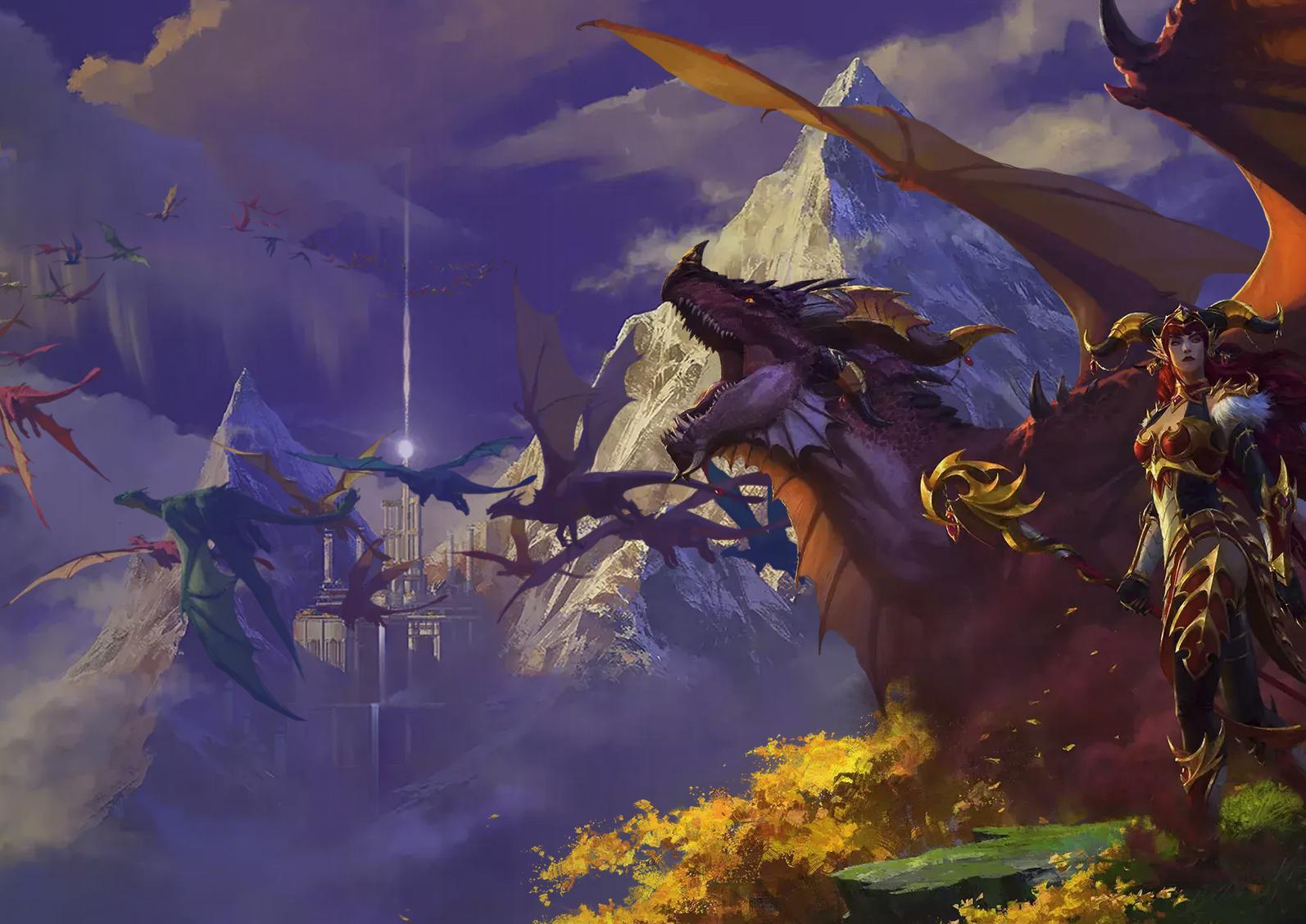
The ‘Dragonflight’ expansion for World of Warcraft featured a storyline with Chromie, a dragon who appears as a female gnome, which many players interpreted as a metaphor for transgender experiences. The game also introduced “Visage Day,” a holiday celebrating identity that resonated with real-world Pride celebrations. This led to significant debate among players, with some threatening to stop playing due to what they saw as unwanted LGBTQ+ representation in a fantasy setting. Blizzard responded by stating that the game world is inclusive and aims to reflect the diversity of its players. The situation underscored the growing tension between long-time players and the evolving direction of the game’s storytelling.
‘Dead by Daylight’ (2022)

Behaviour Interactive recently announced that David King, a popular character in the game, is gay, both through a tweet and updates to his backstory. The announcement sparked a range of reactions. While some players praised the move as adding complexity to his character, others criticized it as a superficial attempt to appear inclusive, or as changing a previously established straight character for the sake of positive publicity. This led to a wave of negative feedback, with some arguing that a character’s sexual orientation isn’t important in a survival horror game. The developers responded by saying they aim to reflect the diversity of their player base and that this is just the first step towards more inclusive storytelling. Despite the controversy, David King continues to be a very popular character to play.
‘Valorant’ (2024)

Riot Games recently added a new character named Clove to their popular game, and Clove uses they/them pronouns. This sparked a lot of discussion among players. What made Clove different from previous characters is that being non-binary was a core part of who they are, reflected in the game’s story and how they speak. Unfortunately, some players and content creators were harassed for reminding others to use the correct pronouns. Others complained that it made communication during gameplay confusing. Riot responded by putting in place strict rules to deal with hateful and abusive behavior towards transgender people in the game’s chat. This situation highlights the challenges of including diverse characters in a competitive gaming world.
‘League of Legends’ (2022)

The introduction of K’Sante, a new character in the game, was notable as the first openly gay, Black champion created with that identity from the beginning. While some players found his abilities too strong, much of the negative reaction focused on his sexuality and his promotional skin designed with Lil Nas X. The announcement videos received many homophobic comments, with some accusing the game developers of catering to Western progressive values. Riot Games also faced criticism in regions with laws against LGBTQ+ representation, as they limited discussion of K’Sante’s sexuality. This champion broke the traditional mold for tank characters, and his inclusion of queer identity was rejected by some players.
‘The Sims 4’ (2022)
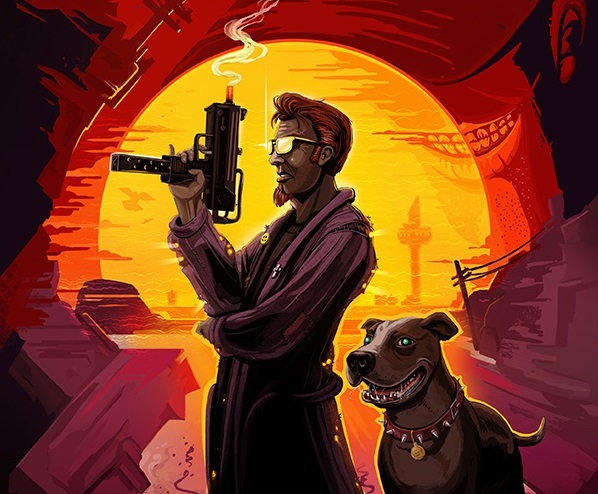
So, Maxis just dropped a free update for The Sims, and honestly, it’s pretty cool – you can finally customize your Sims’ pronouns! The community’s been asking for this for ages. But, surprisingly, it’s caused a bit of a stir. Some players, mostly on the conservative side, are upset, saying the game is giving in to what they call ‘social justice warriors.’ They’re complaining it’s an unnecessary feature and messes with the game’s code. Some have even made mods to remove the pronoun options, saying it breaks their immersion. Maxis’ stance is that The Sims is a life sim, and life is evolving, so the game should too to reflect how we understand identity now.
‘Hogwarts Legacy’ (2023)
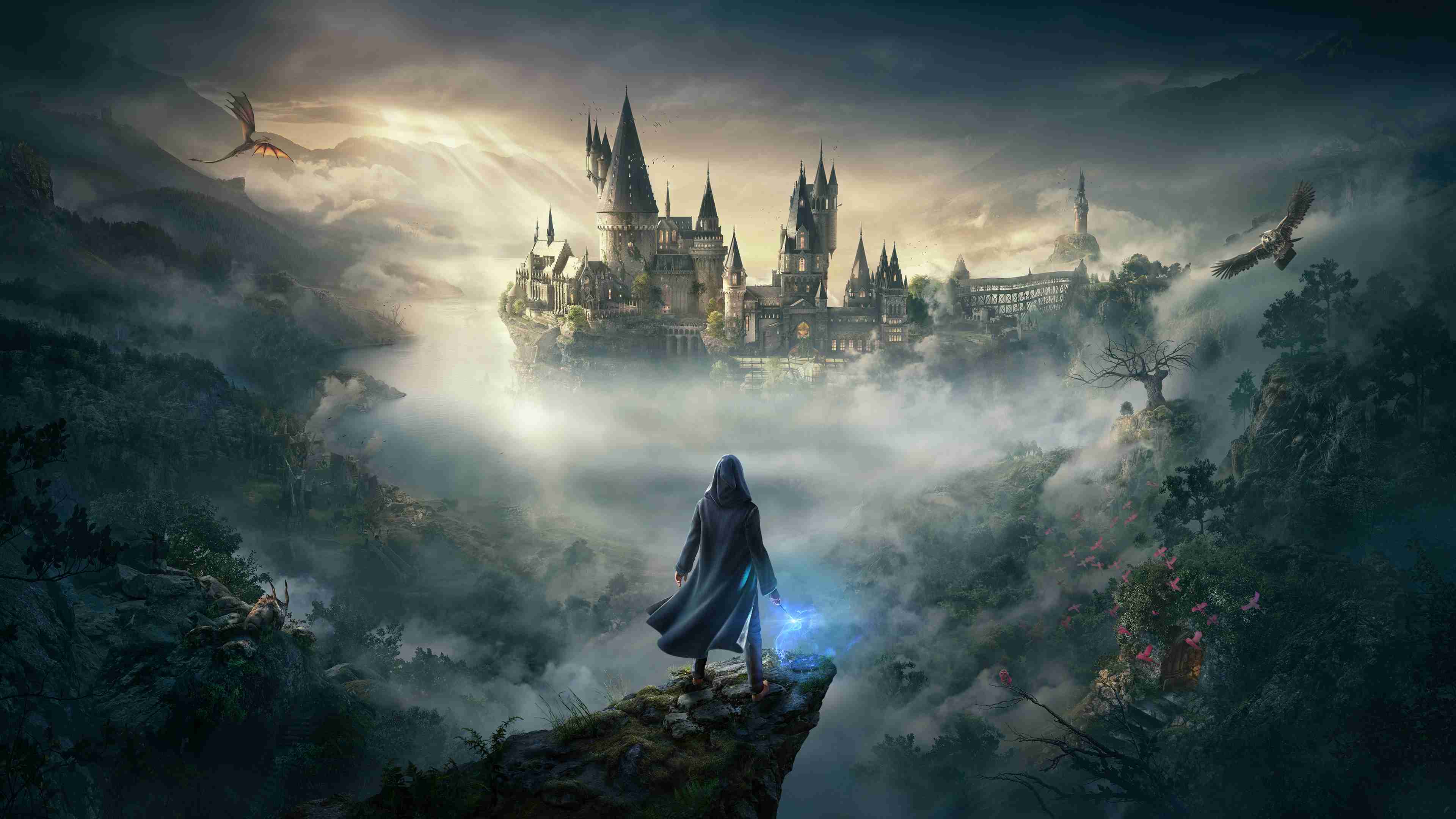
The game faced backlash from two opposing sides because of a character named Sirona Ryan, a transgender witch who owns the Three Broomsticks pub. Some players boycotted the game due to the views of author J.K. Rowling, while others criticized the developers for including a transgender character, calling it an attempt to cater to a specific group. These critics mocked the character’s name and voice, arguing the representation felt insincere or even harmful. This resulted in the unusual situation of the game being accused of both transphobia and being overly inclusive. Sirona Ryan quickly became a focal point in the larger cultural debate surrounding the franchise.
‘Baldur’s Gate 3’ (2023)
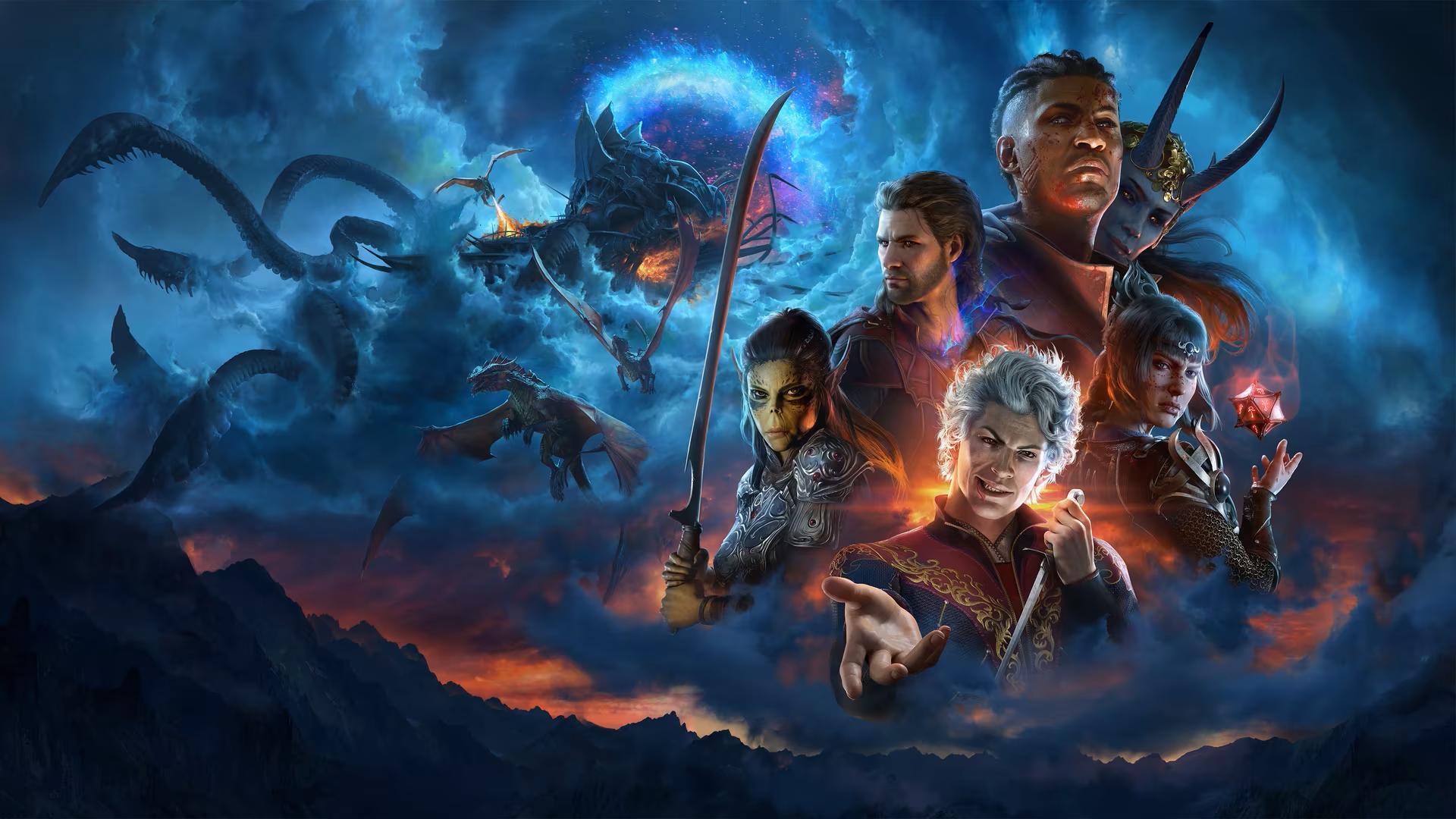
Larian Studios developed a large and immersive role-playing game celebrated for its player choice, including the ability to create characters with diverse genders and engage in romantic relationships with anyone, regardless of gender. Despite critical acclaim, the game drew criticism from groups opposed to inclusive content, who created lists of things to avoid due to the inclusion of same-sex relationships and non-binary character options. A popular scene featuring a romantic encounter with a character transformed into a bear also caused controversy among conservative voices, who deemed it inappropriate. However, the developers remained committed to their vision of a game where players could freely choose their romantic interests. The game’s immense popularity ultimately overshadowed the negative reactions and targeted hate.
‘Call of Duty’ (2023)
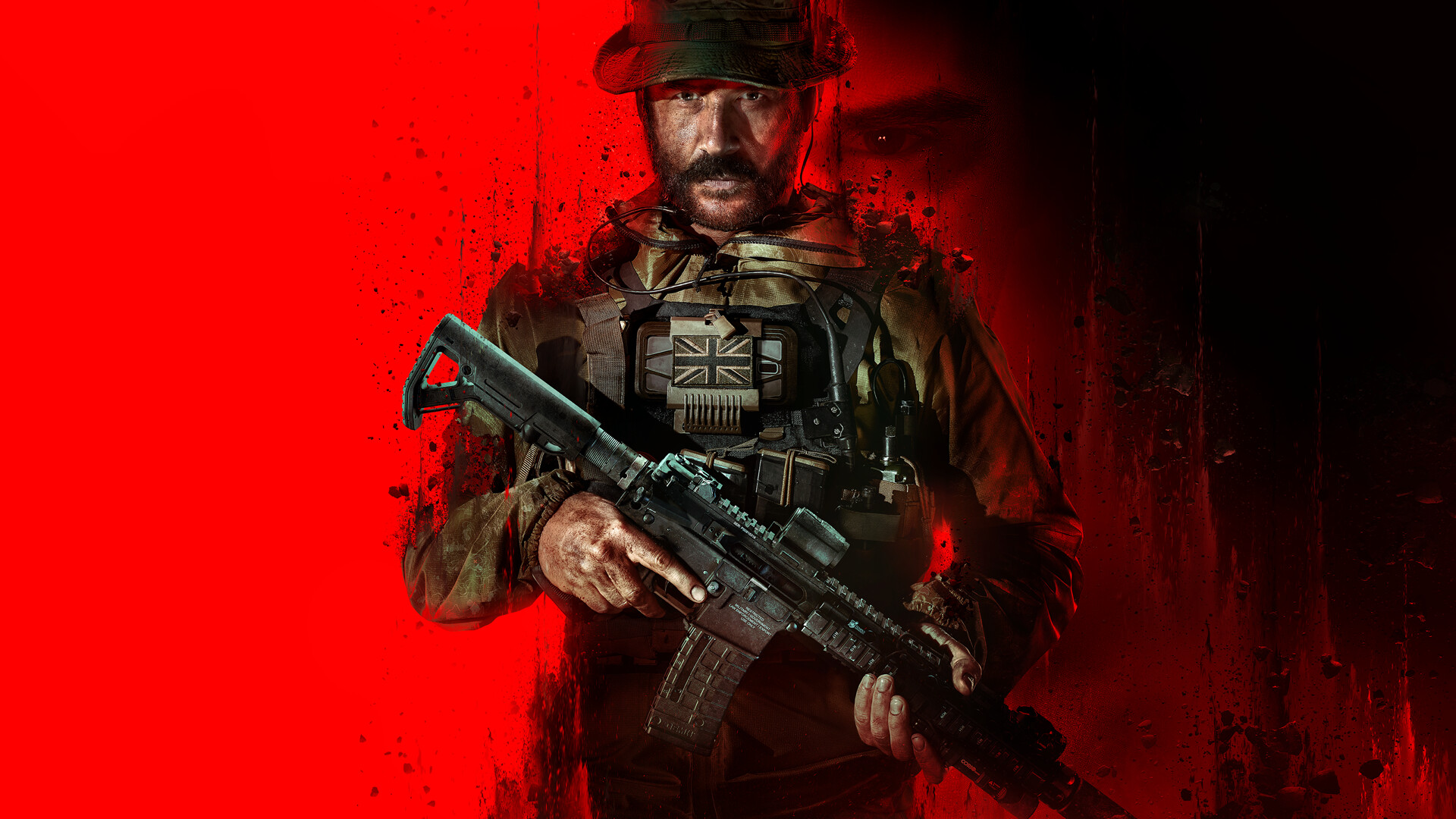
Activision ran into trouble after releasing Pride-themed items in ‘Modern Warfare II’ and ‘Warzone’. When popular streamer NICKMERCS shared controversial opinions about celebrating Pride month in schools, Activision removed his in-game bundle. This sparked a boycott from his supporters and other creators, who claimed Activision was suppressing free speech and pushing a political viewpoint. The situation deeply divided the gaming community, with players arguing about the company’s actions. It’s become a notable example of a publisher responding to a creator’s statements about LGBTQ+ issues.
‘Mortal Kombat 1’ (2023)
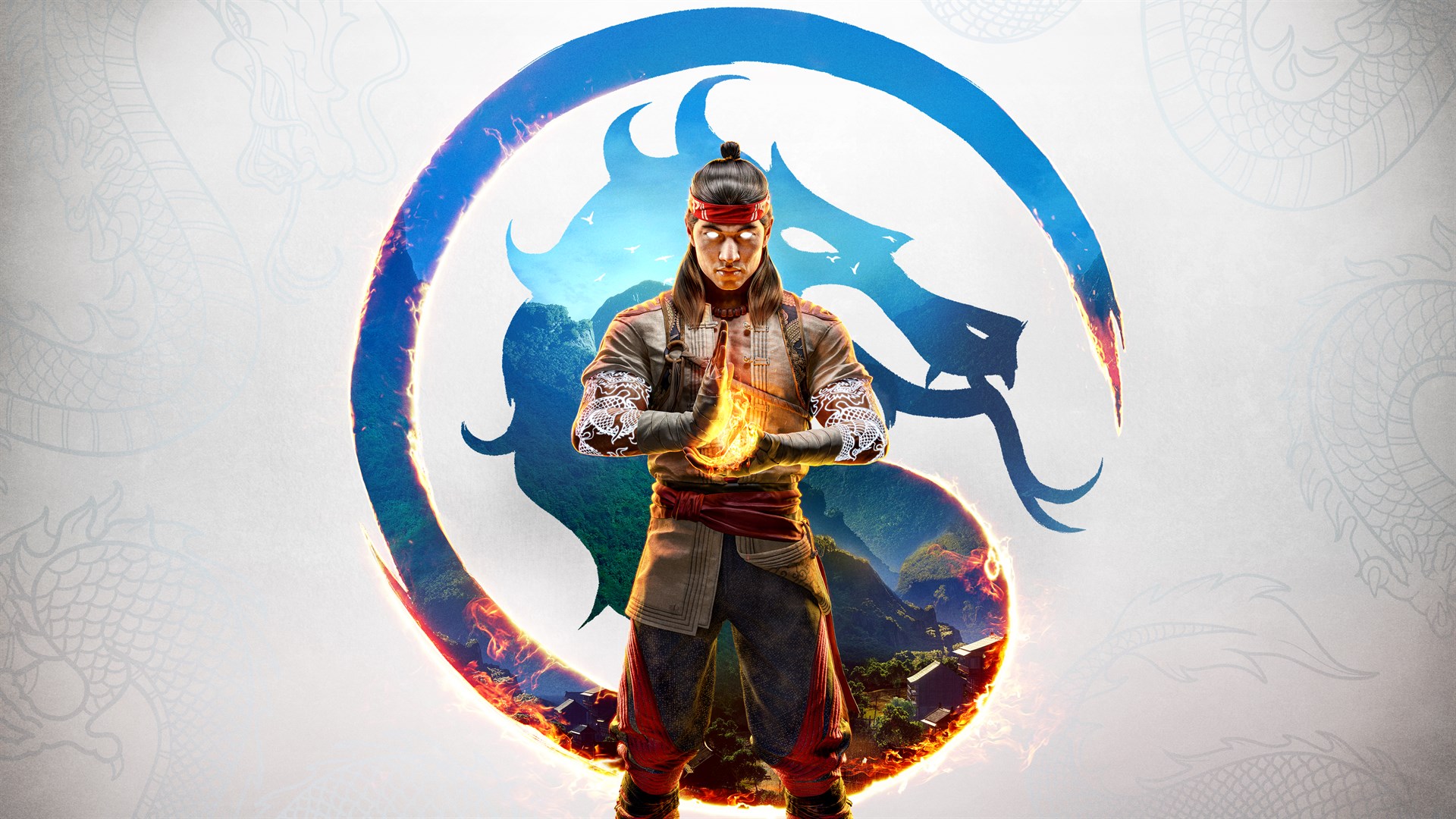
Fans strongly criticized the new design of the character Tanya, claiming it made her look less attractive than before. Many objected to her more natural facial features and hairstyle, with some arguing the changes were a deliberate attempt to make female characters less sexualized. The negative reaction was further fueled by a storyline suggesting a romantic relationship between Tanya and Mileena, a pairing fans had previously only imagined themselves. Online, fans shared comparisons of Tanya’s old and new appearances, accusing the developers of damaging the character’s established image. Despite the widespread complaints, NetherRealm Studios kept the new design and storyline in the final version of the game.
‘Street Fighter 6’ (2023)
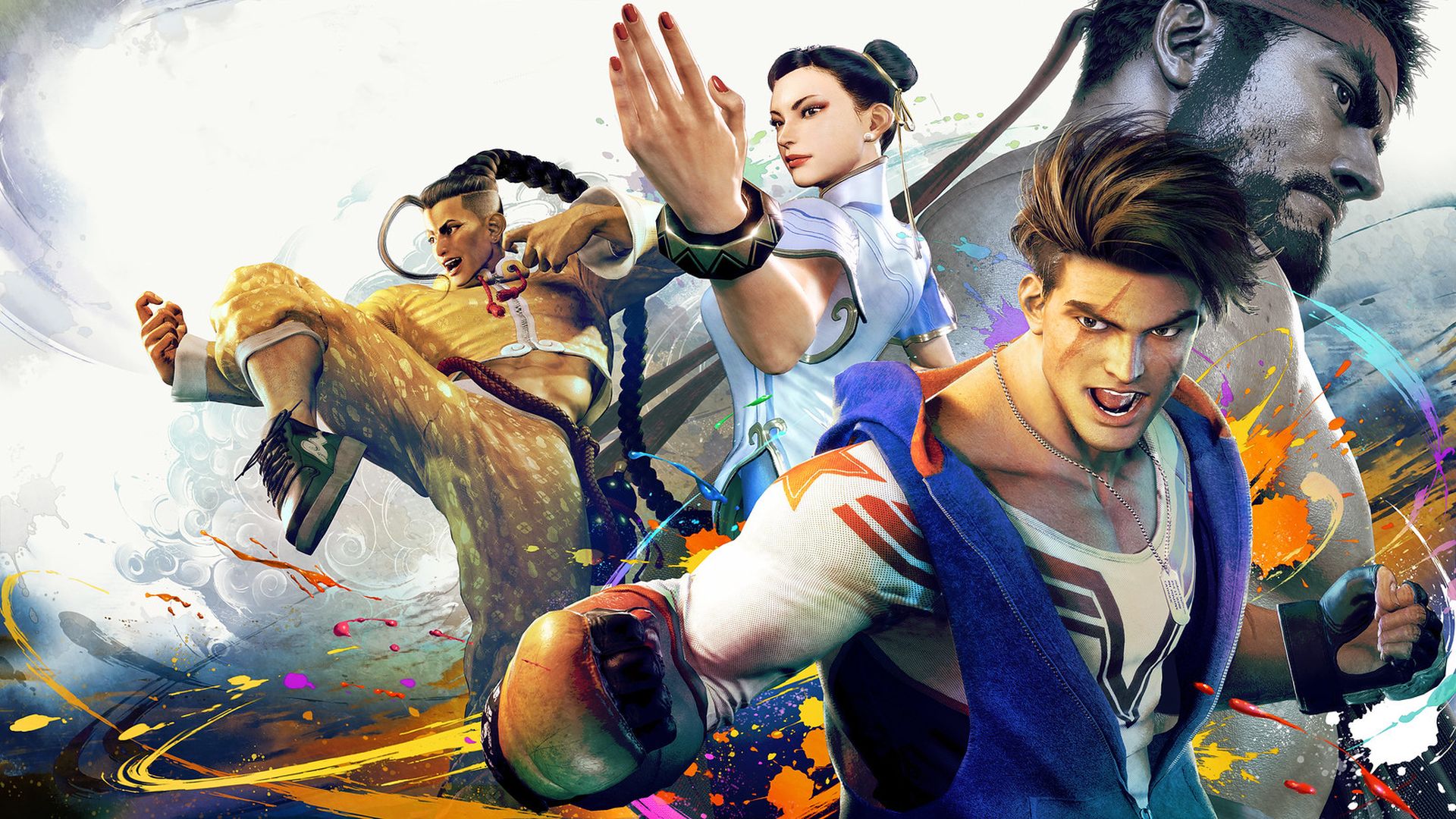
Capcom recently added a new character, Eternity, to their game. Eternity is a lively commentator who appears in the Battle Hub and has a deliberately unconventional appearance. However, the character’s design received a lot of negative feedback online, with many players on platforms like Twitter and Reddit expressing strong dislike and even using harsh language. This reaction wasn’t about how the character played – Eternity doesn’t participate in the fighting – but solely about their visual design, which some interpreted as representing a particular political viewpoint. Fans questioned the need for such a character in a fighting game, and the strong negative response showed how easily visual choices can cause controversy within the gaming community.
‘Gotham Knights’ (2022)
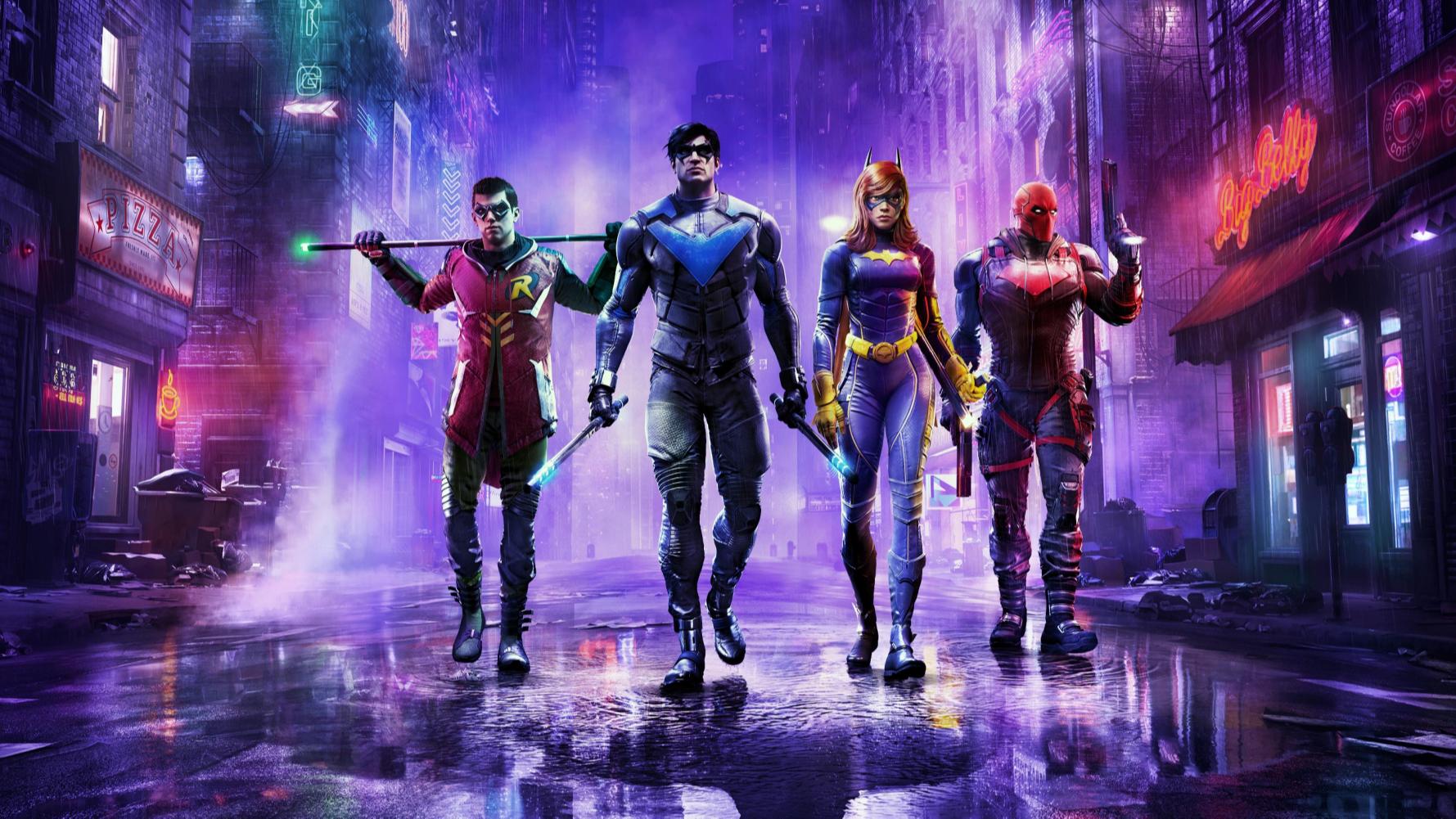
Players recently discovered a Pride flag and emails confirming Robin (Tim Drake) is bisexual within a new Batman-style action game. While this matches the current comic book storyline, it sparked controversy among some gamers who felt it changed their childhood hero for the sake of diversity. Videos on YouTube channels focused on anti-“woke” content accused the game of pushing an agenda on children. The main complaint was that established characters shouldn’t be updated to reflect modern social issues. However, Warner Bros. Games stood by the details, staying true to the current direction of the DC comics universe.
‘Suicide Squad: Kill the Justice League’ (2024)
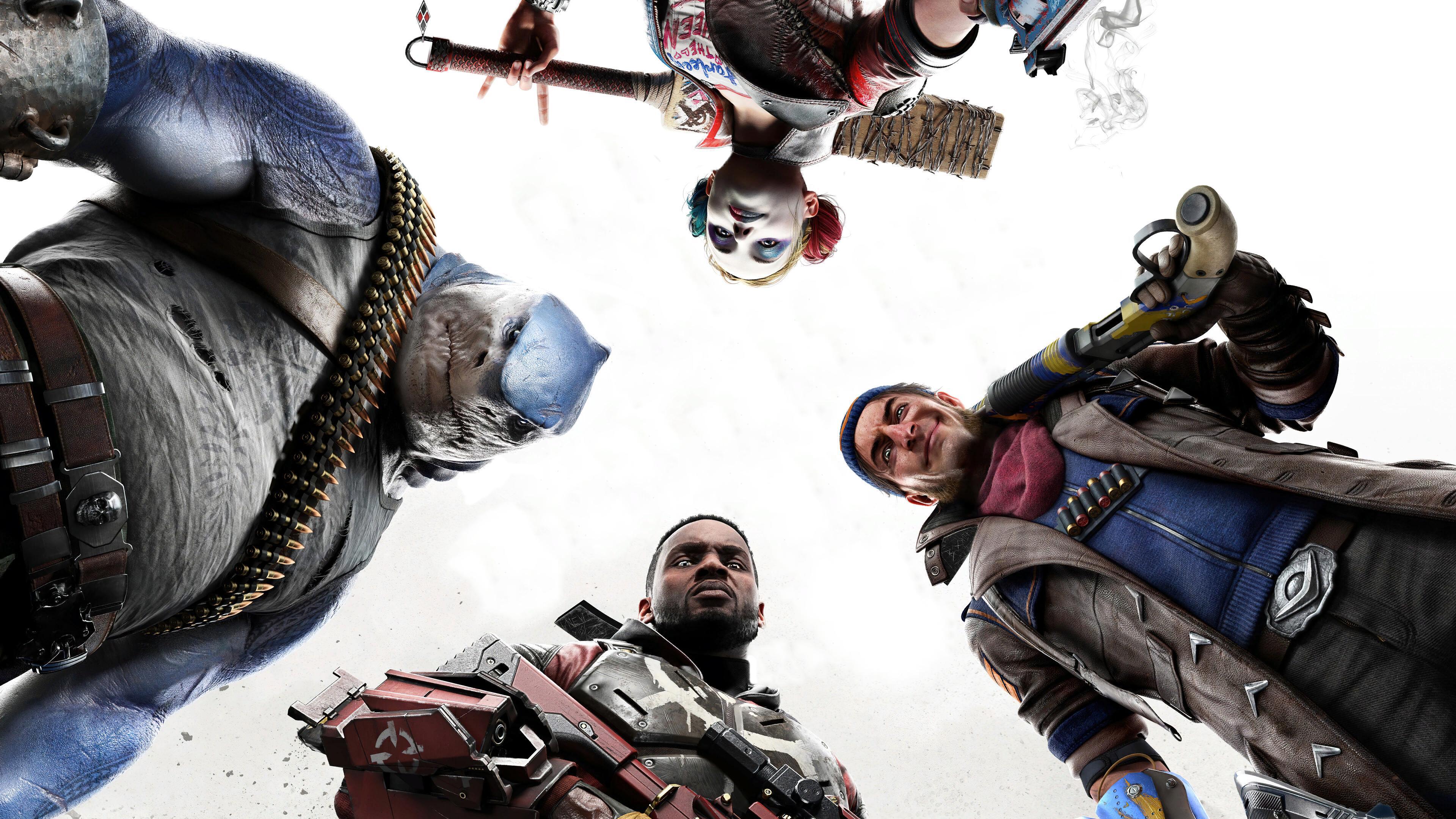
The new Rocksteady shooter received a lot of criticism for several reasons, and some of that criticism focused on the inclusion of Pride flags in the game and a scene where Harley Quinn discussed harmful behavior. Some players felt these additions showed the studio was prioritizing social messages over staying true to the original source material. Screenshots of the flags were shared online as part of complaints about the game’s disappointing sales. Often, these details were wrongly connected to the game’s broader problems with gameplay and story. This situation highlights how games that are already struggling can face even more criticism when they include social themes.
‘Mass Effect 3’ (2012)
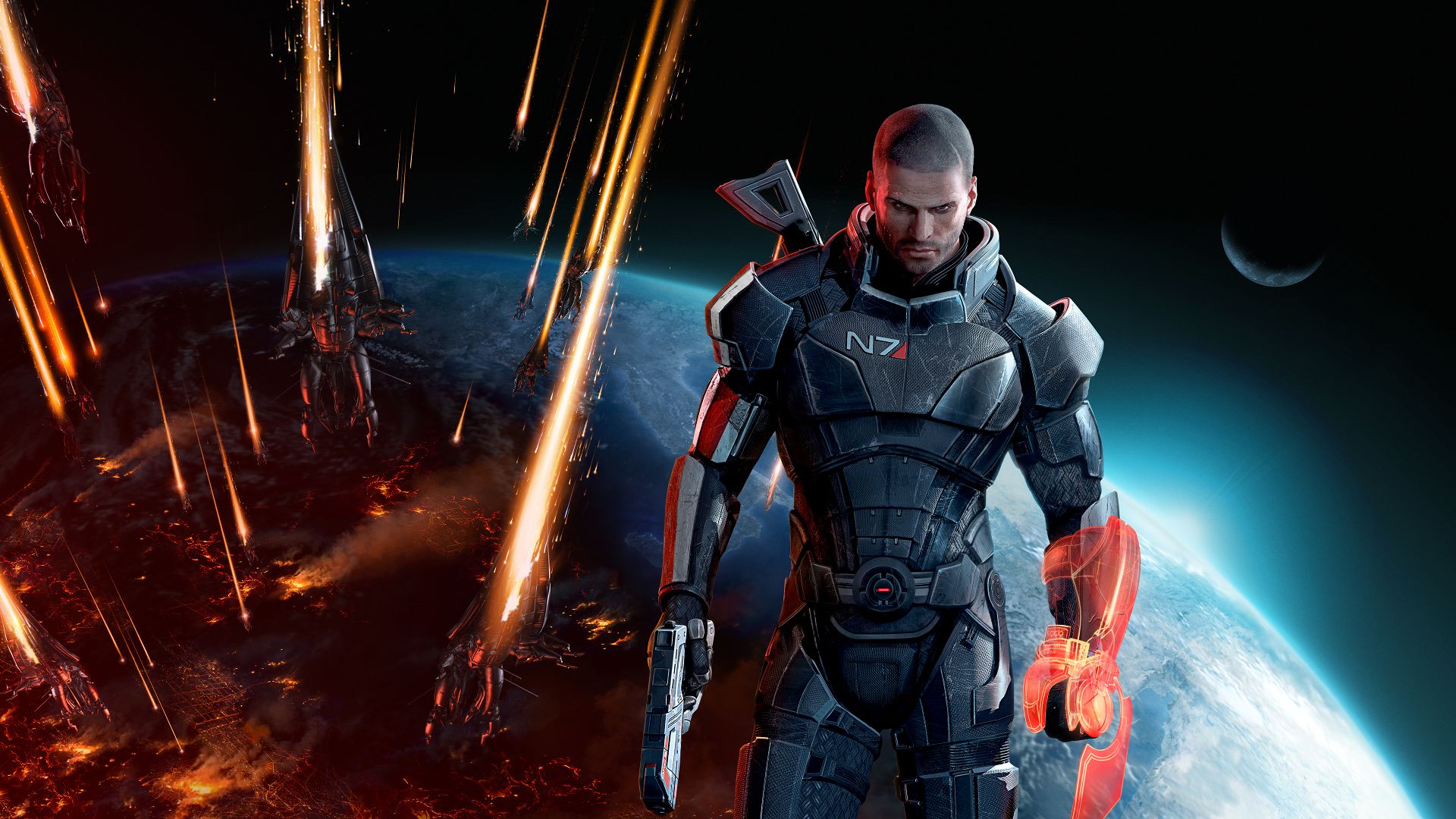
In the final game of the Mass Effect trilogy, Bioware added more options for romantic relationships, including allowing male Commander Shepard to pursue romances with male characters like Kaidan Alenko and Steve Cortez. While many fans welcomed this change, some criticized it, arguing that the game was focusing too much on a small group of players and that the time spent developing these same-sex romances would have been better used on the main storyline. Some players specifically objected to Steve Cortez’s story, which revolved around his grief over the loss of his husband, calling it unnecessary drama. This criticism was particularly notable because the series had always allowed female Shepard to romance female characters, revealing a double standard among some fans. Bioware stood by their decision, emphasizing that the game is built around player choice and the ability to role-play.
‘Dragon Age II’ (2011)
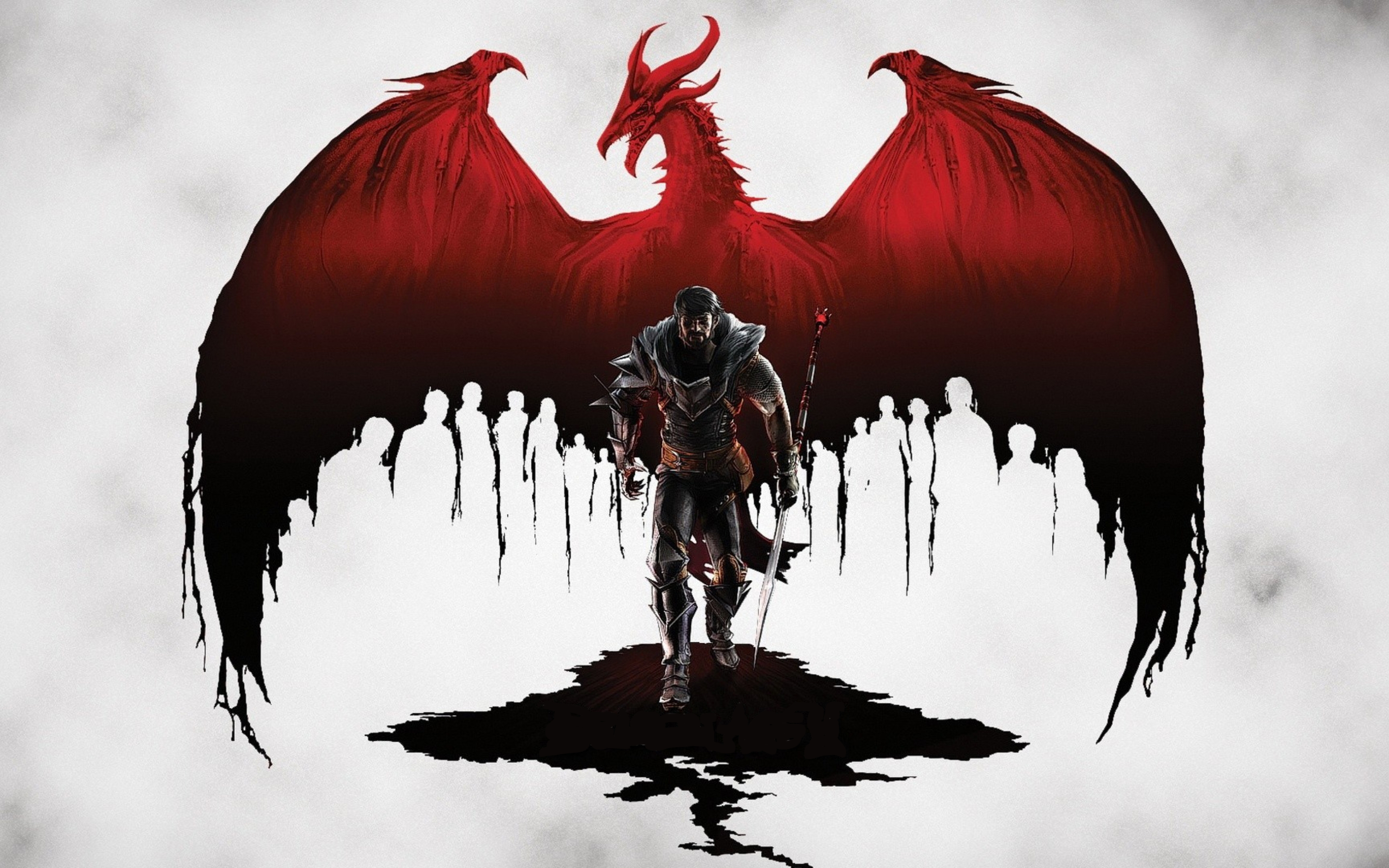
A disagreement broke out on the BioWare forums when players noticed that male companions, like Anders, would show romantic interest in male player characters, even without any prior player choices indicating that preference. One player complained that this inclusion overlooked the interests of heterosexual male gamers and requested an option to disable same-sex interactions. David Gaider, the game’s lead writer, strongly defended the decision to include this representation, emphasizing that the game wasn’t designed for a single group of players. This conversation became a significant event in discussions about inclusivity and representation in role-playing games, though criticism continued throughout the game’s lifespan.
‘Rainbow Six Siege’ (2021)
Ubisoft recently added Osa to their game, making her the first transgender character players can control. She’s a military engineer designed to fill a specific role in gameplay. While many players discussed her unique abilities, some reacted negatively, arguing that her gender identity didn’t belong in a realistic shooter. This sparked debate on forums, with some claiming the game’s ‘realism’ was compromised, even though the game already includes futuristic technology like holograms. Ubisoft responded by actively moderating the community and banning players who used hateful language. Despite the controversy, Osa has become a popular and effective character, proving the backlash didn’t affect how often players choose her.
‘Borderlands 3’ (2019)
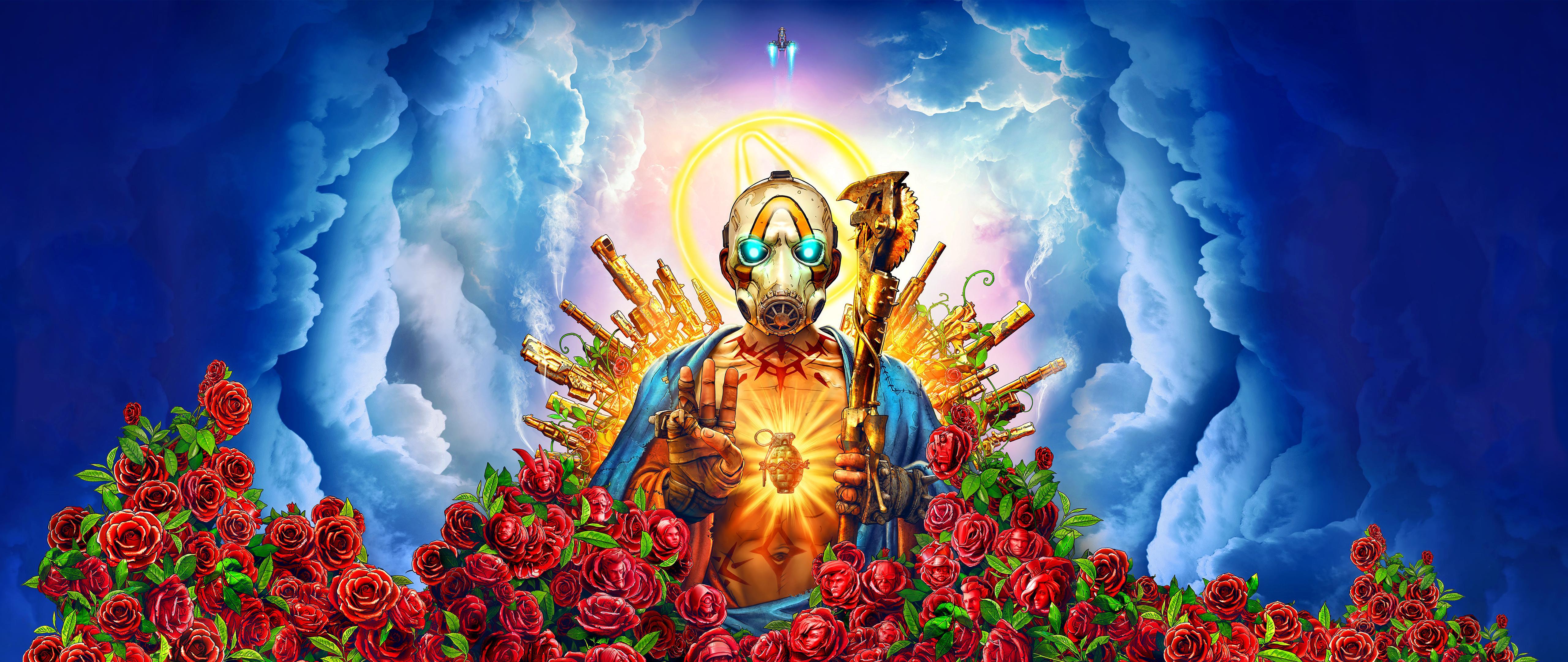
In the game, Gearbox introduced FL4K, a robot character who identifies as non-binary and uses they/them pronouns, visually represented by a pin with the non-binary flag colors. When moderators on the official game forums announced they would ban players who deliberately used the wrong pronouns for FL4K, it led to accusations of censorship. Some argued that a robot shouldn’t have a gender identity, overlooking the series’ history of AI characters with distinct personalities. The strong reaction was largely due to the strict moderation rules, which some players saw as limiting their freedom of expression. Despite the controversy, FL4K quickly became a very popular character for players who prefer to play alone.
‘Celeste’ (2018)
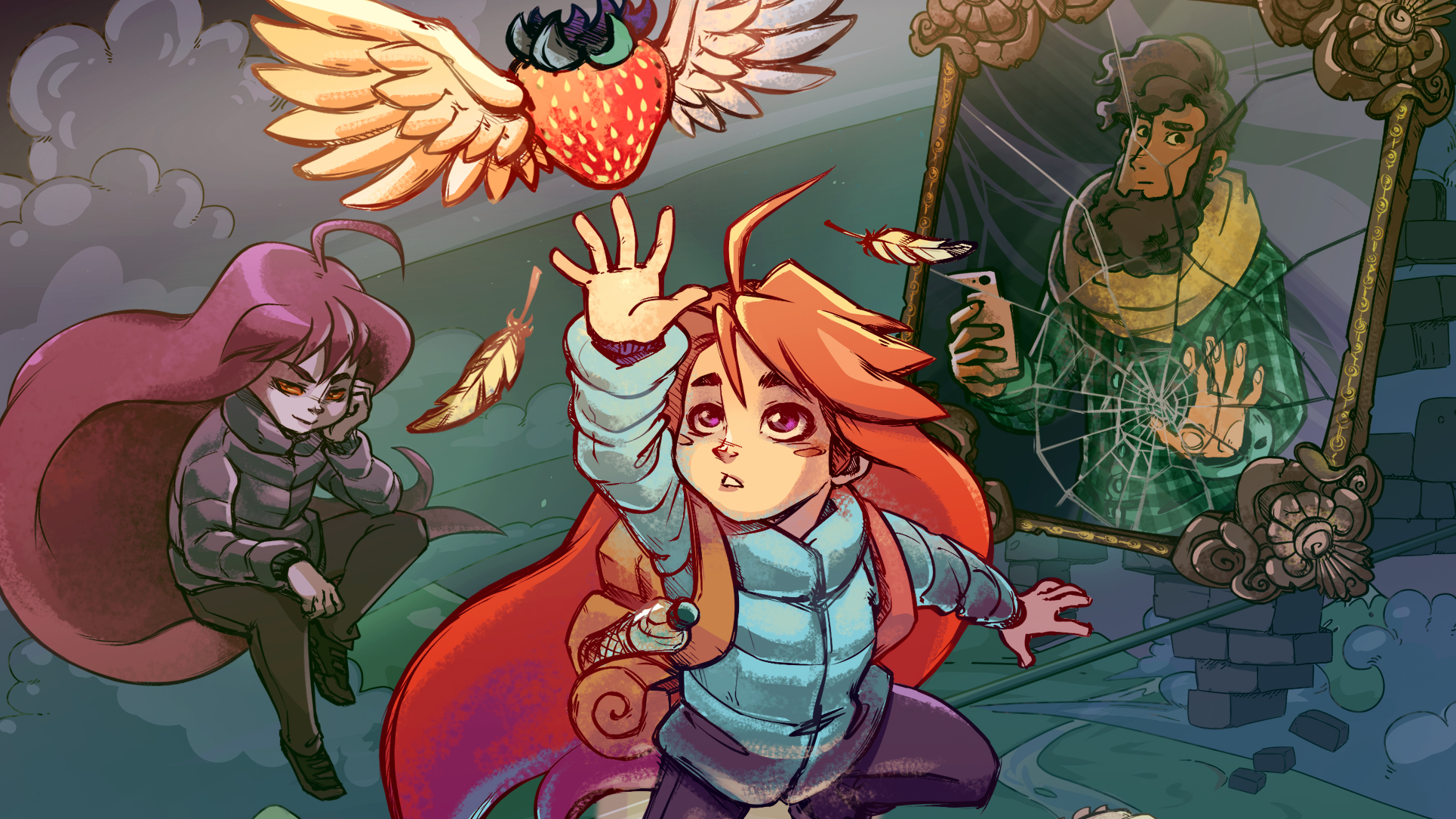
The core game is a platformer focused on climbing a mountain, but the ‘Farewell’ expansion quietly revealed the protagonist, Madeline, is transgender through a Pride flag in her room. This small detail sparked backlash from some players who felt the game had been made unnecessarily ‘political’ and that they’d been misled. The game’s creator, Maddy Thorson, who is also transgender, later explained that Madeline’s story was meant to represent a journey of self-discovery and transition. This led to debates about whether it’s possible to separate a work of art from the artist’s personal life. Today, the game is largely praised as a landmark achievement for transgender representation, although some critics still voice their disapproval.
‘BattleTech’ (2018)
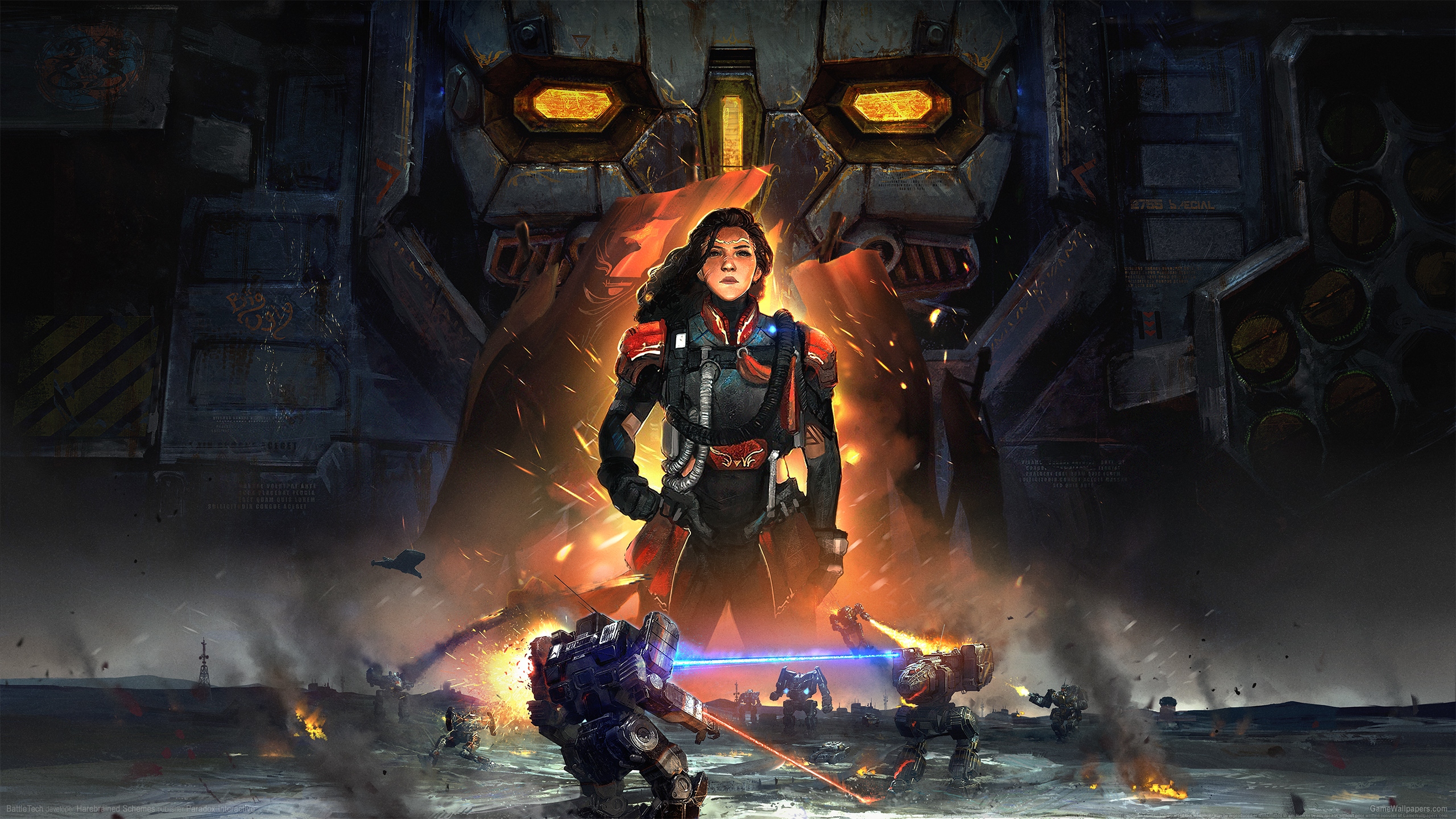
Harebrained Schemes recently added an option in their game that lets players choose “They/Them” pronouns for their character. This small change quickly led to a lot of angry discussion on the game’s Steam forums, with some players accusing the developers of forcing a political viewpoint onto the BattleTech universe. The negative reactions were so strong that the developers had to remove and block many of the discussion threads to keep things civil. What made the situation remarkable was that this pronoun choice didn’t affect the game’s story or how it was played – it was simply a text change. It showed how even small options can sometimes cause a big reaction from a community.
‘Story of Seasons: A Wonderful Life’ (2023)

The updated version of this popular farming game now lets players use any pronouns they prefer and marry any character, regardless of gender. While many welcomed these changes, some longtime fans felt they disrupted the game’s original feel and imposed contemporary ideals on a classic. The addition of same-sex marriage, absent in the initial release, drew particular criticism, with some arguing it undermined the game’s focus on traditional families. These changes sparked negative reactions online, with some players mourning the loss of what they considered core values of the farming simulator genre. The game’s creators explained that they made these updates to create a more inclusive experience for all players in Forgotten Valley.
‘Fire Emblem Engage’ (2023)
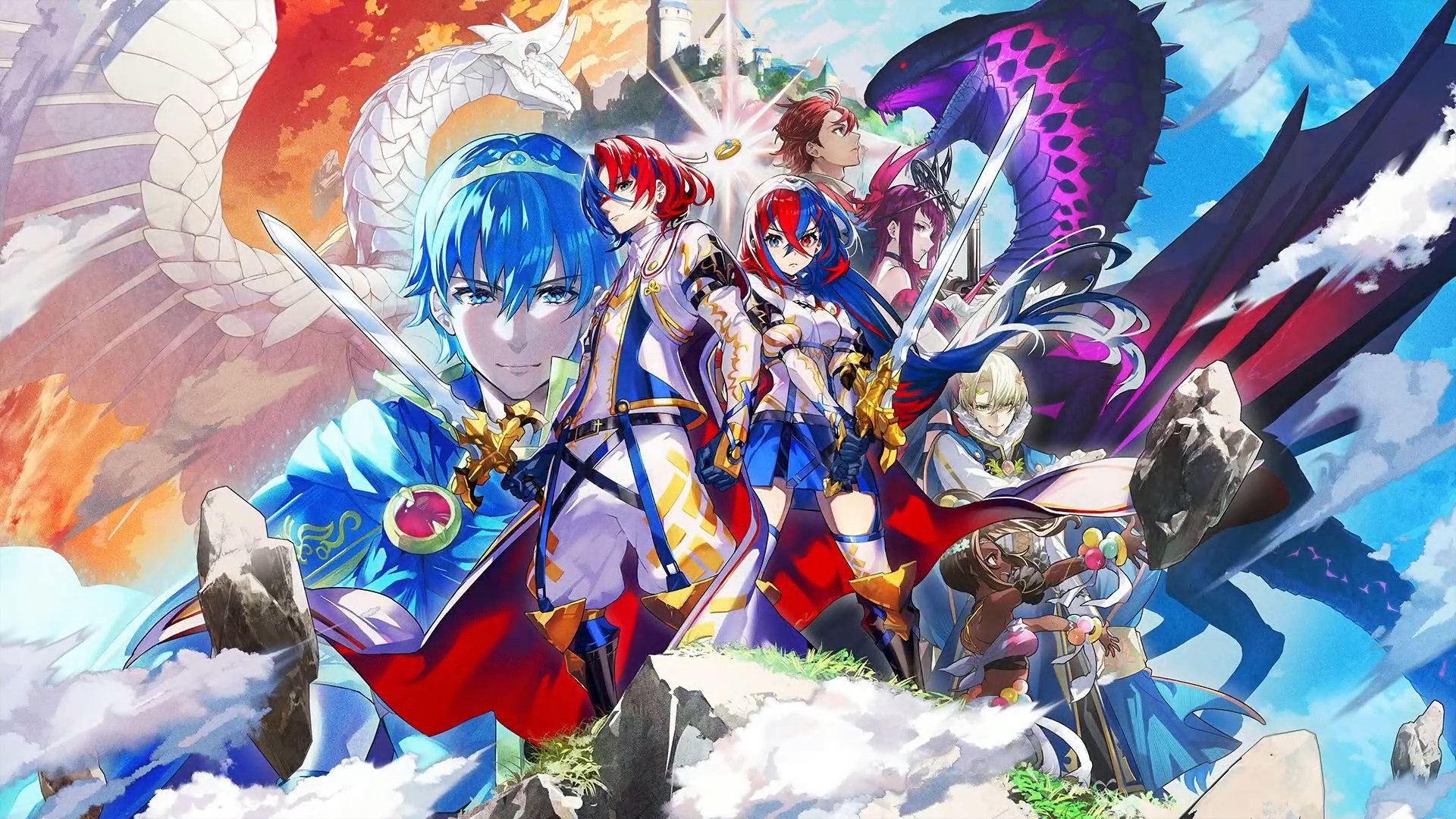
When the game was released in Western countries, the dialogue was changed to allow players to pursue romantic relationships with any character, regardless of gender. This was less clear in the original Japanese version. Some fans criticized these changes, claiming the localization team had censored the game and imposed a modern, progressive agenda, ignoring the creator’s original vision. This led to a wider discussion about how much localization should change a game versus simply translating it, with some arguing the changes didn’t respect the original work. The removal of any implication of relationships with minors also caused controversy, though for different reasons. Ultimately, this debate drew attention away from discussions about the game’s gameplay.
‘Saints Row’ (2022)
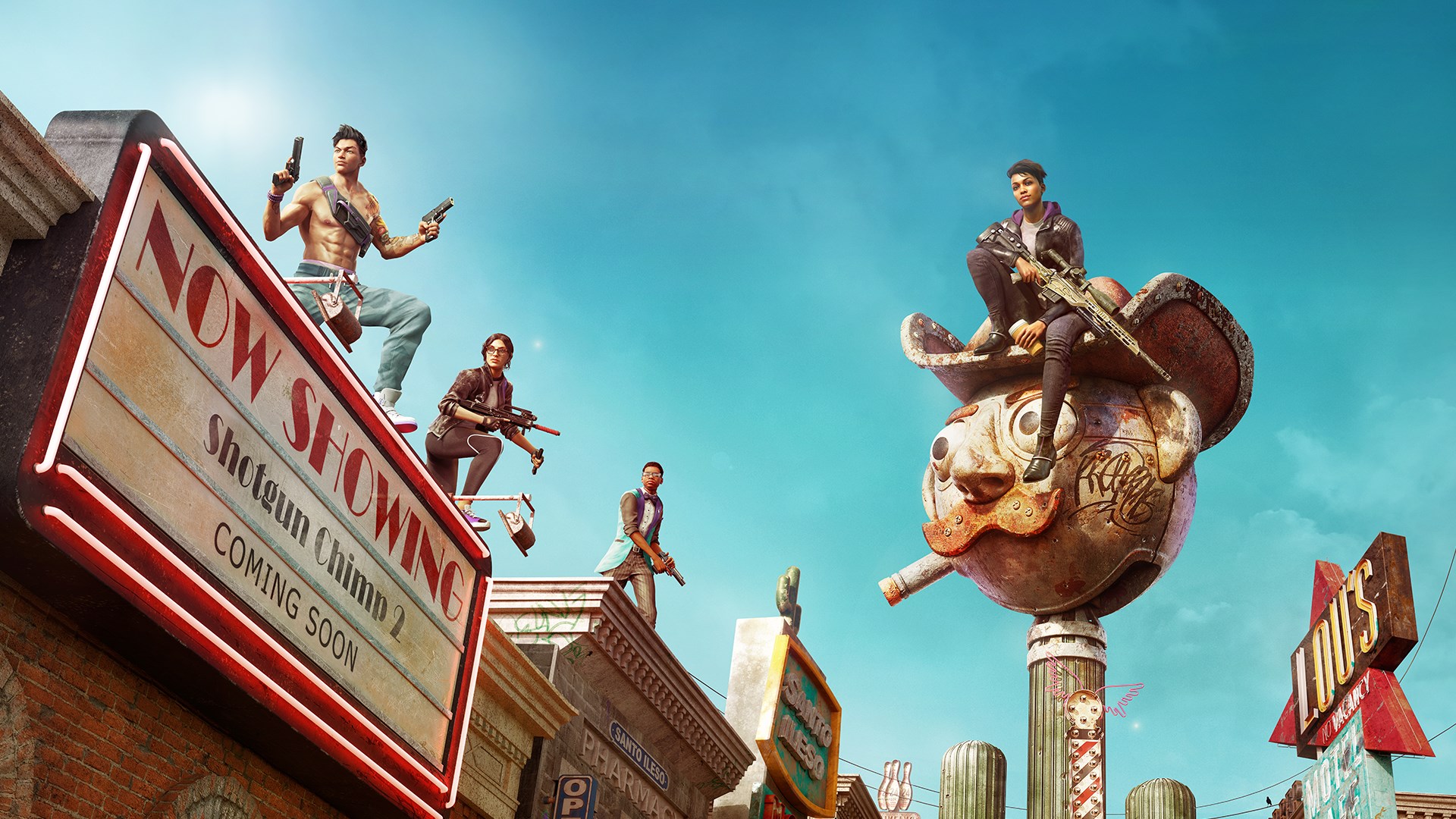
The latest installment of this famously wild open-world game introduced a new group of characters – young adults working temporary jobs – moving away from the original’s focus on criminals. A lot of criticism centered on a character named Kevin, who is openly pansexual and often shown without a shirt, and the game’s overall attempt to be welcoming and inclusive. Dedicated fans felt the developers had toned down the series’ previously rebellious humor to attract a more sensitive audience, and the term “woke” was widely used negatively to describe the game’s writing and character interactions. Ultimately, the game didn’t sell well, the studio closed, and many reviewers pointed to the game’s disconnect with its original fans as a key reason for its failure.
‘Tell Me Why’ (2020)
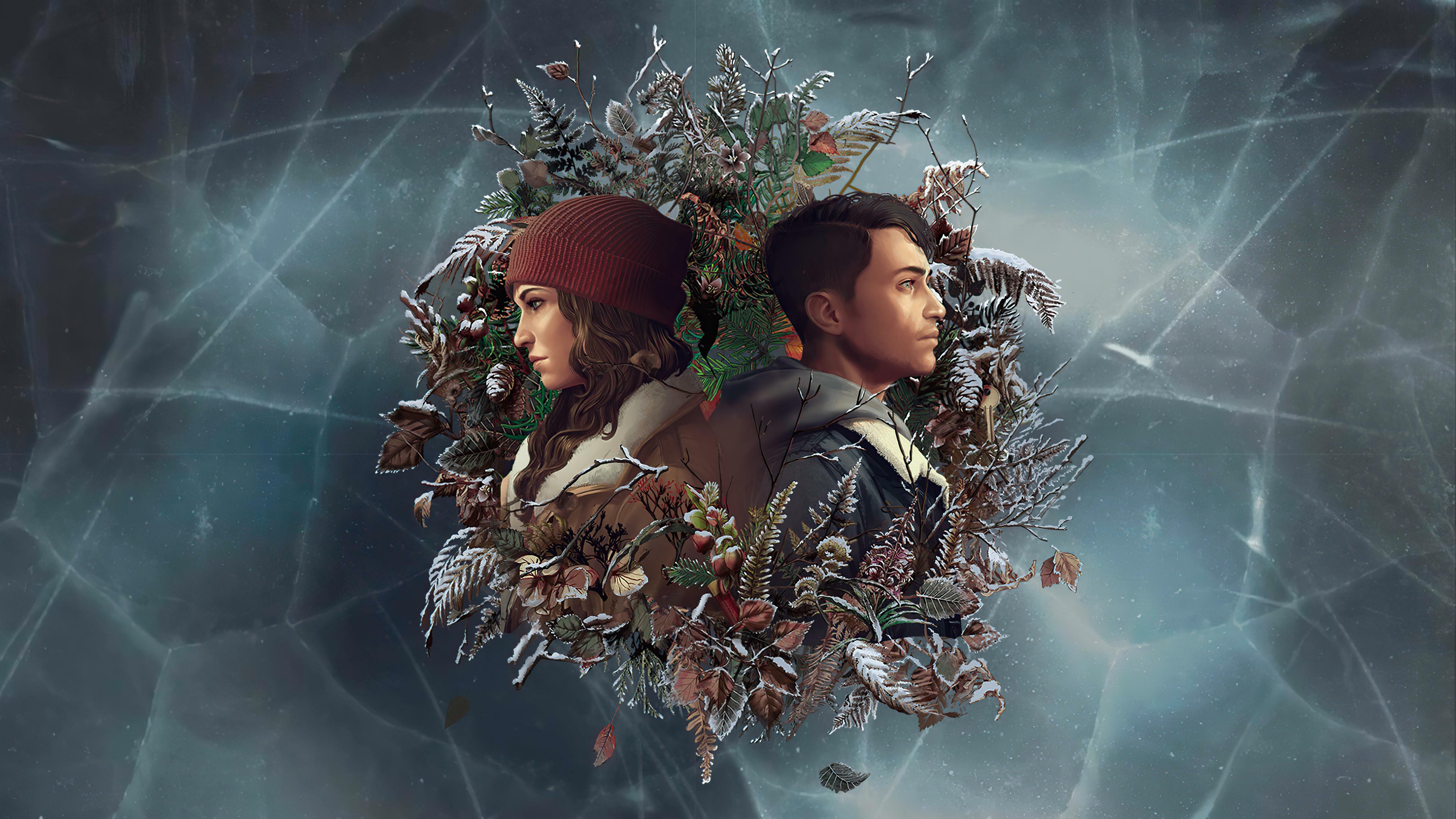
Dontnod Entertainment’s game puts players in the role of Tyler Ronan, a groundbreaking transgender protagonist in a major studio release. Unfortunately, the game received a wave of negative reviews on Metacritic from people who hadn’t even played it, all because of Tyler’s identity. It was also blocked from sale in some countries with laws against LGBTQ+ rights, sparking a debate about censorship. Despite positive reviews from critics who appreciated the sensitive portrayal of Tyler’s story, the user score was unfairly low due to a coordinated campaign of negativity. This situation demonstrated the challenges of releasing games with LGBTQ+ themes to a worldwide audience.
‘Cyberpunk 2077’ (2020)
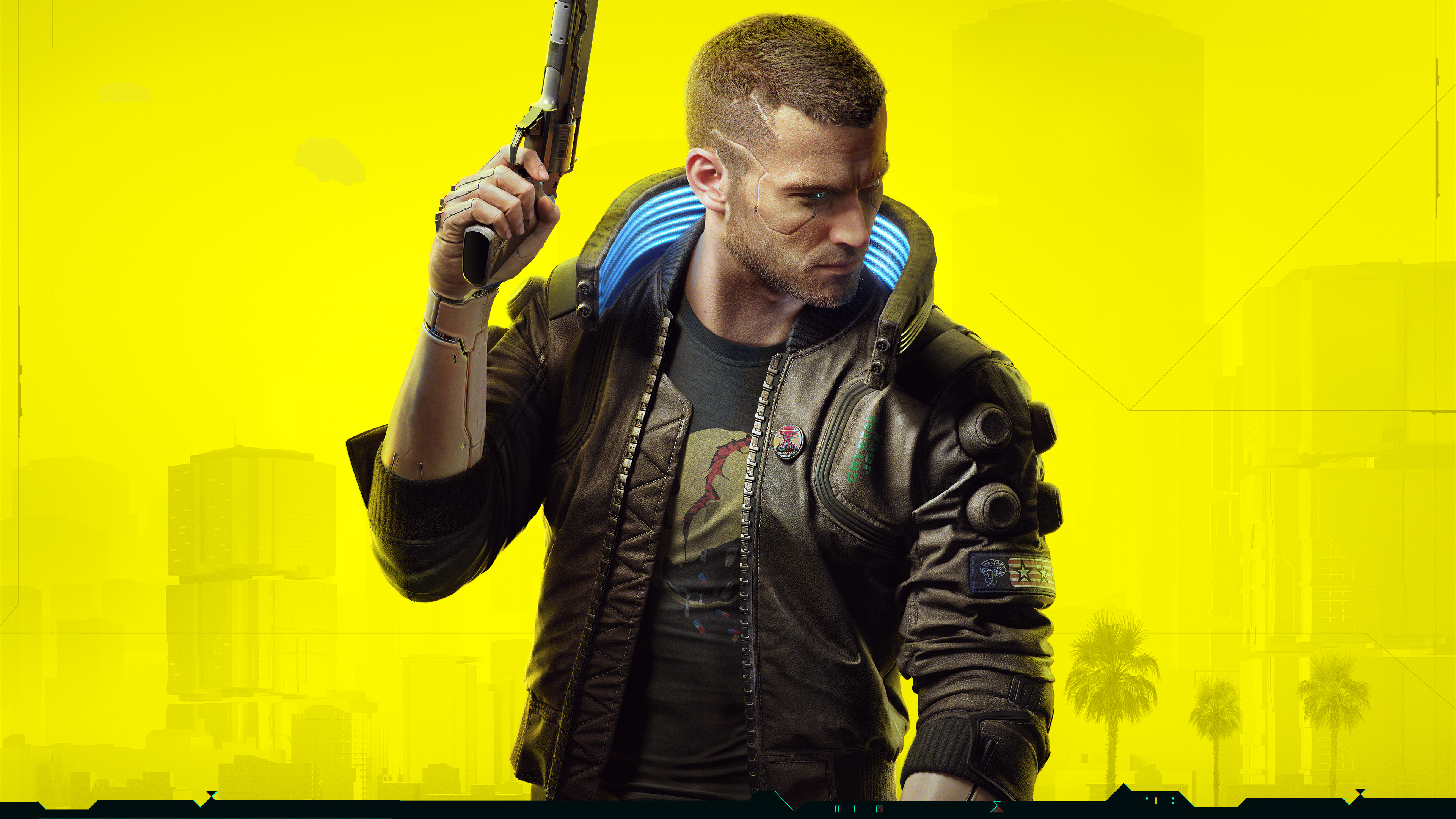
CD Projekt Red encountered backlash from both sides regarding features in their game. A poster within the game, depicting a sexualized transgender woman with the phrase “Mix It Up,” was criticized for being exploitative. Simultaneously, the character creation tools, which allowed players to customize genitals and voices, sparked anger from players with anti-transgender views. Those objecting to inclusive content accused the studio of pandering, while advocates for transgender rights felt the representation was harmful. This resulted in the game being criticized for its LGBTQ+ content from completely different perspectives. The developers explained that the game’s world was intentionally designed as an over-the-top, dystopian setting where corporations profit from everything, including a person’s identity.
‘Star Wars: The Old Republic’ (2013)

The ‘Rise of the Hutt Cartel’ expansion for the game introduced the planet Makeb and, notably, the first options for players to flirt with characters of the same sex. This sparked a strong negative reaction, with many players threatening to cancel their subscriptions and labeling the expansion the “gay planet.” Even groups outside the gaming community criticized the game for allowing same-sex relationships for characters like Jedi. BioWare had to closely monitor their online forums to manage the controversy. Ultimately, they made same-sex romance a regular part of the game in later expansions, such as ‘Shadow of Revan.’ This situation is often remembered as a key moment for increasing LGBTQ+ representation in massively multiplayer online games.
‘Goodbye Volcano High’ (2023)
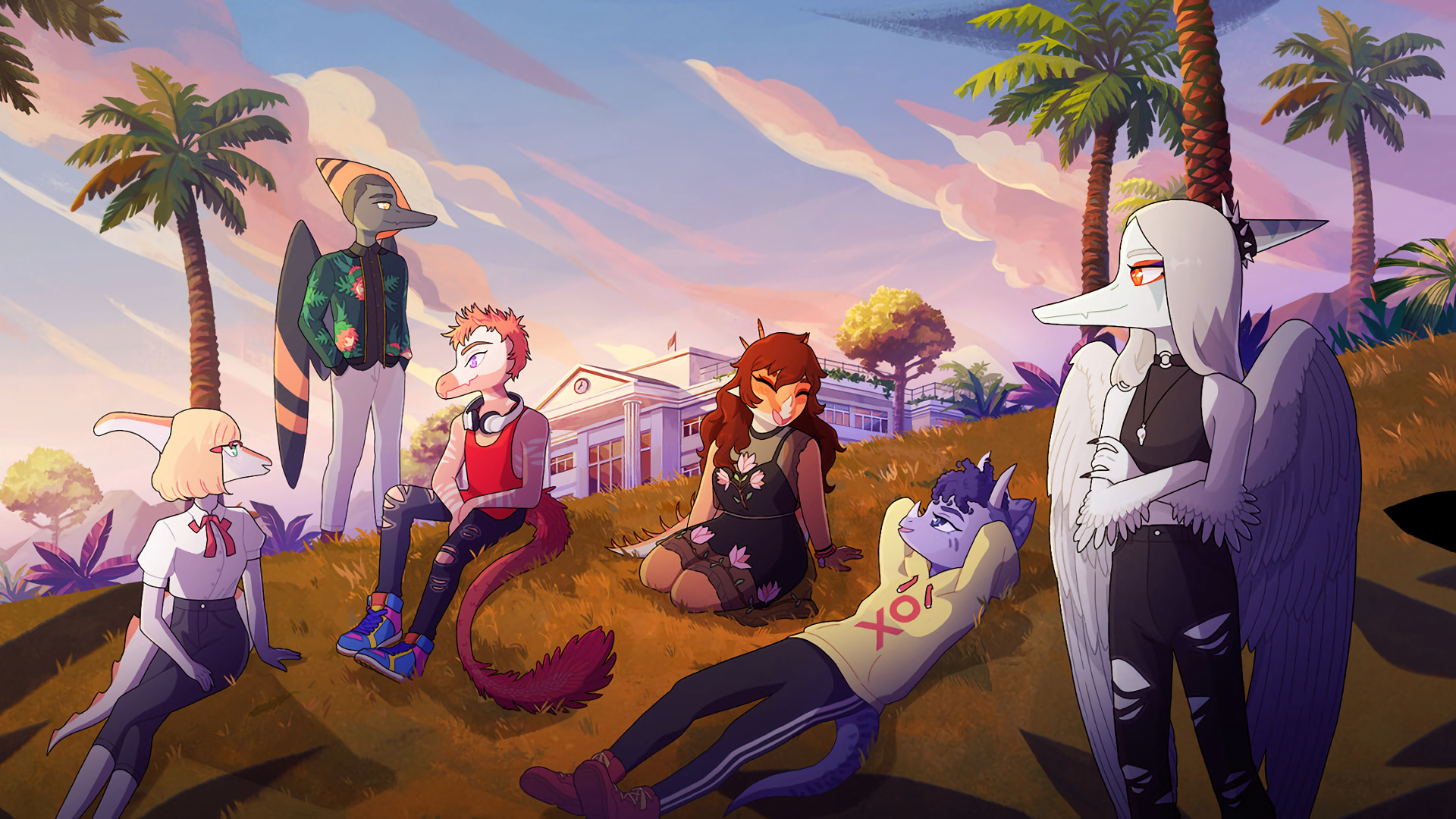
Even before it was released, this story-driven game featuring queer dinosaurs in a band became the focus of online harassment, particularly on sites like 4chan. The negativity wasn’t about how the game played – since it hadn’t come out yet – but about its art style and the fact that the main character, Fang, is non-binary. The developers endured years of online trolling and hateful messages, which led them to restrict access to their social media. Some critics dismissed the game as embarrassing and representative of what they saw as problems with current indie games. However, despite all the pre-release criticism, the game was generally well-received by reviewers who praised its story and music.
‘Temtem’ (2020)
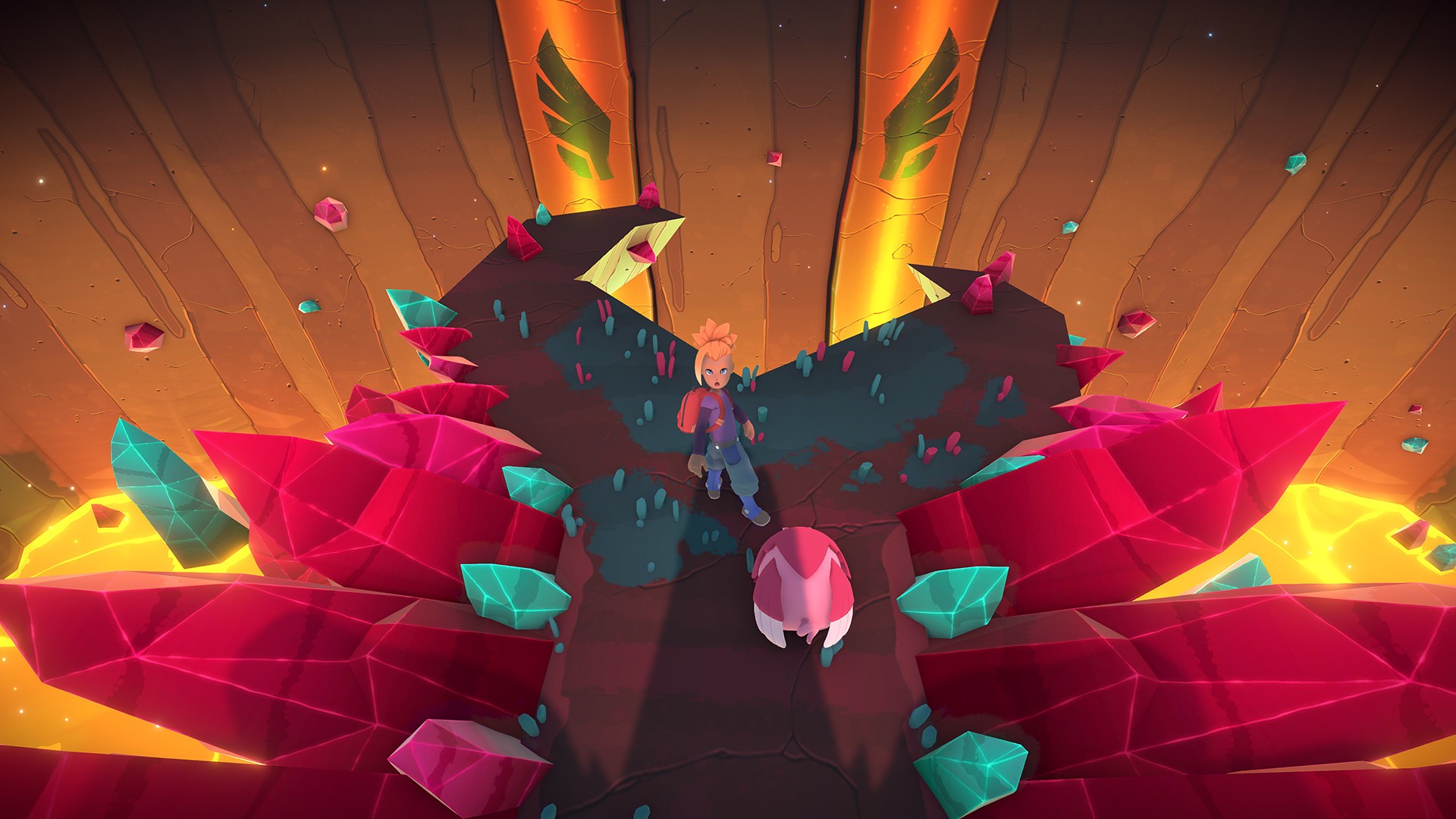
This online monster-collecting game let players select their preferred pronouns when creating characters – something the popular Pokémon series doesn’t offer. Some players reacted negatively on the game’s forums and Discord, claiming the developers were unnecessarily pushing a political agenda. The developers responded by banning users who were being abusive about the feature, emphasizing that inclusivity was a key part of the game’s design. This strict approach sparked further debate about free speech and how the game was being moderated. Ultimately, the situation highlighted how new online games might handle inclusivity in the future.
‘Minecraft’ (2023)
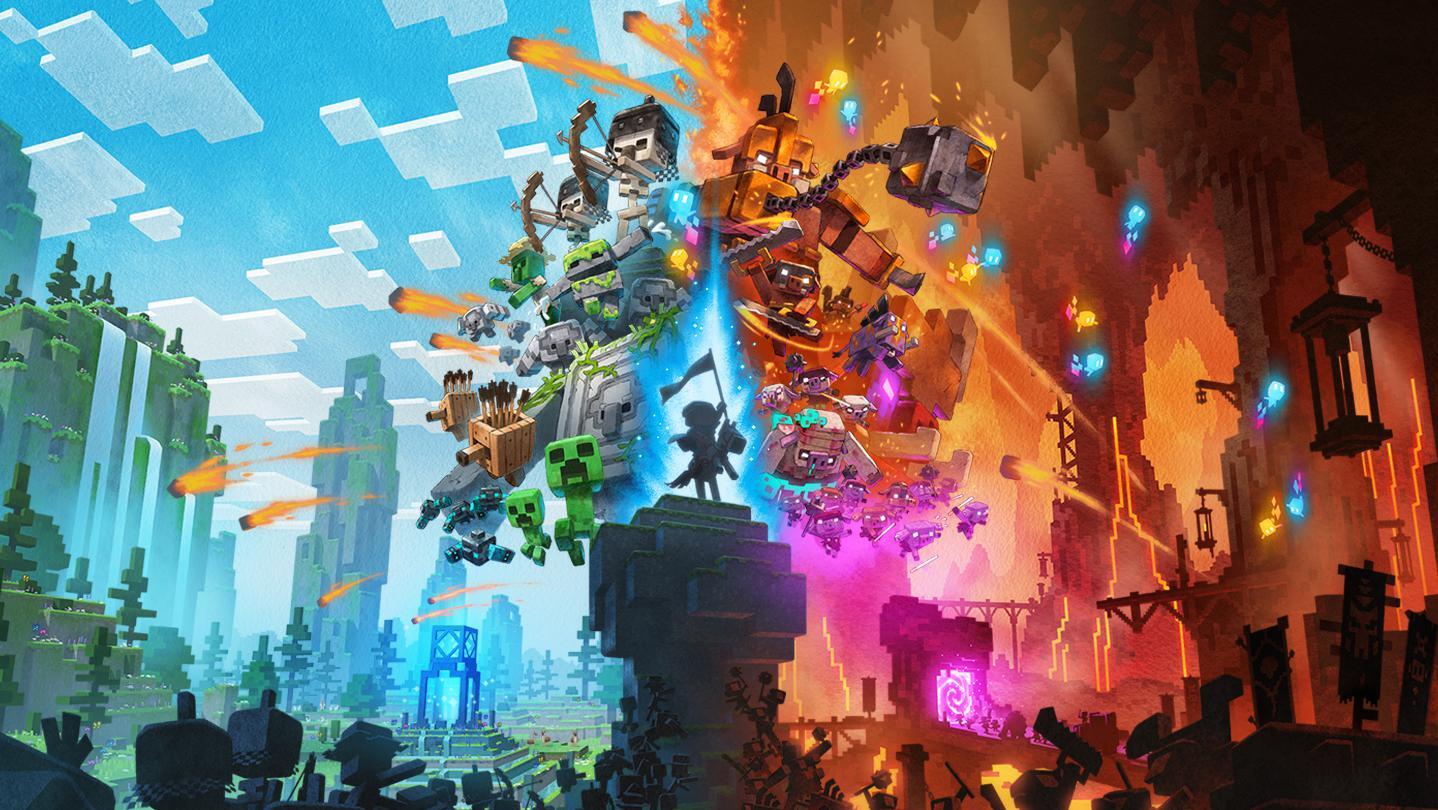
Mojang, the creators of Minecraft, has been making the game more inclusive with diverse character skins and celebrating events like Pride month. These efforts unexpectedly sparked strong negative reactions from many of the game’s younger players. YouTube comments on these updates were often turned off because of accusations that the game was inappropriately exposing children to mature themes, fueled by the use of rainbows and diverse characters. Some content creators who profit from controversy exaggerated the situation, portraying the updates as harmful to a kid-friendly environment. Despite this backlash, Mojang continued to promote diversity by releasing educational materials. The situation highlighted how even hugely popular games aren’t shielded from broader cultural and political debates.
‘Forza Horizon 5’ (2022)

For Pride Month, the game’s creators added rainbow-themed customizations for cars. However, the announcement on Twitter received a lot of negative responses, with many players criticizing the game for focusing on social issues instead of just racing. Players who used the rainbow designs online reported being deliberately crashed into by other players. This incident revealed a surprising level of negativity within the racing community, which is usually seen as separate from political topics. Despite calls to remove the Pride content, the developers have continued to support Pride events each year.
‘Gears 5’ (2019)
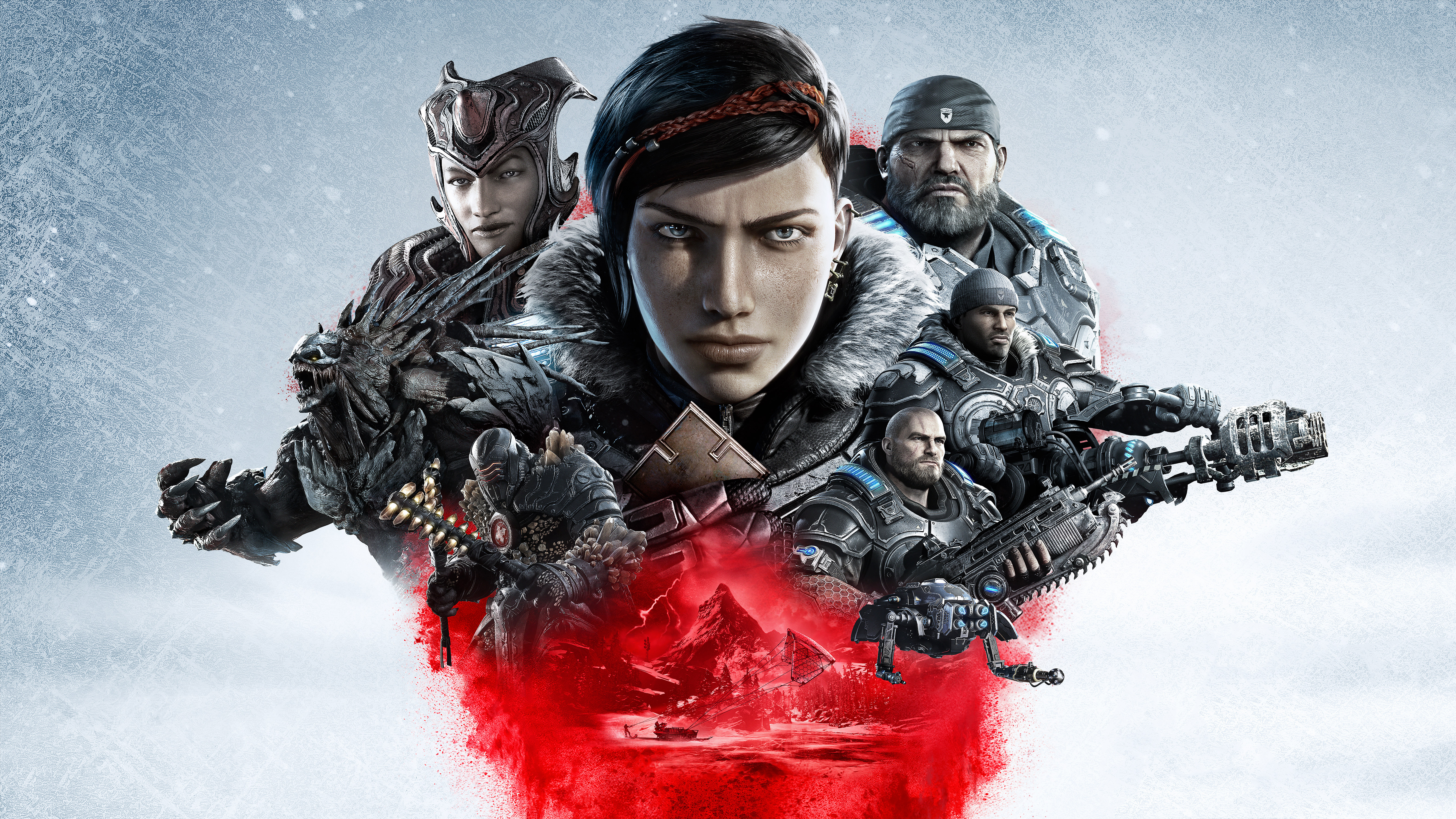
The game added nineteen different Pride flags as optional profile banners. This caused a strong negative reaction from some dedicated players, who argued that a realistic war game wasn’t the right place for displays of social identity. Many threatened to stop playing the game over these cosmetic items. The criticism was especially surprising considering the game series has traditionally focused on tough, masculine characters, and some fans felt this change went against that spirit. However, the developers defended their decision, explaining that the game’s soldiers fight for the survival of all people.
‘Xenoblade Chronicles 3’ (2022)
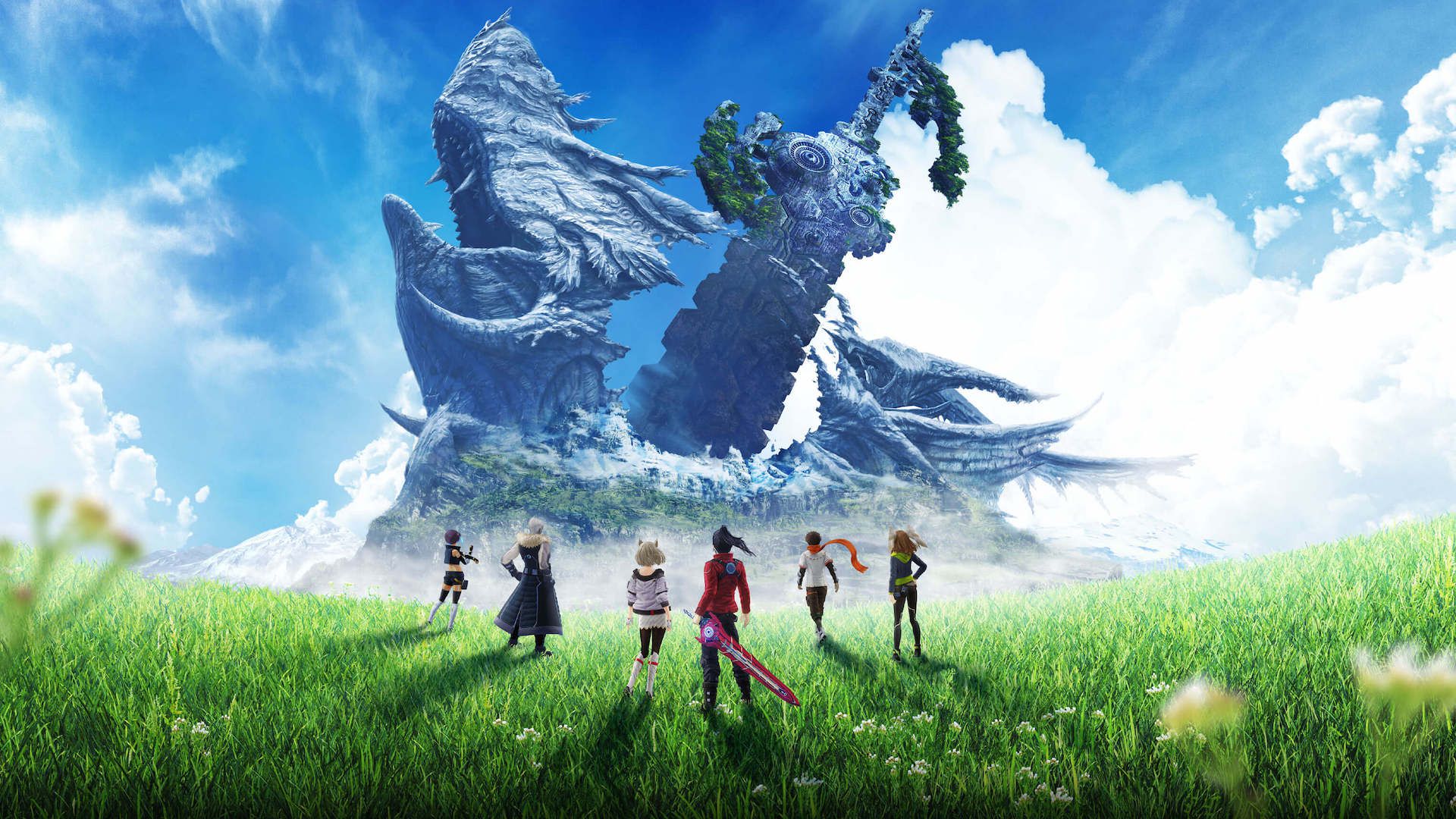
The character Juniper sparked debate among fans because of their gender identity and the use of they/them pronouns in the English version of the game. Some fans claimed the English translation unnecessarily added non-binary representation, even though the original Japanese version used gender-neutral language for the character. This led to intense discussions on online forums, with many refusing to use the correct pronouns for Juniper. The situation highlighted how Western audiences sometimes impose their own social issues onto Japanese media. Despite the controversy, Juniper remains popular due to their unique design and helpful abilities in the game.
Share your opinion on these controversial gaming moments in the comments.
Read More
- Top 20 Dinosaur Movies, Ranked
- 20 Movies Where the Black Villain Was Secretly the Most Popular Character
- Celebs Who Narrowly Escaped The 9/11 Attacks
- 25 “Woke” Films That Used Black Trauma to Humanize White Leads
- The 10 Most Underrated Jim Carrey Movies, Ranked (From Least to Most Underrated)
- Every Notable ‘Star Trek: The Original Series’ Actor Who Died
- The Best Directors of 2025
- Transformers Under the Microscope: What Graph Neural Networks Reveal
- 22 Films Where the White Protagonist Is Canonically the Sidekick to a Black Lead
- Silver Rate Forecast
2026-01-03 16:21