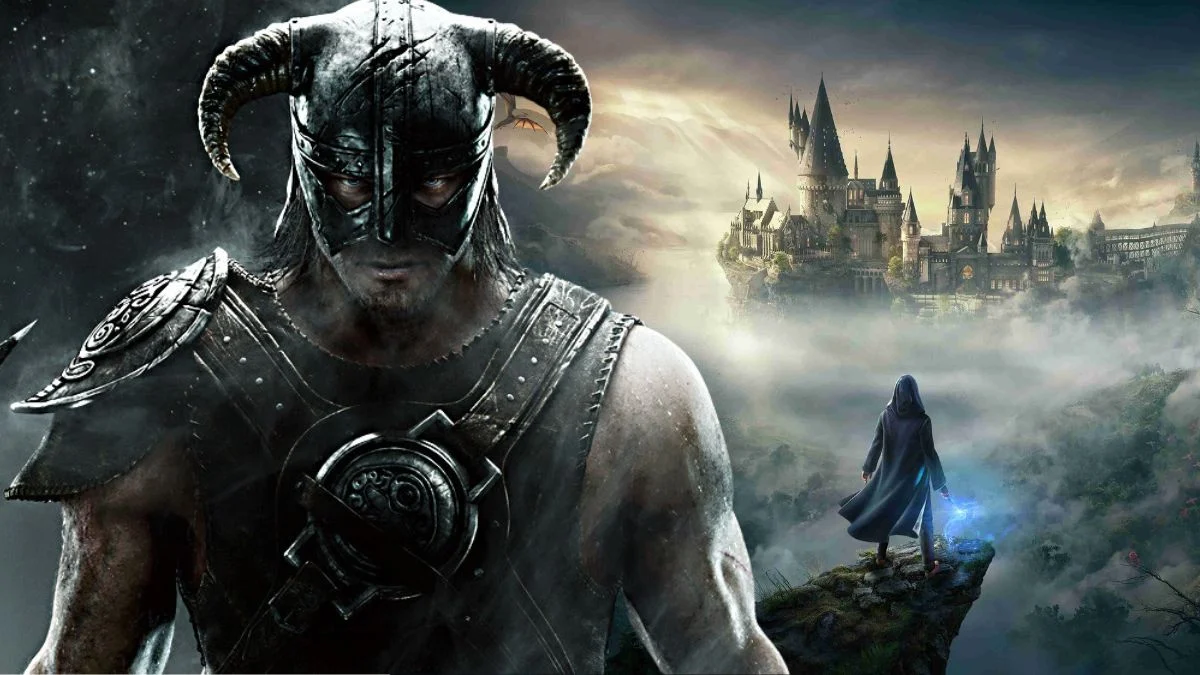
Gamers are speaking out more and more about how love interests and LGBTQ+ characters are portrayed in video games. Several popular games have been criticized for hinting at same-sex relationships without actually letting players experience them in the game. This creates frustration when a game suggests possibilities that aren’t available. As players demand more genuine and meaningful representation, they’re increasingly calling out game studios for how they handle diverse characters and relationships. This article looks at some games that have faced controversy over their portrayal of LGBTQ+ characters and potential romances.
‘Cyberpunk 2077’ (2020)
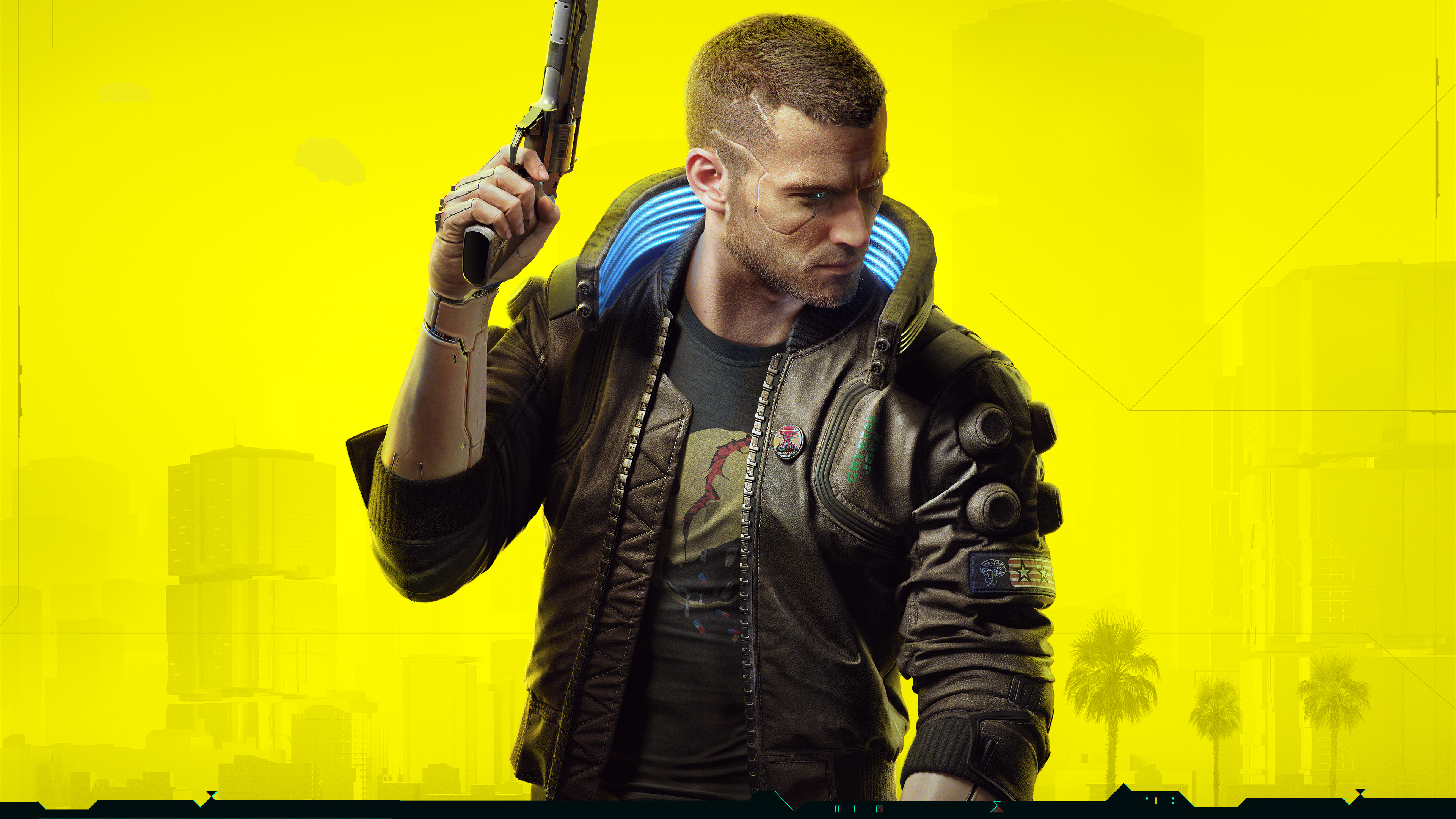
Players were disappointed with ‘Cyberpunk 2077’ because the game’s marketing implied players would have a lot of freedom in choosing romantic partners. However, when the game launched, key characters like Judy Alvarez and Panam Palmer were only available to romance depending on the player’s chosen gender. This led to accusations of ‘queer-baiting’ – suggesting options that weren’t actually in the game. Many felt this limited how players could express themselves and their character’s identity. The negative reaction was strong enough that fans created modifications for the PC version to remove these restrictions.
‘Persona 5’ (2016)
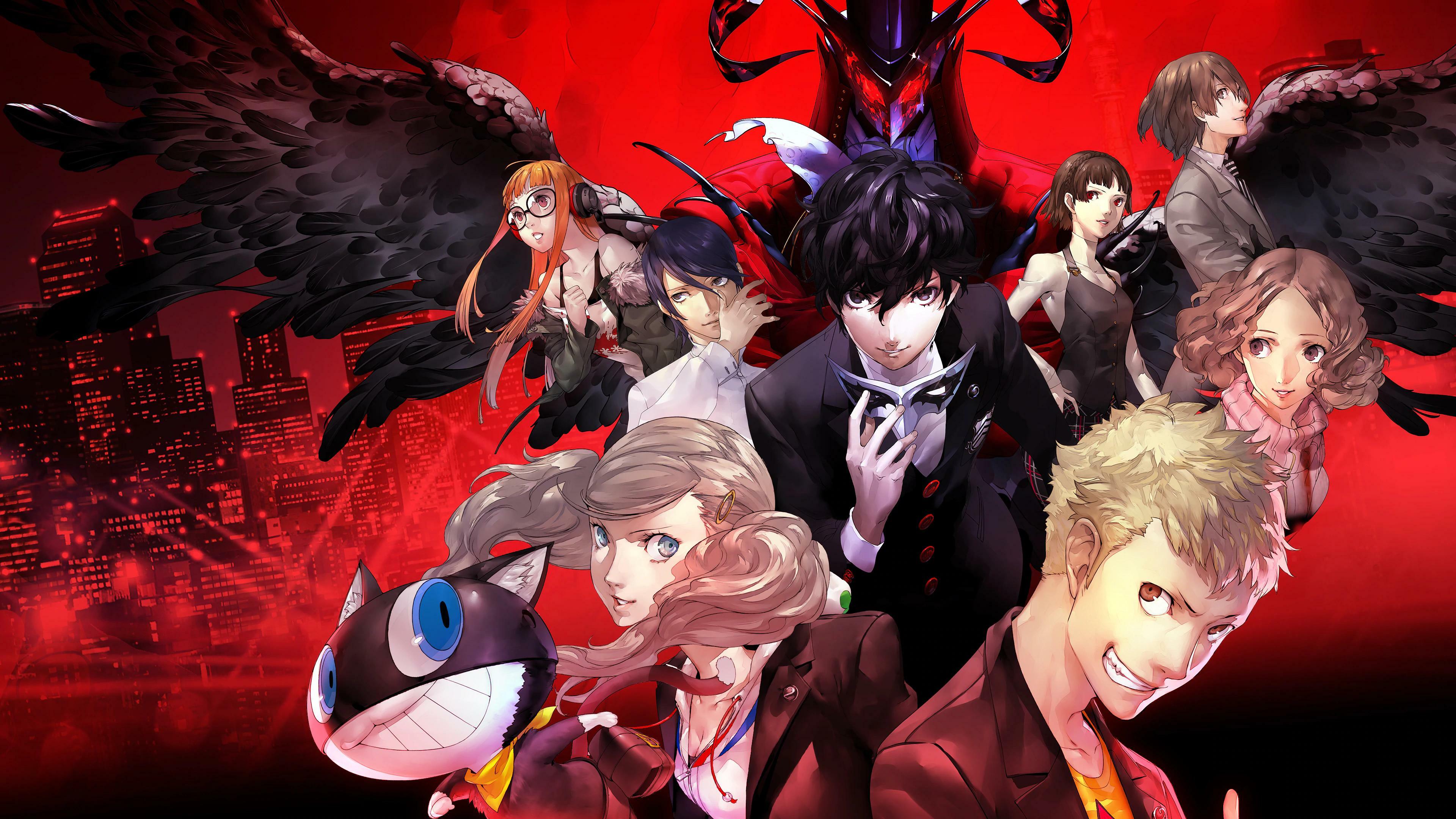
‘Persona 5’ sparked controversy among fans who felt the close relationships between the main character and his male friends, like Ryuji and Yusuke, hinted at romance but never fully developed. While these characters shared intense emotional connections with the player, the game limited romantic options to female characters, keeping the male bonds strictly platonic. Fans highlighted certain scenes as feeling like potential dates, suggesting the game was teasing a romance it didn’t deliver on. Some felt this was a missed chance to include meaningful LGBTQ+ representation in a contemporary game.
‘Fire Emblem: Three Houses’ (2019)
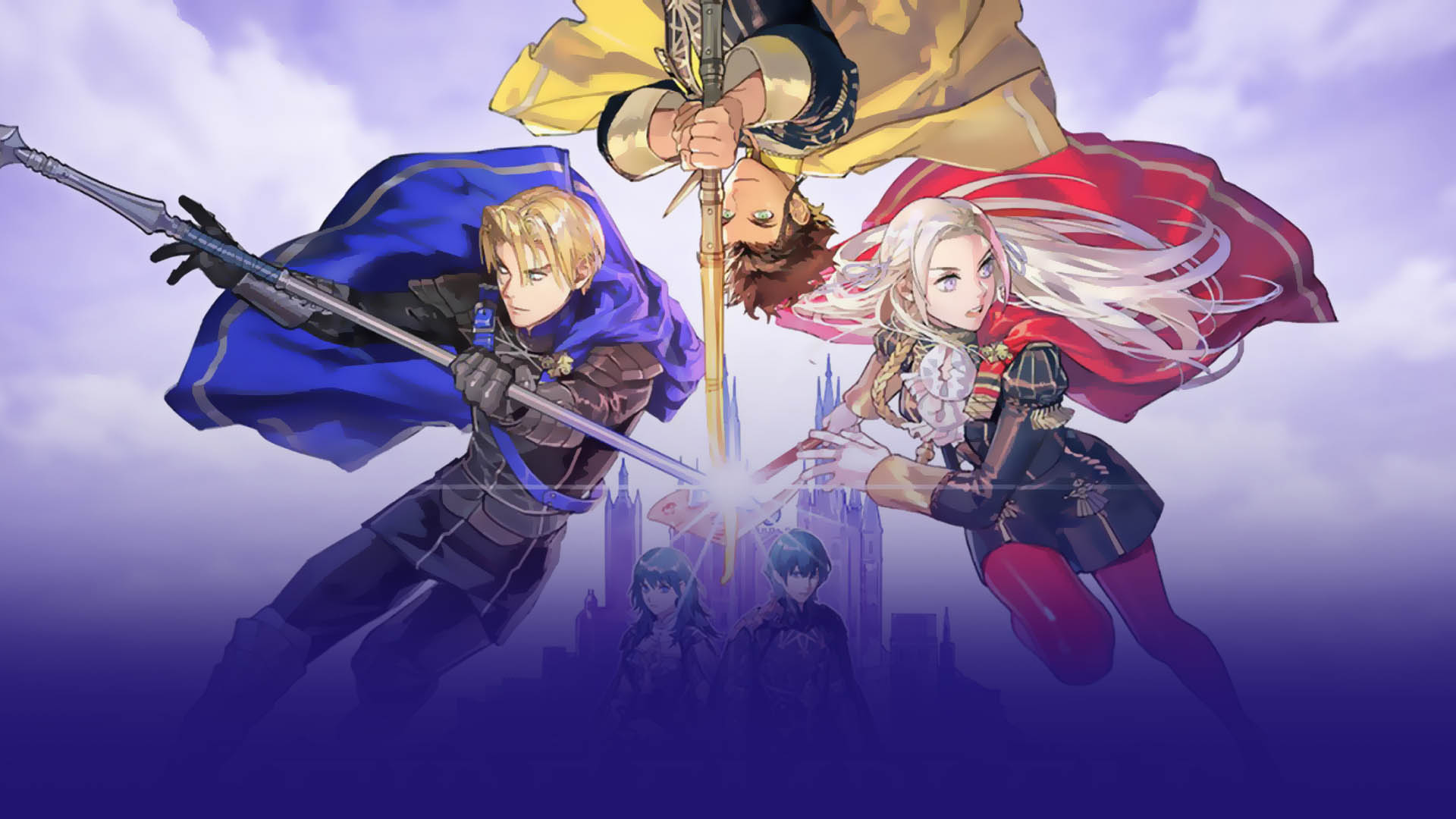
Players were disappointed with the romantic options in ‘Fire Emblem Three Houses’ because of a clear imbalance between the experiences offered to male and female players. While female players had several choices for same-sex relationships, male players had very few. One of the limited male-male options didn’t even lead to a romantic ending, which many fans felt was misleading. This sparked a social media campaign asking for fairer representation. The game’s developer responded by adding more options in a later update, following the initial criticism.
‘Fire Emblem: Fates’ (2015)

Okay, so ‘Fire Emblem Fates’ had this character, Soleil, who was a bit of a mess when it came to romance. As a male player, I could totally romance her, which was cool. But a lot of fans, especially female players, were really upset because Soleil talked about liking girls, but you couldn’t actually play as a female character and romance her. It felt really frustrating. And to make things worse, the original Japanese version had this scene that looked a lot like a harmful trope about trying to change someone’s sexuality. The team who brought the game over here changed that scene, which was good, but they still didn’t let female players romance Soleil, so it still felt like they were teasing a queer character without actually letting us play that part of her story. It just felt like they hinted at something without giving us the full experience.
‘Final Fantasy XV’ (2016)
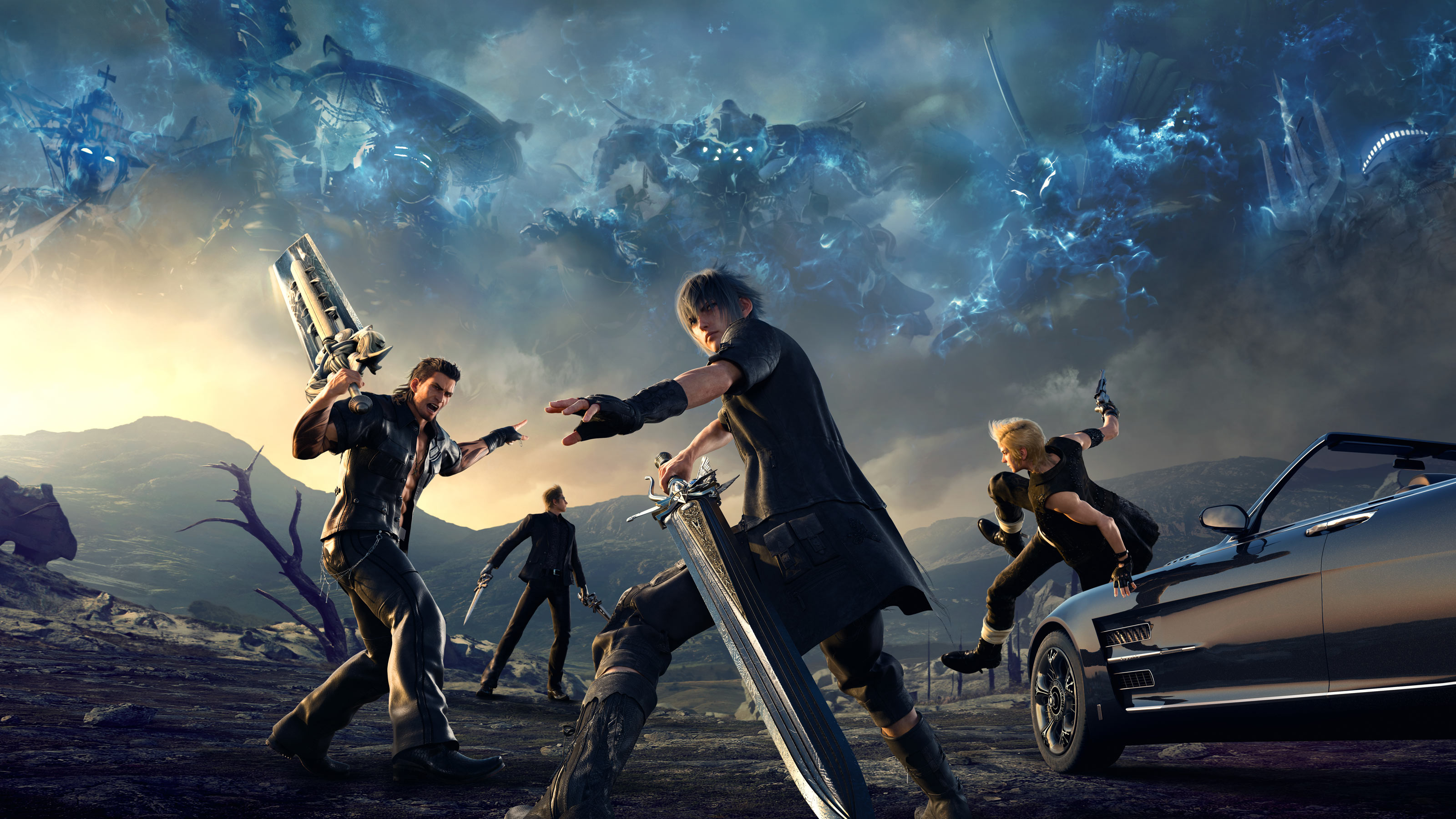
‘Final Fantasy XV’ focuses on the bond between four male friends traveling together. Fans often noticed a strong, almost romantic connection between the main character, Noctis, and his companions. However, the game explicitly portrays these relationships as purely platonic and doesn’t include any options for same-sex romance. Some critics pointed out that the game used imagery and themes often associated with LGBTQ+ relationships without actually including any queer representation, which frustrated players who felt the game hinted at deeper emotional connections than just friendship.
‘Kingdom Hearts III’ (2019)
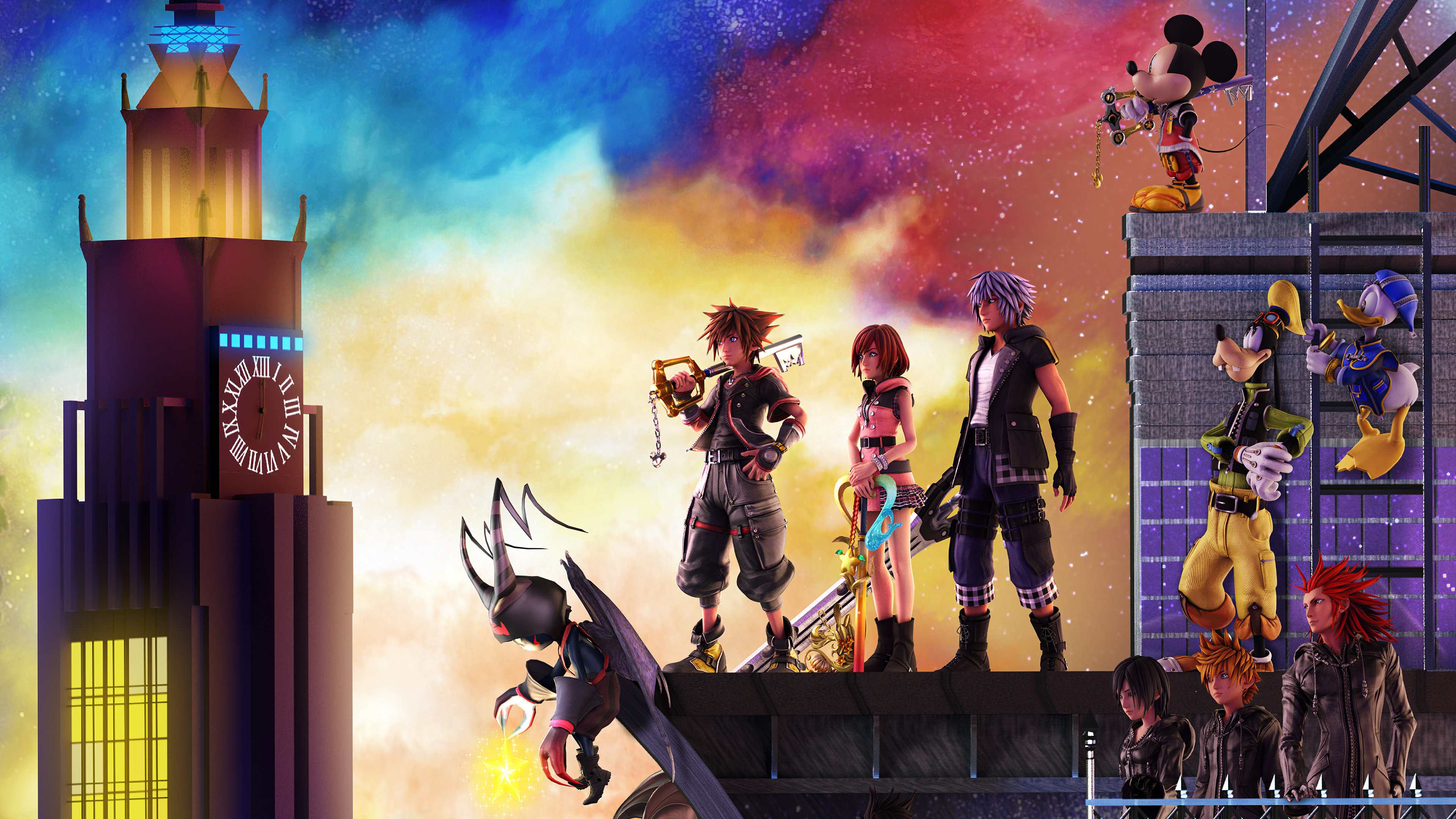
The ‘Kingdom Hearts’ series has faced a lot of discussion about the connection between Sora and Riku, with many fans believing there’s a deep romantic element to their relationship, supported by years of storytelling and symbolism. When ‘Kingdom Hearts III’ didn’t address these feelings, some accused the game of ‘queerbaiting’ – hinting at a same-sex romance without actually delivering on it. Players felt the game favored traditional, heterosexual relationships, overlooking the more complex and well-developed bond between Sora and Riku. The introduction of a different love interest for Sora felt like a departure from the subtle romantic cues established in earlier games.
‘Persona 4’ (2008)

In the game ‘Persona 4’, developers initially planned for players to be able to pursue a romantic relationship with the character Yosuke Hanamura. Evidence of this was found in the game’s files – unused voice lines suggested a romantic storyline that was ultimately removed. This cut content made some fans uncomfortable with Yosuke’s occasional insensitive comments, and led to accusations of ‘queer-baiting’ – teasing a same-sex relationship without actually including one. Many players felt that removing this romantic option negatively impacted Yosuke’s character arc and weakened the game’s message about accepting who you are.
‘Catherine: Full Body’ (2019)
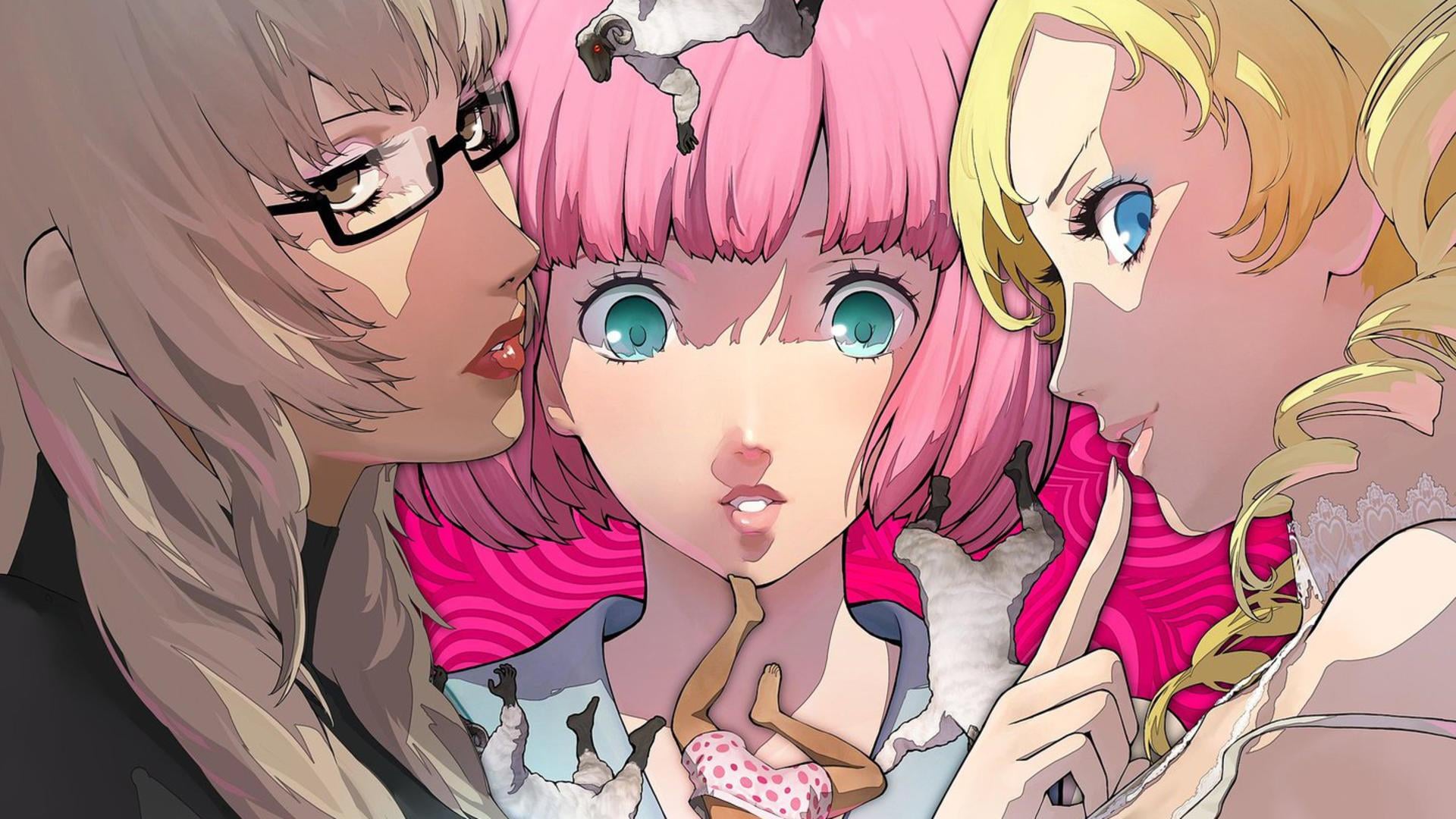
The updated version of the game ‘Catherine’ added a new character, Rin, who was presented as a potential love interest with a hidden secret. However, some players and critics felt the way Rin’s identity was revealed and the protagonist responded to it was problematic. They argued the game relied on hinting at LGBTQ+ themes as a surprise, instead of offering a genuine and respectful romance option. This caused disagreement among fans, with some seeing Rin as progress for the series and others viewing it as a setback.
‘Danganronpa V3: Killing Harmony’ (2017)
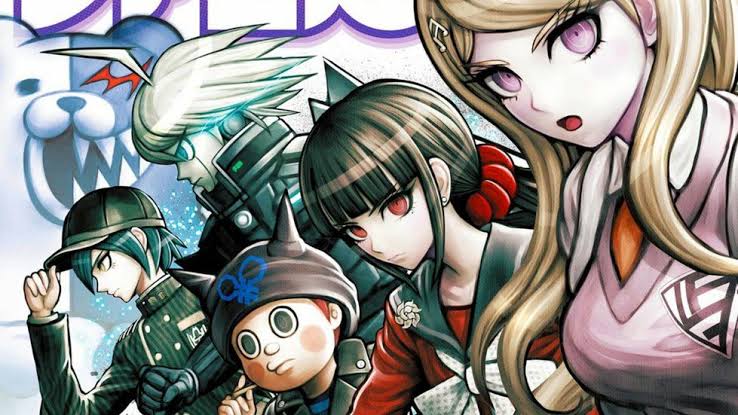
Danganronpa V3: Killing Harmony includes characters with hints of LGBTQ+ relationships, including the main character and some of their rivals. However, fans were let down because the game didn’t develop these relationships into actual romances within the main story or any extra content. Critics pointed out that the game used flirty conversations and suggestive scenes to create excitement but never followed through with genuine romantic connections. This led many to feel the game was teasing its LGBTQ+ fans simply for dramatic effect. Ultimately, many players were frustrated by the lack of clear LGBTQ+ representation in the series.
‘The Witcher 3: Wild Hunt’ (2015)
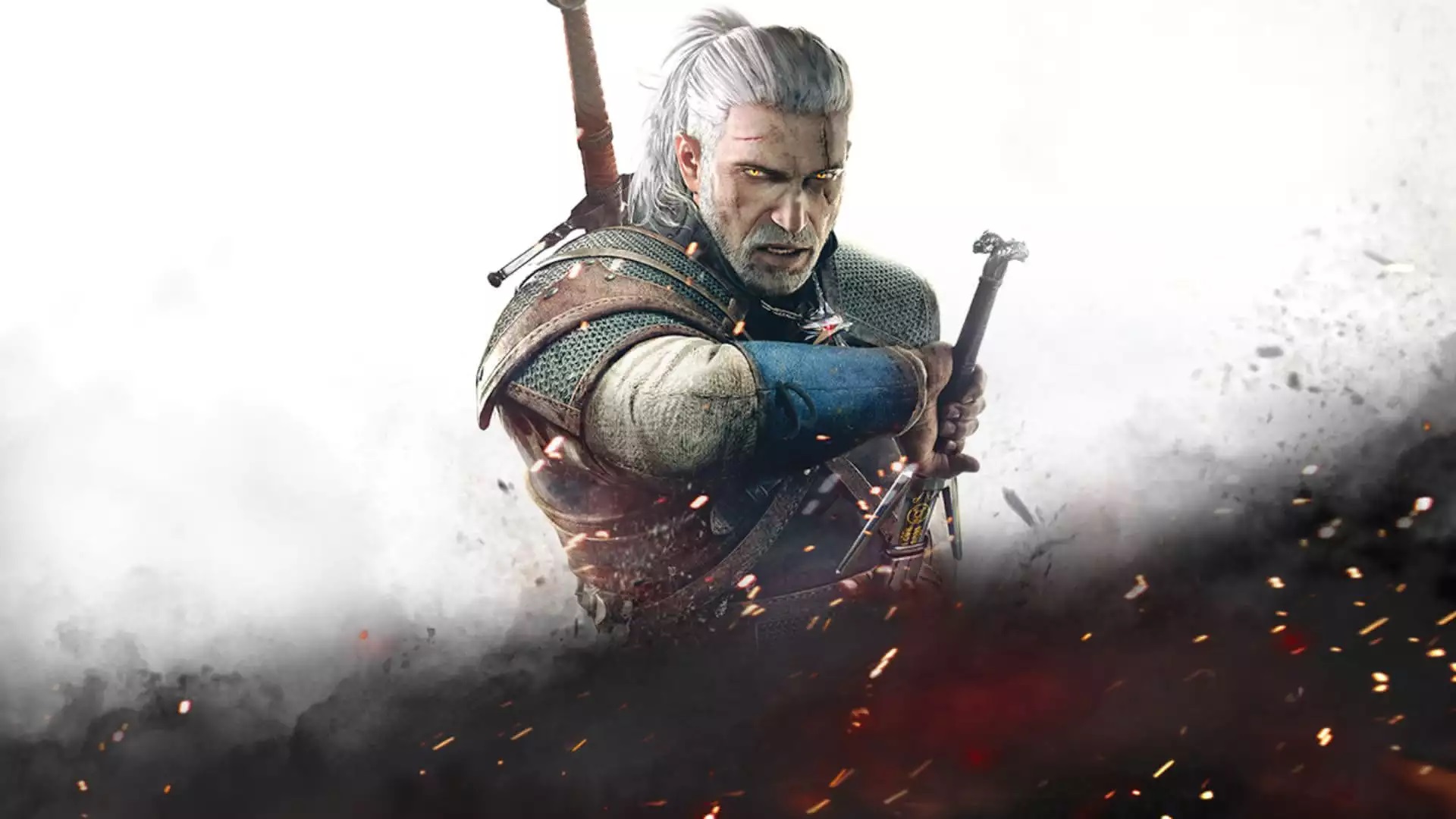
‘The Witcher 3: Wild Hunt’ features several characters Geralt can pursue romantically, but they are all women. While the game is based on established stories, some fans were disappointed by this lack of options, especially given how much choice the game usually offers players. They felt that the strong connections Geralt shares with certain male characters could have been developed into romantic relationships. This strict focus on Geralt’s heterosexual orientation was seen as limiting the role-playing possibilities and led to a larger discussion about how closely game developers should follow established lore versus allowing players to shape their own experiences.
‘Dragon Age: Origins’ (2009)

In the original ‘Dragon Age’ game, players could only pursue romantic relationships with the companions Alistair and Morrigan if their own character was heterosexual. Many players were disappointed by this, as they felt a connection with these companions regardless of their character’s gender. Although the game offered some bisexual options, limiting the main companions felt restrictive. Fans argued that the story could have easily allowed for same-sex romances without changing the main plot, and this feedback influenced the more inclusive approach taken in later ‘Dragon Age’ games.
‘Sherlock Holmes: Chapter One’ (2021)
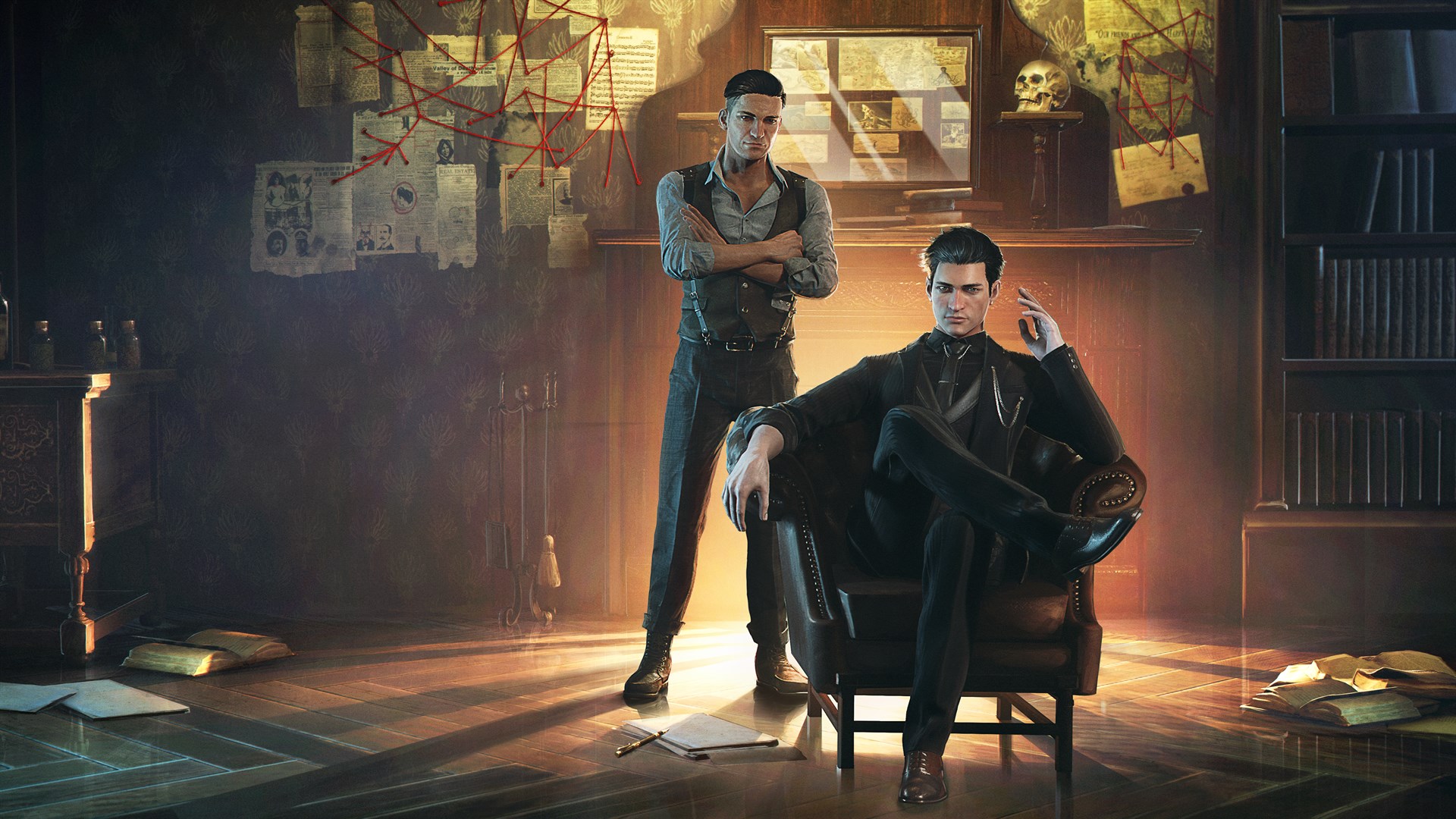
‘Sherlock Holmes Chapter One’ delves into the early years of Sherlock Holmes and his close friendship with Jon. The game highlights their strong emotional bond and how they help each other cope with difficult experiences. While the game never directly portrays a romantic relationship, many players felt their connection hinted at one. Marketing materials focused on their deep bond, leading some to anticipate a more modern interpretation of the famous pair. Ultimately, the game received criticism for keeping their relationship strictly platonic, despite the suggestive elements within the story.
‘Yakuza: Like a Dragon’ (2020)
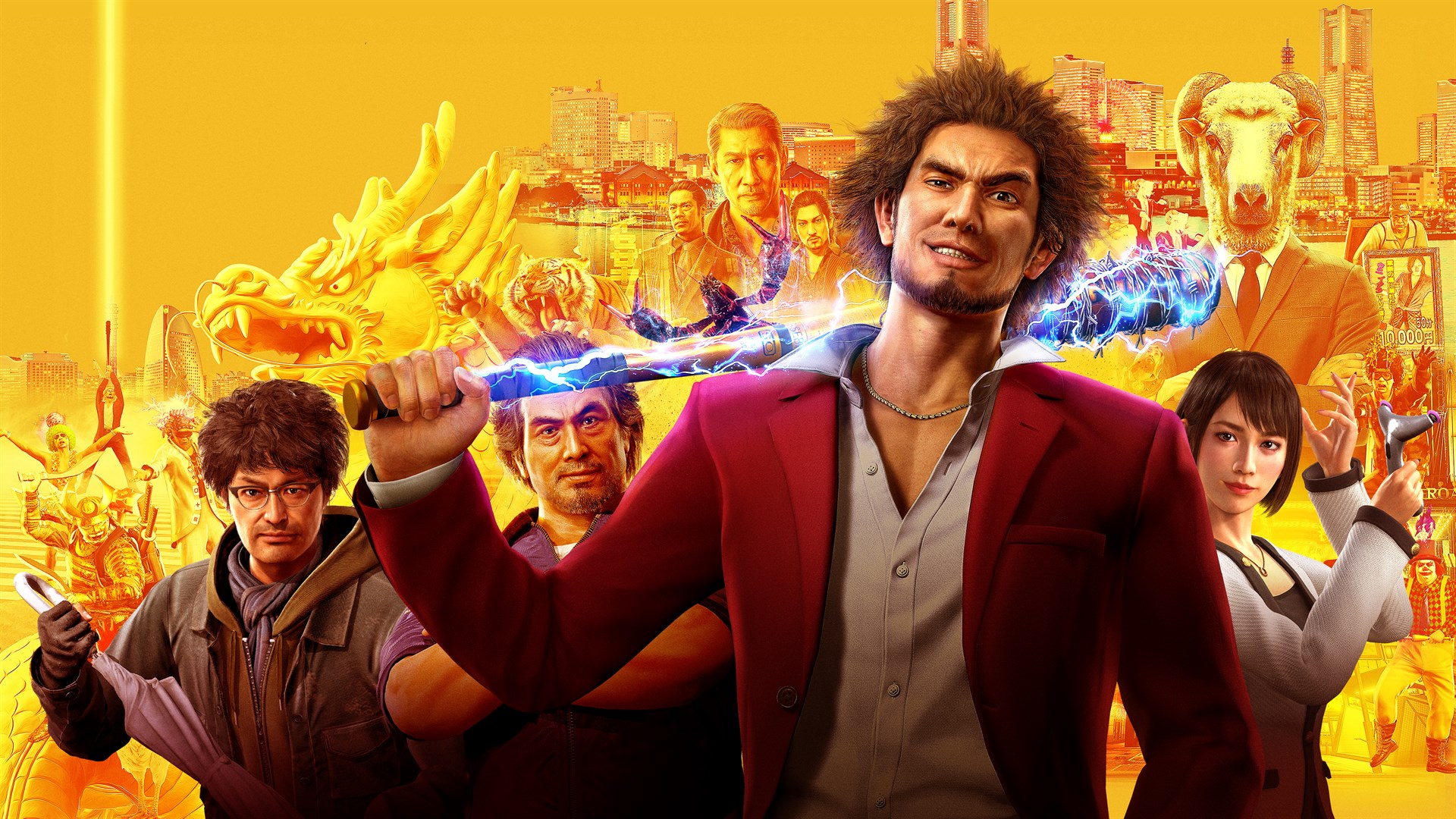
‘Yakuza Like a Dragon’ starred a new main character, Ichiban Kasuga, who is very open with his feelings. The game let players build strong relationships with his male companions through heartfelt conversations and shared emotional moments. However, fans were frustrated that these close bonds couldn’t develop into romance. While Ichiban could pursue romantic relationships with female characters, his male friends remained strictly platonic. Some players felt this created a misleading impression, given the deep emotional connections shown in the story.
‘Detroit: Become Human’ (2018)
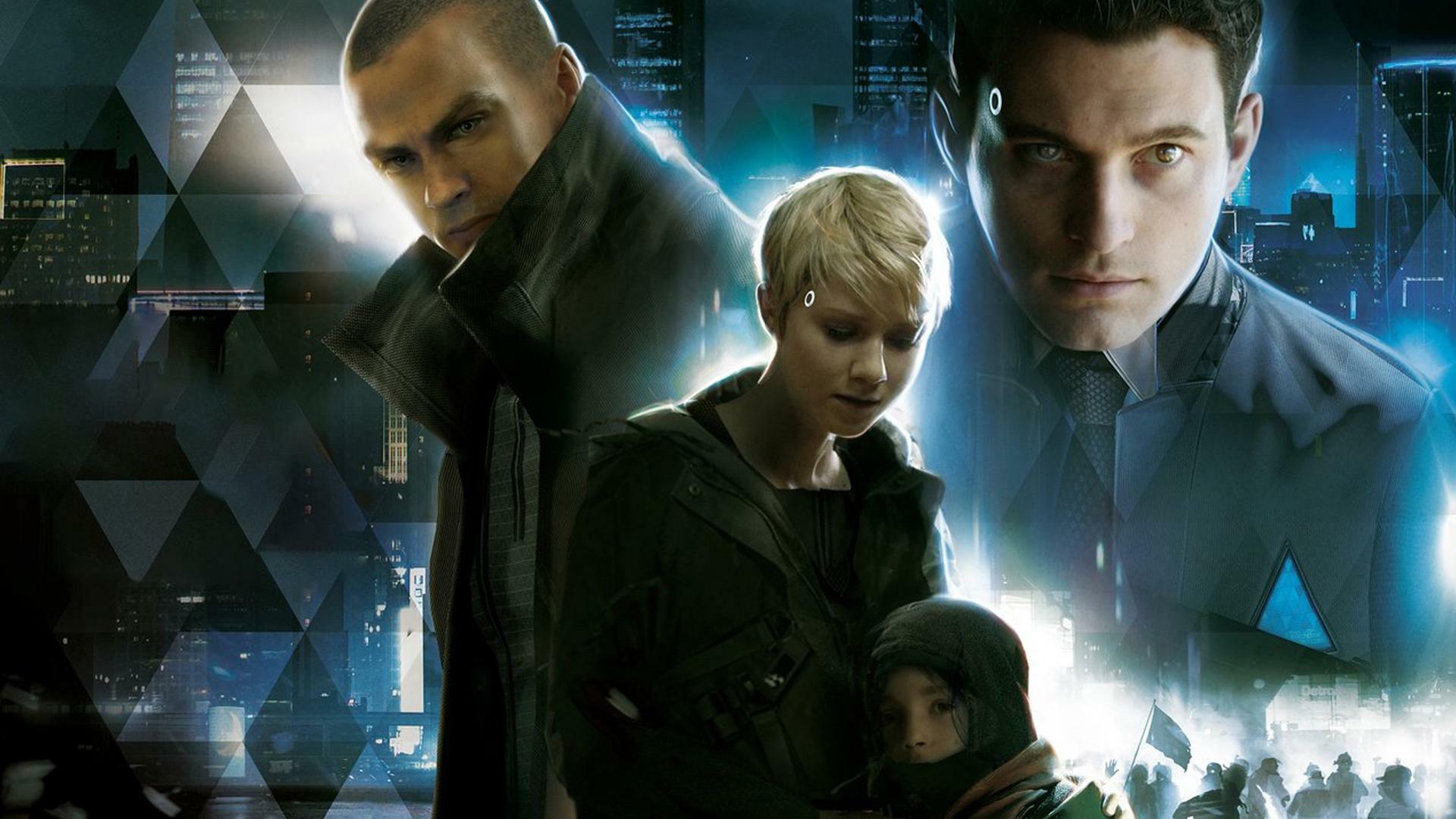
The connection between Connor, the android, and Lieutenant Hank Anderson in ‘Detroit Become Human’ was incredibly popular with fans, who often interpreted their interactions as romantic. While the game explored a strong bond between them through different storylines and endings, it ultimately framed their relationship as either a deep friendship or a partnership. Some players felt the game’s marketing hinted at a romance to attract fans, but didn’t follow through with actual representation, leading to criticism that it used queer undertones for marketing purposes without offering a genuine romantic storyline.
‘Life is Strange: True Colors’ (2021)
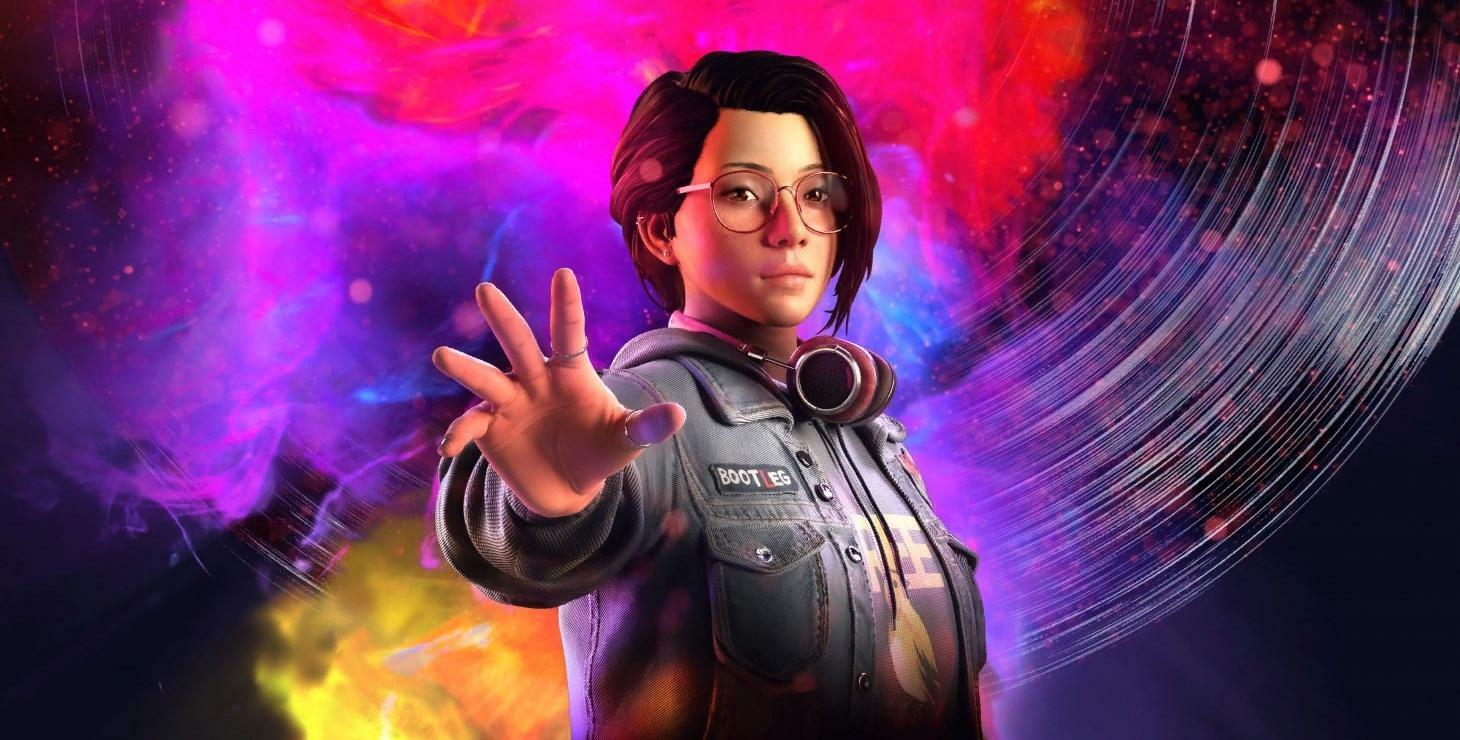
Some players of ‘Life is Strange: True Colors’ felt the game’s marketing was misleading regarding the male love interest, despite the protagonist being bisexual. While the game presented two romantic options, many believed the story focused more on the female romance, giving it greater emotional depth. Others felt trailers suggested the male romance would be more prominent than it actually was in the final game. This difference between expectations and the actual experience left some players disappointed, and sparked a debate within the community about whether the marketing was intentionally misleading.
‘Hogwarts Legacy’ (2023)
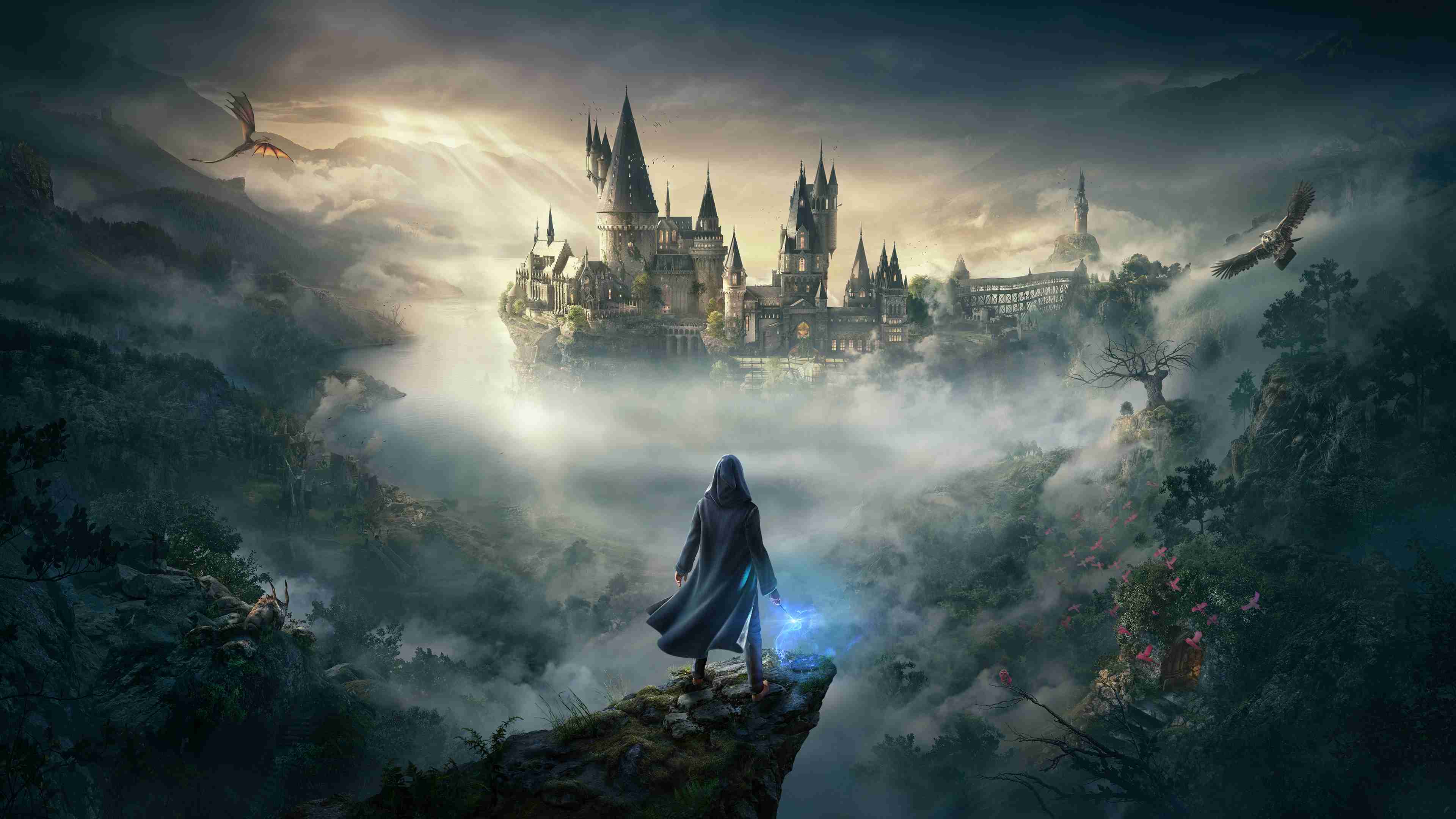
The game ‘Hogwarts Legacy’ received criticism for how it included a transgender character, Sirona Ryan. Some players believed the character felt like a shallow attempt to address concerns without offering a substantial role in the game. Because the player character couldn’t have romantic relationships with same-sex characters, LGBTQ+ representation was limited to minor characters. This led to accusations of ‘queerbaiting’ – appearing to appeal to an inclusive audience without actually delivering a truly inclusive experience. Many critics felt the representation was superficial and didn’t feel genuinely woven into the game’s core.
‘Horizon Forbidden West’ (2022)
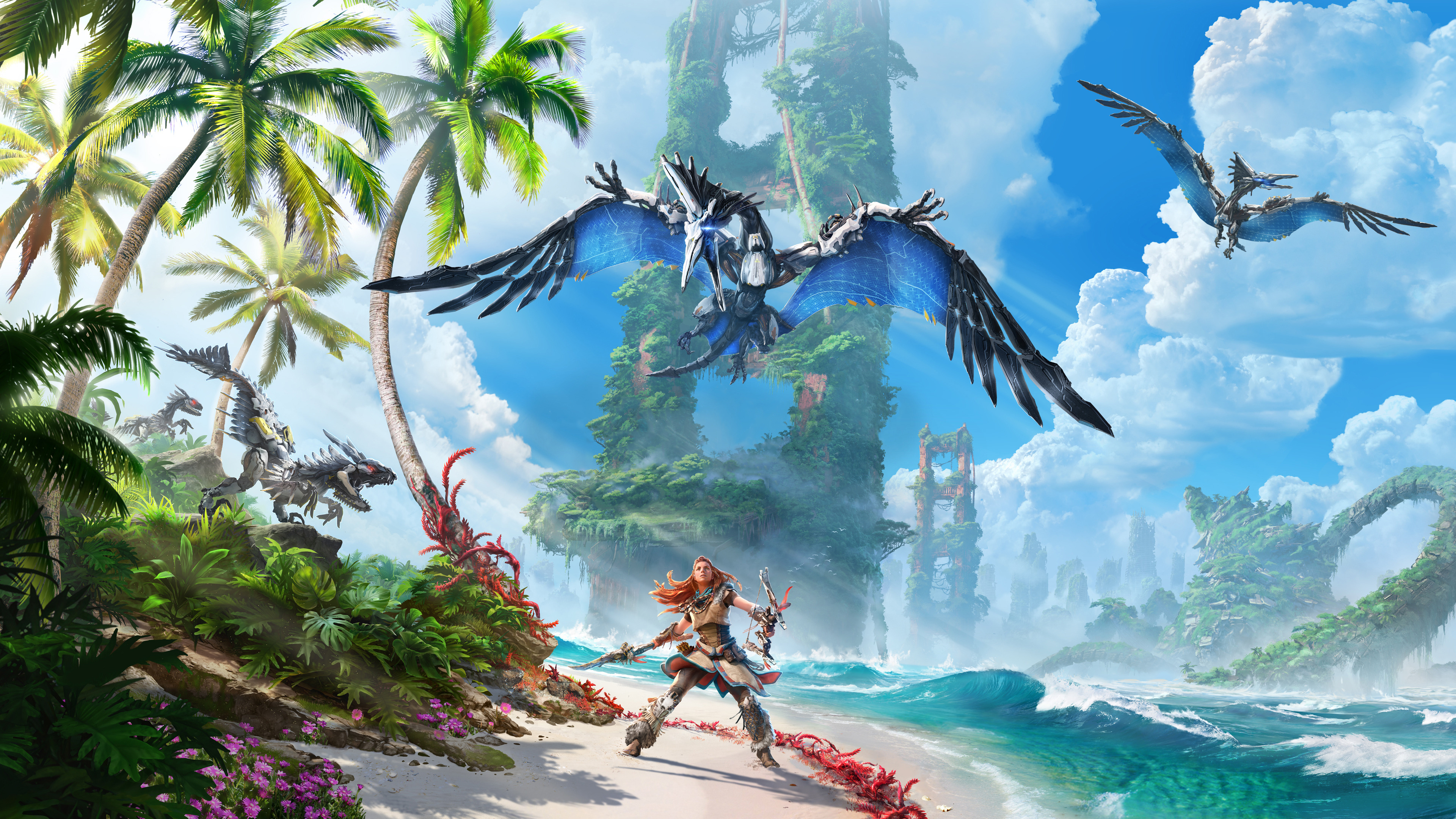
Ever since the first ‘Horizon’ game, players have speculated about romantic possibilities for Aloy, the main character. While fans hoped for a queer romance in ‘Horizon Forbidden West,’ the initial game only offered platonic relationships. This finally became a reality with the ‘Burning Shores’ expansion, but some players felt it was unfair to make it available only as paid downloadable content. This sparked debate and revealed how much players wanted Aloy’s identity and relationships to be explored within the main story.
‘Starfield’ (2023)
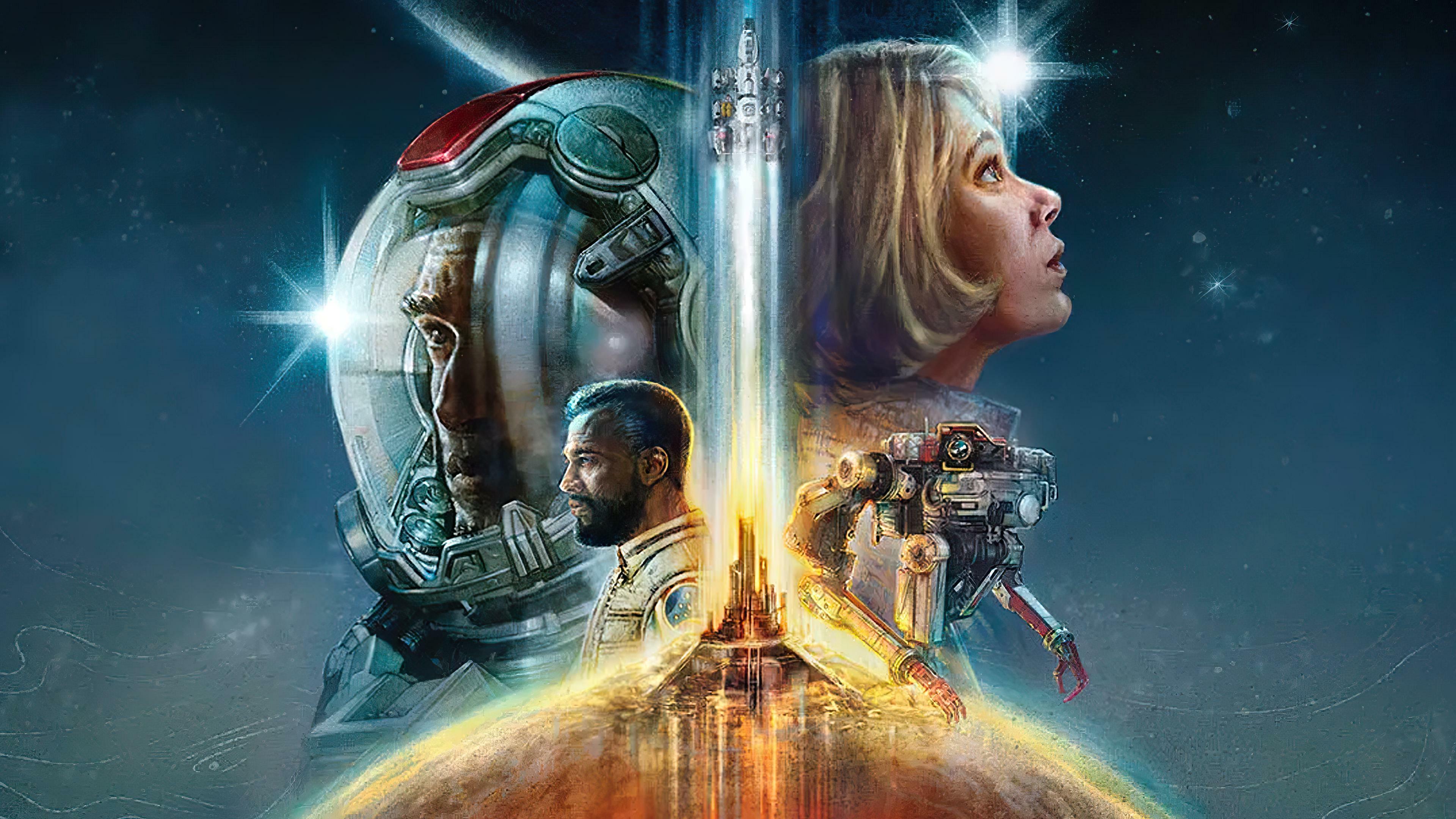
Starfield lets you marry several companions, no matter your character’s gender. However, many critics and players found that the romantic relationships felt bland and lacked genuine connection, especially in terms of representing queer experiences. Some believe the game took a simple, universal approach to romance to avoid creating detailed, unique storylines for LGBTQ+ characters. This led to accusations that the game offered only basic representation despite its promise of a large and immersive role-playing world. A common complaint was that the romances lacked the specific cultural or identity-based details that would make them feel meaningful.
‘Apex Legends’ (2019)
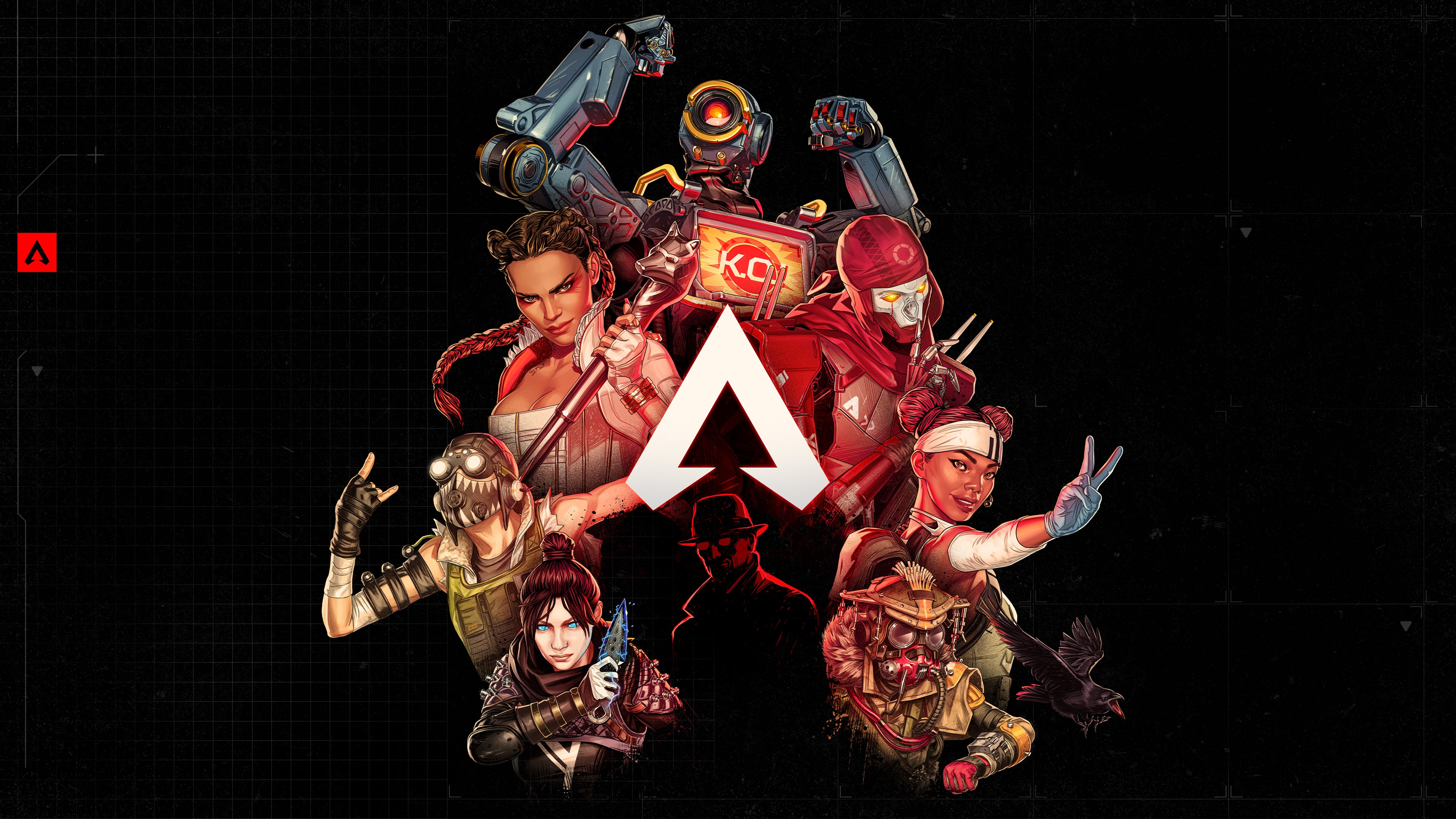
‘Apex Legends’ features a variety of characters, many of whom are identified as LGBTQ+ within the game’s official backstory. However, some fans have criticized the game’s marketing, pointing out that these identities are often highlighted on social media and in trailers but aren’t prominently featured during actual gameplay. For example, hinted-at romantic relationships, like the one between Loba and Valkyrie, have unfolded very slowly in the game’s story. Some players believe the developers are using these relationships to attract attention without fully developing them, leading to accusations of ‘queer-baiting’ – suggesting relationships without delivering on them.
‘League of Legends’ (2009)
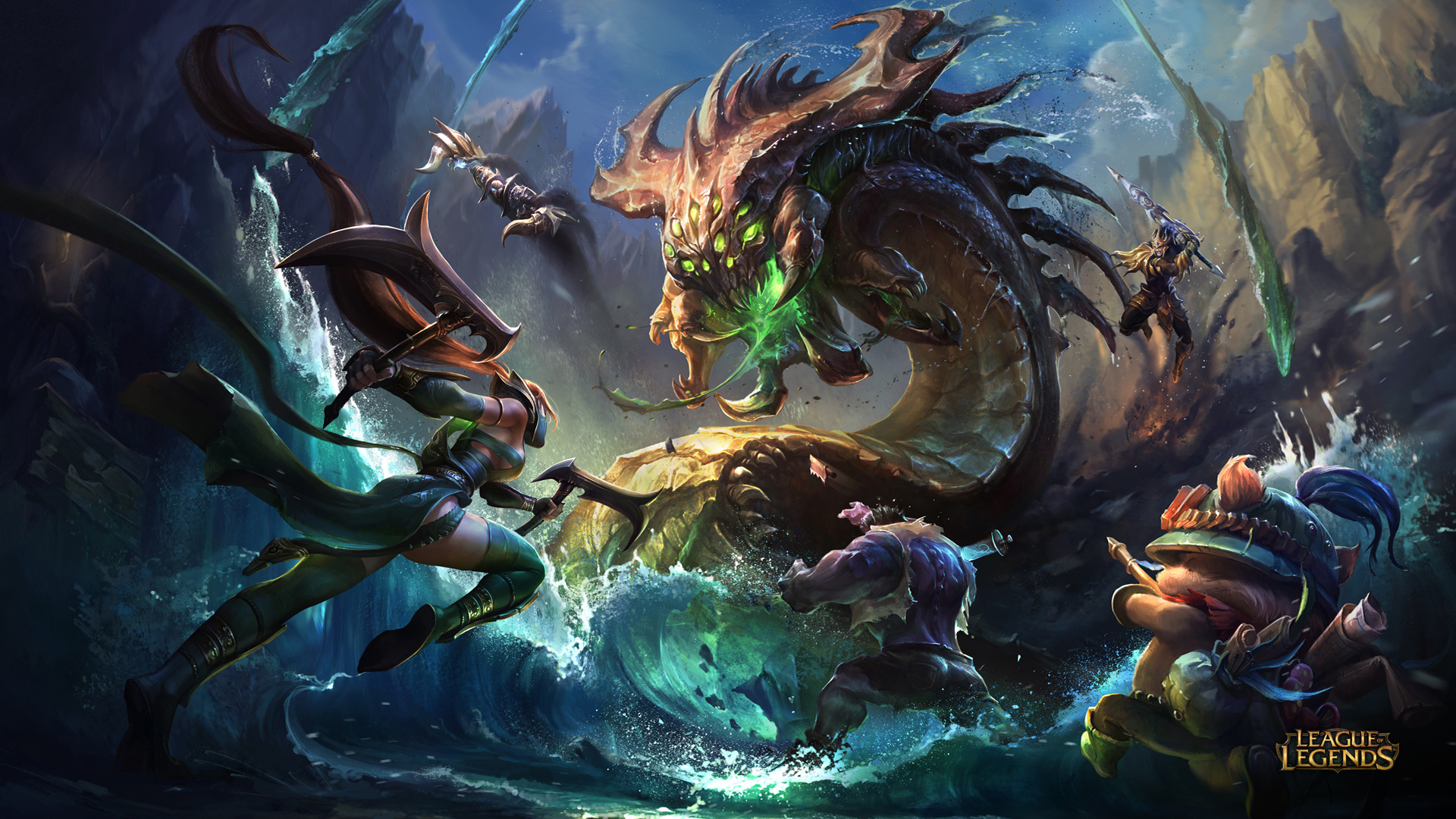
For years, players have criticized ‘League of Legends’ for what they see as ‘queer-baiting’ – suggesting LGBTQ+ relationships between characters without fully confirming them. Many characters have hinted-at connections and romantic undertones that fans have discussed since the game launched. The game’s developer, Riot Games, often alludes to these relationships in trailers but has been slow to officially include them in the game’s story. This leads some fans to believe the developers are using these possibilities to generate interest. While recent efforts to confirm some characters’ queerness have been welcomed, some fans question whether the timing is genuine.
‘Devil May Cry 5’ (2019)
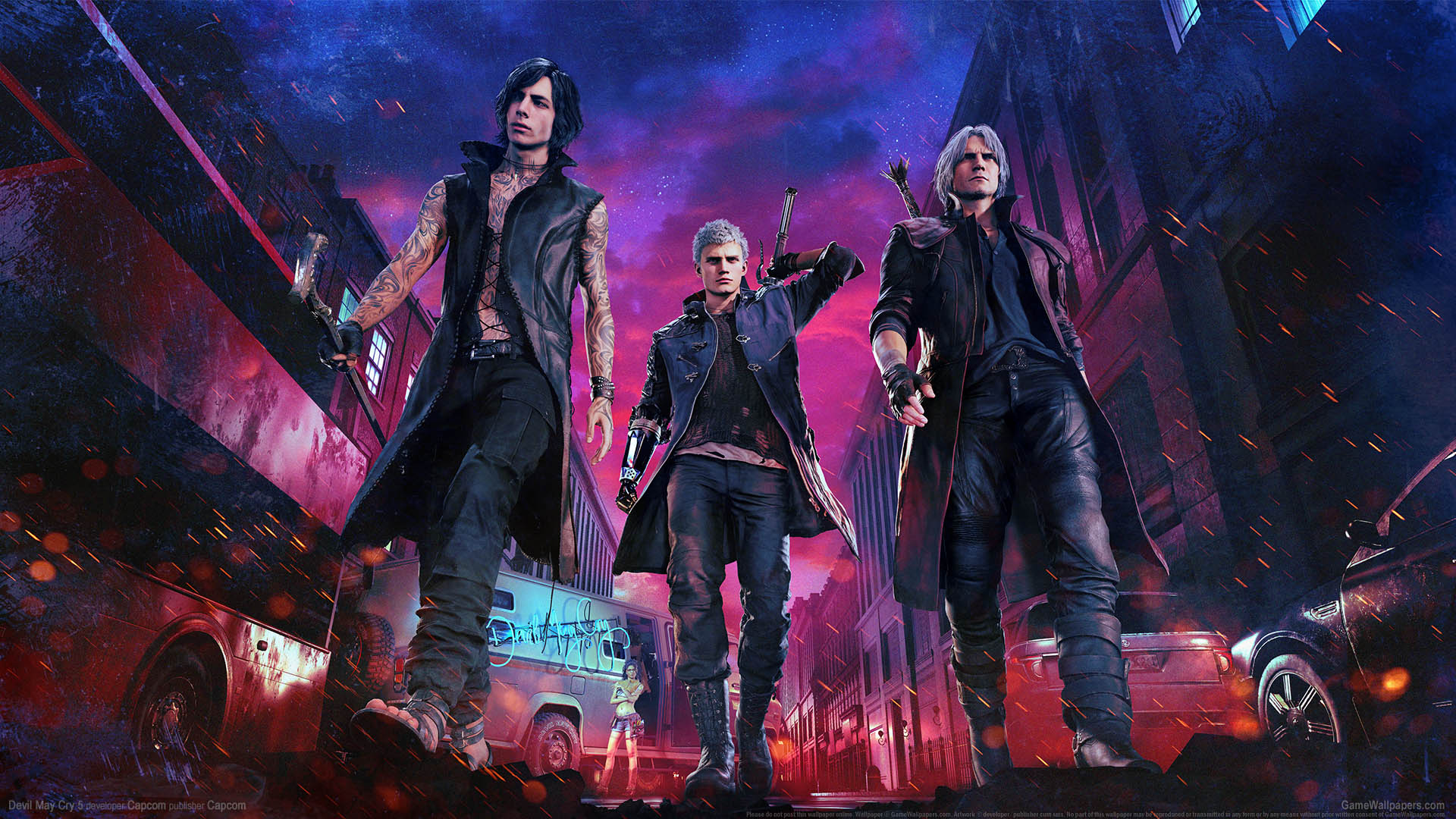
The ‘Devil May Cry’ games are famous for their exciting, over-the-top action and characters who often hint at being LGBTQ+. In ‘Devil May Cry 5’, many players noticed a possible romantic connection between some of the male characters. However, the series has never actually included any openly queer characters or allowed players to choose same-sex relationships. Some critics say the games use elements of queer culture for style, but always stick to straight storylines. This has sparked a conversation about the need for more diversity in action games focused on character development.
‘Final Fantasy VII Remake’ (2020)
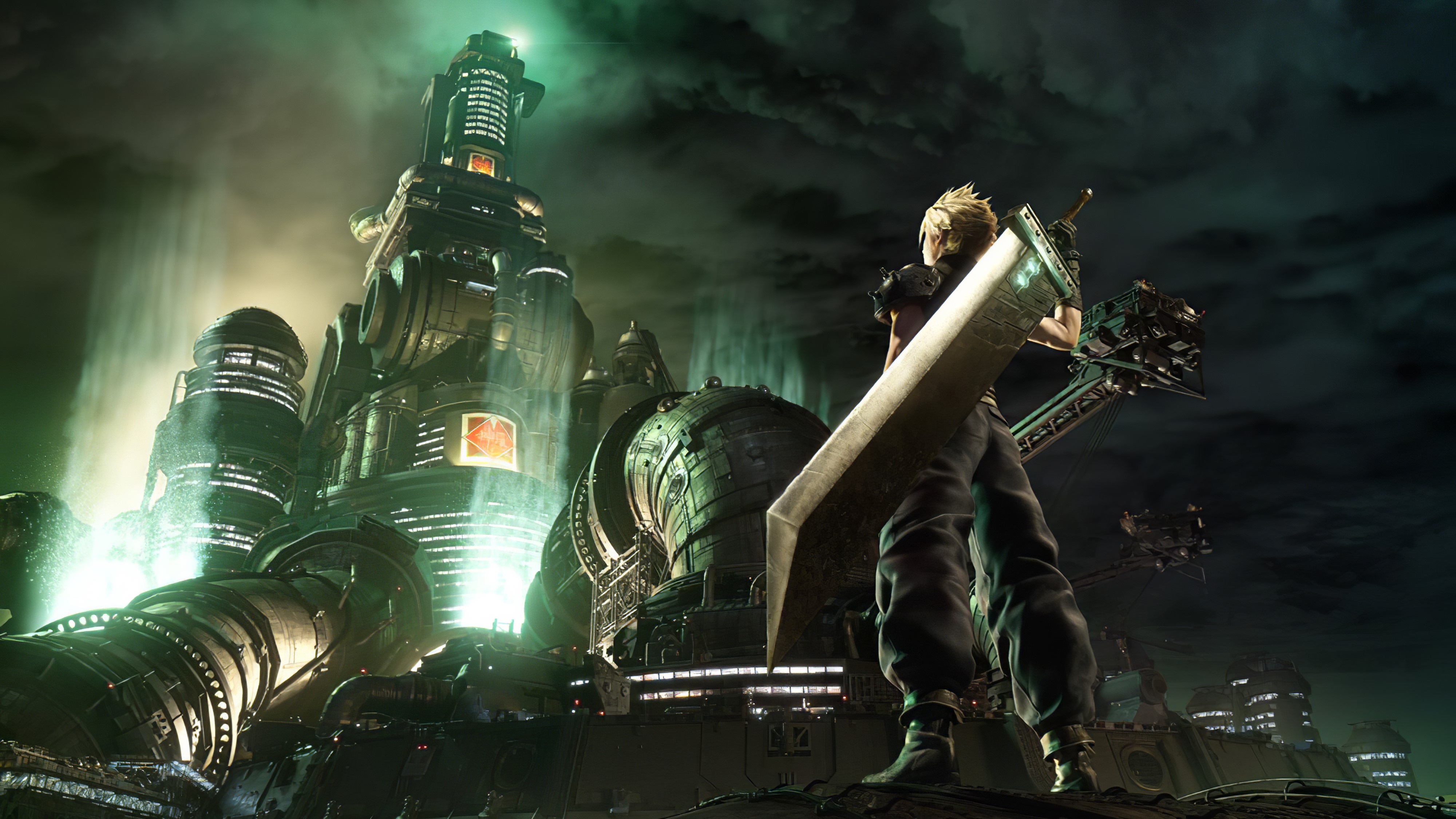
For decades, fans have speculated about the relationships between Cloud Strife and the important people in his life, like his rival Sephiroth and his friend Zack Fair. When ‘Final Fantasy VII Remake’ highlighted the close and emotionally charged connections between these characters, some players accused the game developers of ‘queer-baiting’ – hinting at same-sex attraction without actually following through. While the game emphasizes traditional romantic relationships with female characters, many fans were disappointed that the remake didn’t explore the potential for more diverse romantic options within the story.
‘Tales of Vesperia’ (2008)
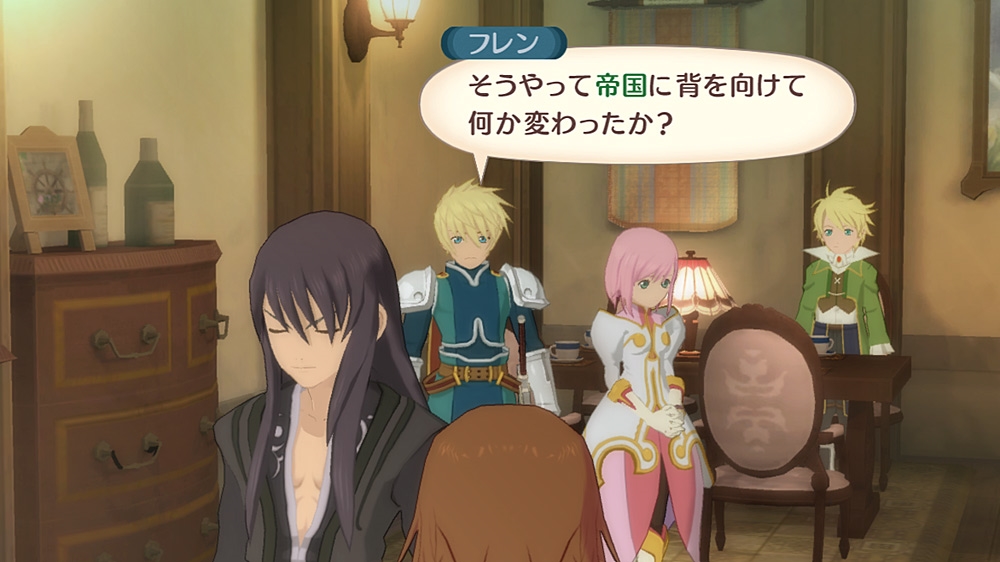
Yuri and Flynn’s relationship in ‘Tales of Vesperia’ is a fan favorite, often seen as deeper than just friendship. Despite the strong connection between them, the game doesn’t offer a romantic storyline and keeps their bond platonic. However, the game’s promotion frequently highlights their close partnership, leading many to consider ‘Vesperia’ an example of queerbaiting within Japanese role-playing games.
‘The Last of Us Part II’ (2020)
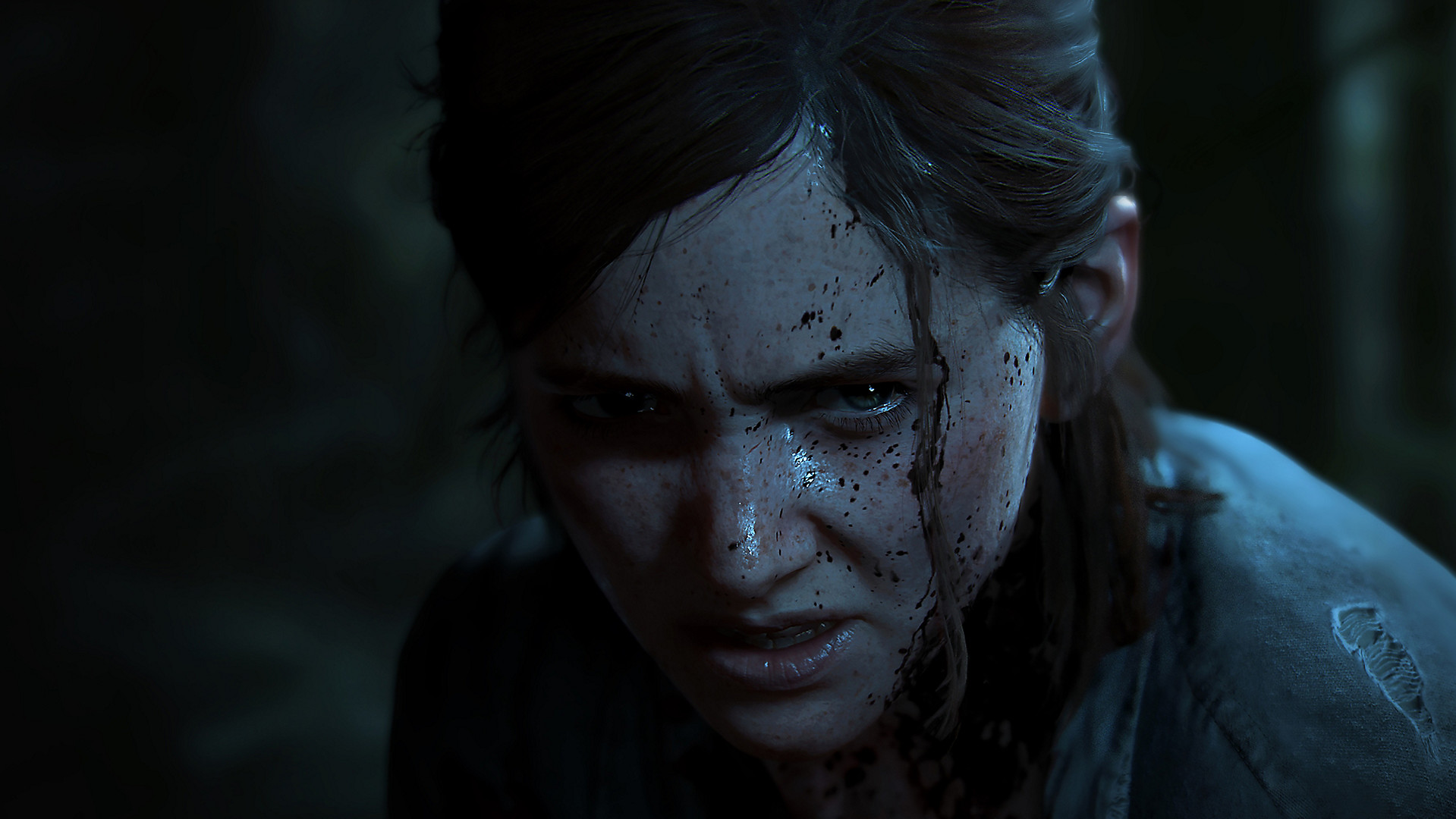
The marketing for ‘The Last of Us Part II’ prominently featured the relationship between Ellie and Dina, highlighting the game’s LGBTQ+ representation. However, some players felt misled when the game’s story became significantly darker and the romantic elements were downplayed for much of the gameplay. Critics argued the trailers emphasized the romance to attract a specific audience, not accurately reflecting the overall tone and focus of the narrative. Although the game features a queer main character, the way her story unfolded caused division within the gaming community, sparking debate about how LGBTQ+ narratives are used in advertising for major video games.
‘Dream Daddy: A Dad Dating Simulator’ (2017)
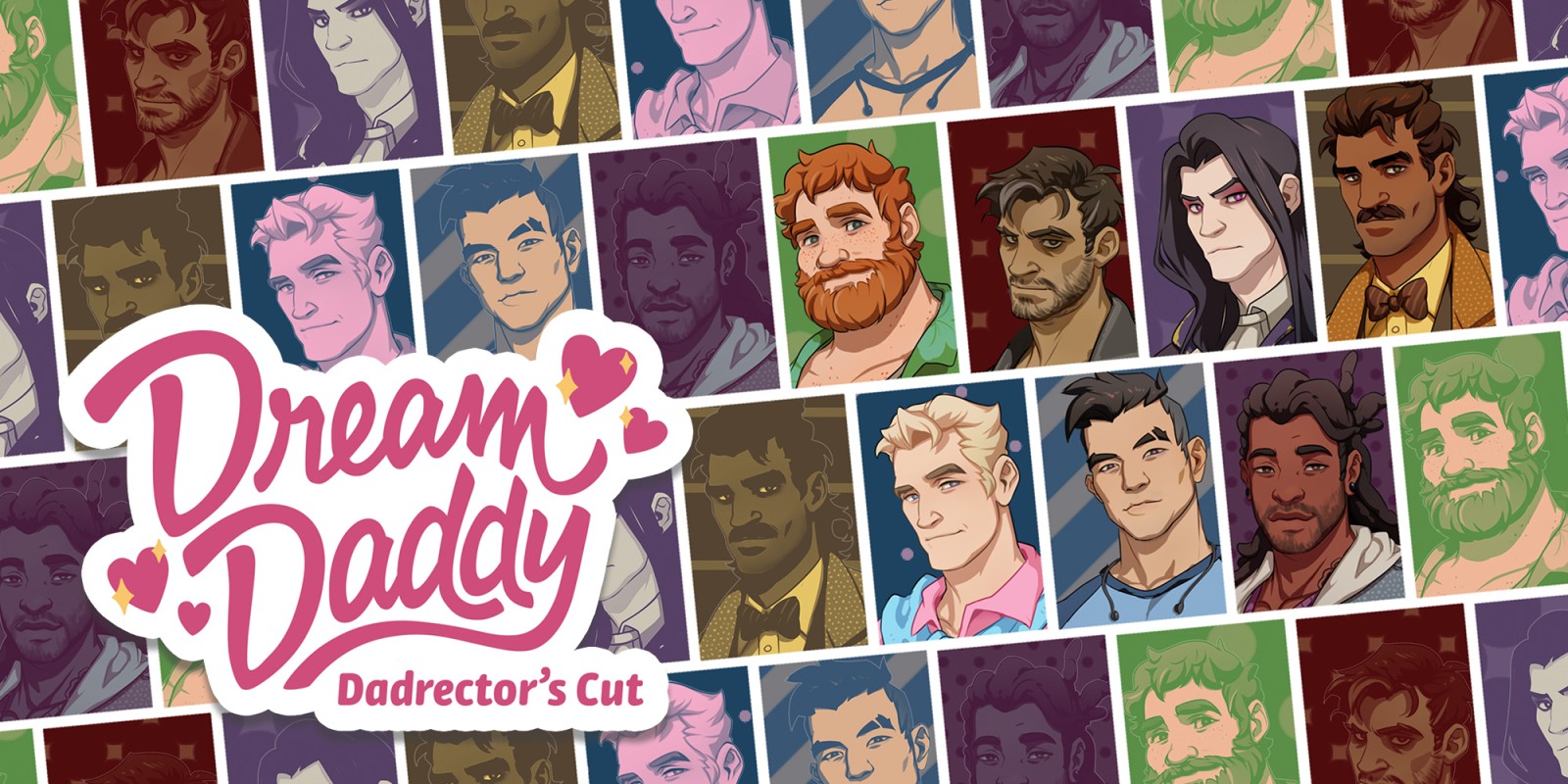
‘Dream Daddy: A Dad Dating Simulator’ aimed to be a fun and positive portrayal of queer fathers and their love lives. However, some players were disappointed, feeling the game relied too much on clichés and didn’t offer truly fulfilling romantic experiences. Many felt the game focused more on being funny and using internet memes than on creating meaningful emotional connections with the characters. This led some to believe the game’s marketing suggested a more thoughtful and in-depth look at queer relationships than the final version actually provided, and that it ultimately didn’t deliver on its promises to the queer community.
‘Boyfriend Dungeon’ (2021)
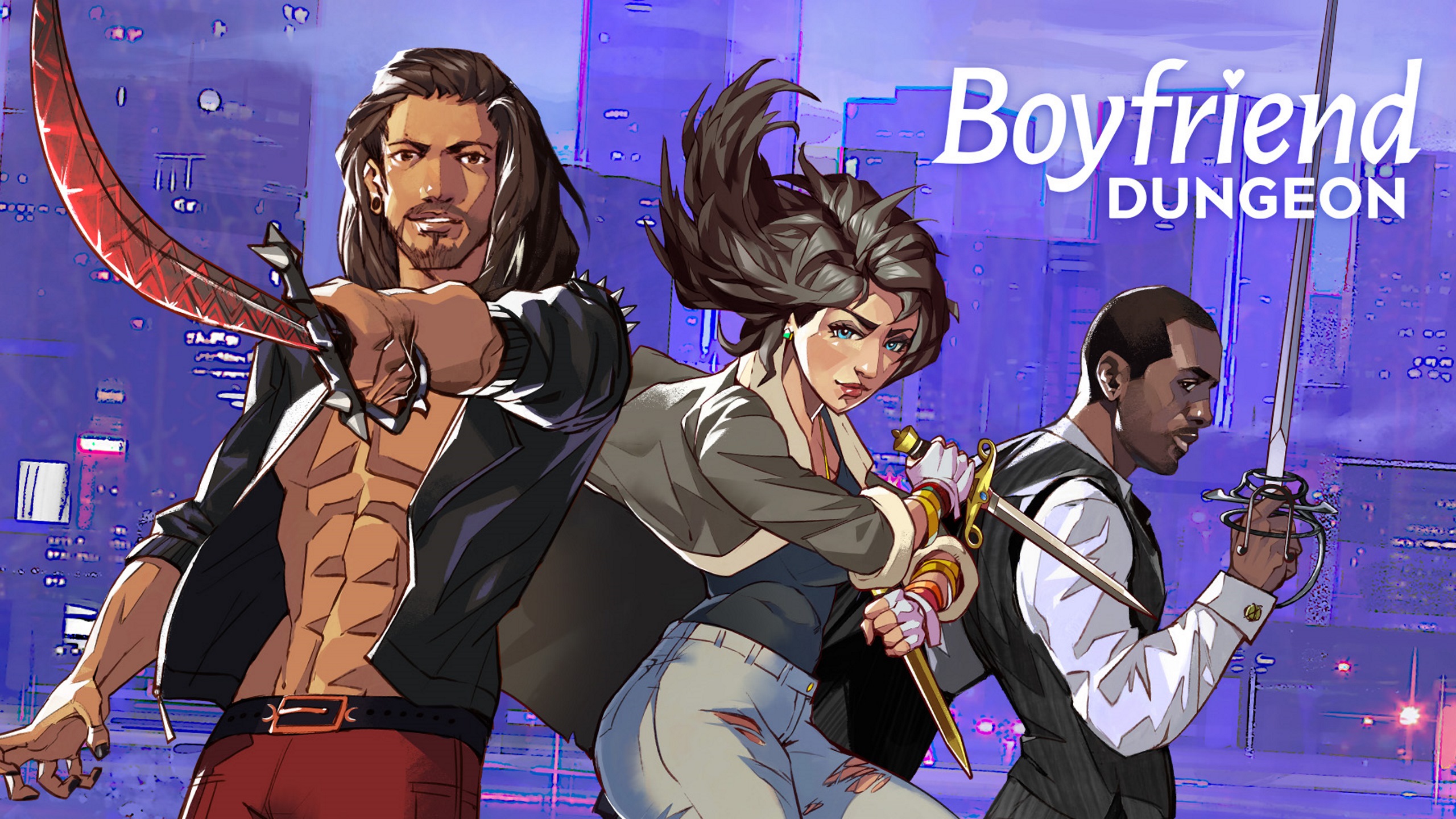
Boyfriend Dungeon is a unique game that mixes action-packed dungeon exploration with a dating simulator – your weapons literally transform into potential partners! However, the game received criticism for featuring a storyline involving stalking and harassment, and for not adequately warning players about this sensitive content. Many felt the game’s marketing promised a fun and welcoming dating experience that didn’t match the darker themes. The resulting negative reaction led the developers to add clearer content warnings. This incident sparked a discussion about how game creators should approach marketing to LGBTQ+ players and handle potentially triggering content.
‘The Sims 4’ (2014)
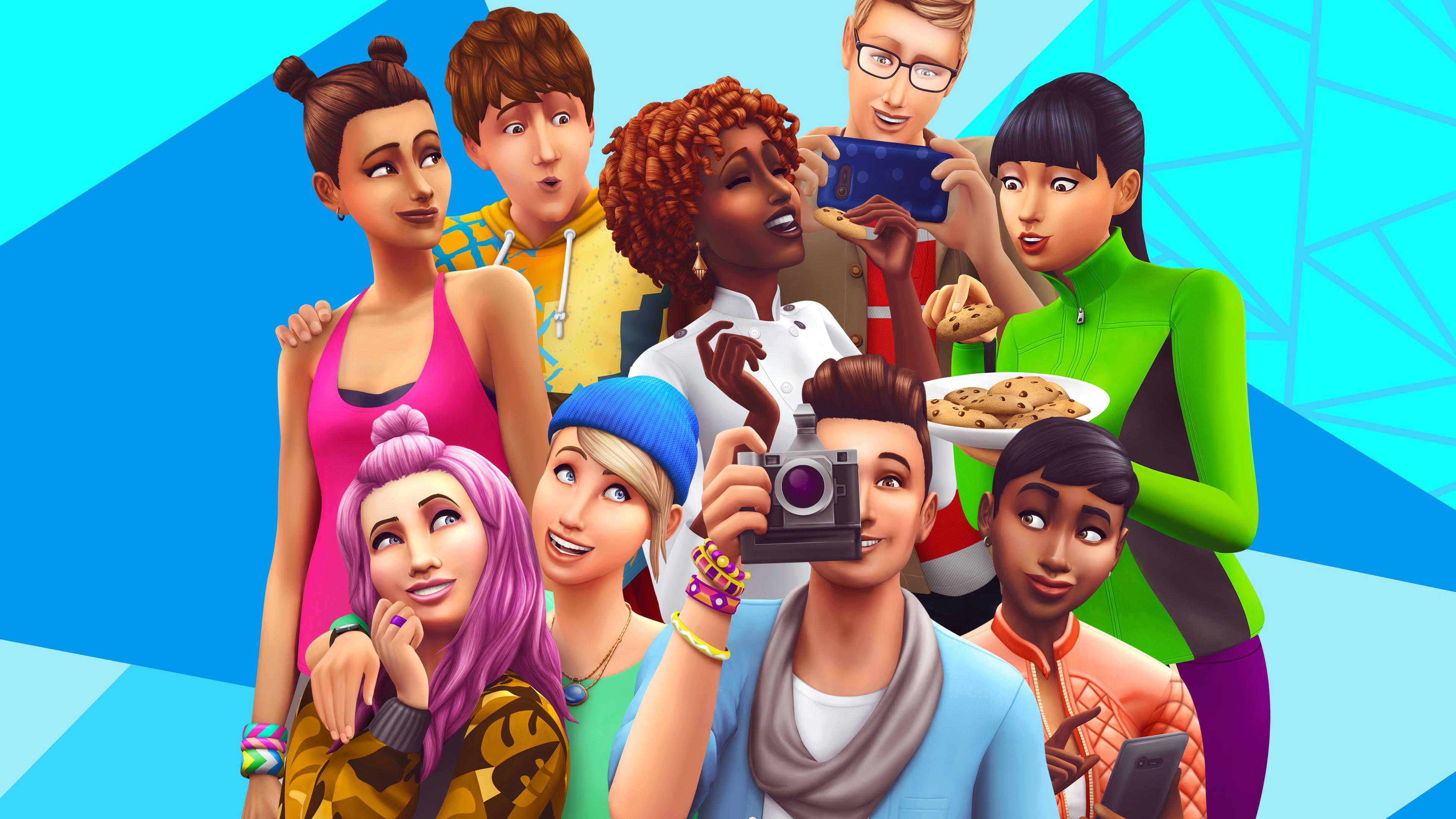
The Sims 4 is known for being an inclusive game, but it’s faced some criticism. The ‘My Wedding Stories’ expansion pack, in particular, received backlash for being glitchy and for how it was advertised. Some players pointed out that the marketing focused on same-sex weddings, while the game itself was full of technical problems. This led to accusations that the developers were using inclusivity as a selling point for a flawed product, and fans felt the community deserved a better, more polished experience.
‘Splatoon 3’ (2022)
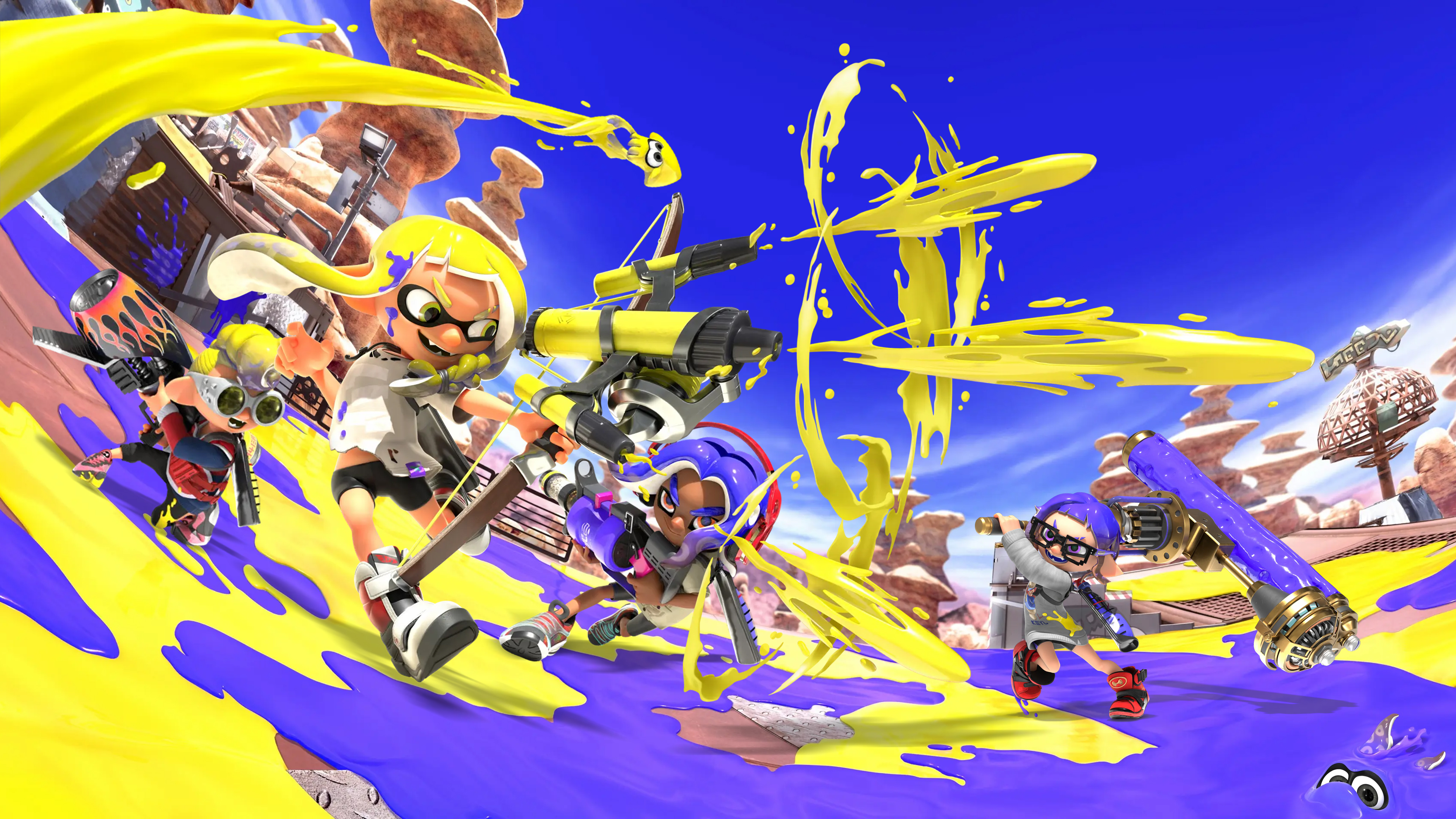
The ‘Splatoon’ games are famous for their colorful style and characters who challenge typical gender roles. With ‘Splatoon 3,’ many players became fascinated by the relationship between the new musical group, Deep Cut. Some fans felt the way the characters interacted hinted at LGBTQ+ identities and hoped for official confirmation. When the game didn’t explicitly address this, some felt misled by the marketing. Discussions about the characters’ pronouns and identities are still very active within the ‘Splatoon’ community.
‘Street Fighter 6’ (2023)
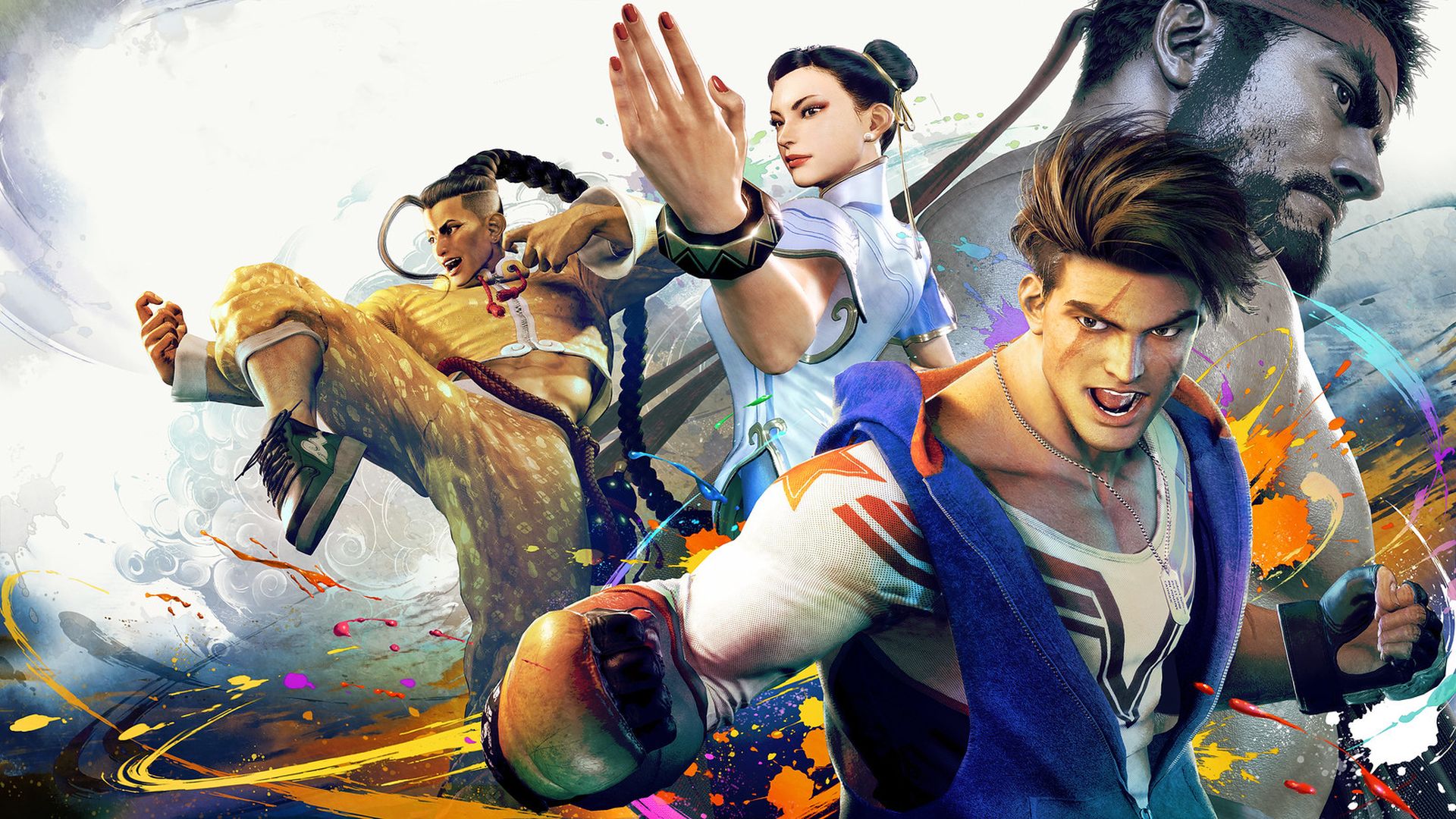
Okay, so ‘Street Fighter 6’ has a ton of cool characters, each with their own detailed history and reasons for fighting. A lot of us players have noticed that some characters seem to hint at being LGBTQ+, like the designers were trying to appeal to a wider audience. But honestly, the main story doesn’t actually show any characters in same-sex relationships or explicitly address anyone’s identity. That’s led to some criticism – people are saying the game is kind of using the look of inclusivity without actually going all-in on diverse representation. It feels like fighting games, as a whole, still need to step up their game when it comes to telling authentic LGBTQ+ stories.
‘Mortal Kombat 11’ (2019)

Many ‘Mortal Kombat 11′ fans have been fascinated by the connection between characters like Mileena and Kitana. The game hinted at potential romantic relationships between them, but these storylines weren’t fully developed in the main game. Some players felt these hints were used to attract and maintain interest without actually changing the characters’ established relationships, leading to accusations of ‘queer-baiting.’ Ultimately, fans have asked for more consistent and genuine representation of LGBTQ+ relationships throughout the ‘Mortal Kombat’ series.
‘Tekken 8’ (2024)
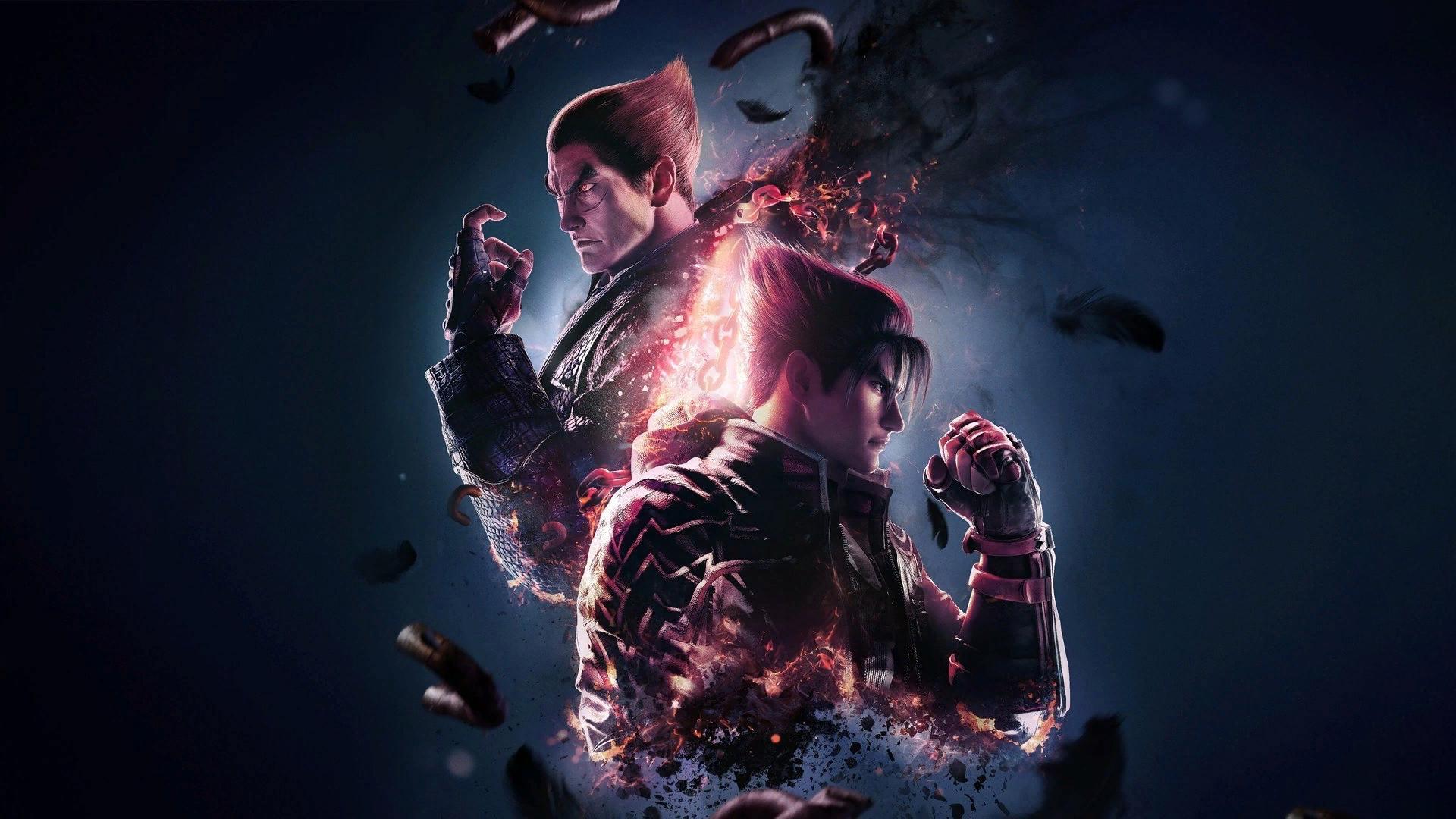
The character Leo in ‘Tekken 8’ has always been intentionally designed with an unclear gender identity, sparking a lot of discussion among fans. Some players believe Leo represents LGBTQ+ identities, while others aren’t sure. The game developers haven’t confirmed anything, which has led to criticism that they’re deliberately fueling the debate without taking a clear stance. Some think this ambiguity is a way to avoid alienating any players, but many in the community are frustrated by the lack of a definitive answer.
‘Animal Crossing: New Horizons’ (2020)
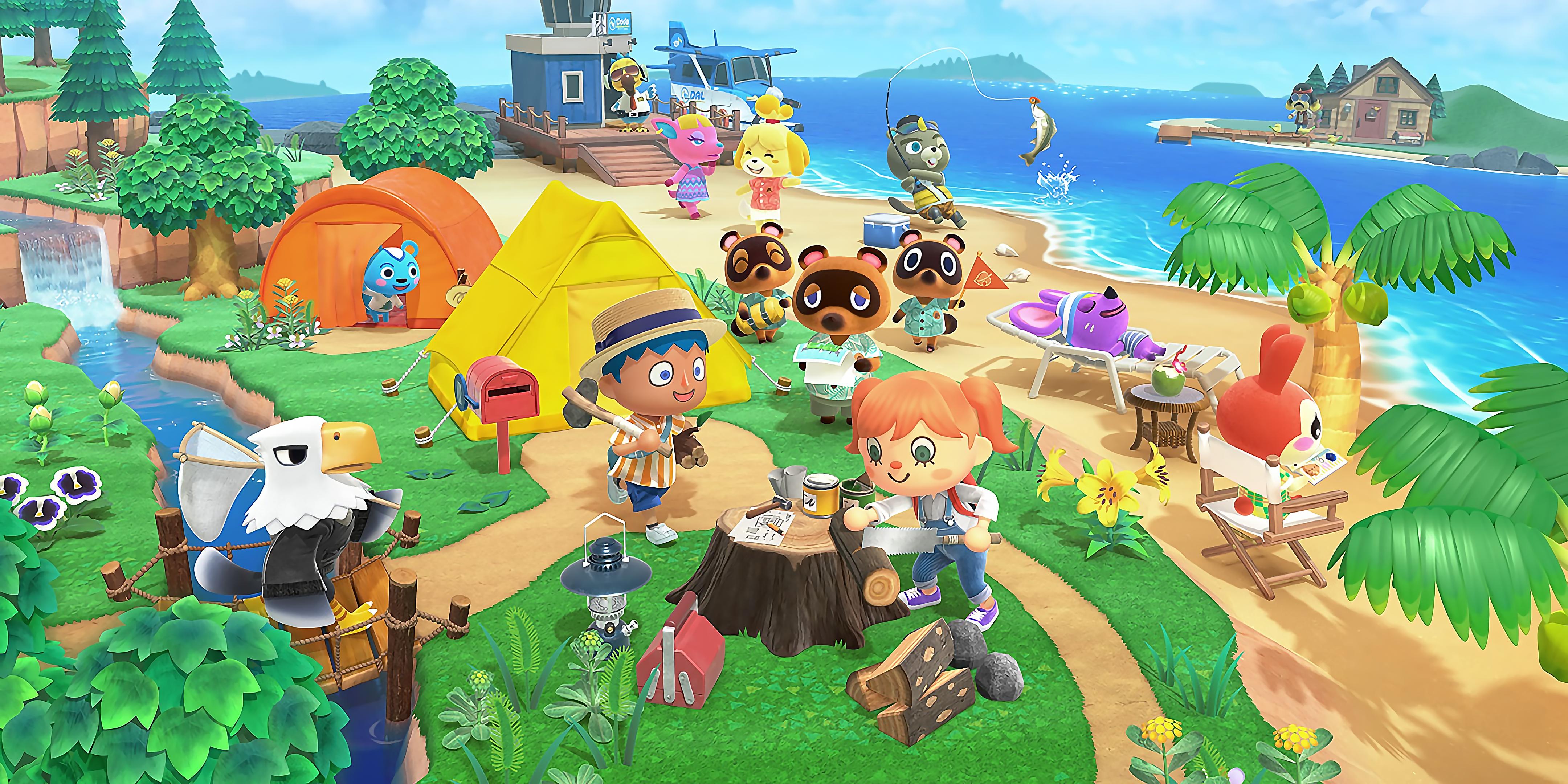
‘Animal Crossing: New Horizons’ made a positive step by letting players of any gender wear any clothes or have any hairstyle. However, the game doesn’t allow same-sex relationships or marriage. Some players were hoping for more, especially since some characters hinted at being LGBTQ+ but were never officially confirmed as such. Critics pointed out that the game offered inclusivity in appearance only, while still sticking to traditional ideas about relationships. This left some fans feeling the game was cautious and didn’t fully support its LGBTQ+ players.
‘Miitopia’ (2017)
When ‘Miitopia’ came to the Switch, it offered more detailed character customization, especially with makeup and hairstyles. Though players liked these features, some felt the game’s relationships still followed predictable and traditional romantic patterns. The way characters connected often avoided openly identifying as LGBTQ+, which left some fans feeling misled – like the customization options promised more freedom in relationships than the game actually delivered. Many players commented on this conflict between the game’s creative tools and its limited story options.
‘GreedFall’ (2019)
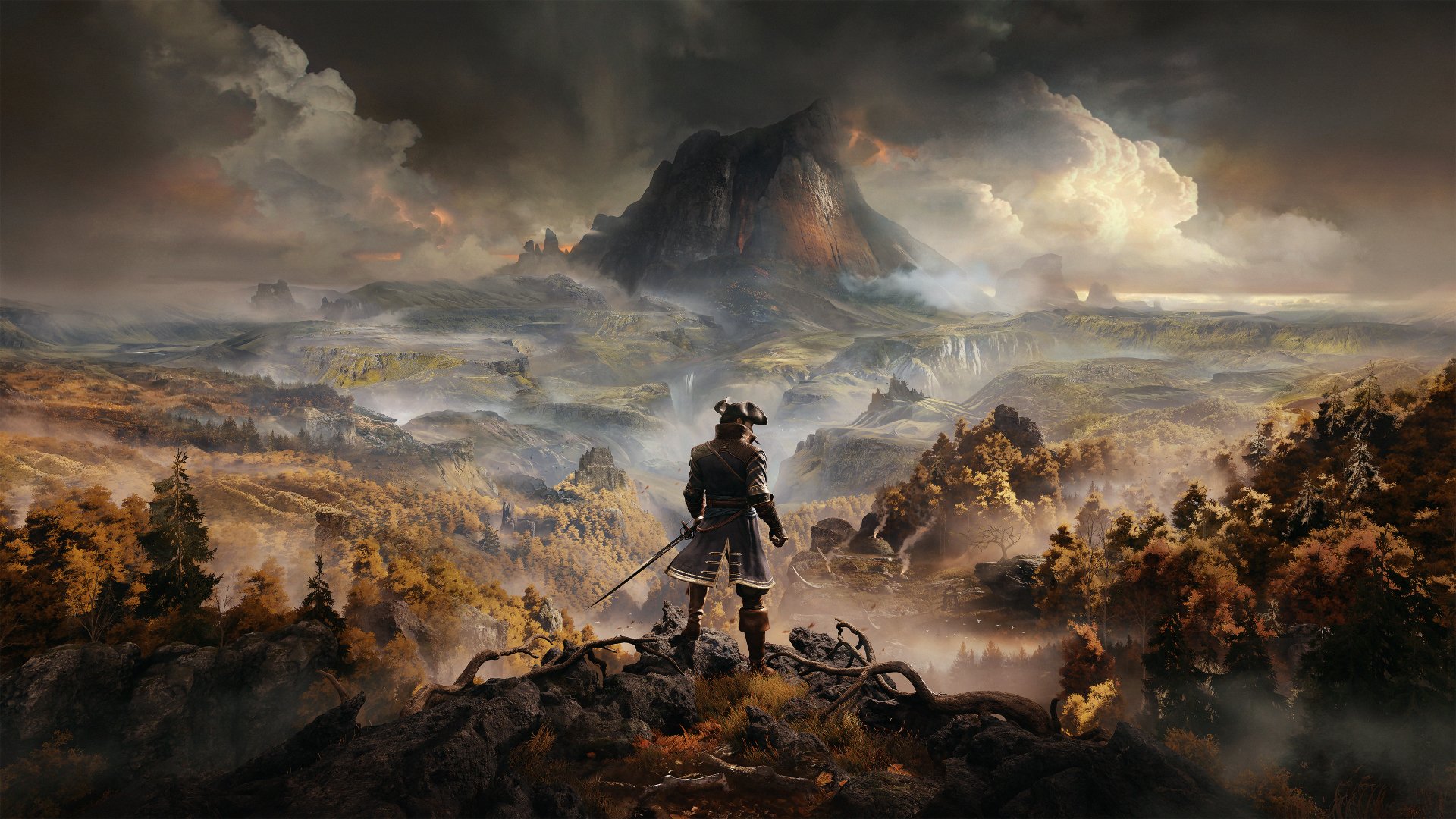
GreedFall was advertised as a role-playing game in the style of older classics, emphasizing that player choices, including romantic interests, would have a significant impact. However, many players were frustrated to discover that romance options were limited to specific genders for certain companions. This felt particularly unfair considering the game’s emphasis on creating a personalized character experience. Some critics felt the game misleadingly promoted freedom of choice while not offering fully inclusive options. The developers listened to this criticism and used it to inform their future games.
‘The Outer Worlds’ (2019)
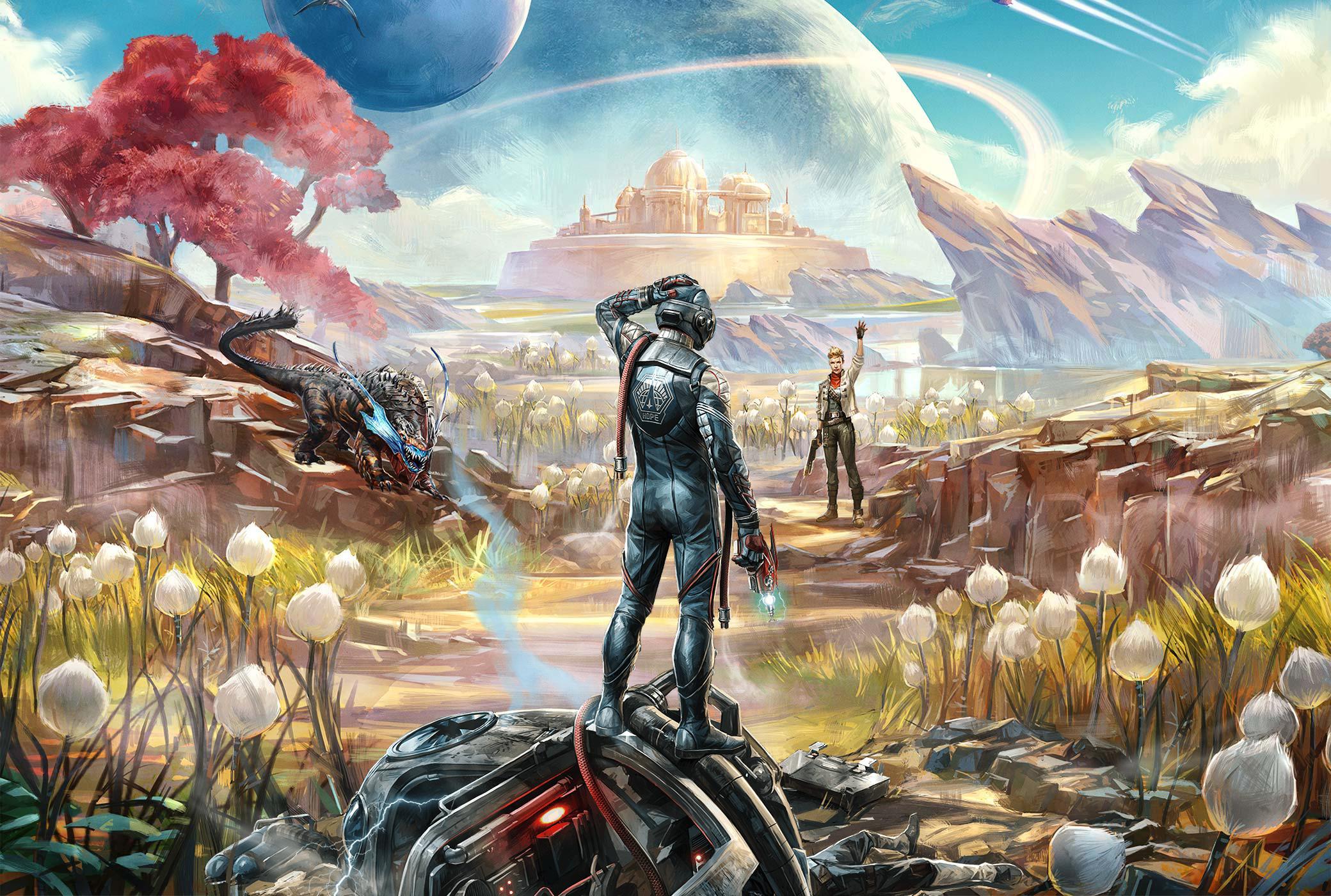
Although ‘The Outer Worlds’ includes a significant queer character who is asexual, Parvati, players have limited options for romance themselves. Many fans were disappointed that the game didn’t offer the robust romance system that was hinted at in the marketing. Instead of focusing on the player character’s own romantic pursuits, the game centered on helping companions find love, which surprised a lot of players. This created a feeling of being misled for those expecting a typical dating experience. While the game received praise for its representation, the lack of options for player romance was a common criticism.
‘Fallout 4’ (2015)
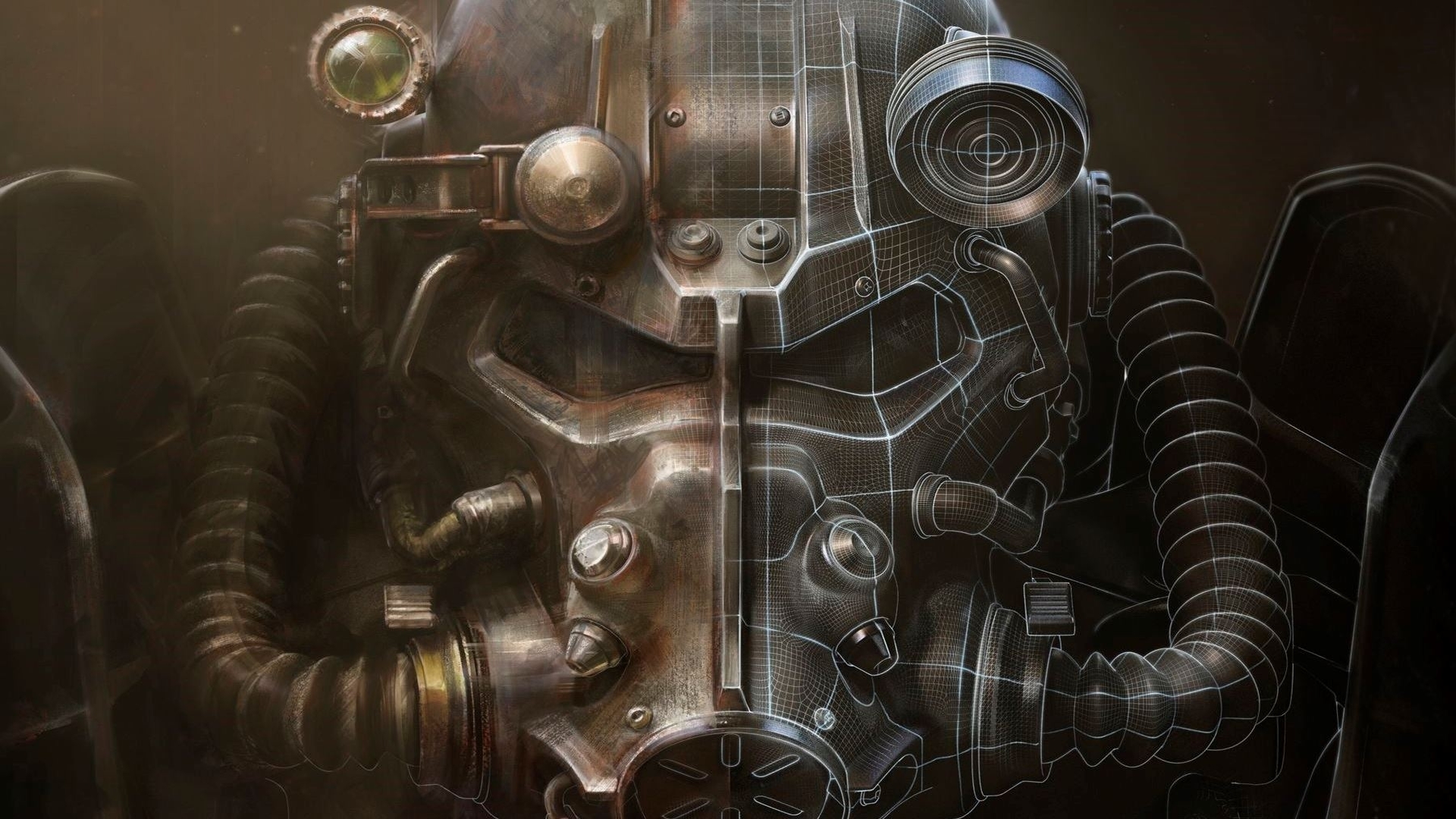
Fallout 4 lets players develop romantic relationships with companions of any gender, but many felt the system wasn’t very deep or interesting. Players criticized the game’s marketing for promising meaningful connections that didn’t really materialize. Specifically, the dialogue used for same-sex relationships was often the same as for heterosexual ones, which some saw as ignoring the unique experiences of queer characters. This led to accusations that the game was hinting at romance options without delivering substantial content. Many queer players were frustrated by the lack of storylines tailored to their identities.
‘Skyrim’ (2011)

‘Skyrim’ allowed characters of any gender to get married, which was a progressive step at the time. However, the way marriage was implemented – mostly through completing a series of tasks – felt shallow and lacked emotional depth. Many players felt the game hinted at a meaningful life with a spouse, but didn’t deliver on that promise. The game also missed a chance to create special dialogue or interactions for same-sex couples, leading some to criticize it as being inclusively designed on the surface, but lacking real substance.
‘Dragon’s Dogma: Dark Arisen’ (2012)
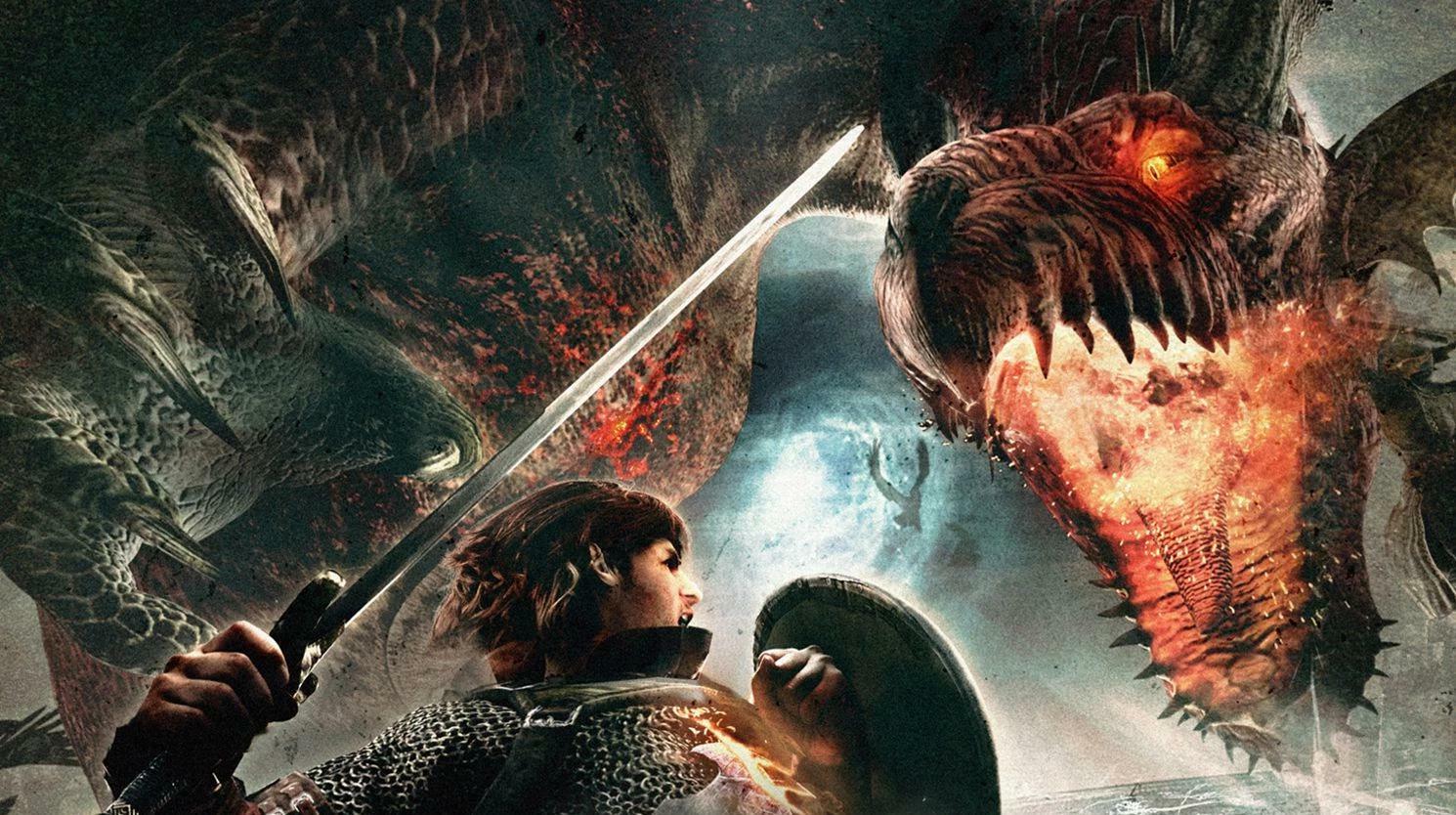
Dragon’s Dogma has a romance system where how much you like a character secretly determines who you end up with. This often resulted in surprising, and sometimes strange, relationships, especially with minor characters. Players were disappointed that the game didn’t offer clear options for same-sex romance in the main storyline. Many also felt the game’s advertising suggested a grand, meaningful romance that the actual gameplay didn’t deliver, leading to frustration for those hoping for a serious romantic connection.
‘Fable III’ (2010)
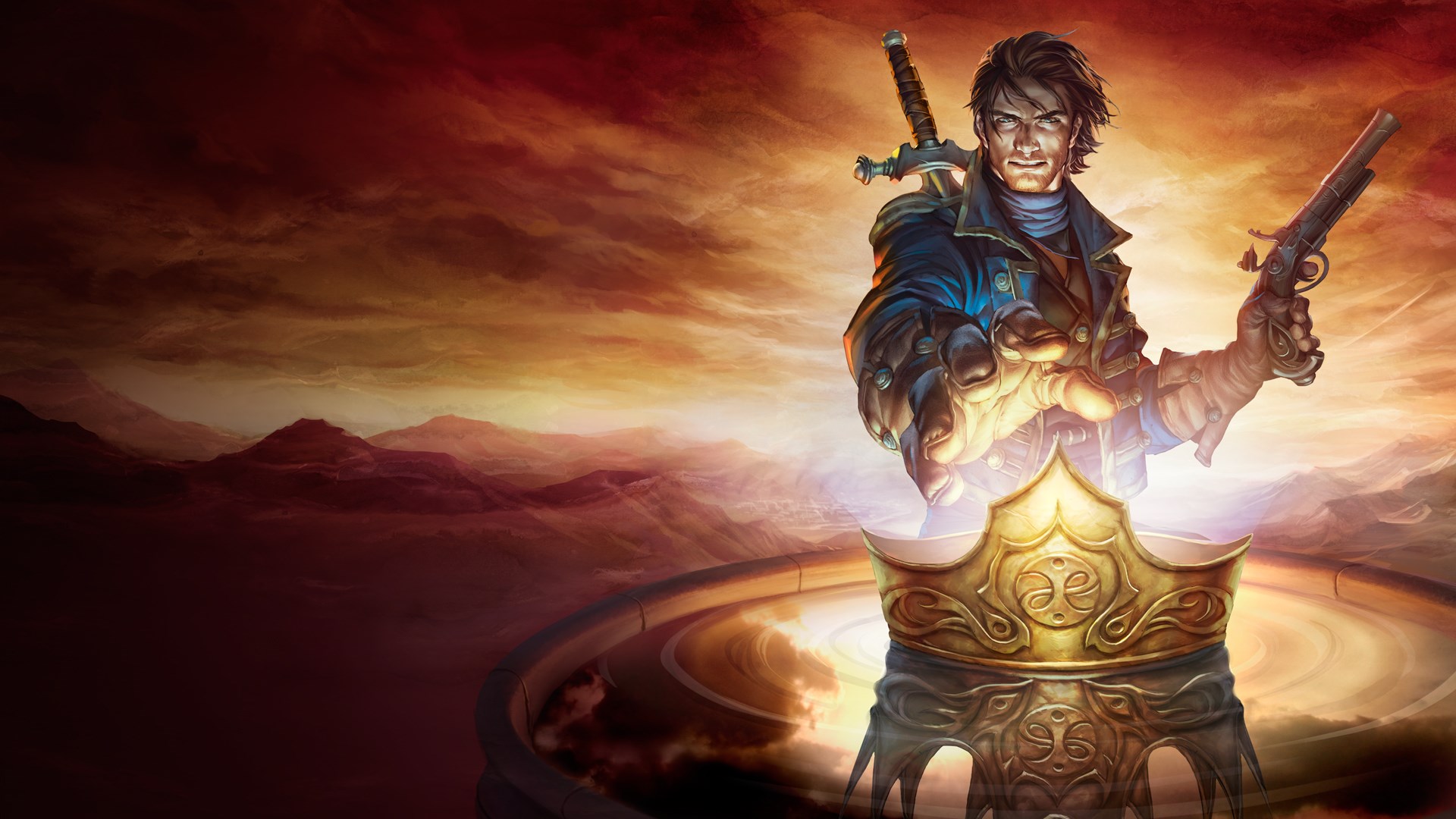
While ‘Fable III’ included the ability for characters to marry and build families with people of the same sex, many players found these features felt underdeveloped. Some felt the game treated these options as a gimmick rather than integrating them meaningfully into the story. The ‘Fable’ series often promoted player freedom, but some believed the game didn’t fully deliver on that promise. This led to criticism that the game was superficially appealing to LGBTQ+ players with features that didn’t have a significant impact on the narrative. Overall, the game’s attempts at social simulation were often seen as lacking depth.
‘The Legend of Zelda: Breath of the Wild’ (2017)
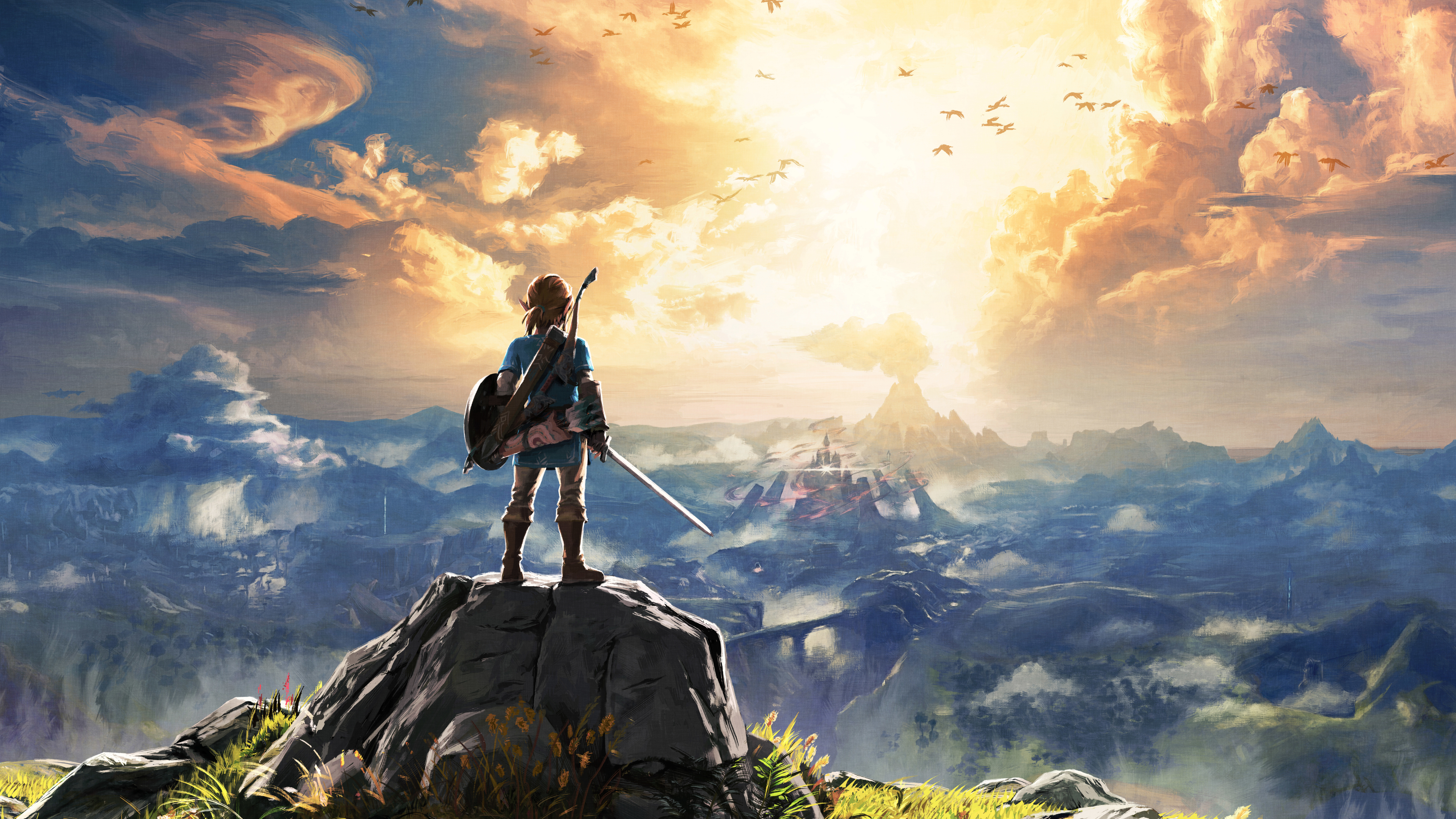
Prince Sidon from ‘The Legend of Zelda: Breath of the Wild’ quickly became popular with players, largely due to his flirty dialogue and strong affection for Link. Because the game didn’t develop this connection into a confirmed romance, many fans accused the developers of ‘queer-baiting’ – hinting at a same-sex relationship to gain attention without actually following through. This topic continued to be discussed with the release of the game’s sequel.
‘Genshin Impact’ (2020)
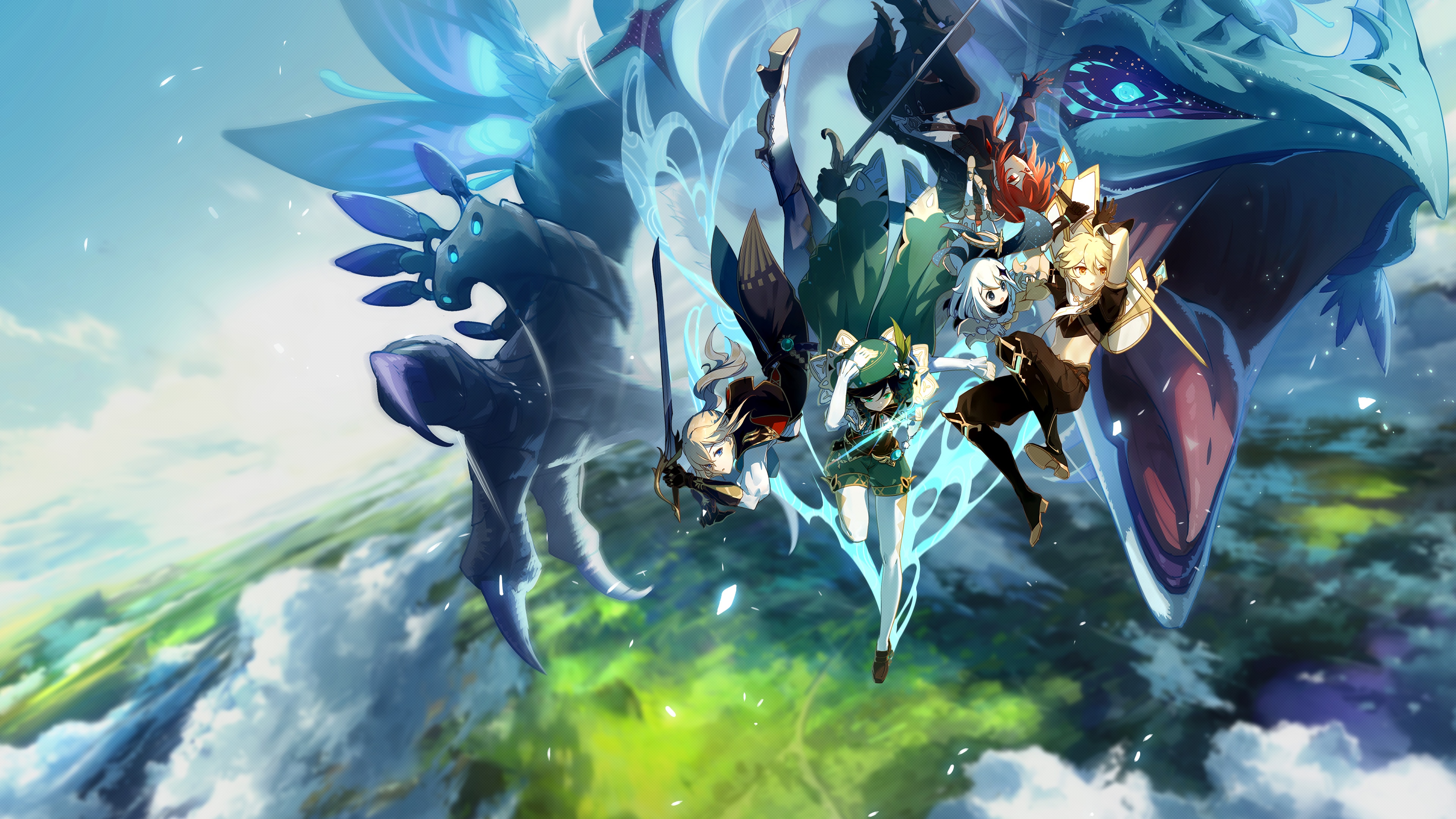
Genshin Impact often hints at romantic connections between characters through shared histories and close relationships, like those between Alhaitham and Kaveh, or Beidou and Ningguang. Fans frequently interpret these connections as representing LGBTQ+ relationships. However, the game’s developer, HoYoverse, hasn’t officially confirmed any of these pairings or included any explicit romantic storylines. This leads some players to feel the game is using these implied relationships to attract attention without fully acknowledging them, a practice known as ‘queer-baiting.’ The studio’s reluctance to confirm these relationships is often linked to censorship regulations in their home country.
‘Elden Ring’ (2022)
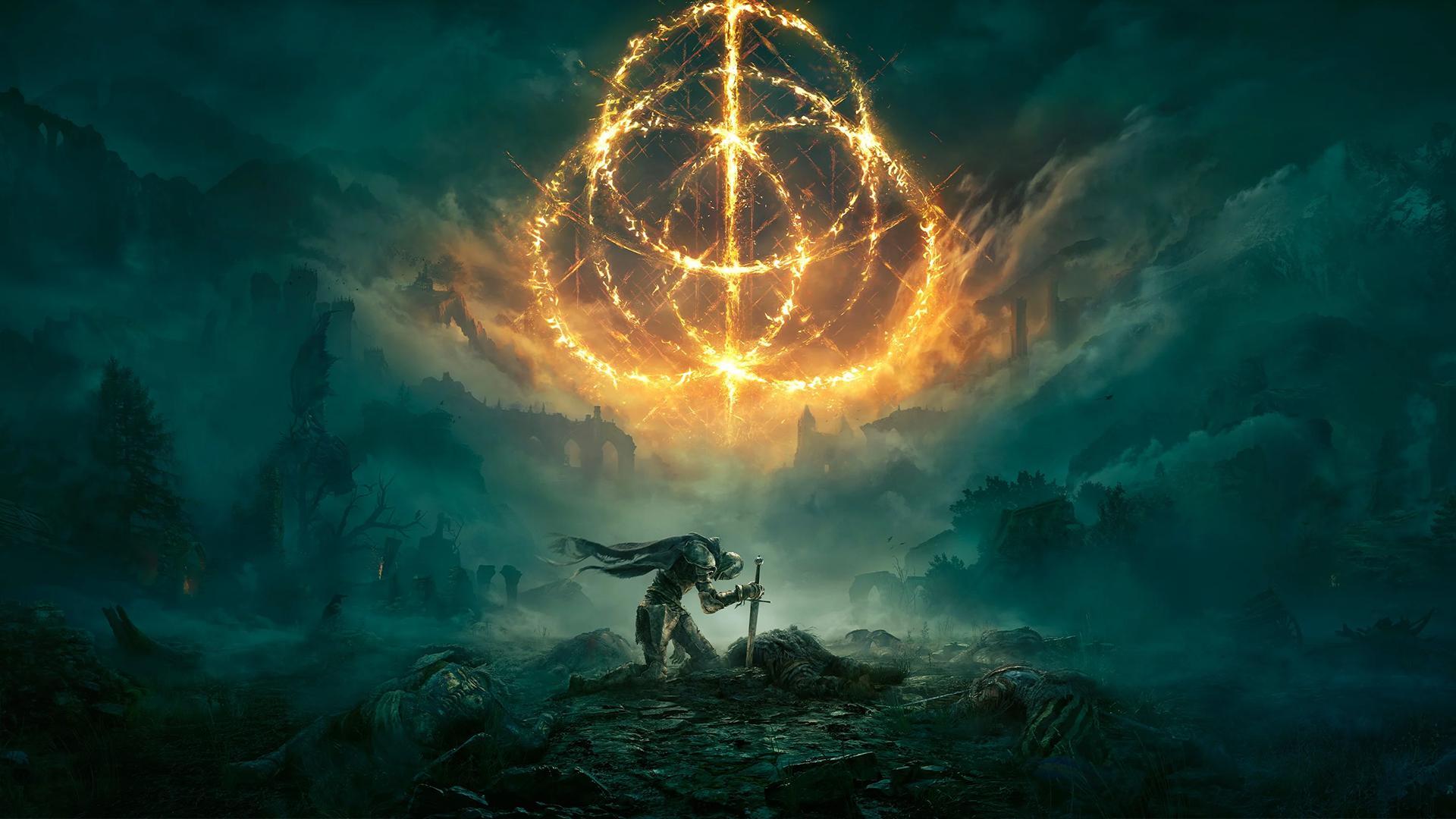
‘Elden Ring’s’ story features complicated connections between gods and demigods, and often plays with traditional ideas about gender and identity. Some players noticed hints of same-sex attraction and non-traditional relationships in the game’s history, but felt these weren’t fully developed in the main story. The relationship between the character Miquella and others has sparked a lot of discussion, with some fans accusing the game of ‘queer-baiting’ – suggesting queer themes without actually following through. Some critics believe the game used these ideas to add depth to the world but avoided showing them directly. This has led to continued conversation about how stories are told within the game’s setting.
‘Overwatch 2’ (2022)
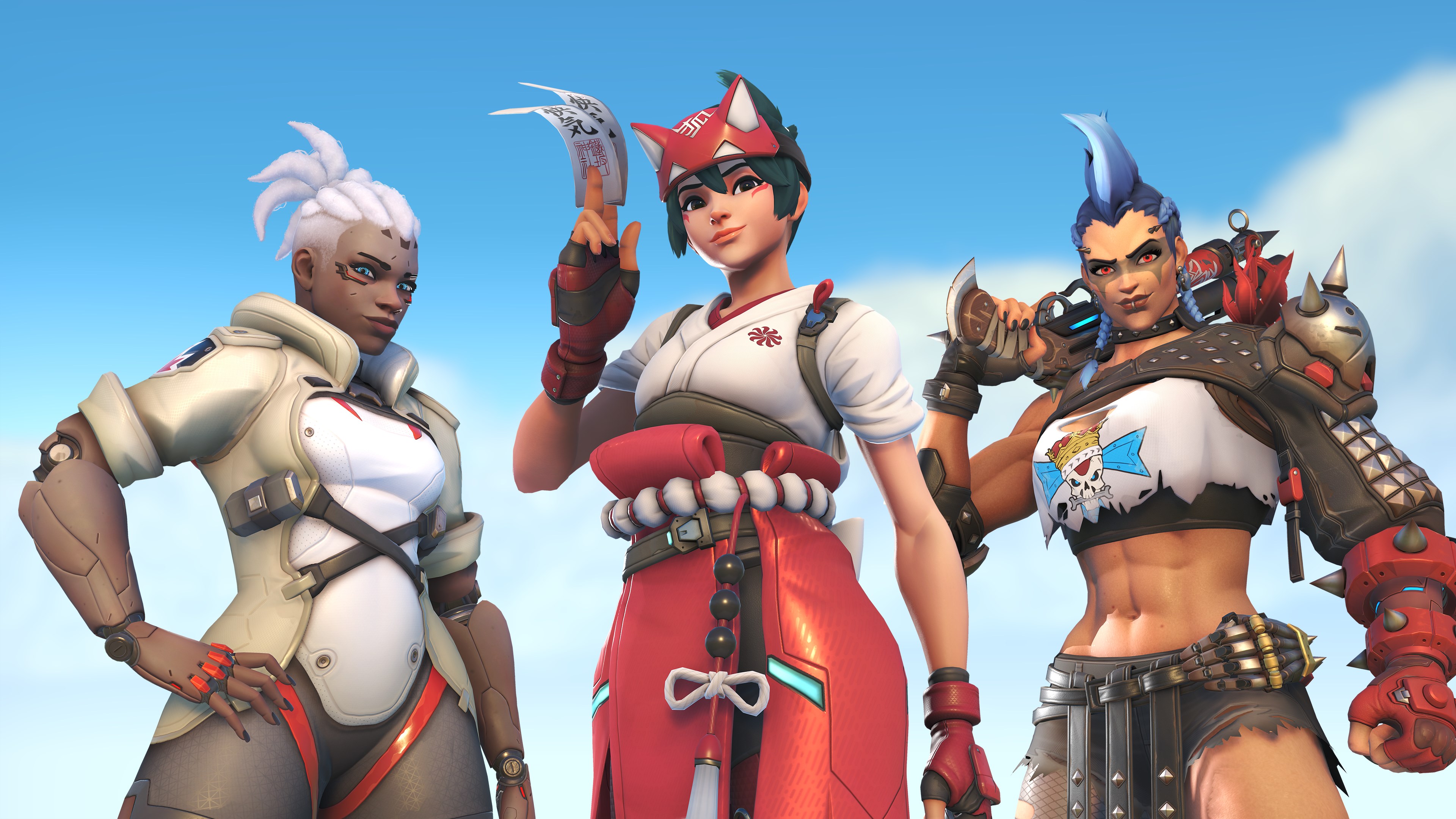
‘Overwatch 2’ has faced criticism for revealing the LGBTQ+ identities of some characters outside of the game itself, through things like interviews or other media. Many fans felt this made it seem like the game was only acknowledging these identities for good publicity, rather than meaningfully integrating them into the story. Because the game doesn’t show these characters having romantic relationships or developing storylines related to their identities, some players accused the developers of ‘queerbaiting’ – hinting at representation without actually delivering it. Players felt the game was using these identities for marketing purposes without reflecting them in the gameplay experience. This issue continues to be a point of disagreement within the ‘Overwatch 2’ community.
‘Dragon Age: Inquisition’ (2014)
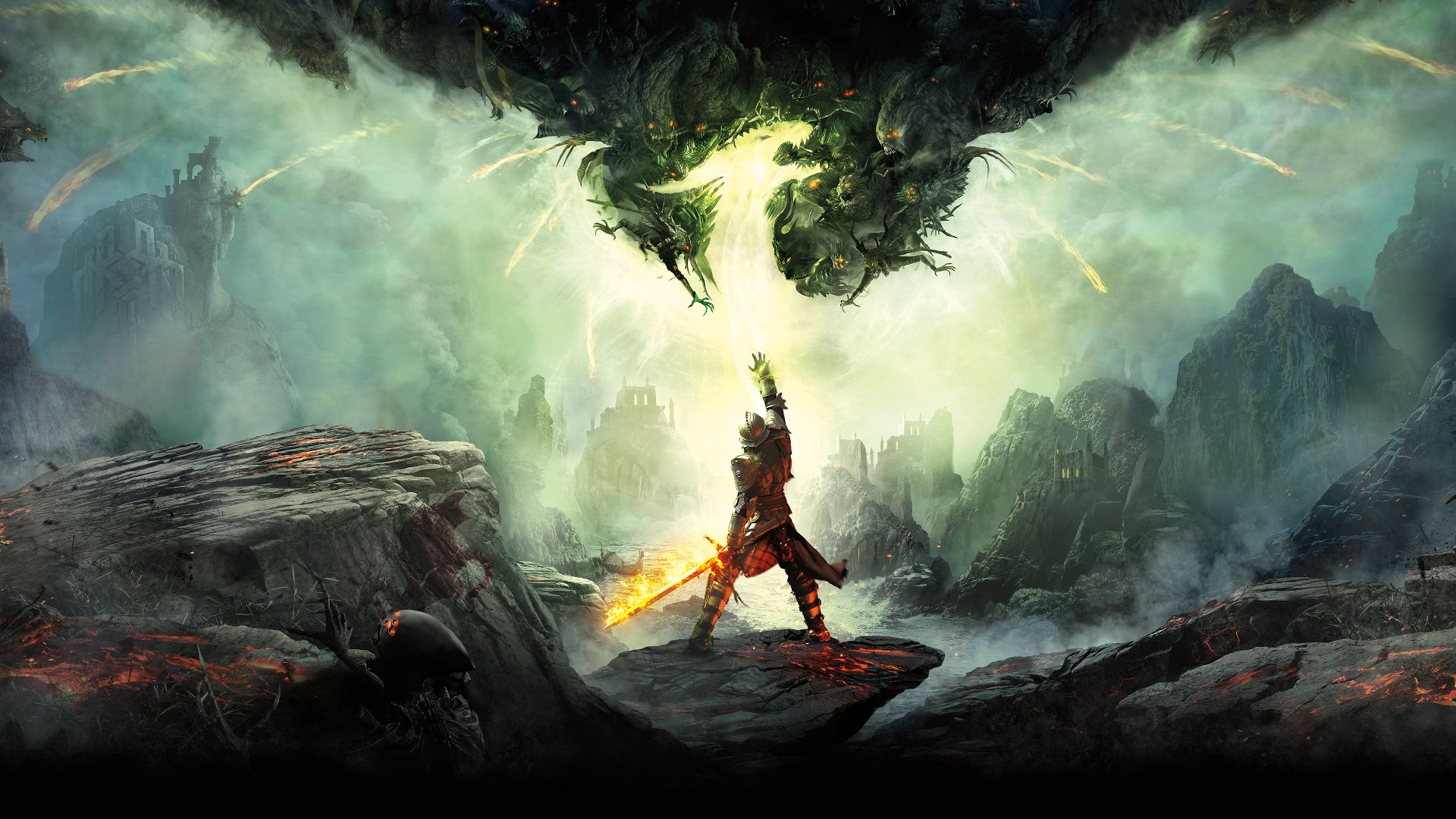
Although ‘Dragon Age Inquisition’ is celebrated for its diverse characters, it received criticism regarding its romance options. Some players felt the game’s promotion of characters like Dorian and Sera overly emphasized their sexual orientation instead of their personalities. Others were disappointed that they couldn’t pursue romantic relationships with all of their favorite companions. This sparked a discussion about whether the game misled players into thinking they had complete freedom in choosing romances, when limitations actually existed. Ultimately, the debate underscored the difficulty of balancing a character’s authentic self with what players want to experience.
‘Star Wars: The Old Republic’ (2011)
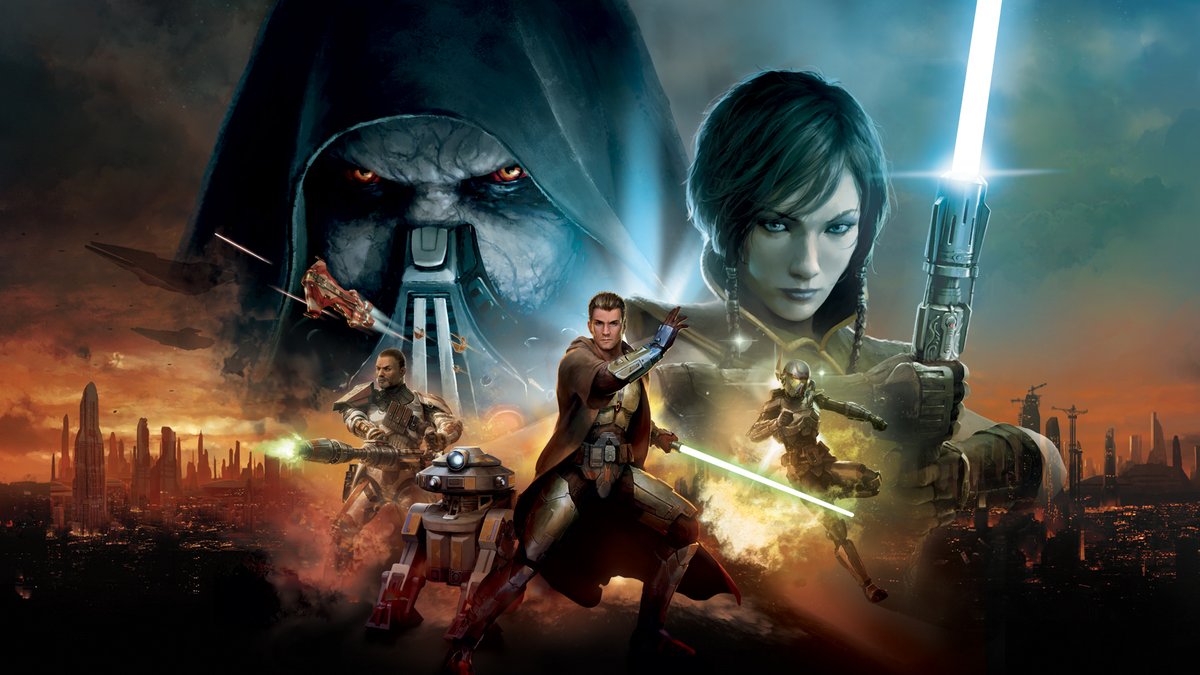
When ‘Star Wars The Old Republic’ first launched, it didn’t offer options for same-sex relationships, which caused a strong reaction from players. While the developers later added these options in an expansion, some players felt they were limited to a single area of the game. This led to criticism that the game was misleading players by advertising itself as a typical BioWare RPG – known for inclusive storytelling – without delivering on that promise. Many fans believed the initial lack of representation and the way it was eventually added were mishandled. This situation is now often remembered as a key moment in the history of LGBTQ+ representation in massively multiplayer online games.
‘Final Fantasy XVI’ (2023)
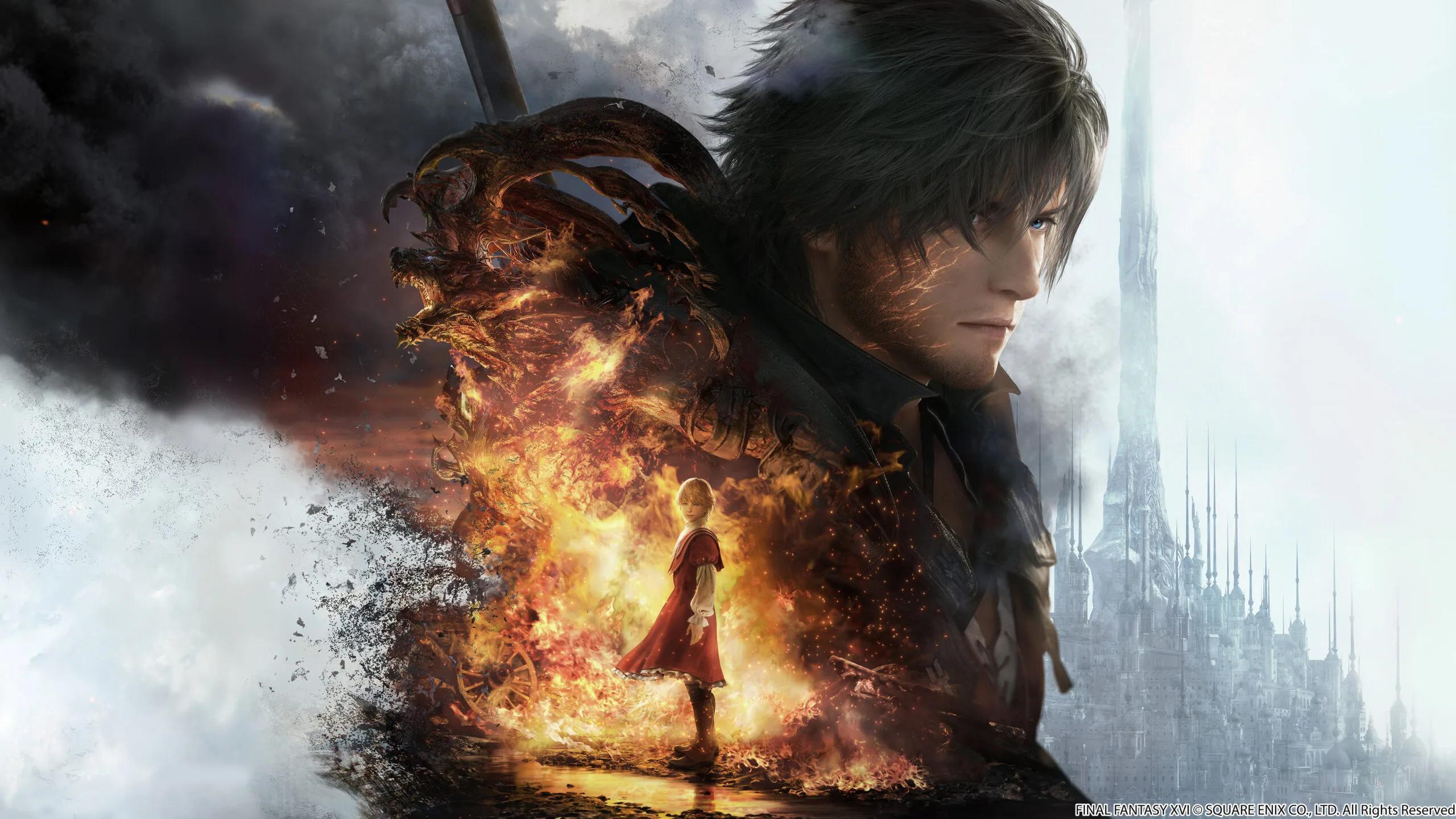
‘Final Fantasy XVI’ made history by including Dion Lesage, its first major character who is openly queer. While many celebrated this inclusion, some fans felt the game’s marketing didn’t adequately prepare them for the way his story unfolded. A concern arose that his relationship served the plot more than offering a complete and engaging romance for players. Some critics also pointed out the game still leaned on familiar storytelling patterns that didn’t fully prioritize positive queer experiences. This sparked a thoughtful conversation about how well the series is progressing with representation and the challenges it still faces.
‘Tales of Arise’ (2021)
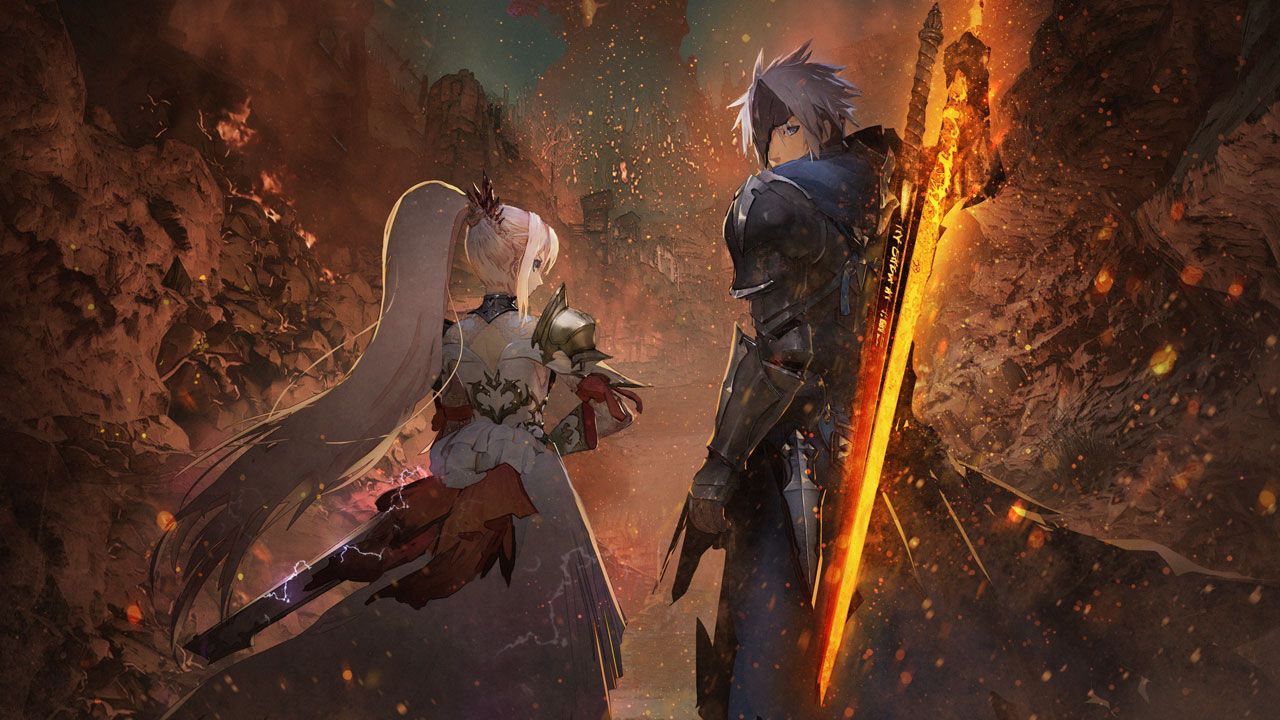
While ‘Tales of Arise’ strongly emphasizes the love story between its main characters, it noticeably lacks LGBTQ+ representation. Many fans expressed disappointment that there were no same-sex relationships or even subtle hints of queer storylines among the supporting characters. Despite the game’s themes of rebellion and progress, it stuck to a very conventional romance model. Some players felt the game’s advertising suggested a more forward-thinking approach to the JRPG formula than what was ultimately presented, leading to frustration for those hoping for greater diversity in the series.
Share your thoughts on these controversial romance options in the comments.
Read More
- Invincible Season 4 Gender Swaps Tech Jacket As Fans Question Major Comic Change
- Building Agents That Learn and Improve Themselves
- Gold Rate Forecast
- Games That Faced Bans in Countries Over Political Themes
- Silver Rate Forecast
- Trading Crypto with AI: A New Approach to Portfolio Management
- Superman Flops Financially: $350M Budget, Still No Profit (Scoop Confirmed)
- 22 Films Where the White Protagonist Is Canonically the Sidekick to a Black Lead
- Unveiling the Schwab U.S. Dividend Equity ETF: A Portent of Financial Growth
- 15 Films That Were Shot Entirely on Phones
2026-02-03 22:23