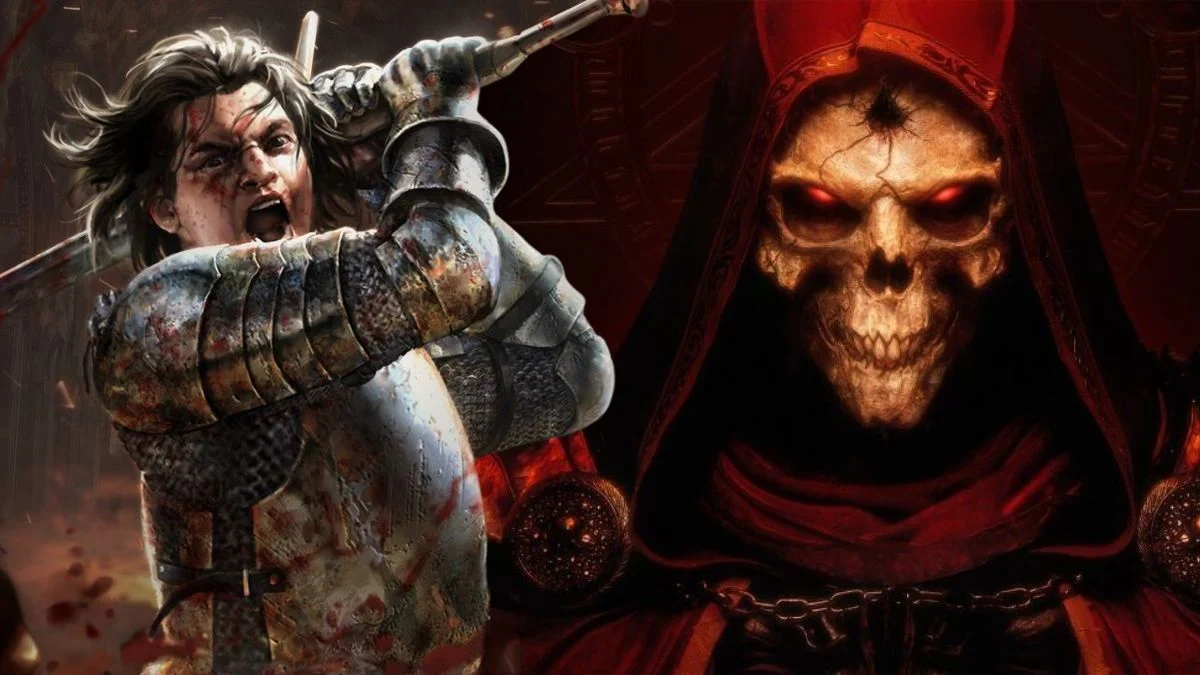
A lot of players like being able to move items they’ve worked hard to get between different characters or game saves. This makes the game more enjoyable because you can equip a powerful character and then pass that equipment on to a new one, giving them a head start. Games with shared storage or trading systems are great because they make sure your time and effort aren’t wasted – powerful items can always be used. Here are some games that let you do just that, moving items between your different saves.
‘Diablo II: Resurrected’ (2021)

As a longtime fan, I’m so excited about this remastered version! One of the best new features is the shared stash – it’s a game changer! Now I can easily move items between all my characters, whether I’m playing online or offline. No more worrying about losing valuable runes or armor! Remember having to create extra characters just to hold gear, or risking dropping it on the ground? That’s gone! I can finally farm with my Sorceress and instantly equip a Paladin with the loot – it’s so convenient and makes the game so much smoother.
‘Borderlands 2’ (2012)
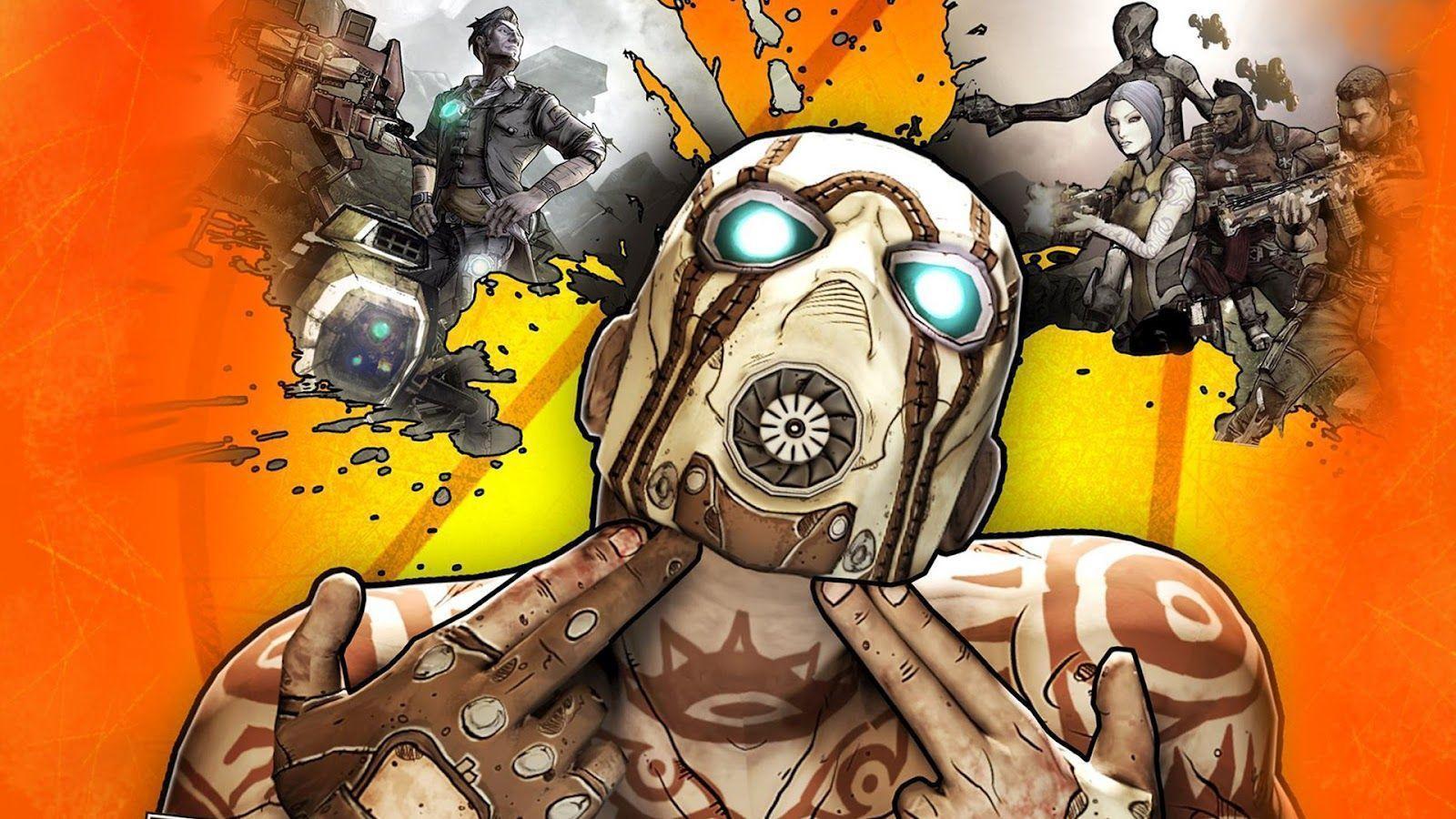
In the city of Sanctuary, players can use Claptrap’s Secret Stash to share weapons between different character saves. While the storage space is limited, it’s the main way to transfer legendary weapons to new characters. This lets you use your strongest character to repeatedly defeat a boss and then give the powerful loot to a newly created save. This system rewards players for starting new games by letting them begin with powerful gear earned by their previous characters.
‘Terraria’ (2011)
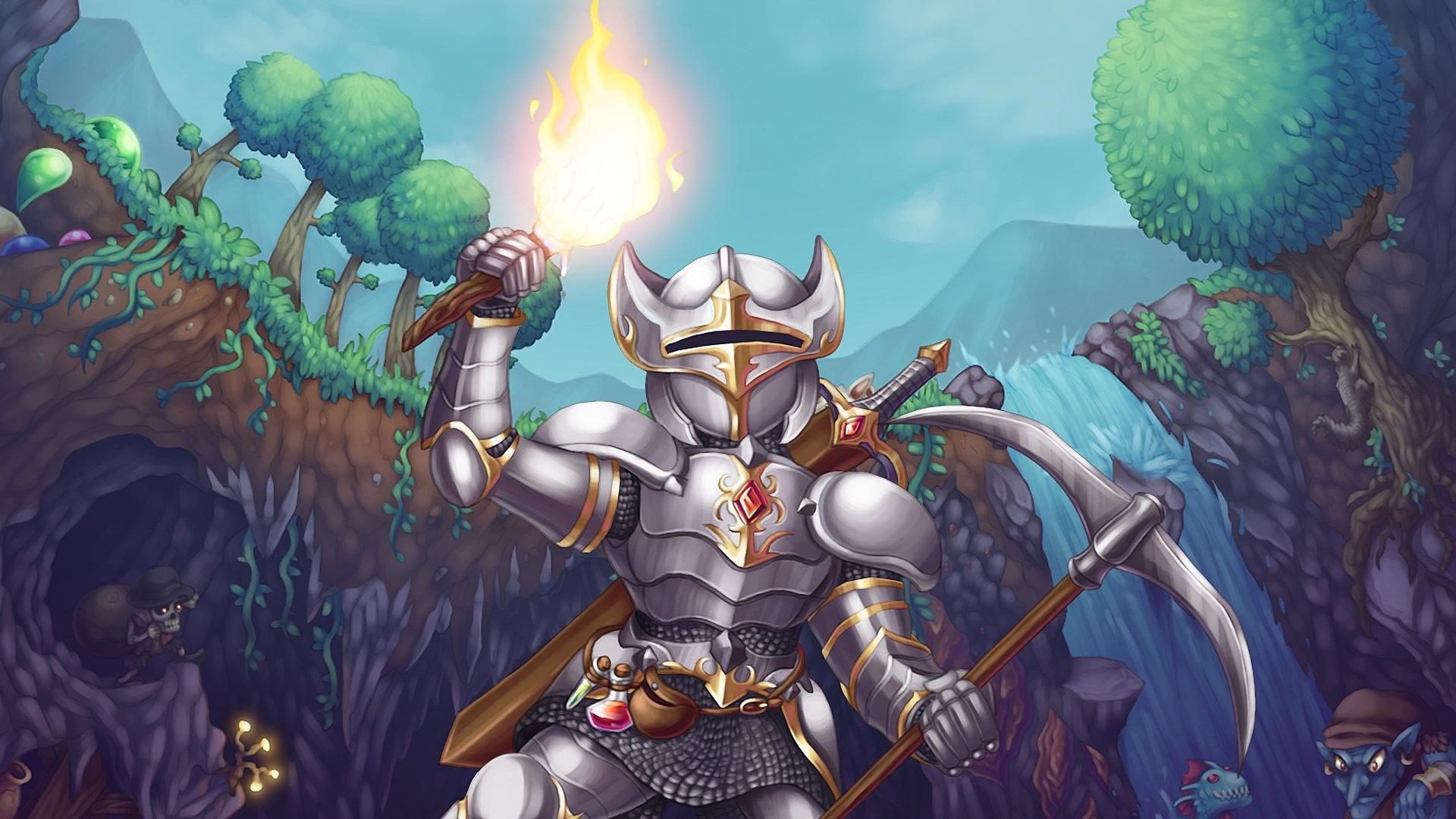
Your character and their items are saved separately from the game world, letting you carry your inventory to any new map you create. This means you can gather valuable resources in one world and start a new game with a boost. Players can even collect materials from different worlds to build one huge base. Moving characters between games makes getting items and trading with others much easier.
‘Destiny 2’ (2017)
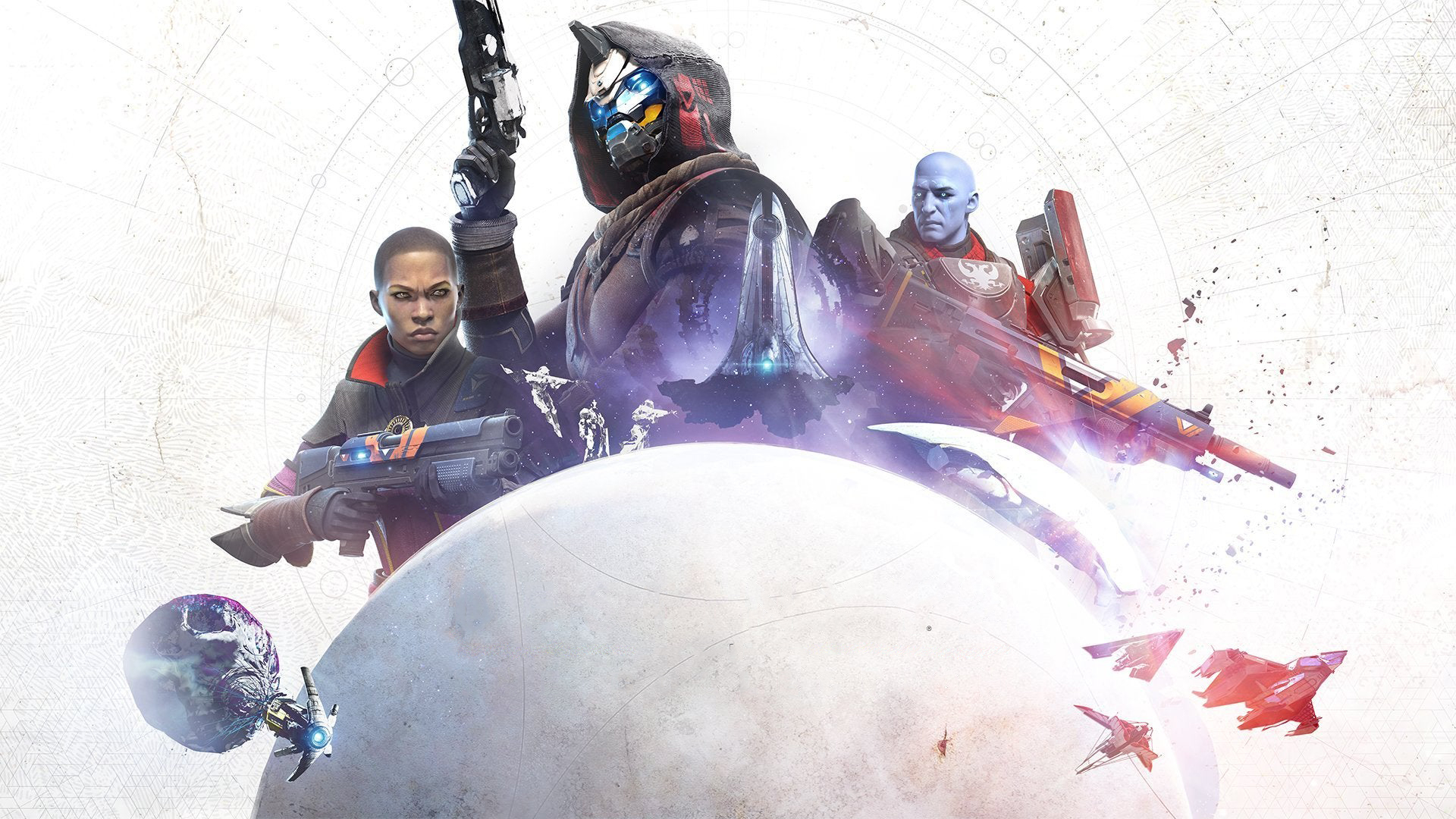
The Vault, located in the Tower, is a shared storage space for all your Guardian characters. You can easily move gear – like powerful weapons – between them, as long as they’re at the right level. This makes it much easier to level up different classes and get ready for challenging activities. Plus, the mobile app lets you manage your items on the go, even when you’re not playing on your console.
‘Path of Exile’ (2013)

In this action RPG, all your characters in a league share a single storage chest. This means you can find powerful items – like skill gems or unique weapons – with one character and make them available to all your others. The game’s complex economy depends on this shared storage, allowing you to build up wealth across your entire account. It encourages players to consider the potential value of every item for future characters or different playstyles.
‘Torchlight II’ (2012)
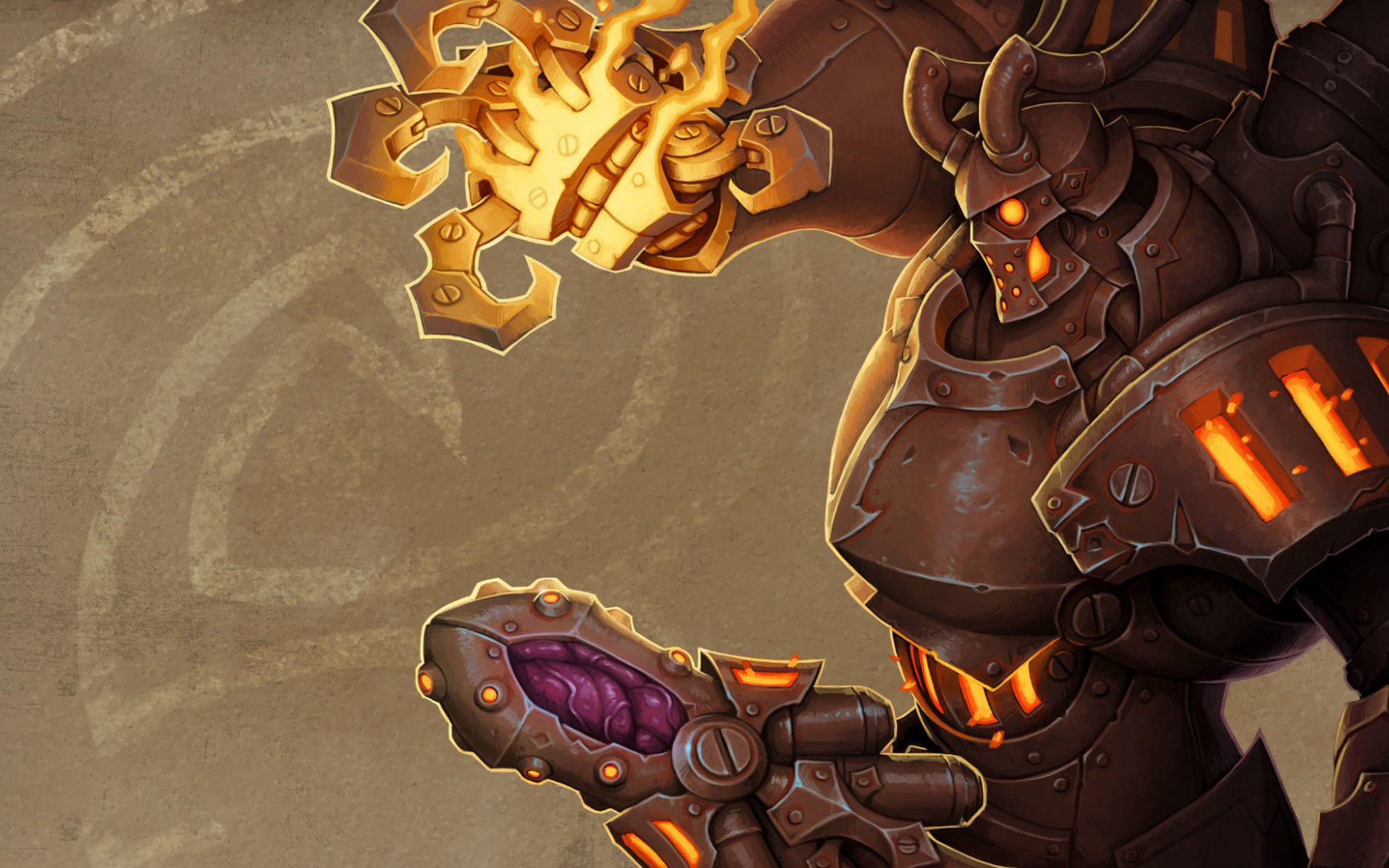
Runic Games added a shared chest in each major town, making it easy to trade items between your characters. You can store armor and gems that aren’t helpful for one character but would be great for another. This way, you won’t waste rare and powerful items just because they dropped for the wrong hero. The shared chest is spacious enough to hold a large amount of gear for all your characters.
‘Grim Dawn’ (2016)
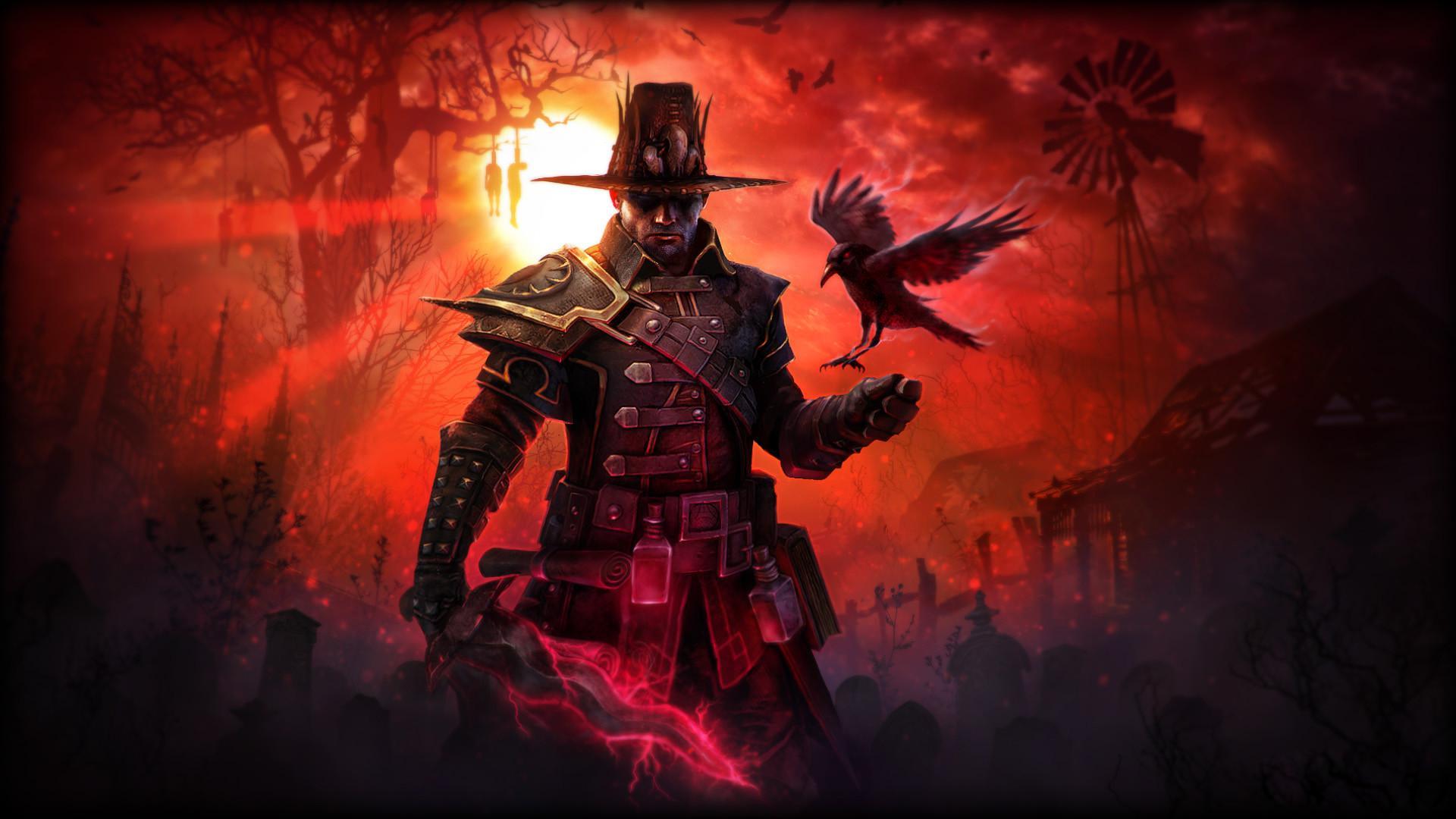
In Devil’s Crossing, you can use a smuggler to send items between your characters. This works like a shared storage space. You can increase the amount of storage by spending iron bits earned in the game. This is really helpful for collecting full sets of powerful legendary items, which often take many game completions to get. Players also use this system to build specific character types by first collecting gear with their strongest character.
‘Pokemon Red’ (1996)
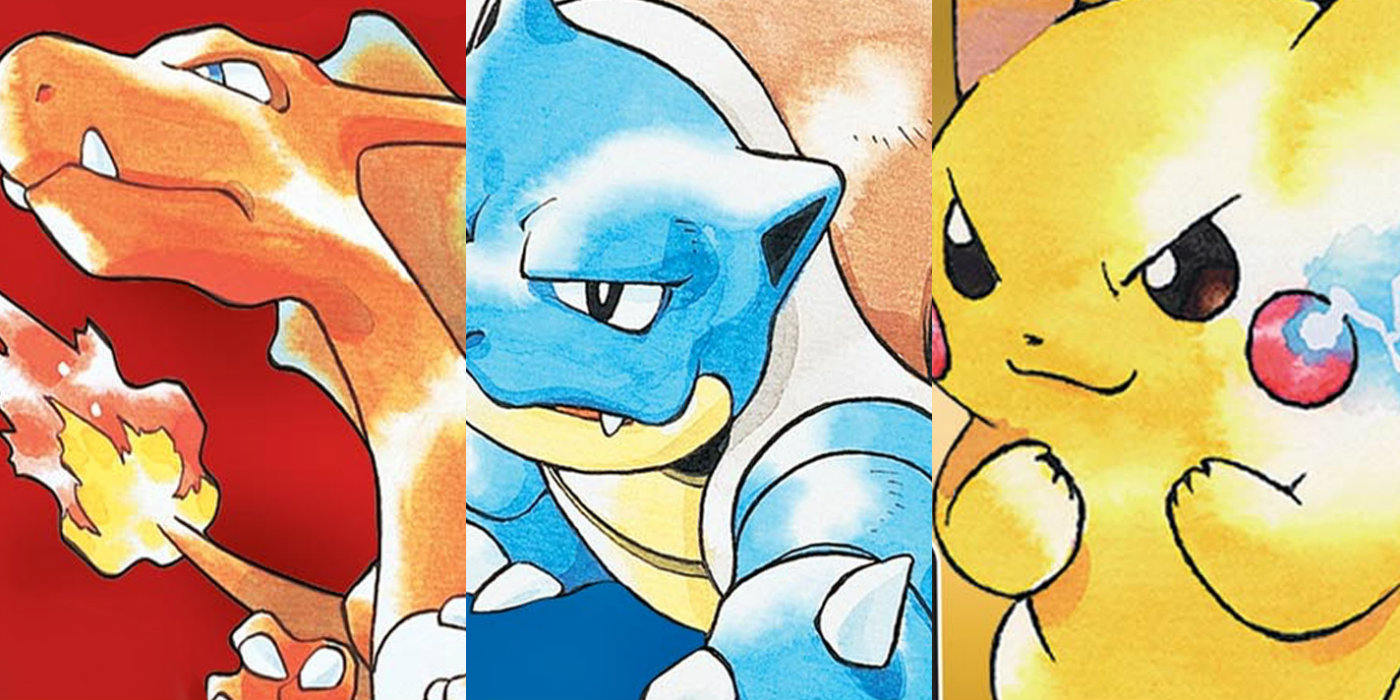
Game Freak changed handheld gaming forever by letting players trade creatures between different game cartridges with a special cable. For example, you could trade a Pokemon you just started with to a friend, and they could trade it back to a new game you began. This simple idea meant one person with two games could collect every Pokemon or get all three starter Pokemon on a single save file. Trading data between games became the core of the entire Pokemon series.
‘Animal Crossing: New Horizons’ (2020)
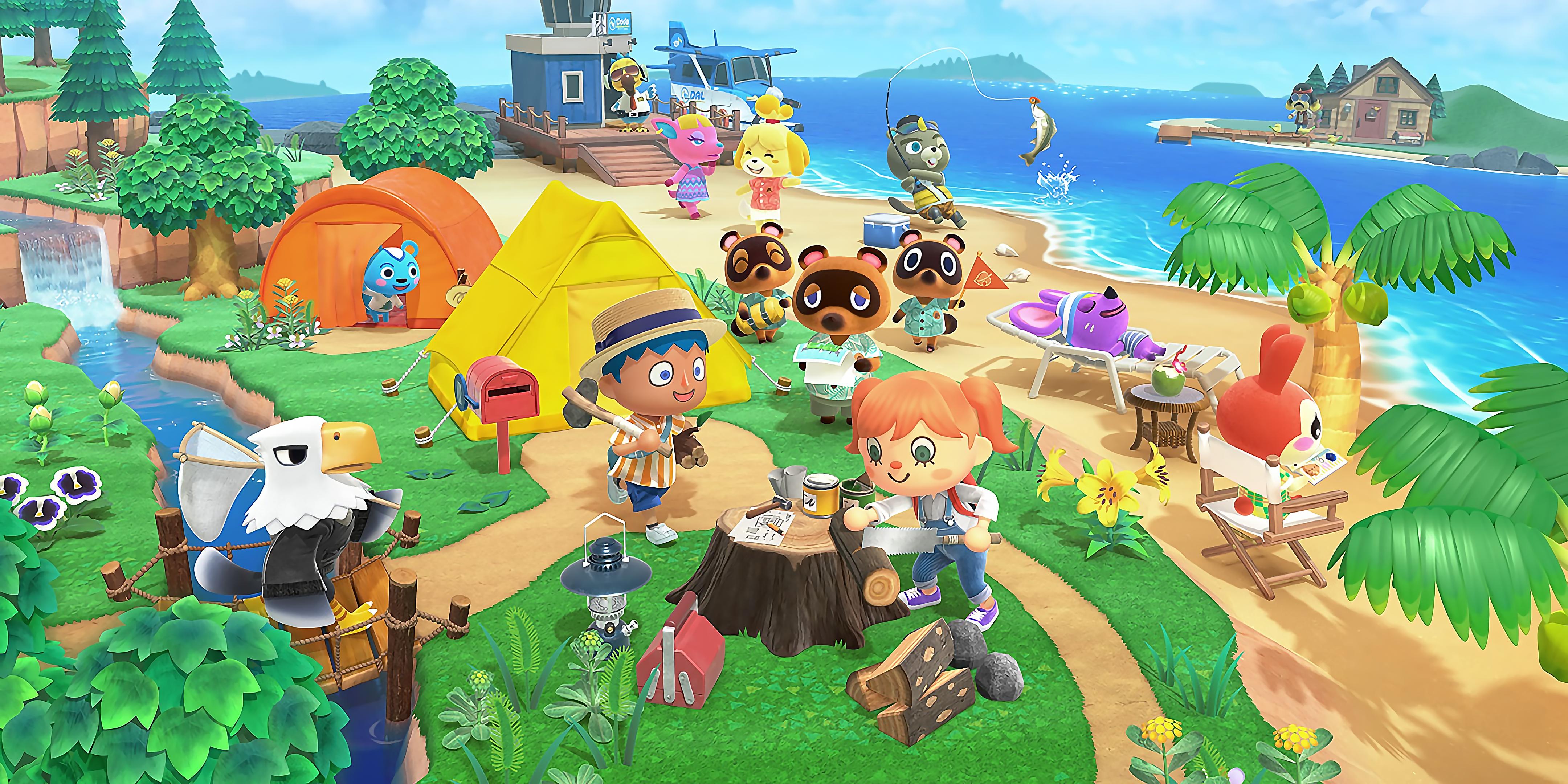
You can visit friends’ islands and leave gifts or trade furniture. If you have a second Switch and a different character, you can travel to your main island to share resources. This helps you get fruits and bells across different game saves, speeding up your island’s development. The game also encourages you to visit other players’ islands to find items you can’t grow or find on your own.
‘Valheim’ (2021)
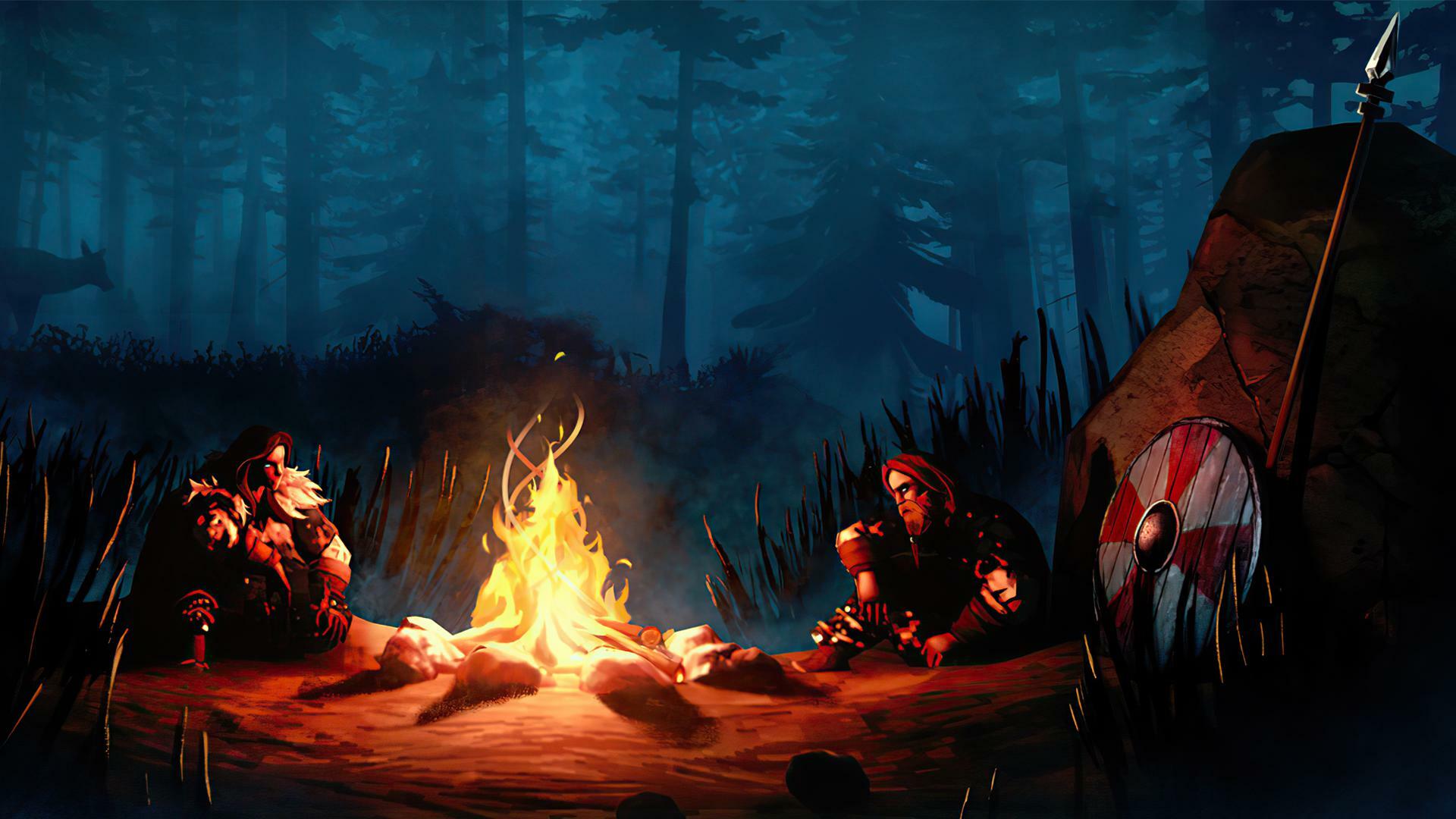
In Viking Valhalla, your character’s items and skills always stay with them, no matter which world you play in. You can gather materials like iron and silver in one world and then bring them back to your base in another. This means you have complete control over your resources and can essentially use your character as a mobile storage system for trading between different game saves.
‘The Division 2’ (2019)
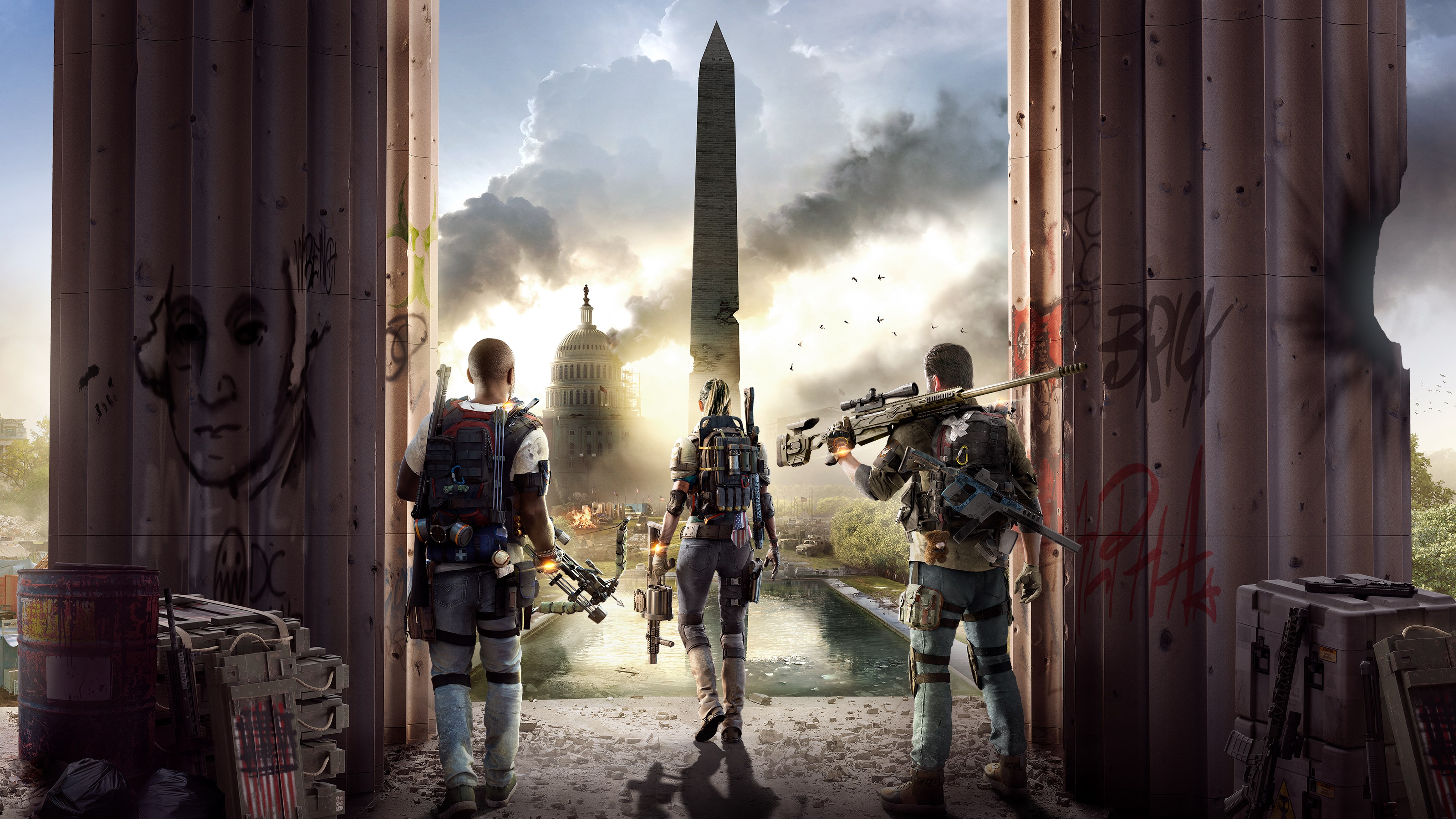
The White House’s ‘Stash’ lets you share weapons and equipment between all your characters in the game. For example, you can earn a powerful rifle with one agent and then make it available for any other agent you create. Any blueprints you unlock are also shared across all characters, meaning everyone can craft the same upgrades. This makes it easier to develop and manage multiple agents with different specializations.
‘World of Warcraft’ (2004)
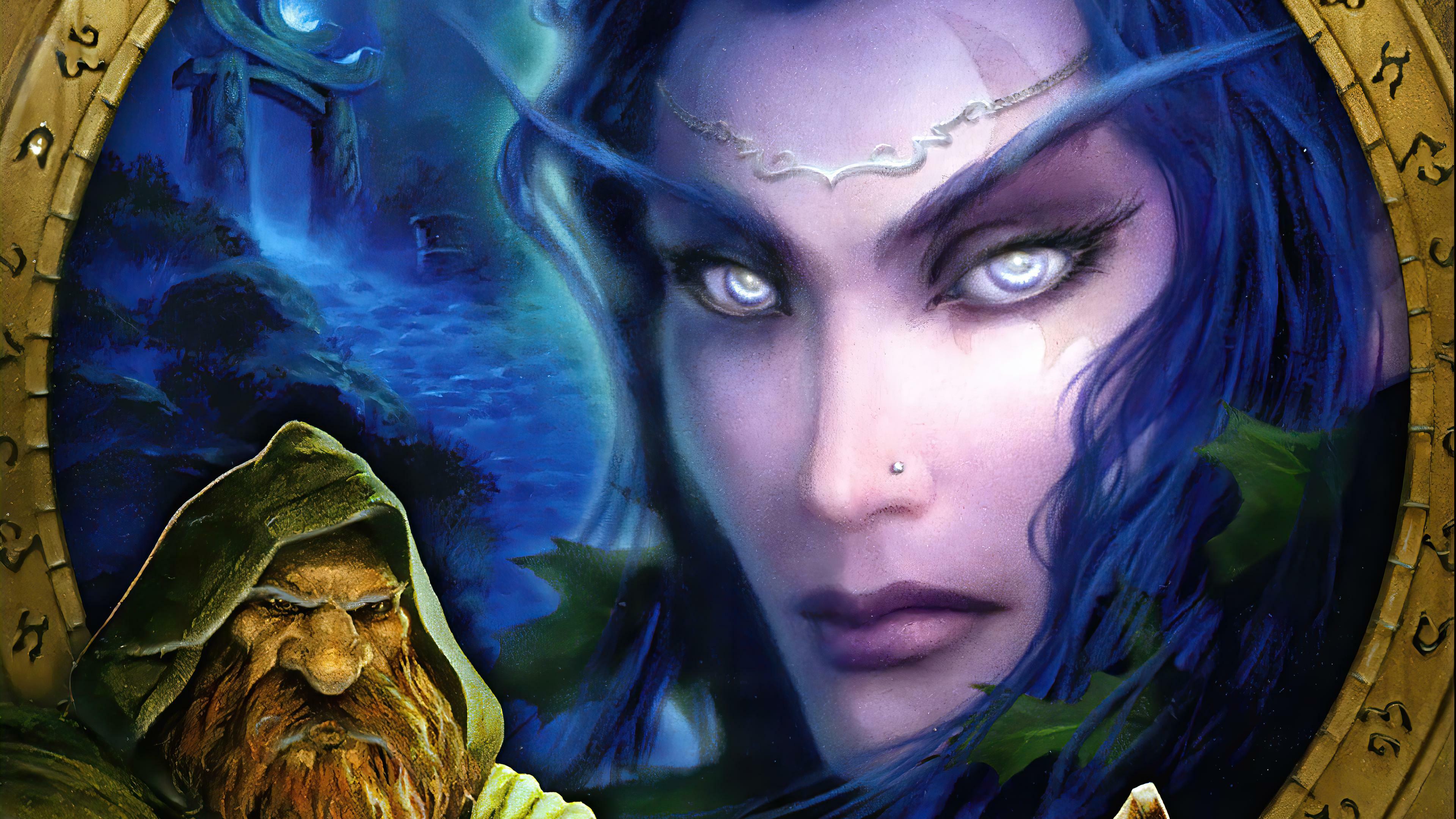
Blizzard lets players easily send gold and items between their characters on the same game server. With the addition of the Warband Bank, managing items across all your characters, even on different servers, has become much simpler. For example, you can collect resources with one character and send them to another who crafts items. This type of shared economy between characters is a key feature of many online multiplayer games.
‘Elder Scrolls Online’ (2014)
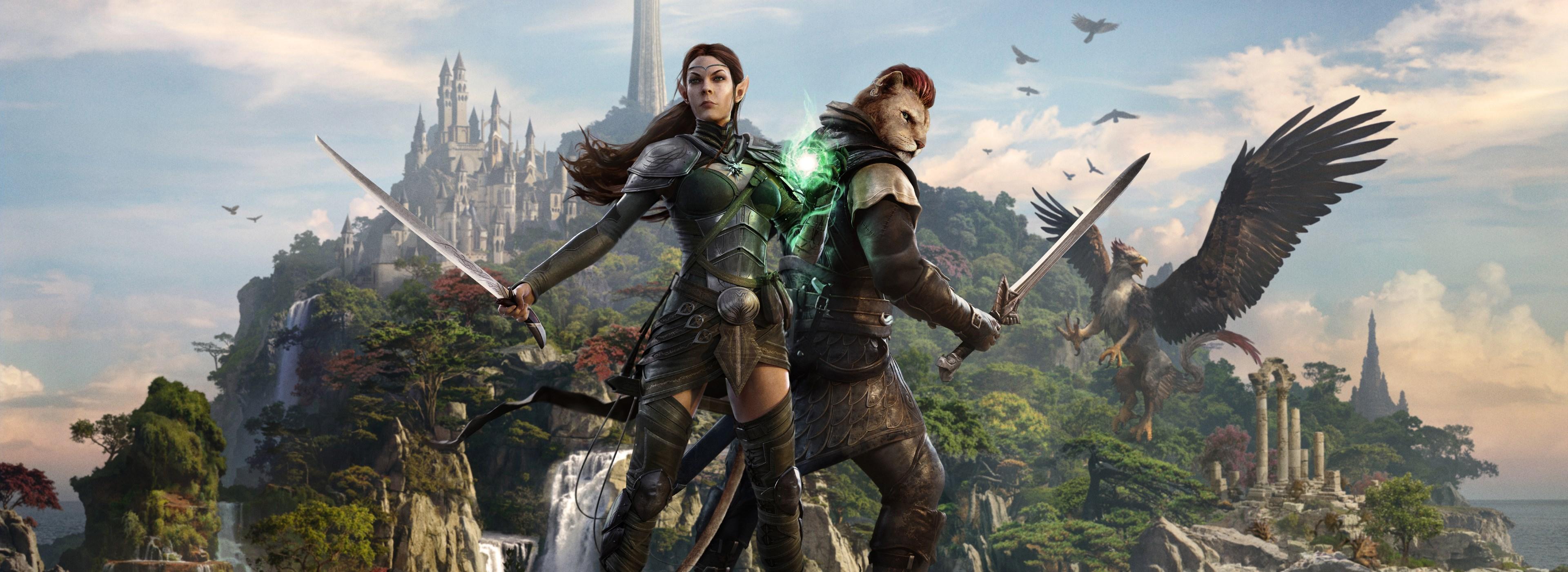
All your characters on an account share the same bank, making it simple to move items between them. You can store crafting patterns and materials in the bank for other characters to access and use. This shared storage is crucial for handling all the items you collect while exploring Tamriel. With a Plus membership, your bank space doubles, making it even easier to manage your inventory across all your characters.
‘Guild Wars 2’ (2012)
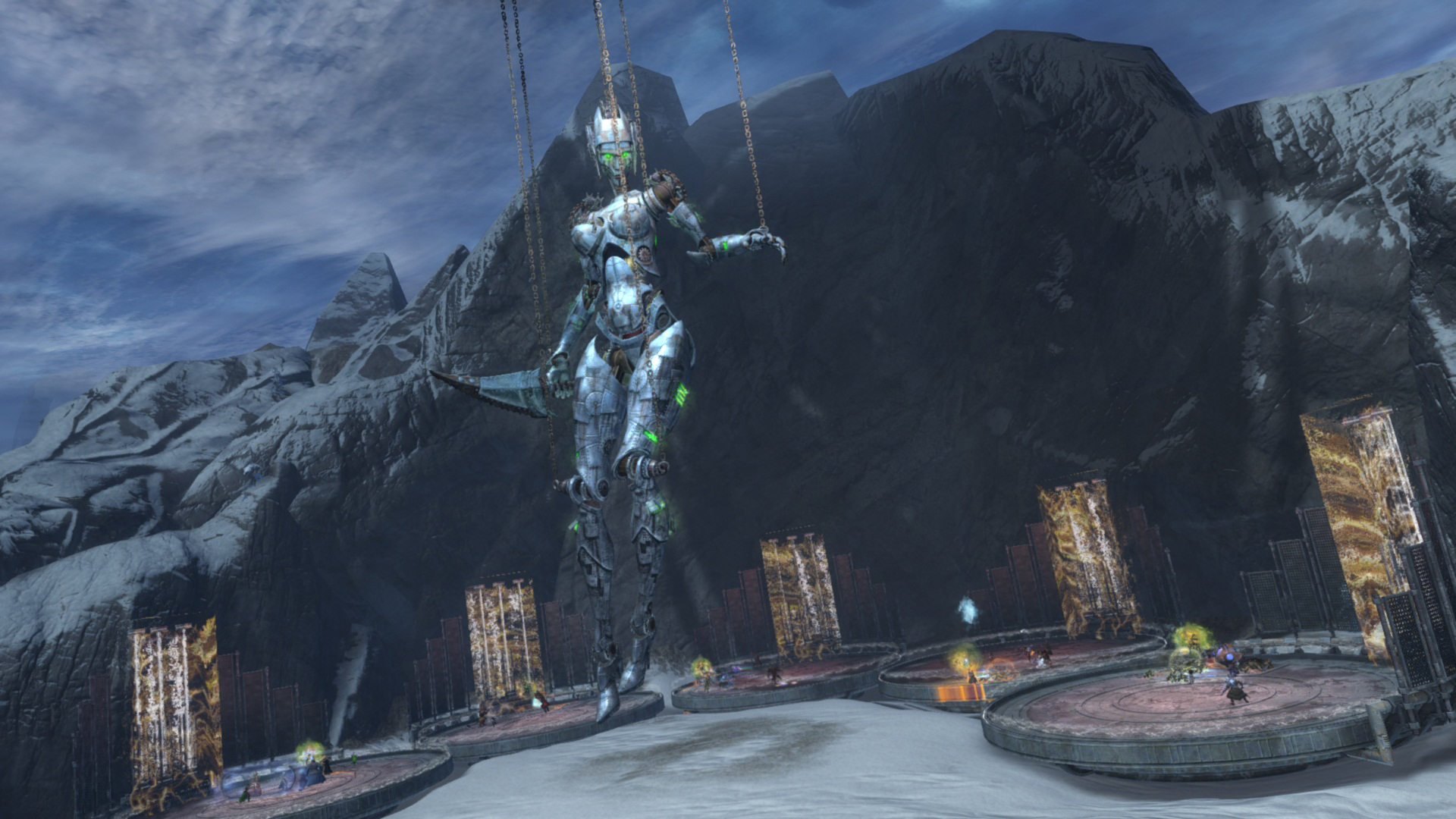
The account vault is a shared storage space accessible by all your characters, making it easy to move items between them. It’s designed for account-bound gear like ascended armor and legendary weapons, letting you freely switch powerful equipment between characters who can handle the same weight. Plus, the system automatically combines currencies and tokens across all your characters, simplifying account management.
‘Borderlands 3’ (2019)

Sanctuary III’s Bank provides a huge amount of shared storage for all your Vault Hunters. You can pay to increase its capacity, letting you store hundreds of guns and class mods. This is great for players who like to collect everything, especially different versions of powerful legendary weapons. Plus, it makes starting new characters more fun, knowing you have a ton of gear already available.
‘Diablo III’ (2012)
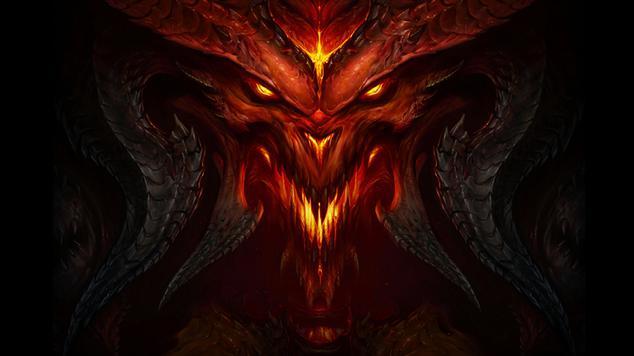
Because of the shared stash and character progression system, everything your strongest character earns helps all your other characters. You can create powerful gems and rings without level restrictions, giving new characters a strong start. The game makes it easy to try different classes without losing your progress, and seasonal rewards are shared, speeding up the leveling process for each new character you create.
‘Diablo IV’ (2023)
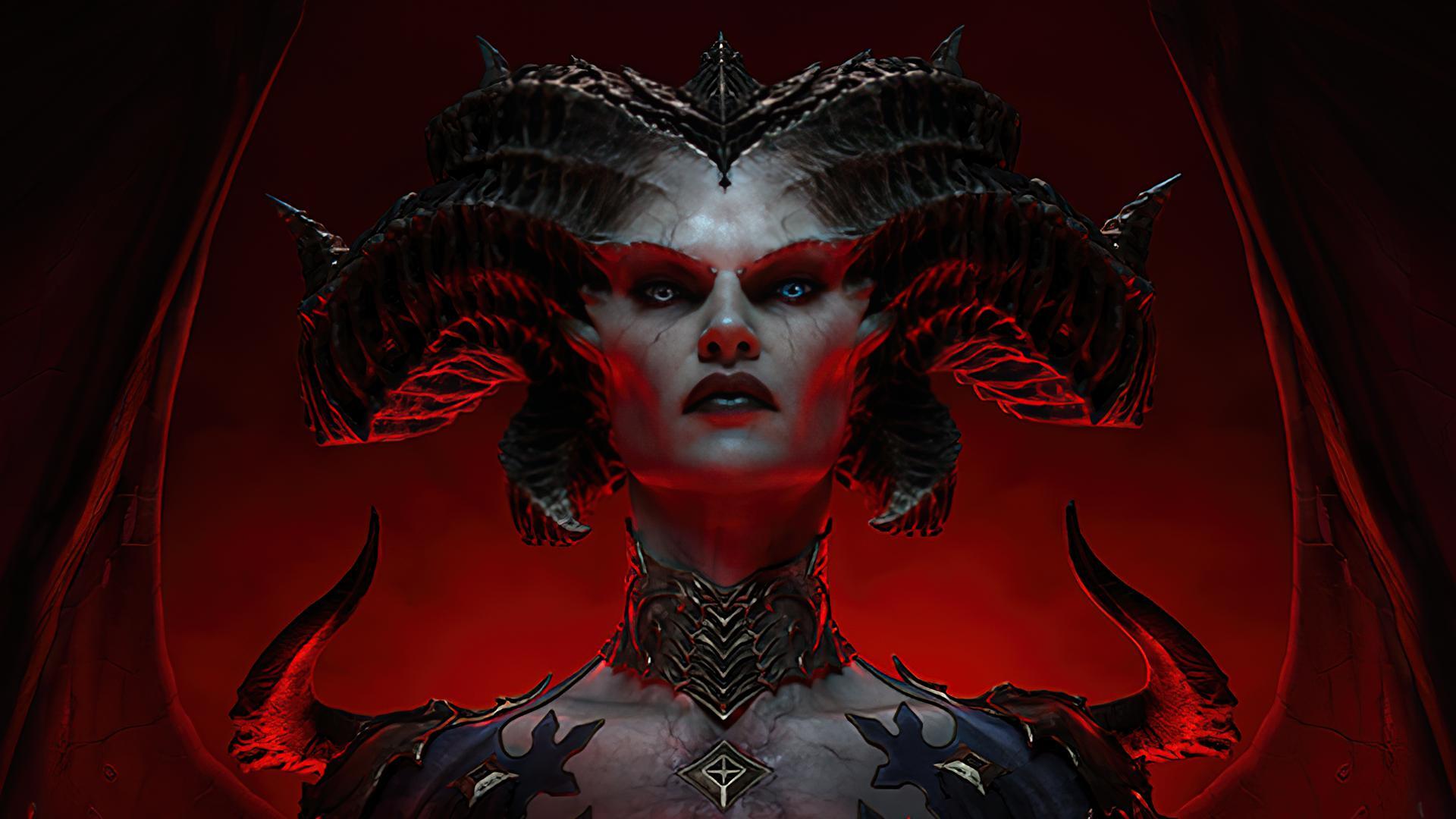
As a Diablo IV player, I’m really loving how Blizzard brought back the shared stash! It’s awesome that all my characters can access the same items. Plus, I can break down unwanted legendaries and those materials are available to everyone on my account. And the Codex of Power is a game-changer – once I finish a dungeon, those unlocks apply to all my characters! It basically means everything I do in one playthrough helps out all my future characters, which is fantastic.
‘Titan Quest’ (2006)
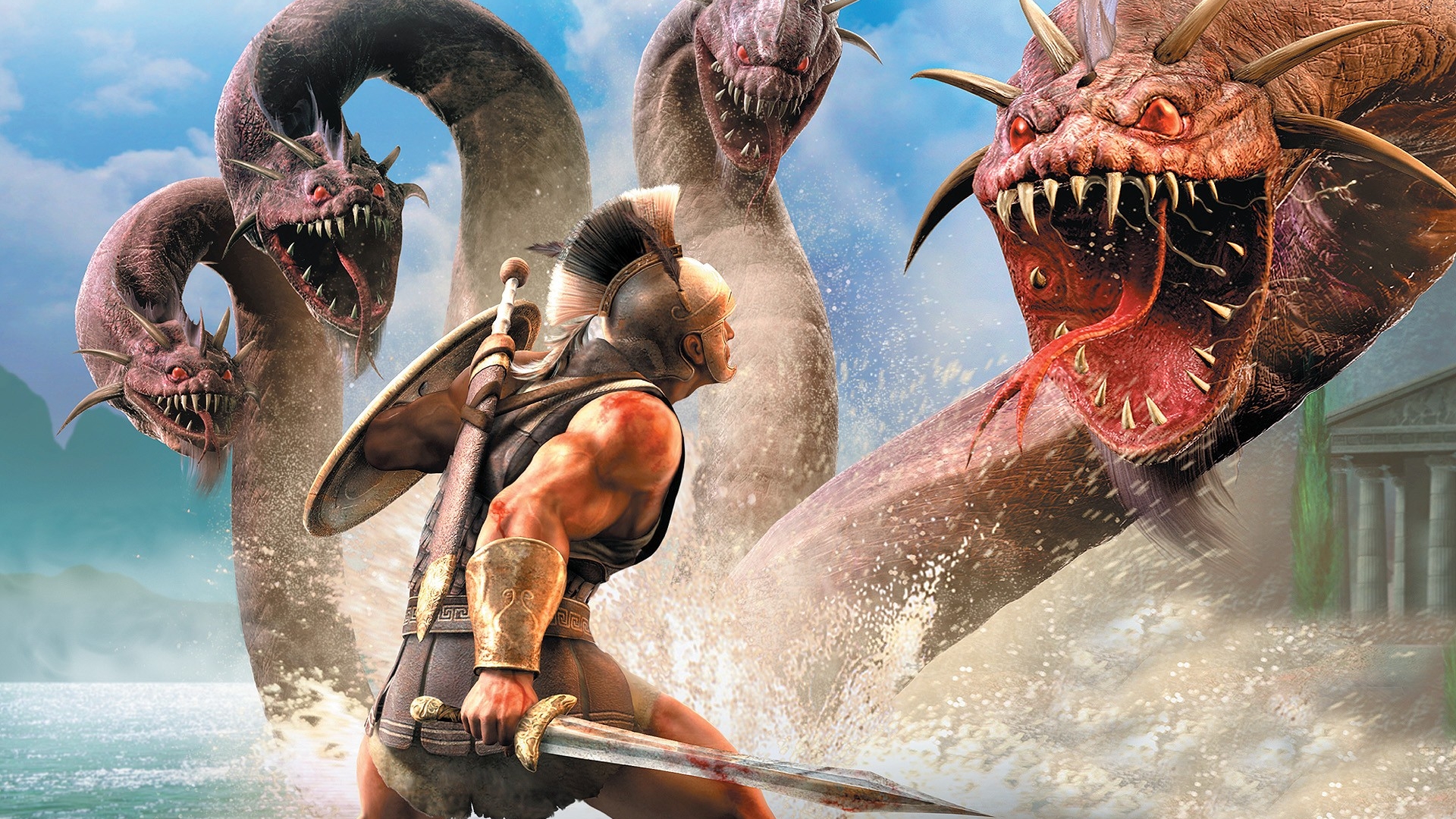
Each town’s caravan master helps you move items between your characters. You can send powerful gear, like relics and monster charms, to new characters to make them stronger in combat. This is also key to completing powerful artifacts, which require materials found throughout the game. Essentially, the caravan makes it easier to equip and level up alternate characters so you can tackle harder challenges.
‘Starbound’ (2016)
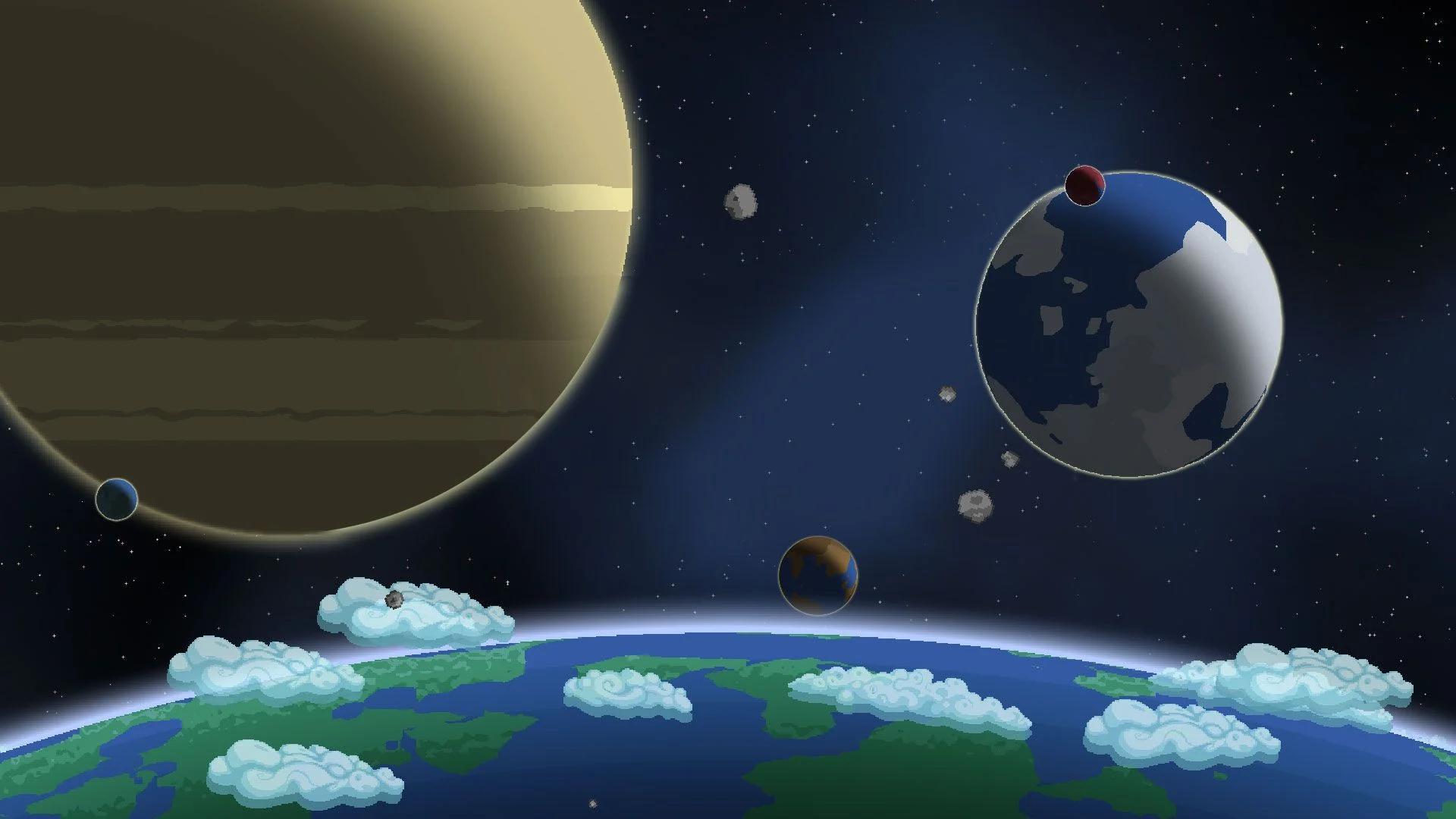
Players can revisit locations in the universe and find containers left by their previous characters. You can also establish a base on a planet and stock it with resources for future playthroughs. This shared universe encourages trading between your different characters and makes exploring and building bases worthwhile, as your creations remain useful no matter who you play as.
‘Fallout 76’ (2018)
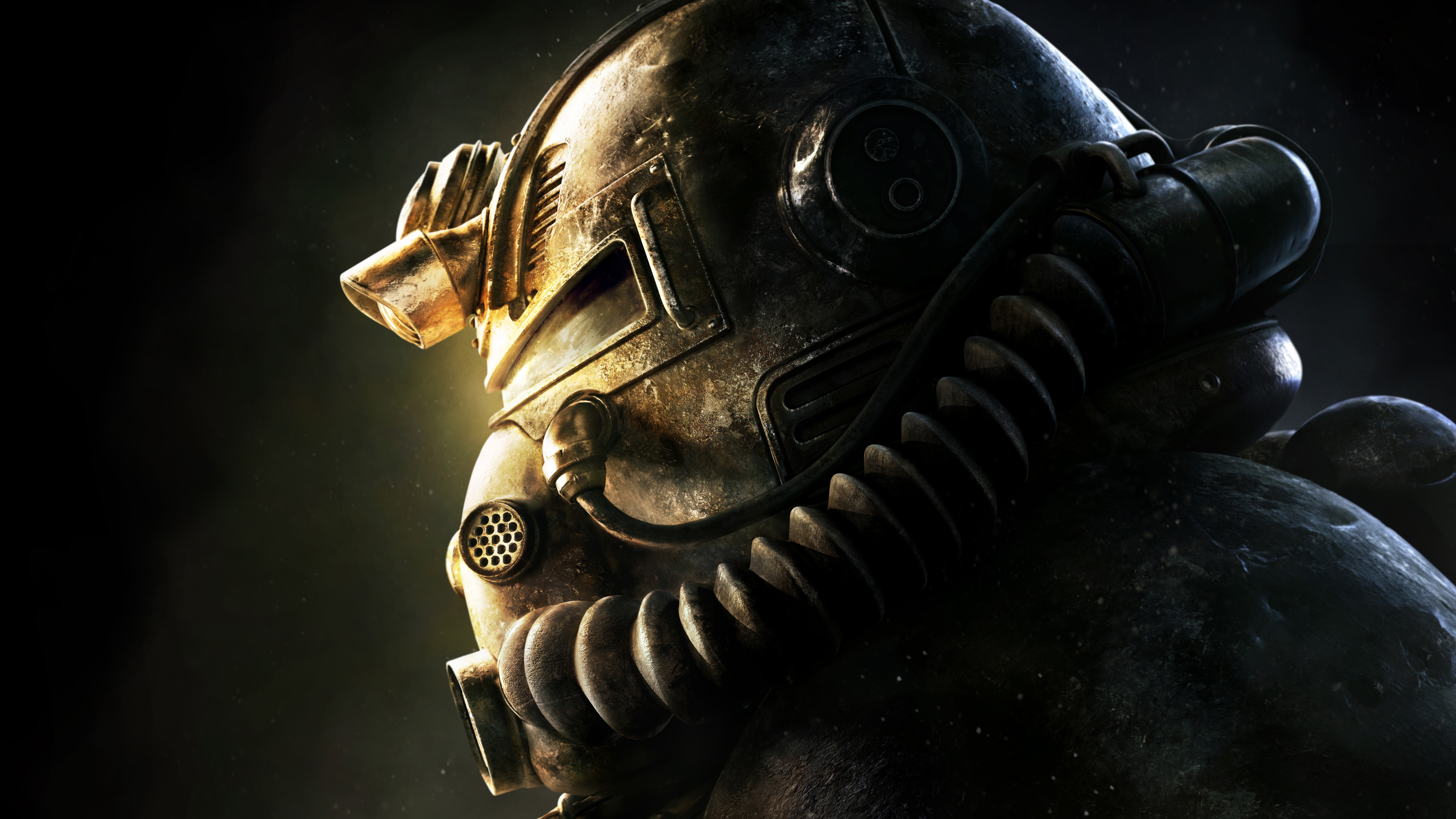
Okay, so as a gamer, one of the best ways I’ve found to move gear between my characters is by using my private world. Basically, I put the stuff I want to transfer – like ammo or even a really awesome legendary weapon – into a container there. Then I just switch to the character who needs it and grab it. It’s super fast! And honestly, with the new account-wide unlocks, it’s gotten even easier to share progress and items between all my characters, which is awesome.
‘Outriders’ (2021)
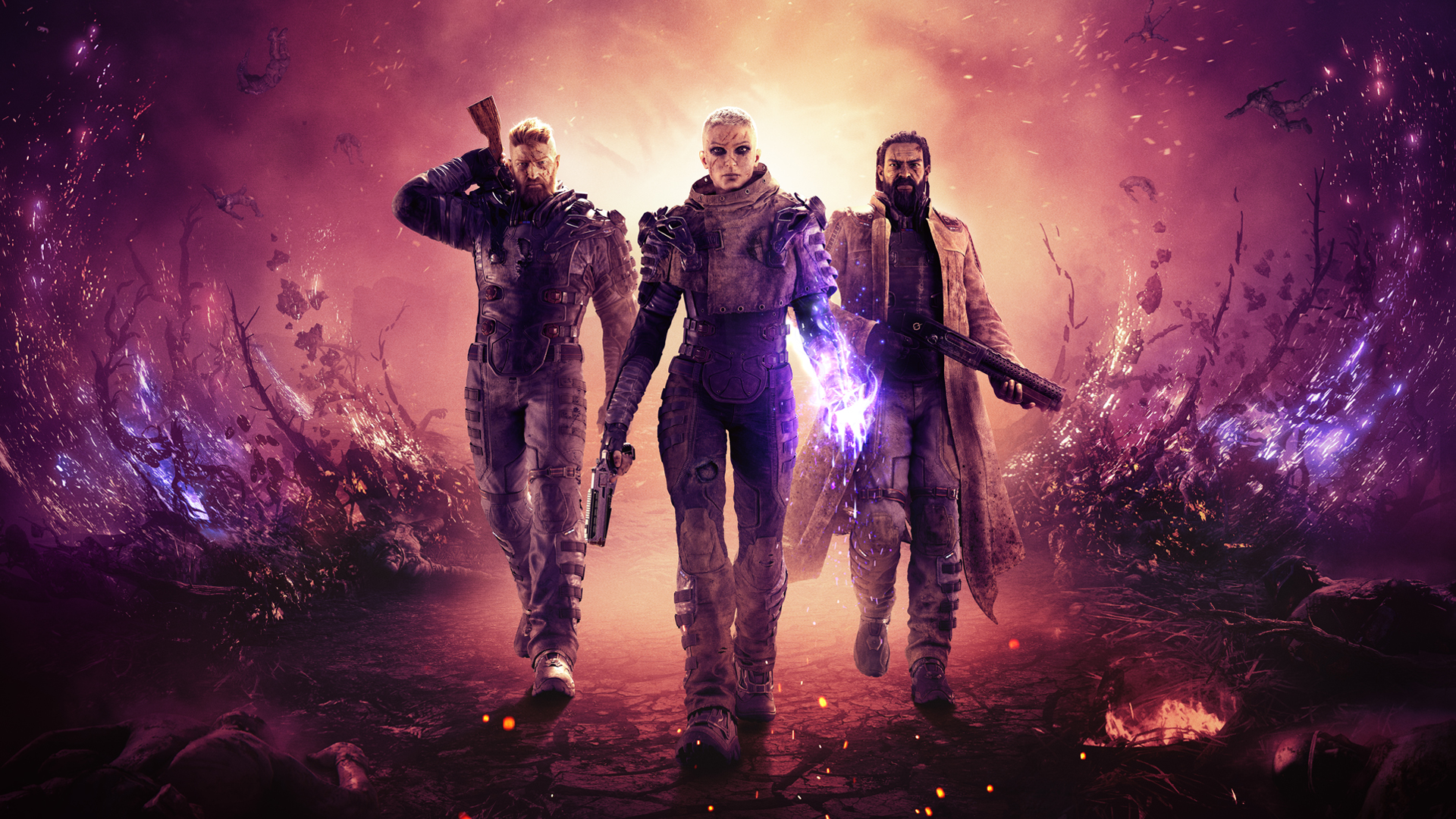
The stash box lets you share weapons and armor between all your characters in Altered. This means you can find powerful items with one character, like a Trickster, and then move them to another, like a Pyromancer, to break down and learn new modifications. This system is key to building up your collection of modifications and creating the ideal character build. Sharing resources this way makes trying out different classes much easier and faster.
‘Last Epoch’ (2019)
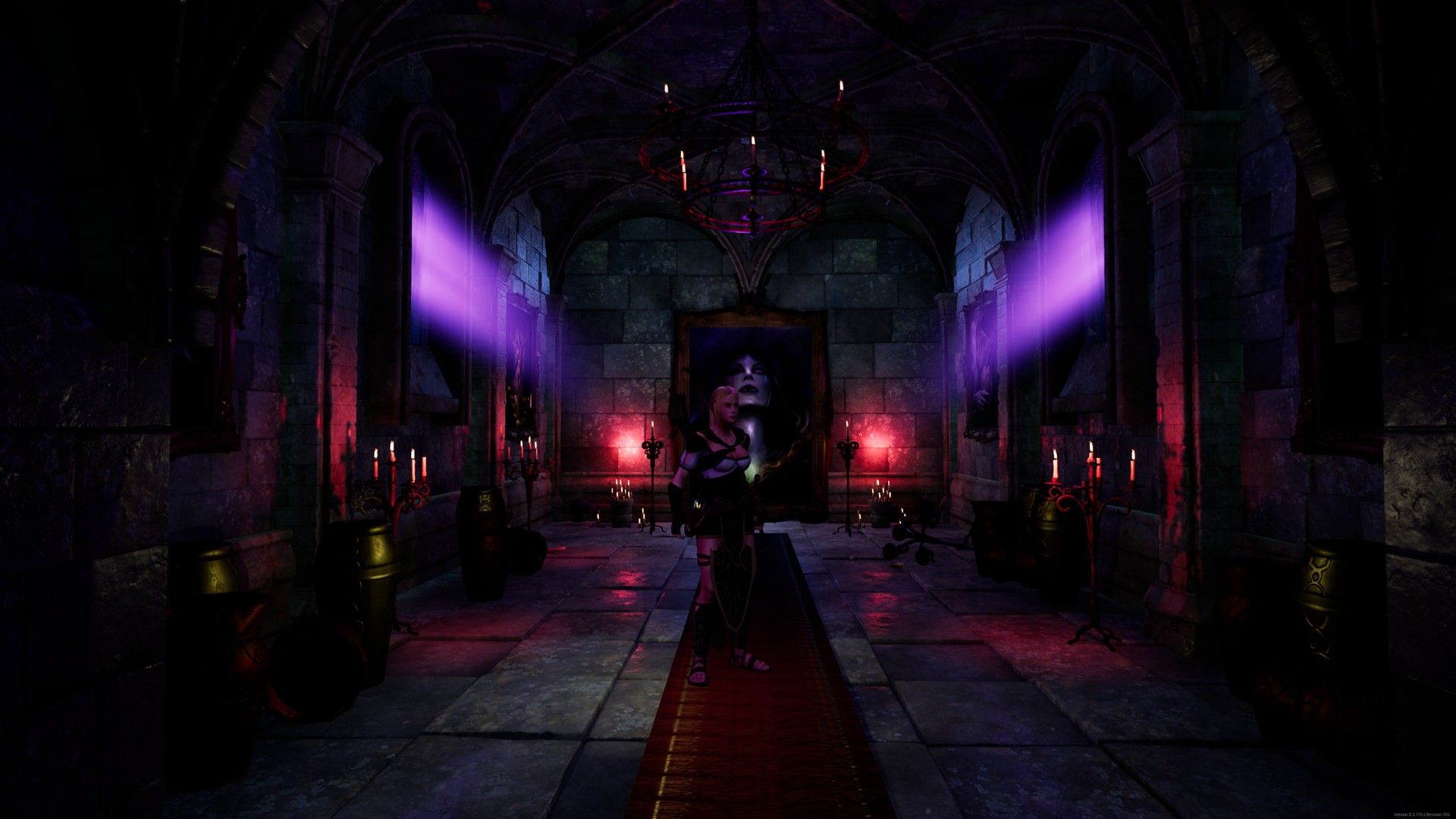
Your stash is separate for each game league and is shared between all your characters within that league. You can buy extra tabs and create custom labels to neatly organize your items for different character classes. This is especially helpful for keeping important items like idols and affix shards that can be used by anyone. The game makes it easy to collect loot even for classes you aren’t currently playing by providing a secure storage space.
‘Warframe’ (2013)
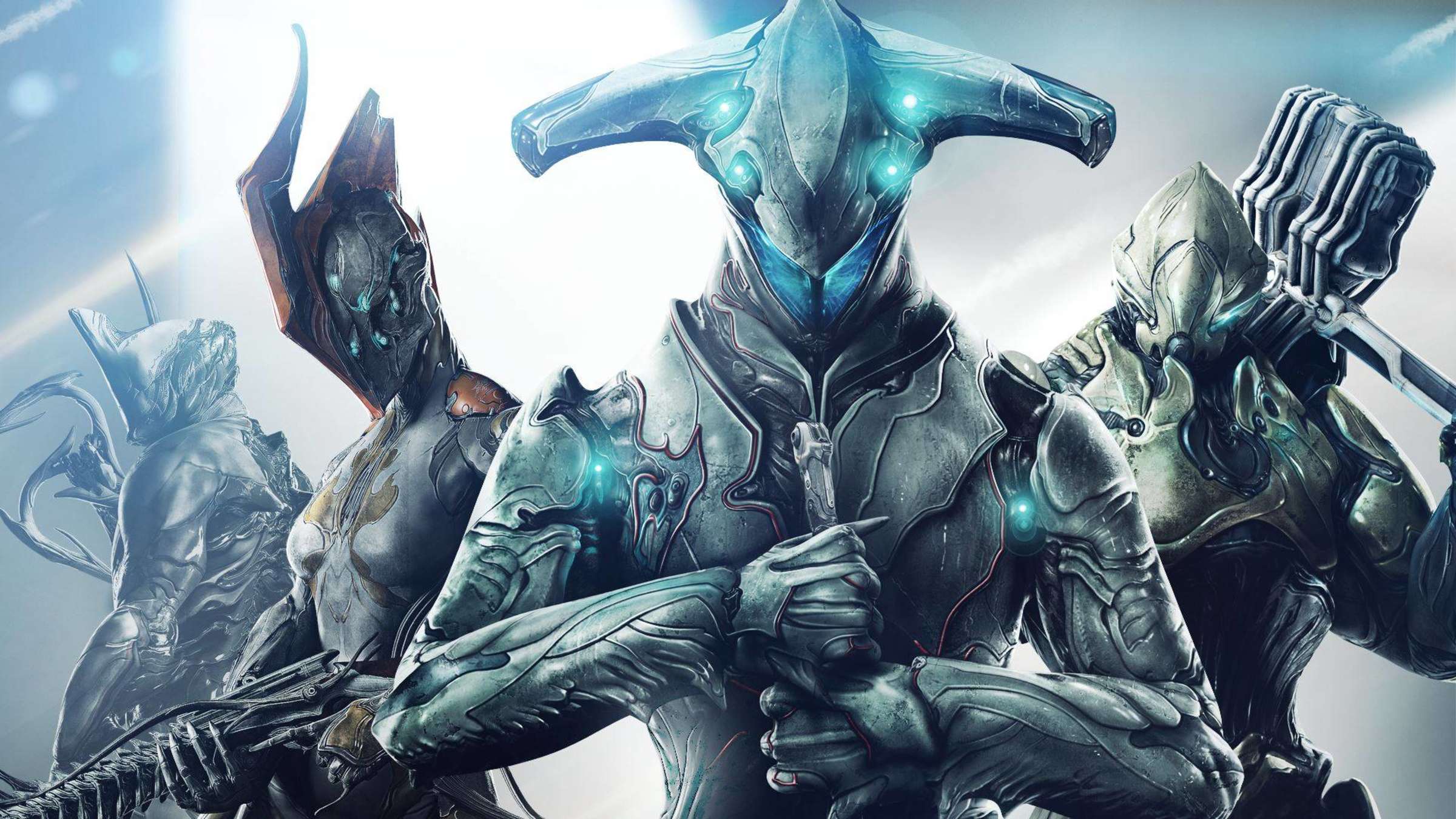
Although you control a single operator, you can switch between different Warframes, each functioning like a unique RPG class. Importantly, all weapons and upgrades you earn are shared across all your Warframes. You can improve a weapon with one Warframe and then instantly use it with any other, even a newly built one. This shared inventory system makes unlocking new characters feel like adding to your existing progress, rather than starting over.
‘Dragon’s Dogma: Dark Arisen’ (2013)
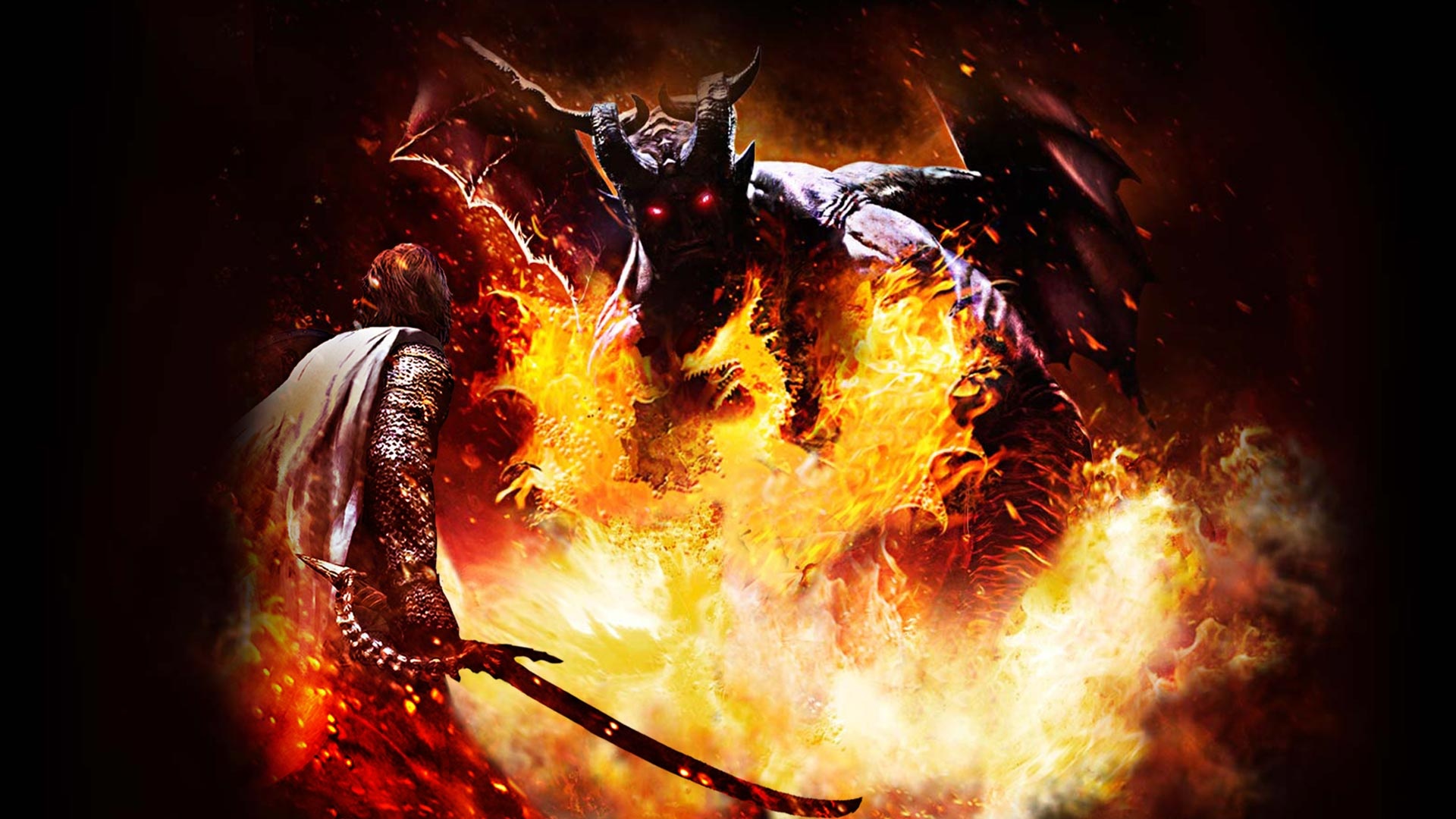
You can use a character, called a Pawn, from another account to send items and equipment as gifts to your main game. When you return the Pawn to its original account, you can give it new gear, and that gear will then be available in your other game. This acts like a trading system between your different save files, letting you share resources and powerful items between playthroughs in a unique way.
‘Nioh 2’ (2020)
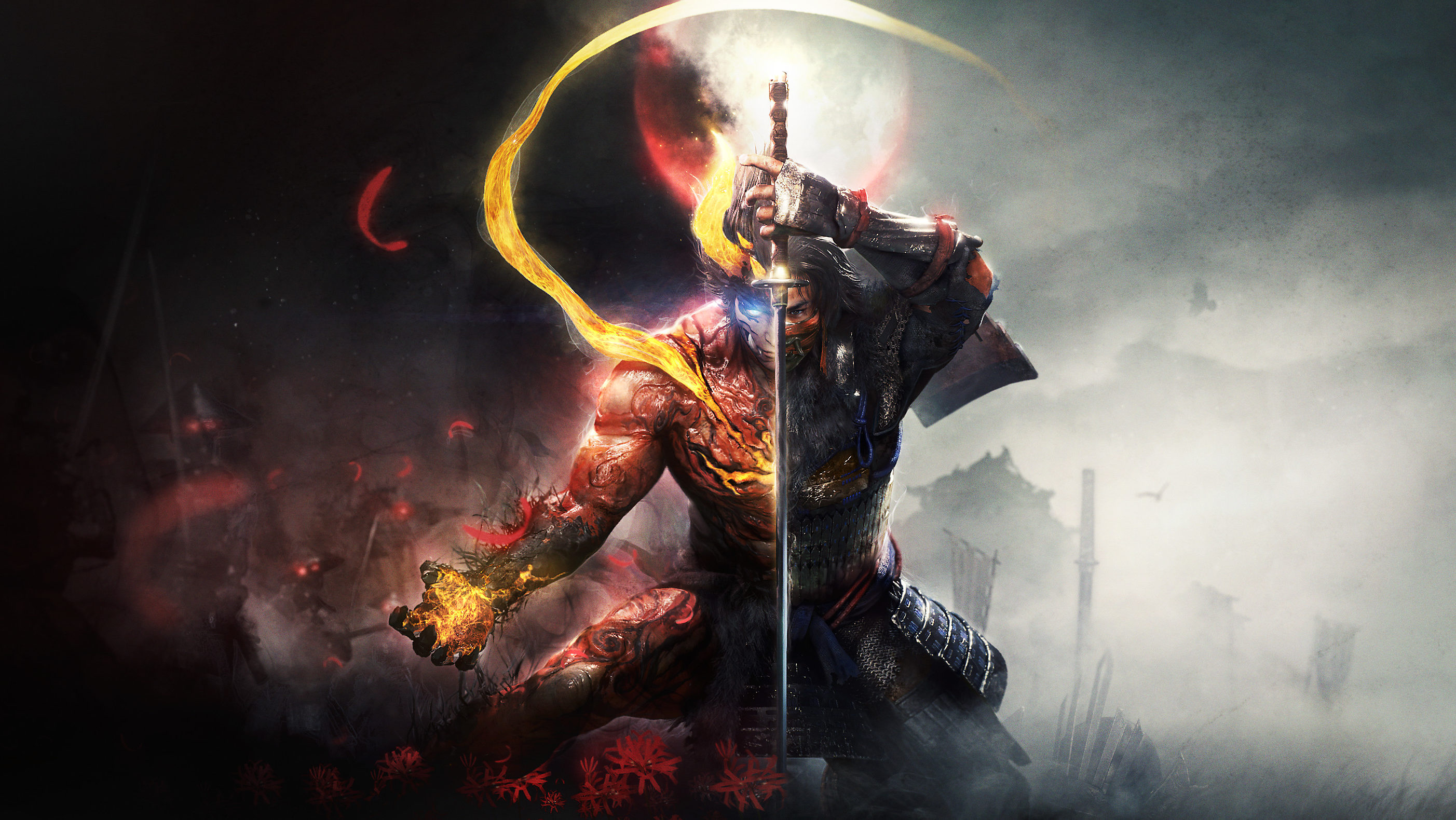
The Teahouse lets you join a clan and earn shared rewards that apply to your entire account. It also includes a Hidden Teahouse where you can safely store items and access them whenever you play. Although you can’t directly move equipment between characters, things like glory points and clan bonuses are available to all of them. This means every character you create will receive consistent benefits, even without actively doing anything.
‘Salt and Sanctuary’ (2016)
The game features local co-op where a second player can join your game using a character from their own saved game. During the co-op session, both players can collect items dropped by enemies or purchased from shops. This system lets you effectively transfer items between your two save files, recreating the fun of classic couch co-op trading in a tough, action-packed game.
‘Dead Island’ (2011)

Jin acts like a portable storage locker for your weapons, letting you save them for other characters to use. You can store powerful weapons—like upgraded machetes and guns—that might be too strong for your current hero, but ideal for someone else. This storage system works across different save files, making it easy to share items. It’s especially helpful for keeping your best weapons safe from wear and tear.
‘Dying Light’ (2015)

You can access a shared stash from safe areas, and it’s available across all your saved games on the same account. Use it to store useful items like medkits and crafting materials, giving new characters a better start. You can even save powerful weapons you find later in the game for future runs, helping you maintain progress even when you begin a new playthrough.
‘Sacred 2: Fallen Angel’ (2008)
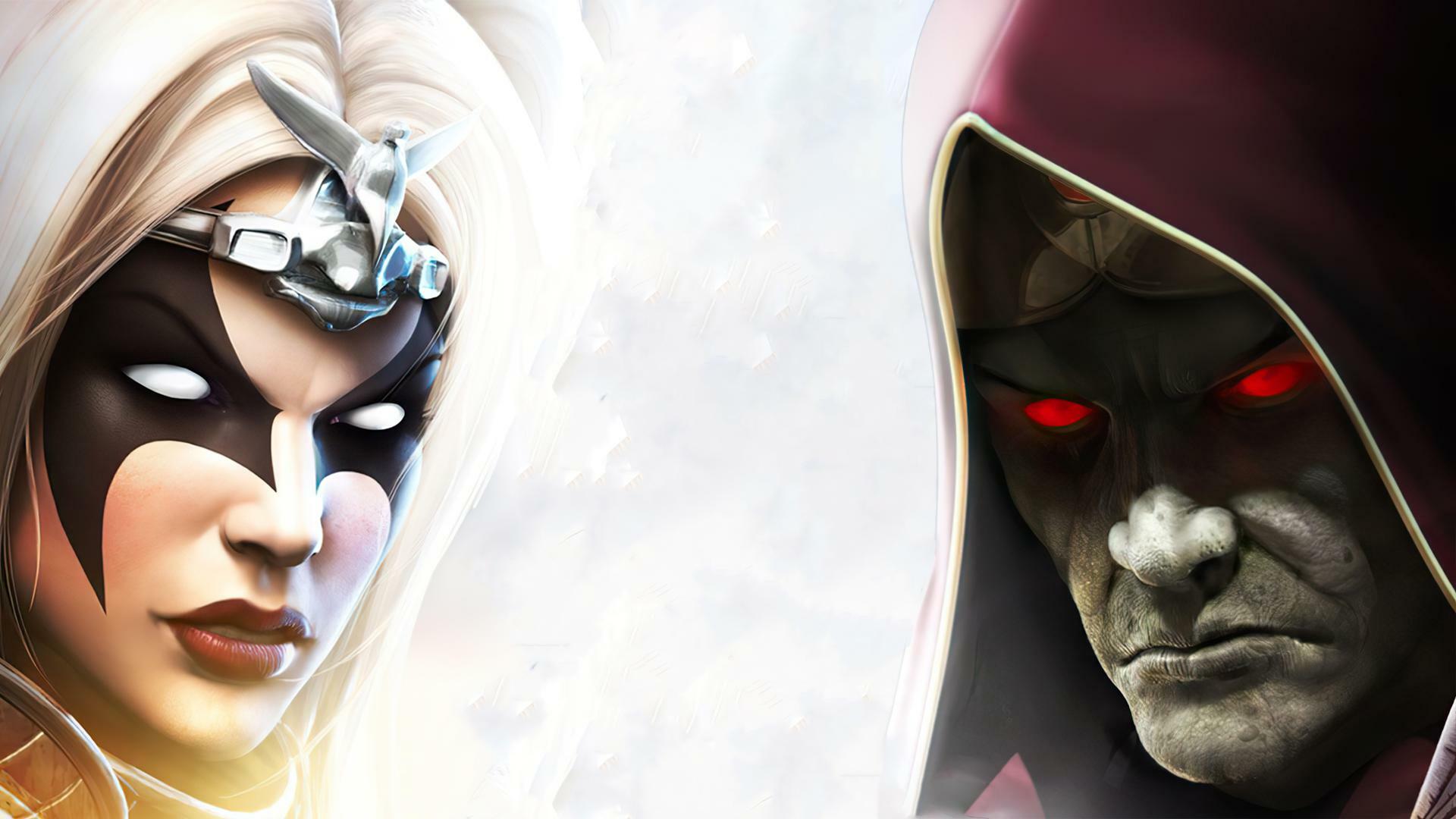
The Hero Chest is a special storage space that lets you share items across all the characters you play. Use it to send helpful gear like set items and potions to your other heroes, making it easier for them to explore the game world. You can also store blacksmithing runes here to upgrade weapons for any character. Plus, it’s a great way to collect items meant for different classes, even if they drop on the wrong character.
‘Dungeon Defenders’ (2011)
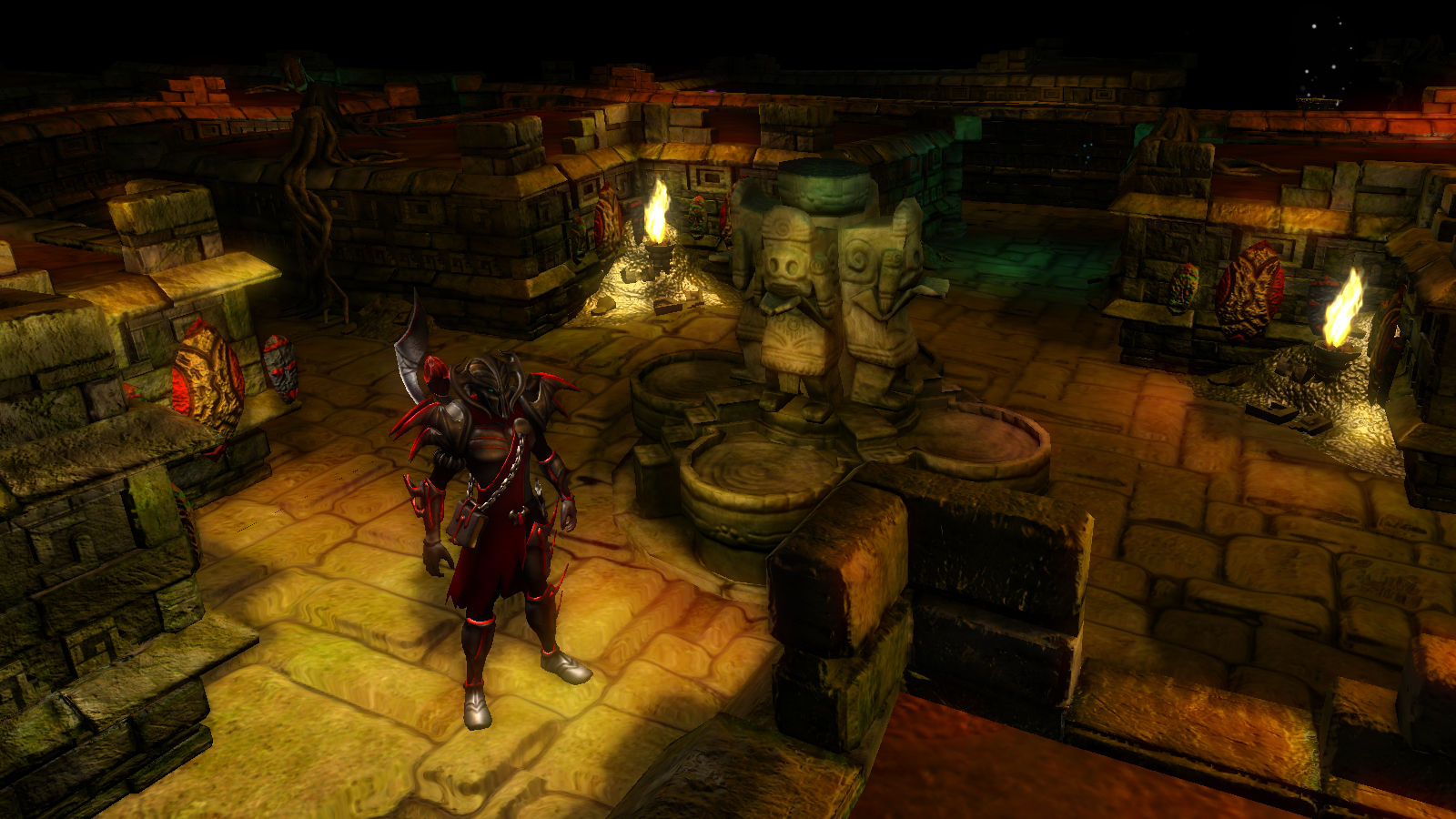
The Item Box is shared by all the heroes you create in your account. You can change between heroes during waves, and they’ll all use the same items. This lets you set up defenses with one hero and then switch to another for fighting, always having the best equipment available. The game is built around the idea of managing multiple heroes who share a single inventory.
‘Realm of the Mad God’ (2011)
The Vault is a secure storage space for your potions and equipment, and it’s especially important because this game features permanent death. It’s the only way to carry items over to your next character. You can also use potions stored in the Vault to quickly boost the stats of a new, level one wizard, which is a key part of how you improve your character and progress through the game.
‘Pokémon Gold’ (1999)
This game added a Time Capsule feature that let players trade Pokémon from the original games into the new one. This meant you could transfer your favorite Pokémon from your old save file to continue your adventure, effectively connecting the older and newer games across different systems.
‘Pokémon Ruby’ (2002)

Completing the Pokedex in the Hoenn region relied heavily on trading Pokemon between game cartridges. Players connected two Game Boy Advance systems to exchange creatures, which was essential for getting Pokemon only available in the other version of the game. Trading also let players share items that Pokemon were holding, adding extra complexity and options to the trading process.
‘Fable II’ (2008)
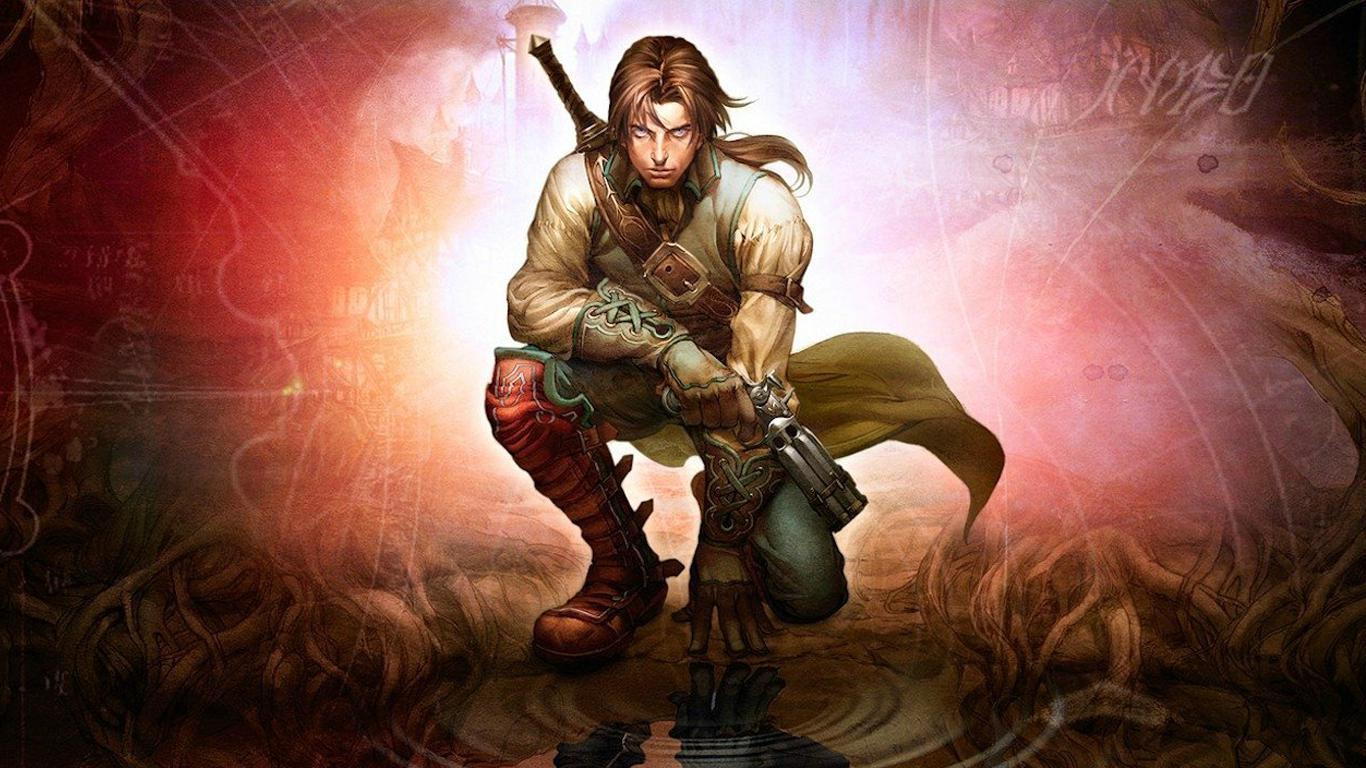
Playing with a friend is easy! A second player can join your game and earn gold and experience alongside you. You can freely trade items and weapons between characters, which is a great way to help new players by sending them powerful gear from a finished game. The whole process is smooth and happens right within the normal game view.
‘Fable III’ (2010)
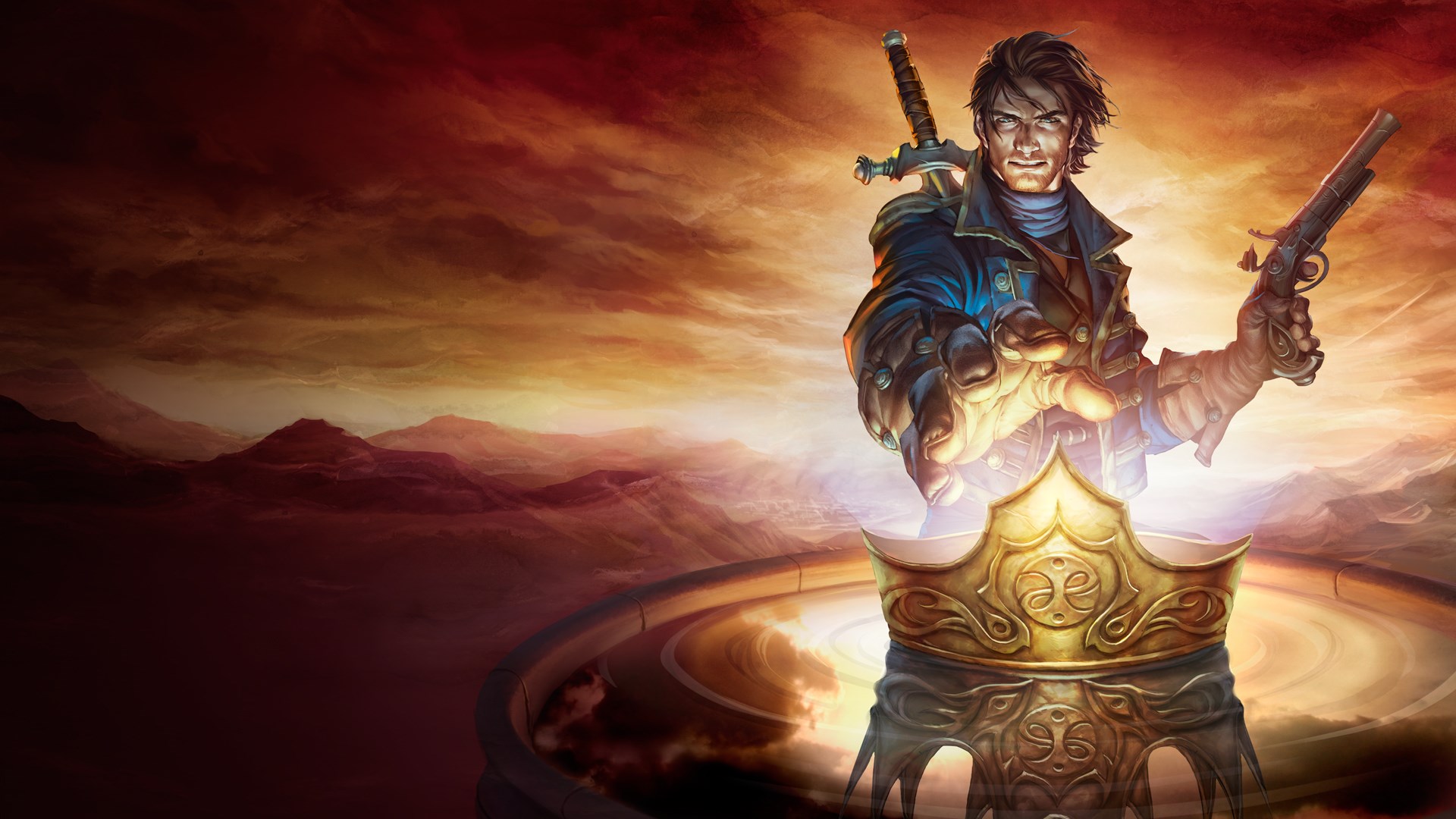
The Sanctuary is a central place where you can organize your items and connect with other players. You can team up with a friend in their game and send them gold or weapons. This lets you share items between your different characters using a friend as a helper, making it more rewarding to collect wealth and gear for your account as a whole.
‘Final Fantasy XIV’ (2013)
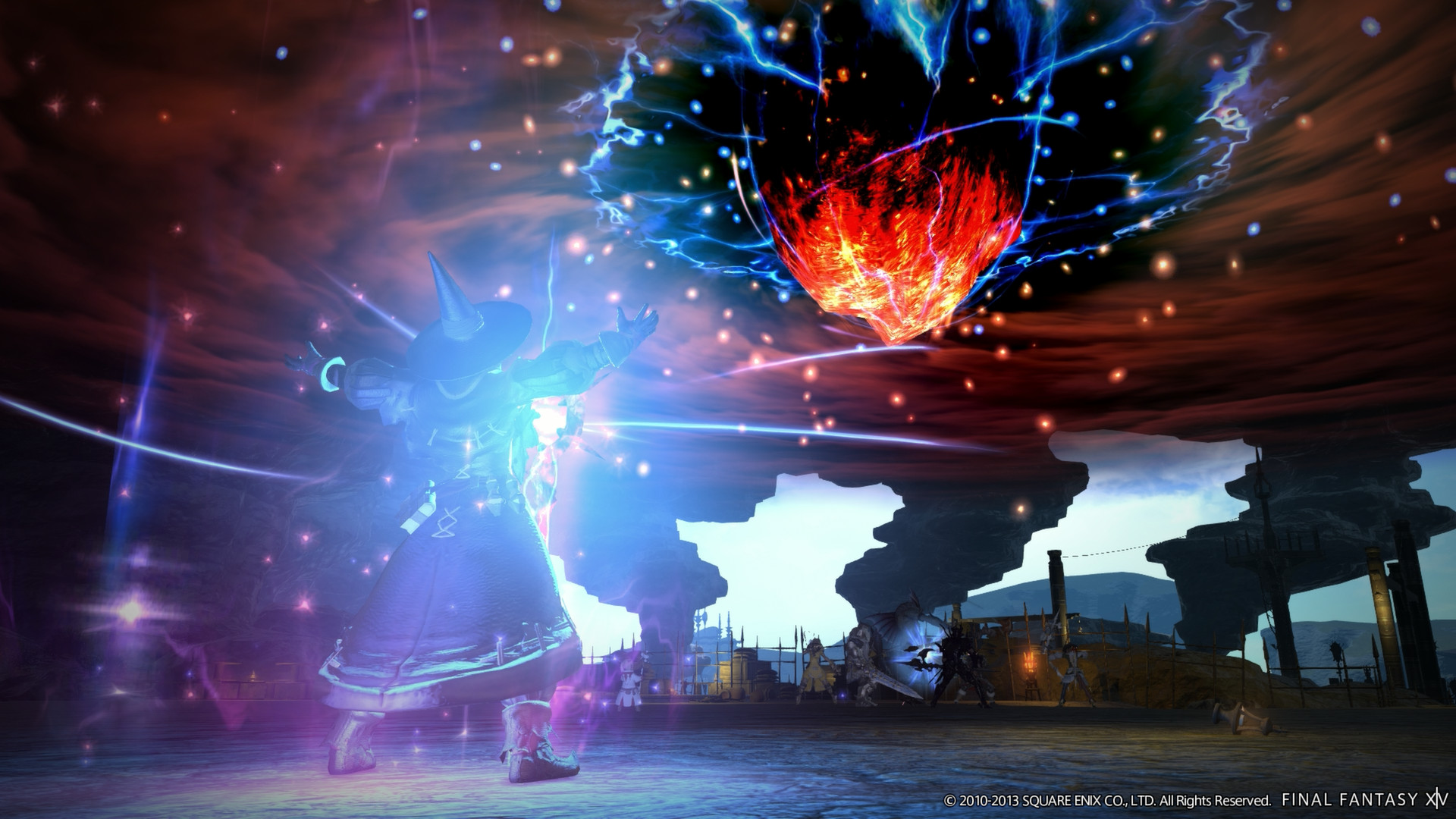
Retainers are helpful characters who store extra items for you. Although most items are tied to a specific character, you can send items that can be traded to your friends, who can then send them to your other characters. Plus, some cosmetic items purchased with real money are available across your entire account. Regularly managing your inventory using retainers is a key part of the game for dedicated players.
‘Star Wars: The Old Republic’ (2011)
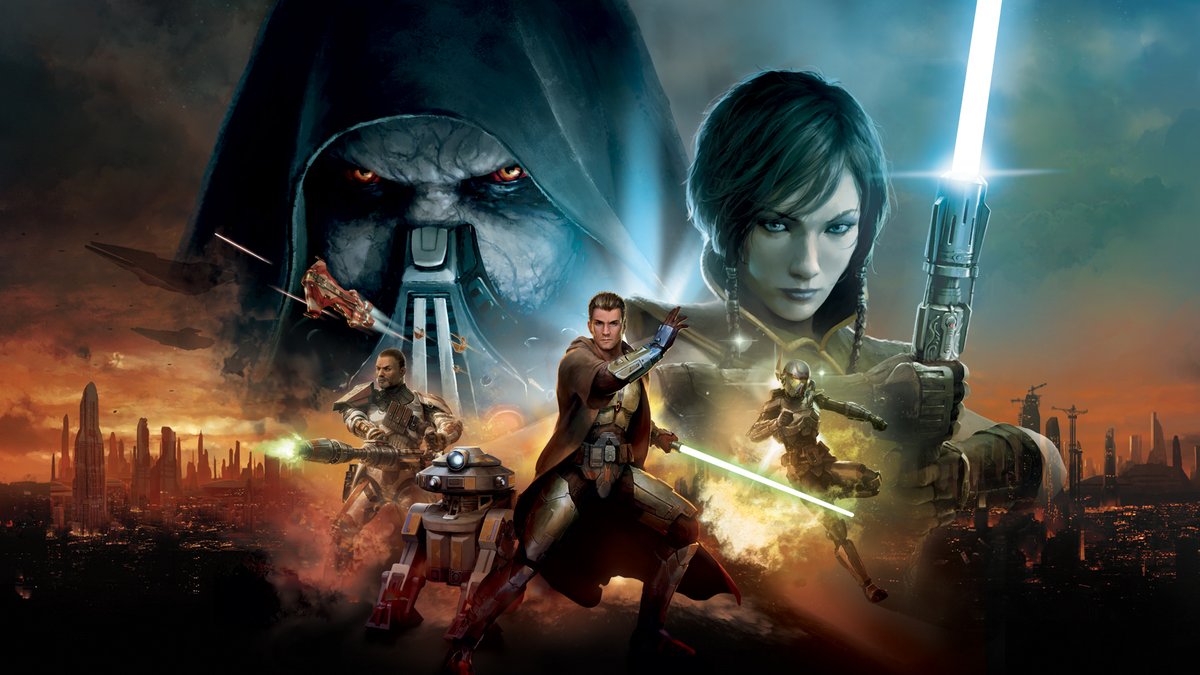
The Legacy system lets you share resources across all your characters within your account. You can easily send credits and equipment between your Jedi and Sith characters, which encourages you to experience all eight different class storylines. As you unlock Legacy perks, you’ll gain permanent benefits that apply to all your characters on the server.
‘Torchlight III’ (2020)
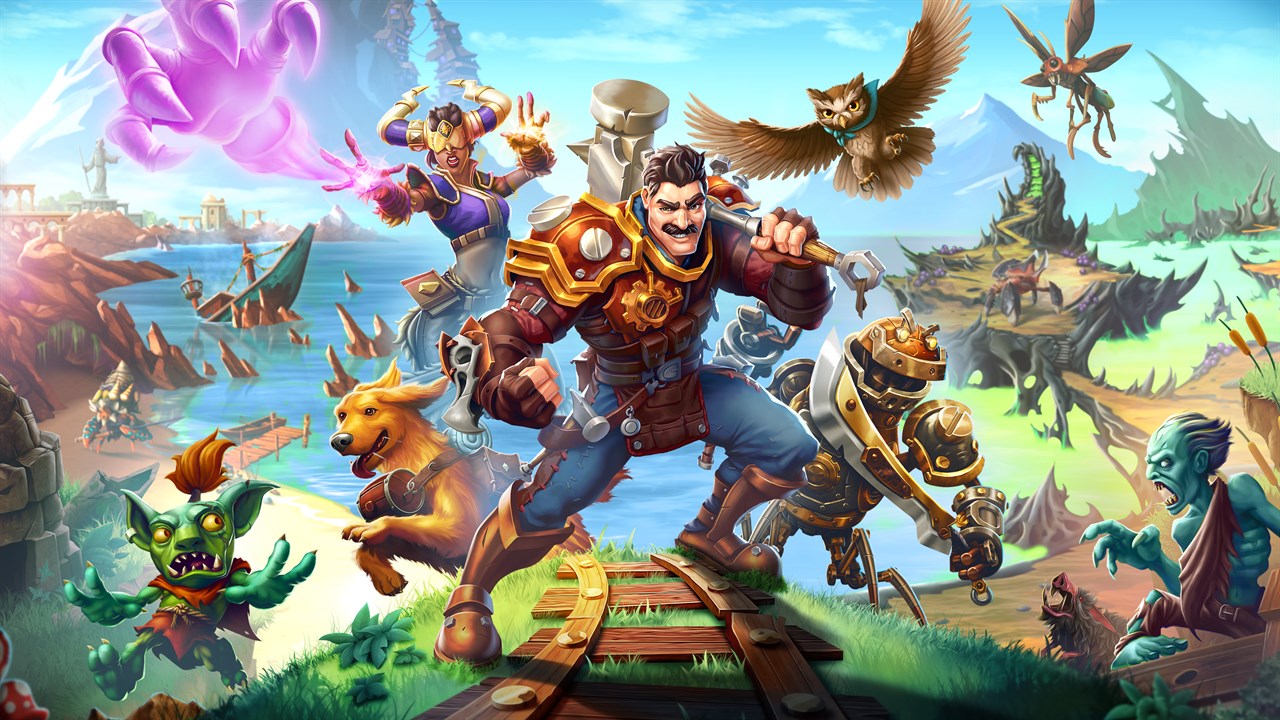
The fort system lets you create a base that all your characters can access and use. You can share items between your characters using a shared storage box. Resources you gather with one character can be used to improve the fort, benefiting all of them. This helps connect your progress across all your characters with a central hub.
‘Victor Vran’ (2015)
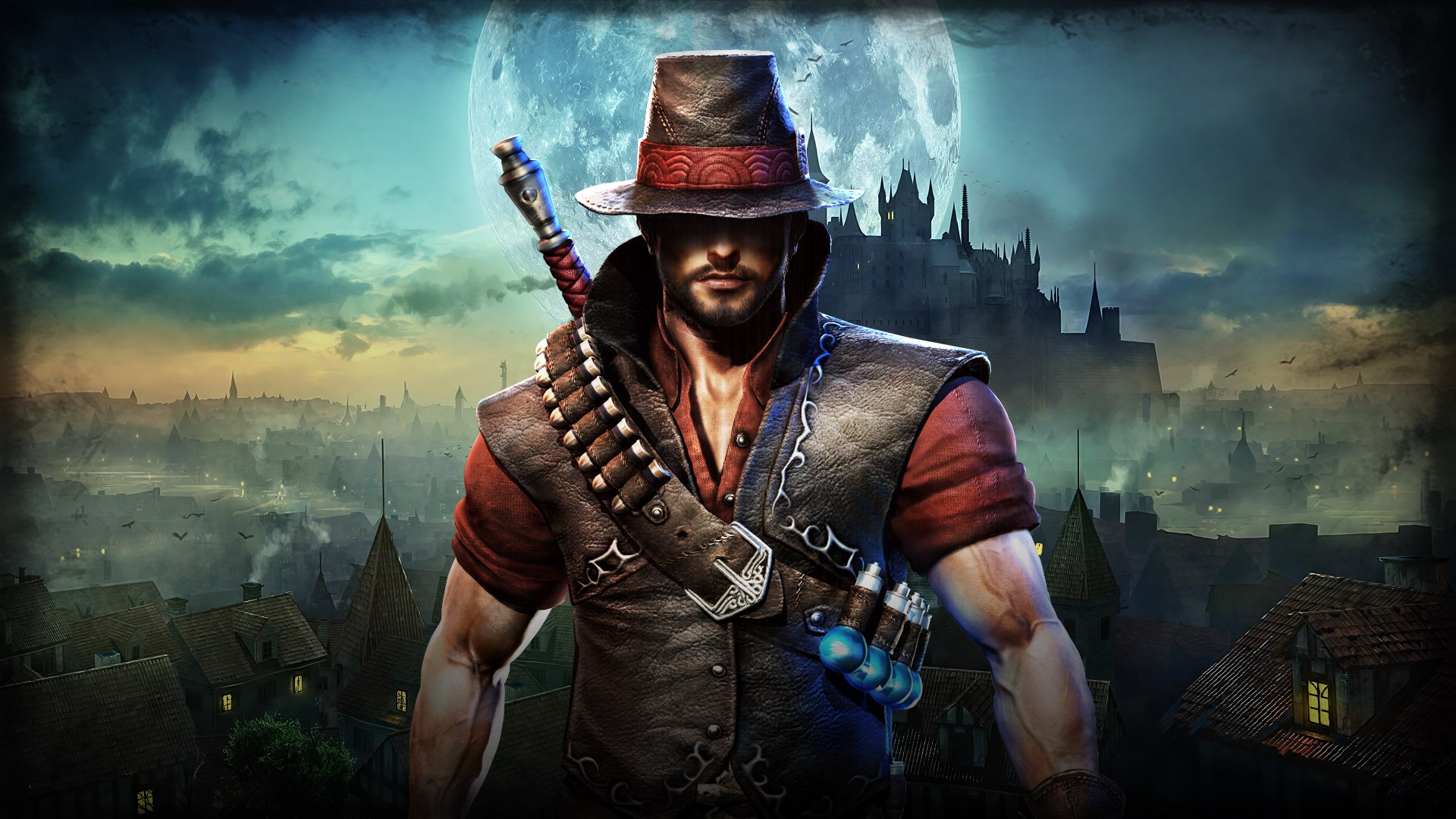
The central storage in the castle lets you keep destiny cards and weapons for all your characters. You can discover powerful weapons like scythes and hammers and save them to try out different playstyles later. Plus, the item upgrade station uses resources from this shared storage, so everything you find is useful, even if it doesn’t fit your current build.
‘The Incredible Adventures of Van Helsing’ (2013)
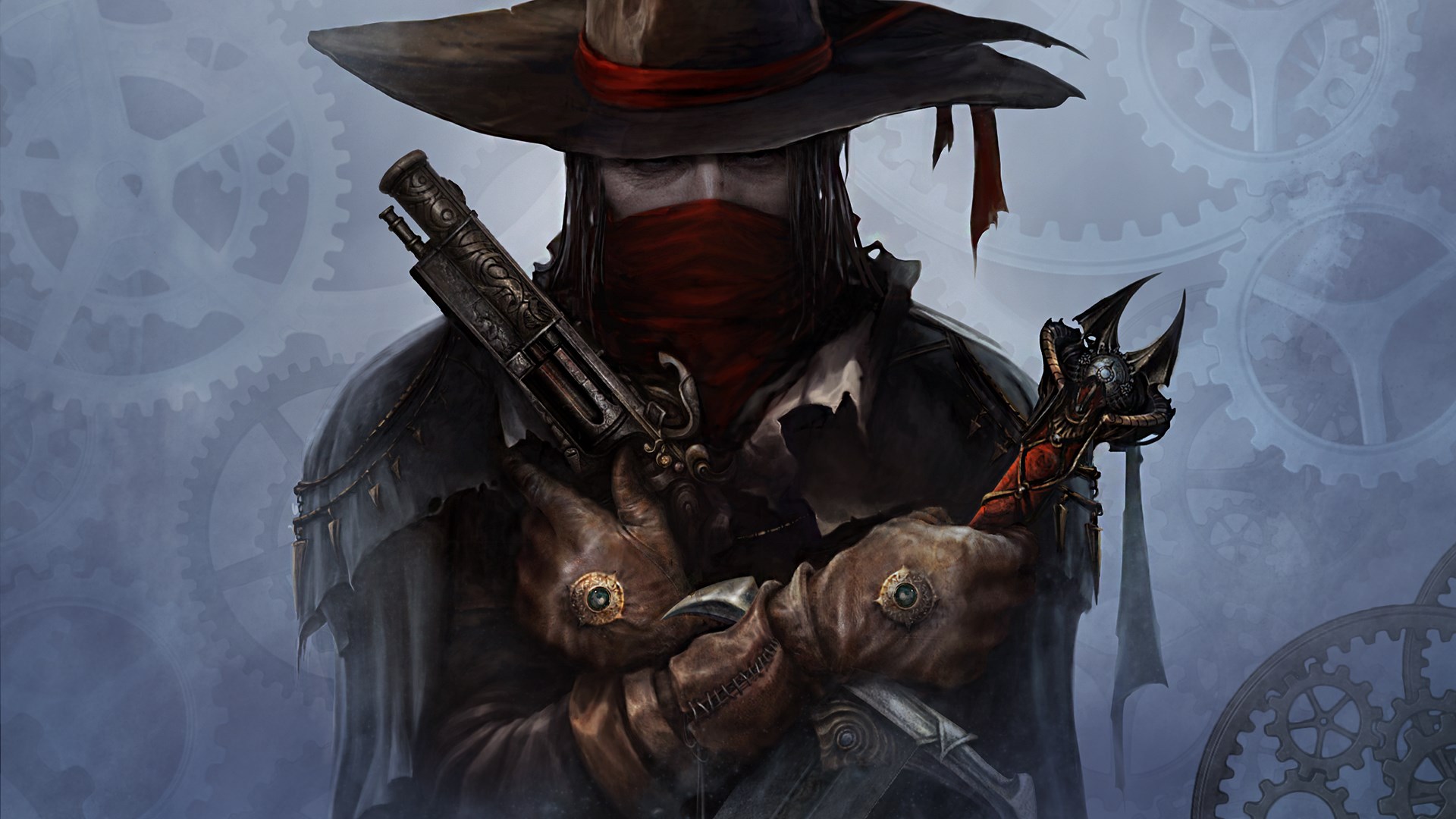
There’s a shared storage chest in your secret lair that lets you easily move items between your characters. You can store valuable essences and powerful equipment to help your other monster hunters succeed. This makes it fun to try out different classes, because you won’t have to spend a lot of time collecting gear again – you can focus on the action and keep hunting monsters!
‘Chronicon’ (2020)
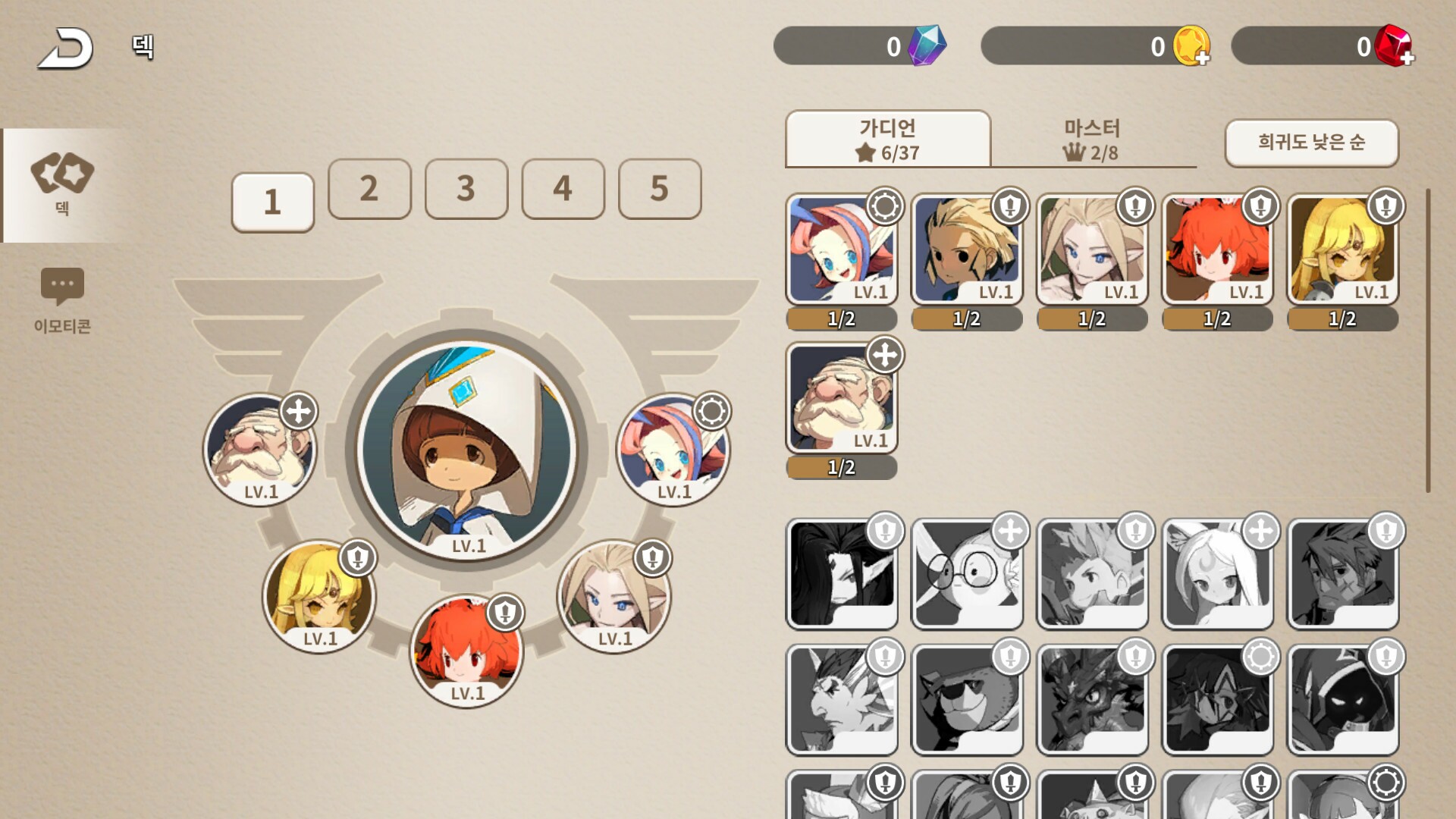
This indie action RPG has a shared storage system that’s key to its endless character development. You can earn gear for one class, like the Templar, even while playing as another, such as the Warlock, and save it for future use. Plus, crafting materials and money are shared across all your characters. This creates a rewarding cycle where progress with one character helps boost the others.
‘Warhammer 40,000: Inquisitor – Martyr’ (2018)
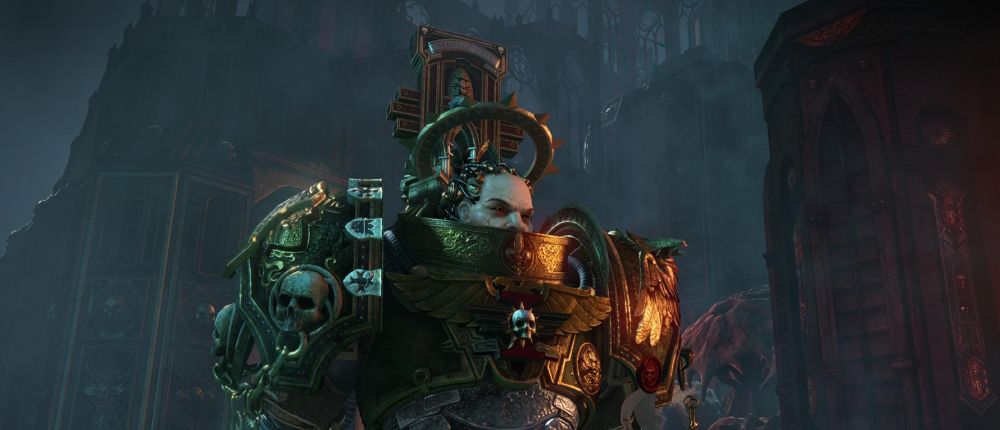
Your ship has a special storage container on the bridge called a stasis casket, which is shared across all your Inquisitor characters. You can use it to move blueprint pieces and relics between them. This means you can easily switch between playing as the Crusader and Assassin without having to worry about losing your favorite items. The ability to share items like this is a key part of how your progress carries over across all your characters.
‘Minecraft’ (2011)
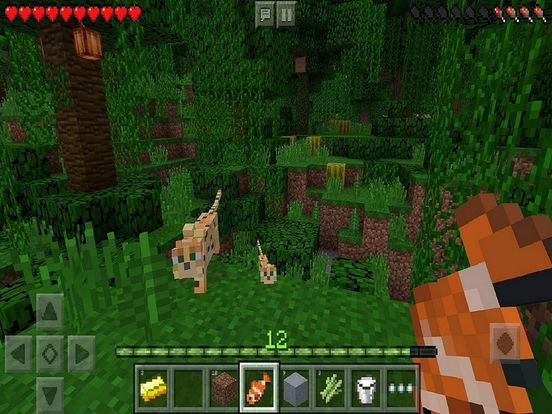
Sometimes, in Minecraft, a player’s items are linked to their account name instead of the specific game world they’re in. More often, players share items by using chests. For example, one player might mine diamonds and leave them in a chest for another player, or even one of their own alternate accounts, to collect. This simple act of physically moving items between players is the foundation of how the multiplayer economy works in the game.
‘Dragon’s Crown’ (2013)
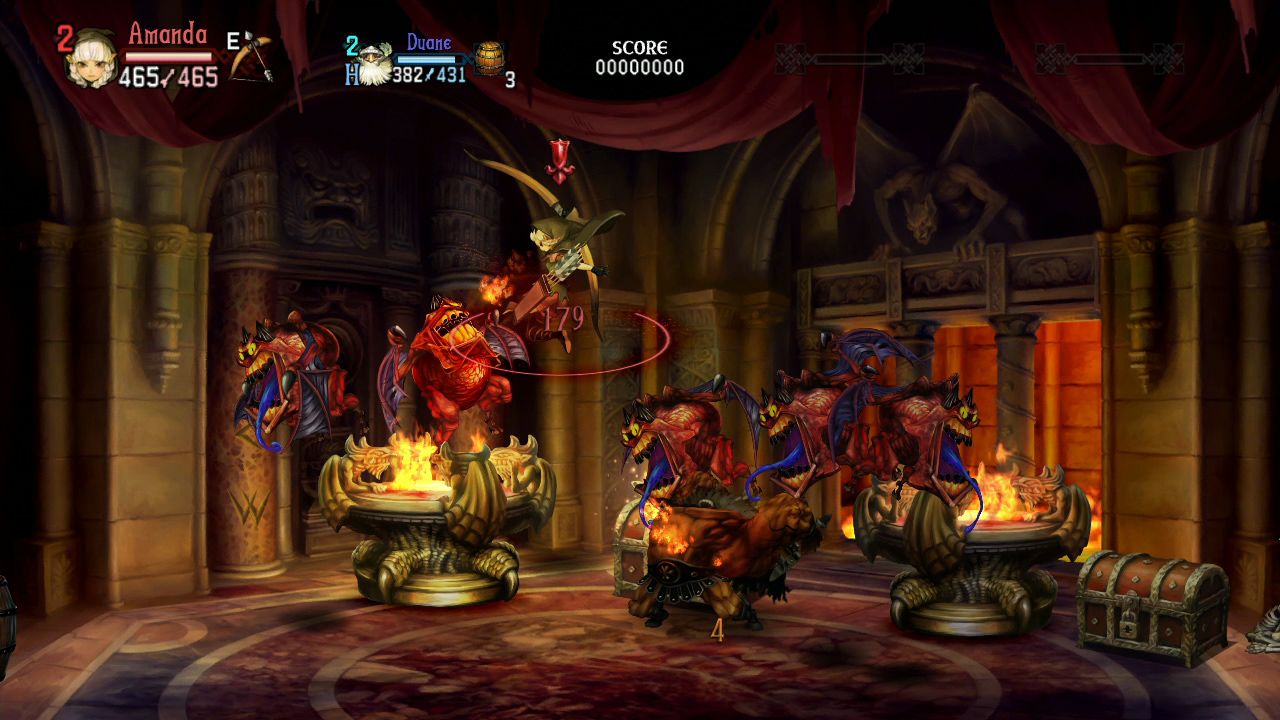
Okay, so anything I find in dungeons isn’t just for one character – it’s shared across all of them on my save file, which is awesome! I can play as my Fighter, find a cool piece of gear, and then just send it over to my Sorceress if she can actually use it. The game even sorts everything neatly when I’m switching characters, making it super easy to gear up my alts. Honestly, it really pushes me to want to max out every class, because why wouldn’t I when I can share all the good stuff?
‘Odin Sphere Leifthrasir’ (2016)
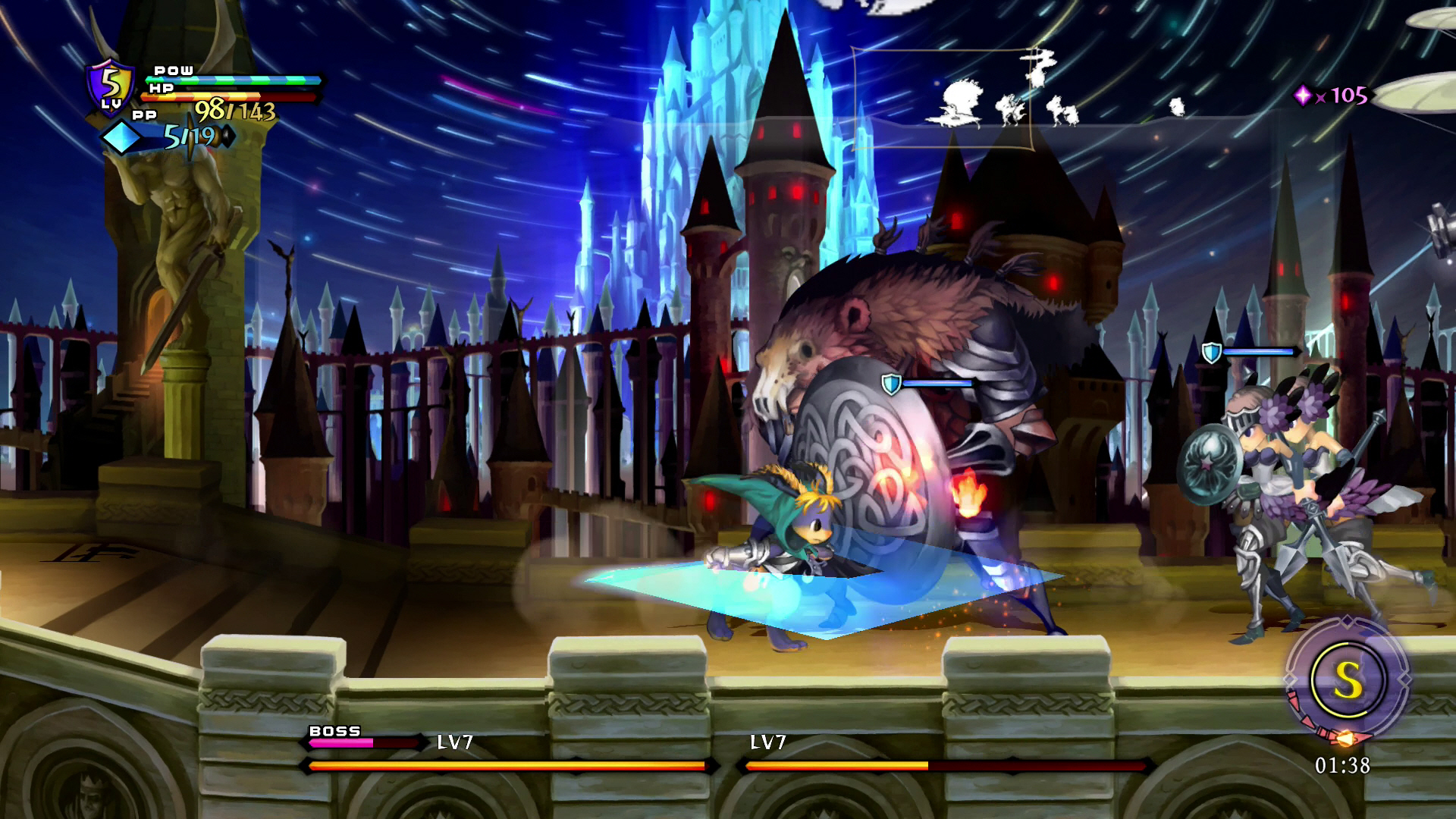
Throughout the game, you’ll control five different characters whose stories overlap. They all share one Item Box, which lets you prepare for challenges ahead. For example, one character can cook or brew potions and leave them in the box for others to use. This is especially useful for tough boss battles, as it helps you manage your supplies and creates a connection between each character’s journey through a shared inventory.
‘Castlevania: Harmony of Despair’ (2010)
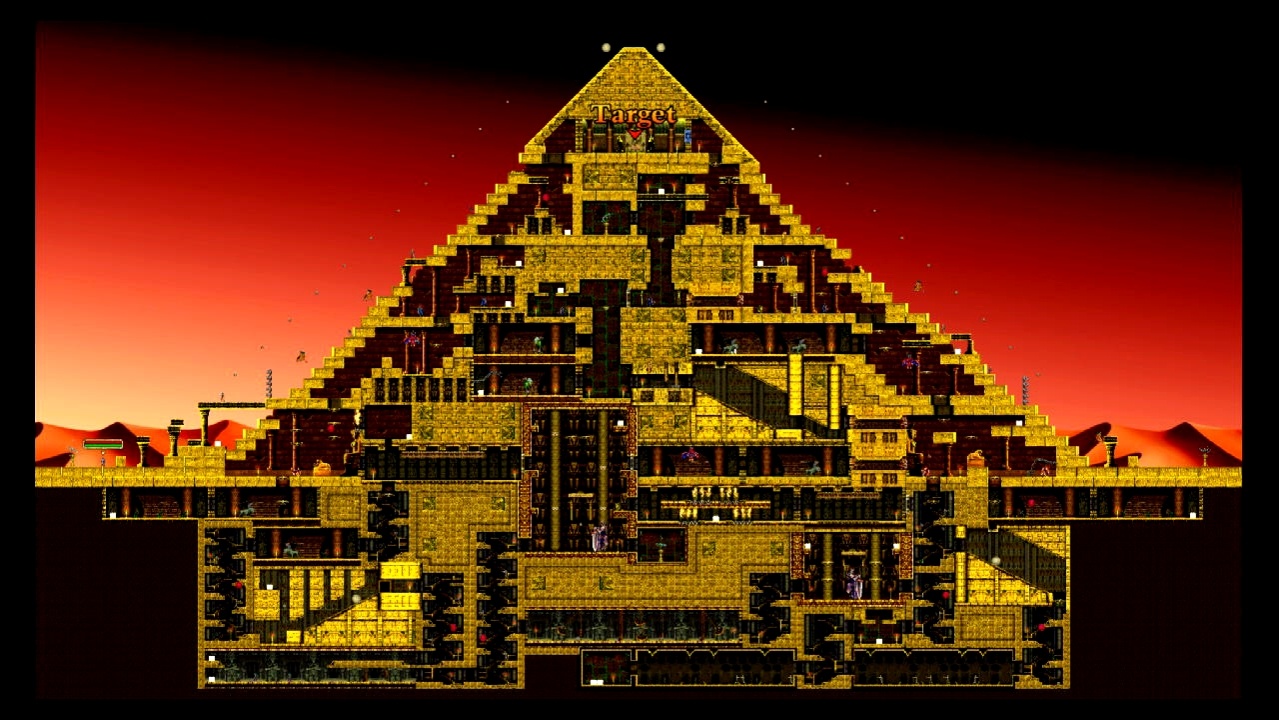
Any weapons and armor you find in chests are shared among all characters in your game. This means you could, for example, find the Alucard Sword while playing as Soma Cruz and then have Alucard immediately use it. Money earned in the game is also shared, letting players with lots of funds help out those who are struggling to get good equipment. This system encourages players to replay levels to hunt for rare items.
Give us your recommendations for the best games with shared stashes in the comments.
Read More
- Trading on Thin Air: AI Agents Conquer Crypto Volatility
- 20 Movies Where the Black Villain Was Secretly the Most Popular Character
- Invincible Season 4 Gender Swaps Tech Jacket As Fans Question Major Comic Change
- Silver Rate Forecast
- 22 Films Where the White Protagonist Is Canonically the Sidekick to a Black Lead
- 15 Films That Were Shot Entirely on Phones
- Trading Smarter: AI-Powered Execution Schedules
- Celebs Who Narrowly Escaped The 9/11 Attacks
- Gold Rate Forecast
- Smarter Order Execution: How AI is Outperforming Wall Street’s Playbook
2025-12-17 17:26