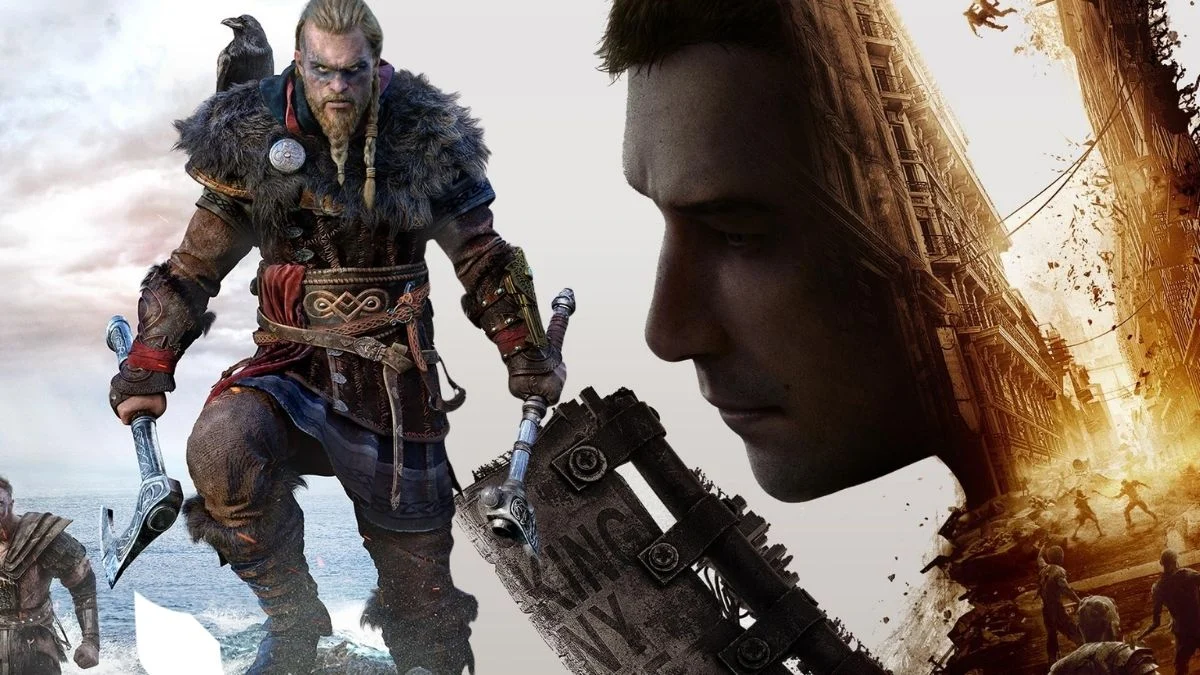
As a gamer, it really sucks when you find out someone who made a game you love has said or done something awful. It’s become pretty common – usually, it starts with a public statement that gets people upset, but sometimes it’s even worse when private messages or internal chats leak and show harassment or really hateful stuff. It puts you in a tough spot, because you start wondering if you can still enjoy the game knowing what the creator is like. I’ve put together a list of games that faced a lot of heat from the community after something like this happened – when offensive stuff from the people who made them came to light.
‘High on Life’ (2022)
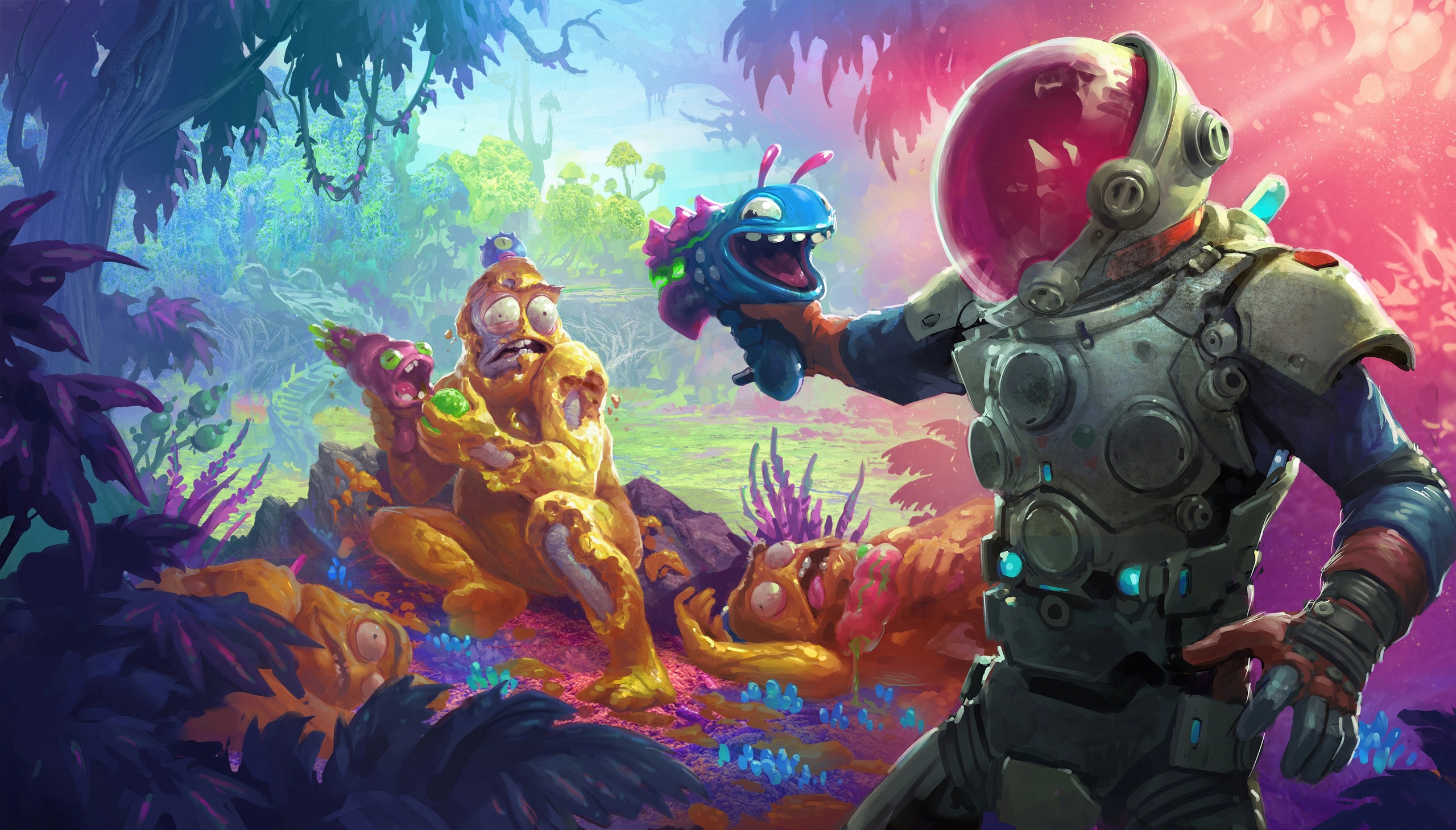
The funny shooting game faced strong criticism when accusations against its creator, Justin Roiland, came to light. Private messages were leaked that allegedly showed him sending inappropriate and sexually explicit texts to young fans. As a result, the game studio, Squanch Games, announced Roiland’s departure. Many gamers decided not to buy the game because he was the main voice actor and had a large role in its creative development.
‘Skullgirls: 2nd Encore’ (2015)
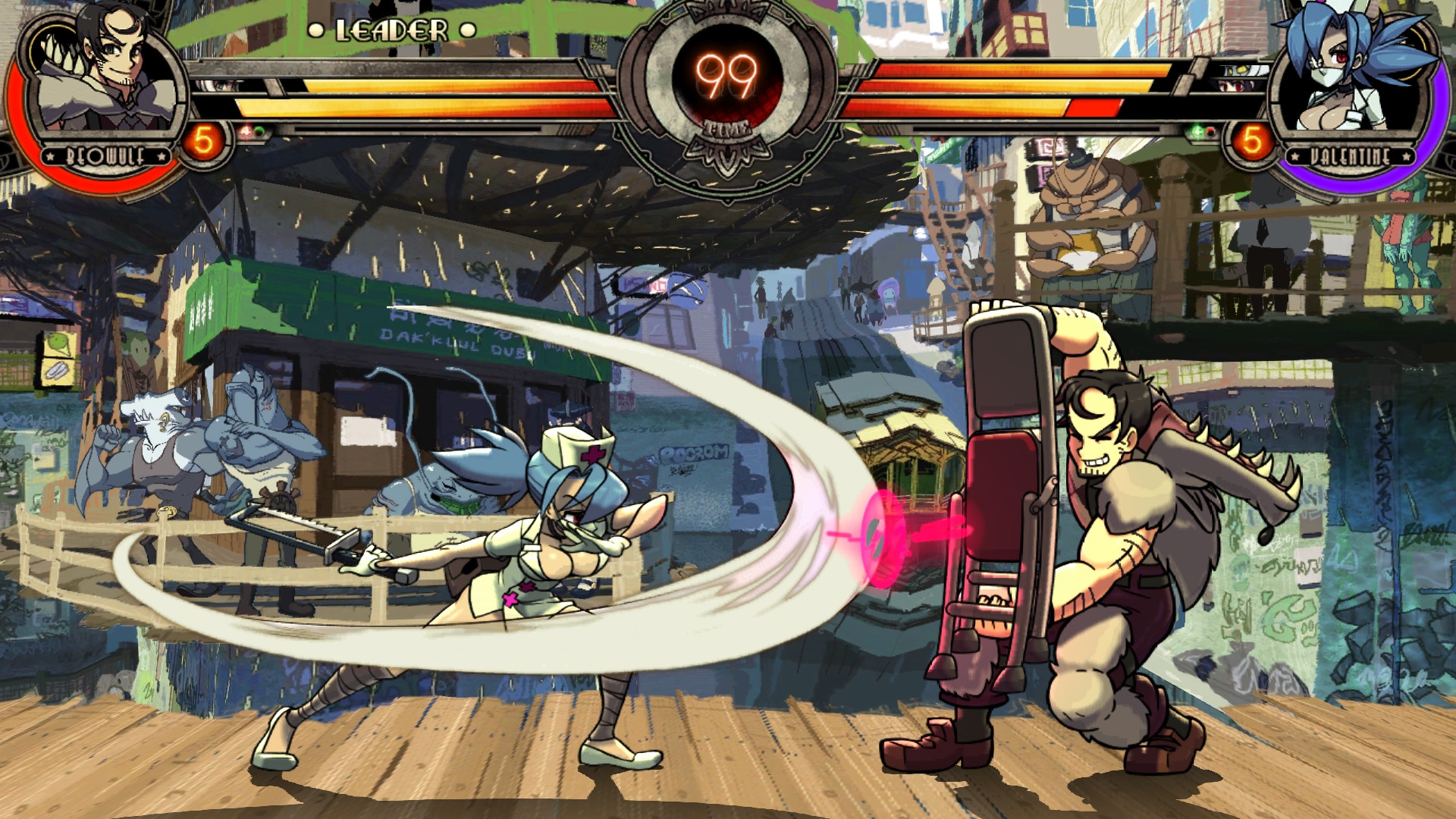
A scandal erupted when private messages surfaced revealing inappropriate sexual comments made by lead designer Mike Zaimont to members of the gaming community. As a result, the competitive fighting game was removed from major tournaments for a considerable time. The situation worsened, leading to the entire development team leaving to start a new company without Zaimont. Ultimately, ownership of the game was transferred to completely separate it from him.
‘Indivisible’ (2019)
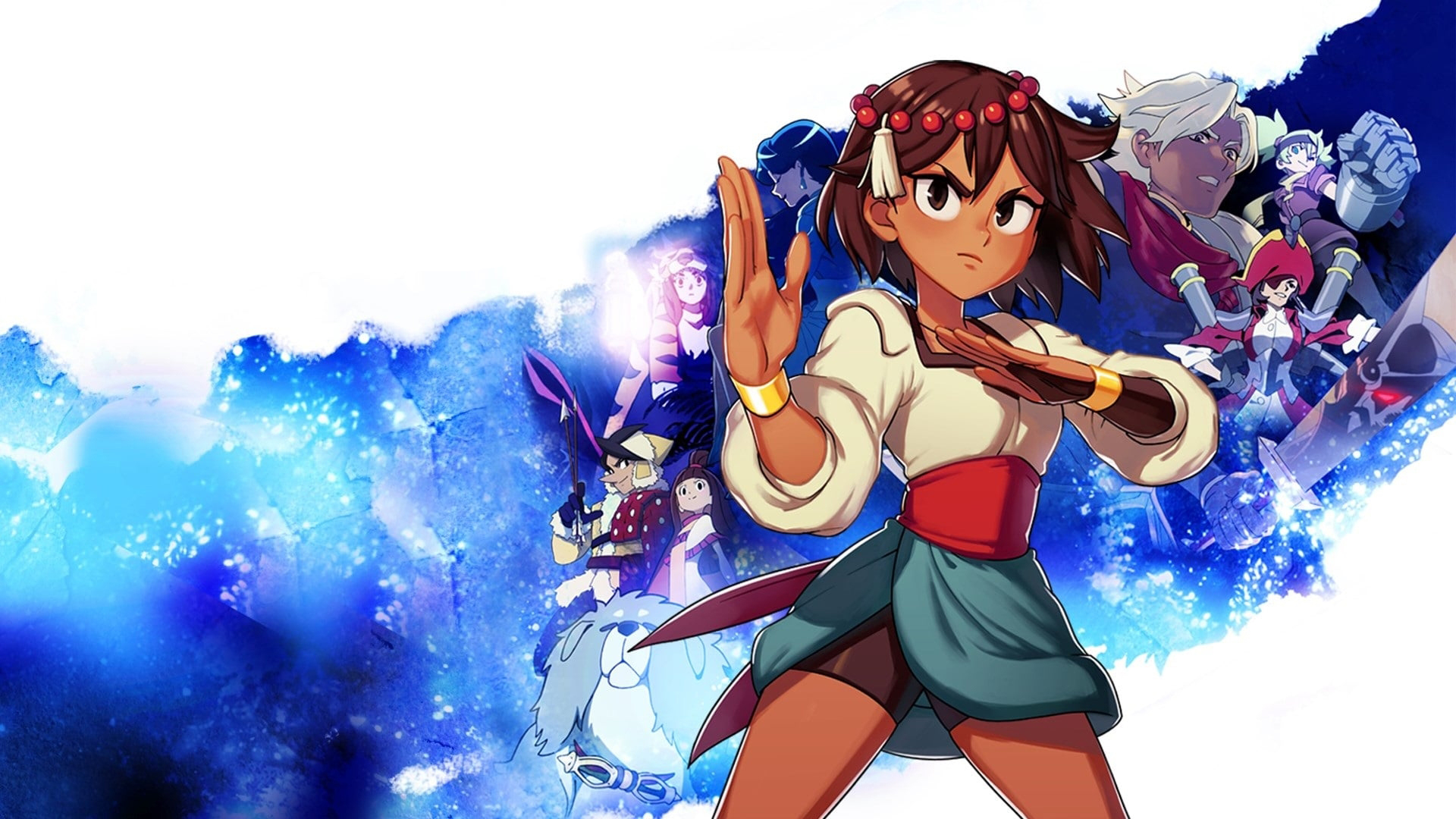
Development of this action role-playing game was severely impacted by the actions of lead design director Mike Zaimont. After inappropriate personal messages were made public, updates to the game stopped much sooner than expected. 505 Games cancelled plans for additional characters following the breakup of Lab Zero Games. Fans were upset that the game couldn’t deliver on all the features promised through crowdfunding, especially after revelations about the problematic management practices.
‘Night in the Woods’ (2017)
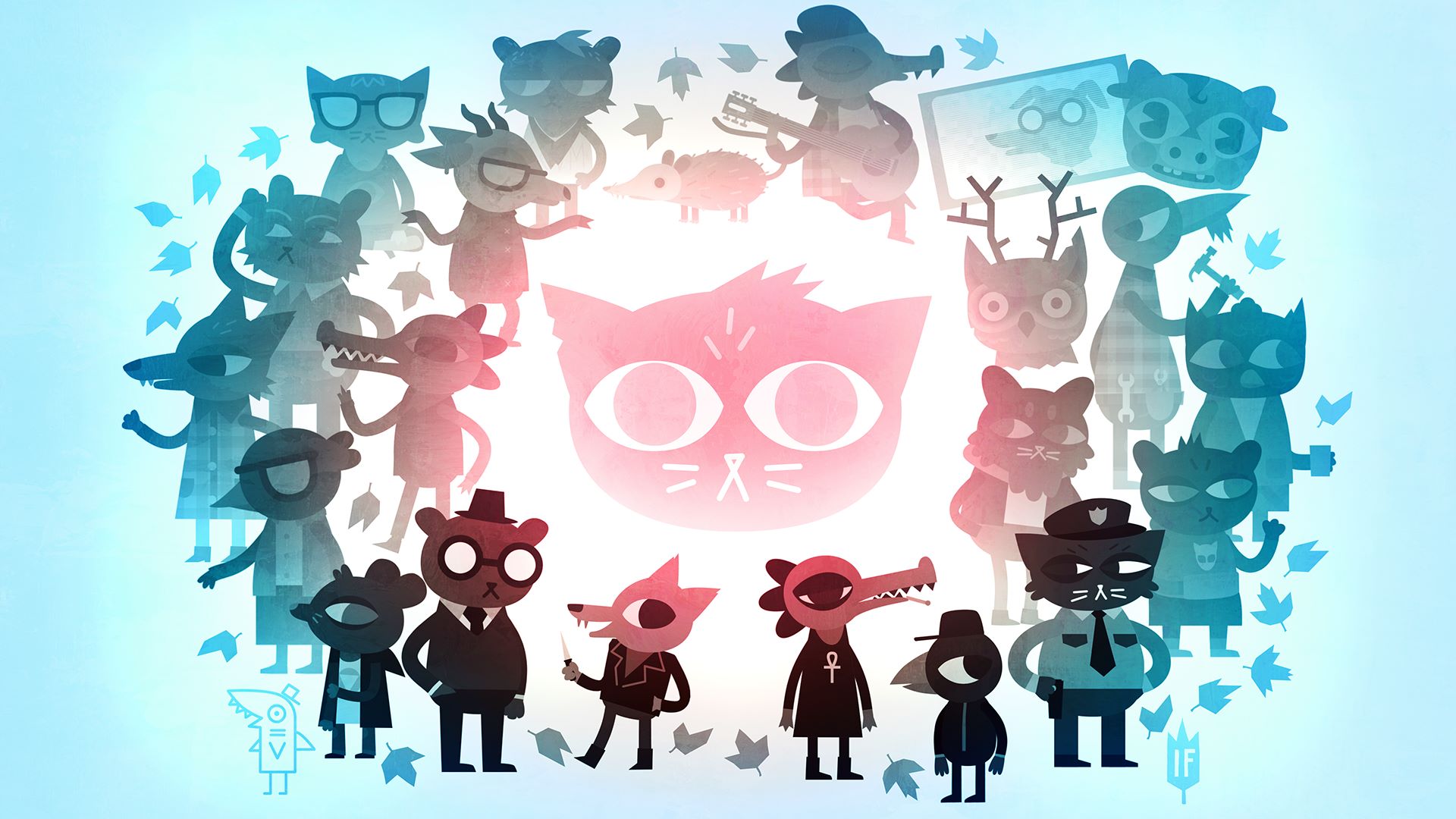
Man, this indie game was getting so much hype, but then things got really complicated. Accusations came out about one of the developers, Alec Holowka, detailing some seriously messed up behavior – emotional manipulation and abuse in his personal relationships. The rest of the team did the right thing and cut ties with him, even cancelled a physical release of the game. It’s been tough for the community, though. The game actually deals with mental health, so it’s created a really awkward situation – people are split on whether or not they can still enjoy it knowing what happened.
‘Ion Fury’ (2019)
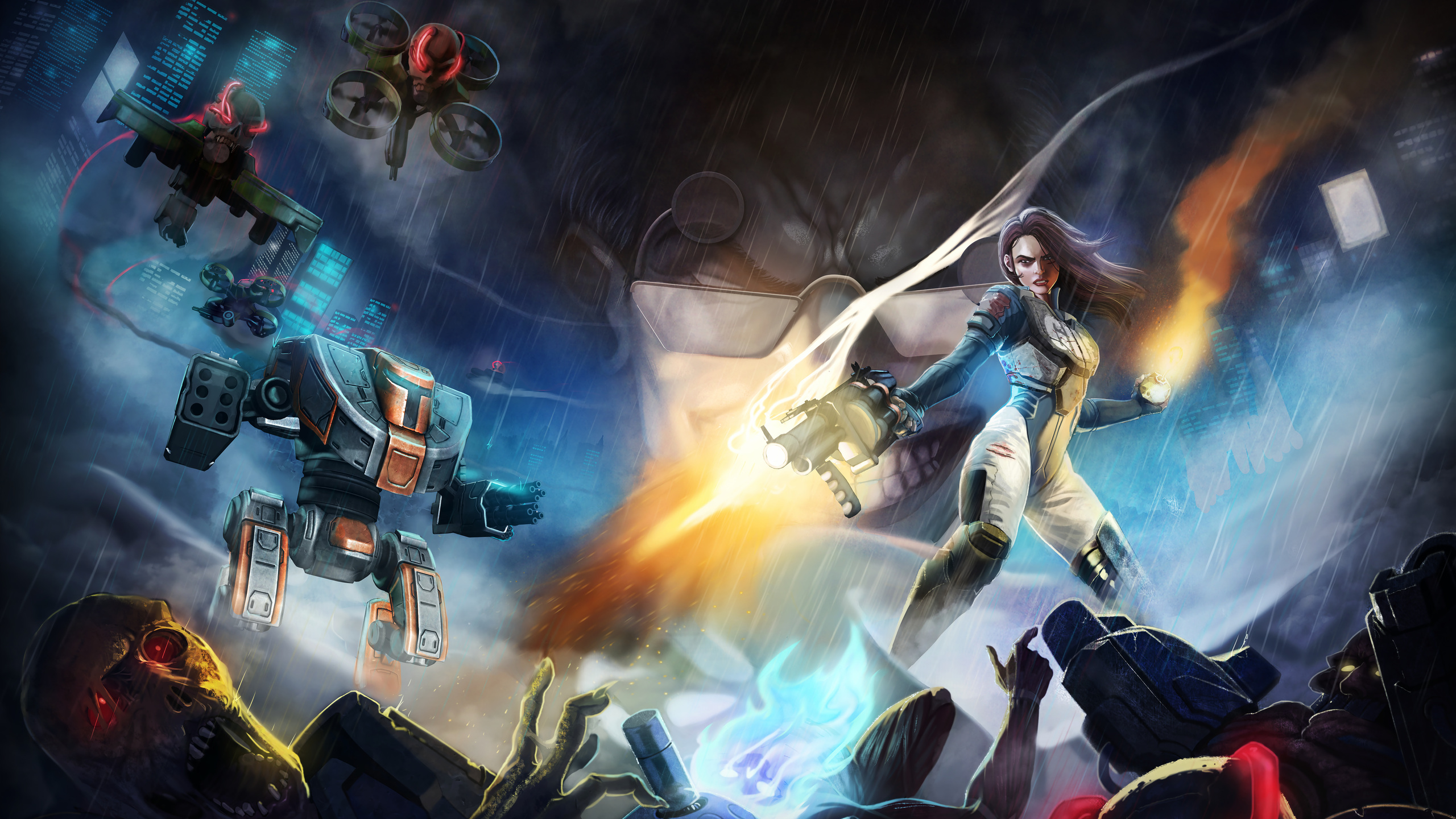
Voidpoint, the developers of a popular game, faced backlash after private Discord logs were made public, revealing transphobic and sexist comments made by staff. These comments clashed with the company’s public persona. Voidpoint first apologized and pledged a charitable donation, but later walked back parts of that apology due to pressure from various groups. This inconsistent response led to a boycott from people across the political spectrum who were upset about how the private logs were handled.
‘Overwatch 2’ (2022)
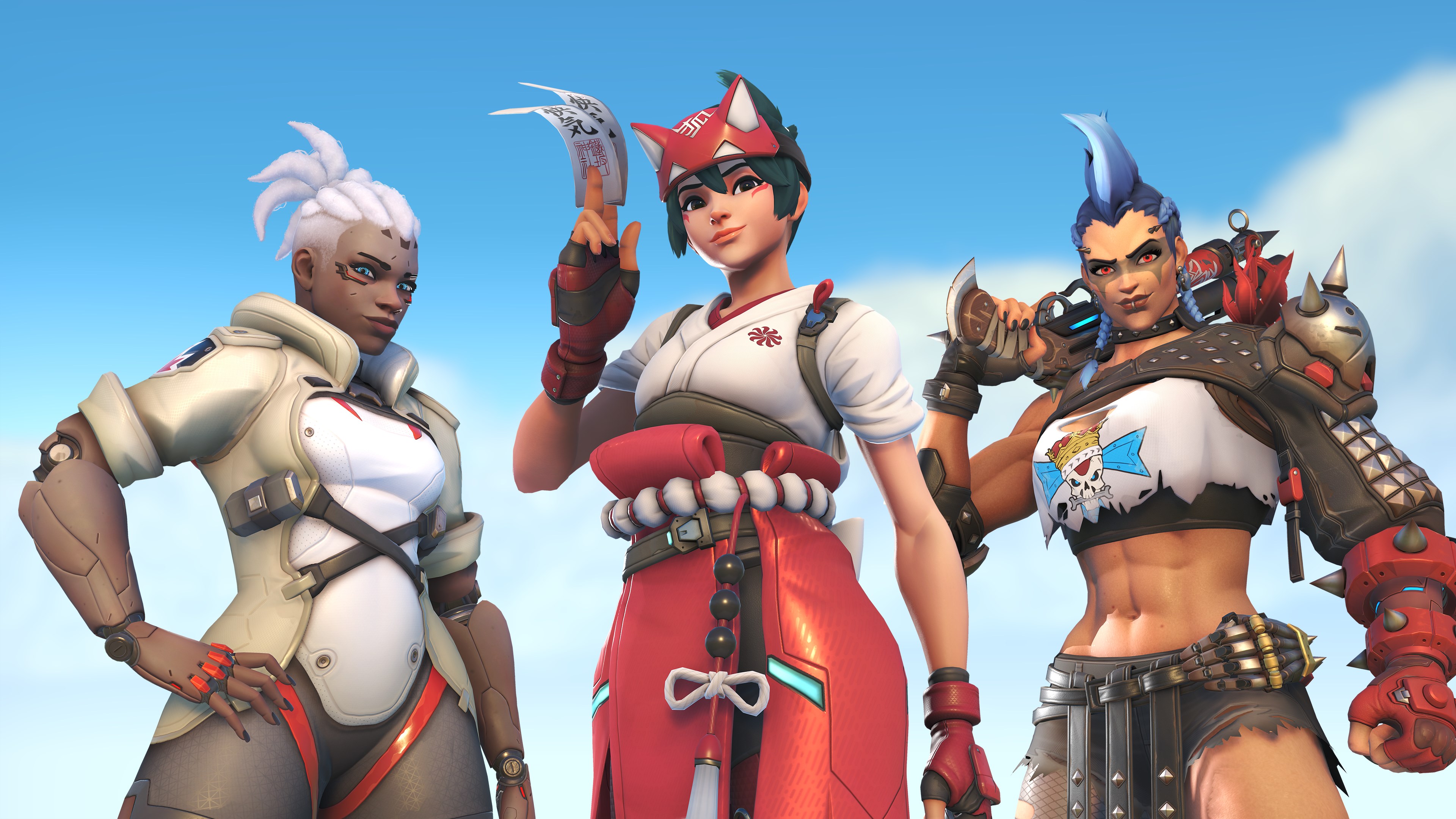
Activision Blizzard was sued due to widespread harassment and a problematic workplace environment, with internal messages revealing a culture described as resembling a “frat house.” Reports surfaced about a space nicknamed the “Cosby Suite” where executives were accused of misconduct at company events. This led to fan-led boycotts and protests demanding improvements to working conditions. As a result, the company changed the name of a character, Jesse McCree, after the game developer the character was based on became involved in a scandal involving inappropriate text messages.
‘World of Warcraft: Shadowlands’ (2020)
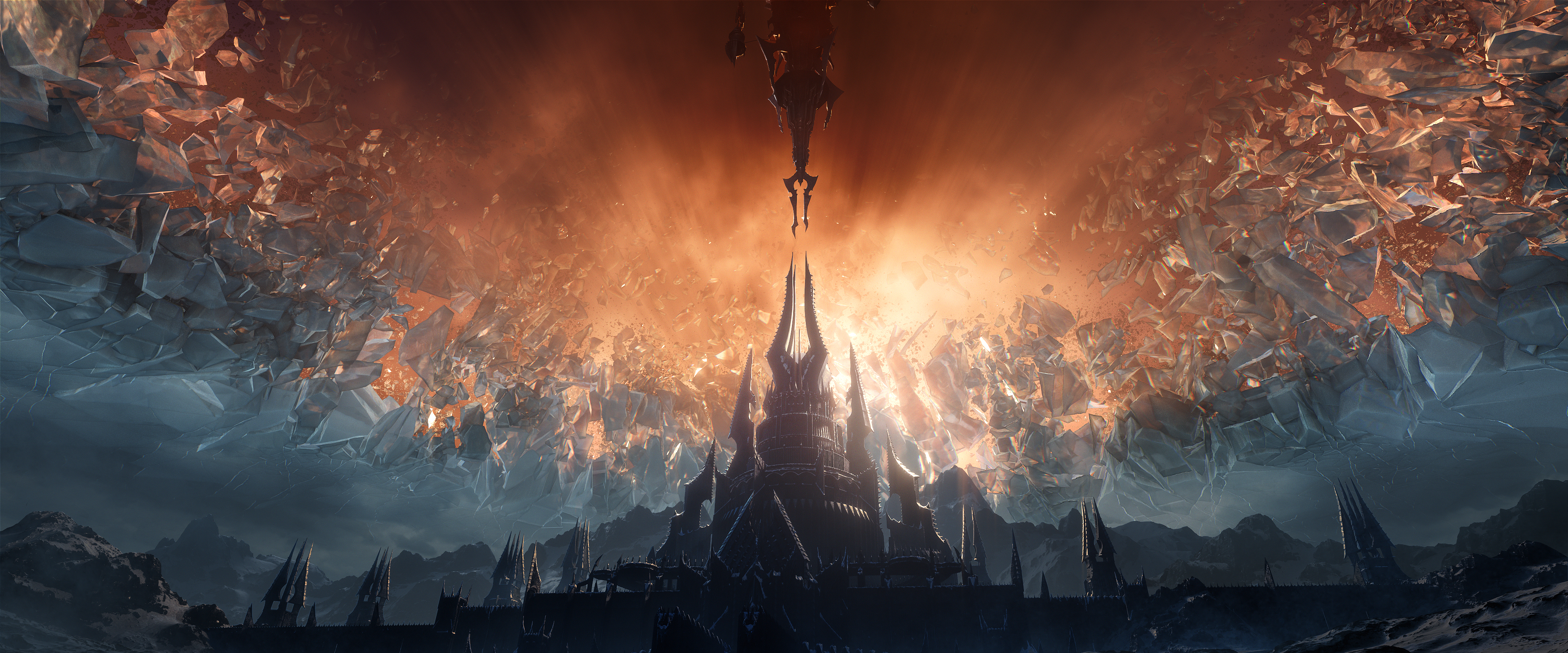
The launch of this new expansion happened at the same time as a major lawsuit against Blizzard by the California Department of Fair Employment and Housing. The lawsuit revealed internal documents and messages showing widespread harassment and discrimination based on gender within the company. Many long-time players cancelled their subscriptions to support the employees affected by this behavior. Players also organized in-game protests, gathering in virtual cities to demand that Blizzard’s leaders address the harmful company culture.
‘Diablo IV’ (2023)
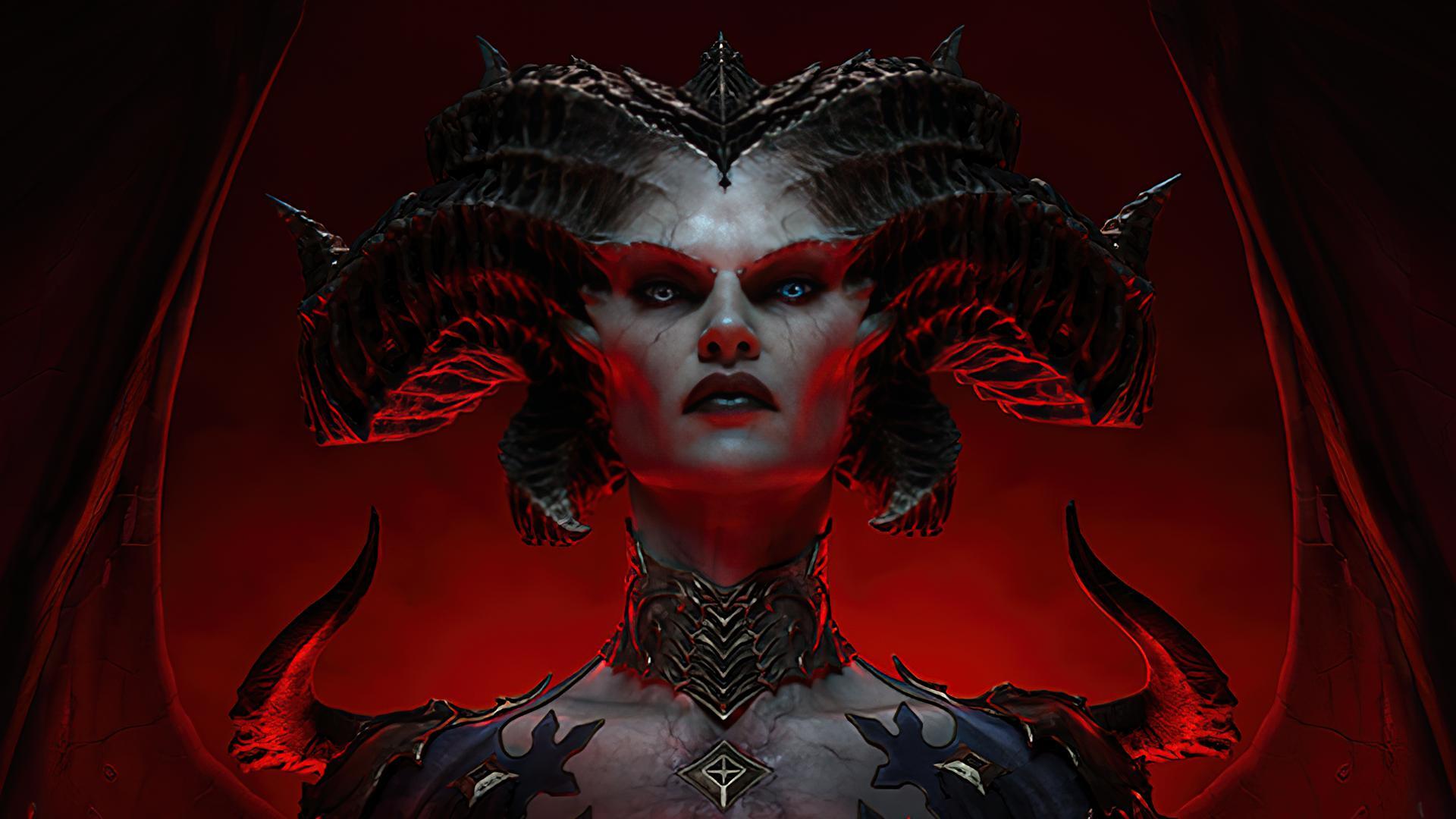
As a long-time fan, I was really excited for this sequel, but the development process was a mess. After those leaked internal messages and photos – the whole “Cosby Suite” thing – things went downhill fast. It created a huge PR disaster for the studio, and they had to stop all marketing while they tried to fix the problems. Honestly, a lot of us who’ve been playing this series for years were hesitant to buy it, because we didn’t want to support a company that seemed to ignore the concerns of its own employees. It was a really disappointing situation.
‘Call of Duty: Modern Warfare II’ (2022)
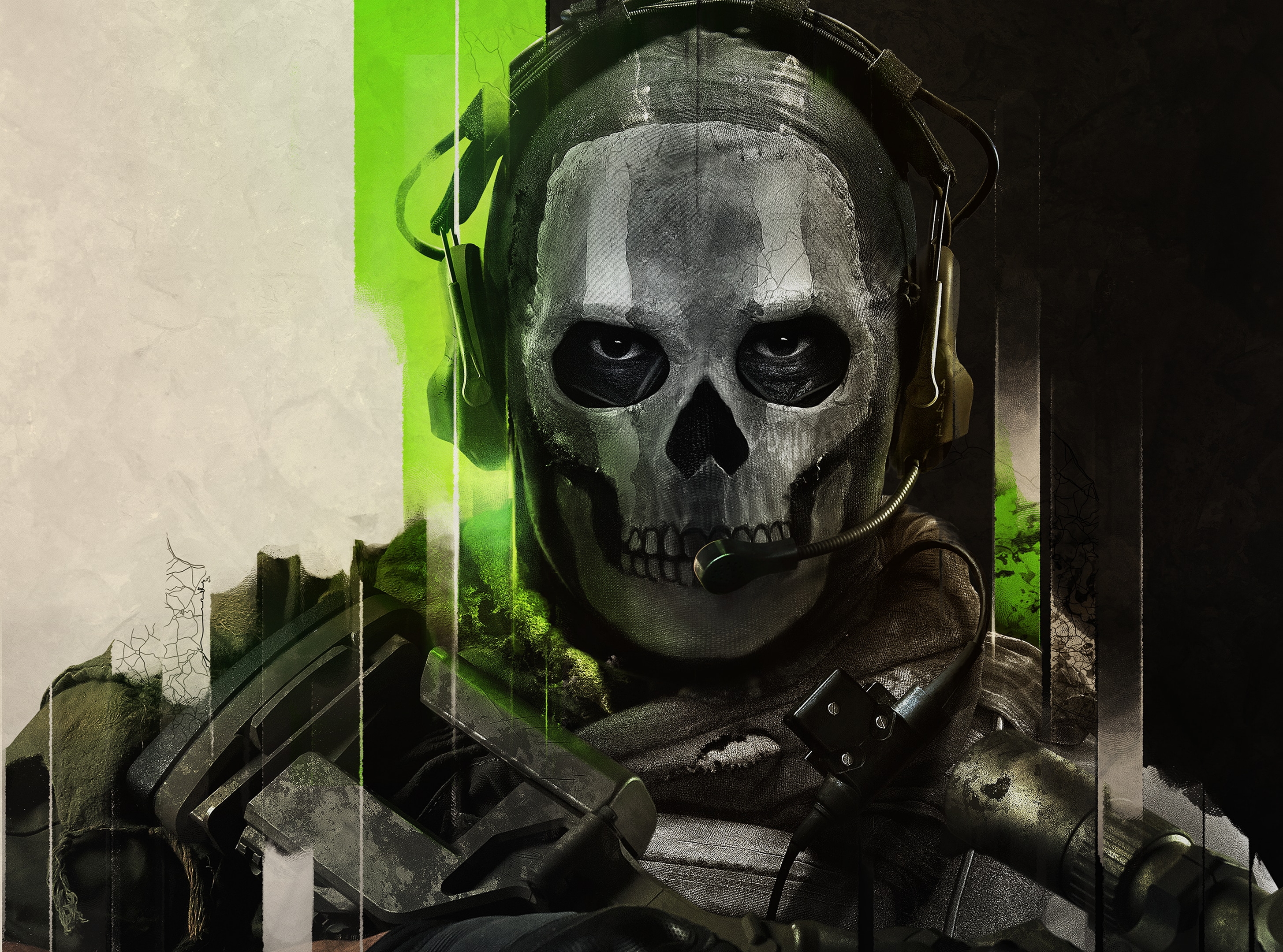
The controversy surrounding Activision Blizzard reached its popular shooting game when reports surfaced about a toxic work environment. Employees protested after company leaders didn’t properly respond to accusations of harassment detailed in a lawsuit. Many online personalities and content creators then announced they would no longer feature the game until changes were made. This boycott demonstrated how problems within a company can impact even the most successful entertainment franchises.
‘Assassin’s Creed: Valhalla’ (2020)
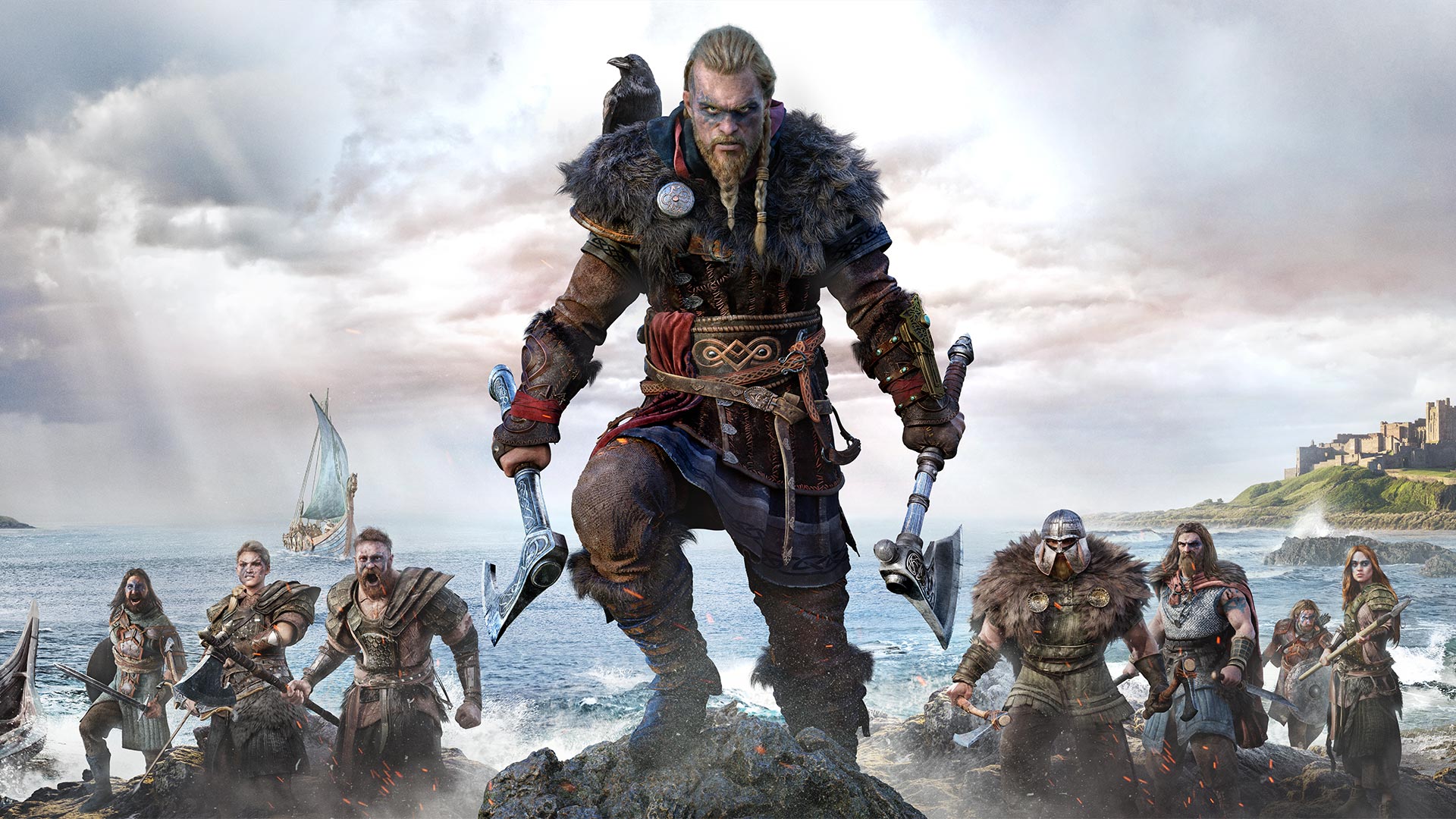
Ashraf Ismail left his role as creative director after accusations about his personal life became public. Reports suggested he misused his position to pursue relationships with fans and had kept his marriage secret. Following these revelations and an internal investigation into inappropriate behavior, Ubisoft fired him. The situation also prompted questions from players about the company’s culture and why these kinds of power imbalances were allowed to continue for so long.
‘Dying Light 2: Stay Human’ (2022)
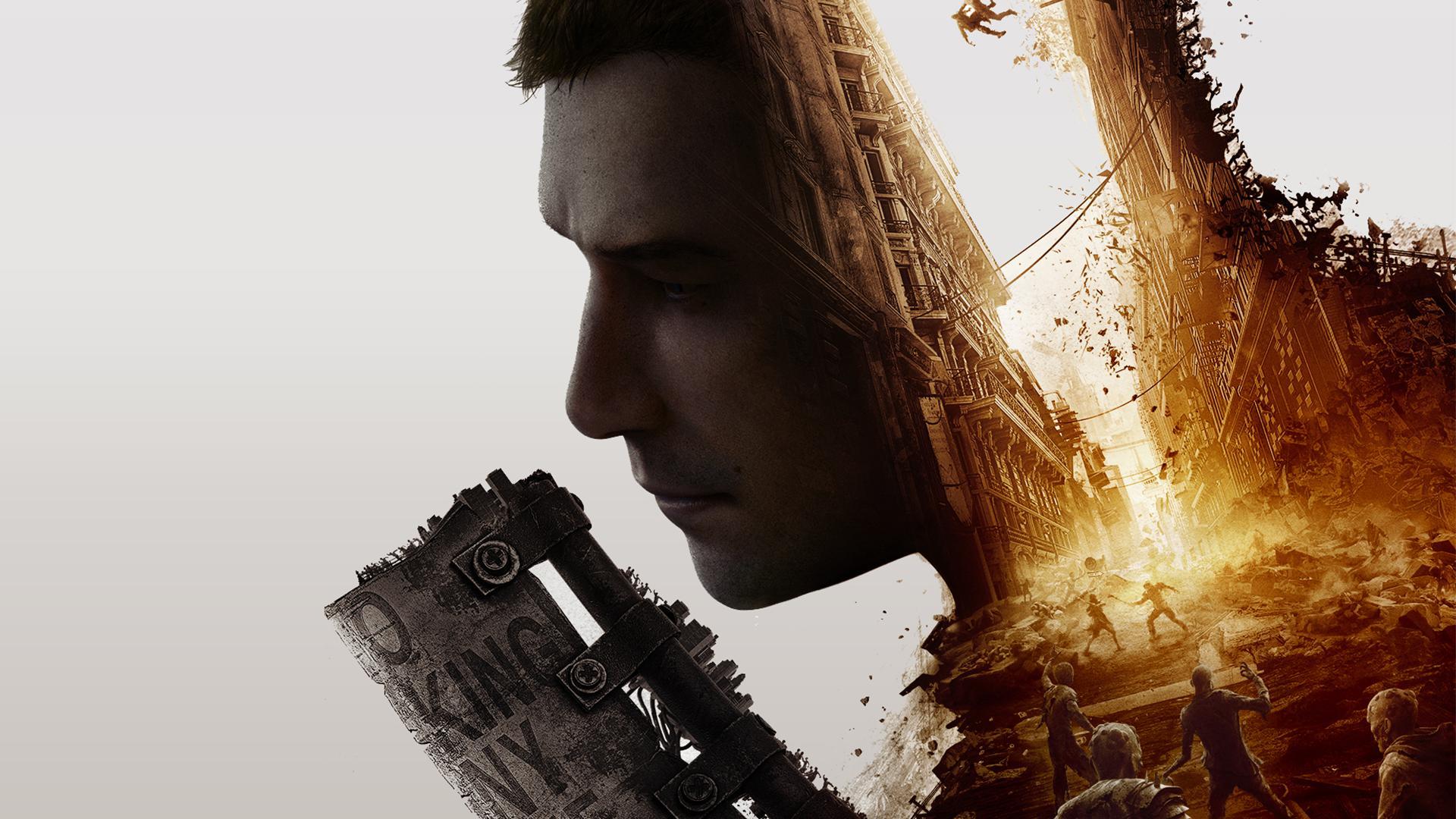
Following accusations of inappropriate behavior made public online, writer Chris Avellone was removed from the game’s development. Techland quickly ended their working relationship with him and pledged to revise the story to exclude his work. While Avellone later reached a settlement in a defamation case related to the allegations, the initial public reaction and calls for a boycott hurt excitement for the game. Players were left questioning how much the story had changed as a result of his removal.
‘Vampire: The Masquerade – Bloodlines 2’ (TBA)
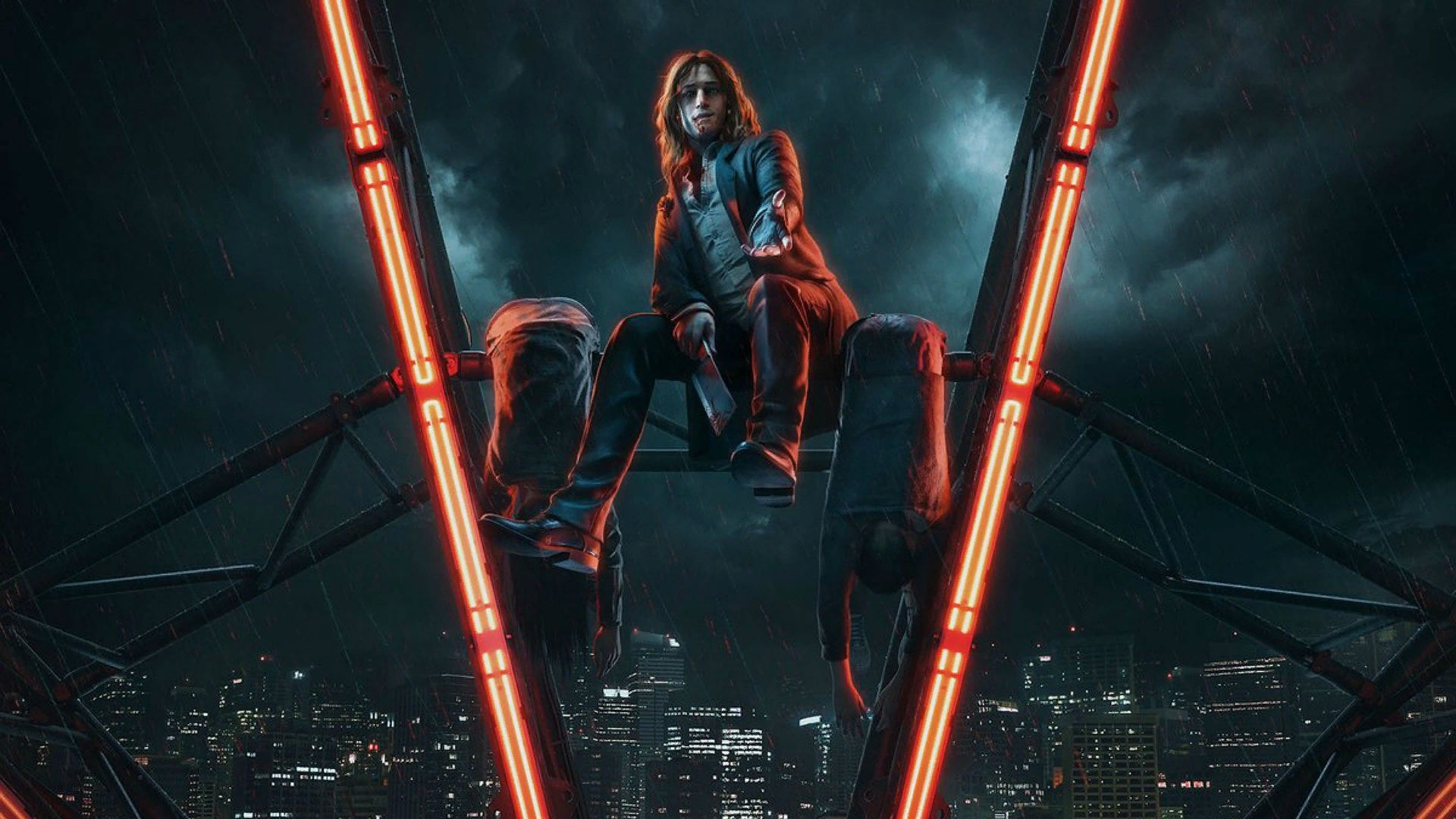
The game’s development faced difficulties, including the removal of contributions from Chris Avellone after accusations about his personal conduct surfaced. Paradox Interactive stated that his work wouldn’t be included in the final game. Since then, the game has seen several changes in developers and been delayed, which some believe are connected to the early issues. Despite the controversy, fans of the original game were disappointed to see the original writer removed from the project.
‘Cultist Simulator’ (2018)
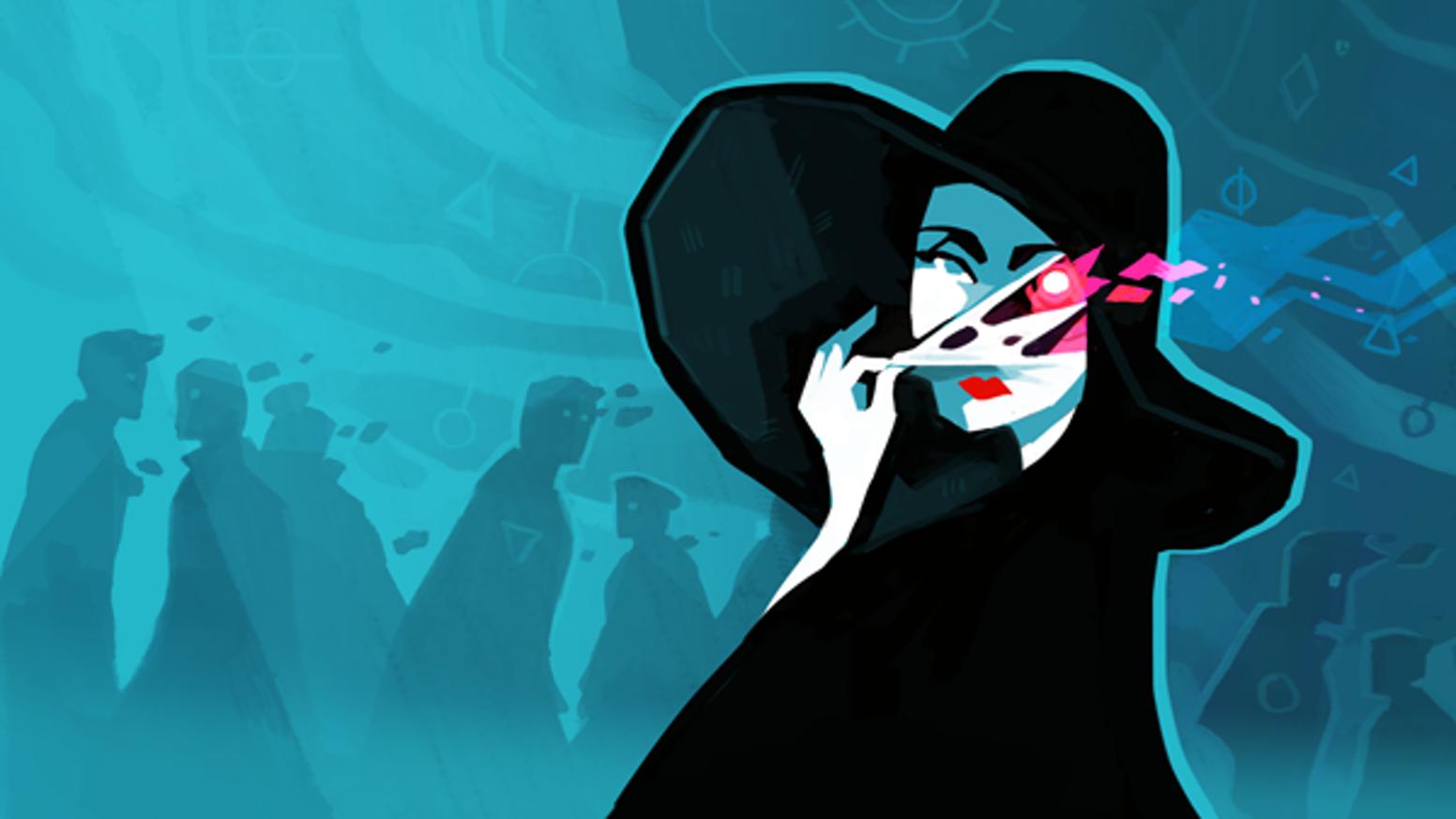
Game creator Alexis Kennedy was accused of inappropriate behavior by people in the game industry, including exploiting younger women and punishing those who spoke out. These accusations led to a boycott of his studio, Weather Factory, by many indie game fans who felt his alleged actions were predatory. Despite the damage to its reputation within the close-knit indie game community, the studio continued working on its projects.
‘Starbound’ (2016)

Chucklefish experienced a major backlash after chat logs revealing unpaid work practices were leaked by former team members. These internal messages indicated that leaders were aware they were relying on eager, young developers to perform work without compensation. These individuals, described as “super-volunteers,” said they were led to believe there would be job opportunities available. As a result of the community’s negative reaction, many people stopped recommending the game, despite it previously being well-liked.
‘Detroit: Become Human’ (2018)
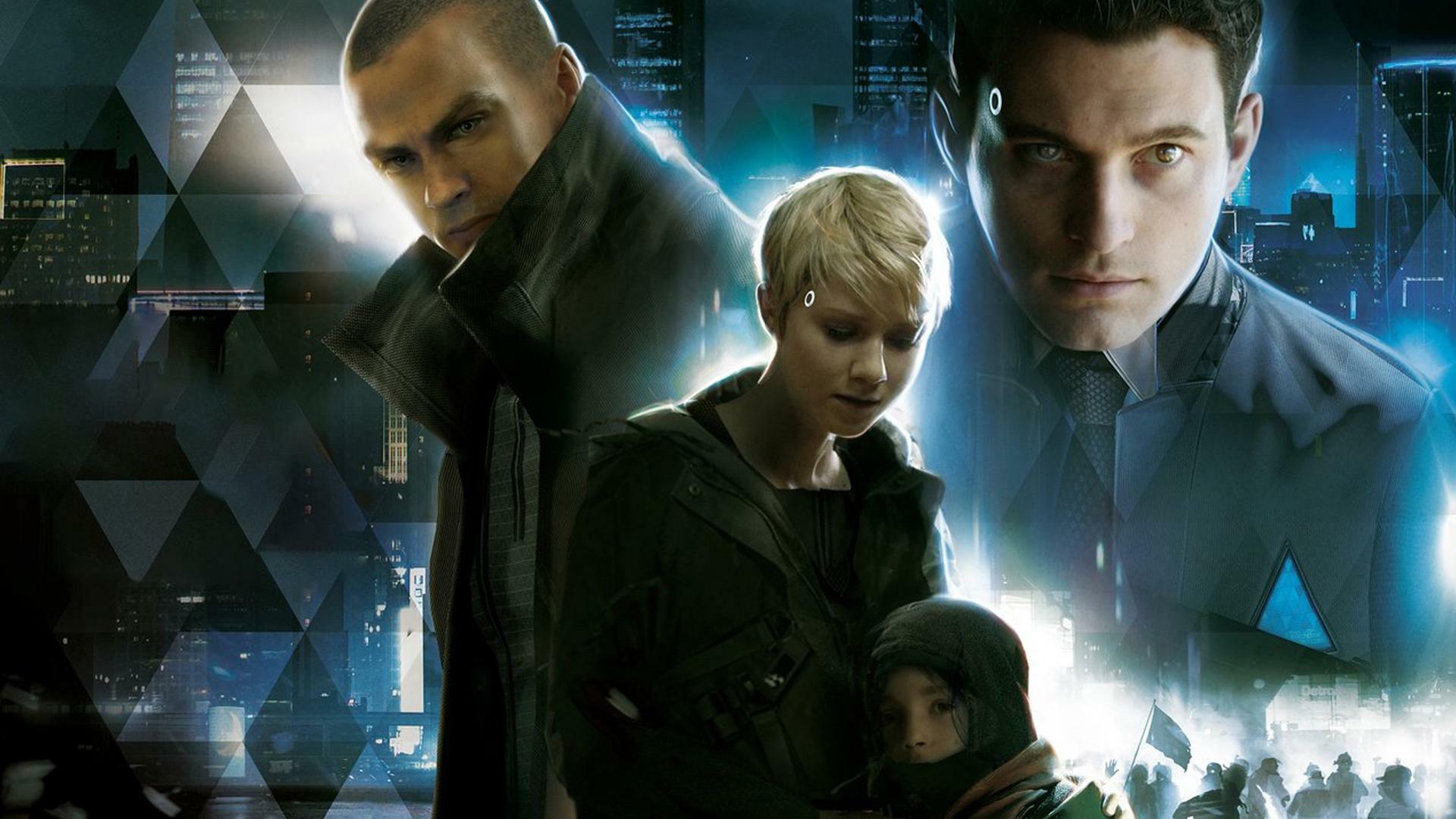
Quantic Dream, a French game studio, took legal action against news organizations reporting on claims of a negative and harmful work environment. Leaked emails and altered images shared internally revealed jokes with sexist and racist content. These reports detailed a workplace where managers engaged in unprofessional and inappropriate conversations, ultimately leading to a player boycott due to the described behavior.
‘Heavy Rain’ (2010)
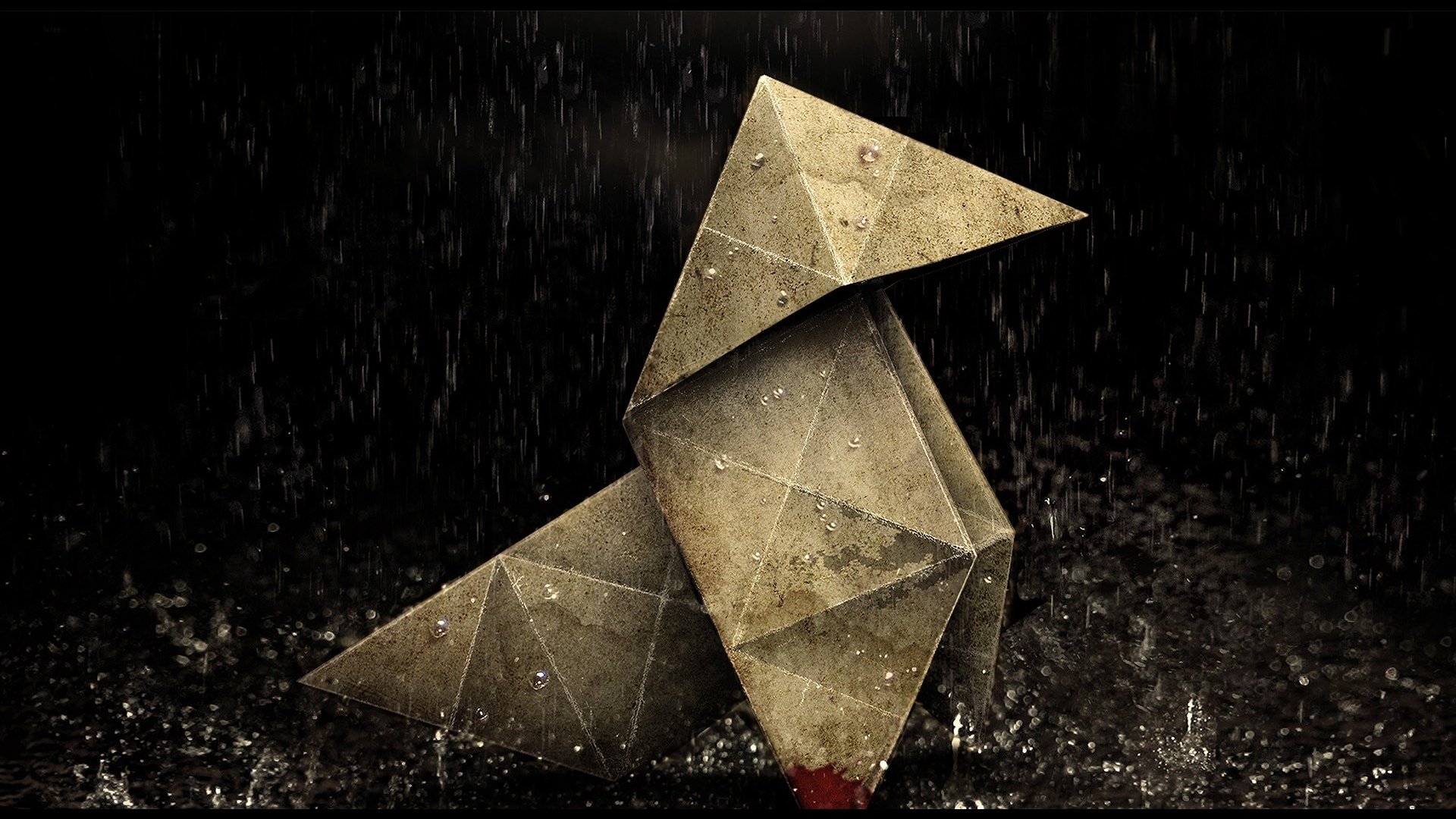
The positive reception of this story-driven game was overshadowed by issues similar to those surrounding Detroit: Become Human. Reports about the behavior of studio leaders and how they ran things led players to look back at all their games in a new light. Because of internal leaks, many players felt uneasy about how the studio portrayed women in their games. The studio has found it difficult to overcome the negative image created by these revelations about its workplace culture.
‘Beyond: Two Souls’ (2013)
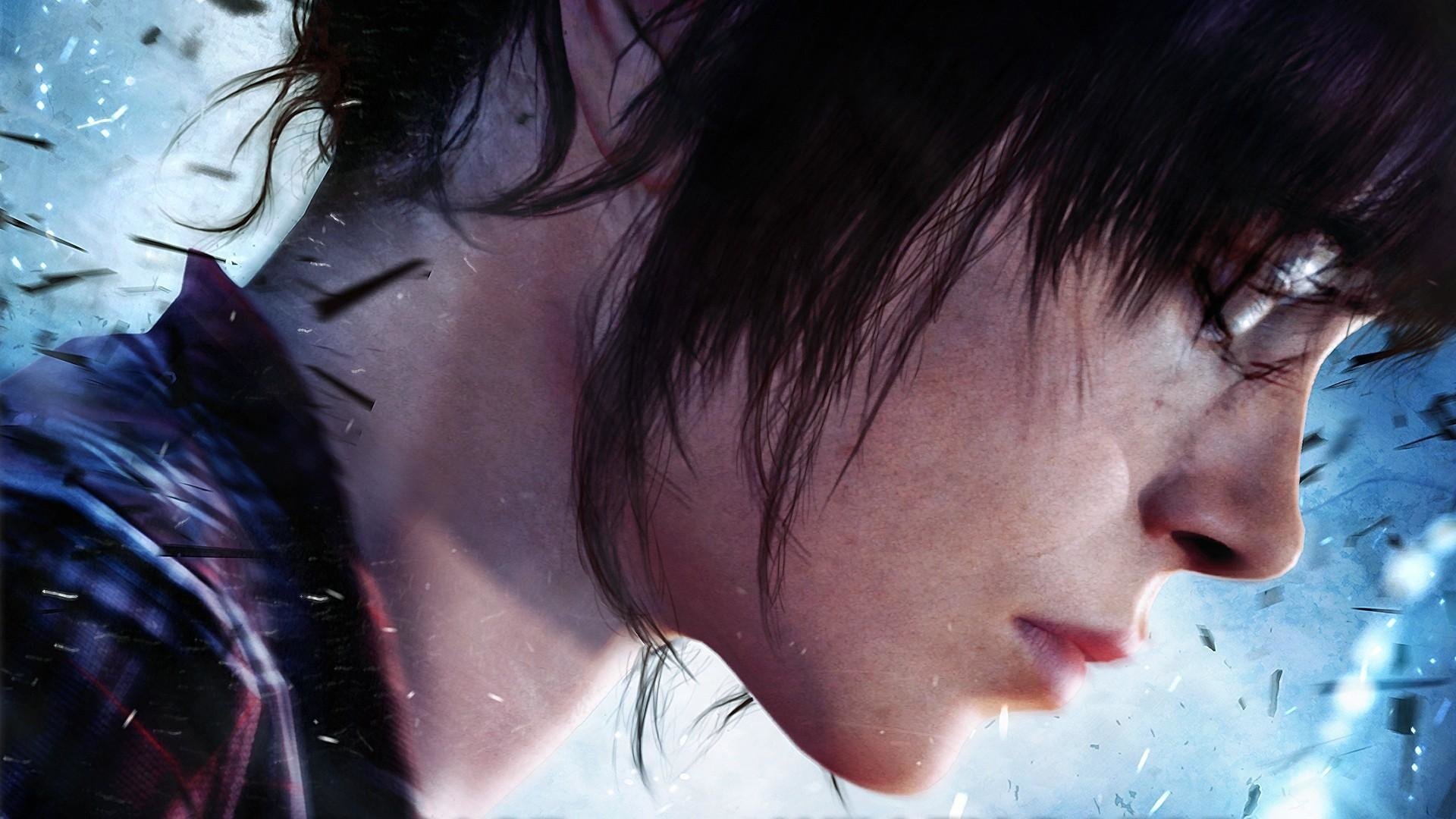
As a long-time fan, it was really disheartening to see Quantic Dream caught up in so much trouble. The whole situation with those private images and the accusations against David Cage – especially his alleged comments about women and LGBTQ+ people – were awful and led to a lot of people calling for a boycott of all their games. After those investigative reports came out, the gaming press really started to question everything the studio did, and honestly, it’s been hard to look at their games the same way since.
‘Escape from Tarkov’ (2017)
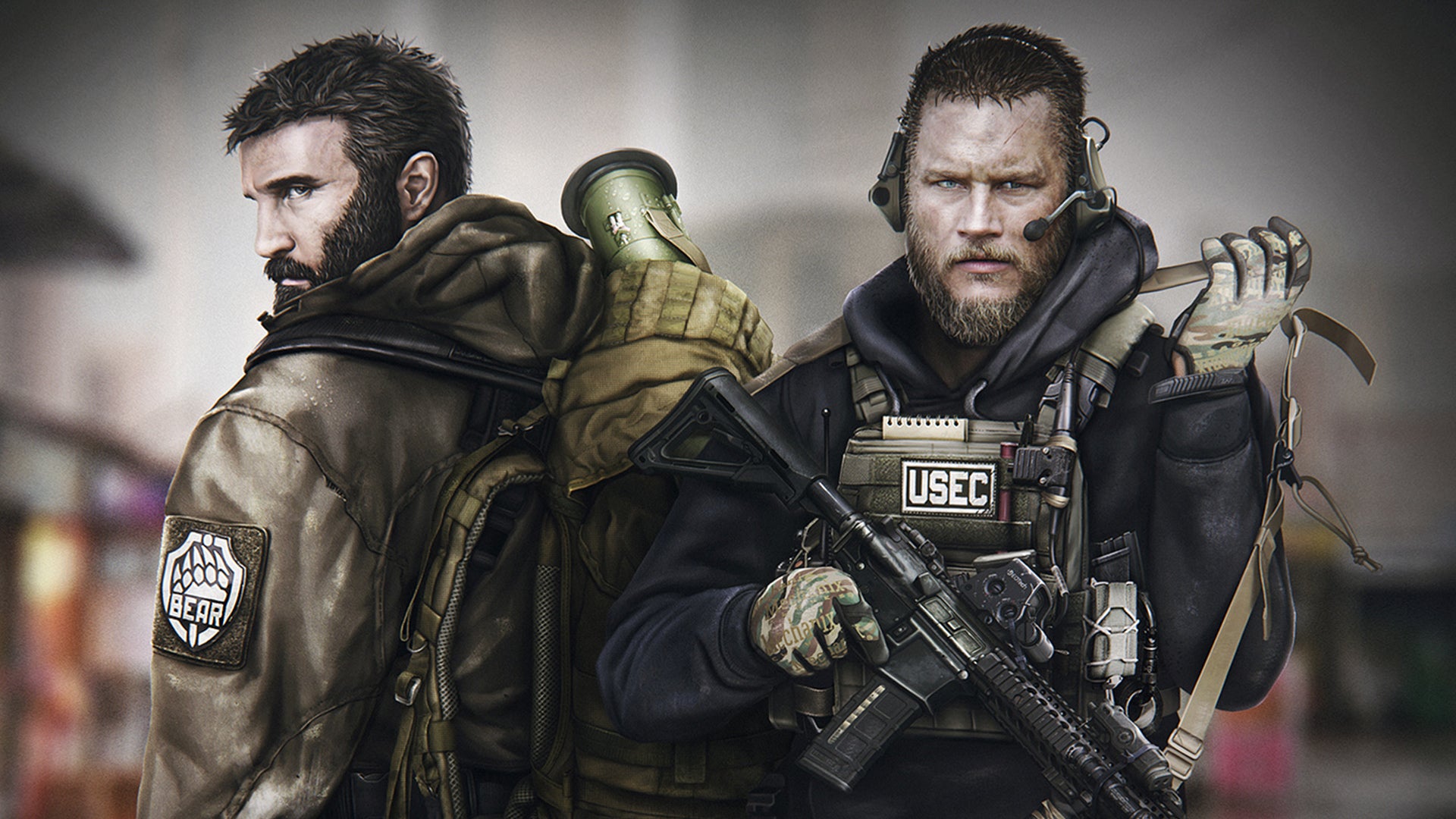
Battlestate Games received criticism after comments from a developer and private internal conversations surfaced, revealing sexist viewpoints. These comments implied women weren’t suited for combat roles within the game, a realistic military simulator. Despite the studio’s attempts to clarify, the public remained upset by the initial remarks. Some players in the tactical shooter community vowed to boycott the game until the developers officially reversed their stance on including female characters.
‘Breathedge’ (2021)
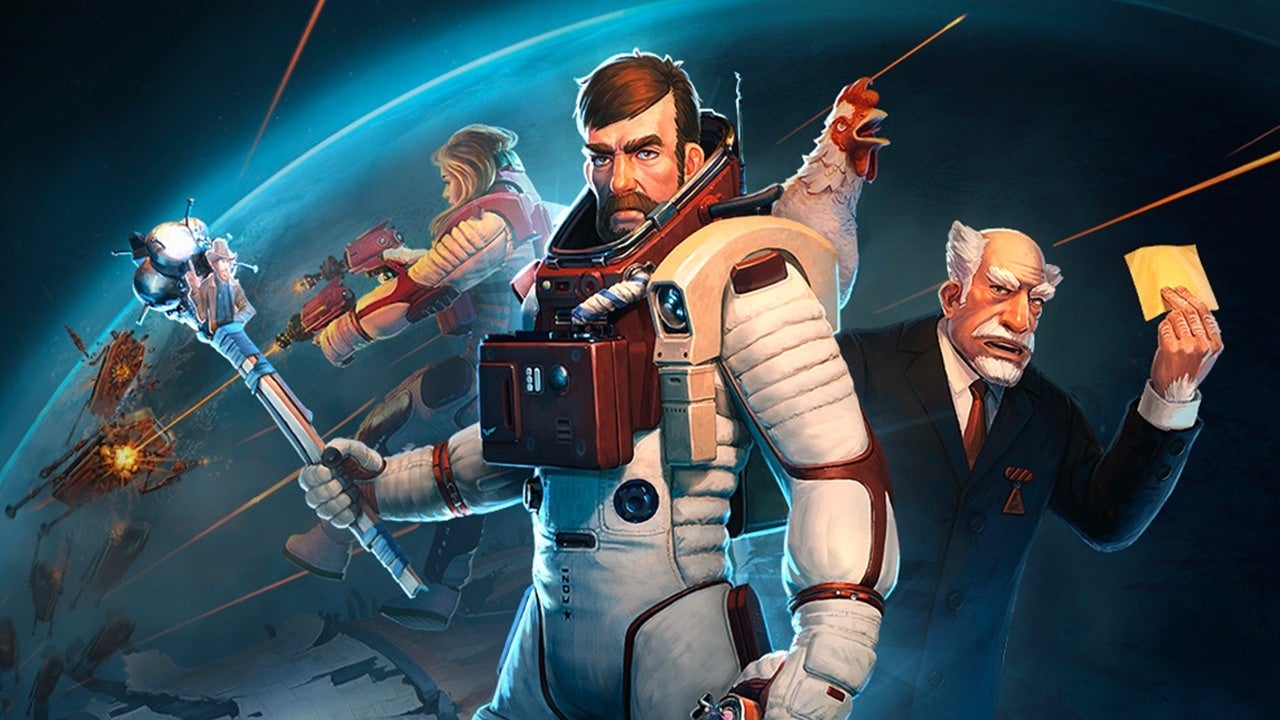
The game received a wave of negative reviews after the developers made upsetting comments on their Discord server. Screenshots revealed the developers seemed to be dismissing valid concerns about the game and acting rudely towards players. This led many people to decide against buying the game.
‘Open Roads’ (2024)

Steve Gaynor, a co-founder of Fullbright, has left his position as creative lead following accusations of inappropriate behavior. Staff members described a history of him being controlling and disrespectful during meetings. This led to a delay in the studio’s work and a reorganization, as the team said they could no longer continue working under his direction. Fans were saddened by the contrast between the positive themes of the studio’s games and reports about the creator’s conduct.
‘Gone Home’ (2013)
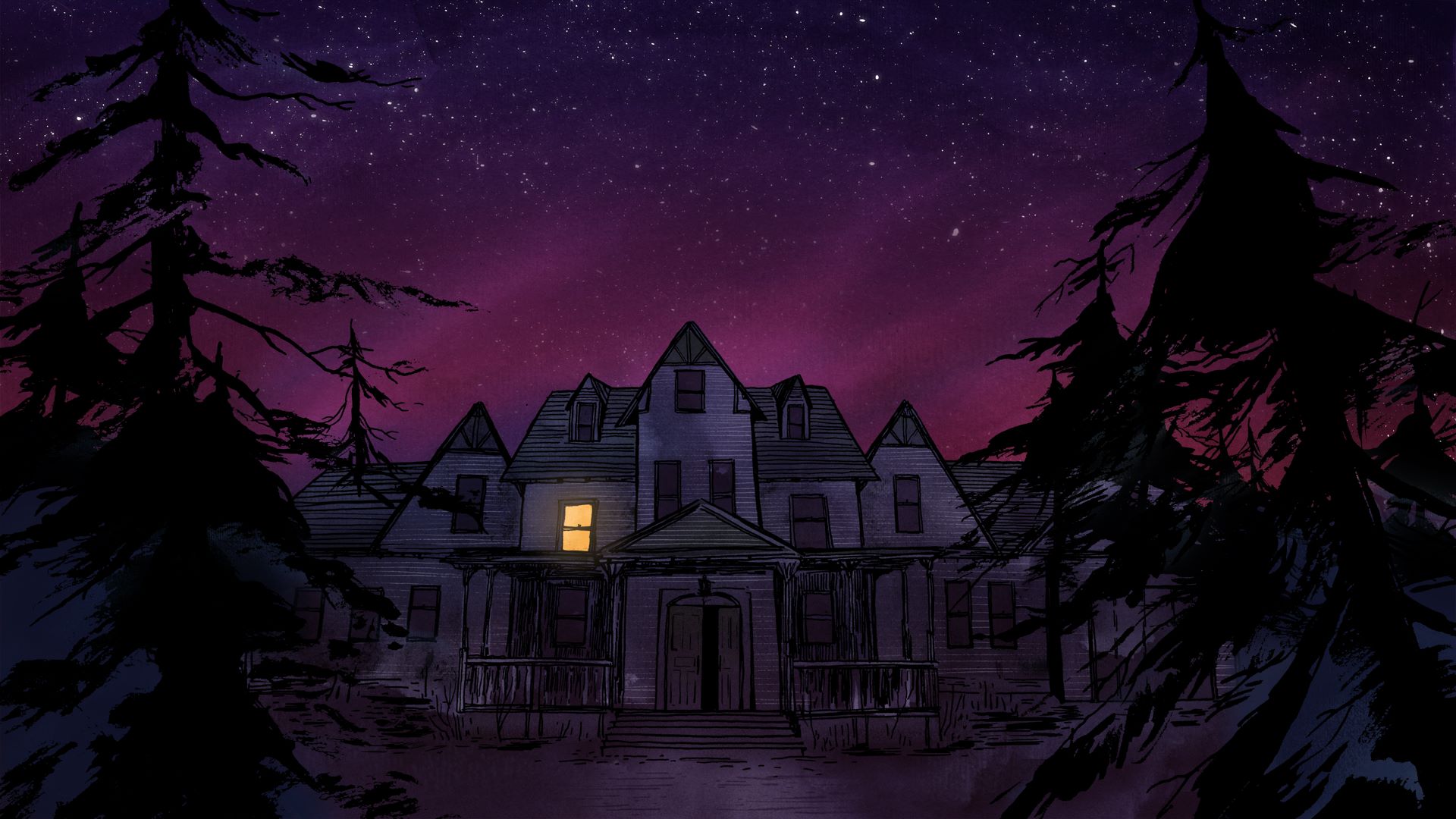
The popular indie game’s reputation suffered after accusations surfaced against its creator, Steve Gaynor. Although the game itself promotes positive messages, reports of his inappropriate behavior towards women created a conflict for many fans. Some players removed their recommendations of the game in support of those affected. This situation also led to a wider discussion about the potential for harmful behavior when a single person is seen as the driving creative force behind an indie project.
‘Tacoma’ (2017)
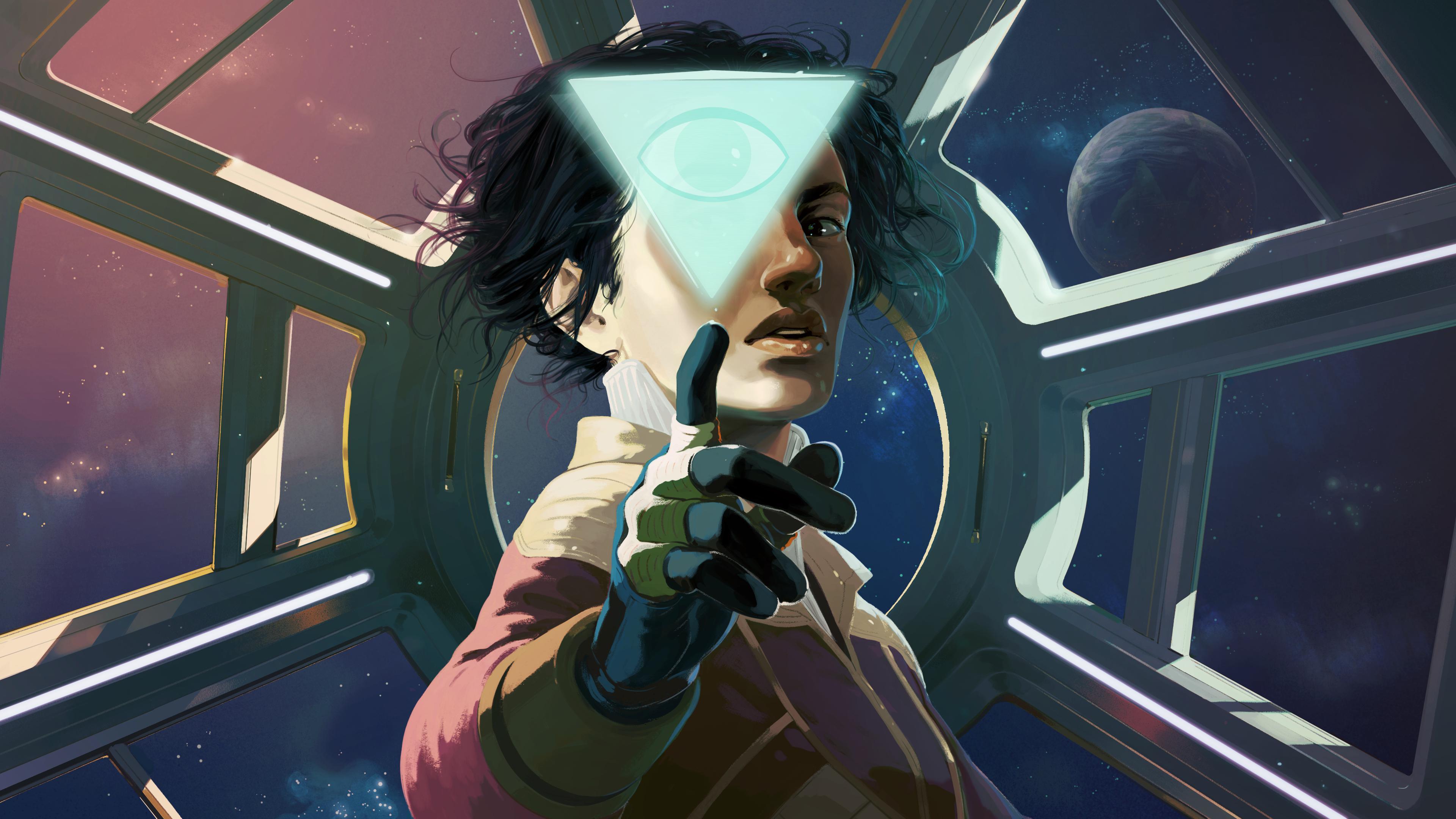
This game, like other projects from Fullbright, was affected by the issues surrounding the company’s leadership. Once details emerged about the internal work environment and how the studio was managed, players began to question whether purchasing the game would help the team still working there or unintentionally support the founder who had been accused of creating a negative workplace. Ultimately, the studio reorganized and finished future projects without the founder’s direct control.
‘Into the Breach’ (2018)
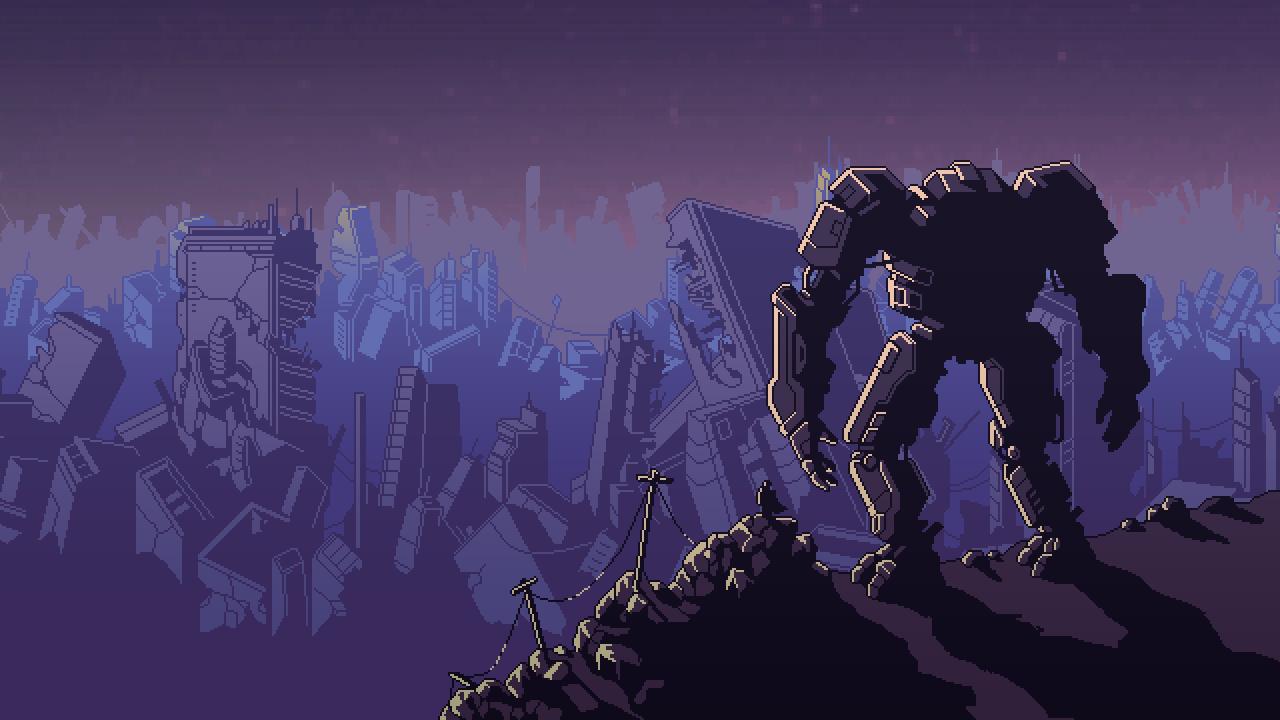
Subset Games removed Chris Avellone’s name from the game’s credits after accusations surfaced against him. While his work on the game was limited, the studio quickly responded to the controversy surrounding his personal behavior. Although fans applauded the quick action, the connection still sparked debate online. This situation demonstrated how carefully game studios were reviewing their credits lists at the time.
‘Prey’ (2017)
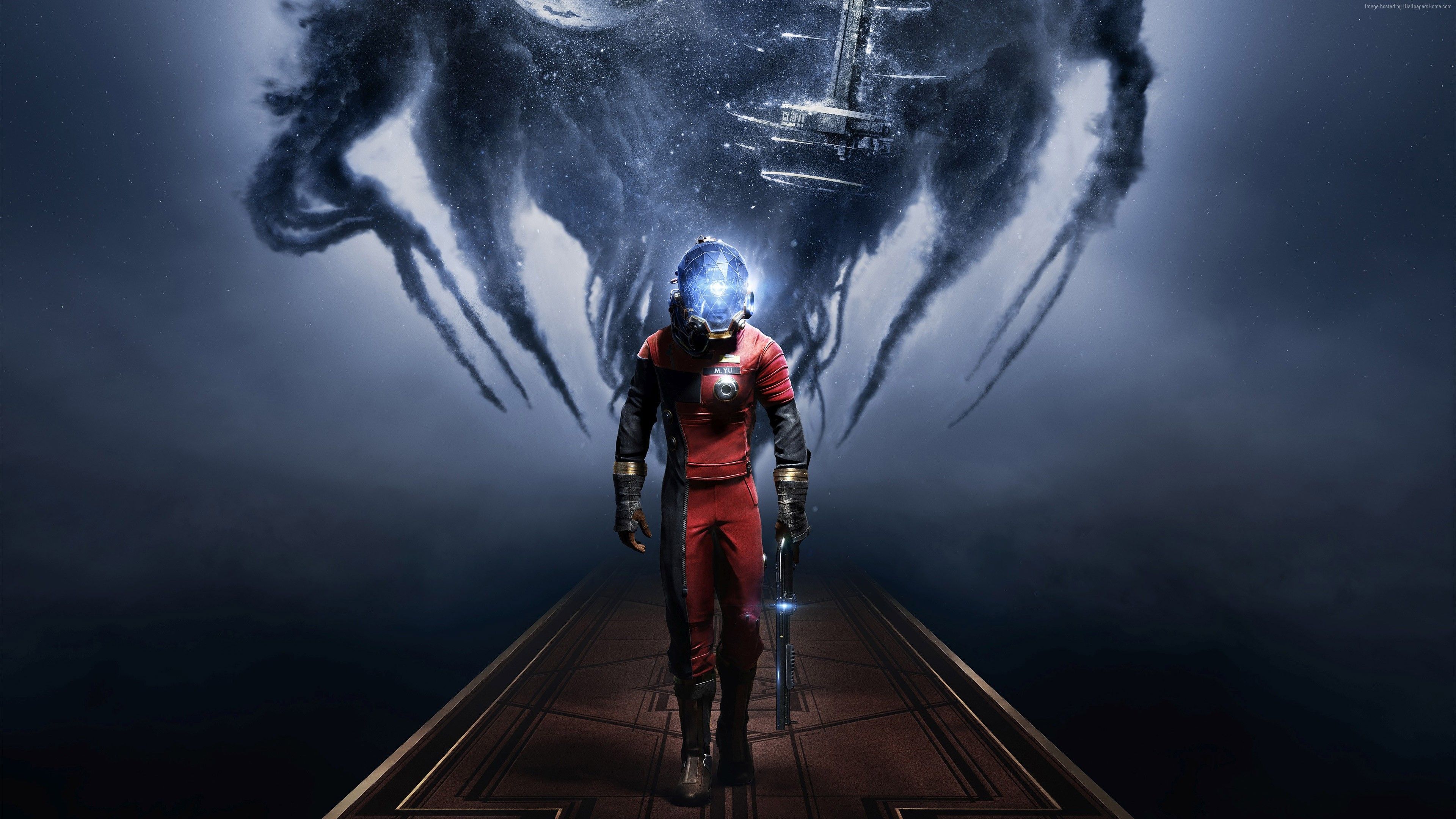
Arkane Studios had to address concerns about writer Chris Avellone’s work on their sci-fi game. Although he only contributed to the initial story, his name became a source of debate because of accusations of misconduct, leading some players to boycott the game. This situation, part of a larger movement within the industry, pushed publishers to be more transparent about the contributions of individuals facing controversy. During the investigation, some players decided not to play any games connected to his writing.
‘Pathfinder: Kingmaker’ (2018)
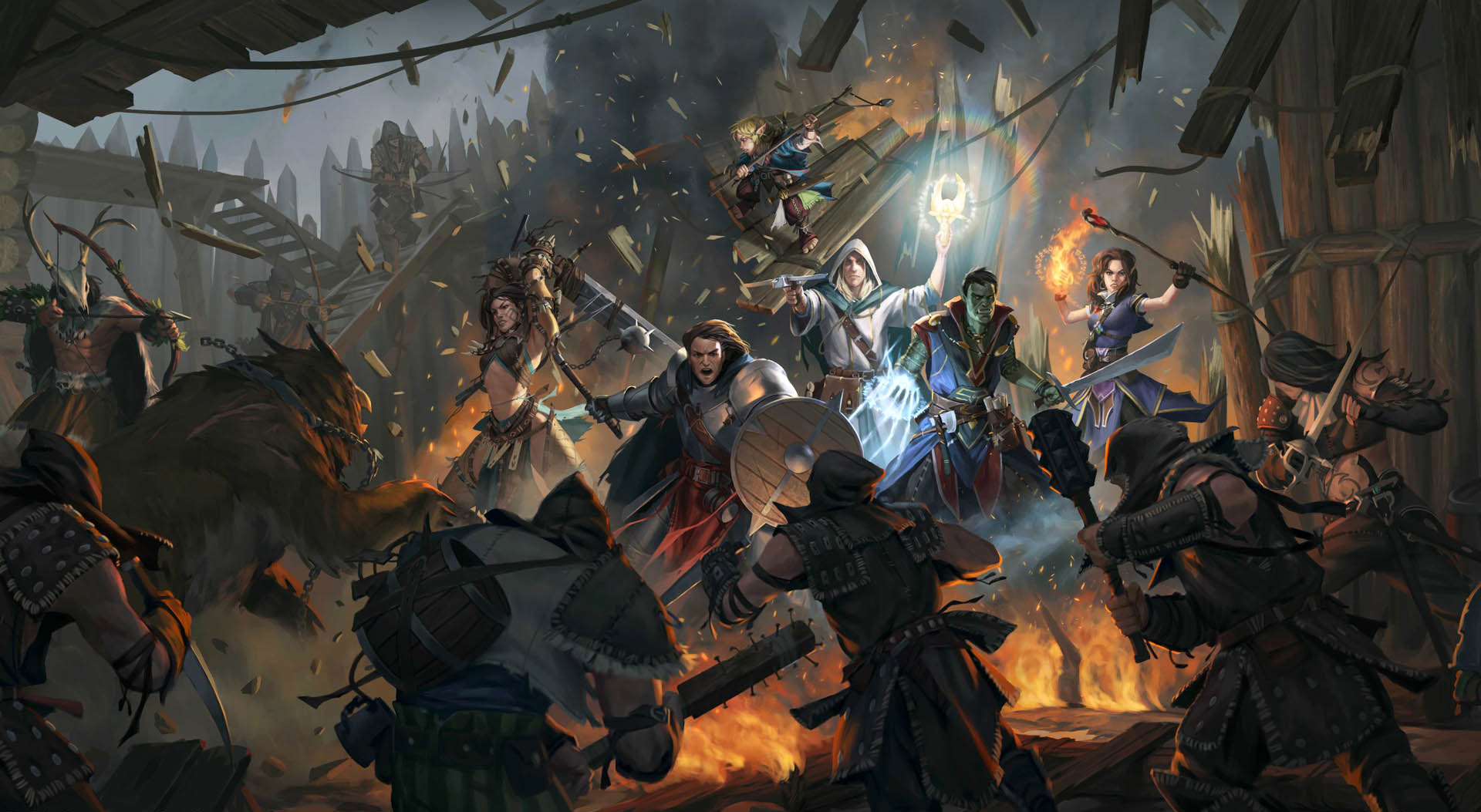
Owlcat Games faced a difficult situation when allegations surfaced against Chris Avellone, a key writer on their role-playing game. Because he contributed so much to the game’s story, some players struggled with whether to separate the work from the artist. This led to heated debates within the game’s community, with some people choosing to ignore the allegations and others calling for a boycott. The controversy also created challenges when marketing the game’s sequel, which Avellone wasn’t involved in.
‘System Shock’ (2023)
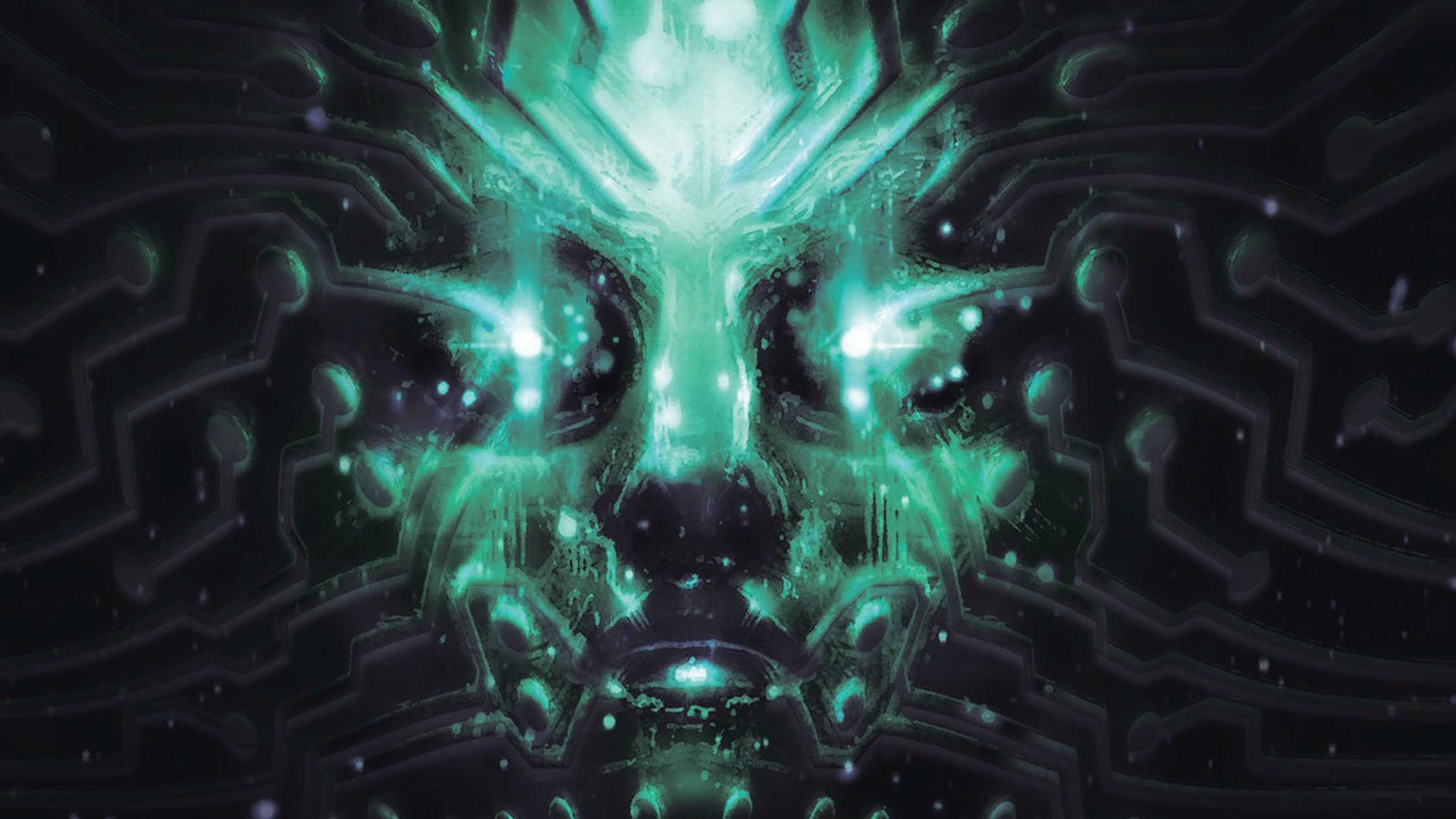
When this classic game was being remade, its Kickstarter campaign highlighted the involvement of Chris Avellone. However, after allegations of personal misconduct surfaced, Nightdive Studios stated that his work wasn’t actually included in the finished game. They made this announcement to avoid losing support from backers who were upset about his initial involvement. The team wanted to assure fans that the story wasn’t affected by his absence.
‘Destiny 2: Lightfall’ (2023)
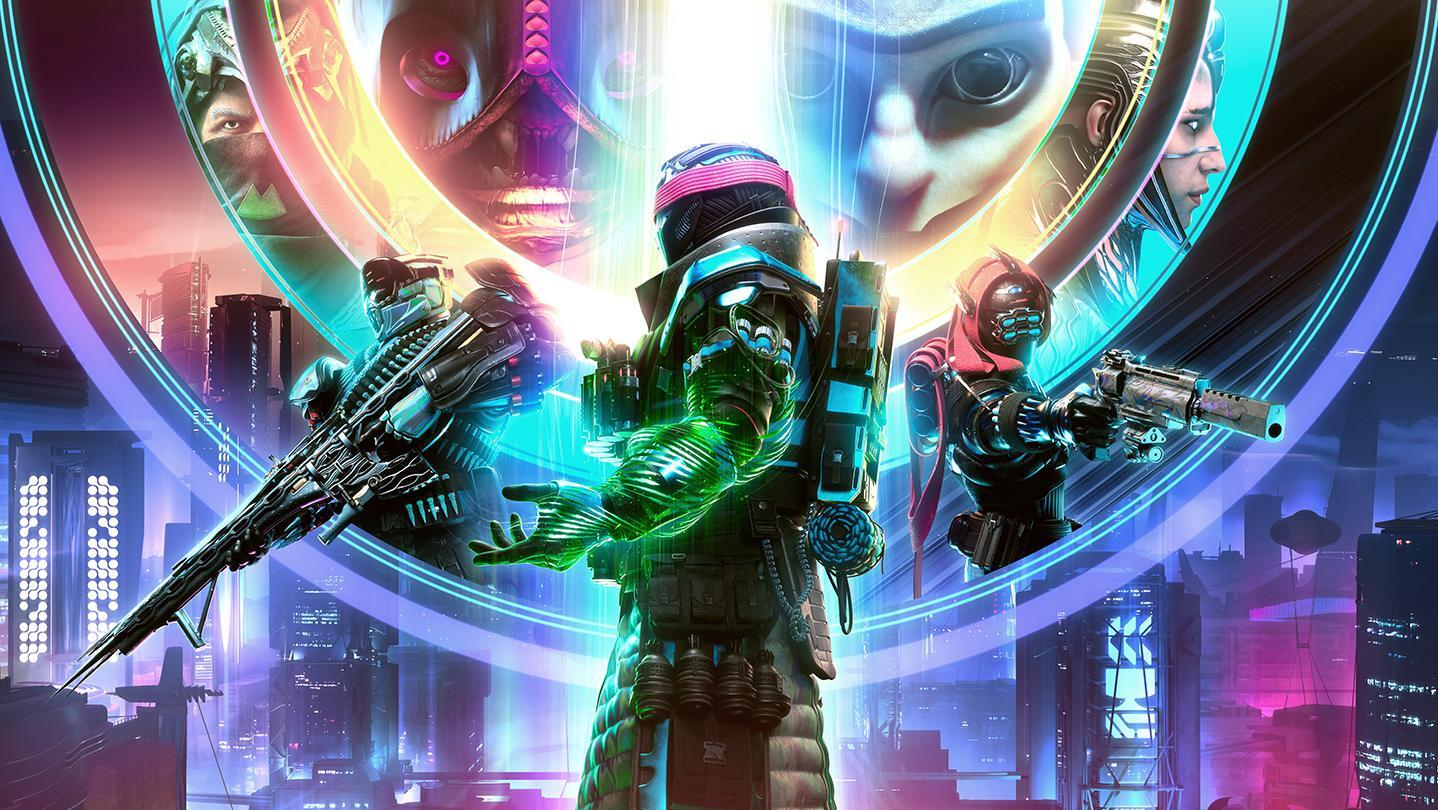
Look, as a longtime Destiny player, it’s been tough seeing everything come out about Bungie. It sounds like things internally weren’t great – a lot of people were describing a real “boys’ club” vibe, and it was apparently covered up with private arbitration. Bungie did apologize and said they’re going to fix things, which is good, but honestly, it made a lot of us veteran players, myself included, seriously question things and even step away for a while. It was especially upsetting to hear about how the narrative and QA teams were treated – they’re the ones who put so much work into the game we love.
‘League of Legends’ (2009)
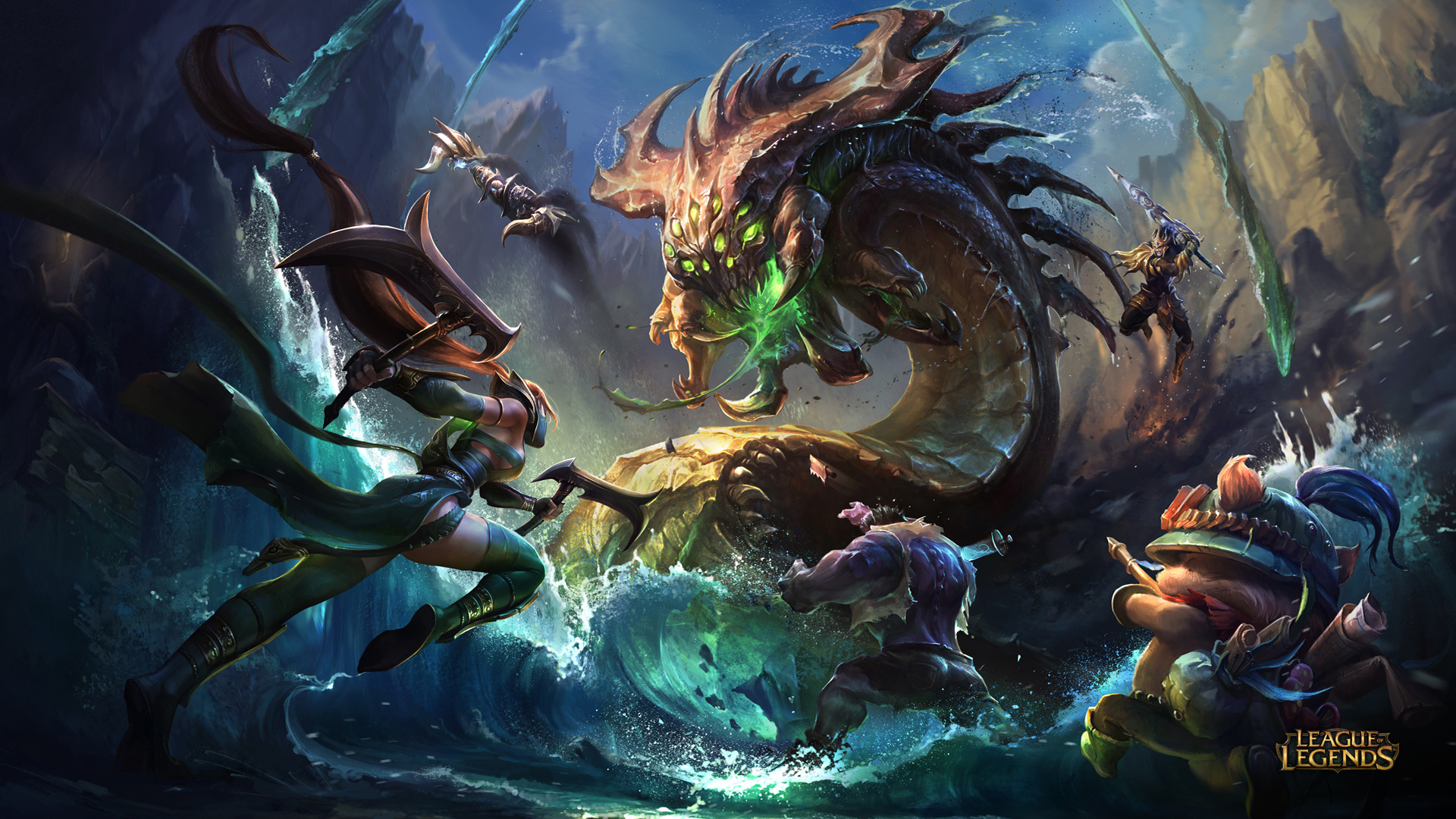
Riot Games recently resolved a major lawsuit alleging widespread gender discrimination, revealing a workplace environment filled with sexism. The lawsuit detailed a problematic “bro culture” where female employees were subjected to inappropriate behavior, including offensive emails and being rated based on their appearance. In response, players organized walkouts and protests within the game to show support for those who came forward. This scandal continues to cast a shadow over the company and one of the most popular video games in esports.
‘Valorant’ (2020)
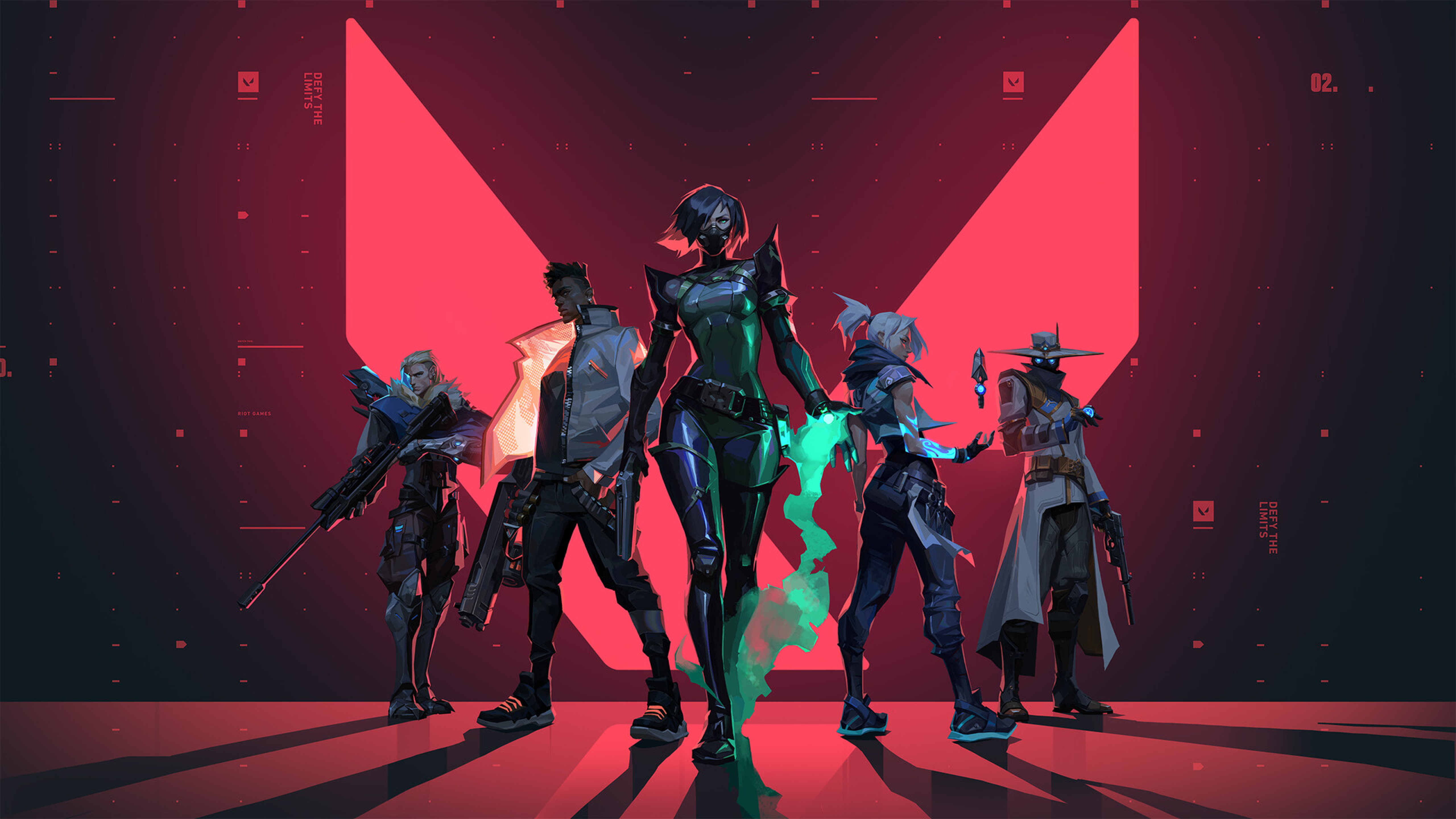
This tactical shooter, created by Riot Games, unfortunately launched with a shadow cast by past controversies surrounding the company’s culture. Investigations into the behavior of its CEO and other leaders sparked calls for people to stop supporting Riot. Professional players and commentators also expressed worries about being associated with the company at that time. Since then, the studio has worked to rebuild trust by making significant improvements to its diversity and inclusion policies.
‘Trover Saves the Universe’ (2019)
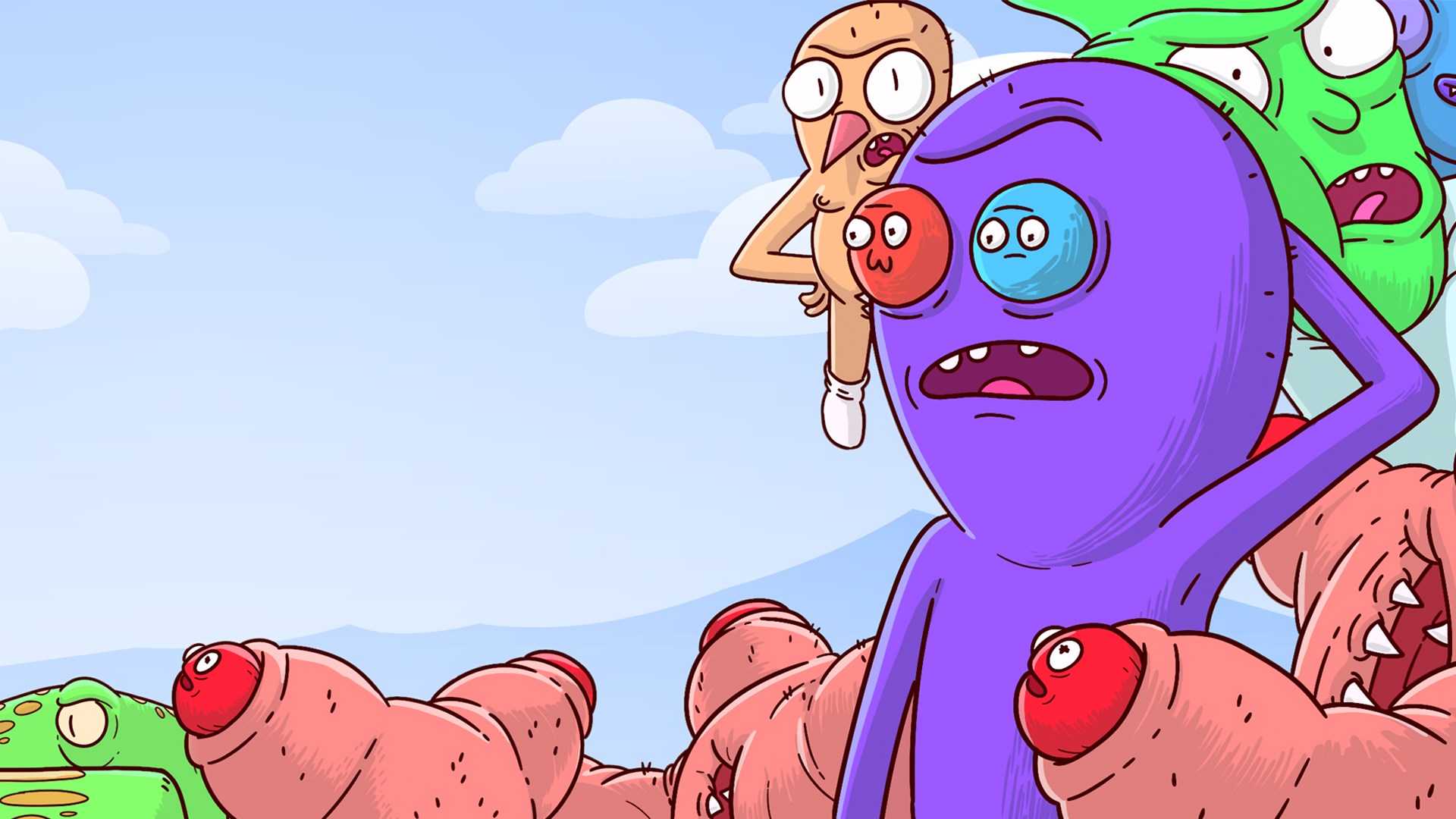
So, this new game from Justin Roiland got a really tough reception, especially after those old DMs came out. It’s a game that really leans into his style of improv comedy, but a lot of people just couldn’t get past the stuff he said in those messages. I saw a ton of negative reviews pop up on Steam, and the community forums were full of people talking about the creator’s behavior. Honestly, it feels like this game, along with High on Life, is getting unfairly dragged down by everything that happened with him. It’s a shame, because the game itself… well, it’s complicated.
‘Rick and Morty: Virtual Rick-ality’ (2017)
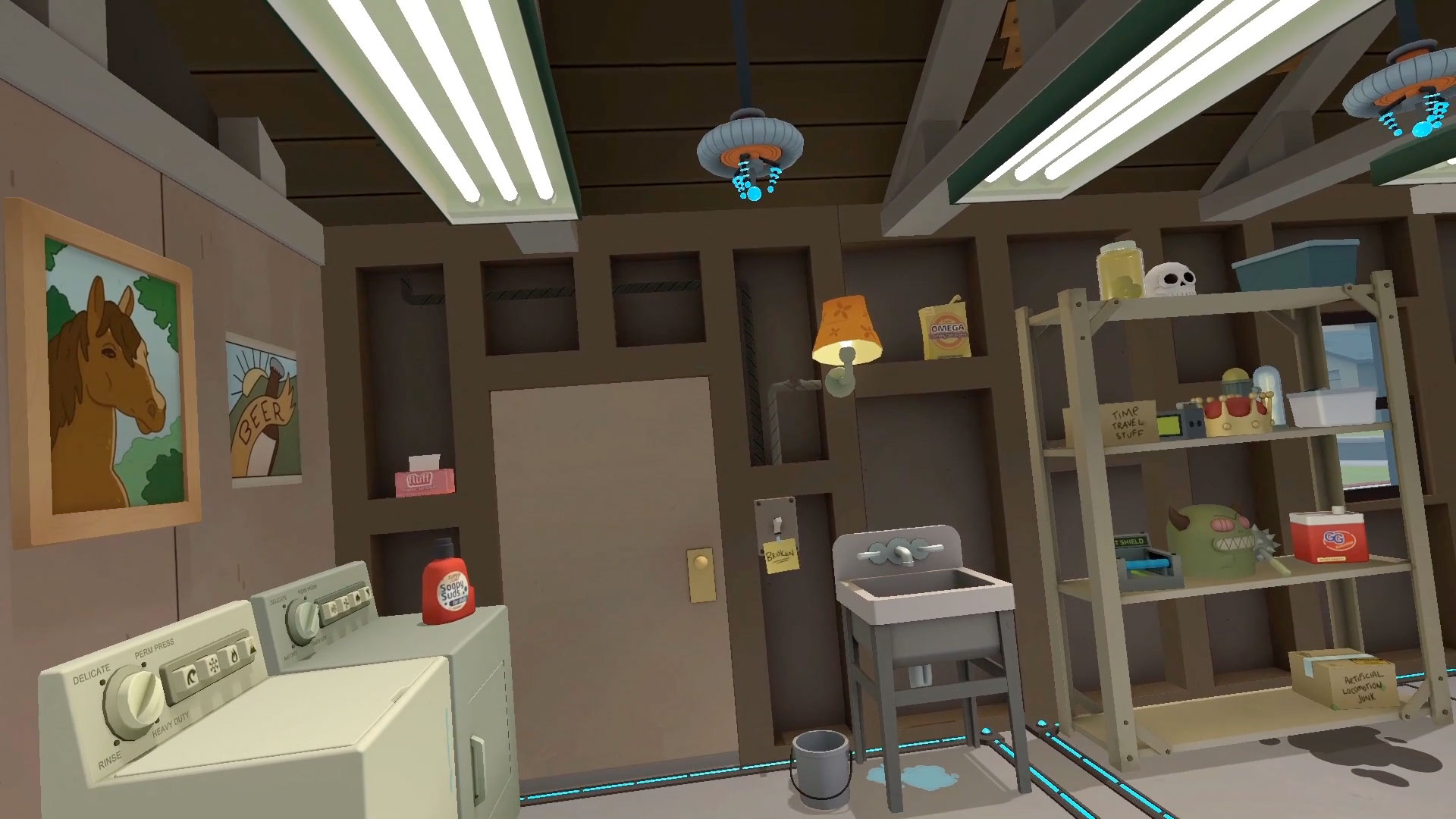
This VR game, created by Owlchemy Labs, is strongly associated with Justin Roiland, one of its co-creators. After his personal messages became public, people began to reconsider the game’s humor and content. Adult Swim ended its relationship with Roiland, meaning he was no longer involved with the game he helped create. This left fans feeling uncomfortable about whether or not to continue supporting it.
Let us know what you think about these issues, and if the actions of game developers or content creators influence the games you decide to play. Share your opinions in the comments below!
Read More
- Silver Rate Forecast
- Gold Rate Forecast
- 22 Films Where the White Protagonist Is Canonically the Sidekick to a Black Lead
- Unveiling the Schwab U.S. Dividend Equity ETF: A Portent of Financial Growth
- 15 Films That Were Shot Entirely on Phones
- How to Do Sculptor Without a Future in KCD2 – Get 3 Sculptor’s Things
- 20 Movies Where the Black Villain Was Secretly the Most Popular Character
- Games That Faced Bans in Countries Over Political Themes
- Brent Oil Forecast
- New HELLRAISER Video Game Brings Back Clive Barker and Original Pinhead, Doug Bradley
2026-01-15 21:18