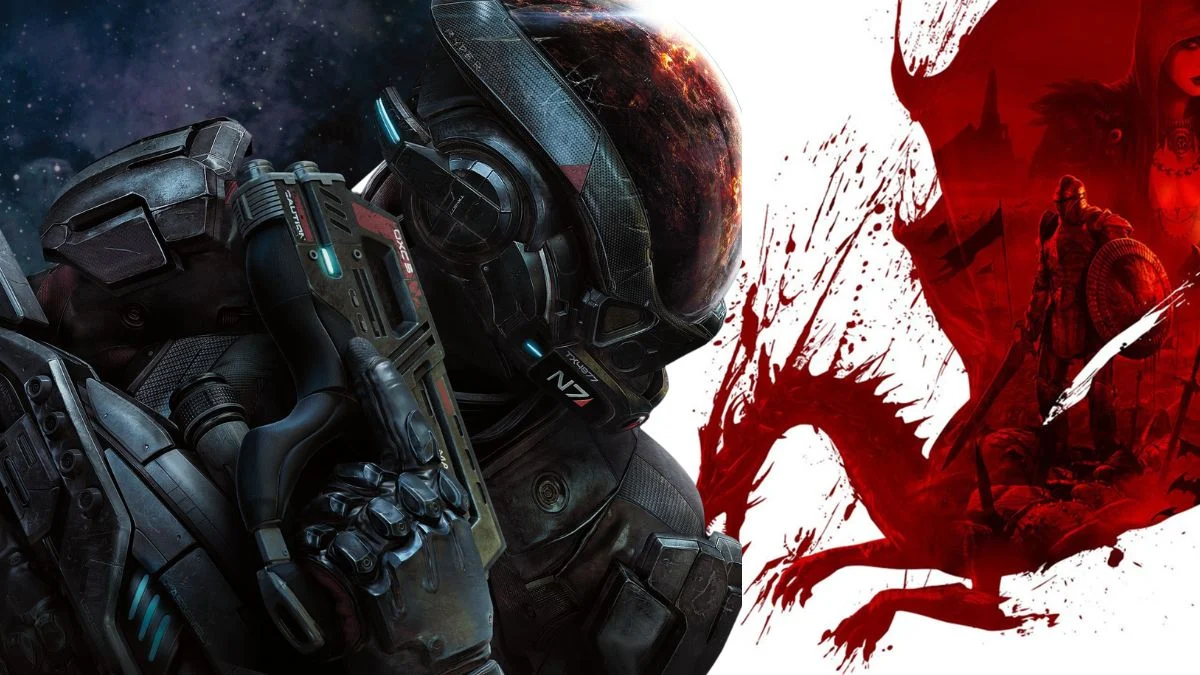
Video game history shows a pattern of using marginalized groups for simple jokes or to shock players. Transgender and gender non-conforming characters often appear in games only to be made fun of. Both critics and players have pointed out that this kind of portrayal reinforces negative stereotypes and can exclude people. Although things are slowly improving, many older and even some newer games are still criticized for how they depict these characters. This collection looks at several games that have been accused of using trans characters as the butt of the joke.
‘Grand Theft Auto V’ (2013)
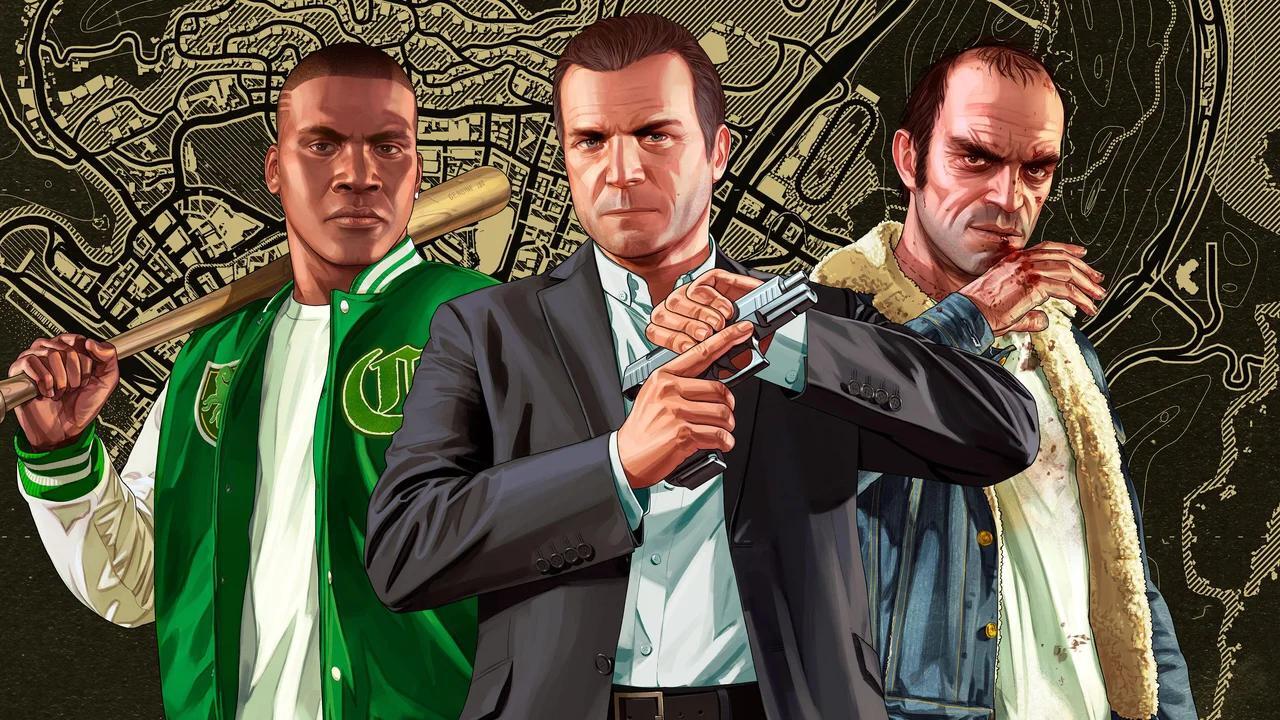
In the game, players come across characters near the Cockatoos nightclub who are frequently subjected to insults. The game allows players to make fun of their appearance through dialogue choices. Critics have noted that these characters seem to exist only to be mocked, which some see as a step backward in the game series’ portrayal of different groups of people. Rockstar Games later removed some of these interactions in updated versions of the game.
‘Catherine’ (2011)
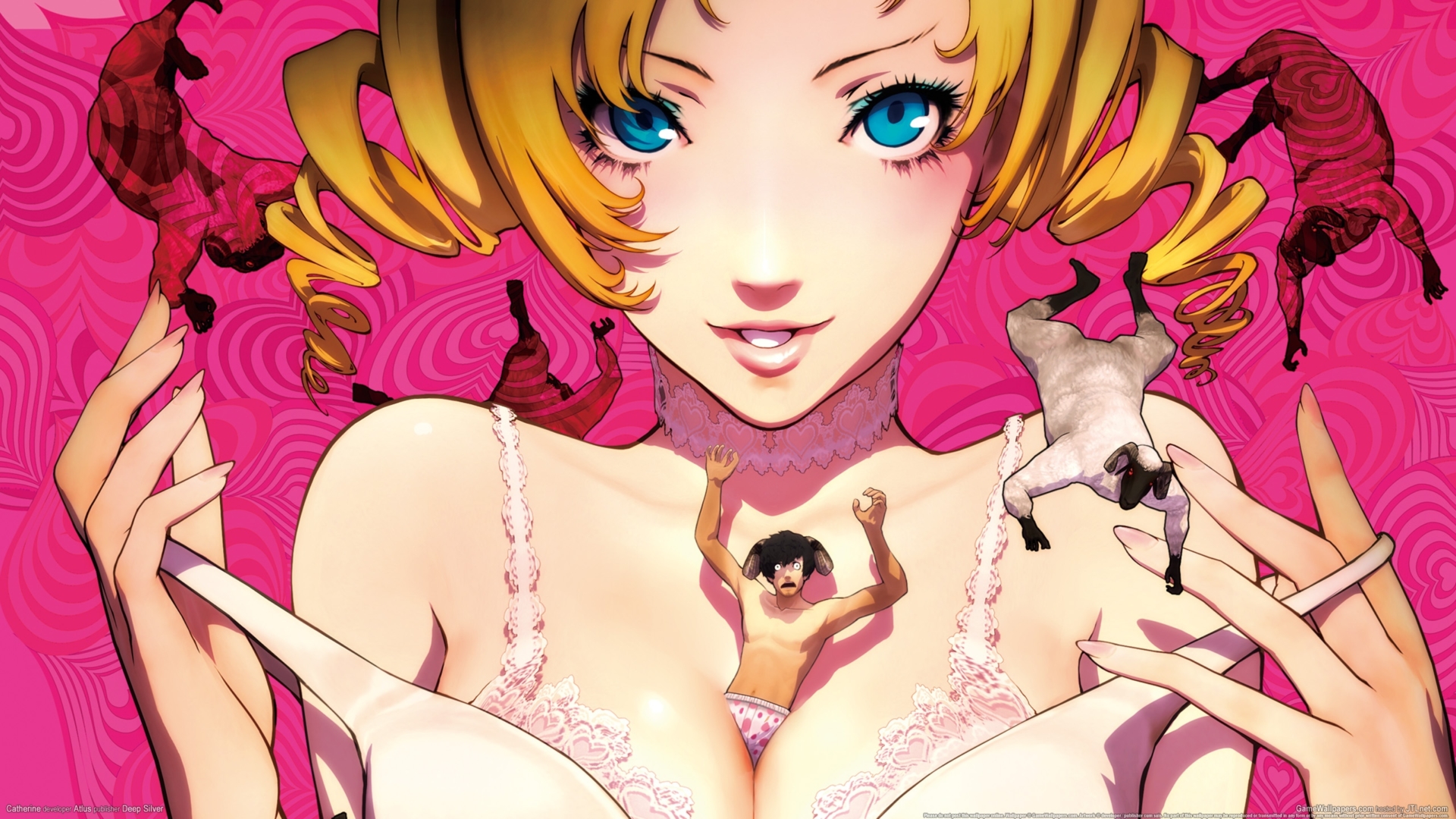
Erica Anderson is a key character and part of the game’s main friend group who comes out as transgender during the story. Throughout the game, other characters make both gentle and harsh jokes about her identity and her life before transitioning. Many players were upset that the game’s official materials, like the manual and credits, used a different name for her, finding it disrespectful. Some critics felt her inclusion was mainly for shock value and didn’t offer meaningful representation. This treatment often diminished her importance as a reliable and helpful friend to the main character.
‘Persona 5’ (2016)
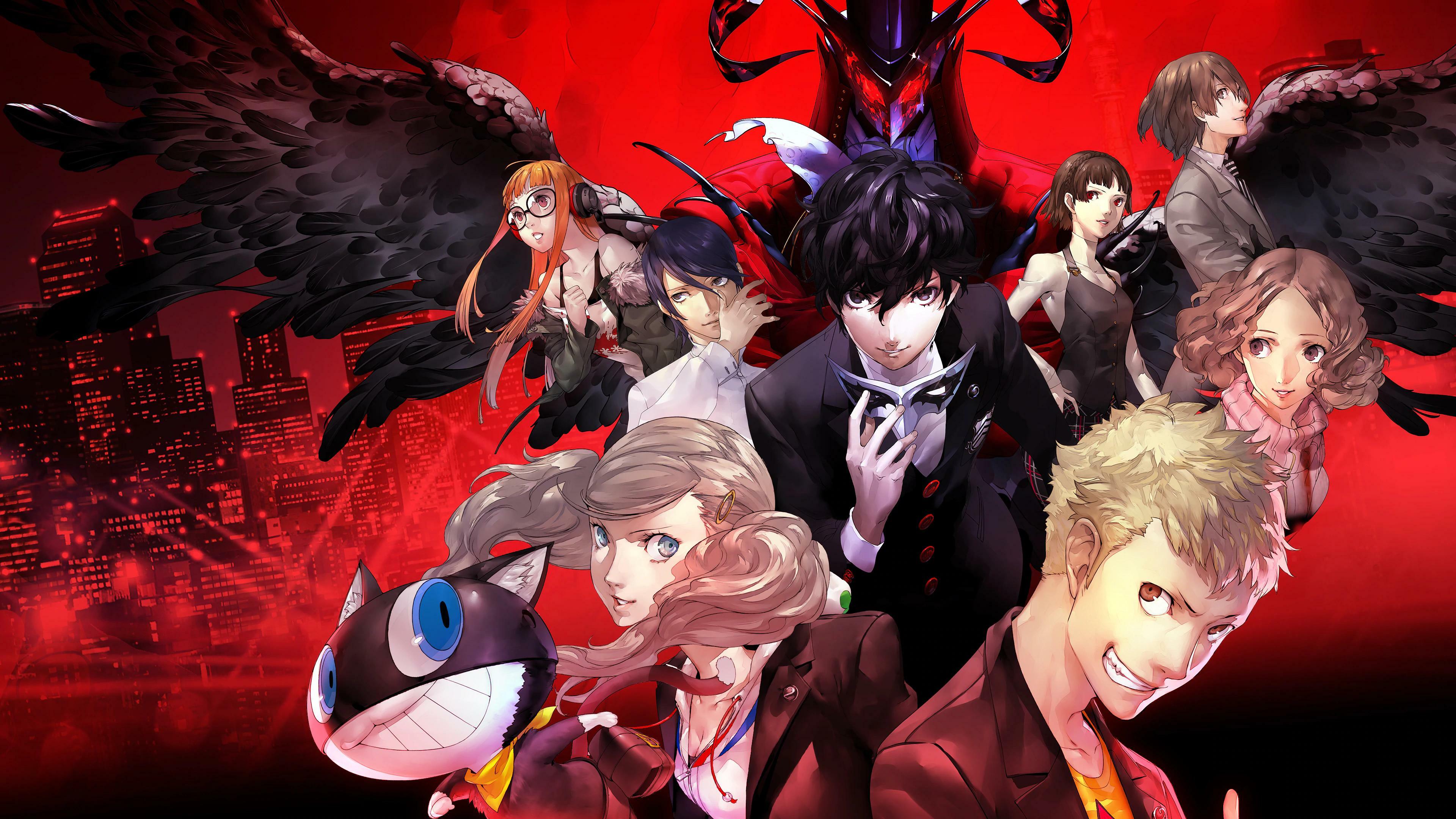
This well-known role-playing game includes two characters who frequently appear in the Shinjuku area and are depicted as threatening. They’re meant to be funny when they put the main character or their companions in awkward spots, but their dialogue relies on old, harmful stereotypes. These stereotypes portray transgender and gender non-conforming people as hostile or dangerous, which disappointed many players, especially given the game’s generally serious tone. Later versions of the game tried to make the dialogue less offensive.
‘Yakuza 3’ (2009)
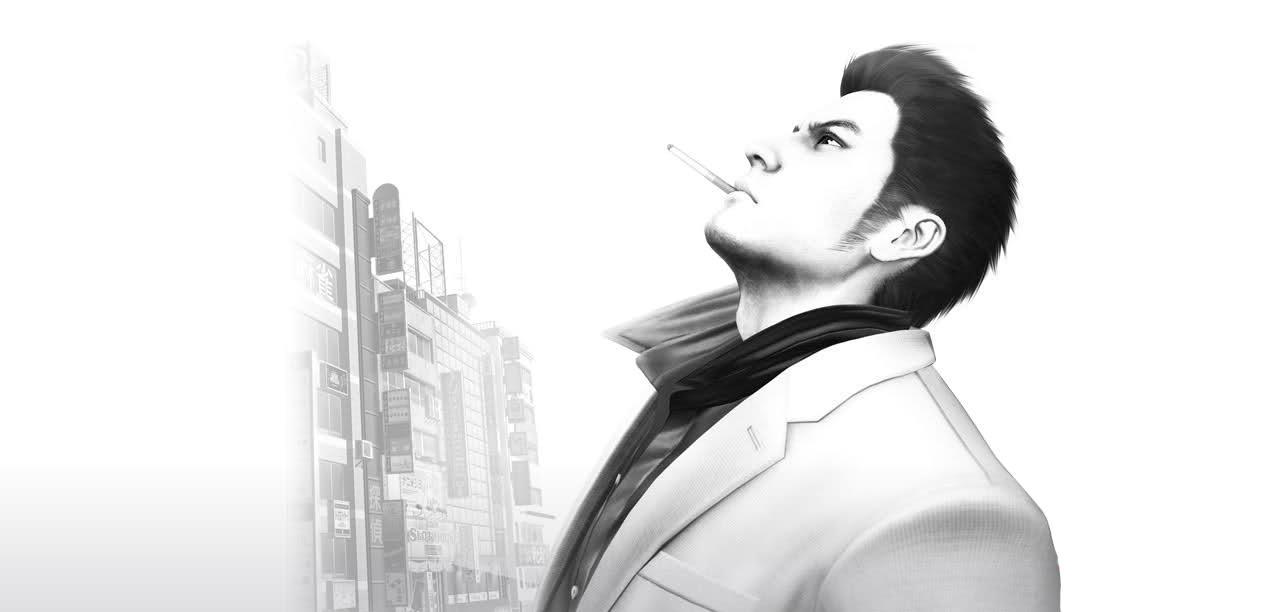
The initial version of this game featured a storyline where the main character was humorously pursued by a transgender woman. This character was portrayed with over-the-top characteristics, and the chase was presented as frightening or disgusting from the hero’s perspective. Many players found this storyline relied on harmful stereotypes about transgender people to generate discomfort and attempt humor. When the game was updated for current systems, the developers removed this content. They made this change to align the game with today’s expectations for respectful and inclusive representation.
‘Leisure Suit Larry Magna Cum Laude’ (2004)
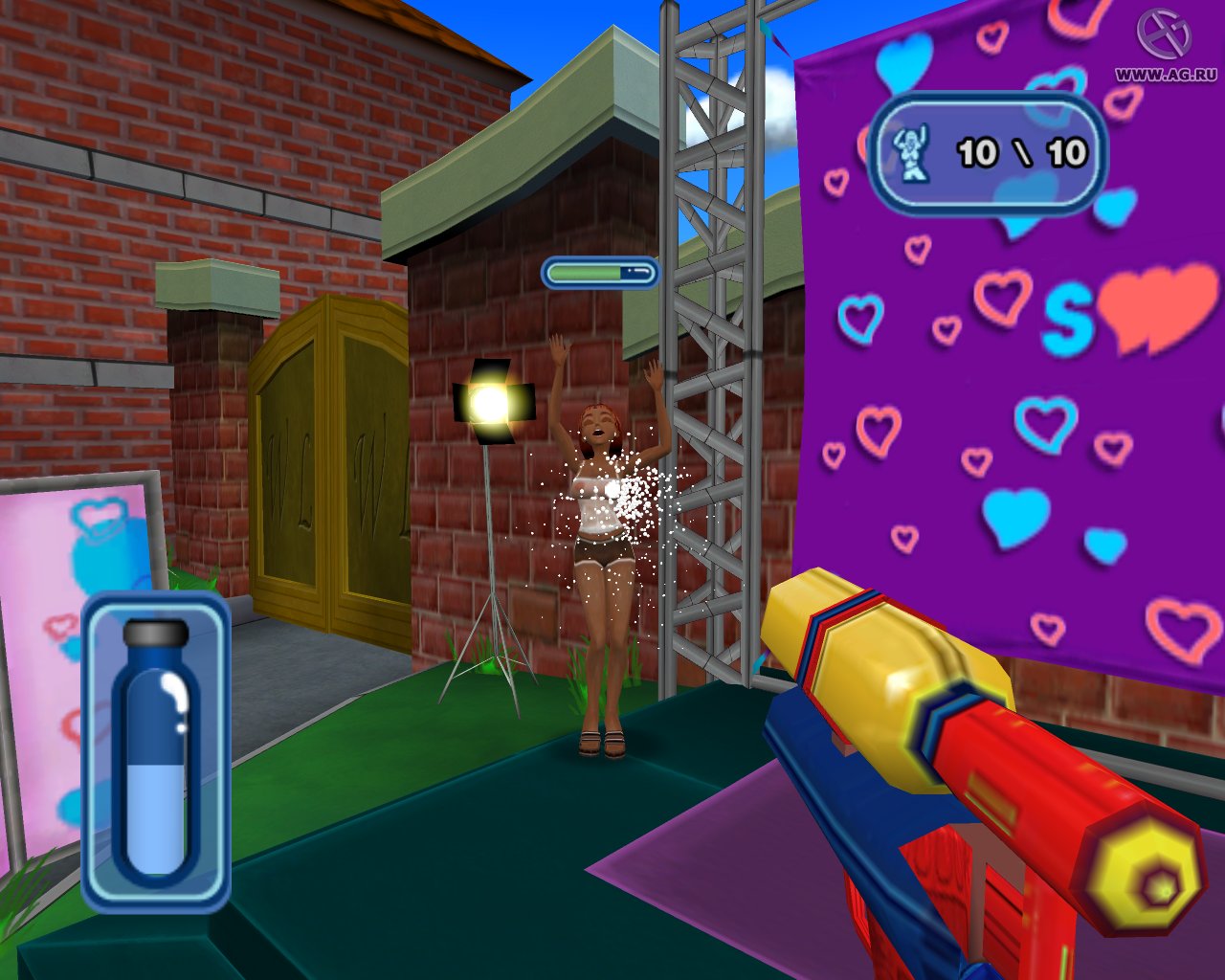
This comedy game for adults features a scene where a character is shocked and disgusted to learn another character is transgender. This moment is intended as a joke, but relies on harmful and prejudiced attitudes towards transgender people. Critics have pointed out that the game uses transphobia as a key part of its humor, and that it generally relies on offensive stereotypes for all its characters.
‘Dragon Age Origins’ (2009)
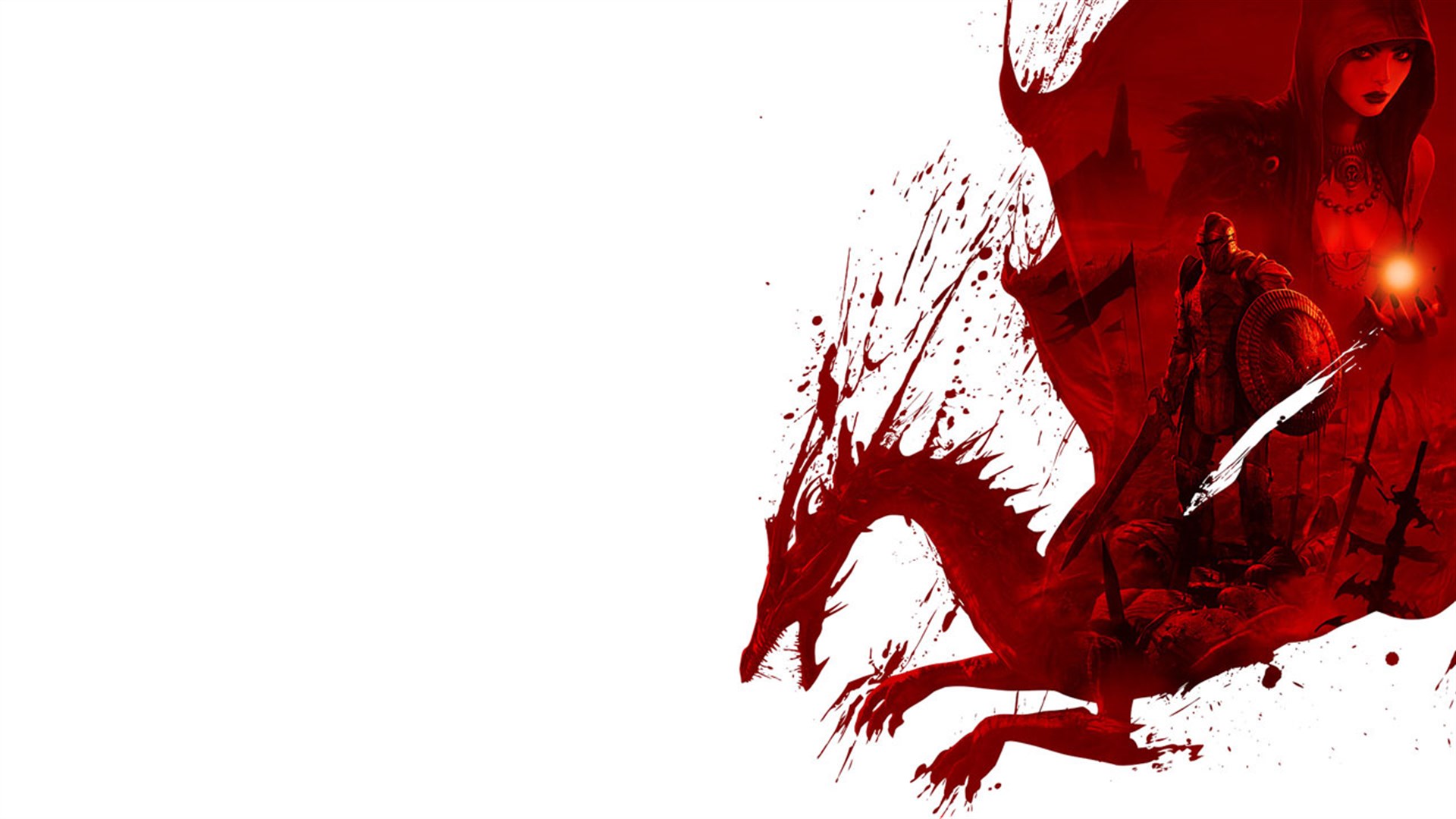
In one location within the game, players meet Serendipity, a transgender woman. The game allows players to respond to her with hurtful comments about her appearance or express disbelief at her identity. Other characters in the game also treat her as a joke or something to be gawked at. Although the series improved its representation of marginalized groups later on, this early portrayal of Serendipity has been widely criticized. The interaction is short, but it continues to be a source of frustration for fans.
‘The Legend of Zelda Breath of the Wild’ (2017)
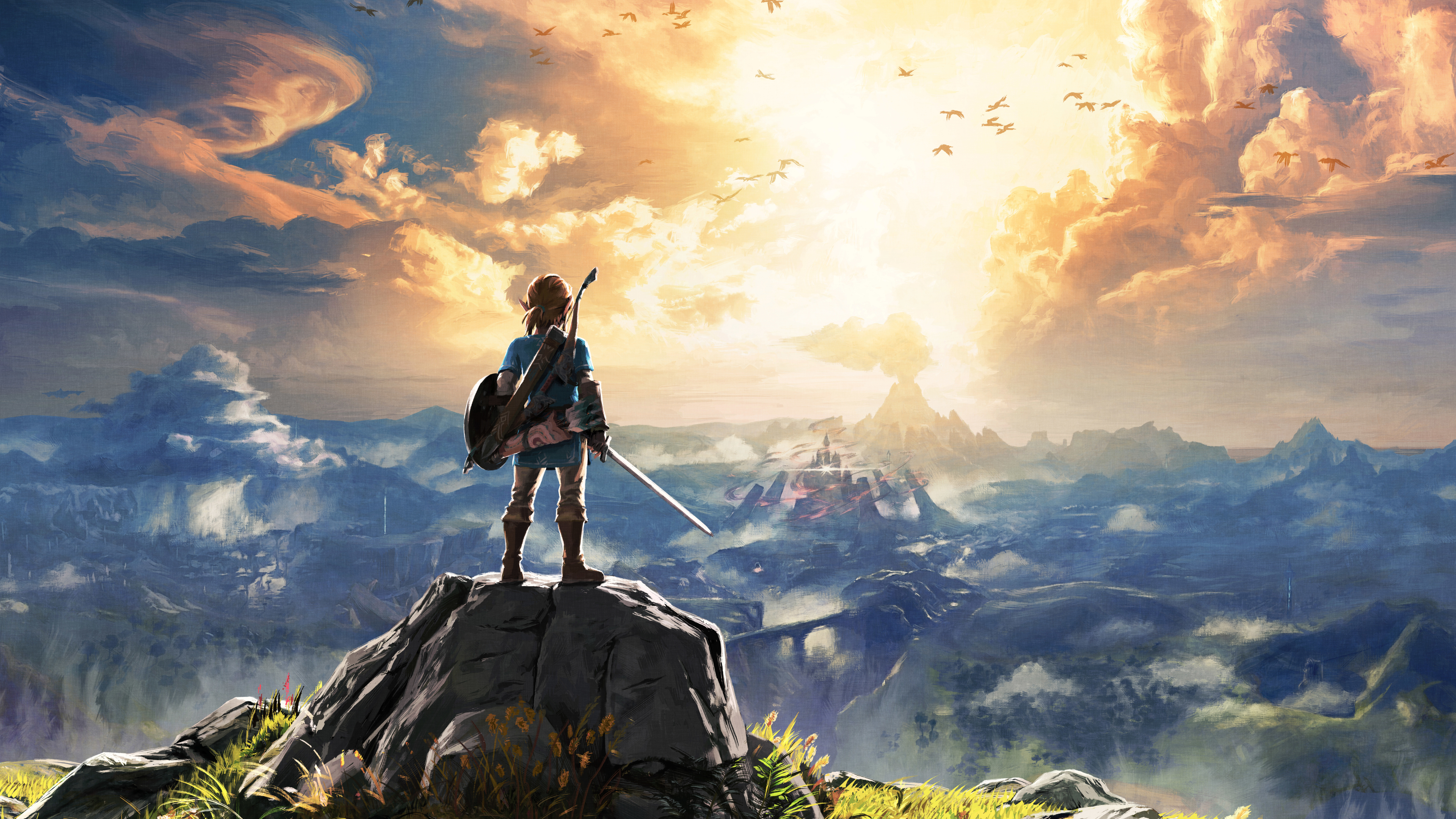
To get into Gerudo Town, which is exclusively for women, Link needs to find a character who gives him a disguise. This encounter is played for laughs, with silly music and Link acting surprised. However, some critics have noted that the character uses harmful stereotypes about trans women for comedic effect. The joke relies on Link being shocked when the character’s disguise is briefly revealed by the wind, and this felt inconsistent with the game’s generally inclusive and thoughtful world.
‘Super Mario Bros 2’ (1988)
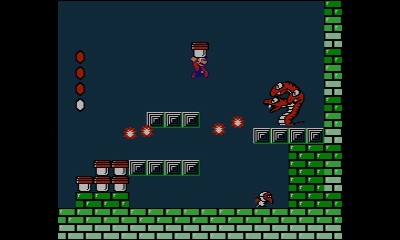
Birdo first appeared in a game manual with a description stating she believes herself to be female. The manual intentionally created confusion by often referring to her with male pronouns, despite her expressed identity. For years, the game series played on this ambiguity as a running gag in spin-off titles. Though newer games generally recognize her as female, the original description is now seen as problematic. This makes Birdo one of the first examples in mainstream gaming of a character whose gender identity was used for comedic effect.
‘Street Fighter X Tekken’ (2012)
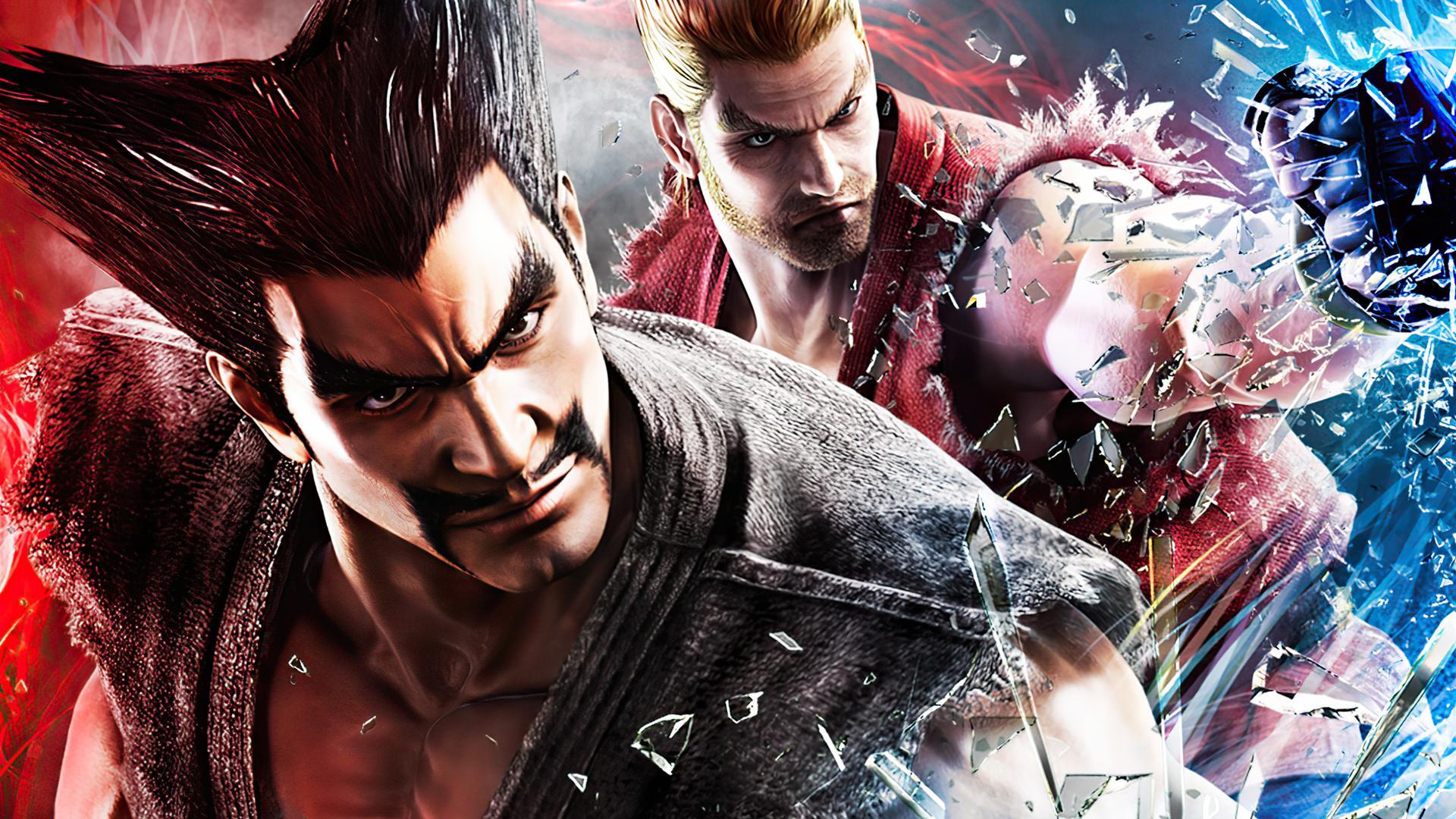
The character Poison was originally designed with a deliberately unclear gender to bypass censorship concerns. In a crossover game, jokes about her body were frequently made, both in her own victory lines and through the reactions of other characters who often expressed confusion or revulsion after fighting her. These interactions were criticized for reducing her identity to simple, offensive gags. While Capcom has attempted to address this issue and clarify her background, those early jokes continue to be associated with her character.
‘Duke Nukem Forever’ (2011)
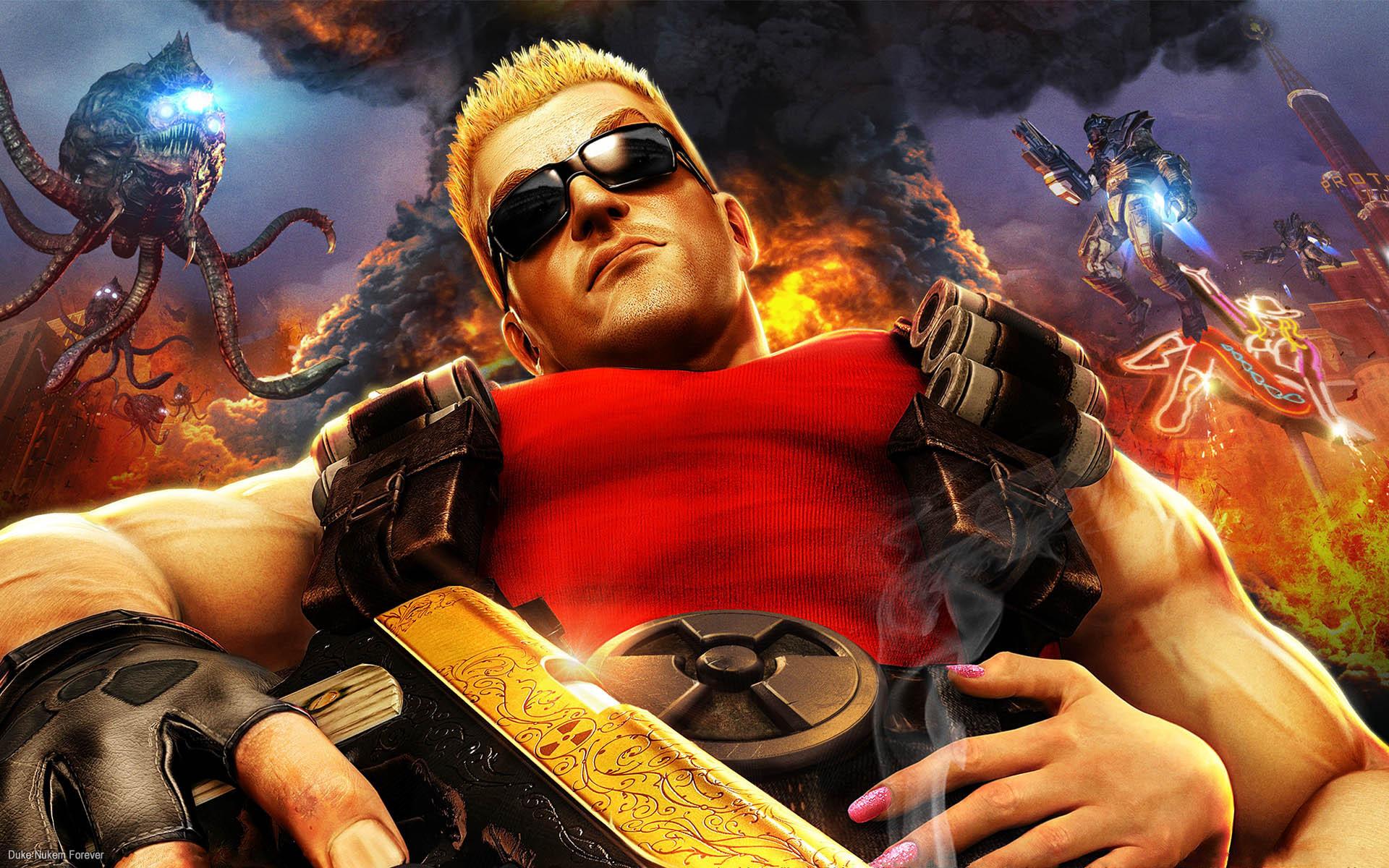
The long-awaited sequel includes a lot of offensive jokes, some directed at transgender people. One part of the game has characters making insulting comments about other characters’ genders, seemingly intended as a joke for the player. Reviewers generally found this humor to be old-fashioned and hurtful, not funny, and criticized the game’s use of outdated and offensive stereotypes.
‘South Park The Stick of Truth’ (2014)
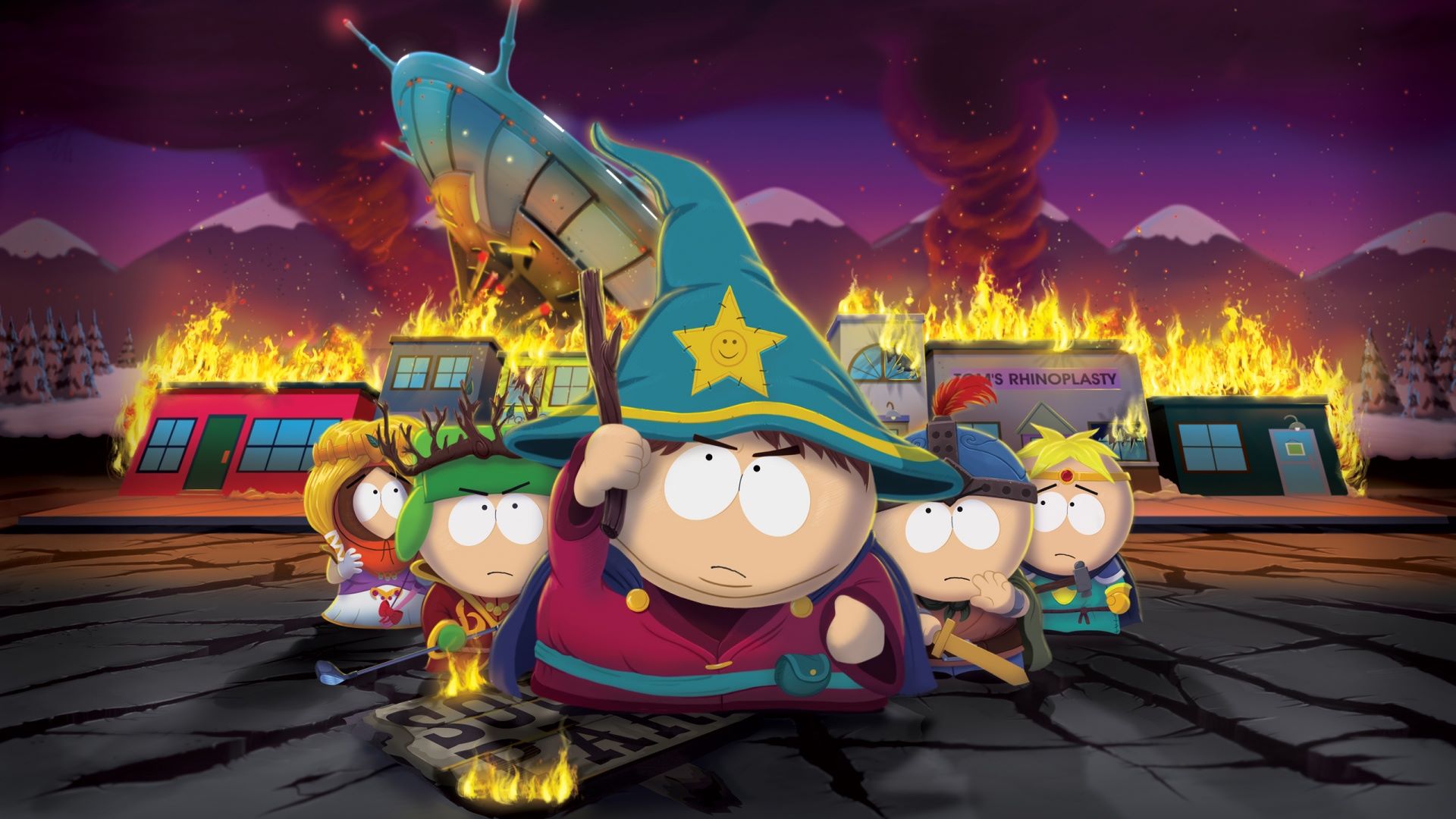
Like the TV show it’s based on, this game uses deliberately shocking humor to tackle various social issues. However, some storylines center on characters whose gender identities are the punchline of jokes. The game frequently uses the characters’ confusion or disgust towards transgender people for comedic effect. While the game aims to satirize many things, the way it handles transgender characters has been criticized as being unnecessarily harsh. The humor stays true to the original show, but its effect remains a topic of debate.
‘Dead or Alive 4’ (2005)
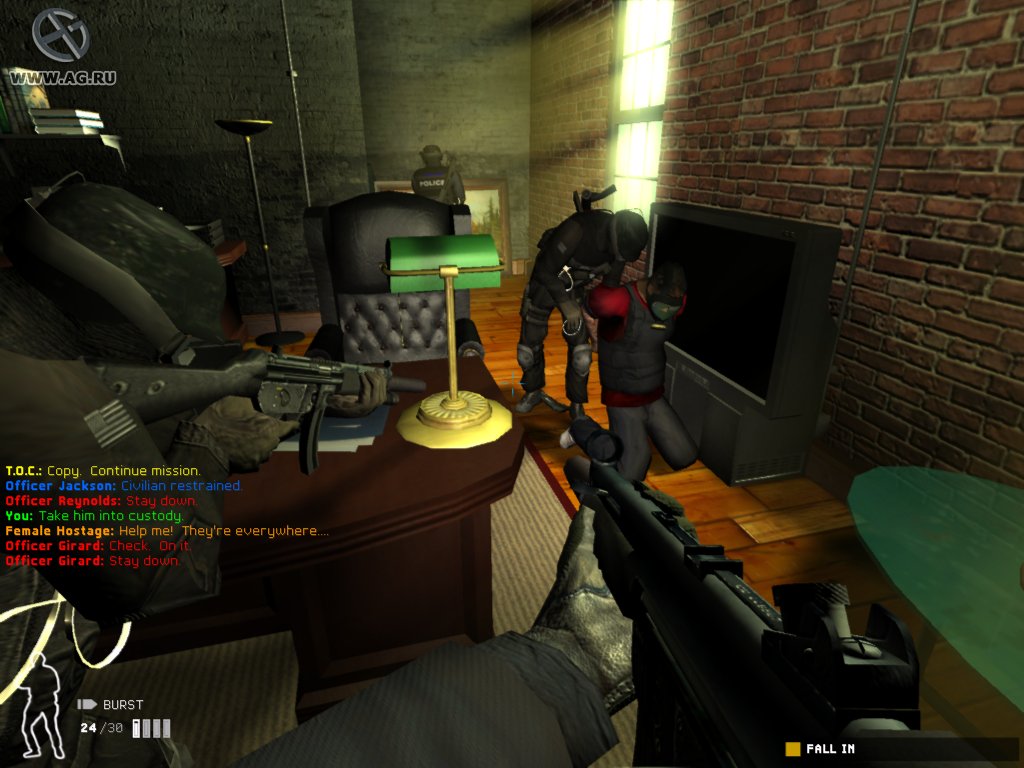
This fighting game series has sometimes handled gender identity poorly. Specifically, some endings and winning poses in the fourth game were criticized for trivializing the experiences of non-binary and transgender people. The game often focuses on characters’ bodies in ways that are either overly sexualized or used for ridicule. Fans have noted the series doesn’t usually approach these topics with the respect they deserve, leading to concerns that the developers see them as simply a source of jokes.
‘Ace Attorney Justice for All’ (2002)
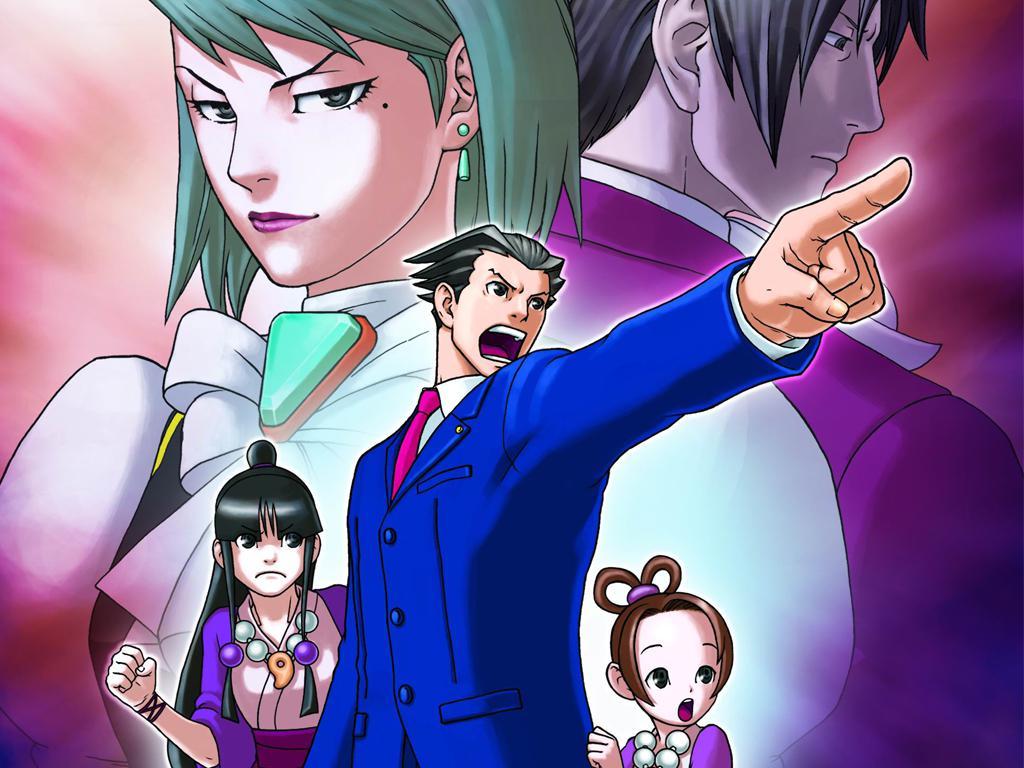
Jean Armstrong is a chef whose gender identity is a recurring joke and source of confusion in the game. Characters repeatedly comment on his looks and how he acts, and the game uses these feminine characteristics for comedic effect during the trial. However, many players felt this constant focus on his identity was insensitive and didn’t add to the story. It’s often considered one of the weaker character portrayals in a series known for its well-developed characters.
‘Deadly Premonition’ (2010)
This well-known game features a character named Thomas whose gender identity is unexpectedly revealed as a plot twist. However, the reveal is presented in a frightening and unsettling way, suggesting a connection between their identity and mental health. Other characters are shocked, and the story uses this reveal to justify the character becoming a villain. This portrayal – linking transgender identity with instability – is a frequent point of criticism in media. Ultimately, the game treats the character’s identity as a surprise twist rather than a fully explored part of who they are.
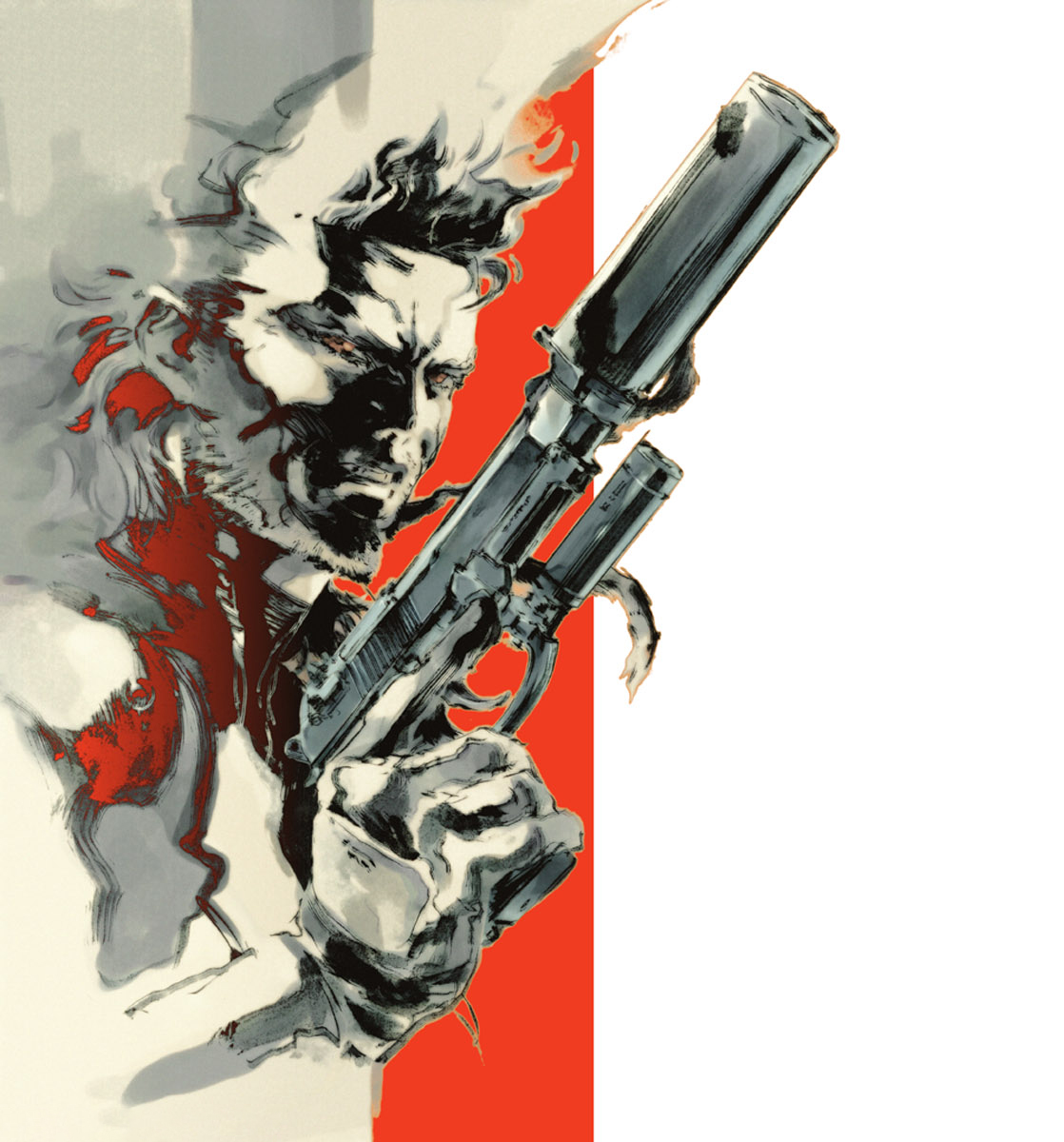
‘Metal Gear Solid 2 Sons of Liberty’ (2001)
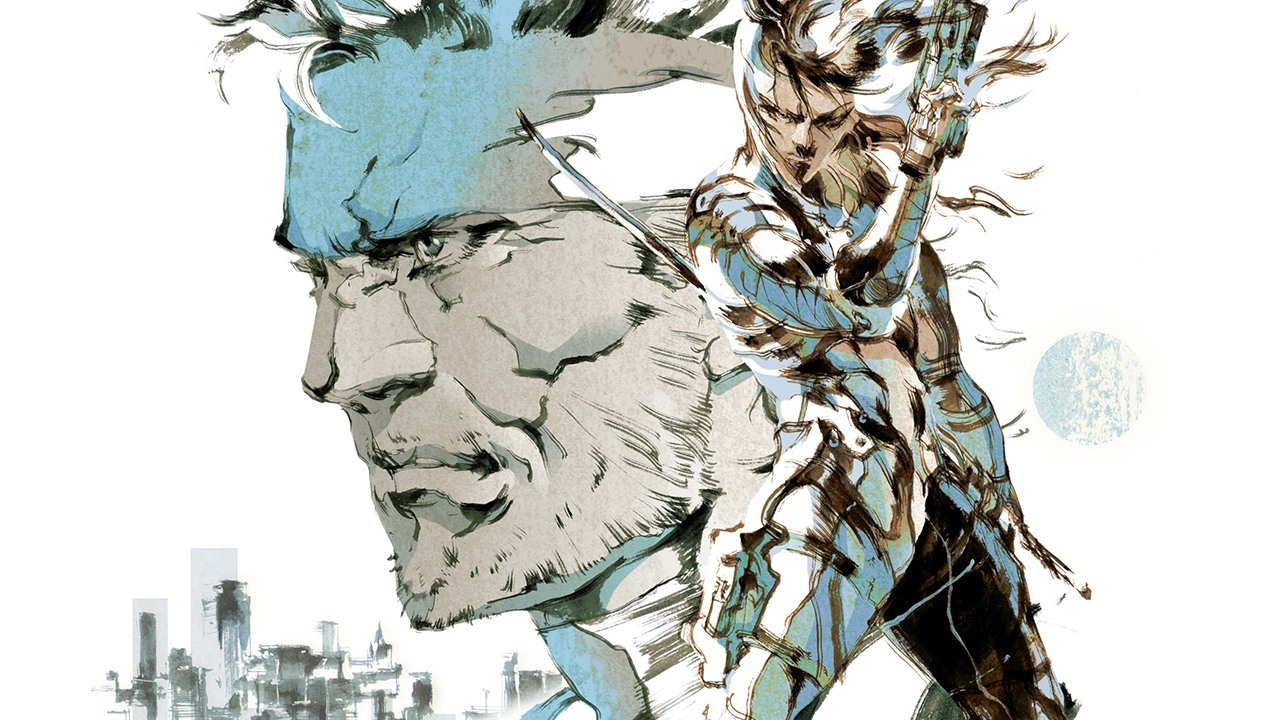
The game is well-regarded for its intricate storyline, but it includes jokes that target the main character, Raiden, questioning his masculinity. One particularly jarring moment involves a character physically grabbing his groin as a supposed joke to confirm his gender. Throughout the game, his appearance – specifically his long hair and lean physique – is frequently mocked in ways that resemble harmful, transphobic language. Though these jokes were meant to show Raiden’s weakness, they often relied on stereotypes that are hurtful to gender non-conforming individuals. This use of gender for comedic effect remains a significant, and problematic, aspect of the game series.
‘Final Fantasy VII’ (1997)
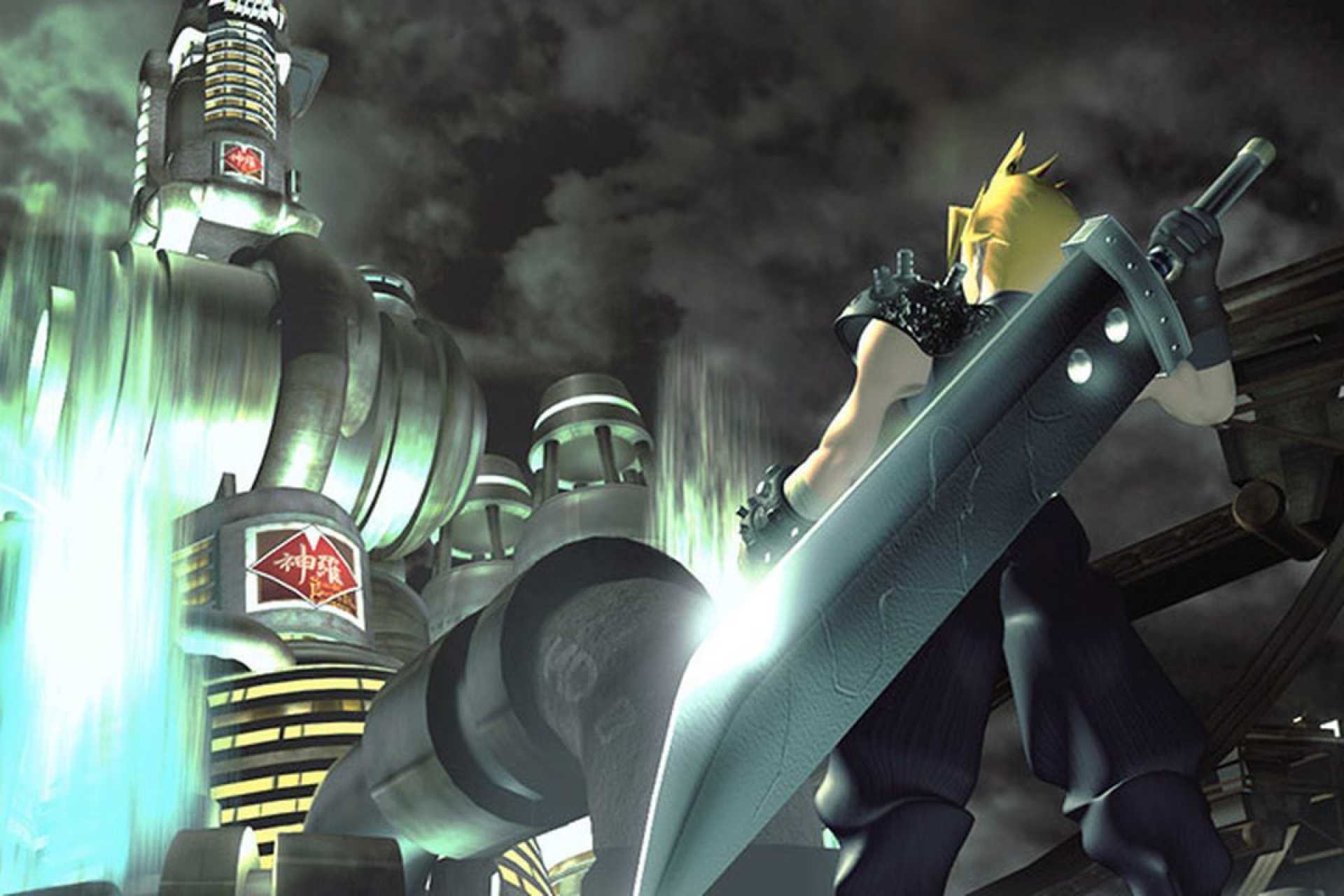
The Honeybee Inn scene in the original Final Fantasy VII involves Cloud disguising himself as a woman to get into a mansion. Throughout this, characters often make jokes that portray the situation as a strange and funny prank. Interactions with other characters were frequently portrayed as sleazy or uncomfortable for comedic effect. Critics have pointed out that the original scene relied on cross-dressing and gender expression solely for laughs. The 2020 remake revised this scene to be more positive and respectful.
‘Saints Row The Third’ (2011)
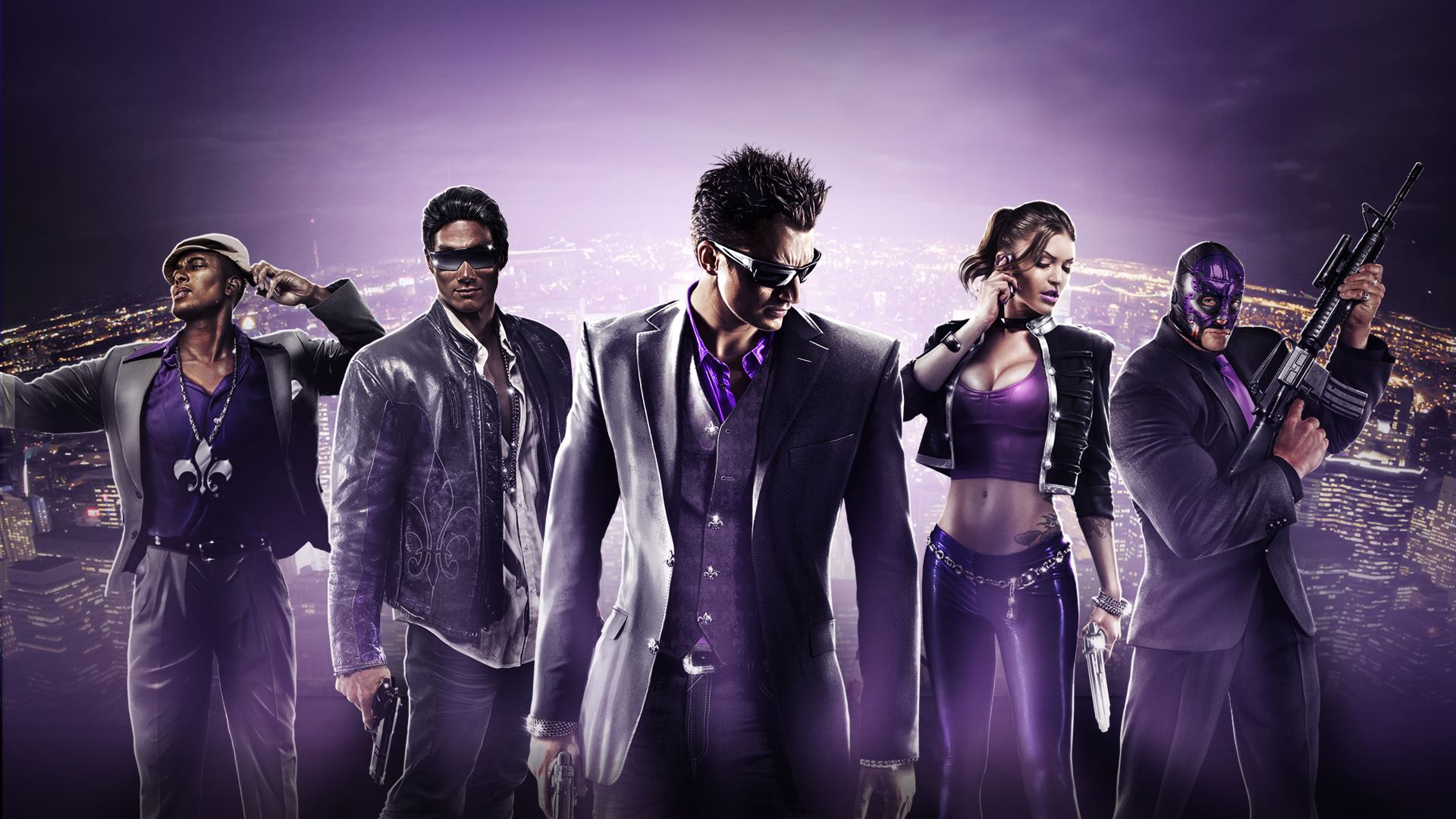
The series is famous for its exaggerated humor, but some of its older installments included jokes that were harmful to transgender people. These early games featured character customization and interactions that mocked those who didn’t conform to traditional gender roles. Players would sometimes encounter characters designed solely for the purpose of making insensitive jokes. Although the series has since become more inclusive, these earlier games often used offensive shock value instead of prioritizing respect for different identities. The focus was more on creating a chaotic and over-the-top experience than on being sensitive and inclusive.
‘Postal 2’ (2003)
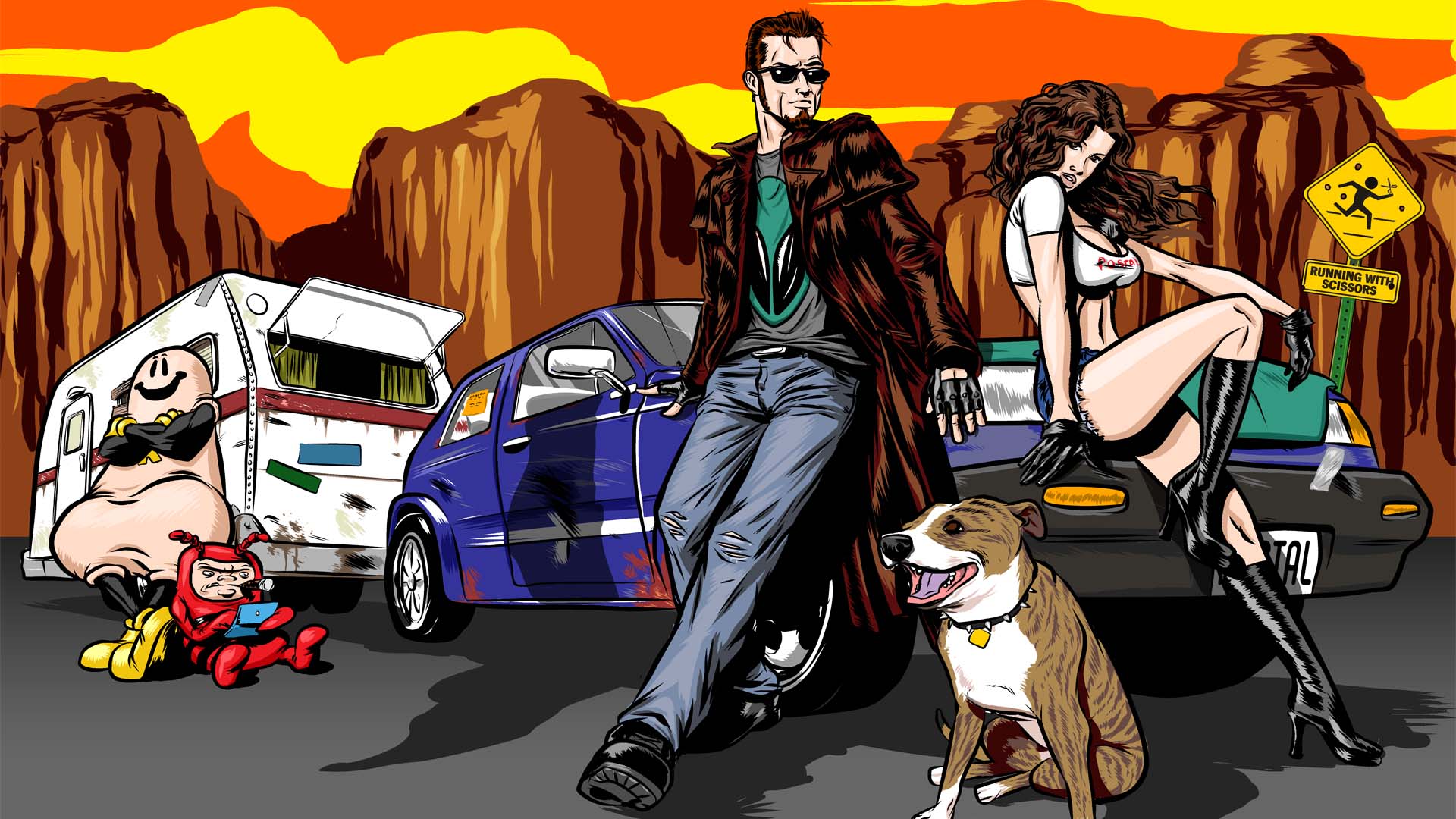
This game is widely known for deliberately trying to shock and offend players through its content. It features characters and scenarios that portray transgender people using harmful stereotypes and insults. Players are even encouraged to commit violent acts against these characters, accompanied by dismissive comments from the main character. The developers appear to have used these depictions in an attempt to be provocative and generate controversy, leading the game to be frequently discussed as an example of damaging representation in video games and other digital media.
‘Conker’s Bad Fur Day’ (2001)
This game is a playful platformer known for its silly bathroom humor and references to popular culture. One memorable, and intentionally shocking, scene involves a character’s gender reveal that’s designed to disgust the player, mirroring the main character’s reaction. While this type of joke was fairly common in media from the early 2000s, it’s now often seen as problematic. It’s a good example of how the game generally tries to get laughs through surprise and shock value.
‘Guilty Gear XX’ (2002)
Bridget, a character in the game, was initially presented as someone assigned male at birth but raised as female, and this was often the punchline of jokes. Many scenes, like winning screens and story modes, highlighted the shock other characters felt when they discovered she wasn’t who they thought. Fans and the game itself often referred to her as a “trap,” a term considered hurtful by many. Although the developers later officially established her as a trans woman, her early appearances heavily relied on these insensitive jokes. This change was widely seen as an attempt to address years of using her identity for comedic effect.
‘Danganronpa Trigger Happy Havoc’ (2010)
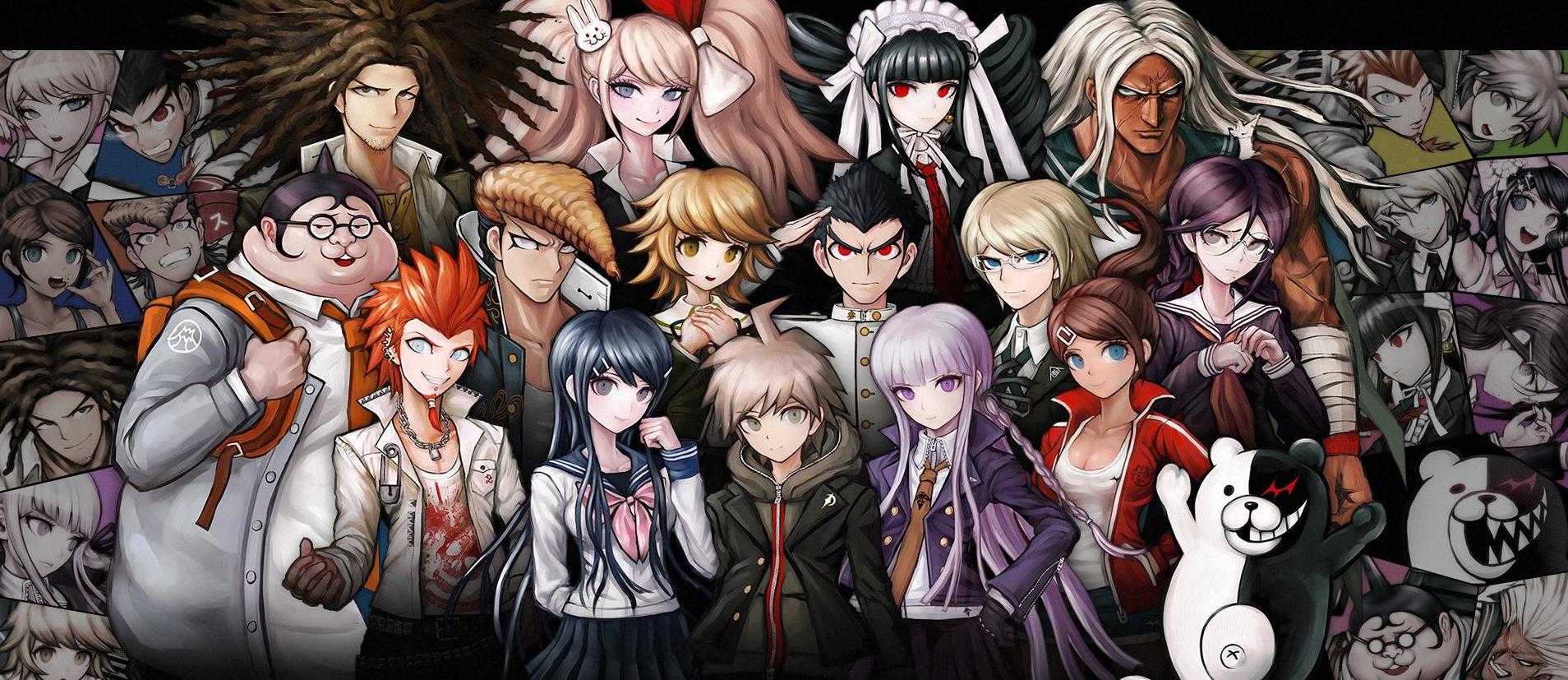
Chihiro Fujisaki is a male character who presents as female, a secret revealed to be a way of coping with feelings of vulnerability. This reveal caused significant surprise and discomfort among other characters, who reacted with confusion and judgment. The story often has trouble balancing Chihiro’s internal struggles with the reactions of those around him, who often ridicule his clothing choices. Many critics felt the game used Chihiro’s identity more for shock value and comedic effect than as a thoughtful look at gender identity. How the character is portrayed remains a controversial topic among fans.
‘The Witcher 3 Wild Hunt’ (2015)
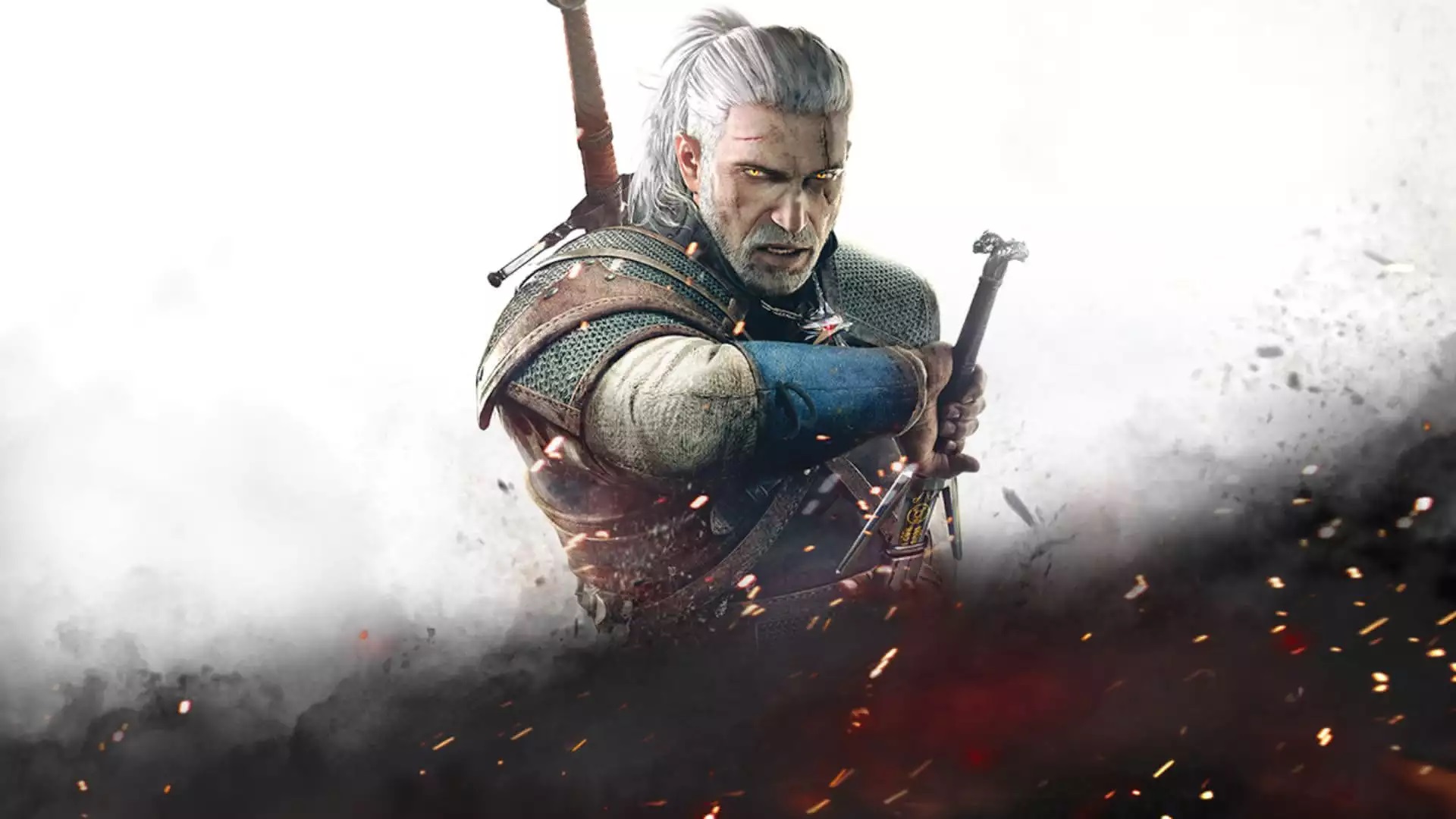
In the city of Novigrad, players encounter Elihal, an elf who enjoys dressing in traditionally feminine clothing. While the interaction isn’t overly dramatic, the player character, Geralt, can respond in ways that are either dismissive or show confusion. Some players felt the game treated Elihal as an oddity for observation, rather than as a fully realized person. The fact that this character appears in a quest involving a serial killer also made some critics uncomfortable. While the game world is generally complex, some believe this depiction of someone who doesn’t conform to traditional gender roles was a missed chance to explore the topic more thoughtfully.
‘Tekken 7’ (2015)
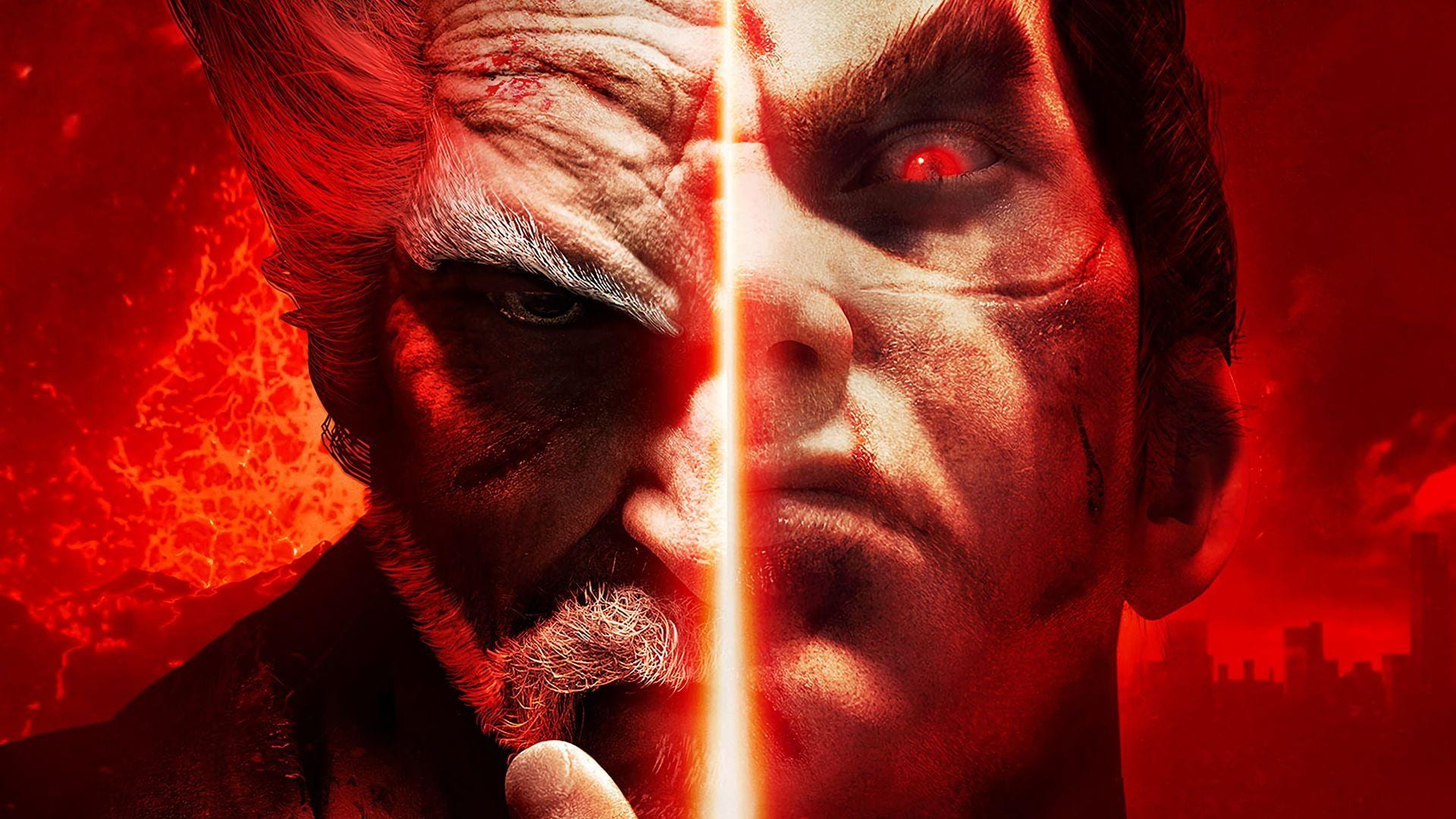
Leo Kliesen is a character whose gender identity the game developers deliberately left unclear for several games. This ambiguity was frequently used in marketing and as a source of humor among fans and in promotional content. Sometimes, developers joked about Leo’s gender instead of treating it with sensitivity. Many fans have criticized this, feeling it turned a core part of the character into a prolonged and frustrating mystery. This lack of a clear answer is often interpreted as an unwillingness to commit to meaningful representation.
‘Mass Effect Andromeda’ (2017)
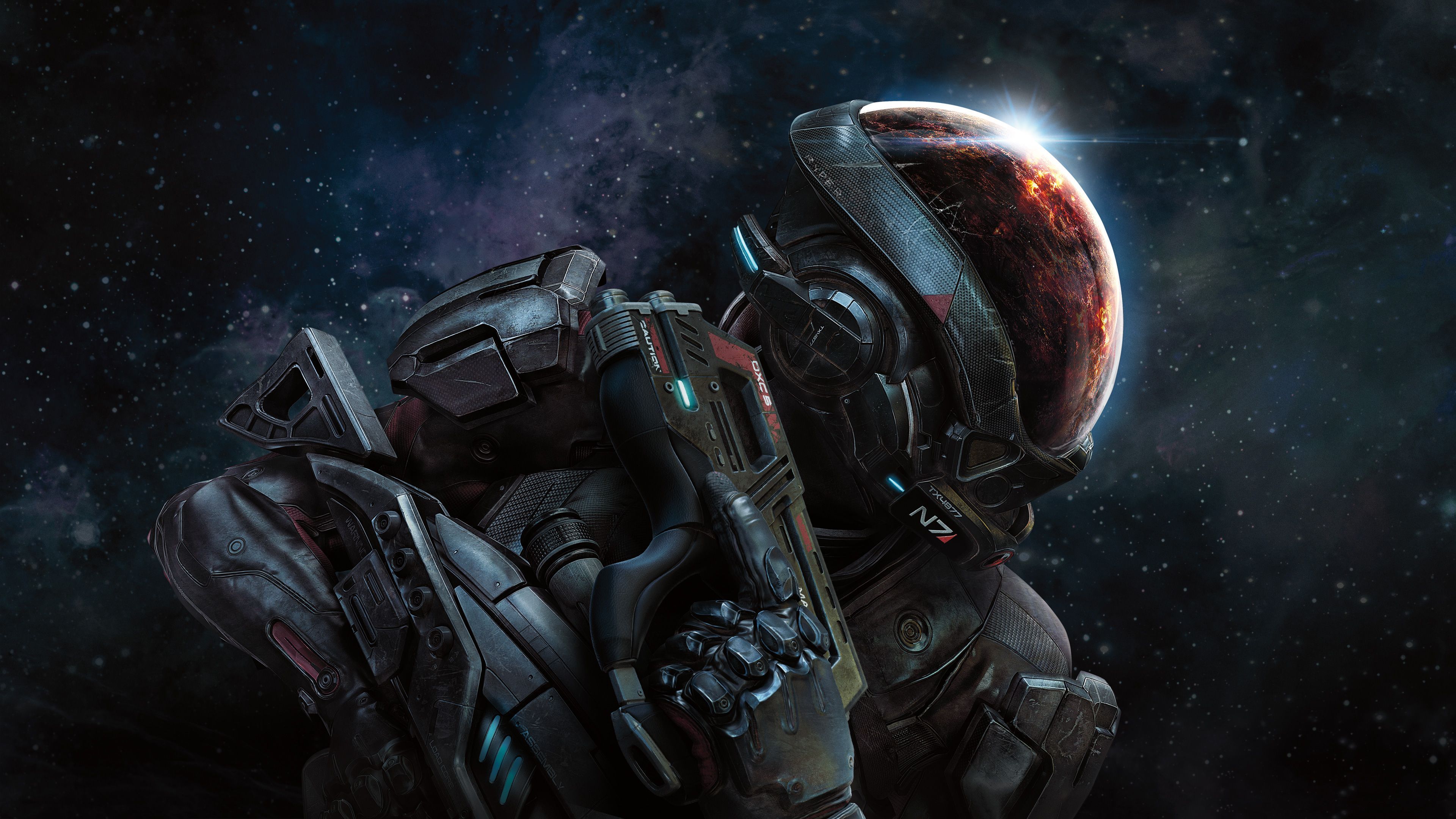
Shortly after the game launched, the character Hainly Brehn received criticism for how she first introduces herself. She immediately tells the main character about her past name and that she is transgender, which many players felt was awkward and reduced her identity to a simple detail. The developers later updated the game so she only shares this personal history after building a connection with the player. This situation emphasized the need for careful and nuanced writing when creating transgender characters, focusing on their full personality rather than just presenting biographical information.
‘Cyberpunk 2077’ (2020)
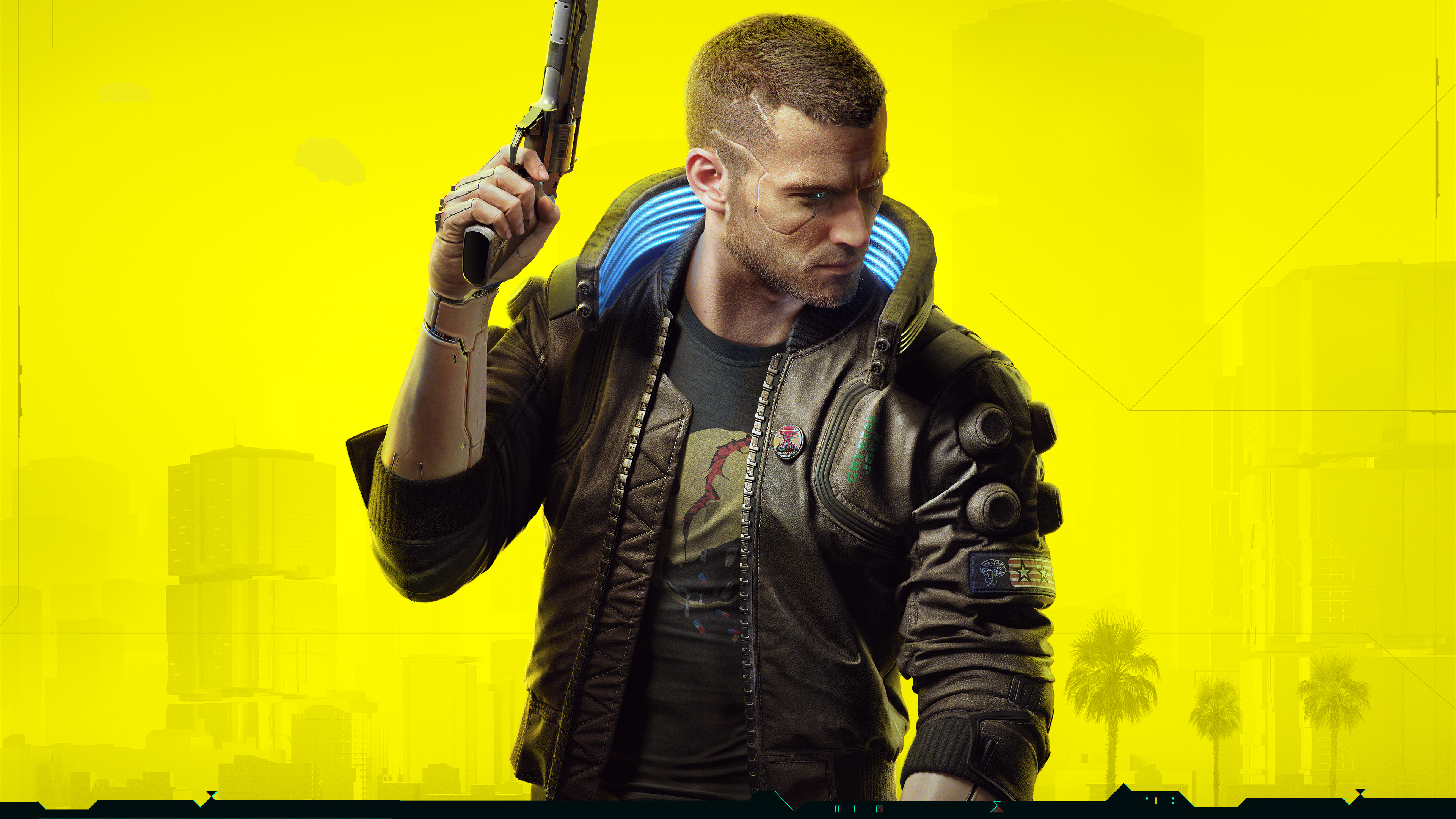
The game’s marketing included an advertisement within the game itself, featuring a trans woman with an overly exaggerated appearance, used to promote a soda brand. This sparked controversy, with many questioning whether the game was objectifying or making fun of trans people. Beyond the ad, the game’s background story also presented depictions of trans characters that some found dehumanizing. Critics felt the game used trans identity to emphasize a dystopian future rather than offering genuine representation. While the developer claimed this was a commentary on corporate greed, many players weren’t persuaded.
‘Fable II’ (2008)
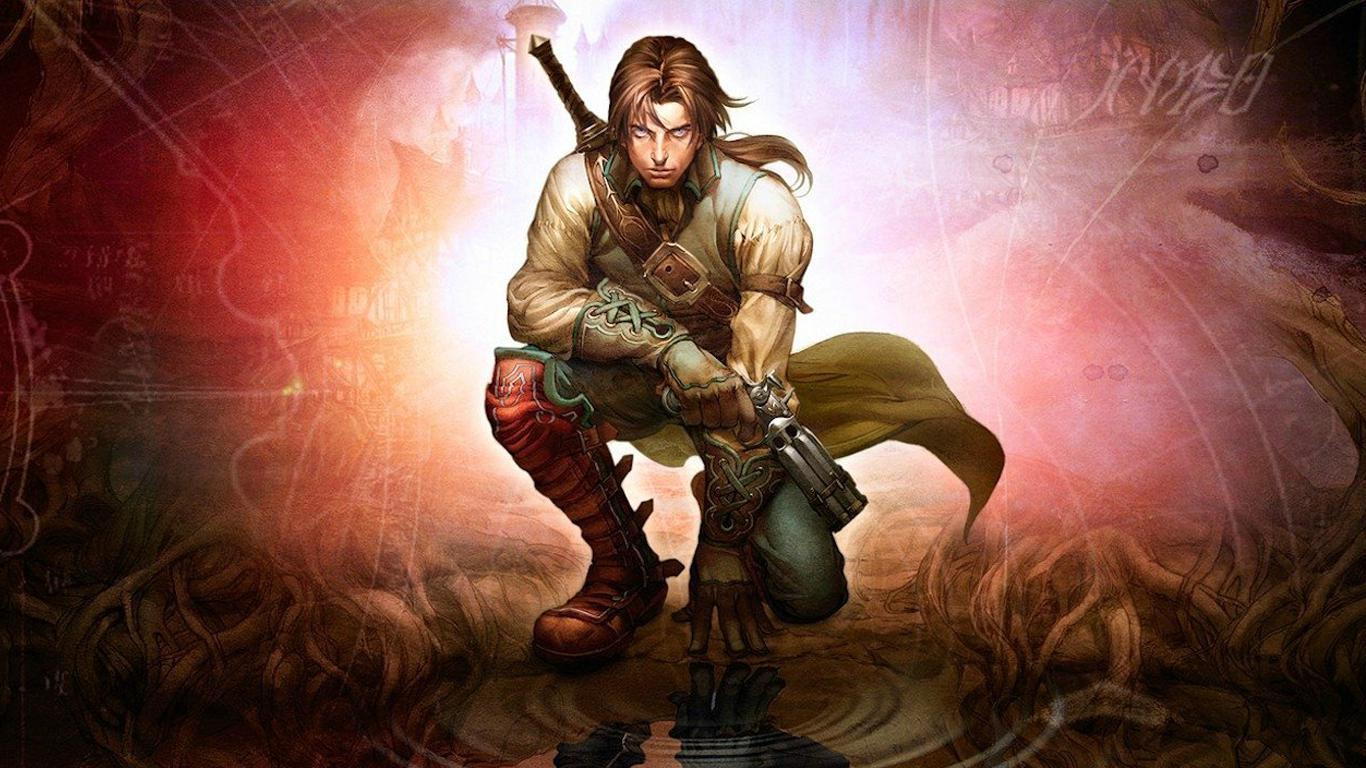
The game includes a potion that lets players permanently change their character’s gender. While this was a unique feature when the game was released, the way it was handled often focused on jokes and surprising reactions from other characters. Many of these reactions treated the change as a strange accident, not a deliberate choice, which led to criticism that the game didn’t thoughtfully address gender identity.
‘Bully’ (2006)
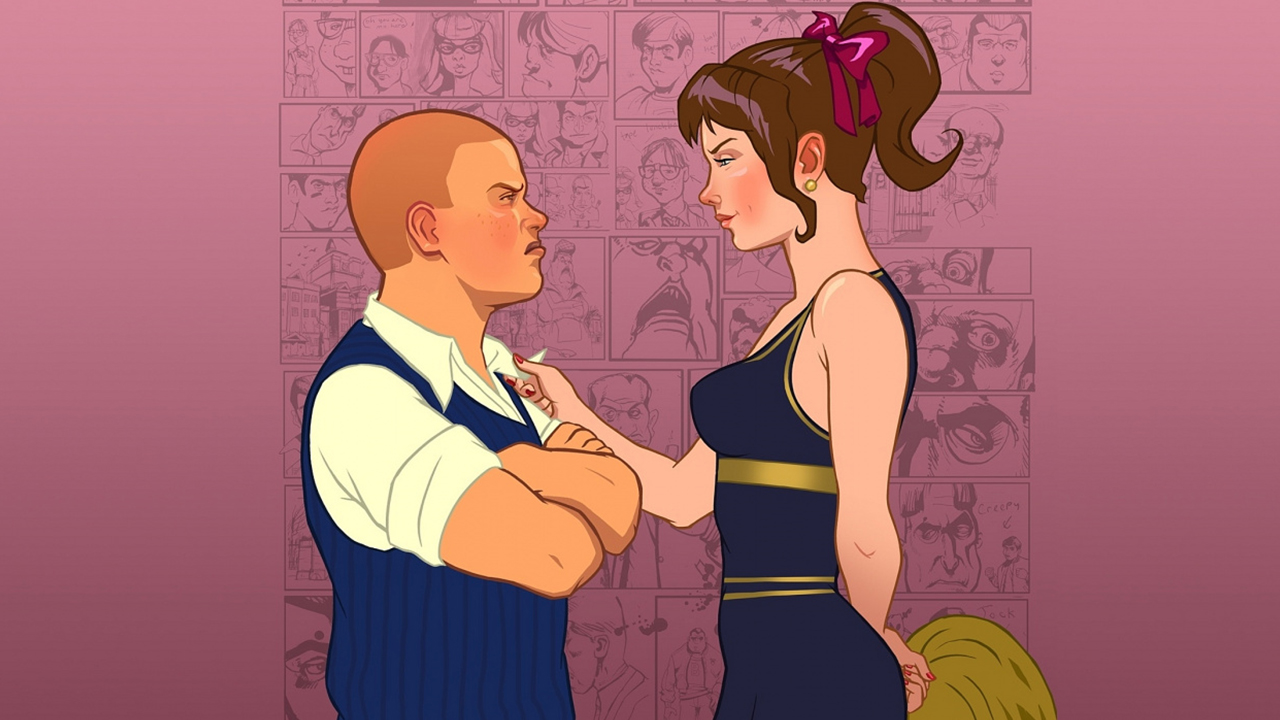
This school-themed game includes several characters you’ll meet on campus and in town. Some of their dialogue contains negative comments about people who don’t conform to traditional gender roles. While the game aims for a playfully cruel, schoolyard-like atmosphere, these lines can feel hurtful. Players have pointed out that some adult characters are portrayed with exaggerated traits, used as jokes for not being traditionally masculine or for being women who exhibit masculine characteristics. These portrayals are intended as part of the game’s broader satire of social power dynamics.
‘World of Warcraft’ (2004)
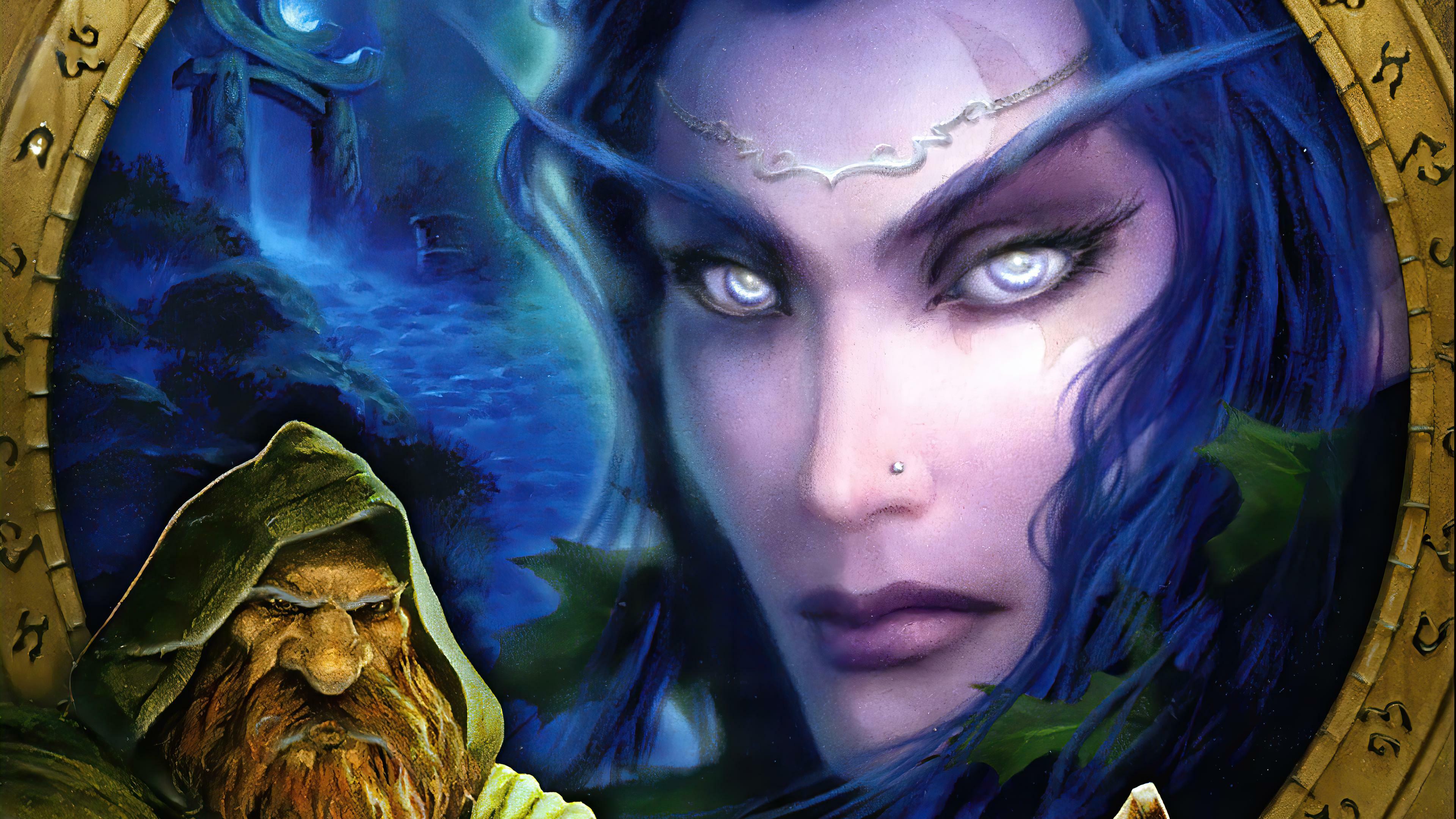
I’ve been playing MMOs for ages, and you always run into weird NPC names, right? Early on, some games – like Blizzard’s – had characters with names that were basically jokes, and honestly, some of them were pretty insensitive, making fun of gender and transition. Thankfully, Blizzard listened to players and started removing or changing those names. It’s cool to see them trying to make the game a more welcoming place for everyone. A lot of us realized those old jokes were just a sign of the ‘bro culture’ that was common when the game was first being made.
‘EarthBound’ (1994)
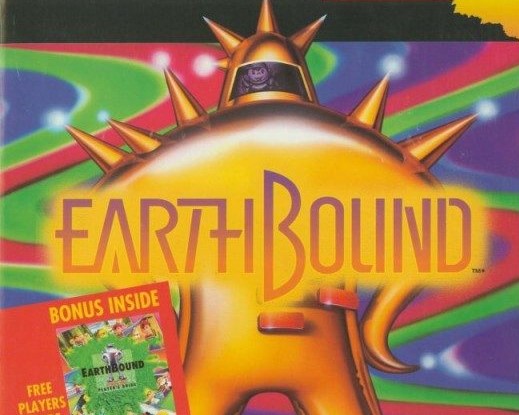
This unusual role-playing game features the Magypsies, characters with magical abilities who are intentionally designed with a striking contrast: they appear feminine through their clothing and makeup, but have traditionally masculine features like facial hair and deep voices. Opinions on the Magypsies are divided – some players appreciate them as empowering, while others see them as caricatures meant to be mocked. Their exaggerated personalities and dialogue contribute to this debate. Though created in a different era, their depiction is now being reconsidered in light of modern understandings of gender expression and how it’s represented in media.
‘Sly 3 Honor Among Thieves’ (2005)
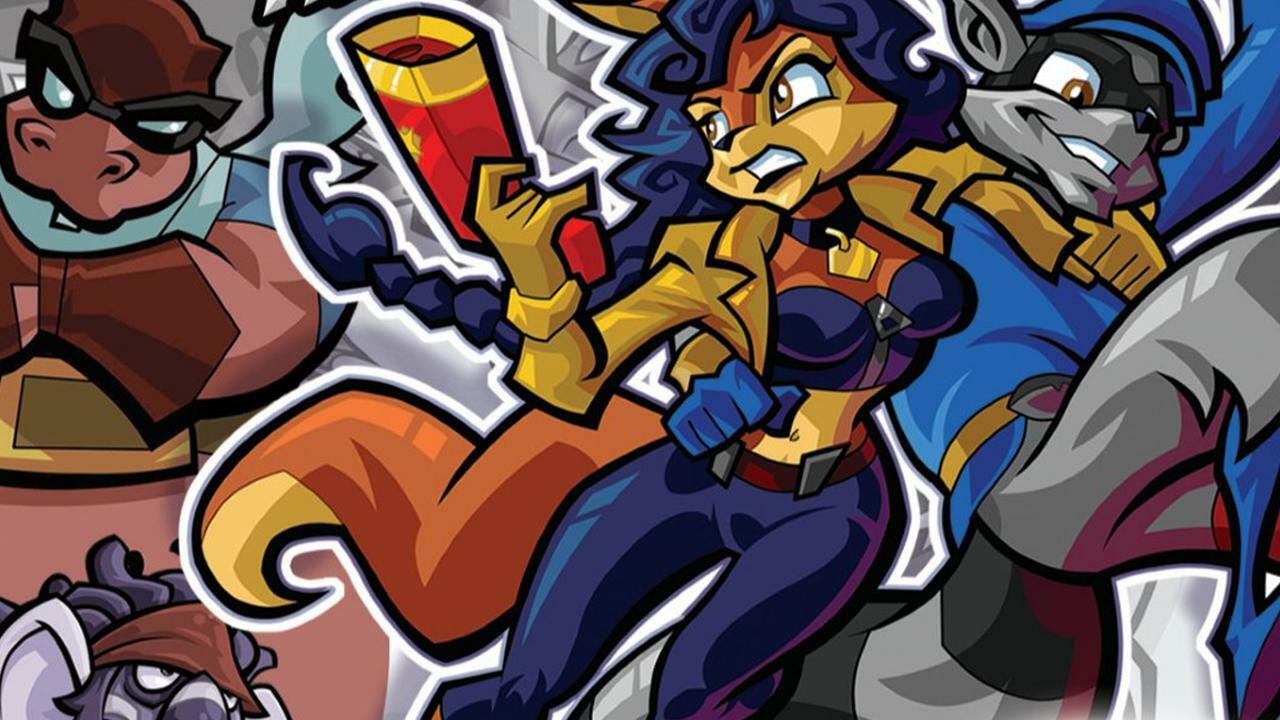
In this stealth game, one of the main villains is a large woman, and the heroes repeatedly joke about her gender. Their conversations often center on her appearance, intended as humor, and they question whether she’s truly a woman because of her strength and size. While this kind of joke was typical in children’s entertainment at the time the game was made, it’s now considered insensitive, as the humor relies on the character being different from traditional gender expectations.
‘Borderlands 2’ (2012)
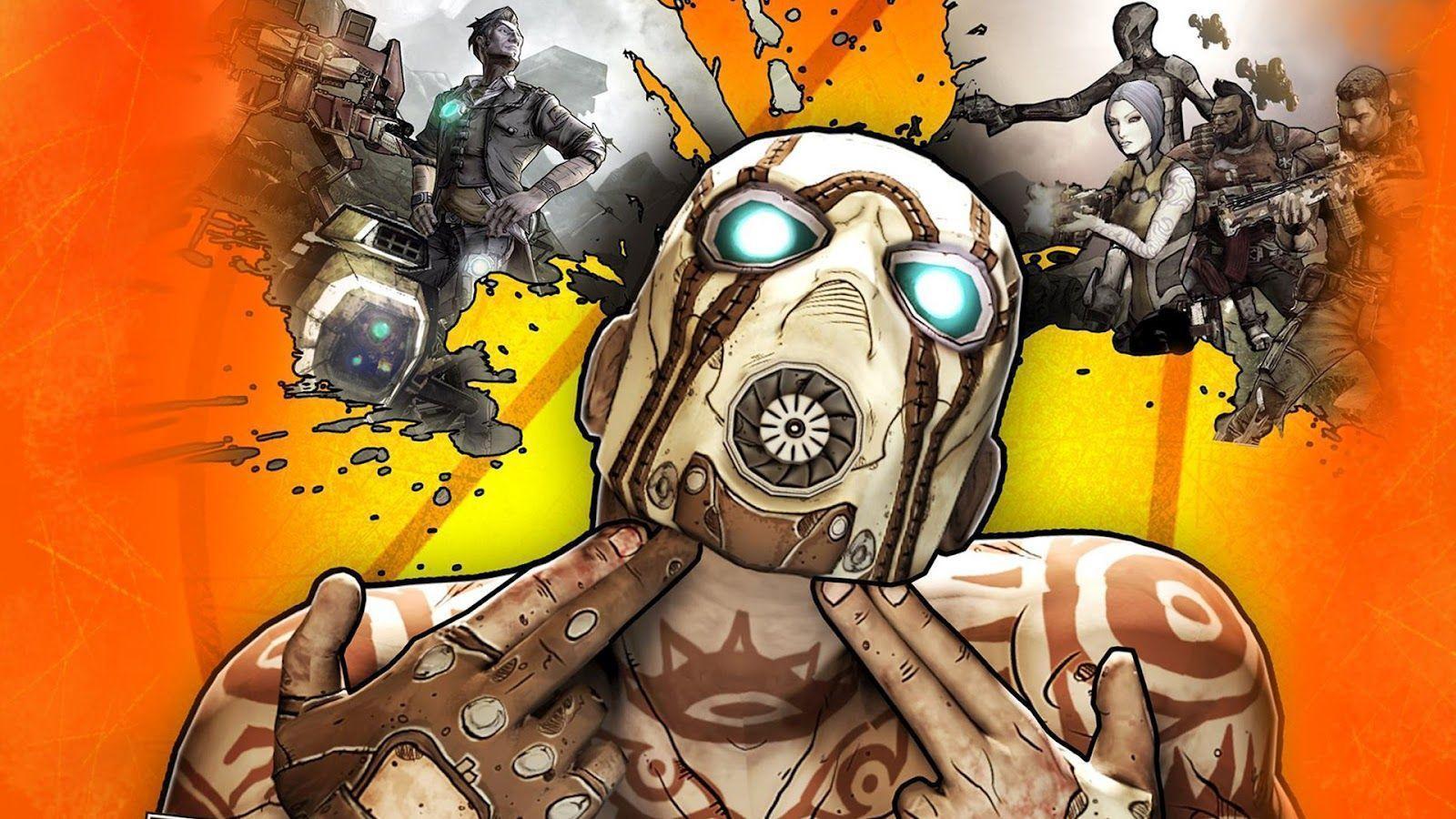
Sir Hammerlock is a popular character, but some of the dialogue from other characters can feel insensitive. Tiny Tina, known for her unpredictable personality, sometimes makes jokes about gender and identity. Although the game is celebrated for having a diverse group of characters, it occasionally relies on stereotypes for quick laughs. Some reviewers thought the constant humor sometimes undermined the characters’ seriousness. The game walks a delicate line between being inclusive and using character traits as the basis for jokes.
‘Far Cry 6’ (2021)
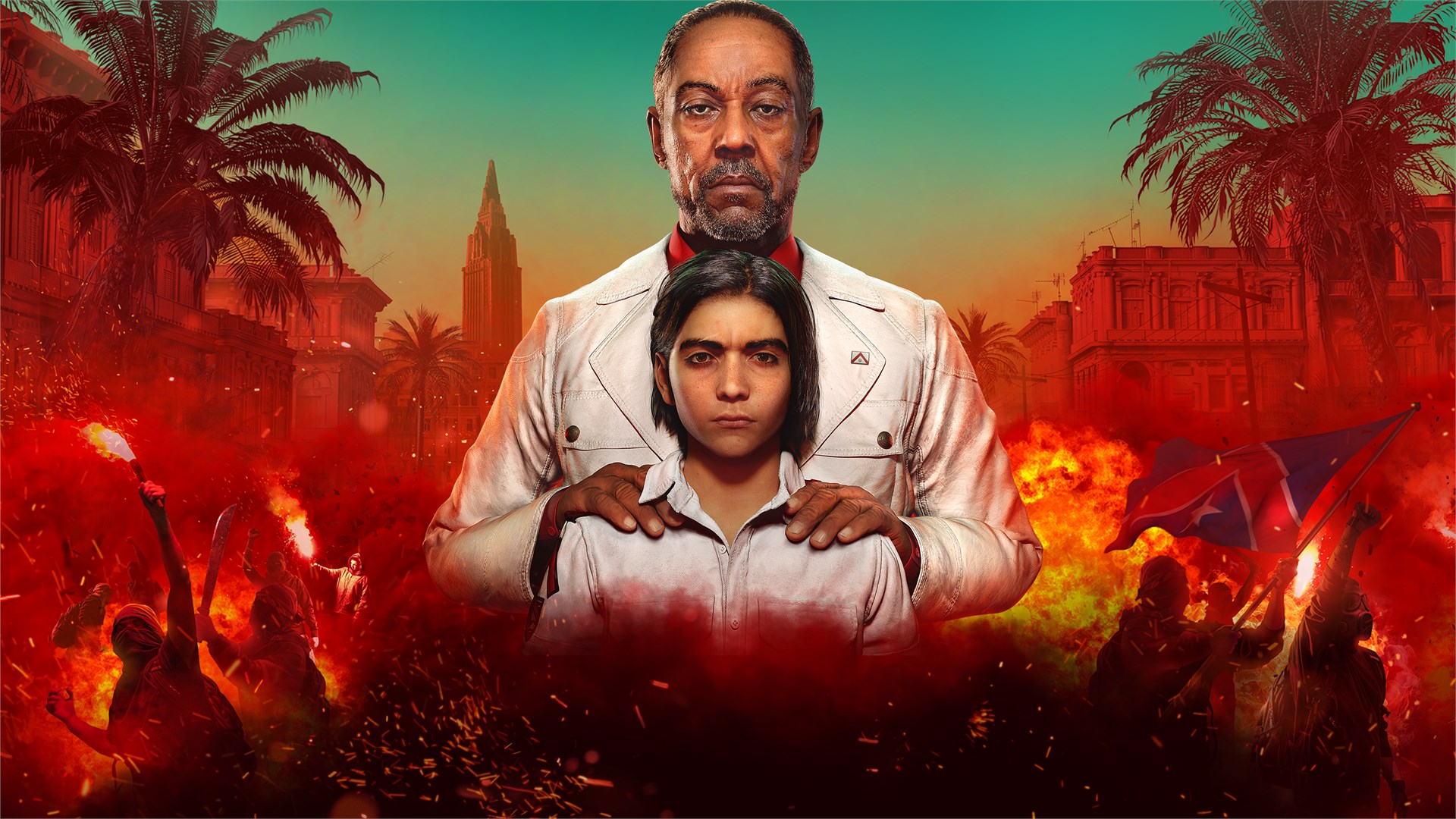
Paolo is a key character in the game – a trans man who’s part of the rebel group. Some players and reviewers felt uncomfortable with how his transition was brought up during gameplay, specifically that certain conversations seemed to focus too much on his past difficulties for the sake of creating drama or using dark humor. Although Paolo is portrayed as a hero, the way his identity was presented in some dialogues struck some as insensitive. This sparked a conversation about how even representation created with good intentions can sometimes miss the mark.
‘Persona 4’ (2008)
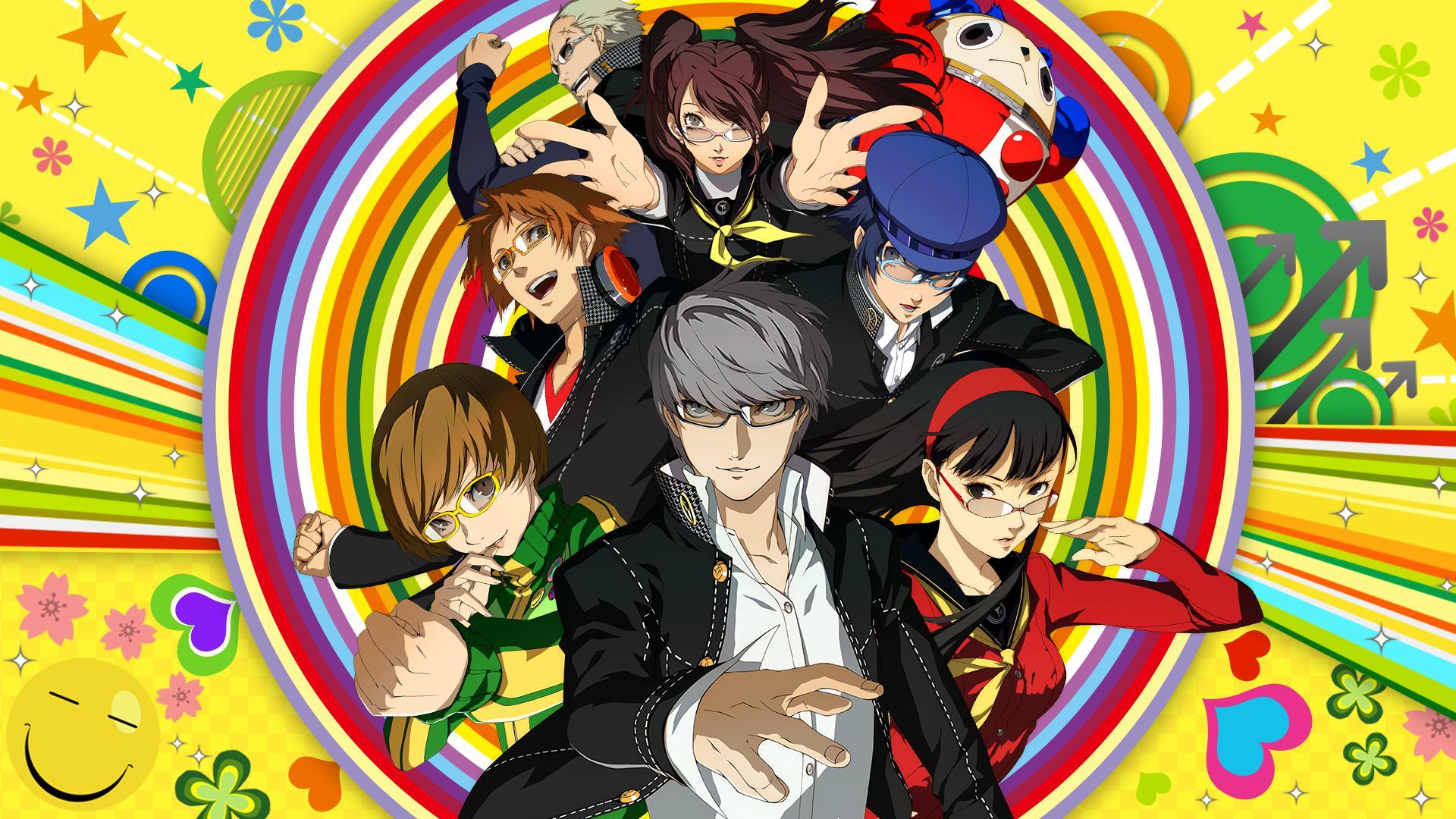
Naoto Shirogane is a police officer who initially comes across as male. Once it’s revealed she’s a woman, the other characters frequently joke about her gender. The story ultimately portrays this as a disguise, which upset many players who interpreted her as a transgender man. The game repeatedly uses jokes about her appearance and clothing, and this is often seen as dismissive of a potentially meaningful exploration of gender identity in favor of simple comedy.
‘Street Fighter II’ (1991)
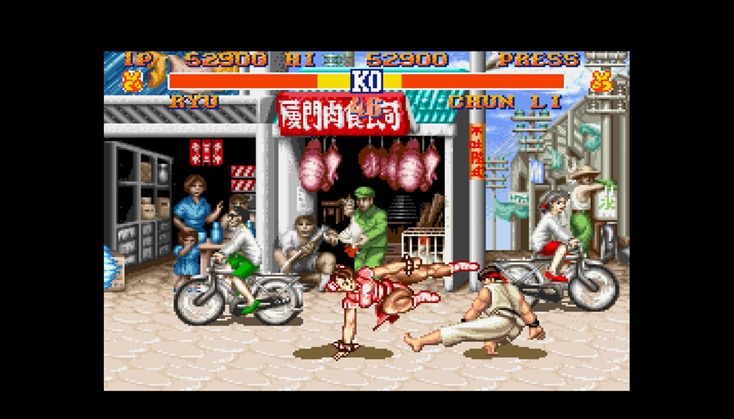
Okay, so I recently learned the backstory on Poison from Final Fight, and it’s kinda messed up. Apparently, the developers originally designed her as a straight-up female villain, but they were worried about the backlash of letting players beat up a woman. So, they changed her backstory to say she was transgender, basically as a way to justify letting players fight her. For years, everyone involved treated it like an inside joke, even mentioning it in interviews and art books. Honestly, it always felt weird to fans – like her identity was just a legal workaround and not actually part of who she was. That whole history has really stuck with the character, and it’s definitely shaped how people see her even now.
‘BlazBlue Chrono Phantasma’ (2012)
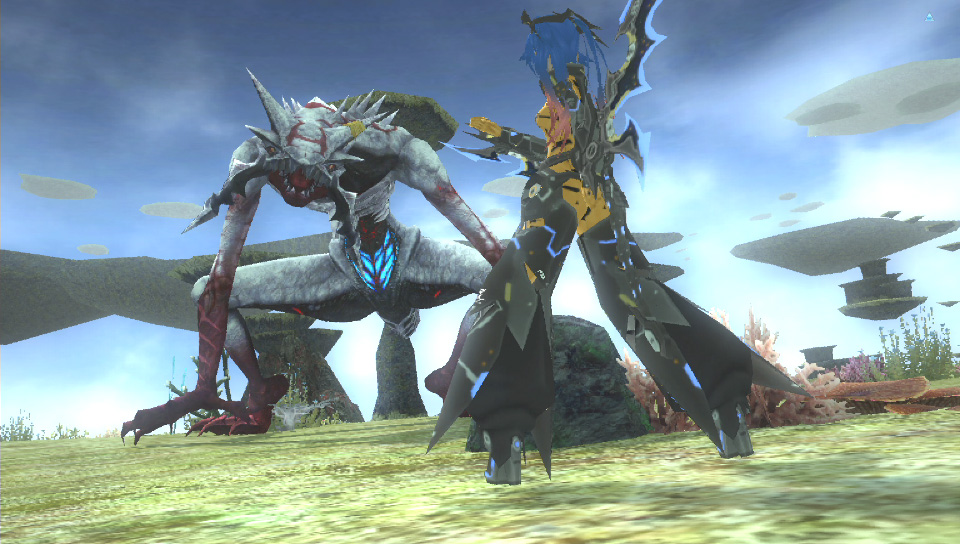
Amano, a character in the game, frequently becomes the target of jokes and confusion due to how he looks and acts. Other characters often react to him with surprise and teasing during their introductory and ending sequences. The game uses these reactions to highlight Amano’s unusual personality. However, some players felt these interactions were intentionally awkward and relied on discomfort for comedic effect, a technique commonly used in this developer’s other fighting games.
‘Samurai Shodown’ (1993)
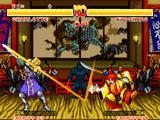
In the early English versions of the game, the character Charlotte was sometimes mislabeled or the subject of jokes that hinted she might not be female. These mistakes weren’t fixed and actually became part of the game’s backstory for players in western countries. The humor stemmed from the surprising idea of a powerful female knight needing clarification. Though subtle, it revealed a lack of attention to how gender was portrayed. Newer games have avoided this, but fans still remember those original jokes.
‘Fallout New Vegas’ (2010)
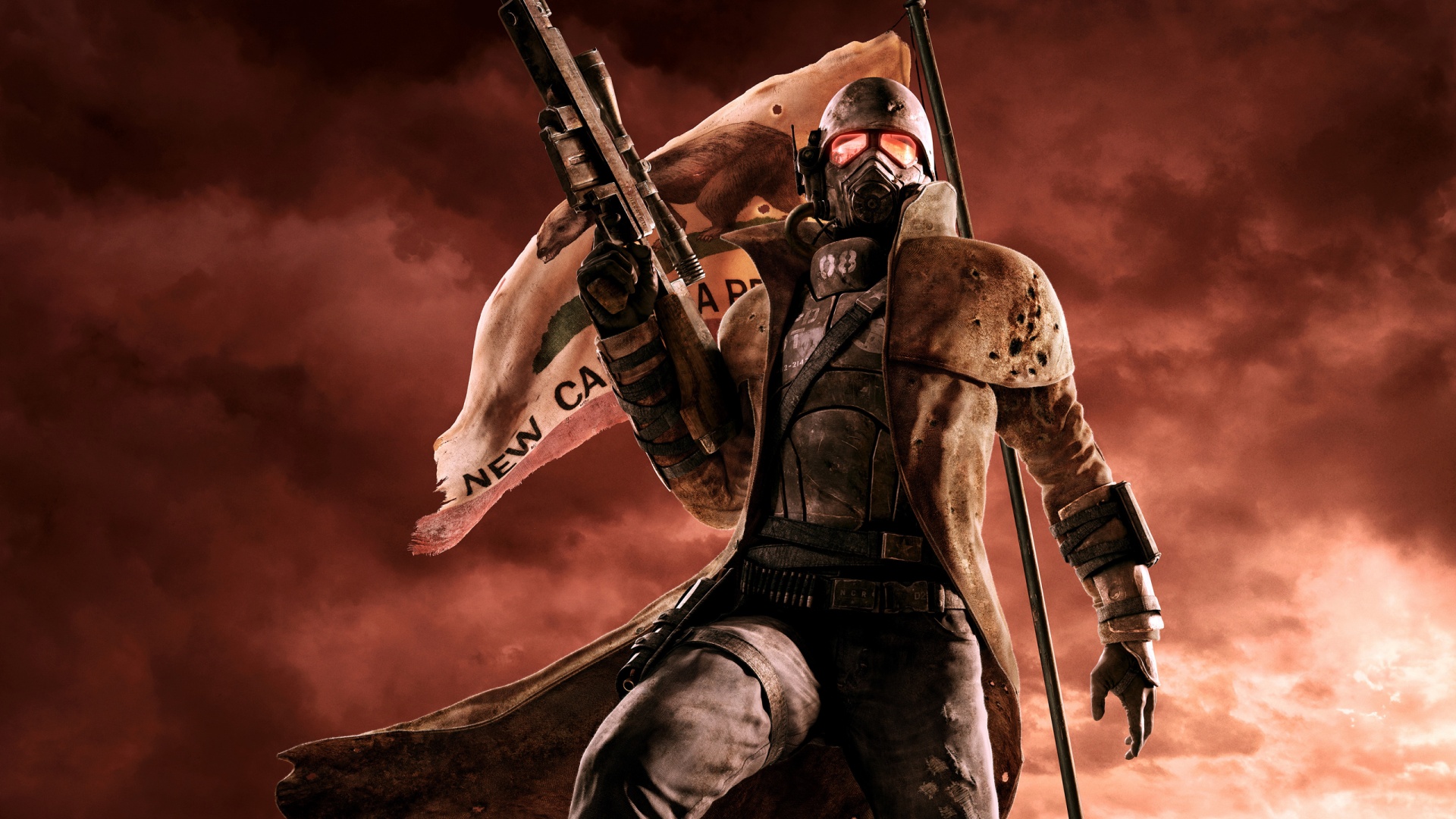
The Old World Blues expansion features robots with over-the-top personalities, and some of their dialogue includes jokes about gender and bodies. While these jokes are meant to fit the game’s quirky, dark humor, some players feel they could be hurtful to transgender people. The player character can either go along with the jokes or express that they don’t understand them. Though the game is generally well-regarded, this content remains a source of criticism.
‘The Last of Us Part II’ (2020)
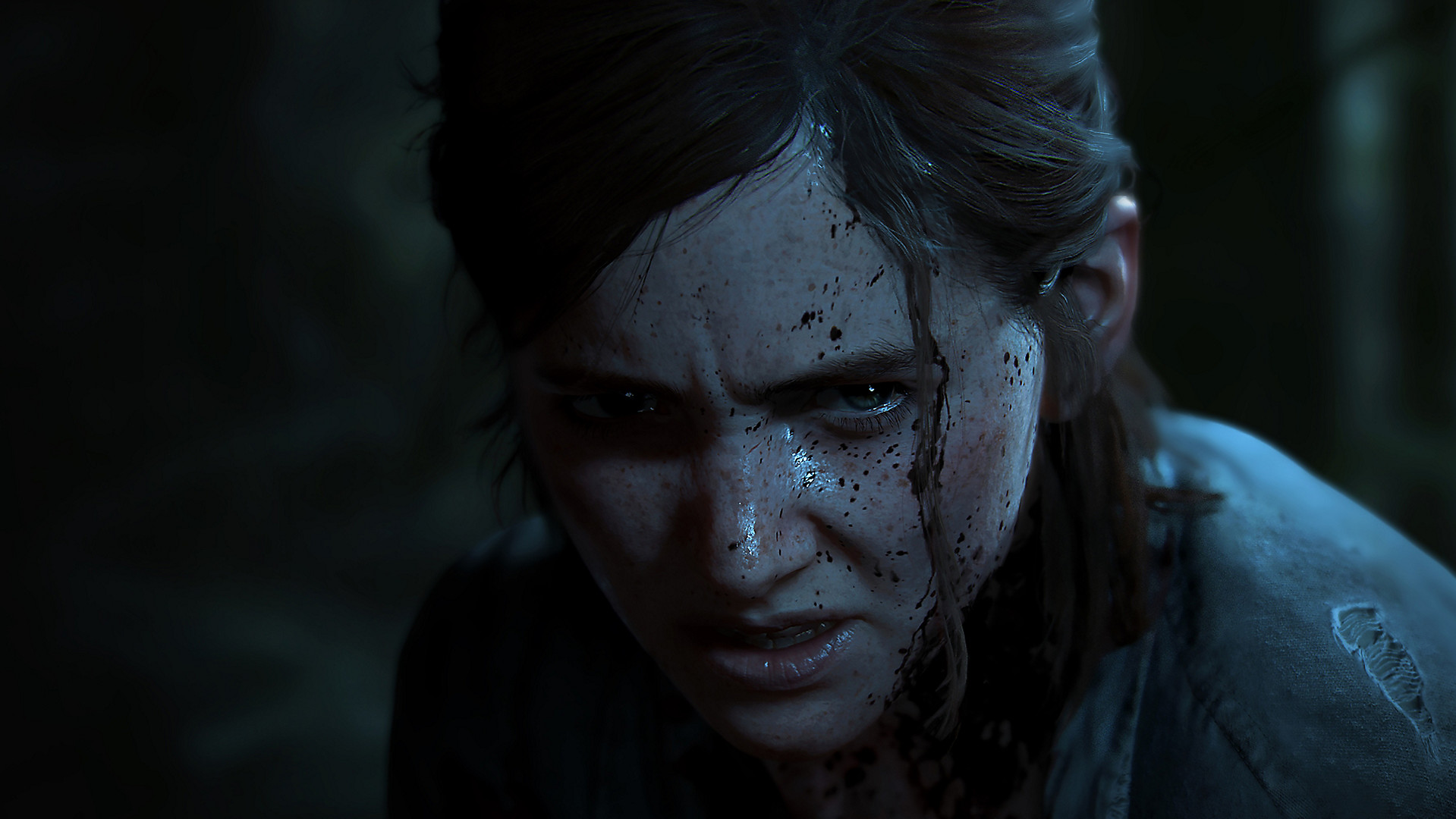
Lev is a transgender boy, and his journey of self-discovery is central to the game’s story. Though many praised the game’s portrayal of his identity, some criticized it for using his birth name (deadnaming) simply to create a dramatic effect. Critics also argued that the relentless hardship he faced because of who he is felt exploitative and resembled ‘misery porn.’ While not used for comedic effect, linking his identity to the game’s horror elements struck some as insensitive, leading to a significant discussion about the line between authentic struggle and harmful stereotypes.
‘Hogwarts Legacy’ (2023)
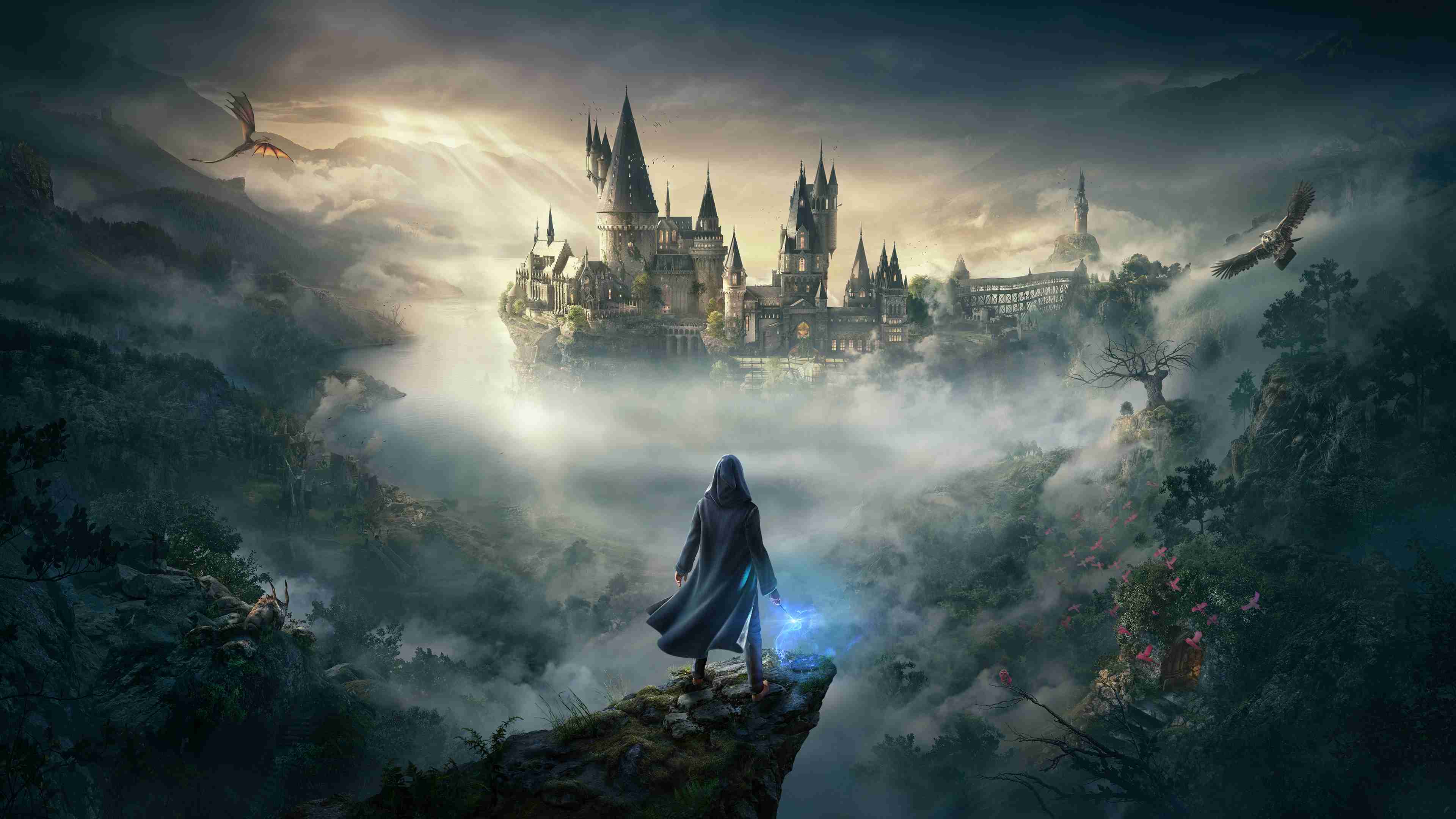
Some players and critics felt the character Sirona Ryan was added to the game as a response to criticism of the game’s creator, rather than as a naturally integrated part of the story. They saw her name as a clumsy attempt at humor, focusing on the word ‘sir’ in a way that felt disrespectful. Many also found her dialogue uninspired, as it largely revolved around her backstory. Ultimately, her inclusion felt like a defensive move to avoid criticism, which caused a strong and divided reaction from players.
‘Dragon’s Dogma’ (2012)
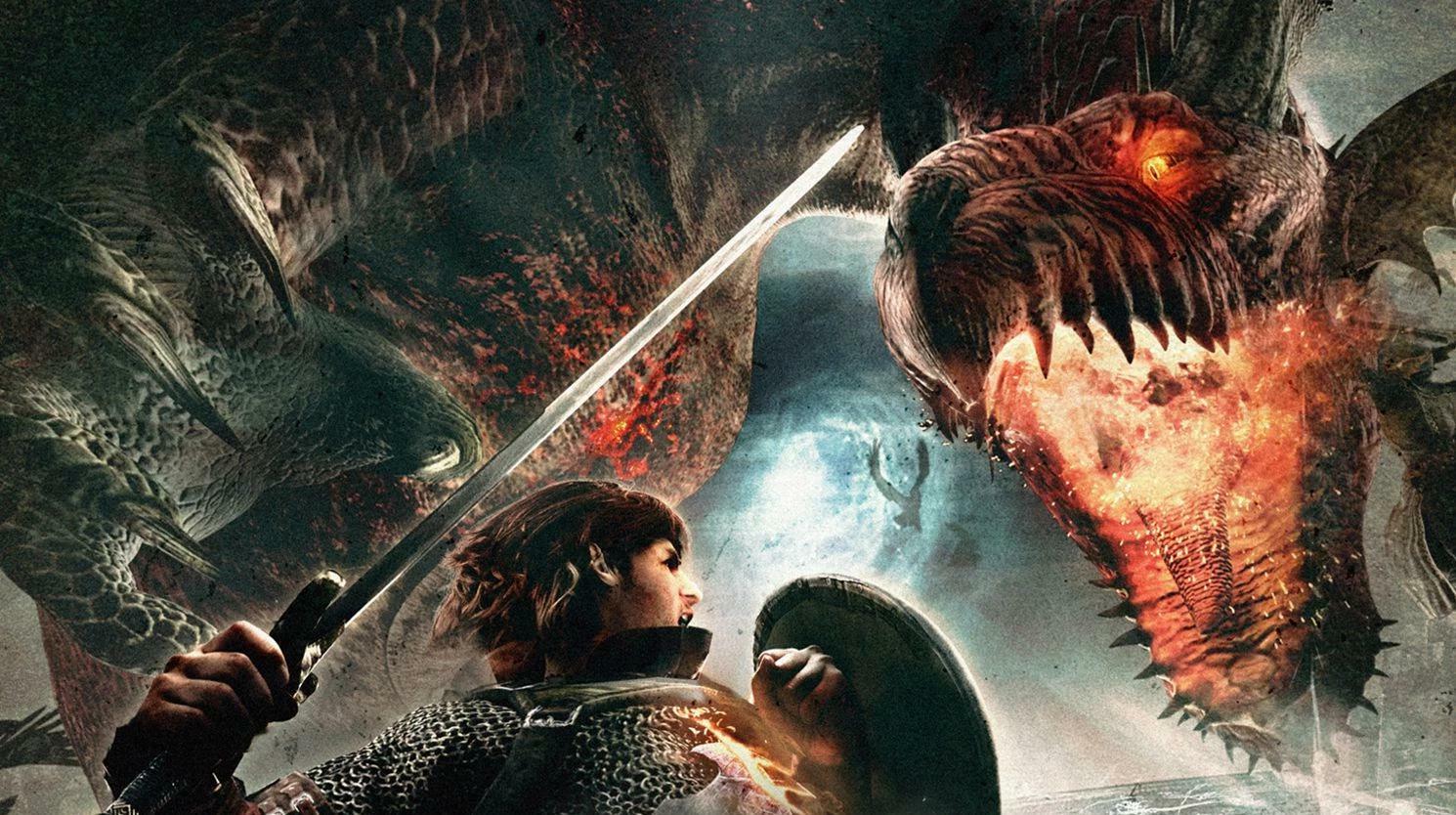
This fantasy game lets players use items to change their character’s appearance, sometimes even appearing as a different gender. The game often uses humor when describing these items and how other characters react. It feels like a playful trick or a fun quirk of the game. However, some players felt this made gender identity seem unimportant by treating it like a costume or a joke. This is a common approach in many role-playing games, where gender is often just a visual feature and doesn’t affect who the character is.
Share your own experiences with representation in gaming in the comments.
Read More
- Invincible Season 4 Gender Swaps Tech Jacket As Fans Question Major Comic Change
- Building Agents That Learn and Improve Themselves
- Gold Rate Forecast
- Silver Rate Forecast
- Games That Faced Bans in Countries Over Political Themes
- Superman Flops Financially: $350M Budget, Still No Profit (Scoop Confirmed)
- Trading Crypto with AI: A New Approach to Portfolio Management
- Unveiling the Schwab U.S. Dividend Equity ETF: A Portent of Financial Growth
- 22 Films Where the White Protagonist Is Canonically the Sidekick to a Black Lead
- 15 Films That Were Shot Entirely on Phones
2026-01-12 04:20