
The gaming world is seeing more and more protagonists from diverse backgrounds, as developers face pressure to create a wider range of characters. While many gamers welcome this change, some worry that these characters are simply being used for appearances rather than being fully developed individuals. The following 15 games have all sparked conversations about how well minority characters are portrayed, with discussions often focusing on whether the character’s story feels authentic or if their identity is just being used for marketing. These debates span various genres, from historical stories to futuristic action games.
‘Forspoken’ (2023)

This game, created by Luminous Productions and published by Square Enix, tells the story of Frey Holland, a New Yorker who suddenly finds herself in the fantastical world of Athia. It sparked debate among players and critics about how Frey, a Black female character, was written – specifically, whether her story and dialogue felt genuine or forced. Some conversations focused on whether the ‘stranger in a strange land’ storyline unnecessarily simplified her character for wider appeal. Despite these discussions, the developers wanted to deliver a story-rich game focused on character development and exciting magical battles.
‘Mafia III’ (2016)
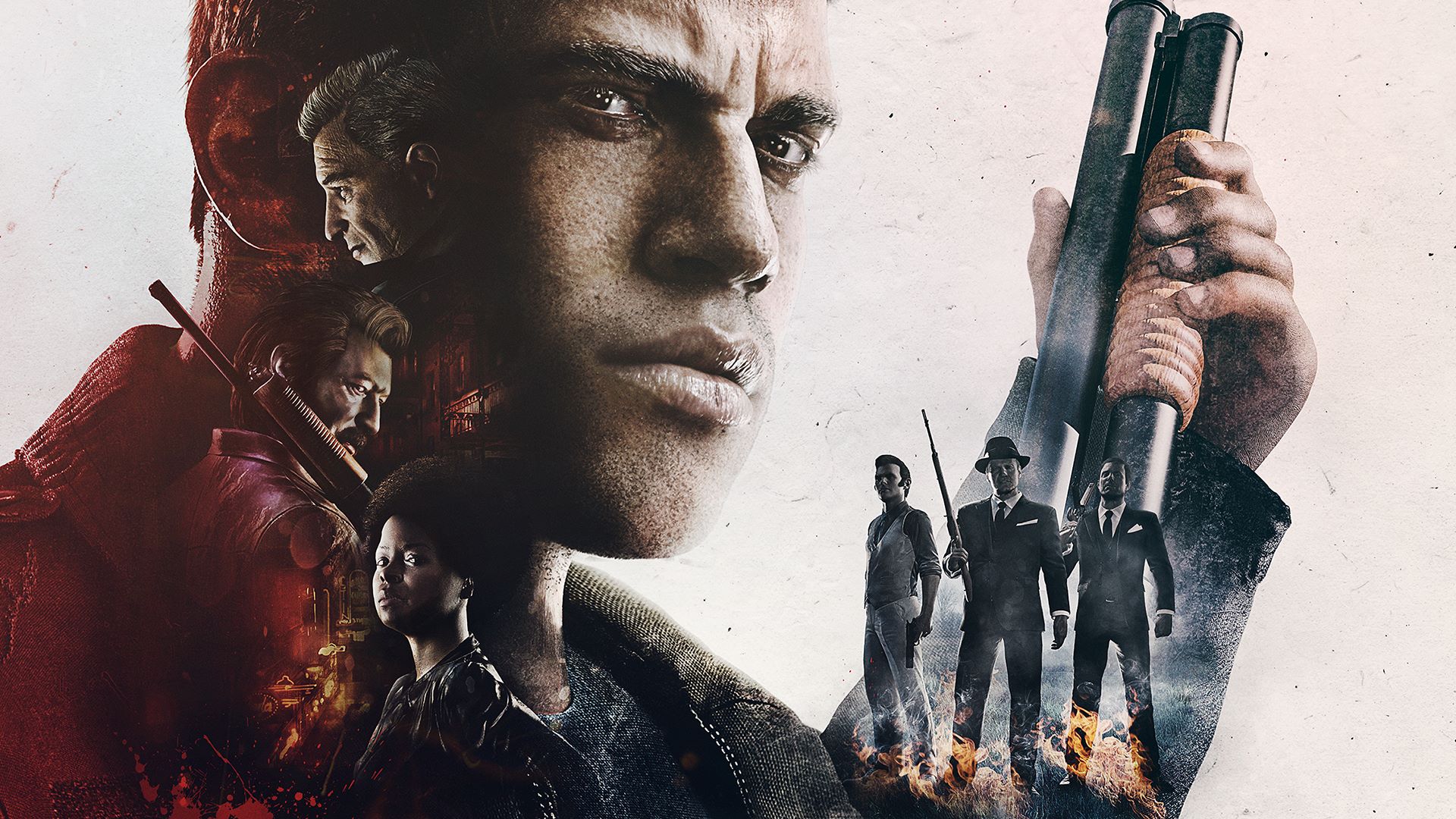
This game, created by Hangar 13 and published by 2K Games, follows Lincoln Clay, a biracial Vietnam veteran on a quest for revenge against the Italian mafia. It’s set against the backdrop of racial conflict in the 1960s American South and sparked discussion about how it handled sensitive topics. While many appreciated its realistic portrayal of the time period, others wondered if the protagonist’s race was mainly used for marketing purposes to make the game seem tougher. It stood out as one of the few major titles to feature a Black lead character in a historical crime story.
‘Resident Evil 5’ (2009)

The fifth installment in Capcom’s Resident Evil series featured a new character, Sheva Alomar, a Black operative who joined Chris Redfield on a mission in Africa. Before the game’s release, some viewers criticized early trailers for potentially insensitive depictions of race. In response, the developers highlighted Sheva as a key character, aiming to show a more balanced dynamic between a white protagonist and the African setting. Discussions arose about whether Sheva was a genuinely integrated part of the story or simply added to address public concerns. Despite the ongoing debate about its portrayal of culture, the game remains an important title in the Resident Evil franchise.
‘Watch Dogs 2’ (2016)
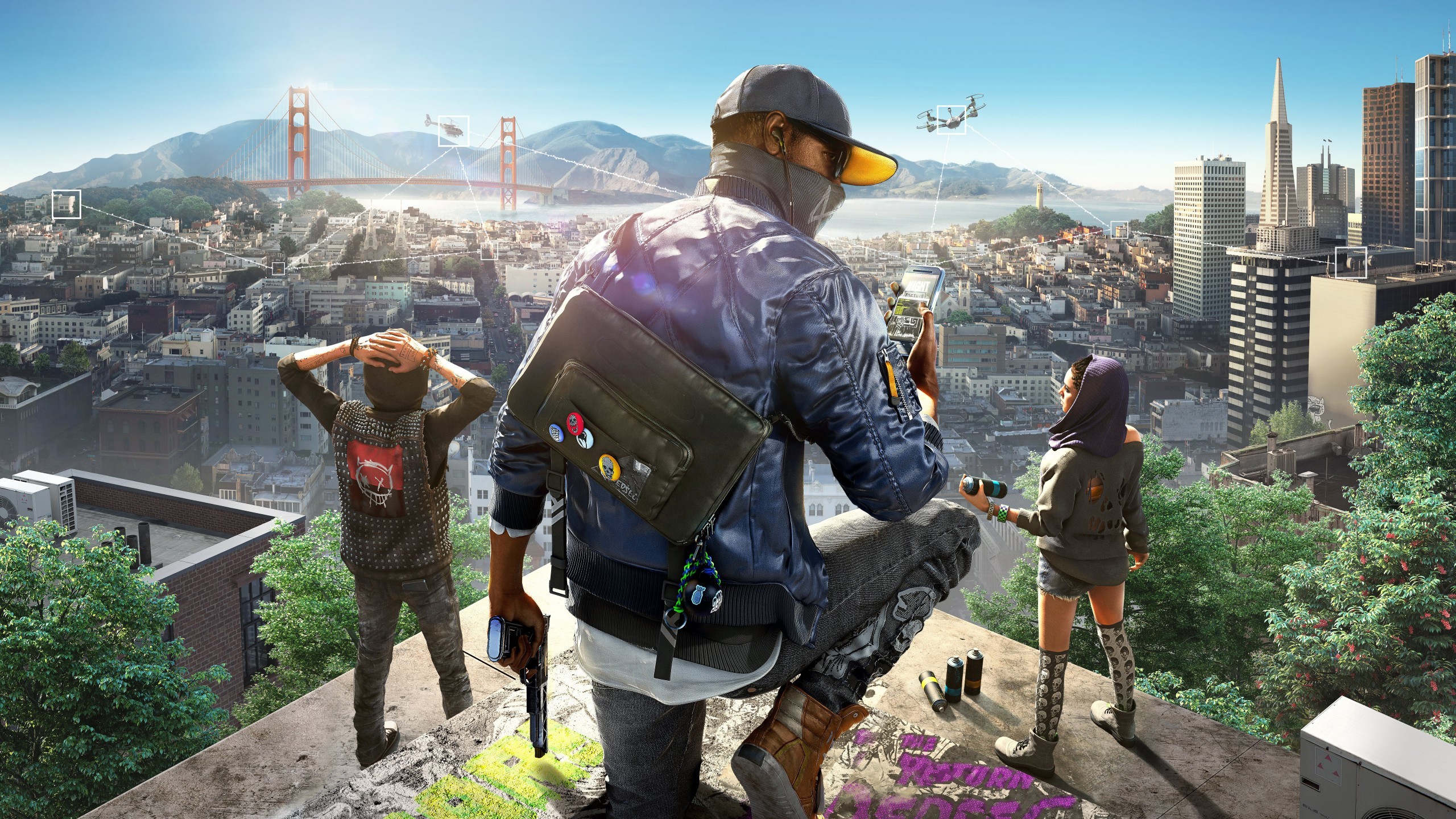
This game, created by Ubisoft, follows Marcus Holloway, a hacker in San Francisco, as the new main character. It’s a sequel to the previous installment and tackles issues like racial profiling and the surveillance practices of large companies, all seen through Marcus’s eyes. Some wondered if the change in lead character was a deliberate attempt to make the game series more diverse after the first game’s serious protagonist. However, the game’s creators grounded Marcus’s story in the Bay Area’s history of counter-culture to explain his motivations and actions.
‘Assassin’s Creed III: Liberation’ (2012)
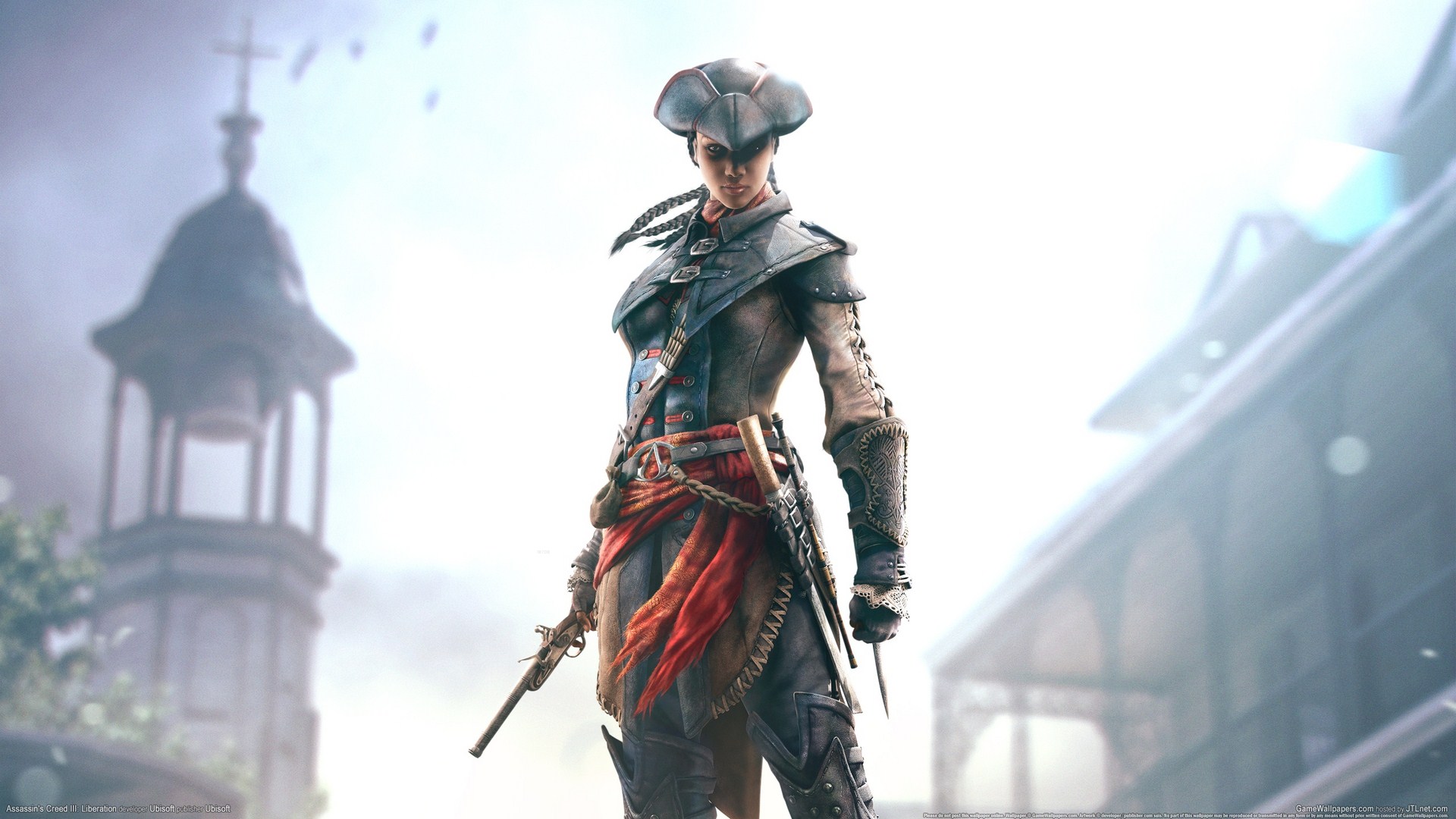
Developed and published by Ubisoft, this installment of the series introduces Aveline de Grandpré, the first female lead, who has both African and French heritage. The game takes place in 18th-century Louisiana and features a unique system where Aveline can change her outfit to move between different social groups. Some critics questioned whether this system perpetuated stereotypes, while others appreciated how it explored the complexities of her identity. Originally released on the PlayStation Vita, the game was later updated and released on other platforms because of the positive response to Aveline’s character.
‘Deathloop’ (2021)
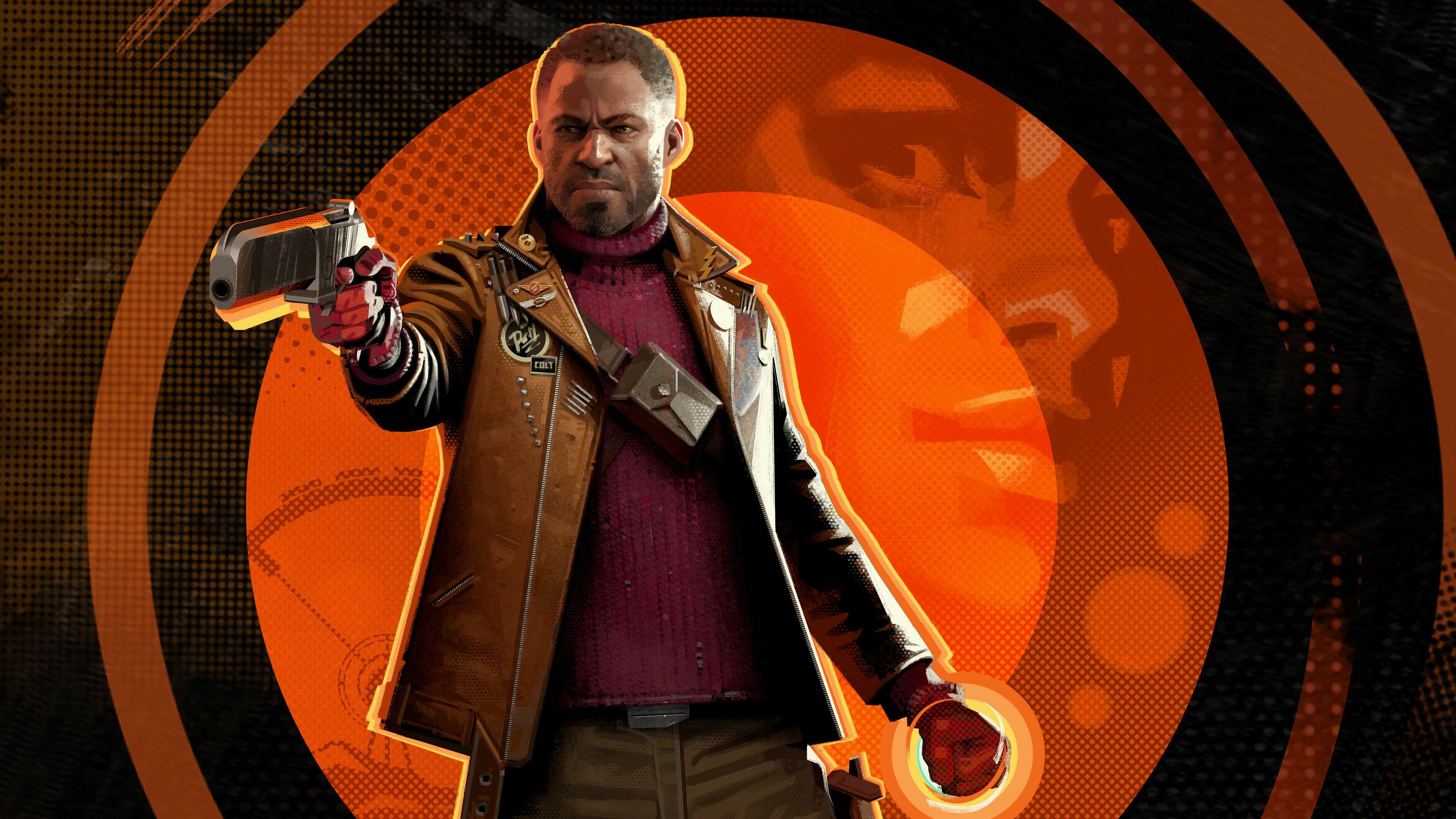
‘Deathloop,’ created by Arkane Lyon and published by Bethesda Softworks, follows Colt Vahn, an assassin trapped in a repeating time loop on the island of Blackreef. Though the game received positive reviews for its gameplay and art style, some players debated whether Colt’s character design felt authentic or simply catered to current trends. Despite this initial discussion, ‘Deathloop’ ultimately earned awards for its story and acting, which addressed many of the concerns raised.
‘Marvel’s Spider-Man: Miles Morales’ (2020)

This expansion, created by Insomniac Games and published by Sony, puts Miles Morales in the role of Spider-Man. The game explores Miles’ background as an Afro-Latino individual and his connection to the East Harlem community. While generally praised, some discussions emerged about whether Miles felt like a secondary character compared to Peter Parker. Some reviewers also questioned if the game’s shorter length impacted how fully Miles’ identity as a minority lead was developed.
‘Remember Me’ (2013)

Remember Me, a cyberpunk game set in a future Paris, stars Nilin, a unique character who hunts memories and is of mixed racial heritage. Its creators, Dontnod Entertainment, had trouble finding a publisher willing to back a game with a heroine of color, sparking a conversation about potential biases in the gaming industry. Some wondered if Nilin’s character was intentionally created to challenge these norms. While the game offered a fresh take on gameplay with its memory-altering mechanics and a vibrant world, it didn’t achieve widespread commercial success when it launched.
‘Battlefield 1’ (2016)
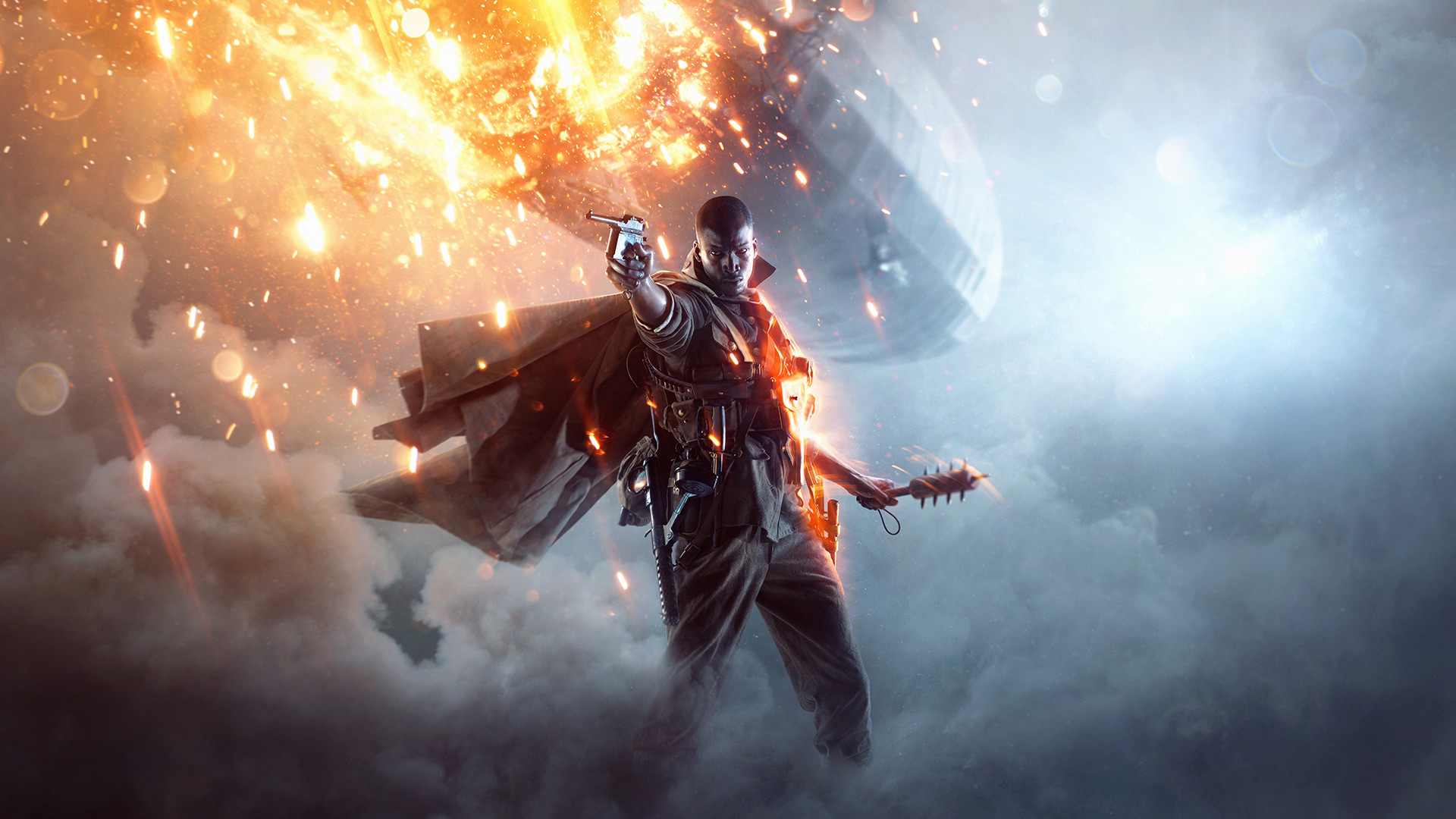
As a Battlefield fan, I remember being really excited about ‘Battlefield 1’ when it came out. I thought it was awesome that they put a Black soldier from the Harlem Hellfighters on the cover and included them in the story. But some people, including historians, felt like the marketing made it seem like there was more focus on diverse characters in the game itself than there actually was. It got people talking about how much a game should try to be historically accurate versus making sure different voices are represented in a war like World War I. Despite that debate, the game was a huge hit, and I loved how it showed the war from so many different points of view through its different chapters.
‘True Crime: New York City’ (2005)

Created by Luxoflux and published by Activision, this open-world game puts you in the role of Marcus Reed, a former gang member who becomes a police officer. The game is heavily influenced by hip-hop culture and takes place in a realistic city environment, but it also faced criticism for potentially relying on stereotypes when portraying its main character. Some reviewers wondered if the character’s past was used for quick impact instead of being explored in a complex way. Despite this, the game was praised for its detailed recreation of Manhattan and its interesting morality system.
‘The Walking Dead’ (2012)
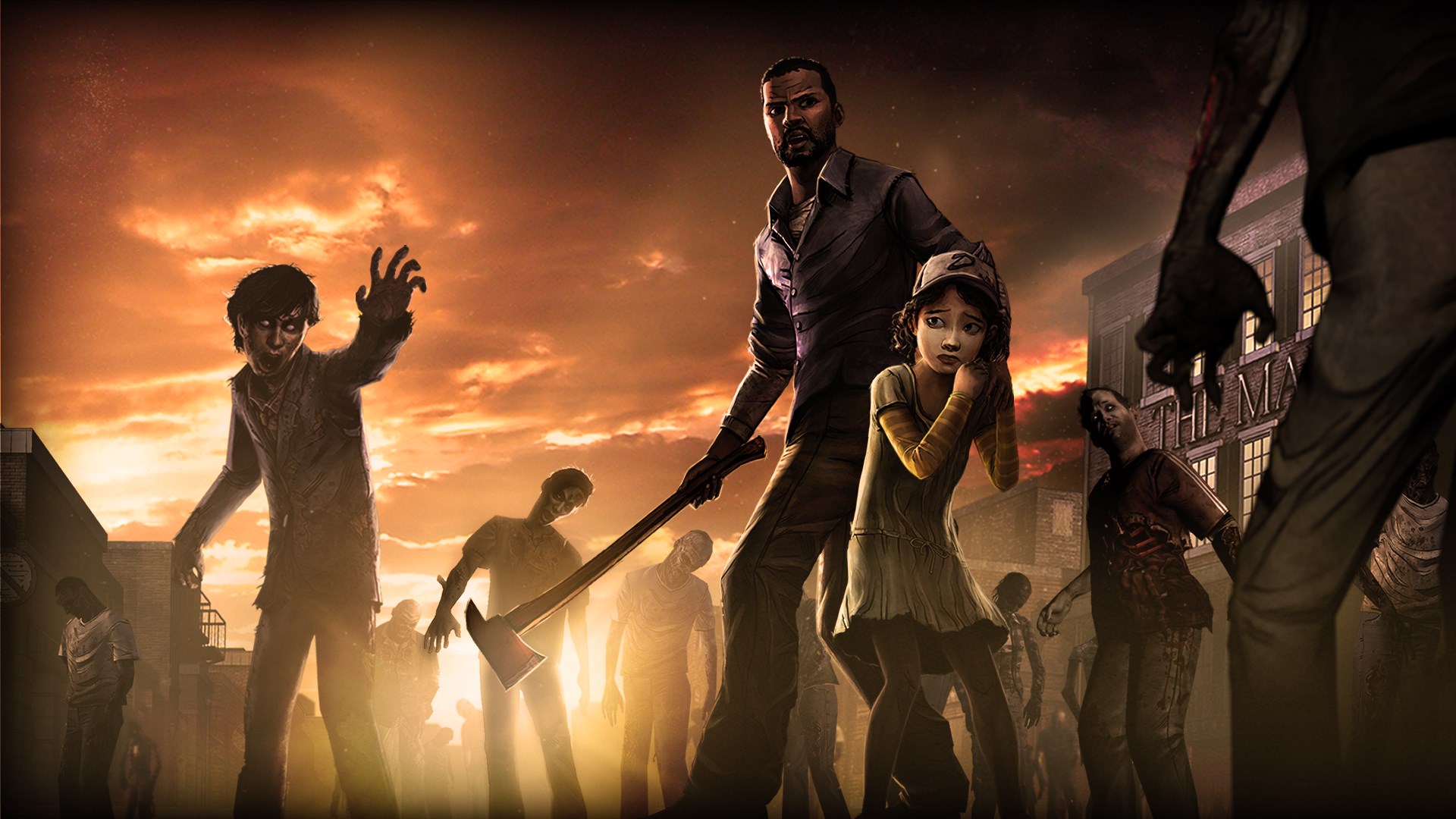
Telltale Games created the popular adventure game featuring Lee Everett, a Black man with a criminal past who is also a professor. Though praised for its strong character development, early conversations about Lee noted similarities to the ‘criminal with a heart of gold’ stereotype. Some critics wondered if his initial story leaned too much on familiar tropes often used for Black characters in media. Ultimately, the game received widespread critical acclaim and won many awards for its emotional impact and the meaningful choices players made.
‘Grand Theft Auto V’ (2013)
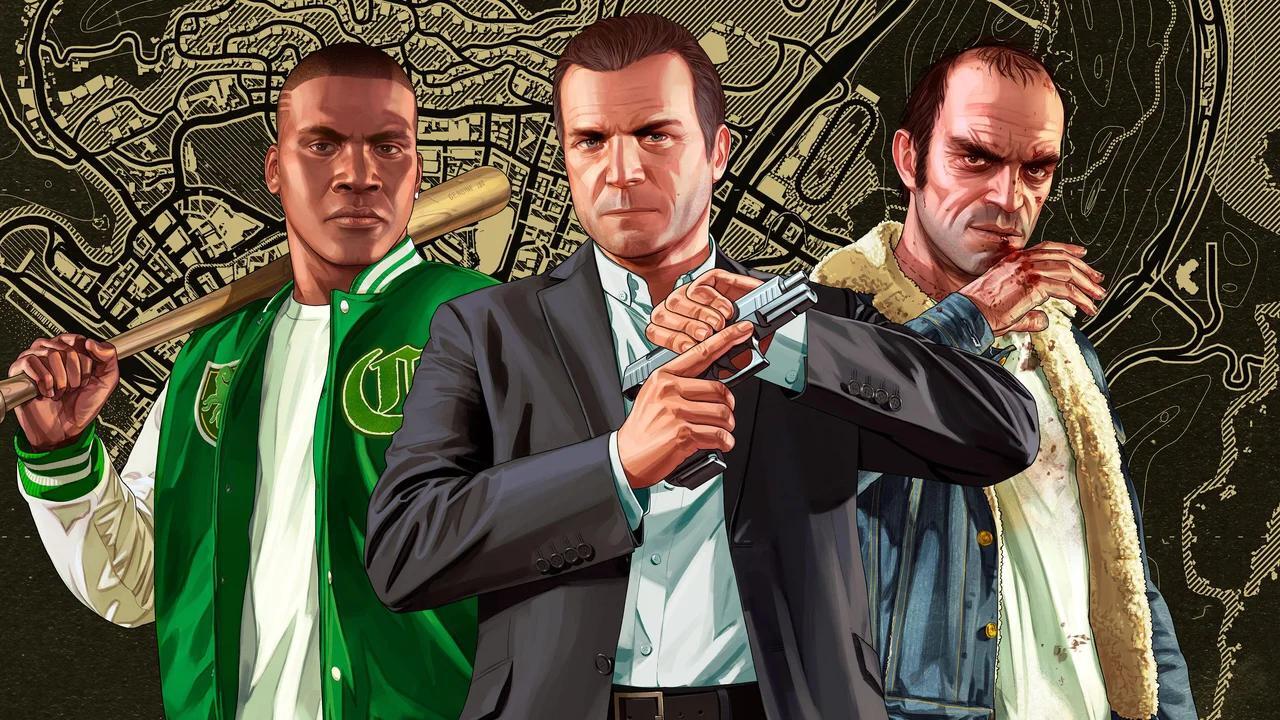
Rockstar Games created the sprawling open-world game featuring three main characters, one of whom is Franklin Clinton. Franklin’s story centers on his efforts to leave behind the dangerous gang life of Los Santos and pursue more profitable criminal activities. Reviewers frequently discussed whether Franklin was as fully realized a character as the more unpredictable Michael and Trevor. Some believed he was included to appeal to a wider audience, while Michael and Trevor were the main drivers of the game’s central narrative.
‘Star Wars Battlefront II’ (2017)

Battlefront II’s story centers on Iden Versio, a commander in the Imperial army who is of South Asian heritage. Some players were unhappy that the game moved away from her interesting perspective as an Imperial officer and instead told a more typical story about the Rebel Alliance. This led to criticism that her unique background was only used to attract attention. While the game’s expansion continued to explore her character, discussions about the direction of her story remained ongoing.
‘Mirror’s Edge’ (2008)

Mirror’s Edge, created by DICE and published by Electronic Arts, stars Faith Connors, a skilled parkour runner of Southeast Asian descent. While praised for its realistic and respectful character design, some felt Faith lacked a strong backstory in the original game, leading to debate about whether she was simply included to increase diversity without a fully developed personality. Despite this, the game gained a dedicated following thanks to its innovative first-person movement and perspective, eventually leading to a reimagining of the series years later.
‘Prey’ (2017)

‘Prey’, created by Arkane Studios and published by Bethesda Softworks, lets players customize the main character, Morgan Yu, including their gender and ethnicity (mixed Asian and European heritage). While many praised this as positive representation, some discussion centered on whether making these traits optional diminished the character’s depth, turning them into a blank slate instead of a fully realized person with a unique background. The game is celebrated for its detailed world-building and engaging gameplay.
Share your thoughts on these titles and their representation in the comments.
Read More
- 20 Movies Where the Black Villain Was Secretly the Most Popular Character
- Transformers Under the Microscope: What Graph Neural Networks Reveal
- Celebs Who Narrowly Escaped The 9/11 Attacks
- Silver Rate Forecast
- Trading on Thin Air: AI Agents Conquer Crypto Volatility
- Gold Rate Forecast
- Invincible Season 4 Gender Swaps Tech Jacket As Fans Question Major Comic Change
- 22 Films Where the White Protagonist Is Canonically the Sidekick to a Black Lead
- Every Notable ‘Star Trek: The Original Series’ Actor Who Died
- Trading Smarter: AI-Powered Execution Schedules
2026-01-10 16:16