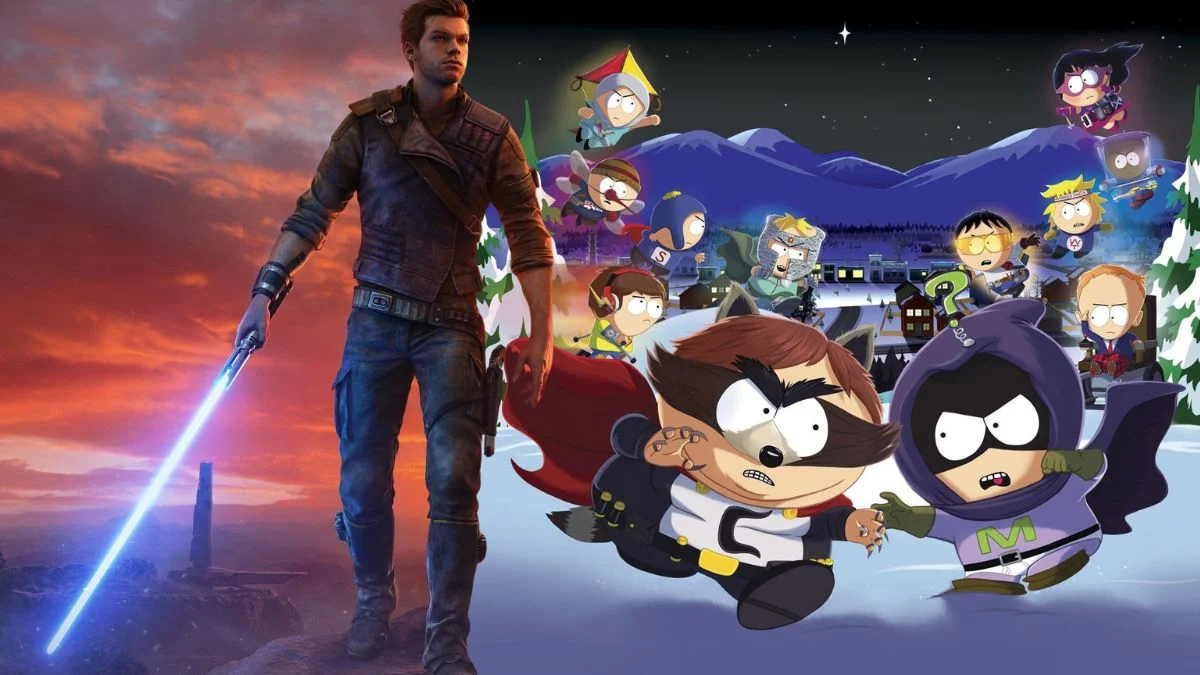
As a gamer, I’ve noticed a big shift in the characters we see in games. It’s awesome that so many titles are trying to include people from all walks of life, but sometimes it feels…off. You see a diverse cast, and you wonder if it’s genuinely part of the story or just a way for developers to avoid criticism. It can feel like ‘tokenism’ – like they’re adding characters just to check boxes. A lot of the debate comes down to whether representation feels natural and meaningful, or forced and artificial. It’s a tricky balance, and it’s something a lot of us are talking about.
‘Battlefield V’ (2018)
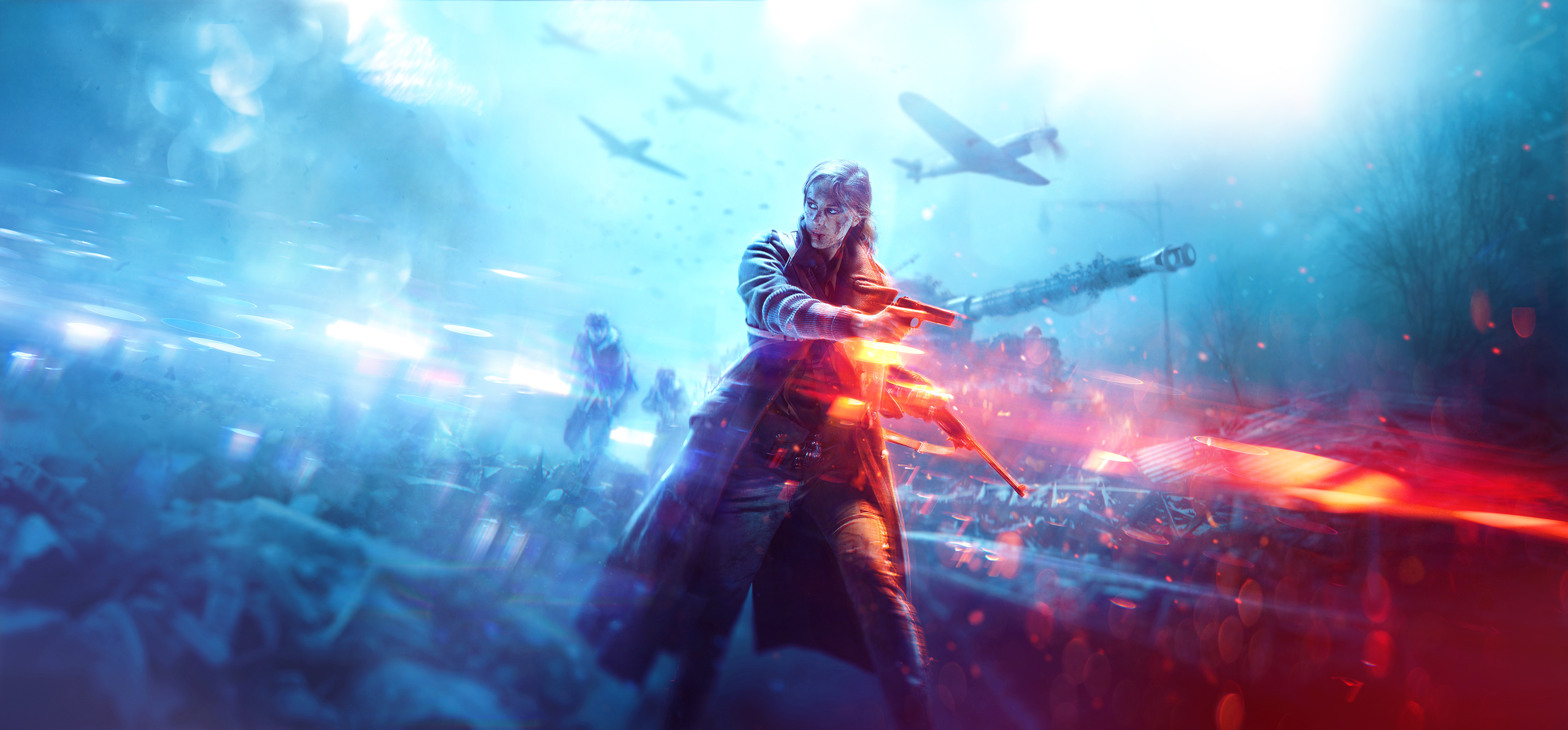
The game’s reveal trailer, which featured a female soldier with a prosthetic arm, caused a lot of discussion about whether it was historically accurate. Some people criticized the decision, suggesting it was made to appeal to current social values instead of realistically portraying World War II. The game developers explained they wanted to give players more ways to customize their characters in the multiplayer section. This disagreement created a significant rift between the players and the development team before the game was even released.
‘Mass Effect Andromeda’ (2017)
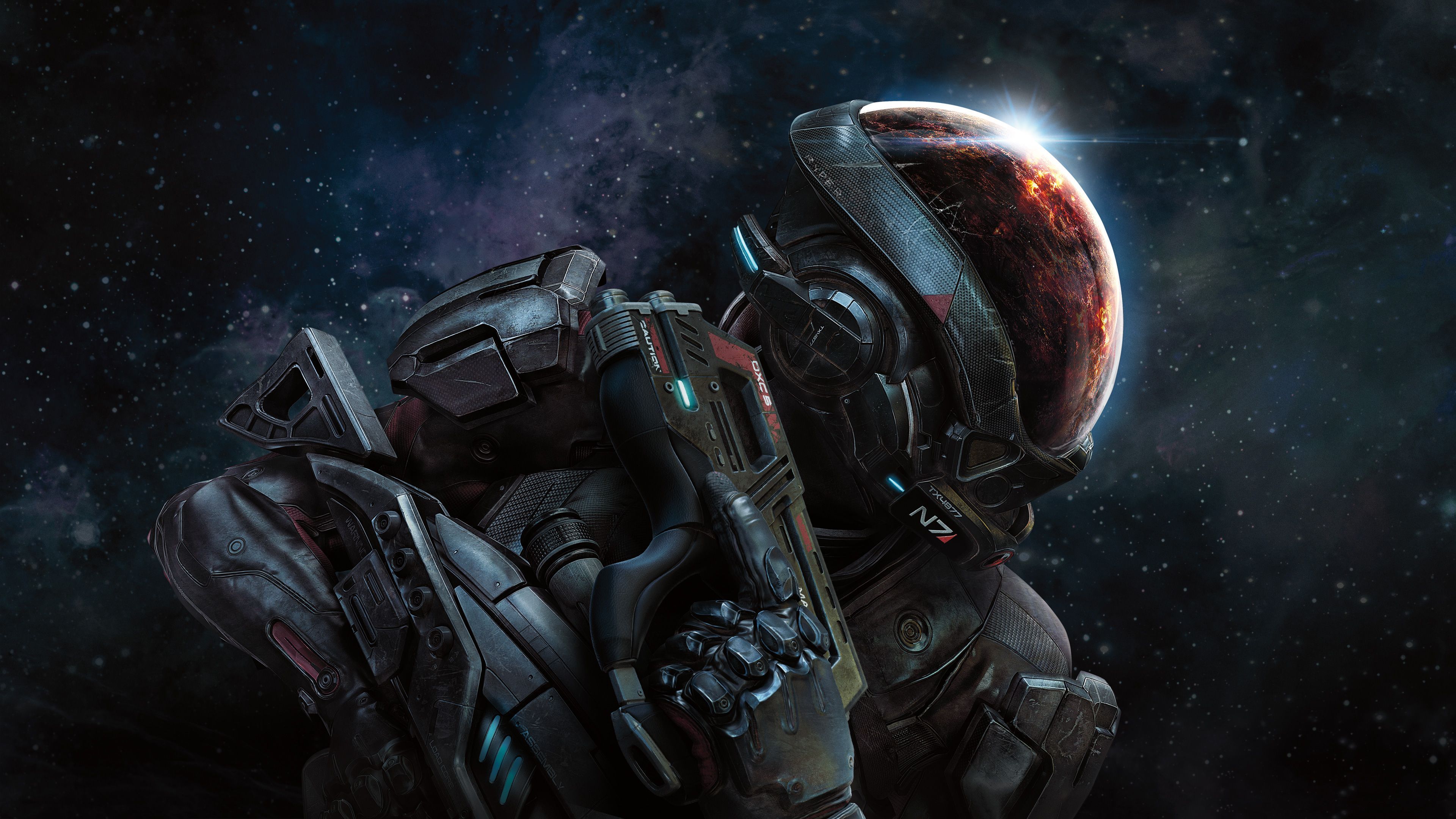
The science fiction game received criticism for how it portrayed its non-binary and transgender characters. Many players felt these characters weren’t well-developed and didn’t feel integral to the story. Some critics believed the dialogue seemed forced, as if added simply to meet diversity goals. These issues were made worse by the game’s technical problems when it first launched, leading to increased focus on its story and characters.
‘The Last of Us Part II’ (2020)
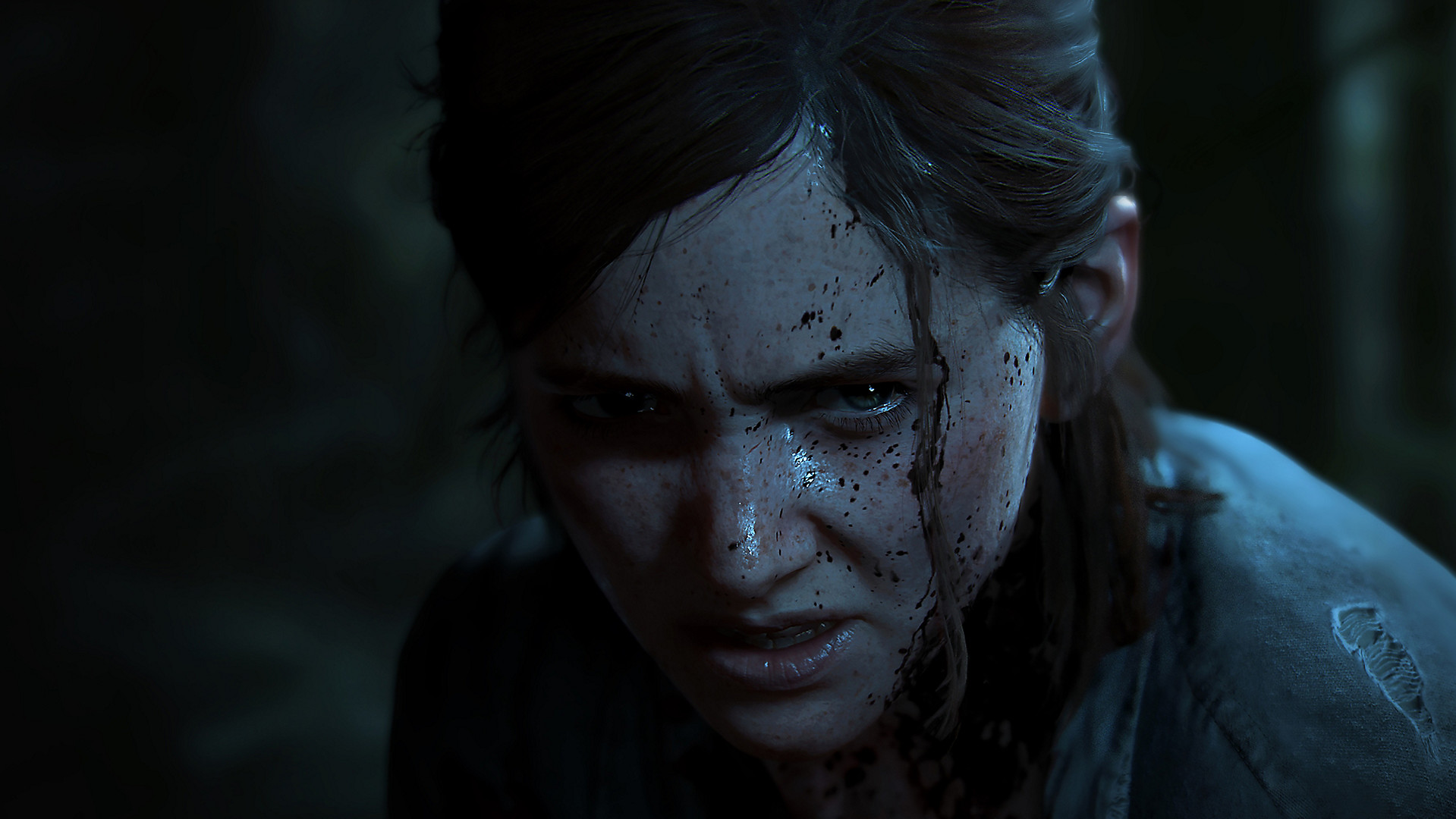
Despite being technically impressive, the game’s sequel received criticism for its diverse cast. Some viewers felt the developers focused more on social messages than on telling a consistent story that honored the original game’s characters. A few people believed the diverse representation was used to deflect criticism of the game’s mature and violent themes. This sparked a large and continuing debate about the place of social commentary in big-budget video games.
‘Overwatch’ (2016)
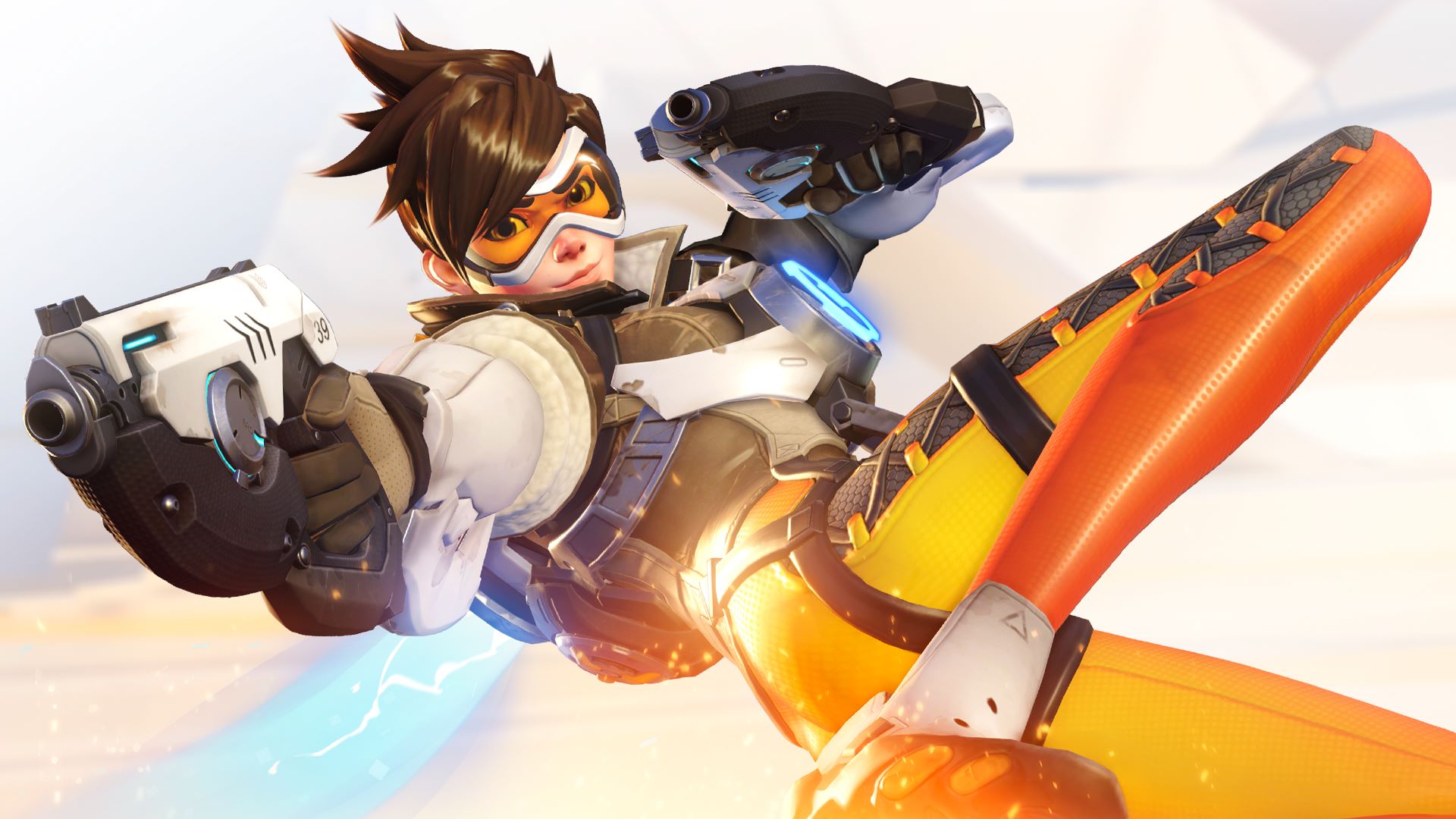
The creators of this well-known team-based shooter often wait a long time to share details about their characters’ histories. Some players believe that revealing a character’s identity as part of a specific minority group years after their debut feels intentional, like a way to improve the game’s public image. These players point out that these reveals often happen when the company is facing problems or losing players. The gaming community is split on whether these updates are a sign of positive change or simply a calculated PR strategy.
‘Apex Legends’ (2019)
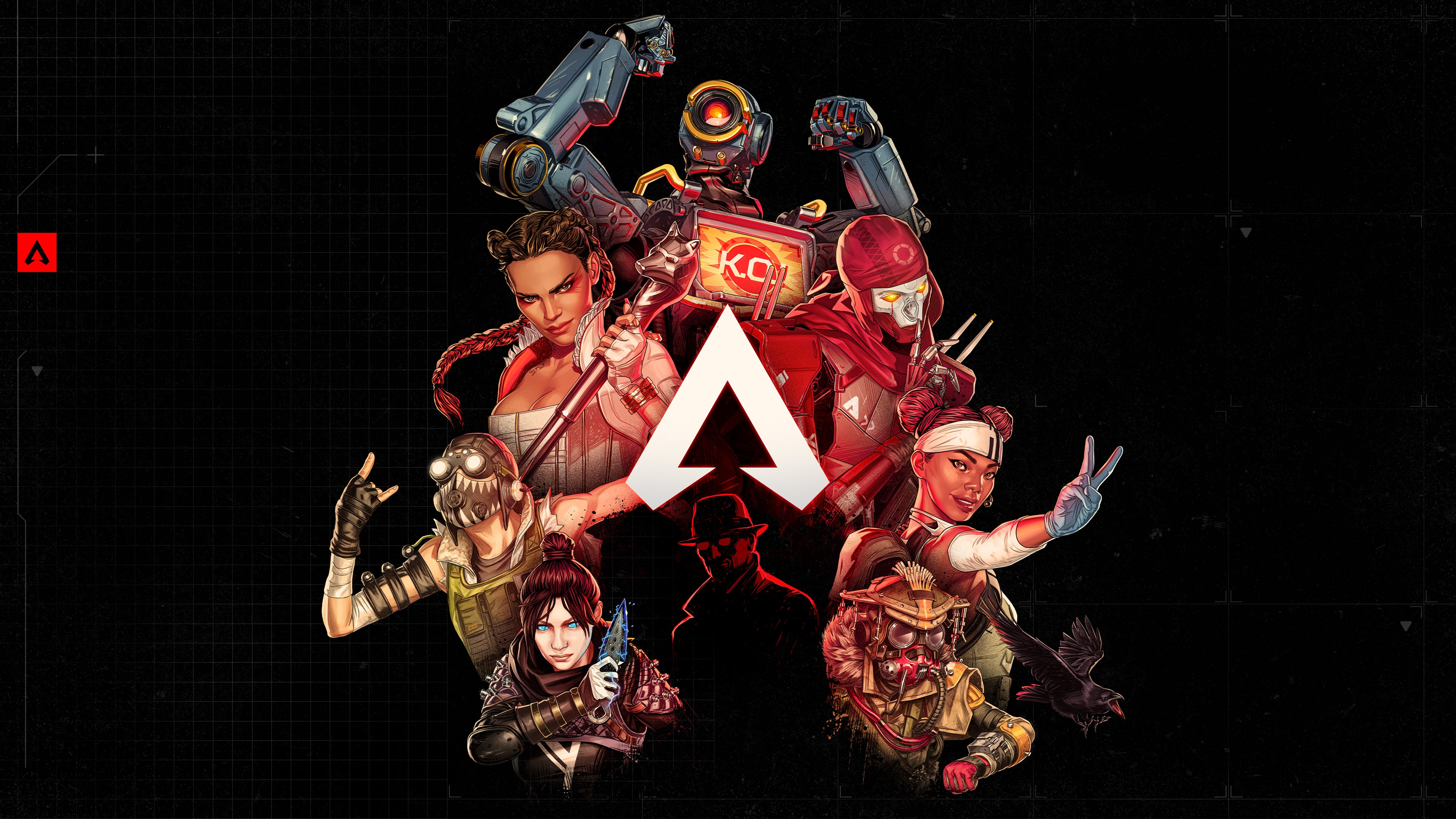
This popular battle royale game boasts a wide range of characters, representing different ethnicities and sexual orientations. While many players praise this inclusivity, some critics believe the diversity feels more like a marketing strategy to stand out from other games. They suggest that the characters’ backstories aren’t as developed as their roles as symbols of different groups, sparking discussion about whether their personalities and stories match the attention given to their appearance and backgrounds.
‘Cyberpunk 2077’ (2020)
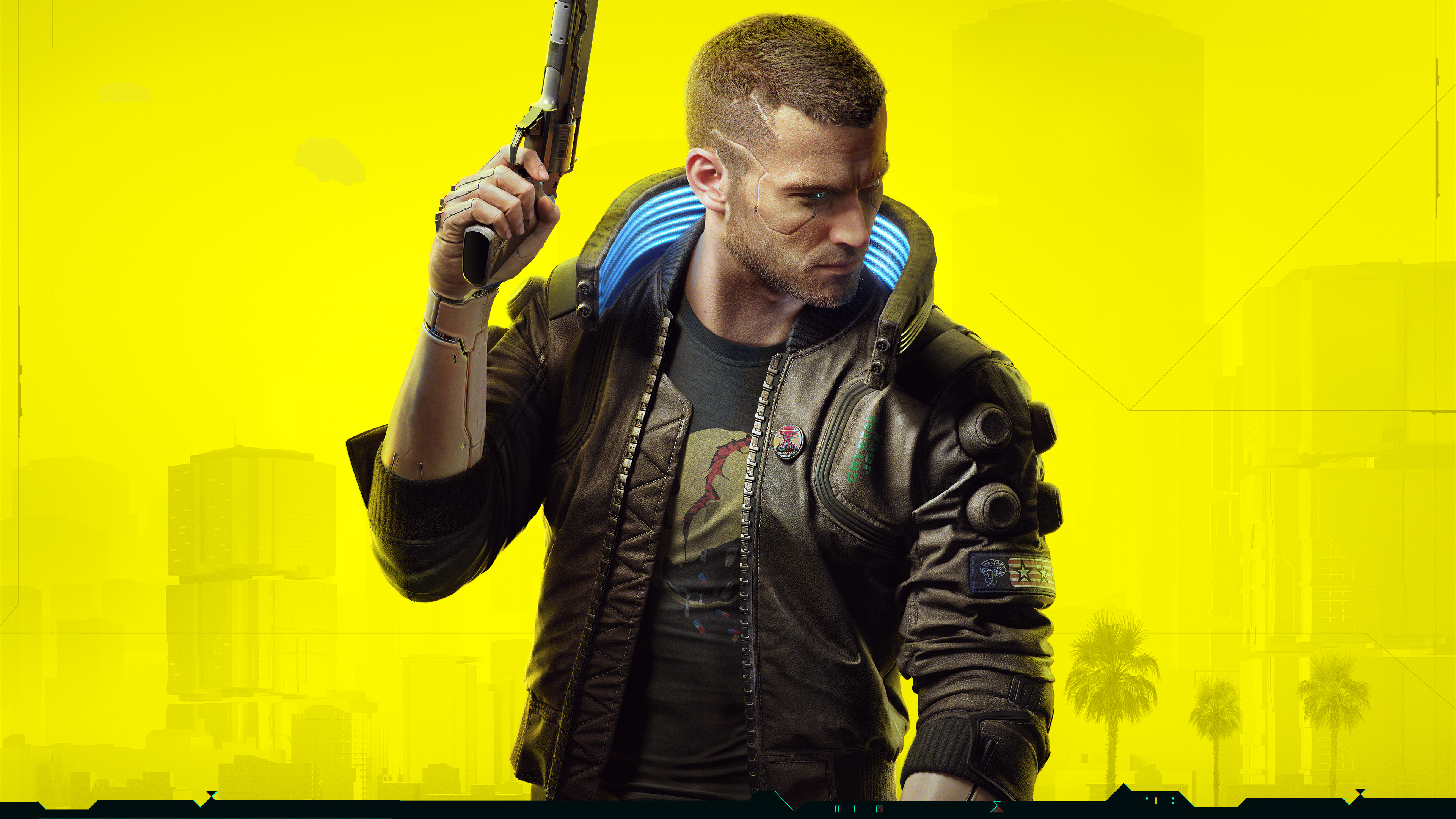
The game received criticism for its character creation and marketing, specifically regarding how it portrayed gender and transgender identities. Some groups felt the options offered were just for show and didn’t create a genuinely respectful or impactful experience within the game. Critics suggested the game seemed to be trying to appear modern and inclusive without truly engaging with the important issues involved. This led to negative reactions and demonstrated how challenging it can be to thoughtfully include sensitive topics in a large, open-world game.
‘Hogwarts Legacy’ (2023)
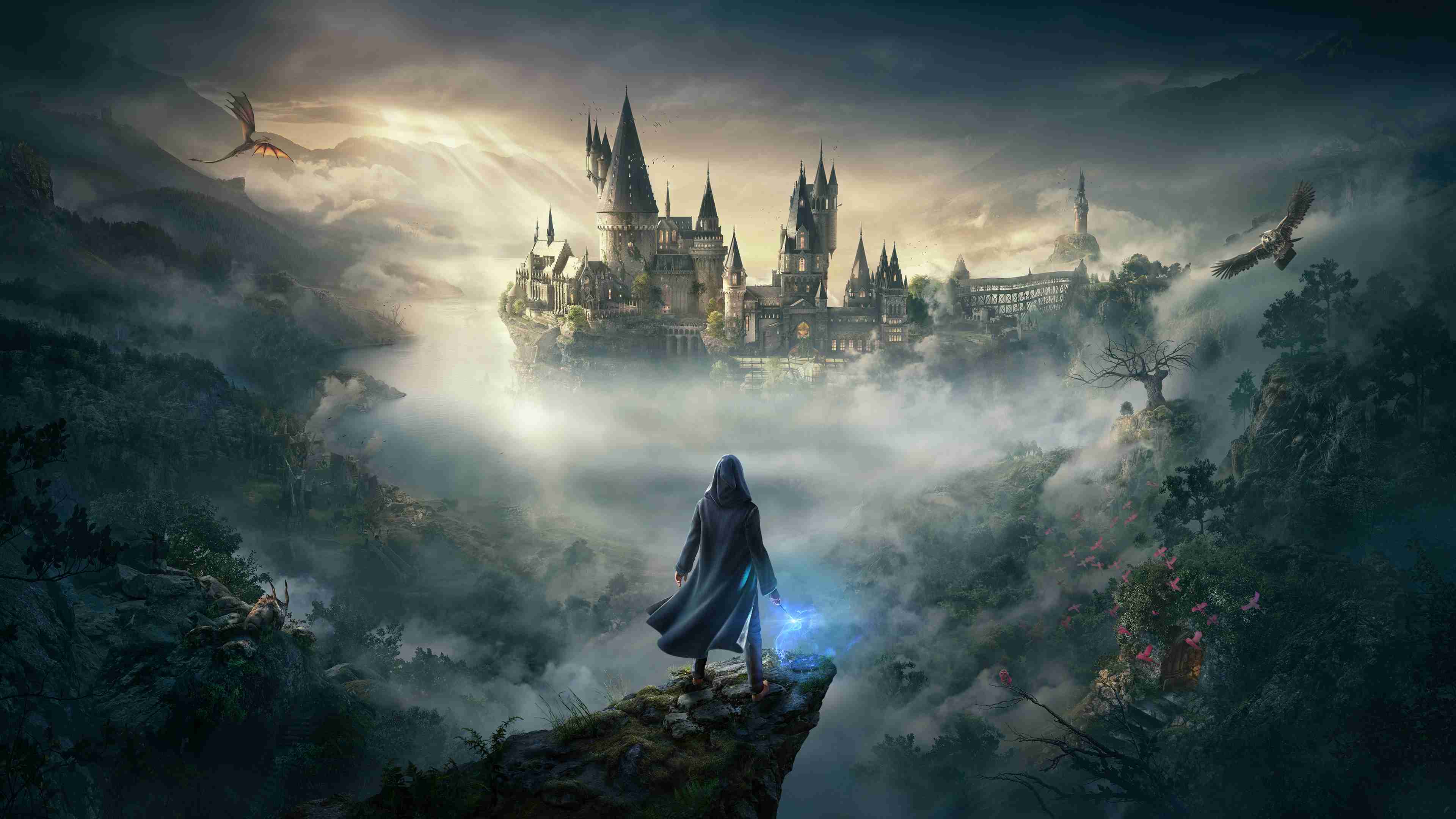
Some viewers interpreted the addition of a transgender character in this game as a reaction to criticism of the original creator. Critics argued the character seemed like a last-minute addition intended to prevent a boycott. Certain players felt the character’s role wasn’t significant enough, leading to concerns about it being a superficial attempt at inclusivity. However, the developers stated their goal was to create a game that welcomed all fans of the fantasy setting.
‘Assassin’s Creed Shadows’ (2025)
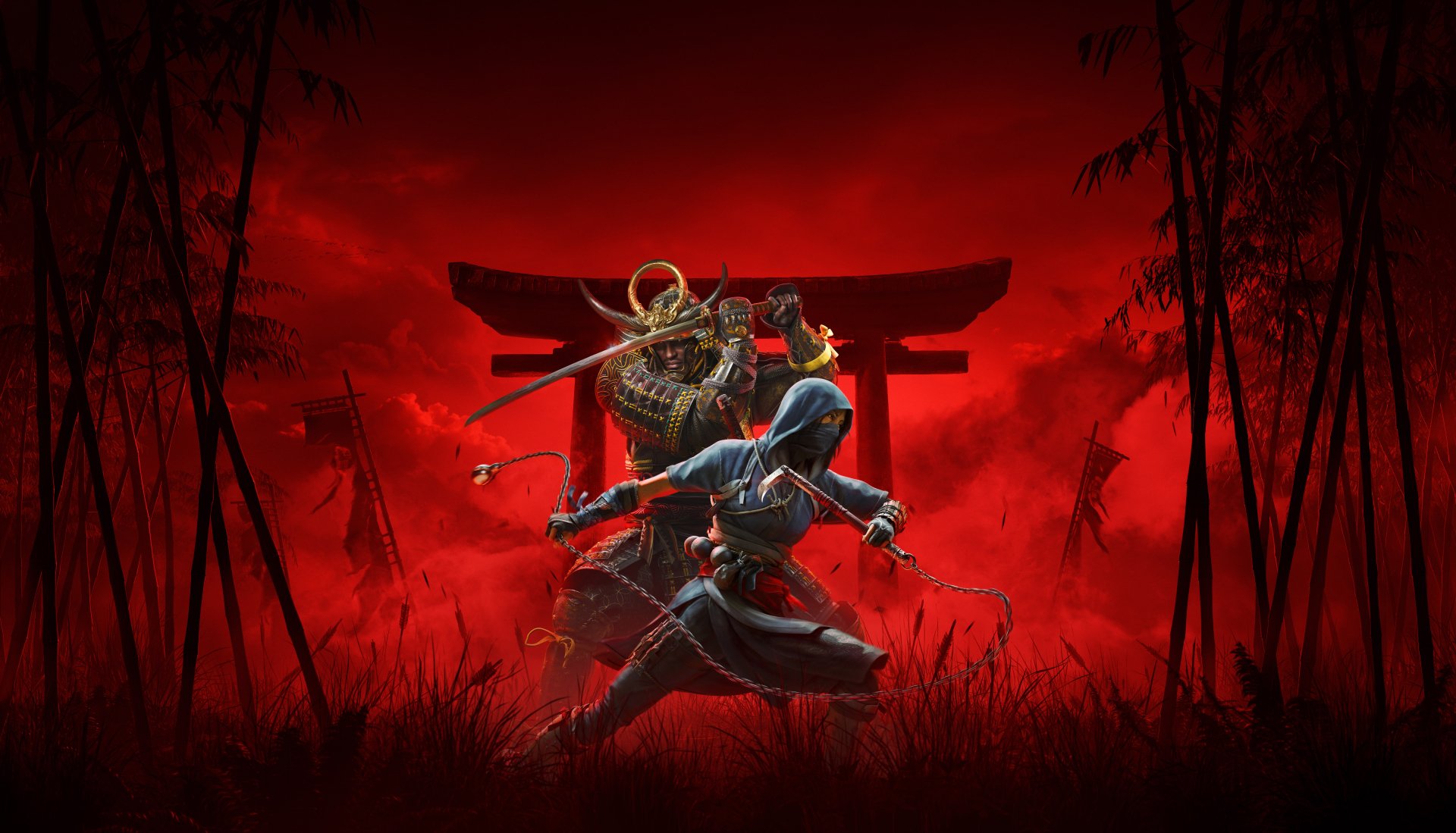
The decision to feature a Black samurai as a lead character sparked online controversy, with some players questioning its historical accuracy and cultural sensitivity in a game set in feudal Japan. Critics suggested the choice was driven by modern diversity goals rather than staying true to the game’s setting. Some also felt this inclusion overshadowed the fact that a Japanese female character was also being introduced. The discussion continues, centering on whether this is a creative storytelling choice or an attempt to avoid negative feedback.
‘Forspoken’ (2023)
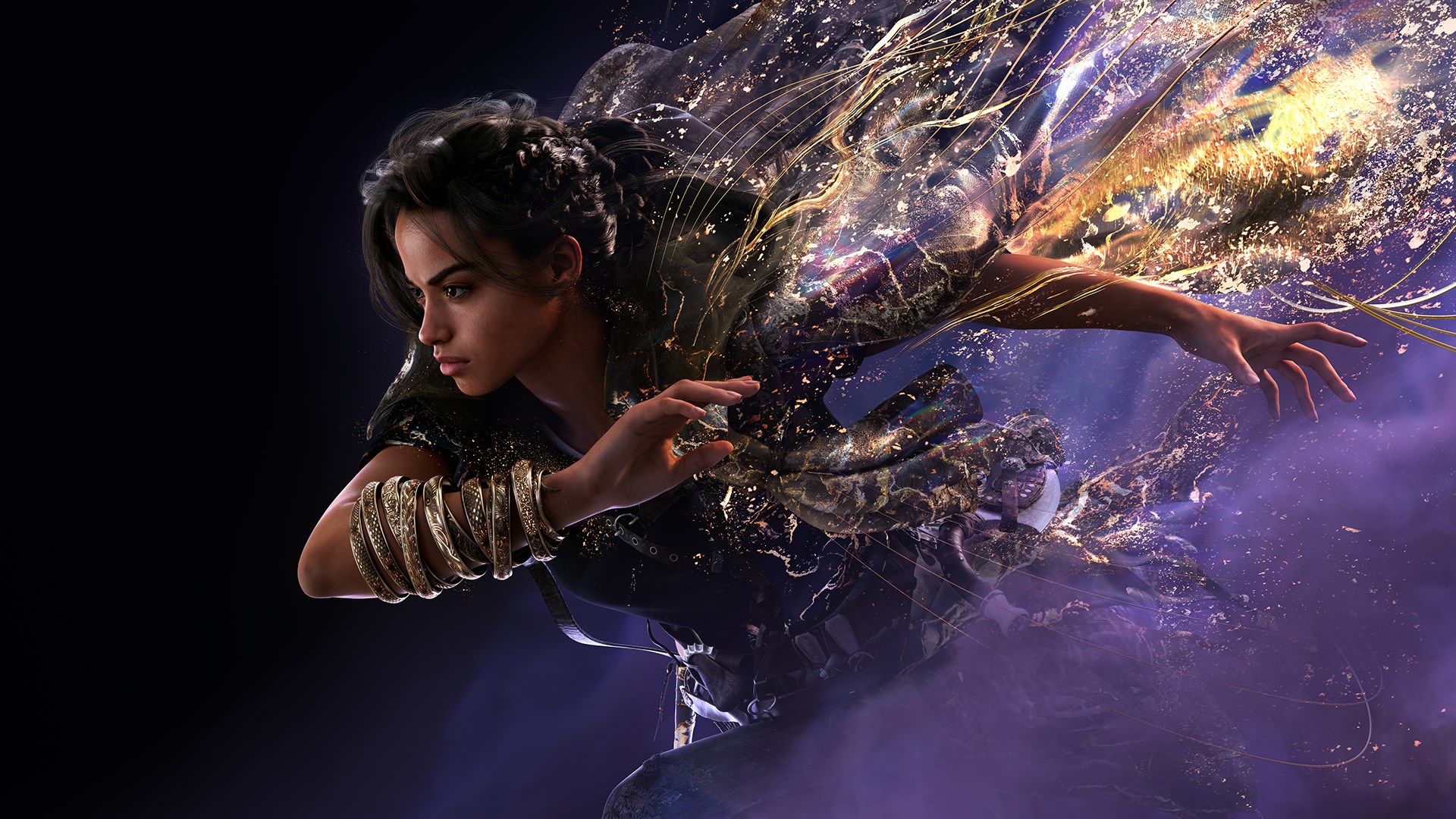
The game centers around a young Black woman from New York who finds herself in a magical world full of creatures and challenges. However, some reviewers felt the way she spoke and acted relied too much on familiar tropes and didn’t feel genuine. Others criticized the game, suggesting its diverse lead character was highlighted to overshadow issues with its simple gameplay and technical problems. Ultimately, the game didn’t attract a large player base.
‘Saints Row’ (2022)
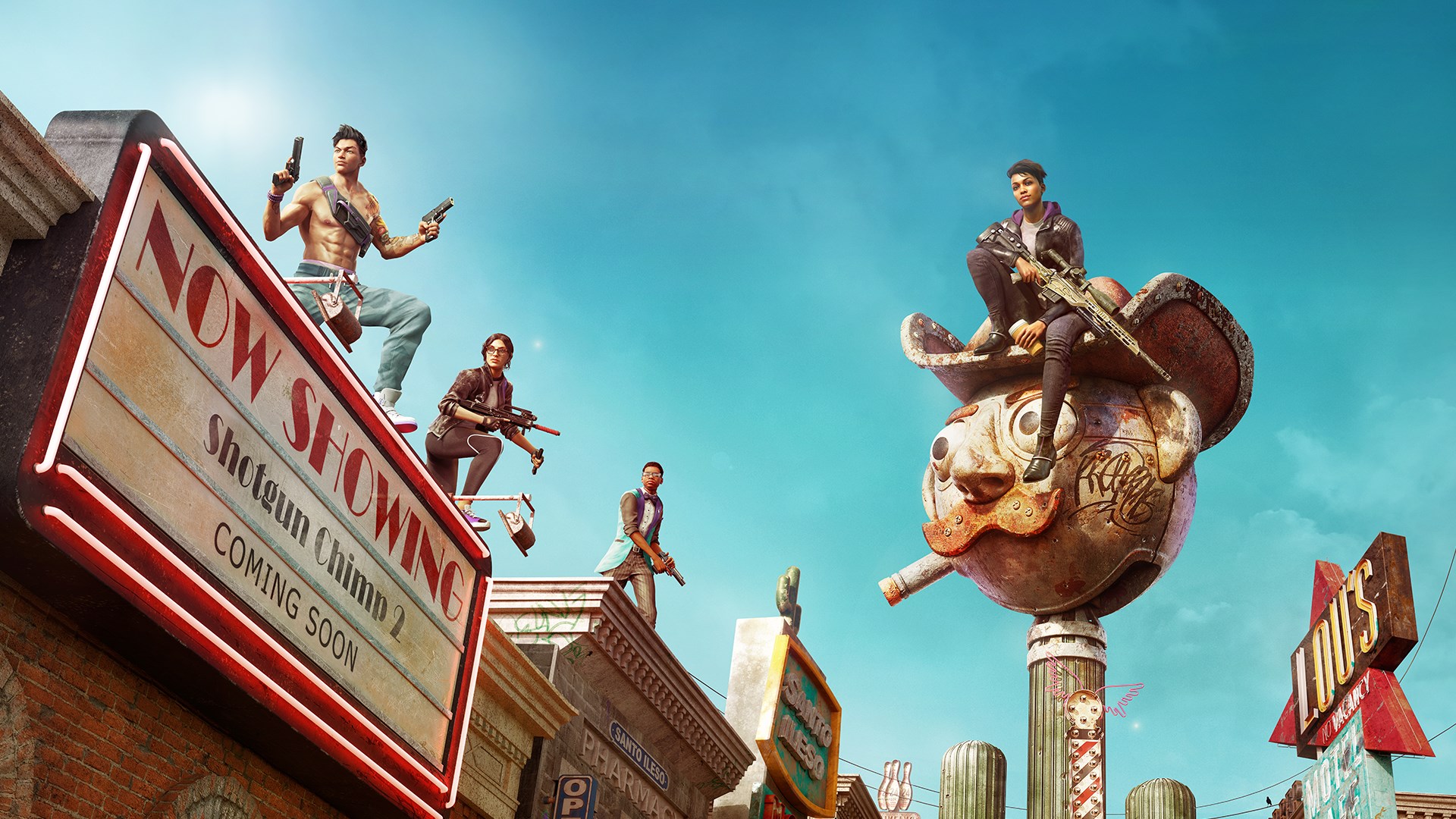
The recent revival of this established series featured a new set of characters that many longtime fans found didn’t fit the franchise’s traditionally dark and realistic style. Reviewers suggested the characters seemed created more for broad appeal to a younger, more diverse audience than for genuine storytelling. Many felt the game’s overall tone was unnatural and didn’t align with what fans expected, ultimately leading to a mixed reaction.
‘Marvel’s Avengers’ (2020)
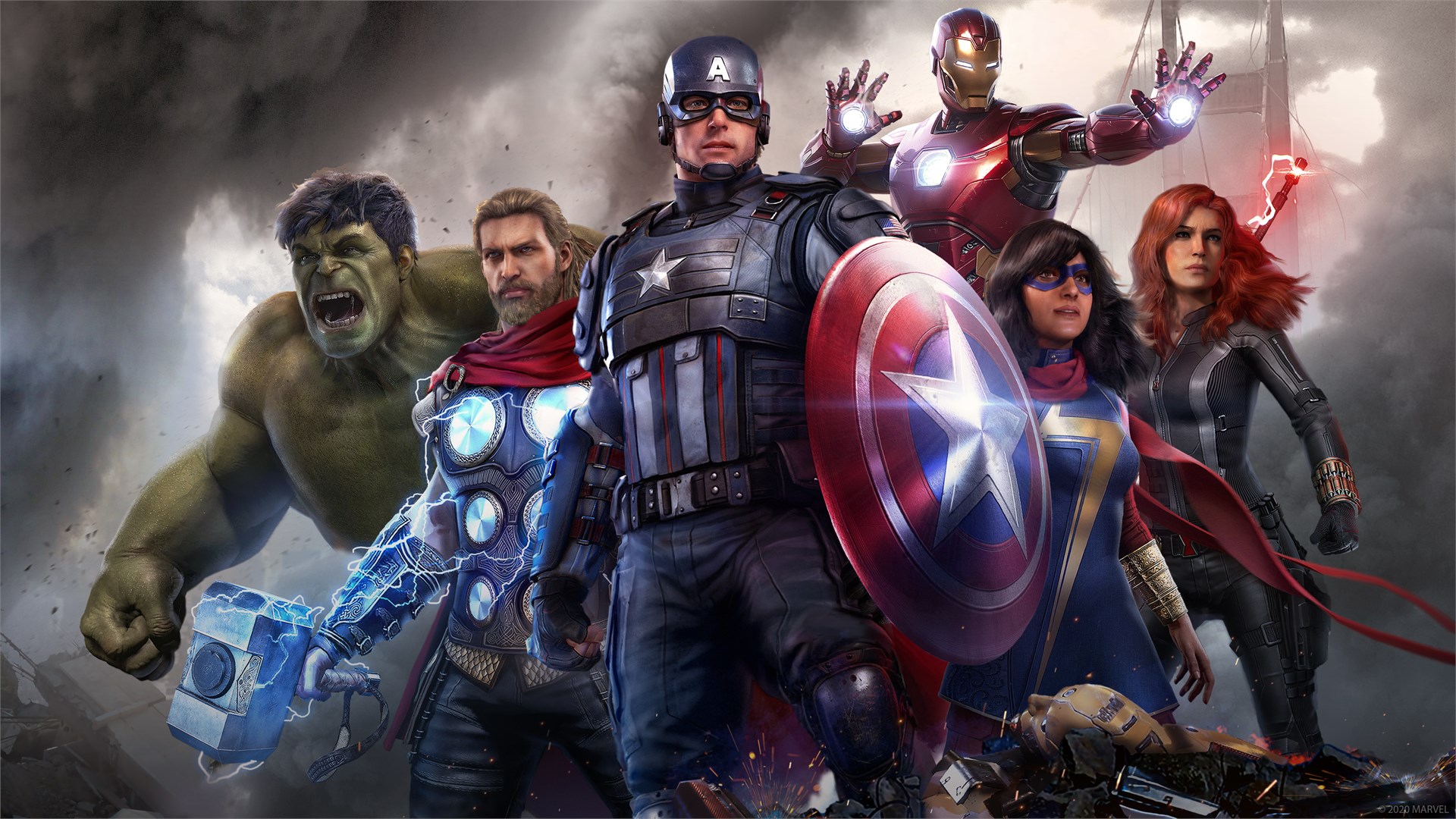
The decision to feature Kamala Khan as the main character sparked debate among players who were hoping for a story centered around the established superhero team. Some reviewers believed her role was highlighted primarily to fulfill Disney’s diversity objectives. Concerns were also raised that her inclusion served as a way to deflect criticism of the game’s ongoing service model and in-game purchases. Despite the game receiving generally mixed reviews, many players did appreciate Kamala’s character development.
‘Far Cry 6’ (2021)
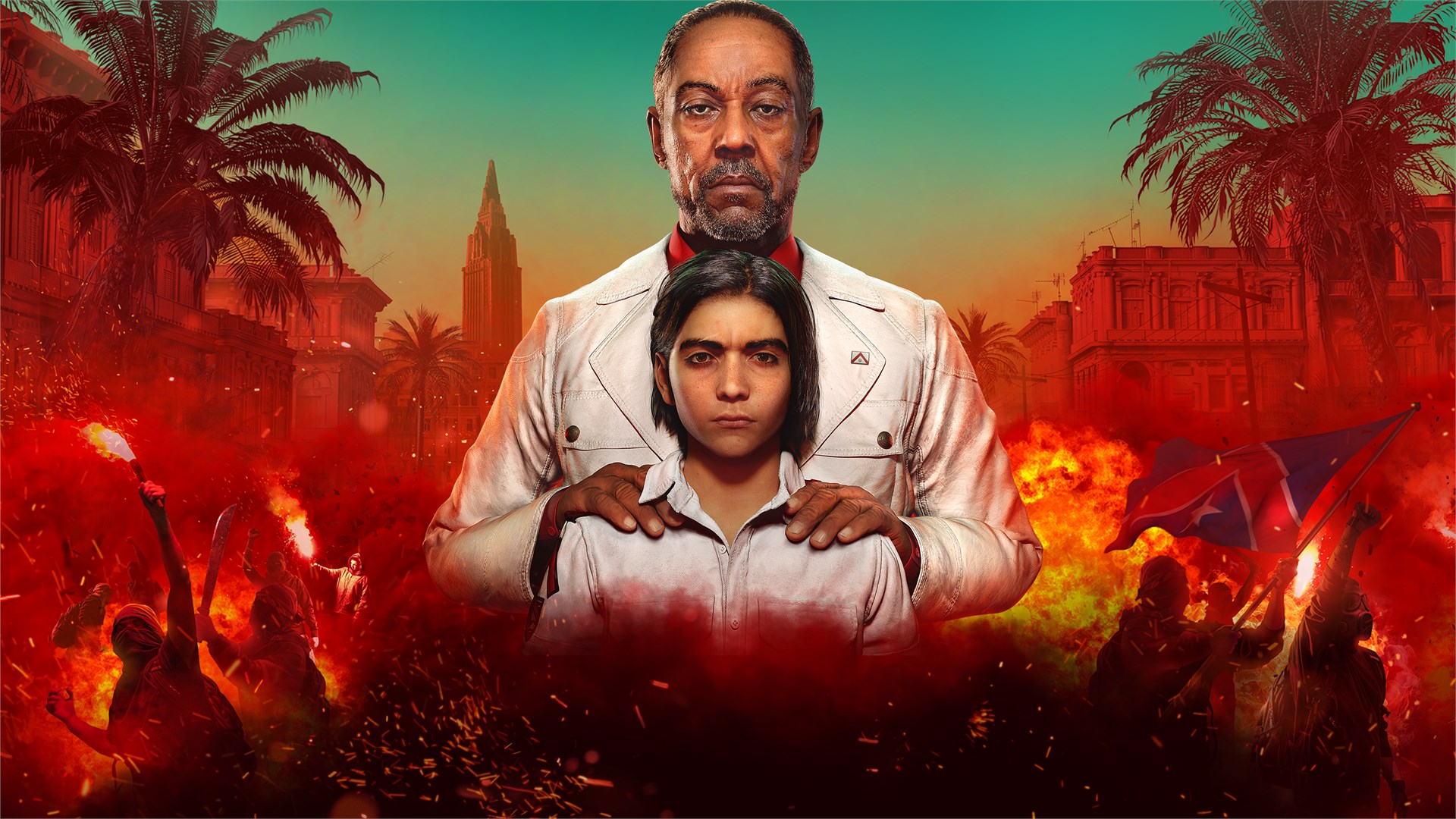
The story centers on a rebellion in a made-up Caribbean country, with a largely Latin American cast. Some reviewers felt the depiction of the revolution and the people involved lacked depth and relied on familiar stereotypes. They suggested the diverse characters were used more for visual appeal than to explore the complex political issues of the region. Additionally, some players criticized the inclusion of a transgender character, believing the role was too small and didn’t receive enough development, feeling it was merely a gesture towards inclusivity.
‘Starfield’ (2023)
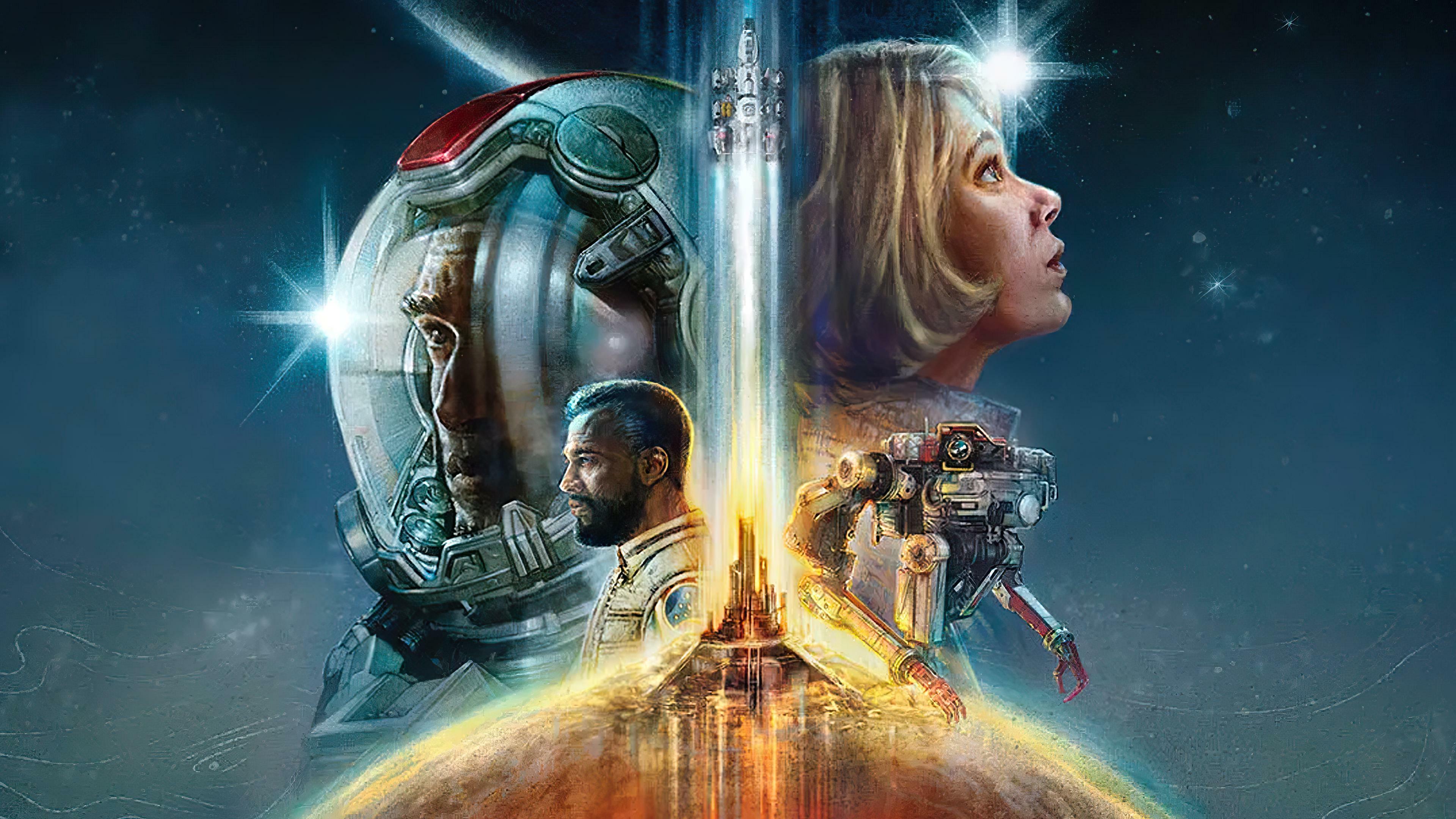
Bethesda’s new space game includes many characters with diverse backgrounds and identities, including options for choosing pronouns. Some players reacted negatively to this, claiming it felt like the game was prioritizing social issues over strong gameplay and a well-developed world. This sparked debate within the gaming community and turned the game into a focal point of broader cultural discussions around representation.
‘Call of Duty Vanguard’ (2021)
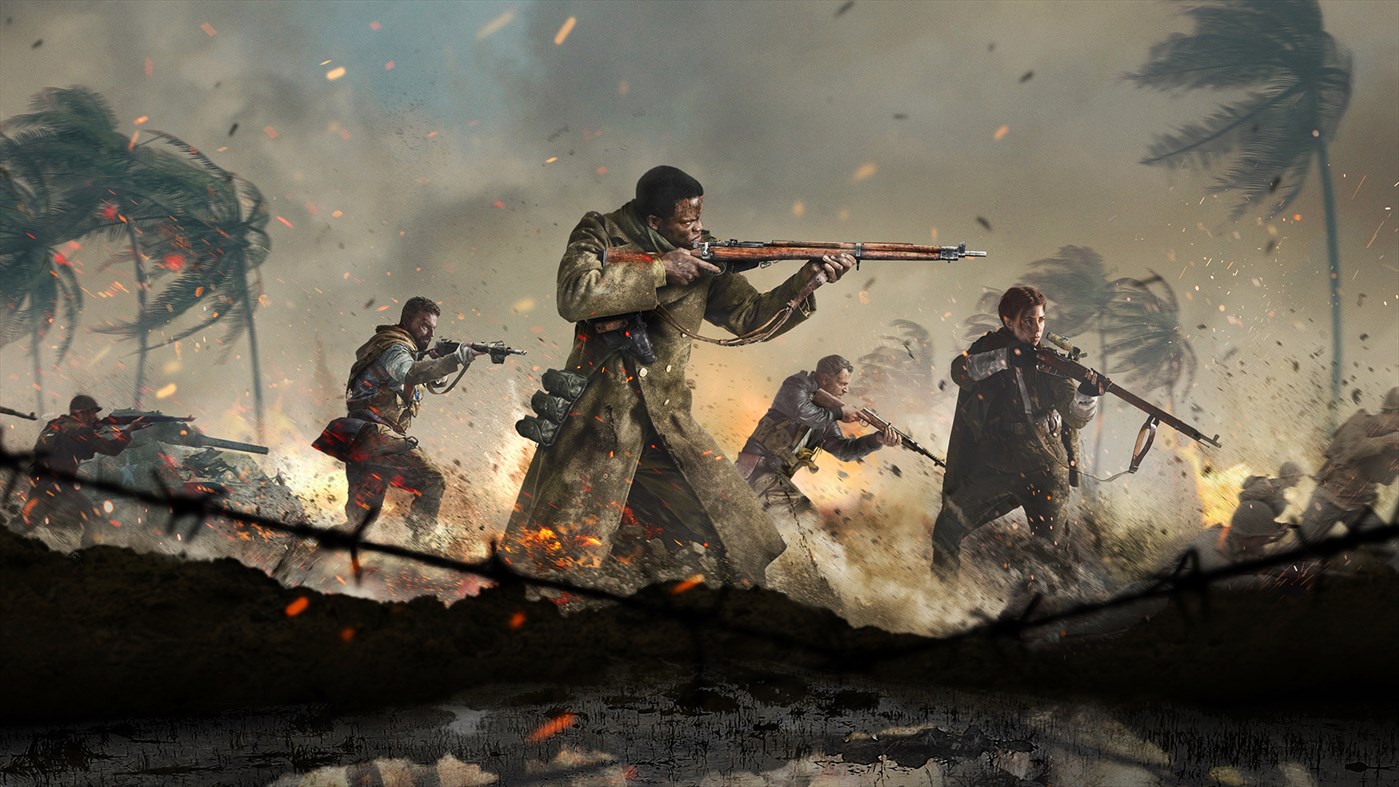
This World War II shooter featured a team of skilled soldiers from various countries and walks of life. While some players appreciated this as a fresh take on the war and a departure from the harsh realism of earlier games, others criticized the story. These critics believed the game prioritized appearing modern and inclusive over accurately portraying the historical period, and that the diverse cast was primarily intended to showcase progressive ideals to a broader audience.
‘The Sims 4’ (2014)
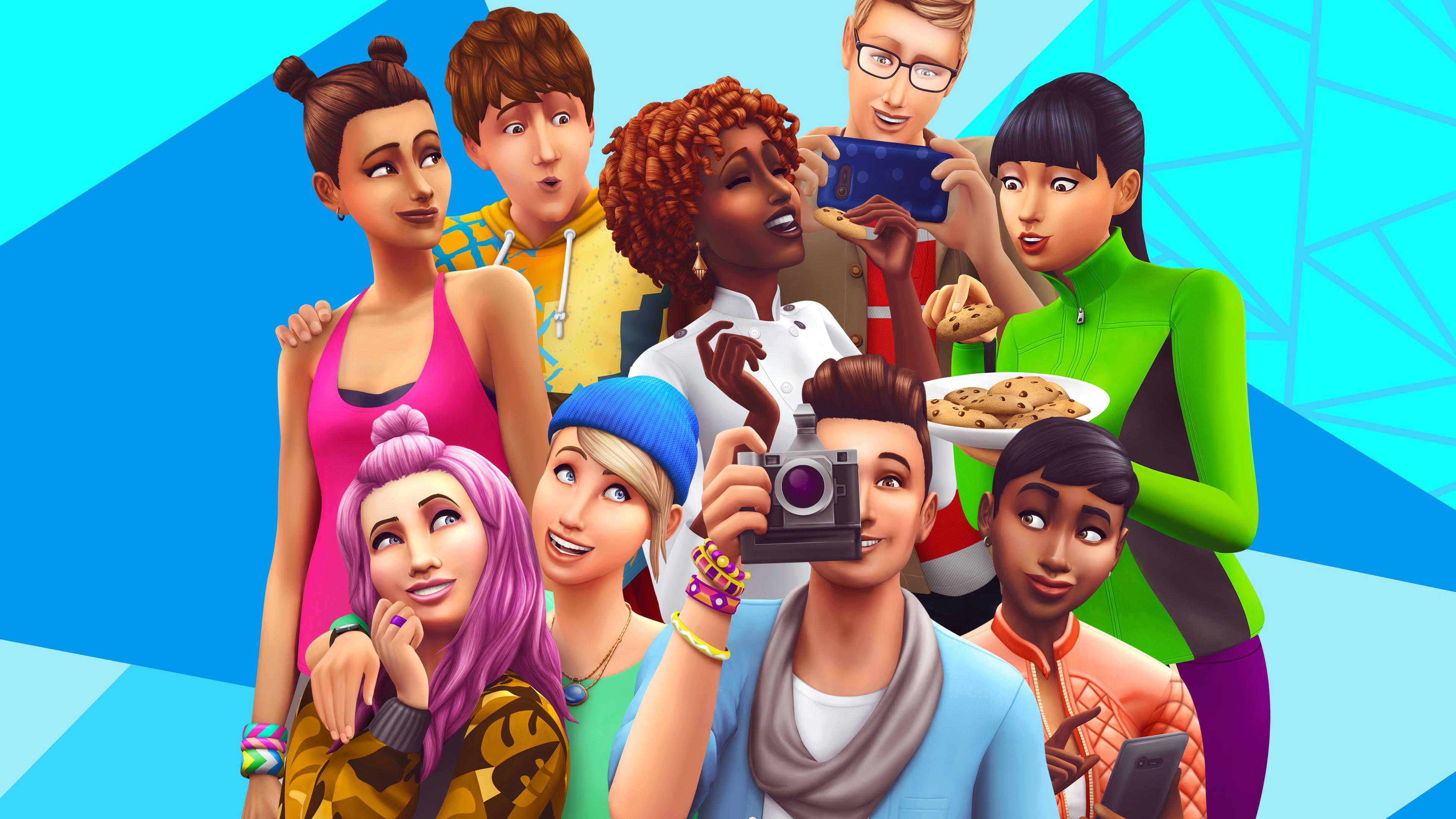
I’ve been playing this life sim for ages, and it’s cool to see them finally adding more skin tones, ways to express your gender, and cultural stuff. But honestly, it feels a little weird sometimes. It’s like they only started listening after players got really vocal online and started complaining for years. A lot of us have been asking for basic representation stuff since the beginning, so it’s frustrating that it took so long for these features to finally show up in the game.
‘Life is Strange True Colors’ (2021)
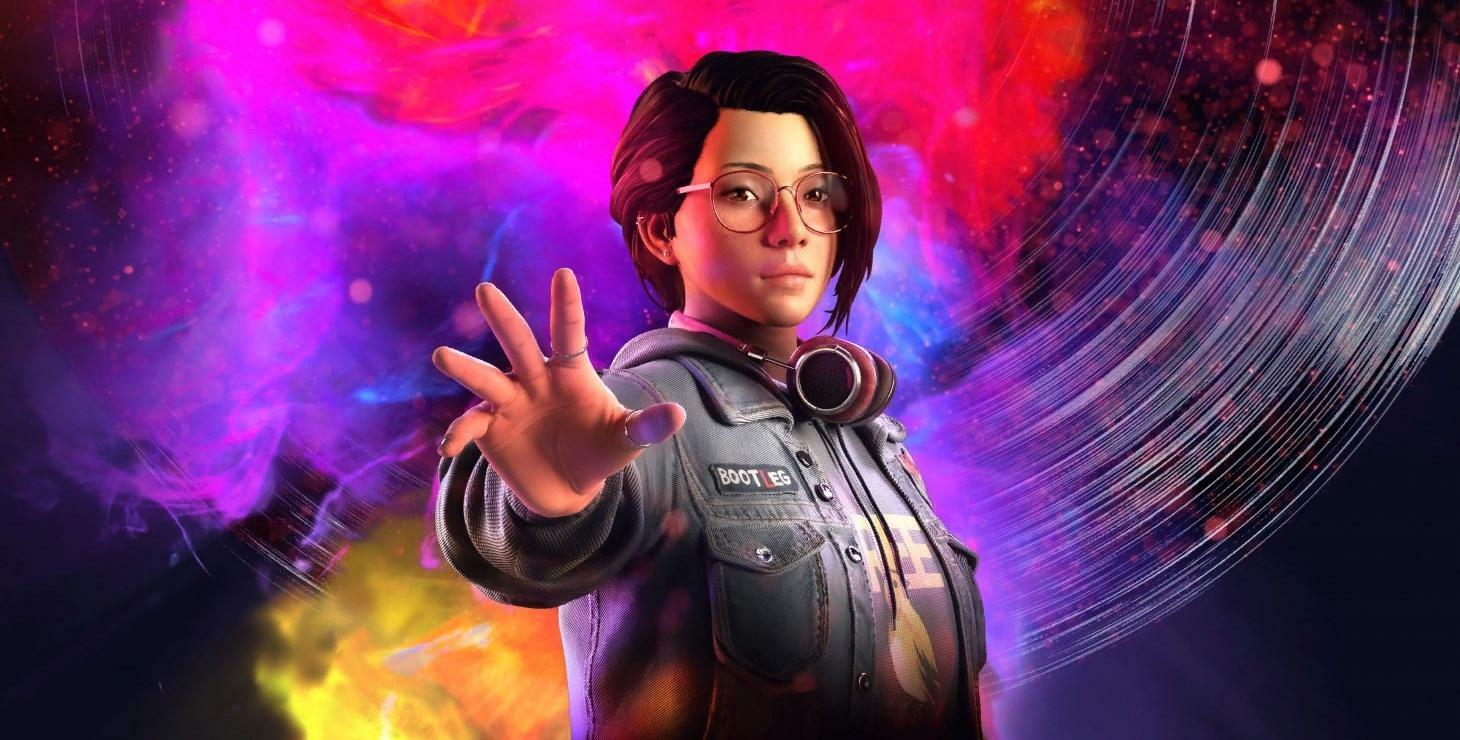
I recently played this story-driven game where you play as an Asian American woman who can feel what others are feeling – it’s a really cool power! But I’ve seen some people online say the game leaned too hard into having a diverse cast, like it was just trying to attract a certain type of player. Others felt like the really emotional story was used to distract from the fact that the gameplay itself wasn’t anything new. It’s part of a series that’s always put characters from underrepresented groups front and center, and that’s something people either really love or really dislike, it seems.
‘Watch Dogs 2’ (2016)
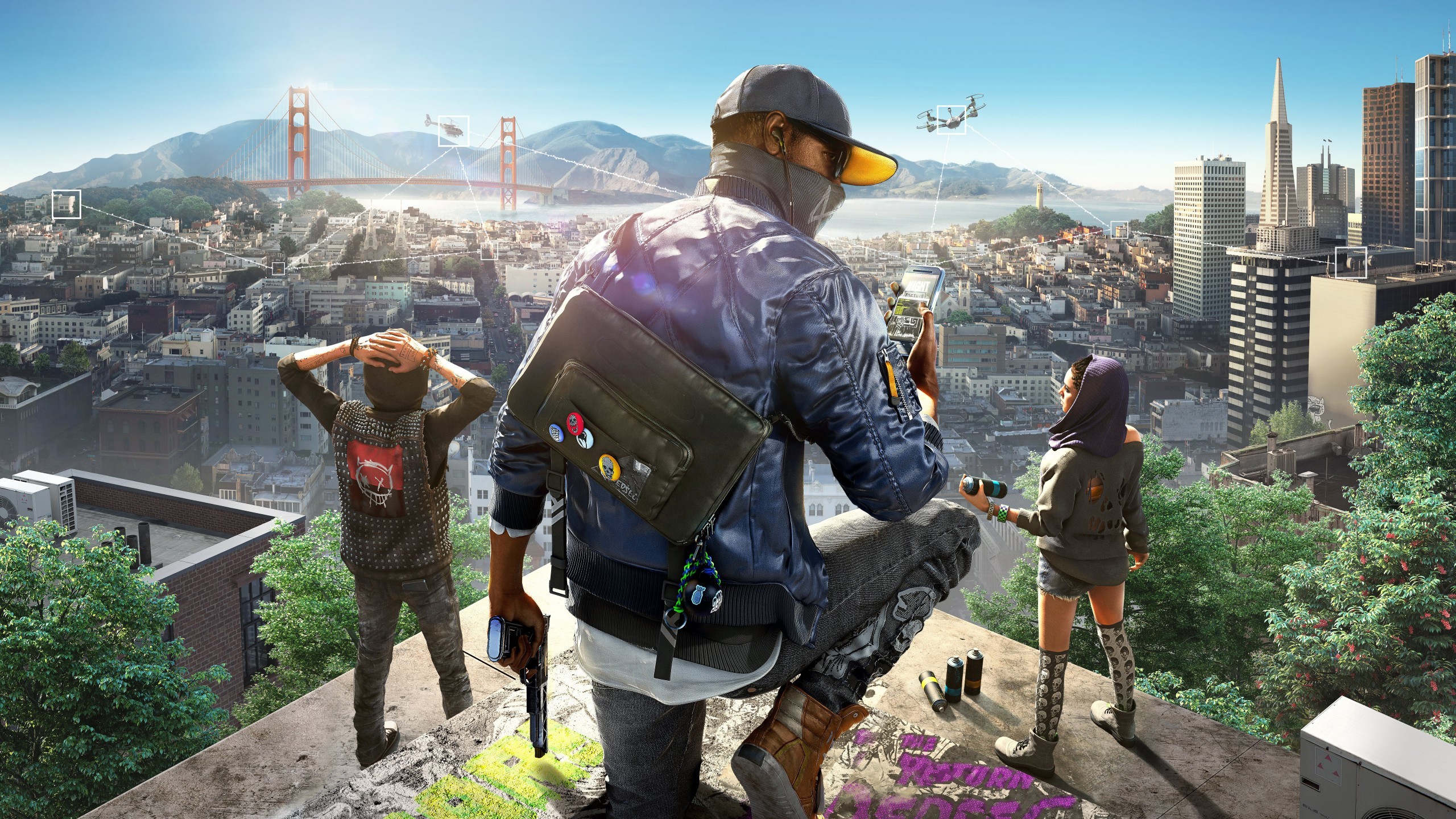
Some people thought the new group of young, diverse hackers was a deliberate attempt to make the game feel more current, moving away from the lone, serious hero of the first game. Critics felt these characters were over-the-top stereotypes of today’s youth, created to make the game more interesting than its predecessor. While some players appreciated the diversity and how it freshened up the game’s image, they also felt the core gameplay remained largely unchanged. Despite the debate over the characters, the game proved to be a success.
‘Spider-Man Miles Morales’ (2020)
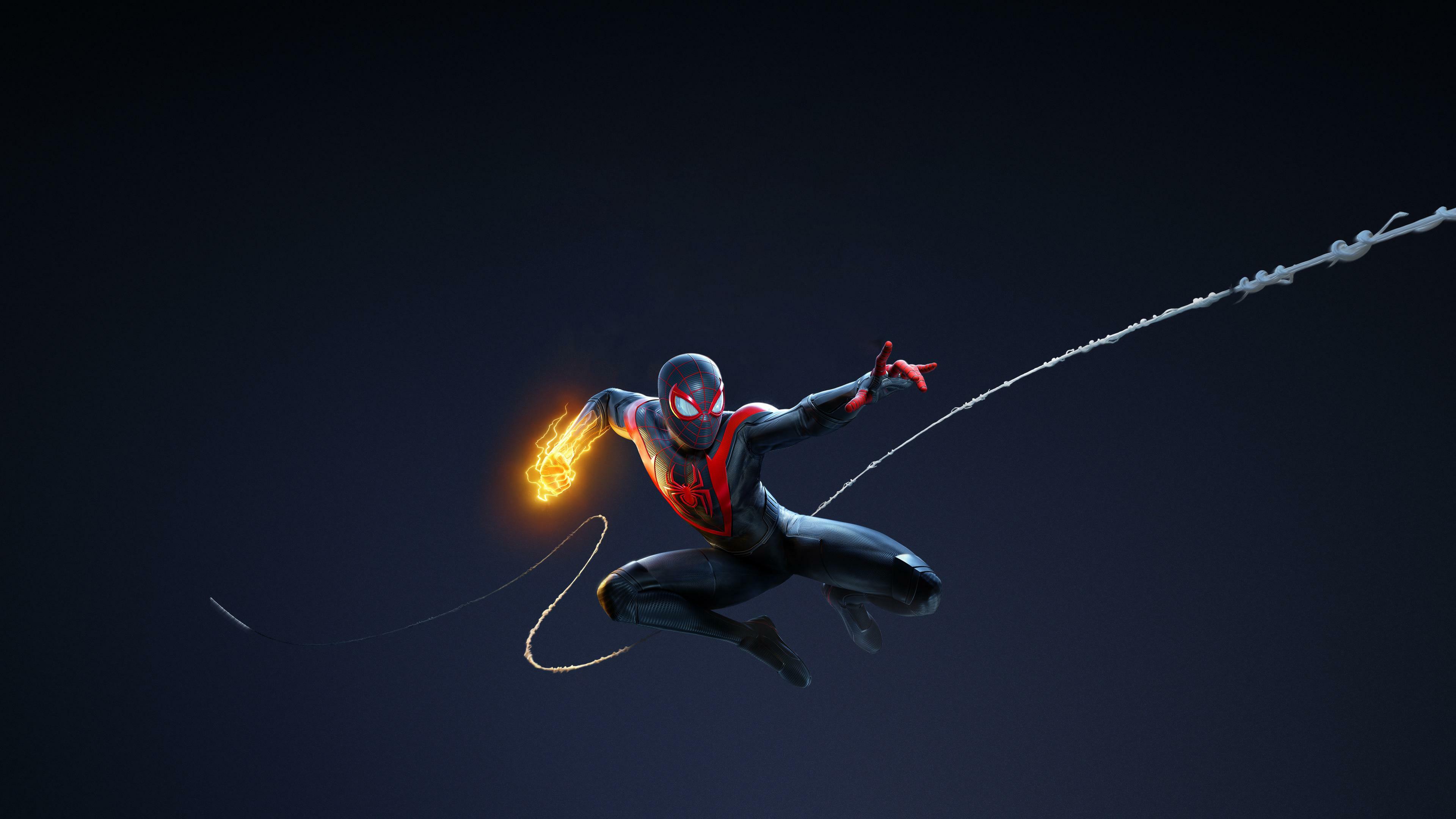
Miles Morales is a popular character, but his own video game faced some criticism. Some people felt it was created simply to meet a demand for more diverse heroes, and that it felt more like an add-on to the previous game than a completely new one. They also suggested his race was heavily emphasized in the game’s marketing. These critics believed the developers were trying to avoid complaints about the original game’s focus on Peter Parker. Despite this, the game was praised for its positive representation and compelling story.
‘Suicide Squad Kill the Justice League’ (2024)
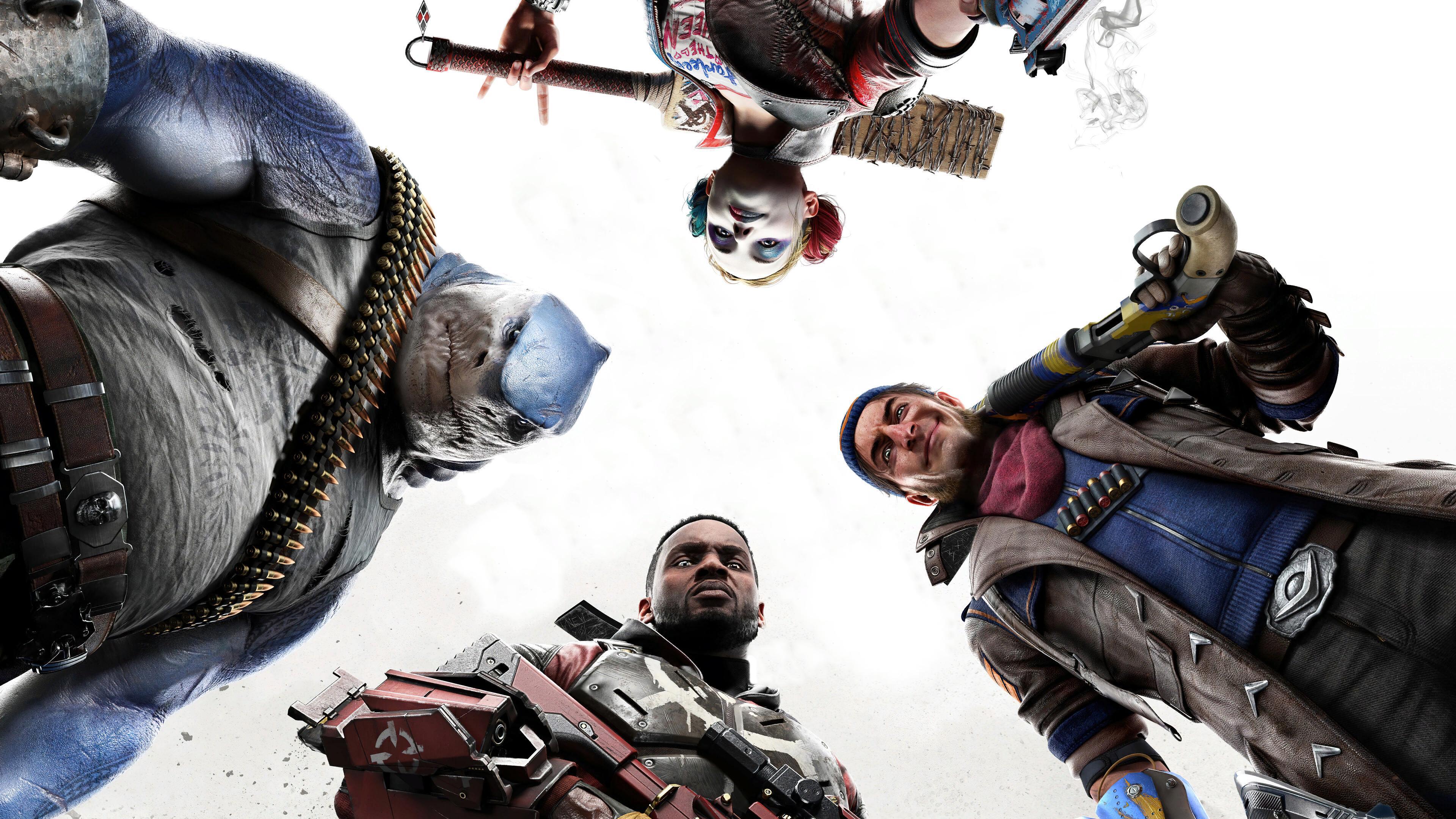
Some fans criticized changes to established characters and the emphasis on a diverse team, claiming the effort felt artificial. Others felt the writing and jokes didn’t suit the characters and were too focused on current trends. Some even suggested the diverse cast was a distraction from the decision to make the game an ongoing service. Ultimately, the project struggled and received a generally lukewarm response when it finally launched.
‘Dragon Age The Veilguard’ (2024)
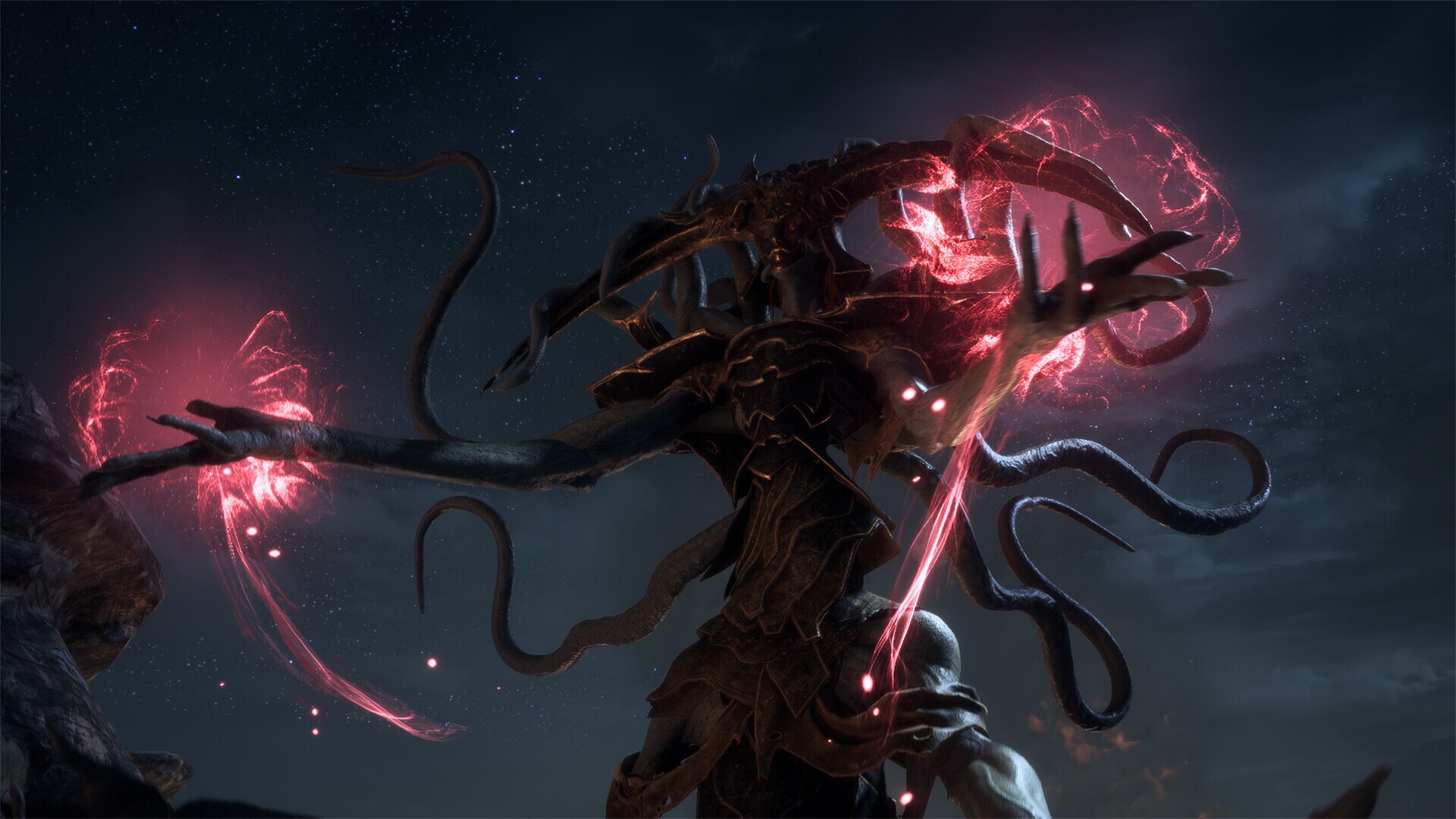
The game faced criticism regarding its character creation options and how it handled diversity and inclusion. Some players believed the developers prioritized these aspects over the complex strategy that defined earlier games in the series. Reviewers also felt that conversations about identity didn’t quite fit naturally within the game’s world. This sparked a wider debate about incorporating contemporary values into long-running fantasy series.
‘Dustborn’ (2024)
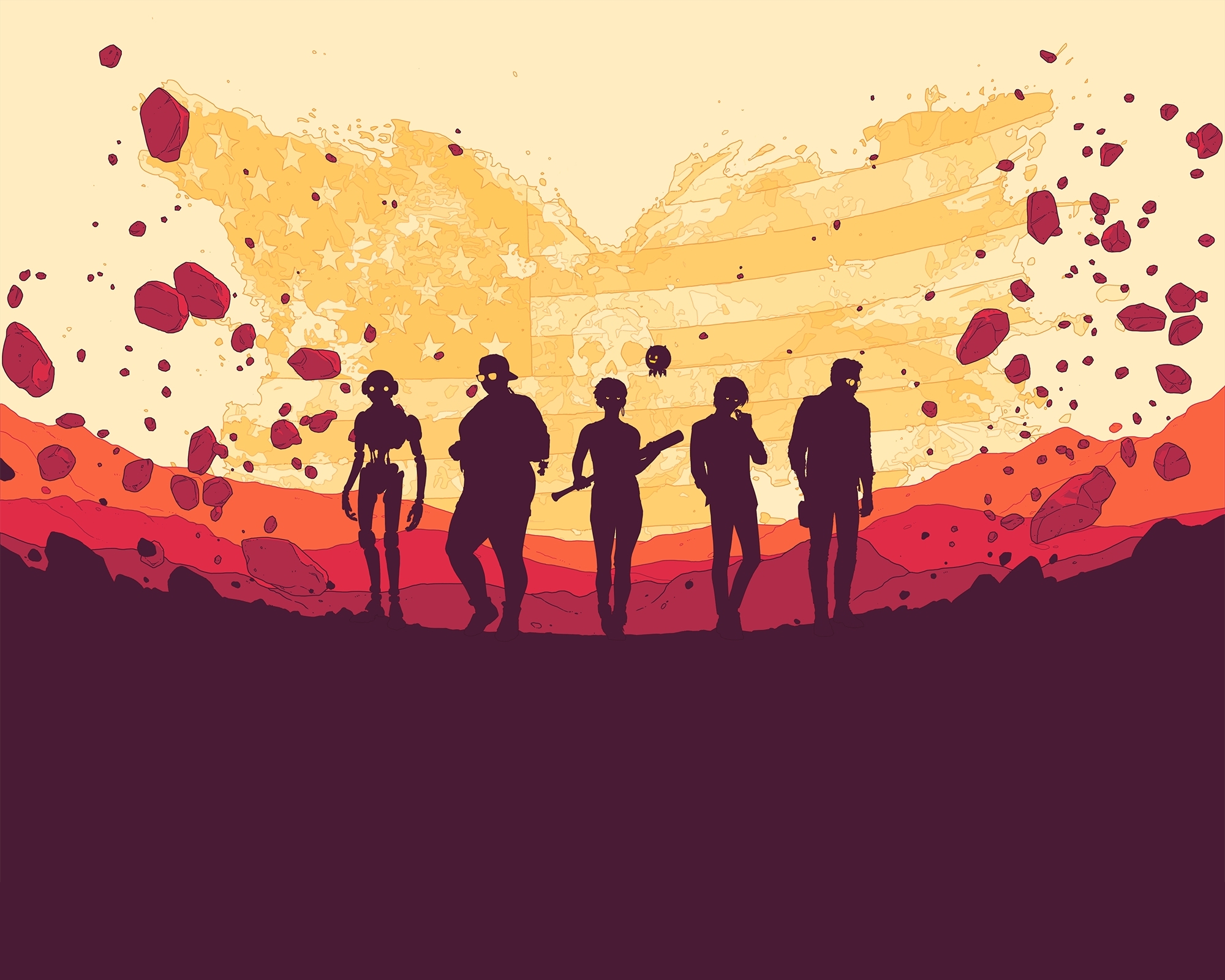
This story-focused game follows a group of diverse characters journeying across a fractured North America, where communication is key. Some critics suggested the game heavily emphasized social justice and diverse representation to appeal to a particular political group. Certain players felt the story’s message overshadowed the actual gameplay. The game sparked a lot of online discussion due to its strong political themes and the characters it featured.
‘Concord’ (2024)
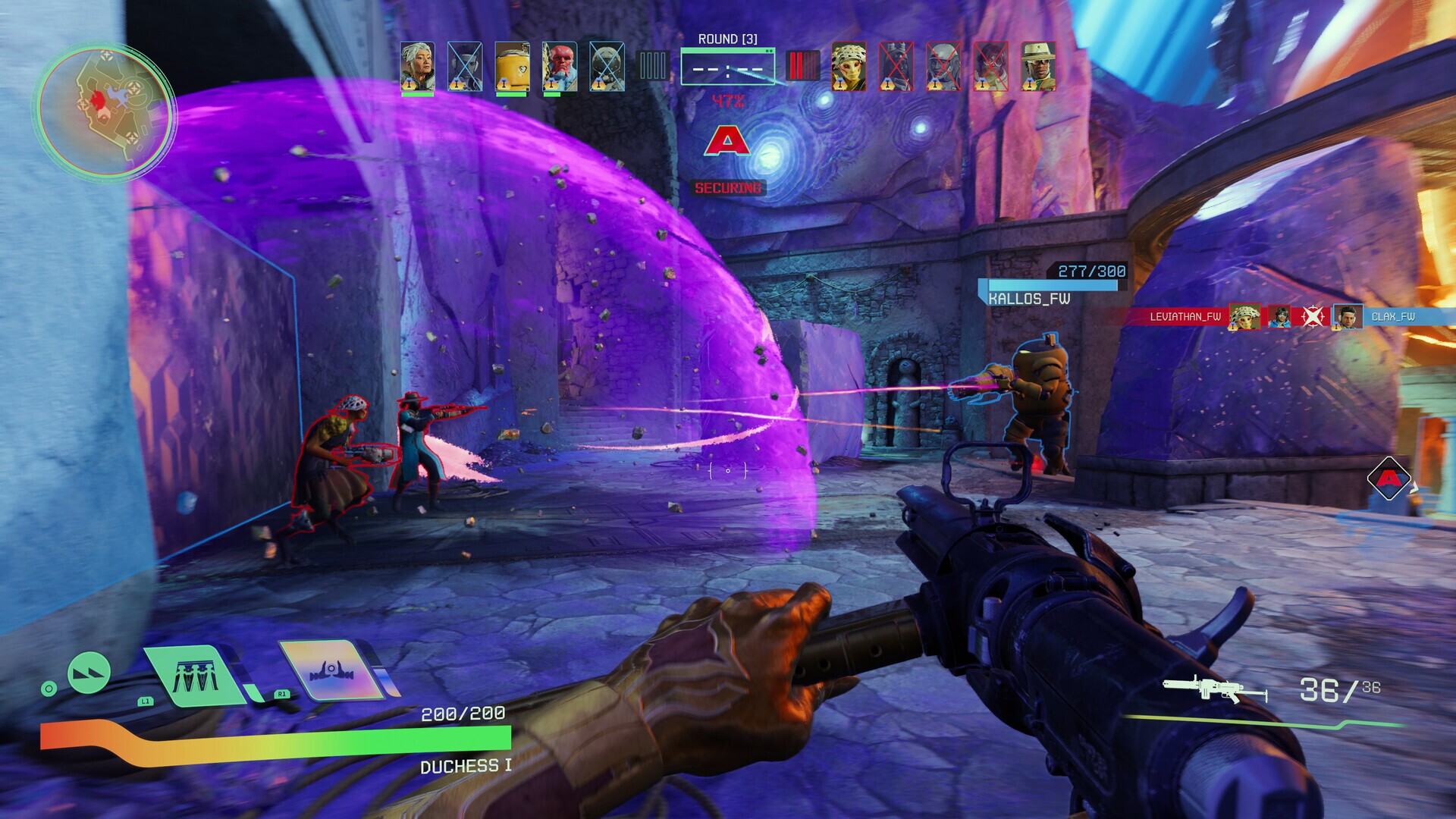
Some people criticized the characters in this multiplayer shooter, saying they felt like a collection of stereotypes rather than distinct individuals. Critics believed the designs prioritized inclusivity over creating truly memorable characters. A few players thought this lack of compelling characters contributed to the game’s low player count, and it was eventually removed from online stores shortly after release.
‘God of War Ragnarök’ (2022)
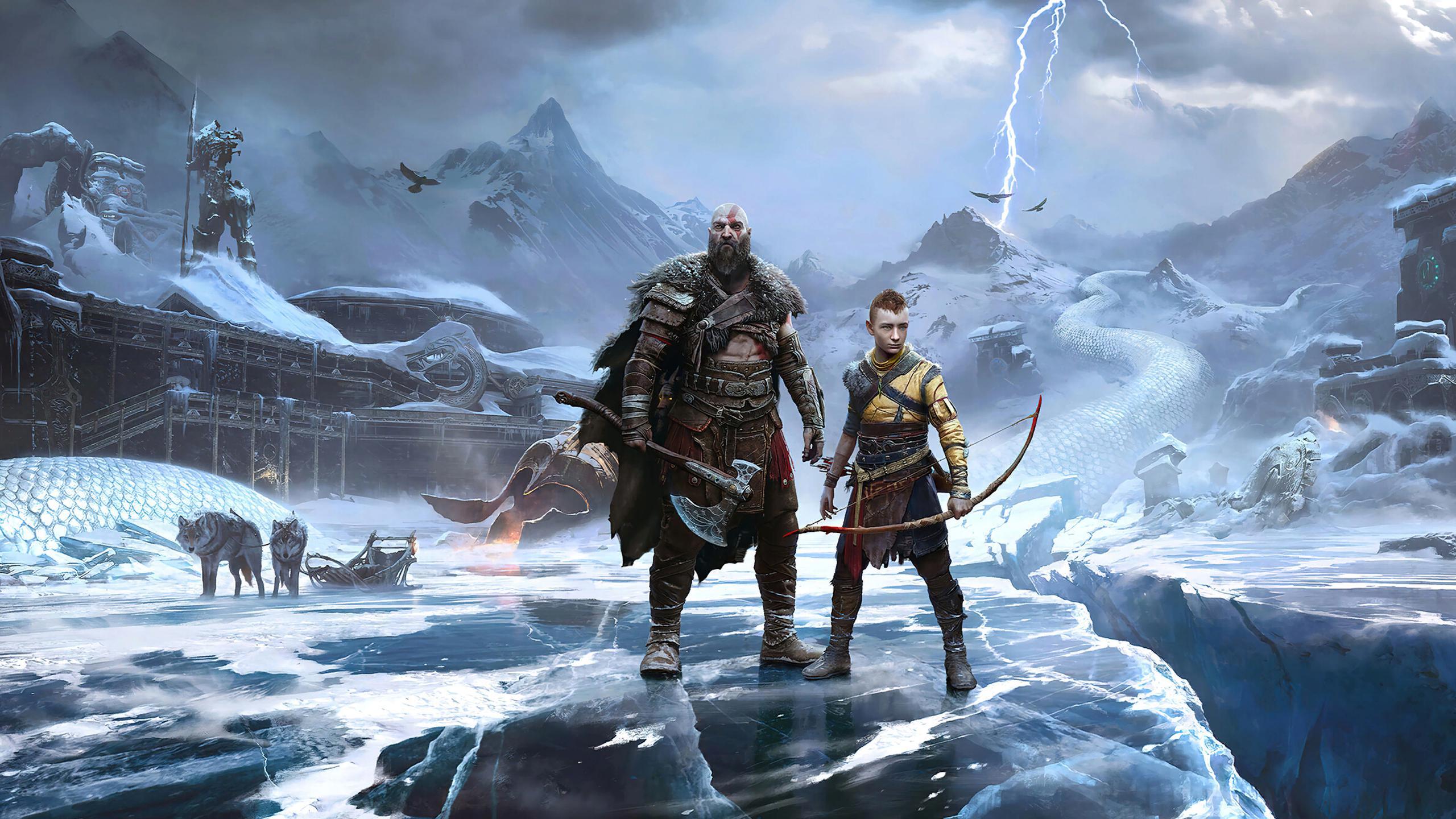
The decision to portray the character Angrboda as Black in a Norse-inspired game sparked controversy. Some felt this was an unnecessary modern addition to established mythology, done more to showcase progressive ideals than to serve the story. The game creators countered that their version of the myth is a fictional interpretation with its own unique artistic vision. This disagreement underscores the challenges game developers face when balancing creative freedom with respecting the origins of the stories they adapt.
‘Star Wars Outlaws’ (2024)
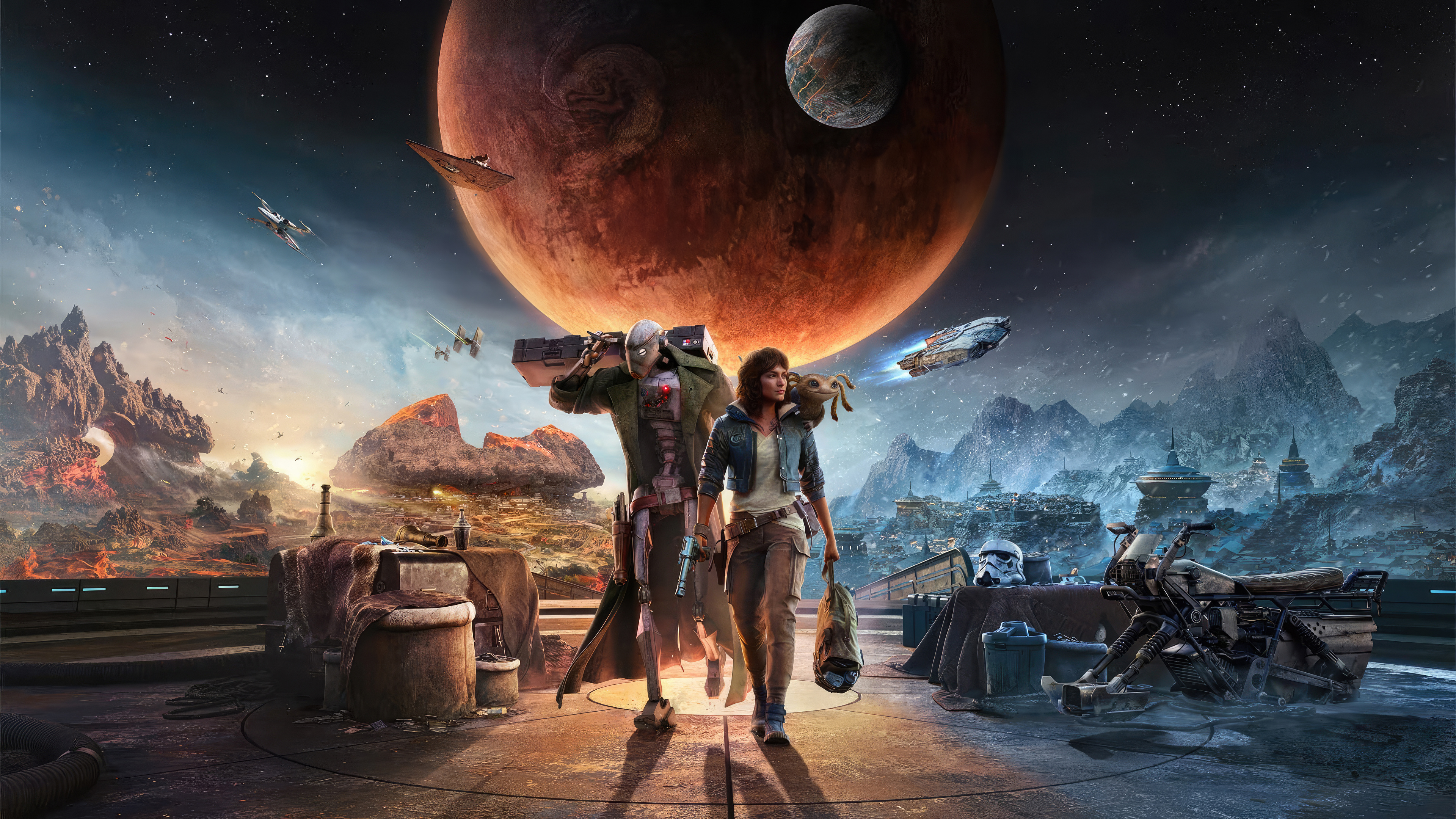
Some people felt the game’s choice of a female protagonist and its diverse cast were driven by a company push for diversity, rather than creative storytelling. Critics argued that the characters felt shallow, as if they were created to avoid controversy and appeal to as many players as possible. Others suggested this focus on representation was simply a way for the company to avoid negative feedback about its other recent games. Despite the debate, the game was a significant release and continues to be a talking point when discussing diversity within the franchise.
‘Unknown 9 Awakening’ (2024)
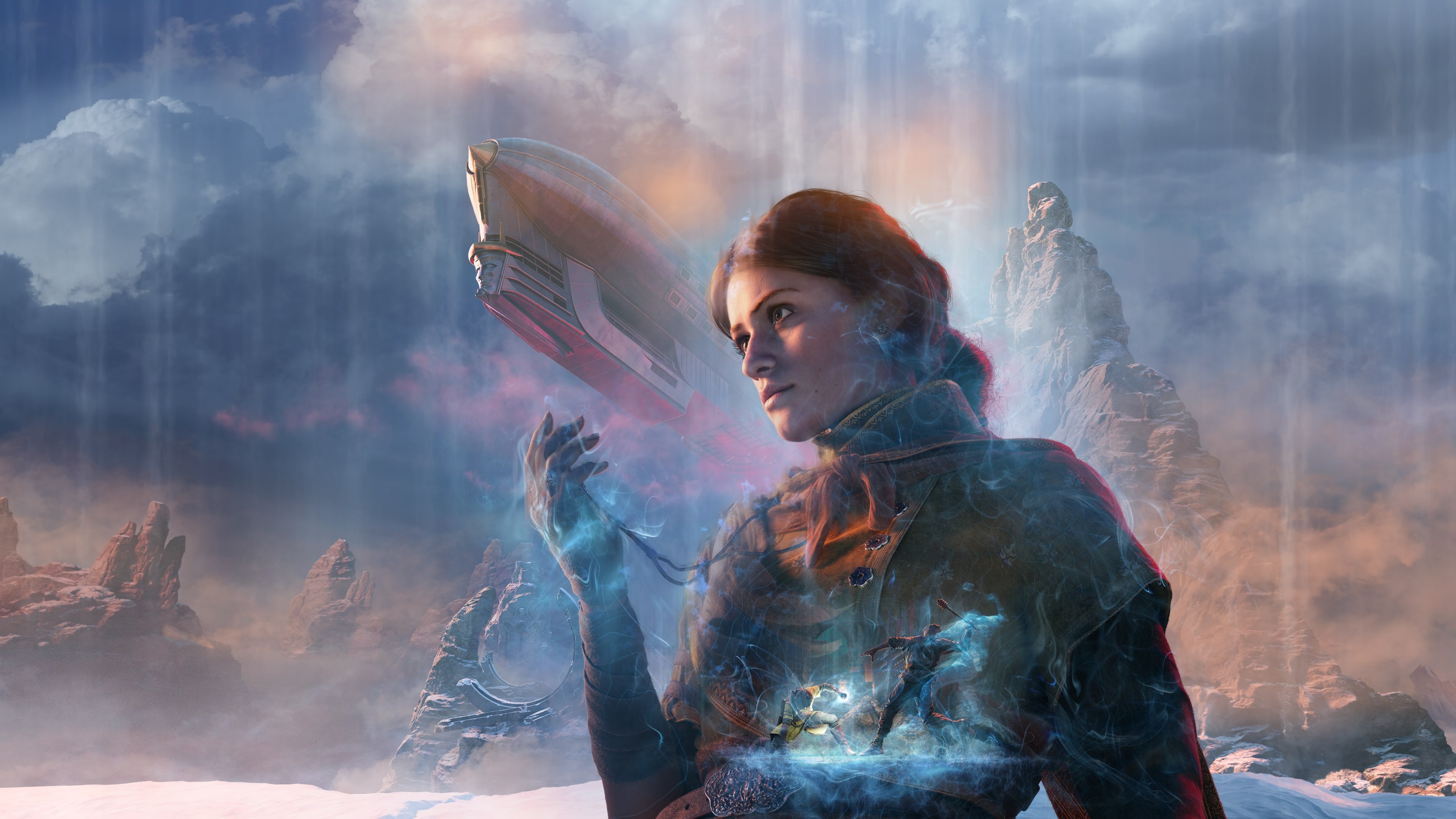
This adventure game stars an Indian hero with special abilities who uncovers a secret world. Some reviewers felt the game heavily emphasized its diverse lead character as a way to distract from potential flaws in the gameplay. Others thought the character’s background wasn’t developed enough to feel authentic. Ultimately, the game struggled to stand out in a market full of comparable titles.
‘Banishers Ghosts of New Eden’ (2024)
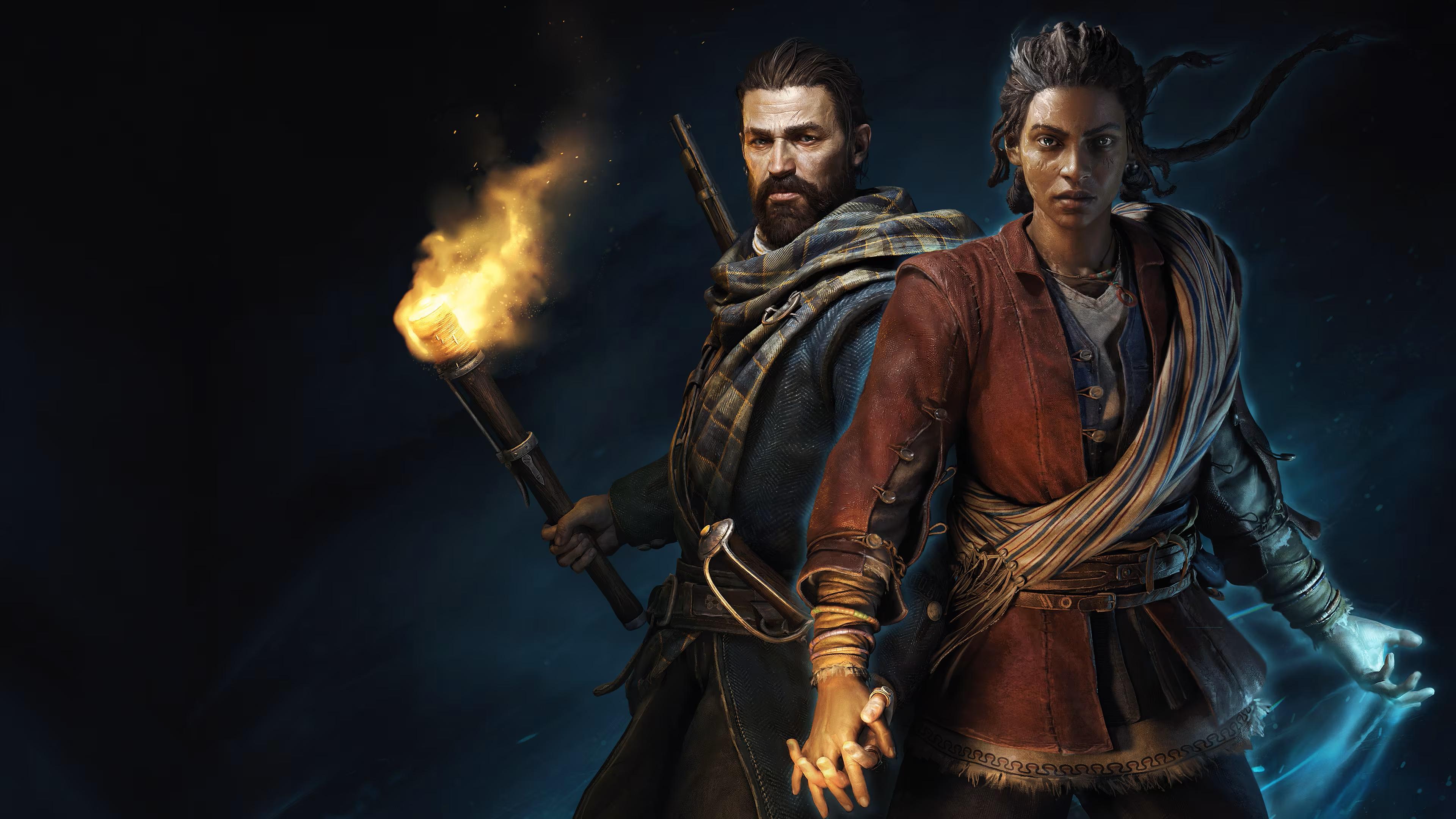
A key part of the game’s story and promotion revolved around the relationship between its two main characters, who came from different ethnic backgrounds. While some players thought highlighting their identities felt like a forced attempt to make the historical fantasy setting more contemporary, critics suggested it was a way for the game to differentiate itself in a genre often featuring typical heroes. The developers, however, stressed that the connection between the characters was meant to be emotionally resonant and add depth to the narrative.
‘Gears 5’ (2019)
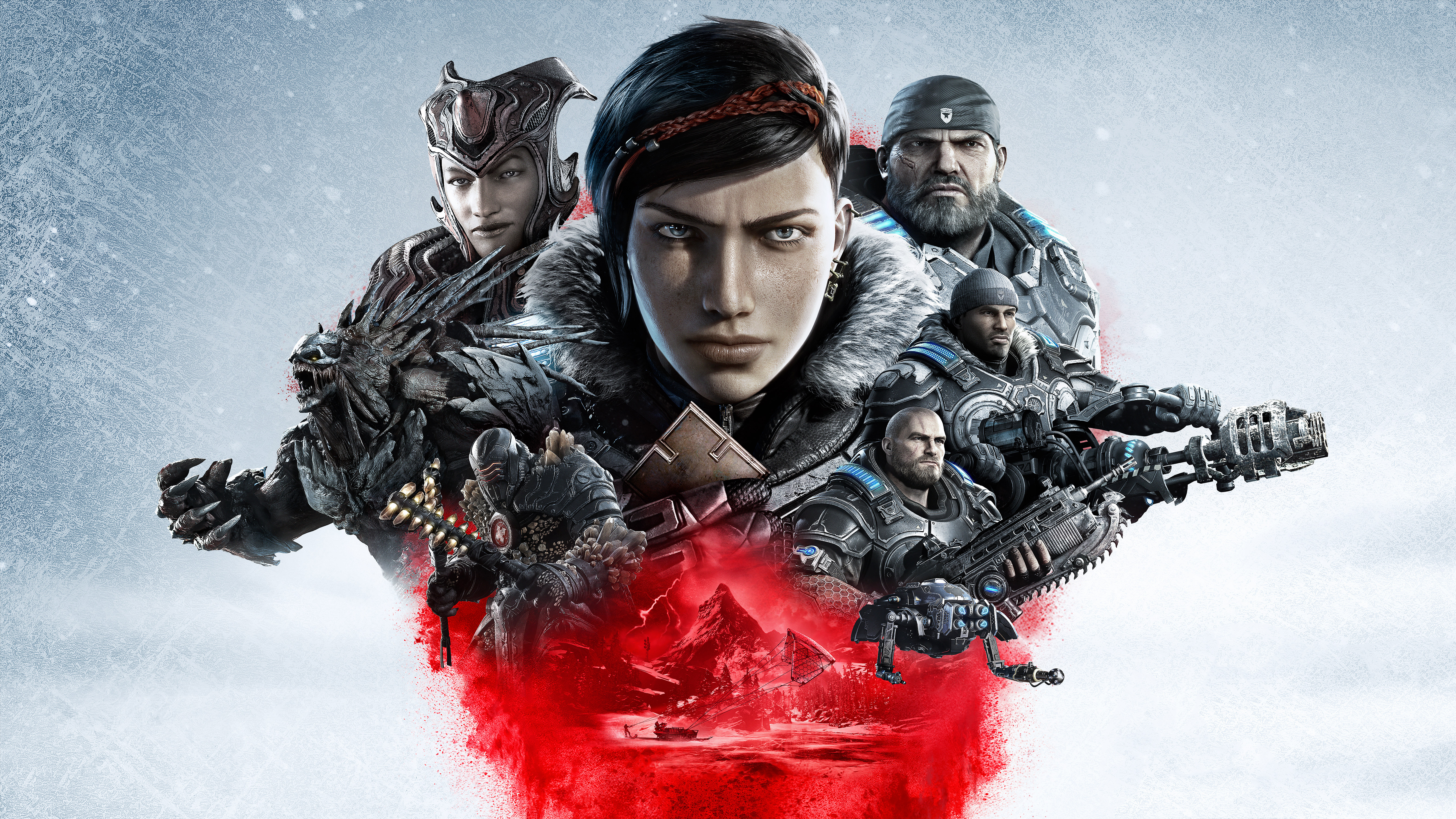
Some fans reacted negatively to the new game’s focus on a female protagonist and more diverse characters, feeling it strayed from the series’ traditionally masculine tone. Critics suggested this change was driven by a wider industry trend toward greater diversity in leading characters, and some players believed the new characters were an attempt to modernize the franchise and avoid criticism for being outdated. However, the game still received positive reviews, particularly for its story and the character development of Kait Diaz.
‘Tell Me Why’ (2020)
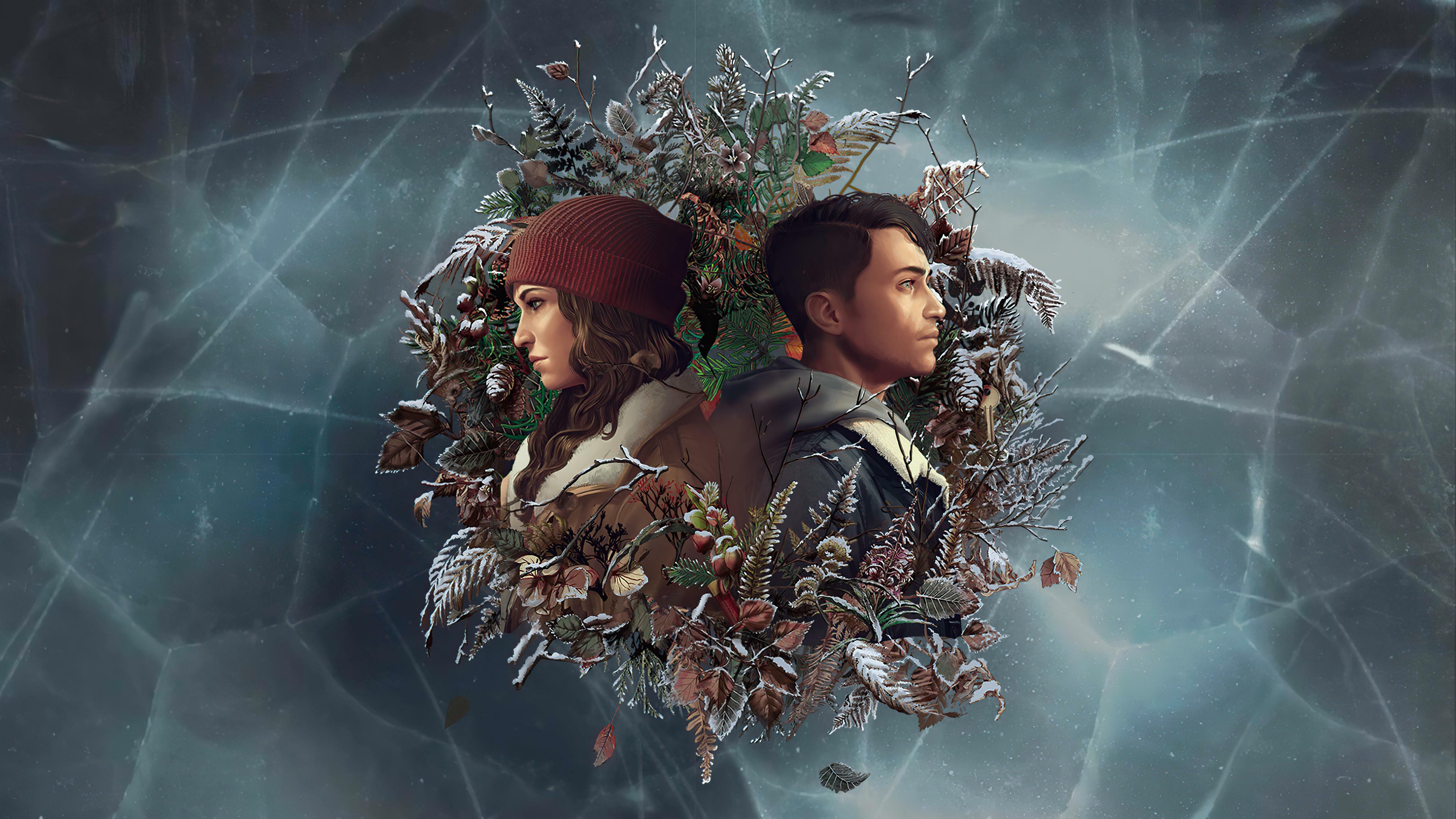
Being a large studio’s first major game with a transgender lead character, it received a lot of attention and debate about its purpose. Some reviewers felt the character’s identity was being emphasized more than the game’s core mystery, and accused the developers of trying to appear progressive to avoid criticism for a history of underrepresentation. The development team collaborated with advocacy groups to make sure the character was portrayed sensitively and respectfully.
‘Goodbye Volcano High’ (2023)
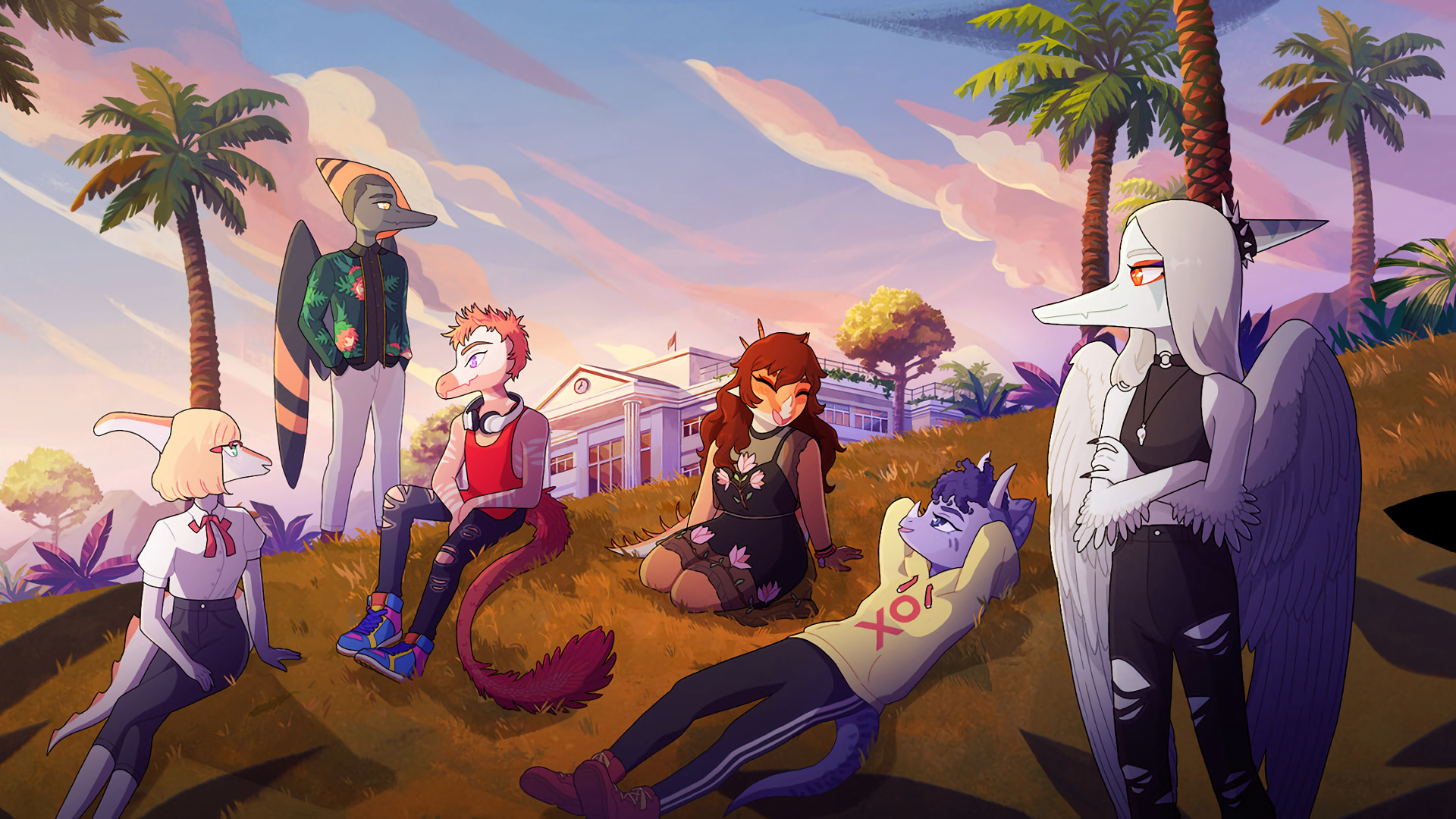
This story-driven game stars dinosaurs with human characteristics and includes characters of various genders and sexual orientations. Some reviewers felt the game catered to a niche audience and didn’t try to attract a wider player base. Others speculated the emphasis on character identity was intended to shield the game from criticism. The game took a long time to develop and sparked a lot of conversation online.
‘The Walking Dead Telltale Series’ (2012–2019)
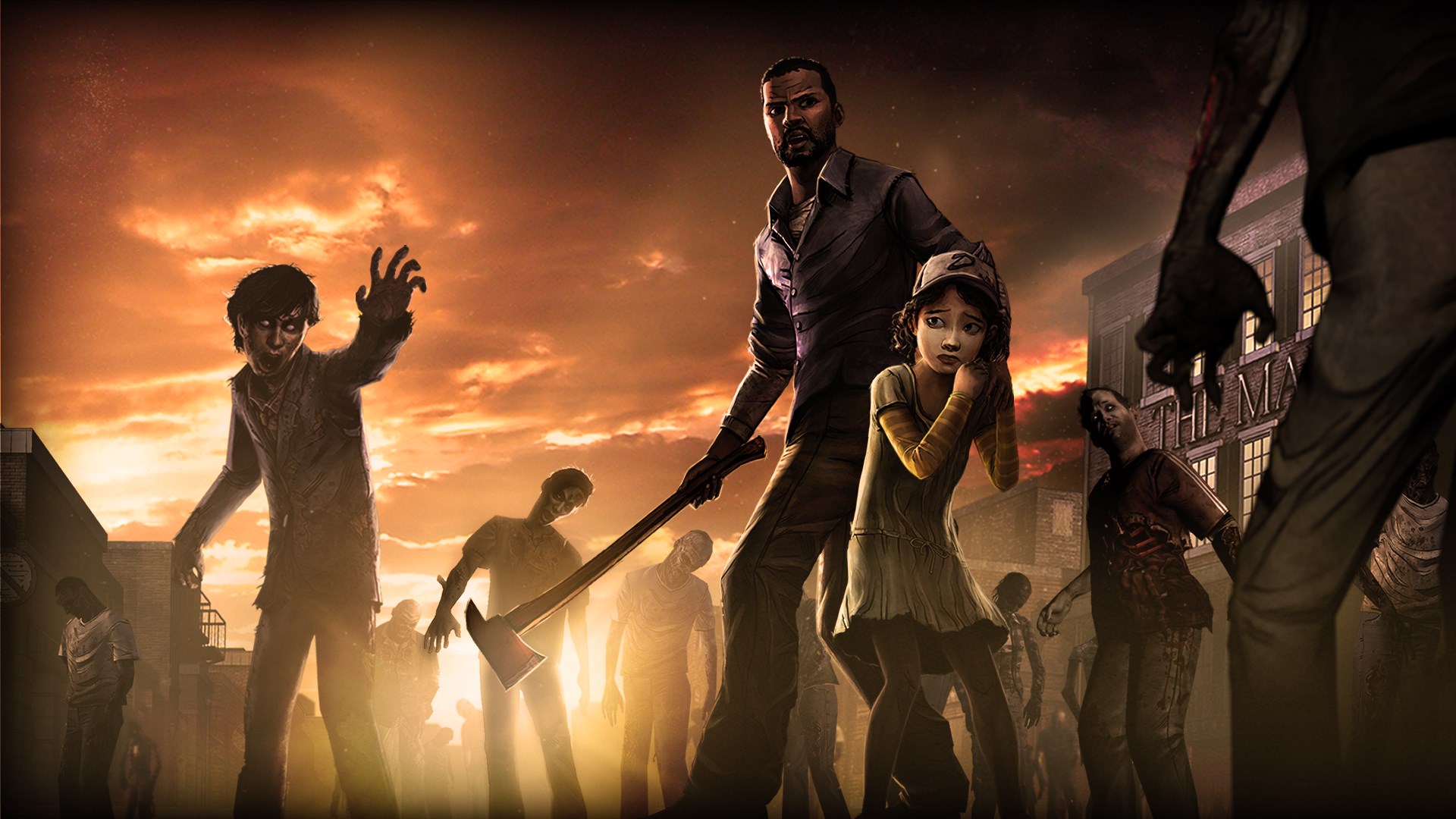
This show had a lot of different characters throughout its run. Some viewers felt that characters from minority groups added in later seasons didn’t feel naturally integrated into the story, and thought the developers were more focused on appearing diverse than on good storytelling. Despite this criticism, the series is still well-regarded for its strong stories and well-developed characters.
‘South Park The Fractured But Whole’ (2017)
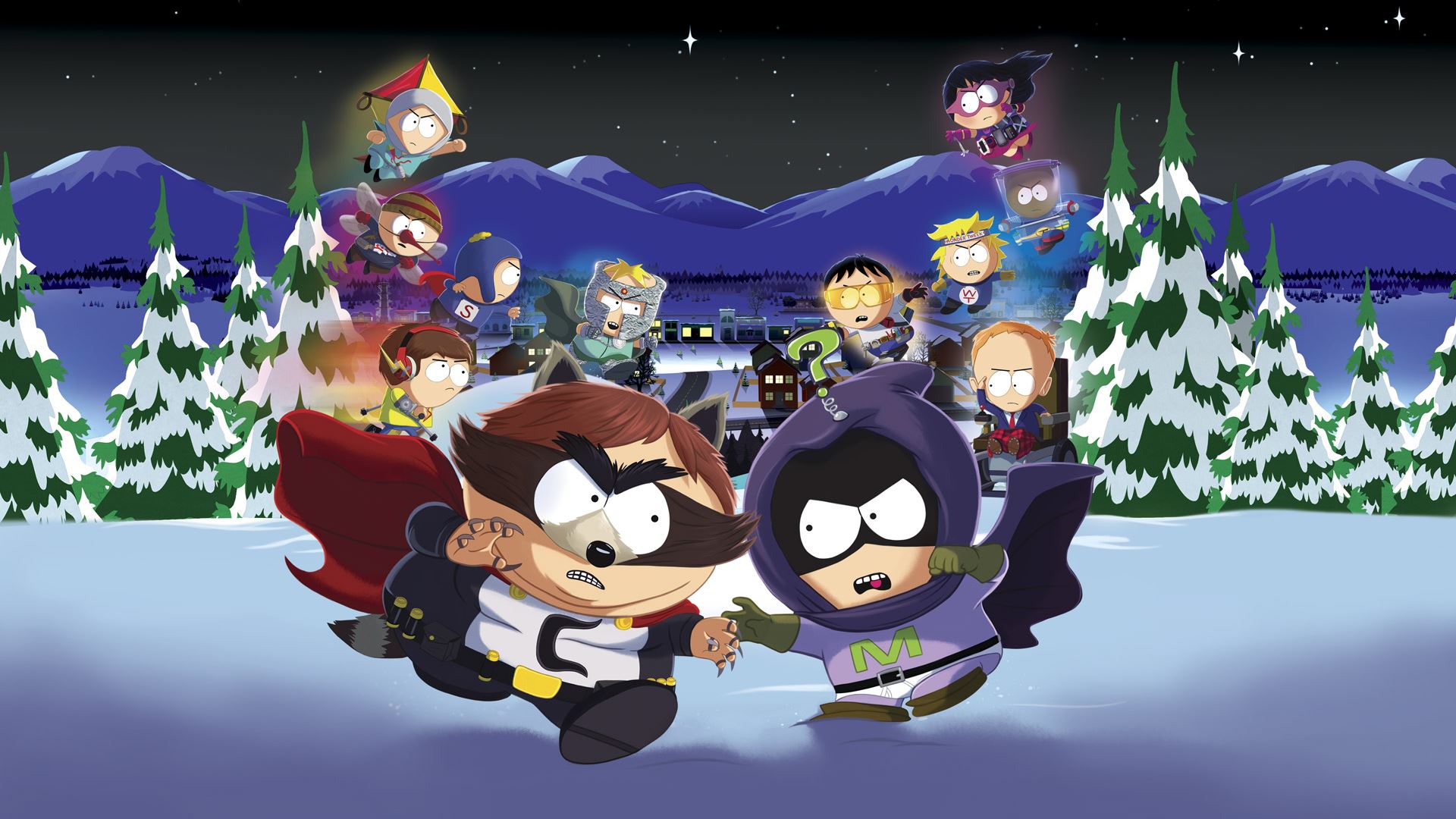
The game used humor to address the topic of diversity, tying the character’s skin color to how challenging the game was. Although meant as a joke, many critics believed it offered a pointed observation about how the gaming industry portrays characters from minority groups. Players had differing reactions, with some feeling the game ridiculed the idea of inclusive representation, while others saw it as a sharp criticism of companies simply using diversity as a marketing tactic. Ultimately, the game sparked conversation and highlighted what some see as the ridiculousness of current social discussions in a bold and attention-grabbing way.
‘Dead by Daylight’ (2016)
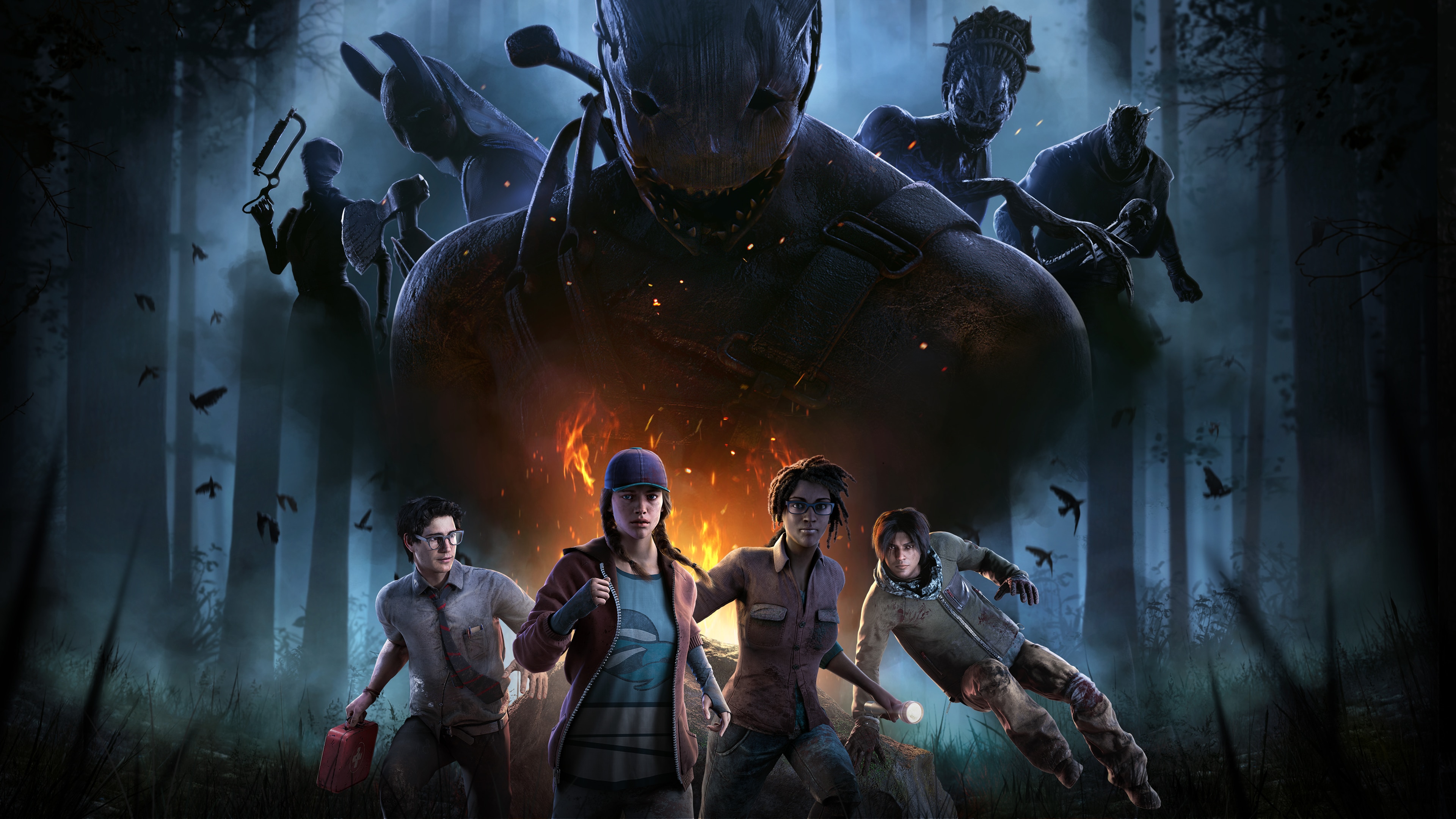
As a longtime fan, I’ve noticed a lot of discussion lately about the new characters being added to the game. Some people are saying the developers are just ticking boxes with diversity, giving characters interesting backstories without actually letting those traits matter in the gameplay. There’s a feeling that these additions sometimes happen right when certain social issues are trending, like it’s a way to look good. But the game is still growing, and they’re clearly trying to bring in characters from all sorts of backgrounds, so it’s a complicated issue.
‘League of Legends’ (2009)
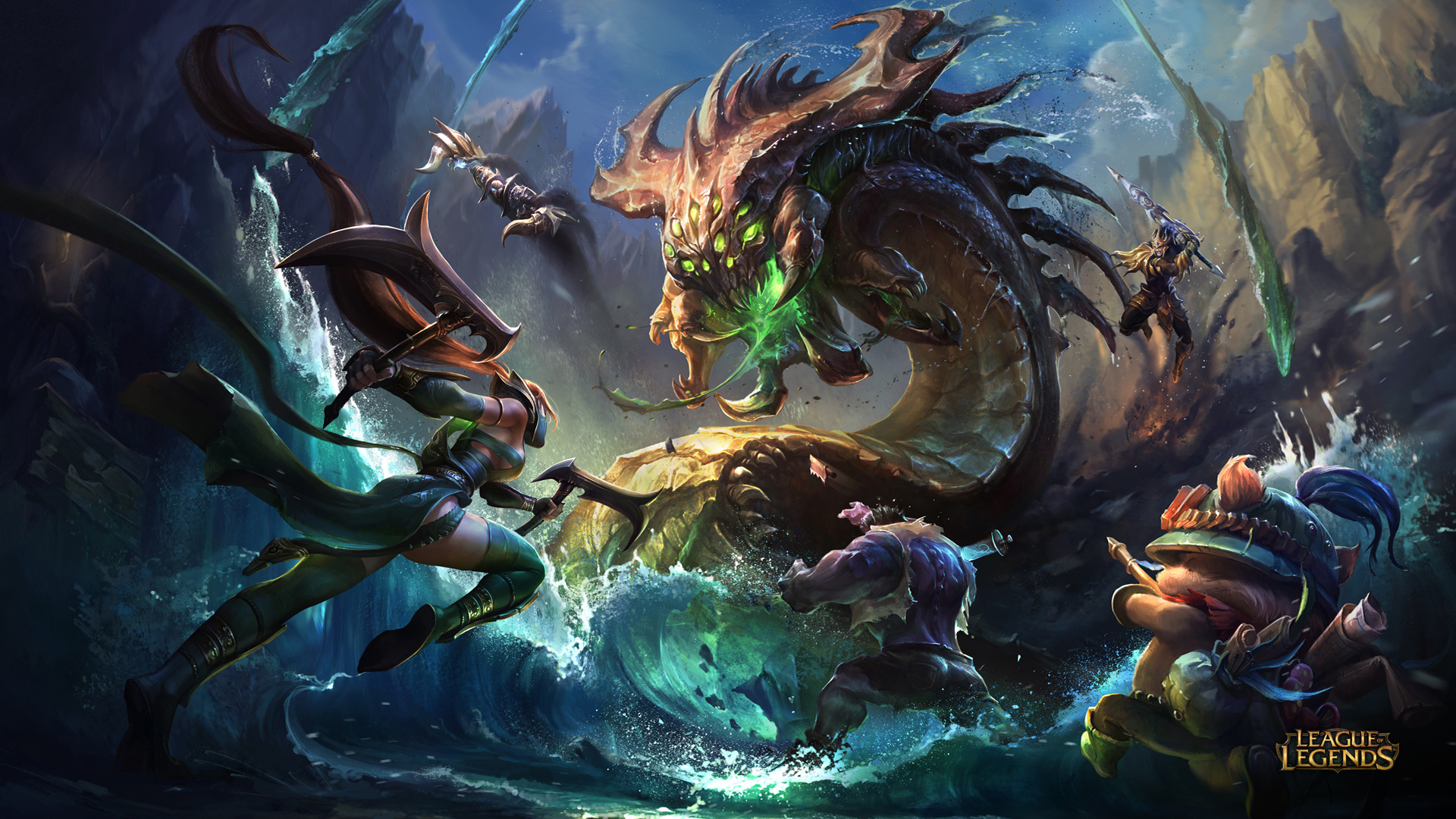
This game features a huge cast of over a hundred characters, and its developers often revise the backstories of established characters to reflect a wider range of identities. While some players believe these changes are simply updates to keep the game relevant, others feel they’re alterations to the original story made to appeal to current trends. Some critics also suggest the company highlights these character reveals to distract from concerns about its workplace environment. Despite these ongoing discussions, the game continues to be incredibly popular worldwide.
‘Genshin Impact’ (2020)
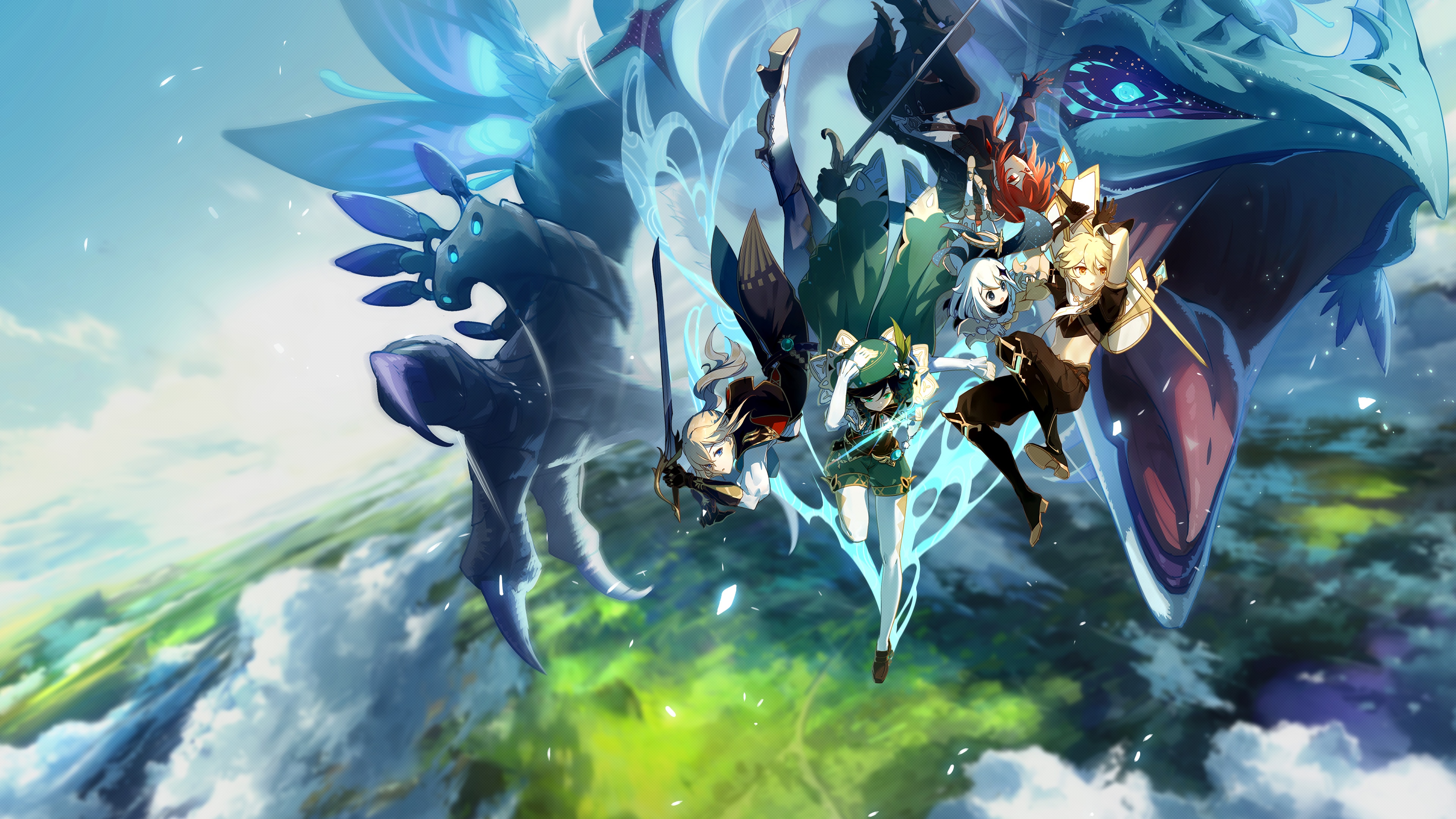
The game’s portrayal of different cultures has sparked controversy, with many accusing it of superficial diversity – or ‘tokenism.’ Critics say the game borrows from various cultures visually, but doesn’t accurately represent the people and traditions that inspire it. Concerns were also raised about characters’ skin tones being altered to appeal to certain audiences. As a result, players around the world are asking for more respectful and genuine cultural representation in the game.
‘Valorant’ (2020)
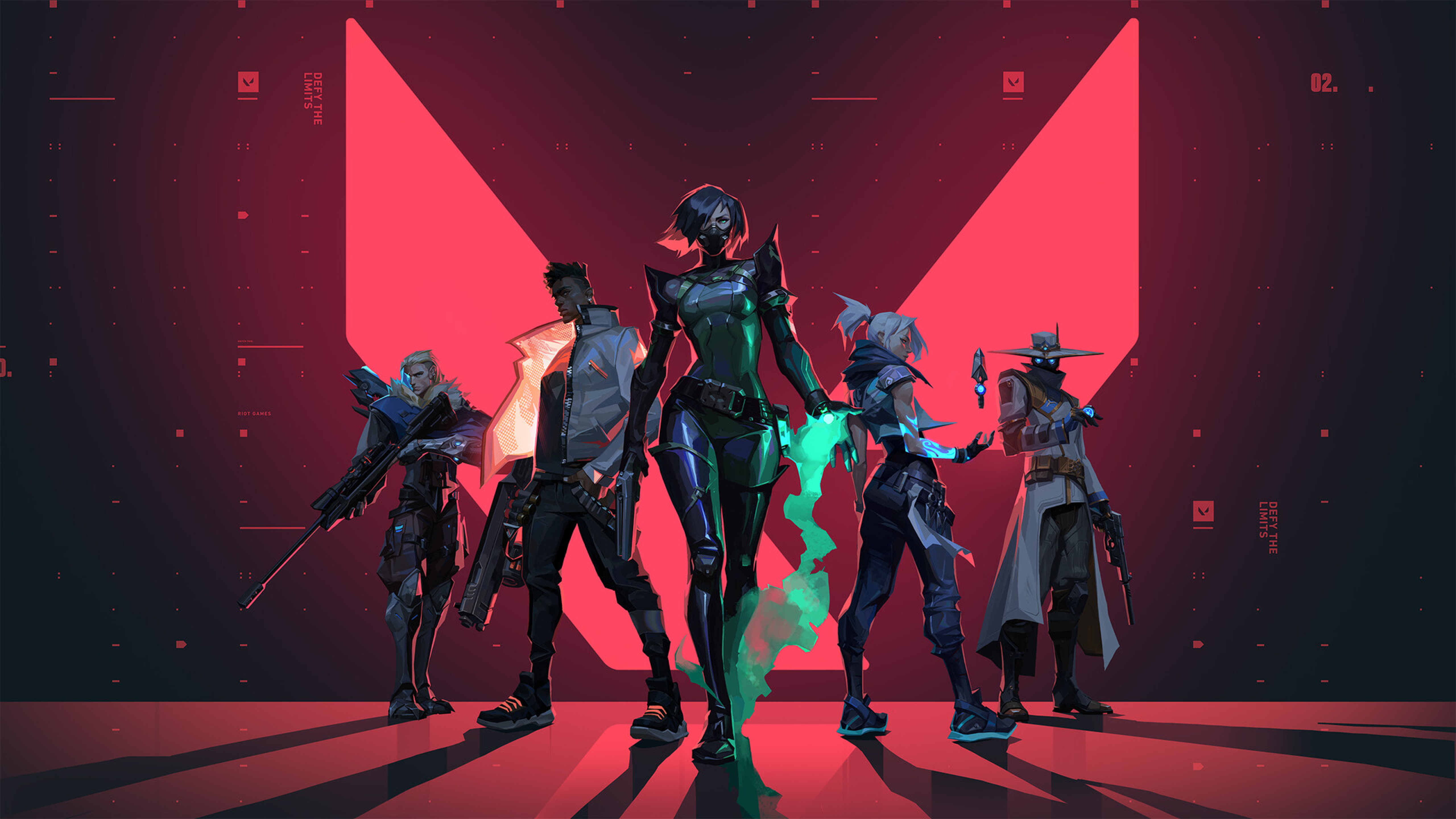
Riot Games has received both positive and negative feedback regarding how it portrays diversity in its characters. While some players appreciate the variety of backgrounds and appearances, others feel these characters rely too heavily on stereotypes and that their stories aren’t as developed as their designs. Riot Games has stated its goal is to create a cast of characters that players from all backgrounds can relate to.
‘Wolfenstein II The New Colossus’ (2017)
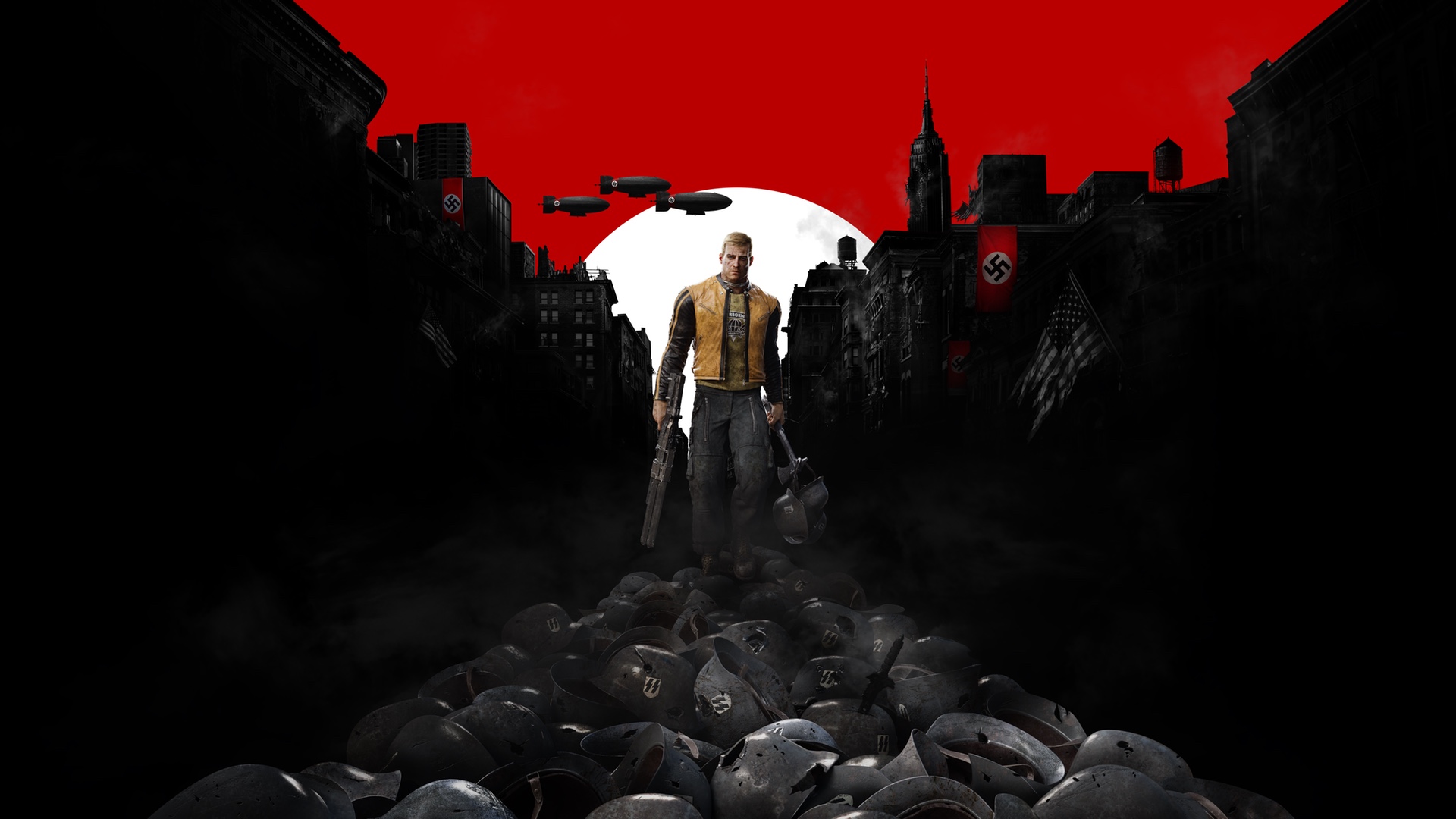
The game featured a resistance movement made up of diverse characters fighting against a fascist government, which some saw as mirroring current political issues. Some critics claimed the game’s promotion intentionally highlighted these divisions to generate attention and deflect potential criticism. Certain players felt the characters were used to push modern political ideas in a way that felt forced. While the game’s action was highly praised, its story choices continued to be debated.
‘Ghostwire Tokyo’ (2022)
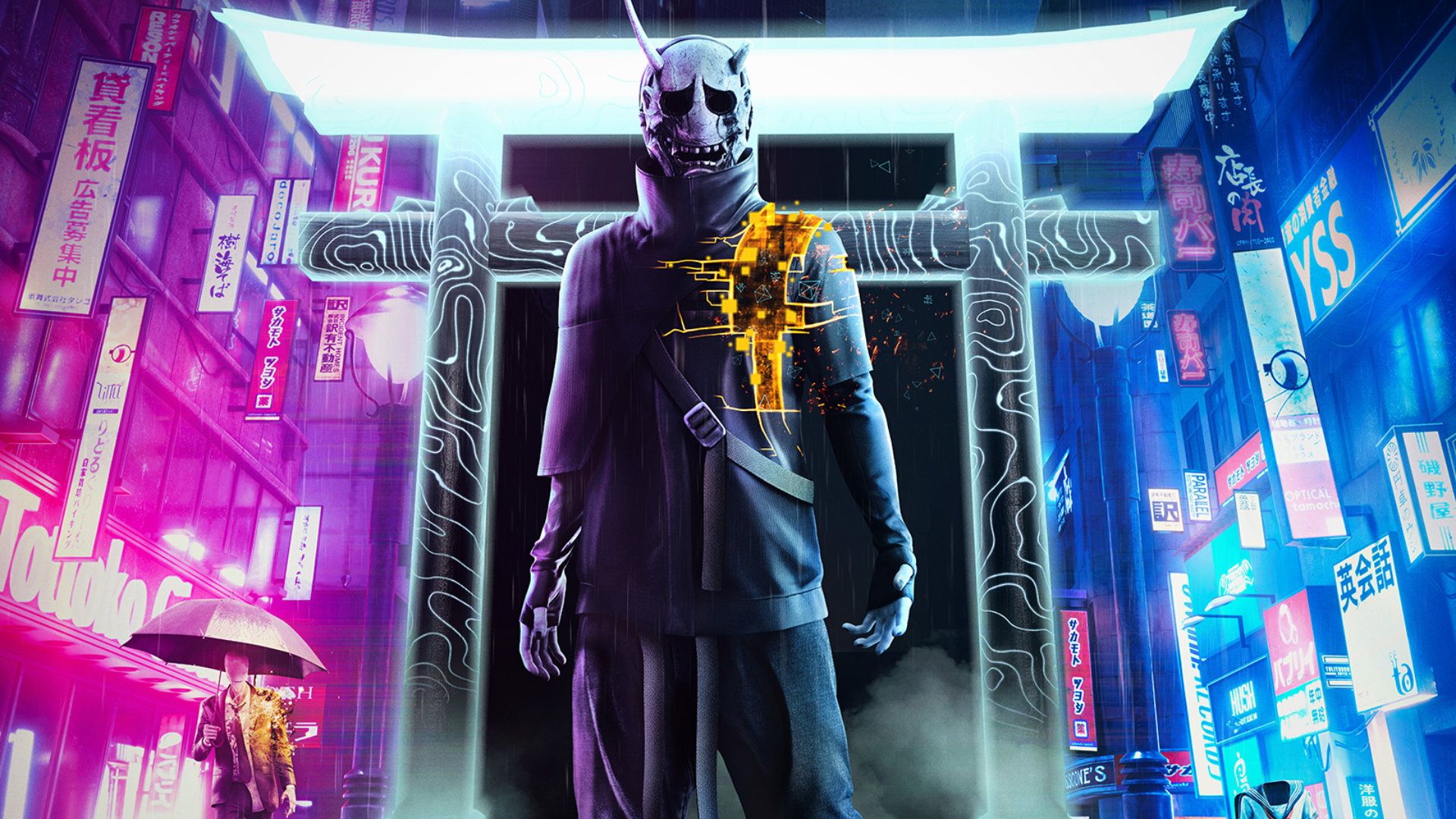
Although the game takes place in Japan and includes Japanese cultural elements, some critics felt its characters weren’t developed very well. It seemed like the game was trying too hard to appear culturally rich to avoid feeling bland. Other players thought the many supernatural aspects overshadowed the fact that the missions themselves became repetitive. Ultimately, some believed the game didn’t fully explore the potential of its setting and characters.
‘Ghost of Yotei’ (2025)
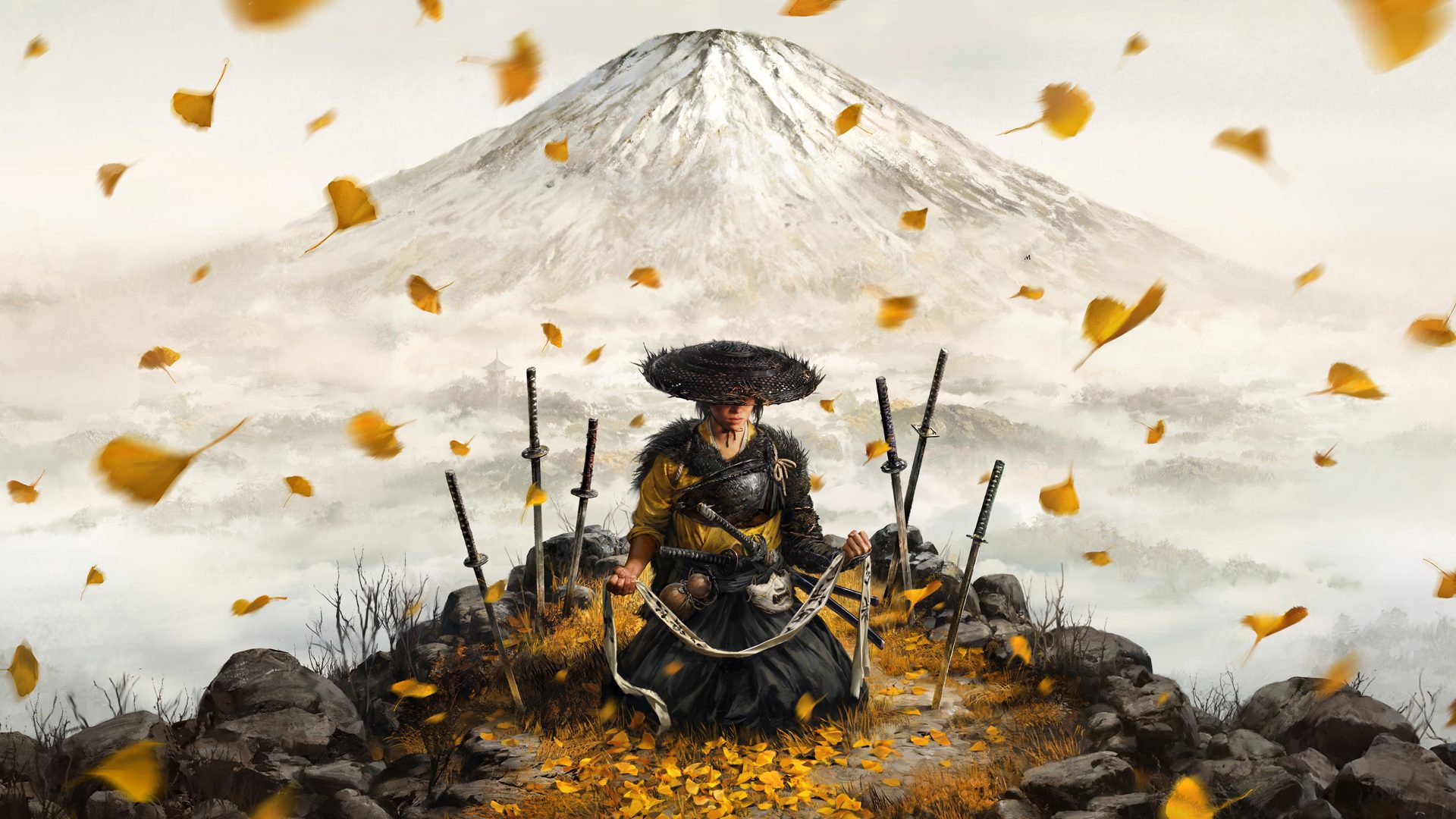
When a popular samurai game was announced to feature a female lead, it quickly sparked a conversation about diversity. Some critics suggested the change was a response to industry trends and a desire to avoid past criticism of the original game’s traditional character. Certain fans worried the game might lose its realistic tone in favor of modern social themes. However, the developers explained they simply wanted to tell a new story set in the same world, but from a different time and with a different character’s point of view.
‘Horizon Forbidden West’ (2022)
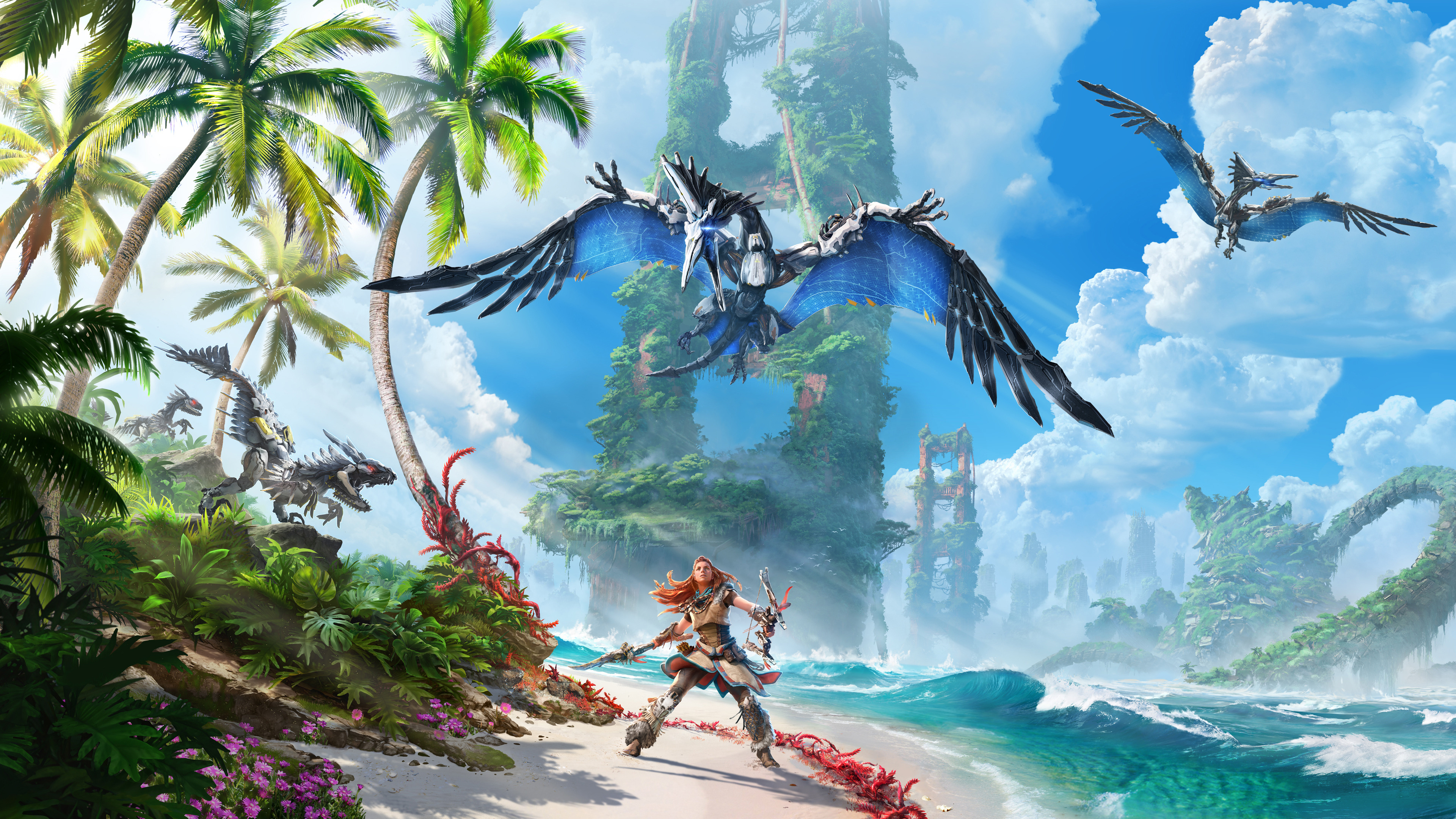
As a fan, I loved getting to meet so many different tribes and characters in this new game! It was amazing how diverse everyone was. But I also saw some criticism online – people were saying it felt like there were too many diverse characters, and that it was a forced attempt at being ‘woke’ or something. Some even thought it distracted from the main story. It’s a shame, because I really enjoyed it, but it definitely sparked a lot of discussion about representation in big games, even though it was super successful.
‘Street Fighter 6’ (2023)
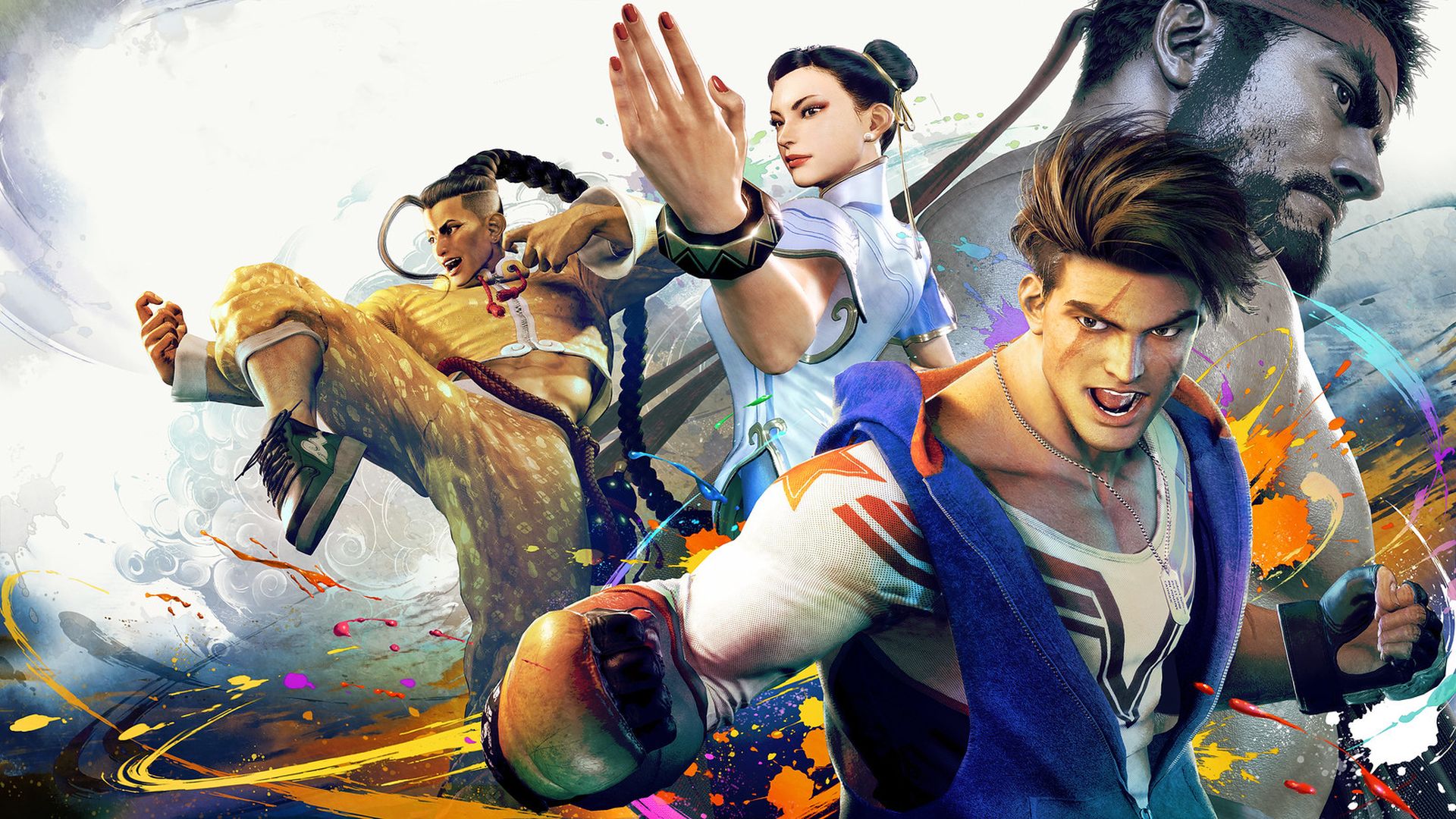
Okay, so this new fighting game has a ton of fresh characters, and they’re really trying to represent all sorts of backgrounds and styles, which is cool. But honestly, some of the older fans are upset, saying it feels like they’re phasing out the classic characters for ones that are more ‘on trend.’ A lot of people are saying the game is leaning hard into urban culture and diversity to try and grab a younger audience. The gameplay itself is awesome, everyone agrees on that, but the character designs? That’s still a big topic of debate in the community.
‘Tekken 8’ (2024)
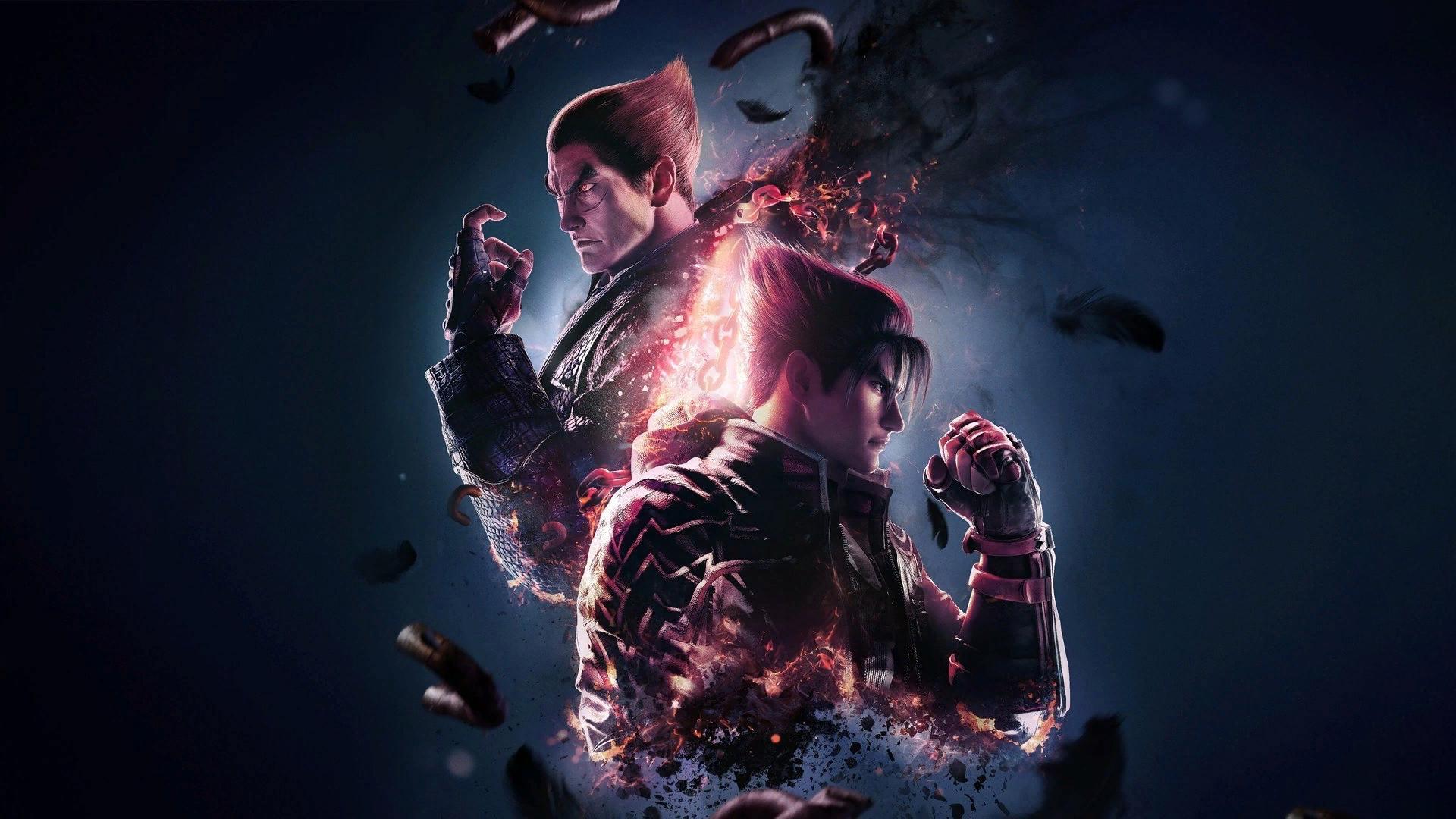
Some players criticized the addition of new characters from around the world, feeling it was done simply to meet diversity requirements rather than create compelling individuals. Critics also pointed out that these characters often seemed based on stereotypes. It appeared the developers were prioritizing global appeal and trying to appeal to different regions. Despite this criticism, the game remains incredibly popular with a large international fanbase.
‘Mortal Kombat 1’ (2023)
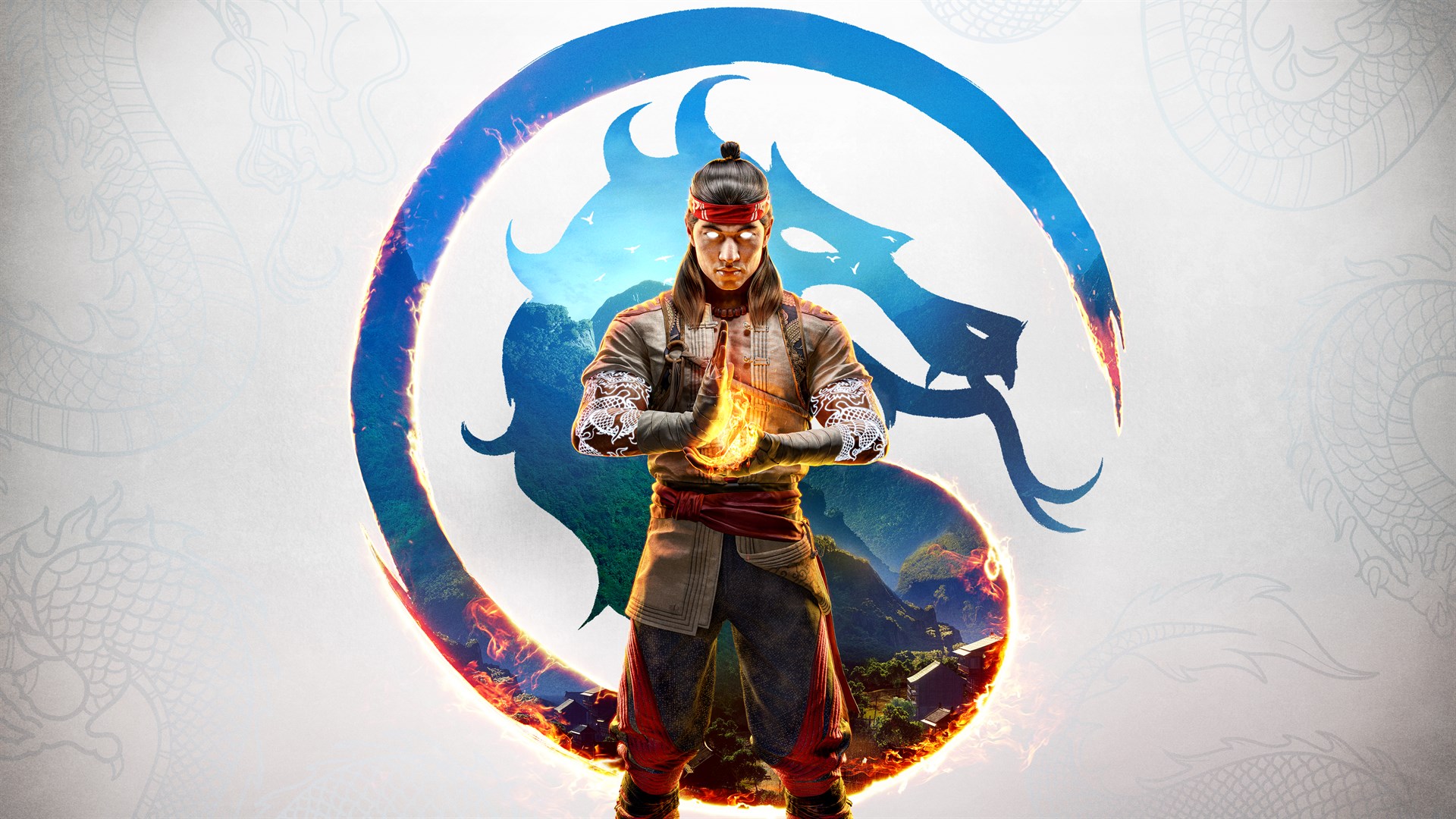
As a long-time fan, it’s been interesting seeing the reboot give so many characters fresh starts with new backstories and connections. I’ve noticed some people saying these changes were about making the game more inclusive and learning from past mistakes with character designs, which I can understand. But honestly, some of us players felt like all the talk about the new stories overshadowed the actual gameplay improvements. Despite all the debate, the franchise is still huge, and people are still talking about these story shifts – it’s definitely something they’re passionate about!
‘Grand Theft Auto VI’ (2025)

Ever since early details emerged, the introduction of the first female lead in the latest game has sparked a lot of debate. Some critics believe this signals a shift away from the series’ traditionally edgy and satirical style, suggesting developers are trying to avoid controversy. There’s a feeling the game will be more careful and aware of social issues than previous installments, aiming to align with today’s values. While excitement for the game is high, so is the pressure on the creators to get it right.
‘Borderlands 3’ (2019)
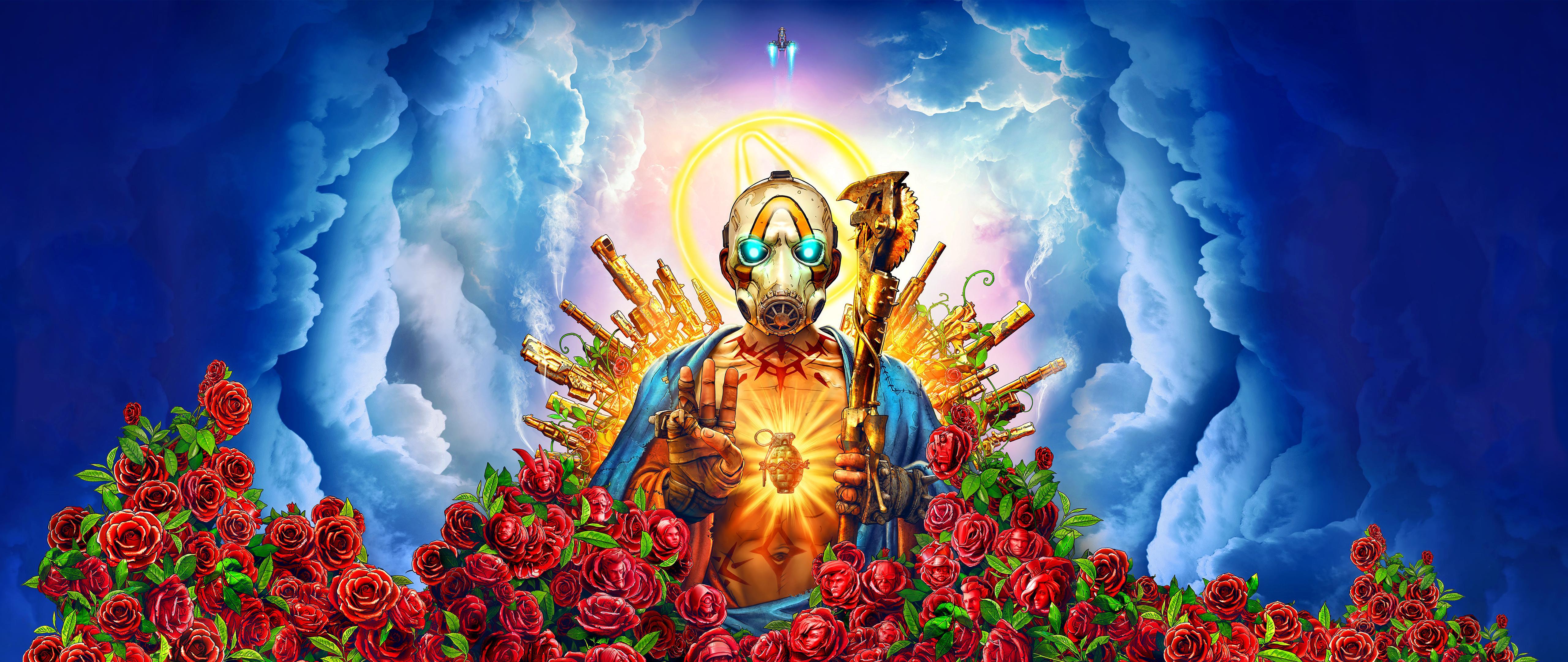
This action game boasts a wide range of characters, representing many different backgrounds and identities. However, some reviewers felt the attempts at humor and character development came across as unnatural, as if the game was overly focused on being inclusive and provocative. Critics also suggested that the diversity felt like a distraction from a story that didn’t live up to previous games in the series. While the game sold well, the quality of its characters and writing continues to be a point of debate among players.
‘Tiny Tina’s Wonderlands’ (2022)
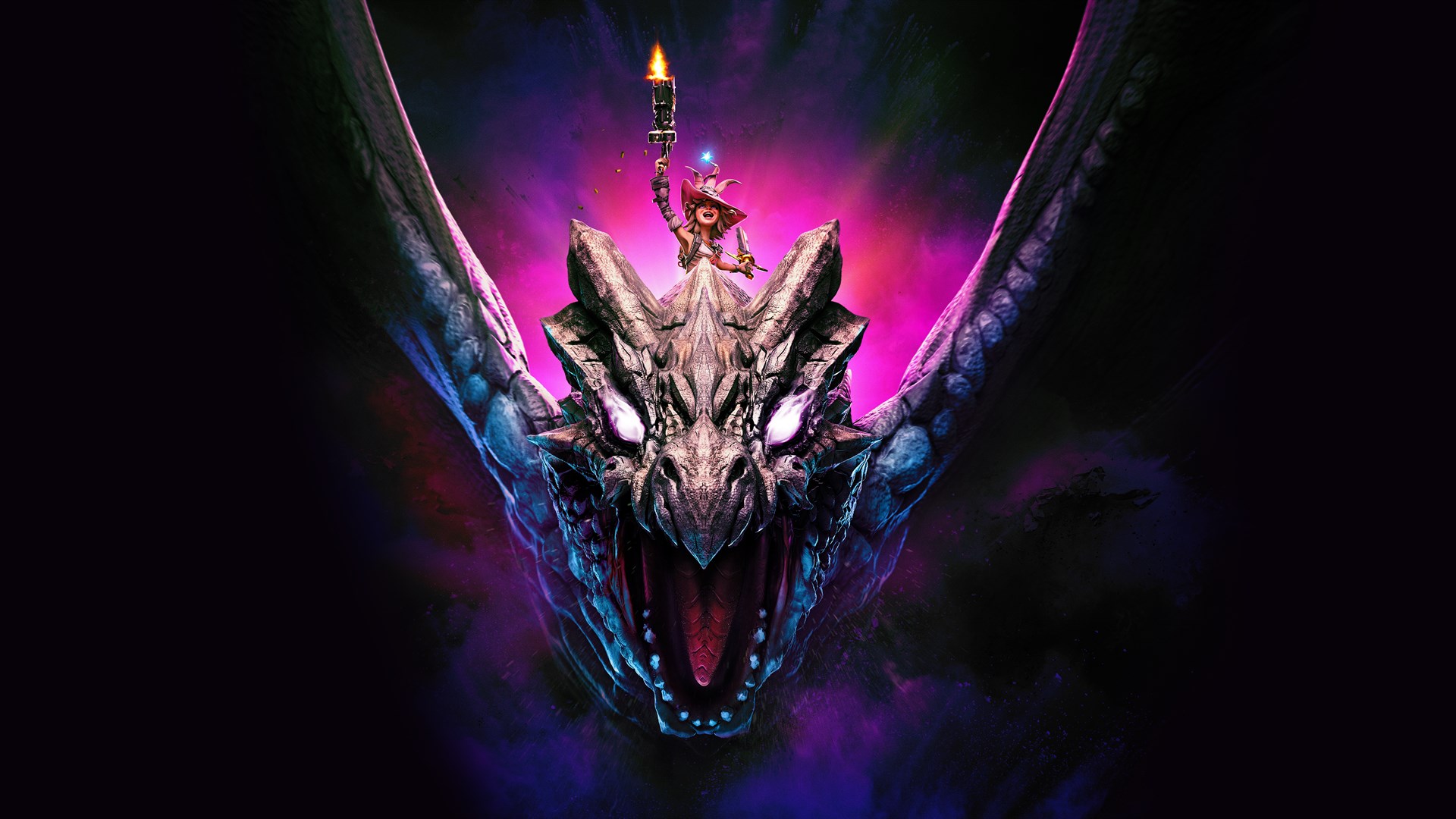
This game, built on a fantasy tabletop role-playing system, offered extensive character creation and a wide range of non-player characters. While some players appreciated the game’s effort to be inclusive, seeing it as a way to stay relevant, others felt the conversations about identity didn’t quite fit the fantasy world and seemed geared towards a contemporary audience. Though the game’s unique gameplay was well-received, its overall tone sparked debate.
‘Need for Speed Unbound’ (2022)
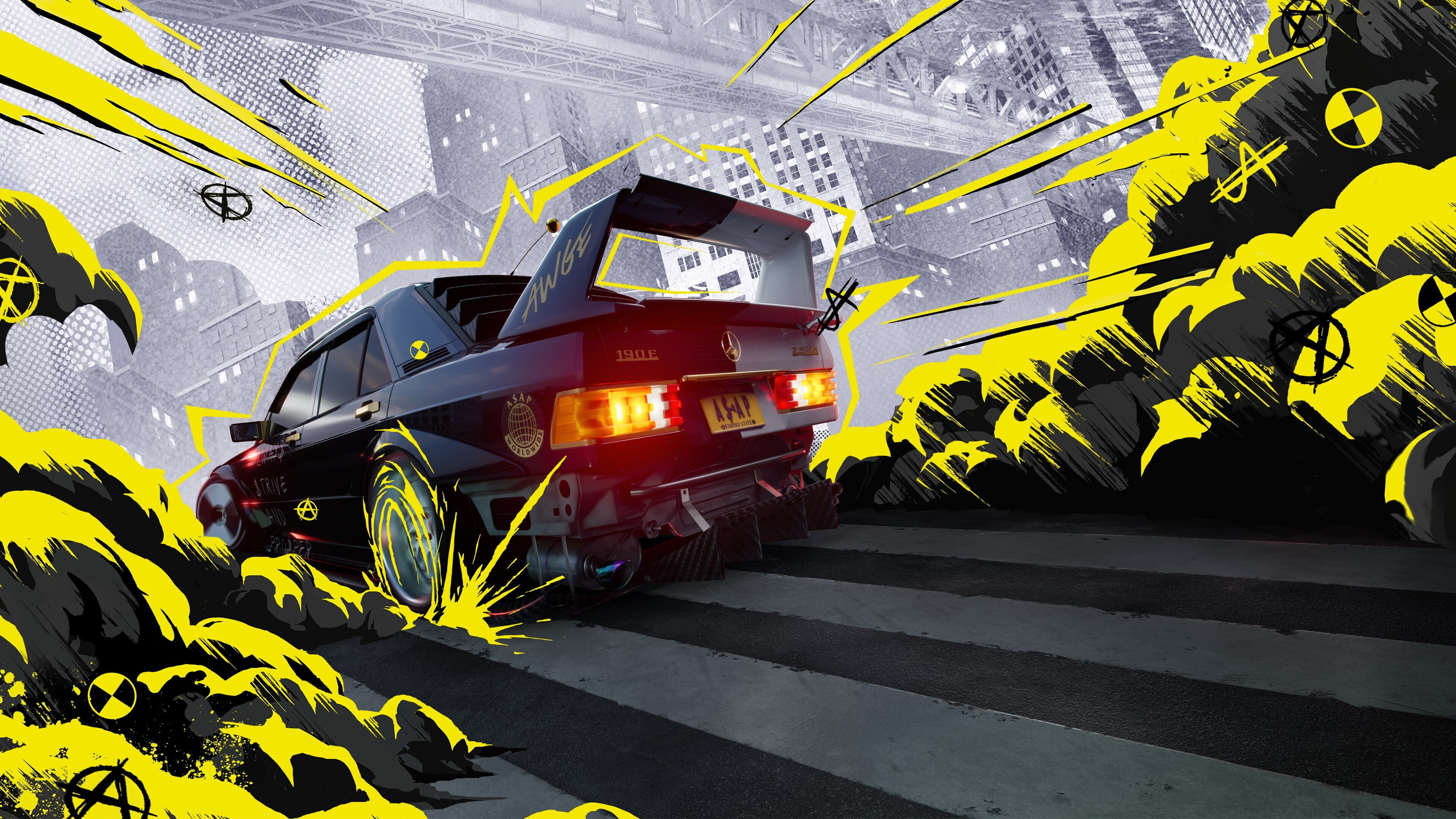
Some observers believed the game’s trendy look and diverse group of racers were designed to appeal to younger players. However, critics felt the characters and their conversations came across as an artificial attempt to appear inclusive, possibly to avoid negative feedback. While players appreciated how the game tried to differentiate itself in a competitive racing genre, the overall tone received mixed reactions, though its distinctive visuals were praised.
‘Ratchet and Clank Rift Apart’ (2021)
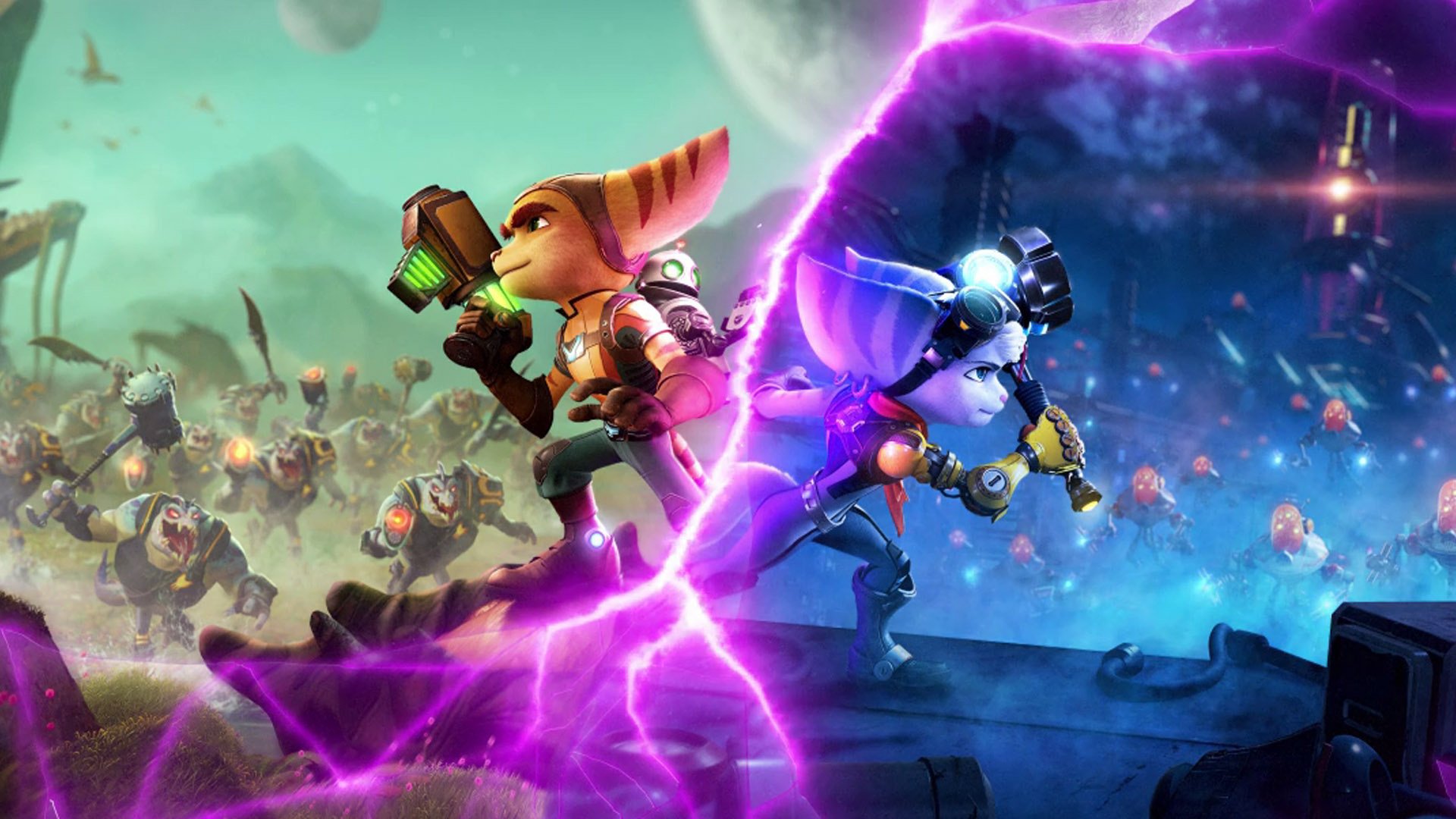
As a longtime fan, I noticed a lot of talk when Rivet was introduced. It seemed like some people thought the developers were adding her just to diversify the series and address the calls for more female characters in games. Others felt it was a smart move to avoid criticism if they’d released another game starring only male characters. Honestly, though, the game itself was amazing – a real show-off for the new consoles, and most fans, myself included, really enjoyed it!
‘Baldur’s Gate 3’ (2023)
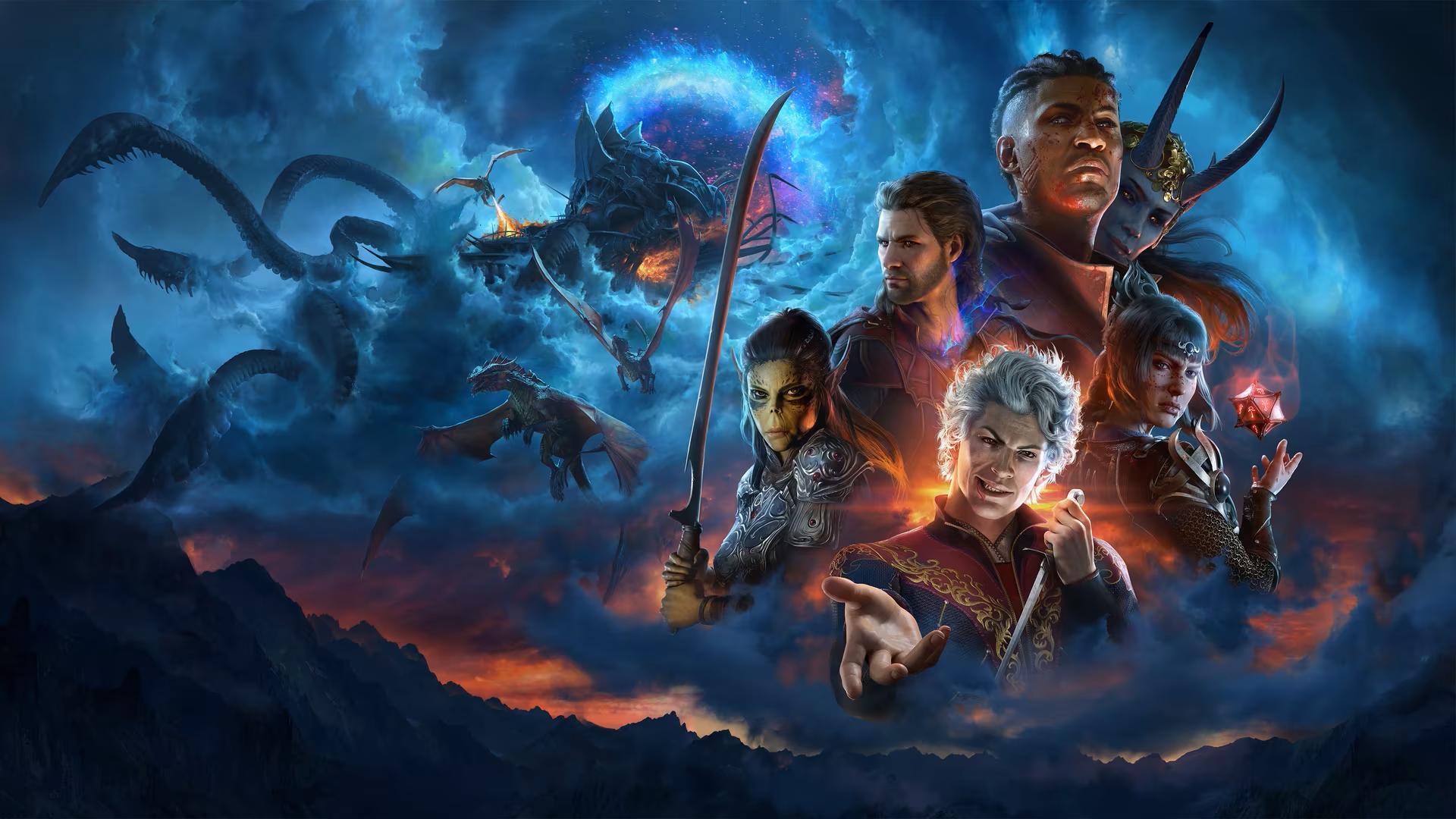
This expansive role-playing game gives players a lot of freedom, with a wide variety of companions and opportunities for romance. Some reviewers felt the game’s emphasis on identity and inclusivity was a deliberate attempt to attract a contemporary audience, and that the developers were moving away from the genre’s classic style. However, despite this criticism, the game was a huge success, praised for its complexity and the many choices it offers players.
‘Life is Strange 2’ (2018–2019)
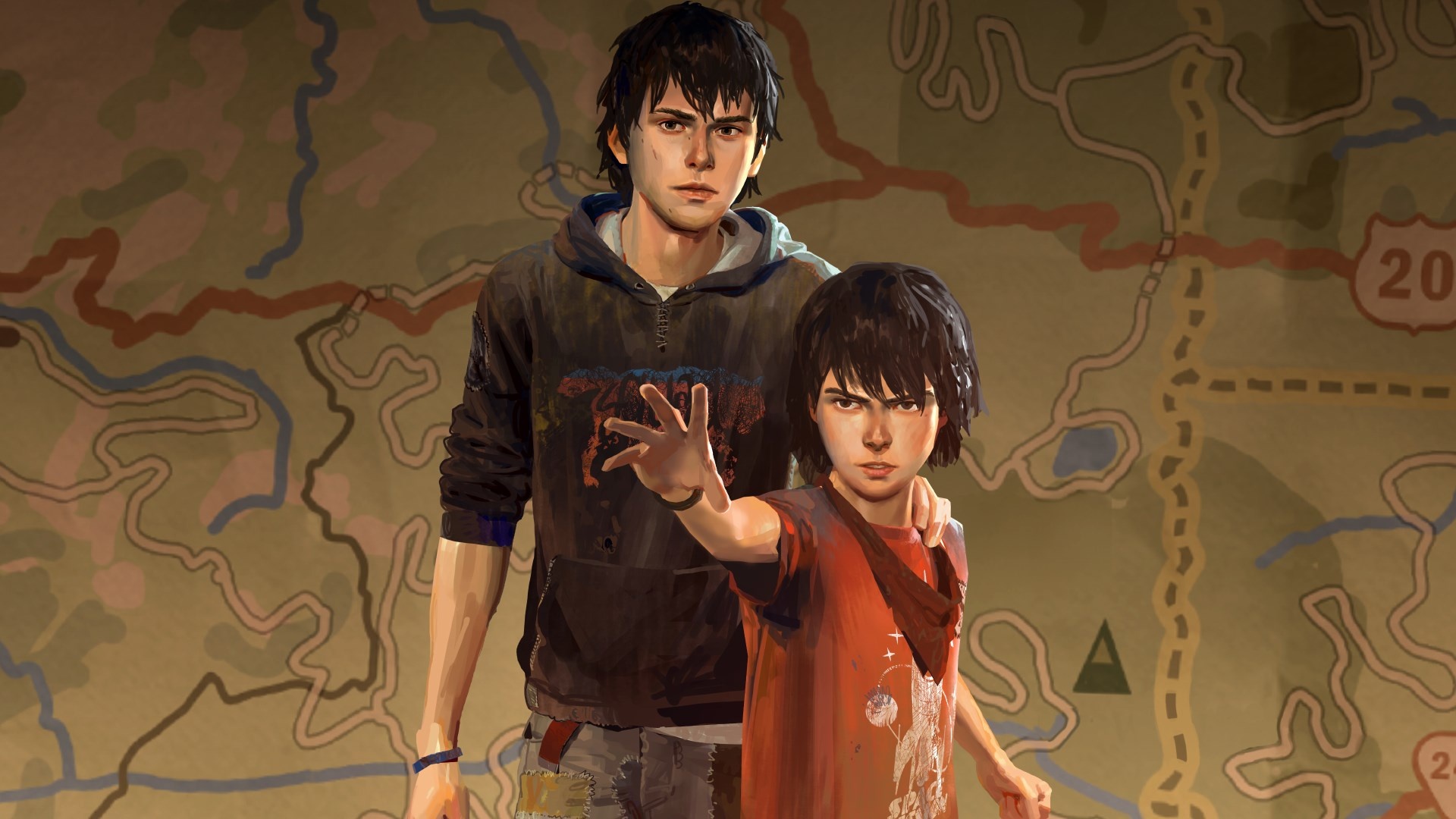
This game tells the story of two Mexican American brothers who are fugitives, and it deeply explores issues of racism and identity in today’s America. While some reviewers felt the game prioritized political messages and used its diverse characters to deflect criticism of the story itself, others argued the characters were more defined by their hardships than by who they were as individuals. Despite the debate, the game is still an important example of how social issues can be woven into a compelling narrative.
‘Star Wars Jedi Survivor’ (2023)
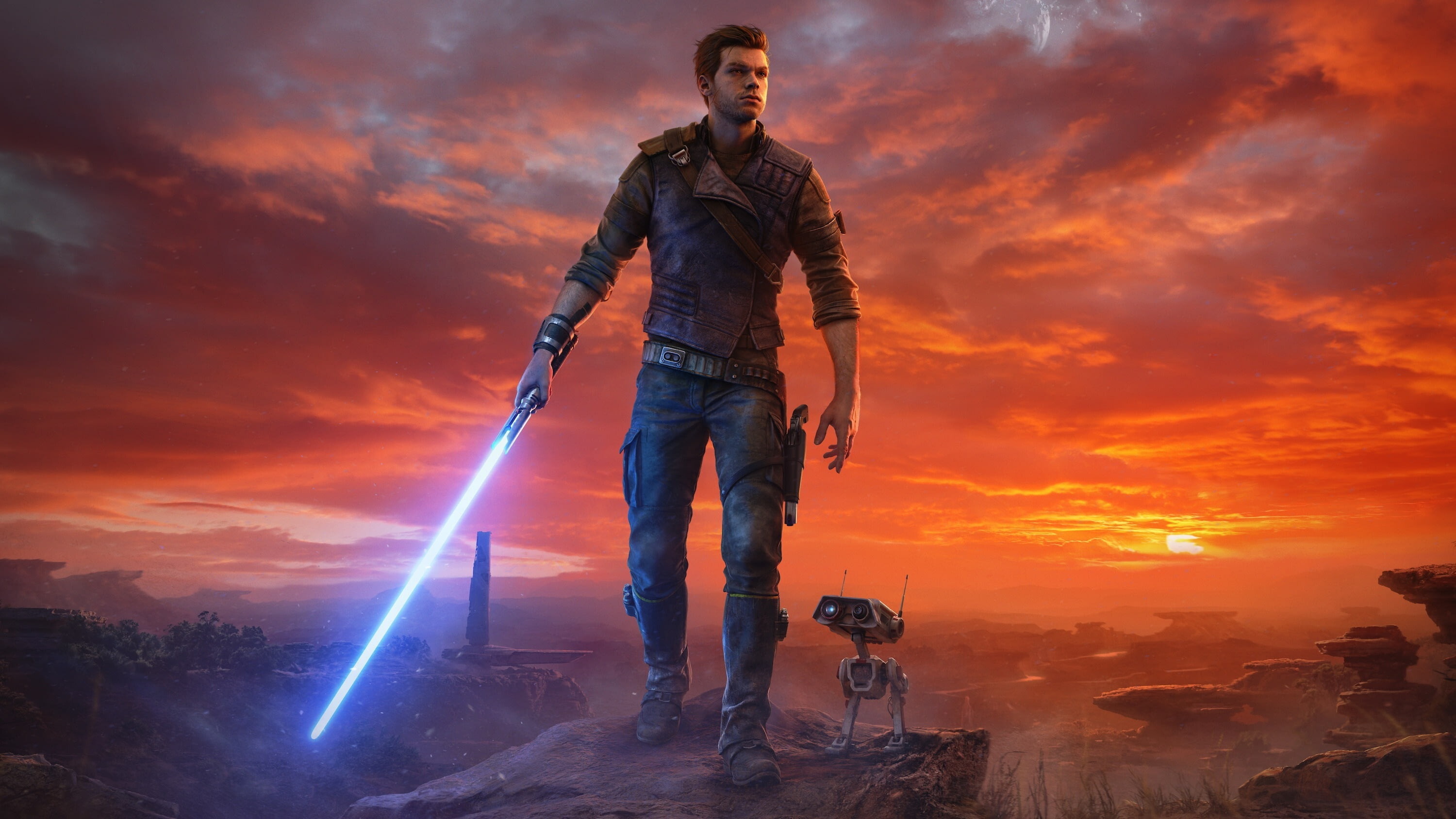
Honestly, some players were saying the game felt like it was just trying to be politically correct with all the different characters they threw in. They felt like a lot of the NPCs didn’t really matter – like they were just there to look diverse without having much of a story or purpose. It’s a common complaint when you see a lot of background characters who don’t really impact the main quest. But the devs said they were aiming for a galaxy that felt huge and full of life, and that meant including a wide range of people.
We’d love to hear your opinion: do you think these characters add something valuable to the story, or do they feel like they were included just to meet a quota? Please share your thoughts in the comments.
Read More
- Top 20 Dinosaur Movies, Ranked
- 20 Movies Where the Black Villain Was Secretly the Most Popular Character
- Celebs Who Narrowly Escaped The 9/11 Attacks
- 25 “Woke” Films That Used Black Trauma to Humanize White Leads
- The 10 Most Underrated Jim Carrey Movies, Ranked (From Least to Most Underrated)
- The Best Directors of 2025
- Transformers Under the Microscope: What Graph Neural Networks Reveal
- Every Notable ‘Star Trek: The Original Series’ Actor Who Died
- Gold Rate Forecast
- Trading on Thin Air: AI Agents Conquer Crypto Volatility
2026-01-05 22:21