They speak now of power, of insatiable demand. These data centers, these digital hives, require a sustenance we once reserved for cities. It seems an odd turn, doesn’t it? To find ourselves again dependent on the atom, not for illumination or progress, but for the endless calculations of commerce. One wonders if the engineers of the past, dreaming of a peaceful future powered by fission, envisioned this.
Microsoft and Alphabet, names that now echo with a certain weight, are turning to the familiar glow of nuclear energy. They are, it appears, resurrecting old promises, coaxing life back into decommissioned plants. A practical arrangement, of course. One might even say, a little sad. It’s a reminder that even the most ambitious enterprises often rely on what is already broken, already past its prime. Constellation and NextEra will profit, naturally. Profit is always the most reliable constant.
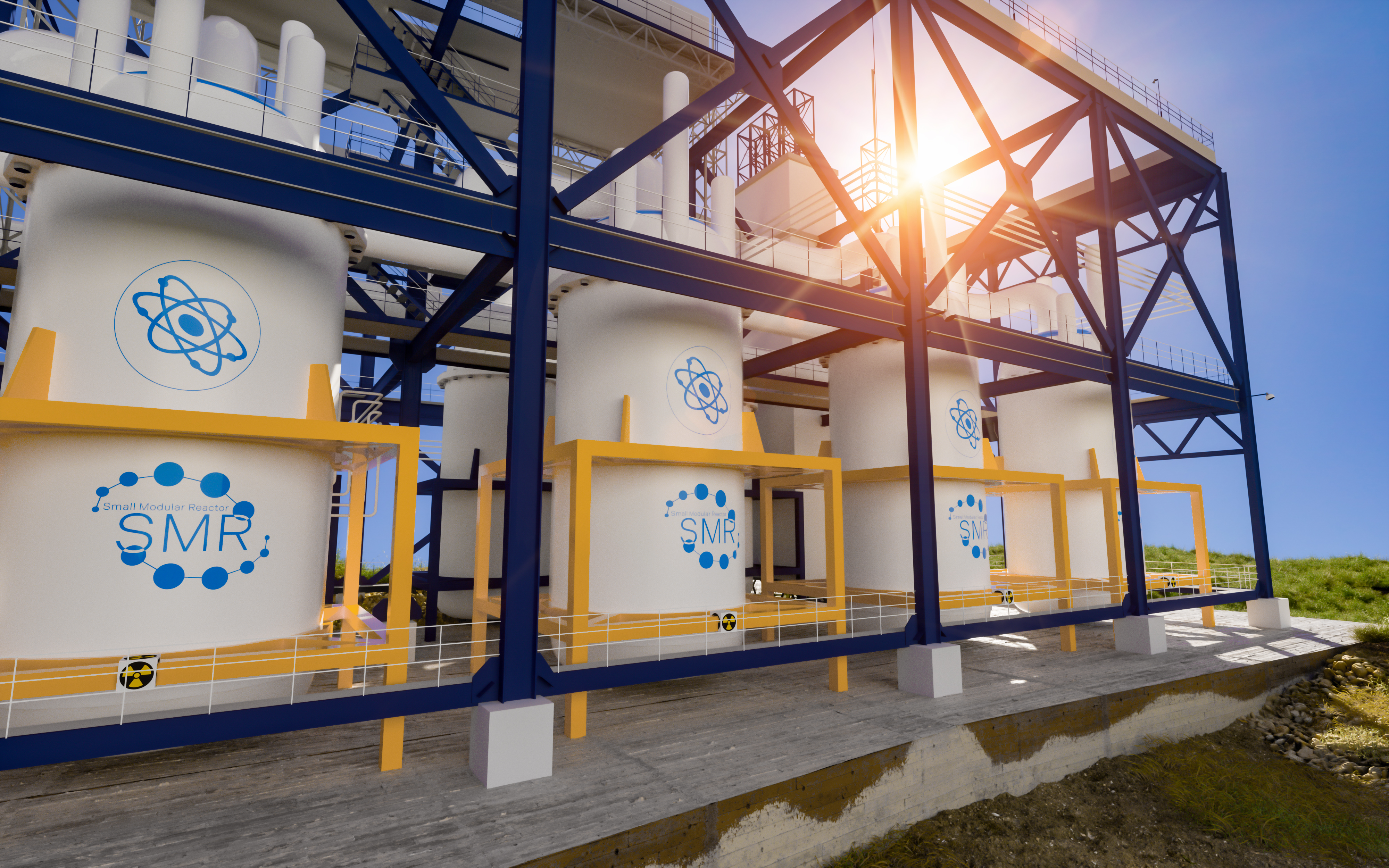
The smaller reactors, these modular dreams, hold a certain appeal. A self-contained power source, tucked away amidst the servers. A neat solution, if it works. And there is always a ‘if’ with these things. BWX Technologies, a company with a long pedigree—they built components for the Nautilus, you know—is attempting to translate this vision into reality. A factory-built plant, they claim, capable of seventy-five megawatts. One imagines a quiet hum, a contained energy, a small, bright island in the digital sea.
They speak of remote mines, of isolated communities. Of college campuses, seeking a degree of independence. These are all possibilities, of course. But possibilities, like promises, are easily made and rarely kept in their entirety. BWX, at least, has a history. They’ve been building these things for decades, a solid, unglamorous record. It’s a comfort, in a world of vaporware and inflated valuations.
What is striking, and perhaps reassuring, is that BWX isn’t merely a dreamer. They build things. Real things. While others, NuScale and Oklo, subsist on hope and investor enthusiasm, BWX generates revenue. A significant amount, actually – $3.1 billion last year, an 18% increase. Oklo, by comparison, generated nothing. Nothing at all. A poignant difference, wouldn’t you say?
Their earnings per share climbed 20%, a respectable figure. A net profit margin of 10.31%. These are not spectacular numbers, mind you. But they are numbers. Solid, tangible evidence of a functioning enterprise. Nuscale, for all its ambition, remains stubbornly unprofitable. It’s a familiar story: grand visions, mounting debts, and the slow realization that building something worthwhile is rarely easy.
BWX, therefore, appears to be one of the safer harbors in this nascent industry. The SMR trend is still in its infancy, a fragile seedling pushing through the hard soil of reality. Most of the potential gains, naturally, lie ahead. But with BWX, one isn’t simply betting on a technology; one is investing in a company with a history, a revenue stream, and a quiet, unyielding competence. It is not a thrilling prospect, perhaps. But then, most worthwhile endeavors rarely are. The market, of course, will have its whims. It always does. And the hum of the reactors, if they ever truly come to life, will likely be drowned out by the endless chatter of the digital world. A quiet calculation, then. A small, steady flame in the gathering darkness.
Read More
- Games That Faced Bans in Countries Over Political Themes
- Gold Rate Forecast
- Silver Rate Forecast
- Unveiling the Schwab U.S. Dividend Equity ETF: A Portent of Financial Growth
- 22 Films Where the White Protagonist Is Canonically the Sidekick to a Black Lead
- The Best Directors of 2025
- 15 Films That Were Shot Entirely on Phones
- Superman Flops Financially: $350M Budget, Still No Profit (Scoop Confirmed)
- 14 Movies Where the Black Character Refuses to Save the White Protagonist
- 20 Movies Where the Black Villain Was Secretly the Most Popular Character
2026-03-22 01:03