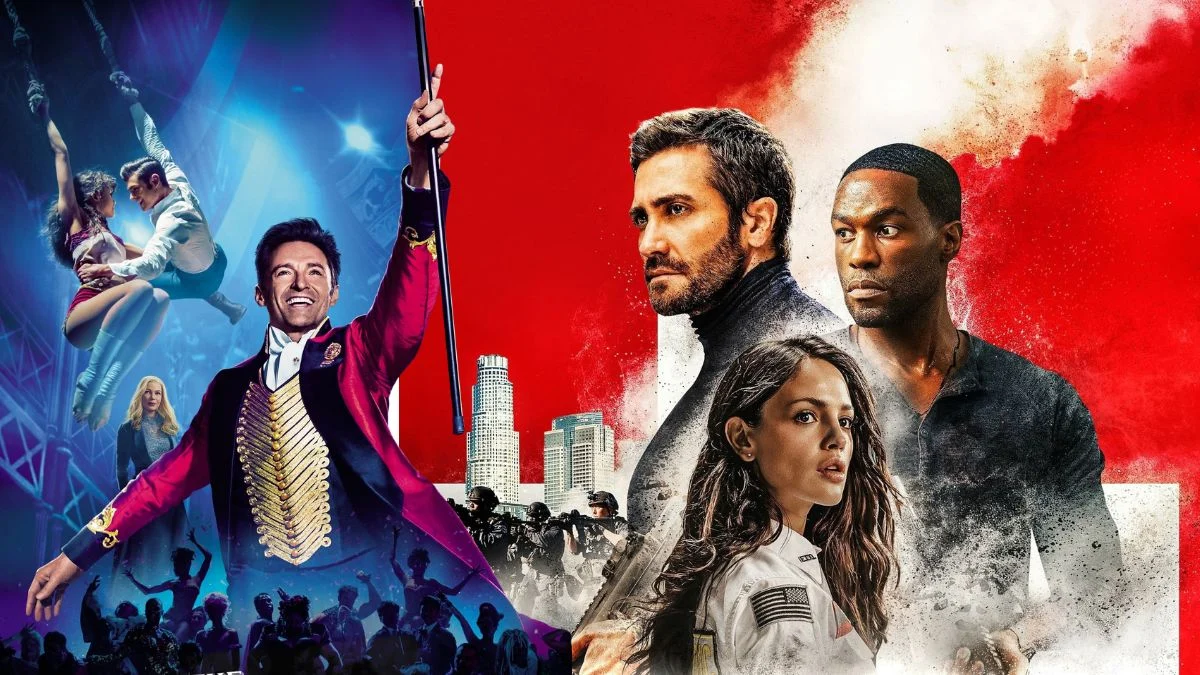
Movie makers are always looking for ways to make audiences feel more involved in the story, and drones have completely changed how films are shot. These flying cameras let directors capture shots that used to be too risky, costly, or simply impossible using traditional methods like helicopters or cranes. Whether it’s a fast-paced car chase in tight spaces or stunning, wide-angle views, drones are now a vital part of modern filmmaking. This collection highlights fifty films that used drone technology to create incredible visuals and expand the possibilities of what we can see on screen.
‘Skyfall’ (2012)
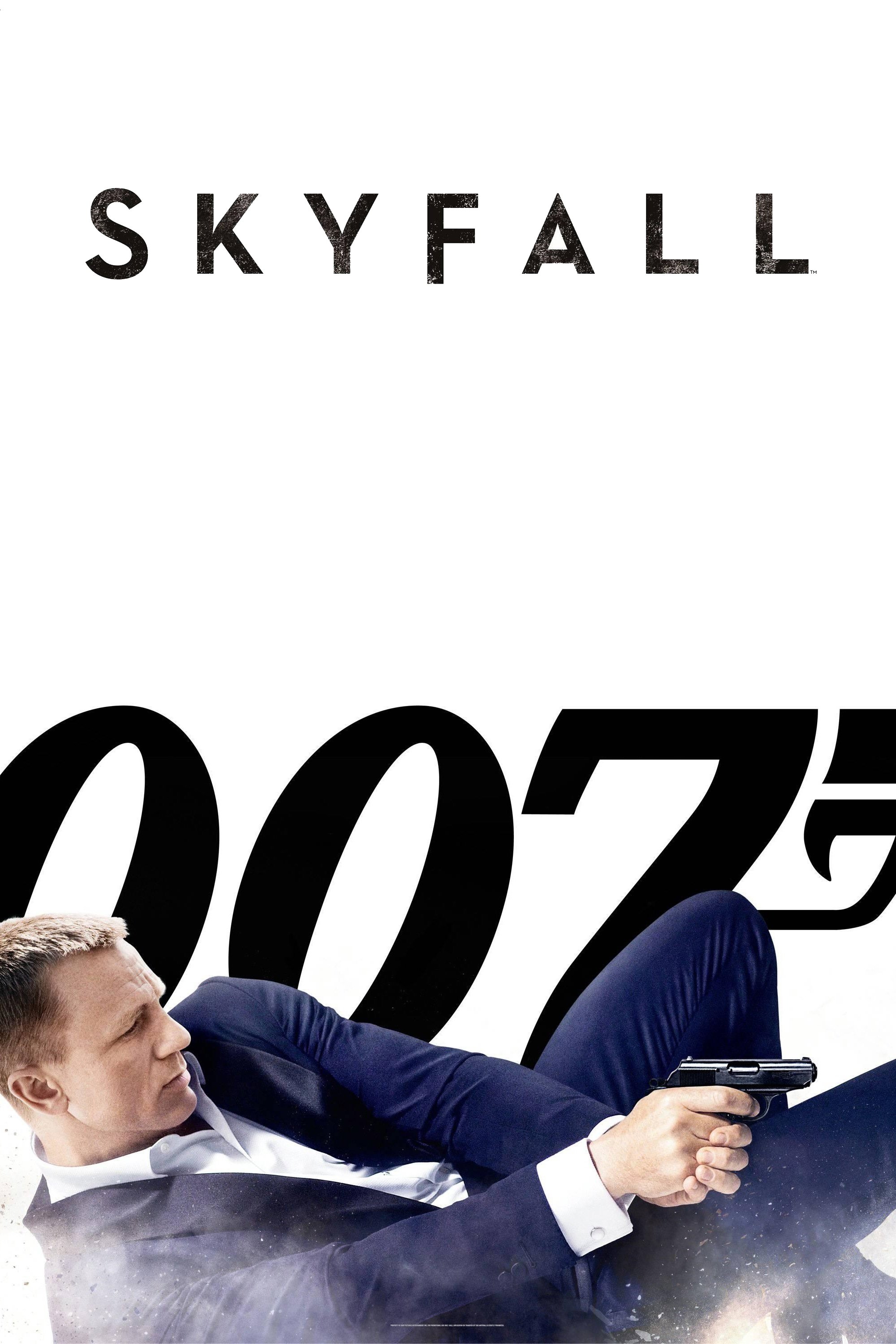
This James Bond film is famous for being one of the first to use drones in a big action sequence. The filmmakers used a drone system called Flying-Cam to film a fast-paced motorcycle chase across the rooftops of Istanbul’s Grand Bazaar. A helicopter wouldn’t have been able to fit or was too risky in the tight space, but the drone moved smoothly between buildings. This created an exciting, close-up aerial shot that put viewers right in the middle of the action.
‘The Wolf of Wall Street’ (2013)
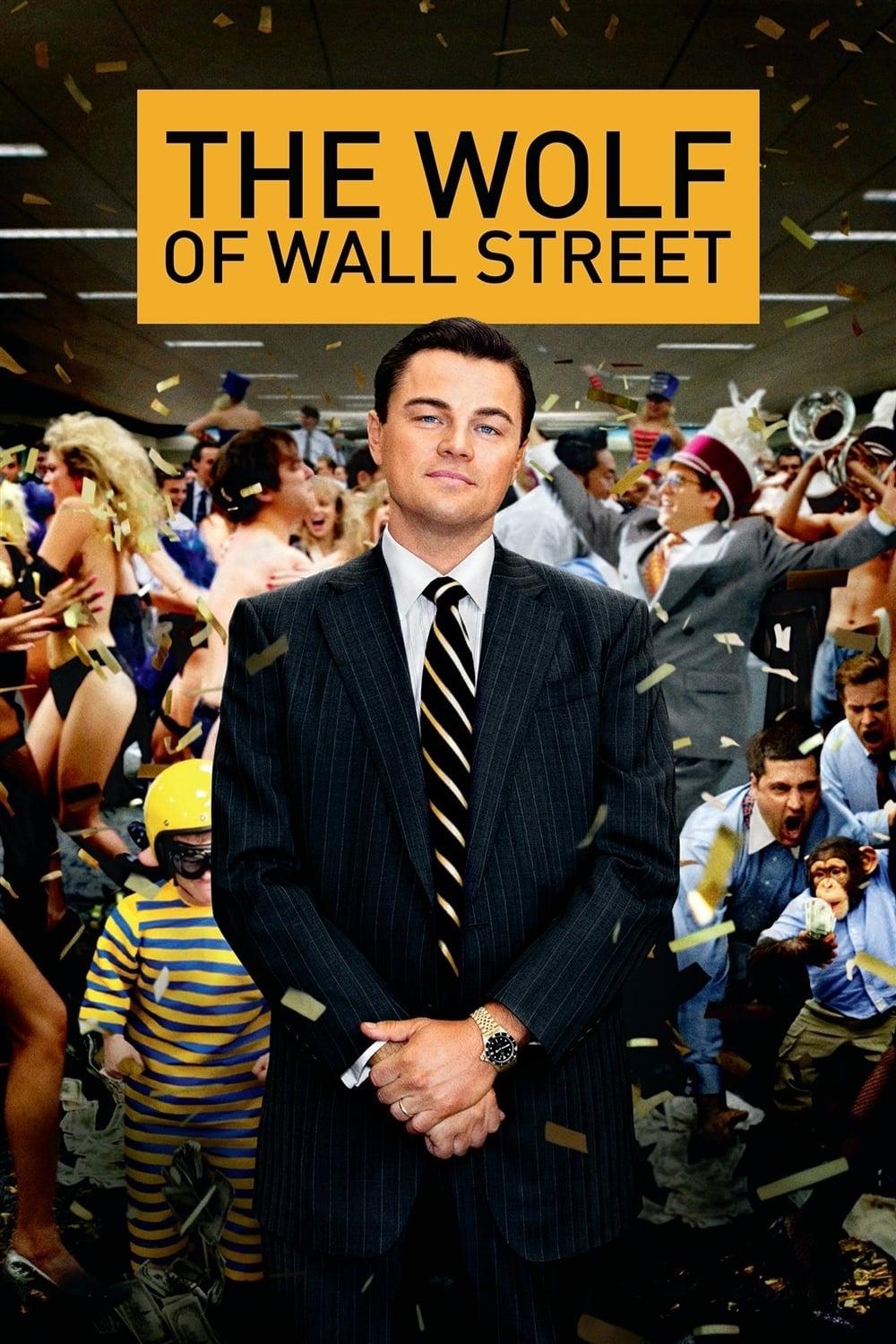
Martin Scorsese’s film about Jordan Belfort used drones to showcase the character’s lavish lifestyle. A memorable scene, a chaotic pool party at a Hamptons beach house, was filmed using a drone that started with a wide view of the coastline and smoothly moved down to capture the party’s details. This technique effectively showed both where the scene was taking place and how over-the-top the characters’ behavior was, proving drones could seamlessly connect broad landscape shots with close-up action.
‘The Expendables 3’ (2014)
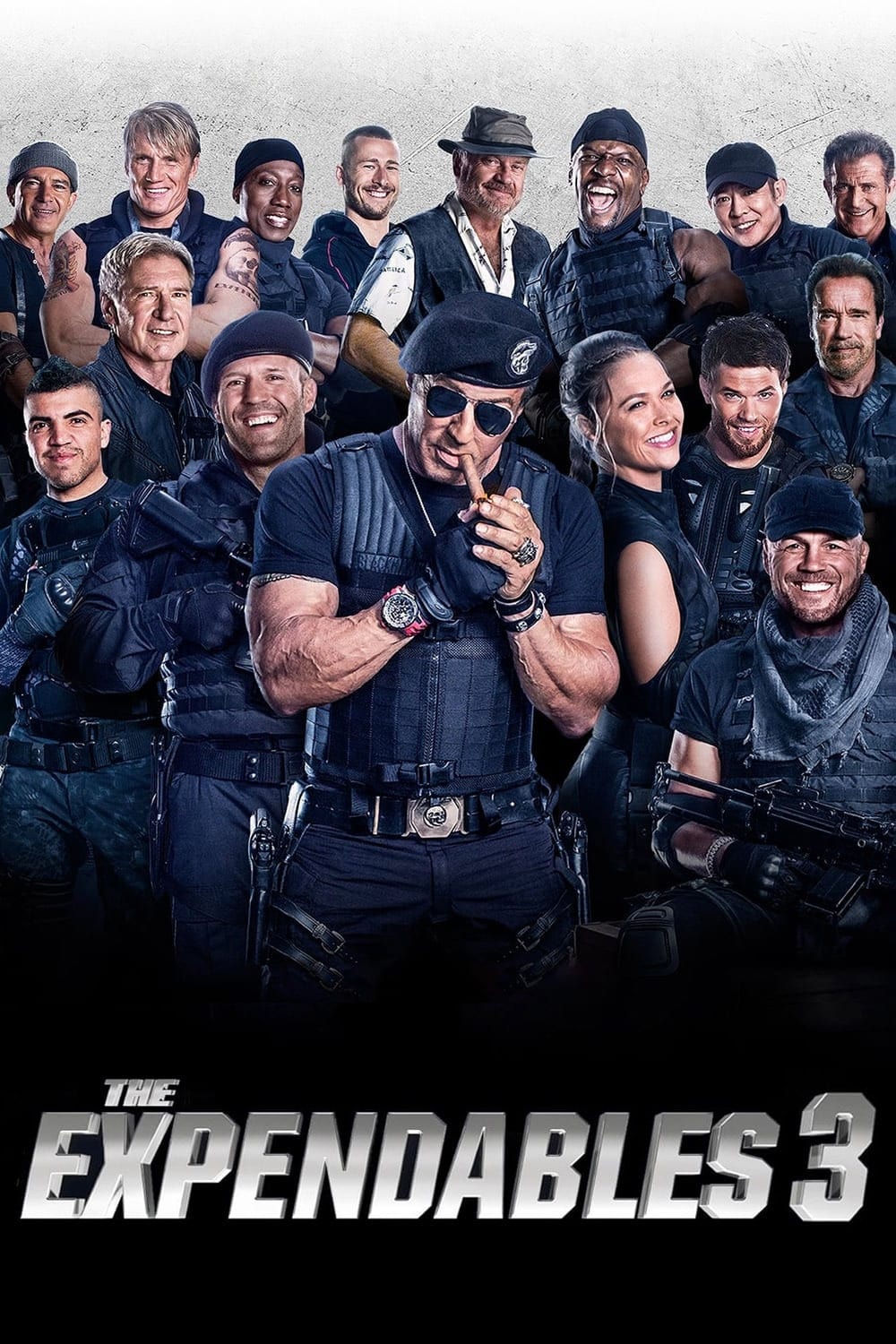
Action-packed scenes demand fluid camera movements, and this movie relied a lot on shots taken from drones. The film opens with a thrilling train rescue that blended real-life stunts with exciting aerial footage. Drones flew incredibly close to the train, capturing shots amidst smoke and explosions – places where it would be too dangerous for a human camera operator. This unique perspective made the action feel even more intense and immersive.
‘Transformers: Age of Extinction’ (2014)

Michael Bay is famous for his action-packed style, and he quickly embraced drones to make his movies even more visually impressive. During the Hong Kong scenes, drones were used to fly through the tight spaces between skyscrapers, capturing unique camera angles impossible for helicopters. This allowed the filmmakers to blend real sets with the huge computer-generated robots seamlessly. The drone footage emphasized the city’s height, making the robot fights feel even larger and more dramatic.
‘Chappie’ (2015)
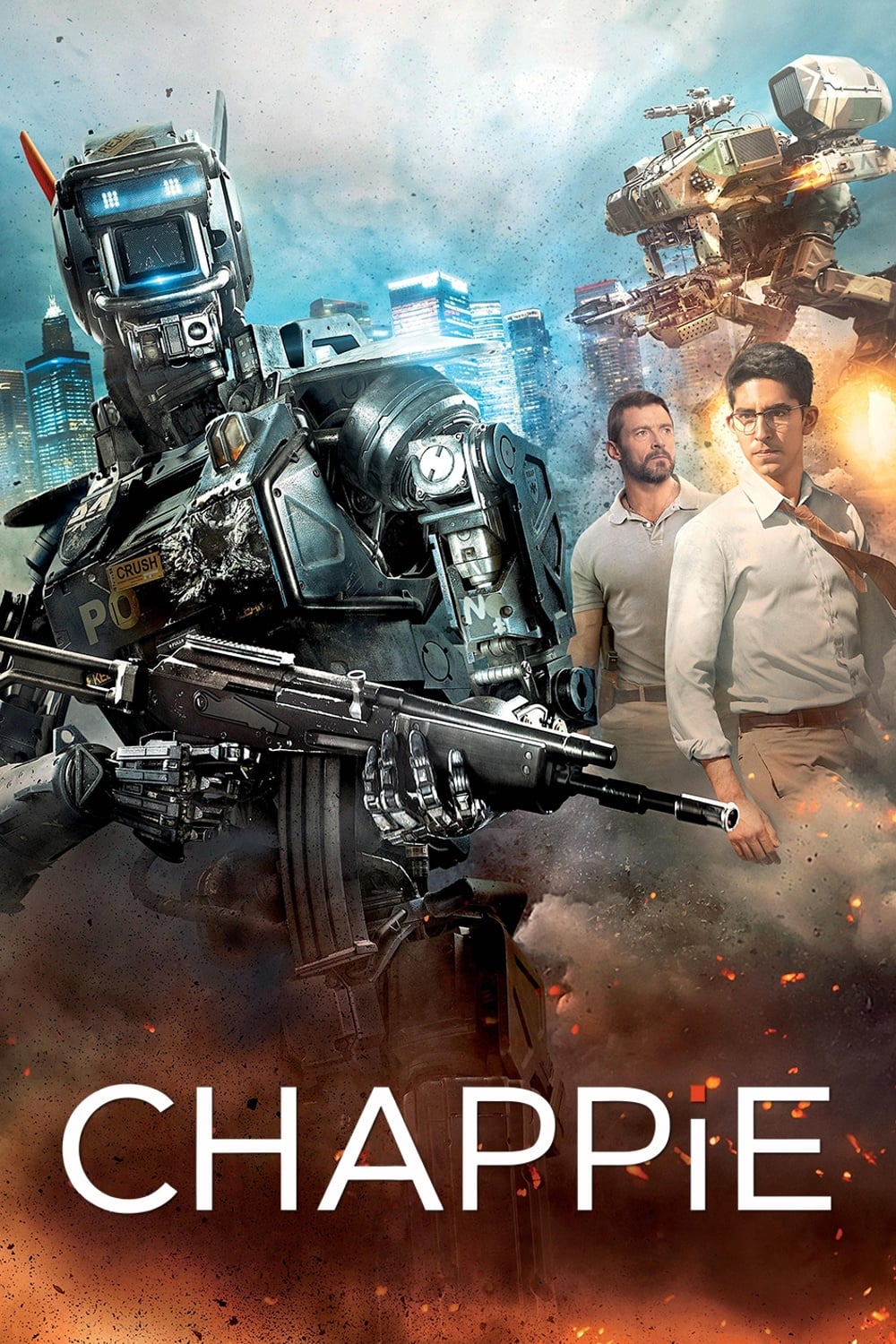
Director Neill Blomkamp used drones a lot to film Johannesburg, giving viewers unusual and realistic views of the city. He specifically used the drones to show things from the perspective of the robot character as it moved through the crowded, rundown areas. By flying the drones through narrow spaces, the filmmakers made the robot’s movements seem fluid and believable. This technique helped make the futuristic story feel more connected to the real world and made the robot’s actions feel genuine.
‘Jurassic World’ (2015)
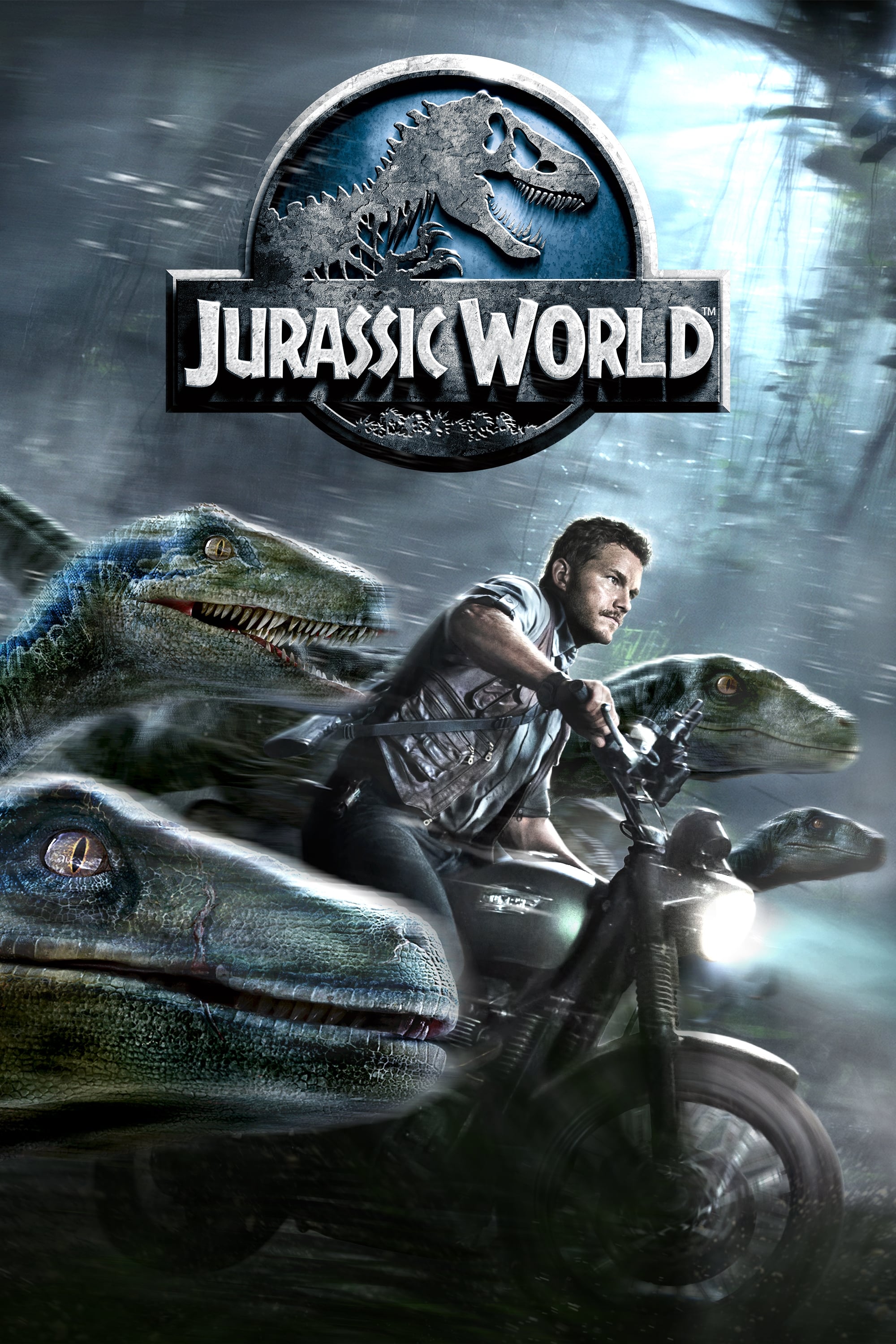
To bring the dinosaur series back to life, filmmakers needed a fresh, modern look, and drones were crucial for showing off the fully operational park. They used drones to film the main street packed with visitors, flying over the crowds to emphasize how massive the attraction was. Drones were also vital for the Pteranodon attack, allowing the camera to move like the panicked, flying creatures. This created a more terrifying and realistic scene than traditional stationary cameras could have achieved.
‘Spectre’ (2015)
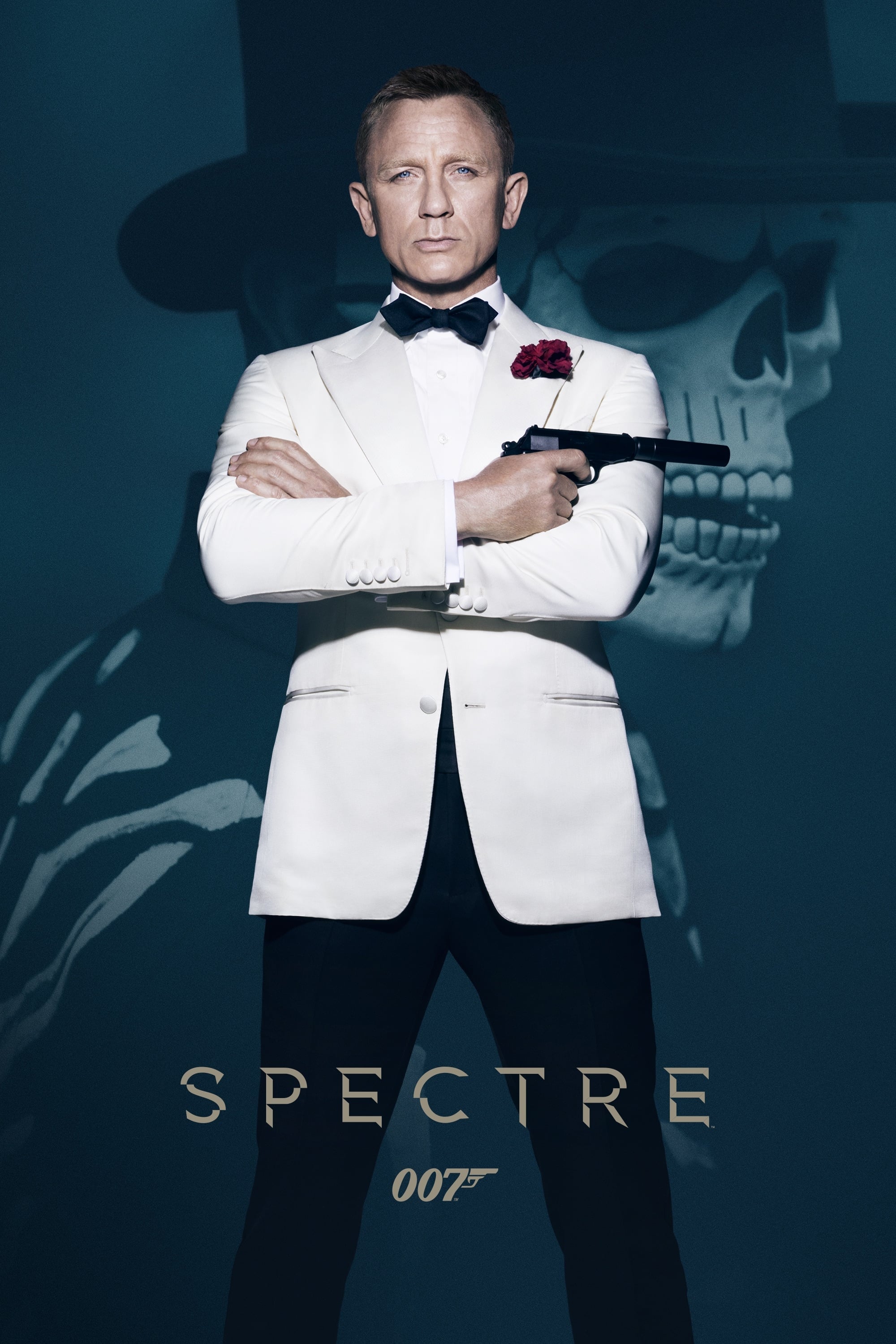
Building on the impressive aerial work from the last Bond film, this movie took drone use to the next level with its stunning opening sequence in Mexico City. The camera gracefully soars above the huge Day of the Dead parade, showing off the massive crowd before smoothly moving down to follow Bond within it. This effortless shift from a wide, sweeping view to a close-up, street-level perspective was achieved thanks to the maneuverability of today’s drones. The sequence became a benchmark for action filmmaking, successfully combining grand scale with a sense of closeness.
‘Sicario’ (2015)
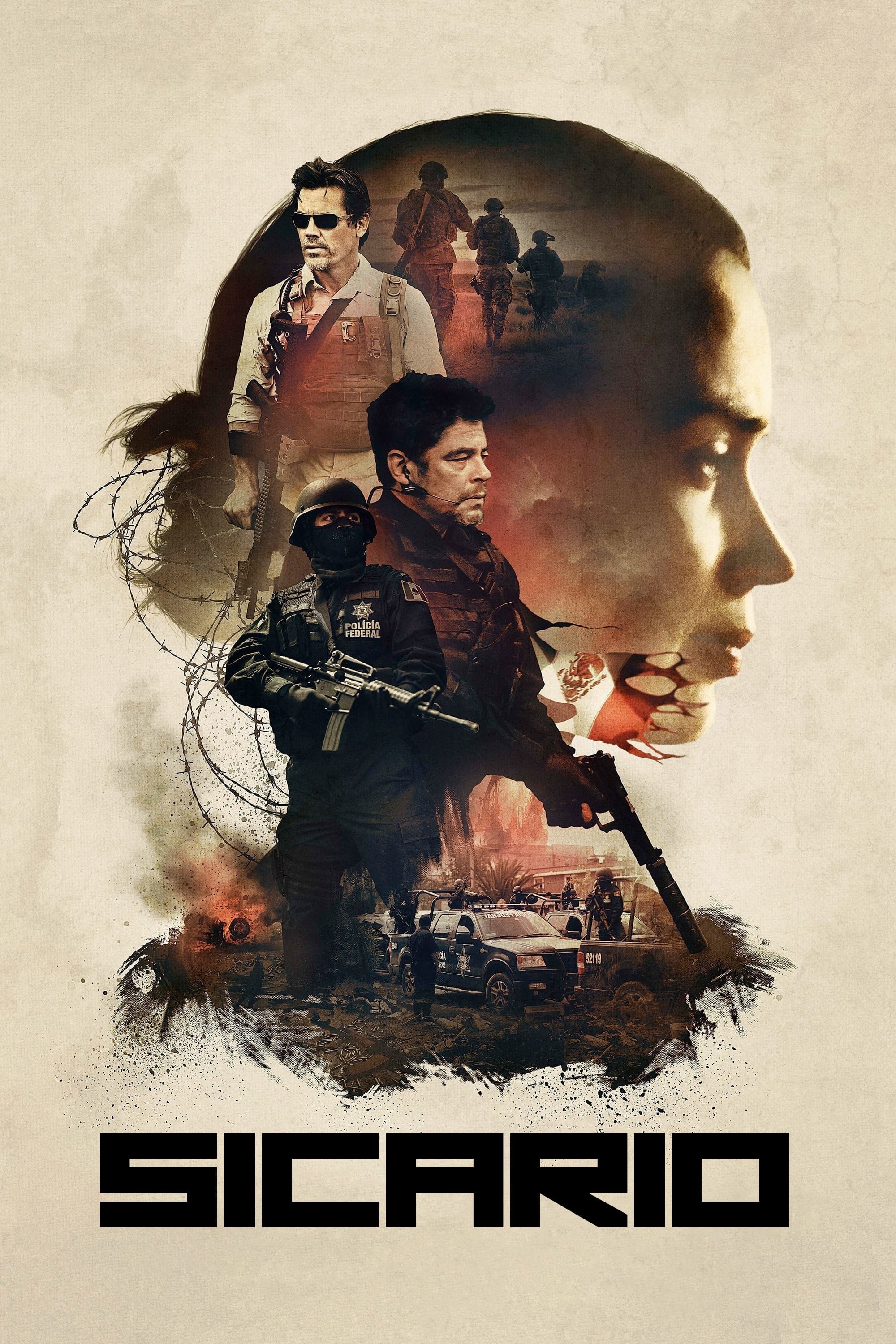
Roger Deakins’ stunning cinematography, particularly his use of aerial shots, builds intense tension throughout the film. Drones capture the stark, desolate borderlands between the US and Mexico, highlighting the isolation and peril of the environment. The camera moves over vehicles and border crossings with a cold, watchful perspective, reflecting the film’s focus on surveillance and violence. These aerial views not only show us where the story takes place, but also create a consistently unsettling mood.
‘Eye in the Sky’ (2015)
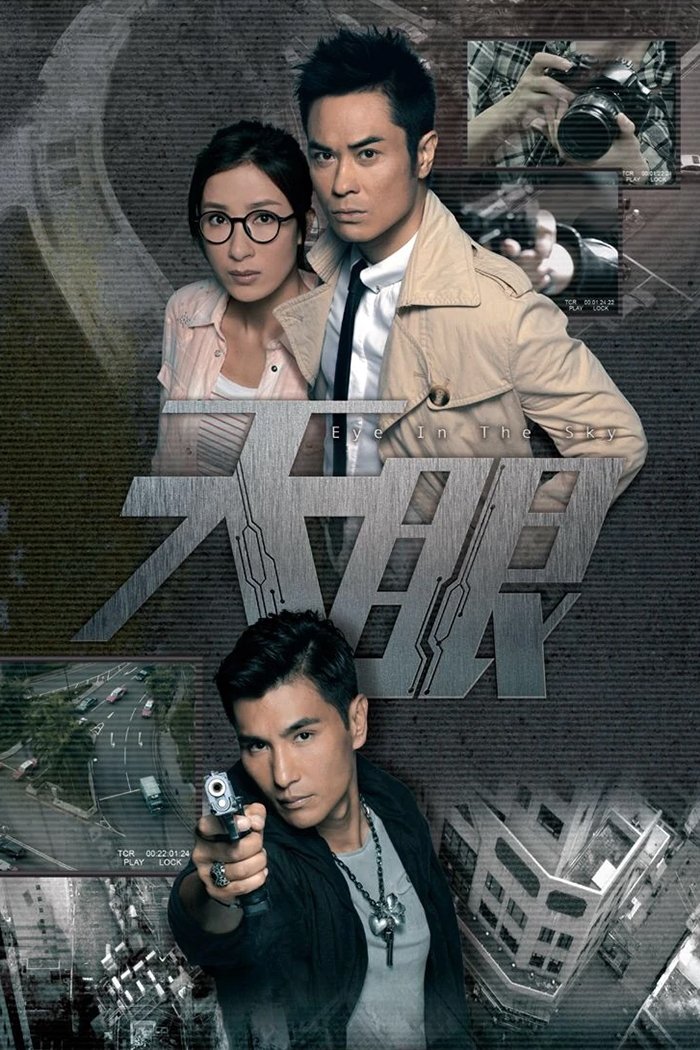
This thriller uniquely focuses on drone technology itself, rather than simply using it to film the story. The film employs aerial shots to mimic the view from military surveillance drones, making it hard to distinguish between what’s real and what’s on screen. By keeping the camera high above the action, the film creates a feeling of distance, which clashes with the difficult moral choices being made by those involved. This visual approach makes the audience experience events as if through the detached, objective viewpoint of modern warfare.
‘Avengers: Age of Ultron’ (2015)
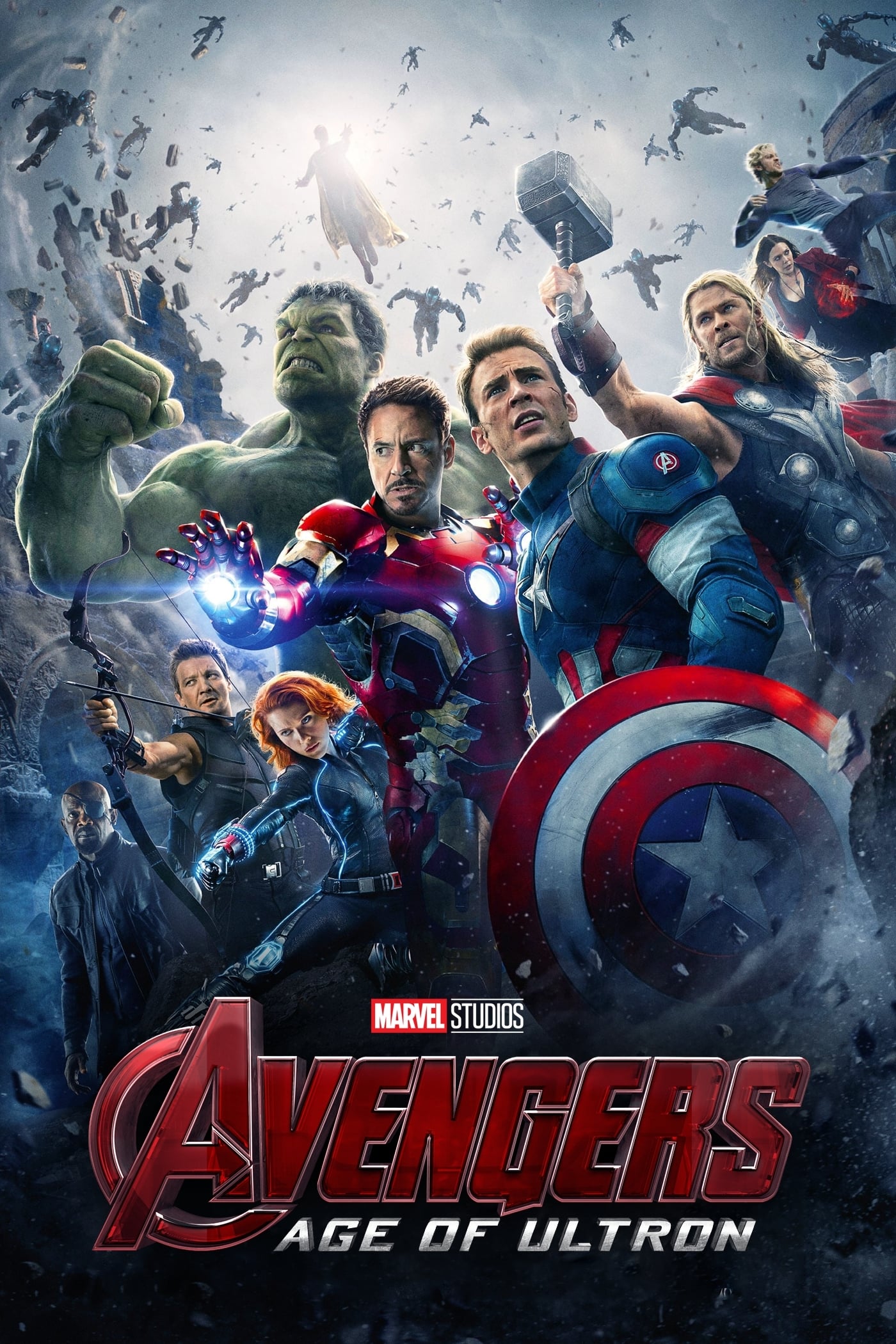
For the destruction of the city of Sokovia in their films, Marvel Studios used drones to film from unique and previously impossible angles. These drones flew through the collapsing streets and around the floating city pieces, giving viewers a clear understanding of where everything was happening during the intense final battle. The drone footage helped connect the different fights taking place across the city and allowed the audience to follow the complex action while still feeling the massive scale of the destruction.
‘Creed’ (2015)
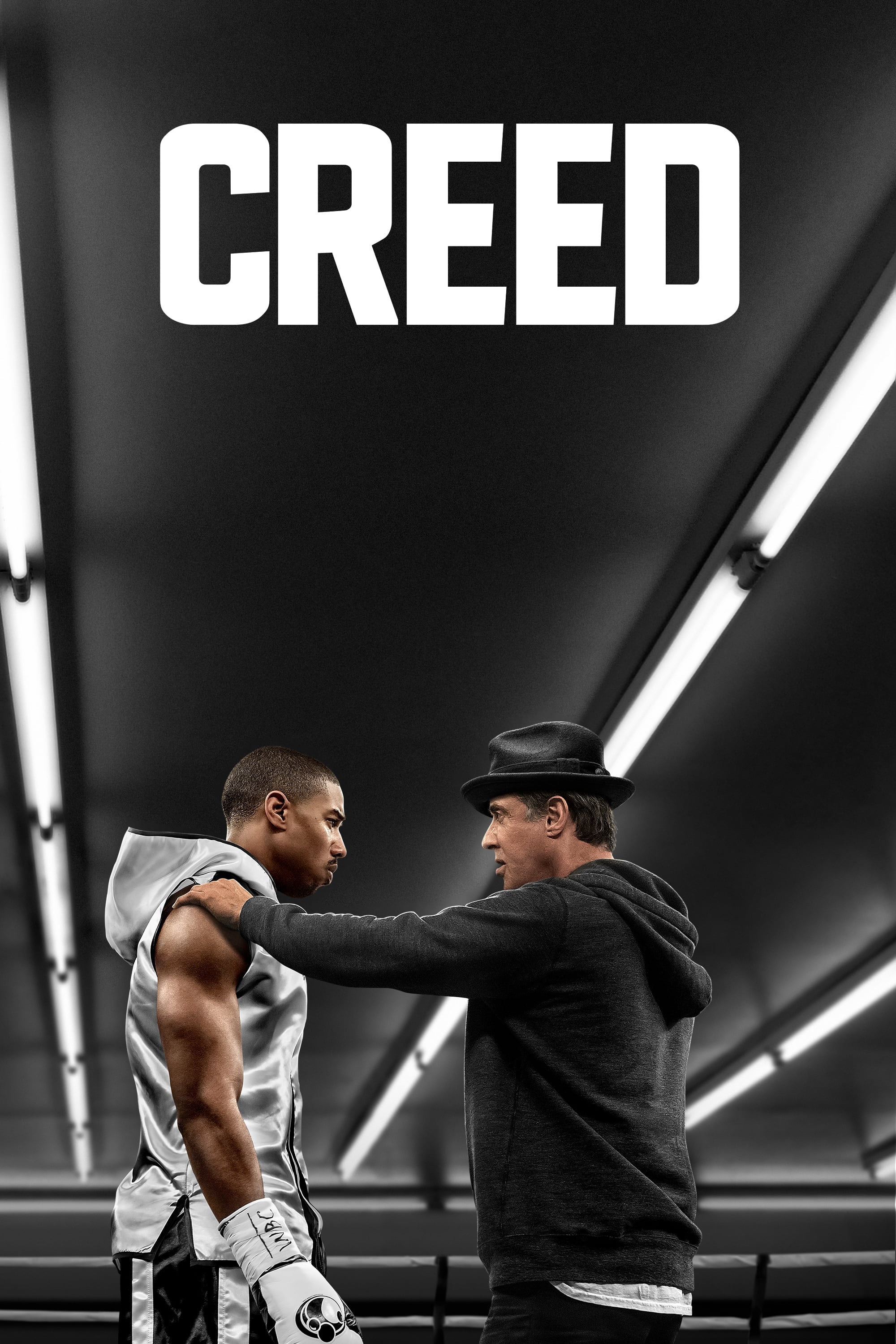
Ryan Coogler revitalized the Rocky movies with a realistic and visually striking style, using drones to create exciting and fast-paced scenes. One memorable training sequence shows Adonis running through Philadelphia alongside dirt bikes and ATVs. A drone filmed him from above, keeping up with the vehicles as they navigated the city streets. This unique shot perfectly captured the energy of the scene and the feeling of community in a way a traditional camera setup couldn’t.
‘Straight Outta Compton’ (2015)
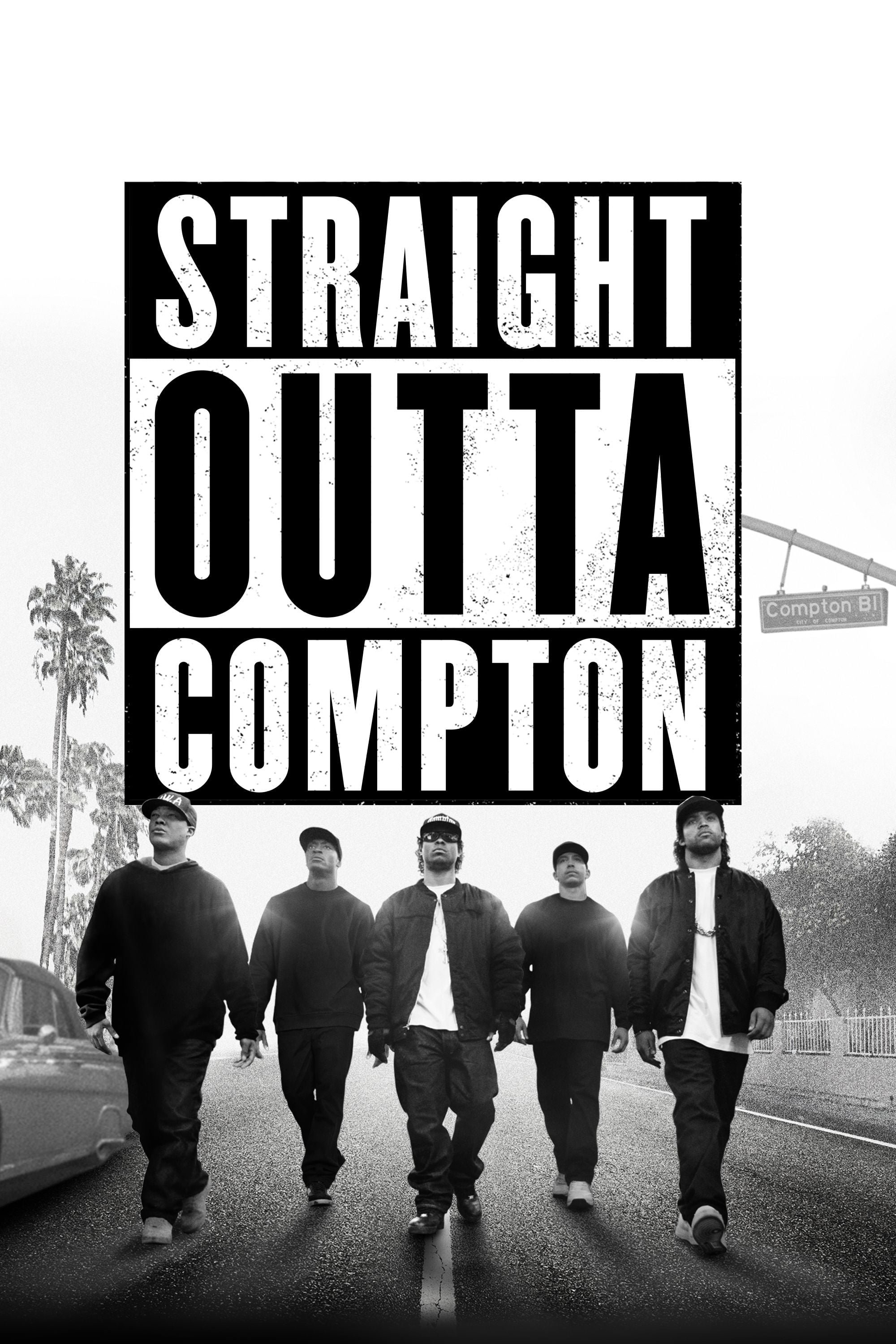
The film captures the vibrant atmosphere of 1980s Los Angeles and the early days of N.W.A. using drone footage for wide shots and energetic party scenes. One memorable scene features a pool party where the camera begins with a high-angle view of the mansion and then smoothly descends into the party, pulling the audience into the group’s lavish lifestyle during their peak. This fluid camera movement highlights the fast-paced and unpredictable nature of their journey to fame.
‘Captain America: Civil War’ (2016)
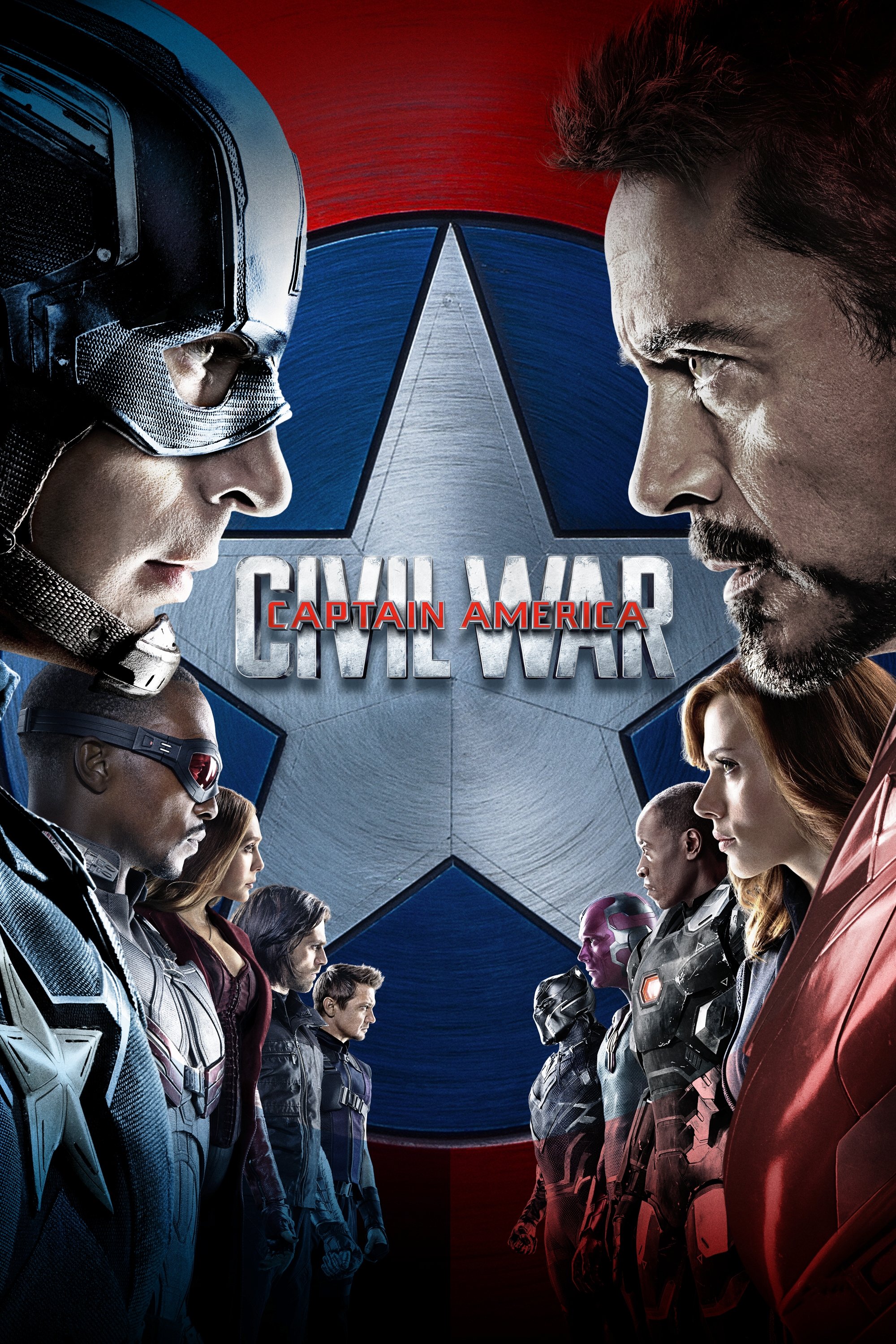
To handle the large and complicated action sequences in the film, the Russo brothers used drones. During the opening scene in Lagos, these aerial cameras followed the heroes as they navigated the busy marketplace and took to the air. This allowed viewers to easily understand where the characters were in relation to the dangers around them, even in the crowded city. By seamlessly switching between ground-level fighting and overhead views, the fast-paced editing remained clear and easy to follow.
‘The Shallows’ (2016)
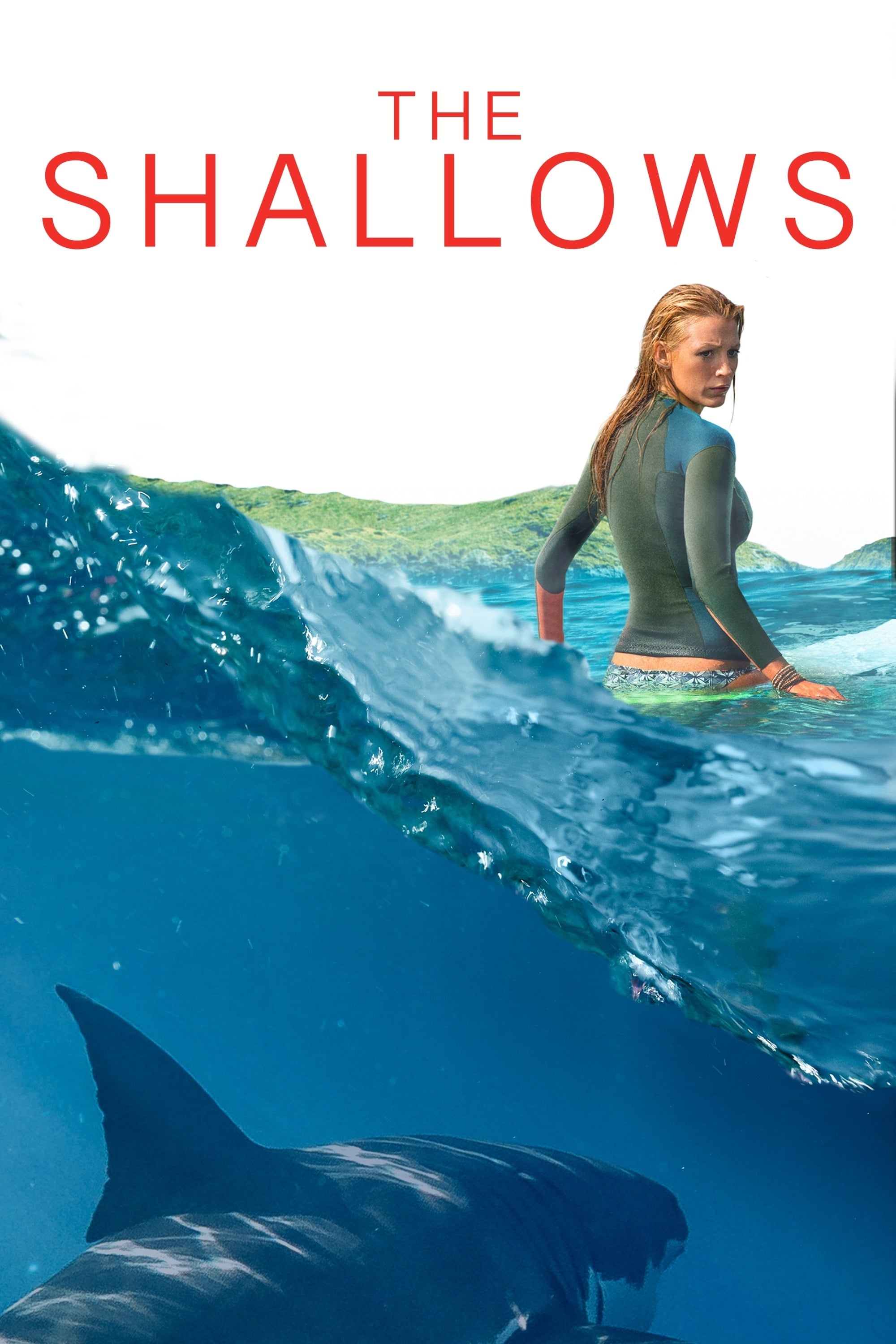
This suspenseful film uses drone footage to show how utterly alone the main character is after being stranded on a rock near the coast. Wide aerial shots emphasize the huge, empty ocean around her, making her seem small and helpless against the power of nature. The drones also filmed the surfing scenes from directly overhead, giving viewers a fresh and exciting look at the waves’ speed and strength. Ultimately, these perspectives transform the beautiful coastal scenery into a frightening trap of water and stone.
‘Deepwater Horizon’ (2016)
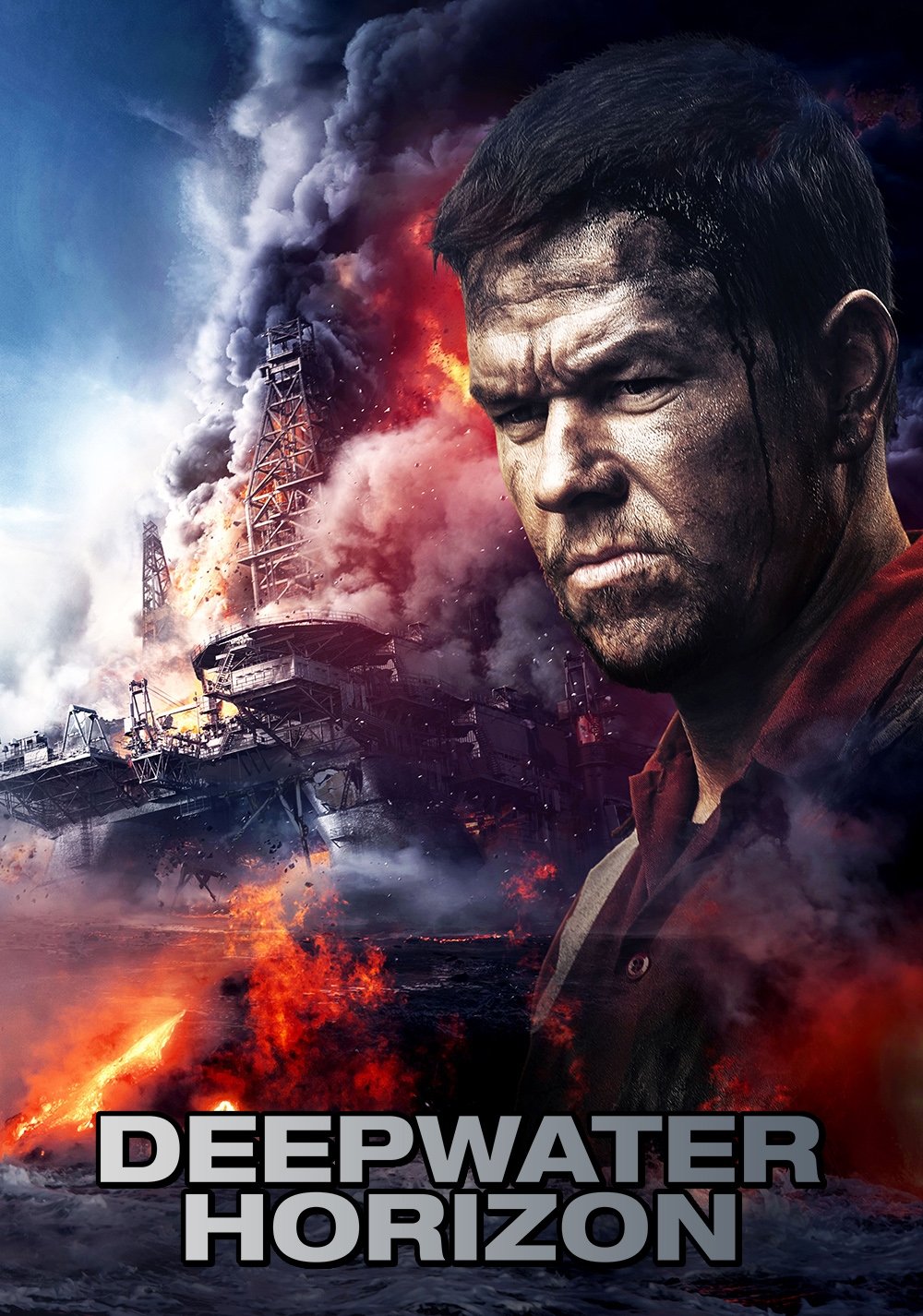
Filming the oil rig disaster demanded cameras capable of navigating the huge structure and intense flames. Drones flew near the real fire and explosions to give viewers a sense of what it was like for the workers on board. The aerial shots emphasized how remote the rig was in the ocean, while also showing the complex network of machinery. This contrast between the vastness of the ocean and the confined spaces of the rig created a feeling of intense drama.
‘Hacksaw Ridge’ (2016)
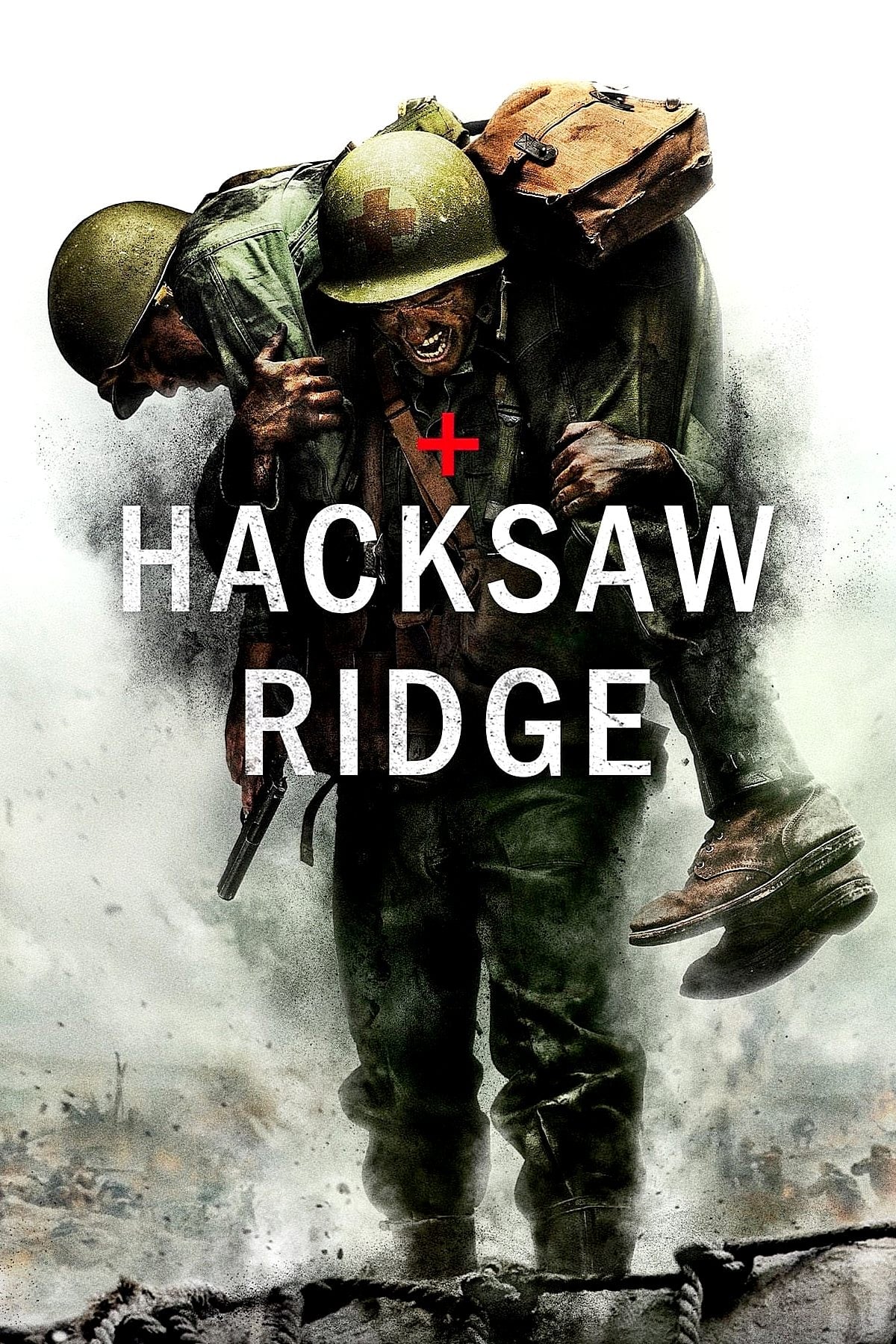
Mel Gibson used drones to capture the harsh landscape of the cliff and the battlefield on top. The camera sweeps over the ridge, showing how steep and dangerous the climb was for the soldiers before they even reached the fighting. Drones followed the troops as they moved through the smoky battlefield, giving viewers a clear sense of the difficult and chaotic situation they were in. These aerial shots highlighted both how unwinnable the terrain seemed and the courage it took to fight there.
‘Lion’ (2016)

The film, which centers on a man using Google Earth to find his childhood home, relied heavily on stunning aerial footage. Drones were used to film the landscapes of India and Australia, creating images that mirrored the satellite views the main character constantly studies. These wide, sweeping shots visually linked the two different parts of his life, creating a sense of balance. The camera’s fluid movement over railways and mountains acted as a visual representation of both memory and the feeling of being far away.
‘Kong: Skull Island’ (2017)
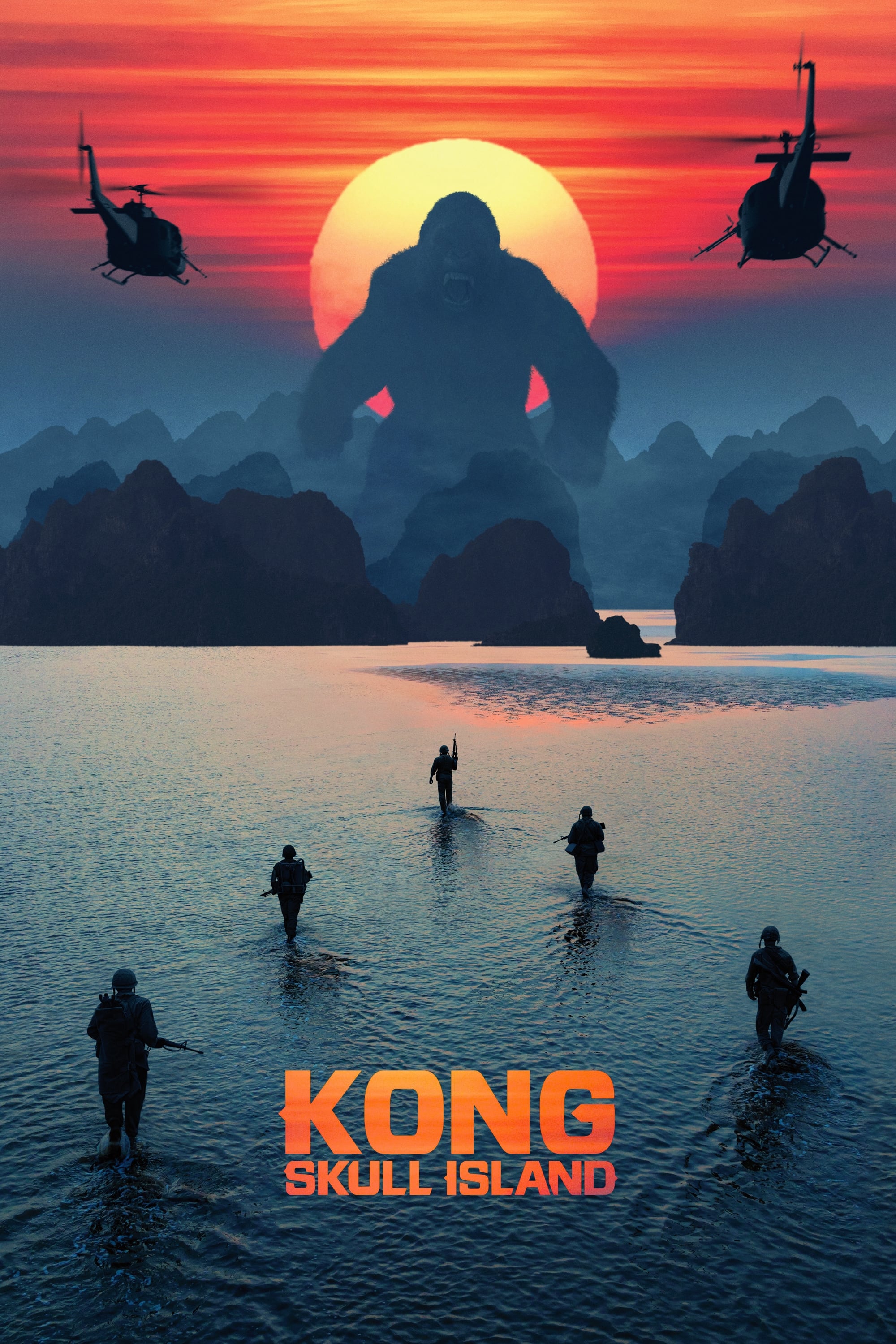
To show how impressive and dangerous the uncharted island was, the filmmakers used drones to film the difficult jungle landscape. The cameras followed the military helicopters as they flew through storms and around sharp mountains, making the audience feel like they were part of the group. Drones were also used to show just how huge Kong was, flying alongside him during fights to emphasize his size. This helped highlight how small and vulnerable the human characters were compared to this powerful, ancient creature.
‘The Fate of the Furious’ (2017)
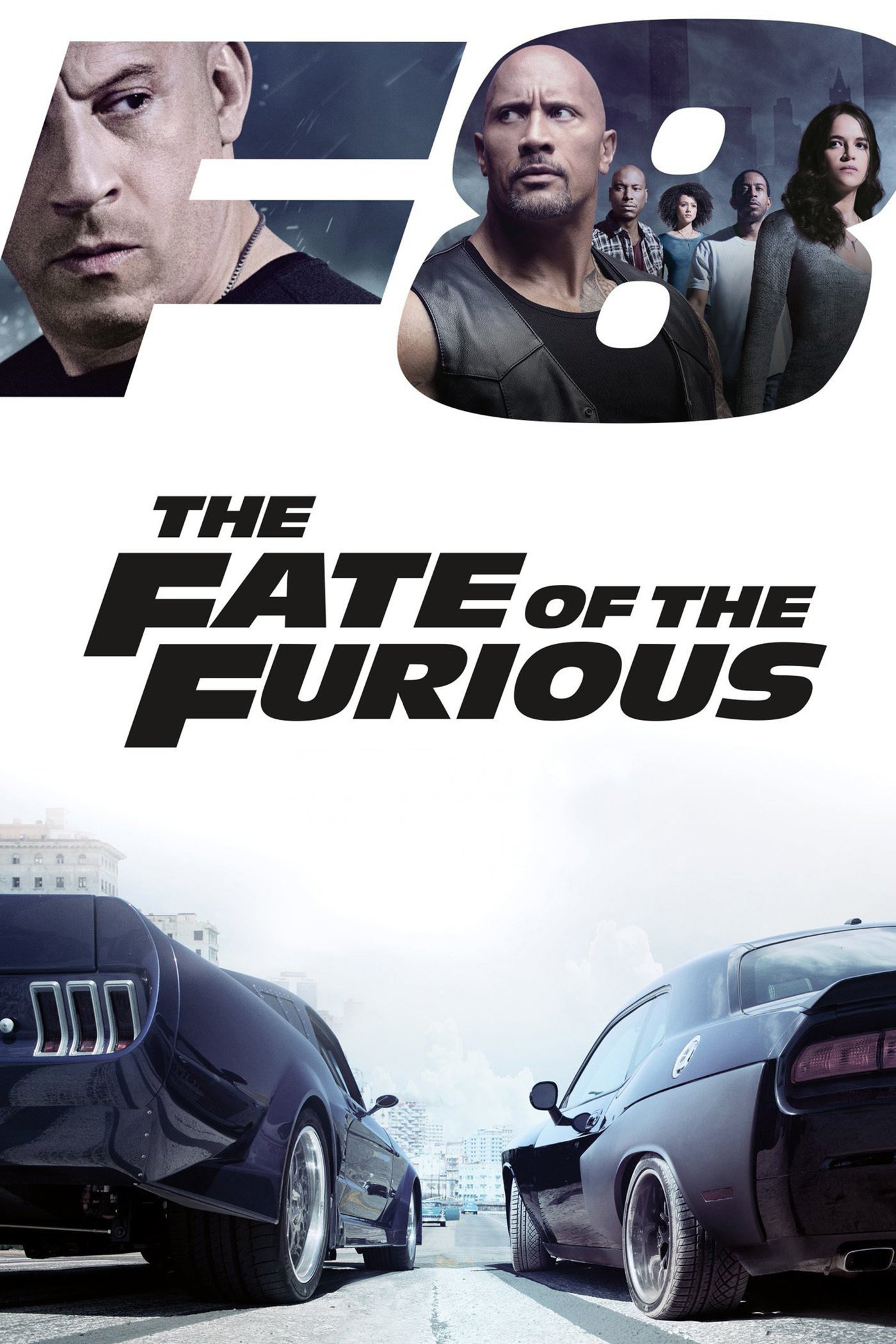
As a huge fan of The Fast and the Furious, I was totally blown away by the action in the eighth movie! They really took things to the next level with this insane car chase on the ice in Russia. What I didn’t realize is they used drones to film a lot of it! These drones zipped around, keeping up with the cars as they raced across the frozen landscape, dodging explosions and even a submarine popping up! It gave us this incredible, complete view of the whole crazy battle – you could really feel like you were right there in the middle of it all.
‘Baywatch’ (2017)

Okay, so this comedy really surprised me with its visuals. They took those classic beach running scenes from the original show and gave them a serious upgrade using some incredible drone work. We’re talking sweeping shots of the ocean and packed beaches, really capturing the energy and color of the location. But it wasn’t just pretty scenery – the drones really shined during the boat chases. They got these smooth, dynamic shots even with the waves crashing around, giving the whole film a slick, big-budget feel and making the action sequences genuinely exciting. It wasn’t just a funny movie; it looked like a blockbuster.
‘War for the Planet of the Apes’ (2017)
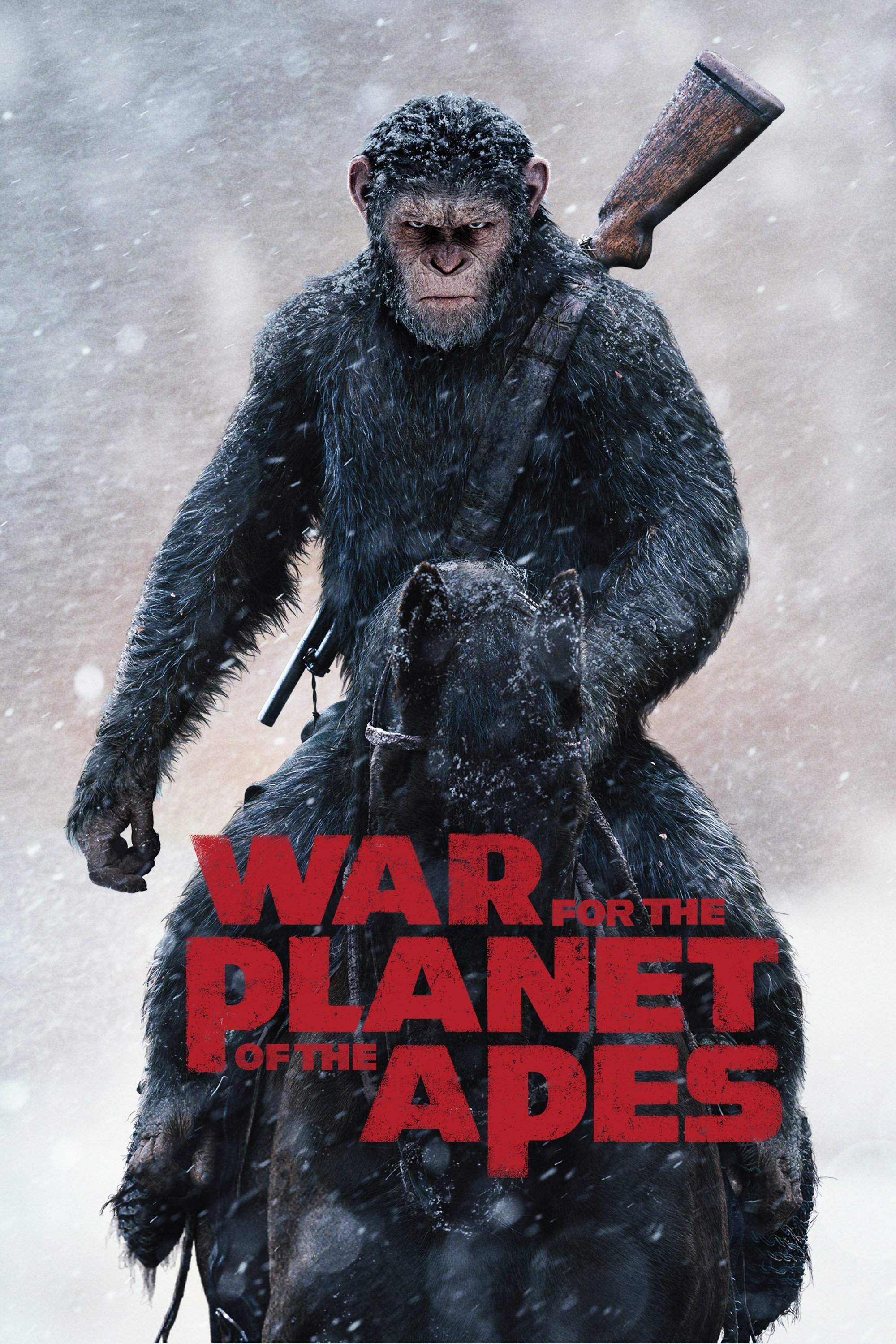
Matt Reeves used drones to film the cold, desolate environments the apes travel through in this final chapter of the trilogy. The aerial views emphasize how alone Caesar’s group is as they journey across snowy forests and mountains. By shooting from far above, the movie highlights the grand scope of their difficult trek, which feels almost legendary. These unique perspectives also showcase the beauty of a world where nature is taking over, free from human impact.
‘Jumanji: Welcome to the Jungle’ (2017)
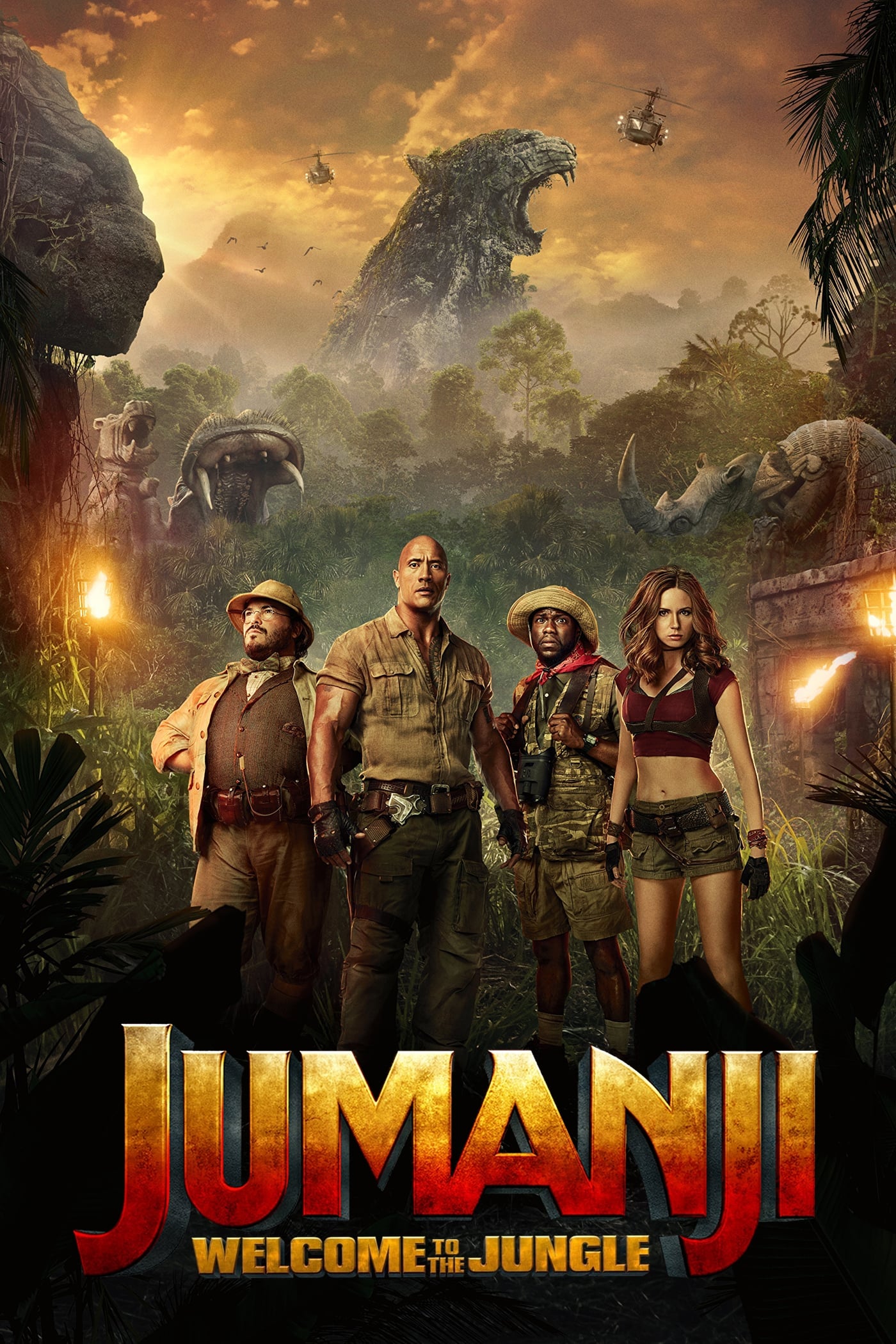
To make the characters’ world feel epic and like a video game, the filmmakers used drones for stunning visuals. They filmed the lush Hawaiian jungles from above, soaring through valleys and over waterfalls. A particularly exciting helicopter chase sequence involved drones navigating a tight canyon, mirroring the characters’ dangerous flight. This technique effectively captured the look and feel of playing a third-person action game.
‘The Greatest Showman’ (2017)
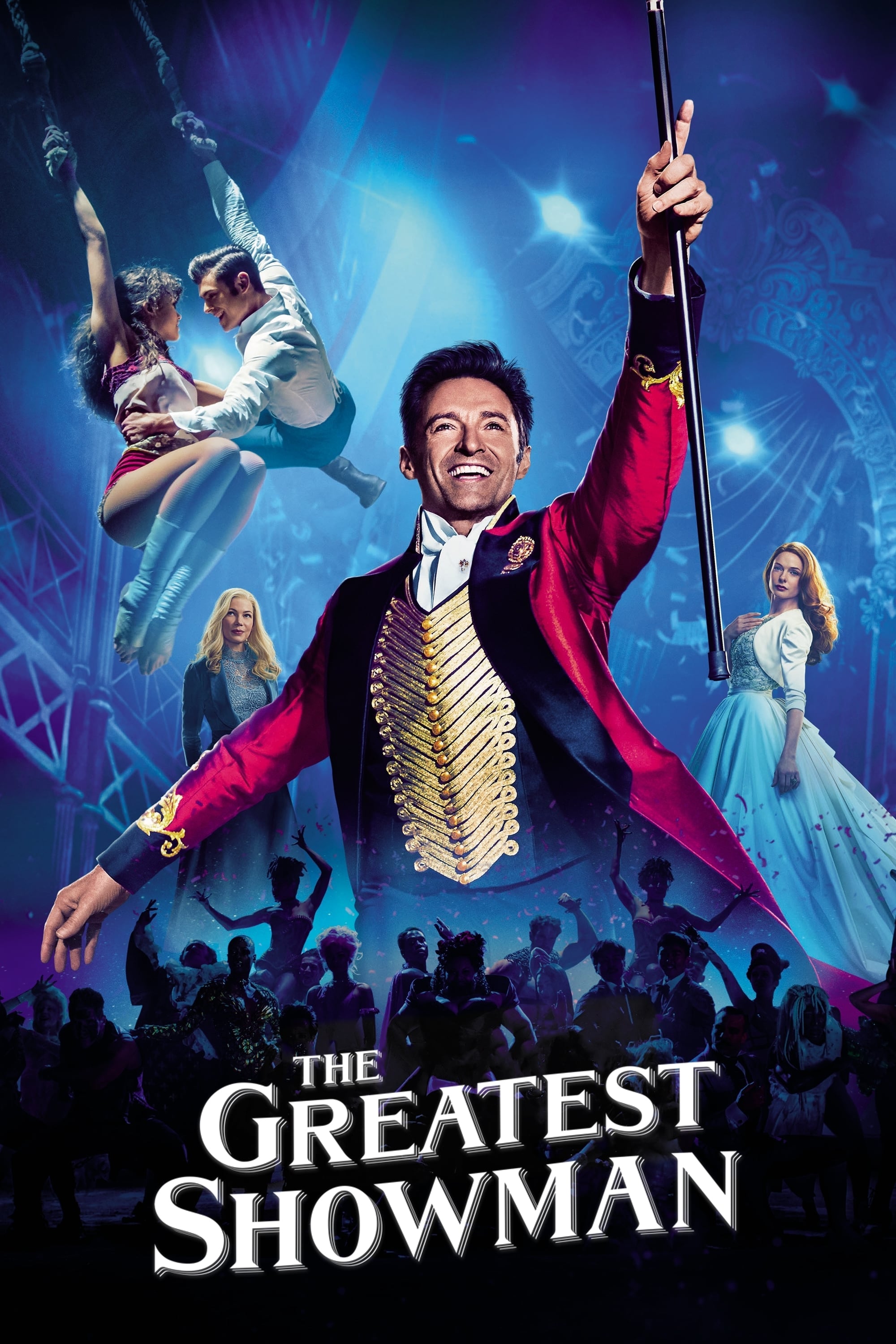
To film the musical numbers, the camera needed to move smoothly with the dancers and performers. Drones were key for the circus scenes, allowing for shots that began high above, looking down on the acrobats, and then seamlessly followed the action as it moved to the floor. This flowing camera work blended the aerial and ground performances, creating a captivating and magical perspective that truly captured the excitement of the circus.
‘Maze Runner: The Death Cure’ (2018)

The last movie in the series opened with an exciting train robbery filmed using drones. The camera followed a fast-moving train as characters leaped aboard from a hovercraft, capturing the stunt with incredible, sweeping shots. Drones zipped around the train and hovercraft, keeping the action flowing without any interruptions. This sequence quickly showed viewers how dangerous the situation was and set a fast, energetic pace for the rest of the film.
‘Black Panther’ (2018)
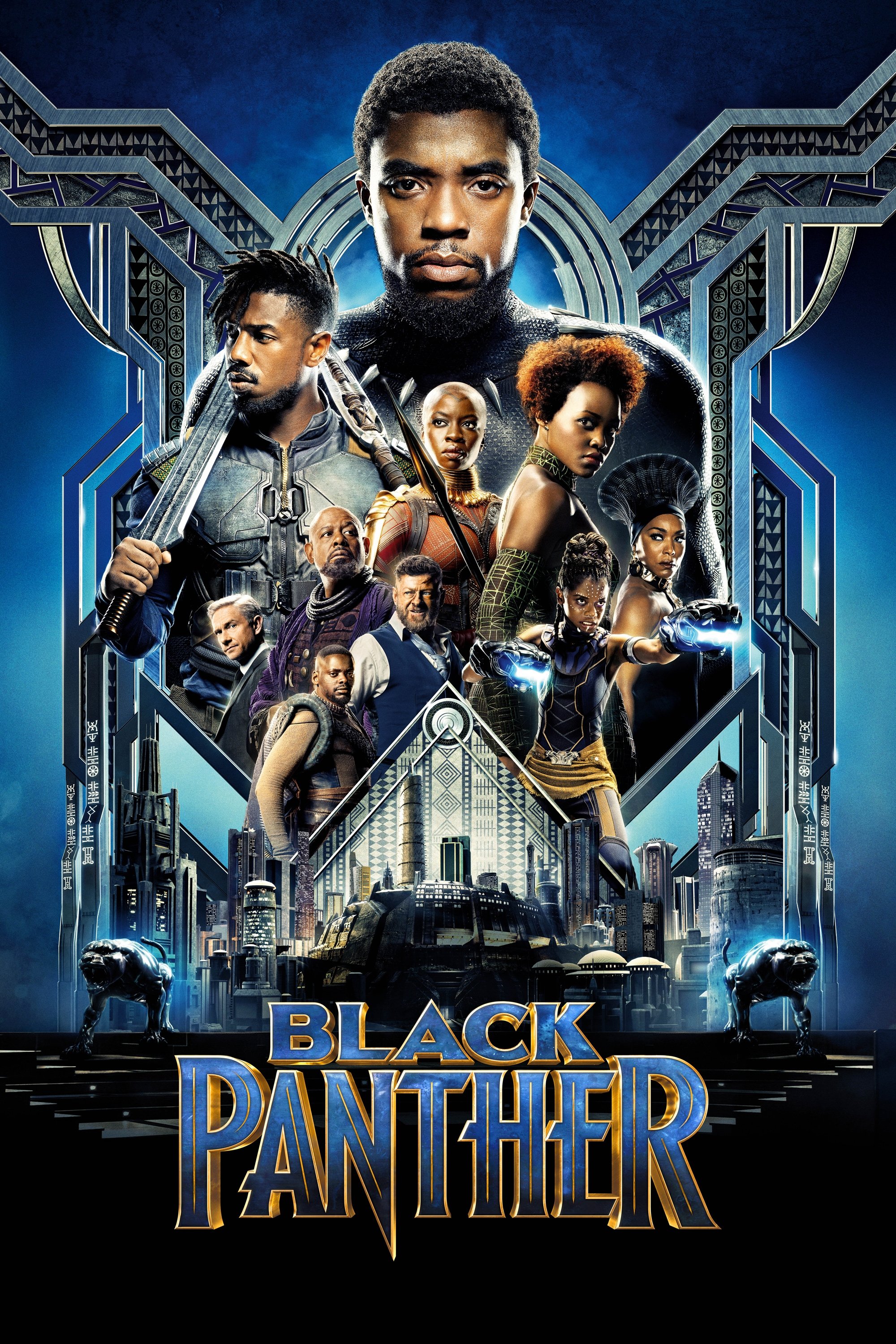
Creating the secret nation of Wakanda meant designing landscapes that looked both futuristic and authentically African. To achieve this, filmmakers used drones to capture real scenery in South Africa, Zambia, and Uganda, then added computer-generated enhancements to build Wakanda’s stunning capital city. The resulting footage, with sweeping views of waterfalls and savannas, powerfully introduces the setting and establishes a world that feels both ancient and incredibly advanced.
‘Rampage’ (2018)
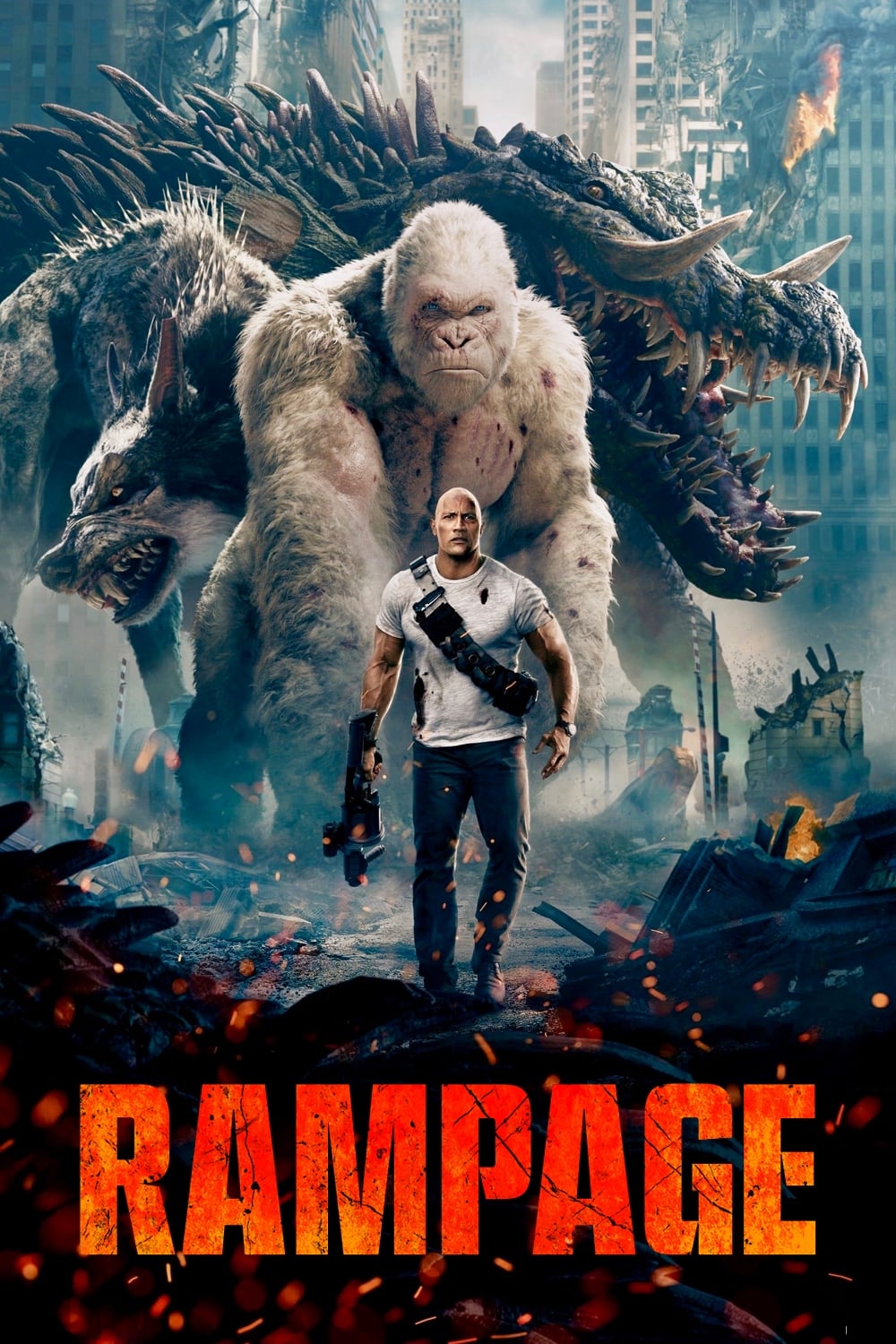
Honestly, when those giant monsters started tearing up Chicago, it was terrifying! But the filmmakers did an amazing job showing us just how much destruction there was. They used drones, and it was the perfect way to capture everything from a safe distance. These drones flew all around the collapsing buildings, giving us incredible shots of the monsters climbing and battling right in the heart of the city. It really helped us understand where everything was happening, and it felt so real – like we were watching a live news report from a disaster, even though it was about giant monsters! It added a level of gritty realism that I really appreciated.
‘Crazy Rich Asians’ (2018)

The filmmakers used impressive drone footage to highlight Singapore’s luxurious side, showcasing landmarks like the Marina Bay Sands and Gardens by the Bay. These aerial shots swept over the modern buildings and large ships in the harbor, immediately establishing the city’s incredible wealth. More than just scene transitions, these visuals were key to showing the world the main character was entering. The drones’ smooth, flowing movements reflected the sophistication and refinement of the film’s upper class.
‘Triple Frontier’ (2019)
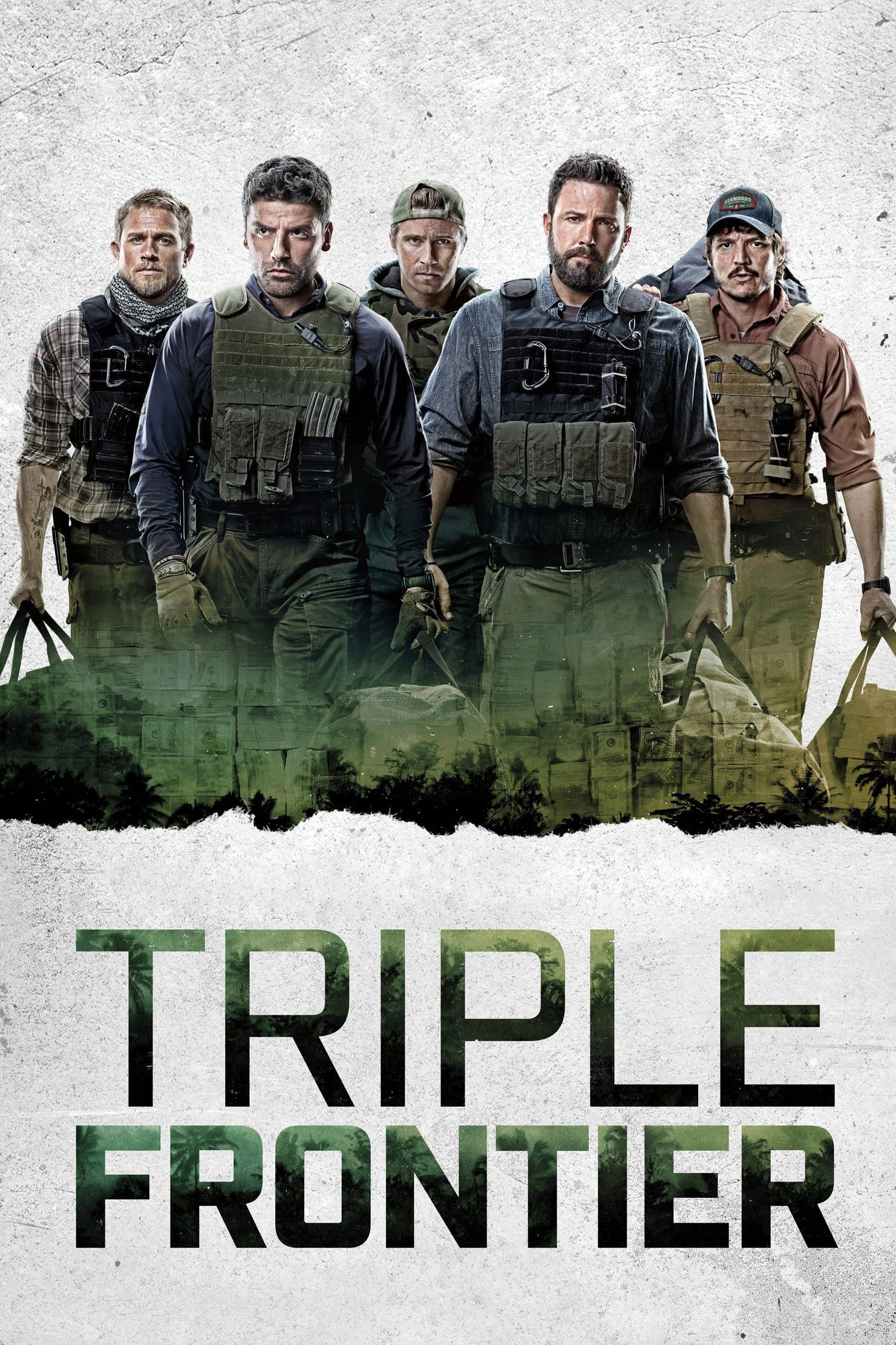
Filmed in the harsh Andes Mountains, this action movie used drones to show the dangerous mission of a special forces team. The drones captured stunning aerial views of the rocky mountains and deep valleys, really highlighting how difficult it was to transport millions of dollars through the jungle. They also filmed a dramatic helicopter crash, following the aircraft as it fell into the coca fields. These unique shots emphasized the challenging environment and how alone the characters were.
‘Shazam!’ (2019)
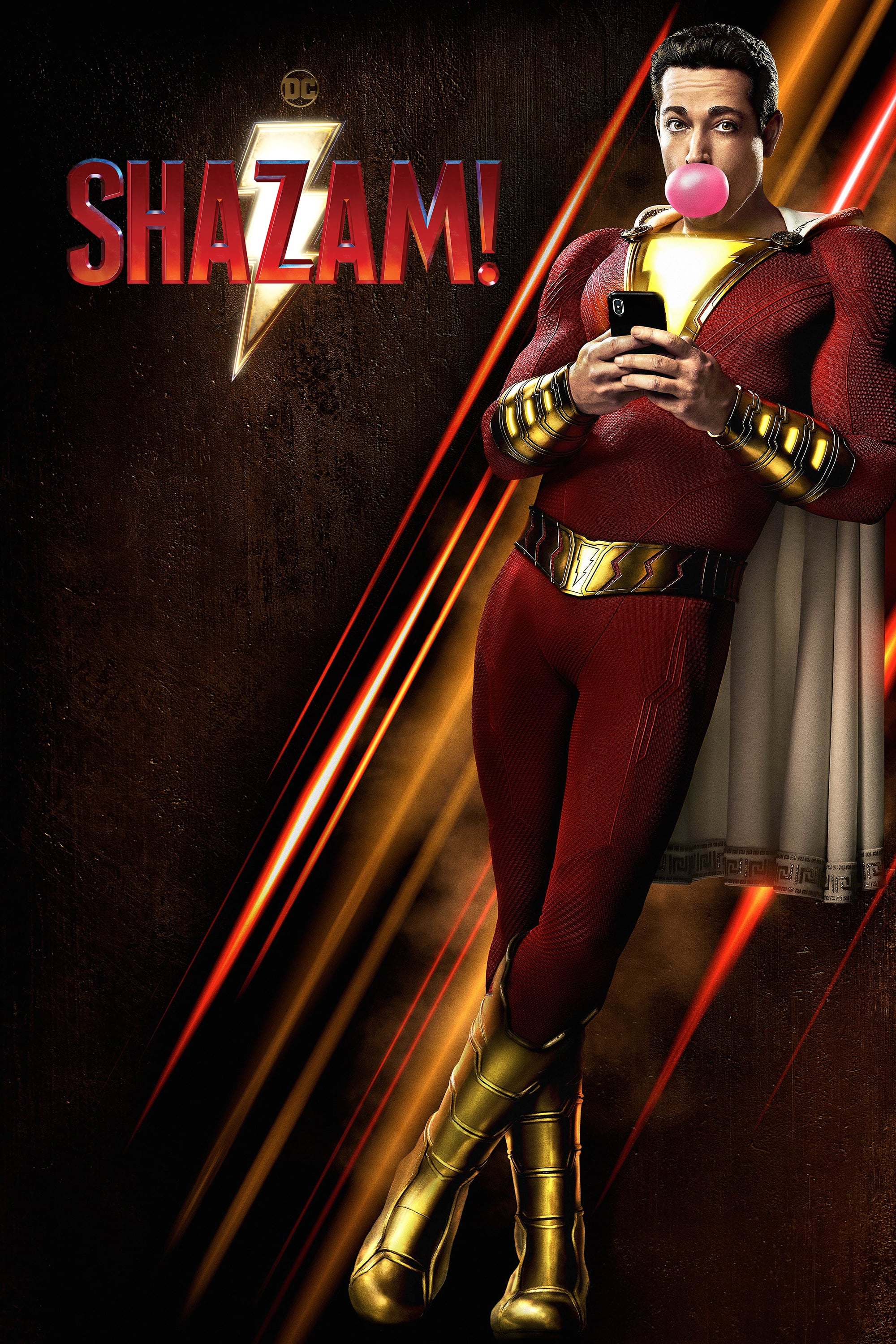
It’s always been tricky to convincingly show superheroes flying, but this movie found a clever solution using drones. During scenes of flight training and battles, drones followed the actors – or their stunt doubles – as they were lifted into the air. This allowed the camera to move just like the hero as he learned to fly, capturing a feeling of energy and speed. This realistic camera work made the visual effects feel more powerful and believable.
‘John Wick: Chapter 3 – Parabellum’ (2019)
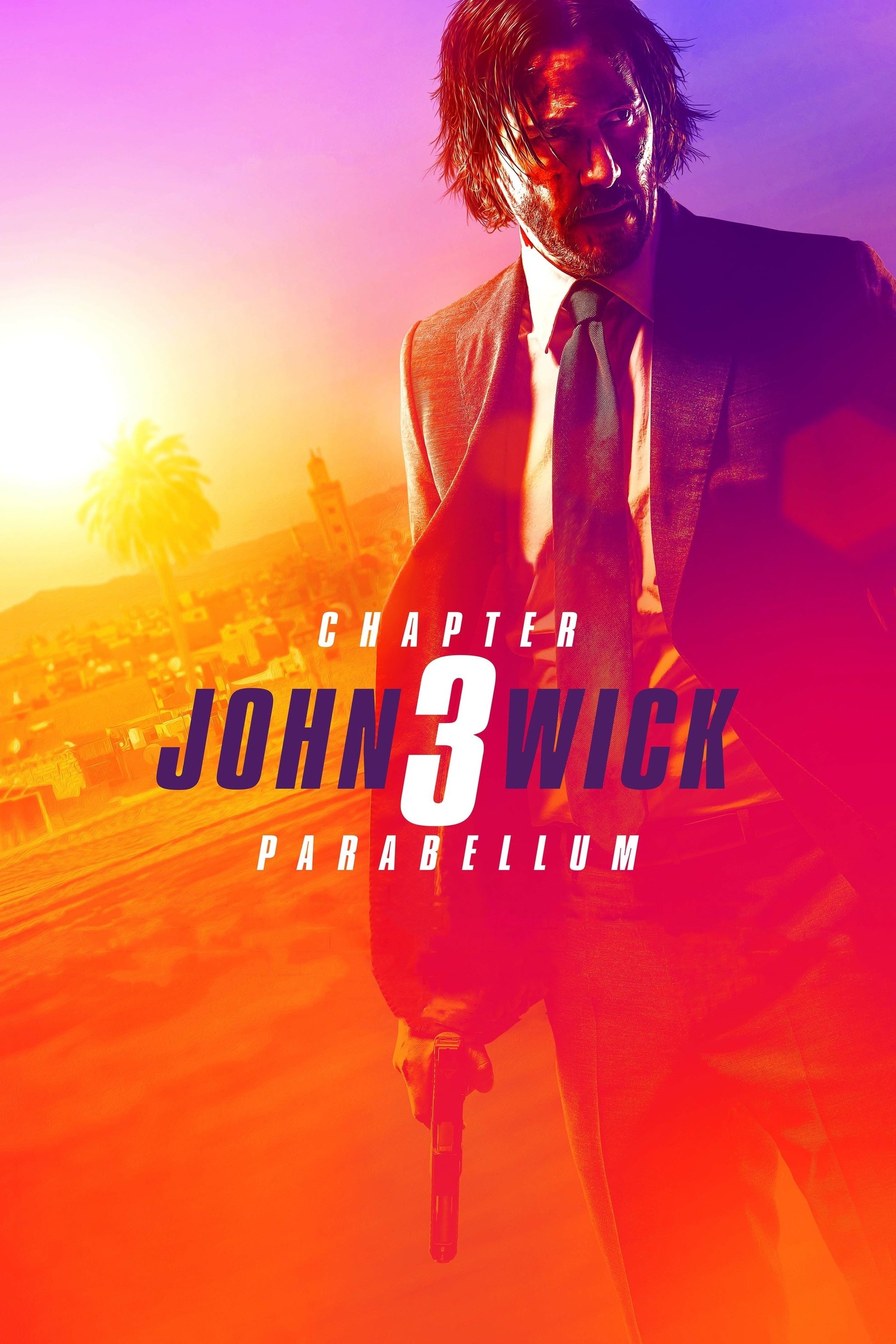
The John Wick movies are famous for their smooth camera movements, and the third film took this a step further by using drones during the motorcycle chase on the Verrazzano-Narrows Bridge. These drones allowed the camera to keep up with the action, speeding alongside the motorcycles as they navigated through traffic and bridge supports. This provided viewers with a clear look at the fight choreography while still feeling the incredible speed of the chase. The drones’ agility was key to capturing the energy and excitement of the scene.
‘6 Underground’ (2019)
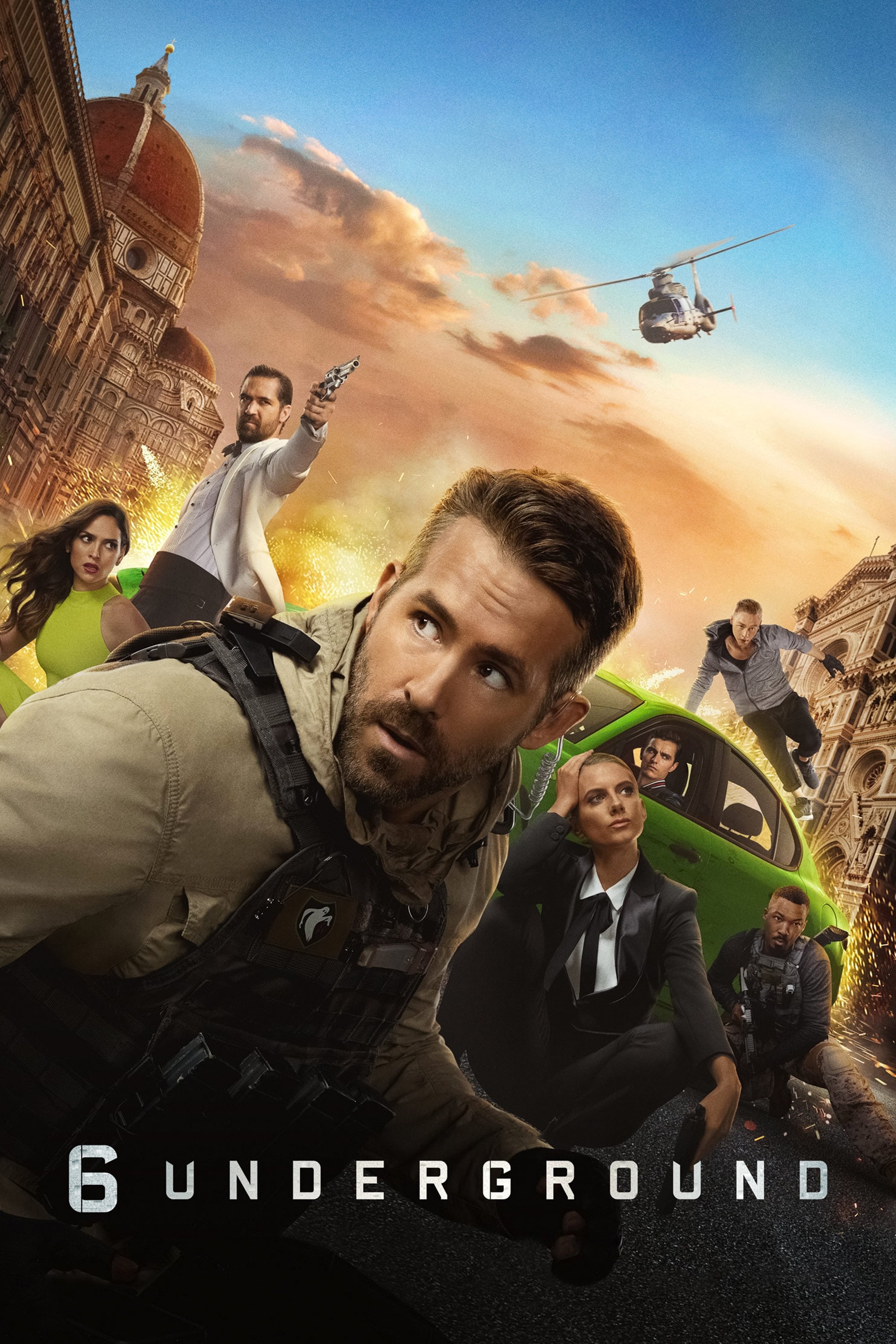
Michael Bay kicked off the film with a thrilling car chase in Florence, using dynamic drone footage shot from a first-person perspective. The camera swooped inside the car, out the windows, and around the city’s landmarks, creating a fast-paced, immersive experience. This innovative style, full of acrobatic drone maneuvers, became a hallmark of action movies in the years that followed.
‘Spider-Man: Far From Home’ (2019)
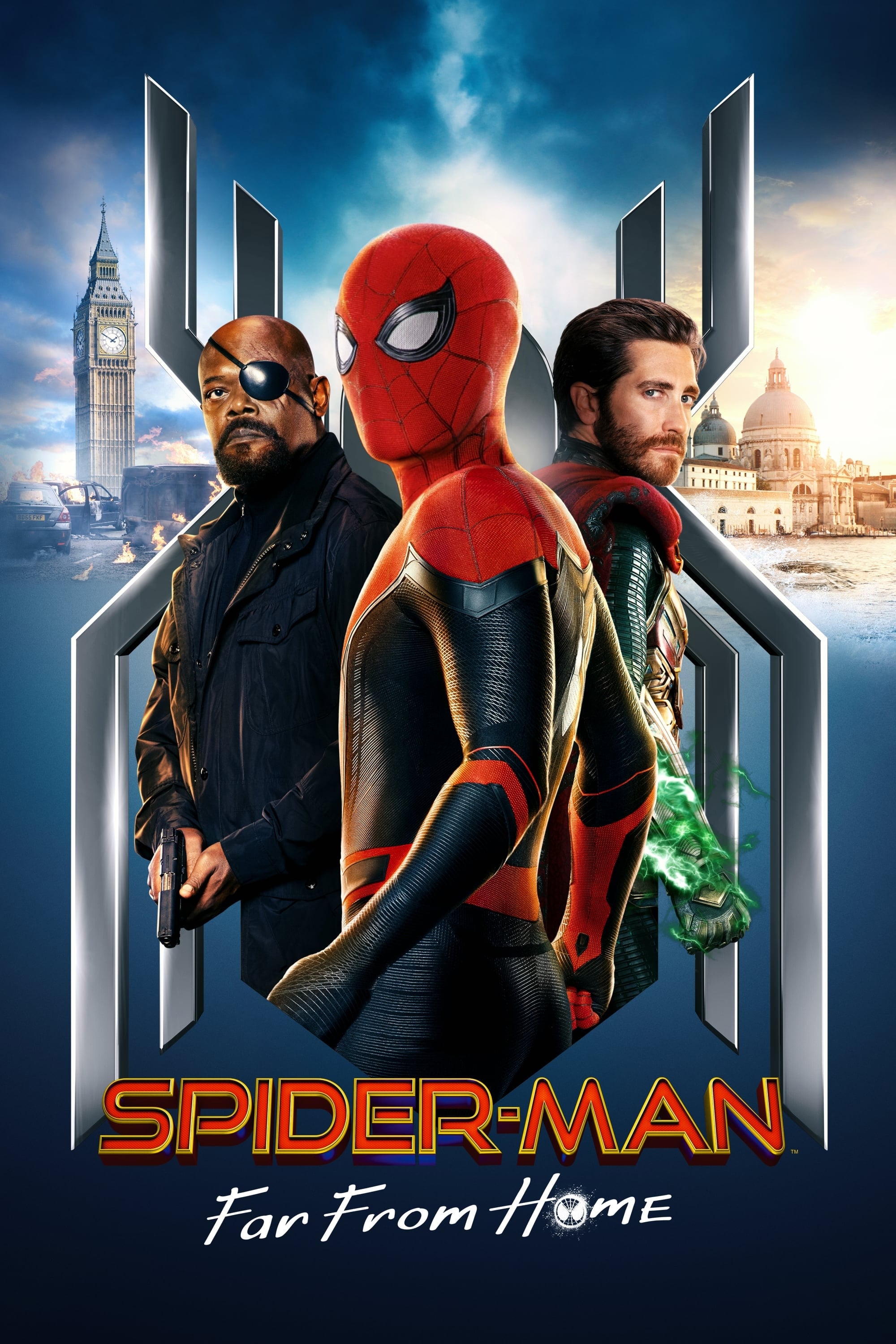
Filming in Venice is tricky because of its canals and strict rules about protecting historic buildings. Drones were an ideal way to get aerial shots. The production team used them to film the Hydro-Man attack, flying over the water and around old buildings. This gave viewers a great look at Spider-Man swinging through the tight canals to rescue people. Because of the location, traditional equipment like cranes and helicopters weren’t allowed, but drones were nimble enough to capture the fast-paced superhero action.
‘Fast & Furious Presents: Hobbs & Shaw’ (2019)
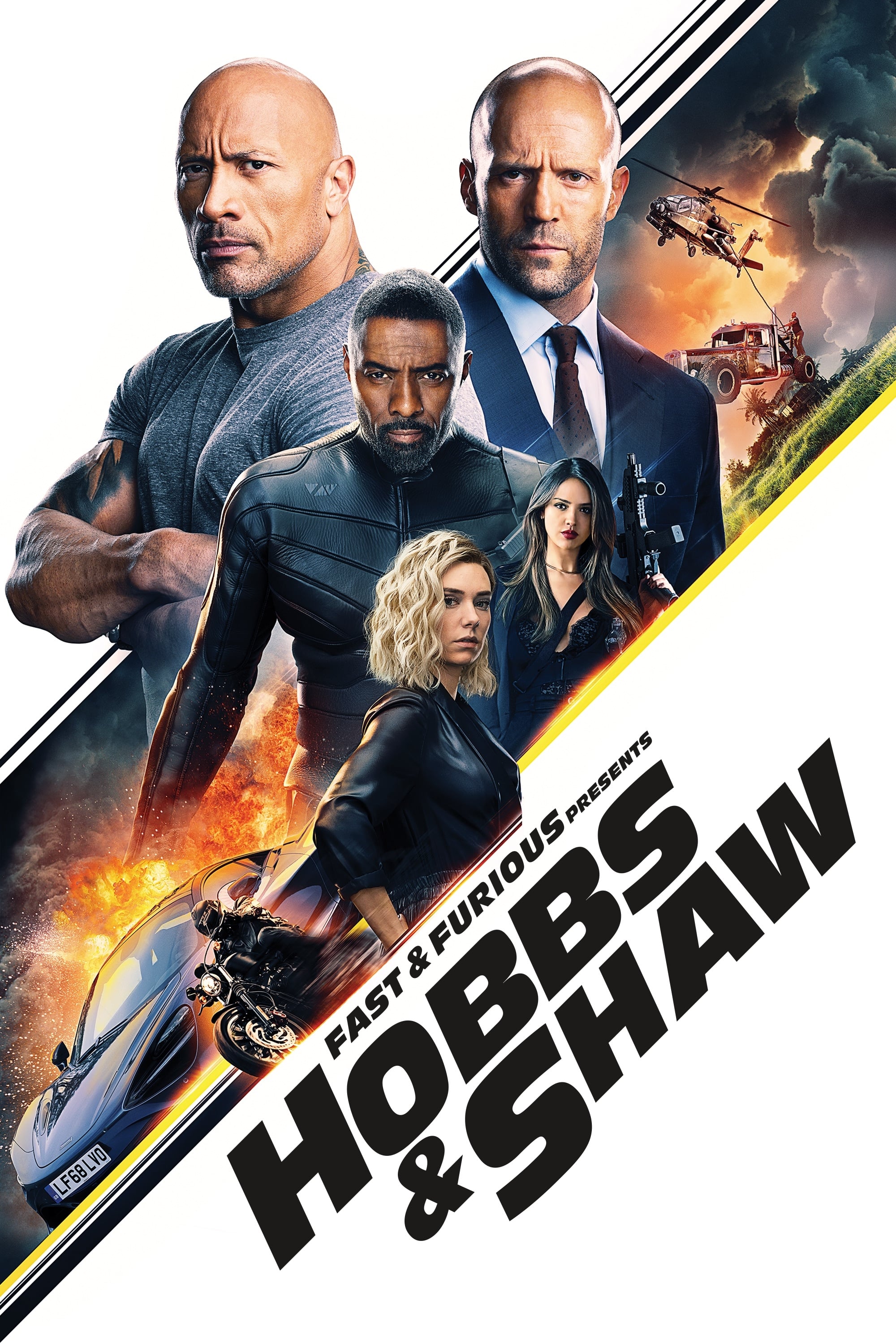
This installment of the series moved the action to Samoa, though it was filmed in Hawaii. Filmmakers used drones to showcase the island’s beautiful scenery and capture a thrilling battle on a cliff. The cameras soared over waterfalls and along the coastline, highlighting the location’s beauty before things got chaotic. During a chase involving a helicopter and a tow truck, drones followed the line of vehicles as they dangerously balanced on the cliff’s edge. These shots really emphasized how precarious the situation was and how over-the-top the stunts were.
‘1917’ (2019)
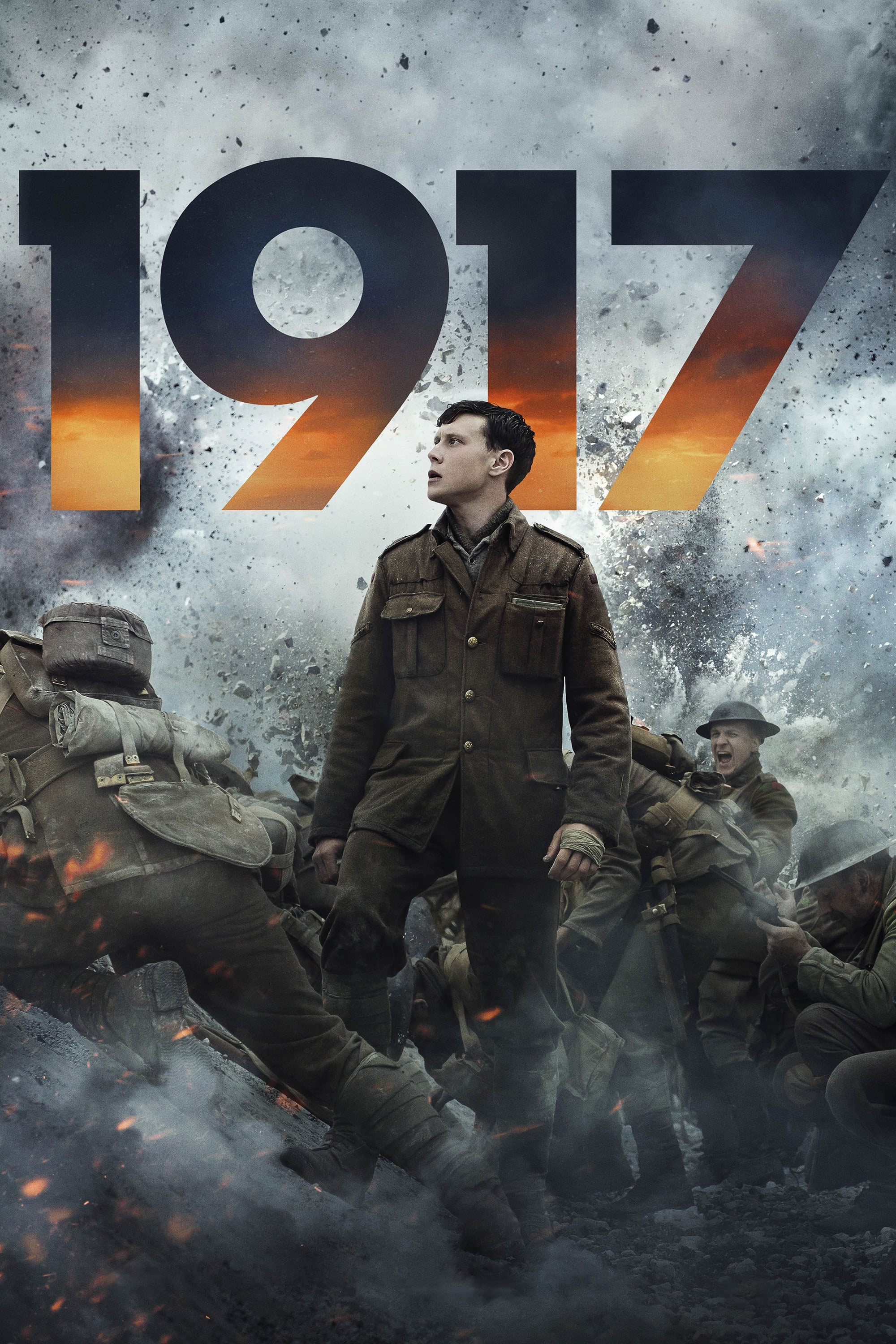
Though known for appearing as one unbroken shot, the famous river scene in the film actually used a drone. As the main character climbs out of the water, the camera smoothly rises from ground level to show a choir singing in the woods. The drone was equipped with a special camera system to keep the image steady and cinematic, even with wind and movement. This stunning camera move creates one of the film’s most powerful and moving scenes.
‘Extraction’ (2020)
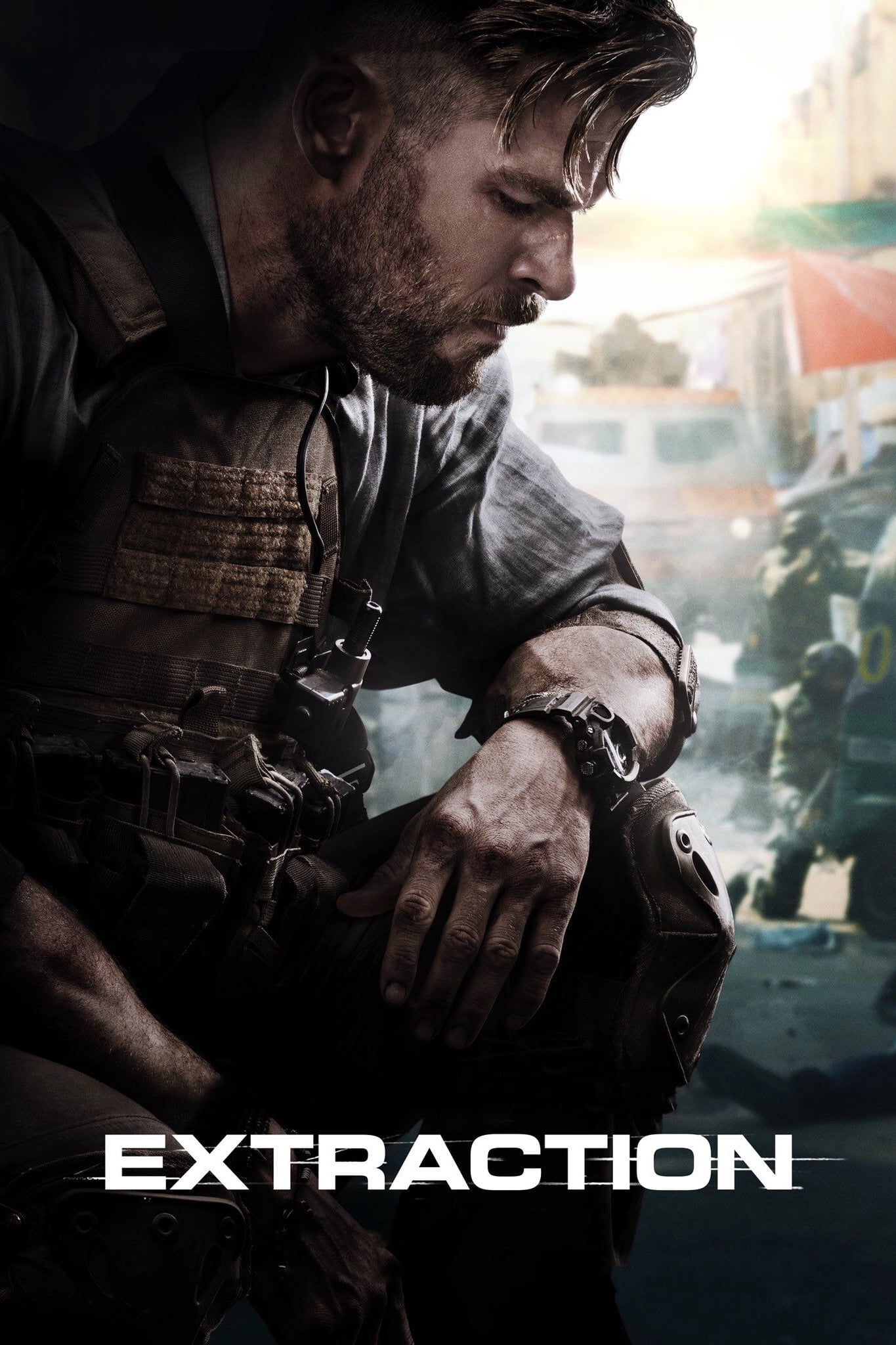
Director Sam Hargrave, who previously worked as a stuntman, created a thrilling car chase scene by using drones in a unique way. He seamlessly moved the camera from inside one car, to a drone flying outside, and then to another car – making it look like one continuous shot. This technique combined real-life stunts with digital editing to create a smooth, dynamic flow between close-up interior scenes and large-scale action, changing how car chases are filmed.
‘Spenser Confidential’ (2020)
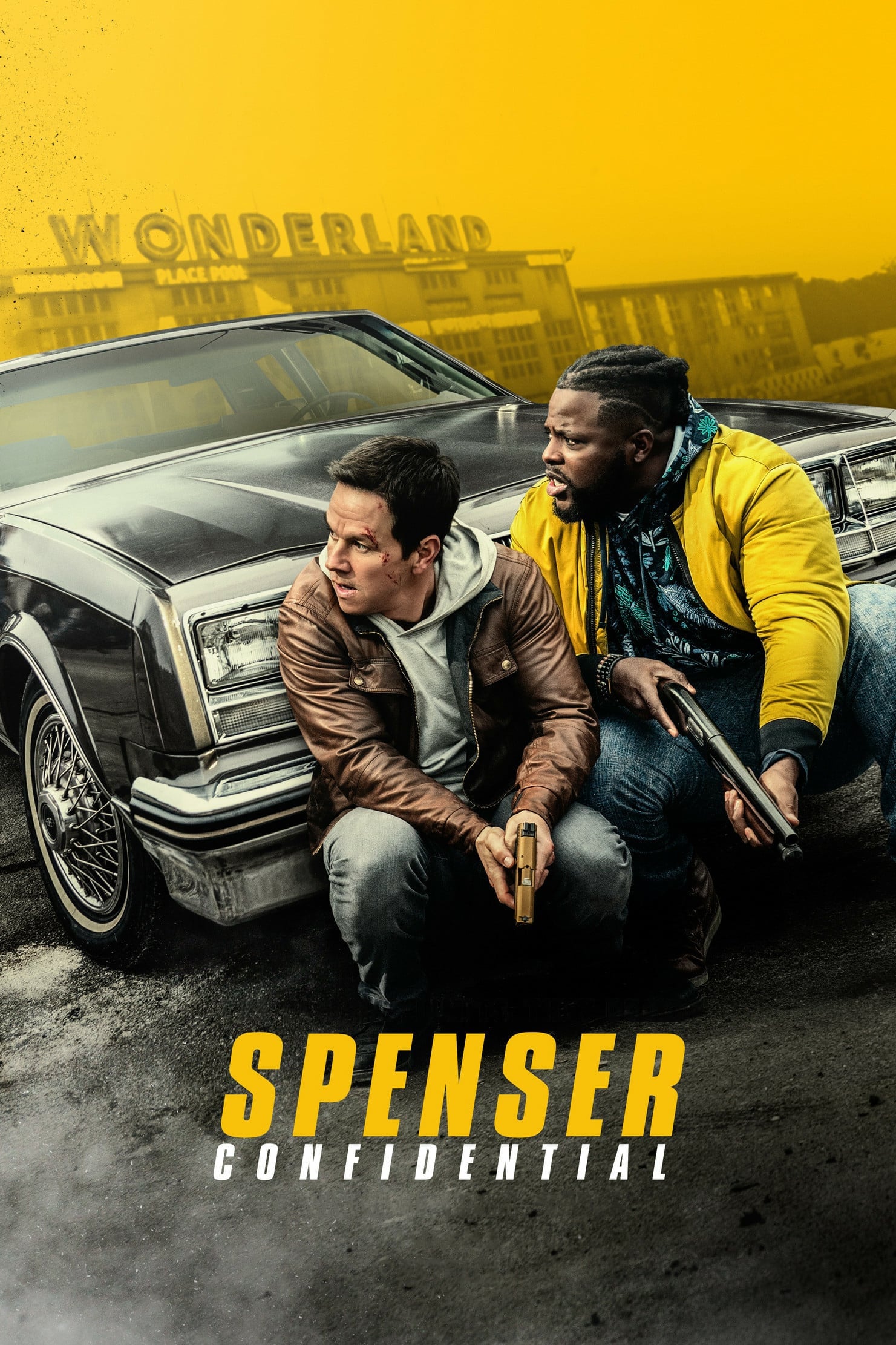
Peter Berg skillfully used drones to film exciting, realistic action scenes in Boston. The movie includes impressive shots of drones flying under trucks and through narrow alleys during chase sequences. These unique angles make the chases feel fast and dangerous, all without the need for shaky camera work. The drone footage brought a fresh, dynamic feel to the classic buddy-cop story.
‘Mulan’ (2020)

To capture the grand scale of the armies and battles, the movie used drones while filming in New Zealand. These aerial cameras flew above the horses, giving viewers a look down at the battle formations and the clash of forces. Drones also helped film the avalanche scene, following the snow as it covered the opposing army. These shots highlighted both the epic nature of the war and the stunning beauty of the natural scenery.
‘Red Notice’ (2021)

The movie’s exciting action sequences, especially a chase through a mine, used small, fast-moving drones to film the action. These drones zipped through tight spaces, swerved around objects, and even flew alongside moving cars, creating a dynamic, video game-like feel. This style perfectly suited the movie’s fun and adventurous spirit, delivering a non-stop, thrilling ride for viewers.
‘Army of the Dead’ (2021)
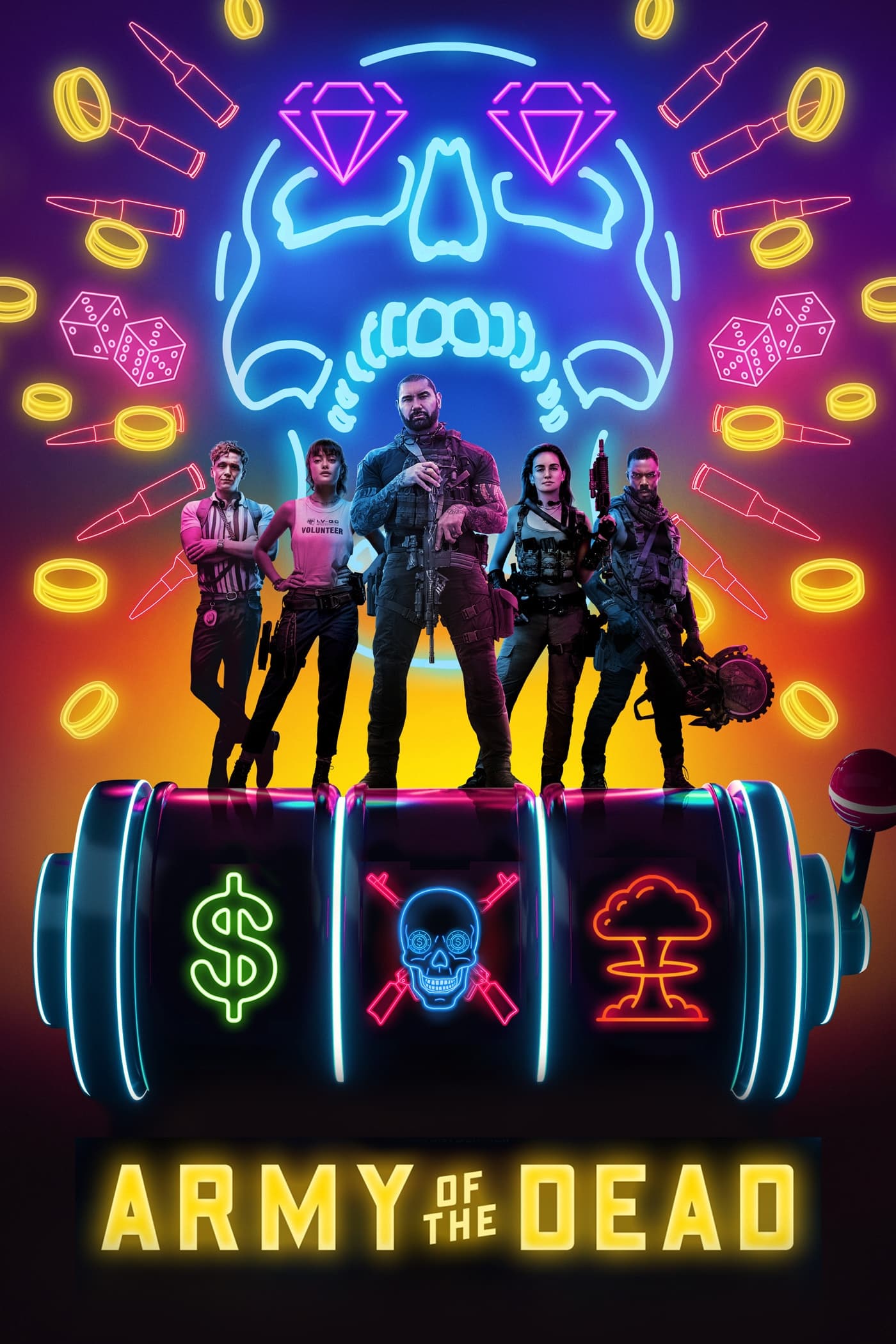
For his zombie heist movie, Zack Snyder personally handled the cinematography, utilizing drones to film the post-apocalyptic scenery of Las Vegas. The aerial footage sweeps across the walls of shipping containers and the destroyed Las Vegas Strip, emphasizing how cut off the quarantined area is. Drones also captured the impressive zombie tiger scene, following the creature as it moved through the maze-like casinos. These unusual perspectives helped create a sense of a once-great city now lost to the undead.
‘No Time To Die’ (2021)

Early in the film, director Cary Joji Fukunaga used drones to film an incredible car chase through the historic city of Matera, Italy. The city’s narrow, winding streets were ideal for the small drones, allowing them to follow James Bond’s Aston Martin DB5 as it sped around corners. The drones captured a dramatic shot of Bond leaving his pursuers behind, showcasing a breathtaking cliffside drop. These scenes blended the timeless appeal of a classic Bond location with exciting, modern filmmaking techniques.
‘F9’ (2021)

The latest Fast Saga film kept up its tradition of over-the-top action, and drones played a key role in filming some of its most unbelievable scenes. Drones were used to capture the sequence where cars seemed to defy gravity, being lifted into the air and caught by a plane while narrowly avoiding crashes. They also filmed a high-speed chase through a minefield, staying close to the ground to highlight the cars’ velocity. This footage proved the franchise remains dedicated to delivering visually stunning, physics-bending spectacles.
‘Dune’ (2021)
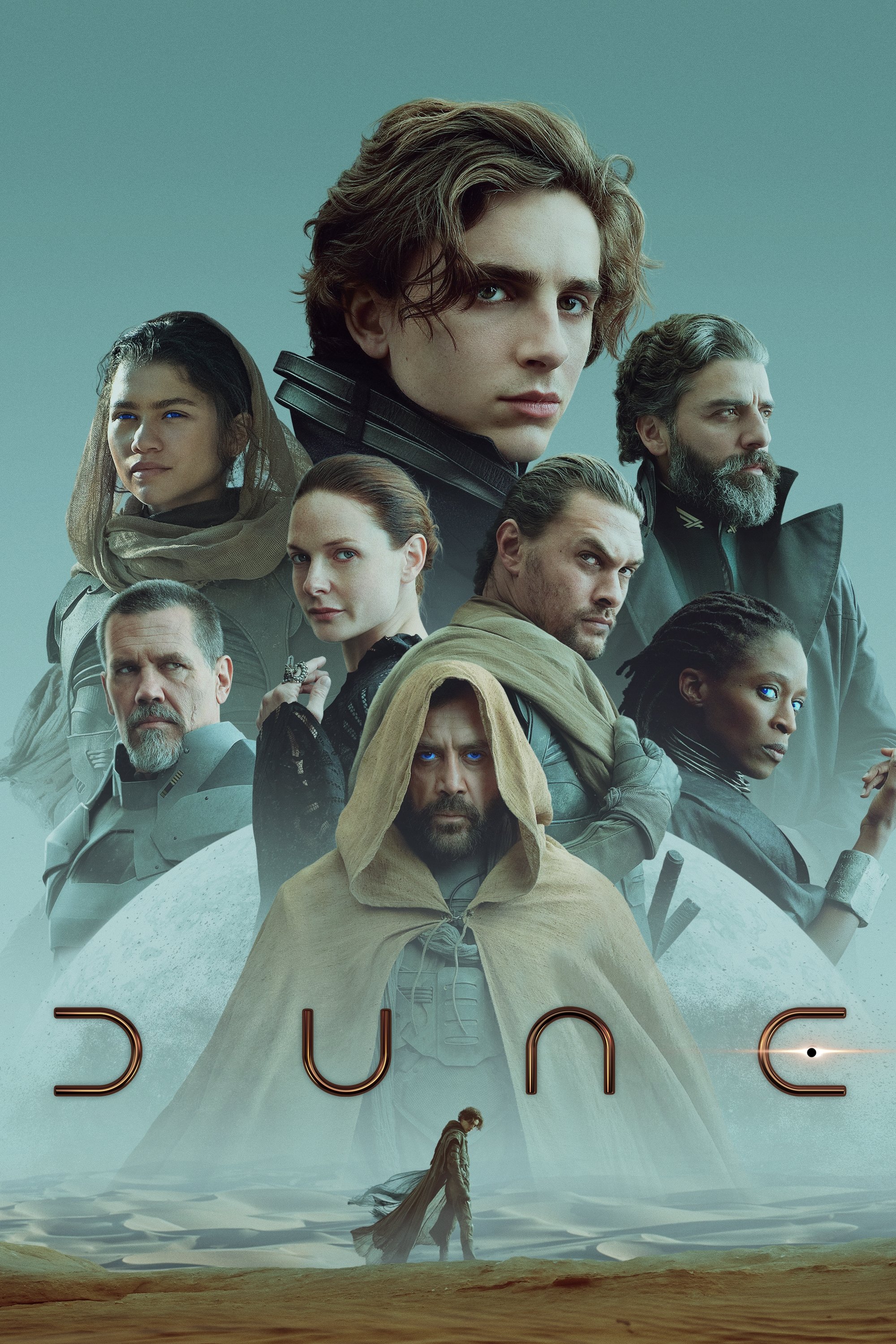
As a huge cinema fan, I was absolutely blown away by the cinematography in that film – Greig Fraser really deserved his Oscar. What struck me most was how he used drones to film Arrakis. It wasn’t just about getting sweeping aerial shots; he was so clever about when he filmed, capturing the way the light hit the sand dunes and the unique atmosphere created by the ‘spice’. I loved how the drones would glide over the flying machines – the ornithopters – making the desert feel truly immense and alive. It wasn’t just a setting; it felt like another character in the story, and those shots were key to making that happen.
‘Ambulance’ (2022)
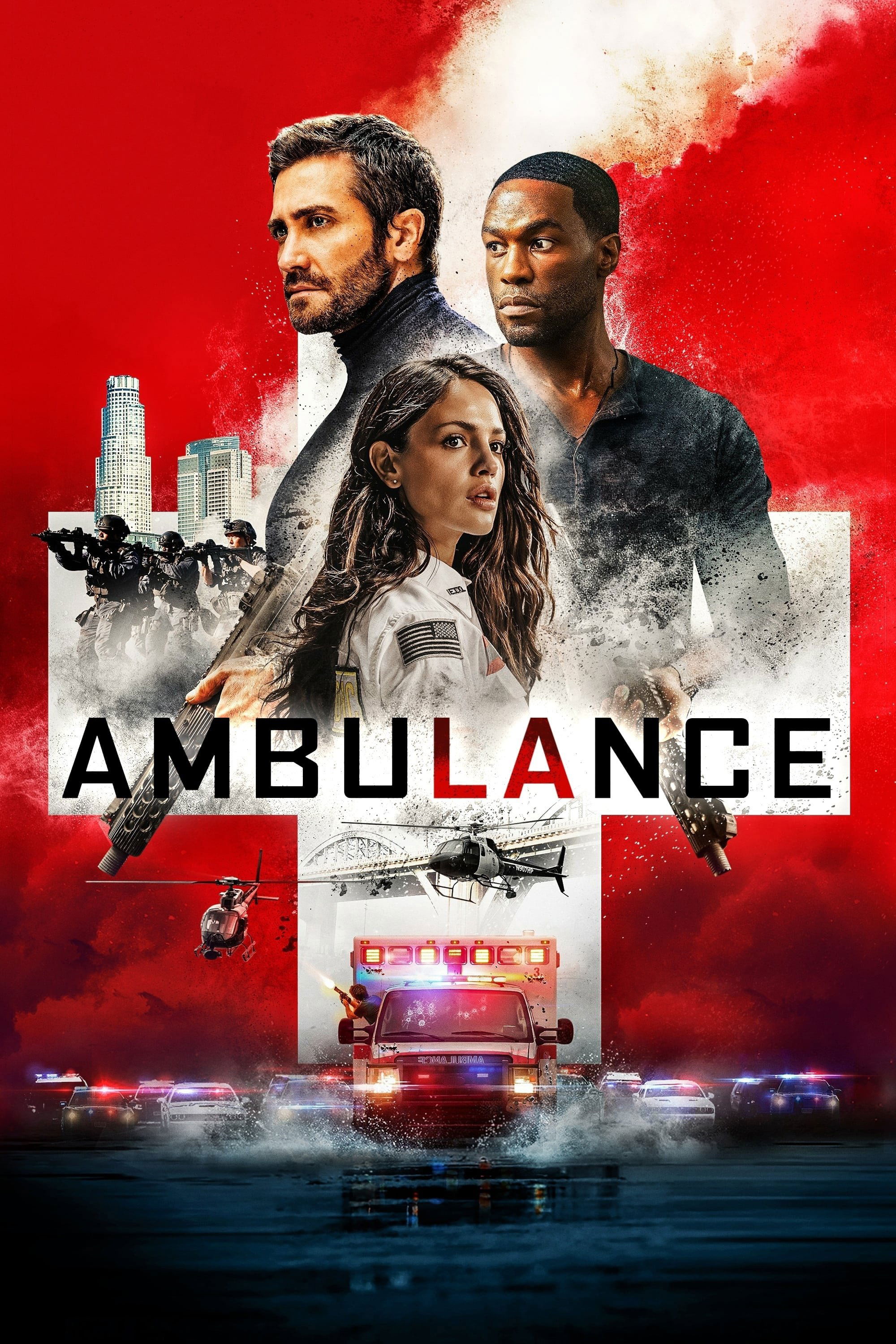
Michael Bay’s latest film pushes the boundaries of action cinematography using FPV racing drones. These drones perform incredible, high-speed maneuvers – diving down skyscrapers, weaving under cars, and flying through complex structures – all captured with a dizzying, immersive perspective. The film’s innovative drone work has set a new standard for fast-paced, experimental visuals in Hollywood.
‘Top Gun: Maverick’ (2022)
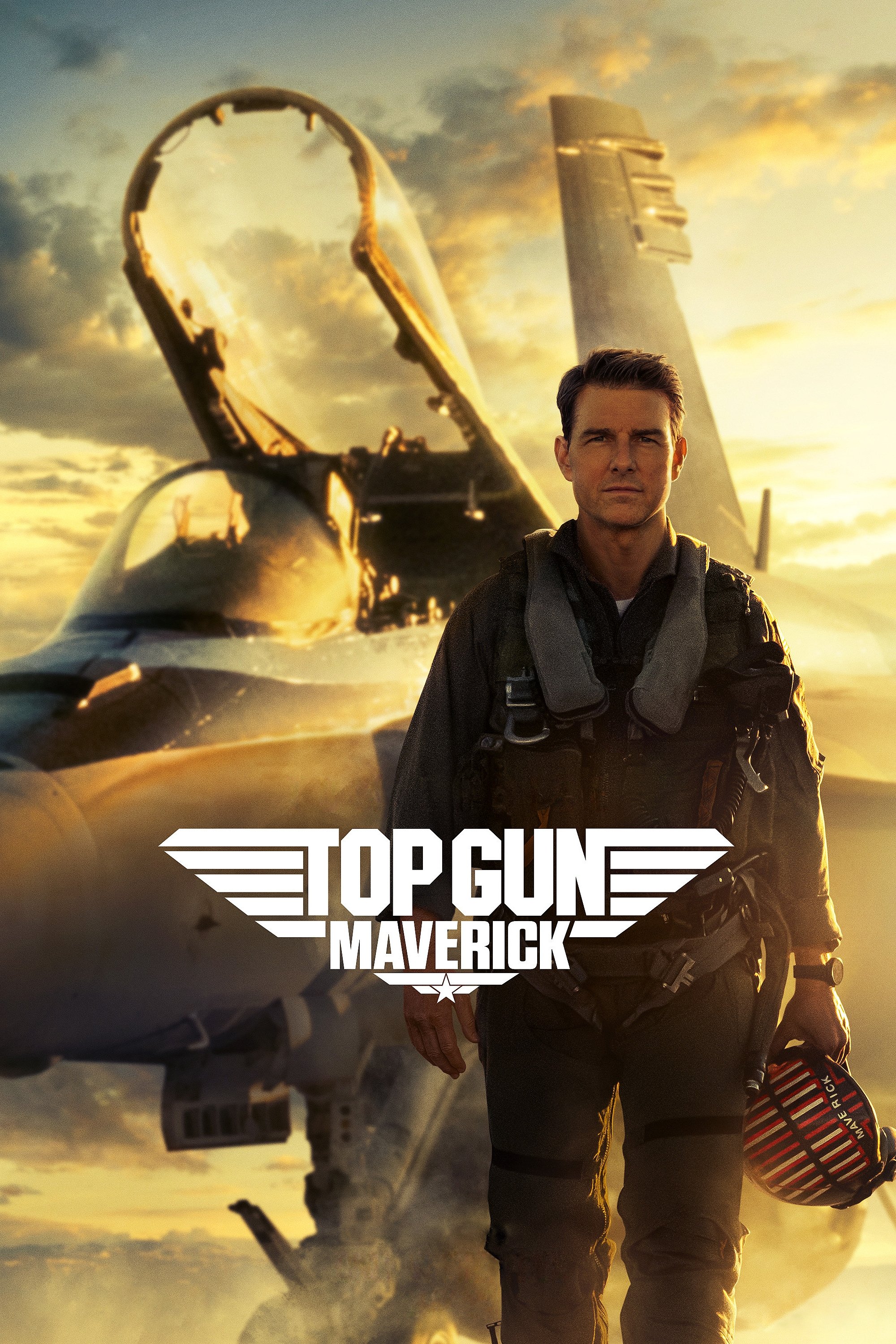
The filmmakers famously mounted IMAX cameras inside actual fighter jets, but they also used drones for certain exterior shots. Drones were especially useful for capturing low-level flight sequences through canyons during training, allowing them to get incredibly close to the canyon walls – closer than a helicopter could safely fly. These shots really heightened the feeling of speed and risk as the pilots maneuvered through the challenging landscape. By combining footage from the jet-mounted cameras with the drone footage, the film achieved the most realistic aerial combat scenes ever captured on film.
‘The Gray Man’ (2022)
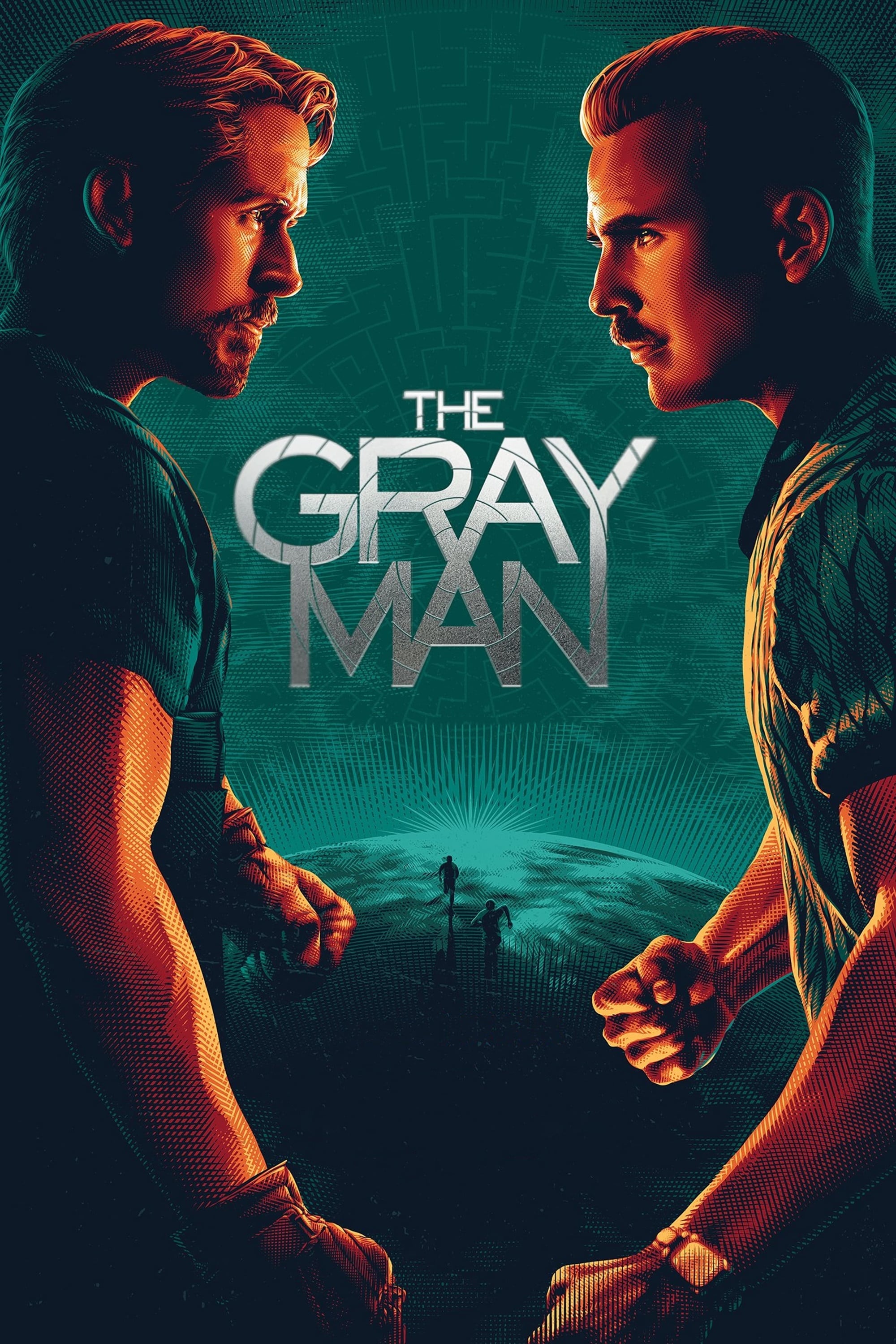
The directors, the Russo brothers, used fast-moving drones to film both the exciting tram chase in Prague and the opening fireworks display. For the fireworks scene, the camera soared through the explosions, making viewers feel like they were right in the middle of the action. During the chase, the drones zipped between the tram and the cars chasing it, capturing the damage up close. This technique created a fast-paced, immersive experience that matched the film’s energy.
‘Athena’ (2022)

This French action film is well-known for its incredible opening scene: an eleven-minute, unbroken shot. The camera starts with a riot on the street, then moves inside a van, and finally transitions to a drone capturing a high-speed chase from above. This impressive feat seamlessly blended different camera techniques – handheld, from within the vehicle, and aerial – into one continuous shot. It’s still considered one of the most ambitious and complex drone sequences ever filmed.
‘Carter’ (2022)
This South Korean action movie creates the illusion of a single, unbroken shot using incredible drone work. The camera appears to move seamlessly around vehicles and inside them during fight scenes – even flying through windshields! The drone’s movements are impossible for a human to control, giving the film a fast-paced, almost video-game-like feel, and really showcasing what’s possible with filmmaking technology.
‘Extraction 2’ (2023)
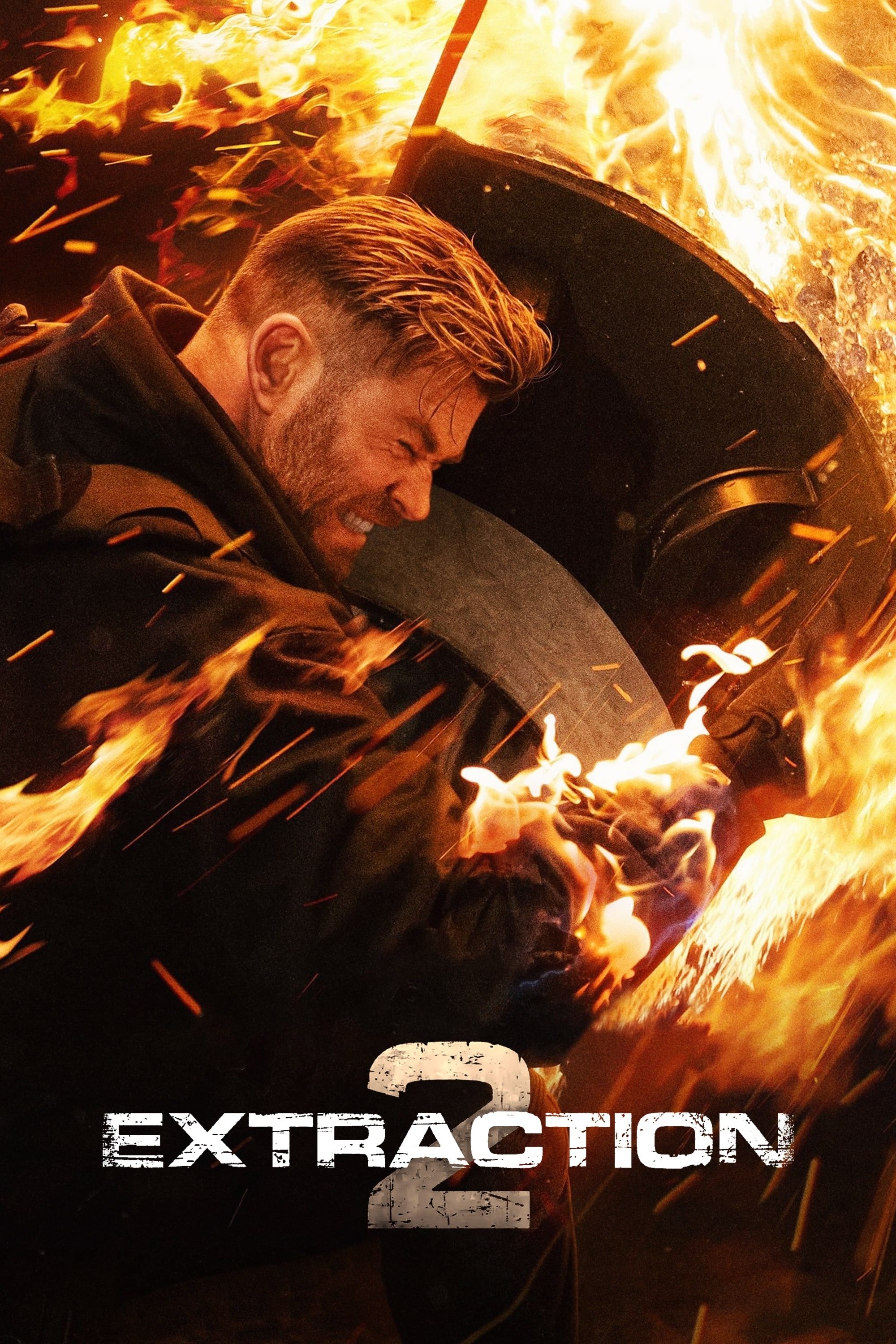
The new movie builds on the first film’s success with an incredible 21-minute prison escape scene filmed in one continuous shot. To make this possible across vast locations, the filmmakers used drones to connect different parts of the action. The camera follows the main character as he escapes a prison riot, jumps into a car chase, and then onto a speeding train, with drones smoothly transitioning between these scenes. These aerial cameras flew through the chaotic prison yard and kept pace with the train even as it was attacked by helicopters, creating a non-stop, seamless flow of action over many miles.
‘John Wick: Chapter 4’ (2023)
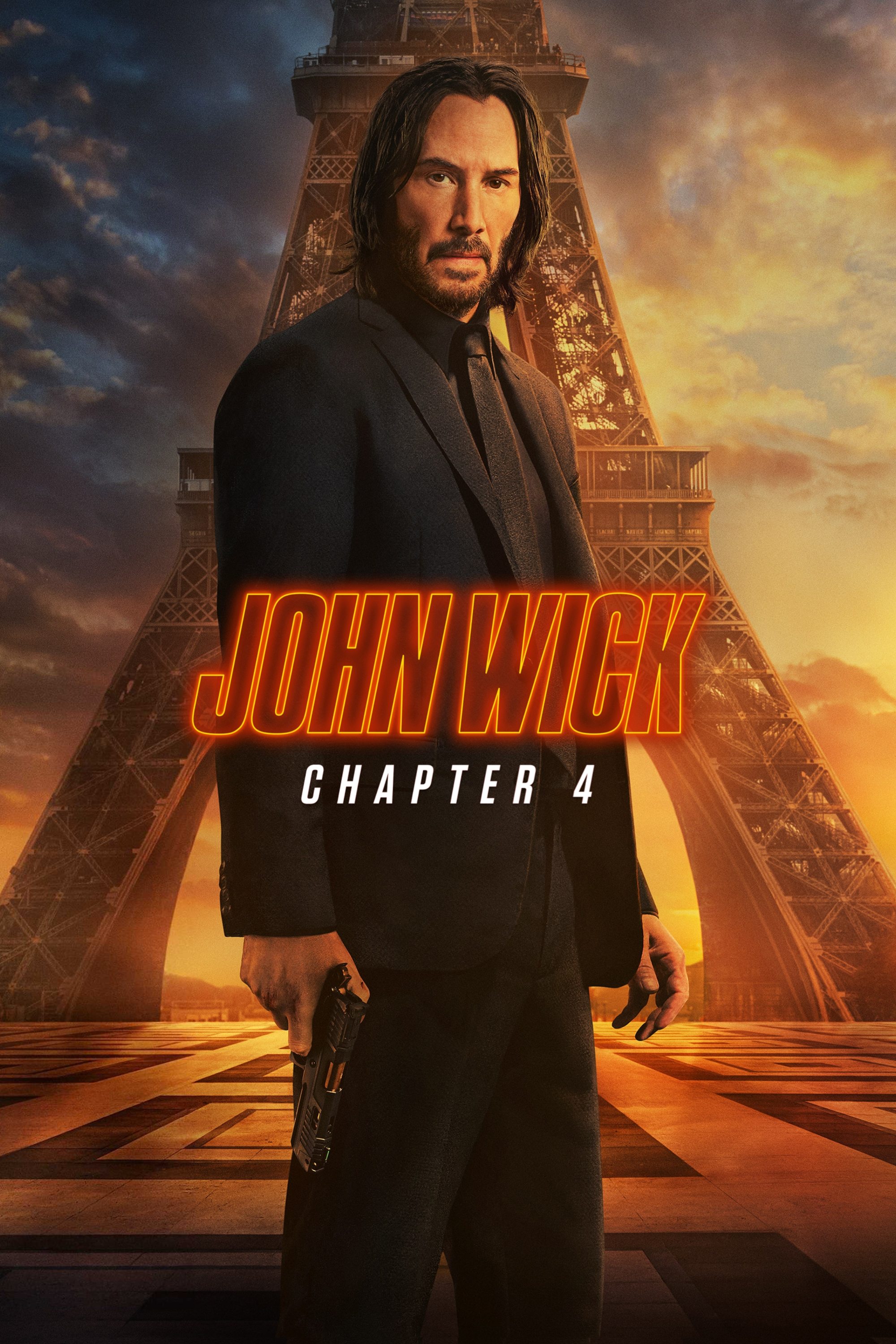
The movie’s most intense scene shows a shootout inside a ruined building from a unique overhead angle, nicknamed “God’s Eye,” and features special shotgun shells called “Dragon’s Breath.” This perspective was created using a complex camera system that moved like a drone, and actual drones were also used to film a chaotic car chase around the Arc de Triomphe in Paris. These aerial shots highlight the endless cycle of violence John Wick faces as he fights to survive.
Read More
- 20 Movies Where the Black Villain Was Secretly the Most Popular Character
- Celebs Who Narrowly Escaped The 9/11 Attacks
- 25 “Woke” Films That Used Black Trauma to Humanize White Leads
- Top 20 Dinosaur Movies, Ranked
- Transformers Under the Microscope: What Graph Neural Networks Reveal
- The 10 Most Underrated Jim Carrey Movies, Ranked (From Least to Most Underrated)
- 22 Films Where the White Protagonist Is Canonically the Sidekick to a Black Lead
- Trading on Thin Air: AI Agents Conquer Crypto Volatility
- The Best Directors of 2025
- Silver Rate Forecast
2025-12-12 18:51