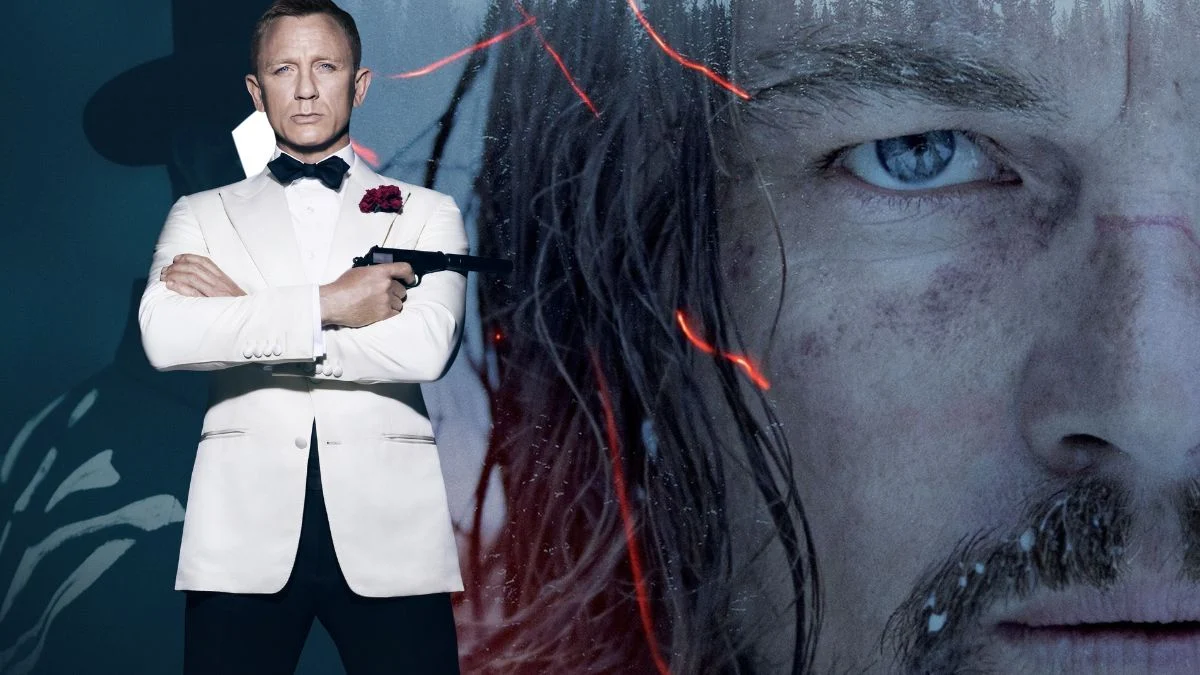
Throughout film history, directors have occasionally chosen to film entire scenes in a single, unbroken shot instead of using traditional editing. These long takes demand precise coordination between the actors and camera crew to create a seamless experience for the viewer. Filmmakers use this technique to heighten suspense or fully draw the audience into the story’s world. Whether it’s a complex action scene or a quiet, emotional conversation, the single-take shot remains a compelling way to tell a story visually.
‘1917’ (2019)
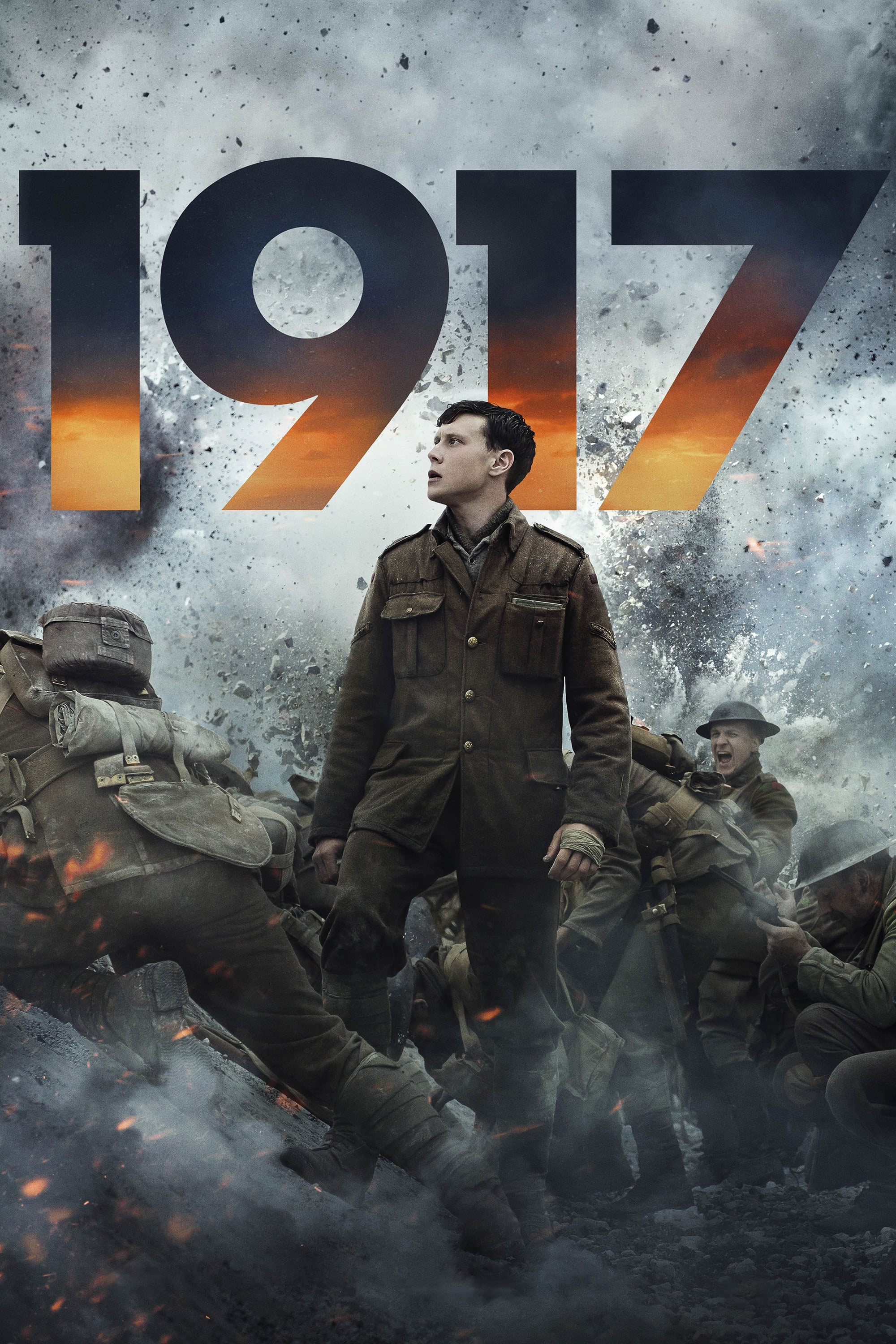
Director Sam Mendes created this World War I film to look like one continuous, unbroken shot. The story follows two young soldiers as they race against time to deliver a crucial message and prevent a disastrous attack behind enemy lines. Cinematographer Roger Deakins used clever lighting and carefully hidden edits to make it seem like everything is happening in real time. This technique puts the audience right in the middle of the action, experiencing the danger and fear alongside the soldiers as they navigate the war-torn trenches. The film is a gripping, non-stop journey across the devastated landscapes of France.
‘Children of Men’ (2006)
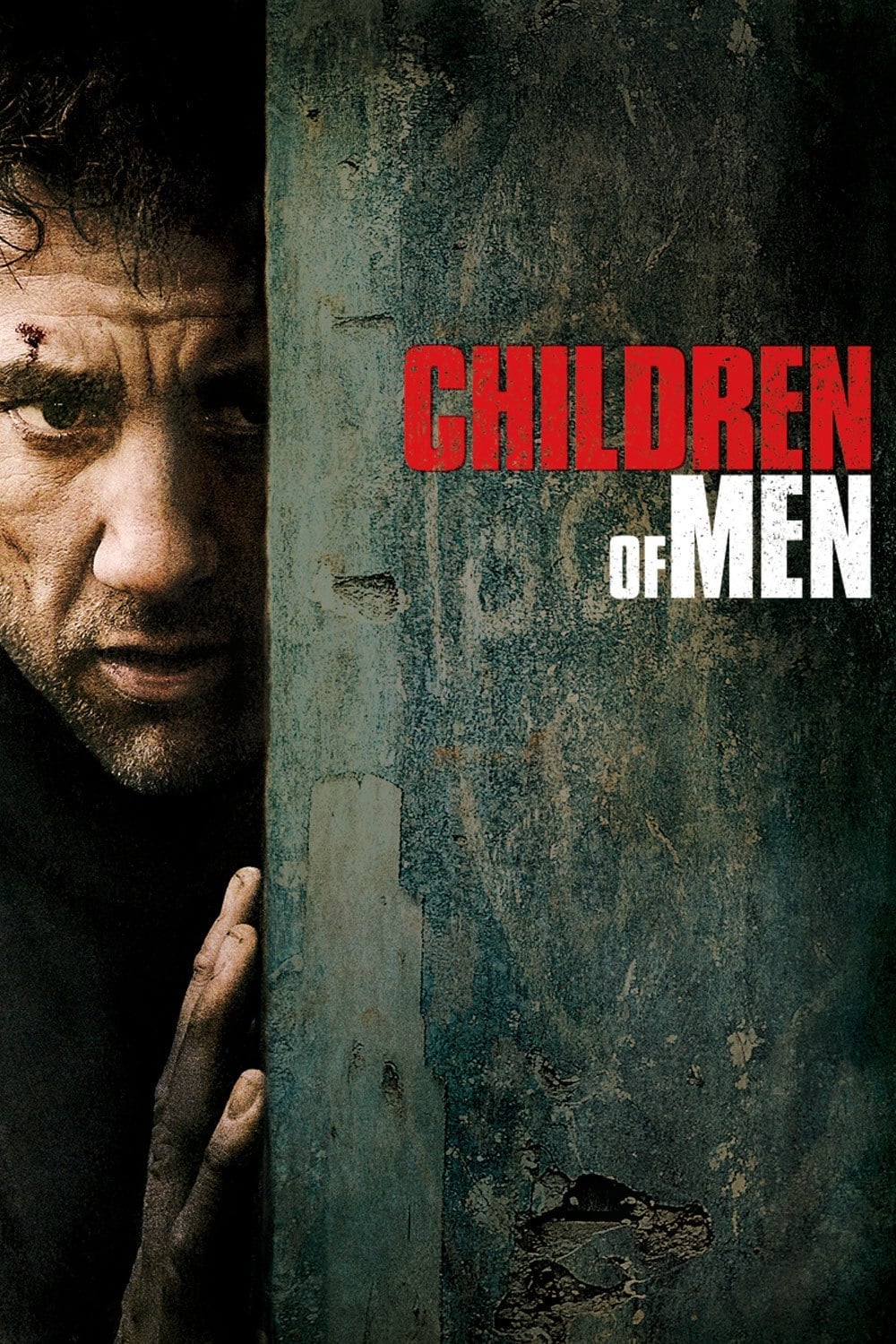
In this intense, futuristic thriller, director Alfonso Cuarón is known for his extended shots, but the car ambush is particularly impressive. The filmmakers built a special camera setup inside the vehicle that could spin completely as the actors performed during the attack. The scene starts with normal conversation and then explodes into violence, all captured in one continuous shot, heightening the suspense. It puts the audience right in the car with the characters as they’re surrounded by motorcycles and gunfire, powerfully illustrating how vulnerable life has become as society breaks down.
‘Goodfellas’ (1990)
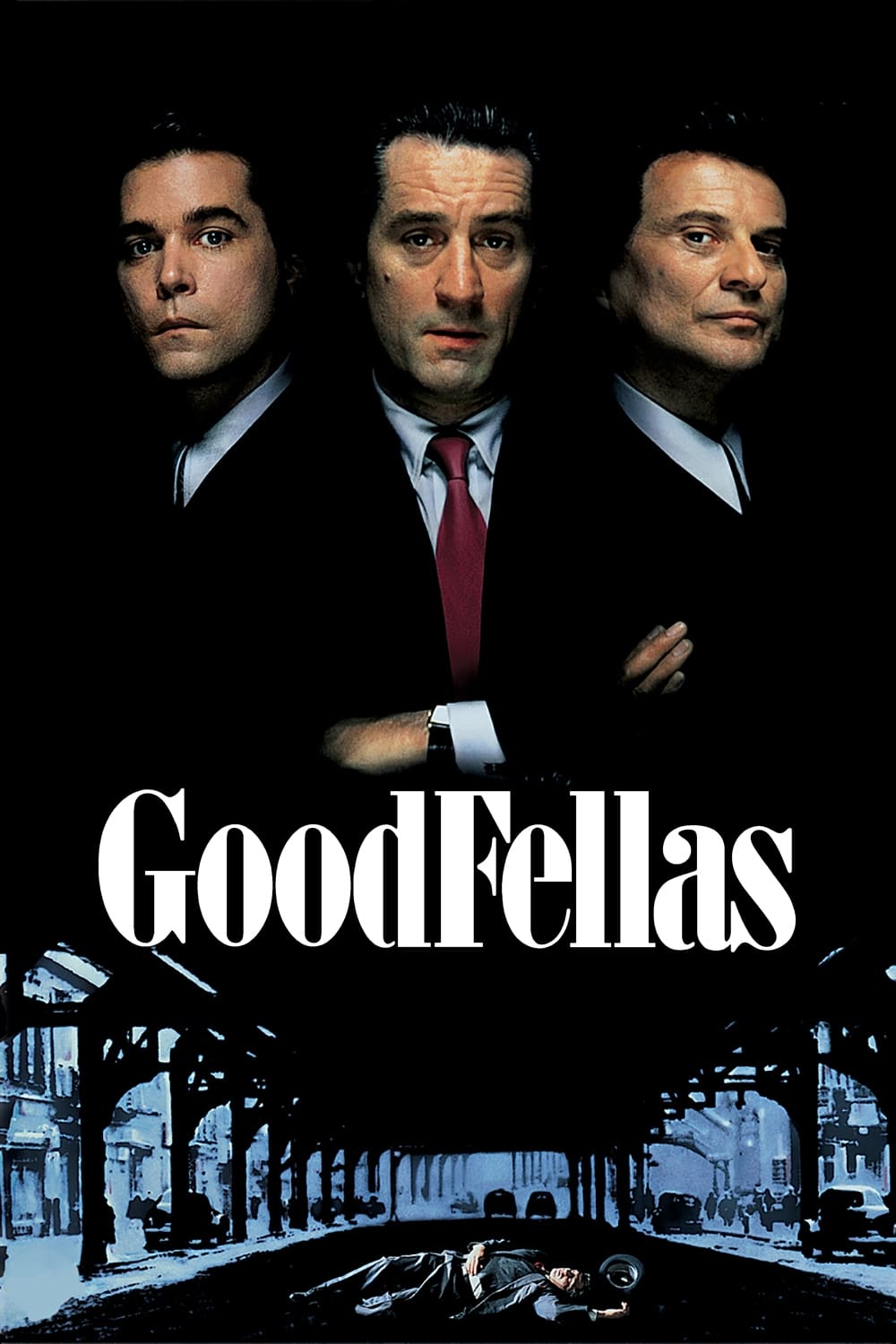
Martin Scorsese brilliantly captured the allure of the mafia world in a famous scene at the Copacabana nightclub. The camera follows Henry Hill and Karen as they confidently walk past the long line, entering through the back kitchen. We see them navigate the busy hallways and food preparation areas before being led to a perfect table right by the stage. This fluid camera movement highlights Henry’s power and connections. The shot is so iconic, it’s been copied many times in other films.
‘Touch of Evil’ (1958)
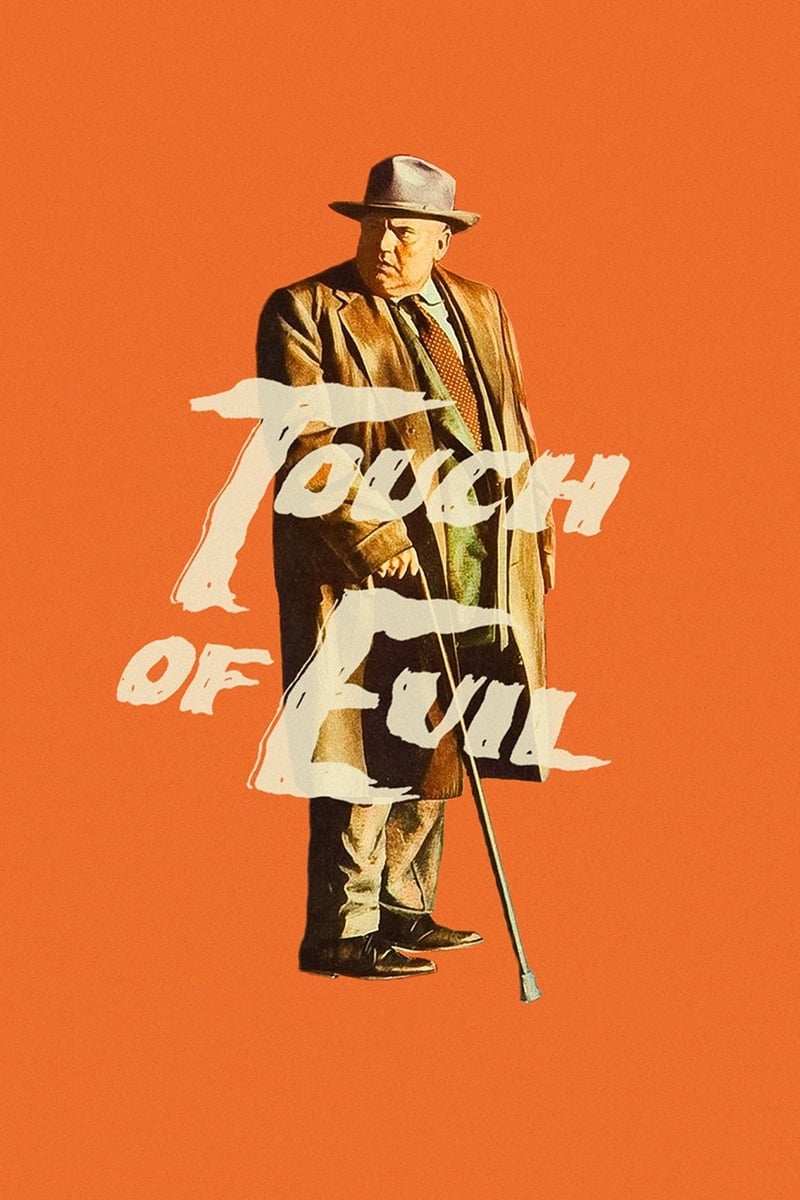
The film opens with a brilliantly suspenseful shot: a car slowly crosses the border with a bomb hidden in its trunk. The camera follows its journey, building tension as the audience knows an explosion is about to happen, while the people inside have no idea. This iconic opening immediately creates a sense of urgency and is often praised as one of the best ever filmed. It perfectly establishes the film’s fast-paced plot.
‘Oldboy’ (2003)
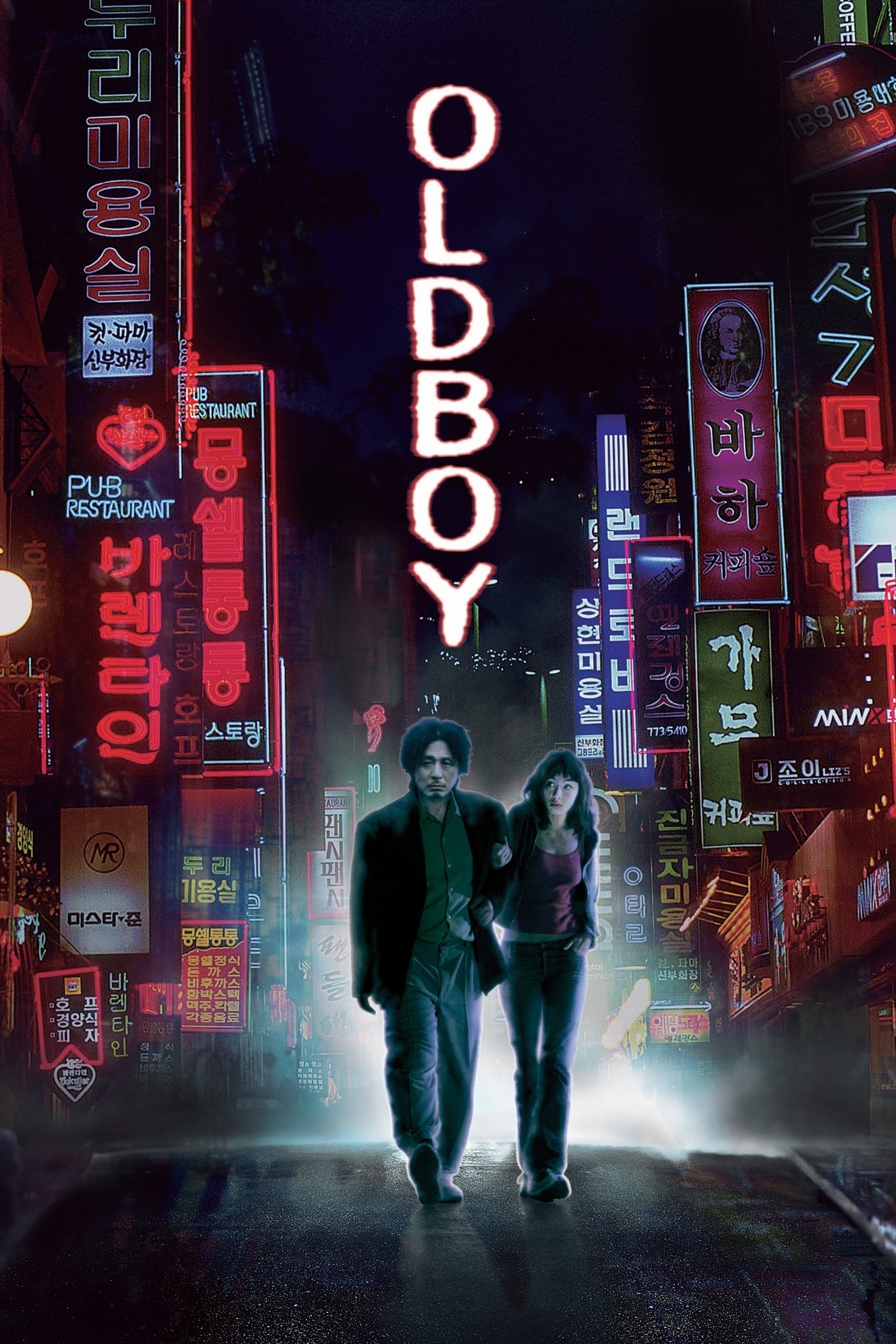
Park Chan-wook revolutionized action movies with an incredibly intense fight scene shot in one continuous, sideways camera movement. The main character, Oh Dae-su, battles numerous attackers in a tight hallway, using only a hammer. The camera follows the action from side to side, highlighting how tiring and damaging the fight is for everyone involved. Instead of the fast, choppy editing common in action films, this scene focuses on the raw and painful truth of violence. The result is a powerfully realistic sequence that feels more like playing a side-scrolling video game than watching a typical movie fight.
‘La La Land’ (2016)
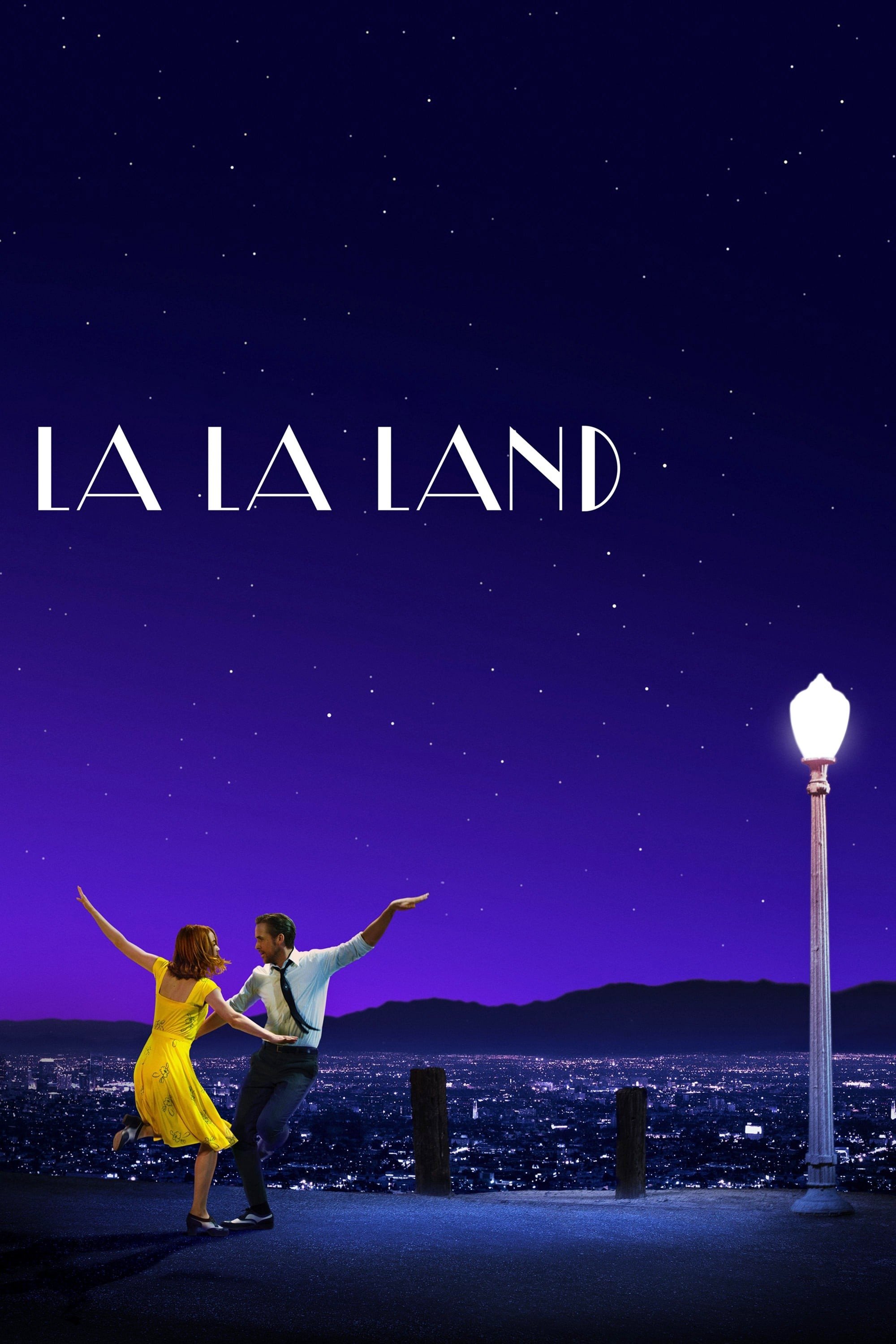
Damien Chazelle’s musical began with a huge, energetic dance number filmed on a Los Angeles freeway stuck in traffic. Dancers leaped from their cars to perform a vibrant and intricate routine on top of the vehicles. The camera moved around the cars and dancers, showcasing the impressive scale of the scene in bright sunlight. This lively opening immediately set the film’s fantastical mood. Filming it meant closing down a significant highway exit.
‘Rope’ (1948)
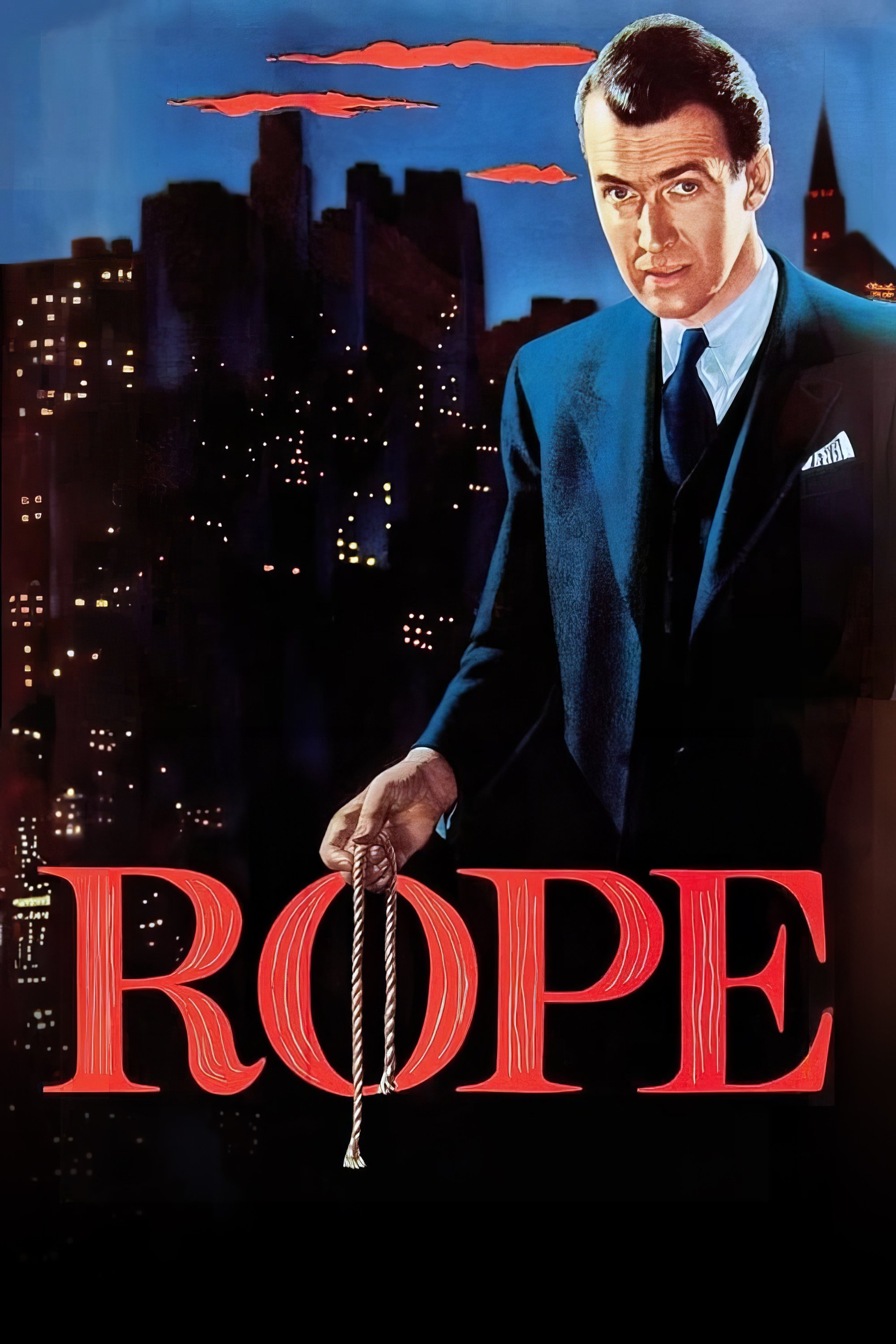
Before digital editing tools existed, Alfred Hitchcock was a pioneer of the long take. His film unfolds entirely within an apartment during a dinner party, with a hidden body adding to the tension. Hitchcock cleverly concealed his cuts by using zooms into things like dark jackets or furniture to switch film reels. This technique, which creates a seamless flow without visible edits, makes the film feel like a live stage play and was a remarkable technical achievement with the cameras of that era.
‘The Revenant’ (2015)
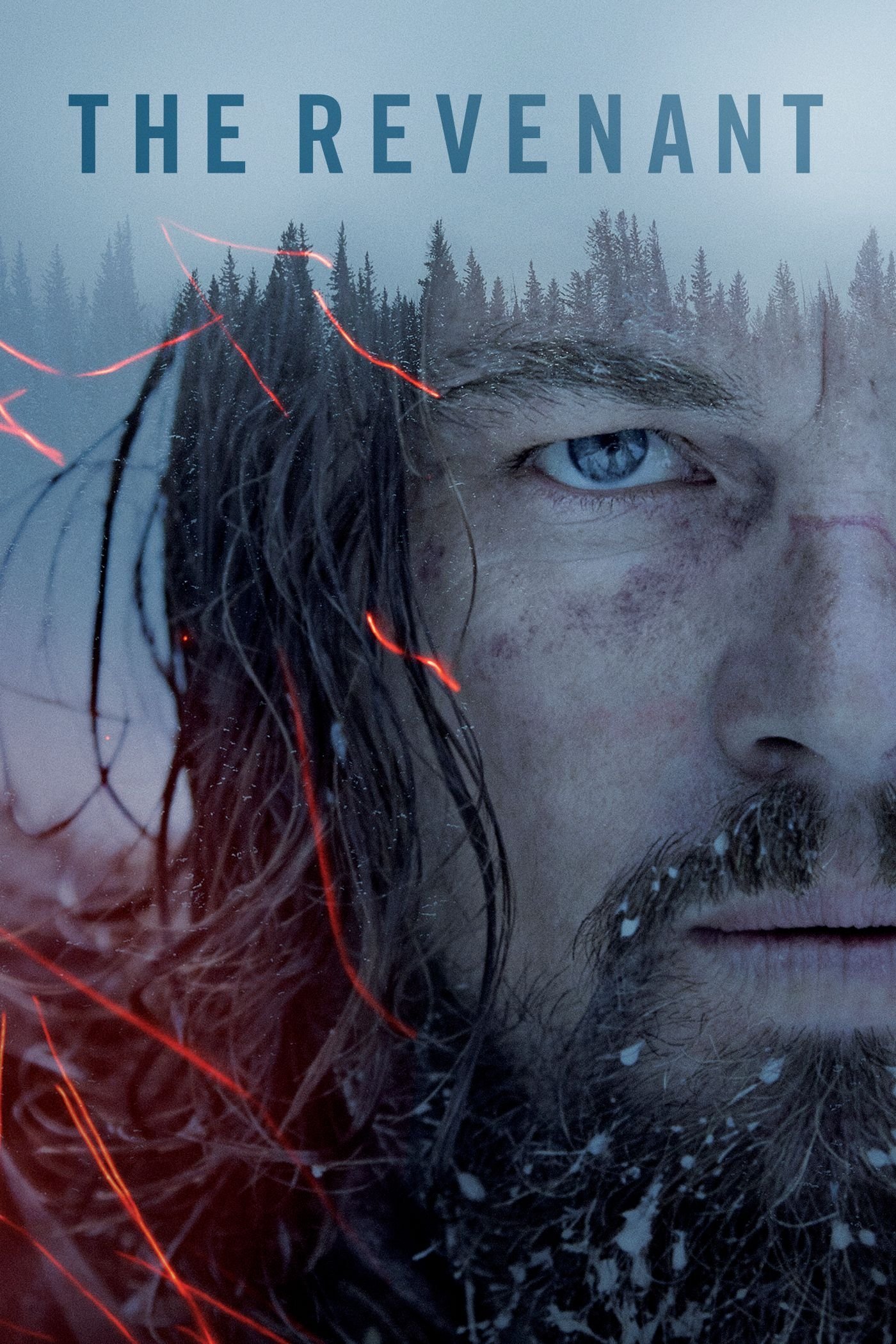
The film immediately throws you into a brutal fight between fur trappers and Native Americans. Cinematographer Emmanuel Lubezki used natural light and a wide-angle lens to keep the camera close to the action. The scene flows seamlessly between different characters’ viewpoints, showing the violence from all sides without quick cuts. Arrows whiz past the camera, and horses charge through the water, creating a shockingly realistic and terrifying effect. This intense opening establishes the dark and dangerous mood for the rest of the story.
‘Russian Ark’ (2002)
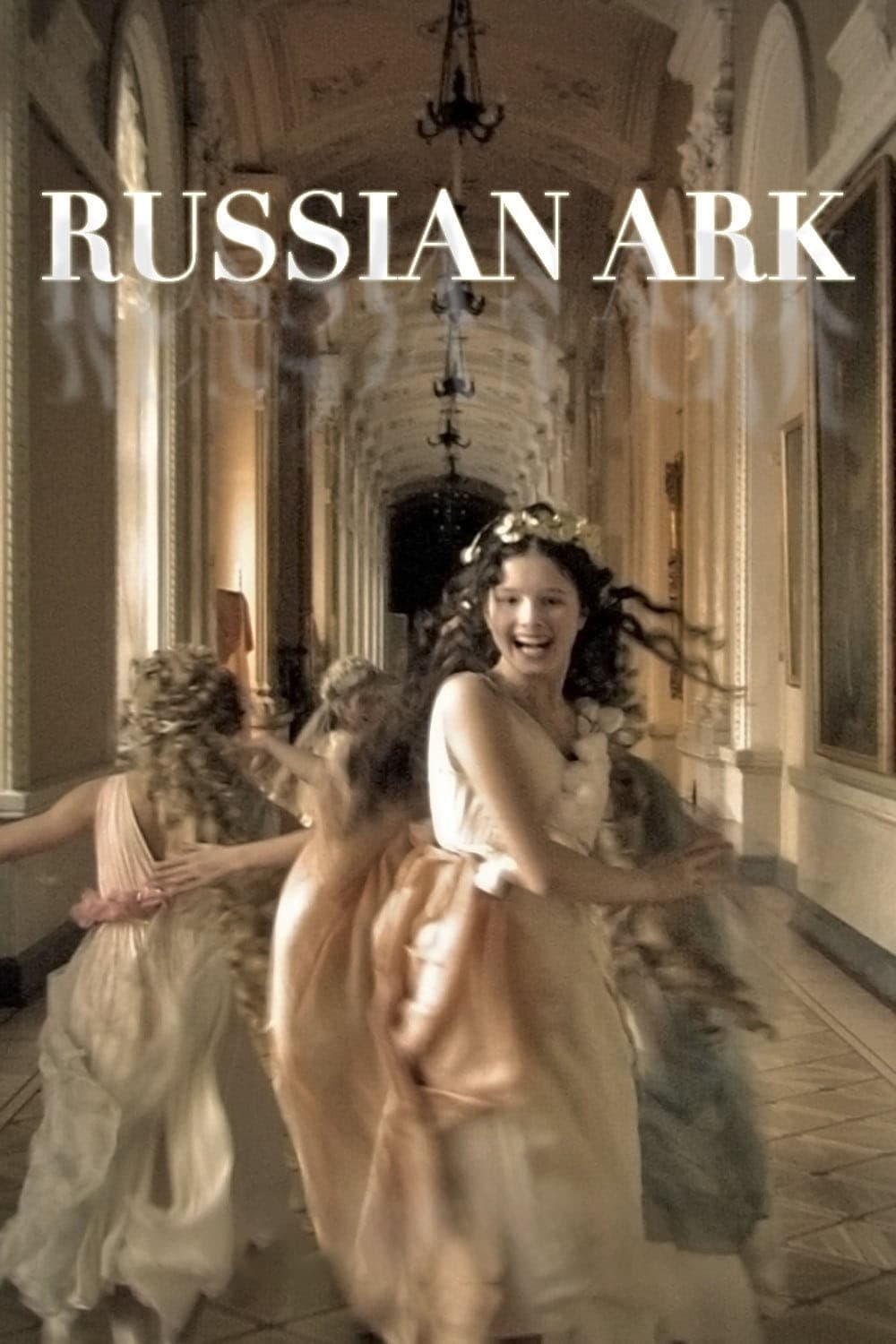
I was absolutely stunned by Alexander Sokurov’s film. It’s an incredible achievement – he filmed the entire historical drama in one single, unbroken shot! The camera just flows through the Winter Palace, which is part of the Hermitage Museum, for over ninety minutes. It’s breathtaking to see thousands of actors dressed in costumes from different periods of Russian history filling the rooms. The sheer coordination needed for the lighting and performances must have been unbelievable. For me, it felt like drifting through a dream, a beautiful and immersive journey through time and Russia’s artistic legacy.
‘Atonement’ (2007)
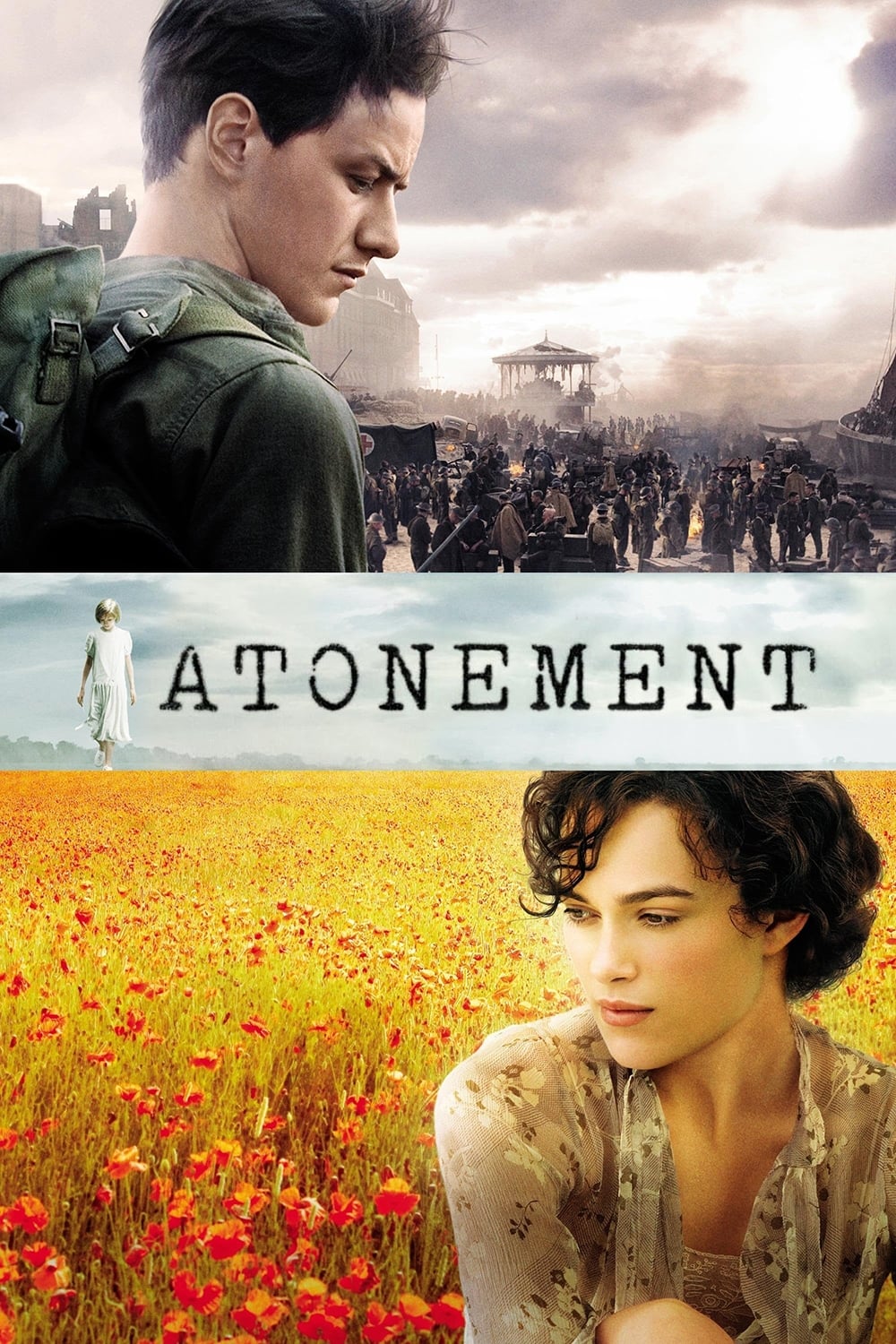
In Joe Wright’s film, a single, unbroken five-minute shot powerfully captures the desperation of the Dunkirk evacuation. The camera slowly moves across the beach, showing defeated soldiers as they wait for rescue. Amidst the chaos, we see heartbreaking scenes like horses being put down and a choir attempting to lift spirits, all set against the backdrop of eerily turning Ferris wheel rides. The massive scale of the set and the large number of extras combine to create a deeply unsettling and memorable image of war, effectively conveying the retreat’s chaos and hopelessness.
‘Boogie Nights’ (1997)
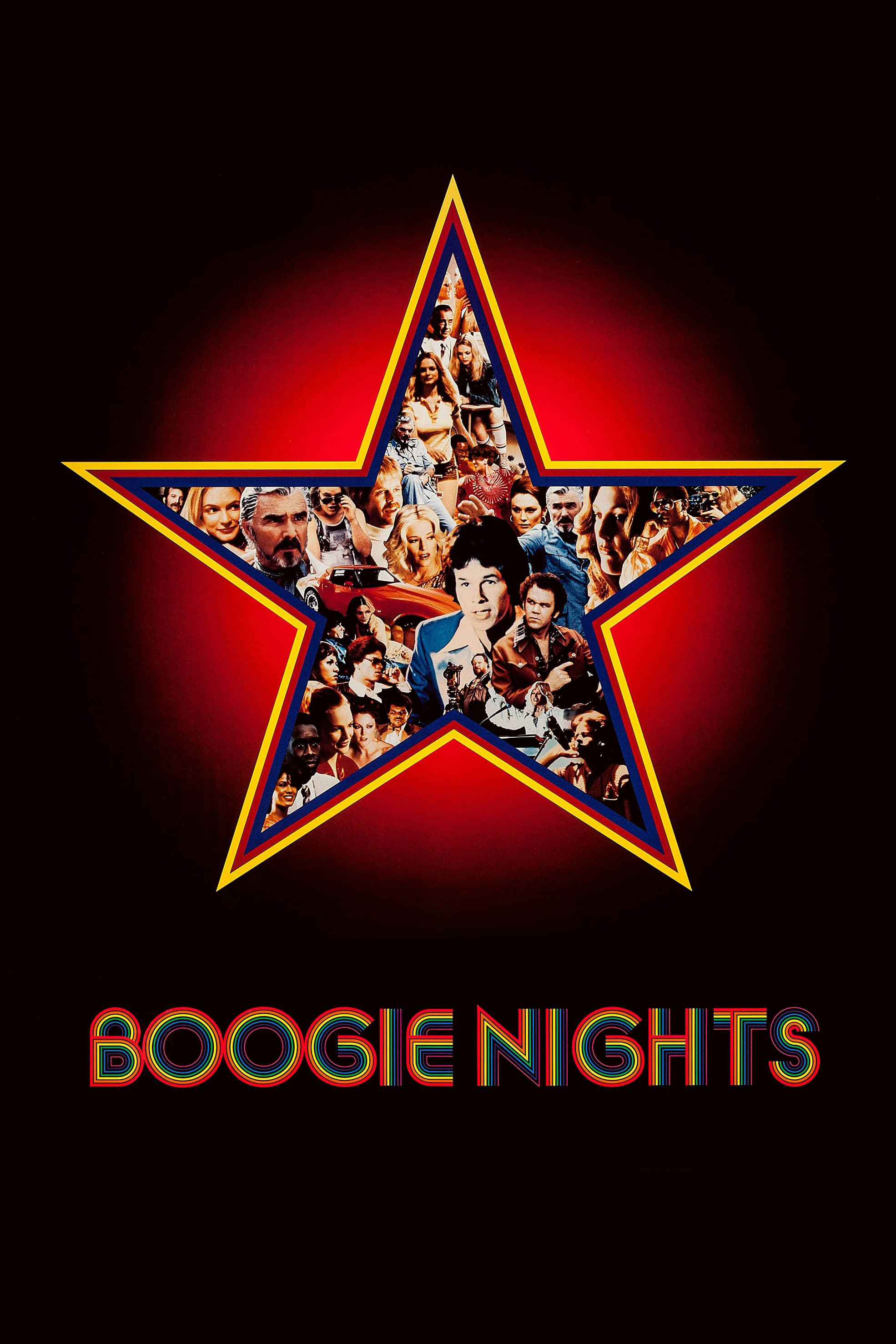
Paul Thomas Anderson begins his depiction of the 1970s porn industry with a memorable scene: a long, flowing camera shot entering a disco. Starting outside on the street, the camera follows the characters as they enter the club, naturally introducing the main cast. As it moves between tables, the shot reveals the connections and power dynamics within the group. Combined with energetic music and bright lights, this immediately transports the viewer back to the era, echoing a similar, iconic entrance from classic gangster movies.
‘Gravity’ (2013)
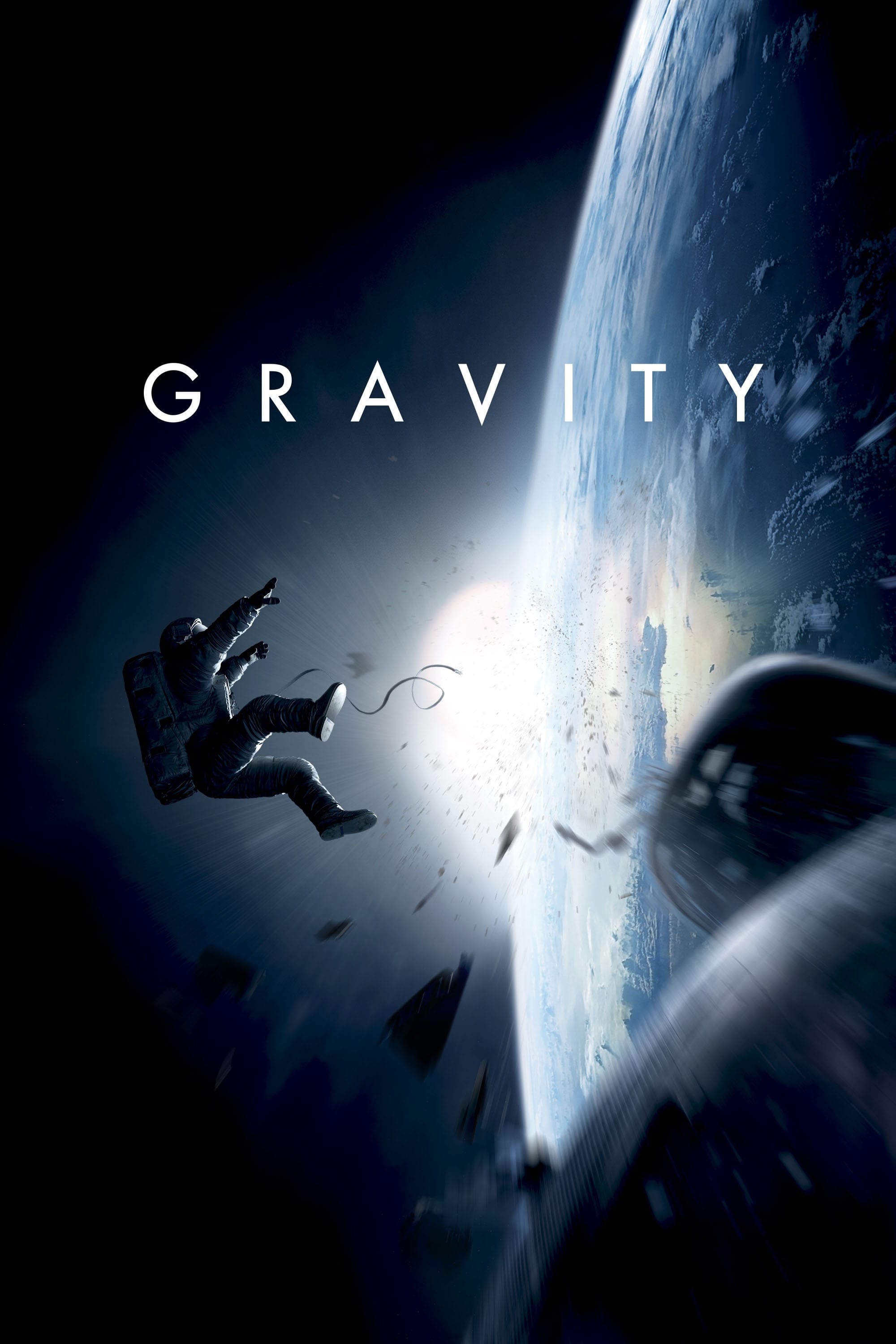
This sci-fi thriller begins with a stunning, unbroken shot that makes you feel lost and weightless in space. We see Sandra Bullock and George Clooney working on the Hubble Telescope, with the camera smoothly circling them. This peaceful scene is suddenly broken when the shuttle is hit by debris, sending Bullock’s character tumbling into the darkness. The entire sequence is filmed as one continuous shot, keeping you glued to the screen as things quickly go wrong. It’s a remarkable achievement in visual effects and filmmaking.
‘Spectre’ (2015)
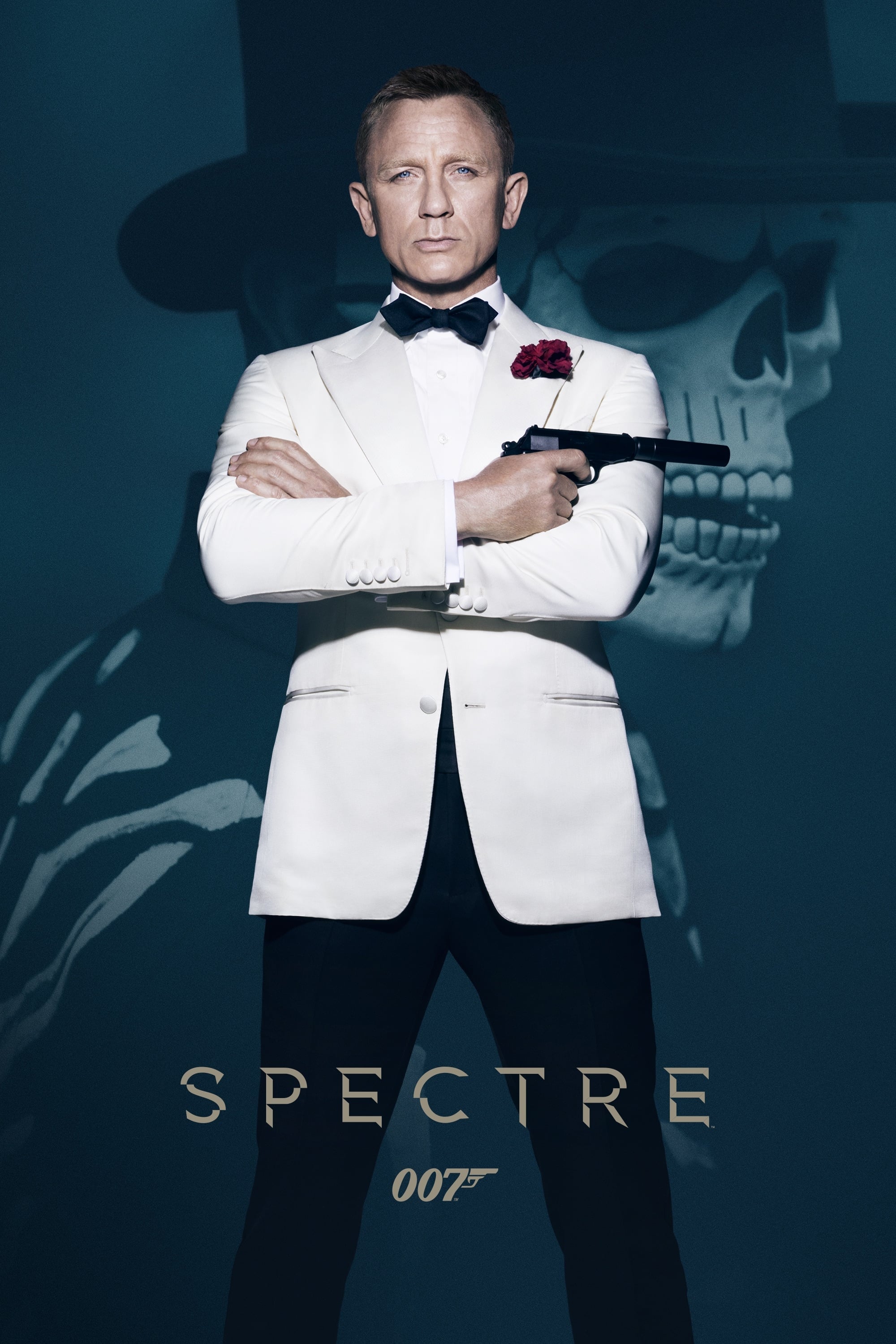
As a huge cinema fan, I was immediately blown away by the opening of this film. It throws you right into the vibrant energy of Mexico City’s Day of the Dead celebration with James Bond weaving through the incredible parade. The camera work is just stunning – it starts with these massive crowds, then smoothly moves inside a hotel and ends with Bond on a rooftop, ready for action. Apparently, they needed thousands of extras in full costume and makeup to pull it off, and it really works to recapture that classic, large-scale feel we expect from a Bond movie.
‘Creed’ (2015)
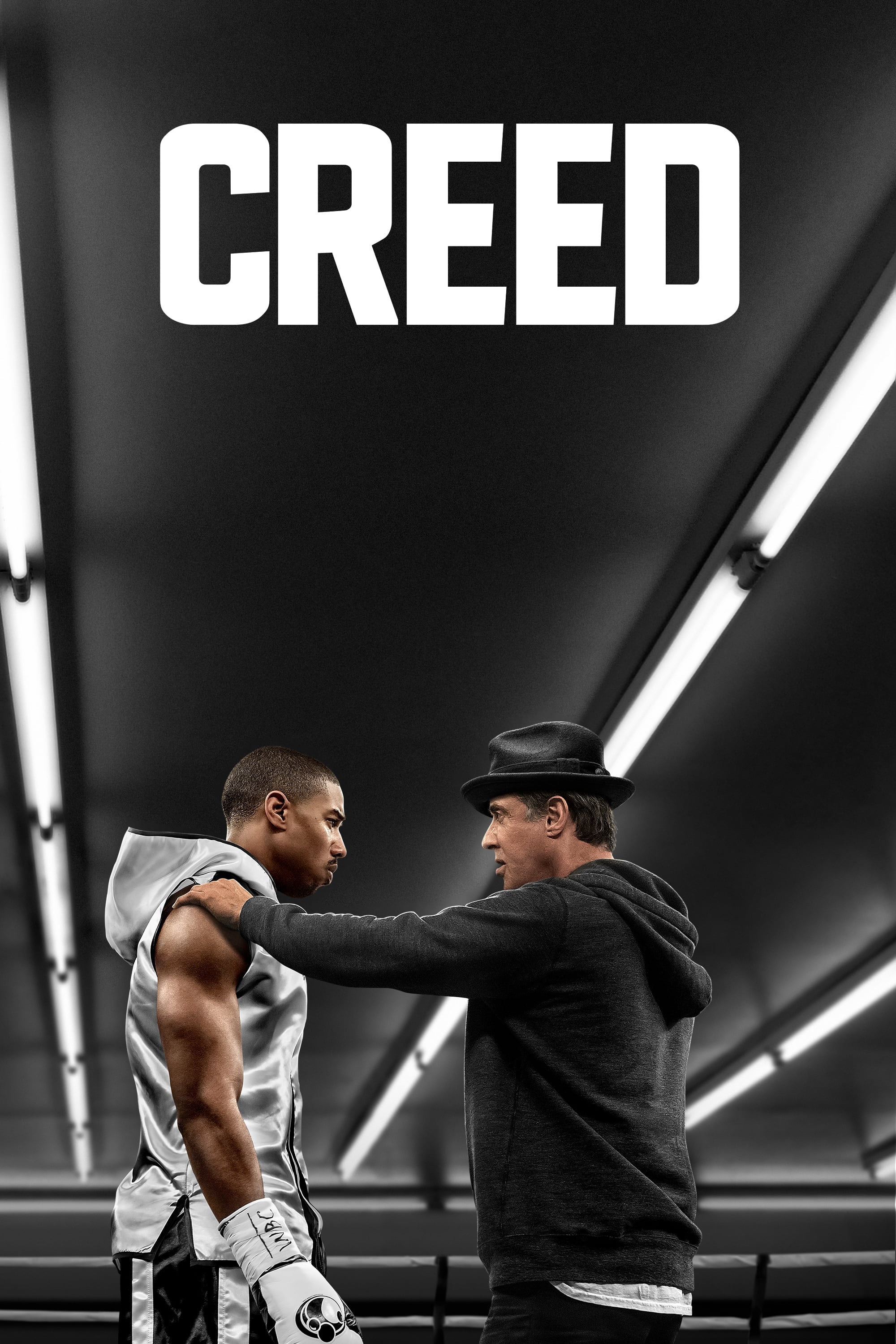
Ryan Coogler, the director, filmed Adonis Creed’s first professional fight in a single, continuous shot to really show how intense boxing is. The camera moves around the fighters like a referee or someone in the ring, giving viewers a close-up, unbroken view of the blood, sweat, and everything happening round by round. This makes the fight feel more exhausting and highlights the strategy involved, bringing a new look to the classic boxing series.
‘The Player’ (1992)
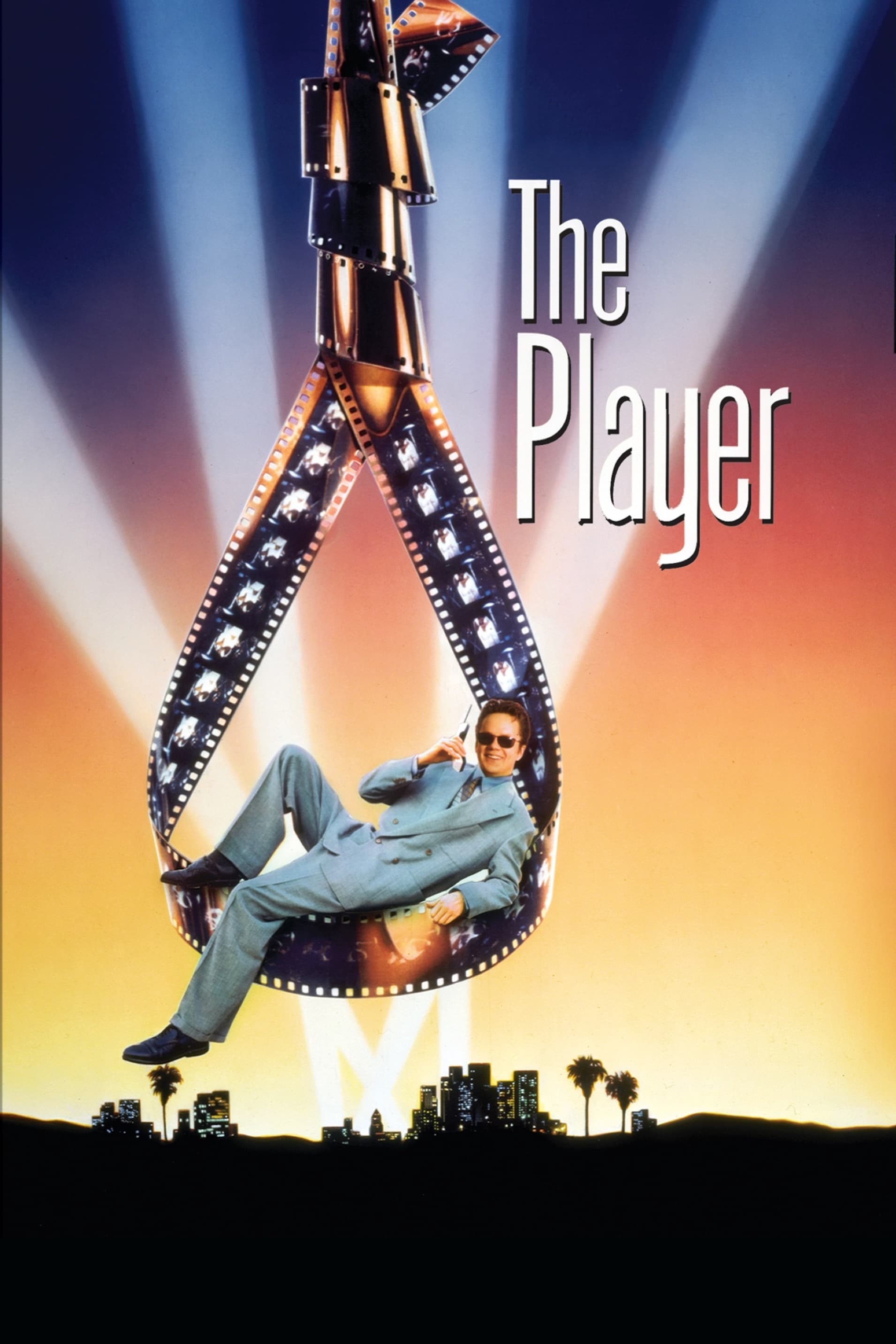
Robert Altman’s satirical film starts with a remarkable eight-minute shot that sweeps across a movie studio. As the camera moves, characters talk about famous long takes in film history, while the shot itself demonstrates one. This opening establishes the movie’s critical and cynical view of the industry, showcasing both technical skill and self-awareness. The continuous camera work subtly introduces different story threads before the main plot even begins.
‘Hard Boiled’ (1992)
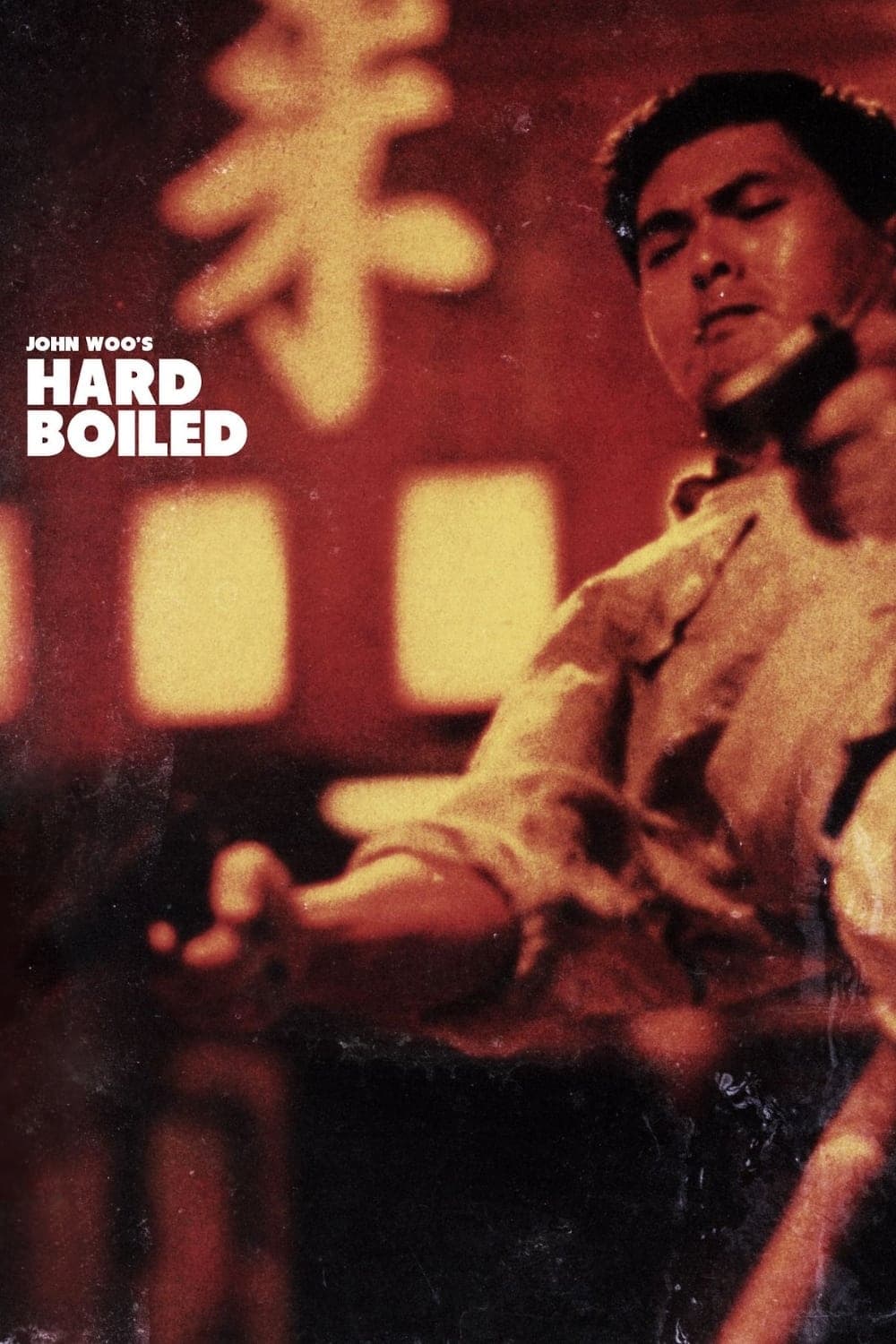
John Woo created a legendary shootout scene in a hospital hallway. The heroes battle through numerous enemies, with the camera following their intense fight, even riding with them in an elevator and back out. The elevator trip was cleverly used to give the film crew time to prepare for the next round of explosions and destruction on the next floor. This scene perfectly captures the graceful, yet violent, action style that became a hallmark of Hong Kong action films, and it continues to be a standard for impressive practical effects and well-coordinated stunts.
‘Atomic Blonde’ (2017)
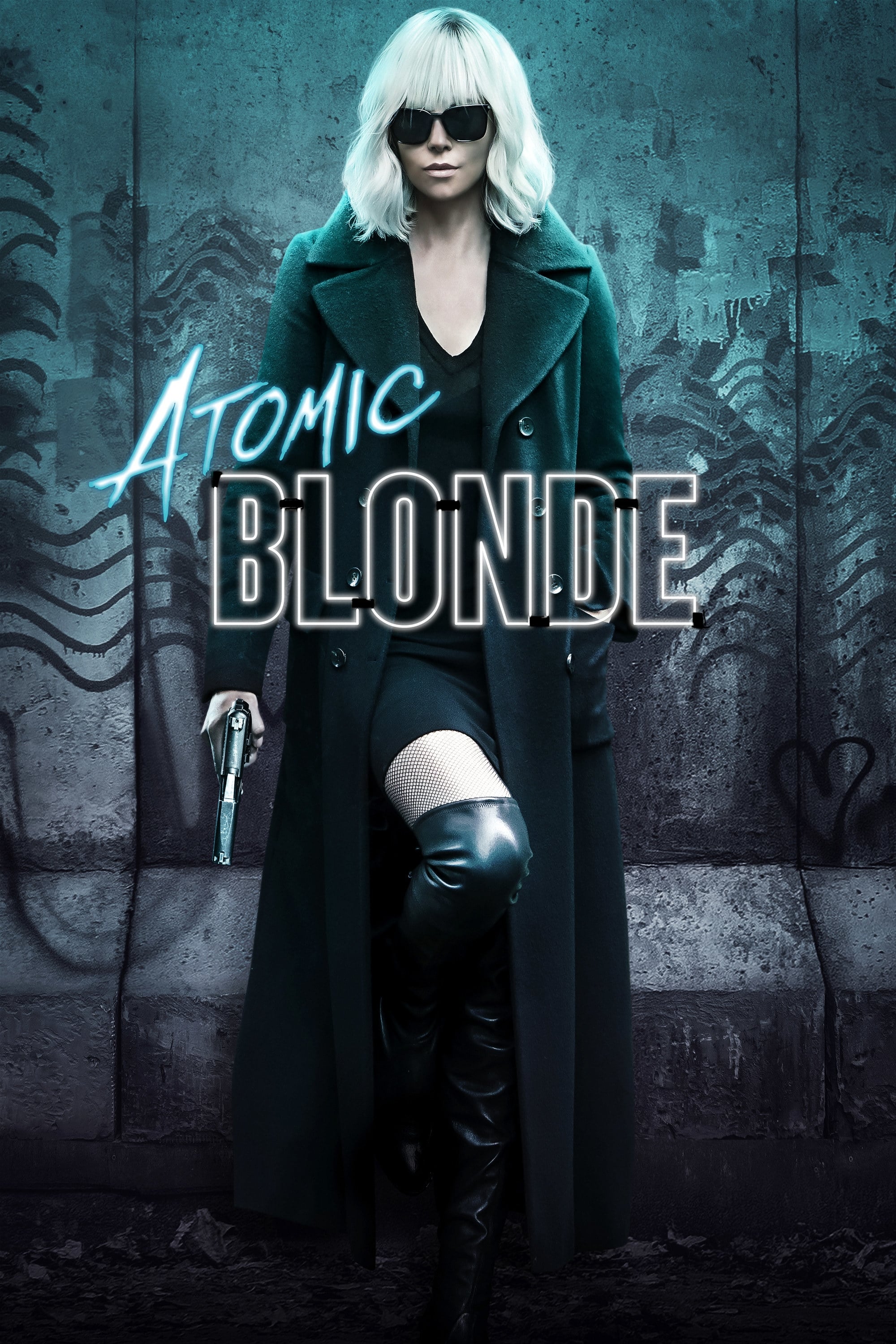
Charlize Theron performs a grueling fight in a stairwell, leaving everyone involved bruised and winded. The scene is filmed with long, connected shots that make it feel like one continuous, intense struggle. The characters aren’t showing off fancy moves; they’re realistically stumbling and gasping for air, highlighting the desperate fight for survival. The editing is seamless, keeping the action flowing without drawing attention to itself.
‘Shaun of the Dead’ (2004)
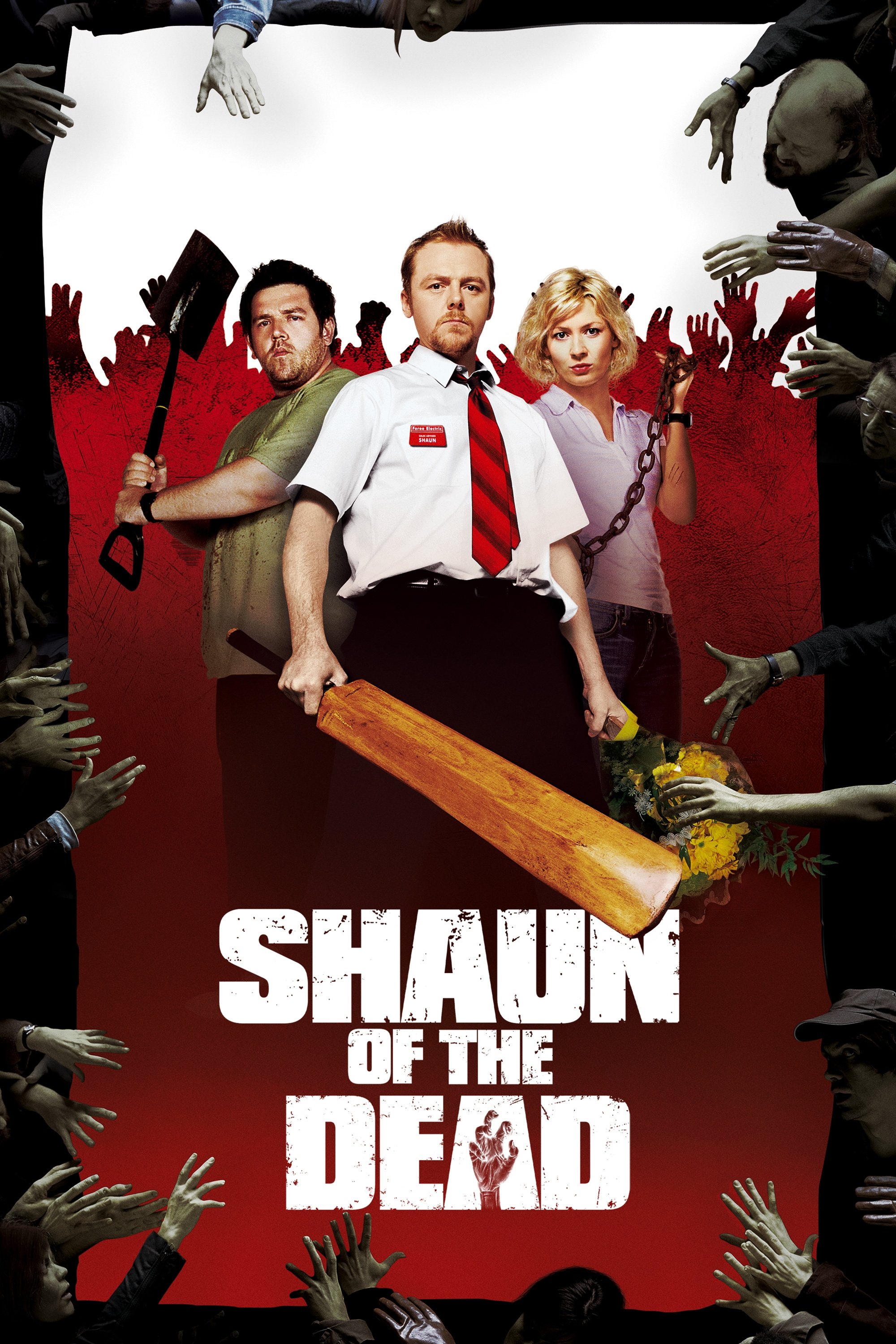
Edgar Wright employs a continuous, unbroken shot to follow the main character as he casually walks to the store, completely unaware of the zombie outbreak happening all around him. This shot intentionally echoes a previous scene of him making the same walk on a normal day. As he focuses on his everyday task, subtle changes in the background reveal the growing chaos. The humor comes from the sharp contrast between his ordinary routine and the horror unfolding behind him. It’s a brilliant example of visual comedy and cleverly hints at what’s to come.
‘Baby Driver’ (2017)

The film begins with a captivating scene: the main character dances his way to and from a coffee shop, all filmed in one continuous shot. Everything – his steps and the activity around him – is perfectly synced to the music he’s listening to. The camera follows him, and even the street art seems to move with the beat. This opening sets the tone for the entire film, showcasing its energetic editing and strong connection to music, turning an everyday task into a vibrant, musical moment.
‘Victoria’ (2015)
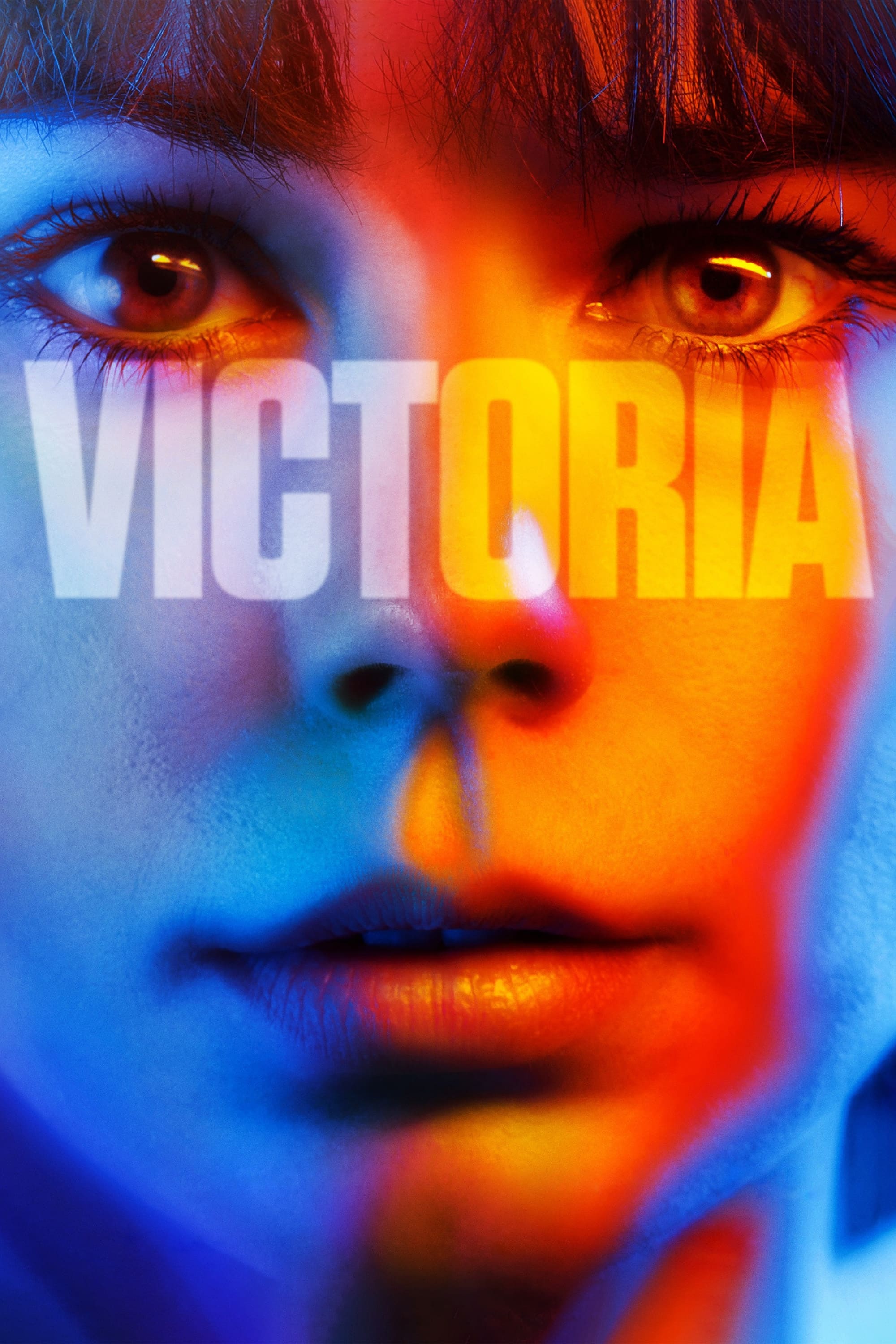
This German thriller is remarkable for being filmed in a single, unbroken shot lasting over two hours. The camera follows a woman from Spain who encounters four people and becomes involved in a risky bank robbery. The filmmakers spent months practicing to seamlessly move the action through twenty-two different settings. This real-time approach delivers an incredibly intense and immersive experience, making it a truly unique feature film.
‘Snake Eyes’ (1998)
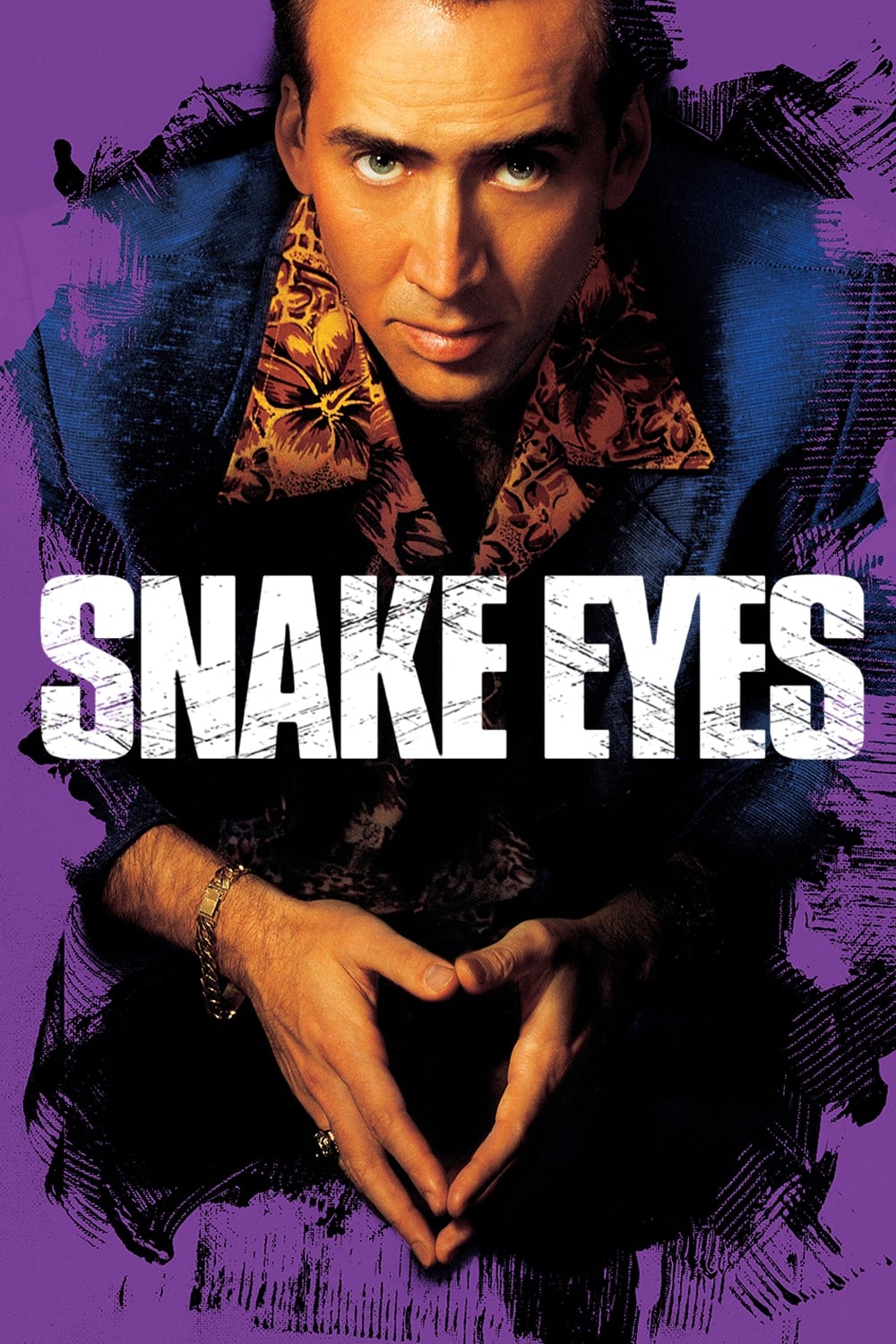
Brian De Palma starts this suspenseful thriller with an elaborate camera shot inside a boxing arena in Atlantic City. The camera follows Nicolas Cage as he moves through the backstage area, meeting different people who could be involved in a planned assassination before the main event. This impressive shot clearly shows the layout of the arena and the order of events leading up to the crime. It immediately immerses the audience in the excitement and sets up the mystery that the main character will need to solve.
‘The Secret in Their Eyes’ (2009)
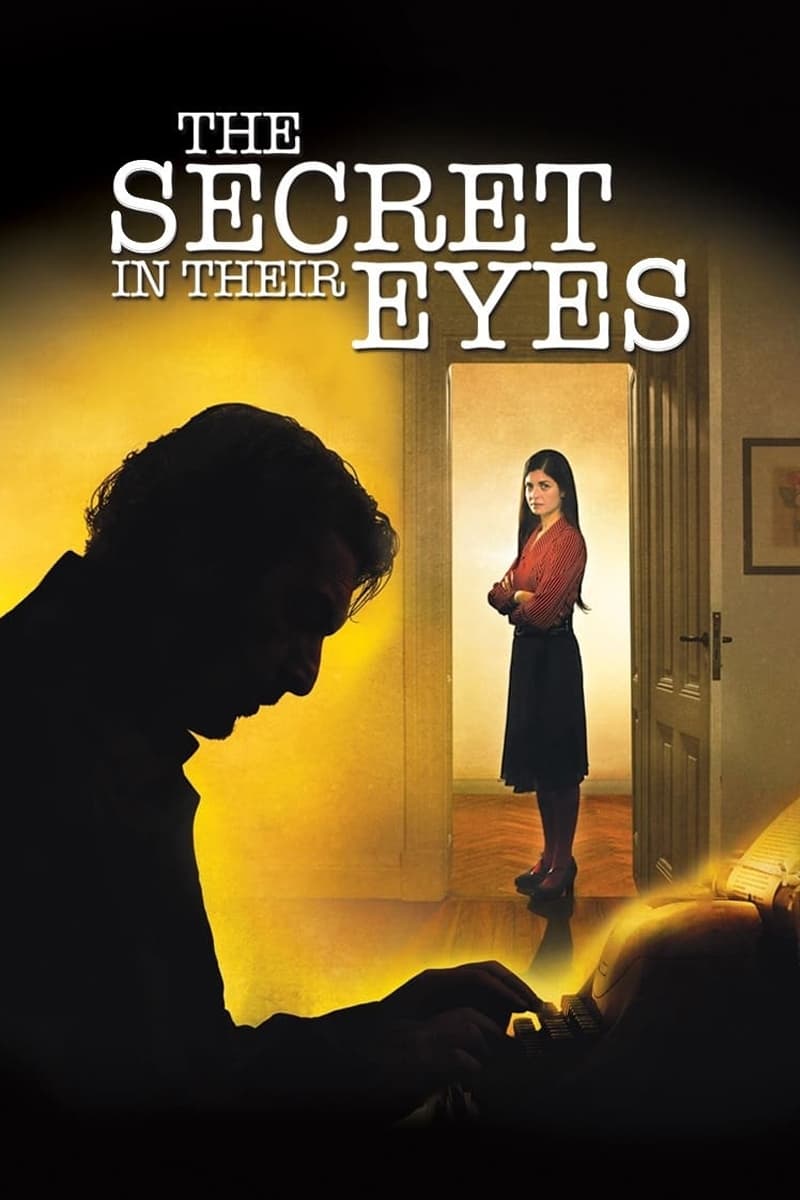
The film opens with an incredible shot, starting high above a bustling soccer stadium and quickly moving into a thrilling chase scene within the stands. The camera smoothly follows the main character as he navigates through the crowded stadium. This impressive sequence blends special effects and practical stunts to create a seamless and unbelievable transition. The lively atmosphere of the soccer match adds to the chaos of the pursuit. It’s a standout technical achievement in this Academy Award-winning Argentine thriller.
‘Kill Bill: Vol. 1’ (2003)
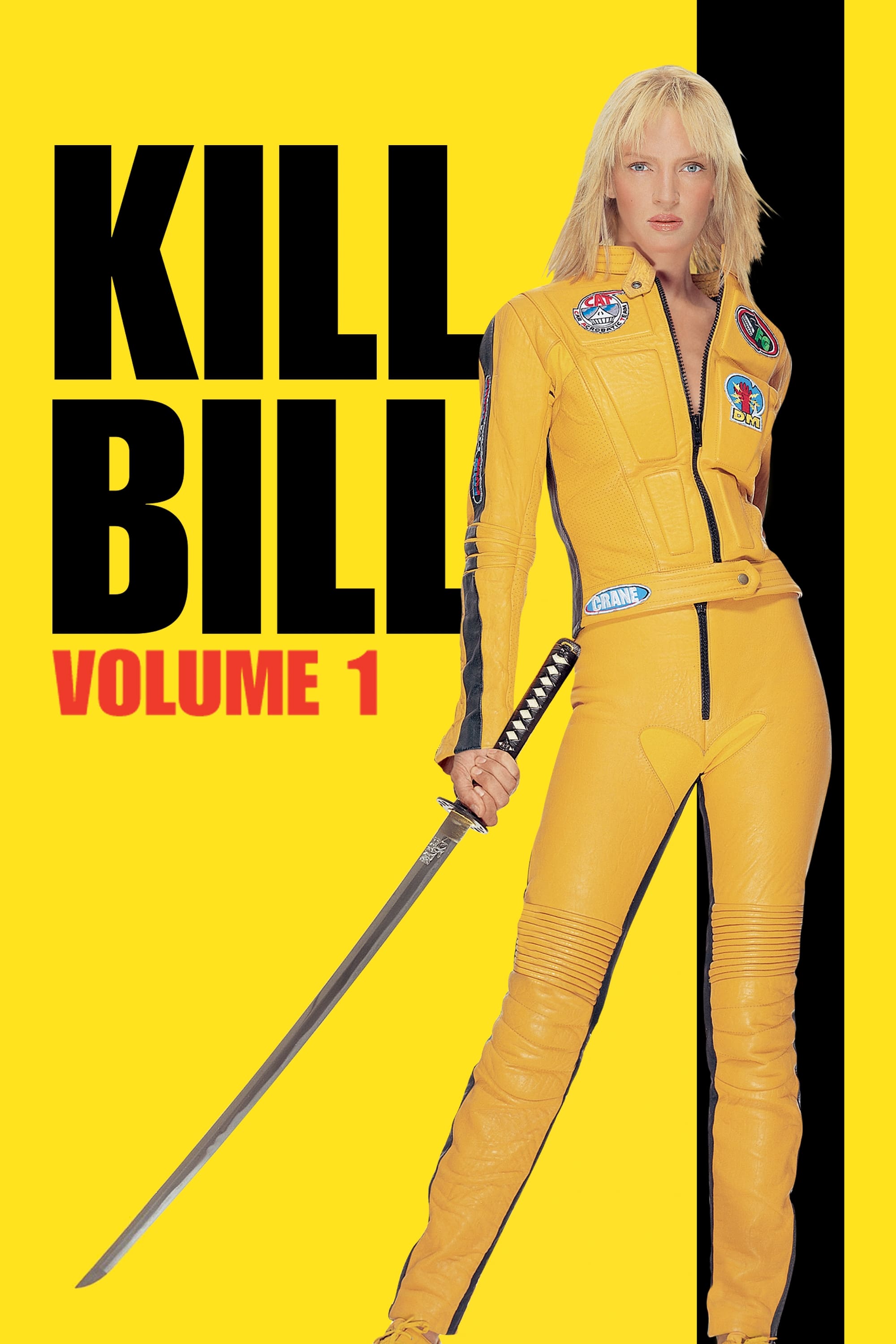
In Quentin Tarantino’s film, we follow The Bride as she moves through the House of Blue Leaves, leading up to the climactic fight. The camera pans across the club’s walls and through its rooms, showing us where her enemies are positioned. A lively rock band plays as the suspense grows, hinting at the coming violence. This scene clearly shows us the layout of the club, which is important for the battle that follows, and perfectly captures the film’s cool and fashionable style.
‘Extraction’ (2020)
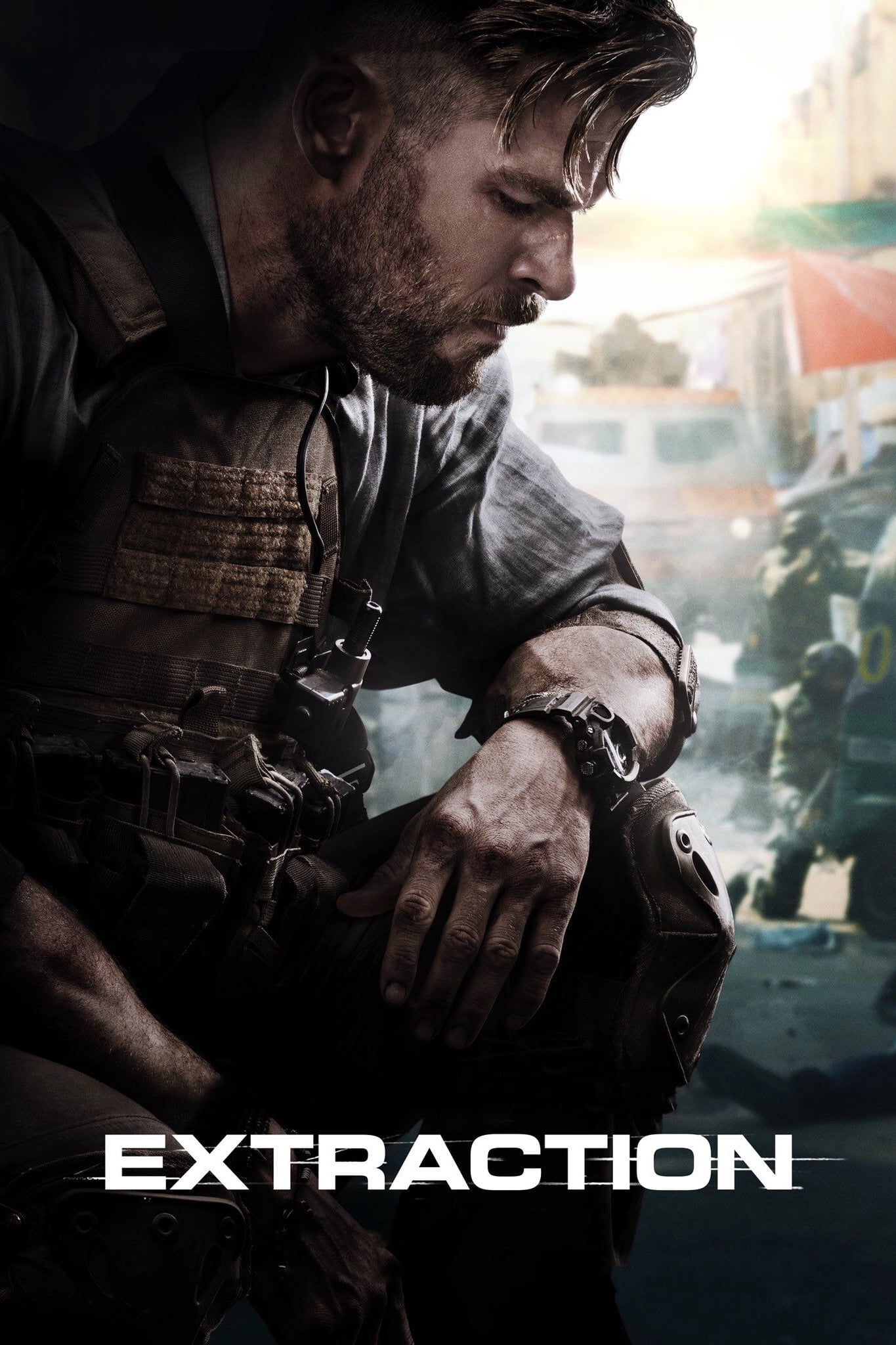
Chris Hemsworth performs an incredible action scene that combines a car chase, running, and hand-to-hand fighting all in one continuous shot. The camera follows the action, moving inside and outside of cars and jumping between buildings. Clever editing stitches together different stunts to create a smooth, thrilling experience. You can really feel the force of every crash and explosion in this exciting sequence, which sets a new standard for action in streaming films.
‘Hunger’ (2008)
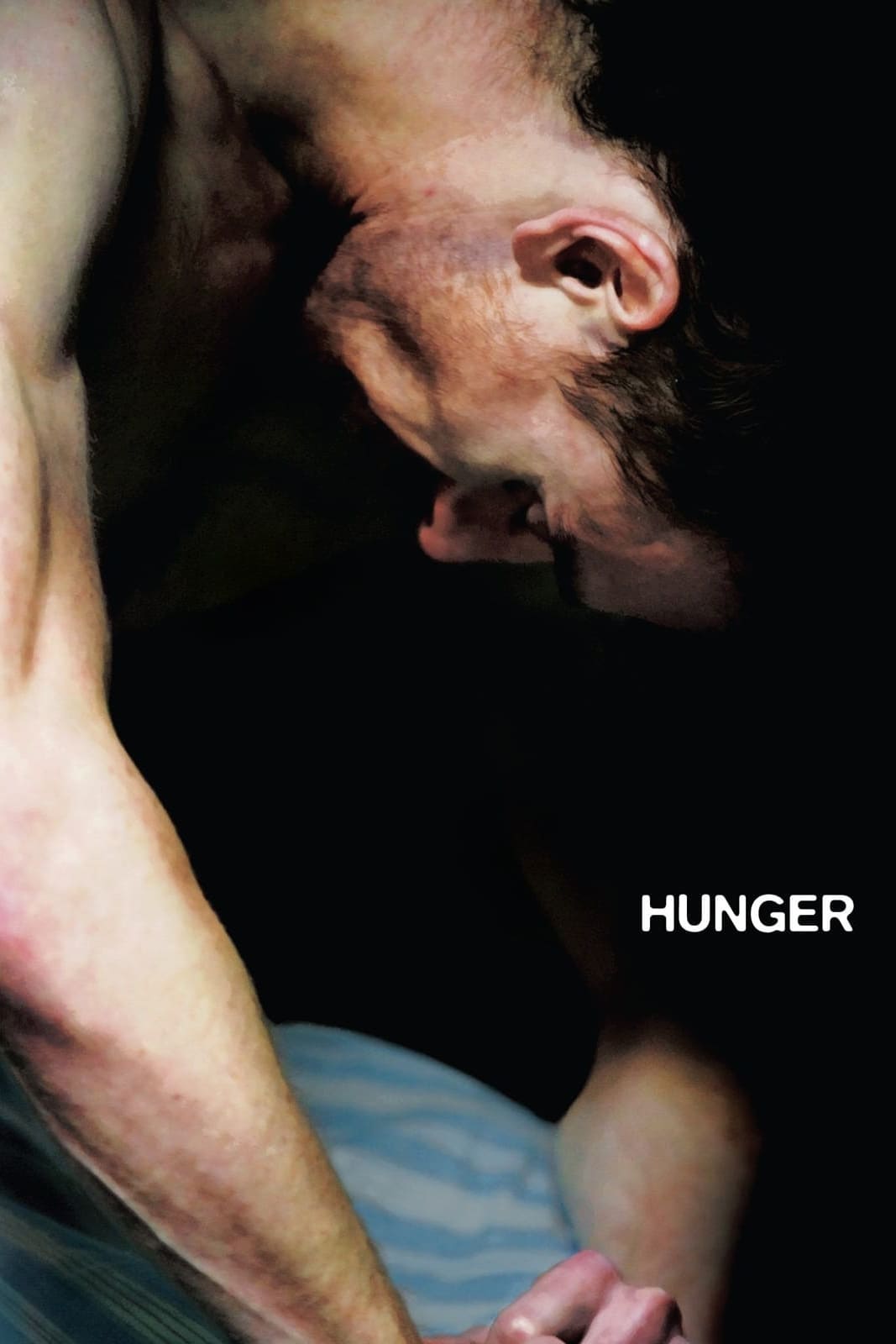
Steve McQueen’s film features a key, unbroken 17-minute scene of a conversation between a priest and an IRA prisoner on a hunger strike. The camera doesn’t move, keeping the focus solely on their discussion about the ethics and politics of the protest. This deliberate choice emphasizes the power of the actors and their words, rather than relying on flashy visuals, and forms the film’s central philosophical argument, even as it depicts intense physical hardship.
‘Climax’ (2018)
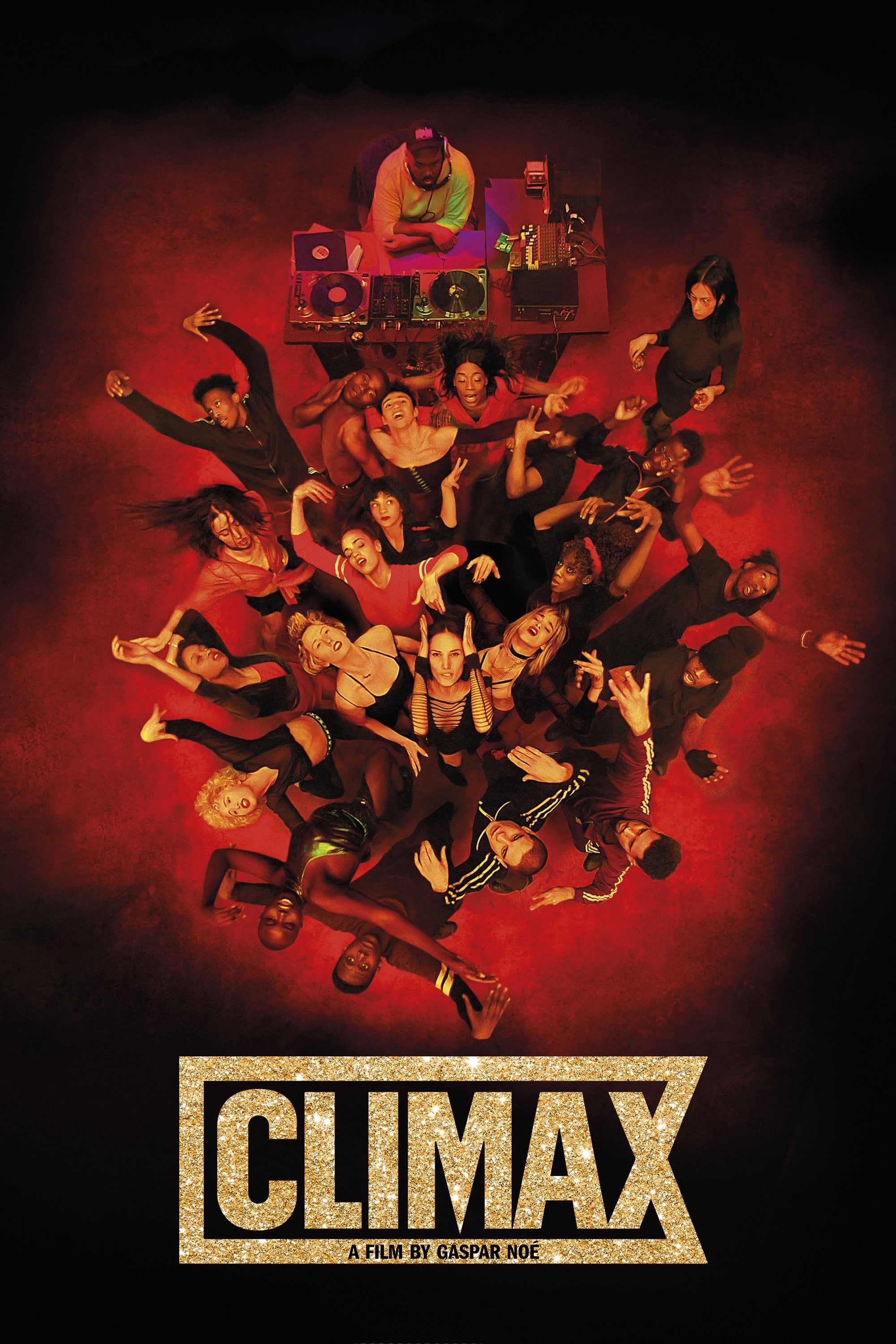
Gaspar Noé begins the film with a captivating dance rehearsal, filmed in one continuous, flowing shot. The camera circles the dancers as they perform a complex and energetic routine, highlighting their skill and the group’s vibrant energy. This scene creates a sense of unity and rhythm that will later be shattered, and the hypnotic choreography immediately draws the viewer into the film’s unique world.
‘Before Midnight’ (2013)
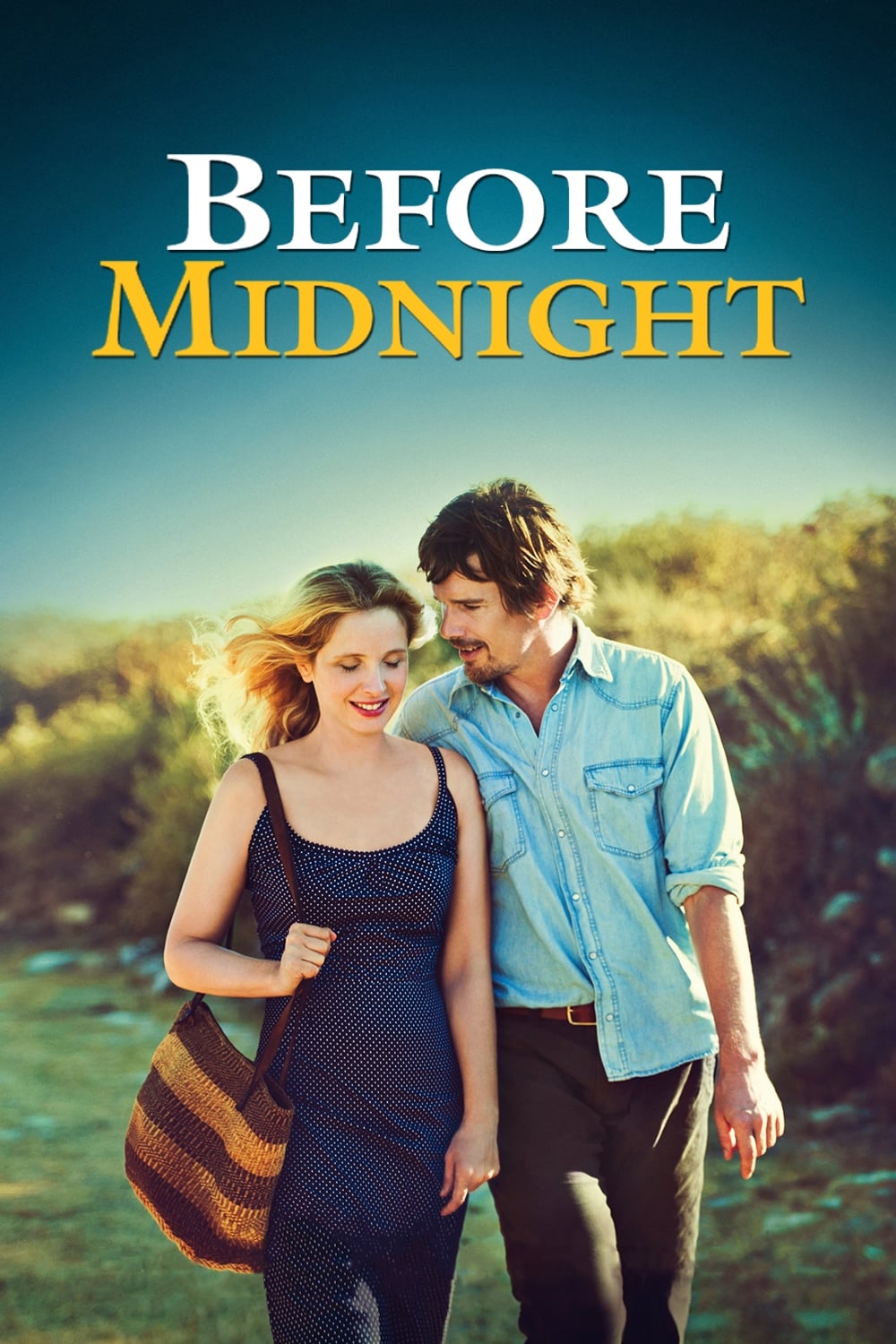
Richard Linklater often uses long, unbroken shots to create realistic conversations, and this film is no exception, featuring a single, thirteen-minute scene inside a car. Ethan Hawke and Julie Delpy talk about their relationship and families as they drive through Greece. The camera stays fixed, giving the actors the freedom to perform as if on stage, without cuts. This close-up setting really emphasizes the complicated history between their characters, making you feel like you’re overhearing a private conversation between a real couple.
‘Slacker’ (1991)
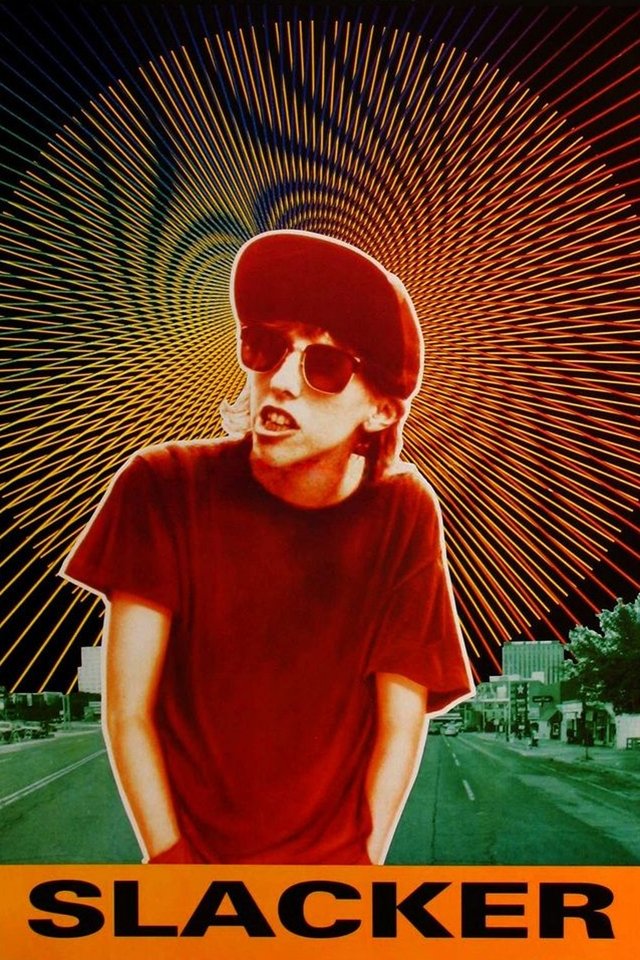
Richard Linklater made this film using very long, unbroken shots that seamlessly move between different characters. The camera stays with one person for a while before naturally transitioning to someone else they encounter. This creates a connected series of stories that showcases the interesting and unusual side of Austin. Instead of a traditional plot or main character, the film is a fascinating look at how stories unfold and connect through simple observation.
‘Gun Crazy’ (1950)
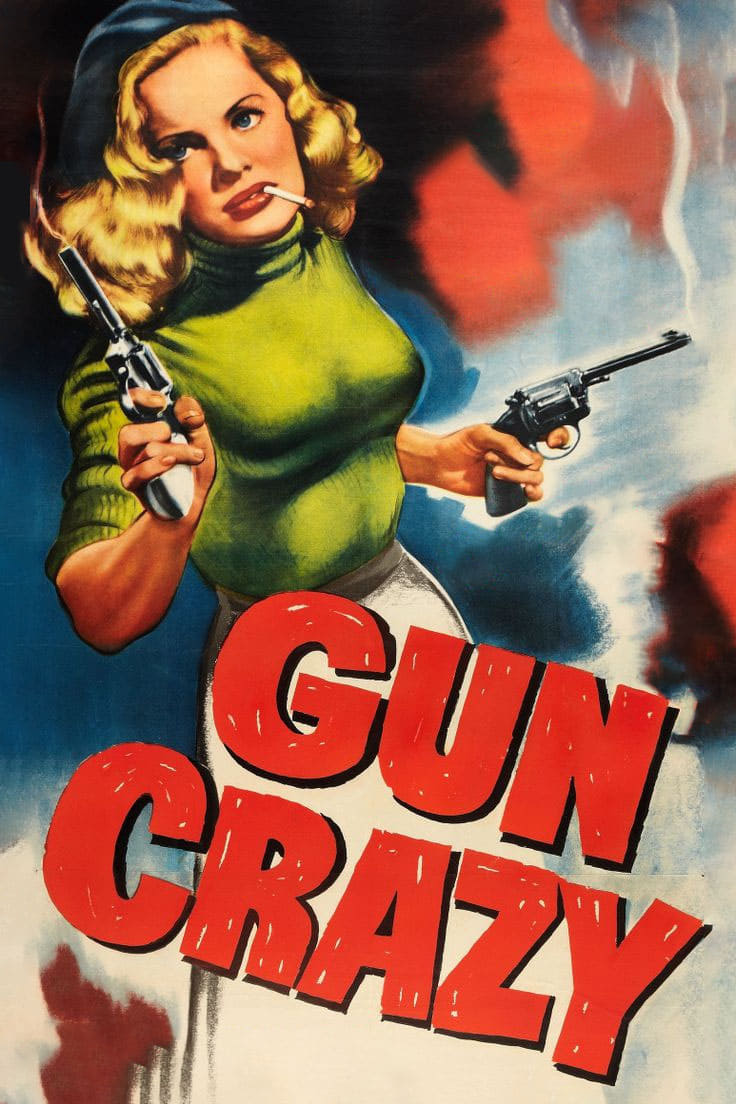
This iconic film noir tells the story of a bank robbery, but with a unique twist: the entire thing is filmed from the backseat of the getaway car. The camera stays with the driver as they wait, showing their nervousness while the robbery happens inside the bank – which we never actually see. This limited viewpoint builds tension, as the audience is left to imagine what’s happening. The film was groundbreaking for its time because of its innovative use of real-location filming.
‘Hanna’ (2011)
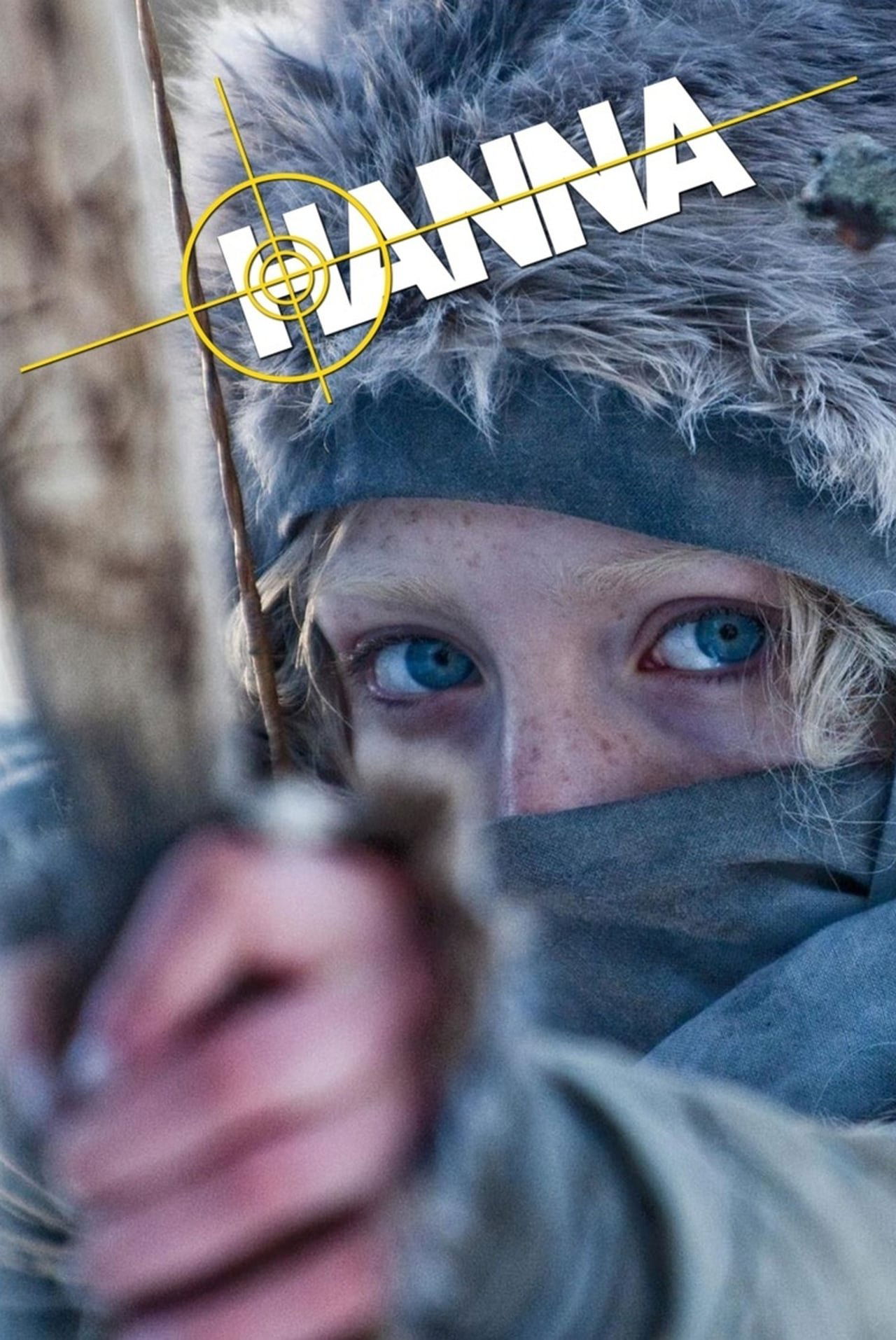
Saoirse Ronan showcases impressive fighting skills in a thrilling subway battle filmed in one continuous shot. The camera follows her closely as she’s surrounded by enemies and expertly defeats them using a knife and close combat. The scene’s realistic lighting and shaky camera movements add to the intensity. The unbroken shot highlights both the accuracy and deadliness of her character, marking a key turning point in her story.
‘Son of Saul’ (2015)
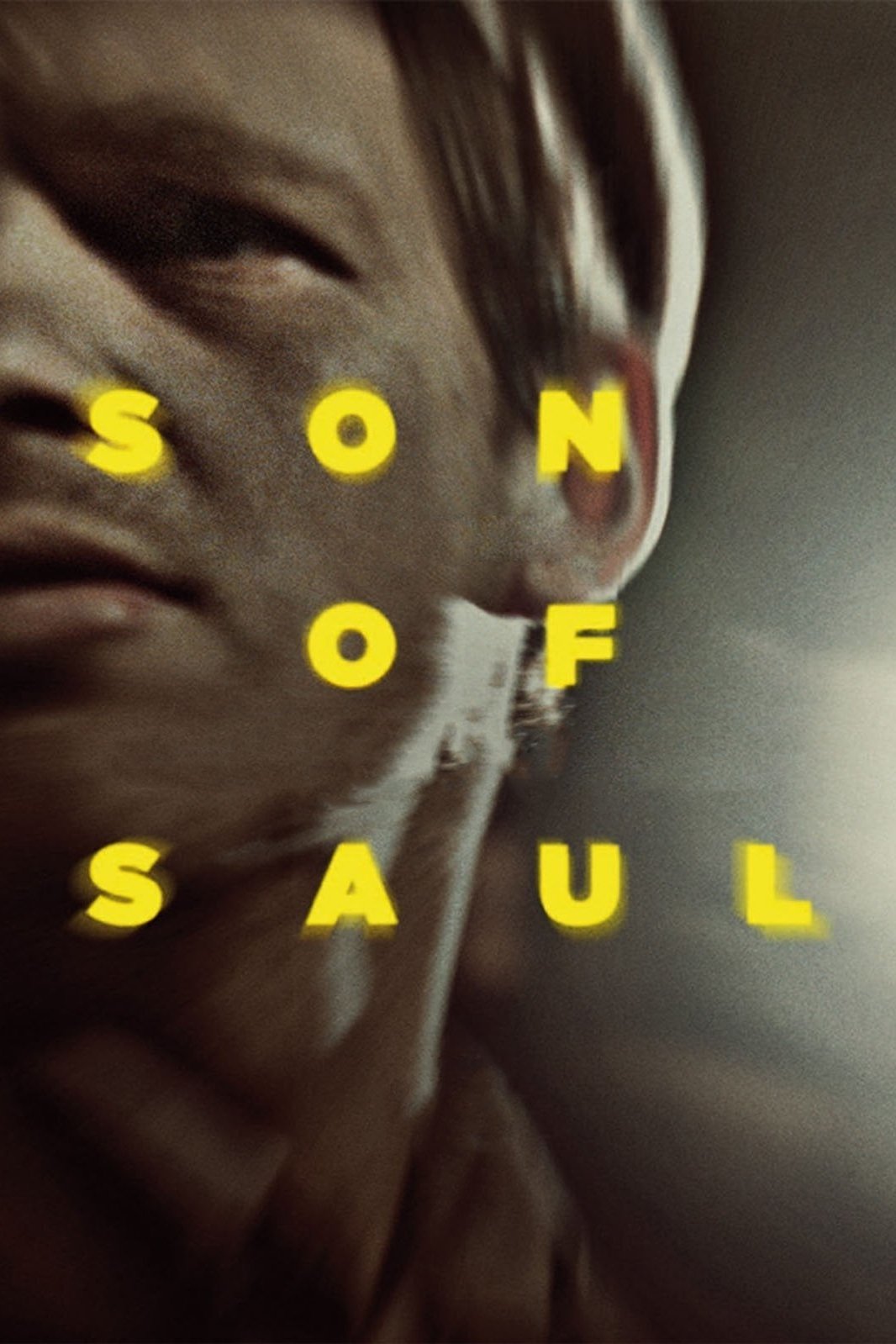
Throughout nearly the entire film, the camera remains tightly focused on the main character, either his face or his back. Long, unbroken shots follow him as he endures the horrors of a concentration camp, while the terrible events around him are intentionally blurred. This creates a deeply personal and frightening experience, restricting the viewer to what the protagonist perceives. The audience feels trapped, experiencing the chaos only through his immediate senses. It’s a disturbing and confining way to tell a historical story.
‘Boiling Point’ (2021)
This gripping drama stars Stephen Graham and is filmed in a single, unbroken shot. The camera follows the action both in the kitchen and dining area of a high-end restaurant, showcasing the increasing tension of a hectic night. Everything – from small errors to major conflicts – unfolds live, creating a truly immersive and stressful experience for both the characters and viewers. The unique filming style brilliantly reflects the constant pressure of working in the hospitality industry, and it’s a remarkable technical feat that heightens the emotional impact.
‘The Avengers’ (2012)
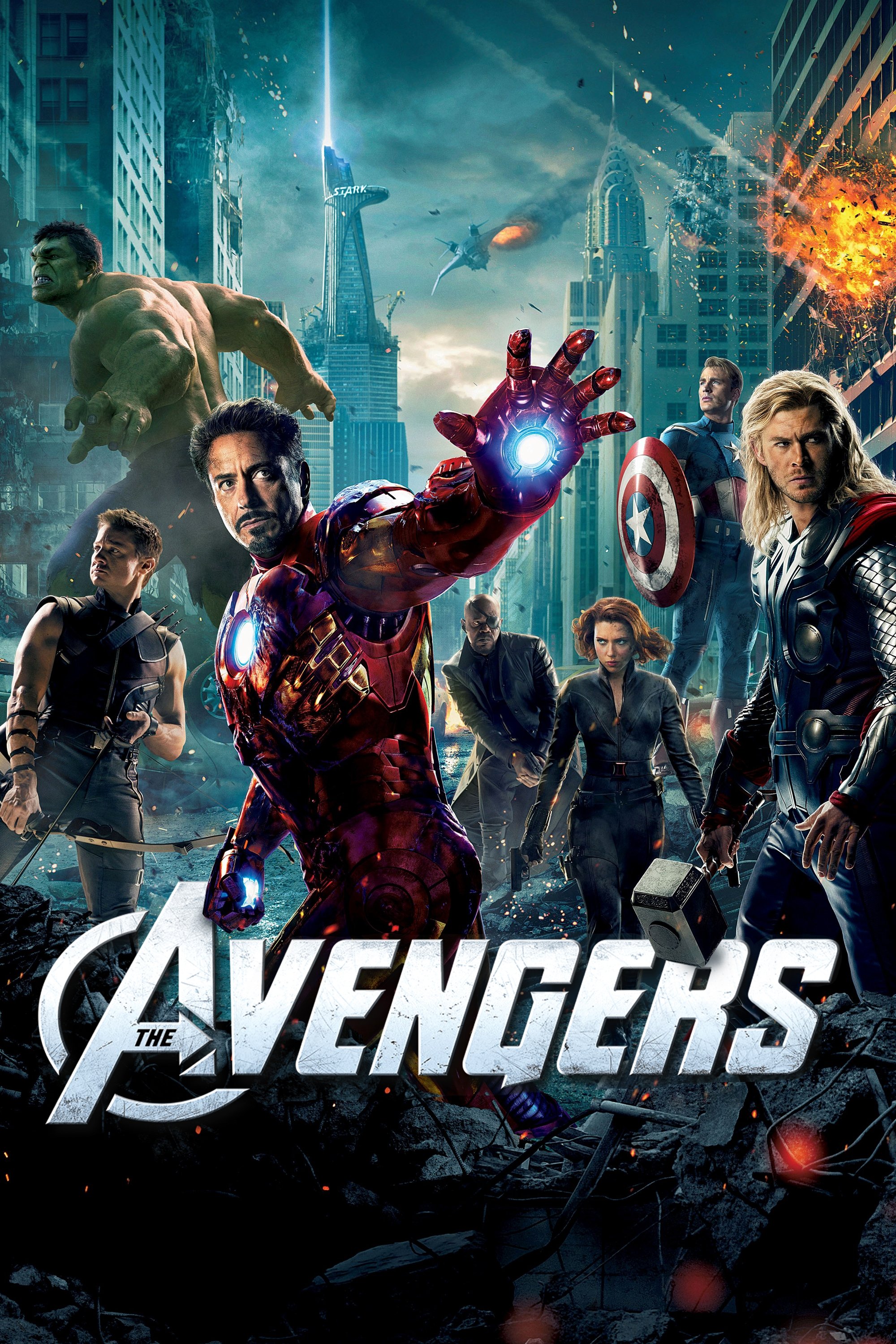
As a lifelong cinema fan, I still get chills thinking about that incredible moment in The Avengers when Whedon seamlessly brought the whole team together in one continuous shot during the New York battle. The camera just soared through the chaos, showing Iron Man in the air, Cap fighting it out on the ground, and Hulk, well, Hulking all over the place! It wasn’t just visually stunning; it really showed how all their different powers worked together. Honestly, as a comic book fan, it was a dream come true to finally see that team dynamic realized on the big screen, and that shot perfectly captured the sheer scale of the invasion.
‘Serenity’ (2005)
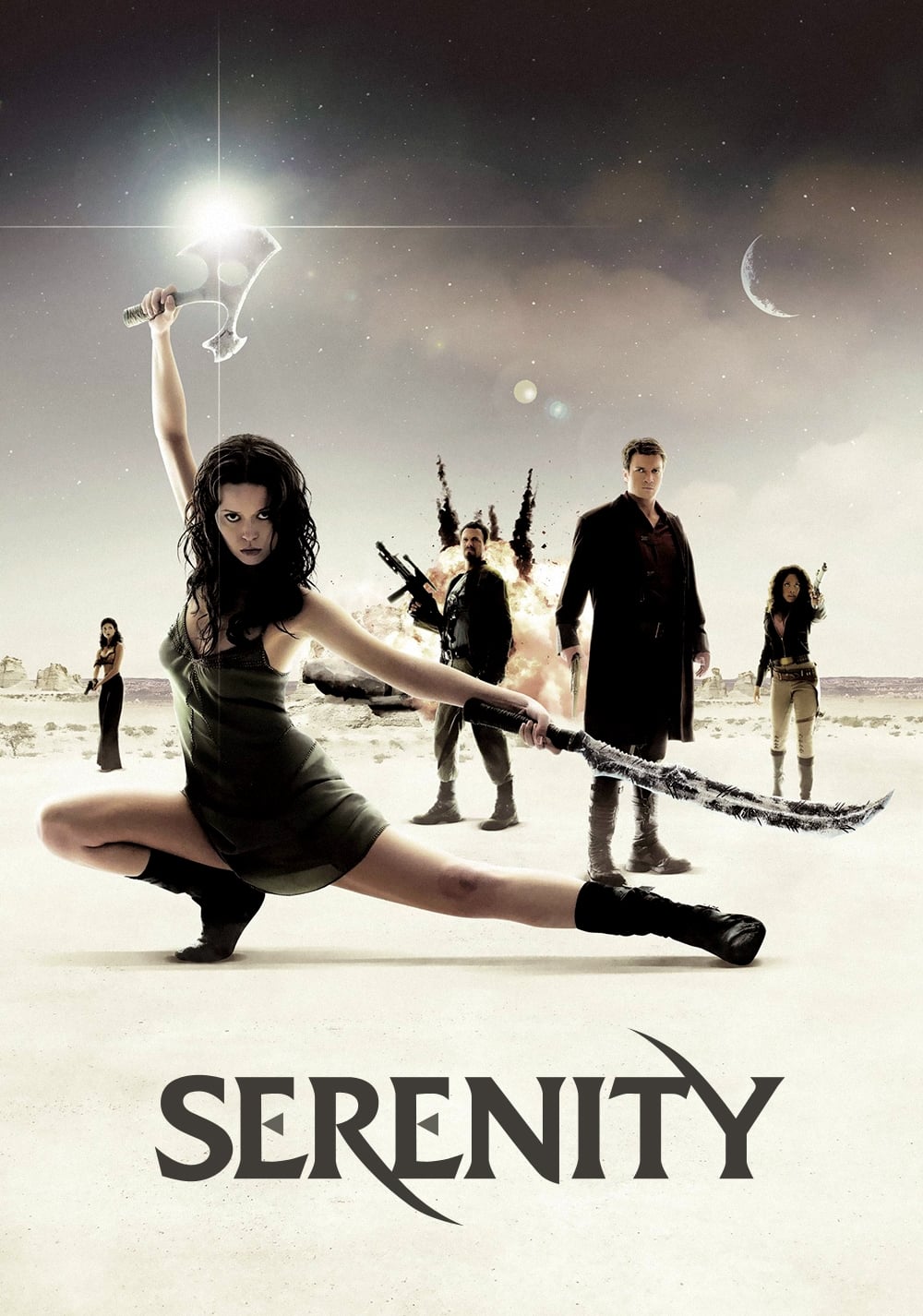
The film begins with a smooth, continuous shot that introduces us to the crew of the spaceship Serenity. We follow Captain Mal Reynolds as he moves through the ship, meeting each of his team members. This cleverly shows us what the ship is like and how everyone relates to each other. The characters’ conversations flow together naturally as the camera travels from the bridge to the cargo hold, making it a great way to reconnect fans with the story from the original TV series.
‘Panic Room’ (2002)
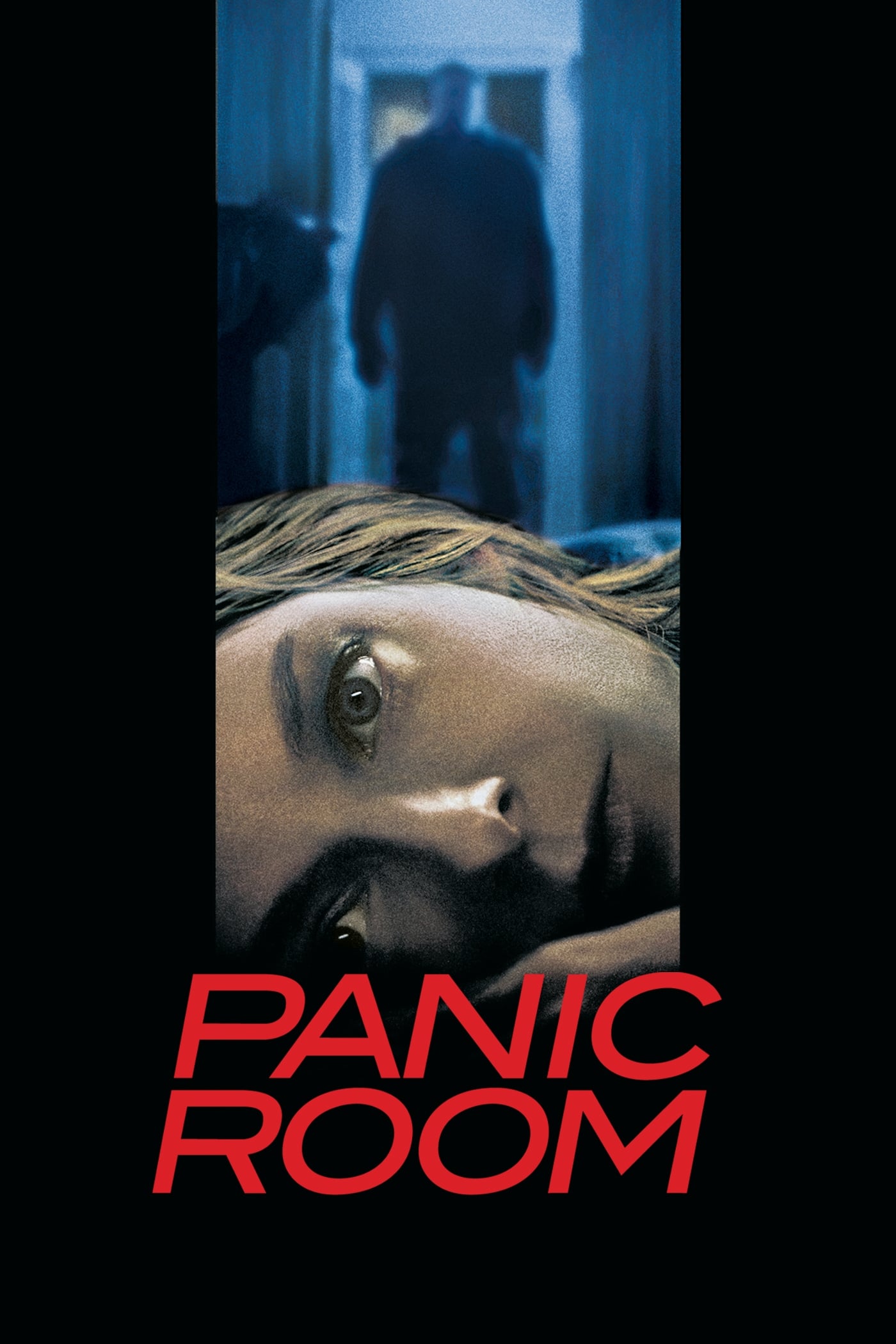
In a tense home invasion scene, director David Fincher used special effects to create a seemingly impossible camera shot. The camera appears to move through the walls of the house, starting in the bedroom, gliding down through the floors, and ending in the kitchen where burglars are breaking in. This unique perspective highlights how close the victims are to the intruders and dramatically increases the suspense as the threat surrounds them. The smooth, flowing camera movement emphasizes the characters’ feeling of being trapped and helpless.
‘Paths of Glory’ (1957)
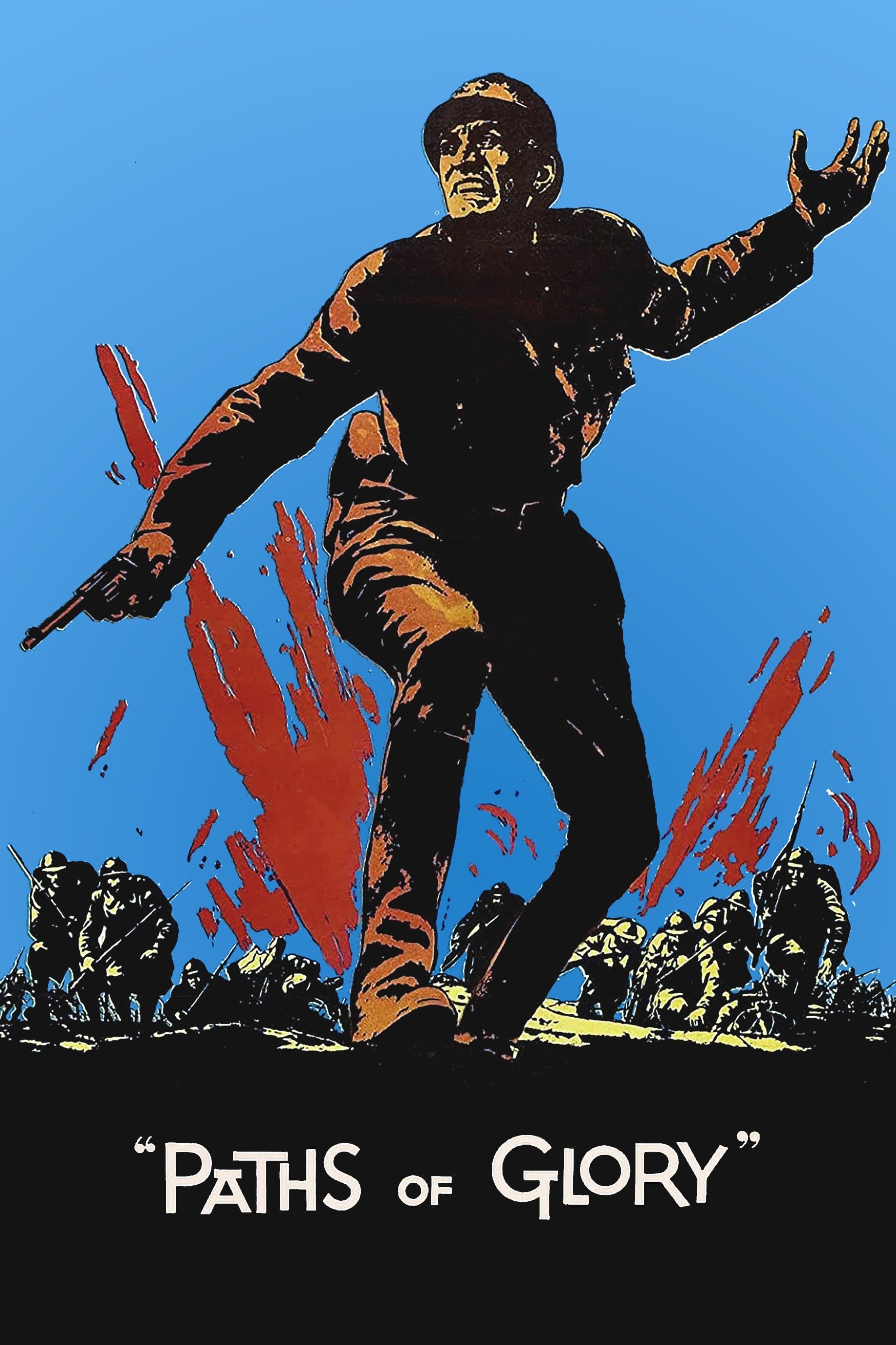
In Stanley Kubrick’s film, a powerful shot follows Colonel Dax as he walks through the trenches, showing the harsh realities of war. As he checks on his men, explosions erupt around them, and the camera pulls back to reveal their blank, exhausted expressions. This scene effectively conveys the hopelessness and trapped feeling of the soldiers’ lives, serving as a chilling introduction to the devastating battle to come.
‘Halloween’ (1978)

Okay, let me tell you, the opening to this film is just brilliant. Director John Carpenter completely changed the game with how he shot it. He puts you inside the head of the killer, Michael Myers, right from the start. We’re seeing everything through his eyes, following him home and witnessing his first act of violence, all in one long, unbroken shot. It’s incredibly disturbing because it doesn’t give you any distance – you’re forced to experience the violence with him. It’s not until the very end of the shot, when the mask comes off, that you realize who you’ve been seeing it all through. It’s a really unsettling technique, and it immediately makes you feel connected to the villain in a way I hadn’t experienced before.
‘I Am Cuba’ (1964)

Mikhail Kalatozov created a stunning and innovative shot in his film, starting with a funeral on a rooftop and moving down to the street. The camera smoothly travels down the side of a building, gliding over a parade of cigar workers. This complex shot, achieved with an advanced cable and pulley system for its time, beautifully links personal sorrow with the larger struggles of the community. It’s still considered a remarkable achievement in black-and-white filmmaking.
‘The Bonfire of the Vanities’ (1990)
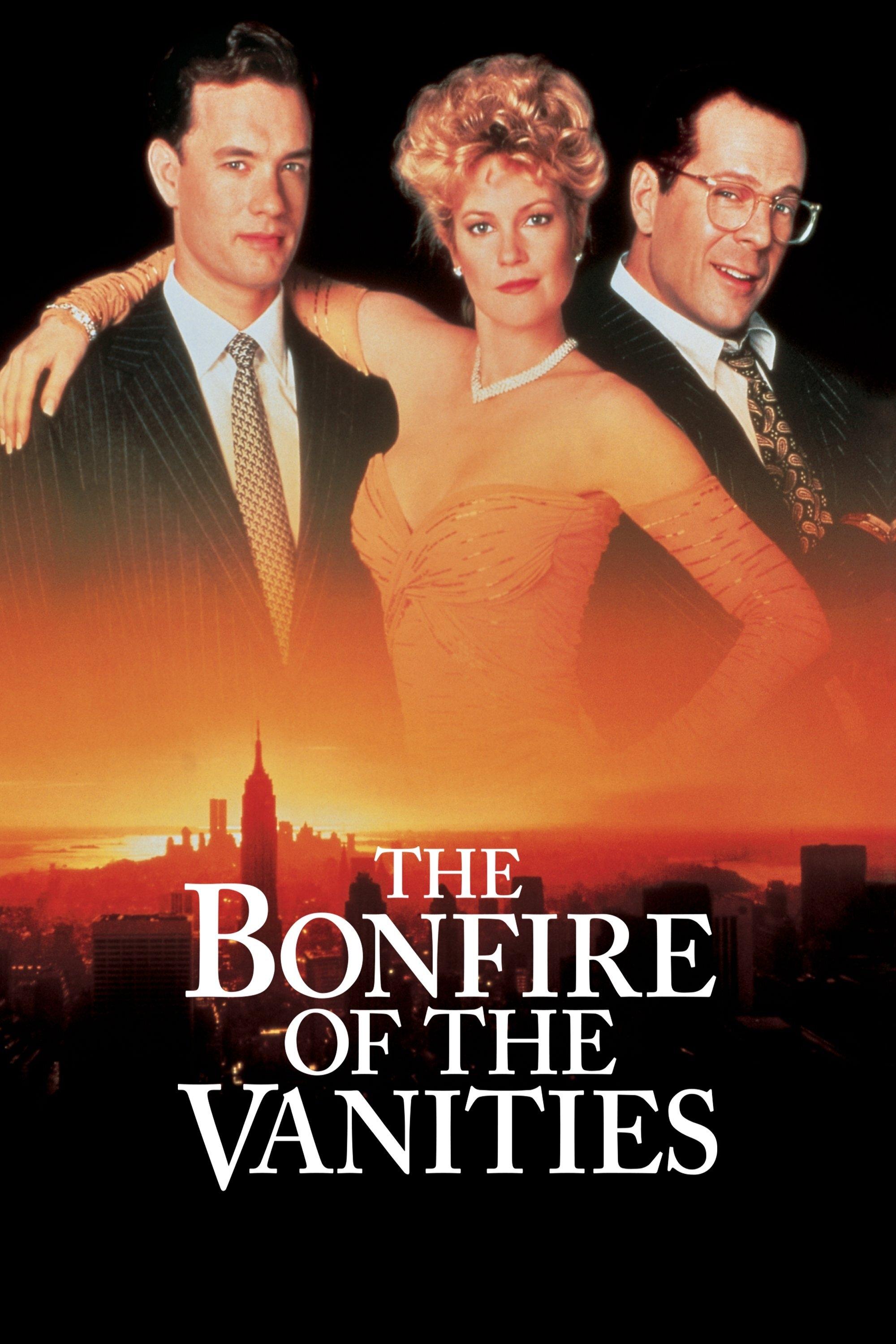
Brian De Palma’s film begins with a showy, unbroken shot: a camera follows a stumbling, drunk Bruce Willis as he navigates from his car, through a confusing network of hallways and elevators, and finally arrives at a press event. The shot is technically brilliant, perfectly syncing dialogue with movement, and immediately establishes the film’s fast-paced, over-the-top atmosphere. The dizzying camera work also effectively conveys the character’s drunken state.
‘Mission: Impossible – Rogue Nation’ (2015)
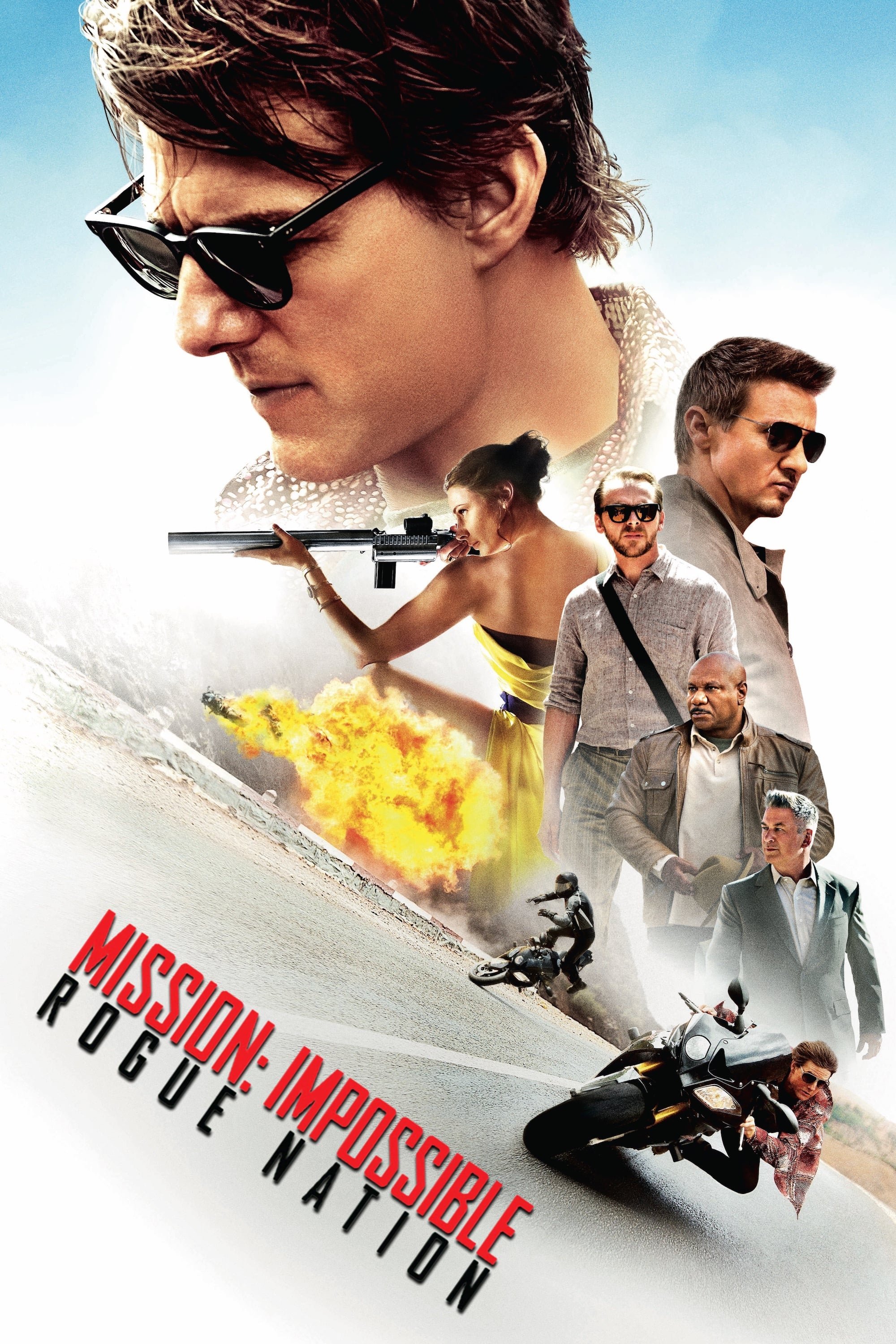
In a thrilling scene, Tom Cruise performs a complex underwater stunt in a single, unbroken shot. His character has to replace a data card while holding his breath, and the camera remains fixed on him throughout the entire sequence. This creates a realistic and incredibly tense experience for the audience, as they clearly see him struggling to hold his breath. The stunt was a groundbreaking achievement in practical effects for big-budget films, delivering a truly visceral sense of drowning and panic.
‘Irreversible’ (2002)
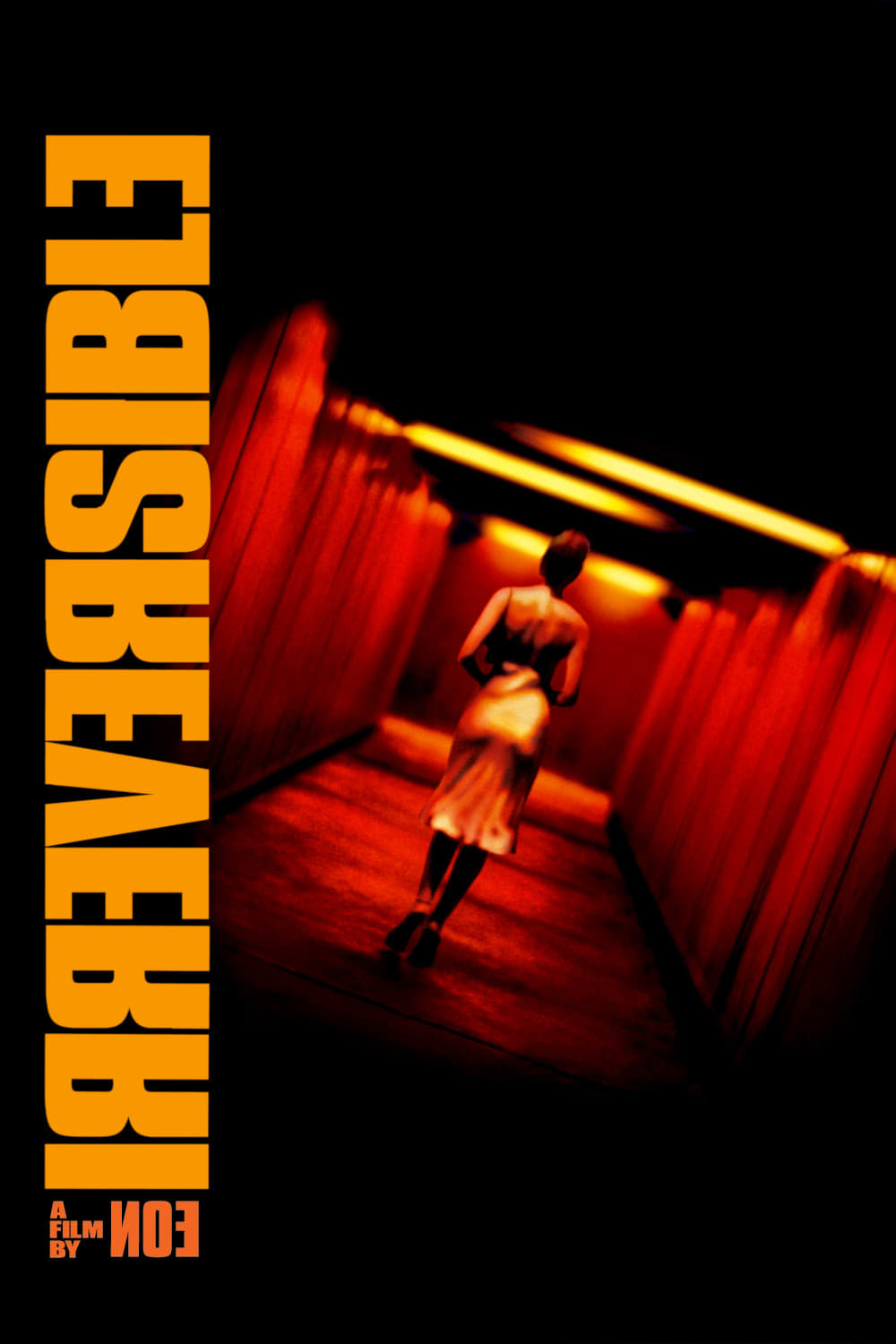
Gaspar Noé’s film is built around extended shots that unfold in reverse order. The camera work is intentionally dizzying, swirling and drifting through parties and cityscapes to create a feeling of unease. This technique reflects the story’s chaotic and deeply upsetting events. It’s a bold and visually demanding style, almost forcing the audience to look away. The way the film is made is completely connected to its disturbing story.
‘Silent House’ (2011)
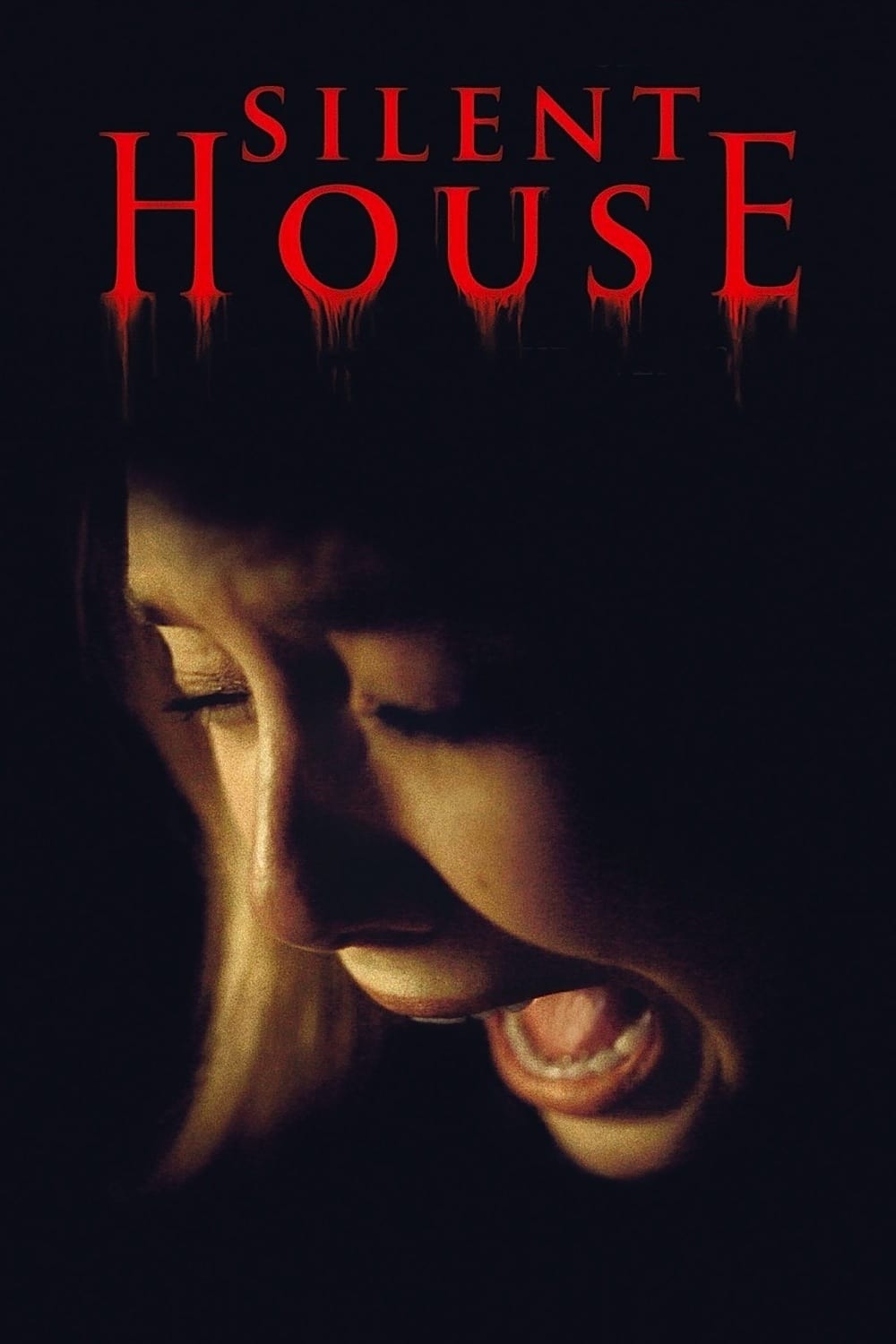
This scary movie appears to be filmed in a single, unbroken shot, following a young woman as she experiences terror inside a darkened house. The camera focuses closely on Elizabeth Olsen, showing her increasing fear as she hears unsettling sounds all around her. The dim lighting and constant viewpoint create a claustrophobic feeling, making the audience feel trapped alongside the character. Clever editing hides the transitions between scenes, reinforcing the impression that everything is happening in real time. The film largely depends on Olsen’s strong performance to build and maintain suspense.
‘Carter’ (2022)
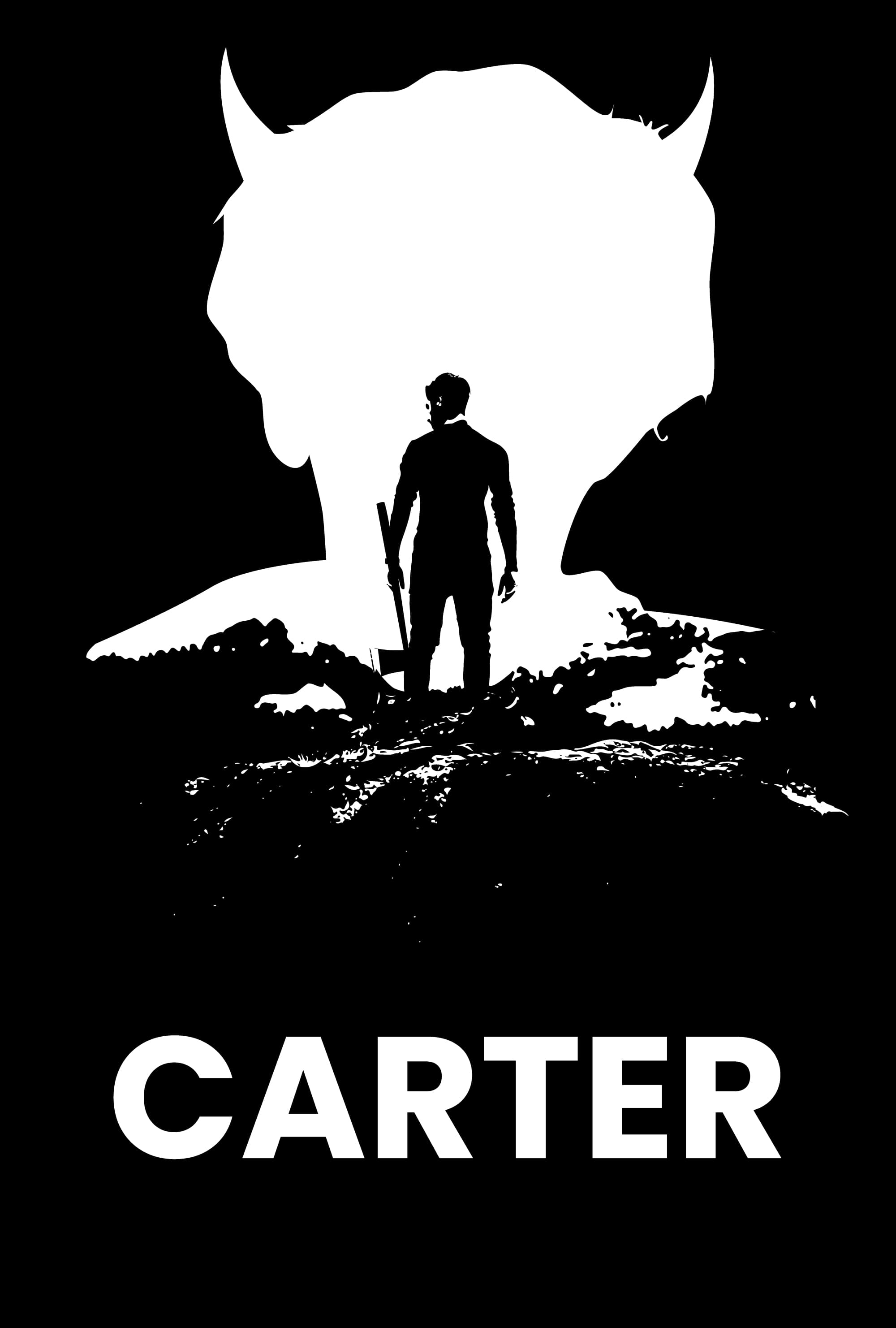
This South Korean action film uses innovative drone shots and digital editing to feel like you’re playing a video game. The camera swoops around buildings and inside cars during intense fight sequences, switching between different viewpoints to maintain a fast pace. Though the action isn’t always realistic, the visuals are constantly moving and exciting. It’s a fresh, digitally-driven take on the classic ‘long take’ technique.
‘Blind Spot’ (2018)
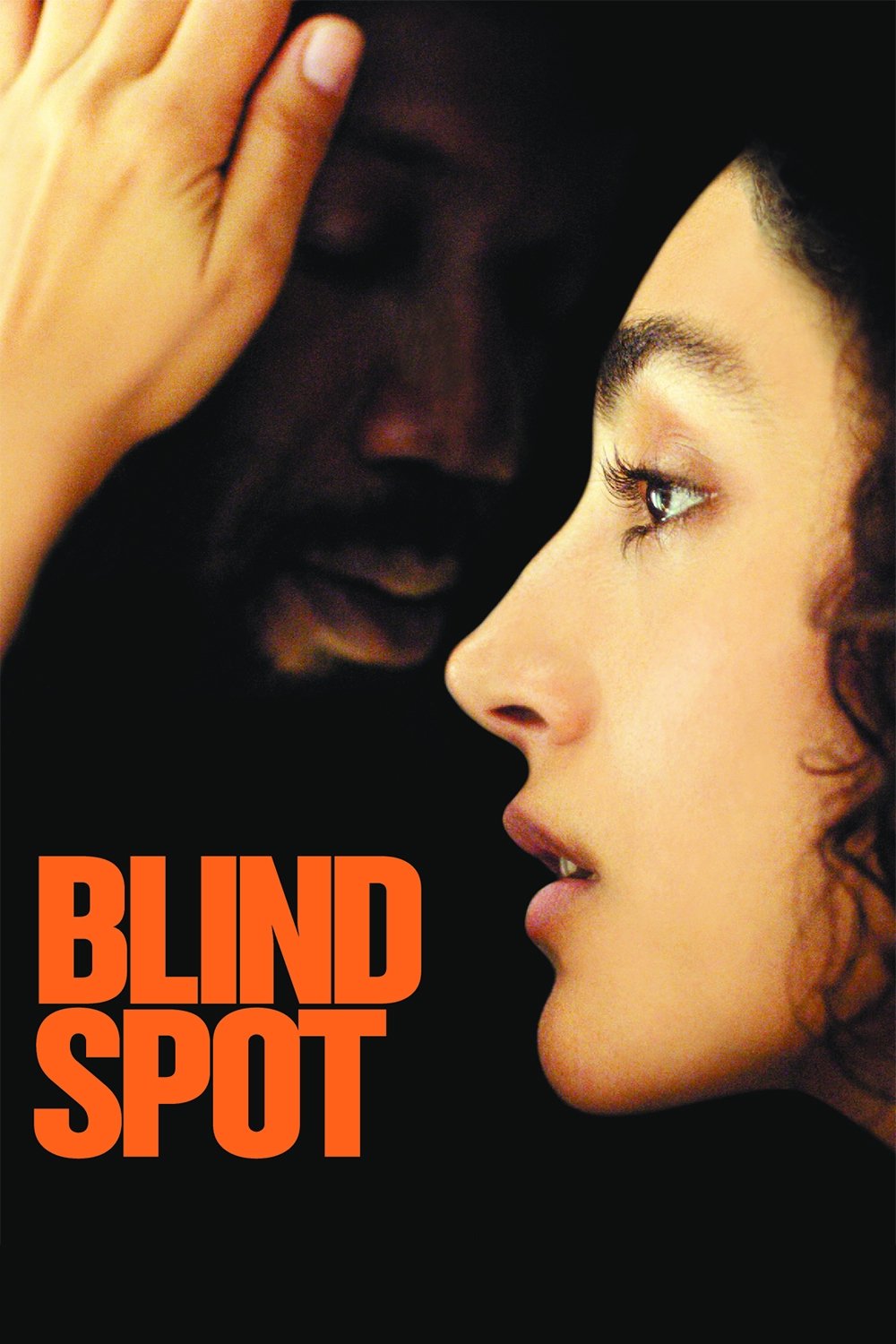
Tuva Novotny’s Norwegian drama is remarkable for being filmed in a single, continuous shot. This technique follows a mother as she deals with a devastating family tragedy, and the unbroken camera work emphasizes the rawness and confusion of the situation. The film doesn’t pause to allow for reflection, for either the characters or the audience, creating a sense of immediacy and realism. While emotionally challenging, it’s a deeply impactful and powerful film to watch.
‘Utøya: July 22’ (2018)

The film powerfully recreates the devastating attack on a summer camp in Norway, all in one continuous, seventy-two-minute shot. We experience the tragedy through the eyes of a teenage girl desperately searching for her sister as gunshots echo around them. By unfolding in real-time, the movie honors the length of the actual event without exploiting the violence. Instead, it focuses on the victims’ fear and disorientation, creating a deeply moving story of survival and the pain of loss.
‘Lost in London’ (2017)
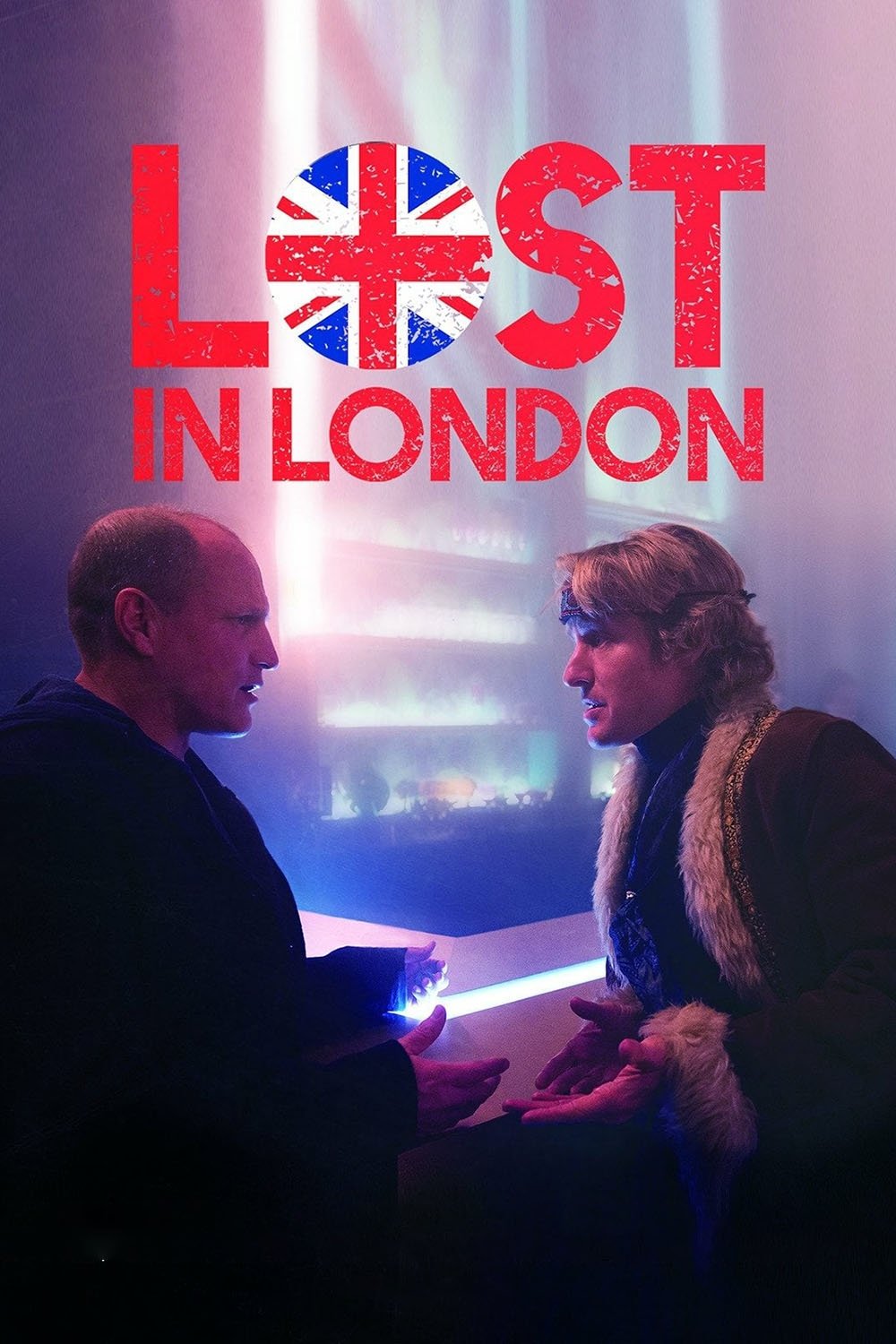
Woody Harrelson’s new comedy was filmed live in one continuous shot and broadcast to theaters as it happened. The film follows the actors as they move through various London locations, like a restaurant and a jail. Pulling off this live broadcast with a full crew presented huge technical difficulties. The movie successfully blends the excitement of a live theater performance with the visual possibilities of film, and it’s a bold attempt to explore the future of live filmmaking.
Share your favorite continuous shot from this list or mention one we missed in the comments.
Read More
- Top 20 Dinosaur Movies, Ranked
- 20 Movies Where the Black Villain Was Secretly the Most Popular Character
- 25 “Woke” Films That Used Black Trauma to Humanize White Leads
- Celebs Who Narrowly Escaped The 9/11 Attacks
- Gold Rate Forecast
- Spotting the Loops in Autonomous Systems
- The 10 Most Underrated Jim Carrey Movies, Ranked (From Least to Most Underrated)
- Silver Rate Forecast
- 22 Films Where the White Protagonist Is Canonically the Sidekick to a Black Lead
- From Bids to Best Policies: Smarter Auto-Bidding with Generative AI
2025-12-10 15:51