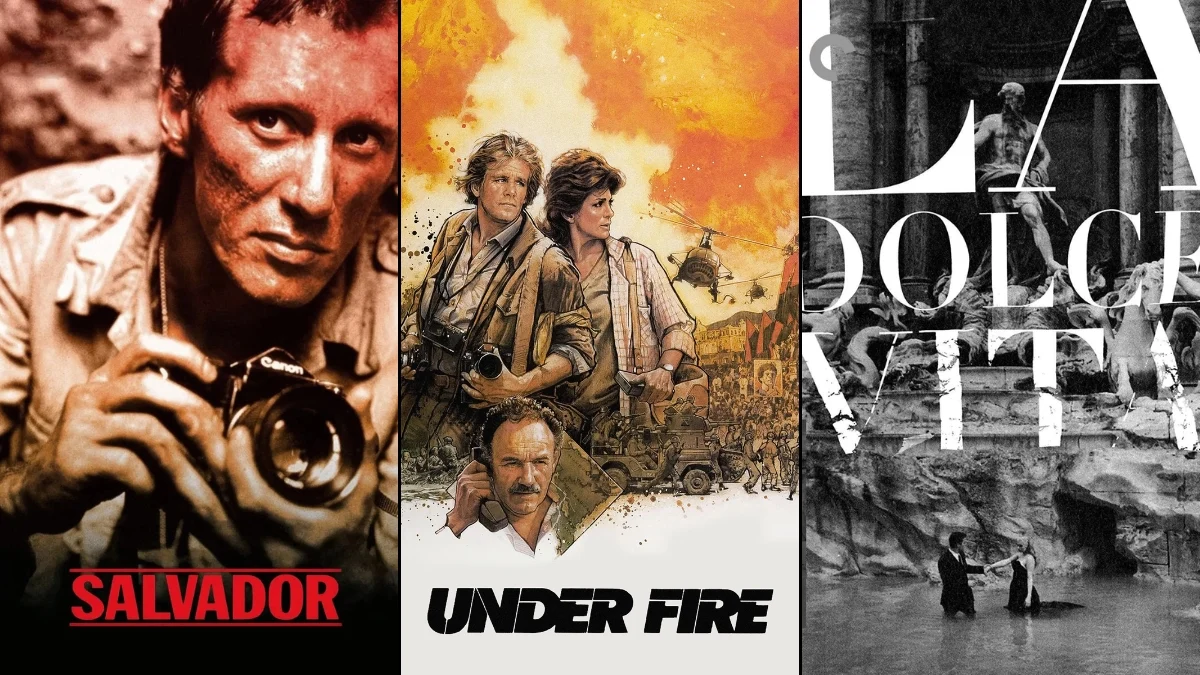
Movies and photography are closely connected because they both use visuals to tell stories. These films delve into the lives of people who capture reality with a camera, and the difficulties they encounter. Audiences get a glimpse into the passion and creativity needed to take a great photo. The films cover a variety of stories, from suspenseful tales of observation to biographical accounts of famous photojournalists.
‘Rear Window’ (1954)
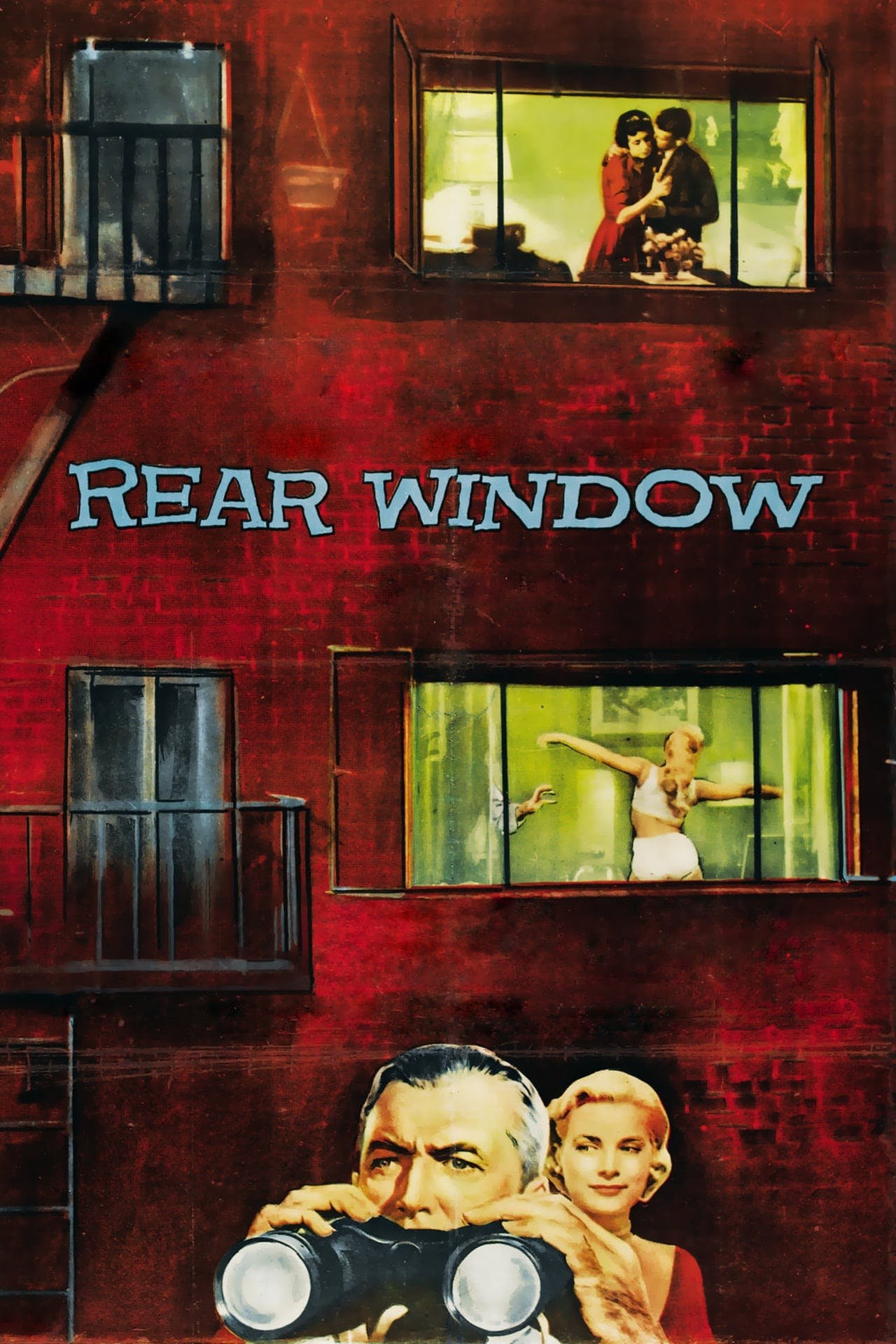
Confined to his apartment with a broken leg, photographer L.B. Jefferies combats boredom by watching his neighbors. Using a powerful camera lens, he begins to suspect one of them is involved in a murder. The film relies heavily on what Jefferies sees through his camera, making the audience feel like they’re secretly watching along with him, just like he is.
‘Blow-Up’ (1966)
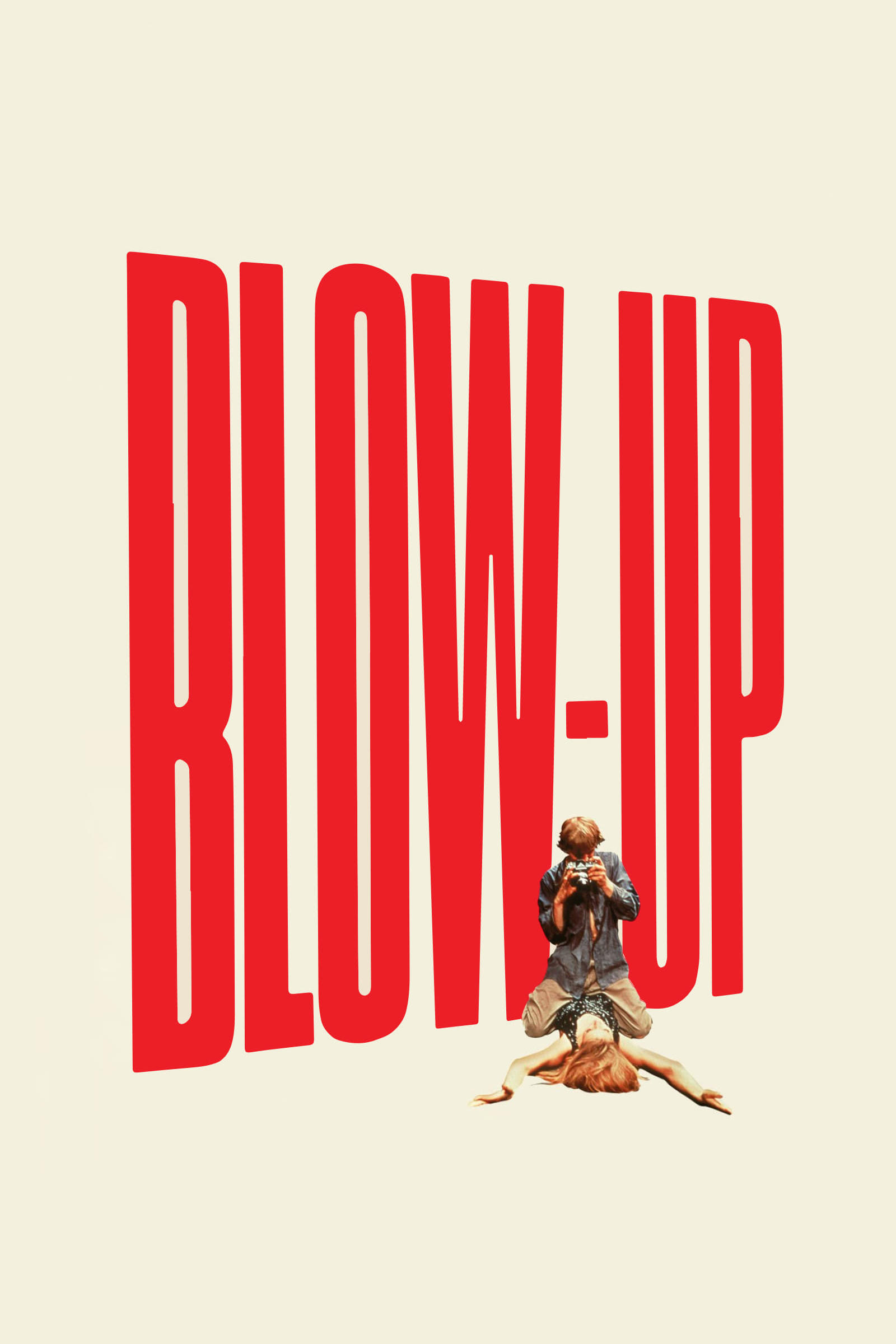
I was completely captivated by this film! It’s about a fashion photographer in London who stumbles onto something really unsettling in the background of a photo he’s taking. When he develops the pictures, he realizes he might have accidentally captured a murder! It really got me thinking about how much we actually see, and whether photos truly reflect reality. The director, Michelangelo Antonioni, brilliantly shows how a camera can reveal things our eyes just miss, creating this incredibly suspenseful mystery. It’s a real mind-bender!
‘City of God’ (2002)
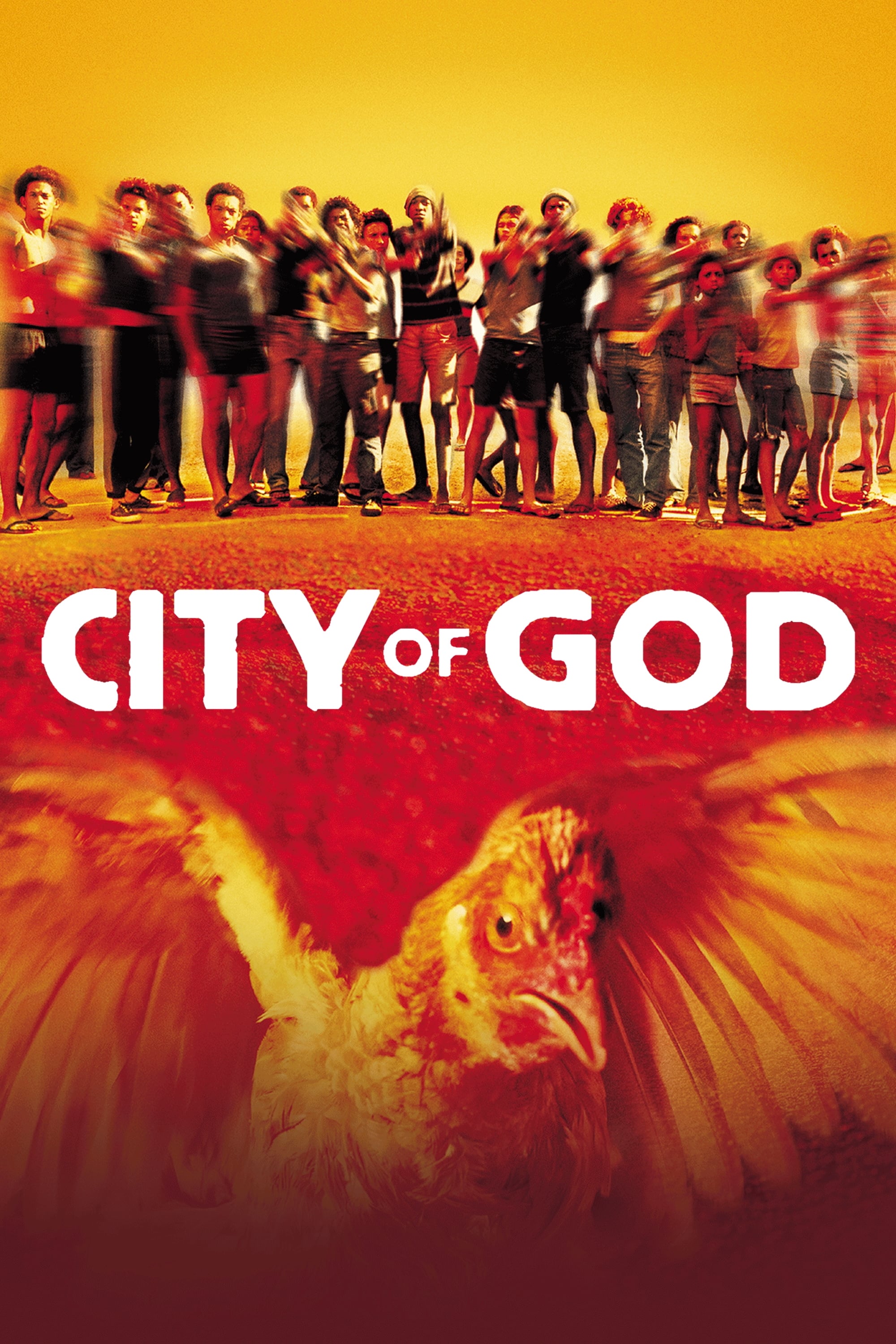
Rocket is a young man growing up in Rio de Janeiro’s favelas, and he uses photography as a way to cope with his difficult life. He captures the increasing violence caused by local drug gangs, carefully avoiding involvement himself. His camera becomes his tool for showing the harsh realities of his community to the outside world, and his photos ultimately serve as the only proof of the escalating gang wars that are tearing his neighborhood apart.
‘The Secret Life of Walter Mitty’ (2013)
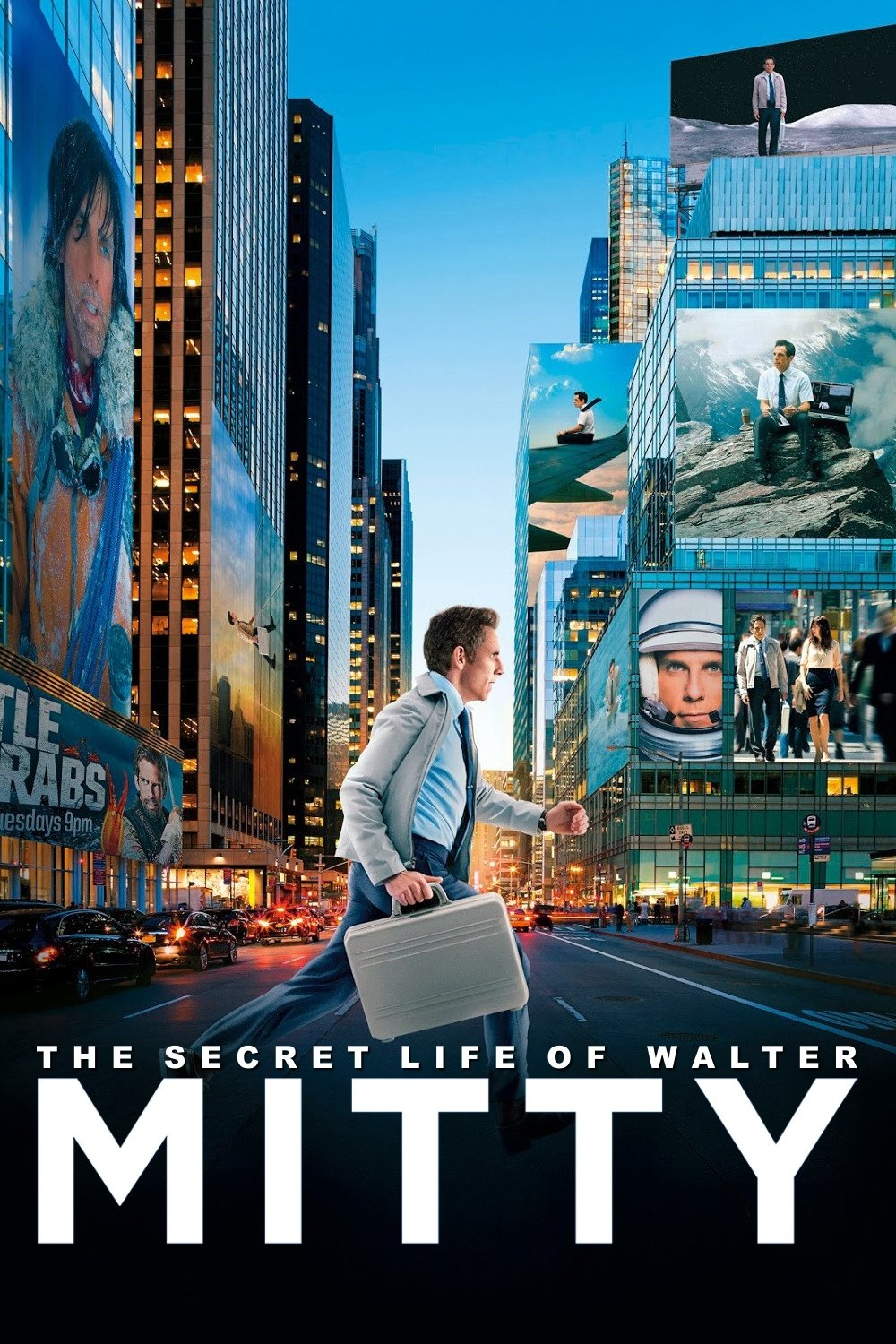
A specialist who handles lost or damaged assets at Life magazine goes on a worldwide quest to locate a missing photograph. He’s searching for the renowned photographer who took the picture meant to be on the magazine’s last-ever cover. Walter, usually lost in thought, finds himself in thrilling real-life situations, facing dangers like sharks and volcanoes. The movie is a tribute to the commitment and effort it takes to capture genuine, beautiful moments.
‘Carol’ (2015)

Therese is a young photographer working at a department store when she becomes captivated by an older woman. She uses her camera to explore her feelings and document their connection. Through her photographs, Therese tries to understand the complicated emotions growing between them, and photography itself becomes a way for them to connect intimately in this historical romance.
‘One Hour Photo’ (2002)
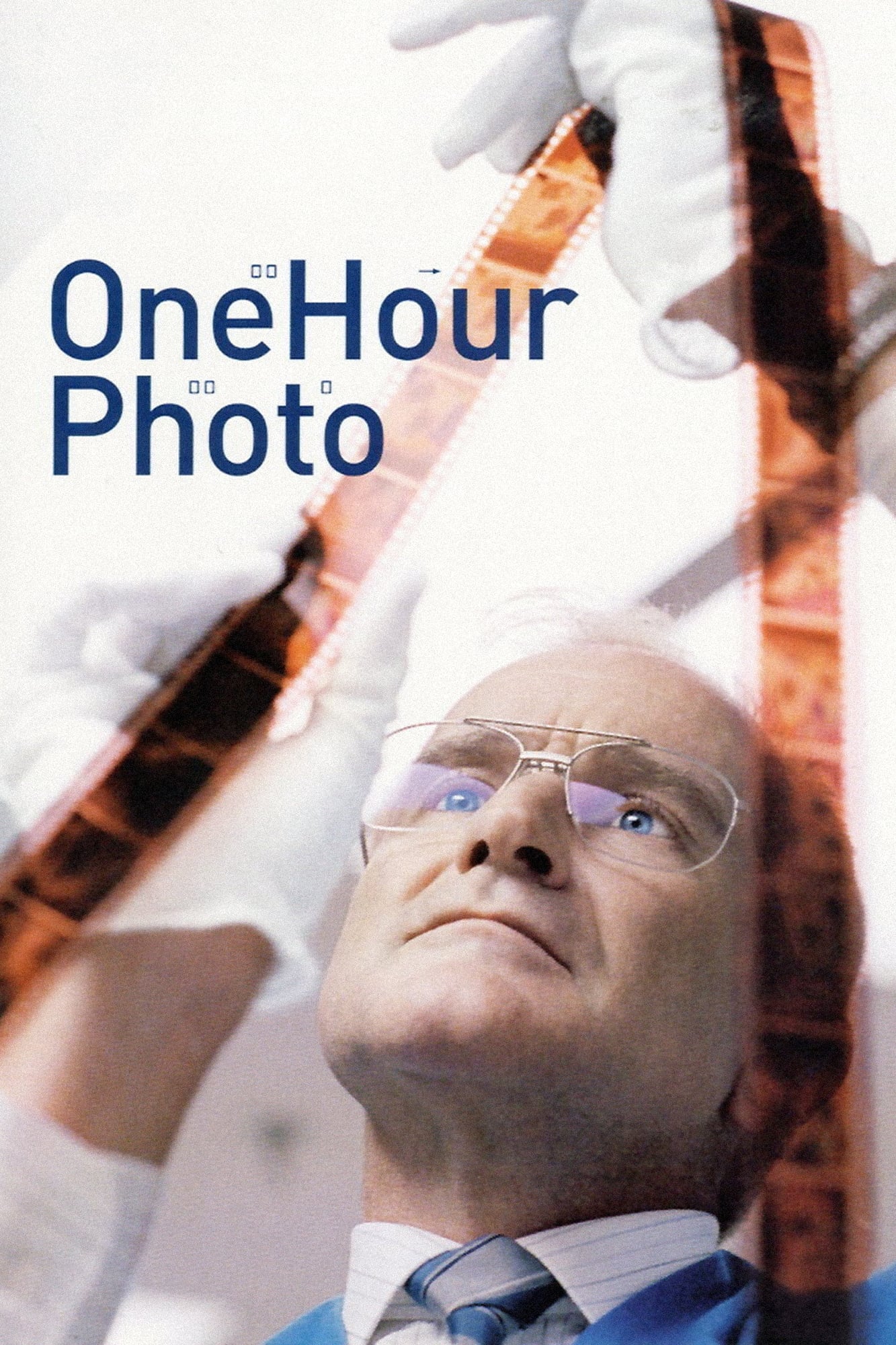
Sy Parrish is a photo lab technician who develops a troubling obsession with a family whose photos he processes. The film explores the contrast between the perfect moments people try to preserve in pictures and the realities of their everyday lives, and it touches on the unsettling feeling of seeing into the private world of others through their personal photos.
‘The Bang Bang Club’ (2010)

This film follows four brave photographers as they document the intense and violent end of apartheid in South Africa. They put themselves in danger to capture the harsh realities of the conflict and share them with the world. The story also examines the difficult ethical questions they face – watching terrible events unfold without being able to help – and the emotional impact of their work.
‘Closer’ (2004)

As a film lover, I was completely drawn into this story about Anna, an American photographer living in London. It’s not just a simple romance; it’s about how people really are when they think no one’s looking. The film cleverly uses Anna’s photo shoots as these incredibly revealing moments where characters drop their facades. Honestly, it’s fascinating to watch—the camera doesn’t just show us vulnerability, it feels like it’s capturing it. And the whole thing feels like a beautiful, slightly unsettling commentary on how we see—and often misread—each other in modern relationships. It’s like photography itself is a symbol for the way these characters are constantly looking, judging, and ultimately deceiving one another.
‘La Dolce Vita’ (1960)
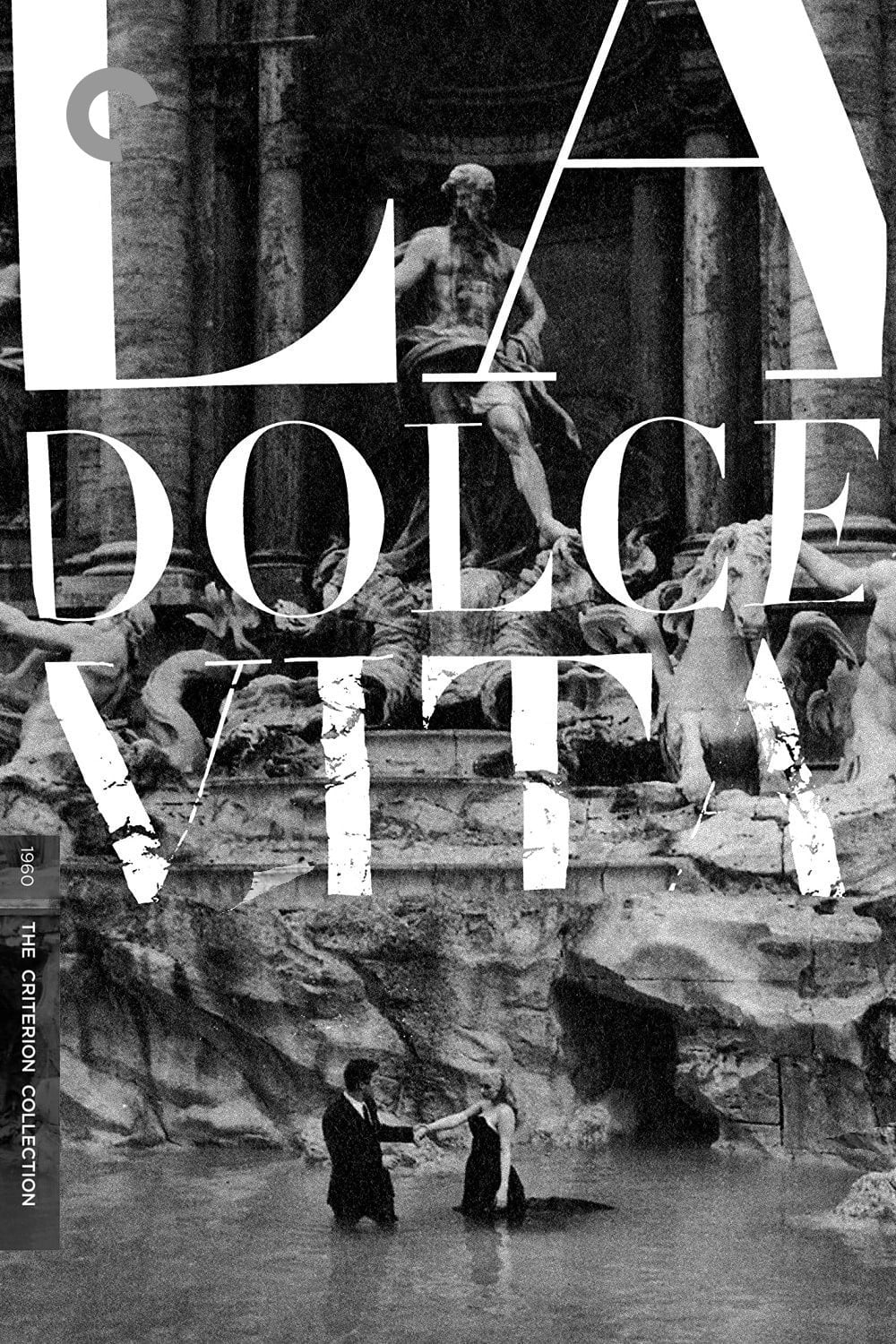
Marcello Rubini is a journalist who reports on the glamorous, often scandalous, lives of Rome’s high society. He works with a photographer, nicknamed Paparazzo, known for relentlessly pursuing celebrities to get revealing photos. In fact, Paparazzo is where we get the modern term for aggressive celebrity photographers. The story is a commentary on how shallow fame can be and the media’s intense focus on appearances.
‘Memento’ (2000)
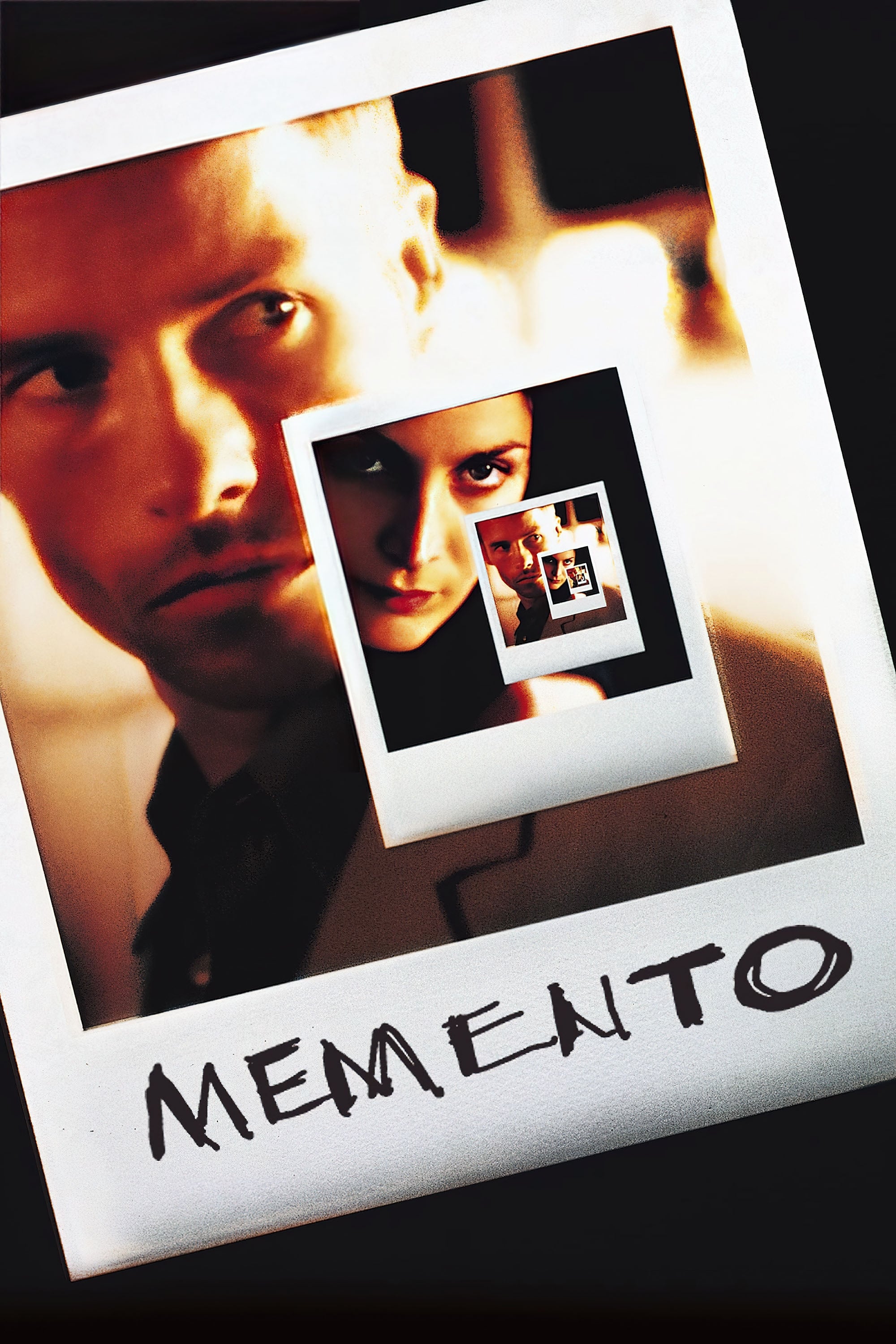
Leonard Shelby has a rare condition called anterograde amnesia, meaning he can’t create new memories after a violent attack. To investigate a crime, he relies on instant photos – Polaroids – where he writes down details about people and places. These photos act as an outside memory for him as he desperately tries to find the man who killed his wife. The film explores how pictures can help someone hold onto who they are when their memory is gone.
‘Pecker’ (1998)
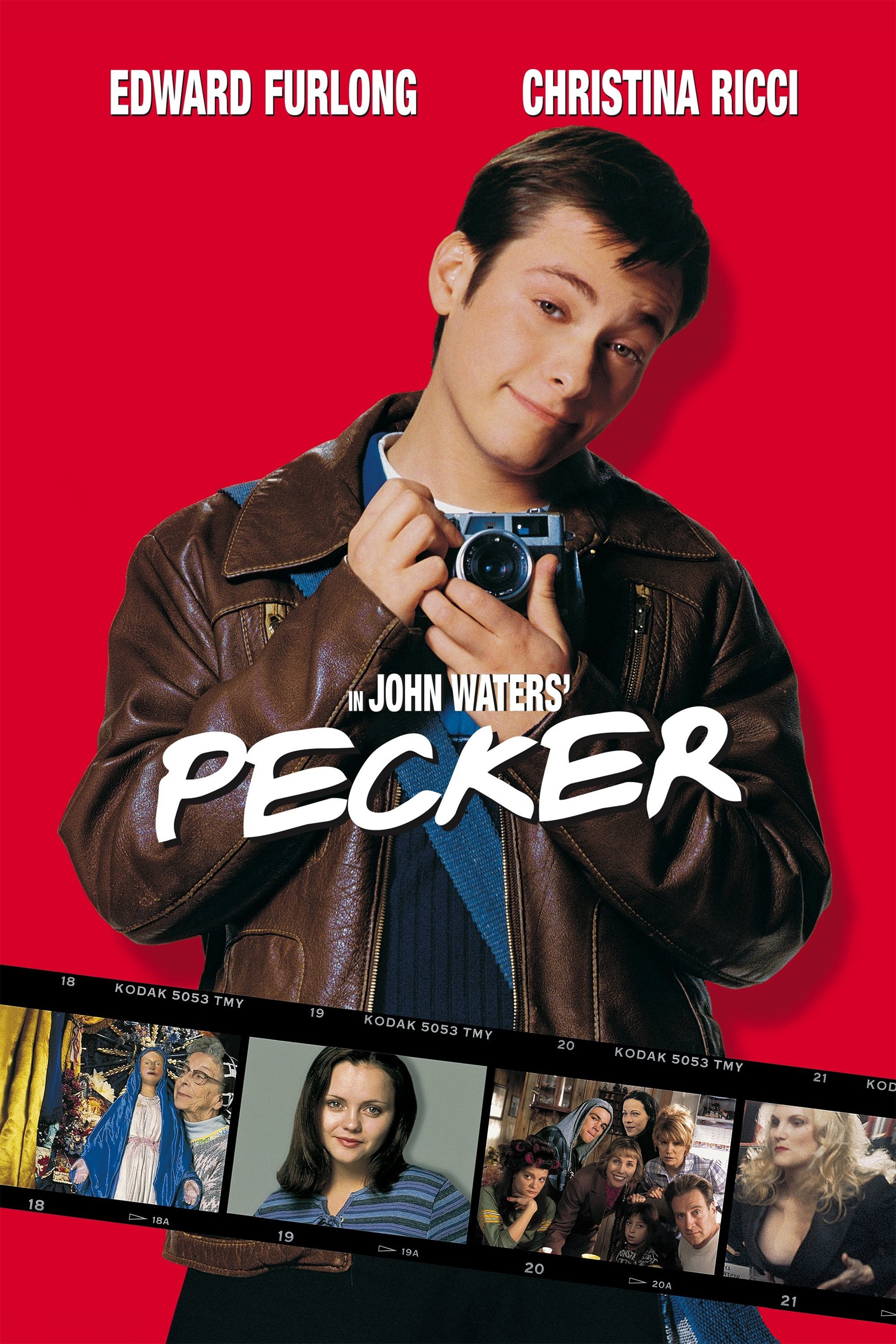
A Baltimore sandwich shop worker unexpectedly becomes famous thanks to his simple, heartfelt photos of his unusual family. New York City’s art community quickly praises his work for its honest and unpolished portrayal of everyday working-class life. The film follows his attempts to navigate his new celebrity while staying true to the people he loves, and it playfully pokes fun at the often-pretentious world of high-end photography.
‘Kodachrome’ (2017)
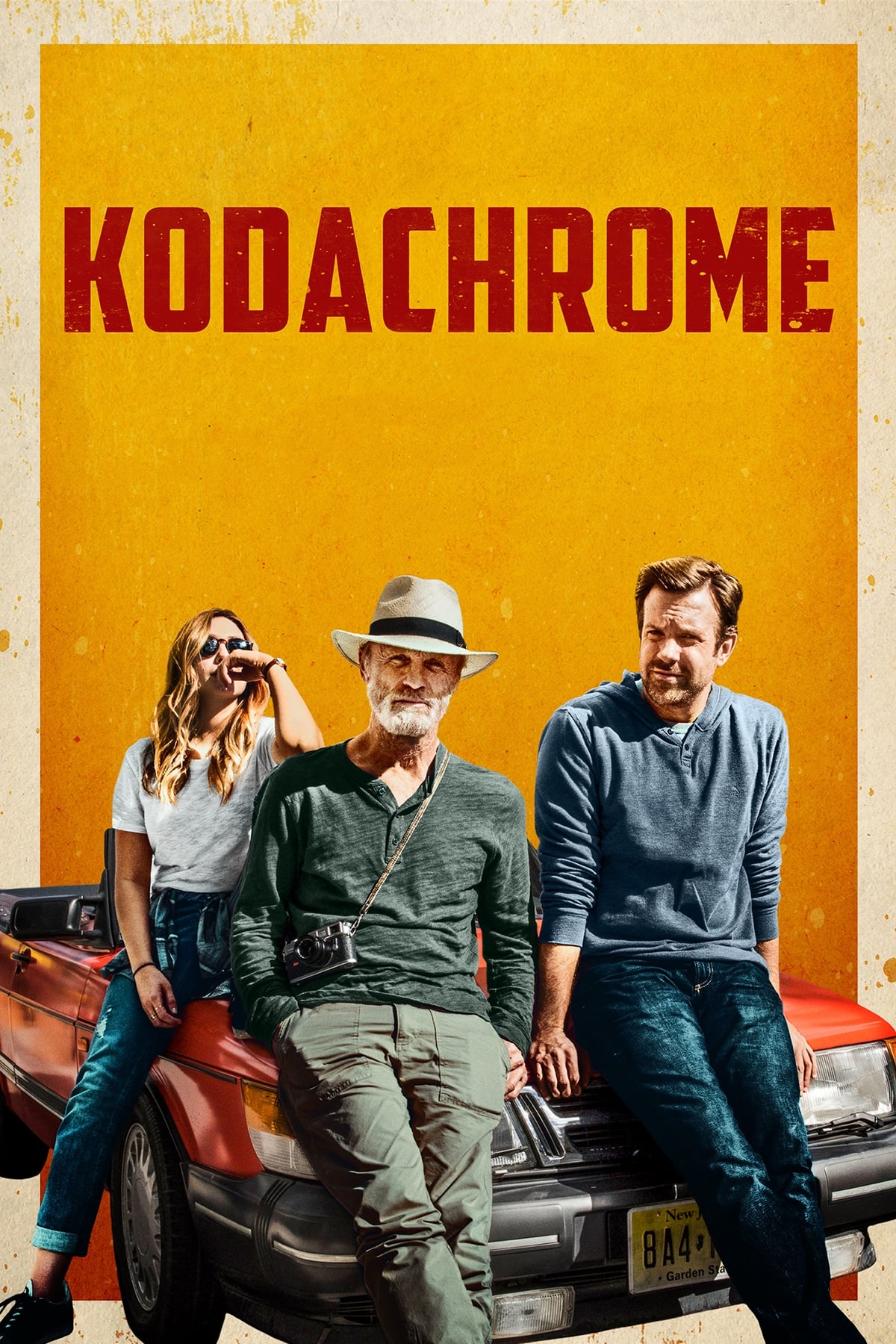
A busy music executive reluctantly embarks on a road trip with his distant father, a renowned photographer. Their destination is the very last lab still processing Kodachrome film, and the father’s mission is to develop his final four rolls before the service ends forever. As they travel, they grapple with their strained relationship, all while facing the inevitable march of digital technology. The film is ultimately a heartfelt goodbye to the world of traditional film photography.
‘Fur: An Imaginary Portrait of Diane Arbus’ (2006)
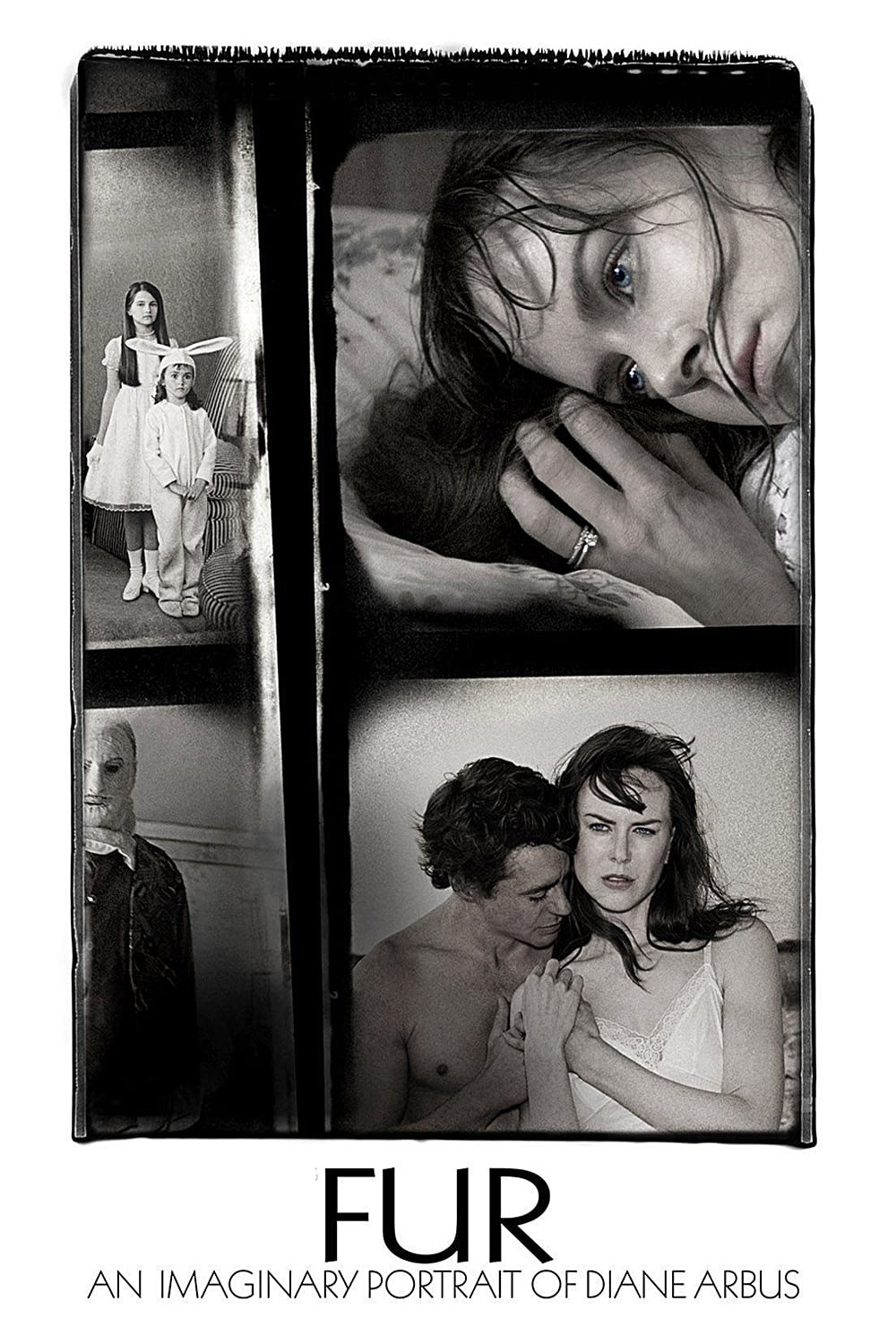
This movie tells a fictional story inspired by the life of photographer Diane Arbus. She becomes fascinated with a reclusive neighbor, which opens her eyes to a world of people often overlooked by society. The film follows her as she begins to photograph these individuals, exploring the idea that beauty can be found in unexpected places.
‘Life’ (2015)
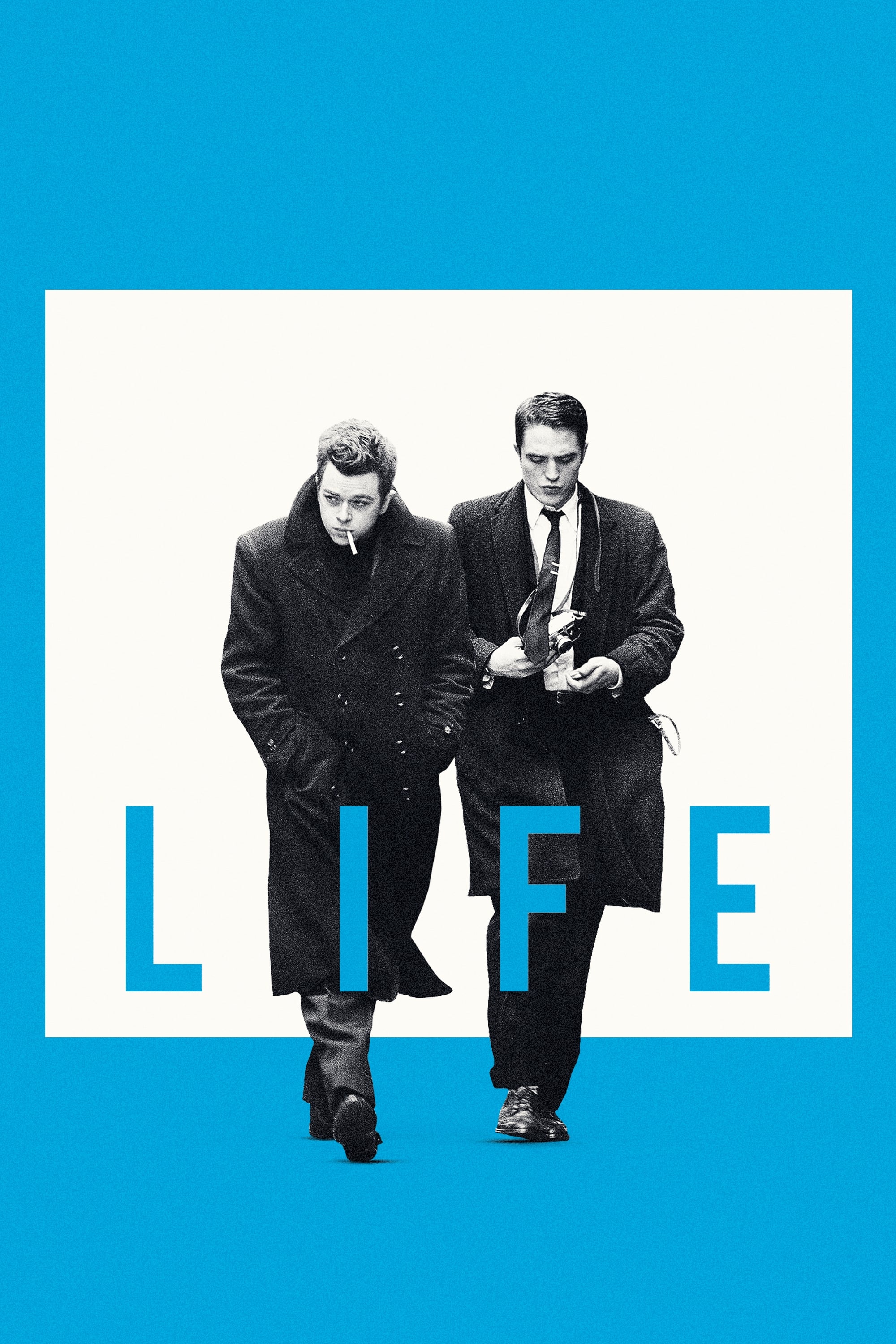
Photographer Dennis Stock was asked by Life magazine to take pictures of James Dean, who was quickly becoming a famous actor. They journeyed together from Los Angeles to New York, and then to Dean’s hometown in Indiana. The film shows the quiet connection that grew between the photographer and his subject, and how some of the most well-known photos of the Hollywood star were created.
‘The Public Eye’ (1992)
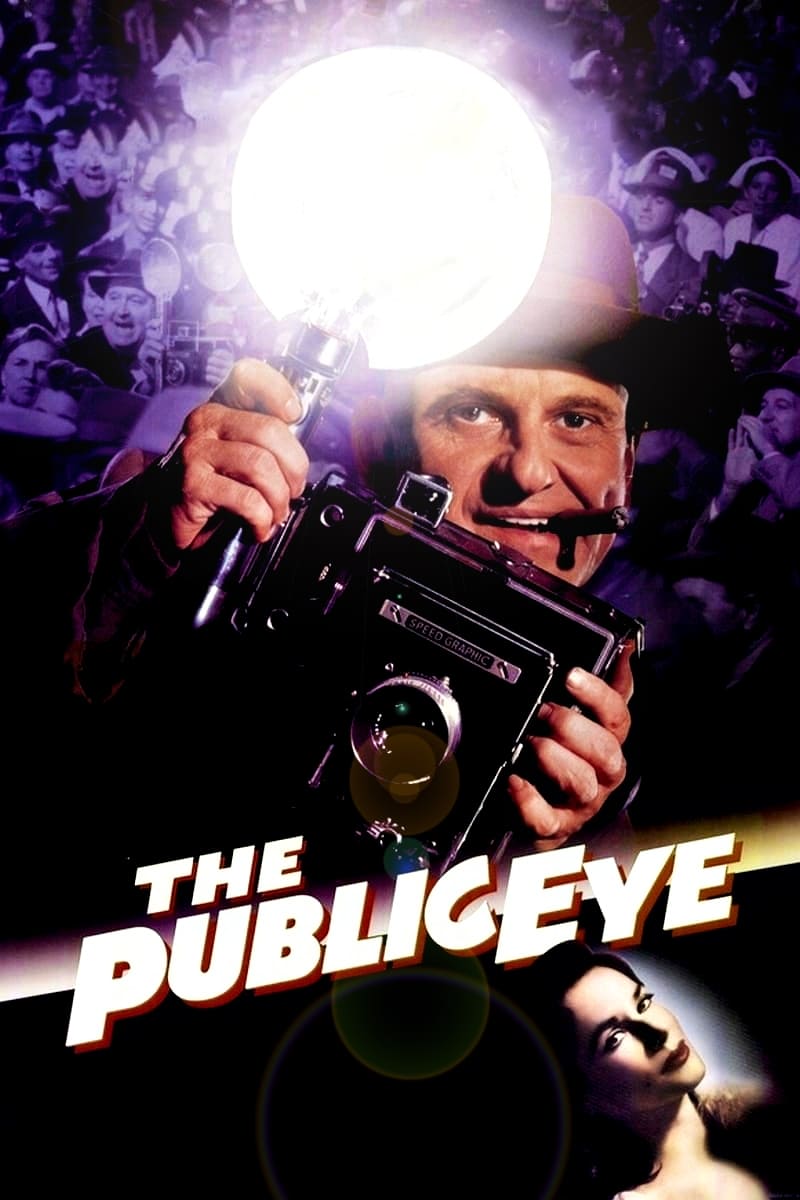
Leon Bernstein, nicknamed ‘The Great Bernzini,’ was a driven crime photographer working in 1940s New York City. He made a name for himself by photographing shocking crime scenes and accidents before law enforcement could arrive. The character is inspired by the real-life photographer Weegee, and the film explores the gritty world of tabloid journalism and the dark, stylish look of film noir.
‘Salvador’ (1986)
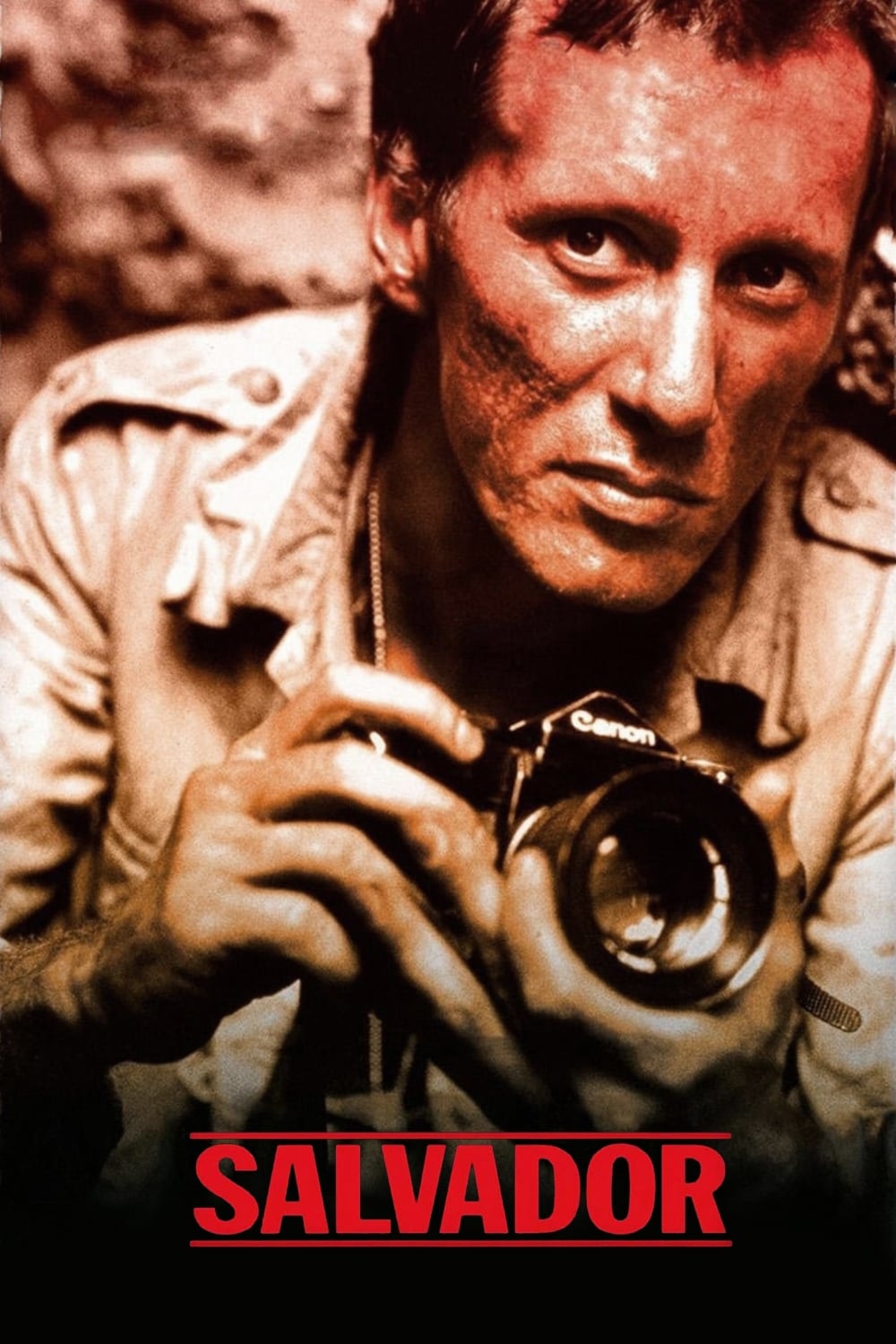
A former photojournalist travels to El Salvador during the civil war, hoping to reignite his career. He documents the brutal realities of the conflict and quickly becomes caught up in the political unrest. The story follows his struggle to remain an objective observer versus taking sides based on what he witnesses. The film powerfully illustrates the risks faced by photographers covering war.
‘Under Fire’ (1983)
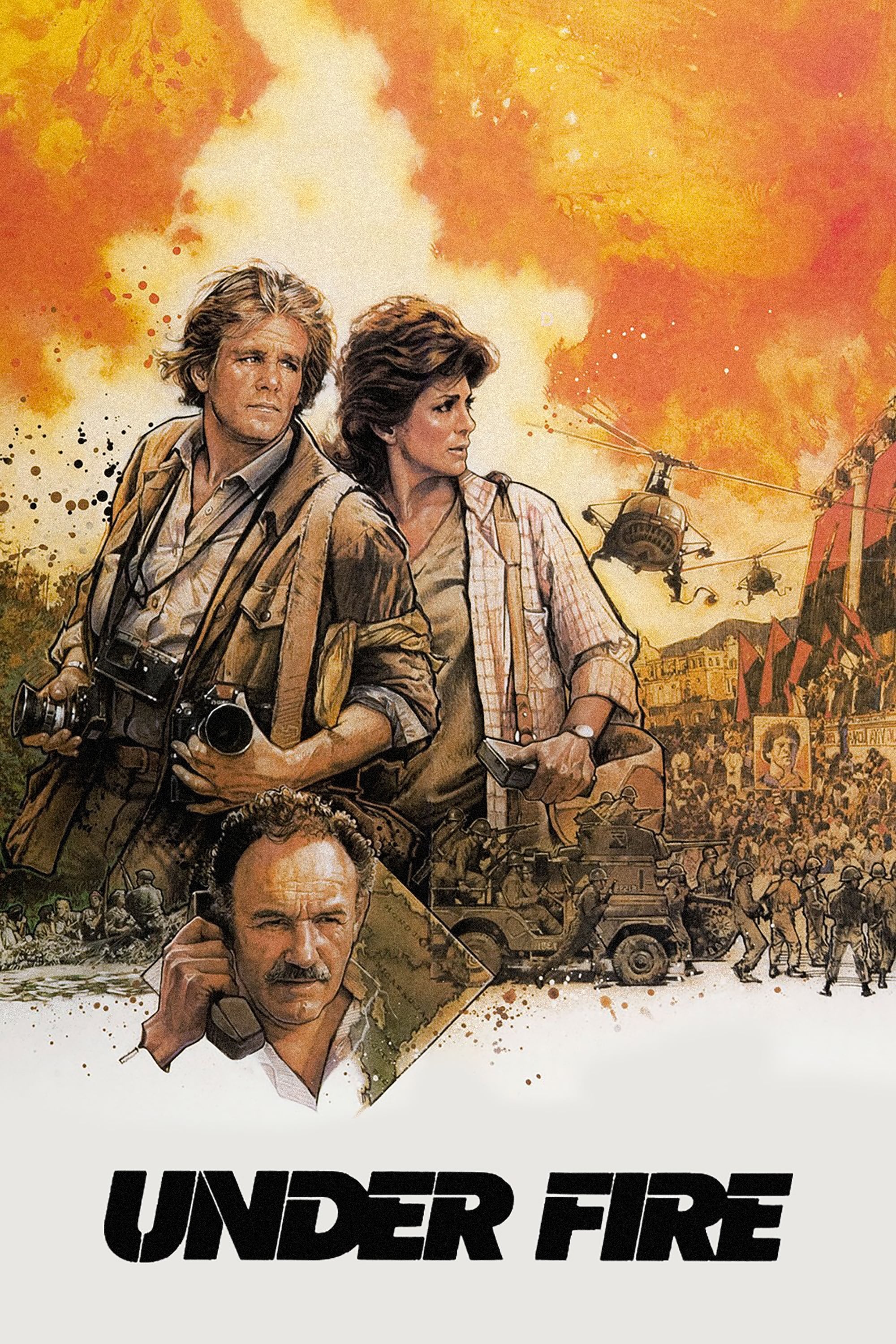
During the Nicaraguan revolution, three journalists documented the downfall of the Somoza government. One photographer went further, creating a false image of a rebel leader to boost support for the revolutionaries. The story explores the moral dilemmas faced by photojournalists and how powerfully images can shape what people believe, even to the point of changing historical events.
‘Funny Face’ (1957)
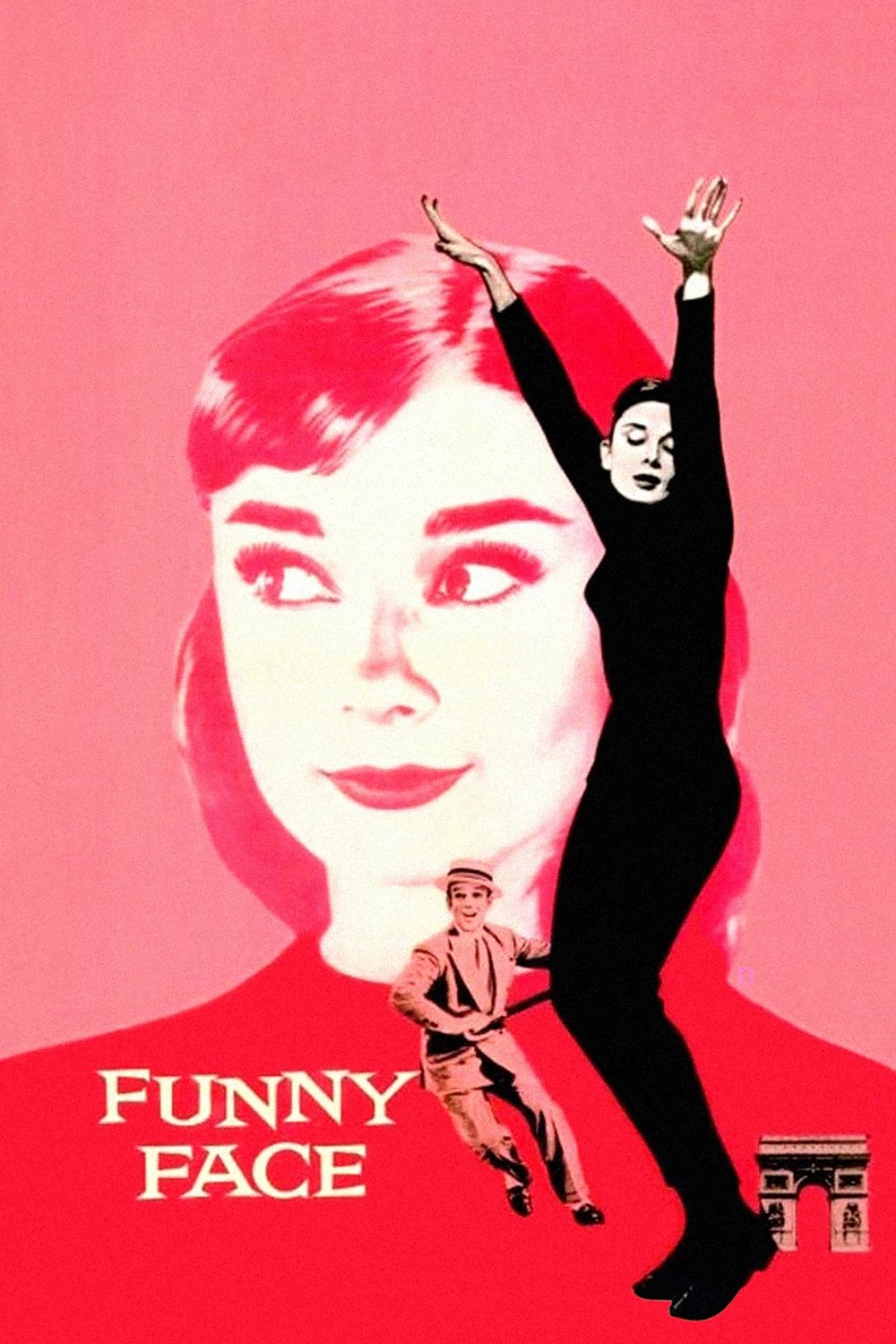
Okay, so this movie is about a fashion photographer who basically discovers this really sweet, quiet girl working in a bookstore. He decides she’s it – the face for this huge campaign. They jet off to Paris and shoot all over the place, hitting up iconic landmarks. What I really loved was how the film played with the contrast between her bookish, thoughtful personality and the totally surface-level world of high fashion. Honestly, even beyond the story, it’s just gorgeous to look at – super colorful and beautifully shot. A real visual feast!
‘Minamata’ (2020)
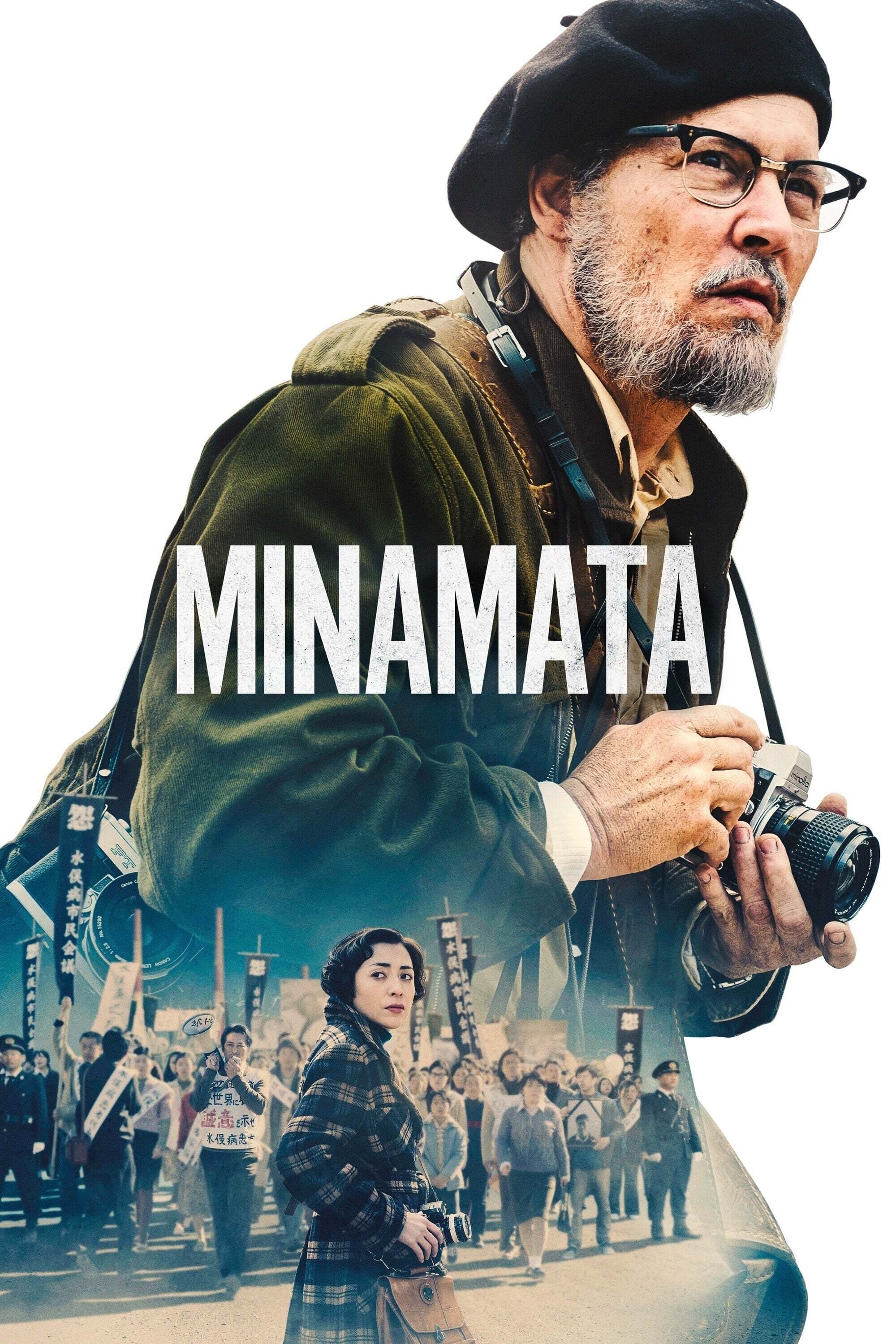
War photographer W. Eugene Smith went to Japan to photograph the terrible consequences of mercury poisoning affecting a seaside town. Through his images, he revealed how a company’s carelessness was damaging the health of the people who lived there. The film highlights how powerful photojournalism can be in fighting for fairness and creating positive change. This challenging project resulted in some of Smith’s most iconic photographs.
‘A Thousand Times Good Night’ (2013)
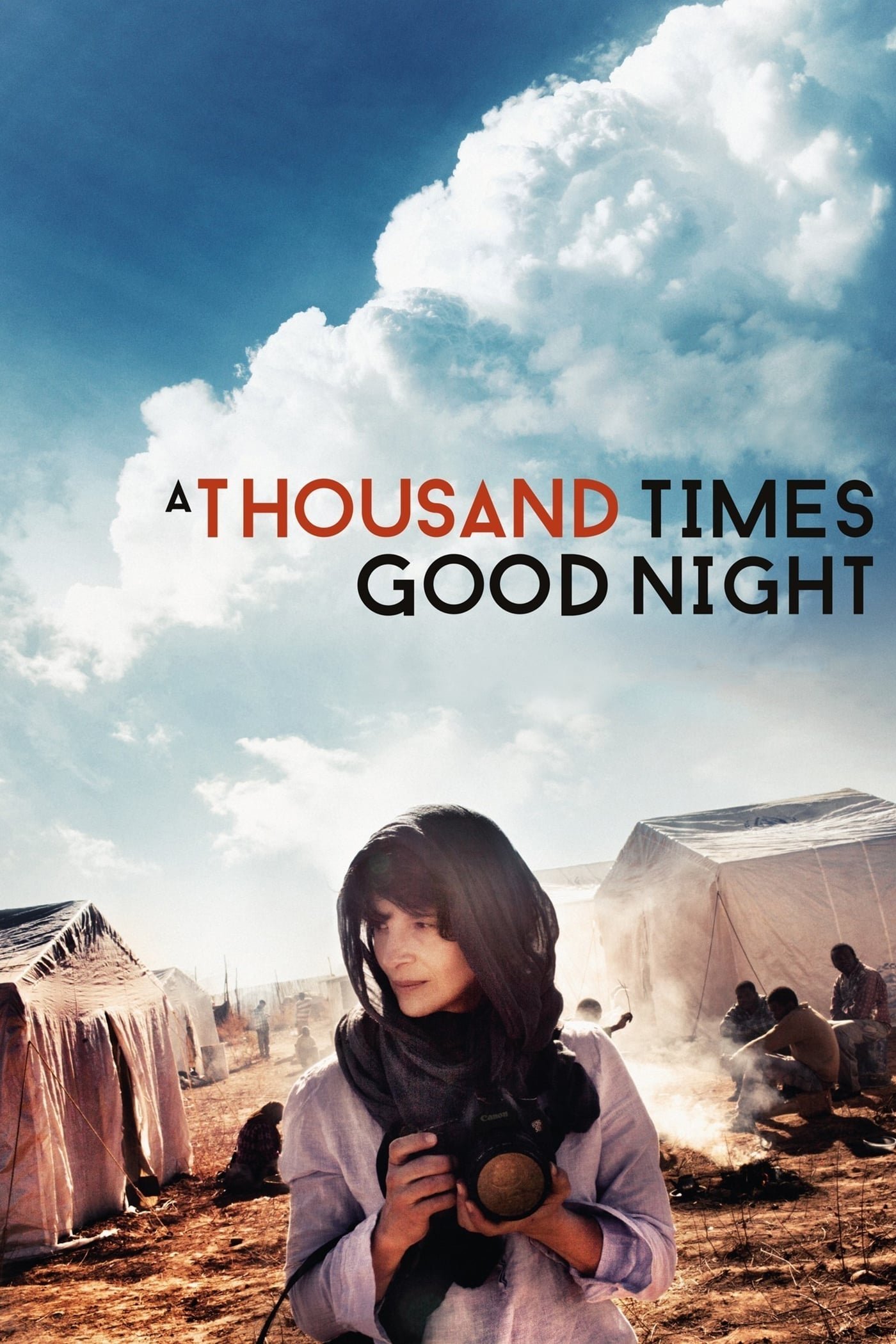
A renowned war photographer faces a difficult choice: continue risking her life covering conflicts, or prioritize her family. After being injured while on assignment, her husband asks her to stop working in dangerous zones. She wrestles with balancing her passion for documenting hardship with her responsibilities as a mother, and the story explores the personal cost of bearing witness to global tragedies.
Tell us which film inspired your own creative journey in the comments.
Read More
- Invincible Season 4 Gender Swaps Tech Jacket As Fans Question Major Comic Change
- Building Agents That Learn and Improve Themselves
- Gold Rate Forecast
- Games That Faced Bans in Countries Over Political Themes
- Silver Rate Forecast
- Trading Crypto with AI: A New Approach to Portfolio Management
- Superman Flops Financially: $350M Budget, Still No Profit (Scoop Confirmed)
- 22 Films Where the White Protagonist Is Canonically the Sidekick to a Black Lead
- 15 Films That Were Shot Entirely on Phones
- Unveiling the Schwab U.S. Dividend Equity ETF: A Portent of Financial Growth
2025-11-28 02:49