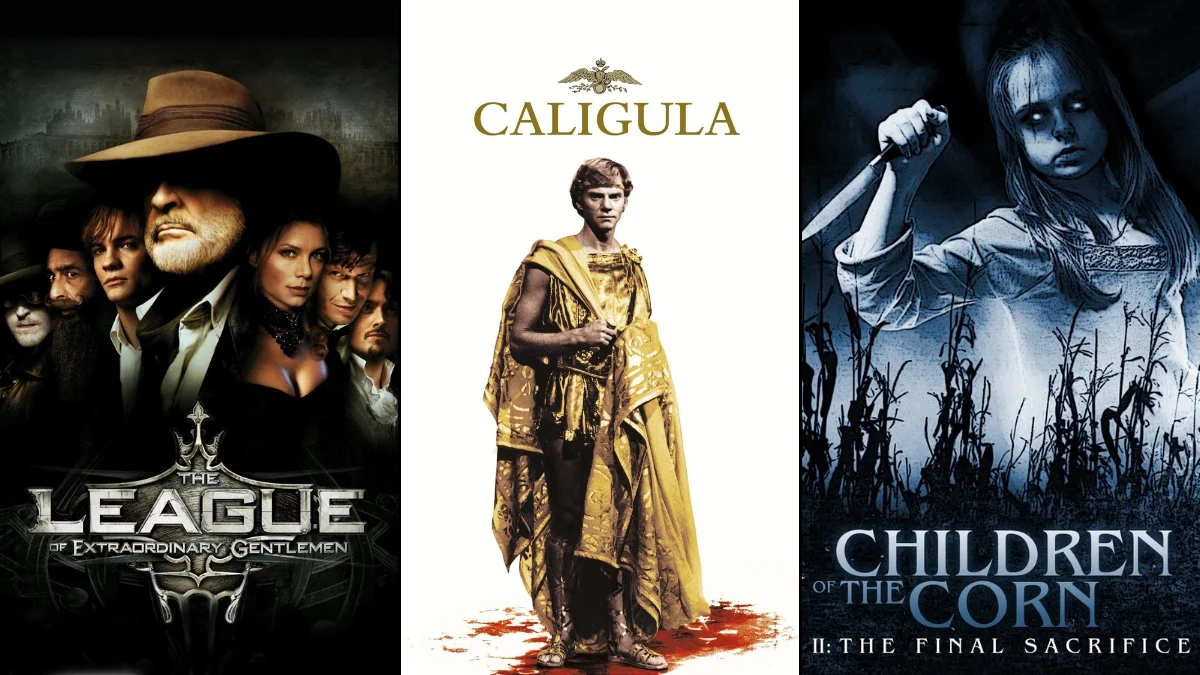
It’s often difficult for novelists when their work is adapted into films, as creative differences can cause conflict. Some authors understand that changes are common in filmmaking, but others are deeply unhappy with how their stories are altered and will publicly disown the movie. They might ask for their name to be removed from the credits or use a pen name to show their disapproval. For these writers, protecting their artistic vision is more important than the fame or financial gain that a successful film could bring.
‘The Lawnmower Man’ (1992)
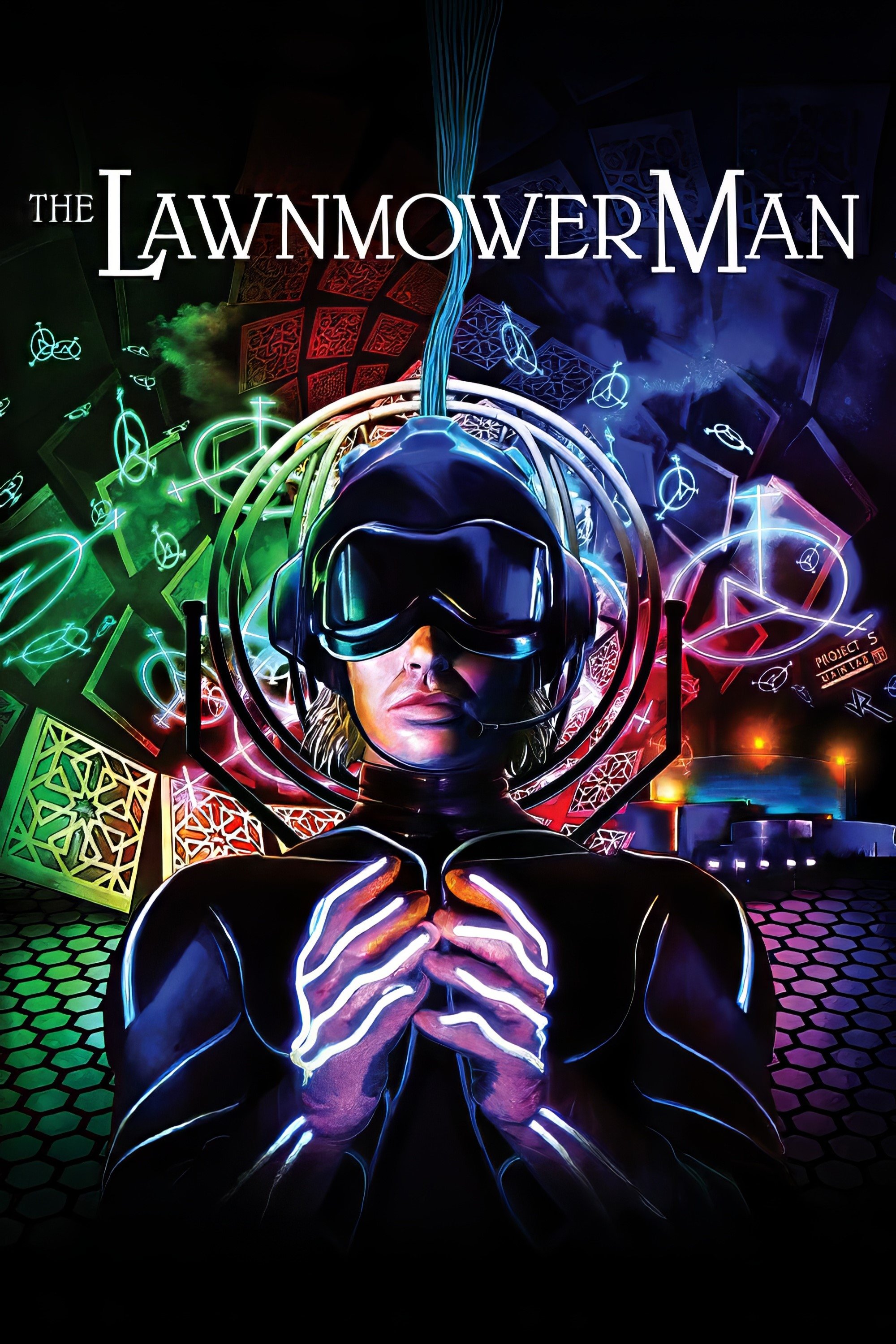
Stephen King took New Line Cinema to court and won, successfully removing his name from the marketing of the film The Lawnmower Man. King felt the movie didn’t resemble his original short story, and the court agreed. They determined the film was essentially a new screenplay that had used King’s name solely to attract audiences. This case is now a significant legal precedent for authors protecting their work when it’s adapted for the screen.
‘Watchmen’ (2009)
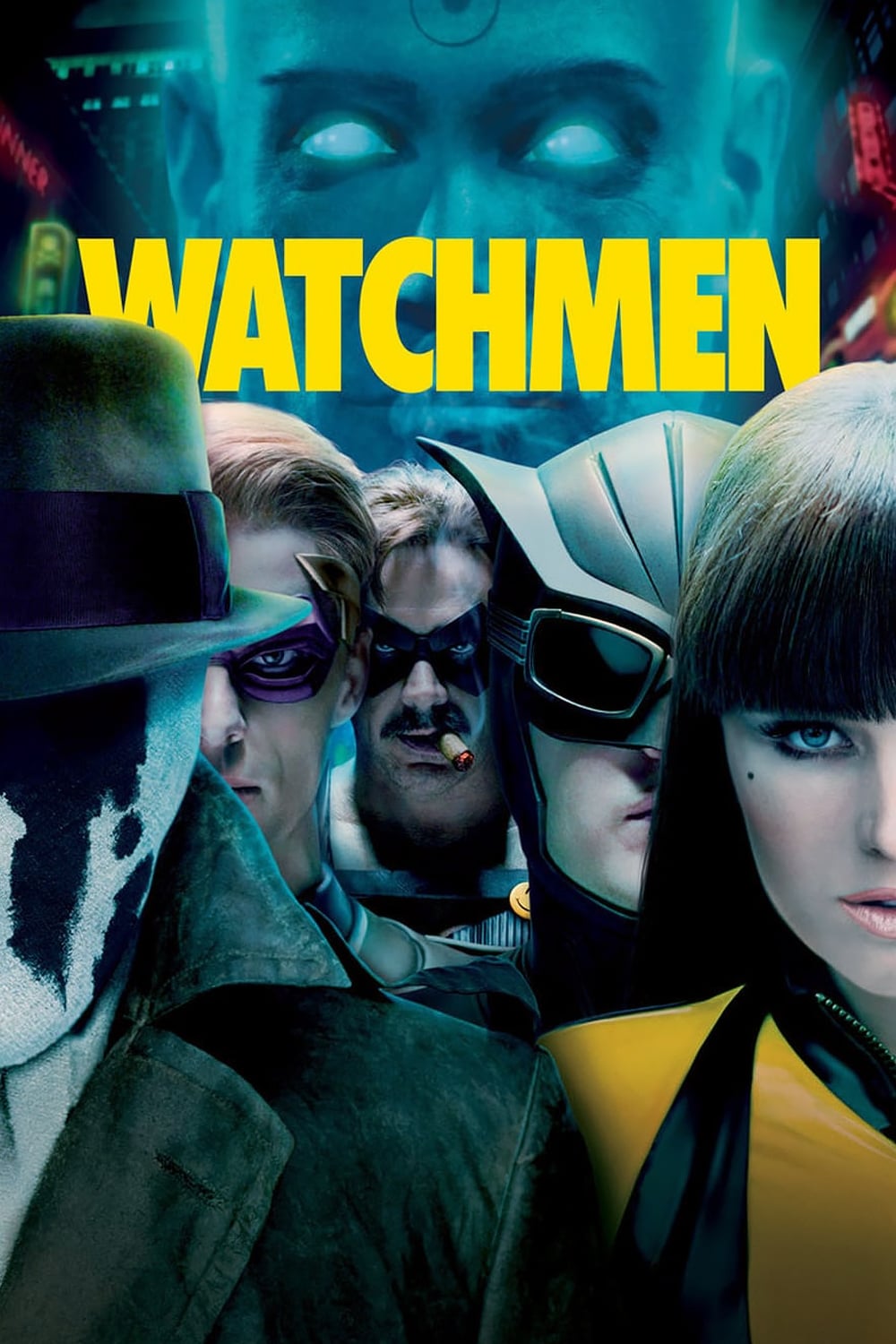
Alan Moore famously asked to have his name removed from the credits of the movie based on his graphic novel. He consistently avoids being associated with film adaptations of his work because of disagreements about how they’re made. He even turned down the money he was owed from the film, requesting it be given to the people he worked with on the original graphic novel. This practice of refusing credit has become well-known as part of his complicated relationship with the film industry.
‘V for Vendetta’ (2005)

The movie adaptation upset Alan Moore so much that he asked to have his name removed from the credits. This request came after a producer wrongly stated that Moore approved of the script. Moore was offended by this claim and wanted to distance himself from the film, feeling it changed the story’s meaning and ignored its deeper ideas. As a result, while his collaborator David Lloyd is credited, Moore’s involvement is not acknowledged in the film.
‘The League of Extraordinary Gentlemen’ (2003)
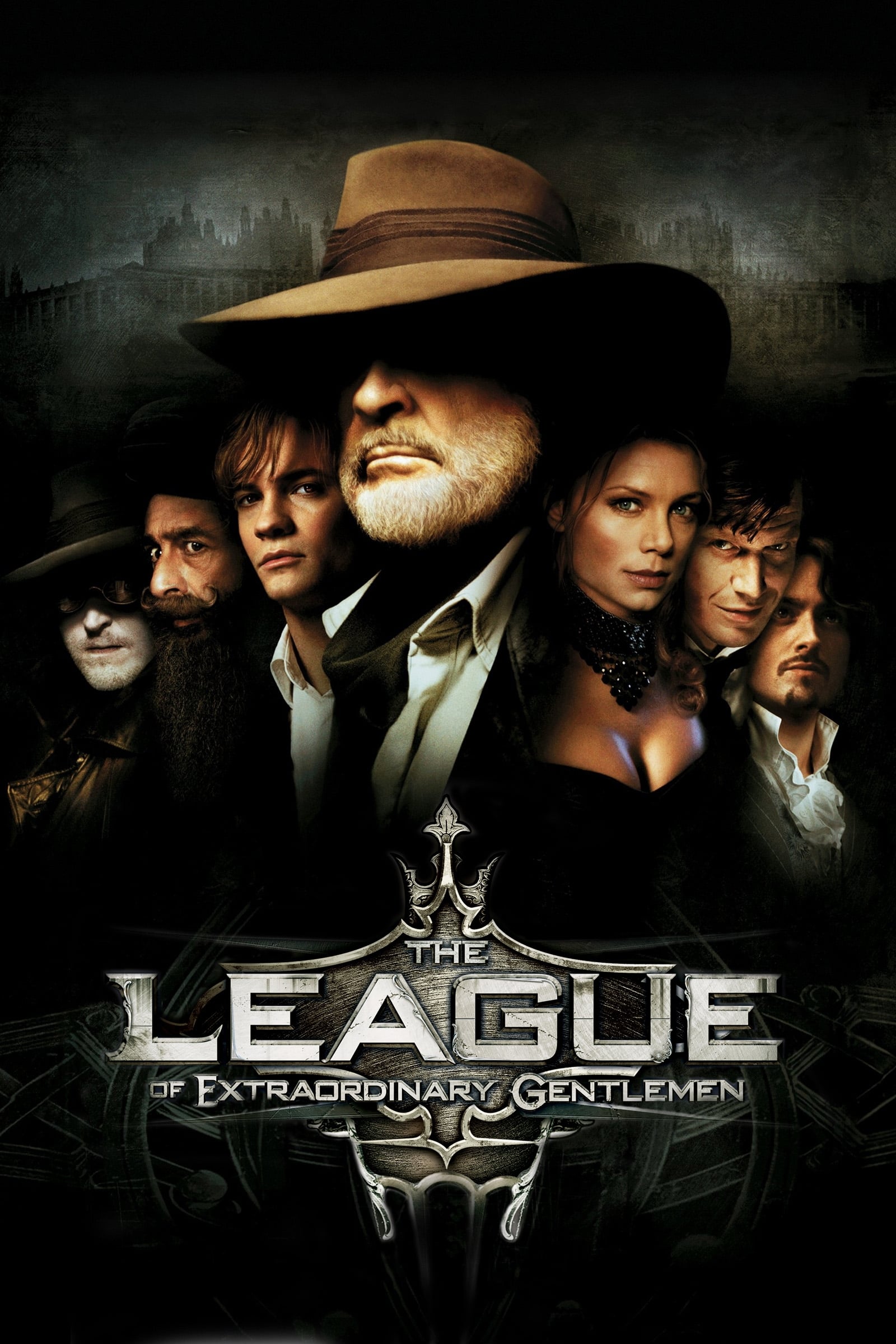
After a legal dispute where the studio was accused of plagiarism, Alan Moore asked to have his name removed from the film. He became involved in a draining legal process regarding the claim that the movie was based on someone else’s work. This experience led him to decide he would no longer allow his name to be associated with Hollywood films, and he ultimately disassociated himself from the project, which is now known as a particularly unsuccessful adaptation.
‘Constantine’ (2005)
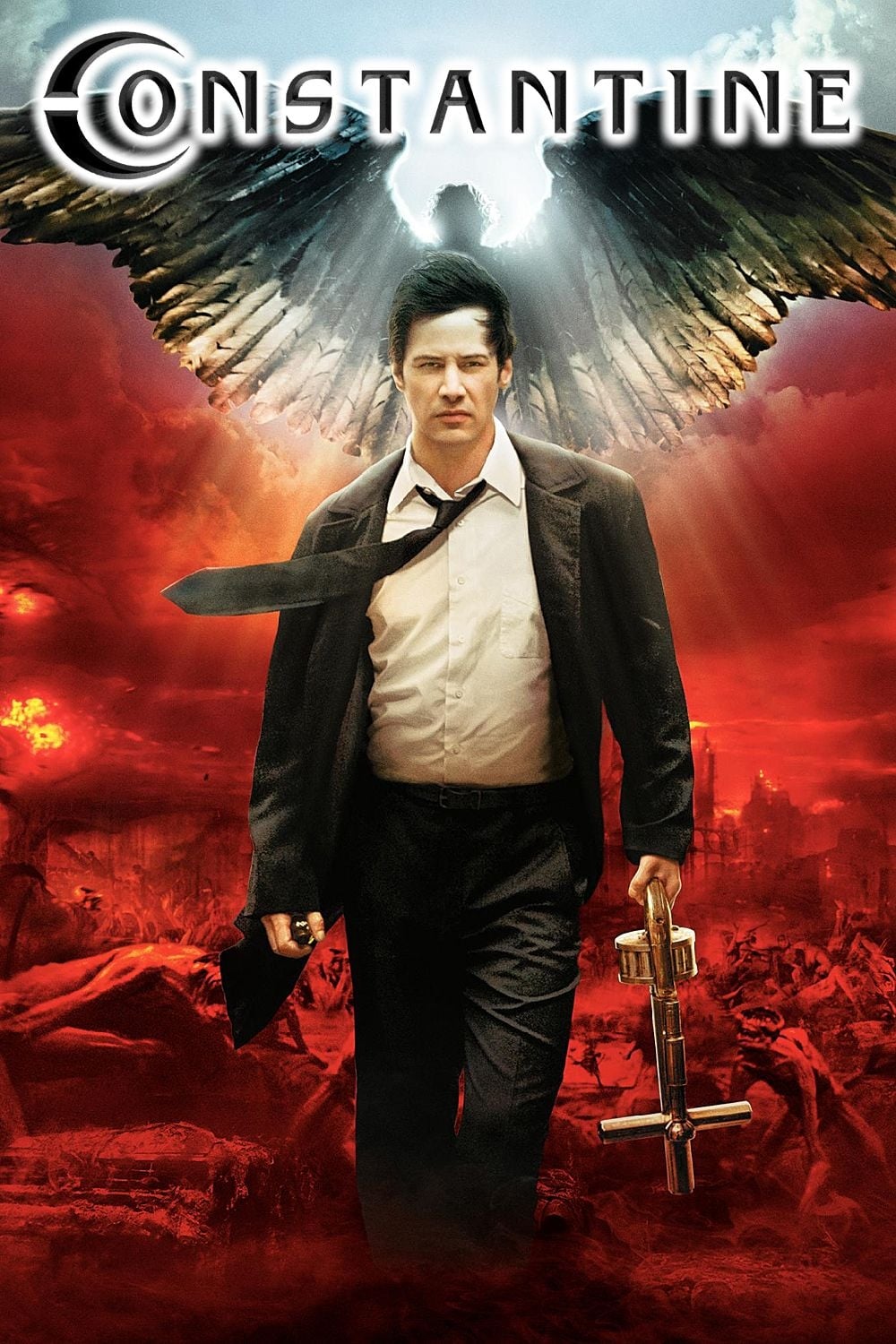
This movie is based on the ‘Hellblazer’ comic book series and stars John Constantine, a character originally created by Alan Moore. Moore, known for his strong opinions, asked that his name not be included in the film’s credits. He frequently criticizes Hollywood for not being original and for changing the stories from the comics. The filmmakers honored his request and removed his name from the final version of the movie.
‘From Hell’ (2001)
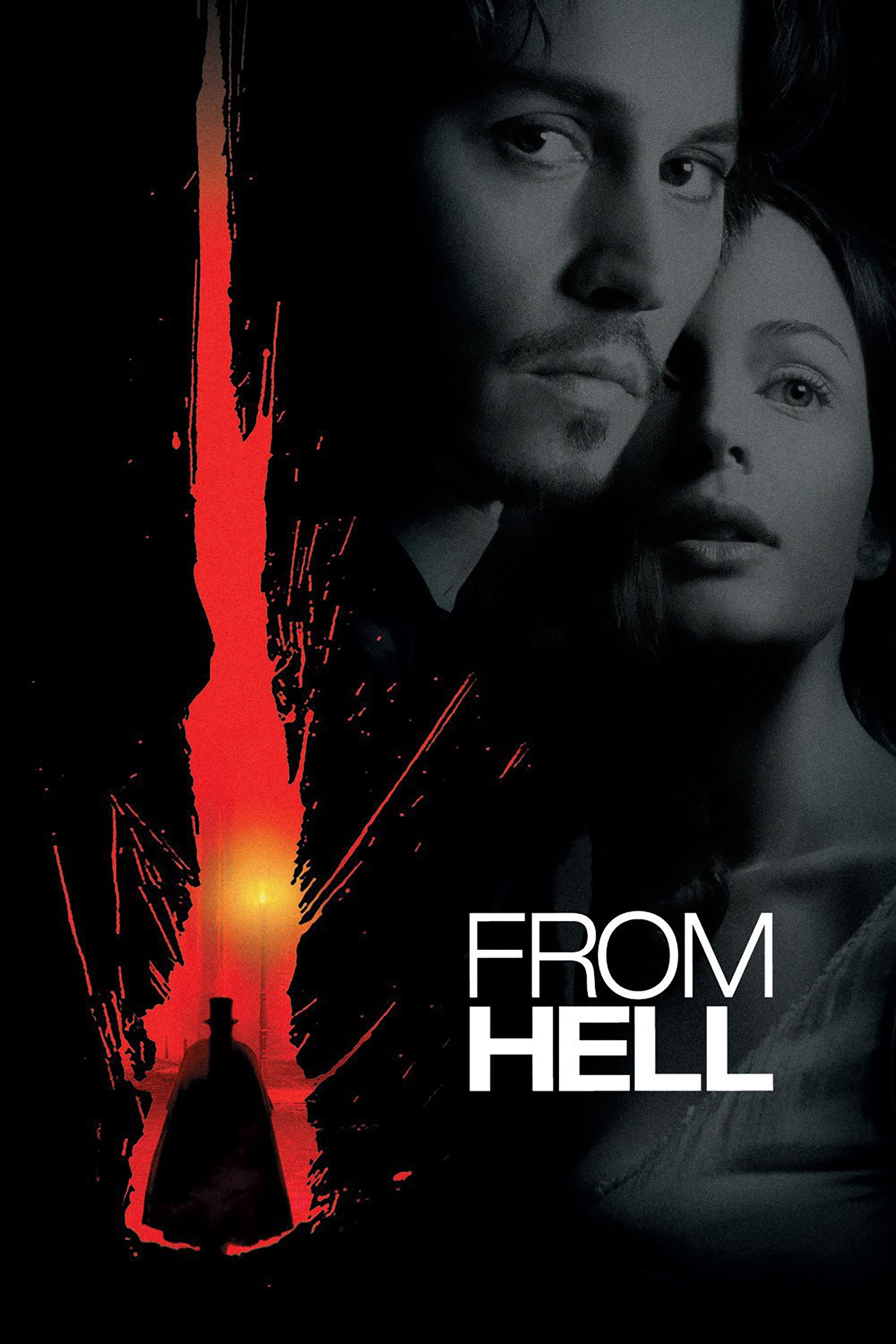
Alan Moore, the creator of the original graphic novel, was unhappy with the movie adaptation of his story about Jack the Ripper. Despite featuring Johnny Depp, the film didn’t capture the depth and complexity of his work, particularly its historical and mystical themes. Moore was so disappointed that he asked for his name to be removed from the film’s credits, wanting to make it clear he didn’t support the adaptation. This was one of the first times he publicly protested a Hollywood film based on his creations.
‘Batman: The Killing Joke’ (2016)
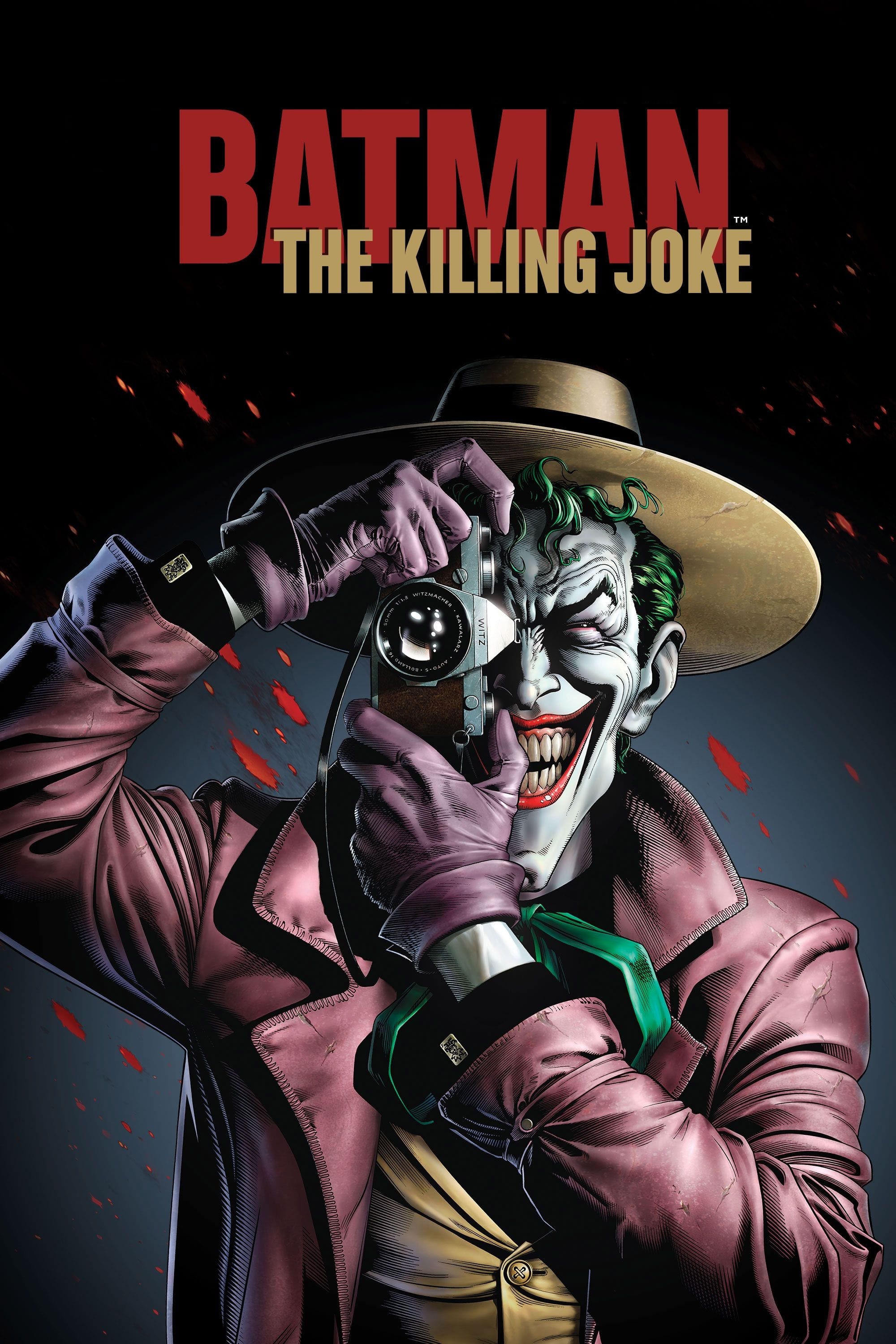
As a huge fan of comics and film, it always pains me to hear about Alan Moore disowning adaptations of his work. With this animated take on his famous graphic novel, he asked for his name to be taken off the credits – again! What’s really interesting is he wants any money he’d earn from it to go to the Jack Kirby Museum, which is a fantastic gesture. He’s actually said he regrets writing the story because of how much violence is in it, calling it a creative misstep. It just seems like he consistently wants to distance himself from seeing his DC work on the big (or small) screen, and this is just another example of that.
‘Caligula’ (1979)
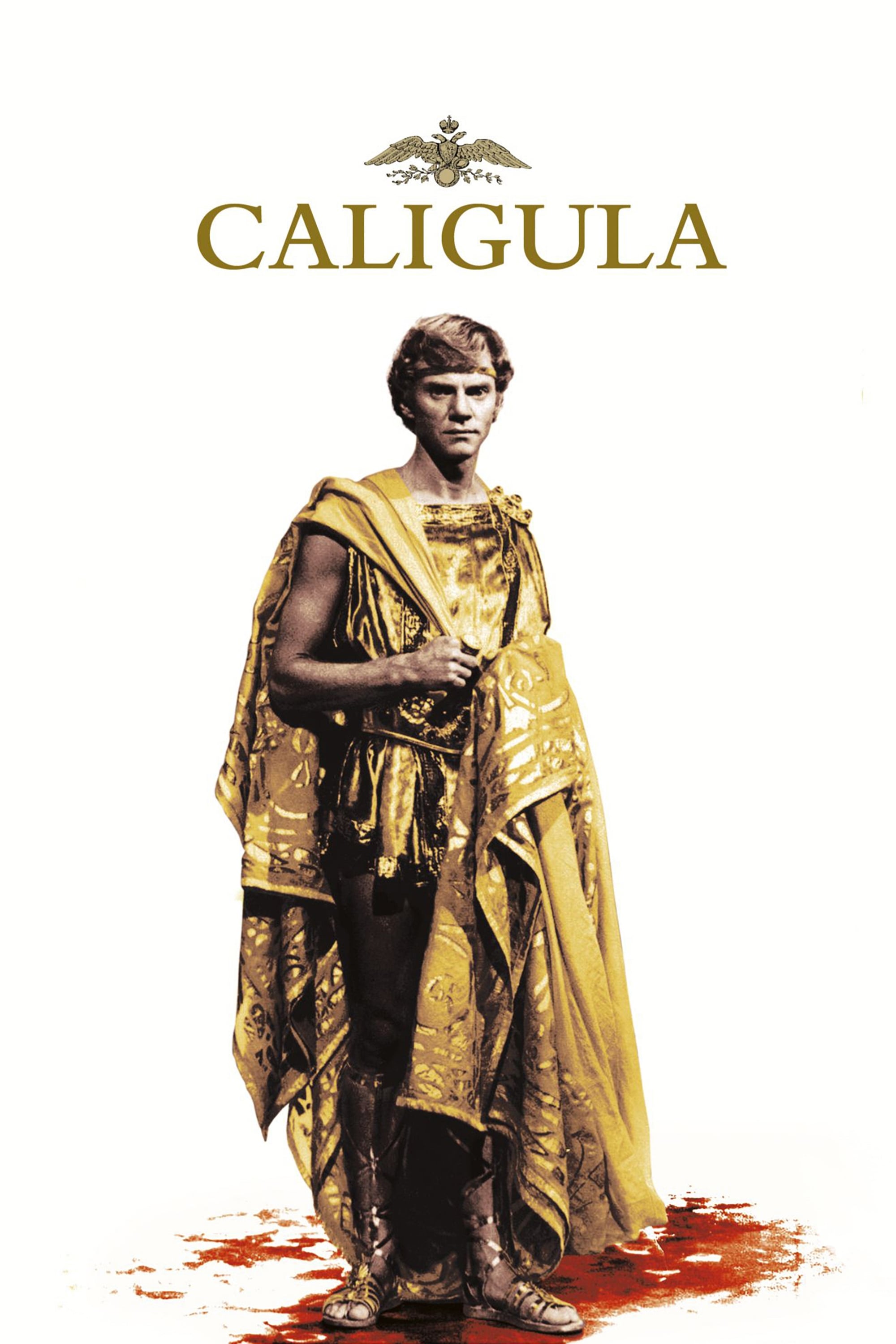
The original screenplay for this historical drama was written by Gore Vidal, but he was deeply disappointed with the final film and asked to have his name removed from the credits. Producer Bob Guccione added explicit sexual content without Vidal’s permission, leading the author to denounce the movie as a failure and actively work to avoid being listed as the writer. This troubled production has made the film one of the most debated and controversial releases in movie history.
‘The Starlost’ (1973)
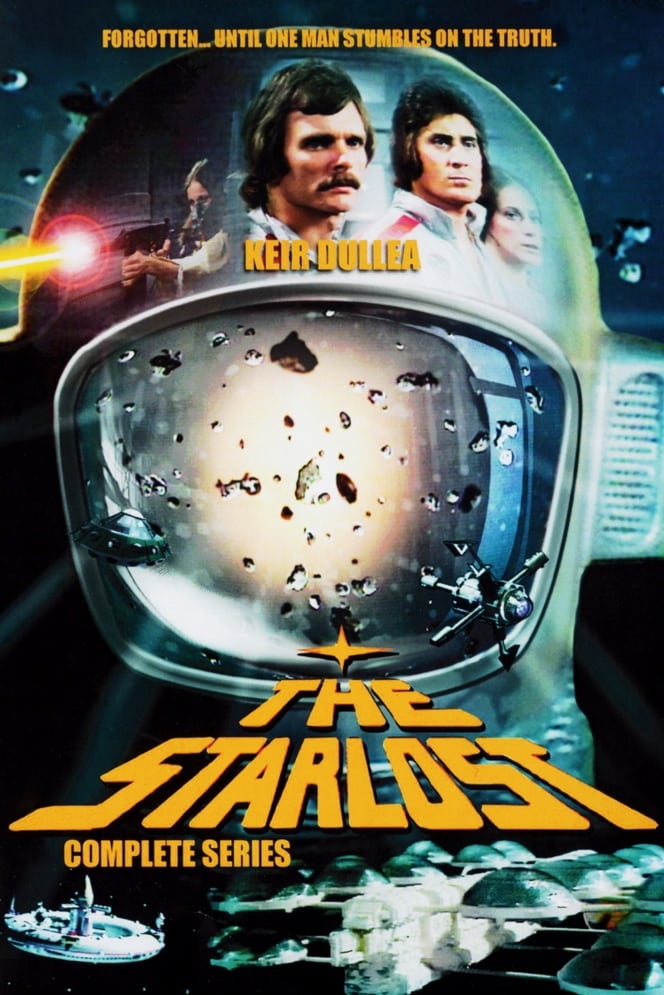
Harlan Ellison wrote this science fiction series, but he was so unhappy with how it turned out that he used the pen name ‘Cordwainer Bird’ to show his displeasure. He believed the show’s low budget and changes to his original ideas had ruined it, and it no longer reflected his vision. Using ‘Cordwainer Bird’ was Ellison’s way of letting fans know a project had been altered beyond his control. It’s now a well-known example of an author using a fake name to signal that a work isn’t truly theirs.
‘The Twilight Zone’ (1985–1989)

Harlan Ellison wrote the episode ‘Gramma’ under the name ‘Cordwainer Bird’ because it was based on a story by Stephen King. Ellison was working as a creative consultant on the series, but he became unhappy with the network’s changes to his work. Using a pseudonym was his way of letting fans know he didn’t approve of the final version of the episode – a practice he often used when executives altered his creative ideas.
‘The Witches’ (1990)
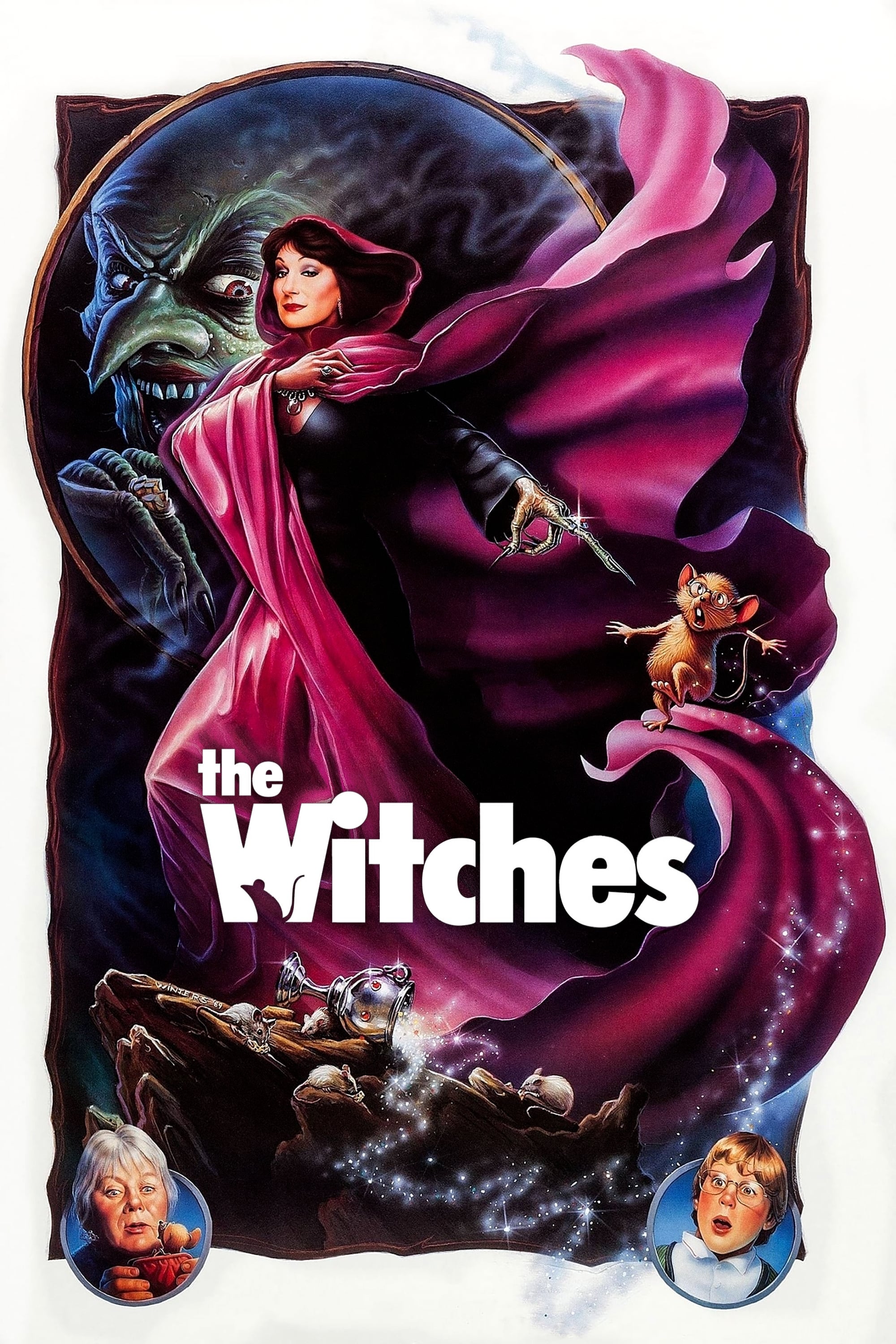
Roald Dahl strongly disliked how the film adaptation of his book turned out. He was so disappointed that he considered taking his name off it, believing the studio’s choice to keep the main character human missed the story’s core message. He even advised his fans not to watch it, describing the movie as terrible. Though his name still appeared in the credits, his outspoken criticism made this one of the most well-known protests ever made by an author.
‘Legend of Earthsea’ (2004)
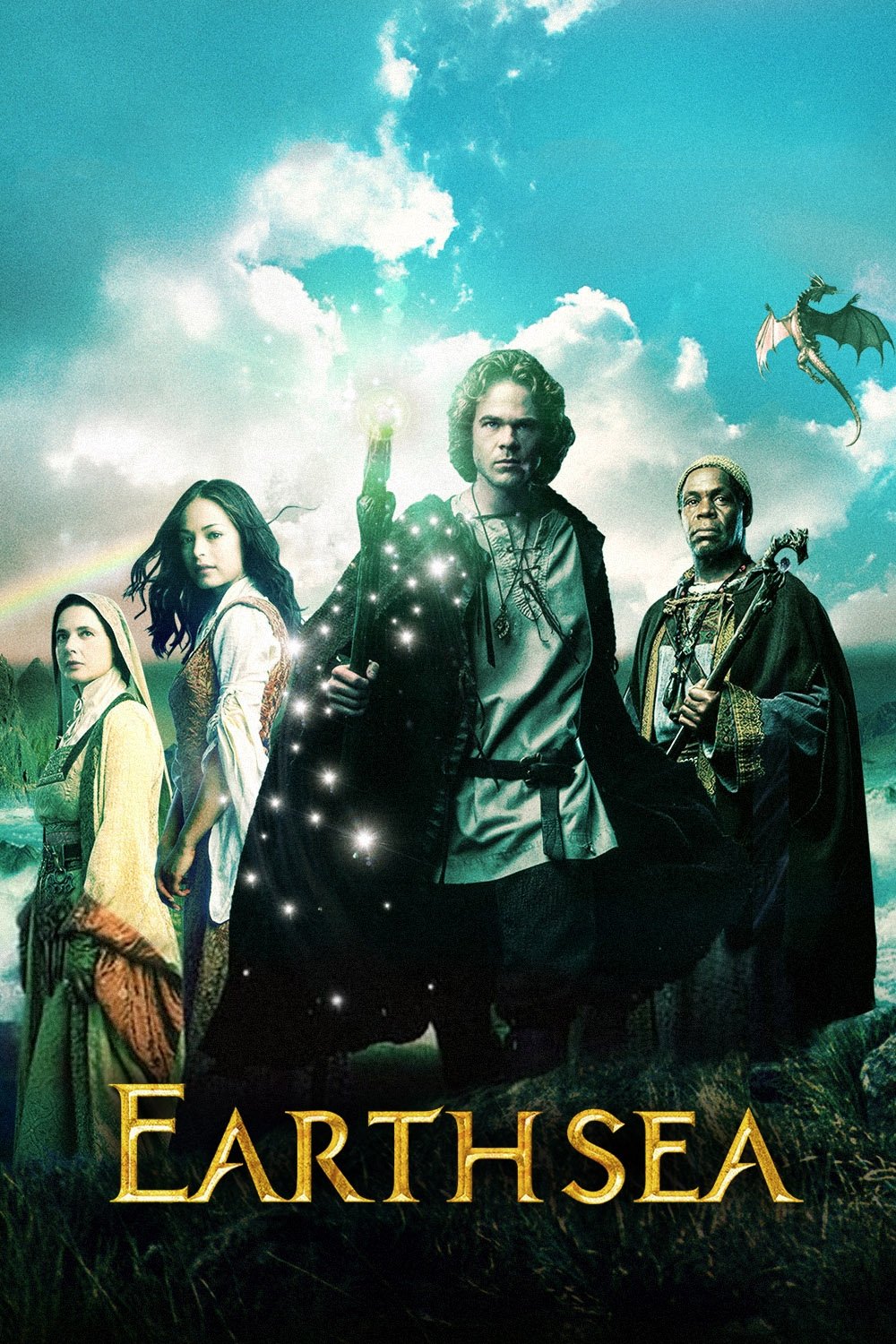
As a huge fan of Ursula K. Le Guin’s work, I know she was really disappointed with this miniseries. She made it very clear it wasn’t what she’d envisioned for her story at all. What bothered her most, and what bothered me as a reader, was how the adaptation completely missed the rich cultural and racial diversity that’s so central to her novels. It felt like they’d taken a complex story and flattened it into just another generic fantasy tale. She even had to write articles explaining she wasn’t involved in those creative decisions, which just shows how far the adaptation strayed from her original vision.
‘Sahara’ (2005)
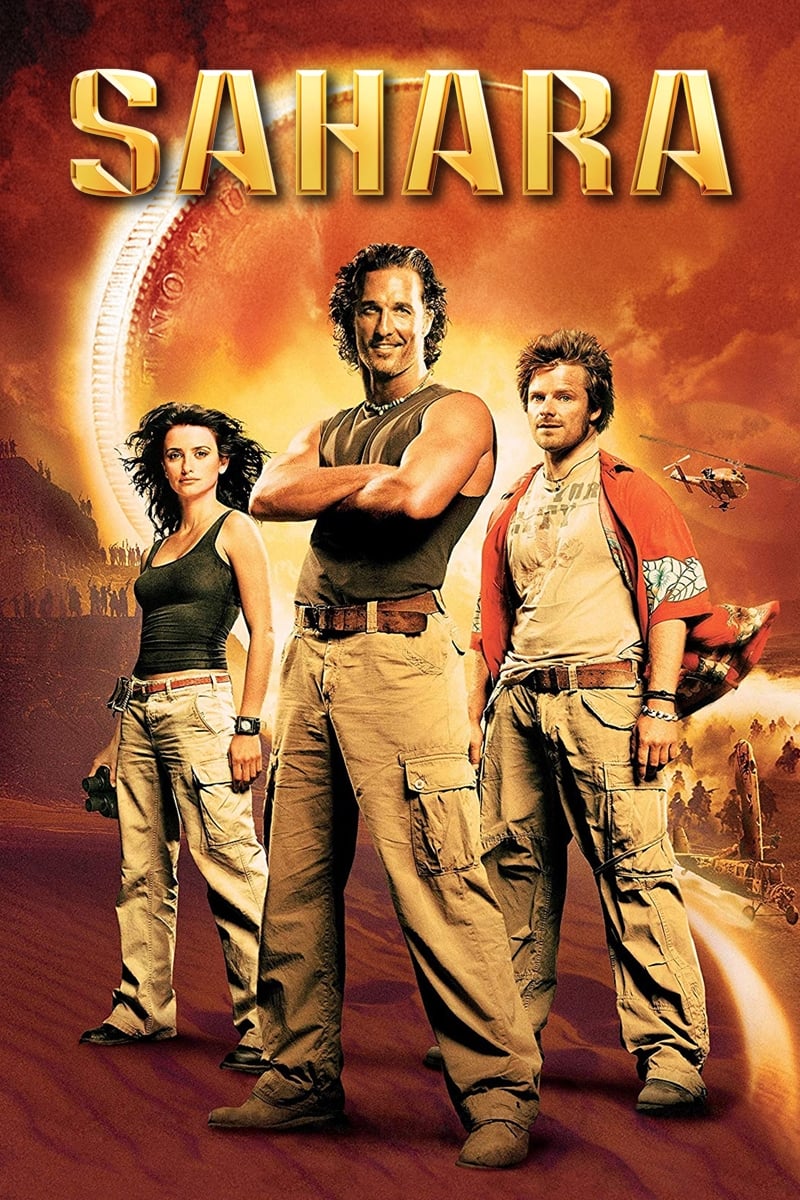
Clive Cussler spent years and a lot of money fighting the filmmakers in court because he wasn’t allowed to have input on the movie’s script. He originally signed a deal believing he had final approval over the screenplay, and felt that agreement was broken. He publicly rejected the film and tried to legally distance himself from the project. The resulting lawsuit lasted almost ten years and became a warning to other authors when selling the rights to their stories for movies.
‘The Quiet American’ (1958)
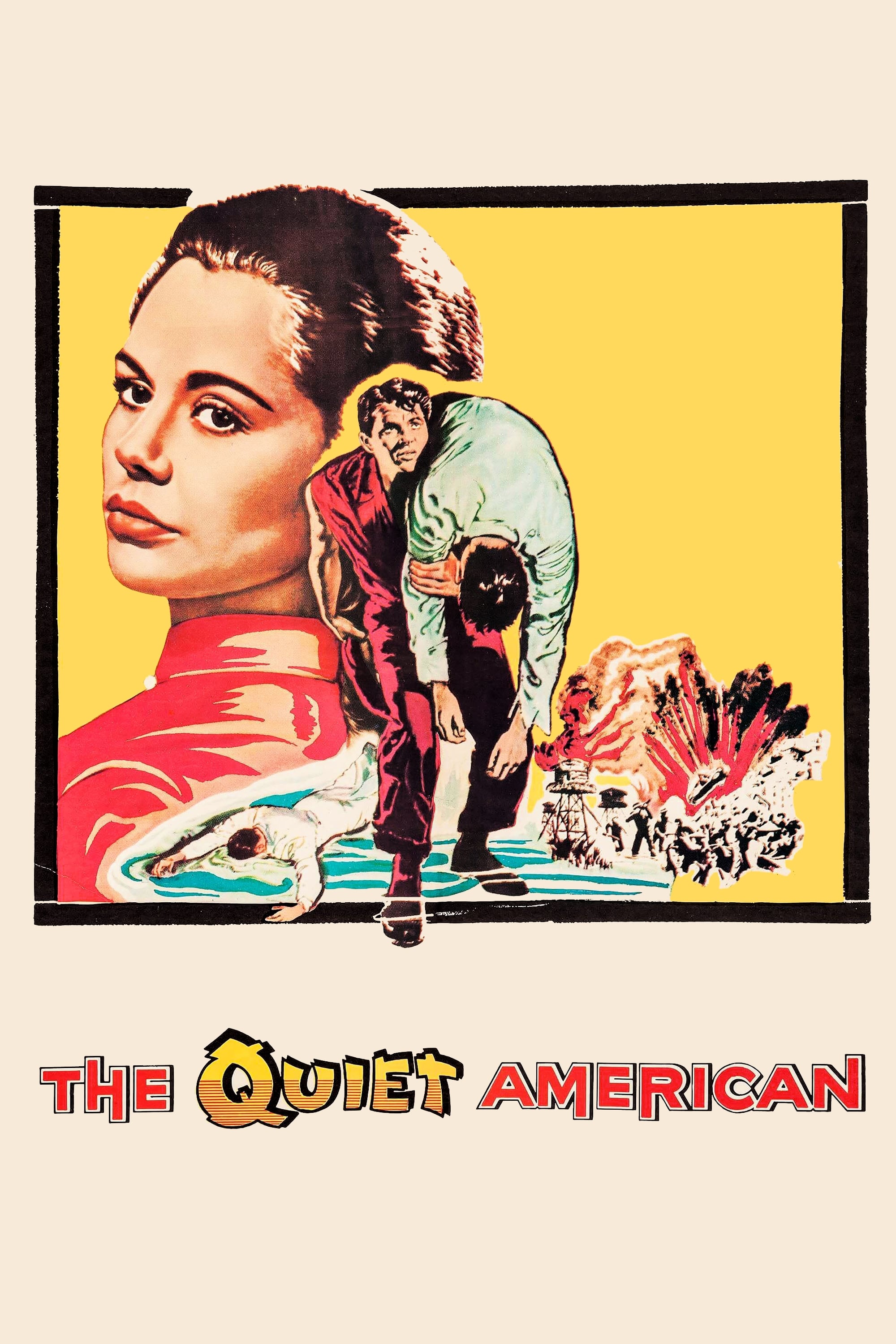
Graham Greene strongly disliked the film adaptation of his novel, to the point of publicly rejecting it and asking to have his name removed from the credits. He felt the movie twisted the book’s message against war into a story supporting American interests, which he found deeply troubling. He was especially bothered that the main character’s reasons for acting were changed to fit the political atmosphere at the time. Because of Greene’s outspoken criticism, the film became known as a significant departure from the original book.
‘Children of the Corn II: The Final Sacrifice’ (1992)
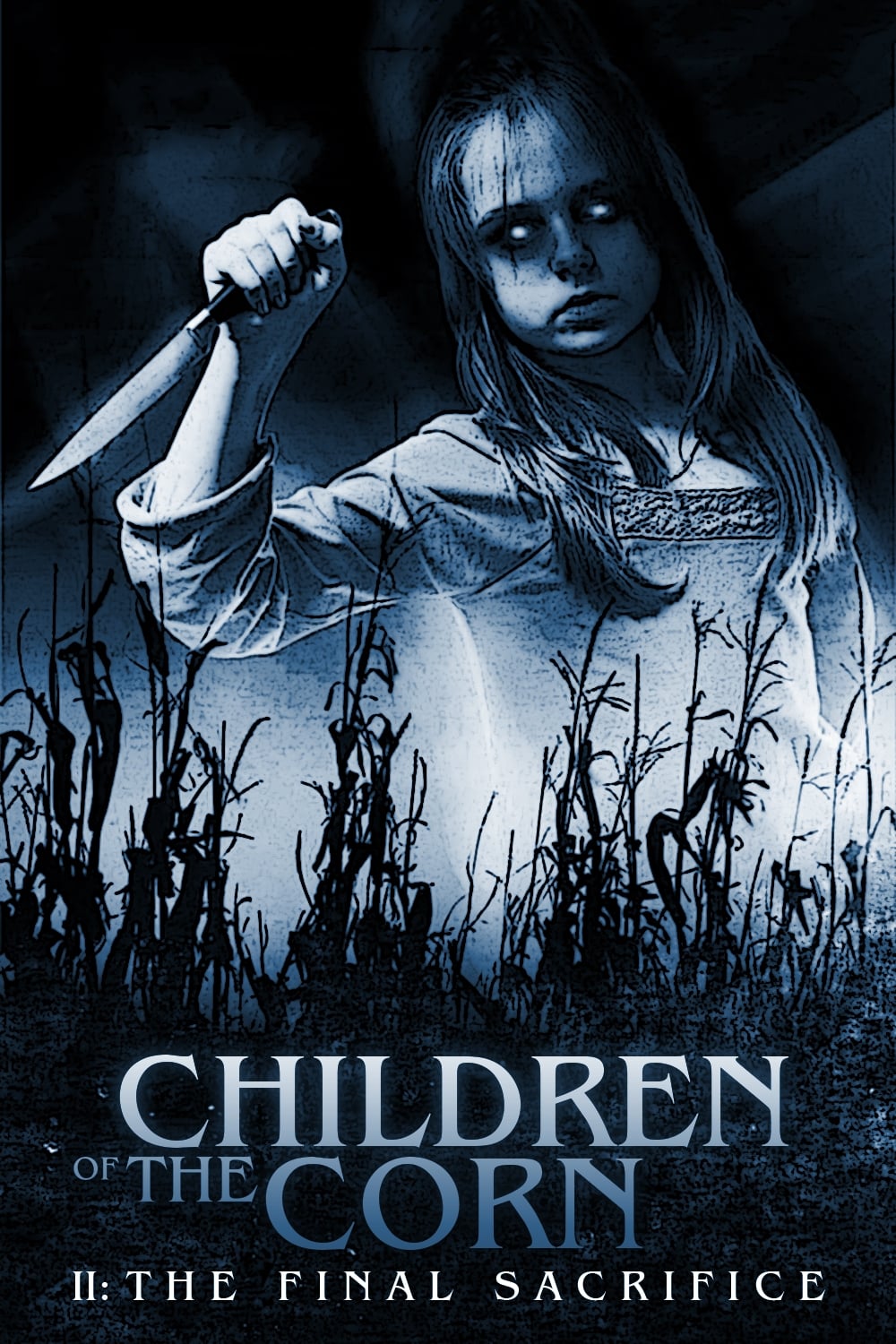
After winning a lawsuit over the first ‘Lawnmower Man’ movie, Stephen King sued again to stop the studio from using his name to advertise the sequel. The studio tried to draw audiences by associating the film with King’s reputation as a famous horror writer. King argued that because he wasn’t involved in making this new movie, using his name was misleading to viewers. They eventually reached an agreement limiting how the studio could credit him in any future installments.
Read More
- Gold Rate Forecast
- 22 Films Where the White Protagonist Is Canonically the Sidekick to a Black Lead
- Silver Rate Forecast
- 15 Films That Were Shot Entirely on Phones
- Unveiling the Schwab U.S. Dividend Equity ETF: A Portent of Financial Growth
- How to Do Sculptor Without a Future in KCD2 – Get 3 Sculptor’s Things
- 20 Movies Where the Black Villain Was Secretly the Most Popular Character
- New HELLRAISER Video Game Brings Back Clive Barker and Original Pinhead, Doug Bradley
- Superman Flops Financially: $350M Budget, Still No Profit (Scoop Confirmed)
- 14 Movies Where the Black Character Refuses to Save the White Protagonist
2026-03-19 18:46