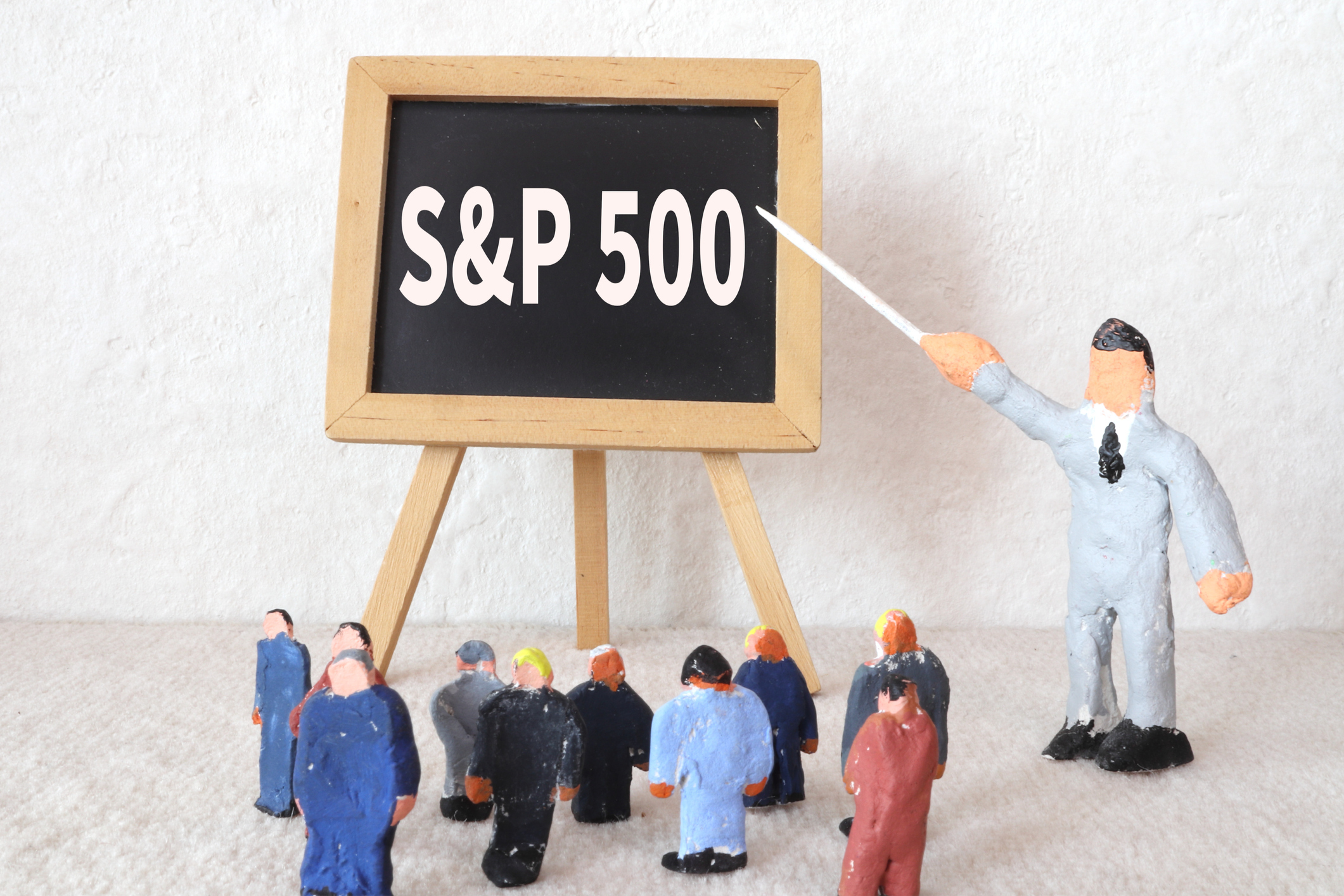
My aunt Carol, who believes she can predict the stock market based on the migratory patterns of Canadian geese, was quite pleased with herself these past few years. Three years of double-digit returns, she kept pointing out, as if that somehow validated her bird-based investment strategy. It’s a comforting thought, really, that people still cling to irrational exuberance, even when the numbers suggest otherwise. The S&P 500, that monument to collective optimism, has started 2026 a little… subdued. Down a percent, which, in the grand scheme of things, is less a crash and more a polite cough.
But the cough is significant, because the numbers are… well, they’re showing off. The Shiller P/E ratio, or CAPE, as the professionals call it—a name that sounds suspiciously like a type of outerwear—is hovering around 39.2. That’s nearing 2000 levels, which, if you recall, was a time when people were convinced pets.com was a viable business model. It’s a ratio that looks at ten years of earnings, smoothing out the bumps, and right now, it’s screaming “expensive.” My father used to say anything over 20 was a fool’s game, but he also wore socks with sandals, so…
Should We Panic?
The last time things looked this rosy, back in ’99, the S&P 500 decided to take a rather dramatic nap, losing about 40% of its value. Then, in 2021, another little dip, a mere 20% loss. History, of course, is never a perfect predictor. But it does offer a certain… disquieting symmetry. The current situation isn’t the same, naturally. We’re not funding dot-com dreams with venture capital and sheer delusion. We’re fueling it with artificial intelligence and a handful of tech companies that seem to defy gravity. Different delusion, same potential outcome.
I tried explaining this to Carol. She just adjusted her binoculars and insisted the geese were sending a strong buy signal. I’ve learned to let her have her moments. It’s easier than arguing with someone who believes avian behavior is a superior form of market analysis.
A Modest Proposal
My advice, if anyone is foolish enough to ask, is to dollar-cost average. It’s a fancy term for “don’t try to time the market, because you’ll probably fail.” Invest a little bit regularly, regardless of whether the numbers are going up or down. It’s not a foolproof strategy, but it’s less likely to leave you staring at a rapidly diminishing portfolio while Carol gloats about her geese.
And remember, the S&P 500 always bounces back. Black Monday, the dot-com bust, the financial crisis… it’s all gone through the cycle. Past performance, of course, doesn’t guarantee future results. But it’s a comforting thought, like knowing your aunt has a slightly irrational but ultimately harmless hobby.
Spreading the Risk (and the Boredom)
If the concentration of wealth in a handful of tech giants bothers you—and it should—consider an equal-weight S&P 500 ETF. It spreads the risk—and the potential rewards—across all 500 companies. It’s a bit like diversifying your social circle. You might not get rich quick, but you’ll avoid having all your eggs in one, potentially overvalued, basket. And it might be slightly less stressful than relying on the wisdom of Canadian geese.
Read More
- Trading on Thin Air: AI Agents Conquer Crypto Volatility
- 20 Movies Where the Black Villain Was Secretly the Most Popular Character
- Invincible Season 4 Gender Swaps Tech Jacket As Fans Question Major Comic Change
- Silver Rate Forecast
- 22 Films Where the White Protagonist Is Canonically the Sidekick to a Black Lead
- 15 Films That Were Shot Entirely on Phones
- Gold Rate Forecast
- Celebs Who Narrowly Escaped The 9/11 Attacks
- Trading Smarter: AI-Powered Execution Schedules
- Smarter Order Execution: How AI is Outperforming Wall Street’s Playbook
2026-03-15 01:52