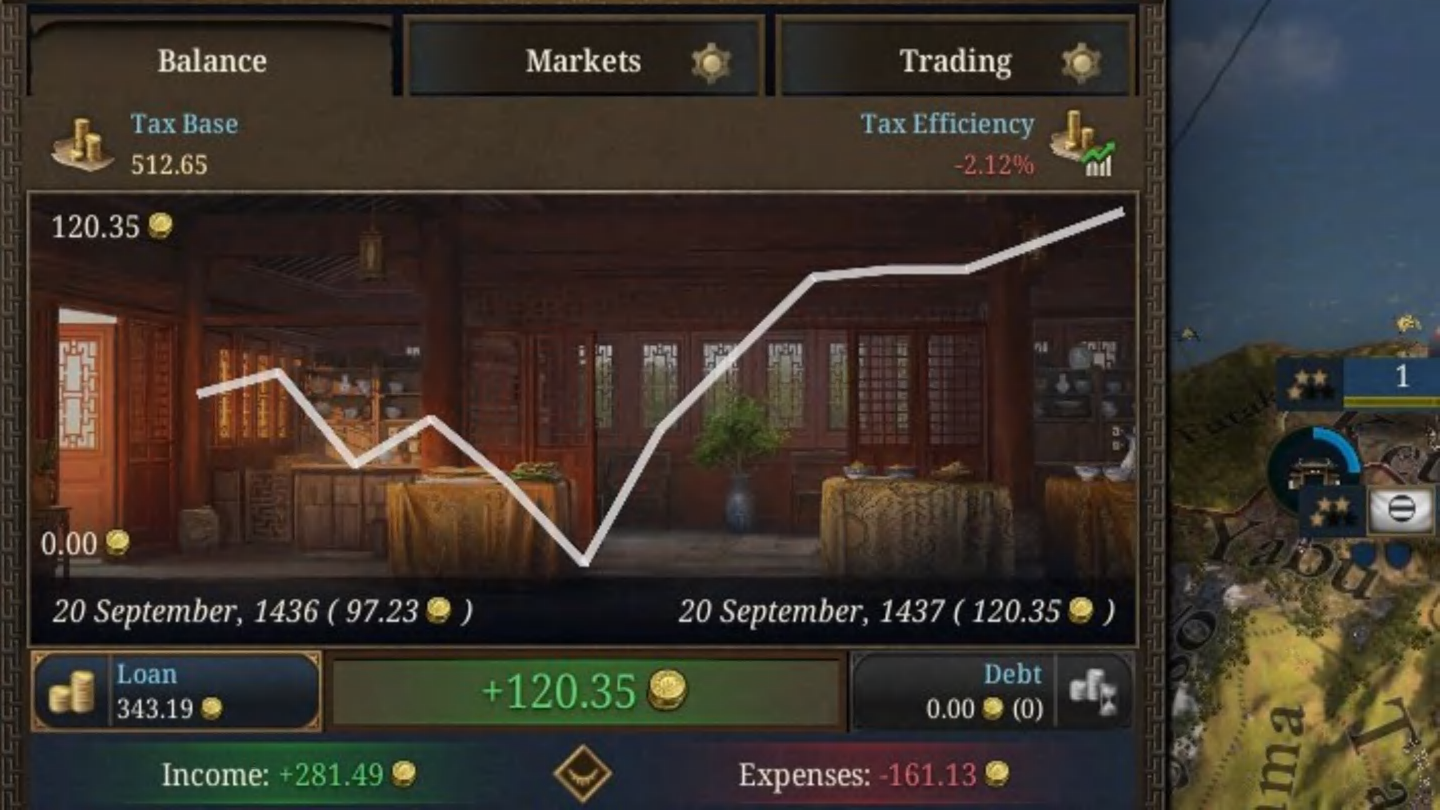
Whether you’re aiming to dominate the globe or become a leading technological force in Europa Universalis V, funding is essential. The game’s economy is incredibly detailed – one of the most complex ever seen in a strategy game – and realistically simulates how markets, populations, and world events all connect.
It’s understandable if this seems a bit intimidating at first. But don’t worry, we’ll guide you through getting your economy thriving in Europa Universalis V, so you can earn the funds you need to achieve your goals.
Cut unneeded spending
If you need extra money right away, you might want to find ways to reduce your spending. Go to the ‘Budget’ section to see where your money is coming from and where it’s going. You can adjust the sliders to lower spending in areas like the military, international relations, or cultural programs.
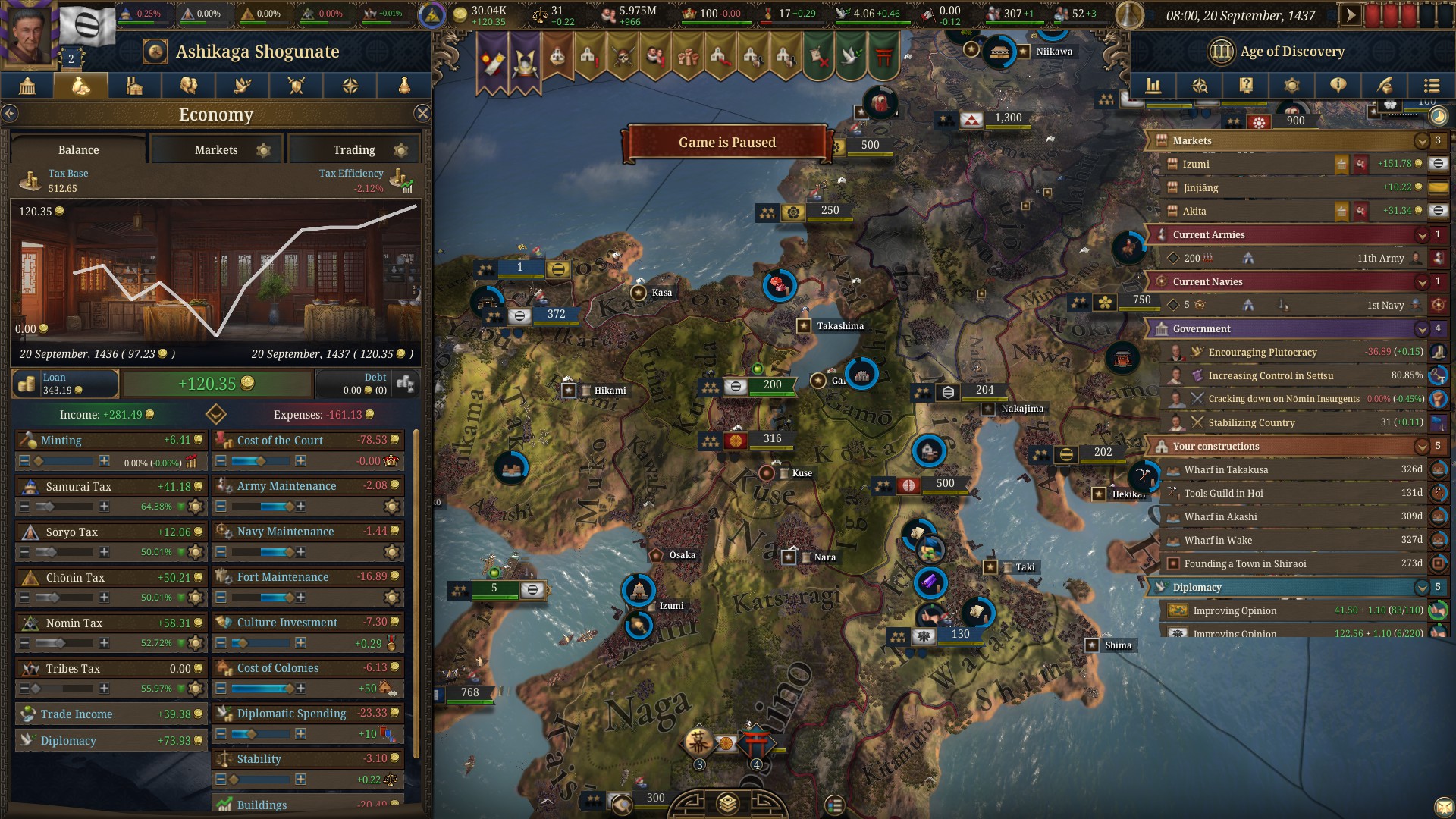
When your country is safe and not facing immediate war, you can reduce spending on the military, like armies, navies, and fortifications. If you don’t prioritize diplomacy, you can lower its budget as well. While these cuts aren’t a permanent fix and always have downsides – like weakening your defenses or intelligence gathering – they can free up funds for other important areas.
Increase Control
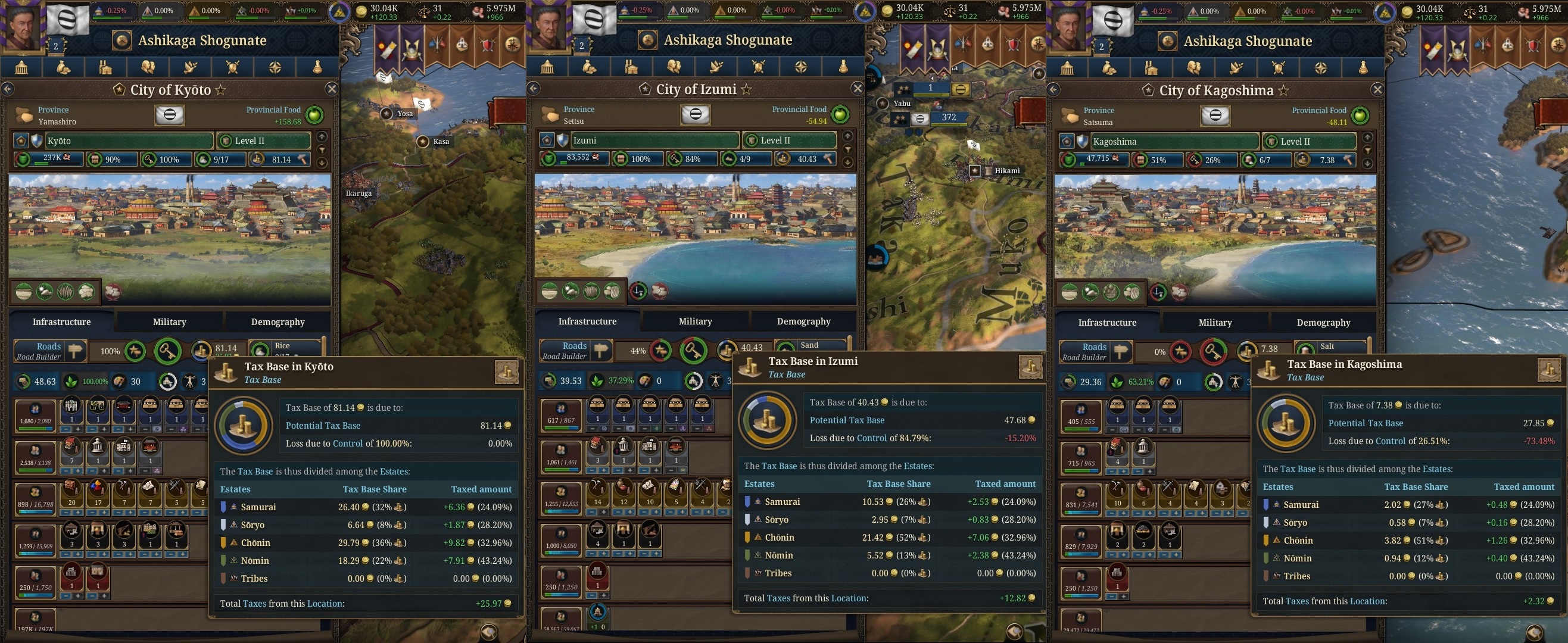
Control is a key measure of your influence in each province, visible on the overview screen or map. It’s naturally strongest in your capital city and nearby settlements, especially those connected by ports. You can expand your Control through roads, and by using a specific action from your Cabinet to directly boost it in any province. Buildings, technologies, and laws also contribute to increasing your Control.
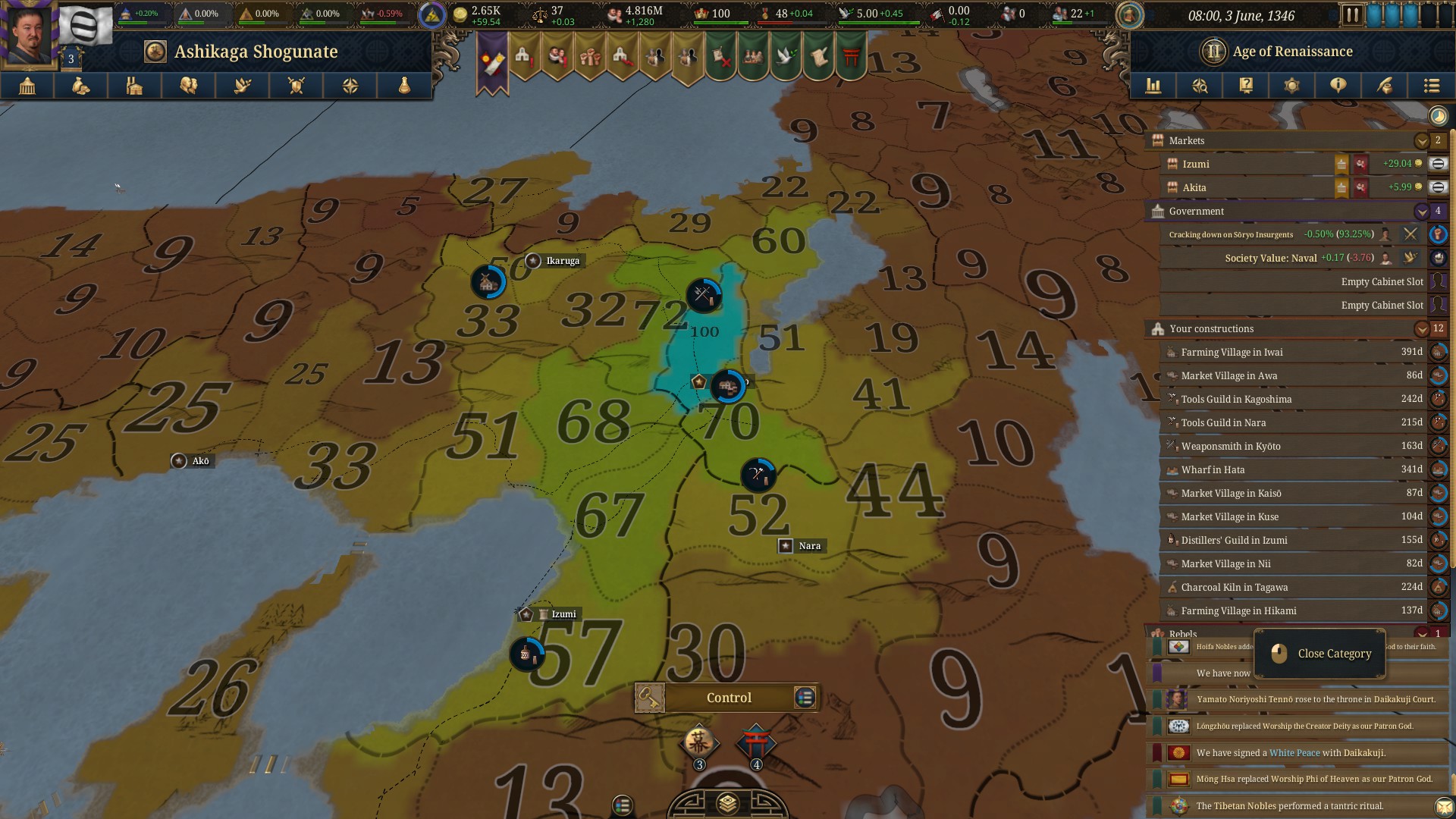
This matters because the more control you have in a province, the more tax revenue you collect. Even if a province generates a lot of income – for example, 100 Ducats a month – you won’t receive any of it if your control is at 0%. Therefore, boosting control in economically strong provinces is a great way to increase your earnings.
Increase Estate Happiness
How much tax revenue you collect largely depends on your country’s social structure, known as Estates. You can adjust tax rates in the Budget tab, but be careful! Raising taxes makes your Estates unhappy, potentially leading to unrest and rebellion. However, if you keep your Estates content by granting them privileges or making favorable decisions during events, you can increase tax income without risking instability.
If you’re new to the game, I recommend automating Estate taxes. This system usually performs well, maximizing tax income without upsetting your population.
Certain groups and legal protections currently prevent full taxation, and working to eliminate those obstacles should be a long-term objective.
Fulfill Population Needs
Many of the adjustments you can make happen quickly. However, lasting economic growth depends on improving the lives of your citizens. You’ll see a notification at the top of the screen telling you what your population currently needs. This notification will list any resources that are in short supply in your country.
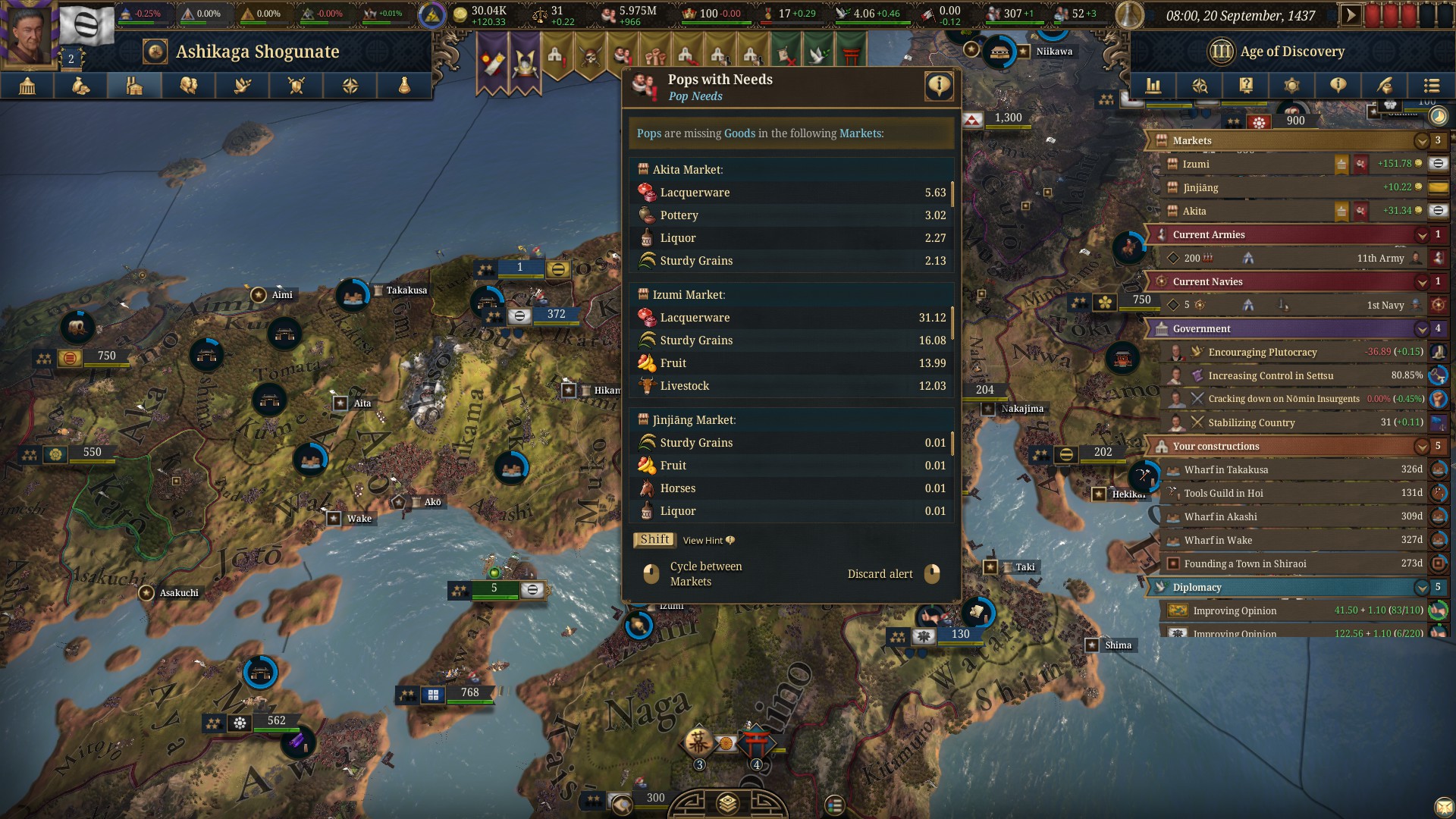
To overcome resource shortages, you can either trade for what you need or produce it yourself when possible. If you choose to produce resources, increase your Resource Gathering Operations (RGO) size by selecting the province and clicking the button next to the resource icon. This expands resource collection in that area, and once enough workers are assigned, production will increase.

If you lack necessary resources, you might be able to grow by either settling new lands or taking them from others.
Meeting the basic needs of your citizens lowers the cost of essential resources. This allows people to be more productive, earn higher incomes, and reinvest that money back into the economy. Increased earnings also mean higher tax revenues.
Over time, a larger population helps boost the economy. More people mean more production and more consumption of goods and services.
Increase Production and Production Efficiency
To figure out what to produce, pay attention to what people want! High demand usually means higher prices, making it a good opportunity to earn money. You can check your towns – click the Burgher icon to see what buildings you can build and how much profit they’re expected to make. Alternatively, the Markets tab shows you the supply and demand for everything. Remember, you’ll need to upgrade your smaller settlements to towns before you can build more advanced production and trade facilities.
No matter what you’re building – whether it’s addressing needs at home or taking advantage of opportunities abroad, like increased demand during a nearby conflict – always focus on making your production process as efficient as possible. It’s ideal to find affordable raw materials locally, because importing them adds costs and limits your ability to trade other goods.
Pay attention to the notifications at the top of the screen! They’ll help you improve your economy by showing you what goods are popular or which buildings aren’t making money. You can often solve problems with unprofitable buildings by increasing the production of needed resources.
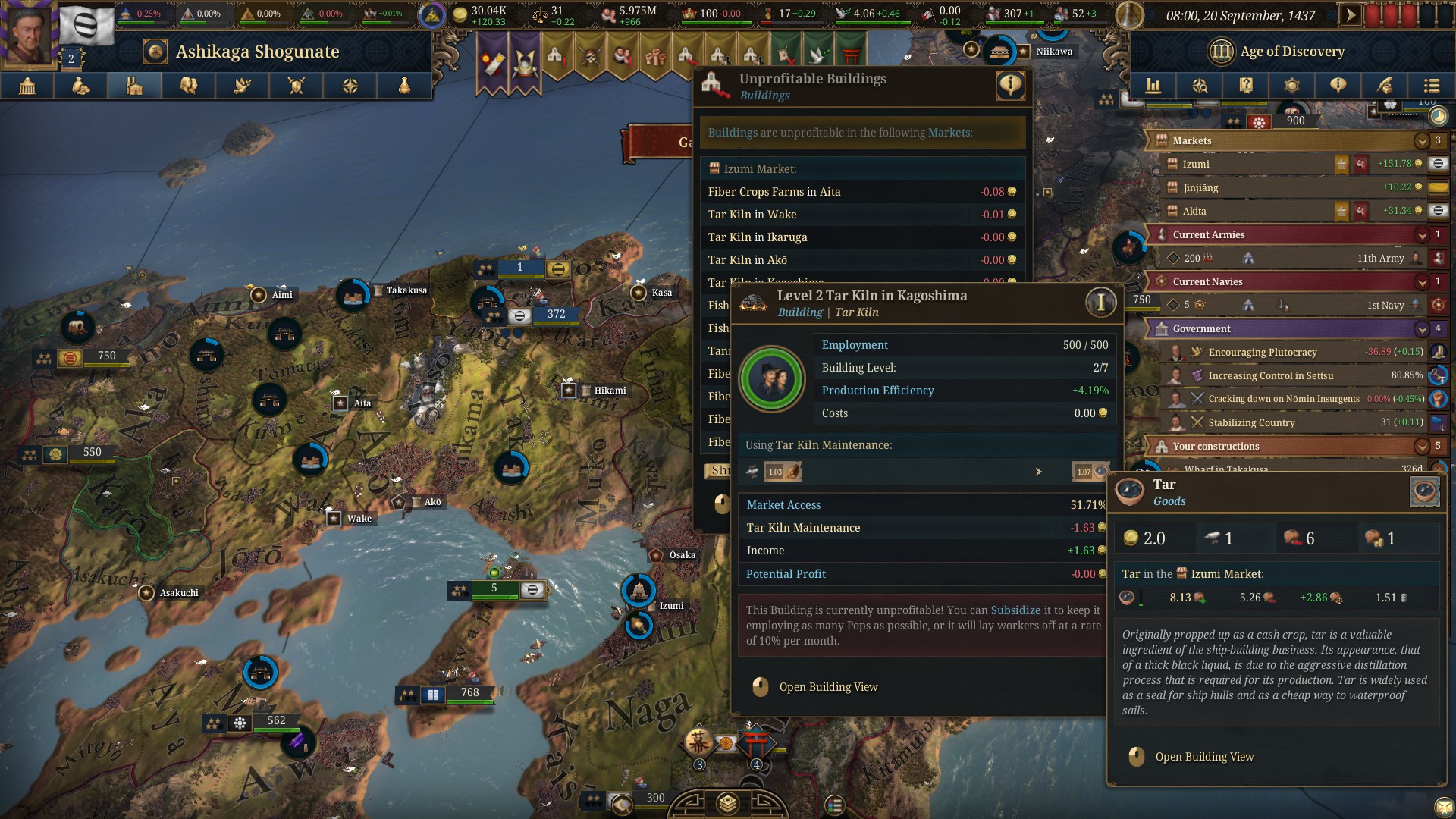
You can also improve Production Efficiency through research, laws, or government changes. Like Tax Efficiency, it’s a valuable bonus that applies to everything.
Increase Trade Capacity and Advantage
Trade is a key part of the game’s economy, allowing you to get resources you lack and earn money by selling goods. Each Market has a limit on how much you can trade, based on your region’s Trade Capacity. Keep in mind that your nation’s powerful Estates also trade independently, each with their own Trade Capacity, so you’re not the only one doing business.
No matter how you approach trade – whether you’re aiming for profit, supplying your people, or improving how quickly you produce goods – expanding your trade capacity is essential. You can do this by building structures like Marketplaces and Wharfs within your own lands, and by establishing Trade Offices in other nations, provided you have a good relationship with them (at least +100).
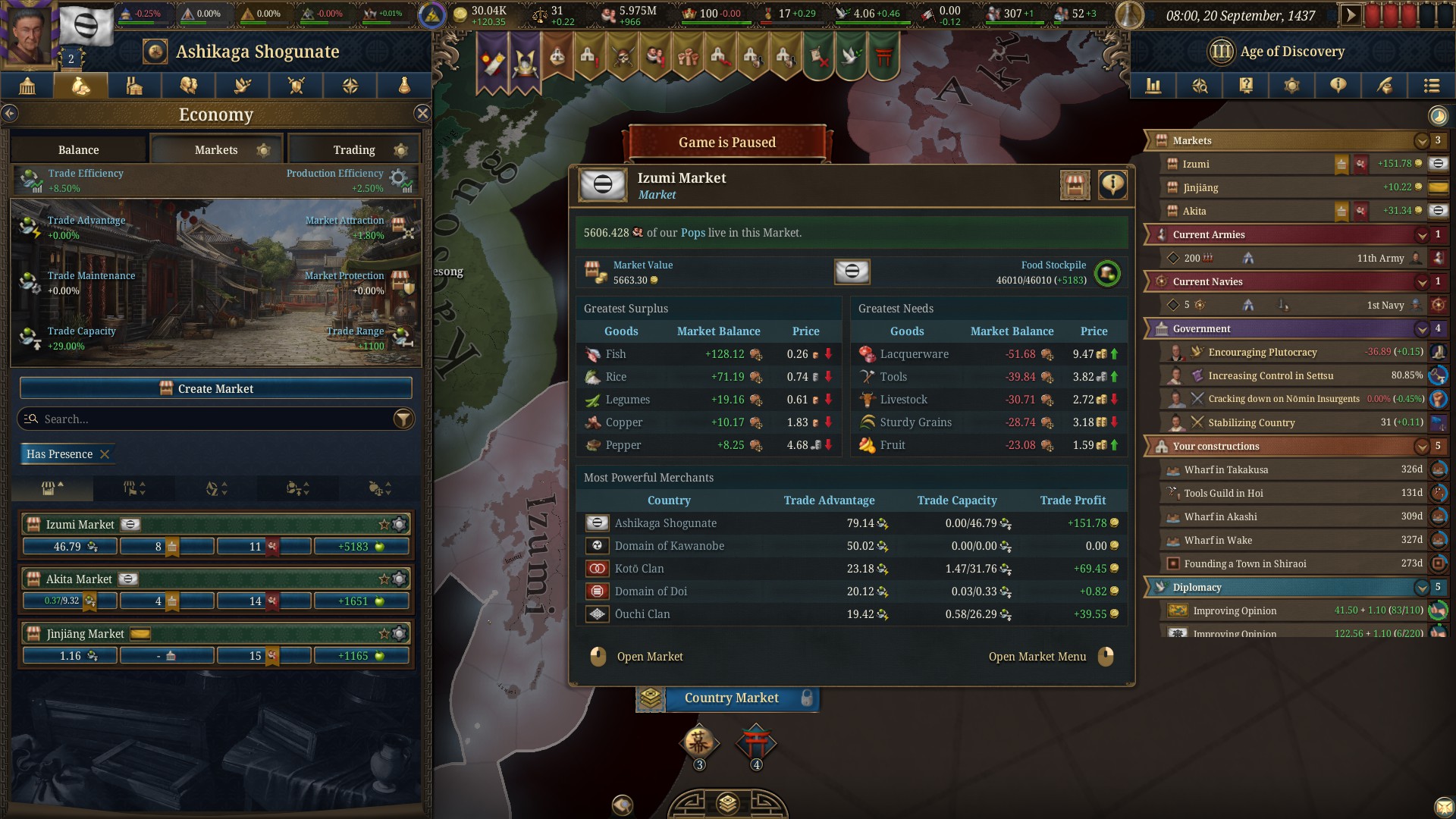
Trade Advantage is a key element that decides which country’s merchants get priority when selling goods. For example, if Japan and Goryeo both want to sell weapons to Yuan China, the country with the higher Trade Advantage will secure the deal and get the best price. You mostly improve your Trade Advantage by building the same structures you use to increase your Trade Capacity.
If you’re new to trading, I recommend trying automated trading and occasionally reviewing what the AI does to learn from its strategies. If you’d like to try trading yourself, you can use a helpful feature that lets you share your trading power with the AI. This allows you to start with a smaller portion of your capacity while the AI handles the rest. The game also provides a list of recommended trades to help you begin.
No economic system is flawless; some level of scarcity and wasted effort is inevitable. However, don’t let that stop you from participating – the basic rules of supply and demand that govern prices are universal.
You can also earn money through more complex methods, like lending to other countries and collecting interest. However, these aren’t usually available at the beginning of a game – unless you specifically choose to play as a bank – so we won’t focus on them right now.
Read More
- Invincible Season 4 Gender Swaps Tech Jacket As Fans Question Major Comic Change
- Silver Rate Forecast
- Gold Rate Forecast
- Building Agents That Learn and Improve Themselves
- 22 Films Where the White Protagonist Is Canonically the Sidekick to a Black Lead
- 15 Films That Were Shot Entirely on Phones
- 20 Movies Where the Black Villain Was Secretly the Most Popular Character
- Celebs Who Narrowly Escaped The 9/11 Attacks
- Games That Faced Bans in Countries Over Political Themes
- 18 TV Series Filming Rehearsals as Bonus Content
2025-11-04 20:21