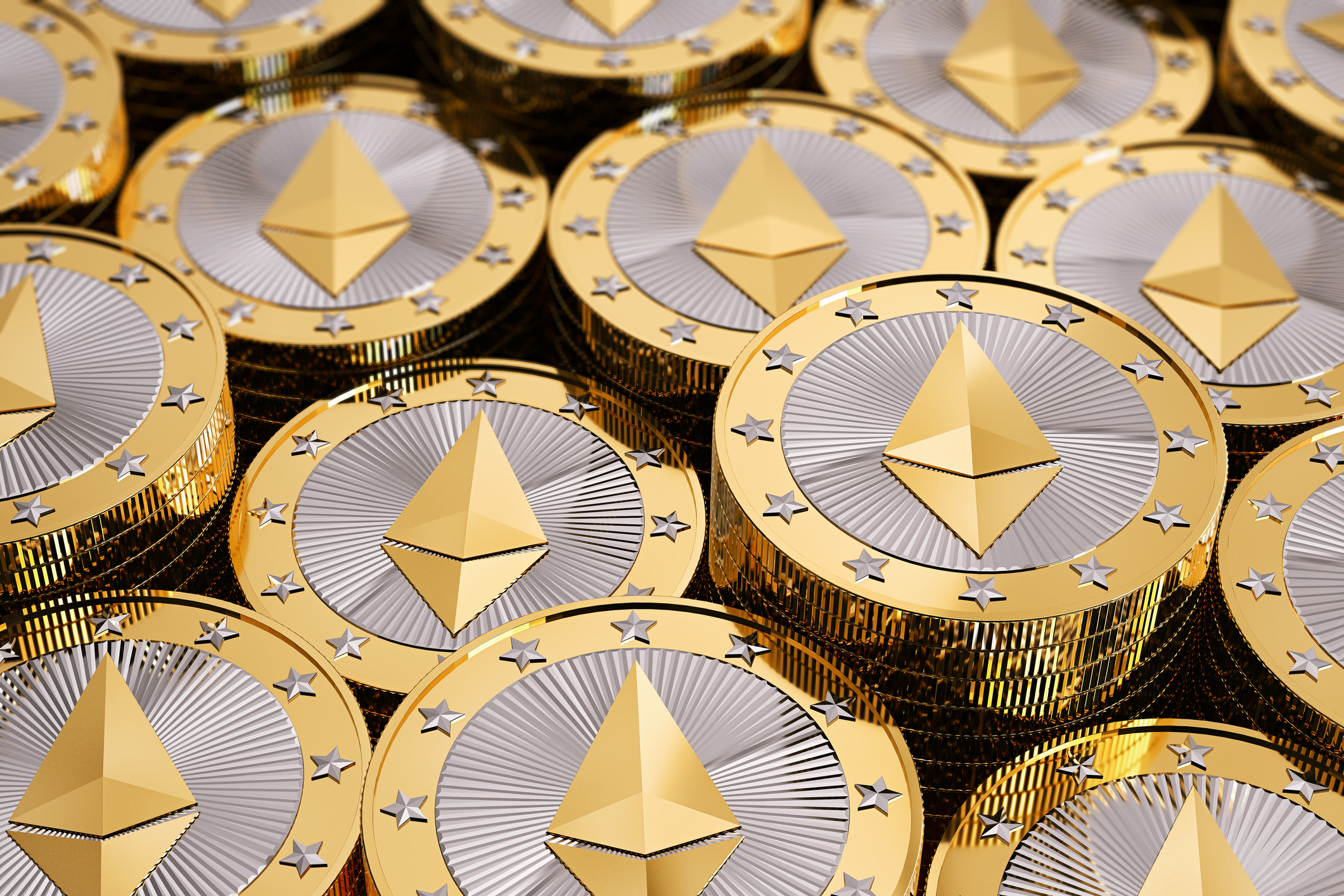
Alright, settle in, folks. Let’s talk Ether (ETH +0.95%). Yes, that Ether. The stuff that once cost less than a gumball and now… well, still isn’t a mansion, but it’s getting there. Back in 2015, a grand – a whole thousand dollars – could’ve snagged you enough Ether to buy a small island nation today. Seriously. Eight point oh five million dollars! Of course, hindsight is 20/20, and I’m not suggesting you sell your house and mortgage your children for crypto. But another thousand bucks? Could be interesting. Don’t blame me if it isn’t. I’m just a guy with a keyboard and a vaguely unsettling knowledge of digital currencies.
What Makes Ether Different from All the Other Shiny Objects?
Now, Ether started as one of those “proof-of-work” things, like Bitcoin. Which meant people had computers running 24/7, guzzling electricity, just to solve puzzles. A bit like those Sudoku competitions, only with higher stakes and a much larger carbon footprint. But then, in 2022, they had “The Merge,” which is a fancy way of saying they switched to “proof-of-stake.” Think of it as switching from a muscle car to a Prius. More efficient, less… dramatic. You can’t mine Ether anymore, but you can “stake” it. Lock it up, get a little interest. It’s like a savings account, only way more volatile and potentially subject to hackers who look like they’ve stepped out of a 1980s arcade game.
And here’s the kicker: Ether isn’t just about digital money. It can do things. It supports “smart contracts,” which are basically agreements written in computer code. Think of it as a digital handshake, only enforceable by algorithms and potentially leading to existential crises for lawyers. This allows for all sorts of crazy stuff like decentralized apps (dApps), those non-fungible tokens (NFTs) everyone was briefly obsessed with (remember those digital monkeys?), and other crypto-shenanigans.
Unlike Bitcoin, which has a fixed supply (21 million, can you imagine the hoarding?), Ether has a… looser arrangement. 121 million in circulation, and counting. So, it’s valued more on how many developers are building things on it, rather than just how scarce it is. It’s like comparing a rare stamp to a thriving city. One is valuable because it’s rare, the other because it’s useful.
Speaking of developers, Ethereum has a whopping 31,869 active ones as of late 2025. That’s a lot of caffeinated coders! It’s the biggest blockchain developer ecosystem out there. Now, Ethereum isn’t the fastest blockchain. Solana (SOL +1.32%) and Cardano (ADA +1.46%) are nipping at its heels. But Ethereum is fighting back with “Layer 2 rollups.” Think of it as adding extra lanes to a highway. It bundles transactions together, processes them off-chain, and speeds things up. It’s like a digital carpool.
In 2024, they finally got some spot price exchange-traded funds (ETFs) for Ether. But they were… underwhelming. No staking rewards. It was like getting a sandwich without the filling. Then, in late 2025, two ETFs with staking rewards arrived: REX-Osprey’s ETH + Staking ETF (ESK +1.57%) and Grayscale’s Ethereum Staking ETF (ETHE +1.48%). More ETFs could mean more money flowing in. It’s like opening the floodgates… hopefully without washing away everyone’s investments.
Why Might Ether Actually Make You Some Money?
Look, both Ether and Bitcoin are considered the “blue chips” of the crypto world. They’re the ones most likely to survive the next crypto winter. And Ethereum has plans to get even better. Three major upgrades: The Verge, The Purge, and The Splurge. Sounds like a James Bond movie, doesn’t it? They’re aiming to improve scalability, reduce congestion, and lower those pesky “gas fees” (the cost of using the network). It’s like upgrading the plumbing in a very complicated house.
Now, don’t expect Ether to magically turn you into a millionaire overnight. Those gains from the last decade might not repeat themselves. But it could still generate some healthy returns as it becomes more widely accepted alongside Bitcoin as a hedge against inflation and the general mess that is modern finance. It’s a long shot, of course. But hey, what’s life without a little risk? Just don’t tell your financial advisor I said that.
Read More
- Trading on Thin Air: AI Agents Conquer Crypto Volatility
- 20 Movies Where the Black Villain Was Secretly the Most Popular Character
- Invincible Season 4 Gender Swaps Tech Jacket As Fans Question Major Comic Change
- Silver Rate Forecast
- 22 Films Where the White Protagonist Is Canonically the Sidekick to a Black Lead
- Gold Rate Forecast
- 15 Films That Were Shot Entirely on Phones
- Trading Smarter: AI-Powered Execution Schedules
- Celebs Who Narrowly Escaped The 9/11 Attacks
- Smarter Order Execution: How AI is Outperforming Wall Street’s Playbook
2026-03-15 18:23