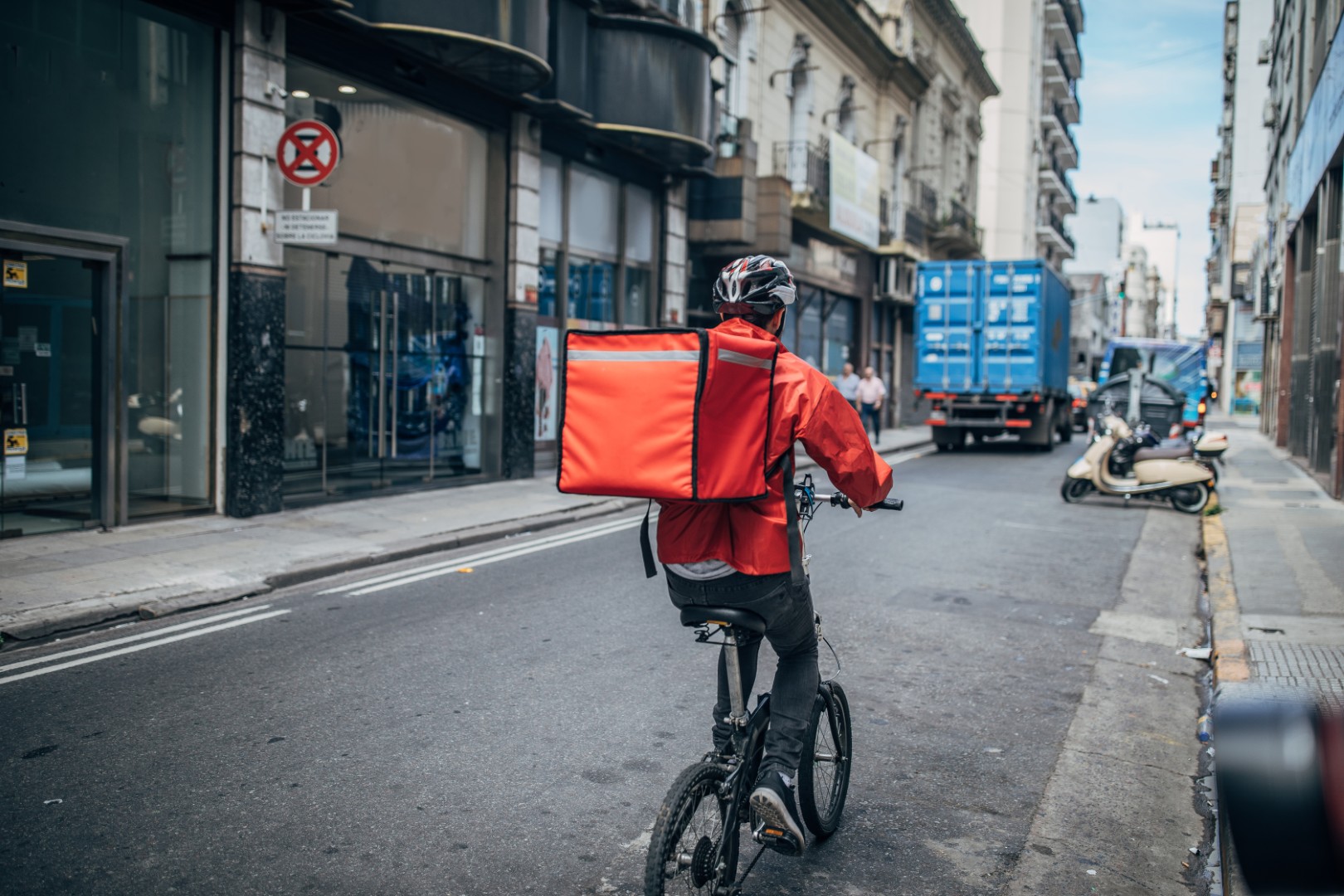
The numbers came in, neat and orderly, from DoorDash. A thirty-two percent rise in orders, nearly ninety million strong. Billions in gross order value, a jump in net income. These are the tallies of a modern harvest, but a harvest doesn’t tell you much about the soil, or the hands that worked it. It’s a good showing, yes, but a company, like a man, is judged by what it builds to last, not just by the quick gain.
DoorDash, for a time known for bringing restaurant fare to the doorstep, is now turning its attention to the heftier task of groceries and everyday goods. It’s a different weight in the basket, a different kind of need. For years, they absorbed the losses, a quiet investment in a future where convenience isn’t a luxury, but a necessity. Now, that future is beginning to bloom, and with it, the potential for real, lasting growth.
The Turning of the Soil
The company speaks of turning a corner, of positive unit economics in the grocery and retail side of the business by the latter half of the year. It’s not a simple equation. A grocery run is a more complex undertaking than a quick dinner order. More items, more variables, more chances for things to go astray. But they’re moving closer, chipping away at the red, striving for a balance sheet that reflects the effort.
Thirty percent of their customers now venture beyond the restaurant menu, seeking staples and sundries. They’ve become, by one measure, the largest marketplace for these goods in the country. They’ve partnered with Kroger, Family Dollar, and a host of others, extending their reach into the heartland of American kitchens. It’s a slow, steady expansion, a network of connections built on the simple promise of delivery.
The ambition, as stated by their CFO, is to have every customer ordering beyond the meal. A tall order, given the established presence of Instacart, owned by Maplebear. They hold the lion’s share, but even a lion can be wounded. Instacart’s market share has slipped, a percentage point here, another there. It’s a quiet erosion, a testament to DoorDash’s persistence.
This shift isn’t the result of a single, dramatic breakthrough, but rather a collection of small improvements. Larger baskets, repeat customers ordering more frequently. On their end, it’s about efficiency, about streamlining the process, about finding those incremental gains. As their CFO put it, it’s “continual execution, finding basis points.” It’s the work of a careful hand, not a sudden windfall.
Beyond the Meal, A Wider Field
DoorDash is proving that this grocery business can work at scale, that it’s more than just a fleeting trend. Restaurant delivery remains the core, the foundation, but this expansion into groceries has the potential to accelerate growth in the years to come. It’s about building a sustainable business, one that can withstand the changing seasons.
The grocery market is a crowded field, and Amazon has recently expanded its same-day service to more cities. Competition is fierce, and the pressure will only intensify. But for now, this grocery and retail delivery represents a significant long-term opportunity. It’s a chance to build something lasting, something that serves a real need in the lives of ordinary people.
Read More
- 20 Movies Where the Black Villain Was Secretly the Most Popular Character
- Transformers Under the Microscope: What Graph Neural Networks Reveal
- Celebs Who Narrowly Escaped The 9/11 Attacks
- Trading on Thin Air: AI Agents Conquer Crypto Volatility
- Silver Rate Forecast
- Gold Rate Forecast
- Invincible Season 4 Gender Swaps Tech Jacket As Fans Question Major Comic Change
- 22 Films Where the White Protagonist Is Canonically the Sidekick to a Black Lead
- Every Notable ‘Star Trek: The Original Series’ Actor Who Died
- Trading Smarter: AI-Powered Execution Schedules
2026-02-20 14:23