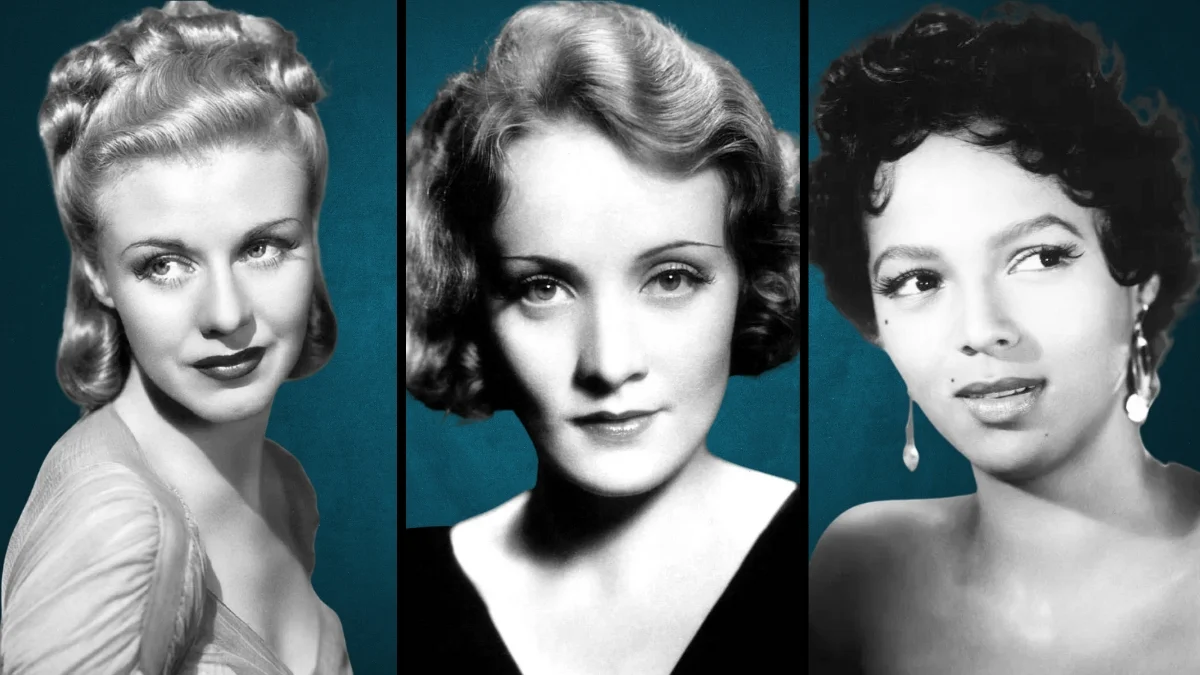
Cinema owes a great deal to the pioneering women who challenged expectations and revolutionized acting. Not only were these performers box office successes in their time, but they also created the acting styles and character types we still see today. From the early days of Hollywood to the growth of television, they set the standards for both the art and business of filmmaking. Looking at their careers reveals how powerfully their work continues to influence storytelling worldwide.
Marilyn Monroe
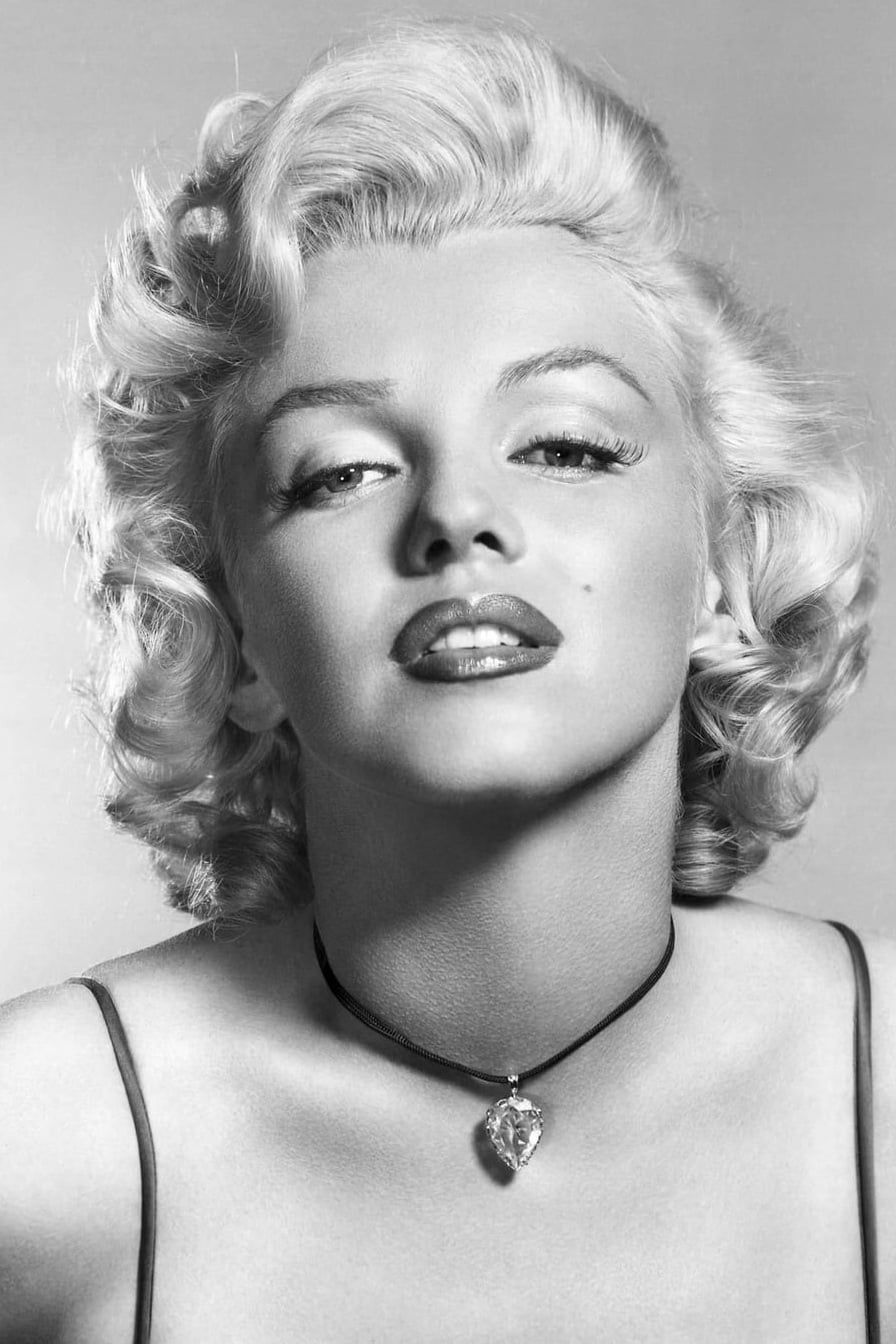
Marilyn Monroe achieved worldwide fame through movies like ‘Gentlemen Prefer Blondes’ and ‘Some Like It Hot’. She was known for being both funny and deeply emotional on screen, which helped break down traditional expectations for women in the 1950s. Monroe carefully controlled her public image and honed her acting skills at the Actors Studio, influencing how stars approach fame and their work today. She continues to be a key figure in conversations about the relationship between celebrity, art, and talent.
Audrey Hepburn
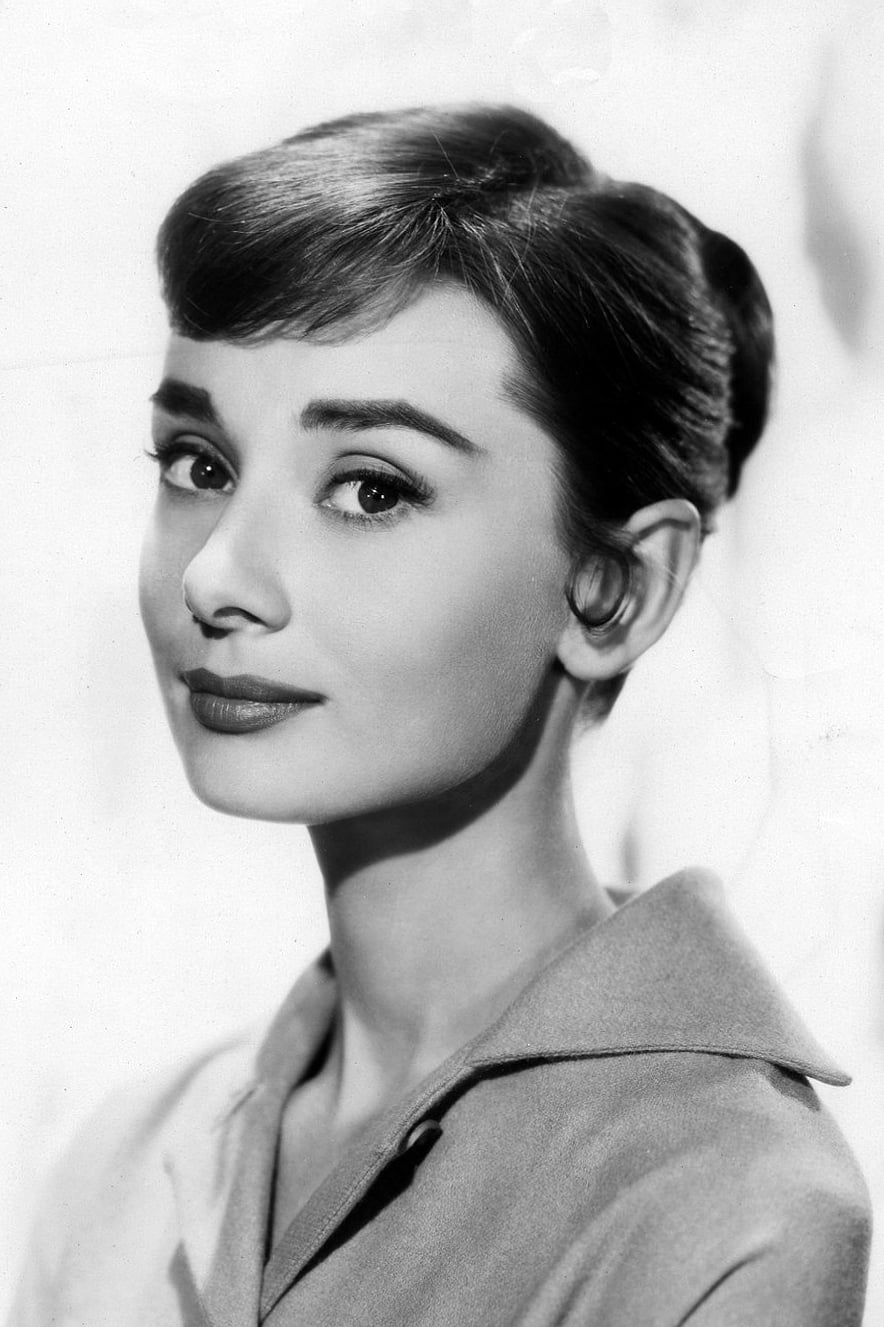
Audrey Hepburn changed what people thought of as Hollywood beauty and elegance in the mid-1900s. She first became famous in the 1953 film ‘Roman Holiday,’ winning an Oscar and proving she was a talented actress in both serious and funny roles. In addition to films like ‘Breakfast at Tiffany’s’ (1961), Hepburn was one of the first celebrities to use her fame to help people around the world. Many actors and performers today look to her subtle acting and dedication to good causes as an example of how to build a fulfilling career.
Katharine Hepburn
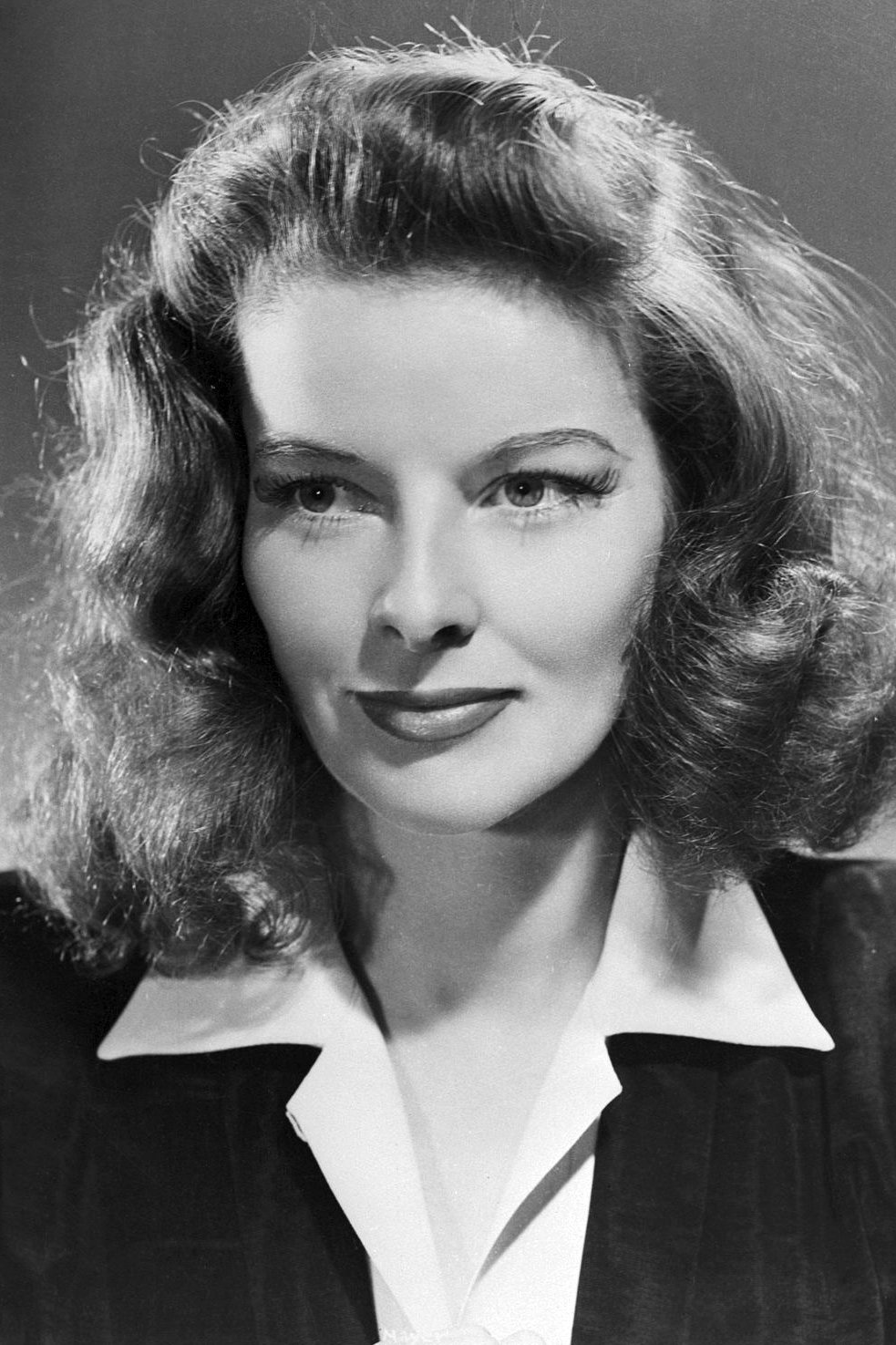
Katharine Hepburn was a legendary actress who won a record four Academy Awards for Best Actress throughout her impressive career. She was famous for playing strong, independent women in films like ‘The Philadelphia Story’ and ‘The African Queen.’ Hepburn challenged Hollywood’s expectations for actresses, refusing to fit the typical mold and inspiring others to take control of their work. She enjoyed a remarkably long career, successfully acting in a variety of roles for over sixty years.
Bette Davis

Bette Davis is remembered as one of the most talented actors in movie history, famous for playing strong, often difficult characters. Films like ‘Jezebel’ (1938) and ‘All About Eve’ (1950) demonstrated her dedication to creating characters with real emotional depth, even if they weren’t always easy to like. Davis famously challenged the Hollywood studio system in court, fighting for more control over her work and her contracts. Today, her influence can be seen in actors who choose to play complicated and morally gray female characters.
Elizabeth Taylor
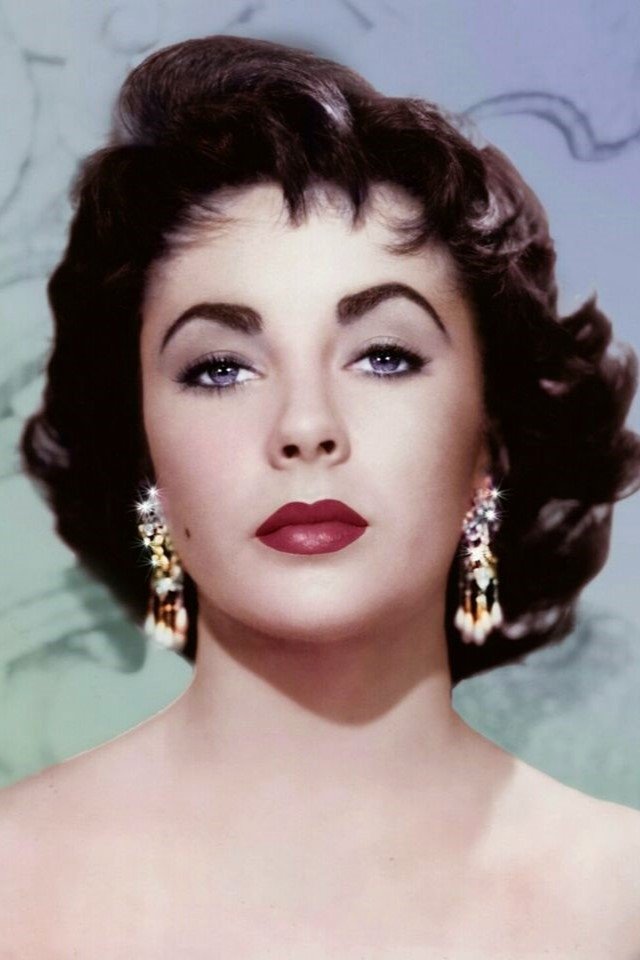
Elizabeth Taylor began as a child actress and became one of Hollywood’s biggest stars. Films like ‘Cat on a Hot Tin Roof’ (1958) and ‘Who’s Afraid of Virginia Woolf?’ (1966) showed how incredibly talented and emotionally powerful she was as an actress. She was a pioneer, too, becoming one of the first actors to earn a million-dollar salary for a movie – ‘Cleopatra’ (1963). Beyond acting, Taylor was a dedicated philanthropist, especially known for her work fighting HIV/AIDS, and she set an example for how celebrities can help with important global health issues, an impact still felt today.
Ingrid Bergman
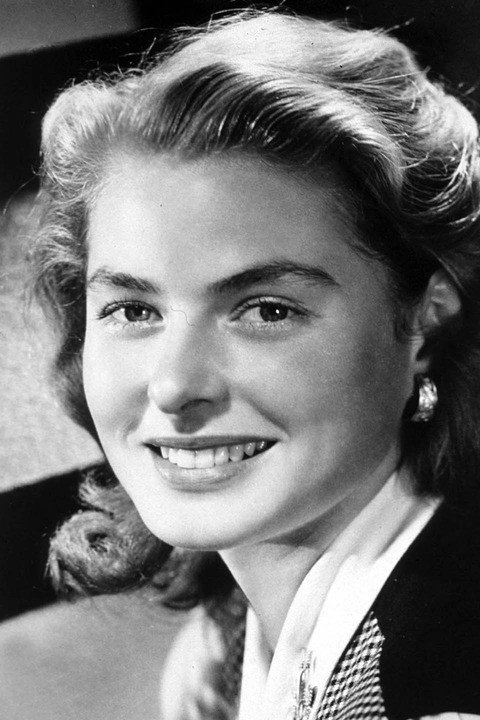
Ingrid Bergman revolutionized American movies in the 1940s with her realistic acting and distinctly European style. While she’s most famous for her part in ‘Casablanca’ (1942), her work with director Alfred Hitchcock, particularly in ‘Notorious’ (1946), is also highly celebrated. Bergman’s fluency in several languages and her success in films made both in America and abroad helped to expand the reach of the movie industry worldwide. Despite facing public scandal, she maintained a successful career, demonstrating both her exceptional talent and the value of staying true to her art.
Vivien Leigh
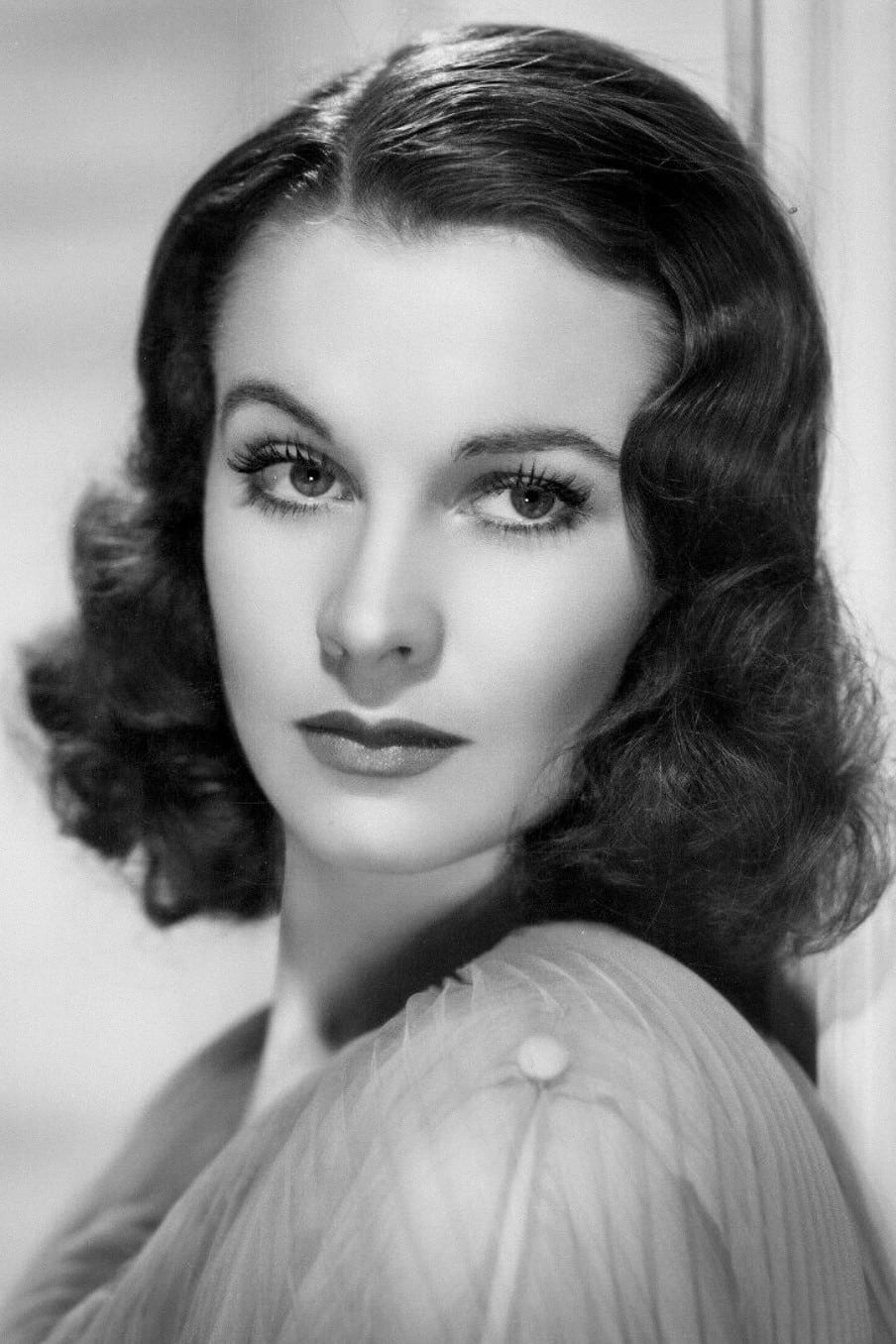
Vivien Leigh became a legend thanks to her iconic roles as two of literature and film’s most celebrated women. Her performance in ‘Gone with the Wind’ (1939) is still considered a standard for powerful, transformative acting in large-scale dramas. She later earned another Oscar for ‘A Streetcar Named Desire’ (1951), proving her ability to portray intense emotional and psychological struggles. Actors continue to look to her as a source of inspiration for her commitment to bringing complex characters to life with subtle detail.
Grace Kelly
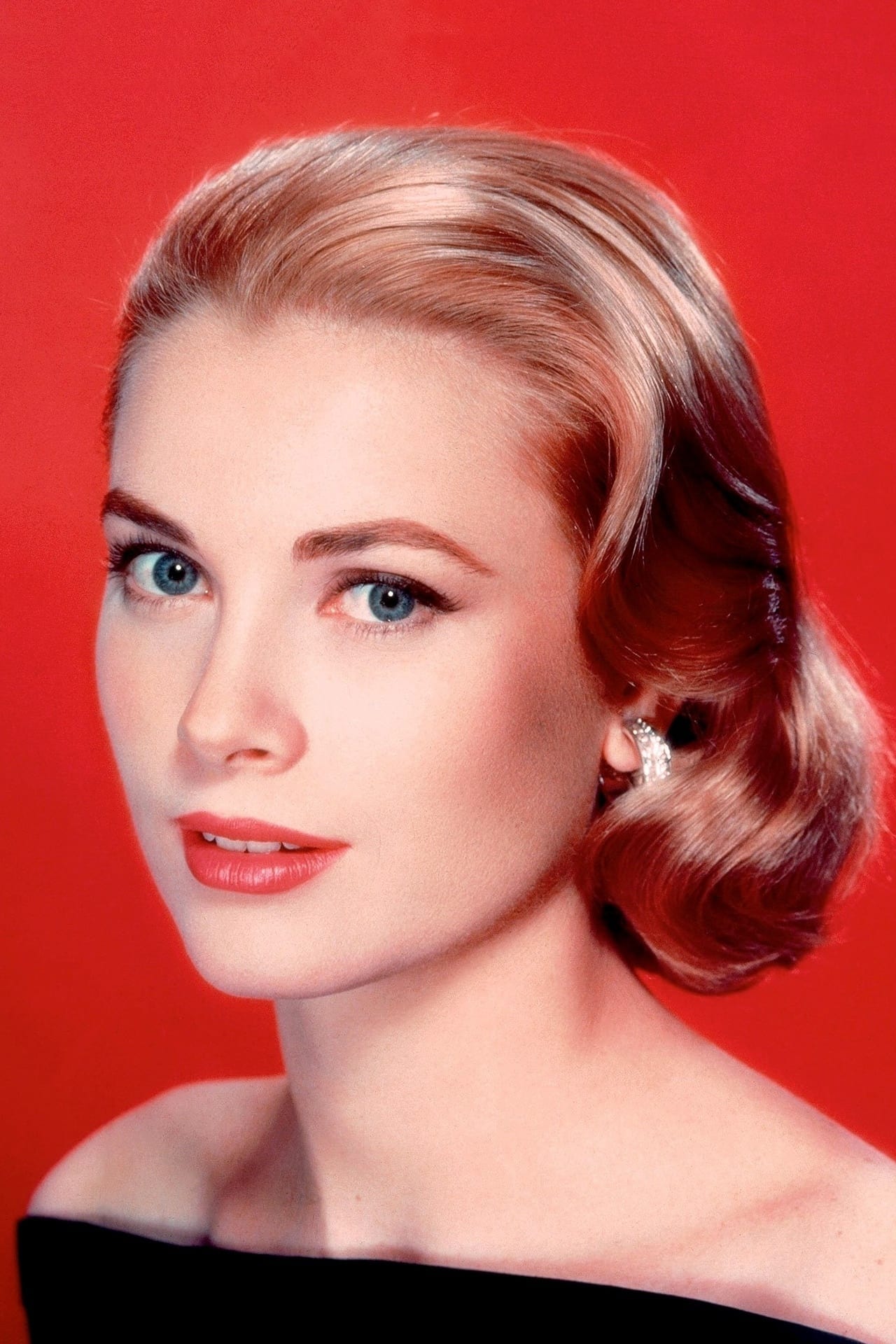
Grace Kelly embodied classic Hollywood glamour before her life changed when she became Princess of Monaco. She was known for her cool and intelligent performances in films directed by Alfred Hitchcock, like ‘Rear Window’ (1954) and ‘To Catch a Thief’ (1955). Kelly also proved her acting range by winning an Academy Award for ‘The Country Girl’ (1954). Though her film career was short, she continues to inspire the look and feel of today’s thrillers and fashion-focused movies.
Judy Garland
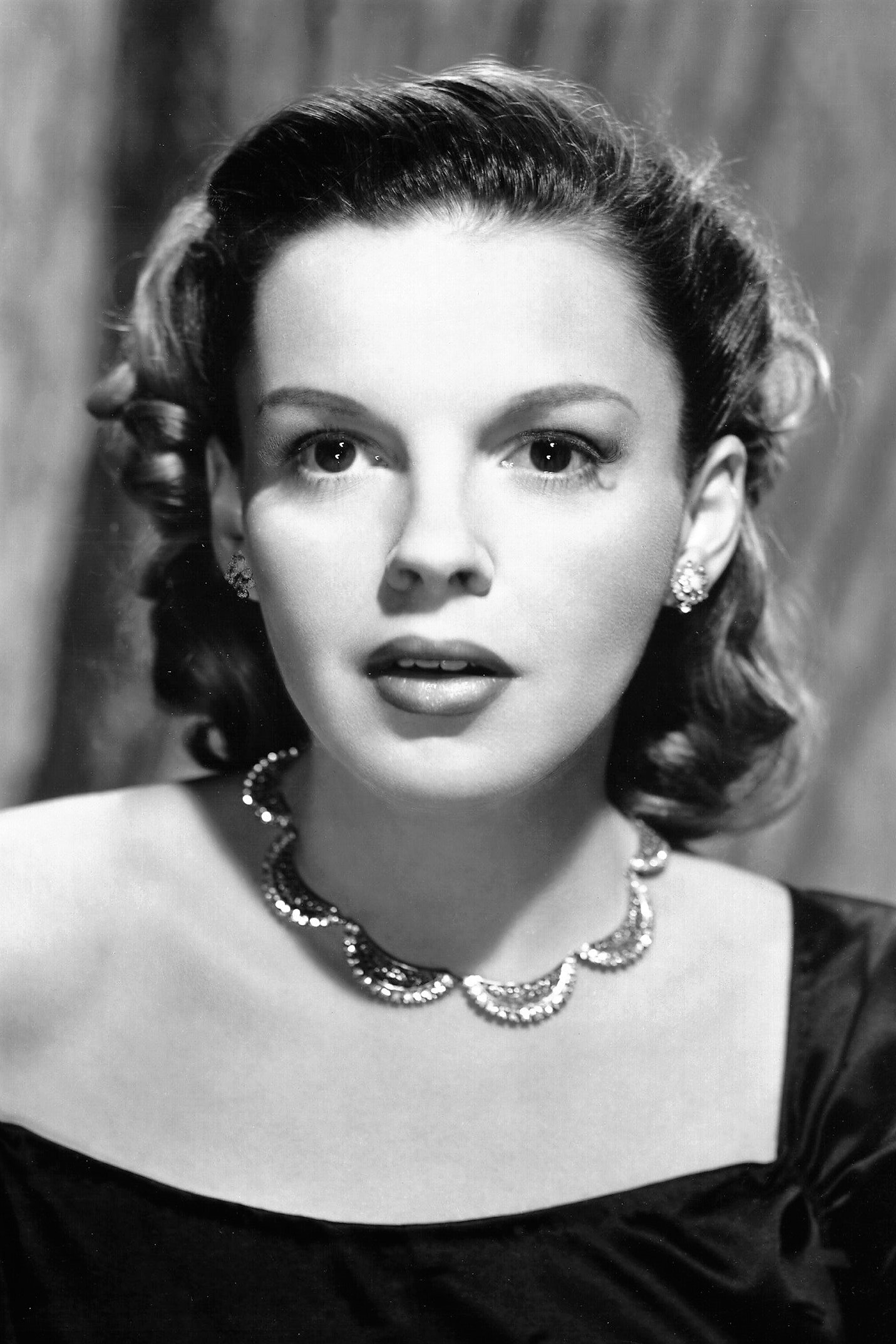
Judy Garland was an incredibly talented entertainer – a skilled actress, singer, and dancer. She became a lasting icon thanks to her famous role as Dorothy in the 1939 film ‘The Wizard of Oz.’ Later, her performance in ‘A Star Is Born’ (1954) became well-known as a perfect example of how to portray both professional achievement and personal hardship. Today, many performers in music and drama still look to her for inspiration on how to express genuine, unfiltered emotion.
Lucille Ball
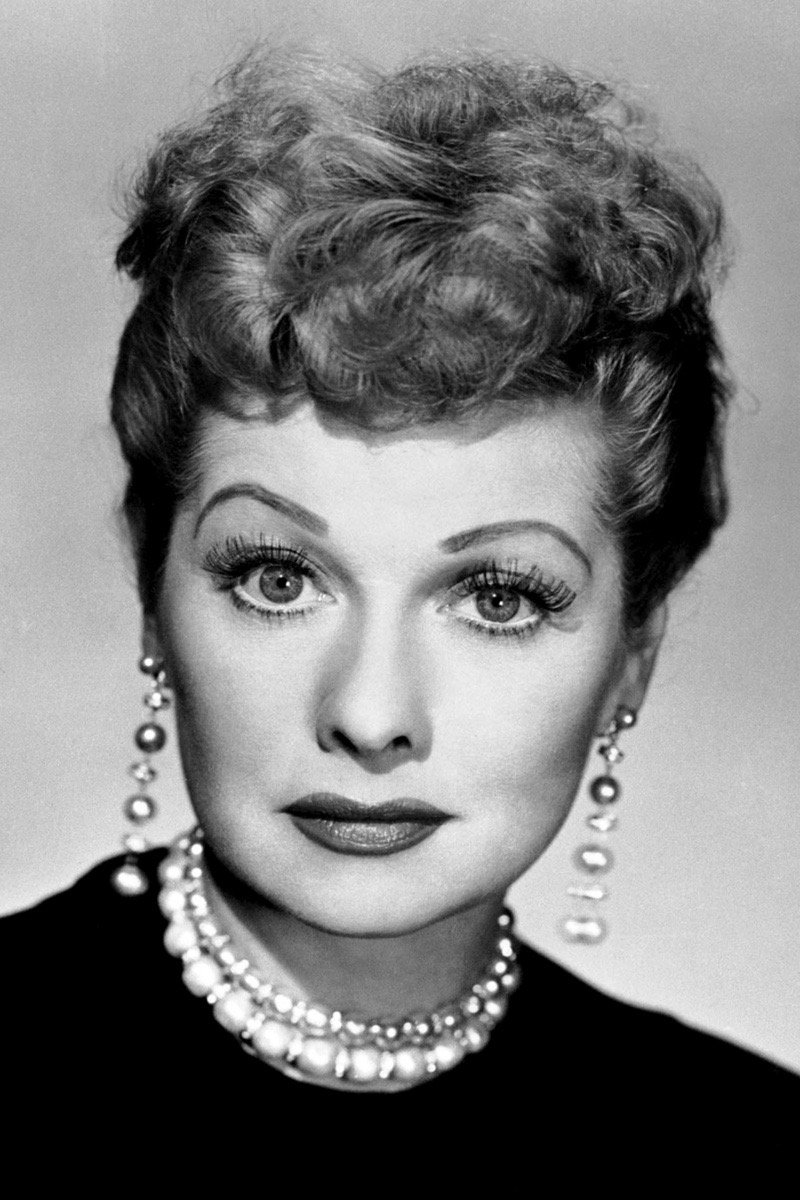
Lucille Ball dramatically changed television with her hit show ‘I Love Lucy’ (1951–1957). She was a pioneer as the first woman to lead a major television studio, Desilu Productions, opening doors for women in the industry. Known for her brilliant comedic timing and willingness to embrace slapstick humor, she inspired countless performers. Ball also introduced groundbreaking filming methods, like using three cameras, which became the standard for how TV shows are made.
Marlene Dietrich
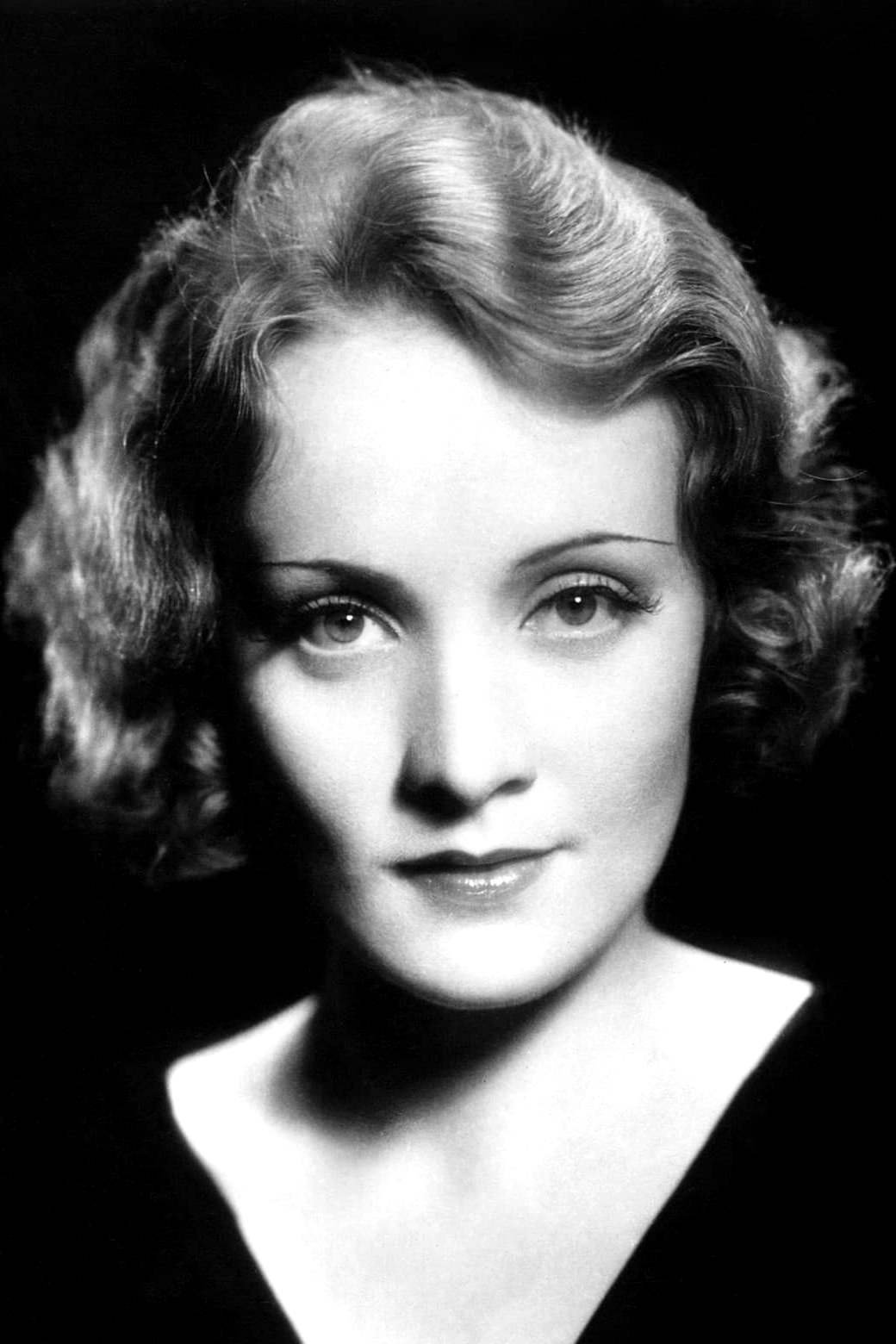
Marlene Dietrich was a groundbreaking figure in early Hollywood, known for her androgynous style and captivating on-screen persona. Films like ‘The Blue Angel’ and ‘Morocco’ redefined traditional ideas of femininity, as she often wore traditionally masculine clothing. Working with director Josef von Sternberg, she helped create the classic ‘femme fatale’ character seen in early film noir. Dietrich continues to be an influential icon in both fashion and as a symbol of bold self-expression in the entertainment world.
Greta Garbo
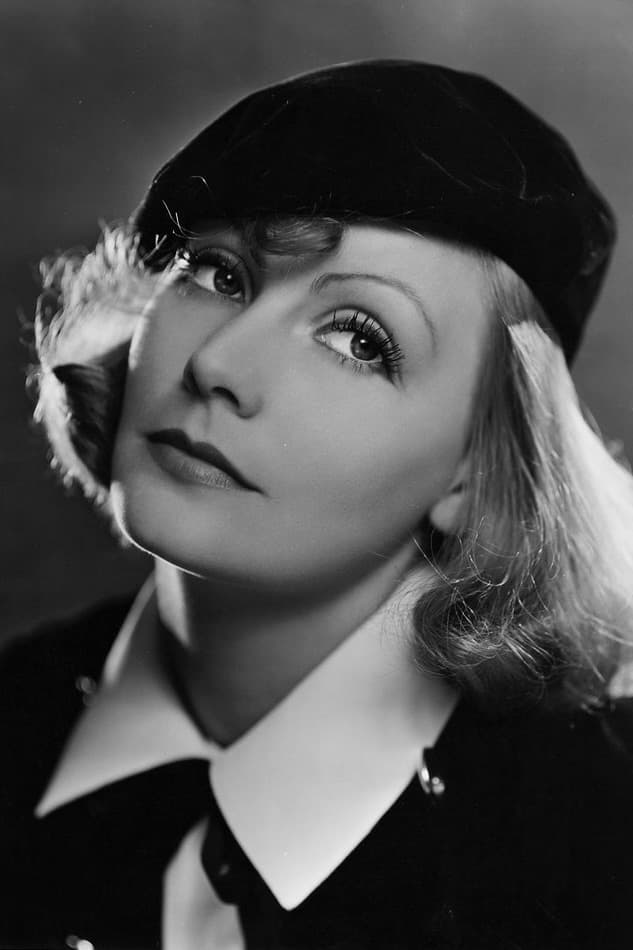
Greta Garbo was famous for her serious, mysterious acting and her ability to successfully move from silent films to talkies, notably in ‘Anna Christie’ (1930). She proved versatile in roles like ‘Camille’ (1936) and ‘Ninotchka’ (1939), expertly playing both tragic and comedic parts. Her early retirement only enhanced her legendary status and the sense of mystery around her. Today, actors still learn from her subtle use of facial expressions and how she conveyed emotions on screen.
Joan Crawford
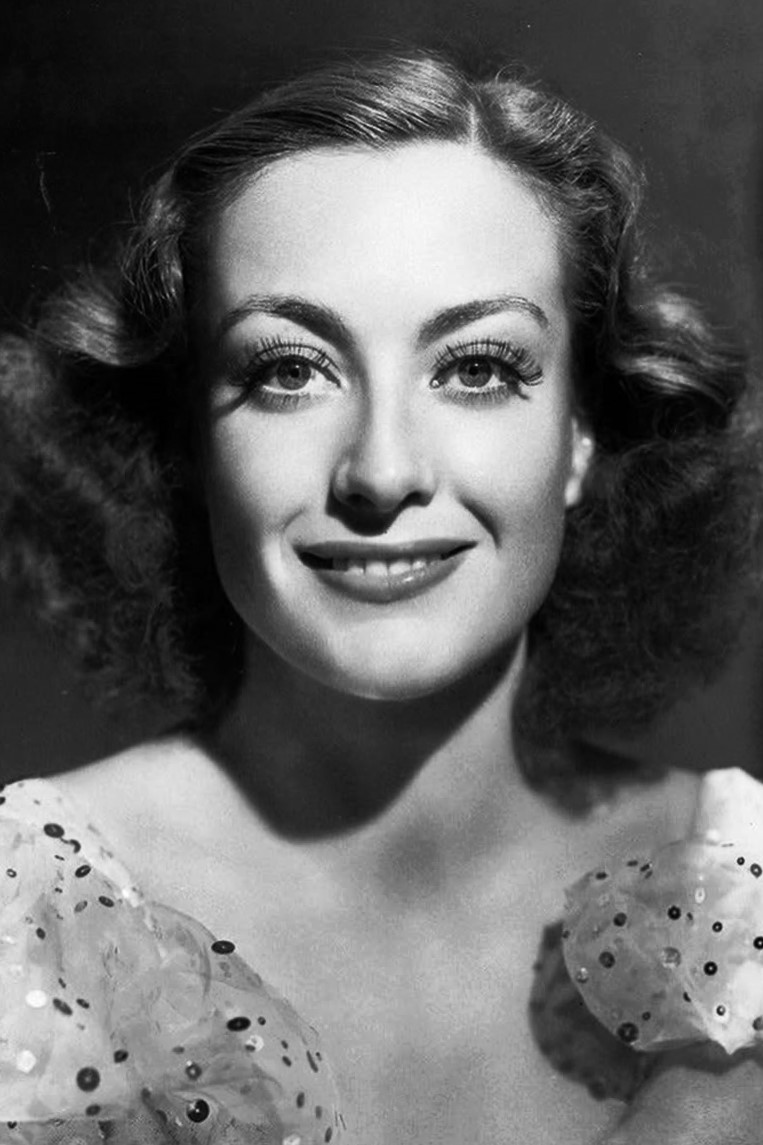
I’ve always been fascinated by Joan Crawford. Her career was incredible, lasting from the very beginning of film all the way to the 70s! She was a true professional and constantly reinvented herself. Of course, everyone knows she won an Oscar for ‘Mildred Pierce,’ and I think that movie was so groundbreaking – it really blended classic women’s stories with the darker feel of film noir. What always struck me was how carefully she built her public image and how convincingly she played these strong, working-class women fighting to get ahead. Looking back, her career is a masterclass in staying relevant and brilliantly managing how the world saw her.
Lauren Bacall
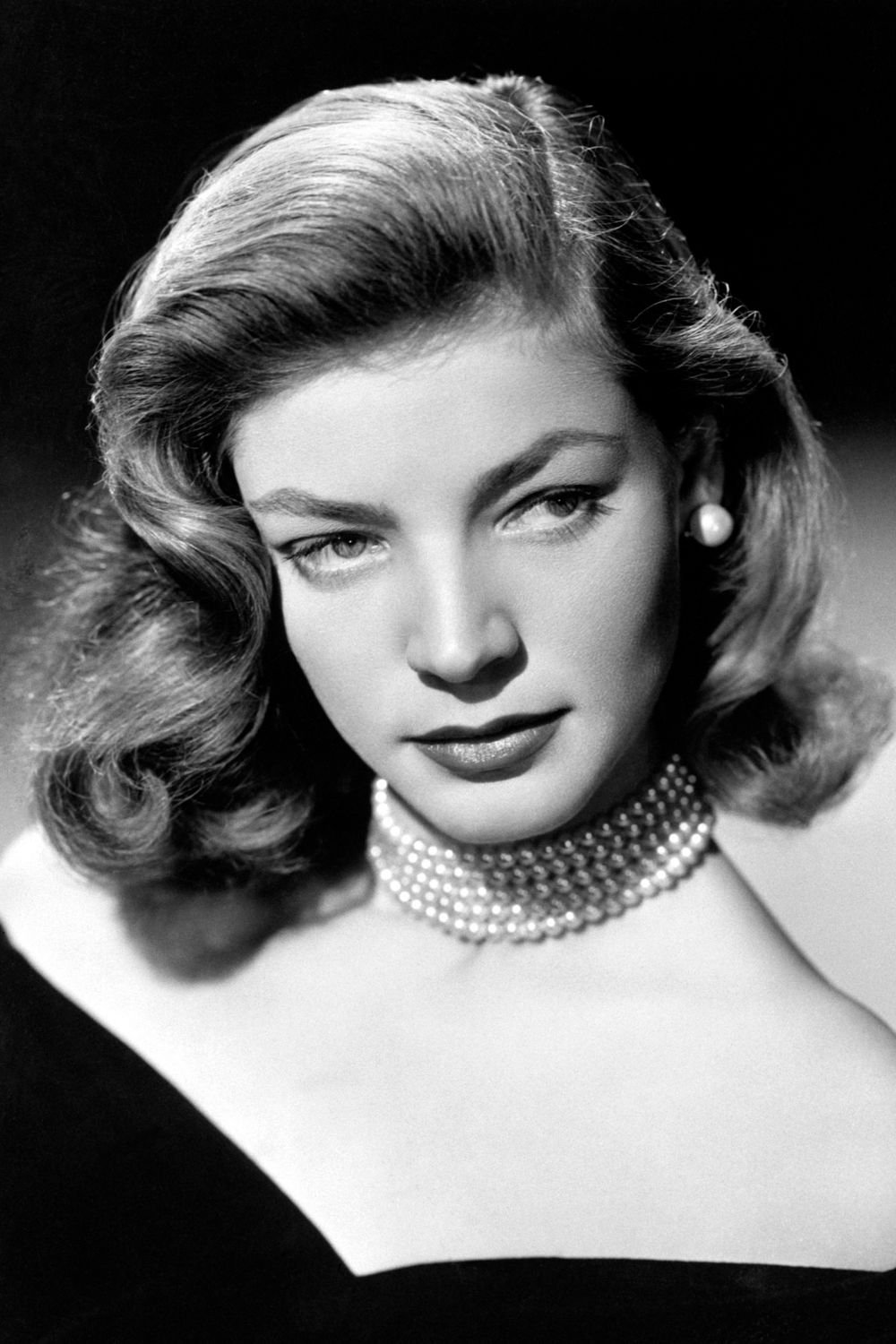
Lauren Bacall burst onto the Hollywood scene in 1944 with ‘To Have and Have Not,’ immediately establishing a unique and alluring on-screen persona. Her signature deep voice and captivating gaze quickly made her a star, particularly in film noir classics like ‘The Big Sleep’ (1946) alongside Humphrey Bogart. Later in life, Bacall proved her talent extended to the stage, earning several Tony Awards. Today, her impact can still be seen in the strong, confident female characters in contemporary crime and noir films.
Natalie Wood
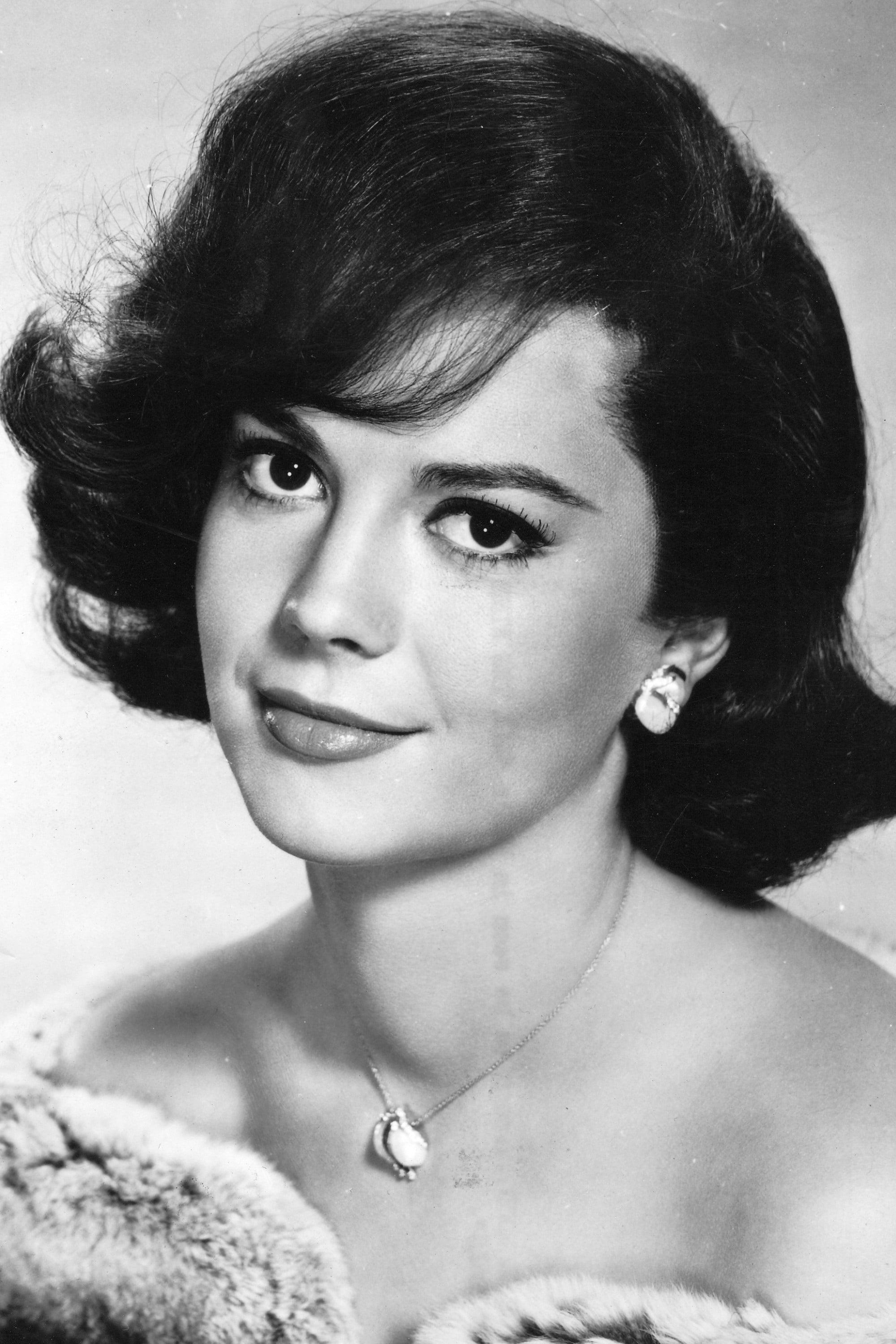
Natalie Wood was one of the few child actors who continued to succeed as an adult, earning praise for her work. Films like ‘Rebel Without a Cause,’ ‘West Side Story,’ and ‘Splendor in the Grass’ perfectly captured the feelings of young people growing up after World War II. Wood was skilled at playing characters who were sensitive and emotionally complex, which resonated with the Baby Boomer generation. She’s remembered as a key figure in the shift from Hollywood’s classic era to the more modern filmmaking of the New Hollywood movement.
Carrie Fisher
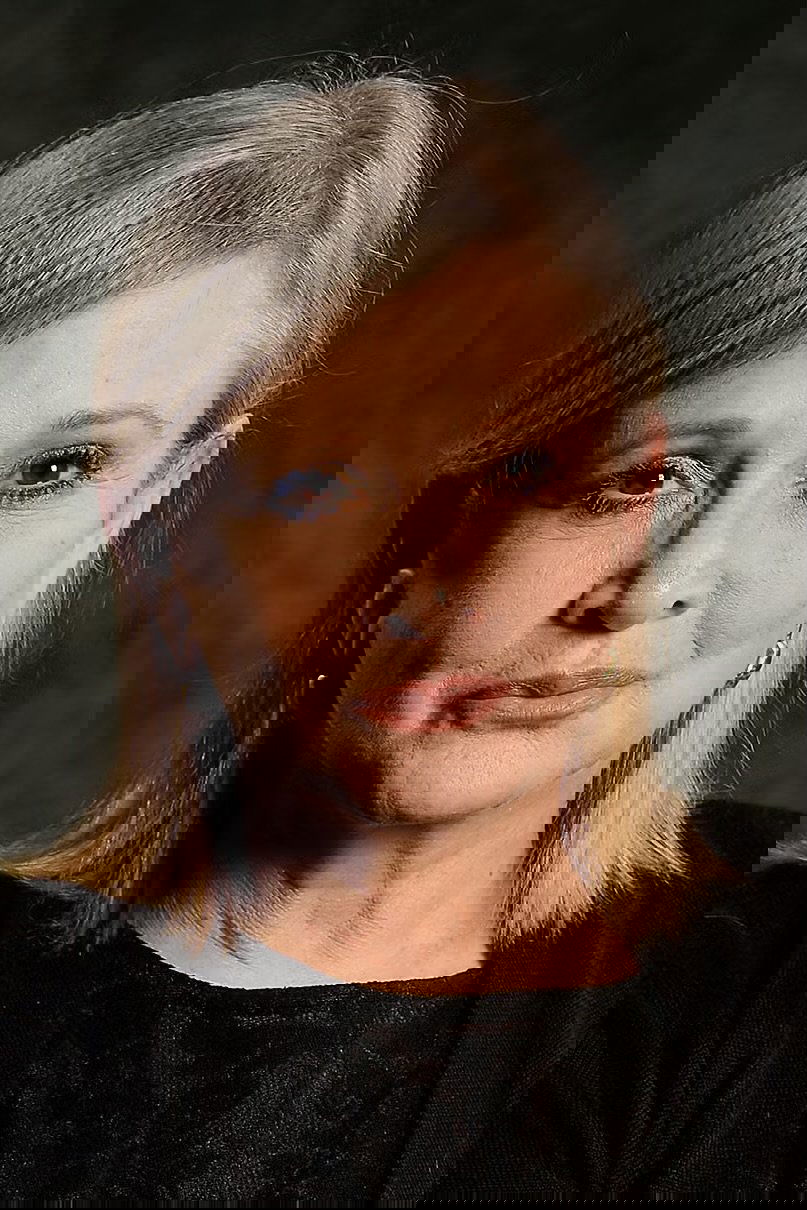
Carrie Fisher is best remembered for playing Princess Leia in the ‘Star Wars’ films (1977–2019), a role that made her a movie icon. But she was also a talented writer and script editor, celebrated for her cleverness and directness. Fisher’s portrayal of Princess Leia as a strong, independent character helped change the way women were depicted in science fiction. In her writing, like her semi-autobiographical novel ‘Postcards from the Edge’ (1987), she openly shared the challenges of being a public figure in Hollywood.
Shirley Temple
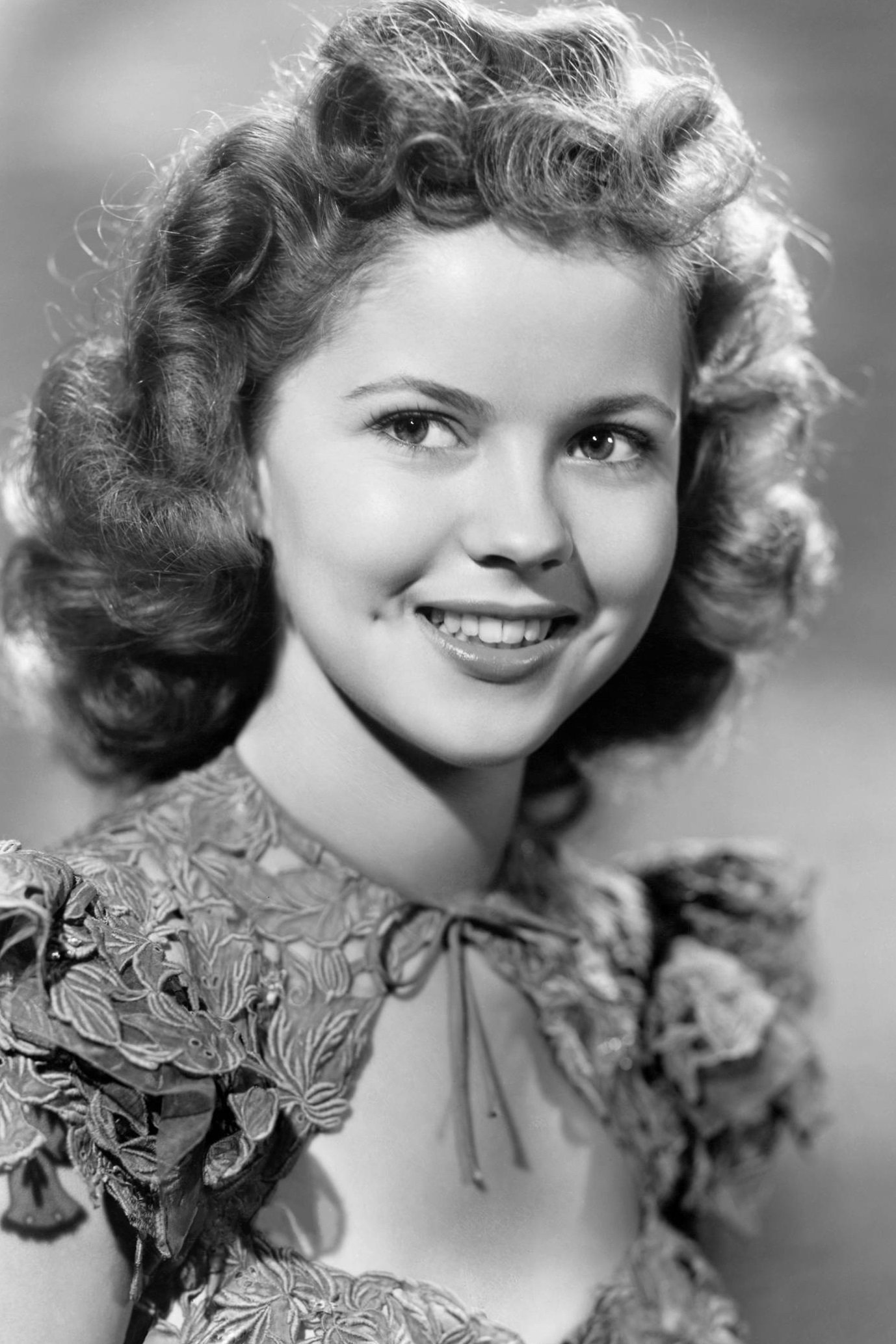
Shirley Temple was the biggest child star in movie history and helped lift spirits during the Great Depression. She became famous worldwide thanks to her singing and dancing in films like ‘Bright Eyes’ (1934) and ‘Heidi’ (1937). After her film career, she had a successful second career as a United States Ambassador. She essentially defined what it meant to be a child star, and her influence remains unmatched.
Hedy Lamarr
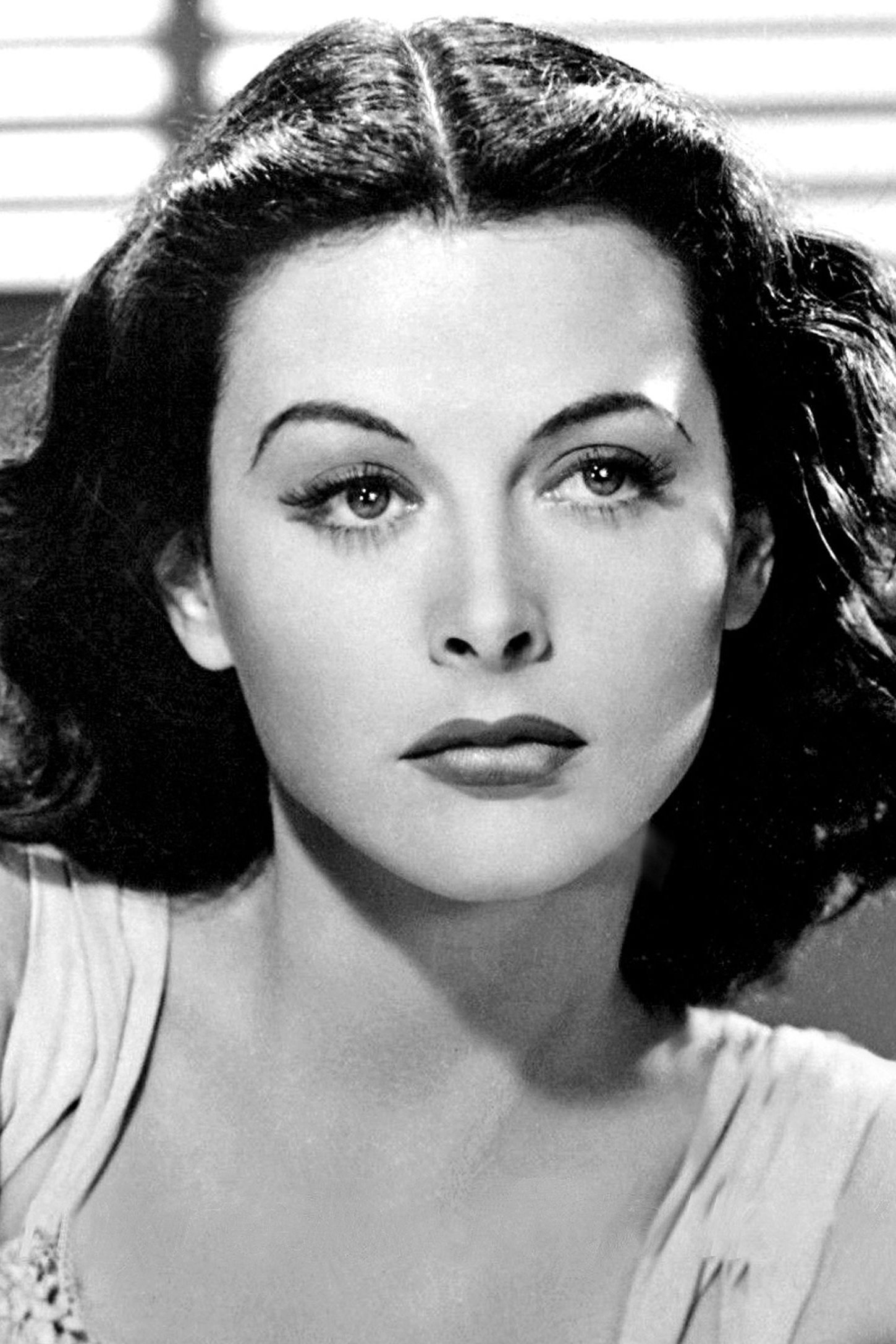
Hedy Lamarr was famous for her beauty and starred in popular films like ‘Samson and Delilah’ in the 1940s. However, she was also a talented inventor who helped create a technology called frequency-hopping spread spectrum. This technology is now fundamental to how wireless devices communicate. Lamarr’s unique combination of Hollywood glamour and scientific innovation continues to inspire artists and technologists today.
Eartha Kitt
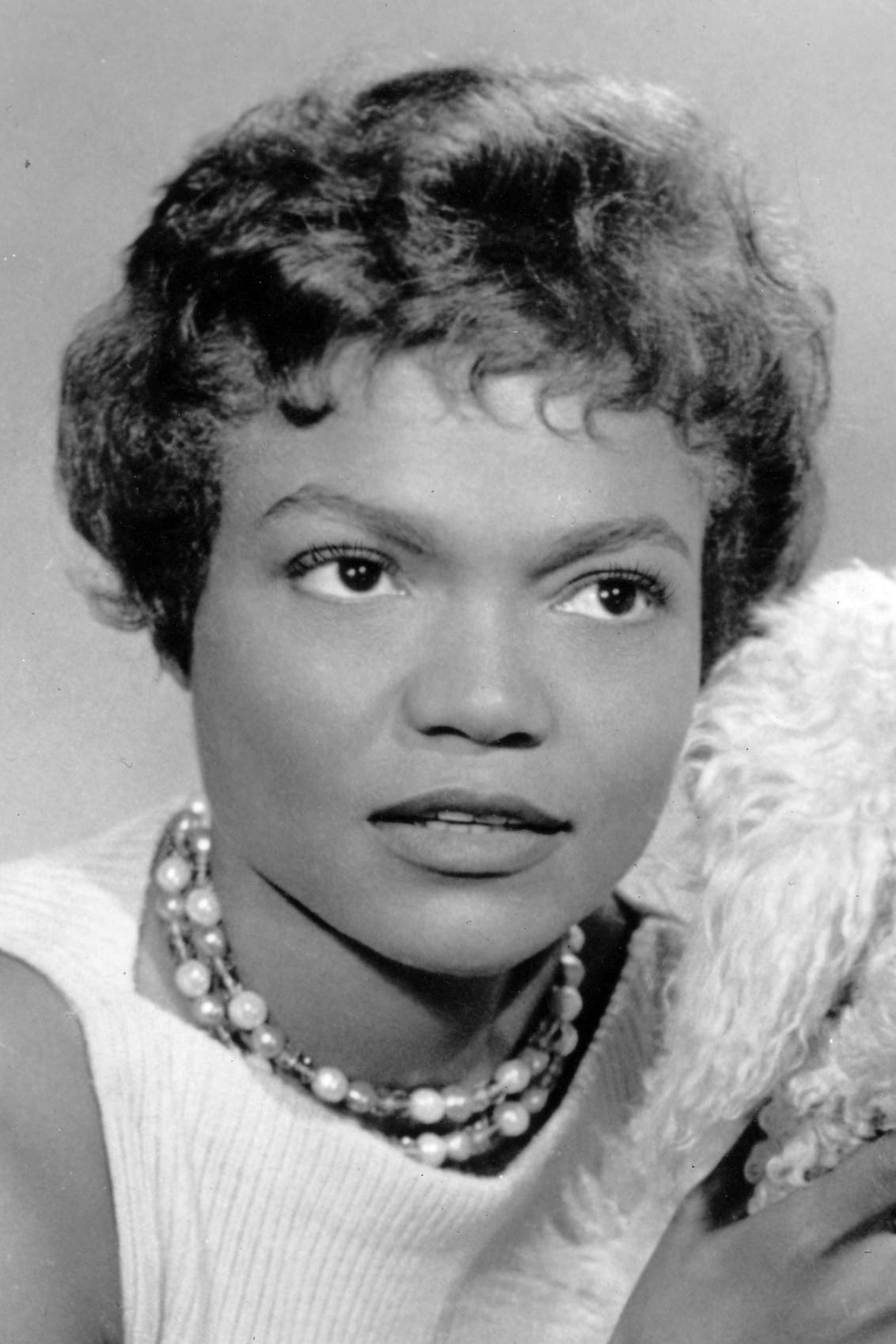
Eartha Kitt was a remarkably talented performer who overcame racial prejudice to succeed in film, television, and theater. She’s remembered for her unique voice and her iconic portrayal of Catwoman in the 1960s ‘Batman’ TV show, embodying both grace and strength. Though her career suffered in the U.S. after she publicly opposed the Vietnam War, she continued working in Europe and eventually regained recognition in America, proving herself to be a strong and unwavering artist.
Dorothy Dandridge
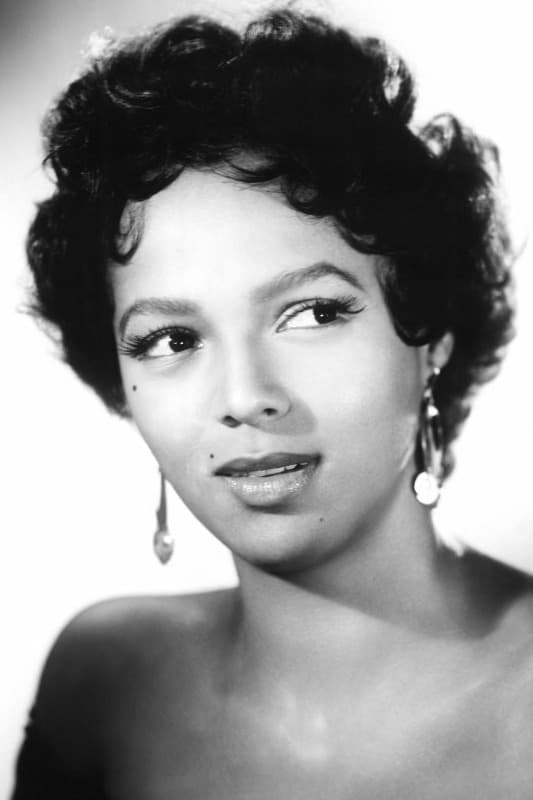
Dorothy Dandridge was a pioneering actress who made history as the first African American woman to be nominated for an Academy Award for Best Actress, thanks to her role in ‘Carmen Jones’ (1954). In an era when Black actresses rarely got leading roles, she brought a captivating presence to the screen. Despite facing racism in Hollywood, Dandridge’s talent shone through in films like ‘Porgy and Bess’ (1959), leaving a lasting impact on cinema. She paved the way for future generations of Black actresses, including stars like Halle Berry and Viola Davis.
Mary Tyler Moore
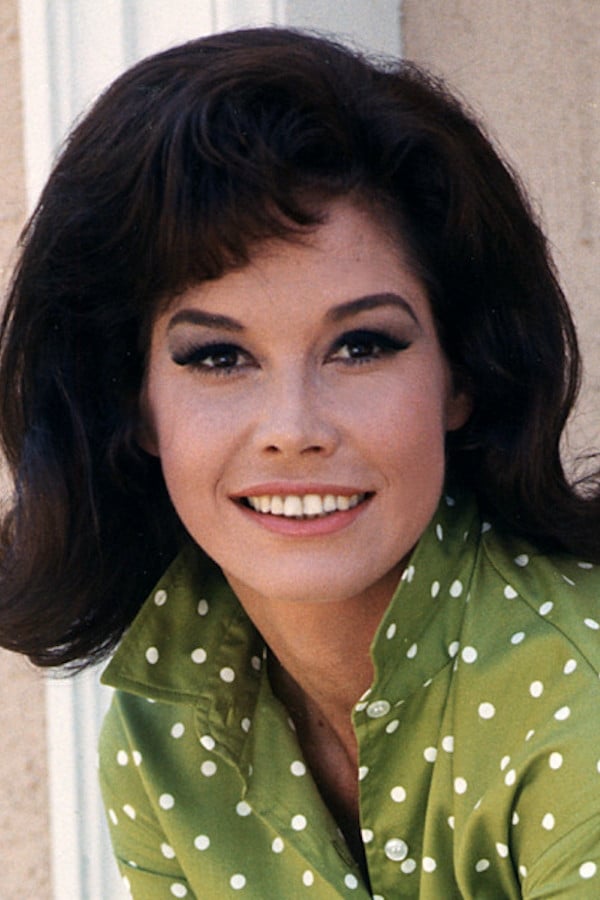
Mary Tyler Moore played a key role in changing how independent women were depicted on American TV. Starting with ‘The Dick Van Dyke Show’ in the early 1960s and continuing with ‘The Mary Tyler Moore Show’ in the 1970s, she broke away from traditional housewife roles by portraying a single woman with a career. She also founded a production company that created many highly praised television shows during the 70s and 80s. Moore’s excellent comedic skills and down-to-earth personality made her a beloved and influential figure in the history of television.
Gene Tierney

Gene Tierney was a major star in the 1940s, most famous for her role in the classic film noir ‘Laura’ (1944). She received an Academy Award nomination for ‘Leave Her to Heaven’ (1945), proving her skill at portraying disturbingly controlling characters. While known for her stunning beauty, Tierney’s work demonstrates her versatility as an actress. She continues to inspire the look and performances in today’s neo-noir films.
Carole Lombard
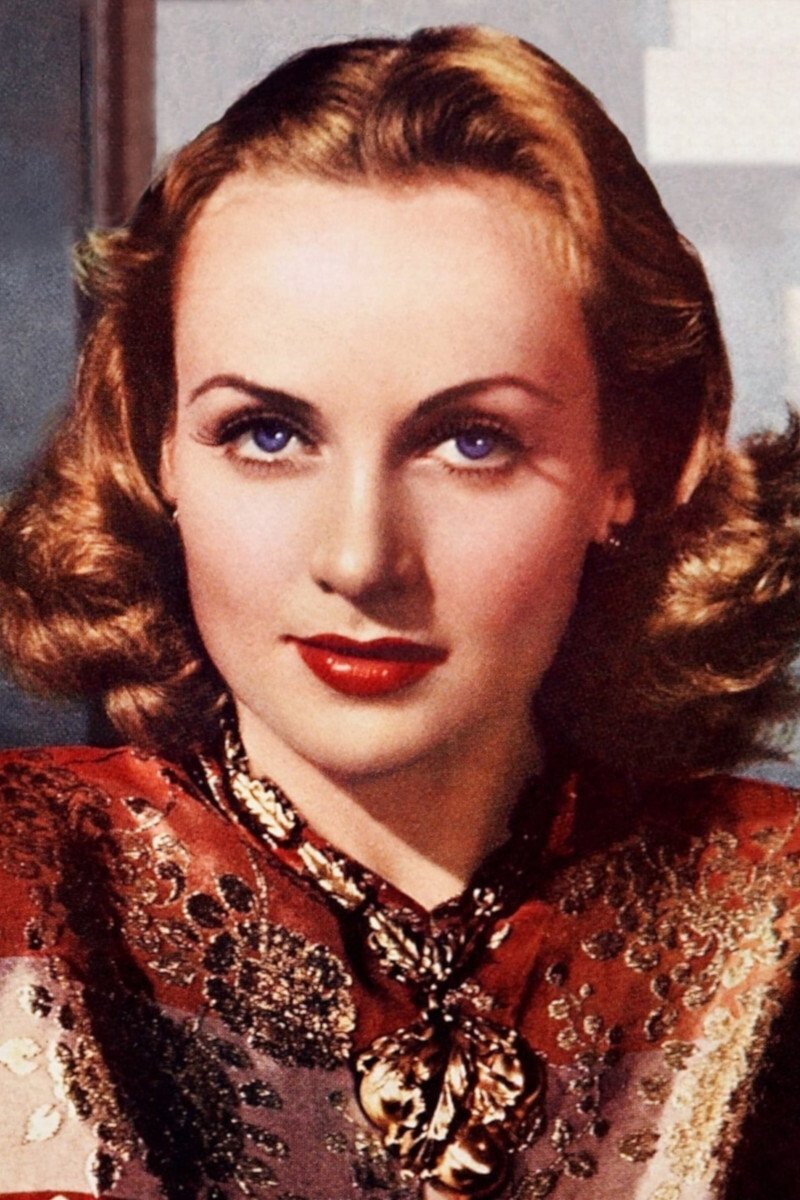
Carole Lombard was the biggest star of 1930s screwball comedies, famous for her lively and carefree acting. She perfectly combined sophistication with physical comedy in films like ‘My Man Godfrey’ (1936) and ‘To Be or Not to Be’ (1942). Lombard was also a very successful businesswoman and one of the highest-earning actors of her era. Tragically, she died at just 33 years old, ending a career that had already revolutionized film comedy.
Debbie Reynolds
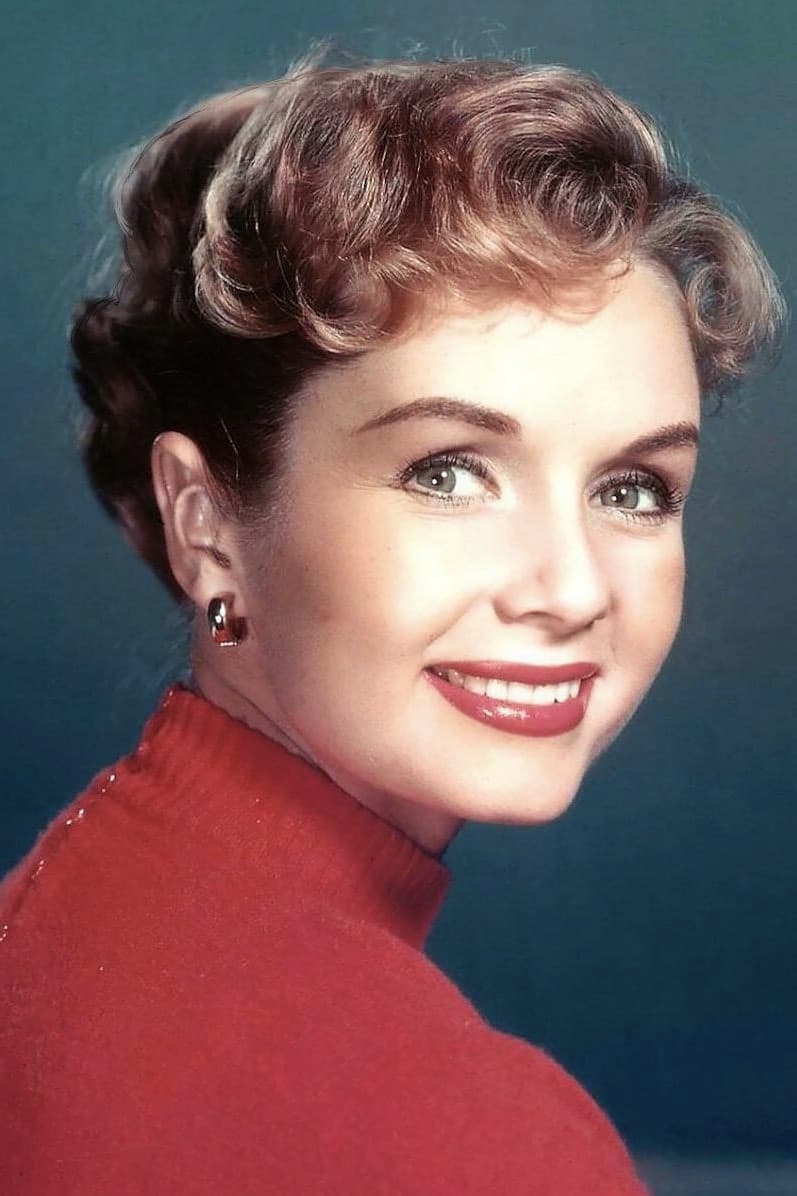
Debbie Reynolds quickly became famous after starring in ‘Singin’ in the Rain’ (1952), even though she hadn’t been formally trained as a dancer. She enjoyed a long and varied career in movies, television, and on stage, and was even nominated for an Academy Award for ‘The Unsinkable Molly Brown’ (1964). Beyond performing, Reynolds was passionate about film history and worked hard to save important pieces of Hollywood’s past. Her lively performances and ability to excel in many different roles inspired countless performers in musical theater and film for years to come.
Cicely Tyson

Cicely Tyson was a hugely important actress in both film and television, celebrated for her strong principles and refusal to play roles she considered disrespectful. Her powerful performances in films like ‘Sounder’ (1972) and ‘The Autobiography of Miss Jane Pittman’ (1974) brought a new sense of pride and respect to stories about African Americans. Throughout her impressive seven-decade career, she received many honors, including an honorary Oscar, a Tony Award, and multiple Emmys. Her dedication to honest artistry and social change continues to inspire actors today.
Olivia de Havilland
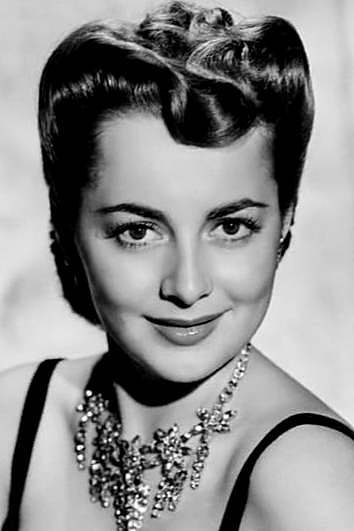
Olivia de Havilland was a major star during Hollywood’s Golden Age, best known for playing Melanie Hamilton in the classic film ‘Gone with the Wind’ (1939). She won two Oscars for her leading roles in ‘To Each His Own’ (1946) and ‘The Heiress’ (1949), proving her talent for portraying strong, emotionally complex characters. De Havilland is also celebrated for a groundbreaking legal battle she won against the studio system, which helped give actors more control over their careers. She’s remembered as a talented actress and a courageous advocate for professional freedom in the film industry.
Rita Hayworth
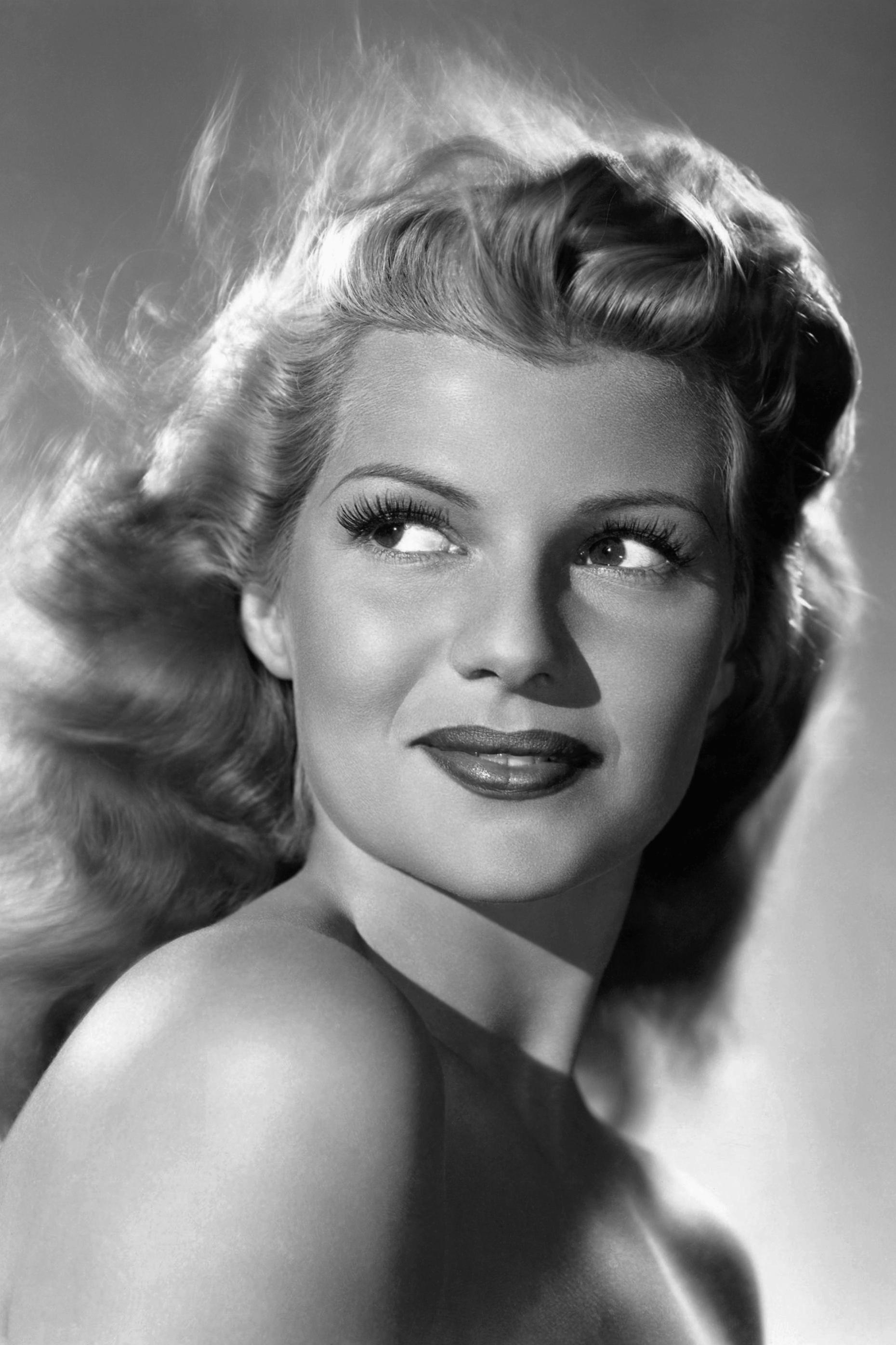
Rita Hayworth was the biggest glamour star of the 1940s, known worldwide for her captivating presence on screen. She’s especially remembered for her role in the 1946 film ‘Gilda,’ which is considered a classic example of the mysterious and alluring ‘femme fatale’ character. Beyond acting, Hayworth was a gifted dancer and shared the screen with legends like Fred Astaire and Gene Kelly in several popular musicals. Her style and image were so influential that they appeared everywhere in media around the world.
Mae West
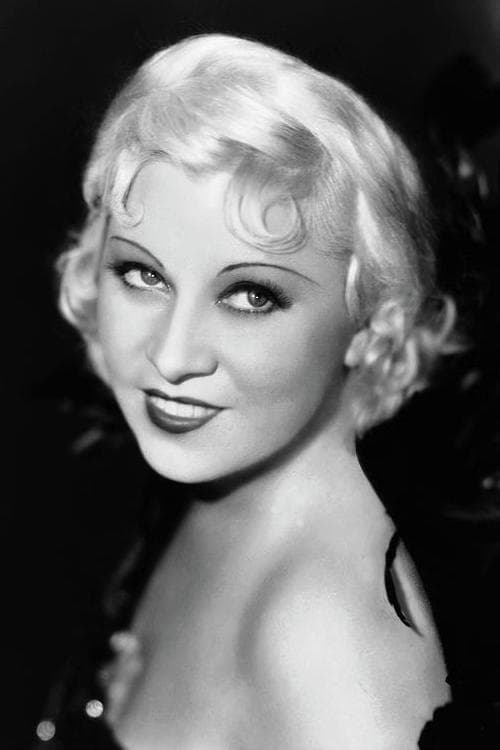
Mae West was a talented singer, actress, and playwright who challenged what was considered acceptable in movies and plays during the 1930s. She was famous for her witty, suggestive lines and strong, confident characters, particularly in films like ‘She Done Him Wrong’ (1933), and is even credited with saving her studio from financial ruin. West was also a skilled writer, creating many of her own works and having unusual creative control for a woman of her time. Her daring style of comedy and the characters she played had a lasting impact on modern entertainment.
Ginger Rogers
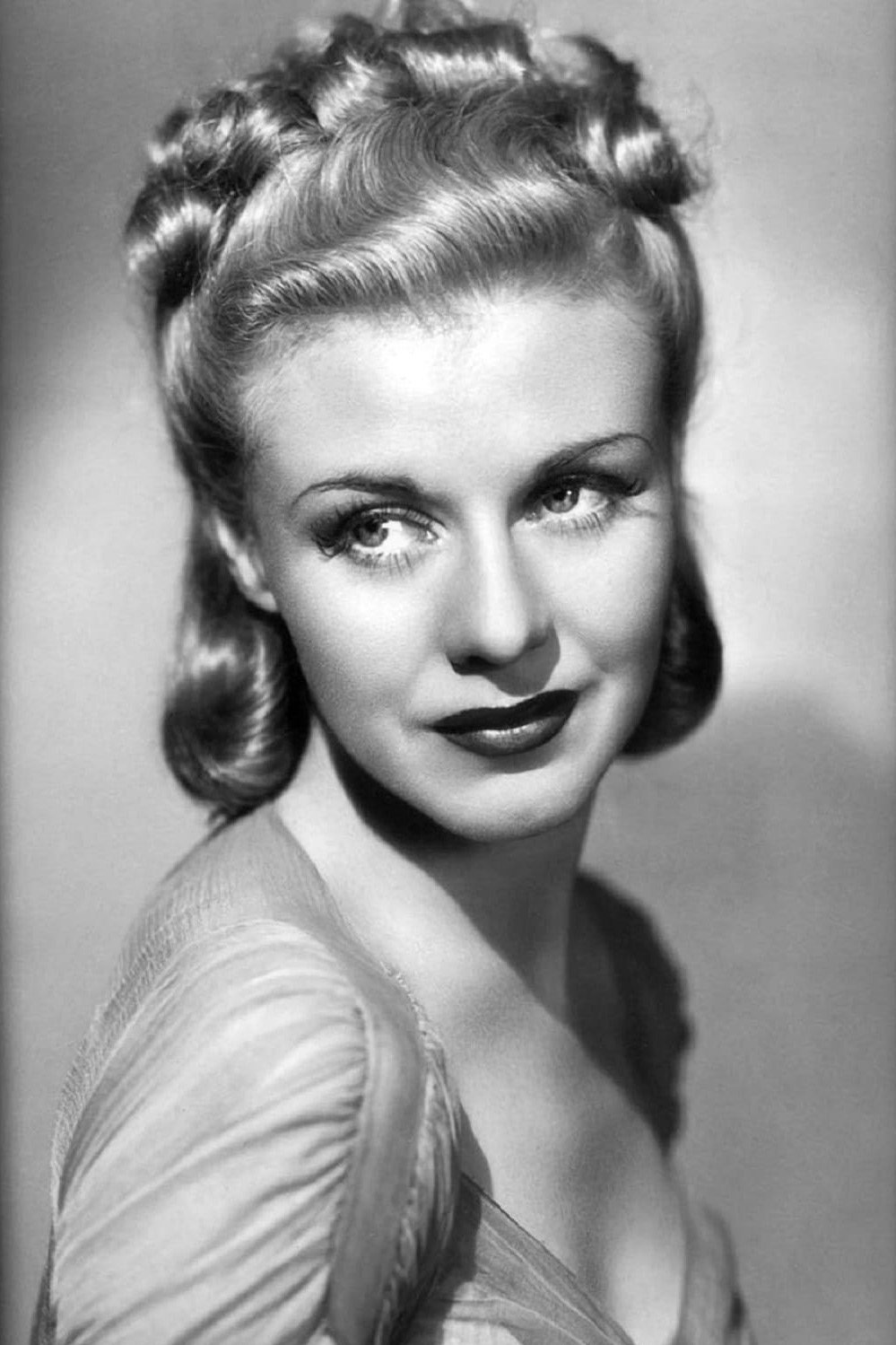
As a film buff, everyone knows Ginger Rogers as Fred Astaire’s incredible dance partner, especially in movies like ‘Top Hat.’ But what I really appreciate is that she was so much more than ‘just’ a dancer. She was a seriously talented dramatic actress too, and even won an Oscar for ‘Kitty Foyle!’ It’s amazing how easily she moved between those fun, light musicals and really powerful, socially conscious dramas – that kind of range is rare. To me, she really embodies the dedication and sheer skill it took to make it big in classic Hollywood.
Barbara Stanwyck
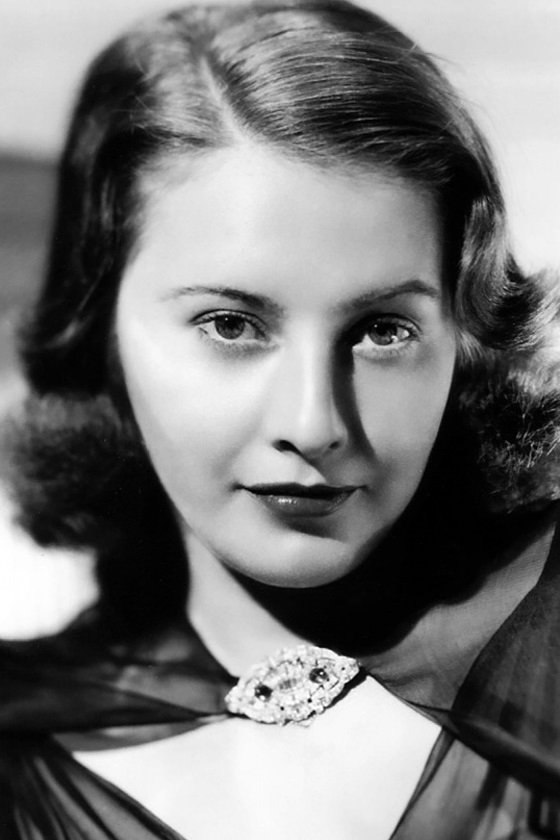
Barbara Stanwyck was a remarkably talented and hardworking actress who excelled in a wide range of roles. She was especially known for playing strong, independent women, as seen in films like ‘Double Indemnity’ (1944). Throughout her career, she moved effortlessly between genres like film noir, Westerns, and emotional dramas, earning four Oscar nominations and a special honorary award. Directors admired her professionalism and her ability to convincingly portray complex emotions. Many consider her performance in ‘The Lady Eve’ (1941) to be a standout achievement in both comedy and romance.
Tell us in the comments which of these famous actresses made you fall in love with movies!
Read More
- 20 Movies Where the Black Villain Was Secretly the Most Popular Character
- Celebs Who Narrowly Escaped The 9/11 Attacks
- Transformers Under the Microscope: What Graph Neural Networks Reveal
- Top 20 Dinosaur Movies, Ranked
- Trading on Thin Air: AI Agents Conquer Crypto Volatility
- Silver Rate Forecast
- Gold Rate Forecast
- 22 Films Where the White Protagonist Is Canonically the Sidekick to a Black Lead
- Invincible Season 4 Gender Swaps Tech Jacket As Fans Question Major Comic Change
- Every Notable ‘Star Trek: The Original Series’ Actor Who Died
2026-01-30 01:49