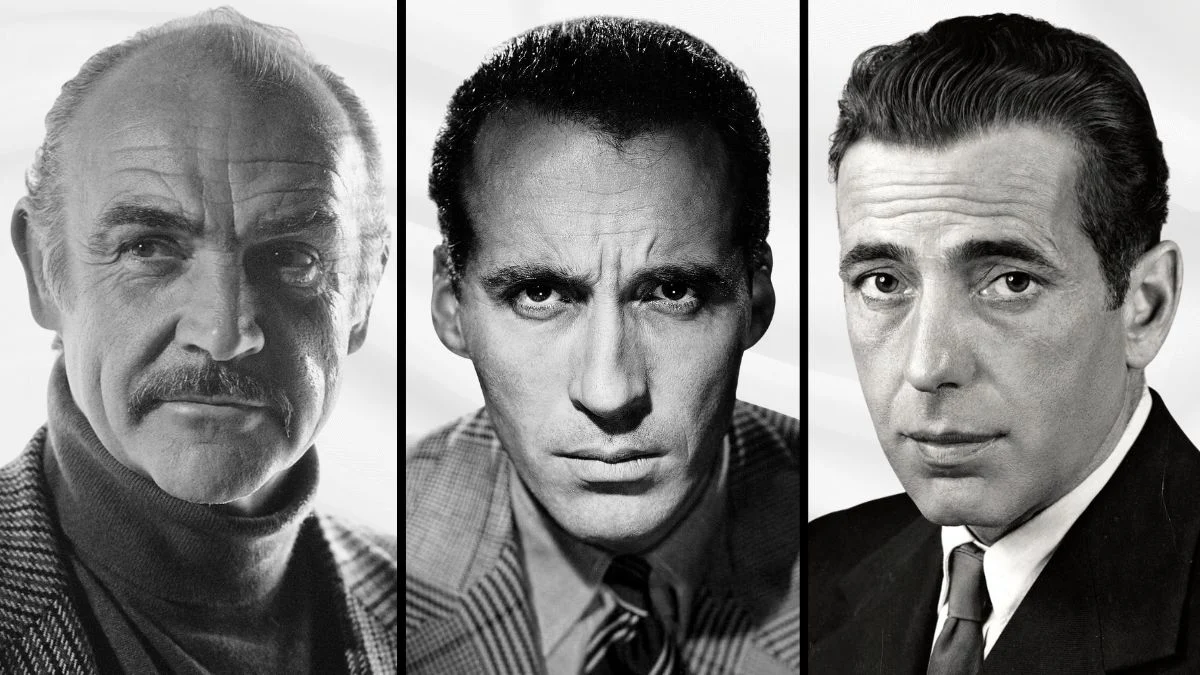
The world of film and live performance owes a great deal to the pioneering actors, directors, and artists who shaped these art forms. Film schools and universities around the globe study these innovators to trace how storytelling, acting, and visual styles have developed. Their groundbreaking work – from creating new editing techniques to pushing the boundaries of comedy and realistic acting – is essential for students hoping to understand modern entertainment. Learning about these influential figures provides valuable context for analyzing films and performances today.
Alfred Hitchcock
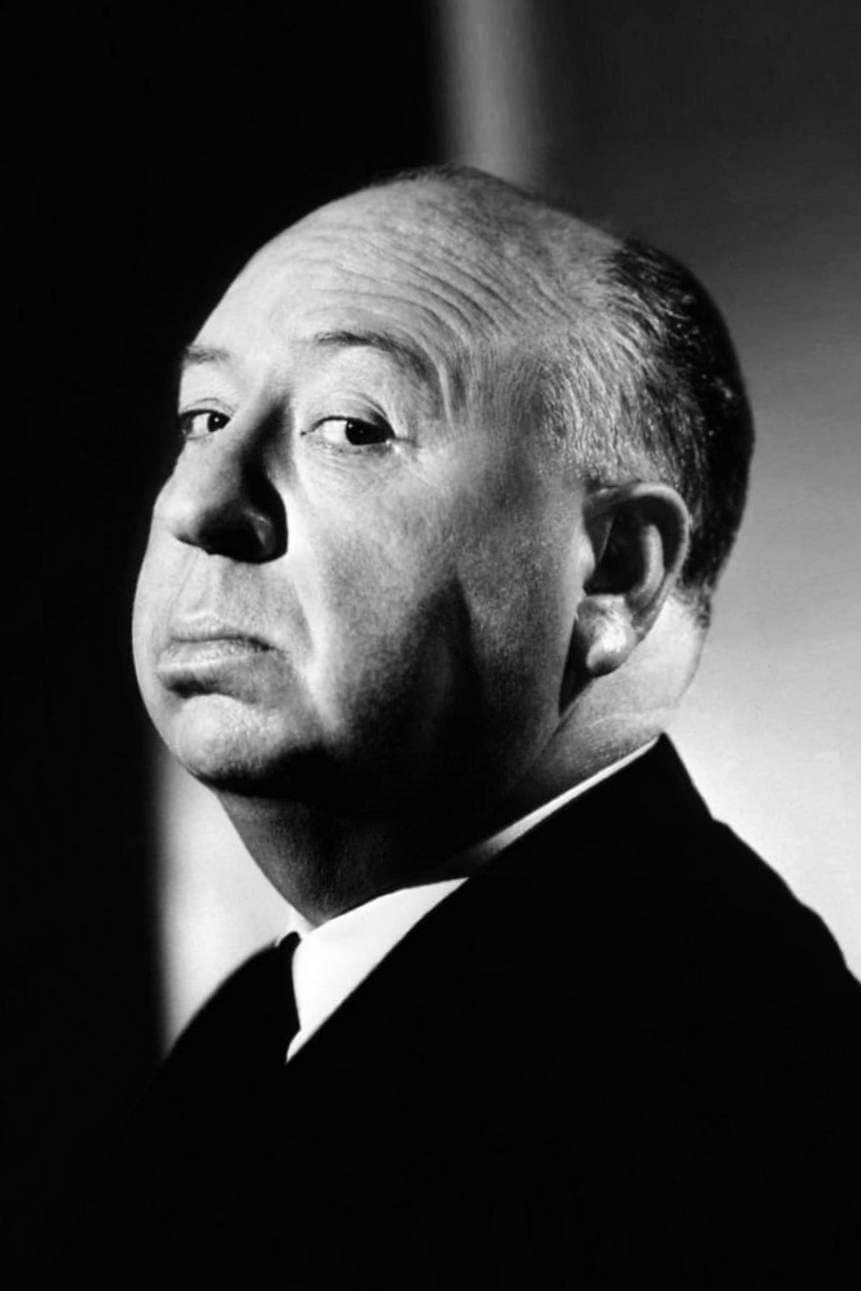
Alfred Hitchcock is famous as the king of suspense and is still a major focus of film study because of his techniques for creating psychological thrillers. For example, film professors often use his movie ‘Psycho’ to show how quick cuts and sound effects can build intense fear without relying on gore. His idea of the ‘MacGuffin’ – a plot device that motivates characters – is a key lesson for aspiring screenwriters. Hitchcock also cleverly used the camera to make the audience feel like a hidden observer, which heightened the tension.
Stanley Kubrick
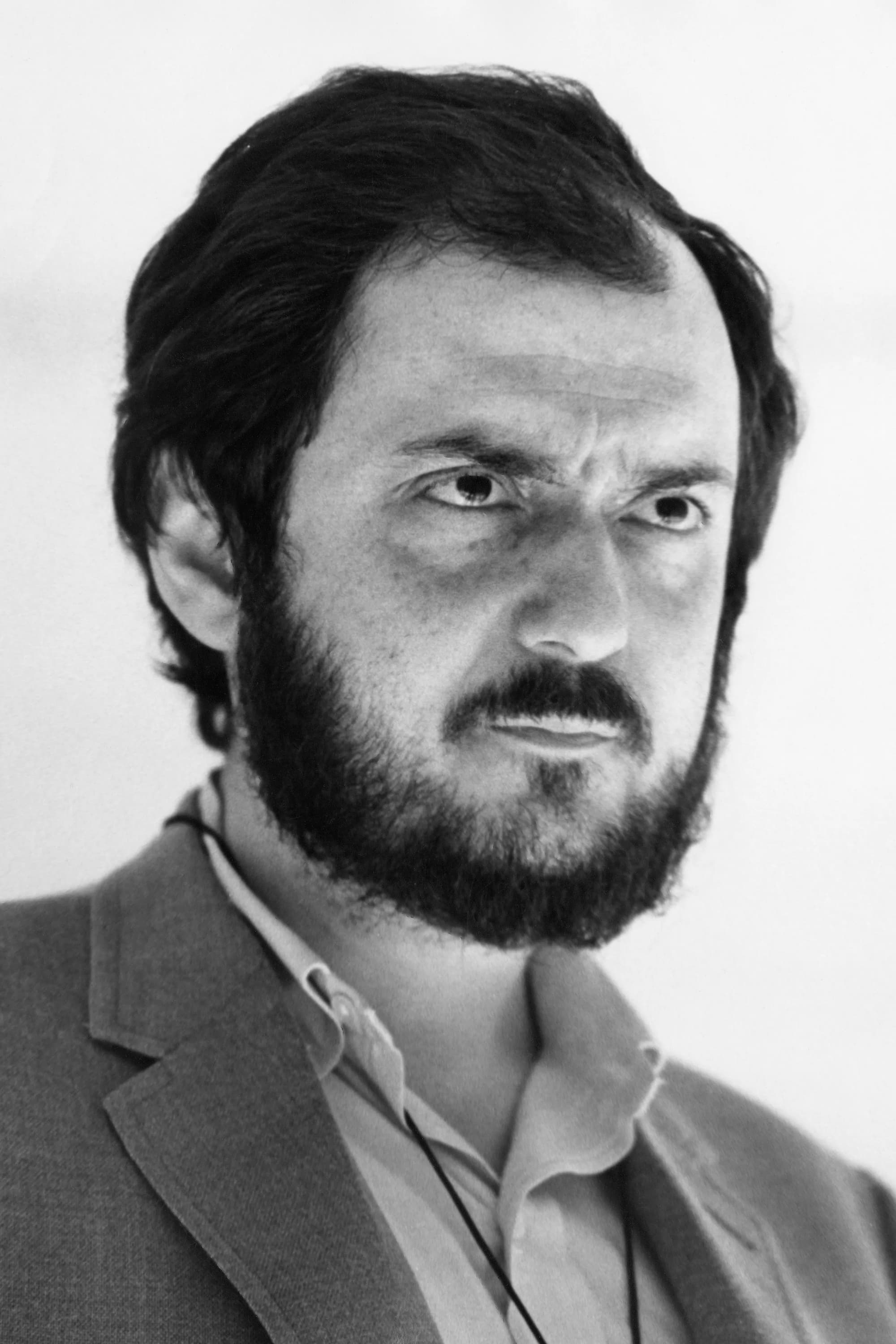
Stanley Kubrick is famous for his incredible attention to detail and his groundbreaking use of practical effects, especially considering the technology available at the time. Film students often study ‘2001: A Space Odyssey’ to learn about his innovative camera techniques and stunning visuals. His films frequently explore themes of dehumanization, making them popular subjects for academic discussion. Kubrick was a perfectionist who consistently pushed the boundaries of what was technically possible in filmmaking.
Orson Welles
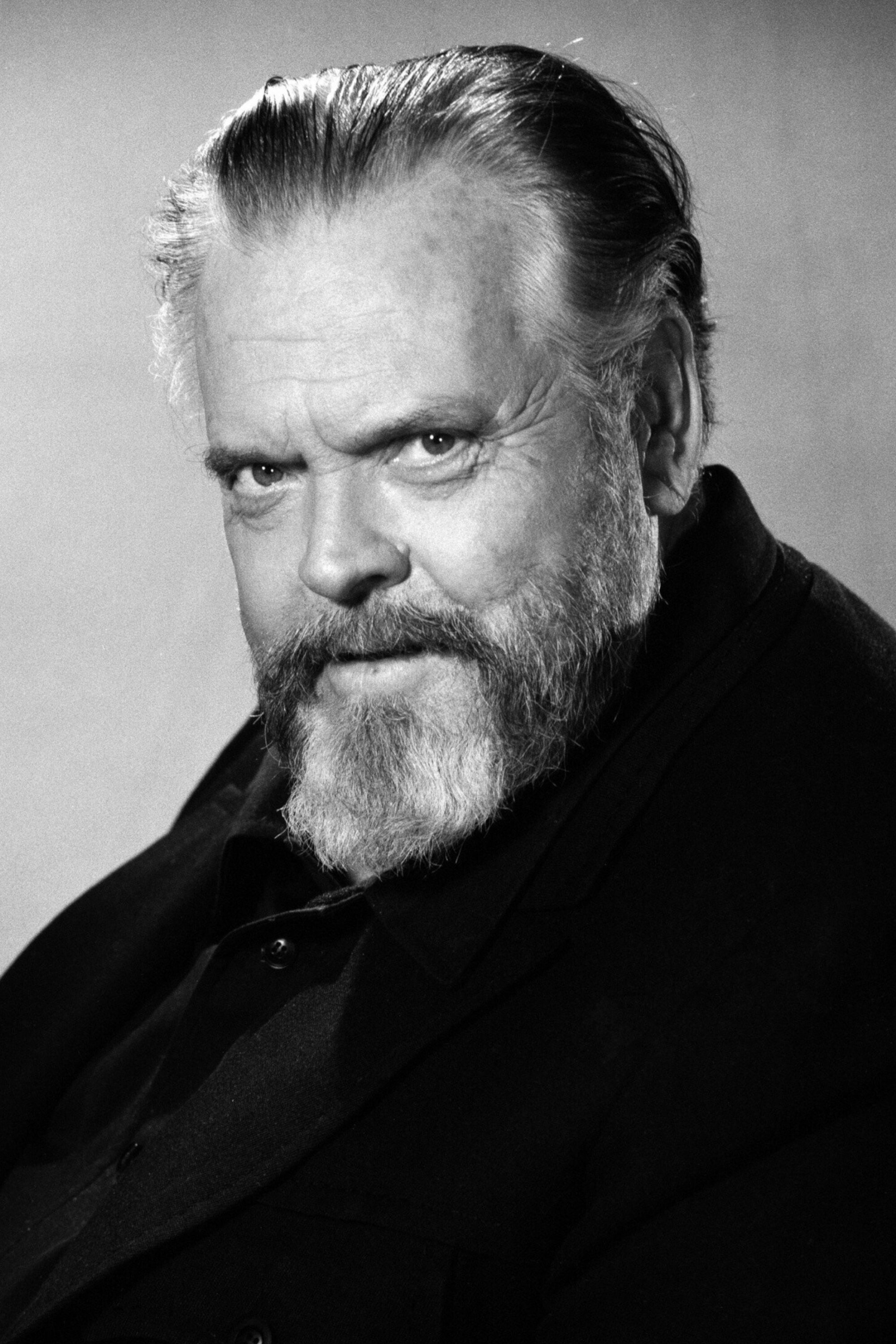
‘Citizen Kane,’ created by Orson Welles, is often considered the best film of all time and is a common subject in film studies. Welles revolutionized filmmaking with his innovative use of deep focus, influencing how directors plan scenes and create visual depth. Film students analyze his work—particularly his move from radio to film—to learn how techniques like sound bridges and overlapping dialogue can control the speed and flow of a story. Welles demonstrated that a strong, unique vision from a director could overcome the limitations of the traditional Hollywood studio system.
Marlon Brando
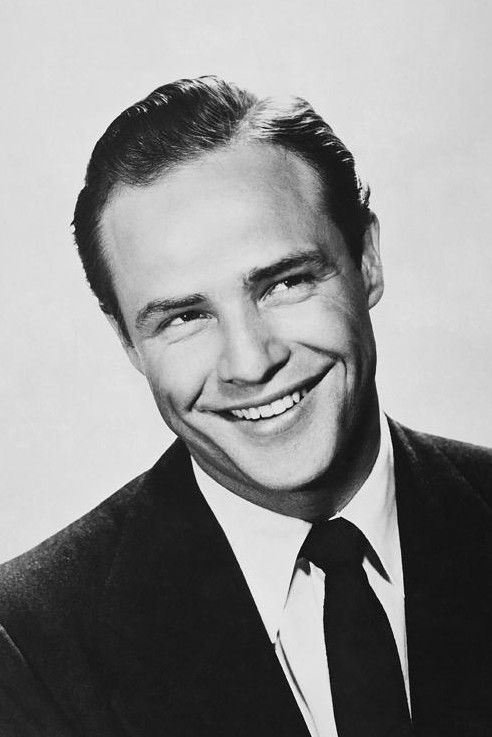
As a film buff, I’ve always been fascinated by Marlon Brando. He completely changed how actors approached their craft, bringing a real, natural style to Hollywood – he really popularized that whole ‘method acting’ thing. Before him, everything felt a bit stagey, but in films like ‘A Streetcar Named Desire’, he felt so incredibly authentic. Even now, acting teachers break down his work, analyzing how he could communicate so much emotion with just a look or a quiet mumble. Honestly, he set the standard for truly believable and emotionally honest performances – he’s still the actor everyone tries to measure up to.
Akira Kurosawa
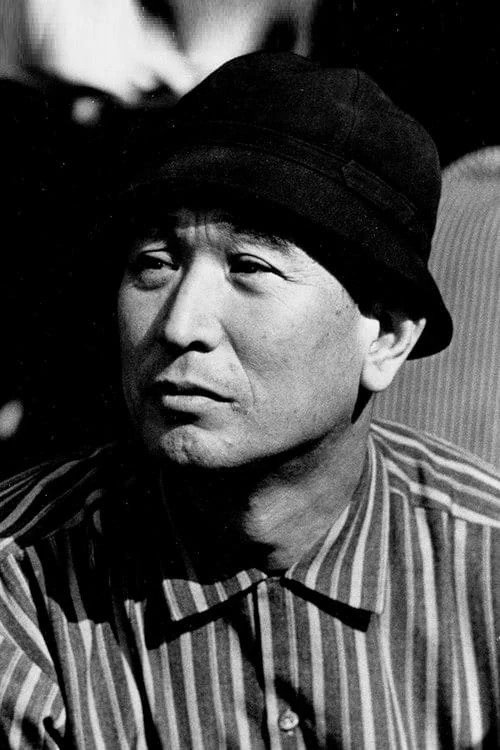
Akira Kurosawa is a vital figure in film education because of his innovative editing and skillful use of camera movement. Film students often study ‘Seven Samurai’ to understand how he directed large groups of actors and exciting action scenes so smoothly. His film ‘Rashomon’ popularized the idea of subjective truth and storytelling through untrustworthy narrators. Kurosawa uniquely blended Western filmmaking techniques with classic Japanese artistic traditions.
Charlie Chaplin
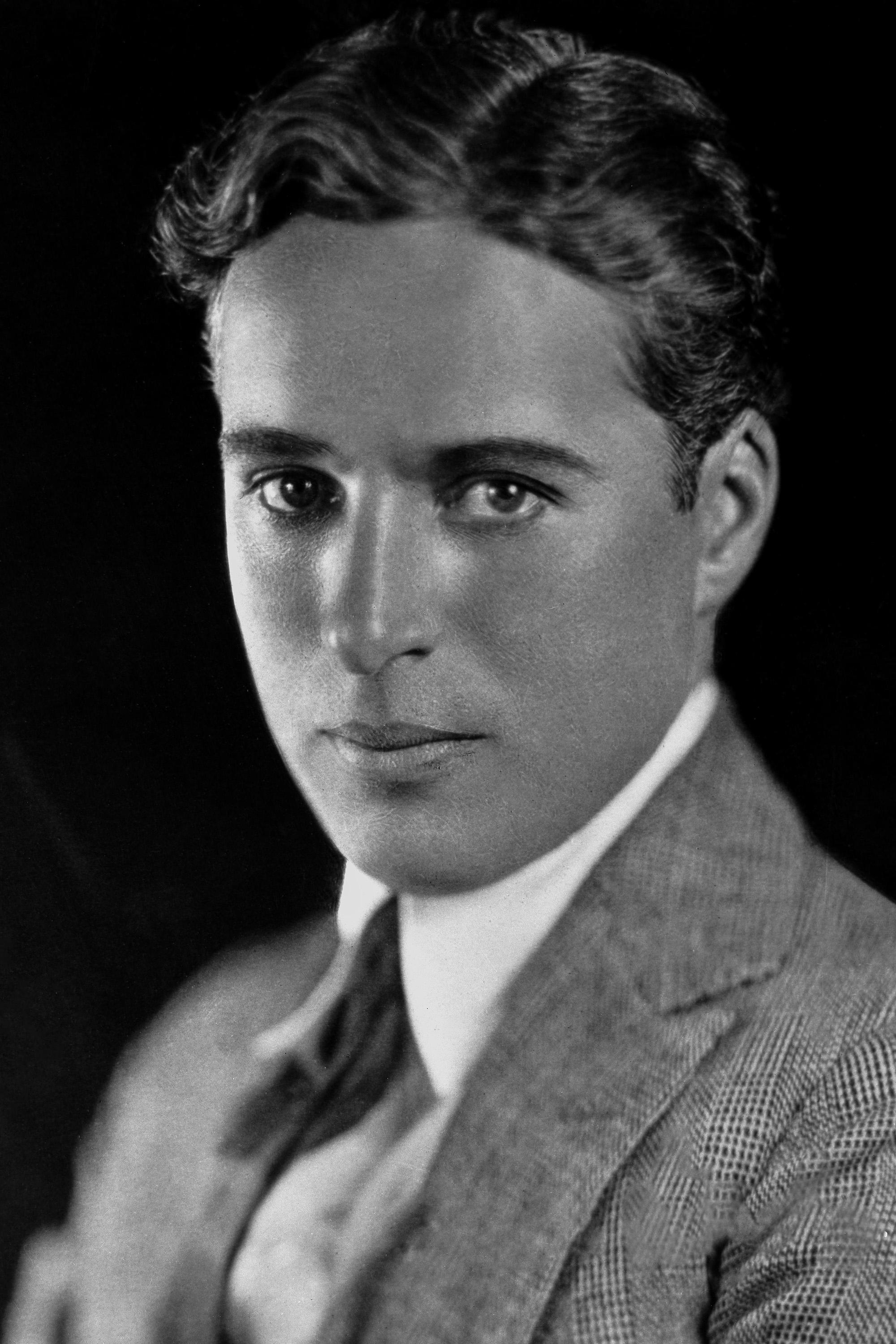
Charlie Chaplin is a perfect example of masterful physical comedy and how movies changed from silent films to talkies. Through his famous ‘Tramp’ character, he cleverly used gestures and visual humor to comment on issues like poverty and the rise of factories. Film students often study ‘City Lights’ to see how a movie can be both funny and deeply moving. Chaplin was also a true pioneer, maintaining full control over his films and proving the power of a director’s vision long before people even had a name for it.
Marilyn Monroe
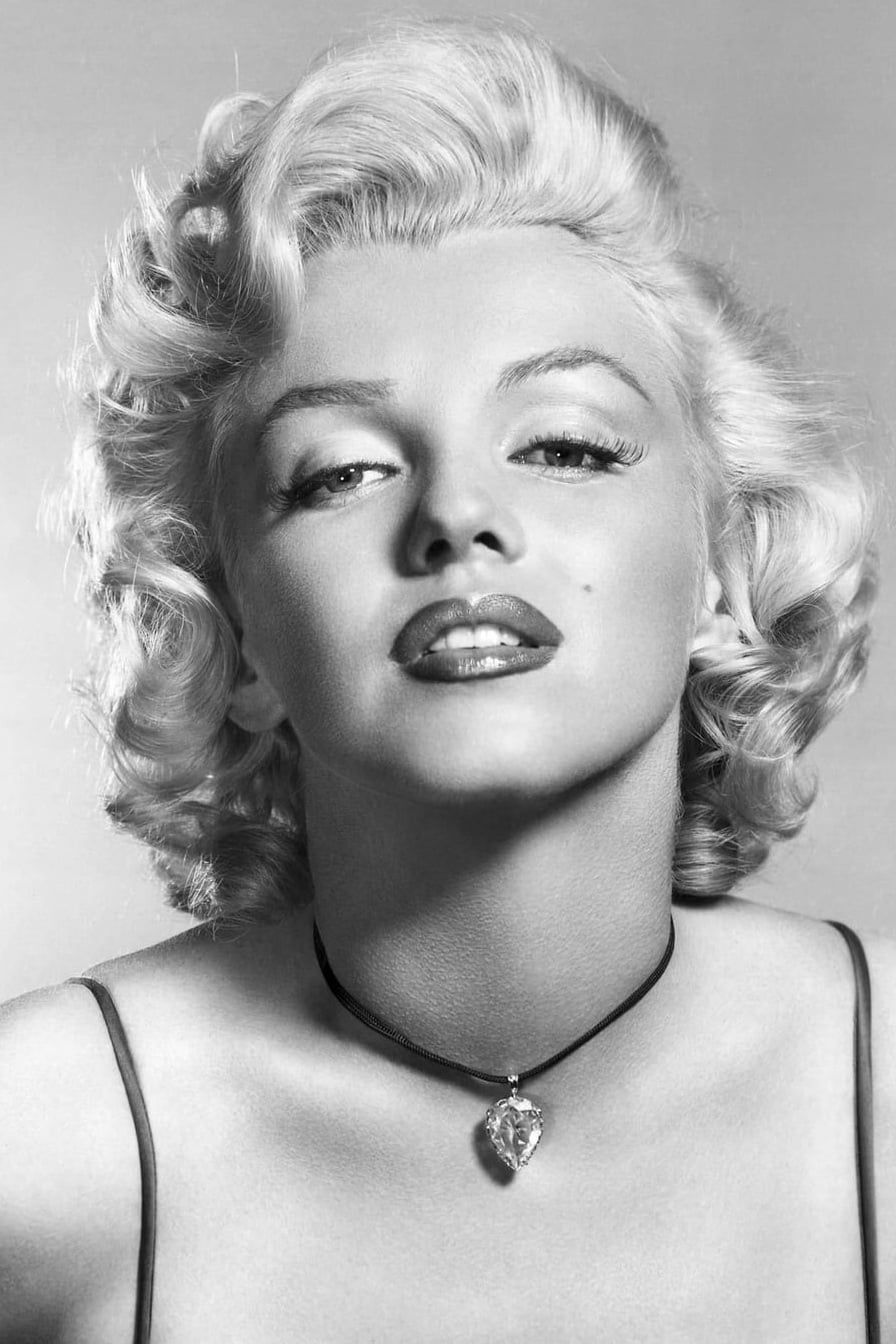
I’ve always been fascinated by Marilyn Monroe, and it’s amazing to see how much thought goes into understanding her. It’s not just about her beauty; people are really looking at how she created her public image and how she became such a huge icon. When I watch movies like ‘Some Like It Hot,’ I’m struck by how funny she was – it’s a side of her that I don’t think everyone fully appreciated when she was alive. What’s really interesting is how scholars are analyzing the pressures she faced as a woman in Hollywood during the 1950s, and how she dealt with being constantly watched and, frankly, exploited. She was so much more than just a ‘blonde bombshell’ – she was a really complex person, and her story really shows you how difficult and strange fame can be.
Ingmar Bergman
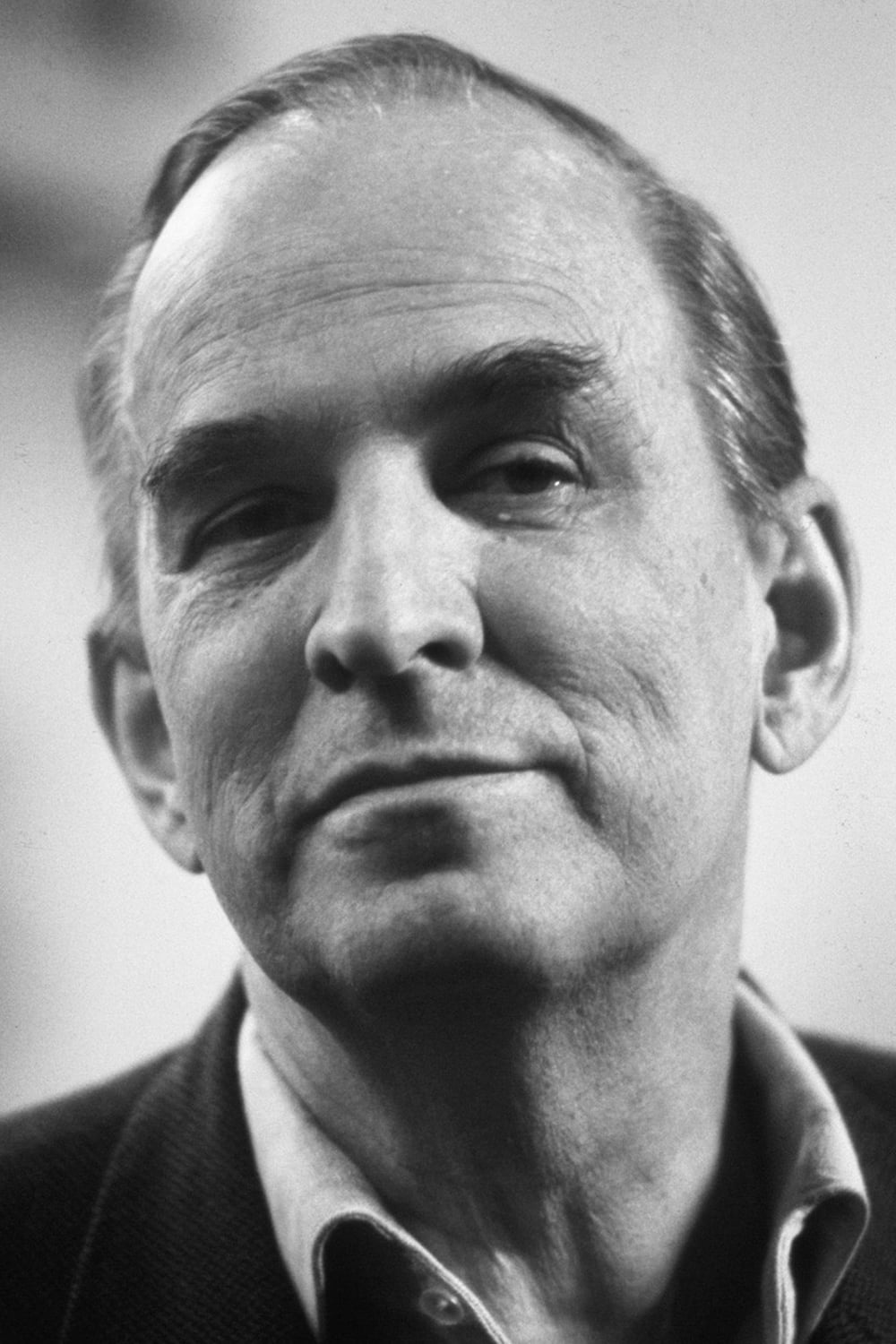
Ingmar Bergman is a key filmmaker studied in courses on existentialism and the philosophy of religion. Students often analyze his film ‘The Seventh Seal,’ interpreting its rich symbolism and how it explores themes of death and faith. His partnership with cinematographer Sven Nykvist produced striking close-up shots, famous for their lighting and emotional impact. Through film, Bergman deeply explored the inner lives and psychology of his characters.
James Dean
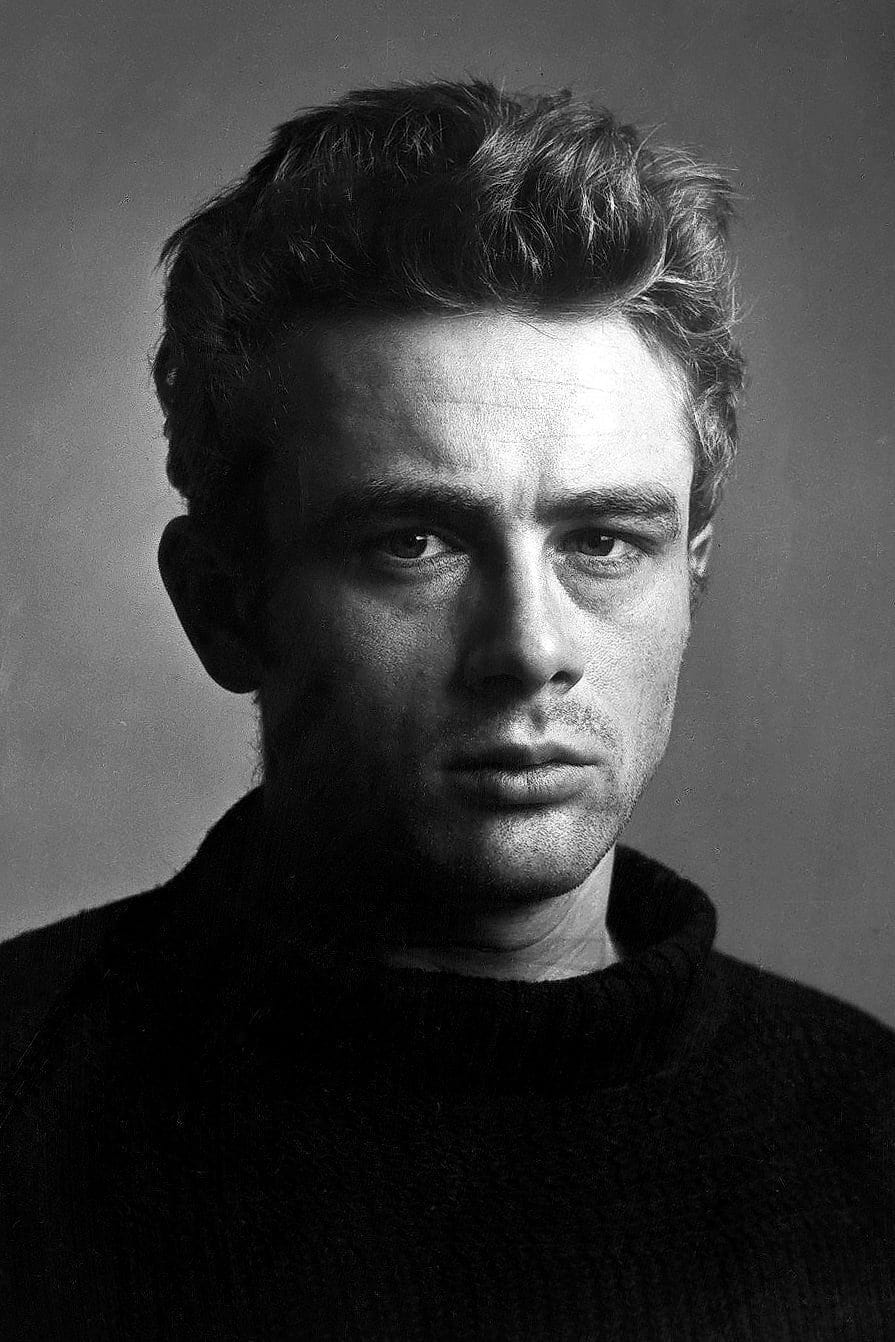
As a film buff, I’ve always been fascinated by James Dean. He really embodies that cultural shift happening in the 50s, and he basically created the idea of the rebellious teenager we still see in movies today. Everyone talks about ‘Rebel Without a Cause’ – and for good reason! It’s just so raw and honest, perfectly capturing the frustration and uncertainty of an entire generation. I know a lot of actors study his work, and it’s easy to see why. He was a master of improvisation and could convey so much emotion just through his movements and expressions. It’s a shame his career was cut short, but his impact on how we portray young men on screen is still huge.
Federico Fellini
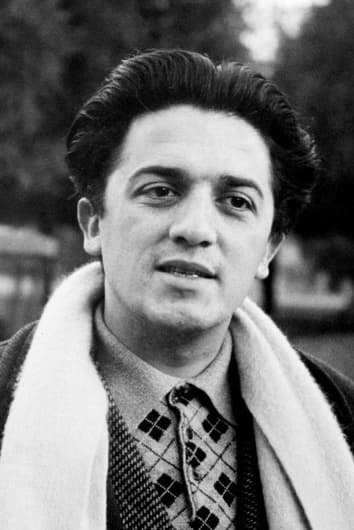
Federico Fellini is famous for his distinctive filmmaking style, often called ‘Felliniesque,’ which mixes personal memories, dreamlike imagery, and themes of sexuality. His film ‘8½’ is often shown as a prime example of meta-cinema – films about filmmaking – and how stories don’t always need to follow a traditional plot. Experts note how Fellini moved away from the realistic style of earlier Italian Neorealism, embracing a more fantastical and visually elaborate approach. He found beauty in both the strange and the wonderful, and his films often feel like a vibrant, theatrical circus.
Jean-Luc Godard
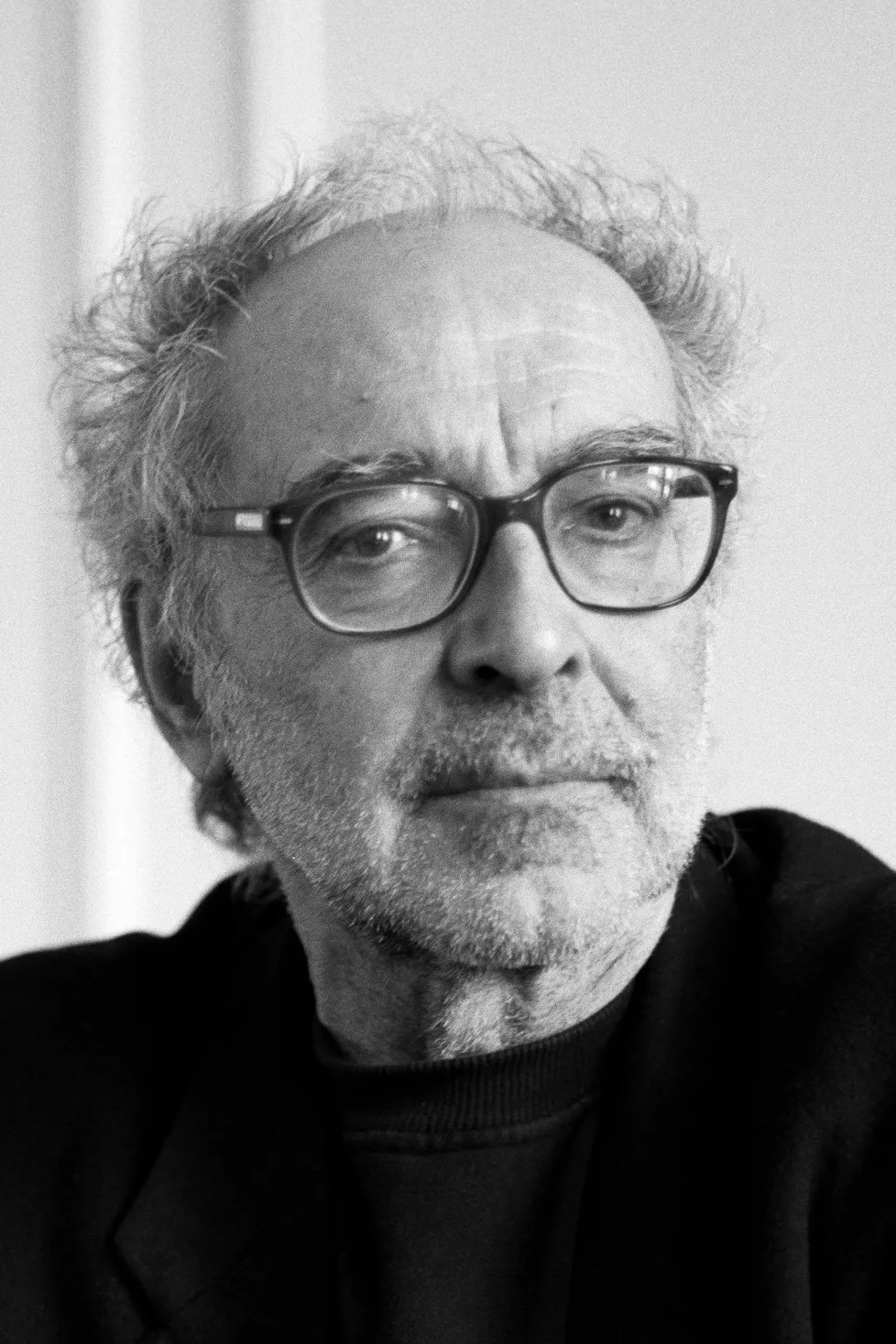
Jean-Luc Godard was a leading figure in the French New Wave, known for radically changing how films were made. His 1960 film ‘Breathless’ famously used jump cuts, breaking traditional editing rules and becoming a key example studied in film schools. Godard saw filmmaking as a way to explore ideas and express political views, not just to entertain. His movies encourage viewers to think critically about how films are constructed and how images and sound work together.
Humphrey Bogart
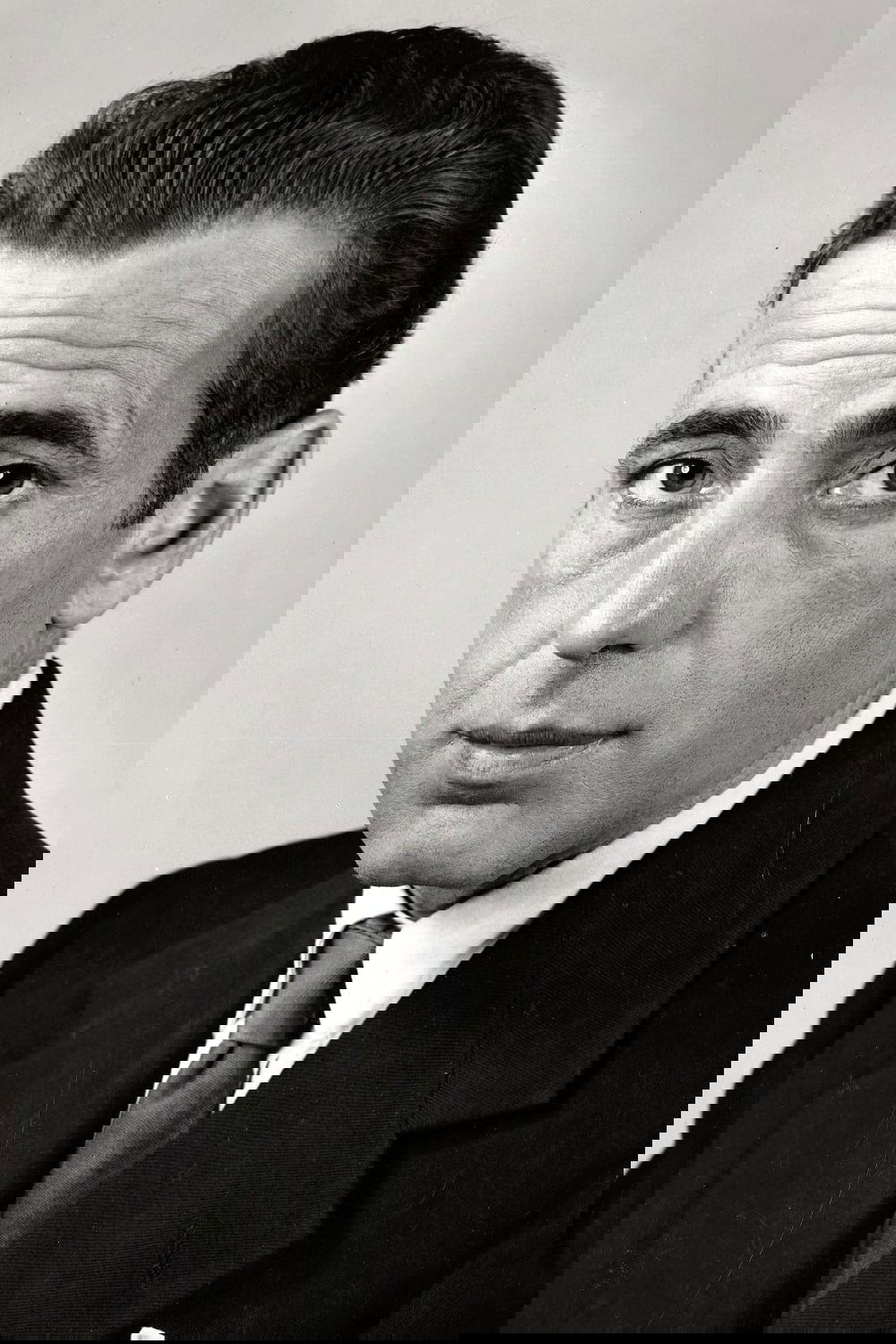
Humphrey Bogart became the standard for film noir heroes, playing world-weary but ultimately decent private detectives and complex characters. His performance in ‘Casablanca’ is famous for its subtle romance and helped create the image of the strong, silent type. Film students analyze his unique voice and how he could dominate a scene despite not fitting the typical handsome leading man mold. Bogart embodies the classic Hollywood era of actors who broke free from being typecast and became enduring icons.
Katharine Hepburn
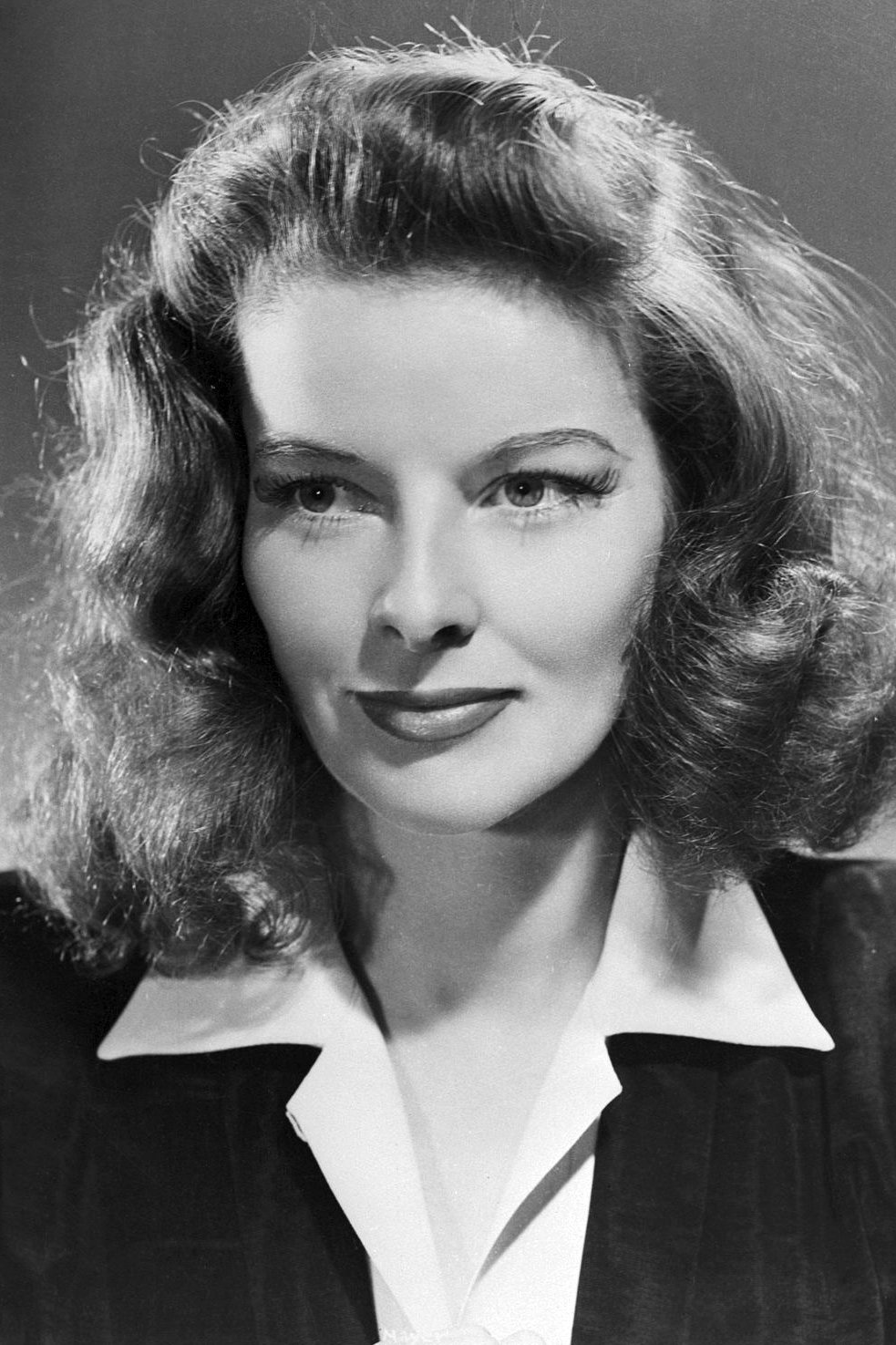
Katharine Hepburn is remembered as a groundbreaking actress known for her strong personality and talent in comedic roles. Her fast-paced conversations and playful connection with Cary Grant in the film ‘Bringing Up Baby’ are still studied today. She was ahead of her time, breaking traditional expectations for women by choosing practical clothing and portraying intelligent characters. Hepburn also holds the record for the most Oscar wins for acting and enjoyed a remarkably long and successful career.
Sidney Poitier
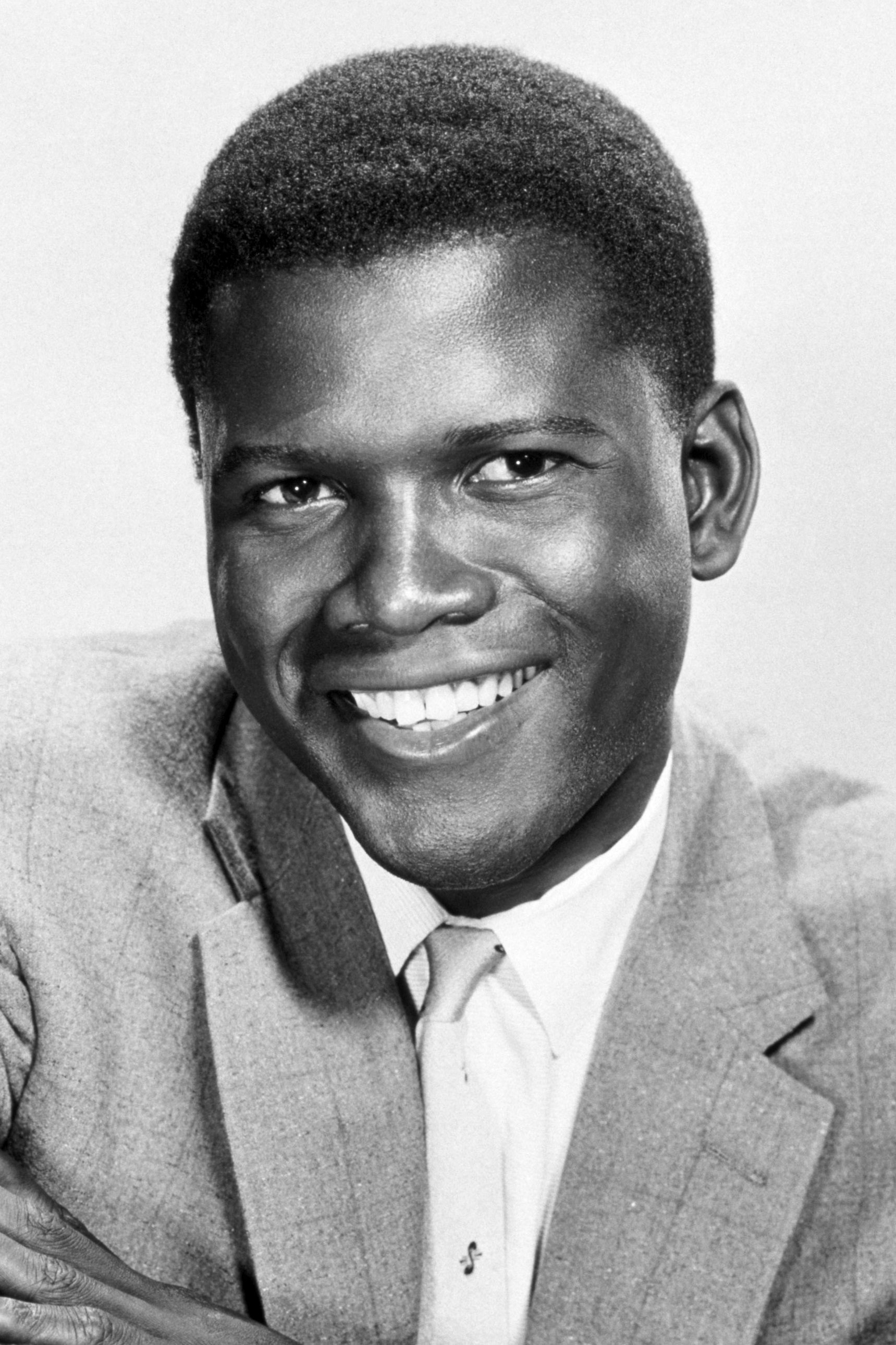
Sidney Poitier is a key figure when studying race and Hollywood, particularly during the Civil Rights era. His powerful and respectful performances, such as in ‘In the Heat of the Night,’ helped open doors for Black actors to take on leading roles. Experts often analyze the pressure Poitier faced as a groundbreaking actor and how his characters pushed boundaries for white viewers. Beyond acting, Poitier leveraged his fame to advocate for equality and inspire future Black artists.
François Truffaut
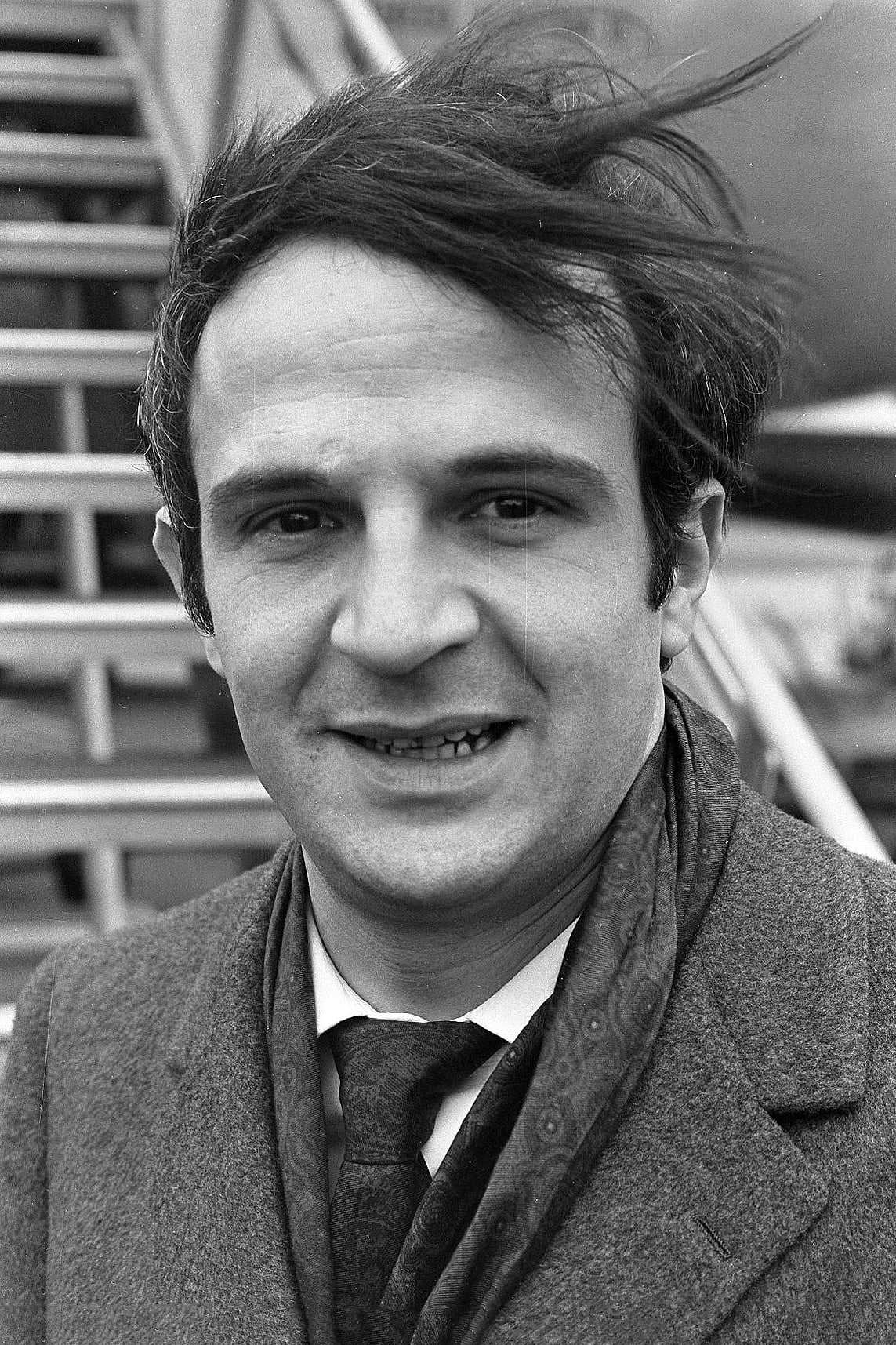
François Truffaut was a leading figure in developing the Auteur Theory, which argues that a film’s director is its primary author. His first film, ‘The 400 Blows,’ demonstrates his move from writing about movies to making them, and how he used elements of his own life in his work. Truffaut blended his passion for American genre films with a uniquely French sensitivity and poetic style. His writings about cinema still shape how film is studied and understood today.
Buster Keaton
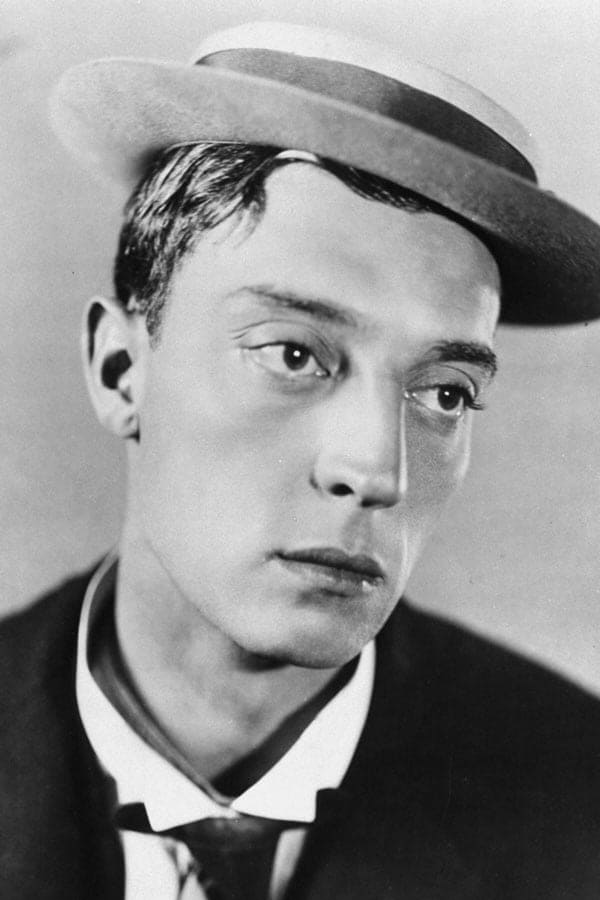
Buster Keaton is considered one of the great comedic geniuses of the silent film era, alongside Charlie Chaplin. He was known for his incredibly daring stunts and a famously deadpan, emotionless expression. His film ‘The General’ is particularly impressive, offering complex practical effects and action sequences that students of engineering and physics could even learn from today. Keaton was a master of visual comedy, performing all his own stunts without relying on special effects, and his innovative use of framing and composition was remarkably modern for his time.
John Ford
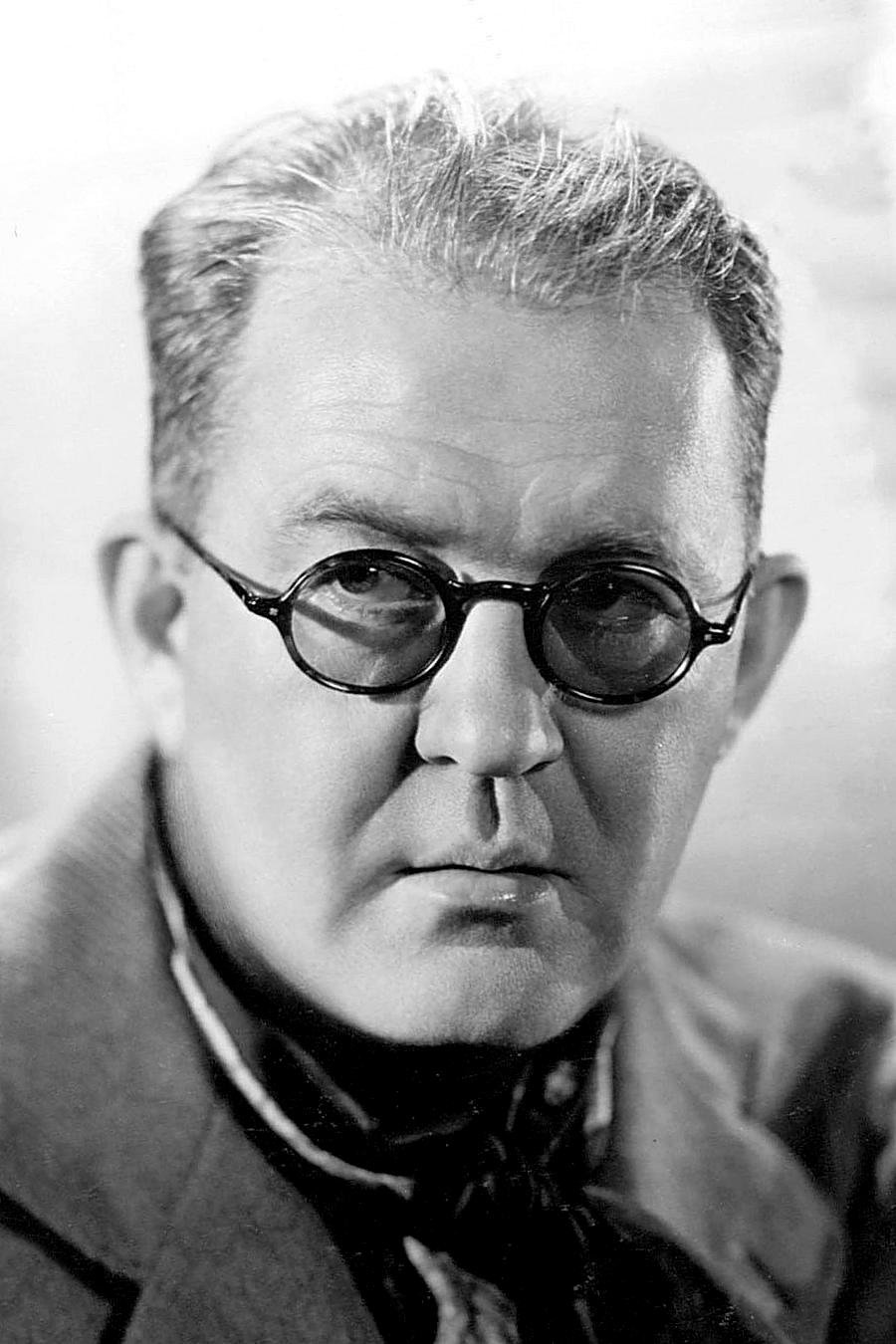
John Ford is considered the most important director of American Westerns, and he was also a skilled photographer of landscapes. His iconic use of Monument Valley in the film ‘The Searchers’ shaped how we imagine the American West, and it remains a key topic for film scholars. Students of filmmaking still study his careful composition and how he used wide shots to emphasize characters’ loneliness. Ford’s distinctive visual style has inspired filmmakers from around the world, including Akira Kurosawa and Steven Spielberg.
Sergei Eisenstein
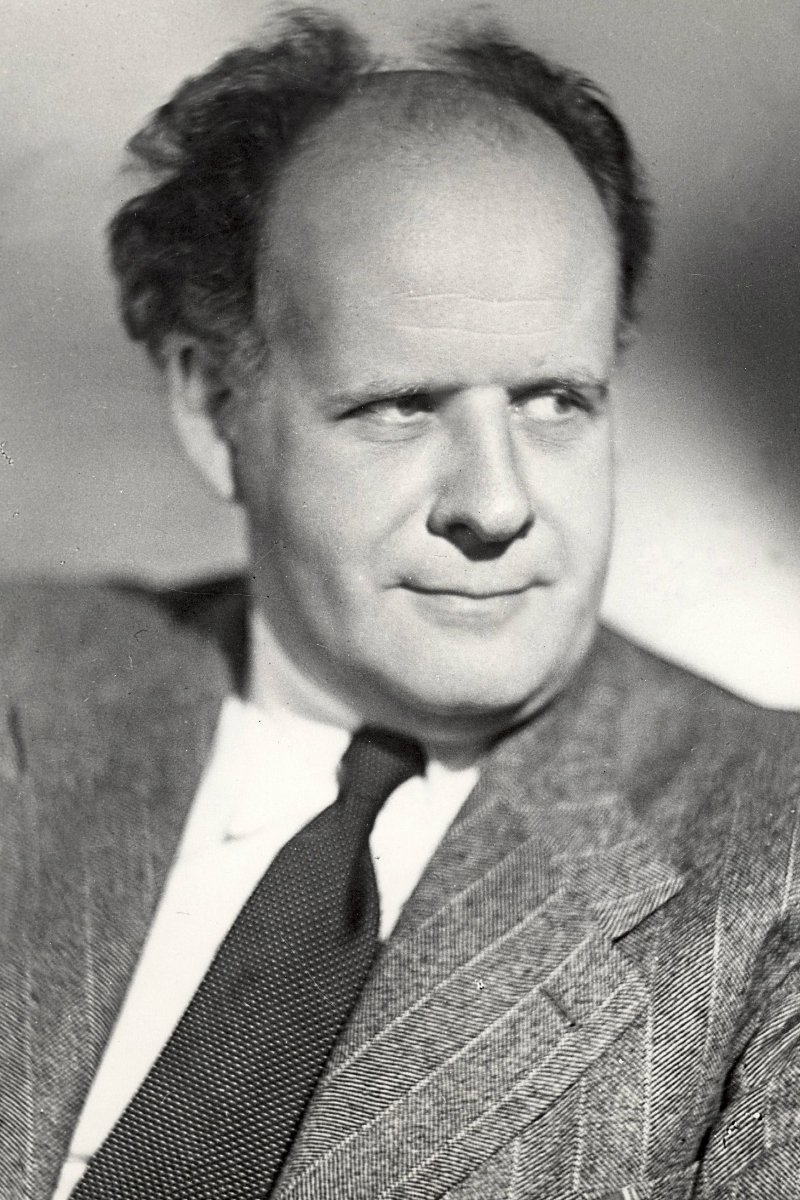
As a total film buff, I’ve spent a lot of time studying Sergei Eisenstein. He’s essential to understanding how movies really work, especially because of his idea of ‘intellectual montage.’ We all analyze the famous Odessa Steps scene from ‘Battleship Potemkin’ – it’s a perfect example of how clashing images can build powerful emotions and even convey a political message. Honestly, his writings on how editing works – how putting shots together creates meaning – are still the foundation for how editors think today. Eisenstein really believed film could spark change, and he proved just how much power a simple cut can have on a viewer’s mind.
Billy Wilder
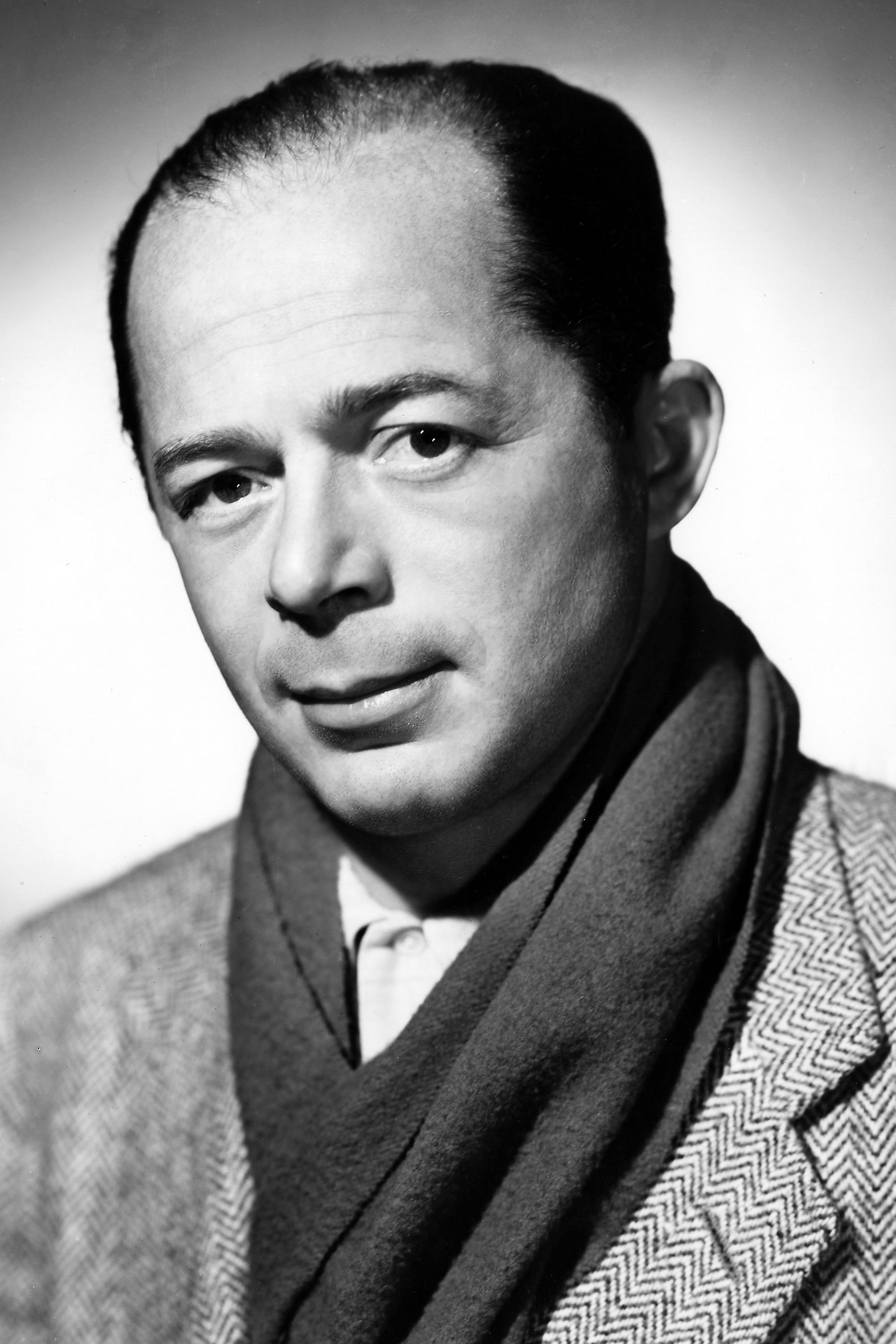
Billy Wilder was a remarkably versatile filmmaker, known for his skill in genres like film noir, comedy, and serious drama. Film students often study his movie ‘The Apartment’ as a prime example of strong storytelling, well-developed characters, and the effective blend of funny and moving moments. ‘Sunset Boulevard’ showcases his clever, biting humor and realistic dialogue, offering a critical perspective on the world of Hollywood. Wilder was also adept at working within the strict rules of censorship, allowing him to explore mature themes in a smart and sophisticated way.
Andrei Tarkovsky
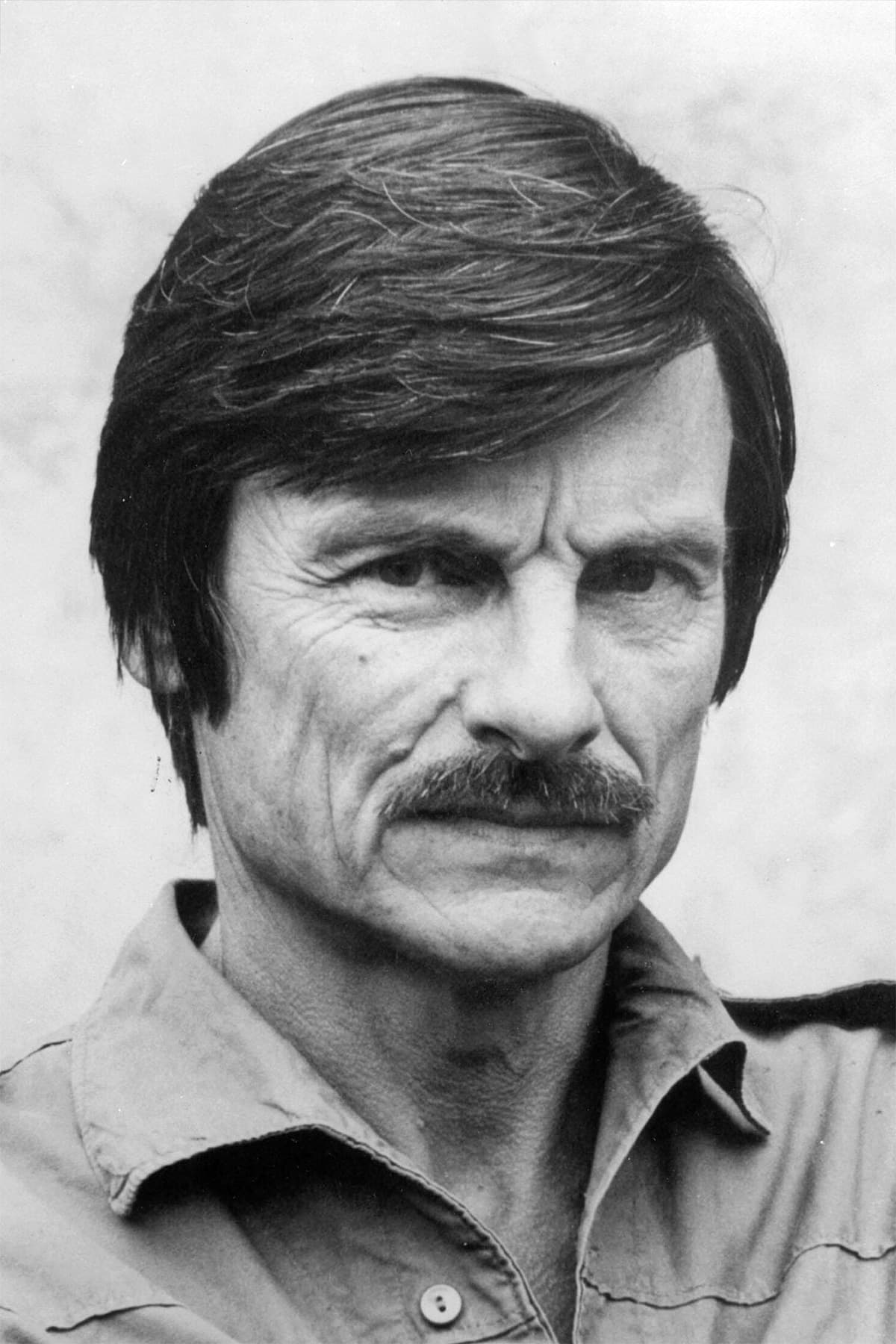
Andrei Tarkovsky is widely considered the most important director in the development of ‘slow cinema,’ known for its deliberate pacing and focus on time. His film ‘Stalker’ is often studied for its extended shots and its thoughtful examination of what drives us – our hopes, beliefs, and spiritual longings. Tarkovsky moved away from quick cuts and editing, choosing instead to capture the natural flow of life in unbroken scenes. He believed film could be a truly artistic form, capable of conveying deep emotions and ideas that are difficult to put into words.
Judy Garland
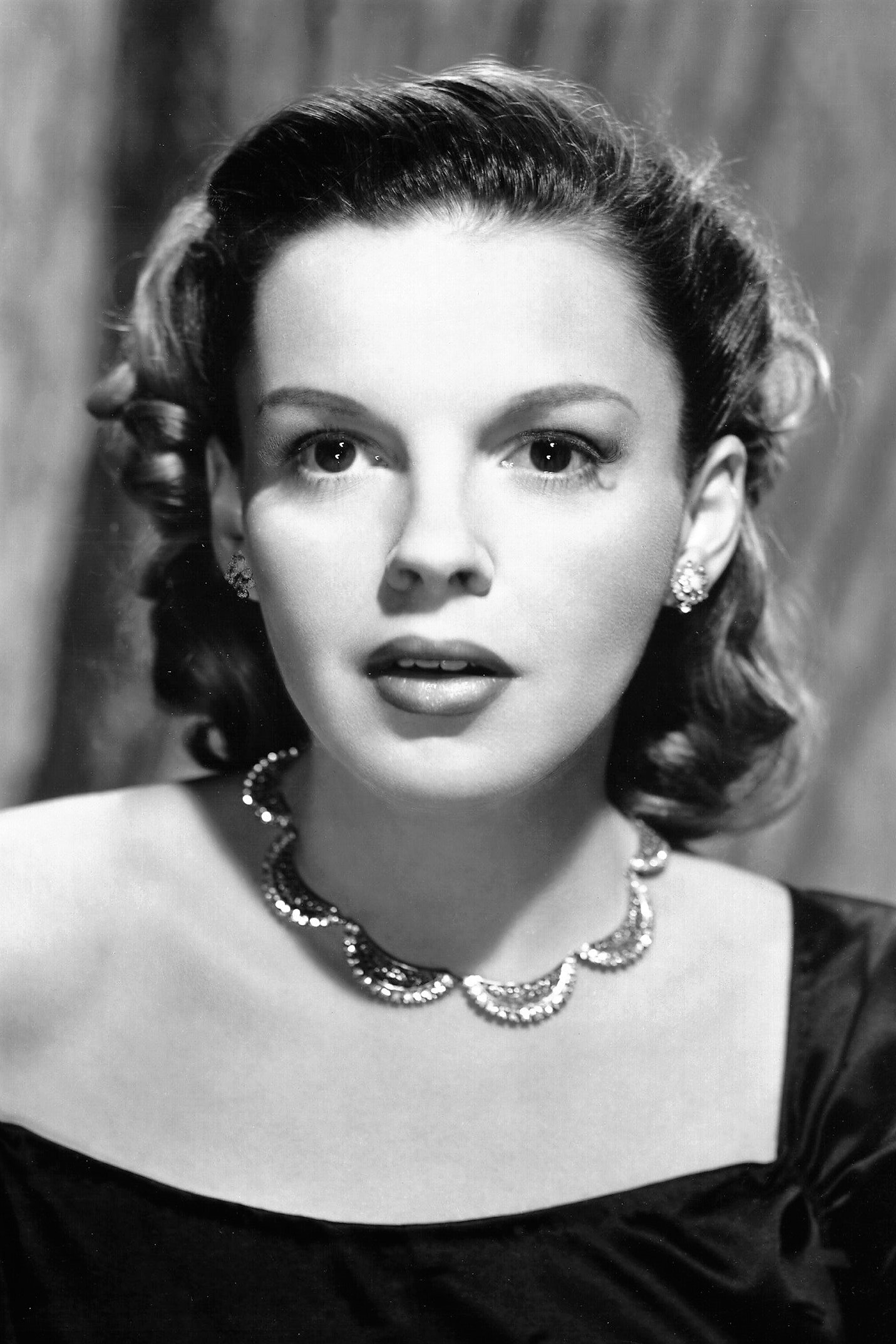
Judy Garland is central to discussions about classic Hollywood musicals and the difficult experiences of young performers. Her famous role in ‘The Wizard of Oz’ isn’t just known for her singing, but for how she brought real feeling to a fantastical story. Scholars often look at her life to understand how the studio system took advantage of talented people. Garland continues to be the ultimate example of a performer who excelled at singing, dancing, and acting.
Heath Ledger
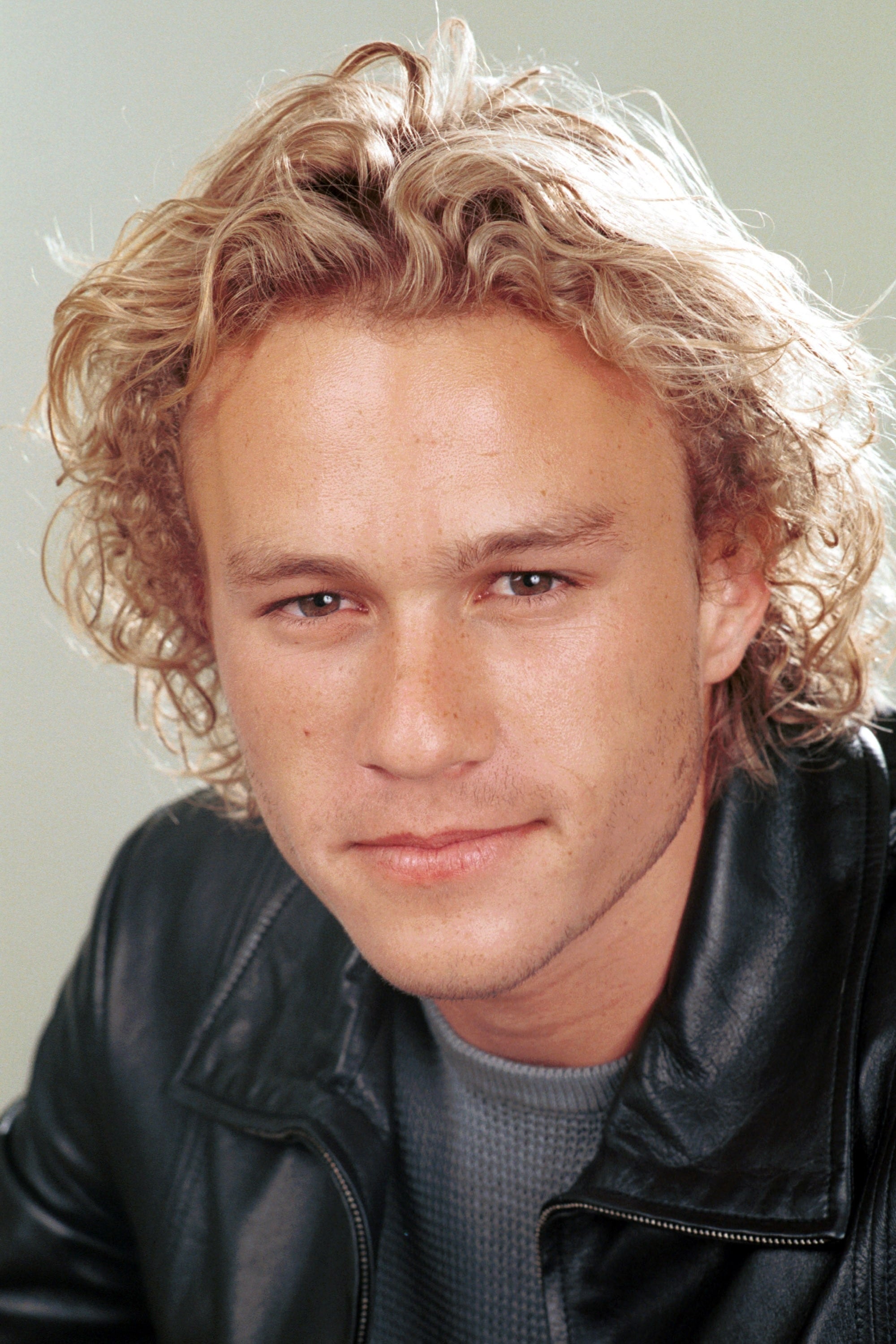
Heath Ledger is often used as a prime example in acting classes to illustrate complete dedication to a role and believable character work. His performance as the Joker in ‘The Dark Knight’ is carefully studied, with instructors and students analyzing his voice, movements, and the complex psychology he brought to the character. Actors learn from how completely he transformed himself for diverse roles, from charming romantic leads to troubled addicts. The Oscar he received after his death underscored just how much intensity and commitment great acting demands.
Bette Davis

Bette Davis was known for taking on complex, often unlikeable characters at a time when audiences expected glamorous stars. Her work in films like ‘All About Eve’ showcased her talent for sharp, witty lines and portraying a sense of dominance. Film scholars interested in feminism have noted her battles with studio executives to secure stronger roles and control over her own career. Davis’s energetic and intense performances helped to redefine acting for a new generation.
Agnès Varda
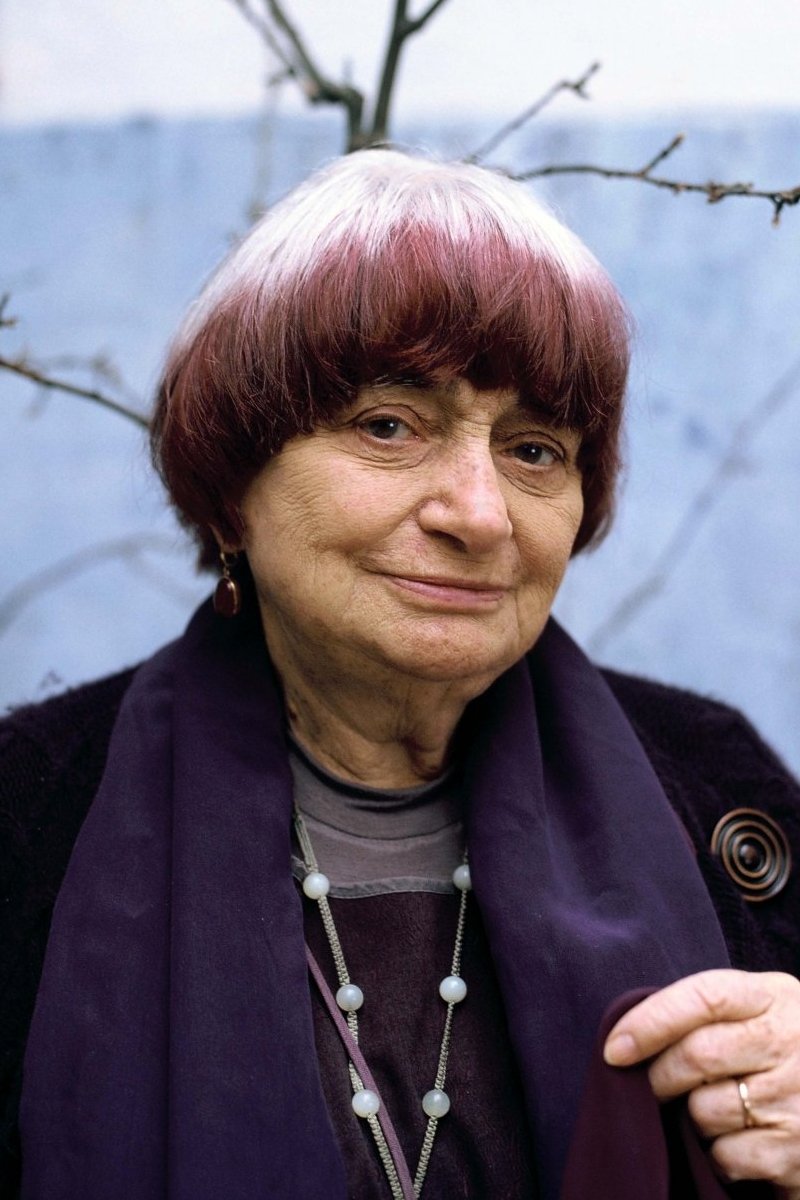
Agnès Varda is a highly influential filmmaker, often considered a pioneer of the French New Wave and a key figure in both feminist film and the art of documentary. Her film ‘Cléo from 5 to 7’ is well-known for telling a story in real-time and for its insightful look at a woman’s inner experience. Varda was famous for blending fictional storytelling with documentary techniques, creating a strikingly realistic style. She often focused on the lives of people who were overlooked and the small, everyday moments that others missed.
Fritz Lang
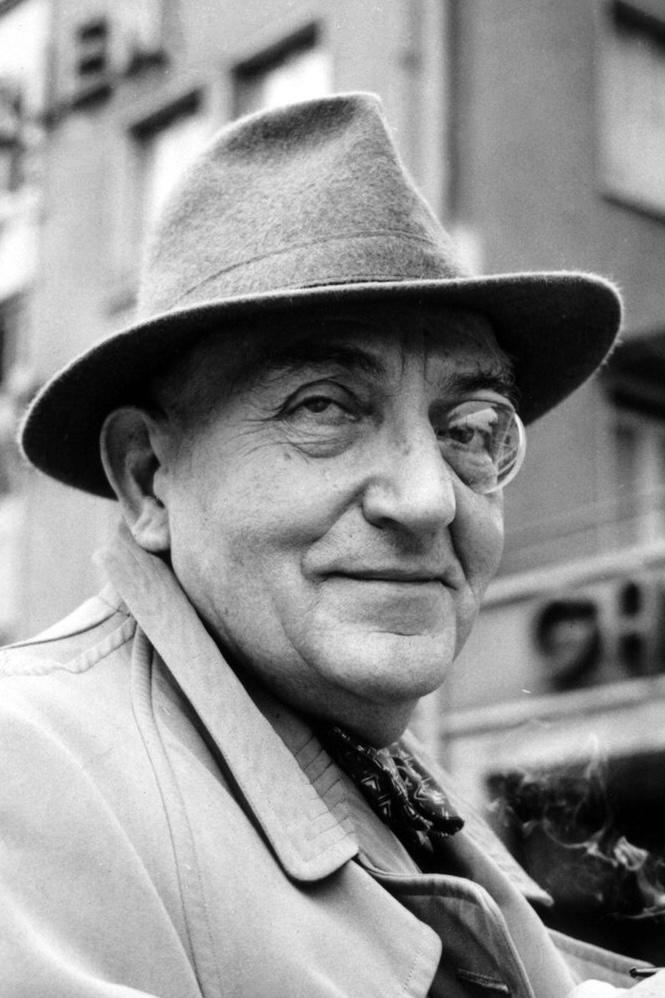
Fritz Lang was a hugely influential director associated with the German Expressionist movement and considered a key influence on film noir. His film ‘Metropolis’ is still studied today in architecture and film design courses for its incredible, futuristic cityscapes and massive sets. Lang was known for his dramatic use of shadows and geometric shapes, which became hallmarks of the thriller genre. He skillfully moved from making silent films to talkies, all while keeping his signature style of dark, pessimistic storytelling.
Yasujirō Ozu
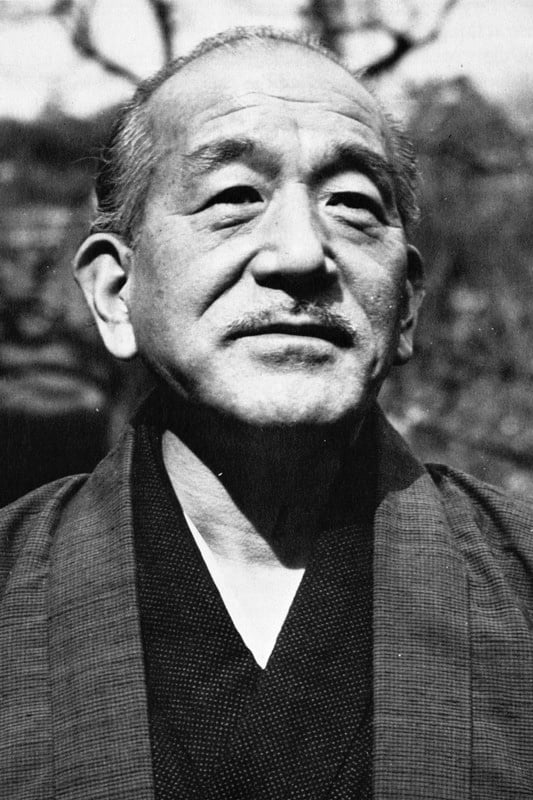
Yasujirō Ozu is a celebrated filmmaker, particularly in film schools, known for his unique visual style, most notably the ‘tatami shot.’ Film students often analyze his film ‘Tokyo Story’ to learn how he used low camera angles and broke traditional filmmaking rules. His use of scenic ‘pillow shots’ – brief landscape scenes – are also studied for their ability to establish setting and convey the passage of time. Ozu’s films primarily focused on the everyday lives and quiet dramas of Japanese families, observed with a subtle and perceptive eye.
Robert Altman
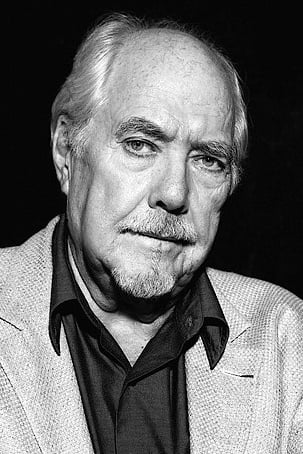
Robert Altman broke from typical Hollywood filmmaking by using overlapping conversations and featuring many characters. The film ‘Nashville’ demonstrates how he told stories through multiple interconnected plots, without relying on a single main character. Sound professionals still study his pioneering use of recording many audio tracks at once on location to achieve realistic dialogue. Altman also liked to take apart classic film genres, like Westerns and noir, to reveal underlying truths and challenge common ideas about American culture.
Laurence Olivier
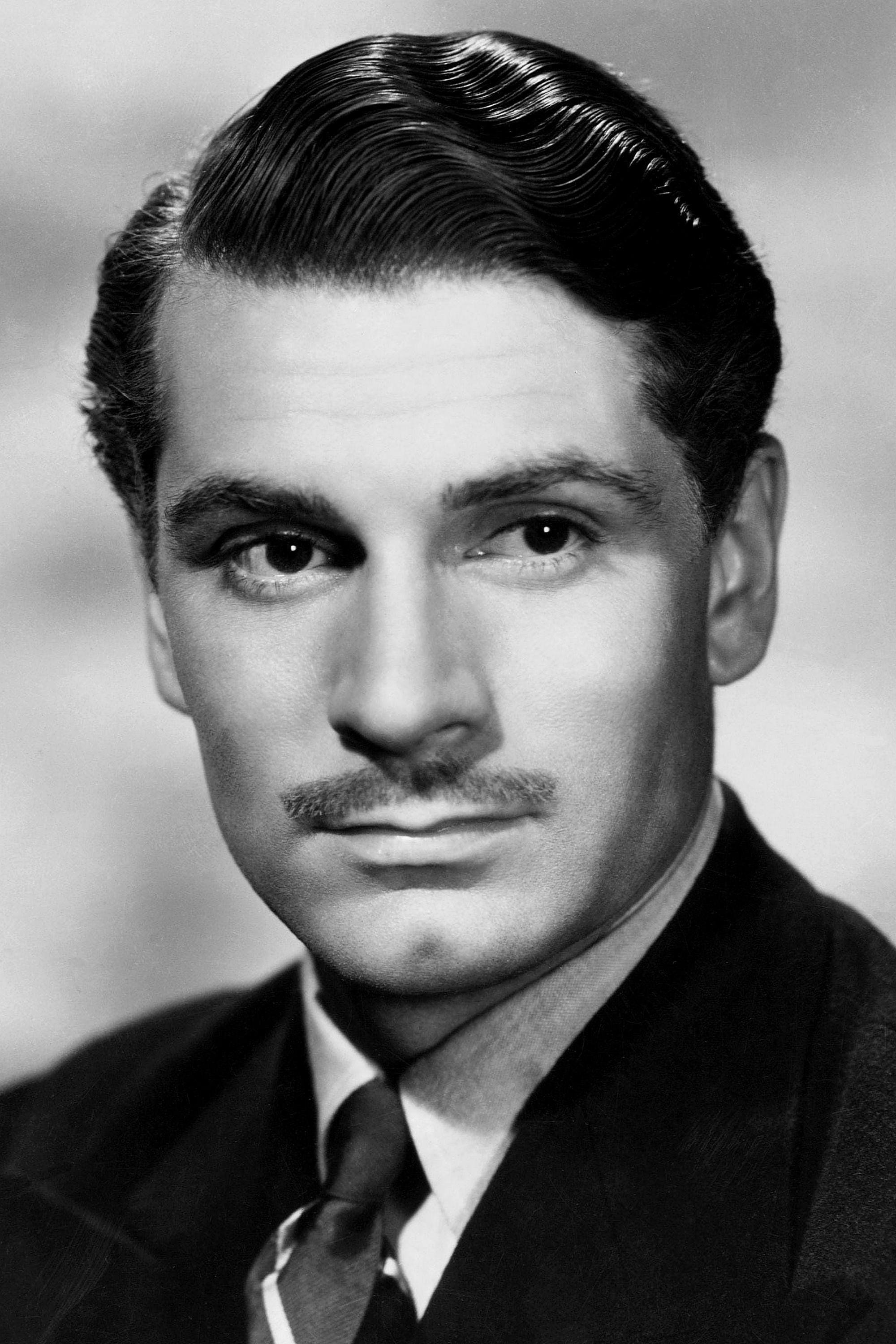
Laurence Olivier is often hailed as the most important classical actor of the 20th century, and he played a key role in adapting Shakespeare for film. His film version of ‘Hamlet,’ both directed and starring him, is famous for its dark, atmospheric look and deep exploration of the characters’ minds. Actors still study his methods today, which involved changing physical appearance to better understand and portray a character’s inner life. Olivier was remarkably skilled at transitioning between performing on stage and acting for the close-up of the camera.
Joan Crawford
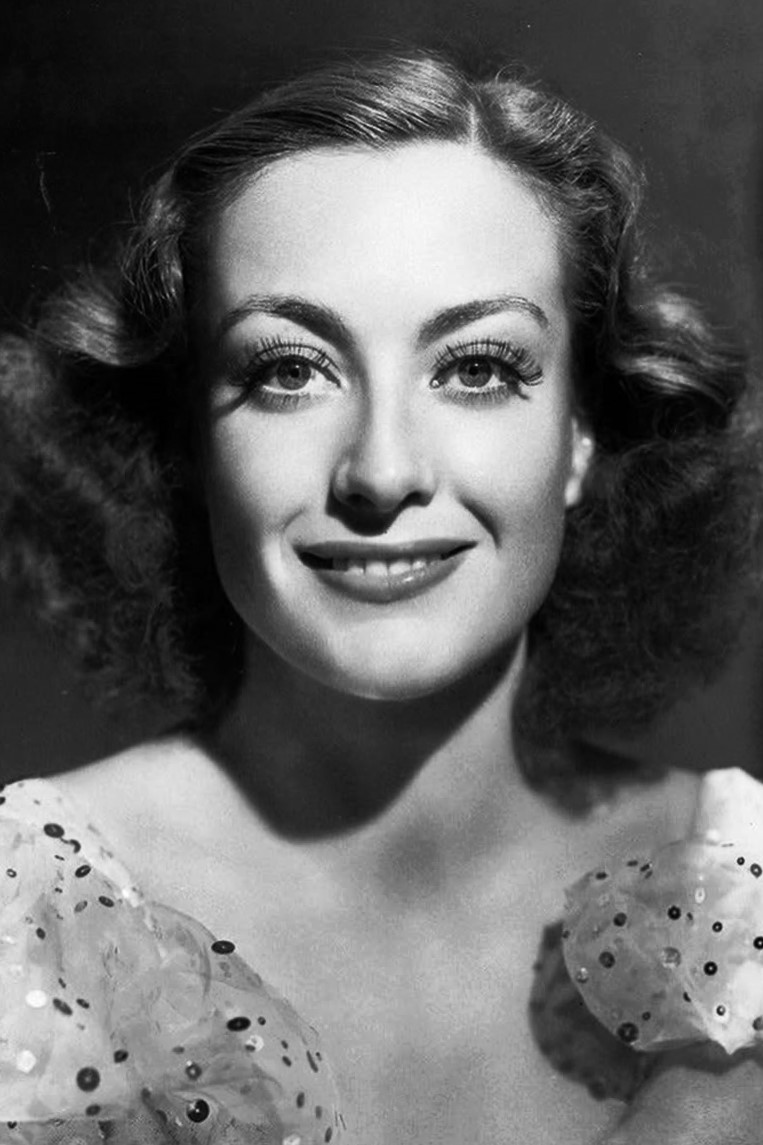
Joan Crawford perfectly illustrates a star who continually changed her image to remain popular as the movie industry evolved. Her award-winning performance in ‘Mildred Pierce’ is crucial for understanding the style of film noir melodramas. Researchers study the careful image she created and the dedication she showed to maintain her fame. Crawford truly represented the strength and drive needed to succeed during Hollywood’s golden era.
Philip Seymour Hoffman
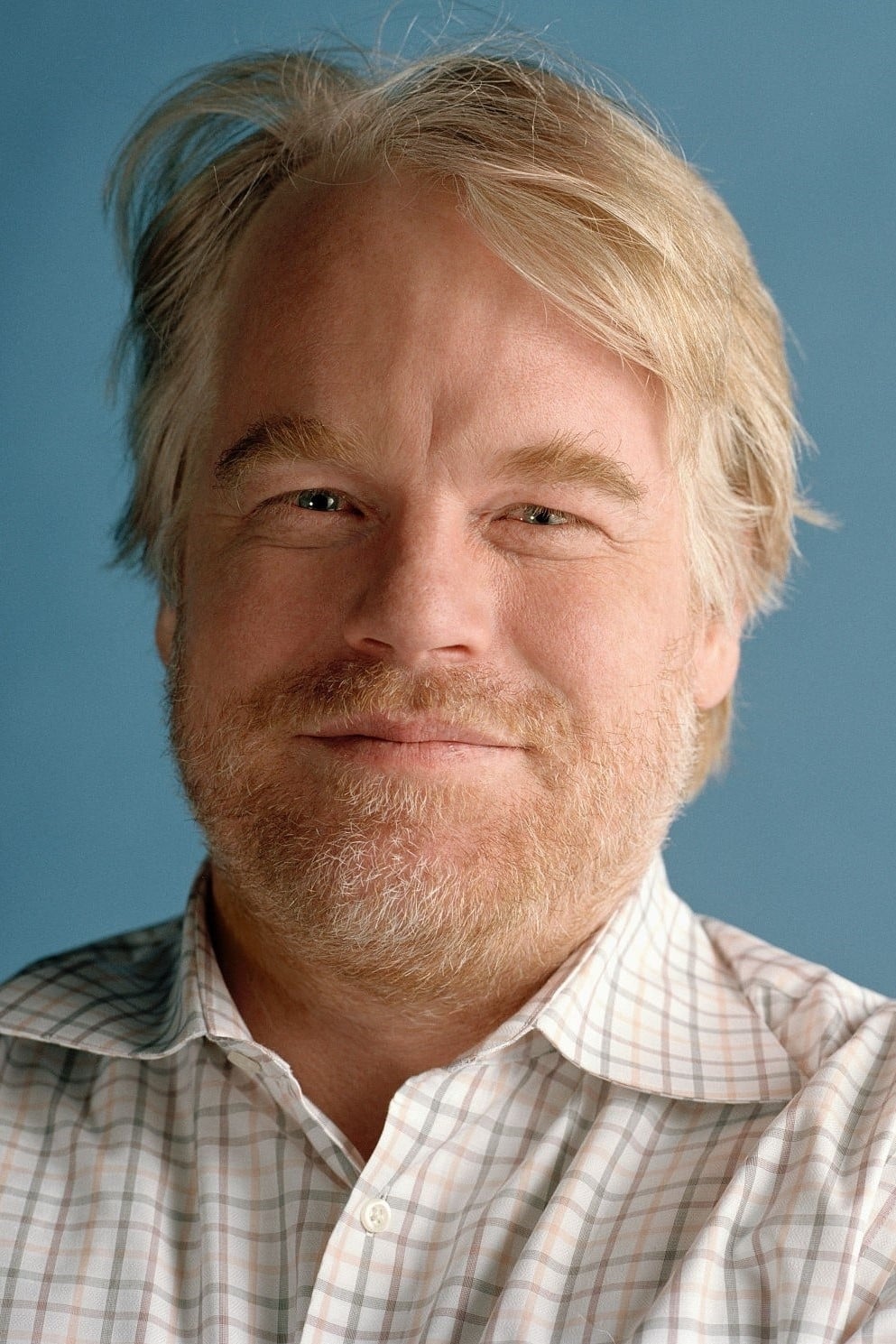
Philip Seymour Hoffman is widely considered one of the most talented and admired character actors of his time. He’s particularly known for his performance in ‘Capote,’ where he meticulously imitated Truman Capote’s voice and mannerisms without resorting to exaggeration. Actors often study his work as a masterclass in portraying complex and even flawed characters with depth and understanding. Hoffman proved that even supporting roles can be incredibly powerful with skillful acting.
Bruce Lee
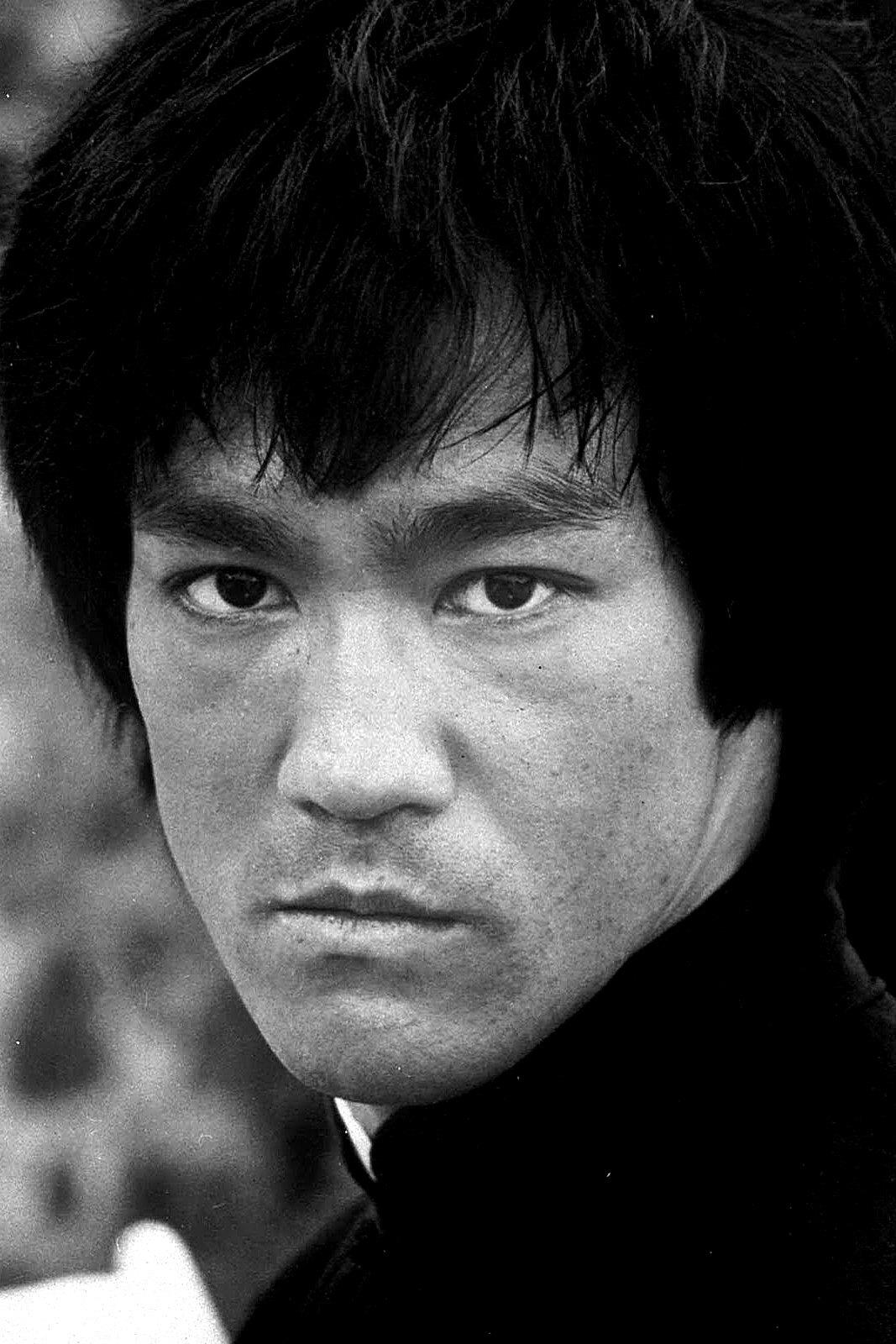
Bruce Lee revolutionized martial arts films and action choreography. Film students still analyze his fighting in ‘Enter the Dragon’ to learn how he combined realistic moves with philosophical ideas. He also had a significant impact on representation, changing how Asian men were seen in Western movies and challenging harmful stereotypes. Beyond acting, Lee was a creative force as a director and writer, allowing him to fully express his artistic vision.
George A. Romero
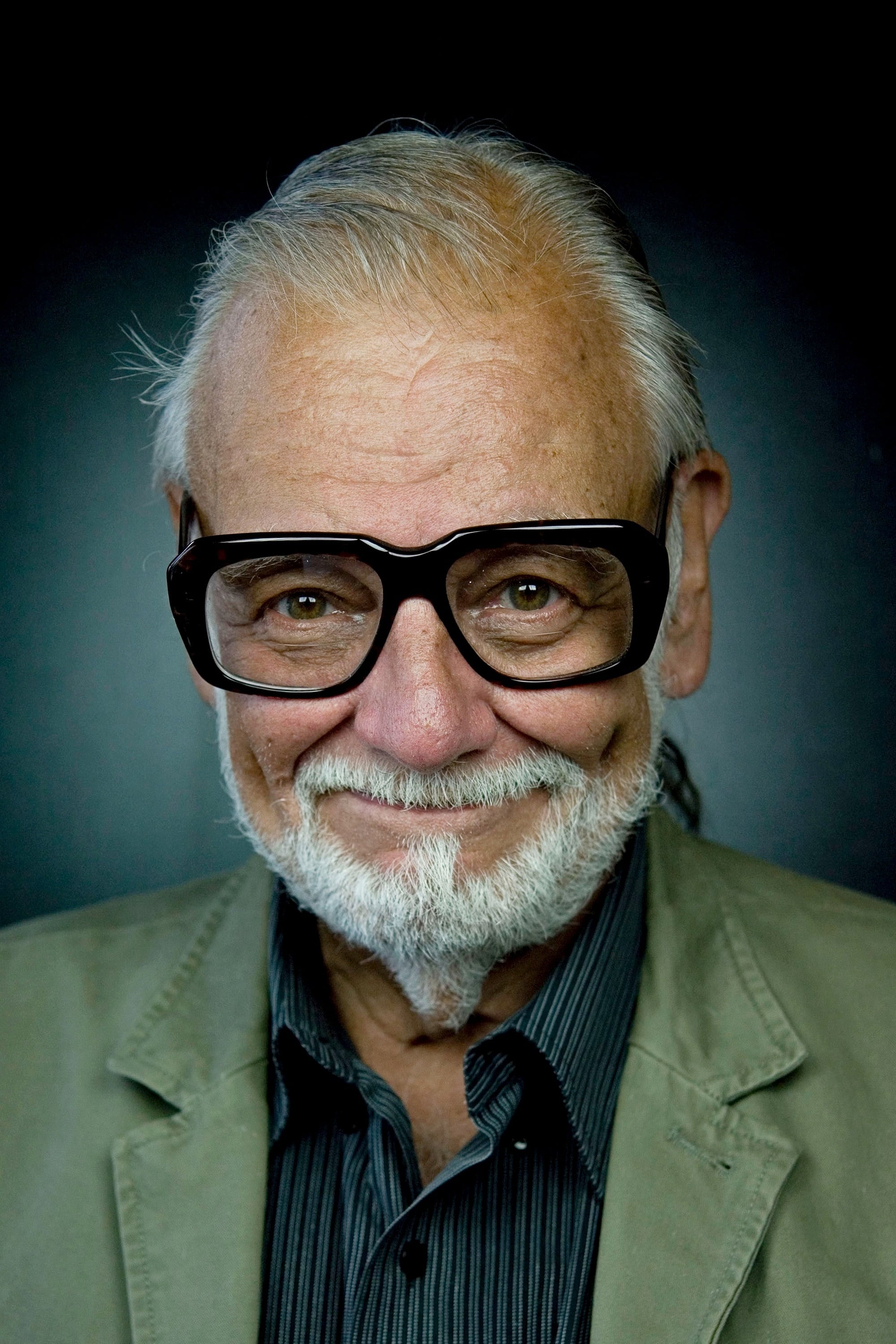
George A. Romero is widely considered the creator of the modern zombie film and a key figure in social horror. His film ‘Night of the Living Dead’ is often studied for its critical look at issues like race, power, and societal breakdown. He’s also credited with demonstrating that independent horror movies could both succeed financially and earn critical praise. Romero skillfully used the horror genre to reflect the concerns and fears of the times.
Wes Craven
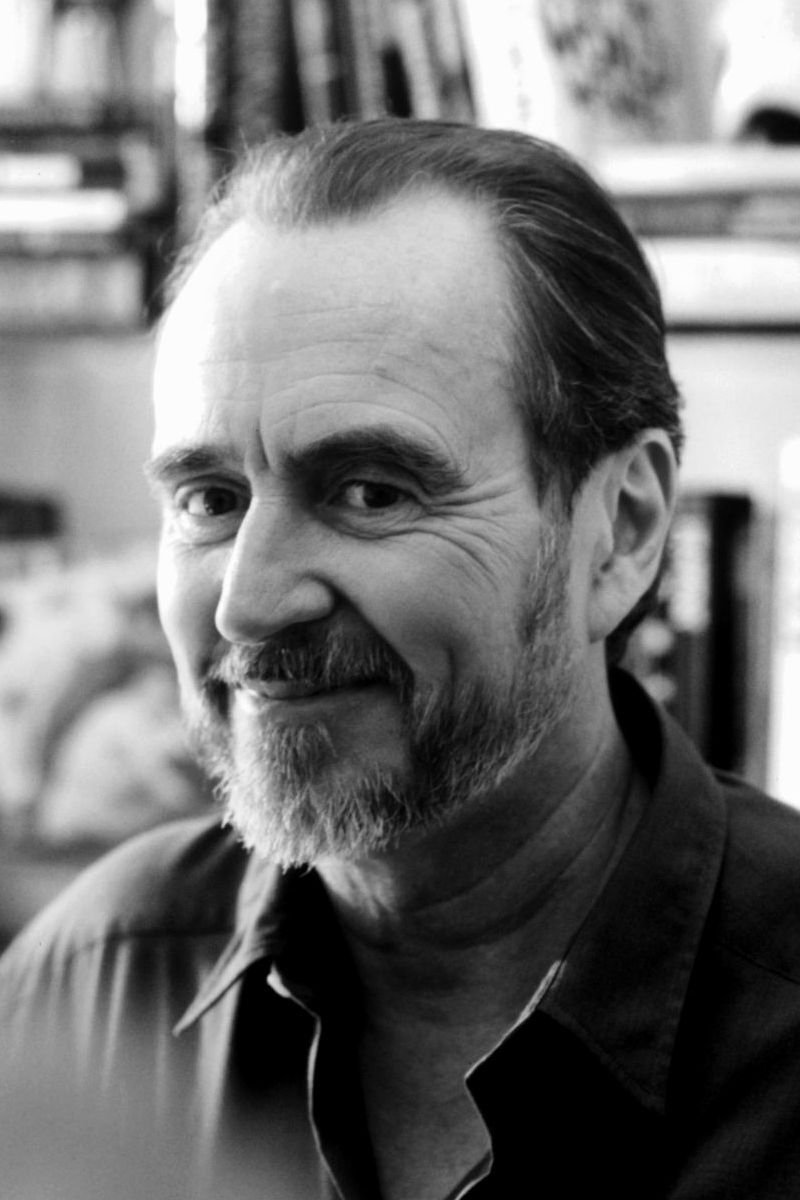
Wes Craven was a hugely influential director, especially when it comes to the development of slasher films and the concept of ‘meta-horror’ – horror that’s aware of its own conventions. His film ‘Scream’ is often studied as a prime example of how he cleverly played with and subverted the clichés he himself had helped create. Craven’s movies frequently examined themes of family dysfunction and how violence disrupts our sense of security. He was a thoughtful filmmaker who used horror not just to frighten audiences, but to explore deeper, shared anxieties.
Robin Williams
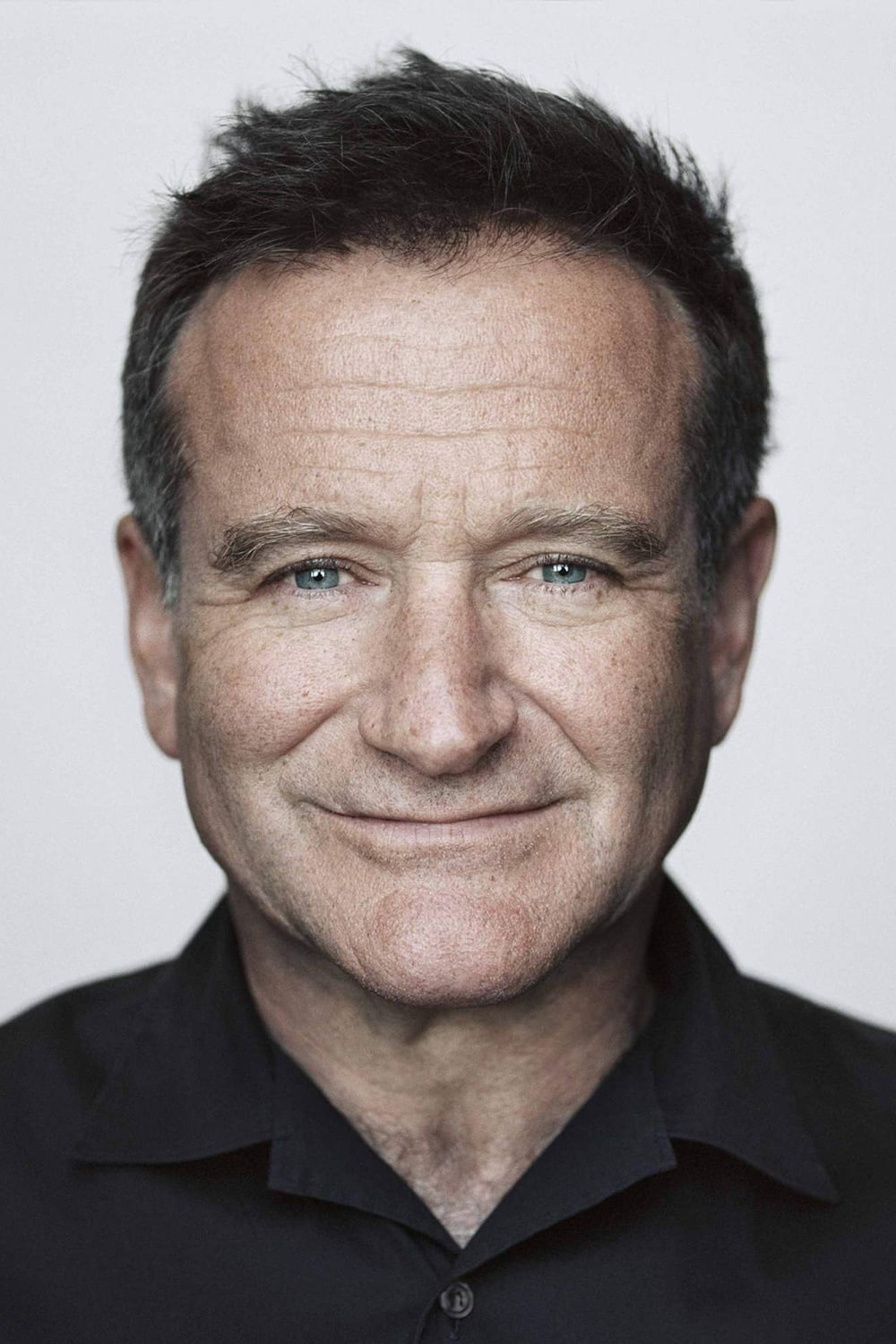
Robin Williams was a uniquely gifted comedian and actor, known for his incredible ability to improvise and seamlessly move between hilarious and heartfelt performances. His work as the Genie in ‘Aladdin’ was groundbreaking, demonstrating how a famous actor could make an animated film a huge success. His performance in ‘Good Will Hunting’ is still studied today for its subtle power and emotional honesty. Williams had so much energy that filmmakers often had to change how they shot scenes just to keep up with him.
River Phoenix
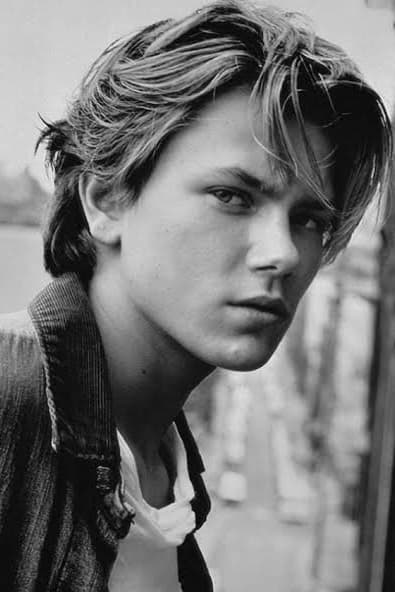
River Phoenix was an incredibly gifted actor known for his honest and emotional performances, especially in roles portraying young people. His work in the film ‘My Own Private Idaho’ is considered groundbreaking for its portrayal of queer themes and his natural acting style. Many believe he had the potential to become one of the biggest stars of the 1990s, and his untimely death was a major loss. Phoenix connected with audiences and inspired other actors through his genuine presence on screen.
Chadwick Boseman
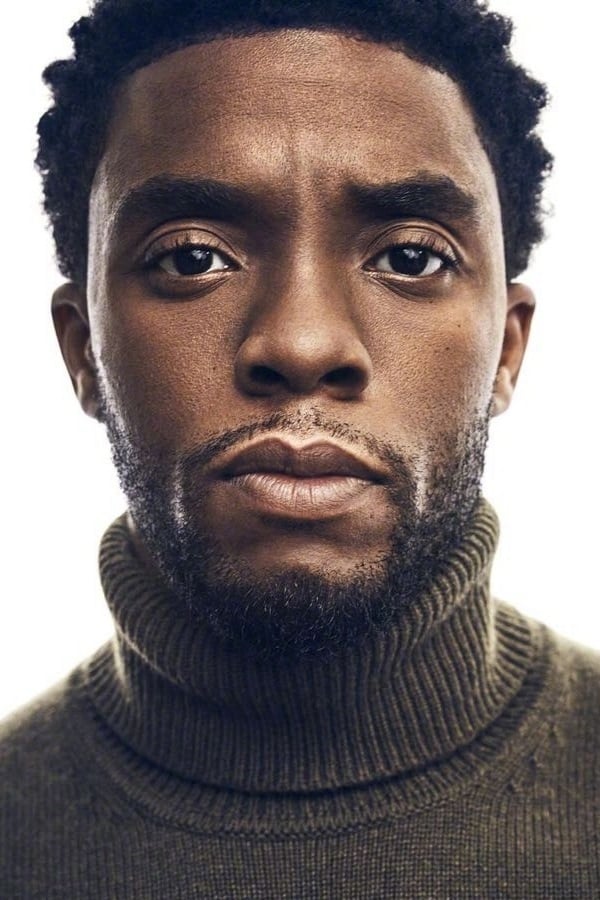
Chadwick Boseman is remembered for his powerful influence on culture and his portrayals of important Black figures from history. His role as Black Panther was particularly significant, both for its representation of Black heroes and its massive success at the box office. Actors and students of acting greatly admired his dedication and grace, especially considering he performed demanding roles while battling illness. Boseman became an icon of strength and helped open doors for more diverse stories to be told in big-budget films.
Marcello Mastroianni
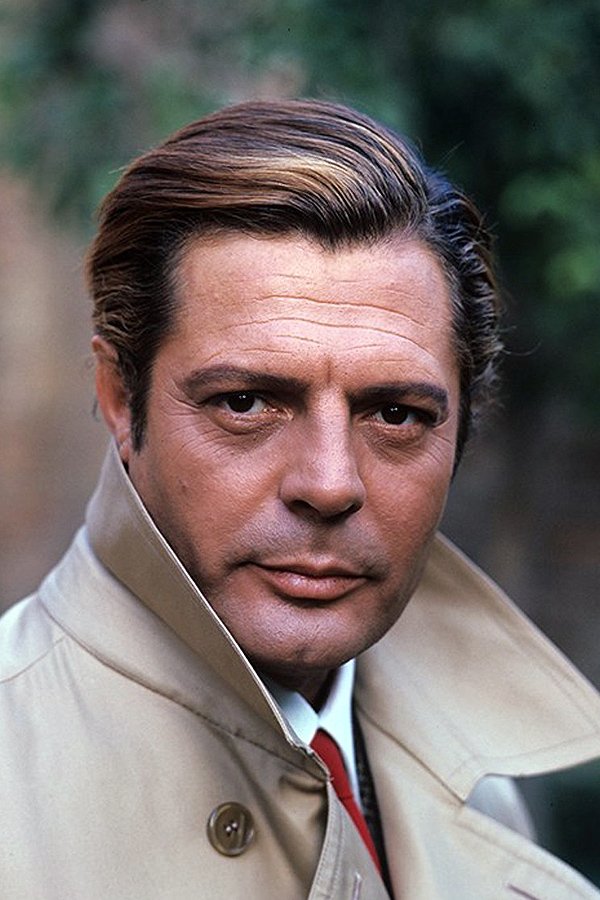
Marcello Mastroianni is a defining figure in Italian cinema, often appearing as a reflection of director Federico Fellini’s own views. He’s particularly known for his role in ‘La Dolce Vita,’ which brilliantly captures feelings of boredom and disconnection in modern life. Mastroianni had a quiet charisma that made him perfect for playing both charming lovers and flawed, powerless characters. He embodied the stylish coolness of 1960s Europe and collaborated with many of the era’s most important filmmakers.
Elizabeth Taylor
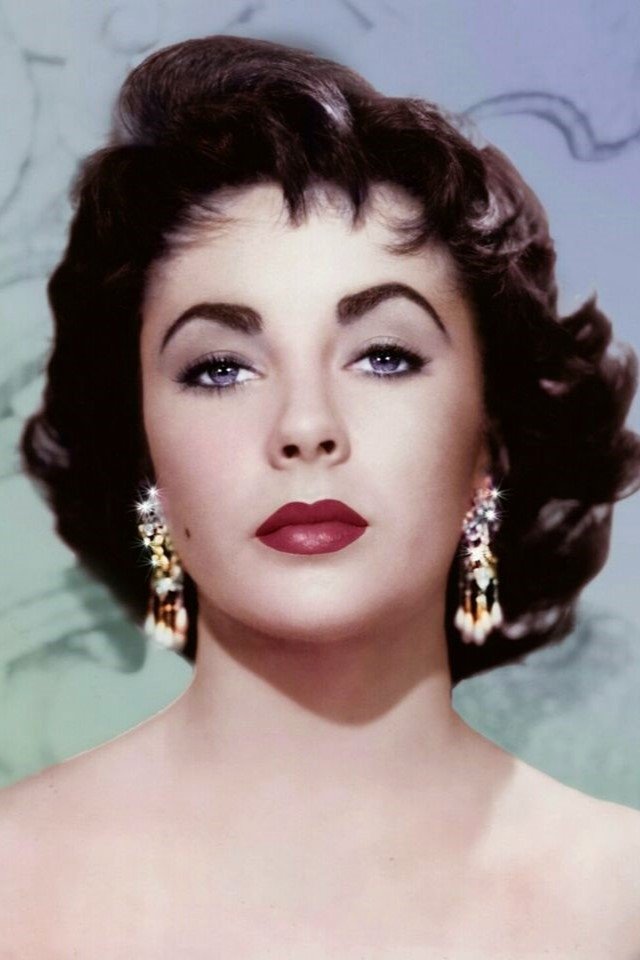
Elizabeth Taylor’s career is remarkable, showing how she grew from a young star into a respected actress known for her captivating presence. Her role in ‘Who’s Afraid of Virginia Woolf?’ is a prime example of her willingness to set aside appearances and deliver incredibly powerful, honest emotion. She’s also considered the first celebrity of the modern era, where the public became just as interested in her personal life as her films. Taylor skillfully used her celebrity status to support important causes and continued to be a popular actress for many years.
Richard Burton

Richard Burton was a renowned actor known for his powerful voice and captivating presence in both theater and film. His famously passionate relationship with Elizabeth Taylor remains a legendary part of Hollywood lore. Even today, aspiring actors study his recordings to learn how to speak clearly, project their voices, and master vocal technique. Burton was a truly exceptional performer who brought a sense of dignity and weight to every character he played.
Peter O’Toole
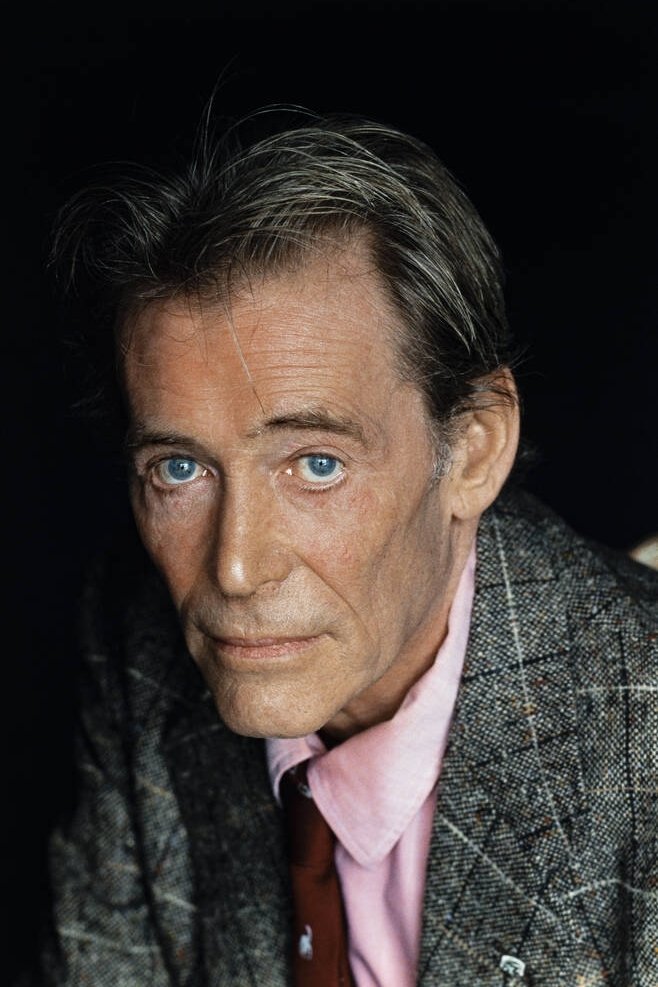
Peter O’Toole’s performance in ‘Lawrence of Arabia’ is legendary and frequently ranked among the greatest ever filmed. Critics often focus on his captivating portrayal of madness and obsession, particularly how he expressed these emotions through his eyes. O’Toole brought a distinctly theatrical style to his film work, which was enhanced by his powerful charisma. He was a key figure in a generation of famously rebellious British actors who rose to prominence in the 1960s.
Alec Guinness
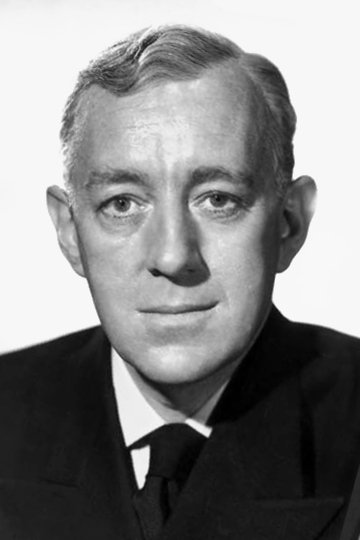
Alec Guinness was famous for completely transforming himself to play many different characters. Though most people know him from ‘Star Wars,’ film students often study his work in ‘Kind Hearts and Coronets’ as a prime example of his range. He skillfully used makeup and small changes in his posture and movements to create truly unique characters. Guinness brought a thoughtful and careful approach to acting, making even unbelievable stories feel believable.
Sean Connery
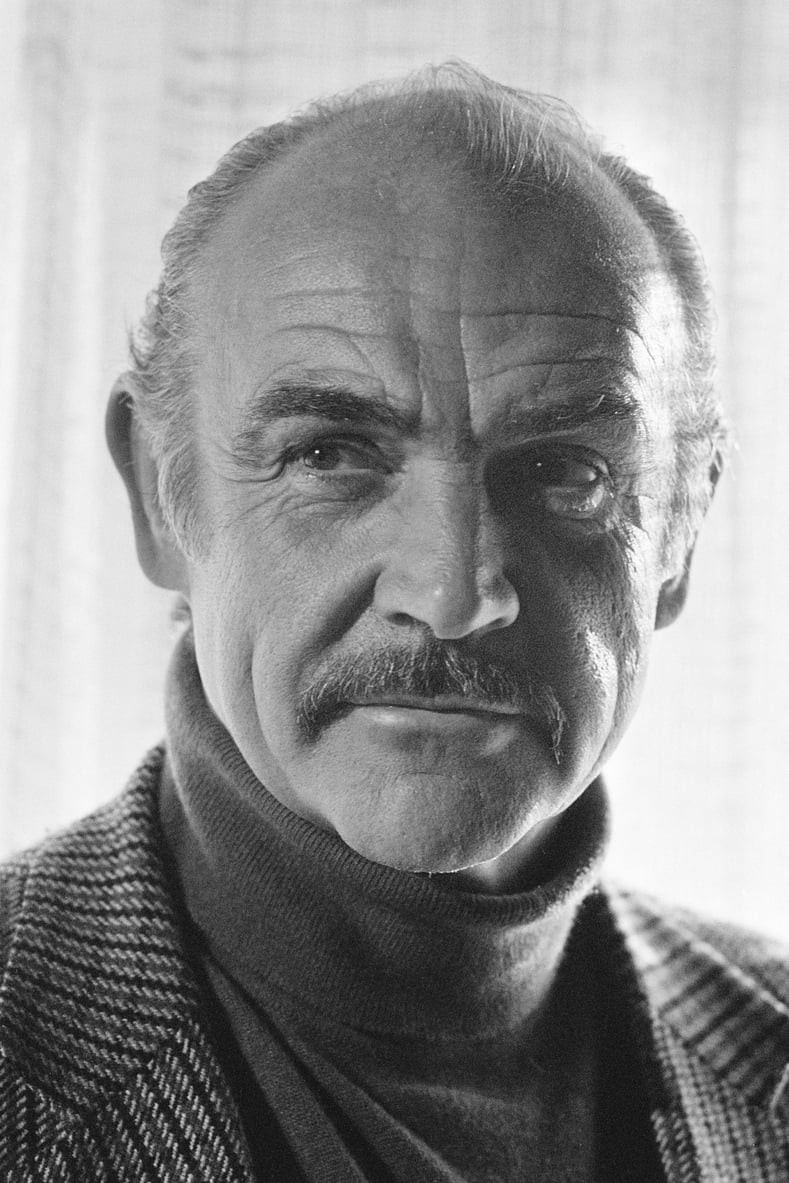
Sean Connery is known as the actor who created the blueprint for today’s action heroes, largely through his iconic role as James Bond. His natural charm and powerful presence in ‘Dr. No’ established a benchmark that all subsequent Bond actors are judged by. He also proved his versatility with an Academy Award-winning performance in ‘The Untouchables,’ solidifying his reputation as a skilled and respected actor. Ultimately, Connery became the embodiment of cool masculinity for generations.
Christopher Lee
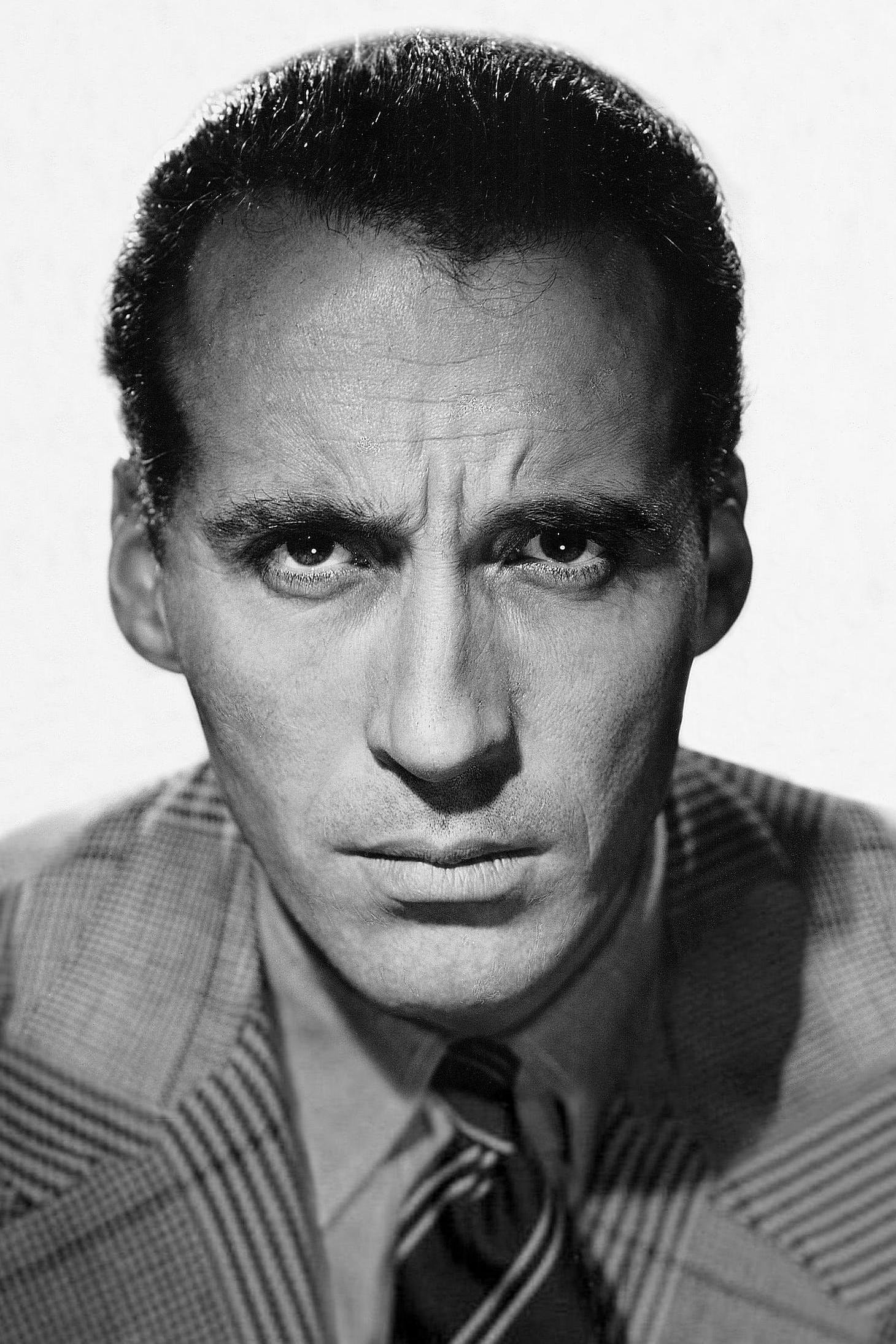
Christopher Lee was a hugely influential actor, especially known for horror, and appeared in over 200 films and TV shows. He’s famous for his role as Dracula for Hammer Horror, where he added a surprising mix of sensuality and sadness to the character. With his imposing height and distinctive deep voice, he created memorable villains in many popular franchises. Lee’s long and successful career shows the value of working within and appreciating genre films.
Alan Rickman
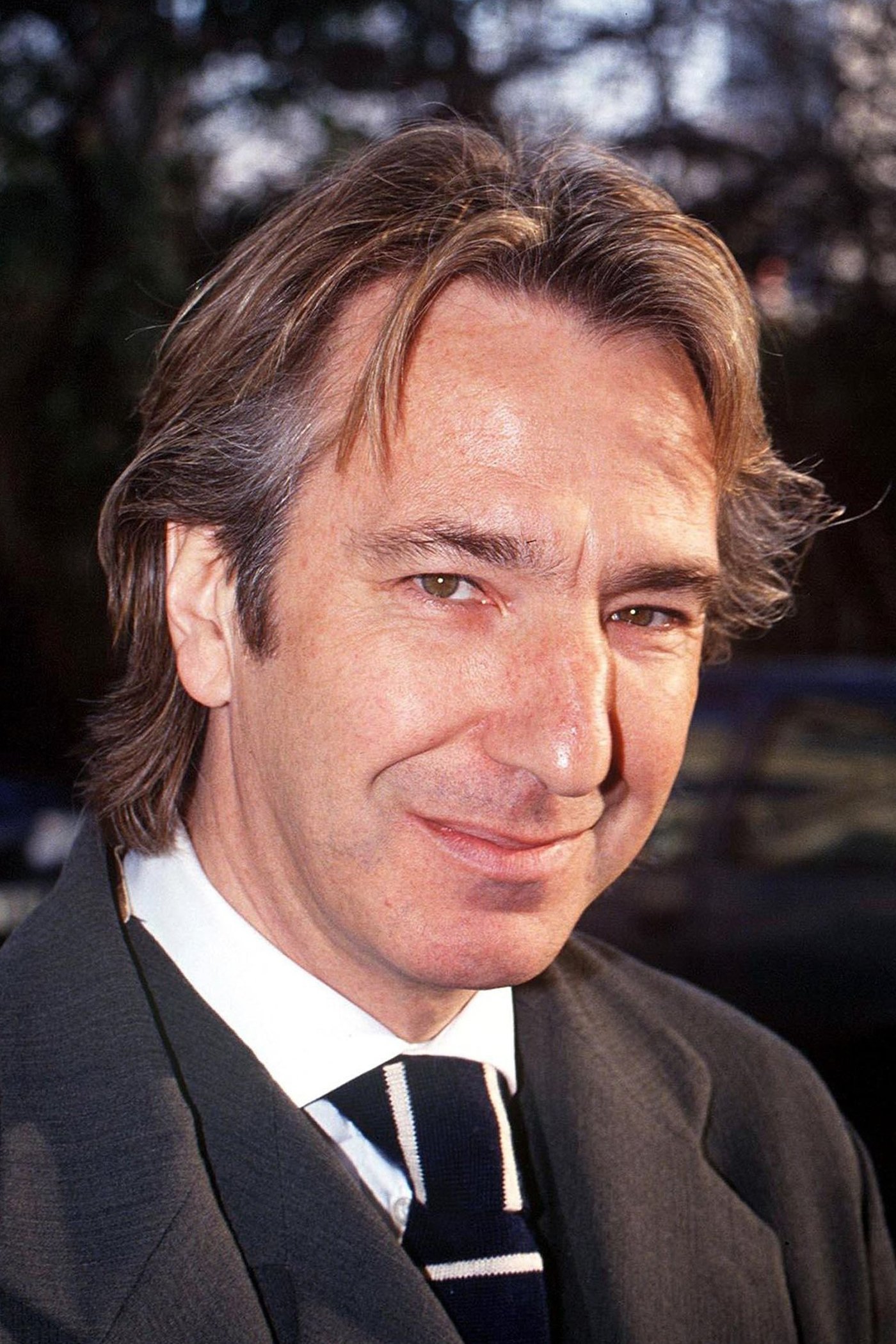
Alan Rickman was renowned for his distinctive voice and his talent for portraying villains who were both complex and captivating. He first gained widespread recognition in ‘Die Hard,’ where he revolutionized the typical action movie villain by creating a character who was smart and refined. Actors often study his technique—specifically, how he used pauses and a slow, deliberate rhythm—to master scene control. Rickman demonstrated that a supporting actor could easily become the most memorable part of a film, even without a leading role.
Gene Wilder
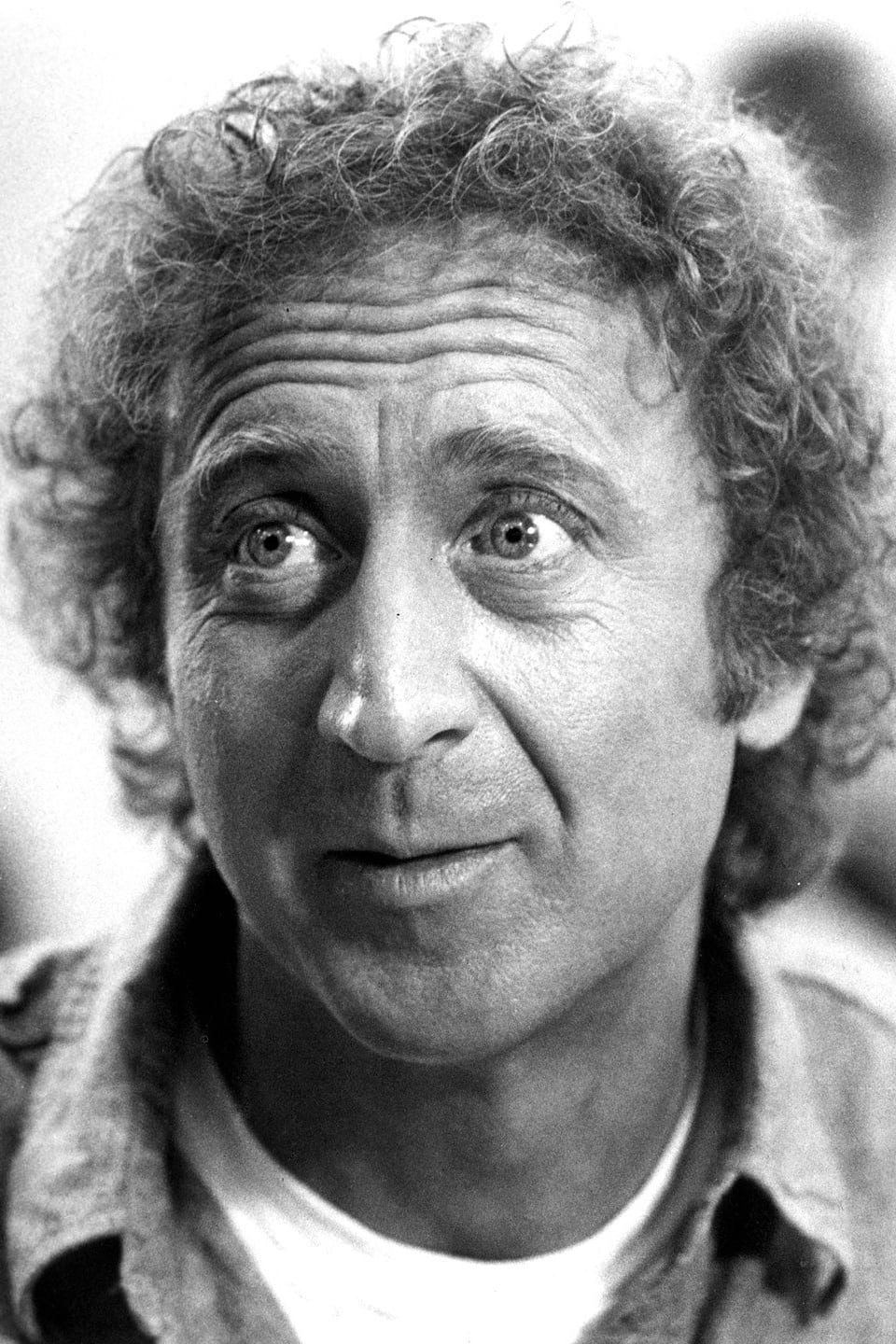
Gene Wilder was a uniquely funny actor, known for his nervous energy and how easily he could switch between sweet and wildly excitable. He’s especially celebrated for his wonderfully strange and unpredictable performance as Willy Wonka. He and Mel Brooks made a fantastic comedic duo, creating some of the most beloved comedies ever. What made Wilder special was the genuine warmth he brought to all his roles, making them funny for generations.
Kirk Douglas
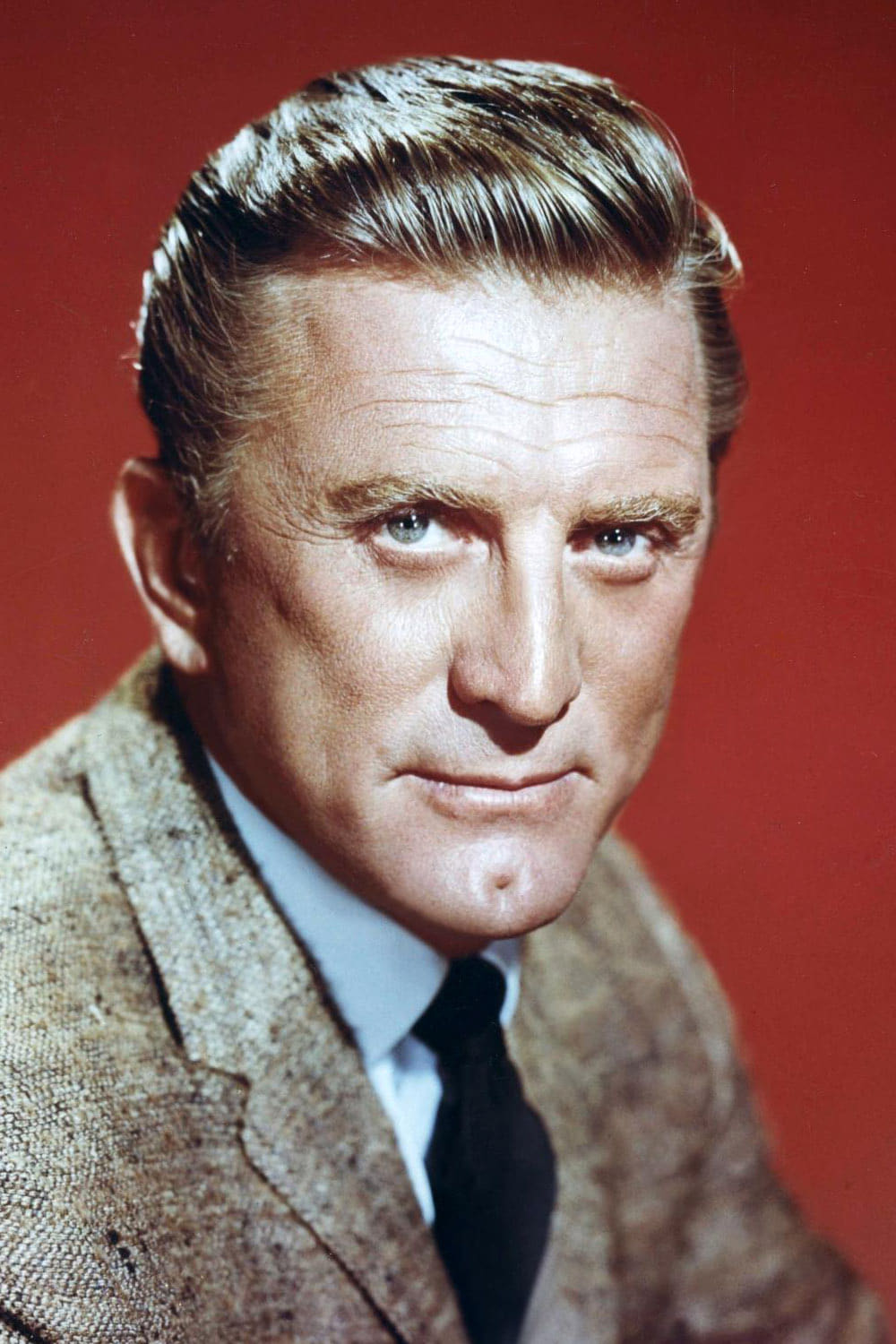
Kirk Douglas was a remarkably influential actor and producer, best known for bravely challenging the Hollywood Blacklist. His decision to hire Dalton Trumbo to write the film ‘Spartacus’ was a powerful political statement that reshaped the industry. As an actor, Douglas was known for his energetic, physical performances, often portraying characters with complex and troubled moral compasses. He perfectly captured the spirit of the determined American man in the years following World War II.
Olivia de Havilland
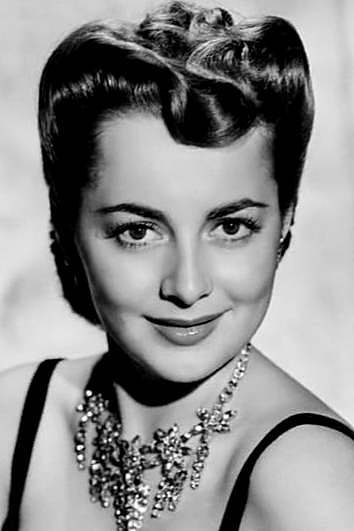
Olivia de Havilland is famous in film history for a legal ruling – known as the “De Havilland Law” – that freed actors from unfair, long-term studio contracts. This win gave performers more control and dramatically changed how Hollywood operated. As an actress, she’s especially known for her chilling performance in ‘The Heiress,’ which shows a remarkable change from naiveté to bitterness. De Havilland was a key figure in Hollywood’s Golden Age and a champion for actors’ rights.
Ennio Morricone
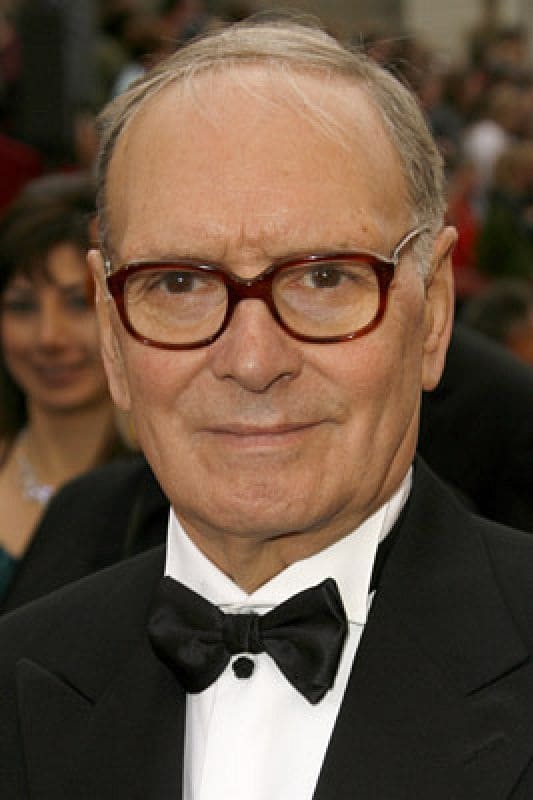
Ennio Morricone is the most-studied film composer when it comes to how music and visuals work together. His score for ‘The Good, the Bad and the Ugly’ is a popular example in music and film schools, known for its unique use of instruments like whips and electric guitars. Morricone transformed the Spaghetti Western genre and showed that music can function as a character within a film. His memorable melodies are a key part of the emotional experience of the movies he worked on.
Read More
- Trading on Thin Air: AI Agents Conquer Crypto Volatility
- 20 Movies Where the Black Villain Was Secretly the Most Popular Character
- Invincible Season 4 Gender Swaps Tech Jacket As Fans Question Major Comic Change
- Silver Rate Forecast
- 22 Films Where the White Protagonist Is Canonically the Sidekick to a Black Lead
- 15 Films That Were Shot Entirely on Phones
- Trading Smarter: AI-Powered Execution Schedules
- Celebs Who Narrowly Escaped The 9/11 Attacks
- Gold Rate Forecast
- Smarter Order Execution: How AI is Outperforming Wall Street’s Playbook
2026-01-31 22:52