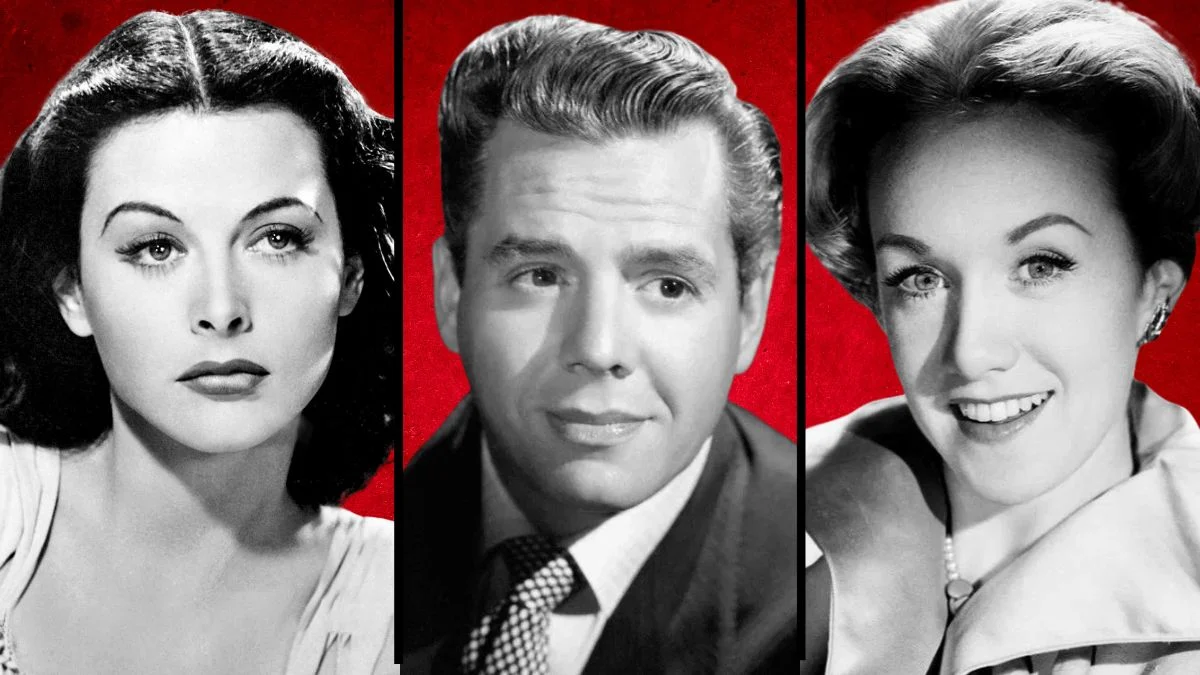
We often think of entertainers as the driving force behind the entertainment industry, but there’s another group of people just as important: the innovators. These are the individuals who worked behind the scenes or used their influence to change how art is created. They developed new technologies, styles, and ways of doing business that became standard practice, even after they were gone. Though their impact isn’t always obvious, they’ve fundamentally shaped the media we enjoy today.
Desi Arnaz
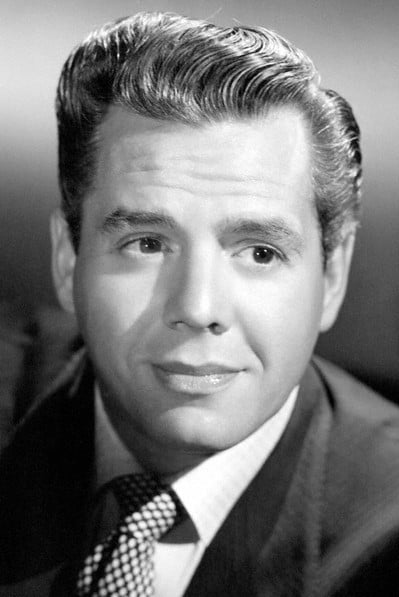
Desi Arnaz fundamentally changed how television shows are made thanks to his work on ‘I Love Lucy’. He pioneered the use of three cameras filming at once with a live audience, a technique that became the industry standard for sitcoms for many years. He also cleverly secured the rights to the show’s recordings, essentially creating the idea of reruns and selling episodes to different networks – a practice known as syndication.
Hedy Lamarr
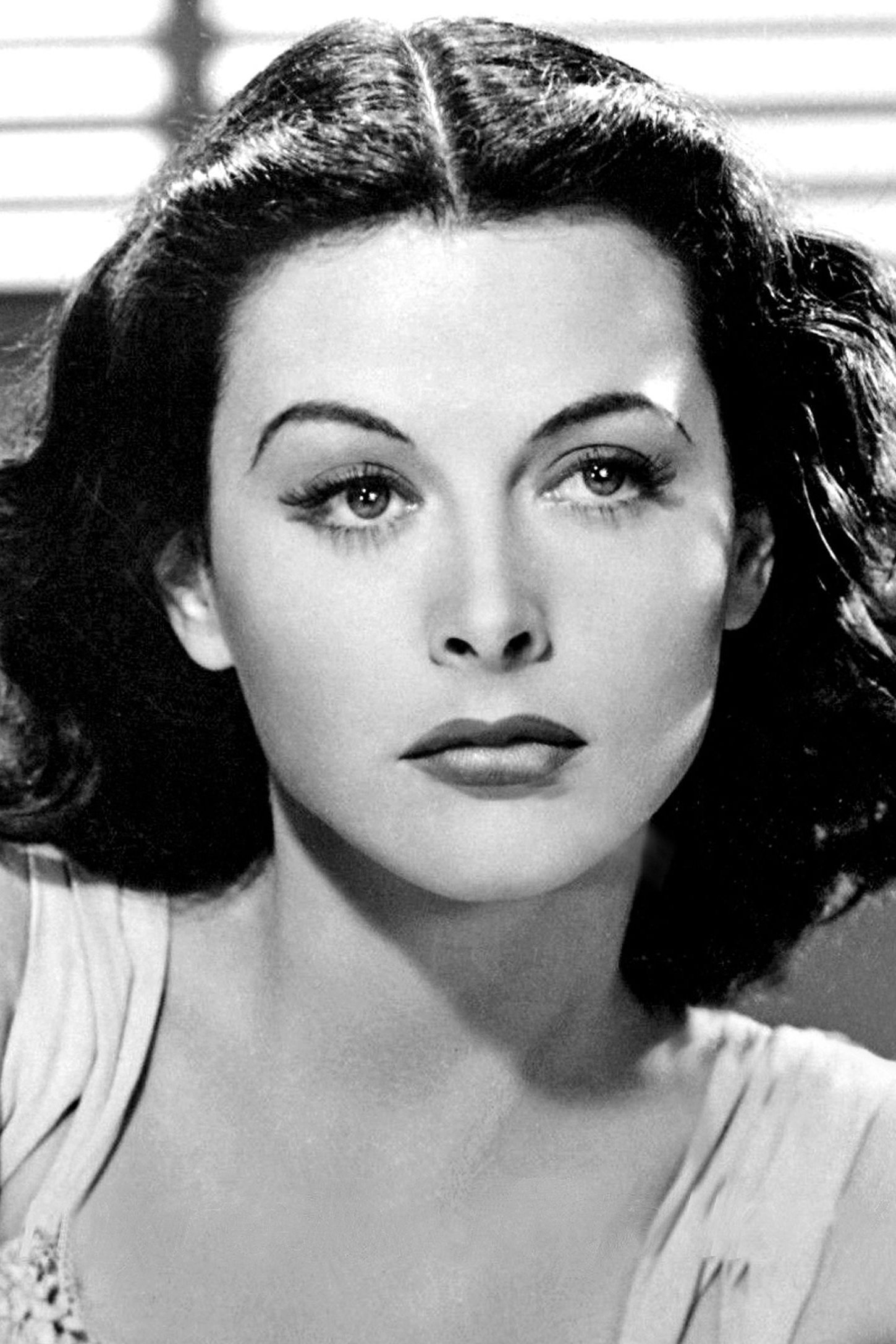
As a film critic, I’ve always been fascinated by Hedy Lamarr – a true icon of Hollywood’s Golden Age. But beyond the glamour, there was a brilliant mind at work. She wasn’t just a beautiful face; she co-invented a technology – frequency-hopping spread spectrum – originally designed to help the Navy guide torpedoes during the war. It’s incredible to think that a system initially dismissed by the military ultimately became the basis for technologies we use every day, like Wi-Fi and Bluetooth. Lamarr’s story is a powerful reminder that intelligence and creativity can flourish in unexpected places, and that Hollywood stars are capable of far more than just captivating performances.
Les Paul
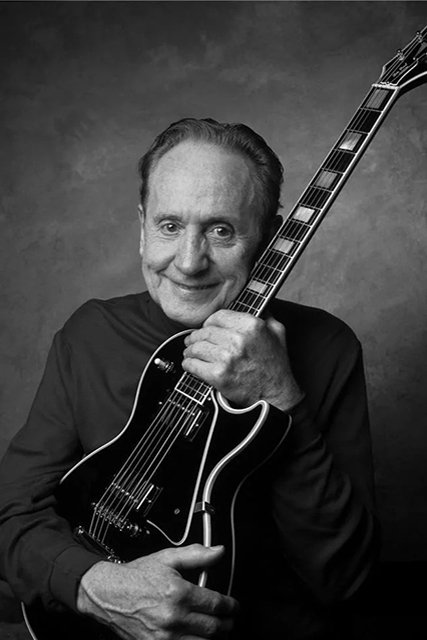
This musician and inventor is considered the father of modern rock and roll. He revolutionized music by creating the first commercially successful solid-body electric guitar, solving the problems of earlier acoustic guitars and enabling much louder performances. He also invented a technique called sound-on-sound recording, which was a key step in the development of today’s multitrack recording studios, allowing musicians to create richer, more complex sounds by layering instruments and vocals.
Mel Blanc
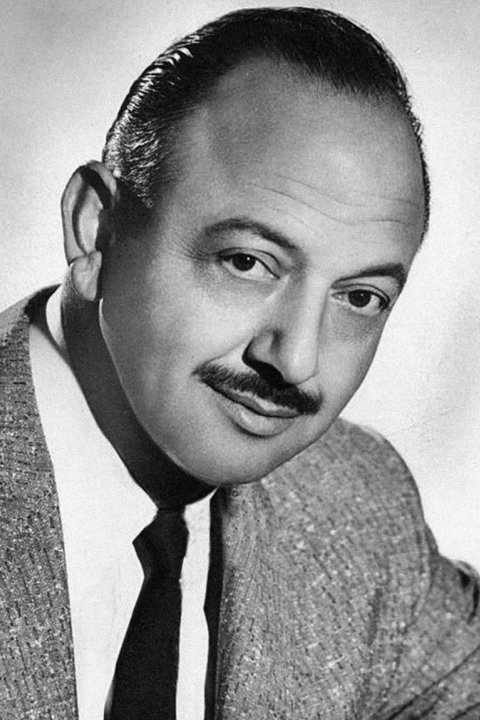
Mel Blanc, famously known as the Man of a Thousand Voices, revolutionized voice acting. He performed the voices for almost all of the iconic characters in the ‘Looney Tunes’ series, like Bugs Bunny and Daffy Duck. He also championed the cause of giving voice actors on-screen credit, something that wasn’t common back then. His incredible vocal range and perfect comedic delivery became the standard for all voice actors who came after him.
Ray Harryhausen
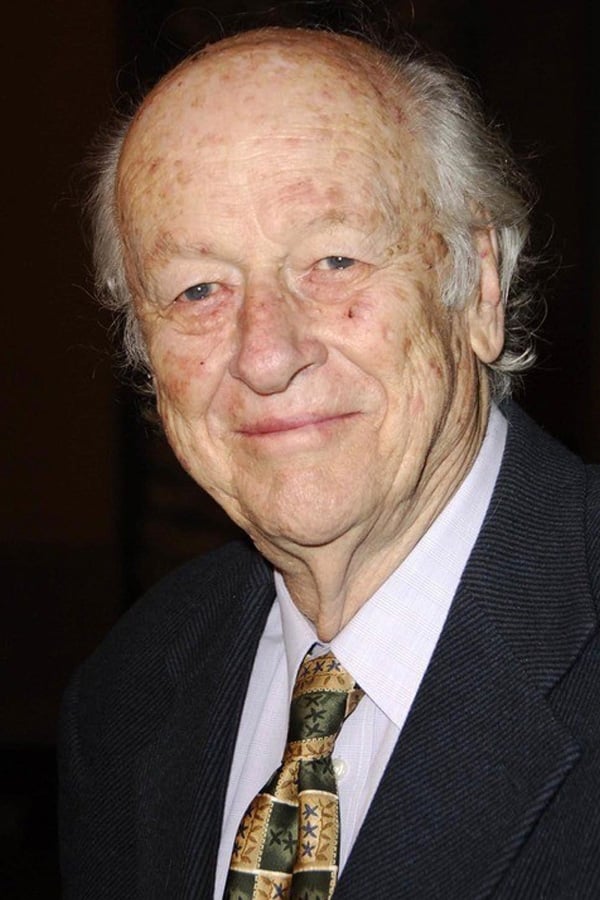
Ray Harryhausen was a pioneer of stop-motion animation, famous for creating incredible creatures long before computer-generated effects were common. He invented a process called Dynamation, which made it look like his animated models were actually interacting with real actors. His films, like ‘Jason and the Argonauts,’ deeply influenced filmmakers such as George Lucas and Peter Jackson. In many ways, today’s visual effects industry wouldn’t exist without his detailed, frame-by-frame work.
Saul Bass
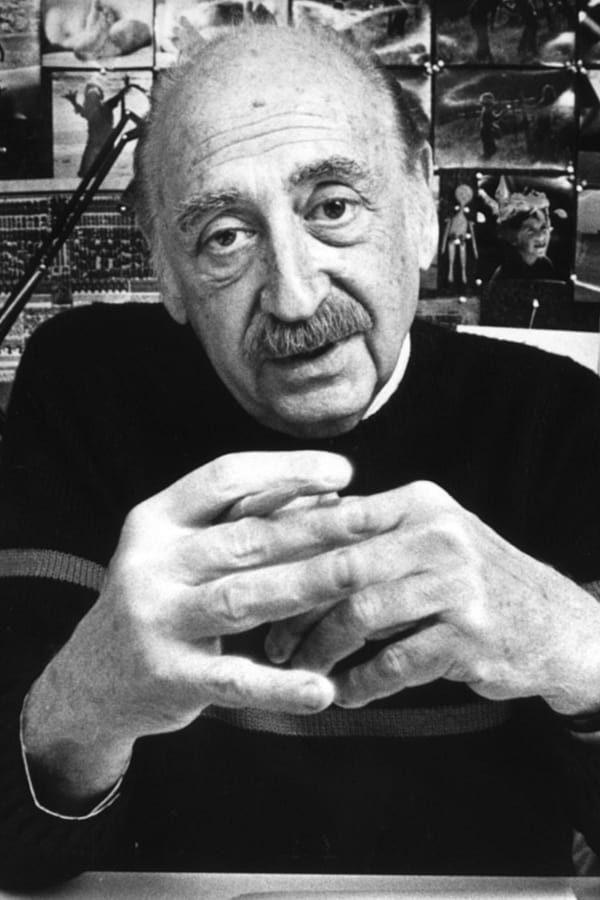
Saul Bass revolutionized how movies start with his innovative graphic design. He turned simple lists of names at the beginning of films into dynamic, artistic sequences that immediately created a mood and hinted at the story to come. His famous title designs for films like ‘Vertigo’ and ‘Psycho’ demonstrated that opening titles could actually contribute to the narrative. Beyond film, he also designed many well-known corporate logos that are still used today.
Syd Mead

This influential artist shaped the visual style of science fiction in the late 1900s. With a background in industrial design, he created believable, futuristic vehicles and cities for films like ‘Blade Runner’ and ‘Tron’. He didn’t just create images; he designed machines that felt practical and real. His distinctive style continues to inspire the look of cyberpunk and video games today.
Marni Nixon
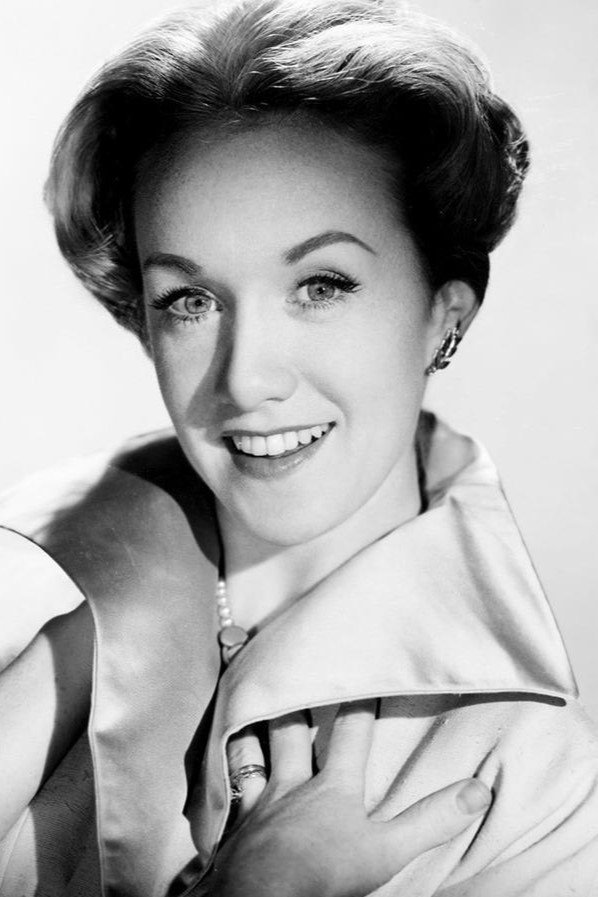
Marni Nixon was a hidden talent in Hollywood, providing the singing voice for iconic actresses in classic musicals. She famously dubbed for stars like Audrey Hepburn in ‘My Fair Lady’ and Natalie Wood in ‘West Side Story,’ but her contributions were kept secret to maintain the illusion that the actresses were singing themselves. Later in life, she fought for ghost singers like herself to receive proper credit and compensation for their work.
Clyde Stubblefield
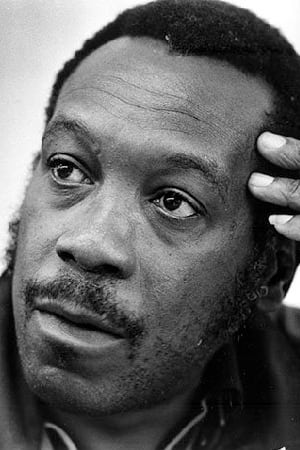
As James Brown’s drummer, he created rhythms that heavily influenced the birth of hip-hop. His drum solo in the song ‘Funky Drummer’ has been used in countless other recordings, becoming one of the most sampled pieces of music ever. Many artists, including Public Enemy and Run-D.M.C., built their careers around his unique drumming style. Sadly, despite the widespread use of his work, he never received any royalties for those songs.
Sister Rosetta Tharpe
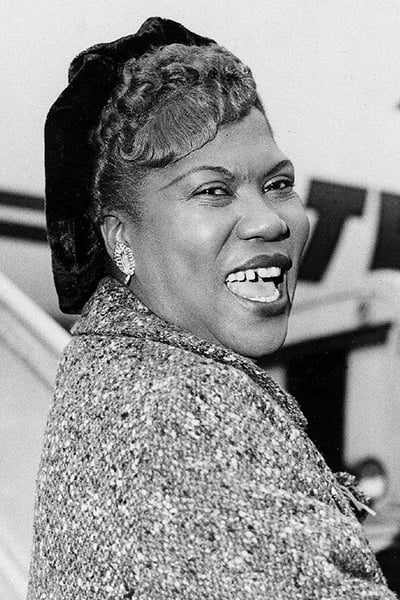
Sister Rosetta Tharpe is considered the godmother of rock and roll. She uniquely blended gospel lyrics with the sound of electric guitar. Her energetic guitar playing and captivating performances actually came before those of famous artists like Chuck Berry and Elvis Presley. Many British Invasion bands later credited her as a major influence. Essentially, she combined gospel and secular music, helping to create the sound of early rock and roll.
George A. Romero
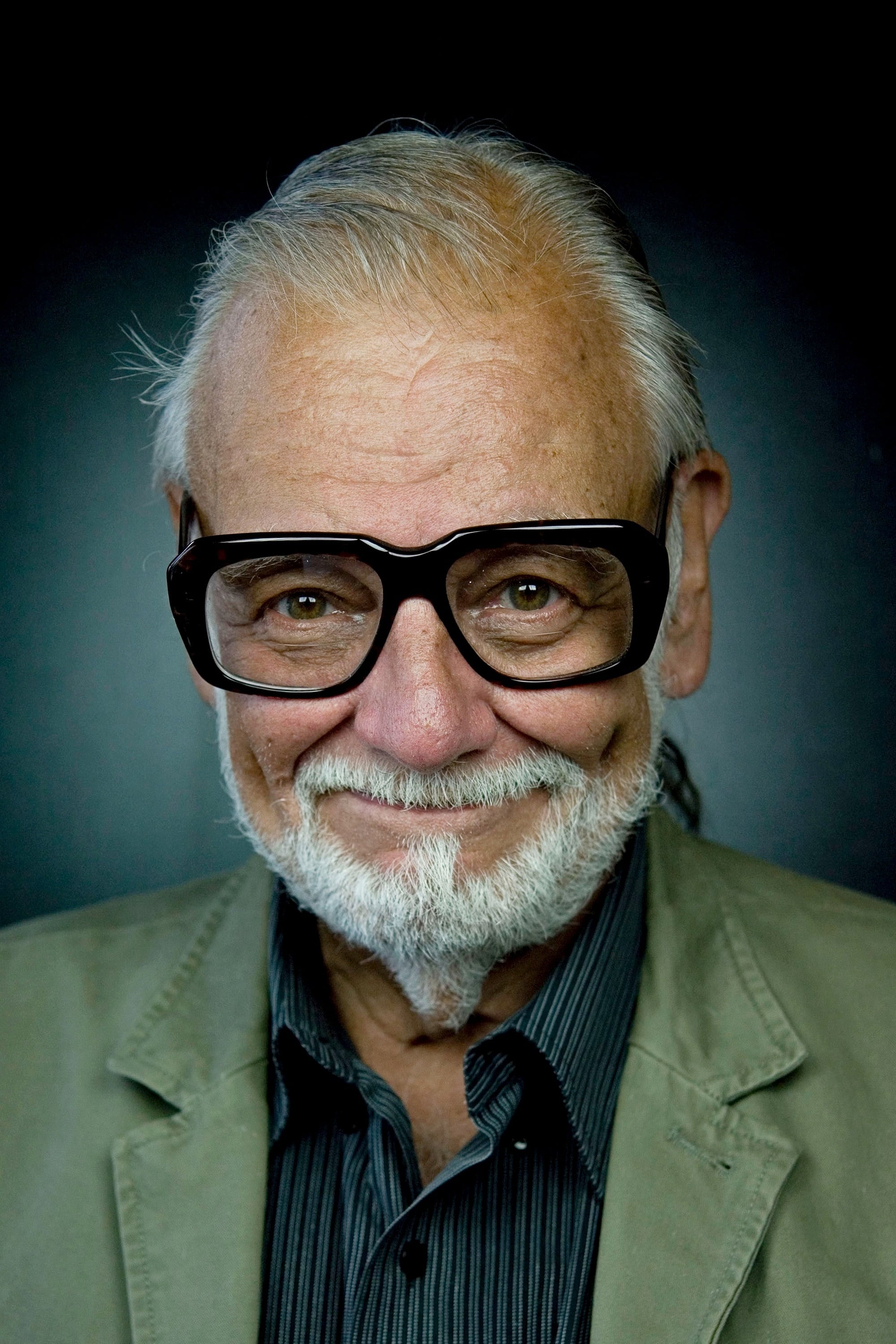
George A. Romero essentially invented the modern zombie as we know it with his film ‘Night of the Living Dead.’ Before Romero, zombies were typically portrayed as victims of voodoo, not the flesh-eating monsters we see today. He cleverly used horror movies to offer insightful critiques of society and often included satire. The guidelines he established for zombies continue to influence almost every zombie film and TV show made now.
Lon Chaney
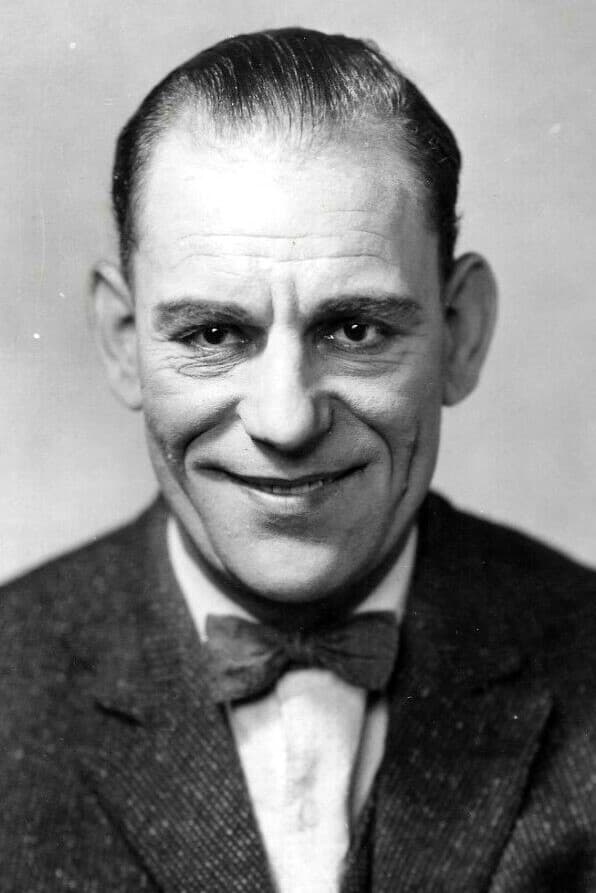
Lon Chaney, famous as the Man of a Thousand Faces, was a groundbreaking pioneer in special makeup effects. He not only designed but also personally applied incredibly detailed prosthetics for movies like ‘The Hunchback of Notre Dame.’ He pushed his body to the limit to transform into his characters, raising the standard for committed physical performances. Through his dedication, he elevated monster makeup from a simple technique to a respected artistic skill within filmmaking.
Mary Blair
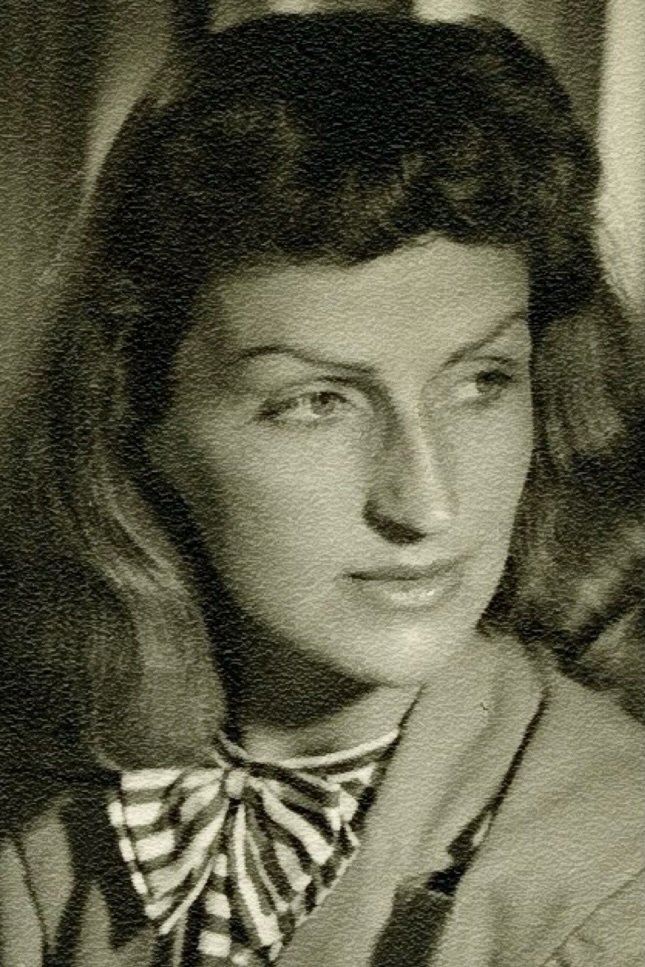
Mary Blair’s colorful and innovative artwork greatly shaped the visual style of classic Disney films like ‘Cinderella’ and ‘Alice in Wonderland’. She moved away from the studio’s usual realistic approach, using bright colors and modern designs. Blair was also the lead designer for the beloved ‘It’s a Small World’ ride, and her influence on color choices can still be seen in today’s animated movies.
Osamu Tezuka
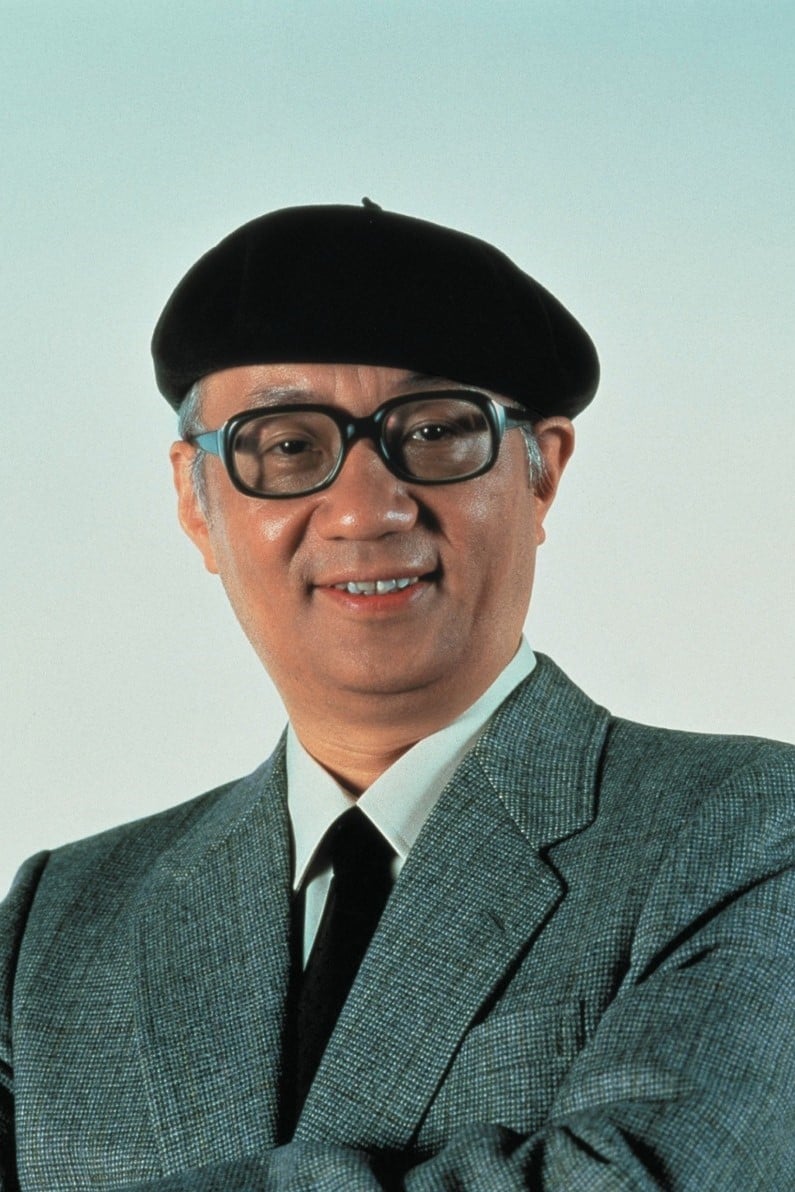
Osamu Tezuka, widely known as the ‘God of Manga,’ fundamentally shaped the look and feel of Japanese comics. He’s famous for popularizing the large, expressive eyes often seen in anime, drawing inspiration from classic Western cartoons. Tezuka also revolutionized manga’s visual storytelling with dynamic panel layouts, giving it a fast-paced, cinematic quality. His groundbreaking work on ‘Astro Boy’ essentially created the blueprints for both the robot (‘mecha’) and superhero genres in Japan.
Florian Schneider
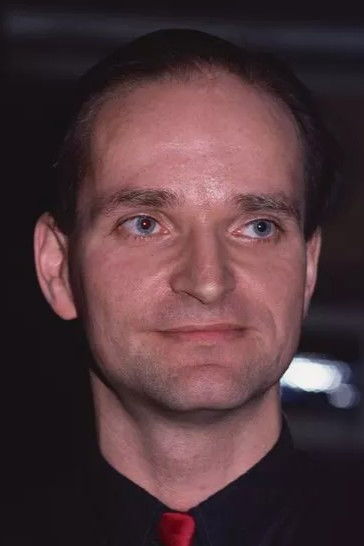
I’ve always been amazed by this artist’s impact. As one of the people who started Kraftwerk, he really changed everything by taking the emotion out of music and building it back up with pure electronics. They didn’t just record in the studio, they used it as another instrument, and they were doing that with synthesizers way before anyone else. Honestly, so much of the music I love – techno, house, even hip-hop – wouldn’t exist without the foundation they laid. You can hear that robotic, futuristic sound in tons of today’s music, and it all goes back to him and Kraftwerk. They were truly pioneers.
Delia Derbyshire
Delia Derbyshire was a groundbreaking electronic music composer, famous for creating the original theme tune for ‘Doctor Who’. Working with limited technology – she physically cut and rearranged magnetic tape – she developed a complex and iconic piece of television music. Her innovative work at the BBC Radiophonic Workshop helped establish electronic sound design as a respected art form.
Don LaFontaine
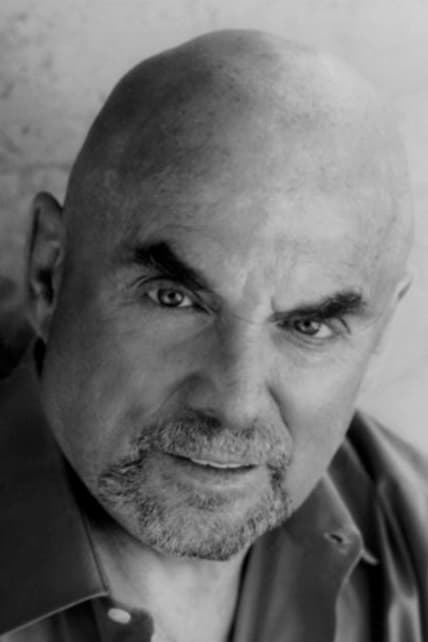
For decades, Don LaFontaine’s powerful voice defined the sound of movie trailers. He recorded countless voiceover scripts and famously began many with the phrase “In a world…” He transformed voiceover work into a successful and recognizable career, and his dramatic delivery became the standard for how films were marketed to audiences.
Buster Keaton
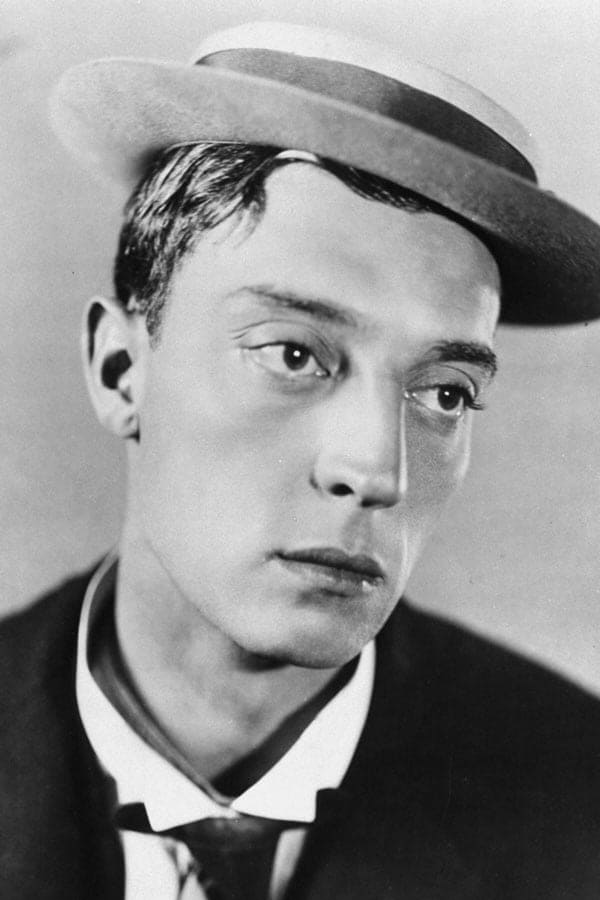
Buster Keaton was a groundbreaking silent film star known for his incredible physical comedy. He created stunts and gags that still look amazing today, often performing dangerous feats with a completely deadpan expression, which highlighted the wildness happening around him. Filmmakers like Jackie Chan and Wes Anderson continue to study his innovative use of camera angles and editing. Keaton demonstrated that action and humor could blend seamlessly.
June Foray
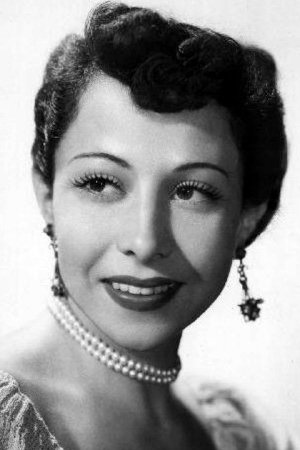
June Foray was a legendary voice actress, similar to Mel Blanc, and brought to life beloved characters like Rocky the Flying Squirrel and Granny. She dedicated herself to supporting the animation world, even creating the Annie Awards to celebrate its achievements. Her incredibly long career connected the early days of radio with today’s television, and she was a strong advocate for women in voice acting, helping them gain recognition in the field.
Stan Winston
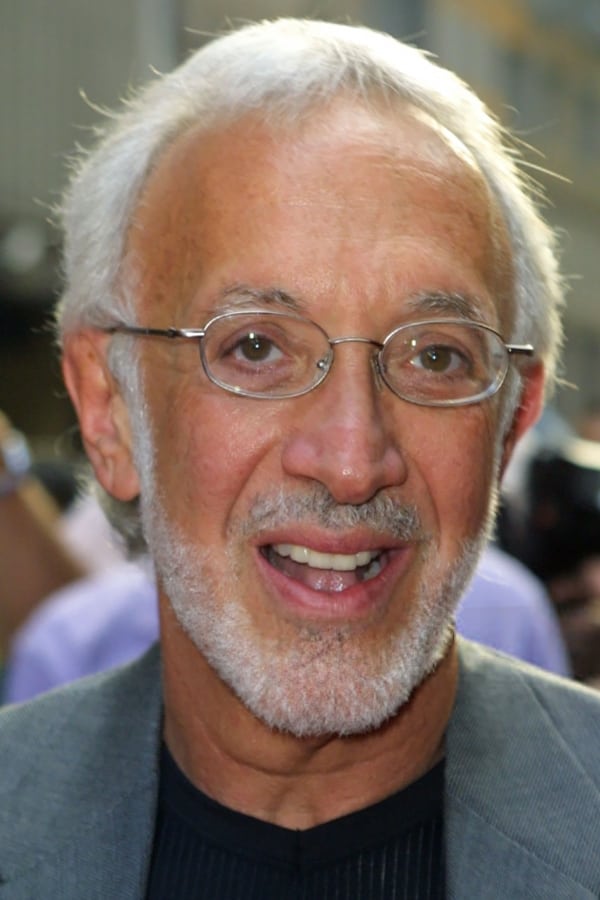
Stan Winston was a master of creating realistic creatures for iconic films like ‘Aliens’, ‘Terminator 2’, and ‘Jurassic Park’. He skillfully blended practical effects, like animatronics, with early digital technology to make his creations incredibly believable. He showed that building physical models often results in a more convincing presence than relying solely on computer-generated imagery. His studio continues to be a leader in innovative creature design.
Ralph McQuarrie
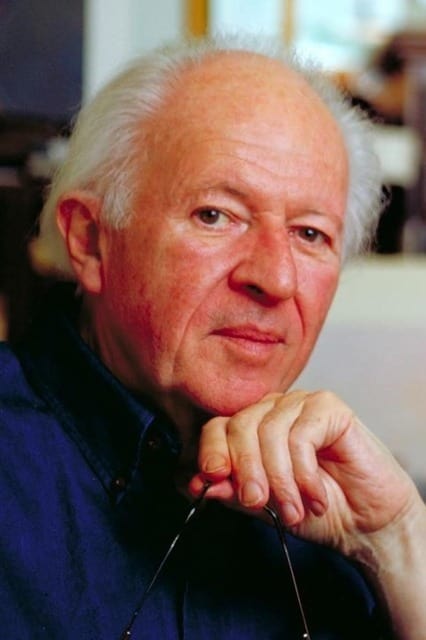
Ralph McQuarrie’s stunning concept art convinced studio heads to greenlight ‘Star Wars,’ even though the story felt unusual at the time. He created the iconic designs for characters like Darth Vader, C-3PO, and the stormtroopers, and his vision established the gritty, realistic feel of the ‘Star Wars’ universe. Today, filmmakers continue to draw inspiration from his work as they create new ‘Star Wars’ content.
Link Wray

Link Wray revolutionized rock guitar by creating the power chord and pioneering the use of distortion. He famously poked holes in his amplifier speakers to get a raw, edgy sound on his song ‘Rumble,’ which heavily influenced the loud, energetic styles of punk and heavy metal. Wray proved that a guitarist’s energy and attitude were just as crucial as their technical skills.
Dick Dale
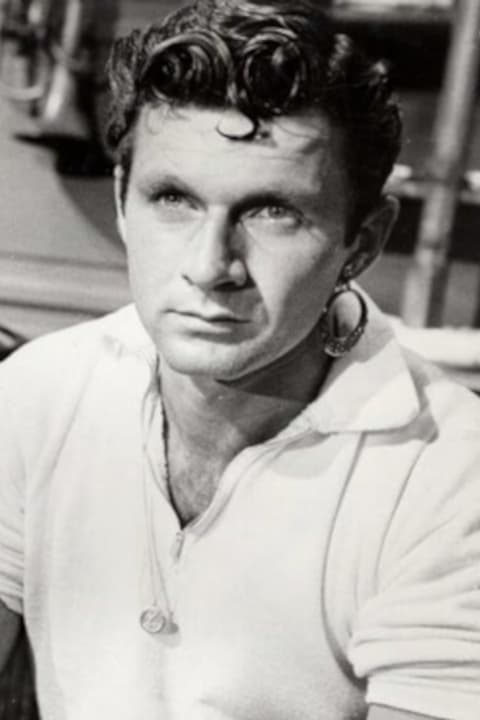
Okay, let me tell you about Dick Dale. This guy, rightfully called the King of Surf Guitar, wasn’t just a player – he was an innovator. He teamed up with Leo Fender to really crank up the amps, pushing them further than anyone had before. His playing style was super fast and choppy, and you can really hear the influence of Middle Eastern music in it. But it wasn’t just how he played, it was the sound. He was crucial in developing those reverb effects that give surf music that classic, echoing, wave-crashing feel. Seriously, he helped make it possible to play electric guitar at volumes we’d never heard before – it was a total game changer.
Douglas Trumbull
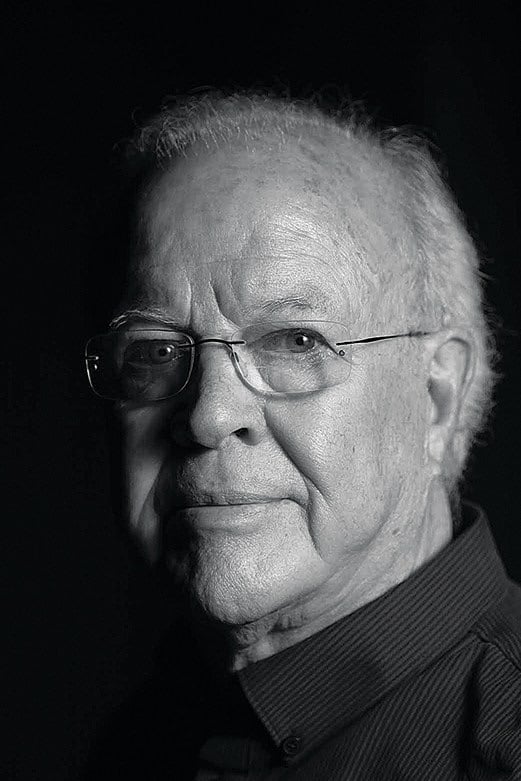
Douglas Trumbull was a groundbreaking visual effects artist known for his work on iconic films like ‘2001: A Space Odyssey’ and ‘Blade Runner’. He invented the slit-scan photography technique – famously used for the stargate sequence – and was a pioneer in advocating for high frame rates and truly immersive cinema. His commitment to practical, optical effects helped give science fiction movies a remarkable sense of vastness and spectacle.
Gordon Willis
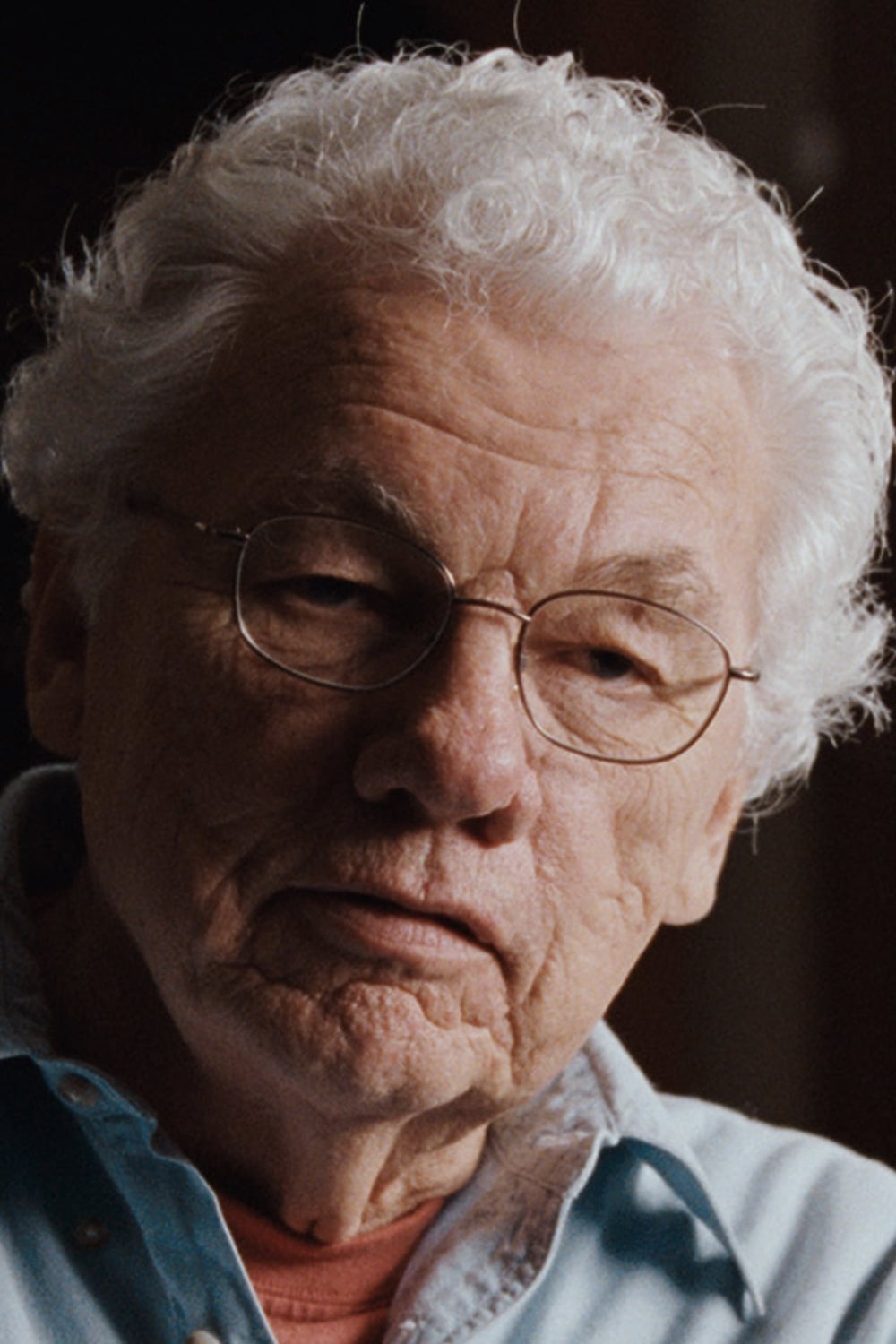
Cinematographers nicknamed Gordon Willis the ‘Prince of Darkness’ for his bold use of shadows. He famously filmed ‘The Godfather’ with very low lighting, often obscuring actors’ eyes to hint at their complex morality. This was a deliberate departure from the typical bright and evenly lit scenes preferred by studios at the time. Willis’s innovative lighting techniques added a powerful psychological layer to his films.
Edith Head
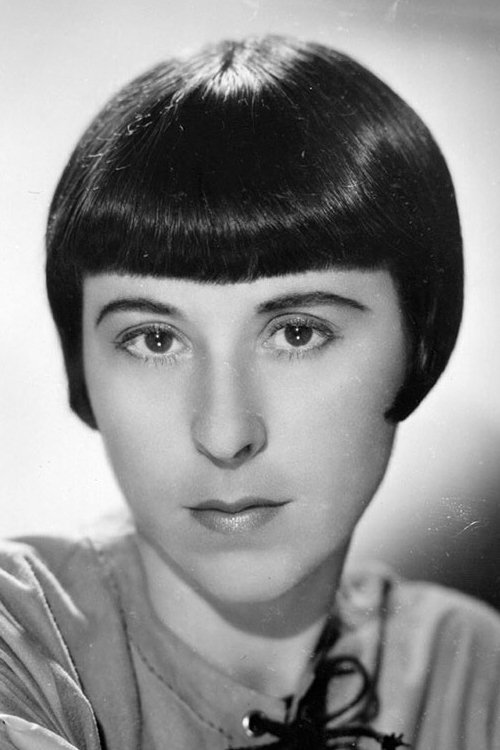
Edith Head was a celebrated costume designer who believed clothes should enhance a character’s personality, not just follow the latest styles. Over several decades, she won eight Oscars and dressed many of Hollywood’s most famous actors. While known for her signature glasses and bob haircut, her true talent lay in her ability to create diverse and impactful looks, ultimately defining the elegant style of classic Hollywood cinema.
Bernard Herrmann
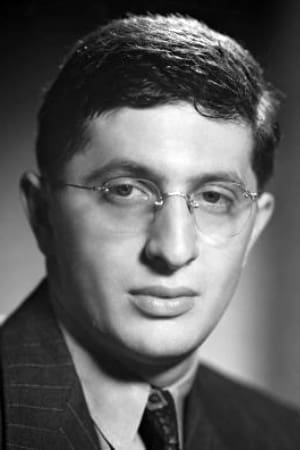
Herrmann deliberately moved away from the popular, flowing music of his time, choosing instead brief, repeating musical phrases. He’s well-known for the jarring string sounds he used in the shower scene of ‘Psycho,’ even though the director wasn’t immediately on board. His music for films like ‘Taxi Driver’ effectively built feelings of anxiety and unease in a city setting. He demonstrated that film scores didn’t have to be traditionally beautiful; they could be unsettling and explore the characters’ minds.
Rod Serling
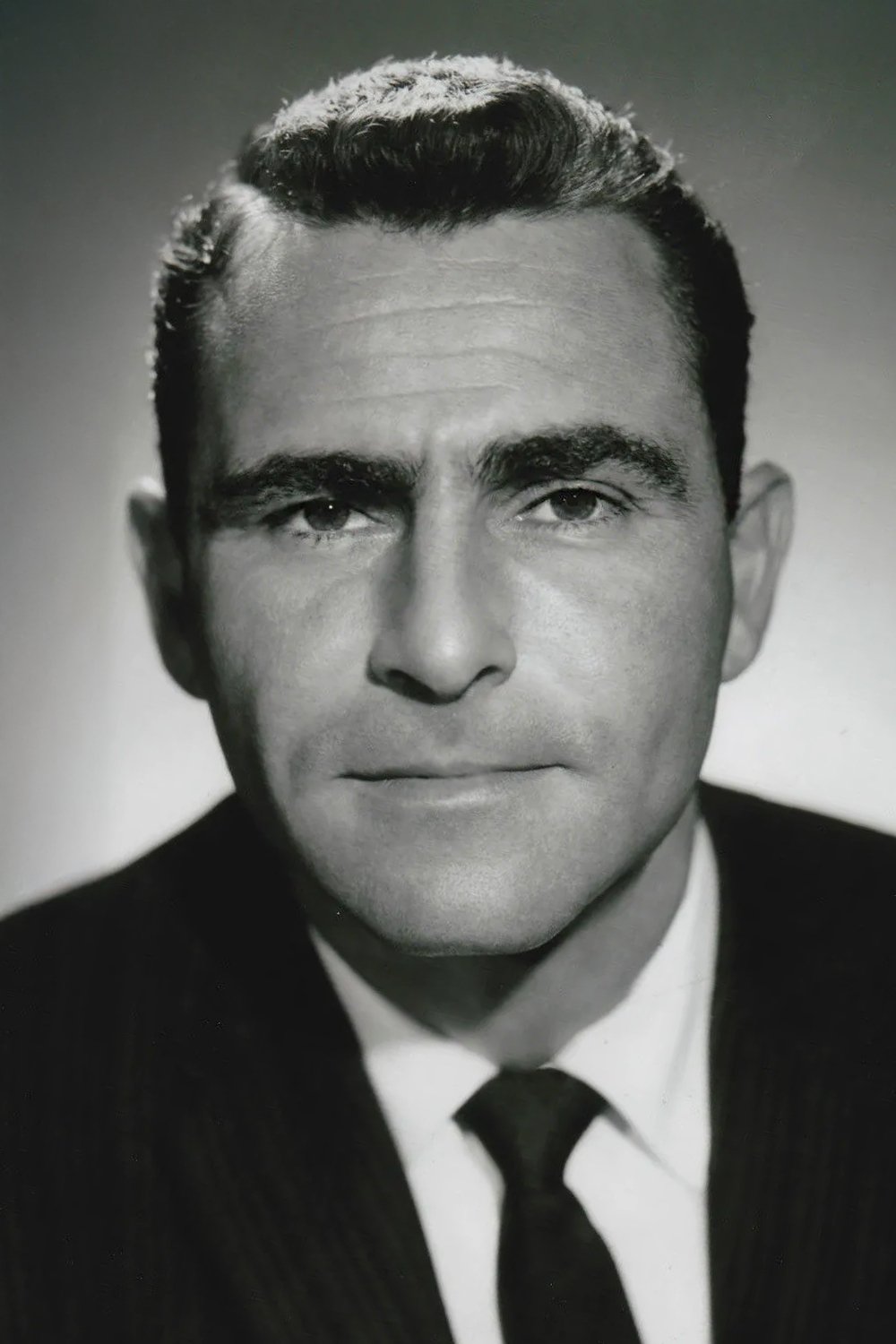
Rod Serling, inspired by shows like ‘The Twilight Zone,’ cleverly used science fiction stories to address sensitive and controversial social issues. He wrote episodes dealing with topics like racism and the horrors of war at a time when these subjects were often avoided in more traditional television dramas. His stories were famous for their surprising twists, which made viewers think about their own beliefs and biases. Ultimately, Serling redefined the role of a television writer, establishing them as someone who could offer important moral observations.
Joan Rivers
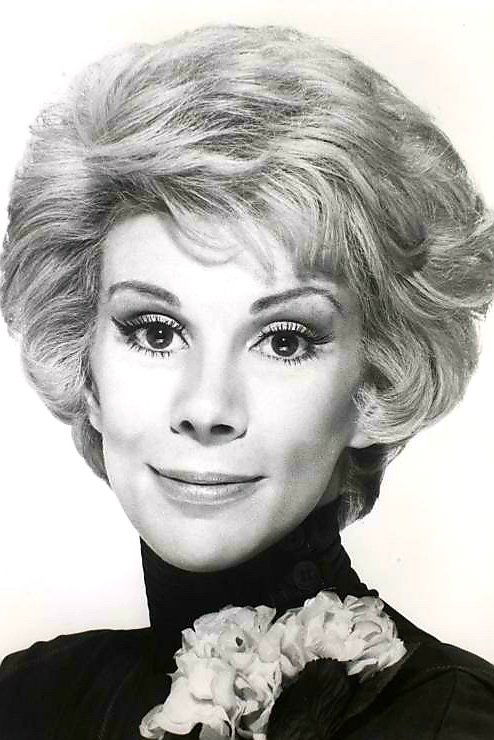
Joan Rivers revolutionized red carpet coverage, turning it from a simple entrance into a major fashion event. She popularized the now-famous question, “Who are you wearing?” and her bold humor helped create the constant celebrity coverage we see today. She also demonstrated that commenting on fashion could be a funny and entertaining form of comedy.
Bob Fosse
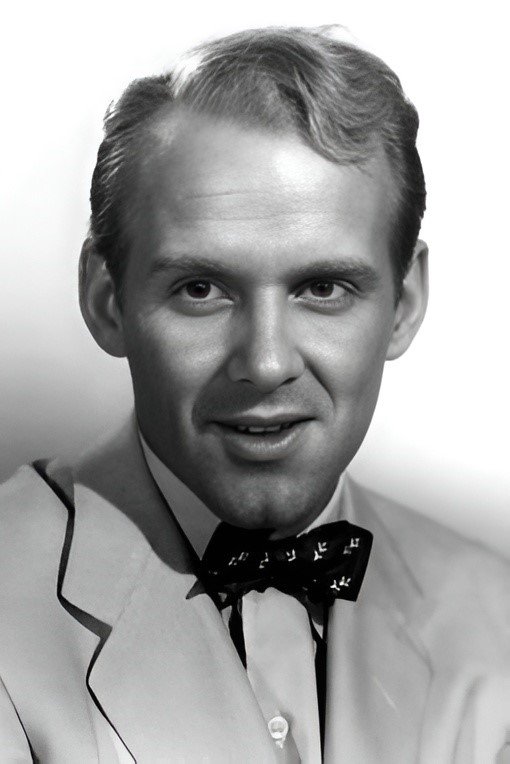
Bob Fosse revolutionized jazz dance, leaving a lasting impact on musical theater and film. He developed a unique style characterized by sharp, separate movements and a distinctive, slightly slumped posture, creating a sleek yet edgy look. His work on ‘Cabaret’ introduced a more mature and darker tone to movie musicals. Even now, choreographers frequently incorporate his iconic “jazz hands” and the image of a bowler hat into their work.
Satoshi Kon

This anime director was a master of editing, seamlessly blending dreams and reality in his films. His innovative transitions, particularly in ‘Paprika,’ have inspired live-action filmmakers like Christopher Nolan. Kon delved into the complexities of identity in a rapidly digitizing world, anticipating themes that would later become central to the social media age. He helped establish anime as a respected art form capable of deep psychological exploration.
Jim Henson
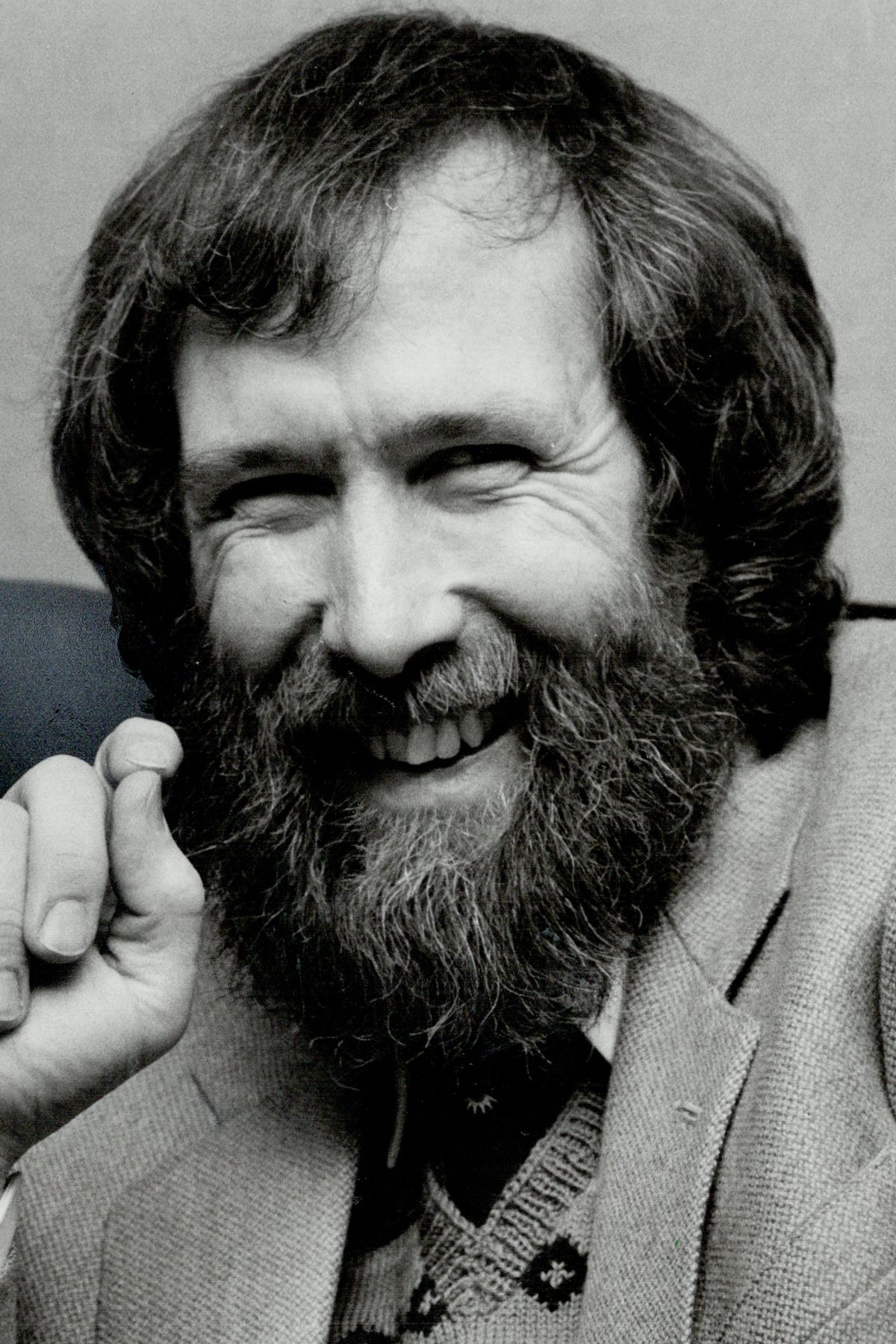
Jim Henson moved puppetry beyond the stage and adapted it for television, recognizing that the close-up view of a screen allowed for more delicate and personal performances. His Muppets weren’t just for kids – adults loved them too. Through his Creature Shop, he also transformed the world of animatronics, providing innovative technology for films across the industry.
Wes Craven
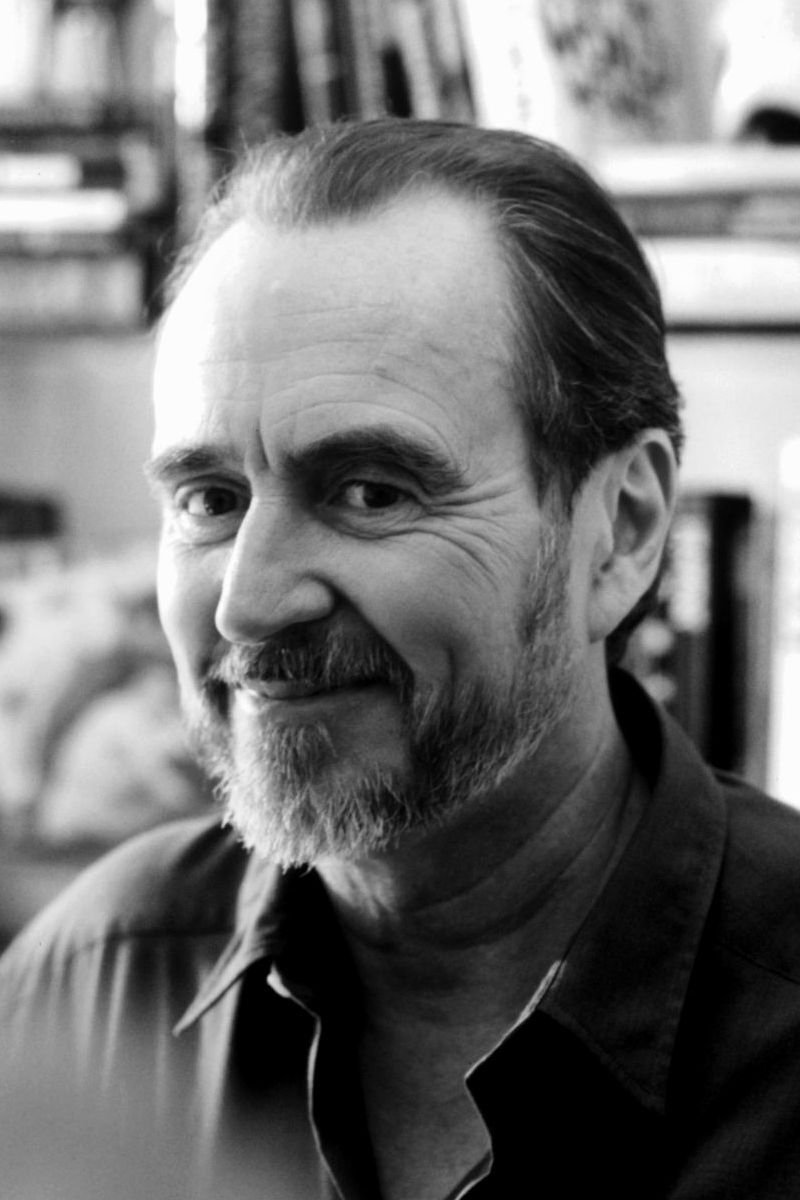
Wes Craven repeatedly reinvented horror movies by adding clever self-awareness. He didn’t just create scary villains; with films like ‘A Nightmare on Elm Street,’ he gave them distinct personalities and voices. Later, ‘Scream’ took this further by featuring characters who understood and commented on classic horror clichés, making the audience think about what makes something truly frightening.
We’d love to hear your thoughts! Share in the comments which unsung heroes – the people working behind the scenes – you believe had the greatest influence on the films or music you love.
Read More
- Invincible Season 4 Gender Swaps Tech Jacket As Fans Question Major Comic Change
- Building Agents That Learn and Improve Themselves
- Gold Rate Forecast
- Games That Faced Bans in Countries Over Political Themes
- Silver Rate Forecast
- Trading Crypto with AI: A New Approach to Portfolio Management
- 15 Films That Were Shot Entirely on Phones
- Why Won’t It Just *Do* What You Ask? Unpacking the Quirks of AI Language
- Unveiling the Schwab U.S. Dividend Equity ETF: A Portent of Financial Growth
- Thinking Before Acting: A Self-Reflective AI for Safer Autonomous Driving
2026-02-03 08:24