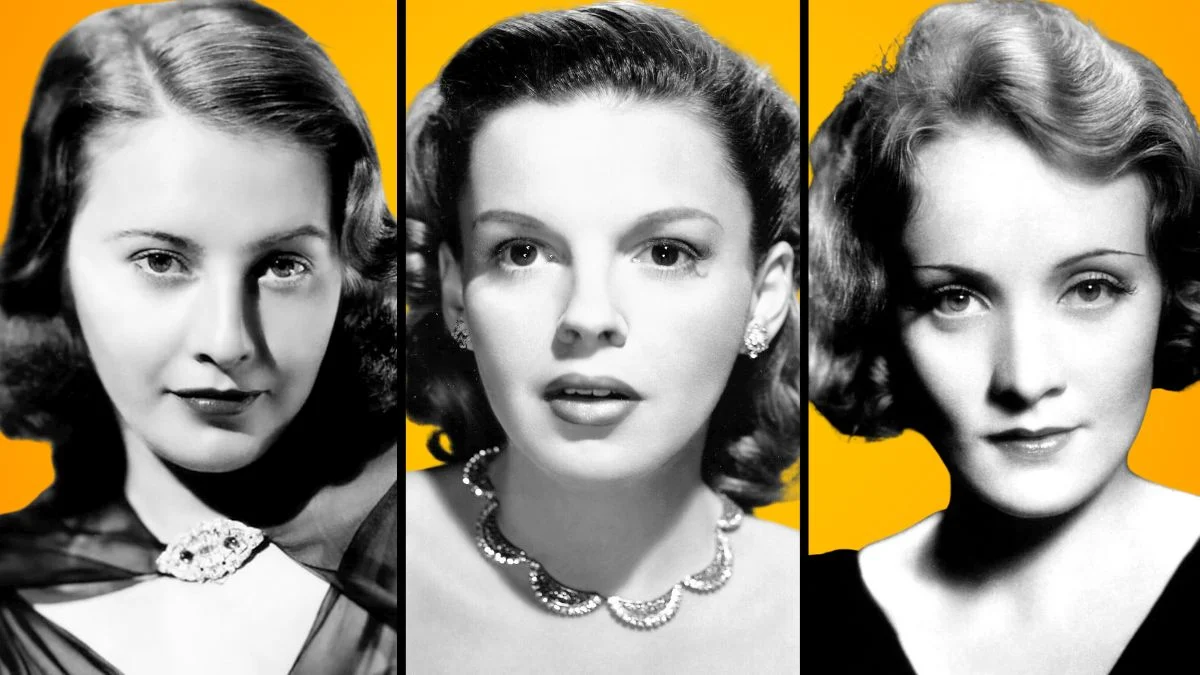
Throughout film history, certain performers have stood out by challenging the acting styles of their time. These actresses moved away from the exaggerated, dramatic performances common then, choosing instead to portray characters with genuine emotion and complex inner lives. Their innovative work paved the way for the realistic acting methods we see today, which focus on believable feelings rather than showy displays. Often, these talented women weren’t fully appreciated during their lifetimes, as audiences needed time to adjust to such honest portrayals. This is a tribute to the actresses who changed cinema with their groundbreaking performances.
Lillian Gish
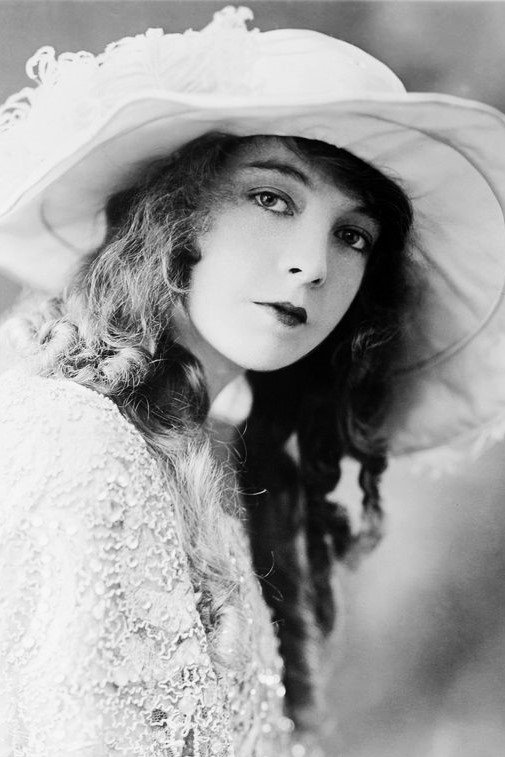
Lillian Gish is often considered the first real movie star because she understood how closely the camera could connect with an audience. Her performance in ‘The Wind’ powerfully portrays a woman’s descent into madness, and it still feels strikingly modern. She was a master of subtle acting, using just her eyes and small gestures to convey emotion – even without the help of on-screen text. Gish was committed to realism and would brave harsh conditions during filming to make her performances authentic. Ultimately, she defined the fundamentals of acting for the screen, techniques that actors continue to use today.
Jeanne Eagels
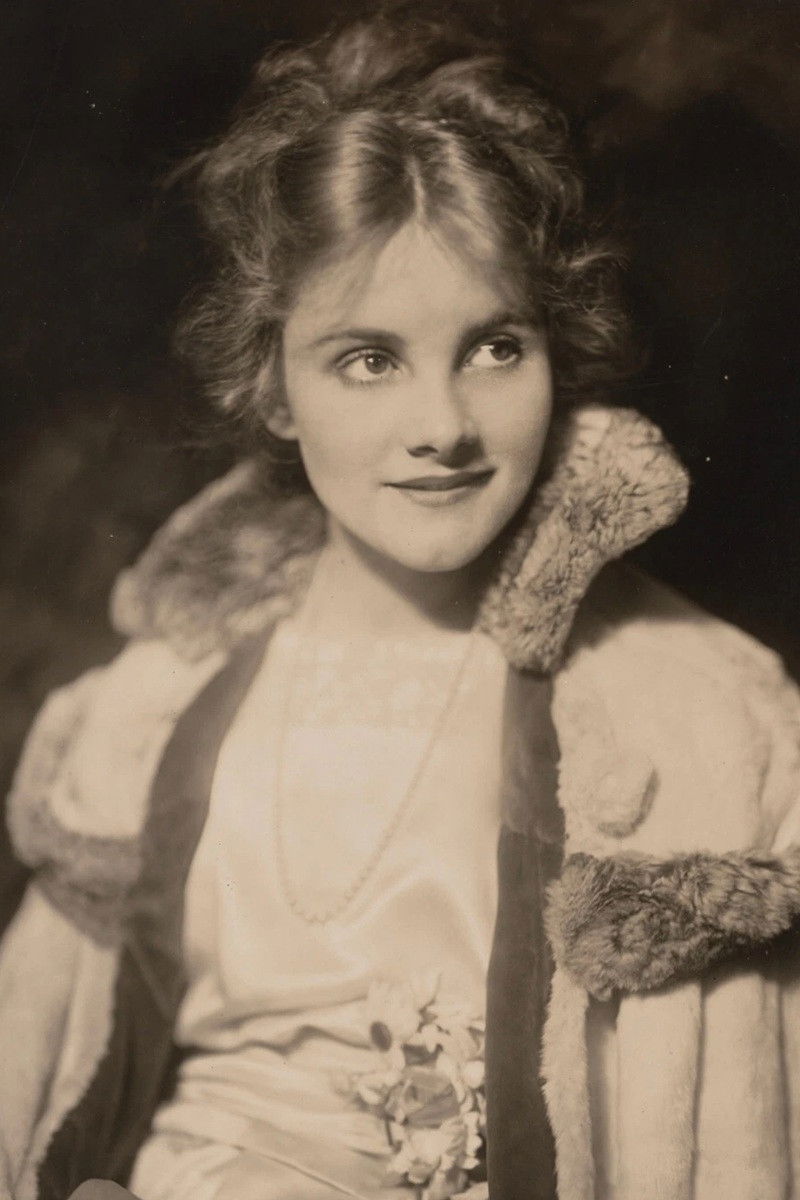
In the 1920s, her acting was shockingly natural and spontaneous. She brought a wild, energetic quality to films like ‘The Letter,’ breaking away from the refined acting styles of the era. Every performance was unique, keeping her fellow actors guessing. She prioritized genuine emotion over perfect technique, which was groundbreaking for her time. Today, she’s remembered as a trailblazer of instinctive acting.
Louise Brooks
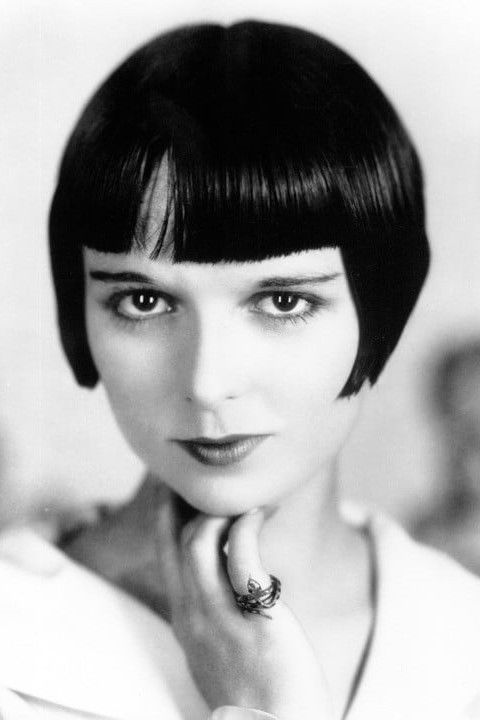
She moved away from the exaggerated acting style popular in the 1920s, choosing instead a more realistic and subtle approach. While her performance as Lulu in ‘Pandora’s Box’ was initially seen as emotionless, it’s now celebrated for its delicate nuance. She grasped how film could reveal a character’s inner life without overt displays of feeling. Her depictions of independent, sexually confident women were remarkably progressive for the time. Today, she’s still considered a captivating and influential figure in cinema.
Ruan Lingyu
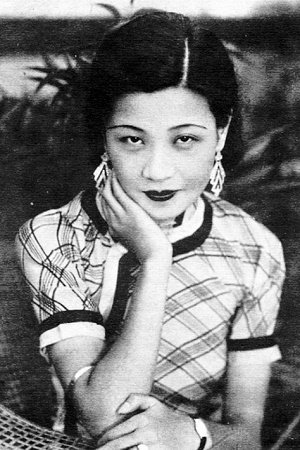
Often called the Greta Garbo of Shanghai, this actress revolutionized Chinese silent films with her incredibly realistic performances. She’s best known for ‘The Goddess,’ where she powerfully and respectfully portrayed a mother driven to desperate measures. She could express deep sadness with just a look or a gesture, without overacting. Tragically, her life and promising career, which was shaping a new wave of realistic Asian cinema, were cut short by her untimely death. Even today, her acting feels fresh and genuine.
Greta Garbo
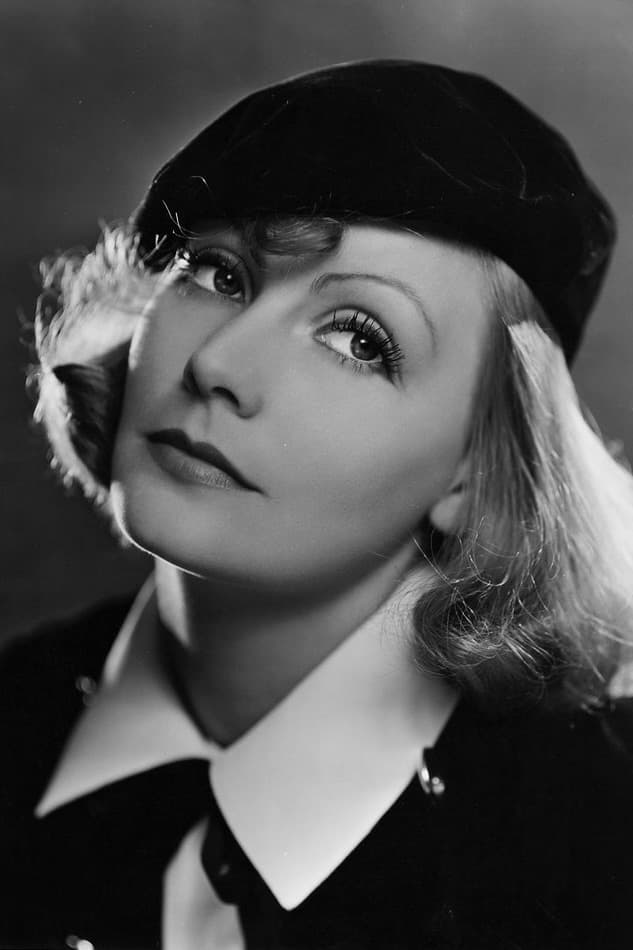
Greta Garbo transformed acting in Hollywood, focusing on inner thought and emotion rather than dramatic displays. In films like ‘Queen Christina,’ she created a captivating mystery, allowing viewers to connect with her characters on a personal level. She was a master of subtle performance, understanding how the camera would emphasize even the smallest expressions. Her unique androgynous style and cool demeanor defied traditional gender roles of the 1930s. Even today, she’s considered the best example of how powerful mystery can be in film.
Marlene Dietrich
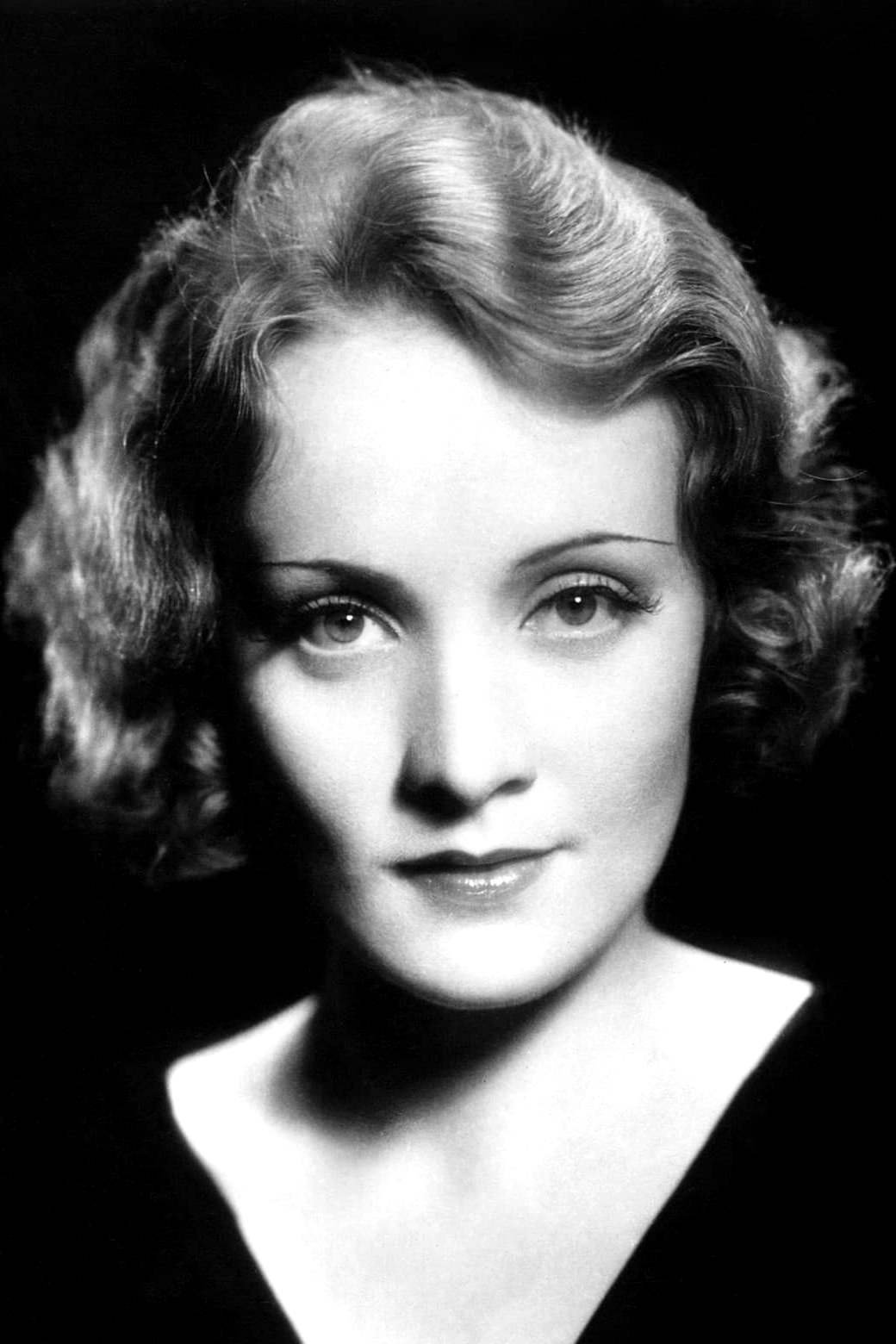
She challenged expectations of women with her open expression of sexuality and rejection of traditional roles. Her iconic role in ‘Morocco’ included wearing a tuxedo and sharing a kiss with another woman, both groundbreaking for the time. She took command of every scene, using her presence and voice in a way usually seen only in male actors. Her work with director Josef von Sternberg created a unique style – a blend of realism and exoticism that felt daring. In many ways, she represented freedom and independence long before it became widely accepted.
Jean Harlow
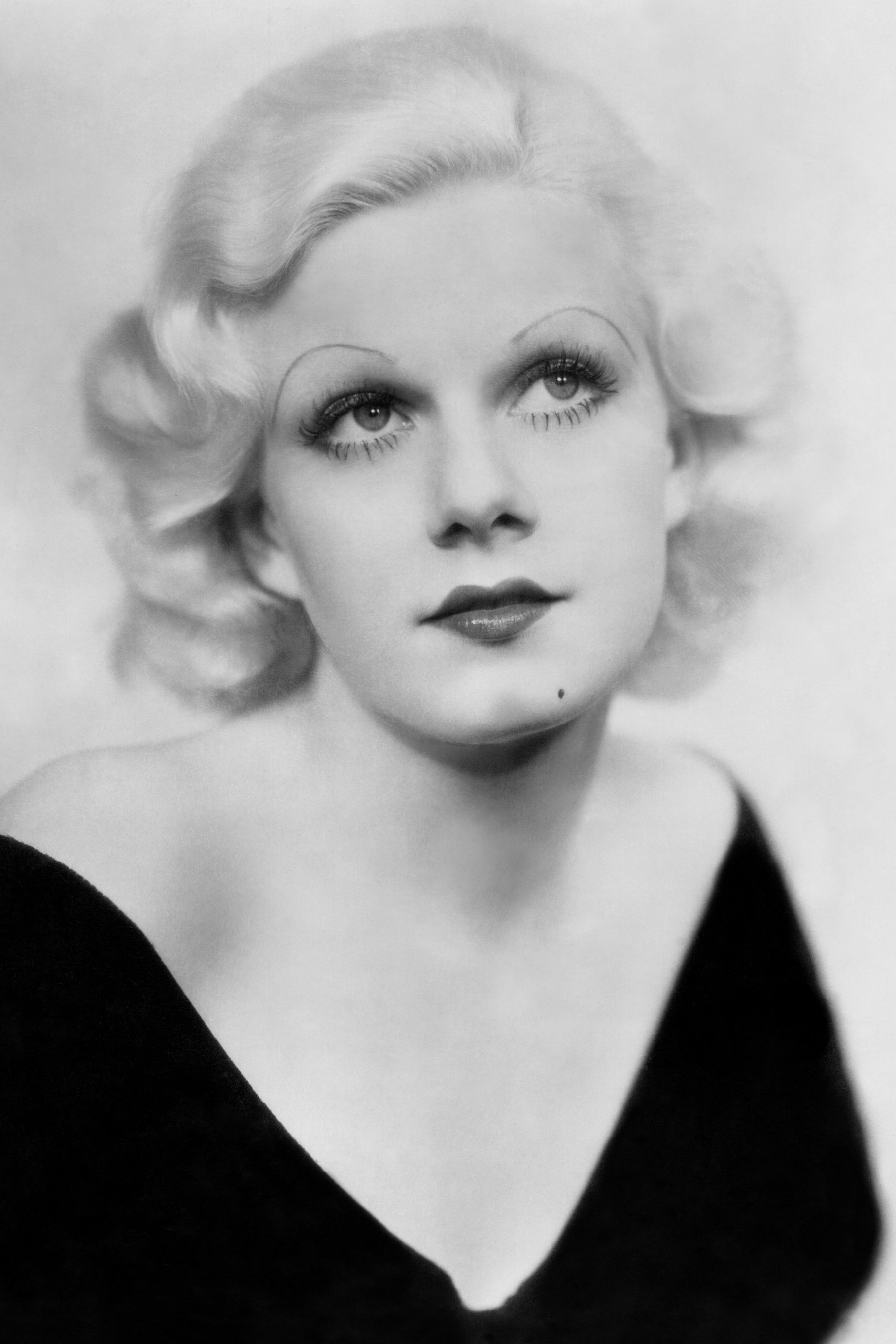
She revolutionized American cinema by openly and confidently portraying female sexuality, something rarely seen before. Her performances, especially in films like ‘Dinner at Eight,’ were known for their witty and realistic comedic timing. She often played strong, self-aware women who confidently embraced their own power. By combining vulnerability with a tough exterior, she became a model for the modern movie star, establishing a blueprint for the intelligent and captivating ‘blonde bombshell.’ Her untimely death was a tragic loss.
Carole Lombard
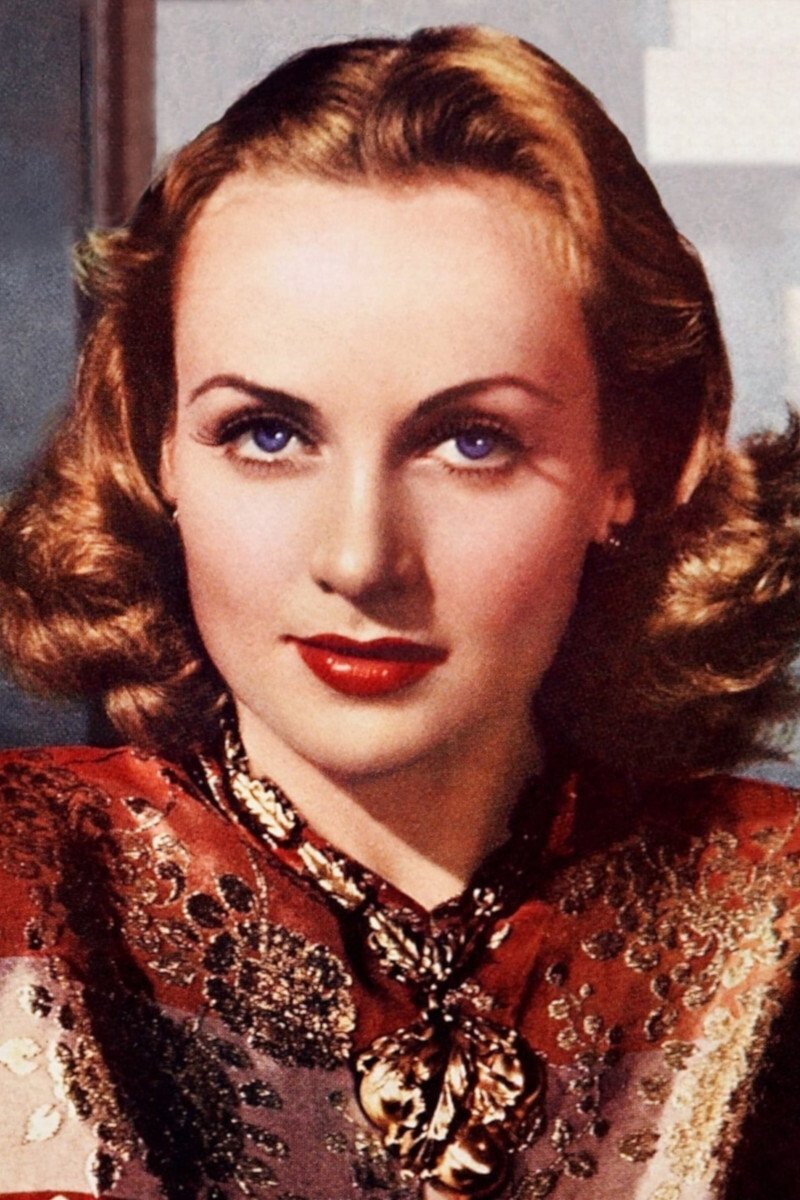
She revolutionized screwball comedy by showing audiences that women could be just as hilarious and unpredictable as men. Her role in ‘My Man Godfrey’ is a perfect example of her incredible energy and comedic timing. She wasn’t afraid to be silly and physical, completely abandoning any concern for how she looked. Her characters were memorable, independent women who often took charge of the story. She’s still considered one of the greatest comedic actresses ever to appear in films.
Barbara Stanwyck
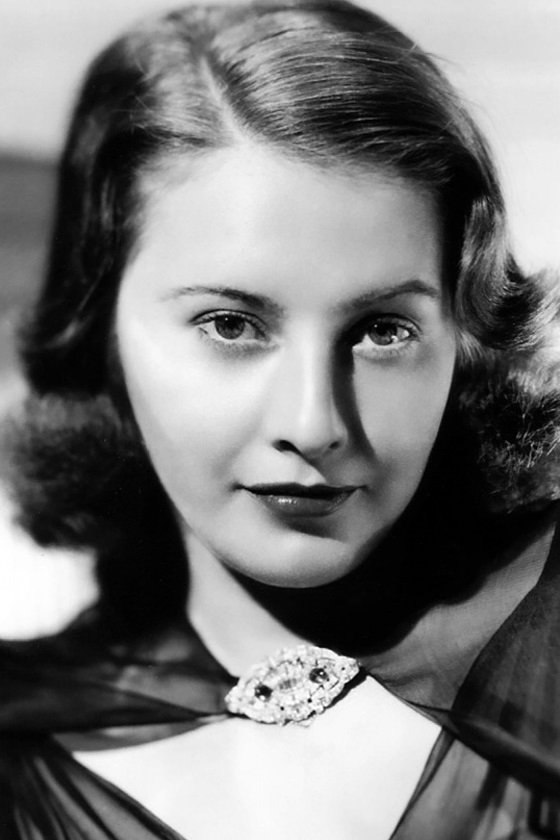
She was an incredibly versatile actress, equally convincing as both sympathetic and villainous characters. Her performance as Phyllis Dietrichson in ‘Double Indemnity’ remains the standard for how to play a dangerous, seductive woman. She brought a raw, realistic quality to her roles, moving away from the typical Hollywood glamour. She excelled at showing characters who appeared strong but were secretly fragile – a remarkably modern approach. Above all, she was a dedicated professional who always focused on making each scene feel truthful.
Anna Magnani
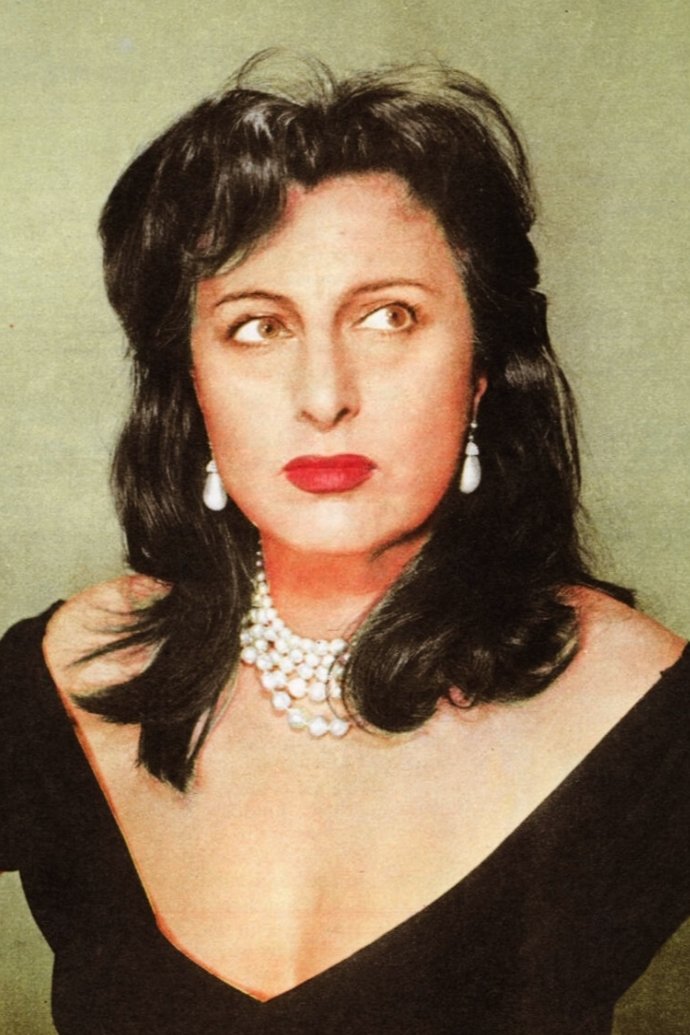
Anna Magnani was a powerful and groundbreaking actress who helped launch the Italian Neorealist movement. She challenged traditional Hollywood glamour, delivering a strikingly honest and natural performance in ‘Rome, Open City’ that redefined acting. Magnani refused to conform to expectations about age or emotion, portraying women as strong, genuine, and deeply human. Her performances felt incredibly real, full of unfiltered emotion, and inspired a new generation of actresses who embraced authenticity over artificiality.
Ida Lupino
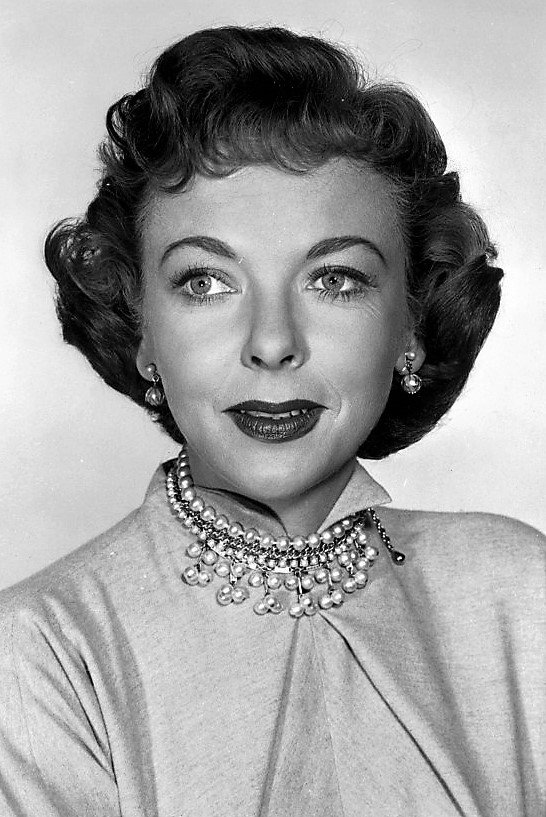
She was a trailblazing figure, equally impressive as an actress and a director. Known for her tough, realistic roles in classic noir films like ‘High Sierra,’ she often portrayed strong women facing difficult circumstances and challenging social norms. Later, she transitioned into directing, using her understanding of performance to create films that fearlessly explored sensitive topics like sexual assault and bigamy. Her entire career demonstrated a woman taking control and succeeding in an industry largely run by men.
Judy Garland
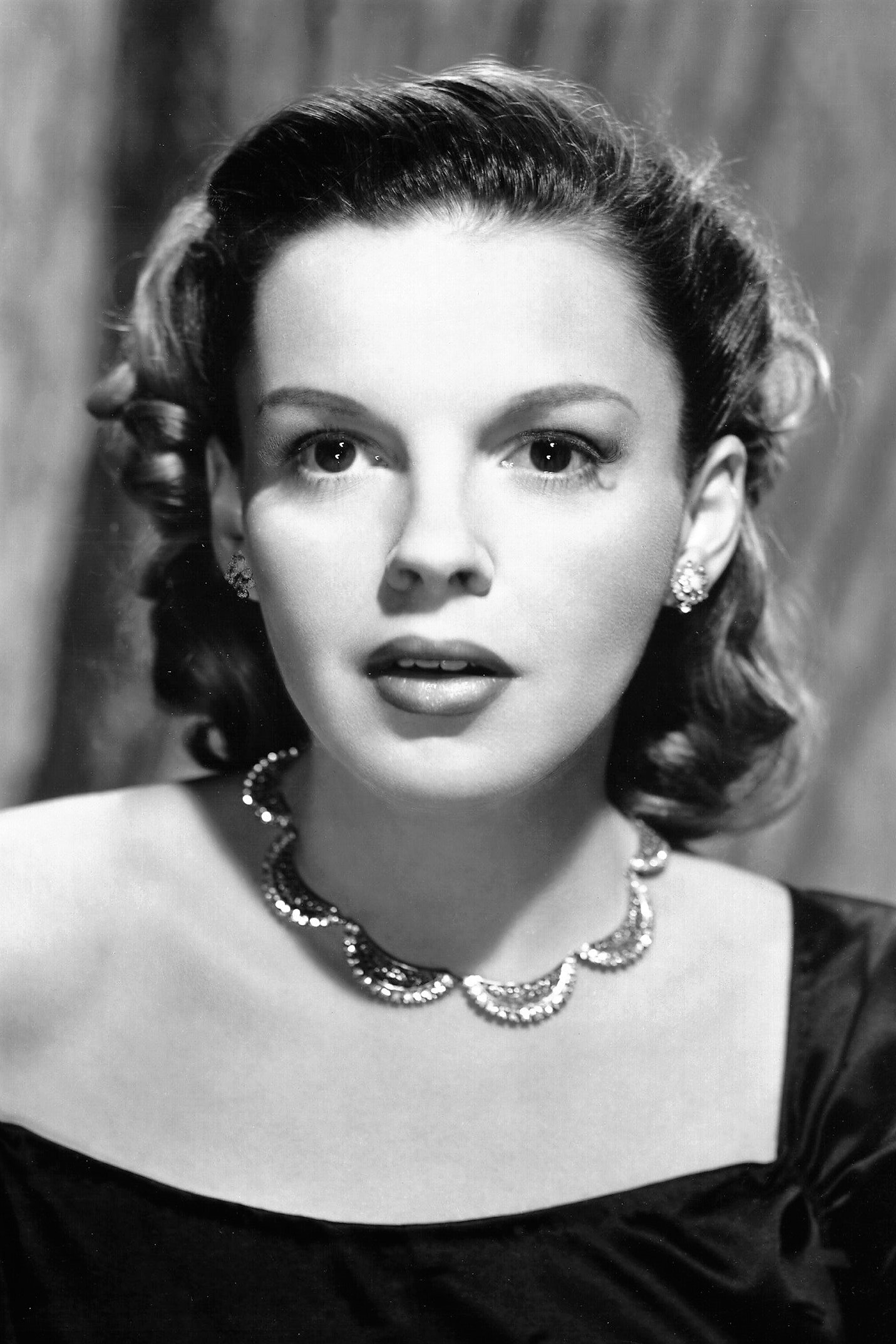
Judy Garland’s performance in the 1954 film ‘A Star Is Born’ was strikingly vulnerable and emotionally raw, which unsettled many viewers at the time. She powerfully drew on her own personal struggles, making it difficult to separate her from the character she played. Her musical numbers weren’t simply performances; they were deeply emotional scenes. She honestly portrayed the downsides of fame years before it became a common theme, and her ability to connect with audiences on such a raw emotional level remains unparalleled.
Judy Holliday
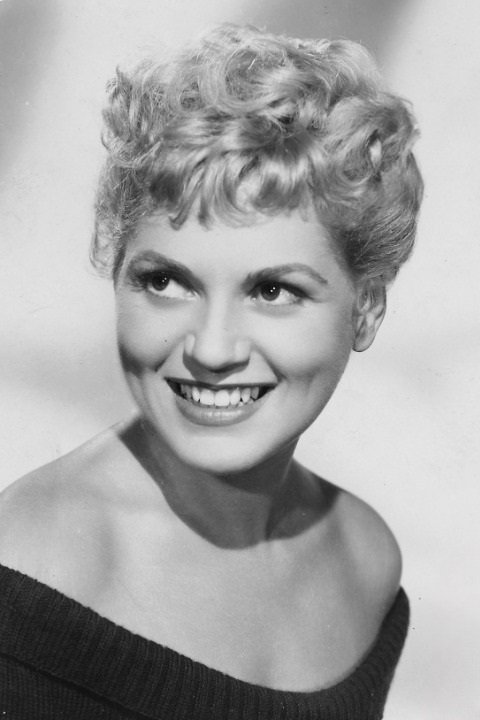
She was a brilliantly funny performer who cleverly played the role of a ditzy blonde to mask her true intelligence. Her Oscar-winning performance in ‘Born Yesterday’ actually poked fun at that very stereotype. She used her voice and physical movements to subtly highlight how men often underestimated women. Though technically masterful, her comedic style always seemed natural and effortless. She was a dedicated actress who brought a surprising level of depth and preparation to comedic roles.
Marilyn Monroe
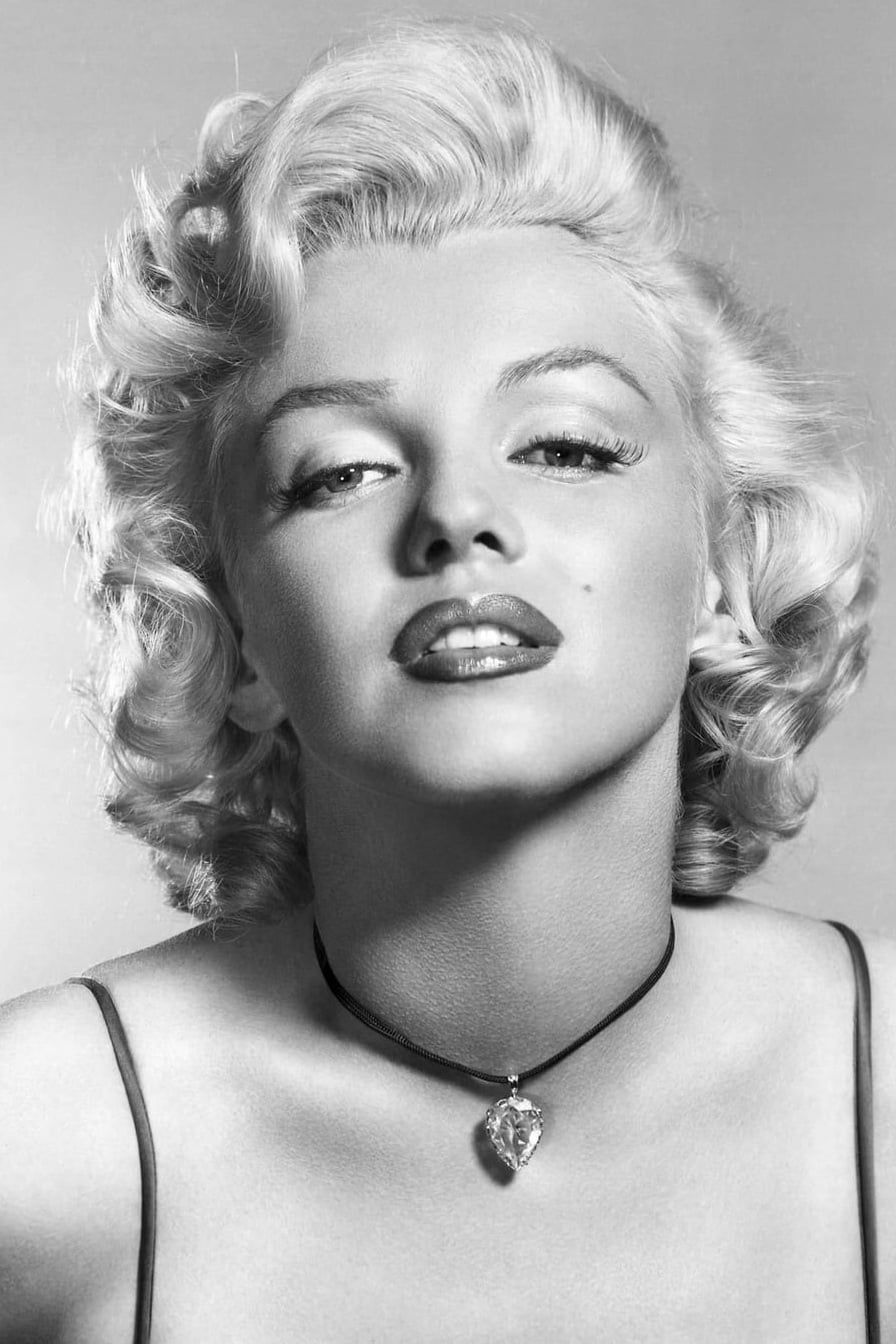
Though often seen just as a glamorous figure, she was a serious actress deeply committed to understanding her characters’ emotions. Her performance in ‘The Misfits’ is heartbreaking, revealing a vulnerability and sadness that’s difficult to watch. She bravely drew on her own personal struggles to create powerful and innovative performances. By combining striking beauty with a sense of inner pain, she created a unique and unforgettable image. She was a talented actress fighting for artistic recognition in an industry focused on her appearance.
Dorothy Dandridge
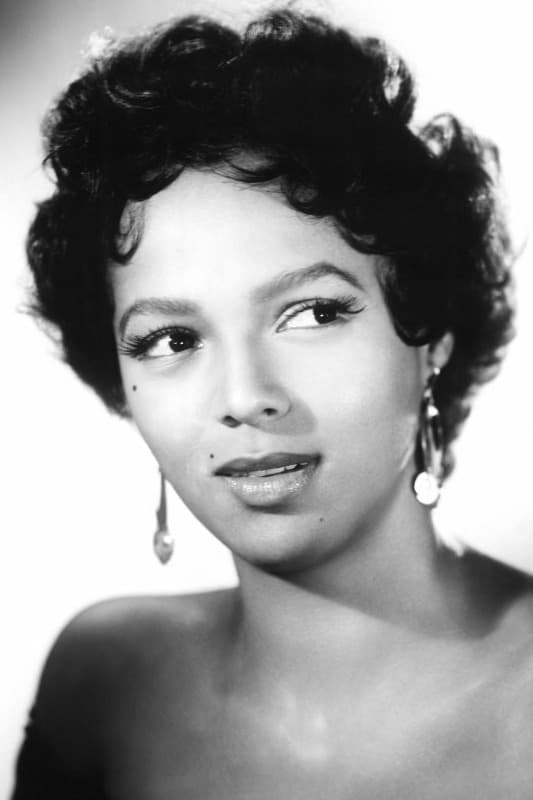
Dorothy Dandridge was a groundbreaking actress, the first African American woman nominated for the Best Actress Oscar. She was incredibly charismatic in films like ‘Carmen Jones,’ bringing a powerful and sensual energy to her roles. Unlike many Black actresses of the 1950s, she actively rejected stereotypical, submissive parts. Despite personal struggles and a lack of opportunities, her immense talent could have made her a star in any kind of film. She inspired countless actresses of color who followed in her footsteps.
Grace Kelly
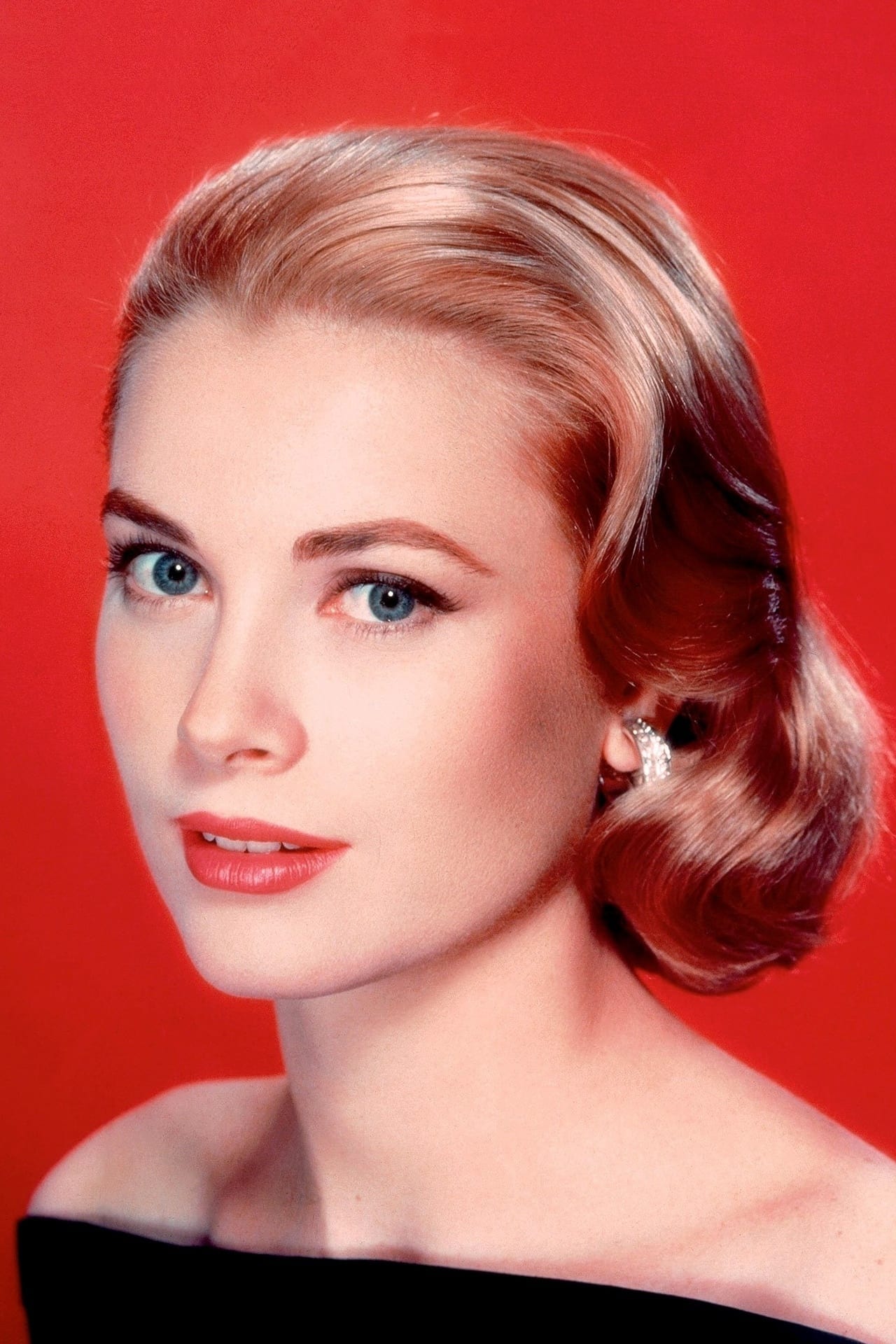
She became known for a unique acting style – a subtle intensity where strong emotions were hinted at, rather than overtly displayed. In films like ‘Rear Window,’ she used quietness and grace to suggest a rich inner world. Unlike many actors of the 1950s who favored dramatic displays, she offered a cool, sophisticated presence. This intriguing combination of approachability and distance captivated directors like Alfred Hitchcock, and she demonstrated that understated performances could be just as powerful as highly emotional ones.
Kim Stanley
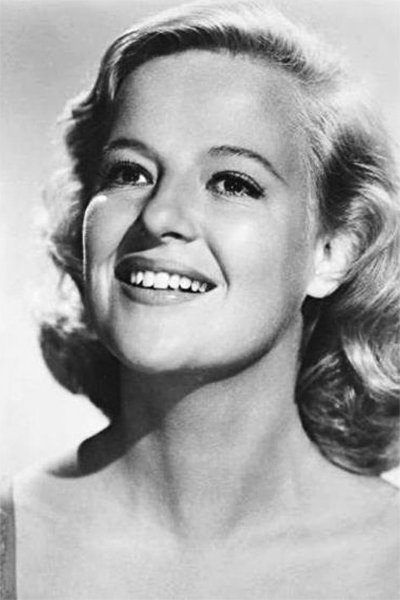
A legendary actress known for her deeply realistic performances, she was a master of the Method acting technique. Her role in ‘The Goddess’ powerfully portrays the hollowness behind celebrity. She famously used her own memories and senses to create incredibly raw and moving scenes. While she didn’t appear in many films because she always stayed true to her artistic vision, this dedication cemented her status as an icon. Many consider her the most influential female actor of her generation, comparable to Marlon Brando.
Gloria Grahame
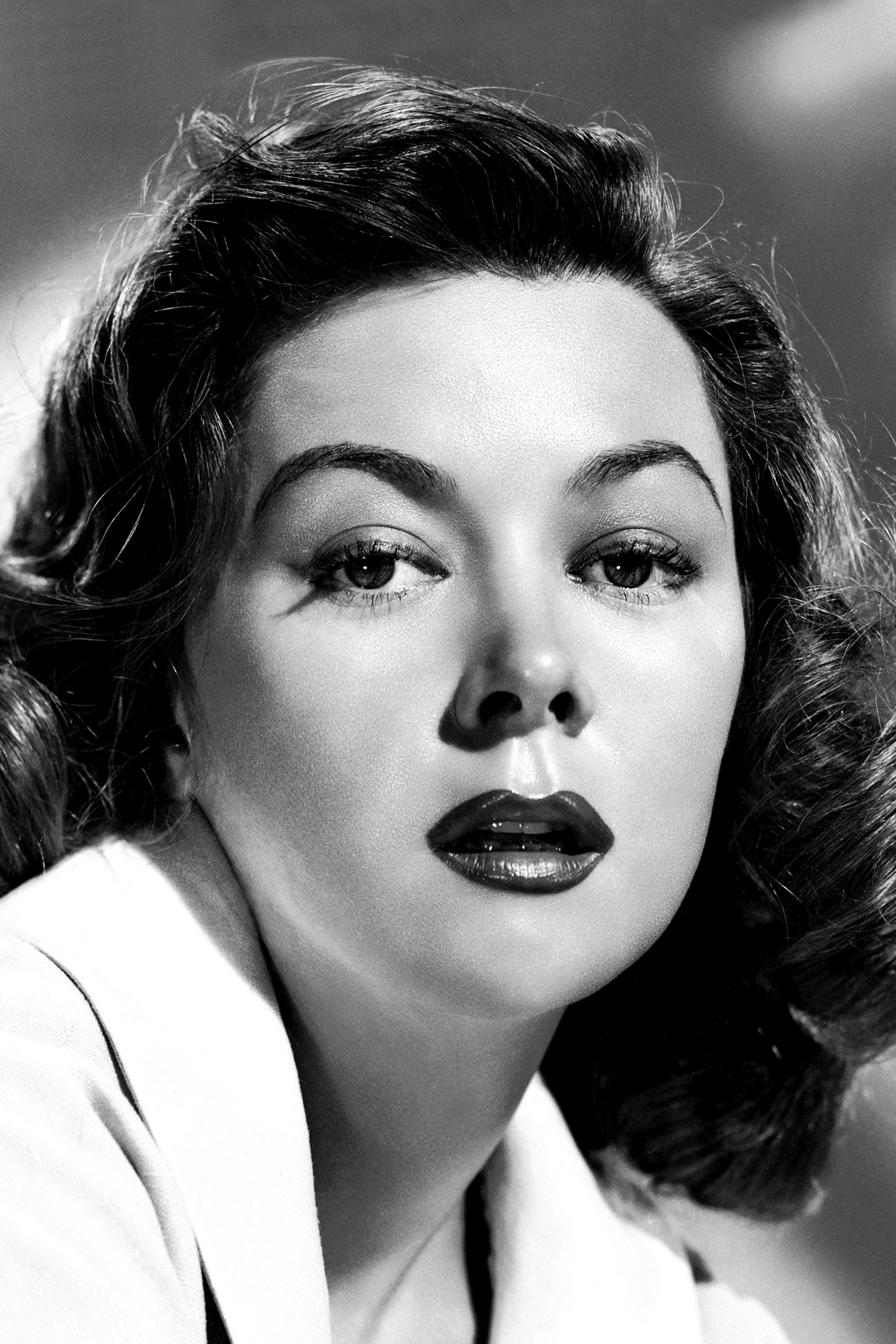
She stood out from other actresses with a captivating blend of world-weariness and emotional openness, especially in classic film noir. Her role in ‘In a Lonely Place’ is a particularly nuanced portrayal of a woman falling for someone troubled. She frequently played complex characters – flawed, self-assured, and often with a hidden side. Her delivery was both playful and tired, giving her performances a surprisingly modern feel. She had a knack for stealing scenes and always brought a richer depth to any film she was in.
Simone Signoret
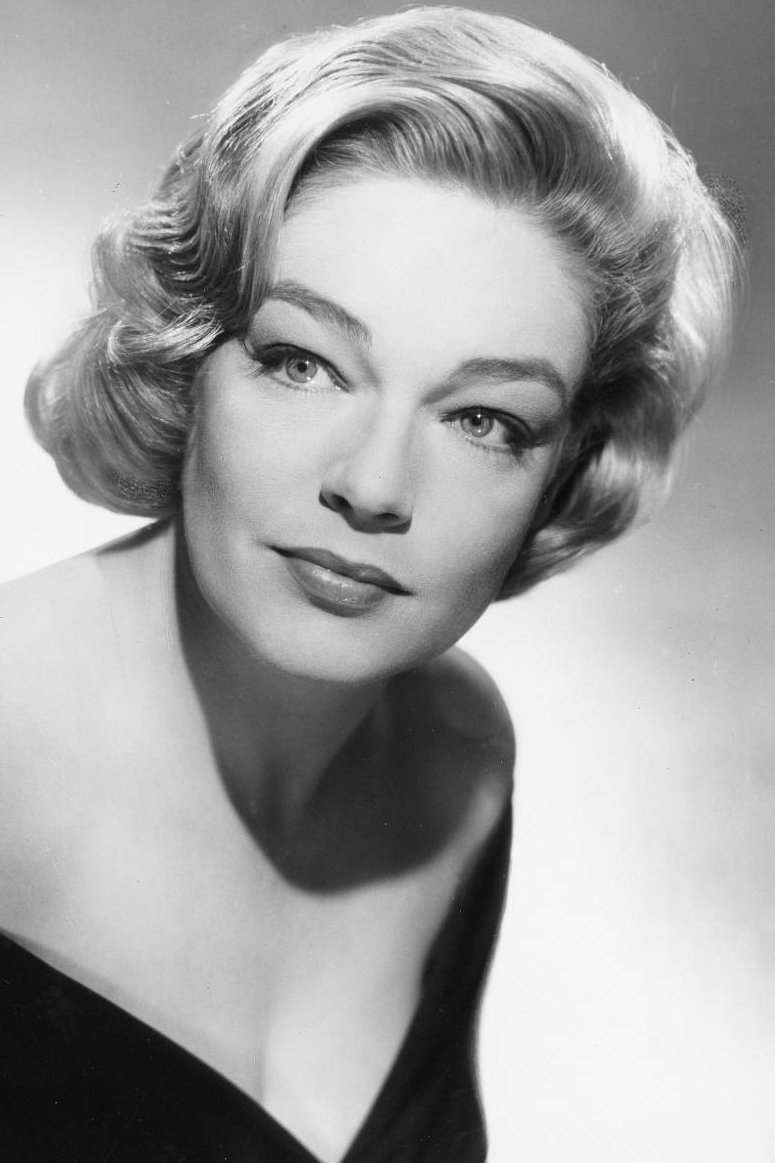
A celebrated French actress, she embraced growing older and allowed her life experiences to show on her face. Her role in ‘Room at the Top’ was known for its mature and heartbreakingly beautiful portrayal of desire. Unlike many in Hollywood, she didn’t chase eternal youth, instead prioritizing the genuine emotions of her characters. She was uniquely skilled at expressing deep regret and wisdom simply through her expressions. She helped change the industry, proving actresses could remain compelling and successful well beyond their younger years.
Giulietta Masina
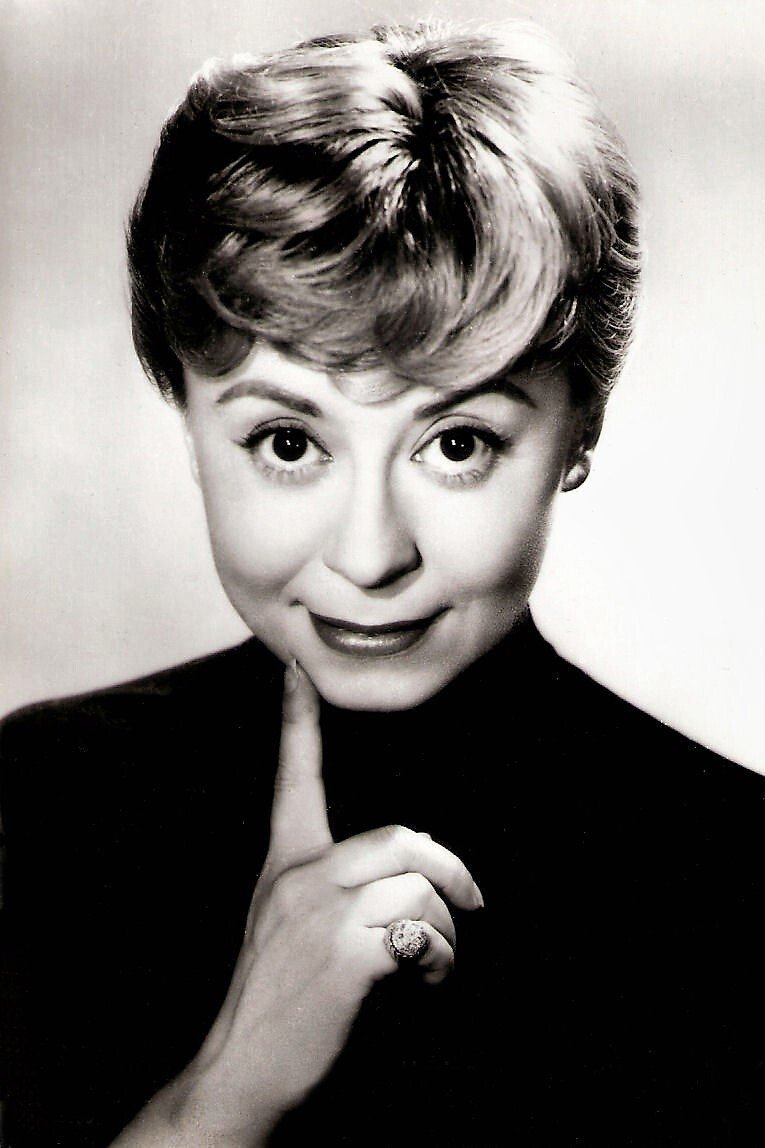
Giulietta Masina blended slapstick humor with genuine emotional power. Her portrayal of Gelsomina in ‘La Strada’ is unforgettable – a character defined by both innocence and profound sadness. She conveyed a sense of childlike amazement through her incredibly expressive face, but also showed how easily that wonder could be destroyed by a cruel world. Her acting was both artistic and deeply relatable, making her a truly unique and enduring figure in film.
Setsuko Hara
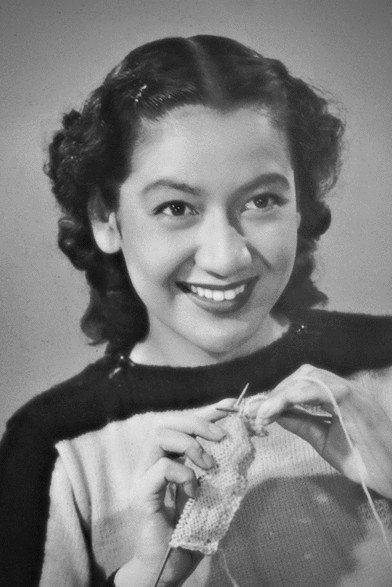
Often called the “Eternal Virgin” of Japanese film, she was a remarkably subtle and rebellious performer. In movies like ‘Tokyo Story,’ her signature smile often hid feelings of sadness and disillusionment. She beautifully captured the strength and quiet dignity of Japanese women after the war, using understated performances. Her sudden retirement while still famous only added to her enigmatic appeal, and she was a master at showing the conflict between old and new ways of life.
Hideko Takamine
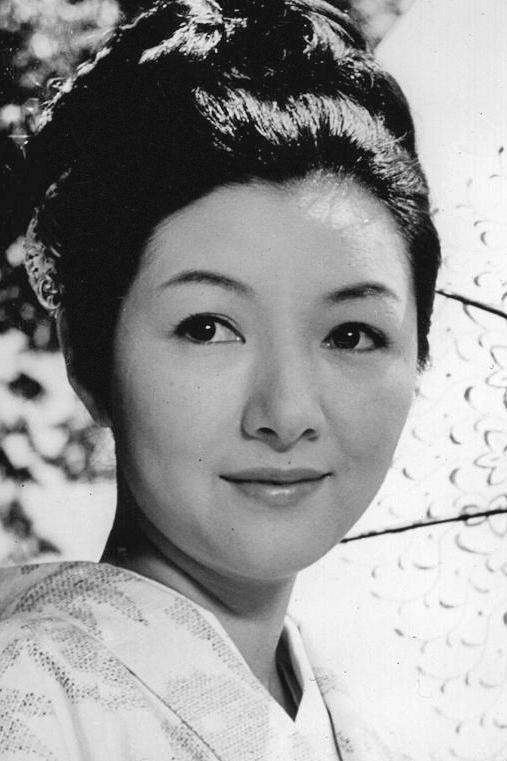
Beginning her career as a child actor, she became one of Japan’s most talented and contemporary actresses. She powerfully portrayed a woman caught in a damaging relationship in ‘Floating Clouds,’ bringing a remarkable sense of realism to the role. She often played strong, independent women navigating a rapidly changing Japan. Her performances were known for being honest and emotionally grounded, avoiding excessive drama in favor of portraying genuine psychological depth. She truly captured the resilience and strength of the Japanese people.
Nargis
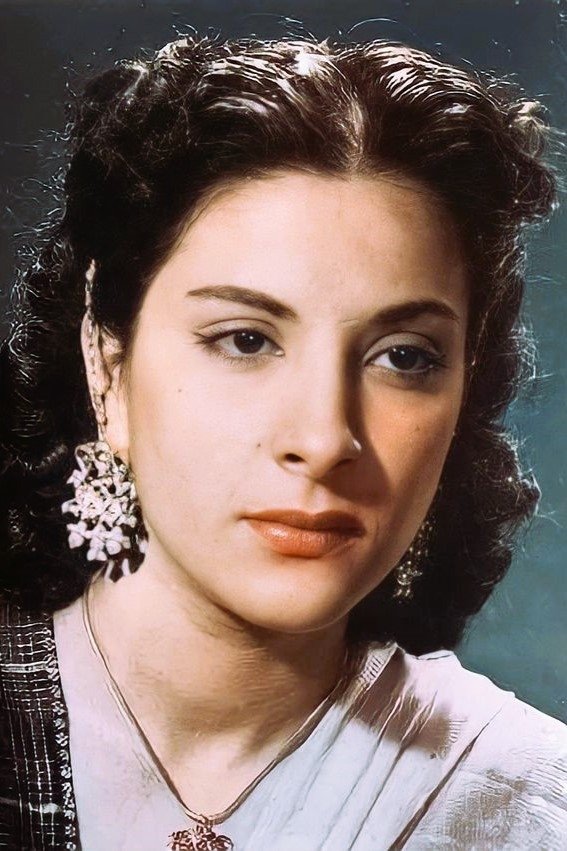
Nargis Dutt is considered the defining actress of India’s classic cinema, known for her realistic and compelling performances. She famously portrayed a woman aging decades in ‘Mother India,’ convincingly transforming from a young bride into an older, powerful mother figure. She brought a sense of grace and resilience to her roles, becoming an icon for the country. Her on-screen connections with her co-stars felt authentic and full of emotion, and she remains the benchmark for dramatic acting in Bollywood.
Meena Kumari
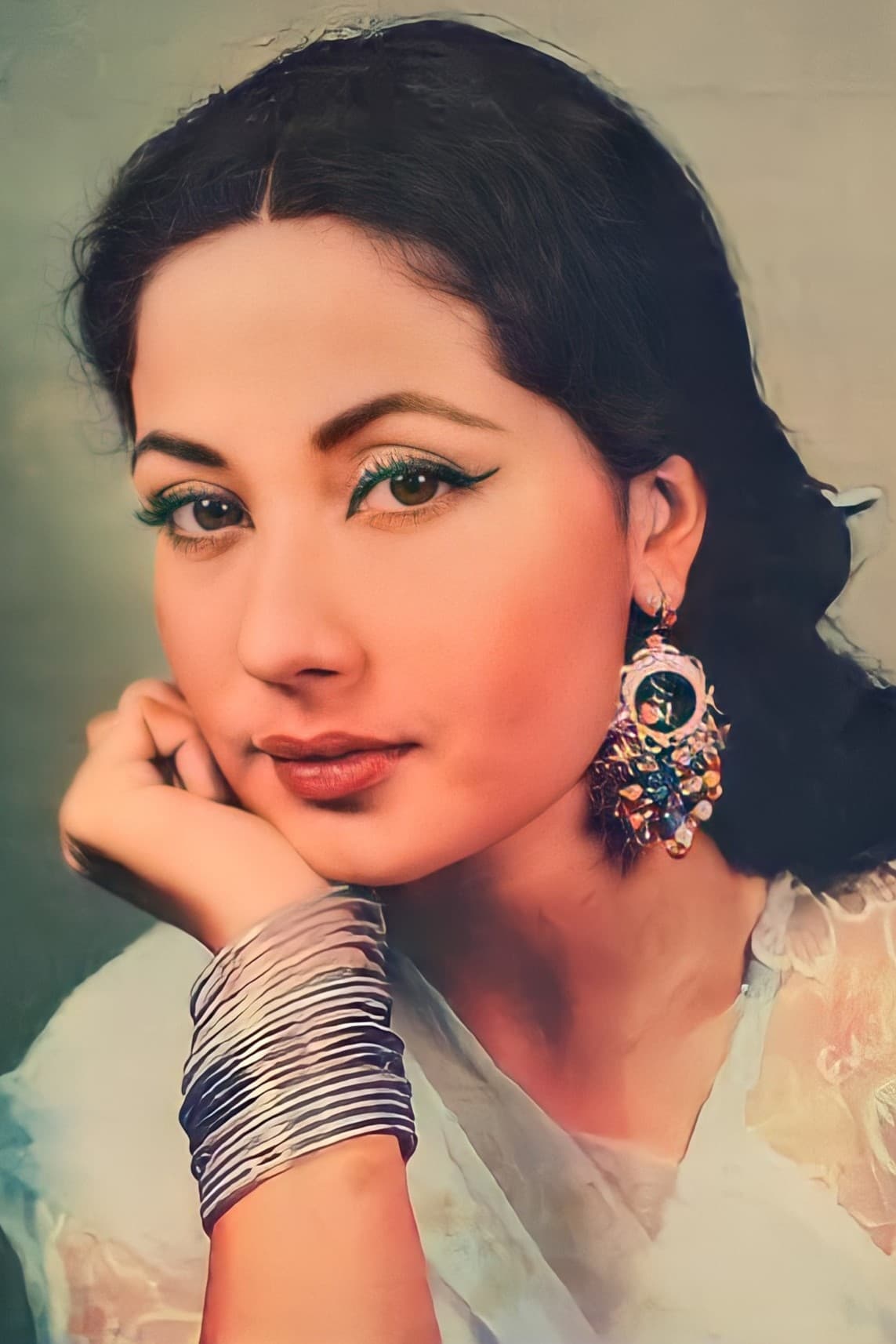
Often called the ‘Tragedy Queen’ of Indian films, she was famous for her powerful portrayals of sadness. Her most memorable role in ‘Sahib Bibi Aur Ghulam’ is a deeply moving depiction of the effects of alcoholism and emotional abandonment. She could communicate years of pain with just a look or the tone of her voice. Her acting felt incredibly personal, often reflecting her own difficult experiences, and she transformed the way female suffering was shown on screen, turning it into something truly artistic.
Nutan
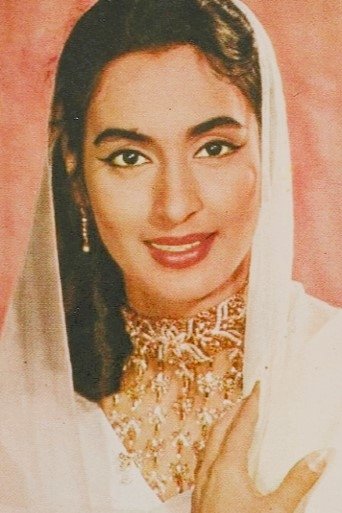
She revolutionized acting in India by moving away from the dramatic styles popular in the 1950s and 60s, embracing a more realistic approach. Her role in ‘Bandini’ is a perfect example of how she conveyed deep feelings and internal struggles with subtlety. She skillfully used silence and small movements to portray complex emotions. She often played strong, dignified women, and continues to inspire actors in Indian cinema with her nuanced performances.
Jean Seberg
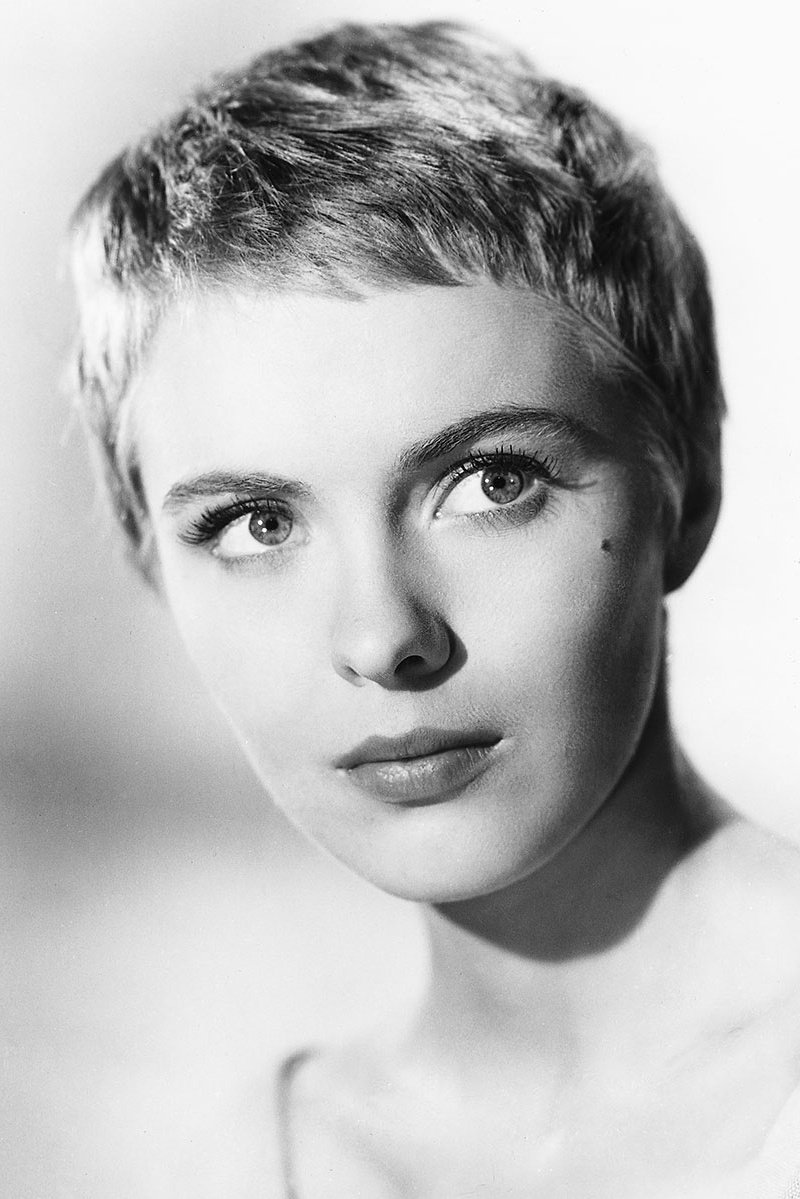
Jean Seberg quickly became a symbol of the French New Wave after her first film, ‘Breathless’. She defied traditional notions of beauty with her short haircut and contemporary clothing. Her acting style felt natural and unscripted, perfectly complementing the innovative filmmaking of the time. She didn’t seem to be playing a character, but rather portraying a real person, and she helped connect American and European approaches to cinema.
Barbara Loden
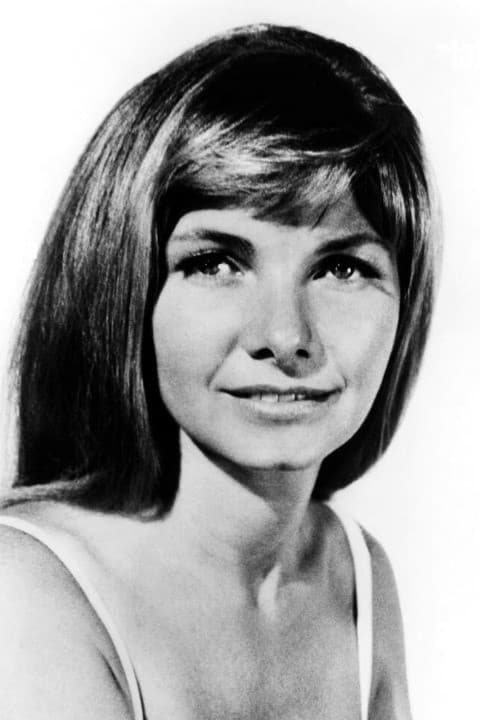
Barbara Loden’s film ‘Wanda’ is a significant work of independent cinema, as she not only made it but also starred in and directed it. Her performance is strikingly honest and shows a woman lost and without control of her own life. Loden avoided making the character likable or judging her actions, instead offering a very realistic and unvarnished portrayal. Her acting was inspired by a direct, documentary-style approach, resulting in one of the most genuine depictions of loneliness and disconnection in American film.
Romy Schneider
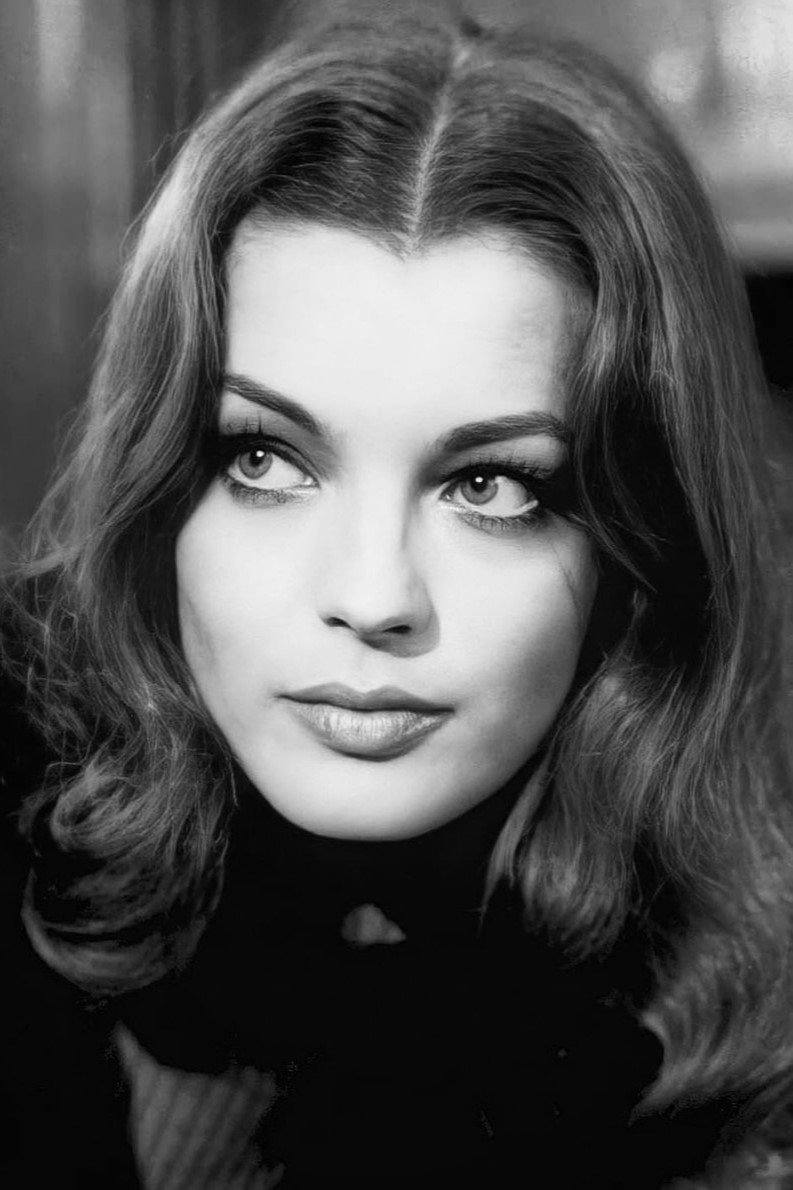
She transformed from a wholesome, innocent persona into an actress known for her raw and deeply honest performances. In films like ‘That Most Important Thing: Love,’ she fearlessly revealed her vulnerabilities on screen, acting with a captivating openness that felt completely unguarded. Her own personal struggles often infused her characters with a haunting sense of tragedy. She poured all of her energy and emotion into her work, ultimately leaving herself completely exposed.
Natalie Wood
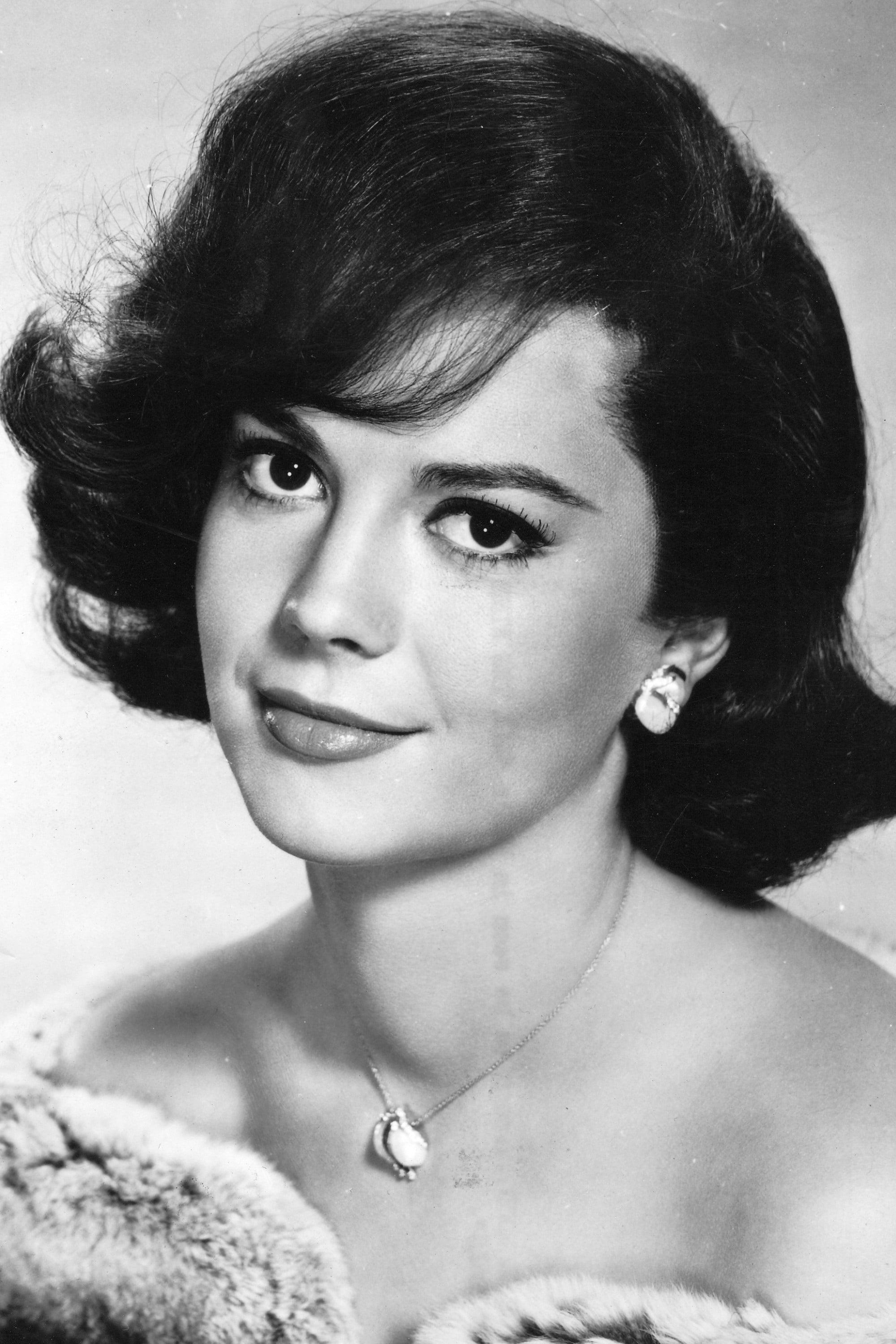
Starting as a young star, she successfully became a respected actress known for taking on challenging and mature roles. Her performance in ‘Splendor in the Grass’ powerfully portrays the emotional turmoil caused by sexual frustration. She wasn’t afraid to honestly depict the difficult side of being a teenager, and her on-screen honesty was deeply moving and often sad. She also actively worked to find more meaningful roles and have more say in her career.
Gena Rowlands
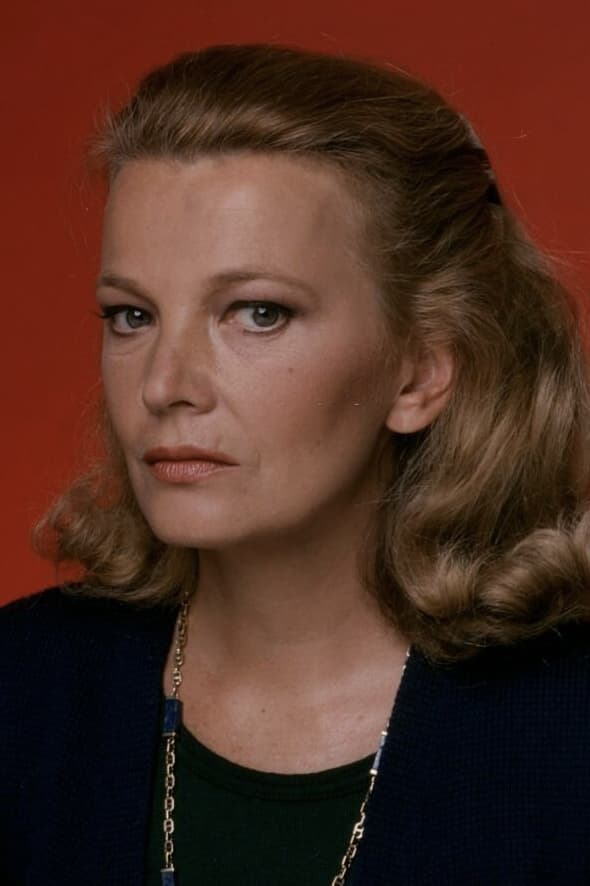
Gena Rowlands and her husband, John Cassavetes, developed a uniquely natural and emotionally powerful acting style, relying heavily on improvisation. Her performance in ‘A Woman Under the Influence’ is considered a masterpiece, brilliantly portraying intense turmoil and psychological distress. She blurred the lines between herself and her characters, exposing difficult and honest realities. Her innovative work helped shape independent film and inspired more realistic portrayals of people on screen. She bravely delved into the complexities of the human mind.
Delphine Seyrig
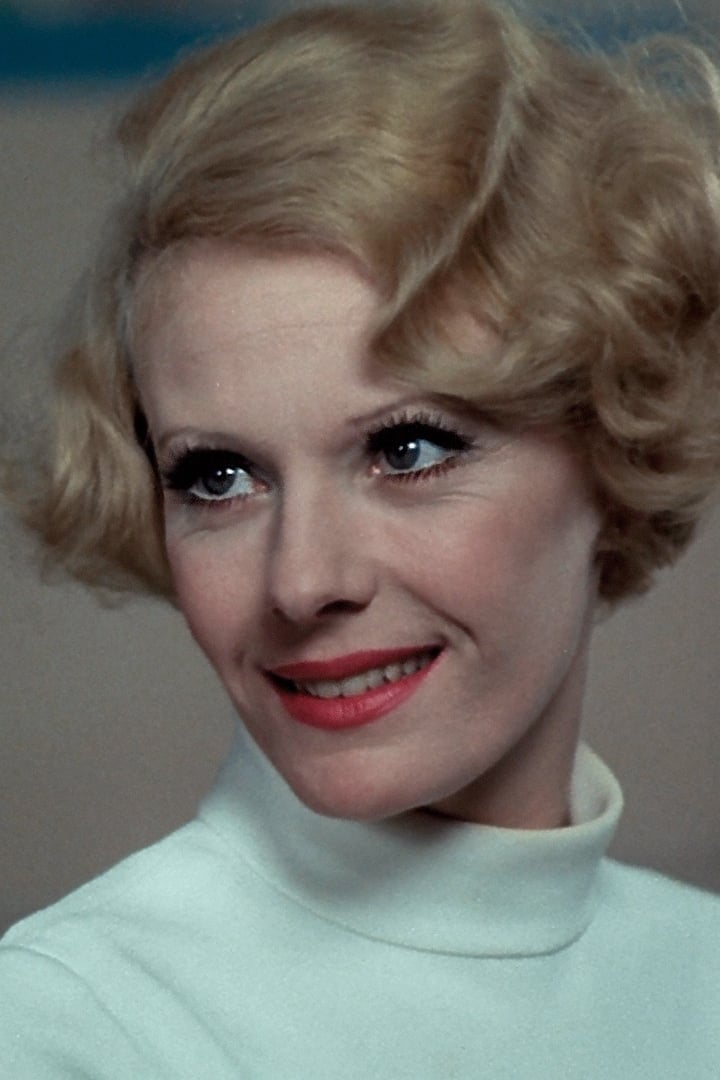
Delphine Seyrig brought a unique, thoughtful style to her film roles, notably in ‘Last Year at Marienbad.’ Her performance in ‘Jeanne Dielman’ transformed everyday tasks into a powerful exploration of anxiety and the meaning of life. She skillfully used her voice and precise movements to challenge traditional portrayals of women in film, becoming a feminist icon through her choice of roles that resisted typical male perspectives. Her work continues to be central to experimental filmmaking.
Madeline Kahn
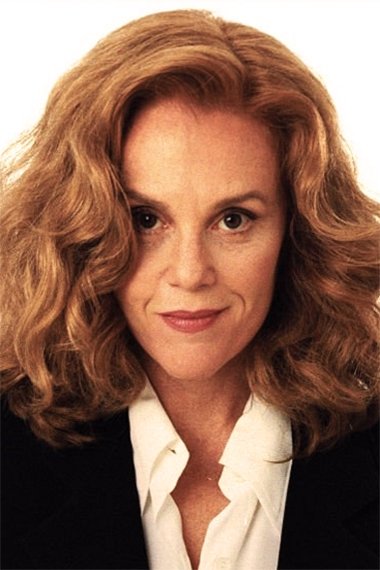
She was a remarkably funny performer, famous for her ability to make up hilarious scenes on the spot. Many remember her role in ‘Blazing Saddles’ – a funny send-up of cabaret singers that also showcased her impressive voice. She excelled at playing characters who were both delightfully eccentric and surprisingly endearing. Her voice was incredibly versatile, able to move from operatic heights to a quiet mumble in an instant. She infused every character she played with a quirky, contemporary vibe.
Smita Patil
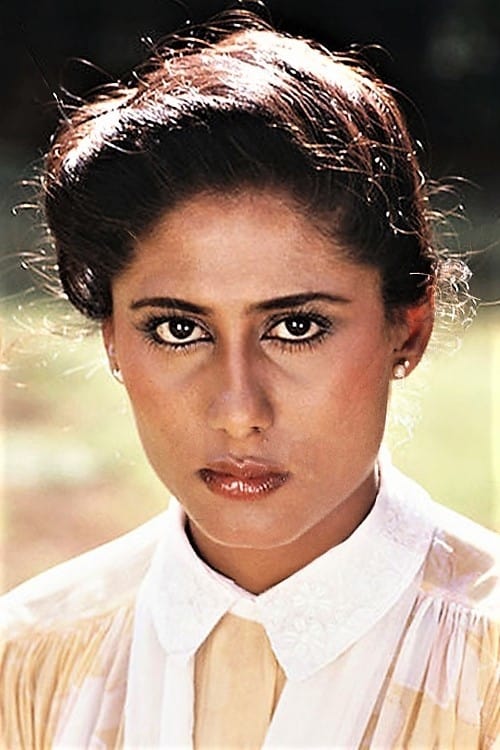
Smita Patil was a key player in India’s Parallel Cinema, known for her realistic and powerful depictions of women. Her role in the film ‘Bhumika’ showed the difficult life of an actress with remarkable honesty and strength. She purposefully moved away from the typical glamour of Bollywood to concentrate on films that tackled important social issues. Her expressive eyes communicated a strong will and defiance against injustice. Though she died at a young age, she left behind a legacy of work that changed Indian acting forever.
Anita Mui
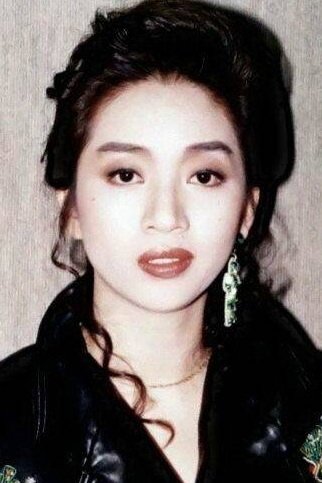
She was a groundbreaking star who transformed Hong Kong’s film and music scene with her incredible talent. Many remember her iconic role in ‘Rouge,’ where she beautifully portrayed a ghost searching for lost love. She moved seamlessly between funny, exciting, and heartbreaking roles, captivating audiences with her natural skill. Her powerful presence on stage challenged traditional expectations, particularly through her daring and stylish clothing. She truly embodied the best of Hong Kong cinema’s most celebrated period.
Cicely Tyson

I was always so inspired by her. She never settled for roles that portrayed Black women negatively; she insisted on characters who were strong, complex, and deserving of respect. I remember being deeply moved by her performance in ‘Sounder’ – she brought such a real, human quality to the screen and really broke down stereotypes. She wasn’t just an actress; she used her talent to teach and inspire people through the stories she told. And her commitment to getting it right was incredible – she’d completely transform herself, like when she played Miss Jane Pittman. She really held Hollywood accountable and demanded to be taken seriously, and I admired her for that.
Glenda Jackson

She was known for her sharp mind and sarcastic humor, which made her performances both captivating and a little daunting. Her acclaimed role in ‘Women in Love’ demonstrated her unwillingness to play characters who were anything less than strong and authentic. She often portrayed women who were both intelligent and comfortable with their sexuality. Though she later transitioned from acting to politics, her influence on the art of performance remains significant. She showed that a woman could be powerful and still lead on screen.
Shelley Duvall
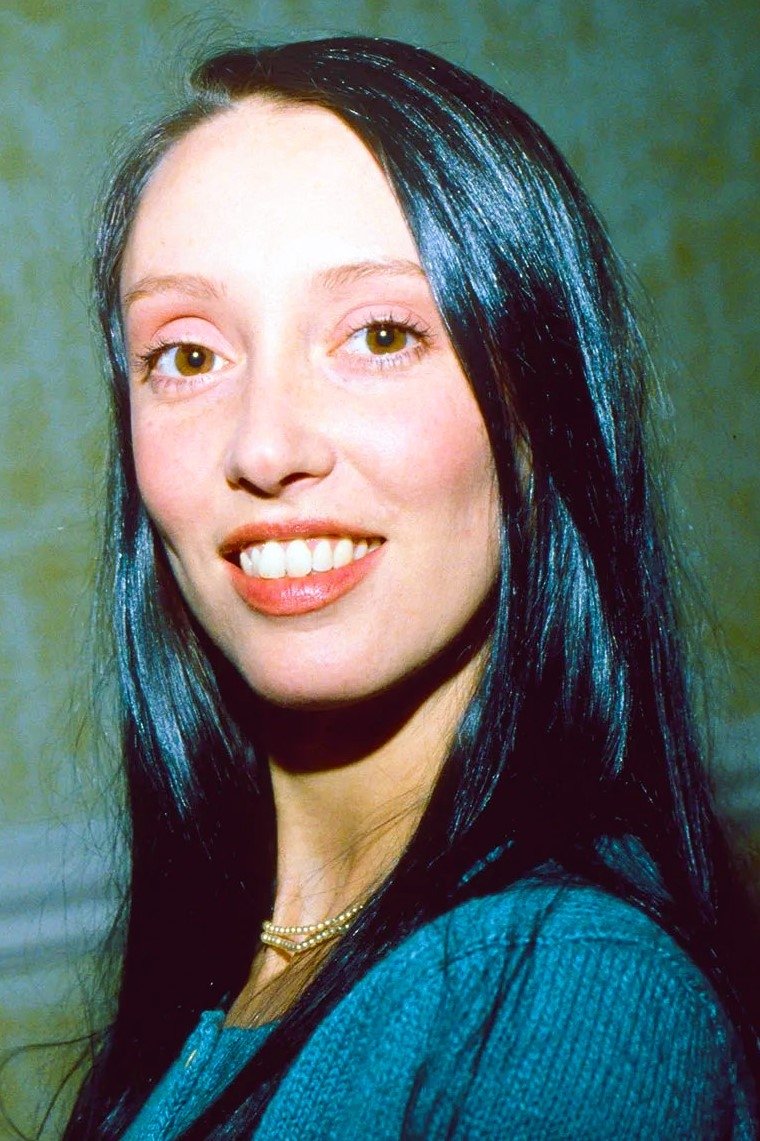
She didn’t fit the typical Hollywood mold, with a distinctive appearance and a wonderfully quirky personality. Her role in ‘The Shining’ was incredibly demanding, requiring her to portray intense fear with remarkable strength. In films like ‘3 Women,’ she brought a realistic and charmingly unusual quality to her performances. Though often playing eccentric characters, she always imbued them with genuine emotion and depth. Her career proves the impact of casting actors who break the mold.
Jessica Walter
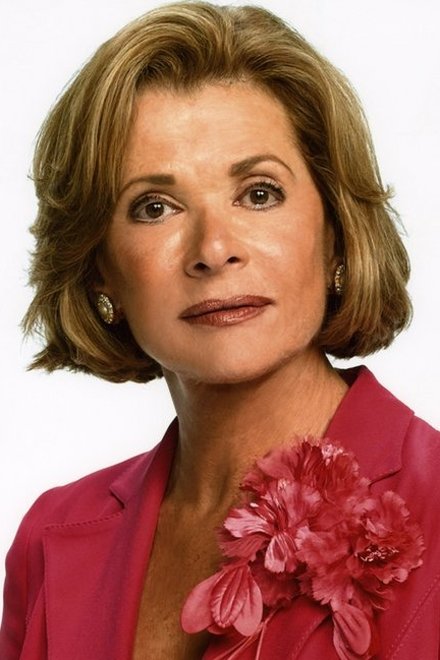
She perfected the role of the sharp-tongued, upper-class mother figure early in her career, well before it became her trademark. Her performance in ‘Play Misty for Me’ brilliantly defined the obsessive fan archetype, portraying it with chilling accuracy. She had an incredibly precise and impactful way of delivering lines, dominating every scene she was in. Her true talent lay in making even unpleasant characters funny and captivating. She was also a skilled actress, able to convey volumes with just a look.
Carrie Fisher
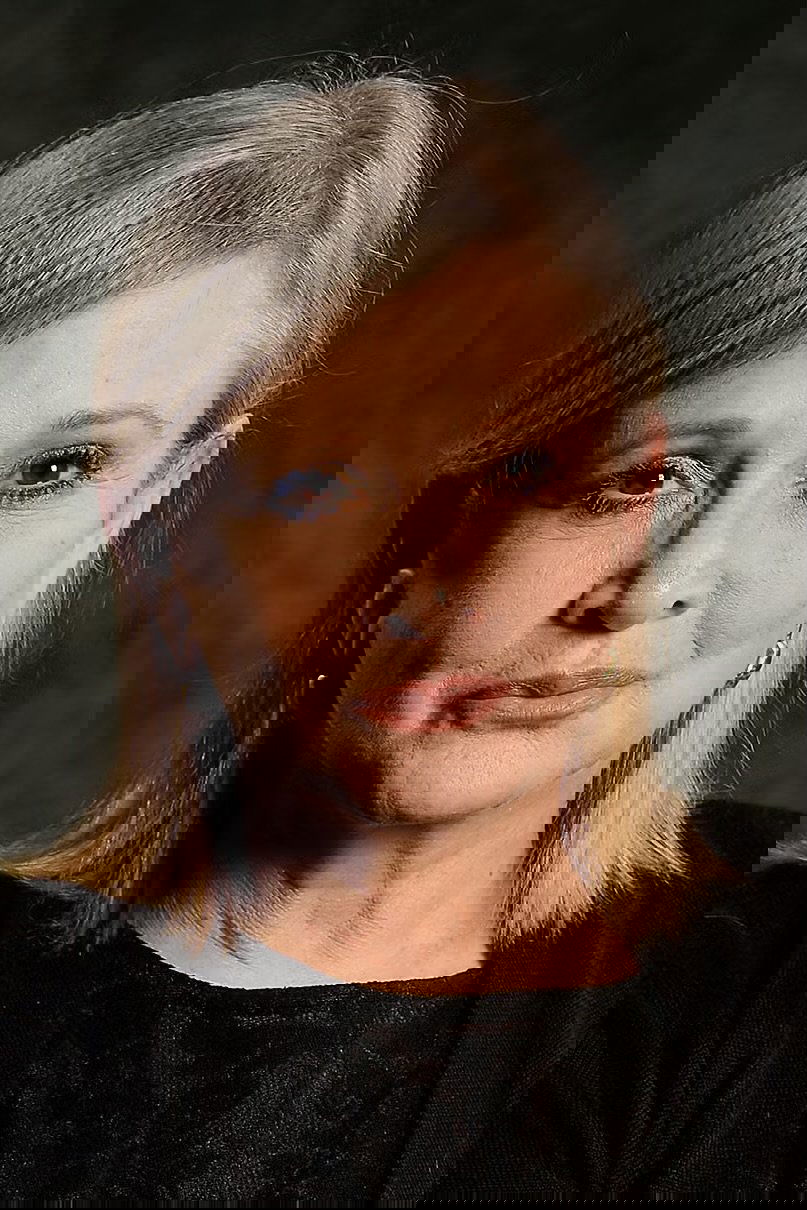
As a lifelong movie fan, I always admired how she completely redefined the princess role. She wasn’t just some helpless figure waiting to be rescued in ‘Star Wars’ – she brought this amazing strength and awareness to the part that felt so fresh. Later, I was incredibly moved to see her use her own experiences with mental health to spark honest conversations and break down stigma. Everything she did, both on screen and through her writing, felt smart, witty, and wonderfully ironic. In a world of make-believe, she was a truly authentic voice.
Cloris Leachman
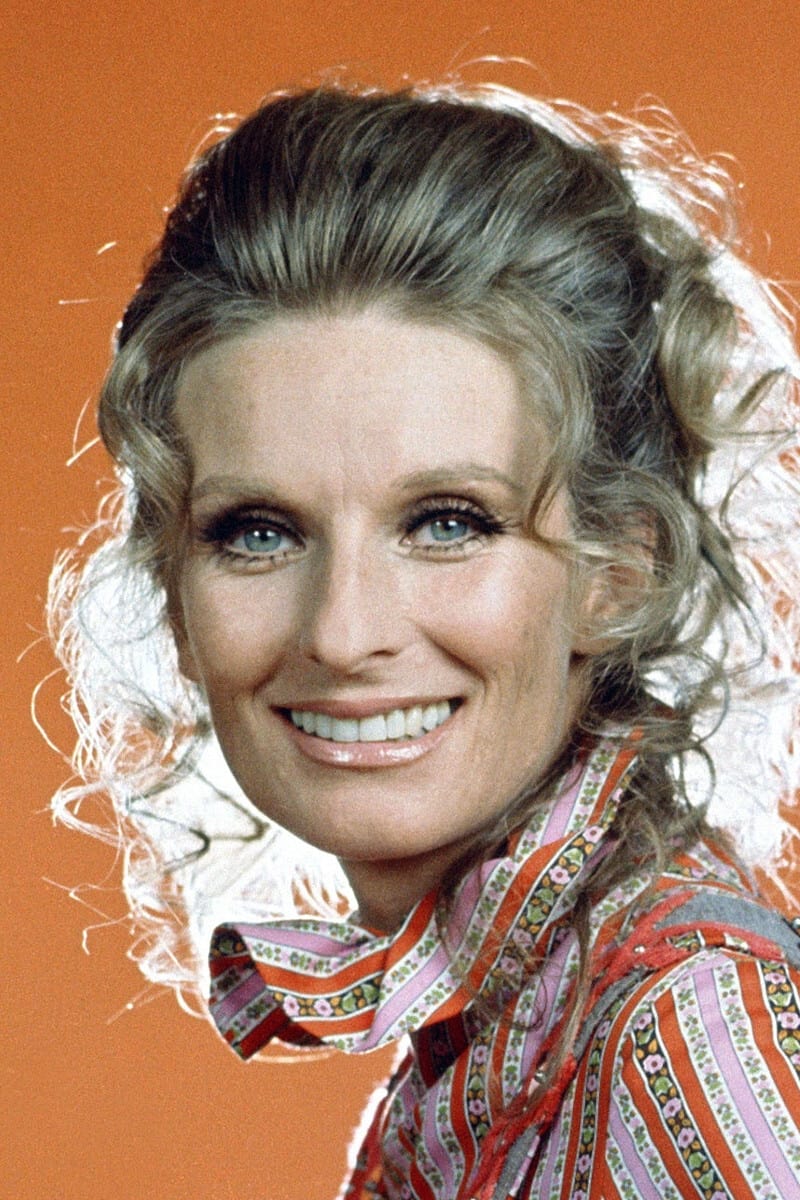
She was an incredibly versatile actress, comfortable in both hilarious and deeply moving roles. Many remember her heartbreaking portrayal of a lonely wife in ‘The Last Picture Show,’ which perfectly captured the feeling of isolation. She wasn’t afraid to be unattractive or vulnerable on screen, and her comedic timing in films with Mel Brooks proved she could fully embrace even the silliest ideas. Throughout her long career, she always delivered authentic and believable performances.
Elizabeth Taylor
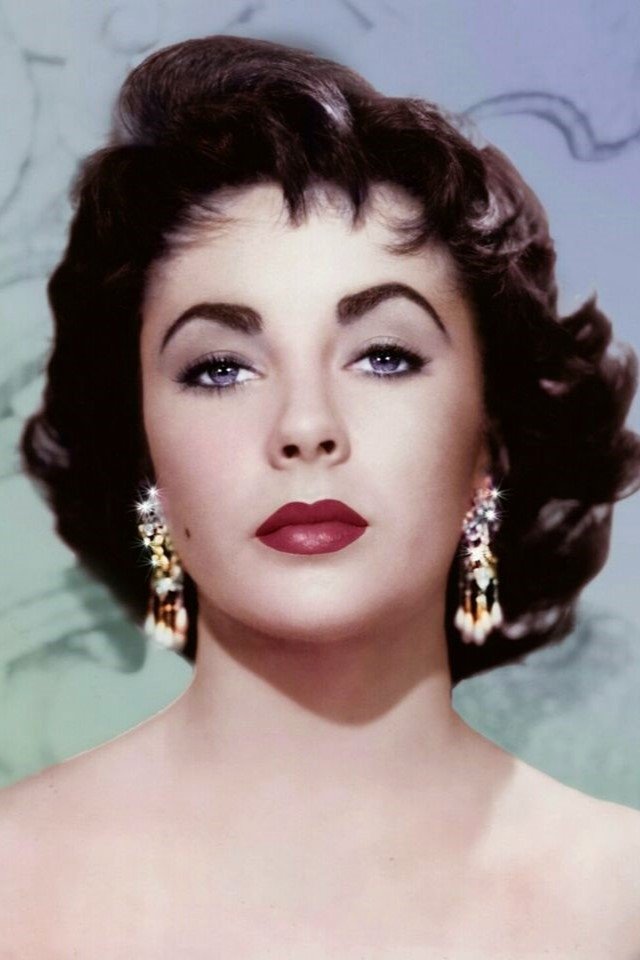
Starting as a young star, she became a major actress constantly under public scrutiny. Her role in ‘Who’s Afraid of Virginia Woolf?’ dramatically changed her public persona, showing a much more vulnerable and realistic side. She didn’t conform to Hollywood standards, gaining weight and delivering a powerfully intense performance that surprised audiences. She bravely used her fame to raise awareness about the HIV/AIDS crisis when many others didn’t, essentially becoming one of the first modern celebrity activists.
Vivien Leigh
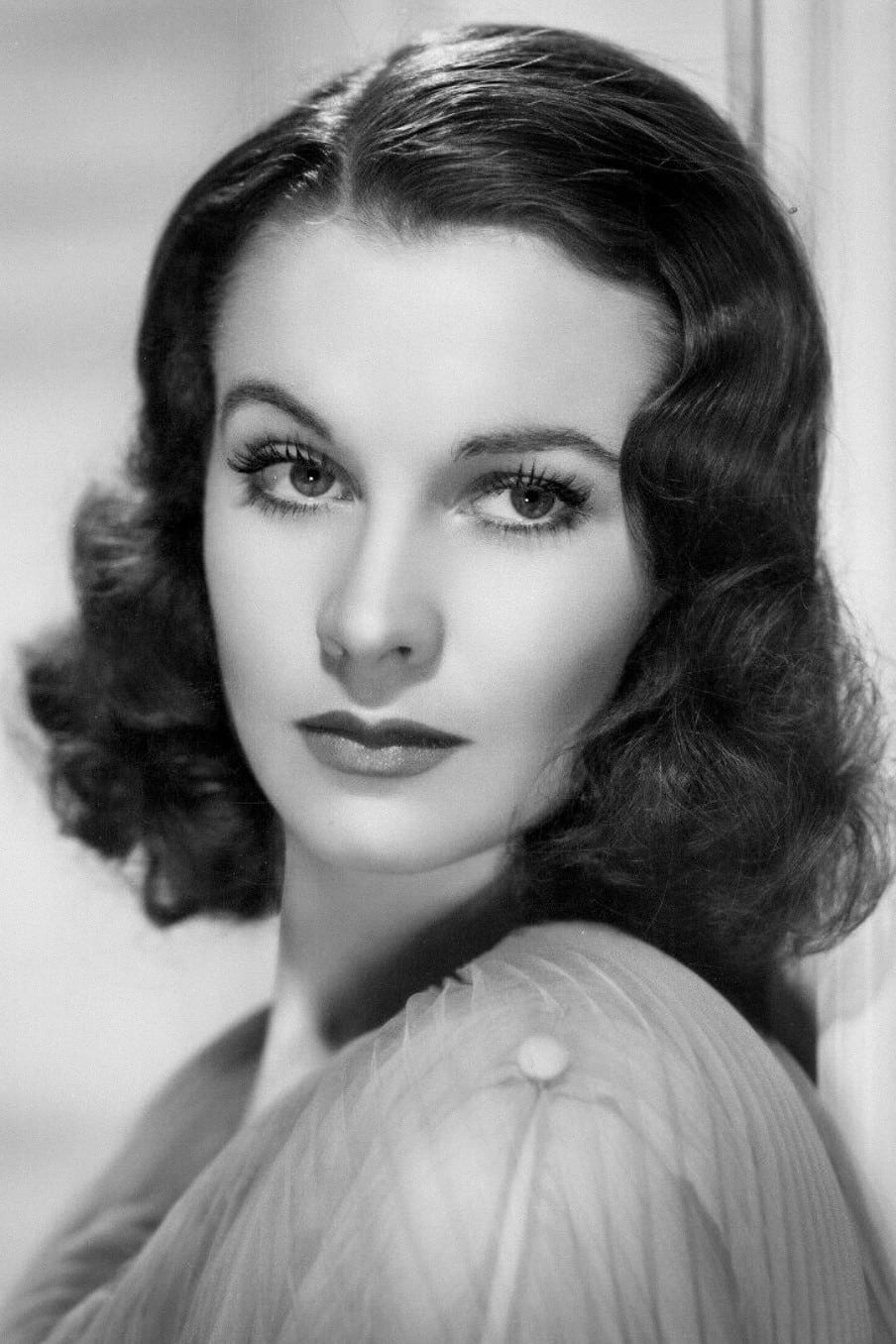
She deeply understood mental illness, drawing on her personal experiences to enrich her performances. Her portrayal of Blanche DuBois in ‘A Streetcar Named Desire’ was a shockingly realistic depiction of a mental breakdown. She masterfully blended technical skill with a delicate vulnerability, creating a captivating and sometimes unsettling effect. She wasn’t afraid to show the difficult and unpleasant sides of her characters’ inner worlds. Through her work, she powerfully captured the downfall of the traditional Southern belle.
Monica Vitti
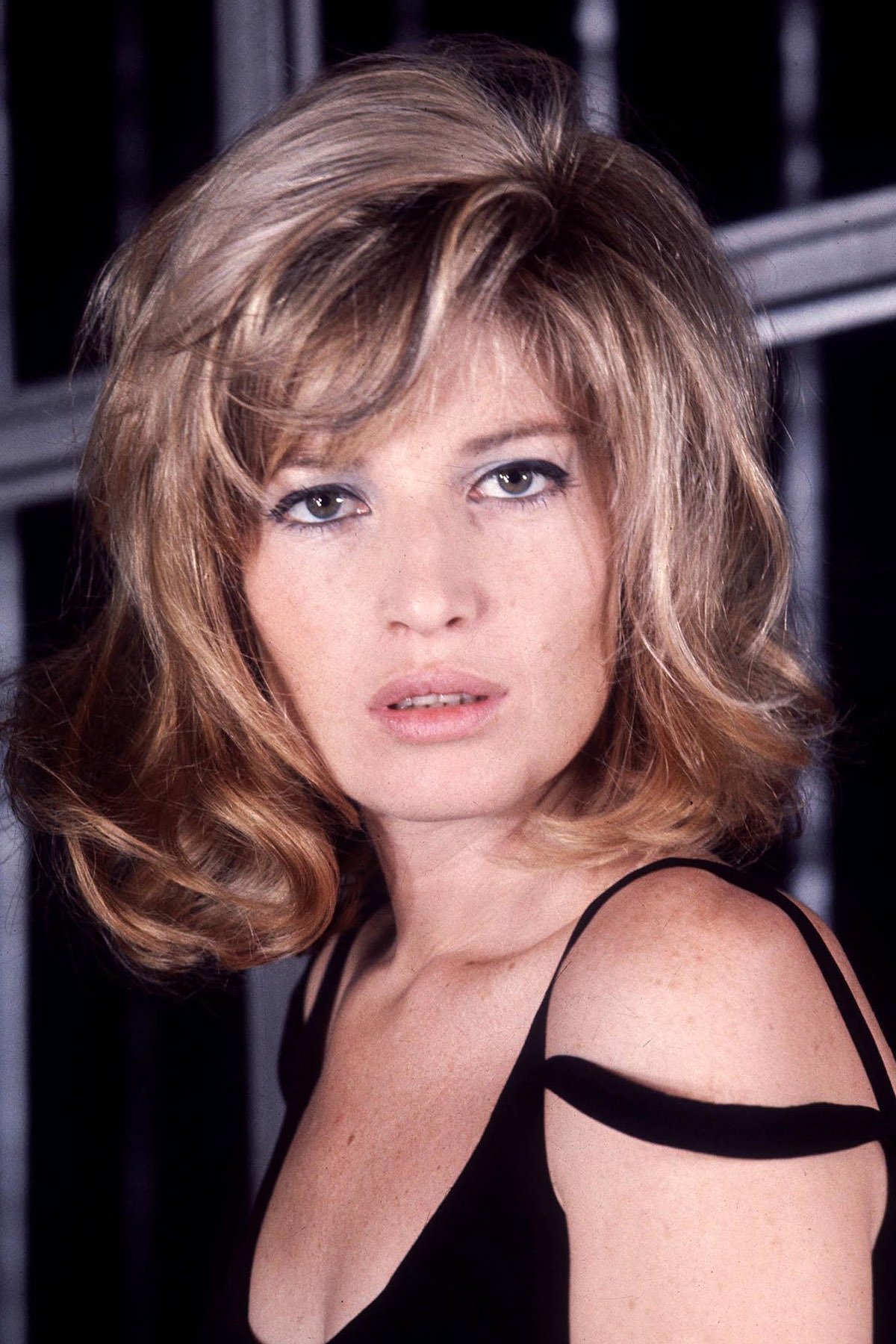
I’ve always been captivated by Monica Vitti. She truly embodied a new kind of cinematic expression, becoming the inspiration for Michelangelo Antonioni and, for me, the very face of modern alienation. I remember being struck by ‘L’Avventura’ – she conveyed so much emptiness and the feeling of being lost in the modern world with hardly any words at all! It was all in her incredible gaze and the way she simply was on screen, suggesting this deep disconnect from everything around her. And what always amazed me is that she wasn’t limited to that; she went on to prove she could be brilliantly funny too! To me, she’ll always be the defining face of European modernist cinema – a true icon.
Brittany Murphy

She was a remarkably natural actress with a distinctive voice that immediately caught your attention. In ‘8 Mile,’ she delivered a powerfully realistic performance, a striking contrast to her cheerful public image. She could effortlessly move from showing delicate vulnerability to bursts of intense energy. Her work on ‘King of the Hill’ proved her excellent sense of comedic timing. She consistently brought a genuine and unrefined quality to all her characters.
Let us know what you think of these incredible performances, and tell us about any other actresses you feel deserve recognition in the comments below.
Read More
- Invincible Season 4 Gender Swaps Tech Jacket As Fans Question Major Comic Change
- Silver Rate Forecast
- Gold Rate Forecast
- Building Agents That Learn and Improve Themselves
- 15 Films That Were Shot Entirely on Phones
- 22 Films Where the White Protagonist Is Canonically the Sidekick to a Black Lead
- 20 Movies Where the Black Villain Was Secretly the Most Popular Character
- Celebs Who Narrowly Escaped The 9/11 Attacks
- 18 TV Series Filming Rehearsals as Bonus Content
- Games That Faced Bans in Countries Over Political Themes
2026-02-01 21:51