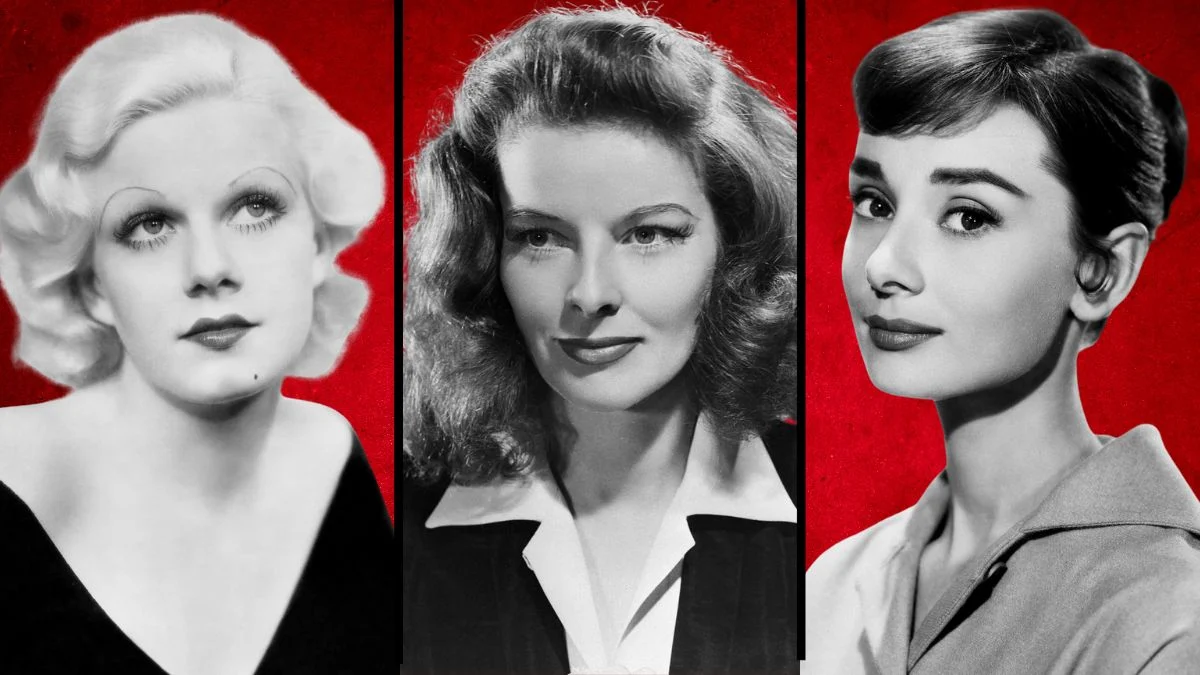
Throughout cinema’s history, women have been essential in creating memorable and impactful characters. These actresses weren’t simply reciting dialogue; they developed fully realized personalities that influenced everything from fashion and social expectations to the way stories are told. From the captivating ‘femme fatale’ to the lively ‘screwball heroine,’ their influence continues to shape modern acting and character development. The women who follow are iconic figures who defined these classic roles and continue to be the benchmark for similar characters today.
Marilyn Monroe
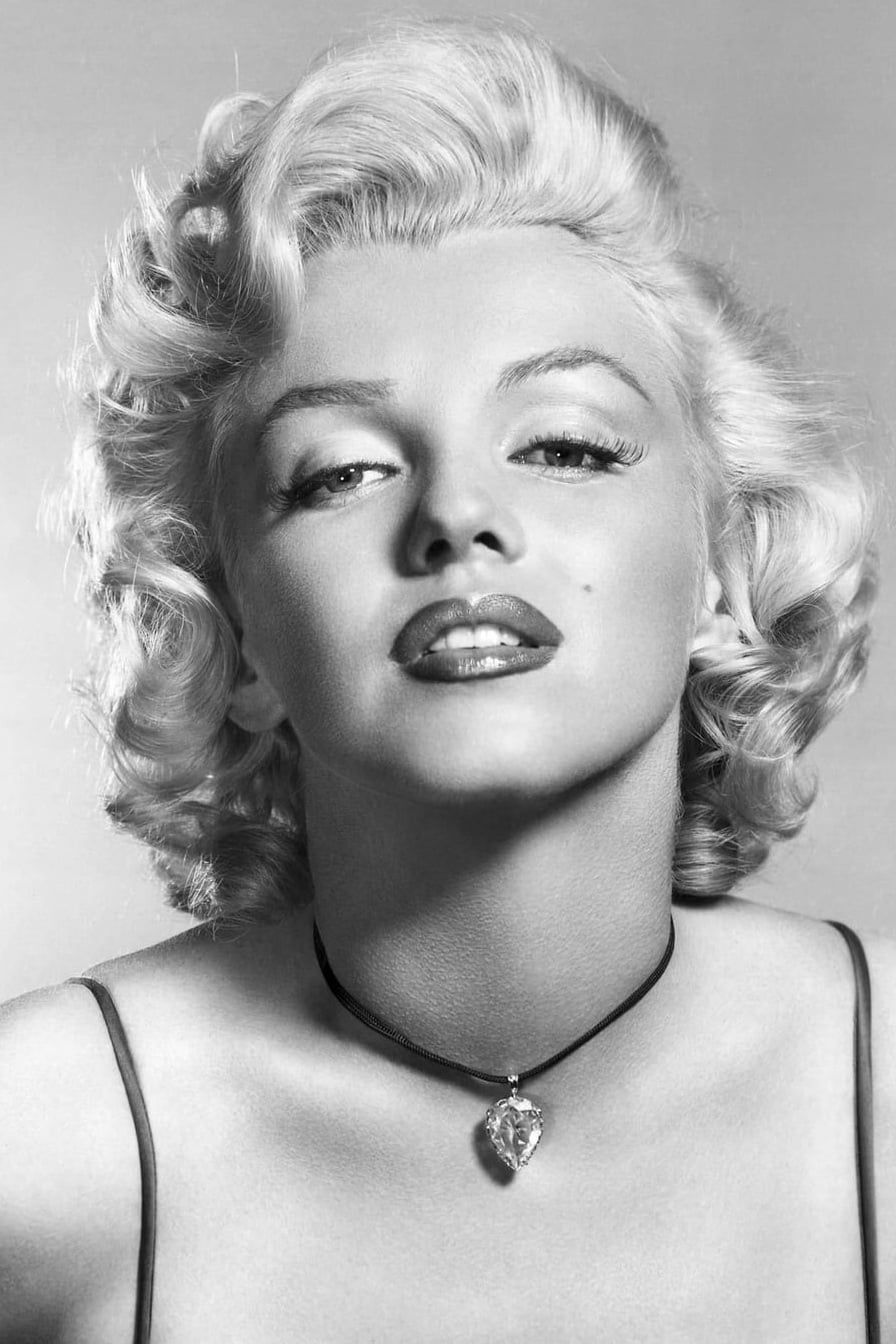
Marilyn Monroe is still the most iconic example of the glamorous, yet vulnerable, “blonde bombshell.” She was a gifted comedic actress, as seen in films like ‘Gentlemen Prefer Blondes’ and ‘Some Like It Hot,’ and had a natural ability to captivate audiences. Often, she played characters who were dismissed by men, cleverly using her charisma to succeed in a male-dominated society. Monroe’s lasting impact shaped the idea of the modern celebrity, and continues to influence performers striving to balance their public image with personal struggles.
Audrey Hepburn
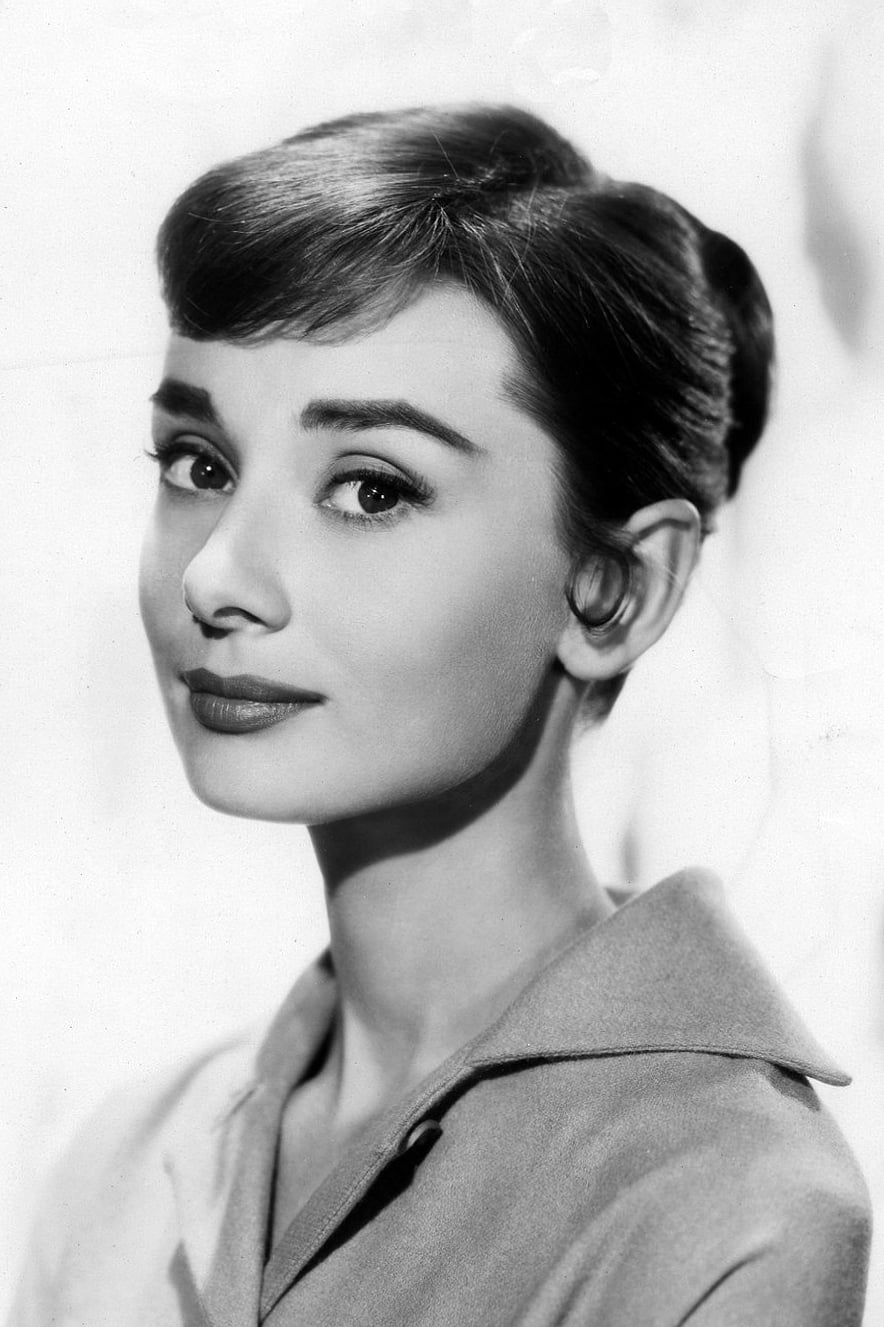
Audrey Hepburn became the defining example of the “Gamine” – a slender, charming, and effortlessly elegant woman. Her performance in ‘Roman Holiday’ showed audiences a fresh type of star who captivated with intelligence and grace, not just sex appeal. In ‘Breakfast at Tiffany’s’, she brought a touch of sadness to her glamorous character, essentially creating the mold for today’s romantic comedy leads. Hepburn demonstrated that being sophisticated and kind could be just as compelling as being powerful.
Katharine Hepburn
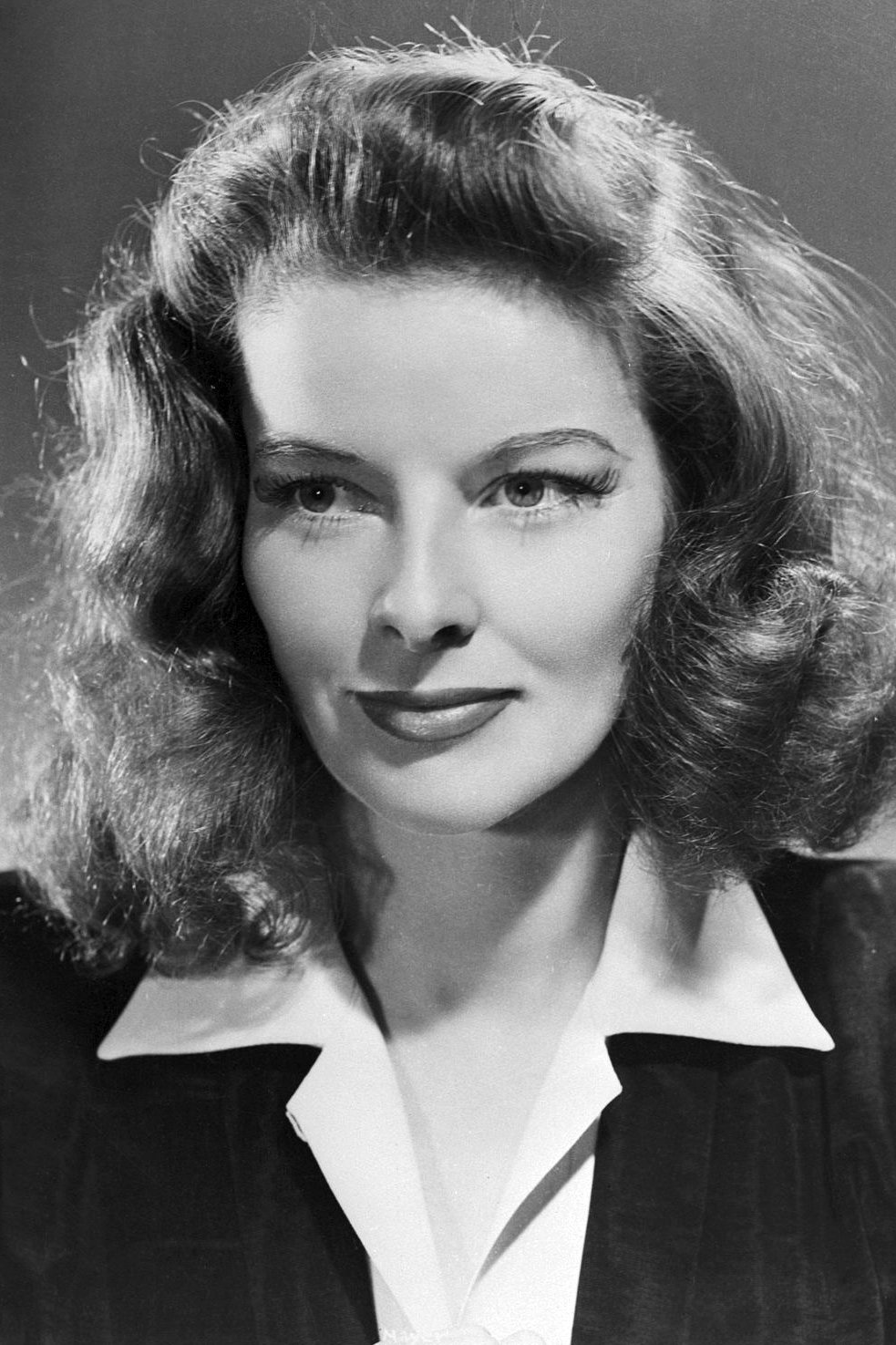
Katharine Hepburn was a pioneer, embodying the strong, independent woman in film long before it became a typical character. She famously wore pants both in her movies and in her personal life, breaking traditional gender roles with her intelligence and athletic build. Films like ‘The Philadelphia Story’ showcased her characters’ refusal to change who they were for love. Throughout her long career, she consistently played complex women who insisted on being treated as equals.
Bette Davis

Bette Davis famously played strong, often challenging, female characters, refusing to make them conventionally appealing. She wasn’t afraid to take on roles that were unattractive or even villainous, as seen in films like ‘Of Human Bondage’ and ‘What Ever Happened to Baby Jane?’. Davis’s powerful performances drew audiences in and explored the complexities of women’s inner lives. By portraying flawed and unlikeable characters, she helped create a path for the complex, anti-heroine figures we often see in movies and TV shows today.
Jean Harlow
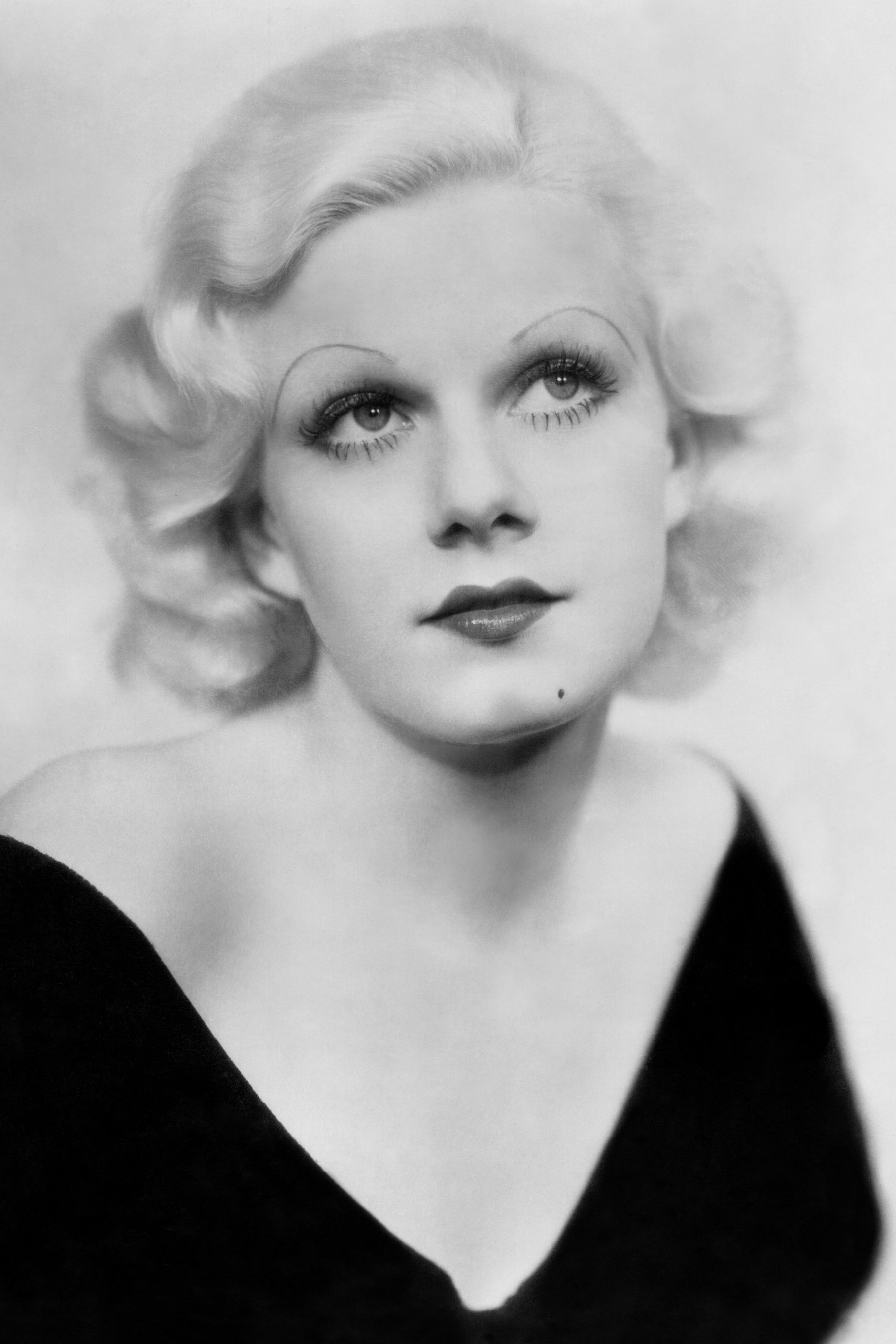
Jean Harlow was the first major movie star known as a “Platinum Blonde,” and she defined the glamorous, yet strong, female lead in 1930s films. She had a captivating mix of toughness and sex appeal that really connected with audiences during the difficult years of the Depression. Movies like ‘Red Dust’ showed she could confidently act alongside even the most popular male stars. Her untimely death at a young age ensured she would be remembered as a legendary icon whose career, though brief, was incredibly impactful.
Elizabeth Taylor
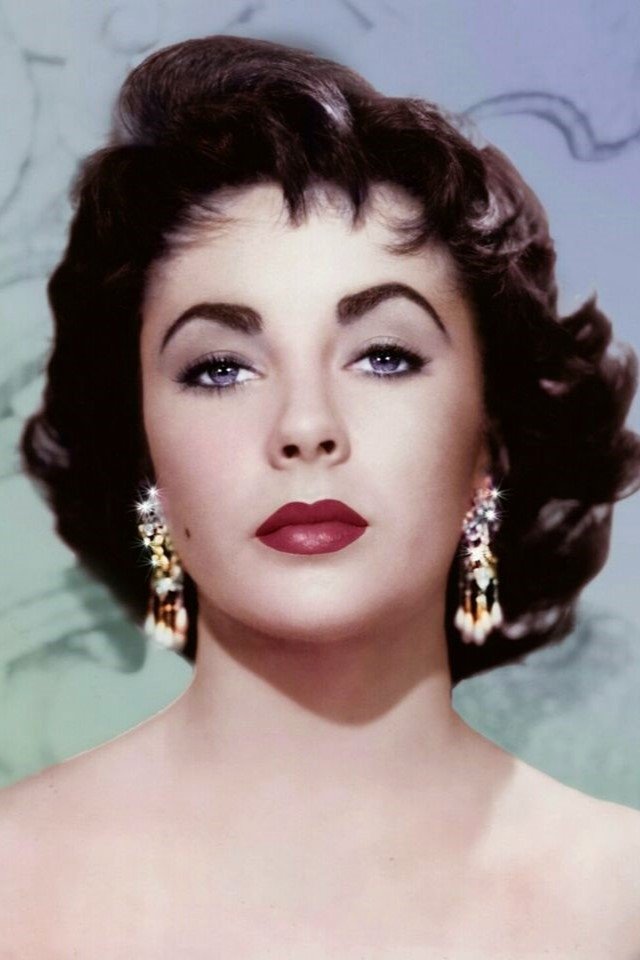
Elizabeth Taylor was the ultimate glamorous movie star, known for both her striking violet eyes and her dramatic life. Her powerful and emotional performances in films like ‘Cat on a Hot Tin Roof’ and ‘Who’s Afraid of Virginia Woolf?’ went beyond her fame, proving her incredible talent. Taylor lived much of her life publicly, blurring the lines between her on-screen characters and her real personality, and essentially defining what it means to be a modern celebrity. She continues to be the benchmark for a captivating Hollywood star who effortlessly commands attention.
Grace Kelly
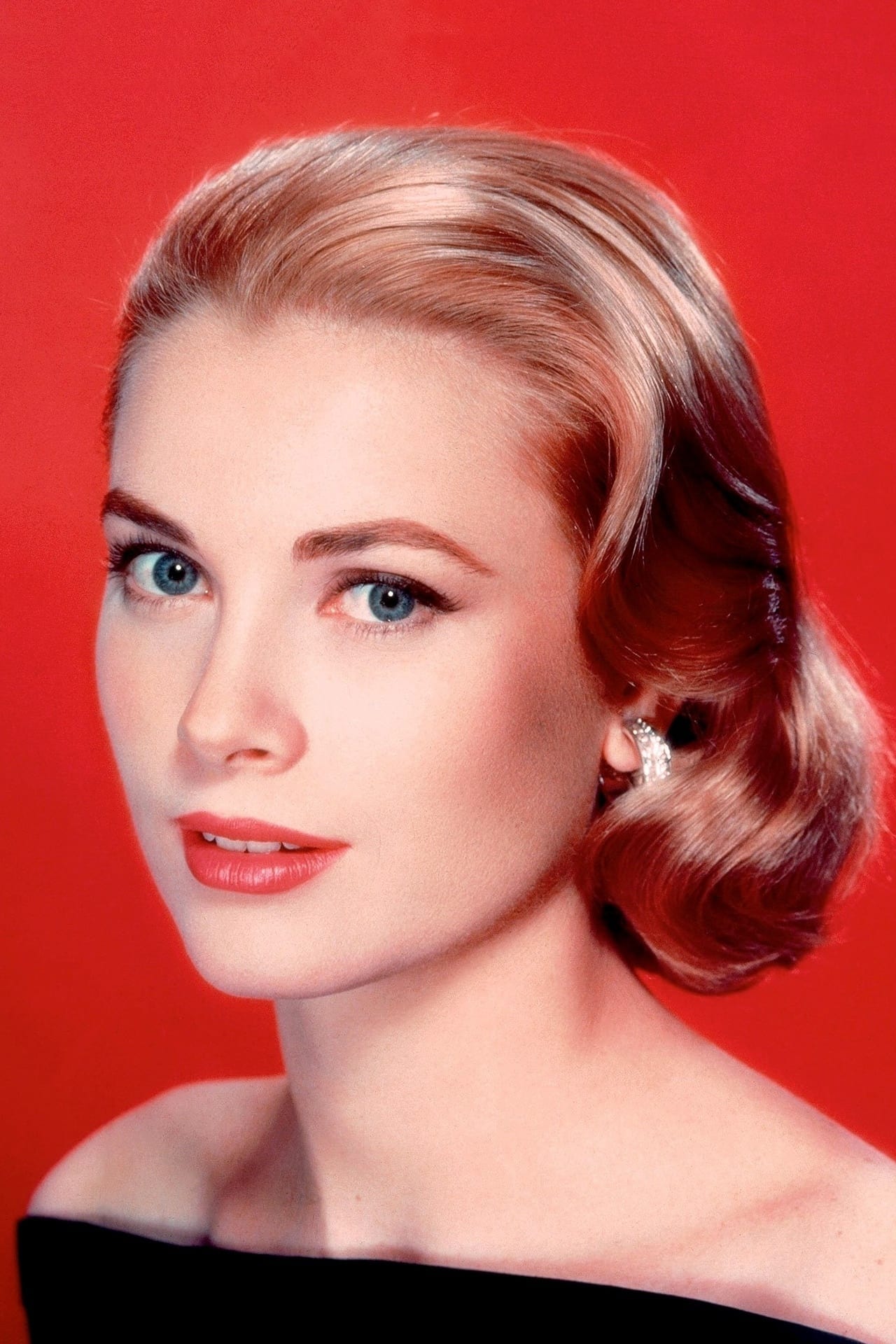
Grace Kelly became famous for playing cool, elegant, and slightly mysterious characters. In films like ‘Rear Window’ and ‘To Catch a Thief’, directed by Alfred Hitchcock, she embodied an image of flawless beauty and aristocratic grace that seemed out of reach. Becoming a princess of Monaco only strengthened this iconic image. Even today, Kelly is the standard for portraying characters who need to appear refined, beautiful, and effortlessly sophisticated.
Judy Garland
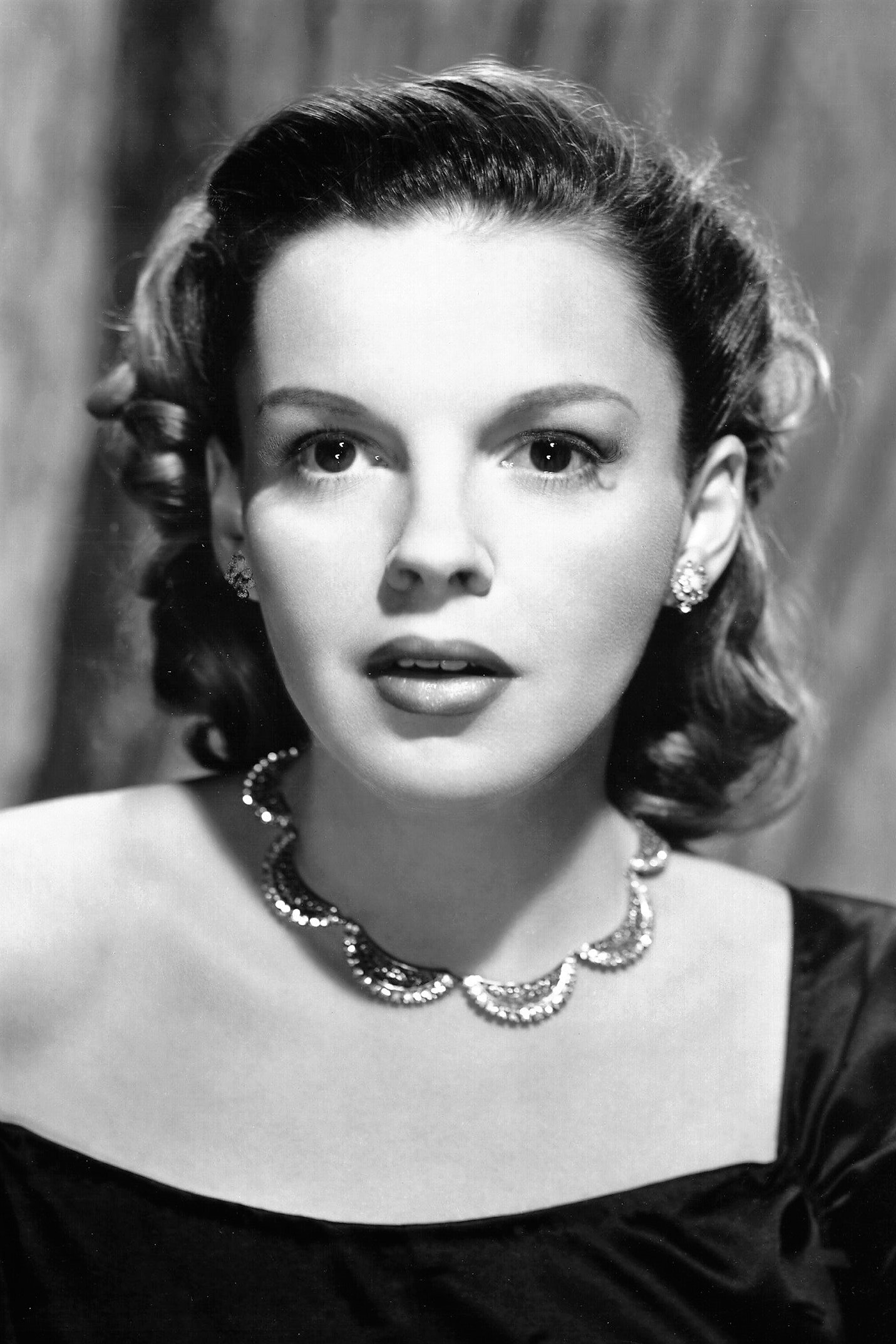
Judy Garland embodied the image of the vulnerable, talented woman next door. Whether in her iconic role in ‘The Wizard of Oz’ or her later work in ‘A Star Is Born,’ she had an incredible voice that could express both profound sadness and uplifting hope. She became a symbol of great talent mixed with personal hardship, a combination many people can relate to. Garland remains a deeply emotional and central figure in the history of classic musicals.
Lauren Bacall
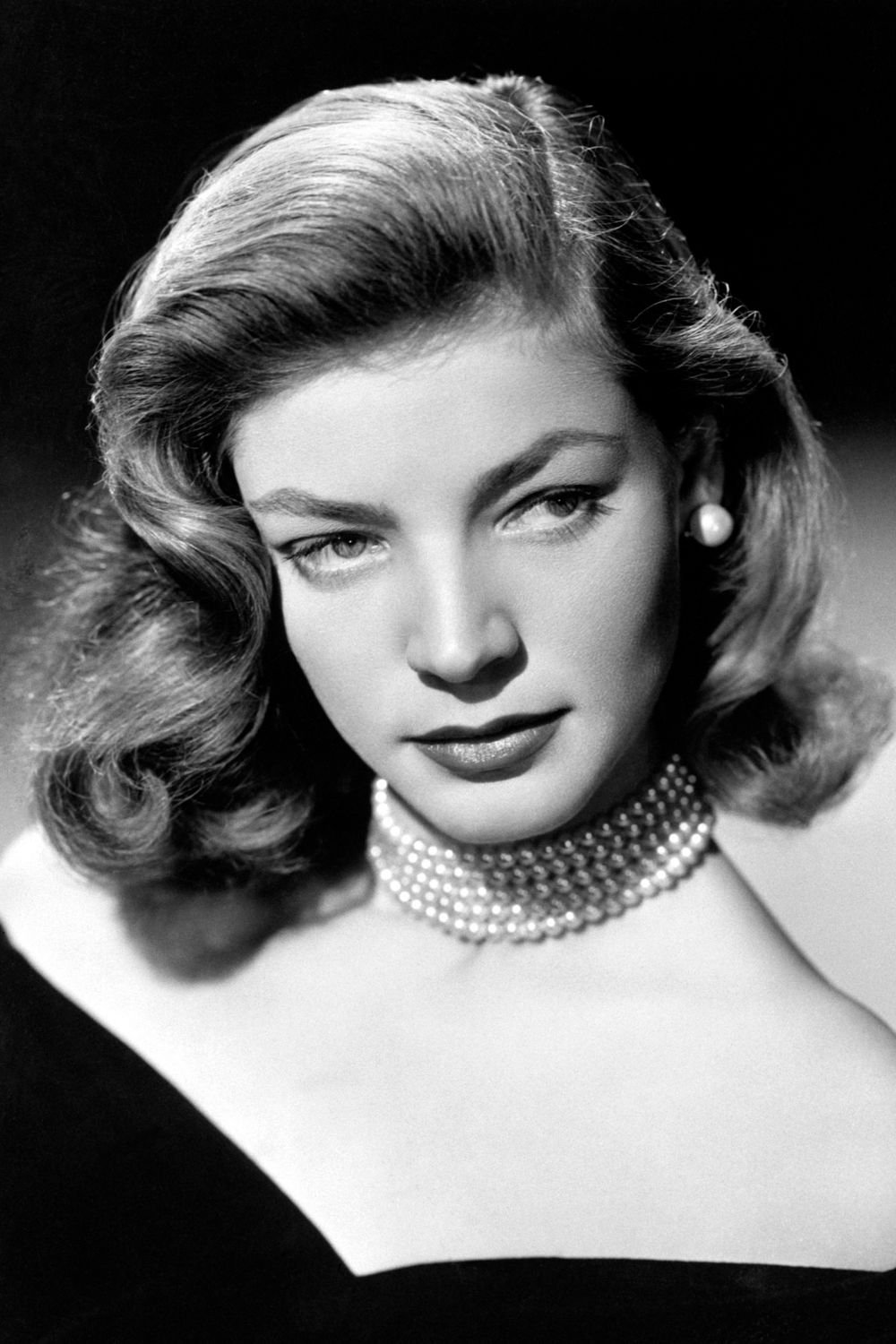
Lauren Bacall was famous for her captivating and alluring gaze, often described as a smoldering, sophisticated sexuality that could instantly charm anyone. She first gained attention in the film ‘To Have and Have Not,’ where she created a now-classic character type – the strong, independent, and witty woman who was a match for any leading man. Her deep voice and self-assured attitude made her seem remarkably mature, and she demonstrated that a woman could be powerfully attractive without being passive or yielding.
Marlene Dietrich
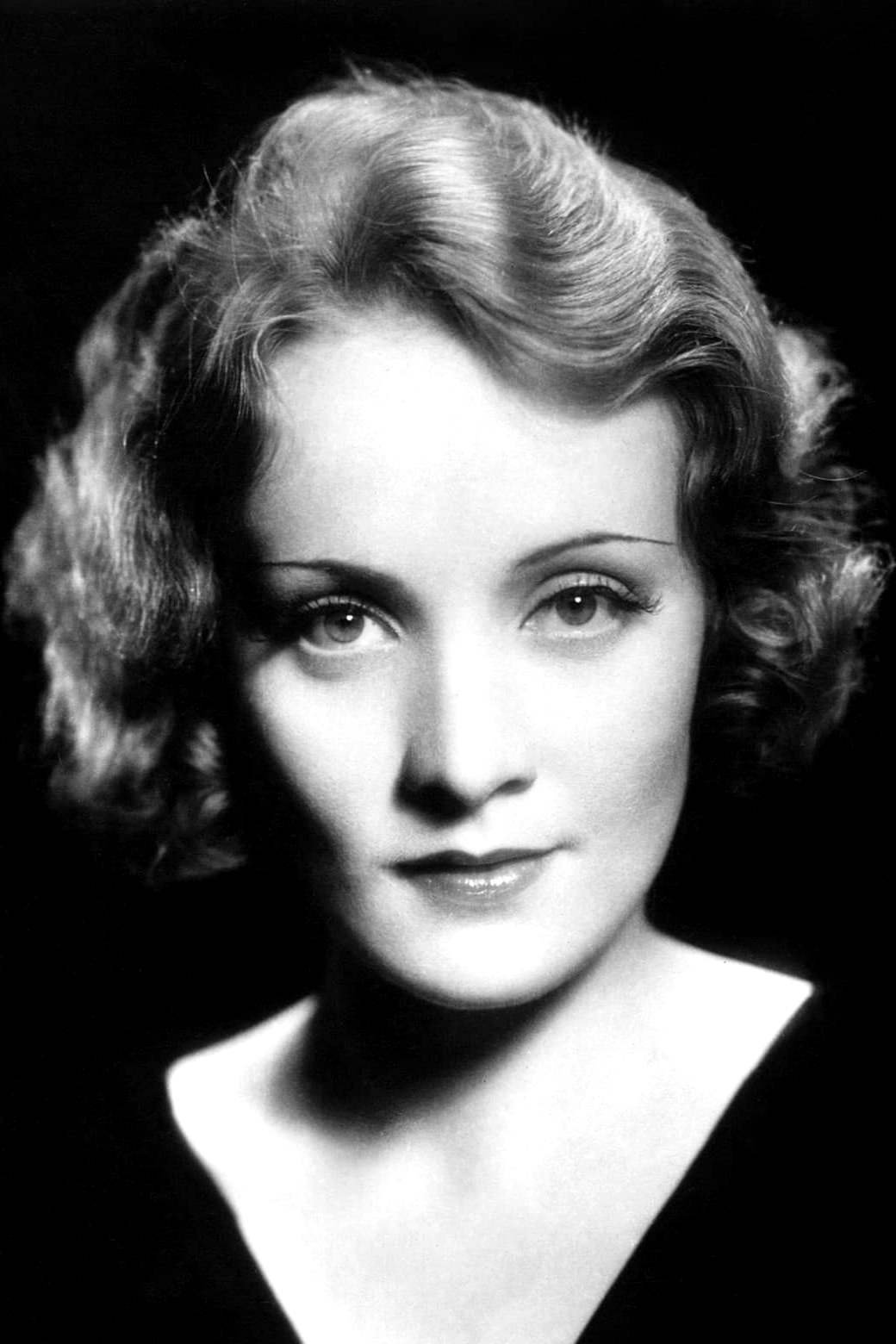
Marlene Dietrich was a groundbreaking figure who blurred traditional lines between masculinity and femininity. She famously wore traditionally male clothing like tuxedos and top hats, challenging expectations of how women should look. In films such as ‘Morocco,’ she created a captivating and enigmatic persona that both intrigued viewers and defied conventional gender roles. Her cool, sophisticated stage presence established a new type of performer – one who seemed world-wise and slightly detached. Dietrich’s impact can still be felt in fashion and modern, experimental performance art.
Greta Garbo
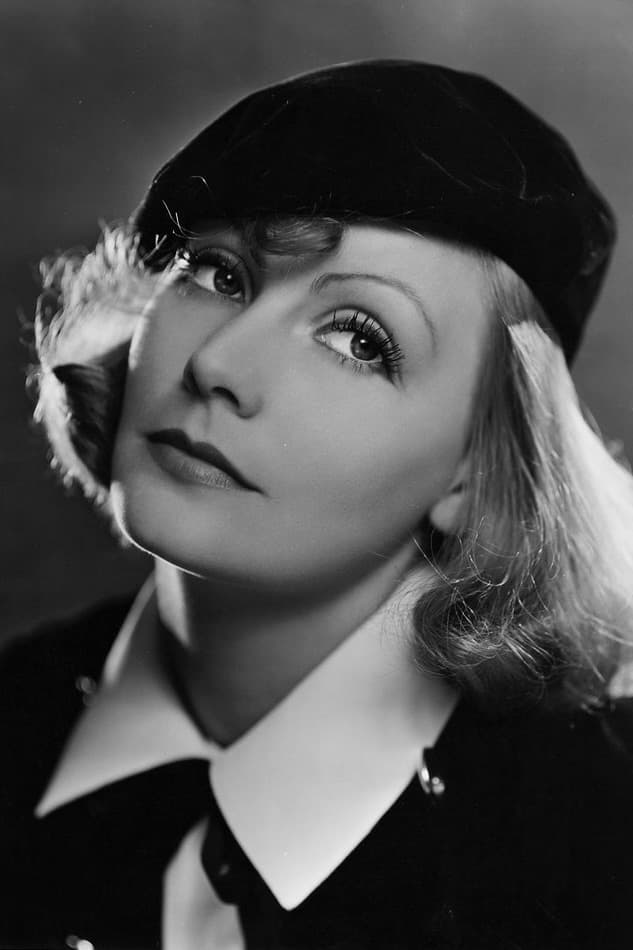
Greta Garbo created the image of the mysterious, private celebrity – a famous person who fiercely guarded her privacy. Her early films, including ‘Grand Hotel’ and ‘Camille’, were known for their emotional stories told largely through her captivating expressions. Garbo famously retired young, protecting her mystique and refusing to allow the public to see her grow older. She became the model for stars who use silence and distance to maintain their power and allure.
Joan Crawford
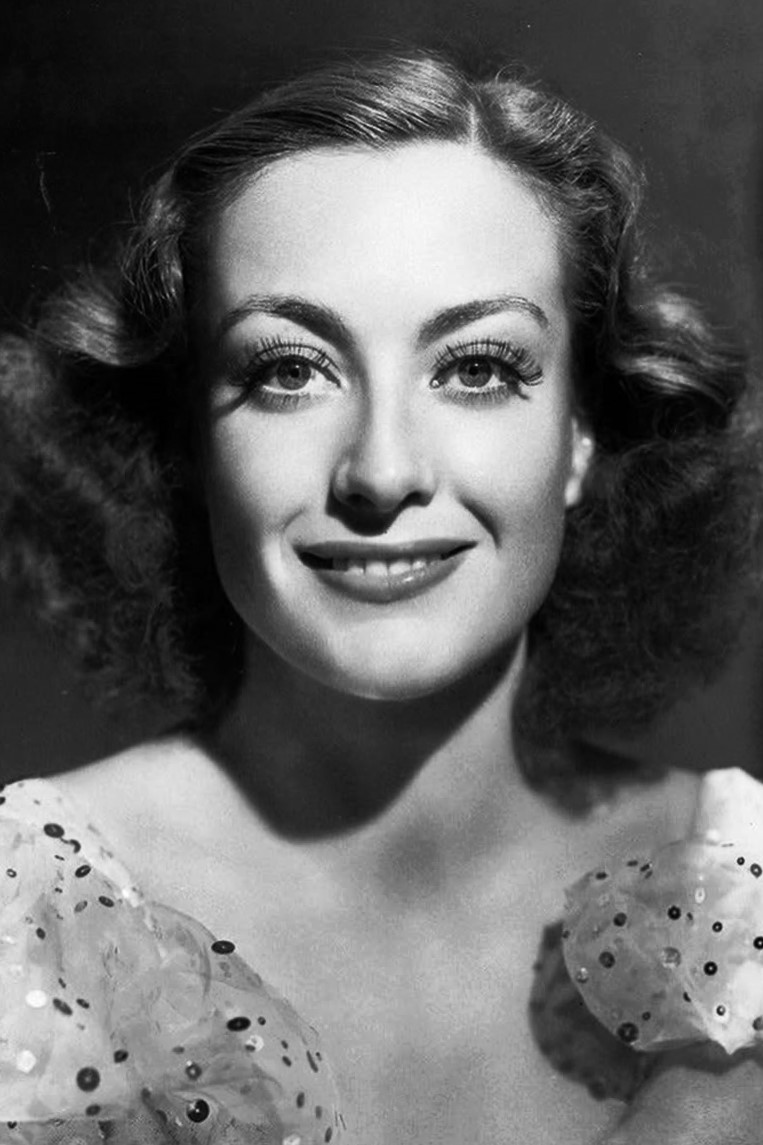
Joan Crawford became the ultimate symbol of the driven, successful woman, building her career through sheer determination. Her acclaimed performance in ‘Mildred Pierce’ showed a mother willing to give up anything for her child and social standing. Crawford was known for her powerful acting style, with a piercing gaze, and often played characters who endured hardship with dignity or secretly schemed. She embodies the strength needed to navigate the demanding world of Hollywood.
Ingrid Bergman
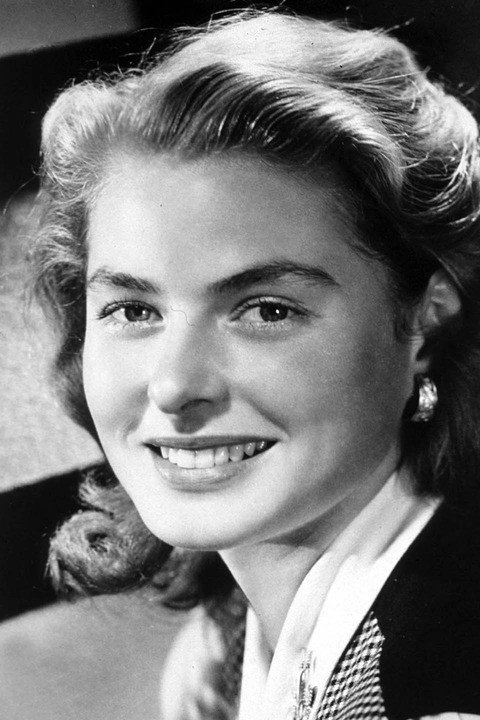
Ingrid Bergman became the standard for natural beauty in film, frequently appearing with little to no makeup to emphasize her genuine and fresh look. She’s best remembered for roles like the one in ‘Casablanca’, where she portrayed the quintessential romantic figure torn between love and responsibility. Later in her career, she bravely embraced the challenging style of Italian neorealism, demonstrating her commitment to artistic expression over mainstream appeal. Ultimately, Bergman represents a rare talent that doesn’t need superficial enhancements to stand out.
Vivien Leigh
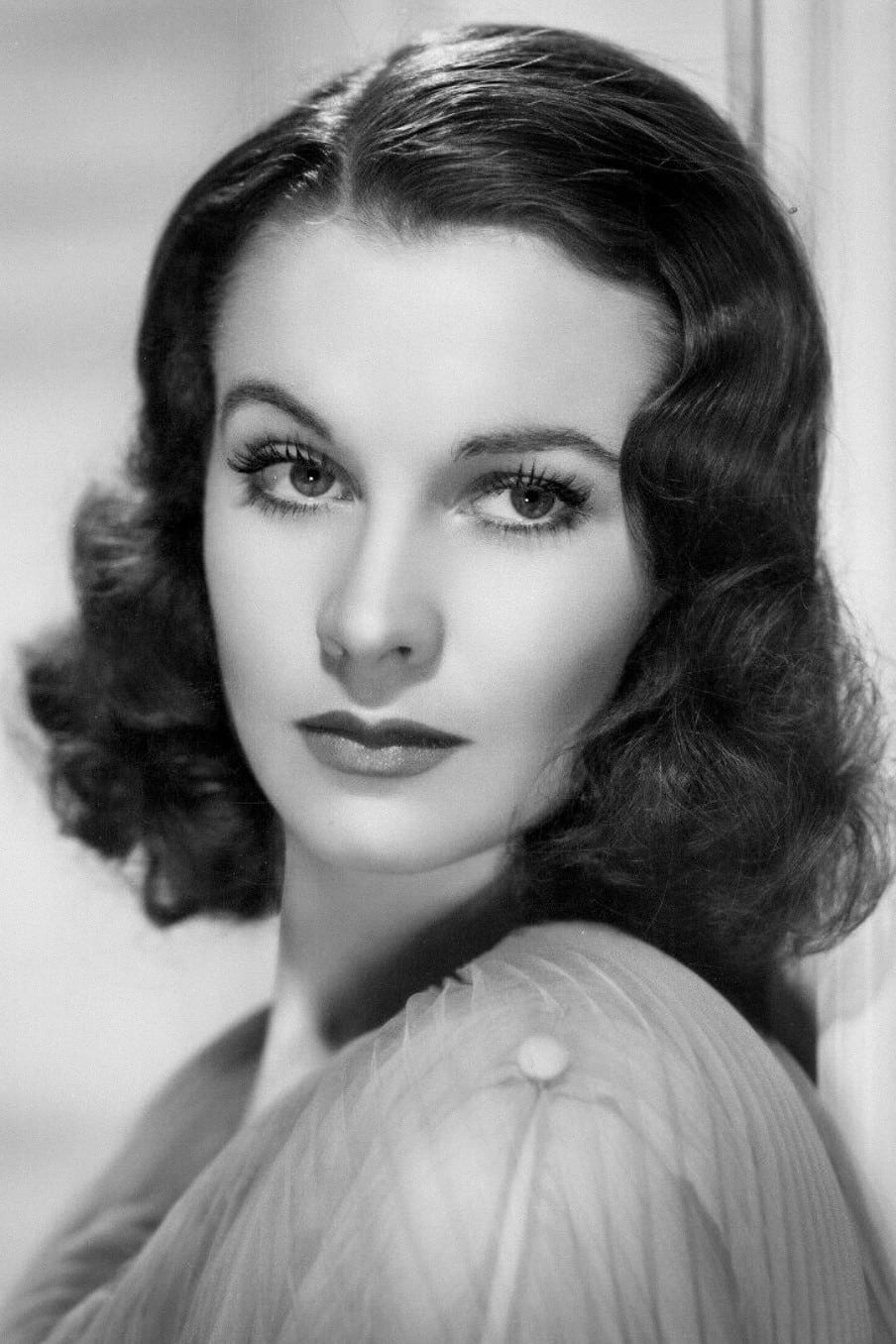
Vivien Leigh is best remembered as the perfect “Southern Belle,” brilliantly capturing both the captivating charm and the fierce determination to survive that define the character. Her performances as Scarlett O’Hara in ‘Gone with the Wind’ and Blanche DuBois in ‘A Streetcar Named Desire’ are shining examples of how to portray complicated and imperfect women. Leigh infused her roles with a restless energy that suggested a delicate mental state. She truly embodied the image of a declining upper class trying to cope with a changing, unforgiving world.
Barbara Stanwyck
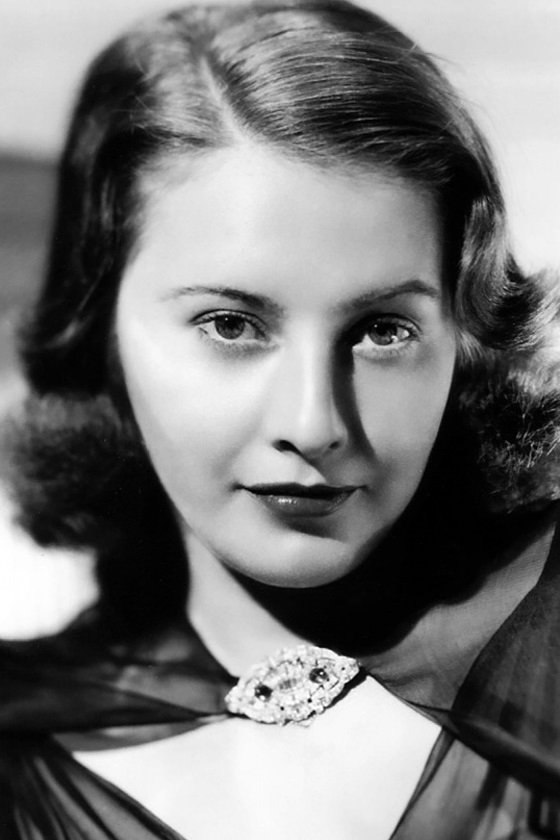
I’ve always been fascinated by Barbara Stanwyck. She was just…different. She could play any role – funny, dramatic, even terrifying – and completely own it. Her performance in ‘Double Indemnity’ is iconic; she basically defined the dangerous, seductive woman who manipulates everyone around her. Unlike a lot of actresses at the time, she wasn’t about traditional beauty. She had this raw, real quality and just radiated confidence. To me, she embodies the smart, capable woman who always knows more than anyone else in the room.
Mae West
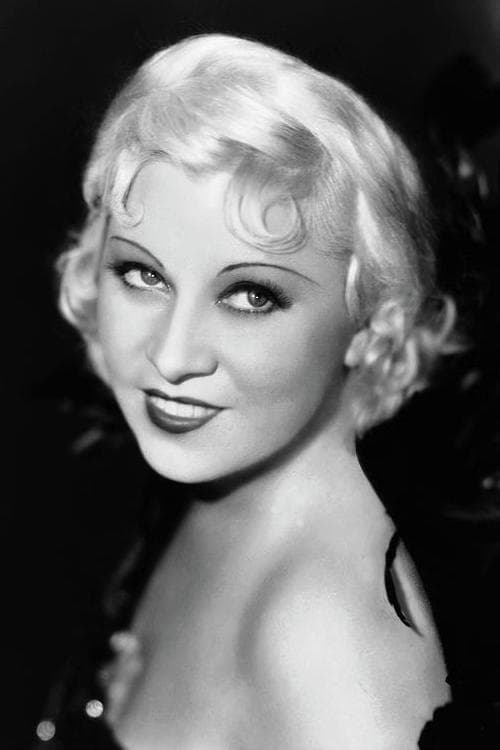
Mae West practically invented the idea of a confident, openly sexual woman in the public eye. She famously wrote her own material and carefully crafted her image, something very few actresses did at the time. Using playful innuendo and a bold, self-assured attitude, she challenged the strict social norms and censorship of the Victorian era. West didn’t let her sexuality define her as a victim; she took control of it, often making men the butt of her jokes instead of relying on them for rescue. She created a lasting image of a woman who is always confident, provocative, and fully aware of the game she’s playing.
Hedy Lamarr
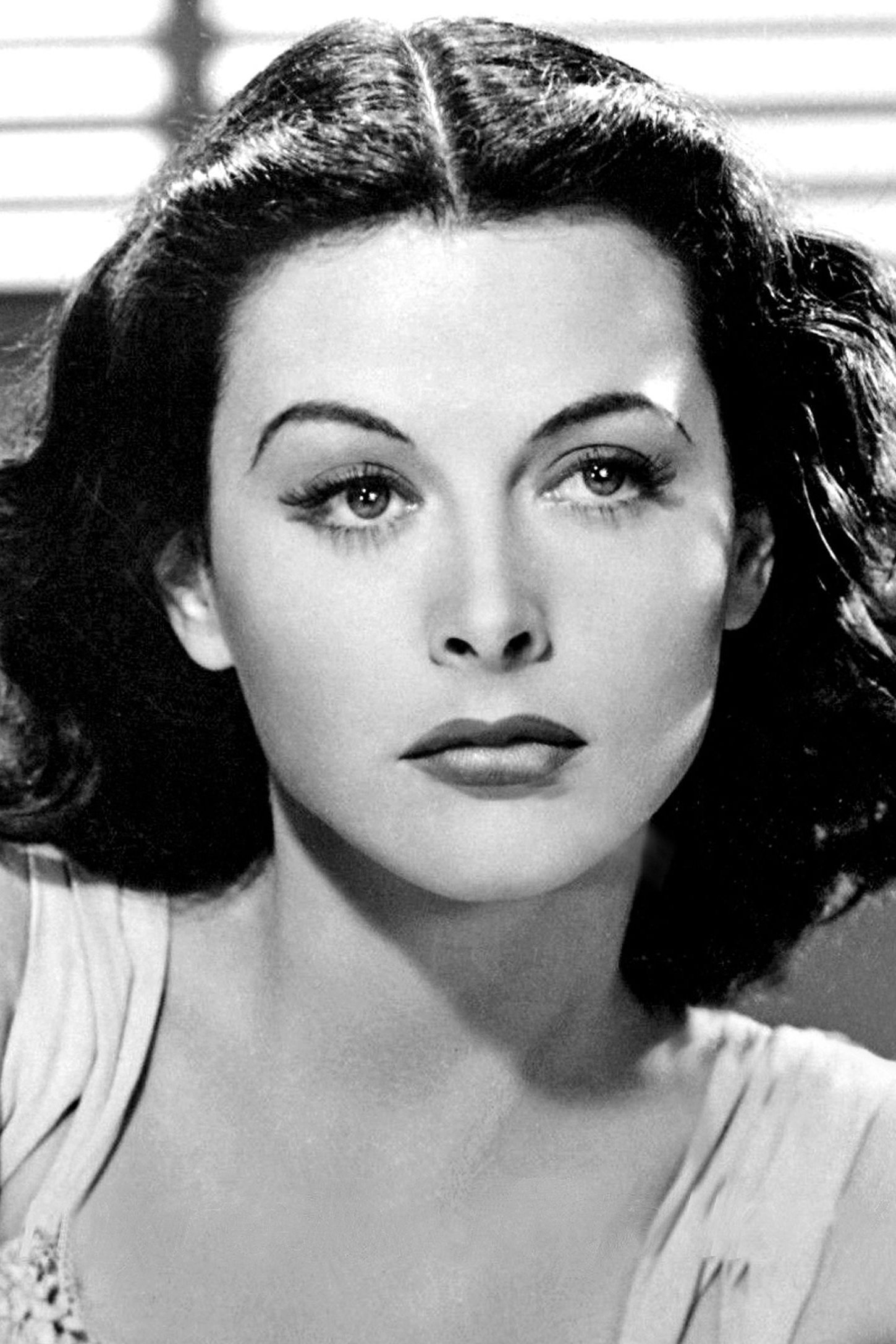
Hedy Lamarr was famous for her striking beauty and often played glamorous, mysterious roles, like in the film ‘Algiers’. But she was much more than just a pretty face. She was a brilliant inventor who actually created a technology similar to what we now use in Wi-Fi, long before it existed. While she often appeared as a silent and captivating figure on screen, Lamarr’s story highlights the frustrating gap between a woman’s intelligence and the shallow expectations of Hollywood at the time.
Rita Hayworth
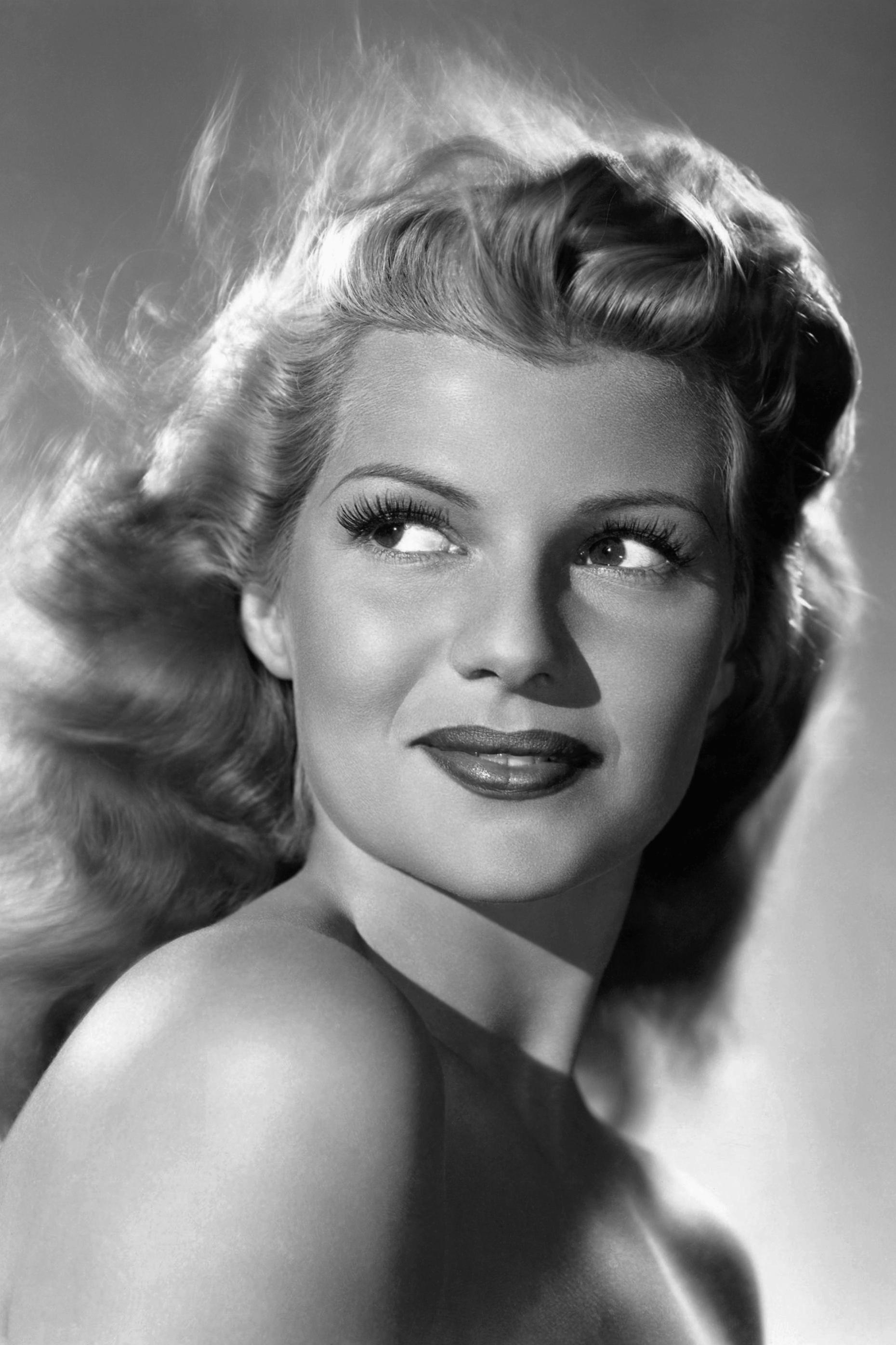
Rita Hayworth, known as the “Love Goddess,” was a remarkably graceful dancer who became a hugely popular pin-up girl for American soldiers during World War II. She’s especially remembered for her performance in the film ‘Gilda,’ and in particular, her famous glove-removing dance, which is still considered a classic moment in the history of on-screen sensuality. However, Hayworth often felt frustrated that people were captivated by the characters she played, rather than getting to know the real her. She embodies the idea of a glamorous, idealized woman who feels trapped by the image others have created of her.
Ginger Rogers
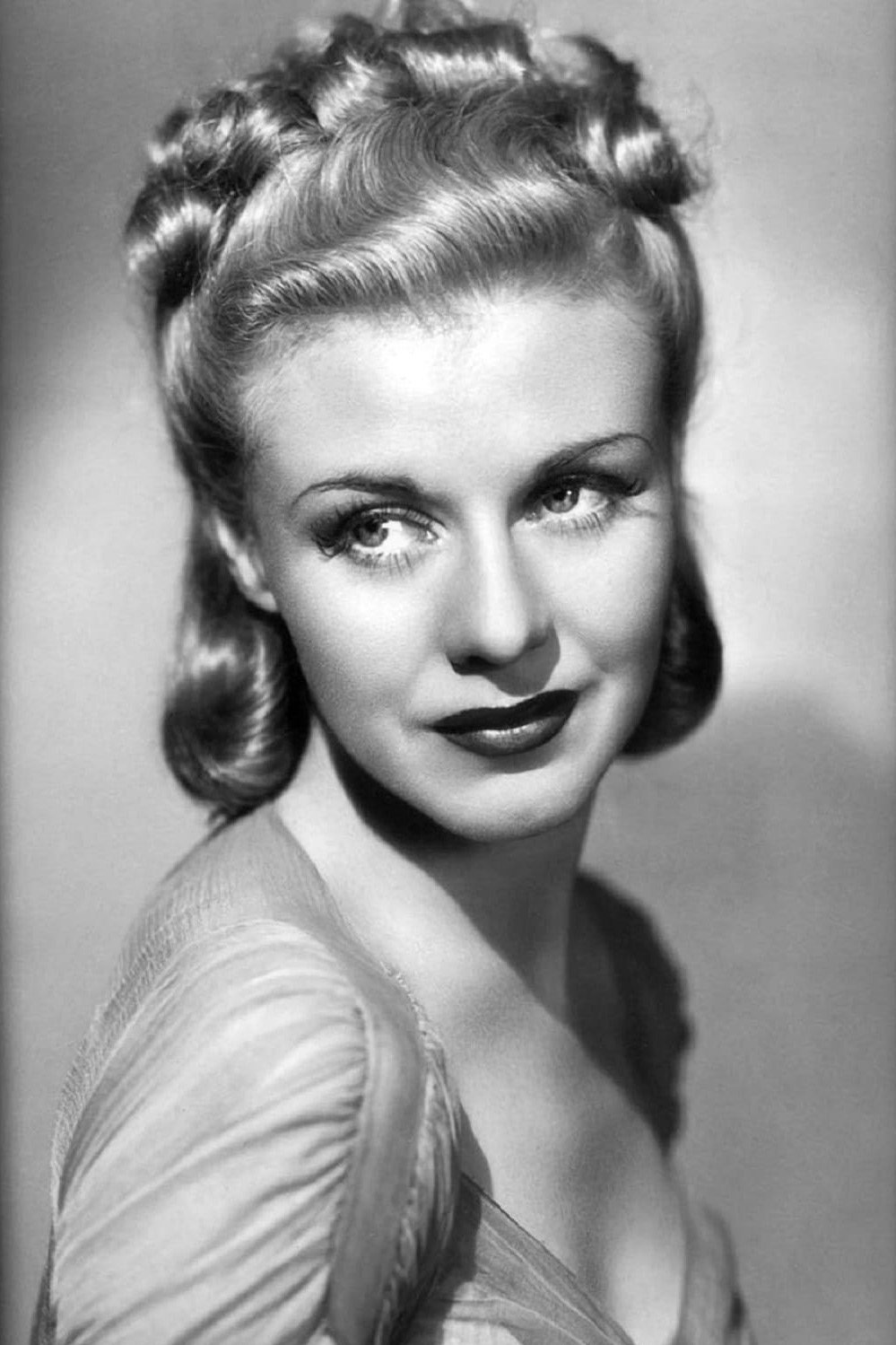
Ginger Rogers was known for her incredible talent, famously matching Fred Astaire’s dancing while adding her own challenging twist – performing everything backwards and in high heels! Beyond musicals, she was a skilled dramatic actress, showcased in films like ‘Kitty Foyle’. Rogers embodied the resourceful and determined American woman, facing life’s challenges with grace and strength. She’s remembered for her dedication, skill, and as a true equal to her iconic partner.
Carole Lombard
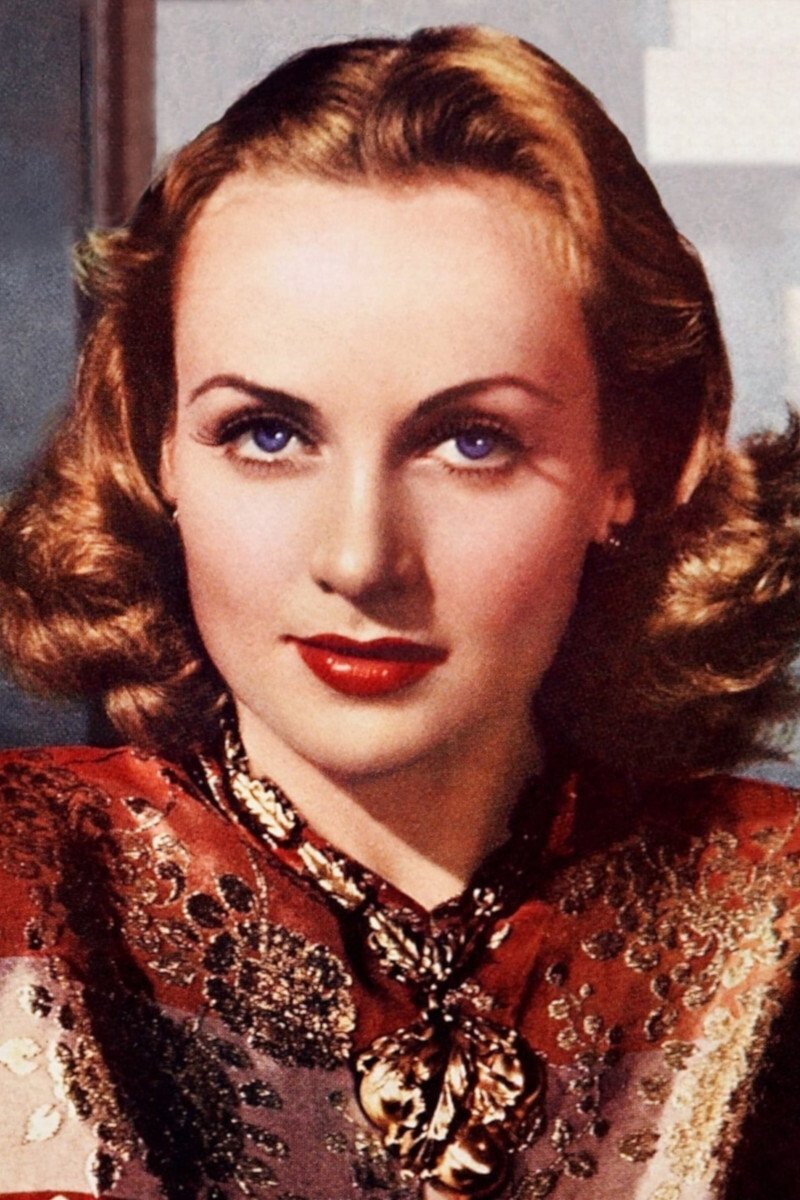
Carole Lombard was famous for her hilarious and energetic performances in comedies. She wasn’t afraid to be silly, and audiences loved her! In movies like ‘My Man Godfrey,’ she played quirky, wealthy characters with a charmingly chaotic style. Lombard was groundbreaking because she brought the kind of physical comedy usually seen in male actors to her roles, and she set the standard for the beautiful, funny woman we still see in movies today.
Lucille Ball
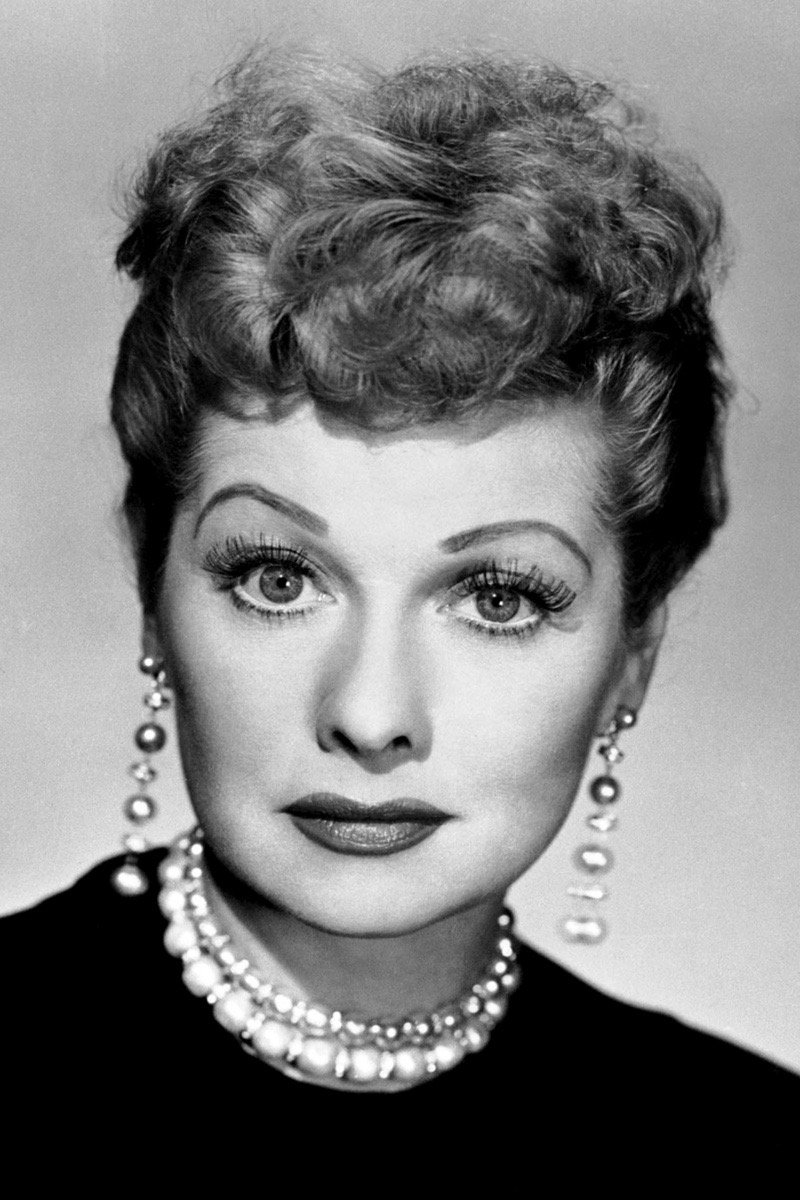
Lucille Ball essentially defined the classic TV housewife, but she also cleverly played against that type with her incredible physical comedy and wild plans. With ‘I Love Lucy,’ she showed everyone that a woman could be the star of a show and even run the business side of things. Her character always wanted more out of life than just being a homemaker, which led to many funny and chaotic situations. Ball paved the way for every female comedian on television after her.
Mary Pickford
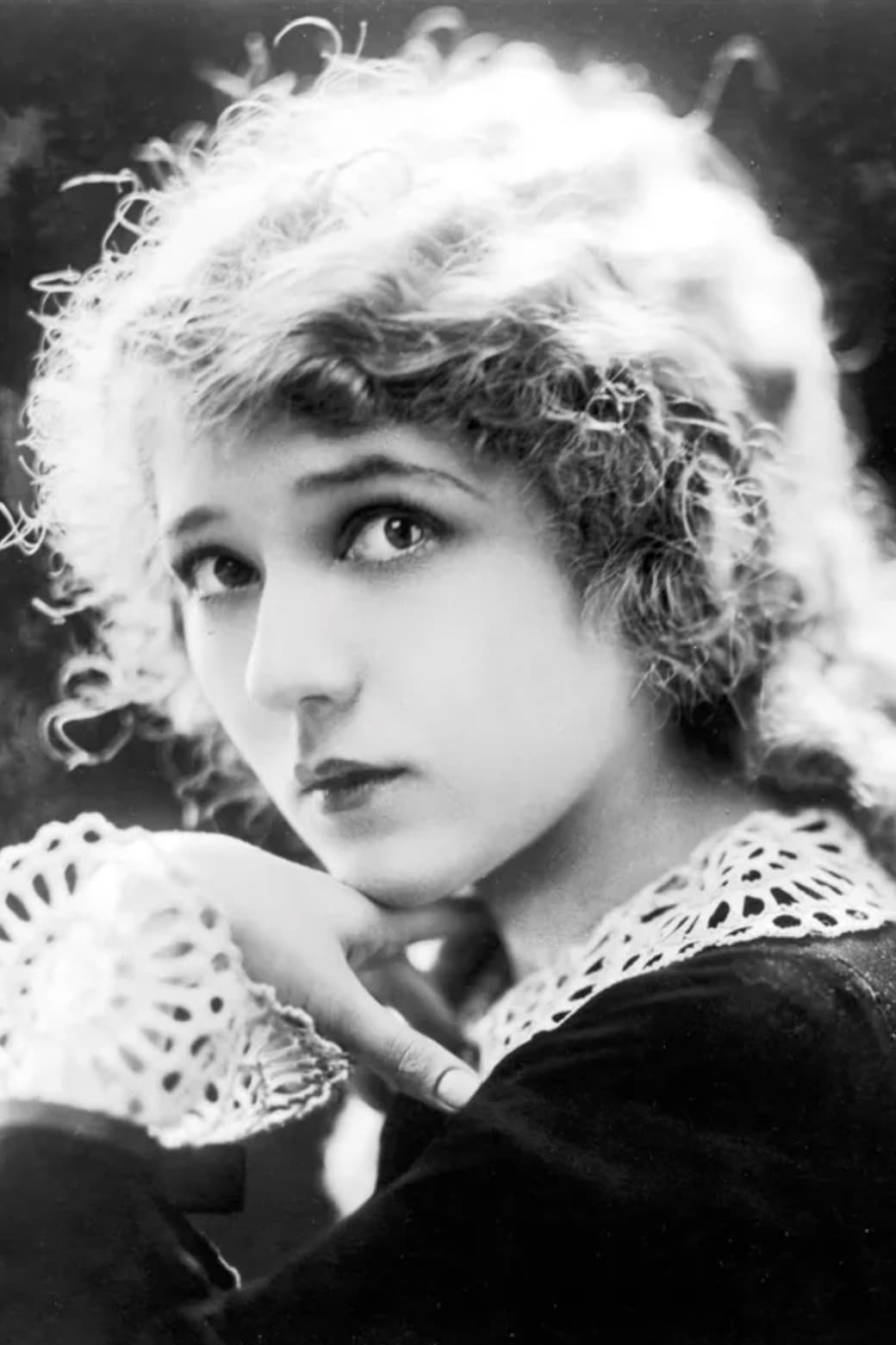
Mary Pickford, known as “America’s Sweetheart,” was one of the very first international movie stars. She became famous for playing young, innocent characters – often even when she was an adult – and created a popular image known as the “Girl with the Curls.” However, despite her sweet on-screen persona, Pickford was a shrewd and determined businesswoman. She helped found United Artists studio so she could have more control over her work, and in doing so, became a model for stars who also built their own business empires.
Theda Bara
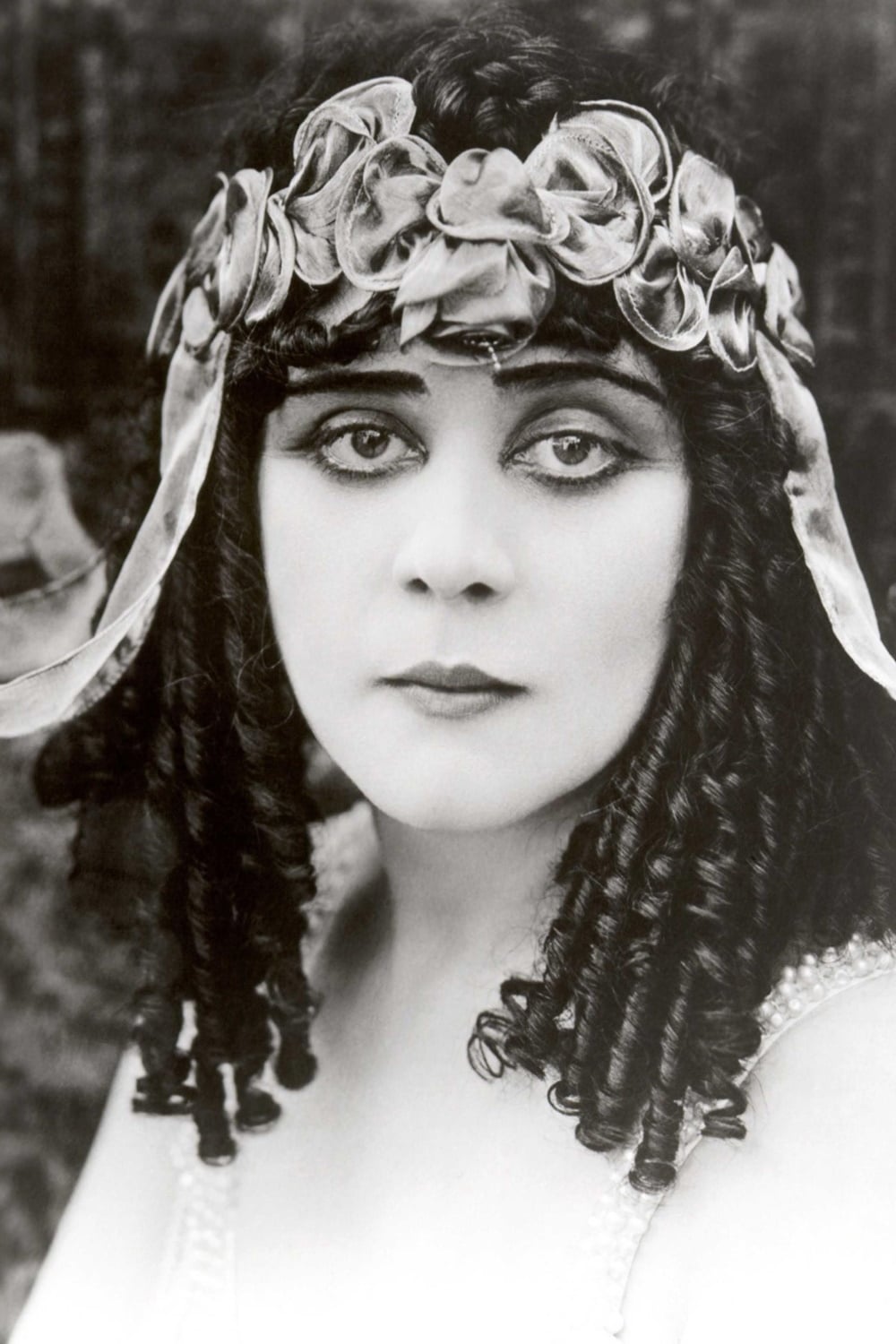
Theda Bara was the first movie star known as a “Vamp,” a seductive woman who captivated and ruined men on screen. The film studio invented a fantastical personal history for her to promote films like ‘A Fool There Was’. Her dramatic makeup and intense gaze helped establish the image of the dangerous female character in early cinema. Bara’s story highlights how powerful studio marketing can be in creating a memorable and iconic star.
Veronica Lake
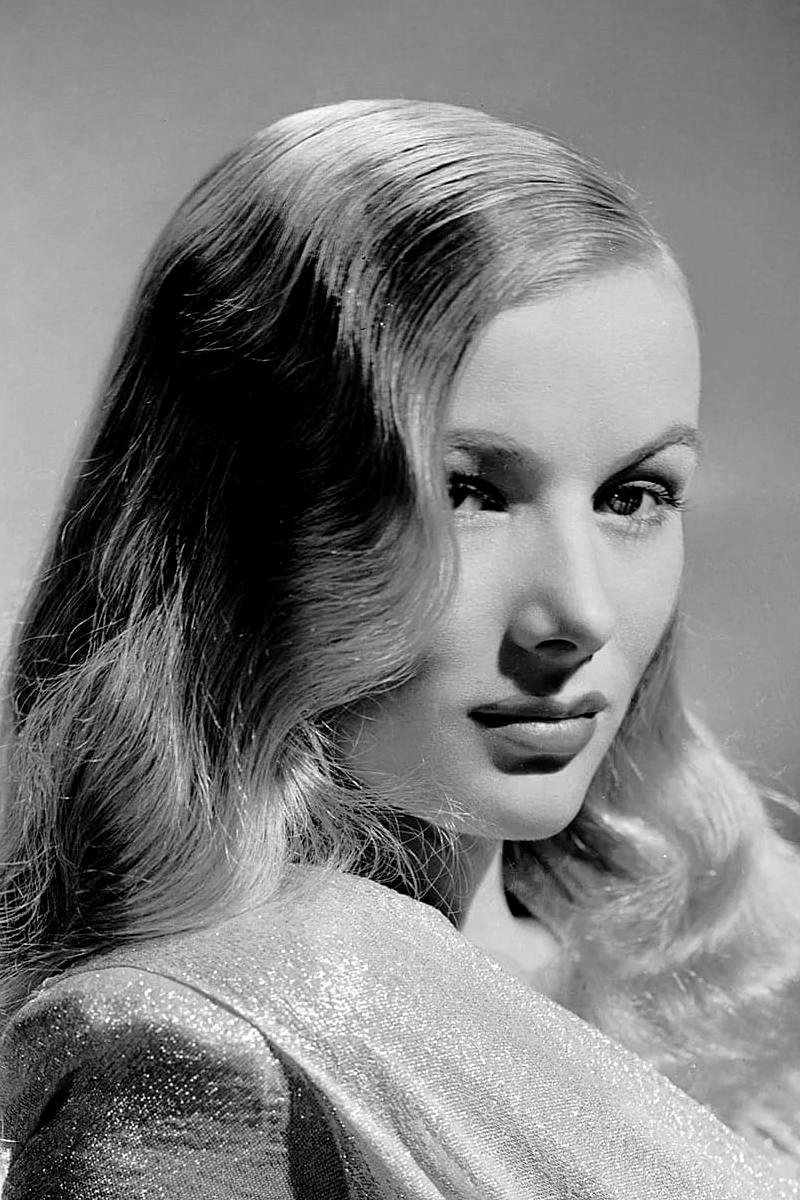
Veronica Lake became famous for her distinctive hairstyle – a carefully placed wave that partially covered one eye – which created a mysterious look perfect for her roles in classic film noir. She was brilliant at portraying cool, aloof, and sometimes dangerous women in movies like ‘Sullivan’s Travels’ and ‘This Gun for Hire’. Though petite, she commanded attention on screen, often bringing a cynical edge to her characters. Lake remains a defining style icon of 1940s film noir.
Myrna Loy

As a movie reviewer, I have to say Myrna Loy absolutely defined the ideal movie wife, and she did it with such charm! In ‘The Thin Man’ films, she wasn’t some helpless damsel; her Nora Charles was witty, smart, and more than a match for her husband in every way. It was so refreshing to see a marriage portrayed as a true partnership built on respect and fun. Loy proved that a stable home life didn’t have to be dull – it could be genuinely entertaining and engaging. She really set a new standard for on-screen couples.
Louise Brooks
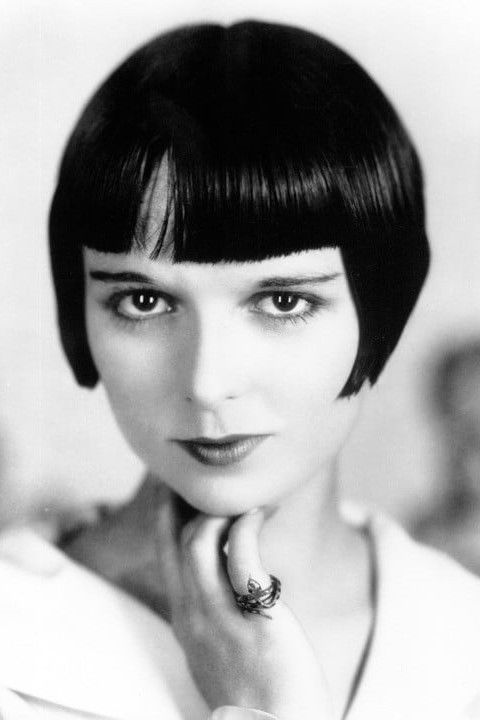
Louise Brooks will forever be known as the quintessential “Flapper,” famous for her distinctive bob and independent spirit in films like ‘Pandora’s Box.’ Unlike many actors of her era, she preferred a realistic and understated performance style. Brooks embodied the new, liberated woman of the Jazz Age, challenging traditional social expectations. Her look and style continue to influence fashion and filmmaking today.
Lillian Gish
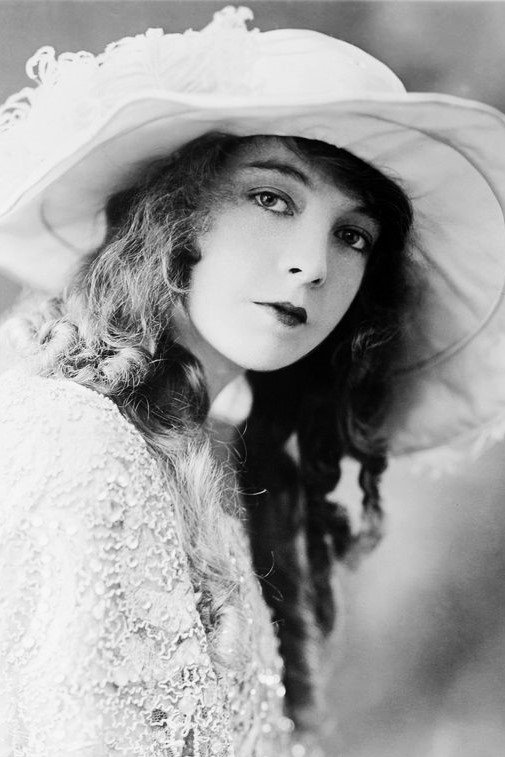
Lillian Gish was famous during the early days of cinema for playing characters who experienced great hardship, and she could communicate deep feelings with even the smallest movements and expressions. In films like ‘Broken Blossoms,’ she powerfully portrayed resilience in the face of terrible events. Gish was a groundbreaking actor, realizing that the camera could capture a character’s inner thoughts, not just their actions. She essentially defined the role of the dramatic actress who carries the emotional weight of a film.
Rosalind Russell
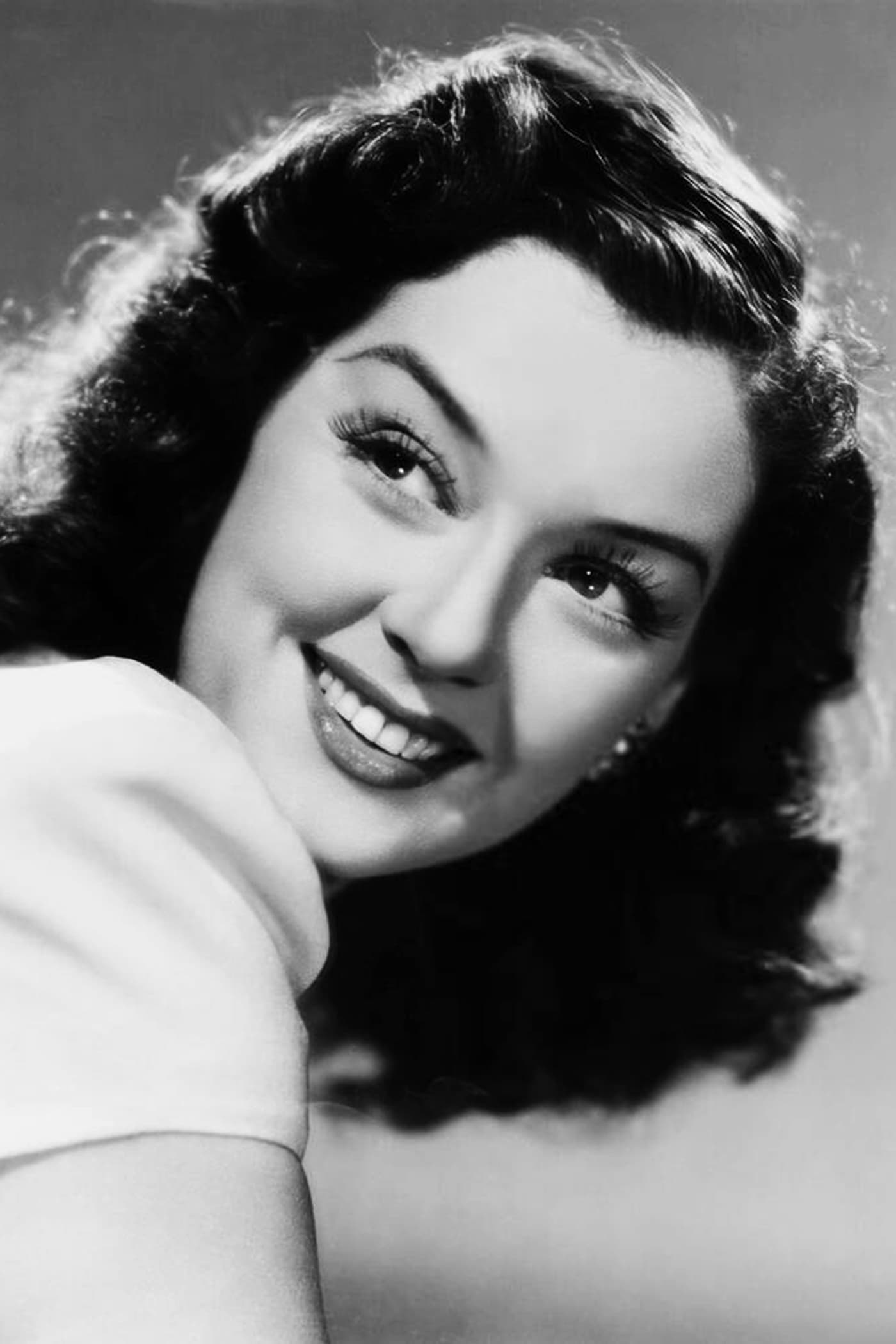
Rosalind Russell became famous for playing quick-witted, career-focused women, especially the “Fast-Talking Reporter.” Her performance as Hildy Johnson in ‘His Girl Friday’ remains the gold standard for fast-paced, funny dialogue. Russell consistently portrayed smart, well-spoken characters who weren’t afraid to take charge and confidently win any debate with her incredible speaking skills.
Dorothy Dandridge
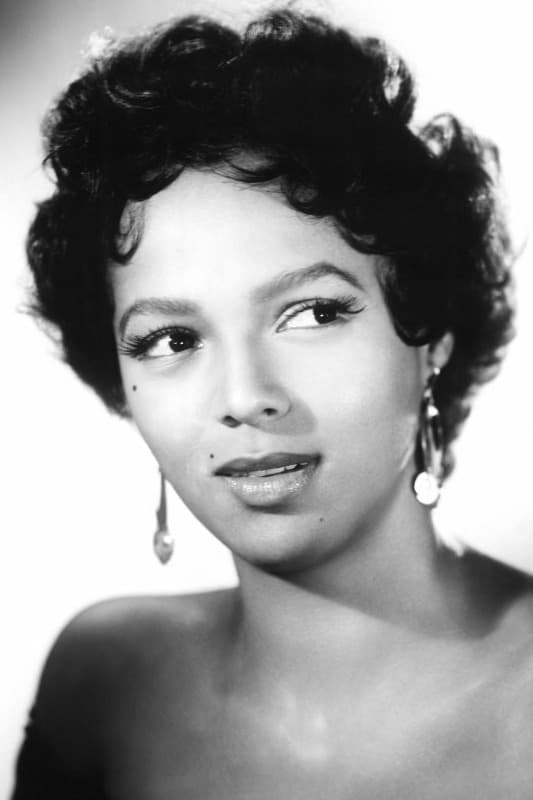
Dorothy Dandridge was a groundbreaking actress, known as the “Tragic Beauty,” and the first Black woman to be nominated for an Academy Award for Best Actress, thanks to her role in ‘Carmen Jones’. Despite her incredible talent and captivating presence, she faced limitations due to the racial segregation common in the film industry at the time. Dandridge often portrayed nuanced and sensual characters, defying the typical stereotypes given to actresses of color. Her story is a powerful example of immense artistic skill battling against widespread prejudice and unfair practices.
Natalie Wood
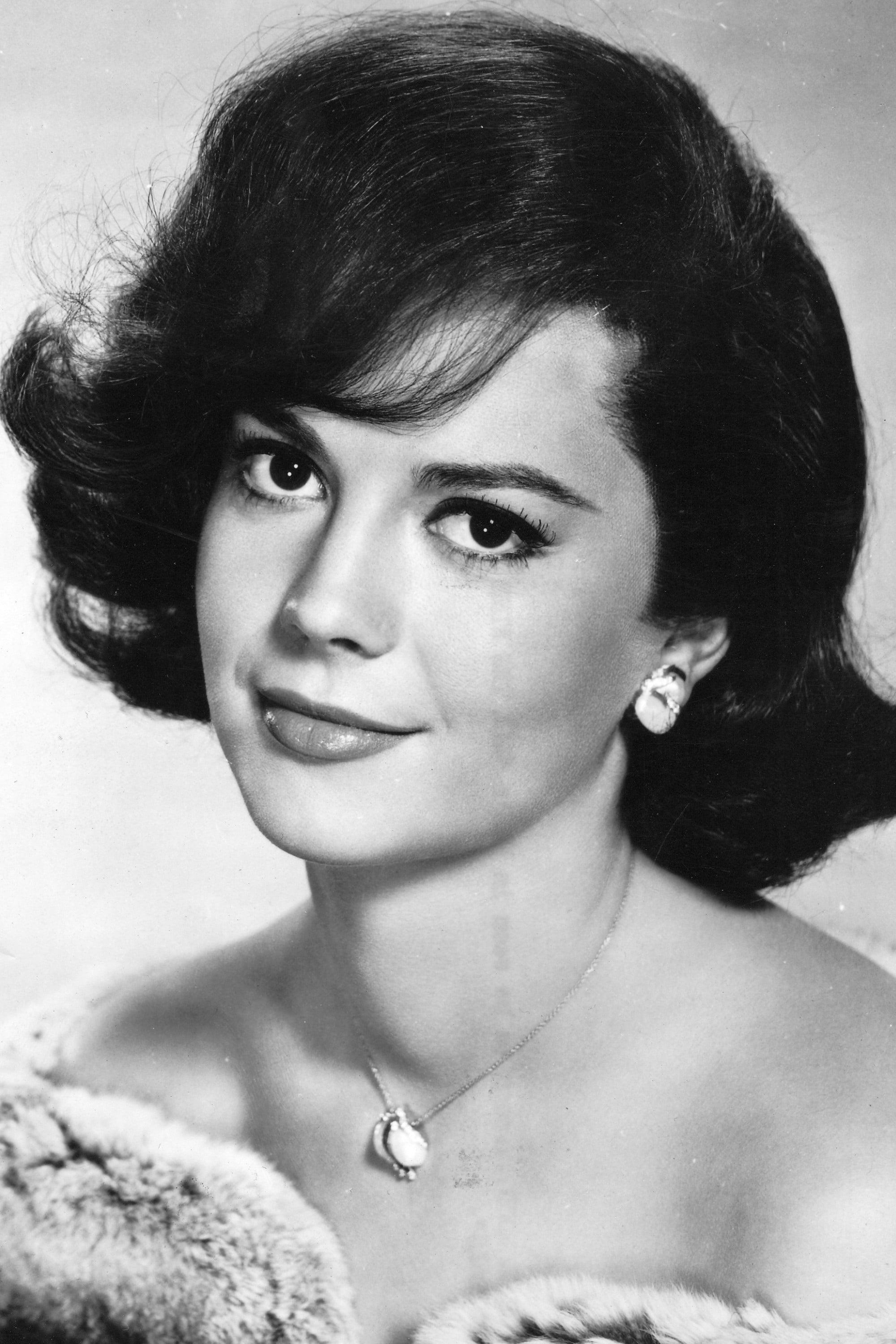
Natalie Wood perfectly represented the journey from childhood to adulthood, starting as a beloved child star in films like ‘Miracle on 34th Street’ and growing into a respected adult actress with ‘Rebel Without a Cause’. She frequently portrayed characters dealing with new feelings about sexuality and the pressures of society. Wood brilliantly captured the worries and uncertainty of young people in America during the mid-1900s, and her career reflects how the idea of a ‘teenager’ developed as a unique part of our culture.
Sharon Tate
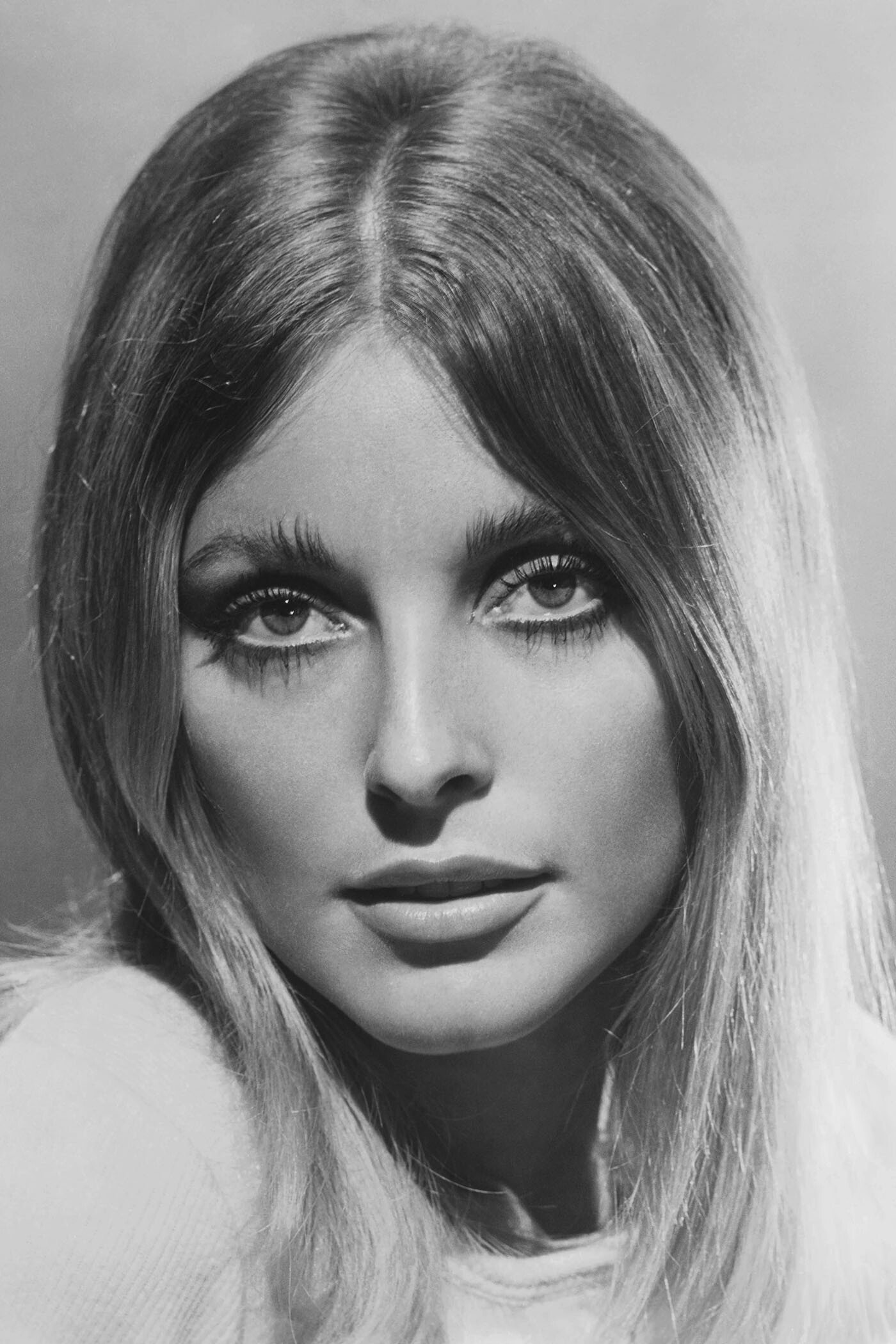
Sharon Tate is remembered as the embodiment of the 1960s “Flower Child” era, representing the beauty and promise of the time. Her performance in ‘Valley of the Dolls’ highlighted her delicate and captivating presence. Sadly, she’s become tragically associated with the loss of innocence that marked the end of the decade. She remains a lasting symbol of the 1960s, a time characterized by both beauty and shocking violence.
Carrie Fisher
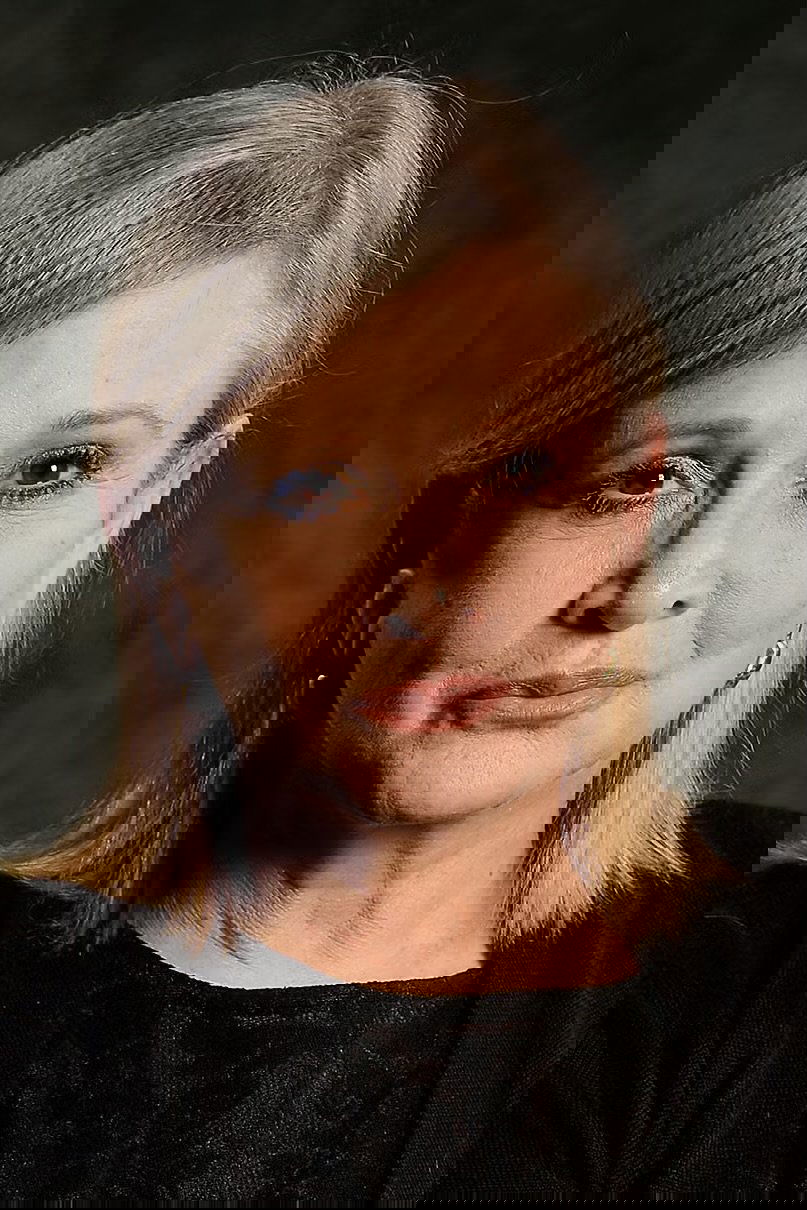
Carrie Fisher transformed the typical “princess” character in ‘Star Wars’ into someone strong, funny, and capable of fighting her own battles. She didn’t wait to be rescued – she took control and even led rebellions. Later, she became known for her honesty, bravely using humor to talk about mental health and addiction. Fisher showed us that even someone with a royal title could be resilient, hilarious, and genuinely human.
Debbie Reynolds
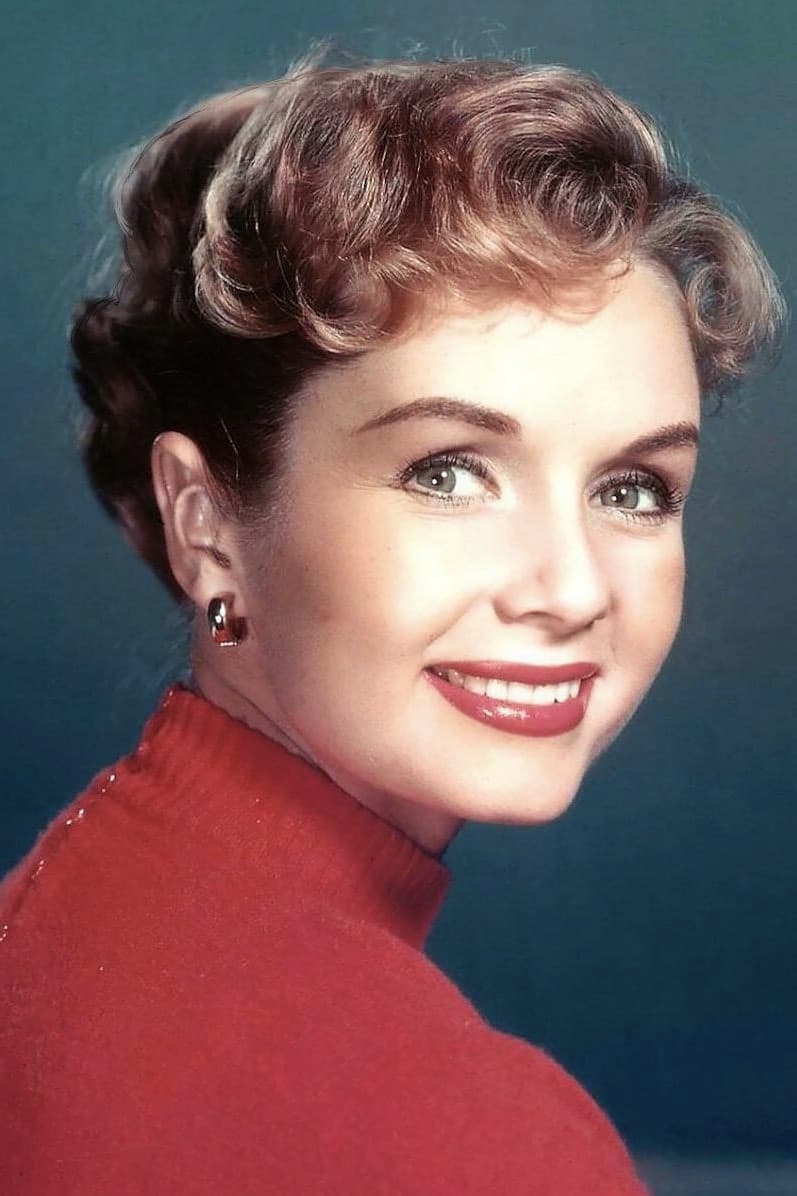
Debbie Reynolds was a remarkably talented performer – she excelled at singing, dancing, and acting, bringing incredible energy to everything she did. She’s best remembered for her cheerful and hardworking performance in ‘Singin’ in the Rain.’ Throughout her long career, she successfully transitioned from playing young, innocent characters to playing more mature, motherly roles. Reynolds embodies the strength and adaptability of performers who were trained during the golden age of Hollywood studios.
Betty White
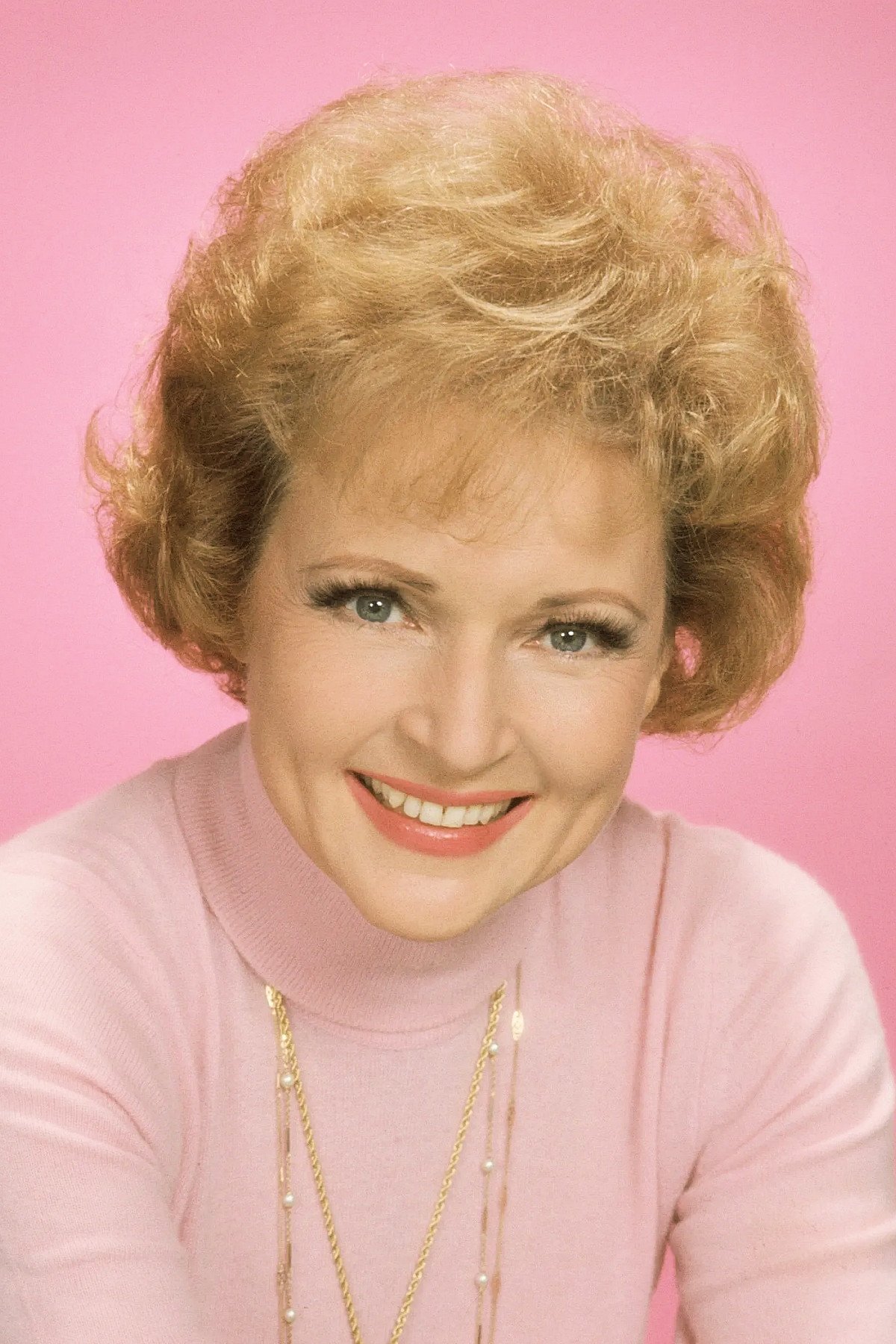
Betty White became famous for playing seemingly sweet, older characters with a surprisingly sharp wit. Shows like ‘The Mary Tyler Moore Show’ and ‘The Golden Girls’ completely changed how older women were portrayed on TV. She showed everyone that age doesn’t limit comedy and that you can be both kind and playfully sassy. She’s still remembered as a cherished, grandmotherly figure in American entertainment.
Angela Lansbury
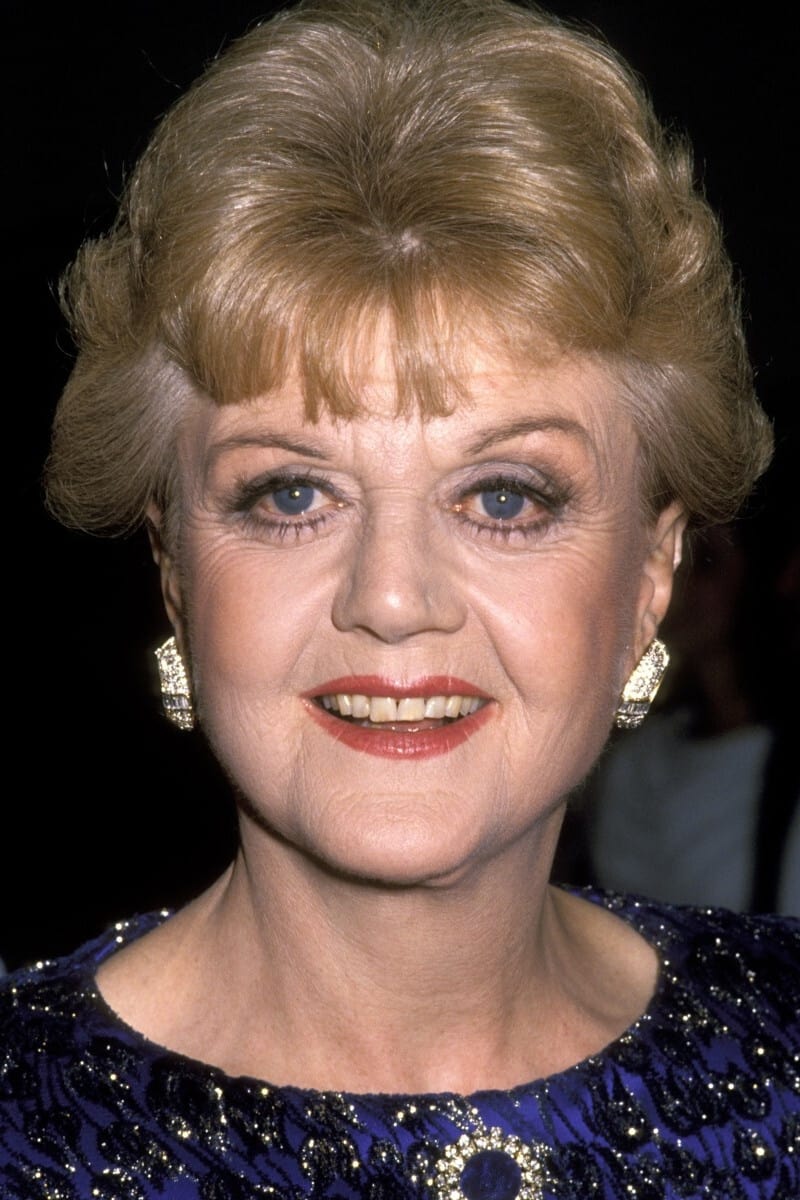
Angela Lansbury was a brilliant detective on screen, famously playing Jessica Fletcher in ‘Murder, She Wrote.’ She proved that a woman, even later in life, could lead a successful TV series without needing a male co-star to protect her. Known for her smarts rather than physical strength, she solved mysteries with her intelligence. Beyond this iconic role, Lansbury had a fantastic career in musical theater and was skilled at playing complex characters – often those who were either subtly controlling or offered a calming, sensible perspective. She truly showed the power of intelligence and determination.
Maggie Smith
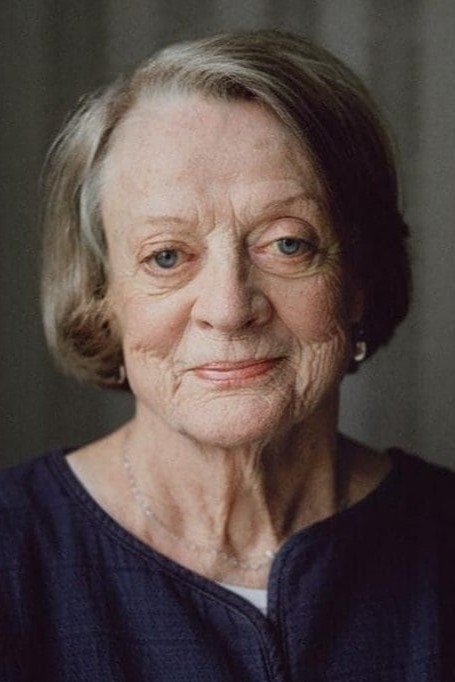
Maggie Smith was a master of playing formidable, witty women, instantly captivating audiences with her sharp looks and precise speech. From ‘Downton Abbey’ to ‘Harry Potter,’ she consistently portrayed characters in positions of power who didn’t tolerate nonsense. While often sticking to traditional values, these characters also revealed a surprising depth of loyalty and kindness. Smith demonstrated that even a simple glance could convey immense power and authority.
Diana Rigg
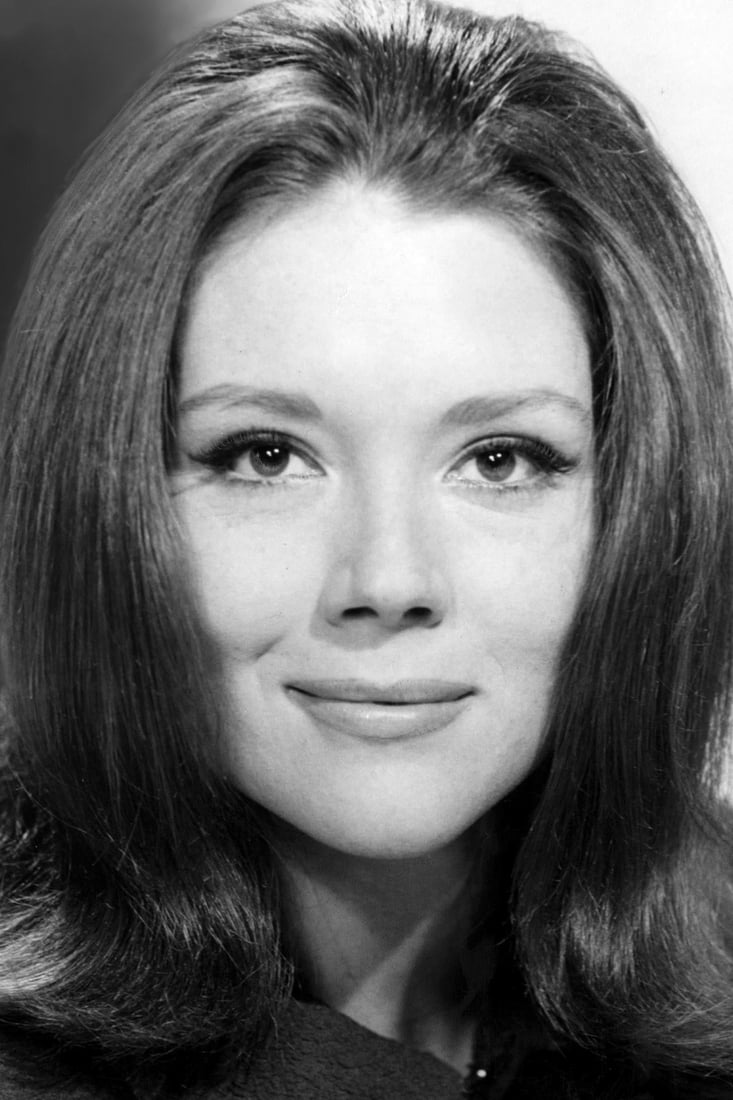
Diana Rigg was a groundbreaking actress who became known as a 1960s action hero thanks to her role as Emma Peel in ‘The Avengers.’ She skillfully blended fighting abilities with stylish fashion, portraying a character who was smart, self-reliant, and equal to her male co-star. Later in her career, she brought a powerful presence to the role of a matriarch in ‘Game of Thrones.’ Rigg’s work helped establish the modern female action star, demonstrating that women could be both strong fighters and commanding figures.
Nichelle Nichols
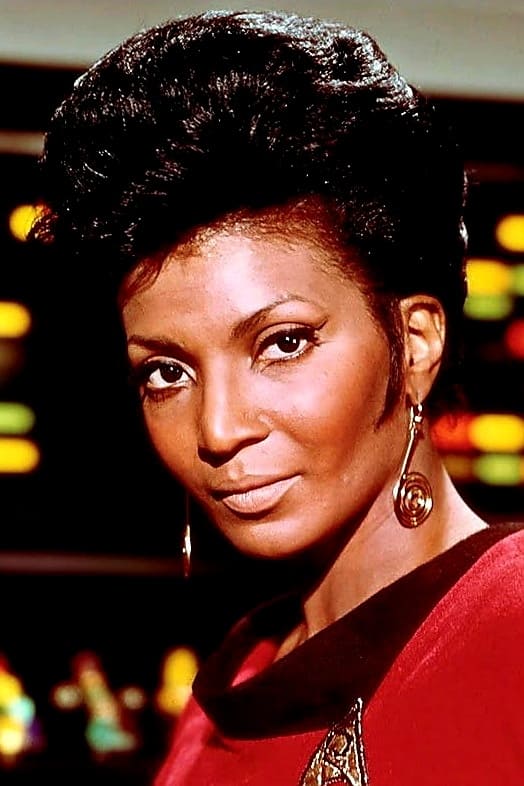
Nichelle Nichols, best known for playing Lt. Uhura on ‘Star Trek,’ broke barriers by portraying a skilled and respected officer. Her role envisioned a future where Black women were leaders in space exploration, not just servants. She famously leveraged her fame to help NASA recruit a more diverse group of astronauts. Nichols is a prime example of how fictional representation can inspire real-world change.
Raquel Welch

Raquel Welch became famous as the “Prehistoric Icon” thanks to her iconic fur bikini in the film ‘One Million Years B.C.’ While often seen as a sex symbol, she worked hard to show her versatility as an actress, taking on roles in westerns and comedies. Welch helped change how women were seen in film, representing a stronger, more athletic physique. She continues to be remembered as a powerful and captivating figure in cinema history.
Gena Rowlands
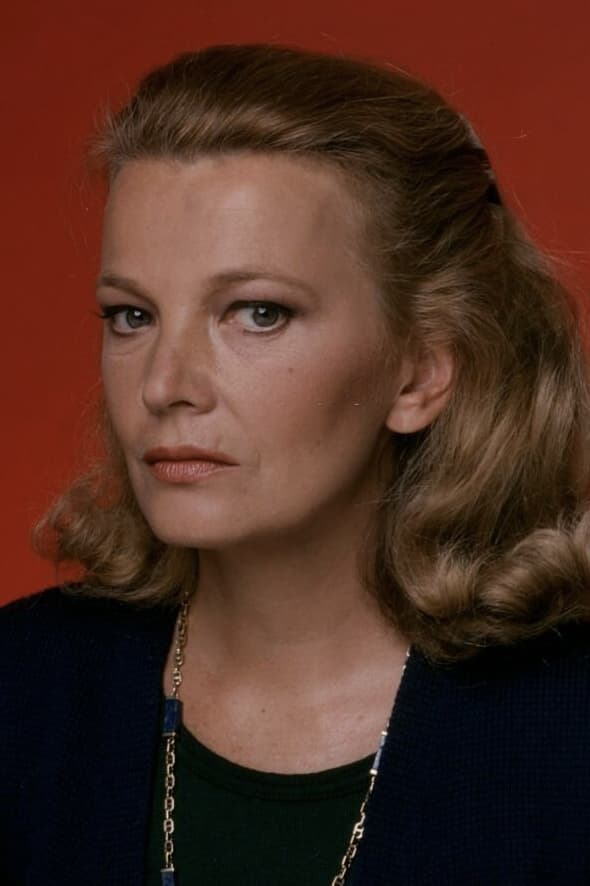
Gena Rowlands became known for portraying intensely vulnerable and realistic characters, especially in films like ‘A Woman Under the Influence’. She bravely depicted mental illness and emotional distress with honesty, avoiding exaggerated drama. Working with her husband, John Cassavetes, she helped pioneer a new kind of independent filmmaking that focused on the inner lives of women. Rowlands’ performances felt incredibly raw and exposed the depths of human pain.
Shelley Duvall
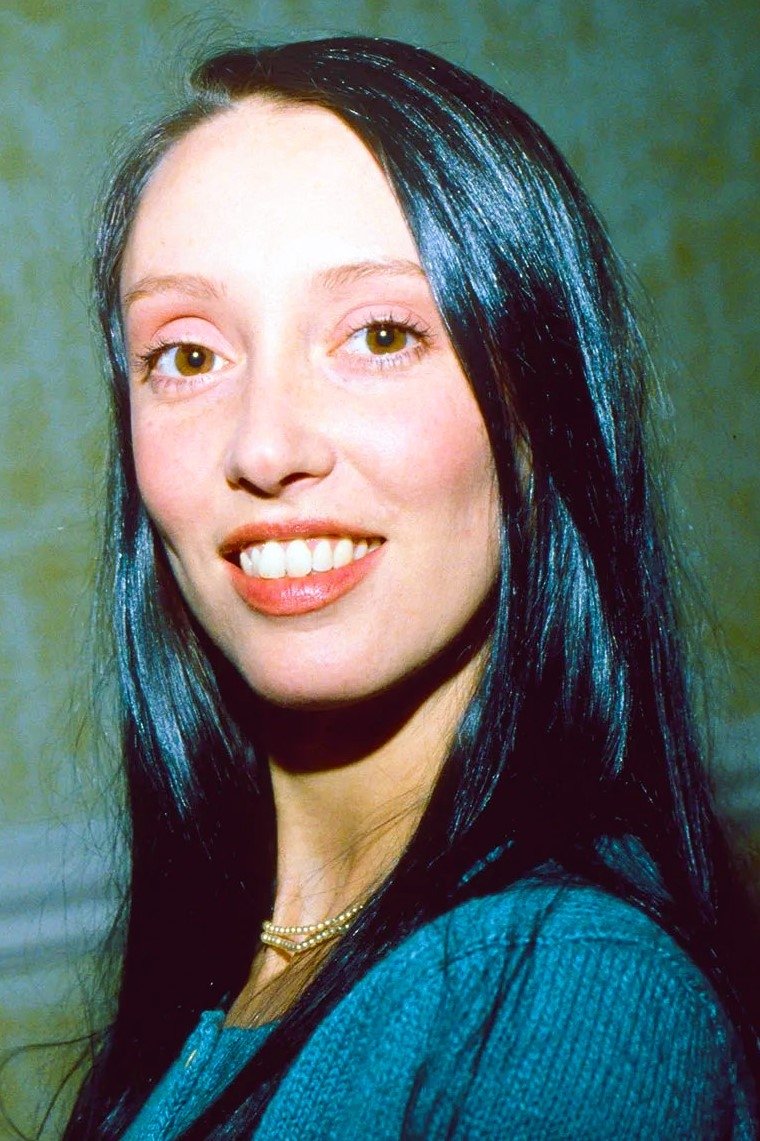
Shelley Duvall became famous for her distinctive appearance and her incredibly believable portrayals of frightened and vulnerable characters, most notably in ‘The Shining’. Director Robert Altman frequently cast her, often as quirky, unconventional characters who didn’t conform to typical roles. Despite her delicate appearance and expressive eyes, Duvall possessed a surprising strength that helped her through demanding film shoots. She’s become a symbol for actresses who embrace unusual and memorable roles.
Shannen Doherty
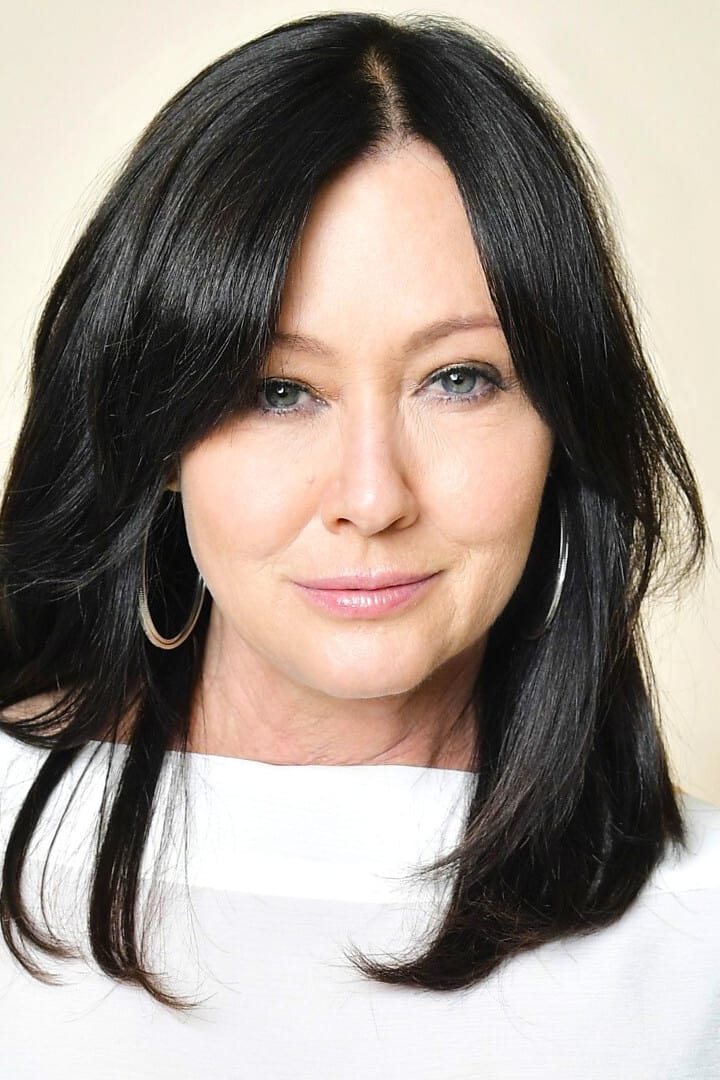
Shannen Doherty became the ultimate rebellious teen icon of the 1990s thanks to her role as Brenda Walsh on ‘Beverly Hills, 90210’. She wasn’t afraid to portray a more complicated and troubled side of being a teenager, tackling issues that most lighthearted TV shows ignored. Throughout her career, Doherty consistently challenged Hollywood’s expectations and refused to conform. She continues to be remembered as the symbol of the misunderstood, defiant teen who stays true to herself.
Cicely Tyson

Cicely Tyson was known for playing strong, dignified Black women, carefully selecting roles that showed their humanity. In films like ‘Sounder’ and ‘The Autobiography of Miss Jane Pittman,’ she convincingly portrayed characters over many years, bringing a powerful sense of realism to her performances. She purposefully avoided roles that felt degrading, and instead used her work to advocate for respect and positive change. Tyson showed how an artist can use their talent and integrity to make a difference.
Olivia de Havilland
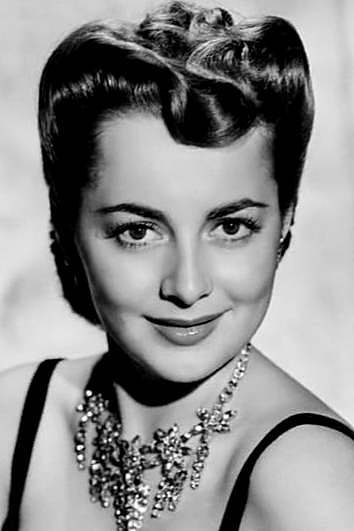
Olivia de Havilland was known for playing sweet and virtuous characters, especially as a contrast to more dramatic ones, like in ‘Gone with the Wind.’ But beyond her on-screen persona, she was a determined fighter for justice. She famously took legal action against a studio and won, breaking a system that unfairly controlled actors’ careers. This victory gave actors more freedom and control. De Havilland was a woman who appeared gentle but possessed remarkable inner strength.
Honor Blackman
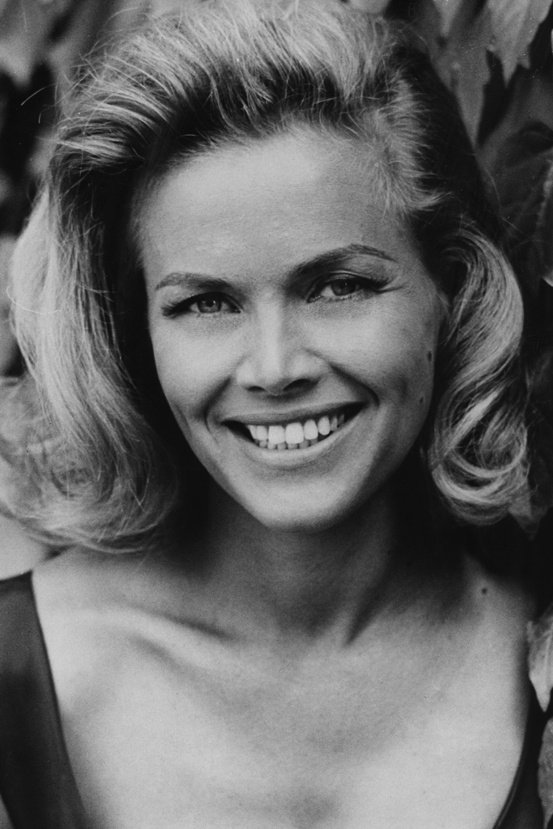
Honor Blackman redefined the “Bond Girl” with her role as Pussy Galore in ‘Goldfinger.’ Unlike previous love interests, she was a genuine threat – older and skilled in judo, even able to physically overpower James Bond. Blackman’s portrayal was confident and sophisticated, making her character more than just a pretty face, and establishing her as a spy who was equally as formidable as Bond himself.
Anna Karina
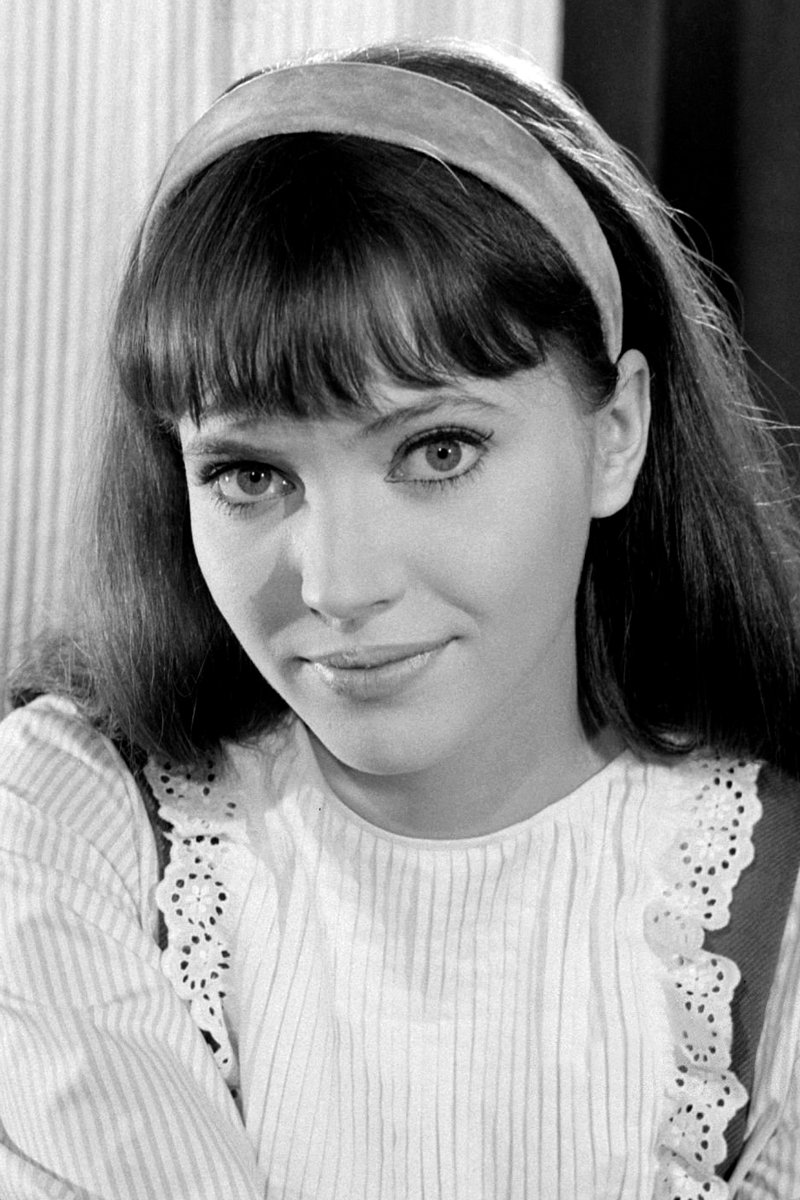
Anna Karina became the defining face of the French New Wave cinema of the 1960s. Her work with director Jean-Luc Godard created memorable characters known for being natural, thoughtful, and stylish. She frequently connected with viewers by looking directly at the camera, conveying both a sense of melancholy and playfulness. Karina perfectly represents the artistic spirit of this influential film movement.
Gloria Grahame
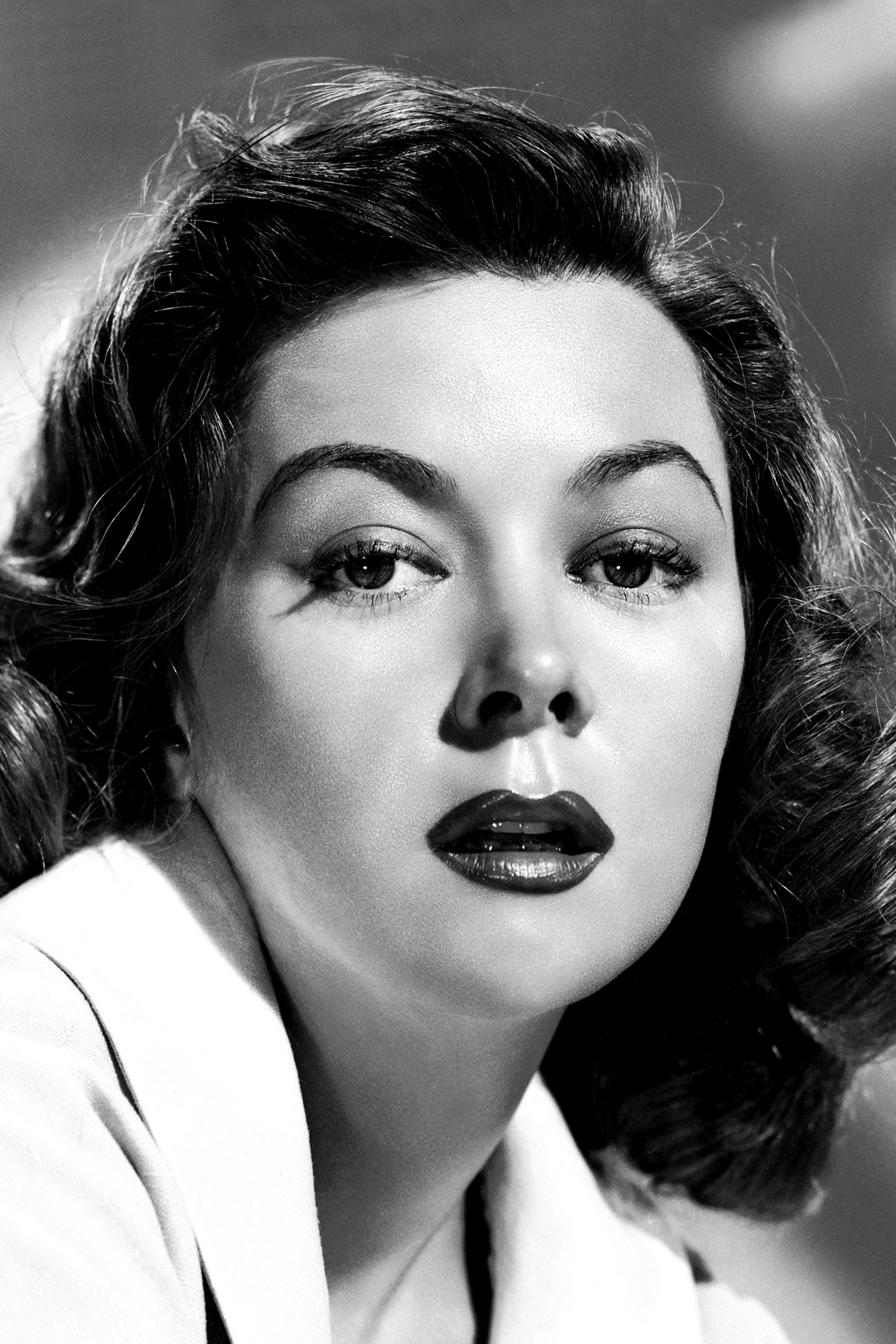
Gloria Grahame was a classic film noir actress, often portraying complex women like the gangster’s girlfriend or a world-weary friend. She excelled in roles that were both alluring and heartbreaking, as seen in movies like ‘The Big Heat’ and ‘In a Lonely Place’. Remarkably, she won an Academy Award for a performance that was less than ten minutes long, demonstrating her incredible talent. Grahame often played characters who were tough, realistic, and understood the harsh realities of life.
Gene Tierney

Gene Tierney was the ultimate enigmatic beauty, with a delicate, otherworldly charm that suited her perfectly for roles like the ghost in ‘The Ghost and Mrs. Muir’. In ‘Laura’, she portrayed a woman so alluring that a detective became infatuated with her portrait. Sadly, Tierney’s own life was filled with hardship, and this often translated into a subtle sadness in her performances. She had a way of lingering in the audience’s mind, influencing the story even when she wasn’t physically present on screen.
Kirstie Alley
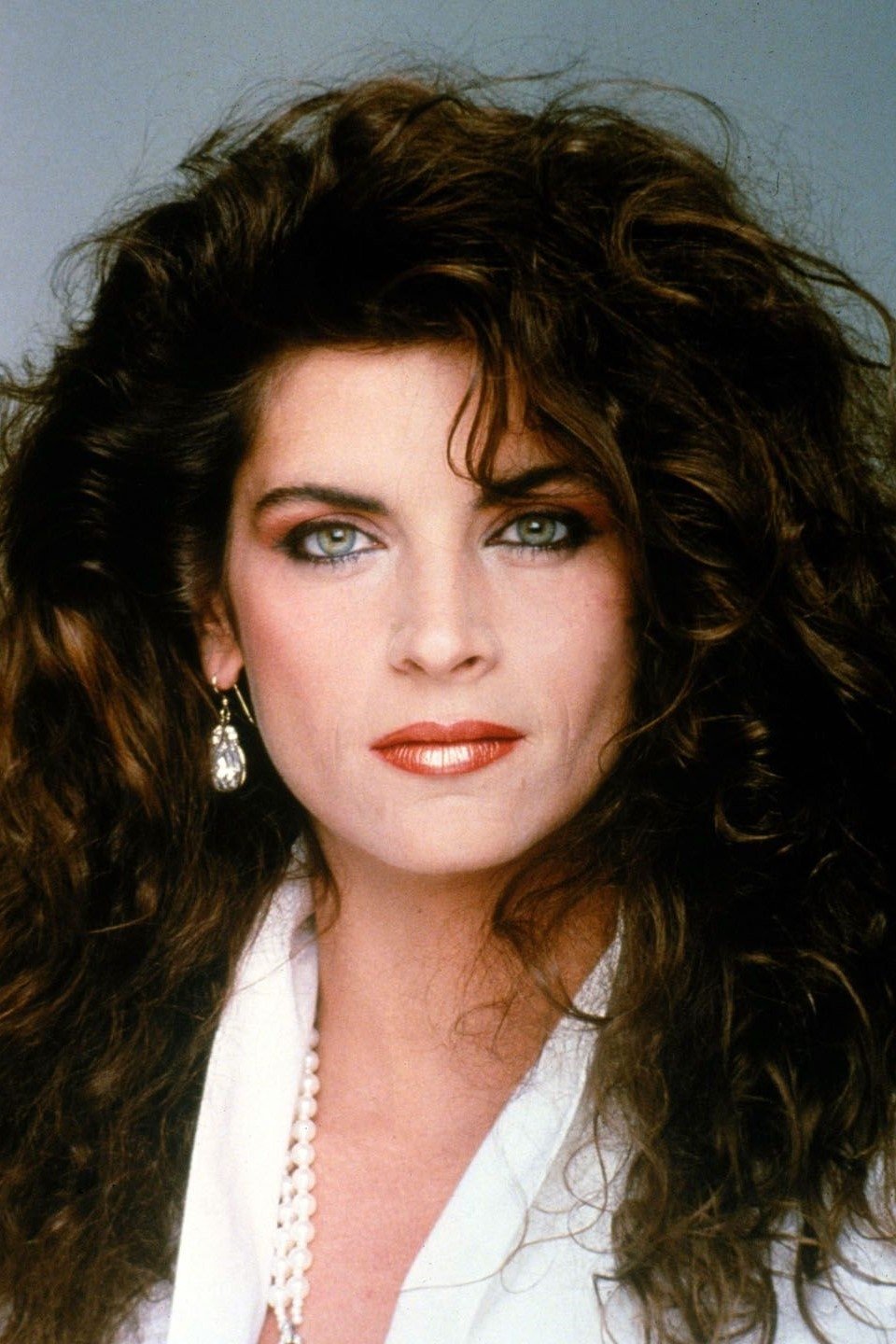
I’ll always remember Kirstie Alley as a total game-changer. Before her, sitcoms usually had these perfect housewife characters, but she brought something completely different to ‘Cheers’. She played someone real – a woman with a career, struggling with all the messy parts of life and love. It felt so authentic! And she was hilarious – her timing was amazing, and she wasn’t afraid to make fun of herself, which I think is why so many of us connected with her. To me, she really embodied what it’s like to be a modern woman – still learning, still growing, and definitely not having it all figured out.
We’d love to hear your thoughts! In the comments, let us know which iconic actress you think has influenced modern movies the most.
Read More
- Invincible Season 4 Gender Swaps Tech Jacket As Fans Question Major Comic Change
- Silver Rate Forecast
- Gold Rate Forecast
- Building Agents That Learn and Improve Themselves
- 15 Films That Were Shot Entirely on Phones
- 20 Movies Where the Black Villain Was Secretly the Most Popular Character
- 22 Films Where the White Protagonist Is Canonically the Sidekick to a Black Lead
- Celebs Who Narrowly Escaped The 9/11 Attacks
- Games That Faced Bans in Countries Over Political Themes
- 14 Movies Where the Black Character Refuses to Save the White Protagonist
2026-02-03 02:52