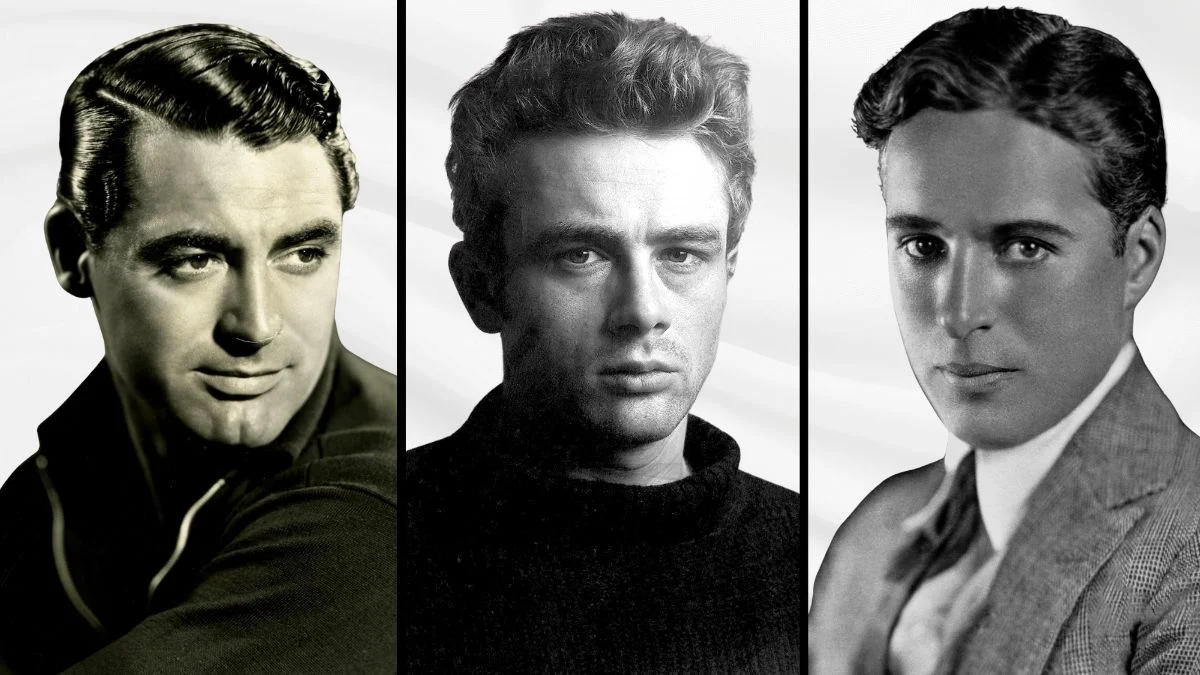
As a film buff, I’ve always been fascinated by those actors who really shook things up in Hollywood. They weren’t afraid to take chances and break the mold, and it completely changed how movies were made and how actors approached their craft. It wasn’t just about the films they were in – their decisions, like fighting for better contracts or pioneering new acting methods, had a lasting impact that we still see in the industry today. They truly redefined what it meant to be a movie star and an artist.
Charlie Chaplin
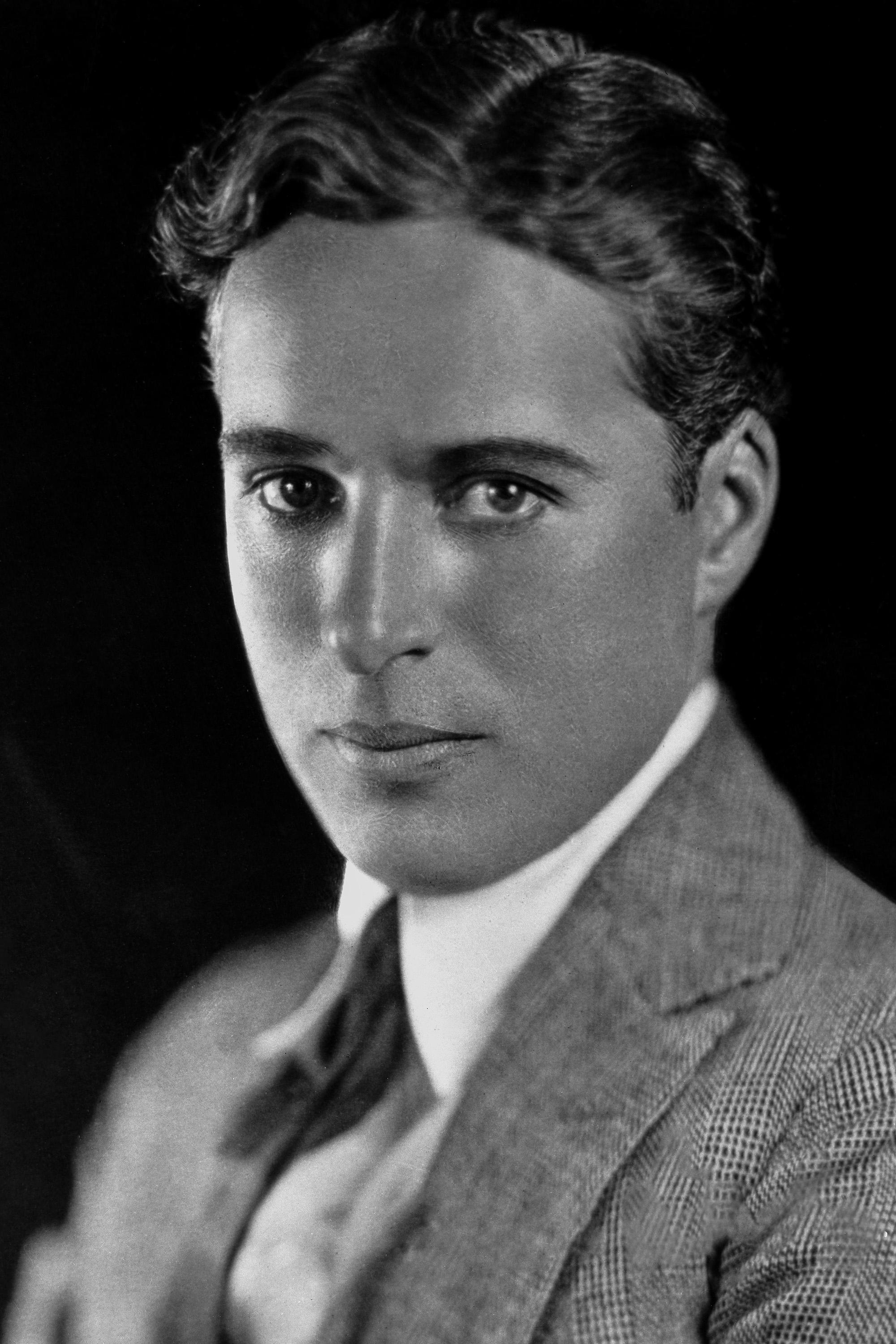
Charlie Chaplin helped create United Artists so actors could have more control over their films and how they were distributed. This was a groundbreaking step that reduced the power of the big studios and allowed artists to be more creative. Because of this independence, he was able to make acclaimed films like ‘City Lights’ without studio meddling. This decision paved the way for other actor-producers to own their projects, and the studio he helped build remains important in Hollywood history thanks to his forward-thinking vision.
Marlon Brando
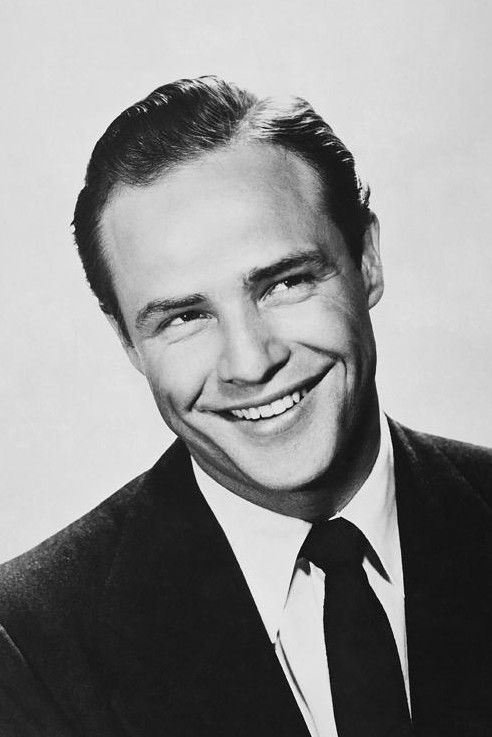
Marlon Brando revolutionized acting in the 1950s with his incredibly natural and realistic performances. He moved away from the overly dramatic and artificial style that was common in Hollywood at the time. His role in ‘A Streetcar Named Desire’ brought a new depth of emotion and honesty to the screen. Actors quickly started copying his subtle way of speaking and his deeply psychological approach. This ultimately transformed acting techniques and how performances are delivered in American movies.
James Stewart
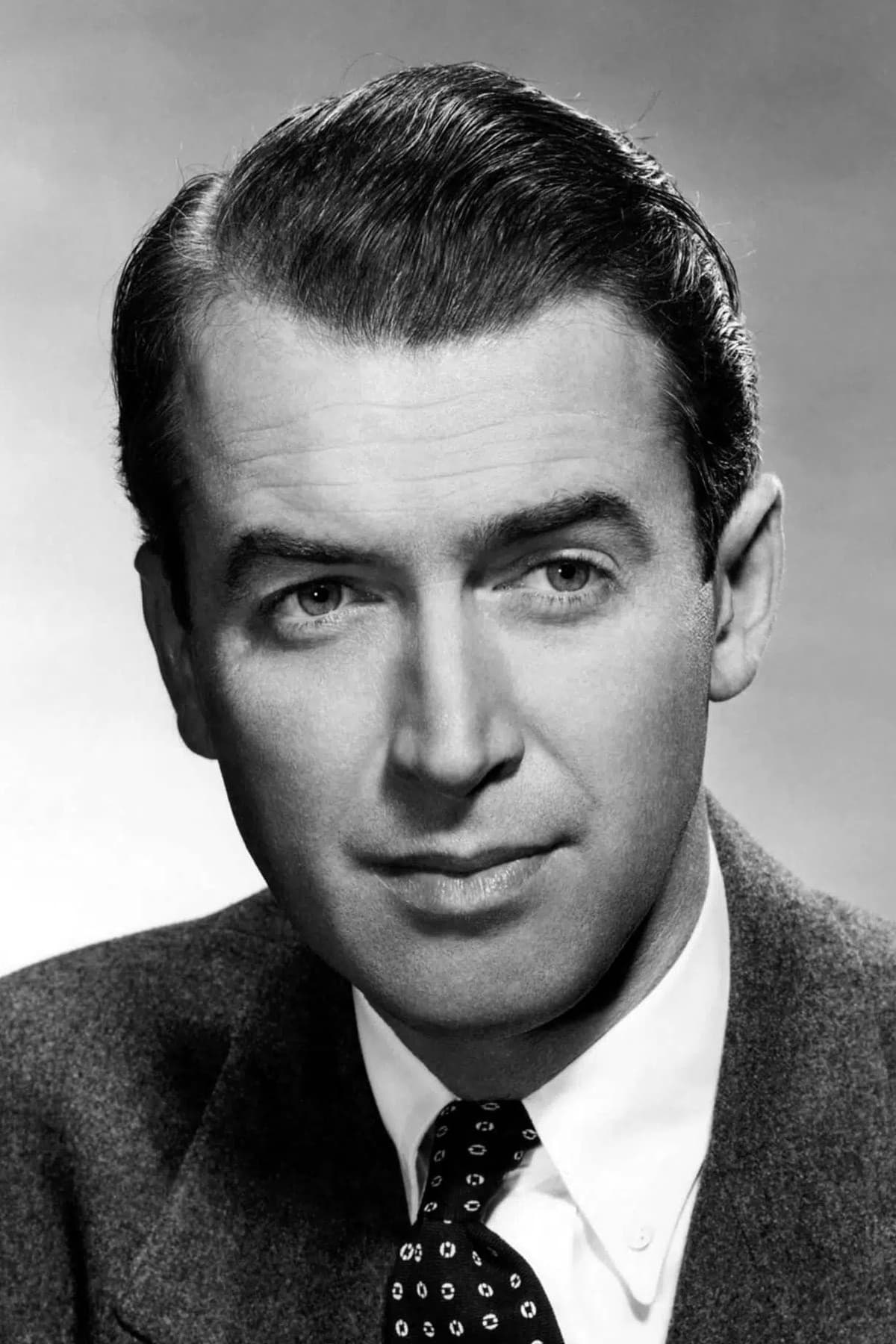
James Stewart changed how actors get paid with his deal for the movie ‘Winchester ’73’. Instead of a large salary right away, he accepted less money upfront in return for a share of the film’s profits. This arrangement turned out to be very profitable and fundamentally altered how major stars negotiated their salaries. It created a new financial relationship between actors and studios, making actors more like partners in the filmmaking process. As a result, agents quickly started requesting similar profit-sharing deals for their biggest clients.
Sidney Poitier
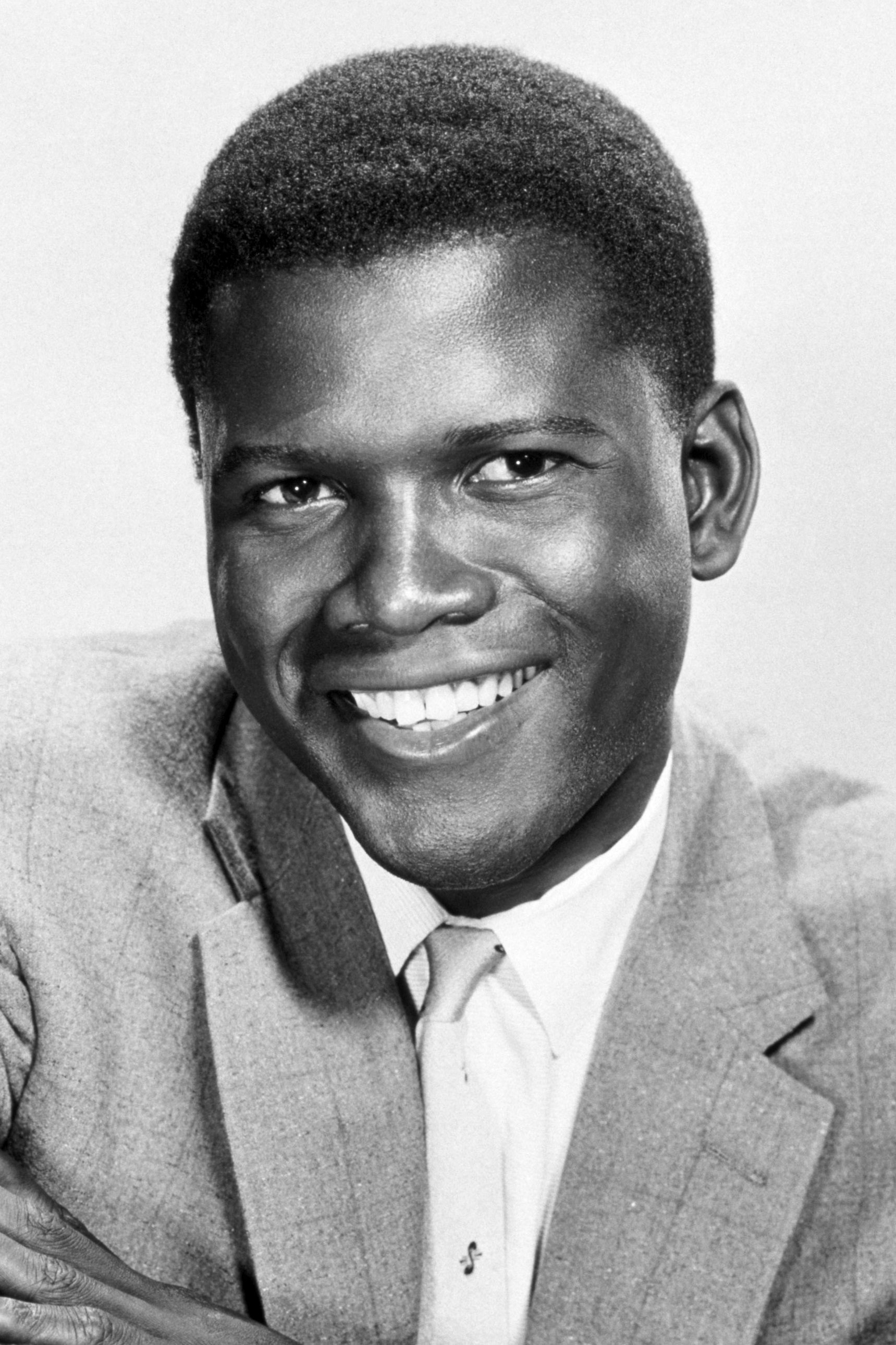
Sidney Poitier consistently chose to play strong, important characters, rejecting roles that relied on racial stereotypes. Films like ‘In the Heat of the Night’ were groundbreaking, challenging racial boundaries in mainstream movies. He made history as the first Black actor to win an Academy Award for Best Actor, receiving the honor for ‘Lilies of the Field’. By refusing to accept limited or demeaning roles, Poitier pushed Hollywood to rethink its casting practices and created opportunities for future generations of actors of color to take leading roles.
Kirk Douglas
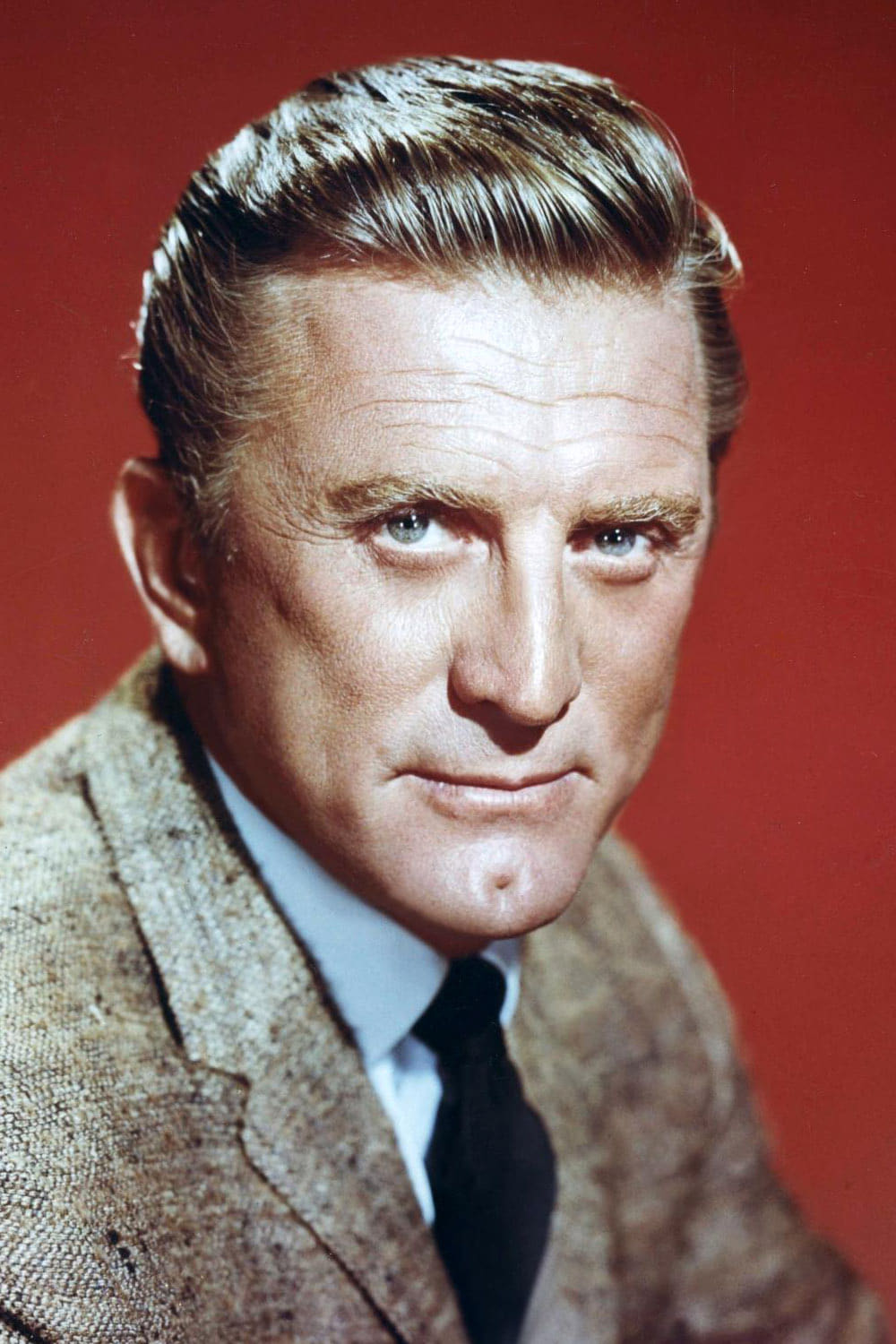
Kirk Douglas bravely helped bring an end to the Hollywood Blacklist during the McCarthy era. Despite facing strong opposition, he publicly acknowledged Dalton Trumbo as the writer of ‘Spartacus.’ This act of courage broke the system that had unfairly banned people suspected of being communists from working in Hollywood, allowing many writers to rebuild their careers and proving that talent should triumph over political fear. Douglas’s principled stand continues to be a shining example of integrity in the entertainment industry.
Desi Arnaz
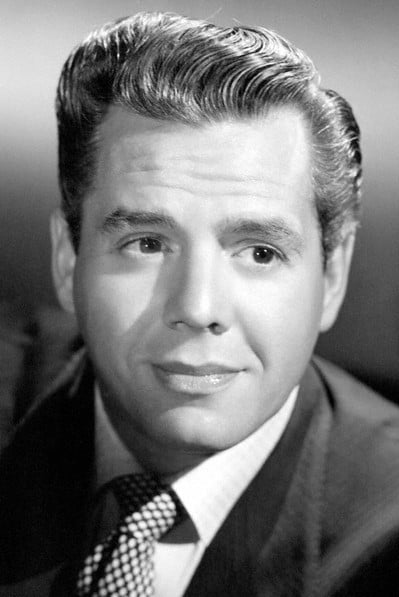
Desi Arnaz revolutionized television production with his work on ‘I Love Lucy’. He was the first to use multiple cameras during filming and chose to record the show on 35mm film instead of broadcasting it live. This innovative approach allowed for high-quality reruns and paved the way for syndication, turning television production into a major source of revenue for Hollywood. Remarkably, the production techniques he developed decades ago are still used in the industry today.
Cary Grant
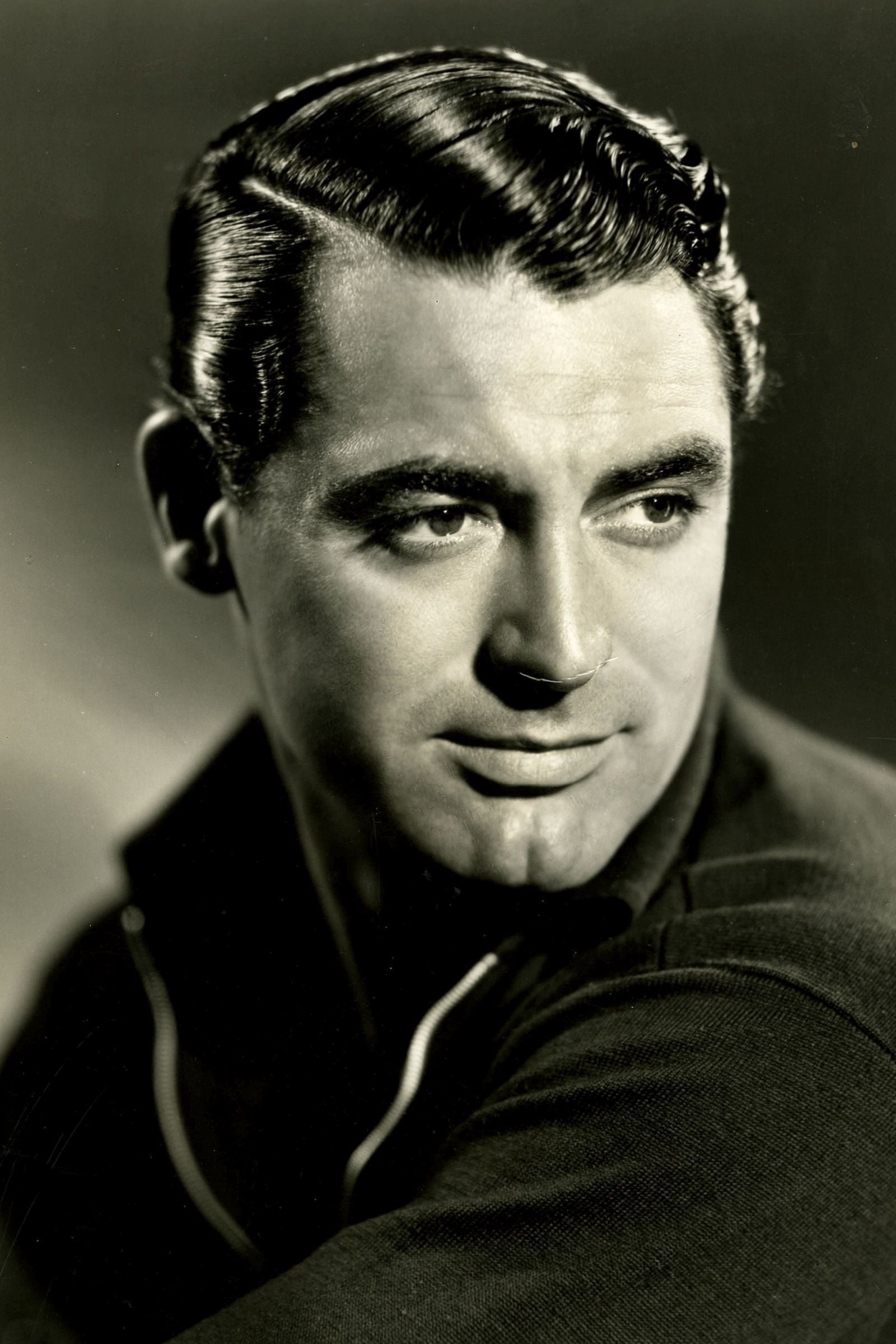
Cary Grant was a pioneer, one of the first big stars to work independently, choosing his own projects instead of being tied to a single studio contract. This was unusual at the time, as studios generally controlled actors’ careers. This freedom let Grant carefully manage his image and finances. He showed that a star could be successful outside the traditional studio system, and he essentially created the model for how actors negotiate as free agents today.
Humphrey Bogart
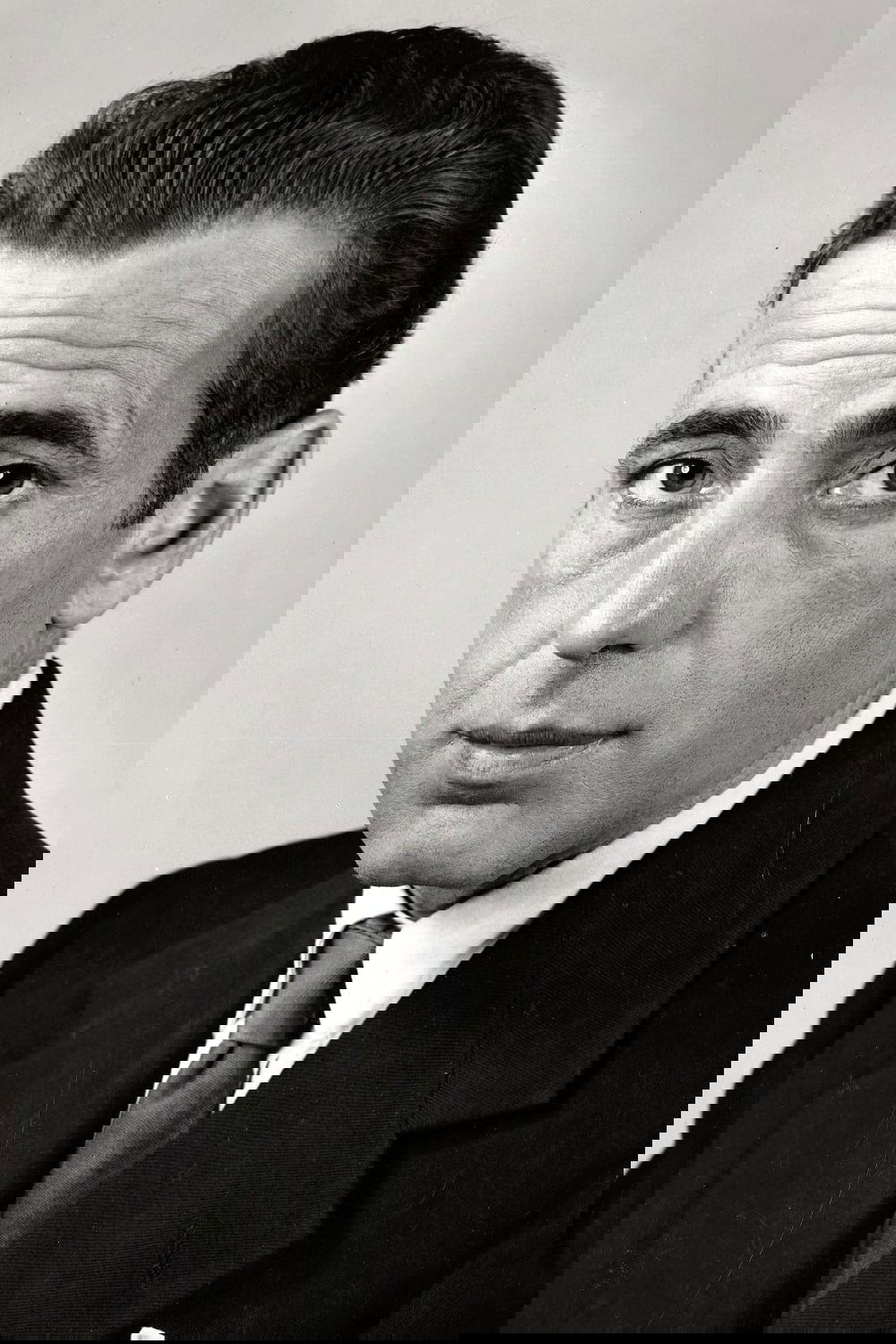
Humphrey Bogart became famous by changing from a character actor playing gangsters to a leading man who created the now-classic “anti-hero.” His characters in films like ‘Casablanca’ and ‘The Maltese Falcon’ were cynical but still had a strong moral code, bringing a more realistic and complex hero to the screen. This marked a change from the perfect, idealistic heroes of earlier Hollywood films. Bogart showed that audiences would embrace a leading man who didn’t fit the traditional mold – someone with a rugged appearance and a world-weary attitude – and still be a box office draw. He essentially created the blueprint for the modern tough guy character.
Robin Williams
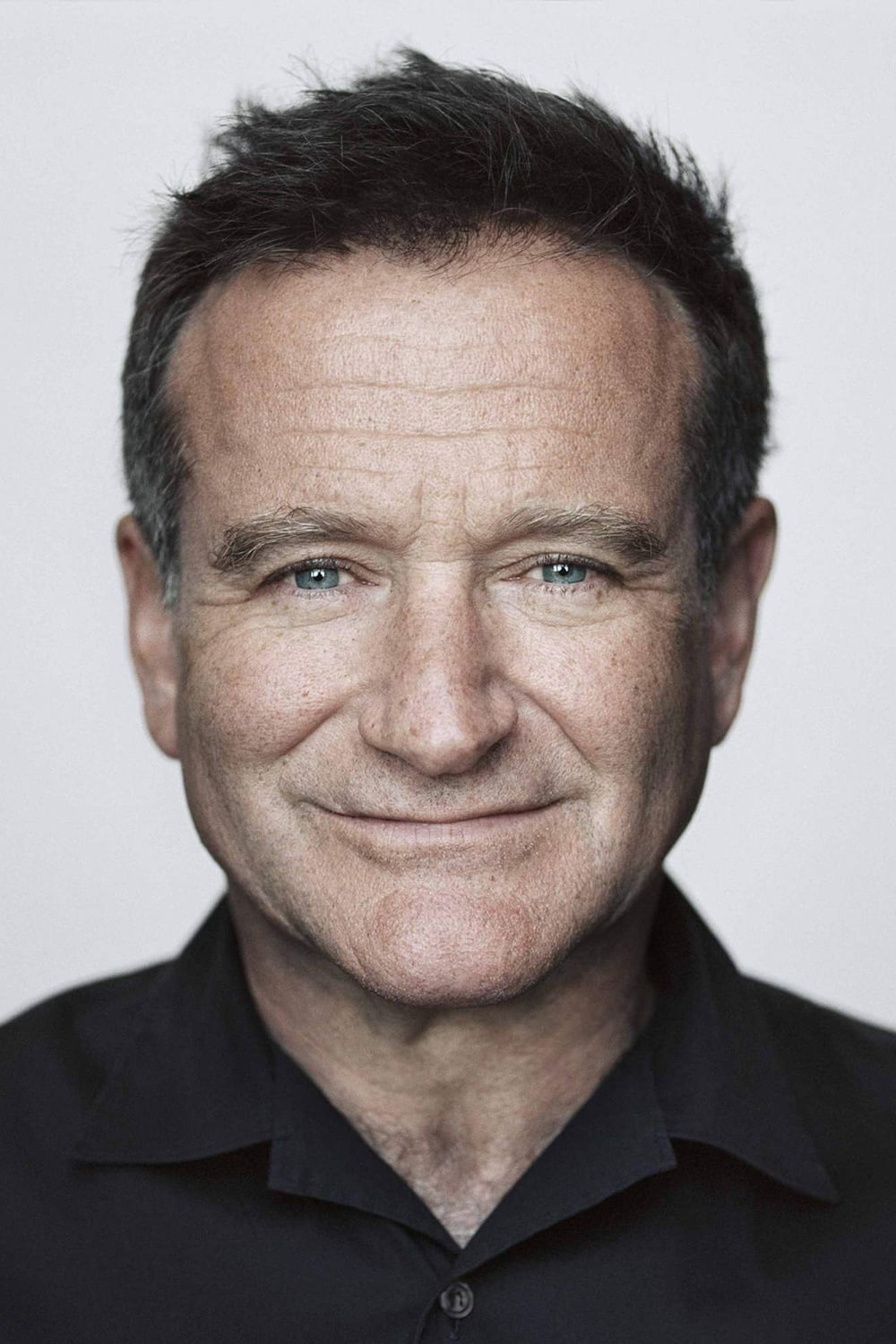
Robin Williams revolutionized voice acting with his energetic portrayal of the Genie in ‘Aladdin’. He demonstrated that well-known actors could become central to animated films, and studios quickly recognized that featuring celebrities could significantly boost a cartoon’s marketing and appeal. This realization sparked the now-common practice of casting famous actors instead of experienced voice actors. His performance is now seen as a landmark achievement in animation.
James Dean
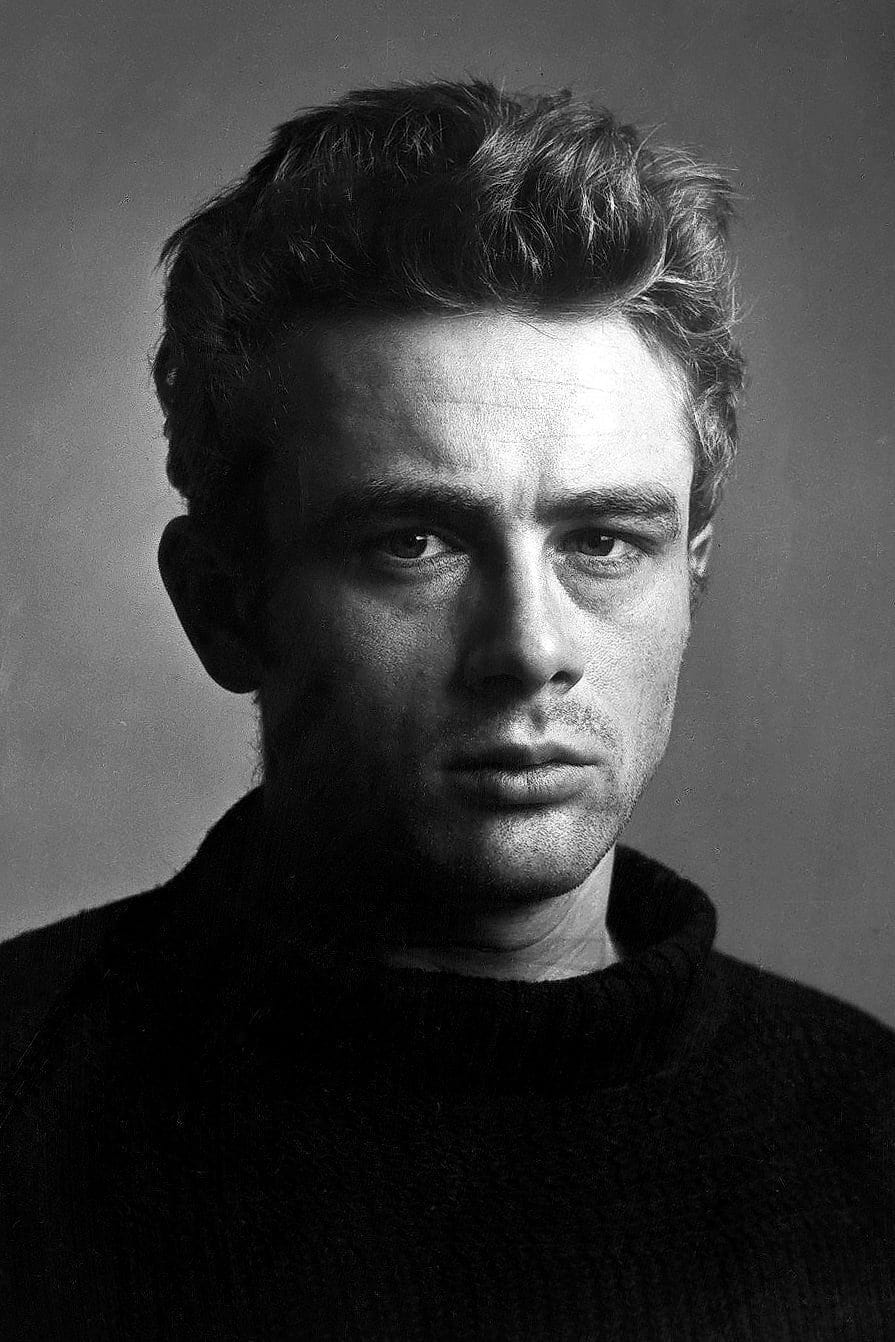
James Dean perfectly captured the feelings of restlessness and frustration experienced by young people after the war. His role in ‘Rebel Without a Cause’ gave a voice to a generation who felt disconnected from their families. He essentially created the image of the troubled teen that became common in American movies. Despite his short career, his unique style had a lasting impact on actors who came after him. He showed that showing weakness and emotion could be just as compelling as portraying traditional strength.
Jerry Lewis
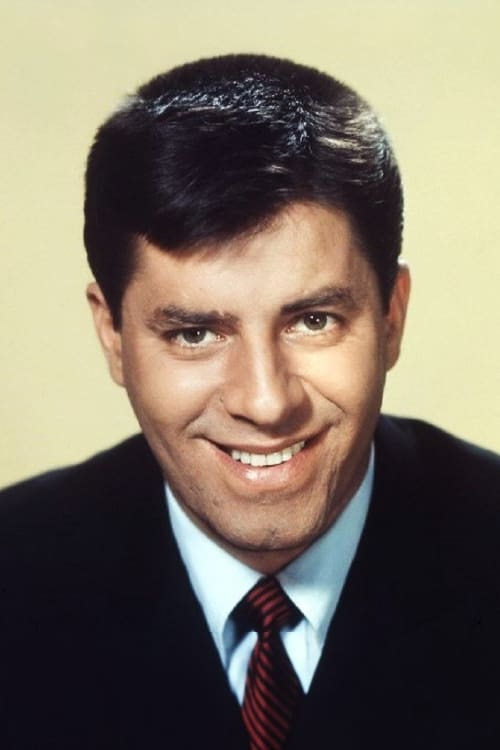
As a film buff, I’ve always appreciated the unsung heroes behind the camera, and Jerry Lewis is definitely one of them. Most people remember him as a hilarious comedian, but I recently learned he actually invented the video assist system! Basically, he got tired of waiting for film to be developed after a take, so he created a way to instantly review footage on set. It sounds simple now, but this was revolutionary! It massively sped up production, and now you see video monitors on every film set. It’s amazing to me that such a significant technical contribution is often lost in the shadow of his incredible comedic talent. He really changed how movies are made, and deserves more credit for that!
Paul Newman
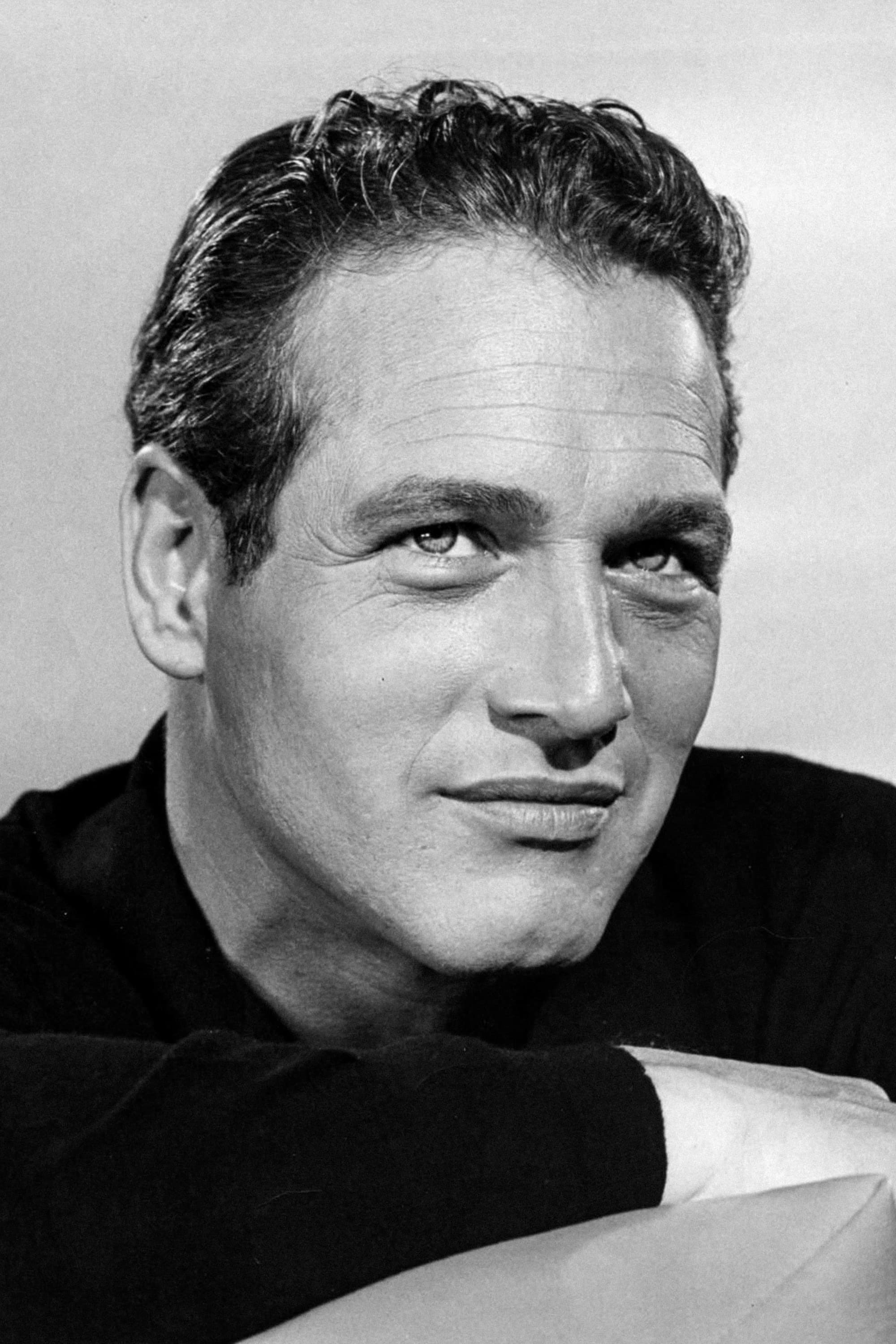
Paul Newman famously reinvented himself, moving from a dedicated actor to a skilled race car driver and a generous philanthropist. He created “Newman’s Own,” a food company that donated all its profits to charitable causes. This innovative approach set a new standard for how celebrities could use their influence for good and build successful businesses while giving back. He demonstrated that actors could use their fame to create lasting charitable organizations, and his impact on philanthropy is as significant as his legendary work in film.
John Cassavetes
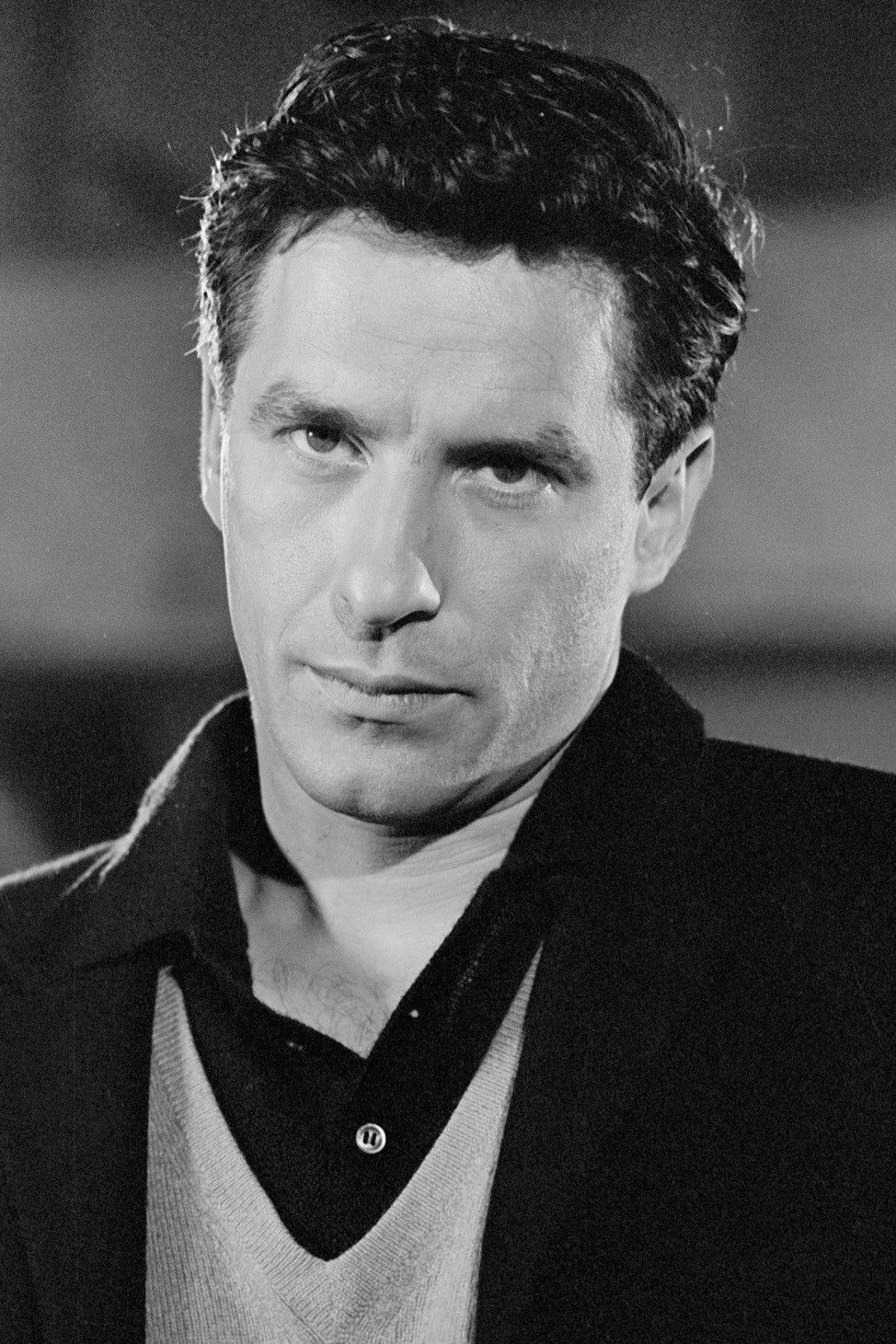
John Cassavetes funded his own independent films by earning money acting in mainstream movies. He wrote and directed films like ‘Shadows’ completely outside of the traditional studio system, and is often credited with starting the American independent film movement. He proved that filmmakers could create truly personal work even without studio backing or guaranteed distribution. This paved the way for countless independent filmmakers to finance their own projects.
Bruce Lee
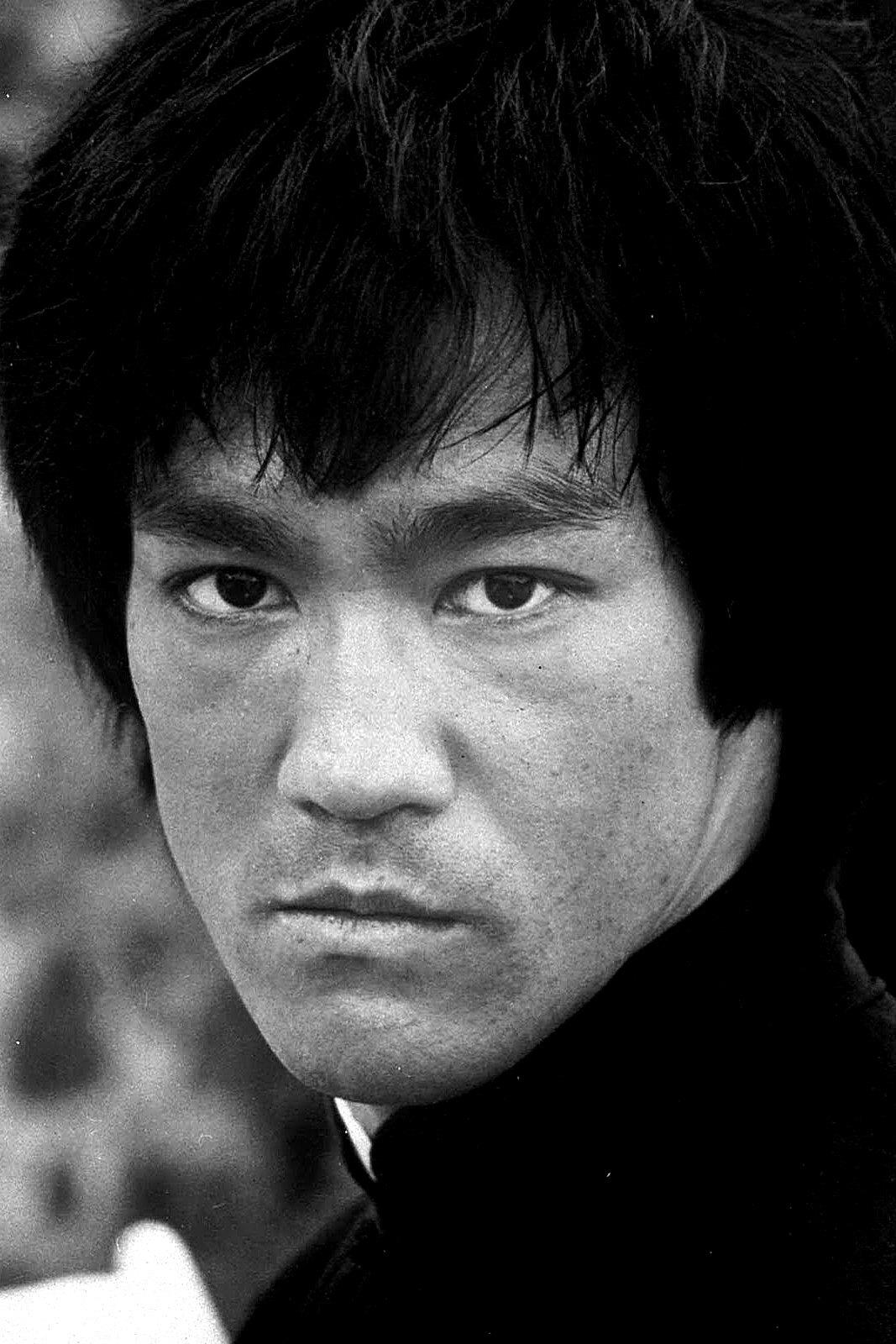
Bruce Lee broke down common stereotypes about Asians in Hollywood by portraying strong, captivating characters. He brought realistic martial arts to Western films, creating a worldwide fascination with the genre. His innovative fight choreography and unique philosophy revolutionized action filmmaking. He opened doors for other martial artists to achieve stardom in American movies, and his influence on action cinema is still felt today, even decades after his passing.
Heath Ledger
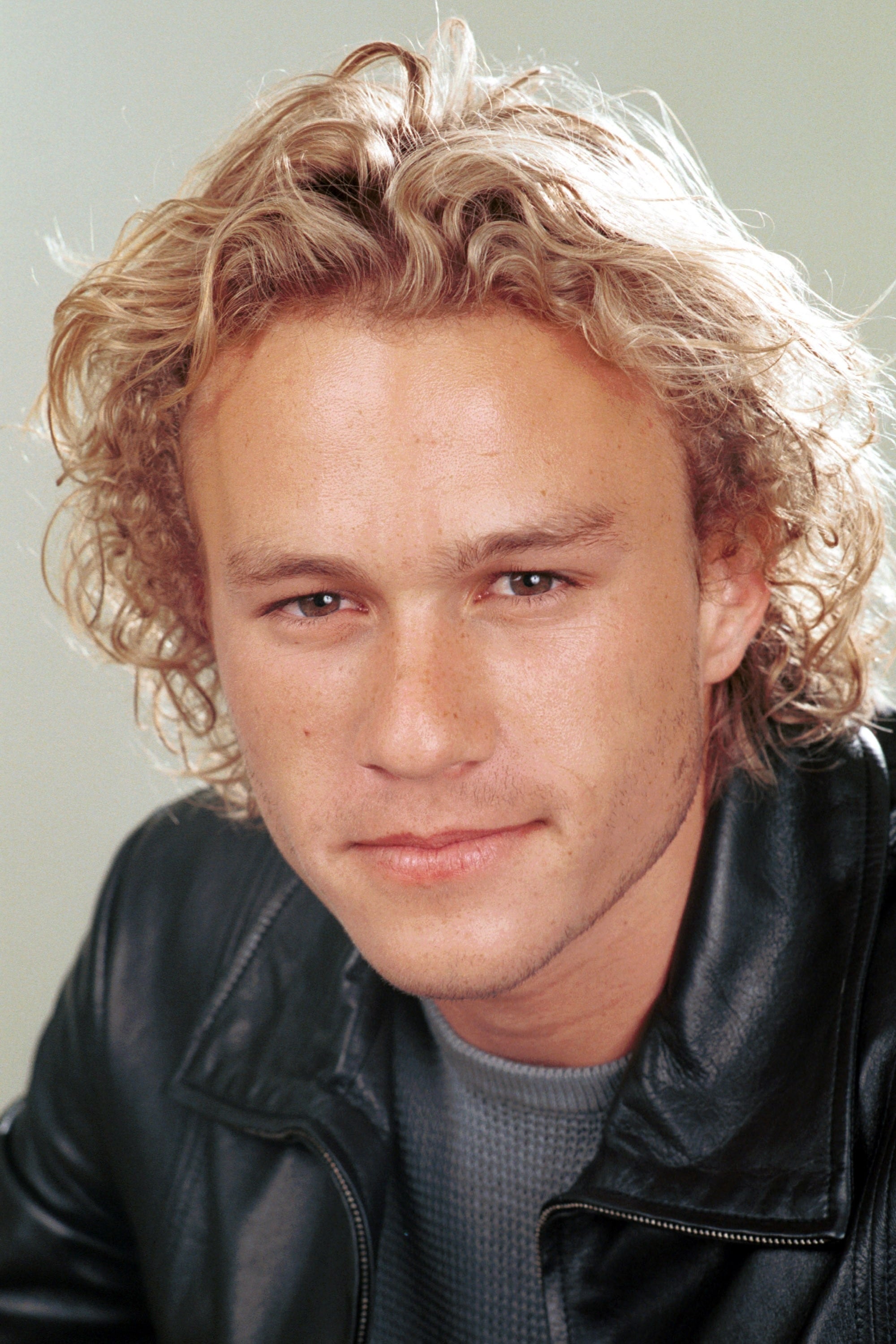
Heath Ledger’s performance as the Joker in ‘The Dark Knight’ changed expectations for acting in comic book movies. He treated the role with the dedication usually reserved for serious dramatic parts. His Oscar win, awarded after his death, helped the Academy and critics take superhero films more seriously. After his success, movie studios started looking for more talented actors for big blockbuster franchises, proving that even genre films could feature Oscar-worthy performances.
Douglas Fairbanks
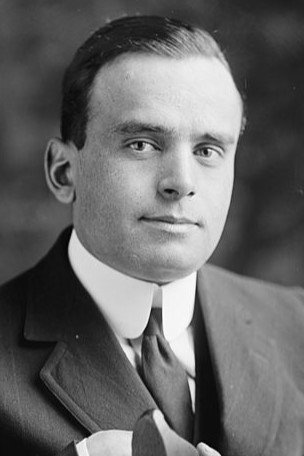
Douglas Fairbanks was one of the original founders of United Artists, alongside Charlie Chaplin and other film pioneers. He essentially created the model for the action hero in silent movies, known for daring sword fights and athleticism. Fairbanks’ commitment to physical performance helped popularize stunt work and large-scale action sequences in films. Beyond acting, he played a key role in creating the Academy of Motion Picture Arts and Sciences, and his impact continues to shape the foundation of Hollywood today.
Alec Guinness
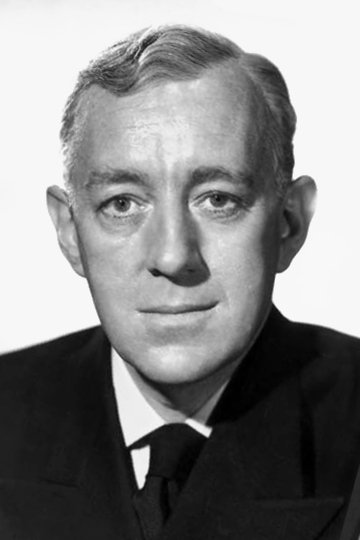
Alec Guinness secured a deal for ‘Star Wars’ that earned him a percentage of all the profits. This turned out to be incredibly lucrative and demonstrated how valuable it was to have a share of the revenue from a successful franchise. It showed established actors the potential of earning money from things like merchandise and licensing. His contract became famous in Hollywood for cleverly anticipating the huge success of the film. He proved that even if you’re unsure about a project, it can still lead to significant financial gains.
Bing Crosby
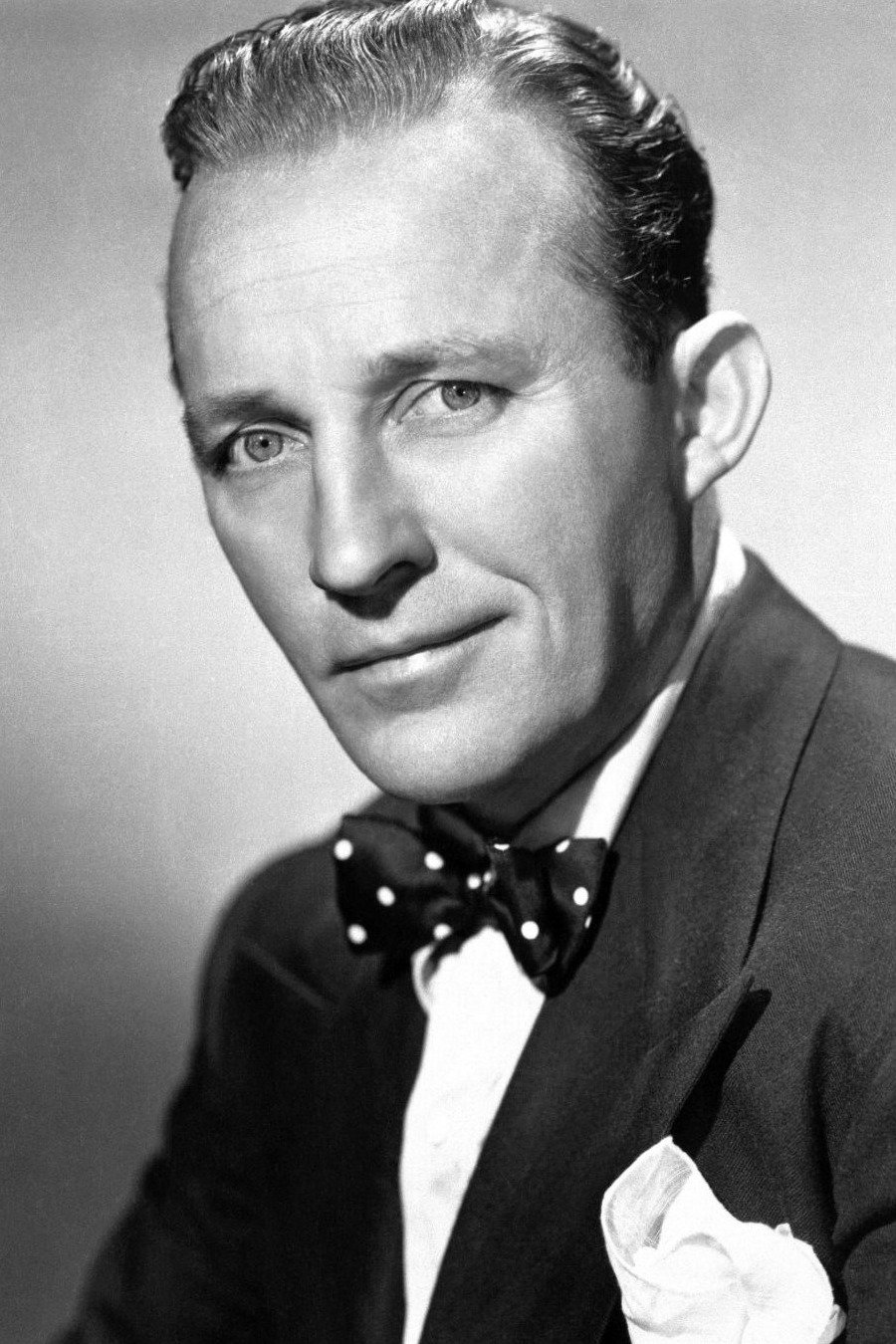
Bing Crosby helped fund the development of magnetic tape recording because he wanted to record his radio programs in advance, avoiding the difficulties of performing live shows across the country. This investment dramatically improved audio recording not just for radio, but also for music and, later, television. Crosby’s focus on better technology fundamentally changed how broadcasts were made, and he’s considered a groundbreaking figure in multimedia, with hugely important technical achievements.
Burt Lancaster
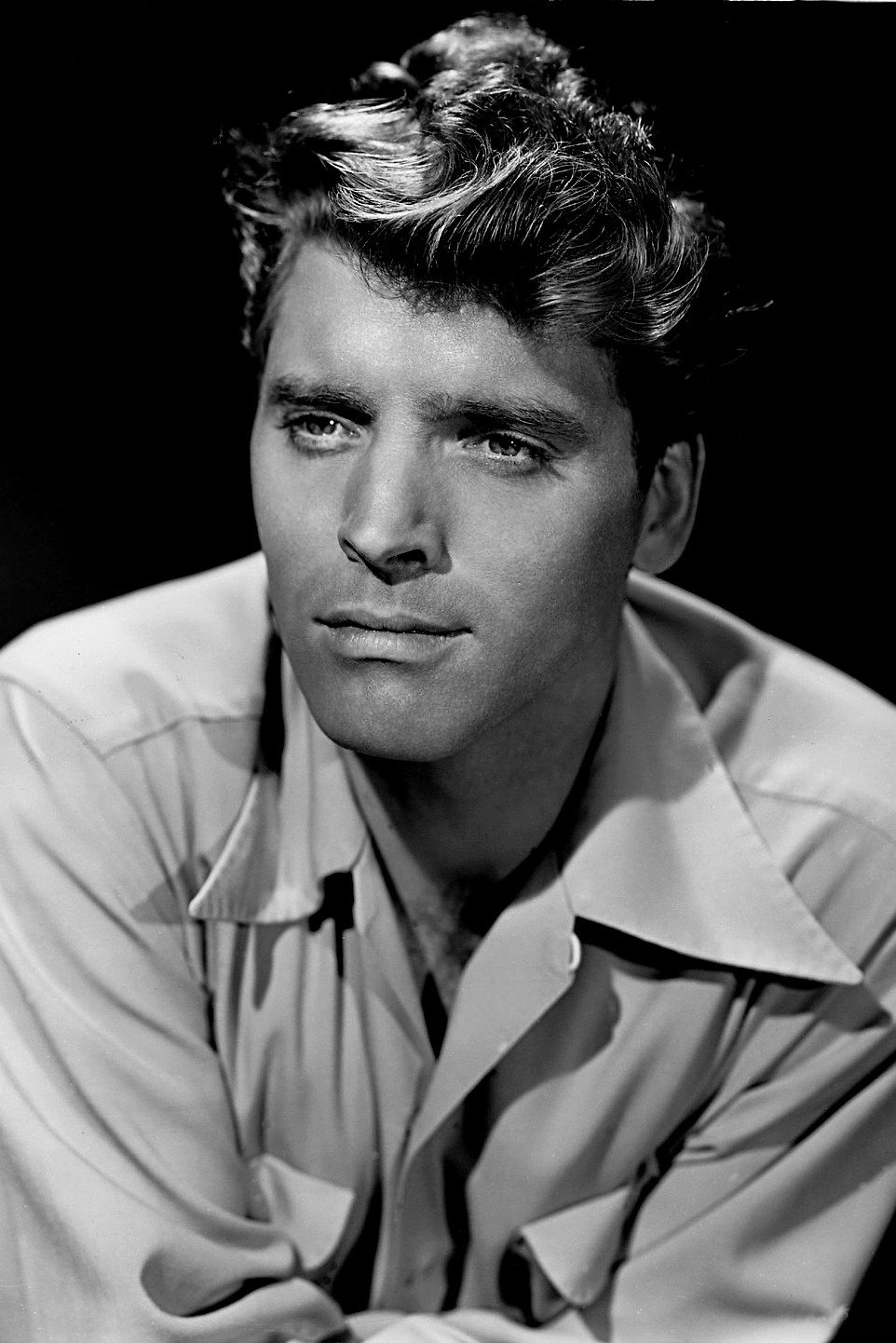
Burt Lancaster stood out as one of the first actors to start his own thriving production company. He used his background in the circus and impressive physical strength to do many of his own stunts. This blend of being a producer and a physically capable performer allowed him a remarkably long and varied career. Throughout his life, he skillfully balanced popular, mainstream films with more challenging, independent projects, proving that actors could successfully combine artistic vision with business savvy.
Gregory Peck

Gregory Peck used his leadership role at the Academy of Motion Picture Arts and Sciences to update the organization and its members. He was a passionate advocate for progressive causes and consistently chose projects that aligned with his strong beliefs. His iconic performance in ‘To Kill a Mockingbird’ became known as a standard for honesty and principle in film. He also strongly supported public funding for the arts and worked to ensure films were preserved for future generations, believing his fame gave him a duty to contribute to society.
Steve McQueen
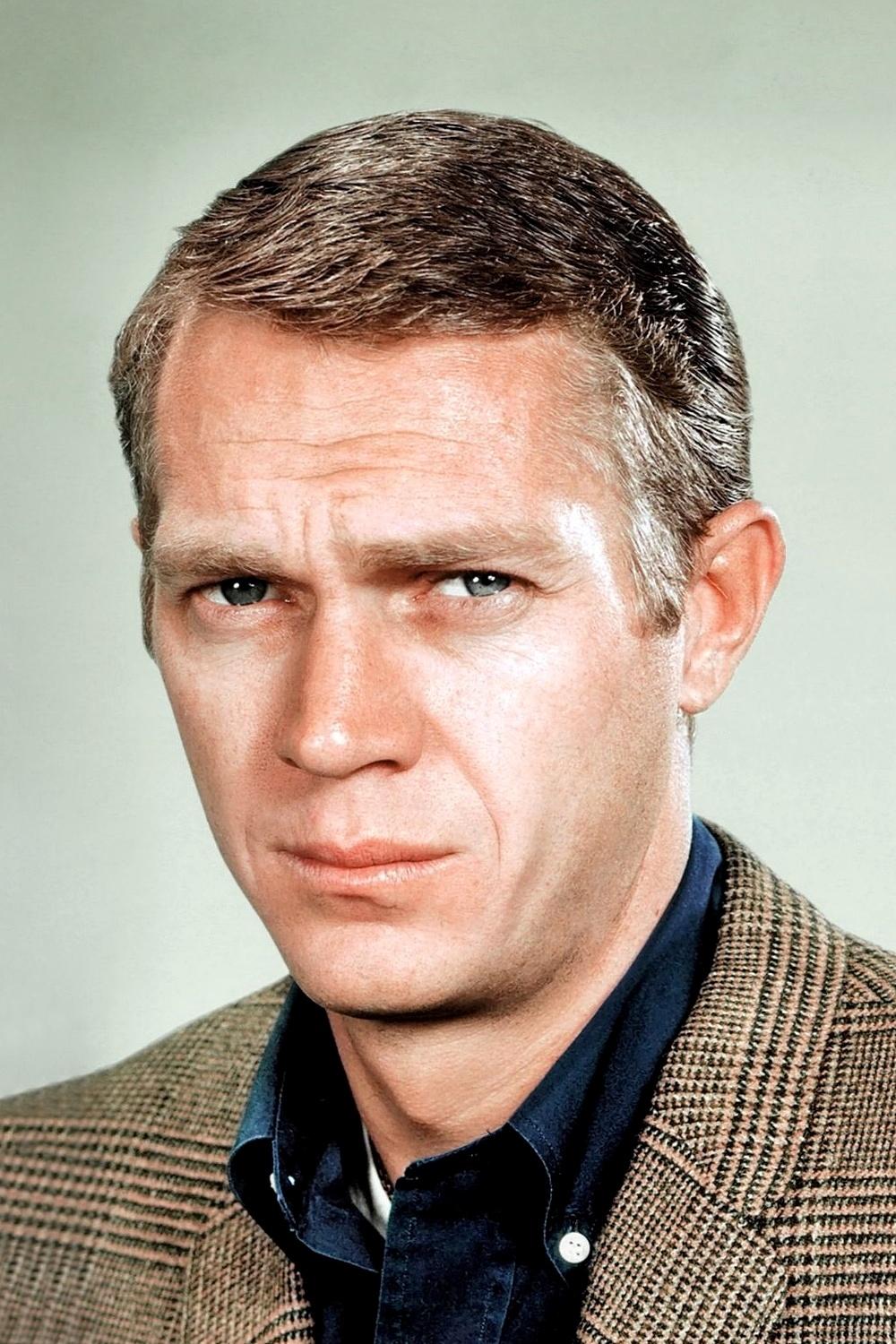
Steve McQueen preferred showing, not telling, in his films, relying on physical action and understated emotion. He insisted on performing his own driving and stunts whenever possible, which helped create his iconic persona as a cool, strong, and quiet hero. This focus on realism had a lasting impact on action movies, moving them away from overly dramatic storylines. McQueen believed that visual movement could be more powerful and engaging than dialogue.
Montgomery Clift

Montgomery Clift was a pioneer in portraying vulnerable and troubled characters, paving the way for actors like Marlon Brando and James Dean. Unlike many stars of his time, he avoided lengthy studio contracts, giving him control over his career. He consistently chose challenging, complex roles, often playing flawed characters instead of traditional heroes. Clift’s work represented a transition in acting, connecting the classic Hollywood style with the more emotionally intense ‘Method’ approach. He demonstrated that showing a character’s weaknesses could be just as captivating as portraying strength.
John Wayne
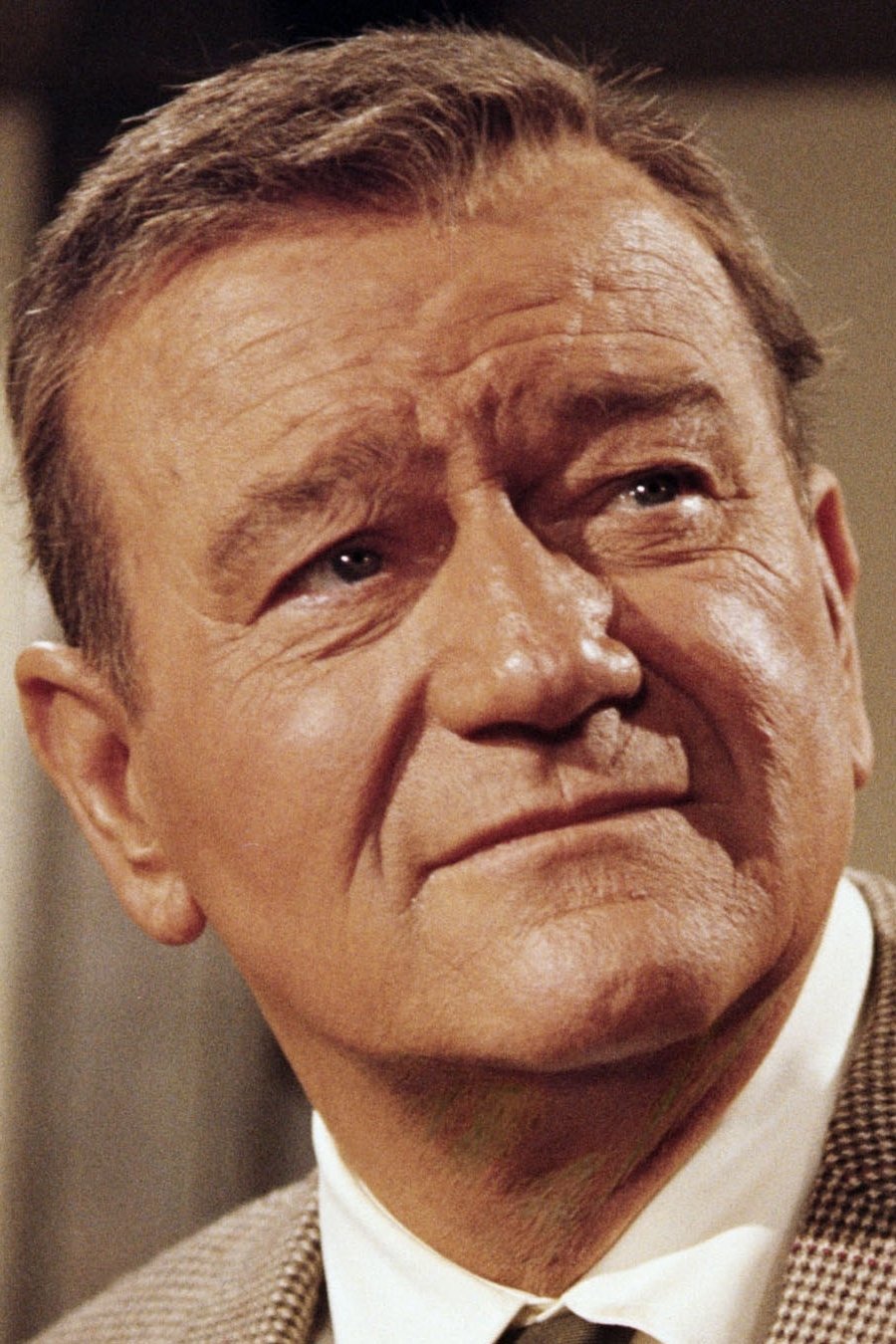
John Wayne carefully crafted his public image, becoming almost inseparable from the Western film genre. He knew how important it was to build a strong brand and consistently played the role his fans expected. This dedication kept him a popular movie star for many years. Through the roles he chose, he shaped how an entire generation viewed American masculinity. Ultimately, his career demonstrates the lasting power of a true movie star.
Lon Chaney
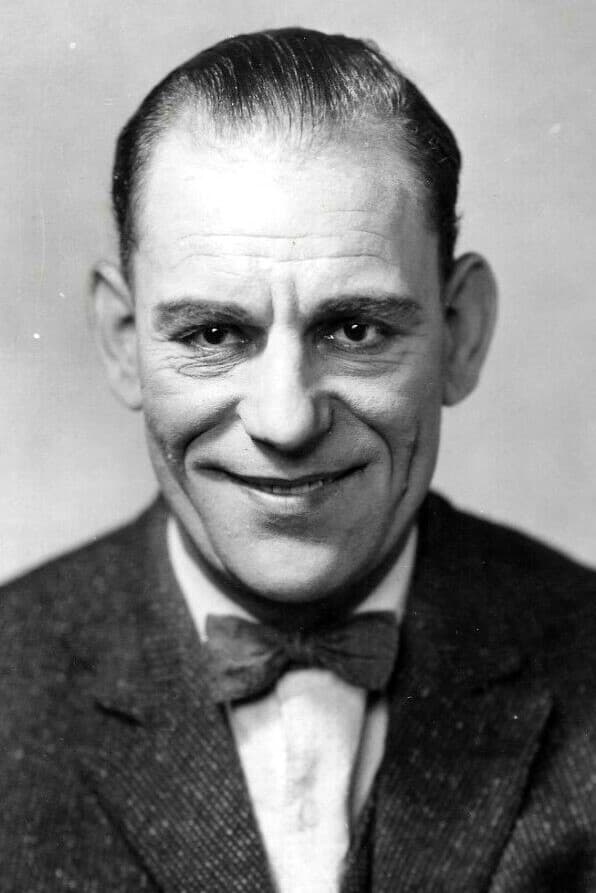
Lon Chaney revolutionized special effects makeup, crafting his own incredible transformations. He earned the nickname “The Man of a Thousand Faces” because he could completely embody monstrous and tragic characters. Chaney proved that audiences were eager to experience horror and pathos through visual storytelling. He established a high standard for both makeup artists and actors who play dramatically changed characters. His work in early silent horror films continues to be the gold standard for physical character transformations.
Orson Welles
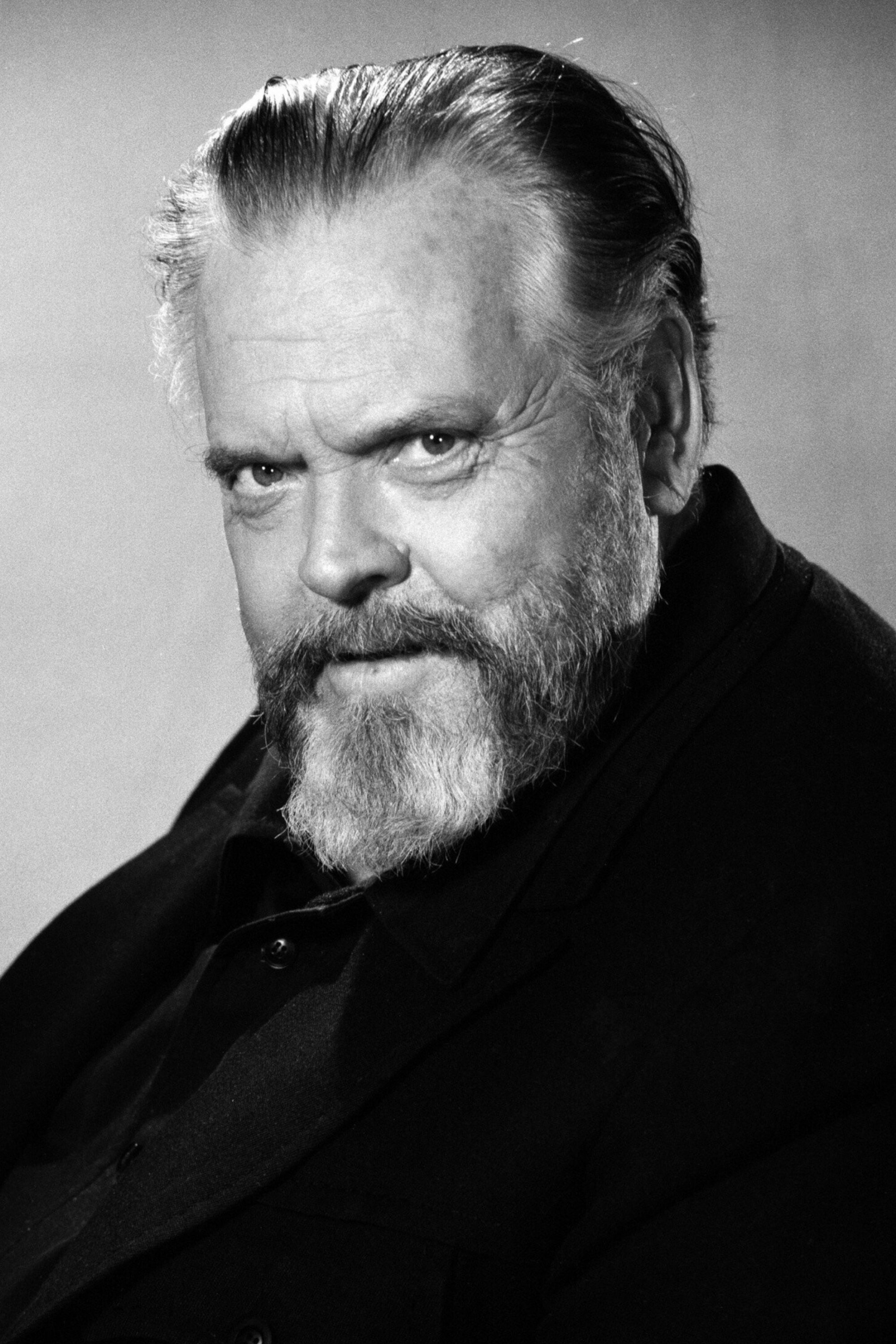
Orson Welles made a groundbreaking deal with RKO Pictures for his first film, ‘Citizen Kane,’ giving him full creative control – something almost never allowed for new directors. He personally wrote, directed, produced, and acted in the movie to make sure his artistic ideas weren’t changed. While the studio later tried to limit his power, that original agreement is still famous today. Welles essentially pioneered the idea of the ‘auteur’ – a director with a recognizable and personal style – in American filmmaking.
Rock Hudson
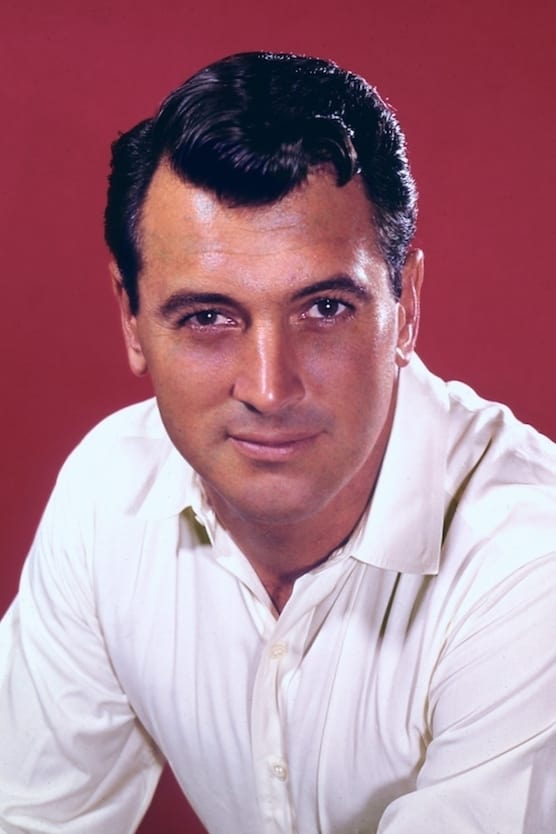
Rock Hudson carefully crafted a public persona as a classic Hollywood leading man, all while privately living as a gay man. When he was diagnosed with and ultimately died from AIDS, it dramatically shifted how the public talked about the disease. It forced both Hollywood and the world to acknowledge the seriousness of the epidemic. His story made the crisis relatable to everyday Americans and led to more money being invested in finding a cure. His death was a turning point, impacting both celebrity culture and public health efforts.
Chadwick Boseman
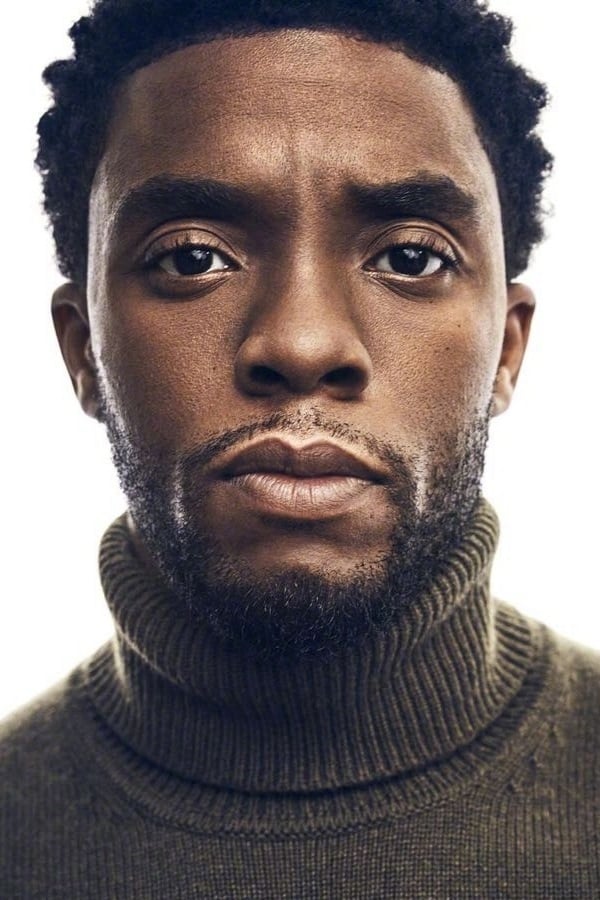
Chadwick Boseman intentionally chose roles that celebrated Black achievements and important moments in history. Before becoming famous as the ‘Black Panther,’ he portrayed influential figures like Jackie Robinson and James Brown. Remarkably, he filmed major movies even while privately fighting cancer, demonstrating incredible commitment. He also proved that films starring primarily Black actors could be hugely successful worldwide. Ultimately, Boseman left behind a legacy of meaningful representation and artistic integrity.
Sean Connery
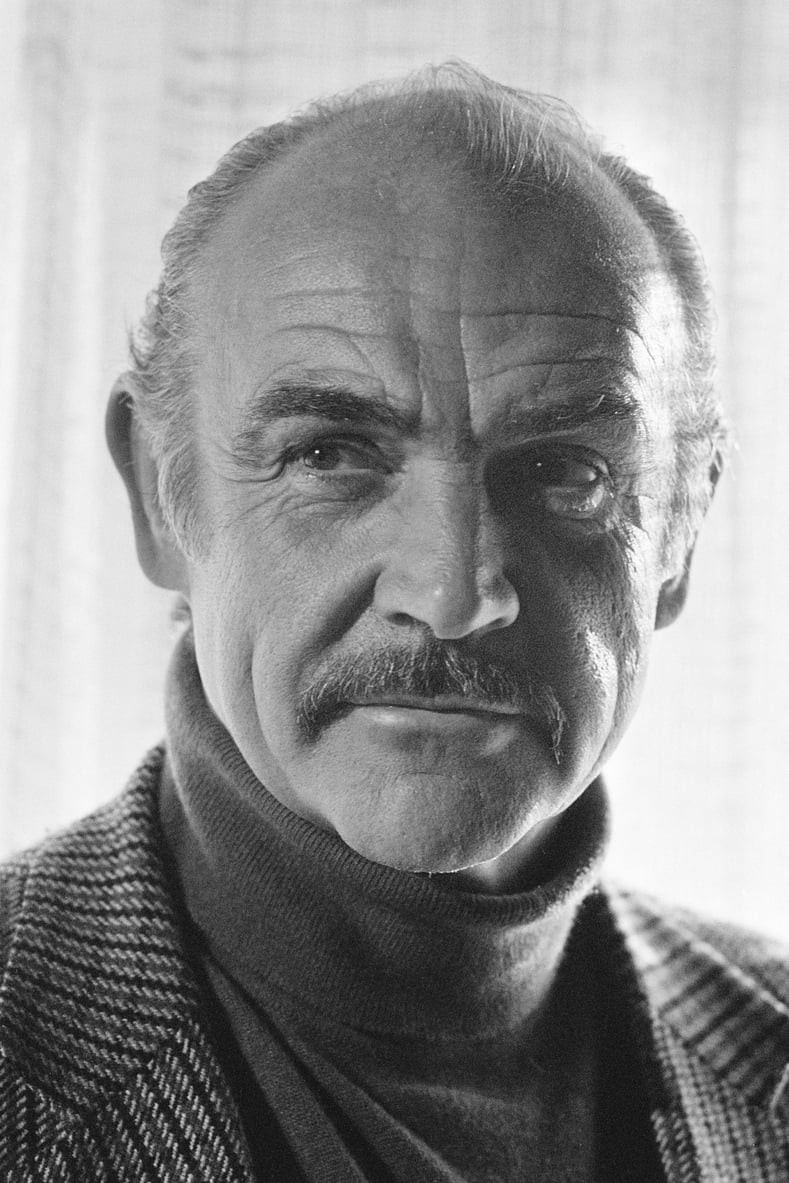
Sean Connery famously left the James Bond role while still incredibly popular, fearing he’d be known for only that character. This bold decision ultimately led to him winning an Academy Award and enjoying a varied career. He demonstrated that actors could move on from huge franchises and continue to thrive. His choice influenced how other actors saw these roles – as opportunities to build their careers, not be limited by them – and he successfully established himself as more than just James Bond.
Christopher Reeve
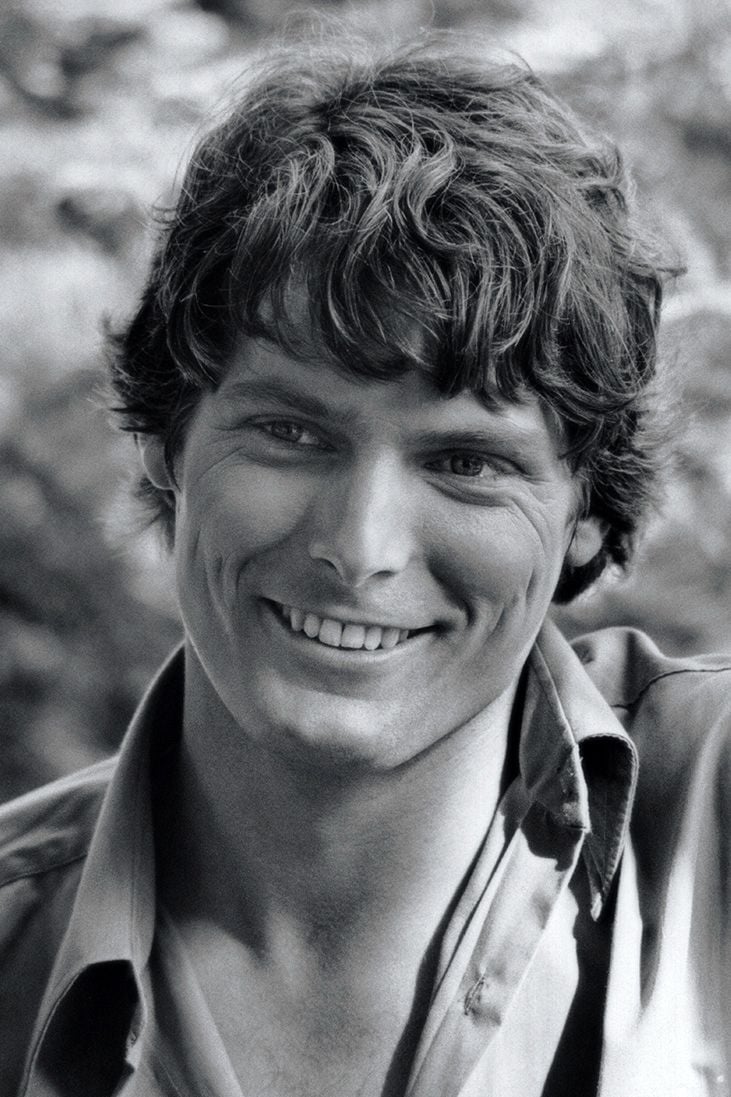
Christopher Reeve became Superman at a time when comic book movies weren’t taken seriously. He played the role with sincerity and skill, drawing on his acting background to avoid the exaggerated style popular at the time. He made audiences believe in Superman’s abilities and brought real emotion to the character, essentially defining how superheroes are portrayed on film today. Later in life, he dedicated himself to raising awareness and funding for spinal cord injury research.
Richard Pryor

Richard Pryor changed the world of comedy films by turning his stand-up performances into movies. He brought a bold, honest, and unfiltered style of comedy to a wide audience. He proved that a comedian could star in a movie simply by sharing their personal stories on stage. Pryor also paved the way for Black comedians in Hollywood with his courageous and truthful performances. His concert films are still considered the best examples of the genre today.
Gene Kelly
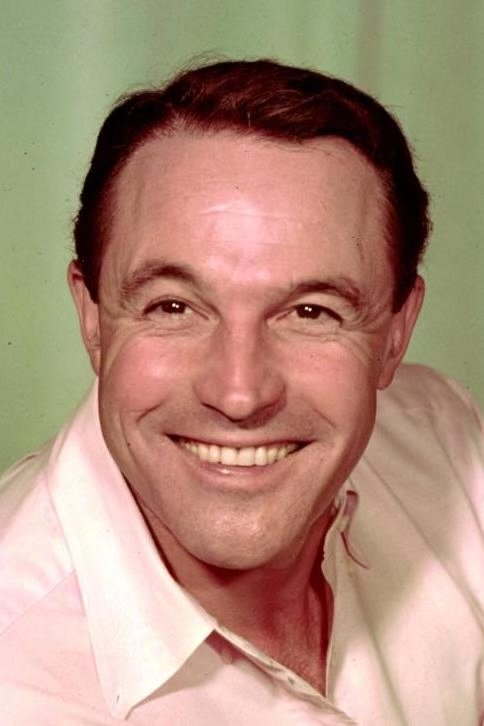
Kelly revolutionized dance filmmaking by emphasizing full-body shots and moving performances out of studios and onto location. His energetic style made dance appealing and relatable to American men, and he often took control of directing to guarantee the choreography was accurately portrayed. Ultimately, he elevated the movie musical into a vibrant and visually exciting art form.
Buster Keaton
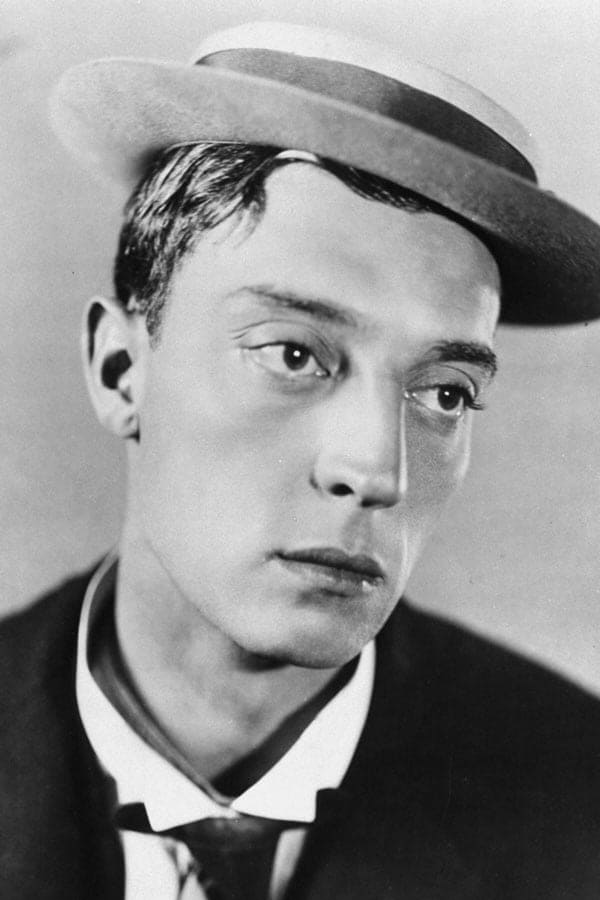
Buster Keaton was famous for incredibly risky stunts that experts still analyze today. He had a deep understanding of how cameras worked and used that knowledge to create hilarious, seemingly impossible visual effects. By doing his own dangerous physical comedy, he raised the standard for realism in the field. He showed that comedy could come from remaining calm in the face of danger and physical hardship. His innovative work continues to inspire performers like Jackie Chan and Tom Cruise.
Elvis Presley
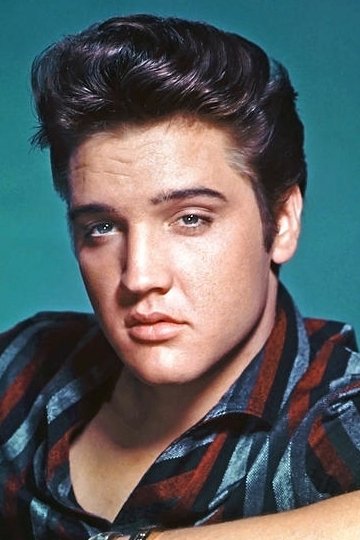
As a movie reviewer, I’ve always been fascinated by Elvis Presley’s impact on film. He didn’t just appear in movies, he practically invented a specific type of musical comedy! Sure, a lot of his films followed a pretty predictable formula, but that’s almost beside the point. What was brilliant was how the movie and the soundtrack worked together – it boosted both sales in a way nobody had really seen before. In fact, he became the model for how musicians could successfully transition to film, proving charisma and great music were a winning combination. Looking back, his films really defined what we now call a ‘star vehicle’ – movies built entirely around showcasing a single personality.
Ronald Reagan
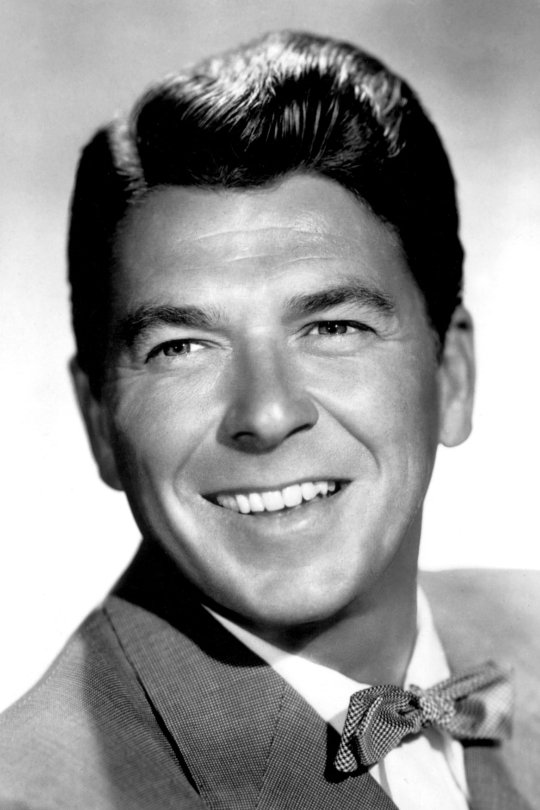
Ronald Reagan used his experience as president of the Screen Actors Guild to gain influence in Hollywood. He helped the industry weather difficult periods like the Red Scare and labor conflicts. His move from acting to governor and then president changed how people viewed celebrities in political roles. He demonstrated that the communication skills he developed as an actor were valuable in high-level leadership positions. Ultimately, his career showed how closely entertainment and politics could be connected.
Dennis Hopper

Dennis Hopper’s film ‘Easy Rider’ was a turning point in American cinema, launching what became known as the New Hollywood era. Made on a small budget, its huge success showed studios that films appealing to counterculture audiences could be profitable. This marked the decline of the traditional studio system and the emergence of a new generation of directors. Hopper’s willingness to take creative risks influenced what kinds of films studios would fund, helping to blend artistic vision with commercial appeal in the late 1960s.
Philip Seymour Hoffman
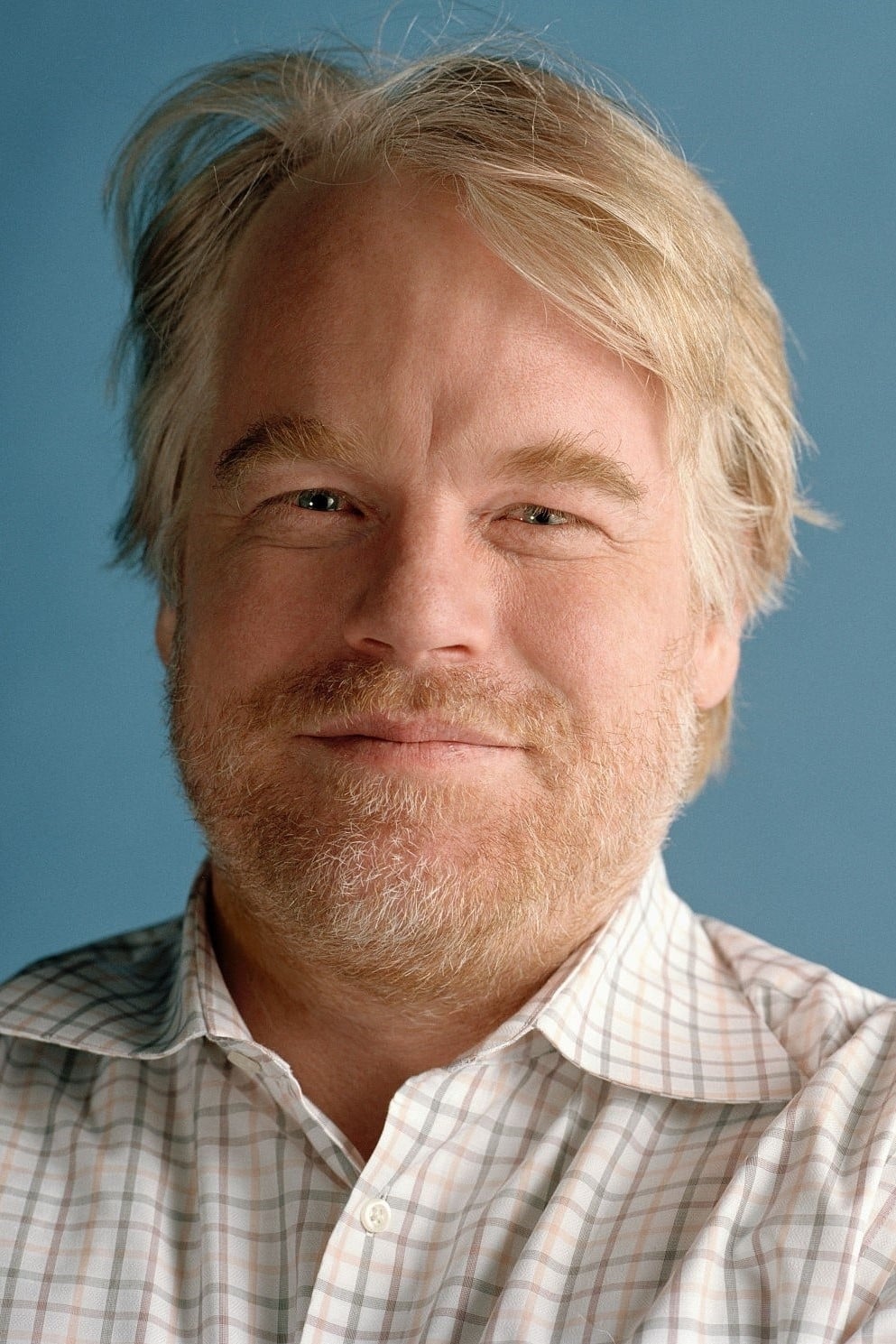
Philip Seymour Hoffman was known for playing complex, often imperfect characters, primarily in independent films. He demonstrated that character actors could achieve the same level of recognition and praise as traditional leading men. His ability to move between small, critically acclaimed films and large-budget blockbusters paved the way for a new generation of versatile actors. He consistently brought depth and nuance to every role, no matter how big or small, and challenged conventional notions of what a leading man should be.
River Phoenix
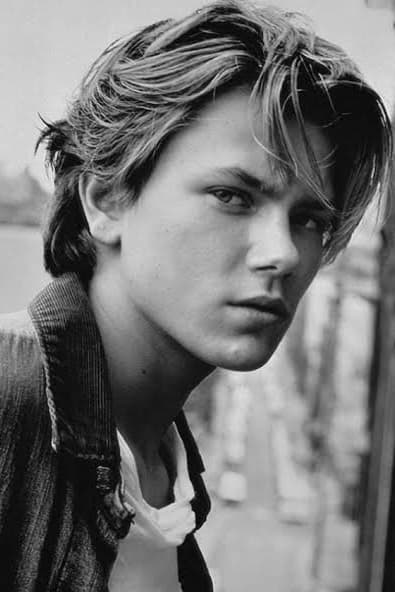
Joaquin Phoenix consistently opted for challenging and emotionally demanding roles, like in ‘My Own Private Idaho,’ rather than mainstream, superficial parts. He displayed a remarkable vulnerability in his portrayals of young adults, which was unusual for the era. These choices demonstrated his pursuit of artistic respect over simply becoming a teen heartthrob. He inspired a generation of actors to prioritize meaningful work over appearances. His lasting impact is
Harry Belafonte

Harry Belafonte consistently turned down film roles that portrayed Black people in a negative or stereotypical light. He leveraged his success as a performer to support and raise awareness for the Civil Rights Movement. A pioneer in the industry, he became one of the first Black producers to truly have creative control over his work in television and film. Belafonte proved that you could be both an entertainer and an activist at the same time, even if it meant choosing his values over potential profits.
Fred Astaire
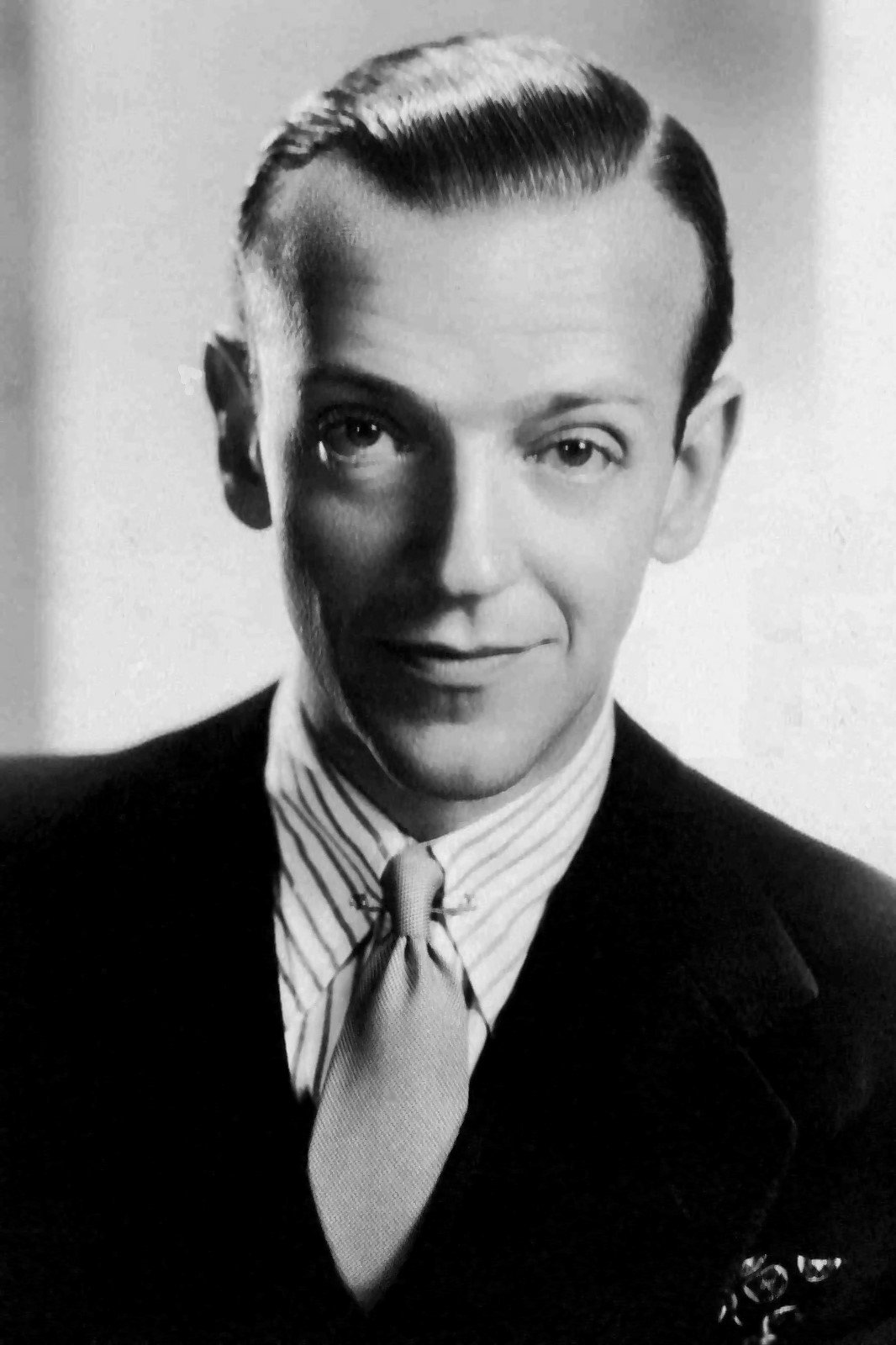
Fred Astaire always insisted on filming his dances in complete, continuous shots. He disliked editing that fragmented the movements or covered up imperfections. This commitment to flawless performance set a new, higher standard for dance in movies, making audiences truly recognize and appreciate the dancers’ skill. His grace and precision became hallmarks of the classic Hollywood musical.
Read More
- Trading on Thin Air: AI Agents Conquer Crypto Volatility
- 20 Movies Where the Black Villain Was Secretly the Most Popular Character
- Invincible Season 4 Gender Swaps Tech Jacket As Fans Question Major Comic Change
- Silver Rate Forecast
- 22 Films Where the White Protagonist Is Canonically the Sidekick to a Black Lead
- 15 Films That Were Shot Entirely on Phones
- Gold Rate Forecast
- Celebs Who Narrowly Escaped The 9/11 Attacks
- Trading Smarter: AI-Powered Execution Schedules
- Smarter Order Execution: How AI is Outperforming Wall Street’s Playbook
2026-02-01 07:49