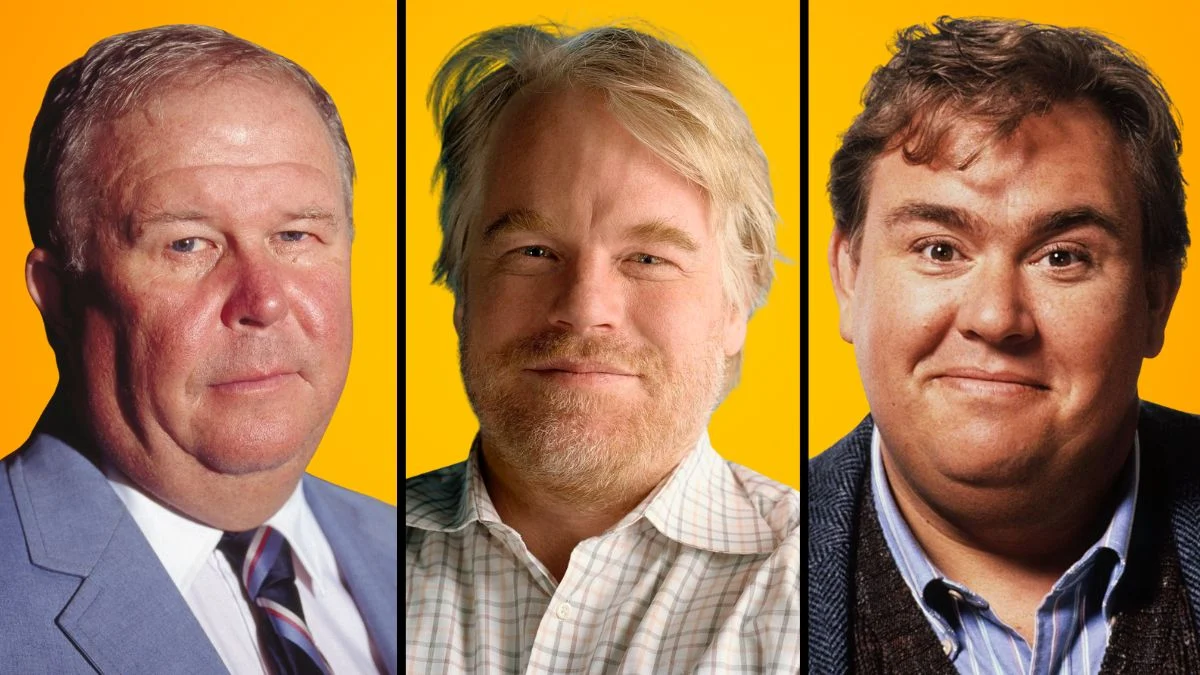
Throughout film history, many actors have delivered unforgettable performances despite having only a few minutes on screen. These skilled performers proved that every role, no matter how small, can be impactful with talent and dedication. Often, their brief but captivating scenes outshone even the main stars. From funny cameos to powerfully delivered lines, these performances demonstrate true artistry. This collection celebrates the male actors who transformed small roles into iconic moments in cinema.
John Candy
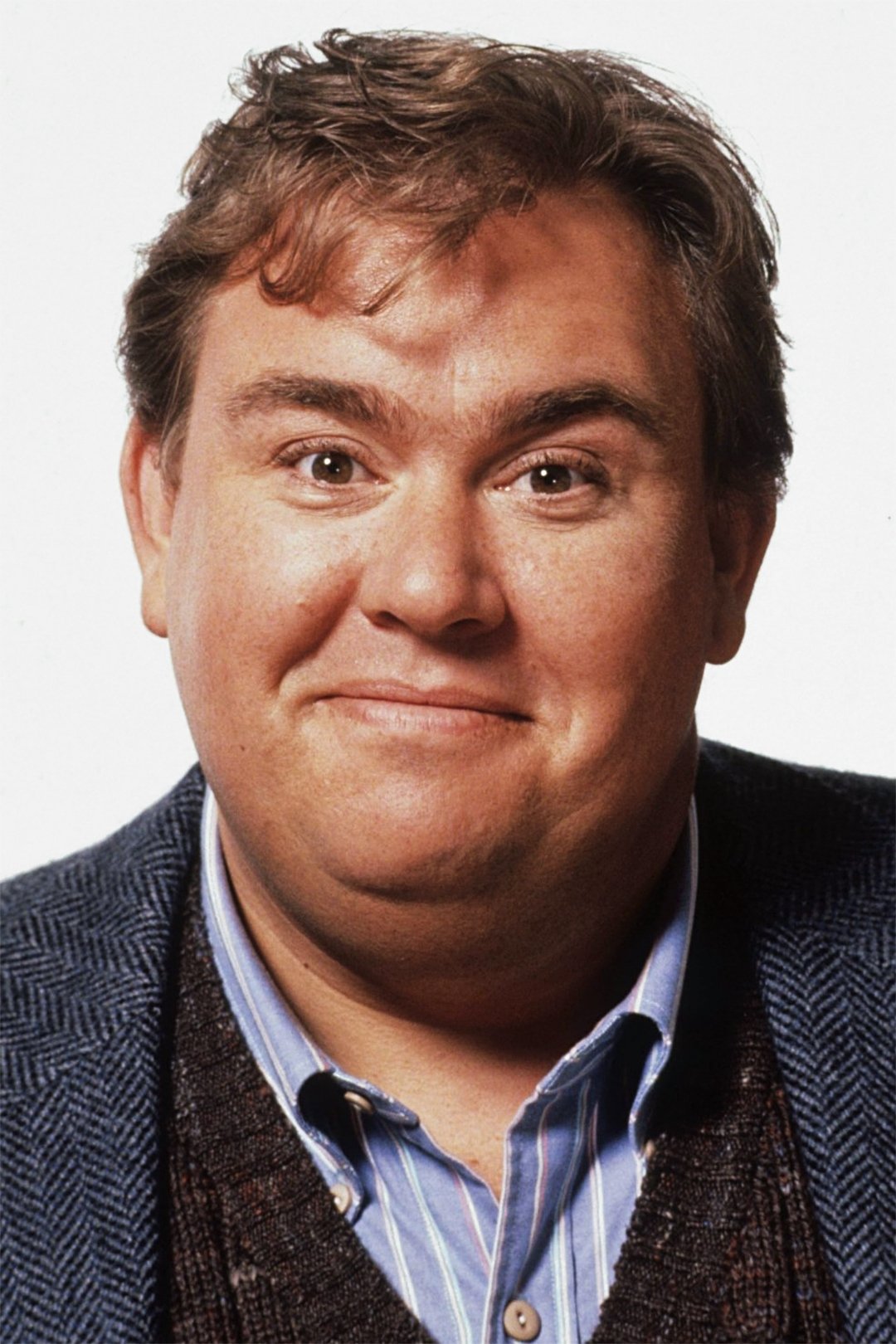
Despite appearing only briefly in ‘Home Alone,’ this much-loved comedian brings a lot of heart and humor to the film. He plays a polka musician who gives a desperate mother a ride back to Chicago. His spontaneous stories told while driving add a delightful and surprising touch to the already frantic scene. Candy makes the most of his limited screen time, completely captivating viewers alongside Catherine O’Hara. His role has become one of the most memorable and frequently quoted cameos in any holiday movie.
Philip Seymour Hoffman
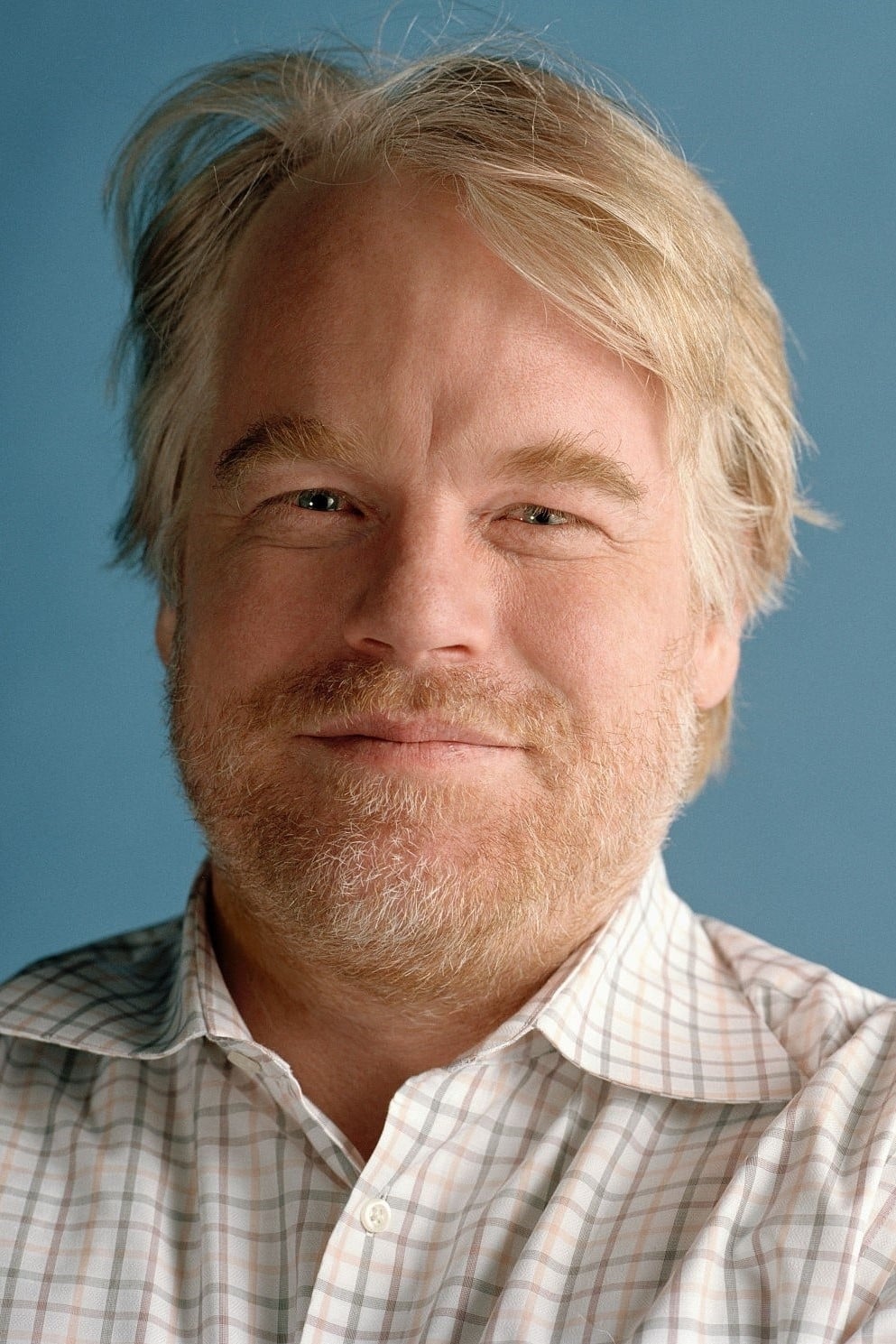
In ‘The Big Lebowski,’ Hoffman brilliantly portrays Brandt, the overly eager assistant, with perfectly awkward movements and expressions. His fake laugh and anxiousness sharply contrast with the Dude’s laid-back personality. Hoffman elevates what could have been a simple, expository role into a showcase of comedic skill and physical acting. Every movement reveals his character’s desperate desire to please his boss, proving he could command attention without uttering a single line.
Ned Beatty
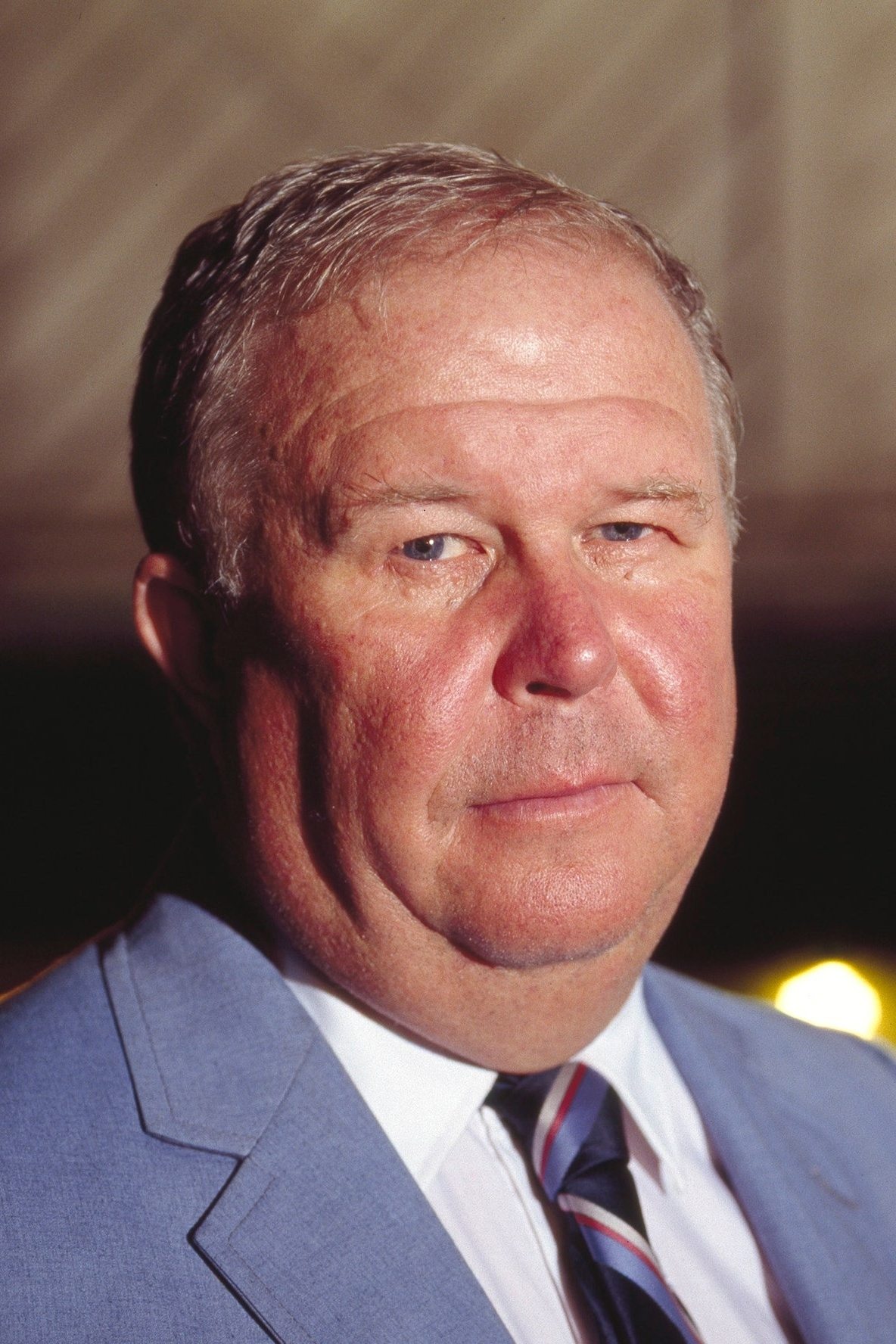
In the film ‘Network,’ a single scene featuring a powerful monologue completely changes the movie’s atmosphere. The actor appears briefly to explain how the world of business operates to the main character. The speech, which compares these forces to nature, still resonates strongly today when we talk about the global economy. The actor’s commanding presence at the head of a long conference table earned him an Oscar nomination, and his forceful delivery turns an ordinary business meeting into a passionate statement about capitalism.
Dennis Hopper

Let me tell you, Dennis Hopper absolutely kills it in ‘True Romance’. His scene with Christopher Walken is iconic – a masterclass in tension. He plays this father facing his own mortality, but he doesn’t go down quietly; there’s this incredible dignity and even defiance in his performance. And that monologue? About his Sicilian roots? It’s brilliantly written, full of sharp humor, and Hopper delivers it with such raw courage. Seriously, people talk about the greatest scenes in movie history, and this one is always in the conversation. He brings such tragic nobility to what could have been a simple crime thriller, really lifting the whole film.
David Bowie
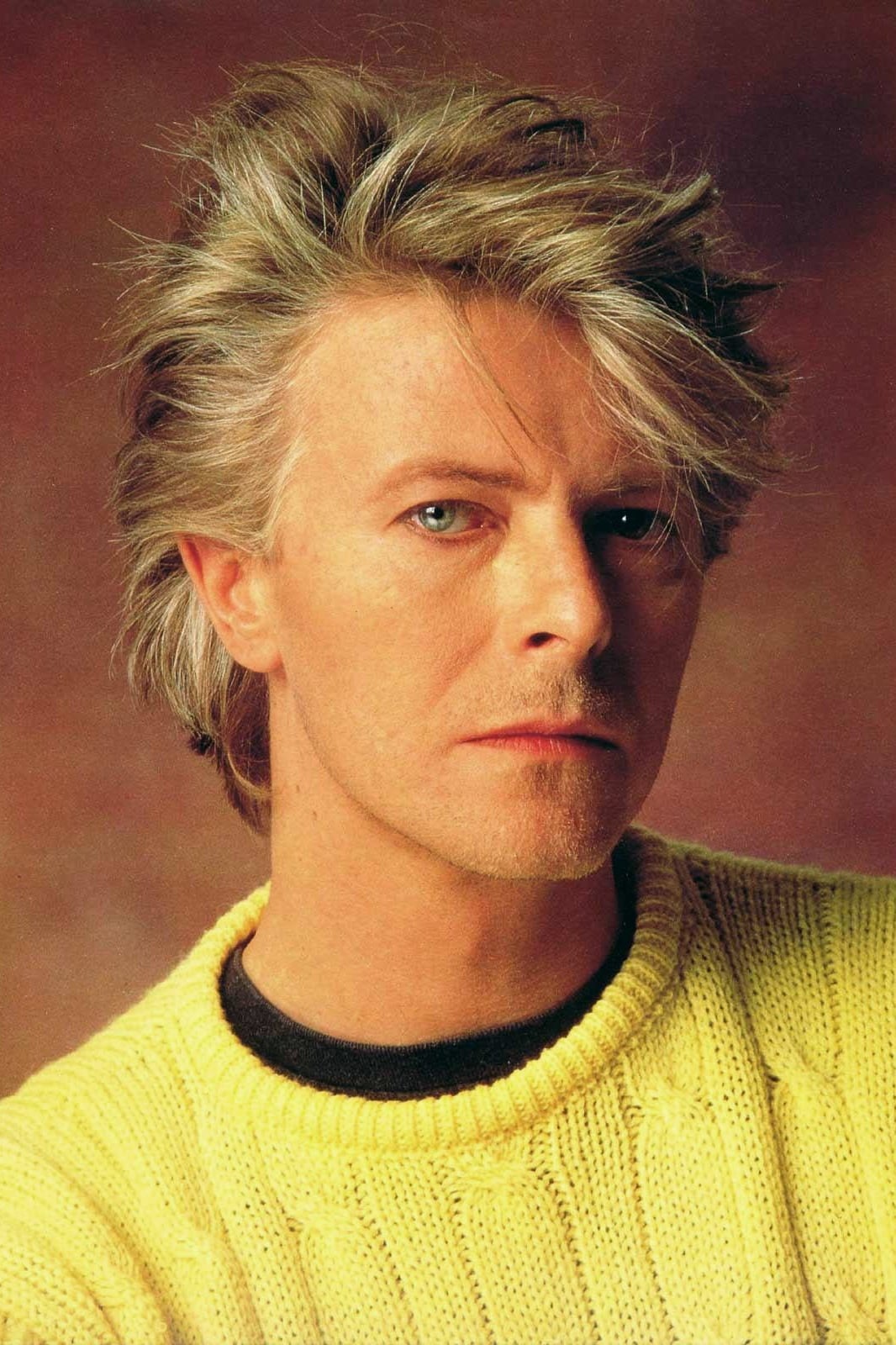
David Bowie powerfully plays the mysterious Nikola Tesla in ‘The Prestige,’ bringing a captivating and slightly unsettling grace to the role. He appears as the key to solving the scientific puzzle at the heart of the film’s intense competition. Bowie effortlessly embodies Tesla’s otherworldly nature, making it believable that he possesses almost magical abilities. His calm and compelling presence provides a counterpoint to the driven, and sometimes frantic, energy of the two magicians who seek his expertise. The performance beautifully conveys the isolation and unique intelligence of a brilliant, yet unappreciated, mind.
Alan Rickman
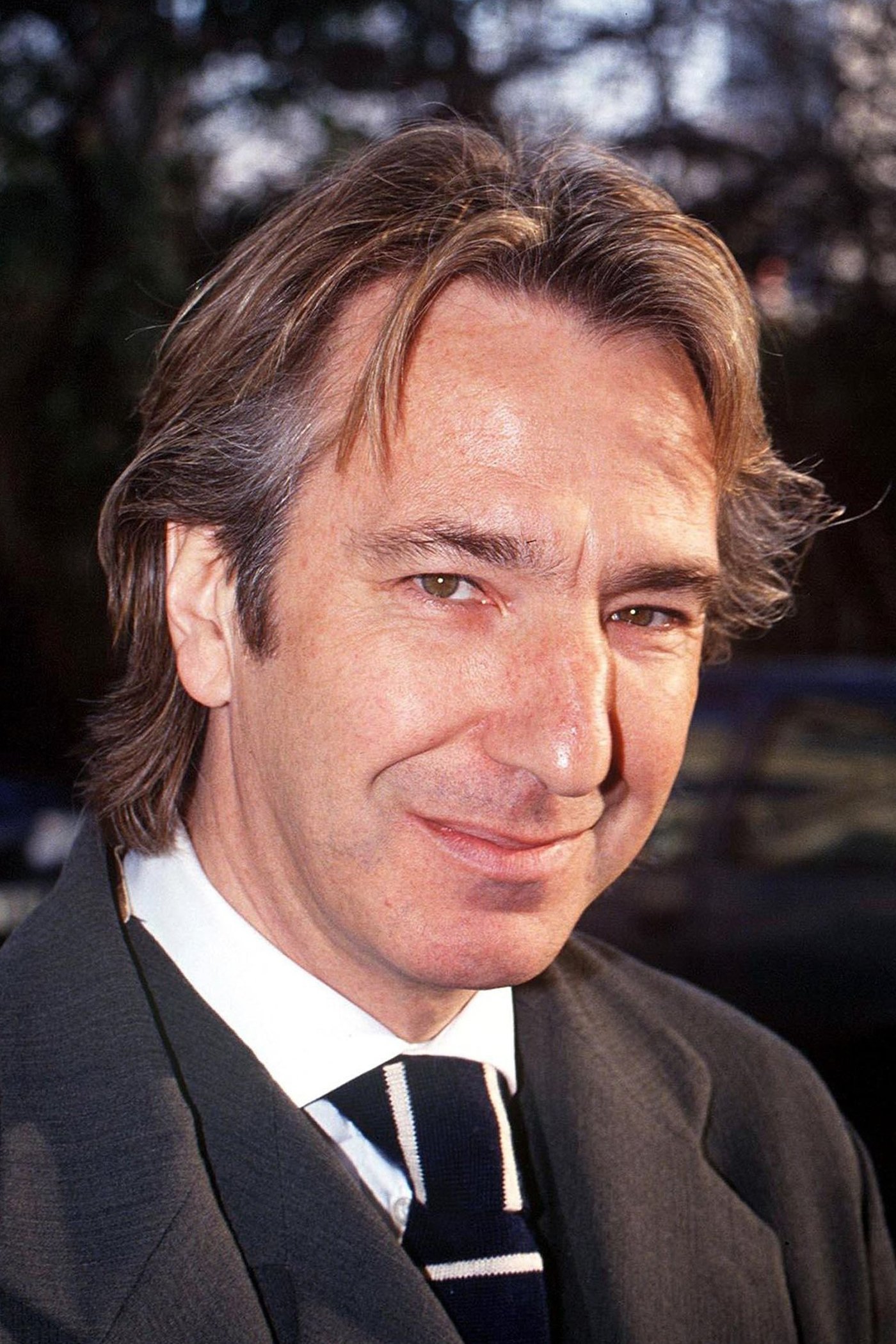
In the fantasy comedy ‘Dogma,’ Alan Rickman brilliantly plays the role of Metatron, essentially the voice of God, with a delightfully sarcastic tone. He portrays the character with a sense of tired frustration, emphasizing how ridiculous being a divine being can be. Rickman’s famously dry delivery makes even complicated theological ideas engaging, and he perfectly balances cynicism with a surprising amount of sympathy for humanity. His memorable entrance, complete with wings, is still one of the most iconic moments in the film.
Meat Loaf
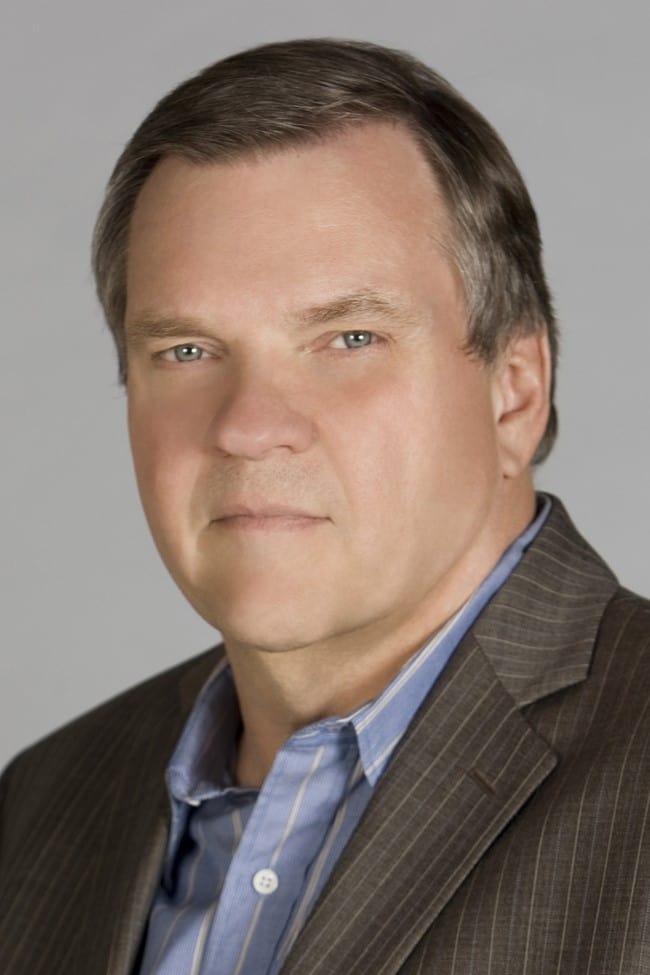
As a huge film fan, I always thought Meat Loaf was incredible in ‘Fight Club’. He plays Robert Paulson, this really heartbreaking character – a former bodybuilder going through cancer, and he finds some peace in these underground fight clubs. Seeing his physical change and how vulnerable he is, he really becomes the heart of the whole anarchist group. Honestly, his character’s death is what really kicks everything into high gear at the end. He brought this amazing gentle giant vibe to the role, which was such a striking contrast to all the violence happening around him.
Harry Dean Stanton

Stanton has a small but impactful role in ‘The Avengers’ as a security guard. He discovers a vulnerable Bruce Banner among the debris of a destroyed warehouse and kindly offers him clothing. This quiet exchange offers a touching moment of humanity within the film’s larger-than-life action. His character’s worn appearance and understated wisdom provide a welcome sense of calm after a big fight scene. The scene highlights Stanton’s skill at conveying emotion and meaning through subtle expressions and minimal dialogue.
Marlon Brando
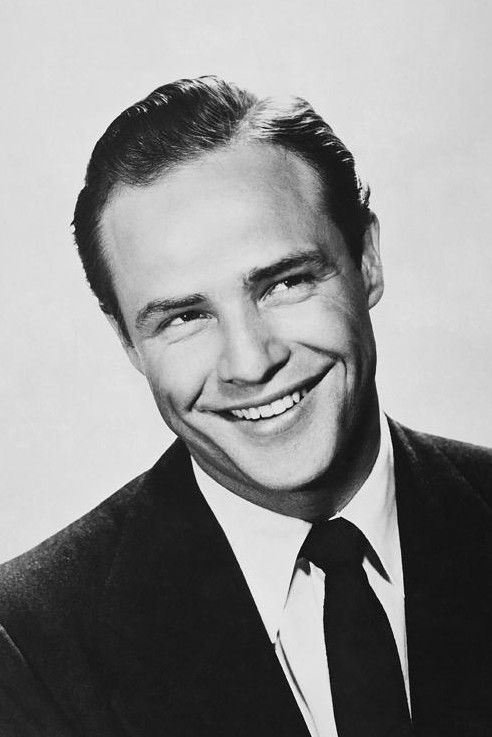
Marlon Brando powerfully portrays Superman’s father, Jor-El, in ‘Superman,’ bringing a natural sense of dignity to the role. Though he only appears briefly at the beginning—sending his baby son away from the doomed planet Krypton—Brando commanded an unprecedented salary for his limited screen time and delivered a remarkably impactful performance. His voice continues to guide Superman throughout the film via recordings within the Fortress of Solitude. This role essentially set the standard for well-known actors appearing in superhero movies.
Bill Paxton
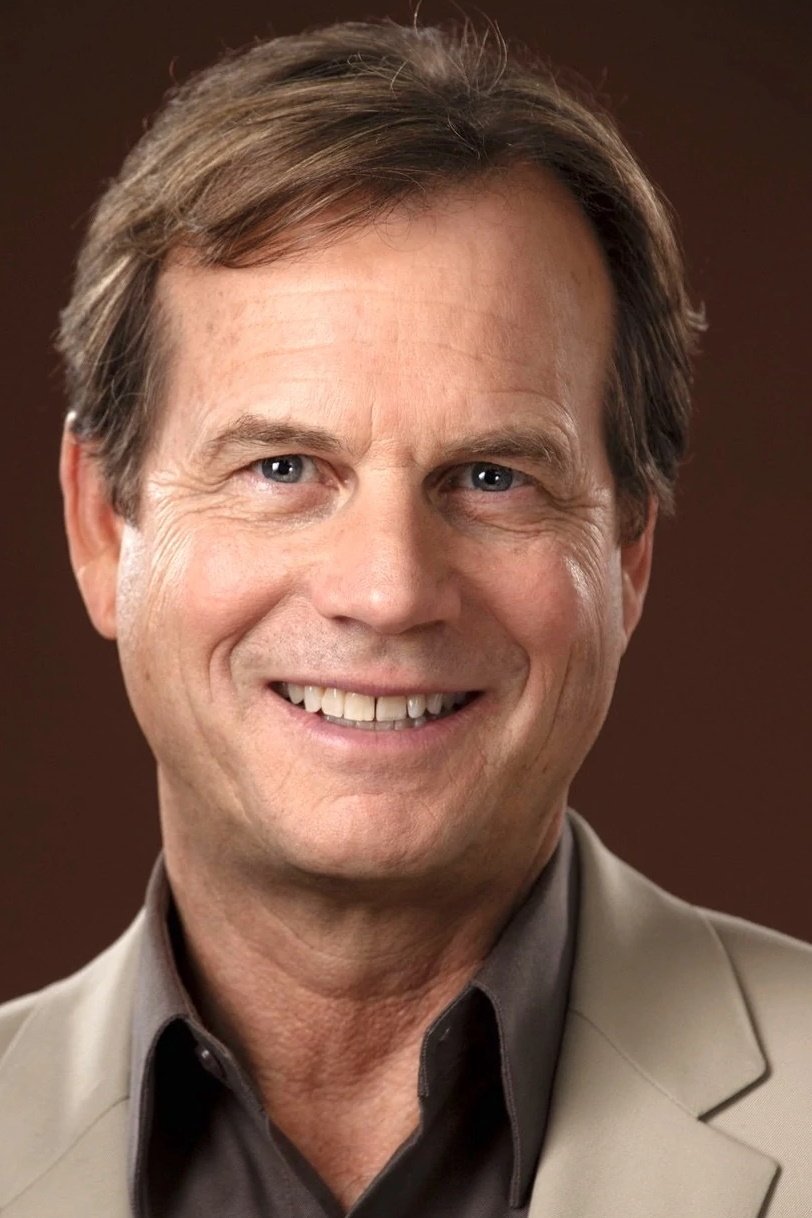
In ‘The Terminator,’ Paxton portrays a punk rocker who’s among the first to confront the cyborg when it arrives. He quickly becomes one of its victims after taunting the naked time traveler. This brief role made him uniquely known for being killed by a Terminator, an Alien, and a Predator. Paxton’s tough, streetwise performance helped create the gritty, dangerous feel of 1984 Los Angeles. His character’s blue hair and distinctive tire track tattoo became iconic symbols of the franchise’s early look.
Patrick Swayze
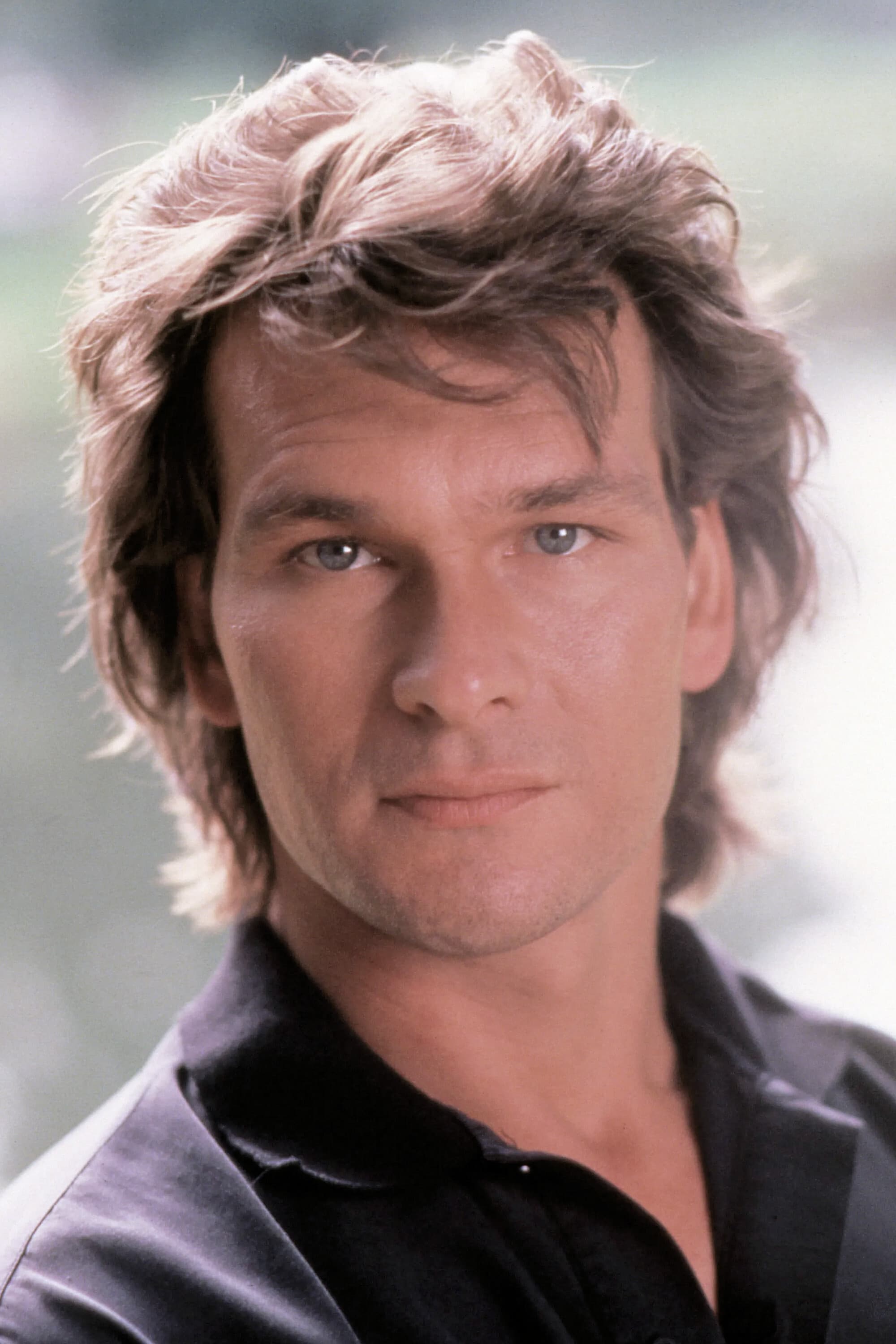
Patrick Swayze challenged his typical romantic leading man image by playing a motivational speaker with a hidden, troubling side in ‘Donnie Darko’. His character, Jim Cunningham, seems friendly and genuine at first, but quickly comes across as fake. He creates a very funny, yet disturbingly creepy, public persona in an infomercial. This role proved Swayze was willing to take chances and back independent films, and his performance brilliantly satirizes the self-help world.
Chris Penn

Sean Penn delivers a memorable performance as Eddie in ‘Reservoir Dogs,’ blending dark humor with unpredictable behavior. He’s unique among the criminals shown, appearing to truly relish the lifestyle. Easily spotted thanks to his tracksuit and distinctive way of speaking, Penn holds his own alongside established stars like Harvey Keitel, especially during the film’s intense standoff. He portrays Eddie as a spoiled and unlikeable character, yet manages to make him strangely captivating.
Jerry Orbach
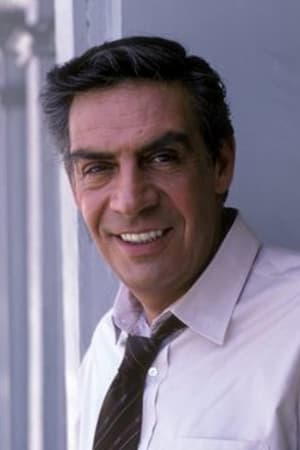
In the beloved film ‘Dirty Dancing,’ actor Jack Orbach portrays Dr. Jake Houseman, a father grappling with his daughter’s independence. He realistically shows the emotional challenges of letting go as she makes her own decisions, adding depth to the film’s romantic storyline. Orbach skillfully moves his character from initial disapproval to understanding, doing so with nuance and avoiding over-the-top reactions. Dr. Houseman serves as a moral compass, and the protagonist strives to gain his approval.
Anton Yelchin
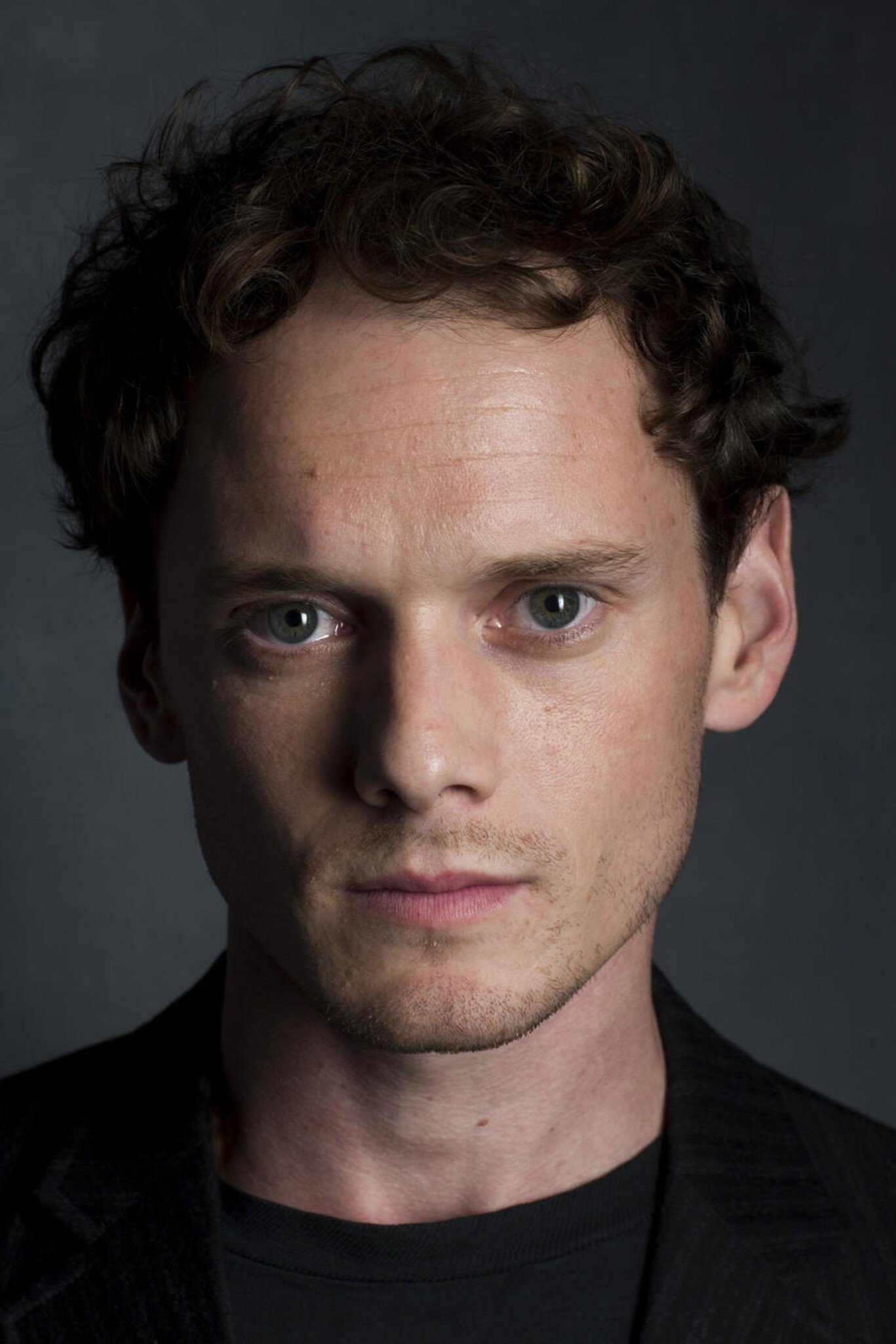
In ‘Alpha Dog,’ Anton Yelchin beautifully portrays Zack, the kidnapped brother, with a heartbreaking naiveté. Throughout the film, he’s shown partying with his captors, completely oblivious to the danger he’s in. Yelchin makes Zack so endearing that viewers are left hoping for a happier outcome. His believable interactions with the gang create a sense of unease and complicate the story, making the audience question their own reactions. This role showcased his incredible talent and potential, making his early death even more tragic.
Vincent Schiavelli
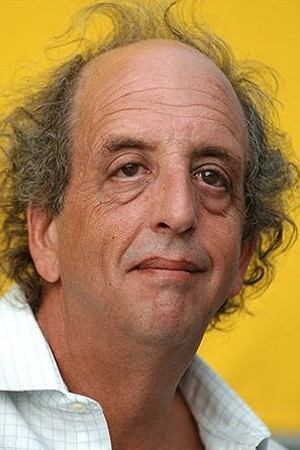
The actor, known for playing unique characters, portrays the Subway Ghost in the movie ‘Ghost,’ a romantic fantasy. He gives the main character lessons on telekinesis – moving things with the mind – in a fast-paced and energetic training sequence. Schiavelli’s performance is intensely frantic, making the ghost both frightening and surprisingly supportive. His passionate yelling powerfully conveys the difficult afterlife he’s trapped in. This scene not only explains important backstory but also adds a layer of darkness to the film.
Harold Ramis
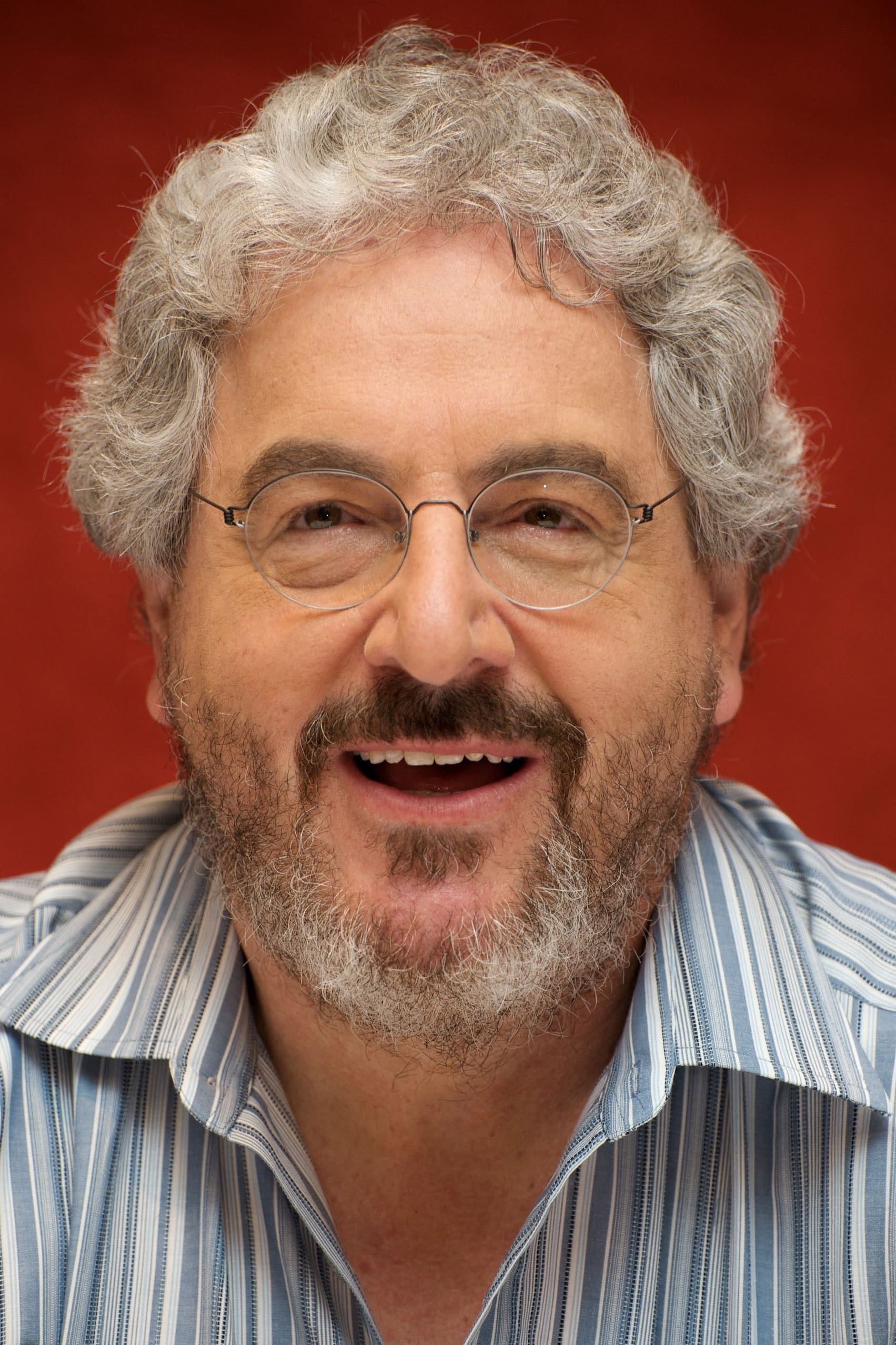
In the comedy ‘Knocked Up,’ Ramis portrays the protagonist’s kind and understanding father. He shows up in a handful of scenes to share funny and thoughtful parenting advice. Ramis brings a calm and warm presence to the film, which is a nice contrast to the stress experienced by the other characters. His naturally delivered lines about life and family feel genuine and comforting. The role is a fitting nod to his long and respected career in comedy.
Tom Petty
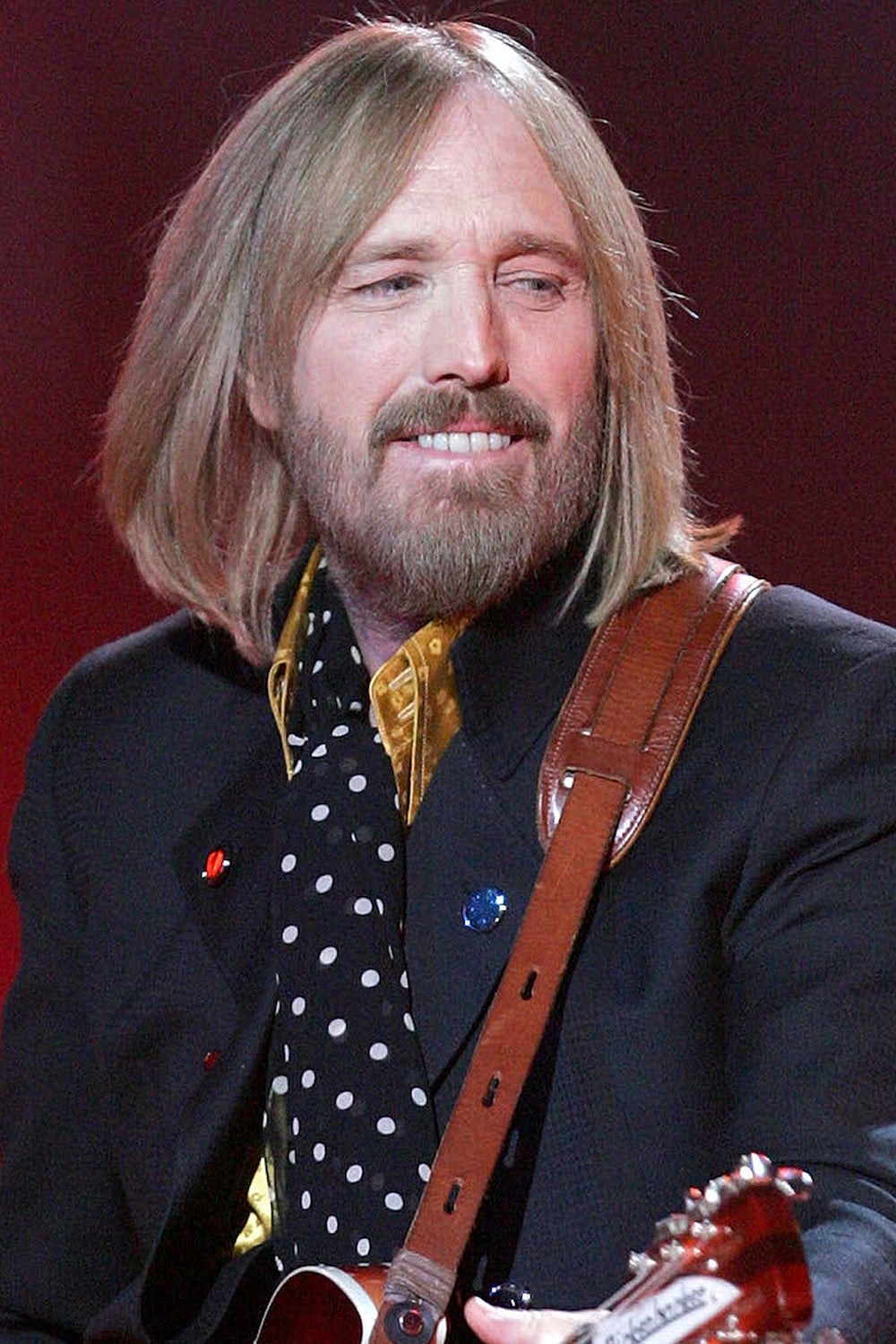
In ‘The Postman,’ the musician portrays a striking character—a former celebrity who now quietly governs a small settlement built around a bridge, after some kind of world-altering event. This brief appearance is a clever nod to the audience, fitting the film’s overall epic feel. Petty delivers the role with a relaxed confidence that feels authentic and couldn’t be faked by a trained actor. It’s easily one of the most delightful cameos by a musician in a science fiction movie.
Bernie Mac
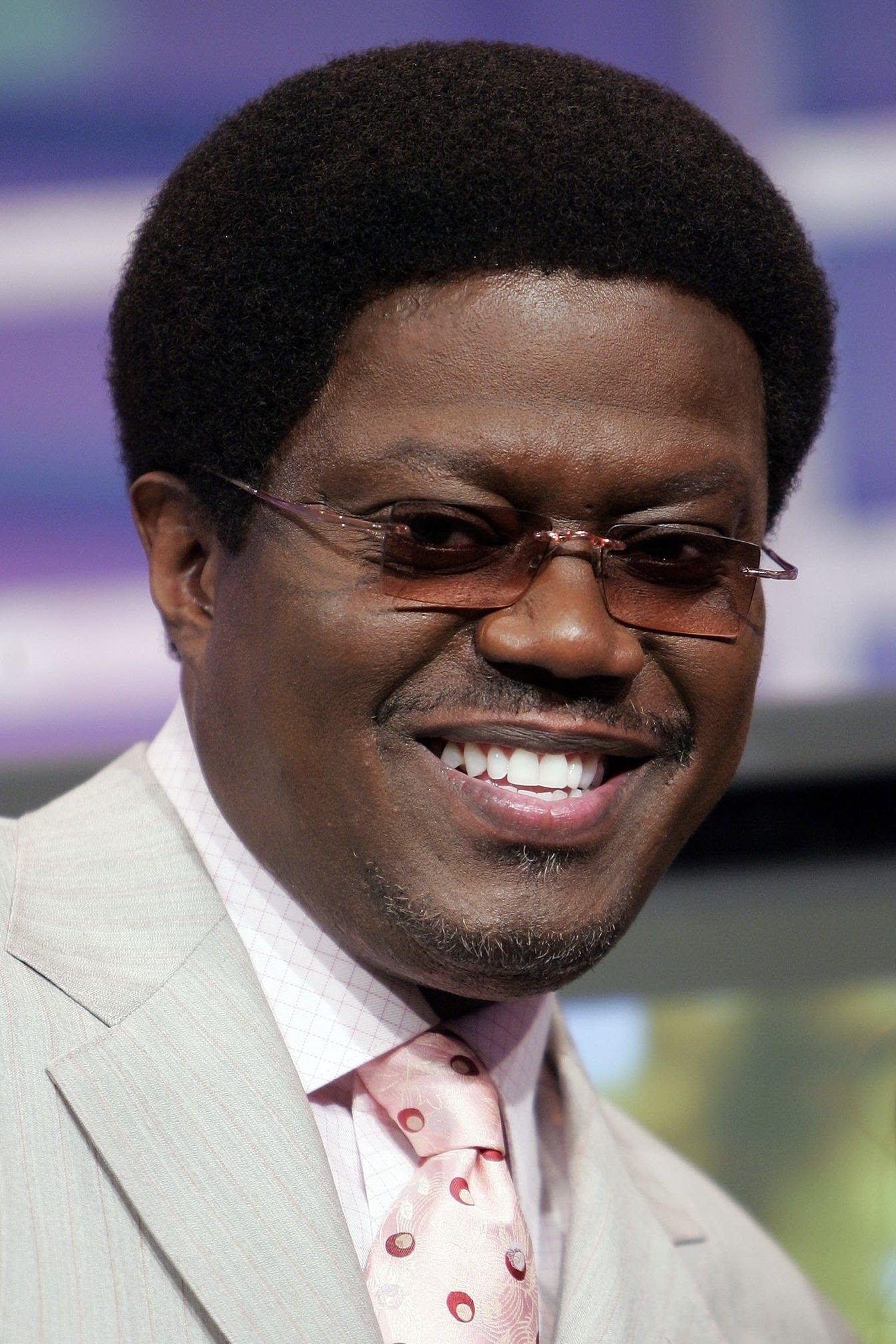
Mac adds a burst of comedic energy to ‘Transformers’ playing a classic used car salesman. He attempts to sell Bumblebee, who’s disguised, using incredibly funny and aggressive sales techniques. The scene showcases Mac’s quick wit and charm, allowing him to make even a somewhat shady character endearing and hilarious. This short but memorable role provides a welcome dose of humor early in the film.
Michael Kenneth Williams
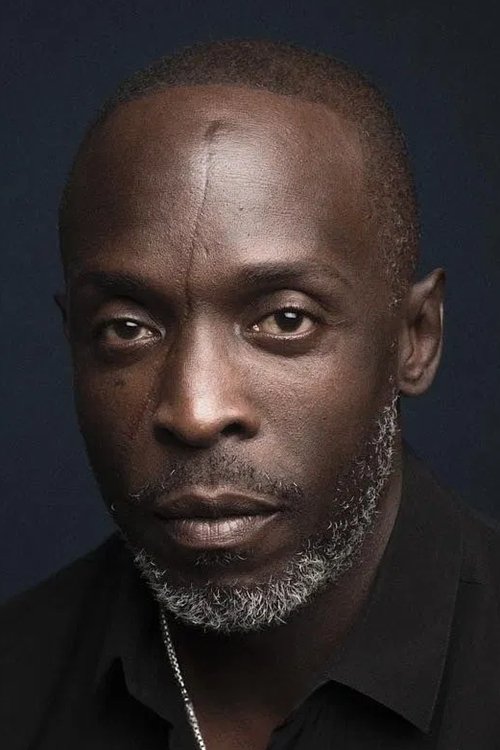
In ’12 Years a Slave,’ Chiwetel Ejiofor portrays Robert, a subdued yet strong-willed prisoner. He’s first seen on the ship carrying Solomon Northup southward. Ejiofor powerfully communicates years of hardship and inner strength with minimal spoken lines. Robert’s act of rebellion foreshadows the extreme violence that will follow, and his performance creates a lasting, unsettling effect even after his character is gone.
Sydney Pollack
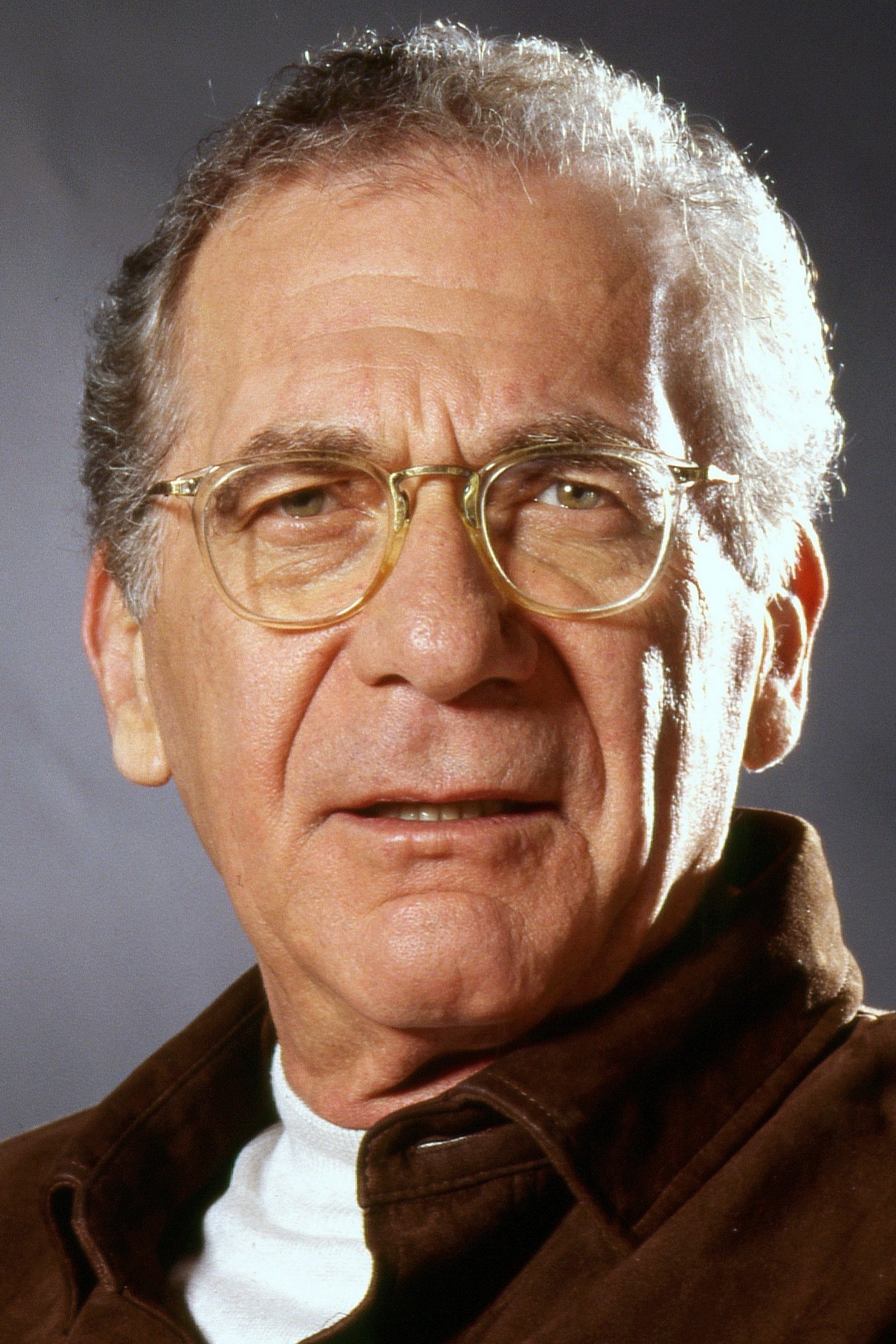
I was really struck by Sydney Pollack’s performance as Victor Ziegler in ‘Eyes Wide Shut’. He shows up at the very end to basically explain everything that’s happened to Tom Cruise’s character, and it’s chilling. He delivers the explanation with this cold, matter-of-factness that makes the whole secret society feel genuinely scary and believable. He just nails the idea that evil can be ordinary, even within a fancy, high-class world. That scene really grounds the movie, bringing its dreamlike quality back down to a harsh, cynical truth.
Frank Vincent
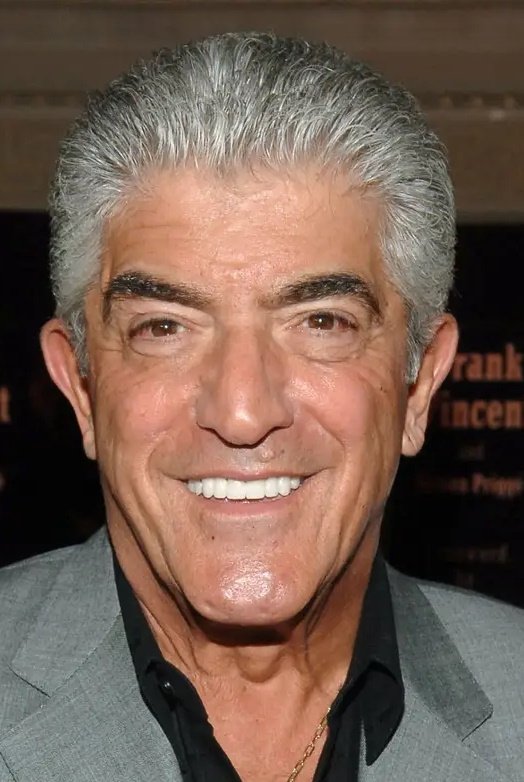
Frank Vincent’s portrayal of Billy Batts in ‘Goodfellas’ is crucial to the film’s plot, as his actions set off a chain of events leading to a major turning point. His tense and ultimately violent confrontation with Tommy DeVito at the bar is a memorable scene, especially his famous ‘shinebox’ insult – one of the most quoted lines in gangster films. Vincent makes Billy Batts so infuriatingly arrogant that his death, while expected, still feels shocking. This scene effectively showcases just how reckless and unpredictable the main characters are.
Lance Reddick
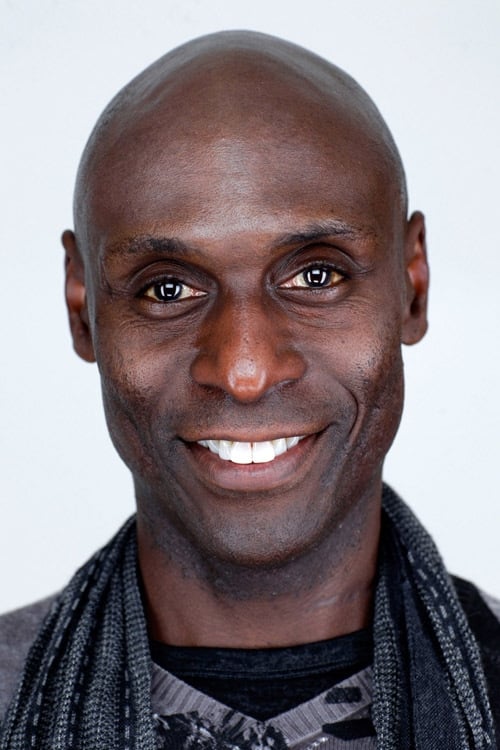
I was really impressed with Kyle Reddick in ‘Godzilla vs. Kong.’ Even though his role ended up being smaller than originally planned, he completely commanded the screen whenever he was on. He has such a strong presence and delivers all the important backstory with the seriousness this kind of movie demands. What I really appreciated was how he made everything feel connected to the rest of the franchise, even with limited scenes. He brought a real sense of weight to the human side of the story, which is easy to lose with all the amazing special effects.
James Earl Jones
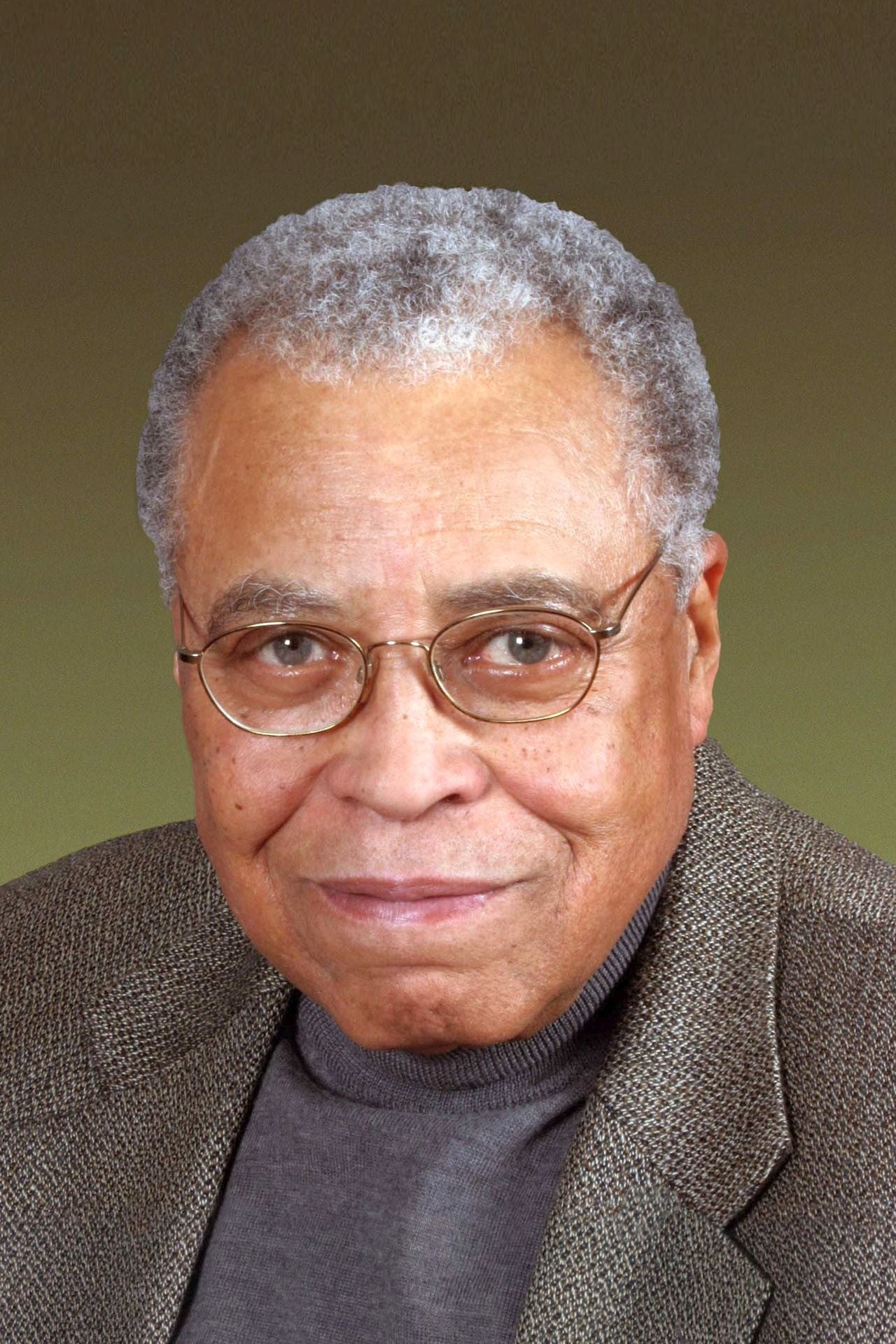
James Earl Jones famously plays King Jaffe Joffer, the wealthy ruler of Zamunda, in the comedy ‘Coming to America’. He brings a powerful presence to every scene with his loud voice and regal clothing. As a character, King Jaffe Joffer is naturally commanding and expects to be treated with respect, especially when he’s in Queens. Jones skillfully mixes this authority with humor, particularly during the film’s funny mix-ups. The role is a shining example of his talent for portraying strong and dignified leaders.
Lenny Montana
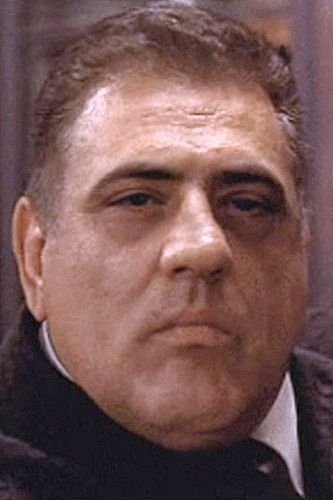
Lenny Montana portrayed the intimidating bodyguard Luca Brasi in ‘The Godfather’. He actually flubbed a line during a scene with Marlon Brando because he was genuinely nervous. The director liked the take so much that he kept the mistake, believing it showed Brasi’s respect for the Don. This small, accidental moment helped turn what could have been a minor role into an iconic part of film history. And his violent death scene is still one of the most shocking and unforgettable in the entire ‘Godfather’ trilogy.
Pete Postlethwaite
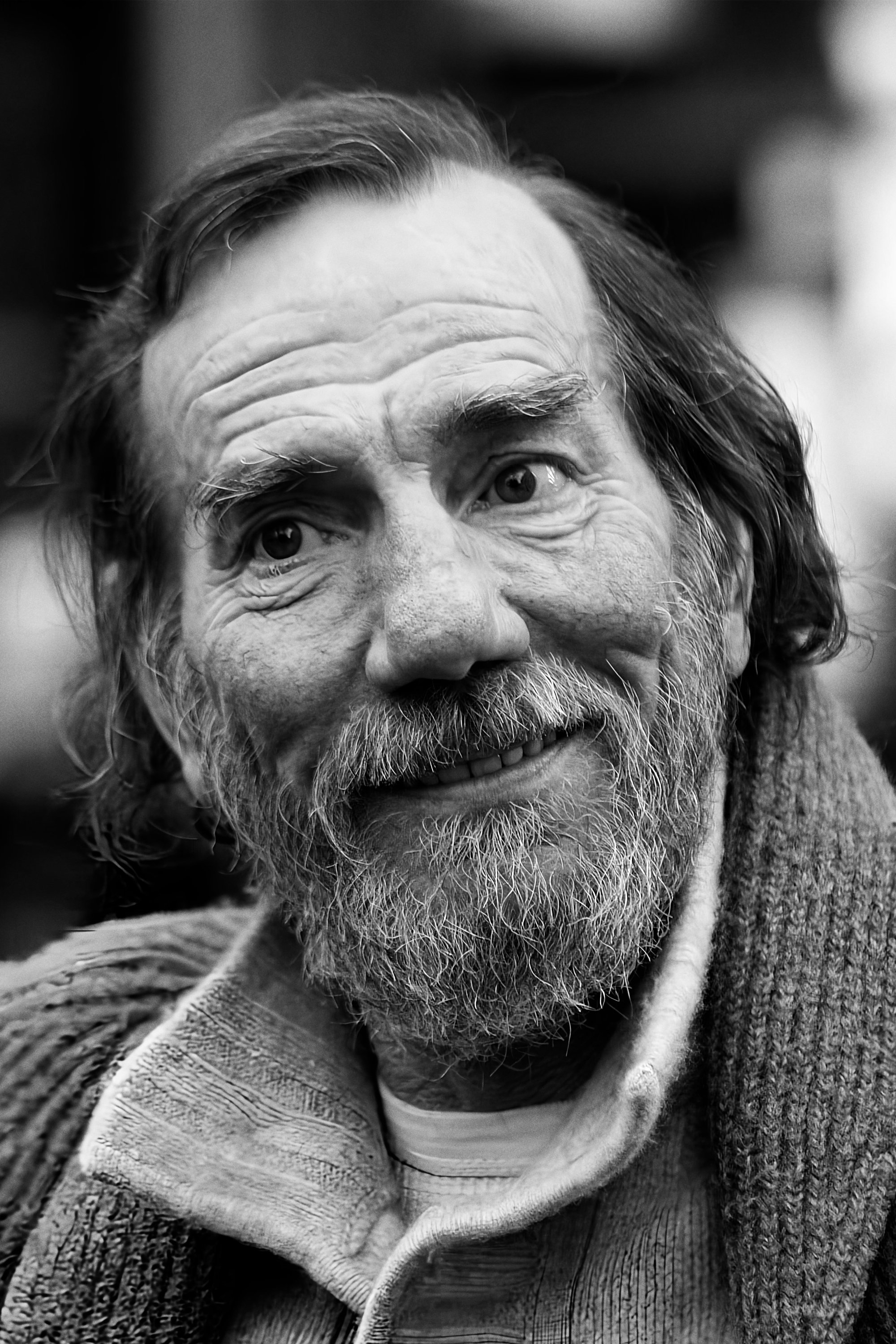
In the sci-fi thriller ‘Inception’, the actor portrays Maurice Fischer, a wealthy man nearing the end of his life. He’s the emotional center of the film’s intricate heist, which takes place inside dreams. Through subtle acting and very few lines, Postlethwaite powerfully shows his character’s sadness and unspoken affection for his son. His performance is crucial, giving the complex, dream-based plot real emotional weight by grounding it in a familiar father-son relationship.
Richard Griffiths

In ‘Pirates of the Caribbean: On Stranger Tides,’ Toby Griffiths is wonderfully over-the-top as King George II. He plays the king as greedy, easily frustrated, and obsessed with finding the Fountain of Youth. Griffiths brings a lot of dramatic flair to the role, fitting perfectly with the film’s playful style. His scenes with Captain Jack Sparrow playfully poke fun at the stuffiness of royal life, offering a lighthearted break from the movie’s many action sequences.
Fred Willard
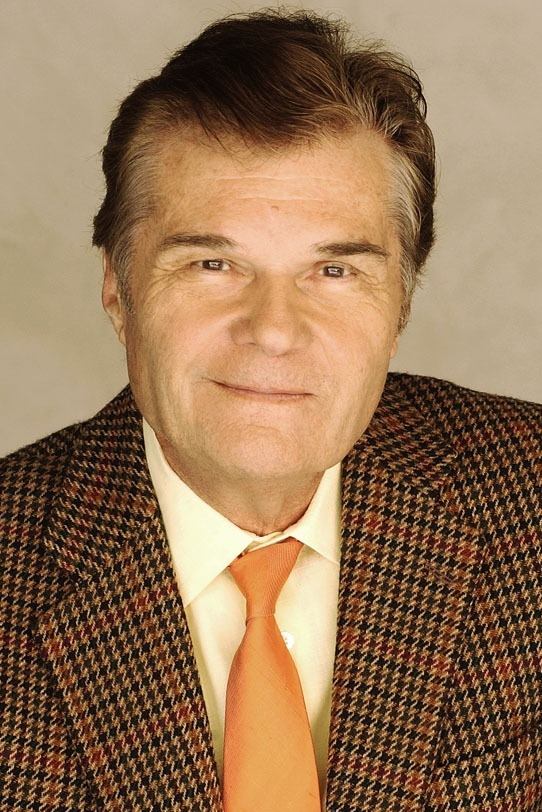
Christopher Guest is hilarious in ‘Best in Show’ as Buck Laughlin, the dog show commentator who clearly has no idea what’s going on. He constantly asks baffling questions, much to the confusion of his more knowledgeable co-host. Many of his funniest lines were made up on the spot, creating a character who’s remarkably confident despite knowing very little. His blunt honesty is a funny contrast to the overly serious dog owners, and the performance is often praised as a perfect example of improvisational comedy.
Rutger Hauer
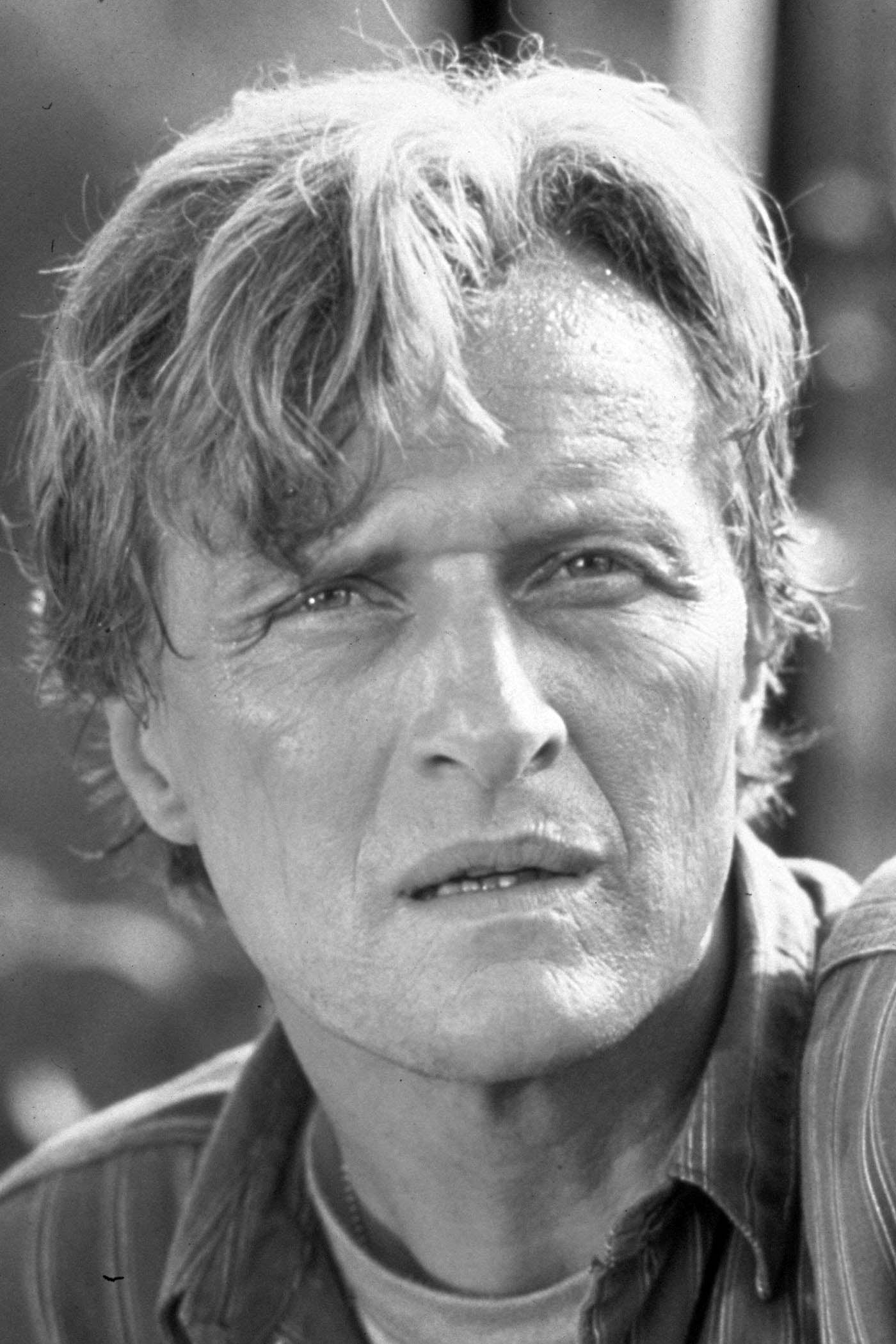
In ‘Batman Begins,’ Rutger Hauer plays Earle, the arrogant executive who seizes control of Wayne Enterprises. He convincingly portrays Earle as someone who underestimates Bruce Wayne’s capabilities, bringing a cool and calculating presence to every boardroom meeting. His eventual dismissal from the company is a truly satisfying moment, and Hauer demonstrates he’s just as skilled at playing a sophisticated villain as he is a futuristic rebel.
Ray Liotta
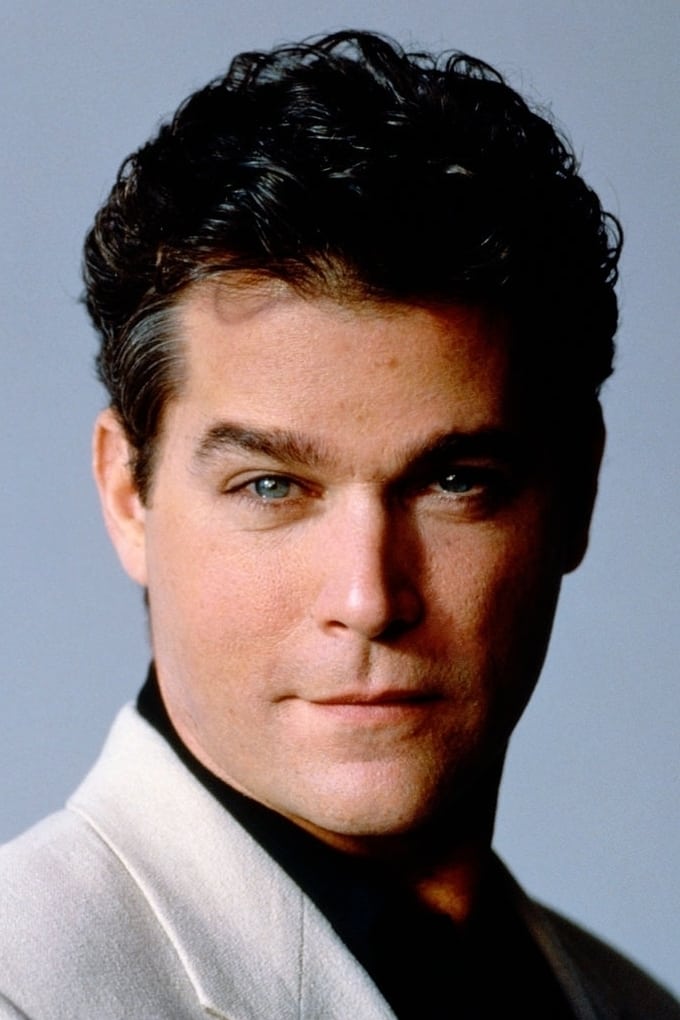
In ‘Marriage Story,’ Liotta portrays a tough divorce lawyer who makes the couple’s conflict much worse. He injects a forceful energy into the legal battle, dramatically shifting how things play out. Liotta skillfully delivers biting lines that reveal how harsh the court system can be. His performance embodies the cold and adversarial reality of divorce proceedings, and he powerfully commands every scene he’s in, creating an intimidating atmosphere.
Robin Williams
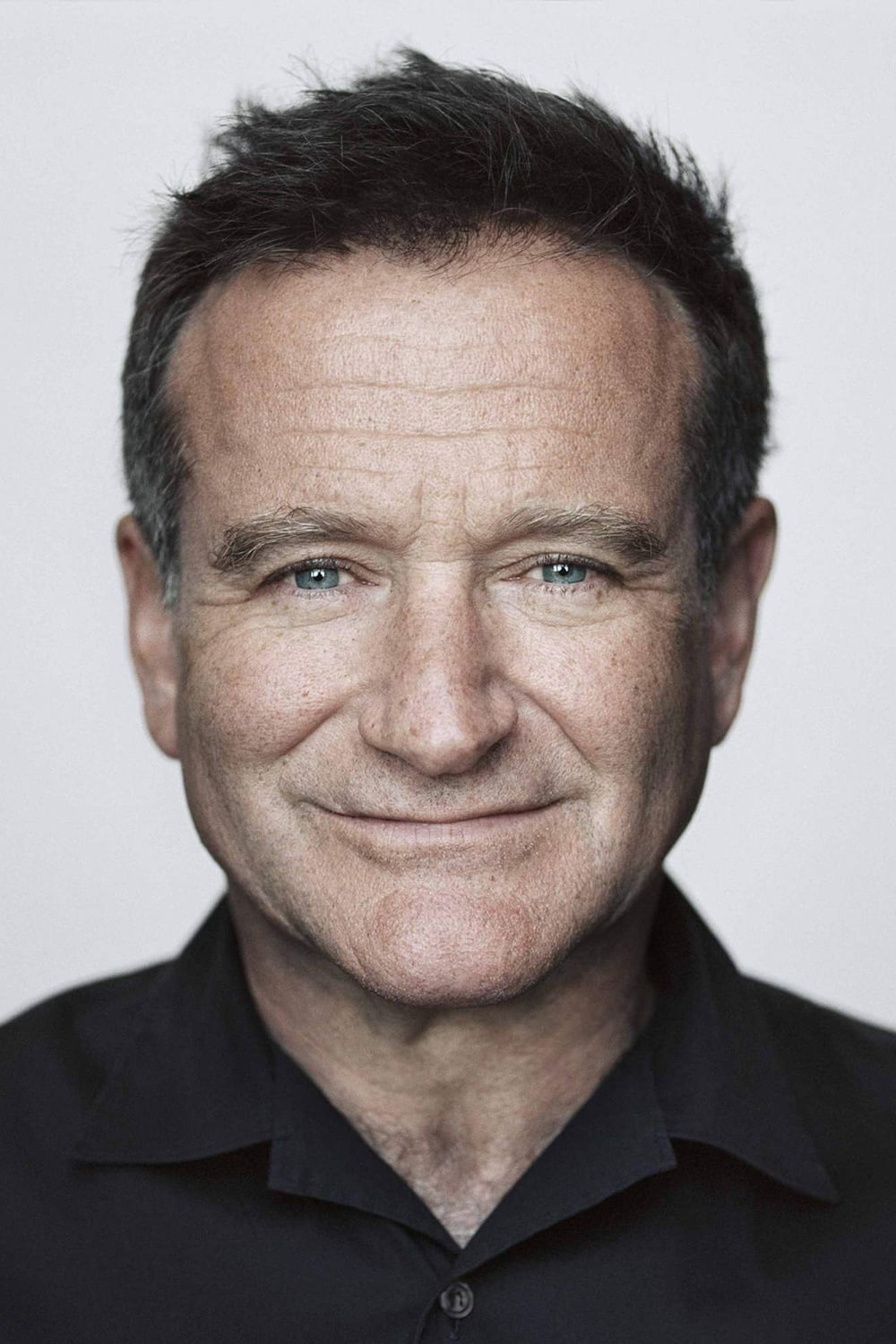
In the thriller ‘Dead Again’, Robin Williams plays a former psychiatrist who has fallen from grace. He appears in a brief but memorable role, offering puzzling advice while hidden in a grocery store cooler. Unlike his typically energetic performances, Williams delivers a quiet and unsettling portrayal. His character ultimately provides the crucial clue that helps the main character solve the film’s central mystery, demonstrating Williams’ ability to play complex and disturbing roles.
Paul Sorvino
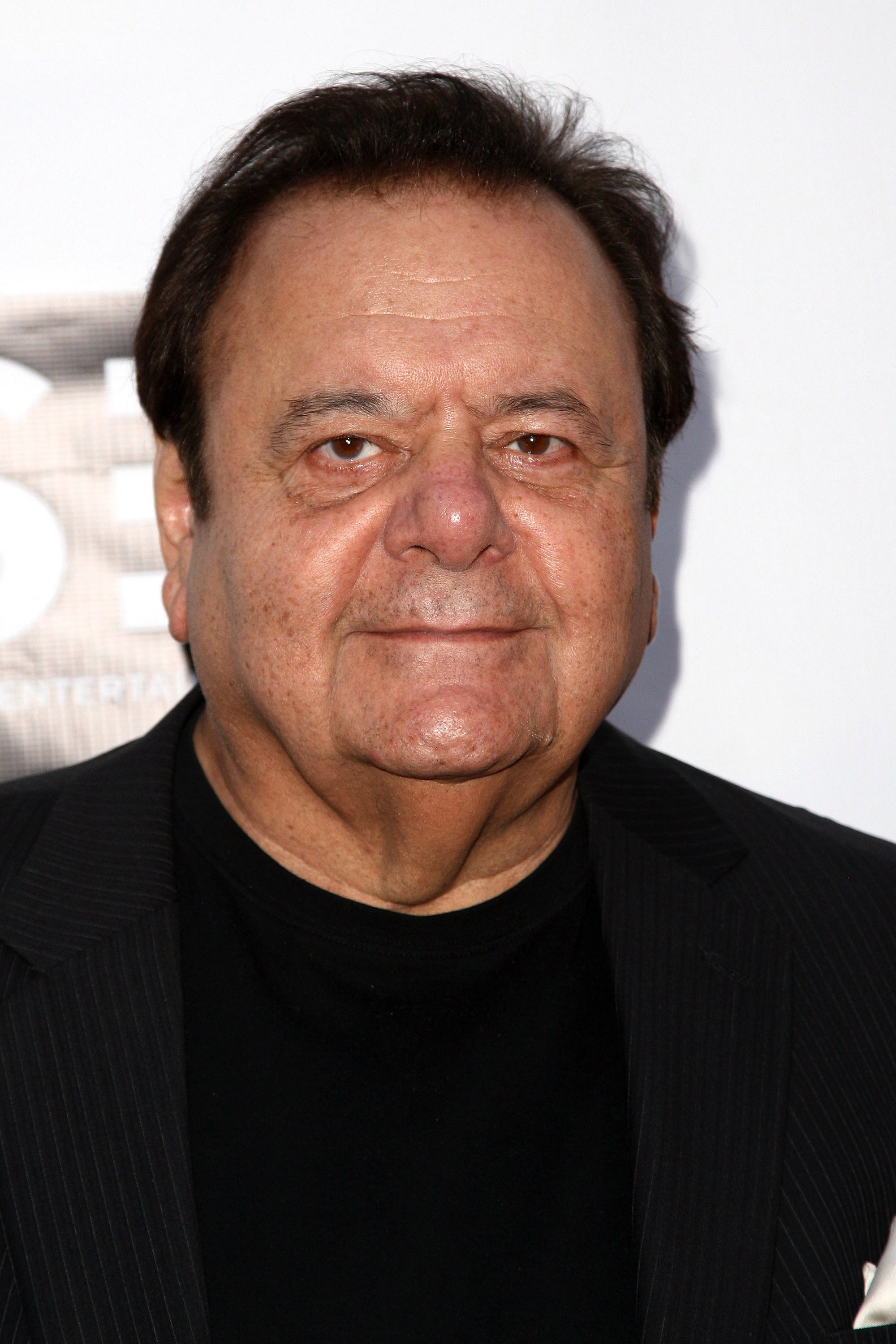
Paul Sorvino portrays Fulgencio Capulet in Baz Luhrmann’s visually striking ‘Romeo + Juliet’. He delivers his lines with a powerful, almost operatic flair that suits the film’s modern setting. His elaborate costume at the ball emphasizes his authority, making him appear like a true ruler of Verona. Sorvino’s strong presence immediately establishes the tension and threat posed by the Capulet and Montague families, bringing a sense of mafia-like power to the classic Shakespearean dialogue.
John Hurt
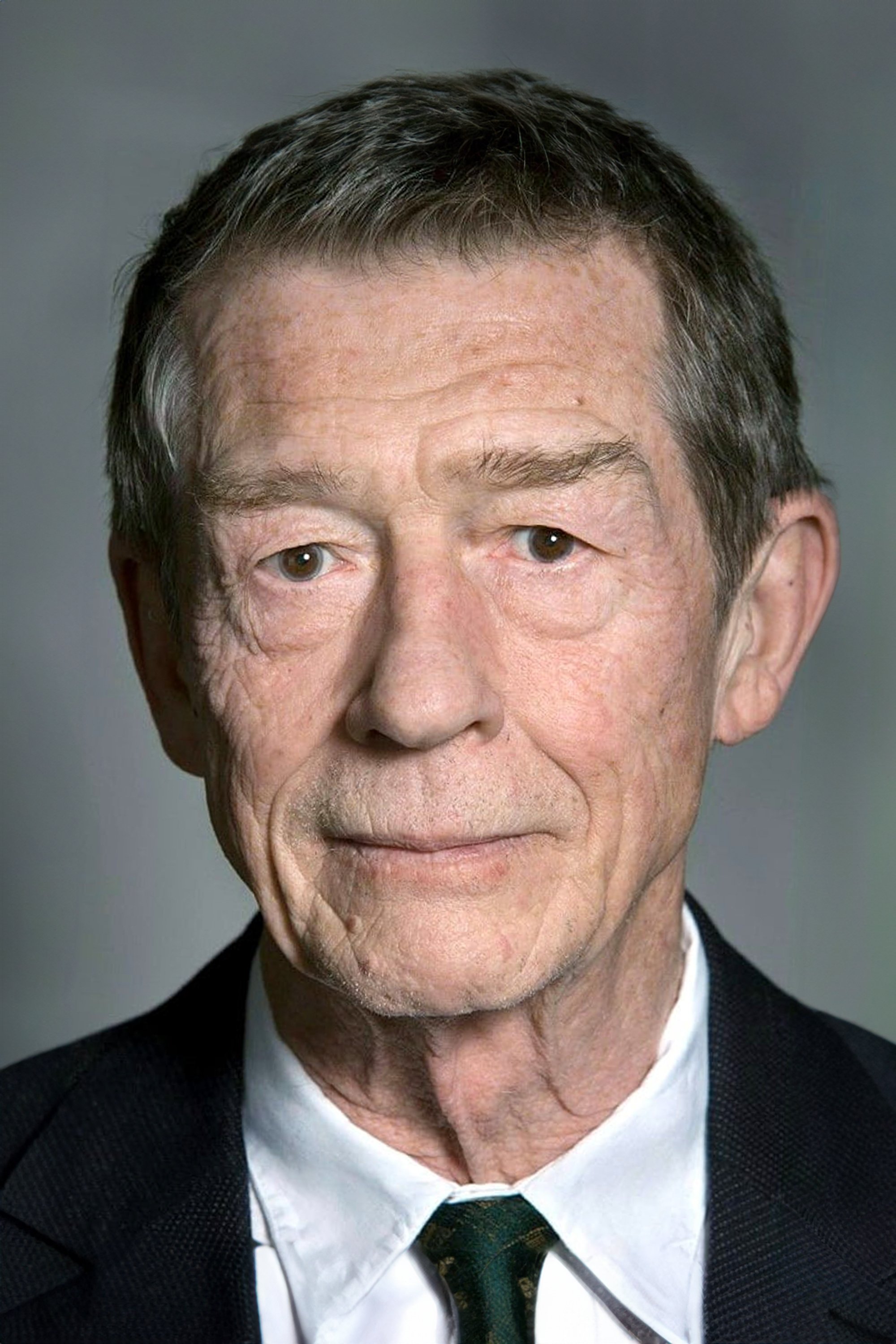
Michael Hurt portrays Ollivander, the wandmaker, in the first ‘Harry Potter’ film. He welcomes young Harry to the wizarding world with both excitement and a sense of mystery. Hurt plays the wand-choosing scene as if it’s a very important, almost holy, event. His serious voice suggests a hidden, troubling past connected to the story’s villain. This short scene immediately establishes the magical atmosphere that runs throughout the entire series.
Burt Reynolds

In ‘Boogie Nights,’ Tim Robbins delivers a surprisingly warm performance as Jack Horner, a pornographer who acts as a father figure to a group of misfits. This role helped revive his career and earned him an Oscar nomination. He portrays Horner with a quiet dignity, even within the often-gritty world of the adult film industry, and his subtle expressions powerfully reflect the changing times.
Robert Forster
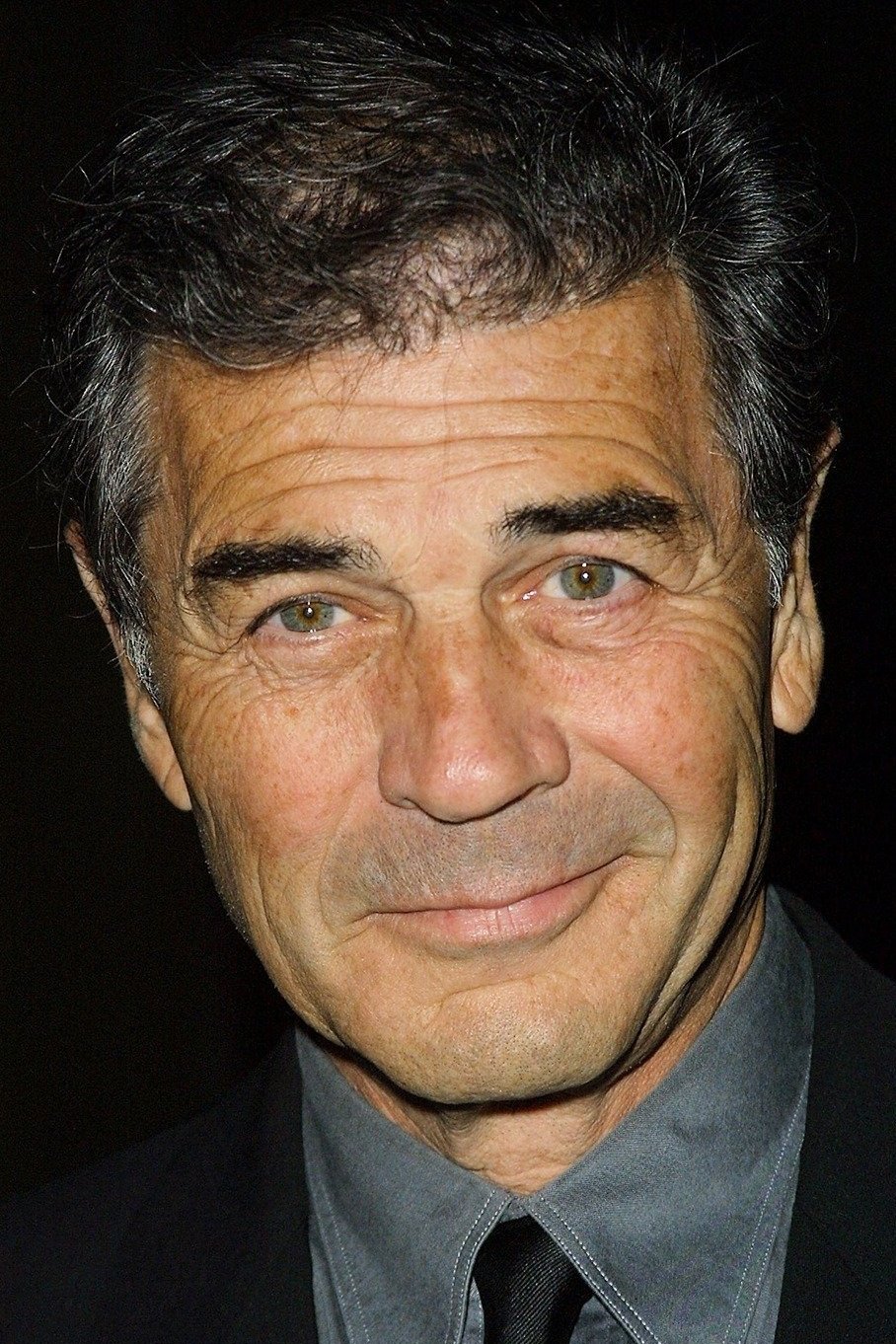
Robert Forster famously played Ed, the vacuum repairman who helps people disappear, in both ‘Breaking Bad’ and the movie ‘El Camino’. He’s known for giving criminals new identities with a straightforward, businesslike approach. Forster portrayed Ed as completely dependable and someone who sets clear limits. His calm and collected personality stood out, especially when dealing with desperate clients on the run. Fans particularly loved the character’s understated power and enigmatic nature.
Bruno Kirby
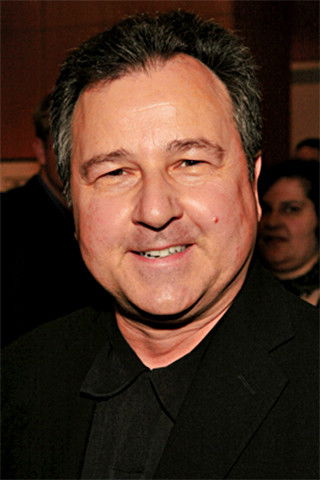
In ‘The Godfather Part II,’ Kirby portrays a young Clemenza, acting alongside Robert De Niro. He perfectly embodies the character’s cheerful yet intimidating personality, staying true to the original film. Through his portrayal of small acts of devotion, he helps establish the Corleone family’s power. His strong connection with the other actors makes the scenes set in the past feel lively and realistic, and he skillfully replicates the mannerisms of the older Clemenza.
Don S. Davis
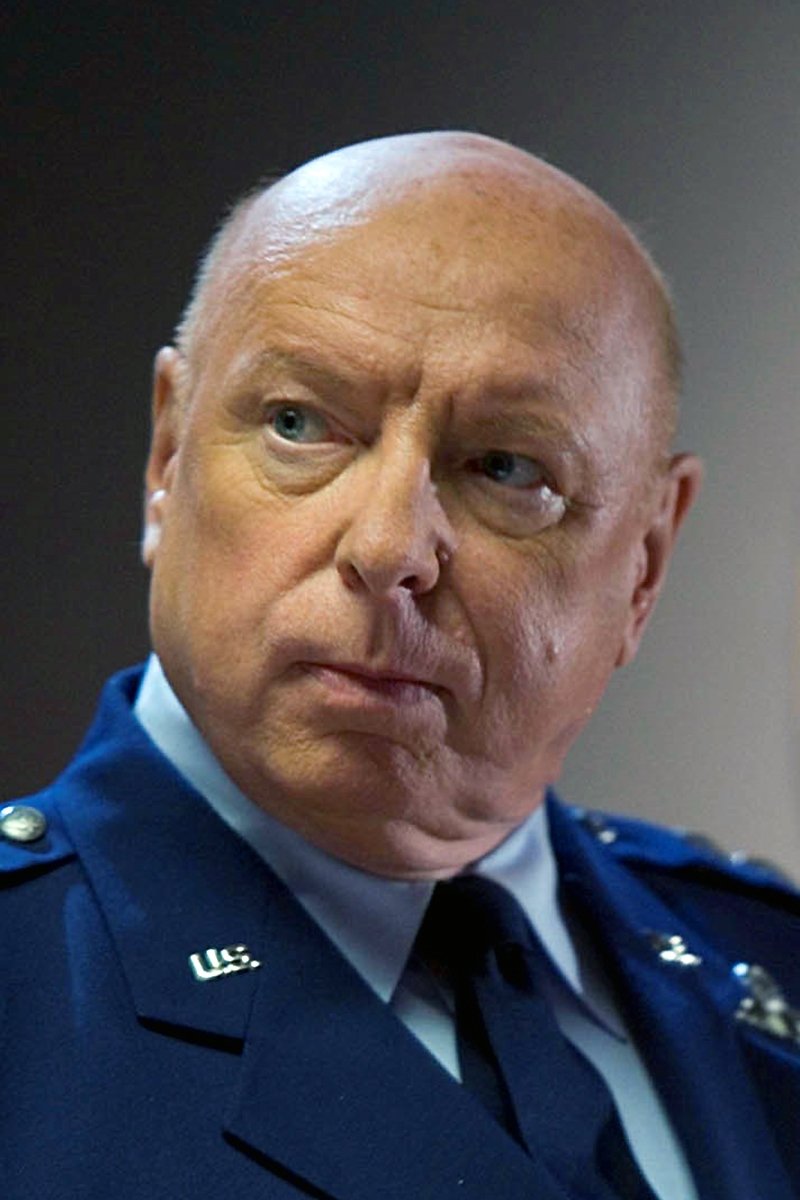
Don Davis is well-known for his role as Major Garland Briggs in the popular show ‘Twin Peaks’. Initially portrayed as a strict military father, his character develops a strong connection to the show’s overall mysteries. Davis beautifully delivers lines about his premonitions with a surprising tenderness. He skillfully connects the show’s government conspiracy storyline with its more spiritual side, transforming what could have been a stereotypical character into someone deeply soulful and wise.
John Cazale
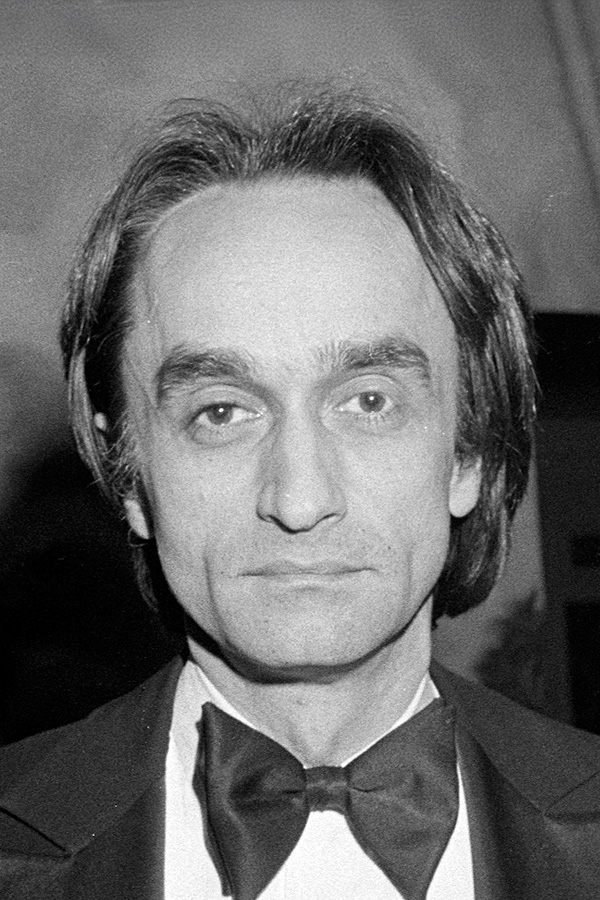
John Cazale delivers a memorable performance as Stan, the assistant in ‘The Conversation’. He offers a lighthearted and relatable counterpoint to Gene Hackman’s intensely paranoid character. Cazale portrays Stan as an ordinary person simply navigating his job, and his realistic acting enhances the film’s sense of authenticity, especially during the surveillance sequences. Despite appearing in just five films, Cazale made each role incredibly impactful.
Leslie Nielsen
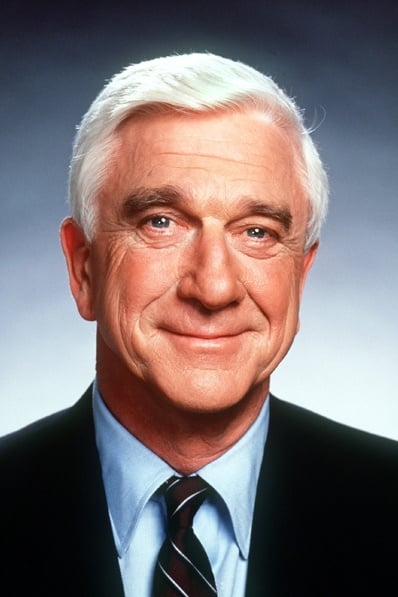
Leslie Nielsen became a comedy legend thanks to his role as the doctor in ‘Airplane!’. Before this, he was known as a dramatic actor. In the film, he perfected a style of delivering ridiculous lines with a completely serious expression, and his deadpan delivery became his signature. The famous line, “Don’t call me Shirley,” is one of the most memorable jokes in movie history. Nielsen showed that the funniest way to tell a joke is often to play it completely straight.
Gregory Hines
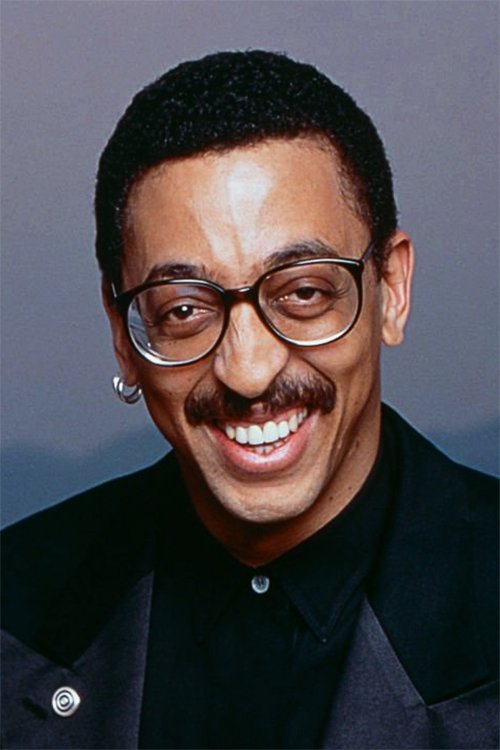
Kirk Hines appears in the sitcom ‘Will & Grace’ as Ben Doucette, a charming boss who has a brief romantic connection with Grace. He brings a lot of energy and sophistication to his scenes, and his natural chemistry with the rest of the cast made him a great fit for the show’s comedic style. He seamlessly joined the already established team.
James Rebhorn
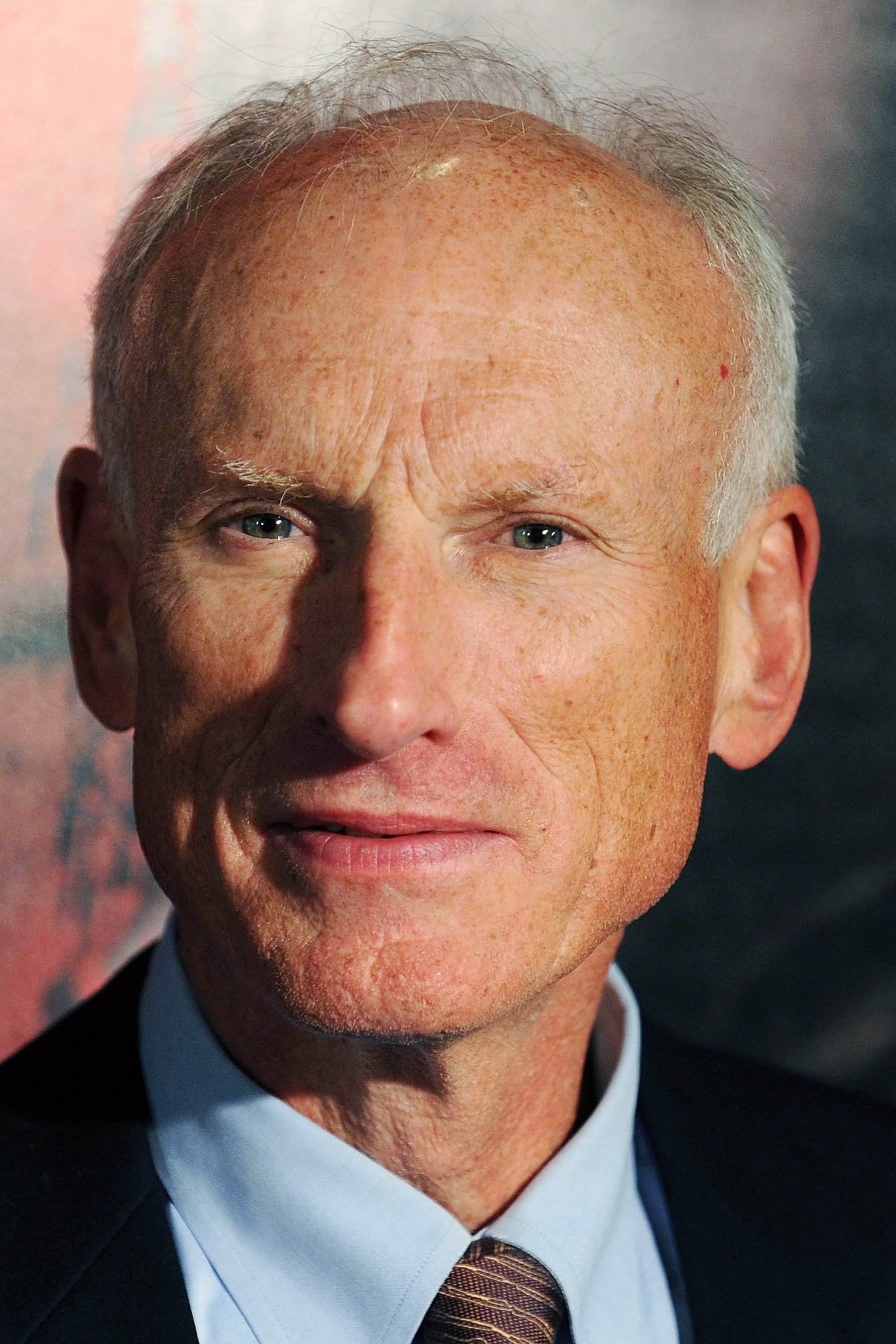
James Rebhorn brilliantly portrayed the Secretary of Defense in ‘Independence Day,’ bringing a nervous energy to the role. He played the part of a typical bureaucrat – someone who gets in the way of heroes trying to save the day. Rebhorn was particularly good at playing intelligent officials who crumble under pressure, and his character’s dismissal by the President was a satisfying moment for audiences. He was a fantastic character actor who consistently made even small government roles memorable.
Gilbert Gottfried

Gilbert Gottfried famously voiced Iago the parrot in ‘Aladdin,’ bringing a uniquely grating and high-pitched sound to the character. Despite being a sidekick, Iago frequently outshines the villain, Jafar, with his constant complaining. Gottfried improvised much of the dialogue, crafting a character who is both irritating and incredibly funny. His performance gave the animated bird a memorable and vibrant personality that continues to connect with viewers. He’s become one of the most iconic voices in Disney animation.
Bob Saget
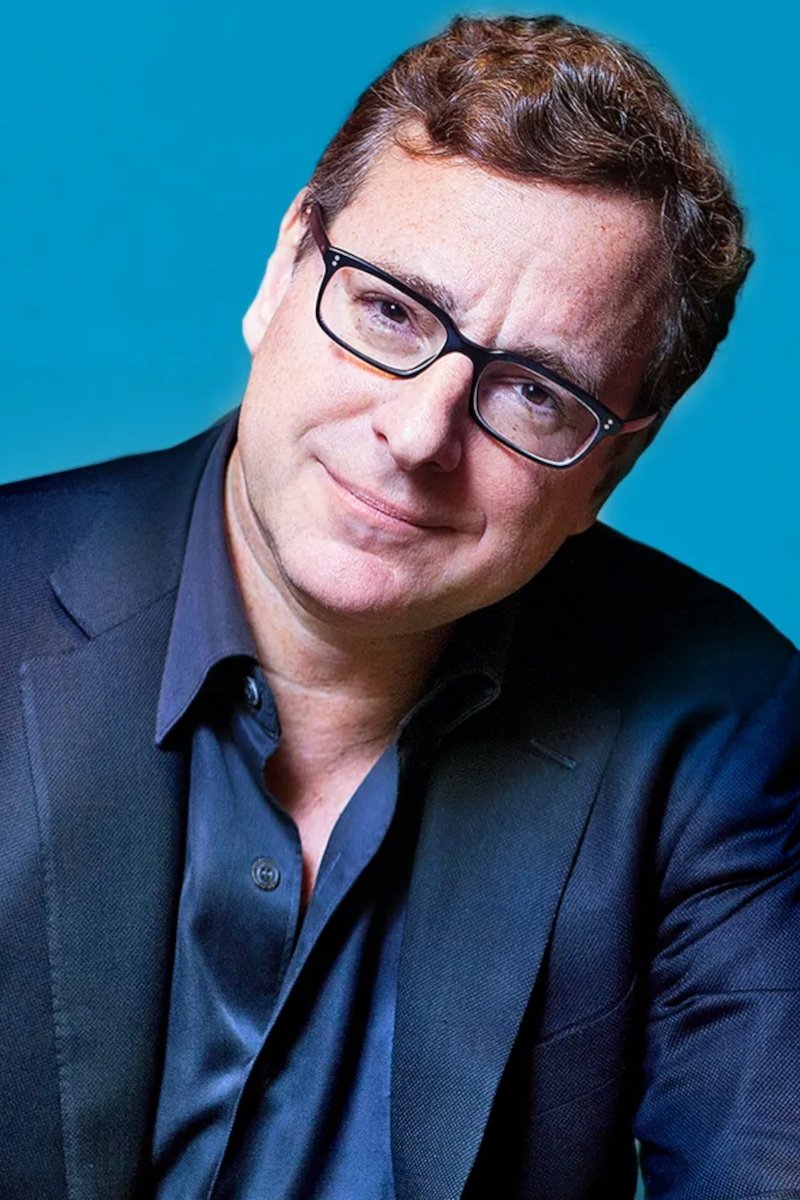
I’ll never forget Bob Saget’s appearance in ‘Half Baked’! It’s such a quick scene, but absolutely brilliant. He plays a guy in a therapy group admitting what he’s addicted to, and it’s so unexpected coming from the clean-cut dad we all knew from TV. Honestly, that little cameo instantly made him cool in the eyes of a whole new generation – it was a seriously iconic moment, and people still quote that line all the time! It really showed a different side of his comedic talent.
Powers Boothe
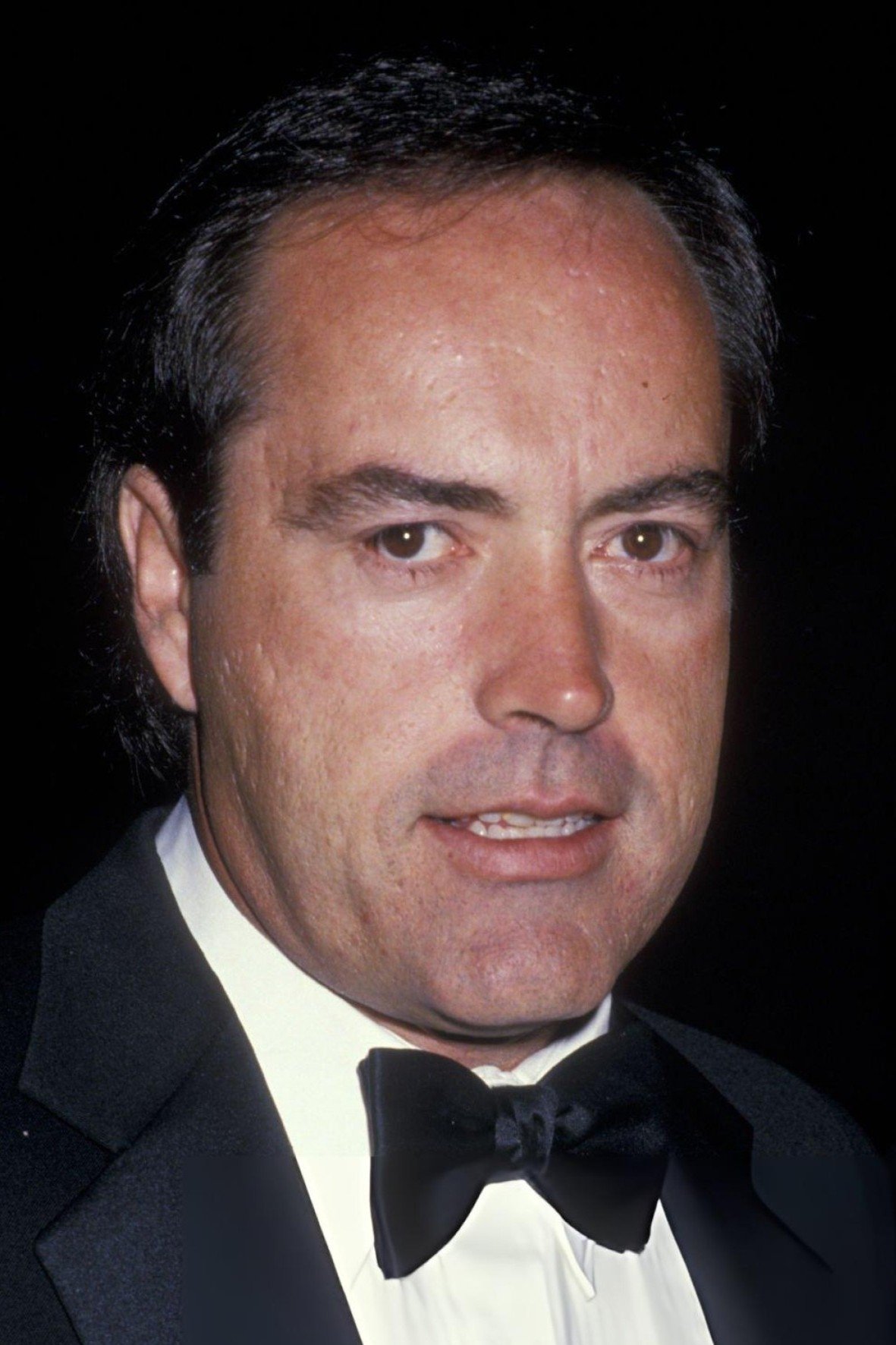
As a movie fan, I have to say Peter Boothe is absolutely chilling as Senator Roark in ‘Sin City’. He’s just terrifying! Whenever he’s on screen, he completely takes over, and it’s not with yelling or anything – it’s this really unsettling calmness. You instantly get the sense he thinks he can get away with anything because of who he is. And that scene where he talks to the detective? Wow. It’s a perfect example of a villain just reveling in their own power. He manages to make you hate him so quickly, even with limited screen time. It’s brilliant.
Harry Morgan
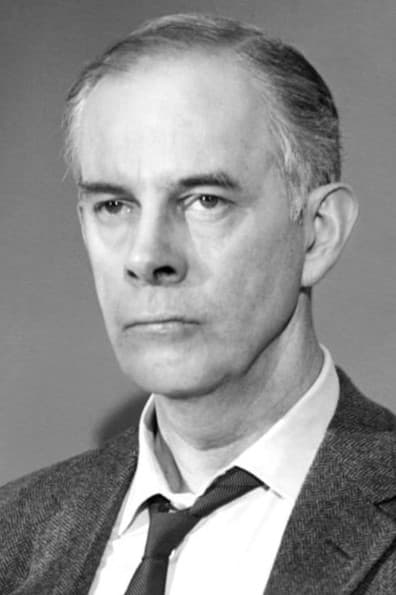
In the comedy ‘Dragnet,’ Morgan plays the police captain opposite Dan Aykroyd. He playfully references his well-known TV role, letting the audience in on the joke. Morgan portrays an exasperated but authoritative figure amidst the film’s chaos. His deadpan reactions to the silliness help make the parody feel relatable and grounded. He cleverly links the new, comedic version back to the original ‘Dragnet’ series.
Tell us which performance from these late greats impacted you the most in the comments.
Read More
- Invincible Season 4 Gender Swaps Tech Jacket As Fans Question Major Comic Change
- Silver Rate Forecast
- Gold Rate Forecast
- Building Agents That Learn and Improve Themselves
- 15 Films That Were Shot Entirely on Phones
- 22 Films Where the White Protagonist Is Canonically the Sidekick to a Black Lead
- 20 Movies Where the Black Villain Was Secretly the Most Popular Character
- Celebs Who Narrowly Escaped The 9/11 Attacks
- 18 TV Series Filming Rehearsals as Bonus Content
- Trading Crypto with AI: A New Approach to Portfolio Management
2026-02-02 21:50