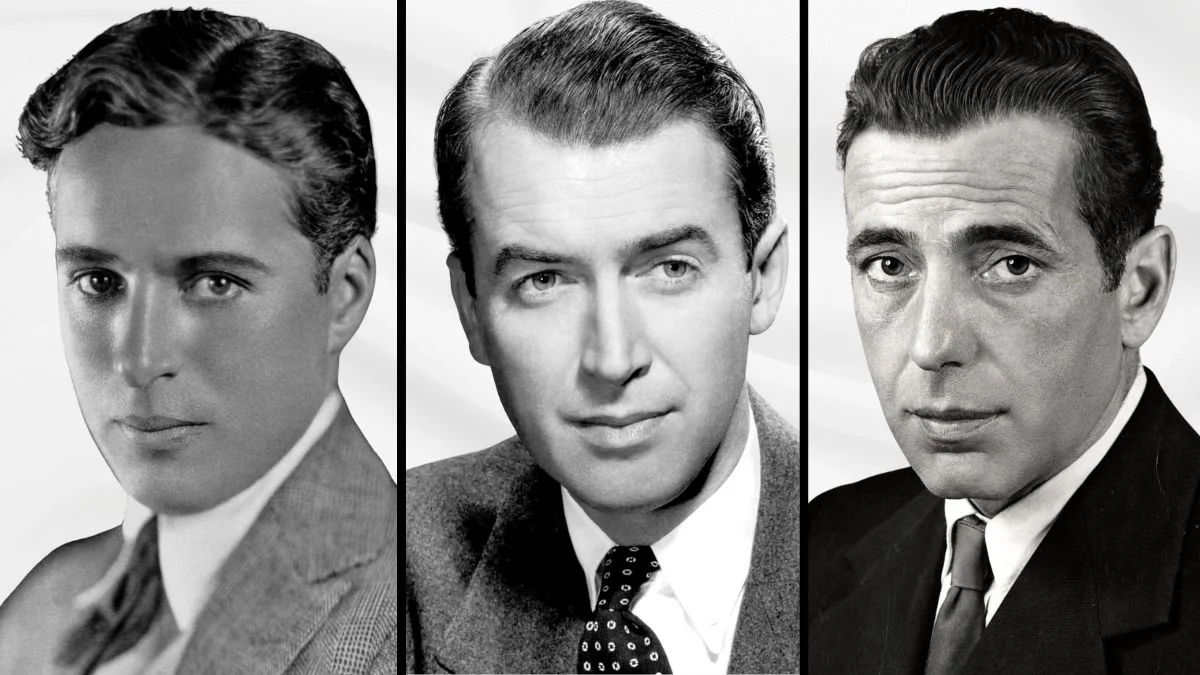
The history of film owes a lot to actors who developed memorable and recognizable characters. These performers didn’t just play parts; they created lasting templates for types of characters – like heroes, lovers, and outsiders – that we still see in movies today. Their influence is clear in how modern actors approach these roles, and we’ll be looking at the careers of some of the late actors who first established these iconic character types, which remain crucial to filmmaking.
Humphrey Bogart
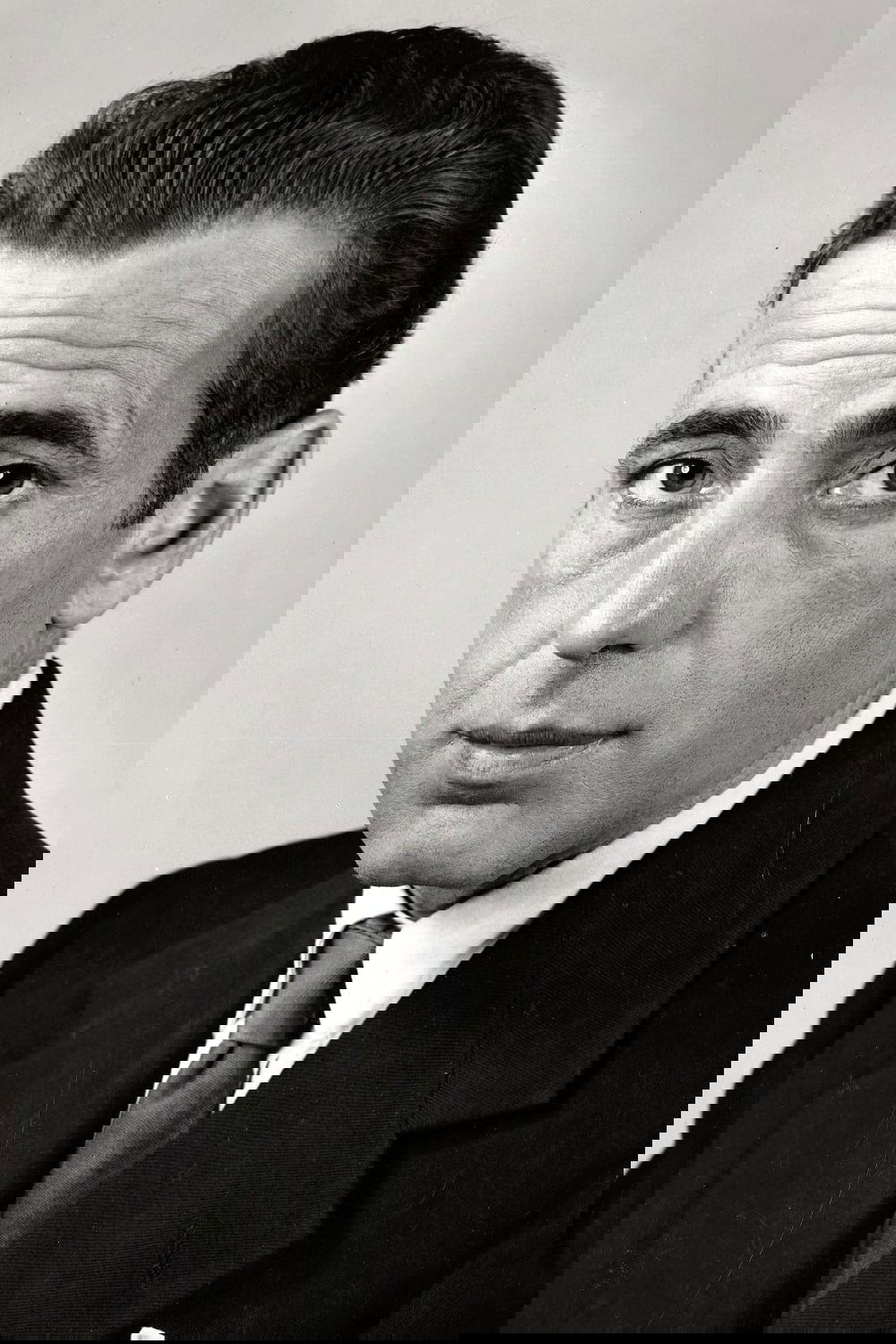
Humphrey Bogart became the definitive model for the tough, world-weary detective with a hidden sense of morality. His iconic roles in movies like ‘The Maltese Falcon’ and ‘Casablanca’ created the classic image of the flawed hero. He played men who lived by their own strong principles, even when surrounded by dishonesty and corruption. This realistic and gritty character became the standard for film noir and still inspires crime dramas today.
John Wayne
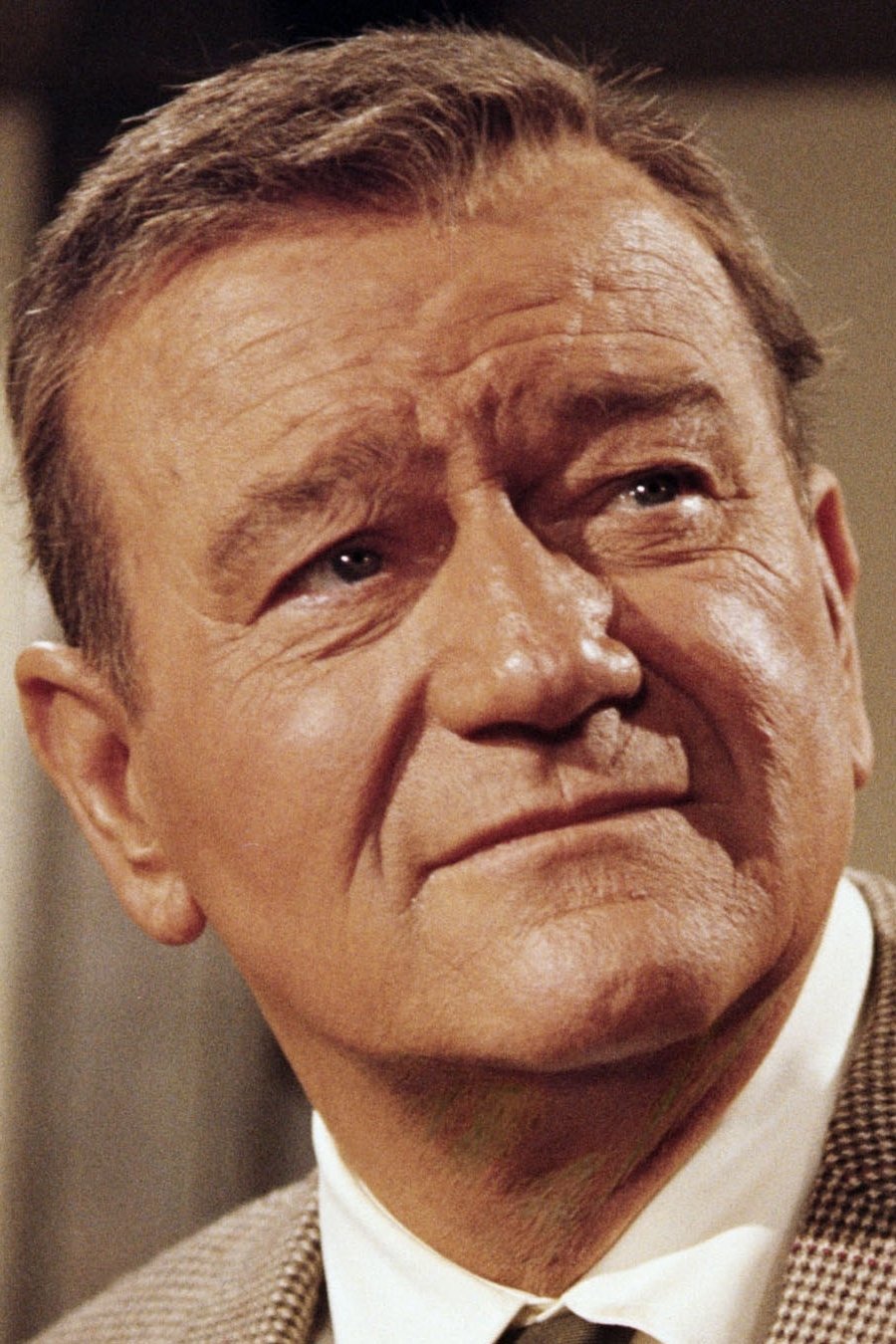
John Wayne is still the most recognizable face of the American West and the independent spirit it represents. He practically created the image of the classic cowboy with his unique way of moving, slow speaking style, and strong build. Films like ‘Stagecoach’ and ‘The Searchers’ highlighted his talent for playing strong, silent characters who naturally earned respect. He’ll always be remembered as the tough, unwavering hero who brought peace to chaotic places.
Marlon Brando
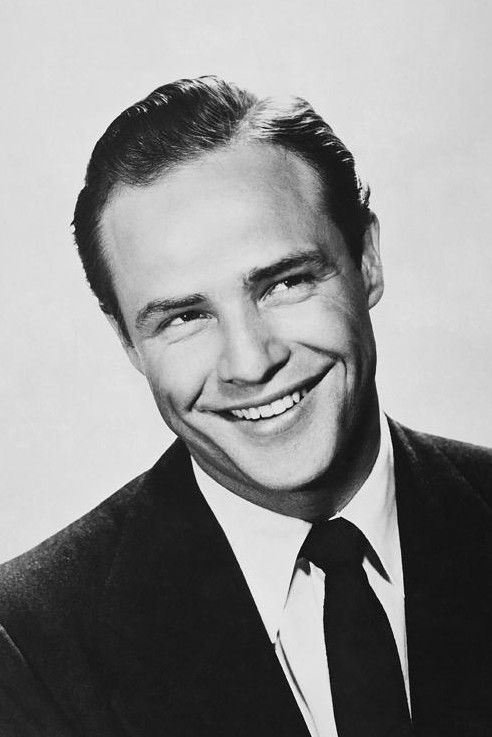
Marlon Brando changed acting forever by making it feel more real and less staged. He became famous for playing troubled, rebellious characters in movies like ‘A Streetcar Named Desire’ and ‘The Wild One’. He brought a new level of depth and honesty to his performances, often speaking quietly and showing deep emotion. Brando inspired many actors who came after him to focus on truly feeling their roles, rather than just performing them.
James Dean
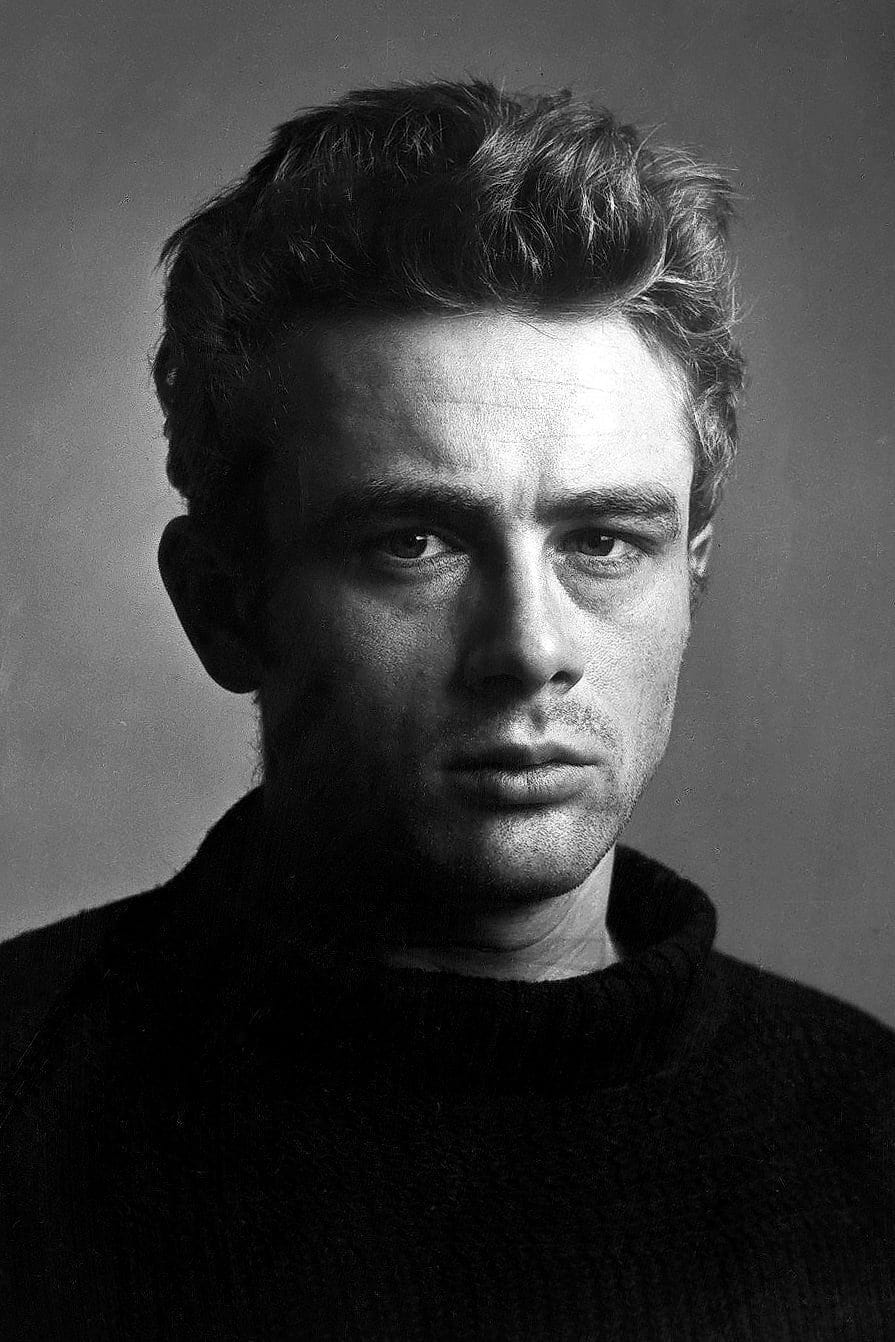
James Dean perfectly captured the feelings of frustrated and confused teenagers, creating a lasting image of the troubled young person. Despite appearing in only three significant films, his role in ‘Rebel Without a Cause’ became famous for showing the frustrations of a generation. Dean powerfully conveyed inner struggles and sensitivity, connecting deeply with young viewers. His early death ensured he would forever be remembered as the ultimate symbol of youthful rebellion and emotional unease.
Cary Grant
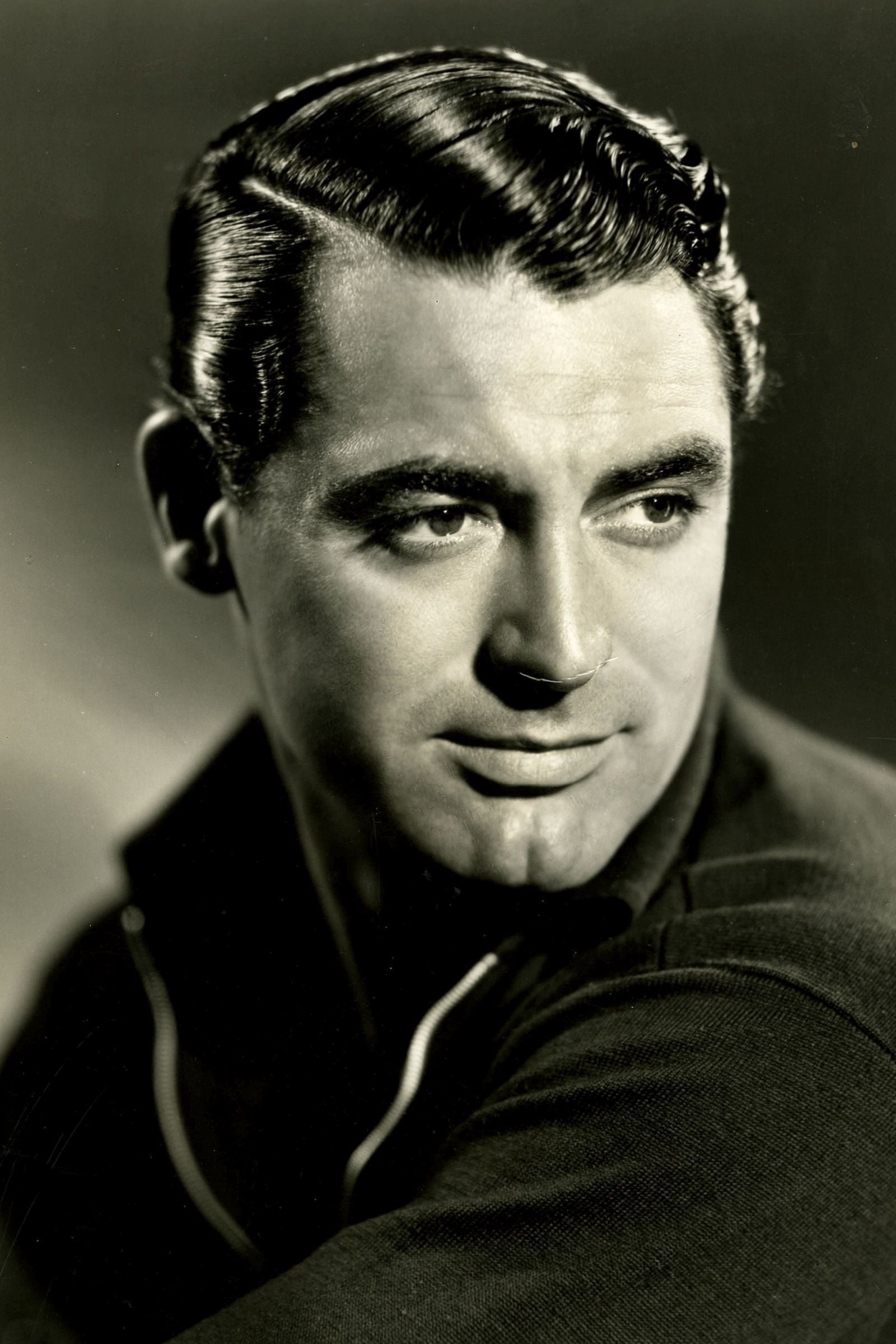
Cary Grant became the standard for the stylish and sophisticated man of the mid-20th century. He seamlessly transitioned between lighthearted comedies and exciting thrillers, always appearing incredibly elegant. Movies like ‘North by Northwest’ and ‘Charade’ showcased his talent for being charming, funny, and remaining calm even in stressful situations. Grant continues to be the example of the handsome leading man with perfect comedic timing.
James Stewart
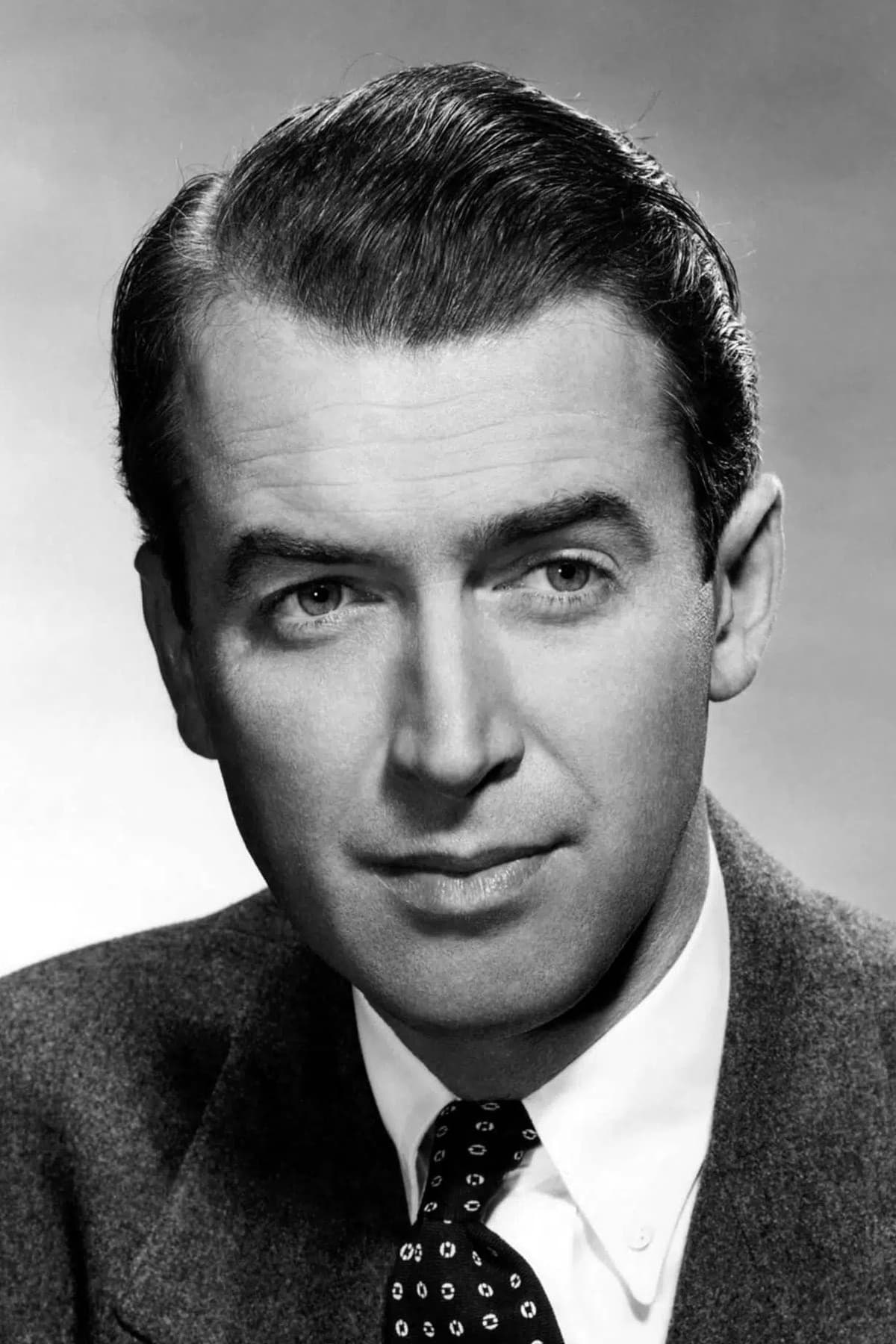
James Stewart became the standard for the ‘everyman’ hero – someone decent who fights for what’s right, even when the odds are stacked against them. Films like ‘Mr. Smith Goes to Washington’ and ‘It’s a Wonderful Life’ highlighted his ability to play relatable, good-hearted characters. He often portrayed ordinary people facing difficult situations, guided by their strong sense of morality. This image of the humble, heroic figure continues to be popular in American movies.
Charlie Chaplin
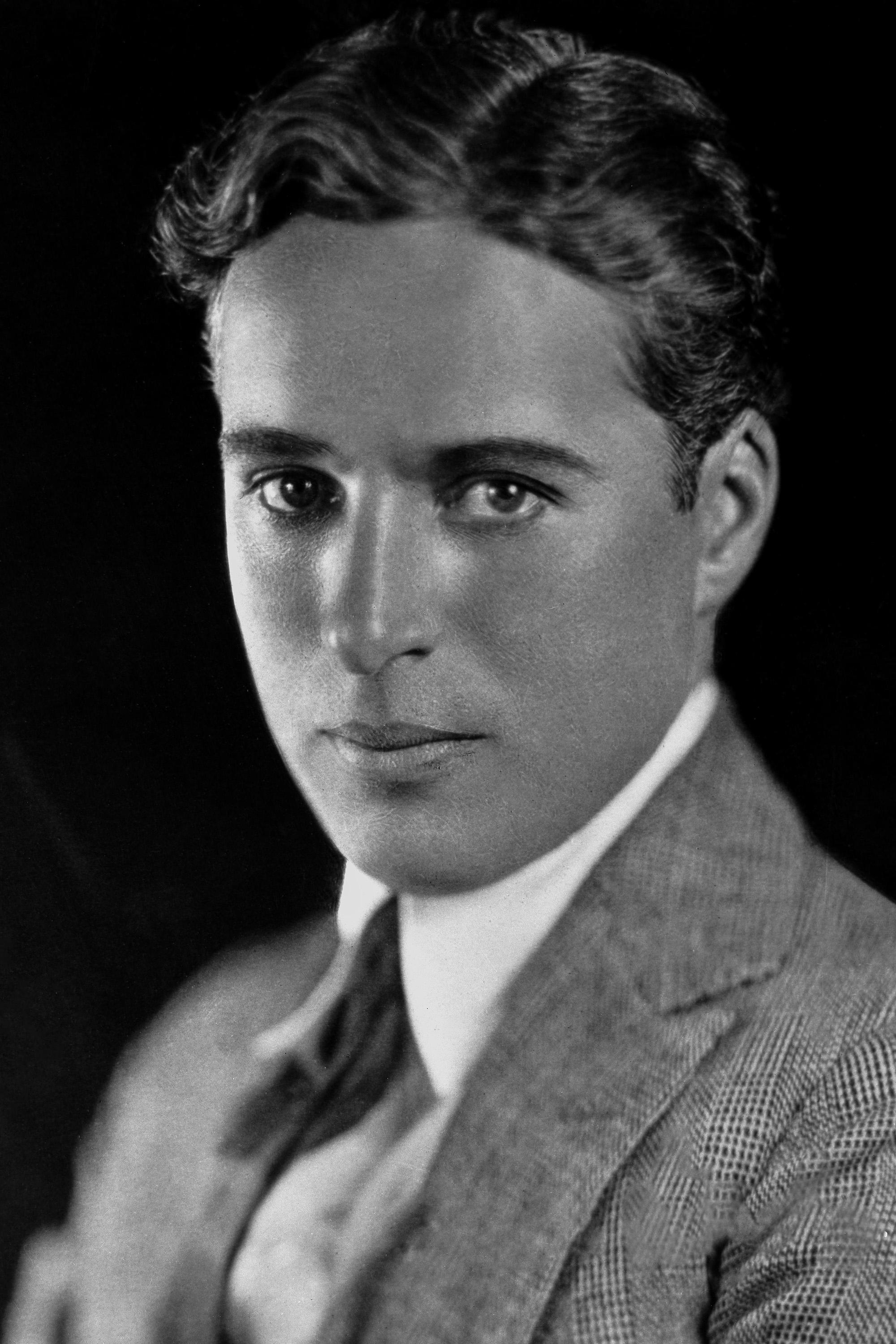
Charlie Chaplin is famous for creating the Tramp, a character instantly recognized around the world. The Tramp became the original lovable underdog, and Chaplin used his incredible physical comedy and silent acting to make audiences both laugh and feel sympathy. Films like ‘City Lights’ and ‘Modern Times’ featured this character to comment on unfairness in society, while also celebrating the strength of people. Chaplin proved that comedy could be a powerful way to tell deeply moving stories.
Buster Keaton
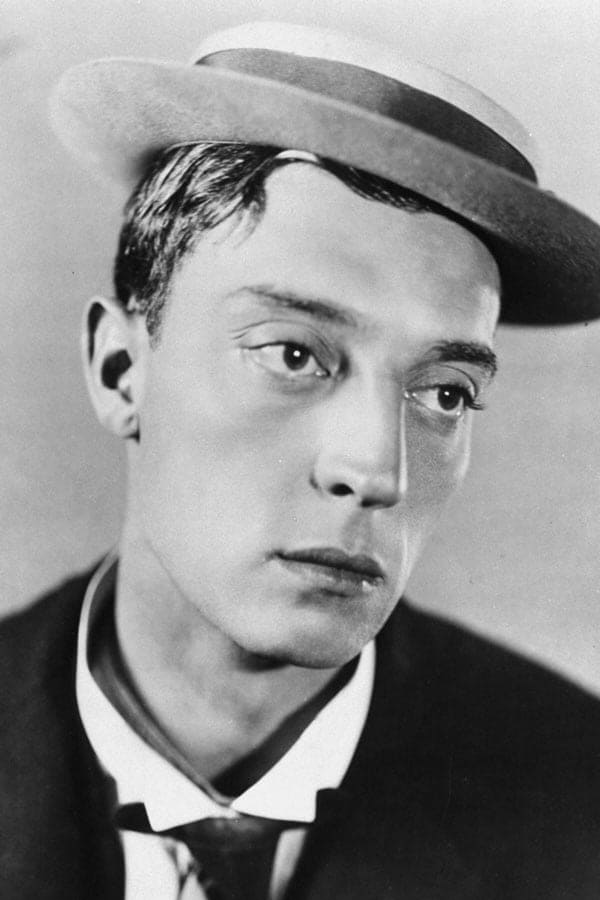
As a movie fan, I’ve always been blown away by Buster Keaton. He basically invented the strong, silent type in comedy – the guy who just rolls with the punches, no matter how crazy things get, and never cracks a smile. Seriously, the stunts he pulled off in films like ‘The General’ were unbelievable, and he did them all with this amazing, precise physicality. He set the standard for action-comedy, and you can definitely see his influence in a lot of today’s physical comedians and stunt work. He’s a true original.
Clark Gable
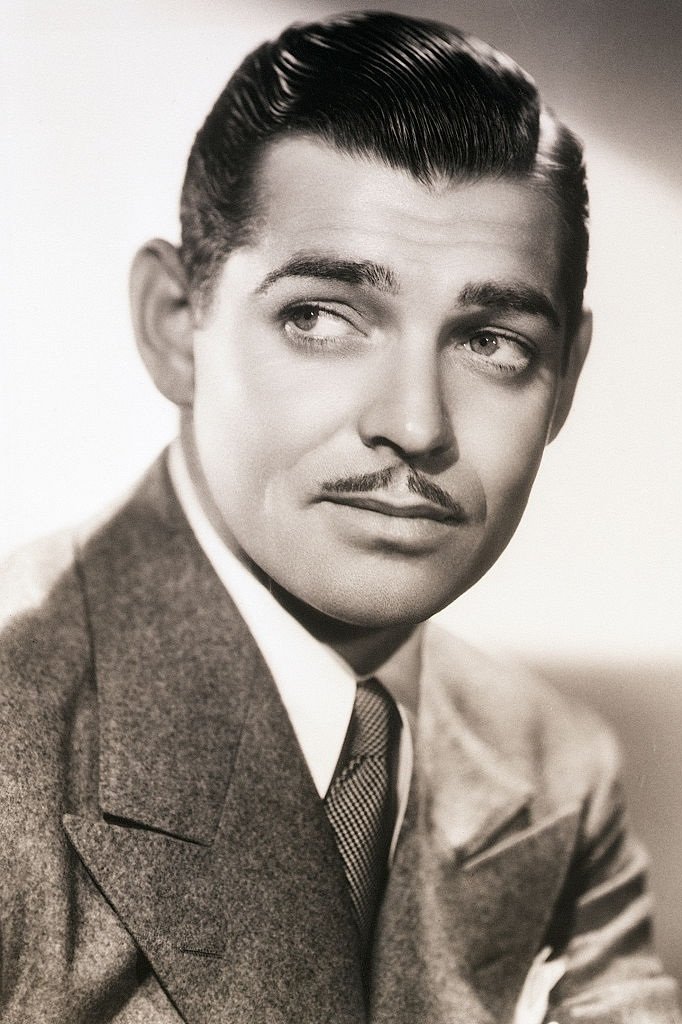
Clark Gable was the classic charming rebel, a confident and magnetic leading man. He earned the title ‘King of Hollywood’ thanks to his powerful performances in iconic films like ‘Gone with the Wind’ and ‘It Happened One Night’. Gable frequently portrayed characters who seemed tough or skeptical at first, but eventually showed a softer, more romantic, or heroic side. He essentially defined the strong, self-assured hero we often see in romantic movies.
Sidney Poitier
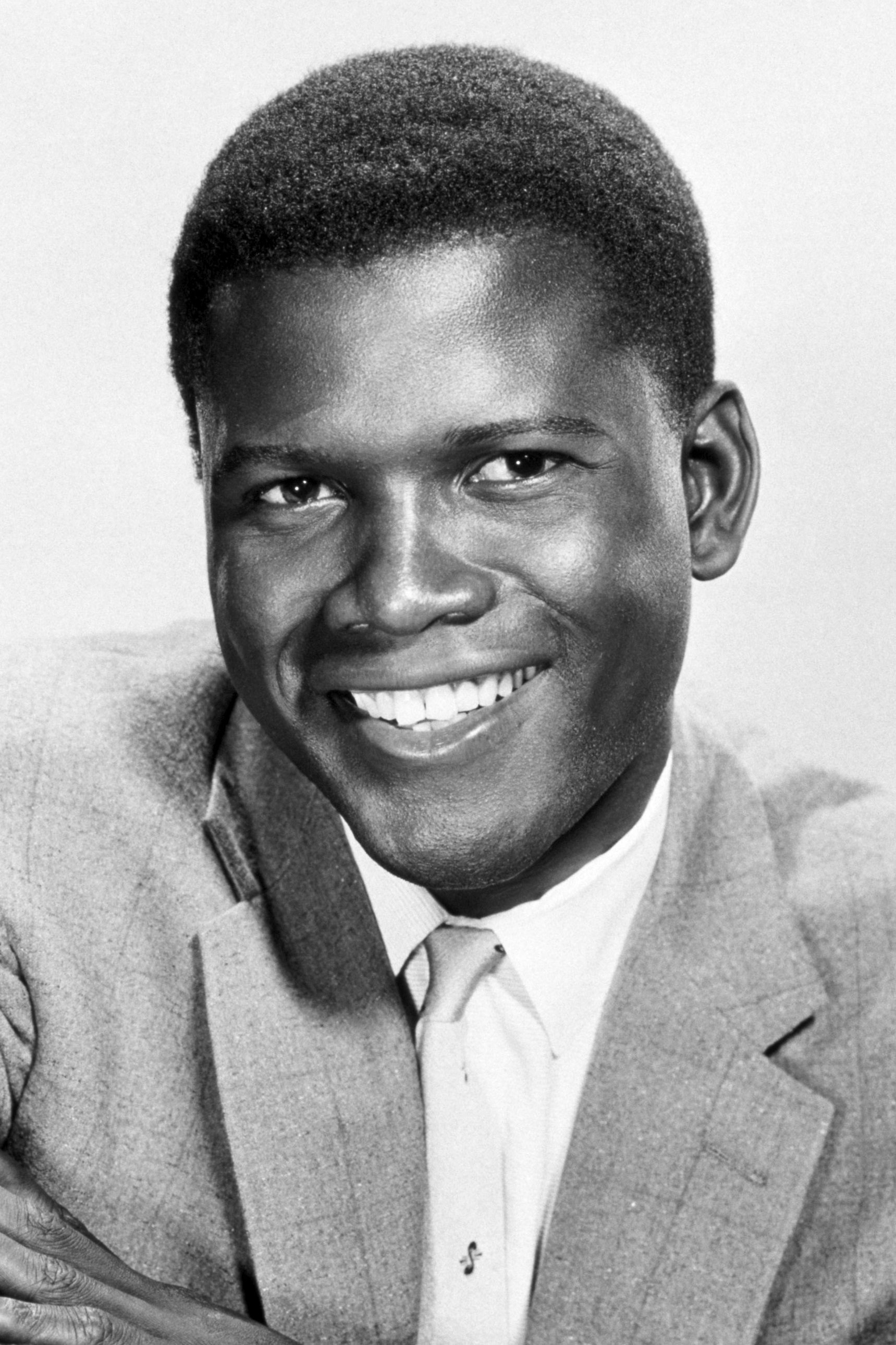
Sidney Poitier became the standard for strong, pioneering Black actors who faced discrimination with poise. Films like ‘In the Heat of the Night’ and ‘Guess Who’s Coming to Dinner’ showcased his characters’ intelligence and strong moral compass. Poitier challenged Hollywood by refusing to play stereotypical, submissive roles, demanding characters who were respected and in control of their own destinies. He left behind a lasting impact, changing how Black men were portrayed on screen with his quiet dignity and grace.
Steve McQueen
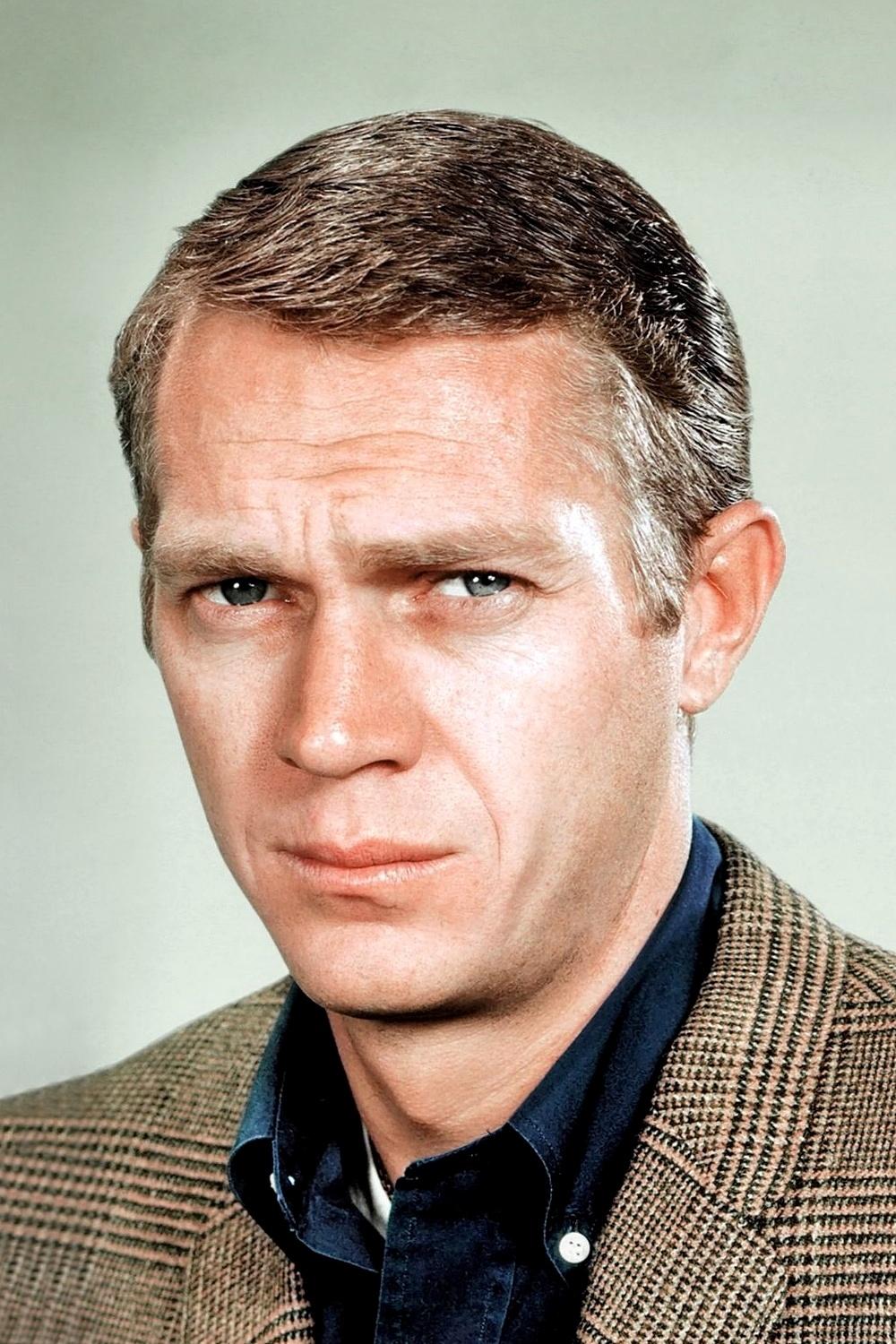
Steve McQueen became known as the epitome of cool and a new kind of hero – one who didn’t rely on charm or talkativeness. He was famous for playing quiet, capable men who let their actions – and impressive driving – do the talking, as seen in films like ‘Bullitt’ and ‘The Great Escape’. McQueen’s detached and rebellious attitude made him a style icon, and his natural charisma allowed him to dominate the screen without saying much at all.
Bruce Lee
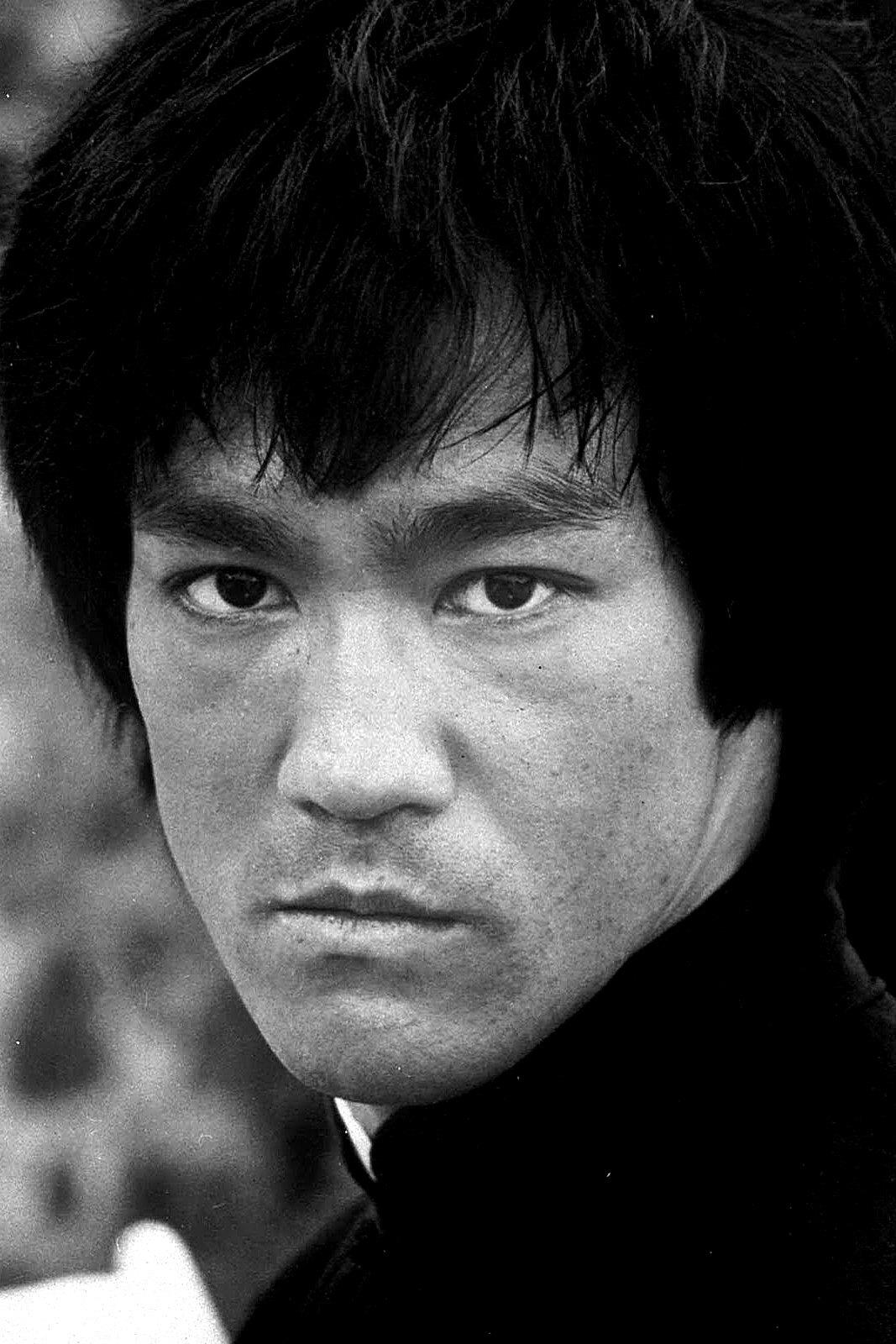
Bruce Lee created the iconic image of the warrior who is both incredibly skilled in combat and deeply spiritual. His films, such as ‘Enter the Dragon,’ popularized martial arts around the world. Lee’s characters often battled against unfairness and wrongdoing, using their physical abilities as powerful tools. He revolutionized action movies by blending Eastern philosophical ideas with dynamic and energetic fight scenes.
Fred Astaire
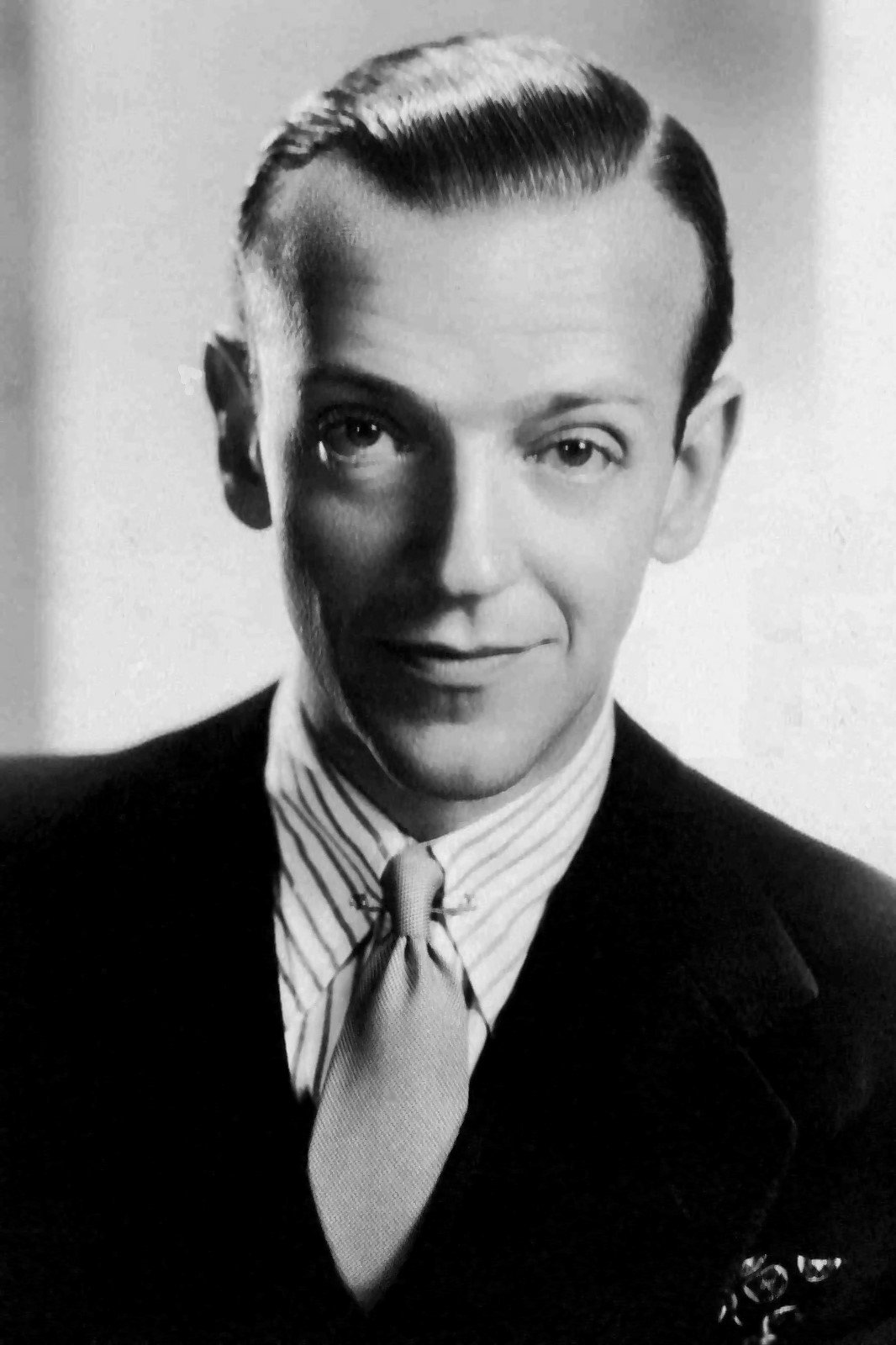
Fred Astaire created the image of the smooth, graceful song-and-dance performer, making difficult moves seem easy. His famous collaborations with Ginger Rogers, like the film ‘Top Hat,’ showcased both his style and his charisma. Astaire also changed movie musicals by demanding that cameras show dancers’ full bodies, preserving the beauty of their choreography. Today, every performer aiming for elegance and accuracy owes a debt to his influence.
Gene Kelly
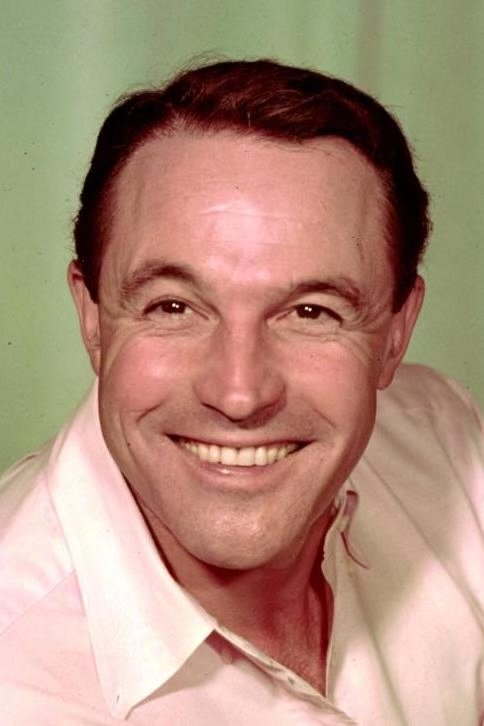
While Fred Astaire was known for elegance, Gene Kelly represented a different kind of dancer – one who was athletic and portrayed working-class characters. He brought a powerful, energetic style to famous films like ‘Singin’ in the Rain’ and ‘An American in Paris’. Kelly often played determined and lively characters, making dance seem relatable and down-to-earth. His focus on fun and energy has inspired many dancers who see dance as a physically demanding art form.
Boris Karloff
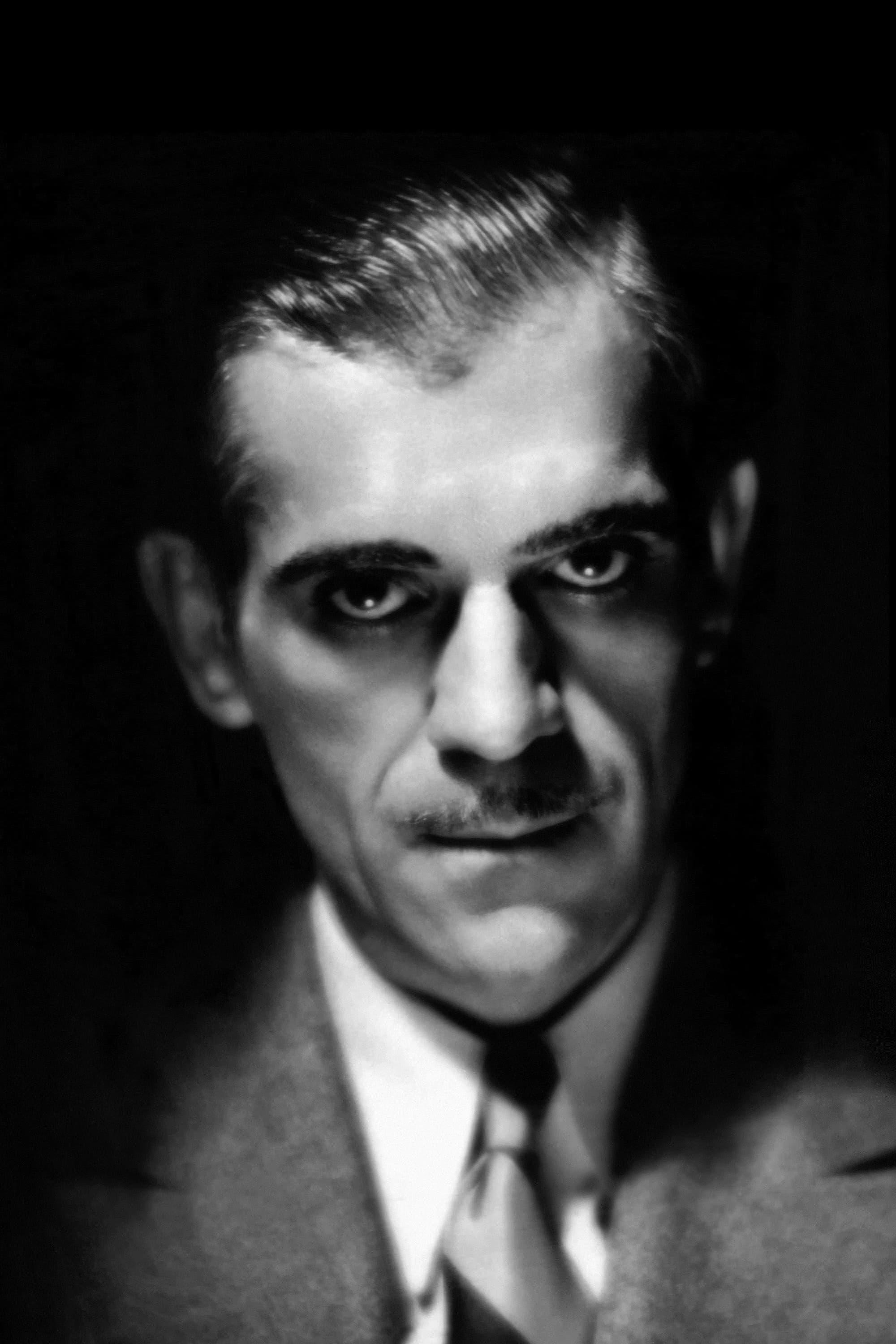
Boris Karloff defined the classic image of the monster who, despite being frightening, makes us feel sorry for him. In his famous role as Frankenstein’s creature, he used makeup and gestures to show the character’s confusion and sadness. Karloff demonstrated that horror characters could be complex and relatable, setting the standard for sympathetic monsters in movies and shows even today.
Bela Lugosi
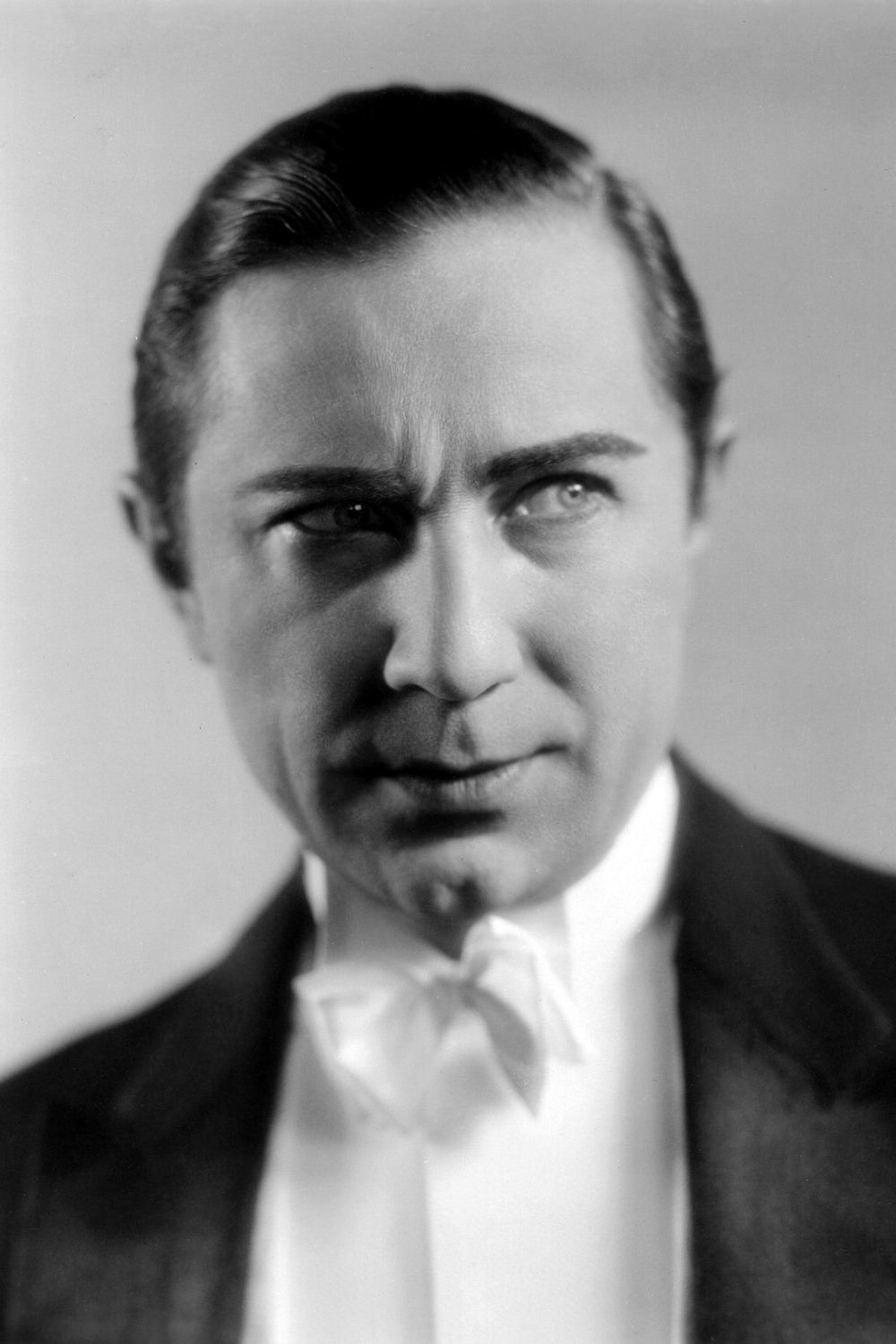
Bela Lugosi created the classic image of the elegant, captivating vampire with his mesmerizing stare and unique way of speaking. His portrayal of Dracula in the 1931 film established how vampires looked and acted for almost a hundred years. Lugosi didn’t just play a monster; he made the vampire charming and dangerous, elevating the creature from a simple nuisance to a truly compelling villain. His performance continues to be the main inspiration for how gothic horror villains are depicted.
James Cagney
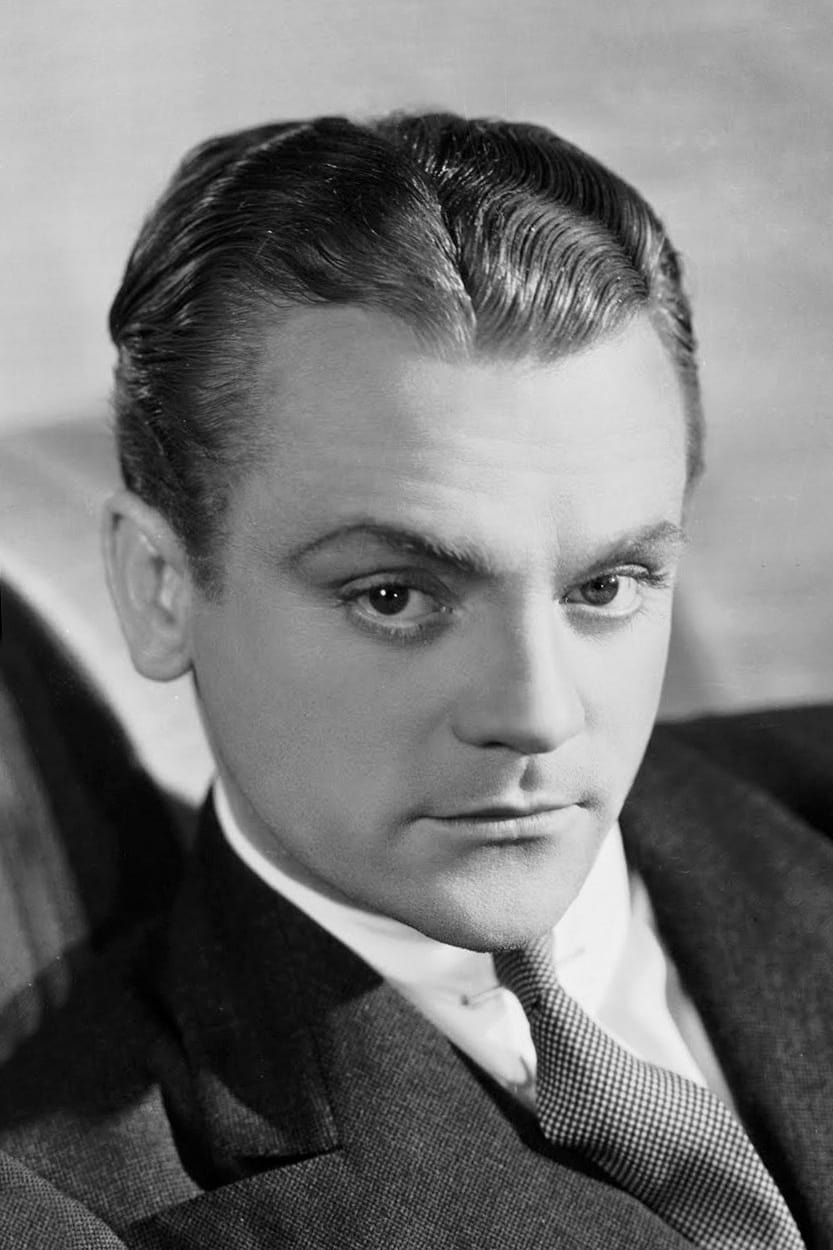
As a classic movie fan, I’ve always thought James Cagney defined the gangster archetype. He basically created the mold for that fast-talking, ambitious criminal who ultimately crashes and burns. Seriously, films like ‘The Public Enemy’ and ‘White Heat’ just crackled with his energy – he always played these incredibly volatile characters. What’s really cool is he was a dancer, and that training gave his tough-guy roles this amazing, unique physicality and rhythm. He perfected the story of the underdog fighting his way up, only to fall spectacularly – it’s a pattern you see in so many mob movies, and he really set the standard.
Errol Flynn
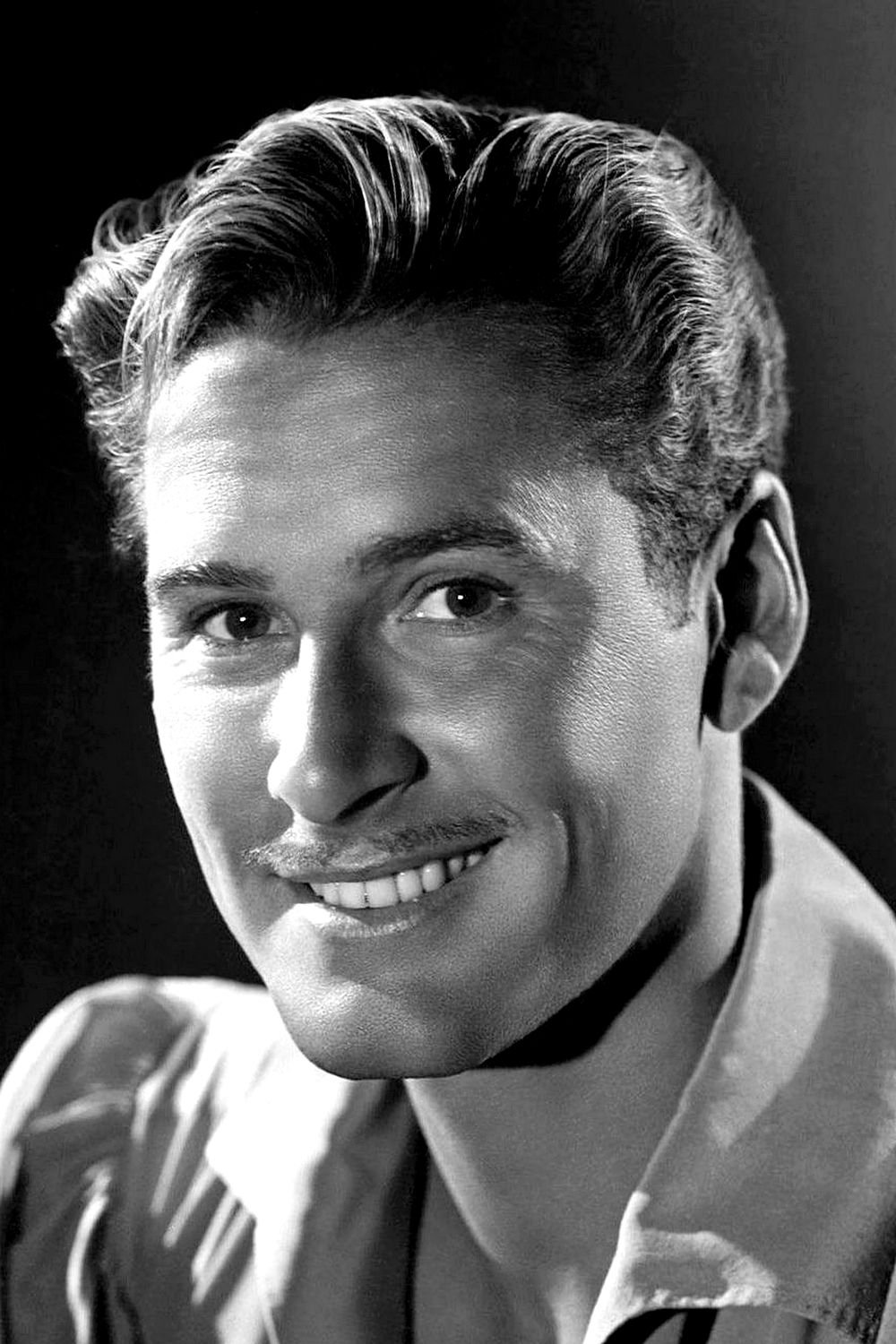
As a movie fan, I’ve always thought Errol Flynn defined the classic swashbuckler. He wasn’t just a fighter, he was charming and seemed to genuinely enjoy the adventure – think Robin Hood or Captain Blood. He did his own stunts and those sword fights were incredible! He brought this playful energy to the hero role, being both athletic and incredibly romantic. Honestly, you can still see his influence in so many action movies today – that sense of joyful adventure really comes from him.
Gregory Peck

Gregory Peck became the standard for actors playing characters with strong moral principles, often acting as the voice of conscience within a story. He’s best known for his Academy Award-winning performance as Atticus Finch in ‘To Kill a Mockingbird,’ a role that perfectly embodies honesty and wise fatherhood. Peck’s naturally commanding presence, thanks to his deep voice and calm manner, made him particularly suited to playing leaders and professionals dedicated to fairness and doing what’s right.
Paul Newman
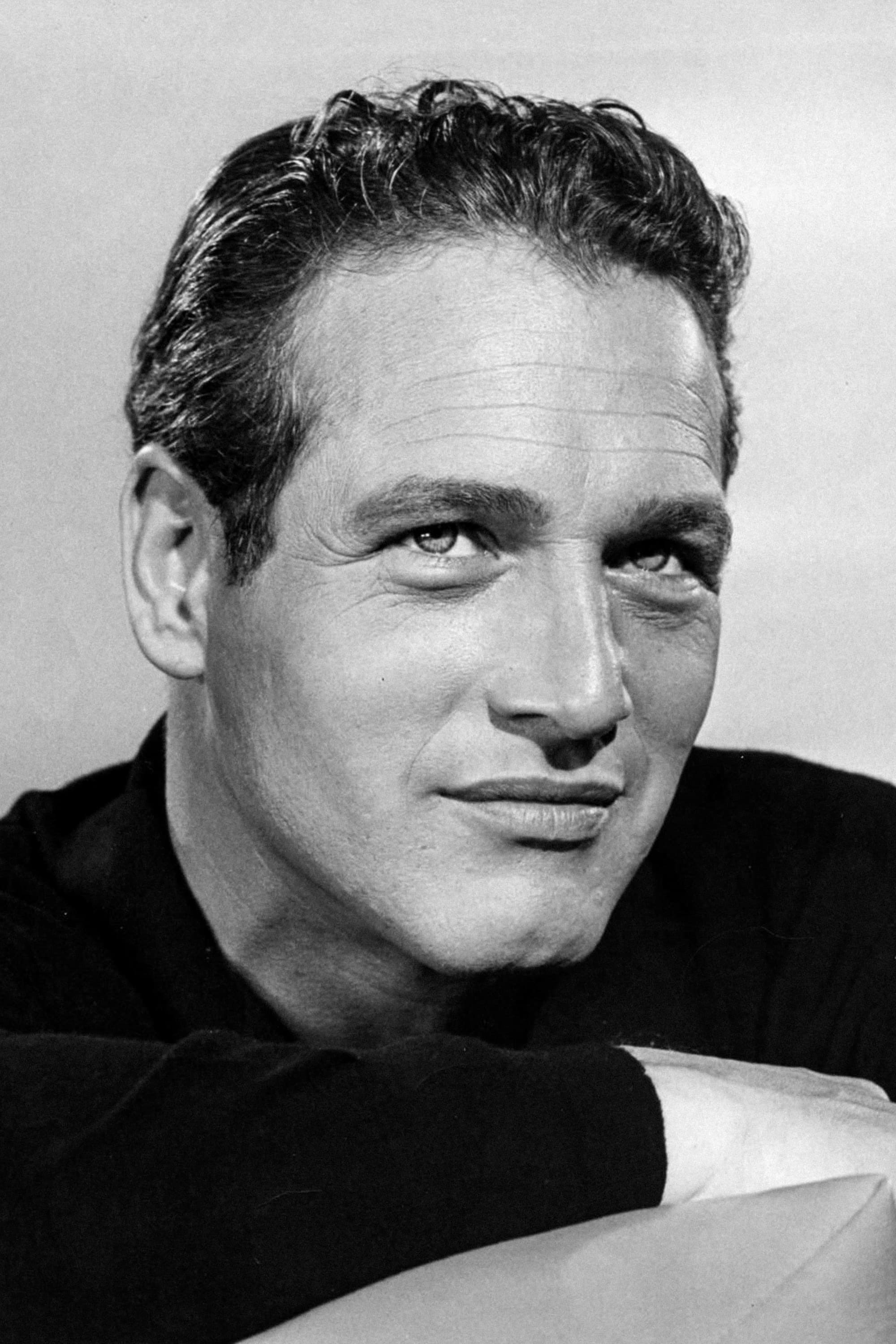
As a film critic, I’ve always felt Paul Newman defined a very specific type of character: the effortlessly charming rogue. He basically created the blueprint for the guy who gets by on quick wit and, let’s be honest, those incredible blue eyes. Think about ‘The Hustler’ or ‘Cool Hand Luke’ – he always played this rebellious spirit, someone who just couldn’t be told what to do. But what really set Newman apart was that he always showed a vulnerability beneath that confidence. He played flawed characters, guys who made bad decisions, but he made you root for them anyway. That’s his lasting legacy, really – those beautifully flawed protagonists who completely win you over.
Rudolph Valentino
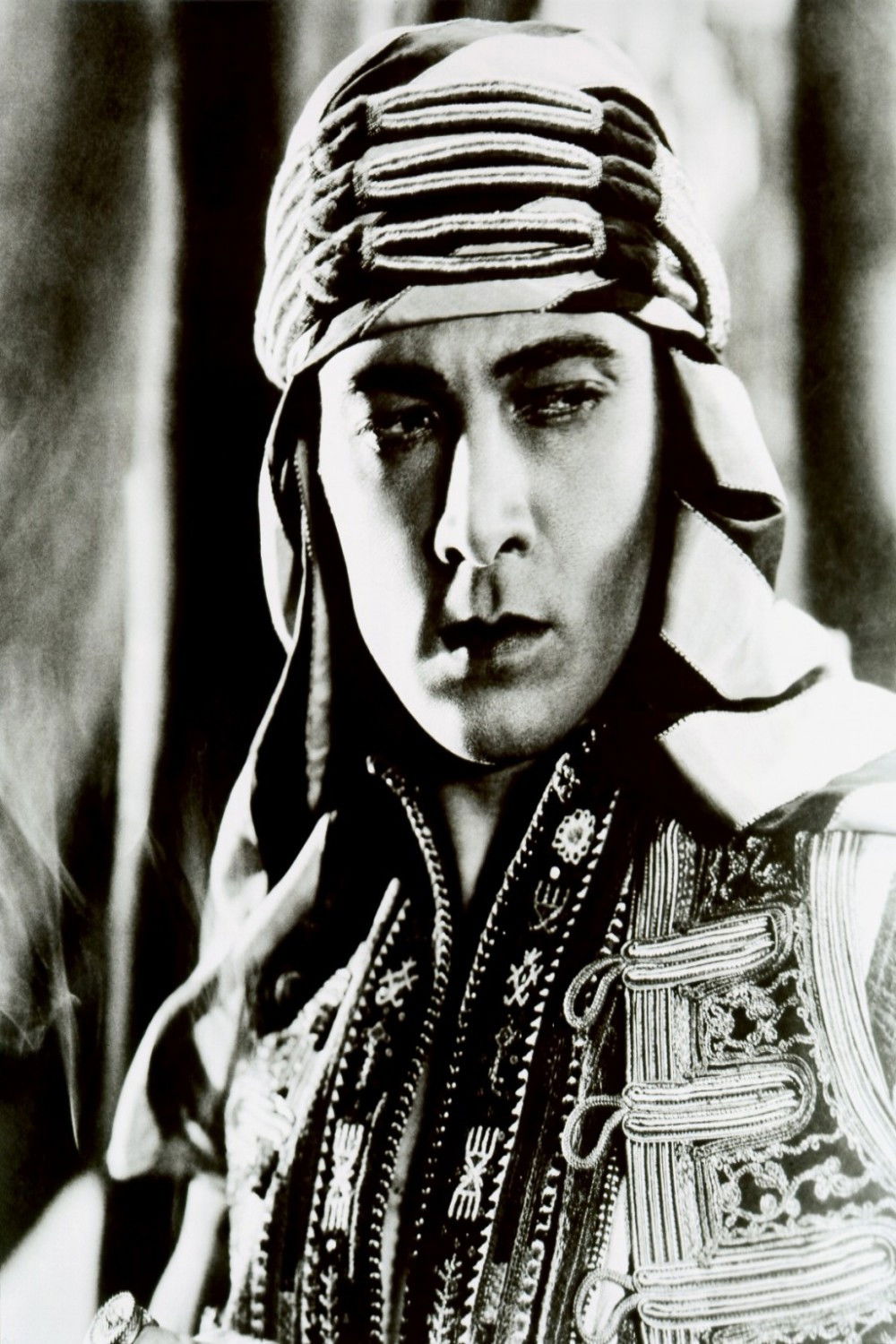
Rudolph Valentino was the first major movie star to embody the ‘Latin Lover’ – a passionate, captivating figure who drove fans wild. He became famous in silent films like ‘The Sheik,’ where his powerful presence and exotic charm set the standard for on-screen romance. Unlike the typical, all-American heroes of the era, Valentino projected a dangerous and alluring appeal. His untimely death only strengthened his legendary status as the ultimate cinematic heartthrob.
Groucho Marx
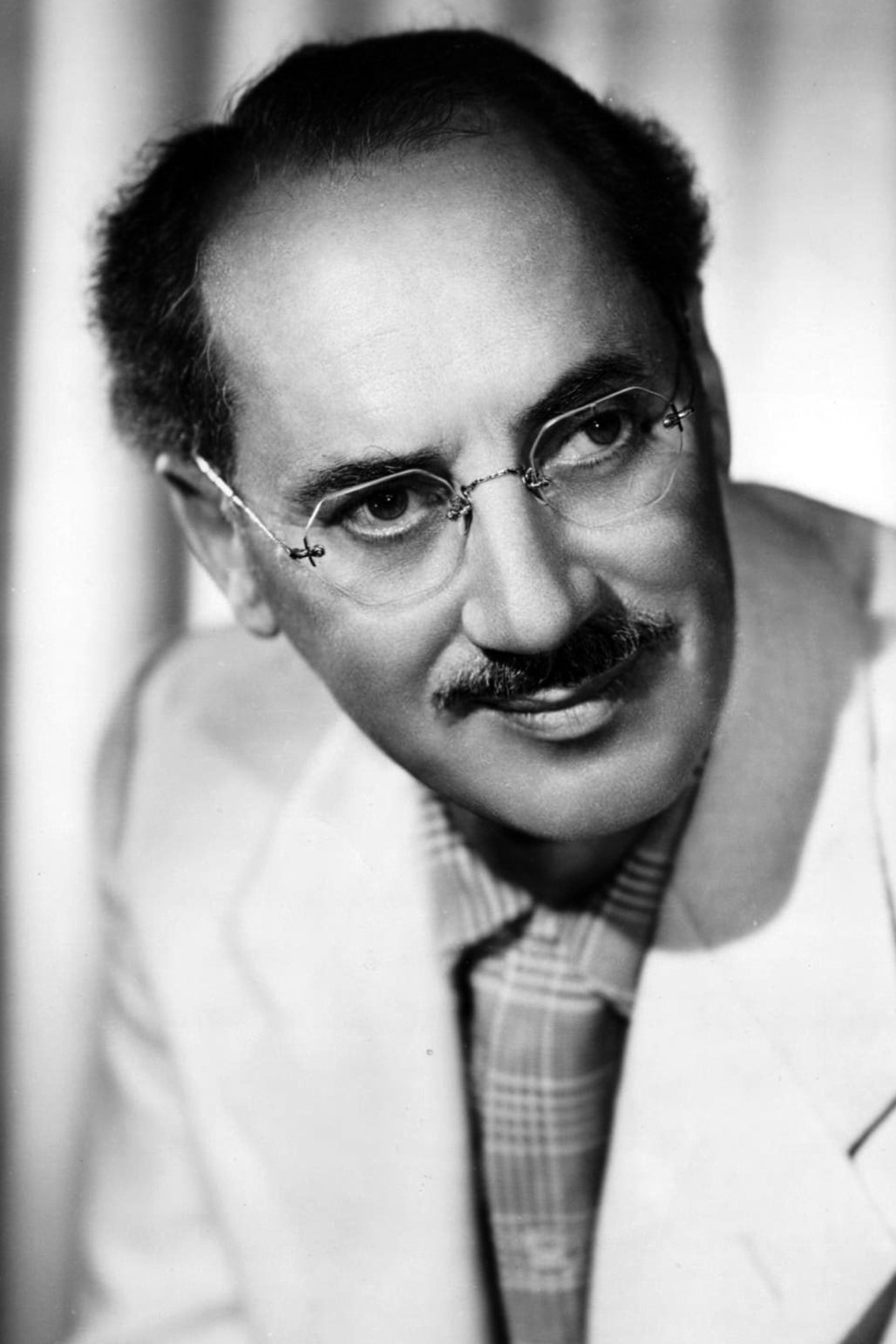
Groucho Marx was the original rebellious comedian who used clever wordplay to challenge society’s rules. Best known as the leader of the Marx Brothers in films like ‘Duck Soup’, he famously used jokes, playful insults, and fast-paced conversations to playfully undermine those in power. His iconic look – a painted-on mustache and hunched posture – quickly became a symbol of comedy. Groucho essentially created the model for the sarcastic, quick-witted characters we see in today’s sitcoms and stand-up routines.
Peter Sellers
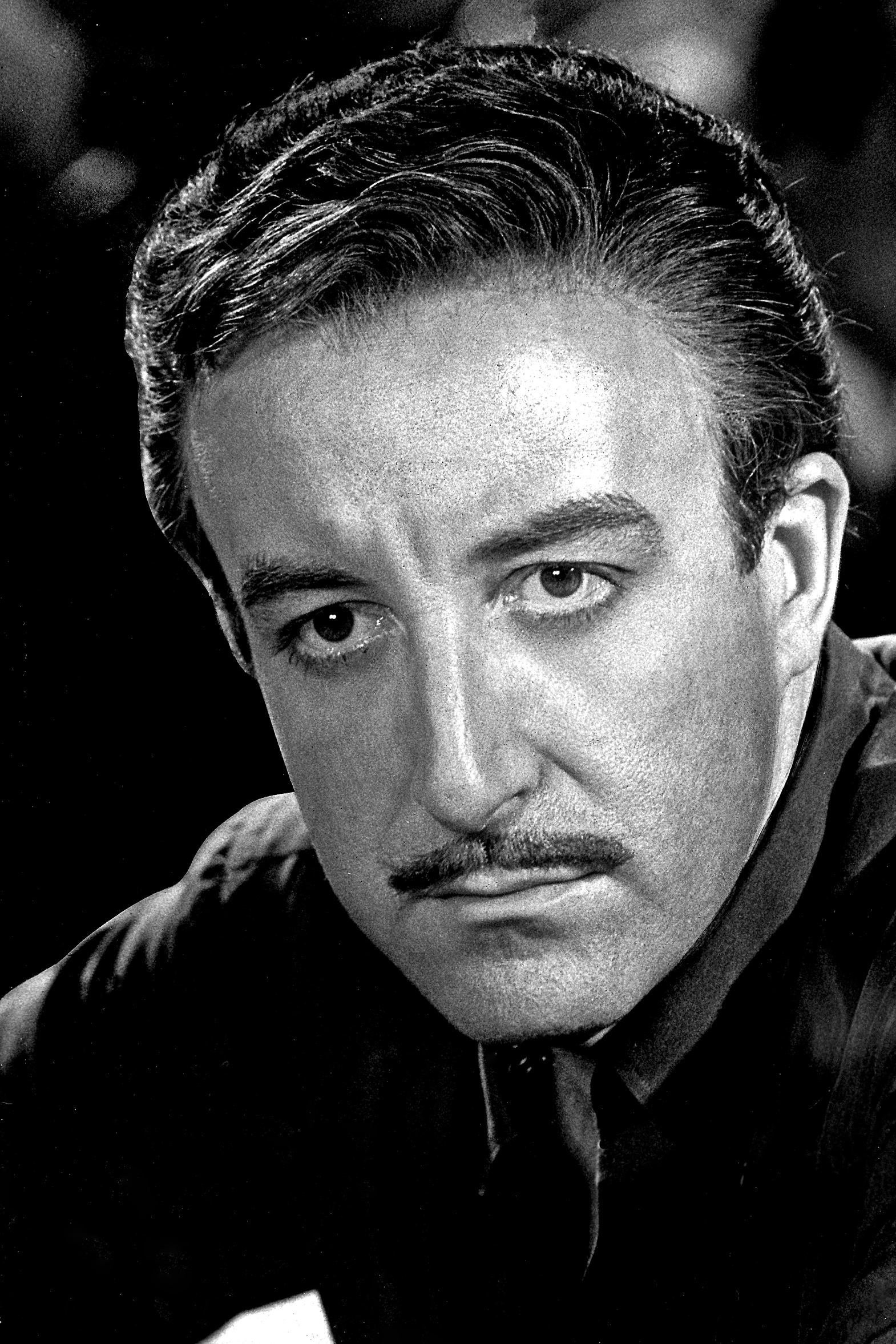
Peter Sellers became known as a master of disguise, completely transforming himself for every role. He’s famous for playing three different characters in ‘Dr. Strangelove’ and the clumsy Inspector Clouseau in ‘The Pink Panther’. Sellers used things like accents, makeup, and unique movements to create completely separate and believable characters, showing just how far comedic acting could go.
Spencer Tracy
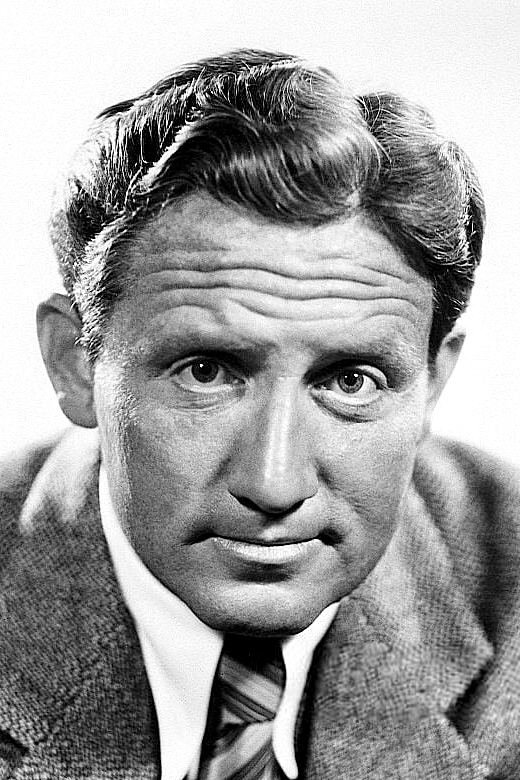
Spencer Tracy was famous for playing believable, down-to-earth characters, bringing a natural quality to his roles. Fellow actors admired him for his ability to truly listen and react authentically, as seen in films like ‘Inherit the Wind.’ He preferred a subtle, conversational acting style over showy displays, making his characters feel incredibly real. His collaborations with Katharine Hepburn often highlighted his talent for playing a stable, grounded character alongside a more dynamic partner.
Henry Fonda
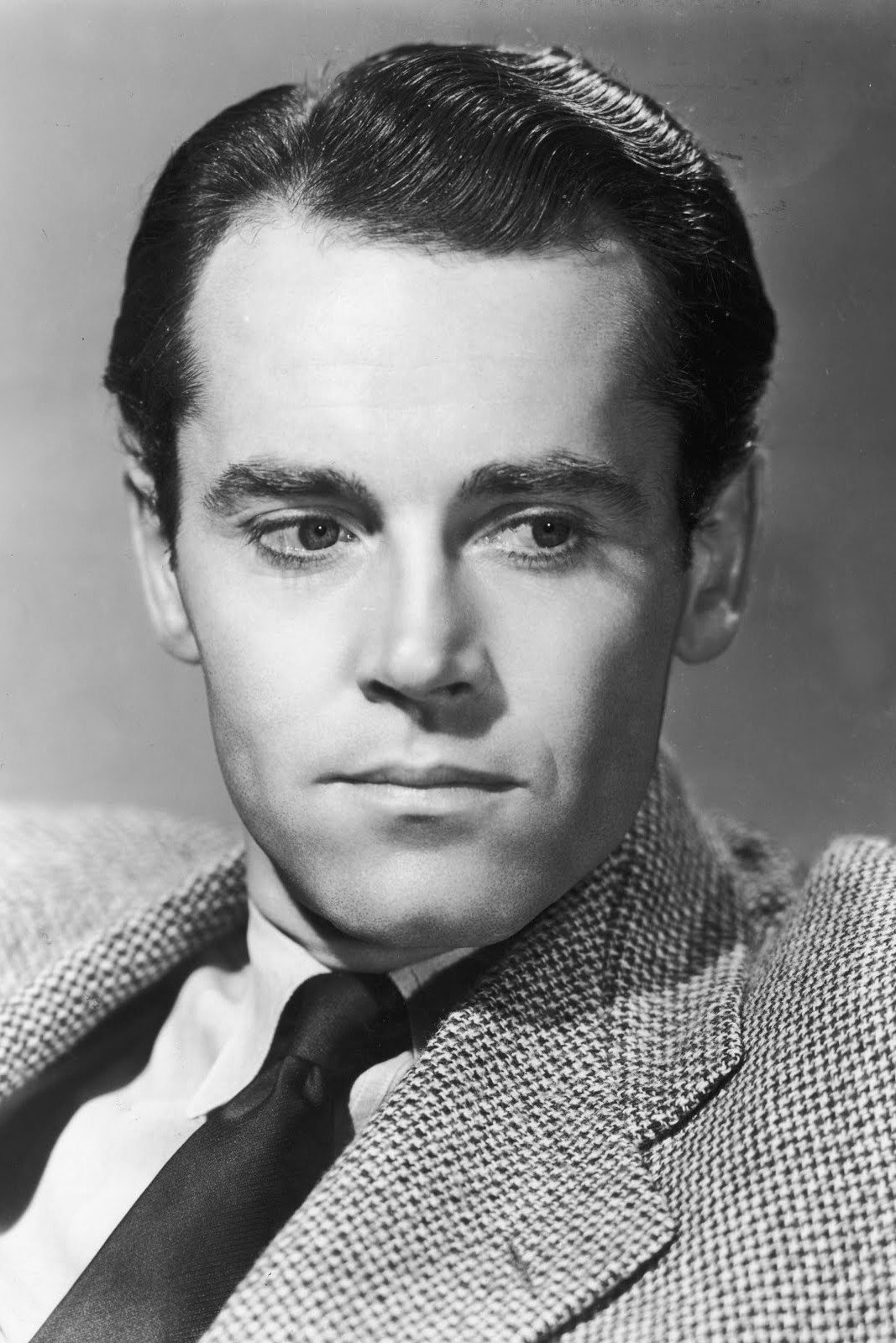
Henry Fonda was known for playing characters with strong morals and a calm, determined spirit. His performance in ’12 Angry Men’ perfectly demonstrated how one reasonable person can challenge strong emotions and sway others. Fonda frequently portrayed characters who didn’t rush to judgment but firmly believed in what was right. This image of a gentle, yet unwavering advocate for truth is common in legal and political stories.
Gary Cooper
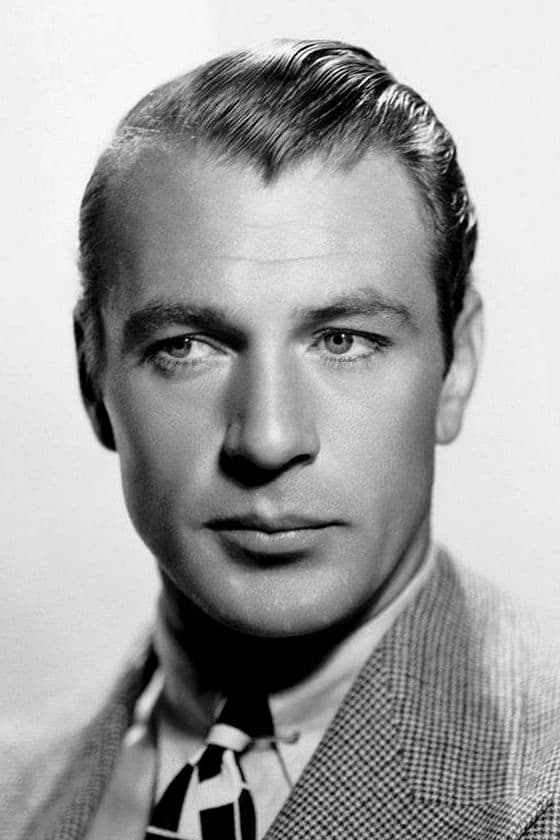
Gary Cooper created the classic image of a hero who doesn’t seek out conflict but rises to the occasion when he must. In the film ‘High Noon’, he portrayed a marshal forced to confront a dangerous gang on his own, driven by his strong sense of duty. Cooper’s quiet, unassuming nature made his courageous actions even more powerful. He embodies the common person who discovers bravery not through a wish for glory, but because the situation demands it.
Montgomery Clift

Montgomery Clift became known for portraying deeply emotional and troubled characters, openly displaying their feelings. He was a pioneer in bringing psychological realism to film, notably in ‘A Place in the Sun’, where he played characters struggling with inner conflict and fragility. Clift’s powerful and thoughtful acting style helped transition cinema from the traditional to the more naturalistic approach of method acting.
Richard Burton

Richard Burton became the defining example of a passionate, intense actor with a powerfully captivating voice. He infused even contemporary film roles, such as in ‘Who’s Afraid of Virginia Woolf?’, with the dramatic flair of Shakespearean performance. Known for his deep intensity and explosive delivery, Burton embodied an actor who brought both a sense of risk and the discipline of classical training to everything he did.
Laurence Olivier
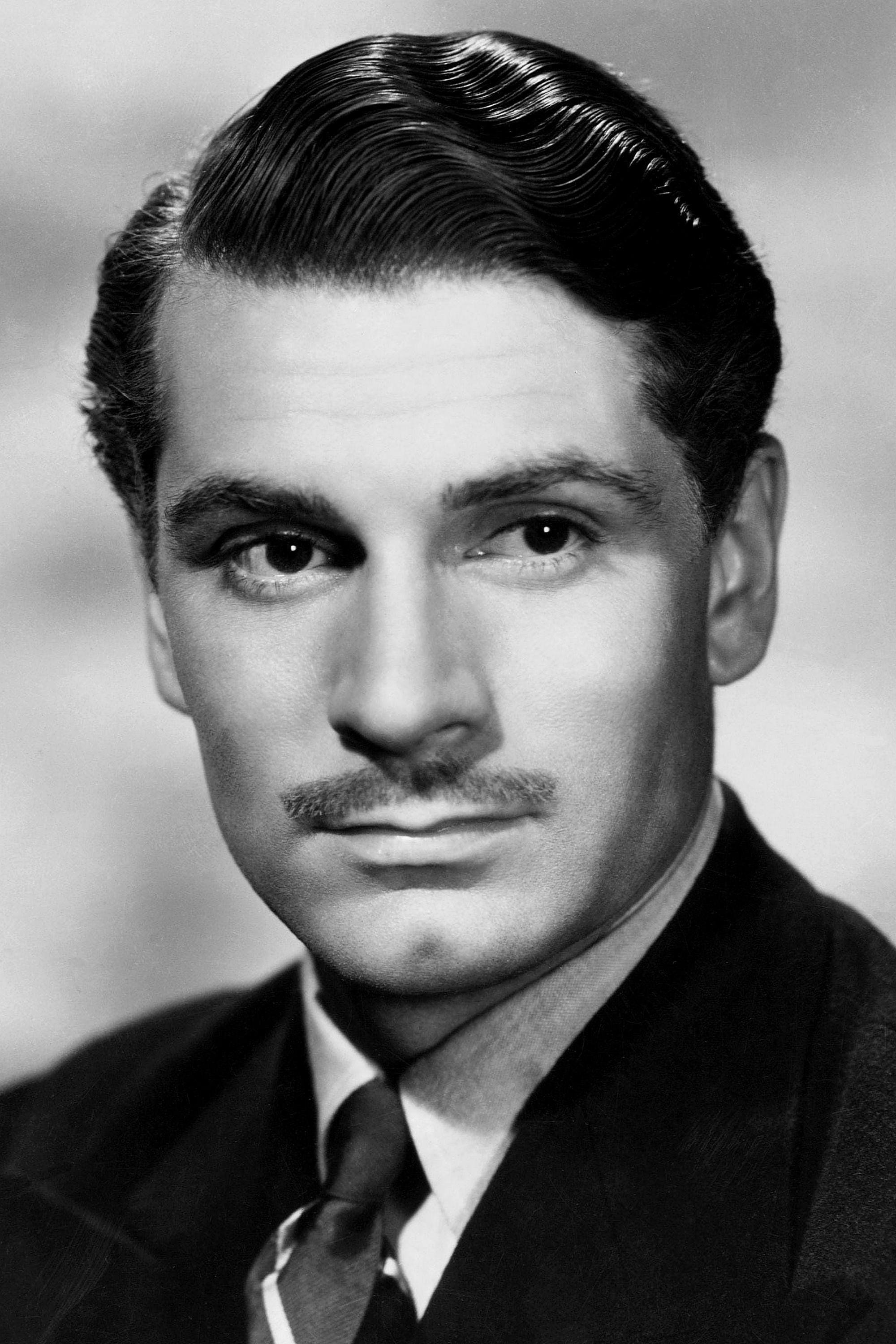
Laurence Olivier became the standard for classically trained actors, demonstrating complete control over the craft of acting. Many consider him the best actor of the 20th century, largely due to his memorable performances in plays like ‘Hamlet’ and ‘Henry V’. He was remarkably versatile, easily transforming his voice and look to perfectly fit each role. Olivier’s career set the benchmark for successful British actors who excelled on both stage and in film.
Alec Guinness
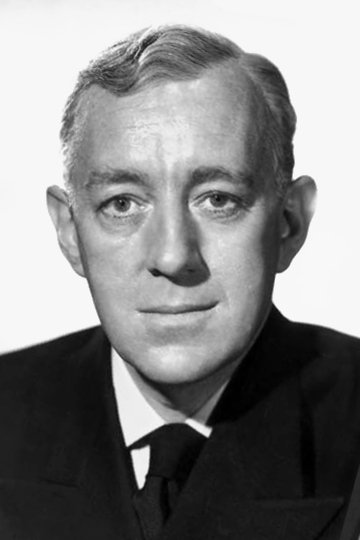
Alec Guinness became the standard for how wise mentors and mysterious masters are portrayed. Though he won an Academy Award for ‘The Bridge on the River Kwai,’ many now remember him most as Obi-Wan Kenobi from ‘Star Wars.’ Guinness consistently brought a sense of seriousness and intrigue to his characters, hinting at vast, hidden knowledge. He essentially created the model for the older, guiding figure we often see in science fiction and fantasy stories.
Peter O’Toole
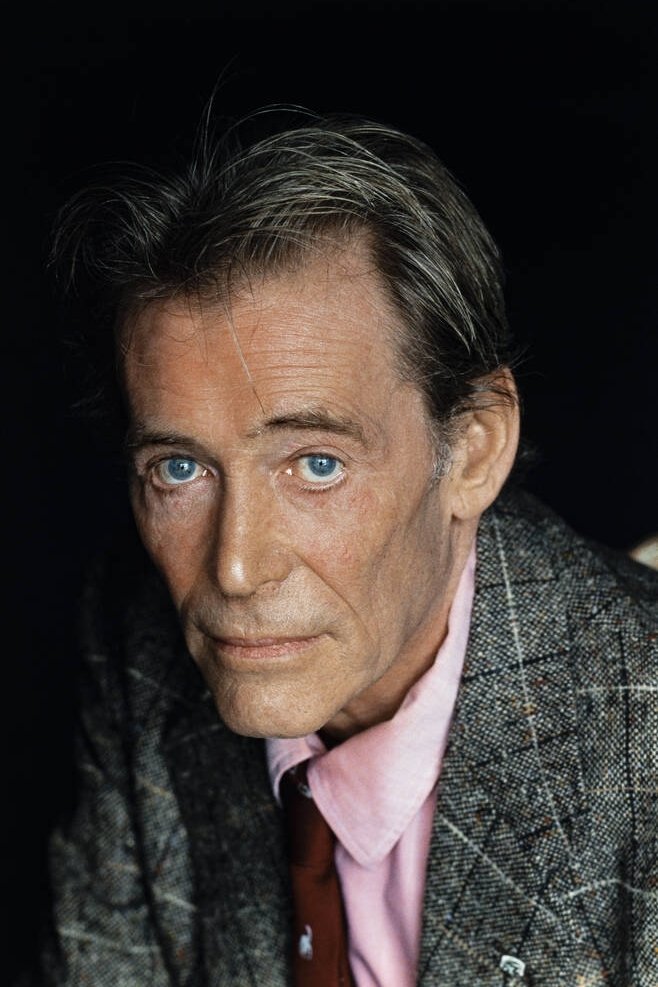
Peter O’Toole became the original model for the brilliant but troubled dreamer. He famously portrayed this type of character in ‘Lawrence of Arabia’, showing a man motivated by a powerful vision others didn’t understand. O’Toole had a captivating and unpredictable presence, with striking blue eyes that showed a burning passion. He was particularly skilled at playing grand, unforgettable characters who were eventually destroyed by their own self-created legends.
Robin Williams
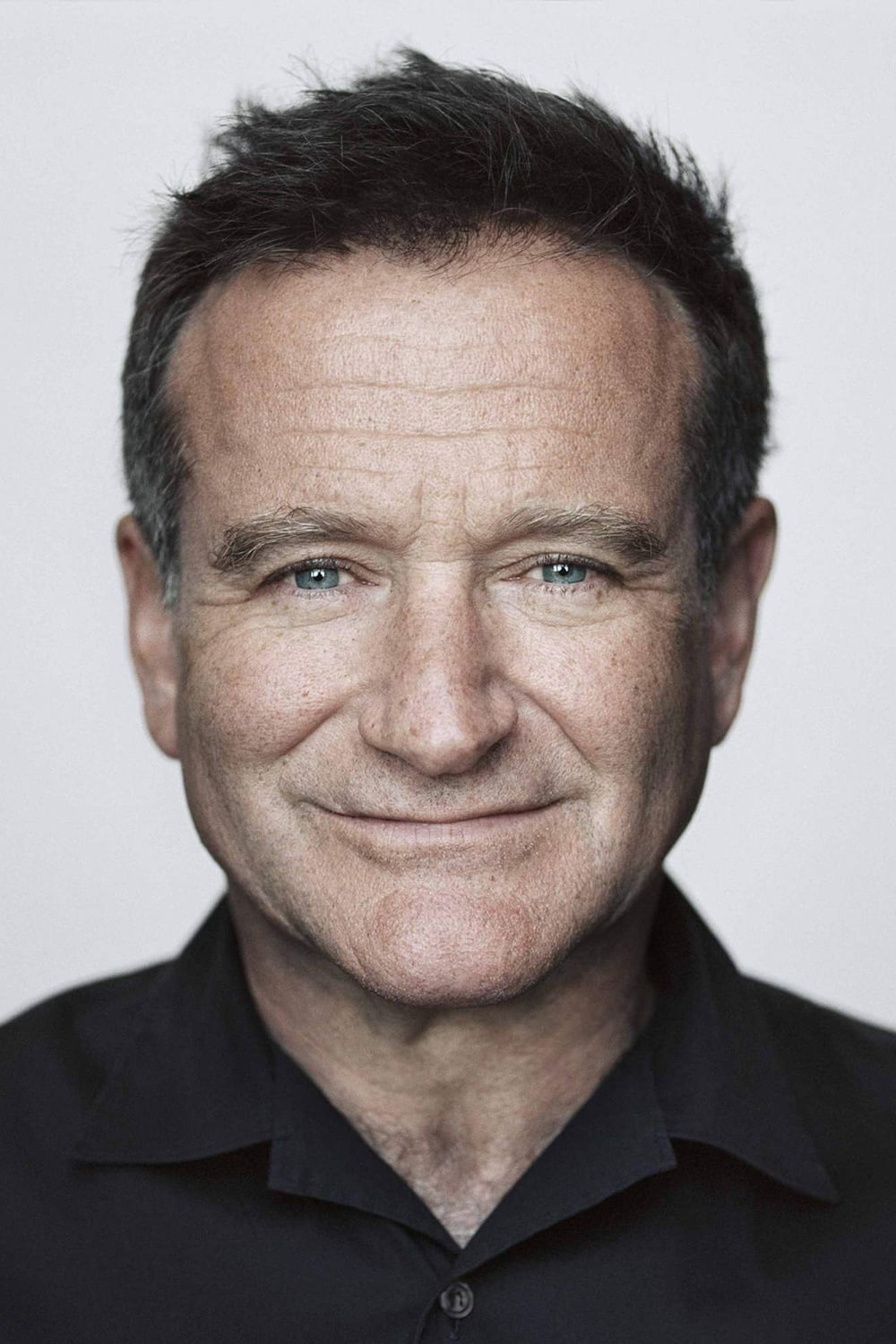
Robin Williams became the standard for fast-paced, improvisational comedy, seamlessly moving between hilarious and heartbreaking moments. Movies like ‘Good Morning, Vietnam’ and ‘Aladdin’ demonstrated his incredibly quick wit and ability to think beyond the written lines. He used humor both to protect himself and to connect with audiences, creating characters that were funny and deeply relatable. His innovative style continues to inspire comedians who build their acts around energetic, free-flowing thoughts.
Christopher Lee
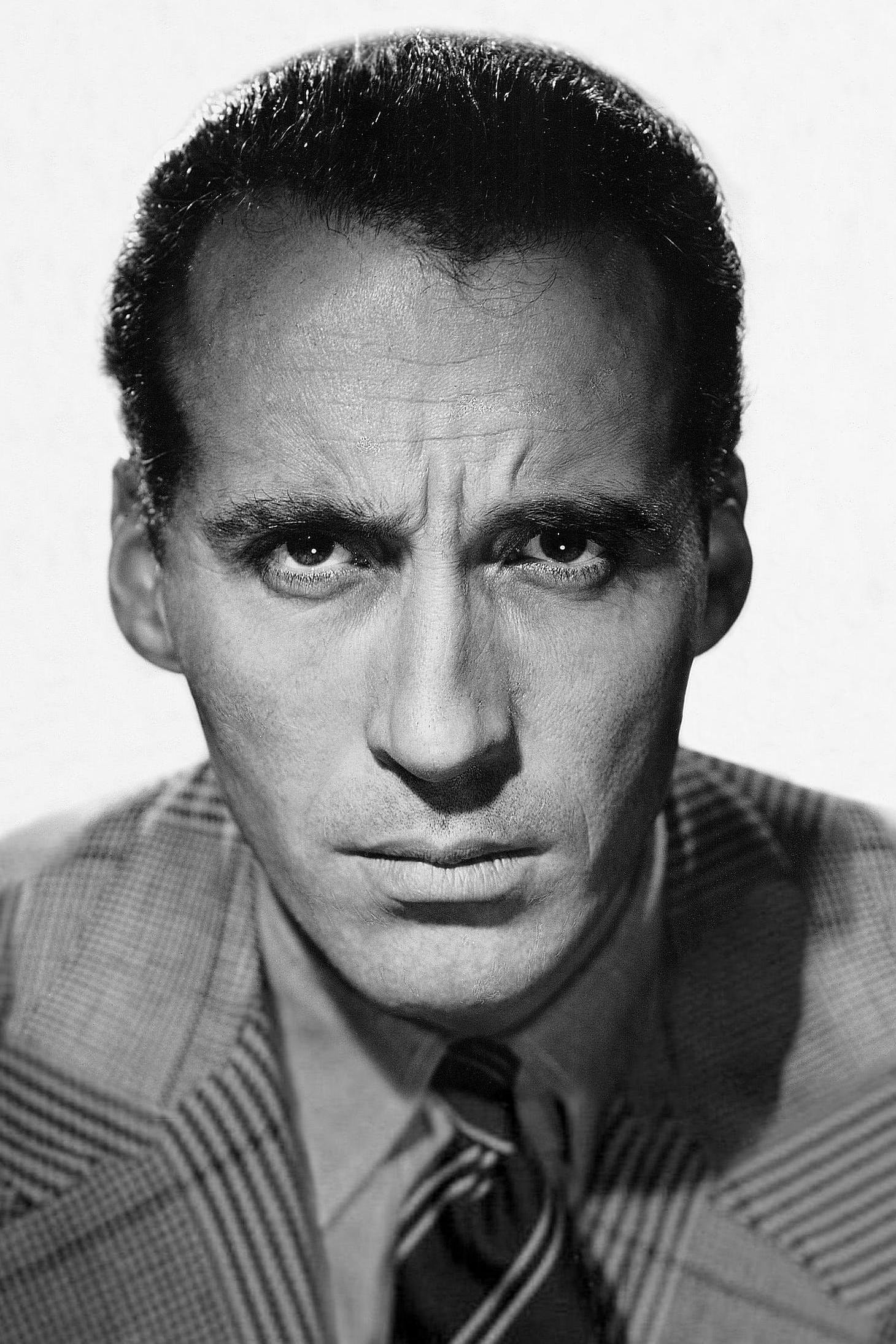
Christopher Lee became the standard for how to portray a powerful and refined villain. His height and distinctive deep voice made him perfect for roles like Count Dooku, Saruman, and Dracula. He didn’t just play evil characters; he brought a sense of noble bearing and intelligence to them, making them truly threatening. Lee demonstrated that villains could be sophisticated and classy, proving it’s possible to be a compelling ‘bad guy’ with style.
Vincent Price
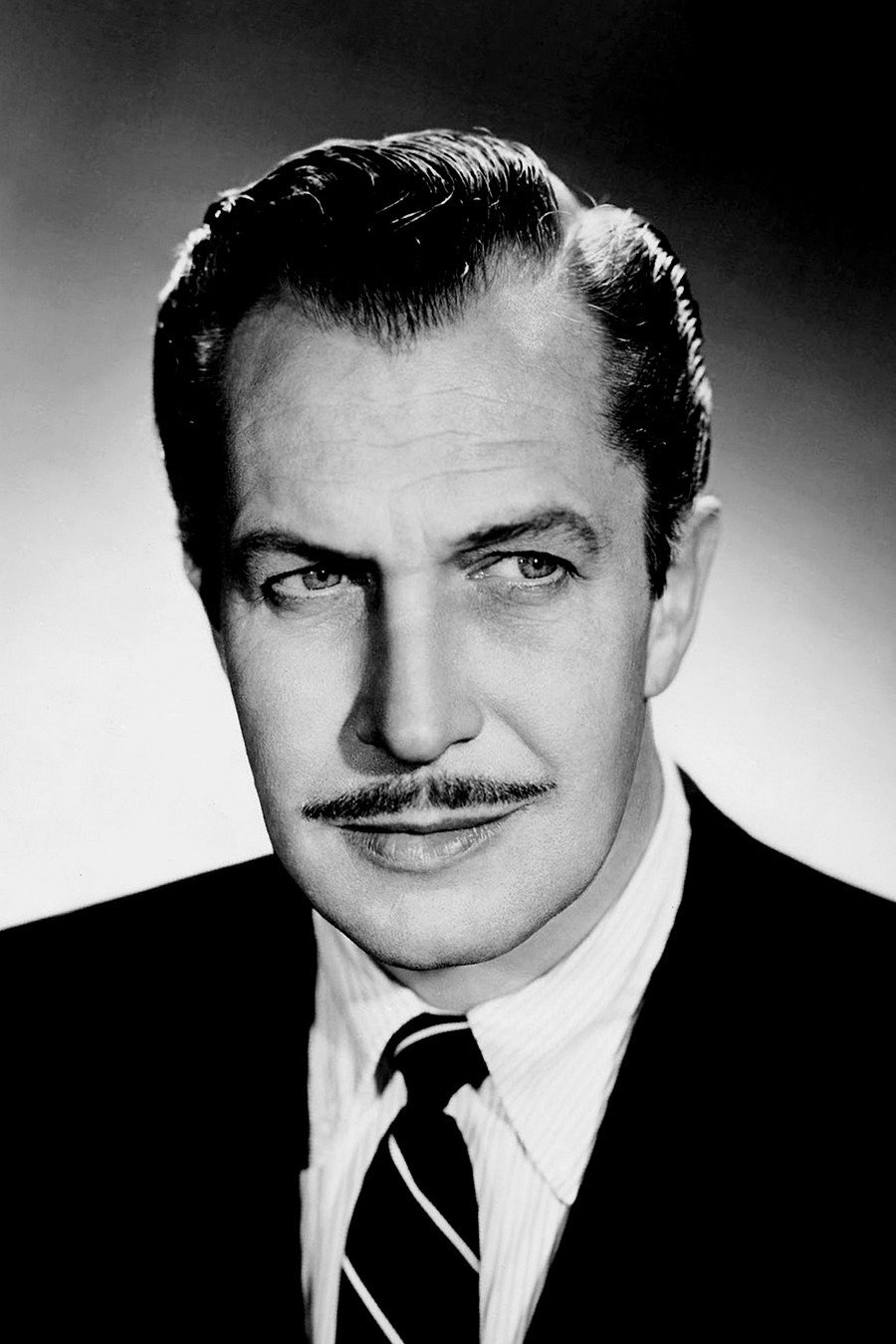
Vincent Price became the original model for the playfully spooky horror star, someone who loved all things dark and unsettling. He was famous for his roles in movies based on Edgar Allan Poe’s stories, often playing troubled nobles or eccentric scientists. Price had a unique voice and a dramatic style that made him both frightening and funny. He’s still strongly associated with a particular, glamorous type of gothic horror.
Edward G. Robinson
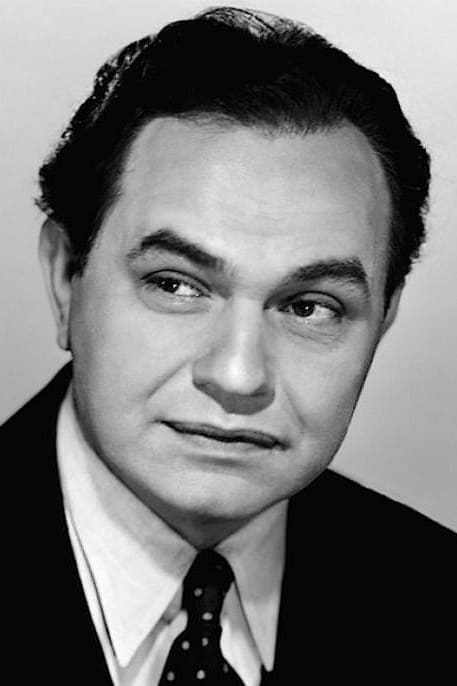
Edward G. Robinson essentially invented the classic image of the cold, demanding crime boss. His portrayal of Rico in the film ‘Little Caesar’ became the standard for how gangsters were depicted – often snarling and chewing on cigars. Despite being a relatively small man, Robinson could appear incredibly threatening. He’s still considered the most iconic example of a powerful, ruthless gangster from the Prohibition era.
William Holden
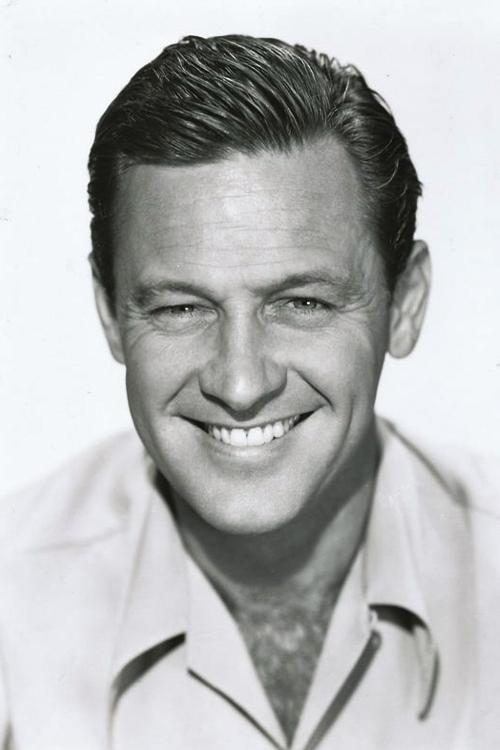
William Holden became known for playing characters who were initially self-centered and cynical, but ultimately discovered their moral compass. Films like ‘Stalag 17’ and ‘Sunset Boulevard’ showcased his ability to portray jaded individuals focused on their own survival. Holden updated the traditional leading man by embracing flawed and sometimes unlikeable characters, making their eventual redemption feel genuine and well-deserved.
Rock Hudson
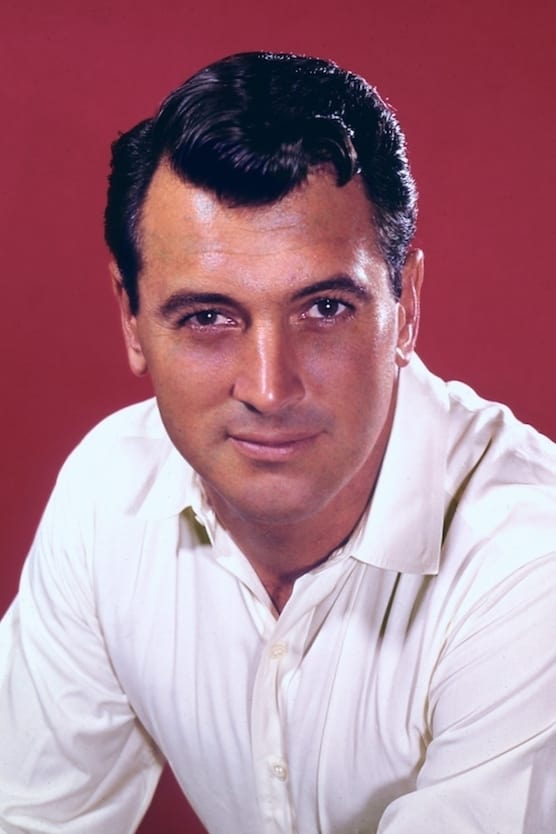
I always thought Rock Hudson was the ultimate movie star. He just was the handsome leading man, the kind you dreamed about! He and Doris Day made some incredibly charming, glamorous comedies together, and it was clear they were using his looks and personality to their full advantage. To me, he really embodied what people thought of as the perfect American man back in the 50s – tall, good-looking, and someone who always seemed like he’d take care of you. Everything about his on-screen image felt carefully crafted to give audiences a little bit of romantic escape.
Frank Sinatra
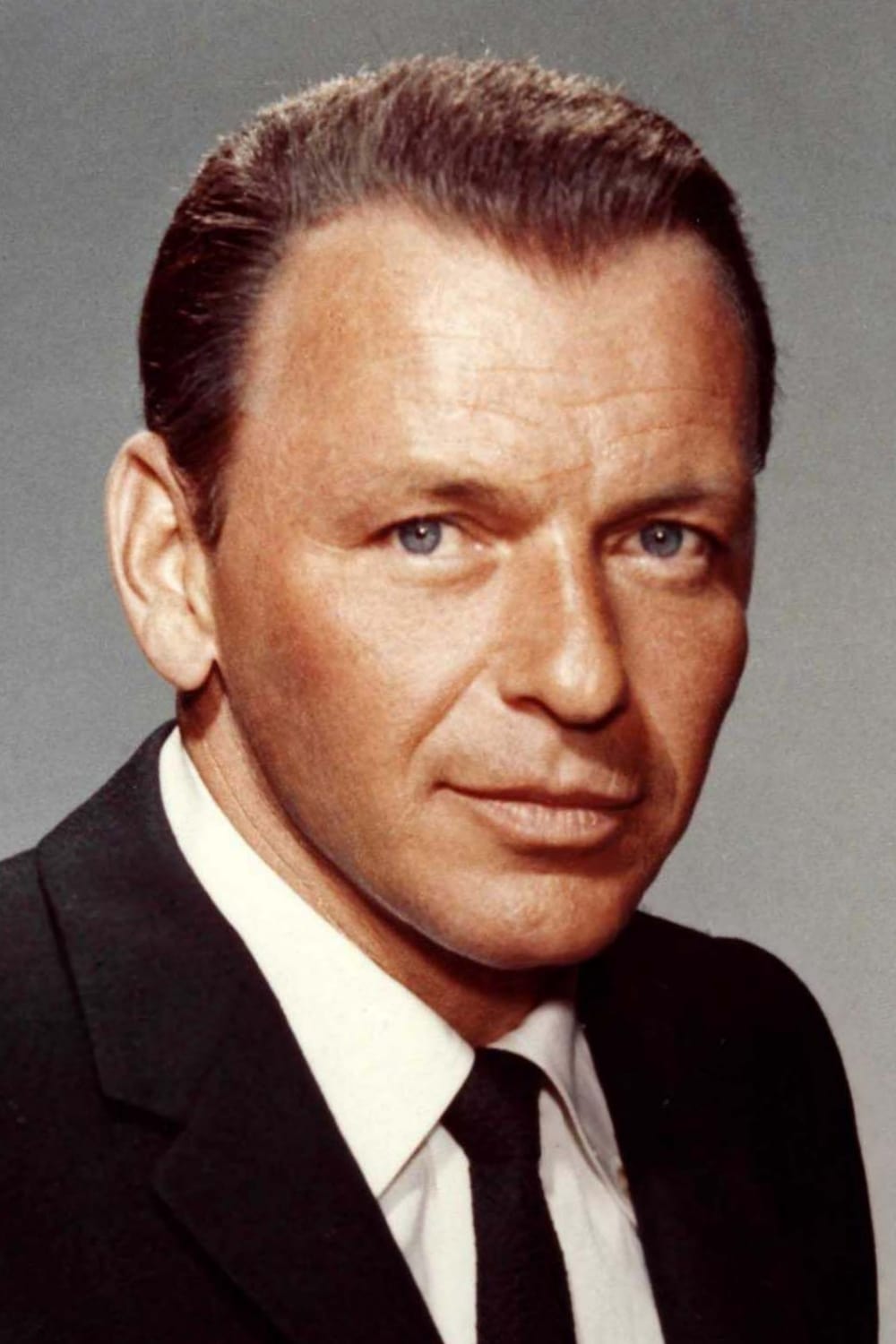
Frank Sinatra wasn’t just a singer; he created the image of the confident performer who was also a bit of a tough guy. His acting role in ‘From Here to Eternity,’ for which he won an Oscar, showed he could convincingly play a street-smart, strong character. Sinatra’s confident and slightly dangerous persona came from his reputation outside of music, blending the worlds of glamorous entertainment and raw toughness.
Kirk Douglas
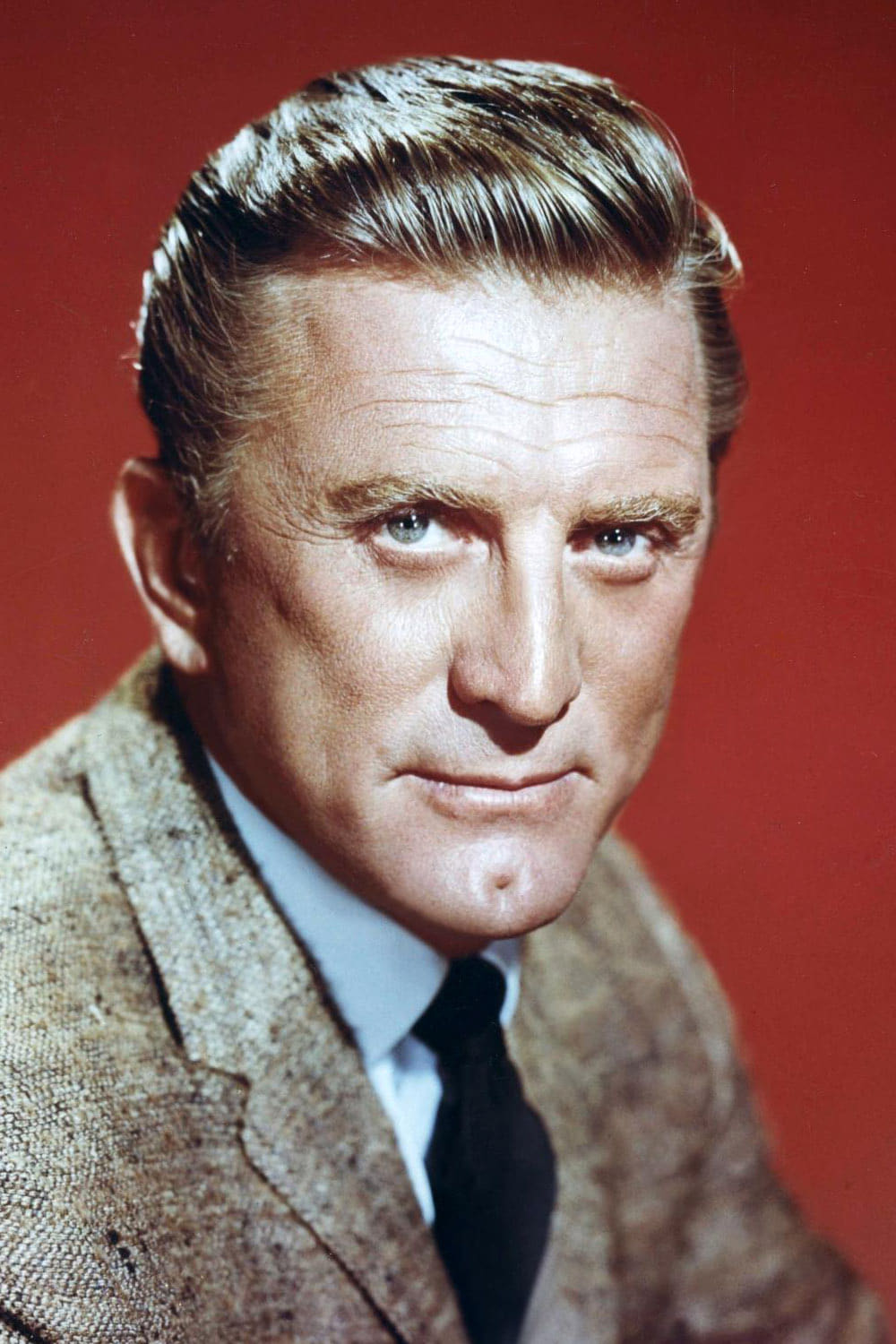
Kirk Douglas created the classic image of the strong, rebellious leading man who challenges authority. He was famous for his determined look and powerful performances in movies like ‘Spartacus’ and ‘Paths of Glory’. Douglas often played characters motivated by a strong need for fairness or simply to survive. He brought a raw, intense energy to his roles that captivated audiences.
Burt Lancaster
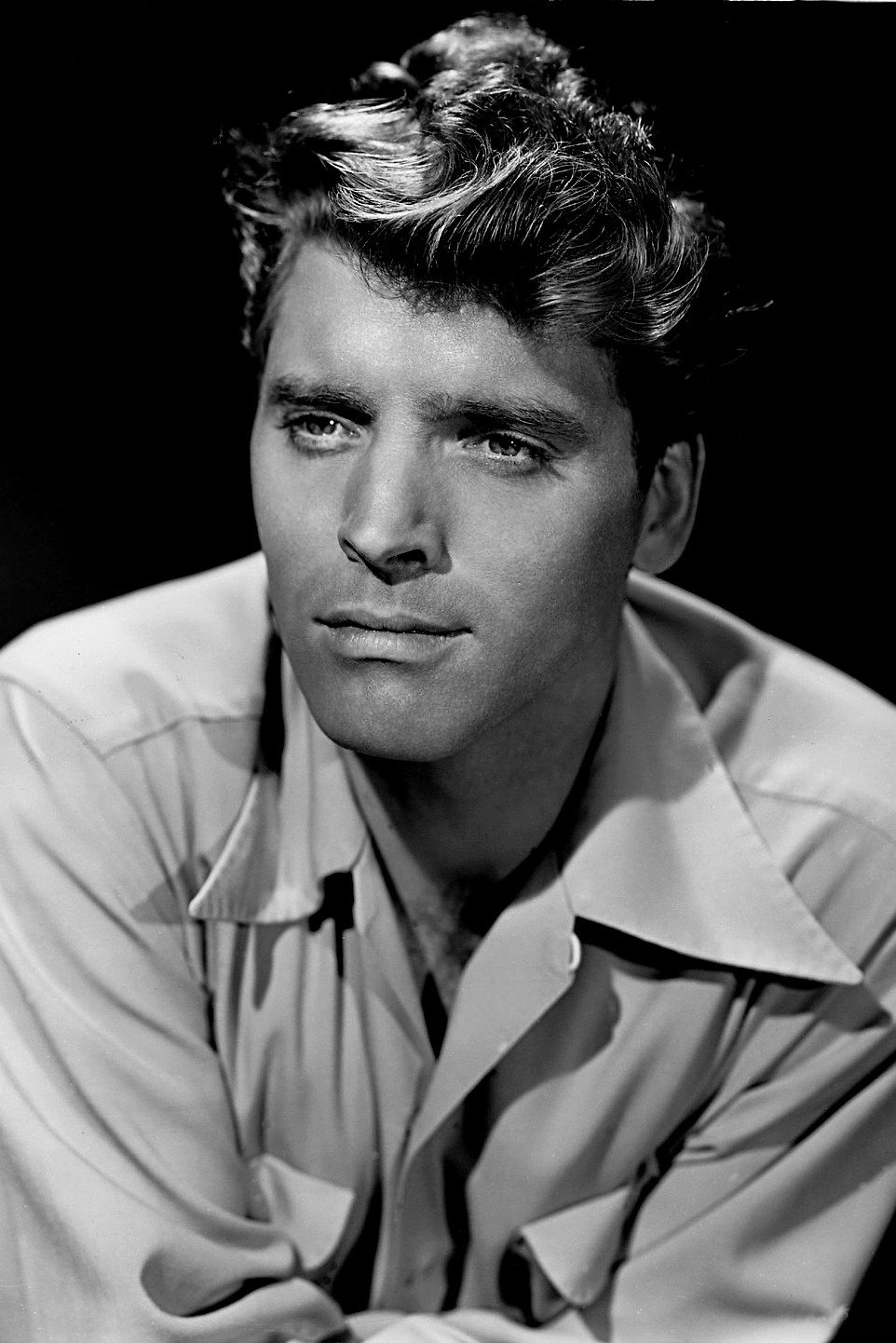
Burt Lancaster created the classic image of a leading man: strong, energetic, and with a charming smile. Starting his career as an acrobat, he first showcased his athleticism in adventure movies like ‘The Crimson Pirate.’ Though he later took on more serious, dramatic roles, he always maintained a powerful physical presence. Lancaster perfectly blended the physique of an athlete with the depth of an artist.
Orson Welles
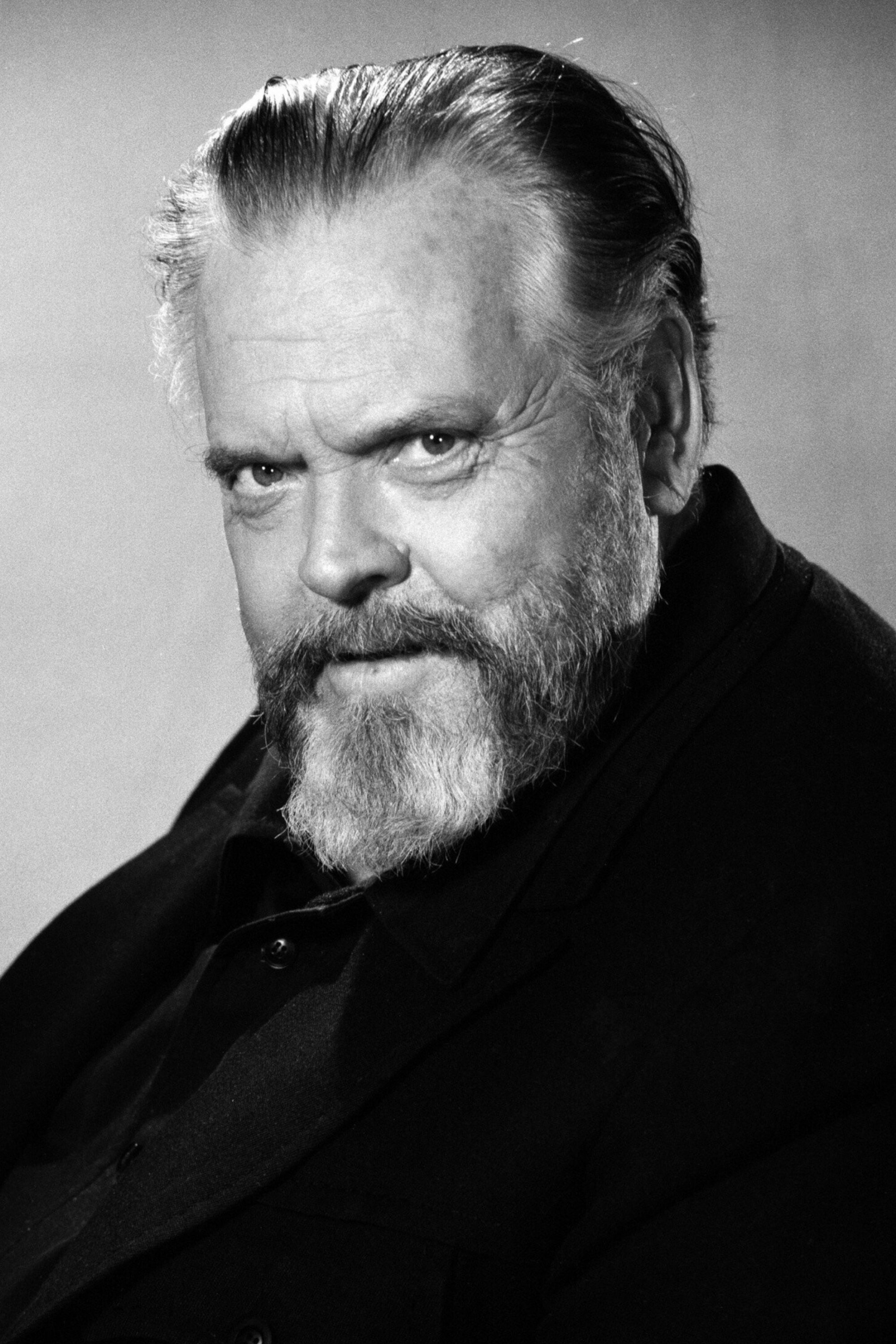
Orson Welles became the defining example of a brilliant but troubled artist with an outsized personality. He famously wrote, directed, and starred in ‘Citizen Kane,’ a film about a man who achieves great success but loses his sense of self. Welles was known for his powerful voice and strong stage presence, which often drew attention away from other performers. He continues to represent the filmmaker with limitless creative vision and control.
Charlton Heston
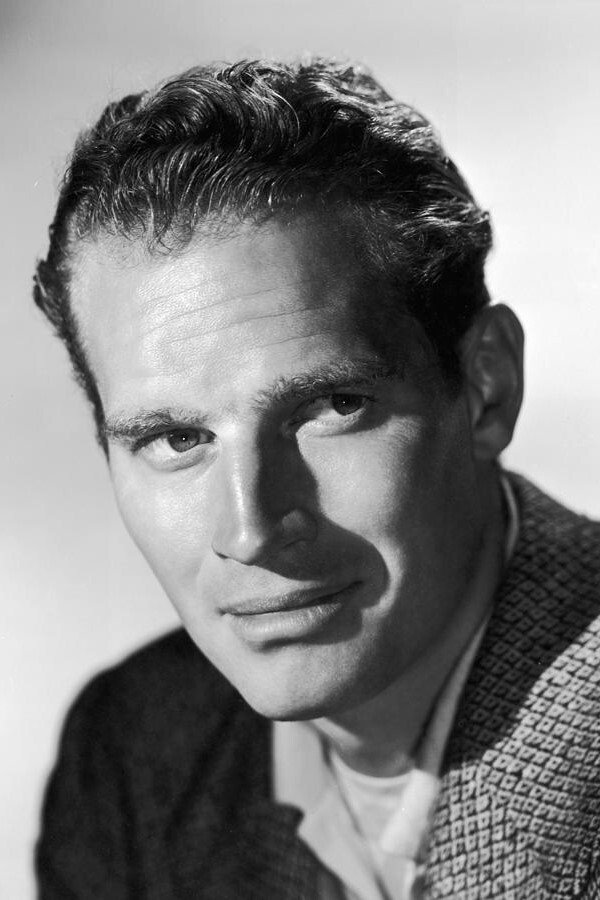
Charlton Heston became the standard for powerful, larger-than-life heroes in film, often portraying characters destined for greatness by fate or divine will. He’s most remembered for his roles as iconic figures in grand productions like ‘The Ten Commandments’ and ‘Ben-Hur’. Heston’s impressive physical presence and serious demeanor made these legendary characters feel real. He remains strongly associated with the age of big-budget, visually stunning movies.
Charles Bronson
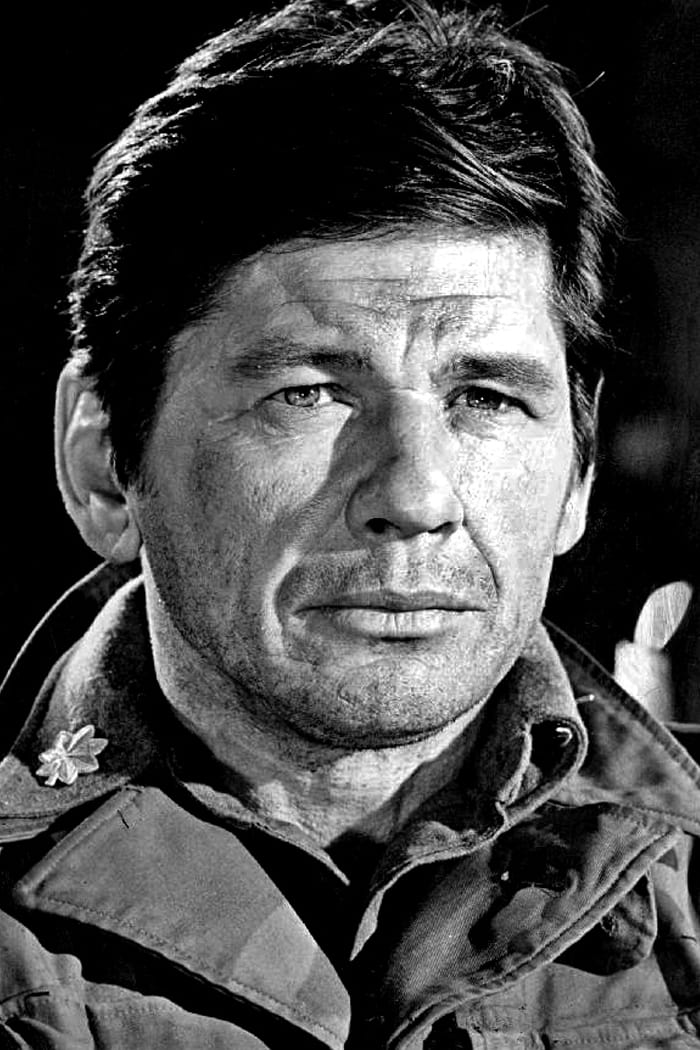
Charles Bronson became known for playing the strong, silent type who decides to fight crime himself. In the movie ‘Death Wish,’ he portrayed a regular guy driven to violence after a personal loss. Bronson’s tough appearance and understated threat made him ideal as a city-based hero seeking revenge. This character resonates with a basic human need for justice when society feels like it’s falling apart.
John Belushi
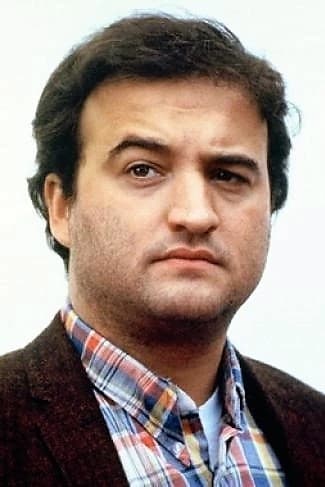
I’ve always thought John Belushi really defined the wild, carefree party guy – someone who just lived life to the fullest. His role as Bluto in ‘Animal House’ basically set the standard for hilarious, over-the-top comedy, the kind of guy who always made things fun. He wasn’t afraid to go all-in with his physical comedy, even if it meant looking a little ridiculous. To me, he’s still the ultimate inspiration for that rebellious, fun-loving humor that was so popular in 80s comedies.
Chris Farley
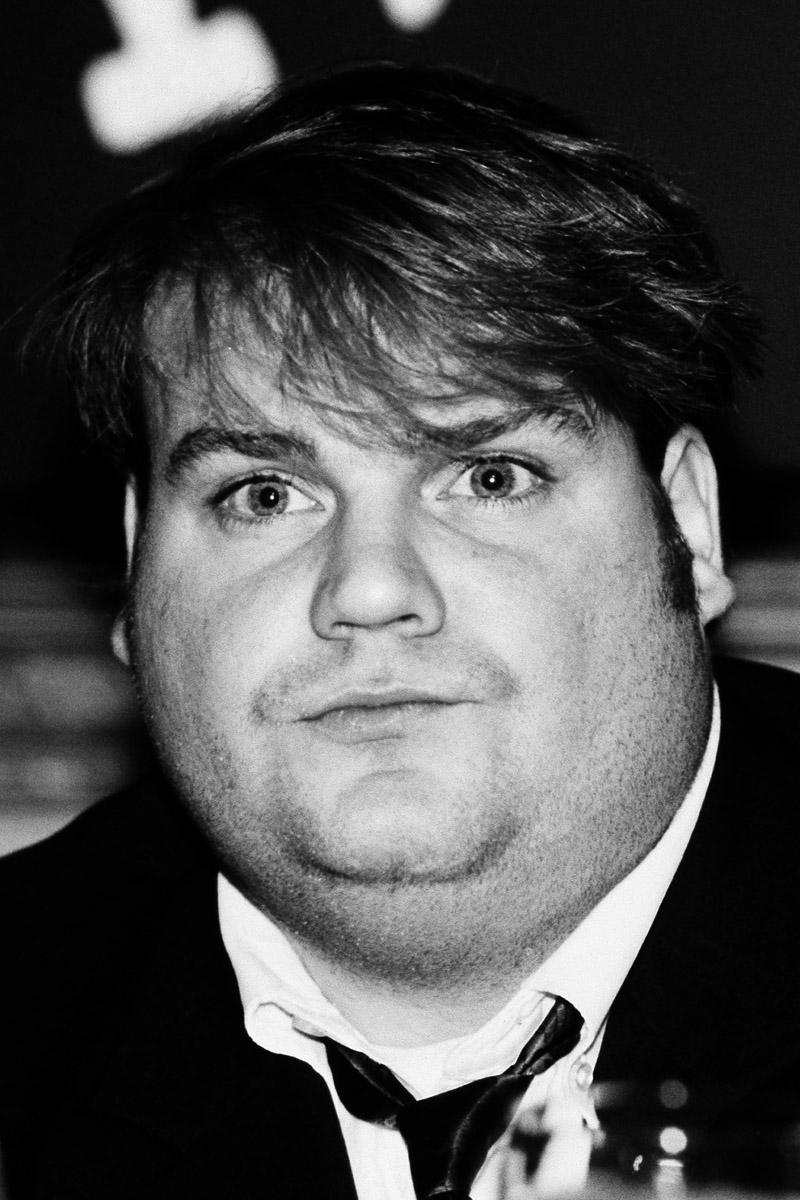
I always felt like Chris Farley created this amazing character – the big, lovable guy who was just funny because of how big he was! He really looked up to Belushi, but I think he brought something extra to roles like in ‘Tommy Boy’ – a real sweetness and a kind of hidden sadness. He was so fearless physically, throwing himself into everything for a laugh, but it always felt like he was really just looking for people to like him. His humor worked so well because he was this huge guy acting all frantic and energetic – it was a really great contrast.
River Phoenix
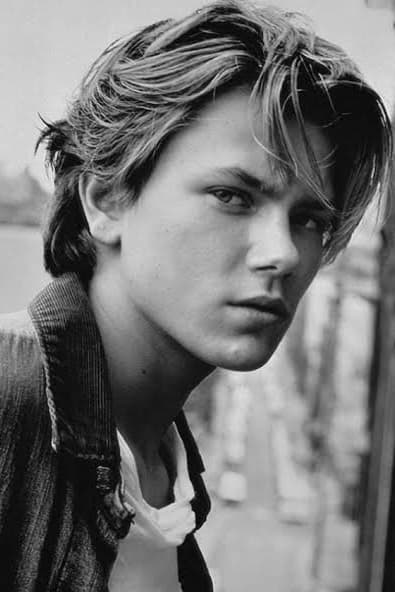
River Phoenix became the standard for portraying thoughtful, troubled young people in film. Roles in movies like ‘Stand by Me’ and ‘My Own Private Idaho’ showed a powerful, honest emotional range, often drawing comparisons to James Dean. He frequently played characters who felt like outsiders or were dealing with difficult inner struggles. His untimely death ended a promising career that was reshaping how masculinity was viewed in the 1990s.
Philip Seymour Hoffman
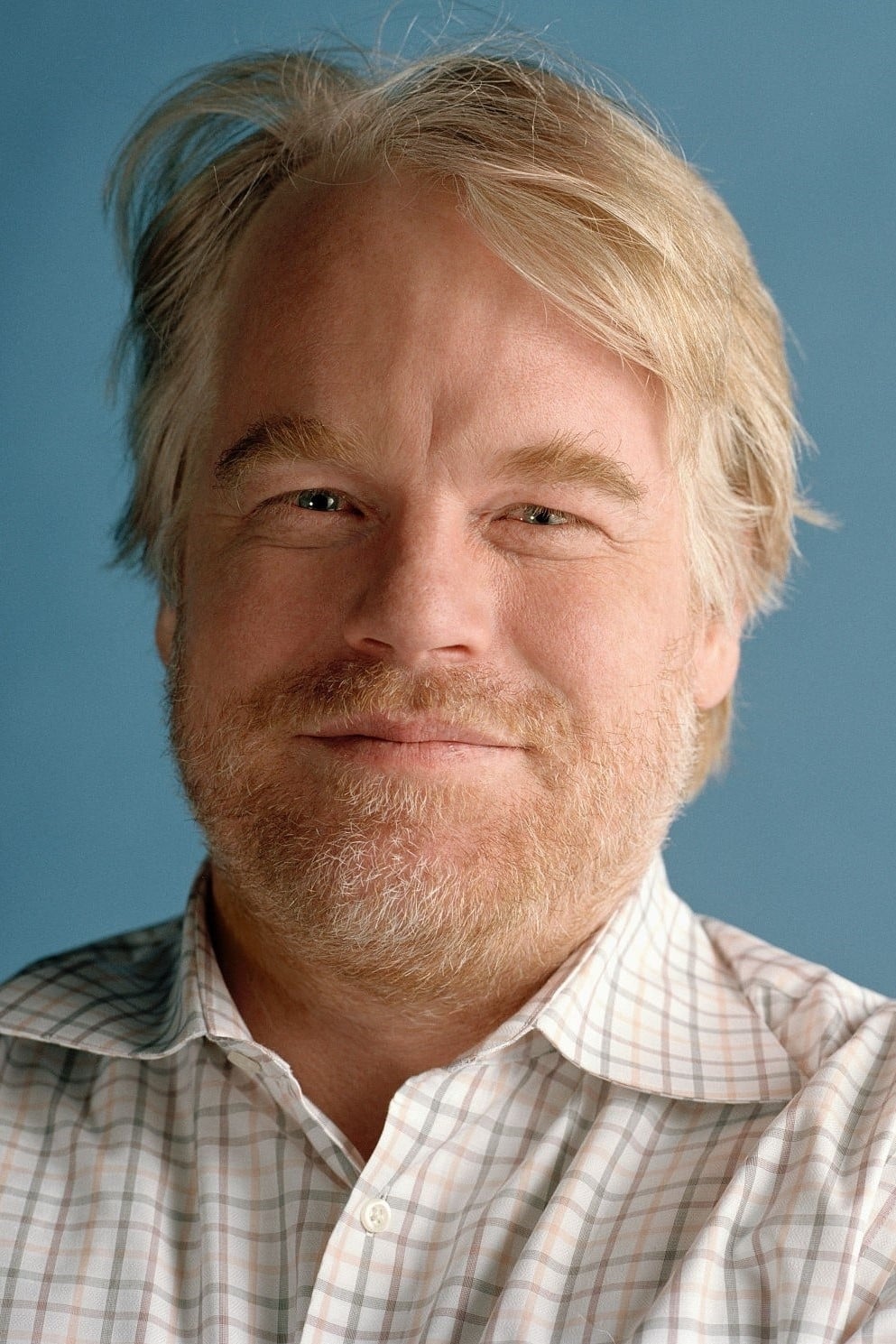
Philip Seymour Hoffman was known for playing complex, often troubled characters who captivated audiences, even when they weren’t the main star. Films like ‘The Master’ and ‘Capote’ showcased his ability to portray men who were flawed, awkward, or even unlikeable with incredible realism. He used his unique presence and voice to create truly memorable performances, proving that supporting actors could be just as compelling as leading ones.
Heath Ledger
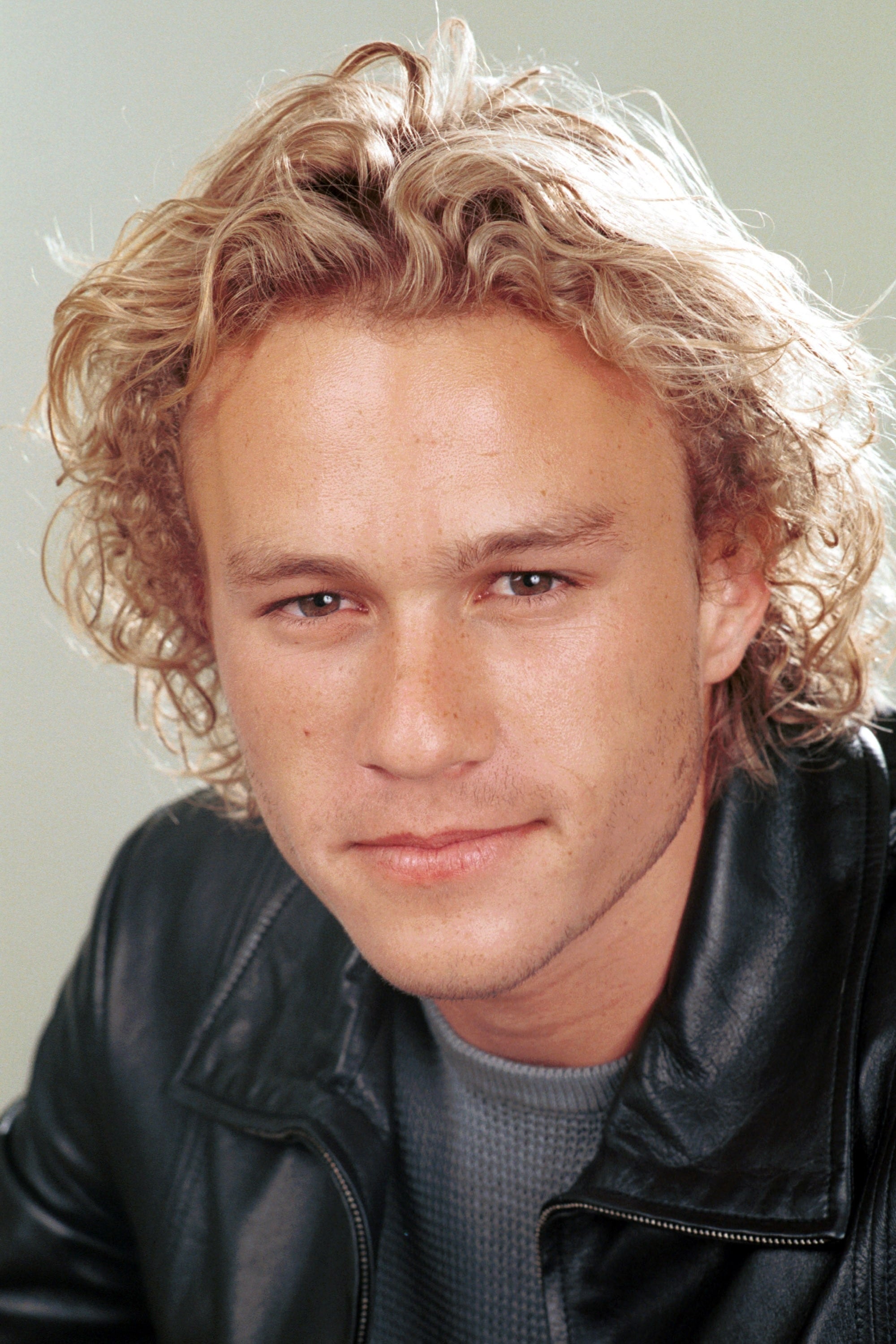
Heath Ledger became the standard for actors who completely transform themselves to play chaotic characters. His Oscar-winning portrayal of the Joker in ‘The Dark Knight’ raised the bar for villainous performances, as he fully embodied the character through his appearance and behavior. Ledger’s terrifying and unpredictable performance revolutionized comic book movies, and his work remains a prime example of an actor losing themselves in a dark role.
Chadwick Boseman
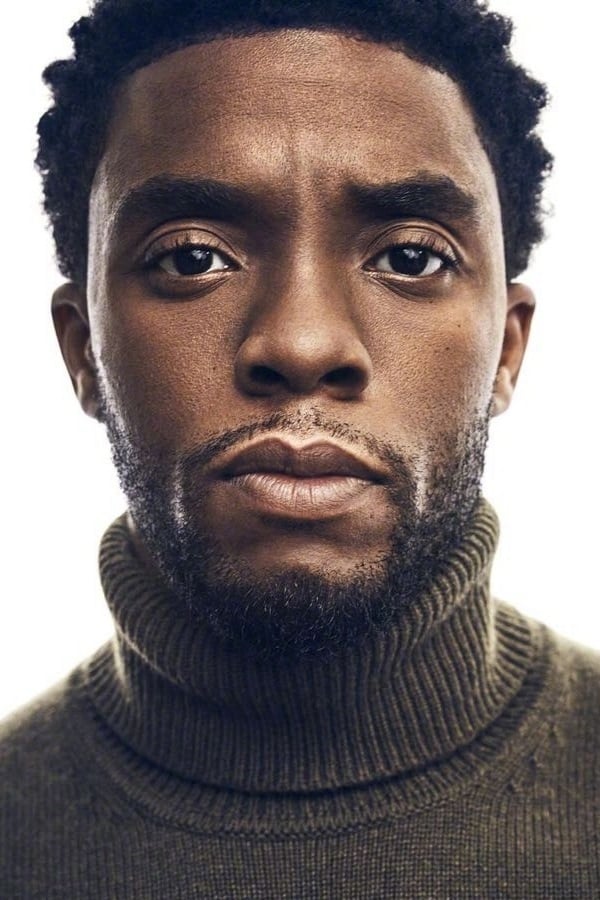
Chadwick Boseman became known for playing strong, noble leaders, especially through his iconic role as T’Challa in ‘Black Panther’. He brought a calm power and dignity to the character that people around the world connected with. Boseman often portrayed characters with heavy responsibilities who faced hardship with poise and courage. He will be remembered as an inspiring symbol of strength and leadership for years to come.
We’d love to know which of these iconic actors has left the biggest impression on you when you watch movies – share your thoughts in the comments below!
Read More
- Trading on Thin Air: AI Agents Conquer Crypto Volatility
- 20 Movies Where the Black Villain Was Secretly the Most Popular Character
- Invincible Season 4 Gender Swaps Tech Jacket As Fans Question Major Comic Change
- Silver Rate Forecast
- 22 Films Where the White Protagonist Is Canonically the Sidekick to a Black Lead
- Gold Rate Forecast
- 15 Films That Were Shot Entirely on Phones
- Trading Smarter: AI-Powered Execution Schedules
- Celebs Who Narrowly Escaped The 9/11 Attacks
- Smarter Order Execution: How AI is Outperforming Wall Street’s Playbook
2026-02-01 09:52