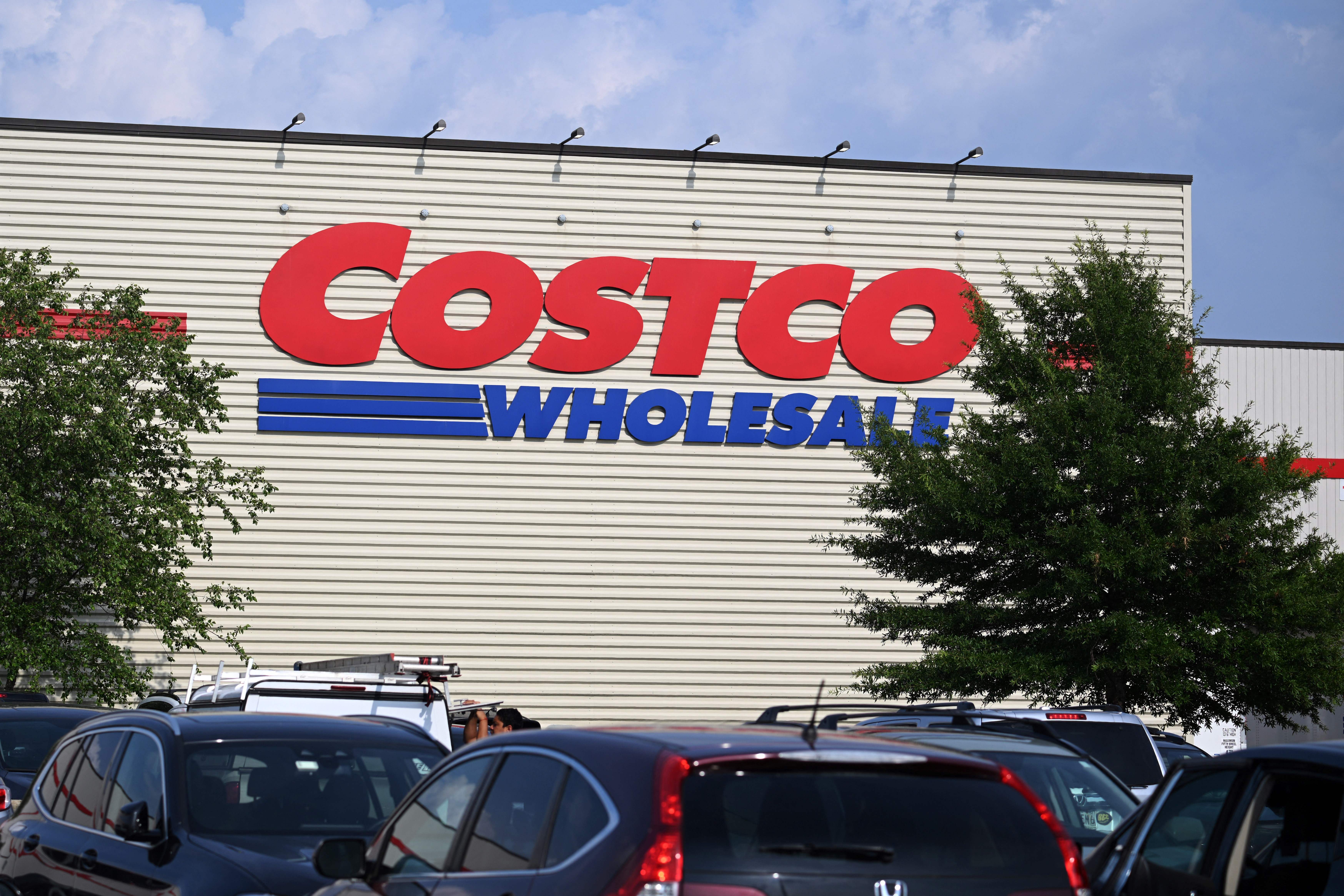
Now, Costco and Home Depot. Two retail behemoths, both selling…stuff. But which one, if you were, say, a reasonably cautious investor – the sort who likes to see a bit of actual value for their money – deserves a place in your portfolio? It’s a question that deserves a bit more thought than simply glancing at recent stock performance, wouldn’t you agree? Both companies are, after all, impressively large. Home Depot, for instance, could comfortably house the entire population of Luxembourg, and probably still have room for a decent garden centre. Costco? Well, let’s just say you could get lost in there for days, and likely emerge with a kayak you didn’t know you needed.
Costco, with its $270 billion in recent sales, is a fascinating operation. It’s essentially a legally sanctioned means of buying things in bulk you’ll probably never fully use. The stock has performed rather well – a 199% return over the last five years isn’t to be sniffed at. Home Depot, meanwhile, has seen a more modest 41% increase. Now, before you rush to judgment, remember that Home Depot operates in the rather cyclical world of home improvement. People don’t renovate their kitchens every year, no matter how much television tells them they should.
Costco: A Steady Ship in a Sea of Impulse Buys
Costco is, if nothing else, remarkably consistent. It seems scarcely a quarter goes by without them announcing another increase in same-store sales. Even during the rather unsettling days of 2020, when the global economy seemed to be holding its breath, Costco managed to grow sales. That’s not luck; it’s a business model built on offering good quality at competitive prices. And, crucially, on a membership fee. It’s a bit like paying for the privilege of being allowed to spend money. But it works. People seem remarkably attached to their annual Costco membership, renewing at a healthy rate of around 90%. That’s a recurring revenue stream, and a rather comforting one for investors.
They currently operate around 921 warehouses, and have ambitions to open another 30 each year. It’s a remarkable expansion, particularly when you consider the logistical challenges. Imagine trying to find suitable locations, secure permits, and then stock each warehouse with enough toilet paper to satisfy a small nation. Their net income has grown at a compound annual rate of 11.4% over the last five years, which is perfectly respectable. And they occasionally throw in a special dividend, which is always a pleasant surprise.
Home Depot: Riding the Wave of Homeowner Enthusiasm (and Interest Rates)
Home Depot, during the pandemic years, was doing rather well. People, stuck at home, decided it was finally time to tackle those DIY projects they’d been putting off for years. Renovations boomed, paint flew off the shelves, and Home Depot’s profits soared. But, as with all things, that period of exuberance has subsided. Demand has softened, and Home Depot is feeling the pinch. This isn’t necessarily a sign of a failing business, but rather a reminder that home improvement is, well, cyclical. It’s tied to interest rates, consumer confidence, and the general state of the economy. When people are worried about their finances, they tend to postpone those kitchen renovations.
However, Home Depot remains the dominant player in a massive industry – estimated to be worth around $1 trillion. They have brand recognition, a vast network of stores, a sophisticated supply chain, and a reputation for good customer service. Plus, the average age of a home in the US is around 40 years, which means there’s a constant need for maintenance and repairs. And, of course, there’s the ever-present potential for upgrades and renovations. There are, apparently, trillions of dollars in untapped home equity in the US, which could eventually be unleashed to fund those projects.
Quality vs. Valuation: A Question of Priorities
Costco is, by most measures, the higher-quality business. It’s consistently profitable, has a loyal customer base, and a strong business model. But it comes at a price. Shares trade at a rather lofty price-to-earnings (P/E) ratio of around 54.6. For a value investor, that might be a bit of a deterrent. But if you’re willing to pay a premium for quality, Costco might be worth considering.
Home Depot, on the other hand, trades at a more reasonable P/E multiple of around 26.8. It’s not exactly cheap, but it’s certainly more affordable than Costco. If you’re less concerned about quality and more focused on getting a good deal, Home Depot might be the better option. Ultimately, the choice depends on your investment philosophy and your tolerance for risk. Both companies are solid businesses, but they appeal to different types of investors. And, frankly, a bit of diversification never hurt anyone.
Read More
- Top 20 Dinosaur Movies, Ranked
- 20 Movies Where the Black Villain Was Secretly the Most Popular Character
- Celebs Who Narrowly Escaped The 9/11 Attacks
- 25 “Woke” Films That Used Black Trauma to Humanize White Leads
- Spotting the Loops in Autonomous Systems
- Gold Rate Forecast
- The 10 Most Underrated Jim Carrey Movies, Ranked (From Least to Most Underrated)
- Silver Rate Forecast
- The Best Directors of 2025
- Transformers Under the Microscope: What Graph Neural Networks Reveal
2026-02-17 21:25