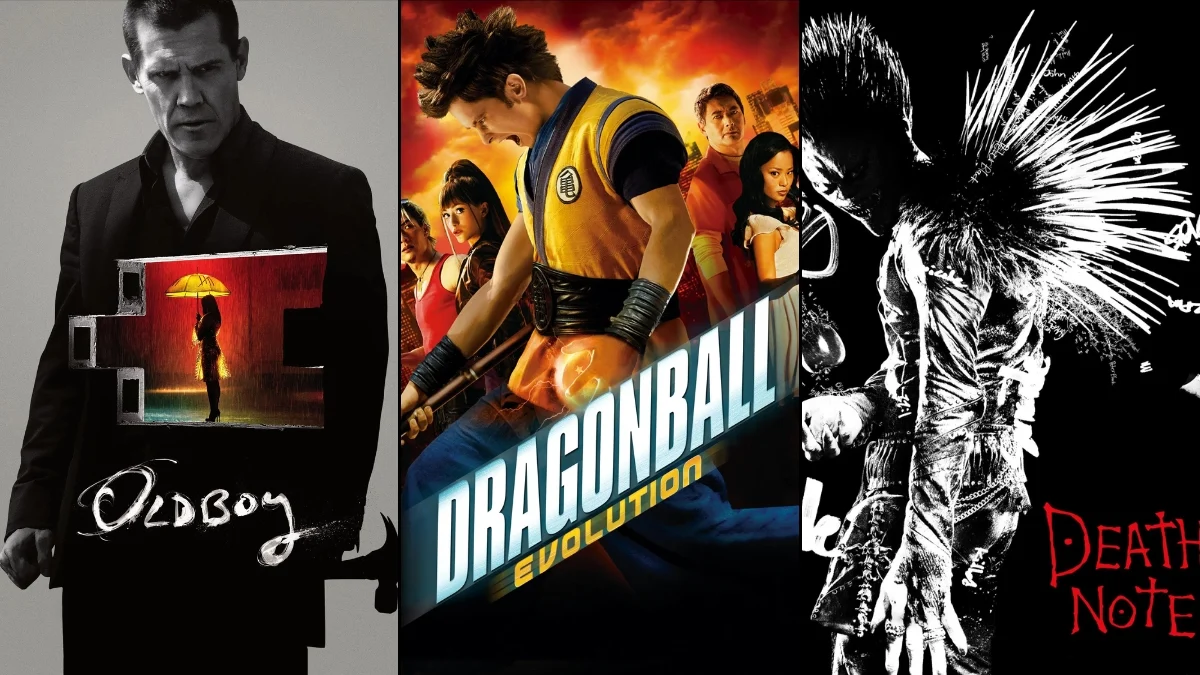
Hollywood has a long history of remaking popular movies and TV shows from other countries for American audiences. While the goal is to share these stories with more people, these remakes often get criticized for changing the original’s cultural feel. A frequent problem is “whitewashing”—replacing actors of color with white actors. This can erase the important cultural background and experiences that made the original work special. The following examples show instances where remakes faced criticism for removing diverse casts from the original versions.
‘Ghost in the Shell’ (2017)
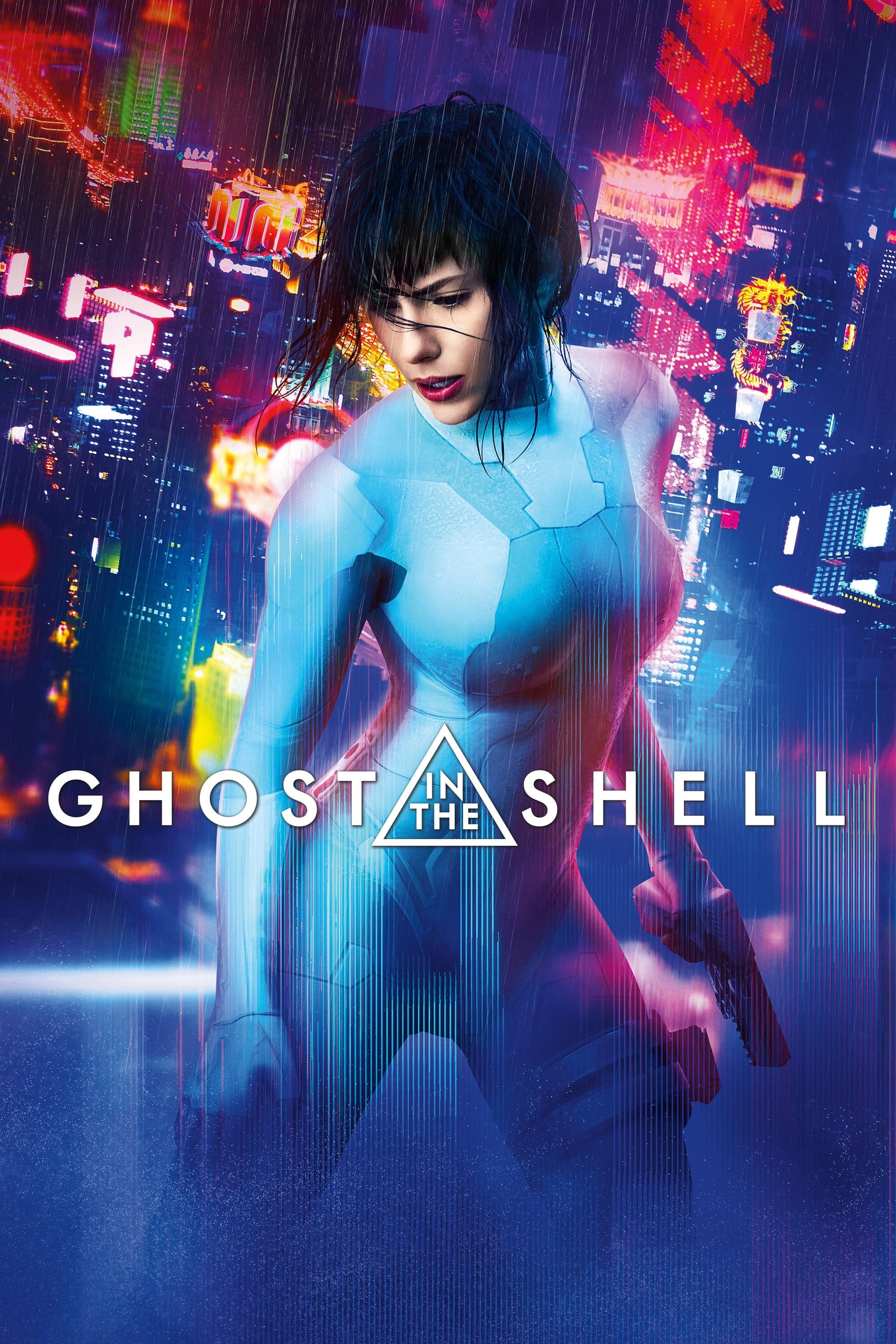
The 2017 film, a live-action remake of the beloved 1995 Japanese anime, sparked controversy by casting Scarlett Johansson as the main character, Major Motoko Kusanagi. Many fans and critics felt the role should have gone to an Asian actor, as the character was originally Japanese. While Paramount Pictures argued the story was meant for a worldwide audience, the film didn’t perform well in theaters. Many believe the casting debate was a major factor in its failure, and the situation is now often cited as an example of ‘whitewashing’ in Hollywood’s adaptations of Asian stories.
‘Death Note’ (2017)
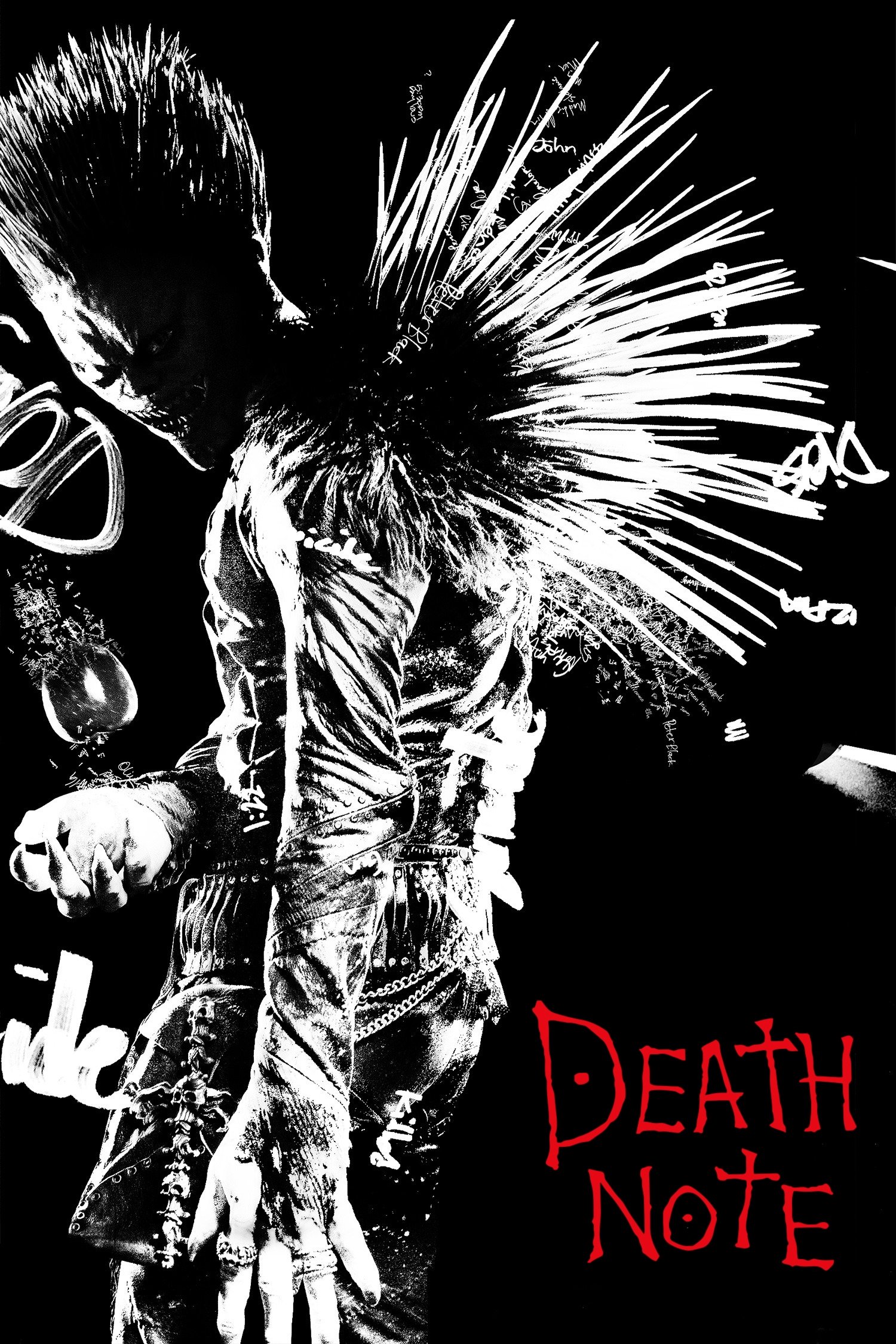
Netflix created an American version of the well-known Japanese manga and anime series centered around a supernatural notebook. The story was updated by changing the location from Tokyo to Seattle and renaming the main character from Light Yagami to Light Turner, played by Nat Wolff. Many viewers were unhappy that the remake lost the original Japanese cultural elements and didn’t feature Japanese actors in key roles. Director Adam Wingard stated these changes were made to better connect with American audiences. The film received generally mixed reactions and continues to fuel discussions about whether international stories need to be adapted for Western viewers.
‘The Last Airbender’ (2010)

M. Night Shyamalan’s live-action adaptation of the popular Nickelodeon cartoon, which draws heavily from Asian and Inuit traditions, sparked controversy. The lead heroes were played by white actors, while the villains from the Fire Nation were portrayed by South Asian actors. This casting choice led to accusations of “whitewashing” and a lack of cultural sensitivity from fans. Groups advocating for better representation organized protests and boycotts, pointing out the film’s failure to reflect the diverse cultures that inspired the original series. The movie received negative reviews and faced significant criticism for straying from the show’s inclusive spirit.
‘Dragonball Evolution’ (2009)
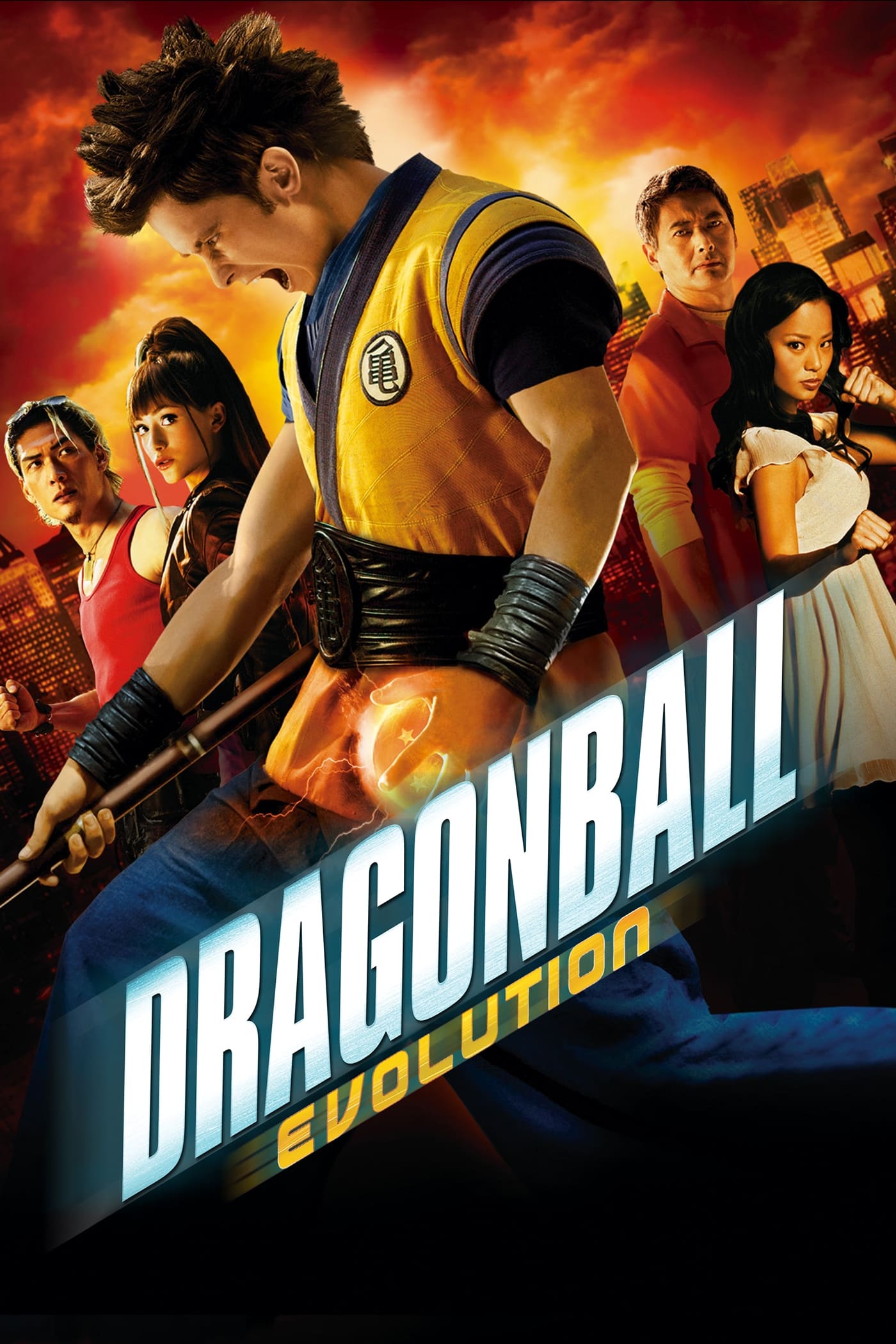
This American movie tried to bring the popular Japanese manga and anime series ‘Dragon Ball,’ created by Akira Toriyama, to life. Justin Chatwin played Goku, a character central to Japanese pop culture and Asian traditions. However, casting a white actor as the lead was widely criticized as ignoring the Asian roots of the story. The film received overwhelmingly negative reviews from both critics and fans, who felt it was poorly made and didn’t honor the original series. Years later, even the creator of ‘Dragon Ball’ voiced their disappointment with the film.
‘Oldboy’ (2013)
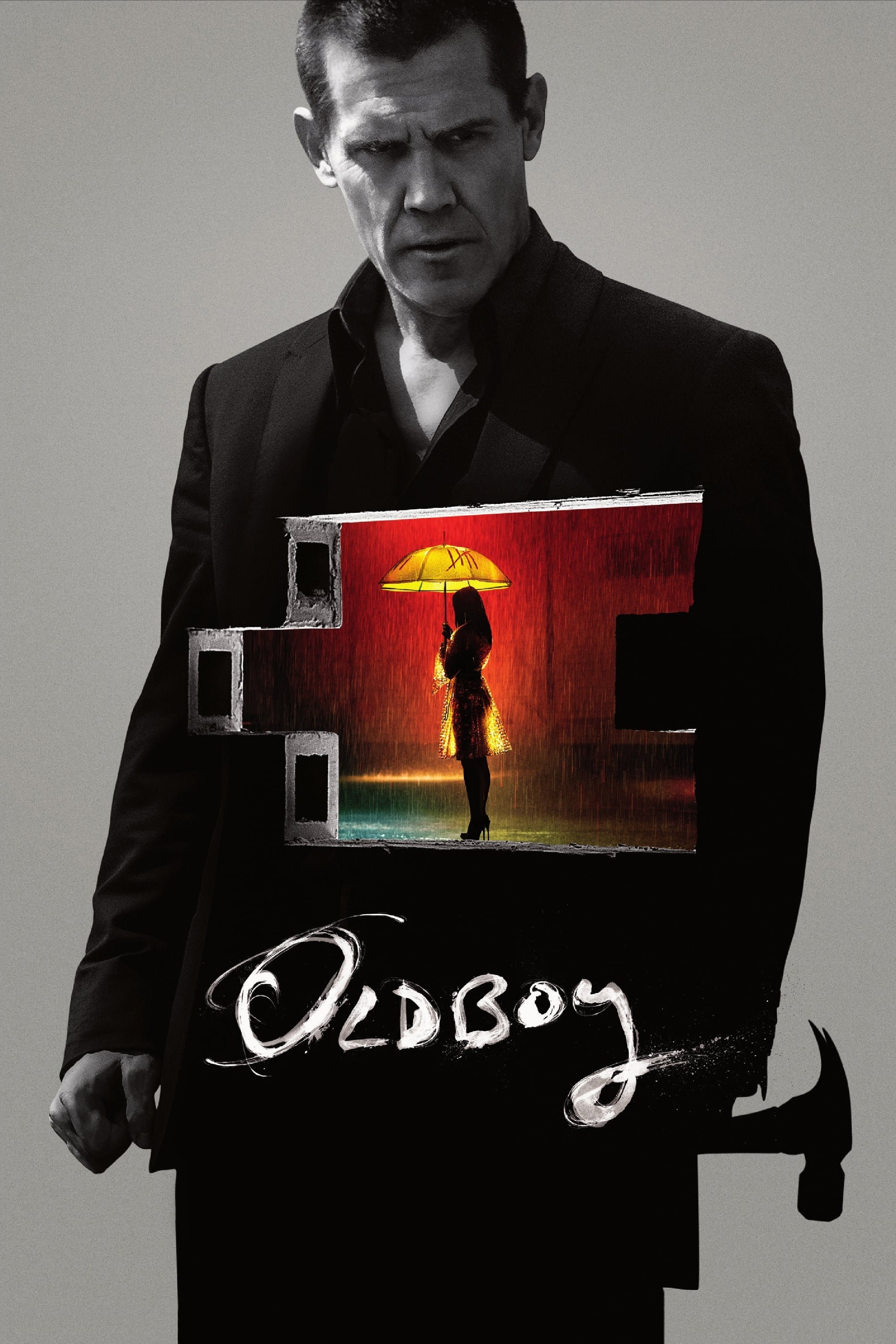
Spike Lee revisited Park Chan-wook’s popular South Korean thriller, which was originally inspired by a Japanese comic. The American adaptation, starring Josh Brolin, relocated the story to the US and changed some important parts of the plot. While the original is widely considered a cinematic triumph, the remake received criticism for not recreating the same suspense and cultural understanding. Many viewers felt that casting Western actors in a story deeply rooted in Korean culture diminished the original’s emotional impact. Ultimately, the film didn’t attract a large audience and is often seen as an unneeded reimagining of a beloved classic.
‘The Departed’ (2006)
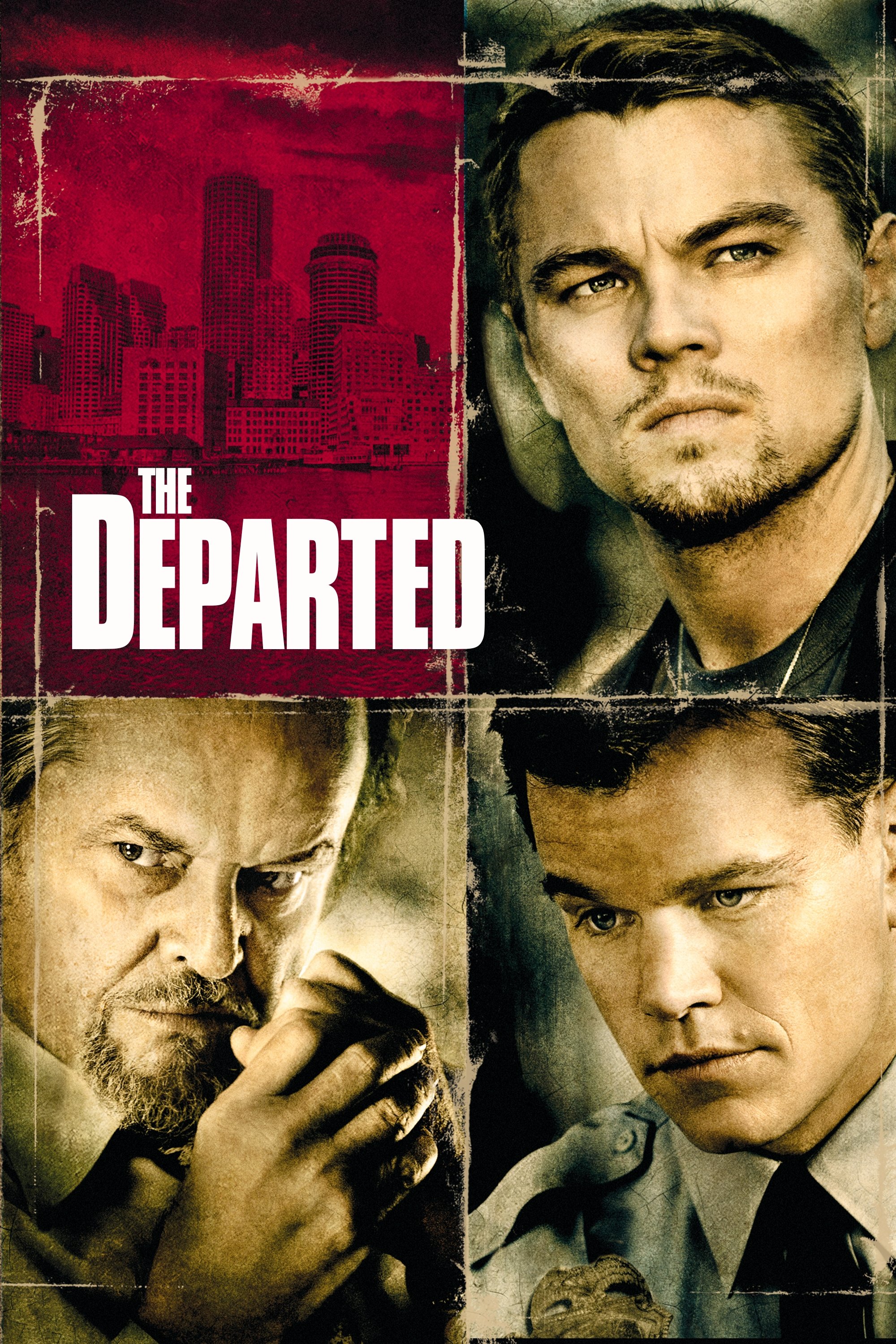
Martin Scorsese’s crime thriller ‘The Departed’ is a remake of the 2002 Hong Kong film ‘Infernal Affairs’. The setting was shifted from Hong Kong triads to the Irish Mob in Boston, and the film starred Leonardo DiCaprio and Matt Damon. Despite winning several Academy Awards, including Best Picture, ‘The Departed’ exemplifies a Western remake with a predominantly Western cast replacing the original Asian actors. While critically acclaimed for its direction and performances, the film significantly altered the cultural context of the story, and its success has often overshadowed the impact of the original Hong Kong film.
‘The Magnificent Seven’ (1960)

This well-known Western film is a remake of the 1954 Japanese film ‘Seven Samurai’. Instead of Japanese warriors, it stars American gunslingers protecting a Mexican town from bandits. By changing the setting from feudal Japan to the American West, the film lost some of the original’s historical and cultural details. Despite this, it’s a highly influential Western and helped inspire many other Hollywood remakes that adapted stories from Asia for American viewers. Adapting stories in this way was a common practice in filmmaking during that time period.
‘A Fistful of Dollars’ (1964)
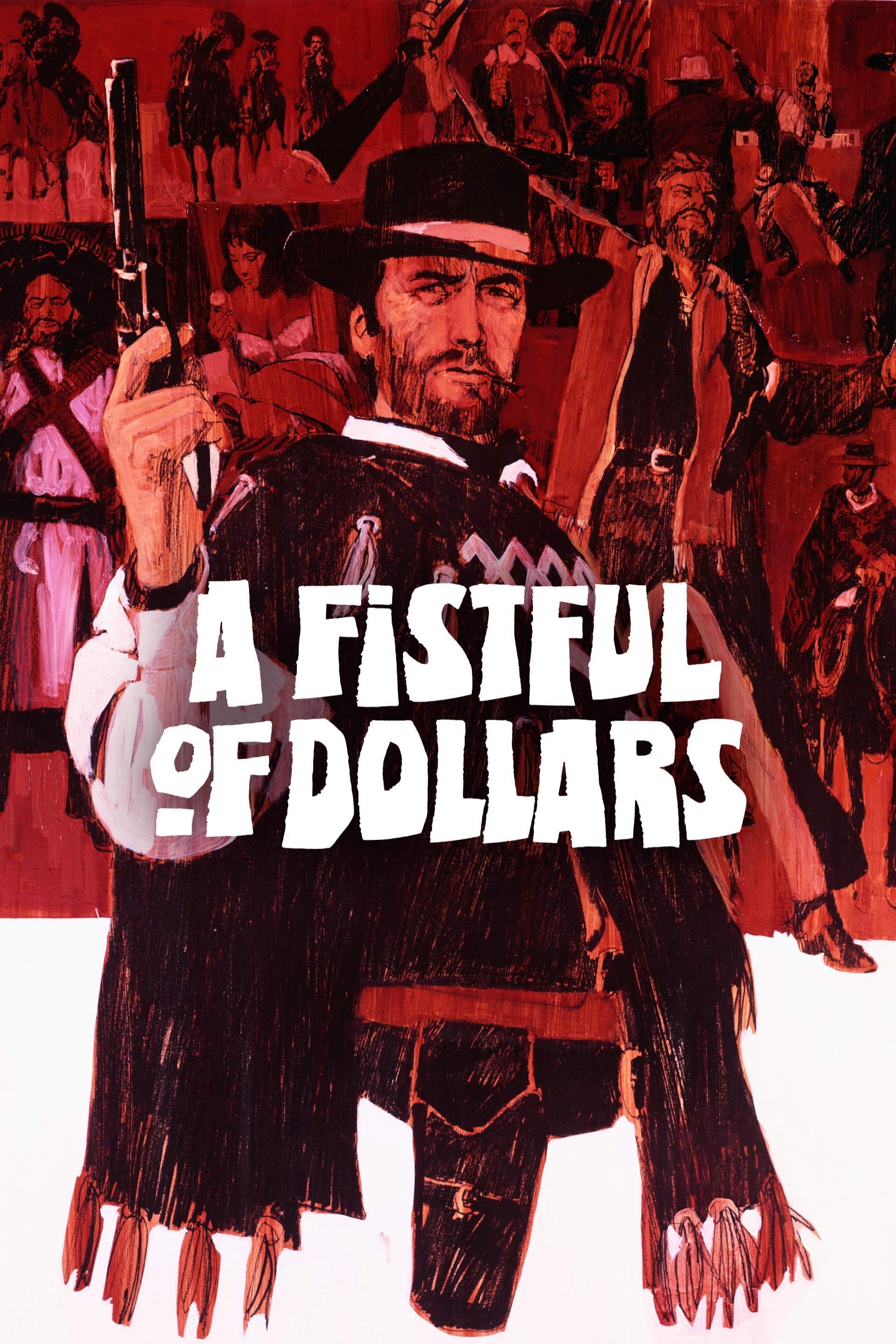
Sergio Leone’s iconic Western was heavily influenced by Akira Kurosawa’s film ‘Yojimbo.’ Instead of a samurai in Japan, the story features Clint Eastwood as a nameless gunslinger in a rough border town. The film faced legal issues as it was essentially an unacknowledged copy of ‘Yojimbo,’ failing to credit its Japanese origins. While changing the location and characters, the remake also removed the philosophical themes associated with the traditional samurai story. Although it made Clint Eastwood a star, the film remains a debated example of borrowing from another culture without giving credit.
‘Speed Racer’ (2008)
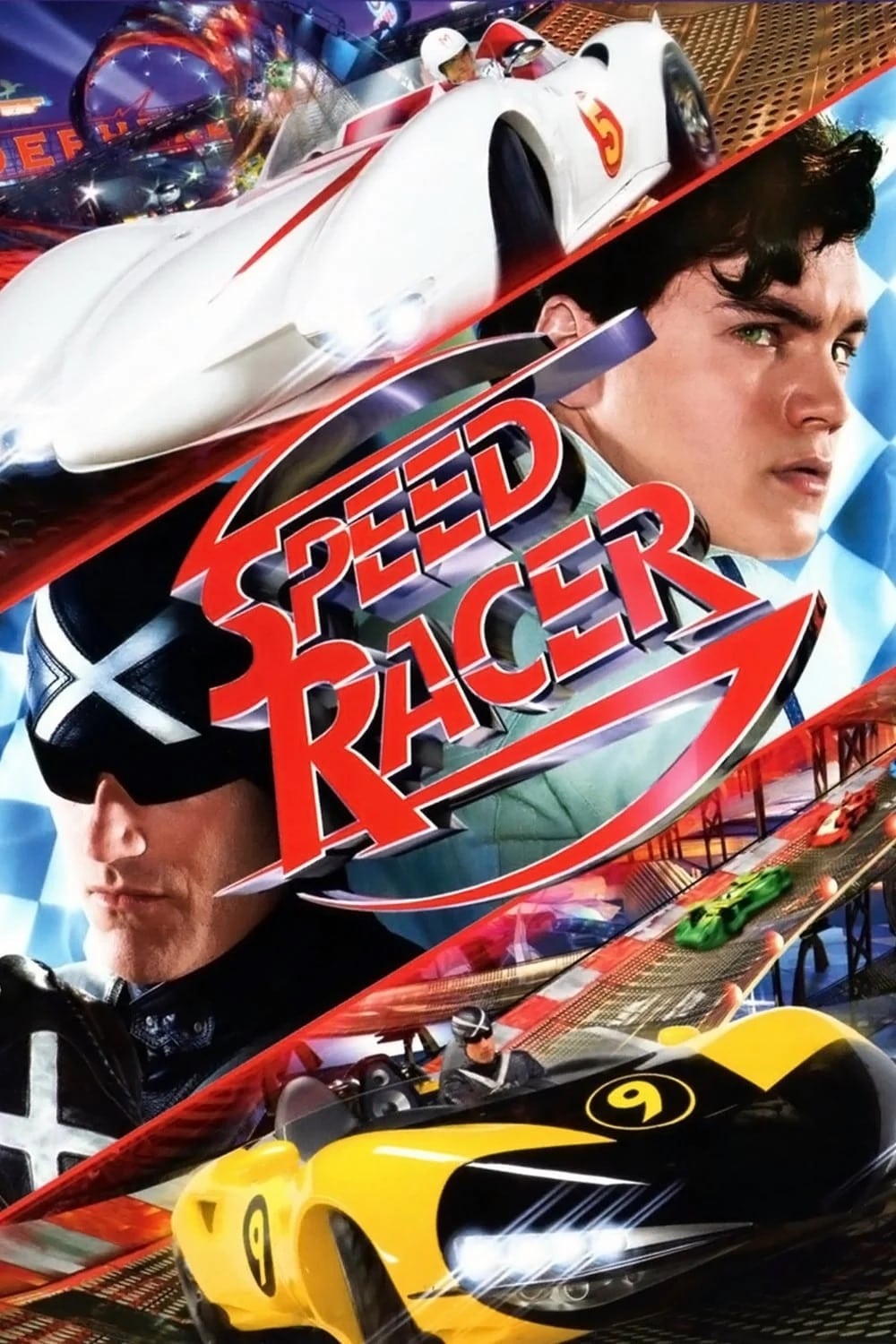
This fast-paced movie is a live-action version of the popular Japanese anime ‘Mach GoGoGo’, directed by the Wachowskis. Emile Hirsch plays Speed Racer, who was originally named Go Mifune in the Japanese series. While the film kept the bright, colorful look of the anime, it mostly used Western actors instead of Asian actors for the main roles – a common practice in Hollywood at the time. Though it’s now a cult favorite, the film sparked discussions about the tendency to remove Asian characters and replace them with white actors in big-budget movies.
‘The Ring’ (2002)
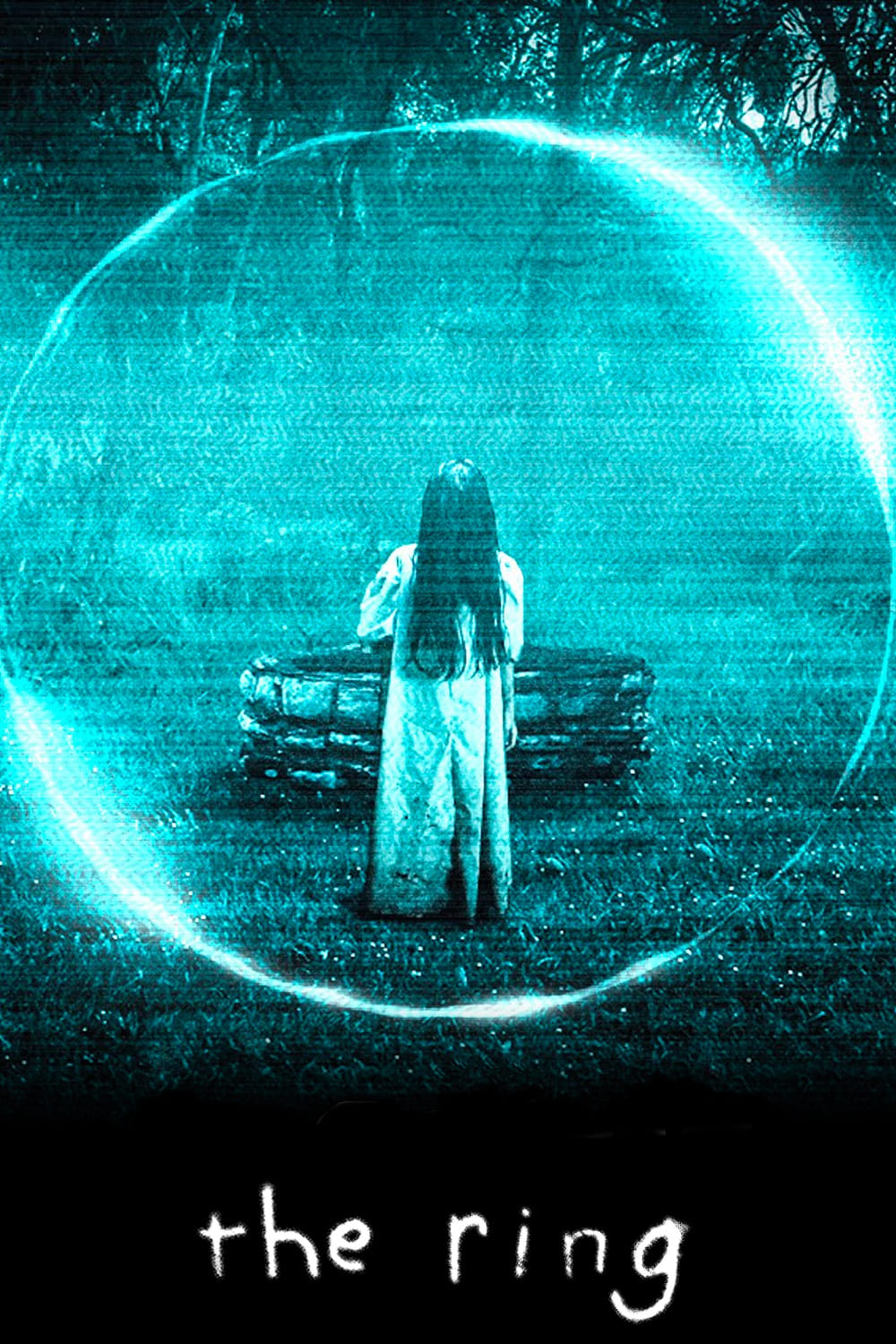
Gore Verbinski’s film is an American adaptation of the 1998 Japanese horror movie ‘Ringu,’ which itself was based on a novel by Koji Suzuki. Naomi Watts takes the lead role, originally played by Nanako Matsushima. The setting was changed from Japan to the Pacific Northwest, and the Japanese cast was replaced with Western actors. While the film was very successful financially, it started a trend of Hollywood remaking Asian horror films with white actors in the main roles. Many critics believe this practice removes the original stories’ distinctive cultural context and traditional folklore.
‘Shall We Dance?’ (2004)
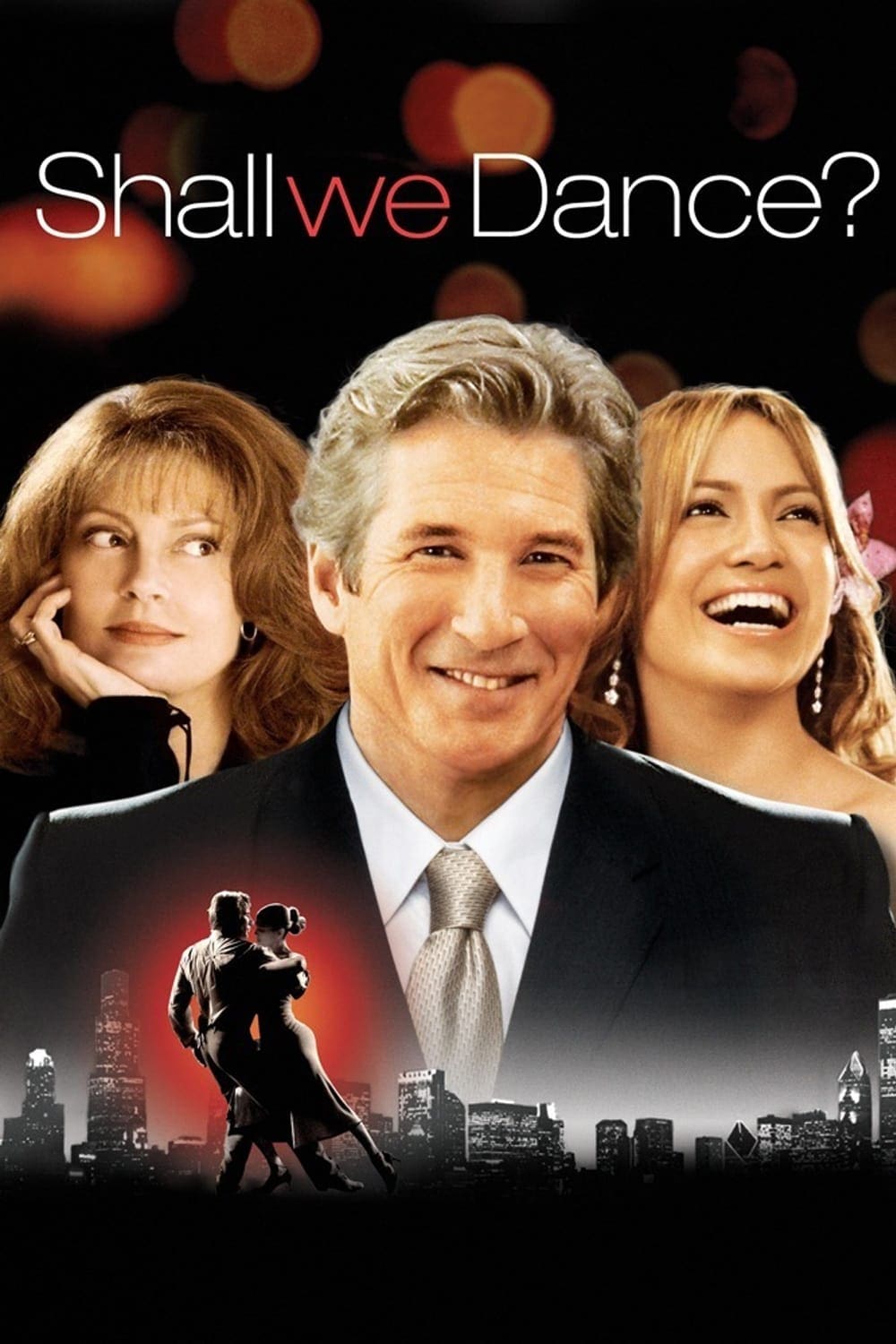
This romantic comedy, starring Richard Gere and Jennifer Lopez, is a remake of a popular 1996 Japanese film. While the original movie beautifully depicted the challenges a man faced pursuing ballroom dancing in Japan – and subtly challenged societal norms – the American version, set in Chicago, doesn’t capture the same emotional depth. Critics felt the remake traded the original’s nuanced cultural commentary for a more typical Hollywood love story, losing much of what made the first film so moving.
‘The Lake House’ (2006)
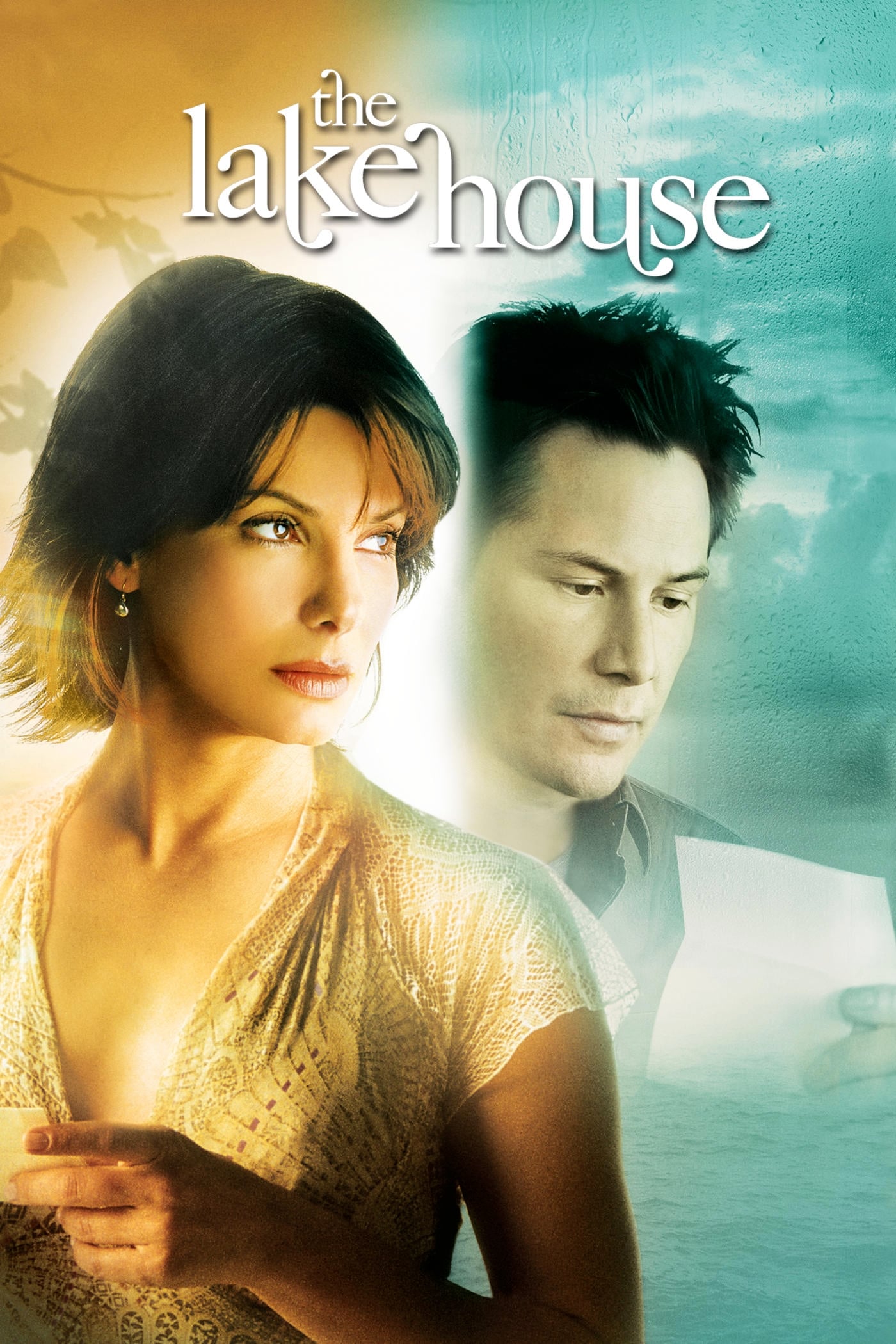
This romantic movie, starring Keanu Reeves and Sandra Bullock, is based on the 2000 South Korean film ‘Il Mare’. The original is known for its beautiful, poetic style and strong ties to the Korean countryside. The American remake moved the story to a lake house in Illinois and altered the relationships between the characters. Although the film did reasonably well in theaters, it lost much of the original’s distinctive Korean look and cultural feeling. It’s frequently used as an example of how Hollywood tends to simplify foreign stories when adapting them for American audiences.
‘The Grudge’ (2004)
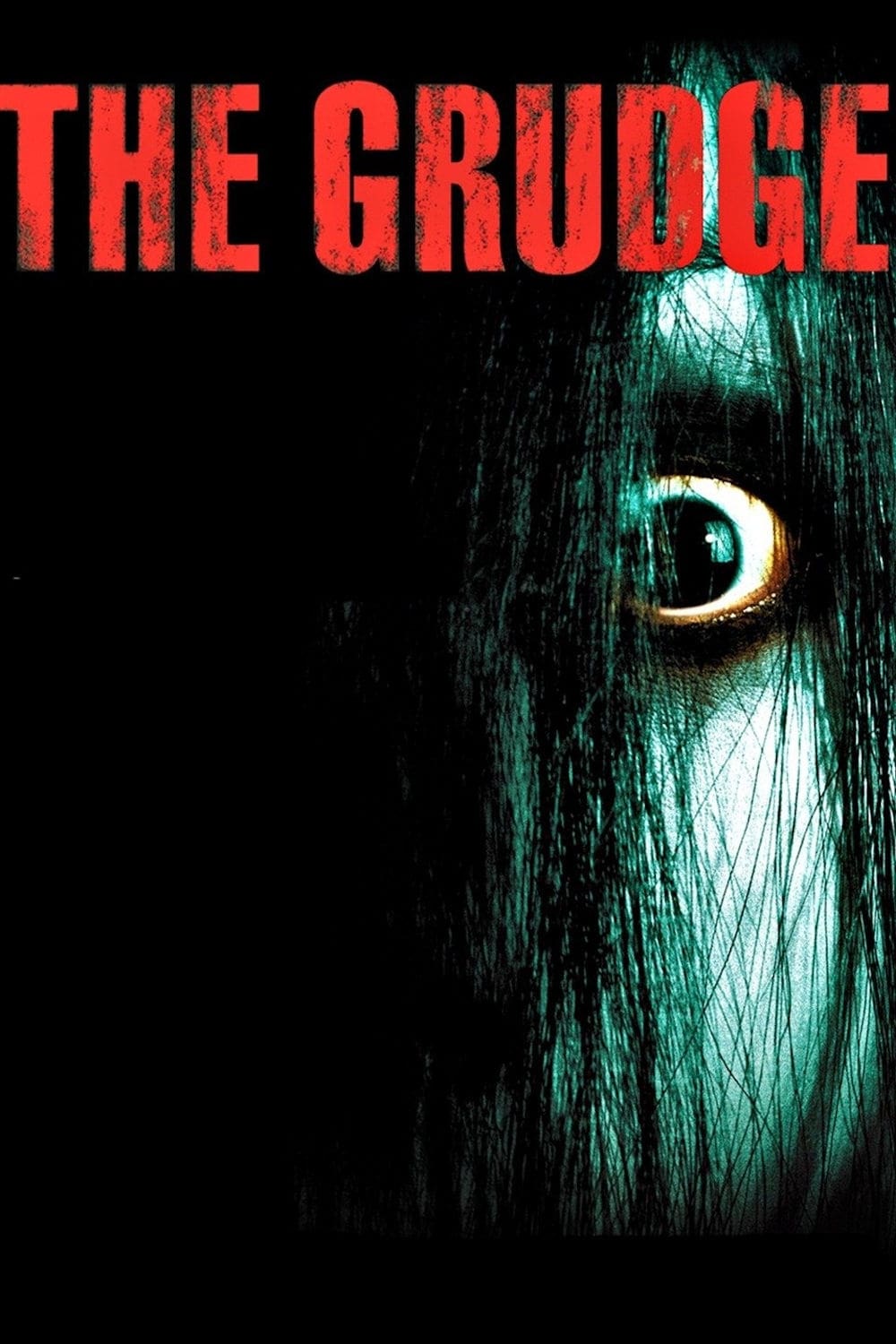
Sarah Michelle Gellar starred in the American remake of the Japanese horror film ‘Ju-On’. Although filmed in Japan, the remake focused on an American student instead of Japanese characters. Some felt this change was done to appeal to Western viewers, but it minimized the original story’s cultural context. The film’s success sparked a trend of similar remakes of Japanese horror films, often featuring American leads. However, interest in these remakes faded as audiences began to seek out the original Japanese films themselves.
‘Mirrors’ (2008)

This horror movie, starring Kiefer Sutherland, is a remake of the 2003 South Korean film ‘Into the Mirror’. The American version follows a former police officer who now works as a security guard in a damaged department store. While updating the story for a Western audience, the remake removed details specific to Korean culture and relied more on familiar horror elements. This often happens when adapting international films – complex storylines are sometimes simplified to fit typical Hollywood patterns. Critics generally didn’t respond well to the film, and it didn’t successfully recreate the feeling of the original.
‘The Uninvited’ (2009)
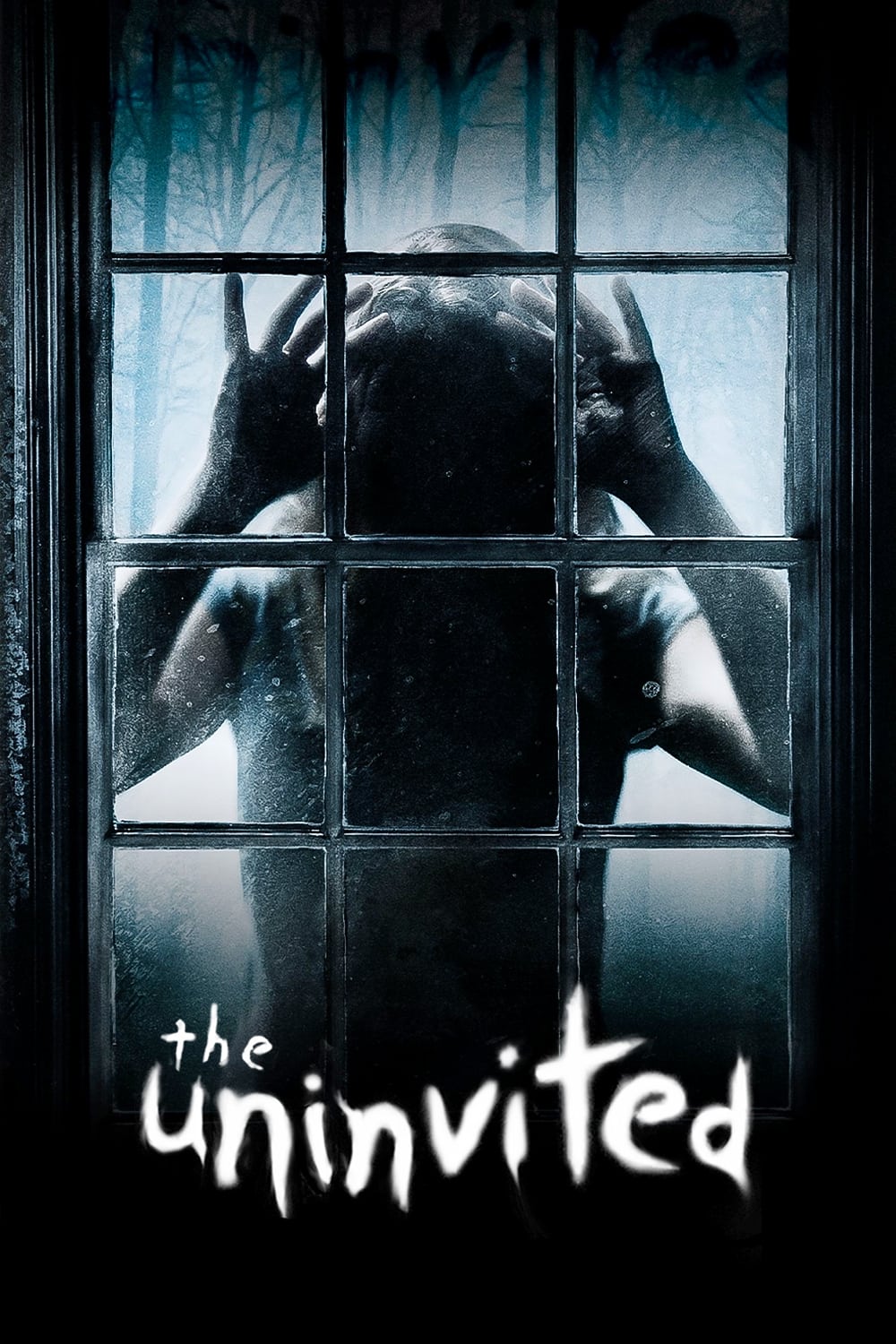
As a huge fan of psychological horror, I remember being really intrigued by the American remake of ‘A Tale of Two Sisters’. The original Korean film is a masterpiece, so I was curious to see how it would translate. They cast Emily Browning and Arielle Kebbel, and while the performances were fine, the story – which is deeply connected to Korean folklore – felt a little lost when moved to the American Northeast. Honestly, the ending was a big departure, and most critics, myself included, felt it just didn’t have the same depth or visual flair as the original. It’s a classic example of a remake that, in trying to Westernize things, ended up losing what made the source material so special.
‘Pulse’ (2006)
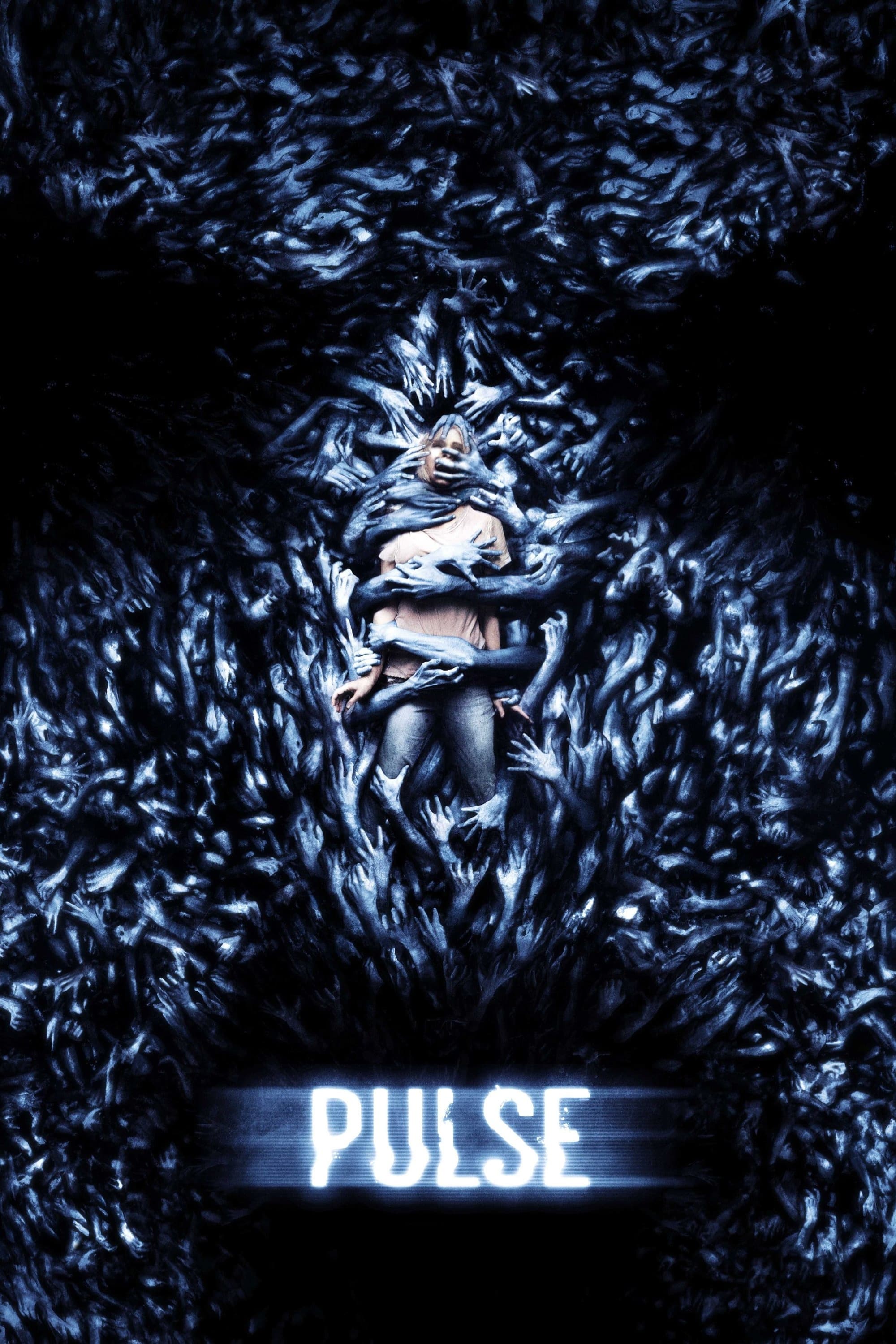
Kristen Bell leads the cast in a remake of the highly praised Japanese horror film ‘Kairo’. The original is famous for its unsettling look at loneliness and how technology affects modern Japanese life. However, the American version was criticized for changing a thoughtful, atmospheric ghost story into a typical teen horror film. Moving the story to a new location and replacing the Japanese actors stripped away the sense of deep unease that made the original so effective. Critics generally disliked the remake, feeling it missed the point of the original film.
‘One Missed Call’ (2008)
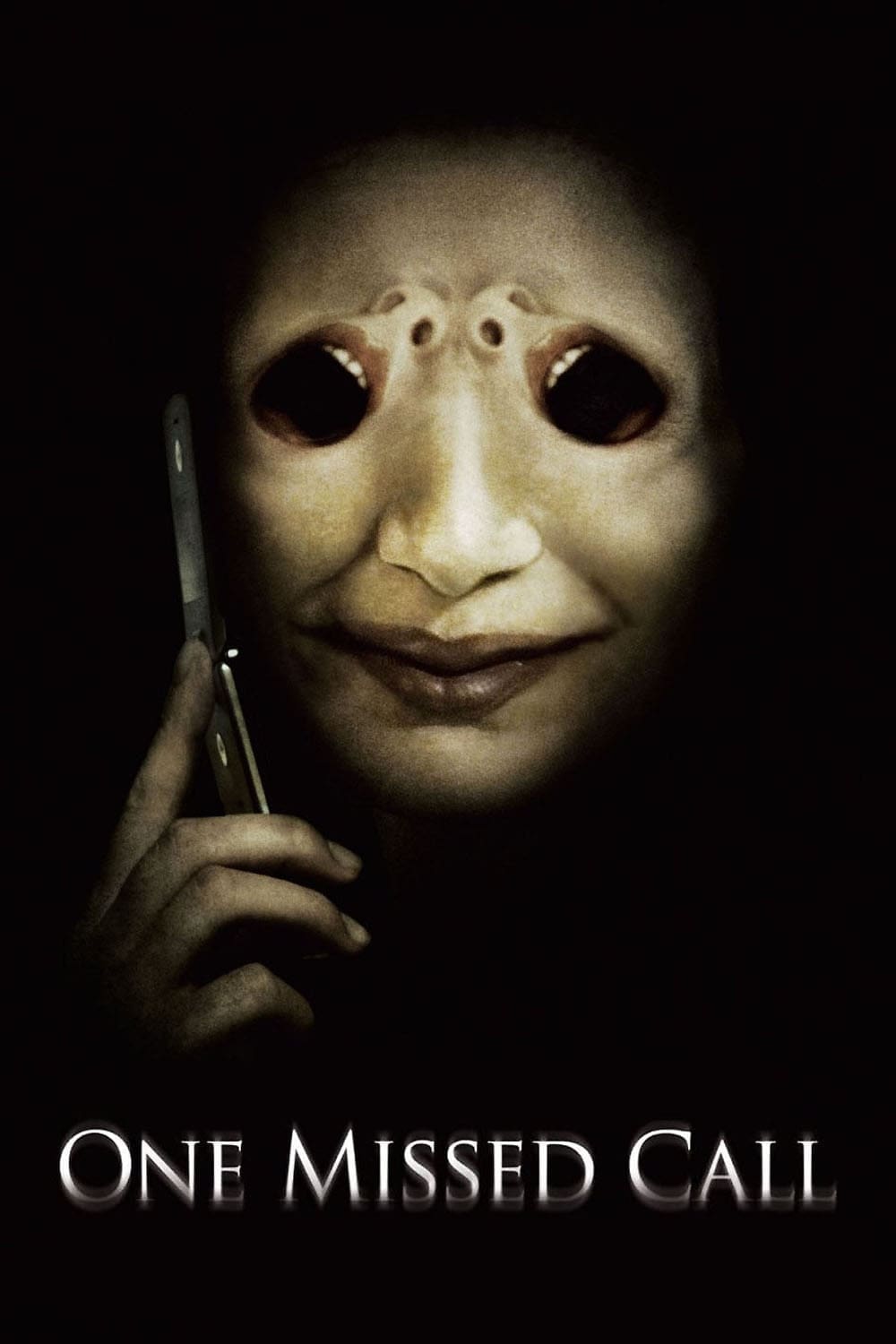
This remake of the Japanese horror film ‘Chakushin Ari,’ directed by Takashi Miike, stars Edward Burns and Shannyn Sossamon. The story, which centers around a curse transmitted through cell phone messages, was moved from Japan to America and features a Western cast. However, the remake received overwhelmingly negative reviews and currently has a zero percent rating on several critic websites. Many viewers of the original film considered it a needless and unsuccessful attempt to profit from the popularity of Japanese horror, and a prime example of how adapting Asian horror for Western audiences often leads to disappointing results.
‘The Eye’ (2008)
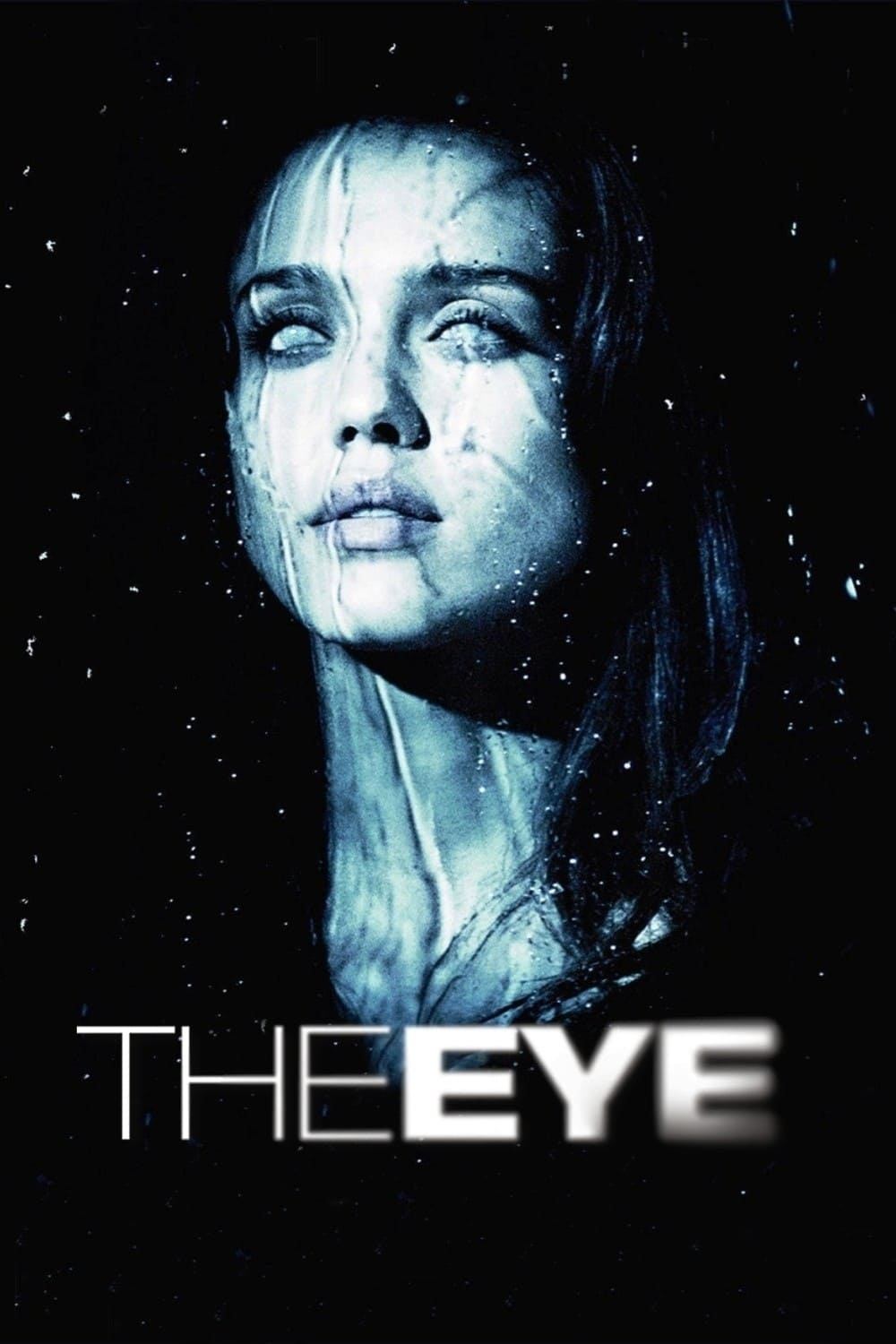
This American film, starring Jessica Alba, is a remake of a 2002 horror movie originally made in Hong Kong and Singapore. The story centers on a blind violinist who gets a corneal transplant and starts experiencing frightening supernatural visions. While the remake is set in Los Angeles and features a Hollywood star, reviewers pointed out it closely copied the original film but didn’t capture the same level of suspense or unique atmosphere. It’s often seen as one of many similar Asian horror remakes that became popular—and eventually overdone—during that time.
‘Dark Water’ (2005)
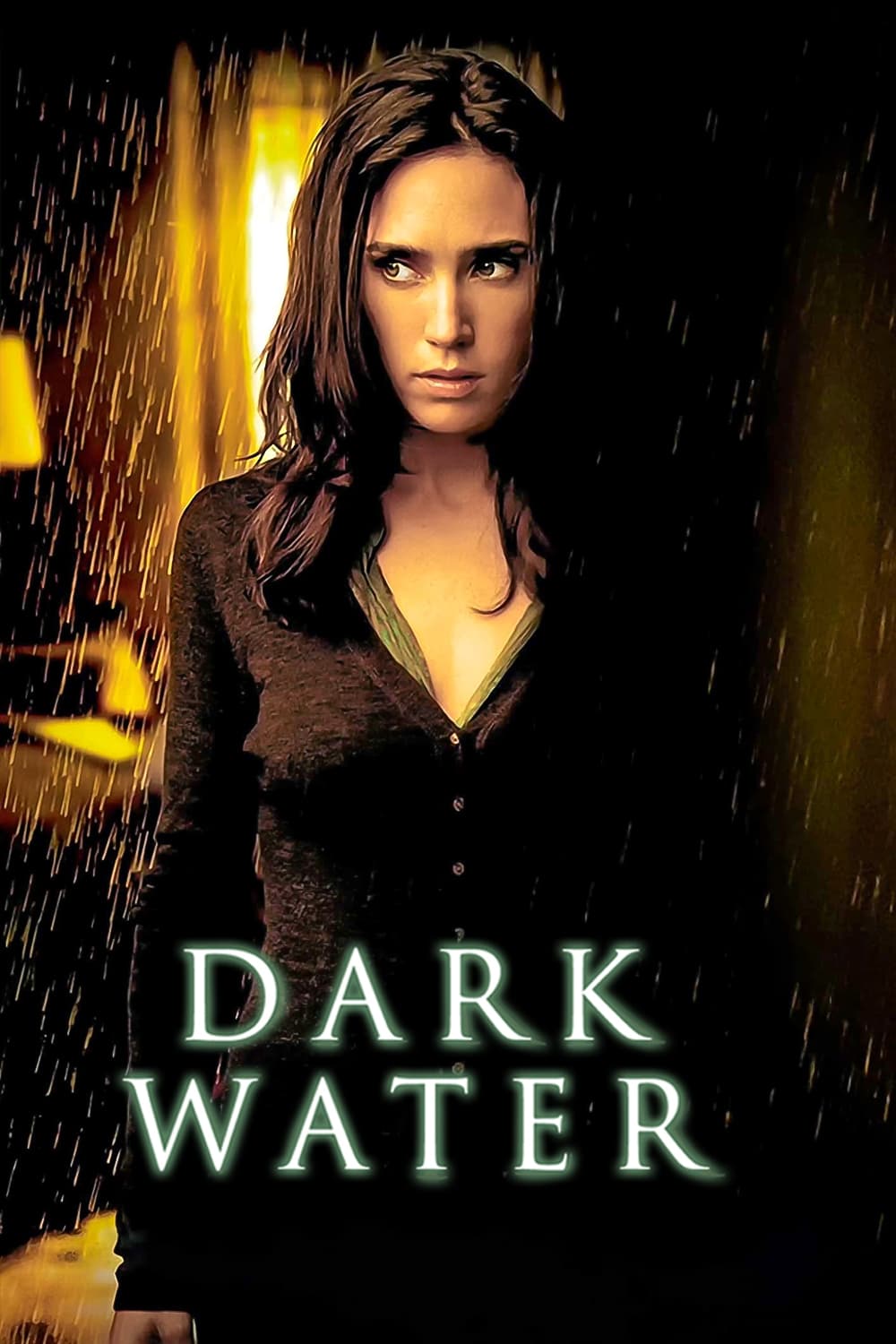
Jennifer Connelly leads this reimagining of a Japanese horror movie from 2002, originally directed by Hideo Nakata. The film follows a mother and daughter who move into a run-down apartment building haunted by strange events. While the American remake tried to keep the original’s serious mood, it swapped the Japanese locations for Roosevelt Island in New York City. Though well-made, the remake didn’t have the same impact as the original Japanese film, and it’s an example of how a traditional cultural ghost story can be adapted for Western viewers.
‘Shutter’ (2008)
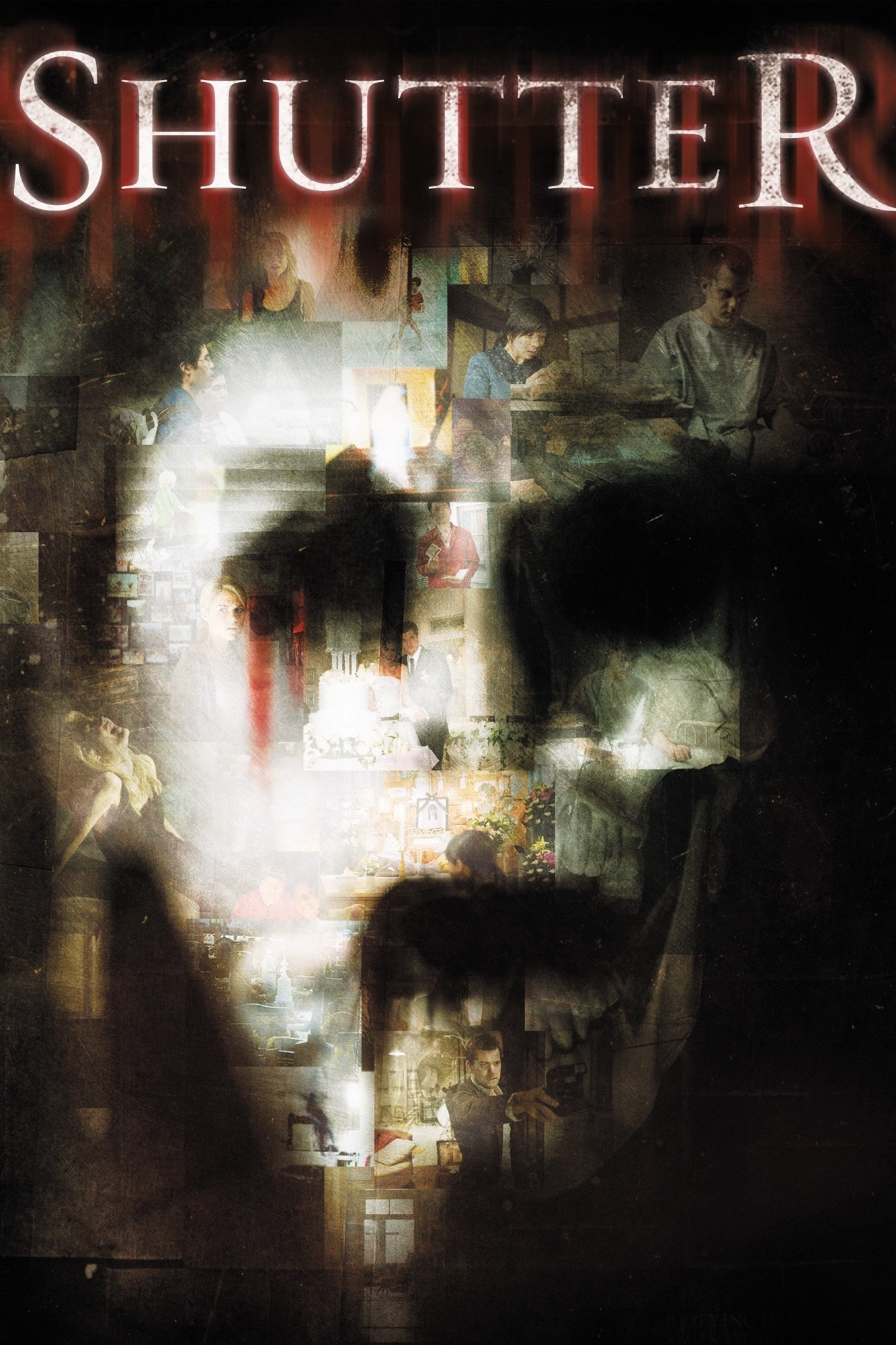
Okay, let’s talk about this ‘Shutter’ remake starring Joshua Jackson and Rachael Taylor. It’s based on a really popular Thai horror film from 2004 – a genuinely scary movie that heavily features spirit photography. Now, this American version decided to set things in Tokyo, which sounds cool, but kept the leads as Western expats. Honestly, it felt a little odd – like they wanted the visual flair of Japan without fully committing to telling a story about Japan. Sadly, it didn’t work. Critics weren’t impressed, and it’s often mentioned as one of the less successful attempts to bring Asian horror to American audiences. It just didn’t capture what made the original so effective.
Let us know your opinions on these casting decisions, and feel free to share your preferred original actors or versions in the comments below.
Read More
- Top 20 Dinosaur Movies, Ranked
- 20 Movies Where the Black Villain Was Secretly the Most Popular Character
- Celebs Who Narrowly Escaped The 9/11 Attacks
- 25 “Woke” Films That Used Black Trauma to Humanize White Leads
- Spotting the Loops in Autonomous Systems
- Gold Rate Forecast
- The 10 Most Underrated Jim Carrey Movies, Ranked (From Least to Most Underrated)
- The Best Directors of 2025
- Transformers Under the Microscope: What Graph Neural Networks Reveal
- Silver Rate Forecast
2026-01-26 02:47