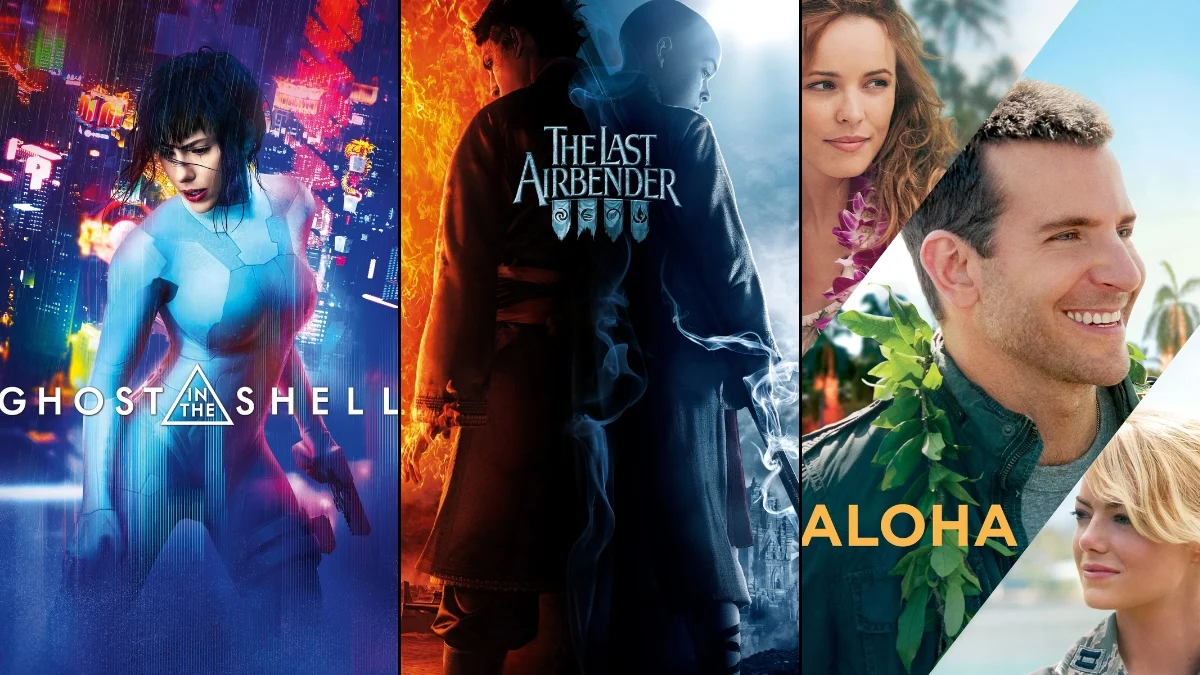
It’s common for big Hollywood movies and shows to face criticism when they change a character’s ethnicity from the original story. This list highlights 30 times that happened, looking at how filmmakers chose actors with different backgrounds than the characters they were playing or the people those characters were based on. These choices often led to discussions about fair representation and whether cultural identities were being overlooked. Both industry professionals and viewers have closely examined these situations to understand how casting affects the story and the importance of diversity in media.
‘The Last Airbender’ (2010)
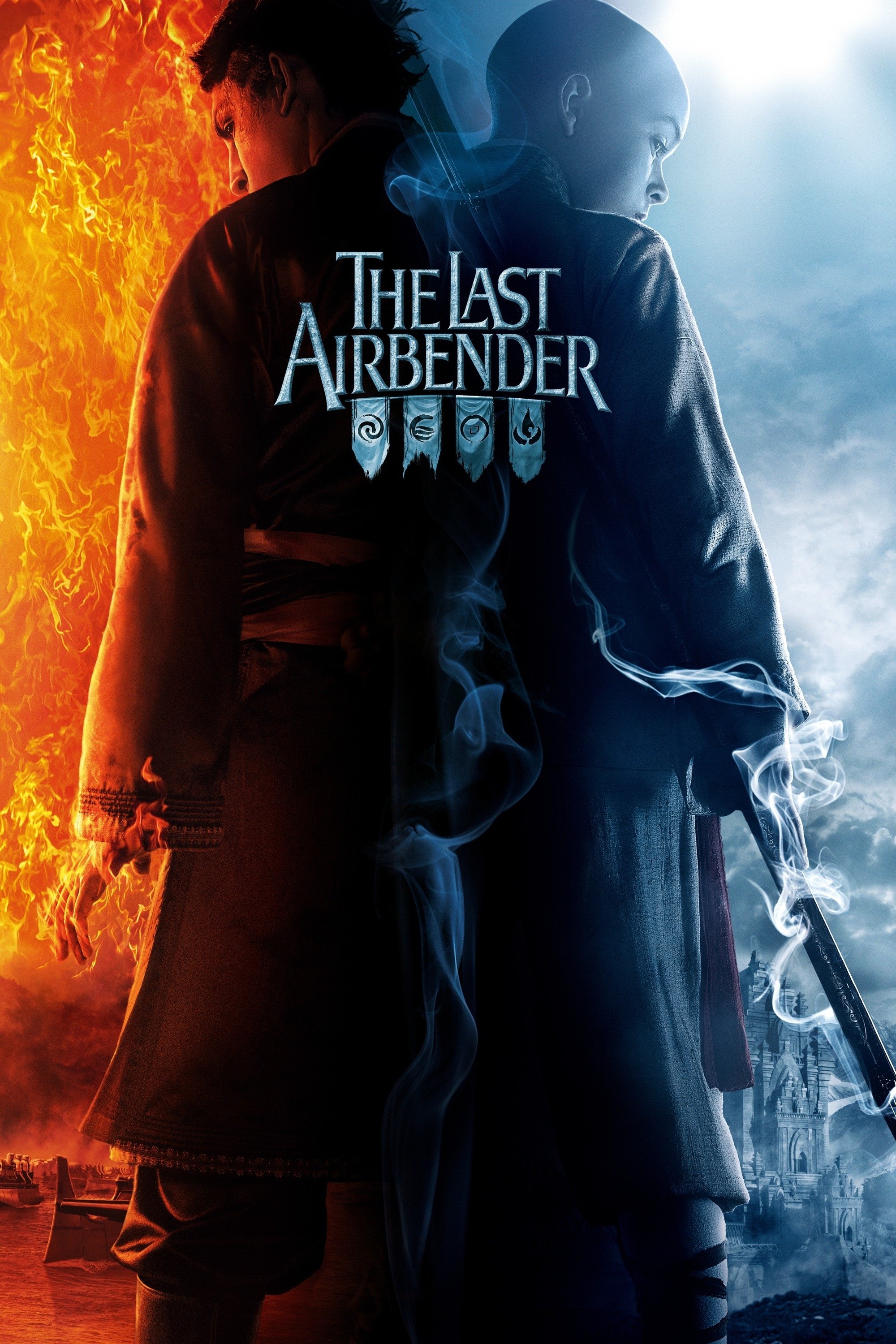
The movie adaptation of the popular animated series ‘Avatar: The Last Airbender’ faced strong criticism because of its casting decisions. The original series included characters with East Asian and Inuit backgrounds, but the film cast white actors – Noah Ringer as Aang and Nicola Peltz as Katara. Fans protested this, arguing that the film ignored the show’s cultural origins, and used the term ‘Racebending’ to voice their concerns. Director M. Night Shyamalan explained that his intention was to create a multicultural interpretation of the story.
‘Ghost in the Shell’ (2017)
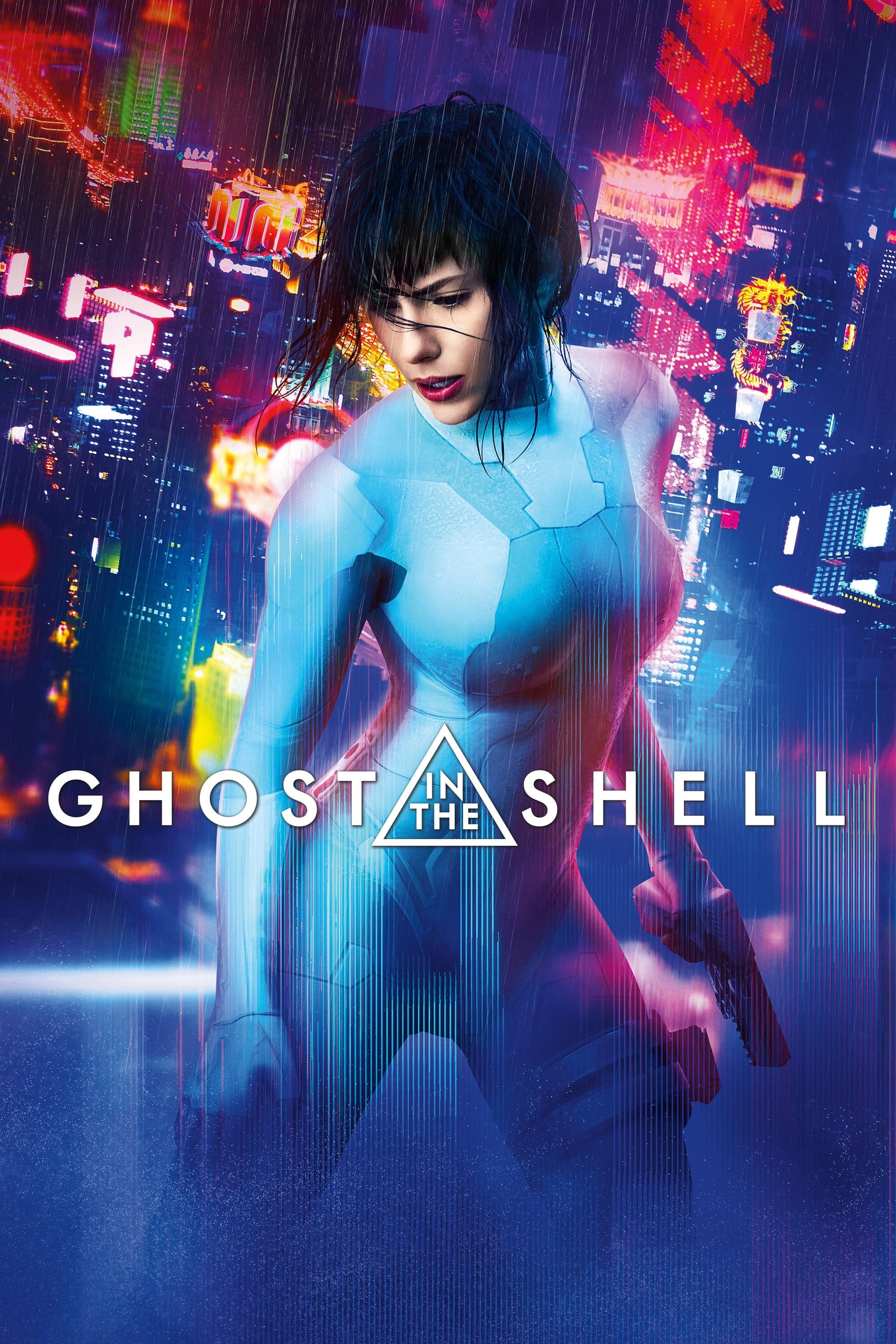
Scarlett Johansson played Major Motoko Kusanagi in the movie version of the popular Japanese manga and anime series. Casting a white actress for a character originally created as Japanese sparked criticism, with many accusing the filmmakers of ‘whitewashing.’ The producers defended their choice by saying the character’s robotic body was meant to be racially undefined, despite the story taking place in Japan. The film later tried to address the character’s appearance with a debated plot point about a brain transplant.
‘Prince of Persia: The Sands of Time’ (2010)
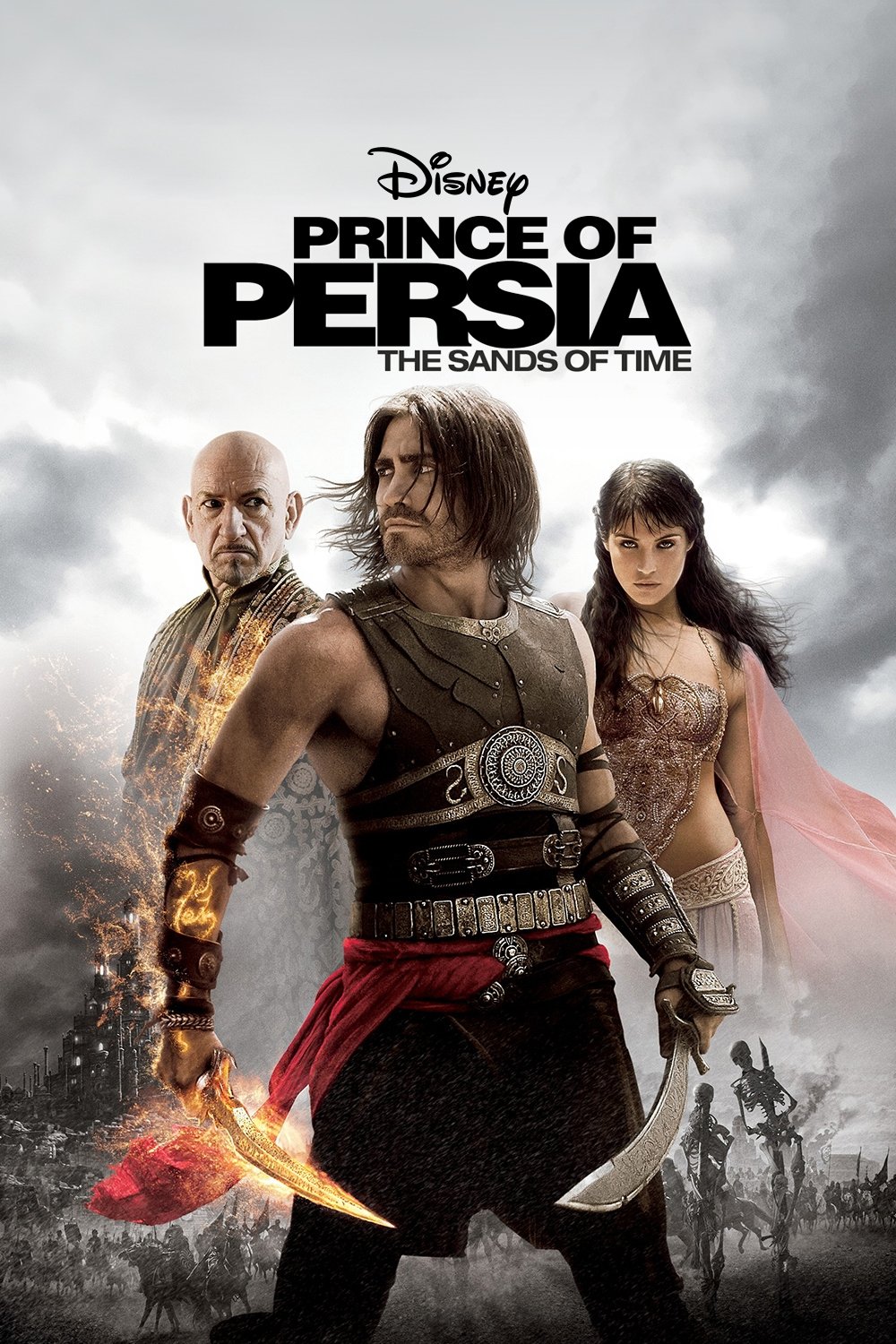
Jake Gyllenhaal starred as Dastan in the movie version of the popular ‘Prince of Persia’ video game. Although the story is set in sixth-century Persia, most of the main actors were white. Many viewers and critics pointed out the contradiction of a ‘Prince of Persia’ film featuring a lead actor who wasn’t of Middle Eastern descent. Disney responded by saying Gyllenhaal’s appearance and his popularity as an actor were important for launching a successful film series.
‘Exodus: Gods and Kings’ (2014)
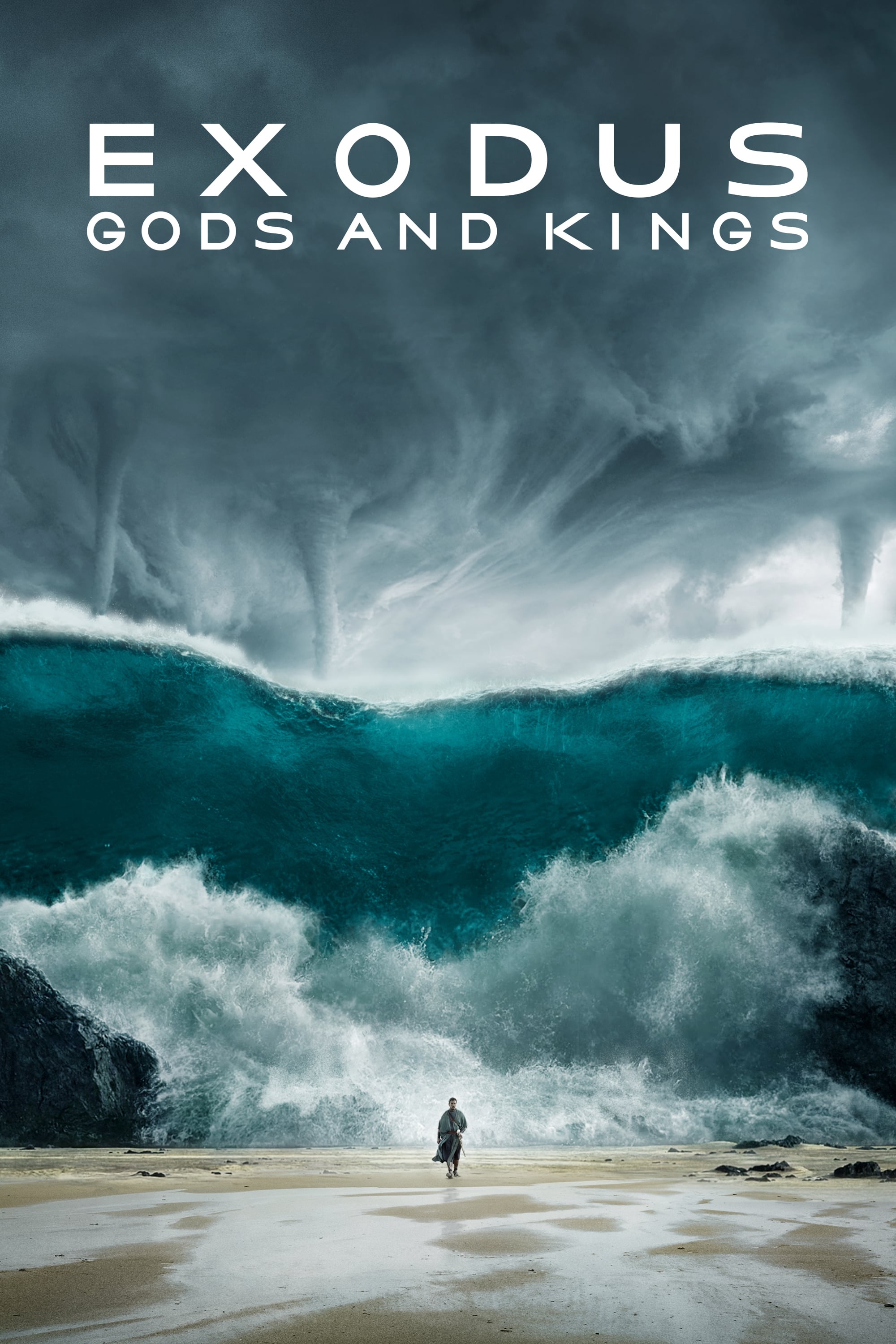
Director Ridley Scott received some backlash for choosing Christian Bale and Joel Edgerton to play Moses and Ramses in his film about ancient Egypt. Given that the story features characters from North Africa and the Middle East, some questioned the casting. Scott explained that he needed well-known actors to attract the funding necessary for such a large-scale production; he believed the film wouldn’t have been made if he hadn’t cast international stars.
‘Gods of Egypt’ (2016)
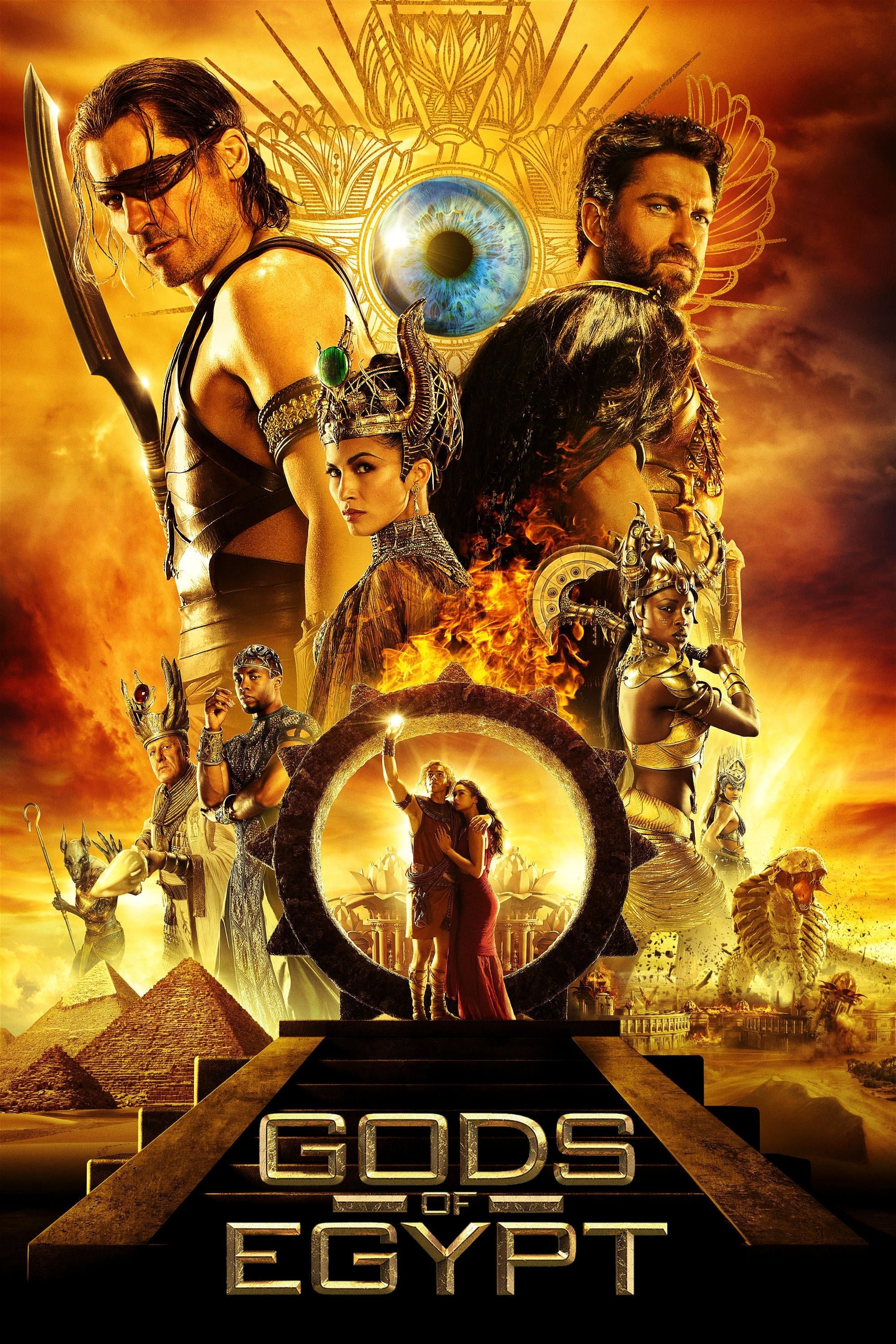
Okay, so I was really excited for this ancient Egypt-inspired action movie, but honestly, I was pretty disappointed with the casting. They went with mostly white actors – Nikolaj Coster Waldau and Gerard Butler were the leads – to play gods and people from ancient Egypt, and it caused a huge backlash. People were rightfully upset! The director and the studio actually had to apologize, admitting they messed up by not having a diverse cast that actually reflected the history and mythology they were portraying. It even hurt the movie’s box office numbers, which is a shame, but I think it sends a message that representation matters.
‘Doctor Strange’ (2016)
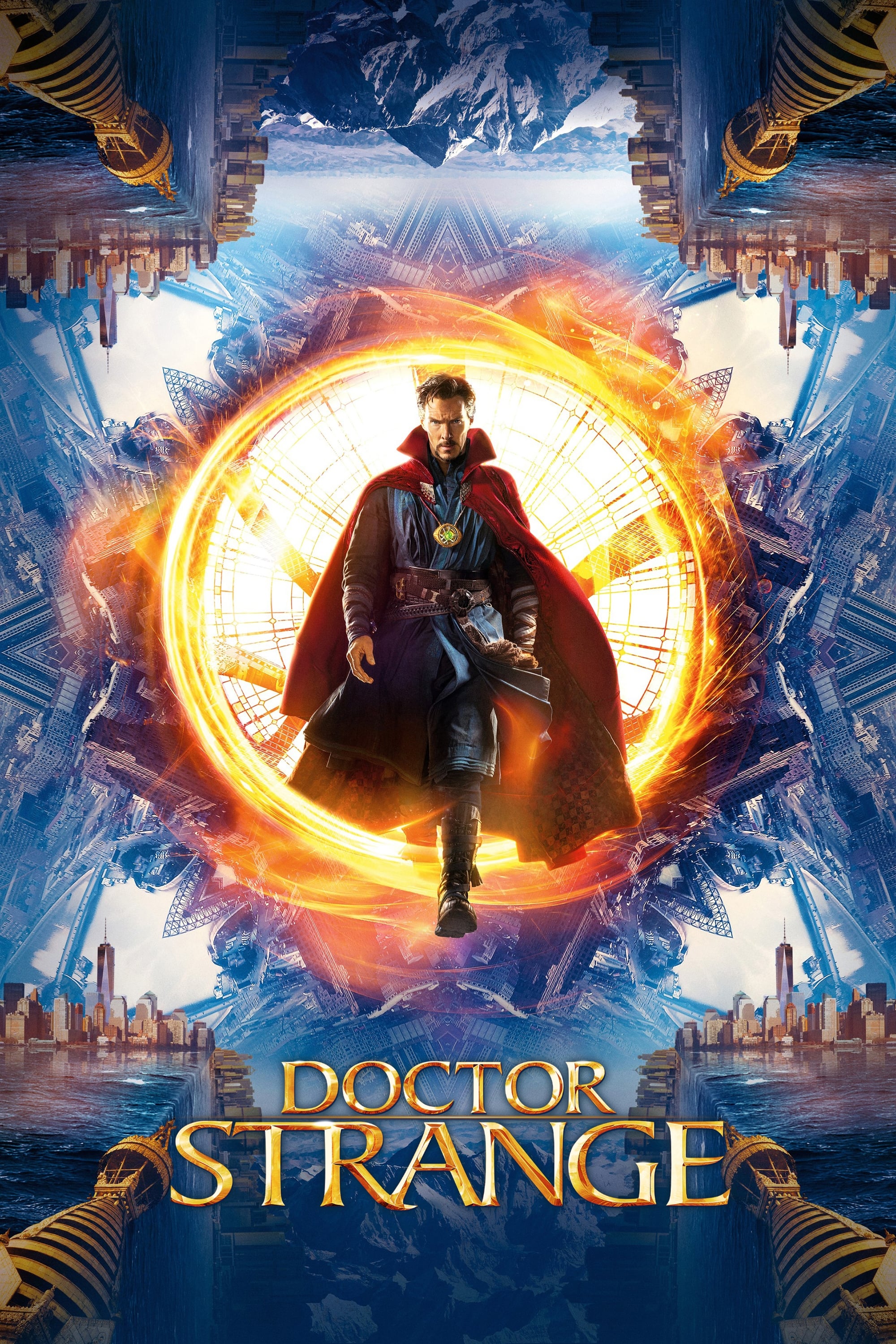
I was really fascinated by Tilda Swinton’s portrayal of the Ancient One in ‘Doctor Strange.’ I understand the character was originally written as a Tibetan man, and Marvel explained they wanted to move away from clichés. Still, I can see why some people felt disappointed that they changed a significant Asian character, and it’s something I’ve thought about since seeing the film.
‘Dragonball Evolution’ (2009)
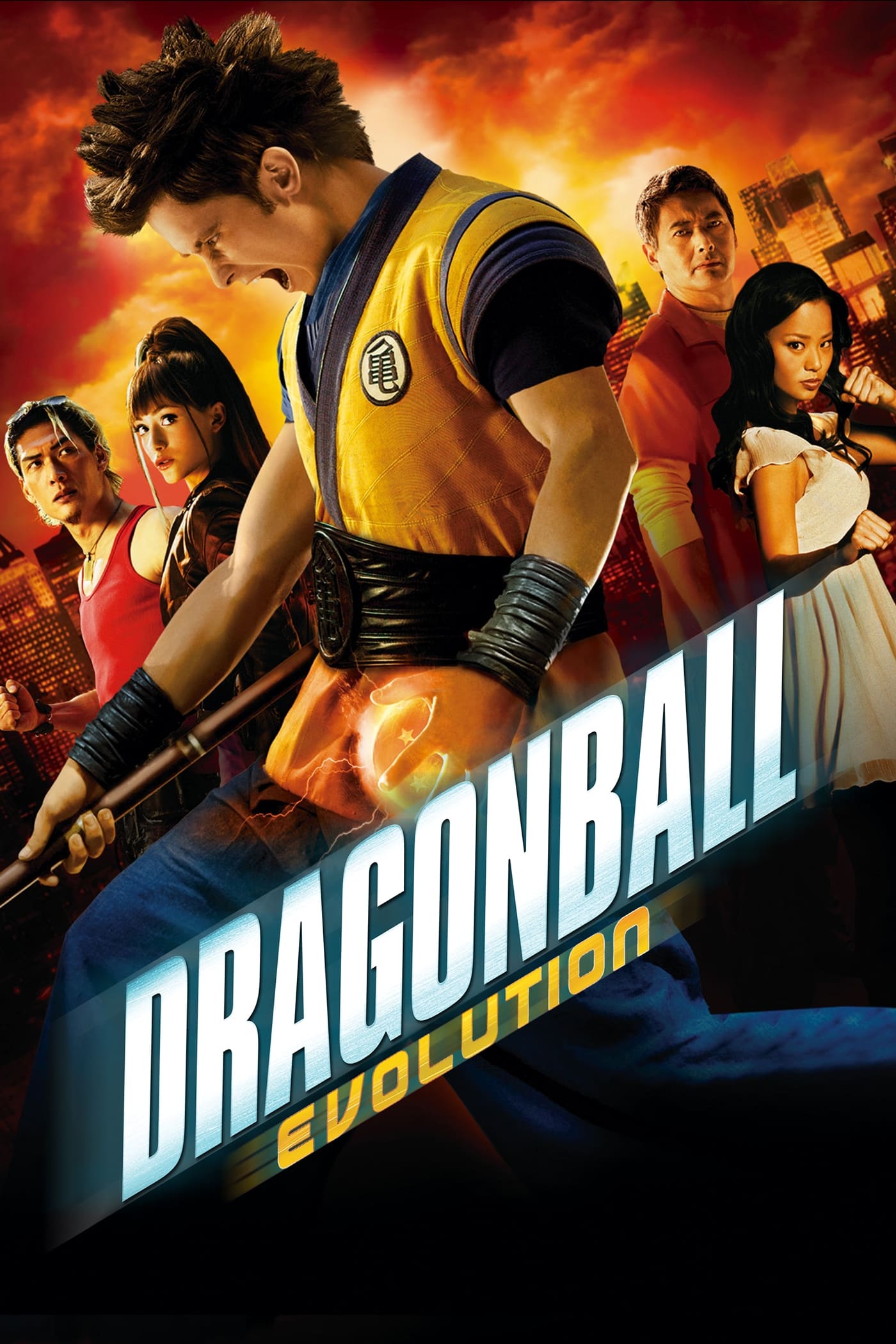
The live-action ‘Dragon Ball’ movie cast Justin Chatwin as Goku, the main character. However, fans were upset with the casting because Goku, though an alien, is usually portrayed as having East Asian characteristics and a cultural background. The film received negative reviews, didn’t perform well in theaters, and is now often used as an example of how not to adapt anime and manga.
‘Aloha’ (2015)

In the romantic comedy ‘Aloha,’ Emma Stone played Allison Ng, a character intended to be one-quarter Chinese and one-quarter Hawaiian. The casting of Stone, a white actress, to play a character of color sparked significant criticism, and the director, Cameron Crowe, publicly apologized. Crowe stated the character was inspired by a real person whose mixed heritage wasn’t immediately apparent. However, the film became a prominent example of Hollywood’s history of ‘whitewashing,’ or casting white actors in roles meant for people of color.
‘Pan’ (2015)

The movie Peter Pan Origin sparked controversy when Rooney Mara, a white actress, was cast as Tiger Lily, a character traditionally portrayed as Native American. A petition with thousands of signatures protested the casting choice. While filmmakers explained they envisioned the Neverland tribe as diverse, the decision remained unpopular and is believed to have hurt the film’s performance in theaters.
‘The Lone Ranger’ (2013)

In the recent remake of The Lone Ranger, Johnny Depp played Tonto, the Native American companion. While Depp stated he had Native American roots, his casting sparked controversy among Indigenous groups. The film’s depiction of Tonto, featuring a crow headpiece and detailed makeup, was seen by some as relying on harmful stereotypes. Though the filmmakers consulted with Comanche advisors to ensure some accuracy, the decision to cast Depp as Tonto remained a contentious issue.
‘Breakfast at Tiffany’s’ (1961)

In the film ‘Breakfast at Tiffany’s,’ Mickey Rooney played Mr. Yunioshi using makeup and an exaggerated accent to portray a Japanese character. This character was originally written as a Japanese neighbor in Truman Capote’s book. Today, the performance is widely criticized as a deeply offensive example of yellowface – a practice where non-Asian actors portray Asian characters with stereotypical features. Because of this, many modern showings of the film include introductions or discussions about the harmful way the character was presented.
‘Death Note’ (2017)
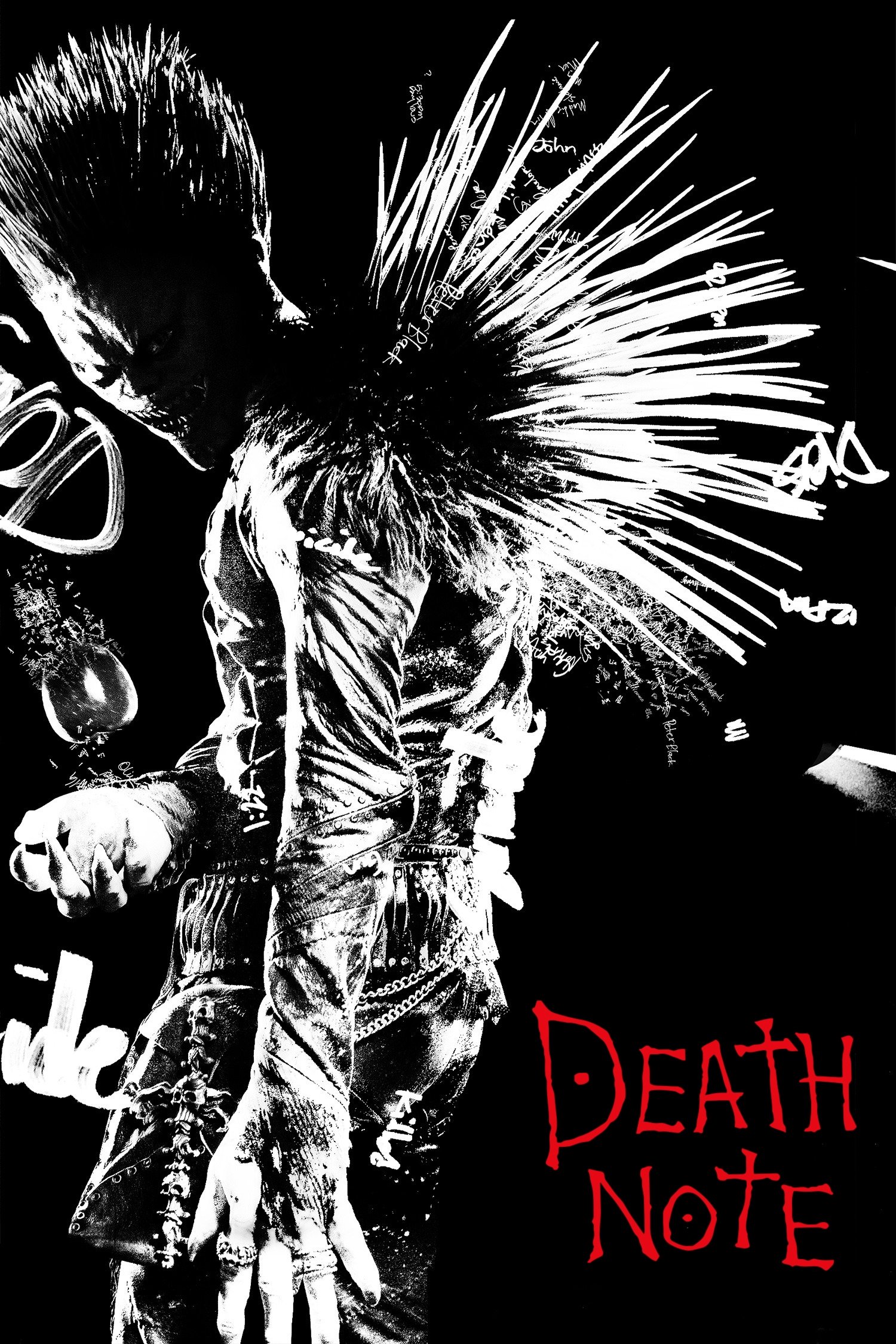
Netflix’s movie version of the Japanese comic ‘Death Note’ took place in Seattle instead of Tokyo and starred Nat Wolff in the main role. The main character, originally named Light Yagami, was changed to Light Turner, which many people criticized because it meant there was no Asian representation in the leading cast. The filmmakers said they wanted to create a fresh take on the story that would appeal to viewers around the world. However, fans and critics felt the change erased the important cultural and philosophical elements that made the original series so popular.
‘Star Trek Into Darkness’ (2013)
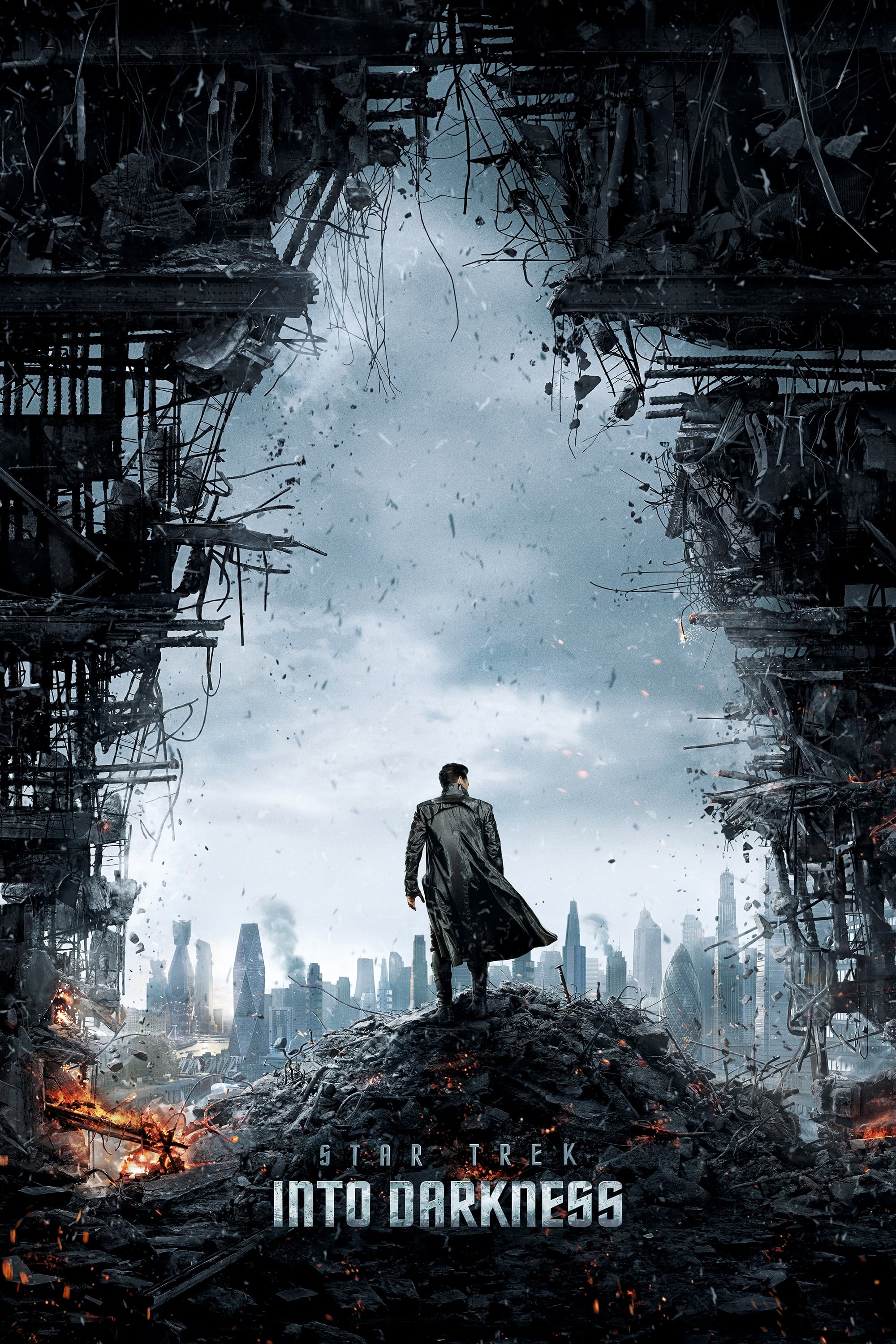
Benedict Cumberbatch played the villain Khan in the latest ‘Star Trek’ movie. The character first appeared in the original TV series, portrayed by Ricardo Montalban as a genetically engineered man of Indian descent. Casting a white British actor in the role caused considerable criticism from fans and those advocating for greater diversity. Director J.J. Abrams later admitted they should have been more open about the actor’s identity during the film’s promotion.
’21’ (2008)
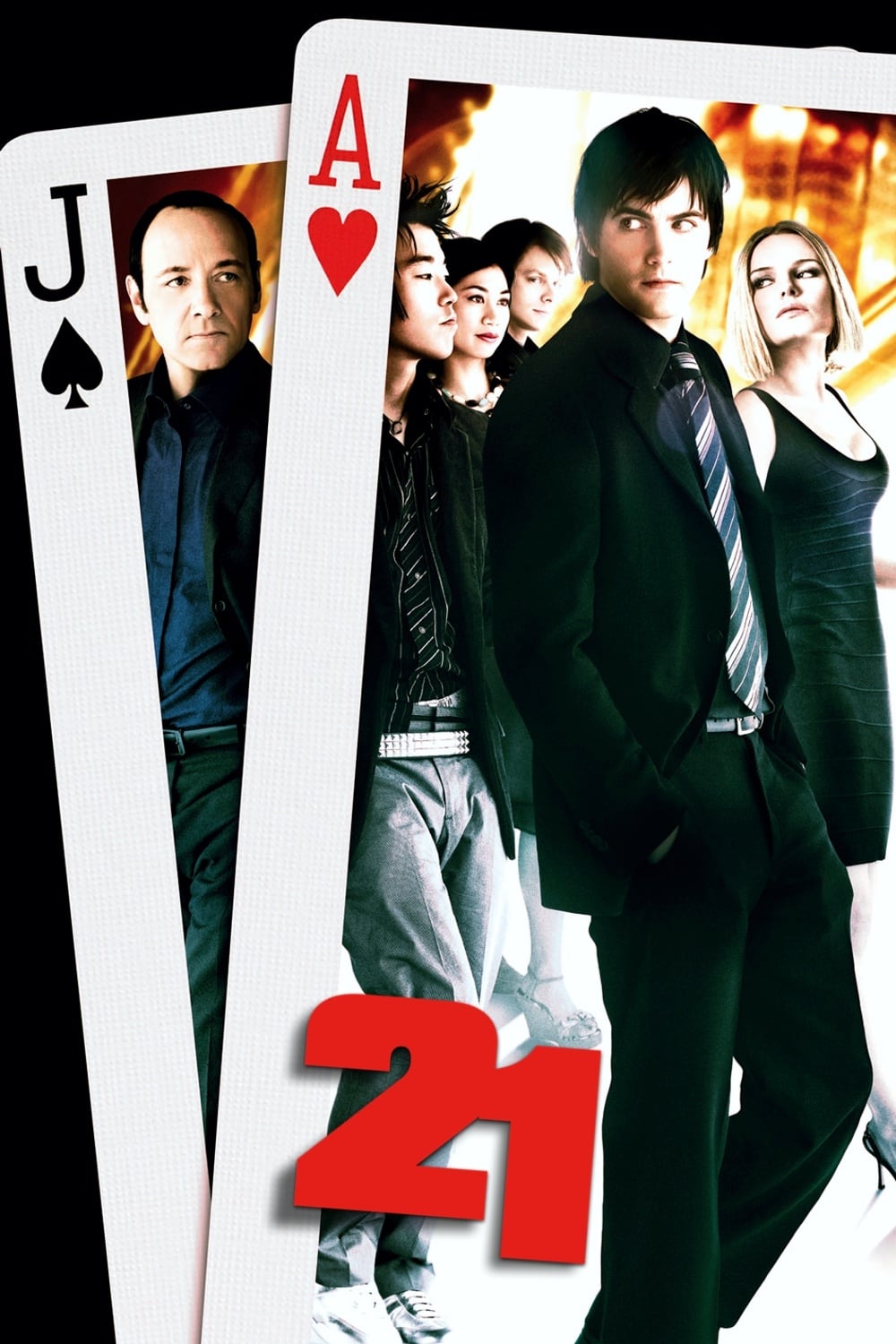
As a huge movie fan, I was really disappointed with the film ’21’. It’s based on the incredible true story of the MIT Blackjack Team, which was largely made up of Asian American students. But when the movie came out, the main characters were played by white actors – Jim Sturgess and Kate Bosworth. It felt like a real erasure of the real people and their identities. The studio said they did it to try and make the film more popular with everyone, but it just didn’t sit right with me, knowing the true story behind it.
‘Argo’ (2012)
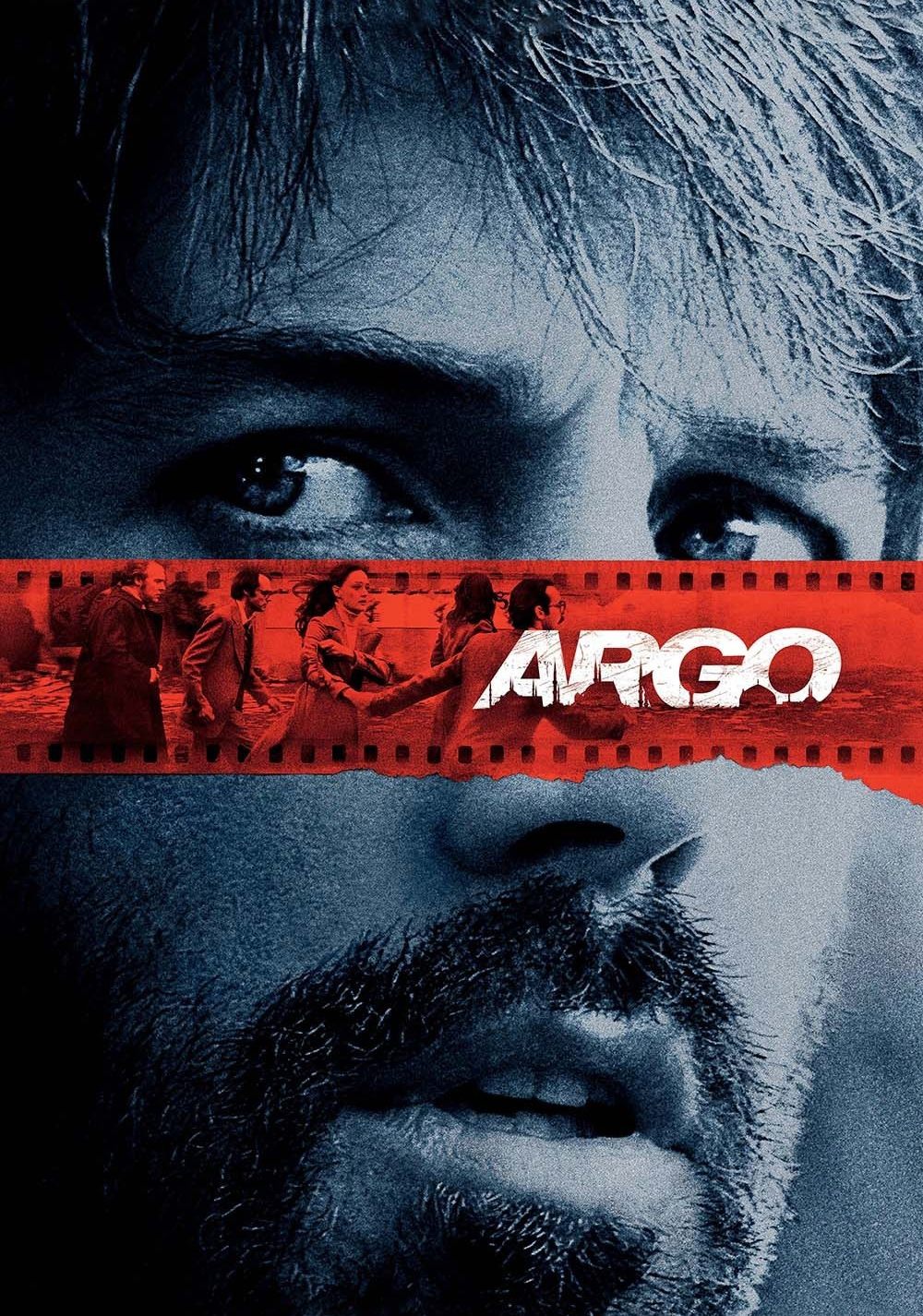
Ben Affleck directed and starred in the Oscar-winning movie ‘Argo,’ playing Tony Mendez, a CIA officer who bravely rescued American diplomats from Iran. The film faced some criticism because Affleck, who is white, played a real person, Tony Mendez, who was of Mexican American descent. However, Mendez himself said he didn’t see himself as a Latino hero and supported the casting decision.
‘The Conqueror’ (1956)

Okay, let’s talk about this one. John Wayne as Genghis Khan… it’s a choice, to say the least. This historical epic is now largely remembered as a truly unfortunate casting decision. Wayne, bless his heart, really leaned into the role with a lot of makeup and a rather stiff performance. Honestly, it’s hard to watch now, not because of the acting itself, but because the production never even considered finding an actor of Asian descent to play this iconic Asian leader. It was sadly typical for Hollywood at the time, but that doesn’t make it any less jarring to see today.
‘A Mighty Heart’ (2007)
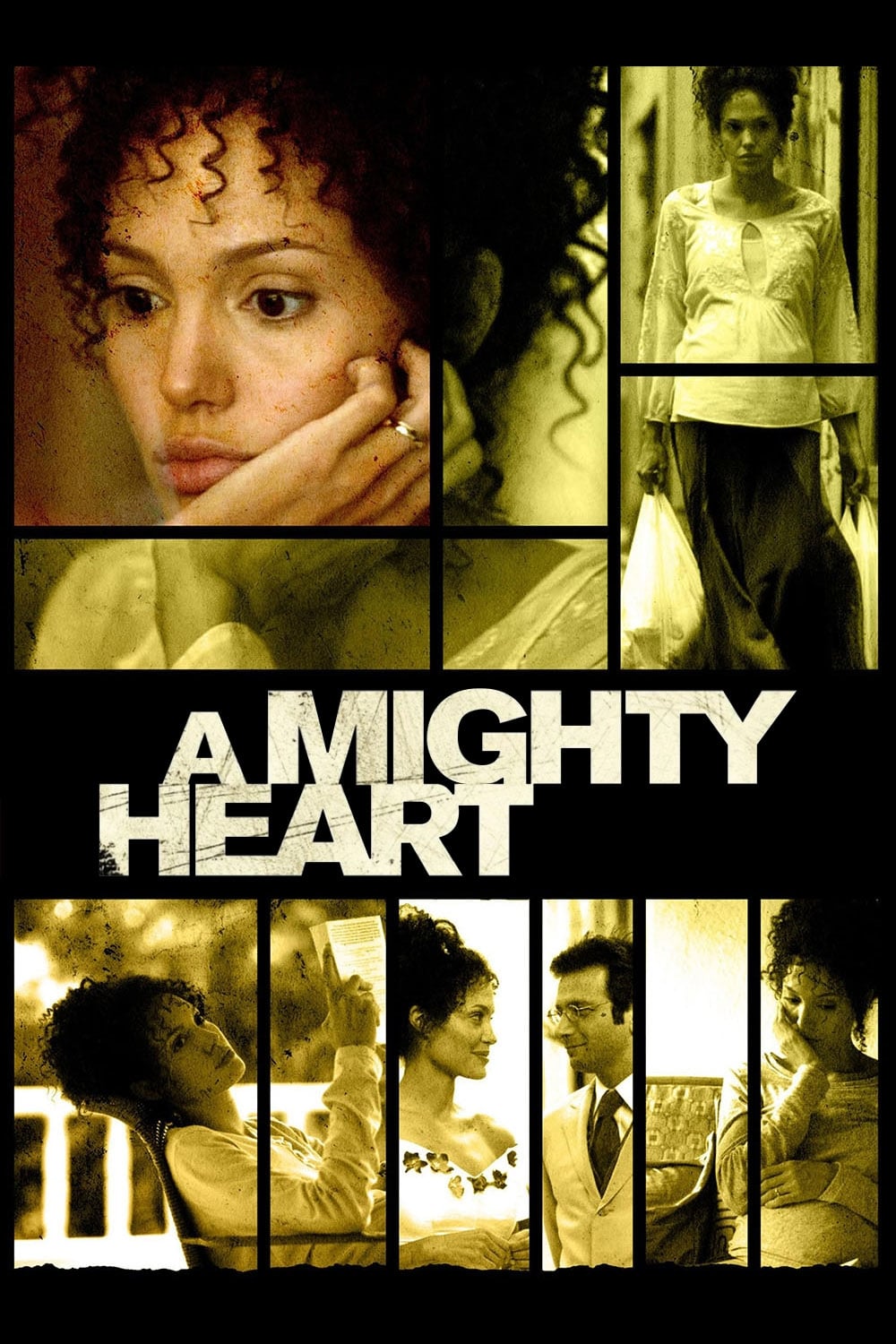
Angelina Jolie played Mariane Pearl in a movie based on the true story of the search for journalist Daniel Pearl after he was kidnapped. Mariane Pearl, who is of Afro-Chinese, Cuban, and Dutch heritage, has a different skin tone than Jolie. The filmmakers used makeup and hairstyling to make Jolie look more like Mariane, which led to discussions about whether it’s right for actors to alter their appearance to portray someone of a different race.
‘Bullet Train’ (2022)
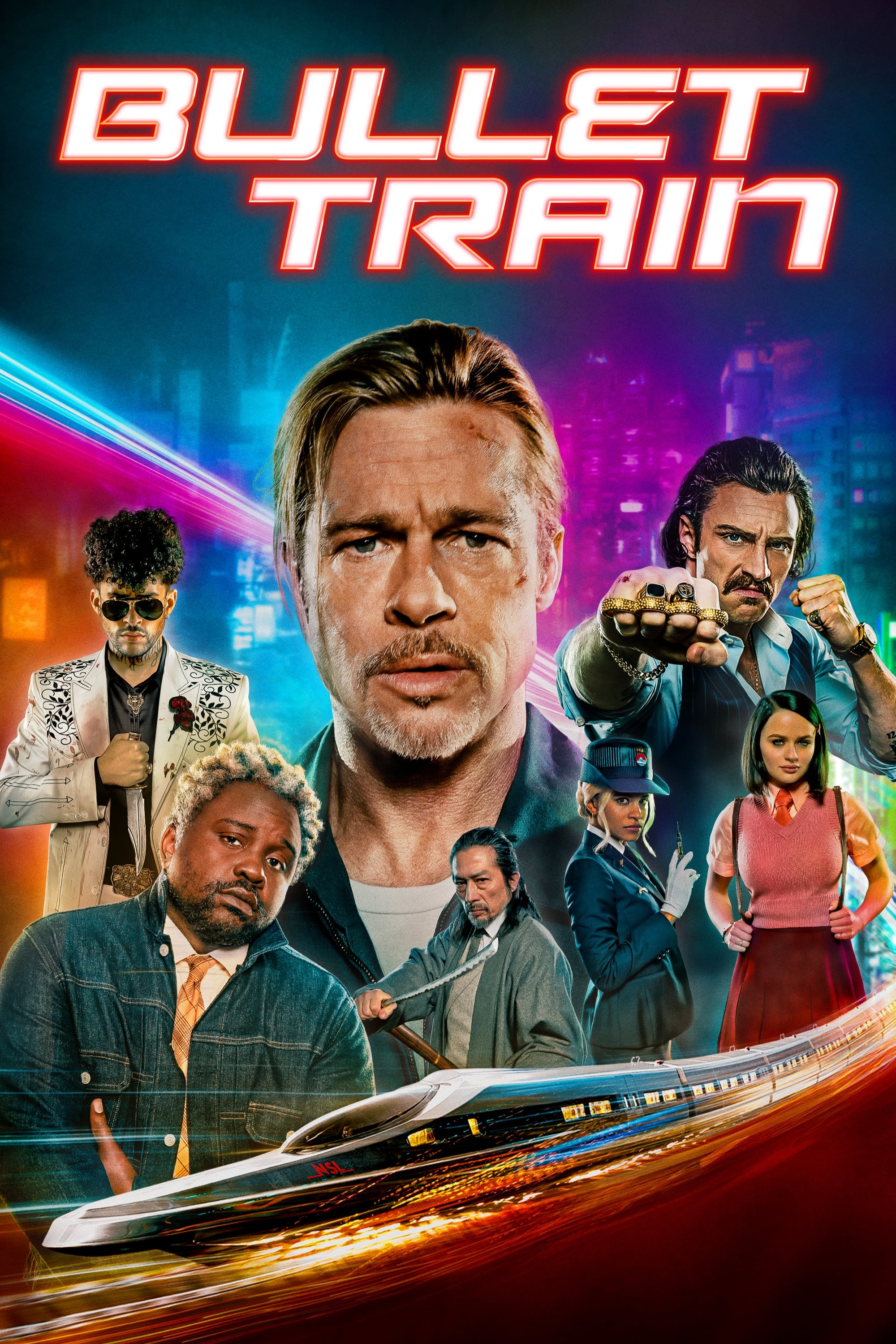
The movie ‘Bullet Train’ is inspired by the Japanese novel ‘Maria Beetle’ by Kotaro Isaka, which originally featured an all-Japanese cast. However, the film adaptation used a diverse cast, including actors like Joey King and Brad Pitt, for roles initially written as Japanese characters. Although the author gave his approval, many critics felt this change diminished the unique cultural setting of the original story. While the film did well at the box office, it sparked debate about how to best adapt international stories for different audiences.
‘Batman Begins’ (2005)
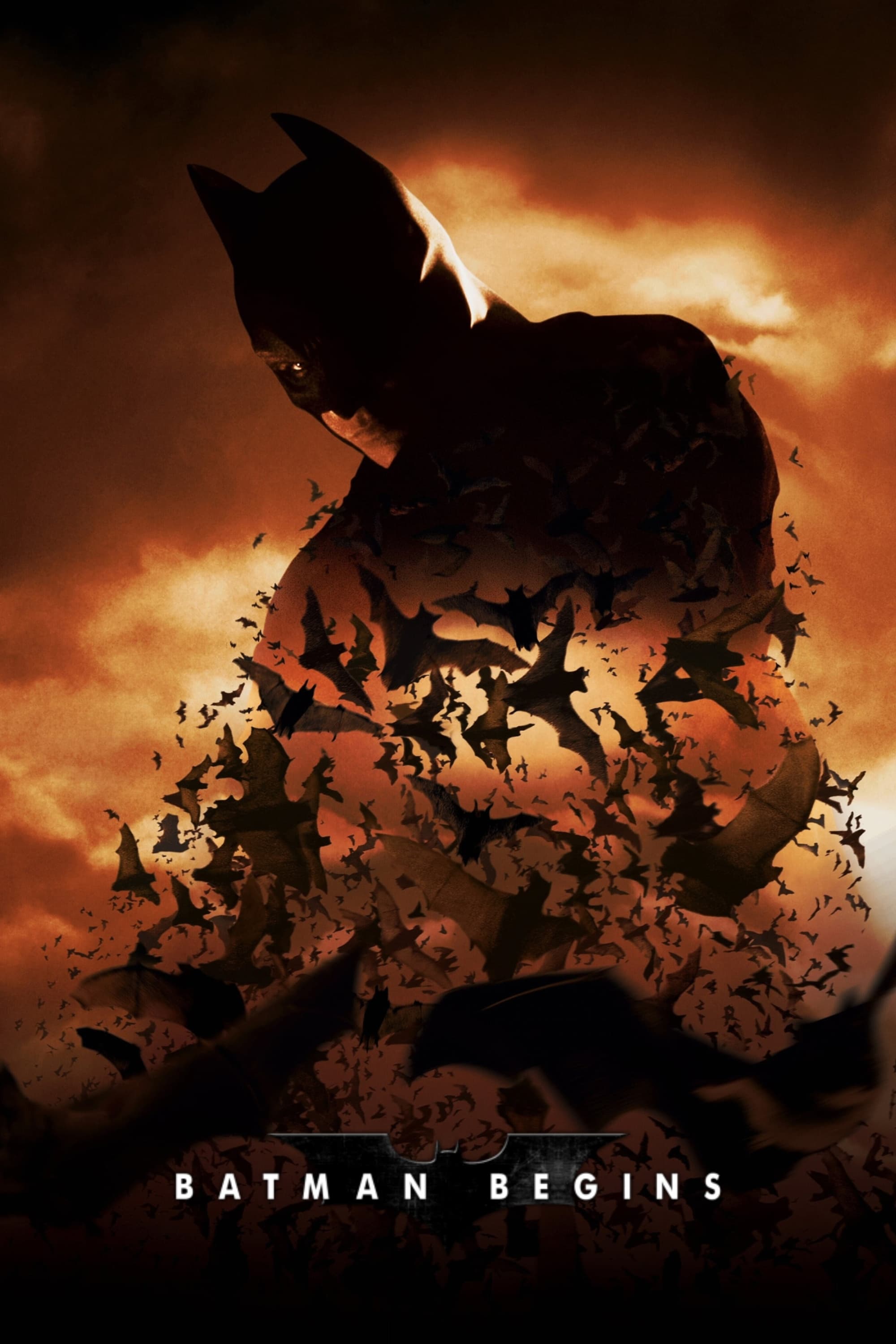
In ‘Batman Begins,’ Liam Neeson played Ra’s al Ghul, a character originally created in DC Comics with Middle Eastern or North African roots. He’s the leader of the League of Shadows and a key mentor to Bruce Wayne. Some viewers criticized the casting of Neeson, a white Irish actor, as a lost chance to provide better ethnic representation. Neeson continued to play the role, with the character’s altered backstory, in the following Batman films.
‘The King and I’ (1956)
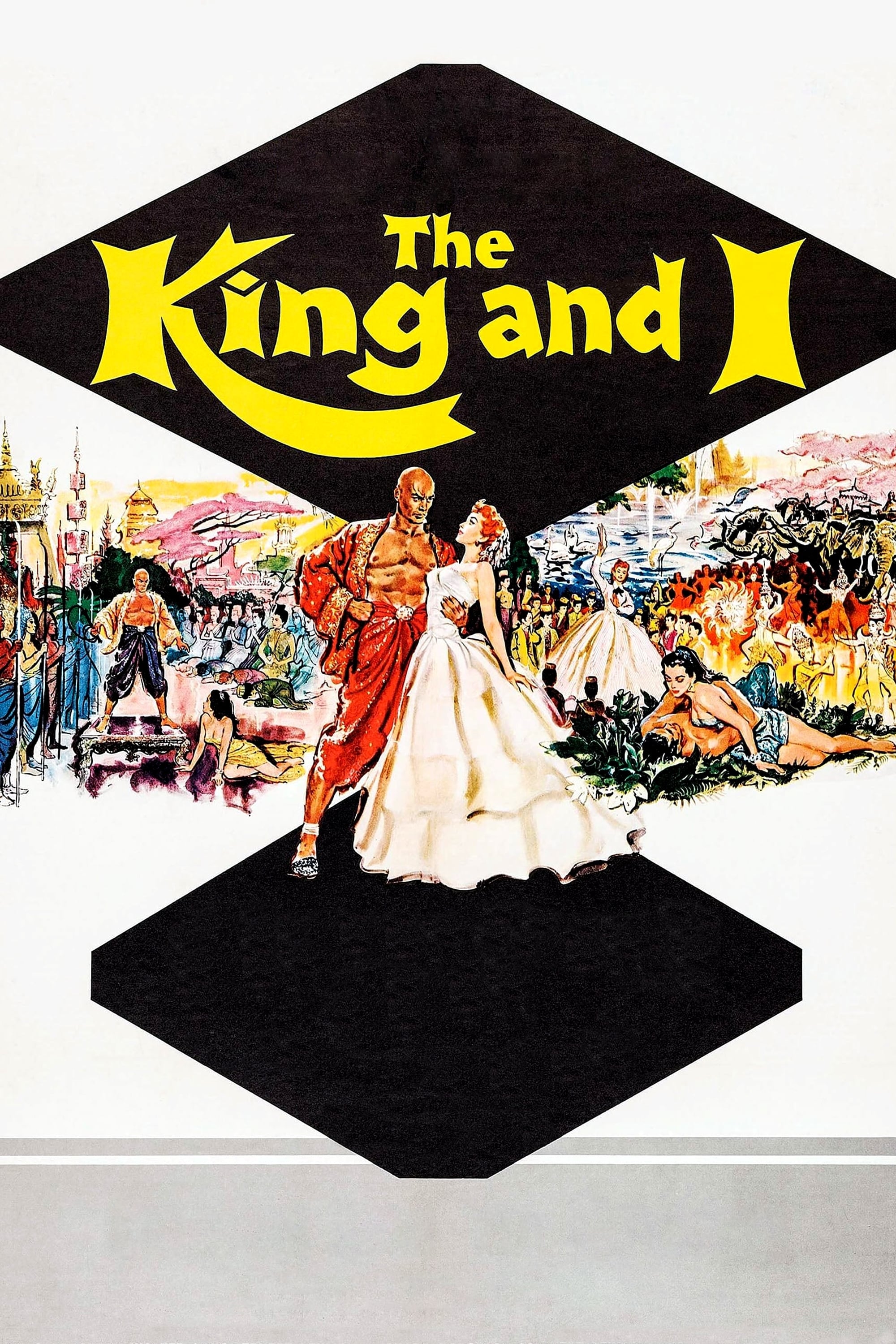
Yul Brynner won an Oscar for playing King Mongkut of Siam in this beloved musical. Although Brynner himself had a mixed ethnic background, he wore makeup to appear Asian for the role. The film is a classic, but it’s often discussed today because of its use of outdated and problematic racial stereotypes. Recent stage versions of the story now prioritize casting actors of Asian heritage to be more respectful of the culture and history.
‘A Beautiful Mind’ (2001)
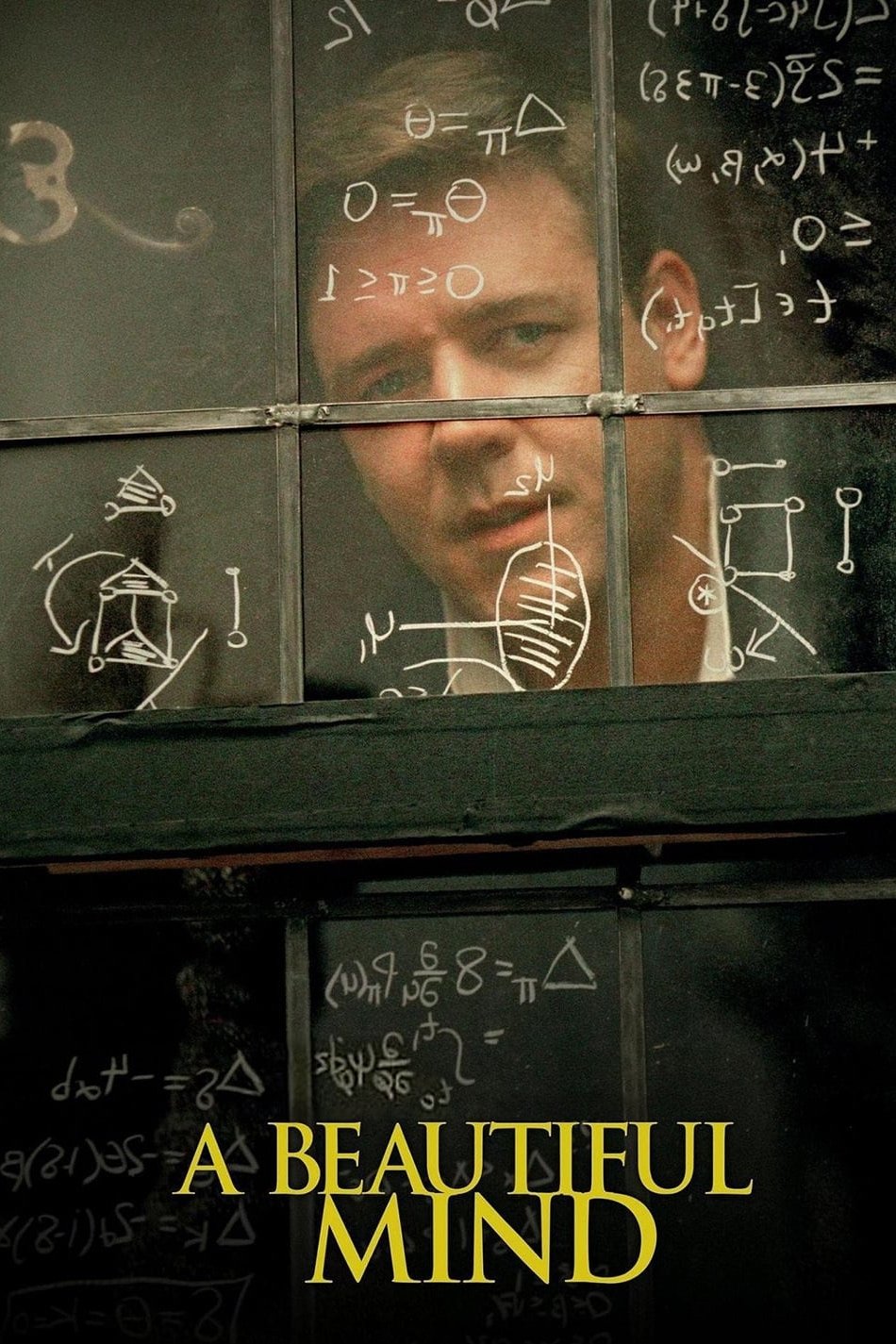
Jennifer Connelly won an Academy Award for her role as Alicia Nash in the movie ‘A Beautiful Mind.’ However, the film didn’t show that the real Alicia Nash was an immigrant from El Salvador, omitting her Central American background. Some people felt Connelly, who is of Irish and Jewish descent, being cast in the role overlooked Nash’s ethnicity. The movie mainly focused on the connection between Alicia and her husband, John Nash, and didn’t explore her personal history.
‘Memoirs of a Geisha’ (2005)
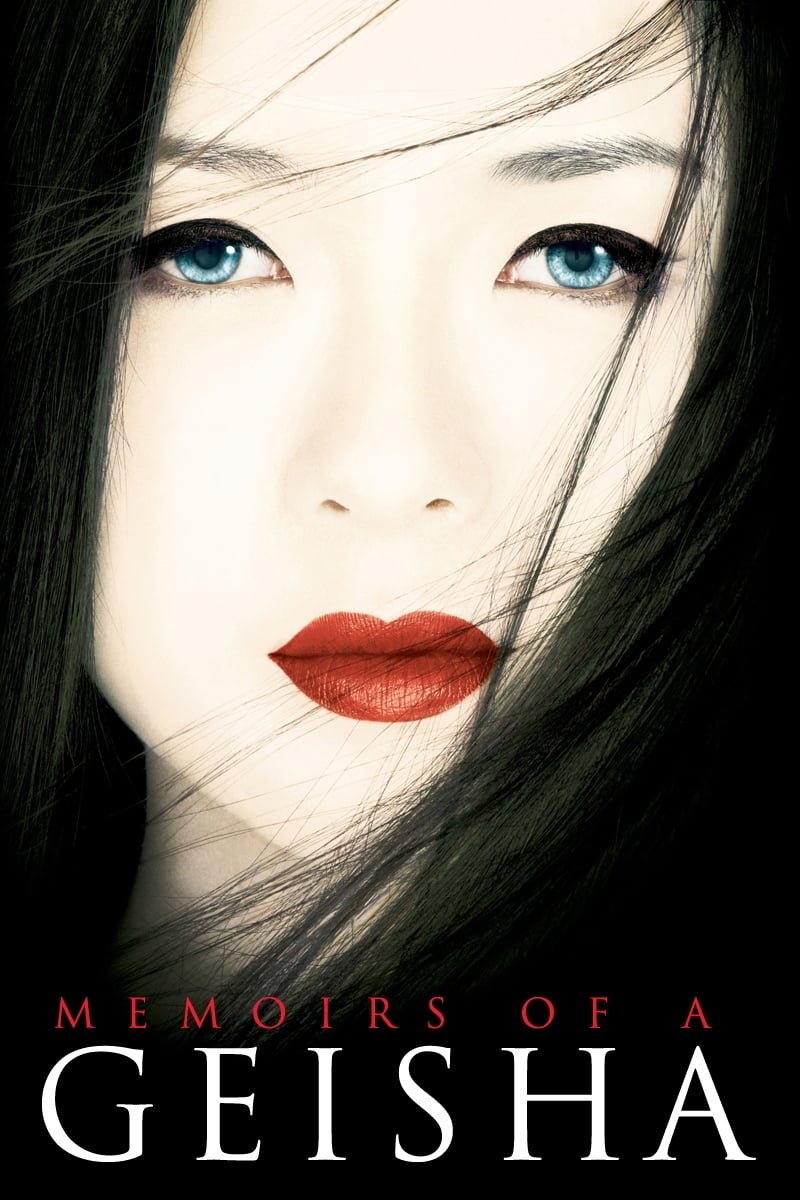
The movie ‘Memoirs of a Geisha’ sparked debate because it featured Chinese actresses, Zhang Ziyi and Michelle Yeoh, playing the roles of Japanese geisha. Although the film was visually stunning, many people in Japan and China felt the casting overlooked important cultural differences between their countries. Director Rob Marshall explained he chose the actresses for their skills and ability to portray the film’s emotional depth. This situation brought attention to a larger issue: the tendency in Western films to treat different Asian cultures as if they are the same.
‘Othello’ (1965)
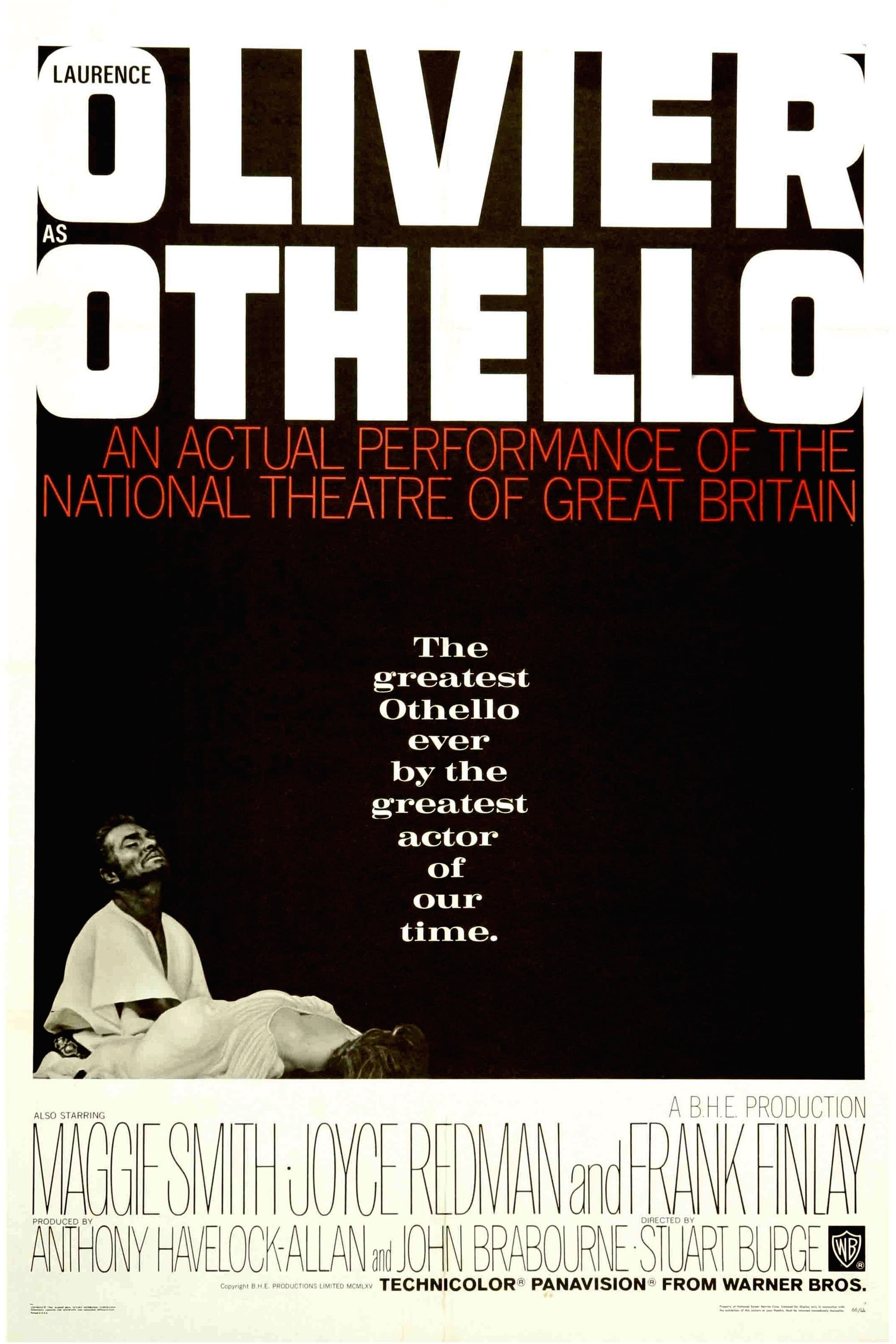
Laurence Olivier starred as Othello in the 1965 film, using dark makeup and changing his voice for the role. Othello is a general of Moorish origin in the Venetian army, typically understood to be from North Africa or sub-Saharan Africa. Today, Olivier’s performance is often cited as a well-known example of blackface in British cinema. Though it received positive reviews when it came out, it’s now widely seen as a questionable and problematic casting decision.
‘Speed Racer’ (2008)
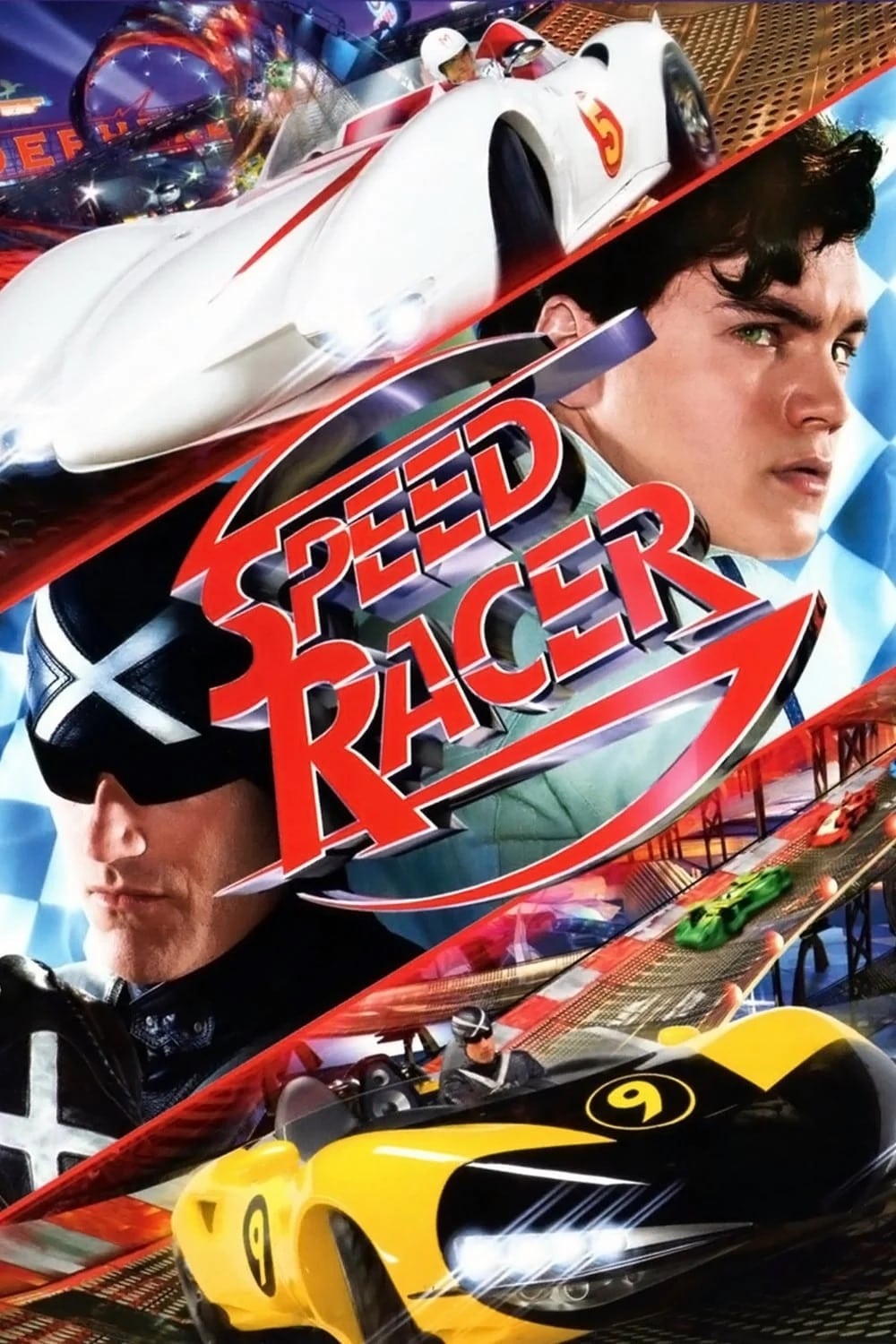
The 2008 movie ‘Speed Racer’ was directed by the Wachowskis and inspired by the popular Japanese anime and manga series. Emile Hirsch starred as Speed Racer, a character originally named Go Mifune in the Japanese version. While the film included actors from many countries, some fans questioned the decision to portray the main family as white. The filmmakers aimed to create a vibrant, dreamlike world that felt universal, while still honoring the original series.
‘Cloud Atlas’ (2012)
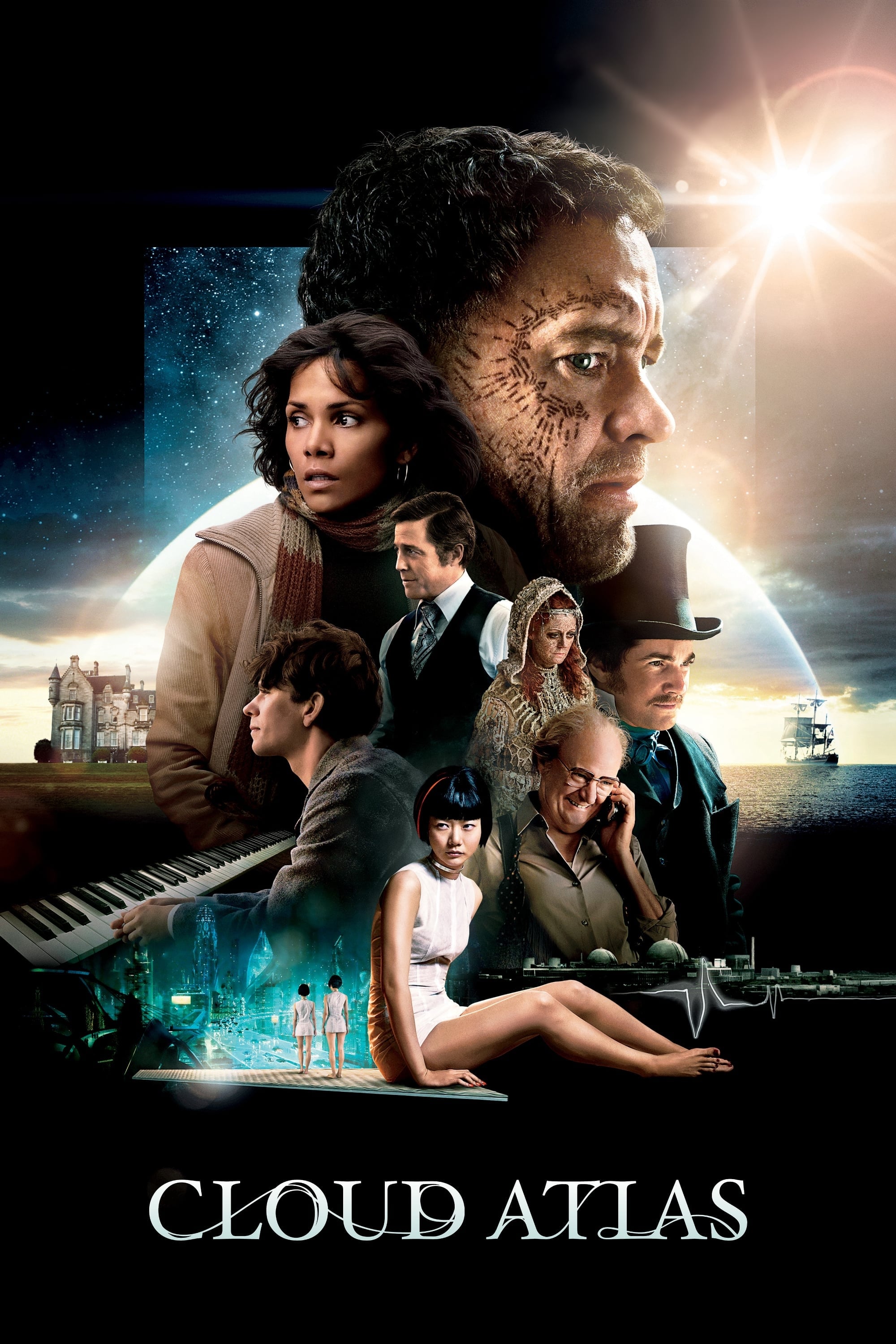
The movie ‘Cloud Atlas’ had actors playing various characters throughout history and across different ethnicities. In the film’s Neo Seoul section, actor Jim Sturgess, along with others, used makeup to appear Asian, a choice that drew strong criticism from activist groups who felt it relied on harmful and outdated racial stereotypes. The filmmakers defended the casting, stating it was important to the film’s central idea of souls being reborn into different bodies and races.
‘Stonewall’ (2015)

The 2015 movie ‘Stonewall’ told a fictional story about a white character named Danny Winters during the 1969 Stonewall riots. Critics and activists noted that the film downplayed the important roles of real transgender women of color, such as Marsha P. Johnson and Sylvia Rivera. Many believed the filmmakers used a white lead actor to make the story more appealing to a wider audience, even if it meant sacrificing historical accuracy. The director, Roland Emmerich, argued that this approach helped audiences connect with the story through a character they could easily relate to.
‘The Unforgiven’ (1960)
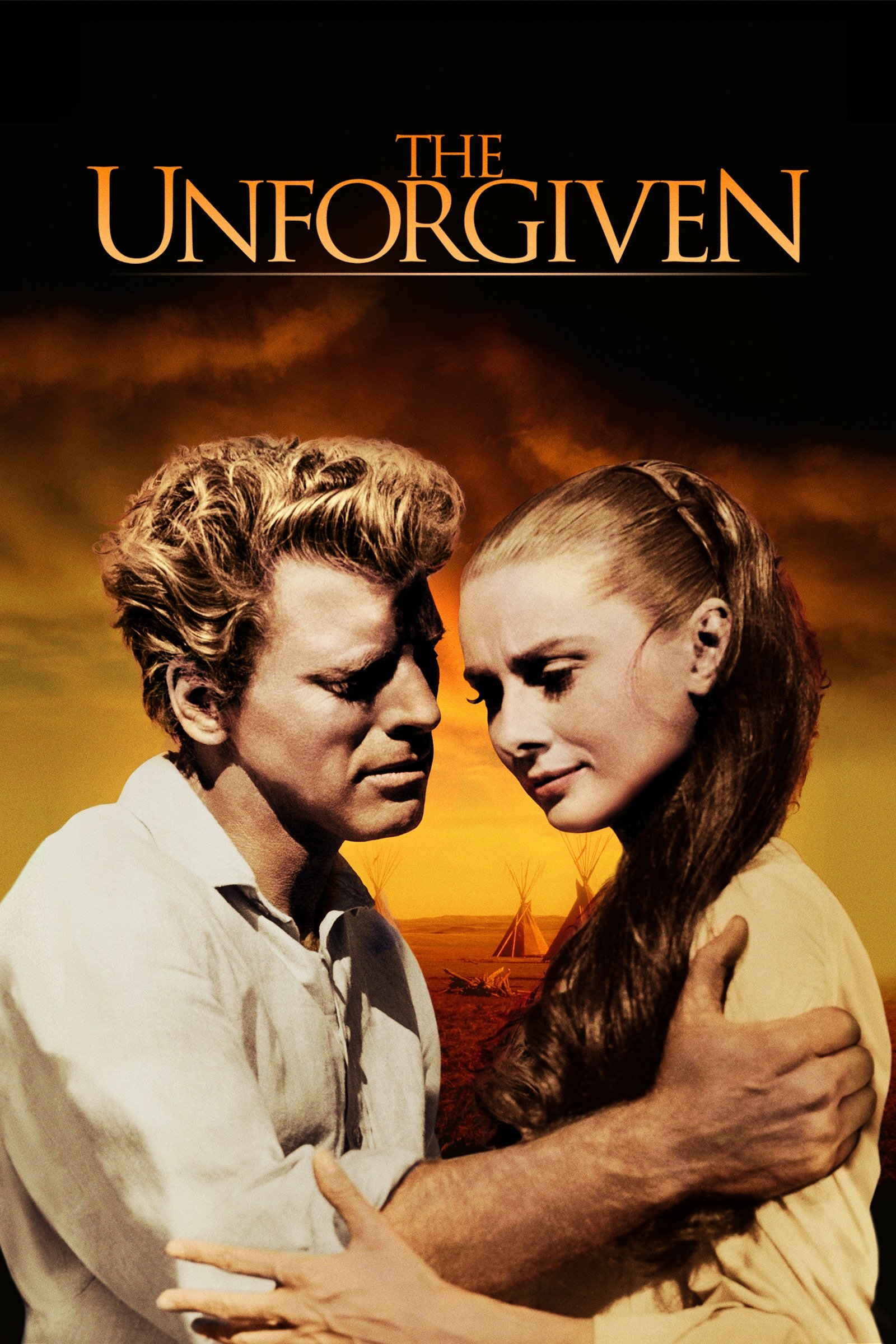
In the 1960 Western film ‘The Unforgiven,’ Audrey Hepburn played Rachel Zachary, a woman who learns she was raised by a family different from her birth one – she was originally part of the Kiowa tribe. The movie focuses on the conflict and prejudice that surfaces when her Native American background is revealed to the people she’s grown up with. Despite being of European descent, Hepburn played the role without any changes to her appearance. While the film dealt with issues of prejudice, it notably didn’t cast a Native American actress in the lead role.
‘Drive’ (2011)
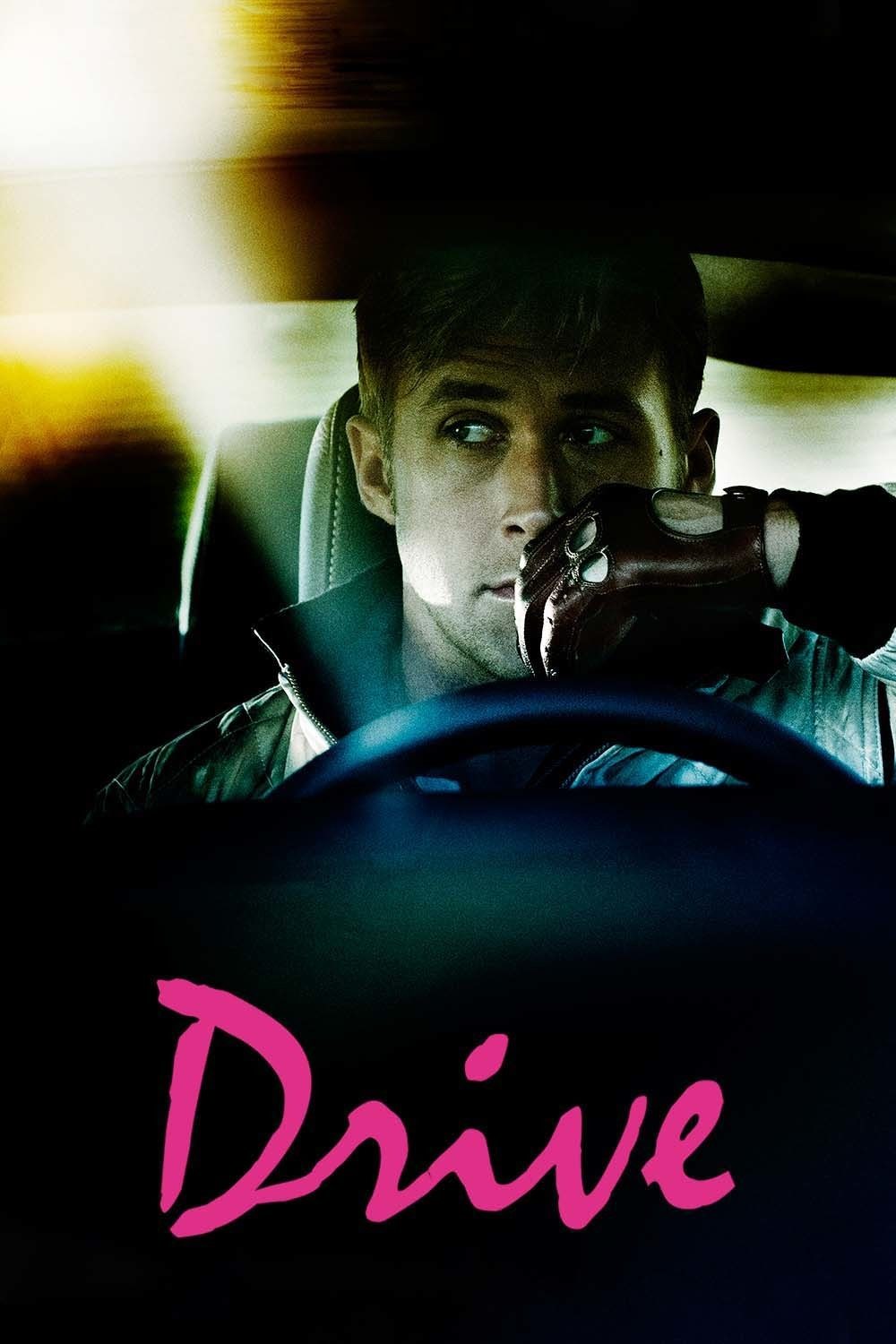
I was reading about the film ‘Drive’ the other day, and it’s interesting how they changed things from the original book. In James Sallis’ novel, Irene is described as a young Latina woman. But in the movie, they renamed her and cast Carey Mulligan, who is British. The director, Nicolas Winding Refn, said he wanted an actress who made the main character feel fiercely protective, and that was more important to him than her ethnicity. It’s a change that a lot of critics pointed out, though, as another instance of a character of color being played by a white actor when the story went from page to screen.
‘Cleopatra’ (1963)
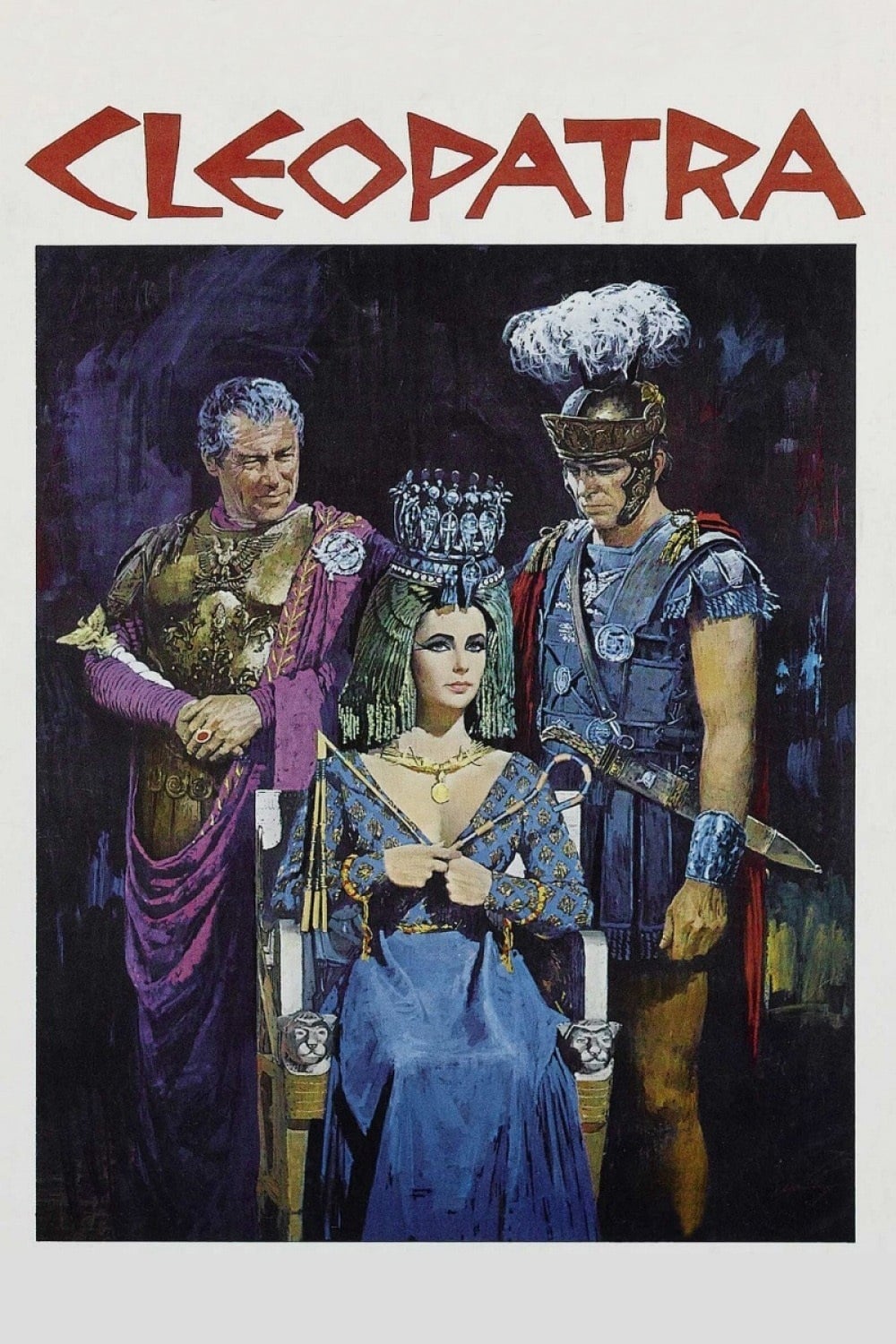
Elizabeth Taylor’s performance as Cleopatra in the 1963 film is legendary. However, the movie presented a very Westernized version of the queen, overlooking her actual Mediterranean and Greek ancestry. The film was incredibly expensive to make and contributed to the popular image of Cleopatra as a white woman. This casting choice has sparked ongoing discussions about how we portray the racial identities of historical figures from North Africa.
‘The Witcher’ (2019–)
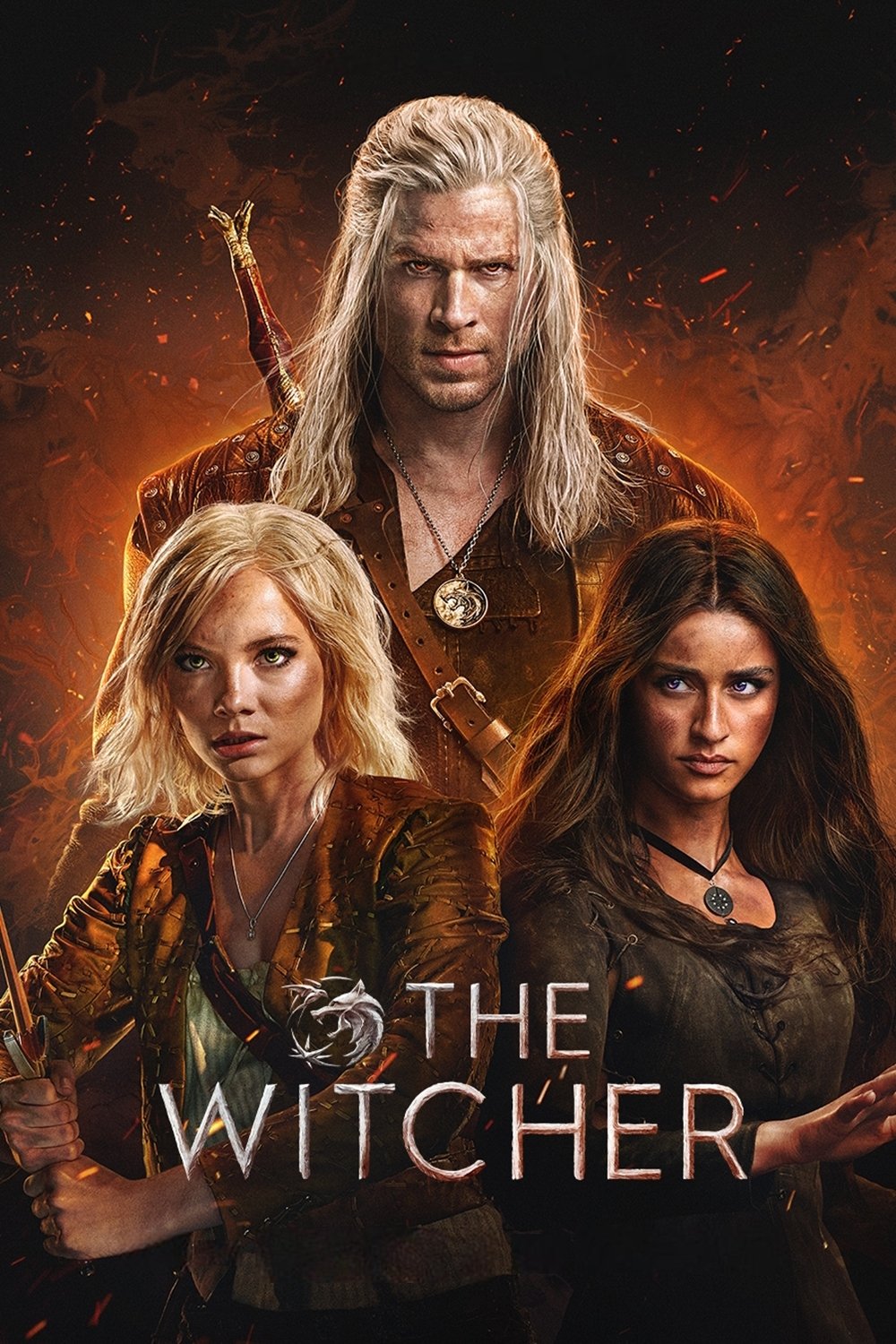
Netflix’s ‘The Witcher,’ based on Andrzej Sapkowski’s novels, made some casting choices that differed from how characters were described in the books. For example, Fringilla Vigo, who is portrayed as looking similar to the white character Yennefer in the novels, was played by British actress Mimi Ndiweni, who is of African descent. This led to discussion among fans about whether it’s more important for characters to look as they’re described in the source material, or if diverse casting is a positive thing in fantasy shows.
Share your thoughts on these controversial casting decisions in the comments.
Read More
- Top 20 Dinosaur Movies, Ranked
- 20 Movies Where the Black Villain Was Secretly the Most Popular Character
- Celebs Who Narrowly Escaped The 9/11 Attacks
- 25 “Woke” Films That Used Black Trauma to Humanize White Leads
- The 10 Most Underrated Jim Carrey Movies, Ranked (From Least to Most Underrated)
- Transformers Under the Microscope: What Graph Neural Networks Reveal
- The Best Directors of 2025
- Every Notable ‘Star Trek: The Original Series’ Actor Who Died
- 22 Films Where the White Protagonist Is Canonically the Sidekick to a Black Lead
- Trading on Thin Air: AI Agents Conquer Crypto Volatility
2026-01-25 21:20