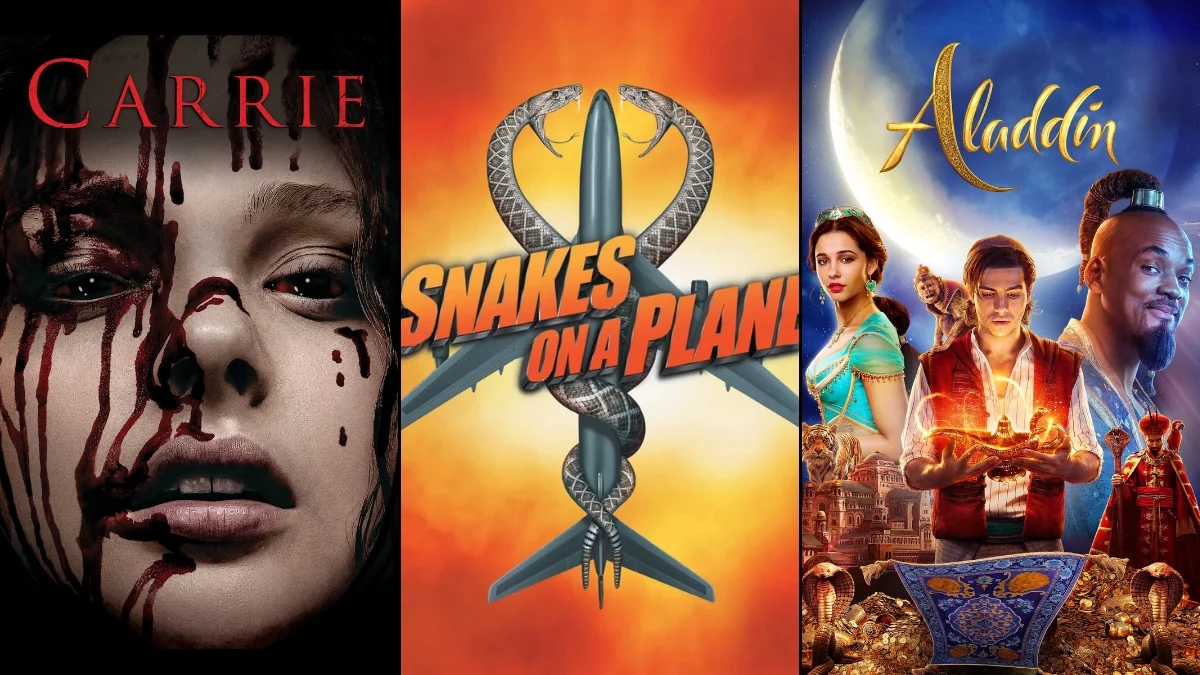
As a movie critic, I’ve definitely noticed a trend: studios are taking bigger and bigger risks with their marketing. They’re really trying to cut through all the noise and grab our attention, and sometimes it works too well. We’ve seen campaigns backfire spectacularly, leading to public outrage or even legal issues. It’s not uncommon to see a studio scrambling to change course or issue an apology just to salvage a film they’ve poured money into. But here’s the interesting thing: often, despite the initial controversy, these projects manage to turn things around and actually become hits – both with audiences and critics. It’s a risky game, but sometimes, the payoff is huge.
‘South Park’ (1997–Present)
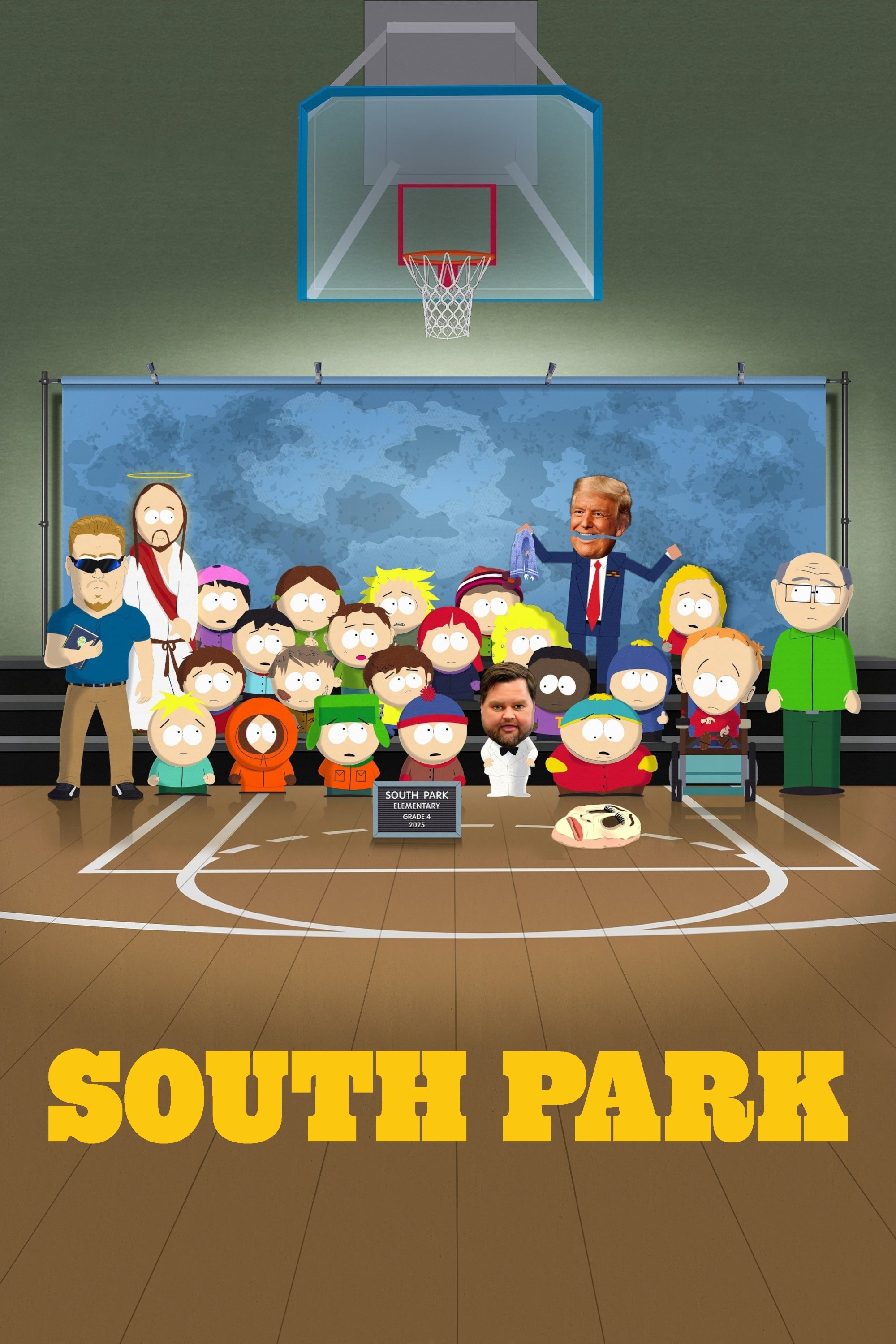
This show is known for its bold and often shocking advertising, which has led to its ads being banned in many cities. The marketing frequently highlights the show’s controversial nature, even targeting groups some might consider sensitive. While this approach has sparked protests and legal challenges over the years, the show has consistently bounced back and stayed popular by continuing to push boundaries.
‘The Blair Witch Project’ (1999)
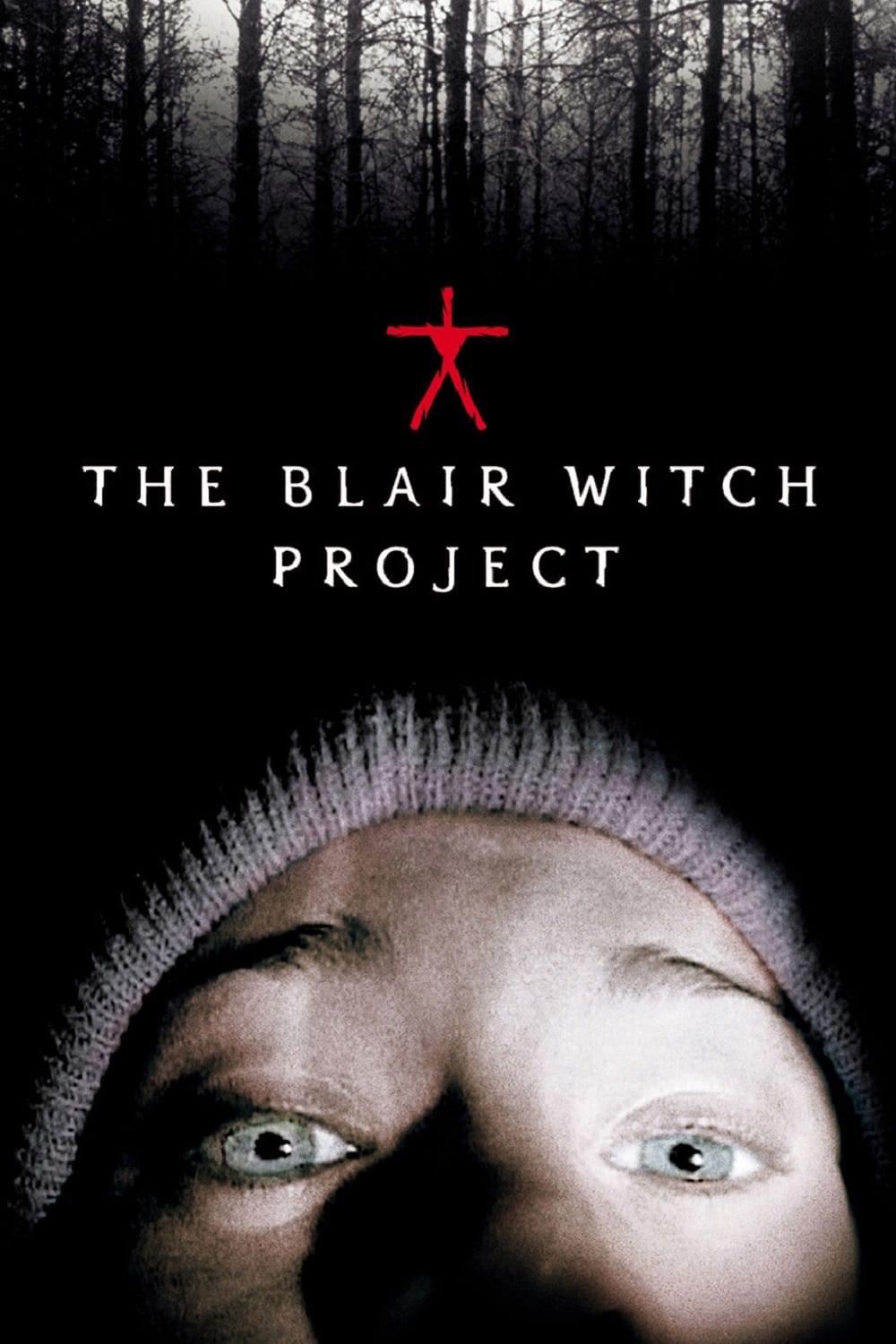
The film’s marketing team created a buzz by using a website and ‘missing person’ posters, making it seem like the actors had disappeared and the footage was real. This clever but misleading campaign fooled some viewers into thinking they were watching a true crime documentary. Though the tactic was debated, it generated incredible excitement for the independent film, leading to huge box office numbers and fundamentally changing the way ‘found footage’ movies are made.
‘Borat: Cultural Learnings of America for Make Benefit Glorious Nation of Kazakhstan’ (2006)
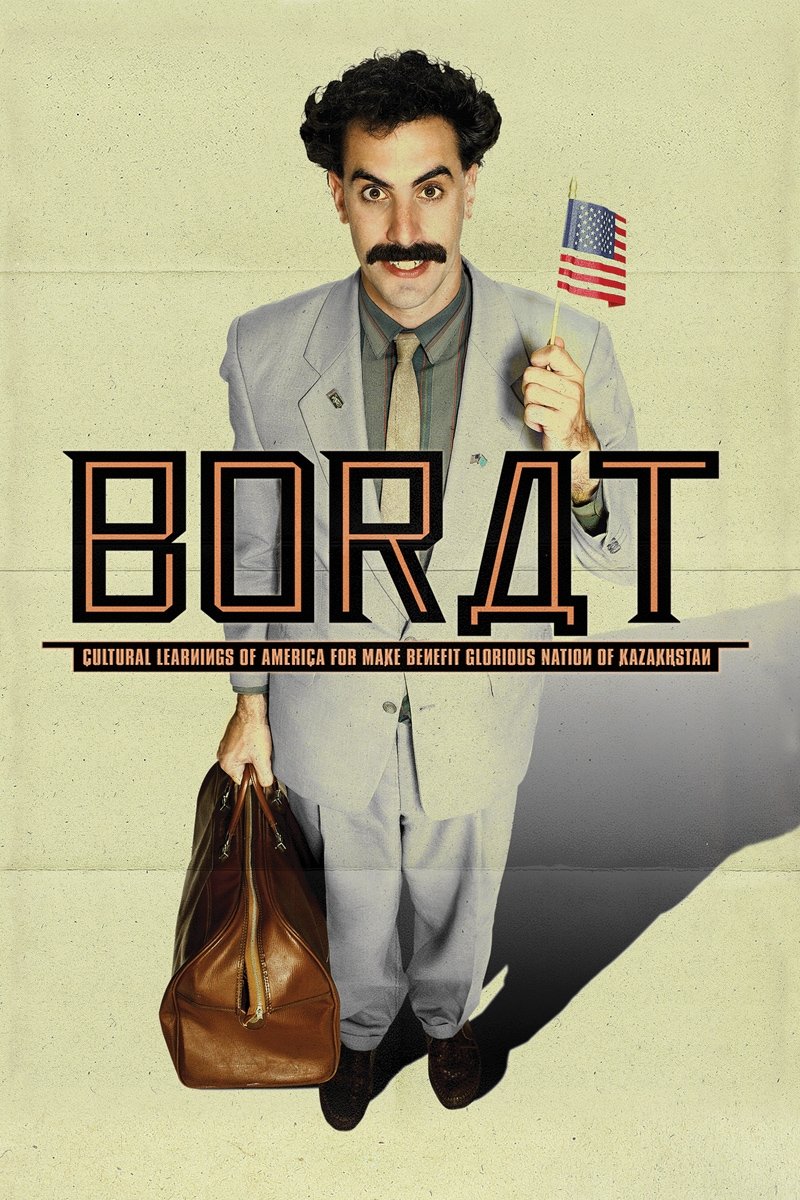
The film’s marketing involved secretly pranking people and filming their reactions, without their knowledge it was for a comedy. This led to lawsuits from some of those filmed, who felt they had been tricked by the filmmakers. The controversy, along with an objectionable character, caused several countries to ban the movie. However, despite these issues, critics and audiences generally loved the film, appreciating its daring and insightful look at society.
‘Snakes on a Plane’ (2006)
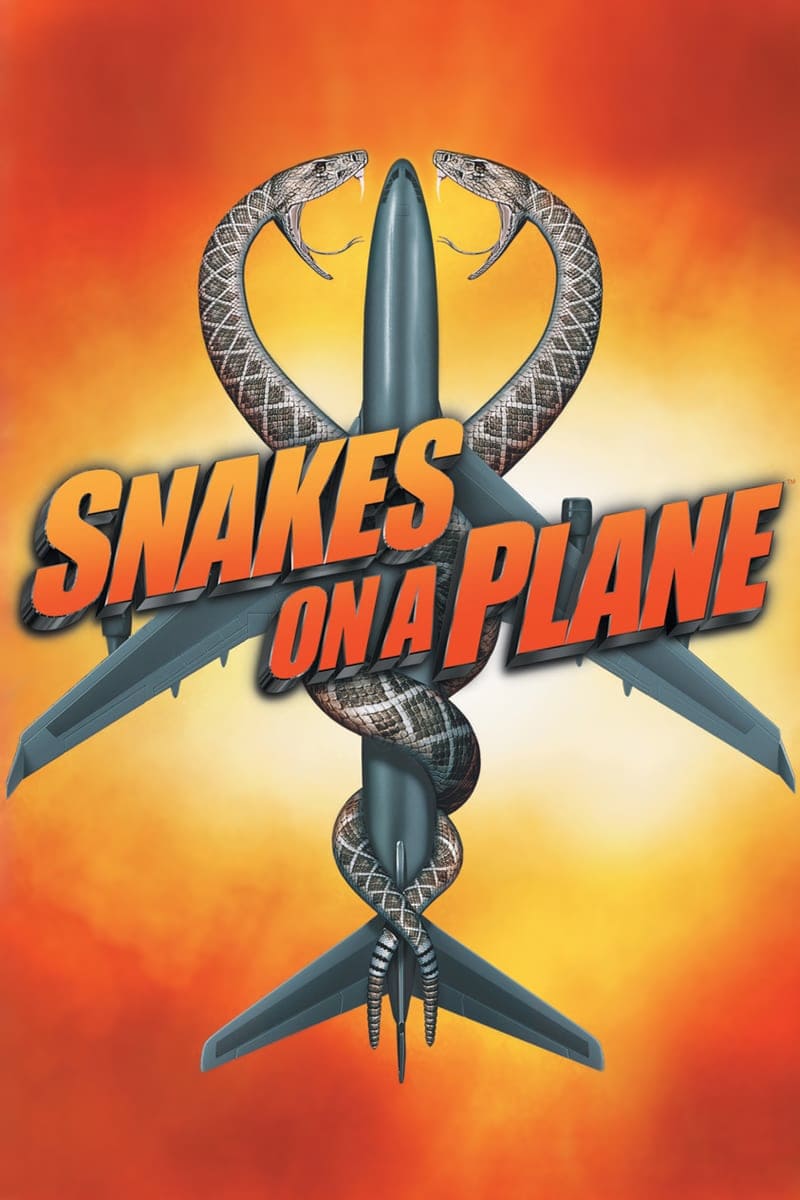
To promote the movie, the studio let fans send personalized voice messages from the star to their friends – a creative but sometimes unwelcome surprise for the recipients. Before the film even came out, it also became a popular internet meme, which the studio had to navigate. Though it didn’t make a huge amount of money in theaters, the movie gained a dedicated following and is now remembered for its unusual way of connecting with audiences.
‘Aqua Teen Hunger Force Colon Movie Film for Theaters’ (2007)
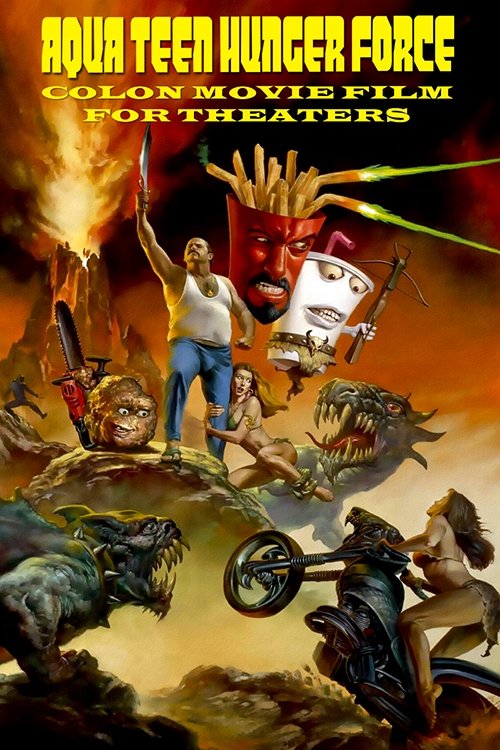
To promote the film, the studio placed glowing character-shaped lights in several large U.S. cities. In Boston, officials mistakenly thought these lights were bombs, causing a city-wide security alert. Ultimately, Turner Broadcasting and the marketing company paid $2 million to resolve the legal issues. Even with the significant legal problems and public attention, the film did well enough to please its target audience and boost the popularity of the related TV show.
‘The Dark Knight’ (2008)
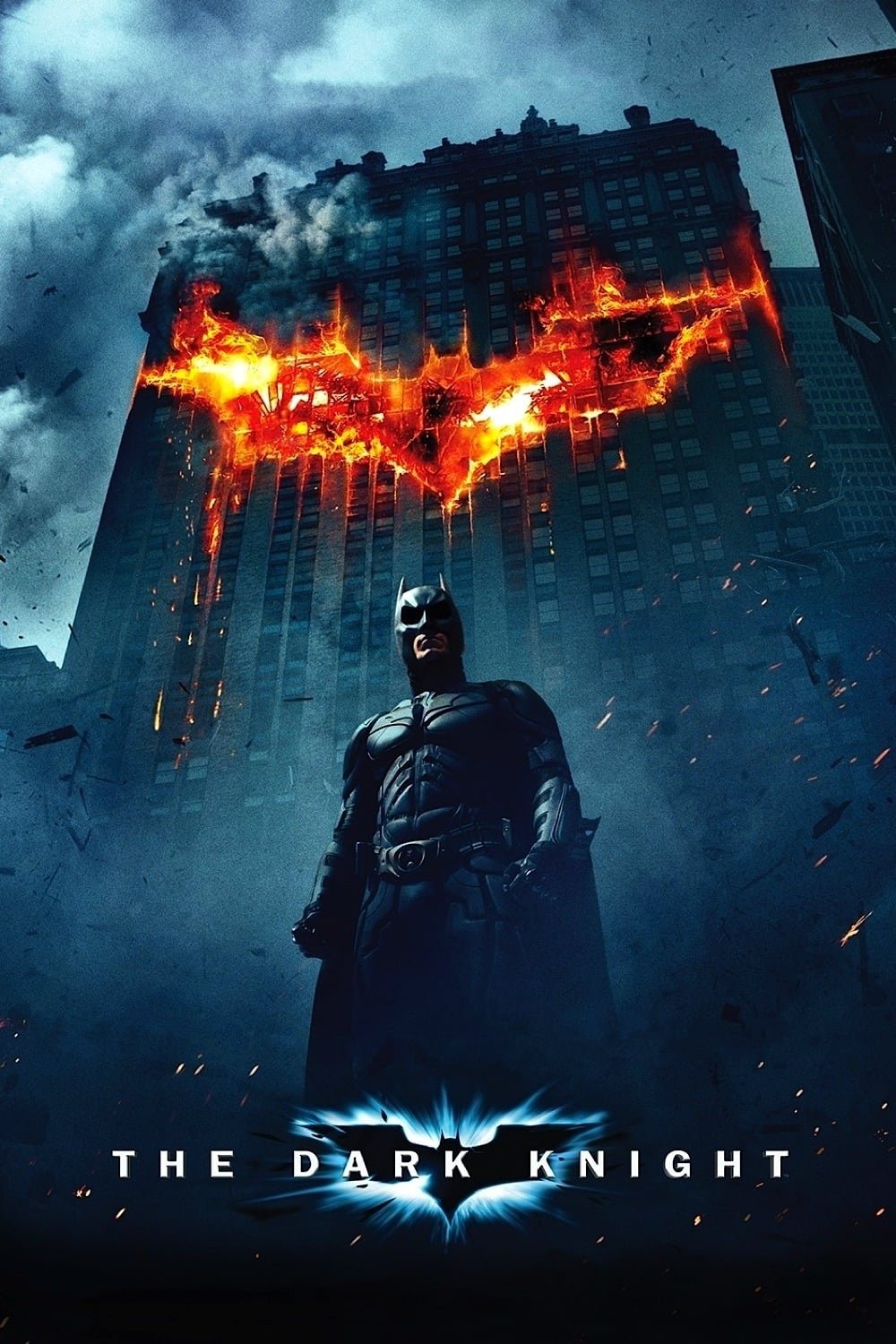
To promote the film, a complex online game had fans hunting for real-world clues, which unlocked digital content. As part of this, a website created for the character Harvey Dent was gradually vandalized within the game by the Joker. While some players found the scavenger hunts overly complicated and confusing, the marketing campaign ultimately helped the movie become a huge success, both critically and financially, and a defining moment for superhero films.
‘Carrie’ (2013)
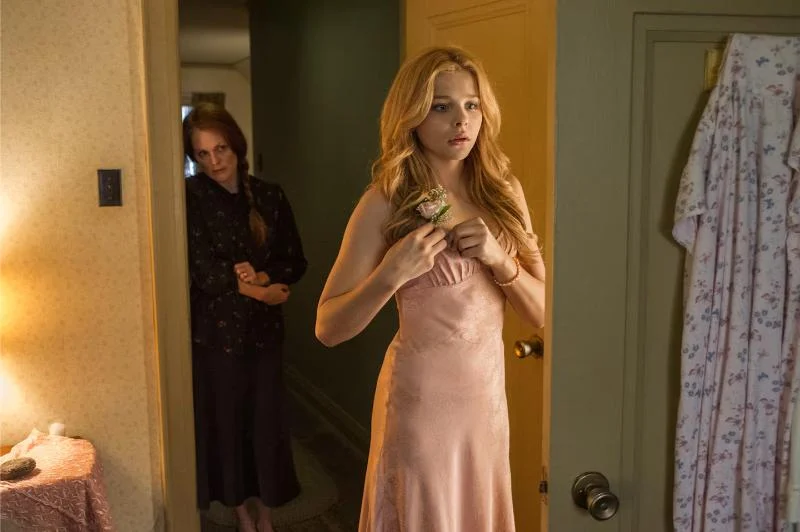
A marketing team created a viral video featuring a staged prank in a coffee shop. An actor pretended to have telekinetic powers, seemingly throwing a man against a wall. While the video gained a lot of attention, it also sparked criticism because some customers were genuinely frightened, not realizing it was a setup. The ethics of using fear to promote a horror movie became a major discussion point. Despite the controversy, the film ultimately did reasonably well in theaters.
‘House of Cards’ (2013–2018)
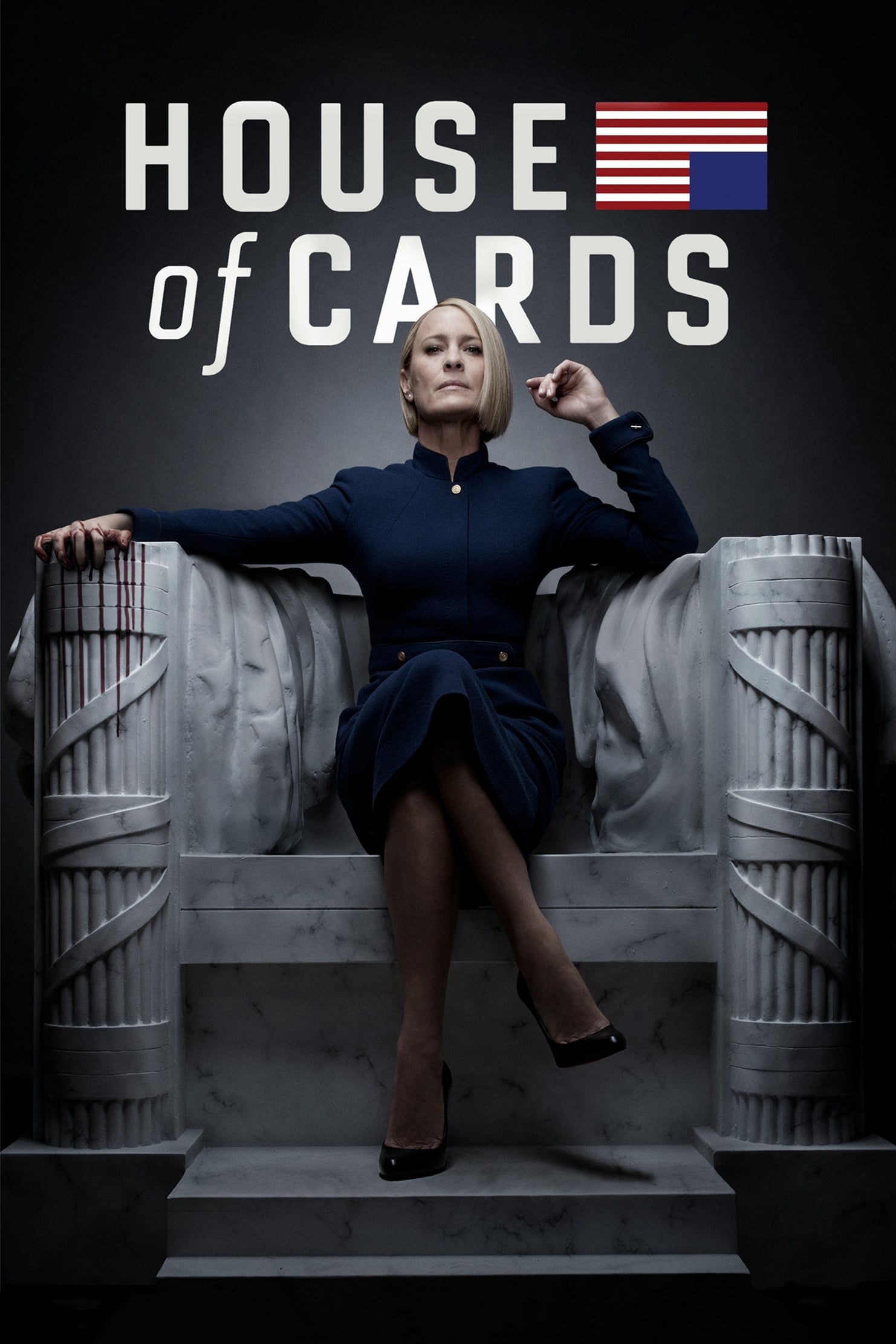
A significant problem arose for the show when the main actor was let go due to serious accusations right before filming wrapped up. As a result, the marketing campaign had to completely change to highlight Robin Wright, who became the new lead. Fans were unsure if the show could continue successfully without its original star. Ultimately, the final season provided a satisfying conclusion and helped the series maintain its reputation as a high-quality drama.
‘The Interview’ (2014)
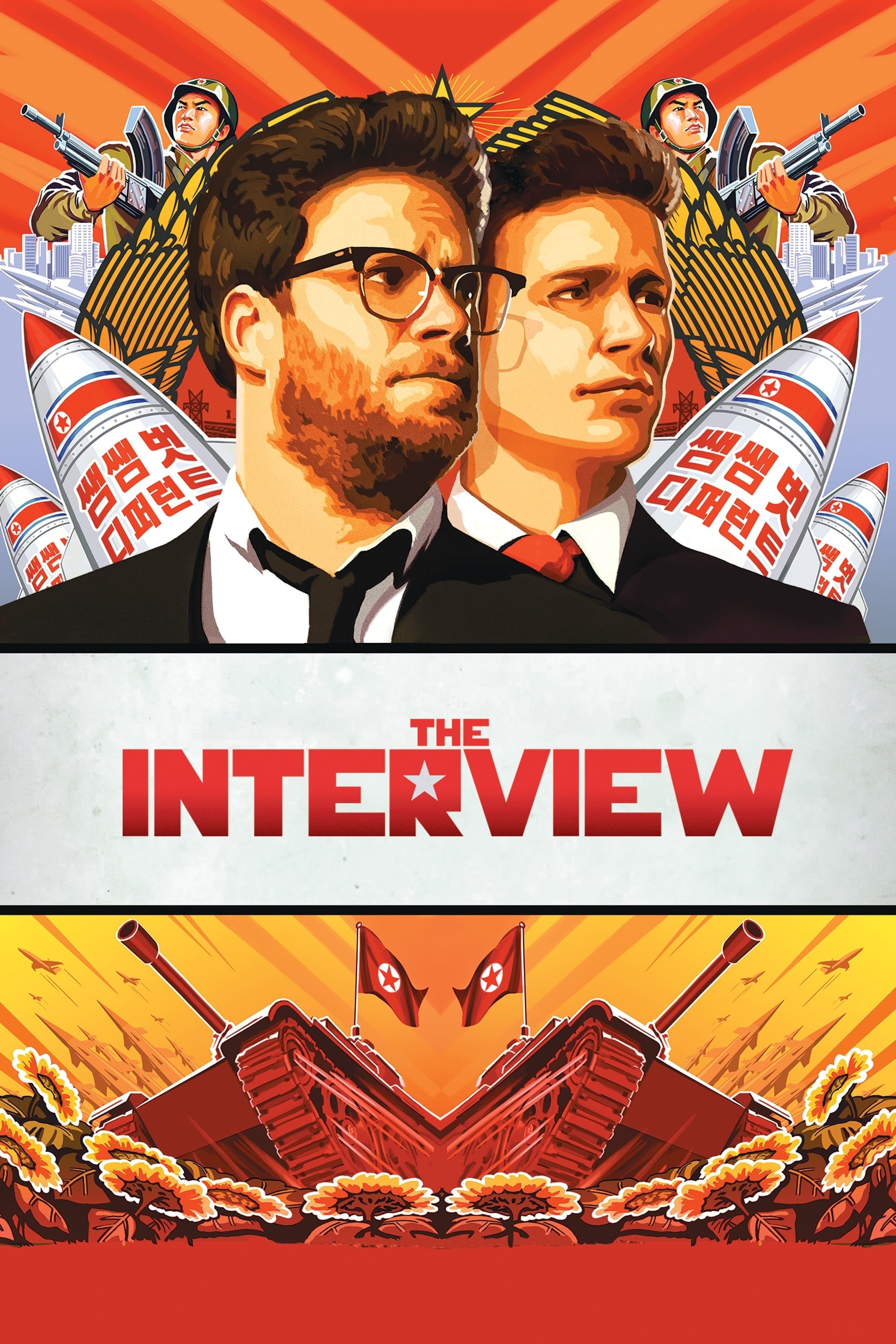
The release of this comedy sparked a huge international problem, involving North Korea and a large-scale cyberattack on Sony Pictures. Movie theaters received threats, causing Sony to temporarily halt a traditional cinema release. Instead, Sony released the film online, which surprisingly became very popular as people were eager to see it. Despite the initial political turmoil, the film became a symbol of free expression and a financial success through digital distribution.
‘Ghostbusters’ (2016)
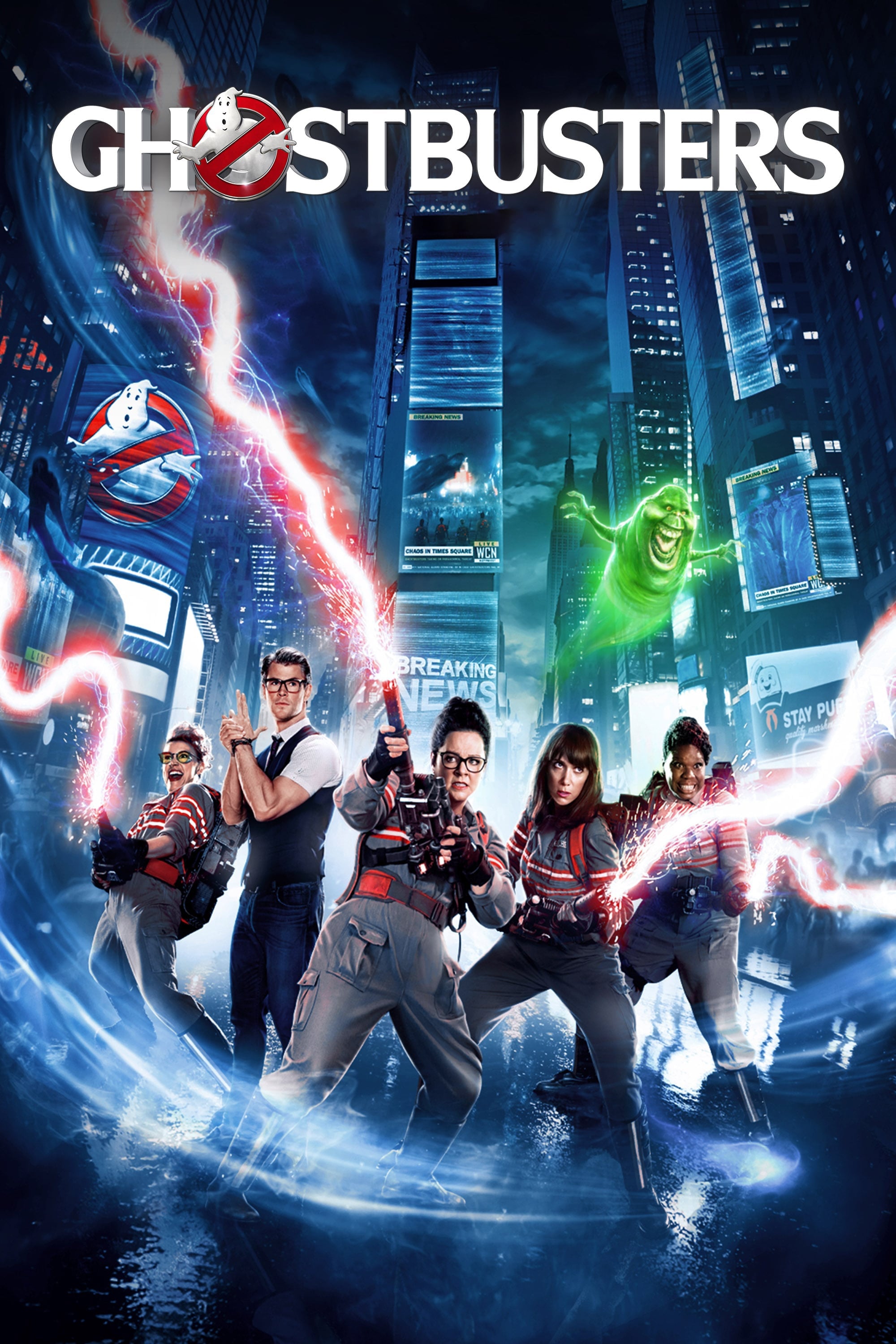
The new marketing campaign got off to a rough start when the first trailer received a lot of negative feedback on YouTube. Instead of ignoring the criticism, Sony Pictures surprisingly used some of the harshest comments in their ads. This caused a strong reaction from viewers, with people passionately debating the film’s casting choices. Although the movie received mixed reviews, it ultimately renewed interest in the series, paving the way for more popular installments in the future.
‘Sausage Party’ (2016)
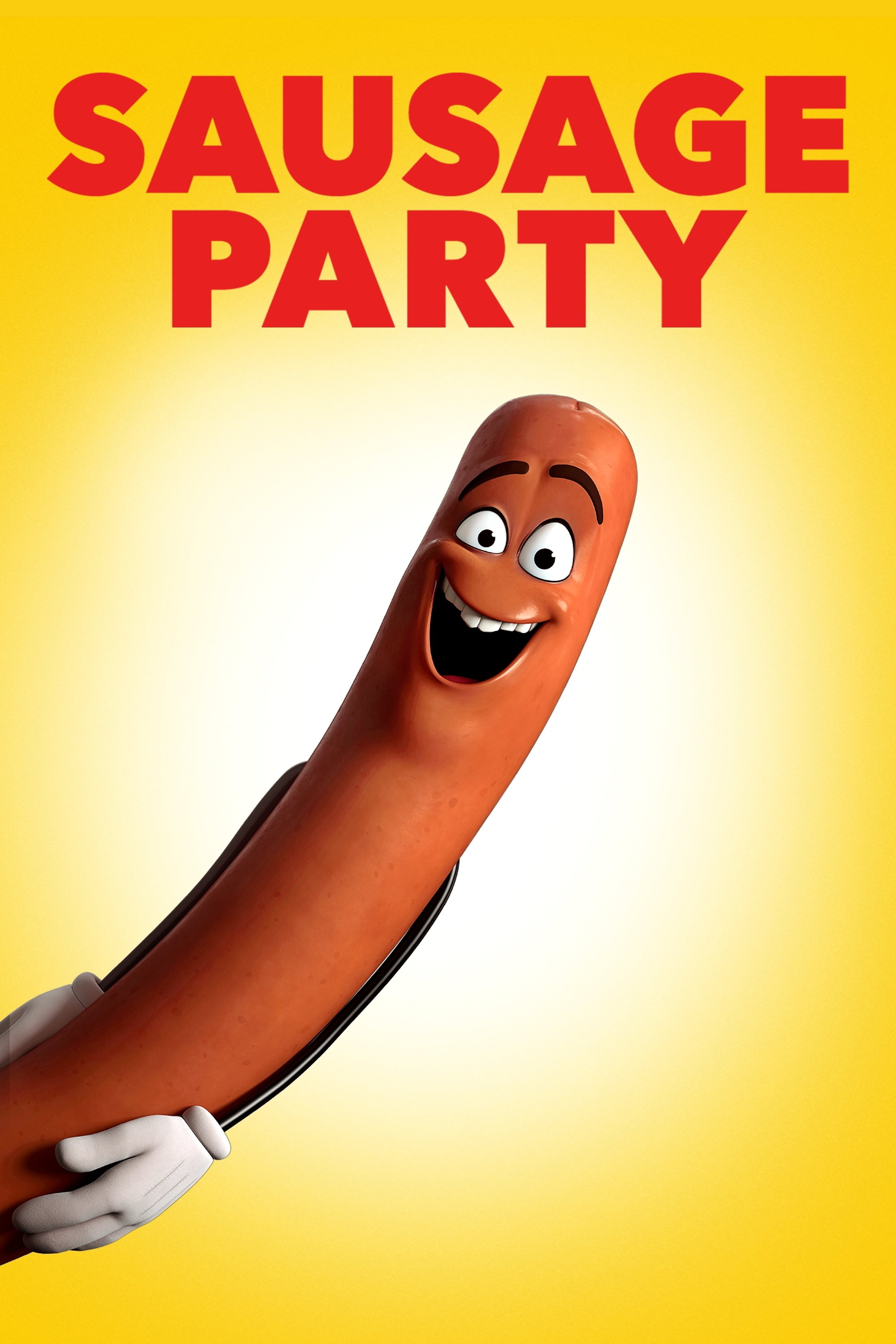
The movie’s bright, cartoon-like trailers led many parents to believe it was suitable for families. This caused complaints from parents and theater owners when the trailers appeared before family-friendly films. The studio then made sure future ads clearly showed the film’s R rating to prevent misunderstandings. Ironically, the resulting controversy actually increased interest from adult viewers, and the movie ended up being a big hit in theaters.
’13 Reasons Why’ (2017–2020)
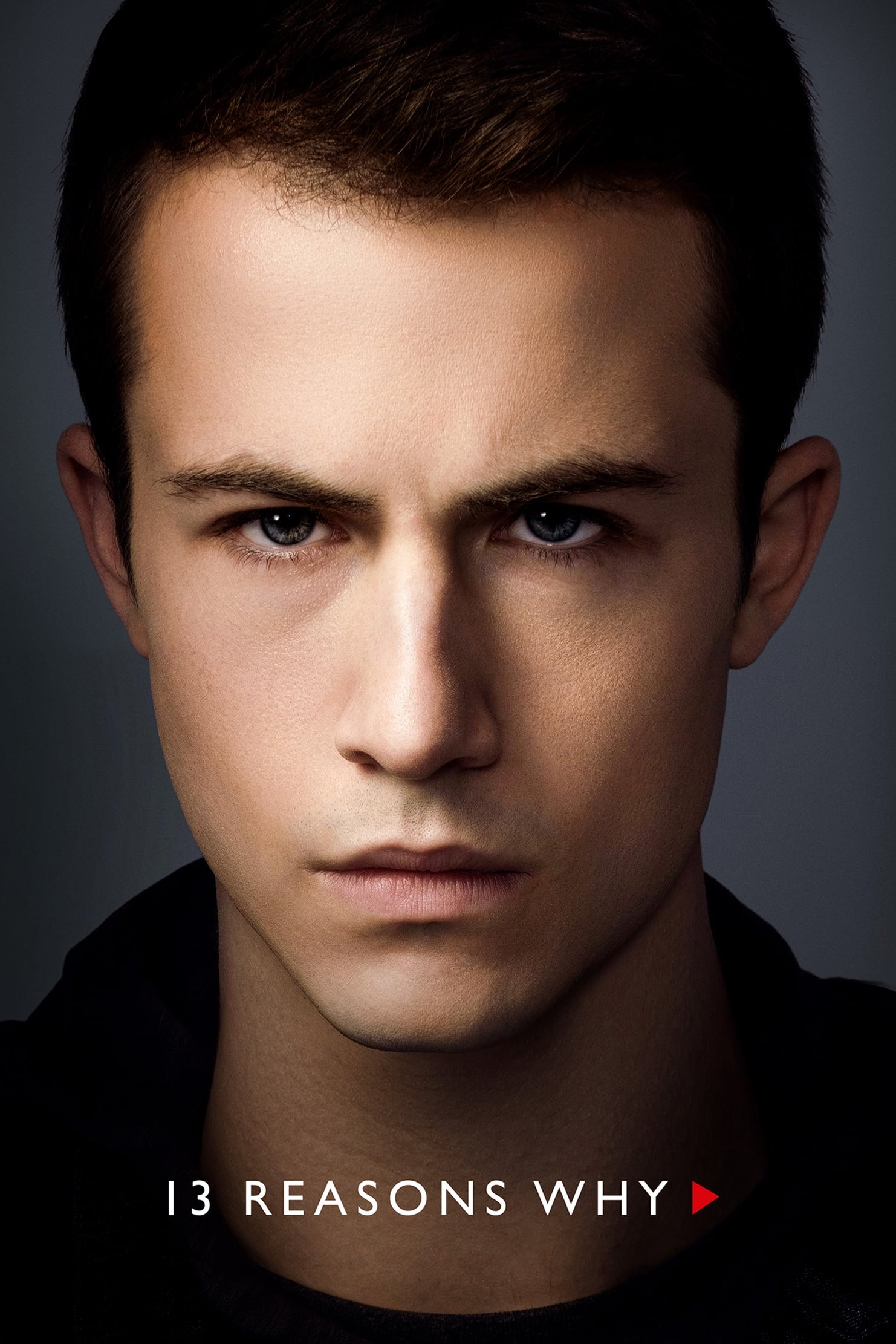
Mental health groups strongly criticized the way this show depicted suicide in its marketing and visuals. Many asked Netflix to cancel the series or include stronger warnings, especially to protect teenage viewers. Netflix responded by adding informational videos before episodes and later removing a particularly upsetting scene from the first season. Even with the controversy, the show continued to be very popular on the platform for several years.
‘Aladdin’ (2019)
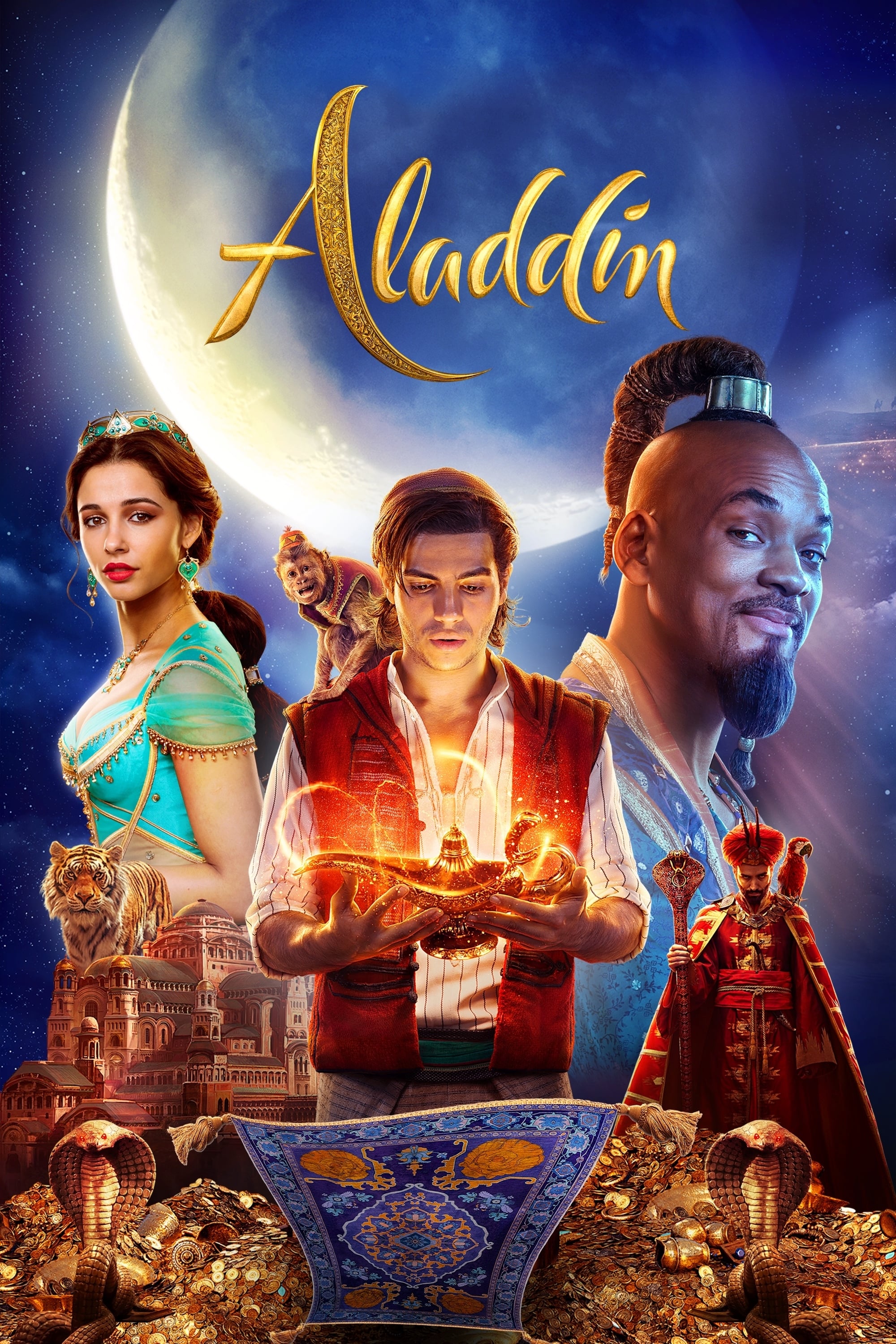
Initial glimpses of Will Smith as the Genie were widely criticized for looking unrealistic. Many fans were disappointed and worried the movie wouldn’t be good. Disney listened to the feedback and improved the special effects in later trailers. Despite the rough start, the film ultimately became a huge success, earning over a billion dollars globally.
‘Joker’ (2019)
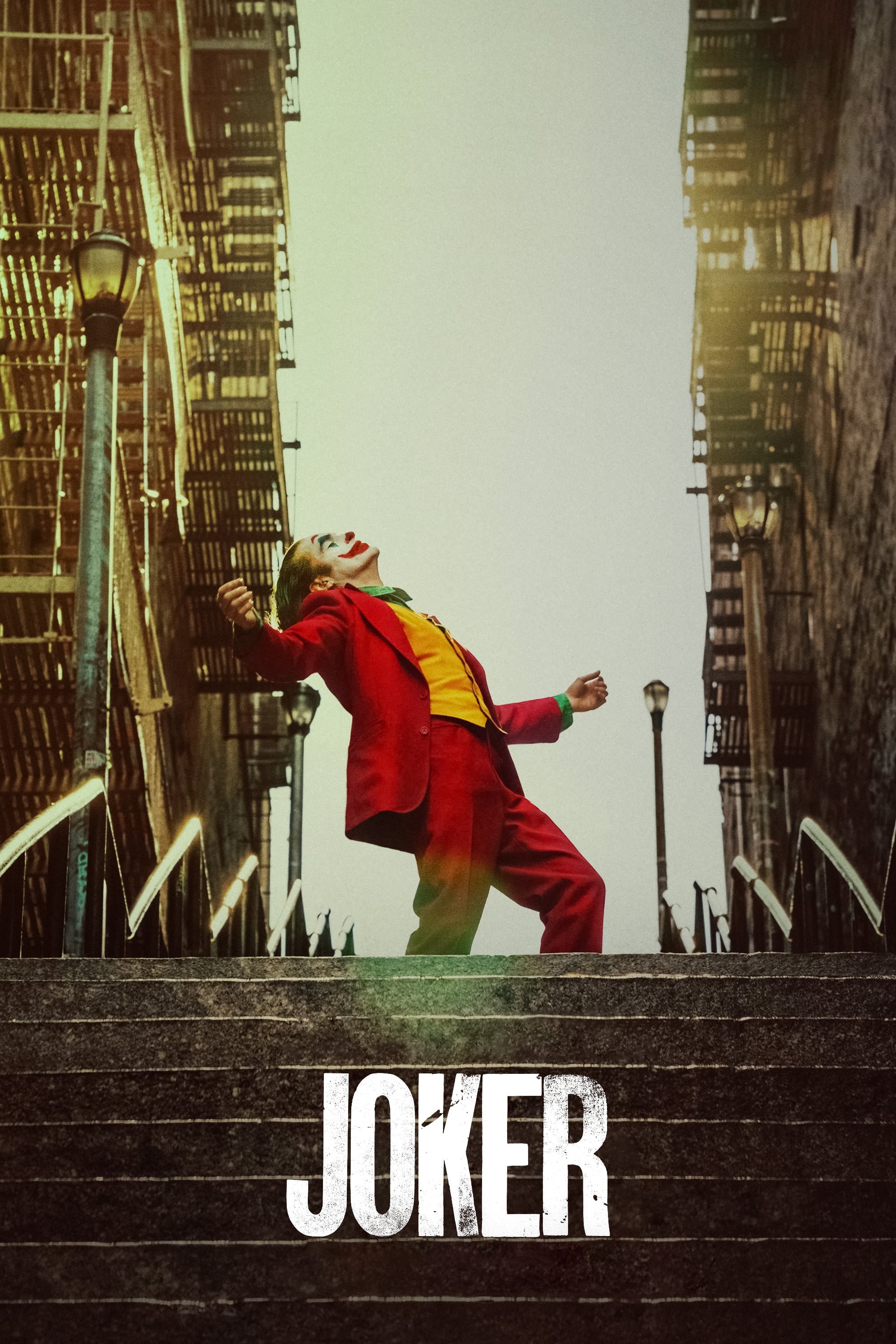
Because people worried the film might inspire violence, theaters increased security and marketing materials emphasized the story’s controversial themes. Some reviewers felt the marketing glorified a harmful character, leading some theaters to prohibit costumes. Warner Brothers had to publicly state that the film did not support the character’s actions. Despite the controversy, the movie became the first R-rated film to earn over a billion dollars worldwide.
‘The Boys’ (2019–Present)

The show’s advertising is known for being bold and often mimics real-world commercials, sometimes using shocking images to get people talking. While some viewers found the marketing too intense or offensive, given the show’s critical look at superheroes, the creators intentionally used this reaction to highlight the series’ themes and critique how companies use marketing. This unusual strategy has helped the show become a popular and successful part of today’s television landscape for its streaming service.
‘Sonic the Hedgehog’ (2020)
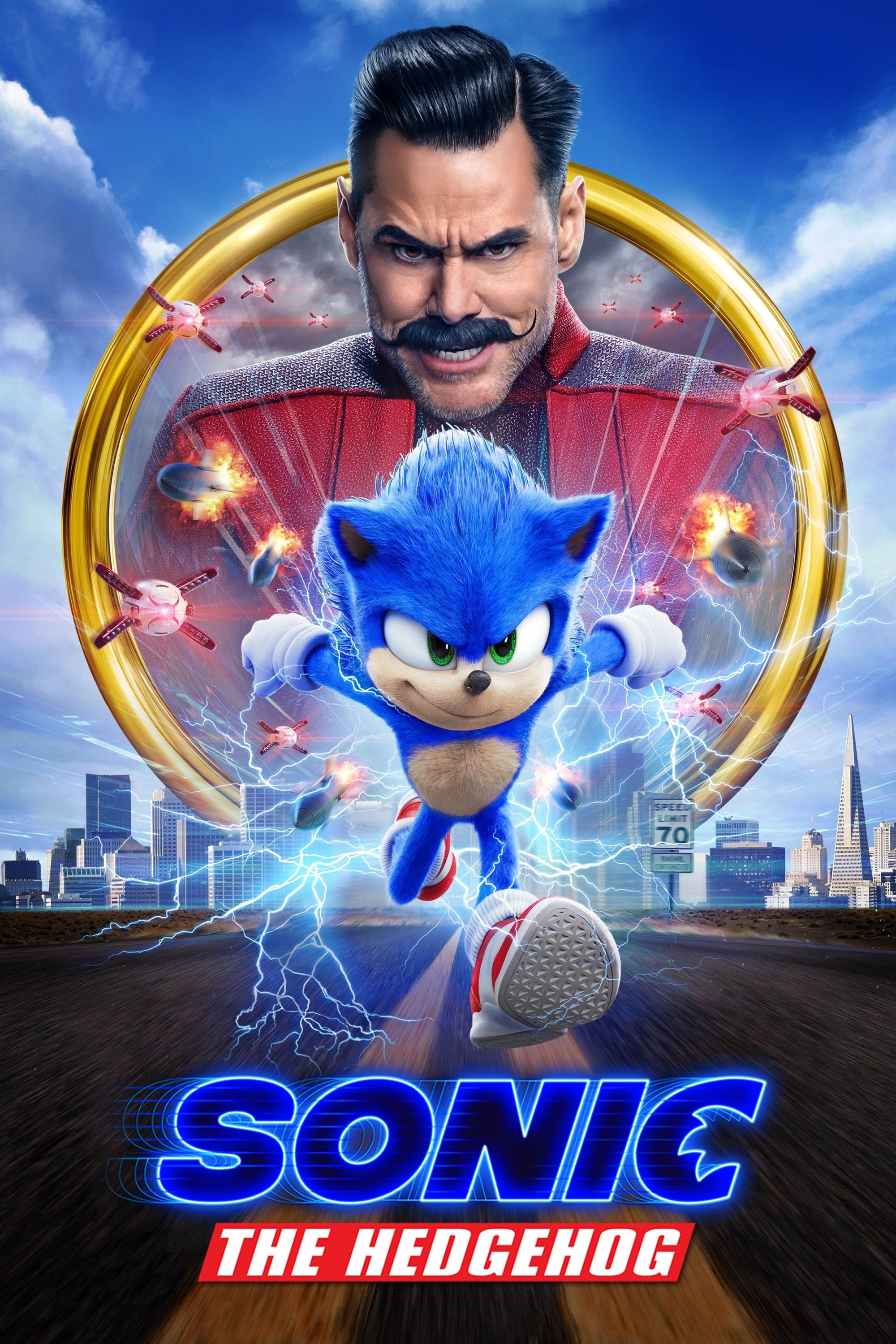
The initial trailer for the movie showed a very realistic version of the main character that many fans didn’t like. There was a lot of negative feedback about his teeth and overall appearance, so the director decided to completely redo the character’s design. This caused the film’s release to be pushed back, but when it finally came out, audiences reacted much more positively. The movie went on to become the highest-grossing video game adaptation ever and started a successful series of films.
‘Spider-Man: No Way Home’ (2021)
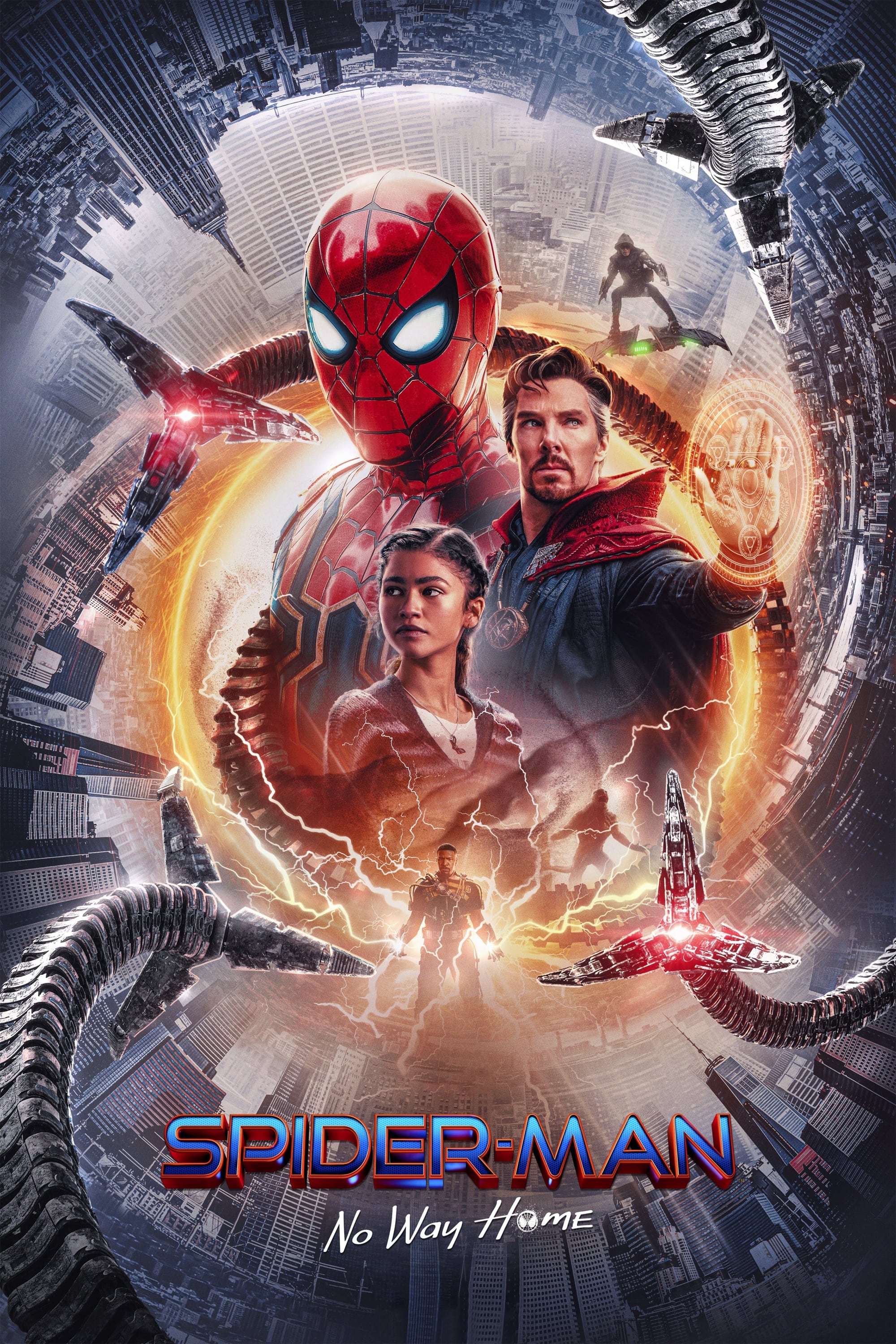
The film’s marketing strategy focused on keeping key details hidden, especially rumors about returning actors. While some fans were annoyed by what they saw as misleading trailers and interviews, the surprise appearance of these actors in the movie created a huge, rewarding moment for audiences. The film went on to become a global blockbuster, exceeding expectations and achieving record-breaking box office success.
‘Smile’ (2022)
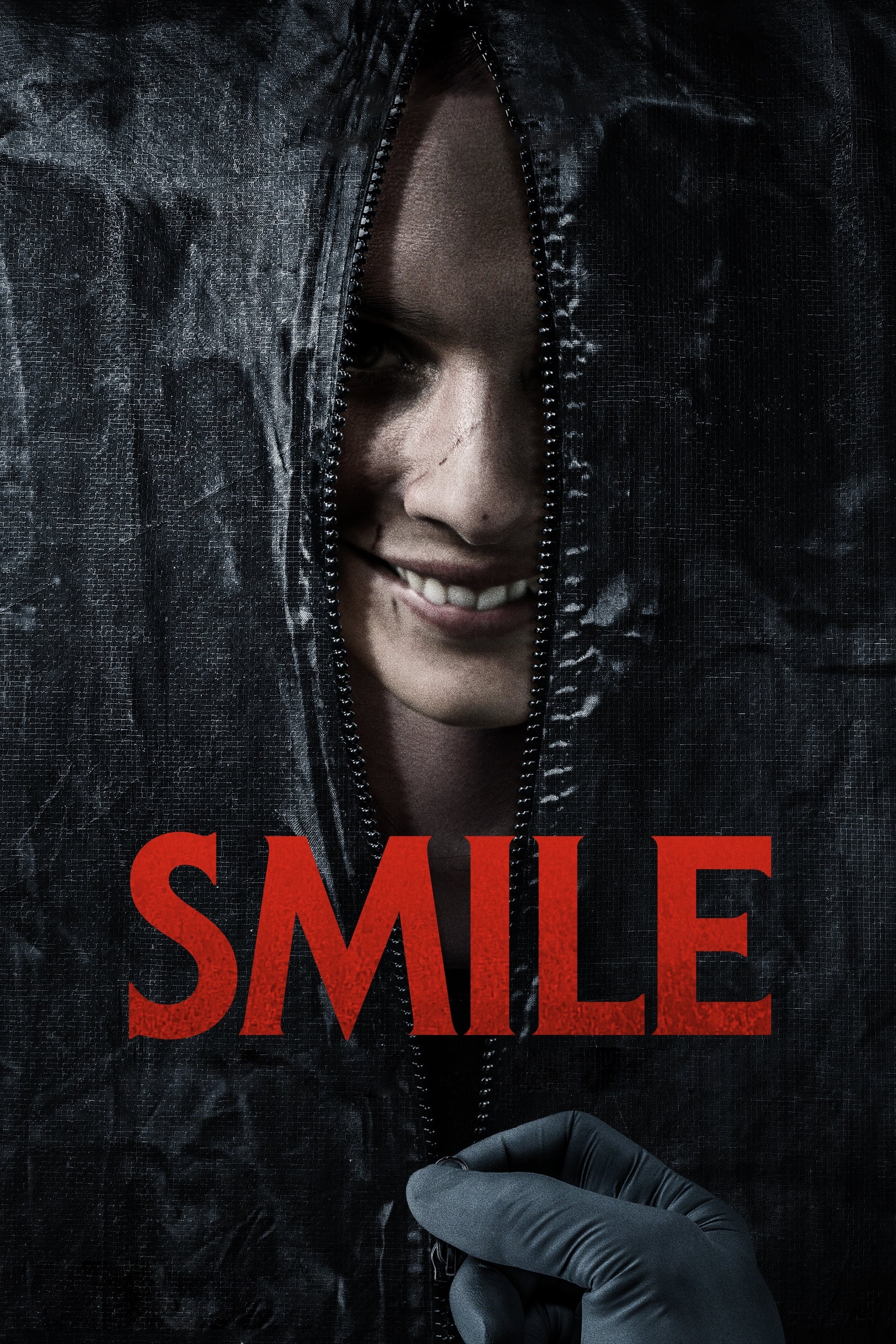
To promote their horror movie, the marketing team had actors subtly appear in public places – like at baseball games on TV – and give unsettling smiles to the camera. This unusual tactic sparked a lot of conversation online, with some people finding it clever and others feeling it was disturbing during live broadcasts. The campaign went viral, giving the film tons of free publicity. Ultimately, the movie became a surprisingly big success in theaters, doing better than many other horror films released that year.
‘Barbie’ (2023)
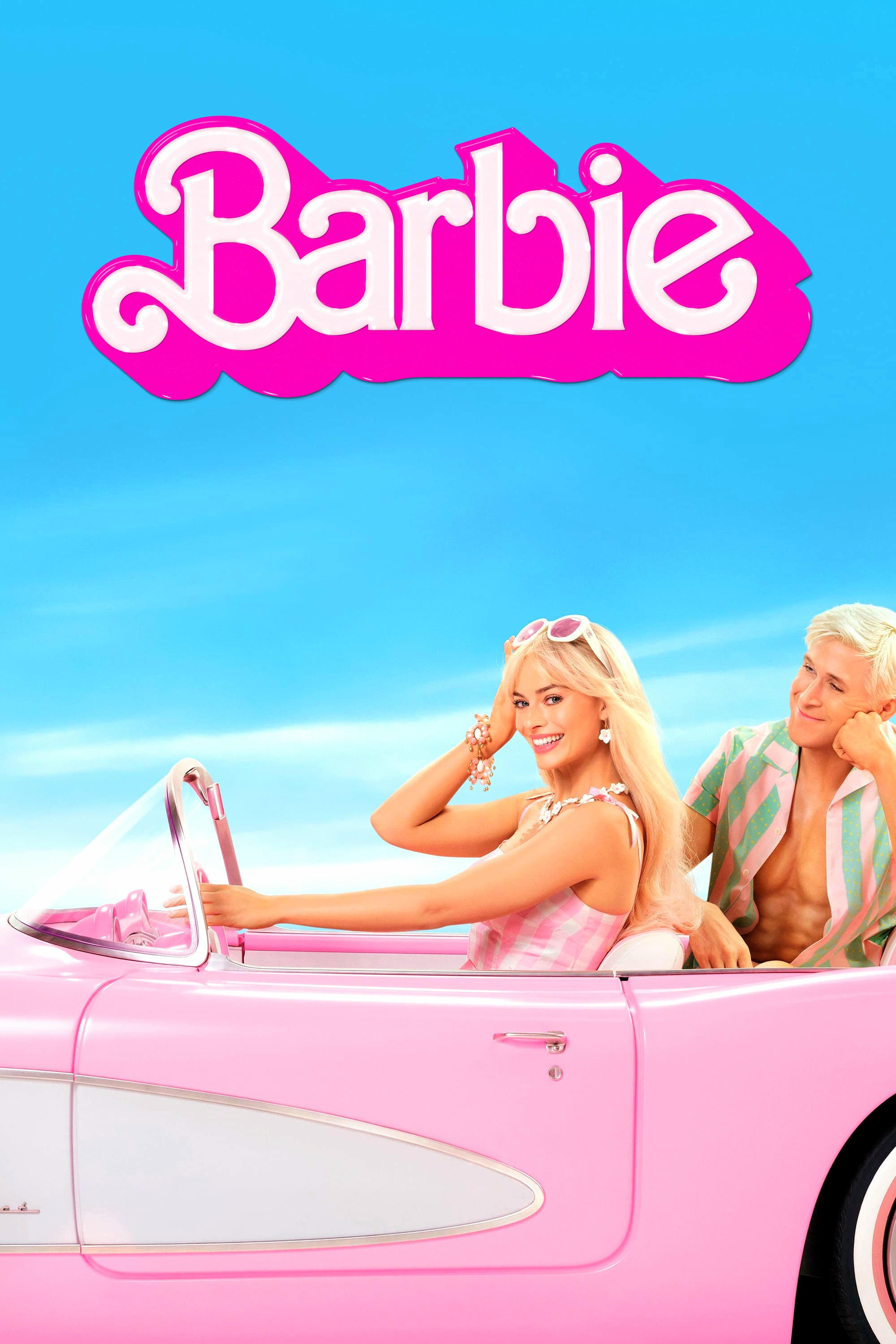
A quick shot of a hand-drawn map sparked an international disagreement, resulting in the film being prohibited in Vietnam. The marketing team had to carefully handle delicate political issues while still keeping the overall marketing campaign fun and upbeat. Warner Brothers explained that the map wasn’t meant to express a political opinion or support any claims about territory. Despite the initial controversy, the film went on to become the year’s biggest box office success.
‘The Little Mermaid’ (2023)

When Disney revealed the cast and began marketing the film, it faced strong negative reactions online, including many negative reviews. Despite this, Disney remained committed to its casting decisions and highlighted the film’s music and stunning visuals in its advertising. This strategy proved successful, as the movie resonated with families and younger audiences who embraced the project. Ultimately, the film was a box office success and earned positive reviews from many critics.
Share your thoughts on these controversial marketing campaigns in the comments.
Read More
- 20 Movies Where the Black Villain Was Secretly the Most Popular Character
- Top 20 Dinosaur Movies, Ranked
- Celebs Who Narrowly Escaped The 9/11 Attacks
- 25 “Woke” Films That Used Black Trauma to Humanize White Leads
- The 10 Most Underrated Jim Carrey Movies, Ranked (From Least to Most Underrated)
- Transformers Under the Microscope: What Graph Neural Networks Reveal
- The Best Directors of 2025
- Every Notable ‘Star Trek: The Original Series’ Actor Who Died
- 22 Films Where the White Protagonist Is Canonically the Sidekick to a Black Lead
- Trading on Thin Air: AI Agents Conquer Crypto Volatility
2026-01-25 21:46