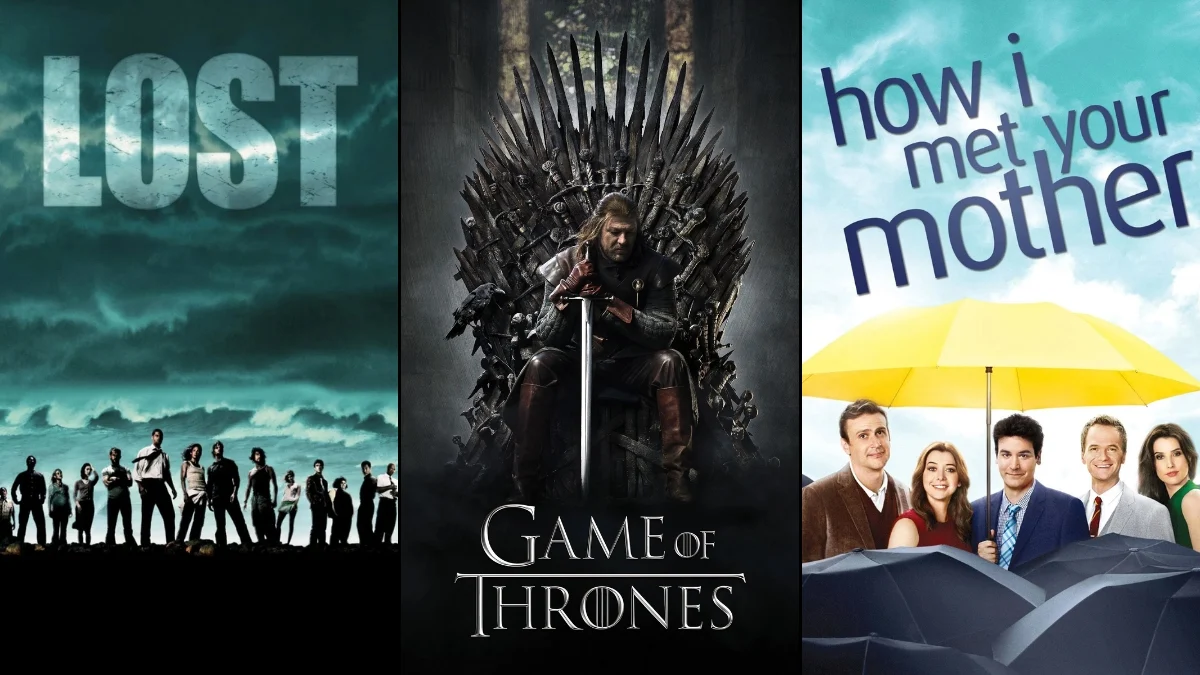
Television series finales are incredibly difficult for creators, as they have to wrap up years of storytelling in just one episode. Some finales offer satisfying conclusions, while others intentionally shock viewers and leave them thinking. These surprising endings often spark passionate discussions among fans about the show’s meaning and how the characters changed. Here’s a look at some of the most talked-about and debated finales in TV history, which people are still analyzing today.
‘Game of Thrones’ (2011–2019)
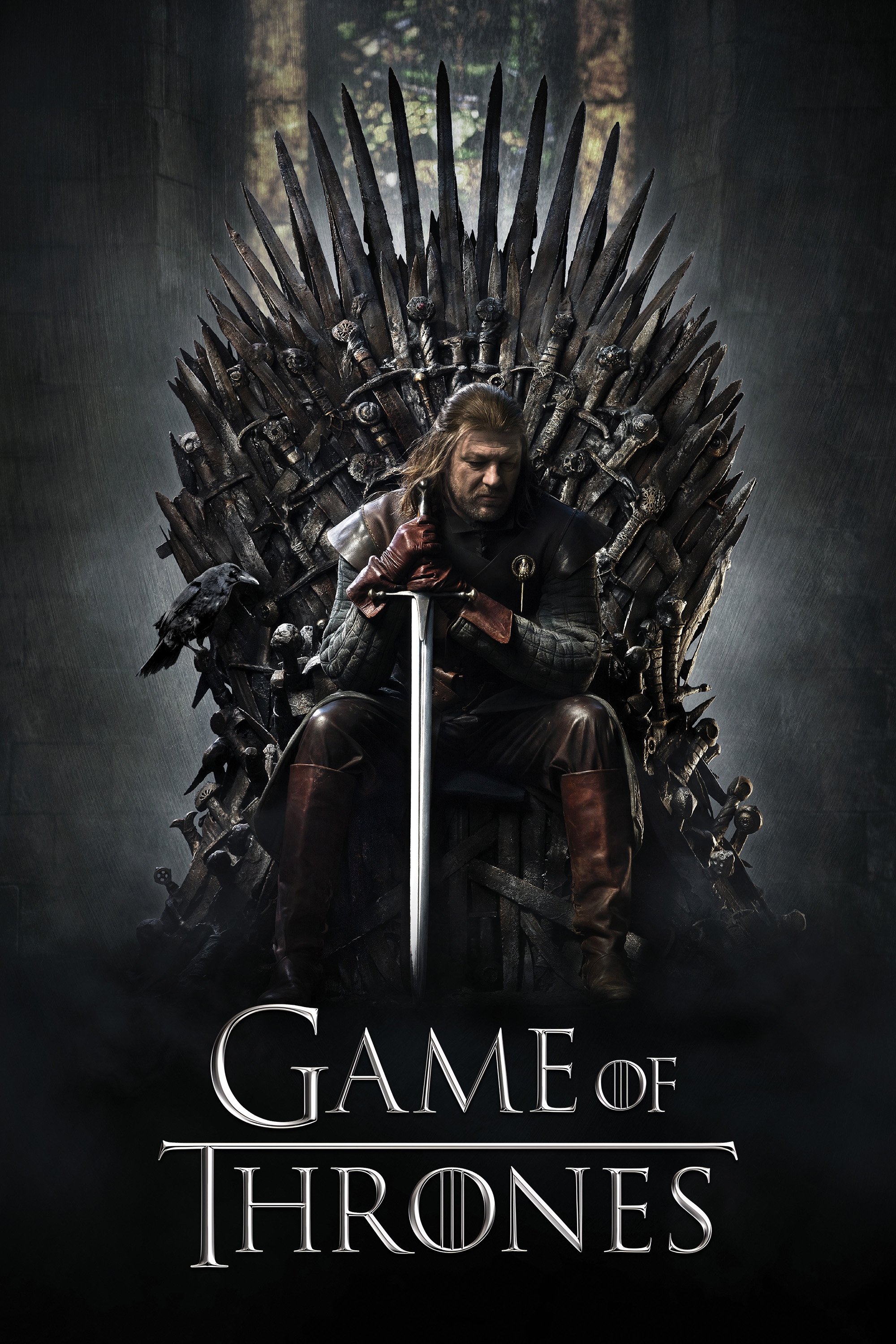
The ending of ‘Game of Thrones’ is still widely debated, largely due to unexpected changes in how characters behaved. Daenerys Targaryen’s decision to destroy King’s Landing felt out of character, considering she had previously presented herself as a protector of the people. Many fans also found the selection of Bran as king unsatisfying, feeling it wasn’t properly developed throughout the season. This led to a large petition calling for the season to be completely re-done, but the show’s creators defended their choices despite the strong negative reaction from viewers around the world.
‘The Sopranos’ (1999–2007)
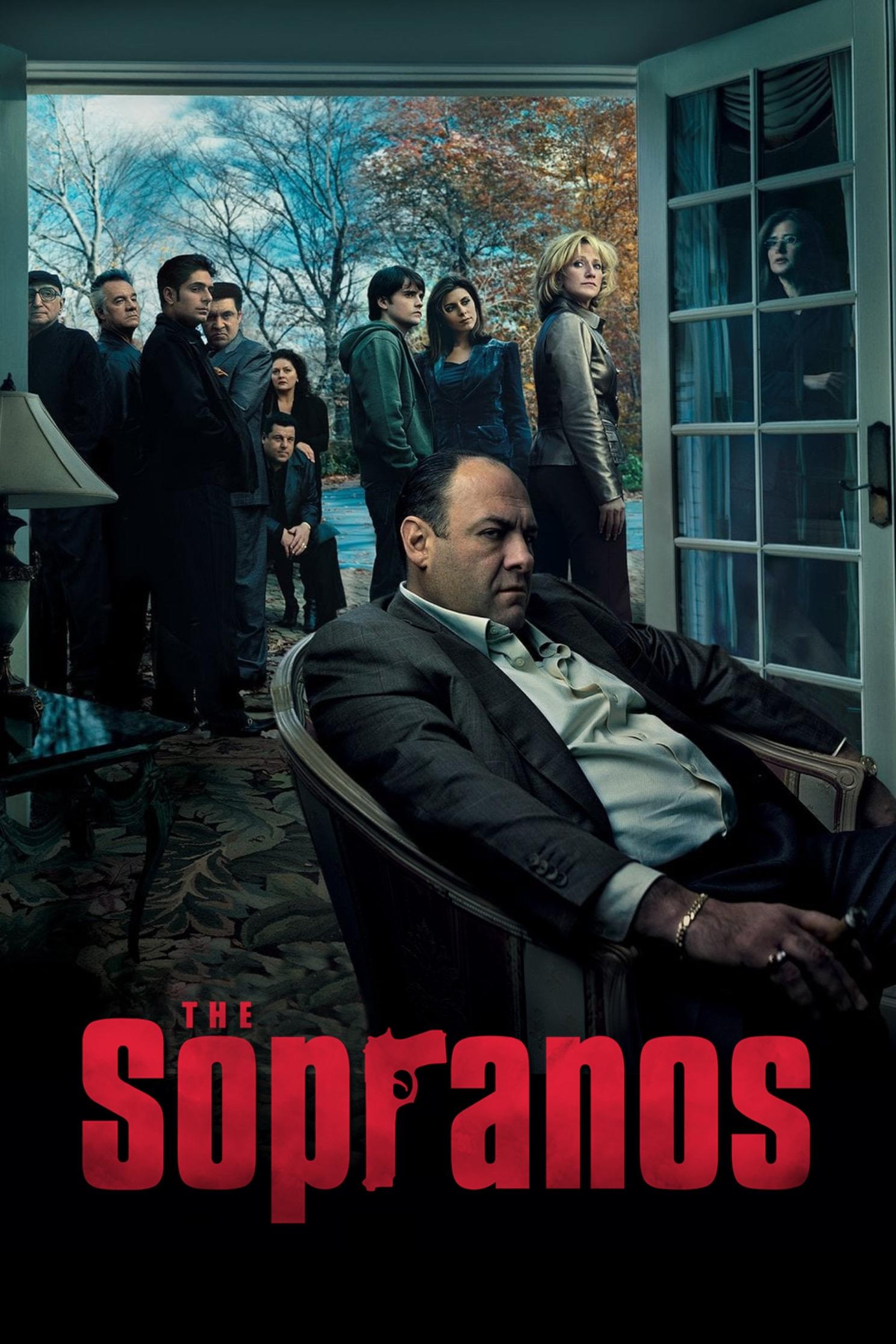
The final scene of ‘The Sopranos’ famously cut to black, leaving viewers unsure if they’d missed something – or if it was the actual ending. Tony Soprano is shown with his family in a diner, and a suspicious man enters the bathroom just before the screen goes dark. This lack of closure about Tony’s fate led to years of speculation and countless fan theories. While creator David Chase has offered some insight into the scene’s meaning, the ambiguity continues to fuel debate, with fans meticulously examining every detail for clues about what happened to the Soprano family.
‘Lost’ (2004–2010)
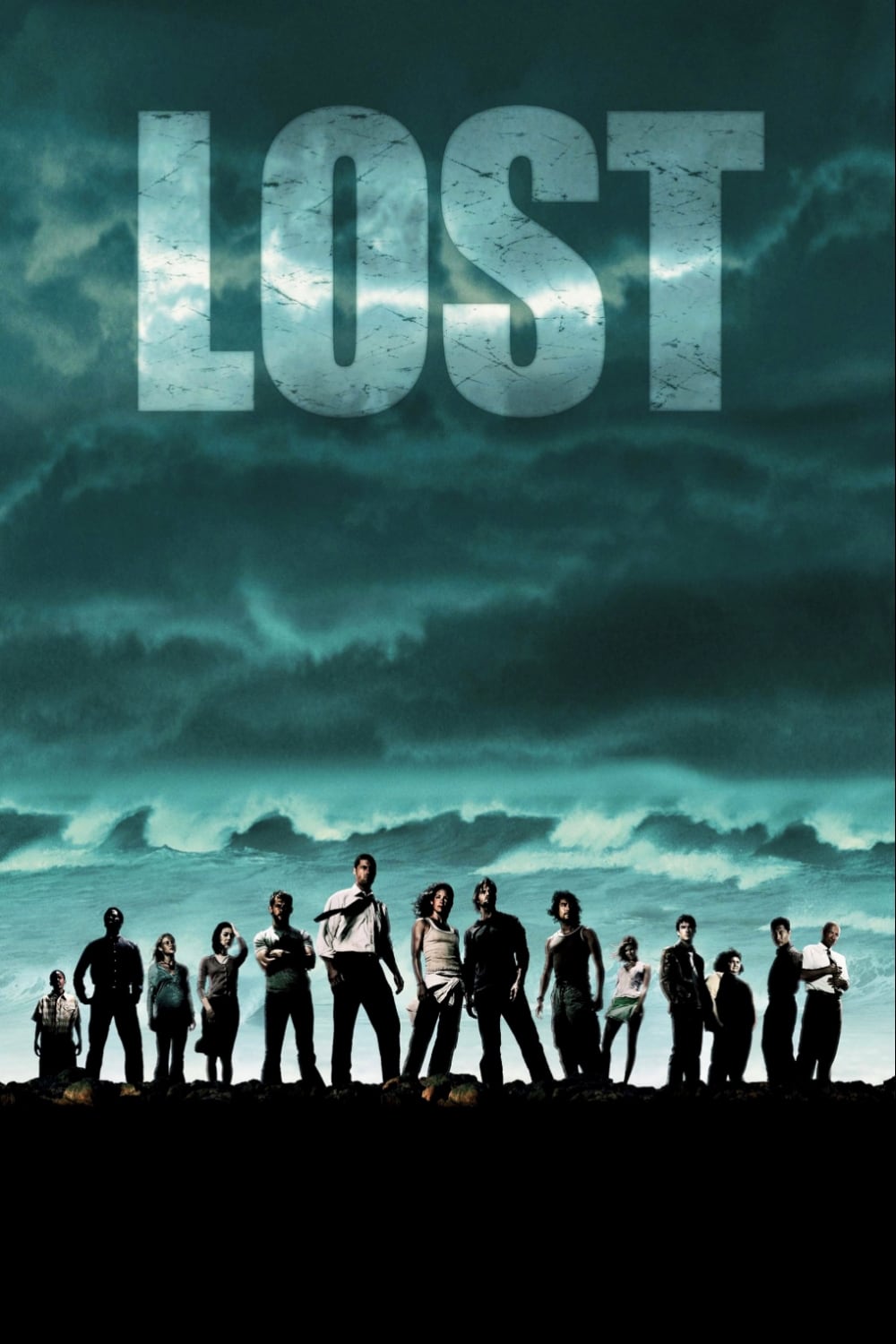
The final episode of ‘Lost’ sparked a lot of debate because it focused more on what the characters went through emotionally and spiritually than on solving all the show’s scientific puzzles. It revealed that the scenes showing alternate realities were actually a kind of afterlife where the characters connected after they died. While some viewers found this ending moving and satisfying, others were disappointed that the island’s mysteries weren’t fully explained. This choice raised questions about whether a story should prioritize answering questions or developing its characters. Many critics still consider this finale a pivotal moment in television drama.
‘How I Met Your Mother’ (2005–2014)
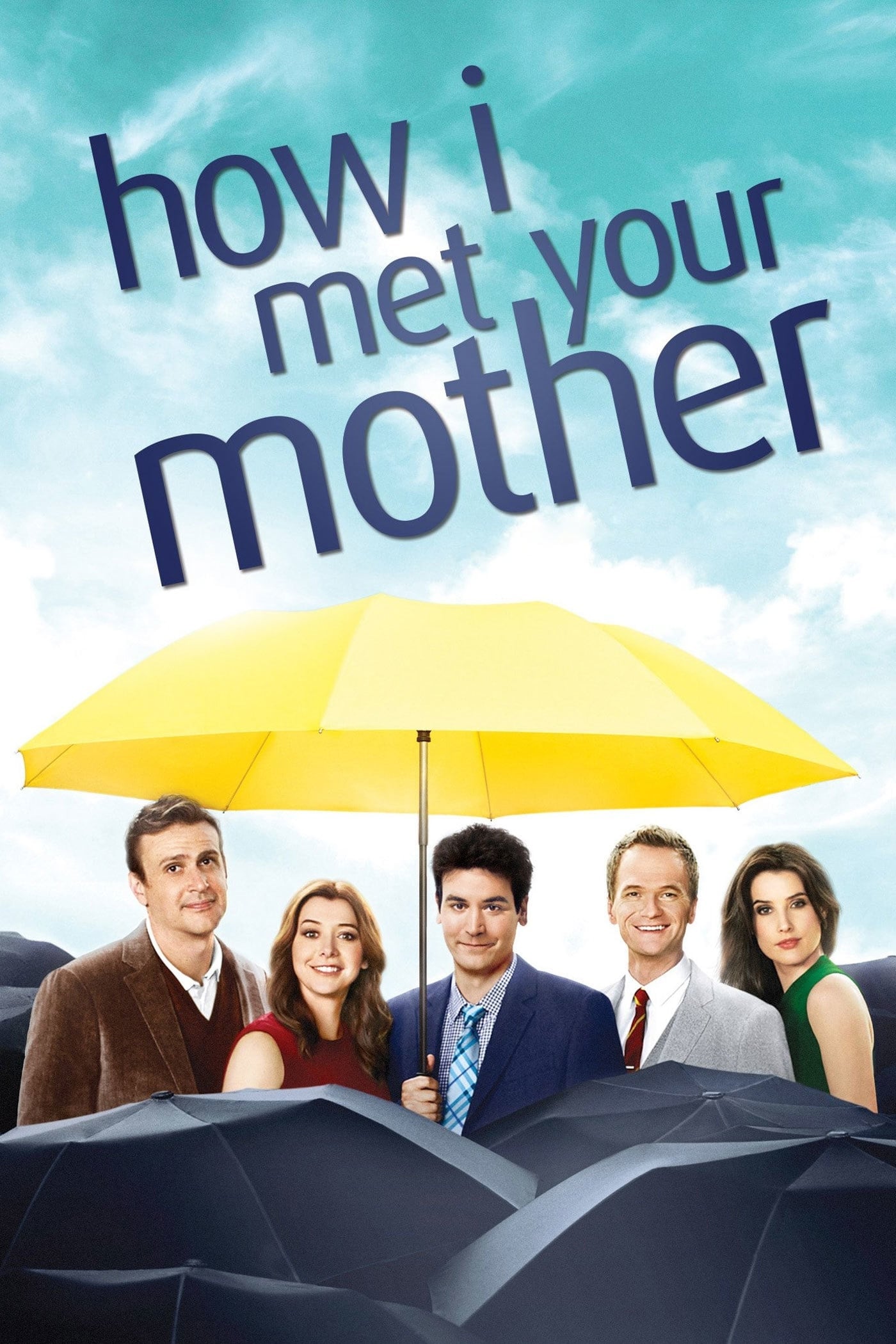
The ending of ‘How I Met Your Mother’ upset many fans. After finally introducing Ted’s wife, she quickly passed away. It was then revealed that Ted had been telling the entire story to get his children’s approval to date Robin. This felt like a setback for Robin and Barney, whose elaborate wedding had been a major focus the previous season. Many viewers believed the ending had been decided long before the show’s final season and didn’t align with how the characters had developed. The backlash was significant enough that an alternate ending was eventually released with the show’s DVD set.
‘Dexter’ (2006–2013)
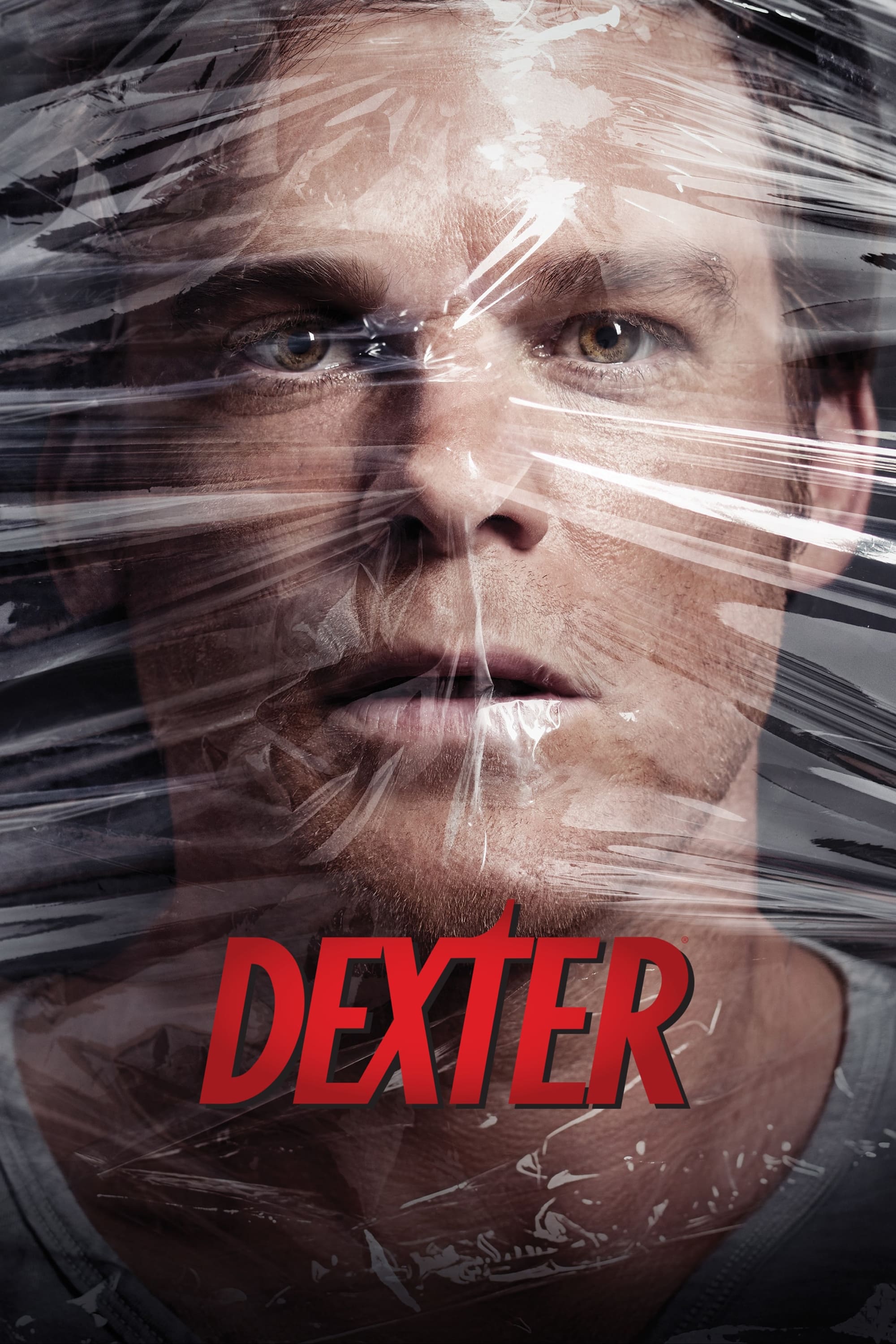
The original ending of ‘Dexter’ had the main character, Dexter Morgan, pretending to die in a hurricane and then living a secluded life as a lumberjack. Many viewers disliked this finale because it didn’t feel true to the show’s focus on accountability and facing the consequences of one’s actions. Fans were upset that Dexter avoided a trial or a more fitting end after years of being a serial killer. The finale also didn’t give much closure with the other characters, which felt like a missed chance to wrap up their stories. This disappointment ultimately led to the creation of a new series almost ten years later.
‘Seinfeld’ (1989–1998)
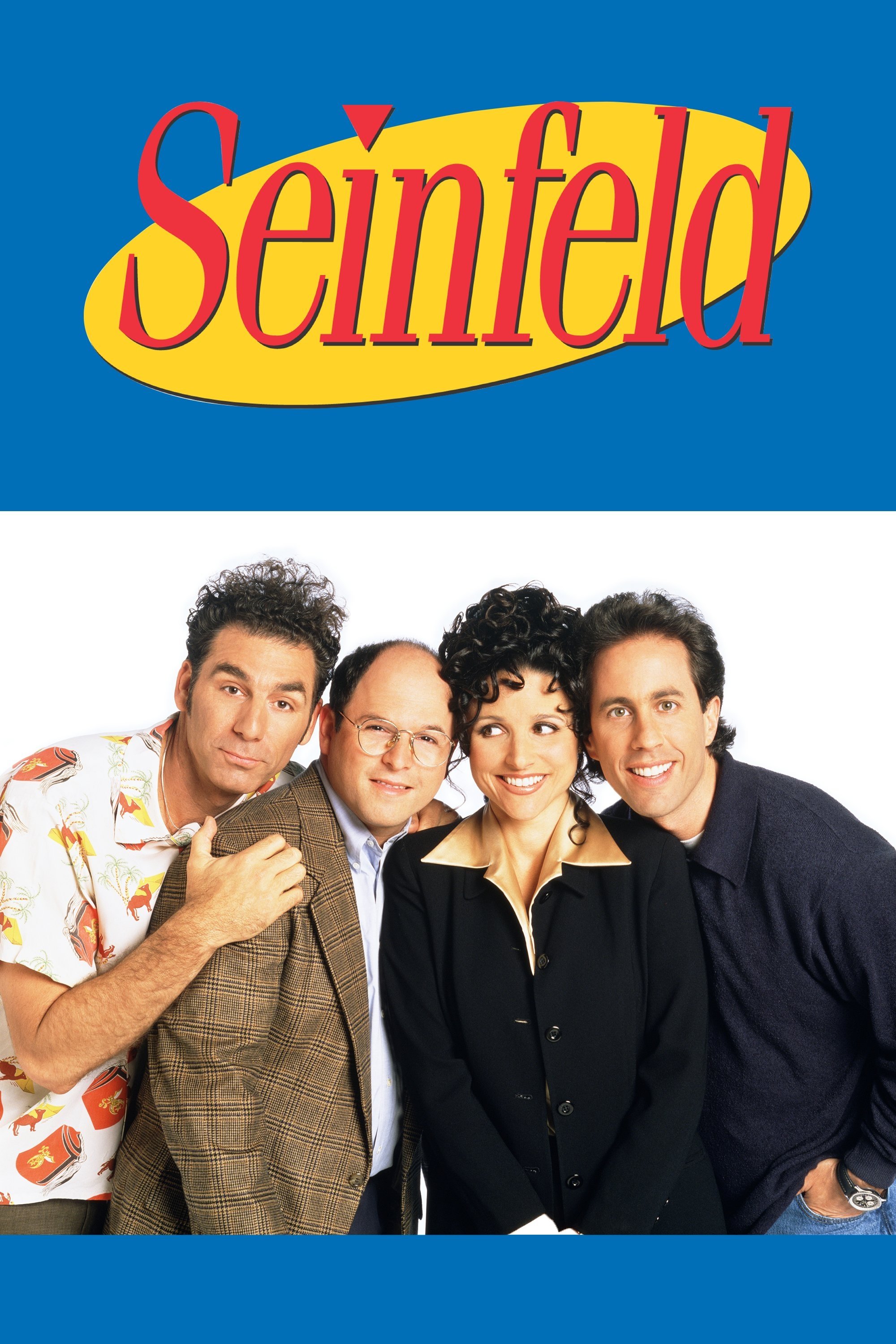
The final episode of ‘Seinfeld’ was unusual for a sitcom. Instead of a typical ending, Jerry and his friends were put on trial for being inconsiderate. Several familiar faces from past episodes appeared as witnesses, detailing how selfish the group had been. The episode concludes with them back in jail, having the same conversation they had at the very beginning of the series. Some critics thought this was a clever and insightful ending, while others felt it was unfairly harsh to the characters we’d come to love. Regardless, it’s still one of the most popular and talked-about TV finales ever.
‘Neon Genesis Evangelion’ (1995–1996)
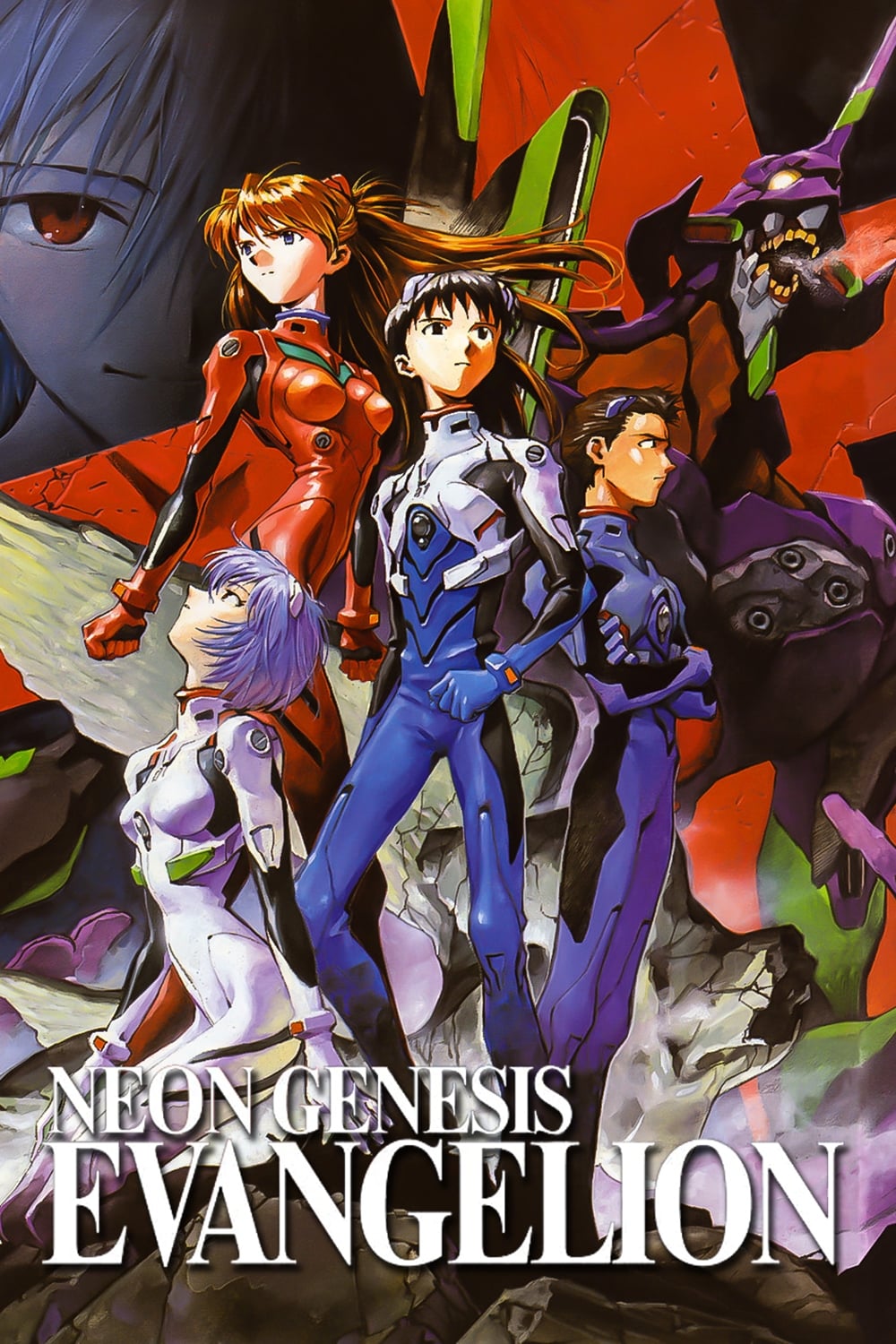
The last two episodes of ‘Neon Genesis Evangelion’ moved away from giant robot battles and instead delved into the main character’s inner thoughts and feelings. These episodes used unusual animation and drawings to show what Shinji Ikari was thinking and feeling, which confused some viewers who were expecting a clear ending to the war against the Angels. Later, the creators made a movie called ‘The End of Evangelion’ to offer a more conventional conclusion to the story. This decision led to ongoing discussions about how limited funding and the artists’ creative goals can affect anime production.
‘Attack on Titan’ (2013–2023)
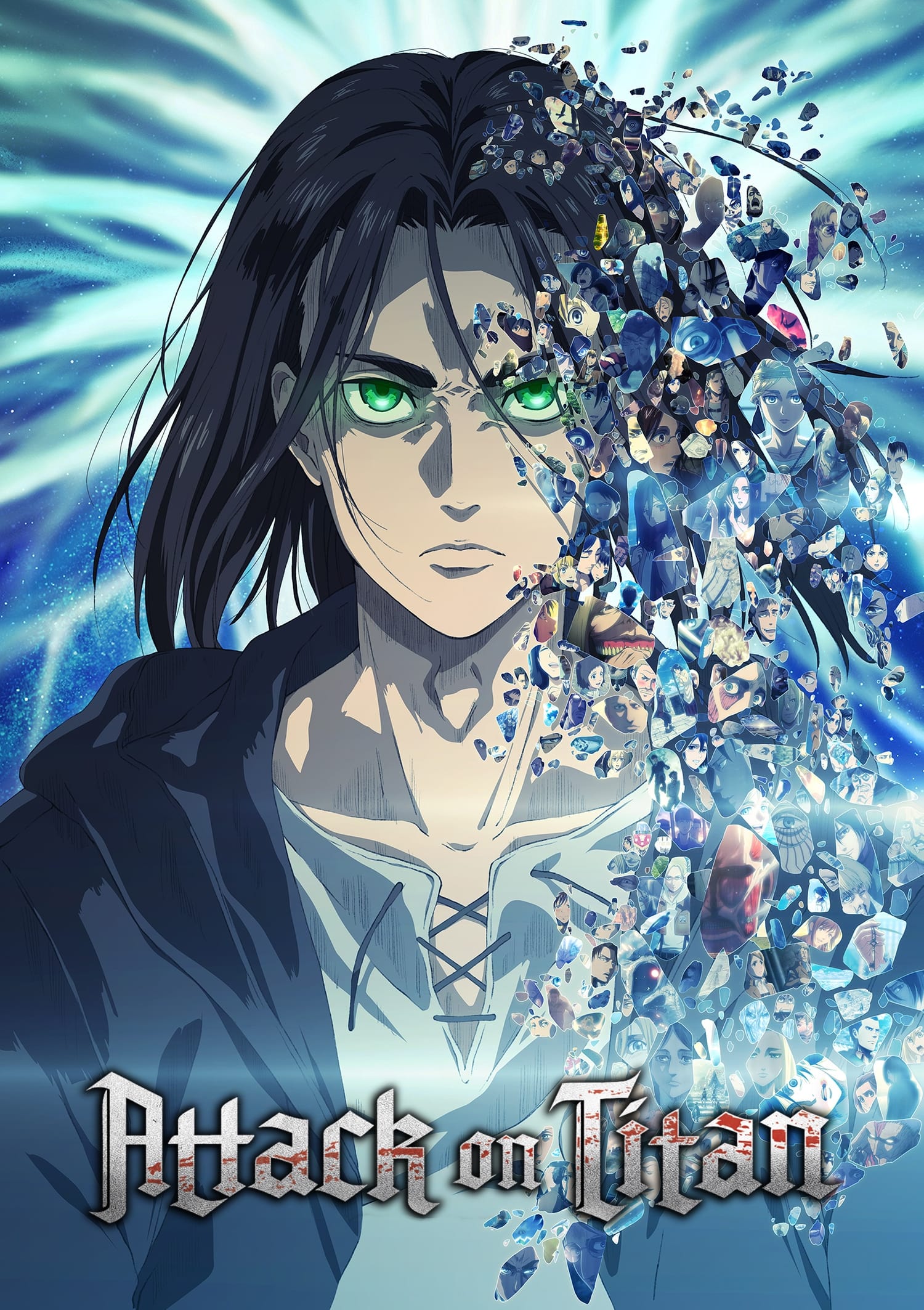
Wow, the ending of ‘Attack on Titan’ really stuck with me. It was tough to watch Eren make such difficult choices, and seeing the consequences of everything he did was heartbreaking. I know a lot of people wrestled with whether he could be redeemed after causing so much destruction, even if it was for those he cared about. And that post-credits scene? It just drove home the point that even after everything, conflict seems to always find a way back. I think what made the ending so powerful was how honestly it explored the darker sides of human nature and the sad truth that violence often feels unavoidable. It wasn’t a happy ending, but it felt incredibly real and thought-provoking.
‘St. Elsewhere’ (1982–1988)
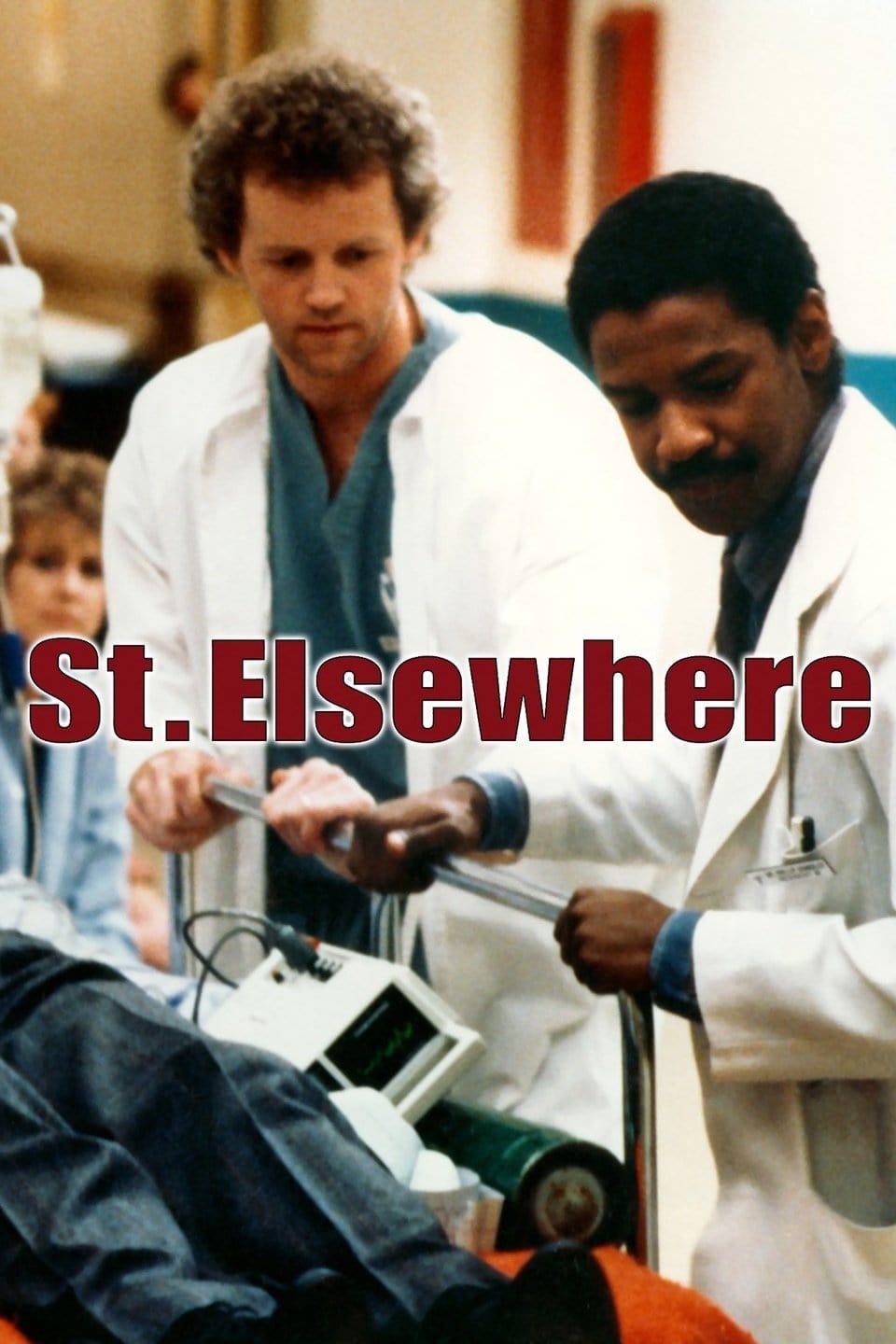
The final episode of ‘St. Elsewhere’ is remembered for a shocking twist: the entire series was presented as the daydream of an autistic child. The last scene shows a character, Tommy Westphall, looking at a snow globe that perfectly replicates the hospital where the show takes place. This led fans to develop the ‘Tommy Westphall Universe’ theory, which connects many other TV shows through recurring characters. Though some viewers appreciated the creativity, others felt it undermined the emotional impact of the show’s earlier seasons. It’s still considered a high point for surprising and mind-bending series endings.
‘Roseanne’ (1988–1997)
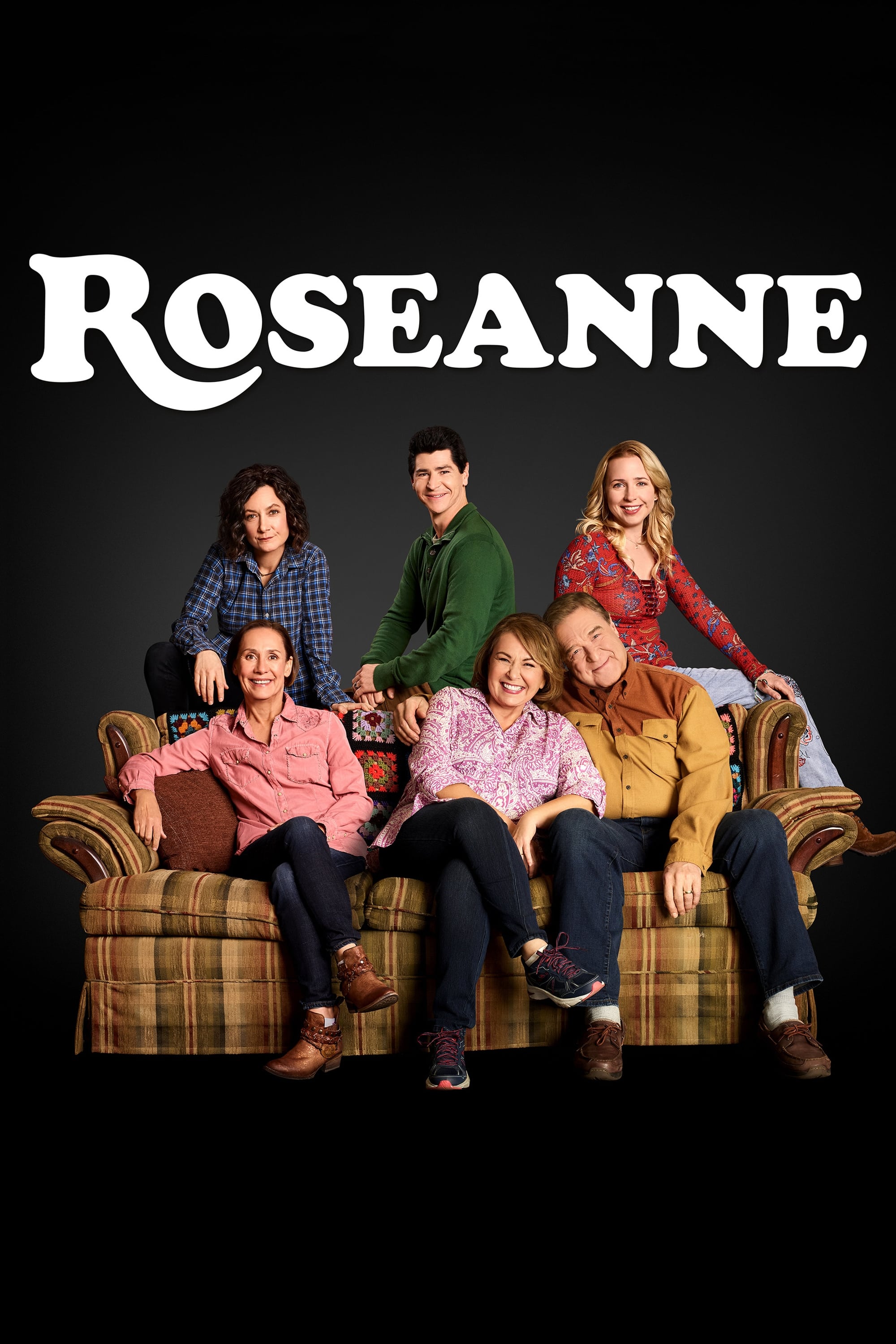
The last season of ‘Roseanne’ featured the Conner family suddenly winning the lottery and enjoying a lavish lifestyle, which many viewers found unbelievable. The finale then revealed that the entire season had been a story Roseanne Conner created in her mind to deal with the grief of losing her husband, Dan. Fans were disappointed to discover the family’s seemingly happy life was actually rooted in tragedy. When the show was revived in 2018, this original, impactful ending was overlooked. It remains a prime example of how risky it can be to use the ‘it was all a dream’ storyline in a realistic sitcom.
‘Star Trek: Enterprise’ (2001–2005)
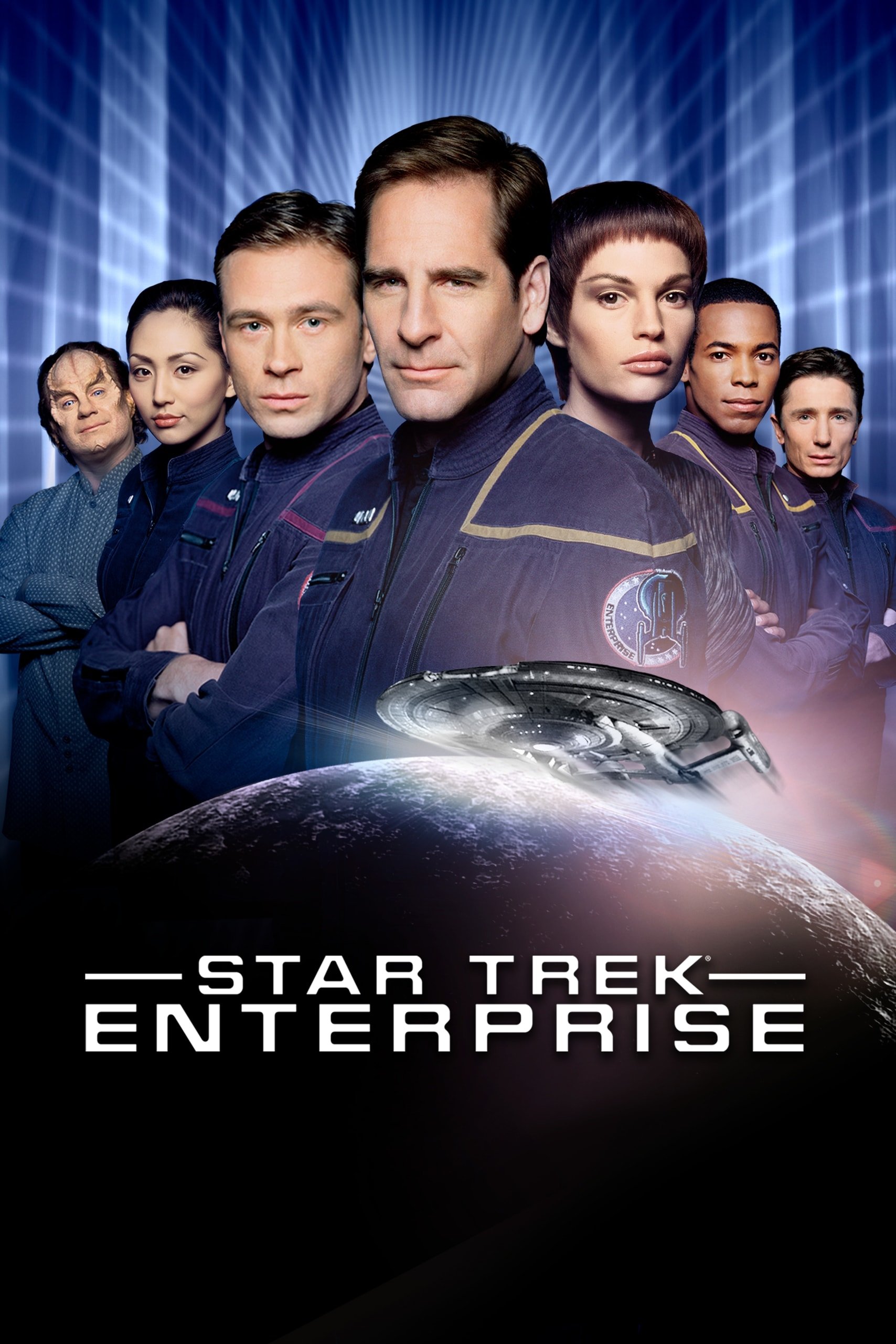
The final episode of ‘Star Trek: Enterprise’ received a lot of criticism for framing the adventure as a holodeck simulation watched by characters from ‘Star Trek: The Next Generation’. Many fans were disappointed that the story shifted focus to Riker and Troi, taking attention away from Captain Archer and his crew. The unexpected death of a key character also felt forced and hurried to longtime viewers. While intended to connect different ‘Star Trek’ series, this approach ultimately alienated the show’s core audience and is often considered one of the weakest moments in the franchise’s history.
‘Battlestar Galactica’ (2004–2009)
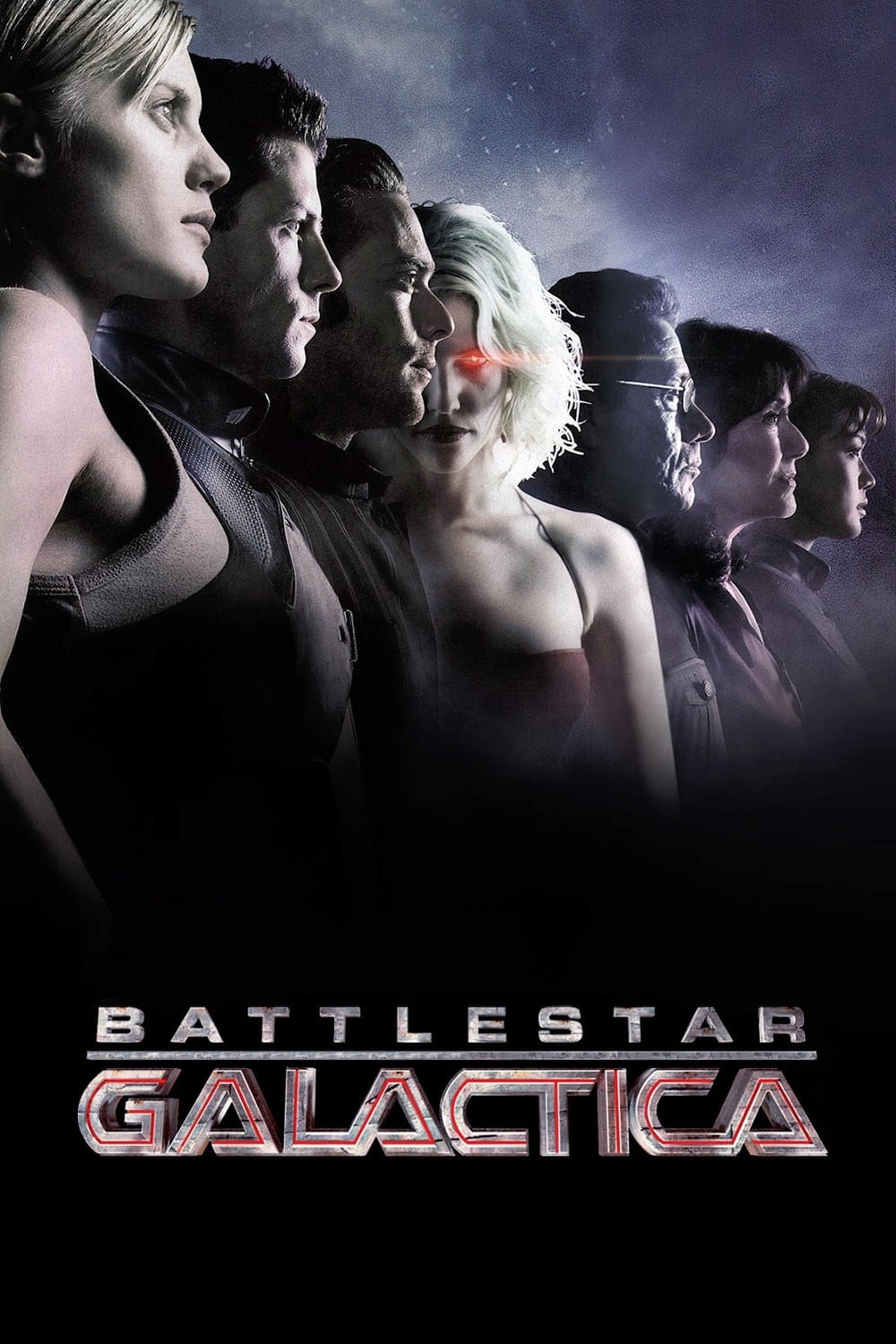
The final episode of ‘Battlestar Galactica’ shifted towards religious and supernatural ideas, which caused a strong reaction from fans. Many were surprised to learn that Kara Thrace was a kind of angel and that Earth wasn’t the modern world they expected, but a much older version. Some viewers felt this focus on divine intervention didn’t fit with the show’s earlier emphasis on technology and politics. Others appreciated the ending’s thought-provoking message about the repeating patterns of history and the role of technology. Even now, fans continue to debate whether the finale was a brilliant conclusion or a disappointing simplification of the story.
‘The 100’ (2014–2020)
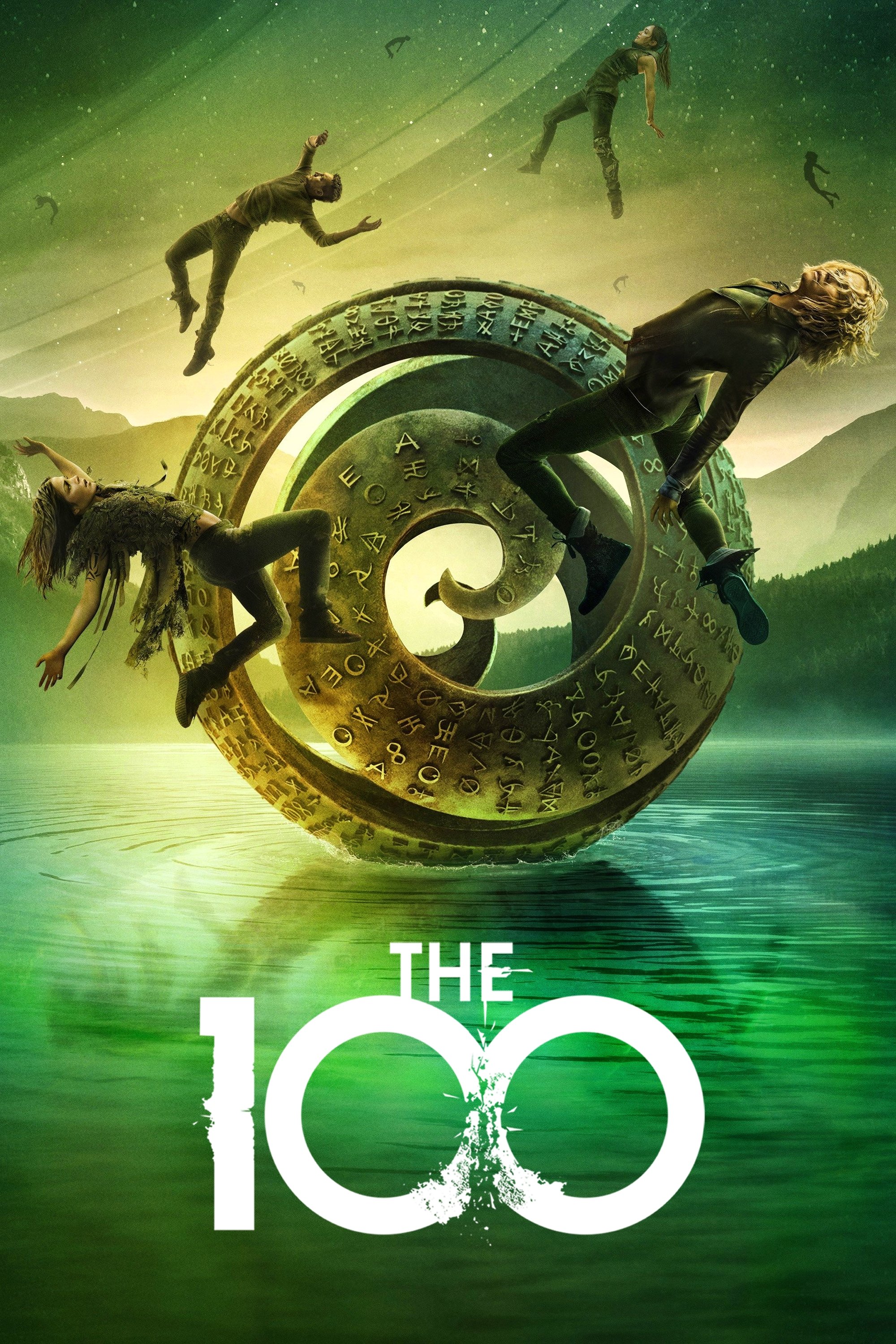
The final episode of ‘The 100’ featured a controversial concept: humanity achieving a kind of afterlife by merging into a shared consciousness. Clarke Griffin was initially deemed unworthy of this transcendence because of her past actions, but she ultimately chose to stay on Earth with her friends. This ending divided fans, with many questioning whether it stayed true to the show’s original themes of survival and the burdens of leadership. Some viewers were disappointed by the absence of certain characters and the abrupt turn towards a more fantastical, cosmic storyline. The ending continues to be debated, particularly by those who enjoyed the show’s earlier focus on realistic survival challenges.
‘Killing Eve’ (2018–2022)
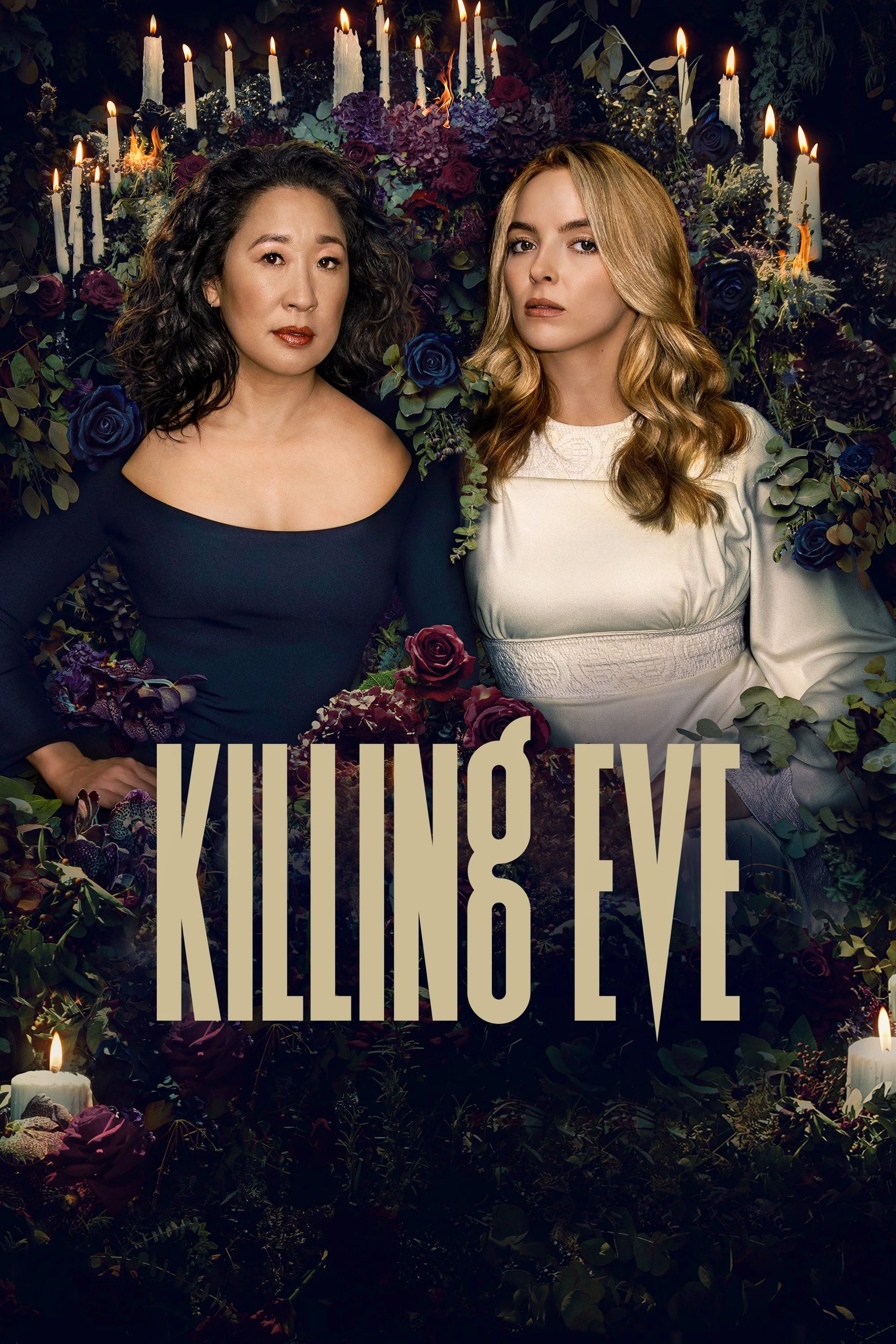
The final episode of ‘Killing Eve’ sparked strong criticism, largely due to how it handled the complex relationship between Eve and Villanelle. After years of a cat-and-mouse chase and building tension, the characters briefly connect romantically before Villanelle’s sudden death. Many viewers were upset by this, seeing it as a harmful trope, and felt the ending lacked emotional impact. While the show’s creator argued the decision was meant to allow Eve to start anew, most viewers found the way it was done unsatisfying. This disappointing conclusion ultimately damaged the show’s previously strong reputation.
‘Sherlock’ (2010–2017)
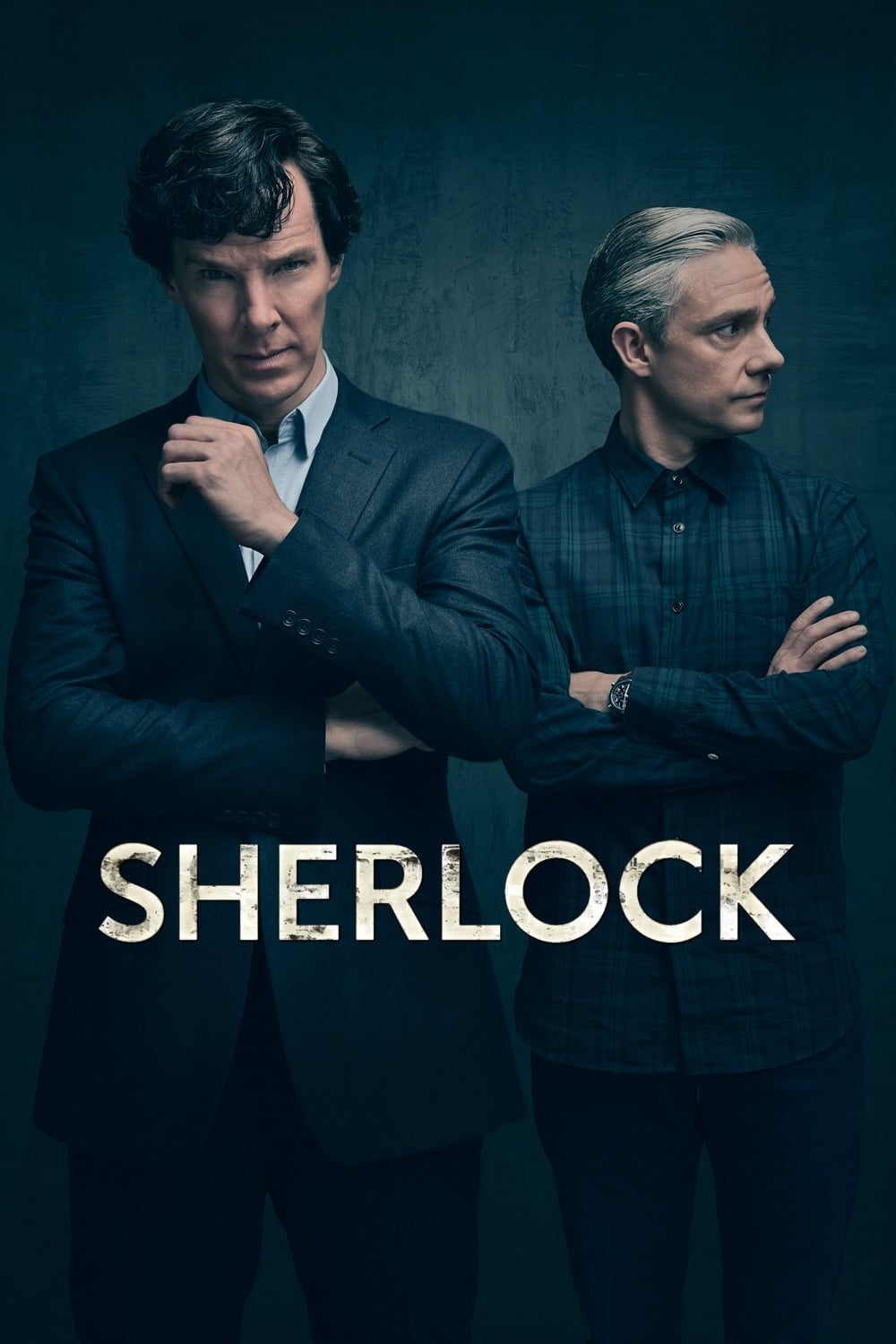
The last episode of ‘Sherlock’ revealed Sherlock’s secret sister, Eurus Holmes, who had an incredibly high IQ and powerful mind. The episode wasn’t a typical detective story; it felt more like an action-packed thriller with complex puzzles. Some fans thought Sherlock relied too much on unbelievable stunts and less on his usual logical thinking. The way the family issues were resolved felt overly dramatic and didn’t capture the same appeal as previous seasons. This change in style led to discussions about how far writers can go when updating well-known characters from classic literature.
‘Line of Duty’ (2012–2021)
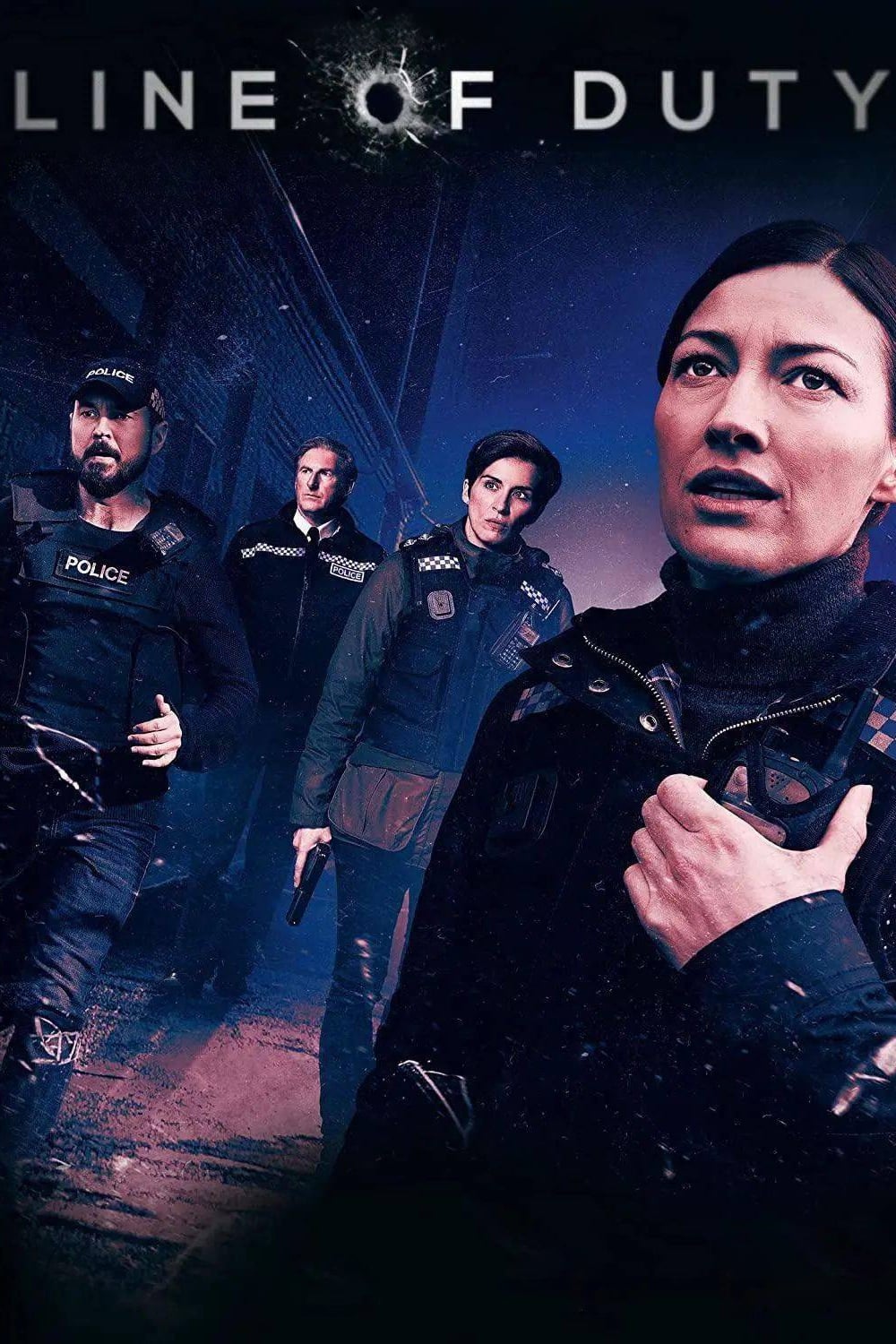
As a huge ‘Line of Duty’ fan, I have to admit I was pretty disappointed when they revealed H was actually Ian Buckells! I think the creators were trying to make a point that corruption isn’t always this grand, dramatic thing – sometimes it’s just… boring and everyday. But honestly, after six seasons of building up this huge mystery, it felt a bit of a letdown. It definitely got everyone in the UK talking, though – about how power works and who’s really held accountable. The showrunners stuck to their guns, saying they wanted a realistic take on how institutions can fail, and I can respect that, even if it wasn’t the ending I was hoping for.
‘Gossip Girl’ (2007–2012)
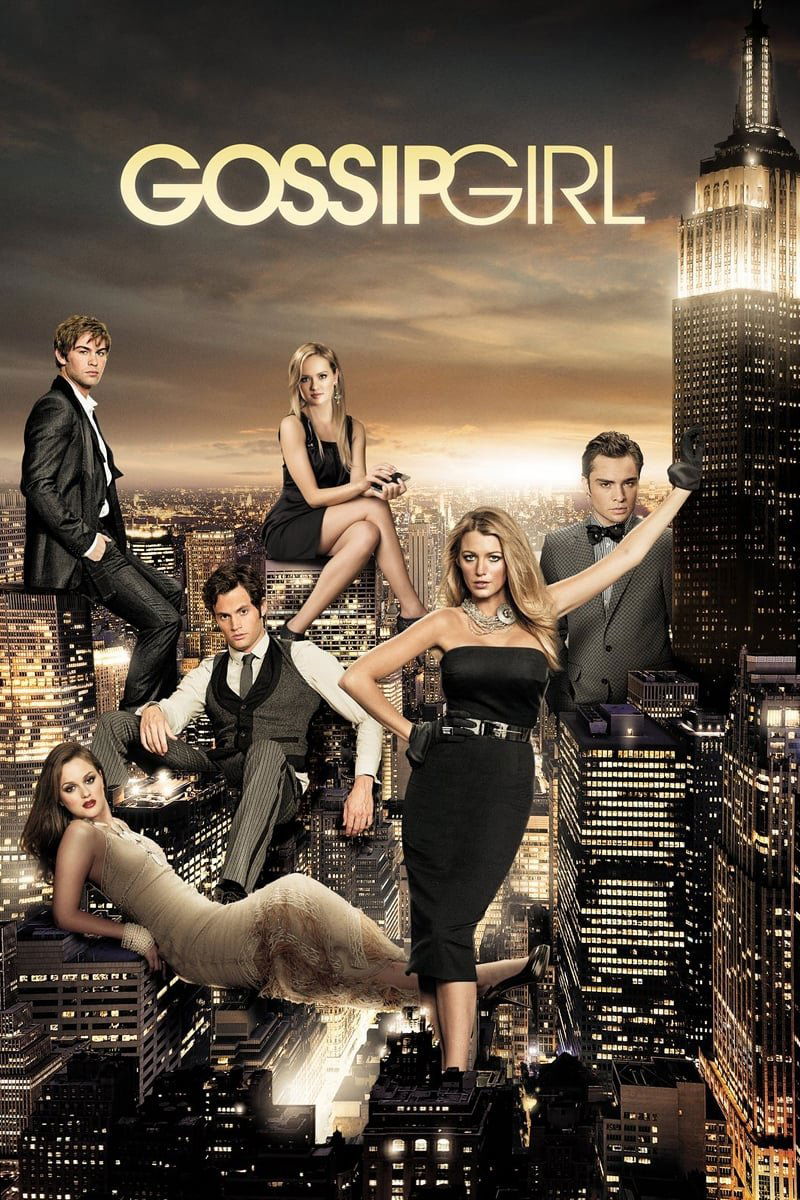
The finale of ‘Gossip Girl’ revealed Dan Humphrey as the mysterious blogger, a twist that many viewers found confusing. Fans noted several instances where Dan seemed genuinely surprised by Gossip Girl’s posts, even when he was by himself. Making the seemingly innocent outsider the tormentor of his friends felt out of character to some, and sparked debate about his motivations. While some appreciated the reveal as a commentary on ambition and social status, others saw it as a forced and unsatisfying twist. The reveal remains a major point of discussion among fans when looking back on the show.
‘True Blood’ (2008–2014)

The final episode of ‘True Blood’ surprised many viewers when Sookie Stackhouse chose to settle down with an ordinary, unnamed human after Bill Compton’s death. This frustrated fans who had followed Sookie’s passionate, supernatural relationships with characters like Eric Northman and Bill for years. Many critics felt the show wrapped up storylines too quickly and gave Sookie a predictable, uninspired happy ending. They argued the finale lacked the boldness that had defined the series, opting instead for a safe conclusion. The ending also led to conversations about how challenging it is to keep long-running fantasy shows fresh and exciting.
‘House’ (2004–2012)
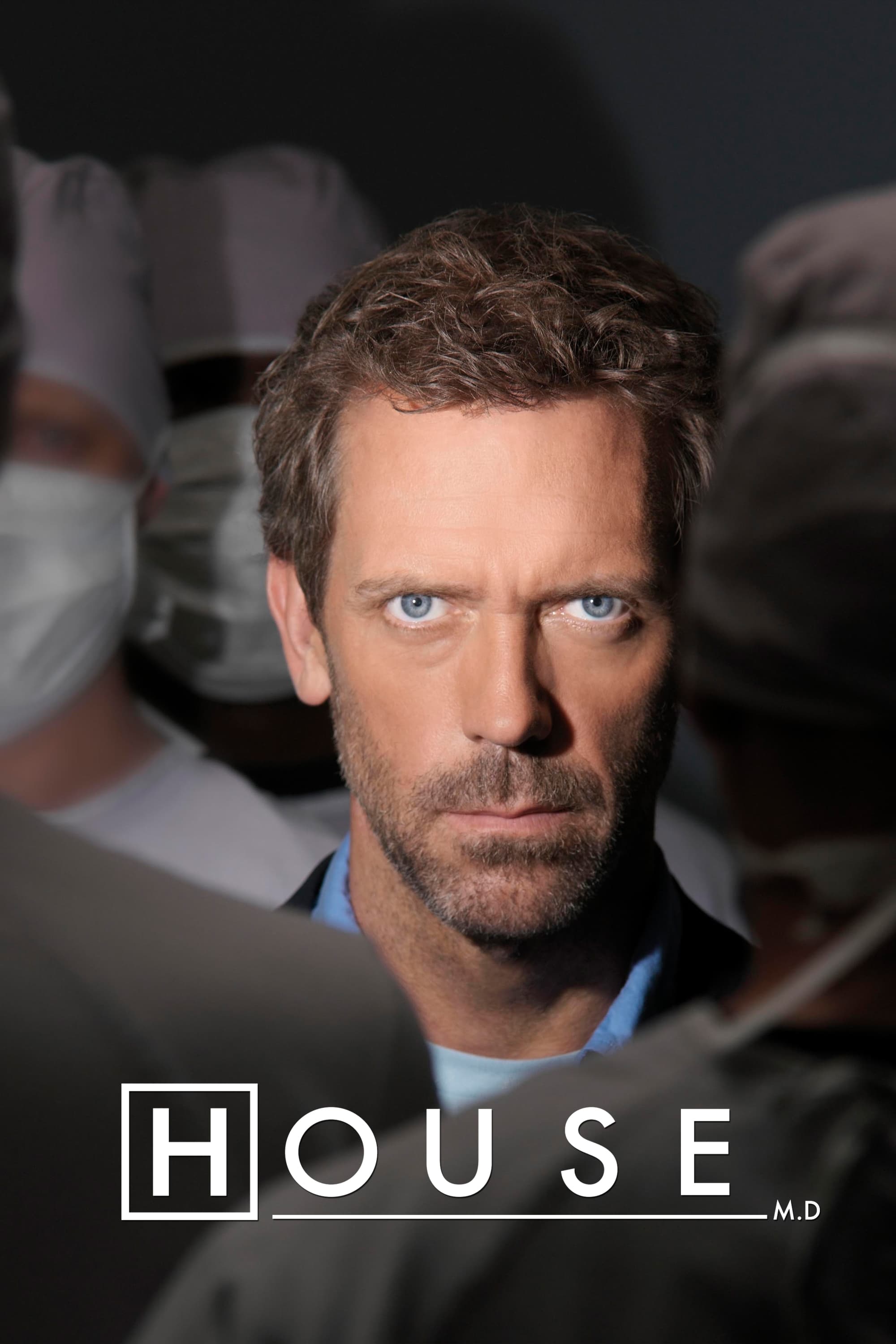
The final episode of ‘House’ showed Gregory House pretending to die so he could spend the last months of his friend Wilson’s life traveling with him. This decision came after House had a vision where he faced people from his past while a building was on fire. Though the ending was a heartwarming look at their friendship, some viewers thought House should have faced the legal and professional repercussions of his actions. The episode didn’t reveal what would happen to House after Wilson died, leaving fans with unanswered questions. However, many still love the finale because it prioritized the strong connection between the characters over a neat and tidy resolution.
‘Gilmore Girls: A Year in the Life’ (2016)
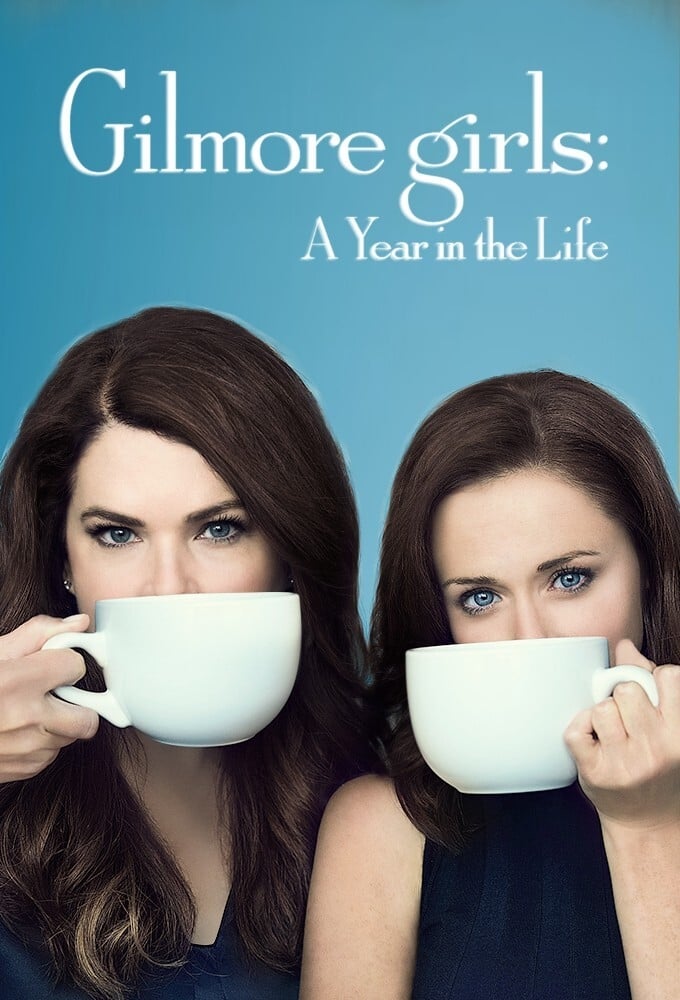
The ‘Gilmore Girls’ revival famously concluded with the reveal that Rory Gilmore was expecting a baby. Though creator Amy Sherman-Palladino had envisioned this ending for years, it felt more impactful with Rory in her thirties than it would have when she was younger. The ending sparked debate among fans – some saw it as a fitting parallel to Lorelai’s own story, while others felt it indicated Rory hadn’t truly matured. The ambiguity surrounding the baby’s father also left viewers wanting a more conclusive resolution, and the ending continues to be a frequent topic of conversation among ‘Gilmore Girls’ fans.
‘Pretty Little Liars’ (2010–2017)
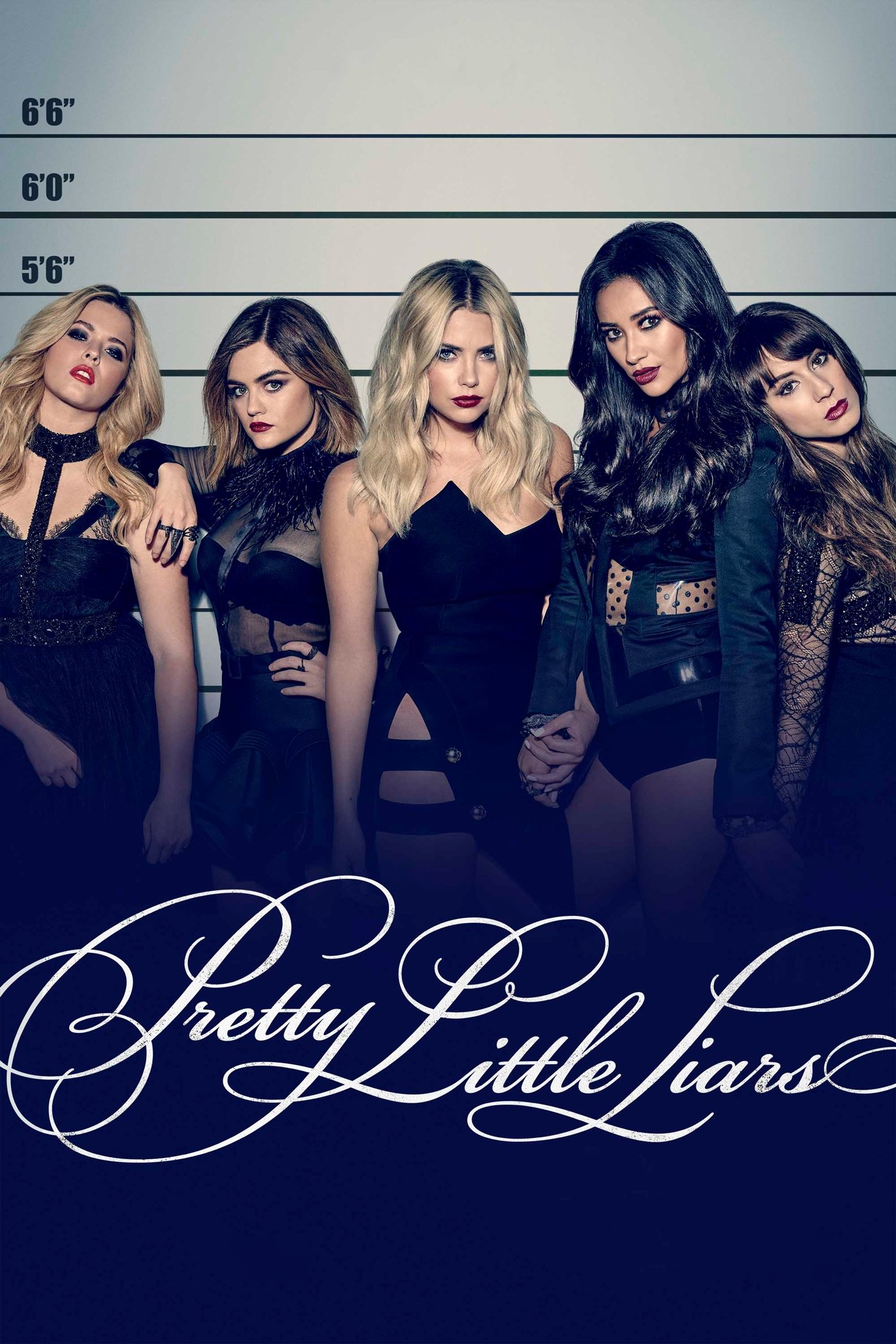
As a longtime ‘Pretty Little Liars’ fan, I have to admit the reveal of A.D. was… disappointing. They introduced Spencer Hastings’ identical twin, Alex Drake, completely out of nowhere in the final episode! It felt like after years of mystery, the answer just came from a character we’d never seen before. Honestly, it didn’t feel earned, and it left a lot of us confused. Plus, the villain’s fake British accent became a bit of a joke. It’s often held up as an example of a show that built up a really intricate puzzle but then fumbled the solution. It just didn’t land the way it should have.
‘Supernatural’ (2005–2020)
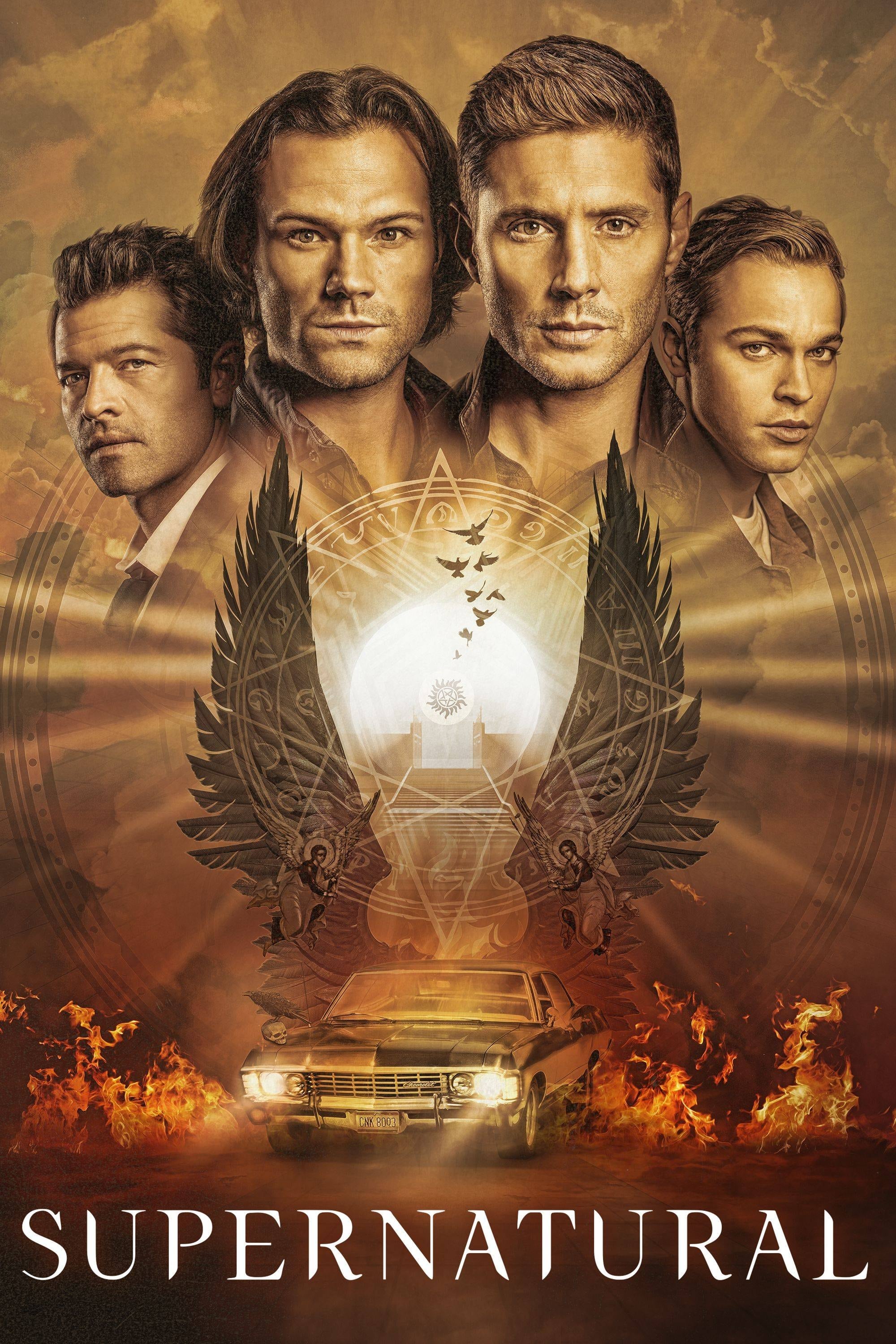
The final episode of ‘Supernatural’ featured Dean Winchester’s unexpected death during a simple vampire hunt, shortly after he and Sam defeated God. This surprised and disappointed many fans, who felt such a long-running character deserved a more significant end than an everyday accident. Sam continued living a fulfilling life and eventually had a family, ultimately reuniting with Dean in the afterlife. The decision to center the ending on the brothers’ personal story, rather than giving more closure to other characters, received a varied response from dedicated fans. The finale sparked a lot of debate about how much a show should cater to audience expectations versus staying true to a realistic story.
‘The X-Files’ (1993–2018)
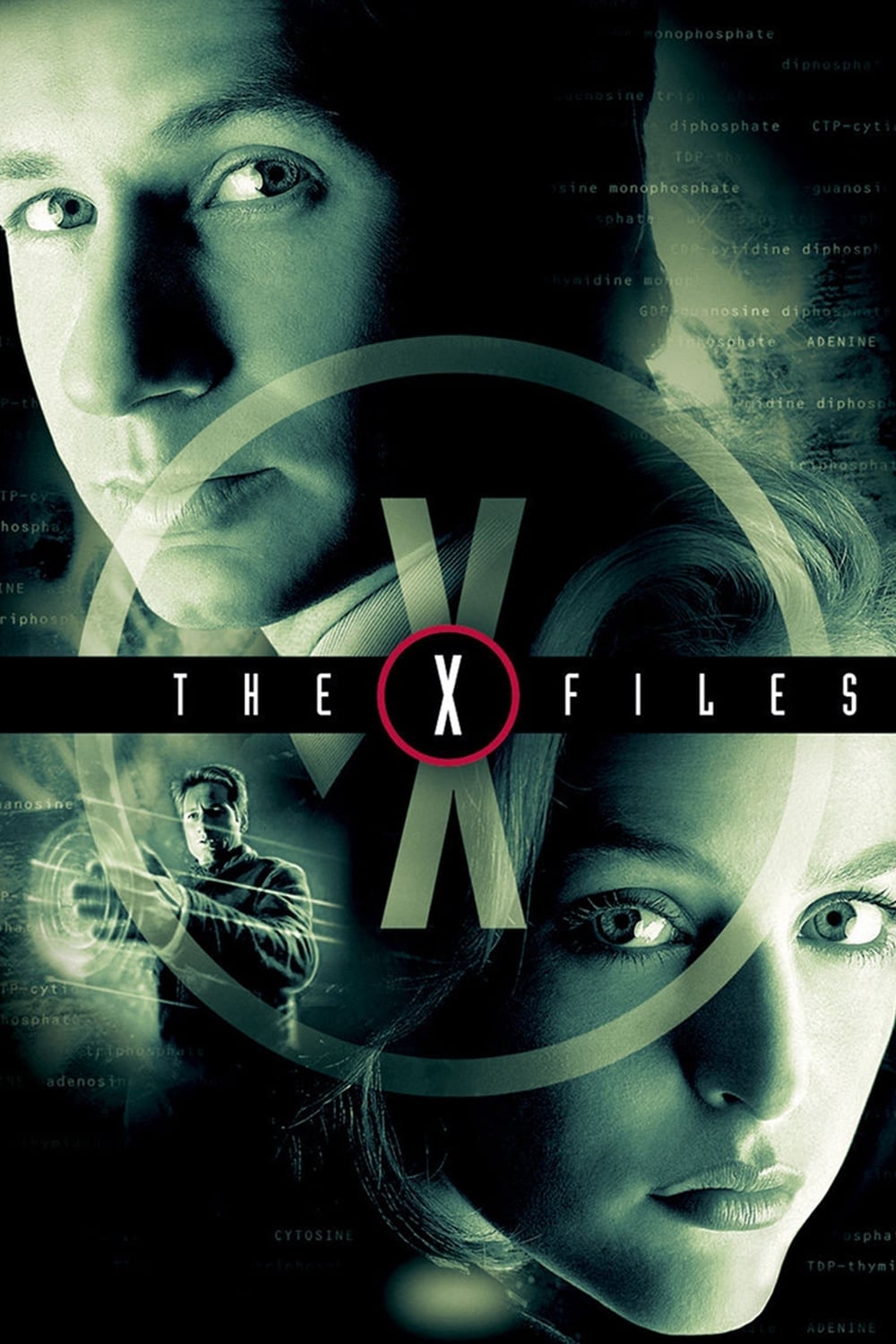
The eleventh season finale of ‘The X-Files’ felt like a final ending, but many fans were unhappy with how the show’s long-running storyline was resolved. The explanation of William’s identity and a surprising character death felt like a letdown, and the focus shifted away from the important connection between Mulder and Scully with confusing plot developments. The ending, which left the characters’ fate unknown, was particularly divisive because it wasn’t clear if the show would continue. This finale remains a debated part of ‘The X-Files’ history.
‘Death Note’ (2006–2007)
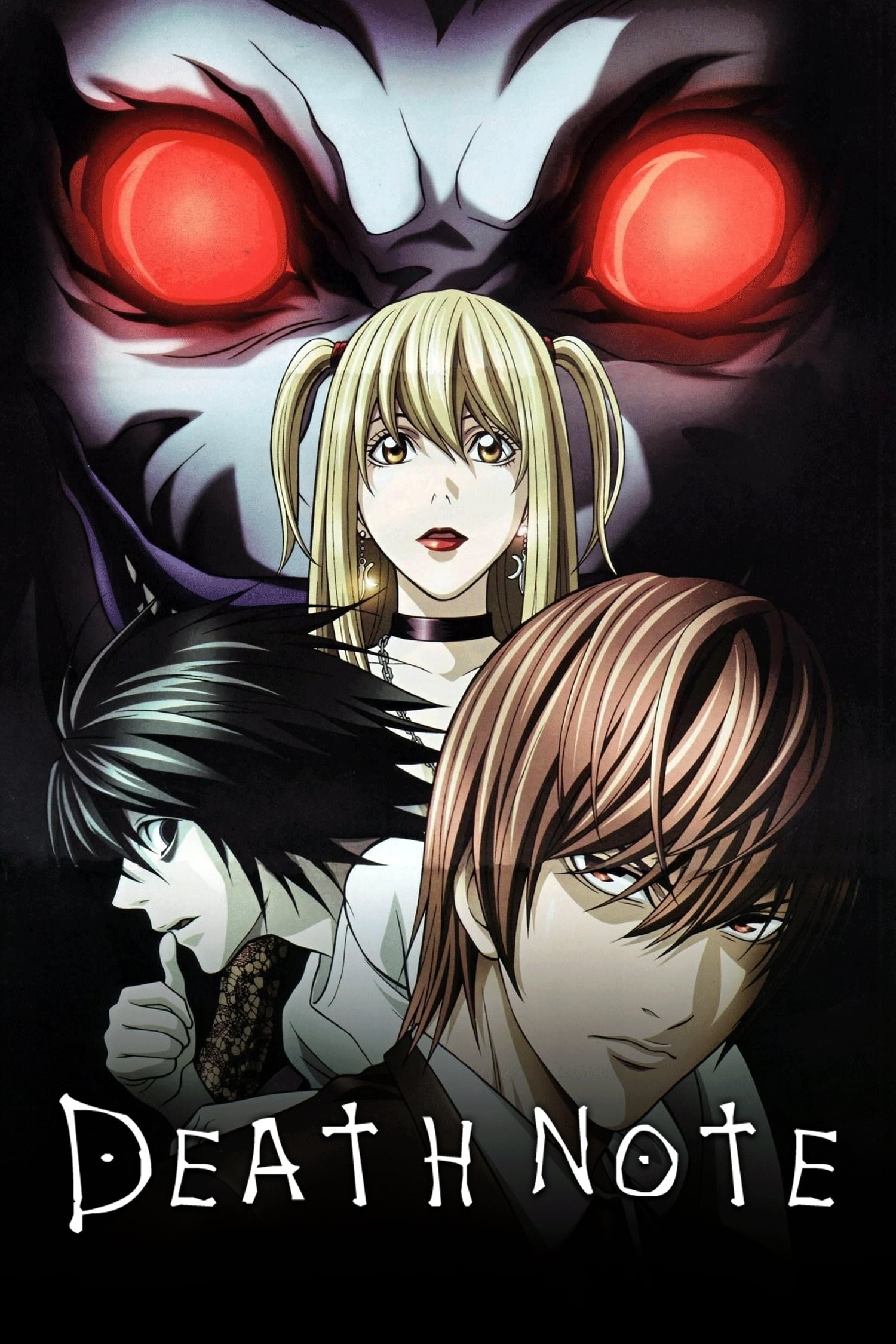
Watching the last episode of ‘Death Note’ was tough. Seeing Light Yagami, who always seemed so brilliant and in control, die like that… it was pretty sad and undignified. He was cornered in a warehouse, completely broke down, and just tried to run before Ryuk finally wrote his name down. Some people thought it was a perfect ending – that a villain like him should fall so desperately. But honestly, I always felt like Light deserved a more epic showdown, a real battle of wits with L or Near. That ending really stuck with me, and I’ve seen countless discussions about what it all meant – the dangers of power and how it can corrupt anyone, really. It’s a debate that still goes on among fans, and it’s what makes ‘Death Note’ so memorable.
‘Code Geass: Lelouch of the Rebellion’ (2006–2008)
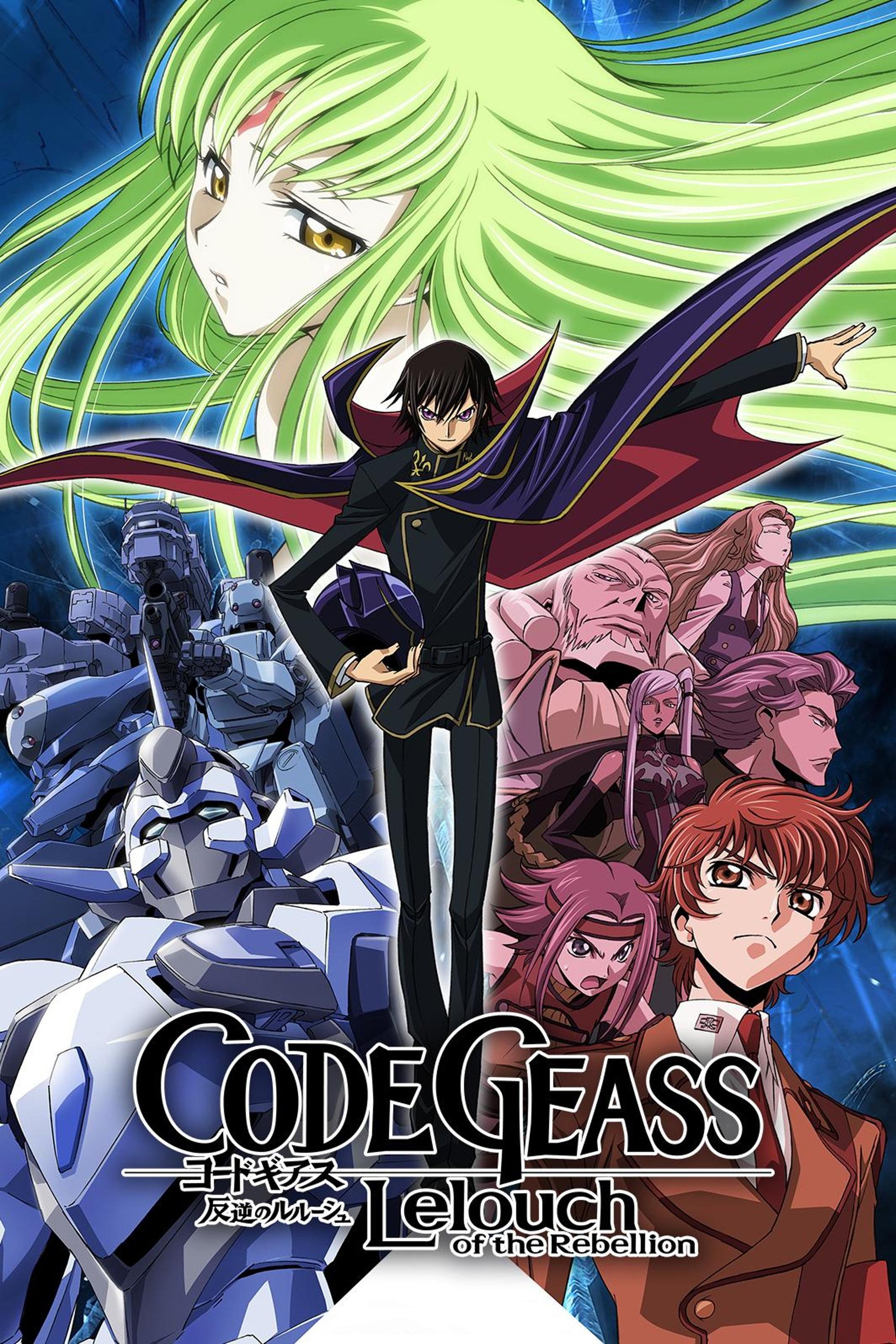
The final episode of ‘Code Geass’ centers around Lelouch intentionally arranging his own death, hoping to bring the world together against a shared threat. This plan, called Zero Requiem, was designed to end a long history of conflict through one ultimate sacrifice. Viewers have long discussed whether Lelouch’s actions were justified and if his death made up for his past wrongdoings. The ending is celebrated for its powerful emotional resonance and how well it tied into the show’s themes, even with its complicated political setting. It’s still considered one of the most acclaimed, yet controversial, endings in the mecha genre.
‘Twin Peaks: The Return’ (2017)
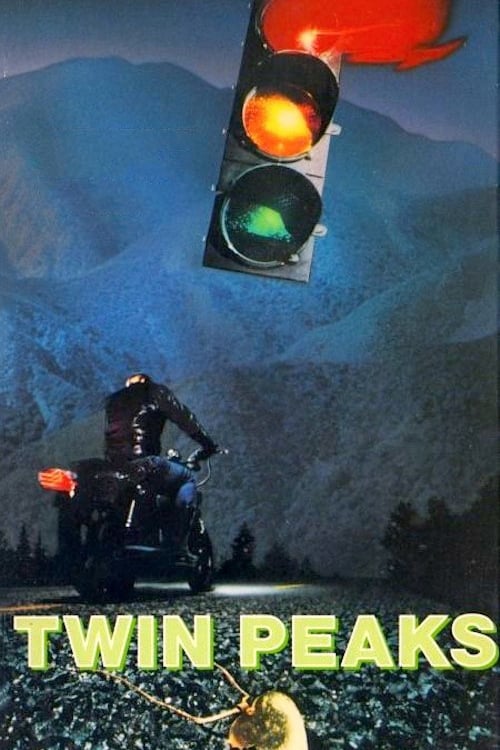
The final scene of the ‘Twin Peaks’ revival was unsettling: Agent Cooper asks the year, followed by a chilling scream. Instead of a neat ending, it left viewers with more questions about the nature of reality and the story’s meaning. Some felt David Lynch was deliberately provoking thought, while others believed the story was simply left unresolved. The finale’s slow speed and dreamlike visuals continue to be studied by film students, demonstrating how powerful a sense of mystery can be in television today.
‘Mad Men’ (2007–2015)
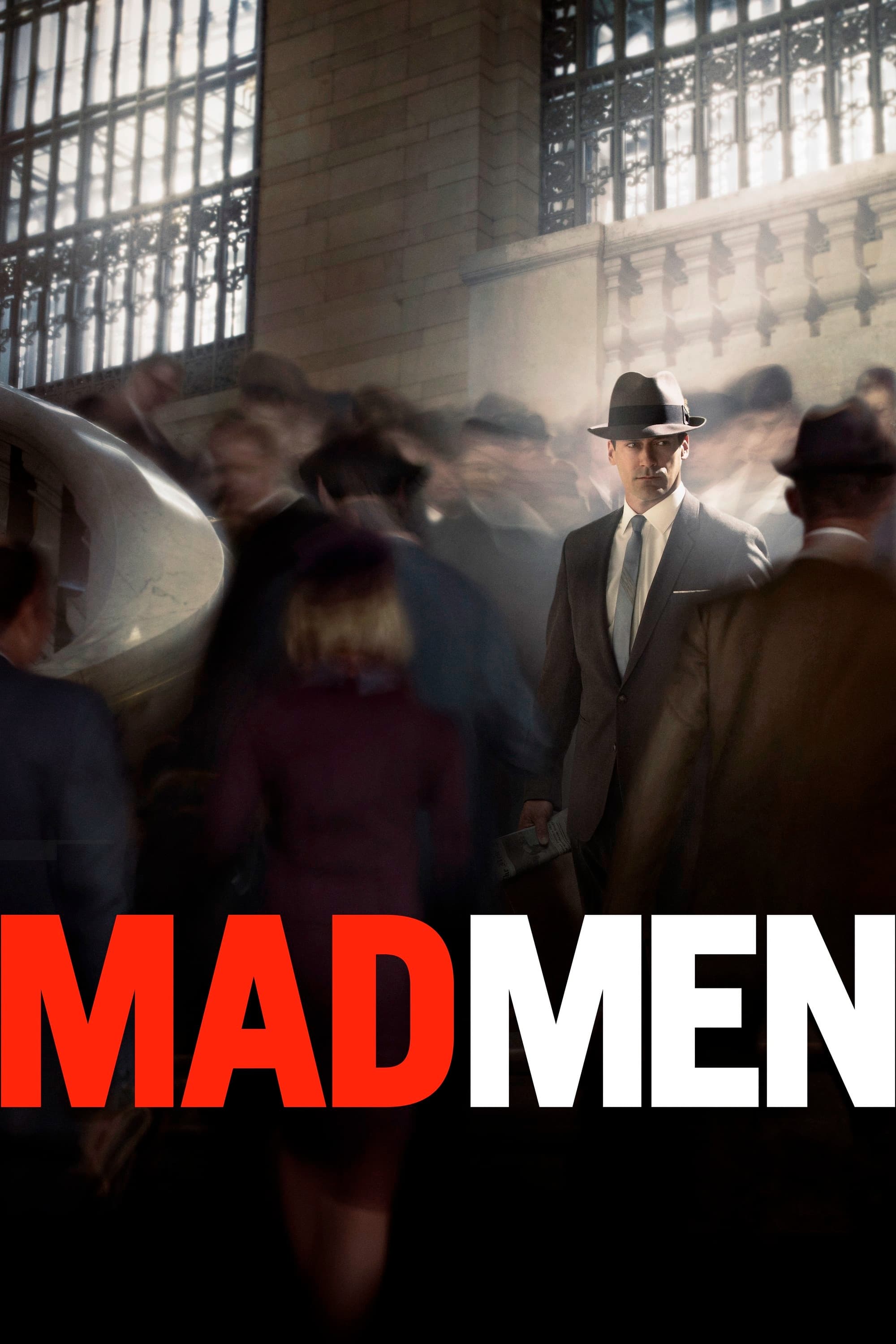
The final scene of ‘Mad Men’ shows Don Draper meditating, which then cuts to the iconic Coca-Cola ad. Many believe Don used his newfound self-awareness to create the ad, one of the most successful in advertising history. Some viewers saw this as a critique of how capitalism can exploit real feelings, while others felt it showed Don finally merging his work and personal life. The ending continues to spark discussion about Don Draper’s character development.
‘Dexter: New Blood’ (2021–2022)
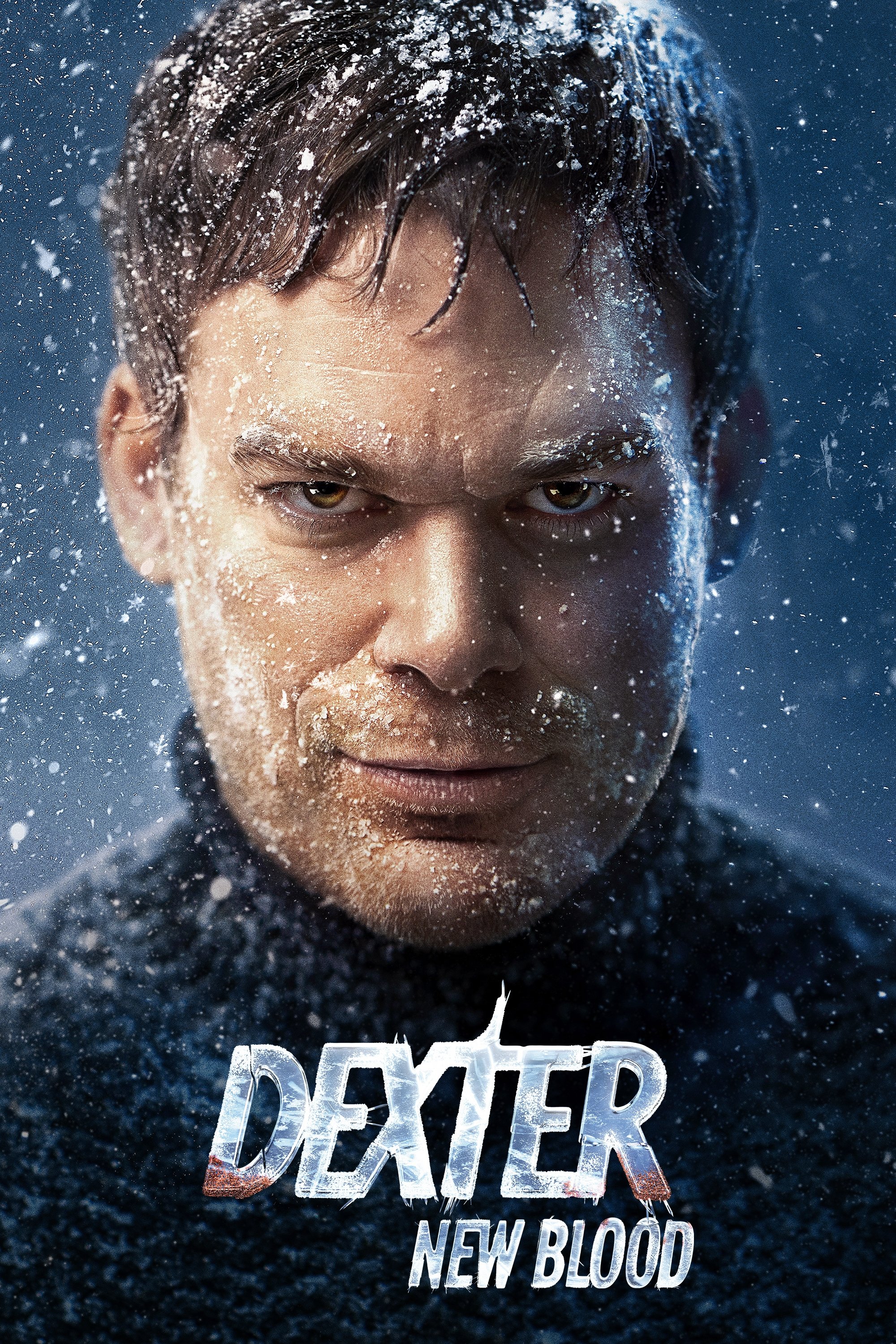
The final episode of the ‘Dexter: New Blood’ revival ended with Dexter being killed by his son, Harrison. The writers hoped this would be a more satisfying conclusion than the original series finale and offer some closure for the victims of Dexter’s crimes. However, many viewers thought Harrison’s actions felt forced and Dexter’s death happened too abruptly. Some felt the scene lacked emotional impact because Dexter’s story wasn’t fully explored, and the ending once again sparked debate among fans about how Dexter Morgan will be remembered.
‘Dinosaurs’ (1991–1994)
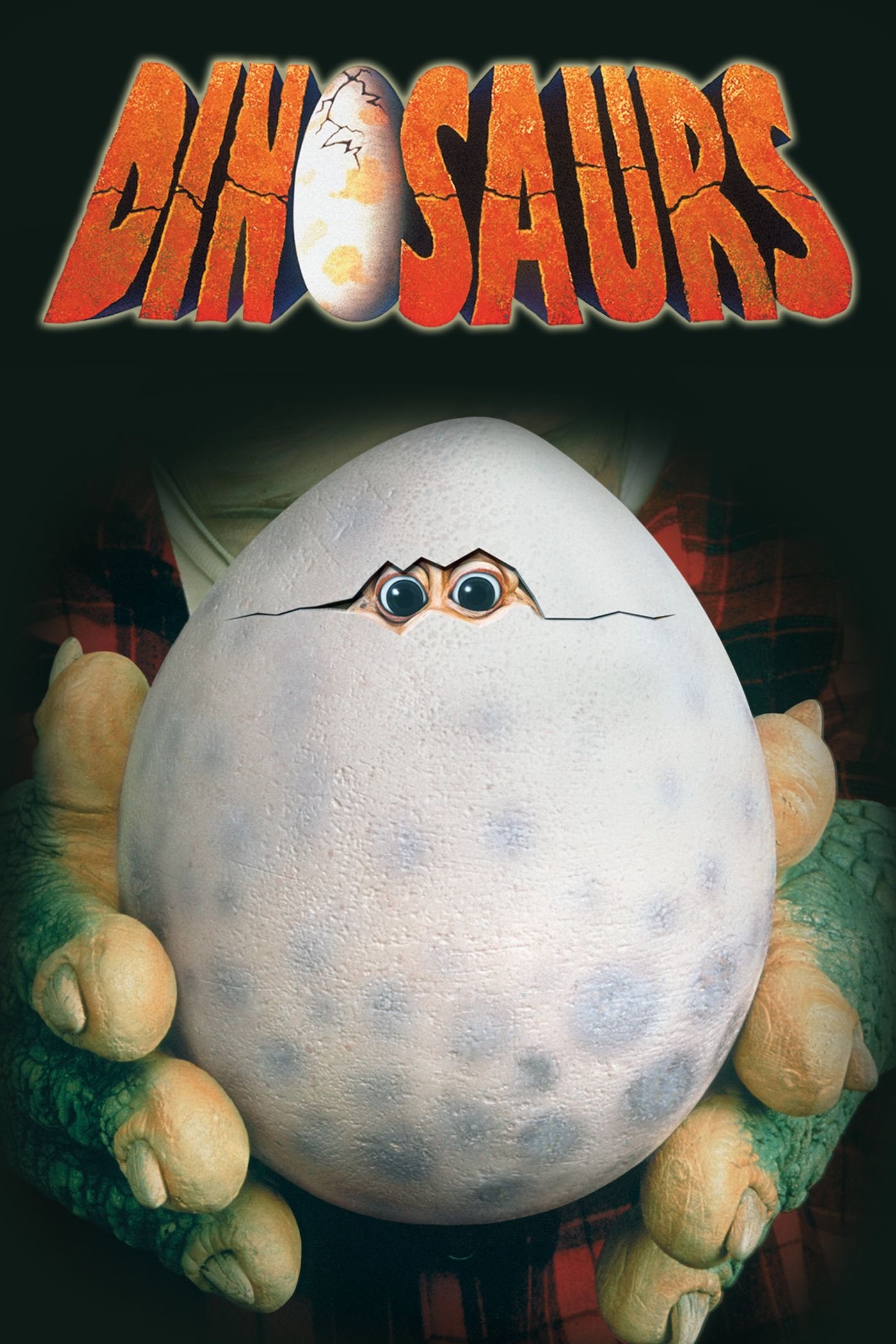
The 90s sitcom ‘Dinosaurs’ is remembered for its unexpectedly bleak final episode, ‘Changing Nature.’ The show’s characters unintentionally cause a worldwide ice age due to pollution and a lack of environmental care at their workplace. The episode ends with the family facing extinction, huddled together as snow buries their home. This dark turn felt jarring for a comedy known for its puppets and lightheartedness, and many viewers were disturbed by the sudden shift to a serious, existential threat.
‘The Prisoner’ (1967–1968)
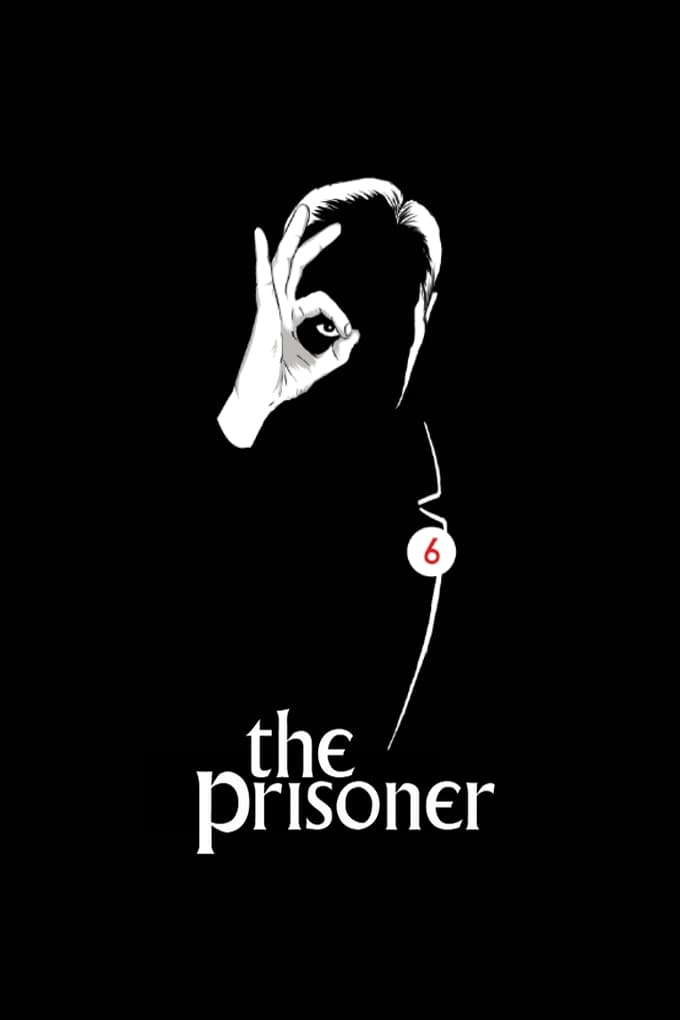
The final episode of ‘The Prisoner’ shocked viewers by revealing that Number 1, the unseen leader, was actually a different side of the main character, Number 6. This unexpected and symbolic ending moved away from the show’s original spy-thriller format, instead offering a thought-provoking look at the conflict between individuals and society. Viewers, expecting a straightforward explanation of the mysterious Village, were confused and flooded the studio with calls. The intense public reaction even forced creator Patrick McGoohan to briefly go into hiding. Today, the ending is recognized as groundbreaking television, proving that a show could be both popular with audiences and creatively daring.
Share your thoughts on these controversial television and anime finales in the comments.
Read More
- Invincible Season 4 Gender Swaps Tech Jacket As Fans Question Major Comic Change
- Gold Rate Forecast
- 22 Films Where the White Protagonist Is Canonically the Sidekick to a Black Lead
- Unveiling the Schwab U.S. Dividend Equity ETF: A Portent of Financial Growth
- Why Won’t It Just *Do* What You Ask? Unpacking the Quirks of AI Language
- Superman Flops Financially: $350M Budget, Still No Profit (Scoop Confirmed)
- The Best Former NFL Players Turned Actors, Ranked
- Silver Rate Forecast
- 14 Movies Where the Black Character Refuses to Save the White Protagonist
- New HELLRAISER Video Game Brings Back Clive Barker and Original Pinhead, Doug Bradley
2026-02-04 20:49