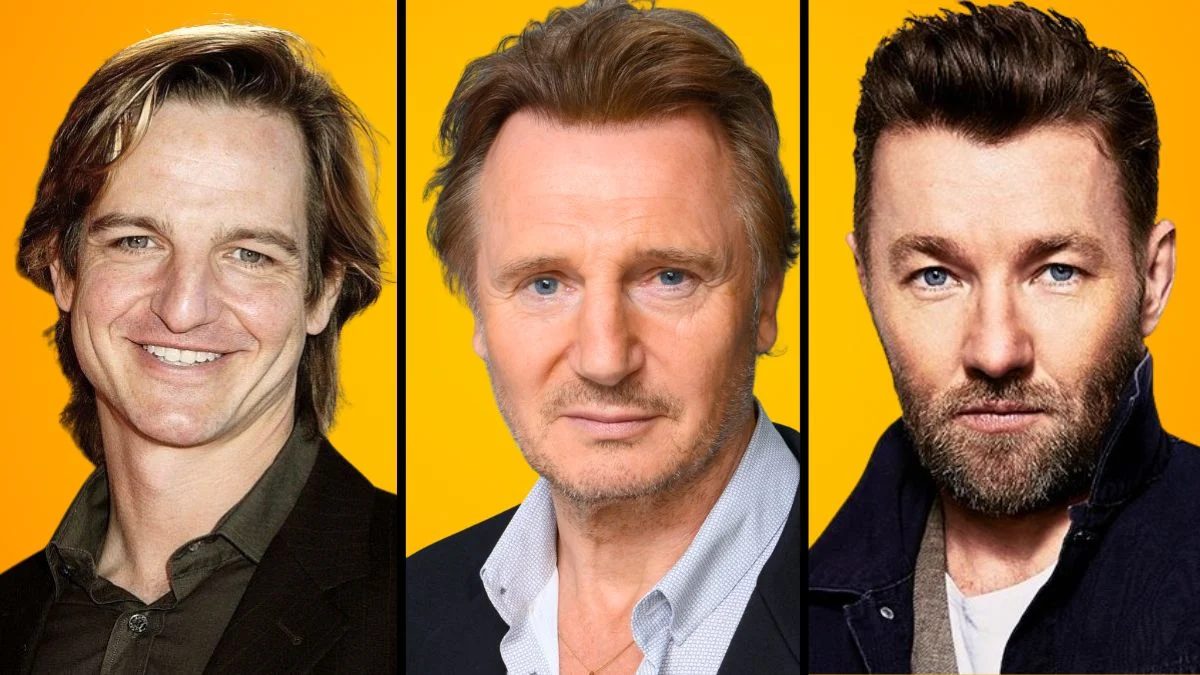
Throughout film history, it’s been common for white actors to play characters who were originally written as people of color. This has happened with both real historical figures and made-up characters for many years. Film studios often said they needed famous white actors to attract investors and get movies made. However, critics and groups working for better representation have argued that this practice prevents actors of color from getting opportunities and sharing their own stories. This type of casting continues to be a major topic of debate when discussing fairness and accuracy in movies and television.
Jake Gyllenhaal

Jake Gyllenhaal played the lead role of Dastan in the movie ‘Prince of Persia: The Sands of Time,’ which was based on a video game. This casting choice caused a lot of criticism because Dastan is a character of Persian heritage, and Gyllenhaal is not. Many people accused Disney of ‘whitewashing’ – casting a white actor in a role that should have gone to someone from the Middle East. Gyllenhaal later said he regretted taking the part and understood why people were upset.
John Wayne
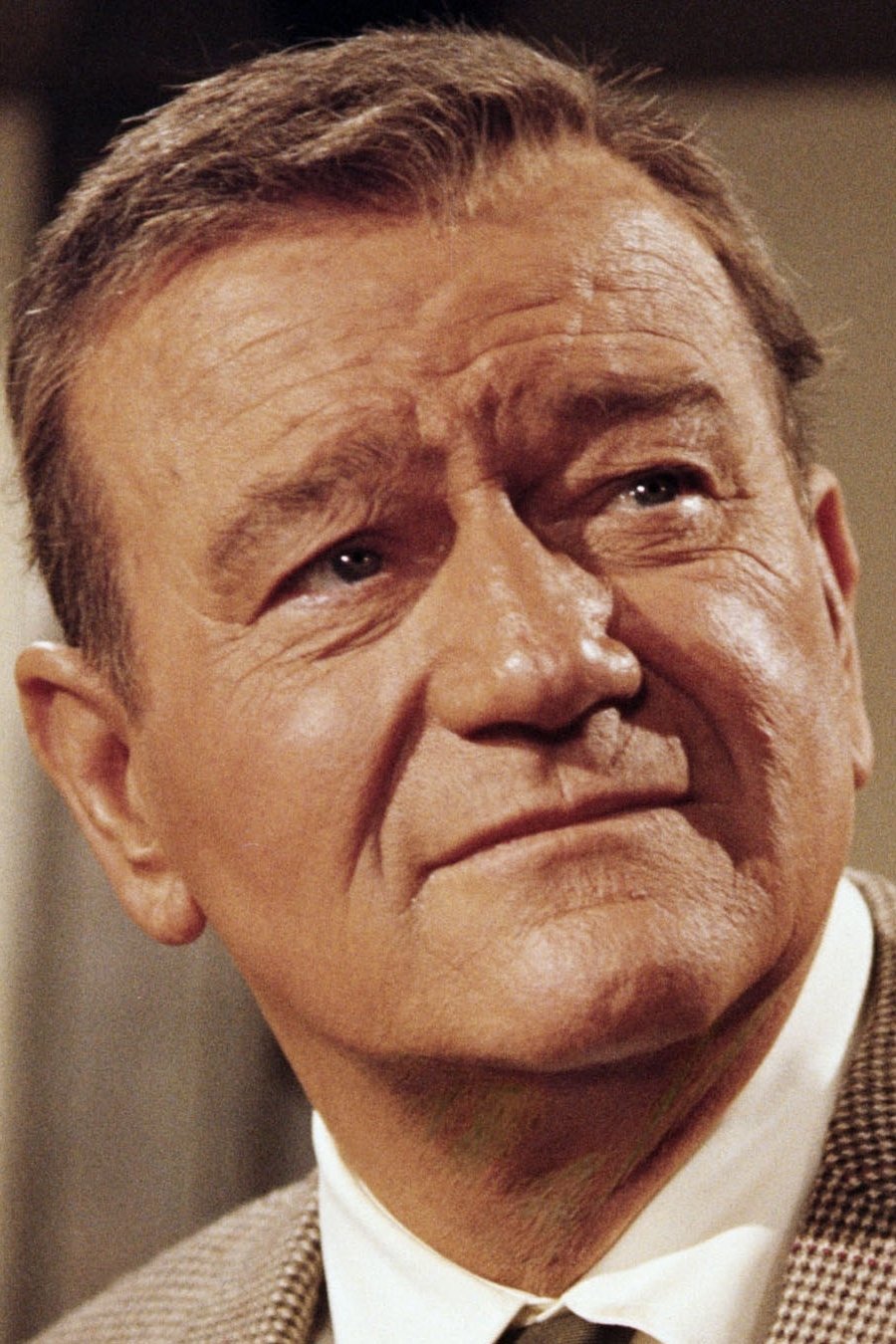
John Wayne starred as Genghis Khan in the film ‘The Conqueror,’ but the casting was widely criticized as a major mistake. To play the role, the famously American western actor used a lot of makeup and even taped his skin to change the shape of his eyes. The film is now remembered as a prime example of a studio prioritizing a famous actor over historical and ethnic accuracy.
Mickey Rooney
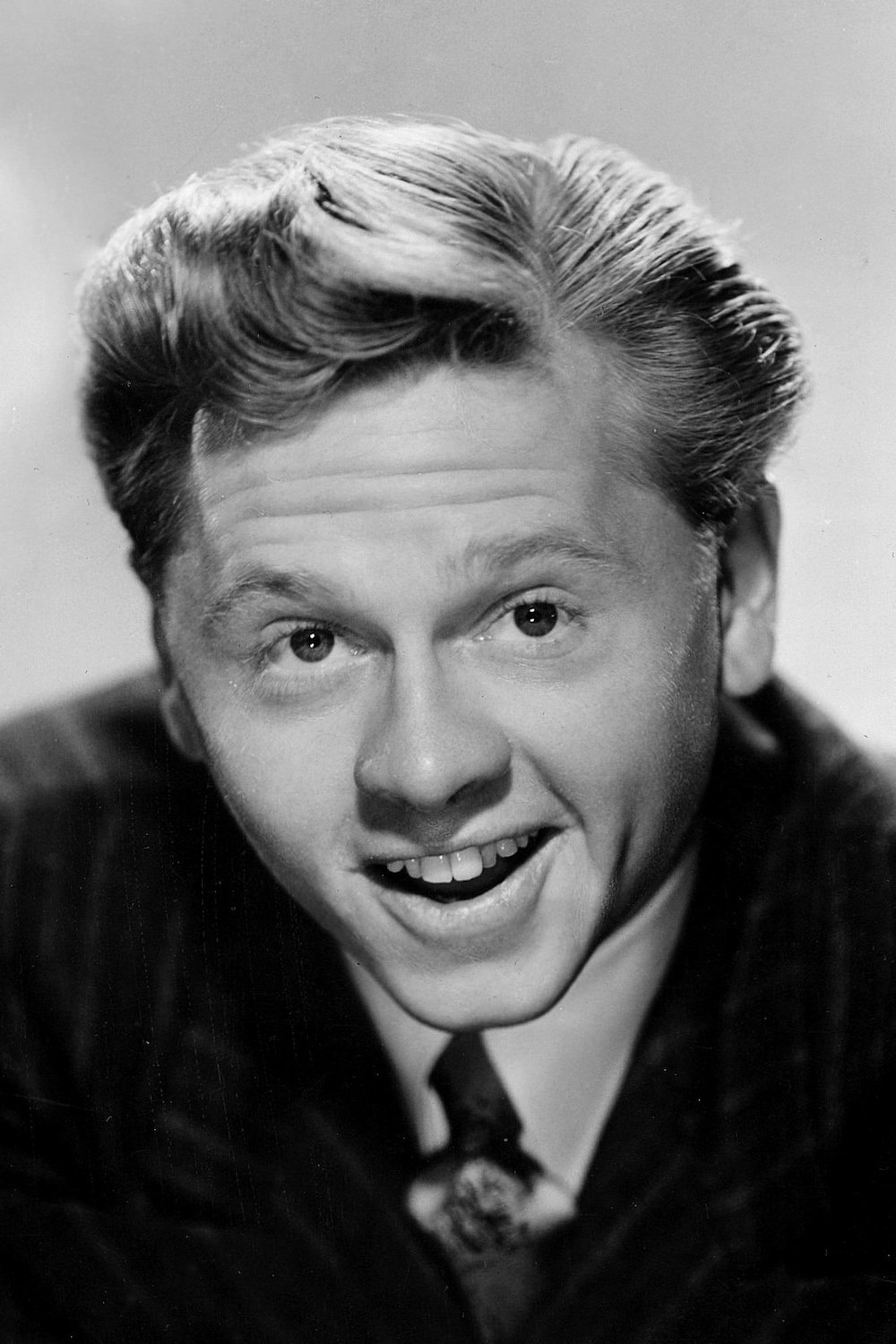
Mickey Rooney played Mr. Yunioshi, a Japanese landlord, in the film ‘Breakfast at Tiffany’s’. The performance now seems very offensive because it depended on harmful and outdated stereotypes about his appearance and how he spoke. Many Asian American groups and film critics have criticized the portrayal as a stereotypical caricature, not a fully developed character. It’s a clear example of the casual racism that was common in Hollywood at the time.
Christian Bale
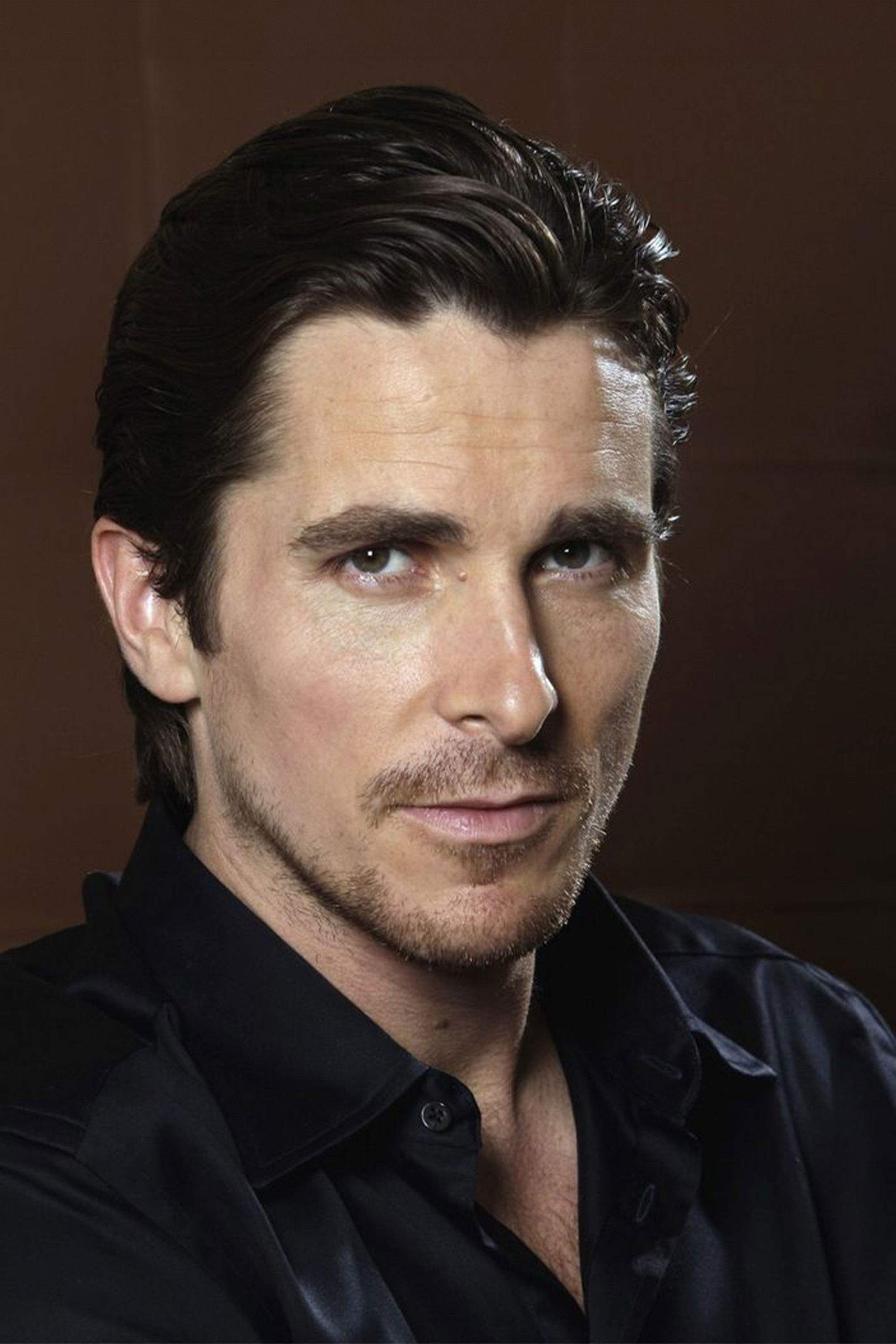
Christian Bale played Moses in Ridley Scott’s movie ‘Exodus: Gods and Kings’. Scott explained his casting choices were driven by the need to secure funding for the film by using well-known actors. However, this didn’t stop criticism of the decision to cast white actors in roles portraying Egyptians and people from the Middle East. The film faced calls for a boycott because many felt it ignored the historical contributions of African and Middle Eastern cultures.
Joel Edgerton
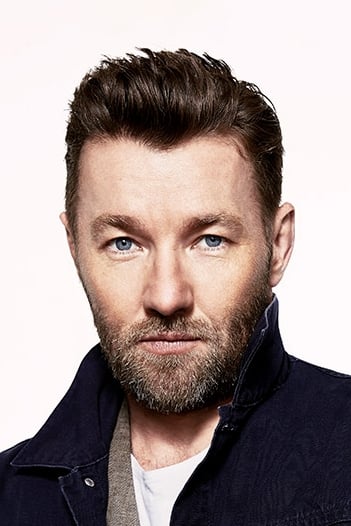
Edgerton starred as the Egyptian pharaoh Ramses II in ‘Exodus: Gods and Kings’, appearing with darkened skin and extensive makeup to play the role. He later acknowledged the concerns about a lack of diversity in Hollywood films, specifically the tendency to cast white actors in roles portraying people of color. His casting brought attention to a larger problem: the frequent exclusion of actors of color from historical movies set in their ancestral lands.
Gerard Butler
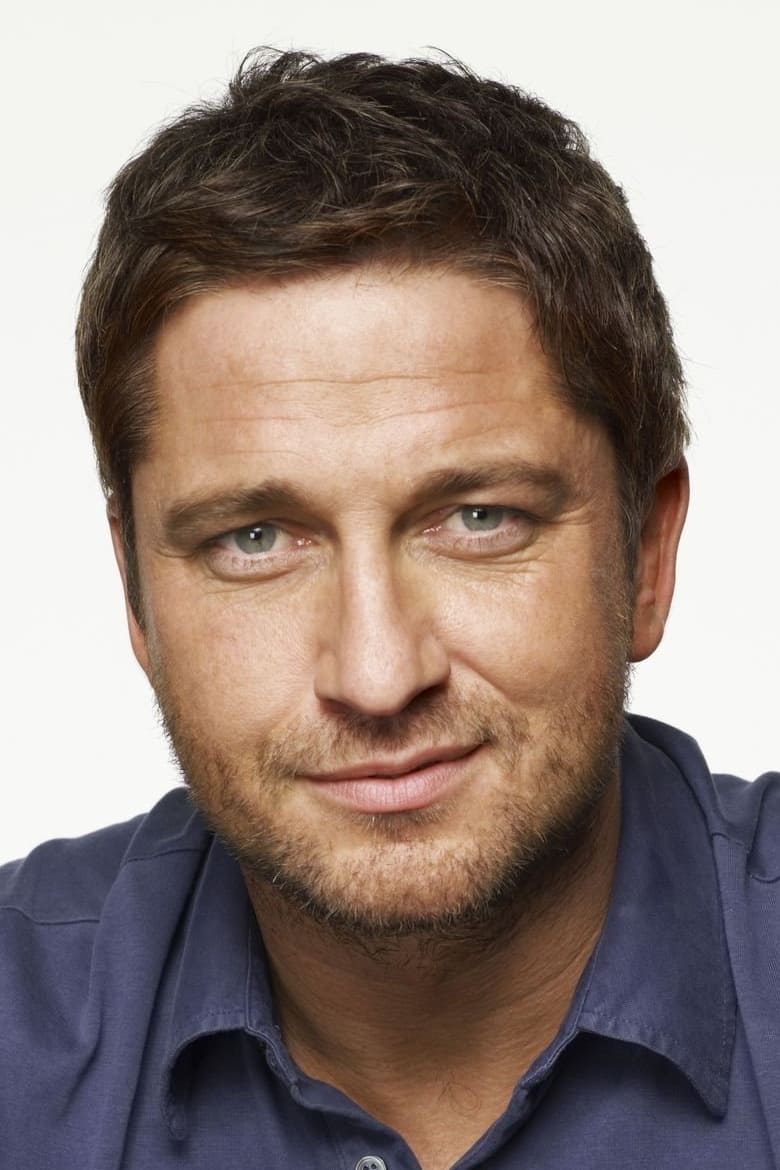
Gerard Butler played the Egyptian god Set in the action movie ‘Gods of Egypt’. However, the film quickly received criticism when the trailer showed a mostly white cast portraying gods from African mythology. Butler also maintained his Scottish accent throughout the film, even though his character was from ancient Egypt. Before the movie was even released, the director and studio apologized for the lack of diversity in the cast.
Nikolaj Coster-Waldau
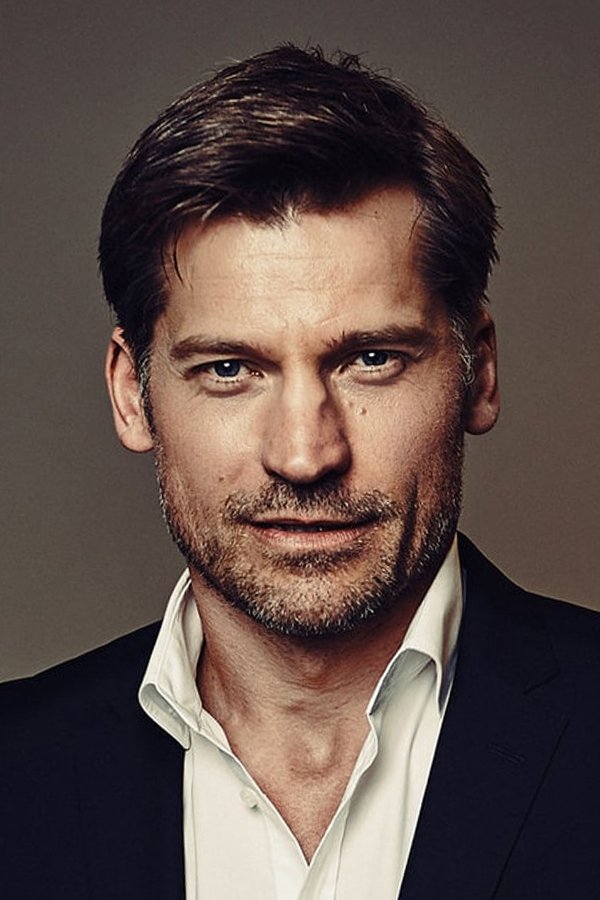
Nikolaj Coster-Waldau played the Egyptian god Horus in the movie ‘Gods of Egypt,’ which sparked controversy. Many people criticized the film for casting mostly European actors to portray characters from ancient Egypt, arguing that it erased the history and culture of Africa. This casting issue received significant negative attention and is believed to have contributed to the film’s poor performance at the box office.
Johnny Depp
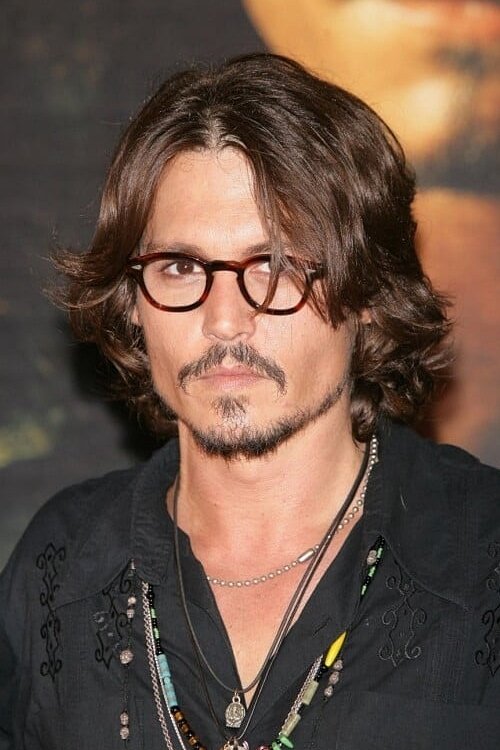
I always thought Johnny Depp was a talented actor, but I have to admit I felt uneasy when he played Tonto in the new ‘Lone Ranger’ movie. He mentioned having some Native American roots, but a lot of Indigenous groups rightly pointed out that the role should have gone to a Native American actor. The way the character was presented, with bits and pieces of different tribal styles all mixed together, just didn’t sit right with me – it felt really disrespectful, and it seemed like a Native actor could have brought a much more genuine and respectful portrayal to life.
Benedict Cumberbatch
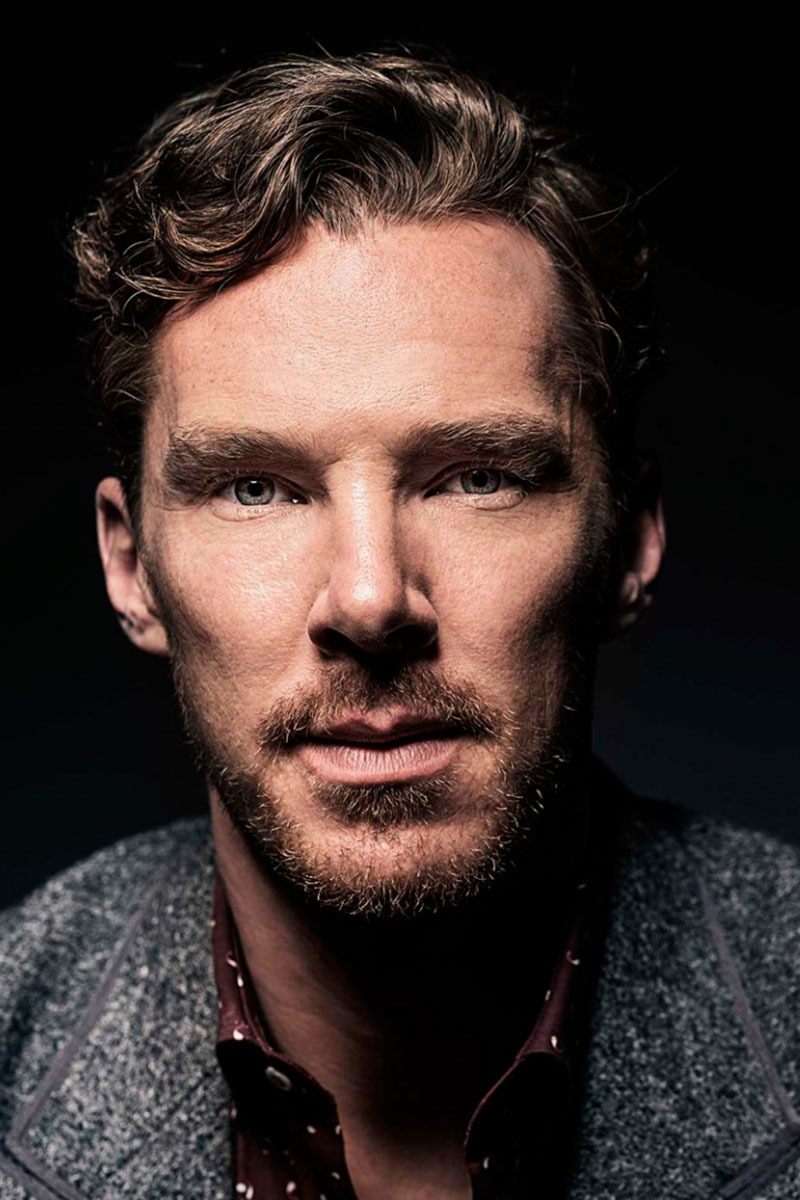
Benedict Cumberbatch portrayed the villain Khan in ‘Star Trek Into Darkness’. The character was originally created as a genetically engineered superhuman of Sikh heritage from northern India. Many fans were upset that the studio changed the character’s ethnicity and cast a white British actor instead. The filmmakers tried to keep this change a secret until the movie came out, but criticism arose anyway.
Ben Affleck
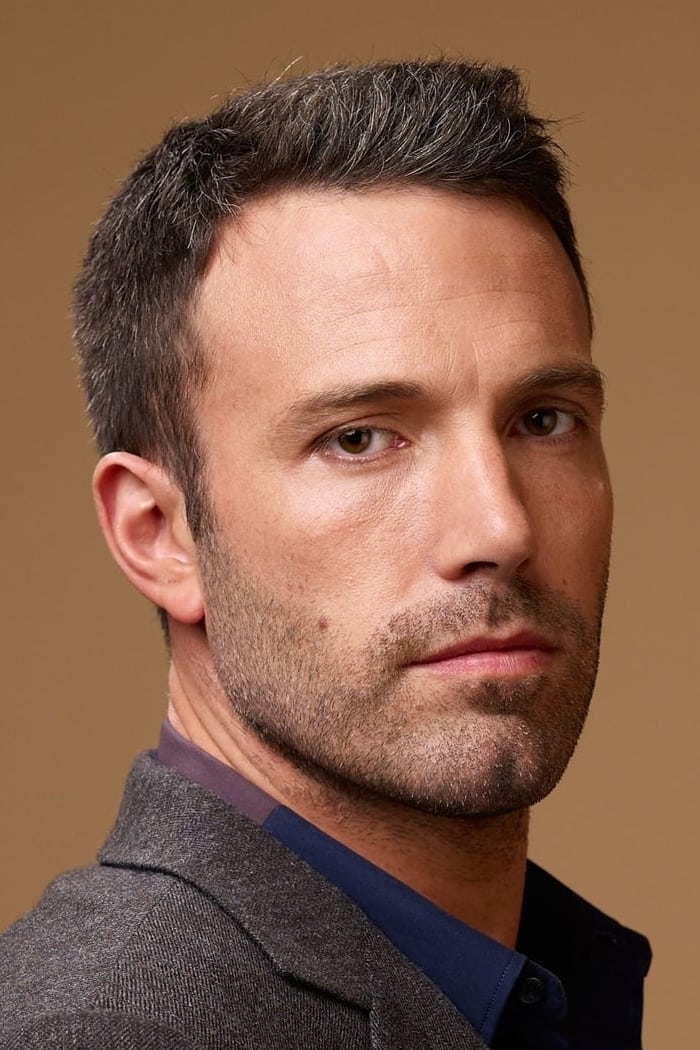
Ben Affleck directed and starred in ‘Argo’, the Oscar-winning movie based on the true story of Tony Mendez, a CIA operative. Mendez, who was of Mexican heritage, used his background as part of the operation. Affleck’s decision to play Mendez himself, instead of casting a Latino actor, sparked criticism. Many saw it as another instance of Hollywood overlooking the contributions of Latino people to historical events, despite the operation’s reliance on Mendez’s heritage.
Justin Chatwin
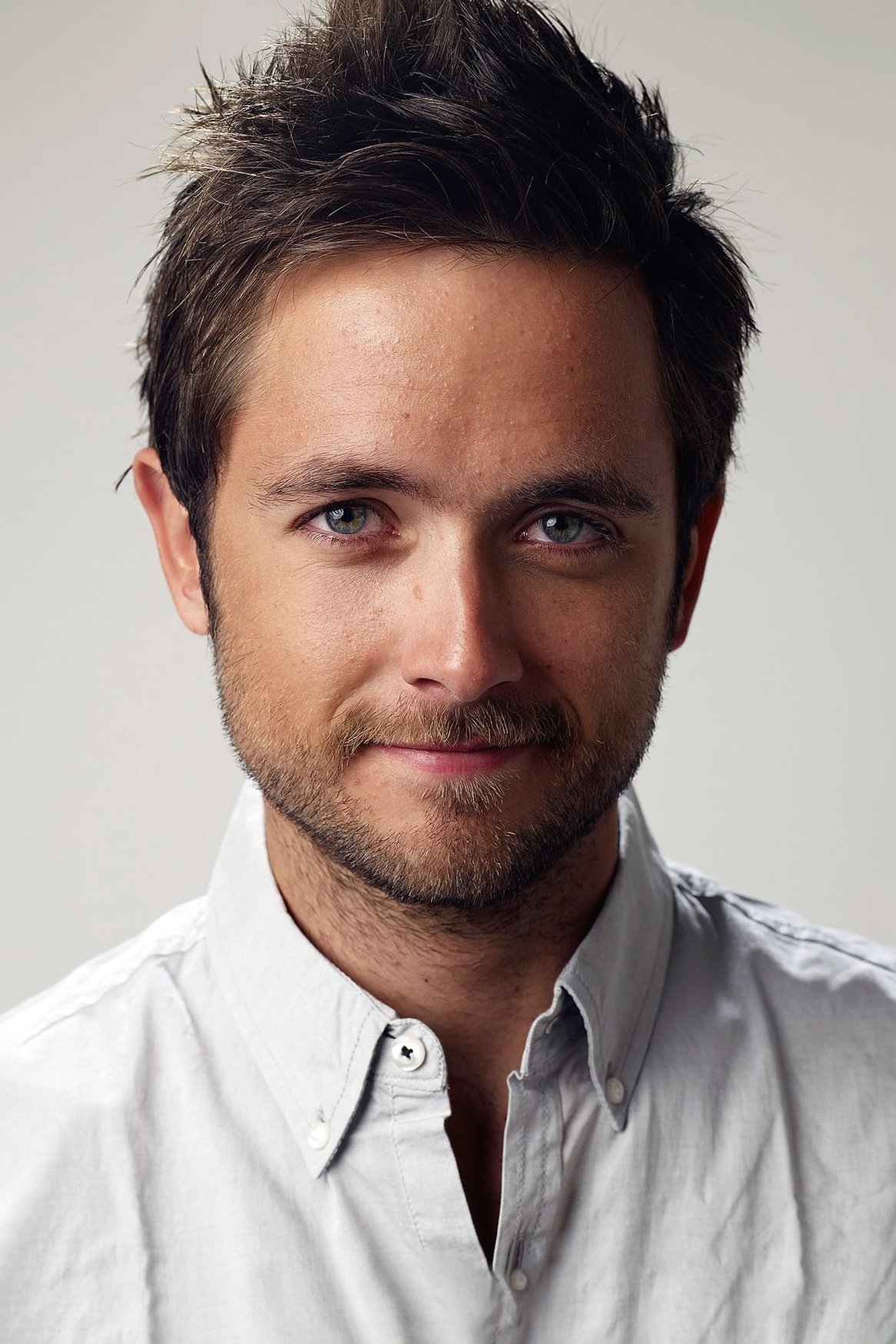
Justin Chatwin played Goku in the movie ‘Dragonball Evolution’. Because Goku is originally depicted as Asian in the Japanese manga the film is based on, many fans were upset that a white actor was chosen for the part. The movie is often considered a poor adaptation, in part because it didn’t respect the cultural background of the original story.
Noah Ringer

Actor Noah Ringer starred as Aang in the movie ‘The Last Airbender’, directed by M. Night Shyamalan. The original animated series drew inspiration from Asian and Inuit cultures, featuring characters with those backgrounds. However, casting a white actor as the hero and actors of color as the villains led to widespread criticism. Many people protested, sending letters demanding more accurate and fair representation in the film adaptation.
Jackson Rathbone
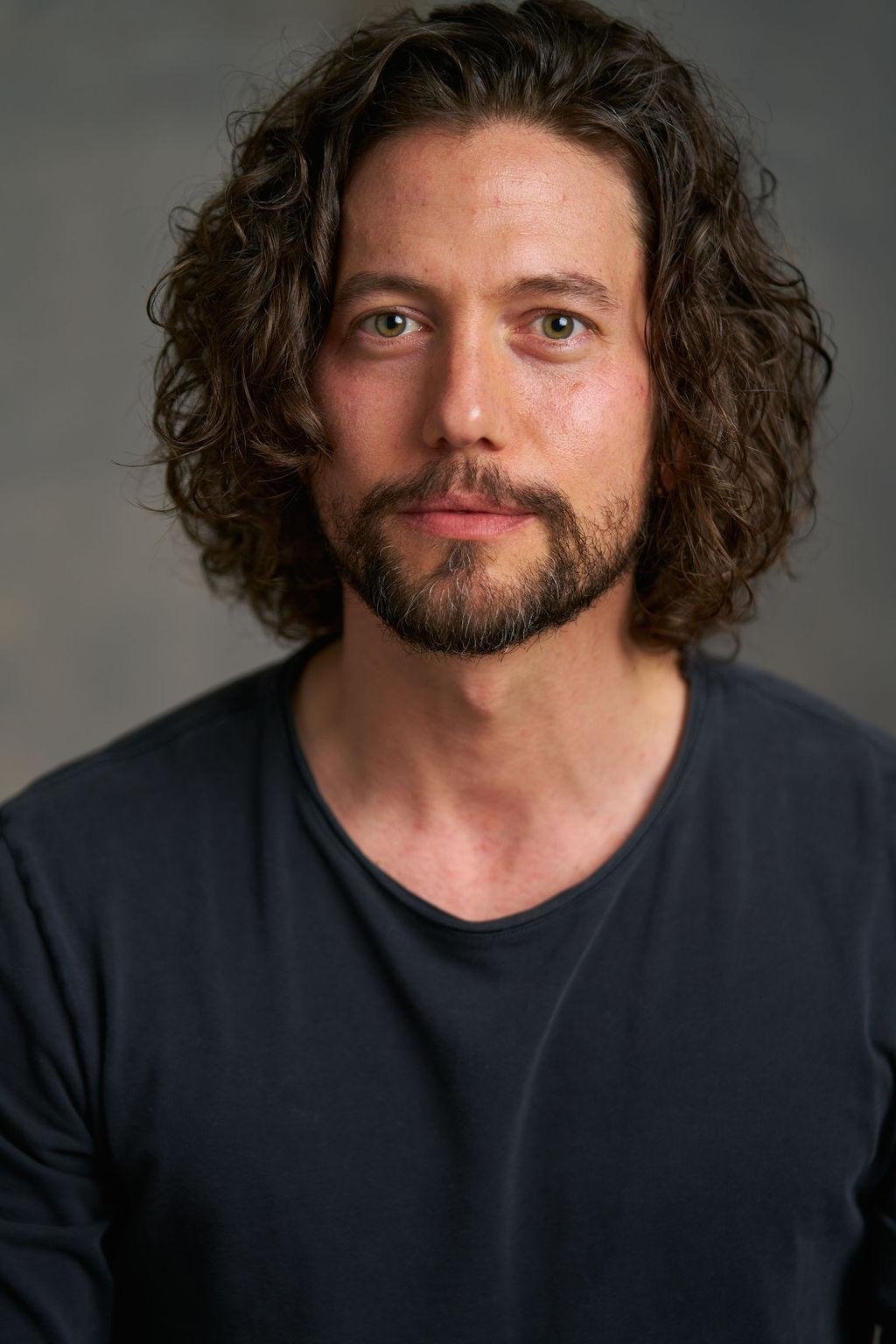
Actor Rathbone played Sokka, a character from the Water Tribe in ‘The Last Airbender’. The Water Tribe was inspired by the cultures of the Inuit and Yupik peoples. Many viewers criticized the decision to cast white actors in these roles, seeing it as a dismissal of indigenous representation. This controversy significantly impacted the film’s reception and how well it performed in theaters.
Jim Sturgess
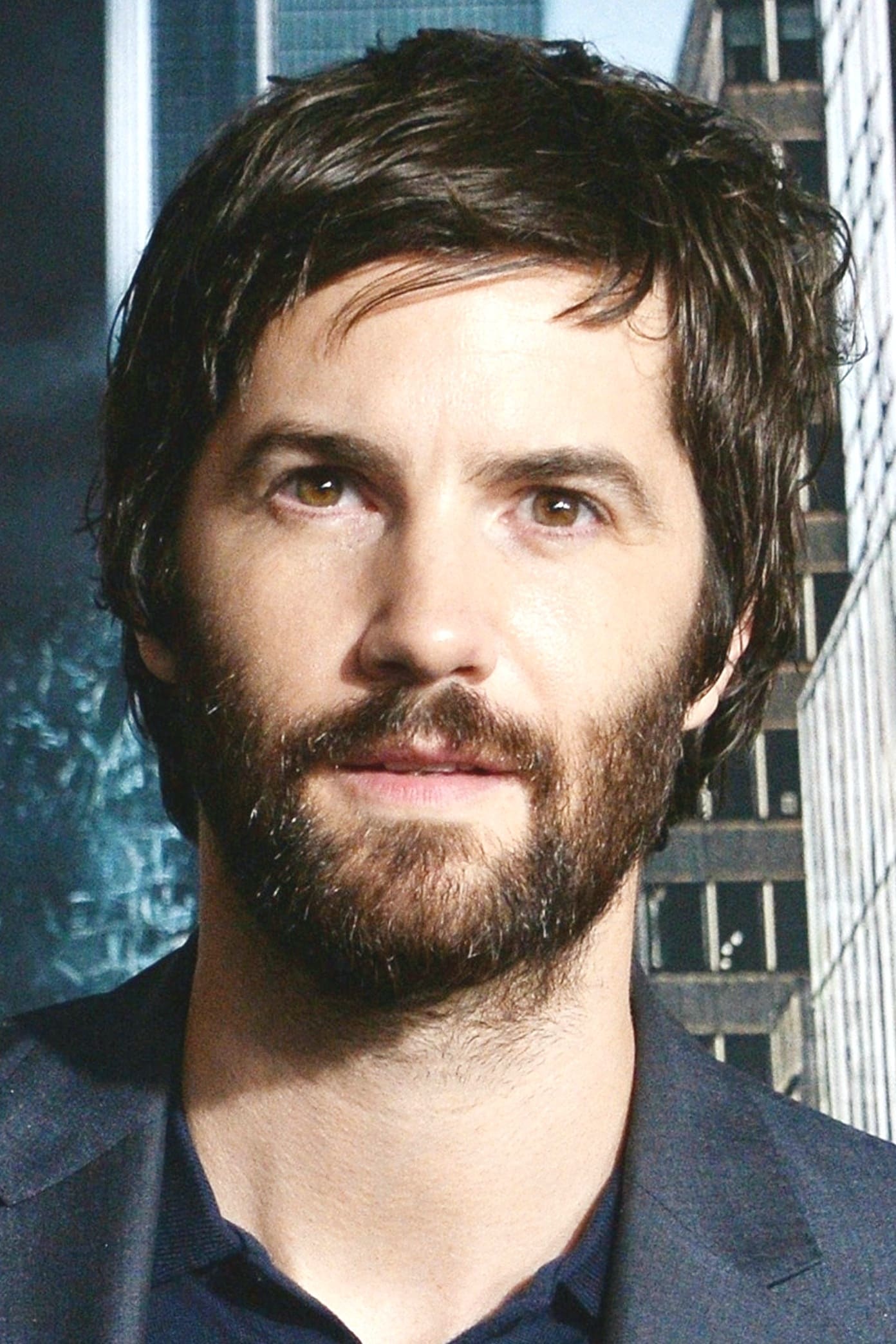
Jason Sturgess starred in the movie ’21’, which was inspired by the true story of Jeff Ma, an Asian American MIT student who made millions by counting cards. However, the film altered Ma’s race to white and gave him only a small role. This decision was criticized because it suggested that stories about Asian Americans aren’t appealing to audiences unless a white actor is the main character.
Liam Neeson
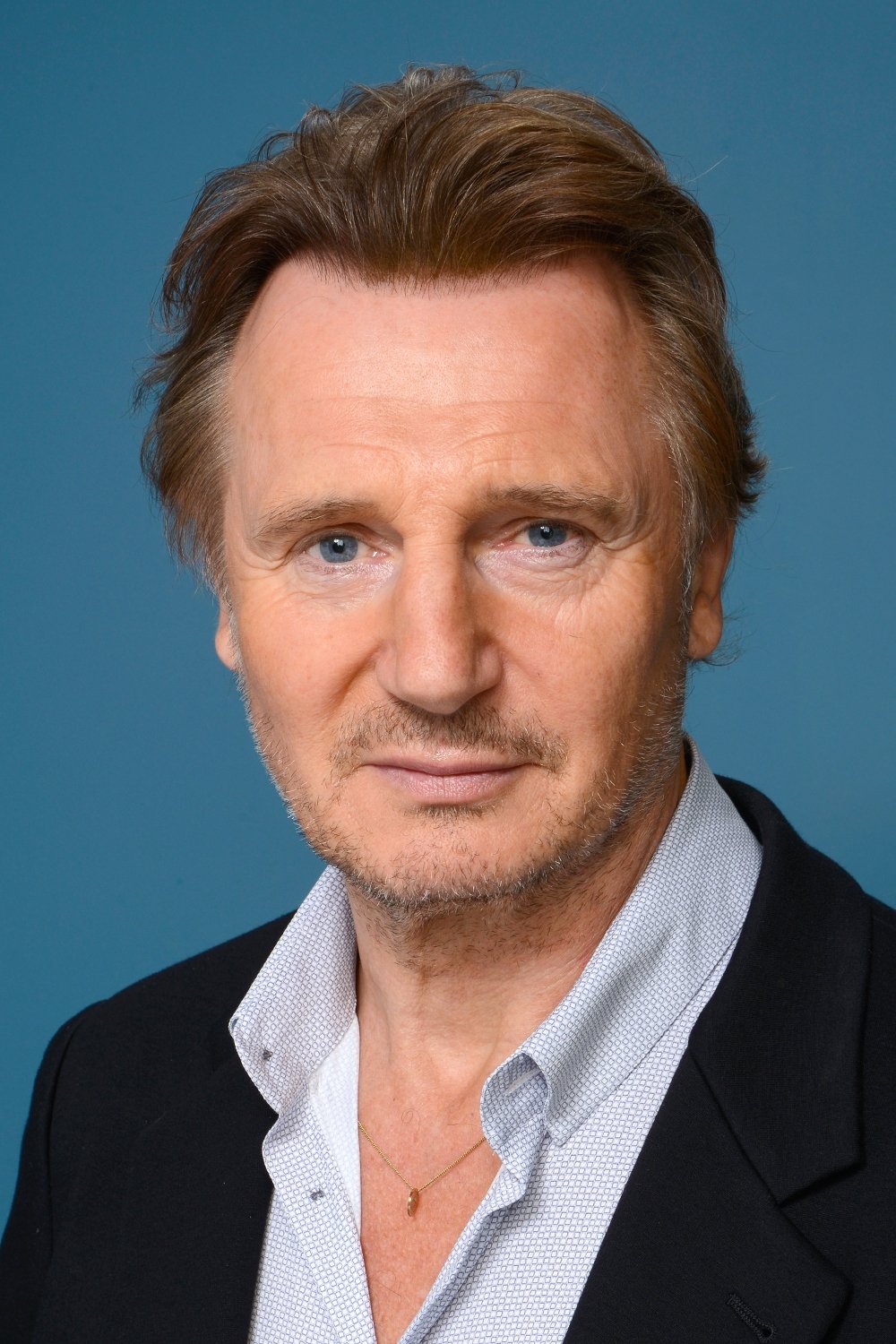
Liam Neeson played the role of Ra’s al Ghul in Christopher Nolan’s ‘Batman Begins’. The character, who has Arabic roots and a name with meaning in the Arabic language, was portrayed by a white actor in the film. Although Neeson’s performance was well-received, the casting choice continued a pattern of replacing characters of color with white actors in comic book adaptations.
Fisher Stevens
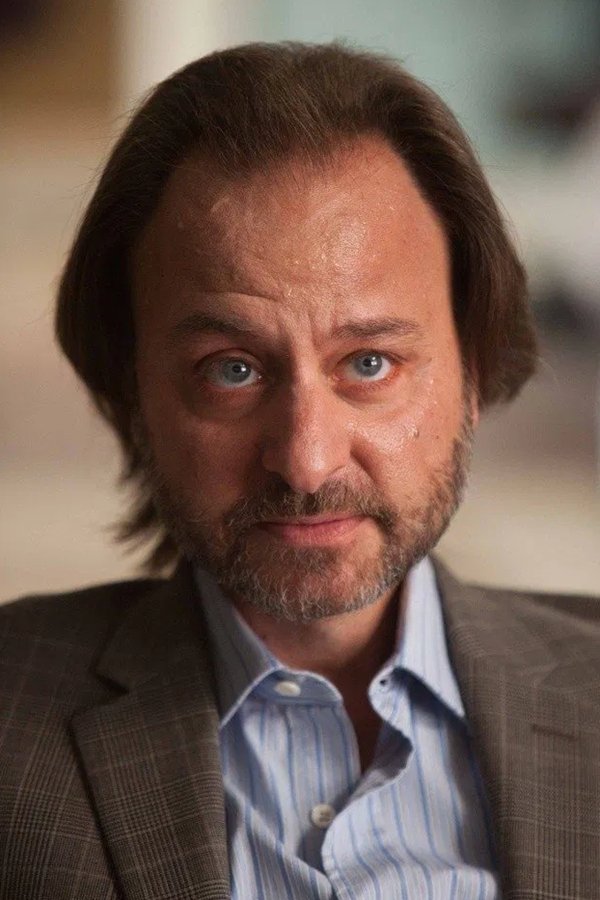
In the 1980s comedy ‘Short Circuit’, actor John Stevens played Ben Jabituya, an Indian scientist. Stevens, who is white, used dark makeup and a stereotypical accent for the role. He has since said he regrets taking the part, acknowledging it wouldn’t be cast with a white actor in that way today. The character is now widely recognized as an example of brownface in film from that era.
Josh Hartnett
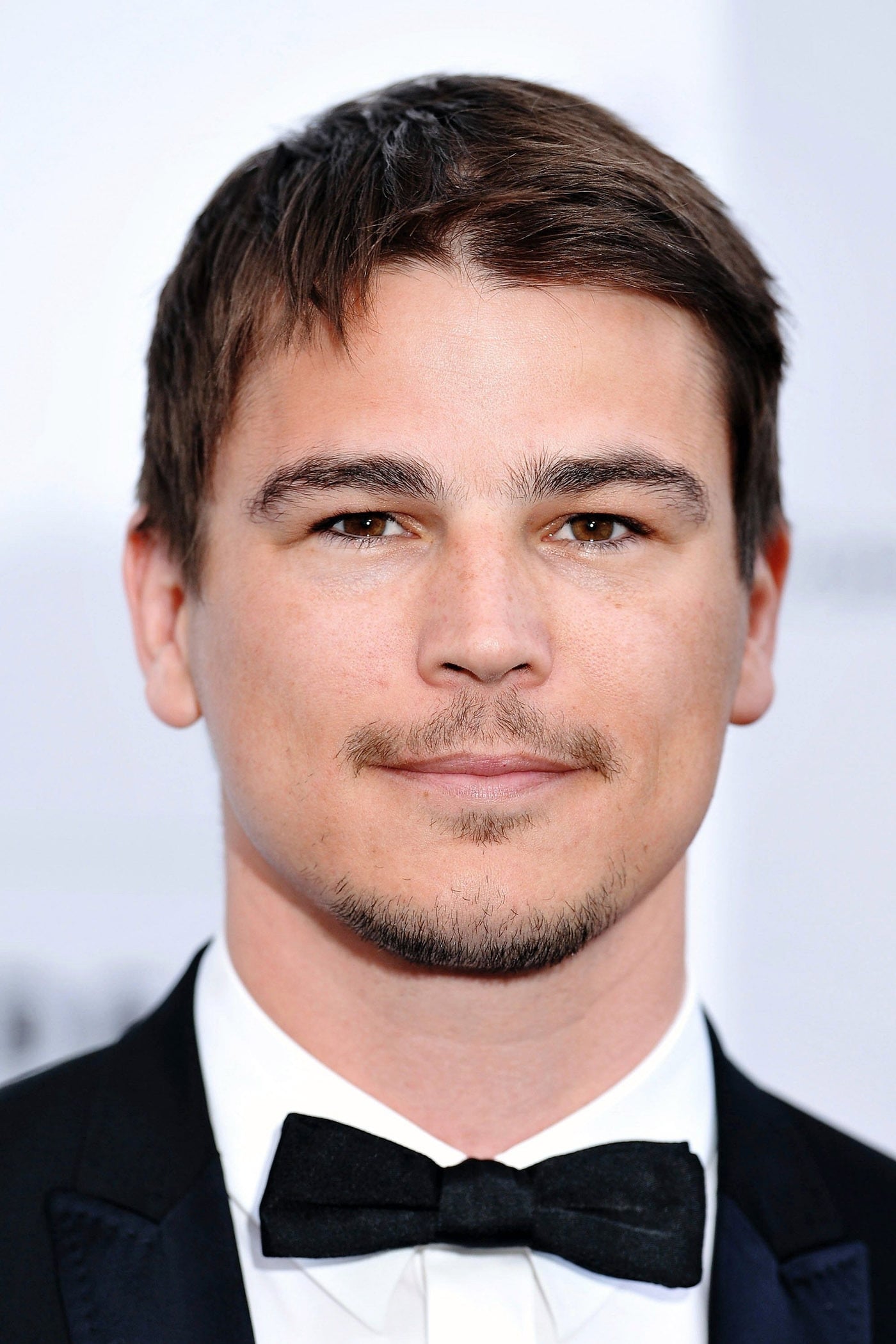
Josh Hartnett played the sheriff in the horror movie ’30 Days of Night’. The movie was based on a graphic novel where the main character, Eben Olemaun, was an Inuit man. However, the film changed the character’s name and cast a white actor instead. This meant a rare opportunity to have an Indigenous hero in a horror story was lost.
Nat Wolff
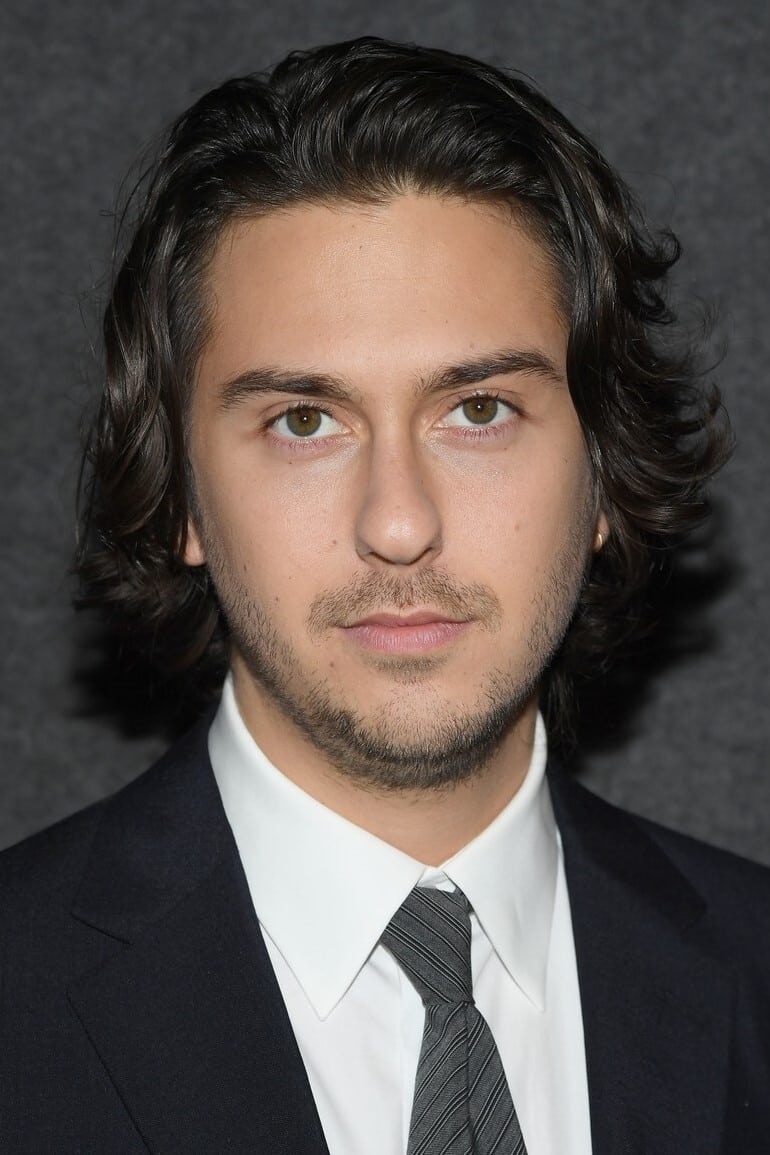
Lotte Latt played the main role in the American version of the Japanese comic book series ‘Death Note’. Moving the story from Japan to Seattle and casting a white actor in the lead role sparked criticism. Many felt this change removed the story’s important cultural elements, and that the adaptation lost the heart of the original Japanese story.
Marlon Brando
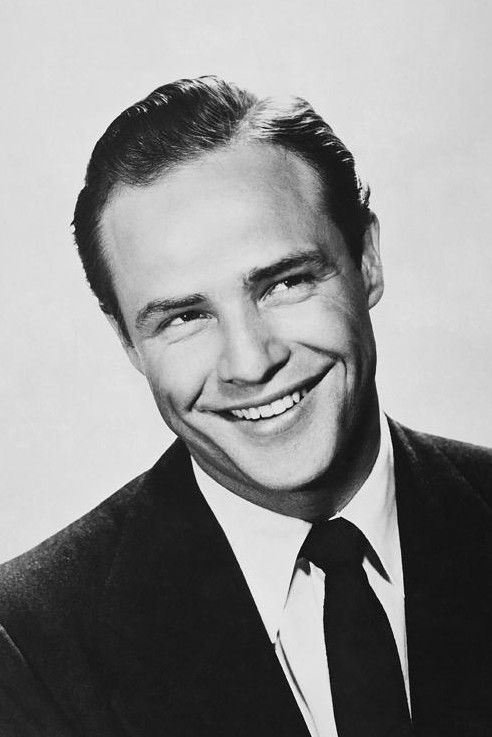
I remember when Marlon Brando played Sakini in ‘The Teahouse of the August Moon.’ They actually used makeup to change his appearance, making his eyes and skin look Asian. Looking back, it feels like a really stereotypical portrayal, something that was common in movies from the 1950s. Even though Brando was an amazing actor, a lot of people see that role as a mistake because of how he imitated a different race. It’s a bit of a mark on an otherwise incredible career.
Alec Guinness
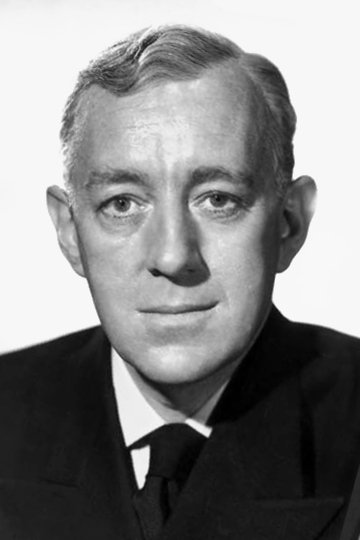
Alec Guinness famously played Prince Faisal in the film ‘Lawrence of Arabia’. Although the movie is considered a classic, it featured a British actor in a key role portraying a prominent figure from the Middle East. To match the character’s ethnicity, Guinness’s skin was darkened with makeup. This casting choice was typical for the time, when well-known British actors were often favored over finding performers who truly represented the cultures they were portraying.
Laurence Olivier
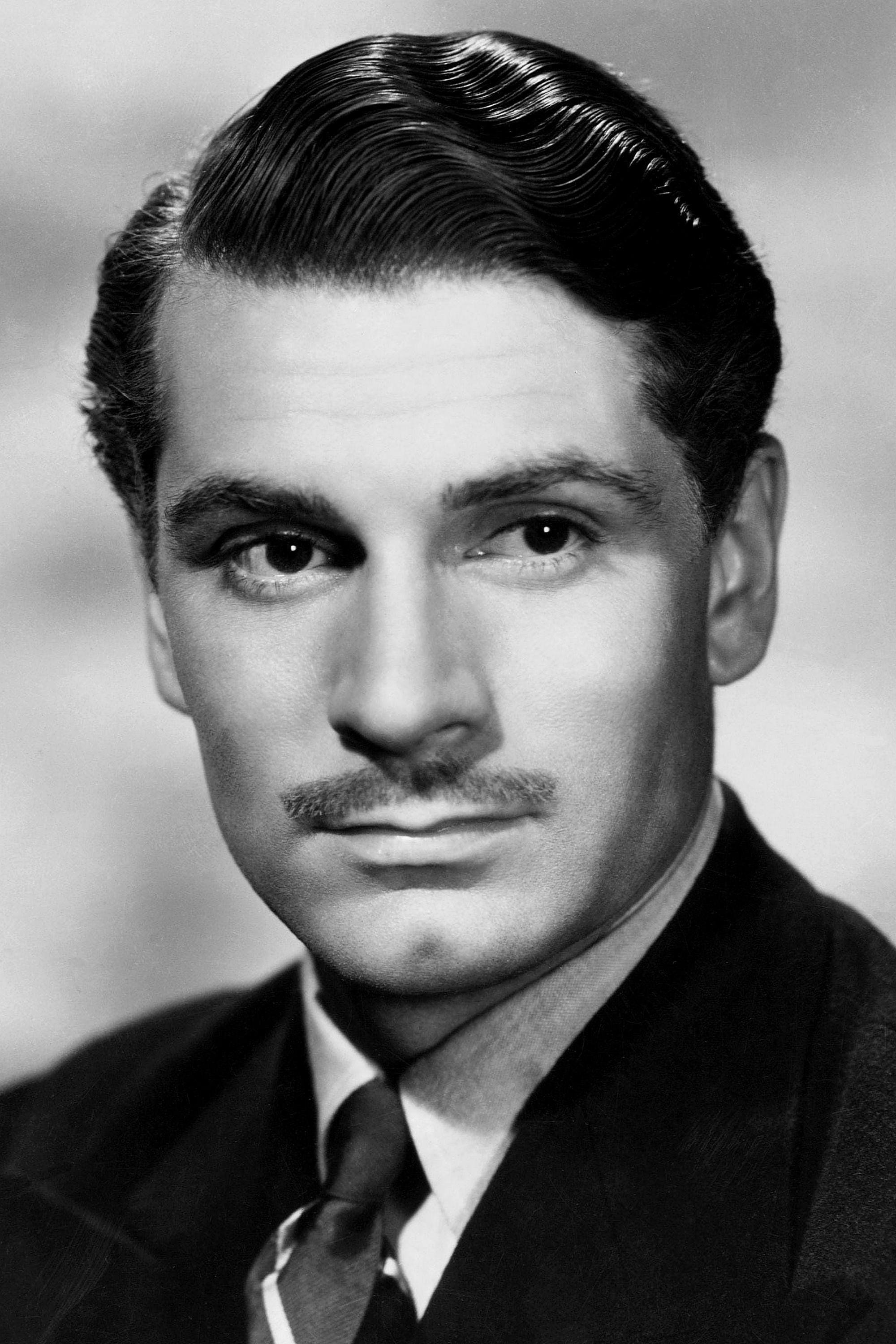
Laurence Olivier starred as Othello in the 1965 film version of Shakespeare’s play. He used blackface makeup and a deliberately exaggerated voice for the role, which was well-received then but is now considered offensive and a product of its time. The performance highlights a history where Black actors were often excluded from major roles, with those roles instead given to white performers in makeup.
Charlton Heston
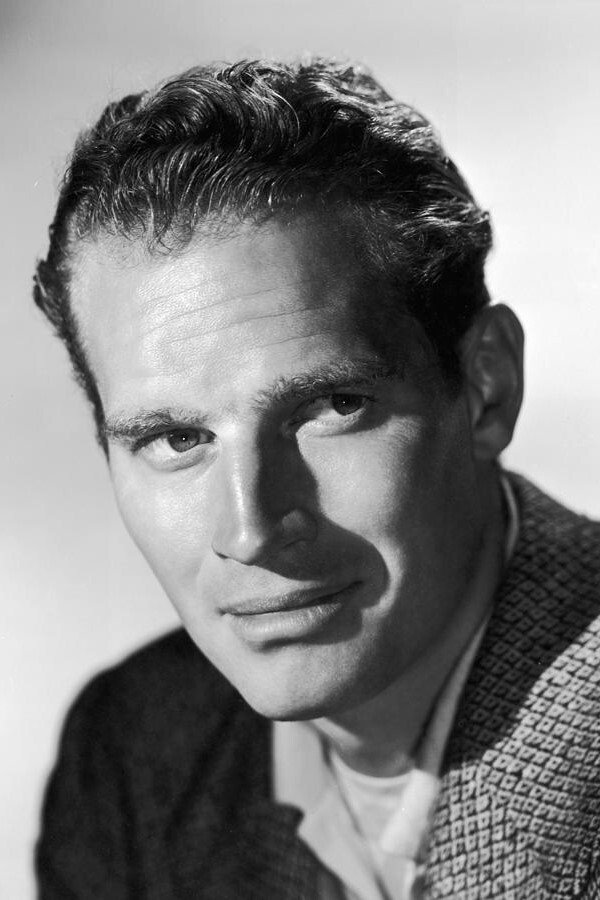
Charlton Heston played a Mexican police officer in Orson Welles’s film ‘Touch of Evil’. To portray the character, Heston used makeup to darken his skin and dyed his hair black. He later said the part was initially intended for a white actor, but the script was altered without finding a new actor. While the movie is considered a classic of the film noir genre, the casting choice continues to be debated and criticized today.
Boris Karloff
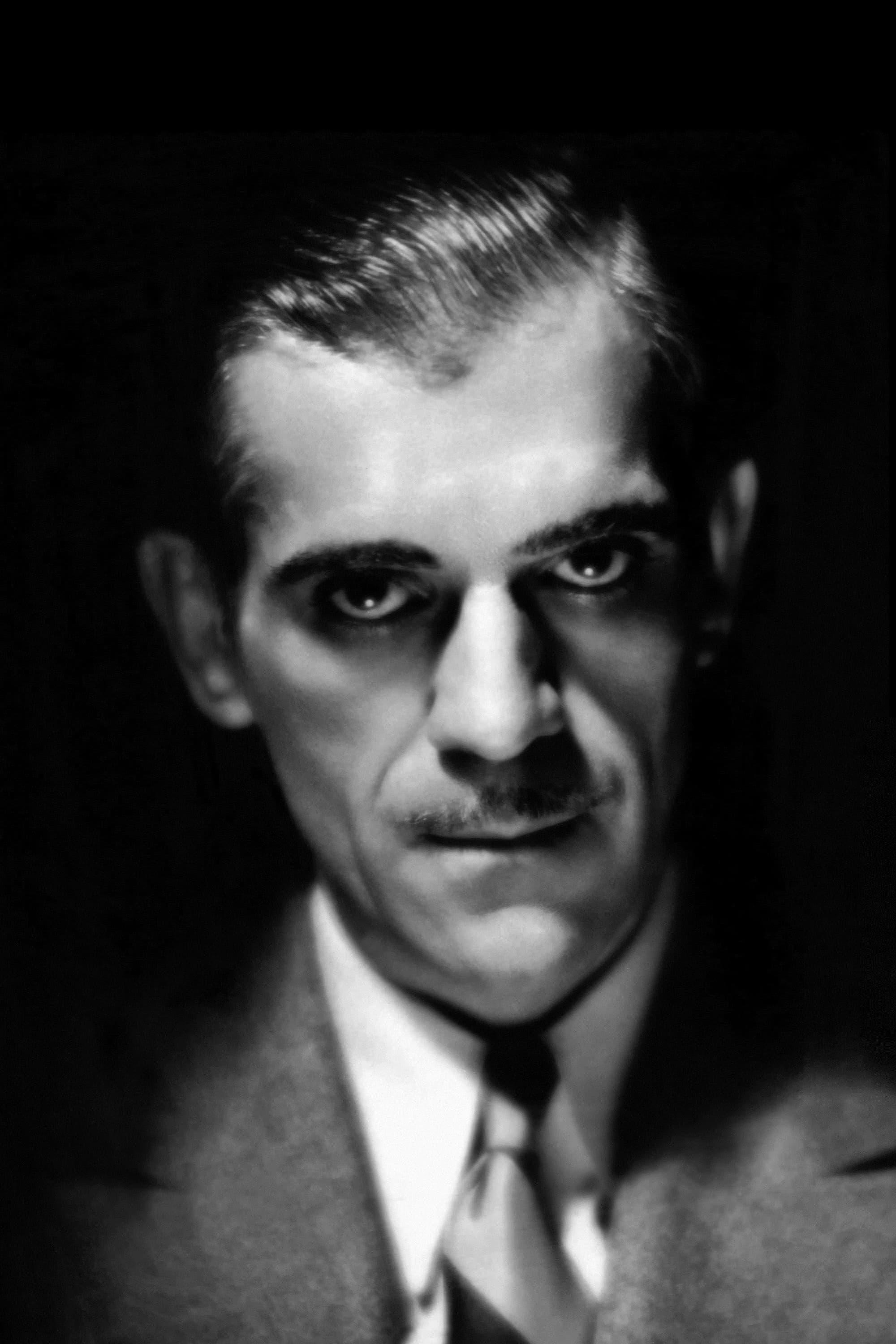
In the adventure film ‘The Mask of Fu Manchu,’ Karloff played the role of a sinister Asian villain, a character that played into common Western fears about Asian influence – a trope known as the ‘Yellow Peril.’ To create the look of the Chinese antagonist, Karloff used extensive makeup and wore long fingernails. Today, the film and Karloff’s performance are often examined as examples of the xenophobia present in early Hollywood movies.
Christopher Lee
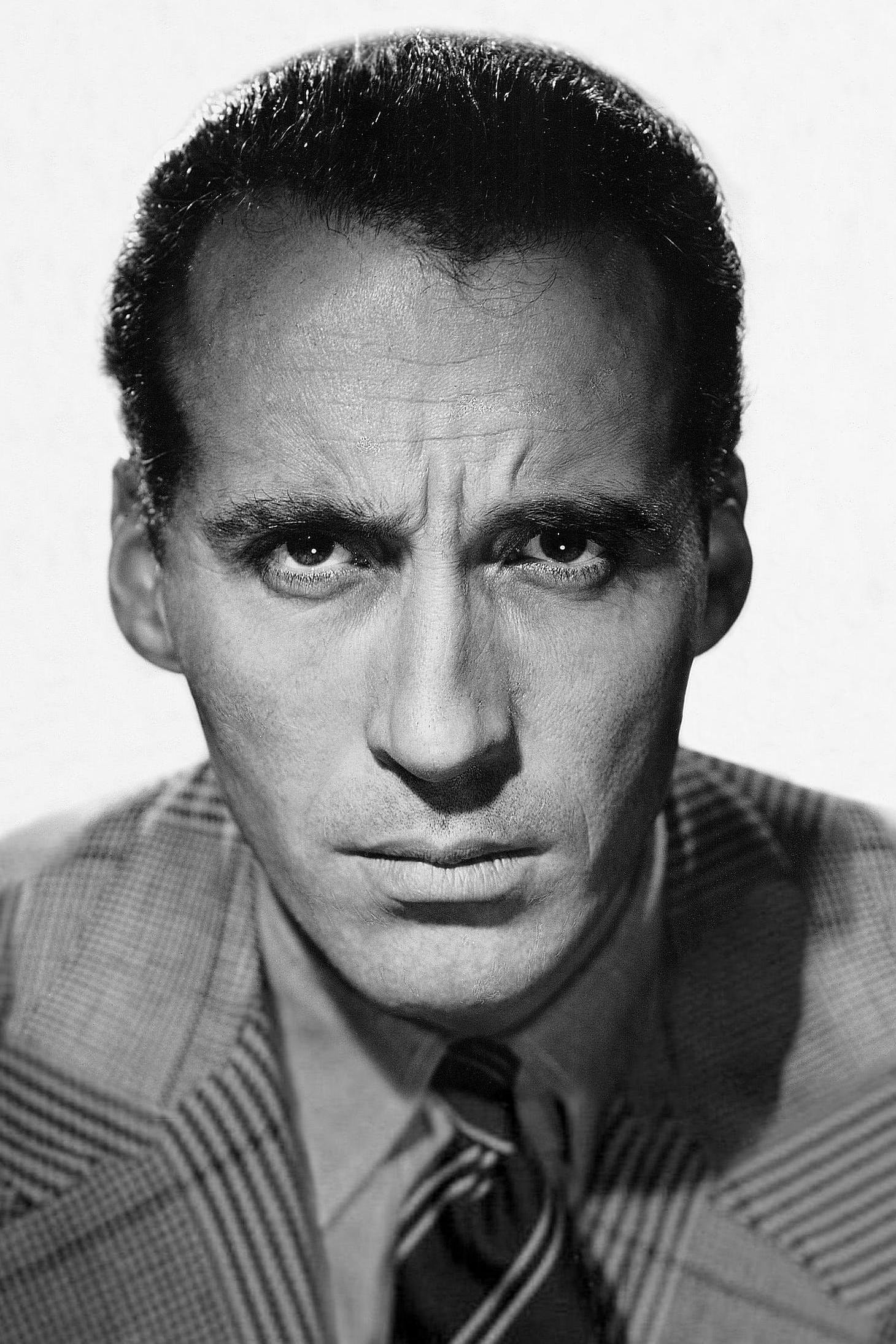
Christopher Lee famously played the villainous Fu Manchu, a Chinese criminal, in a series of movies beginning with ‘The Face of Fu Manchu’. Similar to Boris Karloff before him, Lee used makeup to appear Asian for the part. While the films were successful, they unfortunately reinforced damaging stereotypes about people of Asian descent. Lee continued to portray the character on multiple occasions, despite not having any Asian heritage.
Warner Oland
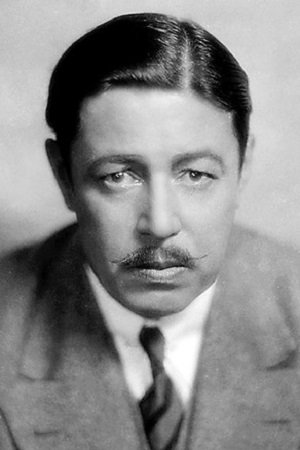
Warner Oland was a Swedish actor best known for portraying the detective Charlie Chan in more than a dozen films. He used significant makeup to transform his appearance for the role. Although Oland asserted Mongolian heritage to defend his casting, it was a form of yellowface. These films were very popular, but they prevented Asian actors from getting leading roles.
Paul Muni
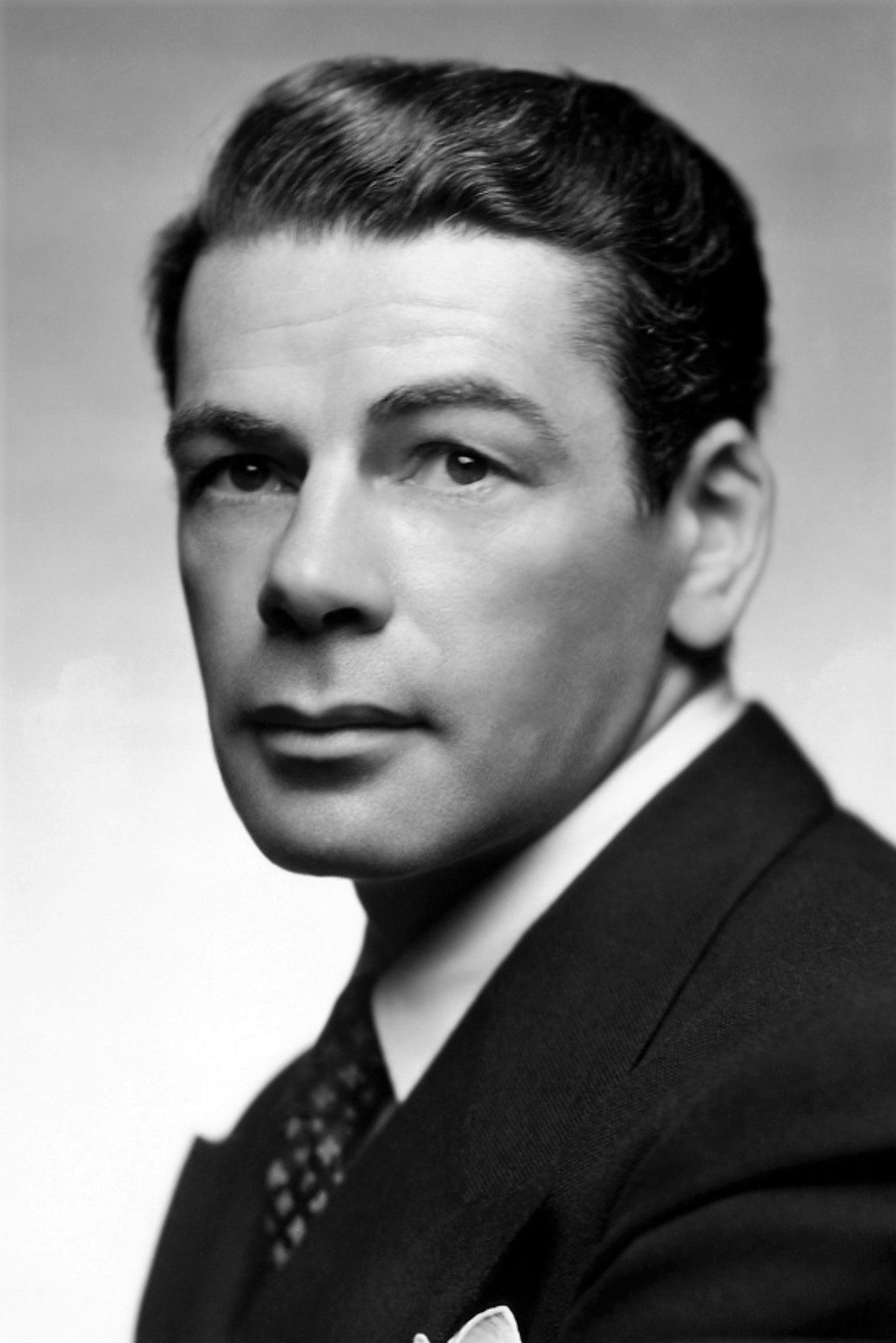
Muni starred as Wang Lung in the movie version of Pearl S. Buck’s ‘The Good Earth’. Though Anna May Wong was a talented actress, the studio wouldn’t let her play his wife due to rules against interracial casting, so they chose white actors for both main roles. Muni received praise for his performance, even though he wore makeup to appear Asian. This film clearly shows how studios at the time prevented Asian actors from portraying their own stories.
Yul Brynner
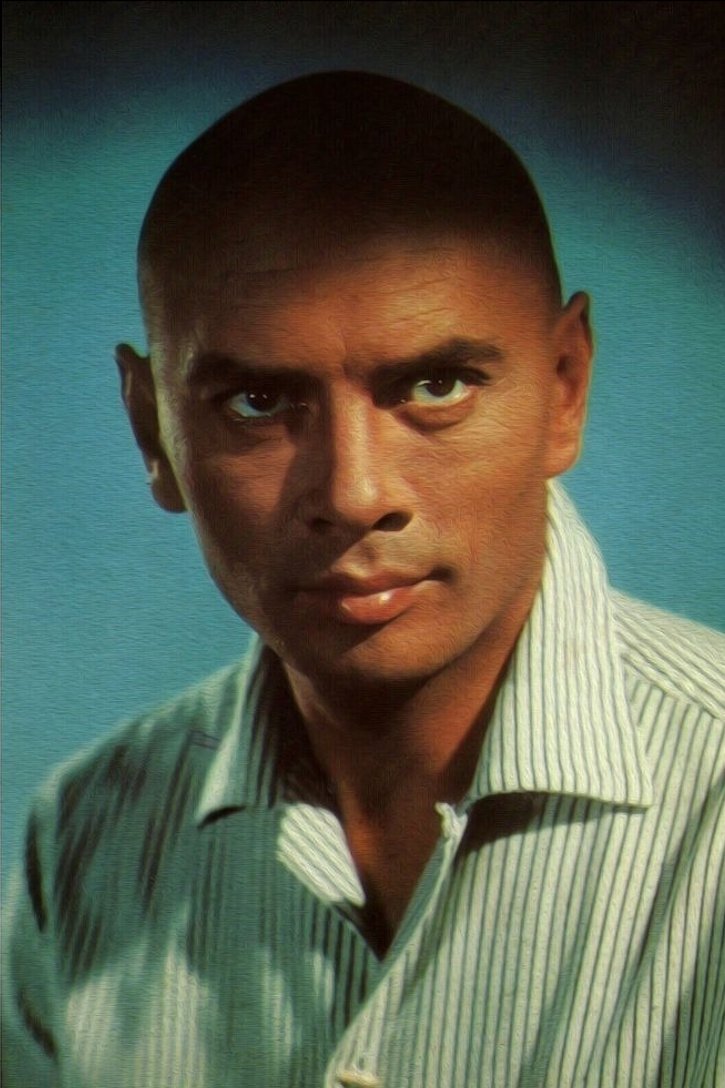
Yul Brynner is best known for his role as the King of Siam in ‘The King and I’. Though he was of Russian and Swiss heritage, he famously played the Thai king for many years in both stage productions and the film. While his performance is unforgettable, it reflects a period when portraying a sense of the ‘exotic’ was considered more important than historical accuracy. This role became his signature, but it also unfortunately prevented Thai actors from having the opportunity to portray their own cultural history.
George Chakiris
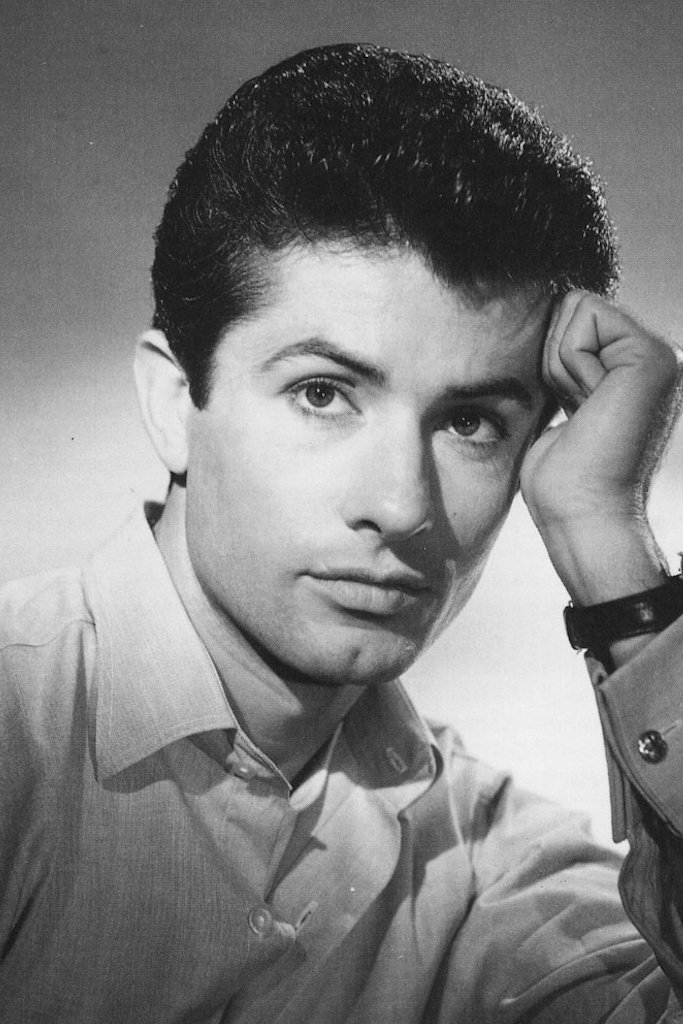
I recently revisited the original ‘West Side Story’ from 1961, and it’s hard not to think about George Chakiris, who played Bernardo, the leader of the Sharks. It’s a fantastic performance, and he even won an Oscar for it. But looking back now, it’s really noticeable – and frankly problematic – that a Greek actor was cast in a role meant to represent a Puerto Rican gang leader and required him to wear dark makeup. Thankfully, Steven Spielberg’s 2021 remake got it right, casting actual Latino actors to bring authenticity to those crucial roles. It’s a significant improvement and feels much more respectful.
Al Pacino
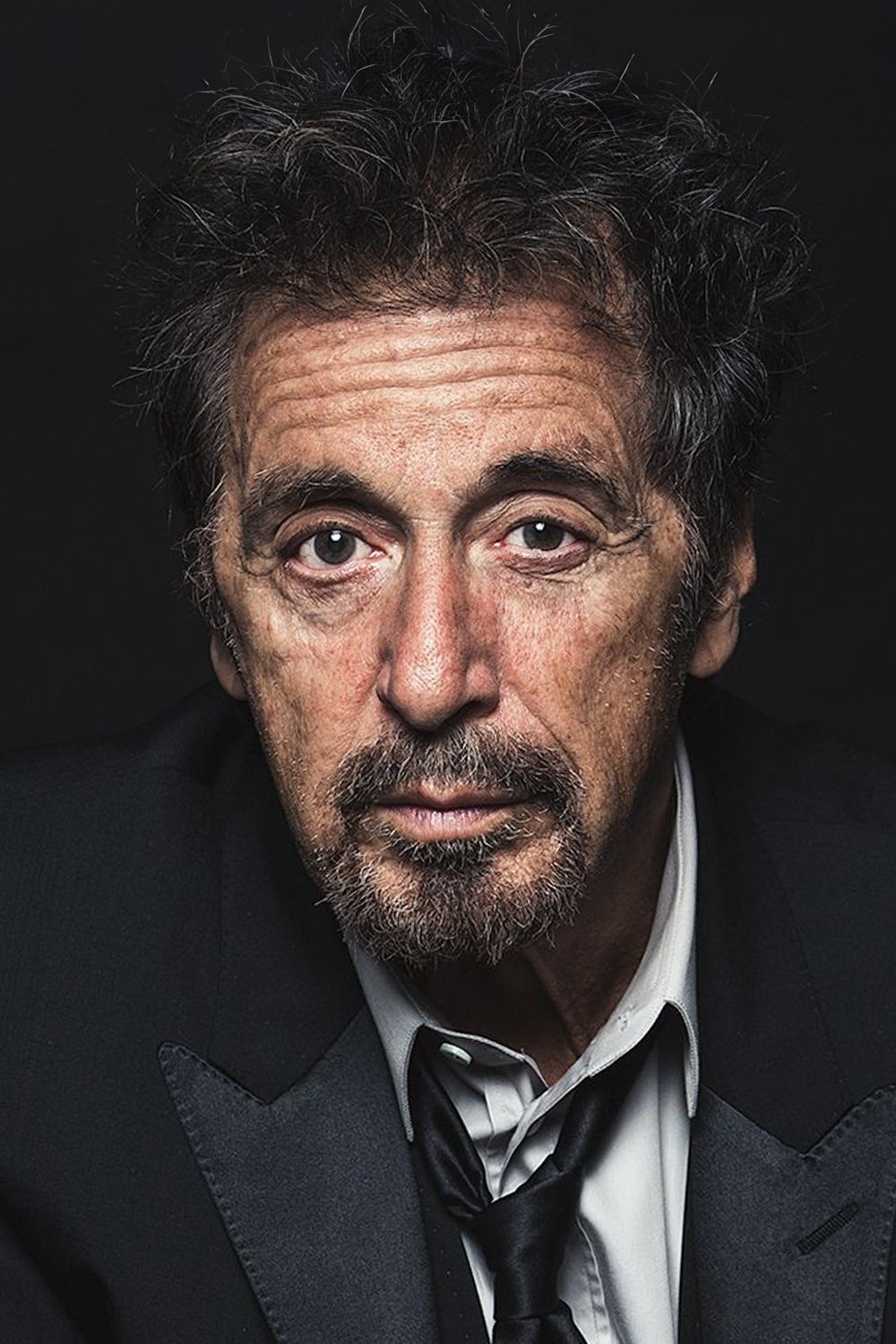
Al Pacino played Tony Montana, a Cuban refugee, in the famous crime film ‘Scarface’. To portray the Latino drug lord, the actor, who is Italian American, used a noticeably strong accent. Although the movie became a beloved classic, many point out that Cuban actors were overlooked for the role. The depiction of Montana is often seen as harmful because it reinforces negative and violent stereotypes about Cuban immigrants.
Burt Lancaster
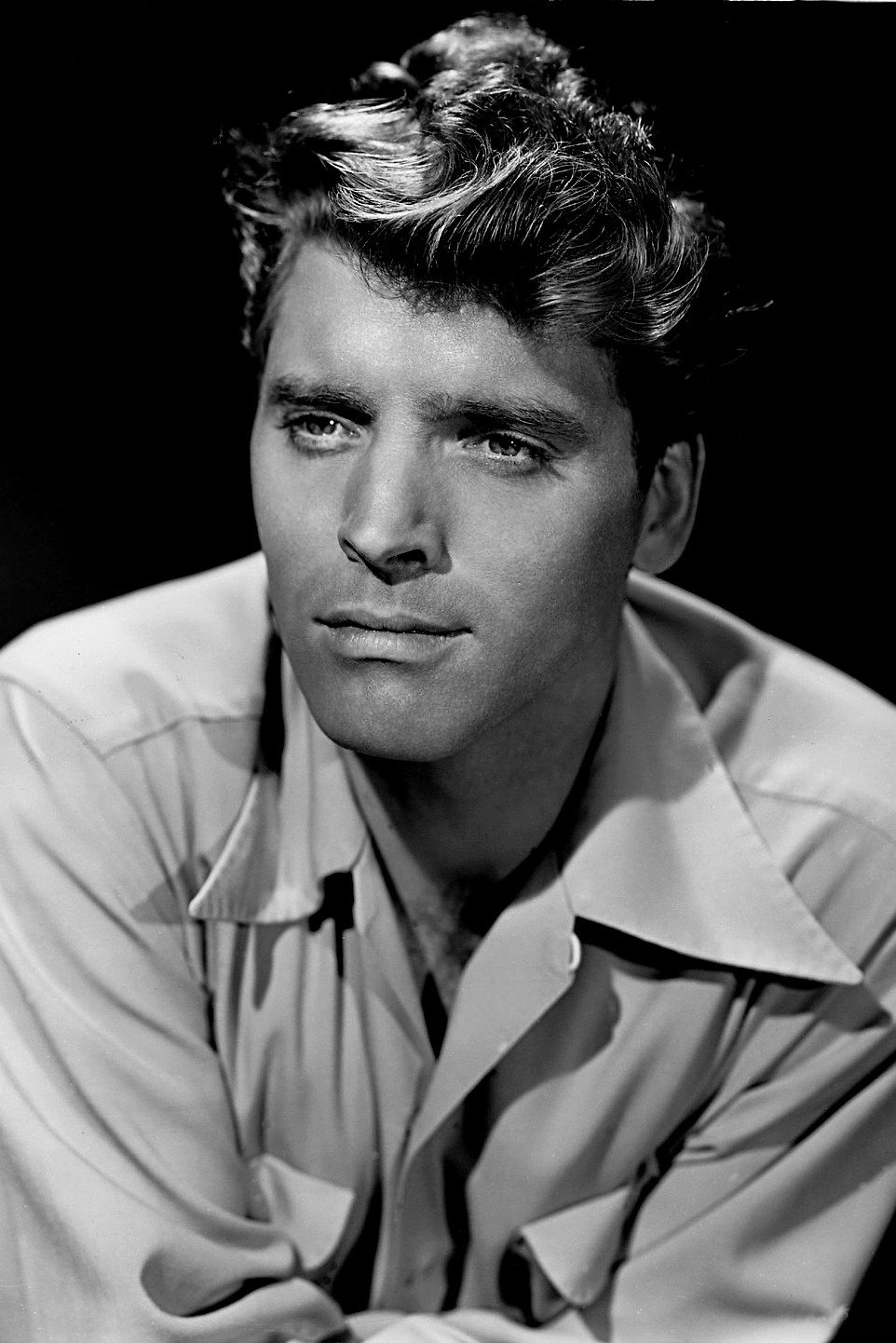
Actor Robert Lancaster portrayed Massai, an Apache warrior, in the Western movie ‘Apache.’ He used blue contact lenses and darkened his skin for the role of the Native American lead. While the film aimed to be understanding of the Apache people, it still featured a white actor as the central character. This exemplifies the common issue of Hollywood attempting to tell stories about Indigenous cultures without involving Indigenous people.
Chuck Connors
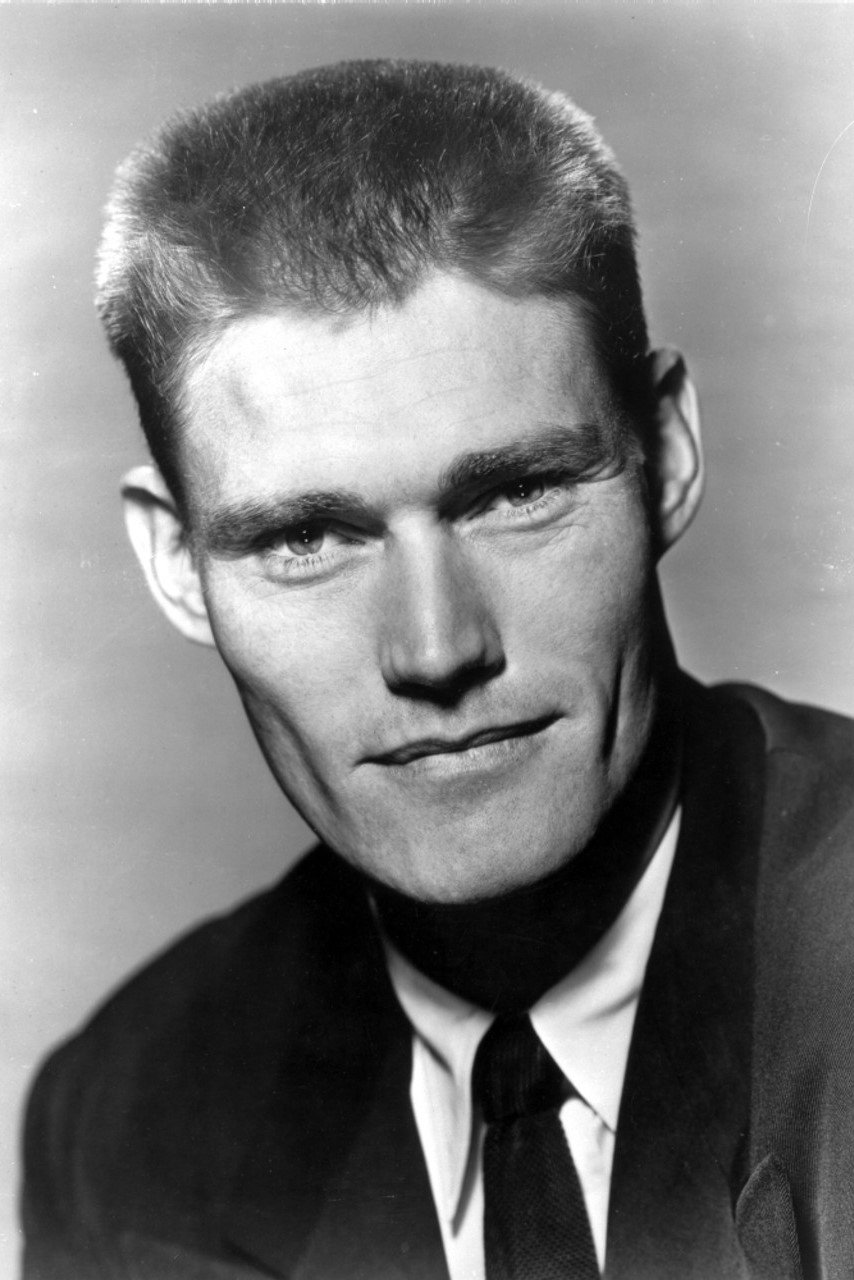
In the 1962 movie ‘Geronimo’, Chuck Connors portrayed the famous Apache leader. Because Connors had blue eyes and was over six feet tall, a lot of makeup was needed to make him look like Geronimo. Though the film was promoted as a respectful historical depiction, it didn’t cast a Native American actor in the lead role, a decision now widely seen as disrespectful to the real Geronimo’s memory.
Anthony Hopkins
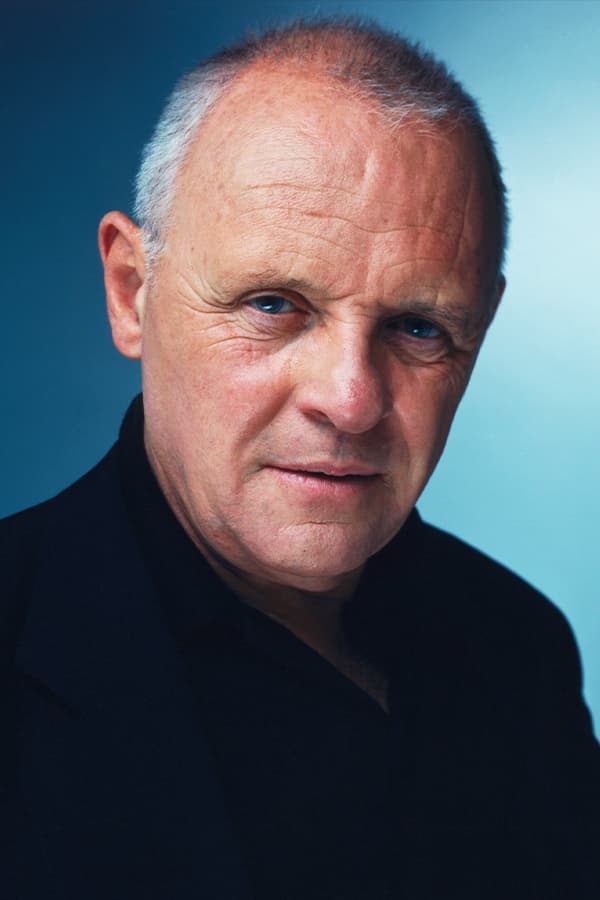
In ‘The Human Stain,’ Hopkins portrayed a character who was secretly African American but living as a white man. The story’s main surprise revolved around this hidden heritage. However, casting a white actor in the role was seen as a misstep, as it lessened the impact of the film’s themes. Many critics believed the story would have been more powerful if a Black actor had played the lead, allowing for a deeper exploration of racial identity.
William Mapother
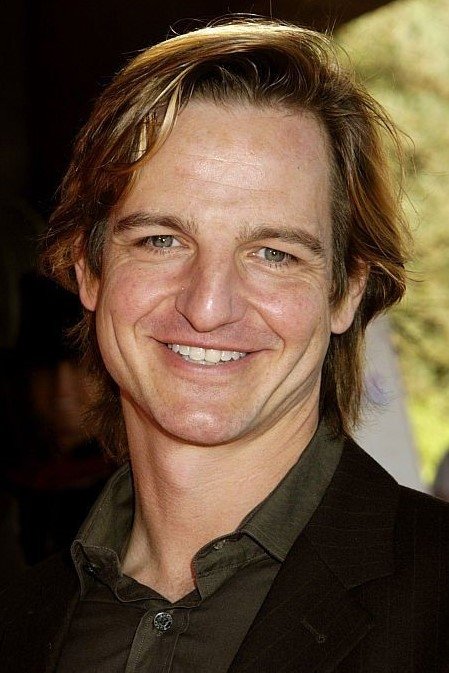
As a movie buff, I remember being pretty bothered by the casting in Oliver Stone’s ‘World Trade Center’. The film featured Mapother as Sergeant Jason Thomas, a real hero from 9/11. The thing is, the real Jason Thomas is a Black man who bravely helped pull survivors from the wreckage. The filmmakers said they didn’t realize this until after filming had started, which honestly felt like a huge oversight. It essentially meant a Black man’s vital contribution to that day was overlooked and, frankly, erased from the movie.
Kevin Spacey
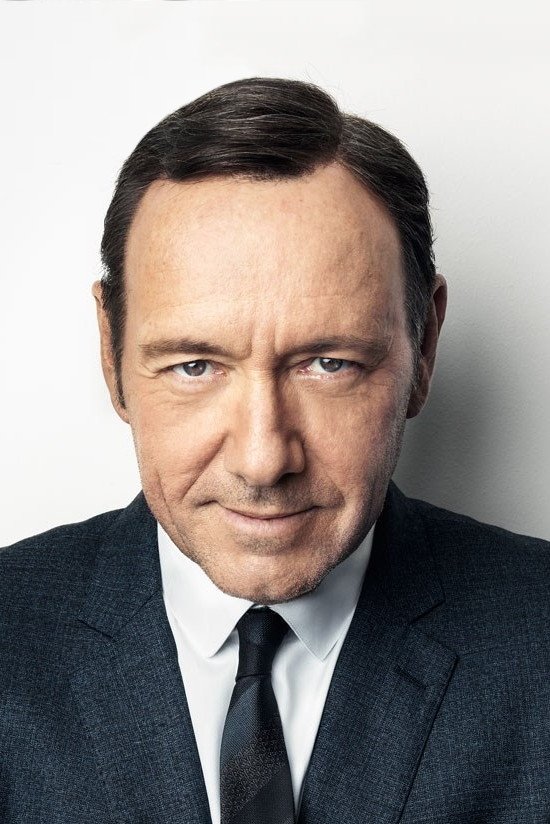
Okay, so I was thinking about the movie ‘Pay It Forward’ the other day, and it struck me how they changed a key character. In the book, Eugene Simonet, the social studies teacher, was a Black man named Reuben St. Clair. But in the film, they cast Kevin Spacey and just…made the character white. It’s a shame, really, because it took away a chance to show a positive Black educator on screen, and that feels like a missed opportunity.
Joseph Fiennes
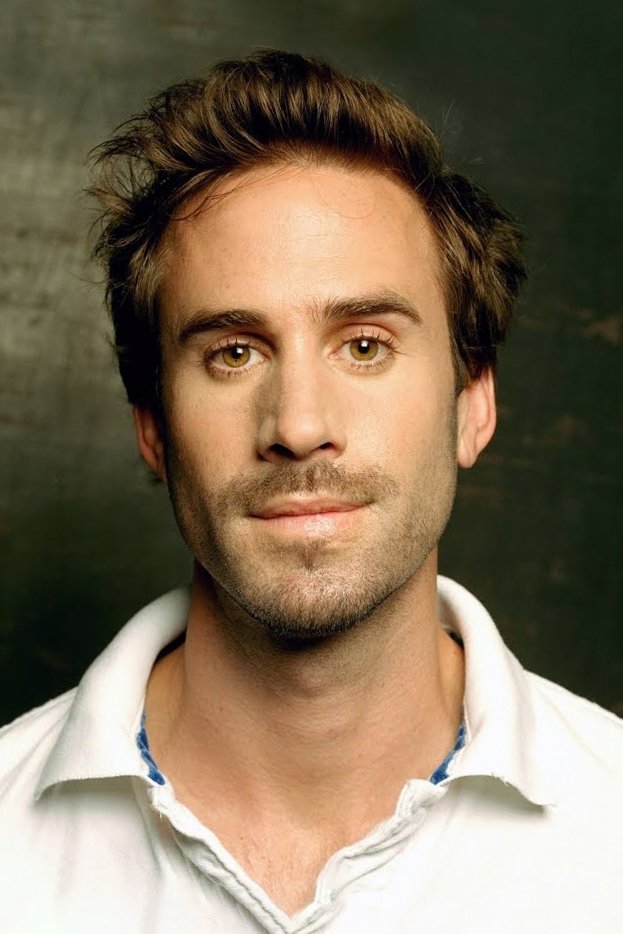
Joseph Fiennes played Michael Jackson in an episode of the British show ‘Urban Myths,’ but the casting immediately sparked strong public criticism and disapproval from the Jackson family. Due to the intense negative response, the episode was never broadcast. This remains a notable instance of public outcry successfully stopping a performance where a non-Black actor was cast in the role of a Black icon.
Max Minghella
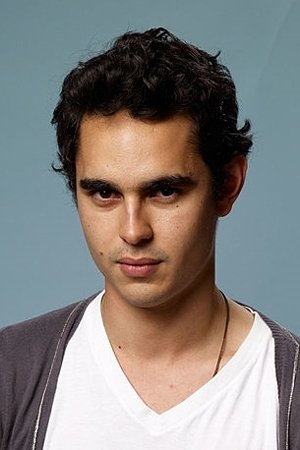
Dev Patel played Divya Narendra, a Harvard student, in the movie ‘The Social Network’, which told the story of Facebook’s beginnings. While the real Divya Narendra is Indian American, Patel is of Italian and Chinese descent. He used makeup to darken his skin for the role, a decision that sparked criticism. Many felt an Indian American actor should have been cast to portray a living person with that background.
Peter Sellers
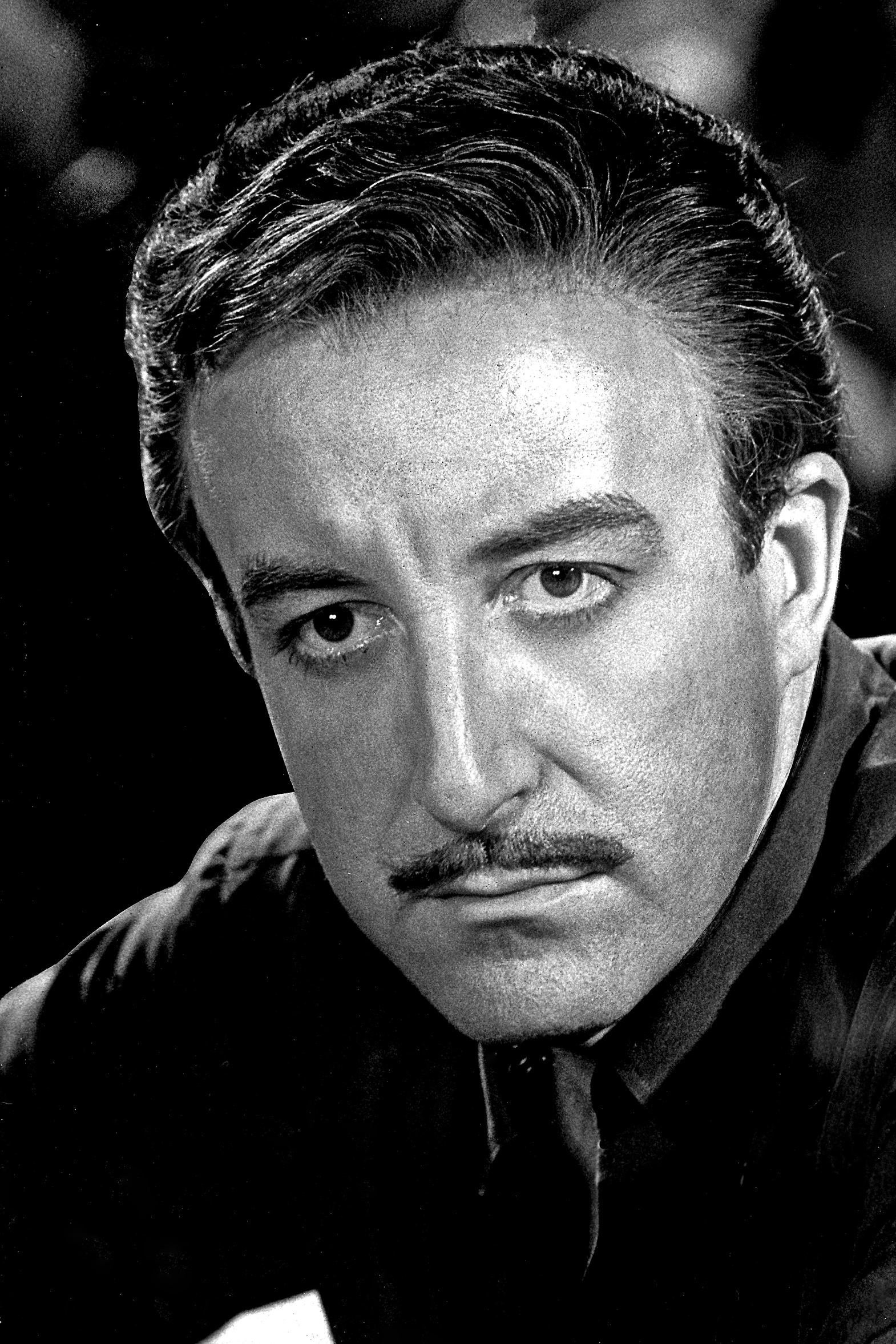
Actor Peter Sellers played an Indian character in the comedy film ‘The Party,’ using brown makeup and a stereotypical accent. While the film is beloved by some for its slapstick humor, it heavily relies on the use of brownface, which has drawn criticism for reinforcing and popularizing the mocking of Indian accents in Western media.
Alfred Molina
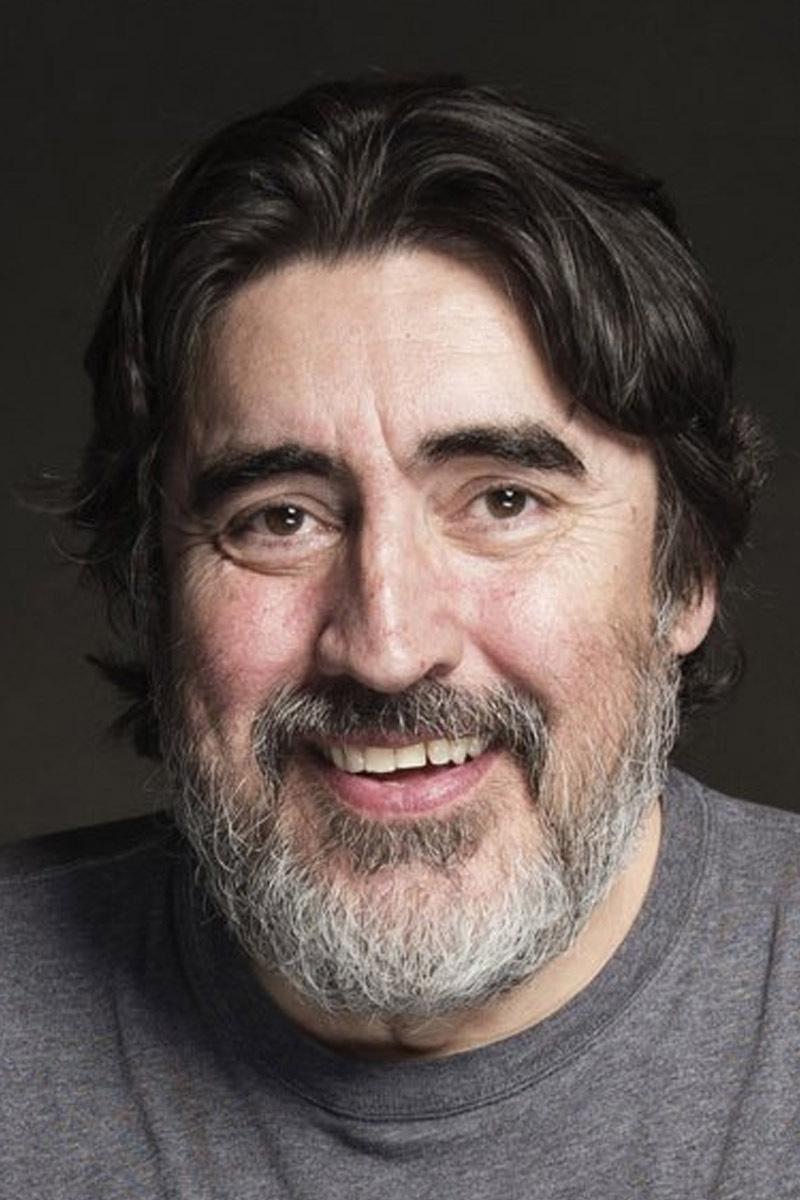
In the film ‘Not Without My Daughter,’ actress Sally Field played opposite Molina, who portrayed an Iranian doctor. Despite being of Spanish and Italian heritage, Molina was directed to play the role with a threatening presence. The film faced criticism for portraying Iranian culture negatively, and the casting choice contributed to this perception. It’s frequently used as an example of how Middle Eastern men are often negatively depicted in Hollywood films.
Christopher Abbott
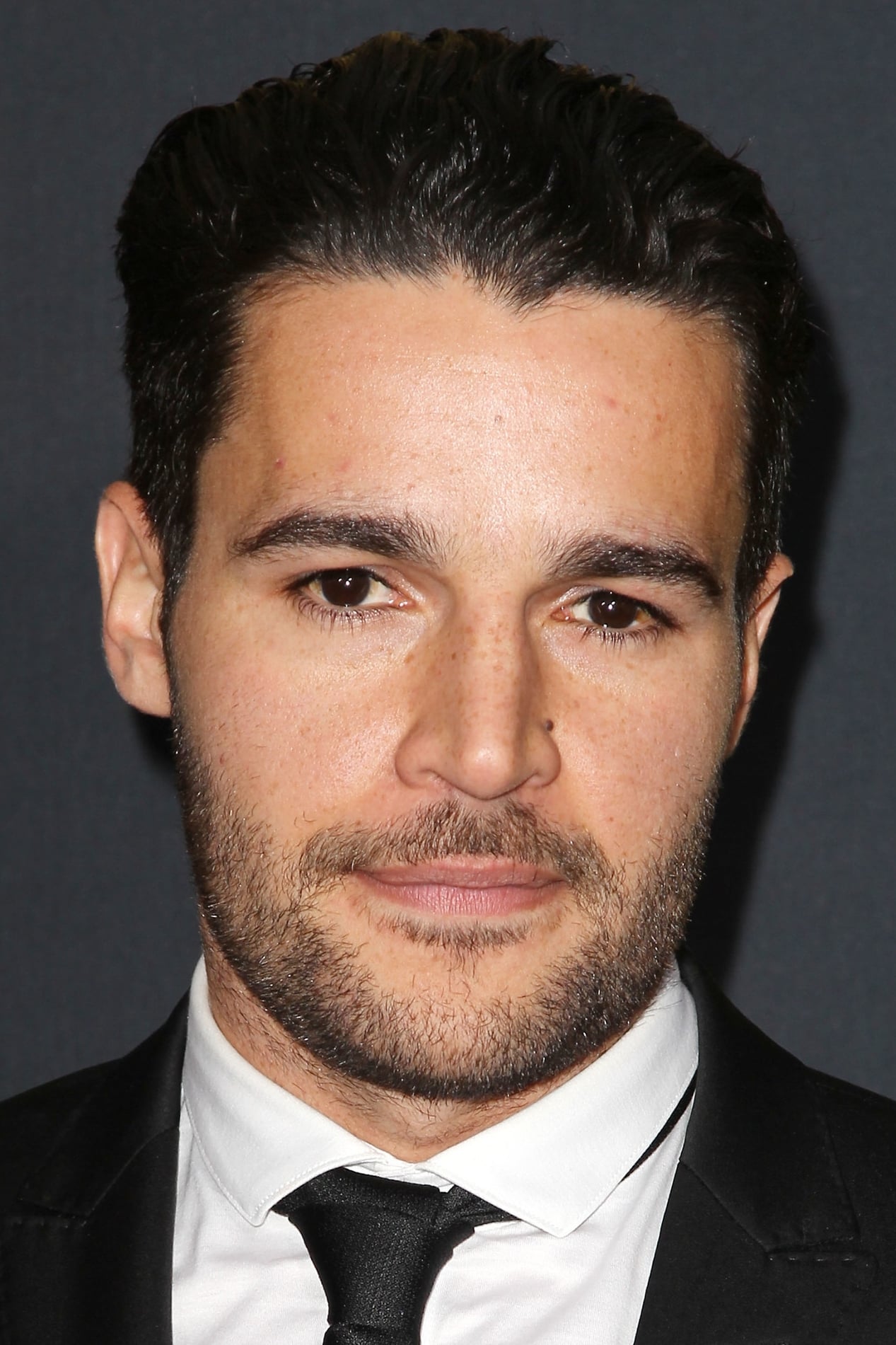
In the comedy film ‘Whiskey Tango Foxtrot,’ actor Abbott played Fahim Ahmadzai, an Afghan character. To do so, he used a beard and attempted an Afghan accent. This casting choice drew criticism, with many questioning why an actor of Middle Eastern or South Asian heritage wasn’t chosen for the substantial role, especially since there were actors available who could have brought authentic background and experience to the part.
Fred Astaire
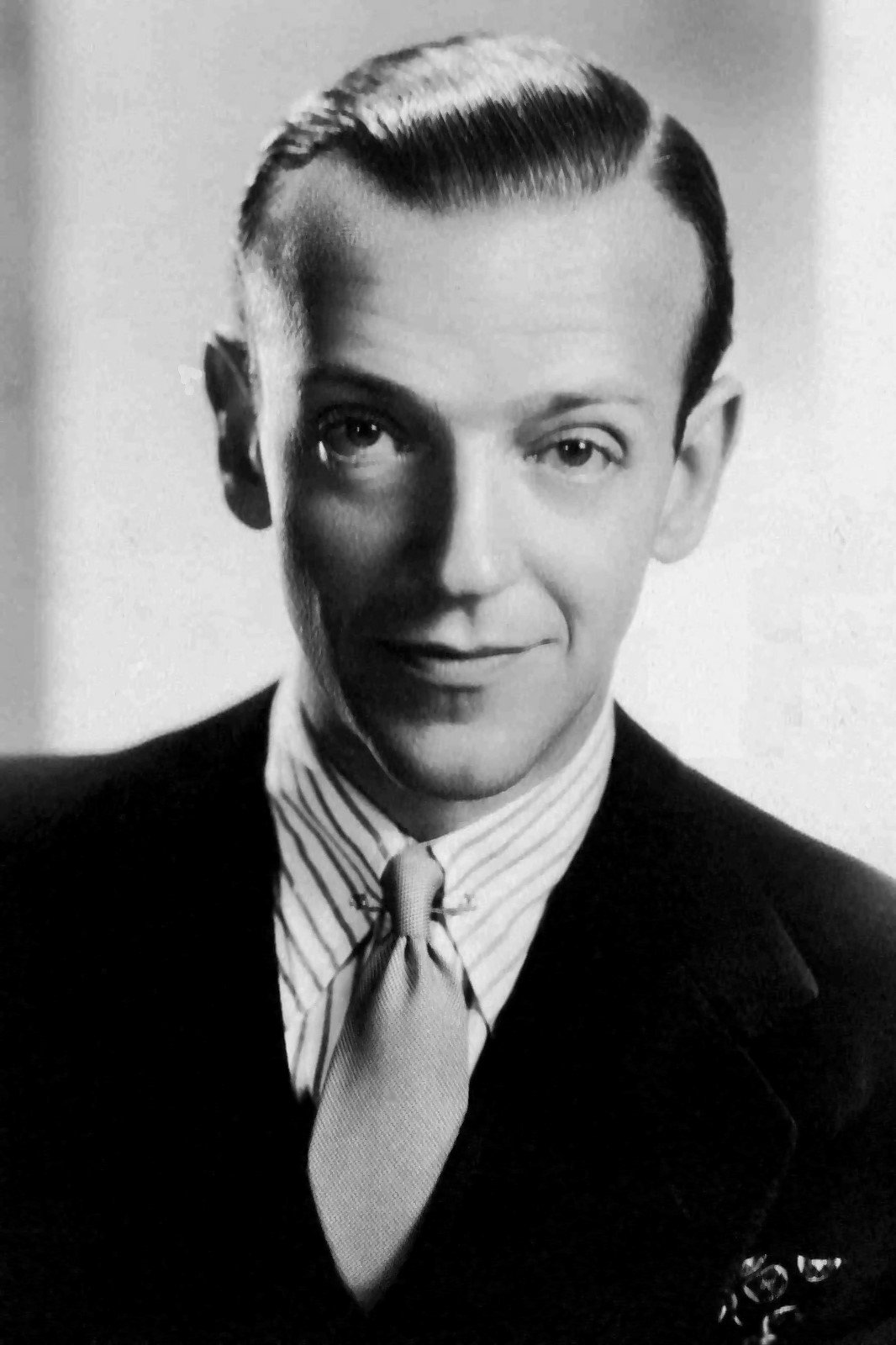
In the movie ‘Swing Time’, Fred Astaire performed a dance called “Bojangles of Harlem” while wearing blackface. Though meant to honor dancer Bill “Bojangles” Robinson, the performance used makeup that is now considered deeply offensive. This scene remains a troubling part of Astaire’s legacy, and today’s showings often include explanations or critiques of its racial insensitivity.
Tell us which of these casting choices you found the most surprising or egregious in the comments.
Read More
- 20 Movies Where the Black Villain Was Secretly the Most Popular Character
- Top 20 Dinosaur Movies, Ranked
- 25 “Woke” Films That Used Black Trauma to Humanize White Leads
- Gold Rate Forecast
- Silver Rate Forecast
- 22 Films Where the White Protagonist Is Canonically the Sidekick to a Black Lead
- Can AI Lie with a Picture? Detecting Deception in Multimodal Models
- Top 10 Coolest Things About Invincible (Mark Grayson)
- When AI Teams Cheat: Lessons from Human Collusion
- From Bids to Best Policies: Smarter Auto-Bidding with Generative AI
2026-01-27 05:20