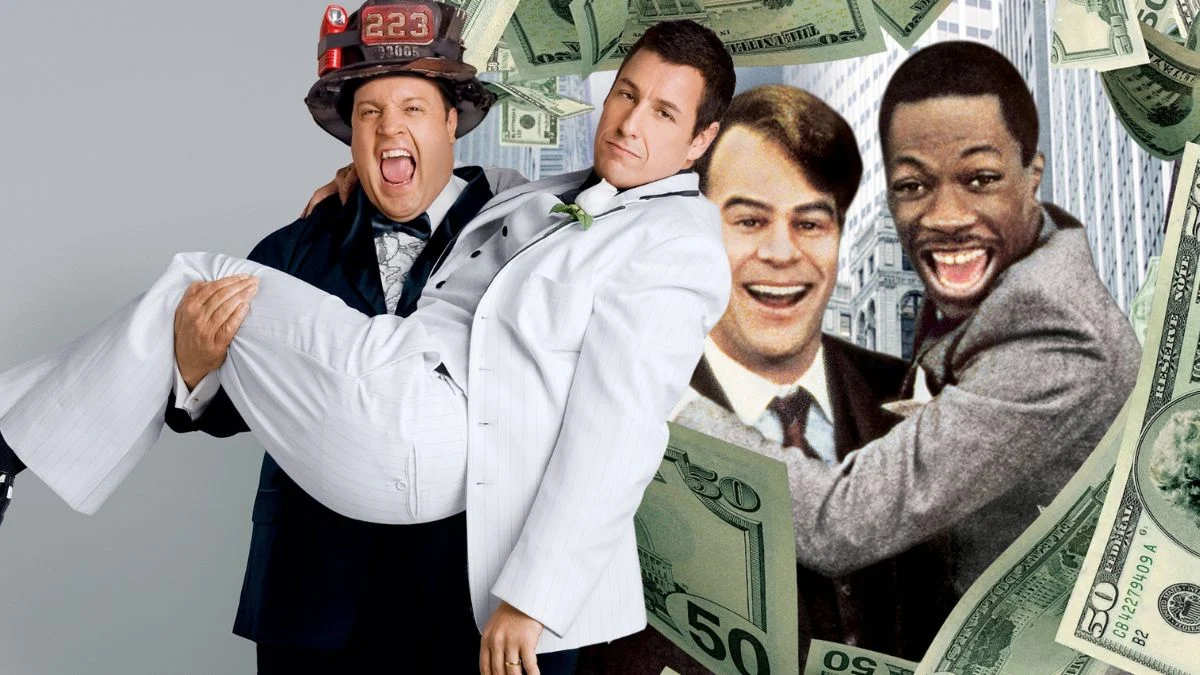
Comedy changes over time to reflect what society finds acceptable and funny. Films that were popular in the past sometimes include jokes or storylines that would be considered offensive today. Things like harmful stereotypes, unwanted advances, or making fun of vulnerable groups are now generally avoided in mainstream movies. These older films offer a glimpse into how our understanding of humor and what’s considered appropriate has changed.
‘Blazing Saddles’ (1974)
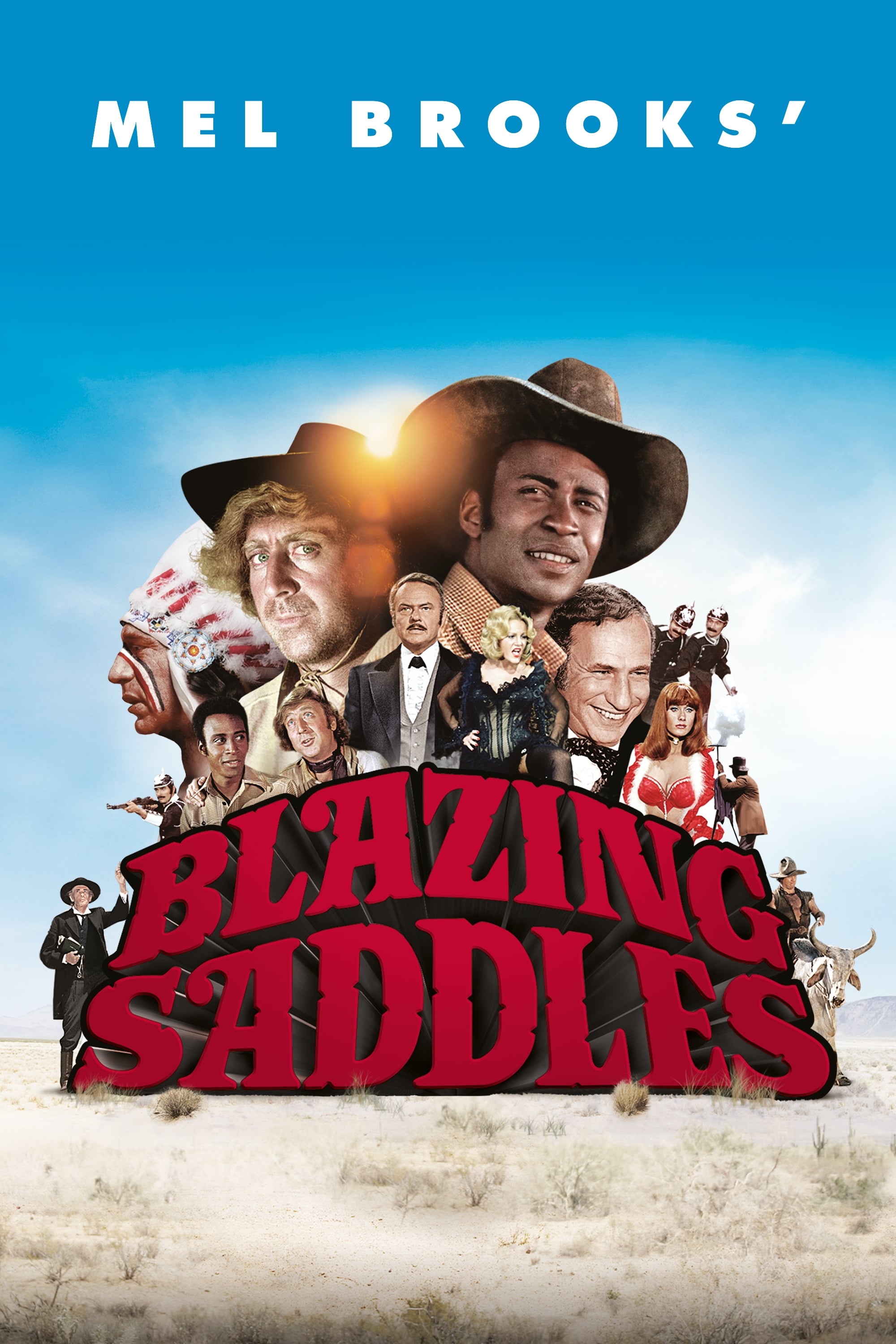
This Western comedy, directed by Mel Brooks, tries to make fun of racism by portraying prejudiced characters as silly and ridiculous. The movie uses a lot of offensive language and relies on stereotypes to show how ignorant the townspeople are. However, some viewers today might find the strong language and depictions of racial issues upsetting or too intense for a typical comedy. While the film intends to criticize racism, its approach would likely be considered unacceptable by today’s standards.
‘Revenge of the Nerds’ (1984)
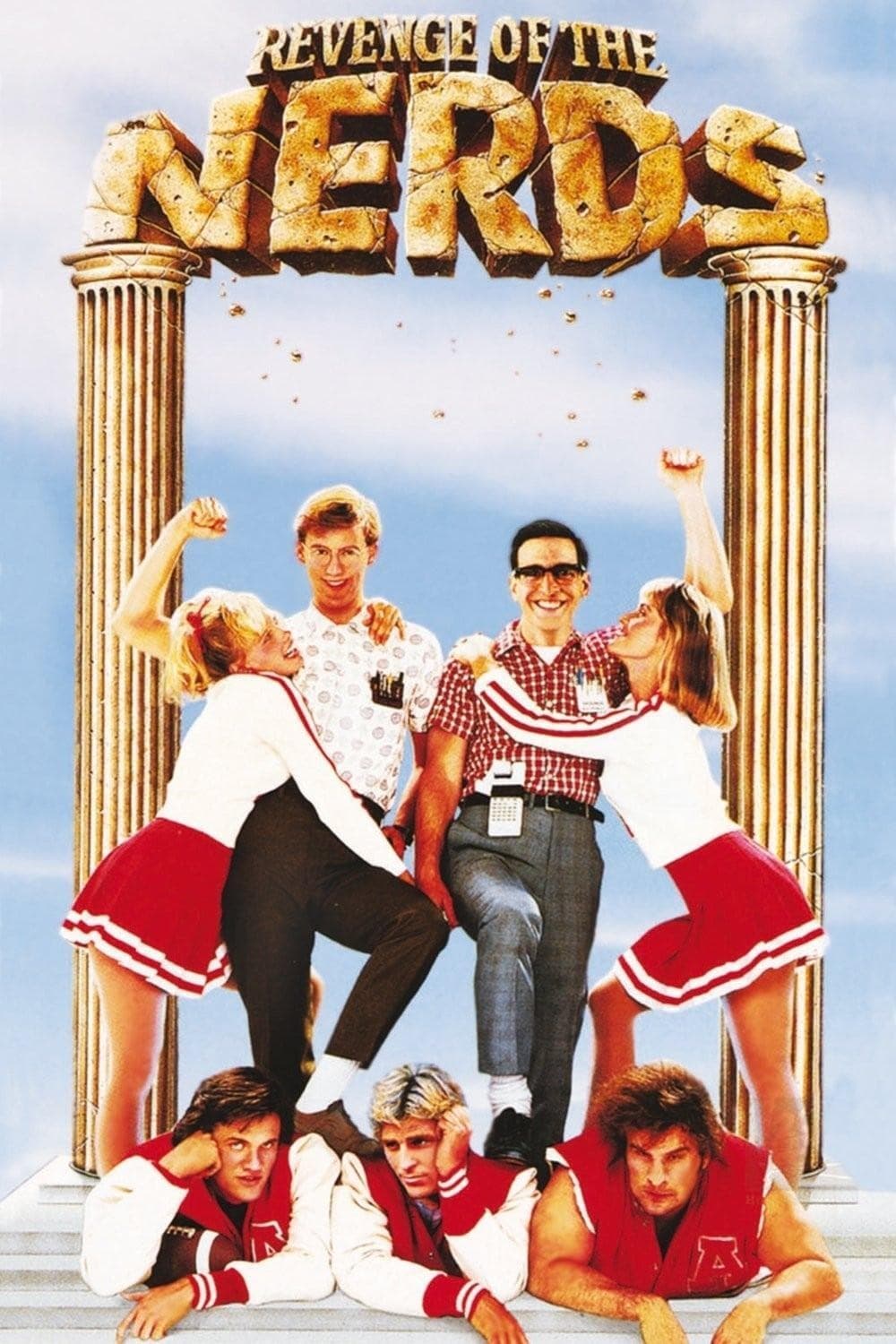
This college comedy follows a group of underdogs as they try to stand up to the school’s popular athletes and sororities. However, the film has since been criticized for two specific scenes: one where a character has sex with someone while disguised without their consent, and another involving hidden cameras in a sorority house used to secretly film women. These storylines wrongly present sexual misconduct and spying as rebellious and positive actions instead of the harmful acts they are.
‘Sixteen Candles’ (1984)
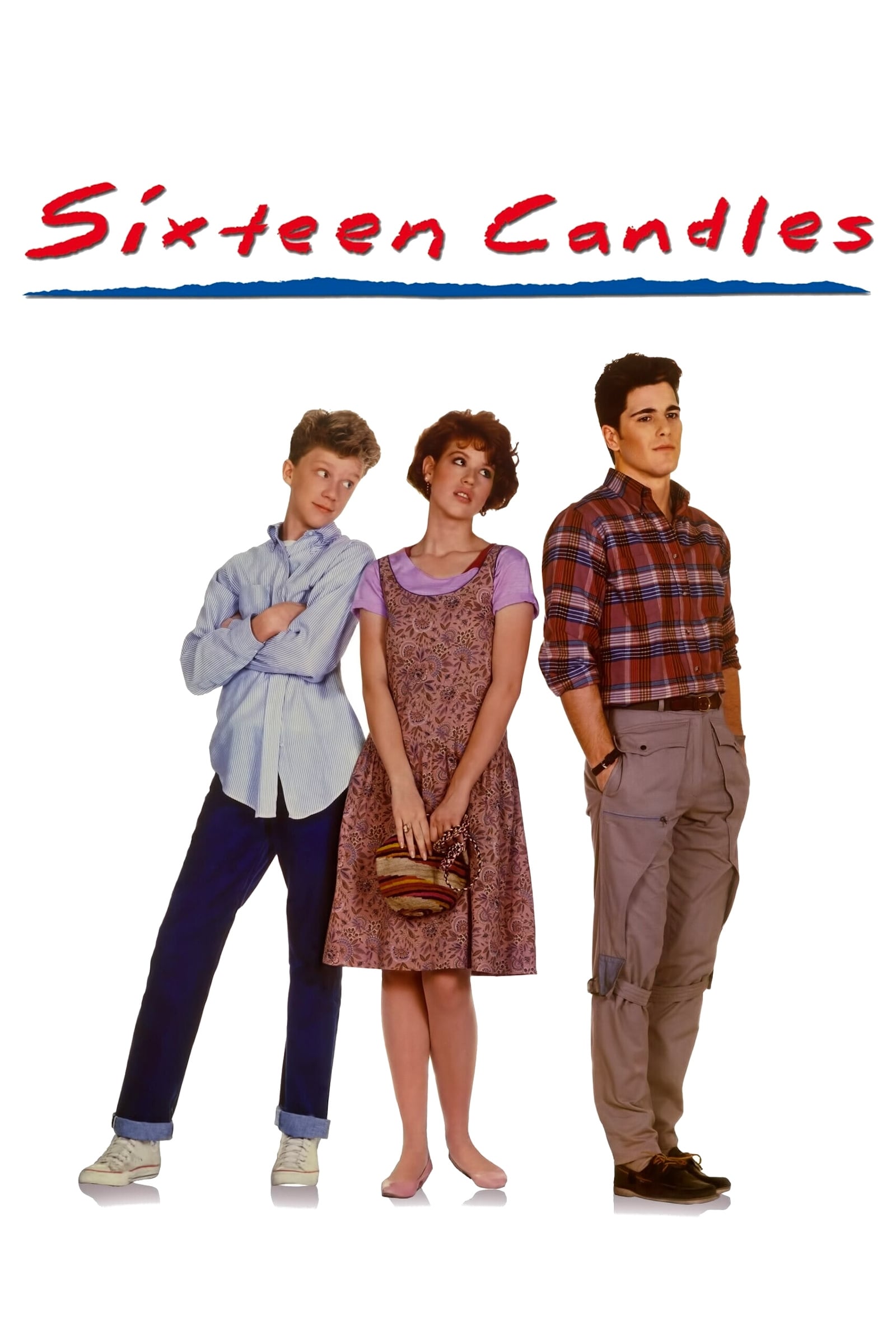
John Hughes’s beloved teen movie centers on a girl whose family accidentally forgets her sixteenth birthday. However, the film has faced criticism for its portrayal of a character, Long Duk Dong, who relies on harmful Asian stereotypes. Additionally, a storyline where a character is given to another boy while intoxicated and unconscious raises serious concerns about consent when viewed today. These problematic elements often distract from the film’s central love story.
‘Soul Man’ (1986)
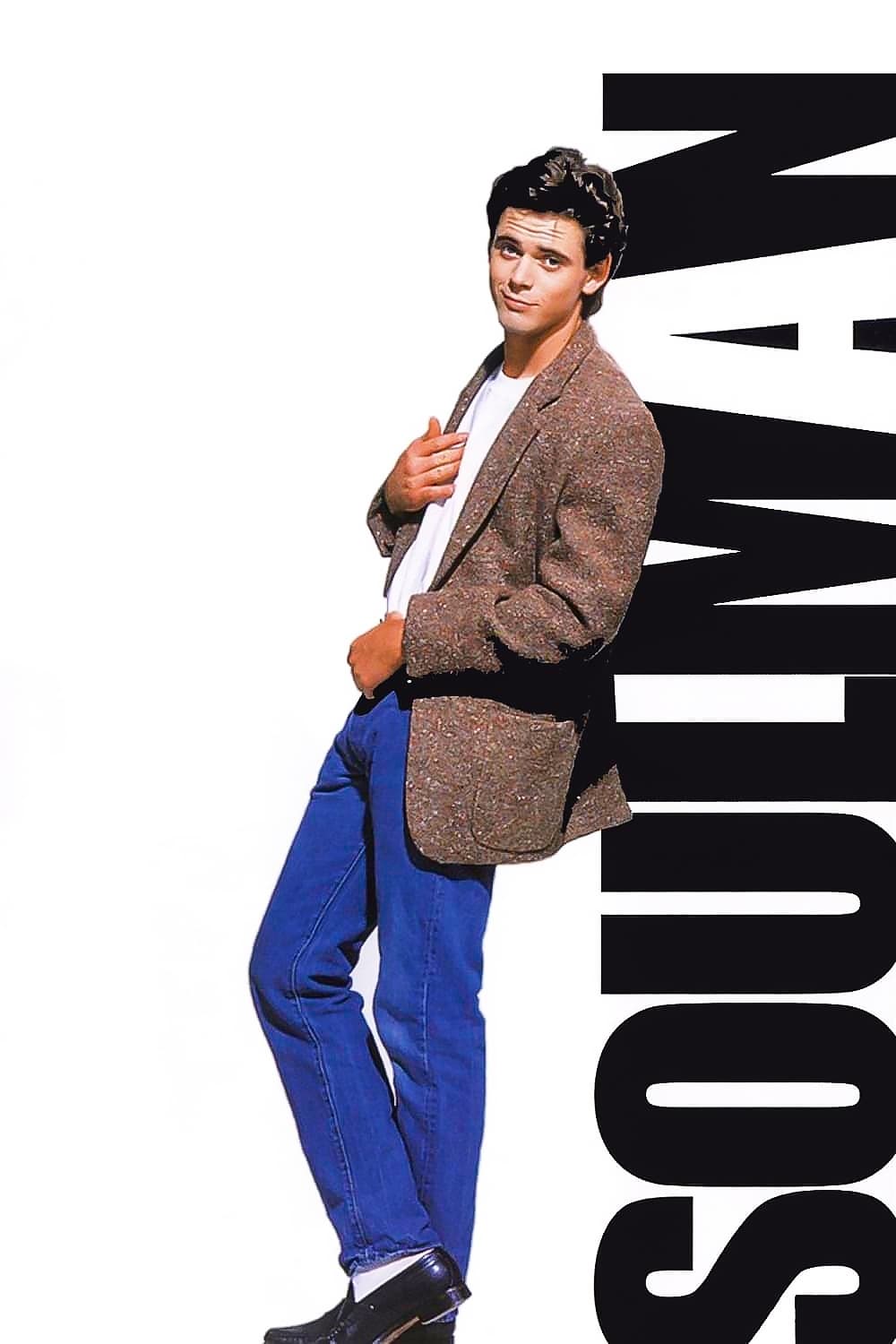
This comedy centers around a white student who goes to great lengths to win a scholarship meant for Black students. He uses tanning pills to darken his skin and pretends to be Black throughout the movie in order to get into Harvard Law School. Although the filmmakers aimed to make a statement against racism, the film relies heavily on a practice similar to blackface for comedic effect. This type of depiction is widely considered unacceptable today and would prevent a film from being made now.
‘Ace Ventura: Pet Detective’ (1994)
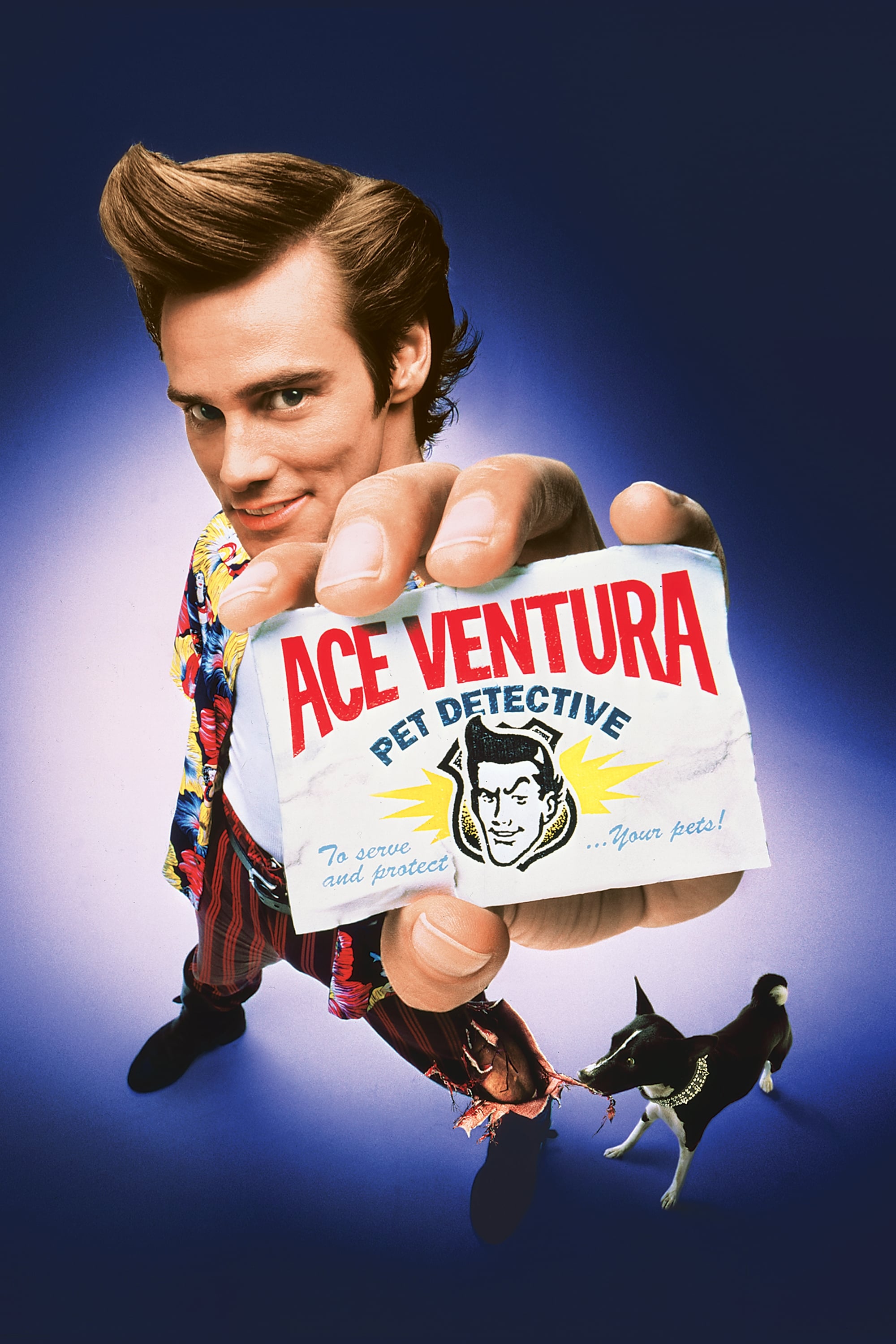
Jim Carrey plays a quirky detective in a movie where the Miami Dolphins’ mascot goes missing. The movie builds to a reveal that one character is transgender, and the reaction from the main character and others is shockingly negative – they respond with intense disgust and even vomiting. Today, this portrayal is widely seen as harmful and prejudiced towards transgender people.
‘Tropic Thunder’ (2008)
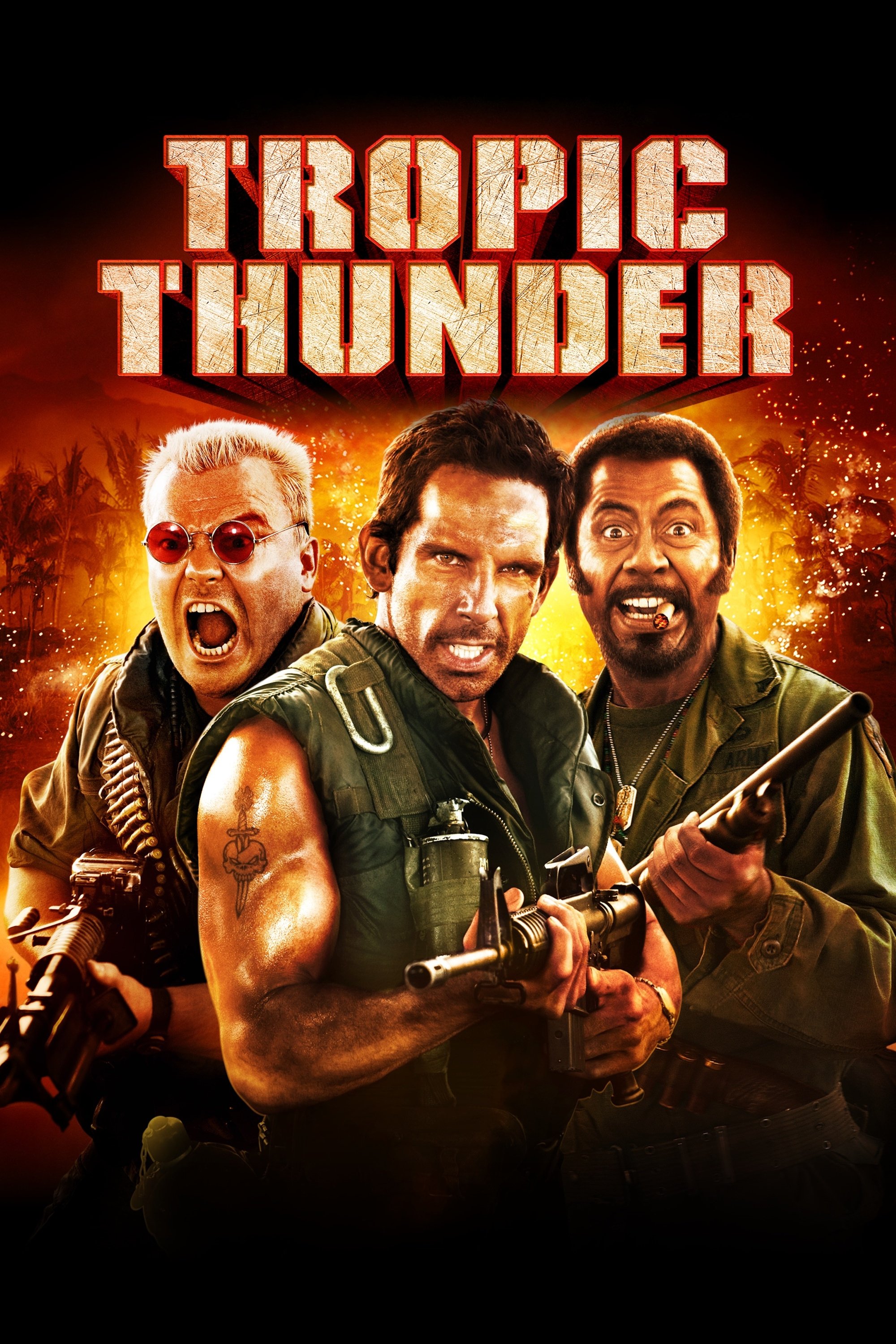
The film is a satire of Hollywood and intense acting techniques, telling the story of actors who find themselves in a genuine war. Robert Downey Jr.’s character undergoes a skin-darkening procedure to portray a Black soldier, a performance meant to critique the self-importance of actors, but which has sparked controversy due to its use of blackface. The film also features a character called Simple Jack, which has been criticized by disability rights groups for using offensive language.
‘Breakfast at Tiffany’s’ (1961)

I really enjoyed this movie overall, but I have to admit, it’s hard to forget Mickey Rooney’s portrayal of Mr. Yunioshi. It’s unsettling to see a white actor attempting to play a Japanese man with exaggerated makeup and prosthetics – it just feels incredibly stereotypical and dated. Honestly, it’s become a really well-known example of ‘yellowface’ in film, and it clashes so much with the more nuanced and mature feel of everything else in the movie. It’s a difficult part of the film to reconcile with the rest of it.
‘Animal House’ (1978)
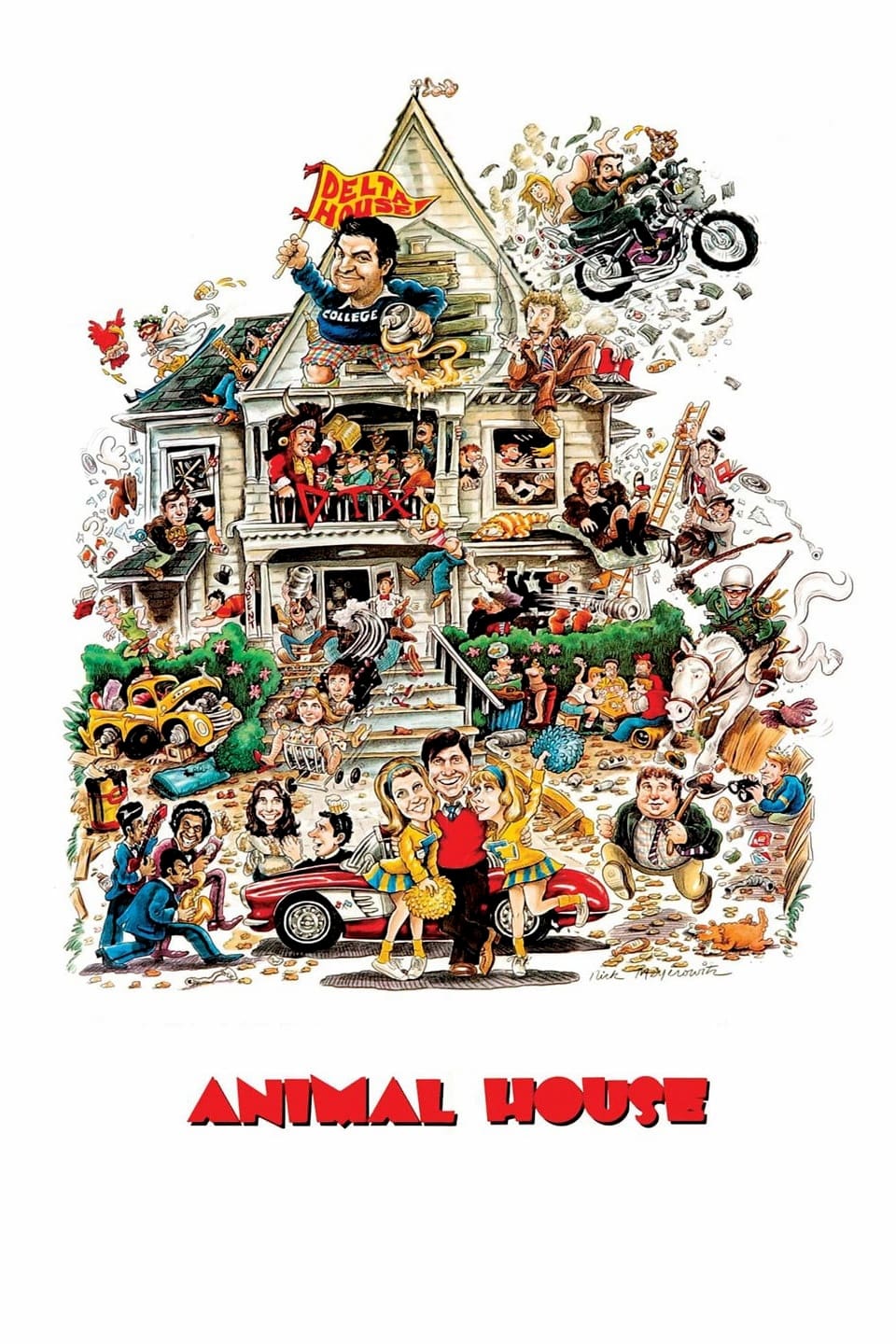
This movie is a classic example of a raunchy college comedy, and it heavily influenced the genre for years. However, its humor often relies on treating women as objects and disrespecting rules. It includes disturbing scenes, such as a character considering taking advantage of a woman who is passed out, and another where fraternity members secretly watch women undressing for their own amusement.
‘Porky’s’ (1981)
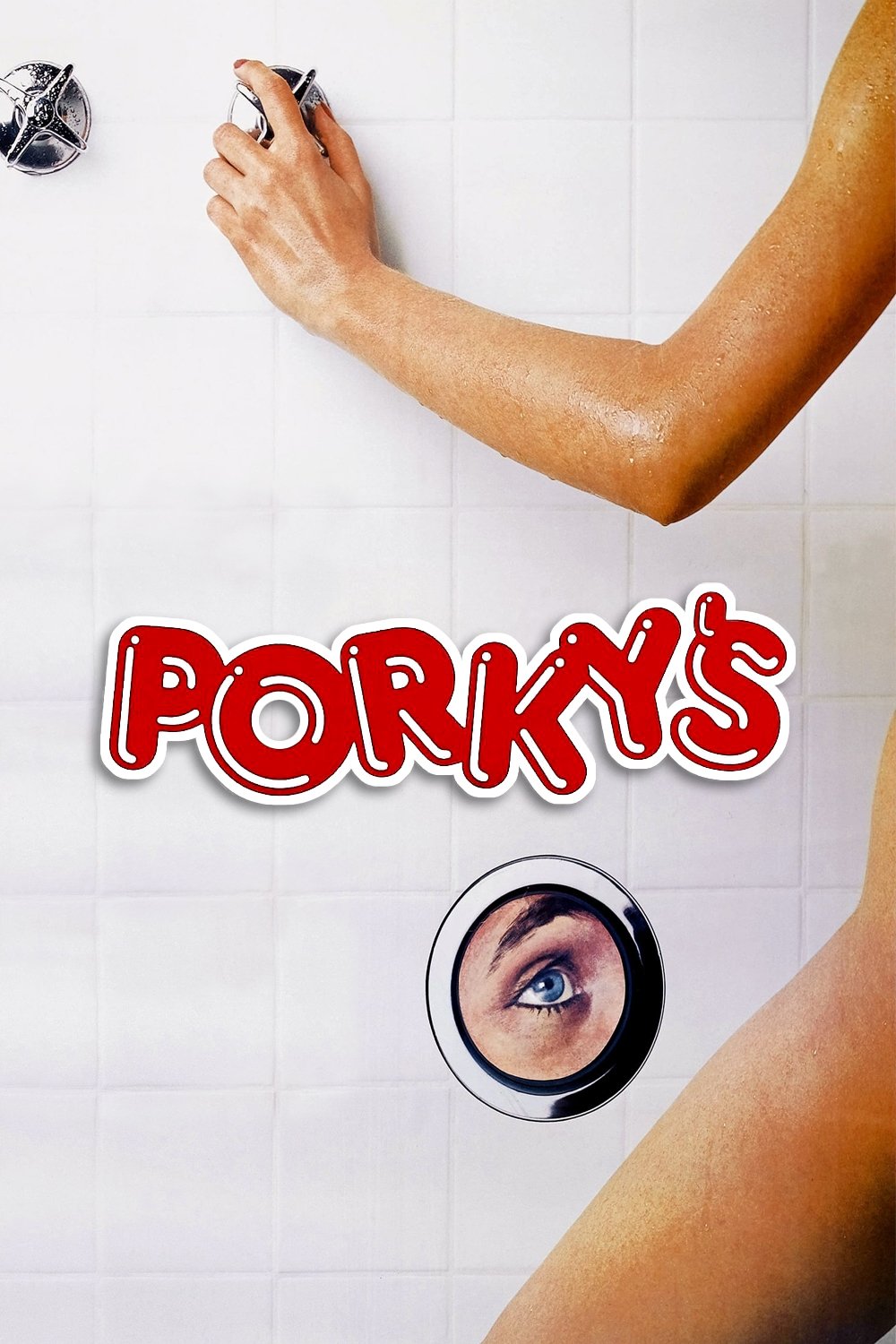
This movie is a teen comedy about high school students trying to have sex. However, it relies heavily on harmful and offensive content, including bullying, prejudice against LGBTQ+ people, and the inappropriate sexualization of others – all played for laughs. One particularly disturbing scene involves the male characters secretly watching female students while they shower. The film’s focus on sex is presented without any consideration for the feelings or well-being of the women involved, and would likely be considered predatory if made today.
‘The Toy’ (1982)
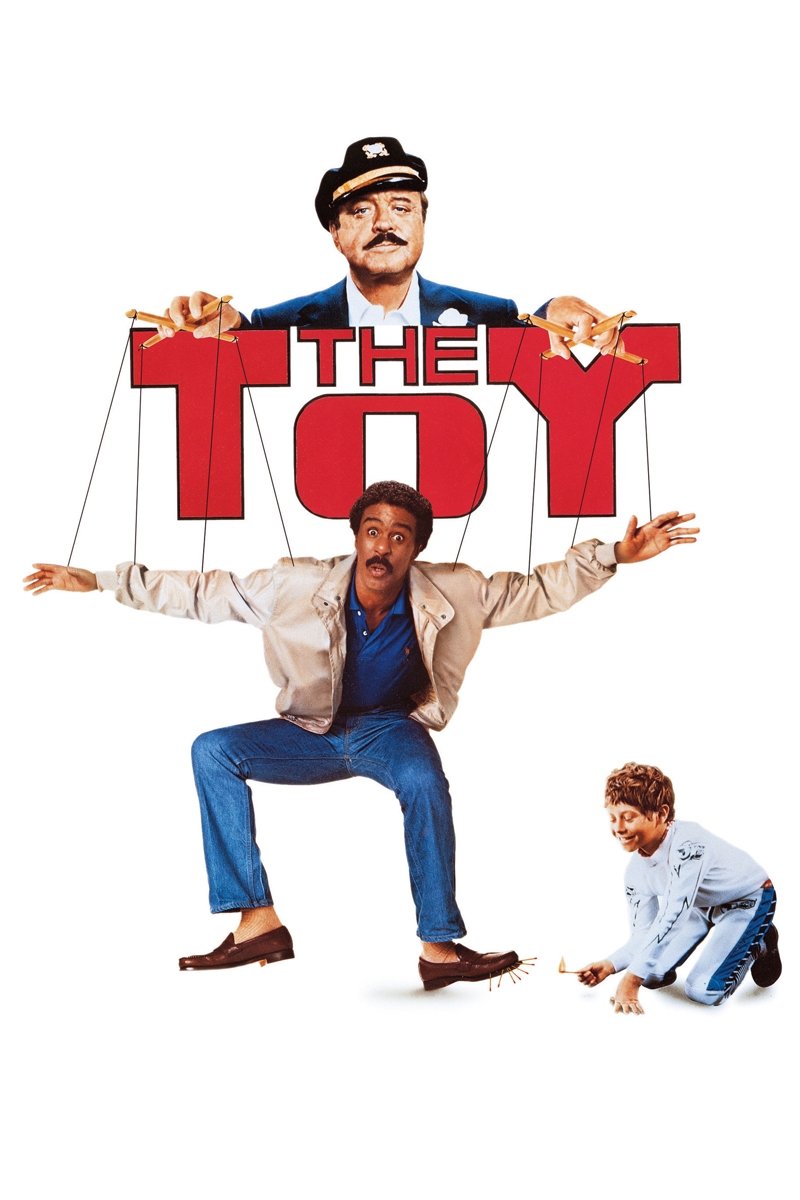
This comedy stars Richard Pryor as an out-of-work reporter who takes a strange job: being a companion for a rich man’s son. The story centers around a Black man being bought and literally shipped like a package to amuse a white child. The idea of purchasing a person for entertainment has strong racial undertones and is deeply problematic. Despite Pryor’s comedic skills, the story’s core concept is unsettling, bringing to mind the history of slavery and making the premise difficult to accept.
‘Crocodile Dundee’ (1986)
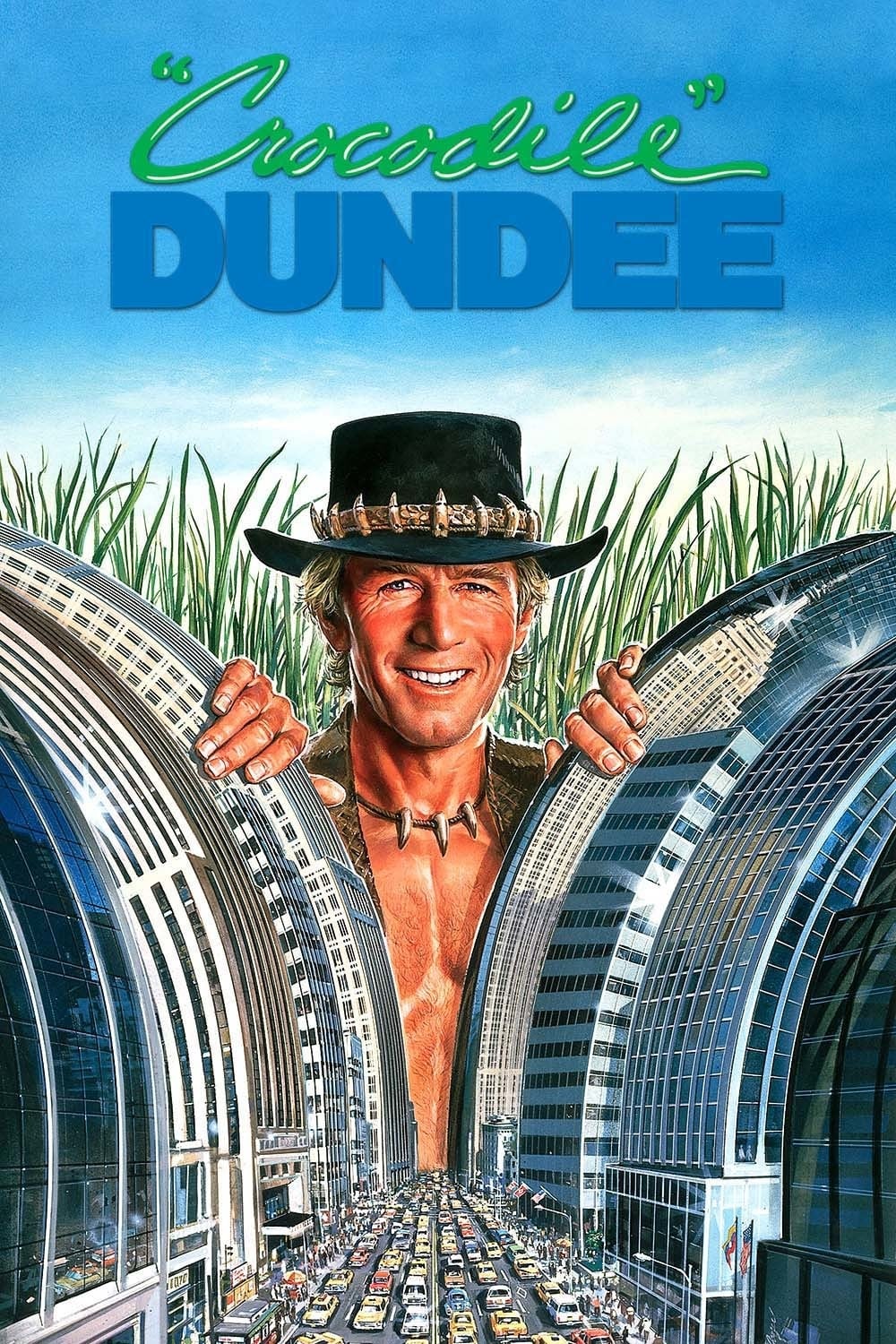
The movie features Paul Hogan as an Australian outback man trying to adjust to life in New York City. A problematic scene shows him forcibly grabbing a transgender woman in a bar to check her gender, all while trying to impress his friends and with the crowd seemingly encouraging him. Today, this act of physical aggression, presented as a joke, would likely be considered a hate crime.
‘I Now Pronounce You Chuck & Larry’ (2007)
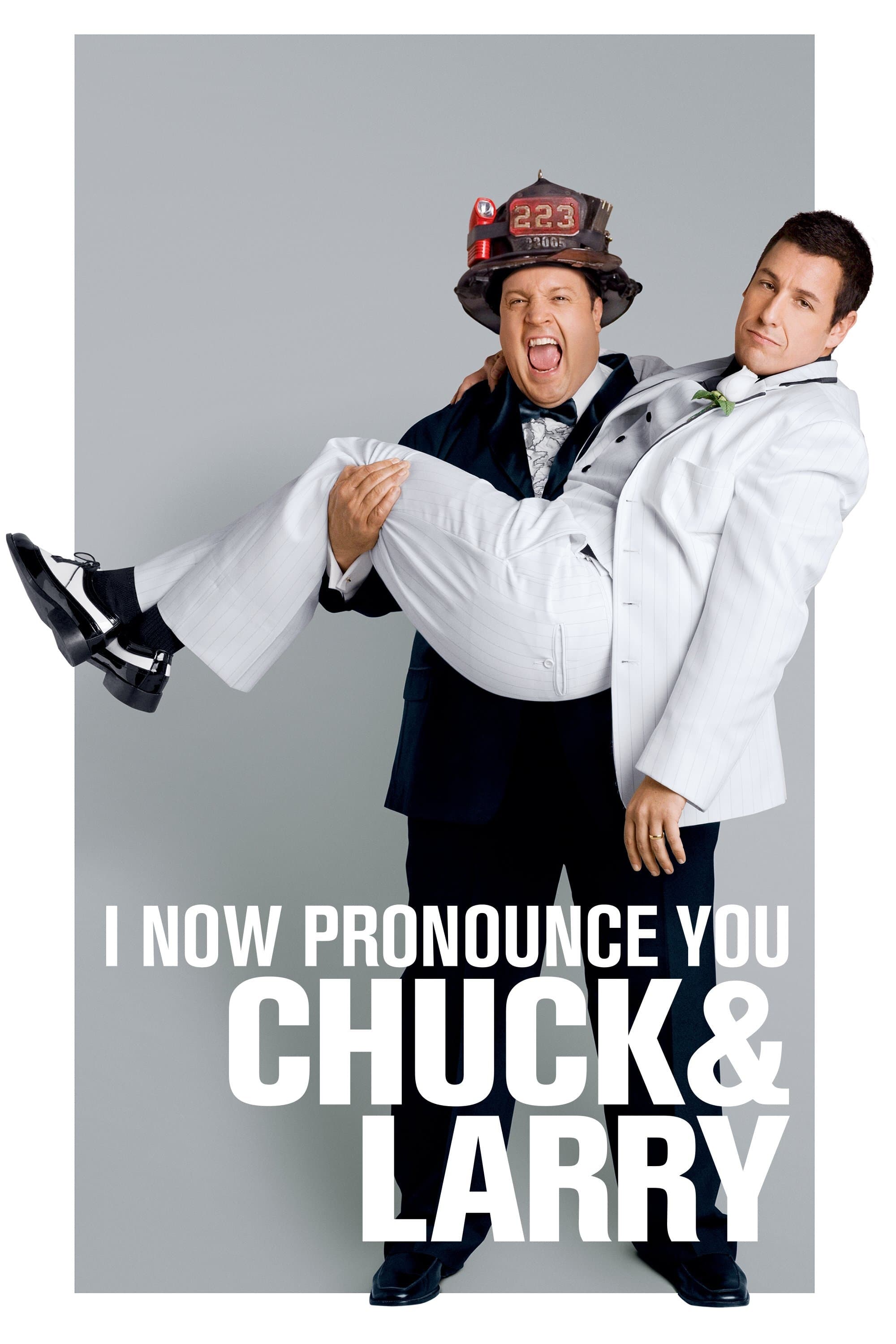
In the movie, Adam Sandler and Kevin James portray firefighters who falsely claim to be a gay couple to receive better retirement benefits. The film uses outdated and stereotypical portrayals of gay men for comedic effect, while repeatedly emphasizing the actors’ characters are actually straight. Many critics have pointed out that the movie makes light of homosexuality instead of treating it with respect, and the way it uses legal domestic partnerships for a scam feels especially problematic now.
‘Me, Myself & Irene’ (2000)
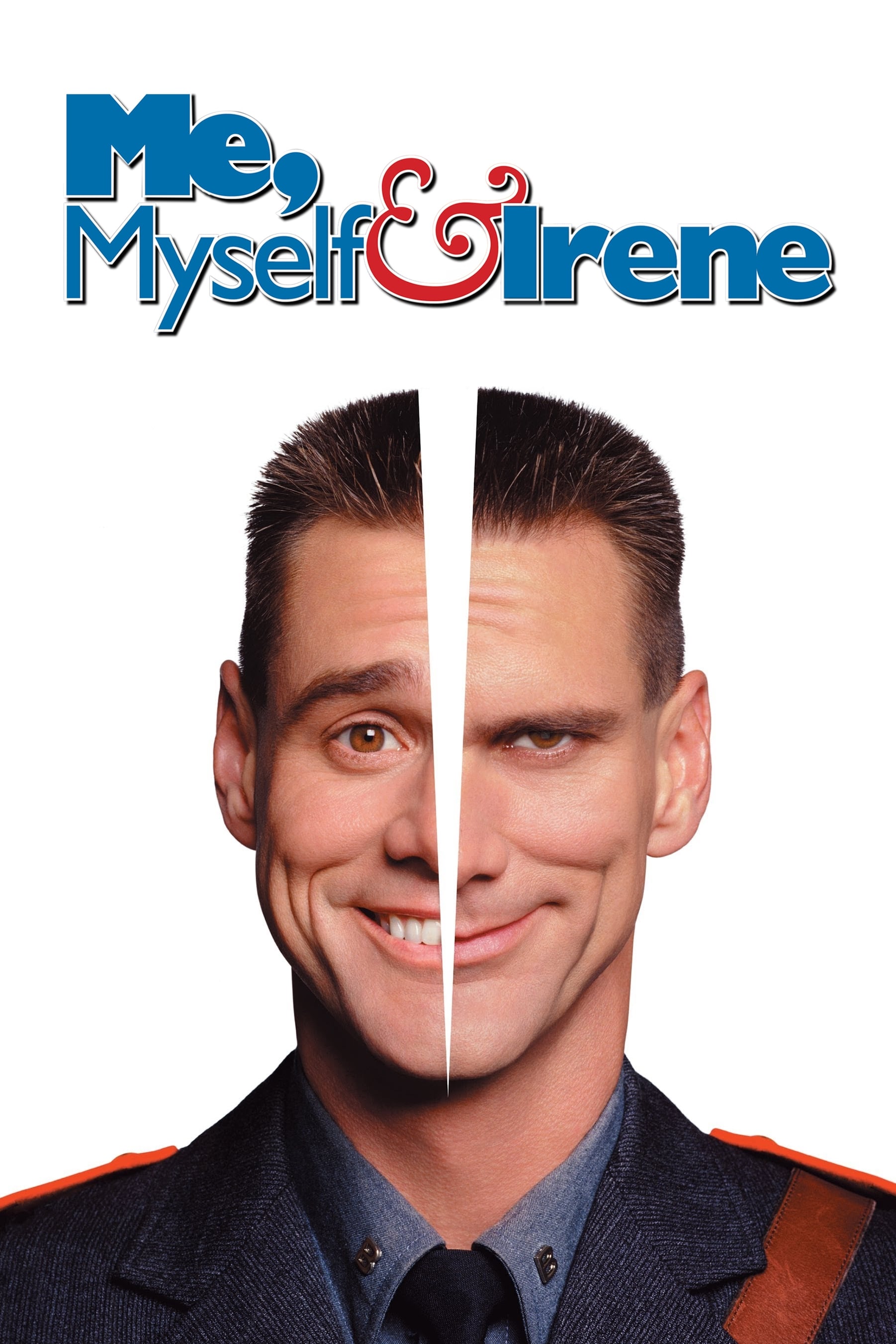
This comedy, directed by the Farrelly brothers, centers around a state trooper who has a split personality. The humor comes from the outrageous behavior of his other self. The movie also includes three exceptionally bright sons from an affair, who are the subject of jokes based on their race and intelligence. However, the film has faced criticism from mental health groups for its unrealistic and insensitive depiction of Dissociative Identity Disorder.
‘Shallow Hal’ (2001)

Okay, so I just watched this movie with Jack Black, and the premise is really interesting – his character gets hypnotized and suddenly sees people’s inner beauty as how they look on the outside. But honestly, it was kind of a letdown. They kept putting a fat suit on Gwyneth Paltrow for, like, all the jokes, and it just felt…wrong. The movie tries to tell you it’s about not judging a book by its cover, but all the funny parts come from making fun of her weight. It just felt really mean-spirited and honestly, that kind of humor feels super old-fashioned and hurtful.
‘Overboard’ (1987)
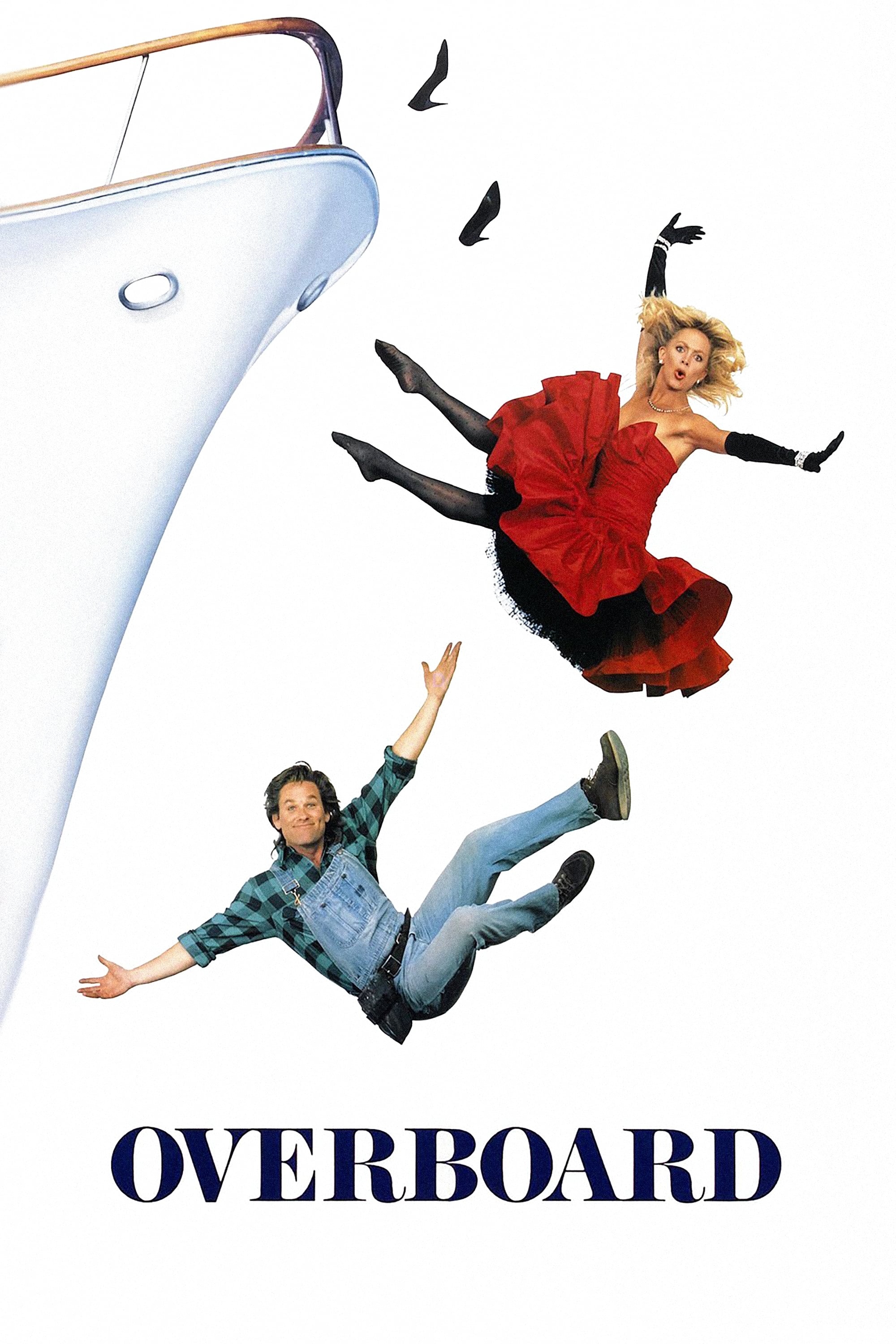
In the movie, Goldie Hawn stars as a rich woman who loses her memory after an accident at sea. Kurt Russell plays a carpenter who convinces her she’s his wife and brings her home to work as a housekeeper and help with his kids. However, the story is fundamentally about a man kidnapping and manipulating a vulnerable woman into becoming his servant. Today’s viewers would likely find this kind of behavior unacceptable and wouldn’t appreciate it being portrayed as romantic.
‘Weird Science’ (1985)
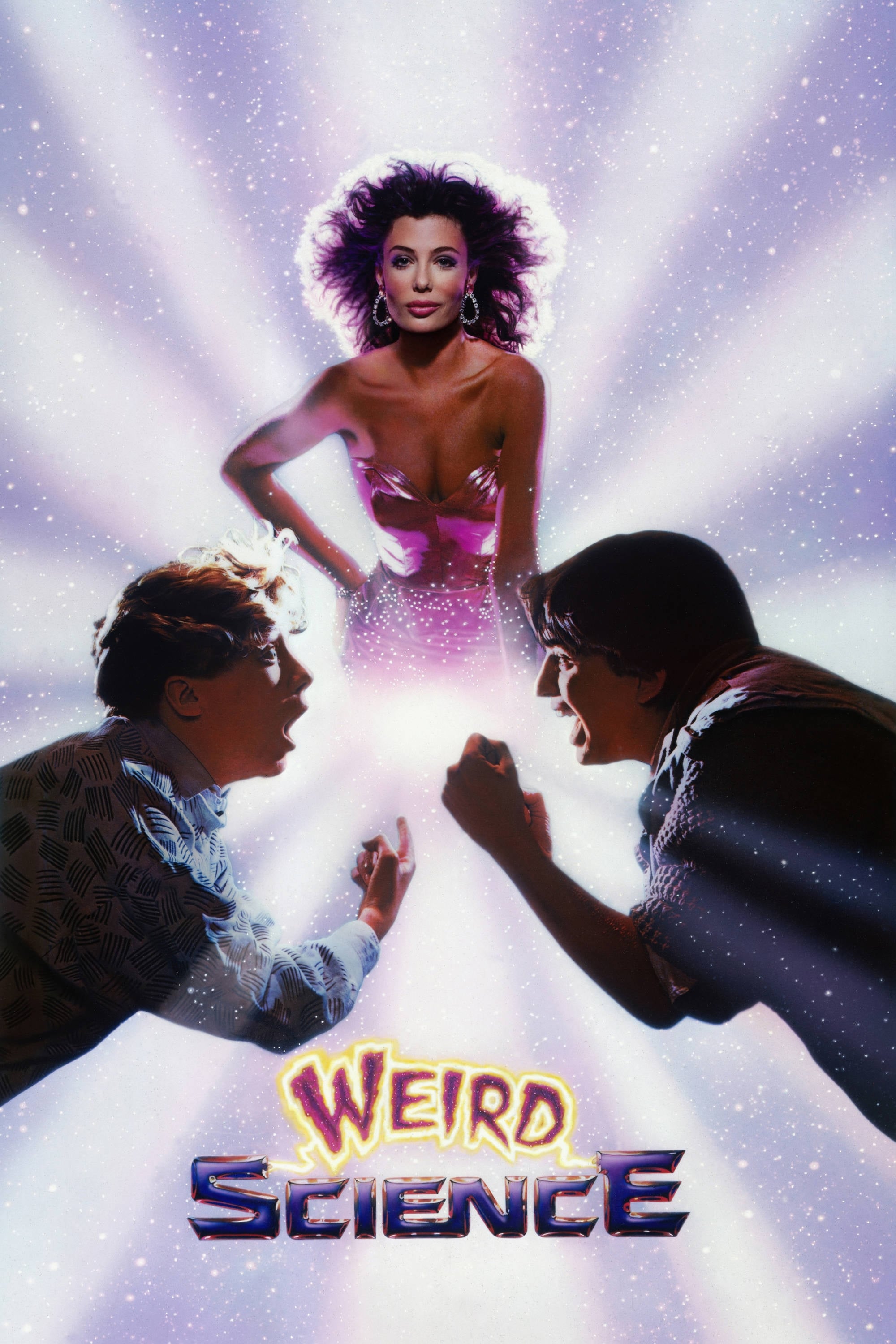
Two teenage boys build a virtual girlfriend on a computer, giving her magical abilities. They create her simply to fulfill their desires and make themselves more popular. This idea portrays women as things to be programmed and controlled, rather than as independent people. While this type of storyline was common in teen comedies of the past, it feels outdated now because of its focus on objectifying women.
‘Police Academy’ (1984)
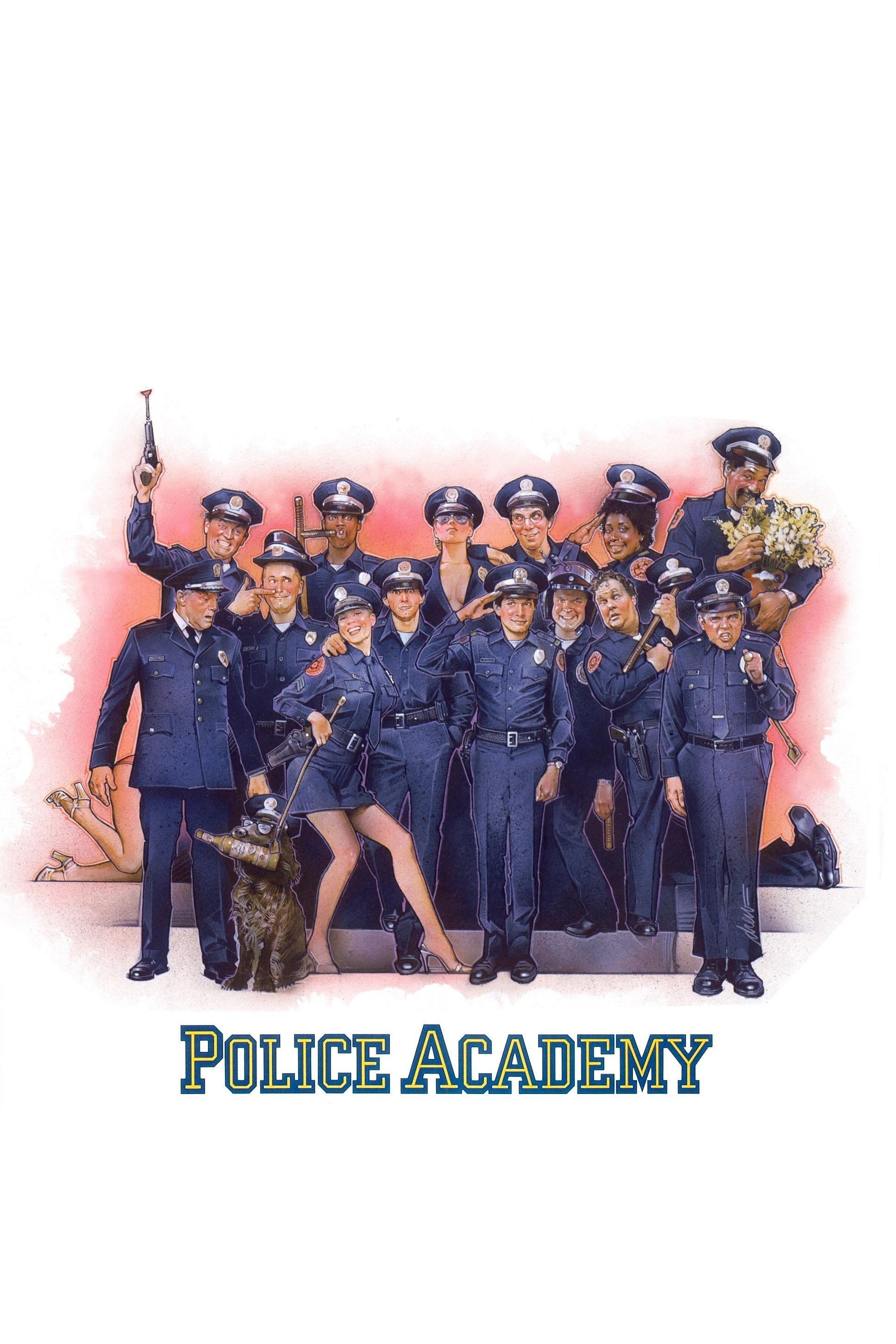
This funny movie centers around a group of quirky individuals who become police recruits. A running gag involves sending characters to a leather bar called The Blue Oyster as a form of punishment, and the humor often comes from exaggerated fears about gay culture. The film also portrays police mistakes and poor behavior as amusing, which feels out of step with today’s discussions about policing and accountability.
‘The Ringer’ (2005)
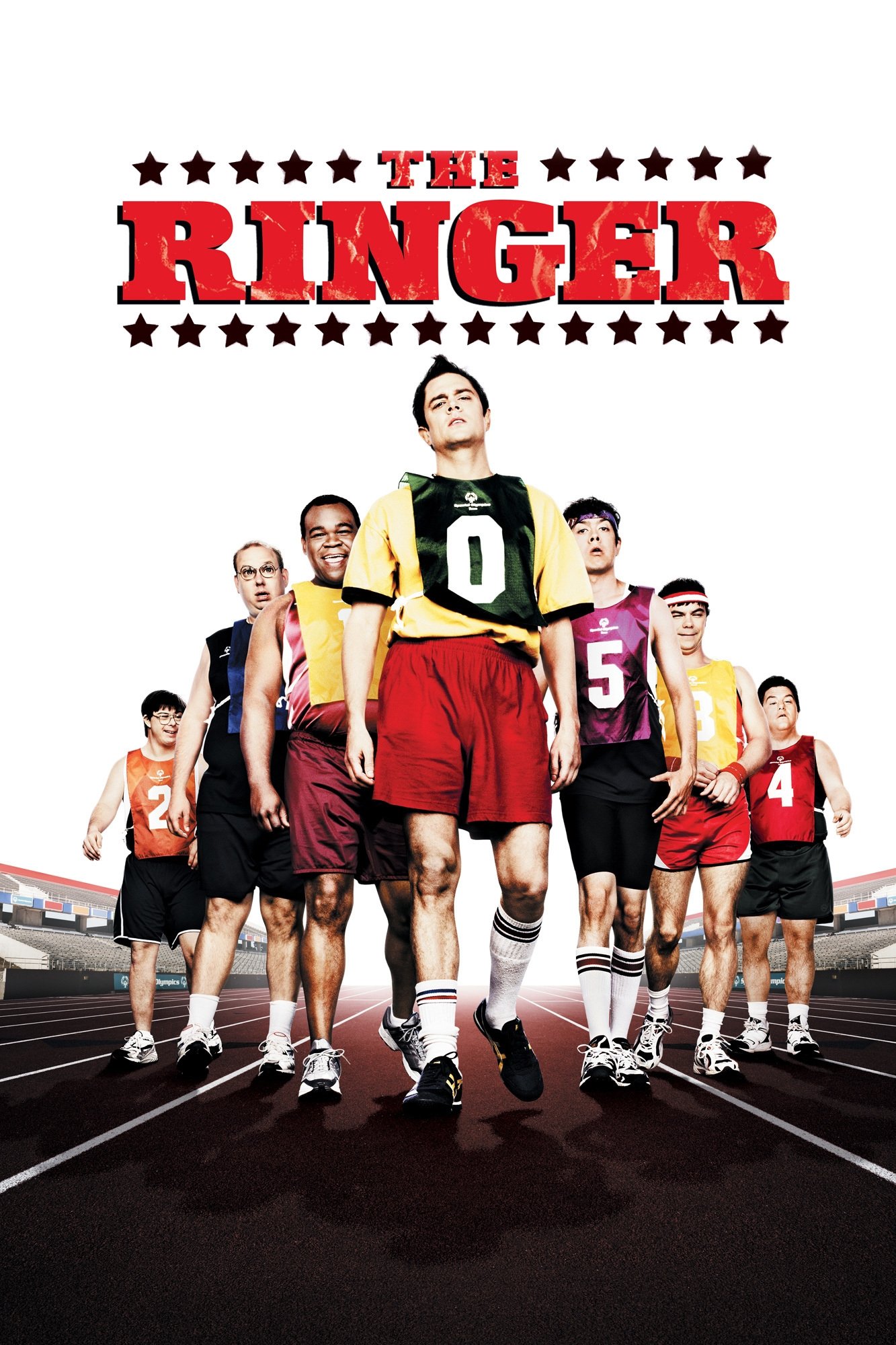
The film stars Johnny Knoxville as a man who pretends to have a cognitive disability in order to manipulate the Special Olympics. While the movie aims to be inclusive by featuring actors with disabilities, the story relies on a misleading and problematic premise. The main character imitates the behaviors of people with disabilities as part of a scheme to win a bet. Setting this fraudulent plot within the context of the Special Olympics is likely to be seen as deeply offensive and would likely generate significant criticism.
‘Silver Streak’ (1976)
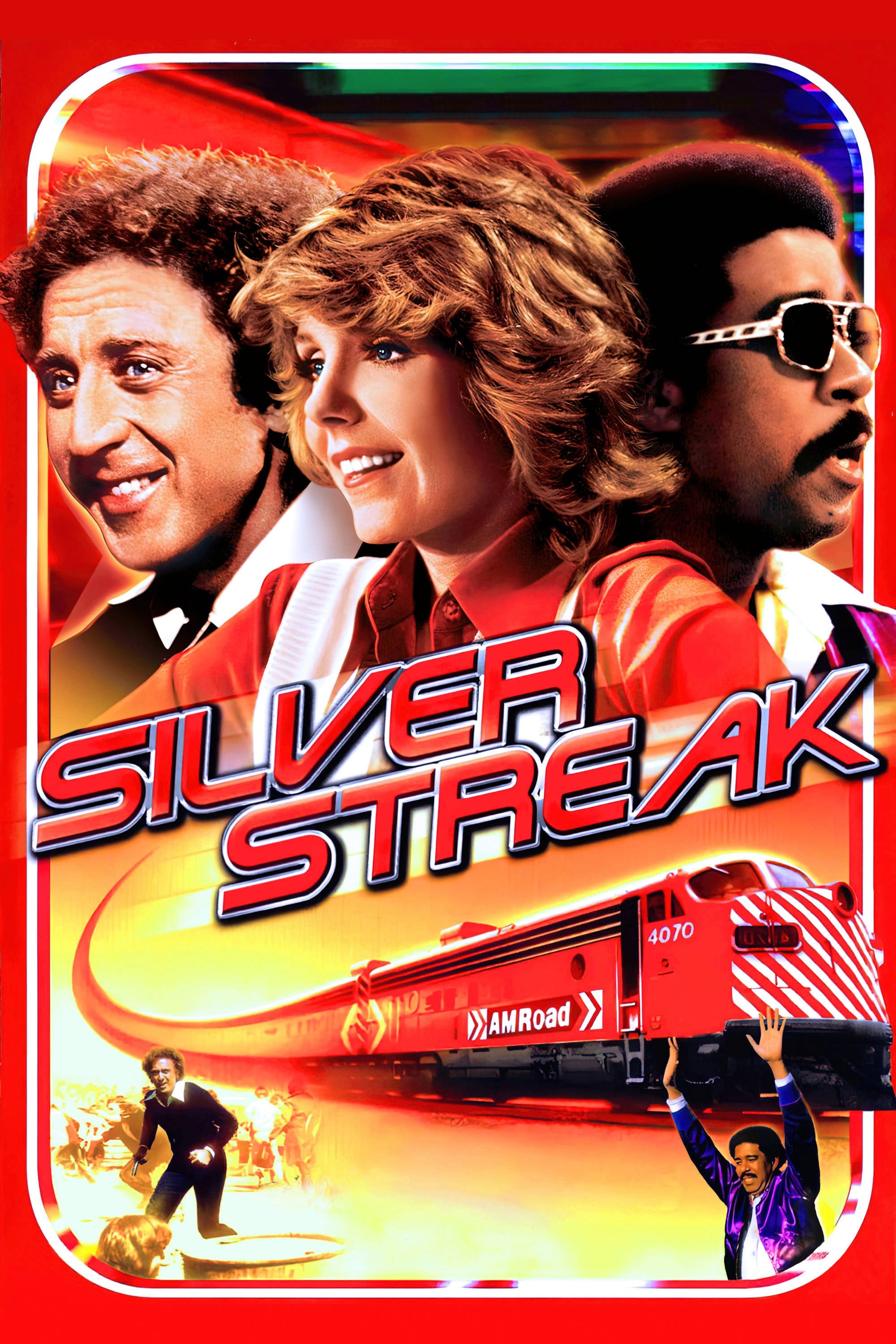
This comedy thriller stars Gene Wilder and Richard Pryor on a cross-country train journey. A controversial scene involves Wilder’s character using shoe polish to darken his skin, adopting a stereotypical walk and speech in an attempt to disguise himself as a Black man and evade the police. This use of blackface is now widely recognized as unacceptable and harmful in terms of racial representation.
‘Trading Places’ (1983)
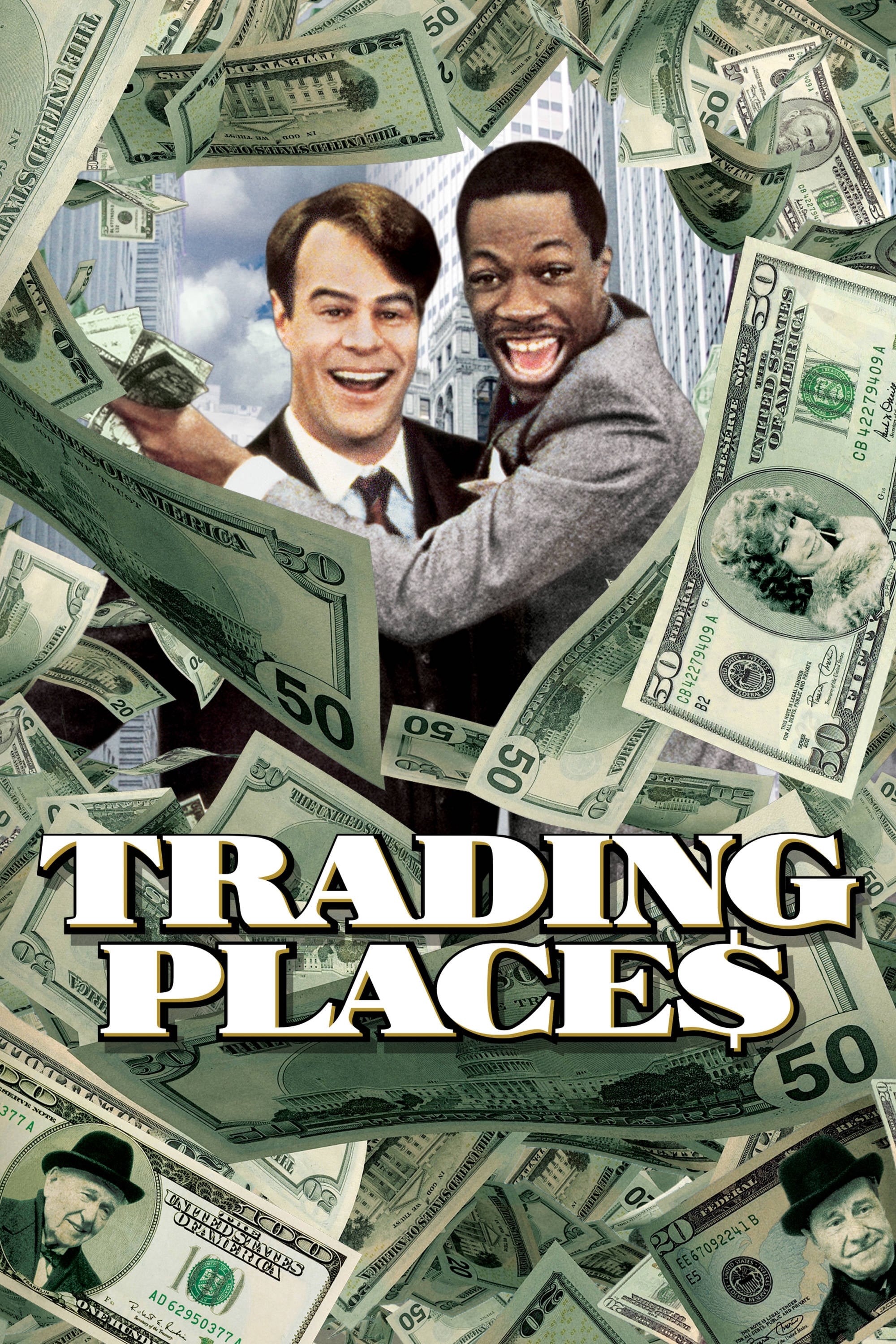
This funny movie explores the debate of whether people are shaped by their genes or their environment. It includes a scene where Dan Aykroyd pretends to be a Jamaican student, using dark makeup, dreadlocks, and a stereotypical accent during a New Year’s Eve train journey. While short, this use of racially insensitive makeup is a notable part of an otherwise well-loved film. Today, casting professionals would not allow a white actor to play a Black character in such a caricatured way.
‘Short Circuit 2’ (1988)
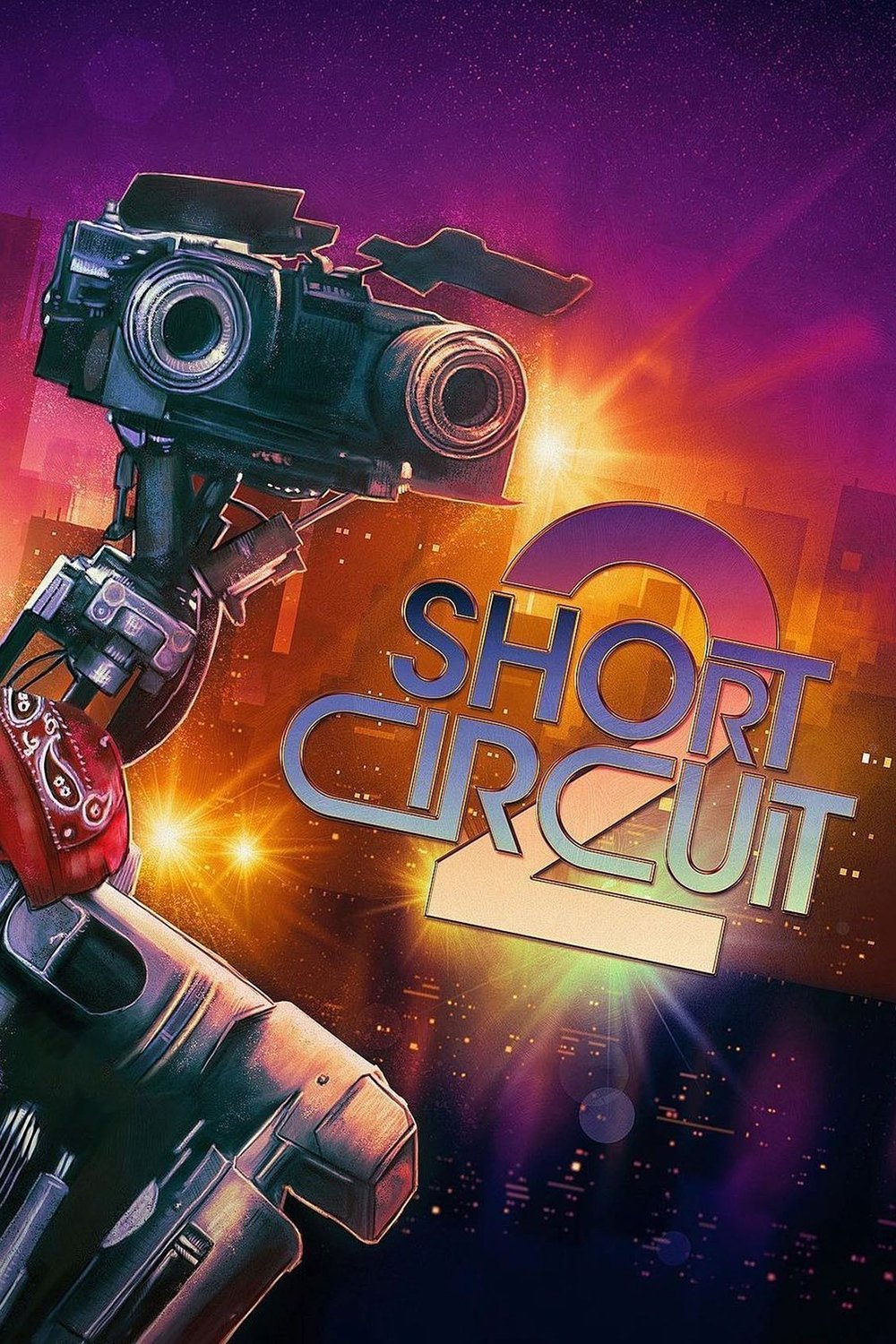
Okay, so I recently watched this sci-fi comedy sequel, and honestly, it left a bad taste in my mouth. Fisher Stevens plays an Indian robotics engineer, but he’s a white actor who darkened his skin with makeup and put on a really exaggerated, stereotypical accent. It’s a classic case of what’s called “brownface,” and it’s just frustrating because it means an actor who is actually Indian wasn’t given the opportunity. It’s a harmful practice that perpetuates stereotypes and shuts out talented performers.
‘Boat Trip’ (2002)
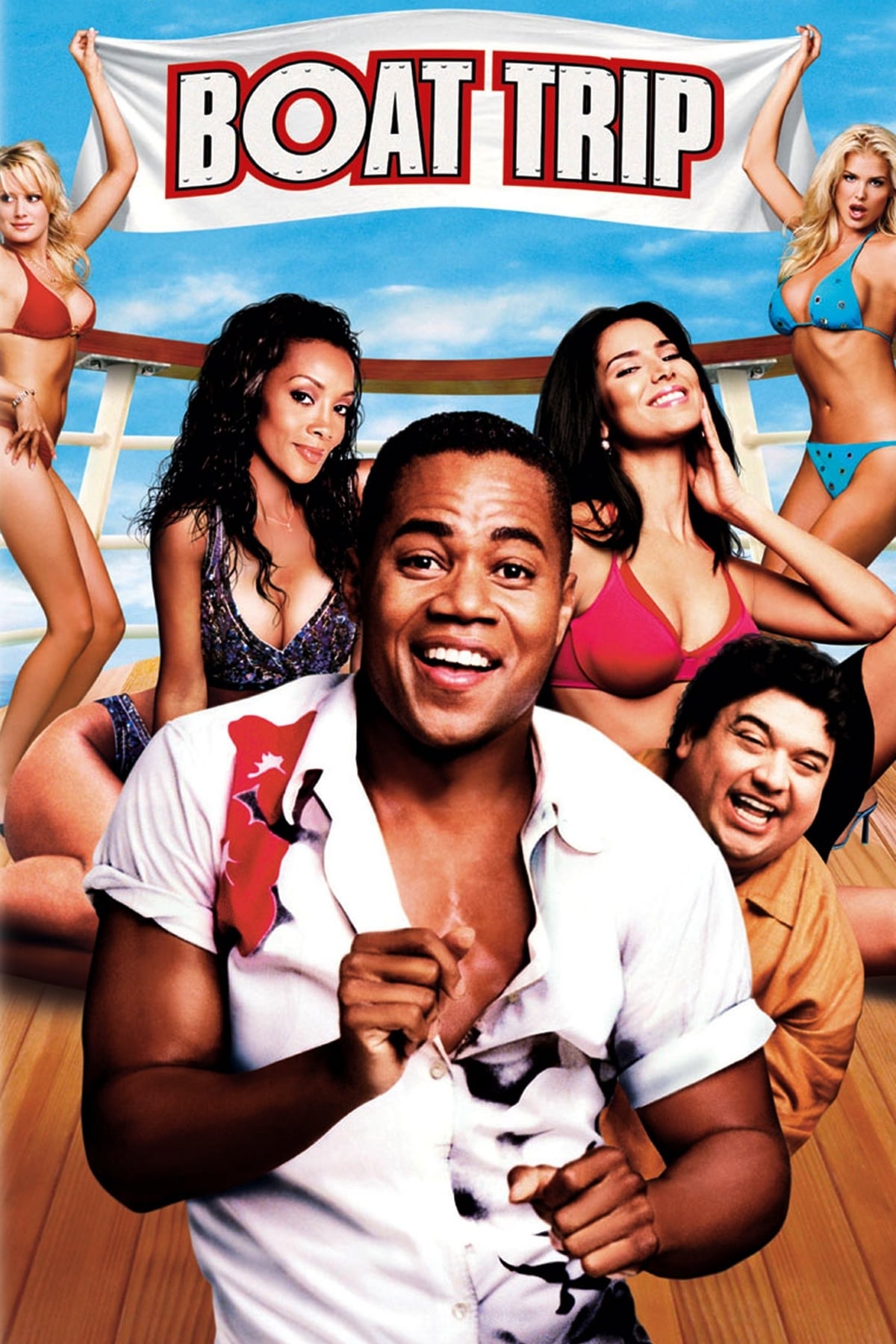
This comedy follows two straight men who mistakenly end up on a cruise for gay men, and the film’s humor comes from their increasingly frantic attempts to avoid appearing gay. The portrayal of gay characters relies heavily on exaggerated stereotypes, and the movie is often criticized for using the fear of being perceived as gay as its main joke, leading to accusations of homophobia.
‘Juwanna Mann’ (2002)
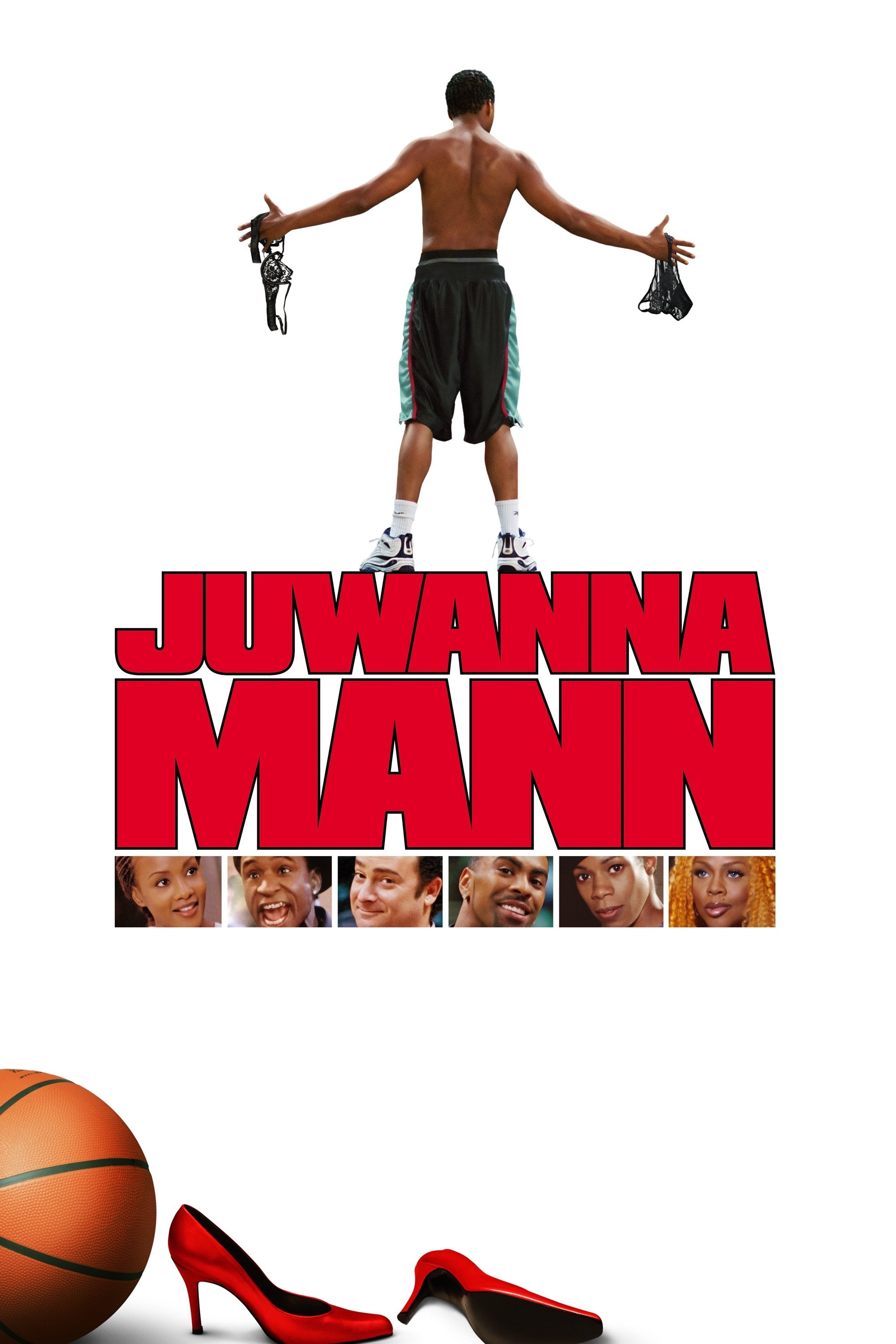
A former basketball player, fallen from grace, disguises himself as a woman to play on a professional women’s team. The comedy stems from him fooling everyone and his physical advantage over the other players. However, the film diminishes the experiences of women and relies on the tired and outdated idea that a man dressing as a woman is automatically funny. This kind of storyline would likely be seen as sexist and insensitive to gender identity issues today.
‘Sorority Boys’ (2002)
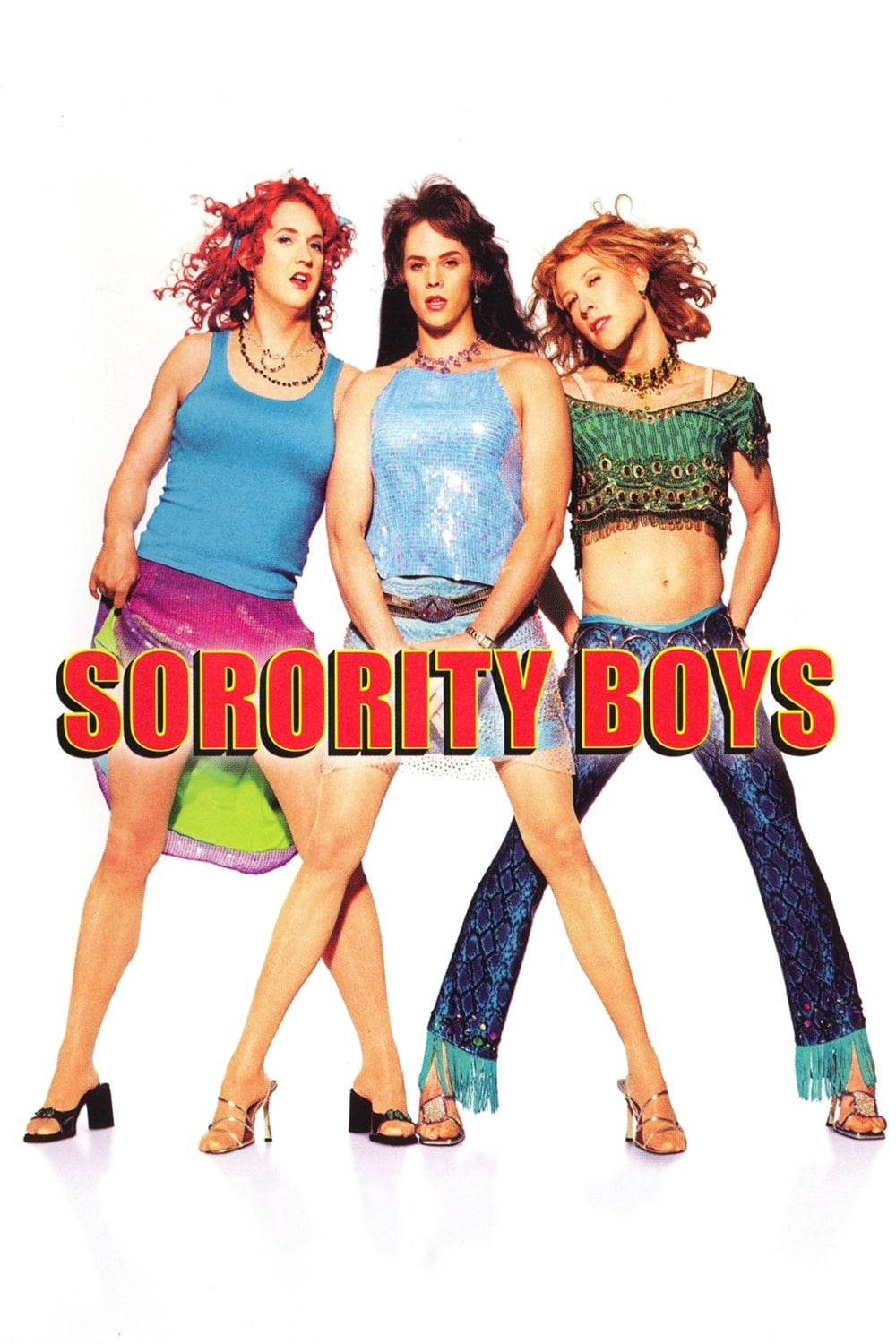
A comedy about three fraternity brothers who disguise themselves as women to sneak into a sorority house. While similar to other films of its kind, which often use cross-dressing and the idea of invading women’s spaces for laughs, this premise now feels problematic. The movie involves deception and makes fun of traditionally feminine traits, and the idea of men entering women’s private spaces for their own benefit is no longer considered funny by many.
‘Get Hard’ (2015)
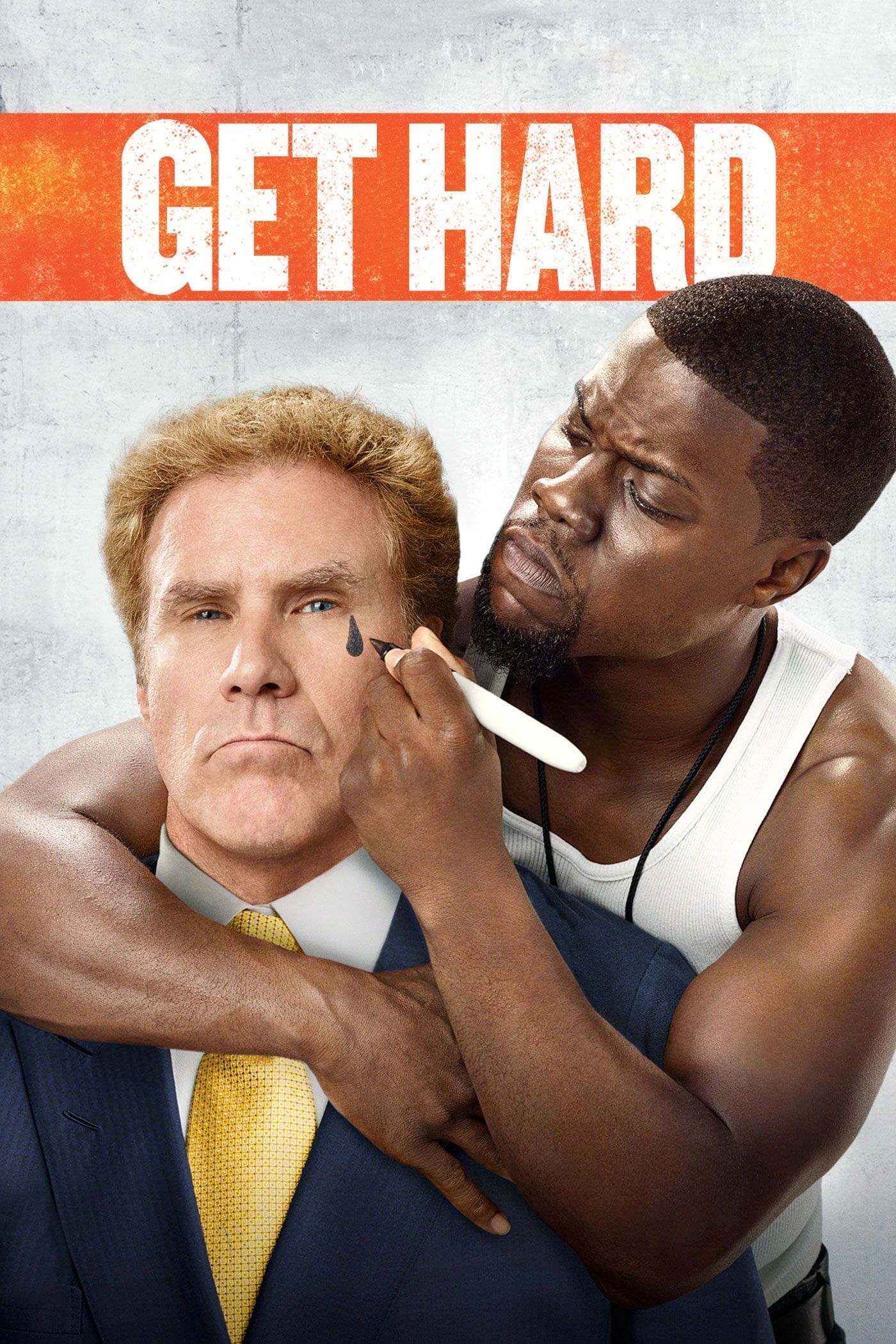
The movie features Will Ferrell as a rich financier sent to prison, who then hires Kevin Hart’s character to help him prepare. The humor comes from the fact that Hart’s character is a law-abiding citizen with no experience of prison life. However, the film relies too much on harmful stereotypes about Black men and the prison system, and includes numerous jokes about prison rape that many viewers and critics found to be in poor taste and offensive.
‘Norbit’ (2007)
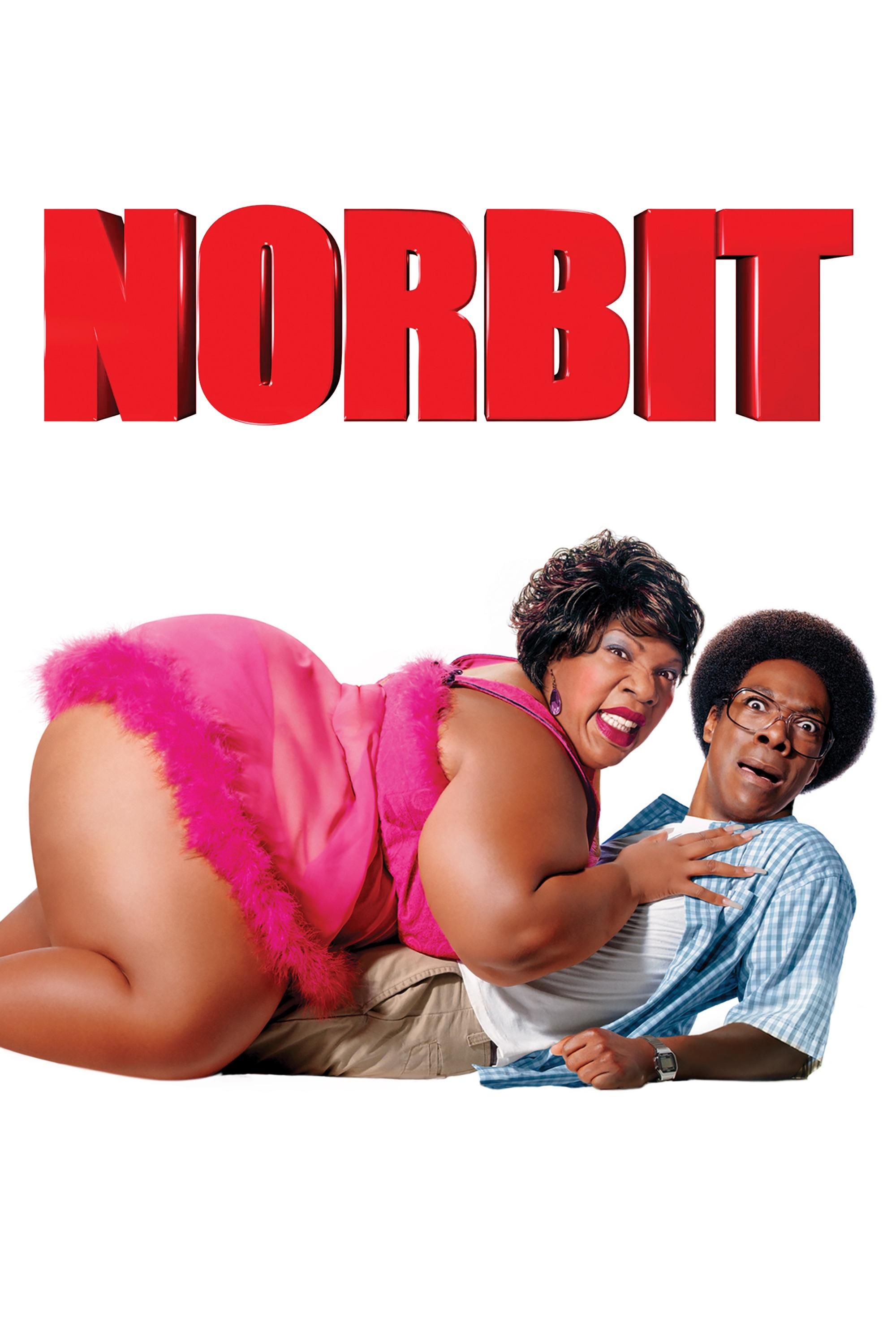
In this comedy, Eddie Murphy plays several characters, including a gentle man and his domineering, larger wife, Rasputia. Rasputia is a problematic character built on harmful stereotypes about strong Black women. The jokes often focus on her size and how she mistreats her husband, which led to criticism for being disrespectful to women and using a costume to get laughs.
‘Bringing Down the House’ (2003)
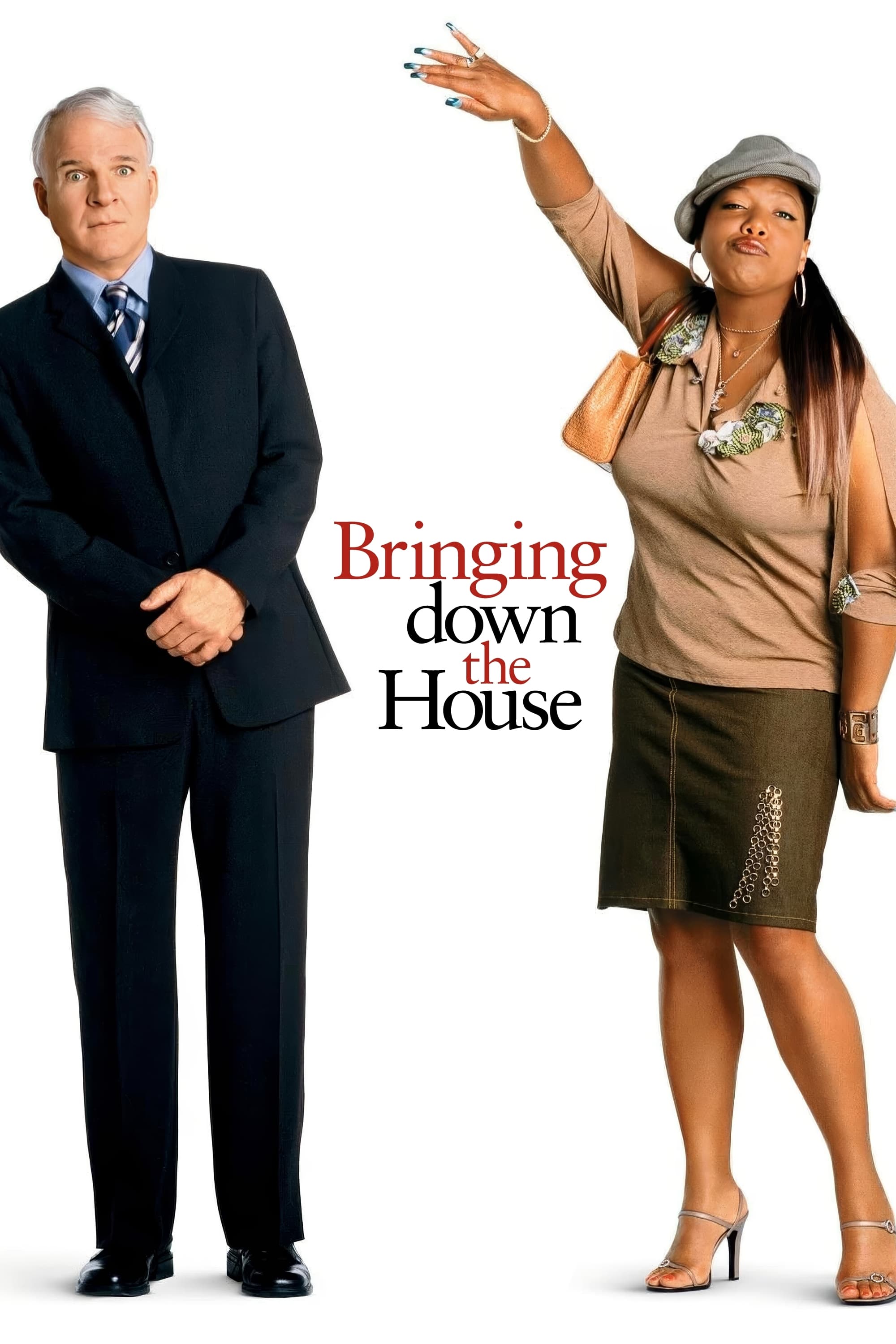
The movie stars Steve Martin as a formal lawyer and Queen Latifah as a woman who’s just broken out of prison. A lot of the humor comes from putting these two very different characters together and highlighting their cultural and racial differences. However, many viewers find the jokes rely too heavily on stereotypes and portray Latifah’s character in a way that feels overly simplistic and uncomfortable.
‘Observe and Report’ (2009)
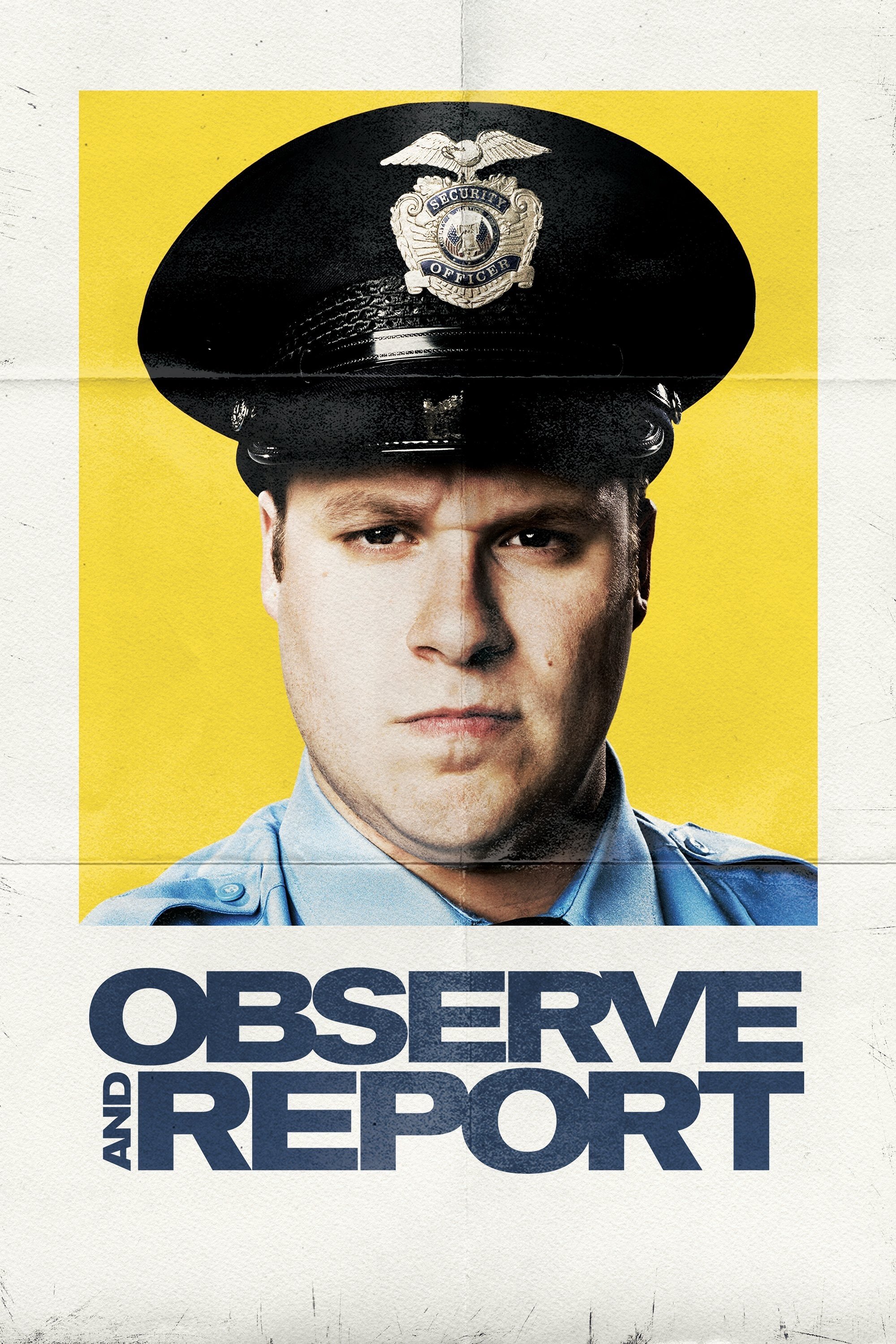
Okay, so there’s this movie with Seth Rogen where he plays a really troubled security guard who gets fixated on a woman working at a makeup counter. There’s this one scene everyone talks about – it’s incredibly uncomfortable. Basically, they have sex while she’s clearly drunk and throwing up, and the movie just…shows it. It doesn’t really acknowledge that she’s in no condition to consent, and honestly, looking back, it’s rightly seen as a really problematic depiction of sexual assault. It feels awful that it was used to move the plot forward, and it’s something a lot of people have rightfully criticized.
‘Wedding Crashers’ (2005)
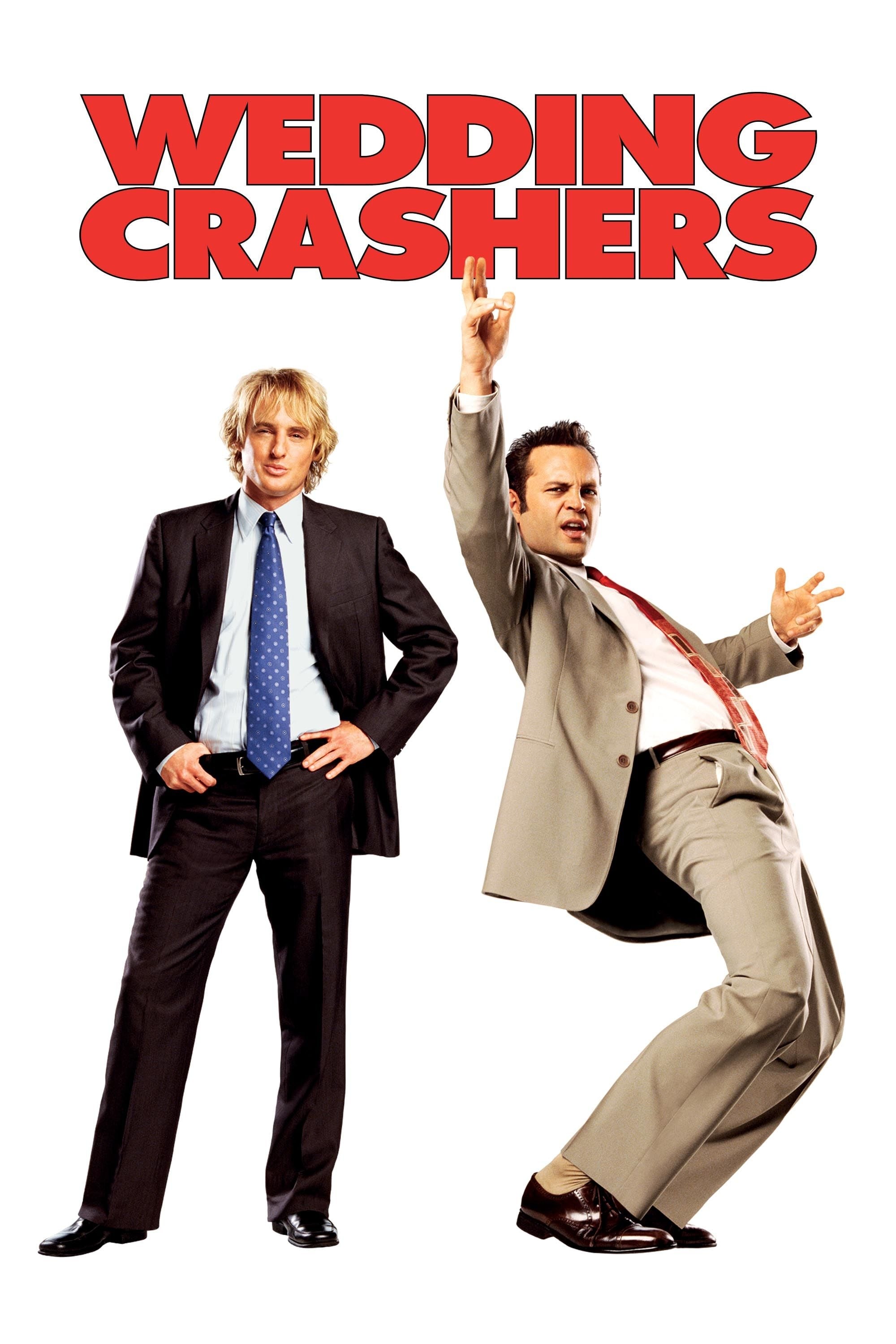
The film follows two divorce mediators who spend their off-hours gatecrashing weddings and taking advantage of women. It also includes a scene where one character ties another man to a bed and sexually assaults him while he’s unconscious, presented as a joke to punish the victim. Modern audiences will likely find the film’s treatment of sexual assault – regardless of who the victim is – deeply problematic and insensitive.
‘EuroTrip’ (2004)
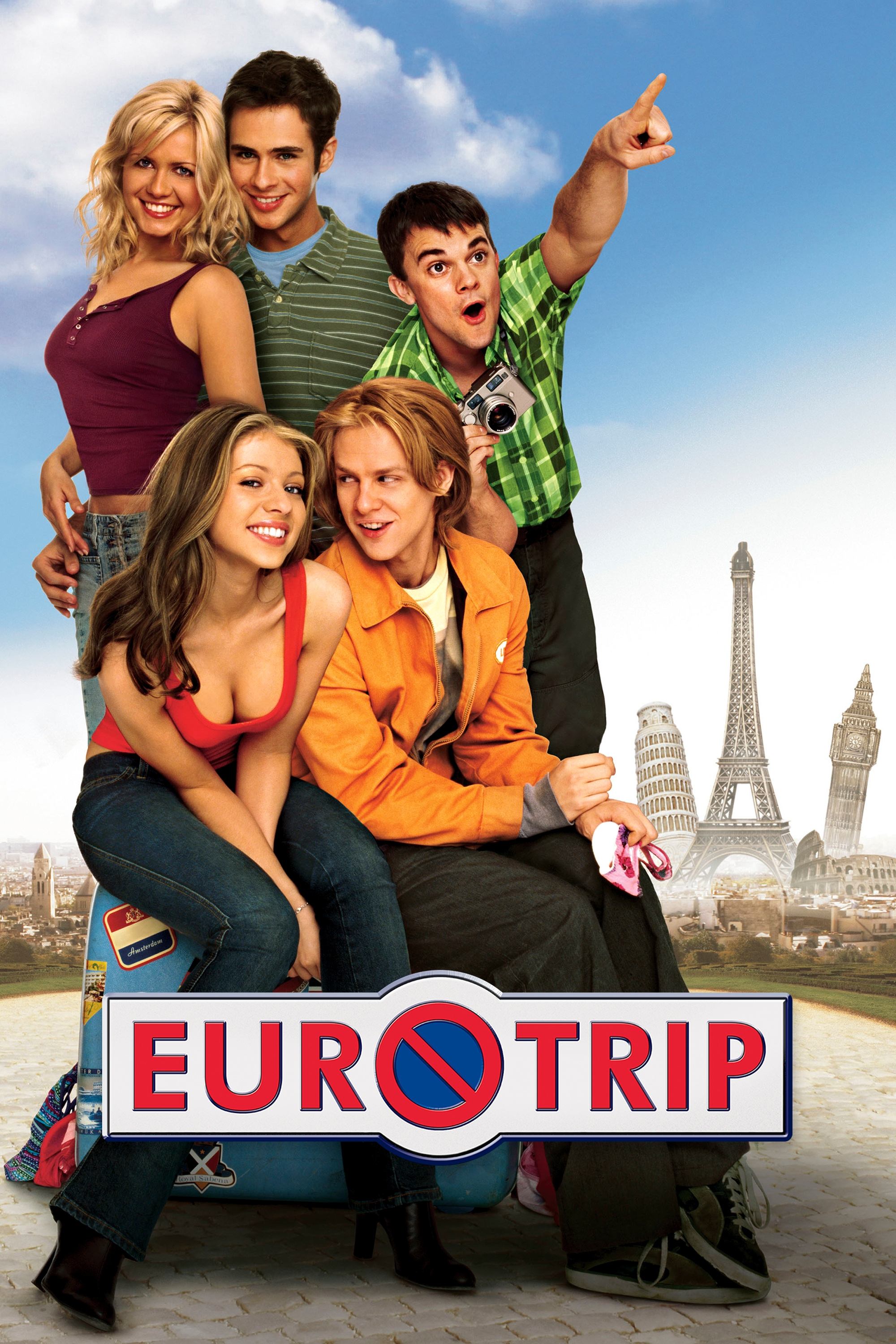
This movie follows a group of American teens backpacking through Europe, where they run into exaggerated and often inaccurate ideas about different nationalities. The film includes a scene of siblings kissing after drinking, and another shockingly depicts a young child mimicking Hitler. The filmmakers rely on potentially offensive jokes involving incest and Nazi imagery, which makes the film problematic and hard to market to modern audiences.
‘Dude, Where’s My Car?’ (2000)
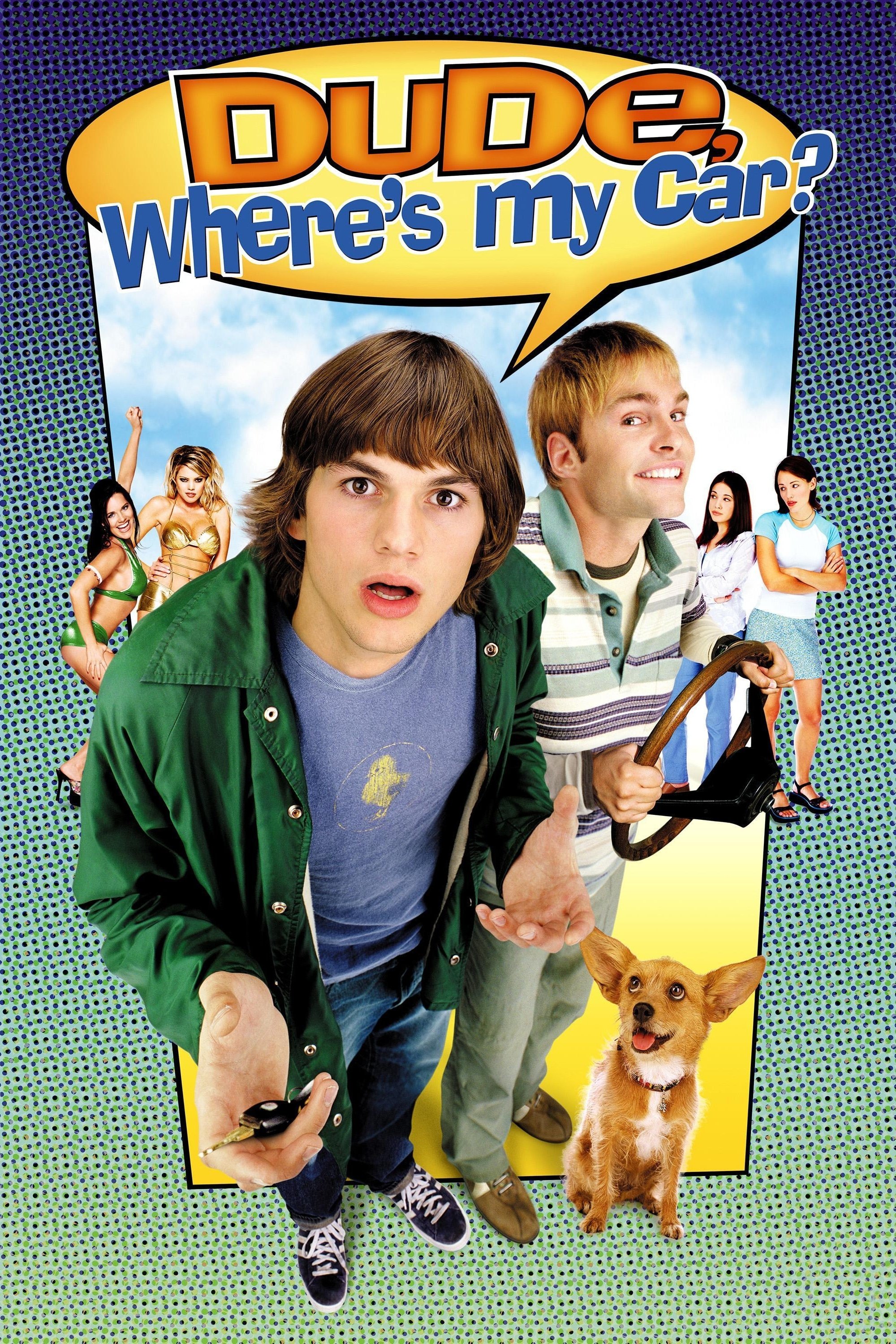
The movie follows two men who wake up with amnesia, trying to figure out what happened the night before. A problematic scene features a transgender performer, and the humor relies on shocking the audience with her identity. The main characters express shock and revulsion upon learning she is transgender, which relies on a harmful and outdated trope common in early 2000s films, but is now considered unacceptable in contemporary storytelling.
‘Scary Movie’ (2000)
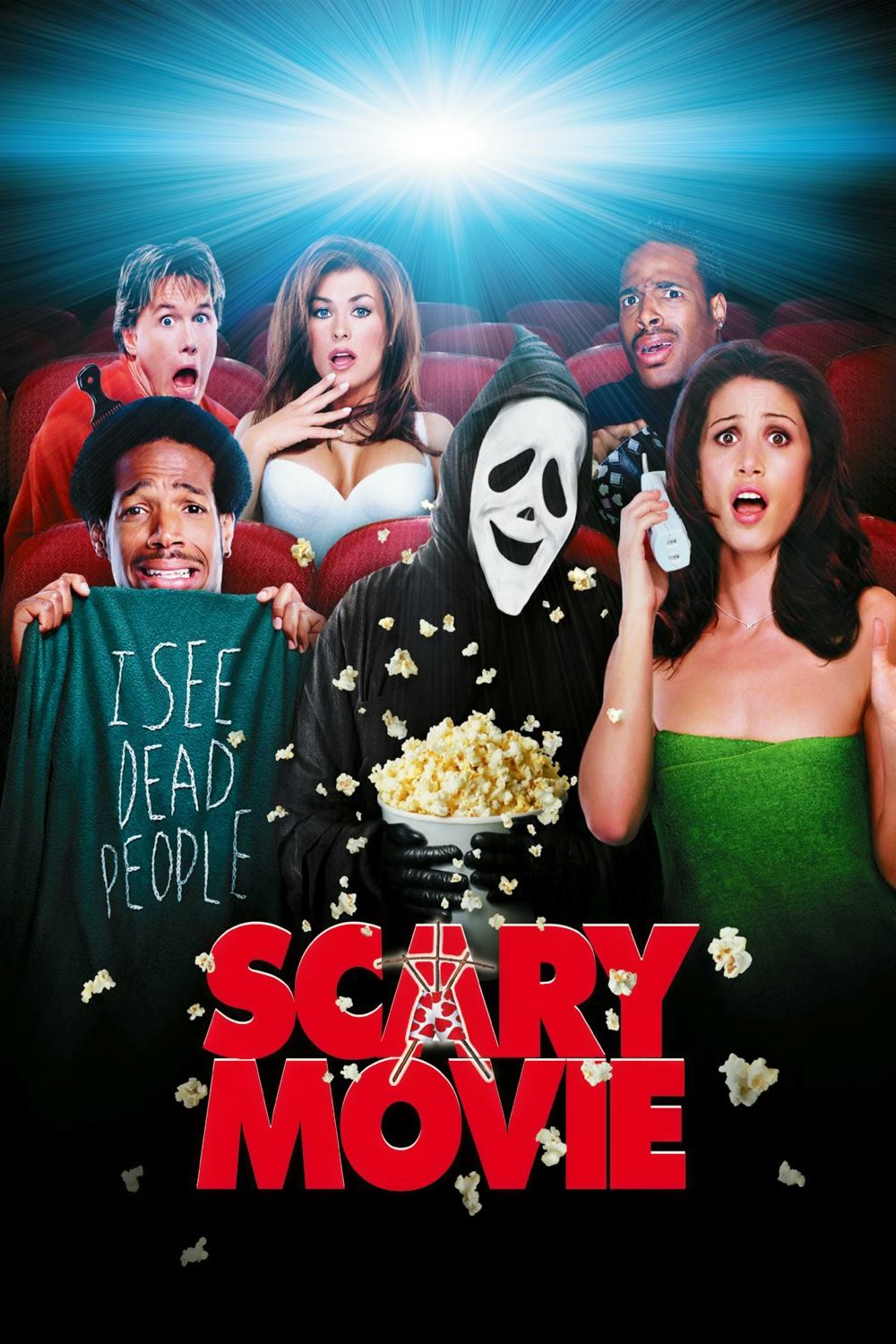
As a movie fan, I remember when the Wayans brothers made this horror parody, and honestly, looking back, it hasn’t aged well. The movie is just loaded with jokes that rely on really problematic stuff – disability, sexual assault, and harmful racial stereotypes. There’s even a gym teacher character whose physical difference is constantly used for laughs, which is just… uncomfortable to watch now. It was built on shock value targeting groups that we understand need respect, and it’s the kind of humor that wouldn’t fly today, thankfully.
’40 Days and 40 Nights’ (2002)
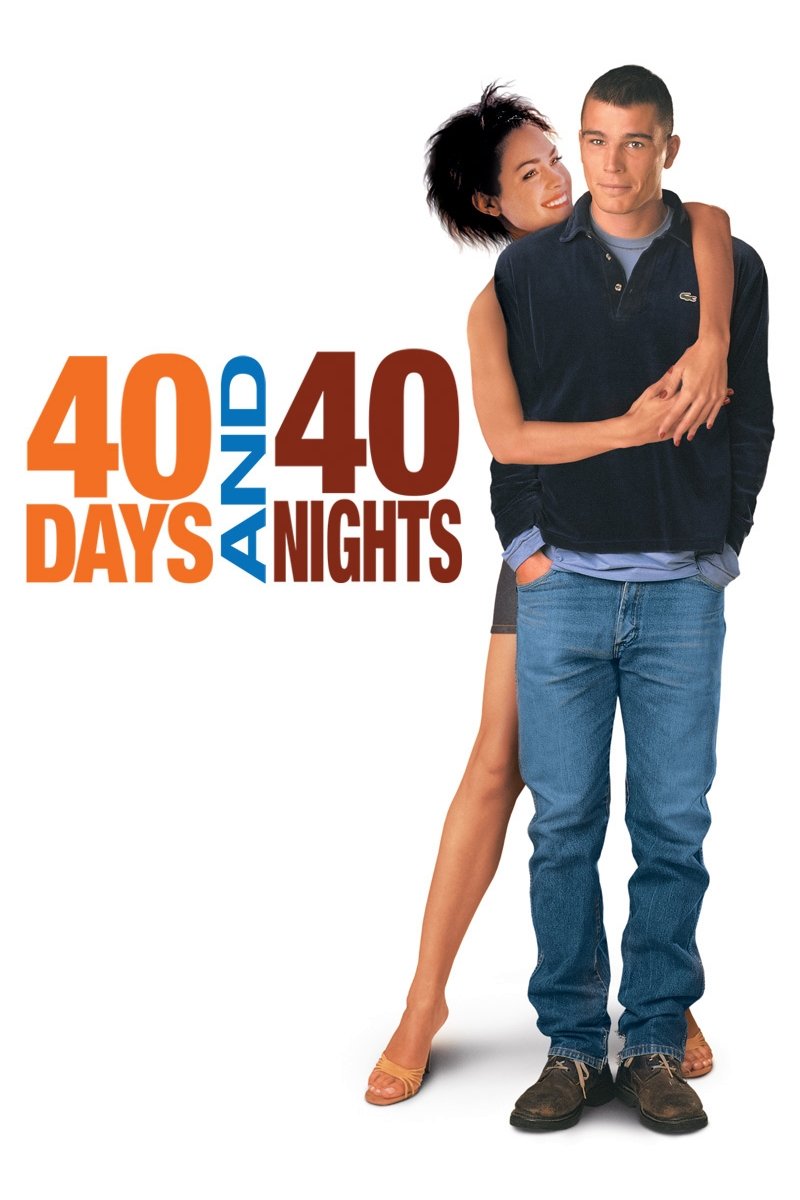
Josh Hartnett stars as a man who promises to abstain from sex during Lent. His former girlfriend tries to make him break his vow, and ultimately sexually assaults him while he’s restrained. The film controversially frames this attack as a test of his self-control, instead of recognizing it as a crime committed against him. This approach highlights a problematic double standard in how male victims of sexual assault are often perceived.
‘Teen Wolf’ (1985)
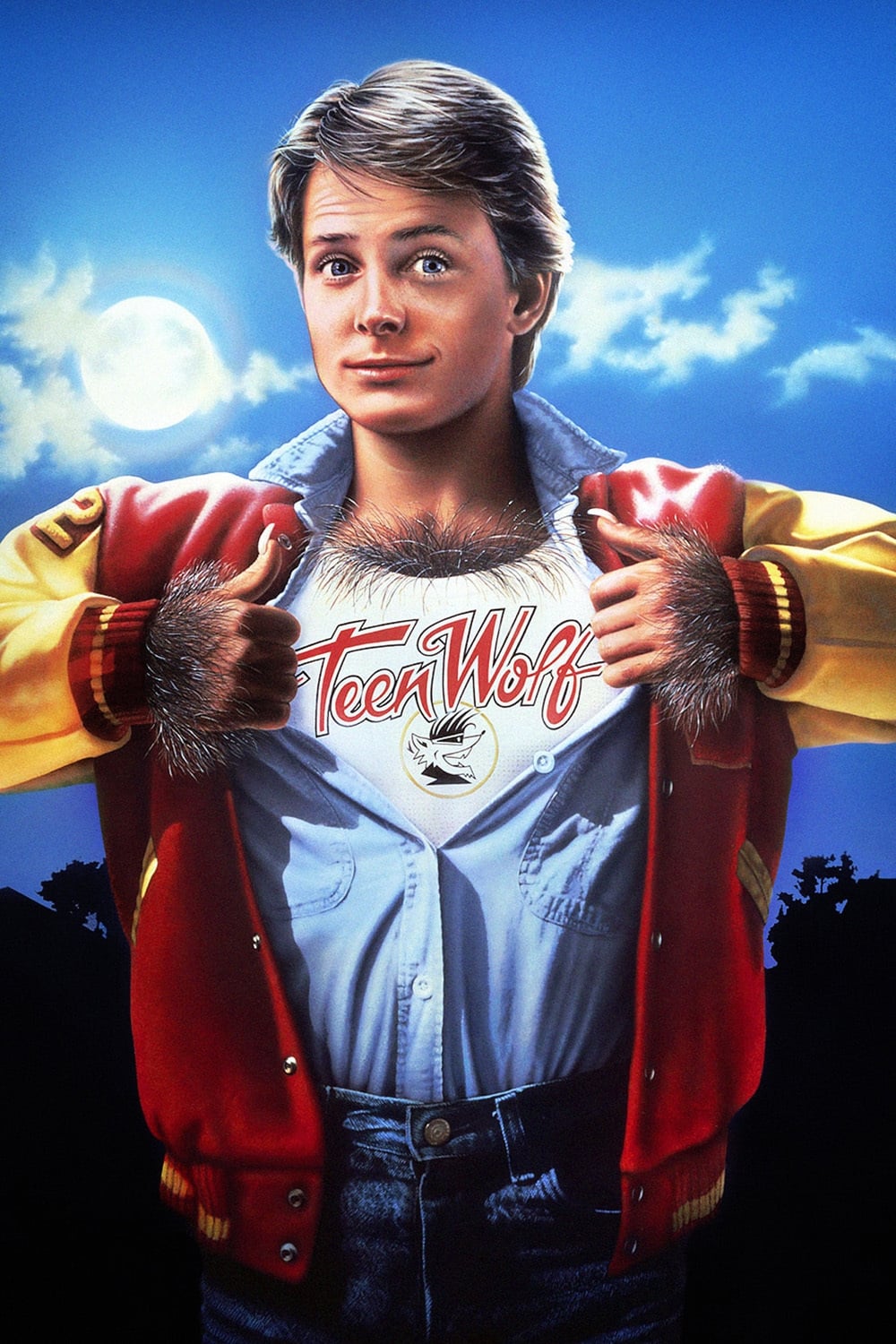
The movie features Michael J. Fox as a teenager who turns into a werewolf. It contains casual, everyday language from the 1980s, including homophobic slurs that were common at the time but are now considered highly offensive. These hurtful terms are used casually as insults and aren’t questioned by anyone in the film. If a family-friendly comedy released today included such language, it would likely be pulled from distribution.
‘Bill & Ted’s Excellent Adventure’ (1989)
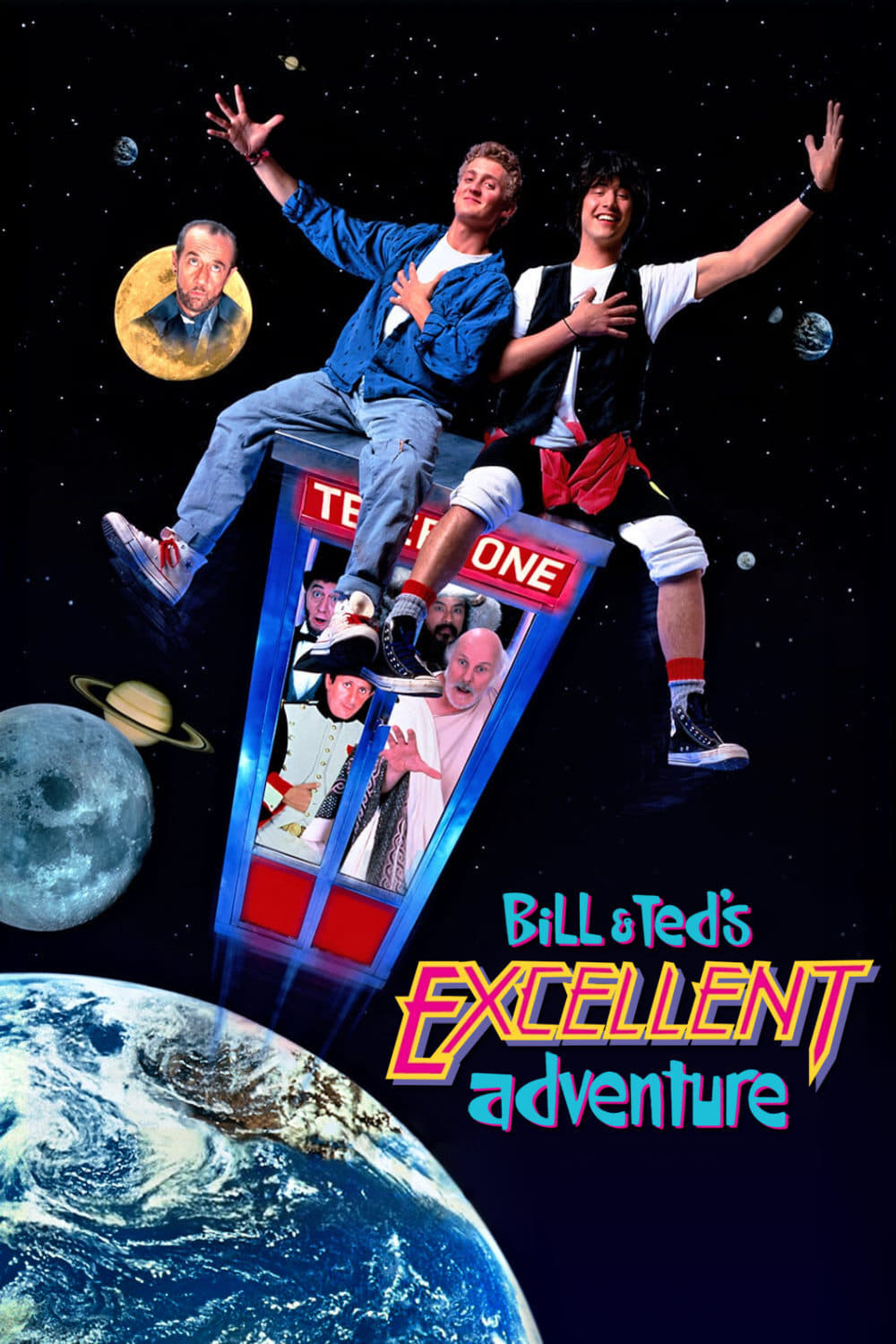
The movie follows two lazy friends who time travel to gather historical figures for a school project. A brief, affectionate hug between them is immediately followed by a homophobic comment, creating an awkward and jarring moment. This casual use of a slur feels out of place and inappropriate, especially in a film intended for younger viewers, as such language is now widely considered unacceptable.
‘Airplane!’ (1980)
As a comedy fan, I remember this movie being known for its incredibly fast-paced jokes and over-the-top visual humor, all happening on a chaotic airplane. It featured two characters who spoke in what was called “Jive,” and the joke was that white characters needed subtitles to understand them. Looking back, it’s pretty clear that relied on a stereotypical and exaggerated version of African American speech. While people at the time saw it as satire, a modern studio would definitely take a lot of heat for that kind of humor today.
Share your thoughts on which of these movies you think has aged the worst in the comments.
Read More
- 20 Movies Where the Black Villain Was Secretly the Most Popular Character
- Celebs Who Narrowly Escaped The 9/11 Attacks
- 25 “Woke” Films That Used Black Trauma to Humanize White Leads
- Top 20 Dinosaur Movies, Ranked
- Transformers Under the Microscope: What Graph Neural Networks Reveal
- The 10 Most Underrated Jim Carrey Movies, Ranked (From Least to Most Underrated)
- 22 Films Where the White Protagonist Is Canonically the Sidekick to a Black Lead
- Gold Rate Forecast
- The Best Directors of 2025
- Trading on Thin Air: AI Agents Conquer Crypto Volatility
2026-01-29 06:19