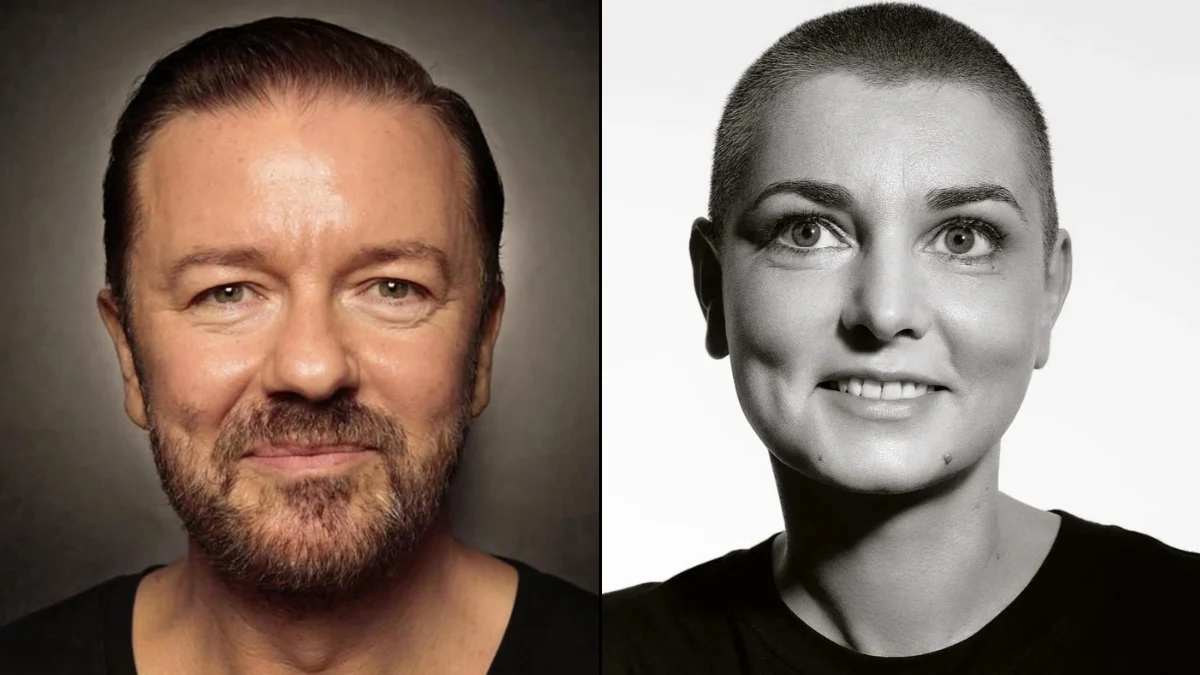
The entertainment world often pushes performers to fit a certain mold to maximize profits and reach a wide audience. While most artists go along with this, some have bravely chosen to risk their careers for the sake of their creative freedom. These individuals faced pressure to change their work or were even censored, but they refused to compromise their artistic principles. Their stories – from walking away from big TV deals to fighting record labels in court – show the tension between making money and staying true to their vision. This article looks at comedians and musicians who chose their art over financial gain.
Dave Chappelle
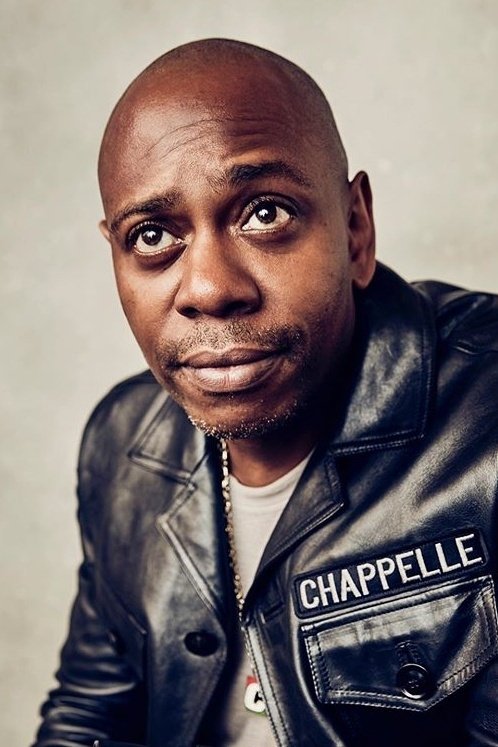
Dave Chappelle famously turned down a $50 million contract for another season of ‘Chappelle’s Show’ because he felt the show’s creative quality was declining and viewers weren’t understanding the humor. He went to South Africa to relieve stress and reconnect with his artistic goals, choosing to stay true to his vision instead of simply meeting the expectations of the television network. This decision is still remembered as a powerful example of an artist valuing creative freedom over financial gain.
Sinéad O’Connor

The singer received strong criticism after tearing up a picture of the Pope while performing on ‘Saturday Night Live.’ She did this as a deliberate protest against the Catholic Church and its past attempts to hide wrongdoing. This caused a significant setback to her career in the United States, leading to widespread boycotts of her music. The singer stood by her actions, believing her message was more important than commercial success. She then dedicated her career to creating music that reflected her personal and spiritual values.
Prince
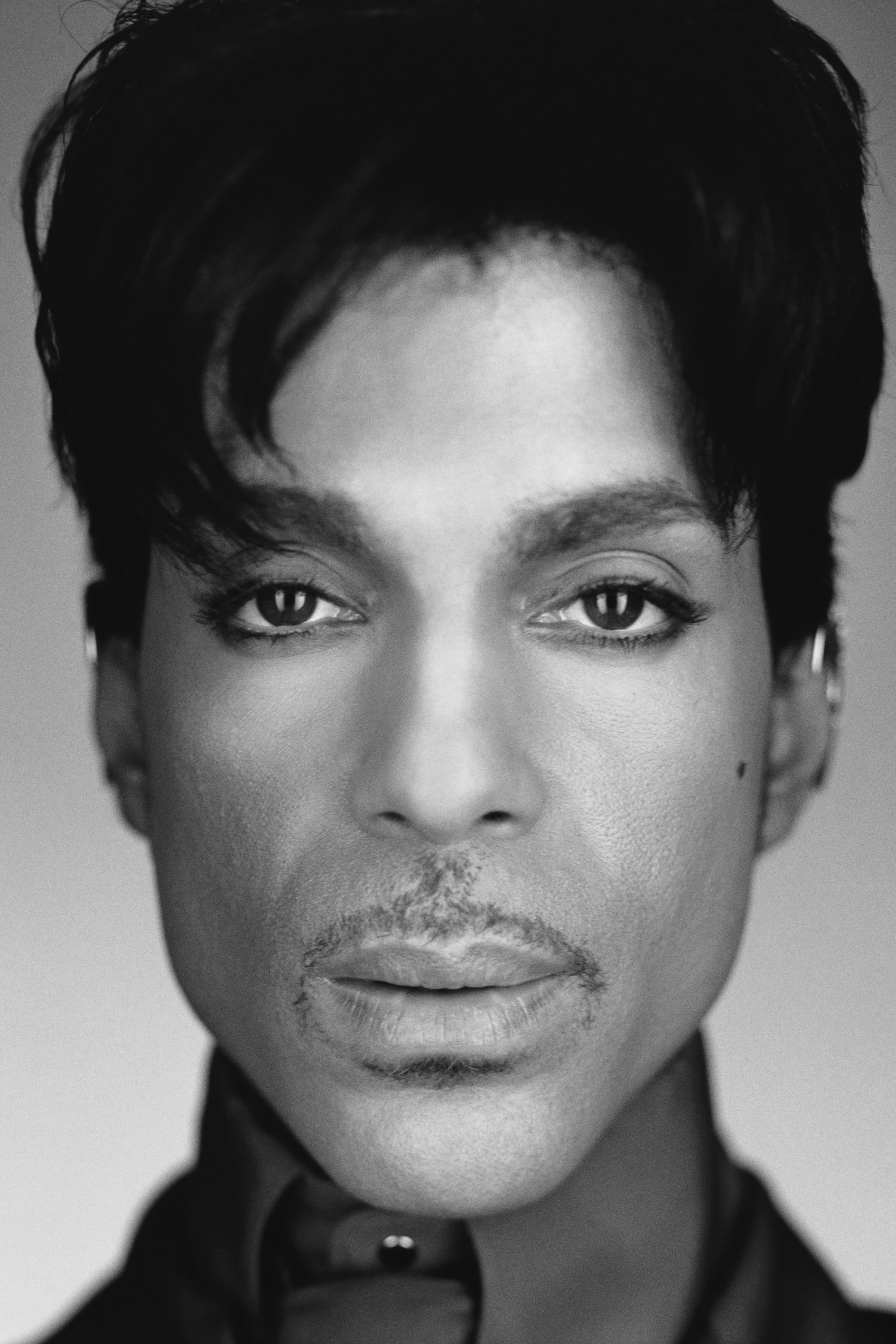
Prince famously battled his record company for ownership of his music and creative freedom. He even publicly protested the terms of his contract with Warner Bros. by writing the word ‘slave’ on his face. To work around legal issues, he famously changed his name to a symbol for several years, which meant losing out on a lot of marketing and income from his well-known name. Ultimately, he won his independence and was able to release music whenever he chose.
George Michael
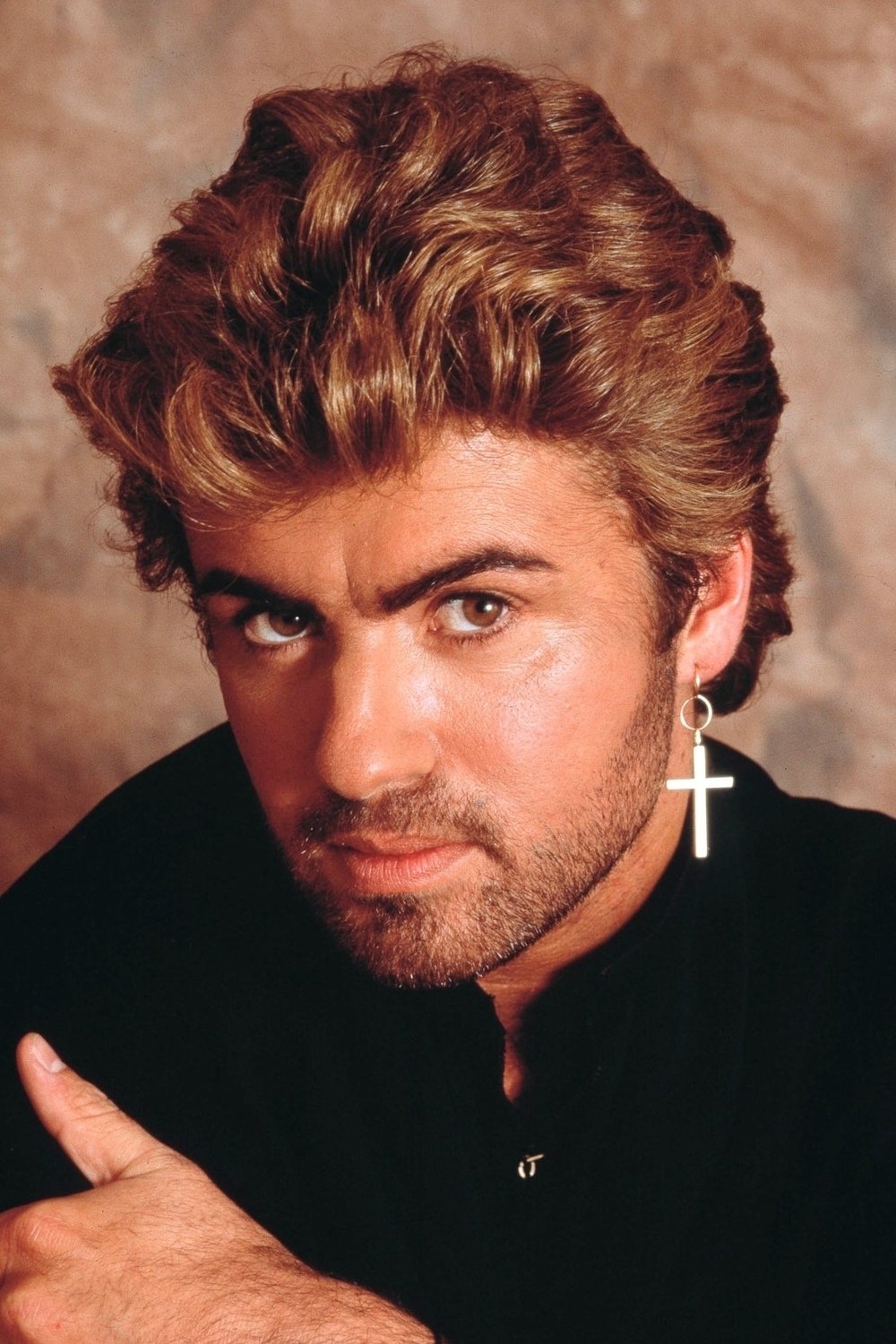
In 1992, the popular singer began a difficult legal fight with Sony Music, hoping to end his contract. He felt the company was treating him like a product instead of an artist and stifling his creativity. As a form of protest, he refused to participate in music videos for his album ‘Listen Without Prejudice Vol. 1’. Although he didn’t win the lawsuit, it showed how much he was willing to sacrifice his fame for the freedom to control his work. After a long break, he eventually signed with new record labels, but only on his own conditions.
Bill Hicks
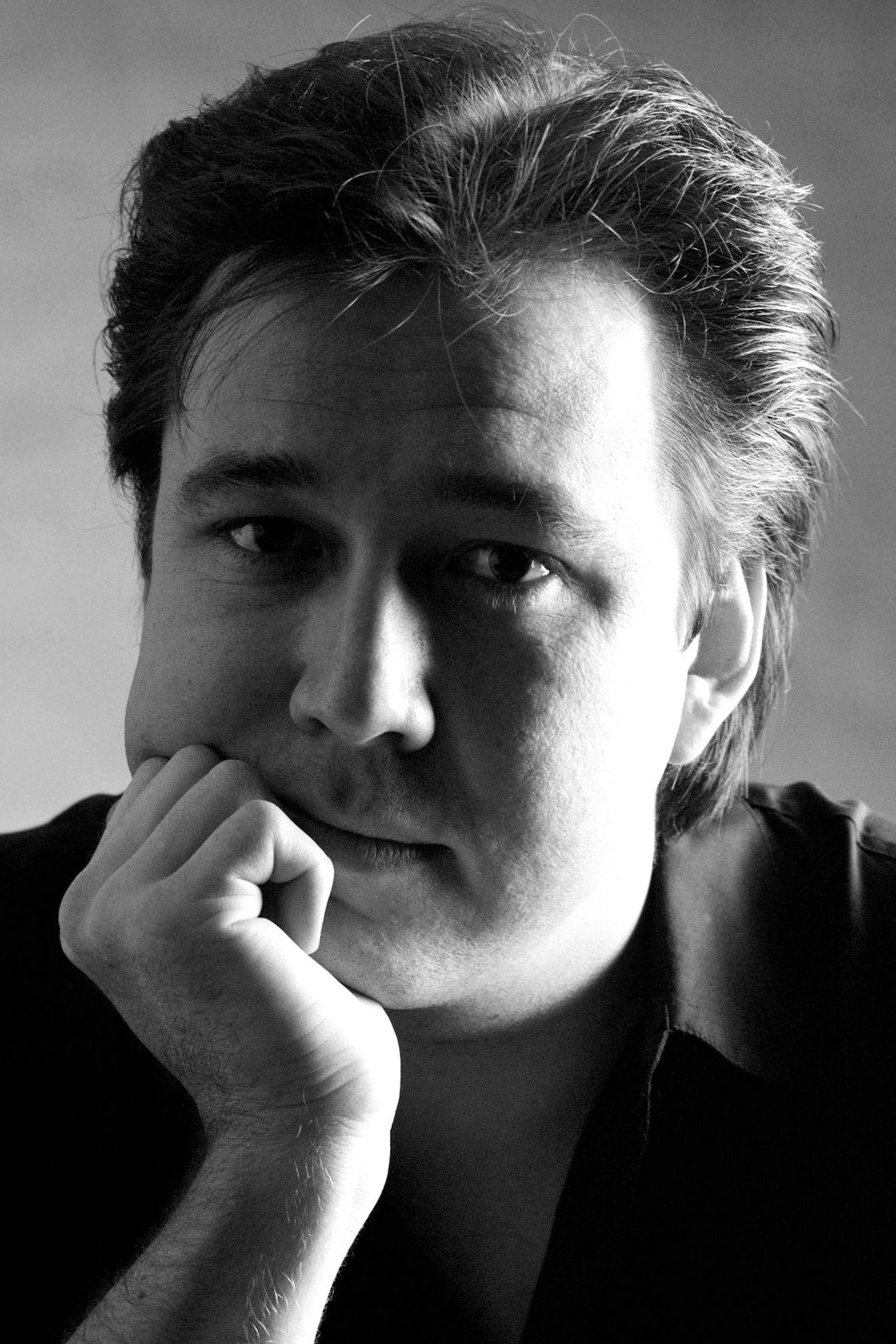
Bill Hicks was a comedian famous for his honest and often critical jokes about religion and politics. In 1993, a television network cut his entire performance on ‘The Late Show with David Letterman’ because they thought his material was too risky. Hicks wouldn’t change his jokes or soften his act to meet the network’s expectations. He kept performing his honest and thought-provoking comedy in clubs and theaters until he passed away. His commitment to performing exactly as he intended made him an inspiration to many comedians who followed.
Norm Macdonald
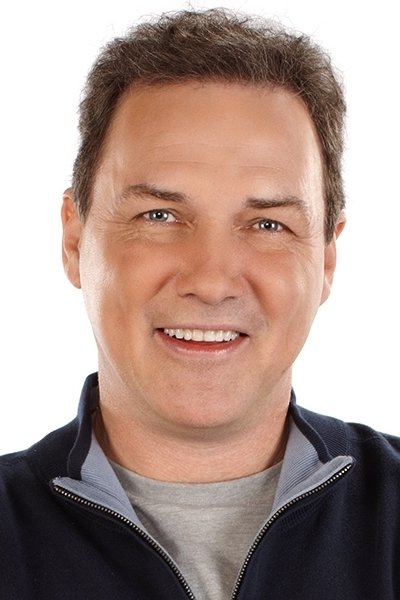
Norm Macdonald was let go from his job hosting Weekend Update on ‘Saturday Night Live’. According to reports, network executive Don Ohlmeyer fired him because Macdonald kept making jokes about O.J. Simpson, even after being repeatedly warned not to. Macdonald chose to deliver the jokes he found funny, even if it meant risking his job. Throughout his career, he stayed true to his comedic style and refused to change it to please others.
Cat Stevens
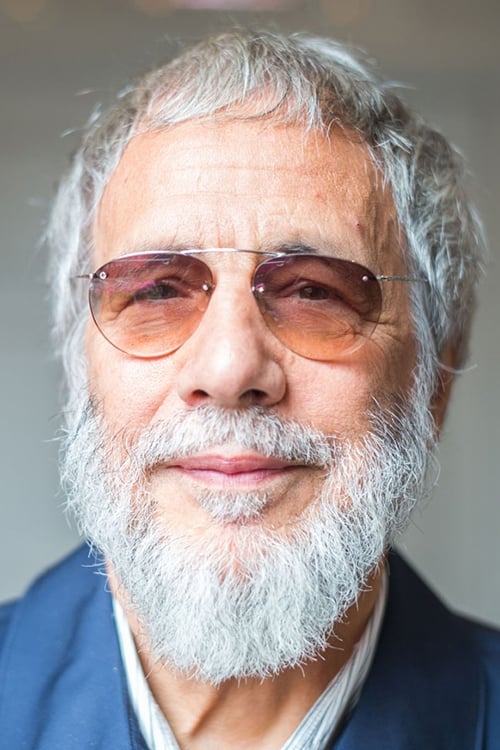
When he was at the peak of his career, the musician made a surprising decision: he left the music world to dedicate himself to his religious beliefs. He changed his name to Yusuf Islam and gave up the large income he was earning from his popular folk rock songs. For many years, he stayed out of the public eye, focusing instead on helping his community and promoting education. Sometimes, his strong religious views led to criticism and cost him business deals. His choice to prioritize his personal convictions over fame and money remains a remarkable story.
Frank Zappa
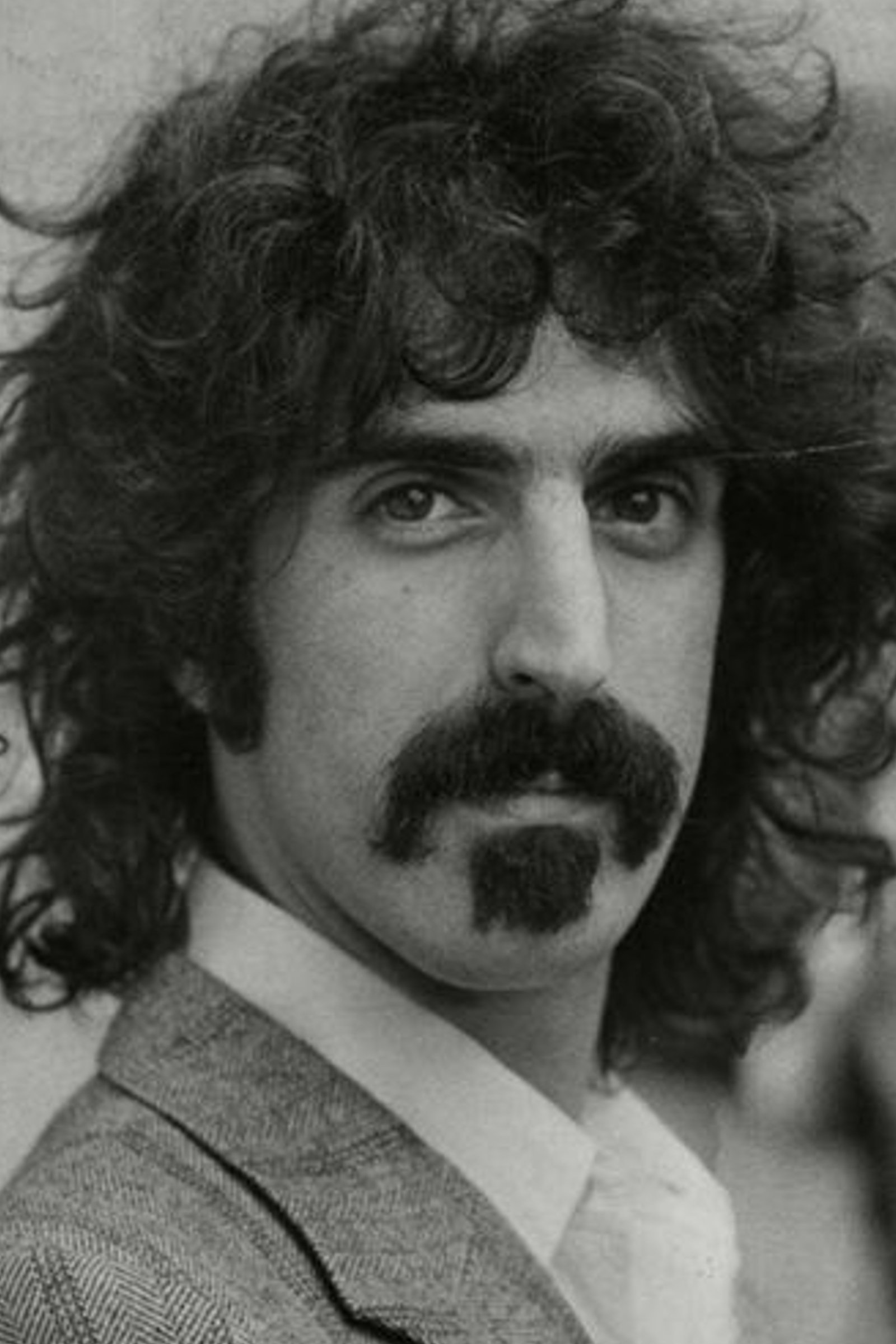
In the 1980s, Frank Zappa was a major opponent of the Parents Music Resource Center’s attempts to censor music. He spoke to the Senate, arguing that warning labels on albums were a form of free speech violation. Zappa wouldn’t alter his songs or album content just to avoid these labels. He even paid for his own recordings to maintain complete creative control. His dedication to artistic freedom inspired musicians of all kinds.
Neil Young
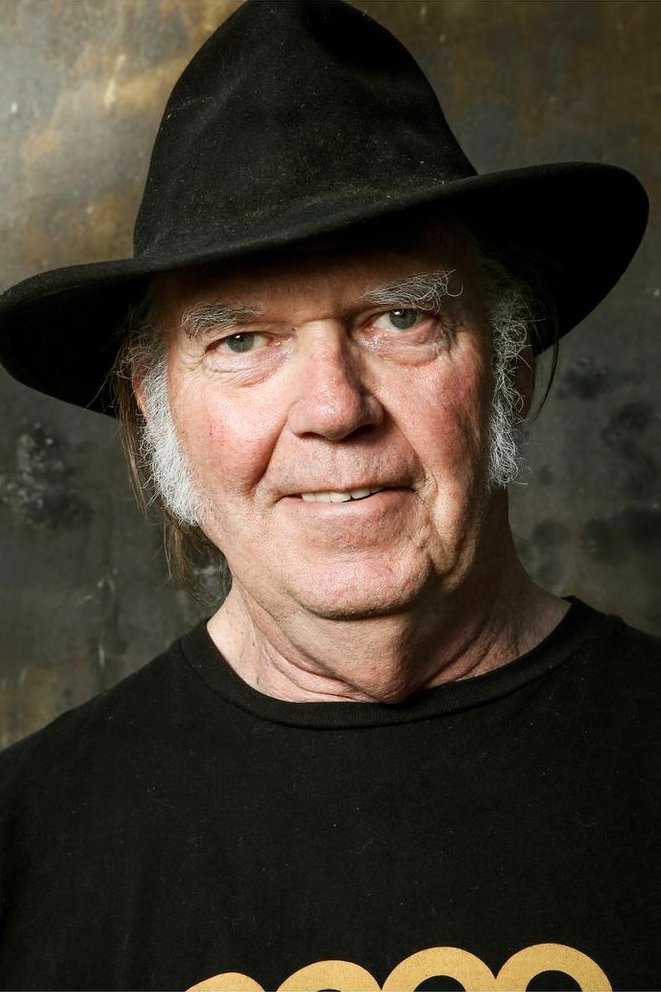
Neil Young recently sparked conversation when he asked Spotify to remove his songs. He did this because he was concerned about false information being shared on the platform’s popular podcasts. While this meant losing money from streaming, Young explained he couldn’t support a company that seemed to value profit more than people’s well-being. Other artists joined him in support of his beliefs.
Jim Morrison
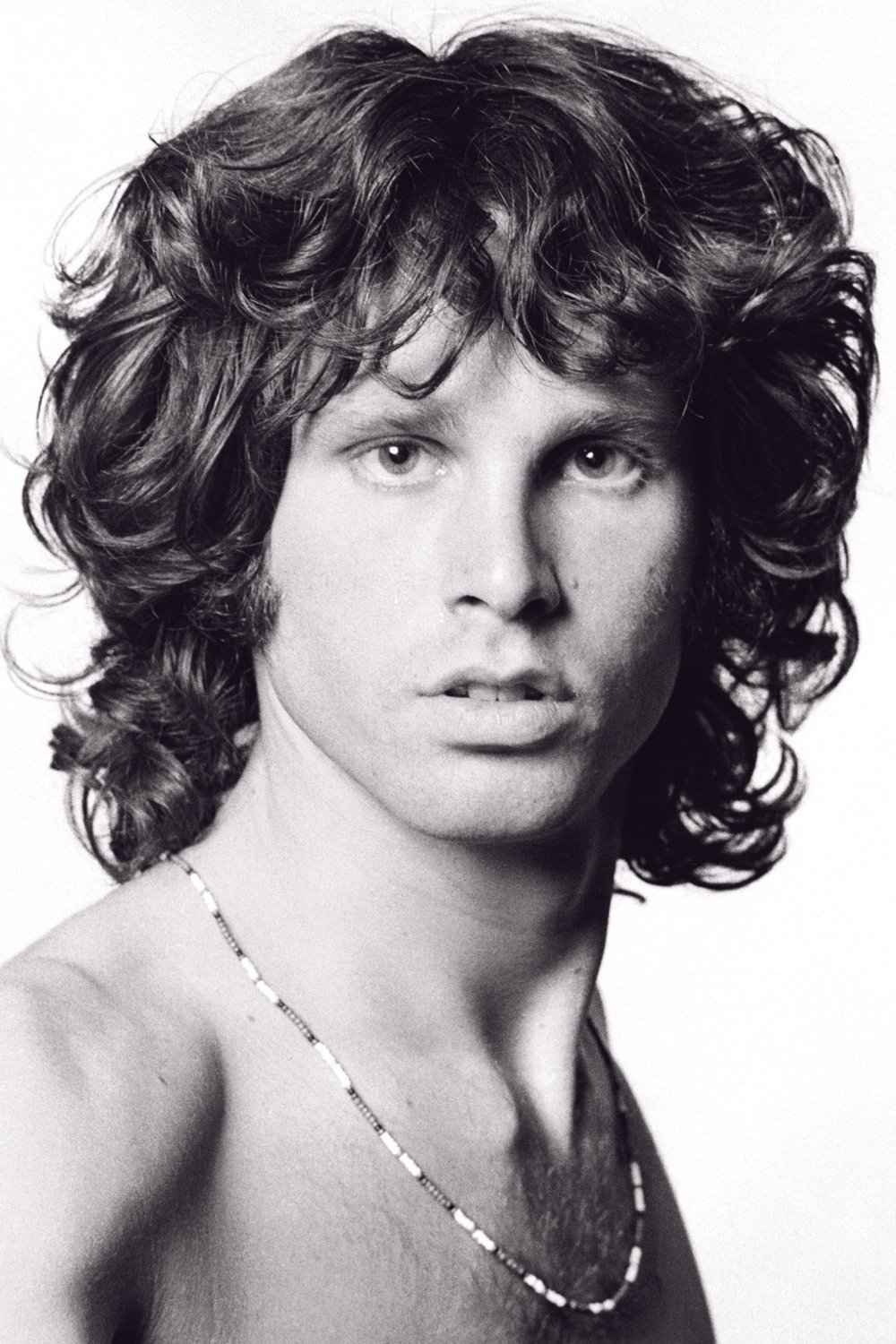
Jim Morrison, the lead singer of The Doors, famously defied the producers of ‘The Ed Sullivan Show’ by refusing to alter a lyric in his song ‘Light My Fire’. They asked him to change the word ‘higher’ because they thought it alluded to drugs, but Morrison sang it anyway during the live performance. This act of defiance resulted in The Doors being permanently banned from the show. Throughout his career, Morrison consistently challenged rules and expectations with his bold performances and poetry, and this refusal to compromise cemented his reputation as a rebellious artist.
Elvis Costello
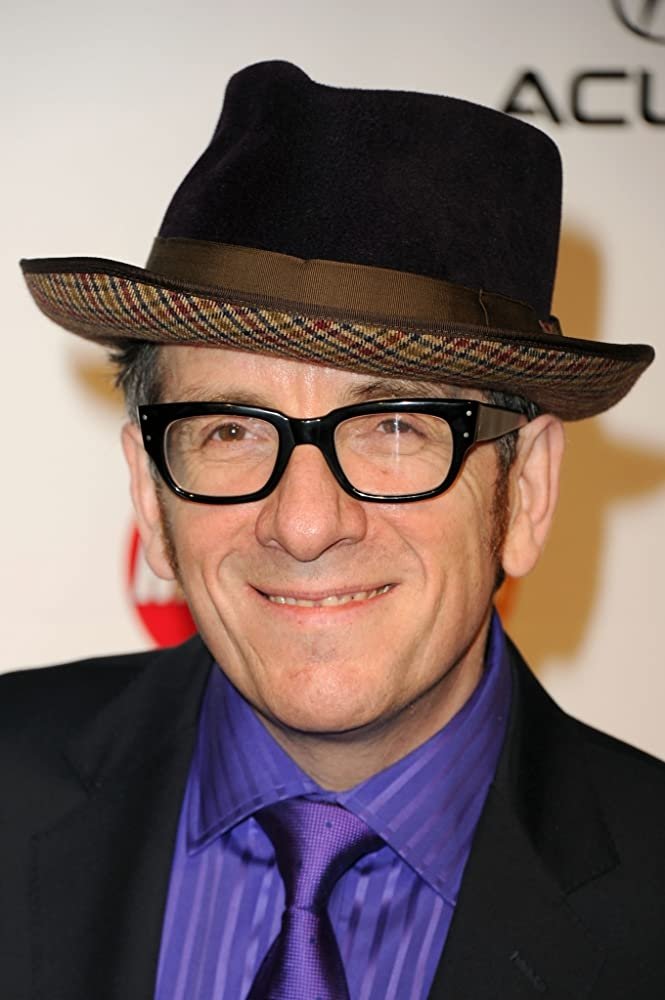
During a 1977 performance on ‘Saturday Night Live,’ the musician unexpectedly stopped his band mid-song. Instead of following the planned program, he began playing ‘Radio Radio,’ a song protesting the increasing commercialism of radio. This rebellious act led to a ban from the show that lasted more than ten years. Costello prioritized making a point about the music industry over simply entertaining a large television audience, and his career flourished as he became known for his unique and fearless approach to music.
Joan Rivers
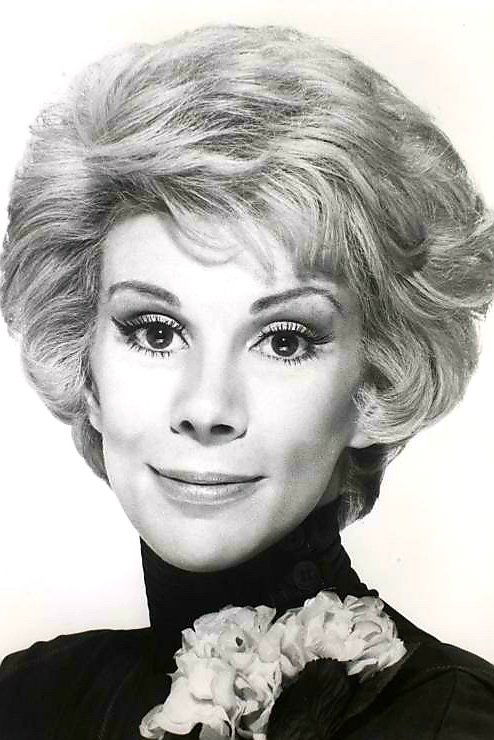
After deciding to start her own late-night show, Joan Rivers was effectively cut off from ‘The Tonight Show’ for over two decades. Johnny Carson felt personally hurt by her move to a competing network and refused to speak to her again. While she lost the huge opportunity that came with being on the most popular late-night program, she gained the independence to create her own work. Despite being largely shut out by major media, Rivers continued to work and her determination helped open doors for other women comedians who wanted to take control of their careers.
George Carlin
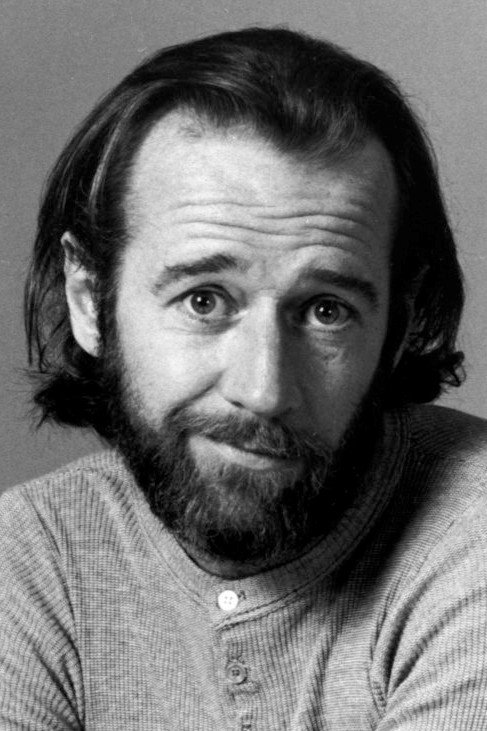
In 1972, comedian George Carlin was arrested after performing his routine containing what he called the “Seven Dirty Words” at a music festival. Even though he faced potential legal trouble and being ostracized from his profession, he refused to stop using the words in his act. The resulting legal battle went all the way to the Supreme Court, which ruled on the government’s ability to control indecent content on the airwaves. Carlin used this experience to sharpen his comedic commentary on society and language, and he remained a strong supporter of free speech for the rest of his life.
Ice-T
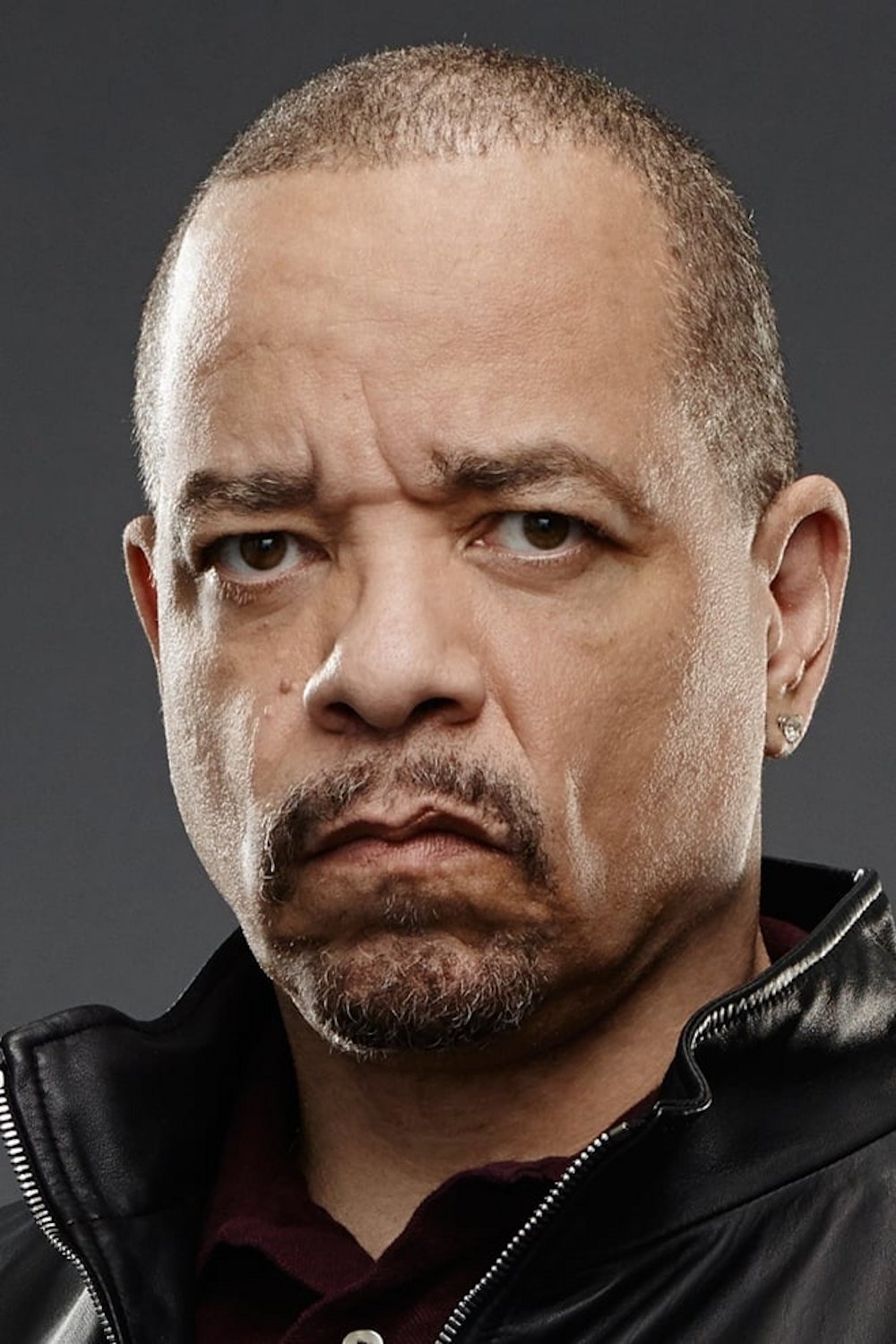
Ice-T and his band, Body Count, caused a national uproar with their song ‘Cop Killer.’ Politicians and police groups demanded the song be removed from the album, and Warner Bros. faced boycotts and pressure from investors. Ultimately, Ice-T decided to take the song off future album releases to shield the record label from further problems. Despite this, he continued to thrive creatively, achieving success in both music and television while staying true to his artistic identity.
Shane Gillis

A comedian joined the cast of ‘Saturday Night Live,’ but was quickly let go because of things he’d said on his podcasts. He wouldn’t offer a typical, insincere apology just to fit the show’s expectations and maintain his comedic voice. Instead, he focused on his own work, creating popular comedy specials and podcasts, and gained a large fanbase. This showed that artists can be successful even without approval from major networks. Years later, he was invited back to host the show, this time on his own terms.
Andrew Dice Clay
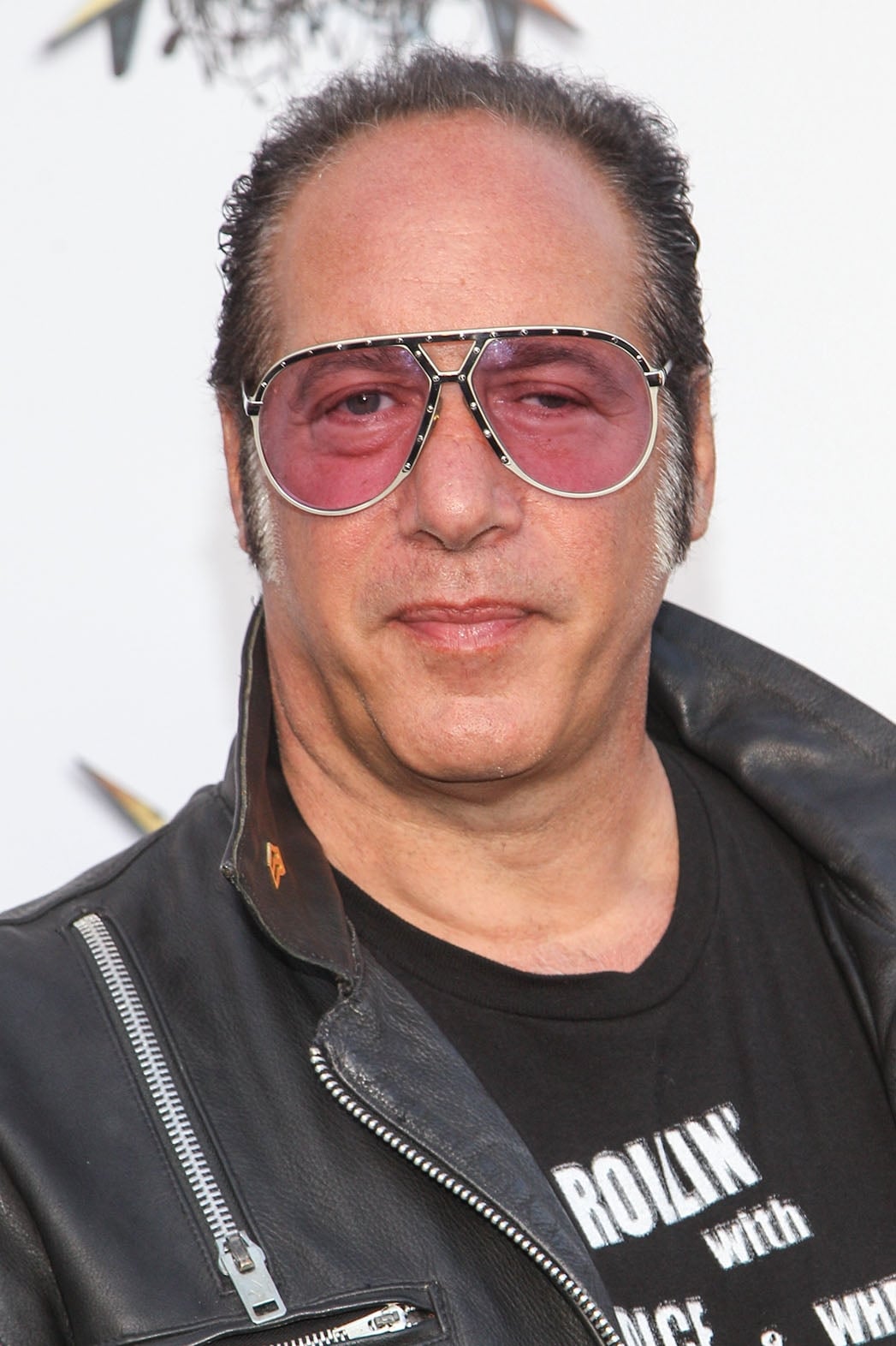
I was a huge fan when this comedian really hit it big, but then he got completely banned from MTV after a crazy, unplanned performance at an awards show! Apparently, MTV wanted him to tone down his act – his rhymes and his whole stage presence – but he refused to change who he was for them. It was a big deal because it meant he lost a ton of exposure during the peak of music videos. But honestly, it didn’t even slow him down! He kept selling out arenas and his fans stayed loyal. He just stuck to his guns and kept being the hilarious, outrageous guy we all loved.
Joni Mitchell
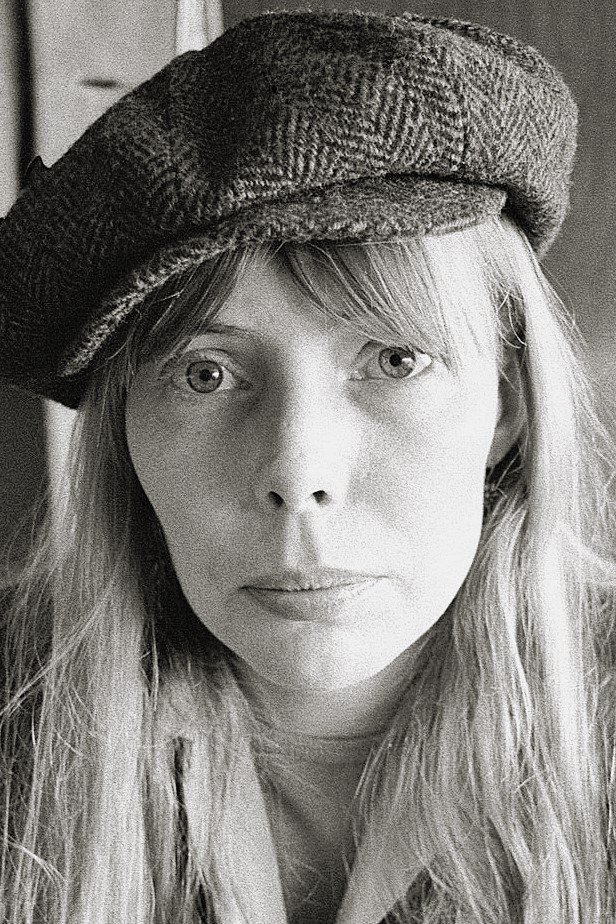
Inspired by Neil Young, the celebrated singer-songwriter Joni Mitchell removed all of her music from Spotify. She joined others in protesting the platform’s decision to host content she believed was dangerous to public health. This meant millions of fans could no longer listen to her classic albums on Spotify, and she lost a substantial amount of streaming revenue. Mitchell explained that she felt responsible individuals were spreading misinformation that was causing harm, and she prioritized defending her principles and artistic reputation over the ease of using modern streaming services.
Eartha Kitt
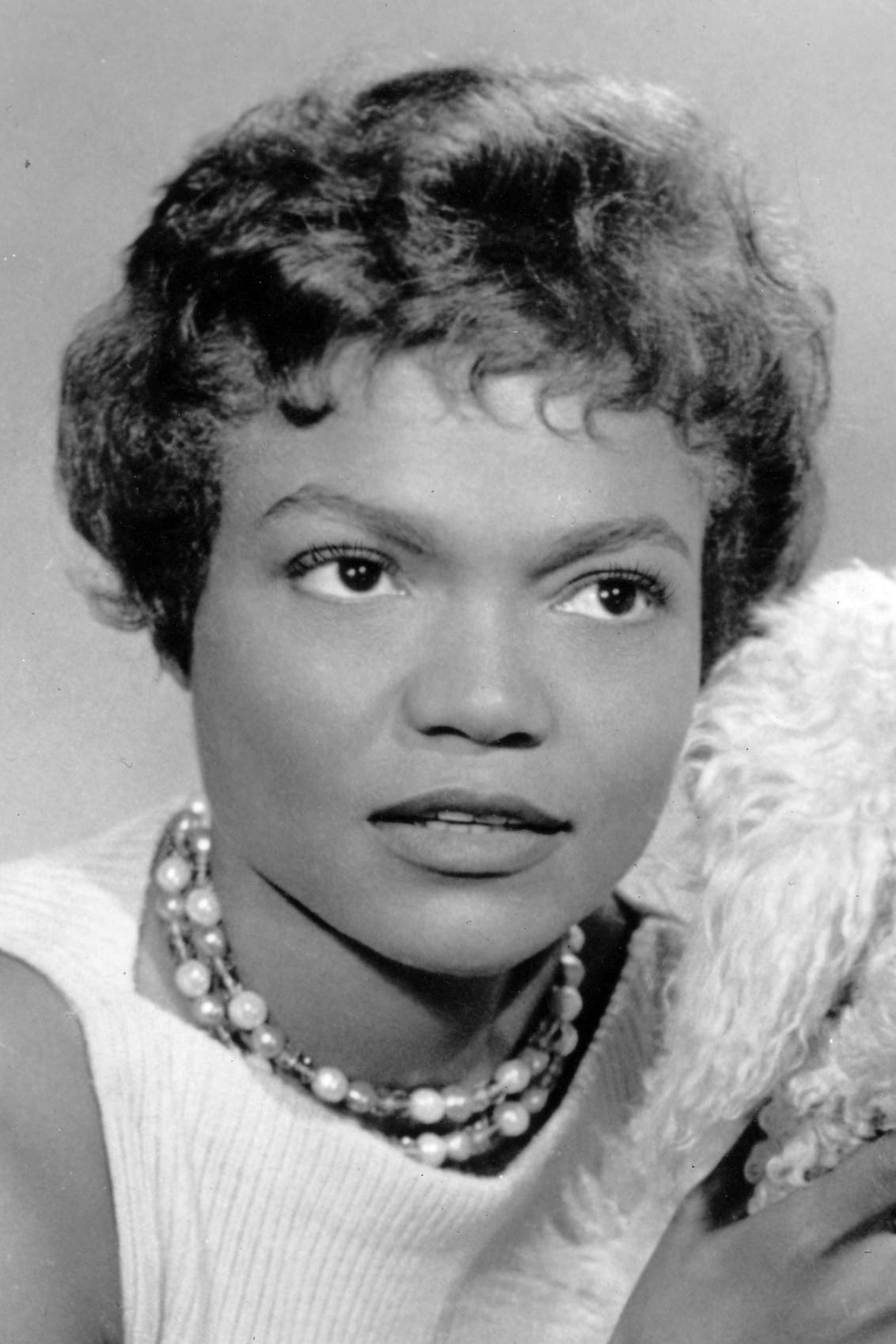
The singer and actress was ostracized in the United States after publicly criticizing the Vietnam War during a White House lunch. Her remarks were considered disrespectful to the President, and she quickly lost work as a result. For over ten years, she couldn’t find employment in America and had to build her career in Europe. She remained firm in her beliefs and refused to retract her statements or apologize. Later in life, she successfully returned to performing on Broadway and television, maintaining her reputation for honesty and principle.
Jerry Seinfeld
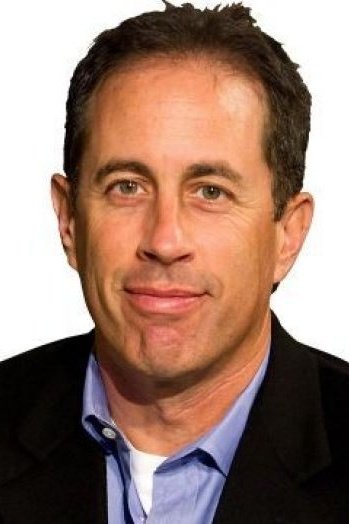
Jerry Seinfeld has stopped performing at colleges, explaining that the focus on avoiding offense is making it hard for comedians to do their jobs. He believes comedy needs room for potentially uncomfortable or edgy material, and he’s willing to give up the income from college shows to stay true to his comedic principles. He feels the current campus environment is too restrictive for true creativity.
Bill Maher
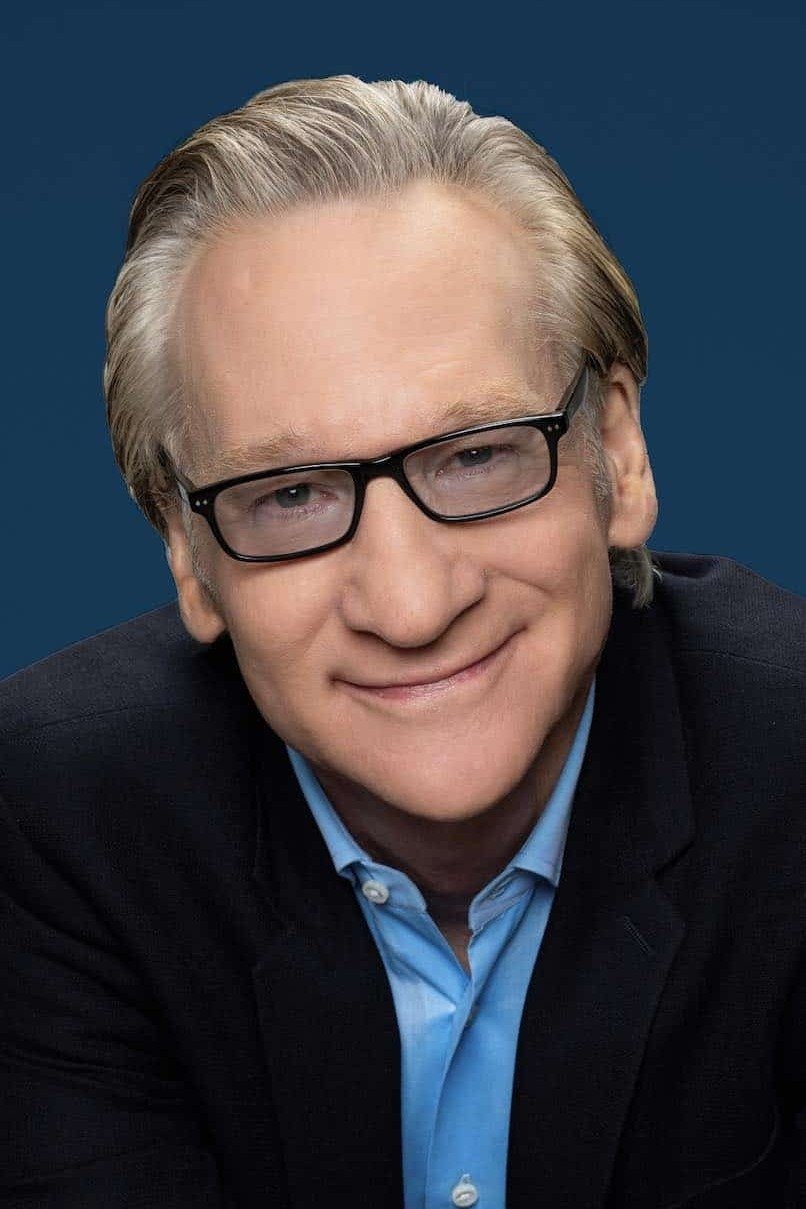
As a longtime fan of Bill Maher, I remember when ABC canceled ‘Politically Incorrect’ after his comments following 9/11. He really stood his ground, refusing to take back what he said or offer a fake apology just to appease advertisers and the network. He believed his role was to offer honest, even if controversial, commentary, and he wasn’t going to back down, even during such a sensitive time. Thankfully, he ended up at HBO, where he was given the creative freedom he deserved and could continue doing his thing without network censors breathing down his neck. It allowed him to keep his signature provocative style alive, which I really appreciated.
Sinbad
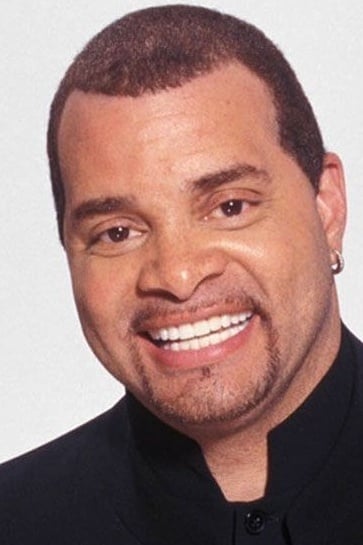
Sinbad is a comedian known for keeping his routines clean and family-friendly, avoiding profanity and mature topics. Even when raunchy comedy was most popular and lucrative, he stuck to his principles, turning down opportunities that didn’t align with his values. While this meant missing out on some industry projects, it earned him a dedicated, family audience and proved that a performer can have a successful, lasting career by staying true to themselves.
Ricky Gervais
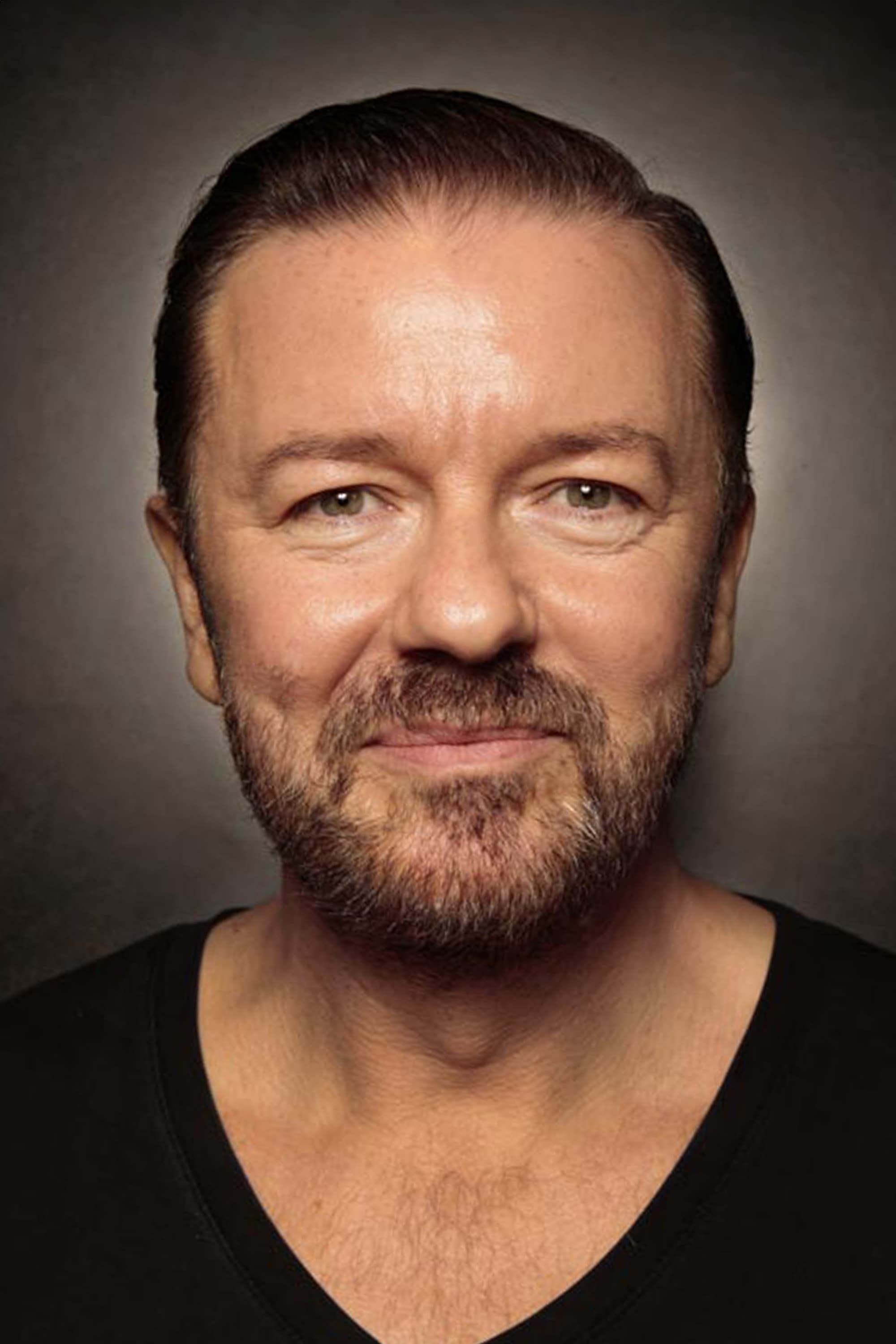
The comedian, while hosting the Golden Globes, consistently went against the organizers’ requests for gentle humor. Instead, he delivered harsh and critical jokes aimed at influential people and the flaws within the film industry. Even with the risk of being banned from future events or facing professional consequences, he continued to push boundaries with his pointed satire. Gervais argued that a comedian’s job is to challenge those in power, and his refusal to hold back made his hosting appearances some of the most memorable in TV history.
Tell us which of these artistic stands surprised you the most in the comments.
Read More
- Games That Faced Bans in Countries Over Political Themes
- Gold Rate Forecast
- Silver Rate Forecast
- Unveiling the Schwab U.S. Dividend Equity ETF: A Portent of Financial Growth
- 22 Films Where the White Protagonist Is Canonically the Sidekick to a Black Lead
- The Best Directors of 2025
- 15 Films That Were Shot Entirely on Phones
- Superman Flops Financially: $350M Budget, Still No Profit (Scoop Confirmed)
- 14 Movies Where the Black Character Refuses to Save the White Protagonist
- 20 Movies Where the Black Villain Was Secretly the Most Popular Character
2026-03-21 20:17