The quarterly reports descend upon us, a grim procession of numbers and projections. And there, looming largest of all, is Nvidia. On February 25th, the oracle will speak, revealing the fate of the artificial intelligence narrative – a narrative, let us not forget, fueled by more speculation than actual, tangible progress. One suspects even the company’s accountants require a strong drink before compiling the figures. But to focus solely on Nvidia is to mistake the stagehand for the play itself. While the markets hold their breath for Jensen Huang’s pronouncements, a subtler drama unfolds, one involving the quiet artisans who supply the very foundations of this digital delirium.
For years, the Magnificent Seven – Microsoft, Amazon, Alphabet, Meta, Apple, Tesla, and, of course, Nvidia – have dictated the rhythm of Wall Street. A collective $680 billion earmarked for AI infrastructure in the coming year. A sum that would make even the most decadent Roman emperor blush. But Huang, a man who speaks of AI as a “five-layer cake” – a rather unsettling metaphor, when one considers the potential for collapse – hints at a broadening of the investment. No longer merely a glut of GPUs, but a more complex architecture. A realization, perhaps, that even the most powerful engine requires a robust chassis. And it is in the crafting of that chassis where the true opportunities lie.
Beyond the Glow: The Pick and Shovel Merchants
The frantic rush for AI dominance resembles nothing so much as a gold rush. Everyone clamors for the glittering nuggets – the algorithms, the large language models – while conveniently ignoring the pickaxes and shovels that make the excavation possible. Broadcom and Micron, those unsung heroes of the semiconductor world, stand to benefit handsomely from this oversight. They are the stagehands, diligently assembling the props while the actors bask in the spotlight. And, unlike the actors, they possess a certain… durability.
1. Broadcom: The Network’s Nervous System
Broadcom, a name that lacks the poetic resonance of “Nvidia,” occupies a critical, if unglamorous, position. When Nvidia sells its GPU clusters – vast, power-hungry beasts – they must be connected. Data must flow, and flow quickly, or the entire edifice crumbles. Broadcom’s Tomahawk and Jericho chips are the arteries and veins of this digital circulatory system, ensuring a seamless, latency-free flow of information. A task as vital, and as often overlooked, as the heart itself.
But Broadcom does more than simply connect the dots. It also specializes in custom ASICs – application-specific integrated circuits. While Nvidia caters to the general public with its GPUs, Broadcom crafts bespoke solutions for discerning clients. Alphabet and Meta, those titans of the digital realm, are among its most valued customers. A subtle signal, perhaps, that they intend to build their own empires, independent of Nvidia’s control. A quiet rebellion, waged in silicon.
2. Micron: The Memory of Machines
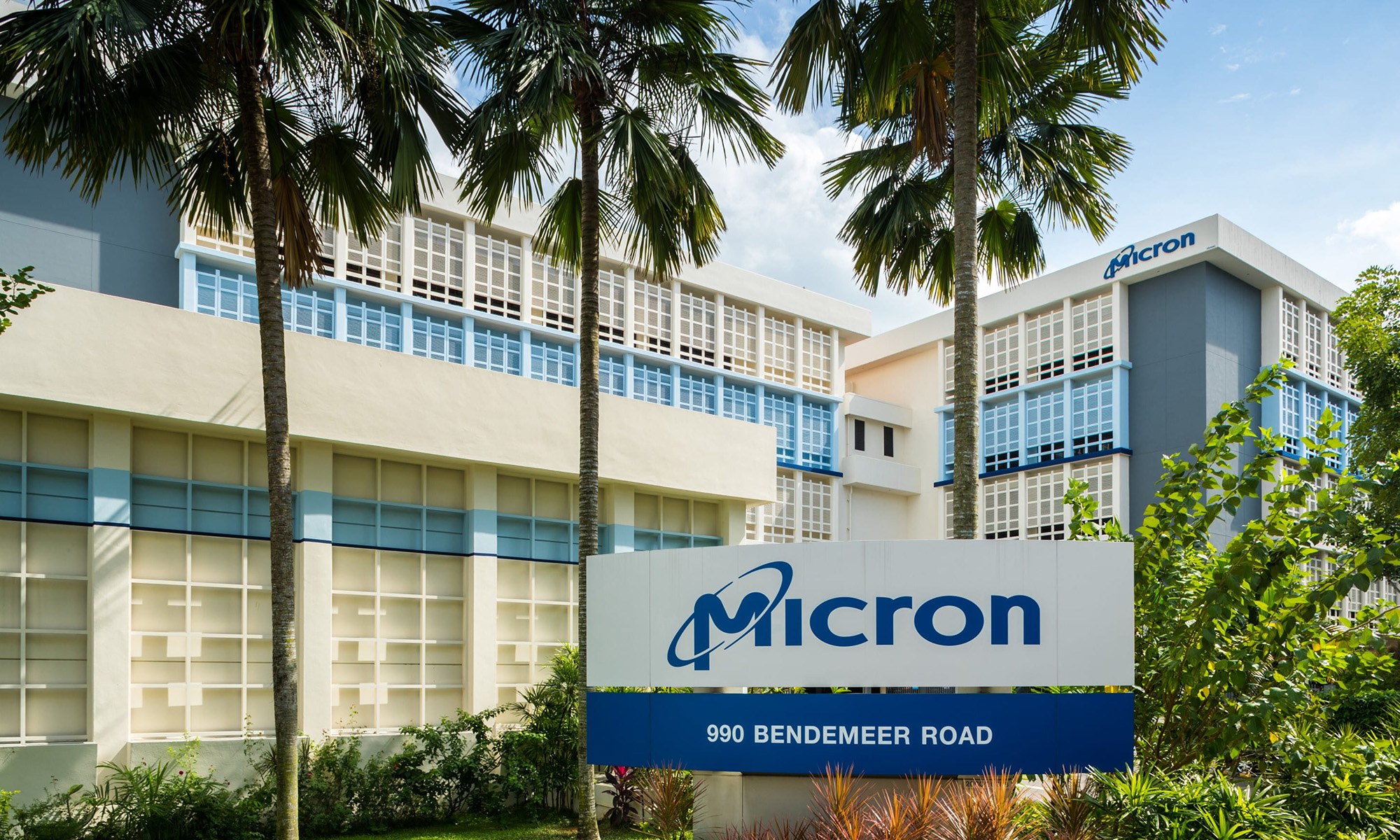
Micron, ah, Micron. For years, this company has been the victim of cyclical fortunes, rising and falling with the whims of consumer electronics. A predictable, almost pathetic, trajectory. But the AI boom is changing that. Suddenly, memory and storage – those humble components – are in demand. It’s as if someone finally remembered that even the most brilliant mind requires a functioning memory.
Nvidia sells its GPU clusters, and the hyperscalers eagerly devour them. But what happens next? They use these clusters to develop all manner of next-generation applications – self-driving cars, humanoid robots, wearable smart devices. The possibilities are endless, and the demand for memory is insatiable. Micron’s DRAM and NAND chips are becoming mission-critical, the very foundation of this accelerating AI infrastructure. The company’s HMB chips are already sold out for 2026, a fact that Wall Street has, predictably, seized upon with unseemly enthusiasm.
Currently, Micron trades at a forward P/E ratio of around 12, roughly half that of the Nasdaq-100. A discrepancy that suggests significant upside potential. So long as Nvidia and Broadcom continue to sell their wares – and the evidence suggests they will – Micron’s fortunes are likely to improve. A memory supercycle, if you will. A fitting irony, considering the company’s core business. One might even say it’s a ghost returning to haunt the machine.
Read More
- Invincible Season 4 Gender Swaps Tech Jacket As Fans Question Major Comic Change
- Building Agents That Learn and Improve Themselves
- Gold Rate Forecast
- Games That Faced Bans in Countries Over Political Themes
- Trading Crypto with AI: A New Approach to Portfolio Management
- Silver Rate Forecast
- 15 Films That Were Shot Entirely on Phones
- Unveiling the Schwab U.S. Dividend Equity ETF: A Portent of Financial Growth
- Why Won’t It Just *Do* What You Ask? Unpacking the Quirks of AI Language
- Thinking Before Acting: A Self-Reflective AI for Safer Autonomous Driving
2026-02-24 20:33