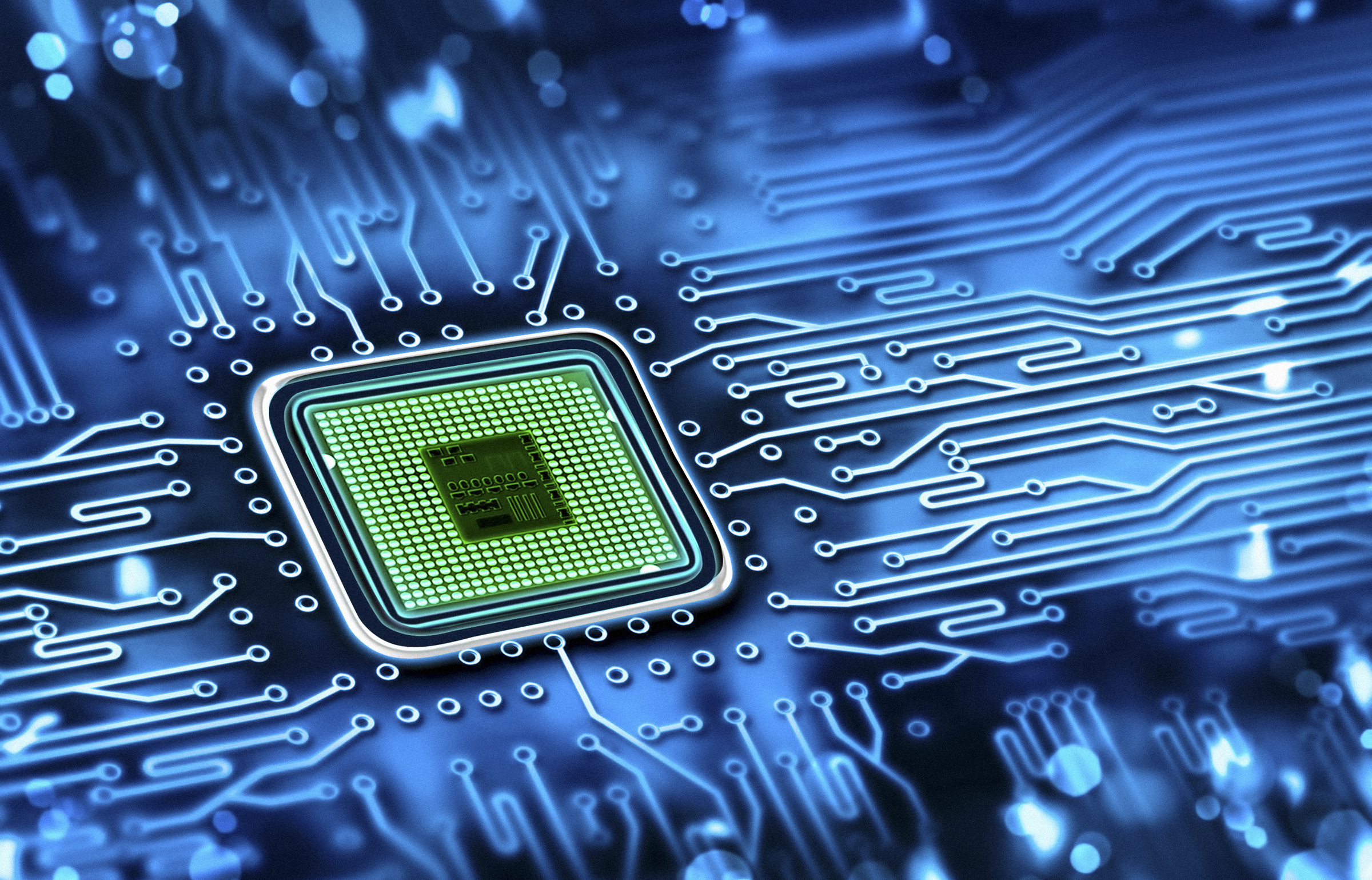
The hunger for what they call “artificial intelligence” – a mimicking of thought, built of sand and electricity – grows with each passing day. Taiwan Semiconductor, the maker of these tiny brains, is building, and building, and building. A man can’t help but wonder if they aren’t building for a thirst that can never truly be quenched. They pour concrete and lay down copper, chasing a future that feels both promised and precarious. A factory standing silent is a sad thing, and these giants risk a field of them if the wind shifts.
The Memory of Things
But the thinking isn’t done in a vacuum. These new minds require a memory, a place to store the lessons learned, the data gathered. That’s where a company called Micron comes in. They don’t build the brains themselves, but the storehouses where the knowledge resides. It’s a quiet business, making the things that hold everything else together, and often overlooked until it’s needed most. Like the hands that built the railroads, they’re essential, but rarely celebrated.
The memory they make, this “DRAM,” is a hard thing to come by. A few giants control the flow, and they don’t share easily. It’s a world of its own, separate from the flash and boast of the chipmakers. And now, a new kind of memory is needed, “HBM,” high-bandwidth memory. It’s faster, more demanding, and requires a skill to create that few possess. It’s like asking a farmer to grow a new kind of wheat, one that needs constant tending and a delicate touch.
These new brains, these GPUs, they need to remember quickly, to sift through data like a gold prospector. HBM allows them to do just that, but it demands a great deal more. It takes three, four times the effort to produce, and that creates a pinch. A shortage, they call it. A tightening of the screws. And when supply dwindles, prices rise. It’s a simple equation, as old as the hills.
The market is parched. Not just for HBM, but for all memory. The price of storing a thought, a picture, a dream, is climbing. Micron sees this drought lasting for years, a 40% growth rate they predict. Their order books are full, stretching out into the future. They’re building, too, trying to keep pace, but the land doesn’t yield its bounty quickly.
Most of Micron’s livelihood comes from this DRAM, about eighty percent. The other twenty comes from “NAND,” the flash memory that holds our photographs and stories. That market is tight as well. Folks want bigger, faster storage, and the companies that make it have been slow to respond, wary of another crash like the one a few years back. It’s a hesitation born of hard lessons learned, of fields left fallow after a season of plenty.
So, Micron finds itself in a fortunate position, a keeper of the keys in a land running low on water. They’re building, investing, trying to meet the demand. Whether they can truly quench the thirst remains to be seen. But for now, the wind is at their back, and the price of memory is rising with the sun. It’s a reminder that even in the age of miracles, the most fundamental things still hold the greatest value.
Read More
- Top 20 Dinosaur Movies, Ranked
- 20 Movies Where the Black Villain Was Secretly the Most Popular Character
- 25 “Woke” Films That Used Black Trauma to Humanize White Leads
- Celebs Who Narrowly Escaped The 9/11 Attacks
- Silver Rate Forecast
- Spotting the Loops in Autonomous Systems
- Gold Rate Forecast
- 22 Films Where the White Protagonist Is Canonically the Sidekick to a Black Lead
- From Bids to Best Policies: Smarter Auto-Bidding with Generative AI
- Can AI Lie with a Picture? Detecting Deception in Multimodal Models
2026-01-23 19:52