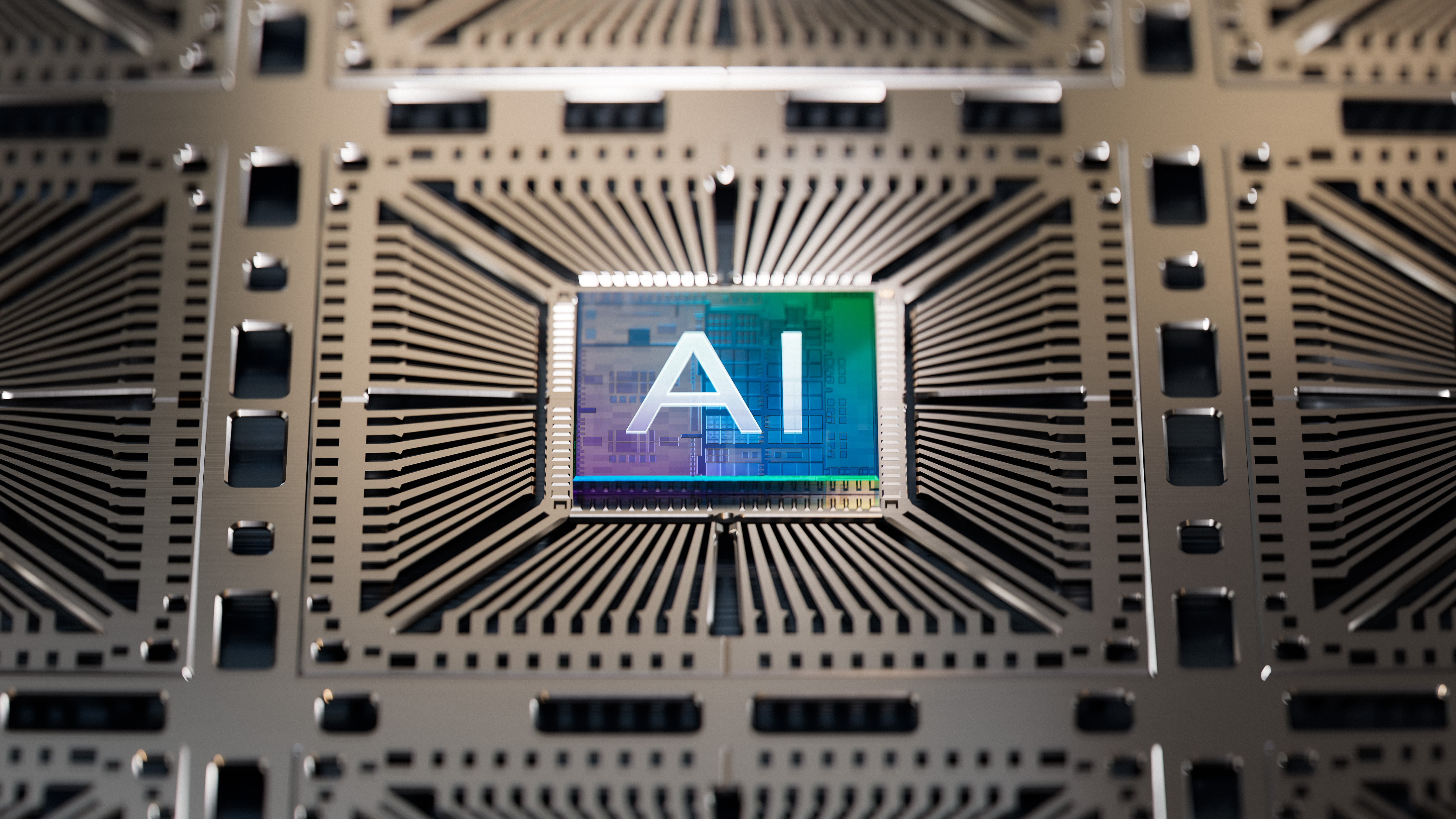
They speak of an “AI buildout.” A grand construction, they say. But what is built, and for whom? It’s a fever dream of servers, consuming power like a hungry beast, and the only true beneficiaries are those who lay the stones. Yet, within this frenzy, a few companies stand apart – not as visionaries, but as efficient gatherers of the spoils. Two names deserve a cold, calculating glance.
Nvidia
Nvidia. The name itself sounds like a shadow. They don’t create intelligence; they provide the tools for others to simulate it. Their graphics processing units – these intricate silicon hearts – are the favored instruments for this modern alchemy. They’ve built a fortress around their CUDA platform, a walled garden where the code blooms, and the profits accumulate. It’s not innovation, precisely; it’s a masterful locking-in of the market. A clever, ruthless efficiency.
Five companies, they claim, will spend $700 billion on this infrastructure. A staggering sum. And Nvidia, naturally, will take its share. The numbers are obscene, yet they mask a simple truth: the demand for processing power will only grow, and Nvidia will continue to skim from the top. It’s a predictable dance, a cycle of consumption.
They’re not content with merely supplying the shovels. They invest, they acquire, they license. The purchase of Groq’s technology, the absorption of their engineers… it’s a strategic tightening of the grip. A move to dominate not just the training of these digital minds, but their very functioning. They see the future, and it’s paved with proprietary algorithms and carefully controlled access.
Broadcom
Then there’s Broadcom. Less glamorous than Nvidia, perhaps, but equally adept at extracting value. They don’t chase the illusion of general intelligence; they focus on the concrete, the specific. Application-specific integrated circuits – ASICs – are their trade. Custom chips, designed to perform a single task, and perform it well. It’s a more honest approach, in a way. No pretense of creating something new; simply optimizing what already exists.
Alphabet, the behemoth, relies on Broadcom’s tensor processing units – TPUs – to power its internal workings. A $21 billion order from Anthropic, delivered through Google Cloud… these are not accidents. It’s a testament to Broadcom’s ability to deliver precisely what the giants demand. Efficiency, reliability, and a healthy dose of secrecy.
They project a fivefold increase in AI revenue by 2027. A bold claim, perhaps, but not entirely unreasonable. Combined with their dominance in Ethernet switches, which form the backbone of these data centers, Broadcom is poised to thrive. They don’t offer dreams; they offer solutions. And in this world, solutions are always in demand.
These are not companies to admire. They are instruments. Tools in the hands of those who already hold power. But for those who seek to profit from this relentless march of technology, they represent a cold, calculating opportunity. A chance to gather a few crumbs from the feast, before the machine consumes us all.
Read More
- Top 20 Dinosaur Movies, Ranked
- 20 Movies Where the Black Villain Was Secretly the Most Popular Character
- Celebs Who Narrowly Escaped The 9/11 Attacks
- 25 “Woke” Films That Used Black Trauma to Humanize White Leads
- The 10 Most Underrated Jim Carrey Movies, Ranked (From Least to Most Underrated)
- Transformers Under the Microscope: What Graph Neural Networks Reveal
- The Best Directors of 2025
- Every Notable ‘Star Trek: The Original Series’ Actor Who Died
- 22 Films Where the White Protagonist Is Canonically the Sidekick to a Black Lead
- Trading on Thin Air: AI Agents Conquer Crypto Volatility
2026-02-16 00:42