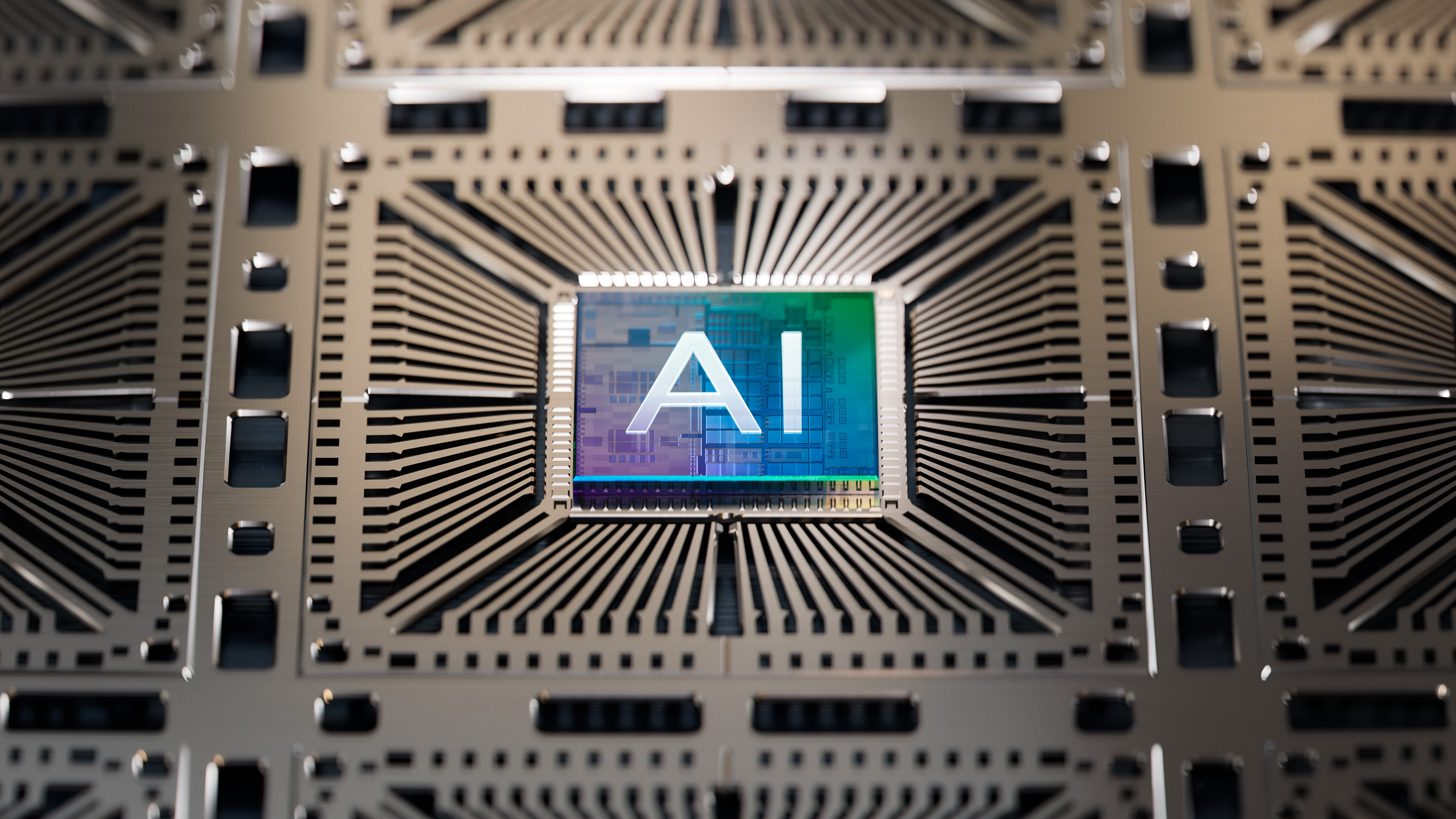
They speak of trillions. Of capital expenditure, swelling like a fever. Cathie Wood, a seer of sorts, predicts a cascade of coin into these data centers by 2030 – a sum that could feed a small nation. And where does this river of money flow? Into silicon, naturally. Specifically, into the hands of those who forge the chips. Broadcom, they say, is poised to benefit. A convenient narrative, isn’t it? One that glosses over the sweat and the silent desperation of those who will ultimately bear the cost of this digital gold rush.
The Illusion of Choice
The hyperscalers – these temple builders of the modern age – crave cheaper power. Nvidia’s offerings, once hailed as miracles, now bear the weight of their own success – a price tag that chafes at the bottom line. So they dream of independence, of crafting their own silicon gods. A noble ambition, perhaps, but one built on the backs of engineers and technicians, toiling in the sterile light of the fabrication plants. They speak of “ASICs” – application-specific integrated circuits – as if they were keys to liberation. But what is liberation when the chains are merely forged from different metals?
Broadcom, it seems, is the blacksmith of this new order. They provide the tools, the intellectual property, the means of production. They whisper promises of scalability and efficiency. And they have a cozy arrangement with Taiwan Semiconductor Manufacturing, securing access to the foundries – a privilege in these times of scarcity. It’s a neat little ecosystem, isn’t it? A closed loop of profit and power.
They boast of their collaboration with Alphabet, of the Tensor Processing Units and the billions flowing from Anthropic. They speak of OpenAI as another willing supplicant. It’s all very impressive, of course. But one wonders what price is paid for this technological prowess. What corners are cut? What voices are silenced? The machine demands feeding, and the hunger is insatiable.
A potential windfall of sixty to ninety billion dollars by 2027, they predict. A doubling of revenue in two years. It’s a seductive vision for shareholders. But what of the worker who assembles the chips, the technician who maintains the servers, the consumer who pays the price? Are they to share in this bounty? Or will they remain invisible, mere cogs in the machine?
Citigroup’s analysts foresee a surge in Broadcom’s AI revenue – from twenty billion to a hundred billion in just a few years. And Apple, too, is reportedly joining the fray, seeking custom chips of its own. The numbers are dizzying, intoxicating. But they are just numbers. They don’t reflect the human cost, the quiet desperation of a world increasingly reliant on these silicon gods.
So, yes, Broadcom is well-positioned to benefit from this AI frenzy. They are a cog in the machine, and the machine is relentless. But let us not mistake this for progress. It is merely a shifting of wealth, a consolidation of power. The shadows lengthen, and the faces remain hidden. The promise of a brighter future remains, as always, just beyond reach.
Read More
- 20 Movies Where the Black Villain Was Secretly the Most Popular Character
- Celebs Who Narrowly Escaped The 9/11 Attacks
- Transformers Under the Microscope: What Graph Neural Networks Reveal
- Top 20 Dinosaur Movies, Ranked
- Trading on Thin Air: AI Agents Conquer Crypto Volatility
- Silver Rate Forecast
- Gold Rate Forecast
- 22 Films Where the White Protagonist Is Canonically the Sidekick to a Black Lead
- Every Notable ‘Star Trek: The Original Series’ Actor Who Died
- Games That Faced Bans in Countries Over Political Themes
2026-01-30 21:53